Month: September 2026

  • Bone Regeneration Material Market Forecast 2026–2030: Market Size, Trends And Growth Opportunities

    Bone Regeneration Material Market Forecast 2026–2030: Market Size, Trends And Growth Opportunities

    Backed by market attractiveness analysis, total addressable market sizing, company benchmarking matrices, interactive Excel dashboards, wider supply chain intelligence, emerging startup coverage, and detailed product-level insights, The Business Research Company’s 2026 market reports are designed to offer research that is more actionable and strategically valuable than ever.

    Bone Regeneration Material Market Expansion Outlook: What Revenue Opportunities Are Ahead?

    The bone regeneration material market size has shown substantial growth over recent years. It is anticipated to expand from $4.1 billion in 2025 to $4.49 billion in 2026, progressing at a compound annual growth rate (CAGR) of 9.6%. The historical increase in this market can be linked to factors such as an uptick in orthopedic injuries, a greater number of spinal fusion procedures, the expansion of dental implant surgeries, advancements within biomaterial science, and the increasing adoption of bone graft substitutes.

    The bone regeneration material market is anticipated to experience substantial growth in the next few years. It is projected to reach $6.45 billion in 2030, demonstrating a compound annual growth rate (CAGR) of 9.5%. This growth during the forecast period is attributed to several factors, including the increasing demand for regenerative orthopedic solutions, the rising use of personalized bone implants, the expansion of bioprinting in orthopedics, a growing focus on minimally invasive surgeries, and increased investments in advanced bone healing technologies. Key trends during this period are expected to encompass the increasing adoption of synthetic bone graft materials, the rising utilization of 3D printed bone scaffolds, the growing integration of growth factor-based therapies, the expansion of minimally invasive bone repair techniques, and an enhanced focus on achieving faster bone healing outcomes.

    Get A Free Sample Report With In-Depth Market Insights:

    https://thebusinessresearchcompany.com/sample_request?id=35945106&type=smp&name=Bone%20Regeneration%20Material%20Market%20Report%202026&utm_source=Blogs&utm_medium=Paid&utm_campaign=Sep_PR

    Bone Regeneration Material Market Growth Factors Behind Sustained Expansion

    A growing incidence of bone-related conditions is anticipated to fuel the expansion of the bone regeneration material market in the future. These disorders encompass conditions impacting bones, such as osteoporosis, osteoarthritis, and bone cancer, often resulting in pain, bone breaks, and limited movement. The rise in these disorders is linked to an aging populace, given that older individuals are more prone to developing ailments like osteoporosis and osteoarthritis. Bone regeneration materials assist in the recovery from bone-related ailments by fostering natural bone development, rebuilding bone integrity, and accelerating healing in cases of fractures and osteoporosis. For example, in July 2025, the Institute for Health Transformation, an Australia-based health research institute, reported that in 2023, Australia experienced a fracture every 2.7 minutes, a frequency predicted to sharply increase to a fracture every 30 seconds by 2033. Consequently, the expanding occurrence of bone-related disorders is a key factor propelling the growth of the bone regeneration material market.

    Bone Regeneration Material Market Segment Performance And Emerging Opportunities

    The bone regeneration material market covered in this report is segmented –

    1) By Product: Demineralized Bone Matrix(DBM), Xenograft, Autografts, Synthetic Bone Graft, Bone Morphogenetic Protein(BMP), Non-Invasive Electrical Bone Growth Stimulators, Invasive Electrical Bone Growth Stimulators

    2) By Technology: 3D Printing, Electrospinning, Sol-Gel Technology, Bioprinting, Other Technologies

    3) By Delivery Method: Surgery, Minimally Invasive Procedures, Other Delivery Methods

    4) By Application: Spinal Fusion, Dental Implants, Joint Reconstruction, Craniomaxillofacial Surgery, Trauma Repair, Other Applications

    5) By End-User: Hospitals, Orthopedic Clinics, Dental Clinics, Research Institutions, Other End-Users

    Subsegments:

    1) By Demineralized Bone Matrix (DBM): Gel DBM, Putty DBM, Sheet DBM

    2) By Xenograft: Bovine-Derived Grafts, Porcine-Derived Grafts

    3) By Autografts: Iliac Crest Bone Grafts, Fibula Bone Grafts, Tibial And Rib Bone Grafts

    4) By Synthetic Bone Graft: Ceramic-Based Grafts, Polymer-Based Grafts, Composite Grafts

    5) By Bone Morphogenetic Protein (BMP): RhBMP-2, RhBMP-7

    6) By Non-Invasive Electrical Bone Growth Stimulators: Pulsed Electromagnetic Field Devices (PEMF), Capacitive Coupling Devices

    7) By Invasive Electrical Bone Growth Stimulators: Implanted Direct Current Stimulators, Semi-Invasive Devices

    Bone Regeneration Material Market Industry Trends Fueling Future Revenue Growth

    Leading companies in the bone regeneration material market are concentrating on developing innovative solutions, particularly synthetic bone graft substitutes, to improve bone healing and regeneration. A synthetic bone graft substitute is an artificial material employed to replace or repair damaged bone tissue, thus promoting healing and bone regeneration in medical procedures. For example, in May 2023, Royal Biologics, a US-based medical device and life sciences company, introduced Bio-Reign 3D. This innovative bone graft substitute incorporates a natural hyper-crosslinked carbohydrate polymer, forming a highly porous, interconnected 3D matrix designed to support bone regeneration. Tailored for orthopedic applications, Bio-Reign 3D exhibits excellent moldability, compressibility, and the ability to be sutured to prevent graft migration. It appears radiolucent upon implantation, allowing for clear imaging, and becomes radiopaque as new bone forms, facilitating real-time monitoring of the healing process. Its biodegradation rate is synchronized with natural bone formation, guaranteeing a gradual replacement by healthy bone.

    Bone Regeneration Material Market Competitive Landscape: Who Leads The Industry?

    Major companies operating in the bone regeneration material market are Johnson & Johnson, Medtronic plc, Stryker Corporation, Zimmer Biomet, Smith & Nephew plc, Dentsply Sirona Inc., Straumann Holding AG, Integra LifeSciences Corporation, Osstem Implant, Exactech Inc., LifeNet Health, Orthofix Medical Inc., Biocomposites Ltd., NuVasive Inc., Xtant Medical Holdings Inc., Kuros Biosciences AG, LASAK s.r.o., NovaBone Products LLC, SigmaGraft, B&B Dental, Geistlich Pharma AG, RTI Surgical, Collagen Matrix Inc., DePuy Synthes, Wright Medical Group

    View The Full Bone Regeneration Material Market Report:

    https://thebusinessresearchcompany.com/report/bone-regeneration-material-global-market-report?utm_source=Blogs&utm_medium=Paid&utm_campaign=Sep_PR

    Bone Regeneration Material Market Geographic Landscape: Which Region Dominates Industry Growth?

    North America was the largest region in the bone regeneration material market in 2025. Asia-Pacific is expected to be the fastest-growing region in the forecast period. The regions covered in the bone regeneration material market report are Asia-Pacific, South East Asia, Western Europe, Eastern Europe, North America, South America, Middle East, Africa.

    Reach Out To Our Team:

    The Business Research Company: https://www.thebusinessresearchcompany.com/

    Americas: +1 310-496-7795

    Asia: +44 7882 955267 & +91 8897263534

    Europe: +44 7882 955267

    Email us at: marketing@tbrc.info

    Follow us on:

    LinkedIn: https://in.linkedin.com/company/the-business-research-company

    YouTube: https://www.youtube.com/channel/UC24_fI0rV8cR5DxlCpgmyFQ

    Global Market Model: https://www.thebusinessresearchcompany.com/global-market-model

  • Bone Growth Stimulator Market Size Reaches $1.99 Billion In 2026: What Is Driving Growth?

    Bone Growth Stimulator Market Size Reaches $1.99 Billion In 2026: What Is Driving Growth?

    Featuring market attractiveness scoring, total addressable market sizing, company benchmarking matrices, interactive Excel dashboards, deeper supply chain intelligence, emerging startup tracking, and granular product-level insights, The Business Research Company’s 2026 market reports are built to deliver research that is both more actionable and more strategically valuable.

    Bone Growth Stimulator Market Growth Potential: How Will Market Size Shift Through 2030?

    The bone growth stimulator market has witnessed rapid expansion in recent years. The market is forecast to increase from $1.8 billion in 2025 to $1.99 billion in 2026, demonstrating a compound annual growth rate (CAGR) of 10.4%. Historically, this expansion was driven by several factors, including the increasing occurrence of bone fractures, a rise in spinal fusion procedures, the expansion of orthopedic treatment centers, the growing acceptance of non-surgical bone healing methods, and the availability of external stimulation devices.

    The bone growth stimulator market is anticipated to experience substantial expansion over the next few years. It is projected to reach $2.89 billion in 2030, demonstrating a compound annual growth rate (CAGR) of 9.8%. This growth during the forecast period can be attributed to an increasing demand for orthopedic therapies delivered at home, the rising adoption of intelligent medical devices, the expansion of outpatient orthopedic care, a growing emphasis on reducing surgical interventions, and technological advancements in bioelectrical stimulation. Significant trends for the forecast period include the increasing uptake of non-invasive bone growth stimulators, a greater use of ultrasound-based stimulation devices, the growing integration of smart monitoring features, the expansion of home-use bone healing solutions, and an enhanced focus on achieving faster fracture recovery.

    Get A Free Sample Report With In-Depth Market Insights:

    https://thebusinessresearchcompany.com/sample_request?id=27825333&type=smp&name=Bone%20Growth%20Stimulator%20Market%20Report%202026&utm_source=Blogs&utm_medium=Paid&utm_campaign=Sep_PR

    Bone Growth Stimulator Market Demand Drivers Opening New Revenue Streams

    The increasing incidence of bone fractures is anticipated to be a major factor propelling the expansion of the bone growth stimulators market. Bones commonly become weaker due to advancing age, nutritional practices, and various chronic conditions. Furthermore, excessive engagement in repetitive movements can lead to muscle fatigue, placing increased strain on bones and resulting in fractures. An illustrative example highlights this trend: in June 2025, reports from PubMed, citing the US-based National Institutes of Health, indicated that in China, projections show the ASIR for radius and/or ulna fractures among males is set to climb from 369 per 100,000 to 374 per 100,000 between 2022 and 2029. Additionally, for females, this rate is predicted to consistently grow from 427 per 100,000 in 2022 to 502 per 100,000 by 2036. Consequently, the escalating occurrence of bone fractures is poised to fuel the expansion of the bone growth stimulator market.

    Bone Growth Stimulator Market Segment Landscape And Growth Outlook

    The bone growth stimulator market covered in this report is segmented –

    1) By Type: Electrical Bone Growth Stimulators, Ultrasound Bone Growth Stimulators, Pulsed Electromagnetic Field (PEMF) Bone Growth Stimulators

    2) By Application: Fractures, Spinal Fusion, Osteogenesis, Arthrodesis Treatment

    3) By End User: Hospitals & ASCs, Specialty Clinics, Home Care

    Subsegments:

    1) By Electrical Bone Growth Stimulators: Implantable Electrical Bone Growth Stimulators, Non-Invasive (External) Electrical Bone Growth Stimulators, Direct Current (DC) Bone Growth Stimulators, Capacitive Coupling Bone Growth Stimulators

    2) By Ultrasound Bone Growth Stimulators: Low-Intensity Pulsed Ultrasound (LIPUS) Bone Growth Stimulators, External Ultrasound Bone Growth Stimulators, Portable Or Wearable Ultrasound Bone Growth Stimulators

    3) By Pulsed Electromagnetic Field (PEMF) Bone Growth Stimulators: Non-Invasive PEMF Bone Growth Stimulators, Implantable PEMF Bone Growth Stimulators, Portable PEMF Bone Growth Stimulators, Wearable PEMF Bone Growth Stimulators

    Bone Growth Stimulator Market Trends Powering Strategic Industry Growth

    Leading companies active in the bone growth stimulator market are dedicated to advancing technology, such as developing low-intensity pulsed ultrasound (LIPUS) devices for non-invasive bone healing. These innovations aim to improve fracture repair, enhance patient adherence, and reduce recovery durations. A LIPUS device operates by employing low-power ultrasonic waves to stimulate osteoblast activity at the fracture site, thereby fostering quicker bone regeneration compared to conventional electrical or implantable stimulators. For instance, in July 2025, Enovis Corporation, a U.S.-based medical technology company, launched the Manafuse Bone Growth Stimulator. This product delivers daily 20-minute LIPUS therapy sessions using a lightweight, portable device equipped with built-in compliance tracking, offering faster fracture healing, up to 38% quicker in acute fractures, and improved patient usability compared to previous bulky or implant-based systems.

    Bone Growth Stimulator Market Company Landscape And Competitive Strategy

    Major companies operating in the bone growth stimulator market are Bioventus LLC, Orthofix Medical Inc., Zimmer Biomet Holdings Inc., Medtronic plc, Enovis Inc., ZimVie Inc., DJO Global Inc., Smith & Nephew plc, Stryker Corporation, DePuy Synthes Inc., Globus Medical Inc., NuVasive Inc., Exactech Inc., Wright Medical Group N.V., RTI Surgical Holdings Inc., Ossatec Benelux BV, BTT Health GmbH, Stimulate Health Inc., Arthrex Inc., ConMed Corporation, Integra LifeSciences Corporation, OrthoPediatrics Corp.

    View The Full Bone Growth Stimulator Market Report:

    https://thebusinessresearchcompany.com/report/bone-growth-stimulator-global-market-report?utm_source=Blogs&utm_medium=Paid&utm_campaign=Sep_PR

    Bone Growth Stimulator Market Largest Region: Which Geography Holds The Highest Market Share?

    North America was the largest region in the bone growth stimulator market in 2025. Asia-Pacific is expected to be the fastest-growing region in the forecast period. The regions covered in the bone growth stimulator market report are Asia-Pacific, South East Asia, Western Europe, Eastern Europe, North America, South America, Middle East, Africa.

    Reach Out To Our Team:

    The Business Research Company: https://www.thebusinessresearchcompany.com/

    Americas: +1 310-496-7795

    Asia: +44 7882 955267 & +91 8897263534

    Europe: +44 7882 955267

    Email us at: marketing@tbrc.info

    Follow us on:

    LinkedIn: https://in.linkedin.com/company/the-business-research-company

    YouTube: https://www.youtube.com/channel/UC24_fI0rV8cR5DxlCpgmyFQ

    Global Market Model: https://www.thebusinessresearchcompany.com/global-market-model

  • Bone Graft Fixation System Market Valued At $4.56 Billion In 2026: Key Trends And Growth Drivers

    Bone Graft Fixation System Market Valued At $4.56 Billion In 2026: Key Trends And Growth Drivers

    Built to provide research that’s more actionable and strategically valuable, The Business Research Company’s 2026 market reports include market attractiveness analysis, total addressable market sizing, company benchmarking matrices, interactive Excel dashboards, broader supply chain intelligence, emerging startup tracking, and in-depth product insights.

    Bone Graft Fixation System Market Value Analysis: What Growth Lies Ahead Over The Forecast Period?

    The market size for bone graft fixation systems has experienced robust expansion in recent years. This sector is projected to grow from $3.19 billion in 2025 to $3.44 billion in 2026, demonstrating a compound annual growth rate (CAGR) of 7.8%. The historical expansion can be attributed to several factors including the limited availability of bone graft materials, a reliance on autografts, the rising number of orthopedic and spinal surgeries, improvements in hospital infrastructure, and the adoption of conventional fixation systems.

    The bone graft fixation system market is anticipated to show substantial expansion in the coming years, with its size projected to reach $4.56 billion in 2030, demonstrating a compound annual growth rate (CAGR) of 7.3%. This growth during the forecast period is propelled by advancements in synthetic and bioactive grafts, an increase in dental implant and trauma surgeries, technological innovations in fixation devices, more stringent regulatory approvals and safety standards, and the proliferation of outpatient surgical facilities and specialty clinics. Prominent trends for this period encompass the rising adoption of synthetic and bioactive bone grafts, a growing demand for minimally invasive surgical procedures, the expansion of dental and orthopedic applications, an intensified focus on bone regeneration and osseointegration, and an increasing preference for allograft and xenograft materials.

    Get A Free Sample Report With In-Depth Market Insights:

    https://thebusinessresearchcompany.com/sample_request?id=70503890&type=smp&name=Bone%20Graft%20Fixation%20System%20Market%20Report%202026&utm_source=Blogs&utm_medium=Paid&utm_campaign=Sep_PR

    Bone Graft Fixation System Market Growth Backed By Core Demand Fundamentals

    The future expansion of the bone graft fixation system market is anticipated to be driven by the rising incidence of trauma related injuries. These injuries, defined as sudden, severe physical harm often leading to fractures or damage to the musculoskeletal system, necessitate immediate medical attention. The uptick in trauma related injuries stems from a global increase in road traffic accidents, falls, and other unforeseen incidents, correlating with expanding urbanization and mobility. Bone graft fixation systems play a crucial role in trauma care by ensuring rigid and dependable stabilization of bone grafts during surgical procedures, thereby fostering effective bone healing and integration. As an illustration, the World Health Organization, a Switzerland based organization, reported in June 2024 that 4.4 million injury-related deaths occurred, with unintentional injuries causing 3.16 million fatalities annually and violence-related injuries accounting for 1.25 million deaths. Notably, about 1 in 3 of these deaths were due to road traffic crashes. Consequently, the growing prevalence of trauma related injuries is accelerating the demand within the bone graft fixation system market.

    Bone Graft Fixation System Market Breakdown By Product Type And Application

    The bone graft fixation system market covered in this report is segmented –

    1) By Product Type: Cancellous Bone Grafts, Cortical Bone Grafts, Demineralized Bone Matrix (DBM), Bioactive Glass, Ceramics

    2) By Material Type: Allograft, Synthetic, Xenograft

    3) By Distribution Channel: Direct Sales, Distributors, Online Retail, Hospitals And Clinics, Pharmacies

    4) By Application: Orthopedic Surgery, Spinal Surgery, Dental Applications, Trauma Surgery, Reconstructive Surgery

    5) By End-User: Hospitals, Ambulatory Surgical Centers, Academic Research Institutions, Specialty Clinics, Outpatient Facilities

    Subsegments:

    1) By Cancellous Bone Grafts: Autograft, Allograft

    2) By Cortical Bone Grafts: Autograft, Allograft

    3) By Demineralized Bone Matrix (DBM): Putty, Gel, Powder

    4) By Bioactive Glass: Granules, Putty, Coatings

    5) By Ceramics: Hydroxyapatite (HA), Tricalcium Phosphate (TCP), Biphasic Calcium Phosphate (BCP)

    Bone Graft Fixation System Market Growth Trends Reshaping The Competitive Landscape

    Prominent companies active in the bone graft fixation system market are concentrating on developing advanced solutions, such as bio-integrative fixation technology, to improve bone healing and patient outcomes. Bio-integrative fixation technology describes medical devices and implants engineered to assist bone healing by progressively integrating with the body’s natural tissues. An illustration of this occurred in December 2023, when OSSIO Inc., a US-based orthopedic technology company, introduced OSSIOfiber after receiving Food and Drug Administration (FDA) clearance. This product is designed to repair bone fractures, osteotomies, and fusions in children and adolescents aged two to 21 years. The technology provides an innovative alternative to conventional metal implants, eliminating the requirement for a second surgery to remove hardware, which in turn diminishes complications, healthcare costs, and patient worry. OSSIOfiber implants seamlessly integrate with developing bone, representing a significant advancement for pediatric orthopedic surgery.

    Bone Graft Fixation System Market Key Players Shaping Industry Direction

    Major companies operating in the bone graft fixation system market are Johnson & Johnson, Medtronic plc, Stryker Corporation, Baxter International Inc, Zimmer Biomet Holdings Inc, Smith & Nephew plc, Globus Medical Inc, Enovis Corporation, Integra Lifesciences Holdings Corporation, Conmed Corporation, NuVasive Inc, Orthofix Holdings Inc, Baumer SA, OST Laboratories Inc., AlloSource Inc., Arthrex Inc, Auxein Medical Pvt. Ltd., Mikai SpA, Bone Biologics Inc., Zimed Medikal

    View The Full Bone Graft Fixation System Market Report:

    https://thebusinessresearchcompany.com/report/bone-graft-fixation-system-global-market-report?utm_source=Blogs&utm_medium=Paid&utm_campaign=Sep_PR

    Bone Graft Fixation System Market Regional Analysis: Which Region Leads By Revenue?

    North America was the largest region in the bone graft fixation system market in 2025. Asia-Pacific is expected to be the fastest-growing region in the forecast period. The regions covered in the bone graft fixation system market report are Asia-Pacific, South East Asia, Western Europe, Eastern Europe, North America, South America, Middle East, Africa.

    Reach Out To Our Team:

    The Business Research Company: https://www.thebusinessresearchcompany.com/

    Americas: +1 310-496-7795

    Asia: +44 7882 955267 & +91 8897263534

    Europe: +44 7882 955267

    Email us at: marketing@tbrc.info

    Follow us on:

    LinkedIn: https://in.linkedin.com/company/the-business-research-company

    YouTube: https://www.youtube.com/channel/UC24_fI0rV8cR5DxlCpgmyFQ

    Global Market Model: https://www.thebusinessresearchcompany.com/global-market-model
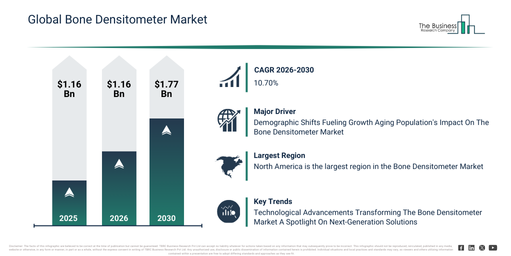
  • Bone Densitometer Market Size In 2026: Growth Outlook And Forecast Through 2030

    Bone Densitometer Market Size In 2026: Growth Outlook And Forecast Through 2030

    Backed by market attractiveness analysis, total addressable market sizing, company benchmarking matrices, interactive Excel dashboards, wider supply chain intelligence, emerging startup coverage, and detailed product-level insights, The Business Research Company’s 2026 market reports are designed to offer research that is more actionable and strategically valuable than ever.

    Bone Densitometer Market Size Forecast: How Big Could The Market Get By 2030?

    The bone densitometer market has seen significant expansion in recent years. This market is projected to expand from $1.45 billion in 2025 to $1.6 billion in 2026, exhibiting a compound annual growth rate (CAGR) of 10.8%. The growth observed in prior periods can be attributed to factors such as the increasing global elderly population, the rising incidence of osteoporosis, the proliferation of diagnostic imaging centers, heightened public understanding of bone health, and the accessibility of non-invasive diagnostic instruments.

    The bone densitometer market is projected to experience substantial expansion over the upcoming years. It is anticipated to reach $2.41 billion in 2030, exhibiting a compound annual growth rate (CAGR) of 10.7%. This projected increase during the forecast period is driven by several factors, including greater investments in preventive healthcare, the growing use of AI-enabled diagnostic imaging, the spread of outpatient diagnostic services, an increasing need for portable diagnostic equipment, and innovations in bone density measurement technology. Key developments expected during this period involve the wider acceptance of advanced DXA systems, a heightened call for early osteoporosis screening, the increasing incorporation of AI-based bone density analysis, the expansion of portable bone densitometry devices, and an intensified focus on proactive bone health.

    Get A Free Sample Report With In-Depth Market Insights:

    https://thebusinessresearchcompany.com/sample_request?id=54491378&type=smp&name=Bone%20Densitometer%20Market%20Report%202026&utm_source=Blogs&utm_medium=Paid&utm_campaign=Sep_PR

    Bone Densitometer Market Growth Catalysts And Demand Drivers

    The escalating number of older individuals is expected to drive the expansion of the bone densitometer market in the upcoming years. An “aging population” denotes the rising proportion and percentage of elderly individuals within the total population, influencing global economies, healthcare infrastructure, and social assistance frameworks. Older adults are more susceptible to developing osteoporosis, highlighting the necessity for early detection, prevention, and an understanding of bone health’s importance in healthcare. Bone densitometry serves as a crucial method for diagnosing and managing osteoporosis among the elderly, potentially reducing healthcare expenses and improving patient outcomes. As an illustration, a Pew Research Center report released in January 2024 noted that the U.S. aging population is projected to climb from 101,000 in 2024 to 422,000 by 2054, signifying a fourfold increase. Consequently, the growing aging demographic is a key stimulant for the bone densitometer market.

    Bone Densitometer Market Segment Analysis And Revenue Potential

    The bone densitometer market covered in this report is segmented –

    1) By Type: DXA Systems, Peripheral Bone Densitometers, Radiographic Absorptiometry Scanners, Quantitative Ultrasound Scanners

    2) By Application: Osteoporosis & Osteopenia Diagnosis, Cystic Fibrosis Diagnosis, Body Composition Measurement, Rheumatoid Arthritis Diagnosis

    3) By End-User: Hospitals, Clinics, Diagnostic and Imaging Centers, Other End-Users

    Subsegments:

    1) By DXA Systems: Central DXA Systems, Dual-Energy X-ray Absorptiometry Systems

    2) By Peripheral Bone Densitometers: Peripheral Dual-Energy X-ray Absorptiometry (pDXA), Peripheral Quantitative Computed Tomography (pQCT)

    3) By Radiographic Absorptiometry Scanners: Single X-ray Absorptiometry, Multi-energy Radiographic Absorptiometry

    4) By Quantitative Ultrasound Scanners: Heel Ultrasound Systems, Peripheral Ultrasound Systems

    Bone Densitometer Market Trends Shaping Long-Term Demand

    Leading companies operating in the bone densitometer market are primarily focused on delivering technologically advanced solutions to fulfill end-customer demand and enhance their market position. These firms are integrating next-generation bone densitometer technologies into their products, such as radiography, computed tomography, fluoroscopy, mammography, diffraction, 3D visualization, modelling, and others. For instance, in February 2024, FUJIFILM India Pvt. Ltd., an India-based subsidiary of FUJIFILM Holdings Corporation, launched its advanced Dual-Energy X-ray Absorptiometry (DEXA) system, FDX Visionary-DR, at the newly inaugurated Center for Sports Injury in Delhi. Introduced on February 11, this installation significantly improves the facility’s diagnostic capabilities by offering faster, high-quality bone-density assessments crucial for orthopedic and sports-medicine requirements. This initiative reinforces FUJIFILM India’s dedication to expanding access to cutting-edge bone densitometry technology throughout the country.

    Bone Densitometer Market Competitive Analysis Of Leading Industry Participants

    Major companies operating in the bone densitometer market are Diagnostic Medical Systems SA, GE Healthcare Technologies Inc., Hologic Inc., BeamMed Ltd., Demetech AB, Osteometer Meditech Inc., OSTEOSYS Corp., Trivitron Healthcare Private Limited, Swissray International Inc., MEDILINK Global Ltd., Xingaoyi Medical Equipment Co. Ltd., Echolight S.p.a, Eurotec Medical Systems srl, Scanflex Healthcare AB, Medonica Co. Ltd., Oscare Medical Oy, L’Acn Srl., Shenzhen Xray Electric Co. Ltd., YOZMA BMTech Co. Ltd., Nanoomtech Co. Ltd., Siemens AG, Canon Medical Systems Corporation, Koninklijke Philips N.V., Samsung Medison Co. Ltd.

    View The Full Bone Densitometer Market Report:

    https://thebusinessresearchcompany.com/report/bone-densitometer-global-market-report?utm_source=Blogs&utm_medium=Paid&utm_campaign=Sep_PR

    Bone Densitometer Market Geographic Distribution And Regional Opportunities

    North America was the largest region in the bone densitometer market in 2025. Asia-Pacific is expected to be the fastest-growing region in the forecast period. The regions covered in the bone densitometer market report are Asia-Pacific, South East Asia, Western Europe, Eastern Europe, North America, South America, Middle East, Africa.

    Reach Out To Our Team:

    The Business Research Company: https://www.thebusinessresearchcompany.com/

    Americas: +1 310-496-7795

    Asia: +44 7882 955267 & +91 8897263534

    Europe: +44 7882 955267

    Email us at: marketing@tbrc.info

    Follow us on:

    LinkedIn: https://in.linkedin.com/company/the-business-research-company

    YouTube: https://www.youtube.com/channel/UC24_fI0rV8cR5DxlCpgmyFQ

    Global Market Model: https://www.thebusinessresearchcompany.com/global-market-model

  • Body Contouring Devices Market Trends Supporting 13.6% CAGR Growth Through 2030

    Body Contouring Devices Market Trends Supporting 13.6% CAGR Growth Through 2030

    Featuring market attractiveness scoring, total addressable market sizing, company benchmarking matrices, interactive Excel dashboards, deeper supply chain intelligence, emerging startup tracking, and granular product-level insights, The Business Research Company’s 2026 market reports are built to deliver research that is both more actionable and more strategically valuable.

    Body Contouring Devices Market Revenue Outlook: What CAGR Lies Ahead Through 2030?

    The body contouring devices market has experienced rapid expansion in recent years. Its valuation is set to climb from $2.22 billion in 2025 to $2.53 billion in 2026, showing a compound annual growth rate (CAGR) of 13.8%. The historic period’s growth can be ascribed to a rise in cosmetic procedure awareness, the increasing acceptance of body aesthetics enhancement, the early integration of liposuction and laser-based devices, the growing presence of cosmetic dermatology centers, and the escalating influence of lifestyle and beauty trends.

    The body contouring devices market is anticipated to experience substantial growth in the upcoming years. Its value is set to reach $4.21 billion in 2030, exhibiting a compound annual growth rate (CAGR) of 13.6%. This expansion during the forecast period is primarily driven by factors such as the rising demand for non-invasive fat reduction systems, consumers’ growing focus on body sculpting and toning, increased adoption of energy-based contouring technologies, expanding utilization of body contouring in outpatient and cosmetic clinics, and a rising preference for personalized cosmetic treatment plans. Prominent trends for this period include heightened interest in aesthetic body reshaping and fat reduction procedures, an increasing preference for non-invasive and minimally invasive body contouring solutions, growing adoption of body contouring in cosmetic and dermatology clinics, the expansion of combination therapies for fat reduction and skin tightening, and an emphasis on enhancing cosmetic outcomes and patient satisfaction levels.

    Get A Free Sample Report With In-Depth Market Insights:

    https://thebusinessresearchcompany.com/sample_request?id=28850756&type=smp&name=Body%20Contouring%20Devices%20Market%20Report%202026&utm_source=Blogs&utm_medium=Paid&utm_campaign=Sep_PR

    Body Contouring Devices Market Opportunity Drivers: What’s Unlocking New Revenue Potential?

    The global increase in obesity is anticipated to drive the expansion of the body contouring devices market. Obesity is defined as a medical condition characterized by an excessive accumulation of body fat that significantly impacts overall health. The growing prevalence of obesity can be attributed to factors such as inactive lifestyles, unhealthy dietary habits, genetic predisposition, and environmental influences that promote calorie-rich diets and physical inactivity. Body contouring devices offer non-surgical solutions to address surplus fat and reshape the body, providing individuals with a means to enhance their appearance and manage the effects of obesity while complementing lifestyle changes and supporting overall health goals. For instance, in May 2024, the Office for Health Improvement & Disparities, a UK-based government department, reported that from 2022 to 2023, approximately 64.0% of adults aged 18 and over in England were classified as overweight or obese. Consequently, the rising rate of obesity among people worldwide is driving the body contouring devices market.

    Body Contouring Devices Market Segmentation And Category Overview

    The body contouring devices market covered in this report is segmented –

    1) By Type: Non-invasive Devices, Minimally Invasive Devices, Invasive Devices

    2) By Applications: Nonsurgical Skin Resurfacing, Cellulite Treatment, Nonsurgical Skin Tightening, Liposuction, Other Applications

    3) By End Users: Hospitals, Clinics, Other End-Users

    Subsegments:

    1) By Non-invasive Devices: Cryolipolysis (Fat Freezing), Radiofrequency (RF) Devices, Ultrasound-Based Devices (High-Intensity Focused Ultrasound – HIFU), Laser Lipolysis, Electromagnetic Energy-Based Devices (EMSculpt), Infrared Thermolysis Devices, Light-Based Therapies (LED, IPL)

    2) By Minimally Invasive Devices: Laser Liposuction Devices, Cryolipolysis With Cannula, Radiofrequency-Assisted Liposuction (RFAL), Tumescent Liposuction Devices, Microcannula-Assisted Liposuction Devices

    3) By Invasive Devices: Surgical Liposuction Devices, Body Lift And Abdominoplasty Equipment, Liposuction Cannulas And Instruments, Tummy Tuck (Abdominoplasty) Devices

    Body Contouring Devices Market Innovation Trends Shaping Future Development

    Major companies within the body contouring devices market are concentrating on creating sophisticated technologies, including laser energy and muscle stimulation, to boost the efficacy of treatments aimed at fat reduction and muscle toning. Laser energy functions by directing concentrated light to target and disintegrate fat cells, leading to a decrease in fat. Muscle stimulation employs electrical impulses to induce muscular contractions, thereby enhancing muscle tone and strength. As an illustration, in April 2024, Cartessa Aesthetics LLC, a US-based aesthetic medical device company, introduced PHYSIQ 360, an innovative, non-invasive body contouring treatment designed to offer a complete approach for both fat reduction and muscle stimulation. This advanced device integrates two primary technologies: laser energy (LZR) and electrical muscle stimulation (EMS), which are delivered via the proprietary sequential thermal and electrical pulse (STEP) technology. The laser energy incorporates pure beam technology for accurate fat reduction, while the EMS electrodes provide powerful muscle contractions.

    Body Contouring Devices Market Leading Companies And Competitive Benchmarking

    Major companies operating in the body contouring devices market are AEON Technologies Inc., Cynosure Inc., Galderma S.A., BTL Industries Ltd, InMode Ltd, Lumenis Ltd, Zeltiq Aesthetics Inc, Cutera Inc., Lutronic Corporation, Venus Concept Inc., Candela Corporation, Solta Medical Inc., Sciton Inc., Fotona d.d., Miramar Labs Inc., Elitone Inc., Cavitation Technologies Inc., BioElectronics Corporation, Nouvag AG, Alma Lasers Ltd

    View The Full Body Contouring Devices Market Report:

    https://thebusinessresearchcompany.com/report/body-contouring-devices-global-market-report?utm_source=Blogs&utm_medium=Paid&utm_campaign=Sep_PR

    Body Contouring Devices Market Largest Region By Revenue And Market Share

    North America was the largest region in the body contouring devices market in 2025. Asia-Pacific is expected to be the fastest-growing region in the forecast period. The regions covered in the body contouring devices market report are Asia-Pacific, South East Asia, Western Europe, Eastern Europe, North America, South America, Middle East, Africa.

    Reach Out To Our Team:

    The Business Research Company: https://www.thebusinessresearchcompany.com/

    Americas: +1 310-496-7795

    Asia: +44 7882 955267 & +91 8897263534

    Europe: +44 7882 955267

    Email us at: marketing@tbrc.info

    Follow us on:

    LinkedIn: https://in.linkedin.com/company/the-business-research-company

    YouTube: https://www.youtube.com/channel/UC24_fI0rV8cR5DxlCpgmyFQ

    Global Market Model: https://www.thebusinessresearchcompany.com/global-market-model
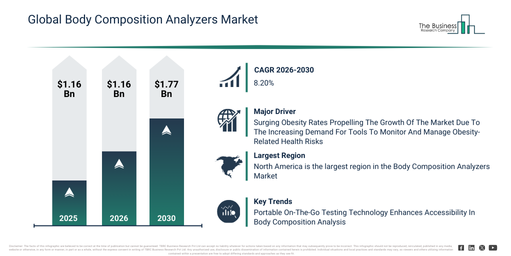
  • Body Composition Analyzers Market Forecast Highlights A $0.91 Billion Opportunity For Industry Participants

    Body Composition Analyzers Market Forecast Highlights A $0.91 Billion Opportunity For Industry Participants

    Built to provide research that’s more actionable and strategically valuable, The Business Research Company’s 2026 market reports include market attractiveness analysis, total addressable market sizing, company benchmarking matrices, interactive Excel dashboards, broader supply chain intelligence, emerging startup tracking, and in-depth product insights.

    Body Composition Analyzers Market Growth Analysis: How Will Revenue Trend Over The Forecast Period?

    The body composition analyzers market has seen substantial growth over recent years. It is anticipated to grow from $0.61 billion in 2025 to $0.67 billion in 2026, achieving a compound annual growth rate (CAGR) of 8.5%. The expansion witnessed in prior periods can be attributed to several factors, including limited access to advanced body composition analyzers, reliance on manual measurement methods, increasing health and fitness awareness, the adoption of hospital-based measurement systems, and a rise in academic and research studies.

    The body composition analyzers market is projected for significant expansion in the coming years, reaching $0.91 billion by 2030, exhibiting a compound annual growth rate (CAGR) of 8.2%. This anticipated growth is fueled by factors such as the creation of portable and consumer-grade bioimpedance analyzers, their integration with digital health and fitness platforms, an increasing need for pediatric and specialized measuring equipment, the spread of multi-compartment and dexascan technologies, and greater usage in wellness and fitness centers. Key trends for this period encompass a growing desire for non-invasive body composition assessments, the proliferation of portable and consumer-grade devices, deeper integration with fitness and wellness applications, the development of multi-compartment and advanced models, and a heightened emphasis on measurement accuracy and standardization.

    Get A Free Sample Report With In-Depth Market Insights:

    https://thebusinessresearchcompany.com/sample_request?id=38128015&type=smp&name=Body%20Composition%20Analyzers%20Market%20Report%202026&utm_source=Blogs&utm_medium=Paid&utm_campaign=Sep_PR

    Body Composition Analyzers Market Growth Momentum: What Factors Are Shaping Demand?

    The growing occurrence of obesity is projected to boost the expansion of the body composition analyzers market in the coming years. Obesity, defined as an excessive accumulation of body fat, presents a substantial health danger, linked to ailments like cardiovascular disease, diabetes, and musculoskeletal problems. The increase in obesity rates stems from sedentary habits, as individuals spend extended periods seated at desks, using screens, or commuting, which reduces physical activity, decreases energy expenditure, and eventually results in weight gain. Body composition analyzers serve as vital instruments for evaluating metrics such as body fat percentage, muscle mass, and visceral fat, empowering healthcare professionals to efficiently oversee and address health risks associated with obesity. For example, a May 2024 report by the Office for Health Improvement and Disparities, a UK government body, indicated that roughly 64% of adults aged 18 and above in 2022 to 2023 were categorized as overweight or obese, representing a minor rise from 63.8% in the preceding year. Consequently, the increasing prevalence of obesity is fueling the growth of the body composition analysis market.

    Body Composition Analyzers Market Segment Outlook: Which Categories Are Growing Fastest?

    The body composition analyzers market covered in this report is segmented –

    1) By Product Type: Bio Impedance Analyser, Skinfold Callipers, Hydrostatic Weighing Equipment, Air Displacement Plethysmography, Dual Energy X-Ray Absorptiometry, Other Product Types

    2) By Compartment Model Type: Two-Compartment Model, Three-Compartment Model, Multi-Compartment Models

    3) By End User: Hospitals, Fitness Clubs And Wellness Centres, Academic And Research Centres, Other End-Users

    Subsegments:

    1) By Bio Impedance Analyzer: Single-frequency Bioimpedance Devices, Multi-frequency Bioimpedance Devices, Segmental Bioimpedance Devices, Handheld Bioimpedance Analyzers, Portable Or Consumer-Grade Bioimpedance Analyzers, Clinical Bioimpedance Analyzers

    2) By Skinfold Calipers: Manual Skinfold Calipers, Digital Skinfold Calipers, Harpenden Calipers, Lange Calipers, Slim Guide Calipers

    3) By Hydrostatic Weighing Equipment: Fixed Tank Hydrostatic Weighing Systems, Portable Hydrostatic Weighing Tanks, Underwater Weighing Software Integration Units

    4) By Air Displacement Plethysmography: Whole Body Air Displacement Plethysmographs, Pediatric Or Infant Air Displacement Plethysmographs, Compact ADP Units

    5) By Dual Energy X-Ray Absorptiometry (DEXA): Fan Beam DEXA Systems, Pencil Beam DEXA Systems, Whole-body DEXA Scanners, Regional DEXA Scanners, Portable DEXA Units

    6) By Other Product Types: 3D Body Scanners, Near-Infrared Interactance Devices, MRI And CT-based Body Composition Systems, Ultrasonic Body Composition Analyzers, Infrared Interactance Devices

    Body Composition Analyzers Market Trends Redefining Industry Growth

    Leading companies within the body composition analyzer sector are prioritizing cutting-edge technologies, including portable, on-the-go testing solutions, to enhance ease of access and user convenience across clinical and field settings. These mobile testing solutions are essentially compact, transportable diagnostic instruments designed to facilitate precise health evaluations beyond conventional medical facilities, thereby providing adaptability for diverse testing scenarios. As an illustration, in May 2025, the German medical device producer, seca GmbH & Co. KG., introduced its mBCA Alpha Body Composition Analyzer. This professional-grade analyzer is built for portability, allowing users to perform thorough body composition evaluations directly in primary care clinics, wellness centers, and mobile healthcare environments. The mBCA Alpha provides accurate measurements of fat mass, skeletal muscle, visceral fat, and phase angle in only 24 seconds, leveraging validated bioelectrical impedance analysis. It connects with seca’s Analytics 125 cloud platform to produce real-time reports for both medical professionals and patients, offering support for various output formats suitable for clinical, research, and patient monitoring uses. Its design, which is compact and mobile-friendly, featuring handrails and a tiltable touchscreen, guarantees precise and adaptable testing even in limited spaces, rendering it particularly beneficial for individuals with restricted mobility.

    Body Composition Analyzers Market Industry Leaders And Competitive Landscape

    Major companies operating in the body composition analyzers market are GE HealthCare Technologies Inc, Omron Healthcare Co Ltd, Hologic Inc, InBody Co Ltd, Seca GmbH and Co KG, Jawon Medical Co Ltd, Tanita Corporation, RJL Systems Inc, Motustech Co Ltd, Evolt 360 Pty Ltd, COSMED SRL, Selvas Healthcare Inc, ACCUNIQ Co Ltd, Charder Electronic Co Ltd, OsteoSys Corp, Bodystat Ltd, Maltron International Ltd, Withings SA, Mediana Co Ltd, Xiaomi Health Technologies

    View The Full Body Composition Analyzers Market Report:

    https://thebusinessresearchcompany.com/report/body-composition-analyzers-global-market-report?utm_source=Blogs&utm_medium=Paid&utm_campaign=Sep_PR

    Body Composition Analyzers Market Regional Analysis And Leading Geography

    North America was the largest region in the body composition analyzers market in 2025. Asia-Pacific is expected to be the fastest-growing region in the forecast period. The regions covered in the body composition analyzers market report are Asia-Pacific, South East Asia, Western Europe, Eastern Europe, North America, South America, Middle East, Africa.

    Reach Out To Our Team:

    The Business Research Company: https://www.thebusinessresearchcompany.com/

    Americas: +1 310-496-7795

    Asia: +44 7882 955267 & +91 8897263534

    Europe: +44 7882 955267

    Email us at: marketing@tbrc.info

    Follow us on:

    LinkedIn: https://in.linkedin.com/company/the-business-research-company

    YouTube: https://www.youtube.com/channel/UC24_fI0rV8cR5DxlCpgmyFQ

    Global Market Model: https://www.thebusinessresearchcompany.com/global-market-model

  • Bluetooth Low Energy (LE) Audio Hearing-Aid Market Analysis: How The Industry Is Evolving Toward A $5.66 Billion Future

    Bluetooth Low Energy (LE) Audio Hearing-Aid Market Analysis: How The Industry Is Evolving Toward A $5.66 Billion Future

    Backed by market attractiveness analysis, total addressable market sizing, company benchmarking matrices, interactive Excel dashboards, wider supply chain intelligence, emerging startup coverage, and detailed product-level insights, The Business Research Company’s 2026 market reports are designed to offer research that is more actionable and strategically valuable than ever.

    Bluetooth Low Energy (LE) Audio Hearing-Aid Market Forecast: What Value Will The Market Reach By 2030?

    The bluetooth low energy (le) audio hearing-aid market has observed strong expansion in recent years. It is anticipated to increase from $3.57 billion in 2025 to $3.92 billion in 2026, demonstrating a compound annual growth rate (CAGR) of 9.9%. The historical market growth can be attributed to the rising occurrence of hearing loss, the increasing adoption of wireless hearing aids, limitations in connectivity for traditional devices, technological advancements in bluetooth-enabled devices, and the demographic trend of an aging population.

    The bluetooth low energy (le) audio hearing-aid market size is anticipated to undergo significant expansion in the coming years. Its value is projected to reach $5.66 billion in 2030, exhibiting a compound annual growth rate (CAGR) of 9.6%. This anticipated growth during the forecast period is propelled by factors such as the integration of AI for adaptive sound processing, an increase in bluetooth LE audio features, cloud-enabled hearing aid management, broader usage across pediatric and adult populations, alongside multi-device compatibility and interoperability. Notable trends expected during this period encompass IoT-connected hearing-aids, AI-based sound optimization, cloud-enabled device management, multi-stream audio integration, and enhanced low-energy Bluetooth connectivity.

    Get A Free Sample Report With In-Depth Market Insights:

    https://thebusinessresearchcompany.com/sample_request?id=61540778&type=smp&name=Bluetooth%20Low%20Energy%20%28LE%29%20Audio%20Hearing-Aid%20Market%20Report%202026&utm_source=Blogs&utm_medium=Paid&utm_campaign=Sep_PR

    Bluetooth Low Energy (LE) Audio Hearing-Aid Market Expansion Drivers: What’s Shaping Future Growth?

    The anticipated expansion of the bluetooth low energy (LE) audio hearing-aid market is linked to the growing occurrence of hearing loss. This condition describes a diminished capacity to detect sounds, varying from slight challenges in understanding speech to total auditory impairment. Its increasing frequency is attributed to an aging global population, wherein the natural deterioration of inner ear components over time renders elderly individuals more prone to auditory issues. Bluetooth low energy (LE) audio hearing-aid helps those with hearing loss by transmitting superior audio quality straight to hearing apparatuses via sophisticated wireless technology, facilitating uninterrupted streaming and tailored sound modifications that considerably boost hearing clarity and communication efficiency in everyday scenarios. As an illustration, the World Health Organization (WHO), an intergovernmental body based in Switzerland, projected in February 2025 that by the year 2050, approximately 2.5 billion people will suffer from some degree of hearing loss, and more than 700 million of these individuals will require hearing rehabilitation. Furthermore, the failure to address hearing loss could impose an annual worldwide economic burden approaching US$1 trillion. Consequently, the rising occurrence of hearing loss is a key factor propelling the expansion of the bluetooth low energy (LE) audio hearing-aid market.

    Bluetooth Low Energy (LE) Audio Hearing-Aid Market Segment Landscape: Which Areas Lead Development?

    The bluetooth low energy (le) audio hearing-aid market covered in this report is segmented –

    1) By Product Type: Behind-The-Ear (BTE), In-The-Ear (ITE), Receiver-In-Canal (RIC), Other Product Types

    2) By Technology: Bluetooth Low Energy (LE) Audio, Hybrid

    3) By Distribution Channel: Online Stores, Audiology Clinics, Hospitals And Retail Pharmacies, Other Distribution Channels

    Subsegments:

    1) By Behind-The-Ear (BTE): Bluetooth LE Audio–Enabled Behind-The-Ear (BTE) Hearing Aids, Rechargeable Bluetooth LE Audio Behind-The-Ear (BTE) Hearing Aids, Pediatric Bluetooth LE Audio Behind-The-Ear (BTE) Hearing Aids

    2) By In-The-Ear (ITE): Full Shell In-The-Ear (ITE) Hearing-Aids, Half Shell In-The-Ear (ITE) Hearing-Aids, Canal In-The-Ear (ITE) Hearing-Aids, Mini Canal In-The-Ear (ITE) Hearing-Aids

    3) By Receiver-In-Canal (RIC): Bluetooth LE Audio Receiver-In-Canal (RIC) Hearing Aids, Rechargeable Bluetooth LE Audio Receiver-In-Canal (RIC) Hearing Aids, Ultra-Slim Bluetooth LE Audio Receiver-In-Canal (RIC) Hearing Aids

    4) By Other Product Types: Bluetooth LE Audio Open-Fit Hearing Aids, Bluetooth LE Audio Bone-Conduction Hearing Aids, Bluetooth LE Audio Over-The-Counter (OTC) Hearing Aids

    Bluetooth Low Energy (LE) Audio Hearing-Aid Market Strategic Trends: What Defines The Next Growth Phase?

    Major companies engaged in the bluetooth low energy (LE) audio hearing aid market are increasingly focusing on utilizing innovative technologies like artificial intelligence (AI)-powered sound processing to enhance speech intelligibility and reduce unwanted background noise. Artificial intelligence (AI)-powered sound processing is a method that employs AI algorithms to analyze and refine audio dynamically, thereby assisting hearing aid users by giving precedence to speech, lessening environmental disturbances, and adapting to various acoustic settings for a clearer and more authentic auditory experience. As an example, in February 2025, GN Store Nord A/S, a Denmark-based manufacturing company, unveiled its ReSound Vivia and ReSound Savi hearing aids. These new offerings incorporate AI-powered sound processing and Bluetooth LE Audio with Auracast support, leveraging a deep neural network trained with millions of spoken sentences to improve speech clarity, lower background interference, and adjust to the user’s specific listening environment. Advanced features such as Intelligent Focus can prioritize sounds based on the direction the user is facing, delivering a more natural and instinctive listening experience. Additionally, these devices provide an entire day of battery life, subtle designs, and seamless connectivity, making sophisticated hearing solutions accessible to a broader user base.

    Bluetooth Low Energy (LE) Audio Hearing-Aid Market Key Participants And Competitive Landscape

    Major companies operating in the bluetooth low energy (le) audio hearing-aid market are Sonova Holding AG, Demant A/S, GN Store Nord A/S, Starkey Hearing Technologies Inc., WS Audiology A/S, Sony Group Corporation, MED-EL Elektromedizinische Geräte GmbH, Nuheara Limited, Audicus Inc., Lucid Hearing Aids Ltd., Lexie Hearing Inc., Audina Hearing Instruments Inc., NewSound Hearing Aids Pvt. Ltd., Olive Union Inc., Audientes A/S, Elehear Co. Ltd., ELHearing Inc., Rexton Hearing, Beltone, Signia, Widex, Phonak

    View The Full Bluetooth Low Energy (LE) Audio Hearing-Aid Market Report:

    https://thebusinessresearchcompany.com/report/bluetooth-low-energy-le-audio-hearing-aid-global-market-report?utm_source=Blogs&utm_medium=Paid&utm_campaign=Sep_PR

    Bluetooth Low Energy (LE) Audio Hearing-Aid Market Geographic Analysis: Where Is Demand Accelerating Fastest?

    North America was the largest region in the bluetooth low energy (LE) audio hearing-aid market in 2025. Asia-Pacific is expected to be the fastest-growing region in the forecast period. The regions covered in the bluetooth low energy (le) audio hearing-aid market report are Asia-Pacific, South East Asia, Western Europe, Eastern Europe, North America, South America, Middle East, Africa.

    Reach Out To Our Team:

    The Business Research Company: https://www.thebusinessresearchcompany.com/

    Americas: +1 310-496-7795

    Asia: +44 7882 955267 & +91 8897263534

    Europe: +44 7882 955267

    Email us at: marketing@tbrc.info

    Follow us on:

    LinkedIn: https://in.linkedin.com/company/the-business-research-company

    YouTube: https://www.youtube.com/channel/UC24_fI0rV8cR5DxlCpgmyFQ

    Global Market Model: https://www.thebusinessresearchcompany.com/global-market-model
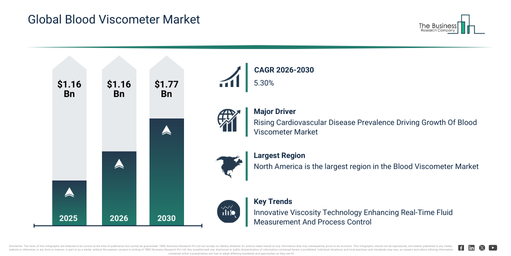
  • Blood Viscometer Market Outlook Through 2030: Understanding The Growth Opportunity

    Blood Viscometer Market Outlook Through 2030: Understanding The Growth Opportunity

    Featuring market attractiveness scoring, total addressable market sizing, company benchmarking matrices, interactive Excel dashboards, deeper supply chain intelligence, emerging startup tracking, and granular product-level insights, The Business Research Company’s 2026 market reports are built to deliver research that is both more actionable and more strategically valuable.

    Blood Viscometer Market Size Outlook: How Quickly Will Revenue Expand Through 2030?

    The blood viscometer market has shown strong expansion in recent years. Its valuation is projected to increase from $1.77 billion in 2025 to $1.86 billion in 2026, at a compound annual growth rate (CAGR) of 5.4%. This historical growth can be linked to factors such as the increasing prevalence of cardiovascular diseases, the wider use of viscosity testing in diabetes management, the expansion of clinical diagnostic laboratories, the rising adoption of laboratory automation, and a heightened focus on blood rheology research.

    The blood viscometer market is projected to experience substantial growth over the coming years, reaching $2.29 billion by 2030, exhibiting a compound annual growth rate (CAGR) of 5.3%. This expansion during the forecast period is propelled by factors such as a heightened demand for tools for early disease detection, escalating investments in precision diagnostics, the growing integration of portable diagnostic devices, an increase in personalized medicine strategies, and expanding clinical research into blood flow conditions. Prominent trends for this period encompass the wider adoption of digital devices for measuring blood viscosity, a surge in the need for point-of-care hemorheology testing, the increasing incorporation of automated diagnostic systems, an expansion in the use of research-grade viscometers for clinical investigations, and an intensified focus on highly accurate blood flow analysis.

    Get A Free Sample Report With In-Depth Market Insights:

    https://thebusinessresearchcompany.com/sample_request?id=90021046&type=smp&name=Blood%20Viscometer%20Market%20Report%202026&utm_source=Blogs&utm_medium=Paid&utm_campaign=Sep_PR

    Blood Viscometer Market Development Factors: What’s Supporting Demand?

    The increasing incidence of cardiovascular disease is projected to fuel the expansion of the blood viscometer market moving forward. Cardiovascular disease refers to a range of disorders affecting the heart and blood vessels, often leading to heart attacks, strokes, or similar cardiac issues. The escalating prevalence of cardiovascular disease is largely attributable to lifestyle factors such as poor diet, lack of physical activity, smoking, and rising rates of obesity and diabetes, along with an aging populace. A blood viscometer plays a vital role in cardiovascular disease by measuring blood viscosity, aiding in the assessment of blood thickness or thinness, which can impact circulation and elevate the risk of conditions like heart attacks, strokes, and blood clots. For instance, in January 2024, according to the American Heart Association, a US-based non-profit organization, the age-adjusted death rate from cardiovascular disease climbed to 233.3 per 100,000 in 2024, marking a 4.0% increase from 224.4 per 100,000 in 2023. Therefore, the growing occurrence of cardiovascular disease is driving the growth of the blood viscometer market.

    Blood Viscometer Market Segments: Where Is Growth Concentrated?

    The blood viscometer market covered in this report is segmented –

    1) By Product: Rotational Viscometers, Capillary Viscometers, Other Products

    2) By Application: Blood Viscosity Measurement, Plasma Viscosity Measurement, Other Applications

    3) By End User: Hospitals, Diagnostic Centers, Research Institutes, Other End Users

    Subsegments:

    1) By Rotational Viscometers: Brookfield Viscometers, Cone-And-Plate Viscometers, Digital Rotational Viscometers

    2) By Capillary Viscometers: Ostwald Viscometers, Ubbelohde Viscometers, Microcapillary Viscometers

    3) By Other Products: Vibro Viscometers, Optical Viscometers, Falling Ball Viscometers

    Blood Viscometer Market Transformation Trends: What Innovations Are Driving Change?

    Major companies operating in the blood viscometer market are strategically focusing on developing innovative products, such as automated viscometers, to secure a competitive advantage in the industry. An automated viscometer is an instrument designed to measure the viscosity of liquids automatically, without requiring human intervention. For instance, in March 2023, Sofraser, a France-based electronics manufacturer, unveiled the INVI viscometer. This INVI viscometer boasts a compact, inline design that facilitates continuous, real-time viscosity measurement without manual sampling. It exhibits high durability, ensuring accurate results even in extreme industrial conditions, and offers maintenance-free operation with minimal wear and tear. Furthermore, the INVI viscometer can be easily integrated into existing systems for improved process control.

    Blood Viscometer Market Top Companies Driving Competitive Growth

    Major companies operating in the blood viscometer market are Thermo Fisher Scientific Inc., Xylem Analytics, PerkinElmer Inc., Qualitest, Anton Paar GmbH, AMETEK Brookfield, BYK Gardner, PAC LP., CANNON Instrument Company, Koehler Instrument Company Inc., PCE Instruments, Rheosense Inc., Orbit Research Associates Pvt. Ltd., Swastik Systems & Services, Lamy Rheology, Labomat Essor, Edutek Instrumentation, Lasany International, Emerson Electric Co., Fann Instrument Company

    View The Full Blood Viscometer Market Report:

    https://thebusinessresearchcompany.com/report/blood-viscometer-global-market-report?utm_source=Blogs&utm_medium=Paid&utm_campaign=Sep_PR

    Blood Viscometer Market Global Footprint: Which Region Leads The Industry?

    North America was the largest region in the blood viscometer market in 2025. The regions covered in the blood viscometer market report are Asia-Pacific, South East Asia, Western Europe, Eastern Europe, North America, South America, Middle East, Africa.

    Reach Out To Our Team:

    The Business Research Company: https://www.thebusinessresearchcompany.com/

    Americas: +1 310-496-7795

    Asia: +44 7882 955267 & +91 8897263534

    Europe: +44 7882 955267

    Email us at: marketing@tbrc.info

    Follow us on:

    LinkedIn: https://in.linkedin.com/company/the-business-research-company

    YouTube: https://www.youtube.com/channel/UC24_fI0rV8cR5DxlCpgmyFQ

    Global Market Model: https://www.thebusinessresearchcompany.com/global-market-model

  • Blood Transfusion Diagnostics Market Growth Potential: What The Latest Forecast Reveals

    Blood Transfusion Diagnostics Market Growth Potential: What The Latest Forecast Reveals

    Built to provide research that’s more actionable and strategically valuable, The Business Research Company’s 2026 market reports include market attractiveness analysis, total addressable market sizing, company benchmarking matrices, interactive Excel dashboards, broader supply chain intelligence, emerging startup tracking, and in-depth product insights.

    Blood Transfusion Diagnostics Market Size, Value And Growth Trajectory Through 2030

    The blood transfusion diagnostics market size has shown significant growth in recent years. It is projected to expand from $4.96 billion in 2025 to $5.35 billion in 2026, demonstrating a compound annual growth rate (CAGR) of 7.9%. This historical growth can be ascribed to factors such as the limited availability of advanced blood diagnostics instruments, reliance on manual blood grouping methods, an increase in hospital blood transfusion procedures, the growing prevalence of transfusion-transmissible infections, and a lack of standardized reagents and kits.

    The blood transfusion diagnostics market is anticipated to experience substantial growth in the coming years. It is projected to expand to $6.86 billion by 2030, demonstrating a compound annual growth rate (CAGR) of 6.4%. This projected growth can be attributed to several factors, including the advancement of high-throughput automated blood screening systems, a rising demand for nucleic acid amplification and rapid tests, increased investment in blood banks and diagnostic laboratories, the integration of digital and AI-enabled diagnostic solutions, and the expansion of plasma fractionation and research endeavors. Significant trends expected during this period include an elevated demand for rapid and accurate blood typing, the growing adoption of automated blood processing systems, an expansion of disease screening capabilities, the growth of plasma fractionation and diagnostic laboratories, and an enhanced focus on standardization and quality control.

    Get A Free Sample Report With In-Depth Market Insights:

    https://thebusinessresearchcompany.com/sample_request?id=33783176&type=smp&name=Blood%20Transfusion%20Diagnostics%20Market%20Report%202026&utm_source=Blogs&utm_medium=Paid&utm_campaign=Sep_PR

    Blood Transfusion Diagnostics Market Industry Drivers: What’s Behind The Revenue Growth?

    The expansion of the blood transfusion diagnostics market is anticipated due to the growing volume of surgical interventions. Surgical procedures involve medical operations conducted to address injuries, diseases, or various disorders through either manual or instrumental methods. A rise in global surgical activity directly leads to a greater demand for secure and compatible blood transfusions, essential for replacing blood loss during these operations. Blood transfusion diagnostics are vital for screening and matching donor blood, thereby preventing transfusion-related infections and complications, which significantly enhances patient safety and clinical outcomes. For instance, data from June 2024, provided by the American Society of Plastic Surgeons, a US-based non-profit body, indicated a 7% increase in minimally invasive procedures in 2023, surpassing the growth rate of general surgical procedures by 2%. Furthermore, hand surgeries, including treatments for carpal tunnel, arthritis, and trigger finger, reached a total of 207,887 procedures, marking a 2% rise compared to 2022. Consequently, the increasing frequency of surgical procedures is a key driver for the growth of the blood transfusion diagnostics market.

    Blood Transfusion Diagnostics Market Segment Analysis: What Are The Core Market Categories?

    The blood transfusion diagnostics market covered in this report is segmented –

    1) By Type: Instruments And Kits, Reagents, Other Types

    2) By Technology: Western Blot, ELISA, Nucleic Acid Amplification, Fluorescence Assay, Rapid Test

    3) By Application: Blood Grouping, Disease Screening

    4) By End User: Hospitals, Diagnostic Laboratories, Blood Banks, Plasma Fractionation Companies

    Subsegments:

    1) By Instruments And Kits: Blood Typing Instruments, Cross-Matching Kits, Blood Screening Instruments, Automated Blood Processing Systems

    2) By Reagents: Antisera, Control Solutions, Blood Grouping Reagents, Enzymes And Other Reagents

    3) By Other Types: Software Solutions, Consumables, Training And Support Services

    #Blood Transfusion Diagnostics Market Growth Trends: What’s Shaping The Future Outlook?

    Leading companies in the blood transfusion diagnostics market are developing sophisticated technology, including advancements in transfusion methods, to boost the precision of blood typing, elevate patient safety, minimize the danger of transfusion-transmitted infections, and optimize the overall transfusion procedure. Innovations in transfusion technology encompass improvements and progress in the techniques, equipment, and processes utilized in blood transfusion. For example, in June 2024, Innobiochips Co. Ltd., a France-based biotechnology company, introduced Omnys, a significant breakthrough in transfusion, grouping, and blood testing. This state-of-the-art diagnostic platform is built to deliver swift and precise blood typing, compatibility assessments, and pathogen identification. This innovative technology leverages advanced biomarker identification and automation to facilitate the transfusion process, guaranteeing the safe pairing of blood products with patients.

    Blood Transfusion Diagnostics Market Leading Players And Competitive Positioning

    Major companies operating in the blood transfusion diagnostics market are Fresenius Kabi AG, Becton Dickinson and Company, Baxter International Inc., Medline Industries LP, Grifols SA, Terumo Corporation, Haemonetics Corporation, Sarstedt AG & Co KG, Cerus Corporation, Charter Medical Ltd, Kawasumi Laboratories Inc, Macopharma SA, GenesisBPS Inc, Werfen S.A, B Braun Melsungen AG, Immucor Inc, Kaneka Corporation, Nipro Medical Corporation, Teleflex Incorporated, Smiths Medical, HLL Lifecare Limited.

    View The Full Blood Transfusion Diagnostics Market Report:

    https://thebusinessresearchcompany.com/report/blood-transfusion-diagnostics-global-market-report?utm_source=Blogs&utm_medium=Paid&utm_campaign=Sep_PR

    Blood Transfusion Diagnostics Market Regional Distribution: Which Areas Power Market Growth?

    North America was the largest region in the blood transfusion diagnostics market in 2025. Western Europe was the second-largest region in the blood transfusion diagnostics industry. The regions covered in the blood transfusion diagnostics market report are Asia-Pacific, South East Asia, Western Europe, Eastern Europe, North America, South America, Middle East, Africa.

    Reach Out To Our Team:

    The Business Research Company: https://www.thebusinessresearchcompany.com/

    Americas: +1 310-496-7795

    Asia: +44 7882 955267 & +91 8897263534

    Europe: +44 7882 955267

    Email us at: marketing@tbrc.info

    Follow us on:

    LinkedIn: https://in.linkedin.com/company/the-business-research-company

    YouTube: https://www.youtube.com/channel/UC24_fI0rV8cR5DxlCpgmyFQ

    Global Market Model: https://www.thebusinessresearchcompany.com/global-market-model

  • Blood Transfusion Devices Market Growth Outlook: Why Analysts Expect Continued Expansion

    Blood Transfusion Devices Market Growth Outlook: Why Analysts Expect Continued Expansion

    Backed by market attractiveness analysis, total addressable market sizing, company benchmarking matrices, interactive Excel dashboards, wider supply chain intelligence, emerging startup coverage, and detailed product-level insights, The Business Research Company’s 2026 market reports are designed to offer research that is more actionable and strategically valuable than ever.

    Blood Transfusion Devices Market CAGR Outlook And Future Development

    The blood transfusion devices market size has experienced robust expansion in recent years. It is anticipated to grow from $5.45 billion in 2025 to $5.84 billion in 2026, reflecting a compound annual growth rate (CAGR) of 7.0%. Historically, this growth can be ascribed to factors such as dependence on manual blood transfusion techniques, restricted availability of advanced pathogen reduction systems, a rising number of surgical procedures, the development of hospital and blood bank infrastructures, and increasing awareness of transfusion safety.

    The blood transfusion devices market size is anticipated to experience robust growth in the coming years. It is projected to expand to $7.55 billion in 2030, showing a compound annual growth rate (CAGR) of 6.7%. This growth during the forecast period is attributed to advancements in automated apheresis and component separators technology, a rising demand for minimally invasive surgical procedures, the expansion of blood bank networks, increasing regulatory standards for transfusion devices, and the integration of smart monitoring and digital tracking in transfusion systems. Key trends in this period include the rising adoption of automated blood component separation systems, a growing use of pathogen reduction technologies, the expansion of innovations in blood bags and accessories, an increase in specialized venous access devices, and a heightened demand for blood storage and transfusion equipment.

    Get A Free Sample Report With In-Depth Market Insights:

    https://thebusinessresearchcompany.com/sample_request?id=64183149&type=smp&name=Blood%20Transfusion%20Devices%20Market%20Report%202026&utm_source=Blogs&utm_medium=Paid&utm_campaign=Sep_PR

    Blood Transfusion Devices Market Growth Factors: What’s Supporting Expansion?

    The expansion of the blood transfusion devices market is projected to be driven by a rise in accidents and trauma cases. These incidents are increasing due to factors such as enhanced urbanization, greater vehicle utilization, and unsafe road environments. Blood transfusion devices play a crucial role in accidents and trauma situations by enabling the rapid administration of life-saving blood products to stabilize patients and control severe hemorrhaging. For instance, in July 2024, the National Safety Council (NSC) Injury Facts, a US-based safety organization, reported that motor-vehicle fatalities in the US totaled 20,900 in the first half of 2024, staying nearly consistent with the 20,930 recorded in the same period of 2023, despite a 0.8% increase in mileage from 2023 and a 3.1% rise from 2022. Therefore, the growing number of accidents and trauma cases is propelling the growth of the blood transfusion devices market.

    Blood Transfusion Devices Market Segment Breakdown: Which Categories Lead On Revenue?

    The blood transfusion devices market covered in this report is segmented –

    1) By Product Type: Pathogen Reduction System, Apheresis Devices, Blood Component Separator, Blood Bag And Accessory, Venous Access Devices, Other Product Types

    2) By Application: Cardiovascular Surgeries, Orthopedic Surgeries, Neurological Surgeries, Obstetrics And Gynecological Surgeries, Other Applications

    3) By End User: Hospital, Ambulatory Surgical Centers, Blood Bank, Other End Users

    Subsegments:

    1) By Pathogen Reduction System: Plasma Pathogen Reduction Devices, Platelet Pathogen Reduction Devices

    2) By Apheresis Devices: Plasma Apheresis Devices, Platelet Apheresis Devices, Red Blood Cell Apheresis Devices

    3) By Blood Component Separator: Automated Blood Component Separators, Manual Blood Component Separators

    4) By Blood Bag and Accessory: Single Blood Bags, Double Blood Bags, Triple Blood Bags, Quadruple Blood Bags, Blood Bag Tubing and Clamps

    5) By Venous Access Devices: Peripheral Venous Catheters, Central Venous Catheters, Peripherally Inserted Central Catheters (PICCs), Implantable Ports

    6) By Other Product Types: Blood Warmers, Blood Mixers, Blood Transfusion Sets and Filters, Blood Storage And Refrigeration Systems

    Blood Transfusion Devices Market Industry Trends: What’s Reshaping Demand?

    Leading companies in the blood transfusion devices market are concentrating on developing sophisticated blood grouping and testing solutions to achieve a competitive advantage. Blood grouping and testing solutions refer to medical instruments and reagents employed to ascertain an individual’s blood type and confirm compatibility for transfusions. For example, in June 2024, Innobiochips, a biopharmaceutical firm based in France, introduced Omnys, a groundbreaking blood transfusion device. Omnys is specifically engineered for transfusion applications and improves laboratory productivity and accuracy through its multiplex analysis capabilities. This feature facilitates high-resolution analysis of blood components, encompassing routine ABO/D typing and comprehensive phenotyping. The apparatus integrates various technologies to optimize the blood testing procedure, markedly decreasing the number of wells necessary for testing and subsequently reducing waste.

    Blood Transfusion Devices Market Competitive Overview And Top Companies

    Major companies operating in the blood transfusion devices market are BAG Health Care GmbH, Grifols S.A., Bio-Rad Laboratories Inc., Abbott Laboratories, Immucor Inc., Ortho Clinical Diagnostics, Siemens Healthineers, Beckman Coulter Inc., Diagast SAS, QuidelOrtho Corporation, Danaher Corporation, Becton Dickinson and Company, Quotient Biodiagnostics, Sysmex Corporation, HemoCue AB, Agena Bioscience Inc., Tulip Diagnostics P Ltd, Merck KGaA, Trinity Biotech, MTC Med Testconsult GmbH, BioMedomics Inc, Agappe Diagnostics Ltd, Day Medical SA

    View The Full Blood Transfusion Devices Market Report:

    https://thebusinessresearchcompany.com/report/blood-transfusion-devices-global-market-report?utm_source=Blogs&utm_medium=Paid&utm_campaign=Sep_PR

    Blood Transfusion Devices Market Leading Geography: Which Region Contributes The Most Revenue?

    North America was the largest region in the blood transfusion devices market in 2025. The regions covered in the blood transfusion devices market report are Asia-Pacific, South East Asia, Western Europe, Eastern Europe, North America, South America, Middle East, Africa.

    Reach Out To Our Team:

    The Business Research Company: https://www.thebusinessresearchcompany.com/

    Americas: +1 310-496-7795

    Asia: +44 7882 955267 & +91 8897263534

    Europe: +44 7882 955267

    Email us at: marketing@tbrc.info

    Follow us on:

    LinkedIn: https://in.linkedin.com/company/the-business-research-company

    YouTube: https://www.youtube.com/channel/UC24_fI0rV8cR5DxlCpgmyFQ

    Global Market Model: https://www.thebusinessresearchcompany.com/global-market-model