Month: October 2026

  • Pertussis Vaccine Market To Witness 4.1% CAGR Growth Through 2030: Key Industry Drivers

    Pertussis Vaccine Market To Witness 4.1% CAGR Growth Through 2030: Key Industry Drivers

    Backed by market attractiveness analysis, total addressable market sizing, company benchmarking matrices, interactive Excel dashboards, wider supply chain intelligence, emerging startup coverage, and detailed product-level insights, The Business Research Company’s 2026 market reports are designed to offer research that is more actionable and strategically valuable than ever.

    Pertussis Vaccine Market Revenue Outlook: What CAGR Lies Ahead Through 2030?

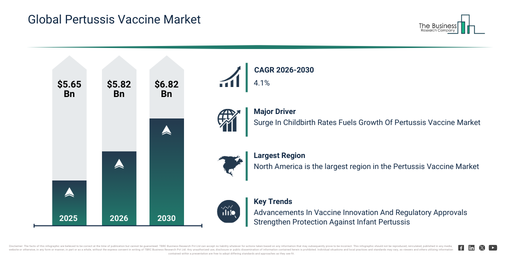
    The pertussis vaccine market has shown consistent expansion in recent years. Its valuation is set to increase from $5.65 billion in 2025 to $5.82 billion in 2026, achieving a compound annual growth rate (CAGR) of 2.9%. The historical expansion of this market can be attributed to factors such as extensive childhood immunization coverage, government-supported national vaccination programs, past outbreaks of whooping cough, the integration of the pertussis vaccine into standard immunization schedules, and the availability of whole-cell vaccines.

    The pertussis vaccine market size is projected to experience consistent expansion over the upcoming years. This market is forecast to reach $6.82 billion by 2030, demonstrating a compound annual growth rate (CAGR) of 4.1%. This anticipated growth during the forecast period is attributable to several factors, including heightened awareness regarding adult pertussis vaccination, an increase in recommendations for maternal immunization, improvements in vaccine safety and effectiveness, broader access to healthcare in developing economies, and the advancement of combination vaccine development. Key trends anticipated during this period encompass the increasing acceptance of acellular pertussis vaccines, a greater emphasis on booster immunization programs, the broadening scope of combination vaccines that incorporate pertussis, an increase in adult and maternal pertussis vaccination, and the reinforcement of government-led immunization efforts.

    Get A Free Sample Report With In-Depth Market Insights:

    https://thebusinessresearchcompany.com/sample_request?id=31366900&type=smp&name=Pertussis%20Vaccine%20Market%20Report%202026&utm_source=Blogs&utm_medium=Paid&utm_campaign=Oct_PR

    Pertussis Vaccine Market Industry Drivers: What’s Behind The Revenue Growth?

    The increasing childbirth rates are poised to boost the growth of the pertussis vaccine market in the upcoming period. Childbirth is defined as the act of a mother giving birth to a baby. It represents the conclusion of pregnancy, during which the fetus develops inside the mother’s uterus, marking the beginning of an independent life outside the womb. The pertussis vaccine is primarily administered to children to protect them from whooping cough and other severe, potentially fatal diseases. As an illustration, a report released by the Centers for Disease Control and Prevention, a US-based national public health organization, in January 2023, showed that the United States experienced a 1% rise in registered births, amounting to 3,664,292, compared to 2022. Consequently, the escalating childbirth rates are serving as a significant driver for the expansion of the pertussis vaccine market.

    Pertussis Vaccine Market Segment Performance And Emerging Opportunities

    The pertussis vaccine market covered in this report is segmented –

    1) By Product Type: DTaP (Diphtheria, Tetanus and Acellular Pertussis) Vaccine, Tdap (Tetanus, Diphtheria and Pertussis) Vaccine

    2) By Vaccine Type: Whole-Cell Vaccine, Acellular Vaccine

    3) By Application: Children, Adults, Infants

    4) By End-User: Vaccination Centers, Hospitals, Clinics

    Subsegments:

    1) By DTaP (Diphtheria, Tetanus, And Acellular Pertussis) Vaccine: Pediatric DTaP Vaccine, Combination Vaccines With DTaP

    2) By Tdap (Tetanus, Diphtheria, And Pertussis) Vaccine: Adolescent Tdap Vaccine, Adult Tdap Vaccine

    #Pertussis Vaccine Market Growth Trends: What’s Shaping The Future Outlook?

    Key companies in the pertussis vaccine market are prioritizing the development of advanced immunization solutions and obtaining regulatory clearances to enhance protection for mothers and infants against whooping cough. These endeavors aim to boost vaccine availability, expand their recommended application during pregnancy, and decrease pertussis-related illnesses in newborns. For example, in January 2023, Sanofi S.A., a biopharmaceutical company based in France, received U.S. FDA approval for the broader use of its Adacel (Tdap) vaccine during the third trimester of pregnancy. This enables maternal immunization to help safeguard infants younger than two months, who are most vulnerable to severe pertussis infection. This approval allows healthcare providers to actively vaccinate pregnant individuals, ensuring that protective antibodies are passed to the newborn before birth. As a result, infants gain crucial early-life protection against pertussis, bridging the immunity gap until they can receive their own vaccinations.

    Pertussis Vaccine Market Key Players: Which Companies Lead Industry Competition?

    Major companies operating in the pertussis vaccine market are Pfizer Inc., Merck & Co. Inc., GlaxoSmithKline plc, Sanofi Pasteur SA, CSL Limited, Serum Institute of India, Biological E. Limited, Bharat Biotech International Limited, Panacea Biotec Limited, PT Bio Farma, Walvax Biotechnology Co. Ltd., Beijing Minhai Biotechnology Co. Ltd., Wuhan Institute of Biological Products, Changchun Changsheng Life Sciences, Changsheng Bio-Technology Co. Ltd., Chiron Corporation, Sinovac Biotech Ltd., Takeda Pharmaceutical Company, Novartis AG, Johnson & Johnson

    View The Full Pertussis Vaccine Market Report:

    https://thebusinessresearchcompany.com/report/pertussis-vaccine-global-market-report?utm_source=Blogs&utm_medium=Paid&utm_campaign=Oct_PR

    Pertussis Vaccine Market Geographic Analysis: Where Is Demand Accelerating Fastest?

    North America was the largest region in the pertussis vaccine market in 2025. The regions covered in the pertussis vaccine market report are Asia-Pacific, South East Asia, Western Europe, Eastern Europe, North America, South America, Middle East, Africa.

    Reach Out To Our Team:

    The Business Research Company: https://www.thebusinessresearchcompany.com/

    Americas: +1 310-496-7795

    Asia: +44 7882 955267 & +91 8897263534

    Europe: +44 7882 955267

    Email us at: marketing@tbrc.info

    Follow us on:

    LinkedIn: https://in.linkedin.com/company/the-business-research-company

    YouTube: https://www.youtube.com/channel/UC24_fI0rV8cR5DxlCpgmyFQ

    Global Market Model: https://www.thebusinessresearchcompany.com/global-market-model
  • Personalized Vitamins Market Projected For Strong Expansion Through 2030: Key Trends And Future Outlook

    Personalized Vitamins Market Projected For Strong Expansion Through 2030: Key Trends And Future Outlook

    Featuring market attractiveness scoring, total addressable market sizing, company benchmarking matrices, interactive Excel dashboards, deeper supply chain intelligence, emerging startup tracking, and granular product-level insights, The Business Research Company’s 2026 market reports are built to deliver research that is both more actionable and more strategically valuable.

    Personalized Vitamins Market Growth Analysis: How Will Revenue Trend Over The Forecast Period?

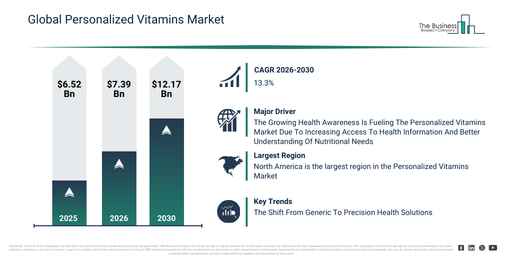
    The personalized vitamins market has seen significant growth in recent years. Its valuation is predicted to rise from $6.52 billion in 2025 to $7.39 billion in 2026, achieving a compound annual growth rate (CAGR) of 13.3%. This historical expansion is attributable to several factors including an increase in chronic health conditions, the broadening of nutraceutical markets, a surge in online supplement sales, heightened consumer health awareness, and the accessibility of personalized health assessments.

    The personalized vitamins market is projected for significant expansion over the coming years, reaching a valuation of $12.17 billion by 2030, driven by a compound annual growth rate (CAGR) of 13.3%. This anticipated increase during the forecast period is fueled by several factors, including breakthroughs in data-driven nutrition, a rise in lifestyle-related health issues, the development of direct-to-consumer healthcare approaches, a growing desire for tailored wellness products, and the broadening of digital health frameworks. Key developments expected in this period encompass a greater uptake of vitamin formulations based on individual health profiles, an increasing need for personalized supplements targeting specific diseases, the rising appeal of personalized vitamins in gummy and chewable forms, the expansion of online retail distribution channels, and an enhanced emphasis on supplements supporting immunity and energy.

    Get A Free Sample Report With In-Depth Market Insights:

    https://thebusinessresearchcompany.com/sample_request?id=63919557&type=smp&name=Personalized%20Vitamins%20Market%20Report%202026&utm_source=Blogs&utm_medium=Paid&utm_campaign=Oct_PR

    Personalized Vitamins Market Growth Factors: What’s Supporting Expansion?

    The increasing health consciousness is anticipated to fuel the expansion of the personalized vitamins market in the future. Health awareness encompasses individuals’ comprehension and knowledge regarding maintaining and enhancing their health, covering aspects like routine medical examinations, a balanced diet, physical activity, hygiene practices, and disease prevention. This heightened health awareness primarily stems from easier access to health-related information via digital platforms, allowing individuals to grasp health risks, preventive strategies, and healthy lifestyle choices more effectively. Personalized vitamins contribute to promoting health awareness by encouraging individuals to gain a deeper understanding of their distinct nutritional requirements and to make informed choices concerning their overall well-being. For example, in Jun 2024, data from the International Food Information Council (IFIC), a US based non-profit organization, revealed that the proportion of Americans adhering to a specific diet or eating pattern over the past year remained substantial at 54%. A significant number of people are aiming to boost their protein intake, with interest rising from 59% in 2022 to 67% in 2023, and reaching 71% in 2024. Furthermore, approximately half of consumers are focused on consuming more fresh foods, widely recognized as the healthiest options. Consequently, the increasing health awareness is fostering the expansion of the personalized vitamins market.

    Personalized Vitamins Market Segment Landscape And Growth Outlook

    The personalized vitamins market covered in this report is segmented –

    1) By Type: Wellness Supplements, Disease-Based Supplements

    2) By Dosage Form: Tablets, Capsules, Powders, Gummies Or Chewable, Liquids, Softgels

    3) By Distribution Channel: Supermarkets Or Hypermarkets, Specialty Stores, Retail Pharmacies, Online Pharmacies And E-commerce

    4) By End-Use: Direct-To-Consumer, Wellness And fitness Centers, Hospitals And Clinics, Other End Uses

    Subsegments:

    1) By Wellness Supplements: Energy And Vitality Support, Weight Management, Skin, Hair And Nail Health, Cognitive Health, Digestive Health, Immune Support, Anti-Aging

    2) By Disease-Based Supplements: Cardiovascular Health, Diabetes Management, Bone And Joint Health, Mental Health Support, Hormonal Balance, Allergies And Asthma Support, Vision Health

    Personalized Vitamins Market Industry Trends: What’s Reshaping Demand?

    Leading firms in the personalized vitamins market are concentrating on advancing novel solutions, including genomic-based personalization, to formulate customized supplement plans. This approach entails examining a person’s DNA to identify their distinct nutritional requirements, thereby allowing businesses to provide more accurate and potent health interventions. As an example, in January 2023, GenoPalate Inc., an American nutritional genomics firm, introduced GenoVit, a custom supplement range developed through DNA analysis. GenoVit produces bespoke vitamin formulations adapted to an individual’s genetic profile, age, gender, and current dietary intake. Furthermore, an at-home DNA kit is utilized to assess user nutrient requirements, providing scientifically supported, personalized nutrition. These supplements are intended to eliminate speculation, assisting individuals in meeting their precise nutrient demands and fostering overall well-being. This introduction underscores GenoPalate’s commitment to delivering precise, economical health solutions, moving beyond a universal approach.

    Personalized Vitamins Market Competitive Landscape: Who Leads The Industry?

    Major companies operating in the personalized vitamins market are Viome Life Sciences Inc., Vitagene Inc., VitaminLab Inc., Persona Nutrition, InsideTracker, Rootine Inc., Nutrigenomix Inc., Nourished, Tespo Inc., Elo Health Inc., Vous Vitamin LLC, Vitl Ltd., Genetic Direction LLC, GX Sciences LLC, Habit Food Personalized LLC, Care Of, Baze, Atlas Biomed, Gainful, DNAfit

    View The Full Personalized Vitamins Market Report:

    https://thebusinessresearchcompany.com/report/personalized-vitamins-global-market-report?utm_source=Blogs&utm_medium=Paid&utm_campaign=Oct_PR

    Personalized Vitamins Market Global Footprint: Which Region Leads The Industry?

    North America was the largest region in the personalized vitamins market in 2025. Asia-Pacific is expected to be the fastest-growing region in the forecast period. The regions covered in the personalized vitamins market report are Asia-Pacific, South East Asia, Western Europe, Eastern Europe, North America, South America, Middle East, Africa.

    Reach Out To Our Team:

    The Business Research Company: https://www.thebusinessresearchcompany.com/

    Americas: +1 310-496-7795

    Asia: +44 7882 955267 & +91 8897263534

    Europe: +44 7882 955267

    Email us at: marketing@tbrc.info

    Follow us on:

    LinkedIn: https://in.linkedin.com/company/the-business-research-company

    YouTube: https://www.youtube.com/channel/UC24_fI0rV8cR5DxlCpgmyFQ

    Global Market Model: https://www.thebusinessresearchcompany.com/global-market-model
  • Personalized Vitamin Products Market Outlook 2026–2030: Growth Trends, Market Dynamics And Emerging Opportunities

    Personalized Vitamin Products Market Outlook 2026–2030: Growth Trends, Market Dynamics And Emerging Opportunities

    Built to provide research that’s more actionable and strategically valuable, The Business Research Company’s 2026 market reports include market attractiveness analysis, total addressable market sizing, company benchmarking matrices, interactive Excel dashboards, broader supply chain intelligence, emerging startup tracking, and in-depth product insights.

    Personalized Vitamin Products Market Forecast: What Value Will The Market Reach By 2030?

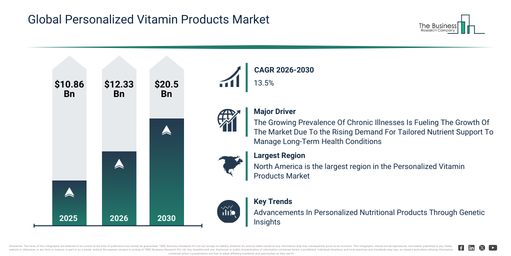
    The personalized vitamin products market size has seen rapid expansion in recent years. It is anticipated to grow from $10.86 billion in 2025 to $12.33 billion in 2026, at a compound annual growth rate (CAGR) of 13.6%. The historical growth in this market can be attributed to an increase in health and wellness awareness, the rising prevalence of nutrient deficiencies, the broader consumption of dietary supplements, the increased adoption of online health questionnaires, and the development of preventive healthcare.

    The personalized vitamin products market is poised for substantial growth in the upcoming years, with expectations to achieve a valuation of $20.5 billion by 2030, demonstrating a compound annual growth rate (CAGR) of 13.5%. This expansion during the forecast timeframe is attributable to advances in nutrigenomics, an increasing consumer appetite for customized healthcare solutions, the expansion of digital diagnostic tools, a heightened focus on personalized wellness, and the proliferation of AI-driven nutrition platforms. Notable trends anticipated in this period include the rising adoption of DNA and biomarker-based approaches for vitamin customization, the expanding popularity of subscription-based personalized vitamin programs, more frequent use of digital health assessments for devising vitamin plans, the broadening reach of direct-to-consumer personalized nutrition platforms, and a growing call for preventive and wellness-oriented vitamin regimens.

    Get A Free Sample Report With In-Depth Market Insights:

    https://thebusinessresearchcompany.com/sample_request?id=56291432&type=smp&name=Personalized%20Vitamin%20Products%20Market%20Report%202026&utm_source=Blogs&utm_medium=Paid&utm_campaign=Oct_PR

    Personalized Vitamin Products Market Demand Drivers: What’s Powering Industry Growth?

    The expanding occurrence of chronic illnesses is projected to fuel the advancement of the personalized vitamin products market in the future. Chronic illnesses are enduring health issues that persist over time, frequently necessitating continuous care and modifications to one’s way of life. The rise in these conditions is linked to inactive lifestyles, where extended periods of sitting and minimal physical activity heighten the risk of ailments such as heart conditions and diabetes. Personalized vitamin products assist in managing chronic illnesses by addressing specific nutrient deficiencies for individuals, which helps in reducing symptoms and enhancing overall well-being. This customized method strengthens immune function and acts as a complement to ongoing medical treatments for improved patient outcomes. For instance, in June 2024, data from the National Health Service, a UK-based government department, revealed that 3,615,330 individuals registered with a general practitioner were diagnosed with non-diabetic hyperglycemia or pre-diabetes (a condition where blood sugar levels are higher than usual but not high enough to be diagnosed as diabetes) in 2023, representing an 18% surge from 3,065,825 cases in 2022. Consequently, the increasing prevalence of chronic illnesses is acting as a key driver for the growth of the personalized vitamin market.

    Personalized Vitamin Products Market Breakdown By Product Type And Application

    The personalized vitamin products market covered in this report is segmented –

    1) By Product Type: Active Measurement, Standard Measurement

    2) By Application: Standard Supplements, Disease-Based

    3) By End-User: Direct-To-Consumer, Wellness And Fitness Centers, Hospitals And Clinics, Other End-Users

    Subsegments:

    1) By Active Measurement: DNA-Based Vitamin Recommendations, Blood Biomarker Testing, Microbiome Analysis, Wearable Device Data Integration, Urine Or Saliva Testing-Based Personalization

    2) By Standard Measurement: Lifestyle And Diet-Based Questionnaires, Age And Gender-Based Formulas, Health Goal-Oriented Formulations, General Wellness Packages, Subscription Box Models With Standard Personalization

    Personalized Vitamin Products Market Innovation Trends: What Developments Are Reshaping The Industry?

    Companies operating within the personalized vitamin product market are concentrating on developing innovative items, such as scientifically-backed nutritional products, to offer targeted health benefits and gain a competitive edge through originality and customization. A nutraceutical product that is science-backed refers to a supplement or food created using research and clinical studies to confirm its effectiveness and health advantages. For example, in April 2023, LifeDNA, a US-based personalized health and wellness firm, initiated the provision of advanced DNA-based New Chapter vitamin and supplement recommendations. By analyzing data from a non-invasive DNA test, LifeDNA utilizes nutrigenomics to deliver personalized reports and daily nutrition guidance to users, including tailored New Chapter vitamin and supplement suggestions that align with their distinct genetic profile, thereby assisting individuals in crafting a wellness routine that addresses their specific nutritional requirements.

    Personalized Vitamin Products Market Company Landscape And Competitive Strategy

    Major companies operating in the personalized vitamin products market are Persona Nutrition, Rootine, VitaminLab, Nourished, Vous Vitamin LLC, LemonBox, Vitamins & Me, Nutrafill, Hum Nutrition Inc., Metagenics Inc., Viome Life Sciences Inc., LifeDNA, EverlyWell Inc., Bayer AG, Nestlé Health Science, Amway Corporation, Blackmores Limited, Abbott Laboratories, Herbalife Nutrition Ltd., Glanbia plc

    View The Full Personalized Vitamin Products Market Report:

    https://thebusinessresearchcompany.com/report/personalized-vitamin-products-global-market-report?utm_source=Blogs&utm_medium=Paid&utm_campaign=Oct_PR

    Personalized Vitamin Products Market Regional Distribution: Which Areas Power Market Growth?

    North America was the largest region in the personalized vitamin products market in 2025. Asia-Pacific is expected to be the fastest-growing region in the forecast period. The regions covered in the personalized vitamin products market report are Asia-Pacific, South East Asia, Western Europe, Eastern Europe, North America, South America, Middle East, Africa.

    Reach Out To Our Team:

    The Business Research Company: https://www.thebusinessresearchcompany.com/

    Americas: +1 310-496-7795

    Asia: +44 7882 955267 & +91 8897263534

    Europe: +44 7882 955267

    Email us at: marketing@tbrc.info

    Follow us on:

    LinkedIn: https://in.linkedin.com/company/the-business-research-company

    YouTube: https://www.youtube.com/channel/UC24_fI0rV8cR5DxlCpgmyFQ

    Global Market Model: https://www.thebusinessresearchcompany.com/global-market-model

  • Personalized Medicine Biomarkers Market Growth Outlook From $31.34 Billion In 2026 To $58.79 Billion By 2030

    Personalized Medicine Biomarkers Market Growth Outlook From $31.34 Billion In 2026 To $58.79 Billion By 2030

    Backed by market attractiveness analysis, total addressable market sizing, company benchmarking matrices, interactive Excel dashboards, wider supply chain intelligence, emerging startup coverage, and detailed product-level insights, The Business Research Company’s 2026 market reports are designed to offer research that is more actionable and strategically valuable than ever.

    Personalized Medicine Biomarkers Market Size Outlook: How Quickly Will Revenue Expand Through 2030?

    The personalized medicine biomarkers market size has experienced rapid growth in recent years. It is projected to expand from $26.73 billion in 2025 to $31.34 billion in 2026, demonstrating a compound annual growth rate (CAGR) of 17.3%. This historical growth can be attributed to advancements in genomic research, an increasing incidence of cancer, the proliferation of targeted therapies, wider application of molecular diagnostics, and supportive regulatory frameworks for precision medicine.

    The personalized medicine biomarkers market size is anticipated to experience rapid growth in the upcoming years. It is projected to reach $58.8 billion by 2030, at a compound annual growth rate (CAGR) of 17.0%. This growth during the forecast period is attributed to the expansion of personalized therapeutics, a rising demand for early disease detection, growth in pharmacogenomics, increasing investment in biomarker discovery, and wider adoption across non-oncology indications. Key trends for the forecast period encompass the rising adoption of precision treatment approaches, increasing use of biomarkers in oncology care, growing integration of companion diagnostics, the expansion of predictive and prognostic biomarkers, and a higher focus on treatment response monitoring.

    Get A Free Sample Report With In-Depth Market Insights:

    https://thebusinessresearchcompany.com/sample_request?id=65633950&type=smp&name=Personalized%20Medicine%20Biomarkers%20Market%20Report%202026&utm_source=Blogs&utm_medium=Paid&utm_campaign=Oct_PR

    Personalized Medicine Biomarkers Market Growth Drivers: What’s Behind The Acceleration?

    The increasing occurrence of chronic illnesses is anticipated to boost the expansion of the personalized medicine biomarkers market in the future. Chronic illnesses are enduring health issues characterized by gradual development, lasting a minimum of one year, and necessitating continuous medical care or restricting everyday functions. This rising prevalence of chronic conditions stems from factors such as unhealthy lifestyle choices, poor nutritional habits, insufficient physical exercise, and elevated stress levels. Personalized medicine biomarkers aid in customizing treatments for chronic ailments by pinpointing efficacious therapies, forecasting disease advancement, and reducing negative reactions, all informed by a person’s unique genetic and molecular characteristics. For example, data released in February 2024 by the World Health Organization (WHO), a health authority based in Switzerland, projects that by 2050, new cancer cases will exceed 35 million, which signifies a 77% surge from the approximate 20 million cases recorded in 2022. Consequently, the increasing incidence of chronic diseases is propelling the expansion of the personalized medicine biomarkers market.

    Personalized Medicine Biomarkers Market Segment Analysis And Revenue Potential

    The personalized medicine biomarkers market covered in this report is segmented –

    1) By Biomarker Type: Genomic, Proteomics, Metabolic, Other Biomarker Types

    2) By Disease Indication: Oncology, Neurology, Diabetes, Autoimmune Diseases, Cardiology, Other Indications

    3) By Application: Early Detection Or Screening, Diagnosis, Treatment Selection, Monitoring

    4) By End Use: Hospitals And Clinics, Pharmaceutical And Biotechnology Companies, Diagnostic Labs, Other End Users

    Subsegments:

    1) By Genomic: Single Nucleotide Polymorphisms (SNPs), Copy Number Variations (CNVs), Gene Expression Biomarkers, Epigenetic Biomarkers

    2) By Proteomics: Protein Expression Biomarkers, Post-Translational Modification (PTM) Biomarkers, Protein-Protein Interaction Biomarkers, Enzyme Activity Biomarkers

    3) By Metabolic: Lipid Biomarkers, Amino Acid Biomarkers, Carbohydrate Biomarkers, Hormone Biomarkers

    4) By Other Biomarker Types: Inflammatory Biomarkers, Microbiome Biomarkers, Autoantibody Biomarkers, Extracellular Vesicle Biomarkers

    Personalized Medicine Biomarkers Market Trends: What’s Defining The Industry’s Next Phase?

    Leading companies within the personalized medicine biomarkers market are concentrating on securing regulatory authorizations, including companion diagnostic approval, to improve precision oncology by quickly connecting patients with specific therapies. Companion diagnostic approval denotes the official permission granted by a health authority, such as the FDA, for a diagnostic test specifically engineered to identify individuals who would most likely benefit from a certain therapeutic product or face a greater risk of adverse reactions. As an illustration, in August 2024, Illumina, Inc., a US-based biotechnology company, obtained Food and Drug Administration (FDA) approval for its cancer biomarker test and two companion diagnostics. The test employs next-generation sequencing (NGS) technology to find genetic mutations in cancer cells, allowing clinicians to select the most appropriate treatments based on individual biomarkers. This approval signifies a major step forward in precision oncology, intending to enhance the speed and precision of treatment selection for cancer patients, thereby elevating personalized care.

    Personalized Medicine Biomarkers Market Key Players Shaping Industry Direction

    Major companies operating in the personalized medicine biomarkers market are AbbVie Inc., Bristol-Myers Squibb Company, Thermo Fisher Scientific Inc., Abbott Laboratories, Novartis AG, Merck KGaA, GE Healthcare, Laboratory Corporation of America Holdings (LabCorp), Agilent Technologies Inc., Hologic Inc., Illumina Inc., PerkinElmer Inc., Beckman Coulter Inc., Bio-Rad Laboratories Inc., QIAGEN N.V., DH Life Sciences LLC, Myriad Genetics Inc., Guardant Health Inc., Cardiff Oncology Inc., 23andMe Inc., Coriell Life Sciences Inc.

    View The Full Personalized Medicine Biomarkers Market Report:

    https://thebusinessresearchcompany.com/report/personalized-medicine-biomarkers-global-market-report?utm_source=Blogs&utm_medium=Paid&utm_campaign=Oct_PR

    Personalized Medicine Biomarkers Market Leading Geography: Which Region Contributes The Most Revenue?

    North America was the largest region in the personalized medicine biomarkers market in 2025. Asia-Pacific is expected to be the fastest-growing region in the forecast period. The regions covered in the personalized medicine biomarkers market report are Asia-Pacific, South East Asia, Western Europe, Eastern Europe, North America, South America, Middle East, Africa.

    Reach Out To Our Team:

    The Business Research Company: https://www.thebusinessresearchcompany.com/

    Americas: +1 310-496-7795

    Asia: +44 7882 955267 & +91 8897263534

    Europe: +44 7882 955267

    Email us at: marketing@tbrc.info

    Follow us on:

    LinkedIn: https://in.linkedin.com/company/the-business-research-company

    YouTube: https://www.youtube.com/channel/UC24_fI0rV8cR5DxlCpgmyFQ

    Global Market Model: https://www.thebusinessresearchcompany.com/global-market-model
  • Personalized Medicine Market Forecast To Reach $733.26 Billion By 2030: Key Growth Drivers And Industry Trends

    Personalized Medicine Market Forecast To Reach $733.26 Billion By 2030: Key Growth Drivers And Industry Trends

    Featuring market attractiveness scoring, total addressable market sizing, company benchmarking matrices, interactive Excel dashboards, deeper supply chain intelligence, emerging startup tracking, and granular product-level insights, The Business Research Company’s 2026 market reports are built to deliver research that is both more actionable and more strategically valuable.

    Personalized Medicine Market Size, Value And Growth Trajectory Through 2030

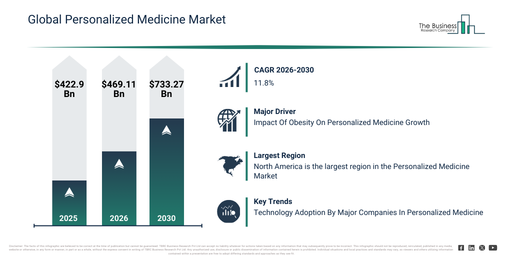
    The personalized medicine market has experienced significant growth in recent years. It is projected to expand from $422.9 billion in 2025 to $469.11 billion in 2026, demonstrating a compound annual growth rate (CAGR) of 10.9%. The historical growth of this market can be attributed to the rising prevalence of chronic diseases, advancements in genetic sequencing, increased healthcare expenditure, growing awareness of personalized medicine, and the early adoption of digital health solutions.

    The personalized medicine market is projected to undergo significant expansion in the upcoming years. Its valuation is set to reach $733.27 billion in 2030, exhibiting a compound annual growth rate (CAGR) of 11.8%. This projected growth is driven by several factors, including the incorporation of AI into diagnostics and therapeutics, the broadening scope of gene and cell therapy offerings, the increasing demand for remote patient monitoring, the creation of precise nutrition solutions, and the rising uptake of companion diagnostics. Key trends expected in this period encompass personalized genetic profiling, targeted drug development, patient-focused care models, remote health monitoring, and preventive therapies based on lifestyle.

    Get A Free Sample Report With In-Depth Market Insights:

    https://thebusinessresearchcompany.com/sample_request?id=26271832&type=smp&name=Personalized%20Medicine%20Market%20Report%202026&utm_source=Blogs&utm_medium=Paid&utm_campaign=Oct_PR

    Personalized Medicine Market Growth Factors Behind Sustained Expansion

    The increasing number of individuals with obesity is projected to fuel the expansion of the personalized medicine market in the future. Obesity is characterized by an unhealthy or excessive build-up of body fat that can detrimentally affect a person’s well-being. Personalized medicine plays a role in targeting the unique genetic and molecular elements linked to obesity, thus providing customized and efficient treatments for patients. For example, data from December 2024, provided by the Office for Health Improvement and Disparities, a UK-based government department, indicated that the percentage of women recorded as obese in early pregnancy rose from 25.4% between 2022 to 2023 to 26.2% between 2023 to 2024. Consequently, the expanding obese demographic is serving as a catalyst for the development of the personalized medicine market.

    Personalized Medicine Market Segmentation And Category Overview

    The personalized medicine market covered in this report is segmented –

    1) By Product: Personalized Medicine Diagnostics, Personalized Medicine Therapeutics, Personalized Medical Care, Personalized Nutrition and Wellness

    2) By Application: Oncology, Neurology, Blood Transfusion Safety, Diabetes, Autoimmune Diseases, Cardiology, Other Applications

    3) By End-use: Hospitals, Diagnostic Centers, Research and Academic Institutes, Other End-Users

    Subsegments:

    1) By Personalized Medicine Diagnostics: Genetic Testing, Biomarker Testing, Companion Diagnostics, Molecular Imaging

    2) By Personalized Medicine Therapeutics: Targeted Therapies, Gene Therapies, Monoclonal Antibodies, Cell and Gene Therapy Products

    3) By Personalized Medical Care: Tailored Treatment Plans, Patient-Centric Care Models, Digital Health Solutions, Remote Patient Monitoring

    4) By Personalized Nutrition And Wellness: Nutrigenomics, Customized Diet Plans, Supplement Personalization, Lifestyle Modification Programs

    Personalized Medicine Market Industry Trends Fueling Future Revenue Growth

    Leading companies within the personalized medicine market are concentrating on creating technological advancements, such as artificial intelligence (AI)-powered platforms, to improve diagnosis accuracy, individualize treatment, and increase clinical trial efficiency. These AI-powered platforms employ extensive data analysis to yield practical insights into disease development, patient reactions, and the effectiveness of various treatments. For instance, in April 2023, OM1, a US-based healthcare company that utilizes real-world data and AI, patented an AI-powered platform intended to accelerate personalized medicine. The platform facilitates customized healthcare advice, supports healthcare providers in making informed decisions, and speeds up clinical trials by effectively identifying suitable patient candidates. By incorporating AI-driven analytics into healthcare operations, this technology advances personalized medicine and strengthens market expansion.

    Personalized Medicine Market Competitive Analysis Of Leading Industry Participants

    Major companies operating in the personalized medicine market are Bayer AG, Novartis AG, Thermo Fisher Scientific Inc., GlaxoSmithKline plc, AstraZeneca plc, Abbott Laboratories, Danaher Corporation, Eli Lilly and Company, Decode Genetics Inc., GE HealthCare Technologies Inc., Roche Diagnostics, Genentech Inc., Biogen Inc., Illumina Inc., Qiagen N.V., Exact Sciences Corporation, Myriad Genetics Inc., Verily Life Sciences LLC, Guardant Health Inc., Tempus Labs, Oxford Nanopore Technologies, Foundation Medicine Inc., NanoString Technologies Inc., Exagen Inc., Asuragen Inc., Personal Genome Diagnostics, Precision Biologics Inc., Strata Oncology, Genelex Corp, Invitae Corporation, Color Genomics, Helix OpCo LLC, 10x Genomics Inc., Agena Bioscience Inc., Natera Inc., Becton Dickinson and Company, PerkinElmer Inc., Sophia Genetics, Genomic Vision, Personalis Inc.

    View The Full Personalized Medicine Market Report:

    https://thebusinessresearchcompany.com/report/personalized-medicine-global-market-report?utm_source=Blogs&utm_medium=Paid&utm_campaign=Oct_PR

    Personalized Medicine Market Regional Outlook: Where Is Opportunity Concentrated?

    North America was the largest region in the personalized medicine market in 2025. Asia-pacific is expected to be the fastest-growing region in the global personalized medicine market during the forecast period. The regions covered in the personalized medicine market report are Asia-Pacific, South East Asia, Western Europe, Eastern Europe, North America, South America, Middle East, Africa.

    Reach Out To Our Team:

    The Business Research Company: https://www.thebusinessresearchcompany.com/

    Americas: +1 310-496-7795

    Asia: +44 7882 955267 & +91 8897263534

    Europe: +44 7882 955267

    Email us at: marketing@tbrc.info

    Follow us on:

    LinkedIn: https://in.linkedin.com/company/the-business-research-company

    YouTube: https://www.youtube.com/channel/UC24_fI0rV8cR5DxlCpgmyFQ

    Global Market Model: https://www.thebusinessresearchcompany.com/global-market-model
  • Personalized Genomics Market Research 2026: Market Size, Trends, Segments And Growth Forecast

    Personalized Genomics Market Research 2026: Market Size, Trends, Segments And Growth Forecast

    Built to provide research that’s more actionable and strategically valuable, The Business Research Company’s 2026 market reports include market attractiveness analysis, total addressable market sizing, company benchmarking matrices, interactive Excel dashboards, broader supply chain intelligence, emerging startup tracking, and in-depth product insights.

    Personalized Genomics Market CAGR Outlook And Future Development

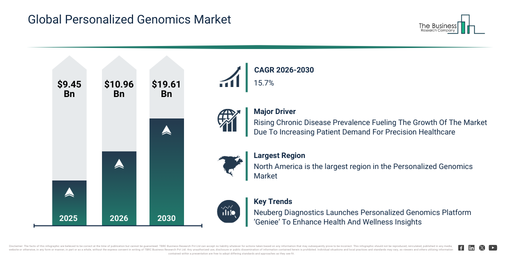
    The market size for personalized genomics has experienced rapid growth in recent years. It will grow from $9.45 billion in 2025 to $10.96 billion in 2026 at a compound annual growth rate (CAGR) of 16.0%. This historical growth can be attributed to factors such as the decreasing costs of genetic sequencing, the rising prevalence of chronic and genetic diseases, an increase in research-based genomics studies, the expansion of diagnostic laboratory infrastructure, and the early adoption of precision medicine approaches.

    The personalized genomics market size is anticipated to experience substantial growth over the next few years. It is projected to expand to $19.61 billion in 2030, showing a compound annual growth rate (CAGR) of 15.7%. This expansion during the forecast period is attributable to the incorporation of genomics into routine clinical practice, a rising demand for personalized medicine, continuous advancements in sequencing technologies, the broadening of wellness and ancestry testing, and increasing investments from pharmaceutical and biotechnology companies. Significant trends expected during this period include an increase in the adoption of direct-to-consumer genetic testing, a growing application of pharmacogenomics in treatment planning, an escalating demand for preventive and predictive healthcare solutions, the expansion of genetic testing within reproductive health, and enhanced consumer awareness regarding lifestyle and wellness genomics.

    Get A Free Sample Report With In-Depth Market Insights:

    https://thebusinessresearchcompany.com/sample_request?id=10045290&type=smp&name=Personalized%20Genomics%20Market%20Report%202026&utm_source=Blogs&utm_medium=Paid&utm_campaign=Oct_PR

    Personalized Genomics Market Demand Drivers Opening New Revenue Streams

    The increasing incidence of chronic illnesses is anticipated to boost the expansion of the personalized genomics market in the future. These enduring health conditions necessitate continuous care and include ailments such as diabetes, cardiac disease, high blood pressure, and various intricate health challenges. The surge in chronic ailments is primarily attributable to an aging populace, inactive lifestyles, inadequate nutrition, and environmental elements fostering the simultaneous emergence of multiple health problems. Personalized genomics aids in managing chronic conditions by facilitating extensive genotyping and sequencing, which helps categorize patients based on genetic risk, thereby enabling more accurate diagnoses, tailored treatments, and improved preventive measures. As an illustration, in April 2025, data from the U.S. Centers for Disease Control and Prevention (CDC), an US-based organization, indicated that 76.4% of U.S. adults, approximately 194 million individuals, were living with at least one of 12 specific chronic conditions, with 51.4% (around 130 million) affected by two or more. Consequently, the growing prevalence of chronic illnesses is serving as a catalyst for the expansion of the personalized genomics market.

    Personalized Genomics Market Segment Outlook: Which Categories Are Growing Fastest?

    The personalized genomics market covered in this report is segmented –

    1) By Test Type: Oncology Testing, Neurological Testing, Cardiovascular Testing, Other Test Types

    2) By Technology: Polymerase Chain Reaction-Based Tests, Microarray-Based Tests, Sequencing-Based Tests, Other Technologies

    3) By Application: Diagnostics, Precision Medicine, Wellness, Reproductive Health, Sports Nutrition And Health, Lifestyle, Other Applications

    4) By End User: Hospitals And Clinics, Research Centers, Pharmaceutical And Biotechnology Companies, Diagnostic Laboratories, Other End Users

    Subsegments:

    1) By Oncology Testing: Liquid Biopsy, Tumor Profiling, Genetic Testing For Cancer Risk, Companion Diagnostics

    2) By Neurological Testing: Alzheimer’s Disease Testing, Huntington’s Disease Testing, Parkinson’s Disease Testing, Epilepsy Testing

    3) By Cardiovascular Testing: Genetic Risk for Cardiovascular Diseases, Arrhythmia Testing, Coronary Artery Disease Testing

    4) By Other Test Types: Pharmacogenomics Testing, Genetic Screening For Inherited Disorders, Ancestry Testing

    Personalized Genomics Market Trends Powering Strategic Industry Growth

    Leading firms within the personalized genomics market are concentrating on creating advanced technologies, such as personalized genomics platforms, designed to offer customized understanding of health, well-being, and strategies for preventing illnesses. Such a platform functions by examining an individual’s genetic information to provide bespoke insights and advice concerning their health, overall well-being, and susceptibility to diseases. For instance, in September 2024, Neuberg Diagnostics Private Limited, an India-based diagnostic service company, unveiled Geniee Decode Your DNA, a novel customized genomics platform. This specific personalized genomics platform delivers tailored insights on health, nutritional needs, and medication responses, all derived from an individual’s genetic makeup, with the goal of optimizing wellness, aiding in disease prevention, and facilitating personalized treatments for improved health outcomes.

    Personalized Genomics Market Leading Companies And Competitive Benchmarking

    Major companies operating in the personalized genomics market are Thermo Fisher Scientific Inc., Illumina Inc., Myriad Genetics Inc., BGI Genomics Co. Ltd., Invitae Corporation, Guardant Health Inc., GeneDx LLC, Ancestry Inc., Oxford Nanopore Technologies plc, Genomic Health Inc., 23andMe Holding Co., Color Health Inc., Helix OpCo LLC, Personalis Inc., Dante Genomics, Gene By Gene Ltd., Veritas Genetics Inc., Futura Genetics, Nebula Genomics Inc., Pathway Genomics Corporation

    View The Full Personalized Genomics Market Report:

    https://thebusinessresearchcompany.com/report/personalized-genomics-global-market-report?utm_source=Blogs&utm_medium=Paid&utm_campaign=Oct_PR

    Personalized Genomics Market Geographic Landscape: Which Region Leads Industry Growth?

    North America was the largest region in the personalized genomics market in 2025. Asia-Pacific is expected to be the fastest-growing region in the forecast period. The regions covered in the personalized genomics market report are Asia-Pacific, South East Asia, Western Europe, Eastern Europe, North America, South America, Middle East, Africa.

    Reach Out To Our Team:

    The Business Research Company: https://www.thebusinessresearchcompany.com/

    Americas: +1 310-496-7795

    Asia: +44 7882 955267 & +91 8897263534

    Europe: +44 7882 955267

    Email us at: marketing@tbrc.info

    Follow us on:

    LinkedIn: https://in.linkedin.com/company/the-business-research-company

    YouTube: https://www.youtube.com/channel/UC24_fI0rV8cR5DxlCpgmyFQ

    Global Market Model: https://www.thebusinessresearchcompany.com/global-market-model

  • Personalized Gene Therapy Treatment Market Forecast 2026: Market Size, Competitive Landscape And Growth Drivers

    Personalized Gene Therapy Treatment Market Forecast 2026: Market Size, Competitive Landscape And Growth Drivers

    Backed by market attractiveness analysis, total addressable market sizing, company benchmarking matrices, interactive Excel dashboards, wider supply chain intelligence, emerging startup coverage, and detailed product-level insights, The Business Research Company’s 2026 market reports are designed to offer research that is more actionable and strategically valuable than ever.

    Personalized Gene Therapy Treatment Market Set To Climb From $10.11 Billion In 2026 To $21.22 Billion By 2030

    The personalized gene therapy treatment market size has expanded considerably in recent years. It is anticipated to increase from $8.38 billion in 2025 to $10.11 billion in 2026, reflecting a compound annual growth rate (CAGR) of 20.7%. This past growth is largely due to factors such as the increasing prevalence of genetic disorders, advancements in genomic sequencing technologies, early clinical success of targeted gene therapies, the expansion of specialized gene therapy research centers, and growing investment in precision medicine.

    The personalized gene therapy treatment market size is set to experience substantial growth in the upcoming years, with projections indicating it will reach $21.23 billion in 2030, demonstrating a compound annual growth rate (CAGR) of 20.4%. This expansion in the forecast period can be attributed to several factors including increasing regulatory approvals for personalized gene therapies, a rising demand for customized oncology treatments, the expansion of gene therapy manufacturing capabilities, the growing integration of AI in therapy design, and an increasing adoption of pharmacogenomics-guided treatments. Furthermore, major trends anticipated in the forecast period encompass the increasing adoption of gene editing-based therapies, a rising use of personalized treatment protocols, the growing integration of companion diagnostics, the expansion of viral and non-viral vector platforms, and an enhanced focus on precision oncology applications.

    Get A Free Sample Report With In-Depth Market Insights:

    https://thebusinessresearchcompany.com/sample_request?id=38270877&type=smp&name=Personalized%20Gene%20Therapy%20Treatment%20Market%20Report%202026&utm_source=Blogs&utm_medium=Paid&utm_campaign=Oct_PR

    Personalized Gene Therapy Treatment Market Growth Backed By Core Demand Fundamentals

    The increasing incidence of genetic disorders is anticipated to stimulate the expansion of the personalized gene therapy treatment market in the future. Genetic disorders are conditions resulting from anomalies in DNA that disrupt normal bodily functions. The prevalence of these disorders is escalating due to rising parental age, as older reproductive cells carry a higher likelihood of mutations that can be transmitted to offspring. Personalized gene therapy addresses genetic disorders by precisely correcting the defective genes responsible for the condition, customizing treatment to an individual’s genetic makeup, thereby enhancing efficacy and reducing side effects. For instance, in October 2024, as per the Cystic Fibrosis Trust, a UK-based charity dedicated to supporting individuals with cystic fibrosis, approximately 11,148 cystic fibrosis (a genetic disorder) patients were registered in 2022, and this figure climbed to 11,318 in 2023, showing a 1.5% increase in patient registrations year over year. Consequently, the growing prevalence of genetic disorders is propelling the growth of the personalized gene therapy treatment market.

    Personalized Gene Therapy Treatment Market Segment Landscape: Which Areas Lead Development?

    The personalized gene therapy treatment market covered in this report is segmented –

    1) By Therapy: Targeted Treatments, Pharmacogenomics

    2) By Vector Type: Viral, Non-Viral

    3) By Distribution Channel: Hospitals, Clinics, Home Administration, Other Distribution Channels

    4) By Application: Oncology, Neurology, Hematological, Infectious Diseases, Ophthalmology, Other Applications

    Subsegments:

    1) By Targeted Treatments: Monoclonal Antibodies, Chimeric Antigen Receptor T-Cell Therapy (CAR-T), Small Interfering RNA (siRNA) Therapy, Antisense Oligonucleotides (ASO), Gene Editing Therapy

    2) By Pharmacogenomics: Companion Diagnostics, Drug Metabolism Enzyme Testing, Genetic Biomarker Analysis, Single Nucleotide Polymorphism (SNP) Profiling, Adverse Drug Reaction (ADR) Prediction

    Personalized Gene Therapy Treatment Market Growth Trends Reshaping The Competitive Landscape

    Leading companies in the personalized gene therapy treatment market are increasingly focusing on forming strategic partnerships to boost their technological capabilities and make innovative therapies available to patients more efficiently. Strategic partnerships involve collaborative agreements between organizations, aiming to leverage each other’s strengths and resources for mutual development and a competitive advantage, while also sharing risks and benefits. For instance, in May 2025, Aldevron, a US-based company engaged in producing DNA, RNA, and protein, teamed up with Integrated DNA Technologies, a US-based provider of genomics solutions. Their collaboration aimed to create the world’s first mRNA-based personalized CRISPR therapy to treat an infant diagnosed with urea cycle disorder (UCD), a rare and life-threatening genetic condition. This N of 1 therapy was successfully developed and delivered in just six months, incorporating a custom guide RNA, an mRNA-encoded base editor, off-target safety services, and a clinically validated lipid nanoparticle delivery system. The development of this therapy signifies a major advancement in personalized in vivo base-editing treatments.

    Personalized Gene Therapy Treatment Market Industry Leaders And Competitive Landscape

    Major companies operating in the personalized gene therapy treatment market are Thermo Fisher Scientific Inc., Illumina Inc., Myriad Genetics Inc., BGI Genomics Co. Ltd., Invitae Corporation, Guardant Health Inc., GeneDx LLC, Ancestry Inc., Oxford Nanopore Technologies plc, Genomic Health Inc., 23andMe Holding Co., Color Health Inc., Helix OpCo LLC, Personalis Inc., Dante Genomics, Gene By Gene Ltd., Veritas Genetics Inc., Futura Genetics, Nebula Genomics Inc., Pathway Genomics Corporation

    View The Full Personalized Gene Therapy Treatment Market Report:

    https://thebusinessresearchcompany.com/report/personalized-gene-therapy-treatment-global-market-report?utm_source=Blogs&utm_medium=Paid&utm_campaign=Oct_PR

    Personalized Gene Therapy Treatment Market Largest Region: Which Geography Holds The Biggest Share?

    North America was the largest region in the personalized gene therapy treatment market in 2025. The regions covered in the personalized gene therapy treatment market report are Asia-Pacific, South East Asia, Western Europe, Eastern Europe, North America, South America, Middle East, Africa.

    Reach Out To Our Team:

    The Business Research Company: https://www.thebusinessresearchcompany.com/

    Americas: +1 310-496-7795

    Asia: +44 7882 955267 & +91 8897263534

    Europe: +44 7882 955267

    Email us at: marketing@tbrc.info

    Follow us on:

    LinkedIn: https://in.linkedin.com/company/the-business-research-company

    YouTube: https://www.youtube.com/channel/UC24_fI0rV8cR5DxlCpgmyFQ

    Global Market Model: https://www.thebusinessresearchcompany.com/global-market-model

  • Personalized Dietary Supplements Market Size In 2026: Regional Growth, Key Segments And Future Outlook

    Personalized Dietary Supplements Market Size In 2026: Regional Growth, Key Segments And Future Outlook

    Featuring market attractiveness scoring, total addressable market sizing, company benchmarking matrices, interactive Excel dashboards, deeper supply chain intelligence, emerging startup tracking, and granular product-level insights, The Business Research Company’s 2026 market reports are built to deliver research that is both more actionable and more strategically valuable.

    Personalized Dietary Supplements Market Forecast: Value Set To Climb From $10.37 Billion To $15.71 Billion

    The personalized dietary supplements market size has demonstrated rapid expansion over recent years. It is anticipated to increase from $9.36 billion in 2025 to $10.38 billion by 2026, with a compound annual growth rate (CAGR) reaching 10.9%. Historically, this growth can be ascribed to several factors: increasing health awareness, the broader use of dietary supplements, the rise of wellness and fitness culture, enhanced accessibility of online health services, and the development of the nutraceutical industry.

    The personalized dietary supplements market is projected to experience substantial growth in the coming years. This market is forecast to expand to $15.72 billion in 2030, achieving a compound annual growth rate (CAGR) of 10.9%. The expansion during the forecast period can be attributed to advancements in nutrigenomics, an increasing demand for personalized healthcare, the growth of subscription-based supplement models, a rising prevalence of lifestyle diseases, and the expansion of digital health platforms. Key trends expected over this period include an increasing adoption of personalized nutrition plans, a growing utilization of genetic and lifestyle data, a rising demand for customized vitamin and mineral blends, the expansion of direct-to-consumer supplement platforms, and an increasing focus on preventive healthcare.

    Get A Free Sample Report With In-Depth Market Insights:

    https://thebusinessresearchcompany.com/sample_request?id=75035389&type=smp&name=Personalized%20Dietary%20Supplements%20Market%20Report%202026&utm_source=Blogs&utm_medium=Paid&utm_campaign=Oct_PR

    Personalized Dietary Supplements Market Growth Catalysts And Demand Drivers

    The expanding incidence of lifestyle-related diseases is anticipated to fuel the expansion of the personalized dietary supplement market. These conditions, primarily stemming from an individual’s daily habits and choices, encompass ailments such as heart disease, type 2 diabetes, obesity, hypertension, specific cancers, and mental health challenges. The rise in lifestyle-related diseases is attributed to physical inactivity, which contributes to weight gain, compromised heart health, and diminished insulin sensitivity, thereby heightening the risk of chronic conditions. Consequently, lifestyle-related diseases foster a demand for personalized dietary supplements, providing precise nutritional support to address or avert particular health concerns. Such customized formulations are designed to cater to individual requirements, rectify nutritional deficits, and enhance overall well-being. For instance, in June 2024, according to the National Health Service, a UK-based government department, 3,615,330 individuals registered with a general practitioner (GP) were diagnosed with non-diabetic hyperglycemia or pre-diabetes in 2023, marking an 18% increase from 3,065,825 cases in 2022. Thus, the escalating prevalence of lifestyle-related diseases is propelling the growth of the personalized dietary supplement market.

    Personalized Dietary Supplements Market Segments: Where Is Growth Concentrated?

    The personalized dietary supplements market covered in this report is segmented –

    1) By Type: Vitamins, Minerals, Botanicals, Amino Acids, Enzymes, Probiotics

    2) By Dosage Forms: Tablets, Capsules, Powders, Liquids, Other Dosage Forms

    3) By Distribution Channel: Pharmacy, Super Market Or Hyper Market, Online, Health And Wellness Stores, Other Distribution Channels

    4) By Application: Additional Supplements, Medicinal Supplements, Sports Nutrition, Lifestyle Diseases, Inherited Diseases, Other Applications

    5) By End-Use: Hospitals, Clinics, Home Care, Wellness and Fitness Centers, Ambulatory Care, Other End-Uses

    Subsegments:

    1) By Vitamins: Vitamin A, Vitamin B Complex, Vitamin C, Vitamin D, Vitamin E, Vitamin K,

    2) By Minerals: Calcium, Magnesium, Zinc, Iron, Potassium, Selenium, Iodine

    3) By Botanicals: Ginseng, Turmeric, Green Tea Extract, Ashwagandha, Gingko Biloba, Echinacea, Milk Thistle

    4) By Amino Acids: Essential Amino Acids, Non-Essential Amino Acids, Branched-Chain Amino Acids, Collagen Peptides

    5) By Enzymes: Digestive Enzymes, Systemic Enzymes, Lactase, Bromelain, Papain

    6) By Probiotics: Lactobacillus species, Bifidobacterium species, Saccharomyces boulardii, Streptococcus thermophilus, Spore-forming probiotics.

    Personalized Dietary Supplements Market Trends Shaping Long-Term Demand

    Leading companies in the personalized dietary supplements market are concentrating on developing advanced products, such as custom vitamin supplements, to enhance consumer involvement through data-driven nutrition solutions. Custom vitamin supplements are nutritional products designed to match an individual’s specific health requirements, lifestyle, and biological data, often determined through questionnaires, DNA tests, or lab results. They provide personalized nutrition based on unique dietary and physiological demands. For instance, in December 2024, Bioniq, a UK-based provider of personalized nutritional support, launched Build Your Own, a hyper-personalized vitamin supplement. This product enables individuals with special health needs, such as allergies, vitamin and mineral intolerances, or chronic conditions, to create personalized supplement formulas by choosing from over 50 nutrients or following AI-driven recommendations based on their health data.

    Personalized Dietary Supplements Market Key Participants And Competitive Landscape

    Major companies operating in the personalized dietary supplements market are Viome Life Sciences Inc., Persona Nutrition, Bioniq Ltd., Rootine, Nourished, Metagenics Inc., Hum Nutrition Inc., Herbalife Nutrition Ltd., Amway Corporation, Abbott Laboratories, Bayer AG, Danone SA, Glanbia plc, Iovate Health Sciences International Inc., Reliance Vitamin Company Inc., Archer-Daniels-Midland Company (ADM), Nature’s Bounty, MusclePharm Corporation, Nutiva Inc., Pfizer Inc.

    View The Full Personalized Dietary Supplements Market Report:

    https://thebusinessresearchcompany.com/report/personalized-dietary-supplements-global-market-report?utm_source=Blogs&utm_medium=Paid&utm_campaign=Oct_PR

    Personalized Dietary Supplements Market Regional Analysis: Which Geography Leads On Revenue?

    North America was the largest region in the personalized dietary supplements market in 2025. Asia-Pacific is expected to be the fastest-growing region in the forecast period. The regions covered in the personalized dietary supplements market report are Asia-Pacific, South East Asia, Western Europe, Eastern Europe, North America, South America, Middle East, Africa.

    Reach Out To Our Team:

    The Business Research Company: https://www.thebusinessresearchcompany.com/

    Americas: +1 310-496-7795

    Asia: +44 7882 955267 & +91 8897263534

    Europe: +44 7882 955267

    Email us at: marketing@tbrc.info

    Follow us on:

    LinkedIn: https://in.linkedin.com/company/the-business-research-company

    YouTube: https://www.youtube.com/channel/UC24_fI0rV8cR5DxlCpgmyFQ

    Global Market Model: https://www.thebusinessresearchcompany.com/global-market-model
  • Personalized Cancer Vaccines Market Growth Forecast Through 2030: Market Size And Trends In 2026

    Personalized Cancer Vaccines Market Growth Forecast Through 2030: Market Size And Trends In 2026

    Built to provide research that’s more actionable and strategically valuable, The Business Research Company’s 2026 market reports include market attractiveness analysis, total addressable market sizing, company benchmarking matrices, interactive Excel dashboards, broader supply chain intelligence, emerging startup tracking, and in-depth product insights.

    Personalized Cancer Vaccines Market Revenue Growth On Track For A 6.4% CAGR Through 2030

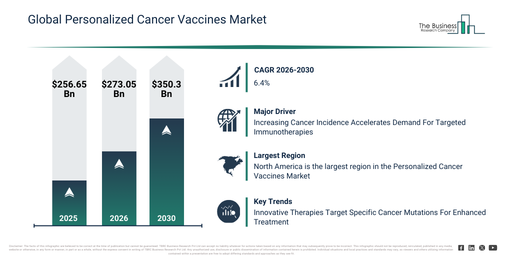
    The personalized cancer vaccines market size has experienced robust expansion in recent years. It is forecast to rise from $256.65 billion in 2025 to $273.05 billion in 2026, expanding at a compound annual growth rate (CAGR) of 6.4%. The increase observed in the historic period is largely due to advancements in cancer genomics, the substantial unmet need in oncology treatments, the inherent limitations of traditional cancer therapies, the expansion of immunotherapy research, and increased financial support for cancer research.

    The personalized cancer vaccines market is projected to experience substantial expansion over the upcoming years. This market is anticipated to reach $350.3 billion by 2030, exhibiting a compound annual growth rate (CAGR) of 6.4%. This anticipated growth during the forecast period can be primarily ascribed to the wider adoption of personalized medicine, an increase in cancer incidence rates, advancements in neoantigen discovery, heightened collaboration among biotechnology companies, and favorable regulatory environments. Key trends expected within this period encompass a growing emphasis on personalized immunotherapy, increased application of genomic tumor profiling, the expansion of therapeutic cancer vaccines, greater integration with precision oncology, and elevated clinical trial activity for cancer vaccines.

    Get A Free Sample Report With In-Depth Market Insights:

    https://thebusinessresearchcompany.com/sample_request?id=27057632&type=smp&name=Personalized%20Cancer%20Vaccines%20Market%20Report%202026&utm_source=Blogs&utm_medium=Paid&utm_campaign=Oct_PR

    Personalized Cancer Vaccines Market Opportunity Drivers: What’s Unlocking New Revenue Potential?

    The rising incidence of cancer is anticipated to drive expansion in the personalized cancer vaccine market in the future. Cancer is defined as a collection of illnesses marked by unregulated cell proliferation, capable of invading adjacent tissues and metastasizing throughout the body. The growing occurrence of cancer is fueled by factors such as demographic shifts towards older populations, evolving lifestyles, exposure to environmental agents, and advancements in diagnostic methods. This personalized cancer vaccine market contributes to cancer treatment by offering vaccines uniquely designed for individual patient tumor antigens, thereby boosting the immune system’s capacity to recognize and eradicate malignant cells. A notable example comes from July 2024, when the Australian Institute of Health and Welfare (AIHW), an Australia-based government body, reported an increase in cancer diagnoses in Australia, climbing from 160,570 cases in 2022 to 164,694 cases in 2023, which signifies a considerable rise year-on-year. Consequently, the growing frequency of cancer cases is fueling the expansion of the personalized cancer vaccine market.

    Personalized Cancer Vaccines Market Segment Analysis: What Are The Core Market Categories?

    The personalized cancer vaccines market covered in this report is segmented –

    1) By Treatment Type: Preventive Cancer Vaccines, Therapeutic Cancer Vaccines

    2) By Cancer Type: Lung Cancer, Breast Cancer, Colorectal Cancer, Leukemia, Prostate Cancer, Cervical Cancer, Glioblastoma

    3) By Mechanism Of Action: Tumor Associated Antigens (TAAs), Tumor Specific Antigens (TSAs), Somatic Mutations In Cancer Pharmacogenomics, Pharmacogenomics Towards Genomic Polymorphism, Other Mechanisms Of Action

    4) By Route Of Administration: Injectables, Other Routes Of Administration

    5) By End Use: Hospitals, Clinic, Other End Users

    Subsegments:

    1) By Preventive Cancer Vaccines: HPV Vaccines, Hepatitis B Vaccines, Combination Vaccines

    2) By Therapeutic Cancer Vaccines: Dendritic Cell Vaccines, Peptide-Based Vaccines, DNA Vaccines, RNA Vaccines, Whole Cell Vaccines

    Personalized Cancer Vaccines Market Innovation Trends Shaping Future Development

    Major companies operating within the personalized cancer vaccine market are concentrating on developing sophisticated therapeutic solutions, including personalized immunotherapy aimed at specific patient tumor mutations, to enhance treatment accuracy and improve clinical outcomes. Personalized immunotherapy refers to bespoke cancer treatments that leverage a patient’s unique genetic and tumor mutation profile, often delivered via dendritic cell–based vaccines or neoantigen-targeted platforms, to generate a tailored immune response against malignant cells. For instance, in August 2024, UCLA Health, a US-based healthcare organization, initiated a groundbreaking clinical trial to evaluate a personalized cancer vaccine targeting the H3 G34 mutation in diffuse hemispheric gliomas, utilizing dendritic cells to stimulate immunity against the RNA disruptions caused by this aggressive mutation, offering a promising therapeutic avenue for adolescents and young adults who typically face limited treatment choices and poor survival rates.

    Personalized Cancer Vaccines Market Top Companies Driving Competitive Growth

    Major companies operating in the personalized cancer vaccines market are Moderna Inc., CureVac AG, BioNTech SE, Genentech Inc., Merck & Co. Inc., GlaxoSmithKline plc, Achilles Therapeutics Plc, Evaxion Biotech AS, Geneos Therapeutics Inc., ISA Pharmaceuticals BV, VAXIMM GmbH, EpiVax Therapeutics Inc., Personalis Inc., Catalent Inc., Gritstone bio Inc., Neon Therapeutics Inc., Nouscom AG, Vaccitech plc, Agenus Inc., Transgene SA

    View The Full Personalized Cancer Vaccines Market Report:

    https://thebusinessresearchcompany.com/report/personalized-cancer-vaccines-global-market-report?utm_source=Blogs&utm_medium=Paid&utm_campaign=Oct_PR

    Personalized Cancer Vaccines Market Geographic Spread And Regional Opportunities

    North America was the largest region in the personalized cancer vaccines market in 2025. Asia-Pacific is expected to be the fastest-growing region in the forecast period. The regions covered in the personalized cancer vaccines market report are Asia-Pacific, South East Asia, Western Europe, Eastern Europe, North America, South America, Middle East, Africa.

    Reach Out To Our Team:

    The Business Research Company: https://www.thebusinessresearchcompany.com/

    Americas: +1 310-496-7795

    Asia: +44 7882 955267 & +91 8897263534

    Europe: +44 7882 955267

    Email us at: marketing@tbrc.info

    Follow us on:

    LinkedIn: https://in.linkedin.com/company/the-business-research-company

    YouTube: https://www.youtube.com/channel/UC24_fI0rV8cR5DxlCpgmyFQ

    Global Market Model: https://www.thebusinessresearchcompany.com/global-market-model
  • Peripheral Vasodilator Drugs Market Analysis: $6.98 Billion Market Size In 2026 And Future Growth Prospects

    Peripheral Vasodilator Drugs Market Analysis: $6.98 Billion Market Size In 2026 And Future Growth Prospects

    Backed by market attractiveness analysis, total addressable market sizing, company benchmarking matrices, interactive Excel dashboards, wider supply chain intelligence, emerging startup coverage, and detailed product-level insights, The Business Research Company’s 2026 market reports are designed to offer research that is more actionable and strategically valuable than ever.

    Peripheral Vasodilator Drugs Market Value Growth And Long-Term Outlook

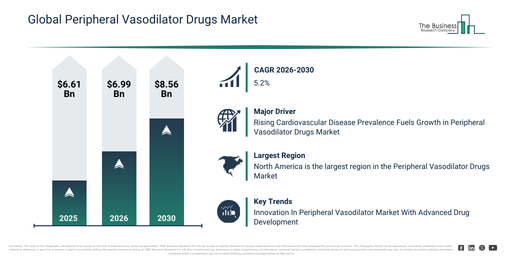
    The peripheral vasodilator drugs market has experienced substantial growth in recent years. It is forecast to increase from $6.61 billion in 2025 to $6.99 billion in 2026, at a compound annual growth rate (CAGR) of 5.7%. This historic expansion is primarily driven by factors including the escalating prevalence of hypertension, a rise in the incidence of peripheral vascular diseases, the consistent long-term clinical use of nitrates and calcium channel blockers, the growing burden of cardiovascular diseases, and the expansion of hospital-based cardiovascular treatment options.

    The peripheral vasodilator drugs market is projected for substantial expansion in the coming years. Its valuation is anticipated to reach $8.56 billion by 2030, demonstrating a compound annual growth rate (CAGR) of 5.2%. This projected growth throughout the forecast period stems from factors such as an aging global populace, an increase in heart failure and angina diagnoses, the escalating need for outpatient cardiovascular care, the wider embrace of generic vasodilator medications, and more effective detection of peripheral circulation conditions. Key trends anticipated during this period encompass the expanded application of vasodilators in managing chronic hypertension, a heightened preference for integrated cardiovascular treatment approaches, the increasing uptake of long-acting vasodilator formulations, a broader utilization of peripheral vasodilators in heart failure management, and a noticeable move towards products with enhanced safety and tolerability.

    Get A Free Sample Report With In-Depth Market Insights:

    https://thebusinessresearchcompany.com/sample_request?id=59452687&type=smp&name=Peripheral%20Vasodilator%20Drugs%20Market%20Report%202026&utm_source=Blogs&utm_medium=Paid&utm_campaign=Oct_PR

    Peripheral Vasodilator Drugs Market Growth Momentum: What Factors Are Shaping Demand?

    The anticipated rise in cardiovascular disease prevalence is poised to fuel the expansion of the peripheral vasodilator drug market. These disorders, impacting the heart and blood vessels, frequently stem from atherosclerosis and lead to conditions such as heart attacks, strokes, and hypertension. Factors contributing to the rise in cardiovascular disease cases include sedentary lifestyles, unhealthy eating habits, an aging global population, and increasing rates of obesity, alongside associated conditions like diabetes and hypertension. Peripheral vasodilators are crucial in managing cardiovascular diseases by enhancing blood flow, lowering blood pressure, easing the heart’s strain, and alleviating symptoms of conditions such as peripheral arterial disease. For instance, in October 2024, data from the Centers for Disease Control and Prevention, a US-based government agency, indicated that in 2023, cardiovascular disease resulted in 919,032 deaths, representing one in every three deaths. Coronary heart disease remained the most common form, with approximately one in 6 cardiovascular disease deaths occurring in adults under 65 years. Consequently, the increasing incidence of cardiovascular diseases is propelling the growth of the peripheral vasodilator drug market. The expanding demographic of older adults is anticipated to stimulate growth in the peripheral vasodilator drug market moving forward. The geriatric population refers to individuals generally aged 65 years and above, who often have specific healthcare, social, and physiological requirements linked to aging. This increase in the elderly population is primarily attributable to enhanced life expectancy, allowing more individuals to live longer due to advancements in healthcare, improved disease management, and better living standards. Peripheral vasodilator drugs assist the geriatric population by enhancing circulation to aging tissues, aiding in the management of age-related circulatory conditions, and diminishing complications associated with reduced vascular elasticity. For instance, in July 2024, according to the UK Parliament’s House of Commons Library, a UK-based government administration, in 2022, the UK had 12.7 million people aged 65 or older, accounting for 19% of the total population. This figure is projected to reach 22.1 million by 2072, making up 27% of the population. Therefore, the growing number of geriatric individuals is driving the growth of the peripheral vasodilator drug market.

    Peripheral Vasodilator Drugs Market Segment Breakdown: Which Categories Lead On Revenue?

    The peripheral vasodilator drugs market covered in this report is segmented –

    1) By Drug Type: Calcium Channel Blockers, Direct-Acting Vasodilators, Alpha-Adrenergic Blockers, Potassium Channel Activators, Nitrates, Other Types

    2) By Indication: Hypertension, Angina, Heart Failure, Other Indications

    3) By Application: Hospital, Retail Pharmacies, Other Applications

    Subsegments:

    1) By Calcium Channel Blockers: Dihydropyridines, Non-Dihydropyridines

    2) By Direct-Acting Vasodilators: Hydralazine, Minoxidil, Nitroprusside

    3) By Alpha-Adrenergic Blockers: Prazosin, Doxazosin, Terazosin

    4) By Potassium Channel Activators: Nicorandil, Diazoxide

    5) By Nitrates: Nitroglycerin, Isosorbide Dinitrate, Isosorbide Mononitrate

    6) By Other Types: Phosphodiesterase Inhibitors, Endothelin Receptor Antagonists

    Peripheral Vasodilator Drugs Market Trends Redefining Industry Growth

    Major companies in the peripheral vasodilator drugs market are concentrating on developing triple-drug combination therapies to enhance treatment results and expand their share in cardiovascular therapeutics. This triple-drug combination therapy is an antihypertensive Fixed-Dose Combination (FDC) designed for patients who have not achieved adequate blood pressure control with dual-drug therapies or cannot tolerate diuretic-based combinations. For example, in August 2023, Ajanta Pharma Limited, an India-based pharmaceutical company specializing in cardiology, launched Met XL AMT, a new triple-drug combination to manage hypertension among Indian patients. This product is an FDC composed of three antihypertensive agents: Telmisartan, Amlodipine, and Metoprolol. These agents work synergistically to lower blood pressure by relaxing blood vessels, which is a characteristic action of peripheral vasodilators. The drug received specific approval from DCGI for managing uncontrolled hypertension alongside stable coronary artery disease, establishing it as the world’s first fixed-dose combination (FDC) of metoprolol succinate (extended-release) 50 mg, amlodipine 5 mg, and telmisartan 40 mg.

    Peripheral Vasodilator Drugs Market Leading Players And Competitive Positioning

    Major companies operating in the peripheral vasodilator drugs market are Pfizer Inc., Bayer AG, Sanofi S.A., AstraZeneca PLC, Abbott Laboratories, Novartis AG, GSK plc, Takeda Pharmaceutical Company, Gilead Sciences Inc, Amgen Inc, Boehringer Ingelheim International GmbH, Merck & Co, Viatris Inc., Teva Pharmaceutical Industries, Astellas Pharma, Daiichi Sankyo Company Limited, Sun Pharmaceutical Industries, Mitsubishi Tanabe Pharma, Cipla Limited, Hikma Pharmaceuticals, Lupin Pharmaceuticals, Glenmark Pharmaceuticals Ltd, Torrent Pharmaceuticals, Ipca Laboratories, Alembic Pharmaceuticals

    View The Full Peripheral Vasodilator Drugs Market Report:

    https://thebusinessresearchcompany.com/report/peripheral-vasodilator-drugs-global-market-report?utm_source=Blogs&utm_medium=Paid&utm_campaign=Oct_PR

    Peripheral Vasodilator Drugs Market Top Region By Revenue And Market Share

    North America was the largest region in the peripheral vasodilator drugs market in 2025. The regions covered in the peripheral vasodilator drugs market report are Asia-Pacific, South East Asia, Western Europe, Eastern Europe, North America, South America, Middle East, Africa.

    Reach Out To Our Team:

    The Business Research Company: https://www.thebusinessresearchcompany.com/

    Americas: +1 310-496-7795

    Asia: +44 7882 955267 & +91 8897263534

    Europe: +44 7882 955267

    Email us at: marketing@tbrc.info

    Follow us on:

    LinkedIn: https://in.linkedin.com/company/the-business-research-company

    YouTube: https://www.youtube.com/channel/UC24_fI0rV8cR5DxlCpgmyFQ

    Global Market Model: https://www.thebusinessresearchcompany.com/global-market-model