Month: October 2026

  • Pericarditis Drugs Market 2026 Market Size And Growth Forecast: Key Trends To Watch

    Pericarditis Drugs Market 2026 Market Size And Growth Forecast: Key Trends To Watch

    Featuring market attractiveness scoring, total addressable market sizing, company benchmarking matrices, interactive Excel dashboards, deeper supply chain intelligence, emerging startup tracking, and granular product-level insights, The Business Research Company’s 2026 market reports are built to deliver research that is both more actionable and more strategically valuable.

    Pericarditis Drugs Market Poised To Hit $5.09 Billion By 2030 With A 9% CAGR

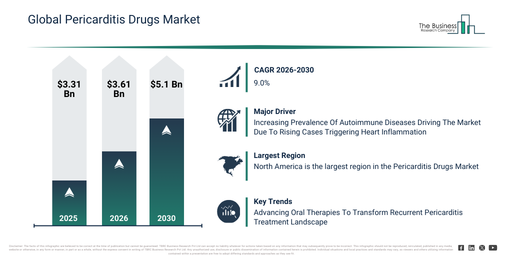
    The pericarditis drugs market has seen robust expansion in recent years. It is anticipated to grow from $3.31 billion in 2025 to $3.61 billion in 2026, achieving a compound annual growth rate (CAGR) of 9.3%. This historical growth can be attributed to several factors, including rising diagnosis rates for inflammatory cardiac conditions, the widespread availability of established NSAID therapies, the expansion of cardiology care infrastructure, increasing adoption of colchicine-based treatments, and refined clinical guidelines.

    The pericarditis drugs market is projected to experience robust expansion over the next few years. It is forecast to reach $5.1 billion by 2030, demonstrating a compound annual growth rate (CAGR) of 9.0%. This anticipated growth during the forecast period is driven by the increasing development of biologic and immunomodulatory drugs, a rising emphasis on personalized cardiac care, the expansion of outpatient and homecare treatment models, growing investment in cardiovascular research, and increased awareness of rare inflammatory heart diseases. Prominent trends for the forecast period include the increasing adoption of targeted anti-inflammatory therapies, a rising use of combination drug regimens, a growing focus on recurrent pericarditis management, the expansion of hospital-based treatment protocols, and enhanced monitoring of treatment outcomes.

    Get A Free Sample Report With In-Depth Market Insights:

    https://thebusinessresearchcompany.com/sample_request?id=85330062&type=smp&name=Pericarditis%20Drugs%20Market%20Report%202026&utm_source=Blogs&utm_medium=Paid&utm_campaign=Oct_PR

    Pericarditis Drugs Market Expansion Drivers: What’s Shaping Future Growth?

    The growing occurrence of autoimmune diseases is anticipated to boost the pericarditis drugs market in the coming years. Autoimmune conditions involve the immune system erroneously attacking the body’s healthy cells and tissues. This rise in autoimmune disease prevalence is largely due to environmental shifts that disrupt the immune system, leading it to target healthy tissues by mistake. Pericarditis medications play a vital role given the rising prevalence of autoimmune diseases, as numerous autoimmune disorders can lead to pericarditis, which is the inflammation of the heart’s lining. These medications effectively diminish inflammation, alleviate symptoms, and avert complications, thereby managing pericarditis resulting from autoimmune activity. For instance, in September 2023, the Inflammatory Bowel Disease (IBD) Clinical and Research Centre, a Canada-based organization dedicated to improving the lives of patients with Crohn’s disease and ulcerative colitis, reported that with a prevalence of 825 per 100,000 in 2023, over 320,000 people in Canada have inflammatory bowel disease (IBD). Furthermore, as the prevalence is projected to grow by 2.44% annually, 1.1% of the population, or 470,000 Canadians, are expected to be living with IBD by 2035. Consequently, the rising incidence of autoimmune diseases is fueling the expansion of the pericarditis drugs market.

    Pericarditis Drugs Market Segmentation: How Does The Market Break Down By Category?

    The pericarditis drugs market covered in this report is segmented –

    1) By Drug Class: Nonsteroidal Anti-Inflammatory Drugs (NSAIDs), Colchicine, Corticosteroids, Other Drug Class

    2) By Route Of Administration: Oral, Intravenous, Intramuscular, Topical

    3) By Distribution Channel: Hospital Pharmacies, Retail Pharmacies, Online Pharmacies, Other Distribution Channels

    4) By Therapeutic Application: Acute Pericarditis Treatment, Recurrent Pericarditis Management, Post-Cardiac Surgery, Pericardial Effusion Management

    5) By End User: Hospitals, Homecare, Specialty Clinics, Other End Users

    Subsegments:

    1) By Nonsteroidal Anti-Inflammatory Drugs: Ibuprofen, Aspirin, Indomethacin, Naproxen, Diclofenac

    2) By Colchicine: Oral Colchicine, Intravenous Colchicine

    3) By Corticosteroids: Prednisone, Methylprednisolone, Hydrocortisone, Dexamethasone

    4) By Other Drug Class: Immunosuppressive Agents, Biologic Agents, Analgesics, Antibiotics

    Pericarditis Drugs Market Strategic Trends: What Defines The Next Growth Phase?

    Major companies operating in the pericarditis drugs market are concentrating on developing innovative products, including oral anti-inflammatory therapies, to improve treatment accessibility and lower recurrence rates in patients suffering from recurrent pericarditis. An oral anti-inflammatory therapy is a small-molecule formulation designed to modulate inflammatory pathways and prevent disease relapse through systemic, non-injectable administration. For instance, in April 2025, Cardiol Therapeutics Inc., a Canada-based clinical-stage life sciences company specializing in anti-inflammatory and anti-fibrotic therapies for heart diseases, initiated a Phase III clinical trial for CardiolRx. The investigational therapy is specifically designed to target inflammasome pathway activation, a central mechanism implicated in pericarditis-related inflammation and fibrosis. Its development represents a step forward in offering a convenient, oral, non-immunosuppressive treatment option that has the potential to expand therapeutic choices for recurrent pericarditis patients.

    Pericarditis Drugs Market Competitive Overview And Top Companies

    Major companies operating in the pericarditis drugs market are Merck & Co. Inc., Pfizer Inc., Bayer AG, Novartis AG, Bristol-Myers Squibb Company, Takeda Pharmaceutical Company Limited, Teva Pharmaceutical Industries Ltd., Sun Pharmaceutical Industries Ltd., Aurobindo Pharma Limited, Hikma Pharmaceuticals USA Inc., Zydus Lifesciences Limited, Kiniksa Pharmaceuticals, Camber Pharmaceuticals Inc., Scilex Holding Company, Solara Active Pharma Sciences, Alkaloids Bioactives Pvt. Ltd., Alchem International Pvt. Ltd., Sarv Biolabs Pvt. Ltd., Midas Pharma GmbH, AdvaCare Pharma, Actavis GmbH, Enomark LLC, Honour Lab Limited.

    View The Full Pericarditis Drugs Market Report:

    https://thebusinessresearchcompany.com/report/global-pericarditis-drugs-market-report?utm_source=Blogs&utm_medium=Paid&utm_campaign=Oct_PR

    Pericarditis Drugs Market Regional Analysis And Top Geography

    North America was the largest region in the pericarditis drugs market in 2025. Asia-Pacific is expected to be the fastest-growing region in the forecast period. The regions covered in the pericarditis drugs market report are Asia-Pacific, South East Asia, Western Europe, Eastern Europe, North America, South America, Middle East, Africa.

    Reach Out To Our Team:

    The Business Research Company: https://www.thebusinessresearchcompany.com/

    Americas: +1 310-496-7795

    Asia: +44 7882 955267 & +91 8897263534

    Europe: +44 7882 955267

    Email us at: marketing@tbrc.info

    Follow us on:

    LinkedIn: https://in.linkedin.com/company/the-business-research-company

    YouTube: https://www.youtube.com/channel/UC24_fI0rV8cR5DxlCpgmyFQ

    Global Market Model: https://www.thebusinessresearchcompany.com/global-market-model
  • Pericarditis Market Size Forecast: How The Industry Is Expected To Grow From 2026 To 2030

    Pericarditis Market Size Forecast: How The Industry Is Expected To Grow From 2026 To 2030

    Built to provide research that’s more actionable and strategically valuable, The Business Research Company’s 2026 market reports include market attractiveness analysis, total addressable market sizing, company benchmarking matrices, interactive Excel dashboards, broader supply chain intelligence, emerging startup tracking, and in-depth product insights.

    Pericarditis Market Size And Revenue Outlook Through 2030

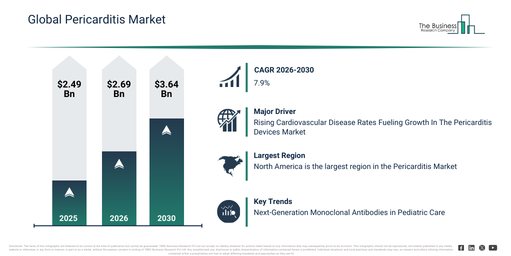
    The market for pericarditis treatments has shown significant expansion in recent times. This market is projected to expand from $2.49 billion in 2025 to $2.69 billion in 2026, demonstrating a compound annual growth rate (CAGR) of 7.9%. Historically, this market’s expansion has been driven by factors such as a lack of widespread understanding of pericarditis, a dependence on conventional diagnostic methods, slow integration of sophisticated imaging technologies, difficulties in accessing specialized cardiac medical services, and the prevalent nature of hospital-centric treatment approaches.

    The pericarditis market is projected to undergo significant expansion in the next few years, with estimates indicating it will reach $3.64 billion by 2030, growing at a compound annual growth rate (CAGR) of 7.9%. This expansion throughout the forecast period is fueled by the rising occurrence of cardiovascular disorders, increased adoption of digital diagnostic tools, the growth of outpatient surgical centers, escalating investment in precision medicine, and the incorporation of AI into cardiac care. Important trends anticipated during this period include customized pericarditis treatment approaches, less invasive surgical methods, advancements in early diagnosis, the integration of wearable cardiac monitoring systems, and the broadening of outpatient cardiac care services.

    Get A Free Sample Report With In-Depth Market Insights:

    https://thebusinessresearchcompany.com/sample_request?id=50745625&type=smp&name=Pericarditis%20Market%20Report%202026&utm_source=Blogs&utm_medium=Paid&utm_campaign=Oct_PR

    Pericarditis Market Development Factors: What’s Supporting Demand?

    The rising occurrence of cardiovascular diseases (CVDs) is anticipated to fuel the expansion of the pericarditis market. CVDs encompass conditions impacting the heart or blood vessels, often associated with arterial fatty deposits and a heightened risk of blood clots. Untreated pericarditis has the potential to cause numerous CVDs or, in severe instances, death, thus the growing incidence of CVDs propels market demand. As an example, in January 2024, the American Heart Association, a US-based non-profit organization, reported an increase in the age-adjusted death rate from cardiovascular disease to 233.3 per 100,000 in 2024, a 4.0% rise from 224.4 per 100,000 in 2023. Consequently, the increasing prevalence of cardiovascular diseases is stimulating growth in the pericarditis devices market. A rise in healthcare spending is projected to stimulate the expansion of the pericarditis market in the future. Healthcare spending denotes the collective financial investment directed towards diverse elements of healthcare services and operations within a particular geographical area, nation, or medical system. Enhanced healthcare expenditure fosters an environment conducive to the holistic management of pericarditis, covering everything from investigation and detection to therapeutic interventions and patient awareness, ultimately aiding those impacted by this ailment. For instance, in May 2023, a report from the Office for National Statistics, a UK-based government department, indicated that healthcare spending in the UK saw an increase of 5.6% between 2022 and 2023, contrasting with a 0.9% growth in 2022. The total UK healthcare expenditure was approximately $317.63 billion (£292 billion) in 2023. Hence, the surge in healthcare spending is propelling the pericarditis market’s growth.

    Pericarditis Market Segment Trends And Revenue Contributors

    The pericarditis market covered in this report is segmented –

    1) By Type: Acute Pericarditis, Chronic Pericarditis, Recurrent Pericarditis

    2) By Diagnosis And Treatment: Electrocardiogram (ECG), Echocardiogram, Computerized Tomography (Ct), X-Ray, Medication, Surgical Treatment

    3) By Application: Hospitals And Clinics, Medical Institutes, Ambulatory Surgical Centers, Research Organizations

    Subsegments:

    1) By Acute Pericarditis: Viral Pericarditis, Bacterial Pericarditis, Idiopathic Pericarditis

    2) By Chronic Pericarditis: Constrictive Pericarditis, Non-constrictive Chronic Pericarditis

    3) By Recurrent Pericarditis: Post-Acute Pericarditis Recurrences, Secondary Recurrent Pericarditis

    Pericarditis Market Transformation Trends: What Innovations Are Driving Change?

    Companies active in the pediatric market are focused on creating advanced monoclonal antibodies. This effort aims to broaden treatment alternatives, achieve better therapeutic results, and lessen adverse reactions for children suffering from diverse health issues. These next-generation antibodies are designed to offer enhanced effectiveness, precision, and security when targeting diseases. An example of this advancement is the introduction of LOQTORZITM by Coherus BioSciences, a US biotechnology firm, in January 2024. LOQTORZI is indicated for first-line treatment in adults battling metastatic or recurrent locally advanced nasopharyngeal carcinoma (NPC), administered alongside cisplatin and gemcitabine. Furthermore, it serves as a standalone therapy for patients with recurrent, unresectable, or metastatic NPC whose condition has worsened following platinum-containing chemotherapy, irrespective of their PD-L1 status.

    Pericarditis Market Competitive Landscape: Which Companies Lead The Industry?

    Major companies operating in the pericarditis market are Pfizer Inc., AstraZeneca plc, Merck & Co. Inc., Novartis International AG, Johnson & Johnson Services Inc., Takeda Pharmaceutical Co. Ltd., Zydus Cadila Healthcare Ltd., Sun Pharmaceutical Ltd., Kiniksa Pharmaceuticals Ltd., Regeneron Pharmaceuticals Inc., Amgen Inc., Merck KGaA, Hikma Pharmaceuticals plc, AbbVie Inc., Bristol-Myers Squibb Company, Eli Lilly and Company, GlaxoSmithKline plc, Sanofi S.A., Teva Pharmaceutical Industries Ltd., Bayer AG, Roche Holding AG, Daiichi Sankyo Company Limited, Astellas Pharma Inc.

    View The Full Pericarditis Market Report:

    https://thebusinessresearchcompany.com/report/pericarditis-global-market-report?utm_source=Blogs&utm_medium=Paid&utm_campaign=Oct_PR

    Pericarditis Market Geographic Analysis: Where Is Demand Rising Fastest?

    North America was the largest region in the pericarditis market in 2025. Asia-Pacific is expected to be the fastest-growing region in the pericarditis market report during the forecast period. The regions covered in the pericarditis market report are Asia-Pacific, South East Asia, Western Europe, Eastern Europe, North America, South America, Middle East, Africa.

    Reach Out To Our Team:

    The Business Research Company: https://www.thebusinessresearchcompany.com/

    Americas: +1 310-496-7795

    Asia: +44 7882 955267 & +91 8897263534

    Europe: +44 7882 955267

    Email us at: marketing@tbrc.info

    Follow us on:

    LinkedIn: https://in.linkedin.com/company/the-business-research-company

    YouTube: https://www.youtube.com/channel/UC24_fI0rV8cR5DxlCpgmyFQ

    Global Market Model: https://www.thebusinessresearchcompany.com/global-market-model

  • Perfusion Bioreactor With Artificial Intelligence (AI) Control Market Reaches $4.85 Billion In 2026: Forecast And Growth Opportunities

    Perfusion Bioreactor With Artificial Intelligence (AI) Control Market Reaches $4.85 Billion In 2026: Forecast And Growth Opportunities

    Backed by market attractiveness analysis, total addressable market sizing, company benchmarking matrices, interactive Excel dashboards, wider supply chain intelligence, emerging startup coverage, and detailed product-level insights, The Business Research Company’s 2026 market reports are designed to offer research that is more actionable and strategically valuable than ever.

    Perfusion Bioreactor With Artificial Intelligence (AI) Control Market Growth From $2.27 Billion In 2026 To $4.85 Billion By 2030 At A CAGR Of 20.8%

    The perfusion bioreactor with artificial intelligence (AI) control market size has experienced significant expansion recently. It is forecast to grow from $1.88 billion in 2025 to $2.28 billion in 2026, achieving a compound annual growth rate (CAGR) of 21.1%. The market’s past growth is primarily due to several factors, including an increase in demand for biologics manufacturing, the expansion of monoclonal antibody production, a rising adoption of perfusion-based cell culture techniques, continuous improvements in sensor and automation technologies, and the growing utilization of single-use bioprocessing systems.

    The perfusion bioreactor with artificial intelligence (ai) control market size is anticipated to undergo rapid growth over the coming years. Its value is projected to attain $4.85 billion in 2030 at a compound annual growth rate (CAGR) of 20.8%. The expansion during the forecast period is attributable to increasing investments in AI-enabled biomanufacturing, an escalating demand for cell and gene therapies, a broader adoption of continuous manufacturing, a growing emphasis on process scalability and efficiency, and increased regulatory acceptance of advanced bioprocess technologies. Key trends anticipated during this period include a greater uptake of AI-driven perfusion control systems, expanding utilization of continuous cell culture platforms, an intensifying requirement for single-use perfusion bioreactors, the broadening of real-time process optimization capabilities, and a heightened focus on production yield and process consistency.

    Get A Free Sample Report With In-Depth Market Insights:

    https://thebusinessresearchcompany.com/sample_request?id=48783474&type=smp&name=Perfusion%20Bioreactor%20With%20Artificial%20Intelligence%20%28AI%29%20Control%20Market%20Report%202026&utm_source=Blogs&utm_medium=Paid&utm_campaign=Oct_PR

    Perfusion Bioreactor With Artificial Intelligence (AI) Control Market Industry Drivers: What’s Behind The Revenue Growth?

    The rising adoption of personalized medicine is anticipated to drive expansion in the perfusion bioreactor with artificial intelligence (AI) control market moving ahead. This medical strategy involves tailoring treatments to an individual’s unique genetic makeup, molecular profile, and clinical features to provide more accurate and impactful care. Its growth is fueled by genomic advancements, which facilitate the creation of treatments specifically designed for a patient’s distinct genetic profile, enhancing both efficacy and safety. Perfusion bioreactors equipped with AI control play a crucial role in personalized medicine by ensuring the accurate and continuous generation of patient-specific cells, including stem cells or engineered tissues, within meticulously controlled environments. As an example, in February 2024, the Personalized Medicine Coalition, a US-based non-profit, reported that the FDA greenlit 16 novel personalized treatments for rare disease patients in 2023, a significant rise from six in 2022. Among the personalized treatments newly approved in 2023 were seven cancer drugs and three targeting other specific diseases and conditions. Consequently, the growing widespread use of personalized medicine is propelling the perfusion bioreactor with artificial intelligence (AI) control market forward.

    Perfusion Bioreactor With Artificial Intelligence (AI) Control Market Segment Analysis Spotlighting Growth Areas

    The perfusion bioreactor with artificial intelligence (ai) control market covered in this report is segmented –

    1) By Product Type: Single Use Perfusion Bioreactors, Multi-Use Perfusion Bioreactors

    2) By Artificial Intelligence (AI) Control Type: Predictive Analytics, Process Optimization, Real-Time Monitoring, Automated Feedback Control, Other Artificial Intelligence (AI) Control Types

    3) By Application: Cell Therapy, Monoclonal Antibody Production, Vaccine Manufacturing, Stem Cell Research, Other Applications

    4) By End-User: Biopharmaceutical Companies, Academic And Research Institutes, Contract Manufacturing Organizations, Other End-Users

    Subsegments:

    1) By Single-Use Perfusion Bioreactors: Disposable Bag Bioreactors, Modular Single-Chamber Bioreactors, Pre-Sterilized Single-Vessel Bioreactors

    2) By Multi-Use Perfusion Bioreactors: Stainless Steel Bioreactors, Glass Bioreactors, Multi-Vessel Continuous Culture Systems

    #Perfusion Bioreactor With Artificial Intelligence (AI) Control Market Growth Trends: What’s Shaping The Future Outlook?

    Major companies operating in the perfusion bioreactor with artificial intelligence (AI) control market are concentrating on developing advanced methodologies, such as AI-enhanced real-time bioprocess monitoring, to optimize cell culture performance, increase product yield, and reduce operational costs within biopharmaceutical manufacturing. AI-enhanced real-time bioprocess monitoring utilizes artificial intelligence algorithms to continuously analyze bioreactor data, providing real-time insights, predictive adjustments, and refinement of cell growth and product quality during biomanufacturing. As an illustration, in February 2025, The Cultivated B GmbH, a Germany-based biotechnology company, introduced AI-driven multi-channel biosensors designed to enhance real-time monitoring of bioreactors in cell culture and fermentation processes. These biosensors deliver continuous high-resolution data analytics, enabling bioprocess engineers to track growth and metabolism with exceptional sensitivity, detecting molecules at sub-picomolar levels such as glucose, amino acids, and lactic acid. The AI integration provides immediate insights and recommendations to optimize media formulation, improve measurement reliability, mitigate contamination risk by eliminating manual sampling, and accelerate product development for applications in pharmaceuticals, biologics, food biotechnology, waste upcycling, and alternative protein production.

    Perfusion Bioreactor With Artificial Intelligence (AI) Control Market Leading Companies: Who Holds The Strongest Market Presence?

    Major companies operating in the perfusion bioreactor with artificial intelligence (ai) control market are Thermo Fisher Scientific Inc., Merck KGaA, Lonza Group AG., Danaher Corporation, Sartorius Aktiengesellschaft, Getinge AB., WuXi Biologics Inc., Eppendorf Aktiengesellschaft, ABEC Inc., Catalyx.ai, PBS Biotech Inc., Cytovance Biologics, Culture Biosciences Inc., Esco Lifesciences Group Ltd., Cell Culture Company GmbH, Synthecon Inc., OmniBRx Biotechnologies Inc., ProlifeCell Inc., Sciperio Ltd., The Cultivated B Ltd.

    View The Full Perfusion Bioreactor With Artificial Intelligence (AI) Control Market Report:

    https://thebusinessresearchcompany.com/report/perfusion-bioreactor-with-artificial-intelligence-ai-control-global-market-report?utm_source=Blogs&utm_medium=Paid&utm_campaign=Oct_PR

    Perfusion Bioreactor With Artificial Intelligence (AI) Control Market Global Footprint: Which Region Leads The Market?

    North America was the largest region in the perfusion bioreactor with artificial intelligence (AI) control market in 2025. Asia-Pacific is expected to be the fastest-growing region in the forecast period. The regions covered in the perfusion bioreactor with artificial intelligence (ai) control market report are Asia-Pacific, South East Asia, Western Europe, Eastern Europe, North America, South America, Middle East, Africa.

    Reach Out To Our Team:

    The Business Research Company: https://www.thebusinessresearchcompany.com/

    Americas: +1 310-496-7795

    Asia: +44 7882 955267 & +91 8897263534

    Europe: +44 7882 955267

    Email us at: marketing@tbrc.info

    Follow us on:

    LinkedIn: https://in.linkedin.com/company/the-business-research-company

    YouTube: https://www.youtube.com/channel/UC24_fI0rV8cR5DxlCpgmyFQ

    Global Market Model: https://www.thebusinessresearchcompany.com/global-market-model

  • Performance Enhancing Drugs Market Growth In 2026: Market Size, Key Drivers And Future Outlook

    Performance Enhancing Drugs Market Growth In 2026: Market Size, Key Drivers And Future Outlook

    Featuring market attractiveness scoring, total addressable market sizing, company benchmarking matrices, interactive Excel dashboards, deeper supply chain intelligence, emerging startup tracking, and granular product-level insights, The Business Research Company’s 2026 market reports are built to deliver research that is both more actionable and more strategically valuable.

    Performance Enhancing Drugs Market Expansion Outlook: What Revenue Opportunities Are Ahead?

    The performance enhancing drugs market size has demonstrated significant expansion in recent years. It is projected to expand from $11.42 billion in 2025 to $12.08 billion in 2026, exhibiting a compound annual growth rate (CAGR) of 5.7%. This historical growth can be linked to heightened competitiveness in professional sports, extensive availability of anabolic steroids, the rise of the bodybuilding subculture, insufficient awareness of long-term health risks, and inadequate regulatory enforcement in certain areas.

    The performance enhancing drugs market is projected to experience robust expansion in the coming years. It is anticipated to reach $14.91 billion by 2030, exhibiting a compound annual growth rate (CAGR) of 5.4%. This anticipated growth during the forecast period is propelled by factors such as the increasing adoption of peptide hormones and SARMs, a surge in demand from amateur athletes and fitness enthusiasts, the widening reach of e-commerce distribution channels, innovations in drug formulation and delivery, and more stringent anti-doping regulations fostering product development. Key trends expected over the forecast period encompass an escalating demand for performance enhancement in competitive sports, the expanding utilization of cognitive and focus-boosting substances, the growing appeal of bodybuilding and fitness culture, the proliferation of online and direct-to-consumer sales avenues, and an intensified emphasis on quicker recovery and improved endurance.

    Get A Free Sample Report With In-Depth Market Insights:

    https://thebusinessresearchcompany.com/sample_request?id=39271858&type=smp&name=Performance%20Enhancing%20Drugs%20Market%20Report%202026&utm_source=Blogs&utm_medium=Paid&utm_campaign=Oct_PR

    Performance Enhancing Drugs Market Growth Factors: What’s Supporting Expansion?

    The increasing engagement in fitness pursuits is anticipated to fuel the expansion of the performance enhancing drugs market in the future. Fitness pursuits encompass physical exercises or motions undertaken to enhance or preserve one’s health, vigor, adaptability, or general physical state. This growing enthusiasm for fitness is largely spurred by heightened health consciousness, as more people acknowledge the significance of physical activity in averting chronic illnesses and sustaining overall health. Performance enhancing drugs boost physical attributes like strength, stamina, and recuperation, thereby assisting individuals in achieving superior outcomes in fitness endeavors by speeding up muscle development, diminishing tiredness, and facilitating longer, more strenuous training periods. For instance, in November 2024, a report by PureGym, a UK-based health company, indicated that 48% of US residents are regularly exercising in 2024, which is a 3% increase from the number of people exercising in 2023. Consequently, the escalating interest in fitness activities is propelling the growth of the performance enhancing drugs market.

    Performance Enhancing Drugs Market Driver: Surge In Sports Participation Is Fueling The Market Growth Due To Rising Demand For Enhanced Athletic Performance

    Performance Enhancing Drugs Market Segment Performance And Emerging Opportunities

    The performance enhancing drugs market covered in this report is segmented –

    1) By Product Type: Stimulants, Anabolic Steroids, Peptide Hormones, Beta-2 Agonists, Other Product Types

    2) By Application: Athletes, Students, Militaries, Other Applications

    3) By Distribution Channel: Online Stores, Pharmacies, Specialty Stores, Fitness Centers, Direct Sales

    4) By End User: Professional Athletes, Amateur Athletes, Bodybuilders, Fitness Enthusiasts, Patients With Chronic Illnesses

    Subsegments:

    1) By Stimulants: Amphetamines, Ephedrine, Caffeine, Modafinil, Methylphenidate

    2) By Anabolic Steroids: Testosterone, Nandrolone, Stanozolol, Oxandrolone, Boldenone

    3) By Peptide Hormones: Erythropoietin (EPO), Human Growth Hormone (hGH), Insulin-Like Growth Factor (IGF-1), Gonadotropins, Corticotropins

    4) By Beta-2 Agonists: Clenbuterol, Salbutamol, Formoterol, Terbutaline

    5) By Other Product Types: Diuretics, Narcotics, Cannabinoids, Selective Androgen Receptor Modulators (SARMs), Anti-Estrogens

    Performance Enhancing Drugs Market Key Players: Which Companies Lead Industry Competition?

    Major companies operating in the performance enhancing drugs market are Alpha Pharma Healthcare, Balkan Pharmaceuticals, British Dragon, Geneza Pharmaceuticals, Hilma Biocare, Sciroxx, Organon Balkan, Magnus Pharmaceuticals, Pharmaqo Labs, Dragon Pharma, Kalpa Pharmaceuticals, Beligas Pharmaceuticals, ZPHC (Zhengzhou Pharmaceutical Co.), Aburaihan Pharmaceutical, Roussel Uclaf, Shree Venkatesh International, Aspen API, Taj Pharmaceuticals, Euro Pharmacies, Anabolic Pharma, Meditech Pharmaceuticals, Biogenetic Labs, Muscle Pharma, Ultima Pharmaceuticals, Swiss Remedies, Rohm Laboratories, Spectrum Pharma, International Labs, Watson Pharma, Alpha-Zeneca Labs

    View The Full Performance Enhancing Drugs Market Report:

    https://thebusinessresearchcompany.com/report/performance-enhancing-drugs-global-market-report?utm_source=Blogs&utm_medium=Paid&utm_campaign=Oct_PR

    Performance Enhancing Drugs Market Regional Split: Which Areas Are Fueling Growth?

    North America was the largest region in the performance enhancing drugs market in 2025. Asia-Pacific is expected to be the fastest-growing region in the forecast period. The regions covered in the performance enhancing drugs market report are Asia-Pacific, South East Asia, Western Europe, Eastern Europe, North America, South America, Middle East, Africa.

    Reach Out To Our Team:

    The Business Research Company: https://www.thebusinessresearchcompany.com/

    Americas: +1 310-496-7795

    Asia: +44 7882 955267 & +91 8897263534

    Europe: +44 7882 955267

    Email us at: marketing@tbrc.info

    Follow us on:

    LinkedIn: https://in.linkedin.com/company/the-business-research-company

    YouTube: https://www.youtube.com/channel/UC24_fI0rV8cR5DxlCpgmyFQ

    Global Market Model: https://www.thebusinessresearchcompany.com/global-market-model
  • Peptide Therapeutics Contract Active Pharmaceutical Ingredient (API) Manufacturing Market Size And Forecast 2026–2030: Trends Driving Industry Expansion

    Peptide Therapeutics Contract Active Pharmaceutical Ingredient (API) Manufacturing Market Size And Forecast 2026–2030: Trends Driving Industry Expansion

    Built to provide research that’s more actionable and strategically valuable, The Business Research Company’s 2026 market reports include market attractiveness analysis, total addressable market sizing, company benchmarking matrices, interactive Excel dashboards, broader supply chain intelligence, emerging startup tracking, and in-depth product insights.

    Peptide Therapeutics Contract Active Pharmaceutical Ingredient (API) Manufacturing Market Growth Potential: How Will Market Size Shift Through 2030?

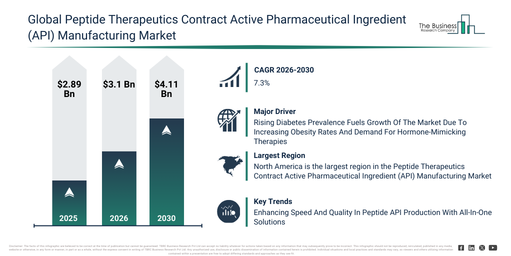
    The peptide therapeutics contract active pharmaceutical ingredient (api) manufacturing sector has experienced robust growth recently. This market is anticipated to expand from $2.89 billion in 2025 to $3.1 billion in 2026, with a compound annual growth rate (CAGR) of 7.3%. The historical expansion can be linked to several factors, such as a limited number of specialized peptide API manufacturers, the rising demand for peptide therapeutics, pharmaceutical companies’ reliance on in-house synthesis, regulatory compliance necessities, and an increase in preclinical and clinical trials.

    The peptide therapeutics contract active pharmaceutical ingredient (api) manufacturing market is projected to experience robust expansion over the coming years. It is anticipated to reach $4.11 billion in 2030, exhibiting a compound annual growth rate (CAGR) of 7.3%. This anticipated growth during the forecast period is propelled by factors such as the enhancement of contract manufacturing organization (CMO) capabilities for peptide API, increased capital allocation towards advanced peptide synthesis technologies, the emergence of personalized medicine and biologics, a surge in outsourcing activities from smaller and medium-sized pharmaceutical firms, and the integration of digital manufacturing and AI-driven process optimization. Key developments shaping the forecast period encompass an escalating need for contract manufacturing of peptide APIs, a heightened emphasis on GMP-grade production standards and adherence, an increase in outsourced peptide synthesis for clinical trial purposes, the broadening of process optimization and technology transfer services, and the implementation of custom peptide synthesis tailored for personalized therapeutics.

    Get A Free Sample Report With In-Depth Market Insights:

    https://thebusinessresearchcompany.com/sample_request?id=25870&type=smp&name=Peptide%20Therapeutics%20Contract%20Active%20Pharmaceutical%20Ingredient%20%28API%29%20Manufacturing%20Market%20Report%202026&utm_source=Blogs&utm_medium=Paid&utm_campaign=Oct_PR

    Peptide Therapeutics Contract Active Pharmaceutical Ingredient (API) Manufacturing Market Demand Drivers: What’s Powering Industry Growth?

    The increasing incidence of diabetes is anticipated to drive expansion in the peptide therapeutics contract active pharmaceutical ingredient (API) manufacturing market. Diabetes is defined as a persistent metabolic condition characterized by high blood glucose (sugar) levels stemming from the body’s inadequate insulin creation or its impaired capacity to utilize insulin. The growing occurrence of diabetes is largely driven by rising obesity rates, as surplus body fat fosters insulin resistance and interferes with blood sugar regulation. Peptide therapeutics utilize contract API manufacturing for the mass production of drugs that mimic hormones, thereby improving insulin release and glucose management in the context of diabetes. As an example, a report released in March 2025 by the Office for Health Improvement and Disparities, a UK government department, noted that the prevalence of type 2 diabetes among adults aged 17 and above in England stood at 7.0% in March 2024, an increase from 6.8% in March 2023. Consequently, the expanding prevalence of diabetes is a significant driver for the growth of the peptide therapeutics contract active pharmaceutical ingredient (API) manufacturing market.

    Peptide Therapeutics Contract Active Pharmaceutical Ingredient (API) Manufacturing Market Segment Landscape And Growth Outlook

    The peptide therapeutics contract active pharmaceutical ingredient (api) manufacturing market covered in this report is segmented –

    1) By Scale Of Operation: Preclinical Or Clinical, Commercial

    2) By Synthesis Method: Non Chemical Synthesis, Chemical Synthesis

    3) By Enterprise Type: Large Enterprise, Small And Medium Enterprises

    Subsegments:

    1) By Preclinical Or Clinical: Discovery And Preclinical Development, Phase II Or III Manufacturing, Phase I Manufacturing

    2) By Commercial: Commercial-Scale Good Manufacturing Practice Manufacturing, Tech Transfer And Scale-up, Lifecycle Management Or Process Optimization

    Peptide Therapeutics Contract Active Pharmaceutical Ingredient (API) Manufacturing Market Innovation Trends: What Developments Are Reshaping The Industry?

    Leading companies in the peptide therapeutics contract active pharmaceutical ingredient (API) manufacturing sector are concentrating on creating novel approaches, such as the continuous flow synthesis platform, to optimize production and address increasing complexity in pharmaceutical development. This continuous flow synthesis platform integrates multiple stages, including reaction, separation, concentration, and crystallization, into a single, uninterrupted process with real-time in-line measurement, enabling precise, non-destructive monitoring and effective scalability. For instance, in May 2023, SynCrest Inc., a Japan-based contract research, development, and manufacturing organization (CRDMO), announced the launch of its good manufacturing practice (GMP)-compliant Naruto Plant, which is equipped with a continuous flow synthesis platform for peptide and nucleotide API production. This platform facilitates the rapid and high-quality manufacturing of over 100 types of non-natural amino acids and high-purity special amidites, significantly reducing lead times and production costs. This innovation is effectively meeting the growing market demand for advanced peptide-based therapeutics by offering scalable, efficient, and cost-effective API manufacturing solutions.

    Peptide Therapeutics Contract Active Pharmaceutical Ingredient (API) Manufacturing Market Competitive Landscape: Who Leads The Industry?

    Major companies operating in the peptide therapeutics contract active pharmaceutical ingredient (api) manufacturing market are Thermo Fisher Scientific Inc., Lonza Group AG., WuXi AppTec Co. Ltd., Cambrex Corporation, ChemPartner, GenScript Biotech Corporation, Bachem Group, CordenPharma International GmbH, Syngene International Limited, Ambiopharm Inc., CPC Scientific Inc., ScinoPharm Taiwan Ltd., Hybio Pharmaceutical Co. Ltd., CSBio Company Inc., Senn Chemicals AG., AnaSpec Inc., LifeTein LLC, Apex Biotechnology Corp., BCN Peptides S.A.

    View The Full Peptide Therapeutics Contract Active Pharmaceutical Ingredient (API) Manufacturing Market Report:

    https://thebusinessresearchcompany.com/report/peptide-therapeutics-contract-active-pharmaceutical-ingredient-api-manufacturing-global-market-report?utm_source=Blogs&utm_medium=Paid&utm_campaign=Oct_PR

    Peptide Therapeutics Contract Active Pharmaceutical Ingredient (API) Manufacturing Market Top Region: Where Does Most Revenue Come From?

    North America was the largest region in the peptide therapeutics contract active pharmaceutical ingredient (API) manufacturing market in 2025. Asia-Pacific is expected to be the fastest-growing region in the forecast period. The regions covered in the peptide therapeutics contract active pharmaceutical ingredient (api) manufacturing market report are Asia-Pacific, South East Asia, Western Europe, Eastern Europe, North America, South America, Middle East, Africa.

    Reach Out To Our Team:

    The Business Research Company: https://www.thebusinessresearchcompany.com/

    Americas: +1 310-496-7795

    Asia: +44 7882 955267 & +91 8897263534

    Europe: +44 7882 955267

    Email us at: marketing@tbrc.info

    Follow us on:

    LinkedIn: https://in.linkedin.com/company/the-business-research-company

    YouTube: https://www.youtube.com/channel/UC24_fI0rV8cR5DxlCpgmyFQ

    Global Market Model: https://www.thebusinessresearchcompany.com/global-market-model
  • Peptide Therapeutics Market 2026 Outlook: Market Size, CAGR And Key Growth Opportunities

    Peptide Therapeutics Market 2026 Outlook: Market Size, CAGR And Key Growth Opportunities

    Backed by market attractiveness analysis, total addressable market sizing, company benchmarking matrices, interactive Excel dashboards, wider supply chain intelligence, emerging startup coverage, and detailed product-level insights, The Business Research Company’s 2026 market reports are designed to offer research that is more actionable and strategically valuable than ever.

    Peptide Therapeutics Market Value Analysis: What Growth Lies Ahead Over The Forecast Period?

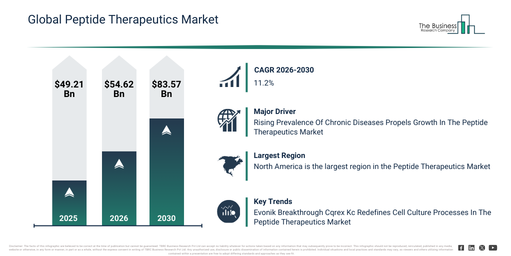
    The peptide therapeutics market has expanded significantly in recent years. Its valuation is set to increase from $49.21 billion in 2025 to $54.62 billion in 2026, indicating a compound annual growth rate (CAGR) of 11.0%. This historical growth can be attributed to the early adoption of peptide drugs, advancements in peptide synthesis techniques, a rising incidence of chronic and rare diseases, progress in pharmacology and biochemistry, and the proliferation of contract research organizations.

    The peptide therapeutics market size is projected to experience swift expansion over the coming years. Its value is predicted to reach $83.57 billion by 2030, exhibiting a compound annual growth rate (CAGR) of 11.2%. This expansion during the forecast period stems from factors such as the emergence of personalized medicine, augmented funding for peptide-based treatments, the incorporation of AI into drug discovery processes, the broadening of biologics production, and the development of healthcare solutions in nascent markets. Significant trends anticipated during the forecast timeframe encompass the development of targeted peptide drugs, advancements in peptide drug delivery, the emergence of multi-functional peptide therapies, methods for natural peptide extraction and synthesis, and the application of combination therapies utilizing peptides.

    Get A Free Sample Report With In-Depth Market Insights:

    https://thebusinessresearchcompany.com/sample_request?id=56778866&type=smp&name=Peptide%20Therapeutics%20Market%20Report%202026&utm_source=Blogs&utm_medium=Paid&utm_campaign=Oct_PR

    Peptide Therapeutics Market Growth Drivers: What’s Behind The Acceleration?

    The increasing incidence of chronic diseases is expected to propel the growth of the peptide therapeutics market. These are long-lasting health conditions that often cannot be cured, though they are occasionally manageable and treatable. The rise in such diseases stems from increased use of tobacco products, poor nutrition, physical inactivity, excessive alcohol use, and other factors. The application of peptide therapeutics assists in the prevention and treatment of certain chronic diseases. For instance, in January 2023, according to the National Library of Medicine, a US-based agency, the number of people in the US aged 50 and older who have at least one chronic condition is predicted to increase by 99.5%, reaching 142.66 million, by 2050. Therefore, the heightened prevalence of chronic diseases is anticipated to drive the peptide therapeutics market throughout the forecast period.

    Peptide Therapeutics Market Breakdown By Product Type And Application

    The peptide therapeutics market covered in this report is segmented –

    1) By Type: Generic, Branded

    2) By Route of Administration: Parenteral, Mucosal, Oral, Transdermal

    3) By Application: Cancer, Cardiovascular Diseases, Central Nervous Systems, Metabolic Disorders, Infections, Hematological Disorders, Gastrointestinal Disorders, Dermatology, Respiratory Disorders, Acromegaly, Other Applications

    Subsegments:

    1) By Generic: Generic Peptide Drugs, Biosimilars

    2) By Branded: Innovative Peptide Drugs, Patent-Protected Peptides

    Peptide Therapeutics Market Trends: What’s Defining The Industry’s Next Phase?

    Leading companies in the peptide therapeutics market are concentrating on introducing advanced solutions, such as the cell culture process, to gain a competitive advantage. The cell culture process involves growing cells outside their natural environment under controlled conditions, which requires isolating cells of interest from living tissue and subsequently maintaining them. For instance, in June 2023, Evonik Industries AG, a German-based specialty chemicals company, launched cQrex KC. cQrex KC is a next-generation peptide for biopharma applications specifically designed for the cell culture process utilized in the manufacture of biological drugs. It allows cell culture process developers to optimize cystine supply and enhance cell culture productivity. cQrex KC also supports the development of vaccines, viral vectors, and cell therapies.

    Peptide Therapeutics Market Company Landscape And Competitive Strategy

    Major companies operating in the peptide therapeutics market are Pfizer Inc., Jhonson & Jhonson, Abbvie Inc., Novartis AG, Bristol-Myers Squibb Company, AstraZeneca plc, Sanofi SA, GlaxoSmithKline plc, Takeda Pharmaceutical Company Limited, Eli Lilly and Company, Amgen Inc., Novo Nordisk AS, Teva Pharmaceuticals Industries Ltd., Bachem Holding AG, PolyPeptide Laboratories BV, Arcus Biosciences Inc., Pepscan Therapeutics, Peptech Inc., Peptide Logic Inc., SELLAS Life Sciences Group, Ever Neuro Pharma GmbH, Zealand Pharma AG, PepGen Inc., Pepticom S.A., Peptide Technologies Corporation, SynPeptide Inc., Peptimmune Inc., Merck & Co Inc.

    View The Full Peptide Therapeutics Market Report:

    https://thebusinessresearchcompany.com/report/peptide-therapeutics-global-market-report?utm_source=Blogs&utm_medium=Paid&utm_campaign=Oct_PR

    Peptide Therapeutics Market Regional Breakdown: Where Is Demand Concentrated?

    North America was the largest region in the peptide therapeutics market in 2025. Asia-Pacific is expected to be the fastest-growing region in the forecast period. The regions covered in the peptide therapeutics market report are Asia-Pacific, South East Asia, Western Europe, Eastern Europe, North America, South America, Middle East, Africa.

    Reach Out To Our Team:

    The Business Research Company: https://www.thebusinessresearchcompany.com/

    Americas: +1 310-496-7795

    Asia: +44 7882 955267 & +91 8897263534

    Europe: +44 7882 955267

    Email us at: marketing@tbrc.info

    Follow us on:

    LinkedIn: https://in.linkedin.com/company/the-business-research-company

    YouTube: https://www.youtube.com/channel/UC24_fI0rV8cR5DxlCpgmyFQ

    Global Market Model: https://www.thebusinessresearchcompany.com/global-market-model
  • Peptide Supplements Market Size Growth: From $3.98 Billion In 2026 To $5.88 Billion By 2030

    Peptide Supplements Market Size Growth: From $3.98 Billion In 2026 To $5.88 Billion By 2030

    Featuring market attractiveness scoring, total addressable market sizing, company benchmarking matrices, interactive Excel dashboards, deeper supply chain intelligence, emerging startup tracking, and granular product-level insights, The Business Research Company’s 2026 market reports are built to deliver research that is both more actionable and more strategically valuable.

    Peptide Supplements Market Size Forecast: How Big Could The Market Get By 2030?

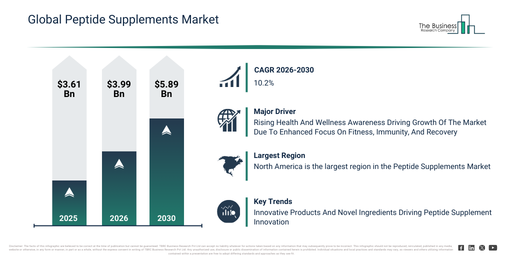
    The peptide supplements market has undergone rapid expansion in recent years. This market is expected to increase from $3.61 billion in 2025 to $3.99 billion in 2026, at a compound annual growth rate (CAGR) of 10.5%. Several factors contributed to its growth in the past, including a heightened consumer emphasis on preventive health, the enlargement of sports nutrition markets, the development of beauty-from-within product lines, advancements in peptide synthesis technologies, and the greater retail availability of peptide supplements.

    The peptide supplements market size is projected to experience rapid growth over the next few years, expanding to $5.89 billion in 2030, at a compound annual growth rate (CAGR) of 10.2%. This significant increase can be attributed to various factors, including the increasing integration of peptides in personalized health programs, a growing utilization of plant-derived peptides, the expansion of clinical-grade peptide supplements, rising investments in peptide research, and an increasing demand for multifunctional nutrition products. Key trends expected during this forecast period include the increasing adoption of functional peptide formulations, a rising demand for collagen and bioactive peptides, a growing preference for personalized nutrition solutions, the expansion of peptide applications in skin and muscle health, and an enhanced focus on absorption efficiency.

    Get A Free Sample Report With In-Depth Market Insights:

    https://thebusinessresearchcompany.com/sample_request?id=33055964&type=smp&name=Peptide%20Supplements%20Market%20Report%202026&utm_source=Blogs&utm_medium=Paid&utm_campaign=Oct_PR

    Peptide Supplements Market Growth Factors Behind Sustained Expansion

    Increased consciousness regarding health and well-being is projected to advance the expansion of the peptide supplements market in the future. This concept encompasses a comprehensive lifestyle approach prioritizing the preservation of good physical condition, vigor, and general welfare. Such an emphasis is intensifying because individuals are experiencing extended lifespans and aim to uphold their quality of life through sustained activity, fitness, and freedom from illness. Peptide supplements contribute to health and wellness by fostering muscle development, enhancing skin flexibility, strengthening immune responses, and facilitating overall bodily recuperation, thereby contributing to superior physical conditioning and vigor. As an illustration, data from the International Food Information Council, a US-based nonprofit, indicated that in 2024, the proportion of consumers aiming to raise their protein consumption consistently rose from 59% in 2022 to 67% in 2023, reaching 71% in 2024. This trend underscores a rising demand for protein-centric wellness products, among which peptide supplements are included. Consequently, the growing recognition of health and wellness serves as a primary impetus for the expansion of the peptide supplements market.

    Peptide Supplements Market Segment Analysis And Revenue Potential

    The peptide supplements market covered in this report is segmented –

    1) By Product Type: Bioactive Peptides, Collagen Peptides, Whey Protein Peptides, Muscle-Building Peptides, Anti-Aging Peptides, Immune-Enhancing Peptides

    2) By Functionality: Muscle Recovery, Weight Management, Cognitive Function, Skin Health, Immune Support, Anti-Inflammatory, Cardiovascular Health

    3) By Source : Animal-Derived, Plant-Derived, Synthetic Peptides

    4) By Product Format: Powder, Tablets Or Capsules, Chews Or Soft Gels, Liquid, Oral Strips

    5) By Distribution Channel: Online Retail, Pharmacies, Specialty Nutrition Stores, Supermarkets, Direct Sales, Healthcare Institutions

    Subsegments:

    1) By Bioactive Peptides: Antioxidant Peptides, Antimicrobial Peptides, Blood Pressure-Regulating Peptides

    2) By Collagen Peptides: Type I Collagen, Type II Collagen, Type III Collagen

    3) By Whey Protein Peptides: Hydrolyzed Whey Peptides, Whey Protein Isolate Peptides, Whey Protein Concentrate Peptides

    4) By Muscle-Building Peptides: Creatine Peptides, Branched-Chain Amino Acid Peptides, Growth Hormone-Releasing Peptides

    5) By Anti-Aging Peptides: Skin-Repair Peptides, Deoxyribonucleic Acid (DNA)-Repair Peptides, Telomere-Enhancing Peptides

    6) By Immune-Enhancing Peptides: Antiviral Peptides, Immunomodulatory Peptides, Anti-Inflammatory Peptides

    Peptide Supplements Market Industry Trends Fueling Future Revenue Growth

    Leading firms within the peptide supplements sector are concentrating on creating advanced products, notably low molecular weight peptide complexes, aimed at enhancing absorption, potency, and overall consumer well-being. These complexes are favored in supplement formulations due to their compact size, which facilitates quicker bodily absorption and more effective utilization. As an illustration, during September 2025, the US-based manufacturing company Freemen Nutra Group collaborated with RAWGA Inc., a food technology firm based in South Korea, to introduce VC-H1, an innovative plant-based collagen peptide ingredient sourced from organically cultivated hibiscus, intended for skin health applications in North America. This cutting-edge ingredient delivers substantial advantages for skin health, such as enhanced hydration, elasticity, firmness, and reduced wrinkles, thereby positioning it as a sustainable and potent substitute for conventional animal-derived collagen.

    Peptide Supplements Market Key Players Shaping Industry Direction

    Major companies operating in the peptide supplements market are BASF SE, Glanbia plc., GNC Holdings LLC, Gelita AG., Actus Nutrition, Rousselot B.V., NOW Foods Inc., Ingredia S.A., GL Biochem (Shanghai) Ltd., Weishardt International, Optimum Nutrition, Titan Biotech Ltd., Bulk Supplements.com Inc., AMCO Proteins Inc., Nitta Gelatin Inc., Atom Pharma, Cavendish Nutrition Inc., Hilmar Ingredients Company, Holista Colltech Ltd., Life Extension Foundation Inc., Koninklijke DSM N.V.

    View The Full Peptide Supplements Market Report:

    https://thebusinessresearchcompany.com/report/global-peptide-supplements-market-report?utm_source=Blogs&utm_medium=Paid&utm_campaign=Oct_PR

    Peptide Supplements Market Geographic Landscape: Which Region Dominates Industry Growth?

    North America was the largest region in the peptide supplements market in 2025. Asia-Pacific is expected to be the fastest-growing region in the forecast period. The regions covered in the peptide supplements market report are Asia-Pacific, South East Asia, Western Europe, Eastern Europe, North America, South America, Middle East, Africa.

    Reach Out To Our Team:

    The Business Research Company: https://www.thebusinessresearchcompany.com/

    Americas: +1 310-496-7795

    Asia: +44 7882 955267 & +91 8897263534

    Europe: +44 7882 955267

    Email us at: marketing@tbrc.info

    Follow us on:

    LinkedIn: https://in.linkedin.com/company/the-business-research-company

    YouTube: https://www.youtube.com/channel/UC24_fI0rV8cR5DxlCpgmyFQ

    Global Market Model: https://www.thebusinessresearchcompany.com/global-market-model
  • Peptide Drug Conjugates Market Analysis 2026: Market Size, Growth Trends And Industry Outlook

    Peptide Drug Conjugates Market Analysis 2026: Market Size, Growth Trends And Industry Outlook

    Built to provide research that’s more actionable and strategically valuable, The Business Research Company’s 2026 market reports include market attractiveness analysis, total addressable market sizing, company benchmarking matrices, interactive Excel dashboards, broader supply chain intelligence, emerging startup tracking, and in-depth product insights.

    Peptide Drug Conjugates Market Revenue Outlook: What CAGR Lies Ahead Through 2030?

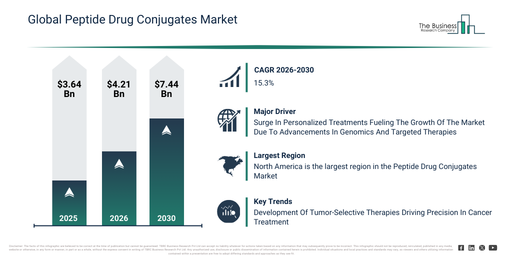
    The peptide drug conjugates market size has seen swift expansion in recent years. This market is set to expand from $3.64 billion in 2025 to $4.21 billion in 2026, demonstrating a compound annual growth rate (CAGR) of 15.4%. The surge observed in previous periods is attributable to developments in peptide chemistry, the constraints of traditional chemotherapy, an increase in oncology drug research, the broadening of targeted therapy platforms, and the rise in biologics manufacturing.

    The peptide drug conjugates market size is anticipated to experience swift expansion over the coming years. Its valuation is projected to reach $7.44 billion by 2030, demonstrating a compound annual growth rate (CAGR) of 15.3%. This expansion during the projection period stems from factors such as increasing demand for precise treatments, enhancements in linker technologies, a broader range of cancer applications, heightened investment in peptide drug research, and the rise of diagnostic-focused conjugates. Key patterns observed for this period encompass the escalating creation of targeted peptide conjugates, their growing application in oncology therapeutics, a magnified emphasis on better drug selectivity, the broadening scope of diagnostic peptide conjugates, and a surge in clinical investigations for new conjugates.

    Get A Free Sample Report With In-Depth Market Insights:

    https://thebusinessresearchcompany.com/sample_request?id=71535083&type=smp&name=Peptide%20Drug%20Conjugates%20Market%20Report%202026&utm_source=Blogs&utm_medium=Paid&utm_campaign=Oct_PR

    Peptide Drug Conjugates Market Demand Drivers Opening New Revenue Streams

    The increasing need for personalized treatments is expected to fuel the expansion of the peptide drug conjugates market in the coming years. These medical therapies are specifically adapted to an individual’s unique genetic profile, lifestyle, and disease attributes, aiming for optimal effectiveness. The rise of personalized treatments is attributable to developments in genomics, which help pinpoint individual disease markers, enabling more accurate and impactful therapies. Personalized treatments bolster peptide drug conjugates by facilitating the selection of particular peptides designed to target distinct disease biomarkers in patients, resulting in more accurate and efficient drug delivery. This trend is supported by data, as a report released in February 2024 by the Personalized Medicine Coalition, a US-based non-profit, indicated that the FDA approved 16 new customized medicines for patients with rare disorders in 2023, marking a significant increase from the 6 approved in 2022. Consequently, the escalating demand for personalized treatments is poised to accelerate the growth of the peptide drug conjugates market.

    Peptide Drug Conjugates Market Segmentation And Category Overview

    The peptide drug conjugates market covered in this report is segmented –

    1) By Type: Therapeutic, Diagnostic

    2) By Therapy Area: Oncology, Immunology, Infectious Diseases, Other Therapy Areas

    3) By Route of Administration: Intravenous, Subcutaneous, Other Routes Of Administration

    4) By End User: Hospitals, Clinics, Pharmacies, Other End Users

    Subsegments:

    1) By Therapeutic: Monoclonal Antibodies (mAbs), Cytotoxic Agents, Immunomodulatory Agents, Targeted Therapies

    2) By Diagnostic: Imaging Agents, Biomarker Targeting Agents

    Peptide Drug Conjugates Market Trends Powering Strategic Industry Growth

    Companies operating within the peptide drug conjugates market are primarily focused on developing advanced treatment alternatives, such as tumor-selective peptide drug conjugates, to heighten treatment precision. These tumor-selective peptide drug conjugates are specialized therapies that utilize peptides engineered to specifically bind to cancer cells, thereby enabling the direct delivery of cytotoxic agents to tumors while minimizing harm to healthy surrounding tissue. For example, in March 2025, Cybrexa Therapeutics, a US-based oncology biotechnology company, unveiled new preclinical data stemming from its alphalex technology. This data highlighted the effectiveness of Cybrexa’s antigen-agnostic peptide-drug conjugate (PDC) platform in delivering potent microtubule inhibitors directly into tumor cells. This particular approach successfully suppresses tumor growth and stimulates a durable anti-tumor immune response. The overall findings showcase the significant potential of Cybrexa’s technology for improving cancer treatment methodologies.

    Peptide Drug Conjugates Market Competitive Analysis Of Leading Industry Participants

    Major companies operating in the peptide drug conjugates market are PeptiDream Incorporated, Cybrexa Therapeutics Inc., Oncopeptides Aktiebolag (AB), Soricimed Biopharma Inc., Angiochem Inc., ADC Therapeutics SA, Ambrx Inc., Araris Biotech AG, Adcytherix SA, ProteinQure Incorporated, Esperance Pharmaceuticals Inc., Protagonist Therapeutics Inc., PepGen Corporation, Curium US LLC, AstraZeneca PLC, Novartis AG, Italfarmaco Società per Azioni, BioNTech SE, Theratechnologies Inc., Zealand Pharma A/S

    View The Full Peptide Drug Conjugates Market Report:

    https://thebusinessresearchcompany.com/report/peptide-drug-conjugates-global-market-report?utm_source=Blogs&utm_medium=Paid&utm_campaign=Oct_PR

    Peptide Drug Conjugates Market Largest Region: Which Geography Holds The Highest Market Share?

    North America was the largest region in the peptide drug conjugates market in 2025. Asia-Pacific is expected to be the fastest-growing region in the forecast period. The regions covered in the peptide drug conjugates market report are Asia-Pacific, South East Asia, Western Europe, Eastern Europe, North America, South America, Middle East, Africa.

    Reach Out To Our Team:

    The Business Research Company: https://www.thebusinessresearchcompany.com/

    Americas: +1 310-496-7795

    Asia: +44 7882 955267 & +91 8897263534

    Europe: +44 7882 955267

    Email us at: marketing@tbrc.info

    Follow us on:

    LinkedIn: https://in.linkedin.com/company/the-business-research-company

    YouTube: https://www.youtube.com/channel/UC24_fI0rV8cR5DxlCpgmyFQ

    Global Market Model: https://www.thebusinessresearchcompany.com/global-market-model

  • Peptide Based Metabolic Disorders Therapeutics Market Forecast To 2030: Starting From $63.7 Billion In 2026

    Peptide Based Metabolic Disorders Therapeutics Market Forecast To 2030: Starting From $63.7 Billion In 2026

    Backed by market attractiveness analysis, total addressable market sizing, company benchmarking matrices, interactive Excel dashboards, wider supply chain intelligence, emerging startup coverage, and detailed product-level insights, The Business Research Company’s 2026 market reports are designed to offer research that is more actionable and strategically valuable than ever.

    Peptide Based Metabolic Disorders Therapeutics Market Growth Analysis: How Will Revenue Trend Over The Forecast Period?

    The peptide based metabolic disorders therapeutics market has seen swift growth in recent years. It is anticipated to increase from $34.1 billion in 2025 to $39.05 billion in 2026, achieving a compound annual growth rate (CAGR) of 14.5%. This historical growth can be attributed to several factors, including the increasing prevalence of type 2 diabetes, the early successes of liraglutide and exenatide therapies, the growing clinical validation of peptide drugs, rising obesity rates in developed economies, and an improved understanding of metabolic pathways.

    The peptide based metabolic disorders therapeutics market is anticipated to experience substantial expansion over the coming years. This market is projected to reach $63.7 billion by 2030, exhibiting a compound annual growth rate (CAGR) of 13.0%. This forecasted increase can be attributed to several factors, including the escalating global prevalence of obesity, the growing acceptance of semaglutide and advanced peptides, increased funding for metabolic disorder drug development, the rising need for sustained weight management solutions, and continuous improvements in peptide drug delivery methods. Key developments expected during this period involve a greater uptake of GLP-1 receptor agonist treatments, an intensified focus on managing obesity with peptide-based approaches, the wider availability of long-acting injectable peptide formulations, an increase in combination peptide therapies, and a growing demand for user-friendly metabolic treatments.

    Get A Free Sample Report With In-Depth Market Insights:

    https://thebusinessresearchcompany.com/sample_request?id=39044406&type=smp&name=Peptide%20Based%20Metabolic%20Disorders%20Therapeutics%20Market%20Report%202026&utm_source=Blogs&utm_medium=Paid&utm_campaign=Oct_PR

    Peptide Based Metabolic Disorders Therapeutics Market Growth Backed By Core Demand Fundamentals

    The increasing incidence of obesity is anticipated to fuel the expansion of the peptide-based metabolic disorders therapeutic market in the future. Obesity is defined as a medical state marked by an excessive build-up of body fat, which presents significant health hazards. The growing number of obesity cases stems from factors such as inactive lifestyles, poor eating habits, genetic factors, and environmental conditions that encourage high-calorie food consumption and a lack of physical movement. Peptide-based therapies for metabolic disorders are designed to address conditions like obesity by utilizing peptides to modulate metabolic processes, enhance insulin responsiveness, and manage hunger, consequently improving patient well-being and mitigating enduring health dangers linked to these persistent conditions. For example, data from December 2024, provided by the Office for Health Improvement and Disparities, a UK-based government department, indicated that from 2022 to 2023, 25.4% of women in early pregnancy were recorded as obese, a figure that saw a slight rise to 26.2% between 2023 and 2024. Consequently, the growing occurrence of obesity serves as a key impetus for the peptide-based metabolic disorder therapeutics market.

    Peptide Based Metabolic Disorders Therapeutics Market Segment Outlook: Which Categories Are Growing Fastest?

    The peptide based metabolic disorders therapeutics market covered in this report is segmented –

    1) By Drug Type: Liraglutide, Exenatide, Other Drug Type

    2) By Application: Lysosomal Storage Diseases, Diabetes, Obesity, Hypercholesterolemia, Other Applications

    3) By Distribution Channel: Hospital Pharmacies, Retail Pharmacies, Online Pharmacies

    Subsegments:

    1) By Liraglutide: Brand: Saxenda, Brand: Victoza, Generic Liraglutide, Liraglutide For Type 2 Diabetes, Liraglutide For Obesity

    2) By Exenatide: Brand: Byetta, Brand: Bydureon, Exenatide For Type 2 Diabetes, Extended-Release Exenatide, Generic Exenatide

    3) By Other Drug Type: Semaglutide, Dulaglutide, Albiglutide, Lixisenatide, GLP-1 Receptor Agonists, Pramlintide, Other Peptide-Based Drugs For Metabolic Disorders

    Peptide Based Metabolic Disorders Therapeutics Market Growth Trends Reshaping The Competitive Landscape

    Companies operating in the peptide-based metabolic disorders therapeutics market are actively creating innovative peptide-based treatments, such as anti-diabetic biosimilars, to fulfill unmet medical demands and broaden patient treatment possibilities. Peptide-based anti-diabetic biosimilars are therapeutic medications that mirror existing peptide-based diabetes therapies, offering comparable efficacy and safety to established drugs while potentially lowering treatment costs through competitive pricing. For instance, in January 2024, Glenmark Pharmaceuticals Ltd., an India-based pharmaceutical company, launched Lirafit, a biosimilar form of the widely used anti-diabetic drug Liraglutide, in India. This medication belongs to the glucagon-like peptide-1 receptor agonists (GLP-1 RAs) class. Drugs in this category mimic the natural GLP-1 hormone’s function, which is critical for regulating blood sugar levels. This biosimilar has successfully completed clinical trials, demonstrating its effectiveness in reducing glycemic parameters, promoting weight loss, and enhancing cardiovascular safety. These benefits are crucial for effectively managing diabetes and associated conditions like obesity and cardiovascular diseases.

    Peptide Based Metabolic Disorders Therapeutics Market Leading Companies And Competitive Benchmarking

    Major companies operating in the peptide based metabolic disorders therapeutics market are Novo Nordisk A/S, Eli Lilly and Company, Sanofi S.A., AstraZeneca PLC, Boehringer Ingelheim International GmbH, Ipsen S.A., Pfizer Inc., Merck & Co. Inc., Johnson & Johnson, AbbVie Inc., GlaxoSmithKline plc, Takeda Pharmaceutical Company Limited, Teva Pharmaceutical Industries Ltd., Amgen Inc., Regeneron Pharmaceuticals Inc., Roche Holding AG, Novartis AG, Bristol-Myers Squibb Company, Vertex Pharmaceuticals Incorporated, Amarin Corporation plc

    View The Full Peptide Based Metabolic Disorders Therapeutics Market Report:

    https://thebusinessresearchcompany.com/report/peptide-based-metabolic-disorders-therapeutics-global-market-report?utm_source=Blogs&utm_medium=Paid&utm_campaign=Oct_PR

    Peptide Based Metabolic Disorders Therapeutics Market Regional Analysis: Which Region Leads By Revenue?

    North America was the largest region in the peptide based metabolic disorders therapeutics market in 2025. Asia-Pacific is expected to be the fastest-growing region in the forecast period. The regions covered in the peptide based metabolic disorders therapeutics market report are Asia-Pacific, South East Asia, Western Europe, Eastern Europe, North America, South America, Middle East, Africa.

    Reach Out To Our Team:

    The Business Research Company: https://www.thebusinessresearchcompany.com/

    Americas: +1 310-496-7795

    Asia: +44 7882 955267 & +91 8897263534

    Europe: +44 7882 955267

    Email us at: marketing@tbrc.info

    Follow us on:

    LinkedIn: https://in.linkedin.com/company/the-business-research-company

    YouTube: https://www.youtube.com/channel/UC24_fI0rV8cR5DxlCpgmyFQ

    Global Market Model: https://www.thebusinessresearchcompany.com/global-market-model
  • Peptide Antibiotics Market Size In 2026 And Beyond: Understanding Future Growth Potential

    Peptide Antibiotics Market Size In 2026 And Beyond: Understanding Future Growth Potential

    Featuring market attractiveness scoring, total addressable market sizing, company benchmarking matrices, interactive Excel dashboards, deeper supply chain intelligence, emerging startup tracking, and granular product-level insights, The Business Research Company’s 2026 market reports are built to deliver research that is both more actionable and more strategically valuable.

    Peptide Antibiotics Market Forecast: What Value Will The Market Reach By 2030?

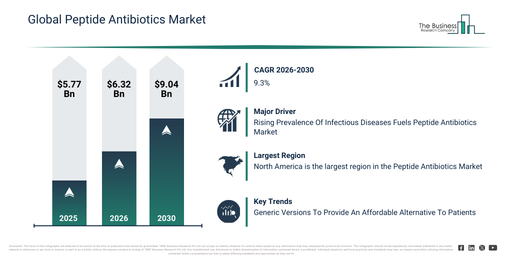
    The peptide antibiotics market size has experienced robust growth in recent years. This market is set to expand from $5.77 billion in 2025 to $6.32 billion in 2026, progressing at a compound annual growth rate (CAGR) of 9.6%. The historical growth of this market is attributable to several factors, including the increasing prevalence of antibiotic-resistant bacterial strains, higher rates of hospital-acquired infections, developments in peptide synthesis technologies, expanding clinical research focused on infectious diseases, and government initiatives funding antibiotic R&D.

    The peptide antibiotics market is anticipated to experience substantial growth over the next few years. It is projected to expand to $9.04 billion by 2030, exhibiting a compound annual growth rate (CAGR) of 9.3%. This expansion during the forecast period is attributable to factors such as the increasing prevalence of multi-drug resistant infections, the global expansion of healthcare infrastructure, technological improvements in peptide delivery systems, growing collaborations with CDMOs, and the rising awareness and adoption of precision medicine approaches. Significant trends during this period include an escalating demand for multi-drug resistant (MDR) infection solutions, the expanded use of peptide antibiotics for hospital-acquired infections, an increase in contract manufacturing and CDMO partnerships, the greater adoption of personalized and targeted antibiotic therapies, and a focus on developing peptide antibiotics with reduced toxicity and side effects.

    Get A Free Sample Report With In-Depth Market Insights:

    https://thebusinessresearchcompany.com/sample_request?id=14105660&type=smp&name=Peptide%20Antibiotics%20Market%20Report%202026&utm_source=Blogs&utm_medium=Paid&utm_campaign=Oct_PR

    Peptide Antibiotics Market Growth Catalysts And Demand Drivers

    The peptide antibiotics market is anticipated to expand due to the growing occurrence of various infectious diseases, which are conditions caused by harmful microbes like bacteria, fungi, and parasites. Factors such as rapid urbanization, climate change, and the heightened risk of new diseases contribute significantly to this rise, boosting the demand for peptide antibiotics that work by physically disrupting cell membranes to exert their antibacterial effects. For example, the World Health Organization reported in May 2024 that dengue cases in the America region exceeded seven million by April 2024, a notable increase from 4.6 million reported throughout 2023. Consequently, the rising incidence of infectious diseases is a key driver for the peptide antibiotics market. The peptide antibiotics market is also projected to grow due to a rise in chronic diseases, defined as conditions lasting a year or more, requiring continuous medical care, and impacting daily life. The escalation of these diseases is linked to factors such as higher tobacco use, inadequate nutrition, lack of physical activity, and excessive alcohol intake. Peptide antibiotics are utilized in chronic disease treatment through targeted drug delivery. For instance, the World Health Organization reported in February 2024 that new cancer cases are expected to exceed 35 million by 2050, marking a 77% surge from the approximately 20 million cases estimated in 2022. Thus, the expanding prevalence of chronic conditions is accelerating the peptide antibiotics market’s growth.

    Peptide Antibiotics Market Segment Landscape: Which Areas Lead Development?

    The peptide antibiotics market covered in this report is segmented –

    1) By Type: Ribosomal Synthesized Peptide Antibiotics, Non-Ribosomal Synthesized Peptide Antibiotics

    2) By Drugs: Daptomycin, Dalbavancin, Telavancin, Other Drugs

    3) By Disease Outlook: Skin Infection, HABP Or VABP, Blood Stream Infection, Other Diseases

    4) By Distribution Channel: Hospitals, Homecare, Specialty Clinics, Other Distribution Channels

    Subsegments:

    1) By Ribosomal Synthesized Peptide Antibiotics: Aminoglycosides, Macrolides, Tetracyclines, Lincosamides

    2) By Non-Ribosomal Synthesized Peptide Antibiotics: Bacitracins, Vancomycin, Polymyxins, Cyclic Lipopeptides

    Peptide Antibiotics Market Trends Shaping Long-Term Demand

    Leading companies operating within the peptide antibiotics market are introducing generic versions, thereby providing a more affordable alternative for patients. These generic peptide antibiotics serve as cost-effective, off-patent replacements for brand-name peptide-based antibiotics, which are used to address various bacterial infections. For instance, in July 2023, Camber Pharmaceuticals, a US-based pharmaceutical company, expanded its product line with the launch of a generic version of Daptomycin for Injection. Daptomycin for Injection is a type of peptide antibiotic, specifically a cyclic lipopeptide antibiotic produced by non-ribosomal machinery. This generic version is accessible in both 350 mg and 500 mg strengths and is prescribed for the treatment of complicated skin and skin structure infections (cSSSI) in adult patients and pediatric patients aged 1 to 17 years.

    Peptide Antibiotics Market Industry Leaders And Competitive Landscape

    Major companies operating in the peptide antibiotics market are Eli Lilly and Company, GlaxoSmithKline plc, Novartis AG, Pfizer Inc., Merck & Co. Inc., AbbVie Inc., Sandoz International GmbH, Xellia APS, Johnson & Johnson Inc., AstraZeneca PLC, Bayer AG, Bristol-Myers Squibb Company, Lupin Pharmaceuticals Inc., Sun Pharmaceutical Industries Ltd., Teva Pharmaceutical Industries Ltd., Torrent Pharmaceuticals Ltd., Wockhardt Ltd., Zydus Lifesciences Limited, Alkem Laboratories Limited, Allecra Therapeutics GmbH, Basilea Pharmaceutica Ltd.

    View The Full Peptide Antibiotics Market Report:

    https://thebusinessresearchcompany.com/report/peptide-antibiotics-global-market-report?utm_source=Blogs&utm_medium=Paid&utm_campaign=Oct_PR

    Peptide Antibiotics Market Geographic Distribution And Regional Opportunities

    North America was the largest region in the peptide antibiotics market in 2025. The regions covered in the peptide antibiotics market report are Asia-Pacific, South East Asia, Western Europe, Eastern Europe, North America, South America, Middle East, Africa.

    Reach Out To Our Team:

    The Business Research Company: https://www.thebusinessresearchcompany.com/

    Americas: +1 310-496-7795

    Asia: +44 7882 955267 & +91 8897263534

    Europe: +44 7882 955267

    Email us at: marketing@tbrc.info

    Follow us on:

    LinkedIn: https://in.linkedin.com/company/the-business-research-company

    YouTube: https://www.youtube.com/channel/UC24_fI0rV8cR5DxlCpgmyFQ

    Global Market Model: https://www.thebusinessresearchcompany.com/global-market-model