Month: October 2026

  • Cancer Clinical Decision Tools Market Trends Supporting 10.2% CAGR Growth Through 2030

    Cancer Clinical Decision Tools Market Trends Supporting 10.2% CAGR Growth Through 2030

    Built to provide research that’s more actionable and strategically valuable, The Business Research Company’s 2026 market reports include market attractiveness analysis, total addressable market sizing, company benchmarking matrices, interactive Excel dashboards, broader supply chain intelligence, emerging startup tracking, and in-depth product insights.

    Cancer Clinical Decision Tools Market Revenue Outlook: What CAGR Lies Ahead Through 2030?

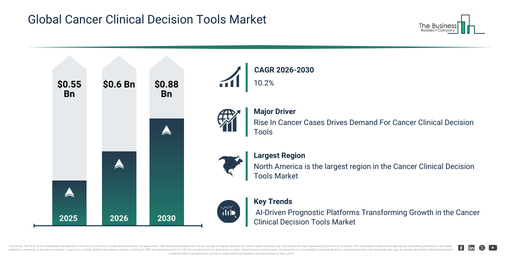
    The cancer clinical decision tools market has seen significant expansion in recent years. It is projected to increase from $0.55 billion in 2025 to $0.6 billion in 2026, exhibiting a compound annual growth rate (CAGR) of 9.0%. The growth observed in the past can be attributed to several factors, including rising cancer incidence rates, an increasing workload on primary care physicians, the scarcity of early diagnostic tools within primary care, a heightened focus on referral accuracy, and the expansion of hospital and clinic infrastructure.

    The cancer clinical decision tools market is projected to experience significant expansion over the next few years, with its size anticipated to reach $0.88 billion by 2030, demonstrating a robust compound annual growth rate (CAGR) of 10.2%. This expected growth during the forecast period is attributable to the progress of AI-driven decision tools, the integration of genomic and risk profiling data, the expansion of digital health platforms, increasing government screening initiatives, and the growing adoption of evidence-based oncology guidelines. Key trends for this period include a rising adoption of clinical decision support tools in oncology, an intensified focus on early cancer detection and risk stratification, increased use of symptom checkers and risk calculators by GPs, the expansion of guideline-based referral and decision frameworks, and the integration of cancer decision tools into primary care workflows.

    Get A Free Sample Report With In-Depth Market Insights:

    https://www.thebusinessresearchcompany.com/sample.aspx?id=3463&type=smp&utm_source=Blogs&utm_medium=Paid&utm_campaign=Oct_PR

    Cancer Clinical Decision Tools Market Opportunity Drivers: What’s Unlocking New Revenue Potential?

    An anticipated increase in cancer cases is projected to drive expansion within the cancer clinical decision tools market in the coming period. Cancer incidence refers to the quantity of newly diagnosed cancer cases within a defined population over a specific duration, indicating the frequency of the disease’s occurrence. The occurrence of cancer is increasing, attributed to greater exposure to risk factors like unhealthy lifestyles, which can result in genetic mutations and irregular cell development progressively. These cancer clinical decision tools facilitate more effective tracking, prediction, and management of cancer cases, allowing for early detection and prompt intervention that can impact discernible cancer incidence trends. As an illustration, in October 2025, data from the NHS England, a UK-based publicly funded healthcare system, revealed 354,820 new cancer diagnoses in 2023, representing an increase of 8,605 compared to 2022. Consequently, the worldwide escalation in cancer incidence rates is set to heighten the demand for the cancer clinical decision tools market.

    Cancer Clinical Decision Tools Market Segmentation And Category Overview

    The cancer clinical decision tools market covered in this report is segmented –

    1) By Type: Risk Assessment Tool(RAT), Qcancer

    2) By End-User: Hospital, Clinics

    Subsegments:

    1) By Risk Assessment Tool (RAT): Family History Assessment, Genetic Testing and Counseling, Lifestyle and Environmental Risk Factors Evaluation

    2) By Qcancer: Symptom Checker, Risk Calculator, Guideline-Based Recommendations

    Cancer Clinical Decision Tools Market Innovation Trends Shaping Future Development

    Leading firms within the cancer clinical decision tools sector are progressively adopting AI-driven prognostic support systems. This adoption is driven by the growing requirement for individualized, data-centric oncology care, fueled by increasing cancer rates, the necessity for improved risk assessment, and the push to refine treatment protocols. Such AI prognostic technologies employ deep-learning algorithms to examine diverse data sources, including medical imaging, electronic health records, and biological markers, enabling more accurate predictions of patient outcomes such as survival rates, risk of recurrence, or responsiveness to therapy, outperforming older rule-based methods. A pertinent example is Onc.AI, a health-tech company based in the US, which announced in February 2025 that its Serial CTRS (Cancer Treatment Risk Stratification) tool received FDA Breakthrough Device Designation. This specific AI instrument categorizes non–small cell lung cancer (NSCLC) patients into groups with high or low mortality risk by utilizing a deep-learning algorithm to analyze diagnostic imaging scans, thereby assisting oncologists in making better-informed choices regarding treatment aggression and subsequent monitoring. The capability of Serial CTRS to forecast long-term survival significantly improves patient categorization, facilitates more customized treatment strategies, and optimizes the distribution of resources, marking a substantial advancement compared to conventional prognostic approaches that depend on a restricted set of clinical indicators.

    Cancer Clinical Decision Tools Market Competitive Analysis Of Leading Industry Participants

    Major companies operating in the cancer clinical decision tools market are McKesson Corporation, Philips Healthcare, Siemens Healthineers AG, Elsevier B.V., National Decision Support Company, Cerner Corporation, GE Healthcare, Allscripts Healthcare Solutions Inc., Epic Systems Corporation, RaySearch Laboratories AB, Elekta AB, Varian Medical Systems Inc., Accuray Incorporated, F. Hoffmann-La Roche Ltd., Flatiron Health Inc., Tempus Labs Inc., NantHealth Inc., Syapse Inc., Inspirata Inc., Prognos Health Inc., Deep 6 AI Inc., PathAI Inc.

    View The Full Cancer Clinical Decision Tools Market Report:

    https://www.thebusinessresearchcompany.com/report/cancer-clinical-decision-tool-global-market-report?utm_source=Blogs&utm_medium=Paid&utm_campaign=Oct_PR

    Cancer Clinical Decision Tools Market Largest Region By Revenue And Market Share

    North America was the largest region in the cancer clinical decision tools market in 2025. The regions covered in the cancer clinical decision tools market report are Asia-Pacific, South East Asia, Western Europe, Eastern Europe, North America, South America, Middle East, Africa.

    Reach Out To Our Team:

    The Business Research Company: https://www.thebusinessresearchcompany.com/

    Americas: +1 310-496-7795

    Asia: +44 7882 955267 & +91 8897263534

    Europe: +44 7882 955267

    Email us at: marketing@tbrc.info

    Follow us on:

    LinkedIn: https://in.linkedin.com/company/the-business-research-company

    YouTube: https://www.youtube.com/channel/UC24_fI0rV8cR5DxlCpgmyFQ

    Global Market Model: https://www.thebusinessresearchcompany.com/global-market-model
  • Cancer biologics Market Forecast Highlights A $203.28 Billion Opportunity For Industry Participants

    Cancer biologics Market Forecast Highlights A $203.28 Billion Opportunity For Industry Participants

    Backed by market attractiveness analysis, total addressable market sizing, company benchmarking matrices, interactive Excel dashboards, wider supply chain intelligence, emerging startup coverage, and detailed product-level insights, The Business Research Company’s 2026 market reports are designed to offer research that is more actionable and strategically valuable than ever.

    Cancer biologics Market Growth Analysis: How Will Revenue Trend Over The Forecast Period?

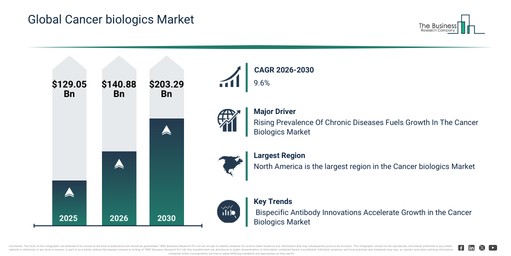
    The cancer biologics market has experienced substantial growth in recent years. This market is projected to expand from $129.05 billion in 2025 to $140.88 billion in 2026, demonstrating a compound annual growth rate (CAGR) of 9.2%. Historically, this expansion can be linked to several factors, including the escalating global prevalence of cancer, the increasing need for advanced cancer treatments, intensified oncology research endeavors, the perceived inadequacy of traditional chemotherapy, and the proliferation of hospital-based cancer treatment facilities.

    The cancer biologics market is anticipated to show considerable growth in the upcoming years. It is projected to expand to $203.29 billion in 2030, demonstrating a compound annual growth rate (CAGR) of 9.6%. The expansion during this forecast period can be attributed to breakthroughs in cell and gene therapy platforms, a growing number of novel biologic approvals, the rise of personalized oncology treatments, increased investment in cancer biologics research and development, and an expansion of manufacturing capacity for biologics. Key trends during this period include a heightened adoption of immunotherapy and targeted biologic treatments, increased utilization of monoclonal antibodies in oncology, the proliferation of cell and gene therapy-based cancer solutions, an expansion of cancer vaccine development programs, and an intensified focus on combination biologic therapies.

    Get A Free Sample Report With In-Depth Market Insights:

    https://www.thebusinessresearchcompany.com/sample.aspx?id=2563&type=smp&utm_source=Blogs&utm_medium=Paid&utm_campaign=Oct_PR

    Cancer biologics Market Growth Momentum: What Factors Are Shaping Demand?

    A significant driver for the expansion of the cancer biologics market is the increasing occurrence of chronic diseases. These long-term conditions impair the well-being of individuals, including those with disabilities, and cancer stands out as one of the prevalent chronic illnesses. Common forms of cancer include breast cancer, lung and bronchus cancer, prostate cancer, colon and rectum cancer, melanoma of the skin, bladder cancer, non-Hodgkin lymphoma, kidney and renal pelvis cancer, endometrial cancer, leukemia, pancreatic cancer, thyroid cancer, and liver cancer. For example, reports from February 2024 by the Centers for Disease Control and Prevention (CDC), a US-based public health agency, indicated that an increasing number of people in America are dealing with multiple chronic conditions, with 42% affected by two or more, and 12% by five or more. Consequently, the rising prevalence of chronic diseases is projected to stimulate the growth of the cancer biologics market in the upcoming years.

    Cancer biologics Market Segment Outlook: Which Categories Are Growing Fastest?

    The cancer biologics market covered in this report is segmented –

    1) By Type: Monoclonal Antibodies, Vaccines, Cell And Gene Therapy, Other Types

    2) By Application: Non-small Cell Lung Cancer, Prostate Cancer, Breast Cancer, Acute Myeloid Leukemia, Lymphoma, Multiple Myeloma, Ovarian Cancer, Colorectal Cancer, Gastric Cancers, Other Applications

    3) By Distribution Channel: Hospitals, Clinics, Other Distribution Channels

    Subsegments:

    1) By Monoclonal Antibodies: Naked Monoclonal Antibodies, Conjugated Monoclonal Antibodies, Bispecific Monoclonal Antibodies

    2) By Vaccines: Therapeutic Cancer Vaccines, Preventive Cancer Vaccines

    3) By Cell And Gene Therapy: CAR T-Cell Therapy, Tumor-Infiltrating Lymphocytes (TIL) Therapy, Oncolytic Virus Therapy

    4) By Other Types: Cytokines, Growth Factors, Fusion Proteins

    Cancer biologics Market Trends Redefining Industry Growth

    Leading firms within the cancer biologics market are concentrating on creating novel therapies, including bispecific antibodies and biomarker guided biologics, with the goal of improving treatment effectiveness and more precisely targeting particular cancer cells. Bispecific antibodies represent an advanced biologic treatment capable of simultaneously attaching to two different epitopes or targets, whereas biomarker guided biologics are formulated to selectively target tumor cells characterized by specific molecular markers. An example of this is seen in November 2024, when Jazz Pharmaceuticals Public Limited Company, a global biopharmaceutical firm based in Dublin, secured U.S. Food & Drug Administration (FDA) approval for the accelerated status of Ziihera (zanidatamab hrii). This was for the treatment of adults diagnosed with previously treated, unresectable, or metastatic HER2 positive (IHC 3+) biliary tract cancer (BTC). This approval signifies the introduction of the first and only dual HER2 targeted bispecific antibody for this particular indication, thereby broadening the scope of HER2 targeted biologic therapy to encompass a new tumor type, moving beyond traditional applications.

    Cancer biologics Market Leading Companies And Competitive Benchmarking

    Major companies operating in the cancer biologics market are AbbVie Inc., F. Hoffmann-La Roche AG, GlaxoSmithKline plc, Eli Lilly and Company, AmgenInc., Bristol-Myers Squibb Company, Johnson & Johnson, Merck & Co.Inc., Novartis AG, Pfizer Inc., Celgene Corporation, Daiichi Sankyo Company Ltd., Seagen Inc., Takeda Pharmaceutical Company Limited, Biogen Inc., Vertex Pharmaceuticals Incorporated, Incyte Corporation, Karyopharm Therapeutics Inc., Kyowa Kirin Co Ltd., Ipsen Biopharmaceuticals Inc., Bayer AG, Biocon Limited, Genentech Inc., Gilead Sciences Inc., Puma Biotechnology, Regeneron Pharmaceuticals Inc.

    View The Full Cancer biologics Market Report:

    https://www.thebusinessresearchcompany.com/report/cancer-biologics-global-market-report?utm_source=Blogs&utm_medium=Paid&utm_campaign=Oct_PR

    Cancer biologics Market Regional Analysis And Leading Geography

    North America was the largest region in the cancer biologics market in 2025. The Middle East is expected to be the fastest-growing region in the global cancer biologics market share during the forecast period. The regions covered in the cancer biologics market report are Asia-Pacific, South East Asia, Western Europe, Eastern Europe, North America, South America, Middle East, Africa.

    Reach Out To Our Team:

    The Business Research Company: https://www.thebusinessresearchcompany.com/

    Americas: +1 310-496-7795

    Asia: +44 7882 955267 & +91 8897263534

    Europe: +44 7882 955267

    Email us at: marketing@tbrc.info

    Follow us on:

    LinkedIn: https://in.linkedin.com/company/the-business-research-company

    YouTube: https://www.youtube.com/channel/UC24_fI0rV8cR5DxlCpgmyFQ

    Global Market Model: https://www.thebusinessresearchcompany.com/global-market-model

  • Cancer Antibody Drug Conjugates Market Analysis: How The Industry Is Evolving Toward A $15.76 Billion Future

    Cancer Antibody Drug Conjugates Market Analysis: How The Industry Is Evolving Toward A $15.76 Billion Future

    Featuring market attractiveness scoring, total addressable market sizing, company benchmarking matrices, interactive Excel dashboards, deeper supply chain intelligence, emerging startup tracking, and granular product-level insights, The Business Research Company’s 2026 market reports are built to deliver research that is both more actionable and more strategically valuable.

    Cancer Antibody Drug Conjugates Market Forecast: What Value Will The Market Reach By 2030?

    The market size for cancer antibody drug conjugates has seen rapid expansion in recent years. It is projected to expand from $9.17 billion in 2025 to $10.24 billion in 2026, demonstrating a compound annual growth rate (CAGR) of 11.7%. This historical growth can be linked to several factors, including progress in monoclonal antibody engineering, a rise in cancer incidence rates, increased uptake of targeted oncology treatments, the broadening of clinical research in biologics, and the granting of regulatory approvals for initial ADC therapies.

    The cancer antibody drug conjugates market size is poised for significant expansion in the coming years. It is forecast to reach $15.77 billion by 2030, demonstrating a compound annual growth rate (CAGR) of 11.4%. This projected growth during the forecast period is driven by factors such as increasing investment in precision oncology pipelines, the rising use of combination cancer therapies, the expansion of ADC indications beyond solid tumors, growing demand for safer targeted treatments, and continuous innovation in linker and payload technologies. Prominent trends for this period include the increasing development of next-generation antibody drug conjugates, a heightened focus on tumor-specific targeting mechanisms, the growing adoption of cleavable linker technologies, the expansion of ADC applications across various cancer types, and an enhanced emphasis on improving the therapeutic index.

    Get A Free Sample Report With In-Depth Market Insights:

    https://www.thebusinessresearchcompany.com/sample.aspx?id=30217&type=smp&utm_source=Blogs&utm_medium=Paid&utm_campaign=Oct_PR

    Cancer Antibody Drug Conjugates Market Expansion Drivers: What’s Shaping Future Growth?

    The increasing incidence of cancer is anticipated to fuel the expansion of the cancer antibody drug conjugates market moving ahead. Cancer prevalence denotes the aggregate count of individuals, encompassing both recent and prior diagnoses, living with a history of cancer at a given moment. This prevalence is on the rise, attributed to lifestyle factors like inadequate nutrition, tobacco use, alcohol intake, and exposure to environmental contaminants, which heighten the likelihood of various cancer developments. Cancer antibody-drug conjugates assist in treating cancer by directly administering potent chemotherapy agents to cancer cells, thereby reducing damage to healthy tissues. They also boost treatment accuracy through their ability to target specific tumor antigens, leading to enhanced therapeutic efficacy and fewer adverse effects for patients. For example, Cancer Australia, an Australia-based government agency, reported in February 2025 that 4,641 new pancreatic cancer cases were recorded in 2024, comprising 2,414 in males and 2,227 in females. Consequently, the escalating prevalence of cancer is propelling the growth of the cancer antibody drug conjugates market.

    Cancer Antibody Drug Conjugates Market Segment Landscape: Which Areas Lead Development?

    The cancer antibody drug conjugates market covered in this report is segmented –

    1) By Type Of Antibody: Monoclonal Antibodies, Bispecific Antibodies, Low Molecular Weight Antibodies, Polyclonal Antibodies

    2) By Mechanism Of Action: Cell Death Signal (CDS) Inducers, Microtubule Disruptors, Deoxyribonucleic Acid (DNA) Damage Inducers, Immune Checkpoint Inhibitors

    3) By Technology: Cleavable Linker, Non-Cleavable Linker

    4) By Disease Indication: Breast Cancer, Blood Cancers, Lung Cancer, Gastrointestinal Cancers, Prostate Cancer

    5) By End-User: Hospitals, Specialty Clinics, Research Institutes

    Subsegments:

    1) By Monoclonal Antibodies: Fully Human Monoclonal Antibodies, Humanized Monoclonal Antibodies, Chimeric Monoclonal Antibodies, Murine Monoclonal Antibodies

    2) By Bispecific Antibodies: T Cell Engager Bispecific Antibodies, Dual Specific Antigen Targeting Bispecific Antibodies, Immune Checkpoint Modulating Bispecific Antibodies, Cytokine Redirecting Bispecific Antibodies

    3) By Low Molecular Weight Antibodies: Single Chain Variable Fragment Antibodies, Nanobody Antibodies, Antibody Fragment Antibodies, Domain Antibodies

    4) By Polyclonal Antibodies: Purified Polyclonal Antibodies, Recombinant Polyclonal Antibodies, Animal Derived Polyclonal Antibodies, Human Derived Polyclonal Antibodies

    Cancer Antibody Drug Conjugates Market Strategic Trends: What Defines The Next Growth Phase?

    Major companies operating in the cancer antibody-drug conjugates market are concentrating on the development of technologically advanced solutions, such as cleavable tumor-activated linker technology, aiming to improve targeted delivery, treatment precision, and overall safety. Cleavable tumor-activated linker technology refers to a specialized chemical system employed within antibody-drug conjugates (ADCs) that links the cytotoxic drug to the antibody and releases it solely upon the ADC reaching the tumor microenvironment. For instance, in June 2025, Daiichi Sankyo Co. Ltd., a Japan-based biopharmaceutical company, obtained United States Food and Drug Administration (FDA) approval for Datroway (datopotamab deruxtecan-dlnk), which is a trophoblast cell surface antigen 2 (TROP-2)-directed antibody-drug conjugate utilizing a cleavable linker. This approval is for treating adult patients with locally advanced or metastatic EGFR-mutated non-small cell lung cancer (NSCLC) who have previously received EGFR-directed therapy and platinum-based chemotherapy. The product offers targeted payload release, enhanced tumor-cell killing, including bystander activity, and improved treatment tolerability, thereby refining precision in drug delivery and broadening therapeutic options for solid tumors that are difficult to treat.

    Cancer Antibody Drug Conjugates Market Industry Leaders And Competitive Landscape

    Major companies operating in the cancer antibody drug conjugates market are Johnson & Johnson, Roche Holding AG, Merck and Co. Inc., Pfizer Inc., AbbVie Inc., Bayer AG, Sanofi S.A., AstraZeneca PLC, Bristol-Myers Squibb Company, GlaxoSmithKline PLC, Eli Lilly and Company, Takeda Pharmaceutical Company Limited, Amgen Inc., Gilead Sciences Inc., Astellas Pharma Inc., Daiichi Sankyo Company Limited, Byondis BV, Adienne Pharma and Biotech SA, Helix BioPharma Corp., Adcytherix SAS

    View The Full Cancer Antibody Drug Conjugates Market Report:

    https://www.thebusinessresearchcompany.com/report/global-cancer-antibody-drug-conjugates-market-report?utm_source=Blogs&utm_medium=Paid&utm_campaign=Oct_PR

    Cancer Antibody Drug Conjugates Market Geographic Analysis: Where Is Demand Accelerating Fastest?

    North America was the largest region in the cancer antibody drug conjugates market in 2025. Asia-Pacific is expected to be the fastest-growing region in the forecast period. The regions covered in the cancer antibody drug conjugates market report are Asia-Pacific, South East Asia, Western Europe, Eastern Europe, North America, South America, Middle East, Africa.

    Reach Out To Our Team:

    The Business Research Company: https://www.thebusinessresearchcompany.com/

    Americas: +1 310-496-7795

    Asia: +44 7882 955267 & +91 8897263534

    Europe: +44 7882 955267

    Email us at: marketing@tbrc.info

    Follow us on:

    LinkedIn: https://in.linkedin.com/company/the-business-research-company

    YouTube: https://www.youtube.com/channel/UC24_fI0rV8cR5DxlCpgmyFQ

    Global Market Model: https://www.thebusinessresearchcompany.com/global-market-model

  • Calorie Supplements Market Outlook Through 2030: Understanding The Growth Opportunity

    Calorie Supplements Market Outlook Through 2030: Understanding The Growth Opportunity

    Built to provide research that’s more actionable and strategically valuable, The Business Research Company’s 2026 market reports include market attractiveness analysis, total addressable market sizing, company benchmarking matrices, interactive Excel dashboards, broader supply chain intelligence, emerging startup tracking, and in-depth product insights.

    Calorie Supplements Market Size Outlook: How Quickly Will Revenue Expand Through 2030?

    The calorie supplements market has seen substantial growth in recent years. Its size is predicted to expand from $1.31 billion in 2025 to $1.44 billion in 2026, achieving a compound annual growth rate (CAGR) of 9.8%. The historical rise in this market can be attributed to the increasing prevalence of malnutrition and undernutrition, a greater adoption of nutritional supplementation in clinical care, the expanding elderly population with higher energy needs, the growth of sports and fitness nutrition markets, and the wider availability of fortified nutritional products.

    The calorie supplements market is anticipated to experience robust expansion over the coming years. Its valuation is projected to reach $2.08 billion by 2030, exhibiting a compound annual growth rate (CAGR) of 9.5%. This projected growth is driven by several factors, including an amplified emphasis on tailored nutrition approaches, a surge in the need for easily accessible nutritional products, heightened understanding of nutrition for preventative health, the broadened reach of e-commerce platforms for supplement distribution, and advancements in developing clean-label calorie supplements. Key trends foreseen for this period encompass a heightened appetite for high-calorie medical nutritional items, increased uptake of ready-to-drink energy boosters, a strengthened focus on well-balanced macronutrient recipes, the extension of online sales channels for nutritional supplements, and greater product tailoring to address particular health requirements.

    Get A Free Sample Report With In-Depth Market Insights:

    https://www.thebusinessresearchcompany.com/sample.aspx?id=30216&type=smp&utm_source=Blogs&utm_medium=Paid&utm_campaign=Oct_PR

    Calorie Supplements Market Development Factors: What’s Supporting Demand?

    The rising demand for dietary supplements is projected to boost the expansion of the calorie supplements market in the coming years. These supplements are orally consumed products containing nutrients or other compounds designed to complement one’s diet. This increased need stems from greater health consciousness, with more people aiming to fulfill their nutritional needs and preserve overall wellness. Within this market, calorie supplements represent a vital segment, offering concentrated energy sources and essential nutrients that enable individuals to more efficiently achieve their daily calorie and nutrient intake. For example, in September 2025, the Australian Bureau of Statistics, an Australia-based government department, released findings indicating that 33.6% of the population utilized dietary supplements in 2023, with vitamin and mineral supplements (29.7%) being the predominant choice. This highlights a significant consumer emphasis on nutritional supplementation, which in turn supports wider categories like calorie supplements. Consequently, the expanding requirement for dietary supplements is fueling the development of the calorie supplements market.

    Calorie Supplements Market Segments: Where Is Growth Concentrated?

    The calorie supplements market covered in this report is segmented –

    1) By Form: Ready to Drink, Ready to Mix

    2) By Packaging: Carton, Canister, Bottle, Cups, Cans, Box (Packets), Tub, Jars

    3) By Flavor: Unflavored, Flavored

    4) By Sales Channel: Offline Sales Channel, Online Sales Channel

    Subsegments:

    1) By Ready To Drink: Energy Drinks, Nutritional Shakes, Protein Beverages, Meal Replacement Drinks

    2) By Ready To Mix: Powdered Protein Mix, Nutrient Fortified Powder, Instant Meal Mix, Calorie Dense Powder

    Calorie Supplements Market Transformation Trends: What Innovations Are Driving Change?

    Leading companies within the calorie supplements market are prioritizing advanced formulations and all-encompassing nutritional remedies, such as superior quality proteins, to foster general health, boost energy levels, and bridge nutritional gaps in everyday eating. Superior quality proteins are characterized by their complete array of essential amino acids in adequate concentrations to facilitate growth, repair, and fundamental bodily operations. For instance, in July 2025, Torrent Pharmaceuticals Ltd., an India-based pharmaceutical firm, launched Shelcal Total, a scientifically backed adult nutrition powder that combines protein, calcium, magnesium, vitamins D3 and K2, glucosamine, and bamboo shoot extract. This supplement is designed to support bone, joint, muscle, immunity, gut, brain, and skin health, utilizing vegetarian ingredients without added sugar or artificial colors, making it appropriate for health-conscious adults who monitor their calorie intake. Through its provision of a convenient and complete nutritional solution, this innovation addresses current dietary challenges, promotes overall well-being, and strengthens consumer trust in supplement options driven by scientific evidence.

    Calorie Supplements Market Key Participants And Competitive Landscape

    Major companies operating in the calorie supplements market are Abbott Laboratories, Danone S.A., Nestlé Health Science, Glanbia plc, Amway Corporation, MyProtein, Orgain Inc., Garden of Life LLC, MusclePharm Corp, MuscleTech, Instasure, Optimum Nutrition Inc., Nutricia International Pvt Ltd, Patanjali Foods Ltd, NOW Foods, Isopure, Pro 360, Dymatize Enterprises LLC, Herbaland Naturals Inc., Bright Lifecare Pvt Ltd

    View The Full Calorie Supplements Market Report:

    https://www.thebusinessresearchcompany.com/report/global-calorie-supplements-market-report?utm_source=Blogs&utm_medium=Paid&utm_campaign=Oct_PR

    Calorie Supplements Market Global Footprint: Which Region Leads The Industry?

    North America was the largest region in the calorie supplements market in 2025. The regions covered in the calorie supplements market report are Asia-Pacific, South East Asia, Western Europe, Eastern Europe, North America, South America, Middle East, Africa.

    Reach Out To Our Team:

    The Business Research Company: https://www.thebusinessresearchcompany.com/

    Americas: +1 310-496-7795

    Asia: +44 7882 955267 & +91 8897263534

    Europe: +44 7882 955267

    Email us at: marketing@tbrc.info

    Follow us on:

    LinkedIn: https://in.linkedin.com/company/the-business-research-company

    YouTube: https://www.youtube.com/channel/UC24_fI0rV8cR5DxlCpgmyFQ

    Global Market Model: https://www.thebusinessresearchcompany.com/global-market-model
  • Calcium Gluconate Market Growth Potential: What The Latest Forecast Reveals

    Calcium Gluconate Market Growth Potential: What The Latest Forecast Reveals

    Backed by market attractiveness analysis, total addressable market sizing, company benchmarking matrices, interactive Excel dashboards, wider supply chain intelligence, emerging startup coverage, and detailed product-level insights, The Business Research Company’s 2026 market reports are designed to offer research that is more actionable and strategically valuable than ever.

    Calcium Gluconate Market Size, Value And Growth Trajectory Through 2030

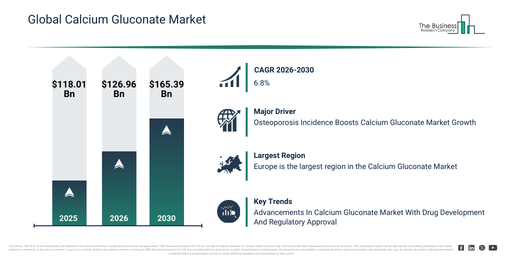
    The calcium gluconate market has shown strong expansion in recent years. This market is set to increase from $118.01 billion in 2025 to $126.96 billion in 2026, achieving a compound annual growth rate (CAGR) of 7.6%. The historical growth of this market can be attributed to the rising prevalence of calcium deficiency, an increase in osteoporosis cases among older individuals, the development of hospital and clinical infrastructure, the broadening of pharmaceutical distribution networks, and growing awareness concerning bone health.

    The calcium gluconate market size is anticipated to undergo significant expansion over the next few years. It is forecast to reach $165.39 billion in 2030, exhibiting a compound annual growth rate (CAGR) of 6.8%. The impetus for this growth during the forecast period stems from the increasing demand for nutraceuticals and dietary supplements, advancements in injectable calcium formulations, the broadening reach of geriatric care and pediatric healthcare, the adoption of preventive healthcare strategies, and the development of emerging markets across Asia-Pacific. Prominent trends within this period are expected to include a rise in the incidence of hypocalcemia, an increase in osteoporosis awareness initiatives, greater integration of intravenous supplements, the proliferation of nutraceutical and functional foods, and the creation of calcium formulations tailored for pediatric and geriatric demographics.

    Get A Free Sample Report With In-Depth Market Insights:

    https://www.thebusinessresearchcompany.com/sample.aspx?id=16005&type=smp&utm_source=Blogs&utm_medium=Paid&utm_campaign=Oct_PR

    Calcium Gluconate Market Industry Drivers: What’s Behind The Revenue Growth?

    The rising prevalence of osteoporosis is projected to boost the growth of the calcium gluconate market moving forward. Osteoporosis is a medical condition distinguished by diminished bone density and strength, which heightens the likelihood of fractures. The occurrence of osteoporosis is increasing due to inactive lifestyles, insufficient calcium consumption, hormonal imbalances, and age-related physiological changes. The calcium gluconate market supports the management of osteoporosis by supplying an additional source of calcium to enhance bone strength and decrease the risk of fractures. For instance, data from 2023, as reported by the British Pharmacological Society, a UK-based association, in March 2025, indicated that most patients undergoing osteoporosis treatments were females: 90.9% for denosumab, 80.8% for bisphosphonates, 98.9% for SERMs, 99% for tibolone, and 86.8% for teriparatide. Consequently, the growing incidence of osteoporosis is propelling the expansion of the calcium gluconate market.

    Calcium Gluconate Market Segment Analysis: What Are The Core Market Categories?

    The calcium gluconate market covered in this report is segmented –

    1) By Form: Liquid, Tablet, Powder, Gel

    2) By Grade: Pharmaceutical Grade, Food Grade

    3) By Application: Food And Beverage Manufacturers, Pharmaceutical, Nutraceutical, Cosmetic And Personal Care, Other Applications

    4) By End Use: Emulsifier, Bulking Agent, Thickening Agent

    Subsegments:

    1) By Liquid: Injectable Solution, Oral Liquid, IV Infusion

    2) By Tablet: Standard Tablets, Effervescent Tablets

    3) By Powder: Oral Powder, Injectable Powder

    4) By Gel: Topical Gel, Transdermal Gel

    #Calcium Gluconate Market Growth Trends: What’s Shaping The Future Outlook?

    Leading companies in the calcium gluconate market are prioritizing the development and subsequent approval of new calcium gluconate drug formulations. This strategic focus aims to enhance the availability of treatments, guarantee high-quality therapeutic choices, and more effectively address calcium deficiencies and related acute conditions. The process of drug development and approval is a multi-stage endeavor, encompassing discovery, preclinical evaluation, clinical testing, and regulatory review, all designed to ensure a medication’s safety, effectiveness, and compliance with health authority standards before it is administered to patients. For instance, in September 2023, Amneal Pharmaceuticals Inc., a US-based generics and specialty pharmaceutical company, secured U.S. FDA abbreviated new drug application (ANDA) approval for calcium gluconate in sodium chloride injection. This product received Competitive Generic Therapy designation, granting it a 180-day exclusivity period, and is offered in 1000 mg/50 mL and 2000 mg/100 mL small-volume parenteral bags, used for managing acute symptomatic hypocalcemia in both pediatric and adult patients.

    Calcium Gluconate Market Top Companies Driving Competitive Growth

    Major companies operating in the calcium gluconate market are Merck & Co. Inc., Thermo Fisher Scientific Inc., Abbott Laboratories, Novartis AG, Eli Lilly and Company, Solvay, Viatris Inc., Baxter International Inc., Fresenius Kabi USA, Hikma Pharmaceuticals Inc., Amneal Pharmaceuticals Private Limited, Amphastar Pharmaceuticals, Jost Chemical Co., American Regent Inc., Coyne Chemical, Anhui Xingzhou Medicine Food Co. Ltd., Westco Chemicals Inc., Noah chemicals, ND Biotech Pvt Ltd, Global Calcium Private Limited, Foodchem, Pharma Cure Laboratories, Nivagen Pharmaceuticals Inc., Tianyi Food Additives Co. Ltd

    View The Full Calcium Gluconate Market Report:

    https://www.thebusinessresearchcompany.com/report/calcium-gluconate-global-market-report?utm_source=Blogs&utm_medium=Paid&utm_campaign=Oct_PR

    Calcium Gluconate Market Regional Distribution: Which Areas Power Market Growth?

    Europe was the largest region in the calcium gluconate market in 2025. Asia-Pacific is expected to be the fastest-growing region in the forecast period. The regions covered in the calcium gluconate market report are Asia-Pacific, South East Asia, Western Europe, Eastern Europe, North America, South America, Middle East, Africa.

    Reach Out To Our Team:

    The Business Research Company: https://www.thebusinessresearchcompany.com/

    Americas: +1 310-496-7795

    Asia: +44 7882 955267 & +91 8897263534

    Europe: +44 7882 955267

    Email us at: marketing@tbrc.info

    Follow us on:

    LinkedIn: https://in.linkedin.com/company/the-business-research-company

    YouTube: https://www.youtube.com/channel/UC24_fI0rV8cR5DxlCpgmyFQ

    Global Market Model: https://www.thebusinessresearchcompany.com/global-market-model

  • Calcium Channel Blocker Market Growth Outlook: Why Analysts Expect Continued Expansion

    Calcium Channel Blocker Market Growth Outlook: Why Analysts Expect Continued Expansion

    Featuring market attractiveness scoring, total addressable market sizing, company benchmarking matrices, interactive Excel dashboards, deeper supply chain intelligence, emerging startup tracking, and granular product-level insights, The Business Research Company’s 2026 market reports are built to deliver research that is both more actionable and more strategically valuable.

    Calcium Channel Blocker Market CAGR Outlook And Future Development

    The calcium channel blocker market has demonstrated robust growth in recent years. It is projected to expand from $16.46 billion in 2025 to $17.61 billion in 2026, achieving a compound annual growth rate (CAGR) of 7.0%. The historical growth of this market can be attributed to factors such as the rising prevalence of hypertension, an increasing incidence of cardiovascular disorders, the growth in the aging population, the early adoption of dihydropyridine drugs, and awareness campaigns conducted by healthcare providers.

    The calcium channel blocker market size is projected to experience significant expansion over the coming years. It will grow to $23.12 billion in 2030 at a compound annual growth rate (CAGR) of 7.0%. This anticipated increase throughout the forecast period stems from factors such as advancements in sustained-release drug formulations, a heightened emphasis on tailored personalized medicine, the wider uptake of digital solutions for cardiac monitoring, the broadening scope of homecare provisions, and growing capital allocation towards combination therapeutic approaches. Significant trends emerging during this outlook period encompass individualized management strategies for hypertension, the evolution of combination treatments, innovations in cardiac safety surveillance technologies, specialized drug formulations for pediatric and geriatric populations, and the development of oral sustained-release medications.

    Get A Free Sample Report With In-Depth Market Insights:

    https://www.thebusinessresearchcompany.com/sample.aspx?id=9428&type=smp&utm_source=Blogs&utm_medium=Paid&utm_campaign=Oct_PR

    Calcium Channel Blocker Market Growth Factors: What’s Supporting Expansion?

    The escalating occurrence of cardiovascular diseases is projected to stimulate the expansion of the calcium channel blocker market moving forward. Cardiovascular disease refers to medical conditions that affect the heart or blood vessels. Calcium channel blockers (CCBs) are utilized to mitigate the risk of heart failure and stroke. Therefore, the rising prevalence of cardiovascular diseases will lead to a greater demand for calcium channel blockers. For instance, in January 2024, the American Heart Association reported that the age-adjusted death rate from cardiovascular disease escalated to 233.3 per 100,000 in 2024, marking a 4.0% increase from 224.4 per 100,000 in 2023. Thus, the increasing prevalence rate of cardiovascular diseases is a primary driver for the growth of the calcium channel blocker market.

    Calcium Channel Blocker Market Segment Breakdown: Which Categories Lead On Revenue?

    The calcium channel blocker market covered in this report is segmented –

    1) By Drug Class: Dihydropyridine, Benzothiazepine, Phenylalkylamine, Other Drug Classes

    2) By Disease Indications: Hypertension, Chest Pain, Arrhythmias

    3) By Route Of Administration: Oral, Parenteral, Other Route Of Administration

    4) By End User: Hospitals, Homecare, Specialty Clinics, Other End Users

    Calcium Channel Blocker Market Industry Trends: What’s Reshaping Demand?

    Leading companies in the calcium channel blocker market are focusing on developing technological advancements, such as self-administered nasal spray formulations for acute arrhythmia management. These innovations aim to enable rapid symptom control, improve patient convenience, and reduce hospital visits. A nasal spray formulation delivers the active calcium channel blocker directly through the nasal mucosa, leading to faster absorption than traditional oral tablets and removing the need for intravenous administration in clinical settings. For example, in July 2025, Milestone Pharmaceuticals, a U.S.-based biopharmaceutical company, received FDA acceptance for review of Cardamyst (etripamil) nasal spray, designed for paroxysmal supraventricular tachycardia (PSVT) and atrial fibrillation with rapid ventricular rate (AFib RVR). This product is a fast-acting, non-dihydropyridine L-type calcium channel blocker delivered intranasally, which enables rapid AV node conduction modulation, restores normal rhythm without hospital supervision, and allows patients to manage episodes at home.

    Calcium Channel Blocker Market Leading Players And Competitive Positioning

    Major companies operating in the calcium channel blocker market are Pfizer Inc., GlaxoSmithKline plc, Novartis AG, Bausch Health Companies Inc., Lupin Pharmaceuticals Inc., Cadila Healthcare Limited, Covis Pharma BV, Glenmark Pharmaceuticals Inc., Amneal Pharmaceuticals LLC, Sofgen Pharmaceuticals, Teva Pharmaceutical Industries Ltd., Knoll Healthcare Private Limited, Sanofi S.A., Clearsynth Labs Ltd., Searle LLC, Bayer AG, AstraZeneca plc, Wyeth-Ayerst Lederle Inc., AbbVie Inc., Silvergate Pharmaceuticals Inc., Sun Pharmaceutical Industries Ltd.

    View The Full Calcium Channel Blocker Market Report:

    https://www.thebusinessresearchcompany.com/report/calcium-channel-blocker-global-market-report?utm_source=Blogs&utm_medium=Paid&utm_campaign=Oct_PR

    Calcium Channel Blocker Market Leading Geography: Which Region Contributes The Most Revenue?

    North America was the largest region in the calcium channel blocker market in 2025. The regions covered in the calcium channel blocker market report are Asia-Pacific, South East Asia, Western Europe, Eastern Europe, North America, South America, Middle East, Africa.

    Reach Out To Our Team:

    The Business Research Company: https://www.thebusinessresearchcompany.com/

    Americas: +1 310-496-7795

    Asia: +44 7882 955267 & +91 8897263534

    Europe: +44 7882 955267

    Email us at: marketing@tbrc.info

    Follow us on:

    LinkedIn: https://in.linkedin.com/company/the-business-research-company

    YouTube: https://www.youtube.com/channel/UC24_fI0rV8cR5DxlCpgmyFQ

    Global Market Model: https://www.thebusinessresearchcompany.com/global-market-model
  • Calcitonin Salmon Market Forecast Insights: The Road To $1.68 Billion By 2030

    Calcitonin Salmon Market Forecast Insights: The Road To $1.68 Billion By 2030

    Built to provide research that’s more actionable and strategically valuable, The Business Research Company’s 2026 market reports include market attractiveness analysis, total addressable market sizing, company benchmarking matrices, interactive Excel dashboards, broader supply chain intelligence, emerging startup tracking, and in-depth product insights.

    Calcitonin Salmon Market Set To Climb From $1.35 Billion In 2026 To $1.68 Billion By 2030

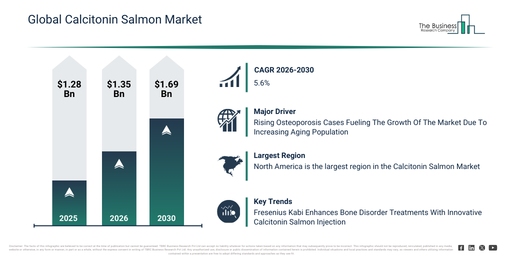
    The calcitonin salmon market has experienced robust expansion over recent years. This market is projected to expand from $1.28 billion in 2025 to $1.35 billion by 2026, demonstrating a compound annual growth rate (CAGR) of 6.0%. Key factors contributing to this historical growth include the widespread occurrence of osteoporosis, the availability of hospital-based injectable treatments, various calcium metabolism disorders, an increasing elderly demographic, and a scarcity of alternative bone therapies.

    The calcitonin salmon market is projected to experience substantial expansion in the coming years. This market is set to reach $1.69 billion by 2030, exhibiting a compound annual growth rate (CAGR) of 5.6%. This anticipated growth during the forecast period can be primarily attributed to factors such as the increasing geriatric population, a rising preference for non-invasive delivery methods, advancements in synthetic peptide innovation, heightened awareness regarding bone health, and specialized endocrinology care. Key trends anticipated within this period include its ongoing application in osteoporosis management, a preference for nasal spray formulations, a move towards synthetic and recombinant products, an increase in the treatment of bone disorders among the elderly, and consistent demand in hypercalcemia management.

    Get A Free Sample Report With In-Depth Market Insights:

    https://www.thebusinessresearchcompany.com/sample.aspx?id=24491&type=smp&utm_source=Blogs&utm_medium=Paid&utm_campaign=Oct_PR

    Calcitonin Salmon Market Demand Drivers: What’s Powering Industry Growth?

    The expanding prevalence of osteoporosis is projected to fuel the calcitonin salmon market in the foreseeable future. Osteoporosis is a condition marked by reduced bone density and a higher risk of fractures, predominantly affecting older individuals, particularly postmenopausal women. The rise in osteoporosis stems from longer life expectancies, leading to a larger aging demographic more susceptible to bone density loss. Calcitonin salmon aids in managing osteoporosis by hindering bone resorption, thereby slowing bone deterioration and assisting in maintaining bone density in affected persons. For example, in August 2024, Healthy Bones Australia, an Australian non-profit focused on bone health, reported that an estimated 6.2 million Australians aged 50 and above, representing about 67 percent of this age group, suffered from poor bone health in 2023, with approximately 23 percent of these individuals having osteoporosis. Consequently, the increasing occurrence of osteoporosis is propelling the growth of the calcitonin salmon market.

    Calcitonin Salmon Market Segmentation: How Does The Market Break Down By Category?

    The calcitonin salmon market covered in this report is segmented –

    1) By Type: Spray, Injection

    2) By Dosage Form: Intravenous, Subcutaneous, Nasal Spray, Other Dosage Forms

    3) By Distribution Channel: Hospital Pharmacies, Retail Pharmacies, Online Pharmacies

    4) By Application: Osteoporosis, Paget’s Disease Of Bone, Hypercalcemia, Myeloma, Other Applications

    5) By End User: Hospitals, Clinics, Pharmacies, Online Pharmacies, Other End Users

    Subsegments:

    1) By Spray: Nasal Spray, Oral Spray

    2) By Injection: Subcutaneous Injection, Intramuscular Injection, Intravenous Injection

    Calcitonin Salmon Market Innovation Trends: What Developments Are Reshaping The Industry?

    Leading companies in the calcitonin salmon market are concentrating on developing innovative solutions, such as calcium regulators, to improve treatment effectiveness and patient outcomes. A calcium regulator is a substance or mechanism that assists in controlling calcium levels in the blood and bones, ensuring proper bone formation, maintenance, and metabolic balance. For example, in February 2025, Fresenius Kabi, a Germany-based pharmaceutical company, introduced calcitonin salmon injection, USP synthetic, for the treatment of symptomatic Paget’s disease of the bone and hypercalcemia. This synthetic formulation is indicated for symptomatic Paget’s disease of the bone, hypercalcemia, and postmenopausal osteoporosis when other treatments are not suitable. Packaged in 400 I.U./2 mL (200 I.U./mL) multi-dose vials, the product is fully formulated, filled, and packaged in the United States, underscoring Fresenius Kabi’s commitment to strengthening domestic pharmaceutical manufacturing and supply chains. This new injection expands the company’s generic injectables portfolio, aiming to provide affordable and reliable treatment options for patients.

    Calcitonin Salmon Market Competitive Overview And Top Companies

    Major companies operating in the calcitonin salmon market are Sanofi S.A, Boehringer Ingelheim International GmbH, Viatris Inc., Fresenius Kabi AG, Sun Pharmaceutical Industries Limited, Dr. Reddy’s Laboratories Limited, Cipla Limited, Hikma Pharmaceuticals plc, Endo International plc, Asahi Kasei Pharma Corporation, Anhui Anke Biotechnology (Group) Co. Ltd., Hybio Pharmaceutical Co. Ltd., Tokyo Chemical Industry Co. Ltd., Santa Cruz Biotechnology Inc., HRV Global Life Sciences Private Limited, AdvaCare Pharma USA LLC, BCN Peptides S.L., Leucadia Pharmaceuticals Inc., Polypeptide Group AB, LKT Laboratories Inc.

    View The Full Calcitonin Salmon Market Report:

    https://www.thebusinessresearchcompany.com/report/calcitonin-salmon-global-market-report?utm_source=Blogs&utm_medium=Paid&utm_campaign=Oct_PR

    Calcitonin Salmon Market Regional Outlook: Where Is Opportunity Concentrated?

    North America was the largest region in the calcitonin salmon market in 2025. Asia-Pacific is expected to be the fastest-growing region in the forecast period. The regions covered in the calcitonin salmon market report are Asia-Pacific, South East Asia, Western Europe, Eastern Europe, North America, South America, Middle East, Africa.

    Reach Out To Our Team:

    The Business Research Company: https://www.thebusinessresearchcompany.com/

    Americas: +1 310-496-7795

    Asia: +44 7882 955267 & +91 8897263534

    Europe: +44 7882 955267

    Email us at: marketing@tbrc.info

    Follow us on:

    LinkedIn: https://in.linkedin.com/company/the-business-research-company

    YouTube: https://www.youtube.com/channel/UC24_fI0rV8cR5DxlCpgmyFQ

    Global Market Model: https://www.thebusinessresearchcompany.com/global-market-model
  • Calcitonin Injection Market Explained: What Is Fueling Growth To $1.07 Billion By 2030?

    Calcitonin Injection Market Explained: What Is Fueling Growth To $1.07 Billion By 2030?

    Backed by market attractiveness analysis, total addressable market sizing, company benchmarking matrices, interactive Excel dashboards, wider supply chain intelligence, emerging startup coverage, and detailed product-level insights, The Business Research Company’s 2026 market reports are designed to offer research that is more actionable and strategically valuable than ever.

    Calcitonin Injection Market Forecast: Value Set To Climb From $0.78 Billion To $1.07 Billion

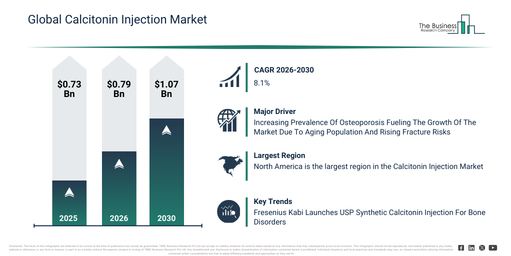
    The calcitonin injection market size has seen substantial growth in recent years. It is anticipated to increase from $0.73 billion in 2025 to $0.79 billion in 2026, at a compound annual growth rate (CAGR) of 8.4%. Factors such as osteoporosis prevalence, hospital injectable therapies, fracture management protocols, calcium metabolism disorders, and the aging population have historically contributed to this growth.

    The calcitonin injection market is anticipated to experience robust growth over the next few years. It is projected to expand to $1.07 billion in 2030, demonstrating a compound annual growth rate (CAGR) of 8.1%. This projected growth throughout the forecast period stems from factors such as the increasing geriatric population, a rising demand for injectable therapies, greater awareness of bone diseases, advancements in synthetic peptide development, and the broadening of specialty care. Furthermore, significant trends foreseen during this period include the ongoing application in osteoporosis management, the emergence of injectable bone therapies, the expansion of treatment options for hypercalcemia, a concentrated focus on bone health in the elderly, and a move towards synthetic calcitonin.

    Get A Free Sample Report With In-Depth Market Insights:

    https://www.thebusinessresearchcompany.com/sample.aspx?id=24490&type=smp&utm_source=Blogs&utm_medium=Paid&utm_campaign=Oct_PR

    Calcitonin Injection Market Growth Drivers: What’s Behind The Acceleration?

    The calcitonin injection market is projected to expand due to the rising occurrence of osteoporosis. This medical condition is characterized by a reduction in bone density and an elevated risk of fractures, primarily impacting older individuals, particularly women after menopause. The growing prevalence of osteoporosis is linked to an aging population, as extended lifespans lead to a natural decline in bone density and a higher susceptibility to the disease. Calcitonin injections play a vital role in managing osteoporosis by helping to regulate calcium levels and decelerate bone loss, thereby effectively preserving bone density. The injections offer a targeted treatment that is easy to administer, which in turn enhances patient adherence and lessens the risk of fractures. For example, in August 2024, data from Healthy Bones Australia, an organization dedicated to osteoporosis prevention and bone health in Australia, indicated that approximately 6.2 million Australians aged 50 years and older, constituting around 67 percent of this demographic, were living with compromised bone health in 2023, with about 23 percent of these individuals diagnosed with osteoporosis. Consequently, the increasing incidence of osteoporosis is a key factor propelling the expansion of the calcitonin injection market.

    Calcitonin Injection Market Driver: Expansion Of Home Healthcare Services Fuelling The Growth Of The Market Amid The Accelerating Transition From Hospital To Home-Based Care

    Calcitonin Injection Market Segment Trends And Revenue Contributors

    The calcitonin injection market covered in this report is segmented –

    1) By Type Of Calcitonin: Salmon Calcitonin, Human Calcitonin, Synthetic Calcitonin

    2) By Route Of Administration: Intravenous (IV) Injection, Subcutaneous Injection, Intramuscular Injection

    3) By Distribution Channel: Direct Sales, Online Pharmacy, Retail Pharmacy, Healthcare Institutions

    4) By Therapeutic Application: Osteoporosis Treatment, Pagets Disease Management, Hypercalcemia Control, Bone Metastases Therapy

    5) By End-User: Hospitals, Specialty Clinics, Geriatric Care Facilities, Home Healthcare

    Subsegments:

    1) By Salmon Calcitonin, Synthetic Salmon Calcitonin, Recombinant Salmon Calcitonin

    2) By Human Calcitonin, Recombinant Human Calcitonin, Synthetic Human Calcitonin

    3) By Synthetic Calcitonin, Peptide-Based Synthetic Calcitonin, Analog Synthetic Calcitonin

    Calcitonin Injection Market Trends: What’s Defining The Industry’s Next Phase?

    Leading companies within the calcitonin injection market are prioritizing the creation of advanced products, such as USP synthetic injections, to elevate treatment efficacy and enhance patient well-being. USP Synthetic Injections are injectable medications containing active ingredients that are synthetically produced and adhere to the rigorous standards for quality, purity, strength, and identity established by the United States Pharmacopeia (USP). Their production occurs under controlled conditions, guaranteeing their safety and effectiveness for medical applications. As an illustration, Fresenius Kabi, a pharmaceutical firm based in Germany, introduced calcitonin salmon injection, a USP synthetic, in February 2025, aimed at addressing symptomatic Paget’s disease of the bone and hypercalcemia. This sterile solution, designed for intramuscular or subcutaneous administration, comes in a concentration of 200 USP units per mL and is packaged in a 2 mL multi-dose vial, providing 400 USP units. It requires refrigeration, with storage between 2°C and 8°C. Functioning as a calcium regulator, this injectable medication is indicated for the management of symptomatic Paget’s disease of bone when alternative therapies are inappropriate, for hypercalcemia, and for postmenopausal osteoporosis when other therapeutic choices are not suitable.

    Calcitonin Injection Market Competitive Landscape: Which Companies Lead The Industry?

    Major companies operating in the calcitonin injection market are Pfizer Inc., AbbVie Inc., Teva Pharmaceutical Industries Ltd., Lupin Limited, Aurobindo Pharma Limited, Zydus Lifesciences Limited, Glenmark Pharmaceuticals Limited, Alembic Pharmaceuticals Limited, Alkem Laboratories Limited, Intas Pharmaceuticals Limited, Emcure Pharmaceuticals Limited, Wockhardt Limited, Accord Healthcare Ltd., Sandoz International GmbH, Amneal Pharmaceuticals LLC, Apotex Inc., Mylan N.V., Cadila Pharmaceuticals Limited, Macleods Pharmaceuticals Ltd., Bharat Parenterals Limited

    View The Full Calcitonin Injection Market Report:

    https://www.thebusinessresearchcompany.com/report/calcitonin-injection-global-market-report?utm_source=Blogs&utm_medium=Paid&utm_campaign=Oct_PR

    Calcitonin Injection Market Geographic Landscape: Which Region Leads Industry Growth?

    North America was the largest region in the calcitonin injection market in 2025. Asia-Pacific is expected to be the fastest-growing region in the forecast period. The regions covered in the calcitonin injection market report are Asia-Pacific, South East Asia, Western Europe, Eastern Europe, North America, South America, Middle East, Africa.

    Reach Out To Our Team:

    The Business Research Company: https://www.thebusinessresearchcompany.com/

    Americas: +1 310-496-7795

    Asia: +44 7882 955267 & +91 8897263534

    Europe: +44 7882 955267

    Email us at: marketing@tbrc.info

    Follow us on:

    LinkedIn: https://in.linkedin.com/company/the-business-research-company

    YouTube: https://www.youtube.com/channel/UC24_fI0rV8cR5DxlCpgmyFQ

    Global Market Model: https://www.thebusinessresearchcompany.com/global-market-model

  • Calcitonin Gene-Related Peptide Receptor Antagonist Market Forecast To Reach $3.85 Billion By 2030: Key Trends Explained

    Calcitonin Gene-Related Peptide Receptor Antagonist Market Forecast To Reach $3.85 Billion By 2030: Key Trends Explained

    Featuring market attractiveness scoring, total addressable market sizing, company benchmarking matrices, interactive Excel dashboards, deeper supply chain intelligence, emerging startup tracking, and granular product-level insights, The Business Research Company’s 2026 market reports are built to deliver research that is both more actionable and more strategically valuable.

    Calcitonin Gene-Related Peptide Receptor Antagonist Market Revenue Growth On Track For A 10.9% CAGR Through 2030

    The calcitonin gene-related peptide receptor antagonist market has experienced substantial growth in its size over recent years. It will grow from $2.3 billion in 2025 to $2.55 billion in 2026 at a compound annual growth rate (CAGR) of 11.2%. This historical expansion can be attributed to factors such as the limited availability of targeted migraine therapies, a reliance on traditional painkillers, increasing awareness of migraine conditions, the rise in hospital and clinic-based treatments, and early research into CGRP pathways.

    The calcitonin gene-related peptide receptor antagonist market is poised for significant expansion in the coming years. It is forecast to reach $3.85 billion by 2030, exhibiting a compound annual growth rate (CAGR) of 10.9%. This projected growth throughout the forecast period stems from factors such as the creation of new small molecule antagonists, the broadening of peptide-based CGRP therapies, an uptick in homecare treatment adoption, increasing pharmaceutical investments in migraine treatments, and a growing patient preference for medications with fewer adverse effects. Prominent trends anticipated in this period include the rising occurrence of migraines and cluster headaches, the wider acceptance of targeted CGRP therapies, an expansion in homecare and outpatient treatment settings, the development of more monoclonal antibody-based therapies, and an increased focus on patient-centric pain management.

    Get A Free Sample Report With In-Depth Market Insights:

    https://www.thebusinessresearchcompany.com/sample.aspx?id=25715&type=smp&utm_source=Blogs&utm_medium=Paid&utm_campaign=Oct_PR

    Calcitonin Gene-Related Peptide Receptor Antagonist Market Growth Factors Behind Sustained Expansion

    The expanding occurrence of migraine is anticipated to fuel the future expansion of the calcitonin gene-related peptide receptor antagonist market. Migraine is characterized as a severe headache often leading to pulsatile pain, frequently localized to one side of the cranium. This growing incidence of migraine primarily stems from heightened exposure to ongoing stress, which interferes with neural paths and elevates the probability of experiencing recurrent and intense migraine episodes. Calcitonin gene-related peptide receptor antagonists alleviate migraine symptoms by inhibiting CGRP, a protein responsible for vasodilation and transmitting pain signals during a migraine episode, consequently diminishing headache discomfort and associated manifestations. As an illustration, a report released in December 2025 by the National Center for Biotechnology Information (NCBI), a division of the US-based National Library of Medicine (NLM), indicated that approximately 2.9 billion individuals globally suffered from headache disorders in 2023, with migraine specifically making up about 487.5 cases per 100,000 population. Consequently, the escalating occurrence of migraine is propelling the expansion of the calcitonin gene-related peptide receptor antagonist market.

    Calcitonin Gene-Related Peptide Receptor Antagonist Market Segment Analysis Spotlighting Growth Areas

    The calcitonin gene-related peptide receptor antagonist market covered in this report is segmented –

    1) By Type: Small Molecule Antagonists, Monoclonal Antibodies, Peptide-Based Antagonists

    2) By Drug Type: Zavegepant, Ubrogepant, Olcegepant, Telcegepant, Rimegepant, Other Drug Types

    3) By Application: Migraine Treatment, Pain Management, Cardiovascular Conditions, Bone Disorders

    4) By End-Users: Hospitals, Clinics, Homecare Settings, Pharmaceutical Companies

    Subsegments:

    1) By Small Molecule Antagonists: Oral Small Molecule Antagonists, Intranasal Small Molecule Antagonists, Injectable Small Molecule Antagonists

    2) By Monoclonal Antibodies: Erenumab, Fremanezumab, Galcanezumab, Eptinezumab

    3) By Peptide-Based Antagonists: CGRP Fragment-Based Antagonists, Peptidomimetic CGRP Antagonists

    Calcitonin Gene-Related Peptide Receptor Antagonist Market Industry Trends Fueling Future Revenue Growth

    Leading companies within the calcitonin gene-related peptide receptor antagonist market are concentrating on obtaining authorizations for novel products, particularly oral CGRP receptor antagonists, aiming to improve the effectiveness of migraine treatment, broaden therapeutic applications, and provide easier methods of administration. These oral CGRP receptor antagonists are defined as small-molecule medications designed to obstruct CGRP, a protein associated with migraine attacks, thereby assisting in migraine prevention. As an illustration, in April 2023, AbbVie Inc., a biotechnology firm based in the US, secured approval from the U.S. Food and Drug Administration (FDA) for its product QULIPTA (atogepant) specifically for the treatment of chronic migraine in adult patients. QULIPTA (atogepant) functions as an oral, once-daily calcitonin gene-related peptide (CGRP) receptor antagonist, originally developed for the prophylactic management of migraine in adults, and is now authorized for both episodic and chronic migraine conditions across the United States. Its mechanism involves inhibiting the action of CGRP, a protein known to increase during migraine attacks and contribute to pain signals and inflammation within the brain. QULIPTA can be obtained in tablet strengths of 10 mg, 30 mg, and 60 mg, with the 60 mg dosage having been particularly assessed for the prevention of chronic migraine.

    Calcitonin Gene-Related Peptide Receptor Antagonist Market Leading Companies: Who Holds The Strongest Market Presence?

    Major companies operating in the calcitonin gene-related peptide receptor antagonist market are AbbVie Inc, Novartis AG, Eli Lilly and Company, Amgen Inc, Alder BioPharmaceuticals Inc, Satsuma Pharmaceuticals Inc, Allergan plc

    View The Full Calcitonin Gene-Related Peptide Receptor Antagonist Market Report:

    https://www.thebusinessresearchcompany.com/report/calcitonin-gene-related-peptide-receptor-antagonist-global-market-report?utm_source=Blogs&utm_medium=Paid&utm_campaign=Oct_PR

    Calcitonin Gene-Related Peptide Receptor Antagonist Market Largest Region: Which Geography Holds The Biggest Share?

    North America was the largest region in the calcitonin gene-related peptide receptor antagonist market in 2025. Asia-Pacific is expected to be the fastest-growing region in the forecast period. The regions covered in the calcitonin gene-related peptide receptor antagonist market report are Asia-Pacific, South East Asia, Western Europe, Eastern Europe, North America, South America, Middle East, Africa.

    Reach Out To Our Team:

    The Business Research Company: https://www.thebusinessresearchcompany.com/

    Americas: +1 310-496-7795

    Asia: +44 7882 955267 & +91 8897263534

    Europe: +44 7882 955267

    Email us at: marketing@tbrc.info

    Follow us on:

    LinkedIn: https://in.linkedin.com/company/the-business-research-company

    YouTube: https://www.youtube.com/channel/UC24_fI0rV8cR5DxlCpgmyFQ

    Global Market Model: https://www.thebusinessresearchcompany.com/global-market-model

  • Calcitonin Gene-Related Peptide (CGRP) Inhibitors Market Analysis: Understanding The Drivers Behind 9.8% CAGR Through 2030 Growth

    Calcitonin Gene-Related Peptide (CGRP) Inhibitors Market Analysis: Understanding The Drivers Behind 9.8% CAGR Through 2030 Growth

    Built to provide research that’s more actionable and strategically valuable, The Business Research Company’s 2026 market reports include market attractiveness analysis, total addressable market sizing, company benchmarking matrices, interactive Excel dashboards, broader supply chain intelligence, emerging startup tracking, and in-depth product insights.

    Calcitonin Gene-Related Peptide (CGRP) Inhibitors Market Value Growth And Long-Term Outlook

    The calcitonin gene-related peptide (cgrp) inhibitors market size has experienced significant expansion in recent years. It is projected to increase from $3.14 billion in 2025 to $3.45 billion in 2026, exhibiting a compound annual growth rate (CAGR) of 9.9%. The historical growth of this market can be attributed to the rising prevalence of migraine disorders, the limitations of conventional migraine drugs, the growing clinical validation of the CGRP pathway, increased neurologist adoption, and favorable reimbursement in developed markets.

    The calcitonin gene-related peptide (CGRP) inhibitors market size is expected to experience robust growth in the coming years. Its valuation is projected to reach $5.02 billion in 2030, at a compound annual growth rate (CAGR) of 9.8%. This expansion during the forecast period can be attributed to an enlarging pool of chronic migraine patients, the ongoing pipeline development of oral CGRP inhibitors, an increasing need for long-term migraine prevention, enhanced patient adherence to targeted therapies, and growing access in emerging markets. Significant trends anticipated in this period include the rising adoption of targeted migraine treatments, a progressive shift towards preventive migraine management, an increasing preference for non-opioid pain relief, the proliferation of oral CGRP small molecule inhibitors, and improved awareness and diagnosis of chronic migraine.

    Get A Free Sample Report With In-Depth Market Insights:

    https://www.thebusinessresearchcompany.com/sample.aspx?id=24182&type=smp&utm_source=Blogs&utm_medium=Paid&utm_campaign=Oct_PR

    Calcitonin Gene-Related Peptide (CGRP) Inhibitors Market Demand Drivers Opening New Revenue Streams

    The calcitonin gene-related peptide (CGRP) inhibitors market is anticipated to expand due to the rising occurrence of migraine. Migraine, characterized by severe throbbing head pain often localized to one side, frequently presents with symptoms like nausea, vomiting, and heightened sensitivity to light and noise. This surge in migraine cases is attributed to elevated stress levels, given that prolonged stress can activate specific neural pathways. Calcitonin gene-related peptide (CGRP) inhibitors contribute to migraine management through their targeted, preventive approach, suitable for both acute and chronic treatment protocols. By effectively blocking CGRP receptors, these inhibitors decrease the frequency and intensity of headaches, thereby enhancing patients’ overall well-being and functional capacity in daily life. Illustratively, a January 2023 report from the National Library of Medicine, a US health information institution, indicated that the worldwide prevalence of migraine ranges between 14% and 15%, accounting for 4.9% of the global disease burden. Consequently, the growing incidence of migraine is a primary factor propelling the expansion of the calcitonin gene-related peptide (CGRP) inhibitors market.

    Calcitonin Gene-Related Peptide (CGRP) Inhibitors Market Segment Performance And Emerging Opportunities

    The calcitonin gene-related peptide (cgrp) inhibitors market covered in this report is segmented –

    1) By Type Of Inhibitor: Monoclonal Antibodies, Small Molecules, Peptides

    2) By Mechanism Of Action: Anti-Calcitonin Gene-Related Peptide (CGRP) Ligand, Calcitonin Gene-Related Peptide (CGRP) Receptor Antagonist

    3) By Route of Administration: Oral, Nasal, Intravenous

    4) By Treatment: Preventive Migraine Treatment, Acute Migraine Treatment

    5) By End User: Hospitals, Specialty Clinics, Mail Order Pharmacies, Retail Pharmacies

    Subsegments:

    1) By Monoclonal Antibodies: Erenumab (Aimovig), Eptinezumab (Vyepti), Fremanezumab (Ajovy), Galcanezumab (Emgality)

    2) By Small Molecules: Ubrogepant, Rimegepant, Atogepant, Zavegepant

    3) By Peptides: Calcitonin Gene-Related Peptide (CGRP) Antagonist Peptides, Modified Calcitonin Gene-Related Peptide (CGRP) Analogs, Intranasal Peptide Formulations, Peptide-Based Delivery Systems

    Calcitonin Gene-Related Peptide (CGRP) Inhibitors Market Trends Powering Strategic Industry Growth

    Leading firms within the calcitonin gene-related peptide (CGRP) inhibitors market are prioritizing the creation of novel products to secure regulatory approvals. Their objective is to boost migraine treatment effectiveness, broaden therapeutic applications, and provide more user-friendly administration methods, including oral and intranasal options, utilizing calcitonin gene-related peptide (CGRP) receptor antagonists. A calcitonin gene-related peptide (CGRP) receptor antagonist functions by blocking the calcitonin gene-related peptide (CGRP) receptor, thereby interrupting pain signals associated with migraines. As an illustration, in April 2023, AbbVie Inc., a US-based biotech company, obtained approval from the U.S. Food and Drug Administration (FDA) for QULIPTA (atogepant) for the treatment of chronic migraine in adult patients. This oral calcitonin gene-related peptide (CGRP) receptor antagonist operates by impeding calcitonin gene-related peptide (CGRP) receptors, which play a role in the underlying mechanisms of migraine, consequently aiding in the prevention of migraine episodes.

    Calcitonin Gene-Related Peptide (CGRP) Inhibitors Market Key Players: Which Companies Lead Industry Competition?

    Major companies operating in the calcitonin gene-related peptide (cgrp) inhibitors market are Pfizer Inc., F. Hoffmann-La Roche AG, Merck & Co. Inc., AbbVie Inc., Bristol Myers Squibb Company, AstraZeneca plc, Novartis AG, Eli Lilly and Company, Amgen Inc., Otsuka Holdings Co. Ltd., Teva Pharmaceutical Industries Ltd., H. Lundbeck A/S, Kissei Pharmaceutical Co. Ltd., Shanghai Junshi Biosciences Co. Ltd., Shin Nippon Biomedical Laboratories Ltd., Sosei Group Corporation, Nuvie Bio Inc., Vaxxinity Inc., Acherx LLC, AfaSci Inc.

    View The Full Calcitonin Gene-Related Peptide (CGRP) Inhibitors Market Report:

    https://www.thebusinessresearchcompany.com/report/calcitonin-gene-related-peptide-cgrp-inhibitors-global-market-report?utm_source=Blogs&utm_medium=Paid&utm_campaign=Oct_PR

    Calcitonin Gene-Related Peptide (CGRP) Inhibitors Market Regional Analysis: Which Geography Leads On Revenue?

    North America was the largest region in the calcitonin gene-related peptide (CGRP) inhibitors market in 2025. Asia-Pacific is expected to be the fastest-growing region in the forecast period. The regions covered in the calcitonin gene-related peptide (cgrp) inhibitors market report are Asia-Pacific, South East Asia, Western Europe, Eastern Europe, North America, South America, Middle East, Africa.

    Reach Out To Our Team:

    The Business Research Company: https://www.thebusinessresearchcompany.com/

    Americas: +1 310-496-7795

    Asia: +44 7882 955267 & +91 8897263534

    Europe: +44 7882 955267

    Email us at: marketing@tbrc.info

    Follow us on:

    LinkedIn: https://in.linkedin.com/company/the-business-research-company

    YouTube: https://www.youtube.com/channel/UC24_fI0rV8cR5DxlCpgmyFQ

    Global Market Model: https://www.thebusinessresearchcompany.com/global-market-model