Month: October 2026

  • Messenger Ribonucleic Acid (mRNA) Capping Enzyme Market Forecast: Breaking Down The Numbers Behind Future Expansion

    Messenger Ribonucleic Acid (mRNA) Capping Enzyme Market Forecast: Breaking Down The Numbers Behind Future Expansion

    Featuring market attractiveness scoring, total addressable market sizing, company benchmarking matrices, interactive Excel dashboards, deeper supply chain intelligence, emerging startup tracking, and granular product-level insights, The Business Research Company’s 2026 market reports are built to deliver research that is both more actionable and more strategically valuable.

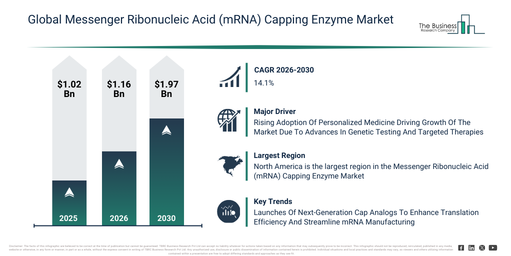
    Messenger Ribonucleic Acid (mRNA) Capping Enzyme Market Set To Climb From $1.16 Billion In 2026 To $1.97 Billion By 2030

    The messenger ribonucleic acid (mRNA) capping enzyme market has expanded rapidly in recent years. It is projected to increase from $1.02 billion in 2025 to $1.16 billion in 2026, demonstrating a compound annual growth rate (CAGR) of 14.4%. The historical surge can be ascribed to the broadening of mRNA research activities, increased application of mRNA in vaccine development, progress in enzymatic synthesis methods, higher funding for genetic research, and the increasing adoption of in vitro transcription technologies.

    The messenger ribonucleic acid (mrna) capping enzyme market size is anticipated to demonstrate significant growth over the next few years. It will grow to $1.97 billion in 2030 at a compound annual growth rate (CAGR) of 14.1%. This expansion during the forecast period is attributable to the increasing development of mrna-based therapeutics, rising investments in advanced vaccine platforms, the expansion of biopharmaceutical manufacturing infrastructure, a growing demand for high-purity mrna components, and an increasing focus on scalable mrna production. Noteworthy trends expected in the forecast period include an increasing demand for high-efficiency mrna capping enzymes, the rising adoption of enzymatic mrna modification techniques, the growing integration of mrna therapeutic manufacturing, the expansion of recombinant enzyme production, and an enhanced focus on cap structure optimization.

    Get A Free Sample Report With In-Depth Market Insights:

    https://thebusinessresearchcompany.com/sample_request?id=28223391&type=smp&name=Messenger%20Ribonucleic%20Acid%20%28mRNA%29%20Capping%20Enzyme%20Market%20Report%202026&utm_source=Blogs&utm_medium=Paid&utm_campaign=Oct_PR

    Messenger Ribonucleic Acid (mRNA) Capping Enzyme Market Growth Factors: What’s Supporting Expansion?

    The expanding utilization of personalized medicine is anticipated to stimulate the growth of the messenger ribonucleic acid (mRNA) capping enzyme market in the future. Personalized medicine represents a healthcare strategy that customizes medical interventions based on an individual’s distinct genetic composition, lifestyle, and environmental factors. The adoption of personalized medicine is gaining momentum due to advancements in genetic testing technologies, which allow for more accurate identification of specific patient requirements, leading to targeted and effective treatments. mRNA capping enzymes provide benefits for personalized medicines by enhancing the stability and correct functionality of therapeutic mRNA, ensuring its efficient translation into proteins tailored to an individual’s treatment needs. For example, in February 2024, as reported by the Personalized Medicine Coalition, a US-based non-profit organization, the FDA sanctioned 16 new personalized treatments for rare disease patients in 2023, indicating a substantial rise from six approvals in 2022. Thus, the increasing uptake of personalized medicine is fueling the growth of the messenger ribonucleic acid (mRNA) capping enzyme market.

    Messenger Ribonucleic Acid (mRNA) Capping Enzyme Market Segment Trends And Revenue Contributors

    The messenger ribonucleic acid (mrna) capping enzyme market covered in this report is segmented –

    1) By Product Type: Recombinant Messenger Ribonucleic Acid (mRNA) Capping Enzymes, Natural Messenger Ribonucleic Acid (mRNA) Capping Enzymes

    2) By Application: Research And Development, Therapeutics, Diagnostics, Other Applications

    3) By End-User: Pharmaceutical And Biotechnology Companies, Research Institutions, Contract Manufacturing Organizations (CMOS)

    Subsegments:

    1) By Recombinant Messenger Ribonucleic Acid (mRNA) Capping Enzymes: Vaccinia Capping Enzyme (VCE), RNA Triphosphatase, Guanylyltransferase, (Guanine-N7)-Methyltransferase

    2) By Natural Messenger Ribonucleic Acid (mRNA) Capping Enzymes: Cap 0 Capping Enzymes, Cap 1 Capping Enzymes, Cap 2 Capping Enzymes

    Messenger Ribonucleic Acid (mRNA) Capping Enzyme Market Industry Trends: What’s Reshaping Demand?

    Leading companies in the mRNA capping enzyme market are increasingly concentrating on next-generation cap analog technologies, such as co-transcriptional cap analogs, to boost mRNA stability, translation efficiency, and therapeutic efficacy. Co-transcriptional cap analogs are chemically altered molecules incorporated into mRNA during its synthesis to mimic the natural 5′ cap, thereby improving mRNA stability and protein production. For instance, in May 2023, TriLink Bio Technologies Inc., a US-based life sciences company, launched the CleanCap M6 analog, which offers superior protein expression compared to enzymatically capped mRNA. This analog achieves high capping efficiency in a simplified one-pot reaction, accelerating mRNA production, and reduces manufacturing costs due to lower reagent and process demands. Its technological attributes include high AU capping efficiency with reduced reagent usage, substantially minimizing double-stranded RNA byproducts to enhance mRNA safety and effectiveness. It also delivers higher yields of fully capped, long-template self-amplifying mRNA, which lowers manufacturing costs and streamlines the production process.

    Messenger Ribonucleic Acid (mRNA) Capping Enzyme Market Competitive Landscape: Which Companies Lead The Industry?

    Major companies operating in the messenger ribonucleic acid (mrna) capping enzyme market are Roche AG, Thermo Fisher Scientific Inc., Merck KGaA, Takara Bio Inc., Aldevron, New England Biolabs Inc., CellScript Inc., Krishgen Biosystems, Yeasen Biotechnology Co. Ltd., Novoprotein Scientific Inc., TriLink Biotechnologies LLC, Jena Bioscience GmbH, OZ Biosciences, SBS Biotech Ltd., Vazyme Biotech Co. Ltd., Enzynomics Inc., Creative Enzymes, Canvax Biotech SL, APExBIO Technology LLC, BOC Sciences, KACTUS Biosystems.

    View The Full Messenger Ribonucleic Acid (mRNA) Capping Enzyme Market Report:

    https://thebusinessresearchcompany.com/report/messenger-ribonucleic-acid-mrna-capping-enzyme-global-market-report?utm_source=Blogs&utm_medium=Paid&utm_campaign=Oct_PR

    Messenger Ribonucleic Acid (mRNA) Capping Enzyme Market Largest Region: Which Geography Holds The Highest Market Share?

    North America was the largest region in the messenger ribonucleic acid (mRNA) capping enzyme market in 2025. Asia-Pacific is expected to be the fastest-growing region in the forecast period. The regions covered in the messenger ribonucleic acid (mrna) capping enzyme market report are Asia-Pacific, South East Asia, Western Europe, Eastern Europe, North America, South America, Middle East, Africa.

    Reach Out To Our Team:

    The Business Research Company: https://www.thebusinessresearchcompany.com/

    Americas: +1 310-496-7795

    Asia: +44 7882 955267 & +91 8897263534

    Europe: +44 7882 955267

    Email us at: marketing@tbrc.info

    Follow us on:

    LinkedIn: https://in.linkedin.com/company/the-business-research-company

    YouTube: https://www.youtube.com/channel/UC24_fI0rV8cR5DxlCpgmyFQ

    Global Market Model: https://www.thebusinessresearchcompany.com/global-market-model
  • Men’s Health Supplements Market Expected To Grow At 11.4% CAGR Through 2030: What Businesses Need To Know

    Men’s Health Supplements Market Expected To Grow At 11.4% CAGR Through 2030: What Businesses Need To Know

    Built to provide research that’s more actionable and strategically valuable, The Business Research Company’s 2026 market reports include market attractiveness analysis, total addressable market sizing, company benchmarking matrices, interactive Excel dashboards, broader supply chain intelligence, emerging startup tracking, and in-depth product insights.

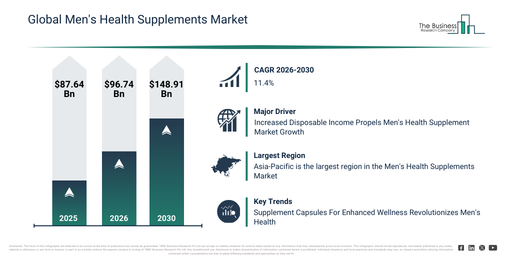
    Men’s Health Supplements Market Forecast: Value Set To Climb From $96.74 Billion To $148.9 Billion

    The men’s health supplements market has seen swift expansion in recent years. Its value is predicted to increase from $87.64 billion in 2025 to $96.74 billion in 2026, registering a compound annual growth rate (CAGR) of 10.4%. Historically, this growth has been driven by heightened awareness concerning male health and wellness, a rise in disposable income, the flourishing gym and fitness culture, the prevalence of herbal and natural remedies, and the prompt adoption of sports supplements.

    The men’s health supplements market is projected to experience substantial growth in the upcoming years. It is forecast to expand to $148.91 billion in 2030, demonstrating a compound annual growth rate (CAGR) of 11.4%. This anticipated growth can be attributed to factors such as the expansion of e-commerce platforms, innovation in personalized nutrition, an increasing prevalence of lifestyle-related male health issues, growth in the male aging population, and a rise in preventive healthcare approaches. Major trends for the forecast period include personalized nutrition plans, a growing demand for herbal and natural supplements, functional fitness supplements, a focus on male hormonal health, and the expansion of online direct-to-consumer sales.

    Get A Free Sample Report With In-Depth Market Insights:

    https://thebusinessresearchcompany.com/sample_request?id=62100161&type=smp&name=Men%27s%20Health%20Supplements%20Market%20Report%202026&utm_source=Blogs&utm_medium=Paid&utm_campaign=Oct_PR

    Men’s Health Supplements Market Demand Drivers: What’s Powering Industry Growth?

    The men’s health supplement market is projected to grow as disposable income increases. This rise in disposable income typically stems from an improved economy, leading to higher wages and salaries, and subsequently boosting healthcare expenditures. With more disposable income, men are able to invest in health supplements, which can enhance their overall well-being, address specific health concerns, and contribute to their general health and fitness. For example, in August 2023, data from the Bureau of Economic Analysis, a US-based government agency, indicated that in July 2023, disposable personal income increased by $7.3 billion (less than 0.1%), and personal consumption expenditures (PCE) grew by $144.6 billion (0.8 percent). Thus, the expansion of disposable income is a significant driver for the growth of the men’s health supplement market.

    Men’s Health Supplements Market Segment Analysis Spotlighting Growth Areas

    The men’s health supplements market covered in this report is segmented –

    1) By Type: Sports Supplements, Reproductive Health Supplements, Bone And Joint Health Supplements, Cardiovascular Health Supplements, Probiotic Supplements, Anti-Aging Supplements, Hair Growth Supplements, Weight Management Supplements, Immune Health Supplements, Other Types

    2) By Age Group: 20-30, 31-45, 46-60, Above 60

    3) By Formulation: Tablets, Capsules, Liquids, Powders, Gummies, Other Formulations

    4) By Distribution Channel: Online, Offline

    Subsegments:

    1) By Sports Supplements: Protein Powders, Creatine, Branched-Chain Amino Acids (BCAAs), Pre-Workout Formulas

    2) By Reproductive Health Supplements: Testosterone Boosters, Fertility Supplements

    3) By Bone And Joint Health Supplements: Glucosamine, Chondroitin, Calcium and Vitamin D

    4) By Cardiovascular Health Supplements: Omega-3 Fatty Acids, Coenzyme Q10 (CoQ10)

    5) By Probiotic Supplements: Multi-Strain Probiotics, Targeted Probiotic Blends

    6) By Anti-Aging Supplements: Antioxidants, Collagen Supplements

    7) By Hair Growth Supplements: Biotin, Saw Palmetto

    8) By Weight Management Supplements: Fat Burners, Appetite Suppressants

    9) By Immune Health Supplements: Vitamin C, Zinc

    10) By Other Types: Herbal Supplements, Nutraceuticals

    Men’s Health Supplements Market Innovation Trends: What Developments Are Reshaping The Industry?

    Leading companies in the men’s health supplement market are prioritizing the development of advanced solutions, such as supplement capsules, to address specific health needs and improve overall well-being. Supplement capsules are oral formulations typically made from gelatin or other materials, containing precise and concentrated amounts of nutritional or bioactive substances, designed to enhance an individual’s diet and offer particular health advantages. For instance, in September 2023, Olly, a US-based supplier of high-quality nutrition and wellness products, unveiled its new Mighty Mojo capsule, which aims to encourage healthy testosterone levels and improve sexual function, priced at $35. This product incorporates key ingredients like tongkat ali, a flowering plant with demonstrated clinical benefits for aiding testosterone levels and general wellness. Moreover, Mighty Mojo contains resveratrol and pine bark, potent antioxidants that may bolster immune function and support overall health. The supplement’s formulation utilizes carefully investigated dosages of these ingredients to ensure their efficacy.

    Men’s Health Supplements Market Leading Companies: Who Holds The Strongest Market Presence?

    Major companies operating in the men’s health supplements market are Haleon plc, Herbalife Nutrition Ltd., GNC Holdings LLC, Vitamin Shoppe Inc., Biotest LLC, Hims & Hers Health Inc., Now Health Group Inc., Thorne Research Inc., Natrol LLC, Irwin Naturals Inc., Pharmavite LLC, Nutrix International LLC, Nordic Naturals Inc., Matsun Nutrition Inc., Makers Nutrition LLC, NutraBio Labs Inc., Vox Nutrition Inc., Nutricap Labs LLC, Nutrivo LLC, Paragon Laboratories Inc., Nutra Solutions USA Inc., Optimum Nutrition Inc., BioThrive Sciences LLC, Nutraceutical Wellness Inc., Botanic Supplements Private Limited, Custom Nutra LLC, Bio-Tech Pharmacal Inc., NutraPak USA, NuMedica LLC

    View The Full Men’s Health Supplements Market Report:

    https://thebusinessresearchcompany.com/report/mens-health-supplements-global-market-report?utm_source=Blogs&utm_medium=Paid&utm_campaign=Oct_PR

    Men’s Health Supplements Market Regional Analysis: Which Region Leads By Revenue?

    Asia-Pacific was the largest region in the men’s health supplements market in 2025. The regions covered in the men’s health supplements market report are Asia-Pacific, South East Asia, Western Europe, Eastern Europe, North America, South America, Middle East, Africa.

    Reach Out To Our Team:

    The Business Research Company: https://www.thebusinessresearchcompany.com/

    Americas: +1 310-496-7795

    Asia: +44 7882 955267 & +91 8897263534

    Europe: +44 7882 955267

    Email us at: marketing@tbrc.info

    Follow us on:

    LinkedIn: https://in.linkedin.com/company/the-business-research-company

    YouTube: https://www.youtube.com/channel/UC24_fI0rV8cR5DxlCpgmyFQ

    Global Market Model: https://www.thebusinessresearchcompany.com/global-market-model
  • Menopause Supplement Market Forecast To Reach $2.97 Billion By 2030: Key Trends Explained

    Menopause Supplement Market Forecast To Reach $2.97 Billion By 2030: Key Trends Explained

    Backed by market attractiveness analysis, total addressable market sizing, company benchmarking matrices, interactive Excel dashboards, wider supply chain intelligence, emerging startup coverage, and detailed product-level insights, The Business Research Company’s 2026 market reports are designed to offer research that is more actionable and strategically valuable than ever.

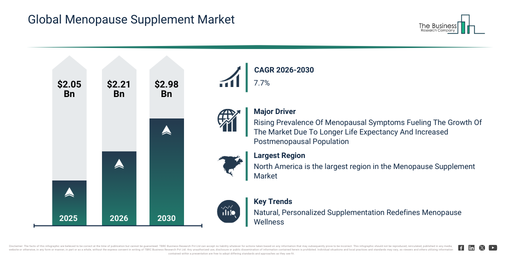
    Menopause Supplement Market Revenue Growth On Track For A 7.7% CAGR Through 2030

    The menopause supplement market size has seen strong growth in recent years. It is anticipated to expand from $2.05 billion in 2025 to $2.21 billion in 2026, achieving a compound annual growth rate (CAGR) of 7.9%. This historical growth can be attributed to factors such as increasing awareness of menopause-related health management, a rising preference for non-prescription wellness solutions, the expansion of women’s health supplement offerings, growing health literacy among middle-aged women, and the availability of diverse supplement formats.

    The menopause supplement market is projected to experience robust expansion over the coming years. This market is forecast to reach $2.98 billion by 2030, exhibiting a compound annual growth rate (CAGR) of 7.7%. This anticipated growth is linked to several factors, including an escalating need for individualized menopause nutrition, wider integration of digital platforms for women’s health, a greater emphasis on comprehensive and lifestyle-oriented menopause support, the spread of e-commerce channels for supplement distribution, and increasing capital directed towards female health studies. Key developments anticipated during this timeframe encompass a surging appetite for natural hormone assistance products, a greater embrace of non-hormonal supplement choices, the proliferation of menopause formulations tailored to specific symptoms, a heightened concentration on wellness items designed for women, and increased acceptance of proactive menopause management.

    Get A Free Sample Report With In-Depth Market Insights:

    https://thebusinessresearchcompany.com/sample_request?id=76433766&type=smp&name=Menopause%20Supplement%20Market%20Report%202026&utm_source=Blogs&utm_medium=Paid&utm_campaign=Oct_PR

    Menopause Supplement Market Growth Drivers: What’s Behind The Acceleration?

    An anticipated increase in menopausal symptom prevalence is set to bolster the expansion of the menopause supplement market in the coming years. These symptoms encompass physical and emotional alterations experienced by women as estrogen levels decrease during the menopausal transition. The growing number of women living longer and spending more time in the postmenopausal phase contributes to this increasing prevalence, extending their encounter with physical and hormonal shifts. Menopause supplements frequently assist in managing these discomforts through specific nutrients and herbal components designed to ease hot flashes, mood swings, and sleep disruptions, thereby aiding general hormonal equilibrium and wellness, though individual usage varies. As an illustration, in December 2023, the National Library of Medicine, a U.S.-based government agency, stated that approximately 1.3 million women reach menopause each year, generally between ages 45 and 56. Of these, 5% encounter early menopause at 40–45, and 1% experience primary ovarian insufficiency before age 40. Consequently, the increasing occurrence of menopausal symptoms represents a primary factor propelling the expansion of the menopause supplement market.

    Menopause Supplement Market Segment Performance And Emerging Opportunities

    The menopause supplement market covered in this report is segmented –

    1) By Product Type: Hormonal supplements, Non-hormonal supplements, Nutritional supplements, Other Product Types

    2) By Form: Tablets, Capsules, Liquids, Powders, Gummies, Soft gels

    3) By Gender: Women, Men

    4) By Sales Channel: Store-based, Modern trade, Hospital pharmacies, Retail pharmacies, Drug stores, Online pharmacies

    5) By End-user: Hospitals, Homecare, Clinics

    Subsegments:

    1) By Hormonal Supplements: Estrogen Therapy, Progesterone Therapy, Combined Hormone Therapy, Bioidentical Hormone Therapy

    2) By Non-Hormonal Supplements: Herbal Extract Supplements, Phytoestrogen Supplements, Homeopathic Supplements, Botanical Blend Supplements

    3) By Nutritional Supplements: Vitamin Supplements, Mineral Supplements, Protein Supplements, Omega Fatty Acid Supplements

    4) By Other Product Types: Probiotic Supplements, Collagen Supplements, Antioxidant Supplements, Enzyme Supplements

    Menopause Supplement Market Trends: What’s Defining The Industry’s Next Phase?

    Key players in the menopause supplement market are directing their efforts towards sophisticated innovation, including personalized supplements, designed to offer precise symptom alleviation, improve effectiveness, and cater to the distinct hormonal and nutritional demands of women. These bespoke nutritional formulations are developed considering an individual’s particular health requirements, symptoms, hormonal profile, or lifestyle elements. As an illustration, in September 2025, Desert Harvest, a US-based entity recognized for its natural health solutions, launched its inaugural menopause supplement incorporating human-identical lactoferrin. This product represents a notable progression, given that the lactoferrin utilized closely emulates the version naturally occurring within the human body. Its formulation aims to assist women throughout peri- and post-menopause by tackling concerns like hormonal fluctuations, tiredness, and immune system well-being. Through the combination of bioidentical lactoferrin and natural components, the company seeks to provide a non-hormonal, scientifically supported option for managing menopausal symptoms. Furthermore, this introduction signifies Desert Harvest’s foray into the rapidly expanding sector of women’s health and menopause supplements.

    Menopause Supplement Market Key Players: Which Companies Lead Industry Competition?

    Major companies operating in the menopause supplement market are Nestlé Health Science, Procter & Gamble, Bayer AG, Church & Dwight Co. Inc., Herbalife Nutrition Ltd., Amway Corporation, The Nature’s Bounty Co., GNC Holdings Inc., Pharmavite LLC, Blackmores Limited, NOW Foods, Thorne HealthTech, Metagenics Inc., Jarrow Formulas Inc., Nature’s Way, Vitabiotics Ltd., Standard Process Inc., Swisse Wellness Pty Ltd., Bio-Botanica Inc., Life Extension

    View The Full Menopause Supplement Market Report:

    https://thebusinessresearchcompany.com/report/global-menopause-supplement-market-report?utm_source=Blogs&utm_medium=Paid&utm_campaign=Oct_PR

    Menopause Supplement Market Geographic Distribution And Regional Opportunities

    North America was the largest region in the menopause supplement market in 2025. Asia-Pacific is expected to be the fastest-growing region in the forecast period. The regions covered in the menopause supplement market report are Asia-Pacific, South East Asia, Western Europe, Eastern Europe, North America, South America, Middle East, Africa.

    Reach Out To Our Team:

    The Business Research Company: https://www.thebusinessresearchcompany.com/

    Americas: +1 310-496-7795

    Asia: +44 7882 955267 & +91 8897263534

    Europe: +44 7882 955267

    Email us at: marketing@tbrc.info

    Follow us on:

    LinkedIn: https://in.linkedin.com/company/the-business-research-company

    YouTube: https://www.youtube.com/channel/UC24_fI0rV8cR5DxlCpgmyFQ

    Global Market Model: https://www.thebusinessresearchcompany.com/global-market-model
  • Menopausal Disorder Treatment Market Analysis Through 2030: Market Size, Growth Trends And Industry Outlook

    Menopausal Disorder Treatment Market Analysis Through 2030: Market Size, Growth Trends And Industry Outlook

    Featuring market attractiveness scoring, total addressable market sizing, company benchmarking matrices, interactive Excel dashboards, deeper supply chain intelligence, emerging startup tracking, and granular product-level insights, The Business Research Company’s 2026 market reports are built to deliver research that is both more actionable and more strategically valuable.

    Menopausal Disorder Treatment Market Value Growth And Long-Term Outlook

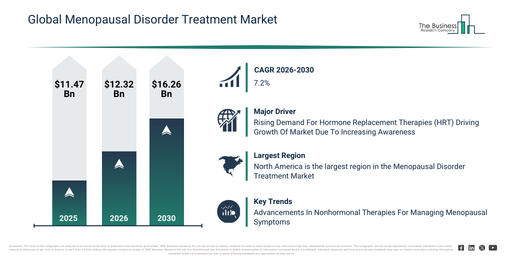
    The menopausal disorder treatment market has experienced significant expansion in recent years. It is projected to increase from $11.47 billion in 2025 to $12.32 billion in 2026, exhibiting a compound annual growth rate (CAGR) of 7.4%. This historical growth can be ascribed to a number of factors, including the expanding aging female demographic, the widespread application of hormone replacement therapy, more frequent diagnosis of menopausal symptoms, the extension of gynecology care services, and improved healthcare access for women.

    The menopausal disorder treatment market is projected to experience substantial expansion over the coming years, reaching $16.26 billion by 2030, exhibiting a compound annual growth rate (CAGR) of 7.2%. This anticipated growth during the forecast period is driven by several factors, such as a heightened demand for safer menopause therapies, a greater emphasis on tailored treatment strategies, increased recognition of the long-term risks associated with hormone replacement therapy (HRT), the proliferation of digital platforms dedicated to women’s health, and the growing uptake of proactive women’s healthcare practices. Concurrently, key trends defining this period encompass a surging preference for non-hormonal approaches to menopause management, the expanding acceptance of personalized hormone replacement therapy, wider incorporation of lifestyle and behavioral changes, the broadening availability of herbal and natural menopause remedies, and enhanced understanding of how to manage menopausal symptoms.

    Get A Free Sample Report With In-Depth Market Insights:

    https://thebusinessresearchcompany.com/sample_request?id=31640829&type=smp&name=Menopausal%20Disorder%20Treatment%20Market%20Report%202026&utm_source=Blogs&utm_medium=Paid&utm_campaign=Oct_PR

    Menopausal Disorder Treatment Market Growth Factors Behind Sustained Expansion

    The escalating demand for hormone replacement therapies (HRT) is projected to fuel the expansion of the menopausal disorder treatment market. Hormone replacement therapy (HRT) refers to a medical intervention involving the supplementation or replacement of hormones to alleviate symptoms linked with menopause or hormone imbalances. The increase in these therapies is driven by growing awareness and the need for effective management of menopausal symptoms and hormonal imbalances. HRT treats menopausal disorder by directly replenishing estrogen and progesterone levels, which aids in restoring hormonal balance and reducing disruptive symptoms such as hot flashes, night sweats, and mood swings, ultimately improving quality of life. For instance, in October 2024, the NHS Business Services Authority (NHSBSA), a UK-based organization offering various support services, reported a 22% surge in prescribed HRT items to 13 million, coupled with a 12% increase in identified patients, rising from 2.3 million in 2022/23 to 2.6 million in 2023/24. Therefore, the rising demand for hormone replacement therapies is a significant driver for the menopausal disorder treatment market’s growth.

    Menopausal Disorder Treatment Market Segment Landscape And Growth Outlook

    The menopausal disorder treatment market covered in this report is segmented –

    1) By Treatment Type: Hormone Replacement Therapy, Non-Hormonal Treatment, Herbal Supplements, Lifestyle Modifications

    2) By Stages: Menopause, Postmenopause, Perimenopause

    3) By Application: Hot Flashes, Night Sweats, Mood Swings, Vaginal Dryness

    4) By Distribution Channel: Hospital Pharmacy, Retail Pharmacy, Online Pharmacy, Other Distribution Channels

    5) By End-Users: Hospitals, Specialty Clinics, Homecare, Other End-Users

    Subsegments:

    1) By Hormone Replacement Therapy (HRT): Estrogen Therapy, Progesterone Therapy, Combination Therapy, Transdermal Patches, Vaginal Estrogen, Oral Tablets

    2) By Non-Hormonal Treatment: Selective Estrogen Receptor Modulators (SERMs), Antidepressants, Gabapentin, Clonidine, Bisphosphonates, Calcium And Vitamin D Supplements

    3) By Herbal Supplements: Black Cohosh, Red Clover, Dong Quai, Ginseng, Soy Isoflavones, Flaxseed

    4) By Lifestyle Modifications: Dietary Changes, Regular Physical Exercise, Stress Management Techniques, Cognitive Behavioral Therapy (CBT), Smoking Cessation, Sleep Hygiene Practices

    Menopausal Disorder Treatment Market Industry Trends Fueling Future Revenue Growth

    Leading firms within the menopausal disorder treatment market are developing novel nonhormonal neurokinin 3 (NK3) receptor antagonist medications, aimed at effectively managing vasomotor symptoms without requiring hormone therapy. These pioneering nonhormonal neurokinin 3 (NK3) receptor antagonist therapies represent innovative approaches that inhibit NK3 receptors to alleviate menopausal symptoms, eliminating the need for hormonal intervention. A notable instance occurred in December 2023 when Astellas Pharma Inc., a Japanese pharmaceutical company, secured approval from the European Commission for Veozah (fezolinetant). This drug is a non-hormonal NK3 receptor antagonist specifically designed for addressing moderate to severe vasomotor symptoms (VMS), including hot flashes and night sweats, in women experiencing menopause. Its mechanism involves targeting specific neurons within the brain’s temperature regulation center, thereby diminishing the occurrence and severity of these symptoms.

    Menopausal Disorder Treatment Market Competitive Landscape: Who Leads The Industry?

    Major companies operating in the menopausal disorder treatment market are Pfizer Inc., F. Hoffmann-La Roche Ltd, Merck & Co Inc., Novartis AG, Bayer AG, Bristol-Myers Squibb Company, Sanofi SA, AstraZeneca plc, Eli Lilly and Company, Novo Nordisk A/S, Abbott Laboratories, GlaxoSmithKline plc, Teva Pharmaceutical Industries Ltd., Ipsen SA, Dr. Reddy’s Laboratories Ltd., Theramex, Besins Healthcare, Mithra Pharmaceuticals, Duchesnay USA, Fervent Pharmaceuticals, Joylux Inc., TherapeuticsMD Inc.

    View The Full Menopausal Disorder Treatment Market Report:

    https://thebusinessresearchcompany.com/report/menopausal-disorder-treatment-global-market-report?utm_source=Blogs&utm_medium=Paid&utm_campaign=Oct_PR

    Menopausal Disorder Treatment Market Largest Region By Revenue And Market Share

    North America was the largest region in the menopausal disorder treatment market in 2025. The regions covered in the menopausal disorder treatment market report are Asia-Pacific, South East Asia, Western Europe, Eastern Europe, North America, South America, Middle East, Africa.

    Reach Out To Our Team:

    The Business Research Company: https://www.thebusinessresearchcompany.com/

    Americas: +1 310-496-7795

    Asia: +44 7882 955267 & +91 8897263534

    Europe: +44 7882 955267

    Email us at: marketing@tbrc.info

    Follow us on:

    LinkedIn: https://in.linkedin.com/company/the-business-research-company

    YouTube: https://www.youtube.com/channel/UC24_fI0rV8cR5DxlCpgmyFQ

    Global Market Model: https://www.thebusinessresearchcompany.com/global-market-model
  • Meningococcal Vaccines Market Outlook From 2026 To 2030: Key Growth Factors And Future Opportunities

    Meningococcal Vaccines Market Outlook From 2026 To 2030: Key Growth Factors And Future Opportunities

    Built to provide research that’s more actionable and strategically valuable, The Business Research Company’s 2026 market reports include market attractiveness analysis, total addressable market sizing, company benchmarking matrices, interactive Excel dashboards, broader supply chain intelligence, emerging startup tracking, and in-depth product insights.

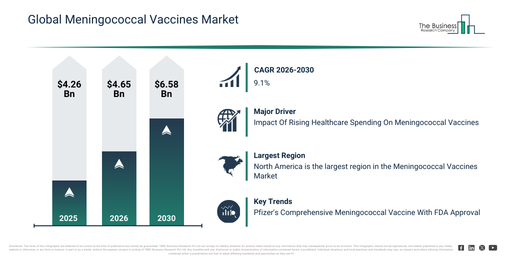
    Meningococcal Vaccines Market Poised To Hit $6.58 Billion By 2030 With A 9.1% CAGR

    The meningococcal vaccines market size has experienced robust growth in recent years. It is projected to increase from $4.26 billion in 2025 to $4.65 billion in 2026, exhibiting a compound annual growth rate (CAGR) of 9.3%. The expansion observed in the historical period can be attributed to the availability of meningococcal conjugate vaccines, an escalation in the occurrence of meningitis outbreaks, governmental immunization initiatives, expanding pediatric vaccination rates, and enhanced public health funding.

    The meningococcal vaccines market is anticipated to experience robust expansion in the coming years. It is projected to reach $6.58 billion in 2030, exhibiting a compound annual growth rate (CAGR) of 9.1%. This growth during the forecast period can be attributed to several factors, including advancements in vaccine technology, the expansion of global immunization programs, a rise in awareness regarding meningococcal disease, the formation of strategic partnerships and collaborations, and an increase in vaccination initiatives targeting adolescents and young adults. Key trends anticipated within this period involve the expansion of pediatric vaccination programs, the development of broad-spectrum meningococcal vaccines, increased government-led immunization efforts, heightened awareness concerning meningococcal disease prevention, and the growth of vaccination campaigns in schools and colleges.

    Get A Free Sample Report With In-Depth Market Insights:

    https://thebusinessresearchcompany.com/sample_request?id=39311036&type=smp&name=Meningococcal%20Vaccines%20Market%20Report%202026&utm_source=Blogs&utm_medium=Paid&utm_campaign=Oct_PR

    Meningococcal Vaccines Market Demand Drivers Opening New Revenue Streams

    The meningococcal vaccine market is anticipated to grow, driven by an uptick in healthcare spending. Healthcare includes institutions providing residential care, nursing facilities, and intermediate care for individuals with mental illnesses or intellectual disabilities. A significant discussion point has been the high cost of newer vaccine generations compared to previous ones, prompting scrutiny into whether their benefits justify their prices. Consequently, assessing the comprehensive social and economic advantages of vaccination is becoming an increasingly vital area of study in the literature concerning vaccine valuation. For instance, an article published by the American Medical Association in April 2025 indicated that U.S. health spending increased by 7.5% in 2023, reaching $4.9 trillion or $14,570 per capita. This expansion rate is considerably higher than the 4.6% increase recorded in 2022. Therefore, the expanding healthcare expenditure is fueling the growth of the meningococcal vaccine market.

    Meningococcal Vaccines Market Breakdown By Product Type And Application

    The meningococcal vaccines market covered in this report is segmented –

    1) By Vaccine Type: Meningococcal Conjugate Vaccine, Polysaccharide, Subcapsular Vaccine

    2) By Serotype: Men Acwy, Men B/Bc, Men C

    3) By Age Group: Infants, Children, Adolescents and Young Adults, Adults

    4) By Distribution Channel: Pharmacies, Community Clinics, Public Health Agencies, Other Channels

    5) By End user: Hospitals, Research, Academic Institutes

    Subsegments:

    1) By Meningococcal Conjugate Vaccine: Quadrivalent Conjugate Vaccine (MenACWY), Bivalent Conjugate Vaccine

    2) By Polysaccharide Vaccine: Meningococcal Polysaccharide Vaccine (MPSV4), Group C Polysaccharide Vaccine

    3) By Subcapsular Vaccine: Meningococcal B Vaccine (MenB), Combination Subcapsular Vaccines

    Meningococcal Vaccines Market Trends Powering Strategic Industry Growth

    Major companies in the meningococcal vaccines market are developing new vaccines to prevent various serogroups, aiming to boost their market profitability. Meningococcal vaccines are designed as preventive measures to shield individuals from infections caused by specific serogroups of the Neisseria meningitidis bacteria. For instance, in October 2023, Pfizer Inc., a US-based pharmaceutical company, obtained FDA approval for its vaccine, PENBRAYA. With extensive serogroup coverage, PENBRAYA is the most comprehensive U.S.-approved meningococcal vaccine, protecting against groups A, B, C, W, and Y. The FDA approval is supported by robust Phase 2 and 3 trial data, confirming non-inferior immunogenicity compared to Trumenba + Menveo across all serogroups, alongside a favorable safety profile. Pfizer’s September 2022 announcement had previously revealed positive outcomes from a Phase 3 trial, which assessed PENBRAYA’s safety, tolerability, and immunogenicity against existing licensed meningococcal vaccines.

    Meningococcal Vaccines Market Company Landscape And Competitive Strategy

    Major companies operating in the meningococcal vaccines market are Pfizer Inc.,GlaxoSmithKline plc,Sanofi Pasteur,Merck & Co. Inc.,Serum Institute of India Pvt. Ltd.,Bio-Manguinhos,Walvax Biotechnology Co. Ltd.,Bharat Biotech,Panacea Biotec Ltd.,CSL Limited,Minhai Biotechnology Co. Ltd.,Hualan Biological Engineering Inc.,Shenzhen Kangtai Biological Products Co. Ltd.,Chongqing Zhifei Biological Products Co. Ltd.,Incepta Pharmaceuticals Ltd.,Biological E. Limited,Biokangtai,Biomed Pvt Ltd.,Biocine SCL,Bavarian Nordic A/S

    View The Full Meningococcal Vaccines Market Report:

    https://thebusinessresearchcompany.com/report/meningococcal-vaccines-global-market-report?utm_source=Blogs&utm_medium=Paid&utm_campaign=Oct_PR

    Meningococcal Vaccines Market Regional Analysis And Leading Geography

    North America was the largest region in the meningococcal vaccines market in 2025. Asia-Pacific is expected to be the fastest-growing region in the meningococcal vaccines market report during the forecast period. The regions covered in the meningococcal vaccines market report are Asia-Pacific, South East Asia, Western Europe, Eastern Europe, North America, South America, Middle East, Africa.

    Reach Out To Our Team:

    The Business Research Company: https://www.thebusinessresearchcompany.com/

    Americas: +1 310-496-7795

    Asia: +44 7882 955267 & +91 8897263534

    Europe: +44 7882 955267

    Email us at: marketing@tbrc.info

    Follow us on:

    LinkedIn: https://in.linkedin.com/company/the-business-research-company

    YouTube: https://www.youtube.com/channel/UC24_fI0rV8cR5DxlCpgmyFQ

    Global Market Model: https://www.thebusinessresearchcompany.com/global-market-model
  • Memantine HCl Market Growth Forecast: Market Size, Key Trends And Emerging Opportunities Through 2030

    Memantine HCl Market Growth Forecast: Market Size, Key Trends And Emerging Opportunities Through 2030

    Backed by market attractiveness analysis, total addressable market sizing, company benchmarking matrices, interactive Excel dashboards, wider supply chain intelligence, emerging startup coverage, and detailed product-level insights, The Business Research Company’s 2026 market reports are designed to offer research that is more actionable and strategically valuable than ever.

    Memantine HCl Market Size And Revenue Outlook Through 2030

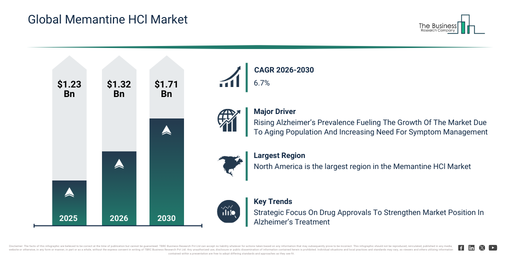
    The memantine hcl market size has exhibited strong growth in recent years. It is anticipated to expand from $1.23 billion in 2025 to $1.32 billion in 2026, showing a compound annual growth rate (CAGR) of 7.0%. This historical expansion can be linked to factors such as an increasing aging population, the prevalence of Alzheimer’s disease, neurologist-prescribed therapies, hospital-based dementia care, and the adoption of branded drugs.

    The memantine hcl market is anticipated to exhibit robust expansion over the next few years. Its valuation is projected to reach $1.71 billion by 2030, reflecting a compound annual growth rate (CAGR) of 6.7%. This expected growth during the forecast period is driven by factors such as increasing dementia diagnosis rates, the rise of home-based elderly care, the expansion of the generic market, demand for extended-release dosage forms, and advancements in digital cognitive monitoring. Key trends in the same period include a growing demand for Alzheimer’s disease therapies, increased utilization of combination dementia treatments, wider availability of generic drugs, the growth of long-term cognitive care, and the ongoing development of extended-release formulations.

    Get A Free Sample Report With In-Depth Market Insights:

    https://thebusinessresearchcompany.com/sample_request?id=99188656&type=smp&name=Memantine%20HCl%20Market%20Report%202026&utm_source=Blogs&utm_medium=Paid&utm_campaign=Oct_PR

    Memantine HCl Market Growth Backed By Core Demand Fundamentals

    The increasing occurrence of Alzheimer’s disease is anticipated to drive the expansion of the memantine HCl market in the future. Alzheimer’s disease is defined as a progressive neurological condition that mainly impacts memory, cognitive processes, conduct, and the capacity for daily functions. This surge in Alzheimer’s cases stems from an aging demographic, where improved healthcare and nutrition lead to extended lifespans, consequently increasing the population of older individuals who face a greater risk. Memantine HCl offers a treatment for Alzheimer’s disease, acting as a medication that decelerates the worsening of moderate to severe symptoms by managing unusual glutamate activity within the brain, which in turn enhances cognitive abilities, recall, and everyday activities for those affected. For example, a report from the National Library of Medicine, a US-based national library, stated that in April 2025, 7.2 million Americans aged 65 and older are living with Alzheimer’s dementia, with projections indicating a potential increase to 13.8 million by 2060. Consequently, the growing prevalence of Alzheimer’s disease is propelling the expansion of the Memantine HCl market.

    Memantine HCl Market Segment Analysis And Revenue Potential

    The memantine hcl market covered in this report is segmented –

    1) By Product Type: Tablet Formulation, Oral Solution, Extended-Release Capsules

    2) By Dosage Form: Standard Dosage (5 mg, 10 mg), Customized Dosage Solutions

    3) By Distribution Channel: Hospital Pharmacies, Retail Pharmacies, Online Pharmacies

    4) By Application: Alzheimer’s Disease Treatment, Vascular Dementia Management, Off-Label Uses

    5) By End User: Hospitals, Long-Term Care Facilities, Home Healthcare, Outpatient Clinics

    Subsegments:

    1) By Tablet Formulation: Immediate-Release Tablets, Film-Coated Tablets, Dispersible Tablets, Chewable Tablets, Scored Tablets

    2) By Oral Solution: Ready-To-Use Oral Solution, Concentrated Oral Solution (Requires Dilution), Flavored Oral Solution, Sugar-Free Oral Solution, Alcohol-Free Oral Solution

    3) By Extended-Release Capsules: Once-Daily ER Capsules, Multi-Particulate Capsule Formulations, Bead-Filled ER Capsules, Liquid-Filled ER Capsules, High-Dose ER Capsules

    Memantine HCl Market Growth Trends Reshaping The Competitive Landscape

    Leading companies in the memantine HCl market are strategically prioritizing the acquisition of regulatory clearances to enlarge their market footprint and bolster their function in combating alzheimer’s disease and other neurodegenerative conditions. Regulatory approvals constitute official permissions given by governmental or regulatory entities, such as the U.S. Food and Drug Administration (FDA). These authorizations enable pharmaceutical products, medical devices, or therapies to be lawfully commercialized and consumed by the public. For example, in January 2025, Amneal Pharmaceuticals Inc., a U.S.-based pharmaceutical enterprise, obtained FDA approval for memantine/donepezil extended-release capsules and everolimus tablets for oral suspension, alongside a provisional U.S. FDA approval for rifaximin. The memantine/donepezil extended-release capsules, offered in 14-10 mg and 28-10 mg concentrations, serve as a generic equivalent to AbbVie’s Namzaric. This fixed-dose combination comprises memantine hydrochloride, identified as an NMDA receptor antagonist, and donepezil hydrochloride, an acetylcholinesterase inhibitor. It is prescribed for addressing moderate to severe dementia of the alzheimer’s type in patients who are stable on 10 mg of donepezil hydrochloride once daily.

    Memantine HCl Market Key Players Shaping Industry Direction

    Major companies operating in the memantine hcl market are Sun Pharmaceutical Industries Ltd, Dr. Reddy’s Laboratories Ltd, Lupin Limited, Amneal Pharmaceuticals Inc., Zydus Lifesciences Limited, Ajanta Pharma Limited, ANI Pharmaceuticals Inc., Uquifa S.A., Procos S.p.A., Orchid Pharma Limited, Forest Laboratories LLC, Olon S.p.A., Smilax Laboratories Limited, Consern Pharma Private Limited, Pellets Pharma Limited, Zeal MediPharma, Hermes Chemical Industries, JPN Pharma Pvt Ltd., Murli Krishna Pharma Pvt Ltd., Prudence Pharma Chem.

    View The Full Memantine HCl Market Report:

    https://thebusinessresearchcompany.com/report/memantine-hcl-global-market-report?utm_source=Blogs&utm_medium=Paid&utm_campaign=Oct_PR

    Memantine HCl Market Geographic Analysis: Where Is Demand Accelerating Fastest?

    North America was the largest region in the memantine HCl market in 2025. Asia-Pacific is expected to be the fastest-growing region in the forecast period. The regions covered in the memantine hcl market report are Asia-Pacific, South East Asia, Western Europe, Eastern Europe, North America, South America, Middle East, Africa.

    Reach Out To Our Team:

    The Business Research Company: https://www.thebusinessresearchcompany.com/

    Americas: +1 310-496-7795

    Asia: +44 7882 955267 & +91 8897263534

    Europe: +44 7882 955267

    Email us at: marketing@tbrc.info

    Follow us on:

    LinkedIn: https://in.linkedin.com/company/the-business-research-company

    YouTube: https://www.youtube.com/channel/UC24_fI0rV8cR5DxlCpgmyFQ

    Global Market Model: https://www.thebusinessresearchcompany.com/global-market-model
  • Melatonin Supplements Market CAGR Forecast Through 2030: Key Trends Shaping Industry Expansion

    Melatonin Supplements Market CAGR Forecast Through 2030: Key Trends Shaping Industry Expansion

    Featuring market attractiveness scoring, total addressable market sizing, company benchmarking matrices, interactive Excel dashboards, deeper supply chain intelligence, emerging startup tracking, and granular product-level insights, The Business Research Company’s 2026 market reports are built to deliver research that is both more actionable and more strategically valuable.

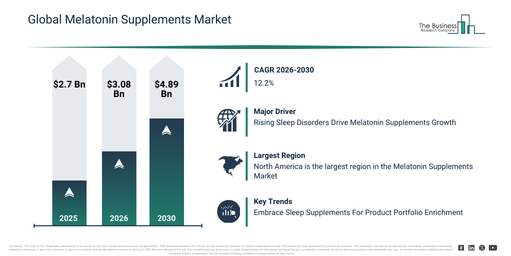
    Melatonin Supplements Market Growth From $3.08 Billion In 2026 To $4.88 Billion By 2030 At A CAGR Of 12.2%

    The melatonin supplements market has experienced rapid expansion in recent years. Its valuation is projected to increase from $2.7 billion in 2025 to $3.08 billion by 2026, demonstrating a compound annual growth rate (CAGR) of 14.3%. Historically, this expansion has been driven by factors such as the rising incidence of sleep disorders and insomnia, the broad accessibility of over-the-counter melatonin products, increased understanding of circadian rhythm management, a preference for sleep aids that are not habit-forming, and early uptake by frequent travelers and individuals working shifts.

    The melatonin supplements market is anticipated to experience significant expansion over the coming years. Its value is projected to reach $4.89 billion by 2030, demonstrating a compound annual growth rate (CAGR) of 12.2%. This projected increase during the forecast period stems from several factors, including heightened global stress levels and increased screen time affecting sleep quality, an expanding elderly population facing sleep difficulties, a greater emphasis on mental well-being and improving sleep, the introduction of more melatonin formulations for children and seniors, and the growing presence of online platforms for supplement sales. Key trends anticipated during this period encompass a surge in consumer uptake of sleep health supplements, increasing preference for over-the-counter sleep solutions, the availability of melatonin products in diverse dosage formats, a rise in melatonin’s application for managing jet lag and sleep disturbances from shift work, and a growing inclination towards clean-label and naturally sourced melatonin items.

    Get A Free Sample Report With In-Depth Market Insights:

    https://thebusinessresearchcompany.com/sample_request?id=53666072&type=smp&name=Melatonin%20Supplements%20Market%20Report%202026&utm_source=Blogs&utm_medium=Paid&utm_campaign=Oct_PR

    Melatonin Supplements Market Growth Catalysts And Demand Drivers

    The increasing occurrence of sleep disturbances is anticipated to fuel the expansion of the melatonin supplements market in the future. Sleep disorders are conditions impacting the quality, timing, or length of sleep, resulting in diminished daytime performance and overall well-being. The rise in sleep disorder prevalence can be attributed to shifts in lifestyle, extensive screen time, poor sleep habits, and an aging demographic. The melatonin supplements market assists those with sleep disorders by offering additional melatonin to help regulate circadian rhythms, enhance sleep patterns, and ease conditions like jet lag and delayed sleep phase disorders. For example, in November 2023, Sleep Care Online, a US-based telemedicine company, reported that approximately 50 to 70 million people suffer from chronic sleep issues, primarily insomnia, sleep apnea, and narcolepsy. Consequently, the growing incidence of sleep disorders is stimulating the development of the melatonin supplements market.

    Melatonin Supplements Market Segmentation And Category Overview

    The melatonin supplements market covered in this report is segmented –

    1) By Type: Natural Melatonin, Synthetic Melatonin

    2) By Form: Tablets And Capsules, Liquid, Sublingual Pellets, Other Forms

    3) By Distribution Channel: Supermarkets And Hypermarkets, Drug Stores, Online Retail, Other Distribution Channels

    4) By Application: Alzheimer’s Disease, Weak Immune System, Osteoporosis, Nerve Pain, Other Applications

    5) By End User: Adults, Children

    Subsegments:

    1) By Natural Melatonin: Plant-Based Melatonin

    2) By Synthetic Melatonin: Tablet Or capsule Form, Liquid Form, Chewable Or softgel Form, Sublingual Melatonin

    Melatonin Supplements Market Trends Shaping Long-Term Demand

    Leading companies within the melatonin supplements market are directing their efforts towards creating advanced sleep aids designed to elevate sleep quality, promote relaxation, and resolve common difficulties such as struggling to fall asleep or remain asleep. Sleep supplements themselves are defined as dietary products specifically formulated with ingredients like melatonin to foster healthy sleep rhythms, encourage peaceful slumber, and lessen instances of waking up during the night. Illustrating this trend, in May 2024, Natrol LLC, a US-based manufacturer of dietary supplements, unveiled time-release melatonin gummies. These gummies feature an innovative dual-action delivery system that first provides an immediate dose of melatonin to facilitate quick sleep onset, followed by a controlled, extended release to ensure continuous sleep throughout the night. Available in various strengths, these particular gummies are crafted using clean ingredients, free from artificial flavors, sweeteners, and dyes, thereby presenting a natural and efficacious option for achieving undisturbed, restorative sleep.

    Melatonin Supplements Market Competitive Analysis Of Leading Industry Participants

    Major companies operating in the melatonin supplements market are Walgreens Boots Alliance Inc., Swanson Health Products Incorporated, Vitacost.com Inc., Now Health Group Inc., The Himalaya Drug Company, Jarrow Industries Inc., Natrol Inc., Life Extension, Natural Factors Nutritional Products Inc., Robinson Pharma Inc., Country Life LLC, Pharmavite LLC, Pure Encapsulations LLC, Solgar Inc., Solaray Inc, Mason Vitamins Inc., The Nature’s Bounty Co., Optimum Nutrition Inc., Douglas Laboratories, Puritan’s Pride Inc., Nature Made, Amazing Nutrition Inc., Just Potent LLC, Source Naturals Inc., Bio-Tech Pharmacal Inc.

    View The Full Melatonin Supplements Market Report:

    https://thebusinessresearchcompany.com/report/melatonin-supplements-global-market-report?utm_source=Blogs&utm_medium=Paid&utm_campaign=Oct_PR

    Melatonin Supplements Market Global Footprint: Which Region Leads The Industry?

    North America was the largest region in the melatonin supplements market in 2025. The regions covered in the melatonin supplements market report are Asia-Pacific, South East Asia, Western Europe, Eastern Europe, North America, South America, Middle East, Africa.

    Reach Out To Our Team:

    The Business Research Company: https://www.thebusinessresearchcompany.com/

    Americas: +1 310-496-7795

    Asia: +44 7882 955267 & +91 8897263534

    Europe: +44 7882 955267

    Email us at: marketing@tbrc.info

    Follow us on:

    LinkedIn: https://in.linkedin.com/company/the-business-research-company

    YouTube: https://www.youtube.com/channel/UC24_fI0rV8cR5DxlCpgmyFQ

    Global Market Model: https://www.thebusinessresearchcompany.com/global-market-model
  • Melanoma Therapeutics Market To Witness 11% CAGR Growth Through 2030: Key Industry Drivers

    Melanoma Therapeutics Market To Witness 11% CAGR Growth Through 2030: Key Industry Drivers

    Built to provide research that’s more actionable and strategically valuable, The Business Research Company’s 2026 market reports include market attractiveness analysis, total addressable market sizing, company benchmarking matrices, interactive Excel dashboards, broader supply chain intelligence, emerging startup tracking, and in-depth product insights.

    Melanoma Therapeutics Market Expansion Outlook: What Revenue Opportunities Are Ahead?

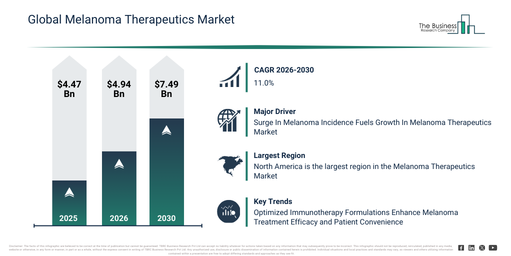
    In recent years, the size of the melanoma therapeutics market has rapidly expanded. This market is projected to increase from $4.47 billion in 2025 to $4.94 billion in 2026, achieving a compound annual growth rate (CAGR) of 10.4%. Historically, this expansion has been driven by factors such as a higher incidence of melanoma, the innovation of monoclonal antibodies, greater awareness regarding skin cancer, improvements in radiation therapy, and the integration of dermatoscopy.

    The melanoma therapeutics market size is anticipated to experience significant expansion in the coming years, reaching $7.49 billion in 2030 at a compound annual growth rate (CAGR) of 11.0%. This growth during the projected period is attributed to the rise of precision medicine, the broader availability of immunotherapy treatments, new developments in small molecule inhibitors, increasing healthcare spending, and the growing integration of AI in diagnostics. Major trends foreseen for this period include the development of personalized melanoma therapies, increased adoption of immunotherapy, continued innovation in targeted therapies, the integration of advanced diagnostic techniques, and the implementation of combination treatment strategies.

    Get A Free Sample Report With In-Depth Market Insights:

    https://thebusinessresearchcompany.com/sample_request?id=29901778&type=smp&name=Melanoma%20Therapeutics%20Market%20Report%202026&utm_source=Blogs&utm_medium=Paid&utm_campaign=Oct_PR

    Melanoma Therapeutics Market Opportunity Drivers: What’s Unlocking New Revenue Potential?

    The growing occurrence of melanoma is anticipated to propel the expansion of the melanoma therapeutics market going forward. Melanoma refers to a skin cancer that originates from melanocytes, and melanoma therapeutics are the therapies and drugs used to treat melanoma patients to alleviate the cancer. Thus, the increasing incidence of melanoma boosts the sales of melanoma therapeutics. For instance, in August 2024, according to a report published by the Australian Institute of Health and Welfare, an Australian-based national agency for information and statistics on Australia’s health and welfare, by 2034, Australia is projected to have approximately 209,000 new cancer diagnoses. This is a significant increase from the estimated 169,000 cases expected in 2024, reflecting the impact of a growing population and rising cancer rates. Additionally, in 2024, cancer is anticipated to account for about 3 out of every 10 deaths in the country. Therefore, the increasing incidence of melanoma is driving the growth of the melanoma therapeutics drug market.

    Melanoma Therapeutics Market Segment Outlook: Which Categories Are Growing Fastest?

    The melanoma therapeutics market covered in this report is segmented –

    1) By Drug Type: Monoclonal Antibodies, Small Molecule Inhibitors, Other Drug Types

    2) By Therapy: Surgery, Radiation Therapy, Immunotherapy, Targeted Therapy, Chemotherapy

    3) By Route of administration: Oral, Injectable

    4) By Cancer Type: Superficial Spreading Melanoma, Nodular Melanoma, Lentigo Maligna Melanoma, Acral Lentiginous Melanoma, Amelanotic Melanoma, Other Cancer Types

    5) By Diagnosis: Dermatoscopy, Sentinel Lymph Node Biopsy, Blood Test, X-ray, Ultrasound, CT Scan

    Subsegments:

    1) By Monoclonal Antibodies: Checkpoint Inhibitors, Targeted Monoclonal Antibodies, Conjugated Antibodies

    2) By Small Molecule Inhibitors: BRAF Inhibitors, MEK Inhibitors, Other Kinase Inhibitors

    3) By Other Drug Types: Chemotherapy Agents, Immunotherapy Agents, Adjuvant Therapies

    Melanoma Therapeutics Market Innovation Trends Shaping Future Development

    Major companies in the melanoma therapeutics market are prioritizing the development of innovative advancements like subcutaneous immunotherapy formulations to enhance treatment convenience and improve patient adherence. A subcutaneous immunotherapy formulation is an injectable anticancer therapy designed to deliver immune-modulating agents beneath the skin, offering efficacy comparable to intravenous administration while reducing treatment time and procedural demands. For instance, in December 2024, Bristol Myers Squibb, a U.S.-based global biopharmaceutical company, obtained U.S. Food and Drug Administration approval for Opdivo Qvantig. This subcutaneous co-formulation of nivolumab and hyaluronidase demonstrated non-inferior pharmacokinetics, comparable safety, and similar overall response rates to the intravenous formulation in the Phase 3 CheckMate-67T trial. The approval introduces the first subcutaneously administered programmed death protein 1 (PD-1) inhibitor, providing a significantly faster administration option and expanding treatment flexibility for patients with solid tumors, including melanoma.

    Melanoma Therapeutics Market Leading Companies And Competitive Benchmarking

    Major companies operating in the melanoma therapeutics market are AstraZeneca plc, Eli Lilly and Company, Merck & Co. Inc., Novartis AG, Amgen Inc., F. Hoffmann-La Roche Ltd., Pfizer Inc., Bristol-Myers Squibb Company, Oncolys BioPharma Inc., Iovance Biotherapeutics Inc., Eisai Co. Ltd., Seattle Genetics Inc., Regeneron Pharmaceuticals Inc., Takeda Pharmaceutical Company Limited, Daiichi Sankyo Company Limited, Nektar Therapeutics, Immutep Ltd., Partner Therapeutics Inc., Infinity Pharmaceuticals Inc., Spring Bank Pharmaceuticals Inc., AIM ImmunoTech Inc.

    View The Full Melanoma Therapeutics Market Report:

    https://thebusinessresearchcompany.com/report/melanoma-therapeutics-global-market-report?utm_source=Blogs&utm_medium=Paid&utm_campaign=Oct_PR

    Melanoma Therapeutics Market Regional Distribution: Which Areas Power Market Growth?

    North America was the largest region in the melanoma therapeutics market in 2025. The regions covered in the melanoma therapeutics market report are Asia-Pacific, South East Asia, Western Europe, Eastern Europe, North America, South America, Middle East, Africa.

    Reach Out To Our Team:

    The Business Research Company: https://www.thebusinessresearchcompany.com/

    Americas: +1 310-496-7795

    Asia: +44 7882 955267 & +91 8897263534

    Europe: +44 7882 955267

    Email us at: marketing@tbrc.info

    Follow us on:

    LinkedIn: https://in.linkedin.com/company/the-business-research-company

    YouTube: https://www.youtube.com/channel/UC24_fI0rV8cR5DxlCpgmyFQ

    Global Market Model: https://www.thebusinessresearchcompany.com/global-market-model
  • Meganuclease Genome Editing Market Outlook 2026–2030: Growth Trends, Market Dynamics And Emerging Opportunities

    Meganuclease Genome Editing Market Outlook 2026–2030: Growth Trends, Market Dynamics And Emerging Opportunities

    Featuring market attractiveness scoring, total addressable market sizing, company benchmarking matrices, interactive Excel dashboards, deeper supply chain intelligence, emerging startup tracking, and granular product-level insights, The Business Research Company’s 2026 market reports are built to deliver research that is both more actionable and more strategically valuable.

    Meganuclease Genome Editing Market Value Analysis: What Growth Lies Ahead Over The Forecast Period?

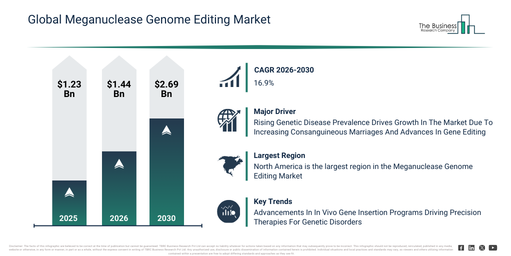
    The meganuclease genome editing market has experienced rapid expansion in recent years. It is expected to grow from $1.23 billion in 2025 to $1.44 billion in 2026, achieving a compound annual growth rate (CAGR) of 17.2%. Historically, this growth can be ascribed to the development of meganuclease genome editing technology, the dependence on zinc finger nucleases and talens, increasing research into genetic engineering, the limited precision of early genome editing tools, and a surge in academic research initiatives.

    The meganuclease genome editing market is anticipated to experience swift expansion over the coming years. This market is projected to reach $2.69 billion in 2030, exhibiting a compound annual growth rate (CAGR) of 16.9%. The projected increase during this period can be attributed to several factors, including the advancement of megaTALs and sophisticated meganuclease variants, a broader range of clinical applications and therapeutic developments, the increasing implementation of ex-vivo and in-vivo genome editing techniques, a rise in both governmental and private investment in gene editing, and the integration with diagnostic tools and precision medicine strategies. Key developments expected during the forecast timeframe include the broadening of meganuclease therapeutic uses, an increase in agricultural and plant genome engineering activities, a greater uptake of ex-vivo and in-vivo delivery approaches, a surge in partnerships between academic bodies and biopharmaceutical firms, and the creation of homing endonuclease-based precise therapies.

    Get A Free Sample Report With In-Depth Market Insights:

    https://thebusinessresearchcompany.com/sample_request?id=89110386&type=smp&name=Meganuclease%20Genome%20Editing%20Market%20Report%202026&utm_source=Blogs&utm_medium=Paid&utm_campaign=Oct_PR

    Meganuclease Genome Editing Market Expansion Drivers: What’s Shaping Future Growth?

    The growing occurrence of genetic ailments is projected to boost the expansion of the meganuclease genome editing market. These are conditions resulting from alterations or mutations in an individual’s DNA, which disrupt typical bodily functions. The rise in genetic diseases is attributed to the increasing incidence of consanguineous marriages, heightening the probability of inheriting such disorders. Meganuclease genome editing precisely cuts DNA to rectify, remove, or substitute faulty genes, facilitating targeted gene therapies with reduced unintended effects and offering potential remedies for hereditary conditions. As an illustration, in May 2024, data from the National Health Service, a UK-based government department, indicated that in England, approximately 17,000 people are affected by sickle cell disease, an inherited blood disorder, with around 250 new diagnoses annually. Consequently, the escalating incidence of genetic diseases is fueling the expansion of the meganuclease genome editing market.

    Meganuclease Genome Editing Market Segments: Where Is Growth Concentrated?

    The meganuclease genome editing market covered in this report is segmented –

    1) By Technology: Clustered Regularly Interspaced Short Palindromic Repeats (CRISPR) Or Cas9, Transcription Activator-Like Effector Nucleases (TALENs) Or Meganuclase-Transcription Activator-Like Effector Nucleases (MegaTALs), Zinc Finger Nucleases (ZFN), Meganuclease, Other Technologies

    2) By Mode: Contract, In-house

    3) By Delivery Method: Ex-Vivo, In-Vivo

    4) By Application: Genetic Engineering, Cell Line Engineering, Plant Genetic Engineering, Animal Genetic Engineering, Clinical Applications, Diagnostics Development, Therapy Development, Other Applications

    5) By End-User: Biotechnology And Pharmaceutical Companies, Academic And Government Research Institutes, Contract Research Organizations

    Subsegments:

    1) By Clustered Regularly Interspaced Short Palindromic Repeats (CRISPR) Or Cas9: Clustered Regularly Interspaced Short Palindromic Repeats (CRISPR)-Cas9 Gene Editing, Clustered Regularly Interspaced Short Palindromic Repeats (CRISPR)-Cas12, Clustered Regularly Interspaced Short Palindromic Repeats (CRISPR)-Cas13

    2) By Transcription Activator-Like Effector Nucleases (TALENs) Or Meganuclase-Transcription Activator-Like Effector Nucleases (MegaTALs): Genome Editing Applications, Therapeutic Applications, Agricultural Biotechnology

    3) By Zinc Finger Nucleases (ZFN): Zinc Finger Nucleases Gene Editing, Transcription Activator-Like Effector Nucleases

    4) By Meganuclease: Homing Endonucleases, Self Splicing Introns

    5) By Other Technologies: Base Editing, Prime Editing

    Meganuclease Genome Editing Market Strategic Trends: What Defines The Next Growth Phase?

    Leading companies in the meganuclease genome editing market are concentrating on developing advanced solutions, such as in vivo gene insertion programs, to improve therapeutic applications and broaden the scope of correcting genetic diseases. In vivo gene insertion programs deliver genetic material directly into living organisms to insert or modify specific genes within their natural cells, thereby enabling precise therapeutic interventions for addressing genetic disorders inside the body. For example, in May 2024, iECURE Inc., a US-based gene editing company, launched ECUR-506, an in vivo gene insertion program aimed at treating neonatal onset ornithine transcarbamylase (OTC) deficiency, which received a fast track designation from the U.S. Food and Drug Administration (FDA). This is a gene editing therapy intended to treat neonatal onset ornithine transcarbamylase (OTC) deficiency. The therapy is designed for newborn males with severe neonatal-onset OTC deficiency and seeks to restore functional OTC enzyme activity through a single intravenous infusion. It has demonstrated a complete clinical response in the first infant treated, facilitating the discontinuation of ammonia scavenger medications and a return to normal protein intake, with reported manageable side effects.

    Meganuclease Genome Editing Market Key Participants And Competitive Landscape

    Major companies operating in the meganuclease genome editing market are Thermo Fisher Scientific Inc., Danaher Corp., Merck KGaA, Lonza Group Ltd., Charles River Laboratories International Inc., Genscript, Takara Bio Inc., Applied StemCell Inc., Cellectis SA., New England Biolabs, Precision Biosciences Inc.

    View The Full Meganuclease Genome Editing Market Report:

    https://thebusinessresearchcompany.com/report/meganuclease-genome-editing-global-market-report?utm_source=Blogs&utm_medium=Paid&utm_campaign=Oct_PR

    Meganuclease Genome Editing Market Regional Outlook: Where Is Opportunity Concentrated?

    North America was the largest region in the meganuclease genome editing market in 2025. The regions covered in the meganuclease genome editing market report are Asia-Pacific, South East Asia, Western Europe, Eastern Europe, North America, South America, Middle East, Africa.

    Reach Out To Our Team:

    The Business Research Company: https://www.thebusinessresearchcompany.com/

    Americas: +1 310-496-7795

    Asia: +44 7882 955267 & +91 8897263534

    Europe: +44 7882 955267

    Email us at: marketing@tbrc.info

    Follow us on:

    LinkedIn: https://in.linkedin.com/company/the-business-research-company

    YouTube: https://www.youtube.com/channel/UC24_fI0rV8cR5DxlCpgmyFQ

    Global Market Model: https://www.thebusinessresearchcompany.com/global-market-model
  • Medulloblastoma Drug Market Growth Outlook From $3.28 Billion In 2026 To $4.49 Billion By 2030

    Medulloblastoma Drug Market Growth Outlook From $3.28 Billion In 2026 To $4.49 Billion By 2030

    Built to provide research that’s more actionable and strategically valuable, The Business Research Company’s 2026 market reports include market attractiveness analysis, total addressable market sizing, company benchmarking matrices, interactive Excel dashboards, broader supply chain intelligence, emerging startup tracking, and in-depth product insights.

    Medulloblastoma Drug Market Size Forecast: How Big Could The Market Get By 2030?

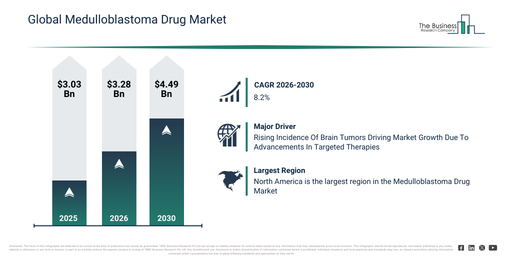
    The medulloblastoma drug market has seen significant expansion in recent years. Its valuation is predicted to increase from $3.03 billion in 2025 to $3.28 billion in 2026, reflecting a compound annual growth rate (CAGR) of 8.3%. The growth observed in previous periods is attributable to advancements in pediatric oncology, a rise in brain tumor diagnosis, the standardization of chemotherapy protocols, the expansion of cancer hospitals, and better surgical outcomes.

    The medulloblastoma drug market is projected to experience substantial expansion over the upcoming years. Its valuation is set to reach $4.49 billion in 2030, exhibiting a compound annual growth rate (CAGR) of 8.2%. This projected increase during the forecast period is attributable to the advancement in targeted brain cancer research, improved survival rates, heightened investment in pediatric oncology, the proliferation of specialty medical centers, and increased funding for rare diseases. Key trends anticipated during this period encompass the increasing adoption of combination chemotherapy protocols, an intensified focus on pediatric oncology care, a surge in clinical trial endeavors for uncommon brain tumors, the broadening of hospital-centric cancer treatment options, and expanded investigation into targeted brain cancer therapies.

    Get A Free Sample Report With In-Depth Market Insights:

    https://thebusinessresearchcompany.com/sample_request?id=10894745&type=smp&name=Medulloblastoma%20Drug%20Market%20Report%202026&utm_source=Blogs&utm_medium=Paid&utm_campaign=Oct_PR

    Medulloblastoma Drug Market Development Factors: What’s Supporting Demand?

    The increasing occurrence of brain tumors is anticipated to boost the expansion of the medulloblastoma drug market in the future. Brain tumors are defined as unusual cellular growths within the brain or spinal canal, which can be either non-cancerous or malignant, with potential impacts on brain functionality. This rise in brain tumor cases is linked to improved detection methods, an aging demographic, environmental influences, greater public awareness, and inherited genetic susceptibilities. Treatments for medulloblastoma, such as chemotherapy, radiation, and specific targeted therapies, work by reducing tumor size, eradicating cancer cells, and halting their progression. For example, the American Cancer Society, a US-based non-profit organization dedicated to cancer research and patient assistance, projects that in January 2025, approximately 14,040 new cases of brain tumors and other nervous system cancers will be reported in males and 10,780 in females for 2025, alongside an estimated 18,330 total fatalities. Consequently, the growing number of brain tumor diagnoses is a key driver for the medulloblastoma drug market’s expansion.

    Medulloblastoma Drug Market Segment Analysis: What Are The Core Market Categories?

    The medulloblastoma drug market covered in this report is segmented –

    1) By Drug Candidate: Dianhydrogalactitol, Investigational Medicinal Product 5471, Ipilimumab, Indoximod, Other Types

    2) By Product: Chemotherapy Drugs, Targeted Therapy Drugs, Radiation Therapy Drugs

    3) By Route Of Administration: Intravenous, Oral, Intrathecal

    4) By Distribution Channel: Hospital Pharmacy, Online Pharmacy, Retail Pharmacy

    5) By End-Users: Hospitals, Homecare, Speciality Centres, Other End-Users

    Subsegments:

    1) By Dianhydrogalactitol: Dianhydrogalactitol Oral Formulations, Dianhydrogalactitol Intravenous Formulations

    2) By Investigational Medicinal Product 5471: Oral Investigational Medicinal Product 5471, Intravenous Investigational Medicinal Product 5471

    3) By Ipilimumab: Ipilimumab Monotherapy, Ipilimumab Combination Therapy

    4) By Indoximod: Indoximod Oral Formulations, Indoximod Combination Therapy

    5) By Other Types: Temozolomide, Lomustine, Cyclophosphamide, Targeted Therapy Drugs

    Medulloblastoma Drug Market Top Companies Driving Competitive Growth

    Major companies operating in the medulloblastoma drug market are Pfizer Inc., Novartis AG, Roche Holding AG, Bristol-Myers Squibb Company, Merck & Co. Inc., AstraZeneca plc, Eli Lilly and Company, Amgen Inc., Sanofi S.A., Bayer AG, Eisai Co. Ltd., Teva Pharmaceutical Industries Ltd., Takeda Pharmaceutical Company Limited, Ipsen S.A., Daiichi Sankyo Co. Ltd., Jazz Pharmaceuticals plc, Sun Pharmaceutical Industries Ltd., Dr. Reddy’s Laboratories Ltd., Curtana Pharmaceuticals Inc., Biodexa Pharmaceuticals plc.

    View The Full Medulloblastoma Drug Market Report:

    https://thebusinessresearchcompany.com/report/medulloblastoma-drug-global-market-report?utm_source=Blogs&utm_medium=Paid&utm_campaign=Oct_PR

    Medulloblastoma Drug Market Geographic Landscape: Which Region Leads Industry Growth?

    North America was the largest region in the medulloblastoma drug market in 2025. Asia-Pacific is expected to be the fastest-growing region in the forecast period. The regions covered in the medulloblastoma drug market report are Asia-Pacific, South East Asia, Western Europe, Eastern Europe, North America, South America, Middle East, Africa.

    Reach Out To Our Team:

    The Business Research Company: https://www.thebusinessresearchcompany.com/

    Americas: +1 310-496-7795

    Asia: +44 7882 955267 & +91 8897263534

    Europe: +44 7882 955267

    Email us at: marketing@tbrc.info

    Follow us on:

    LinkedIn: https://in.linkedin.com/company/the-business-research-company

    YouTube: https://www.youtube.com/channel/UC24_fI0rV8cR5DxlCpgmyFQ

    Global Market Model: https://www.thebusinessresearchcompany.com/global-market-model