Month: October 2026

  • Fast Sterility Testing By Adenosine Triphosphate (ATP) Bioluminescence Market Size And Growth In 2026: Key Factors Shaping Future Demand

    Built to provide research that’s more actionable and strategically valuable, The Business Research Company’s 2026 market reports include market attractiveness analysis, total addressable market sizing, company benchmarking matrices, interactive Excel dashboards, broader supply chain intelligence, emerging startup tracking, and in-depth product insights.

    Fast Sterility Testing By Adenosine Triphosphate (ATP) Bioluminescence Market Poised To Hit $1.76 Billion By 2030 With A 12.9% CAGR

    The market for fast sterility testing employing adenosine triphosphate (ATP) bioluminescence has seen significant expansion in recent years. Its value is set to increase from $0.96 billion in 2025 to $1.08 billion in 2026, exhibiting a compound annual growth rate (CAGR) of 12.7%. This historical growth can be attributed to several factors, including the escalating requirement for quicker sterility assessments in pharmaceuticals, the inherent limitations of conventional culture-based methodologies, a heightened regulatory focus on contamination management, the development of biotechnology production facilities, and the expansion of hospital infection control initiatives.

    The fast sterility testing by adenosine triphosphate (ATP) bioluminescence market is poised for significant expansion over the next few years. It is forecast to achieve a size of $1.76 billion in 2030, exhibiting a compound annual growth rate (CAGR) of 12.9%. This growth throughout the forecast period stems from factors such as the increasing adoption of automated rapid testing platforms, augmented investment in advanced microbial detection technologies, a rising demand from food and beverage safety testing, the expansion of cleanroom manufacturing environments, and a heightened focus on quality assurance and compliance standards. Prominent trends for the forecast period include the increasing embrace of rapid microbial detection methods, an escalating need for real-time sterility assessment, the growing utilization of luminometer-based systems, the proliferation of automated bioluminescence analyzers, and a shift towards replacing culture-based testing methods.

    Get A Free Sample Report With In-Depth Market Insights:

    https://thebusinessresearchcompany.com/sample_request?id=77953217&type=smp&name=Fast%20Sterility%20Testing%20By%20Adenosine%20Triphosphate%20%28ATP%29%20Bioluminescence%20Market%20Report%202026&utm_source=Blogs&utm_medium=Paid&utm_campaign=Oct_PR

    Fast Sterility Testing By Adenosine Triphosphate (ATP) Bioluminescence Market Growth Catalysts And Demand Drivers

    The expansion of the pharmaceutical and biotechnology sectors is anticipated to drive the fast sterility testing by adenosine triphosphate (ATP) bioluminescence market’s growth in the future. These sectors encompass industries involved in researching, developing, manufacturing, and marketing medications, vaccines, and biologics for disease prevention or treatment. Growth within the pharmaceutical and biotechnology sectors stems from rising research and development investments, empowering companies to innovate new drugs, enhance treatments, and boost production capacity to satisfy increasing healthcare needs. Fast sterility testing by adenosine triphosphate (ATP) bioluminescence aids these sectors by quickly identifying microbial contamination, thereby guaranteeing the safety and quality of pharmaceutical products and biologics, and facilitating quicker manufacturing processes while adhering to stringent regulatory requirements. For example, Eurostat, a government agency based in Luxembourg, reported in April 2025 that EU exports of medicinal and pharmaceutical products saw a 13.5% rise in 2024 compared to 2023, totaling $316.38 billion (€313.4 billion). Additionally, the BioIndustry Association (BIA), a UK trade association, indicated in January 2025 that the UK biotech sector achieved significant growth in 2024, attracting £3.5 billion (approximately $4.4 billion) in investment, which marks an impressive 94% increase over the prior year. Consequently, the expansion within the pharmaceutical and biotechnology sectors is propelling the growth of the fast sterility testing by adenosine triphosphate (ATP) bioluminescence market.

    Fast Sterility Testing By Adenosine Triphosphate (ATP) Bioluminescence Market Segment Analysis: What Are The Core Market Categories?

    The fast sterility testing by adenosine triphosphate (atp) bioluminescence market covered in this report is segmented –

    1) By Technology: Adenosine Triphosphate Bioluminescence, Membrane Filtration, Direct Inoculation

    2) By Product Type: Instruments, Reagents And Kits, Consumables

    3) By Application: Pharmaceutical And Biotechnology, Food And Beverage, Medical Devices, Water And Environmental, Cosmetics And Personal Care, Other Applications

    4) By End-User: Hospitals And Clinics, Laboratories, Research Institutes, Other End-Users

    Subsegments:

    1) By Adenosine Triphosphate Bioluminescence: Luminometer Based Systems, Handheld Rapid Detection Kits, Automated Bioluminescence Analyzers

    2) By Membrane Filtration: Vacuum Filtration Units, Gravity Filtration Systems, Automated Membrane Filtration Instruments

    3) By Direct Inoculation: Broth Culture Methods, Agar Plate Culture Methods, Automated Inoculation Systems

    Fast Sterility Testing By Adenosine Triphosphate (ATP) Bioluminescence Market Trends Shaping Long-Term Demand

    Major companies operating in the fast sterility testing by adenosine triphosphate (ATP) bioluminescence market are focusing on developing innovative methods, such as accelerated sterility tests, to shorten batch release times and improve QC efficiency. These accelerated sterility tests, which utilize rapid detection techniques like ATP bioluminescence to identify microbial contamination, contribute to decreasing batch release periods, reducing quarantine times, and enhancing overall quality control efficiency. For instance, in January 2026, Biotactical B.V., a Netherlands-based biotechnology company, unveiled its accelerated rapid sterility testing platform. This innovative solution combines ATP bioluminescence with accelerated growth media to detect microbial contamination in just 48 hours. The system is specifically designed for GMP-compliant environments and supports complex, short-shelf-life products, including advanced therapeutic medicinal products (ATMPs). This platform delivers expedited detection, minimizes handling time and contamination risk, and adheres to USP <71>, <73>, <1223> and Ph. Eur. 2.6 and 5.1.6 standards. This capability enables faster batch release and more efficient inventory management, effectively addressing a critical bottleneck in pharmaceutical quality control workflows.

    Fast Sterility Testing By Adenosine Triphosphate (ATP) Bioluminescence Market Competitive Landscape: Who Leads The Industry?

    Major companies operating in the fast sterility testing by adenosine triphosphate (atp) bioluminescence market are 3M Company, Merck KGaA, Lonza Group AG, SGS SA, Kikkoman Biochemifa, Charles River Laboratories, BioMérieux, Hach Company, Neogen Corporation, Charm Sciences, Promega Corporation, LuminUltra Technologies, Sopex d.o.o., Nelson Laboratories LLC, Hygiena LLC, PCE Instruments, Berthold Technologies, BioThema AB, Pharmetric Laboratory, Biotactical B.V., Promicol BV.

    View The Full Fast Sterility Testing By Adenosine Triphosphate (ATP) Bioluminescence Market Report:

    https://thebusinessresearchcompany.com/report/fast-sterility-testing-by-adenosine-triphosphate-atp-bioluminescence-market-report?utm_source=Blogs&utm_medium=Paid&utm_campaign=Oct_PR

    Fast Sterility Testing By Adenosine Triphosphate (ATP) Bioluminescence Market Geographic Landscape: Which Region Leads Industry Growth?

    North America was the largest region in the fast sterility testing by adenosine triphosphate (ATP) bioluminescence market in 2025. Asia-Pacific is expected to be the fastest-growing region in the forecast period. The regions covered in the fast sterility testing by adenosine triphosphate (atp) bioluminescence market report are Asia-Pacific, South East Asia, Western Europe, Eastern Europe, North America, South America, Middle East, Africa.

    Reach Out To Our Team:

    The Business Research Company: https://www.thebusinessresearchcompany.com/

    Americas: +1 310-496-7795

    Asia: +44 7882 955267 & +91 8897263534

    Europe: +44 7882 955267

    Email us at: marketing@tbrc.info

    Follow us on:

    LinkedIn: https://in.linkedin.com/company/the-business-research-company

    YouTube: https://www.youtube.com/channel/UC24_fI0rV8cR5DxlCpgmyFQ

    Global Market Model: https://www.thebusinessresearchcompany.com/global-market-model
  • Fast Healthcare Interoperability Resources (FHIR) Integration Services Market Forecast 2026–2030: Market Size, Trends And Growth Opportunities

    Backed by market attractiveness analysis, total addressable market sizing, company benchmarking matrices, interactive Excel dashboards, wider supply chain intelligence, emerging startup coverage, and detailed product-level insights, The Business Research Company’s 2026 market reports are designed to offer research that is more actionable and strategically valuable than ever.

    Fast Healthcare Interoperability Resources (FHIR) Integration Services Market Size And Revenue Outlook Through 2030

    The market size for fast healthcare interoperability resources (FHIR) integration services has experienced significant expansion in recent years. It is projected to increase from $1.53 billion in 2025 to $1.85 billion in 2026, exhibiting a compound annual growth rate (CAGR) of 20.4%. Historically, this growth can be attributed to the increasing digitization of healthcare records, the growing adoption of electronic health record systems, a rising need for healthcare data standardization, government mandates for interoperability compliance, and the expansion of health information exchange networks.

    The fast healthcare interoperability resources (FHIR) integration services market is projected to experience substantial growth over the next few years. It is expected to expand to $3.91 billion by 2030, achieving a compound annual growth rate (CAGR) of 20.7%. This expansion during the forecast period is driven by factors such as the increasing adoption of cloud-native healthcare platforms, greater integration of AI-driven clinical decision support, a rising demand for patient-centric care models, the broadening of telehealth and remote monitoring services, and increased investment in healthcare data analytics. Significant trends anticipated for this period include the growing adoption of FHIR-based API integration, a heightened demand for real-time clinical data exchange, the expanding implementation of EHR interoperability solutions, the wider deployment of cloud-based FHIR models, and an intensified focus on secure patient data sharing.

    Get A Free Sample Report With In-Depth Market Insights:

    https://thebusinessresearchcompany.com/sample_request?id=77412184&type=smp&name=Fast%20Healthcare%20Interoperability%20Resources%20%28FHIR%29%20Integration%20Services%20Market%20Report%202026&utm_source=Blogs&utm_medium=Paid&utm_campaign=Oct_PR

    Fast Healthcare Interoperability Resources (FHIR) Integration Services Market Opportunity Drivers: What’s Unlocking New Revenue Potential?

    The increasing embrace of electronic health records is anticipated to boost the expansion of the fast healthcare interoperability resources (FHIR) integration services market. Electronic health records (EHRs) are digital archives of patients’ medical histories, maintained by healthcare providers, encompassing details like diagnoses, prescriptions, treatment regimens, vaccination schedules, sensitivities, radiology scans, and lab outcomes. The heightened adoption of EHRs stems from their capacity to enhance patient well-being and security through offering precise, immediate access to comprehensive health data, mitigating mistakes, and facilitating more informed clinical choices. These digital records optimize fast healthcare interoperability resources (FHIR) integration services by supplying standardized, organized patient information, thus enabling smooth data exchange, instant availability, and superior interoperability across various healthcare systems. For example, the Department of Health and Social Care, a UK government body, reported in March 2024 that the proportion of National Health Services trusts in the UK utilizing electronic health records rose from 90% in December 2023 to 100% in March 2025. Consequently, the rising prevalence of electronic health records is propelling the growth of the fast healthcare interoperability resources (FHIR) integration services market.

    Fast Healthcare Interoperability Resources (FHIR) Integration Services Market Segment Breakdown: Which Categories Lead On Revenue?

    The fast healthcare interoperability resources (FHIR) integration services market covered in this report is segmented –

    1) By Component: Software, Services

    2) By Integration Type: Fast Healthcare Interoperability Resources Application Programming Interface Integration, Electronic Health Record Integration, Health Information Exchange Integration, Cloud Based Fast Healthcare Interoperability Resources Integration, Mobile Health Application Integration, Clinical Data Repository Integration

    3) By Deployment Mode: On-Premises, Cloud-Based

    4) By Application: Clinical Data Exchange, Patient Management, Population Health Management, Other Applications

    5) By End-User: Healthcare Providers, Payers, Pharmacies, Other End-Users

    Subsegments:

    1) By Software: Fast Healthcare Interoperability Resources Engine Software, Interface Engine Software, Data Mapping Software, Application Programming Interface Management Software, Clinical Data Integration Software

    2) By Services: Implementation Services, Consulting Services, Training Services, Support And Maintenance Services, Data Migration Services

    Fast Healthcare Interoperability Resources (FHIR) Integration Services Market Innovation Trends Shaping Future Development

    Major companies operating in the fast healthcare interoperability resources (FHIR) integration services market are concentrating on developing innovative platforms, such as interoperability engine platforms, to improve seamless data exchange, enhance EHR integration, and ensure adherence to healthcare interoperability standards. An interoperability engine functions as a software platform that allows different healthcare systems, applications, and devices to exchange, interpret, and utilize data without friction. For instance, in July 2025, EMR Direct Inc., a US-based health information technology software company, launched enhanced HL7 FHIR services for its Interoperability Engine 2026, specifically targeting health IT developers. This update enables secure patient access and business-to-business data exchange, while also ensuring compliance with ONC Health IT certification criteria and the medicare promoting interoperability program. These advancements are designed to streamline healthcare data interoperability, improve information sharing among providers, and support the rising demand for standardized, efficient health IT solutions.

    Fast Healthcare Interoperability Resources (FHIR) Integration Services Market Company Landscape And Competitive Strategy

    Major companies operating in the fast healthcare interoperability resources (FHIR) integration services market are Google LLC, Microsoft Corporation, Salesforce Inc., Tata Consultancy Services Limited, Cognizant Technology Solutions Corporation, Infosys Limited, InterSystems Corporation, Eclinical Works LLC, Medical Information Technology Inc., Veradigm Inc., 1upHealth Inc., Epic Systems Corporation, Mindbowser Inc., DreamSoft4U Private Limited, Health Gorilla Inc., Taction Software LLC, BM Coder LLC, CapMinds Technologies Private Limited, Edenlab LLC, Firely B.V., Health Samurai Inc., Healthcare Integrations LLC, Smile Digital Health Inc., and Techbit Solutions Pvt. Ltd.

    View The Full Fast Healthcare Interoperability Resources (FHIR) Integration Services Market Report:

    https://thebusinessresearchcompany.com/report/fast-healthcare-interoperability-resources-fhir-integration-services-market-report?utm_source=Blogs&utm_medium=Paid&utm_campaign=Oct_PR

    Fast Healthcare Interoperability Resources (FHIR) Integration Services Market Largest Region: Which Geography Holds The Biggest Share?

    North America was the largest region in the fast healthcare interoperability resources (FHIR) integration services market in 2025. Asia-Pacific is expected to be the fastest-growing region in the forecast period. The regions covered in the fast healthcare interoperability resources (FHIR) integration services market report are Asia-Pacific, South East Asia, Western Europe, Eastern Europe, North America, South America, Middle East, Africa.

    Reach Out To Our Team:

    The Business Research Company: https://www.thebusinessresearchcompany.com/

    Americas: +1 310-496-7795

    Asia: +44 7882 955267 & +91 8897263534

    Europe: +44 7882 955267

    Email us at: marketing@tbrc.info

    Follow us on:

    LinkedIn: https://in.linkedin.com/company/the-business-research-company

    YouTube: https://www.youtube.com/channel/UC24_fI0rV8cR5DxlCpgmyFQ

    Global Market Model: https://www.thebusinessresearchcompany.com/global-market-model
  • Exon Skipping Therapies Market Size Reaches $2.81 Billion In 2026: What Is Driving Growth?

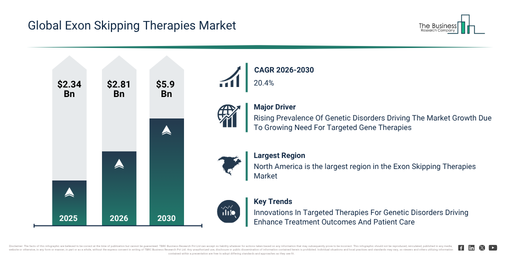
    Exon Skipping Therapies Market Size Reaches $2.81 Billion In 2026: What Is Driving Growth?

    Featuring market attractiveness scoring, total addressable market sizing, company benchmarking matrices, interactive Excel dashboards, deeper supply chain intelligence, emerging startup tracking, and granular product-level insights, The Business Research Company’s 2026 market reports are built to deliver research that is both more actionable and more strategically valuable.

    Exon Skipping Therapies Market Growth From $2.81 Billion In 2026 To $5.9 Billion By 2030 At A CAGR Of 20.4%

    The market size for exon skipping therapies has experienced substantial growth in recent years. This market is projected to expand from $2.34 billion in 2025 to $2.81 billion in 2026, driven by a compound annual growth rate (CAGR) of 20.1%. The historical expansion can be traced to several factors: a rise in the prevalence of Duchenne muscular dystrophy, intensified research into RNA splicing mechanisms, early regulatory approvals for antisense therapies, increased funding for rare disease research, and the growth of partnerships in biotechnology.

    The exon skipping therapies market is poised for substantial growth over the next few years. It is projected to expand to $5.9 billion by 2030, exhibiting a compound annual growth rate (CAGR) of 20.4%. This anticipated growth during the forecast period is driven by the increasing adoption of personalized genetic medicine, an expanding pipeline of exon-targeted therapies, rising investment in advanced delivery systems, broadening approvals across inherited neuromuscular disorders, and increased collaboration between research institutes and biopharmaceutical companies. Prominent trends throughout this period include advancements in antisense oligonucleotide chemistry, a heightened focus on rare genetic disorders, the expansion of combination genetic therapy approaches, growing investment in RNA-based therapeutics pipelines, and an increase in clinical trials for exon-specific mutations.

    Get A Free Sample Report With In-Depth Market Insights:

    https://thebusinessresearchcompany.com/sample_request?id=24185023&type=smp&name=Exon%20Skipping%20Therapies%20Market%20Report%202026&utm_source=Blogs&utm_medium=Paid&utm_campaign=Oct_PR

    Exon Skipping Therapies Market Growth Momentum: What Factors Are Shaping Demand?

    The expanding incidence of genetic disorders is projected to propel the growth of the exon skipping therapies market throughout the forecast period. Genetic disorders are health conditions stemming from irregularities in an individual’s genetic material (DNA), encompassing single-gene mutations and chromosomal changes that can result in inherited or acquired illnesses. This noticeable rise in genetic disorder prevalence is primarily due to breakthroughs in diagnostic tools and the broader implementation of genetic testing and newborn screening programs, which facilitate earlier and more precise detection of previously undiagnosed instances. Exon skipping therapies are formulated to target specific genetic mutations by selectively removing defective exons during messenger RNA (mRNA) processing, thereby enabling the production of partially or fully functional proteins. This focused therapeutic strategy directly addresses the fundamental molecular origins of certain genetic conditions, particularly rare and previously untreatable ones, generating considerable clinical and commercial appeal. For instance, in October 2024, the National Health Service (NHS) England, a UK government body, initiated a landmark newborn screening program across NHS hospitals to screen numerous newborns for over 200 rare genetic conditions, with aspirations to extend screening to as many as 100,000 babies across England. Consequently, the increasing prevalence of genetic disorders is fueling the expansion of the exon skipping therapies market.

    Exon Skipping Therapies Market Segmentation: How Does The Market Break Down By Category?

    The exon skipping therapies market covered in this report is segmented –

    1) By Product Type: Antisense Oligonucleotides, Synthetic Ribonucleic Acid Molecules, Exon-Targeted Gene Therapy Kits, Combination Therapy Formulations, Other Product Types

    2) By Route Of Administration: Oral, Intravenous, Subcutaneous, Other Route Of Administration

    3) By Distribution Channel: Direct Sales, Distributors, Online Pharmacies, Other Distribution Channel

    4) By Application: Duchenne Muscular Dystrophy, Becker Muscular Dystrophy, Spinal Muscular Atrophy, Other Inherited Diseases, Other Applications

    5) By End-User: Hospitals And Clinics, Research Institutes, Biopharmaceutical Companies, Specialty Genetic Centers, Other End Users

    Subsegments:

    1) By Antisense Oligonucleotides: Phosphorodiamidate Morpholino Oligonucleotides, Peptide Conjugated Oligonucleotides, Gapmer Oligonucleotides, Steric Blocking Oligonucleotides, Splice Modulating Oligonucleotides

    2) By Synthetic Ribonucleic Acid Molecules: Messenger Ribonucleic Acid Molecules, Small Interfering Ribonucleic Acid Molecules, Guide Ribonucleic Acid Molecules, Modified Ribonucleic Acid Molecules, Therapeutic Ribonucleic Acid Constructs

    3) By Exon-Targeted Gene Therapy Kits: Viral Vector Delivery Kits, Non-Viral Delivery Kits, Plasmid-Based Gene Therapy Kits, Targeted Editing Delivery Kits, Tissue Specific Delivery Kits

    4) By Combination Therapy Formulations: Gene Therapy And Drug Combination, Oligonucleotide And Small Molecule Combination, Multi-Target Genetic Therapy, Supportive Protein Therapy Combination, Sequential Genetic Therapy Formulations

    5) By Other Product Types: Peptide Based Genetic Modulators, Nanoparticle Delivery Formulations, Lipid Based Delivery Systems, Targeted Molecular Complexes, Personalized Genetic Therapy Formats

    Exon Skipping Therapies Market Trends Redefining Industry Growth

    Leading firms in the exon skipping therapies market are increasingly prioritizing the creation of advanced treatment options, like experimental antibody-oligonucleotide conjugate (AOC) therapies, to optimize targeted drug delivery and boost dystrophin generation in individuals with Duchenne muscular dystrophy (DMD). These AOC treatments signify an advanced method that unites a monoclonal antibody and a synthetic oligonucleotide, facilitating the precise delivery of exon-skipping agents straight to muscle cells. As an example, in July 2025, Avidity Biosciences Inc., a U.S.-headquartered biotechnology firm, obtained Breakthrough Therapy designation from the U.S. Food and Drug Administration (FDA) for delpacibart zotadirsen (del-zota), an experimental AOC therapy designed to treat DMD in patients with specific mutations suitable for exon 44 skipping. Del-zota is composed of a specialized monoclonal antibody linked to phosphorodiamidate morpholino oligomers (PMOs), which aid in exon 44 skipping during the mRNA processing stage. This treatment is presently undergoing Phase 2 clinical development, with intentions for regulatory filing bolstered by strong biomarker and clinical effectiveness information. These progress points emphasize the increasing focus on distinct delivery systems within the exon skipping therapies market and demonstrate the transformative role of AOC technologies in developing future precision treatments for inherited neuromuscular conditions.

    Exon Skipping Therapies Market Key Players Shaping Industry Direction

    Major companies operating in the exon skipping therapies market are Daiichi Sankyo Company Limited, BioMarin Pharmaceutical Inc., Sarepta Therapeutics, Nippon Shinyaku Co. Ltd., Ionis Pharmaceuticals Inc., PTC Therapeutics, Ionis Pharmaceuticals Inc., Entrada Therapeutics Inc., Wave Life Sciences, PepGen Inc., ProQR Therapeutics NV, NS Pharma Inc., Genethon, Astellas Gene Therapies, SQY Therapeutics, AUM Biotech Inc., Cure Rare Disease Inc., Autotelic Bio Inc., Dyne Therapeutics, Skip Therapeutics.

    View The Full Exon Skipping Therapies Market Report:

    https://thebusinessresearchcompany.com/report/exon-skipping-therapies-market-report?utm_source=Blogs&utm_medium=Paid&utm_campaign=Oct_PR

    Exon Skipping Therapies Market Regional Analysis: Which Geography Leads On Revenue?

    North America was the largest region in the exon skipping therapies market in 2025. Asia-Pacific is expected to be the fastest-growing region in the forecast period. The regions covered in the exon skipping therapies market report are Asia-Pacific, South East Asia, Western Europe, Eastern Europe, North America, South America, Middle East, Africa.

    Reach Out To Our Team:

    The Business Research Company: https://www.thebusinessresearchcompany.com/

    Americas: +1 310-496-7795

    Asia: +44 7882 955267 & +91 8897263534

    Europe: +44 7882 955267

    Email us at: marketing@tbrc.info

    Follow us on:

    LinkedIn: https://in.linkedin.com/company/the-business-research-company

    YouTube: https://www.youtube.com/channel/UC24_fI0rV8cR5DxlCpgmyFQ

    Global Market Model: https://www.thebusinessresearchcompany.com/global-market-model

  • E-Prescribing Platforms Market Size In 2026: Growth Outlook And Forecast Through 2030

    Backed by market attractiveness analysis, total addressable market sizing, company benchmarking matrices, interactive Excel dashboards, wider supply chain intelligence, emerging startup coverage, and detailed product-level insights, The Business Research Company’s 2026 market reports are designed to offer research that is more actionable and strategically valuable than ever.

    E-Prescribing Platforms Market Growth Potential: How Will Market Size Shift Through 2030?

    The e-prescribing platforms market has experienced rapid expansion in recent years. It is anticipated to increase from $3.83 billion in 2025 to $4.8 billion in 2026, achieving a compound annual growth rate (CAGR) of 25.5%. The expansion observed in the past can be attributed to the rising acceptance of electronic health records, an increased emphasis on minimizing medication errors, developing regulatory requirements for digital prescriptions, the growth of healthcare IT infrastructure, and a greater demand for workflow efficiency.

    The e-prescribing platforms market is projected to expand significantly over the coming years. Its valuation is anticipated to reach $12.02 billion in 2030, exhibiting a compound annual growth rate (CAGR) of 25.8%. This expansion during the projection period stems from factors such as the increasing embrace of cloud and hybrid e-prescribing solutions, enhanced integration with AI-powered clinical decision tools, a growing need for real-time prescription oversight, the broadening scope of telemedicine services, and a heightened emphasis on patient safety and adherence. Key developments expected during the forecast timeframe involve the increasing uptake of cloud-based e-prescribing platforms, greater integration with pharmacy management systems, an elevated focus on medication safety and clinical decision support, the expansion of telehealth and remote prescription services, and a rising requirement for compliance and regulatory oversight.

    Get A Free Sample Report With In-Depth Market Insights:

    https://thebusinessresearchcompany.com/sample_request?id=10989780&type=smp&name=E-Prescribing%20Platforms%20Market%20Report%202026&utm_source=Blogs&utm_medium=Paid&utm_campaign=Oct_PR

    E-Prescribing Platforms Market Development Factors: What’s Supporting Demand?

    The expanding utilization of Electronic Health Record (EHR) solutions is anticipated to fuel the expansion of the e-prescribing platforms market throughout the projection period. These EHR solutions are digital frameworks crafted to store, manage, and securely disseminate patient health data across various healthcare environments, thereby enhancing care coordination and operational efficiency in clinics. The uptake of EHR systems continues its upward trend, propelled by governmental directives, regulatory demands, and financial incentives designed to hasten the shift from traditional paper records to a connected digital healthcare infrastructure. E-prescribing platforms represent a fundamental element of clinical workflows enabled by EHR, integrating fluidly with digital patient records to empower healthcare professionals to create, send, and oversee prescriptions digitally. For example, in July 2024, data from the European Commission, an organization based in Belgium, indicated that average access to electronic health records via online portals throughout the European Union hit 79%, marking an increase from 72% in 2022, which demonstrates significant progress in EHR adoption. Consequently, the growing acceptance of Electronic Health Record (EHR) solutions is propelling the expansion of the e-prescribing platforms market.

    E-Prescribing Platforms Market Segment Analysis Spotlighting Growth Areas

    The eprescribing platforms market covered in this report is segmented –

    1) By Component: Software, Services, Other Components

    2) By Deployment Type: Cloud-Based Platforms, On-Premise Platforms, Hybrid Platforms

    3) By Distribution Channel: Direct Sales, Software Integrators, Online Platforms, Resellers, Other Distribution Channels

    4) By Application: Controlled Substances, Non-Controlled Substances, Other Applications

    5) By End-User: Physicians, Pharmacists, Healthcare Organizations, Government Agencies, Other End-Users

    Subsegments:

    1) By Software: Prescription Management Software, Medication History Management Software, Clinical Decision Support Software, Pharmacy Integration Software, Data Security Management Software

    2) By Services: Implementation And Deployment Services, Training And Education Services, Maintenance And Support Services, Consulting And Integration Services, Data Migration Services

    3) By Other Components: Hardware Integration Components, Data Storage Components, Network Connectivity Components, Security Infrastructure Components, User Interface Components

    E-Prescribing Platforms Market Transformation Trends: What Innovations Are Driving Change?

    Companies leading in the eprescribing platforms market are concentrating on developing innovative solutions, such as secure digital private prescription management systems, to elevate prescription security, improve workflow efficiency, and ensure regulatory compliance. Secure digital private prescription management systems are electronic platforms designed to facilitate the encrypted creation, authentication, transmission, and storage of prescriptions, which helps in reducing medication errors, preventing fraud, streamlining communication between clinicians and pharmacies, and enhancing patient convenience when compared to traditional paper-based prescribing. For instance, in January 2024, eHealth Solutions Ltd, a UK-based digital healthcare technology company, launched ePrivate Prescription (EPP) Version 2.0, a secure digital private prescription management system within the ePrescribing platforms market. EPP 2.0 enables the secure, encrypted electronic conveyance of prescriptions using Advanced Electronic Signatures, thereby ensuring authenticity and data protection. The platform also introduces prescription tokens that patients can present at participating pharmacies, which enhances flexibility and accessibility in prescription dispensing. It further allows clinicians to print controlled drug prescriptions directly from the software, eliminating manual handwriting and reducing errors while maintaining compliance.

    E-Prescribing Platforms Market Leading Companies And Competitive Benchmarking

    Major companies operating in the e-prescribing platforms market are McKesson Corporation, Oracle Health Inc., GE HealthCare Technologies Inc., Epic Systems Corporation, CompuGroup Medical SE & Co. KGaA, eClinicalWorks LLC, Medical Information Technology Inc., AdvancedMD Inc., Surescripts LLC, ScriptSure Systems Inc., DrFirst Inc., RXNT Inc., Healthie Inc., Elation Health Inc., TherapyNotes LLC, DoseSpot Inc., PS3G Inc., iCoreRx LLC, MDToolbox Inc., WriteUpp Ltd.

    View The Full E-Prescribing Platforms Market Report:

    https://thebusinessresearchcompany.com/report/e-prescribing-platforms-market-report?utm_source=Blogs&utm_medium=Paid&utm_campaign=Oct_PR

    E-Prescribing Platforms Market Top Region By Revenue And Market Share

    North America was the largest region in the eprescribing platforms market in 2025. Asia-Pacific is expected to be the fastest-growing region in the forecast period. The regions covered in the eprescribing platforms market report are Asia-Pacific, South East Asia, Western Europe, Eastern Europe, North America, South America, Middle East, Africa.

    Reach Out To Our Team:

    The Business Research Company: https://www.thebusinessresearchcompany.com/

    Americas: +1 310-496-7795

    Asia: +44 7882 955267 & +91 8897263534

    Europe: +44 7882 955267

    Email us at: marketing@tbrc.info

    Follow us on:

    LinkedIn: https://in.linkedin.com/company/the-business-research-company

    YouTube: https://www.youtube.com/channel/UC24_fI0rV8cR5DxlCpgmyFQ

    Global Market Model: https://www.thebusinessresearchcompany.com/global-market-model

  • Enzyme Stabilizers For Point-Of-Care Market Trends Supporting 9.6% CAGR Growth Through 2030

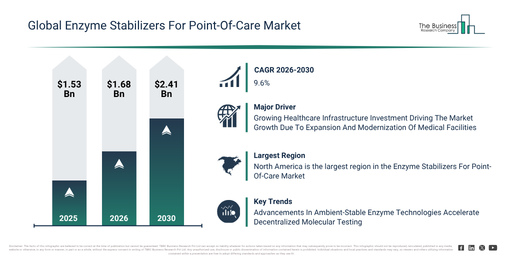
    Enzyme Stabilizers For Point-Of-Care Market Trends Supporting 9.6% CAGR Growth Through 2030

    Featuring market attractiveness scoring, total addressable market sizing, company benchmarking matrices, interactive Excel dashboards, deeper supply chain intelligence, emerging startup tracking, and granular product-level insights, The Business Research Company’s 2026 market reports are built to deliver research that is both more actionable and more strategically valuable.

    Enzyme Stabilizers For Point-Of-Care Market Value Analysis: What Growth Lies Ahead Over The Forecast Period?

    The enzyme stabilizers for point-of-care market size has shown robust expansion in recent years. This market is expected to increase from $1.53 billion in 2025 to $1.68 billion in 2026, demonstrating a compound annual growth rate (CAGR) of 9.3%. The drivers behind this historic period’s growth include the escalating use of point-of-care diagnostic tests, a rising demand for enzyme-based rapid tests, the broadening of home care testing, an increasing requirement for temperature-stable formulations, and the integration of lyophilized enzyme technologies.

    The enzyme stabilizers for point-of-care market size is anticipated to undergo significant expansion over the next few years, projected to reach $2.41 billion in 2030, exhibiting a compound annual growth rate (CAGR) of 9.6%. This expected increase during the forecast period is fueled by several factors, including the expanding deployment of multi-assay enzyme kits, a rising demand for portable diagnostic enzyme kits, the increasing adoption of protein-based stabilizer solutions, the broader application of field testing and clinical enzyme kits, and a heightened emphasis on shelf-life extension and cold chain independent formulations. Furthermore, prominent trends during this period encompass a growing demand for lyophilized enzyme formulations, a greater uptake of ready-to-use liquid stabilizer solutions, an intensified focus on room temperature stable enzyme kits, the broadened use of enzyme stabilization in rapid diagnostic devices, and an increasing preference for multi-enzyme preservation tablets.

    Get A Free Sample Report With In-Depth Market Insights:

    https://thebusinessresearchcompany.com/sample_request?id=46526290&type=smp&name=Enzyme%20Stabilizers%20For%20Point-Of-Care%20Market%20Report%202026&utm_source=Blogs&utm_medium=Paid&utm_campaign=Oct_PR

    Enzyme Stabilizers For Point-Of-Care Market Industry Drivers: What’s Behind The Revenue Growth?

    Increased spending on healthcare infrastructure is projected to propel the expansion of the enzyme stabilizers for point-of-care market throughout the forecast period. This investment in healthcare infrastructure entails channeling both public and private capital towards developing, enhancing, and updating healthcare facilities, diagnostic labs, medical apparatus, and associated systems to boost the caliber, effectiveness, and reach of healthcare services. These expenditures are escalating due to an aging global populace, an increasing prevalence of diseases, and the expanding demand for sophisticated and localized diagnostic solutions. Within these contexts, enzyme stabilizers play a crucial role by maintaining the effectiveness and dependability of enzymes utilized in rapid diagnostic tests across diverse storage and operational settings, thereby guaranteeing precise and uniform results for on-site testing. For example, in May 2023, the UK Department of Health and Social Care reported that the government affirmed the New Hospital Programme would be allocated over $27.02 billion (£20 billion) for hospital infrastructure. Consequently, the expanding investment in healthcare infrastructure is fueling the growth of the enzyme stabilizers for point-of-care market.

    Enzyme Stabilizers For Point-Of-Care Market Segment Performance And Emerging Opportunities

    The enzyme stabilizers for point-of-care market covered in this report is segmented –

    1) By Product Type: Lyophilized Enzyme Formulations, Liquid Enzyme Stabilizer Solutions, Enzyme Preservation Tablets, Pre-Formulated Enzyme Kits, Other Product Types

    2) By Formulation: Liquid, Lyophilized, Other Formulations

    3) By Distribution Channel: Direct Sales, Distributors, Online Sales, Other Distributional Channels

    4) By Application: Diagnostic Devices, Biosensors, Rapid Test Kits, Other Applications

    5) By End User: Diagnostic Kit Manufacturers, Hospitals And Clinics, Home Care Settings, Research Laboratories, Other End Users

    Subsegments:

    1) By Lyophilized Enzyme Formulations: Freeze Dried Single Enzyme Preparations, Freeze Dried Multi Enzyme Preparations, Long Shelf Life Formulations, Room Temperature Stable Formulations, Cold Chain Stable Formulations

    2) By Liquid Enzyme Stabilizer Solutions: Aqueous Stabilizer Solutions, Buffered Stabilizer Solutions, Glycerol Based Stabilizer Solutions, Protein Based Stabilizer Solutions, Ready To Use Stabilizer Solutions

    3) By Enzyme Preservation Tablets: Rapid Dissolution Tablets, Controlled Release Tablets, Room Temperature Stable Tablets, Blister Packed Tablets, Multi Enzyme Preservation Tablets

    4) By Pre-Formulated Enzyme Kits: Single Assay Enzyme Kits, Multi Assay Enzyme Kits, Portable Diagnostic Enzyme Kits, Field Testing Enzyme Kits, Clinical Testing Enzyme Kits

    5) By Other Product Types: Enzyme Stabilizing Beads, Enzyme Stabilizing Films, Coated Enzyme Strips, Encapsulated Enzyme Particles, Immobilized Enzyme Matrices

    #Enzyme Stabilizers For Point-Of-Care Market Growth Trends: What’s Shaping The Future Outlook?

    Major companies within the Enzyme Stabilizers for Point-of-Care market are prioritizing the development of innovative solutions, including controlled and consistent DNA fragmentation, to improve assay reliability, lessen variability, simplify workflows, and facilitate rapid, decentralized molecular testing at the point of care. Controlled and consistent DNA fragmentation refers to the precise and repeatable breaking of DNA into specific fragment sizes through enzymatic or mechanical methods, ensuring uniformity for dependable downstream applications such as sequencing or diagnostics. For instance, in February 2026, Meridian Bioscience, Inc., a U.S.-based life science and diagnostic raw materials company, introduced its Lyophilized NGS Enzymatic DNA Fragmentation Kit. This ambient-temperature stable enzymatic reagent system is designed to streamline next-generation sequencing workflows for point-of-care and decentralized testing by eliminating the need for cold-chain storage, enabling accurate time-controlled DNA fragmentation with sustained activity after prolonged ambient storage, reducing handling complexities, and supporting a wide array of sequencing applications where stability and ease of use are crucial.

    Enzyme Stabilizers For Point-Of-Care Market Industry Leaders And Competitive Landscape

    Major companies operating in the enzyme stabilizers for point-of-care market are market are F. Hoffmann-La Roche AG, Thermo Fisher Scientific Inc., Siemens Healthineers AG, Merck KGaA, Becton Dickinson Company, Agilent Technologies Inc., Bio-Rad Laboratories Inc., Novonesis Inc., QIAGEN N.V., Amano Enzyme Inc., Surmodics Inc., Arista Biologicals Inc., BBI Solutions Ltd., Sisco Research Laboratories Pvt. Ltd., Advanced Enzyme Technologies Ltd., Codexis Inc., Enzo Life Sciences Inc., Biocatalysts Ltd., Enzyme Solutions Inc., Creative Enzymes Inc.

    View The Full Enzyme Stabilizers For Point-Of-Care Market Report:

    https://thebusinessresearchcompany.com/report/enzyme-stabilizers-for-point-of-care-market-report?utm_source=Blogs&utm_medium=Paid&utm_campaign=Oct_PR

    Enzyme Stabilizers For Point-Of-Care Market Regional Analysis And Top Geography

    North America was the largest region in the enzyme stabilizers for point-of-care market in 2025. Asia-Pacific is expected to be the fastest-growing region in the forecast period. The regions covered in the enzyme stabilizers for point-of-care market report are Asia-Pacific, South East Asia, Western Europe, Eastern Europe, North America, South America, Middle East, Africa.

    Reach Out To Our Team:

    The Business Research Company: https://www.thebusinessresearchcompany.com/

    Americas: +1 310-496-7795

    Asia: +44 7882 955267 & +91 8897263534

    Europe: +44 7882 955267

    Email us at: marketing@tbrc.info

    Follow us on:

    LinkedIn: https://in.linkedin.com/company/the-business-research-company

    YouTube: https://www.youtube.com/channel/UC24_fI0rV8cR5DxlCpgmyFQ

    Global Market Model: https://www.thebusinessresearchcompany.com/global-market-model

  • Environmental Monitoring Quantitative Polymerase Chain Reaction (qPCR) Panels Market Forecast Highlights A $2.02 Billion Opportunity For Industry Participants

    Built to provide research that’s more actionable and strategically valuable, The Business Research Company’s 2026 market reports include market attractiveness analysis, total addressable market sizing, company benchmarking matrices, interactive Excel dashboards, broader supply chain intelligence, emerging startup tracking, and in-depth product insights.

    Environmental Monitoring Quantitative Polymerase Chain Reaction (qPCR) Panels Market Size Forecast: How Big Could The Market Get By 2030?

    The market size for environmental monitoring quantitative polymerase chain reaction (qPCR) panels has demonstrated significant growth recently. This sector is anticipated to expand from $1.39 billion in 2025 to $1.49 billion in 2026, achieving a compound annual growth rate (CAGR) of 7.6%. Contributing factors to its historical expansion include a rise in environmental regulations, increased scrutiny of industrial pollution, the uptake of qPCR technology in laboratory environments, growing anxieties about water and air quality, and the broader implementation of public health initiatives by governments.

    The market for environmental monitoring quantitative polymerase chain reaction (qPCR) panels is projected to experience robust expansion over the coming years. This market is anticipated to reach $2.02 billion by 2030, demonstrating a compound annual growth rate (CAGR) of 7.8%. Factors driving this growth throughout the forecast period include an intensified focus on pathogen surveillance, greater adoption of AI for data analysis, increased demand for automated qPCR workflows, broadened environmental monitoring applications within the pharmaceutical sector, and a heightened requirement for wastewater and soil surveillance. Key trends expected during the forecast period encompass a wider uptake of multi-pathogen detection panels, an increased emphasis on real-time environmental monitoring, enhanced integration with laboratory information management systems (LIMS), the proliferation of water and air quality surveillance initiatives, and a surging demand for compliance testing in industrial and pharmaceutical contexts.

    Get A Free Sample Report With In-Depth Market Insights:

    https://thebusinessresearchcompany.com/sample_request?id=74834489&type=smp&name=Environmental%20Monitoring%20Quantitative%20Polymerase%20Chain%20Reaction%20%28qPCR%29%20Panels%20Market%20Report%202026&utm_source=Blogs&utm_medium=Paid&utm_campaign=Oct_PR

    Environmental Monitoring Quantitative Polymerase Chain Reaction (qPCR) Panels Market Growth Factors: What’s Supporting Expansion?

    The escalating occurrences of environmental contamination are anticipated to propel the expansion of the environmental monitoring quantitative polymerase chain reaction (qPCR) panels market in the coming years. Environmental contamination denotes the presence of harmful substances in natural environments like water, soil, and air, which pose risks to human health and ecosystems. These contamination incidents are increasing due to heightened industrial activities and aging infrastructure, which more frequently release harmful chemicals and pollutants into soil, water, and air. Environmental monitoring qPCR panels assist in managing environmental contamination by swiftly detecting and quantifying detrimental microorganisms, pathogens, and chemical residues in soil, water, and air, thereby enabling timely interventions to prevent the spread of pollutants and safeguard public health. For instance, in August 2025, the Environment Agency, a UK-based non-departmental public body, indicated that pollution incidents stemming from sewerage and water supply assets had risen by 29% compared to 2023, marking the third successive annual increase. Therefore, the growing incidences of environmental contamination are driving the growth of the environmental monitoring quantitative polymerase chain reaction (qPCR) panels market.

    Environmental Monitoring Quantitative Polymerase Chain Reaction (qPCR) Panels Market Segment Landscape And Growth Outlook

    The environmental monitoring quantitative polymerase chain reaction (qpcr) panels market covered in this report is segmented –

    1) By Product Type: Pathogen Detection Quantitative Polymerase Chain Reaction Panels, Microbial Contamination Quantitative Polymerase Chain Reaction Panels, Water Quality Quantitative Polymerase Chain Reaction Panels, Air Quality Quantitative Polymerase Chain Reaction Panels, Soil And Surface Contamination Quantitative Polymerase Chain Reaction Panels

    2) By Sample Type: Water Samples, Air Samples, Soil Samples, Surface Swab Samples, Other Sample Types

    3) By Application: Water Testing, Air Quality Monitoring, Soil Testing, Wastewater Surveillance, Other Applications

    4) By End User: Government And Public Health Agencies, Environmental Testing Laboratories, Industrial Manufacturing Facilities, Pharmaceutical And Biotechnology Companies, Academic And Research Institutions, Other End Users

    Subsegments:

    1) By Pathogen Detection Quantitative Polymerase Chain Reaction Panels: Bacterial Pathogen Detection Panels, Viral Pathogen Detection Panels, Fungal Pathogen Detection Panels, Parasitic Pathogen Detection Panels, Multi Pathogen Detection Panels

    2) By Microbial Contamination Quantitative Polymerase Chain Reaction Panels: Total Microbial Load Detection Panels, Bacterial Contamination Detection Panels, Fungal Contamination Detection Panels, Yeast And Mold Detection Panels, Indicator Organism Detection Panels

    3) By Water Quality Quantitative Polymerase Chain Reaction Panels: Drinking Water Testing Panels, Wastewater Testing Panels, Recreational Water Testing Panels, Industrial Water Testing Panels, Groundwater Testing Panels

    4) By Air Quality Quantitative Polymerase Chain Reaction Panels: Indoor Air Monitoring Panels, Outdoor Air Monitoring Panels, Bioaerosol Detection Panels, Hospital Air Monitoring Panels, Cleanroom Air Monitoring Panels

    5) By Soil And Surface Contamination Quantitative Polymerase Chain Reaction Panels: Agricultural Soil Testing Panels, Industrial Site Soil Testing Panels, Surface Hygiene Monitoring Panels, Facility Surface Monitoring Panels, Environmental Surface Pathogen Panels

    Environmental Monitoring Quantitative Polymerase Chain Reaction (qPCR) Panels Market Industry Trends: What’s Reshaping Demand?

    Major companies engaged in the environmental monitoring quantitative polymerase chain reaction (qPCR) panels market are primarily focused on implementing innovative solutions like nanoliter-scale qPCR systems to improve throughput, reduce costs, and enhance detection accuracy in antimicrobial resistance surveillance. Nanoliter-scale qPCR systems function as platforms that conduct PCR reactions in exceptionally small (nanoliter) volumes, leading to reduced reagent consumption, minimized variability, increased throughput, and enabling swift, cost-effective, and highly accurate simultaneous detection of multiple targets. As an illustration, in September 2024, Takara Bio USA Inc., a US-based biotechnology company, launched the SmartChip ND real-time PCR system, an advanced high-throughput nanoliter-scale qPCR system specifically designed for research-use-only (RUO) applications. The SmartChip ND system is capable of processing up to 5,184 reactions per chip with under 30 minutes of direct hands-on time, utilizing nanoliter-scale reactions that decrease variability and expenses while eliminating the need for preamplification, allowing for highly precise measurements with minimal reagent volumes. Its flexible nanoliter-scale qPCR platform supports extensive surveillance panels, making it an ideal choice for environmental monitoring laboratories aiming to track AMR genes across various sample types, including wastewater and environmental DNA. This system embodies a next-generation methodology by integrating speed, scalability, and accuracy within a compact, user-friendly design.

    Environmental Monitoring Quantitative Polymerase Chain Reaction (qPCR) Panels Market Key Participants And Competitive Landscape

    Major companies operating in the environmental monitoring quantitative polymerase chain reaction (qpcr) panels market are Thermo Fisher Scientific Inc., Danaher Corporation, Agilent Technologies Inc., Illumina Inc., IDEXX Laboratories Inc., PerkinElmer Inc., Bio-Rad Laboratories Inc., QIAGEN N.V., Promega Corporation, Takara Bio Inc., Analytik Jena AG, Standard BioTools Inc, LuminUltra Technologies, Enzo Life Sciences Inc., Bioneer Corporation, PathogenDx Inc., Norgen Biotek Corp., Jena Bioscience GmbH, Eurofins Scientific SE, GeneCopoeia Inc., Kraken Sense Ltd.

    View The Full Environmental Monitoring Quantitative Polymerase Chain Reaction (qPCR) Panels Market Report:

    https://thebusinessresearchcompany.com/report/environmental-monitoring-quantitative-polymerase-chain-reaction-qpcr-panels-market-report?utm_source=Blogs&utm_medium=Paid&utm_campaign=Oct_PR

    Environmental Monitoring Quantitative Polymerase Chain Reaction (qPCR) Panels Market Geographic Analysis: Where Is Demand Rising Fastest?

    North America was the largest region in the environmental monitoring quantitative polymerase chain reaction (qPCR) panels market in 2025. Asia-Pacific is expected to be the fastest-growing region in the forecast period. The regions covered in the environmental monitoring quantitative polymerase chain reaction (qpcr) panels market report are Asia-Pacific, South East Asia, Western Europe, Eastern Europe, North America, South America, Middle East, Africa.

    Reach Out To Our Team:

    The Business Research Company: https://www.thebusinessresearchcompany.com/

    Americas: +1 310-496-7795

    Asia: +44 7882 955267 & +91 8897263534

    Europe: +44 7882 955267

    Email us at: marketing@tbrc.info

    Follow us on:

    LinkedIn: https://in.linkedin.com/company/the-business-research-company

    YouTube: https://www.youtube.com/channel/UC24_fI0rV8cR5DxlCpgmyFQ

    Global Market Model: https://www.thebusinessresearchcompany.com/global-market-model

  • Emergency Contraception Market Outlook Through 2030: Understanding The Growth Opportunity

    Featuring market attractiveness scoring, total addressable market sizing, company benchmarking matrices, interactive Excel dashboards, deeper supply chain intelligence, emerging startup tracking, and granular product-level insights, The Business Research Company’s 2026 market reports are built to deliver research that is both more actionable and more strategically valuable.

    Emergency Contraception Market Growth Analysis: How Will Revenue Trend Over The Forecast Period?

    The emergency contraception market size has experienced robust expansion in recent years. Its projected expansion is from $1.55 billion in 2025 to $1.66 billion in 2026, demonstrating a compound annual growth rate (CAGR) of 6.7%. Factors contributing to this growth in previous periods include heightened awareness regarding emergency contraception, an increase in contraceptive failure rates, wider reach of retail pharmacy networks, an escalating need for hormonal contraceptives, and successful regulatory approvals for emergency contraceptive pills.

    The emergency contraception market is projected to experience substantial expansion over the upcoming years. Its size is anticipated to reach $2.16 billion in 2030, exhibiting a compound annual growth rate (CAGR) of 6.9%. This anticipated growth during the forecast period is attributable to factors such as the increasing uptake of online pharmacy platforms, a rising need for homecare delivery solutions, the development of awareness programs tailored to specific age groups, a growing inclination towards non-hormonal and herbal options, and the launch of products with higher doses and multiple formulations. Key trends expected over this period involve the greater accessibility of over-the-counter emergency contraceptives, a surge in the use of online pharmacies and home delivery services, an enhanced emphasis on awareness initiatives targeting adolescents and adults, the broader availability of high-dose and multi-formulation choices, and increased incorporation of copper intrauterine devices and non-hormonal approaches.

    Get A Free Sample Report With In-Depth Market Insights:

    https://thebusinessresearchcompany.com/sample_request?id=94977472&type=smp&name=Emergency%20Contraception%20Market%20Report%202026&utm_source=Blogs&utm_medium=Paid&utm_campaign=Oct_PR

    Emergency Contraception Market Growth Drivers: What’s Behind The Acceleration?

    The escalating incidence of unprotected intercourse is anticipated to stimulate the expansion of the emergency contraception market moving ahead. Unprotected intercourse is defined as sexual activity performed without utilizing any type of barrier contraception, such as condoms, or other dependable birth control methods, which places participants at risk for unwanted pregnancies and sexually transmitted infections. The rise in unprotected intercourse is attributed to decreasing condom usage and inconsistent adoption of other contraceptive practices among sexually active individuals, especially young adults and adolescents, which consequently increases the probability of unprotected sexual encounters. Emergency contraception offers a crucial backup option after unprotected intercourse by preventing unintended pregnancies, directly addressing the outcomes of forgotten or absent contraception, and reducing the immediate danger associated with unprotected sexual activity. For example, according to the 2023 National Youth Risk Behavior Survey conducted by the Centers for Control and Prevention, a US-based government agency, in a 2023 survey of U.S. high school students, 32% reported having engaged in sexual intercourse at least once, and 48% indicated they did not use a condom during their most recent sexual encounter. Therefore, the growing rates of unprotected intercourse are fueling the growth of the emergency contraception market.

    Emergency Contraception Market Segment Analysis And Revenue Potential

    The emergency contraception market covered in this report is segmented –

    1) By Product Type: Levonorgestrel, Ulipristal Acetate, Mifepristone, Other Product Types

    2) By Dosage Form: Tablets, Injections, Other Dosage Forms

    3) By Age Group: Adolescents, Adults

    4) By Distribution Channel: Hospital Pharmacies, Retail Pharmacies, Online Pharmacies, Other Distribution Channels

    5) By End-User: Hospitals, Clinics, Homecare, Other End Users

    Subsegments:

    1) By Levonorgestrel: Single Dose Tablets, Two Dose Tablets, Over The Counter Formulations, Prescription Based Formulations

    2) By Ulipristal Acetate: Single Dose Tablets, Prescription Based Tablets, High Dose Formulations, Low Dose Formulations

    3) By Mifepristone: Low Dose Emergency Use, Combination Regimen Formulations, Prescription Based Tablets, Clinical Setting Formulations

    4) By Other Product Types: Copper Intrauterine Devices, Combined Hormonal Regimens, Non Hormonal Methods, Herbal Based Formulations

    Emergency Contraception Market Trends: What’s Defining The Industry’s Next Phase?

    Leading companies in the emergency contraception market are concentrating on developing innovative products, such as over-the-counter emergency contraceptives, to enhance accessibility and offer swift, effective pregnancy prevention. Over-the-counter emergency contraceptives are oral tablets containing hormones like levonorgestrel that can be acquired without a prescription and assist in preventing pregnancy by postponing ovulation or fertilization when taken shortly after unprotected sexual activity. For instance, in August 2024, Verséa Health Inc., a US-based healthcare company specializing in diagnostics and consumer health solutions, introduced empowered choice, a U.S. Food and Drug Administration–approved over‑the‑counter emergency contraceptive intended to expand accessible options through mainstream retail and online channels. The introduction involved nationwide distribution agreements with major pharmacies and e-commerce platforms, alongside a comprehensive educational campaign designed to increase awareness regarding emergency contraception choices, correct usage, and optimal timing for effectiveness. This initiative aimed to reach a broader audience, lessen the stigma surrounding emergency contraception, and ensure individuals could obtain the product rapidly and discreetly. The product utilizes a simple oral levonorgestrel formulation that guarantees effective emergency pregnancy prevention, is available without a prescription, and grants individuals greater autonomy and flexibility in making reproductive health decisions.

    Emergency Contraception Market Leading Players And Competitive Positioning

    Major companies operating in the emergency contraception market are Pfizer Inc.; Bayer Aktiengesellschaft, Teva Pharmaceutical Industries Ltd., Sun Pharmaceutical Industries Ltd., Perrigo Company plc, Cipla Limited, Amneal Pharmaceuticals Inc., Lupin Limited, Gedeon Richter Plc, Zydus Lifesciences Limited, Alkem Laboratories Ltd., Glenmark Pharmaceuticals Ltd., Mankind Pharma Limited, Piramal Pharma Limited, CooperSurgical Inc., HLL Lifecare Limited, Zhejiang Xianju Pharmaceutical Co. Ltd., AdvaCare Pharma, Afaxys Inc., Syzygy Healthcare Solutions, Foundation Consumer Healthcare, Shanghai Dahua Pharmaceutical Co. Ltd.

    View The Full Emergency Contraception Market Report:

    https://thebusinessresearchcompany.com/report/emergency-contraception-market-report?utm_source=Blogs&utm_medium=Paid&utm_campaign=Oct_PR

    Emergency Contraception Market Regional Split: Which Areas Are Fueling Growth?

    North America was the largest region in the emergency contraception market in 2025. Asia-Pacific is expected to be the fastest-growing region in the forecast period. The regions covered in the emergency contraception market report are Asia-Pacific, South East Asia, Western Europe, Eastern Europe, North America, South America, Middle East, Africa.

    Reach Out To Our Team:

    The Business Research Company: https://www.thebusinessresearchcompany.com/

    Americas: +1 310-496-7795

    Asia: +44 7882 955267 & +91 8897263534

    Europe: +44 7882 955267

    Email us at: marketing@tbrc.info

    Follow us on:

    LinkedIn: https://in.linkedin.com/company/the-business-research-company

    YouTube: https://www.youtube.com/channel/UC24_fI0rV8cR5DxlCpgmyFQ

    Global Market Model: https://www.thebusinessresearchcompany.com/global-market-model

  • Electroencephalogram (EEG) Analysis Artificial Intelligence (AI) Market Growth Potential: What The Latest Forecast Reveals

    Built to provide research that’s more actionable and strategically valuable, The Business Research Company’s 2026 market reports include market attractiveness analysis, total addressable market sizing, company benchmarking matrices, interactive Excel dashboards, broader supply chain intelligence, emerging startup tracking, and in-depth product insights.

    Electroencephalogram (EEG) Analysis Artificial Intelligence (AI) Market Forecast: What Value Will The Market Reach By 2030?

    The electroencephalogram (EEG) analysis artificial intelligence (AI) market has experienced rapid expansion in recent years. The market is projected to grow from $0.92 billion in 2025 to $1.08 billion in 2026, at a compound annual growth rate (CAGR) of 17.6%. This historical growth can be attributed to the increasing prevalence of neurological disorders, rising adoption of eeg devices in clinical diagnostics, growth of neuroscience research initiatives, advancements in signal acquisition technologies, and an increasing focus on patient safety and diagnostic accuracy.

    The electroencephalogram (EEG) analysis artificial intelligence (AI) market is projected to experience rapid expansion over the next few years, with its size expected to reach $2.08 billion in 2030, demonstrating a compound annual growth rate (CAGR) of 17.8%. This anticipated growth during the forecast period is driven by the increasing integration of AI-powered EEG analysis software, growing connections with brain-computer interfaces, a surge in demand for real-time cognitive assessments, the expansion of remote monitoring and tele-neurology services, and an intensified focus on predictive diagnostics and personalized neurology. Significant trends for this period include the rising adoption of cloud-based EEG analysis platforms, greater integration of real-time brain monitoring systems, an increased emphasis on automated clinical decision support, the proliferation of portable and wearable EEG devices, and a heightened demand for data visualization and interpretation tools.

    Get A Free Sample Report With In-Depth Market Insights:

    https://thebusinessresearchcompany.com/sample_request?id=40188057&type=smp&name=Electroencephalogram%20%28EEG%29%20Analysis%20Artificial%20Intelligence%20%28AI%29%20Market%20Report%202026&utm_source=Blogs&utm_medium=Paid&utm_campaign=Oct_PR

    Electroencephalogram (EEG) Analysis Artificial Intelligence (AI) Market Growth Factors Behind Sustained Expansion

    The electroencephalogram analysis artificial intelligence market is anticipated to experience growth due to the escalating incidence of neurological disorders. These conditions, which involve diseases of the nervous system, impair the typical functioning of the brain, spinal cord, or nerves. The rise in neurological disorder prevalence is linked to aging populations, as advanced age elevates the risk for ailments such as Alzheimer’s, Parkinson’s, and stroke. Artificial intelligence-driven Electroencephalogram (EEG) analysis assists in addressing neurological disorders by automatically identifying abnormal brain patterns, predicting seizures, and contributing to early diagnosis and personalized treatment strategies. For instance, data from the Australian Institute of Health and Welfare, an Australia-based government agency, indicated in December 2025 that around 425,000 Australians were living with dementia in 2024. This number is projected to increase 2.5 times, surpassing 1.1 million by 2065, with approximately 662,000 women and 390,000 men expected to be affected. Hence, the growing prevalence of neurological disorders is a key driver for the expansion of the electroencephalogram analysis artificial intelligence market.

    Electroencephalogram (EEG) Analysis Artificial Intelligence (AI) Market Segmentation And Category Overview

    The electroencephalogram (EEG) analysis artificial intelligence (AI) market covered in this report is segmented –

    1) By Component: Software, Hardware, Services

    2) By Deployment Mode: On-Premises, Cloud Based

    3) By Application: Clinical Diagnostics, Neuroscience Research, Brain-Computer Interface, Cognitive Assessment, Sleep Analysis, Other Applications

    4) By End-User: Hospitals And Clinics, Research Institutes, Academic Centers, Ambulatory Surgical Centers, Other End Users

    Subsegments:

    1) By Software: Signal Processing Software, Data Analysis And Visualization Software, Machine Learning And Artificial Intelligence Software, Brain Mapping And Modeling Software, Clinical Decision Support Software

    2) By Hardware: Electroencephalography Headsets, Amplifiers And Signal Acquisition Devices, Electrode Caps And Sensors, Wireless Electroencephalogram (EEG) Recording Devices, Portable Electroencephalogram (EEG) Monitoring Devices

    3) By Services: Installation And Configuration Services, Training And Education Services, Maintenance And Calibration Services, Cloud Data Storage And Management Services, Technical Support And Consulting Services

    Electroencephalogram (EEG) Analysis Artificial Intelligence (AI) Market Industry Trends Fueling Future Revenue Growth

    Leading companies within the electroencephalogram analysis artificial intelligence market are prioritizing the development of innovative solutions, such as AI-driven point-of-care electroencephalography devices, aimed at enabling swift and accurate brain activity analysis, thereby supporting real-time clinical decision-making at the bedside. An AI-driven point-of-care electroencephalography device is essentially a bedside system that utilizes AI to analyze electroencephalography signals and offer immediate clinical insights. A notable example occurred in May 2025, when Natus Medical Incorporated, a US-based neurodiagnostics company, unveiled BrainWatch, an AI-driven point-of-care EEG solution. This solution is specifically designed to enhance neurodiagnostics in critical care settings. The wearable, wireless device integrates FDA-cleared Persyst algorithms, facilitating on-device seizure detection, burden assessment, and electrographic status epilepticus diagnosis, allowing for rapid setup in under five minutes and remote neurologist review through any web browser.

    Electroencephalogram (EEG) Analysis Artificial Intelligence (AI) Market Competitive Overview And Top Companies

    Major companies operating in the electroencephalogram (EEG) analysis artificial intelligence (AI) market are NeuroPace Inc., NeuroSky Inc., Natus Medical Incorporated, Nihon Kohden Europe GmbH, BioSerenity, BIOPAC Systems Inc., Cumulus Neuroscience Inc., Neuroelectrics, Advanced Brain Monitoring Inc., Persyst Development Corporation, Compumedics Limited, Emotiv Inc., iMediSync, BrainScope Company Inc., BESA GmbH, ELMIKO Medical Equipment, ScienceBeam, SOMNOmedics GmbH, Brainify.AI, dEEGtal Insights SA, and Avinya NeuroTech.

    View The Full Electroencephalogram (EEG) Analysis Artificial Intelligence (AI) Market Report:

    https://thebusinessresearchcompany.com/report/electroencephalogram-eeg-analysis-artificial-intelligence-ai-market-report?utm_source=Blogs&utm_medium=Paid&utm_campaign=Oct_PR

    Electroencephalogram (EEG) Analysis Artificial Intelligence (AI) Market Top Region: Where Does Most Revenue Come From?

    North America was the largest region in the electroencephalogram (EEG) analysis artificial intelligence (AI) market in 2025. Asia-Pacific is expected to be the fastest-growing region in the forecast period. The regions covered in the electroencephalogram (EEG) analysis artificial intelligence (AI) market report are Asia-Pacific, South East Asia, Western Europe, Eastern Europe, North America, South America, Middle East, Africa.

    Reach Out To Our Team:

    The Business Research Company: https://www.thebusinessresearchcompany.com/

    Americas: +1 310-496-7795

    Asia: +44 7882 955267 & +91 8897263534

    Europe: +44 7882 955267

    Email us at: marketing@tbrc.info

    Follow us on:

    LinkedIn: https://in.linkedin.com/company/the-business-research-company

    YouTube: https://www.youtube.com/channel/UC24_fI0rV8cR5DxlCpgmyFQ

    Global Market Model: https://www.thebusinessresearchcompany.com/global-market-model

  • Disposable Sleeve Cover Market Growth To $1.45 Billion By 2030: What’s Driving The Expansion?

    Built to provide research that’s more actionable and strategically valuable, The Business Research Company’s 2026 market reports include market attractiveness analysis, total addressable market sizing, company benchmarking matrices, interactive Excel dashboards, broader supply chain intelligence, emerging startup tracking, and in-depth product insights.

    Disposable Sleeve Cover Market Revenue Growth On Track For A 7.3% CAGR Through 2030

    The disposable sleeve cover market has experienced significant growth in recent years. It is projected to increase from $1.02 billion in 2025 to $1.09 billion in 2026, showing a compound annual growth rate (CAGR) of 7.1%. Historically, this market expansion can be linked to increasing healthcare and laboratory safety standards, rising awareness of cross-contamination risks, growth of food processing and manufacturing industries, adoption of disposable protective equipment, and the expansion of hospital and clinical facilities.

    The disposable sleeve cover market is projected to experience substantial expansion over the upcoming years. Its size is forecasted to reach $1.45 billion by 2030, exhibiting a compound annual growth rate (CAGR) of 7.3%. This expansion during the forecast period is propelled by an increasing emphasis on sustainable and biodegradable sleeve covers, elevated demand from the chemical and pharmaceutical sectors, the proliferation of online sales platforms, the incorporation of advanced barrier materials, and stricter industrial hygiene regulations. Key trends anticipated within the forecast timeframe encompass a surge in the need for latex and nitrile elastic cuff sleeve covers, broader utilization of arm-length protective sleeve covers in laboratory settings, increased deployment of specialized chemical-resistant sleeve covers in manufacturing processes, the broadening of online and specialty store distribution networks, and an emphasis on developing lightweight, breathable, and comfortable sleeve materials.

    Get A Free Sample Report With In-Depth Market Insights:

    https://thebusinessresearchcompany.com/sample_request?id=53812717&type=smp&name=Disposable%20Sleeve%20Cover%20Market%20Report%202026&utm_source=Blogs&utm_medium=Paid&utm_campaign=Oct_PR

    Disposable Sleeve Cover Market Expansion Drivers: What’s Shaping Future Growth?

    The increasing focus on food safety is anticipated to fuel the expansion of the disposable sleeve cover market in the coming years. This concern for food safety stems from an elevated awareness and apprehension regarding potential health hazards linked to tainted, adulterated, or improperly handled food items. The growing prevalence of foodborne illness outbreaks is a key factor intensifying this concern, drawing attention to contamination risks and the necessity for more stringent safety protocols. Disposable sleeve covers play a crucial role in enhancing food safety by establishing a protective barrier that reduces the transmission of bacteria and other contaminants from workers’ arms to food products, thereby upholding hygiene standards in food processing environments. For instance, data from December 2024, reported by the European Food Safety Authority, an Italy-based government agency, indicated that in 2023, campylobacteriosis was among the most commonly reported zoonoses in humans, with 148,181 cases (45.7 cases per 100,000 population), showing a 4.3% rise from 2022. Consequently, the escalating concern for food safety is propelling the growth of the disposable sleeve cover market.

    Disposable Sleeve Cover Market Segmentation: How Does The Market Break Down By Category?

    The disposable sleeve cover market covered in this report is segmented –

    1) By Product Type: Standard Disposable Sleeve Covers, Elastic Cuff Sleeve Covers, Arm-length Protective Sleeve Covers, Specialized Chemical-Resistant Sleeve Covers

    2) By Material Type: Polyethylene, Polypropylene, Non-woven Fabric, Other Material Types

    3) By Distribution Channel: Online Stores, Supermarkets or Hypermarkets, Specialty Stores, Other Distribution Channels

    4) By End-User: Hospitals And Clinics, Food Industry, Manufacturing, Laboratories, Other End-Users

    Subsegments:

    1) By Standard Disposable Sleeve Covers: Polyethylene Standard Sleeve Covers, Non-Woven Fabric Standard Sleeve Covers, Polypropylene Standard Sleeve Covers

    2) By Elastic Cuff Sleeve Covers: Latex Elastic Cuff Sleeve Covers, Nitrile Elastic Cuff Sleeve Covers, Neoprene Elastic Cuff Sleeve Covers

    3) By Arm-length Protective Sleeve Covers: Waterproof Arm-length Sleeve Covers, Breathable Arm-length Sleeve Covers, Reinforced Arm-length Sleeve Covers

    4) By Specialized Chemical-Resistant Sleeve Covers: Acid-Resistant Chemical Sleeve Covers, Solvent-Resistant Chemical Sleeve Covers, Heat-Resistant Chemical Sleeve Covers, Anti-Static Chemical Sleeve Covers

    Disposable Sleeve Cover Market Leading Companies And Competitive Benchmarking

    Major companies operating in the disposable sleeve cover market are Cardinal Health Inc., Honeywell International Inc., 3M Company, Medline Industries LP, Kimberly-Clark Corporation, Bunzl plc., DuPont de Nemours Inc., Owens & Minor Inc., Ansell Limited, Protective Industrial Products Inc., Shenzhen Selen Static Scientific Co. Ltd., Xiantao Rayxin Medical Products Co. Ltd., Aspen Surgical Products Inc., Mölnlycke Health Care AB, Lakeland Industries Inc., Alpha Pro Tech Ltd., Berner International GmbH, Zhejiang Langqi Fashion Co. Ltd., Cellucap Manufacturing, Jiya Surgichem Pvt. Ltd.

    View The Full Disposable Sleeve Cover Market Report:

    https://thebusinessresearchcompany.com/report/disposable-sleeve-cover-market-report?utm_source=Blogs&utm_medium=Paid&utm_campaign=Oct_PR

    Disposable Sleeve Cover Market Largest Region By Revenue And Market Share

    Asia-Pacific was the largest region in the disposable sleeve cover market in 2025. Asia-Pacific is expected to be the fastest-growing region in the forecast period. The regions covered in the disposable sleeve cover market report are Asia-Pacific, South East Asia, Western Europe, Eastern Europe, North America, South America, Middle East, Africa.

    Reach Out To Our Team:

    The Business Research Company: https://www.thebusinessresearchcompany.com/

    Americas: +1 310-496-7795

    Asia: +44 7882 955267 & +91 8897263534

    Europe: +44 7882 955267

    Email us at: marketing@tbrc.info

    Follow us on:

    LinkedIn: https://in.linkedin.com/company/the-business-research-company

    YouTube: https://www.youtube.com/channel/UC24_fI0rV8cR5DxlCpgmyFQ

    Global Market Model: https://www.thebusinessresearchcompany.com/global-market-model

  • Direct-From-Blood Pathogen Detection Market Growth To $3.09 Billion Creates New Opportunities Across The Industry

    Featuring market attractiveness scoring, total addressable market sizing, company benchmarking matrices, interactive Excel dashboards, deeper supply chain intelligence, emerging startup tracking, and granular product-level insights, The Business Research Company’s 2026 market reports are built to deliver research that is both more actionable and more strategically valuable.

    Direct-From-Blood Pathogen Detection Market Poised To Hit $3.09 Billion By 2030 With A 12.4% CAGR

    The direct-from-blood pathogen detection market has experienced substantial growth recently. This market is projected to expand from $1.72 billion in 2025 to $1.93 billion in 2026, demonstrating a compound annual growth rate (CAGR) of 12.2%. Historically, this expansion has been driven by factors such as the rising occurrence of bloodstream infections, a greater need for quick diagnostic methods, the development of hospital and clinical laboratory infrastructure, advancements in molecular diagnostics technology, and heightened understanding of antimicrobial resistance.

    The direct-from-blood pathogen detection market is poised for swift expansion in the upcoming years. It is anticipated to grow to $3.09 billion in 2030, exhibiting a compound annual growth rate (CAGR) of 12.4%. This growth during the forecast period is propelled by factors such as the increasing adoption of digital and automated pathogen detection platforms, expanded use of multiplex PCR and targeted sequencing, escalating demand for point-of-care rapid diagnostics, the expansion of hospital and diagnostic laboratory networks in emerging markets, and a heightened focus on personalized antimicrobial therapy. Prominent trends observed in this period encompass the rising acceptance of rapid PCR-based diagnostics, increased application of next-generation sequencing for pathogen detection, broader implementation of mass spectrometry in clinical laboratories, growing deployment of immunoassay-based detection systems, and an intensifying focus on microfluidic and biosensor technologies.

    Get A Free Sample Report With In-Depth Market Insights:

    https://thebusinessresearchcompany.com/sample_request?id=33549401&type=smp&name=Direct-From-Blood%20Pathogen%20Detection%20Market%20Report%202026&utm_source=Blogs&utm_medium=Paid&utm_campaign=Oct_PR

    Direct-From-Blood Pathogen Detection Market Industry Drivers: What’s Behind The Revenue Growth?

    The direct-from-blood pathogen detection market is anticipated to grow as the incidence of infectious diseases continues to rise. Infectious diseases are defined as conditions caused by detrimental microorganisms that invade and reproduce within the body, with the potential to spread to others. This increase in infectious diseases is attributed to urbanization, where higher population densities in cities promote the quicker dissemination of pathogens through close human contact and shared resources. Direct-from-blood pathogen detection plays a crucial role in identifying infectious diseases by enabling the rapid, sensitive, and precise identification of pathogens directly from blood samples. It consequently shortens diagnostic waiting times, guides timely therapeutic decisions, and improves patient outcomes by fostering early intervention and targeted treatments. For instance, in 2023, according to the UK Health Security Agency, a UK-based government agency, the rate of yeast-related bloodstream infections across England rose by 4% compared to 2022. Therefore, the escalating prevalence of infectious diseases is a key factor driving the expansion of the direct-from-blood pathogen detection market.

    Direct-From-Blood Pathogen Detection Market Segment Analysis Spotlighting Growth Areas

    The direct-from-blood pathogen detection market covered in this report is segmented –

    1) By Technology: Polymerase Chain Reaction (PCR)-Based, Next-Generation Sequencing, Immunoassay, Mass Spectrometry, Other Technologies

    2) By Pathogen Type: Bacterial, Viral, Fungal, Parasitic

    3) By Application: Sepsis, Bloodstream Infections, Hospital-Acquired Infections, Other Applications

    4) By End-User: Hospitals, Diagnostic Laboratories, Research Institutes, Other End Users

    Subsegments:

    1) By Polymerase Chain Reaction (PCR)-Based: Real-Time Polymerase Chain Reaction (qPCR), Digital Polymerase Chain Reaction (PCR), Multiplex Polymerase Chain Reaction (PCR)

    2) By Next-Generation Sequencing: Whole Genome Sequencing, Targeted Sequencing

    3) By Immunoassay: Enzyme-Linked Immunosorbent Assay (ELISA), Lateral Flow Assays, Western Blot

    4) By Mass Spectrometry: Matrix-Assisted Laser Desorption or Ionization Time-of-Flight Mass Spectrometry, Liquid Chromatography–Tandem Mass Spectrometry

    5) By Other Technologies: Electrochemical Biosensors, Optical Biosensors, Microfluidic Chips

    #Direct-From-Blood Pathogen Detection Market Growth Trends: What’s Shaping The Future Outlook?

    Companies active in the direct-from-blood pathogen detection market are prioritizing the development of novel solutions, such as unbiased shotgun metagenomic pathogen detection assays. These advancements aim to facilitate comprehensive, culture-independent identification of a wide array of pathogens directly from blood samples, leading to quicker and more accurate diagnosis of bloodstream infections. An unbiased shotgun metagenomic pathogen detection assay is defined as a sequencing-based diagnostic approach that examines all genetic material in a sample without initial pathogen targeting, thereby identifying both known and novel infectious agents through a single analysis. For example, in February 2026, MedGenome Labs Limited, an India-based health tech enterprise, introduced MetaSeq, a metagenomic next-generation sequencing (NGS) blood test designed to detect over 1,400 pathogens, including bacteria, fungi, parasites, and DNA viruses, from one sample. This culture-free technology overcomes the limitations of traditional blood cultures, delivering results in around five days to allow for more rapid, targeted treatment of bloodstream infections, especially for immunocompromised patients.

    Direct-From-Blood Pathogen Detection Market Key Participants And Competitive Landscape

    Major companies operating in the direct-from-blood pathogen detection market are F. Hoffmann-La Roche Ltd., Thermo Fisher Scientific Inc., Abbott Laboratories, Becton, Dickinson Company, Illumina Inc., Charles River Laboratories, Hologic Inc., BIOMÉRIEUX, Bruker Corporation, Bio-Rad Laboratories Inc., QIAGEN N.V., Tecan Group Ltd., Fluxergy Inc., Q-linea AB, DNAe Group, Karius Inc., T2 Biosystems Inc., Spectral Platforms Inc., BOA Biomedical, Deepull Diagnostics S.L.

    View The Full Direct-From-Blood Pathogen Detection Market Report:

    https://thebusinessresearchcompany.com/report/direct-from-blood-pathogen-detection-market-report?utm_source=Blogs&utm_medium=Paid&utm_campaign=Oct_PR

    Direct-From-Blood Pathogen Detection Market Geographic Analysis: Where Is Demand Accelerating Fastest?

    North America was the largest region in the direct-from-blood pathogen detection market in 2025. Asia-Pacific is expected to be the fastest-growing region in the forecast period. The regions covered in the direct-from-blood pathogen detection market report are Asia-Pacific, South East Asia, Western Europe, Eastern Europe, North America, South America, Middle East, Africa.

    Reach Out To Our Team:

    The Business Research Company: https://www.thebusinessresearchcompany.com/

    Americas: +1 310-496-7795

    Asia: +44 7882 955267 & +91 8897263534

    Europe: +44 7882 955267

    Email us at: marketing@tbrc.info

    Follow us on:

    LinkedIn: https://in.linkedin.com/company/the-business-research-company

    YouTube: https://www.youtube.com/channel/UC24_fI0rV8cR5DxlCpgmyFQ

    Global Market Model: https://www.thebusinessresearchcompany.com/global-market-model