Month: October 2026

  • Dermo Cosmetics Market Projected For Strong Expansion Through 2030: Key Trends And Future Outlook

    Built to provide research that’s more actionable and strategically valuable, The Business Research Company’s 2026 market reports include market attractiveness analysis, total addressable market sizing, company benchmarking matrices, interactive Excel dashboards, broader supply chain intelligence, emerging startup tracking, and in-depth product insights.

    Dermo Cosmetics Market Forecast: What Value Will The Market Reach By 2030?

    The dermo cosmetics market size has experienced robust growth over recent years. It is anticipated to increase from $52.05 billion in 2025 to $57.11 billion in 2026, demonstrating a compound annual growth rate (CAGR) of 9.7%. This expansion in the past can be attributed to heightened consumer knowledge about skin health, a greater occurrence of skin conditions, progress in dermatology research, the broadening of retail skincare distribution channels, and the ongoing demand for anti-aging solutions.

    The dermo cosmetics market is projected to experience robust expansion over the coming years. By 2030, its valuation is anticipated to reach $83.49 billion, expanding at a compound annual growth rate (CAGR) of 10.0%. This projected growth is driven by several factors, including the increasing adoption of AI-driven skincare diagnostics, a surge in demand for tailored dermo cosmetics, greater integration with digital wellness platforms, expanding e-commerce penetration, and advancements in bioactive skincare ingredients. Key trends expected during this period encompass personalized skincare formulations, the embrace of clean and natural ingredients, the development of anti-pollution skincare solutions, the rise of at-home dermatological treatments, and seamless integration with wellness and lifestyle applications.

    Get A Free Sample Report With In-Depth Market Insights:

    https://thebusinessresearchcompany.com/sample_request?id=99447717&type=smp&name=Dermo%20Cosmetics%20Market%20Report%202026&utm_source=Blogs&utm_medium=Paid&utm_campaign=Oct_PR

    Dermo Cosmetics Market Growth Momentum: What Factors Are Shaping Demand?

    Increased exposure of consumers to elevated ultraviolet (UV) radiation is anticipated to drive the expansion of the dermo cosmetics market in the future. UV radiation is defined as a form of unseen electromagnetic energy emanating from both the sun and man-made origins, capable of entering the skin and impacting living cells. Elevated consumer exposure to UV radiation is escalating, attributed to global warming and the thinning of the ozone layer. These phenomena diminish the atmosphere’s inherent capacity to screen out detrimental ultraviolet rays, thereby permitting a greater quantity to reach the planet’s surface. Dermo cosmetics offer protection against significant UV radiation exposure for consumers, achieved through sophisticated skincare offerings that include sun protective and skin-restorative components. These ingredients work to avert harm, diminish early aging, and sustain general skin well-being. As an illustration, data from September 2024, provided by the Australian Bureau of Statistics, an Australia-based government department, indicated that roughly 60.6% of Australians spent in excess of 15 minutes outside during intense UV periods from November 2023 to February 2024. During these periods of high UV, men showed a greater propensity for exposure than women, with 64.8% of males engaging in outdoor activities compared to 56.6% of females. Consequently, the increasing consumer exposure to elevated ultraviolet (UV) radiation is fueling the expansion of the dermo cosmetics market.

    Dermo Cosmetics Market Segment Analysis: What Are The Core Market Categories?

    The dermo cosmetics market covered in this report is segmented –

    1) By Product: Skin Care, Skin Brightening, Anti-Aging, Acne Treatment, Eczema Treatment, Hair And Scalp Care, Anti-Dandruff, Anti-Hairfall

    2) By Distribution Channel: Pharmacy Stores, Supermarkets And Hypermarkets, E-Commerce

    3) By End User: Male, Female

    Subsegments:

    1) By Skin Care: Cleansers And Face Washes, Moisturizers And Creams, Serums And Concentrates, Face Masks And Packs, Toners And Mists

    2) By Skin Brightening: Vitamin C Based Creams, Pigmentation Correction Serums, Dark Spot Reduction Creams, Brightening Night Creams, Radiance Boosting Lotions

    3) By Anti-Aging: Wrinkle Reduction Creams, Firming And Lifting Serums, Retinol Based Creams, Collagen Boosting Formulations, Age Defense Moisturizers

    4) By Acne Treatment: Salicylic Acid Cleansers, Benzoyl Peroxide Creams, Acne Control Serums, Oil Control Moisturizers, Spot Treatment Gels

    5) By Eczema Treatment: Medicated Moisturizing Creams, Barrier Repair Ointments, Anti-Itching Lotions, Soothing Emollient Creams, Dermatological Relief Balms

    6) By Hair And Scalp Care: Scalp Nourishing Oils, Strengthening Shampoos, Conditioning Treatments, Scalp Repair Serums, Hair Revitalizing Masks

    7) By Anti-Dandruff: Zinc Based Shampoos, Ketoconazole Formulations, Herbal Anti-Dandruff Shampoos, Scalp Exfoliating Treatments, Medicated Dandruff Control Lotions

    8) By Anti-Hairfall: Hair Strengthening Serums, Root Activating Oils, Protein Enriched Shampoos, Hair Growth Stimulation Tonics, Follicle Nourishing Conditioners

    Dermo Cosmetics Market Trends Redefining Industry Growth

    Leading companies in the dermo cosmetics market are prioritizing the development of innovative products, including dermatologically tested skincare formulations, to address sensitive skin concerns while ensuring both safety and effectiveness. These dermatologically tested skincare formulations are products that undergo testing under dermatologist supervision to confirm their safety, gentleness, and efficacy for the skin, thereby helping to reduce irritation, allergic reactions, and other adverse effects when compared to traditional cosmetics. For instance, in November 2025, L’Oréal India, an India-based dermatological skincare company, launched La Roche‑Posay products in India as part of its Dermatological Beauty Division. This introduction presented a range of advanced dermo‑cosmetic products specifically formulated for sensitive skin and particular issues such as dark spots and UV protection. The product line encompasses items like the Mela B3 Serum for reducing pigmentation, Anthelios broad-spectrum UVA/UVB sunscreens, Cicaplast formulations for skin barrier recovery, and Effaclar solutions for acne-prone skin. Each of these is enriched with La Roche‑Posay Thermal Spring Water, known for its soothing and antioxidant properties, and developed with clinical testing to ensure both efficacy and tolerance for sensitive skin. These new offerings signify a shift from conventional skincare, combining high-performance active ingredients with dermatological research to provide benefits such as enhanced tolerance, proven results, and suitability for various sensitive skin types.

    Dermo Cosmetics Market Leading Companies And Competitive Benchmarking

    Major companies operating in the dermo cosmetics market are Unilever PLC, Johnson & Johnson Services Inc., L’Oreal S.A., Beiersdorf AG, Shiseido Company Ltd., Stiefel Laboratories Inc., Galderma S.A., Amorepacific Corporation, Genomma Lab Internacional S.A.B. de C.V., La Prairie Group AG, Pierre Fabre Group, Kanebo Cosmetics Inc., NAOS SAS, Bioderma Laboratoire Dermatologique, Ducray Laboratoires Dermatologiques, Jan Marini Skin Research Inc., ZO Skin Health Inc., VLCC Health Care Limited, Sebamed GmbH & Co. KG, Ultimate Skin Aesthetics GmbH, In’oya Laboratory SAS.

    View The Full Dermo Cosmetics Market Report:

    https://thebusinessresearchcompany.com/report/dermo-cosmetics-market-report?utm_source=Blogs&utm_medium=Paid&utm_campaign=Oct_PR

    Dermo Cosmetics Market Top Region By Revenue And Market Share

    North America was the largest region in the dermo cosmetics market in 2025. Asia-Pacific is expected to be the fastest-growing region in the forecast period. The regions covered in the dermo cosmetics market report are Asia-Pacific, South East Asia, Western Europe, Eastern Europe, North America, South America, Middle East, Africa.

    Reach Out To Our Team:

    The Business Research Company: https://www.thebusinessresearchcompany.com/

    Americas: +1 310-496-7795

    Asia: +44 7882 955267 & +91 8897263534

    Europe: +44 7882 955267

    Email us at: marketing@tbrc.info

    Follow us on:

    LinkedIn: https://in.linkedin.com/company/the-business-research-company

    YouTube: https://www.youtube.com/channel/UC24_fI0rV8cR5DxlCpgmyFQ

    Global Market Model: https://www.thebusinessresearchcompany.com/global-market-model
  • Deoxyribonucleic Acid (DNA) Damage Repair Enzyme Mixes Market Outlook 2026–2030: Growth Trends, Market Dynamics And Emerging Opportunities

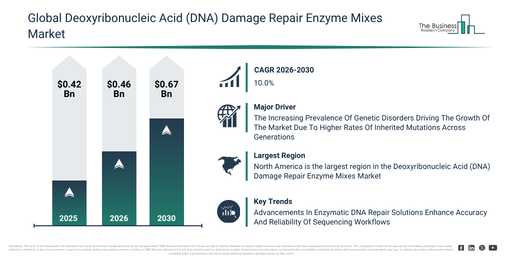
    Deoxyribonucleic Acid (DNA) Damage Repair Enzyme Mixes Market Outlook 2026–2030: Growth Trends, Market Dynamics And Emerging Opportunities

    Backed by market attractiveness analysis, total addressable market sizing, company benchmarking matrices, interactive Excel dashboards, wider supply chain intelligence, emerging startup coverage, and detailed product-level insights, The Business Research Company’s 2026 market reports are designed to offer research that is more actionable and strategically valuable than ever.

    Deoxyribonucleic Acid (DNA) Damage Repair Enzyme Mixes Market Size Outlook: How Quickly Will Revenue Expand Through 2030?

    The market for deoxyribonucleic acid (DNA) damage repair enzyme mixes has seen substantial growth in recent years. It is expected to expand from $0.42 billion in 2025 to $0.46 billion in 2026, at a compound annual growth rate (CAGR) of 9.8%. This historical growth can be attributed to various factors including the rising demand for molecular biology research, increasing applications in genomics and sequencing, the development of single enzyme repair mixes, the expansion of biotechnology research institutes, and the adoption of standard DNA repair protocols.

    The market size for deoxyribonucleic acid (DNA) damage repair enzyme mixes is anticipated to grow rapidly over the next few years. It is projected to reach $0.67 billion in 2030, demonstrating a compound annual growth rate (CAGR) of 10.0%. This expansion during the forecast period can be linked to the increased adoption of automated DNA repair platforms, their integration with AI-driven genomic analytics, the development of broad-spectrum repair mixes, the expansion of pharmaceutical research and development, and a growing demand for next-generation sequencing restoration kits. Significant trends expected during this period include next-generation DNA repair kits, multi-enzyme repair solutions, automated DNA damage detection, targeted base excision repair, and integration with genomic analysis platforms.

    Get A Free Sample Report With In-Depth Market Insights:

    https://thebusinessresearchcompany.com/sample_request?id=56756321&type=smp&name=Deoxyribonucleic%20Acid%20%28DNA%29%20Damage%20Repair%20Enzyme%20Mixes%20Market%20Report%202026&utm_source=Blogs&utm_medium=Paid&utm_campaign=Oct_PR

    Deoxyribonucleic Acid (DNA) Damage Repair Enzyme Mixes Market Expansion Drivers: What’s Shaping Future Growth?

    The deoxyribonucleic acid (DNA) damage repair enzyme mixes market is anticipated to expand due to the rising occurrence and better identification of genetic conditions. These disorders encompass medical issues stemming from gene or chromosome abnormalities or mutations, which can be inherited or spontaneous, exemplified by conditions such as cystic fibrosis, sickle cell anemia, Down syndrome, Huntington’s disease, and hemophilia. The increase in diagnosed instances is primarily linked to progress in genetic screening methods, broader newborn and carrier testing initiatives, enhanced understanding of diseases, and better patient survival, rather than a shift in fundamental mutation rates. Deoxyribonucleic acid (DNA) damage repair enzyme mixes are crucial for genomic research and diagnostics, as they enhance DNA integrity and minimize sequencing errors throughout the stages of sample preparation and analysis. For example, data from the Cystic Fibrosis Trust Annual Report 2023, a UK charity, showed that registered cystic fibrosis patients in the UK grew from 11,148 in 2022 to 11,318 in 2023. Consequently, the growing frequency of genetic disorders is fueling the expansion of the deoxyribonucleic acid (DNA) damage repair enzyme mixes market.

    Deoxyribonucleic Acid (DNA) Damage Repair Enzyme Mixes Market Segment Breakdown: Which Categories Lead On Revenue?

    The deoxyribonucleic acid (DNA) damage repair enzyme mixes market covered in this report is segmented –

    1) By Product Type: Deoxyribonucleic Acid (DNA) Repair Enzyme Mixes, Deoxyribonucleic Acid (DNA) Restoration Kits, Base Excision Repair Enzyme Mixes, Oxidative Damage Repair Mixes, Ultraviolet Damage Repair Mixes

    2) By Damage Type: Single Strand Break Repair, Double Strand Break Repair, Oxidative Base Damage Repair, Abasic Site Repair, Deaminated Base Repair

    3) By Distribution Channel: Direct Sales, Distributors, Online Sales, Other Distribution Channels

    4) By End User: Academic And Research Institutes, Pharmaceutical And Biotechnology Companies, Diagnostic Laboratories, Forensic Laboratories, Hospitals And Clinical Research Centers, Other End Users

    Subsegments:

    1) By Deoxyribonucleic Acid (DNA) Repair Enzyme Mixes: Single Enzyme Repair Mixes, Multi Enzyme Repair Mixes, Broad Spectrum Repair Mixes, Target Specific Repair Mixes

    2) By Deoxyribonucleic Acid (DNA) Restoration Kits: Fragmented Deoxyribonucleic Acid Repair Kits, Chemically Modified Deoxyribonucleic Acid Repair Kits, Formalin Fixed Sample Restoration Kits, Next Generation Sequencing Library Restoration Kits

    3) By Base Excision Repair Enzyme Mixes: Glycosylase Based Repair Mixes, Endonuclease Based Repair Mixes, Polymerase Assisted Repair Mixes, Ligase Supported Repair Mixes

    4) By Oxidative Damage Repair Mixes: Oxidized Base Repair Mixes, Reactive Oxygen Species Damage Repair Mixes, Strand Break Repair Mixes For Oxidative Damage, Comprehensive Oxidative Damage Repair Mixes

    5) By Ultraviolet Damage Repair Mixes: Pyrimidine Dimer Repair Mixes, Photoproduct Repair Mixes, Excision Based Ultraviolet Repair Mixes, Comprehensive Ultraviolet Damage Repair Mixes

    Deoxyribonucleic Acid (DNA) Damage Repair Enzyme Mixes Market Strategic Trends: What Defines The Next Growth Phase?

    Major companies in the deoxyribonucleic acid (DNA) damage repair mixes market are prioritizing the advancement of enzymatic formulations to enhance DNA repair performance, exemplified by improved FFPE DNA repair modules that integrate more comprehensive damage correction into preparation workflows for next-generation sequencing. Enhanced FFPE DNA repair modules denote enzyme-based formulations developed to more effectively correct common forms of damage in DNA sourced from formalin-fixed, paraffin-embedded (FFPE) samples while concurrently streamlining their integration with sequencing library workflows. For instance, in September 2024, New England Biolabs Inc., a United States-based biotechnology company, unveiled the NEBNext FFPE DNA Repair v2 Module, which delivers greater repair efficiency for cytosine deamination and oxidative lesions, a simplified workflow that requires no intermediate cleanup, and a versatile buffer system supporting both DNA repair and subsequent end-repair steps during sequencing library preparation.

    Deoxyribonucleic Acid (DNA) Damage Repair Enzyme Mixes Market Industry Leaders And Competitive Landscape

    Major companies operating in the deoxyribonucleic acid (DNA) damage repair enzyme mixes market are Thermo Fisher Scientific Inc., Merck KGaA, Agilent Technologies Inc., QIAGEN N.V., GenScript Biotech Corporation, Promega Corporation, Takara Bio Inc., R&D Systems Inc., New England Biolabs Inc., OriGene Technologies Inc., Enzo Life Sciences Inc., ABclonal Biotechnology Co Ltd., Santa Cruz Biotechnology Inc., Oxford Gene Technology Ltd., BioDynami Corporation, Apexbio Technology LLC, Creative Enzymes Inc., AffiGEN Inc., Boster Biological Technology Co Ltd., Avam Life Sciences Pvt. Ltd.

    View The Full Deoxyribonucleic Acid (DNA) Damage Repair Enzyme Mixes Market Report:

    https://thebusinessresearchcompany.com/report/deoxyribonucleic-acid-dna-damage-repair-enzyme-mixes-market-report?utm_source=Blogs&utm_medium=Paid&utm_campaign=Oct_PR

    Deoxyribonucleic Acid (DNA) Damage Repair Enzyme Mixes Market Regional Analysis And Top Geography

    North America was the largest region in the deoxyribonucleic acid (DNA) damage repair enzyme mixes market in 2025. Asia-Pacific is expected to be the fastest-growing region in the forecast period. The regions covered in the deoxyribonucleic acid (DNA) damage repair enzyme mixes market report are Asia-Pacific, South East Asia, Western Europe, Eastern Europe, North America, South America, Middle East, Africa.

    Reach Out To Our Team:

    The Business Research Company: https://www.thebusinessresearchcompany.com/

    Americas: +1 310-496-7795

    Asia: +44 7882 955267 & +91 8897263534

    Europe: +44 7882 955267

    Email us at: marketing@tbrc.info

    Follow us on:

    LinkedIn: https://in.linkedin.com/company/the-business-research-company

    YouTube: https://www.youtube.com/channel/UC24_fI0rV8cR5DxlCpgmyFQ

    Global Market Model: https://www.thebusinessresearchcompany.com/global-market-model
  • Artificial Intelligence (AI) Dermatology Imaging Market Forecast Highlights A $2.9 Billion Opportunity For Industry Participants

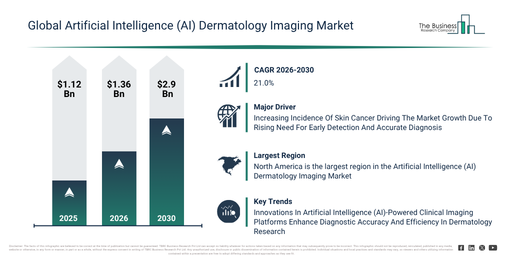
    Artificial Intelligence (AI) Dermatology Imaging Market Forecast Highlights A $2.9 Billion Opportunity For Industry Participants

    Built to provide research that’s more actionable and strategically valuable, The Business Research Company’s 2026 market reports include market attractiveness analysis, total addressable market sizing, company benchmarking matrices, interactive Excel dashboards, broader supply chain intelligence, emerging startup tracking, and in-depth product insights.

    Artificial Intelligence (AI) Dermatology Imaging Market Growth Potential: How Will Market Size Shift Through 2030?

    The artificial intelligence (AI) dermatology imaging market has experienced substantial expansion in recent years. It is forecast to rise from $1.12 billion in 2025 to $1.36 billion in 2026, achieving a compound annual growth rate (CAGR) of 20.7%. Historically, this growth can be attributed to the rising prevalence of skin conditions, an increasing need for accurate dermatology diagnoses, the integration of dermatoscopic and clinical imaging, the expansion of dermatology clinics and hospital facilities, and a growing enthusiasm for telehealth solutions.

    The artificial intelligence (AI) dermatology imaging market size is anticipated to see substantial expansion in the coming years. It is projected to grow to $2.9 billion in 2030 at a compound annual growth rate (CAGR) of 21.0%. The increase during the forecast period is attributable to the expanding integration of AI-enabled analytics, the rising adoption of cloud-based deployment models, a growing demand for automated disease screening and triage, the broadening of research applications in dermatology imaging, and an intensifying focus on teledermatology and remote patient monitoring. Key trends for the forecast period include the increasing adoption of cloud-based AI dermatology platforms, a surging demand for multispectral and total body imaging solutions, the wider integration of teledermatology services, the development of AI-enabled treatment monitoring tools, and a heightened focus on workflow automation and data management solutions.

    Get A Free Sample Report With In-Depth Market Insights:

    https://thebusinessresearchcompany.com/sample_request?id=80395884&type=smp&name=Artificial%20Intelligence%20%28AI%29%20Dermatology%20Imaging%20Market%20Report%202026&utm_source=Blogs&utm_medium=Paid&utm_campaign=Oct_PR

    Artificial Intelligence (AI) Dermatology Imaging Market Demand Drivers Opening New Revenue Streams

    The increasing occurrence of skin cancer is expected to propel the growth of the artificial intelligence (AI) dermatology imaging market going forward. Skin cancer refers to the irregular growth of skin cells, frequently due to UV radiation exposure, leading to malignant tumors like melanoma and non-melanoma types. The prevalence of skin cancer is rising because of heightened exposure to ultraviolet (UV) radiation from the sun and artificial tanning beds, which harms skin cells and elevates the risk of malignant growths. AI in dermatology imaging improves the early detection and accurate diagnosis of skin cancer by analyzing images of skin lesions with advanced algorithms, identifying subtle patterns and abnormalities that might be missed by the human eye, and enabling quicker, more reliable clinical decisions for prompt treatment. For instance, in January 2026, according to the Skin Cancer Foundation, a US-based non-profit organization, the number of new melanoma cases diagnosed is projected to rise by 10.6 percent. Therefore, the increasing incidence of skin cancer is driving the growth of the artificial intelligence (AI) dermatology imaging market.

    Artificial Intelligence (AI) Dermatology Imaging Market Segmentation: How Does The Market Break Down By Category?

    The artificial intelligence (AI) dermatology imaging market covered in this report is segmented –

    1) By Component: Software, Hardware, Services

    2) By Imaging Modality: Dermatoscopic Imaging, Clinical Imaging, Reflectance Confocal Microscopy, Optical Coherence Tomography, Total Body Photography, Multispectral Imaging

    3) By Deployment Mode: Cloud-Based, On-Premises

    4) By Application: Disease Diagnosis, Treatment Monitoring, Screening And Triage, Teledermatology, Research Applications

    5) By End User: Dermatology Clinics, Hospitals, Telehealth Platforms, Primary Care Networks, Other End Users

    Subsegments:

    1) By Software: Cloud Based Solutions, On Premise Solutions, Artificial Intelligence Enabled Analytics Platforms, Image Processing And Visualization Tools, Data Management And Integration Platforms, Workflow And Reporting Solutions

    2) By Hardware: Imaging Devices And Scanners, High Performance Computing Systems, Storage And Data Servers, Display And Visualization Systems, Networking And Connectivity Equipment, Peripheral Input And Output Devices

    3) By Services: System Integration And Deployment Services, Maintenance And Technical Support Services, Consulting And Implementation Services, Training And Education Services, Managed And Cloud Hosting Services, Upgradation And Optimization Services

    Artificial Intelligence (AI) Dermatology Imaging Market Trends Powering Strategic Industry Growth

    Leading firms within the artificial intelligence (AI) dermatology imaging market are prioritizing the creation of advanced solutions like AI-powered clinical imaging platforms. These innovations aim to improve diagnostic precision, optimize clinical trial processes, and deliver objective, real-time evaluations of skin conditions. Such platforms integrate sophisticated skin imaging with artificial intelligence algorithms to automate the capture, analysis, and scoring of dermatological conditions, enabling clinicians and researchers to achieve quicker, more objective, and consistent assessments than those derived from conventional manual methods. An example of this trend occurred in September 2025, when QuantifiCare, a France-based medical imaging company, collaborated with Legit.Health, a Spain-based AI healthcare company, to introduce the inaugural AI-powered dermatology imaging platform specifically designed for clinical trials. This particular platform merges QuantifiCare’s 2D and 3D imaging systems with Legit.Health’s AI algorithms, thereby offering instant severity grading, real-time insights into treatment response, and automated scoring for more than 300 skin conditions. Its core attributes encompass standardized imaging workflows, excellent reproducibility, a decrease in administrative tasks, and improved reliability of clinical endpoints, making it a robust instrument for sponsors, CROs, and investigators looking to expedite dermatology research.

    Artificial Intelligence (AI) Dermatology Imaging Market Top Companies Driving Competitive Growth

    Major companies operating in the artificial intelligence (AI) dermatology imaging market are Google LLC, Microsoft Corporation, Perfect Corp., Canfield Scientific Inc., Proscia Inc., Behold.ai Inc., FotoFinder Systems GmbH, SmartSkin AI Inc., MetaOptima Technology Inc., QuantifiCare SA, SkinVision B.V., DermaSensor Inc., Skin Analytics Ltd, Haut.AI Inc., First Derm Inc., Enspectra Health Inc., SkinIO Inc., SciBase Holding AB, SkinIO LLC, GlamAR Group Inc., IQONIC.AI Inc., TeleSkin d.o.o., DermAI Inc.

    View The Full Artificial Intelligence (AI) Dermatology Imaging Market Report:

    https://thebusinessresearchcompany.com/report/artificial-intelligence-ai-dermatology-imaging-market-report?utm_source=Blogs&utm_medium=Paid&utm_campaign=Oct_PR

    Artificial Intelligence (AI) Dermatology Imaging Market Global Footprint: Which Region Leads The Industry?

    North America was the largest region in the artificial intelligence (AI) dermatology imaging market in 2025. Asia-Pacific is expected to be the fastest-growing region in the forecast period. The regions covered in the artificial intelligence (AI) dermatology imaging market report are Asia-Pacific, South East Asia, Western Europe, Eastern Europe, North America, South America, Middle East, Africa.

    Reach Out To Our Team:

    The Business Research Company: https://www.thebusinessresearchcompany.com/

    Americas: +1 310-496-7795

    Asia: +44 7882 955267 & +91 8897263534

    Europe: +44 7882 955267

    Email us at: marketing@tbrc.info

    Follow us on:

    LinkedIn: https://in.linkedin.com/company/the-business-research-company

    YouTube: https://www.youtube.com/channel/UC24_fI0rV8cR5DxlCpgmyFQ

    Global Market Model: https://www.thebusinessresearchcompany.com/global-market-model
  • Adeno-Associated Virus (AAV) Packaging Services Market Growth To $2.52 Billion Creates New Opportunities Across The Industry

    Adeno-Associated Virus (AAV) Packaging Services Market Growth To $2.52 Billion Creates New Opportunities Across The Industry

    Featuring market attractiveness scoring, total addressable market sizing, company benchmarking matrices, interactive Excel dashboards, deeper supply chain intelligence, emerging startup tracking, and granular product-level insights, The Business Research Company’s 2026 market reports are built to deliver research that is both more actionable and more strategically valuable.

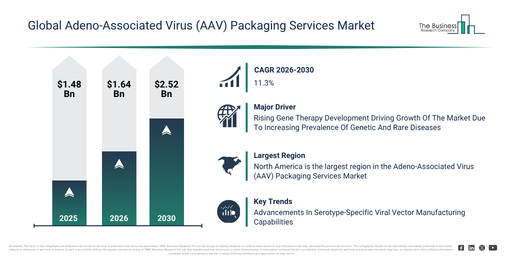
    Adeno-Associated Virus (AAV) Packaging Services Market Revenue Growth On Track For A 11.3% CAGR Through 2030

    The adeno-associated virus (AAV) packaging services market size has witnessed rapid expansion in recent years. This market is anticipated to expand from $1.48 billion in 2025 to $1.64 billion in 2026, achieving a compound annual growth rate (CAGR) of 11.1%. The historic period’s growth can be attributed to several factors, including an increase in gene therapy research activities, greater funding directed towards rare disease research, the expansion of preclinical and clinical trial pipelines, the emergence of more biotechnology startups, and advancements in viral vector production technologies.

    The adeno-associated virus (AAV) packaging services market is projected to experience swift expansion in the coming years. It will grow to $2.52 billion in 2030 at a compound annual growth rate (CAGR) of 11.3%. This anticipated growth during the forecast period is primarily fueled by a rise in gene therapy approvals, increasing demand for commercial-scale GMP manufacturing, greater investments in precision medicine, the broadening of cell and gene therapy pipelines, and a surge in strategic collaborations between biotechnology companies and CDMOs. Furthermore, significant trends expected over this period include a heightened demand for high-titer and high-purity AAV production, the expanded availability of GMP-compliant clinical-grade AAV packaging, an intensifying focus on scalable large-scale manufacturing solutions, the increasing use of advanced analytical and release testing services, and the growing practice of outsourcing AAV vector manufacturing to CDMOs.

    Get A Free Sample Report With In-Depth Market Insights:

    https://thebusinessresearchcompany.com/sample_request?id=54093627&type=smp&name=Adeno-Associated%20Virus%20%28AAV%29%20Packaging%20Services%20Market%20Report%202026&utm_source=Blogs&utm_medium=Paid&utm_campaign=Oct_PR

    Adeno-Associated Virus (AAV) Packaging Services Market Growth Factors Behind Sustained Expansion

    The increasing need for gene therapy development is anticipated to drive the expansion of the adeno-associated virus (AAV) packaging services market in the future. Gene therapy development involves the creation of treatments designed to alter or substitute defective genes for disease management. The demand for gene therapy development is escalating due to the increasing occurrence of genetic and rare diseases, thereby heightening the necessity for sophisticated treatments that address the fundamental genetic origins of these ailments. Adeno-associated virus (AAV) packaging services facilitate gene therapy development by offering expert viral vector production and purification, ensuring a scalable and premium AAV supply for both clinical investigations and therapeutic applications. For example, data from July 2023, provided by the American Society of Gene & Cell Therapy (ASGCT), a US-based professional membership body, showed that 247 gene therapies were in Phase II at the close of the first quarter of 2023. This figure subsequently grew by 5%, reaching 260 by the conclusion of the second quarter. Consequently, the growing requirement for gene therapy development is fueling the expansion of the adeno-associated virus (AAV) packaging services market.

    Adeno-Associated Virus (AAV) Packaging Services Market Segment Analysis: What Are The Core Market Categories?

    The adeno-associated virus (AAV) packaging services market covered in this report is segmented –

    1) By Service Type: Research-Grade Adeno-Associated Virus (AAV) Packaging (RUO), Good Manufacturing Practice (GMP) Clinical Adeno-Associated Virus (AAV) Packaging, Good Manufacturing Practice (GMP) Late-Stage And Commercial Supply, Analytical And Release Testing, Process Development And Tech Transfer

    2) By Vector Type: Adeno-Associated Virus (AAV) 2, Adeno-Associated Virus (AAV) 5, Adeno-Associated Virus (AAV) 8, Adeno-Associated Virus (AAV) 9

    3) By Scale Of Production: Small-Scale Production, Mid-Scale Production, Large-Scale Production

    4) By Therapeutic Application: Ophthalmology, Neuromuscular And Central Nervous System, Metabolic Or Rare Genetic Disorders, Oncology, Cardiovascular, Other Indications

    5) By End User: Biotechnology And Biopharmaceutical Companies, Academic And Research Institutes, Contract Research Organizations, Contract Manufacturing Organizations, Healthcare And Diagnostic Laboratories

    Subsegments:

    1) By Research-Grade Adeno-Associated Virus (AAV) Packaging (RUO): Small Scale Production, Pilot Scale Production, Custom Vector Design, Preclinical Study Supply

    2) By GMP Clinical Adeno-Associated Virus (AAV) Packaging: Phase One Clinical Supply, Phase Two Clinical Supply, Phase Three Clinical Supply, Patient Specific Batch Production

    3) By GMP Late-Stage And Commercial Supply: Commercial Batch Production, Technology Transfer Support, Large Scale Manufacturing, Regulatory Submission Support

    4) By Analytical And Release Testing: Potency Testing, Purity Testing, Identity Testing, Safety Testing, Stability Testing

    5) By Process Development And Tech Transfer: Upstream Process Development, Downstream Process Development, Scale-Up Process Optimization, Technology Transfer To Manufacturing, Process Characterization

    Adeno-Associated Virus (AAV) Packaging Services Market Industry Trends Fueling Future Revenue Growth

    Major companies in the adeno-associated virus (AAV) packaging services market are prioritizing the development of innovative solutions, including on-demand AAV viral vector packaging platforms, to improve flexibility, accelerate research schedules, and ensure consistent, high-quality viral vector manufacturing. On-demand AAV viral vector packaging platforms are services designed to provide custom AAV production in specific serotypes with integrated quality controls, helping researchers conserve time and obtain reliable, high-titer vectors for gene delivery applications. As an illustration, in January 2025, Addgene Inc., a US-based nonprofit scientific organization, launched its “Packaged on Request” AAV packaging service. This service allows scientists to select from over 3,000 AAV plasmids within Addgene’s repository and request packaging in serotypes such as AAV1, AAV2, AAV5, AAV8, and AAV Retrograde capsids. Each preparation undergoes extensive quality control procedures, including ddPCR titering, purity testing, sterility testing, and viral genome sequencing, guaranteeing research-grade standards comparable to their in-stock viral preparations. The service also simplifies legal approvals and technology transfer processes, thus reducing administrative burdens while maintaining high titers suitable for various in vivo and in vitro uses.

    Adeno-Associated Virus (AAV) Packaging Services Market Top Companies Driving Competitive Growth

    Major companies operating in the adeno-associated virus (AAV) packaging services market are Thermo Fisher Scientific Inc., AGC Biologics Inc., Lonza Group AG, Charles River Laboratories International Inc., Resilience Biotechnologies Inc., GenScript Biotech Corporation, Takara Bio Inc., OxB CDMO Inc., 3PBIOVIAN, VectorBuilder, Genezen Labs, Addgene Inc., PackGene Biotech Inc., Porton Advanced Solutions Ltd., Creative Biogene, Yposkesi SAS, AAVnerGene Inc., Virovek Inc., WuXi Advanced Therapies Co. Ltd., BioInnovatise Inc.

    View The Full Adeno-Associated Virus (AAV) Packaging Services Market Report:

    https://thebusinessresearchcompany.com/report/adeno-associated-virus-aav-packaging-services-market-report?utm_source=Blogs&utm_medium=Paid&utm_campaign=Oct_PR

    Adeno-Associated Virus (AAV) Packaging Services Market Global Footprint: Which Region Leads The Market?

    North America was the largest region in the adeno-associated virus (AAV) packaging services market in 2025. Asia-Pacific is expected to be the fastest-growing region in the forecast period. The regions covered in the adeno-associated virus (AAV) packaging services market report are Asia-Pacific, South East Asia, Western Europe, Eastern Europe, North America, South America, Middle East, Africa.

    Reach Out To Our Team:

    The Business Research Company: https://www.thebusinessresearchcompany.com/

    Americas: +1 310-496-7795

    Asia: +44 7882 955267 & +91 8897263534

    Europe: +44 7882 955267

    Email us at: marketing@tbrc.info

    Follow us on:

    LinkedIn: https://in.linkedin.com/company/the-business-research-company

    YouTube: https://www.youtube.com/channel/UC24_fI0rV8cR5DxlCpgmyFQ

    Global Market Model: https://www.thebusinessresearchcompany.com/global-market-model
  • Wound Skin Substitutes Market Explained: What Is Fueling Growth To $1.91 Billion By 2030?

    Built to provide research that’s more actionable and strategically valuable, The Business Research Company’s 2026 market reports include market attractiveness analysis, total addressable market sizing, company benchmarking matrices, interactive Excel dashboards, broader supply chain intelligence, emerging startup tracking, and in-depth product insights.

    Wound Skin Substitutes Market Poised To Hit $1.91 Billion By 2030 With A 10% CAGR

    The market size for wound skin substitutes has exhibited robust growth in recent years. It will grow from $1.19 billion in 2025 to $1.3 billion in 2026 at a compound annual growth rate (CAGR) of 9.7%. Historically, this expansion has been driven by a rise in burn injury cases, an increasing prevalence of diabetic ulcers, a growth in surgical procedures, the historic adoption of collagen dressings, and the expansion of wound care centers.

    The wound skin substitutes market is projected for substantial growth over the next few years, with an expectation to reach $1.91 billion by 2030, demonstrating a compound annual growth rate (CAGR) of 10.0%. This expansion during the forecast period is driven by factors such as an aging population suffering from chronic wounds, the increasing prevalence of diabetes, advancements in regenerative medicine, a rise in spending on advanced wound care, and the proliferation of outpatient wound clinics. Significant trends anticipated during this time include bioengineered regenerative skin matrices, cell-based advanced wound covers, composite biosynthetic skin substitutes, growth factor-enriched dressings, and smart moisture-balancing wound covers.

    Get A Free Sample Report With In-Depth Market Insights:

    https://thebusinessresearchcompany.com/sample_request?id=68541373&type=smp&name=Wound%20Skin%20Substitutes%20Market%20Report%202026&utm_source=Blogs&utm_medium=Paid&utm_campaign=Oct_PR

    Wound Skin Substitutes Market Growth Momentum: What Factors Are Shaping Demand?

    An increase in pressure ulcers is projected to drive the expansion of the wound skin substitutes market in the future. These are specific injuries to the skin and deeper tissues resulting from continuous pressure, typically over areas with bones close to the surface. The frequency of pressure ulcers is increasing, attributed to an aging demographic, given that elderly individuals frequently experience limited mobility, delicate skin, and chronic medical conditions, rendering them more prone to skin damage. Wound skin substitutes help prevent pressure ulcers by shielding the skin, fostering tissue regrowth, ensuring appropriate moisture levels, and improving overall skin strength, collectively lowering the likelihood of skin degradation in at-risk regions. For example, data from November 2023, provided by the National Health Service (NHS) England, a UK-based government department, indicated that from October 1, 2022, to October 1, 2023, 193 inpatients were documented as having developed bedsores, pressure sores, or pressure ulcers while hospitalized. Consequently, the rising occurrence of pressure ulcers is stimulating the growth of the wound skin substitutes market.

    Wound Skin Substitutes Market Segmentation And Category Overview

    The wound skin substitutes market covered in this report is segmented –

    1) By Product Type: Biologic Skin Substitutes; Synthetic Skin Substitutes; Biosynthetic Skin Substitutes; Collagen Dressings; Acellular Dermal Matrices; Cultured Epithelial Autografts; Allograft Skin; Xenograft Skin; Hydrogel Dressings; Foam Dressings

    2) By Technology: Static Skin Substitutes; Dynamic; Smart

    3) By Application Or Indication: Diabetic Foot Ulcers; Pressure Ulcers; Burns; Surgical Wounds; Trauma Wounds; Chronic Wounds

    4) By Distribution Channel: Direct Sales Or Institutional Sales; Medical Device Distributors; Online Retail Or E-commerce

    5) By End User: Hospitals And Burn Centers; Ambulatory Surgical Centers (ASCs); Specialty Wound Care Clinics; Academic And Research Institute

    Subsegments:

    1) By Biologic Skin Substitutes: Human Derived Skin Substitutes; Animal Derived Skin Substitutes; Cellular Based Skin Substitutes; Growth Factor Enriched Skin Substitutes

    2) By Synthetic Skin Substitutes: Polymer Based Skin Substitutes; Silicone Based Skin Substitutes; Polyurethane Based Skin Substitutes; Synthetic Composite Skin Substitutes

    3) By Biosynthetic Skin Substitutes: Collagen And Silicone Based Skin Substitutes; Polymer And Collagen Composite Skin Substitutes; Semi Synthetic Skin Substitutes

    4) By Collagen Dressings: Native Collagen Dressings; Oxidized Regenerated Collagen Dressings; Collagen With Antimicrobial Agents; Collagen With Silver

    5) By Acellular Dermal Matrices: Human Acellular Dermal Matrices; Animal Acellular Dermal Matrices; Cross Linked Dermal Matrices; Non Cross Linked Dermal Matrices

    6) By Cultured Epithelial Autografts: Keratinocyte Based Autografts; Epidermal Sheet Autografts; Spray On Cultured Epithelial Cells

    7) By Allograft Skin: Fresh Allograft Skin; Cryopreserved Allograft Skin; Lyophilized Allograft Skin

    8) By Xenograft Skin: Porcine Derived Xenograft Skin; Bovine Derived Xenograft Skin; Processed Xenograft Skin

    9) By Hydrogel Dressings: Amorphous Hydrogel Dressings; Sheet Hydrogel Dressings; Impregnated Hydrogel Dressings

    10) By Foam Dressings: Polyurethane Foam Dressings; Silicone Foam Dressings; Adhesive Foam Dressings; Non Adhesive Foam Dressings

    Wound Skin Substitutes Market Trends Redefining Industry Growth

    Major companies operating in the wound skin substitutes market are directing their efforts towards developing innovative products, such as advanced bioengineered skin grafts, to accelerate wound healing, mitigate infection risks, and enhance tissue regeneration. These advanced bioengineered skin grafts are laboratory-grown or tissue-engineered skin substitutes crafted to mimic natural skin, providing living cells and scaffolds that foster faster wound healing, support tissue regeneration, and reduce the likelihood of infection compared to standard dressings. For instance, in May 2025, Tides Medical, a US-based medical device company, introduced Artacent Wound. This next-generation wound skin substitute utilizes an Arta-Pure Process to carefully preserve the complete structure of amniotic tissue, including its crucial spongy intermediate layer, thereby maximizing the graft’s natural integrity. The product features a dual-layer design that can be applied on either side, stays securely in place without requiring sutures, and aids clinicians in treating chronic wounds by maintaining a biologically active matrix that facilitates tissue repair and lessens inflammation, differentiating it from traditional dehydrated or highly processed grafts.

    Wound Skin Substitutes Market Leading Companies And Competitive Benchmarking

    Major companies operating in the wound skin substitutes market are 3M Company, Stryker Corporation, Essity Aktiebolag, Smith & Nephew plc, B. Braun Melsungen AG, Coloplast A/S, ConvaTec Group plc, Mallinckrodt Pharmaceuticals, Integra LifeSciences Corporation, AVITA Medical Inc., MTF Biologics, Organogenesis Inc., MiMedx Group Inc., Vericel Corporation, LifeNet Health, Anika Therapeutics Inc., AlloSource, BioTissue Inc., Tissue Regenix Group plc, Gunze Medical Co. Ltd., and Molecular Biologicals Inc.

    View The Full Wound Skin Substitutes Market Report:

    https://thebusinessresearchcompany.com/report/wound-skin-substitutes-market-report?utm_source=Blogs&utm_medium=Paid&utm_campaign=Oct_PR

    Wound Skin Substitutes Market Top Region By Revenue And Market Share

    North America was the largest region in the wound skin substitutes market in 2025. Asia-Pacific is expected to be the fastest-growing region in the forecast period. The regions covered in the wound skin substitutes market report are Asia-Pacific, South East Asia, Western Europe, Eastern Europe, North America, South America, Middle East, Africa.

    Reach Out To Our Team:

    The Business Research Company: https://www.thebusinessresearchcompany.com/

    Americas: +1 310-496-7795

    Asia: +44 7882 955267 & +91 8897263534

    Europe: +44 7882 955267

    Email us at: marketing@tbrc.info

    Follow us on:

    LinkedIn: https://in.linkedin.com/company/the-business-research-company

    YouTube: https://www.youtube.com/channel/UC24_fI0rV8cR5DxlCpgmyFQ

    Global Market Model: https://www.thebusinessresearchcompany.com/global-market-model

  • Wearable Neurotech Market Trends Reshaping Industry Growth Through 2030

    Backed by market attractiveness analysis, total addressable market sizing, company benchmarking matrices, interactive Excel dashboards, wider supply chain intelligence, emerging startup coverage, and detailed product-level insights, The Business Research Company’s 2026 market reports are designed to offer research that is more actionable and strategically valuable than ever.

    Wearable Neurotech Market Growth Potential: How Will Market Size Shift Through 2030?

    The wearable neurotech market has witnessed substantial growth in recent times. It is anticipated to increase from $2.18 billion in 2025 to $2.61 billion in 2026, exhibiting a compound annual growth rate (CAGR) of 19.4%. The historical period’s expansion is due to factors including advancements in EEG miniaturization, an increase in digital health devices, the broadening of brain-computer interface research, the emergence of mental wellness technology, and a greater uptake of wearable sensors.

    The wearable neurotech market is projected for significant expansion in the coming years. It is anticipated to reach a valuation of $5.34 billion by 2030, demonstrating a compound annual growth rate (CAGR) of 19.7%. This projected growth is driven by factors such as the rise in remote neuro monitoring, increased demand for cognitive enhancement tools, the spread of neuro digital therapeutics, greater utilization of sports performance analytics, and the proliferation of personalized brain health programs. Key trends anticipated during this period encompass the development of consumer brain computer interfaces, increasing uptake of neurofeedback wearables, the availability of more portable eeg devices, the incorporation of cognitive monitoring apps, and a surge in home use neurostimulation devices.

    Get A Free Sample Report With In-Depth Market Insights:

    https://thebusinessresearchcompany.com/sample_request?id=23454689&type=smp&name=Wearable%20Neurotech%20Market%20Report%202026&utm_source=Blogs&utm_medium=Paid&utm_campaign=Oct_PR

    Wearable Neurotech Market Growth Factors: What’s Supporting Expansion?

    The increasing occurrence of neurological conditions is anticipated to drive the expansion of the wearable neurotech market in the future. These disorders are defined as health issues affecting the brain, spinal cord, or nerves, which can influence movement, senses, cognitive functions, or behavior. The rise in neurological disorders is attributed to the worldwide aging population, leading to a higher incidence of age-associated neurological conditions. Wearable neurotech offers assistance for neurological disorders by continuously monitoring brain and nerve activity, thereby facilitating early diagnosis, tailored therapies, and symptom management in real-time. As an illustration, the Alzheimer’s Association, a US-based nonprofit voluntary health organization, stated in March 2023 that 6.7 million Americans aged 65+ are affected by Alzheimer’s, a number predicted to reach 13.8 million by 2060. Consequently, the growing occurrence of neurological disorders is a significant factor boosting the growth of the wearable neurotech market.

    Wearable Neurotech Market Segment Analysis: What Are The Core Market Categories?

    The wearable neurotech market covered in this report is segmented –

    1) By Product Type: Electroencephalography Headsets; Brain Computer Interface Devices; Neurostimulation Wearables; Neurofeedback Wearable Devices; Wearable Neural Sensors

    2) By Technology: Electroencephalography Technology; Functional Near Infrared Spectroscopy Technology; Magnetoencephalography Technology; Transcranial Direct Current Stimulation Technology; Other Neural Sensing and Stimulation Technologies

    3) By Distribution Channel: Online Stores; Specialty Retail Stores; Direct Sales; Other Distribution Channels

    4) By Application: Healthcare; Consumer Electronics; Sports and Fitness; Other Applications

    5) By End User: Hospitals and Clinics; Research Institutes and Laboratories; Consumer End Users; Sports and Fitness Centers; Academic and Educational Institutions

    Subsegments:

    1) By Electroencephalography Headsets: Portable Electroencephalography Headsets; Wireless Electroencephalography Headsets; Clinical Electroencephalography Headsets

    2) By Brain Computer Interface Devices: Non Invasive Brain Computer Interface Devices; Invasive Brain Computer Interface Devices; Hybrid Brain Computer Interface Devices

    3) By Neurostimulation Wearables: Transcranial Direct Current Stimulation Wearables; Transcranial Magnetic Stimulation Wearables; Vagus Nerve Stimulation Wearables

    4) By Neurofeedback Wearable Devices: Real Time Neurofeedback Wearable Devices; Home Use Neurofeedback Wearable Devices; Clinical Neurofeedback Wearable Devices

    5) By Wearable Neural Sensors: Electroencephalography Sensors; Functional Near-Infrared Spectroscopy Sensors; Magnetoencephalography Sensors; Electromyography Sensors; Cognitive Monitoring Sensors; Brain Computer Interface Sensors

    Wearable Neurotech Market Industry Trends: What’s Reshaping Demand?

    Major companies within the wearable neurotech market are prioritizing advancements in non-invasive neurostimulation solutions, such as wearable vagus nerve and electrical muscle stimulation devices, to aid in rehabilitation, promote wellness, or facilitate neural restoration. Wearable vagus nerve devices are non-invasive mechanisms worn on the body that provide electrical impulses to the vagus nerve, contributing to general health, well-being, or specific therapeutic results. For instance, in February 2025, Neuvotion Inc., a US medical device company, unveiled NeuStim, an FDA-cleared, non-invasive, wearable neurostimulation system that precisely stimulates muscles to assist in regaining hand movement following a stroke or spinal cord injury. The device features a lightweight, wrist-worn design, a clinician-friendly touchscreen for targeting stimulation, and customizable programs accessible via a mobile interface. Similarly, in 2025, Lithuania-based Pulsetto launched or broadened the availability of its wearable vagus nerve stimulation device aimed at stress reduction and sleep support. This neck-worn device administers low-frequency transcutaneous stimulation, offers multiple preset programs through a companion app, and is designed for daily, drug-free use. Both devices underscore the increasing prominence of non-invasive, wearable neurotechnologies for health and rehabilitation.

    Wearable Neurotech Market Leading Players And Competitive Positioning

    Major companies operating in the wearable neurotech market are Kernel Labs Inc., Nuro Corporation, NeuroSky Inc., BrainCo Inc., Emotiv Inc., Cognito Therapeutics Inc., Neuroelectrics Barcelona S.L.U, Q30 Innovations Inc., Halo Neuroscience, Thync, Neurable Inc., Neurovalens Ltd., Neurovalens Ltd., Bitbrain Technologies S.L., Muse (InteraXon), OpenBCI Inc., BrainBit, Nexstem Technologies Pvt. Ltd, Nalu Medical Inc., Alphabeats, Motif Neurotech.

    View The Full Wearable Neurotech Market Report:

    https://thebusinessresearchcompany.com/report/wearable-neurotech-market-report?utm_source=Blogs&utm_medium=Paid&utm_campaign=Oct_PR

    Wearable Neurotech Market Regional Split: Which Areas Are Fueling Growth?

    North America was the largest region in the wearable neurotech market in 2025. Asia-Pacific is expected to be the fastest-growing region in the forecast period. The regions covered in the wearable neurotech market report are Asia-Pacific, South East Asia, Western Europe, Eastern Europe, North America, South America, Middle East, Africa.

    Reach Out To Our Team:

    The Business Research Company: https://www.thebusinessresearchcompany.com/

    Americas: +1 310-496-7795

    Asia: +44 7882 955267 & +91 8897263534

    Europe: +44 7882 955267

    Email us at: marketing@tbrc.info

    Follow us on:

    LinkedIn: https://in.linkedin.com/company/the-business-research-company

    YouTube: https://www.youtube.com/channel/UC24_fI0rV8cR5DxlCpgmyFQ

    Global Market Model: https://www.thebusinessresearchcompany.com/global-market-model

  • Foot And Mouth Disease Diagnostics Market Size Growth: From $1.14 Billion In 2026 To $1.56 Billion By 2030

    Built to provide research that’s more actionable and strategically valuable, The Business Research Company’s 2026 market reports include market attractiveness analysis, total addressable market sizing, company benchmarking matrices, interactive Excel dashboards, broader supply chain intelligence, emerging startup tracking, and in-depth product insights.

    Foot And Mouth Disease Diagnostics Market Growth Analysis: How Will Revenue Trend Over The Forecast Period?

    The foot and mouth disease diagnostics market has experienced robust expansion over recent years. This market is projected to expand from $1.06 billion in 2025 to $1.14 billion in 2026, showing a compound annual growth rate (CAGR) of 7.9%. Historically, this expansion has been driven by factors such as recurrent outbreaks of foot and mouth disease, a global increase in livestock populations, the proliferation of veterinary diagnostic laboratories, governmental disease surveillance initiatives, and a heightened understanding of animal health management.

    The foot and mouth disease diagnostics market size is projected to experience substantial expansion over the upcoming years. Its valuation is set to reach $1.56 billion by 2030, driven by an 8.1% compound annual growth rate (CAGR). This anticipated growth during the forecast timeframe is propelled by factors such as the increasing need for prompt and swift disease identification, greater investments in veterinary healthcare infrastructure, the evolution of molecular diagnostic technologies, heightened surveillance of cross-border livestock movements, and the creation of portable diagnostic tools. Key developments during this period encompass the rising uptake of real-time PCR diagnostic kits, an escalating need for swift point-of-care testing, broader development of multiplex assays, increased application of lateral flow immunoassays in field environments, and the introduction of highly sensitive ELISA kits.

    Get A Free Sample Report With In-Depth Market Insights:

    https://thebusinessresearchcompany.com/sample_request?id=61257622&type=smp&name=Foot%20And%20Mouth%20Disease%20Diagnostics%20Market%20Report%202026&utm_source=Blogs&utm_medium=Paid&utm_campaign=Oct_PR

    Foot And Mouth Disease Diagnostics Market Expansion Drivers: What’s Shaping Future Growth?

    The increasing numbers of livestock are projected to drive the expansion of the foot and mouth disease diagnostics market moving forward. Livestock populations refer to the aggregate count of domesticated animals, such as cattle, pigs, and sheep, raised for food production, dairy, or various economic purposes. These animal populations are growing due to a surge in global demand for meat and dairy products, prompting agricultural producers to maintain larger herds. Higher densities of animals elevate the potential for rapid disease transmission, thereby increasing the necessity for prompt detection and continuous surveillance to avert widespread outbreaks and significant economic losses. For instance, in June 2025, according to the Australian Bureau of Statistics, an Australian-based government administration, 30.4 million cattle were on farms as of 30 June 2024, which represented a 1.6% increase compared to June 2023. Thus, the escalating livestock populations are propelling the growth of the foot and mouth disease diagnostics market.

    Foot And Mouth Disease Diagnostics Market Segment Analysis Spotlighting Growth Areas

    The foot and mouth disease diagnostics market covered in this report is segmented –

    1) By Technique: Enzyme-Linked Immunosorbent Assay Kits, Polymerase Chain Reaction Kits, Immunoassays, Chromatography, Other Techniques

    2) By Product Type: Kits And Reagents, Instruments, Software, Other Product Types

    3) By Animal Type: Cattle, Swine, Sheep And Goats, Other Animal Types

    4) By End-User: Veterinary Hospitals And Clinics, Diagnostic Laboratories, Research Institutes, Other End Users

    Subsegments:

    1) By Enzyme-Linked Immunosorbent Assay Kits: Indirect Enzyme-Linked Immunosorbent Assay Kits, Sandwich Enzyme-Linked Immunosorbent Assay Kits, Competitive Enzyme-Linked Immunosorbent Assay Kits, Capture Enzyme-Linked Immunosorbent Assay Kits

    2) By Polymerase Chain Reaction Kits: Conventional Polymerase Chain Reaction Kits, Real-Time Polymerase Chain Reaction Kits, Multiplex Polymerase Chain Reaction Kits, Reverse Transcription Polymerase Chain Reaction Kits

    3) By Immunoassays: Lateral Flow Immunoassays, Radioimmunoassays, Fluorescent Immunoassays, Chemiluminescent Immunoassays

    4) By Chromatography: Thin Layer Chromatography, High Performance Liquid Chromatography, Gas Chromatography, Ion Exchange Chromatography

    5) By Other Techniques: Western Blotting, Hemagglutination Assays, Agar Gel Immunodiffusion, Flow Cytometry

    Foot And Mouth Disease Diagnostics Market Strategic Trends: What Defines The Next Growth Phase?

    Leading firms in the foot and mouth disease diagnostics market are prioritizing the creation of novel techniques, including real-time polymerase chain reaction (PCR) assays, to achieve quicker and more precise identification of FMD outbreaks. These real-time PCR assays function as molecular diagnostic tools, capable of detecting and quantifying viral genetic material in real-time, thereby facilitating rapid and accurate identification of foot and mouth disease for efficient outbreak management. As an illustration, BioStone Animal Health LLC, a US-based biotechnology firm, introduced AsurDx Real-Time PCR kits in May 2025 for FMD detection. This represents an advanced molecular diagnostic solution engineered for the swift, sensitive, and multiplex identification of various FMD virus types (A, O, Asia1). These PCR kits include pre-validated reaction mixes, primers, probes, enzymes, and all essential reagents and controls, which ensures quick and dependable setup. Compatible with numerous thermal cyclers, they allow for the quantitative detection of viral genes with significant accuracy and reproducibility. Compared to conventional ELISA tests, these PCR kits deliver swifter and more accurate results, thereby supporting routine diagnostics, outbreak surveillance, and global monitoring initiatives, ultimately enhancing FMD control efforts across the globe.

    Foot And Mouth Disease Diagnostics Market Key Players Shaping Industry Direction

    Major companies operating in the foot mouth disease diagnostics market are Thermo Fisher Scientific Inc., Zoetis Inc., IDEXX Laboratories Inc., Bio-Rad Laboratories Inc., QIAGEN N.V., Neogen Corporation, IDvet Inc., Creative Diagnostics Inc., Krishgen Biosystems Pvt. Ltd., AdvaCare Pharma Inc., Biovet Inc., Acro Biotech Inc., Ring Biotechnology Co. Ltd., BioNote Inc., BIO X Diagnostics Inc., GlobalVet Solutions LLC, Median Diagnostics Inc., BioVenic Inc., Avicena LLC, Svanova Biotech AB.

    View The Full Foot And Mouth Disease Diagnostics Market Report:

    https://thebusinessresearchcompany.com/report/foot-and-mouth-disease-diagnostics-market-report?utm_source=Blogs&utm_medium=Paid&utm_campaign=Oct_PR

    Foot And Mouth Disease Diagnostics Market Regional Analysis: Which Region Leads By Revenue?

    North America was the largest region in the foot and mouth disease diagnostics market in 2025. Asia-Pacific is expected to be the fastest-growing region in the forecast period. The regions covered in the foot and mouth disease diagnostics market report are Asia-Pacific, South East Asia, Western Europe, Eastern Europe, North America, South America, Middle East, Africa.

    Reach Out To Our Team:

    The Business Research Company: https://www.thebusinessresearchcompany.com/

    Americas: +1 310-496-7795

    Asia: +44 7882 955267 & +91 8897263534

    Europe: +44 7882 955267

    Email us at: marketing@tbrc.info

    Follow us on:

    LinkedIn: https://in.linkedin.com/company/the-business-research-company

    YouTube: https://www.youtube.com/channel/UC24_fI0rV8cR5DxlCpgmyFQ

    Global Market Model: https://www.thebusinessresearchcompany.com/global-market-model

  • Fever Screening Systems Market Growth Outlook For 2026: Drivers, Trends And Future Opportunities

    Featuring market attractiveness scoring, total addressable market sizing, company benchmarking matrices, interactive Excel dashboards, deeper supply chain intelligence, emerging startup tracking, and granular product-level insights, The Business Research Company’s 2026 market reports are built to deliver research that is both more actionable and more strategically valuable.

    Fever Screening Systems Market Set To Climb From $2.47 Billion In 2026 To $3.48 Billion By 2030

    The fever screening systems market size has experienced substantial growth in recent years. It is forecast to increase from $2.27 billion in 2025 to $2.47 billion in 2026, at a compound annual growth rate (CAGR) of 8.8%. The historical expansion of this market can be attributed to the occurrence of global infectious diseases, intensified public health surveillance measures, greater awareness of infection control, the adoption of infrared thermography devices, and government mandates for temperature screening.

    The fever screening systems market is projected to experience significant growth over the next few years. It is forecast to expand to $3.48 billion by 2030, achieving a compound annual growth rate (CAGR) of 9.0%. This anticipated growth during the forecast period stems from factors such as increasing investment in smart health infrastructure, enhanced integration with access control systems, a growing need for real-time health monitoring, the expansion of AI-based anomaly detection, and a heightened focus on workplace health safety standards. Prominent trends within this period include a greater adoption of contactless temperature screening, increased deployment in high-traffic public areas, a rising demand for portable screening devices, the integration of automated alert and threshold systems, and the broader availability of multi-person thermal scanning solutions.

    Get A Free Sample Report With In-Depth Market Insights:

    https://thebusinessresearchcompany.com/sample_request?id=59648019&type=smp&name=Fever%20Screening%20Systems%20Market%20Report%202026&utm_source=Blogs&utm_medium=Paid&utm_campaign=Oct_PR

    Fever Screening Systems Market Growth Drivers: What’s Behind The Acceleration?

    Growing worries about infectious diseases are projected to boost the fever screening systems market in the future. These illnesses originate from detrimental microorganisms like bacteria, viruses, fungi, or parasites, and their quick dissemination is particularly aided by expanding urban areas and worldwide travel. Such elements have increased public health consciousness and the need for prompt detection methods in various public and medical environments. Fever screening technologies aid in controlling infectious diseases by allowing swift identification of people with high body temperatures, which facilitates quick action and minimizes the chance of broad contagion. For example, in June 2024, data from the UK Health Security Agency, a government body in the UK, indicated that 1,681 patients were admitted to critical care with confirmed influenza in the UK from week 40 of 2022 to week 15 of 2023. This demonstrates the considerable impact of infectious diseases and the increasing requirement for proactive screening. Consequently, the escalating concerns regarding infectious diseases are fueling the expansion of the fever screening systems market.

    Fever Screening Systems Market Segmentation And Category Overview

    The fever screening systems market covered in this report is segmented –

    1) By Product Type: Infrared Thermography, Thermal Scanners, Non-Contact Thermometers, Other Product Types

    2) By Technology: Fixed, Portable

    3) By Application: Hospitals And Clinics, Airports, Public Places, Corporate Offices, Other Applications

    4) By End-User: Healthcare, Transportation, Commercial, Industrial, Other End Users

    Subsegments:

    1) By Infrared Thermography: Handheld Infrared Thermography Devices, Fixed Infrared Thermography Cameras, Portable Infrared Thermography Systems, Industrial Infrared Thermography Solutions, Medical Grade Infrared Thermography Devices

    2) By Thermal Scanners: Handheld Thermal Scanners, Fixed Thermal Scanning Systems, Body Temperature Thermal Scanners, Industrial Thermal Scanners, High Resolution Thermal Scanners

    3) By Non-Contact Thermometers: Digital Non-Contact Thermometers, Infrared Non-Contact Thermometers, Medical Non-Contact Thermometers, Industrial Non-Contact Thermometers, High Precision Non-Contact Thermometers

    4) By Other Product Types: Temperature Screening Kiosks, Thermal Screening Gateways, Automated Fever Detection Systems, Wearable Temperature Monitoring Devices, Smart Fever Screening Solutions

    Fever Screening Systems Market Top Companies Driving Competitive Growth

    Major companies operating in the fever screening systems market are NEC Corporation, Leonardo S.p.A., Hikvision Digital Technology Co. Ltd., Ametek Land Inc., Omron Corporation, Dahua Technology Co. Ltd., Drägerwerk AG & Co. KGaA, Fluke Corporation, Testo SE & Co. KGaA, DALI Technology A/S, Mobotix AG, FLIR Systems Inc., Guangzhou SAT Infrared Technology Co. Ltd., Thermoteknix Systems Ltd., Vicon Industries Inc., Cantronic Systems (Canada) Inc., Infrared Cameras Inc., Omnisense Systems Ltd., Optotherm Inc., InfraTec GmbH, Guide Sensmart Tech Co. Ltd.

    View The Full Fever Screening Systems Market Report:

    https://thebusinessresearchcompany.com/report/fever-screening-systems-market-report?utm_source=Blogs&utm_medium=Paid&utm_campaign=Oct_PR

    Fever Screening Systems Market Global Footprint: Which Region Leads The Industry?

    North America was the largest region in the fever screening systems market in 2025. Asia-Pacific is expected to be the fastest-growing region in the forecast period. The regions covered in the fever screening systems market report are Asia-Pacific, South East Asia, Western Europe, Eastern Europe, North America, South America, Middle East, Africa.

    Reach Out To Our Team:

    The Business Research Company: https://www.thebusinessresearchcompany.com/

    Americas: +1 310-496-7795

    Asia: +44 7882 955267 & +91 8897263534

    Europe: +44 7882 955267

    Email us at: marketing@tbrc.info

    Follow us on:

    LinkedIn: https://in.linkedin.com/company/the-business-research-company

    YouTube: https://www.youtube.com/channel/UC24_fI0rV8cR5DxlCpgmyFQ

    Global Market Model: https://www.thebusinessresearchcompany.com/global-market-model

  • Fetal Aneuploidy Confirmation Testing Market Size Forecast From 2026 To 2030: Key Industry Trends

    Built to provide research that’s more actionable and strategically valuable, The Business Research Company’s 2026 market reports include market attractiveness analysis, total addressable market sizing, company benchmarking matrices, interactive Excel dashboards, broader supply chain intelligence, emerging startup tracking, and in-depth product insights.

    Fetal Aneuploidy Confirmation Testing Market Forecast: Value Set To Climb From $1.58 Billion To $2.36 Billion

    The fetal aneuploidy confirmation testing market size has seen rapid expansion in recent years. It is projected to grow from $1.43 billion in 2025 to $1.58 billion in 2026, at a compound annual growth rate (CAGR) of 10.4%. The historical growth can be attributed to rising maternal age pregnancies, an increasing prevalence of chromosomal abnormalities, growing awareness of prenatal screening programs, advancements in cytogenetic testing methods, and the expansion of hospital-based diagnostic laboratories.

    The fetal aneuploidy confirmation testing market is projected to experience substantial expansion over the upcoming years. This market is anticipated to reach $2.36 billion by 2030, exhibiting a compound annual growth rate (CAGR) of 10.6%. This growth during the forecast period can be linked to several factors, including the wider acceptance of precision medicine strategies, the increasing incorporation of AI-powered genetic analysis tools, a heightened need for non-invasive prenatal testing confirmation, the proliferation of genomic research projects, and increased funding for healthcare infrastructure in developing economies. Key developments expected within this period involve the greater uptake of next-generation sequencing technologies, an elevated requirement for prompt and precise prenatal diagnosis, a stronger inclination towards confirmatory diagnostic testing following positive screening results, the extended application of advanced chromosomal microarray analysis, and an expanding supply of specialized prenatal diagnostic services.

    Get A Free Sample Report With In-Depth Market Insights:

    https://thebusinessresearchcompany.com/sample_request?id=30698761&type=smp&name=Fetal%20Aneuploidy%20Confirmation%20Testing%20Market%20Report%202026&utm_source=Blogs&utm_medium=Paid&utm_campaign=Oct_PR

    Fetal Aneuploidy Confirmation Testing Market Growth Factors Behind Sustained Expansion

    The increasing age at which women become mothers is projected to fuel the expansion of the fetal aneuploidy confirmation testing market. Maternal age refers to a woman’s age when she becomes pregnant or gives birth. This age is on the rise as women often postpone starting families to advance their education and careers. Fetal aneuploidy confirmation testing plays a crucial role in mitigating the risks linked to older maternal age by precisely identifying chromosomal abnormalities, which are more prevalent in pregnancies among older women, enabling prompt medical advice and well-informed choices regarding pregnancy. For example, data from June 2025, from the US-based government agency, the Centers for Disease Control and Prevention, showed that the average age of mothers at their first birth rose from 27.4 years in 2022 to 27.5 years in 2023, marking an increment of 0.1 years. Consequently, the rising maternal age is a key factor boosting the growth of the fetal aneuploidy confirmation testing market.

    Fetal Aneuploidy Confirmation Testing Market Segment Outlook: Which Categories Are Growing Fastest?

    The fetal aneuploidy confirmation testing market covered in this report is segmented –

    1) By Test Type: Non-Invasive Prenatal Testing, Invasive Testing, Other Test Types

    2) By Technology: Next-Generation Sequencing, Polymerase Chain Reaction, Fluorescence In Situ Hybridization, Microarray, Other Technologies

    3) By Application: Trisomy, Sex Chromosome Aneuploidy, Microdeletions, Other Applications

    4) By End-User: Hospitals, Diagnostic Laboratories, Specialty Clinics, Other End Users

    Subsegments:

    1) By Non-Invasive Prenatal Testing: Cell-Free Fetal Deoxyribonucleic Acid Testing, Maternal Serum Screening, Ultrasound-Based Risk Assessment, Next-Generation Sequencing-Based Non-Invasive Prenatal Testing, Chromosomal Microarray Analysis

    2) By Invasive Testing: Amniocentesis, Chorionic Villus Sampling, Cordocentesis, Fetal Biopsy, Fetal Karyotyping

    3) By Other Test Types: Preimplantation Genetic Testing, Targeted Gene Panels, Multiplex Polymerase Chain Reaction Testing, Fluorescence In Situ Hybridization Testing, Comparative Genomic Hybridization Testing

    Fetal Aneuploidy Confirmation Testing Market Leading Players And Competitive Positioning

    Major companies operating in the fetal aneuploidy confirmation testing market are Thermo Fisher Scientific Inc., Laboratory Corporation of America Holdings, Quest Diagnostics Incorporated, Eurofins Scientific SE, Agilent Technologies Inc., Illumina Inc., PerkinElmer Inc., SYNLAB AG, Myriad Genetics Inc., CapitalBio Technology Co. Ltd., BGI Genomics Co. Ltd., Centogene N.V., Yourgene Health plc, MedGenome Labs Ltd., Fulgent Genetics Inc., Annoroad Gene Technology Co. Ltd., CeGaT GmbH, LifeCodexx AG, Variantyx Inc., Igenomix S.L.U.

    View The Full Fetal Aneuploidy Confirmation Testing Market Report:

    https://thebusinessresearchcompany.com/report/fetal-aneuploidy-confirmation-testing-market-report?utm_source=Blogs&utm_medium=Paid&utm_campaign=Oct_PR

    Fetal Aneuploidy Confirmation Testing Market Regional Distribution: Which Areas Power Market Growth?

    North America was the largest region in the fetal aneuploidy confirmation testing market in 2025. Asia-Pacific is expected to be the fastest-growing region in the forecast period. The regions covered in the fetal aneuploidy confirmation testing market report are Asia-Pacific, South East Asia, Western Europe, Eastern Europe, North America, South America, Middle East, Africa.

    Reach Out To Our Team:

    The Business Research Company: https://www.thebusinessresearchcompany.com/

    Americas: +1 310-496-7795

    Asia: +44 7882 955267 & +91 8897263534

    Europe: +44 7882 955267

    Email us at: marketing@tbrc.info

    Follow us on:

    LinkedIn: https://in.linkedin.com/company/the-business-research-company

    YouTube: https://www.youtube.com/channel/UC24_fI0rV8cR5DxlCpgmyFQ

    Global Market Model: https://www.thebusinessresearchcompany.com/global-market-model

  • Fecal Occult Blood Test (FOBT) Market Set To Expand From $2.67 Billion In 2026: Growth Outlook Through 2030

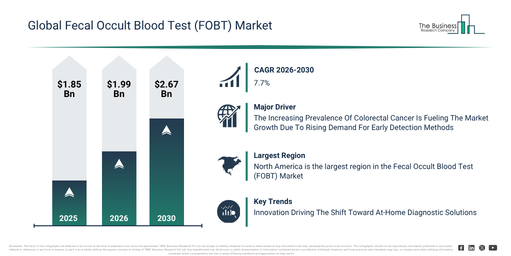
    Fecal Occult Blood Test (FOBT) Market Set To Expand From $2.67 Billion In 2026: Growth Outlook Through 2030

    Featuring market attractiveness scoring, total addressable market sizing, company benchmarking matrices, interactive Excel dashboards, deeper supply chain intelligence, emerging startup tracking, and granular product-level insights, The Business Research Company’s 2026 market reports are built to deliver research that is both more actionable and more strategically valuable.

    Fecal Occult Blood Test (FOBT) Market Value Growth And Long-Term Outlook

    The fecal occult blood test (FOBT) market size has shown significant expansion in recent years. It is anticipated to increase from $1.85 billion in 2025 to $1.99 billion in 2026, exhibiting a compound annual growth rate (CAGR) of 7.5%. Historically, this growth can be attributed to the rising prevalence of colorectal cancer, growing awareness of preventive health screening, expansion of national cancer screening programs, increasing geriatric population, and improvements in diagnostic laboratory infrastructure.

    The fecal occult blood test (FOBT) market is projected to experience substantial expansion over the upcoming years. This market is anticipated to reach a valuation of $2.67 billion by 2030, exhibiting a compound annual growth rate (CAGR) of 7.7%. Factors contributing to this growth during the projected period include a surging demand for non-invasive diagnostic techniques, the increasing uptake of at-home testing solutions, escalating healthcare spending in developing economies, the broadening of personalized medicine strategies, and the greater incorporation of digital health platforms. Key trends anticipated during this forecast period involve the rising adoption of immunochemical FOBT kits, an increased inclination towards home-based screening examinations, an intensified emphasis on the early detection of colorectal cancer, the proliferation of point-of-care FOBT devices, and the accelerated development of high-sensitivity test reagents.

    Get A Free Sample Report With In-Depth Market Insights:

    https://thebusinessresearchcompany.com/sample_request?id=19380326&type=smp&name=Fecal%20Occult%20Blood%20Test%20%28FOBT%29%20Market%20Report%202026&utm_source=Blogs&utm_medium=Paid&utm_campaign=Oct_PR

    Fecal Occult Blood Test (FOBT) Market Growth Backed By Core Demand Fundamentals

    The rising occurrence and public health burden of colorectal cancer are anticipated to drive the expansion of the fecal occult blood test (FOBT) market in the future. Colorectal cancer, a malignancy originating in the colon or rectum, frequently evolves from unusual growths called polyps. Its increasing presence is linked to elements like inactive lifestyles, an aging demographic, and dietary patterns, all of which elevate the likelihood of cancer forming in the digestive system. The fecal occult blood test (FOBT) aids in screening for colorectal cancer by identifying concealed blood in stool early, thus allowing for prompt diagnosis, better treatment results, and slower disease advancement. As an example, the Office for National Statistics (ONS), a UK-based government department, reported in February 2025 that approximately 15,552 colorectal cancer deaths were recorded in England and Wales in 2023, with 2024 provisional data showing a comparable figure. This underscores the substantial impact of the disease and the heightened demand for early screening and preventative diagnostic instruments. Consequently, the growing incidence of colorectal cancer is stimulating the expansion of the fecal occult blood test (FOBT) market.

    Fecal Occult Blood Test (FOBT) Market Segments: Where Is Growth Concentrated?

    The fecal occult blood test (fobt) market covered in this report is segmented –

    1) By Product Type: Guaiac-Based Fecal Occult Blood Test, Immunochemical Fecal Occult Blood Test, Other Product Types

    2) By Sample Type: Stool-Based, Other Sample Types

    3) By Application: Colorectal Cancer Screening, Gastrointestinal Bleeding, Other Applications

    4) By End User: Hospitals, Diagnostic Laboratories, Clinics, Home Care Settings, Other End Users

    Subsegments:

    1) By Guaiac-Based Fecal Occult Blood Test: Manual Guaiac Test Kits, Automated Guaiac Test Systems, Point-Of-Care Guaiac Test Devices, High Sensitivity Guaiac Reagents

    2) By Immunochemical Fecal Occult Blood Test: Qualitative Immunochemical Test Kits, Quantitative Immunochemical Test Systems, Point-Of-Care Immunochemical Devices, High Sensitivity Immunochemical Reagents

    3) By Other Product Types: Deoxyribonucleic Acid-Based Fecal Occult Blood Test Kits, Enzyme Immunoassay Test Kits, Chromatographic Fecal Occult Blood Test Devices, Combination Fecal Occult Blood Test Systems

    Fecal Occult Blood Test (FOBT) Market Growth Trends Reshaping The Competitive Landscape

    Major companies operating in the fecal occult blood test (FOBT) market are concentrating on the development of innovative products, such as at-home over-the-counter (OTC) FOBT kits, to elevate early detection rates and enhance patient convenience. At-home over-the-counter (OTC) FOBT kits represent non-invasive testing options that empower individuals to collect stool samples at home for the purpose of detecting hidden blood, thereby aiding in early colorectal cancer screening and offering increased convenience compared to traditional lab-based tests. For instance, in December 2023, DiaCarta Inc., a US-based precision diagnostic company, launched the iColon Fecal Occult Blood Test, an OTC at-home test designed to enable the early identification of blood in stool, which is clinically relevant for both gastrointestinal disorders and colorectal cancer. The iColon test has been developed to be user-friendly and non-invasive, permitting patients to gather samples without the need for medical supervision. It integrates sensitive detection methods that enhance accuracy beyond conventional guaiac-based FOBTs, consequently reducing false negatives and facilitating earlier intervention. Additionally, it promotes timely follow-up with healthcare providers if abnormal results are found, contributing to proactive colorectal health management.

    Fecal Occult Blood Test (FOBT) Market Competitive Landscape: Which Companies Lead The Industry?

    Major companies operating in the fecal occult blood test (fobt) market are F. Hoffmann-La Roche AG, Siemens Healthineers AG, Medline Industries Inc., Quest Diagnostics Incorporated, Sysmex Corporation, Quidel Corporation, Randox Laboratories Ltd., BIOMERICA Inc., Aidian Oy, Meridian Bioscience Inc., CTK Biotech Inc., Eiken Chemical Co. Ltd., Hemosure Inc., Alfa Scientific Designs Inc., AdvaCare Pharma Inc., Biohit Oyj, Immunostics Inc., Apacor Ltd., Humasis Co. Ltd., Firstep Bioresearch Inc., Biopanda Reagents Ltd, Ameritek Inc.

    View The Full Fecal Occult Blood Test (FOBT) Market Report:

    https://thebusinessresearchcompany.com/report/fecal-occult-blood-test-fobt-market-report?utm_source=Blogs&utm_medium=Paid&utm_campaign=Oct_PR

    Fecal Occult Blood Test (FOBT) Market Regional Outlook: Where Is Opportunity Concentrated?

    North America was the largest region in the fecal occult blood test (FOBT) market in 2025. Asia-Pacific is expected to be the fastest-growing region in the forecast period. The regions covered in the fecal occult blood test (fobt) market report are Asia-Pacific, South East Asia, Western Europe, Eastern Europe, North America, South America, Middle East, Africa.

    Reach Out To Our Team:

    The Business Research Company: https://www.thebusinessresearchcompany.com/

    Americas: +1 310-496-7795

    Asia: +44 7882 955267 & +91 8897263534

    Europe: +44 7882 955267

    Email us at: marketing@tbrc.info

    Follow us on:

    LinkedIn: https://in.linkedin.com/company/the-business-research-company

    YouTube: https://www.youtube.com/channel/UC24_fI0rV8cR5DxlCpgmyFQ

    Global Market Model: https://www.thebusinessresearchcompany.com/global-market-model