Month: October 2026

  • Hospital Command Center Software Market Set To Expand From $4.1 Billion In 2026: Growth Outlook Through 2030

    Hospital Command Center Software Market Set To Expand From $4.1 Billion In 2026: Growth Outlook Through 2030

    Featuring market attractiveness scoring, total addressable market sizing, company benchmarking matrices, interactive Excel dashboards, deeper supply chain intelligence, emerging startup tracking, and granular product-level insights, The Business Research Company’s 2026 market reports are built to deliver research that is both more actionable and more strategically valuable.

    Hospital Command Center Software Market Value Growth And Long-Term Outlook

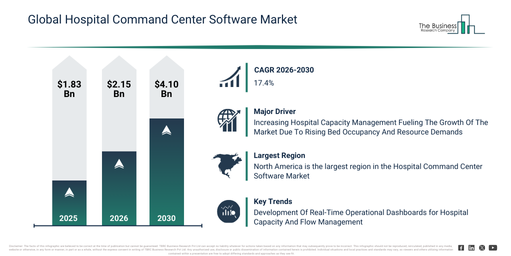
    The hospital command center software market size has seen rapid expansion in recent years. Its valuation is expected to rise from $1.83 billion in 2025 to $2.15 billion in 2026, achieving a compound annual growth rate (CAGR) of 17.7%. The historical development of this market is primarily due to a heightened requirement for real-time hospital visibility, the increasing adoption of digital health systems, a surging demand for optimizing patient flow, the broadening of hospital capacity management initiatives, and an intensified focus on reducing operational inefficiencies.

    The hospital command center software market size is projected for substantial expansion over the coming years, reaching $4.10 billion by 2030 with a compound annual growth rate (CAGR) of 17.4%. This growth during the forecast period is attributed to several factors, including the increasing integration of AI and predictive analytics, rising investments in hospital automation, a growing demand for scalable cloud-based command centers, the expansion of telehealth and remote monitoring ecosystems, and the escalating need for emergency preparedness and rapid response systems. Prominent trends expected in this period involve technological advancements in AI-driven workflow automation, innovations in unified hospital command platforms, developments in cloud-native healthcare orchestration tools, increasing research and development in real-time operational analytics, and the wider adoption of interoperability and data integration standards.

    Get A Free Sample Report With In-Depth Market Insights:

    https://thebusinessresearchcompany.com/sample_request?id=91940237&type=smp&name=Hospital%20Command%20Center%20Software%20Market%20Report%202026&utm_source=Blogs&utm_medium=Paid&utm_campaign=Oct_PR

    Hospital Command Center Software Market Growth Backed By Core Demand Fundamentals

    A growing emphasis on hospital capacity management is projected to drive expansion within the hospital command center software market moving ahead. This management involves the strategic planning and operational supervision of hospital assets like beds and personnel to efficiently satisfy patient needs. The heightened attention to hospital capacity management stems from rising patient numbers alongside limited beds, staff, and financial resources, compelling hospitals to optimize their resource utilization for consistent, safe, and economical care. Hospital command center software aids this by consolidating data from diverse departments, offering a comprehensive operational overview that facilitates improved decision-making and resource distribution. For example, in January 2024, the National Health Service (NHS) England, a UK-based publicly funded healthcare system, reported that it met its goal of adding 5,000 permanent core beds by early 2024, building on a 2022-23 baseline of 94,500 core beds, to reach an average of 99,750 core beds by the week ending January 21, 2024. Consequently, enhanced hospital capacity management is fueling the expansion of the hospital command center software market.

    Hospital Command Center Software Market Segments: Where Is Growth Concentrated?

    The hospital command center software market covered in this report is segmented –

    1) By Component: Software, Services

    2) By Deployment Mode: On-Premises, Cloud-Based

    3) By Application: Patient Flow Management, Resource Allocation, Bed Management, Emergency Response, Operational Analytics, Other Applications

    4) By End-User: Hospitals, Specialty Clinics, Ambulatory Surgical Centers, Other End-Users

    Subsegments:

    1) By Software: Hospital Information Management Software, Patient Flow Software, Resource Scheduling Software, Bed Management Software, Emergency Response Software, Operational Analytics Software

    2) By Services: Implementation Services, Training And Support Services, Maintenance Services, Cloud Hosting Services, Data Analytics Services, Telehealth Integration Services

    Hospital Command Center Software Market Growth Trends Reshaping The Competitive Landscape

    Leading companies within the hospital command center software market are concentrating on developing advanced solutions, such as real-time predictive analytics, to enhance operational efficiency, patient flow, and clinical decision-making across various health systems. Real-time predictive analytics refers to software-driven capabilities that continuously gather and analyze live hospital data to predict demand, identify bottlenecks, and enable proactive operational interventions. For instance, in October 2024, GE HealthCare Technologies Inc., a US-based medical technology company, introduced the Hospital Pulse Tile for its Command Center Software. This launch integrates real-time predictive analytics to offer system-wide visibility into capacity, staffing, patient throughput, and care delivery performance. The Command Center utilizes advanced analytics and AI to convert complex hospital data into actionable insights, empowering leaders to anticipate surges, optimize resource utilization, and reduce delays in care.

    Hospital Command Center Software Market Competitive Landscape: Which Companies Lead The Industry?

    Major companies operating in the hospital command center software market are Oracle Corporation, GE HealthCare Technologies Inc., Koninklijke Philips N.V., Baxter International Inc., Palantir Technologies Inc., Epic Systems Corporation, Getinge AB, Dedalus Group S.p.A., Ascom Holding AG, Biofourmis Inc., TeleTracking Technologies Inc., Qmatic Group AB, LeanTaaS Inc., CenTrak Inc., Qventus Inc., Spok Holdings Inc., Alcidion Group Limited, Connexall Corporation, Q-nomy Inc., ABOUT Healthcare Inc., Zebra Technologies Corporation

    View The Full Hospital Command Center Software Market Report:

    https://thebusinessresearchcompany.com/report/hospital-command-center-software-market-report?utm_source=Blogs&utm_medium=Paid&utm_campaign=Oct_PR

    Hospital Command Center Software Market Regional Outlook: Where Is Opportunity Concentrated?

    North America was the largest region in the hospital command center software market in 2025. Asia-Pacific is expected to be the fastest-growing region in the forecast period. The regions covered in the hospital command center software market report are Asia-Pacific, South East Asia, Western Europe, Eastern Europe, North America, South America, Middle East, Africa.

    Reach Out To Our Team:

    The Business Research Company: https://www.thebusinessresearchcompany.com/

    Americas: +1 310-496-7795

    Asia: +44 7882 955267 & +91 8897263534

    Europe: +44 7882 955267

    Email us at: marketing@tbrc.info

    Follow us on:

    LinkedIn: https://in.linkedin.com/company/the-business-research-company

    YouTube: https://www.youtube.com/channel/UC24_fI0rV8cR5DxlCpgmyFQ

    Global Market Model: https://www.thebusinessresearchcompany.com/global-market-model
  • Horizontal Leg Flexion Trainer Market Size And Growth In 2026: Key Factors Shaping Future Demand

    Horizontal Leg Flexion Trainer Market Size And Growth In 2026: Key Factors Shaping Future Demand

    Built to provide research that’s more actionable and strategically valuable, The Business Research Company’s 2026 market reports include market attractiveness analysis, total addressable market sizing, company benchmarking matrices, interactive Excel dashboards, broader supply chain intelligence, emerging startup tracking, and in-depth product insights.

    Horizontal Leg Flexion Trainer Market Poised To Hit $1.39 Billion By 2030 With A 8.7% CAGR

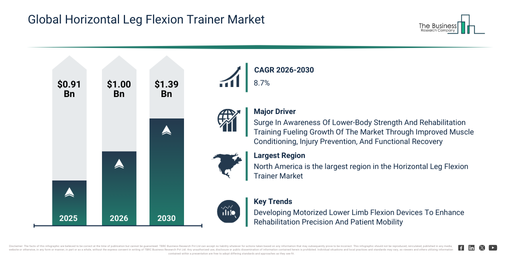
    The horizontal leg flexion trainer market has experienced robust growth in recent years. It is anticipated to expand from $0.91 billion in 2025 to $1.00 billion in 2026, reflecting a compound annual growth rate (CAGR) of 9.0%. This historical expansion can be attributed to several factors, including an increased demand for fitness equipment in gyms, a growing interest in lower-body strength training, greater awareness of injury prevention exercises, the rising adoption of rehabilitation machines, and the increasing popularity of sports conditioning programs.

    The horizontal leg flexion trainer market size is anticipated to experience robust expansion over the next few years. It is expected to reach $1.39 billion in 2030 at a compound annual growth rate (CAGR) of 8.7%. This growth during the forecast period can be attributed to factors such as the increasing number of gym memberships, a growing preference for improving leg strength, the adoption of advanced rehabilitation equipment, the expansion of sports performance training, and increased investment in premium fitness machines. Significant trends anticipated in this period include advancements in adjustable resistance technology, improvements in ergonomic machine design, progress in durability and material engineering, innovations in compact training equipment, and the development of professional athletic training tools.

    Get A Free Sample Report With In-Depth Market Insights:

    https://thebusinessresearchcompany.com/sample_request?id=17400374&type=smp&name=Horizontal%20Leg%20Flexion%20Trainer%20Market%20Report%202026&utm_source=Blogs&utm_medium=Paid&utm_campaign=Oct_PR

    Horizontal Leg Flexion Trainer Market Growth Catalysts And Demand Drivers

    The increasing recognition of lower-body strength and rehabilitation training is anticipated to fuel the expansion of the horizontal leg flexion trainer market in the future. This training encompasses structured exercises and programs focused on enhancing the strength, flexibility, and functional recovery of leg muscles, including the quadriceps, hamstrings, and hip flexors. This heightened awareness is driven by growing public health initiatives and clinical recommendations that underscore the importance of muscle-strengthening activities for injury prevention, improved mobility, and overall physical well-being. Horizontal leg flexion trainers support this development by offering a controlled, low-impact solution for lower-body strengthening and rehabilitation, particularly in clinical, physiotherapy, and specialized fitness settings, aligning with broader exercise guidelines. For example, in December 2023, the U.S. Centers for Disease Control and Prevention (CDC), a U.S.-based government public health authority, reported that 24% of adults met the recommended muscle-strengthening activity guidelines in 2023. This figure represents an increase from 21% in 2022, signifying a 3 percentage point rise, or approximately 14% year-over-year. Thus, the growing awareness surrounding lower-body strength and rehabilitation training is a primary driver for the growth of the horizontal leg flexion trainer market.

    Horizontal Leg Flexion Trainer Market Segment Analysis: What Are The Core Market Categories?

    The horizontal leg flexion trainer market covered in this report is segmented –

    1) By Product Type: Standard Horizontal Leg Flexion Trainers, Smart Horizontal Leg Flexion Trainers, Adjustable Horizontal Leg Flexion Trainers

    2) By Distribution Channel: Online Stores, Specialty Stores, Supermarkets Or Hypermarkets, Other Distribution Channels

    3) By Application: Rehabilitation Centers, Fitness Centers, Home Use, Hospitals, Other Applications

    4) By End-User: Adults, Geriatric, Athletes, Other End-Users

    Subsegments:

    1) By Standard Horizontal Leg Flexion Trainers: Plate-loaded trainers, Pin-loaded (selectorized) trainers, Fixed-resistance trainers, Standard gym-grade benches, Basic home-use flexion trainers, Non-digital resistance trainers, Single-function flexion machines

    2) By Smart Horizontal Leg Flexion Trainers: App-connected trainers, Bluetooth-enabled trainers, AI-guided training systems, Smart resistance-adjusting machines, Performance-tracking trainers, Cloud-integrated fitness units, Interactive screen-based trainers

    3) By Adjustable Horizontal Leg Flexion Trainers: Multi-resistance adjustable trainers, Adjustable angle or seat-position trainers, Multi-function strength machines with flexion mode, Manual-adjust resistance models, Hydraulic-adjustable trainers, Commercial-grade adjustable units, Adjustable home-use trainers

    Horizontal Leg Flexion Trainer Market Trends Shaping Long-Term Demand

    Companies within the rehabilitation and therapeutic exercise equipment market are increasingly concentrating on the creation of motorized solutions for lower limb flexion, notably multifunction physiotherapy equipment that incorporates powered leg flexion systems. These innovative solutions are engineered to deliver accurate and consistent leg flexion movements, facilitate enhancements in patient strength and mobility, and alleviate physical exertion for therapists during rehabilitation sessions. Powered leg flexion systems refer to advanced technological components in rehabilitation apparatus that employ electric motors or actuators to execute controlled flexion and extension movements of the lower limbs, thereby enabling standardized therapy protocols and uniform treatment delivery. For instance, in January 2025, AGILIS, a medical device company based in the U.S., unveiled multifunction physiotherapy tables featuring powered lower limb flexion systems, which have received U.S. FDA 510(k)-clearance for clinical application. These devices, intended to support postoperative rehabilitation and improve mobility, incorporate 24 Vdc electric motors to provide consistent powered flexion. They also offer both manual and electrical adjustment capabilities and permit configurations for linear and rotational lower limb movements, catering to individualized therapy requirements.

    Horizontal Leg Flexion Trainer Market Competitive Landscape: Who Leads The Industry?

    Major companies operating in the horizontal leg flexion trainer market are Johnson Health Tech, Technogym SpA, Life Fitness Inc., Rogue Fitness, Precor Inc., Cybex International, Impulse Health Tech, Matrix Fitness, SportsArt Inc., Shuhua Co. Ltd., Panatta Srl, Body-Solid Inc., TRUE Fitness Technology Inc., HOIST Fitness Systems Inc., BH Fitness, Yanre Fitness, DHZ Fitness GmbH, Nautilus Inc., Unique Gym Equipment Pvt. Ltd., Kraftathlet

    View The Full Horizontal Leg Flexion Trainer Market Report:

    https://thebusinessresearchcompany.com/report/horizontal-leg-flexion-trainer-market-report?utm_source=Blogs&utm_medium=Paid&utm_campaign=Oct_PR

    Horizontal Leg Flexion Trainer Market Geographic Landscape: Which Region Leads Industry Growth?

    North America was the largest region in the horizontal leg flexion trainer market in 202. Asia-Pacific is expected to be the fastest-growing region in the forecast period. The regions covered in the horizontal leg flexion trainer market report are Asia-Pacific, South East Asia, Western Europe, Eastern Europe, North America, South America, Middle East, Africa.

    Reach Out To Our Team:

    The Business Research Company: https://www.thebusinessresearchcompany.com/

    Americas: +1 310-496-7795

    Asia: +44 7882 955267 & +91 8897263534

    Europe: +44 7882 955267

    Email us at: marketing@tbrc.info

    Follow us on:

    LinkedIn: https://in.linkedin.com/company/the-business-research-company

    YouTube: https://www.youtube.com/channel/UC24_fI0rV8cR5DxlCpgmyFQ

    Global Market Model: https://www.thebusinessresearchcompany.com/global-market-model
  • Home Spirometry With Bluetooth Integration Market Forecast 2026–2030: Market Size, Trends And Growth Opportunities

    Home Spirometry With Bluetooth Integration Market Forecast 2026–2030: Market Size, Trends And Growth Opportunities

    Backed by market attractiveness analysis, total addressable market sizing, company benchmarking matrices, interactive Excel dashboards, wider supply chain intelligence, emerging startup coverage, and detailed product-level insights, The Business Research Company’s 2026 market reports are designed to offer research that is more actionable and strategically valuable than ever.

    Home Spirometry With Bluetooth Integration Market Size And Revenue Outlook Through 2030

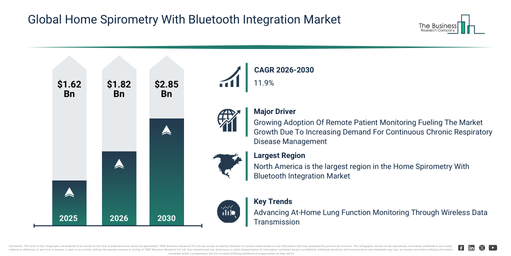
    The home spirometry with bluetooth integration market size has seen rapid expansion in recent years. This market is expected to expand from $1.62 billion in 2025 to $1.82 billion in 2026, exhibiting a compound annual growth rate (CAGR) of 12.1%. The historical growth of this market can be attributed to factors such as the increasing prevalence of respiratory diseases, the growing adoption of home healthcare devices, a rising awareness about lung health monitoring, the expanding use of portable spirometers, and the increasing integration of wireless health monitoring systems.

    The home spirometry with bluetooth integration market is projected to undergo substantial expansion over the next few years. It is expected to achieve a valuation of $2.85 billion by 2030, showing a compound annual growth rate (CAGR) of 11.9%. This anticipated growth is driven by factors such as an escalating demand for remote patient observation, the increasing adoption of medical devices featuring Bluetooth capabilities, the rising integration of artificial intelligence and predictive analytics within respiratory care, the broader deployment of cloud-based health data platforms, and an intensified focus on patient-centric telehealth offerings. Prominent trends for this period include technological improvements in Bluetooth-enabled spirometry, innovations in AI-powered respiratory analysis, enhancements in cloud-based patient monitoring systems, ongoing research and development concerning portable diagnostic instruments, and progress in the integration and reporting of real-time health data.

    Get A Free Sample Report With In-Depth Market Insights:

    https://thebusinessresearchcompany.com/sample_request?id=75694222&type=smp&name=Home%20Spirometry%20With%20Bluetooth%20Integration%20Market%20Report%202026&utm_source=Blogs&utm_medium=Paid&utm_campaign=Oct_PR

    Home Spirometry With Bluetooth Integration Market Opportunity Drivers: What’s Unlocking New Revenue Potential?

    The increasing use of remote patient monitoring is anticipated to stimulate the expansion of the home spirometry with Bluetooth integration market in the future. Remote patient monitoring involves employing connected medical devices and digital platforms to gather, transmit, and analyze patient health data outside conventional clinical environments, thereby supporting the ongoing management of chronic conditions. The uptake of remote patient monitoring is escalating due to the rising prevalence of chronic respiratory diseases, as continuous oversight aids in managing symptoms and preventing hospitalizations. Home spirometry with Bluetooth integration facilitates remote patient monitoring by enabling patients to track lung function from home and send data directly to healthcare providers. This enhances disease management and patient outcomes by promoting the early identification of respiratory issues and timely intervention. For instance, in December 2025, according to Intuition Labs, a US-based healthcare technology company, nearly 50 million Americans are already using some form of remote patient monitoring device, 80% of Americans are favorable toward incorporating remote patient monitoring into medical care, and by 2025, over 71 million Americans, representing 26% of the population, are expected to use some form of remote patient monitoring service. Consequently, the growing adoption of remote patient monitoring is driving the growth of the home spirometry with Bluetooth integration market.

    Home Spirometry With Bluetooth Integration Market Segment Breakdown: Which Categories Lead On Revenue?

    The home spirometry with bluetooth integration market covered in this report is segmented –

    1) By Product Type: Handheld Spirometers, Tabletop Spirometers, Wearable Spirometers

    2) By Connectivity: Bluetooth, Wi-Fi, Universal Serial Bus (USB)

    3) By Distribution Channel: Online, Offline

    4) By Application: Chronic Obstructive Pulmonary Disease (COPD), Asthma, Cystic Fibrosis, Other Applications

    5) By End-User: Hospitals And Clinics, Homecare Settings, Diagnostic Centers, Other End-Users

    Subsegments:

    1) By Handheld Spirometers: Portable Lung Function Measurement Devices, Battery Operated Spirometry Units, Compact Home Monitoring Spirometers, Bluetooth Enabled Handheld Spirometers, Real Time Data Transmission Spirometry Devices

    2) By Tabletop Spirometers: Desktop Pulmonary Function Testing Units, Clinical Grade Tabletop Spirometry Devices, Multi Parameter Respiratory Assessment Systems, Bluetooth Integrated Desktop Spirometers, High Accuracy Stationary Spirometry Units

    3) By Wearable Spirometers: Continuous Respiratory Monitoring Devices, Smart Wrist Or Chest Mounted Spirometers, Bluetooth Connected Wearable Spirometry Units, Daily Activity Integrated Respiratory Monitors, Lightweight Home Use Wearable Spirometers

    Home Spirometry With Bluetooth Integration Market Innovation Trends Shaping Future Development

    Leading companies in the home spirometry with Bluetooth integration market are concentrating on developing advanced products, specifically bluetooth-enabled spirometers, to enhance at-home lung function monitoring, simplify data collection, and support remote clinical oversight. Bluetooth-enabled spirometers are devices that measure respiratory metrics, such as airflow and volume, and then wirelessly transmit the collected data to smartphones, tablets, or cloud platforms for real-time access by patients and healthcare providers. For instance, in June 2024, Clario, a US-based clinical technology company, obtained FDA 510(k) clearance for its SpiroSphere system, which is integrated with a wireless ECG device. This system allows for concurrent monitoring of spirometry and cardiac data, features automated data upload via Bluetooth, and provides real-time tracking through mobile applications. These capabilities facilitate accurate remote monitoring, early detection of respiratory issues, and efficient clinical workflow management, representing a significant advancement in at-home respiratory healthcare through its combination of usability, data integration, and clinical reliability.

    Home Spirometry With Bluetooth Integration Market Company Landscape And Competitive Strategy

    Major companies operating in the home spirometry with bluetooth integration market are Contec Medical Systems Co. Ltd., Vyaire Medical Inc., Schiller AG, Vitalograph Ltd., COSMED S.r.l., SDI Diagnostics Inc., NDD Medizintechnik AG, Futuremed America Inc., NuvoAir AB, Cohero Health Inc., Smiths Medical International Ltd., Sibelmed S.L.U., Uscom Ltd., e-LinkCare Meditech Co. Ltd., CMI Health Inc., Medikro Oy, Icen Technology Co. Ltd., HealthUp S.A., Fukuda Sangyo Co. Ltd., Smart Respiratory Products Ltd.

    View The Full Home Spirometry With Bluetooth Integration Market Report:

    https://thebusinessresearchcompany.com/report/home-spirometry-with-bluetooth-integration-market-report?utm_source=Blogs&utm_medium=Paid&utm_campaign=Oct_PR

    Home Spirometry With Bluetooth Integration Market Largest Region: Which Geography Holds The Biggest Share?

    North America was the largest region in the home spirometry with bluetooth integration market in 2025. Asia-Pacific is expected to be the fastest-growing region in the forecast period. The regions covered in the home spirometry with bluetooth integration market report are Asia-Pacific, South East Asia, Western Europe, Eastern Europe, North America, South America, Middle East, Africa.

    Reach Out To Our Team:

    The Business Research Company: https://www.thebusinessresearchcompany.com/

    Americas: +1 310-496-7795

    Asia: +44 7882 955267 & +91 8897263534

    Europe: +44 7882 955267

    Email us at: marketing@tbrc.info

    Follow us on:

    LinkedIn: https://in.linkedin.com/company/the-business-research-company

    YouTube: https://www.youtube.com/channel/UC24_fI0rV8cR5DxlCpgmyFQ

    Global Market Model: https://www.thebusinessresearchcompany.com/global-market-model
  • Hodgkin’s Lymphoma Treatment Market Size Reaches $3.83 Billion In 2026: What Is Driving Growth?

    Hodgkin’s Lymphoma Treatment Market Size Reaches $3.83 Billion In 2026: What Is Driving Growth?

    Featuring market attractiveness scoring, total addressable market sizing, company benchmarking matrices, interactive Excel dashboards, deeper supply chain intelligence, emerging startup tracking, and granular product-level insights, The Business Research Company’s 2026 market reports are built to deliver research that is both more actionable and more strategically valuable.

    Hodgkin’s Lymphoma Treatment Market Growth From $3.83 Billion In 2026 To $5.08 Billion By 2030 At A CAGR Of 7.3%

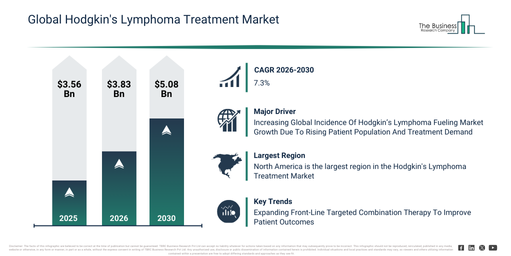
    The hodgkin’s lymphoma treatment market has experienced robust growth in recent years. It is projected to expand from $3.56 billion in 2025 to $3.83 billion in 2026, reflecting a compound annual growth rate (CAGR) of 7.6%. This historical expansion can be attributed to several factors including the rising incidence of hodgkin’s lymphoma, enhanced awareness leading to early diagnosis, increased adoption of chemotherapy and radiation therapy, the development of oncology healthcare infrastructure, and augmented government funding for cancer research.

    The hodgkin’s lymphoma treatment market size is anticipated to expand significantly in the near future. It is projected to reach $5.08 billion by 2030, showing a compound annual growth rate (CAGR) of 7.3%. This growth during the forecast period is largely driven by the increasing adoption of immunotherapy and targeted therapies, the wider availability of stem cell transplantation, a rising demand among patients for personalized treatments, the expansion of cancer centers into emerging markets, and enhanced insurance coverage along with reimbursement support. Key trends expected over this period include advancements in diagnostic imaging technology, innovations within immunotherapy and targeted therapies, the development of minimally invasive treatment choices, ongoing research and development in stem cell transplantation, and the integration of digital health and telemedicine for follow-up care.

    Get A Free Sample Report With In-Depth Market Insights:

    https://thebusinessresearchcompany.com/sample_request?id=87999131&type=smp&name=Hodgkin%27s%20Lymphoma%20Treatment%20Market%20Report%202026&utm_source=Blogs&utm_medium=Paid&utm_campaign=Oct_PR

    Hodgkin’s Lymphoma Treatment Market Growth Momentum: What Factors Are Shaping Demand?

    The rising occurrence of Hodgkin’s lymphoma is anticipated to drive expansion in the Hodgkin’s lymphoma treatment market moving ahead. This condition, Hodgkin’s lymphoma, is a lymphatic system cancer marked by atypical Reed–Sternberg cells within lymph nodes, primarily impacting B-lymphocytes, frequently manifesting as enlarged, painless glands, elevated body temperature, nocturnal perspiration, and diminished body mass. The prevalence of Hodgkin’s lymphoma is increasing, attributed to greater exposure to risk factors including tobacco use, excess weight, high blood pressure, and evolving socioeconomic circumstances across numerous areas, which collectively contribute to an elevated incidence of the disease over time. Treatment for Hodgkin’s lymphoma assists in managing the disease by specifically targeting and eradicating malignant lymphocytes using therapeutic approaches like chemotherapy, radiation therapy, or immunotherapy. Such treatment enhances patient results through mitigating disease advancement, attaining periods of remission, and boosting overall survival percentages. For example, by October 2025, the American Cancer Society, a US-based nonprofit organization, projects that Hodgkin lymphoma in the United States will comprise approximately 8,720 new cases, with 4,840 affecting males and 3,880 affecting females, alongside an estimated 1,150 deaths, split between 720 males and 430 females. Consequently, the growing frequency of Hodgkin’s lymphoma is stimulating expansion within the Hodgkin’s lymphoma treatment market.

    Hodgkin’s Lymphoma Treatment Market Segmentation: How Does The Market Break Down By Category?

    The hodgkin’s lymphoma treatment market covered in this report is segmented –

    1) By Type of Treatment: Chemotherapy, Radiation Therapy, Targeted Therapy, Immunotherapy

    2) By Disease Type: Classical Hodgkin Lymphoma (CHL), Nodular Lymphocyte-Predominant Hodgkin Lymphoma (NLPHL)

    3) By Treatment Stage: Early-Stage, Advanced-Stage, Relapsed

    4) By Stem Cell Transplantation: Autologous Stem Cell Transplant, Allogeneic Stem Cell Transplant

    5) By End-Use: Hospitals, Specialty Clinics, Cancer Centers, Ambulatory Care Centers, Home Healthcare Services

    Subsegments:

    1) By Chemotherapy: Combination Chemotherapy, Single Agent Chemotherapy, High Dose Chemotherapy with Stem Cell Transplantation

    2) By Radiation Therapy: External Beam Radiation Therapy, Proton Beam Radiation Therapy, Intensity Modulated Radiation Therapy

    3) By Targeted Therapy: Monoclonal Antibody Therapy, Antibody Drug Conjugate Therapy, Small Molecule Inhibitor Therapy

    4) By Immunotherapy: Immune Checkpoint Inhibitor Therapy, Chimeric Antigen Receptor T Cell Therapy, Cytokine Based Immunotherapy

    Hodgkin’s Lymphoma Treatment Market Trends Redefining Industry Growth

    Companies operating within the Hodgkin’s lymphoma treatment market are concentrating on developing advanced therapies, including front-line targeted combination treatments, to enhance their effectiveness, mitigate treatment-related illness, and expand initial options for patients suffering from advanced forms of the disease. Front-line targeted combination therapies involve utilizing two or more precision medicines together as the initial intervention, aiming to concurrently affect multiple disease-driving pathways, thereby improving response rates and delaying the onset of resistance in newly diagnosed patients. For example, in June 2025, Takeda, a Japan-based pharmaceutical company, secured European Commission approval for ADCETRIS when combined with etoposide, cyclophosphamide, doxorubicin, dacarbazine and dexamethasone (ECADD) for adults with newly diagnosed Stage IIb with risk factors, Stage III, or Stage IV Hodgkin lymphoma. This approval was based on findings from the Phase 3 HD21 trial, which revealed superior safety and non-inferior progression-free survival compared to standard eBEACOPP chemotherapy. This particular front-line targeted combination therapy integrates a targeted ADC foundation, a chemotherapy regimen optimized to reduce acute toxicity, and broadened indications for frontline use, marking a substantial progression in Hodgkin’s lymphoma care.

    Hodgkin’s Lymphoma Treatment Market Key Players Shaping Industry Direction

    Major companies operating in the hodgkin’s lymphoma treatment market are F. Hoffmann-La Roche Ltd., Merck & Co. Inc., Pfizer Inc., Novartis AG, AstraZeneca plc, Bristol-Myers Squibb Company, Takeda Pharmaceutical Company Limited, Gilead Sciences Inc., Ono Pharmaceutical Co. Ltd., Jiangsu Hengrui Medicine Co. Ltd., Seagen Inc., Zhejiang Hisun Pharmaceutical Co. Ltd., BeiGene Ltd., Innovent Biologics Inc., HUTCHMED (China) Limited, Aurigene Discovery Technologies Limited, ADC Therapeutics SA, CStone Pharmaceuticals, Emcure Pharmaceuticals Ltd., Sorrento Therapeutics Inc.

    View The Full Hodgkin’s Lymphoma Treatment Market Report:

    https://thebusinessresearchcompany.com/report/hodgkins-lymphoma-treatment-market-report?utm_source=Blogs&utm_medium=Paid&utm_campaign=Oct_PR

    Hodgkin’s Lymphoma Treatment Market Regional Analysis: Which Geography Leads On Revenue?

    North America was the largest region in the hodgkin’s lymphoma treatment market in 2025. Asia-Pacific is expected to be the fastest-growing region in the forecast period. The regions covered in the hodgkin’s lymphoma treatment market report are Asia-Pacific, South East Asia, Western Europe, Eastern Europe, North America, South America, Middle East, Africa.

    Reach Out To Our Team:

    The Business Research Company: https://www.thebusinessresearchcompany.com/

    Americas: +1 310-496-7795

    Asia: +44 7882 955267 & +91 8897263534

    Europe: +44 7882 955267

    Email us at: marketing@tbrc.info

    Follow us on:

    LinkedIn: https://in.linkedin.com/company/the-business-research-company

    YouTube: https://www.youtube.com/channel/UC24_fI0rV8cR5DxlCpgmyFQ

    Global Market Model: https://www.thebusinessresearchcompany.com/global-market-model
  • High-Throughput Slide Scanning-As-A-Service Market Valued At $3.19 Billion In 2026: Key Trends And Growth Drivers

    High-Throughput Slide Scanning-As-A-Service Market Valued At $3.19 Billion In 2026: Key Trends And Growth Drivers

    Built to provide research that’s more actionable and strategically valuable, The Business Research Company’s 2026 market reports include market attractiveness analysis, total addressable market sizing, company benchmarking matrices, interactive Excel dashboards, broader supply chain intelligence, emerging startup tracking, and in-depth product insights.

    High-Throughput Slide Scanning-As-A-Service Market Expansion Outlook: What Revenue Opportunities Are Ahead?

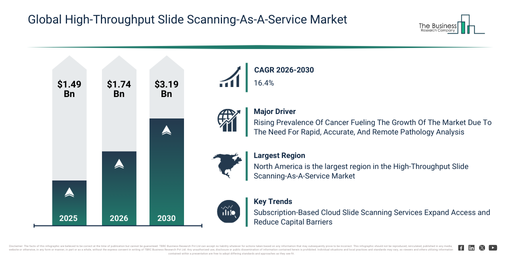
    The high-throughput slide scanning-as-a-service market has seen rapid expansion in recent years. It is projected to increase from $1.49 billion in 2025 to $1.74 billion in 2026, exhibiting a compound annual growth rate (CAGR) of 16.7%. This historic growth can be attributed to the rising adoption of digital pathology, a growing demand for high-throughput scanning, increased investment in pharmaceutical research, the expansion of academic and research applications, and the rising integration of AI in pathology workflows.

    The high-throughput slide scanning-as-a-service market is poised for significant expansion in the coming years. It is expected to reach $3.19 billion in 2030 at a compound annual growth rate (CAGR) of 16.4%. This growth during the forecast period can be attributed to the rising need for remote diagnostics, the increasing adoption of telepathology services, a growing demand for multiplexed imaging, the expansion of cloud-based slide platforms, and an enhanced focus on precision medicine applications. Major trends anticipated during this period include technological advancements in AI-powered image analysis, innovations in cloud-based digital slide platforms, the development of whole slide imaging for high-throughput scanning, research breakthroughs in automated pathology workflows, and advancements in multiplexed fluorescence imaging techniques.

    Get A Free Sample Report With In-Depth Market Insights:

    https://thebusinessresearchcompany.com/sample_request?id=17767455&type=smp&name=High-Throughput%20Slide%20Scanning-As-A-Service%20Market%20Report%202026&utm_source=Blogs&utm_medium=Paid&utm_campaign=Oct_PR

    High-Throughput Slide Scanning-As-A-Service Market Expansion Drivers: What’s Shaping Future Growth?

    An increase in cancer diagnoses is anticipated to drive the expansion of the high-throughput slide scanning-as-a-service market in the future. Cancer involves the unchecked proliferation and dissemination of atypical cells, which can harm adjacent tissues and organs without appropriate intervention. The growing incidence of cancer is linked to lifestyle factors like unhealthy eating habits, tobacco use, alcohol intake, and exposure to environmental contaminants, thereby increasing the likelihood of diverse cancer types. High-throughput slide scanning-as-a-service aids in cancer management by quickly converting numerous pathology slides into digital format for in-depth examination and virtual specialist advice. This service enhances the precision and speed of diagnosis, facilitating prompt treatment choices and superior patient results. As an illustration, data from October 2025 by NHS Digital, a UK government organisation, indicated 354,820 new cancer diagnoses in England during 2023, equating to an average of 972 diagnoses daily. This marked an increase of 8,605 cases from 2022, with prostate cancer emerging as the most frequently identified cancer, totaling 58,137 new cases and showing a 6% rise in registrations over the prior year. Consequently, the increasing occurrence of cancer is a key factor propelling the expansion of the high-throughput slide scanning-as-a-service market.

    High-Throughput Slide Scanning-As-A-Service Market Segment Trends And Revenue Contributors

    The high-throughput slide scanning-as-a-service market covered in this report is segmented –

    1) By Service Type: Brightfield Scanning, Fluorescence Scanning, Multiplexed Imaging, Other Service Types

    2) By Technology: Optical System, Automation Level, Scanning Resolution

    3) By Application: Pathology, Research, Drug Discovery, Clinical Diagnostics, Other Applications

    4) By End User: Hospitals And Clinics, Research Institutes, Pharmaceutical And Biotechnology Companies, Other End Users

    Subsegments:

    1) By Brightfield Scanning: Single Channel Brightfield, Multi-Channel Brightfield, High-Resolution Brightfield

    2) By Fluorescence Scanning: Single Fluorescence Channel, Multi-Fluorescence Channel, High-Sensitivity Fluorescence

    3) By Multiplexed Imaging: Sequential Multiplexing, Simultaneous Multiplexing, High-Plex Imaging

    4) By Other Service Types: Slide Quality Control, Tissue Morphology Analysis, Custom Imaging Services

    High-Throughput Slide Scanning-As-A-Service Market Strategic Trends: What Defines The Next Growth Phase?

    Major companies operating in the high-throughput slide scanning-as-a-service market are concentrating on developing subscription services, such as cloud-enabled slide scanning service models, to provide remote access to high-throughput whole slide imaging without requiring on-site infrastructure investment. These cloud-enabled slide scanning service models refer to outsourced whole-slide imaging offerings where glass slides are digitized and stored in secure cloud platforms, facilitating remote viewing, sharing, and analysis without needing on-premise scanners or IT infrastructure. For instance, in March 2023, OptraSCAN Inc., a US-based digital pathology solutions provider, launched OnDemand Digital Pathology, a cloud-enabled slide scanning service model, offering subscription access to whole slide scanners with 15–480 slide loading capacity and rapid scanning. This service will provide access to OptraSCAN’s whole-slide digital scanners (brightfield and fluorescence) with 15–480 slide capacity that scan a slide in approximately 58 seconds at 40x, alongside a high-end workstation preconfigured with workflow software, telepathology tools, and AI analysis modules for IHC, morphology, immunofluorescence, and cytology, plus Microsoft Azure–based cloud storage and round-the-clock support and services.

    High-Throughput Slide Scanning-As-A-Service Market Competitive Analysis Of Leading Industry Participants

    Major companies operating in the high-throughput slide scanning-as-a-service market are Koninklijke Philips N.V., IQVIA Holdings Inc., Laboratory Corporation of America Holdings, Roche Diagnostics International AG, Iron Mountain Incorporated, WuXi AppTec Co. Ltd., PerkinElmer Inc., Leica Biosystems Nussloch GmbH, Medical Imaging Solutions Pvt. Ltd., Charles River Laboratories International Inc., OptraSCAN Inc., Scopio Labs Inc., Pramana Inc., Molecular Pathology Laboratory Network Inc., 3DHISTECH Ltd., Experimental Pathology Laboratories Inc., Labtron Equipment Ltd., Applied Spectral Imaging Ltd., HistoWiz Inc., iHisto LLC

    View The Full High-Throughput Slide Scanning-As-A-Service Market Report:

    https://thebusinessresearchcompany.com/report/high-throughput-slide-scanning-as-a-service-market-report?utm_source=Blogs&utm_medium=Paid&utm_campaign=Oct_PR

    High-Throughput Slide Scanning-As-A-Service Market Geographic Spread And Regional Opportunities

    North America was the largest region in the high-throughput slide scanning-as-a-service market in 2025. Asia-Pacific is expected to be the fastest-growing region in the forecast period. The regions covered in the high-throughput slide scanning-as-a-service market report are Asia-Pacific, South East Asia, Western Europe, Eastern Europe, North America, South America, Middle East, Africa.

    Reach Out To Our Team:

    The Business Research Company: https://www.thebusinessresearchcompany.com/

    Americas: +1 310-496-7795

    Asia: +44 7882 955267 & +91 8897263534

    Europe: +44 7882 955267

    Email us at: marketing@tbrc.info

    Follow us on:

    LinkedIn: https://in.linkedin.com/company/the-business-research-company

    YouTube: https://www.youtube.com/channel/UC24_fI0rV8cR5DxlCpgmyFQ

    Global Market Model: https://www.thebusinessresearchcompany.com/global-market-model
  • Heat Stress Prevention Products Market Analysis: How The Industry Is Evolving Toward A $3.98 Billion Future

    Heat Stress Prevention Products Market Analysis: How The Industry Is Evolving Toward A $3.98 Billion Future

    Backed by market attractiveness analysis, total addressable market sizing, company benchmarking matrices, interactive Excel dashboards, wider supply chain intelligence, emerging startup coverage, and detailed product-level insights, The Business Research Company’s 2026 market reports are designed to offer research that is more actionable and strategically valuable than ever.

    Heat Stress Prevention Products Market Revenue Outlook: What CAGR Lies Ahead Through 2030?

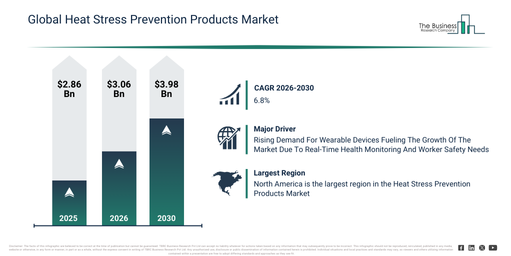
    The heat stress prevention products market size has seen strong growth in recent years. This market is projected to expand from $2.86 billion in 2025 to $3.06 billion in 2026, at a compound annual growth rate (CAGR) of 7.1%. The expansion observed in the historic period is attributable to increasing awareness of heat-related health risks, rising occupational health and safety regulations, an increasing incidence of extreme heat events, the expansion of industrial and construction sectors, and the rising adoption of safety clothing and cooling devices.

    The heat stress prevention products market is projected to experience robust expansion in the coming years. Its size is predicted to reach $3.98 billion in 2030, exhibiting a compound annual growth rate (CAGR) of 6.8%. This growth during the forecast period can be primarily attributed to several factors, including the escalation of global temperatures driven by climate change, the expansion of industrial activities in warmer geographical areas, the implementation of more stringent workplace safety protocols, the increasing uptake of wearable cooling and monitoring technologies, and the rising need within the agriculture and construction industries. Key trends anticipated during this period encompass significant technological improvements in wearable cooling and monitoring equipment, the development of new cooling garments and individual cooling remedies, the incorporation of IoT and AI for immediate heat stress surveillance, the proliferation of smart wearable instruments designed to prevent heat stress, and a surging consumer preference for cooling products that offer multiple functions and are environmentally sustainable.

    Get A Free Sample Report With In-Depth Market Insights:

    https://thebusinessresearchcompany.com/sample_request?id=40918422&type=smp&name=Heat%20Stress%20Prevention%20Products%20Market%20Report%202026&utm_source=Blogs&utm_medium=Paid&utm_campaign=Oct_PR

    Heat Stress Prevention Products Market Demand Drivers: What’s Powering Industry Growth?

    The escalating demand for wearable devices is projected to propel the growth of the heat stress prevention products market in the coming years. Wearable devices are defined as electronic gadgets worn on the body, frequently designed for health tracking, fitness monitoring, or providing smart functionalities. The rising need for wearable devices stems from increasing consumer health consciousness, as individuals are more actively seeking to supervise and improve their physical condition, track vital signs, and manage overall well-being. Heat stress prevention products enable wearable devices by integrating sensors and monitoring technologies that track body temperature, hydration levels, and physiological strain in real-time. They enhance worker safety and health outcomes through timely alerts and data-driven insights to prevent heat-related illnesses. For instance, in April 2025, as per the Parliamentary Office of Science and Technology, a UK-based parliamentary research and advisory body, between 2023 and 2024, the National Institute for Health and Care Research (NIHR) and UK Research and Innovation (UKRI) invested £11.5 million ($15.52 million) in 10 research projects focused on developing wearable technologies to support greater independence for people living with frailty or long-term physical disabilities. Therefore, the increasing demand for wearable devices is driving the growth of the heat stress prevention products market. The expanding worker safety regulations are anticipated to fuel the growth of the heat stress prevention products market going forward. Worker safety regulations refer to legal and industry-mandated requirements aimed at protecting employees from occupational hazards, including extreme heat exposure, physical strain, and heat-related illnesses in workplaces such as construction sites, manufacturing plants, and outdoor environments. The rise in such regulations is due to growing awareness of occupational health risks, which requires stricter government enforcement for employee well-being. Heat stress prevention products support worker safety regulations by providing solutions such as cooling vests, wearable sensors, hydration systems, and environmental monitoring tools that reduce the risk of heat-related injuries and ensure compliance with safety standards. For instance, in April 2025, according to the Virginia Department of Labor and Industry, a US-based state occupational safety agency, the Virginia Occupational Safety and Health (VOSH) program reported total safety and health inspections reached 2,008 in fiscal year 2024, representing a 46% increase over fiscal year 2022. Therefore, the increasing worker safety regulations are driving the growth of the heat stress prevention products market.

    Heat Stress Prevention Products Market Breakdown By Product Type And Application

    The heat stress prevention products market covered in this report is segmented –

    1) By Product Type: Cooling Wearables And Apparel, Hydration And Electrolyte Solutions, Environmental Heat Reduction Products, Personal Cooling Devices, Monitoring And Safety Devices

    2) By Technology: Passive Cooling, Active Cooling, Insulative Or Reflective, Smart Or Connected, Hydration Optimization

    3) By Distribution Channel: Business-To-Business (B2B), Business-To-Consumer (B2C)

    4) By End-User: Industrial Or Occupational, Sports And Recreation, Military And First Responders, Healthcare, General Consumer

    Subsegments:

    1) By Cooling Wearables And Apparel: Cooling Vest, Cooling Shirt, Cooling Jacket, Cooling Gloves, Cooling Hat

    2) By Hydration And Electrolyte Solutions: Oral Rehydration Solution, Electrolyte Drink Mix, Ready To Drink Electrolyte Beverage, Electrolyte Powder Sachets, Electrolyte Tablets

    3) By Environmental Heat Reduction Products: Shade Structures, Ventilation Fans, Evaporative Cooling Systems, Air Cooling Units, Reflective Shelters

    4) By Personal Cooling Devices: Battery Powered Cooling Vest, Personal Fan, Neck Cooler, Cooling Bandana, Cooling Wristband

    5) By Monitoring And Safety Devices: Body Temperature Sensor Device, Heat Exposure Alert Wearable, Hydration Reminder Device, Heart Rate Monitor Wearable, Environmental Heat Index Monitor

    Heat Stress Prevention Products Market Top Companies Driving Competitive Growth

    Major companies operating in the heat stress prevention products market are Symphony Limited, Radians Inc., Ergodyne Inc., Honeywell Safety Products, Thermoteknix Systems Ltd., Encon Safety Products Inc., TechNiche International, Allegro Industries Inc., COOLSHIRT Systems LLC, i2Cool Technology Inc., Climacool, Coolcore LLC, Polar Products Inc., Evalan GmbH, StaCool Industries, Arctic Heat Pty Ltd., CoolVest Inc., CoolPax Systems, Glacier Tek Inc., Bodytrak Inc.

    View The Full Heat Stress Prevention Products Market Report:

    https://thebusinessresearchcompany.com/report/heat-stress-prevention-products-market-report?utm_source=Blogs&utm_medium=Paid&utm_campaign=Oct_PR

    Heat Stress Prevention Products Market Global Footprint: Which Region Leads The Market?

    North America was the largest region in the heat stress prevention products market in 2025. Asia-Pacific is expected to be the fastest-growing region in the forecast period. The regions covered in the heat stress prevention products market report are Asia-Pacific, South East Asia, Western Europe, Eastern Europe, North America, South America, Middle East, Africa.

    Reach Out To Our Team:

    The Business Research Company: https://www.thebusinessresearchcompany.com/

    Americas: +1 310-496-7795

    Asia: +44 7882 955267 & +91 8897263534

    Europe: +44 7882 955267

    Email us at: marketing@tbrc.info

    Follow us on:

    LinkedIn: https://in.linkedin.com/company/the-business-research-company

    YouTube: https://www.youtube.com/channel/UC24_fI0rV8cR5DxlCpgmyFQ

    Global Market Model: https://www.thebusinessresearchcompany.com/global-market-model
  • Health Patch Hydration Sensor Market Outlook Through 2030: Understanding The Growth Opportunity

    Health Patch Hydration Sensor Market Outlook Through 2030: Understanding The Growth Opportunity

    Featuring market attractiveness scoring, total addressable market sizing, company benchmarking matrices, interactive Excel dashboards, deeper supply chain intelligence, emerging startup tracking, and granular product-level insights, The Business Research Company’s 2026 market reports are built to deliver research that is both more actionable and more strategically valuable.

    Health Patch Hydration Sensor Market Growth Analysis: How Will Revenue Trend Over The Forecast Period?

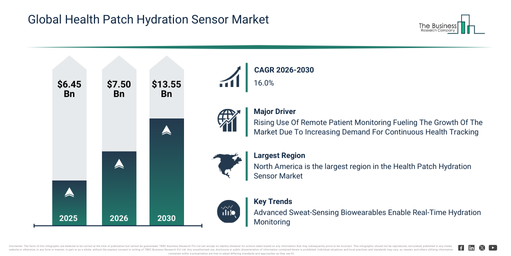
    The health patch hydration sensor market has witnessed rapid growth in recent years. Projections show its size will expand from $6.45 billion in 2025 to $7.50 billion in 2026, achieving a compound annual growth rate (CAGR) of 16.2%. This market’s historical expansion is largely attributable to factors such as increased awareness concerning dehydration-related health issues, the expanding adoption of wearable health technologies, enhanced monitoring for sports and athletic performance, the broadening of personalized wellness tracking, and the increasing digitization within healthcare.

    The health patch hydration sensor market size is projected to experience rapid expansion in the coming years. This market is expected to reach $13.55 billion by 2030, demonstrating a compound annual growth rate (CAGR) of 16.0%. The anticipated growth throughout this forecast period stems from factors such as the increasing integration of artificial intelligence and machine learning, a rising adoption in remote patient monitoring, the growing need for industrial and occupational safety monitoring, the expansion of military and defense applications, and increased research and development in wearable hydration sensors. Significant trends for the forecast period include technological advancements in biosensing and microfluidics, innovations in flexible and stretchable electronics, the development of cloud-based analytics platforms, ongoing research and development in multi-biomarker sensor integration, and new innovations in mobile app-based hydration insights.

    Get A Free Sample Report With In-Depth Market Insights:

    https://thebusinessresearchcompany.com/sample_request?id=24478756&type=smp&name=Health%20Patch%20Hydration%20Sensor%20Market%20Report%202026&utm_source=Blogs&utm_medium=Paid&utm_campaign=Oct_PR

    Health Patch Hydration Sensor Market Growth Drivers: What’s Behind The Acceleration?

    The future expansion of the health patch hydration sensor market is anticipated, driven by the increasing integration of remote patient monitoring. Remote patient monitoring involves leveraging digital technologies to observe and collect medical and other health data from patients, transmitting this information electronically to healthcare providers for assessment and, when needed, for recommendations and instructions. Its adoption is on the rise as healthcare providers and payers increasingly rely on continuous home-based data to more proactively manage chronic diseases, lessen hospital readmissions, and reduce overall care expenses. Health patch hydration sensors support remote patient monitoring by continuously tracking hydration levels and sending real-time data to healthcare providers. These sensors enhance patient care by enabling the early detection of dehydration risks and facilitating timely, tailored interventions. For instance, in September 2025, according to the U.S. Department of Health and Human Services Office of Inspector General (OIG), a US-based government agency, payments for remote patient monitoring reached $536 million across Original Medicare, also known as Medicare fee for service, and Medicare Advantage, representing a 31% increase from 2023. During the same period, nearly 1 million Medicare enrollees received remote patient monitoring services, reflecting a 27% increase compared with 2023. Therefore, the growing utilization of remote patient monitoring is propelling the growth of the health patch hydration sensor market.

    Health Patch Hydration Sensor Market Segment Analysis And Revenue Potential

    The health patch hydration sensor market covered in this report is segmented –

    1) By Product Type: Wearable Hydration Sensors, Disposable Hydration Patches, Reusable Hydration Patches

    2) By Sensor Technology: Electrochemical, Optical, Bioimpedance, Other Technologies

    3) By Distribution Channel: Online Stores, Pharmacies, Specialty Stores, Other Channels

    4) By Application: Healthcare And Clinical Monitoring, Sports Performance And Athlete Training, Wellness And Fitness Tracking, Remote Patient Management

    5) By End-User: Hospitals And Clinics, Home Care, Athletes, Military Personnel, Other End Users

    Subsegments:

    1) By Wearable Hydration Sensors: Skin-Contact Sensor Units, Smart Hydration Monitoring Bands, Integrated Sweat-Analysis Sensors, Flexible Patch-Based Sensor Modules, Continuous Hydration Tracking Devices

    2) By Disposable Hydration Patches: Single-Use Sweat Measurement Patches, Adhesive Moisture-Sensing Patches, Biodegradable Hydration Monitoring Patches, Pre-Calibrated Disposable Sensor Patches, Short-Duration Wear Hydration Patches

    3) By Reusable Hydration Patches: Rechargeable Hydration Tracking Patches, Washable Sensor-Embedded Patches, Multi-Use Sweat-Analysis Patches, Long-Life Flexible Hydration Patches, Refillable Sensor Cartridge Patches

    Health Patch Hydration Sensor Market Trends: What’s Defining The Industry’s Next Phase?

    Leading firms within the health patch hydration sensor market are concentrating on creating sophisticated offerings, including advanced sweat-sensing biowearables that feature prolonged battery longevity and predictive analytical capabilities, aiming to improve employee safety in challenging settings. These sophisticated sweat-sensing biowearables incorporate various biosensors to monitor sweat loss, electrolyte levels, skin temperature, and movement, employing machine learning algorithms to deliver immediate haptic notifications and customized hydration plans, thereby preventing dehydration and heat-stress conditions for industrial workers. As an illustration, in April 2024, Epicore Biosystems Inc., a digital health enterprise from the US specializing in advanced sweat-sensing wearables, introduced Connected Hydration. This particular sweat-sensing biowearable is engineered to safeguard industrial professionals by offering immediate data on fluid and electrolyte consumption via a flexible wearable patch and a companion mobile application, boasting a battery life exceeding 1,000 hours and a robust cloud engine educated on 420,000 data points. Furthermore, the solution comes with an intrinsically safe design certification (Class I, Div 2) and seamless data visualization through dashboards, facilitating quicker proactive safety management throughout the energy, construction, and manufacturing industries.

    Health Patch Hydration Sensor Market Leading Players And Competitive Positioning

    Major companies operating in the health patch hydration sensor market are Henkel AG & Co. KGaA, TE Connectivity plc, Covestro AG, The Gatorade Co., Nitto Denko Corporation, Masimo Corporation, Linxens Holding SAS, Scapa Healthcare Limited, Quad Industries Inc., Biotricity Inc., Nix Inc., Mode Sensors, FLOWBIO LTD, Xsensio SA, ZANSORS LLC, Wearoptimo Pty Ltd., hDrop Technologies Inc., GraphWear Technologies, Grapheal SAS, EQUIVITAL LIMITED, GENTAG Inc., Kenzen Inc.

    View The Full Health Patch Hydration Sensor Market Report:

    https://thebusinessresearchcompany.com/report/health-patch-hydration-sensor-market-report?utm_source=Blogs&utm_medium=Paid&utm_campaign=Oct_PR

    Health Patch Hydration Sensor Market Regional Split: Which Areas Are Fueling Growth?

    North America was the largest region in the health patch hydration sensor market in 2025. Asia-Pacific is expected to be the fastest-growing region in the forecast period. The regions covered in the health patch hydration sensor market report are Asia-Pacific, South East Asia, Western Europe, Eastern Europe, North America, South America, Middle East, Africa.

    Reach Out To Our Team:

    The Business Research Company: https://www.thebusinessresearchcompany.com/

    Americas: +1 310-496-7795

    Asia: +44 7882 955267 & +91 8897263534

    Europe: +44 7882 955267

    Email us at: marketing@tbrc.info

    Follow us on:

    LinkedIn: https://in.linkedin.com/company/the-business-research-company

    YouTube: https://www.youtube.com/channel/UC24_fI0rV8cR5DxlCpgmyFQ

    Global Market Model: https://www.thebusinessresearchcompany.com/global-market-model
  • Hazardous Drug Management Systems Market Growth Potential: What The Latest Forecast Reveals

    Hazardous Drug Management Systems Market Growth Potential: What The Latest Forecast Reveals

    Built to provide research that’s more actionable and strategically valuable, The Business Research Company’s 2026 market reports include market attractiveness analysis, total addressable market sizing, company benchmarking matrices, interactive Excel dashboards, broader supply chain intelligence, emerging startup tracking, and in-depth product insights.

    Hazardous Drug Management Systems Market Forecast: What Value Will The Market Reach By 2030?

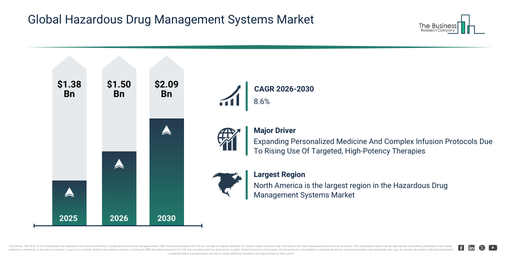
    The market size for hazardous drug management systems has exhibited robust growth over the past few years. This market is projected to expand from $1.38 billion in 2025 to $1.50 billion in 2026, demonstrating a compound annual growth rate (CAGR) of 8.9%. Factors contributing to this growth historically include an increased emphasis on the safety of healthcare workers, heightened understanding of the dangers associated with hazardous drug exposure, the growing implementation of safety protocols driven by compliance, the broader adoption of automation in hospitals and pharmacies, and more stringent application of occupational safety regulations.

    The hazardous drug management systems market is projected to undergo significant expansion in the foreseeable future. Its valuation is expected to climb to $2.09 billion by 2030, demonstrating an 8.6% compound annual growth rate (CAGR). This anticipated growth throughout the forecast period stems from factors such as the expanding deployment of closed system drug transfer technologies, an increasing need for automated hazardous drug handling, greater capital allocation for oncology safety infrastructure, broadening regulatory compliance demands across medical facilities, and a sharpened focus on preventing contamination in the workplace. Noteworthy trends during this period encompass technological breakthroughs in closed system transfer devices, enhancements in robotic and automated compounding safety solutions, advancements in real-time contamination monitoring systems, a surge in research and development for exposure prevention technologies, and innovations in integrated hazardous drug tracking and reporting systems.

    Get A Free Sample Report With In-Depth Market Insights:

    https://thebusinessresearchcompany.com/sample_request?id=64825332&type=smp&name=Hazardous%20Drug%20Management%20Systems%20Market%20Report%202026&utm_source=Blogs&utm_medium=Paid&utm_campaign=Oct_PR

    Hazardous Drug Management Systems Market Growth Factors Behind Sustained Expansion

    The increasing adoption of personalized medicine and intricate infusion protocols is set to boost the expansion of the hazardous drug management systems market. Personalized medicine is defined as an approach that customizes medical treatments, including drug selection and dosage, to suit individual patient characteristics such as their genetics, biomarkers, and disease profiles. The rise in personalized medicine is propelled by the growing number of approvals and clinical applications of targeted therapies that demand highly customized intravenous dosing and preparation. Hazardous drug management systems are vital for personalized medicine as they guarantee the safe preparation, handling, and delivery of high-potency and targeted therapies, thus protecting healthcare workers while facilitating precise, patient-specific treatment. For instance, in November 2025, the US-based nonprofit organization Personalized Medicine Coalition reported that the US Food and Drug Administration approved 18 new personalized medicines in 2024, constituting over 25% of all new drug approvals, following 20 personalized medicine approvals in 2023, many of which necessitate individualized IV preparation. Therefore, the expanding use of personalized medicine and complex infusion protocols is a significant factor driving the growth of the hazardous drug management systems market.

    Hazardous Drug Management Systems Market Segmentation And Category Overview

    The hazardous drug management systems market covered in this report is segmented –

    1) By Product Type: Closed System Transfer Devices, Drug Compounding Systems, Drug Storage And Transport Systems, Personal Protective Equipment, Other Product Types

    2) By Deployment Mode: On Premises, Cloud Based, Hybrid

    3) By Drug Type: Antineoplastic Drugs, Non Antineoplastic Hazardous Drugs, Reproductive Risk Only Drugs

    4) By Workflow Stage: Drug Procurement And Storage, Drug Preparation And Compounding, Drug Dispensing And Transportation, Drug Administration, Waste Handling And Disposal, Environmental Monitoring And Decontamination, Personnel Safety And Compliance Management

    5) By End User: Healthcare Providers, Pharmaceutical Companies, Research Institutes, Other End Users

    Subsegments:

    1) By Closed System Transfer Devices: Needle Free Connectors, Bag Spike Systems, Luer Lock Adapters, Vial Adapters

    2) By Drug Compounding Systems: Automated Compounding Devices, Manual Compounding Devices, Isolator Systems, Compounding Enclosures

    3) By Drug Storage And Transport Systems: Refrigerated Storage Units, Temperature Controlled Transport Carts, Lockable Cabinets, Portable Containment Units

    4) By Personal Protective Equipment:Gloves, Gowns, Respirators, Eye Protection

    5) By Other Product Types: Spill Containment Kits, Decontamination Systems, Waste Disposal Containers, Cleaning Supplies

    Hazardous Drug Management Systems Market Competitive Overview And Top Companies

    Major companies operating in the hazardous drug management systems market are Particle Measuring Systems Inc., Baker Hughes Company, Becton Dickinson and Company, Baxter International Inc., B. Braun Melsungen AG, Terumo Corporation, West Pharmaceutical Services Inc., ICU Medical Inc., Esco Healthcare, JMS Co. Ltd., Vygon SA, CODAN Medizinische Geräte GmbH & Co. KG, NuAire Inc., Equashield LLC, Labconco Corporation, Germfree Laboratories Inc., Sentry Air Systems Inc., Simplivia Healthcare Ltd., Mecart Cleanrooms, Corvida Medical Inc.

    View The Full Hazardous Drug Management Systems Market Report:

    https://thebusinessresearchcompany.com/report/hazardous-drug-management-systems-market-report?utm_source=Blogs&utm_medium=Paid&utm_campaign=Oct_PR

    Hazardous Drug Management Systems Market Top Region: Where Does Most Revenue Come From?

    North America was the largest region in the hazardous drug management systems market in 2025. Asia-Pacific is expected to be the fastest-growing region in the forecast period. The regions covered in the hazardous drug management systems market report are Asia-Pacific, South East Asia, Western Europe, Eastern Europe, North America, South America, Middle East, Africa.

    Reach Out To Our Team:

    The Business Research Company: https://www.thebusinessresearchcompany.com/

    Americas: +1 310-496-7795

    Asia: +44 7882 955267 & +91 8897263534

    Europe: +44 7882 955267

    Email us at: marketing@tbrc.info

    Follow us on:

    LinkedIn: https://in.linkedin.com/company/the-business-research-company

    YouTube: https://www.youtube.com/channel/UC24_fI0rV8cR5DxlCpgmyFQ

    Global Market Model: https://www.thebusinessresearchcompany.com/global-market-model

  • Hand Hygiene Stations Market Growth Outlook: Why Analysts Expect Continued Expansion

    Hand Hygiene Stations Market Growth Outlook: Why Analysts Expect Continued Expansion

    Backed by market attractiveness analysis, total addressable market sizing, company benchmarking matrices, interactive Excel dashboards, wider supply chain intelligence, emerging startup coverage, and detailed product-level insights, The Business Research Company’s 2026 market reports are designed to offer research that is more actionable and strategically valuable than ever.

    Hand Hygiene Stations Market Size Outlook: How Quickly Will Revenue Expand Through 2030?

    The hand hygiene stations market has experienced rapid expansion in recent years. It is projected to grow from $2.29 billion in 2025 to $2.55 billion in 2026, demonstrating a compound annual growth rate (CAGR) of 11.6%. This historic growth is attributable to increasing public awareness concerning hand hygiene, the growing adoption of automatic dispensers, rising demand in healthcare facilities, the expansion of commercial and educational infrastructure, and an increasing focus on infection prevention.

    The hand hygiene stations market is projected to expand significantly in the coming years. Its value is forecast to reach $3.92 billion by 2030, demonstrating a compound annual growth rate (CAGR) of 11.4%. This expansion during the forecast period is driven by factors such as the increasing embrace of touchless and intelligent hygiene stations, heightened investment in sanitation infrastructure, a surge in demand for portable and wall-mountable units, the broadening of hygiene compliance programs, and a marked increase in the deployment of sensor-activated dispensers. Key trends anticipated over this period encompass technological progress in automatic dispensers, novel developments in touchless and smart systems, the creation of eco-friendly and refillable units, ongoing research and development into high-capacity sanitizer stations, and improvements in digital monitoring and tracking of usage.

    Get A Free Sample Report With In-Depth Market Insights:

    https://thebusinessresearchcompany.com/sample_request?id=28354222&type=smp&name=Hand%20Hygiene%20Stations%20Market%20Report%202026&utm_source=Blogs&utm_medium=Paid&utm_campaign=Oct_PR

    Hand Hygiene Stations Market Demand Drivers Opening New Revenue Streams

    The future expansion of the hand hygiene stations market is anticipated due to the increasing integration of automated, sensor-driven hand hygiene solutions. These automated, sensor-driven solutions encompass electronic dispensers equipped with motion sensors, badge-based tracking capabilities, and compliance analytics, offering continuous monitoring and insights into hand hygiene behaviors. The heightened uptake of automated, sensor-driven hand hygiene solutions stems from a greater focus by healthcare providers and public health bodies on achieving quantifiable and reliable hand hygiene to mitigate healthcare-acquired infections and enhance the safety of patients. These hand hygiene stations facilitate automated, sensor-driven solutions through the incorporation of sophisticated technologies, allowing for precise tracking, oversight, and documentation of hygiene conduct in both medical and public environments. An example illustrating this trend is provided by The Leapfrog Group, a US-based nonprofit organization, which reported in September 2024 that the adoption of electronic hand hygiene monitoring systems in U.S. hospitals reached 10% by 2023, signifying a twofold increase in the use of sensor-enabled compliance instruments. Consequently, the expanded implementation of automated, sensor-driven solutions is a key factor propelling the expansion of the hand hygiene stations market.

    Hand Hygiene Stations Market Segment Outlook: Which Categories Are Growing Fastest?

    The hand hygiene stations market covered in this report is segmented –

    1) By Product Type: Automatic Hand Sanitizer Dispensers, Manual Hand Sanitizer Dispensers, Touchless Hand Hygiene Stations, Wall-Mounted Hand Sanitizer Units, Portable Hand Hygiene Stations, Hand Sanitizer Kiosks

    2) By Portability And Installation: Permanent And Fixed Stations, Portable And Temporary Stations

    3) By Technology: Sensor-Activated Dispensers, Manual Dispensers, Smart And Connected Dispensers

    4) By Distribution Channel: Direct Sales From Manufacturers, Distributors And Wholesalers, Online Retail And E Commerce, Specialized Medical And Janitorial Suppliers

    5) By End User: Healthcare Facilities And Hospitals, Corporate Offices And Commercial Buildings, Educational Institutions, Hospitality And Food Service Establishments, Retail Stores And Shopping Malls

    Subsegments:

    1) By Automatic Hand Sanitizer Dispensers: Sensor-Activated Models, Foot-Pedal Models, Countertop Models, Rechargeable Battery Models, Large-Capacity Models

    2) By Manual Hand Sanitizer Dispensers: Lever-Operated Models, Push-Button Models, Countertop Manual Models, Wall-Mounted Manual Models, Refillable Cartridge Models

    3) By Touchless Hand Hygiene Stations: Infrared Sensor Stations, Ultrasonic Sensor Stations, Foot-Activated Touchless Stations, Fully Automated Hygiene Booths, Motion-Activated Stations

    4) By Wall-Mounted Hand Sanitizer Units: Plastic Wall-Mounted Units, Stainless Steel Wall-Mounted Units, Refillable Wall-Mounted Units, Lockable Wall-Mounted Units, Compact Wall-Mounted Units

    5) By Portable Hand Hygiene Stations: Mobile Stand Units, Outdoor Portable Stations, Battery-Powered Portable Stations, Foldable Portable Units, High-Capacity Portable Stations

    6) By Hand Sanitizer Kiosks: Digital Display Kiosks, Temperature Screening Kiosks, Advertising Panel Kiosks, Automated Refill Kiosks, Free-Standing Kiosks

    Hand Hygiene Stations Market Trends Powering Strategic Industry Growth

    Leading companies within the hand hygiene stations market are concentrating on developing sophisticated solutions, such as real-time compliance monitoring and staff engagement tools, to enhance infection control, improve adherence to hygiene protocols, and provide actionable insights into healthcare workflows. These real-time compliance monitoring and staff engagement tools refer to integrated systems designed to track hand hygiene behavior across facilities, offer immediate feedback to healthcare workers, and deliver analytics to support continuous improvement and risk reduction. For instance, in July 2024, Kontakt.io Inc., a US-based healthcare technology company, launched a next-generation hand hygiene solution intended to revolutionize how hospitals manage compliance and engage staff. This system is entirely cloud-based, provided as a managed service, and features a patented approach that uses the Staff-Safe-enabled Smart Badge 3 wearable to deliver gentle, proactive reminders prior to patient care without disrupting existing workflows. It also integrates compliance gamification through a mobile application and automated dispenser management, facilitating seamless monitoring and maintenance without manual intervention. Additionally, it incorporates interaction-based contact tracing and simplified audit reporting, thereby extending the solution’s benefits to infection prevention teams and helping healthcare systems decrease operational costs.

    Hand Hygiene Stations Market Competitive Landscape: Which Companies Lead The Industry?

    Major companies operating in the hand hygiene stations market are GOJO Industries Inc., American Specialties Inc., Hagleitner Hygiene International GmbH, Bobrick Washroom Equipment Inc., Frontmatec Group A/S, Kutol Products Company Inc., Dolphy India Pvt. Ltd., Elpress AB, NIEROS Group d.o.o., Hokwang Industries Co. Ltd., Technocrat Enterprises, Nexgen Machines Pvt. Ltd., Mohn GmbH, Meritech Systems LLC, Heim-EDT GmbH, Technsys Cleanroom Solutions Pvt. Ltd., Delta Pyramax Co. Ltd., SMIXIN AG, Sanair Systems Pvt. Ltd., Wone Hygiene Systems Pvt. Ltd.

    View The Full Hand Hygiene Stations Market Report:

    https://thebusinessresearchcompany.com/report/hand-hygiene-stations-market-report?utm_source=Blogs&utm_medium=Paid&utm_campaign=Oct_PR

    Hand Hygiene Stations Market Regional Breakdown: Where Is Demand Concentrated?

    North America was the largest region in the hand hygiene stations market in 2025. Asia-Pacific is expected to be the fastest-growing region in the forecast period. The regions covered in the hand hygiene stations market report are Asia-Pacific, South East Asia, Western Europe, Eastern Europe, North America, South America, Middle East, Africa.

    Reach Out To Our Team:

    The Business Research Company: https://www.thebusinessresearchcompany.com/

    Americas: +1 310-496-7795

    Asia: +44 7882 955267 & +91 8897263534

    Europe: +44 7882 955267

    Email us at: marketing@tbrc.info

    Follow us on:

    LinkedIn: https://in.linkedin.com/company/the-business-research-company

    YouTube: https://www.youtube.com/channel/UC24_fI0rV8cR5DxlCpgmyFQ

    Global Market Model: https://www.thebusinessresearchcompany.com/global-market-model

  • Hand Hygiene Smart Badges With Real-Time Location System (RTLS) Market Forecast Insights: The Road To $1.71 Billion By 2030

    Hand Hygiene Smart Badges With Real-Time Location System (RTLS) Market Forecast Insights: The Road To $1.71 Billion By 2030

    Featuring market attractiveness scoring, total addressable market sizing, company benchmarking matrices, interactive Excel dashboards, deeper supply chain intelligence, emerging startup tracking, and granular product-level insights, The Business Research Company’s 2026 market reports are built to deliver research that is both more actionable and more strategically valuable.

    Hand Hygiene Smart Badges With Real-Time Location System (RTLS) Market Size, Value And Growth Trajectory Through 2030

    The hand hygiene smart badges with real-time location system (RTLS) market size has observed substantial growth in recent years. This market is expected to expand from $0.86 billion in 2025 to $0.99 billion in 2026, reflecting a compound annual growth rate (CAGR) of 15.0%. The historical growth trajectory can be linked to heightened awareness of infection control, the increasing adoption of hospital hygiene protocols, a rising demand for real-time compliance tracking, the expansion of healthcare digitalization programs, and a greater emphasis on patient safety regulations.

    The hand hygiene smart badges with real-time location system (RTLS) market size is projected to undergo significant expansion over the next few years. It is forecasted to reach $1.71 billion in 2030, exhibiting a compound annual growth rate (CAGR) of 14.7%. This growth throughout the forecast period stems from the increasing integration of RTLS into hygiene monitoring, a rise in investments in smart healthcare infrastructure, the wider adoption of wearable compliance solutions, the escalating demand for automated infection prevention systems, and the growing need for data-driven hygiene analytics. Prominent trends within this period feature technological progress in wearable hygiene devices, innovations in RTLS communication systems, advancements in AI-enabled hygiene monitoring, ongoing research and development into sensor-based compliance tools, and enhancements in smart hospital automation systems.

    Get A Free Sample Report With In-Depth Market Insights:

    https://thebusinessresearchcompany.com/sample_request?id=26327593&type=smp&name=Hand%20Hygiene%20Smart%20Badges%20With%20Real-Time%20Location%20System%20%28RTLS%29%20Market%20Report%202026&utm_source=Blogs&utm_medium=Paid&utm_campaign=Oct_PR

    Hand Hygiene Smart Badges With Real-Time Location System (RTLS) Market Growth Backed By Core Demand Fundamentals

    The rising occurrence of hospital-acquired infections (HAIs) is anticipated to propel the growth of the hand hygiene smart badges with real-time location system (RTLS) market moving forward. Hospital-acquired infections refer to those infections patients contract while receiving treatment in a hospital or medical facility, posing a significant threat to patient safety and health outcomes. This increase in HAIs is attributed to persistent pathogen transmission in clinical settings and inconsistent hand hygiene practices among healthcare professionals. Hand hygiene smart badges with RTLS assist in managing HAIs by offering continuous, automated monitoring of hand hygiene compliance, thereby reducing infection spread and enhancing accountability. For instance, in May 2024, according to the European Centre for Disease Prevention and Control (ECDC), a Sweden-based public health agency, an estimated 4.3 million patients in acute care hospitals acquired at least one healthcare-associated infection between 2022–2023, reflecting a substantial burden on healthcare systems. Therefore, the increasing prevalence of hospital-acquired infections is a driving force behind the expansion of the hand hygiene smart badges with real-time location system (RTLS) market.

    Hand Hygiene Smart Badges With Real-Time Location System (RTLS) Market Segment Landscape: Which Areas Lead Development?

    The hand hygiene smart badges with real-time location system (rtls) market covered in this report is segmented –

    1) By Product Type: Wearable Badges, Clip-On Badges, Wristbands, Other Product Types

    2) By Technology: Bluetooth, Radio Frequency Identification, Wi-Fi, Other Technologies

    3) By Distribution Channel: Direct Sales, Distributors, Online Stores, Other Distribution Channels

    4) By Application: Hospitals, Clinics, Long-Term Care Facilities, Laboratories, Other Applications

    5) By End-User: Healthcare Providers, Patients, Visitors, Other End-Users

    Subsegments:

    1) By Wearable Badges: Wrist Worn Badges, Arm Bands, Finger Bands

    2) By Clip-On Badges: Lanyard Clips, Badge Clips, Pocket Clips

    3) By Wristbands: Silicone Wristbands, Fabric Wristbands, Plastic Wristbands

    4) By Other Product Types: Keychain Badges, Badge Holders, Multifunctional Badges

    Hand Hygiene Smart Badges With Real-Time Location System (RTLS) Market Growth Trends Reshaping The Competitive Landscape

    Leading companies in the hand hygiene smart badges with real-time location system (RTLS) market are concentrating on developing advanced solutions, such as real-time compliance monitoring and staff engagement tools. These efforts aim to enhance infection control, boost adherence to hygiene protocols, and offer valuable insights into healthcare workflows. Real-time compliance monitoring and staff engagement tools represent integrated systems designed to track hand hygiene practices throughout facilities, offer instant feedback to healthcare personnel, and generate analytics to facilitate ongoing improvements and minimize risks. As an illustration, in July 2024, Kontakt.io Inc., a US-based healthcare technology firm, unveiled an innovative hand hygiene solution. This solution is specifically crafted to transform how hospitals manage compliance and interact with their staff. This system operates entirely in the cloud and is provided as a managed service. It incorporates a patented method utilizing the Staff-Safe-enabled Smart Badge 3 wearable, which delivers subtle, proactive reminders prior to patient care without interrupting existing workflows. Furthermore, it features compliance gamification accessible via a mobile application and automated management of dispensers, ensuring effortless monitoring and upkeep without requiring manual input. The solution also integrates interaction-based contact tracing and streamlined audit reporting, thereby increasing its utility for infection prevention teams and contributing to lower operational expenditures for healthcare systems.

    Hand Hygiene Smart Badges With Real-Time Location System (RTLS) Market Competitive Landscape: Who Leads The Industry?

    Major companies operating in the hand hygiene smart badges with real-time location system (rtls) market are Cisco Systems Inc., Ecolab Inc., GE Healthcare, Zebra Technologies Corporation, Halma plc, Midmark Corporation, GOJO Industries Inc., Ascom Holding AG, Versus Technology Inc., Vigilant Technologies Inc., CenTrak Inc., AeroScout Inc., Kontakt.io Inc., Elpas Solutions, SwipeSense Inc., AiRISTA Flow Inc., Proventix Systems Inc., Stanley Healthcare, BioVigil Hygiene Technologies Inc., HandGiene Corp.

    View The Full Hand Hygiene Smart Badges With Real-Time Location System (RTLS) Market Report:

    https://thebusinessresearchcompany.com/report/hand-hygiene-smart-badges-with-real-time-location-system-rtls-market-report?utm_source=Blogs&utm_medium=Paid&utm_campaign=Oct_PR

    Hand Hygiene Smart Badges With Real-Time Location System (RTLS) Market Geographic Landscape: Which Region Dominates Industry Growth?

    North America was the largest region in the hand hygiene smart badges with real-time location system (RTLS) market in 2025. Asia-Pacific is expected to be the fastest-growing region in the forecast period. The regions covered in the hand hygiene smart badges with real-time location system (rtls) market report are Asia-Pacific, South East Asia, Western Europe, Eastern Europe, North America, South America, Middle East, Africa.

    Reach Out To Our Team:

    The Business Research Company: https://www.thebusinessresearchcompany.com/

    Americas: +1 310-496-7795

    Asia: +44 7882 955267 & +91 8897263534

    Europe: +44 7882 955267

    Email us at: marketing@tbrc.info

    Follow us on:

    LinkedIn: https://in.linkedin.com/company/the-business-research-company

    YouTube: https://www.youtube.com/channel/UC24_fI0rV8cR5DxlCpgmyFQ

    Global Market Model: https://www.thebusinessresearchcompany.com/global-market-model