Author: Marketing Posting

  • Nerve Repair And Regenerative Market Size And Forecast 2026–2030: Trends Driving Industry Expansion

    Nerve Repair And Regenerative Market Size And Forecast 2026–2030: Trends Driving Industry Expansion

    Backed by market attractiveness analysis, total addressable market sizing, company benchmarking matrices, interactive Excel dashboards, wider supply chain intelligence, emerging startup coverage, and detailed product-level insights, The Business Research Company’s 2026 market reports are designed to offer research that is more actionable and strategically valuable than ever.

    Nerve Repair And Regenerative Market Size, Value And Growth Trajectory Through 2030

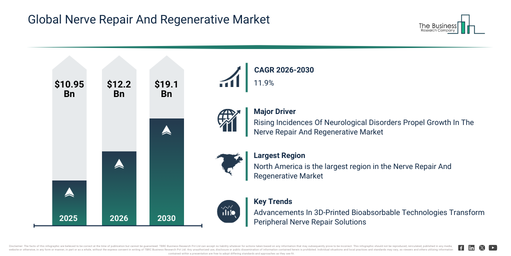
    The nerve repair and regenerative market has experienced swift expansion recently. Projections indicate it will increase from $10.95 billion in 2025 to $12.2 billion by 2026, demonstrating a compound annual growth rate (CAGR) of 11.5%. Historically, this growth is linked to factors such as restricted regenerative technologies, a dependence on conventional nerve grafting techniques, a rise in traumatic injury occurrences, the initial clinical uptake of neurostimulation devices, and a steady increase in biomaterial usage.

    The nerve repair and regenerative market is projected to experience substantial growth over the coming years. This market is set to reach $19.1 billion by 2030, exhibiting a compound annual growth rate (CAGR) of 11.9%. This anticipated growth during the forecast period is driven by factors such as progress in stem cell therapy, increasing demand for less invasive surgical options, the evolution of next-generation biomaterials, the spread of neuromodulation technologies, and greater investment in research for nerve regeneration. Key trends anticipated for this period encompass the wider acceptance of biomaterials to improve nerve regeneration, the growing application of stem cell therapy in nerve repair, a rising preference for nerve repair procedures that are minimally invasive, the broader implementation of treatment approaches based on neuromodulation, and increased need for nerve grafting methods in trauma and injury management.

    Get A Free Sample Report With In-Depth Market Insights:

    https://thebusinessresearchcompany.com/sample_request?id=14919724&type=smp&name=Nerve%20Repair%20And%20Regenerative%20Market%20Report%202026&utm_source=Blogs&utm_medium=Paid&utm_campaign=Nov_PR

    Nerve Repair And Regenerative Market Industry Drivers: What’s Behind The Revenue Growth?

    The nerve repair and regenerative market is anticipated to experience growth driven by the rising prevalence of neurological disorders, which are conditions affecting the structure or function of the nervous system, including the brain, spinal cord, and peripheral nerves. The escalating incidence of these disorders is largely attributed to an aging global population, evolving lifestyles, genetic predispositions, and insufficient physical activity. Nerve repair and regenerative techniques play a crucial role by facilitating the healing and restoration of damaged nerves, thereby enhancing recovery prospects and mitigating the impact of neurological disorders, which directly contributes to the expansion of the nerve repair and regenerative market. Consequently, the increasing occurrences of neurological disorders are a key factor propelling the growth of the nerve repair and regenerative market.

    Nerve Repair And Regenerative Market Segment Analysis Spotlighting Growth Areas

    The nerve repair and regenerative market covered in this report is segmented –

    1) By Product: Biomaterials, Neurostimulation And Neuromodulation Devices

    2) By Application: Direct Nerve Repair Or Neurorrhaphy, Nerve Grafting, Stem Cell Therapy, Neurostimulation And Neuromodulation Surgeries, Other Applications

    3) By End-User: Hospitals And Clinics, Ambulatory Surgical Centers (ASCs), Research And Academic Institutions, Specialty Clinics, Other End-Users

    Subsegments:

    1) By Biomaterials: Nerve Conduits, Scaffolds, Hydrogels, Nerve Grafts

    2) By Neurostimulation And Neuromodulation Devices: Peripheral Nerve Stimulators, Spinal Cord Stimulators, Transcranial Magnetic Stimulation Devices, Deep Brain Stimulators, Vagus Nerve Stimulators, Sacral Nerve Stimulators

    #Nerve Repair And Regenerative Market Growth Trends: What’s Shaping The Future Outlook?

    Companies at the forefront of the nerve repair and regenerative market are actively focusing on developing next-generation bioengineered solutions, including 3D-printed bioabsorbable implants, to enhance functional recovery, improve nerve regeneration, and reduce complications often associated with traditional autografts. These advanced solutions utilize precision-engineered scaffolds designed to guide axonal growth and support tissue healing across damaged nerve gaps. For instance, in June 2025, 3D Systems Inc., a US-based additive manufacturing and healthcare technology company, announced the launch of a first-of-its-kind FDA-cleared bioabsorbable 3D-printed device for peripheral nerve repair. Developed using the company’s proprietary polymer-based printing technology, the device enables customizable nerve reconstruction and provides a resorbable structural conduit that supports guided nerve regeneration. This technological advancement represents a significant step forward in regenerative medicine by offering surgeons a more precise, patient-specific approach to restoring nerve function.

    Nerve Repair And Regenerative Market Leading Companies: Who Holds The Strongest Market Presence?

    Major companies operating in the nerve repair and regenerative market are Neuronetics Inc., Abbott Laboratories, Medtronic PLC, Boston Scientific Corporation, Integra LifeSciences Holdings Corporation, LivaNova PLC, Nevro Corporation, AxoGen Inc., NeuroPace Inc., BioWave Corporation, Soterix Medical Inc., Nuvectra Corp., Synovis Micro Companies Alliance Inc., NeuroSigma, Regenity Biosciences, Epineuron Technologies Inc., Polyganics BV, Aleva Neurotherapeutics SA, KeriMedical, tVNS Technologies GmbH, GiMer Medical, BlueWind Medical, Helius Medical Technologies, BioControl Medical

    View The Full Nerve Repair And Regenerative Market Report:

    https://thebusinessresearchcompany.com/report/nerve-repair-and-regenerative-global-market-report?utm_source=Blogs&utm_medium=Paid&utm_campaign=Nov_PR

    Nerve Repair And Regenerative Market Regional Analysis: Which Geography Leads On Revenue?

    North America was the largest region in the nerve repair and regenerative market in 2025. Asia-Pacific is expected to be the fastest-growing region in the forecast period. The regions covered in the nerve repair and regenerative market report are Asia-Pacific, South East Asia, Western Europe, Eastern Europe, North America, South America, Middle East, Africa.

    Reach Out To Our Team:

    The Business Research Company: https://www.thebusinessresearchcompany.com/

    Americas: +1 310-496-7795

    Asia: +44 7882 955267 & +91 8897263534

    Europe: +44 7882 955267

    Email us at: marketing@tbrc.info

    Follow us on:

    LinkedIn: https://in.linkedin.com/company/the-business-research-company

    YouTube: https://www.youtube.com/channel/UC24_fI0rV8cR5DxlCpgmyFQ

    Global Market Model: https://www.thebusinessresearchcompany.com/global-market-model
  • Nerve Entrapment Syndrome Market 2026 Outlook: Market Size, CAGR And Key Growth Opportunities

    Nerve Entrapment Syndrome Market 2026 Outlook: Market Size, CAGR And Key Growth Opportunities

    Featuring market attractiveness scoring, total addressable market sizing, company benchmarking matrices, interactive Excel dashboards, deeper supply chain intelligence, emerging startup tracking, and granular product-level insights, The Business Research Company’s 2026 market reports are built to deliver research that is both more actionable and more strategically valuable.

    Nerve Entrapment Syndrome Market CAGR Outlook And Future Development

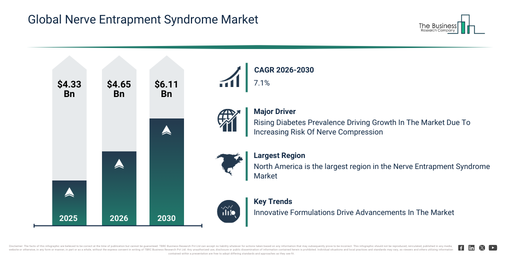
    The nerve entrapment syndrome market size has experienced robust growth in recent years. It is anticipated to expand from $4.33 billion in 2025 to $4.65 billion in 2026, demonstrating a compound annual growth rate (CAGR) of 7.4%. This historical growth can be attributed to the high prevalence of repetitive strain injuries, reliance on conservative treatment approaches, limited awareness of early nerve entrapment symptoms, dependence on opioid medications for pain relief, and the gradual adoption of physical therapy interventions.

    The nerve entrapment syndrome market is projected to demonstrate robust expansion over the next few years. It is foreseen to attain a valuation of $6.11 billion by 2030, progressing at a compound annual growth rate (CAGR) of 7.1%. This projected growth during the forecast period is attributable to breakthroughs in imaging and diagnostic technologies, an escalating demand for minimally invasive nerve decompression procedures, enhanced uptake of non-opioid therapies, a rising prevalence of diabetes-related neuropathies, and the establishment of more specialized pain management centers. Dominant trends expected in the forecast period include the increasing embrace of minimally invasive treatment strategies, the expanding utilization of ultrasound and imaging guidance in nerve diagnostics, a heightened preference for physical therapy and rehabilitation-focused interventions, the proliferation of non-opioid pain management solutions, and a greater occurrence of nerve entrapments linked to repetitive strain and lifestyle factors.

    Get A Free Sample Report With In-Depth Market Insights:

    https://thebusinessresearchcompany.com/sample_request?id=46727784&type=smp&name=Nerve%20Entrapment%20Syndrome%20Market%20Report%202026&utm_source=Blogs&utm_medium=Paid&utm_campaign=Nov_PR

    Nerve Entrapment Syndrome Market Growth Factors: What’s Supporting Expansion?

    The increasing number of individuals suffering from diabetes is anticipated to fuel the expansion of the nerve entrapment syndrome market in the future. Diabetic patients are people with chronic health issues where the body is unable to properly manage blood sugar levels, either due to insufficient insulin production or ineffective use of insulin. The growing count of diabetic patients results from the rising prevalence of obesity and inactive lifestyles, which significantly contribute to the increase in type 2 diabetes. This continually expanding population of diabetic patients heightens the risk of nerve entrapment syndrome, as peripheral neuropathy induced by diabetes weakens nerves and surrounding structures, making them more susceptible to compression. Therefore, the expanding group of diabetic patients is driving the growth of the nerve entrapment syndrome market.

    Nerve Entrapment Syndrome Market Segment Performance And Emerging Opportunities

    The nerve entrapment syndrome market covered in this report is segmented –

    1) By Type: Carpal Tunnel Syndrome, Cubital Tunnel Syndrome, Tarsal Tunnel Syndrome, Meralgia Parasthetica, Other Types

    2) By Treatment Modality: Medications, Physical Therapy, Interventional Procedures, Alternative Therapies

    3) By Administration Route: Oral Administration, Injectable Administration, Topical Administration

    4) By Severity Of Condition: Mild, Moderate, Severe, Post-Surgical Complications

    Subsegments:

    1) By Carpal Tunnel Syndrome (CTS): Idiopathic Carpal Tunnel Syndrome, Work-Related/Repetitive Strain CTS, Diabetic Neuropathy-Associated CTS, Traumatic or Post-Surgical CTS, Pregnancy-Induced CTS

    2) By Cubital Tunnel Syndrome: Idiopathic Cubital Tunnel Syndrome, Repetitive Motion-Induced Cubital Tunnel Syndrome, Post-Traumatic or Ulnar Nerve Injury-Related Cubital Tunnel Syndrome, Osteoarthritis-Related Cubital Tunnel Syndrome, Post-Surgical Cubital Tunnel Syndrome

    3) By Tarsal Tunnel Syndrome (TTS): Idiopathic Tarsal Tunnel Syndrome, Trauma-Induced Tarsal Tunnel Syndrome, Diabetes-Associated Tarsal Tunnel Syndrome, Flatfoot-Related Tarsal Tunnel Syndrome, Post-Surgical Or Scar Tissue-Related TTS

    4) By Meralgia Paresthetica (MP): Idiopathic Meralgia Paresthetica, Obesity-Associated Meralgia Paresthetica, Pregnancy-Related Meralgia Paresthetica, Post-Surgical Or Scar-Induced Meralgia Paresthetica, Diabetic Neuropathy-Related Meralgia Paresthetica

    5) By Other Types: Radial Tunnel Syndrome, Thoracic Outlet Syndrome, Peroneal Nerve Entrapment, Sciatic Nerve Entrapment, Brachial Plexus Compression Syndromes

    Nerve Entrapment Syndrome Market Industry Trends: What’s Reshaping Demand?

    Major companies in the nerve entrapment syndrome market are concentrating on developing novel products, such as peripheral nerve stimulators, to improve therapeutic outcomes for patients with persistent neuropathic pain. A peripheral nerve stimulator is a minimally invasive device designed to deliver controlled electrical impulses to specific peripheral nerves, aiming to alleviate chronic pain associated with nerve irritation or compression. For instance, in July 2025, Bioventus Inc., a US-based manufacturer of active healing and pain management therapies, announced the U.S. Food and Drug Administration (FDA) 510(k) clearance for its TalisMann and StimTrial solutions. These solutions incorporate advanced electric field conduction technology and a dedicated trial lead, enabling clinicians to evaluate and provide more precise neuromodulation therapy. These innovations expand physicians’ capability to treat deeper or larger nerves and strengthen the role of peripheral nerve stimulation as an effective, non-opioid treatment for chronic neuropathic pain.

    Nerve Entrapment Syndrome Market Key Players: Which Companies Lead Industry Competition?

    Major companies operating in the nerve entrapment syndrome market are Pfizer Inc., Dr Reddy’s Laboratories, Glenmark Pharmaceuticals, Athletico Physical Therapy, Hinge Health, Kessler Rehabilitation Center, SPR Therapeutics, Centaur Pharmaceuticals, ProActive Physical Therapy & Rehabilitation, Grünenthal GmbH, Total Performance Physical Therapy, Back 2 Health, Cornerstone Physical Therapy, OrthoSport Physical Therapy & Rehabilitation, Physio Tattva, InvaGen Pharmaceuticals Inc., WEX Pharmaceuticals Inc., Eli Lilly and Company, Johnson & Johnson, Novartis AG, GlaxoSmithKline plc, AbbVie Inc., Teva Pharmaceutical Industries Ltd., Boston Scientific Corporation

    View The Full Nerve Entrapment Syndrome Market Report:

    https://thebusinessresearchcompany.com/report/nerve-entrapment-syndrome-global-market-report?utm_source=Blogs&utm_medium=Paid&utm_campaign=Nov_PR

    Nerve Entrapment Syndrome Market Geographic Spread And Regional Opportunities

    North America was the largest region in the nerve entrapment syndrome market in 2025. The regions covered in the nerve entrapment syndrome market report are Asia-Pacific, South East Asia, Western Europe, Eastern Europe, North America, South America, Middle East, Africa.

    Reach Out To Our Team:

    The Business Research Company: https://www.thebusinessresearchcompany.com/

    Americas: +1 310-496-7795

    Asia: +44 7882 955267 & +91 8897263534

    Europe: +44 7882 955267

    Email us at: marketing@tbrc.info

    Follow us on:

    LinkedIn: https://in.linkedin.com/company/the-business-research-company

    YouTube: https://www.youtube.com/channel/UC24_fI0rV8cR5DxlCpgmyFQ

    Global Market Model: https://www.thebusinessresearchcompany.com/global-market-model
  • Nephrotic Syndrome Market Size Growth: From $1.06 Billion In 2026 To $1.58 Billion By 2030

    Nephrotic Syndrome Market Size Growth: From $1.06 Billion In 2026 To $1.58 Billion By 2030

    Built to provide research that’s more actionable and strategically valuable, The Business Research Company’s 2026 market reports include market attractiveness analysis, total addressable market sizing, company benchmarking matrices, interactive Excel dashboards, broader supply chain intelligence, emerging startup tracking, and in-depth product insights.

    Nephrotic Syndrome Market Set To Climb From $1.06 Billion In 2026 To $1.58 Billion By 2030

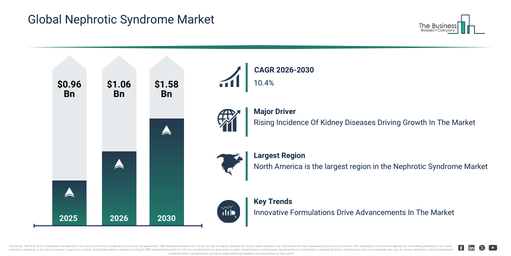
    The nephrotic syndrome market has seen rapid expansion in recent years. It is anticipated to expand from $0.96 billion in 2025 to $1.06 billion in 2026, achieving a compound annual growth rate (CAGR) of 10.6%. The historical market growth can be attributed to several factors including the high prevalence of diabetes and hypertension, the reliance on steroids for treatment, restricted diagnostic awareness, the progressive adoption of dialysis technologies, and an increasing incidence of childhood nephrotic syndrome.

    The nephrotic syndrome market size is projected to experience substantial growth over the next few years, with an estimated value of $1.58 billion by 2030, demonstrating a compound annual growth rate (CAGR) of 10.4%. This expansion during the forecast period is fueled by advancements in targeted therapies, the growing application of precision nephrology, the creation of improved dialysis devices, increased investment in innovations for kidney replacement therapy, and the rising acceptance of molecular diagnostic tools. Prominent trends anticipated in this period include the increased use of immunosuppressive therapies, a heightened demand for advanced dialysis and kidney support devices, the wider implementation of early diagnostic screening programs, the increasing prevalence of chronic kidney diseases driving the need for treatment, and the expansion of personalized medicine approaches within nephrology.

    Get A Free Sample Report With In-Depth Market Insights:

    https://thebusinessresearchcompany.com/sample_request?id=67128295&type=smp&name=Nephrotic%20Syndrome%20Market%20Report%202026&utm_source=Blogs&utm_medium=Paid&utm_campaign=Nov_PR

    Nephrotic Syndrome Market Demand Drivers: What’s Powering Industry Growth?

    The rising occurrence of kidney diseases is anticipated to propel the expansion of the nephrotic syndrome market in the coming years. Kidney diseases are defined as any conditions or disorders that impair the function of the kidneys, which are essential organs responsible for filtering waste and excess fluids from the blood. The heightened incidence of kidney diseases is linked to various factors, including diabetes, hypertension, obesity, an aging populace, and lifestyle modifications such as high sodium consumption and insufficient hydration. Nephrotic syndrome contributes to kidney diseases by causing damage to the glomeruli, thereby compromising the kidneys’ ability to filter waste and retain crucial proteins. Therefore, the increasing incidence of kidney diseases is driving the growth of the nephrotic syndrome market.

    Nephrotic Syndrome Market Segment Landscape And Growth Outlook

    The nephrotic syndrome market covered in this report is segmented –

    1) By Type: Drugs, Devices

    2) By Diagnosis Tests: Urinalysis, Glomerular Filtration Rate (GFR), Blood Test, Kidney Biopsy, Computerized Tomography (CT) Scan

    3) By Application: Clinics, Hospitals, Specialty Centres, Other Applications

    Subsegments:

    1) By Drugs: Steroids, Immunosuppressants, Diuretics, ACE Inhibitors

    2) By Devices: Dialysis Machines, Peritoneal Dialysis Catheters, Hemodialysis Catheters, Kidney Replacement Therapy Devices

    Nephrotic Syndrome Market Innovation Trends: What Developments Are Reshaping The Industry?

    Major companies active in the nephrotic syndrome market are concentrating on developing advanced formulations, such as loop diuretic injections, to enhance fluid management and decrease edema in patients suffering from nephrotic syndrome. A loop diuretic injection is an injectable medicine that impedes sodium and chloride reabsorption in the loop of Henle, thereby stimulating rapid urine production. It is employed to manage conditions like acute pulmonary edema, heart failure, and severe hypertension by reducing fluid overload.

    Nephrotic Syndrome Market Competitive Landscape: Who Leads The Industry?

    Major companies operating in the nephrotic syndrome market are Pfizer Inc., F. Hoffmann-La Roche AG, AbbVie Inc., Bristol-Myers Squibb Company, Abbott Laboratories, Novartis AG, GlaxoSmithKline plc, Amgen Inc., Eli Lilly and Company, Asahi Kasei Corporation, Otsuka Pharmaceutical Co. Ltd., Astellas Pharma Inc., Vertex Pharmaceuticals, Chugai Pharmaceutical Co. Ltd., Mallinckrodt Company, Evotec SE, Travere Therapeutics Inc., Aurinia Pharmaceuticals Inc., Orbis Biosciences Inc., Alpine Immune Sciences, Kezar Life Sciences, Zenyaku Kogyo Co. Ltd

    View The Full Nephrotic Syndrome Market Report:

    https://thebusinessresearchcompany.com/report/nephrotic-syndrome-global-market-report?utm_source=Blogs&utm_medium=Paid&utm_campaign=Nov_PR

    Nephrotic Syndrome Market Top Region By Revenue And Market Share

    North America was the largest region in the nephrotic syndrome market in 2025. The regions covered in the nephrotic syndrome market report are Asia-Pacific, South East Asia, Western Europe, Eastern Europe, North America, South America, Middle East, Africa.

    Reach Out To Our Team:

    The Business Research Company: https://www.thebusinessresearchcompany.com/

    Americas: +1 310-496-7795

    Asia: +44 7882 955267 & +91 8897263534

    Europe: +44 7882 955267

    Email us at: marketing@tbrc.info

    Follow us on:

    LinkedIn: https://in.linkedin.com/company/the-business-research-company

    YouTube: https://www.youtube.com/channel/UC24_fI0rV8cR5DxlCpgmyFQ

    Global Market Model: https://www.thebusinessresearchcompany.com/global-market-model
  • Neonatal Respiratory Distress Syndrome Treatment Market Analysis 2026: Market Size, Growth Trends And Industry Outlook

    Neonatal Respiratory Distress Syndrome Treatment Market Analysis 2026: Market Size, Growth Trends And Industry Outlook

    Backed by market attractiveness analysis, total addressable market sizing, company benchmarking matrices, interactive Excel dashboards, wider supply chain intelligence, emerging startup coverage, and detailed product-level insights, The Business Research Company’s 2026 market reports are designed to offer research that is more actionable and strategically valuable than ever.

    Neonatal Respiratory Distress Syndrome Treatment Market Forecast: Value Set To Climb From $1.11 Billion To $1.5 Billion

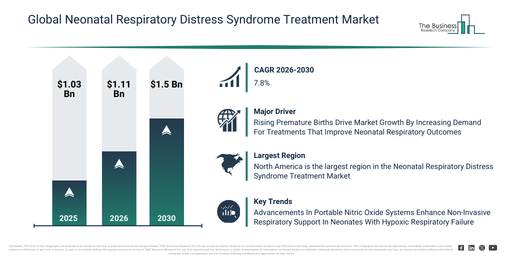
    The neonatal respiratory distress syndrome treatment market size has experienced substantial growth over recent years. It is projected to expand from $1.03 billion in 2025 to $1.11 billion in 2026, advancing at a compound annual growth rate (CAGR) of 8.0%. Historic market expansion can be linked to elevated premature birth rates, a reliance on conventional oxygen therapy, restricted availability of neonatal intensive care units, the early adoption of natural surfactants, and an increase in infant respiratory morbidity.

    The neonatal respiratory distress syndrome treatment market size is projected to experience substantial expansion over the coming years. By 2030, this market is anticipated to reach $1.5 billion, demonstrating a compound annual growth rate (CAGR) of 7.8%. This anticipated growth during the forecast period is attributable to several factors, including the creation of advanced synthetic surfactants, the broadening of non-invasive ventilation technologies, increased investment in neonatal care devices, a growing worldwide understanding of neonatal complications, and the modernization of respiratory support systems in hospitals. Key trends anticipated during the same period encompass the growing adoption of surfactant replacement therapies, the expanded application of CPAP and non-invasive ventilation, improvements in neonatal intensive care infrastructure, an increased emphasis on managing premature births, and the progressing development of synthetic and bioengineered surfactants.

    Get A Free Sample Report With In-Depth Market Insights:

    https://thebusinessresearchcompany.com/sample_request?id=47573886&type=smp&name=Neonatal%20Respiratory%20Distress%20Syndrome%20Treatment%20Market%20Report%202026&utm_source=Blogs&utm_medium=Paid&utm_campaign=Nov_PR

    Neonatal Respiratory Distress Syndrome Treatment Market Growth Drivers: What’s Behind The Acceleration?

    The increasing incidence of premature births is projected to drive the expansion of the neonatal respiratory distress syndrome treatment market in the foreseeable future. Premature births are defined as the delivery of an infant prior to completing thirty-seven weeks of gestation, resulting in underdeveloped organ systems that necessitate specialized medical support. A primary factor contributing to the uptick in premature birth occurrences is the rising prevalence of maternal health complications, as these conditions can disrupt normal fetal development and trigger early labor by imposing physiological stress on both the mother and the fetus. Neonatal respiratory distress syndrome treatment enhances survival outcomes and stabilizes premature infants whose immature lungs leave them highly susceptible to respiratory failure. Thus, the growing incidence of premature births is fueling the growth of the neonatal respiratory distress syndrome treatment market.

    Neonatal Respiratory Distress Syndrome Treatment Market Breakdown By Product Type And Application

    The neonatal respiratory distress syndrome treatment market covered in this report is segmented –

    1) By Therapy: Oxygen Therapy, Surfactant Therapy

    2) By Route Of Administration: Parenteral, Inhalation, Other Routes Of Administration

    3) By End User: Hospitals, Sub-Acute Facilities, Home Care, Retail Pharmacies

    Subsegments:

    1) By Oxygen Therapy: Conventional Oxygen Therapy, High-Flow Nasal Cannula (HFNC) Oxygen Therapy, Continuous Positive Airway Pressure (CPAP) Oxygen Therapy, Invasive Mechanical Ventilation With Oxygen Therapy

    2) By Surfactant Therapy: Natural Surfactants, Synthetic Surfactants, Combined Surfactant Therapy (Natural + Synthetic), Prophylactic Surfactant Therapy, Rescue Surfactant Therapy

    Neonatal Respiratory Distress Syndrome Treatment Market Trends: What’s Defining The Industry’s Next Phase?

    Companies operating in the neonatal respiratory distress syndrome treatment market are concentrating on developing advanced solutions, notably next-generation, portable nitric-oxide delivery systems. These advancements aim to improve oxygenation, minimize treatment complications, and broaden access beyond traditional NICU settings. Portable nitric-oxide systems are medical devices engineered to generate and deliver inhaled nitric oxide on demand, thereby enhancing oxygenation and alleviating pulmonary hypertension in neonates with hypoxic respiratory failure, while also enabling safe use during patient transport. For instance, in June 2025, Beyond Air Inc., a US-based medical device company, submitted a PMA supplement to the U.S. Food and Drug Administration for LungFit PH 2. This device is a lighter, transport-ready nitric oxide generator that leverages the company’s patented Ionizer technology. Designed for superior portability and convenience, it ensures continuous nitric oxide delivery while minimizing nitrogen dioxide production, guaranteeing safer therapy even during neonatal transport. Concurrently, phase-4 registry data for INOmax, a well-established iNO therapy by Mallinckrodt, continues to demonstrate real-world benefits in neonates with pulmonary hypertension, reinforcing the clinical importance of inhaled nitric oxide in managing hypoxic respiratory failure in newborns.

    Neonatal Respiratory Distress Syndrome Treatment Market Company Landscape And Competitive Strategy

    Major companies operating in the neonatal respiratory distress syndrome treatment market are Medtronic Plc, GE Healthcare, Koninklijke Philips NV, Drägerwerk AG & Co. KGaA, Chiesi Farmaceutici, Fisher & Paykel Healthcare, Vyaire Medical, Laerdal Medical, Hamilton Medical, Inspiration Healthcare, Ventec Life Systems, Neotech Products, Windtree Therapeutics Inc., Discovery Laboratories Inc., ResMed Inc., Abbott Laboratories, Aerogen Pharma Corp., ONY Biotech, Yuhan Corporation, Atom Medical Corporation, Mindray Bio-Medical Electronics, Getinge AB, Nihon Kohden Corporation, Siare Engineering Spa

    View The Full Neonatal Respiratory Distress Syndrome Treatment Market Report:

    https://thebusinessresearchcompany.com/report/neonatal-respiratory-distress-syndrome-treatment-global-market-report?utm_source=Blogs&utm_medium=Paid&utm_campaign=Nov_PR

    Neonatal Respiratory Distress Syndrome Treatment Market Regional Analysis And Top Geography

    North America was the largest region in the neonatal respiratory distress syndrome treatment market in 2025. Asia-Pacific is expected to be the fastest-growing region in the forecast period. The regions covered in the neonatal respiratory distress syndrome treatment market report are Asia-Pacific, South East Asia, Western Europe, Eastern Europe, North America, South America, Middle East, Africa.

    Reach Out To Our Team:

    The Business Research Company: https://www.thebusinessresearchcompany.com/

    Americas: +1 310-496-7795

    Asia: +44 7882 955267 & +91 8897263534

    Europe: +44 7882 955267

    Email us at: marketing@tbrc.info

    Follow us on:

    LinkedIn: https://in.linkedin.com/company/the-business-research-company

    YouTube: https://www.youtube.com/channel/UC24_fI0rV8cR5DxlCpgmyFQ

    Global Market Model: https://www.thebusinessresearchcompany.com/global-market-model
  • Neonatal Phototherapy Market Growth To $1.5 Billion Creates New Opportunities Across The Industry

    Neonatal Phototherapy Market Growth To $1.5 Billion Creates New Opportunities Across The Industry

    Featuring market attractiveness scoring, total addressable market sizing, company benchmarking matrices, interactive Excel dashboards, deeper supply chain intelligence, emerging startup tracking, and granular product-level insights, The Business Research Company’s 2026 market reports are built to deliver research that is both more actionable and more strategically valuable.

    Neonatal Phototherapy Market Revenue Growth On Track For A 5.9% CAGR Through 2030

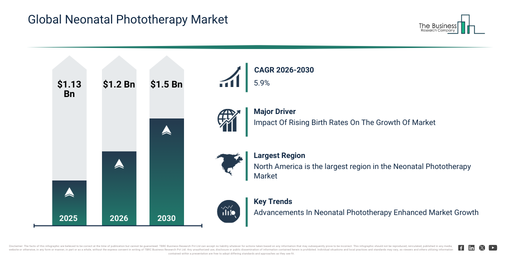
    The neonatal phototherapy market size has experienced robust growth in recent years. It is forecast to expand from $1.13 billion in 2025 to $1.2 billion in 2026, at a compound annual growth rate (CAGR) of 6.1%. This historical growth can be attributed to the high prevalence of neonatal jaundice, a dependency on fluorescent phototherapy units, insufficient neonatal care infrastructure in low-income regions, increasing hospital birth rates, and the early adoption of conventional phototherapy methods.

    The neonatal phototherapy market is projected to experience substantial expansion in the coming years. By 2030, its value is anticipated to reach $1.5 billion, expanding at a compound annual growth rate (CAGR) of 5.9%. This growth during the projection period stems from several factors, including a swift move towards LED phototherapy systems, increased funding in neonatal healthcare equipment, the wider availability of home phototherapy devices, innovations in energy-efficient phototherapy technology, and heightened awareness of issues affecting newborns. Key developments anticipated in this period encompass the growing utilization of LED phototherapy devices, the increased acceptance of portable and home-use phototherapy units, a surging need for non-invasive care options for neonates, the broadening of neonatal jaundice screening initiatives, and the creation of more energy-efficient phototherapy technologies.

    Get A Free Sample Report With In-Depth Market Insights:

    https://thebusinessresearchcompany.com/sample_request?id=10946428&type=smp&name=Neonatal%20Phototherapy%20Market%20Report%202026&utm_source=Blogs&utm_medium=Paid&utm_campaign=Nov_PR

    Neonatal Phototherapy Market Growth Factors Behind Sustained Expansion

    Increasing birth rates are anticipated to drive the future growth of the neonatal phototherapy market. These rising birth rates typically result from factors such as advancements in healthcare, higher fertility rates, cultural preferences for larger families, and increased immigration in certain areas. Neonatal phototherapy is vital for managing jaundice in premature infants, employing light to break down excessive bilirubin in their blood. This process helps to lessen the risk of severe complications, such as brain damage, which are more prevalent in preterm babies due to their underdeveloped liver function and heightened susceptibility to jaundice. Therefore, rising birth rates are fueling the expansion of the neonatal phototherapy market.

    Neonatal Phototherapy Market Segment Analysis And Revenue Potential

    The neonatal phototherapy market covered in this report is segmented –

    1) By Type: Conventional Phototherapy Equipment, LED Phototherapy Equipment, Fiber Optic Phototherapy Equipment

    2) By Form Factor: Traditional Phototherapy Lamps, Phototherapy Beds, Flexible Phototherapy Lamps

    3) By Application: Skin Diseases Treatment, Neonatal Jaundice Management

    Subsegments:

    1) By Conventional Phototherapy Equipment: Fluorescent Tube Phototherapy Units, Incandescent Lamp Phototherapy Units

    2) By LED Phototherapy Equipment: Blue LED Phototherapy Units, White LED Phototherapy Units

    3) By Fiber Optic Phototherapy Equipment: Overhead Fiber Optic Phototherapy Units, Blanket Or Pad-Type Fiber Optic Phototherapy Units

    Neonatal Phototherapy Market Industry Trends Fueling Future Revenue Growth

    Leading companies within the neonatal phototherapy market are prioritizing the development of innovative solutions, such as advanced open warmers, to improve postnatal care for newborns. An advanced open warmer (AOW) is defined as a medical apparatus frequently utilized in neonatal and pediatric settings to maintain a stable body temperature in newborns and infants, particularly those who are premature or have low birth weight.

    Neonatal Phototherapy Market Key Players Shaping Industry Direction

    Major companies operating in the neonatal phototherapy market are Koninklijke Philips N.V., Drägerwerk AG & Co. KGaA, Medela AG, Heal Force Bio-Meditech Holdings Limited, Natus Medical Incorporated, Ningbo David Medical Device Co Ltd, BPL Medical Technologies Pvt Ltd, Zhengzhou Dison Instrument and Meter Co Ltd., NeoLight LLC, Atom Medical Corporation, BabyBloom Healthcare B.V., Bistos Co Ltd., Phoenix Medical Systems Pvt Ltd, Nice Neotech Medical Systems Pvt Ltd, Herbert Waldmann GmbH & Co KG

    View The Full Neonatal Phototherapy Market Report:

    https://thebusinessresearchcompany.com/report/neonatal-phototherapy-global-market-report?utm_source=Blogs&utm_medium=Paid&utm_campaign=Nov_PR

    Neonatal Phototherapy Market Geographic Analysis: Where Is Demand Rising Fastest?

    North America was the largest region in the neonatal phototherapy market in 2025. The regions covered in the neonatal phototherapy market report are Asia-Pacific, South East Asia, Western Europe, Eastern Europe, North America, South America, Middle East, Africa.

    Reach Out To Our Team:

    The Business Research Company: https://www.thebusinessresearchcompany.com/

    Americas: +1 310-496-7795

    Asia: +44 7882 955267 & +91 8897263534

    Europe: +44 7882 955267

    Email us at: marketing@tbrc.info

    Follow us on:

    LinkedIn: https://in.linkedin.com/company/the-business-research-company

    YouTube: https://www.youtube.com/channel/UC24_fI0rV8cR5DxlCpgmyFQ

    Global Market Model: https://www.thebusinessresearchcompany.com/global-market-model
  • Neonatal Infant Care Market Forecast: Breaking Down The Numbers Behind Future Expansion

    Neonatal Infant Care Market Forecast: Breaking Down The Numbers Behind Future Expansion

    Built to provide research that’s more actionable and strategically valuable, The Business Research Company’s 2026 market reports include market attractiveness analysis, total addressable market sizing, company benchmarking matrices, interactive Excel dashboards, broader supply chain intelligence, emerging startup tracking, and in-depth product insights.

    Neonatal Infant Care Market Value Growth And Long-Term Outlook

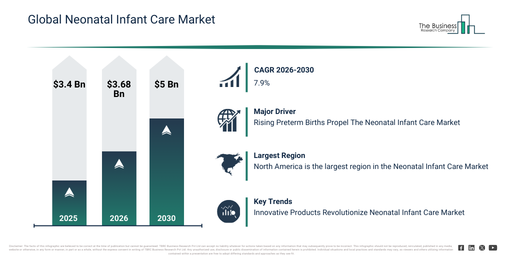
    The neonatal infant care market size has experienced robust expansion in recent years. This market is set to increase from $3.4 billion in 2025 to $3.68 billion in 2026, achieving a compound annual growth rate (CAGR) of 8.4%. Factors contributing to its historical growth include elevated premature birth rates, underdeveloped neonatal care infrastructure, the initial adoption of traditional incubators, rising neonatal mortality rates, and the incremental integration of basic screening devices.

    The neonatal infant care market is projected to experience robust expansion in the coming years. It is anticipated to reach a valuation of $5 billion by 2030, exhibiting a compound annual growth rate (CAGR) of 7.9%. This projected growth over the forecast period stems from several factors, including the increasing implementation of sophisticated neonatal monitoring systems, augmented financial commitment towards expanding neonatal intensive care units, wider integration of digital and remote neonatal care solutions, a swift transition towards energy-efficient phototherapy options, and heightened understanding of neonatal complications. Key developments expected during this period involve the greater uptake of advanced neonatal monitoring equipment, a growing need for portable and home-based infant care apparatus, the enlargement of neonatal intensive care facilities (NICUs), expanded utilization of LED phototherapy and contemporary thermoregulation devices, and a sharper emphasis on early screening and diagnostic methods.

    Get A Free Sample Report With In-Depth Market Insights:

    https://thebusinessresearchcompany.com/sample_request?id=31179979&type=smp&name=Neonatal%20Infant%20Care%20Market%20Report%202026&utm_source=Blogs&utm_medium=Paid&utm_campaign=Nov_PR

    Neonatal Infant Care Market Demand Drivers Opening New Revenue Streams

    The increasing occurrence of premature births is propelling the expansion of the neonatal infant care market. A premature birth is defined as a baby being born prior to reaching 37 weeks of gestation. Neonatal infant care becomes essential for infants born prematurely or those with medical conditions, offering a secure and appropriate environment for their development. Consequently, the growing incidence of premature births is fueling the expansion of the neonatal infant care market.

    Neonatal Infant Care Market Segmentation And Category Overview

    The neonatal infant care market covered in this report is segmented –

    1) By Product Type: Thermoregulation Devices, Phototherapy Devices, Monitoring Systems, Neonatal Hearing Screening, Neonatal Infant Resuscitator Devices, Vision Screening, Other Product Types

    2) By Prenatal And Fetal Equipment: Ultrasound And Ultrasonography Devices, Fetal Dopplers, Fetal Magnetic Resonance Imaging (MRI), Fetal Monitors

    3) By Neonatal Equipment: Infant Warmers And Incubators, Phototherapy Equipment, Neonatal Monitoring Devices And Respiratory Assistance

    4) By End-User: Hospitals, Pediatric And Neonatal Clinics

    Subsegments:

    1) By Thermoregulation Devices: Infant Warmers, Incubators, Warm Air Blankets

    2) By Phototherapy Devices: LED Phototherapy Units, Fiberoptic Phototherapy Systems

    3) By Monitoring Systems: Vital Sign Monitors, Cardiac Monitors, Pulse Oximeters

    4) By Neonatal Hearing Screening: Automated Auditory Brainstem Response (ABR) Systems, Otoacoustic Emission (OAE) Devices

    5) By Neonatal Infant Resuscitator Devices: Bag-Valve-Mask Resuscitators, Neonatal Resuscitation Systems

    6) By Vision Screening: Retinal Imaging Systems, Vision Assessment Tools

    7) By Other Product Types: Suction Devices, Feeding Equipment, Accessories And Consumables

    Neonatal Infant Care Market Trends Powering Strategic Industry Growth

    Leading companies within the neonatal infant care market are prioritizing innovative products to secure a competitive advantage. These advanced neonatal infant care offerings integrate cutting-edge technologies aimed at improving medical oversight, fostering developmental assistance, and ensuring optimal well-being for newborns.

    Neonatal Infant Care Market Competitive Analysis Of Leading Industry Participants

    Major companies operating in the neonatal infant care market are Atom Medical Corp., Drägerwerk AG & Co. KGaA, Fisher & Paykel Healthcare Limited, GE Healthcare Technologies Inc., Ibis medical equipment and systems Pvt. Ltd., Medtronic PLC, Natus Medical Incorporated, International Biomedical Ltd., Koninklijke Philips NV, Weyer GmbH, Inspiration Healthcare Group PLC, Masimo Corp., CooperSurgical Inc., Abbott Laboratories, Edan Instruments Inc., Medela AG, Nihon Kohden Corporation, Getinge AB, Nice Neotech Medical Systems Pvt. Ltd., Becton, Dickinson and Company, Hill-Rom Holdings Inc., Edwards Lifesciences Corporation, Cardinal Health Inc., Smiths Medical International Ltd., Hamilton Medical AG, Vyaire Medical Inc., Air Liquide Medical Systems Pvt. Ltd., Draeger Medical Systems Inc., Siemens Healthineers AG, Danaher Corporation, B. Braun Melsungen AG

    View The Full Neonatal Infant Care Market Report:

    https://thebusinessresearchcompany.com/report/neonatal-infant-care-global-market-report?utm_source=Blogs&utm_medium=Paid&utm_campaign=Nov_PR

    Neonatal Infant Care Market Global Footprint: Which Region Leads The Market?

    North America was the largest region in the neonatal infant care market share in 2025. The regions covered in the neonatal infant care market report are Asia-Pacific, South East Asia, Western Europe, Eastern Europe, North America, South America, Middle East, Africa.

    Reach Out To Our Team:

    The Business Research Company: https://www.thebusinessresearchcompany.com/

    Americas: +1 310-496-7795

    Asia: +44 7882 955267 & +91 8897263534

    Europe: +44 7882 955267

    Email us at: marketing@tbrc.info

    Follow us on:

    LinkedIn: https://in.linkedin.com/company/the-business-research-company

    YouTube: https://www.youtube.com/channel/UC24_fI0rV8cR5DxlCpgmyFQ

    Global Market Model: https://www.thebusinessresearchcompany.com/global-market-model
  • Neoantigen Targeted Therapies Market Expected To Grow At 35.5% CAGR Through 2030: What Businesses Need To Know

    Neoantigen Targeted Therapies Market Expected To Grow At 35.5% CAGR Through 2030: What Businesses Need To Know

    Backed by market attractiveness analysis, total addressable market sizing, company benchmarking matrices, interactive Excel dashboards, wider supply chain intelligence, emerging startup coverage, and detailed product-level insights, The Business Research Company’s 2026 market reports are designed to offer research that is more actionable and strategically valuable than ever.

    Neoantigen Targeted Therapies Market Poised To Hit $21.52 Billion By 2030 With A 35.5% CAGR

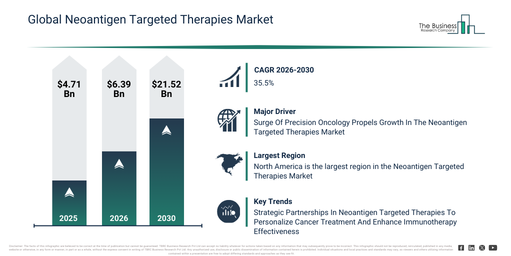
    The neoantigen targeted therapies market has shown substantial expansion in recent years. Its valuation is set to rise from $4.71 billion in 2025 to $6.39 billion in 2026, achieving a compound annual growth rate (CAGR) of 35.8%. This historical growth can be linked to factors such as limited immunotherapy options, the slow pace of cancer vaccine development, initial stages of genomic sequencing usage, restricted availability of clinical trials, and a strong reliance on traditional oncology treatments.

    The neoantigen targeted therapies market size is projected to experience substantial expansion over the upcoming years. It is anticipated to reach $21.52 billion by 2030, exhibiting a compound annual growth rate (CAGR) of 35.5%. This growth in the forecast period is primarily attributed to the rapid advancement of personalized cancer therapies, increased investment in genomic sequencing, expanding clinical research collaborations, rising adoption of combination immunotherapies, and a growing demand for precision oncology solutions. Furthermore, major trends anticipated within this period include the increasing acceptance of personalized cancer vaccines, the expansion of research pipelines for targeted immunotherapies, a rise in clinical trials for neoantigen-based combination therapies, a growing requirement for early genetic profiling in oncology, and a notable surge in the development of TIL-based therapeutic approaches.

    Get A Free Sample Report With In-Depth Market Insights:

    https://thebusinessresearchcompany.com/sample_request?id=41827024&type=smp&name=Neoantigen%20Targeted%20Therapies%20Market%20Report%202026&utm_source=Blogs&utm_medium=Paid&utm_campaign=Nov_PR

    Neoantigen Targeted Therapies Market Growth Backed By Core Demand Fundamentals

    The anticipated expansion of precision oncology is set to stimulate the growth of the neoantigen targeted therapies market in the future. This approach to cancer care employs comprehensive genetic and molecular details from a patient’s tumor to inform the choice of targeted treatments. Precision oncology integrates neoantigen-targeted therapies by leveraging sophisticated genomic analysis to pinpoint distinct neoantigens found on an individual’s cancer cells. The incorporation of neoantigen-targeted therapies within precision oncology demonstrates a method to specifically target the genetic profile of each patient’s tumor, thereby providing a more customized and potent treatment choice. Consequently, the expansion of precision oncology is propelling the growth of the neoantigen-targeted therapies market.

    Neoantigen Targeted Therapies Market Segment Outlook: Which Categories Are Growing Fastest?

    The neoantigen targeted therapies market covered in this report is segmented –

    1) By Type: Monotherapy, Combination Therapy

    2) By Immunotherapy Type: DNA Or RNA-Based Vaccines, Protein-Based Vaccines, Dendritic Cell Vaccines, TIL-Based Therapies

    3) By Target Disease Indication: Colorectal Cancer, Renal Cell Carcinoma, Non-Small Cell Lung Cancer, Bone Cancer, Gynecological Cancer

    4) By Route Of Administration: Intradermal, Intravenous, Subcutaneous

    5) By Application: Medical Research Institution, Hospitals and Clinics, Other Applications

    Subsegments:

    1) By Monotherapy: Individual Neoantigen-Targeted Treatments

    2) By Combination Therapy: Neoantigen-Targeted Therapies Combined With Other Immunotherapies, Neoantigen-Targeted Therapies Combined With Chemotherapy, Neoantigen-Targeted Therapies Combined With Targeted Therapies

    Neoantigen Targeted Therapies Market Growth Trends Reshaping The Competitive Landscape

    Leading firms within the neoantigen targeted therapies market are embracing strategic collaborations to tailor neoantigen vaccines and monoclonal antibody medications, aiming to surmount the difficulties presented by current immunotherapy in treating solid tumors. Such alliances involve businesses utilizing one another’s strengths and assets to attain shared advantages and triumphs.

    Neoantigen Targeted Therapies Market Leading Companies And Competitive Benchmarking

    Major companies operating in the neoantigen targeted therapies market are F. Hoffmann-La Roche AG, Merck and Co. Inc., Bristol Myers Squibb Company, Kite Pharma Inc., Amgen Inc., Moderna Inc., BioNTech SE, Bavarian Nordic Inc., Advaxis Inc., Immatics NV, Iovance Biotherapeutics Inc., Agenus Inc., Achilles Therapeutics Plc, Medigene AG, Gritstone Bio Inc., SQZ Biotechnologies Company, Aduro BioTech Inc., Inovio Pharmaceuticals Inc., Gradalis Inc., EpiVax Inc., ISA Pharmaceuticals BV, Vaxon Biotech SA, Ziopharm Oncology, Genocea Biosciences Inc., Cellular Biomedicine Group Inc., Immunovaccine Inc.

    View The Full Neoantigen Targeted Therapies Market Report:

    https://thebusinessresearchcompany.com/report/neoantigen-targeted-therapies-global-market-report?utm_source=Blogs&utm_medium=Paid&utm_campaign=Nov_PR

    Neoantigen Targeted Therapies Market Regional Split: Which Areas Are Fueling Growth?

    North America was the largest region in the neoantigen targeted therapies market in 2025. The regions covered in the neoantigen targeted therapies market report are Asia-Pacific, South East Asia, Western Europe, Eastern Europe, North America, South America, Middle East, Africa.

    Reach Out To Our Team:

    The Business Research Company: https://www.thebusinessresearchcompany.com/

    Americas: +1 310-496-7795

    Asia: +44 7882 955267 & +91 8897263534

    Europe: +44 7882 955267

    Email us at: marketing@tbrc.info

    Follow us on:

    LinkedIn: https://in.linkedin.com/company/the-business-research-company

    YouTube: https://www.youtube.com/channel/UC24_fI0rV8cR5DxlCpgmyFQ

    Global Market Model: https://www.thebusinessresearchcompany.com/global-market-model
  • Neglected Tropical Disease Treatment Market Forecast To Reach $4.79 Billion By 2030: Key Trends Explained

    Neglected Tropical Disease Treatment Market Forecast To Reach $4.79 Billion By 2030: Key Trends Explained

    Featuring market attractiveness scoring, total addressable market sizing, company benchmarking matrices, interactive Excel dashboards, deeper supply chain intelligence, emerging startup tracking, and granular product-level insights, The Business Research Company’s 2026 market reports are built to deliver research that is both more actionable and more strategically valuable.

    Neglected Tropical Disease Treatment Market Size And Revenue Outlook Through 2030

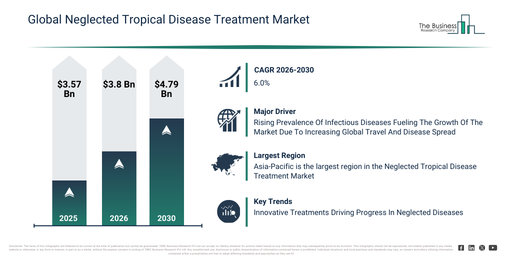
    Recent years have seen significant expansion in the neglected tropical disease treatment market size. This market is projected to expand from $3.57 billion in 2025 to reach $3.8 billion in 2026, exhibiting a compound annual growth rate (CAGR) of 6.3%. Historically, this expansion has been driven by several factors, including the long-standing prevalence of these diseases in tropical regions, the support provided by global health organizations, the expansion of donor-funded treatment programs, the availability of generic therapeutics, and increased public health awareness initiatives.

    The neglected tropical disease treatment market is predicted to experience robust expansion over the coming years. It is projected to reach $4.79 billion by 2030, exhibiting a compound annual growth rate (CAGR) of 6.0%. The expansion during this forecast period can be attributed to several factors, including increased investments in eradication programs, a growing adoption of integrated disease management approaches, the proliferation of novel antiparasitic drug development, an increase in public-private partnerships, and a heightened focus on healthcare accessibility in remote regions. Significant trends anticipated in this period encompass the greater deployment of combination drug therapies, an intensified focus on early disease detection programs, the rising utilization of mass drug administration strategies, the growth of community-based treatment models, and an enhanced emphasis on treatment availability.

    Get A Free Sample Report With In-Depth Market Insights:

    https://thebusinessresearchcompany.com/sample_request?id=32538569&type=smp&name=Neglected%20Tropical%20Disease%20Treatment%20Market%20Report%202026&utm_source=Blogs&utm_medium=Paid&utm_campaign=Nov_PR

    Neglected Tropical Disease Treatment Market Growth Catalysts And Demand Drivers

    The growing occurrence of infectious diseases is projected to boost the neglected tropical disease treatment market in the coming years. Infectious diseases are conditions caused by detrimental microorganisms like bacteria, viruses, fungi, or parasites, which can be transmitted between people either directly or indirectly. The increased prevalence of these diseases is linked to more global travel, which allows pathogens to spread rapidly across countries. Neglected tropical disease treatment supports efforts against infectious diseases by offering specific therapies that manage and eliminate their transmission. These treatments improve public health outcomes, particularly in susceptible groups, by lessening the disease burden and preventing enduring disabilities. Hence, the increasing prevalence of infectious diseases is a key driver for the growth of the neglected tropical disease treatment market.

    Neglected Tropical Disease Treatment Market Segment Landscape: Which Areas Lead Development?

    The neglected tropical disease treatment market covered in this report is segmented –

    1) By Drug Class: Anti-Parasite, Antifungal, Antibiotics, Other Drugs Class

    2) By Disease Type: Leishmaniasis, Schistosomiasis, Lymphatic Filariasis, Chagas Disease, African Trypanosomiasis, Other Disease Types

    3) By Route of Administration: Oral, Parenteral

    4) By Distribution Channel: Hospital Pharmacy, Retail Pharmacy, Online Pharmacy

    5) By End User: Hospital, Specialty Clinics, Homecare Settings, Other End Users

    Subsegments:

    1) By Anti-Parasite: Anthelmintics, Antiprotozoals, Antimalarials, Ectoparasiticides

    2) By Antifungal: Azoles, Polyenes, Allylamines, Echinocandins

    3) By Antibiotics: Tetracyclines, Macrolides, Rifamycins, Sulfonamides

    4) By Other Drug Classes: Antivirals, Corticosteroids, Combination Therapies, Supportive Treatments

    Neglected Tropical Disease Treatment Market Trends Shaping Long-Term Demand

    Leading companies in the neglected tropical disease treatment market are prioritizing the development of innovative solutions, such as all-oral, field-deployable therapeutics. The goal is to simplify administration, enhance safety, and expand access, especially in low-resource environments. All-oral therapeutics, for conditions like human African trypanosomiasis, typically involve small-molecule drugs taken by mouth over a short duration. This method helps increase treatment reach, reduces the need for hospitalization, and lowers operational barriers when compared to conventional injectable therapies.

    Neglected Tropical Disease Treatment Market Industry Leaders And Competitive Landscape

    Major companies operating in the neglected tropical disease treatment market are Pfizer Inc, Johnson And Johnson, Merck And Co Inc, AbbVie Inc, Bayer AG, Novartis AG, Sanofi SA, AstraZeneca PLC, Abbott Laboratories, GlaxoSmithKline plc, Takeda Pharmaceutical Company Limited, Astellas Pharma Inc, Eisai Co Ltd, Shionogi And Co Ltd, Dr Reddys Laboratories Ltd, Cipla Ltd, Gilead Sciences Inc, Bristol Myers Squibb Company, Teva Pharmaceutical Industries Ltd, Sun Pharmaceutical Industries Ltd, Lupin Limited, Alvogen

    View The Full Neglected Tropical Disease Treatment Market Report:

    https://thebusinessresearchcompany.com/report/neglected-tropical-disease-treatment-global-market-report?utm_source=Blogs&utm_medium=Paid&utm_campaign=Nov_PR

    Neglected Tropical Disease Treatment Market Top Region: Where Does Most Revenue Come From?

    Asia-Pacific was the largest region in the neglected tropical disease treatment market in 2025. The regions covered in the neglected tropical disease treatment market report are Asia-Pacific, South East Asia, Western Europe, Eastern Europe, North America, South America, Middle East, Africa.

    Reach Out To Our Team:

    The Business Research Company: https://www.thebusinessresearchcompany.com/

    Americas: +1 310-496-7795

    Asia: +44 7882 955267 & +91 8897263534

    Europe: +44 7882 955267

    Email us at: marketing@tbrc.info

    Follow us on:

    LinkedIn: https://in.linkedin.com/company/the-business-research-company

    YouTube: https://www.youtube.com/channel/UC24_fI0rV8cR5DxlCpgmyFQ

    Global Market Model: https://www.thebusinessresearchcompany.com/global-market-model
  • Negative Pressure Wound Therapy Market Size Forecast From 2026 To 2030: Key Industry Trends

    Negative Pressure Wound Therapy Market Size Forecast From 2026 To 2030: Key Industry Trends

    Built to provide research that’s more actionable and strategically valuable, The Business Research Company’s 2026 market reports include market attractiveness analysis, total addressable market sizing, company benchmarking matrices, interactive Excel dashboards, broader supply chain intelligence, emerging startup tracking, and in-depth product insights.

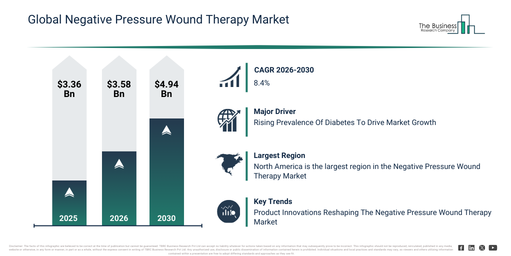
    Negative Pressure Wound Therapy Market Growth From $3.58 Billion In 2026 To $4.94 Billion By 2030 At A CAGR Of 8.4%

    The negative pressure wound therapy market has shown robust expansion in recent years. Its valuation is projected to increase from $3.36 billion in 2025 to $3.58 billion in 2026, achieving a compound annual growth rate (CAGR) of 6.4%. Historically, this growth can be attributed to factors such as the increasing occurrence of chronic wounds, a rise in surgical procedures, the growing diabetic and elderly populations, the expansion of hospital wound care programs, and the widespread availability of advanced wound therapy devices.

    The negative pressure wound therapy market is anticipated to experience substantial expansion over the coming years. Its valuation is projected to reach $4.94 billion by 2030, demonstrating a compound annual growth rate (CAGR) of 8.4%. This expected growth is driven by factors such as the increasing uptake of home healthcare services, a heightened emphasis on economical wound management, the expansion of outpatient care settings, a rising need for disposable wound care solutions, and continuous technological innovation in wound therapy devices. Key trends for the forecast period include the wider adoption of portable NPWT systems, a growing preference for single-use NPWT devices, an increasing focus on home-based wound care solutions, the development of advanced dressing materials, and an intensified drive for faster wound healing outcomes.

    Get A Free Sample Report With In-Depth Market Insights:

    https://thebusinessresearchcompany.com/sample_request?id=87243765&type=smp&name=Negative%20Pressure%20Wound%20Therapy%20Market%20Report%202026&utm_source=Blogs&utm_medium=Paid&utm_campaign=Nov_PR

    Negative Pressure Wound Therapy Market Opportunity Drivers: What’s Unlocking New Revenue Potential?

    The increasing incidence of diabetes is anticipated to propel the growth of the negative pressure wound therapy market. Diabetic foot ulceration (DFU) stands as the most common application area for negative pressure wound therapy. Wounds in individuals with diabetes are challenging to heal because those with uncontrolled diabetes can develop poor circulation, leading to less oxygenated blood flow to the wound and slower tissue recovery. Consequently, negative pressure wound therapy provides better graft take-up compared to conventional dressings for diabetic patients. Therefore, the expanding prevalence of diabetes significantly drives the negative pressure wound therapy market.

    Negative Pressure Wound Therapy Market Segments: Where Is Growth Concentrated?

    The negative pressure wound therapy market covered in this report is segmented –

    1) By Product: Conventional NPWT Devices, Single Use NPWT Devices

    2) By Wound Type: Surgical And Traumatic Wounds, Ulcers, Burns

    3) By End User: Hospitals, Homecare, Other End-Users

    Subsegments:

    1) By Conventional NPWT Devices: Portable NPWT Systems, Stationary NPWT Systems, Canister-Based NPWT Devices

    2) By Single-Use NPWT Devices: Disposable NPWT Systems, Battery-Operated NPWT Devices, Compact NPWT Units

    Negative Pressure Wound Therapy Market Innovation Trends Shaping Future Development

    Leading firms within the negative pressure wound therapy market are creating innovative portable and disposable negative pressure wound therapy (NPWT) devices to maintain their market standing. These portable and disposable NPWT devices are compact, single-use medical tools designed to apply controlled suction to wounds. This process assists healing by extracting surplus fluids and fostering ideal conditions for tissue regeneration, all while providing ease of movement and removing the necessity for intricate, conventional setups.

    Negative Pressure Wound Therapy Market Key Participants And Competitive Landscape

    Major companies operating in the negative pressure wound therapy market are Devon International Group, ConvaTec Group plc., DeRoyal Industries Inc., Smith & Nephew plc, Acelity L.P. Inc., Mölnlycke Health Care AB, ATMOS MedizinTechnik GmbH & Co. KG, Cardinal Health Inc., Talley Group Limited, Medela AG, Lohmann & Rauscher GmbH & Co. KG, Triage Meditech Pvt. Ltd., Carilex Medical GmbH, Shandong Weigao Xinsheng Medical Devices Co. Lt, Genadyne Biotechnologies Inc., B. Braun Melsungen AG, Cork Medical LLC, BSN medical GmbH, Investor AB, Olle Larsson Holding AG, PAUL HARTMANN Asia-Pacific Ltd., KCI Licensing Inc., Arjo USA Inc., 3M Company, MPM Medical Inc., Prospera Technologies Inc., Innovative Therapies Inc., Laboratoires URGO, 4L Health Co. Ltd, Pensar Medical LLC, Virchow Biotech Pvt. Ltd., Arobella Medical LLC, Spincare Inc., Ursapharm Arzneimittel GmbH

    View The Full Negative Pressure Wound Therapy Market Report:

    https://thebusinessresearchcompany.com/report/negative-pressure-wound-therapy-global-market-report?utm_source=Blogs&utm_medium=Paid&utm_campaign=Nov_PR

    Negative Pressure Wound Therapy Market Regional Breakdown: Where Is Demand Concentrated?

    North America was the largest region in the negative pressure wound therapy market in 2025. Asia-Pacific is the fastest-growing region in the negative pressure wound therapy market share. The regions covered in the negative pressure wound therapy market report are Asia-Pacific, South East Asia, Western Europe, Eastern Europe, North America, South America, Middle East, Africa.

    Reach Out To Our Team:

    The Business Research Company: https://www.thebusinessresearchcompany.com/

    Americas: +1 310-496-7795

    Asia: +44 7882 955267 & +91 8897263534

    Europe: +44 7882 955267

    Email us at: marketing@tbrc.info

    Follow us on:

    LinkedIn: https://in.linkedin.com/company/the-business-research-company

    YouTube: https://www.youtube.com/channel/UC24_fI0rV8cR5DxlCpgmyFQ

    Global Market Model: https://www.thebusinessresearchcompany.com/global-market-model
  • Neem Extract Market 2026: Market Size, Growth Drivers And Emerging Opportunities

    Neem Extract Market 2026: Market Size, Growth Drivers And Emerging Opportunities

    Backed by market attractiveness analysis, total addressable market sizing, company benchmarking matrices, interactive Excel dashboards, wider supply chain intelligence, emerging startup coverage, and detailed product-level insights, The Business Research Company’s 2026 market reports are designed to offer research that is more actionable and strategically valuable than ever.

    Neem Extract Market Expansion Outlook: What Revenue Opportunities Are Ahead?

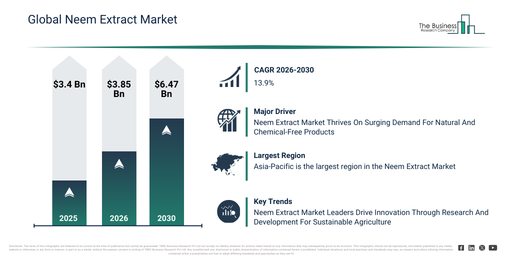
    The neem extract market has experienced significant growth in recent years. It is forecast to expand from $3.4 billion in 2025 to $3.85 billion in 2026, exhibiting a compound annual growth rate (CAGR) of 13.4%. The historical market expansion has been driven by factors such as traditional medicine usage, increased adoption of herbal products, dependence on natural pesticides, limited awareness of organic farming, and slow regulatory approvals.

    The neem extract market size is projected to experience substantial expansion in the coming years. This market is anticipated to reach $6.47 billion by 2030, demonstrating a compound annual growth rate (CAGR) of 13.9%. Several factors contribute to this growth during the projected period, including an increasing demand for clean-label items, the proliferation of organic farming methods, an uptick in herbal nutraceutical intake, a growing inclination towards plant-derived cosmetics, and innovations in extraction processes. Key trends expected over the forecast horizon encompass a heightened desire for herbal and natural medicinal options, the expanded application of neem in organic farming, increased uptake of neem-derived skincare and haircare items, broader usage of neem in nutraceutical compositions, and a rise in neem-infused antimicrobial and antifungal treatments.

    Get A Free Sample Report With In-Depth Market Insights:

    https://thebusinessresearchcompany.com/sample_request?id=31926563&type=smp&name=Neem%20Extract%20Market%20Report%202026&utm_source=Blogs&utm_medium=Paid&utm_campaign=Nov_PR

    Neem Extract Market Growth Momentum: What Factors Are Shaping Demand?

    The escalating consumer preference for organic goods is projected to fuel the expansion of the neem extract market in the future. Organic items are those crafted exclusively from natural ingredients, devoid of artificial chemicals, hormones, antibiotics, or genetically modified organisms (GMOs). Neem extract, with its inherent antibacterial and antifungal attributes, is an ideal constituent for diverse organic and natural formulations, finding applications across agriculture, personal care products, pharmaceuticals, and animal feed. Consequently, the rising requirement for organic products is acting as a catalyst for the neem extract market’s development. The continuous expansion of the cosmetics industry is anticipated to boost the growth of the neem extract market moving forward. This industry encompasses the creation, promotion, and sale of goods designed to enhance and beautify the human body. Neem extracts, when incorporated into cosmetic products, contribute natural and healing properties, providing an effective and natural remedy for various skin issues. Thus, the expansion of the cosmetics industry is a significant driver for the neem extract market’s growth.

    Neem Extract Market Segment Analysis: What Are The Core Market Categories?

    The neem extract market covered in this report is segmented –

    1) By Type: Leaf Extract, Fruit And Seed Extract, Bark Extract

    2) By Formulation: Dry, Liquid

    3) By Application: Food And Beverages, Pharmaceutical, Nutraceutical, Personal Care And Cosmetics, Agriculture And Farming, Other Applications

    Subsegments:

    1) By Leaf Extract: Neem Leaf Powder, Neem Leaf Oil, Neem Leaf Extract for Supplements

    2) By Fruit And Seed Extract: Neem Seed Oil, Neem Cake (byproduct of seed extraction), Neem Seed Powder

    3) By Bark Extract: Neem Bark Powder, Neem Bark Extract for Medicinal Use, Neem Bark Extract for Skincare Products

    Neem Extract Market Trends Redefining Industry Growth

    Leading companies in the neem extract market are concentrating on developing advanced neem-based solutions, including biofertilizers and biopesticides, to reinforce their market position and promote sustainable agriculture. These innovations aim to boost product efficacy, enhance crop yield, and minimize environmental impact, concurrently opening up fresh opportunities in global agricultural markets.

    Neem Extract Market Top Companies Driving Competitive Growth

    Major companies operating in the neem extract market are Reddy International, Neeming Australia Pty Ltd., Bros India Group, Gramin India Agri BusiNest, Agro Extracts Limited, Fortune Biotech Ltd., The Indian Neem Tree Company, Ozone Biotech, PJ Margo Pvt Ltd., Trifolio-M-GmbH, GreeNeem Agri Pvt Ltd., Neem India Products Pvt Ltd., Phyto Life sciences Pvt Ltd., Green Earth Products Pvt Ltd., Ichimaru Pharcos Co Ltd., Greenchem Biotech, Sunrise Agriland Development & Research Pvt Ltd., Unjha Ayurvedic Pharmacy, Herbo Nutra Extract Private Limited, APEX INTERNATIONAL, MRIDA GREENS & DEVELOPMENT PRIVATE LIMITED, YAXON BIOCARE Pvt Ltd., AYUSH HERBALS & HEALTHCARE PRIVATE LIMITED, Herbal Creations, Cymbio Pharma Pvt Ltd, Truzt Organic

    View The Full Neem Extract Market Report:

    https://thebusinessresearchcompany.com/report/neem-extract-global-market-report?utm_source=Blogs&utm_medium=Paid&utm_campaign=Nov_PR

    Neem Extract Market Geographic Landscape: Which Region Leads Industry Growth?

    Asia-Pacific was the largest region in the global neem extracts market in 2025. Western Europe is expected to be the fastest-growing region in the forecast period. The regions covered in the neem extract market report are Asia-Pacific, South East Asia, Western Europe, Eastern Europe, North America, South America, Middle East, Africa.

    Reach Out To Our Team:

    The Business Research Company: https://www.thebusinessresearchcompany.com/

    Americas: +1 310-496-7795

    Asia: +44 7882 955267 & +91 8897263534

    Europe: +44 7882 955267

    Email us at: marketing@tbrc.info

    Follow us on:

    LinkedIn: https://in.linkedin.com/company/the-business-research-company

    YouTube: https://www.youtube.com/channel/UC24_fI0rV8cR5DxlCpgmyFQ

    Global Market Model: https://www.thebusinessresearchcompany.com/global-market-model