Author: Marketing Posting

  • Nasal Cannula Market Growth Potential: What The Latest Forecast Reveals

    Nasal Cannula Market Growth Potential: What The Latest Forecast Reveals

    Built to provide research that’s more actionable and strategically valuable, The Business Research Company’s 2026 market reports include market attractiveness analysis, total addressable market sizing, company benchmarking matrices, interactive Excel dashboards, broader supply chain intelligence, emerging startup tracking, and in-depth product insights.

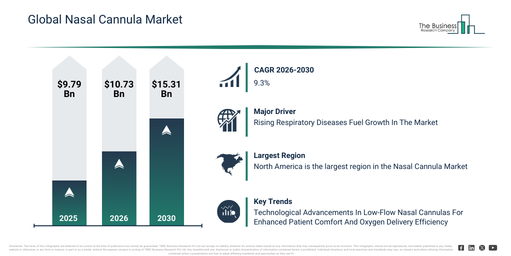
    Nasal Cannula Market Forecast: Value Set To Climb From $10.73 Billion To $15.31 Billion

    The nasal cannula market has demonstrated significant expansion in recent years. This market is anticipated to climb from $9.79 billion in 2025 to $10.73 billion in 2026, achieving a compound annual growth rate (CAGR) of 9.6%. The historical surge can be linked to factors like the escalating occurrence of respiratory ailments, the embrace of low-flow oxygen therapies, an uptick in hospital admissions for COPD, the utilization of nasal cannulas in urgent care situations, and the restricted access to sophisticated oxygen delivery equipment.

    The nasal cannula market size is projected for substantial expansion over the coming years. This market is anticipated to reach $15.31 billion by 2030, exhibiting a compound annual growth rate (CAGR) of 9.3%. The anticipated growth during this period stems from factors such as increasing requirements for home oxygen therapy, greater adoption of high-flow nasal cannulas, escalating investments in innovative respiratory care, broader application in long-term care facilities, and the creation of sophisticated ergonomic cannula designs. Key developments foreseen in this forecast span include the increasing integration of high-flow nasal cannula therapy, a rising need for disposable oxygen delivery apparatus, expanded utilization of nasal cannulas within home healthcare environments, the proliferation of pediatric and neonatal respiratory support options, and progress in the development of gentle, skin-compatible cannula materials.

    Get A Free Sample Report With In-Depth Market Insights:

    https://thebusinessresearchcompany.com/sample_request?id=38155762&type=smp&name=Nasal%20Cannula%20Market%20Report%202026&utm_source=Blogs&utm_medium=Paid&utm_campaign=Nov_PR

    Nasal Cannula Market Opportunity Drivers: What’s Unlocking New Revenue Potential?

    An escalating incidence of respiratory illnesses plays a crucial role in propelling the expansion of the nasal cannula market. These conditions represent health issues impacting the pulmonary system and air passages, hindering normal respiration and the transfer of oxygen. The uptick in respiratory ailments can be linked to contributors such as atmospheric contamination, tobacco use, viral pathogens, and elevated allergen contact. For individuals experiencing breathing challenges due to respiratory conditions, a nasal cannula provides additional oxygen directly through the nostrils, thereby enhancing their oxygen saturation. Consequently, the growing prevalence of respiratory diseases acts as a primary catalyst for the expansion of the nasal cannula market.

    Nasal Cannula Market Segment Landscape: Which Areas Lead Development?

    The nasal cannula market covered in this report is segmented –

    1) By Type: Low Flow Nasal Cannula, High Flow Nasal Cannula

    2) By Material: Plastic, Silicone

    3) By Size: Neonate, Infant, Child, Adult

    4) By Prongs: Straight, Curved, Flared, Other Prongs

    5) By End User: Hospitals, Ambulatory Healthcare Services, Long Term Care Centers, Other End Users

    Subsegments:

    1) By Low Flow Nasal Cannula: Adult Low Flow Nasal Cannula, Pediatric Low Flow Nasal Cannula, Disposable Low Flow Nasal Cannula, Reusable Low Flow Nasal Cannula

    2) By High Flow Nasal Cannula: Adult High Flow Nasal Cannula, Pediatric High Flow Nasal Cannula, Disposable High Flow Nasal Cannula, Reusable High Flow Nasal Cannula

    Nasal Cannula Market Innovation Trends Shaping Future Development

    Leading firms within the nasal cannula market are prioritizing technological advancements, particularly low-flow nasal cannulas, with the aim of boosting patient comfort, optimizing oxygen delivery effectiveness, and fulfilling particular clinical needs. This type of device, known as a low-flow nasal cannula, is engineered to supply supplementary oxygen at reduced flow rates, typically between 1 and 6 liters per minute, via two prongs placed in the nostrils.

    Nasal Cannula Market Industry Leaders And Competitive Landscape

    Major companies operating in the nasal cannula market are Cardinal Health Inc., Medline Industries Inc., Becton Dickinson and Company, ResMed Inc., Teleflex Incorporated, Angiplast Pvt. Ltd., Fisher & Paykel Healthcare Limited, Drive DeVilbiss Healthcare LLC, Well Lead Medical Co. Ltd., GaleMed Corp., Vapotherm Inc., Salter Labs Inc., Dynarex Corporation, Mais India Medical Devices Pvt. Ltd., Allied Medical LLC, Besmed Health Business Corp., Flexicare Medical Ltd., Medin Medical Innovations AB, Airways Surgical Pvt. Ltd., Great Group Medical Co. Ltd., HUM GmbH

    View The Full Nasal Cannula Market Report:

    https://thebusinessresearchcompany.com/report/nasal-cannula-global-market-report?utm_source=Blogs&utm_medium=Paid&utm_campaign=Nov_PR

    Nasal Cannula Market Geographic Landscape: Which Region Leads Industry Growth?

    North America was the largest region in the nasal cannula market in 2025. The regions covered in the nasal cannula market report are Asia-Pacific, South East Asia, Western Europe, Eastern Europe, North America, South America, Middle East, Africa.

    Reach Out To Our Team:

    The Business Research Company: https://www.thebusinessresearchcompany.com/

    Americas: +1 310-496-7795

    Asia: +44 7882 955267 & +91 8897263534

    Europe: +44 7882 955267

    Email us at: marketing@tbrc.info

    Follow us on:

    LinkedIn: https://in.linkedin.com/company/the-business-research-company

    YouTube: https://www.youtube.com/channel/UC24_fI0rV8cR5DxlCpgmyFQ

    Global Market Model: https://www.thebusinessresearchcompany.com/global-market-model
  • Narcolepsy Drugs Market Growth Outlook: Why Analysts Expect Continued Expansion

    Narcolepsy Drugs Market Growth Outlook: Why Analysts Expect Continued Expansion

    Backed by market attractiveness analysis, total addressable market sizing, company benchmarking matrices, interactive Excel dashboards, wider supply chain intelligence, emerging startup coverage, and detailed product-level insights, The Business Research Company’s 2026 market reports are designed to offer research that is more actionable and strategically valuable than ever.

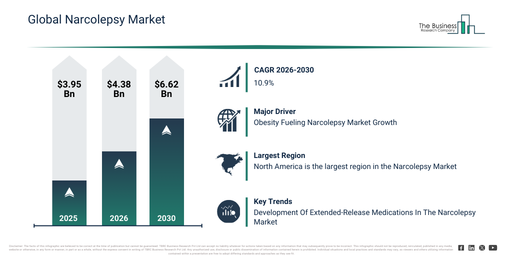
    Narcolepsy Drugs Market Revenue Growth On Track For A 8.3% CAGR Through 2030

    The narcolepsy drugs market size has shown robust expansion in recent years. It is anticipated to increase from $3.94 billion in 2025 to $4.3 billion in 2026, achieving a compound annual growth rate (CAGR) of 9.2%. Historically, this growth has been driven by elements such as the limited availability of treatment options, the underdiagnosis of narcolepsy, a dependence on stimulant medications, rising awareness of sleep disorders, and the introduction of sodium oxybate.

    The narcolepsy drugs market is anticipated to experience robust expansion over the coming years, with its size projected to reach $5.93 billion by 2030, demonstrating a compound annual growth rate (CAGR) of 8.3%. This growth during the forecast period is attributed to the increasing development of novel therapeutics, augmented investment in neurology research, a growing demand for personalized medicine, the expansion of extended-release formulations, and rising global narcolepsy diagnosis rates. Key trends anticipated include the increasing adoption of novel wakefulness-promoting agents, growing use of combination therapy for symptom control, higher diagnosis rates due to improved awareness, expanding treatment options for cataplexy and excessive daytime sleepiness, and the development of long-acting and extended-release drug formulations.

    Get A Free Sample Report With In-Depth Market Insights:

    https://thebusinessresearchcompany.com/sample_request?id=11686291&type=smp&name=Narcolepsy%20Drugs%20Market%20Report%202026&utm_source=Blogs&utm_medium=Paid&utm_campaign=Nov_PR

    Narcolepsy Drugs Market Growth Momentum: What Factors Are Shaping Demand?

    The narcolepsy drugs market is anticipated to experience future growth due to the escalating demand for personalized medicine. This medical approach centers on tailoring medicines and interventions to the specific requirements of individual patients. The increased need for personalized medicine stems from the rapid progress in omics technology, data integration, genetics, and a heightened understanding of the importance of customized patient medications and preventive measures. Narcolepsy drugs find application in personalized medicine to create bespoke treatment plans, taking into account genetic profiles, the severity of symptoms, metabolic rates, and personal preferences to maximize efficacy and minimize adverse reactions. Consequently, the rising demand for personalized medicine is a key driver for the expansion of the narcolepsy drugs market.

    Narcolepsy Drugs Market Segments: Where Is Growth Concentrated?

    The narcolepsy drugs market covered in this report is segmented –

    1) By Type: Narcolepsy With Cataplexy, Narcolepsy Without Cataplexy, Secondary Narcolepsy

    2) By Disease: Daytime Extreme Sleepiness, Cataplexia, Other Diseases

    3) By Therapeutic: Sodium Oxybate, Central Nervous System Stimulants, Tricyclic Antidepressants, Selective Serotonin Reuptake Inhibitors, Other Therapeutics

    Subsegments:

    1) By Narcolepsy With Cataplexy: Stimulant Medications, Antidepressants, Sodium Oxybate

    2) By Narcolepsy Without Cataplexy: Stimulant Medications, Sodium Oxybate, Selective Serotonin And Norepinephrine Reuptake Inhibitors (SNRIs)

    3) By Secondary Narcolepsy: Treatment For Underlying Conditions, Stimulants And Other Medications For Symptom Management

    Narcolepsy Drugs Market Trends Redefining Industry Growth

    Key companies active in the narcolepsy drugs market are developing innovative offerings, such as extended-release therapies, to improve treatment effectiveness and patient well-being. Extended-release (ER) treatments offer significant advantages for narcolepsy patients by enhancing medication adherence, maintaining steady drug levels, minimizing side effects, and improving overall symptom management.

    Narcolepsy Drugs Market Key Participants And Competitive Landscape

    Major companies operating in the narcolepsy drugs market are Jazz Pharmaceuticals plc, Harmony Biosciences Holdings Inc, Avadel Pharmaceuticals plc, Teva Pharmaceutical Industries Ltd, Takeda Pharmaceutical Company Ltd, Axsome Therapeutics Inc, NLS Pharmaceutics Ltd, Alkermes plc, Bioprojet Pharma sarl, Arena Pharmaceuticals Inc, Novartis AG, Shionogi Inc, Rhodes Pharmaceuticals LP, Janssen Global Services LLC, Eli Lilly and Company, Centessa Pharmaceuticals UK Ltd, Azurity Pharmaceuticals Inc, Amneal Pharmaceuticals Inc, Hikma Pharmaceuticals plc, Sunovion Pharmaceuticals Inc, Addrenex Pharmaceuticals Inc, Graymark Healthcare Inc, Theranexus, Suven Life Sciences

    View The Full Narcolepsy Drugs Market Report:

    https://thebusinessresearchcompany.com/report/narcolepsy-drugs-global-market-report?utm_source=Blogs&utm_medium=Paid&utm_campaign=Nov_PR

    Narcolepsy Drugs Market Largest Region: Which Geography Holds The Biggest Share?

    North America was the largest region in the narcolepsy drugs market in 2025. Asia-Pacific is expected to be the fastest-growing region in the forecast period. The regions covered in the narcolepsy drugs market report are Asia-Pacific, South East Asia, Western Europe, Eastern Europe, North America, South America, Middle East, Africa.

    Reach Out To Our Team:

    The Business Research Company: https://www.thebusinessresearchcompany.com/

    Americas: +1 310-496-7795

    Asia: +44 7882 955267 & +91 8897263534

    Europe: +44 7882 955267

    Email us at: marketing@tbrc.info

    Follow us on:

    LinkedIn: https://in.linkedin.com/company/the-business-research-company

    YouTube: https://www.youtube.com/channel/UC24_fI0rV8cR5DxlCpgmyFQ

    Global Market Model: https://www.thebusinessresearchcompany.com/global-market-model
  • Narcolepsy Market Forecast Insights: The Road To $6.62 Billion By 2030

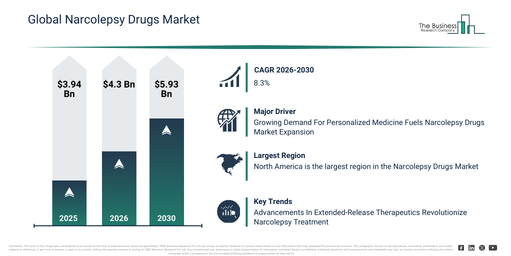
    Narcolepsy Market Forecast Insights: The Road To $6.62 Billion By 2030

    Featuring market attractiveness scoring, total addressable market sizing, company benchmarking matrices, interactive Excel dashboards, deeper supply chain intelligence, emerging startup tracking, and granular product-level insights, The Business Research Company’s 2026 market reports are built to deliver research that is both more actionable and more strategically valuable.

    Narcolepsy Market Value Growth And Long-Term Outlook

    The narcolepsy market has seen substantial growth recently. It is anticipated to expand from $3.95 billion in 2025 to $4.38 billion in 2026, achieving a compound annual growth rate (CAGR) of 10.8%. Historically, this expansion has been influenced by factors such as limited awareness of narcolepsy, slow diagnosis rates, a reliance on stimulant medications, the introduction of sodium oxybate, and an increase in sleep disorder research.

    The narcolepsy market is anticipated to experience significant expansion in the coming years. This market is projected to reach $6.62 billion by 2030, driven by a compound annual growth rate (CAGR) of 10.9%. Factors contributing to this growth during the forecast period include an increase in the prevalence of sleep disorders, augmented R&D investment, a developing pipeline of non-stimulant therapies, more patient education programs, and innovations in precision medicine. Key trends anticipated during the forecast period encompass heightened awareness and diagnosis of narcolepsy, greater uptake of combination therapies, an escalating demand for long-acting treatments, an increase in non-stimulant treatment choices, and a stronger emphasis on therapies specifically targeting cataplexy.

    Get A Free Sample Report With In-Depth Market Insights:

    https://thebusinessresearchcompany.com/sample_request?id=86188446&type=smp&name=Narcolepsy%20Market%20Report%202026&utm_source=Blogs&utm_medium=Paid&utm_campaign=Nov_PR

    Narcolepsy Market Expansion Drivers: What’s Shaping Future Growth?

    The increasing population of individuals with obesity is projected to boost the expansion of the narcolepsy market in the future. Obesity, a medical condition, involves the excessive build-up of body fat, presenting significant health dangers. The rise in obese individuals stems from increasingly inactive lifestyles, inadequate eating patterns, and environmental elements that encourage high-calorie food intake and diminish physical movement. Obesity may contribute to narcolepsy through disturbances in metabolic and hormonal equilibrium, potentially altering sleep cycles and wakefulness control. Consequently, the expanding count of obese individuals is fueling the development of the narcolepsy market.

    Narcolepsy Market Segment Analysis: What Are The Core Market Categories?

    The narcolepsy market covered in this report is segmented –

    1) By Type: Type 1, Type 2

    2) By Treatment: Antidepressants, Stimulants, Sodium Oxybate, Other Treatments

    3) By Diagnosis: Polysomnogram, Multiple Sleep Latency Test

    Subsegments:

    1) By Type 1: Stimulant Medications, Antidepressants, Sodium Oxybate, Immunosuppressive Treatments

    2) By Type 2: Stimulant Medications, Sodium Oxybate, Antidepressants

    Narcolepsy Market Strategic Trends: What Defines The Next Growth Phase?

    Major companies engaged in the narcolepsy market are intensifying their efforts on creating novel medications, such as extended-release sodium oxybate, to address the increasing demand for effective treatments. Extended-release sodium oxybate is a medication employed in managing narcolepsy. This extended-release formulation facilitates the controlled release of the medication over a longer duration, thereby offering sustained symptom relief throughout the night and improving sleep quality for individuals with narcolepsy.

    Narcolepsy Market Top Companies Driving Competitive Growth

    Major companies operating in the narcolepsy market are Pfizer Inc., Merck & Co. Inc, Novartis AG, Takeda Pharmaceutical Company Limited, Teva Pharmaceutical Industries, Otsuka Pharmaceutical, Sumitomo Pharma Company Limited, Jazz Pharmaceuticals, Alkermes, Harmony Biosciences, Cerevel Therapeutics, Axsome Therapeutics Inc., Avadel Pharmaceuticals, NLS Pharmaceutics AG, KemPharm, Bioprojet Pharma, Centessa Pharmaceuticals, Hikma Pharmaceuticals, Theranexus SA, Eisai Co Ltd, Ligand Pharmaceuticals, Graymark Healthcare Inc, H Lundbeck A/S

    View The Full Narcolepsy Market Report:

    https://thebusinessresearchcompany.com/report/narcolepsy-global-market-report?utm_source=Blogs&utm_medium=Paid&utm_campaign=Nov_PR

    Narcolepsy Market Regional Analysis: Which Geography Leads On Revenue?

    North America was the largest region in the narcolepsy market in 2025. Asia-Pacific is expected to be the fastest-growing region in the forecast period. The regions covered in the narcolepsy market report are Asia-Pacific, South East Asia, Western Europe, Eastern Europe, North America, South America, Middle East, Africa.

    Reach Out To Our Team:

    The Business Research Company: https://www.thebusinessresearchcompany.com/

    Americas: +1 310-496-7795

    Asia: +44 7882 955267 & +91 8897263534

    Europe: +44 7882 955267

    Email us at: marketing@tbrc.info

    Follow us on:

    LinkedIn: https://in.linkedin.com/company/the-business-research-company

    YouTube: https://www.youtube.com/channel/UC24_fI0rV8cR5DxlCpgmyFQ

    Global Market Model: https://www.thebusinessresearchcompany.com/global-market-model
  • Nanotechnology In Cancer Treatment Market Explained: What Is Fueling Growth To $319.04 Billion By 2030?

    Nanotechnology In Cancer Treatment Market Explained: What Is Fueling Growth To $319.04 Billion By 2030?

    Built to provide research that’s more actionable and strategically valuable, The Business Research Company’s 2026 market reports include market attractiveness analysis, total addressable market sizing, company benchmarking matrices, interactive Excel dashboards, broader supply chain intelligence, emerging startup tracking, and in-depth product insights.

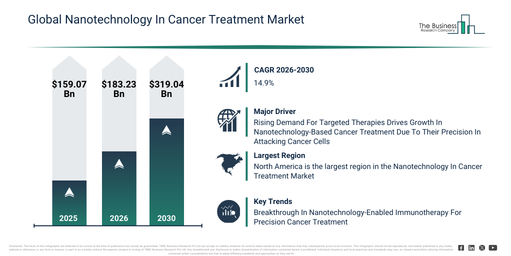
    Nanotechnology In Cancer Treatment Market Poised To Hit $319.04 Billion By 2030 With A 14.9% CAGR

    The nanotechnology in cancer treatment market has experienced rapid expansion in recent years. It is projected to grow from $159.07 billion in 2025 to $183.23 billion in 2026, demonstrating a compound annual growth rate (CAGR) of 15.2%. The growth observed in the preceding period can be linked to increasing cancer incidence rates, advancements in nanomaterial engineering, an expansion of oncology research funding, rising collaboration between pharmaceutical and research institutions, and the early clinical successes of nano-based therapies.

    The market for nanotechnology in cancer treatment is anticipated to experience substantial expansion in the coming years. This market is projected to reach $319.04 billion by 2030, demonstrating a compound annual growth rate (CAGR) of 14.9%. Key drivers for this growth during the forecast period include the expanding embrace of personalized cancer treatment methods, increased financial commitments to nanomedicine research, the broadening scope of clinical trials incorporating nanotechnology, a heightened emphasis on less invasive cancer therapies, and progress in nano-enabled diagnostic tools. Significant trends anticipated over the forecast timeframe encompass the rising creation of nanoparticle-based systems for drug delivery, the increasing implementation of targeted cancer treatments, greater utilization of multifunctional nanomaterials, an expansion of personalized oncology solutions, and a stronger emphasis on mitigating the adverse effects of chemotherapy.

    Get A Free Sample Report With In-Depth Market Insights:

    https://thebusinessresearchcompany.com/sample_request?id=33179326&type=smp&name=Nanotechnology%20In%20Cancer%20Treatment%20Market%20Report%202026&utm_source=Blogs&utm_medium=Paid&utm_campaign=Nov_PR

    Nanotechnology In Cancer Treatment Market Development Factors: What’s Supporting Demand?

    The escalating need for targeted treatments is anticipated to drive the progress of nanotechnology in the cancer treatment market in the future. Targeted therapies are specific cancer interventions that pinpoint molecular markers or pathways crucial for tumor growth and spread. The increased interest in these therapies arises from their ability to precisely engage cancer cells, thereby minimizing harm to healthy tissues and reducing adverse reactions. Nanotechnology within cancer treatment enhances targeted approaches by allowing for the exact delivery of drugs directly to cancerous cells, which boosts effectiveness and safeguards healthy tissues. Thus, the increasing requirement for targeted therapies is propelling the expansion of nanotechnology in the cancer treatment market.

    Nanotechnology In Cancer Treatment Market Segment Breakdown: Which Categories Lead On Revenue?

    The nanotechnology in cancer treatment market covered in this report is segmented –

    1) By Nanotechnology Type: Liposomes, Dendrimers, Nanoparticles

    2) By Treatment Type: Chemotherapy, Immunotherapy, Targeted Therapy, Combined Therapy Approaches, Surgery Assistance

    3) By Cancer Type: Breast Cancer, Lung Cancer, Prostate Cancer, Colorectal Cancer, Blood Cancer, Other Cancer Types

    4) By Application: Targeted Drug Delivery, Photothermal Therapy, Radiation Therapy Enhancement, Diagnostics And Imaging, Gene Delivery Systems

    5) By End-User: Hospitals, Research Institutions, Diagnostics Laboratories, Pharmaceutical Companies, Contract Research Organizations (CROs)

    Subsegments:

    1) By Liposomes: Conventional Liposomes, Stealth Liposomes, Cationic Liposomes, Immunoliposomes

    2) By Dendrimers: Polyamidoamine Dendrimers, Polypropyleneimine Dendrimers, Peptide-Based Dendrimers, Carbosilane Dendrimers

    3) By Nanoparticles: Gold Nanoparticles, Magnetic Nanoparticles, Polymeric Nanoparticles, Quantum Dots, Lipid Nanoparticles

    Nanotechnology In Cancer Treatment Market Transformation Trends: What Innovations Are Driving Change?

    Companies operating within the nanotechnology in cancer treatment market are concentrating on creating advanced therapies, such as immunotherapy nano formulations, to improve the targeting capabilities of the immune system and lessen adverse effects in cancer patients. Immunotherapy nano formulation employs nanotechnology to directly deliver immune-based therapies to specific target sites, thereby enhancing treatment precision while simultaneously improving drug stability, bioavailability, and the activation of immune responses.

    Nanotechnology In Cancer Treatment Market Leading Players And Competitive Positioning

    Major companies operating in the nanotechnology in cancer treatment market are Pfizer Inc., AstraZeneca PLC, Novartis AG, Amgen Inc., GE Healthcare Technologies Inc., Eisai Co. Ltd., Jazz Pharmaceuticals plc, Arrowhead Pharmaceuticals Inc., Nanobiotix S.A., EnGeneIC Ltd., Nanospectra Biosciences Inc., Sona Nanotech Inc., Immix Biopharma Inc., DNA Nanobots LLC, Nanovery Limited, CytImmune Sciences Inc., NanOlogy LLC, NanoApps Medical Inc., Selecta Biosciences Inc., Bind Therapeutics Inc., BlueWillow Biologics Inc., Nanobiomed Inc.

    View The Full Nanotechnology In Cancer Treatment Market Report:

    https://thebusinessresearchcompany.com/report/nanotechnology-in-cancer-treatment-global-market-report?utm_source=Blogs&utm_medium=Paid&utm_campaign=Nov_PR

    Nanotechnology In Cancer Treatment Market Geographic Spread And Regional Opportunities

    North America was the largest region in the nanotechnology in cancer treatment market in 2025. Asia-Pacific is expected to be the fastest-growing region in the forecast period. The regions covered in the nanotechnology in cancer treatment market report are Asia-Pacific, South East Asia, Western Europe, Eastern Europe, North America, South America, Middle East, Africa.

    Reach Out To Our Team:

    The Business Research Company: https://www.thebusinessresearchcompany.com/

    Americas: +1 310-496-7795

    Asia: +44 7882 955267 & +91 8897263534

    Europe: +44 7882 955267

    Email us at: marketing@tbrc.info

    Follow us on:

    LinkedIn: https://in.linkedin.com/company/the-business-research-company

    YouTube: https://www.youtube.com/channel/UC24_fI0rV8cR5DxlCpgmyFQ

    Global Market Model: https://www.thebusinessresearchcompany.com/global-market-model
  • Nanoparticles Contract Manufacturing Market Forecast To Reach $6.38 Billion By 2030: Key Trends Explained

    Nanoparticles Contract Manufacturing Market Forecast To Reach $6.38 Billion By 2030: Key Trends Explained

    Backed by market attractiveness analysis, total addressable market sizing, company benchmarking matrices, interactive Excel dashboards, wider supply chain intelligence, emerging startup coverage, and detailed product-level insights, The Business Research Company’s 2026 market reports are designed to offer research that is more actionable and strategically valuable than ever.

    Nanoparticles Contract Manufacturing Market Size And Revenue Outlook Through 2030

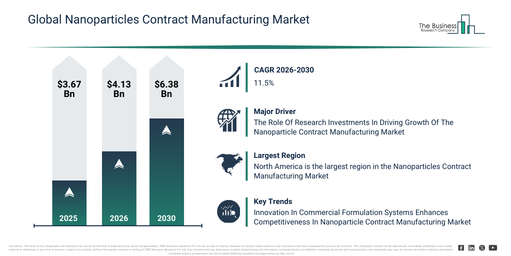
    The nanoparticles contract manufacturing market size has seen swift expansion in recent years. It is anticipated to increase from $3.67 billion in 2025 to $4.13 billion in 2026, demonstrating a compound annual growth rate (CAGR) of 12.7%. The historical period’s expansion can be linked to the early adoption of nanomedicine, limited in-house manufacturing capacity, rising research collaborations, initial development of lipid nanoparticles, and growth in pre-clinical nanotechnology studies.

    The nanoparticles contract manufacturing market is anticipated to experience substantial growth in the coming years. Its valuation is projected to climb to $6.38 billion by the year 2030, exhibiting a compound annual growth rate (CAGR) of 11.5%. This market expansion is driven by several factors such as the increased production of mRNA vaccines, growing demand for biotech outsourcing, advancements in nanoparticle engineering, rising investments in nanotechnology infrastructure, and the uptake of precision medicine applications. Significant trends anticipated throughout the forecast period encompass an increase in outsourced nanoparticle production, the wider use of lipid nanoparticles for drug delivery, an expansion of manufacturing capacities for clinical scales, a rising need for custom nanoparticle formulations, and a heightened commitment to quality assurance and regulatory conformity.

    Get A Free Sample Report With In-Depth Market Insights:

    https://thebusinessresearchcompany.com/sample_request?id=72254775&type=smp&name=Nanoparticles%20Contract%20Manufacturing%20Market%20Report%202026&utm_source=Blogs&utm_medium=Paid&utm_campaign=Nov_PR

    Nanoparticles Contract Manufacturing Market Industry Drivers: What’s Behind The Revenue Growth?

    The anticipated surge in financial commitments towards research is set to accelerate the growth of the nanoparticle contract manufacturing market. Research investments are defined as monetary resources directed towards undertaking investigative activities aimed at generating fresh insights, enhancing scientific comprehension, devising inventive technologies, or resolving particular challenges. The upward trend in these investments is attributed to several elements, including a strong emphasis on innovation and technology, increased awareness concerning societal difficulties, backing for emerging technologies, supportive policy frameworks and long-term strategic planning, alongside government-led funding initiatives. These research investments are crucial for advancing nanoparticle contract manufacturing because they encourage technological breakthroughs, personalized solutions, rigorous quality control, expanded production capabilities, interdisciplinary partnerships, market penetration, and overall economic expansion. Thus, the increasing research investments are a primary driver for the expansion of the nanoparticle contract manufacturing market.

    Nanoparticles Contract Manufacturing Market Segmentation: How Does The Market Break Down By Category?

    The nanoparticles contract manufacturing market covered in this report is segmented –

    1) By Type Of Nanoparticle: Metal Nanoparticles, Lipid Nanoparticles, Other Types Of Nanoparticles

    2) By Manufacturing Scale: Commercial, Clinical, Pre-Clinical

    3) By Application: Therapeutics, Diagnostics, Vaccines

    4) By End-User: Pharmaceutical Companies, Biotechnology Companies

    Subsegments:

    1) By Metal Nanoparticles: Gold Nanoparticles, Silver Nanoparticles, Copper Nanoparticles, Iron Nanoparticles

    2) By Lipid Nanoparticles: Solid Lipid Nanoparticles (SLNs), Nanostructured Lipid Carriers (NLCs), Lipid-Core Micelles

    3) By Other Types of Nanoparticles: Polymeric Nanoparticles, Carbon Nanotubes, Quantum Dots, Dendrimers

    #Nanoparticles Contract Manufacturing Market Growth Trends: What’s Shaping The Future Outlook?

    Major companies in the nanoparticle contract manufacturing market are advancing innovative technologies, such as commercial formulation systems, to produce medicines for clinical and commercial manufacturing and secure a competitive edge. A commercial formulation system is a comprehensive platform designed for the efficient development and production of nanoparticle-based products.

    Nanoparticles Contract Manufacturing Market Competitive Overview And Top Companies

    Major companies operating in the nanoparticles contract manufacturing market are Evonik Industries AG, CordenPharma International GmbH, Ajinomoto Bio-Pharma Services, BioVectra Inc., Fortis Life Sciences, LSNE Contract Manufacturing, Precision NanoSystems Inc., Ardena Holding NV, American Elements, Polymun Scientific Immunbiologische Forschung GmbH, Hitachi Chemical Advanced Therapeutics Solutions LLC, Axolabs GmbH, Cytodiagnostics Inc., Encapsula NanoSciences LLC, Nanochemazone, TechNano India, Lonza, Phosphorex, TRANSFERRA Nanosciences Inc, DIANT Pharma, Nano Labs Corporation, Nanoscale Corporation

    View The Full Nanoparticles Contract Manufacturing Market Report:

    https://thebusinessresearchcompany.com/report/nanoparticles-contract-manufacturing-global-market-report?utm_source=Blogs&utm_medium=Paid&utm_campaign=Nov_PR

    Nanoparticles Contract Manufacturing Market Top Region By Revenue And Market Share

    North America was the largest region in the nanoparticles contract manufacturing market in 2025. The regions covered in the nanoparticles contract manufacturing market report are Asia-Pacific, South East Asia, Western Europe, Eastern Europe, North America, South America, Middle East, Africa.

    Reach Out To Our Team:

    The Business Research Company: https://www.thebusinessresearchcompany.com/

    Americas: +1 310-496-7795

    Asia: +44 7882 955267 & +91 8897263534

    Europe: +44 7882 955267

    Email us at: marketing@tbrc.info

    Follow us on:

    LinkedIn: https://in.linkedin.com/company/the-business-research-company

    YouTube: https://www.youtube.com/channel/UC24_fI0rV8cR5DxlCpgmyFQ

    Global Market Model: https://www.thebusinessresearchcompany.com/global-market-model
  • Nano Antibodies Market Analysis: Understanding The Drivers Behind 15.9% CAGR Through 2030 Growth

    Nano Antibodies Market Analysis: Understanding The Drivers Behind 15.9% CAGR Through 2030 Growth

    Featuring market attractiveness scoring, total addressable market sizing, company benchmarking matrices, interactive Excel dashboards, deeper supply chain intelligence, emerging startup tracking, and granular product-level insights, The Business Research Company’s 2026 market reports are built to deliver research that is both more actionable and more strategically valuable.

    Nano Antibodies Market Growth From $2.1 Billion In 2026 To $3.79 Billion By 2030 At A CAGR Of 15.9%

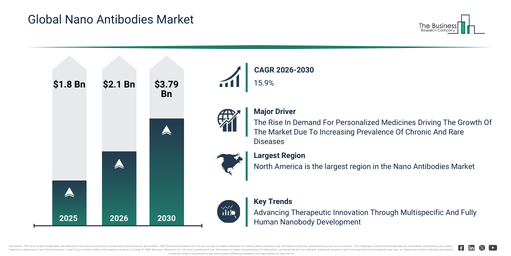
    The nano antibodies market size has seen swift expansion in recent years. It is projected to expand from $1.8 billion in 2025 to $2.1 billion in 2026, exhibiting a compound annual growth rate (CAGR) of 16.2%. The growth observed in the past can be attributed to advancements in antibody engineering research, the discovery of camelid antibody structures, early clinical validation studies, an expansion of biotechnology research funding, and improvements in recombinant expression systems.

    The nano antibodies market is projected to experience substantial expansion over the coming years. By 2030, its value is anticipated to reach $3.79 billion, demonstrating a compound annual growth rate (CAGR) of 15.9%. This expansion during the forecast period is primarily driven by an increasing need for precision therapeutics, greater capital injection into biologics development, the broadening of oncology and infectious disease treatment pipelines, progress in molecular targeting techniques, and a burgeoning interest in advanced antibody formats. Key trends expected during this period involve the heightened creation of target-specific nano antibodies, their increased application in diagnostics and imaging, wider adoption in targeted cancer treatments, the proliferation of recombinant production platforms, and a strengthened emphasis on multispecific antibody engineering.

    Get A Free Sample Report With In-Depth Market Insights:

    https://thebusinessresearchcompany.com/sample_request?id=51228645&type=smp&name=Nano%20Antibodies%20Market%20Report%202026&utm_source=Blogs&utm_medium=Paid&utm_campaign=Nov_PR

    Nano Antibodies Market Growth Factors: What’s Supporting Expansion?

    The future expansion of the nano antibodies market is anticipated to be driven by the growing requirement for personalized treatments. Personalized medicines are defined as medical interventions uniquely adapted to an individual’s genetic composition, way of life, and surroundings, aiming to provide the most efficacious therapy for a particular patient. This heightened demand for personalized medicines stems from the growing incidence of chronic and rare illnesses, which require specialized, patient-tailored therapies to achieve improved treatment results. Nano antibodies facilitate personalized medicine through the provision of highly precise, adaptable, and targeted therapeutic options, custom-fit for individual patient characteristics and specific disease pathways. Consequently, the escalating need for personalized medicines is a primary force behind the expansion of the nano antibodies market.

    Nano Antibodies Market Segment Trends And Revenue Contributors

    The nano antibodies market covered in this report is segmented –

    1) By Product: Single-Domain Antibodies, Heavy-Chain Antibodies, Recombinant Nano Antibodies, Conjugated Nano Antibodies, Bispecific And Multispecific Nano Antibodies

    2) By Technology: Phage Display Technology, Recombinant Deoxyribonucleic Acid (DNA) Technology, Molecular Cloning

    3) By Source: Animal-Derived, Recombinant, Plant-Derived

    4) By Application: Disease Detection In Vitro, Non-Invasive Diagnosis In Vivo, Tumor Targeted Therapy, Nervous System Disease, Circulatory Disease, Infectious Disease, Other Applications

    5) By End-User: Pharmaceutical Companies, Biotechnology Firms, Academic And Research Institutions, Hospitals And Diagnostic Laboratories

    Subsegments:

    1) By Single-Domain Antibodies: Human Single-Domain Antibodies, Camelid Single-Domain Antibodies, Synthetic Single-Domain Antibodies, Shark-Derived Single-Domain Antibodies

    2) By Heavy-Chain Antibodies: Camelid Heavy-Chain Antibodies, Shark Heavy-Chain Antibodies, Engineered Heavy-Chain Antibodies, Chimeric Heavy-Chain Antibodies

    3) By Recombinant Nano Antibodies: Bacterial Expression Nano Antibodies, Yeast Expression Nano Antibodies, Mammalian Expression Nano Antibodies, Cell-Free Expression Nano Antibodies

    4) By Conjugated Nano Antibodies: Drug-Conjugated Nano Antibodies, Fluorescent-Conjugated Nano Antibodies, Enzyme-Conjugated Nano Antibodies, Radiolabeled Nano Antibodies

    5) By Bispecific And Multispecific Nano Antibodies: Dual-Target Nano Antibodies, Tri-Specific Nano Antibodies, Tetravalent Nano Antibodies, Multifunctional Nano Antibodies

    Nano Antibodies Market Industry Trends: What’s Reshaping Demand?

    Leading companies in the nanoantibodies market are concentrating on creating innovative solutions, such as fully multispecific therapeutics, to improve disease targeting and treatment effectiveness. These fully multispecific therapeutics are sophisticated biologic drugs designed to concurrently bind to two or more distinct targets, enabling more precise and potent treatment for complex diseases.

    Nano Antibodies Market Competitive Landscape: Which Companies Lead The Industry?

    Major companies operating in the nano antibodies market are Sanofi S.A., AstraZeneca plc, Bio-Rad Laboratories Inc., Bio-Techne Corporation, Innovent Biologics Inc., GenScript Biotech Corporation, Biocytogen Pharmaceuticals Co. Ltd., Beroni Group Limited., Cusabio Technology LLC, Harbour BioMed Co. Ltd., MoonLake Immunotherapeutics Co. Ltd., Alphamab Oncology Co. Ltd., Santa Cruz Biotechnology Inc., Rockland Immunochemicals Inc., Creative Biolabs Inc., Promab Biotechnologies Inc., ExeVir Bio N.V., Isogenica Ltd., Allele Biotechnology And Pharmaceuticals Inc., Gulliver Biomed Inc., Capralogics Inc.

    View The Full Nano Antibodies Market Report:

    https://thebusinessresearchcompany.com/report/global-nano-antibodies-market-report?utm_source=Blogs&utm_medium=Paid&utm_campaign=Nov_PR

    Nano Antibodies Market Regional Analysis And Top Geography

    North America was the largest region in the nano antibodies market in 2025. Asia-Pacific is expected to be the fastest-growing region in the forecast period. The regions covered in the nano antibodies market report are Asia-Pacific, South East Asia, Western Europe, Eastern Europe, North America, South America, Middle East, Africa.

    Reach Out To Our Team:

    The Business Research Company: https://www.thebusinessresearchcompany.com/

    Americas: +1 310-496-7795

    Asia: +44 7882 955267 & +91 8897263534

    Europe: +44 7882 955267

    Email us at: marketing@tbrc.info

    Follow us on:

    LinkedIn: https://in.linkedin.com/company/the-business-research-company

    YouTube: https://www.youtube.com/channel/UC24_fI0rV8cR5DxlCpgmyFQ

    Global Market Model: https://www.thebusinessresearchcompany.com/global-market-model
  • Myopia Treatment Market Growth To $30.38 Billion By 2030: What’s Driving The Expansion?

    Myopia Treatment Market Growth To $30.38 Billion By 2030: What’s Driving The Expansion?

    Built to provide research that’s more actionable and strategically valuable, The Business Research Company’s 2026 market reports include market attractiveness analysis, total addressable market sizing, company benchmarking matrices, interactive Excel dashboards, broader supply chain intelligence, emerging startup tracking, and in-depth product insights.

    Myopia Treatment Market Expansion Outlook: What Revenue Opportunities Are Ahead?

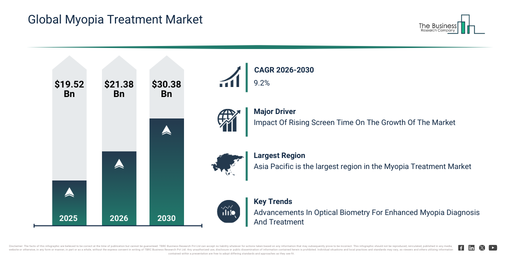
    The myopia treatment market has shown significant expansion in recent years. It is anticipated to increase from $19.52 billion in 2025 to $21.38 billion in 2026, achieving a compound annual growth rate (CAGR) of 9.5%. The historical growth of this market can be attributed to factors such as a surge in screen time exposure, the rising prevalence of childhood myopia, limited availability of preventive eye care, the early evolution of refractive surgery techniques, and the initial adoption of corrective eyewear solutions.

    The myopia treatment market is projected for significant expansion over the coming years, reaching $30.38 billion by 2030, driven by a compound annual growth rate (CAGR) of 9.2%. This anticipated growth can be attributed to several factors, including heightened awareness of myopia control therapies, the advancement of laser treatment technologies, increased demand for orthokeratology, rising investment in ophthalmic research, and the integration of sophisticated diagnostic instruments. Key trends shaping the forecast period encompass the increasing acceptance of orthokeratology (ortho-k), a growing inclination towards minimally invasive refractive surgeries, a surge in demand for pediatric myopia control lenses, a higher incidence of myopia caused by digital eye strain, and the expansion of initiatives promoting preventive eye care awareness.

    Get A Free Sample Report With In-Depth Market Insights:

    https://thebusinessresearchcompany.com/sample_request?id=74428823&type=smp&name=Myopia%20Treatment%20Market%20Report%202026&utm_source=Blogs&utm_medium=Paid&utm_campaign=Nov_PR

    Myopia Treatment Market Demand Drivers: What’s Powering Industry Growth?

    The projected expansion of the myopia treatment market is anticipated to be driven by the rise in screen time. Screen time is defined as the duration an individual dedicates to using screen-equipped devices like smartphones, tablets, computers, or televisions. This escalation in screen time stems from the proliferation of streaming services, increased social media engagement, the adoption of remote work, and the prevalence of virtual meetings. Myopia treatment offers relief from eye strain and discomfort caused by extended screen use, thereby enhancing focus, comfort, and overall visual clarity. Consequently, the rising trend in screen time is a key factor propelling the expansion of the myopia treatment market.

    Myopia Treatment Market Segment Analysis Spotlighting Growth Areas

    The myopia treatment market covered in this report is segmented –

    1) By Type: Simple Myopia, High Myopia, Pathological Myopia

    2) By Treatment: Eyeglasses, Contact Lenses, Refractive Surgery, Laser-Assisted In Situ Keratomileusis (LASIK), Photorefractive Keratectomy (PRK), Orthokeratology (Ortho-K)

    3) By Route Of Administration: Oral, Parenteral, Other Routes Of Administration

    4) By Distribution Channel: Direct Tender, Retail Sales, Other Distribution Channels

    5) By End-User: Physician Offices, Reference Laboratories, Other End-Users

    Subsegments:

    1) By Simple Myopia: Mild Myopia, Moderate Myopia

    2) By High Myopia: Severe Myopia, Very Severe Myopia

    3) By Pathological Myopia: Degenerative Myopia, Malignant Myopia

    Myopia Treatment Market Innovation Trends: What Developments Are Reshaping The Industry?

    Leading companies within the myopia treatment market are dedicating efforts to developing advanced products, such as optical biometers, to enhance diagnostic accuracy and provide tailored, effective individualized treatments. Optical biometers function by employing light to gauge various eye parameters, including axial length and corneal curvature, thereby assisting in the diagnosis and ongoing monitoring of ocular conditions.

    Myopia Treatment Market Leading Companies: Who Holds The Strongest Market Presence?

    Major companies operating in the myopia treatment market are Regeneron Pharmaceuticals Inc., Alcon Inc., Bausch Health Companies Inc., Hoya Corporation, Johnson & Johnson Vision Care Inc., CooperVision Inc., Menicon Co. Ltd., Topcon Healthcare Inc., Essilor Ltd., NIDEK CO. LTD., SightGlass Vision Inc., SCHWIND eye-tech-solutions GmbH, Visioneering Technologies Inc., MEDMONT INTERNATIONAL PTY LTD., Vyluma Inc., Haag-Streit Holding AG, NovaSight Ltd., Euclid Vision Corporation, Treehouse Eyes LLC, Sydnexis Inc., Neurobit Technologies Co. Ltd., Kubota Pharmaceutical Holdings Co. Ltd.

    View The Full Myopia Treatment Market Report:

    https://thebusinessresearchcompany.com/report/myopia-treatment-global-market-report?utm_source=Blogs&utm_medium=Paid&utm_campaign=Nov_PR

    Myopia Treatment Market Geographic Analysis: Where Is Demand Rising Fastest?

    Asia Pacific was the largest region in the myopia treatment market in 2025. Asia-Pacific is expected to be the fastest-growing region in the forecast period. The regions covered in the myopia treatment market report are Asia-Pacific, South East Asia, Western Europe, Eastern Europe, North America, South America, Middle East, Africa.

    Reach Out To Our Team:

    The Business Research Company: https://www.thebusinessresearchcompany.com/

    Americas: +1 310-496-7795

    Asia: +44 7882 955267 & +91 8897263534

    Europe: +44 7882 955267

    Email us at: marketing@tbrc.info

    Follow us on:

    LinkedIn: https://in.linkedin.com/company/the-business-research-company

    YouTube: https://www.youtube.com/channel/UC24_fI0rV8cR5DxlCpgmyFQ

    Global Market Model: https://www.thebusinessresearchcompany.com/global-market-model
  • Myopia and Presbyopia Treatment Market Trends Reshaping Industry Growth Through 2030

    Myopia and Presbyopia Treatment Market Trends Reshaping Industry Growth Through 2030

    Backed by market attractiveness analysis, total addressable market sizing, company benchmarking matrices, interactive Excel dashboards, wider supply chain intelligence, emerging startup coverage, and detailed product-level insights, The Business Research Company’s 2026 market reports are designed to offer research that is more actionable and strategically valuable than ever.

    Myopia and Presbyopia Treatment Market Growth Potential: How Will Market Size Shift Through 2030?

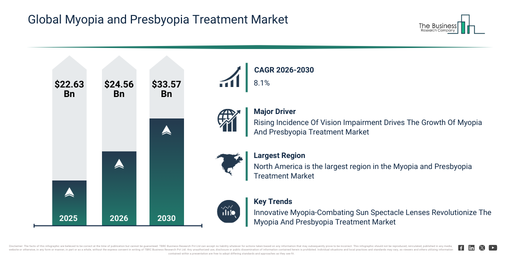
    The myopia and presbyopia treatment market has experienced robust expansion in recent years. Projections indicate it will expand from $22.63 billion in 2025 to reach $24.56 billion by 2026, exhibiting a compound annual growth rate (CAGR) of 8.6%. This historical growth can be attributed to an increasing aging population, the widespread adoption of corrective lenses, a rise in screen-induced myopia, early developments in refractive surgery, and limited awareness of preventive eye care.

    The myopia and presbyopia treatment market size is expected to experience robust expansion in the coming years. This market is projected to grow to $33.57 billion by 2030, exhibiting a compound annual growth rate (CAGR) of 8.1%. The growth anticipated during the forecast period is driven by factors such as the increasing demand for advanced surgical options, wider adoption of presbyopia-correcting lenses, a surge in the application of pharmacological treatments, technological advancements in eye care diagnostics, and the broadening scope of preventive screening programs. Significant trends for the forecast period include the increasing uptake of multifocal and sophisticated contact lenses, rising demand for laser and refractive surgical interventions, a growing preference for orthokeratology (ortho-k) in managing myopia, greater utilization of pharmacological eye drops for presbyopia, and the expansion of early vision screening and preventive care initiatives.

    Get A Free Sample Report With In-Depth Market Insights:

    https://thebusinessresearchcompany.com/sample_request?id=42005588&type=smp&name=Myopia%20and%20Presbyopia%20Treatment%20Market%20Report%202026&utm_source=Blogs&utm_medium=Paid&utm_campaign=Nov_PR

    Myopia and Presbyopia Treatment Market Growth Drivers: What’s Behind The Acceleration?

    The escalating occurrence of vision impairment is anticipated to foster the expansion of the myopia and presbyopia treatment market in the future. Vision impairment refers to a state where an individual’s capacity to see and interpret visual information is significantly diminished, leading to difficulties in perceiving and understanding their surroundings. The increasing incidence of vision impairment can stimulate the development of myopia and presbyopia treatments, leading to heightened awareness, innovation, investments, better access to therapies, and ultimately improved outcomes for those seeking solutions for their visual issues. Therefore, the growing incidence of vision impairment is driving the growth of the myopia and presbyopia treatment market.

    Myopia and Presbyopia Treatment Market Segment Performance And Emerging Opportunities

    The myopia and presbyopia treatment market covered in this report is segmented –

    1) By Type: Myopia, Presbyopia

    2) By Age Group: Children And Young Adults, Adults, Geriatrics

    3) By End-Use: Hospitals, Eye Care Clinics Or Ophthalmic Centers

    Subsegments:

    1) By Myopia: Pharmacological Treatments, Orthokeratology Lenses, Refractive Surgery, Spectacles And Contact Lenses

    2) By Presbyopia: Multifocal Lenses, Monovision Contact Lenses, Corneal Inlays, Presbyopia-Correcting Surgery

    Myopia and Presbyopia Treatment Market Trends: What’s Defining The Industry’s Next Phase?

    Leading firms within the myopia and presbyopia treatment market are creating advanced solutions, such as sun spectacle lenses designed to combat myopia, with the aim of attracting broader customer segments, boosting sales figures, and enhancing income. These myopia-combating sun spectacle lenses are essentially eyeglass lenses crafted to slow down the advancement of myopia, or near-sightedness, particularly when used outdoors or in strong sunlight.

    Myopia and Presbyopia Treatment Market Key Players: Which Companies Lead Industry Competition?

    Major companies operating in the myopia and presbyopia treatment market are ALCON Inc., Bausch & Lomb Incorporated, Carl Zeiss AG, Essilor Ltd., Johnson & Johnson Vision Inc., Nidek Corporation, Topcon Corporation, Zimmer Ophthalmic Systems AG, AbbVie Inc., Orasis Pharmaceuticals Ltd., The Cooper Companies Inc., Staar Surgical Co., Eyenovia Inc., Allergan PLC, Hoya Corporation, Menicon Co. Ltd., CooperVision Inc., Visioneering Technologies Inc., AcuFocus Inc., Ocular Therapeutix Inc., SightGlass Vision Inc., Presbia PLC, LensGen Inc., RxSight Inc., Perfect Lens LLC

    View The Full Myopia and Presbyopia Treatment Market Report:

    https://thebusinessresearchcompany.com/report/myopia-and-presbyopia-treatment-global-market-report?utm_source=Blogs&utm_medium=Paid&utm_campaign=Nov_PR

    Myopia and Presbyopia Treatment Market Global Footprint: Which Region Leads The Market?

    North America was the largest region in the myopia and presbyopia treatment market share in 2025. Asia-Pacific is expected to be the fastest-growing region in the forecast period. The regions covered in the myopia and presbyopia treatment market report are Asia-Pacific, South East Asia, Western Europe, Eastern Europe, North America, South America, Middle East, Africa.

    Reach Out To Our Team:

    The Business Research Company: https://www.thebusinessresearchcompany.com/

    Americas: +1 310-496-7795

    Asia: +44 7882 955267 & +91 8897263534

    Europe: +44 7882 955267

    Email us at: marketing@tbrc.info

    Follow us on:

    LinkedIn: https://in.linkedin.com/company/the-business-research-company

    YouTube: https://www.youtube.com/channel/UC24_fI0rV8cR5DxlCpgmyFQ

    Global Market Model: https://www.thebusinessresearchcompany.com/global-market-model
  • Myomectomy Market Growth To $2.41 Billion Creates New Opportunities Across The Industry

    Myomectomy Market Growth To $2.41 Billion Creates New Opportunities Across The Industry

    Featuring market attractiveness scoring, total addressable market sizing, company benchmarking matrices, interactive Excel dashboards, deeper supply chain intelligence, emerging startup tracking, and granular product-level insights, The Business Research Company’s 2026 market reports are built to deliver research that is both more actionable and more strategically valuable.

    Myomectomy Market Value Analysis: What Growth Lies Ahead Over The Forecast Period?

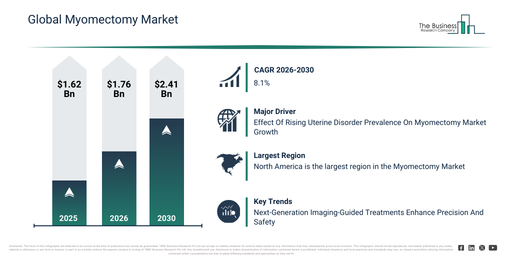
    The myomectomy market has experienced substantial growth in recent years. It is projected to expand from $1.62 billion in 2025 to $1.76 billion in 2026, at a compound annual growth rate (CAGR) of 8.5%. The historical market expansion is attributable to the increasing prevalence of uterine fibroids, rising awareness of fertility preservation options, an increase in gynecological surgical procedures, the expansion of hospital surgical infrastructure, and the availability of advanced laparoscopic tools.

    The myomectomy market is anticipated to show robust growth over the next few years, with its size projected to reach $2.41 billion by 2030, exhibiting a compound annual growth rate (CAGR) of 8.1%. This expansion during the forecast period can be attributed to the rising adoption of robotic gynecologic surgeries, increased investments in minimally invasive technologies, a growing demand for patient-centric treatment options, the expansion of specialized women’s health centers, and an increasing focus on achieving faster post-surgical recovery. Major trends expected in this period encompass a greater adoption of minimally invasive surgical techniques, the rising use of robotic-assisted myomectomy procedures, a growing preference for fertility-preserving treatments, the expansion of advanced surgical instrumentation, and an enhanced focus on precision surgical outcomes.

    Get A Free Sample Report With In-Depth Market Insights:

    https://thebusinessresearchcompany.com/sample_request?id=24534557&type=smp&name=Myomectomy%20Market%20Report%202026&utm_source=Blogs&utm_medium=Paid&utm_campaign=Nov_PR

    Myomectomy Market Growth Factors Behind Sustained Expansion

    The increasing occurrence of uterine conditions is projected to boost the expansion of the myomectomy market in the coming years. Uterine disorders encompass various medical issues impacting the uterus, such as fibroids, endometriosis, and uterine cancer, which can manifest as pain, abnormal bleeding, and infertility. The growing incidence of these disorders stems from factors like heightened awareness, deferred childbearing, hormonal imbalances, and shifts in lifestyle. Myomectomy serves as a treatment for uterine disorders by surgically excising fibroids, thereby mitigating symptoms like discomfort, profuse bleeding, and reproductive challenges while retaining the uterus. Consequently, the heightened prevalence of uterine conditions is a key factor propelling the growth of the myomectomy market.

    Myomectomy Market Segment Landscape And Growth Outlook

    The myomectomy market covered in this report is segmented –

    1) By Surgical Approach: Abdominal Myomectomy, Hysteroscopic Myomectomy, Laparoscopic Myomectomy

    2) By Product: Laparoscopic Power Morcellators, Harmonic Scalpel, Laparoscopic Sealer, Other Products

    3) By End-User: Hospitals And Clinics, Surgical Centers, Other End-Users

    Subsegments:

    1) By Abdominal Myomectomy: Open Abdominal Myomectomy (Laparotomy), Mini-Laparotomy Myomectomy

    2) By Hysteroscopic Myomectomy: Resectoscopic Myomectomy, Non-Resectoscopic Techniques

    3) By Laparoscopic Myomectomy: Conventional Laparoscopic Myomectomy, Robotic-Assisted Laparoscopic Myomectomy

    Myomectomy Market Industry Trends Fueling Future Revenue Growth

    Leading companies within the myomectomy market are concentrating on creating innovative solutions, such as next-generation robotic-assisted surgical systems, to address the increasing need for less invasive procedures, enhanced surgical accuracy, and quicker patient recovery. These robotic-assisted systems serve as sophisticated surgical platforms that augment a surgeon’s capabilities through high-definition 3D visualization, articulating instruments, and precise motion scaling, representing a significant advancement over conventional open or laparoscopic operations.

    Myomectomy Market Competitive Landscape: Who Leads The Industry?

    Major companies operating in the myomectomy market are Medtronic plc, Stryker Corporation, Boston Scientific Corporation, B. Braun Melsungen AG, Olympus Corporation, Intuitive Surgical Inc., Smith & Nephew plc, Hologic Inc., CooperSurgical Inc., Teleflex Incorporated, Karl Storz SE & Co. KG, CONMED Corporation, Richard Wolf GmbH, ERBE Elektromedizin GmbH, LiNA Medical ApS, KLS Martin Group, Aspen Surgical, BOWA Medical, Aesculap AG, Mindray Medical International Limited

    View The Full Myomectomy Market Report:

    https://thebusinessresearchcompany.com/report/myomectomy-global-market-report?utm_source=Blogs&utm_medium=Paid&utm_campaign=Nov_PR

    Myomectomy Market Regional Split: Which Areas Are Fueling Growth?

    North America was the largest region in the myomectomy market in 2025. Asia-Pacific is expected to be the fastest-growing region in the forecast period. The regions covered in the myomectomy market report are Asia-Pacific, South East Asia, Western Europe, Eastern Europe, North America, South America, Middle East, Africa.

    Reach Out To Our Team:

    The Business Research Company: https://www.thebusinessresearchcompany.com/

    Americas: +1 310-496-7795

    Asia: +44 7882 955267 & +91 8897263534

    Europe: +44 7882 955267

    Email us at: marketing@tbrc.info

    Follow us on:

    LinkedIn: https://in.linkedin.com/company/the-business-research-company

    YouTube: https://www.youtube.com/channel/UC24_fI0rV8cR5DxlCpgmyFQ

    Global Market Model: https://www.thebusinessresearchcompany.com/global-market-model
  • Myocarditis Disease Market Forecast: Breaking Down The Numbers Behind Future Expansion

    Myocarditis Disease Market Forecast: Breaking Down The Numbers Behind Future Expansion

    Built to provide research that’s more actionable and strategically valuable, The Business Research Company’s 2026 market reports include market attractiveness analysis, total addressable market sizing, company benchmarking matrices, interactive Excel dashboards, broader supply chain intelligence, emerging startup tracking, and in-depth product insights.

    Myocarditis Disease Market Size Forecast: How Big Could The Market Get By 2030?

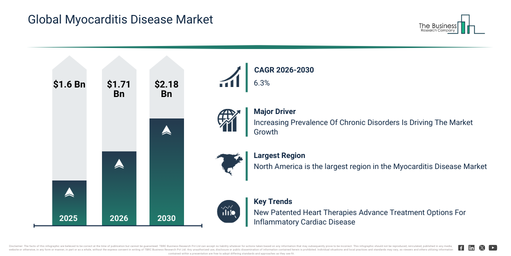
    The market for myocarditis disease has experienced robust expansion over recent years. This market is projected to expand from $1.6 billion in 2025 to $1.71 billion in 2026, demonstrating a compound annual growth rate (CAGR) of 6.5%. Historically, this expansion has been driven by factors such as an increase in viral infection cases, inadequate diagnostic tools, reliance on conventional inflammation therapies, insufficient public knowledge, and a rising occurrence of drug-induced myocarditis.

    The myocarditis disease market is poised for significant expansion in the coming years, with projections indicating it will reach $2.18 billion by 2030, exhibiting a compound annual growth rate (CAGR) of 6.3%. This growth during the forecast period is largely driven by advancements in imaging technologies, increased investment in cardiac research, a rising demand for targeted immunotherapy, improved diagnostic screening programs, and the broadening of telecardiology services. Major developments anticipated in this period include the increasing adoption of biomarker-based diagnostic techniques, a greater reliance on advanced imaging modalities for early detection, a growing need for anti-inflammatory and immunomodulatory therapies, the expansion of awareness programs concerning early symptoms and prevention, and a heightened focus on management strategies for infection-linked myocarditis.

    Get A Free Sample Report With In-Depth Market Insights:

    https://thebusinessresearchcompany.com/sample_request?id=81846387&type=smp&name=Myocarditis%20Disease%20Market%20Report%202026&utm_source=Blogs&utm_medium=Paid&utm_campaign=Nov_PR

    Myocarditis Disease Market Demand Drivers Opening New Revenue Streams

    The increasing prevalence of chronic disorders is expected to propel the growth of the myocarditis disease market going forward. Chronic disorders refer to long-term health conditions that persist for a year or more and often require ongoing medical attention, management, or lifestyle changes. The increasing prevalence of chronic disorders is due to aging populations, sedentary lifestyles, poor dietary habits, rising obesity rates, and increased exposure to environmental pollutants. Myocarditis disease, characterized by inflammation of the heart muscle, contributes to chronic disorders by potentially leading to long-term complications such as heart failure, arrhythmias, and cardiomyopathy, which require ongoing management and significantly impact cardiovascular health over time. Therefore, the increasing prevalence of chronic disorders is driving the growth of the myocarditis disease market.

    Myocarditis Disease Market Breakdown By Product Type And Application

    The myocarditis disease market covered in this report is segmented –

    1) By Type: Acute Myocarditis, Chronic Myocarditis, Lymphocytic Myocarditis

    2) By Treatment: Medication, Surgery, Other Treatments

    3) By Diagnosis: Blood Tests, Imaging Tests, Cardiac Catheterization, Heart Muscle Biopsy, Other Diagnostic Methods

    4) By Distribution Channel: Hospital Pharmacy, Retail Pharmacy, Online Pharmacy, Other Distribution Channels

    5) By End-Users: Hospitals, Specialty Clinics, Homecare, Other End-Users

    Subsegments:

    1) By Acute Myocarditis: Viral Myocarditis, Bacterial Myocarditis, Fungal Myocarditis

    2) By Chronic Myocarditis: Autoimmune Myocarditis, Chronic Active Myocarditis, Chronic Inflammatory Myocarditis

    3) By Lymphocytic Myocarditis: Idiopathic Lymphocytic Myocarditis, Drug-Induced Lymphocytic Myocarditis, Lymphocytic Myocarditis Associated With Viral Infections

    Myocarditis Disease Market Trends Powering Strategic Industry Growth

    Leading companies within the myocarditis disease market are concentrating on developing sophisticated anti-inflammatory and anti-fibrotic treatments aimed at improving long-term cardiac health and preventing the progression of the illness. These therapies function by modulating key cellular pathways to diminish inflammation and scarring in the heart, thereby preserving cardiac function and reducing the risk of chronic conditions. For instance, in November 2025, Cardiol Therapeutics, a clinical-stage life sciences company based in Canada, secured a U.S. patent allowance for its heart drug candidates CardiolRx and CRD-38, extending intellectual property protection until October 2040. This allowance encompasses their application in a wide array of cardiac disorders, including acute myocarditis, inflammatory cardiomyopathy, heart failure, and pericarditis. CardiolRx is a small-molecule therapy that modulates the inflammasome pathway, which is linked to inflammation and fibrosis in myocarditis, while CRD-38 is a novel subcutaneous formulation currently under development. The newly granted patent enhances Cardiol’s long-term market position and supports its late-stage clinical programs, including a Phase II trial of CardiolRx in acute myocarditis (ARCHER) and upcoming first-in-human evaluations of CRD-38.

    Myocarditis Disease Market Company Landscape And Competitive Strategy

    Major companies operating in the myocarditis disease market are Pfizer Inc., Merck & Co Inc., Bristol-Myers Squibb Company, AstraZeneca PLC, Novartis AG, Eli Lilly and Company, Gilead Sciences Inc., Teva Pharmaceutical Industries Ltd., Regeneron Pharmaceuticals Inc., Sun Pharmaceutical Industries Ltd., Cipla Limited, Cardiol Therapeutics Inc., Amgen Inc., Sanofi, Bayer AG, Johnson & Johnson, AbbVie Inc., Acticor Biotech, Cardurion Pharmaceuticals, Serca Pharmaceuticals, Verve Therapeutics, Biohaven Pharmaceuticals, Tenaya Therapeutics, Berlin Cures, Acesion Pharma, Apitope, Amarin Corporation

    View The Full Myocarditis Disease Market Report:

    https://thebusinessresearchcompany.com/report/myocarditis-disease-global-market-report?utm_source=Blogs&utm_medium=Paid&utm_campaign=Nov_PR

    Myocarditis Disease Market Top Region: Where Does Most Revenue Come From?

    North America was the largest region in the myocarditis disease market in 2025. The regions covered in the myocarditis disease market report are Asia-Pacific, South East Asia, Western Europe, Eastern Europe, North America, South America, Middle East, Africa.

    Reach Out To Our Team:

    The Business Research Company: https://www.thebusinessresearchcompany.com/

    Americas: +1 310-496-7795

    Asia: +44 7882 955267 & +91 8897263534

    Europe: +44 7882 955267

    Email us at: marketing@tbrc.info

    Follow us on:

    LinkedIn: https://in.linkedin.com/company/the-business-research-company

    YouTube: https://www.youtube.com/channel/UC24_fI0rV8cR5DxlCpgmyFQ

    Global Market Model: https://www.thebusinessresearchcompany.com/global-market-model