Author: Marketing Posting

  • Muscle Spasticity Market Forecast To Reach $6.91 Billion By 2030: Key Growth Drivers And Industry Trends

    Muscle Spasticity Market Forecast To Reach $6.91 Billion By 2030: Key Growth Drivers And Industry Trends

    Featuring market attractiveness scoring, total addressable market sizing, company benchmarking matrices, interactive Excel dashboards, deeper supply chain intelligence, emerging startup tracking, and granular product-level insights, The Business Research Company’s 2026 market reports are built to deliver research that is both more actionable and more strategically valuable.

    Muscle Spasticity Market Poised To Hit $6.91 Billion By 2030 With A 8.7% CAGR

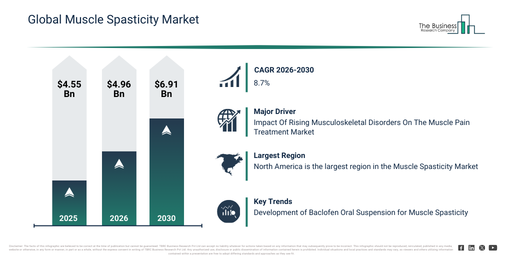
    The muscle spasticity market size has experienced significant expansion in recent years. It is anticipated to increase from $4.55 billion in 2025 to $4.96 billion in 2026, demonstrating a compound annual growth rate (CAGR) of 8.8%. This historical market expansion can be credited to an uptick in neurological injury cases, a greater occurrence of spinal cord disorders, an increase in post-stroke complications, the prompt utilization of oral muscle relaxants, and restricted availability of targeted therapies.

    The muscle spasticity market is projected to experience robust expansion in the coming years. This market is forecast to reach $6.91 billion by 2030, exhibiting a compound annual growth rate (CAGR) of 8.7%. Factors contributing to this growth during the forecast period include progress in drug delivery methods, a rise in the use of botox-based therapies, an increase in home-based rehabilitation options, greater investment in neurological care, and broadening clinical research into spasticity treatments. Key trends anticipated over the forecast period encompass a growing inclination towards botulinum toxin treatments, an increase in the uptake of intrathecal baclofen therapy, an escalating need for oral muscle relaxants, the expansion of rehabilitation and physical therapy initiatives, and an intensified emphasis on individualized spasticity management.

    Get A Free Sample Report With In-Depth Market Insights:

    https://thebusinessresearchcompany.com/sample_request?id=18217688&type=smp&name=Muscle%20Spasticity%20Market%20Report%202026&utm_source=Blogs&utm_medium=Paid&utm_campaign=Nov_PR

    Muscle Spasticity Market Growth Factors Behind Sustained Expansion

    The rising occurrence of musculoskeletal disorders is projected to propel the muscle spasticity market in the future. These disorders are health issues that impact the body’s muscles, bones, and joints, frequently resulting in pain, rigidity, and restricted movement. The growth in musculoskeletal cases can be linked to factors such as an aging demographic, inactive routines, and a greater incidence of long-term illnesses. Treatment for muscle spasticity is designed to lessen the signs of musculoskeletal disorders by decreasing discomfort, boosting movement, averting complications, and improving patients’ general well-being and functional capacity. Consequently, the expanding prevalence of musculoskeletal disorders is fueling the muscle spasticity market.

    Muscle Spasticity Market Segment Performance And Emerging Opportunities

    The muscle spasticity market covered in this report is segmented –

    1) By Drug Type: Baclofen, Botulinum Toxin, Diazepam, Dantrolene Sodium, Other Drugs

    2) By Route Of Administration: Oral, Intramuscular, Other Routes Of Administrations

    3) By Distribution Channel: Hospital Pharmacies, Retail Pharmacies, Online Pharmacies

    Subsegments:

    1) By Baclofen: Oral Baclofen, Intrathecal Baclofen (Pump)

    2) By Botulinum Toxin: Botox (Botulinum Toxin Type A), Dysport (Botulinum Toxin Type A), Xeomin (Botulinum Toxin Type A), Myobloc (Botulinum Toxin Type B)

    3) By Diazepam: Oral Diazepam, Injectable Diazepam

    4) By Dantrolene Sodium: Oral Dantrolene, Injectable Dantrolene

    5) By Other Drugs: Tizanidine, Clonidine, Gabapentin

    Muscle Spasticity Market Industry Trends Fueling Future Revenue Growth

    Major companies within the muscle spasticity market are concentrating their efforts on creating innovative oral muscle-relaxant formulations. This endeavor aims to provide greater flexibility in dosing, boost patient compliance, and cater to individuals who struggle with ingesting traditional solid medications. These novel oral formulations are defined as liquid or otherwise altered oral delivery systems for established antispasmodic drugs, conceived to offer improved accessibility, user-friendliness, accurate dosage control, and better tolerance.

    Muscle Spasticity Market Key Players: Which Companies Lead Industry Competition?

    Major companies operating in the muscle spasticity market are F. Hoffmann-La Roche AG, AbbVie Inc., Abbott Laboratories, Novartis AG, Teva Pharmaceutical Industries Ltd., Ipsen Pharma, Endo Pharmaceuticals Inc., Neurocrine Biosciences Inc., Merz Pharmaceuticals GmbH, Revance Therapeutics Inc., Acorda Therapeutics Inc., Zydus Cadila, Pfizer Inc., Merck & Co. Inc., Sanofi S.A., UCB Pharma S.A., Jazz Pharmaceuticals plc, Daiichi Sankyo Company Limited, GlaxoSmithKline plc, InMed Pharmaceuticals Inc., MediciNova Inc., Genentech Inc., Beximco Pharmaceuticals Ltd., Sun Pharmaceutical Industries Ltd., Taj Pharmaceuticals Limited

    View The Full Muscle Spasticity Market Report:

    https://thebusinessresearchcompany.com/report/muscle-spasticity-global-market-report?utm_source=Blogs&utm_medium=Paid&utm_campaign=Nov_PR

    Muscle Spasticity Market Top Region: Where Does Most Revenue Come From?

    North America was the largest region in the muscle spasticity market in 2025. Asia-Pacific is expected to be the fastest-growing region in the forecast period. The regions covered in the muscle spasticity market report are Asia-Pacific, South East Asia, Western Europe, Eastern Europe, North America, South America, Middle East, Africa.

    Reach Out To Our Team:

    The Business Research Company: https://www.thebusinessresearchcompany.com/

    Americas: +1 310-496-7795

    Asia: +44 7882 955267 & +91 8897263534

    Europe: +44 7882 955267

    Email us at: marketing@tbrc.info

    Follow us on:

    LinkedIn: https://in.linkedin.com/company/the-business-research-company

    YouTube: https://www.youtube.com/channel/UC24_fI0rV8cR5DxlCpgmyFQ

    Global Market Model: https://www.thebusinessresearchcompany.com/global-market-model
  • Muscle Pain Treatment Market Research 2026: Market Size, Trends, Segments And Growth Forecast

    Muscle Pain Treatment Market Research 2026: Market Size, Trends, Segments And Growth Forecast

    Built to provide research that’s more actionable and strategically valuable, The Business Research Company’s 2026 market reports include market attractiveness analysis, total addressable market sizing, company benchmarking matrices, interactive Excel dashboards, broader supply chain intelligence, emerging startup tracking, and in-depth product insights.

    Muscle Pain Treatment Market Size And Revenue Outlook Through 2030

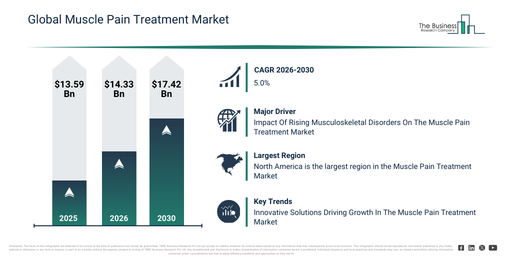
    The muscle pain treatment market size has shown strong growth recently. It is projected to expand from $13.59 billion in 2025 to $14.33 billion in 2026, achieving a compound annual growth rate (CAGR) of 5.4%. This historical growth can be attributed to a rise in physical injuries, a greater prevalence of strenuous work conditions, the early adoption of otc pain relievers, an increase in sports-related muscle strain cases, and limited awareness of non-pharmacological therapies.

    The muscle pain treatment market is projected to experience substantial growth in the coming years, with its size expected to reach $17.42 billion by 2030, driven by a compound annual growth rate (CAGR) of 5.0%. This anticipated expansion during the forecast period is primarily due to advancements in topical formulations, the escalating demand for personalized pain management, a rising adoption of muscle relaxants in clinical care, the establishment of more physiotherapy centers, and increased investment in alternative pain therapies. Furthermore, significant trends foreseen in this period include a heightened demand for topical analgesic products, greater reliance on muscle relaxants for acute pain relief, wider acceptance of physical and massage therapy, the broadening availability of over-the-counter pain relief options, and an intensified focus on combination therapy for chronic muscle pain.

    Get A Free Sample Report With In-Depth Market Insights:

    https://thebusinessresearchcompany.com/sample_request?id=24032117&type=smp&name=Muscle%20Pain%20Treatment%20Market%20Report%202026&utm_source=Blogs&utm_medium=Paid&utm_campaign=Nov_PR

    Muscle Pain Treatment Market Demand Drivers Opening New Revenue Streams

    The rising occurrence of musculoskeletal disorders is anticipated to propel the muscle pain treatment market in the future. Musculoskeletal disorders are conditions that impact the body’s muscles, bones, and joints, frequently leading to pain, stiffness, and restricted movement. The growth in musculoskeletal cases stems from factors like an aging demographic, inactive lifestyles, and a higher incidence of chronic illnesses. The objective of muscle pain treatment is to lessen symptoms of musculoskeletal disorders by reducing pain, enhancing mobility, averting complications, and boosting patients’ general quality of life and functional capabilities. Consequently, the growing prevalence of musculoskeletal disorders is a key driver for the muscle pain treatment market.

    Muscle Pain Treatment Market Segment Landscape And Growth Outlook

    The muscle pain treatment market covered in this report is segmented –

    1) By Pharmacological Treatment: Analgesics, Muscle Relaxants, Topical Analgesics, Other Pharmacological Treatments

    2) By Non-Pharmacological Treatment: Physical Therapy, Massage Therapy, Acupuncture, Heat And Cold Therapy, Exercise And Stretching, Other Non-Pharmacological Treatments

    3) By Type Of Pain: Acute Muscle Pain, Chronic Muscle Pain

    4) By Cause Of Muscle Pain: Overuse And Strain, Injury Or Trauma, Inflammatory Conditions, Neurological Conditions, Infections, Other Cause Of Muscle Pains

    5) By Application: Hospital, Clinic, Other Applications

    Subsegments:

    1) By Analgesics: Nonsteroidal Anti-Inflammatory Drugs (NSAIDs), Acetaminophen

    2) By Muscle Relaxants: Centrally Acting Muscle Relaxants, Peripherally Acting Muscle Relaxants

    3) By Topical Analgesics: Creams & Ointments, Gels & Sprays, Patches

    4) By Other Pharmacological Treatments: Corticosteroids, Antidepressants, Anticonvulsants

    Muscle Pain Treatment Market Trends Powering Strategic Industry Growth

    Leading companies in the muscle pain treatment market are focusing on developing innovative solutions, such as topical analgesic products, to boost efficacy and user convenience. Topical analgesic products are medicines applied directly to the skin to alleviate pain by targeting the affected area and are commonly employed for conditions including muscle aches, arthritis, and minor injuries.

    Muscle Pain Treatment Market Competitive Landscape: Who Leads The Industry?

    Major companies operating in the muscle pain treatment market are Pfizer Inc., Johnson & Johnson, Roche Holding AG, Merck & Co. Inc., AbbVie Inc., Bayer AG, Sanofi SA, Bristol Myers Squibb Company, AstraZeneca PLC, Novartis International AG, GlaxoSmithKline plc (GSK), Eli Lilly and Company, Amgen Inc., Teva Pharmaceutical Industries Ltd., Baxter International Inc., Haleon Plc, Select Medical Holdings Corporation, Purdue Pharma, Endo Pharmaceuticals Inc., Concentra Inc., Athletico Physical Therapy, ATI Physical Therapy Inc., Physiotherapy Associates Inc, NovaCare Rehabilitation Inc, CORA Health Services Inc., Select Physical Therapy Holdings Inc., ProActive Physical Therapy

    View The Full Muscle Pain Treatment Market Report:

    https://thebusinessresearchcompany.com/report/muscle-pain-treatment-global-market-report?utm_source=Blogs&utm_medium=Paid&utm_campaign=Nov_PR

    Muscle Pain Treatment Market Regional Breakdown: Where Is Demand Concentrated?

    North America was the largest region in the muscle pain treatment market in 2025. Asia-Pacific is expected to be the fastest-growing region in the forecast period. The regions covered in the muscle pain treatment market report are Asia-Pacific, South East Asia, Western Europe, Eastern Europe, North America, South America, Middle East, Africa.

    Reach Out To Our Team:

    The Business Research Company: https://www.thebusinessresearchcompany.com/

    Americas: +1 310-496-7795

    Asia: +44 7882 955267 & +91 8897263534

    Europe: +44 7882 955267

    Email us at: marketing@tbrc.info

    Follow us on:

    LinkedIn: https://in.linkedin.com/company/the-business-research-company

    YouTube: https://www.youtube.com/channel/UC24_fI0rV8cR5DxlCpgmyFQ

    Global Market Model: https://www.thebusinessresearchcompany.com/global-market-model
  • Muscarinic Acetylcholine Receptor Market Forecast 2026: Market Size, Competitive Landscape And Growth Drivers

    Muscarinic Acetylcholine Receptor Market Forecast 2026: Market Size, Competitive Landscape And Growth Drivers

    Backed by market attractiveness analysis, total addressable market sizing, company benchmarking matrices, interactive Excel dashboards, wider supply chain intelligence, emerging startup coverage, and detailed product-level insights, The Business Research Company’s 2026 market reports are designed to offer research that is more actionable and strategically valuable than ever.

    Muscarinic Acetylcholine Receptor Market Growth From $1.99 Billion In 2026 To $2.51 Billion By 2030 At A CAGR Of 6%

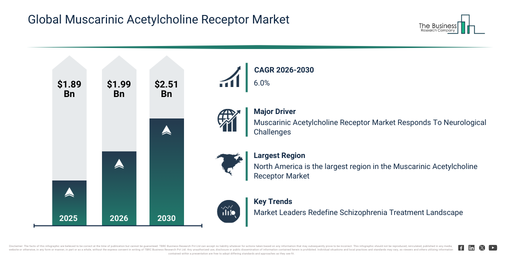
    The muscarinic acetylcholine receptor market size has experienced robust growth in recent years. This market is anticipated to expand from $1.89 billion in 2025 to $1.99 billion in 2026, progressing at a compound annual growth rate (CAGR) of 5.5%. The expansion witnessed during the historic period can be attributed to an increased prevalence of nervous system disorders, early research conducted on G protein pathways, a rising demand for respiratory condition treatments, growth within pharmaceutical R&D efforts, and limited selective receptor targeting options.

    The muscarinic acetylcholine receptor market is projected for substantial expansion over the upcoming years. This market is anticipated to reach a value of $2.51 billion by 2030, exhibiting a compound annual growth rate (CAGR) of 6.0%. This projected growth is driven by several factors, including advancements in discovering receptor-specific drugs, increased funding for therapies targeting neurodegenerative diseases, the spread of personalized medical approaches, the creation of combined receptor products, and a growing emphasis on precise molecular modulation. Key trends expected during this period involve a heightened focus on targeting specific receptors, increasing demand for treatments for neurological disorders, greater research into g protein-coupled receptor modulation, expanded drug development aimed at memory impairment, and rising interest in receptor modulator combinations.

    Get A Free Sample Report With In-Depth Market Insights:

    https://thebusinessresearchcompany.com/sample_request?id=38993241&type=smp&name=Muscarinic%20Acetylcholine%20Receptor%20Market%20Report%202026&utm_source=Blogs&utm_medium=Paid&utm_campaign=Nov_PR

    Muscarinic Acetylcholine Receptor Market Growth Backed By Core Demand Fundamentals

    The expansion of the muscarinic acetylcholine receptor market is anticipated to be fueled by the rising occurrence of neurological disorders. These conditions are medical conditions impacting the nervous system, specifically the brain, spinal cord, and peripheral nerves. Muscarinic acetylcholine receptors (mAChR) play a crucial role in regulating intricate behaviors such as cognition, locomotion, and reward, positioning them as viable therapeutic targets for numerous neurological illnesses. Consequently, the expanding prevalence of neurological disorders is a key factor propelling the growth of the muscarinic acetylcholine receptor market.

    Muscarinic Acetylcholine Receptor Market Breakdown By Product Type And Application

    The muscarinic acetylcholine receptor market covered in this report is segmented –

    1) By Type: M1 Receptor, M4 Receptor, M5 Receptor, Other Types

    2) By Distribution Channel: Hospitals, Clinics, Retail Pharmacies, Online Pharmacies, Specialty Centers

    3) By Application: Chronic Obstructive Pulmonary Disease, Attention Deficit Hyperactivity Disorder, Alzheimer’s Disease, Memory Impairment, Psychiatric Disorders, Other Applications

    Subsegments:

    1) By M1 Receptor: Centrally Acting Antagonists, Centrally Acting Agonists, Peripherally Acting Compounds

    2) By M4 Receptor: Selective Agonists, Selective Antagonists, Non-Selective Agents

    3) By M5 Receptor: Agonists, Antagonists

    4) By Other Types: M2 Receptor, M3 Receptor, Combination Receptor Products

    Muscarinic Acetylcholine Receptor Market Growth Trends Reshaping The Competitive Landscape

    Major companies in the muscarinic acetylcholine receptor market are focusing on creating new products to enhance their market position and obtain regulatory body approval for schizophrenia treatment. Schizophrenia, a severe mental illness, impacts an individual’s thoughts, emotions, and behavior. Patients with schizophrenia might seem disconnected from reality, a situation that can be distressing for both them and their loved ones.

    Muscarinic Acetylcholine Receptor Market Company Landscape And Competitive Strategy

    Major companies operating in the muscarinic acetylcholine receptor market are Heptares Therapeutics Ltd., Sumitomo Dainippon Pharma Co. Ltd., Anavex Life Sciences Corp., NeuroHealing Pharmaceuticals Inc., AstraZeneca plc, Karuna Pharmaceuticals Inc., Anven AlzDx Inc., Merck & Co Inc., Eli Lilly and Co., GlaxoSmithKline plc, Johnson & Johnson, Pfizer Inc., Novartis AG, AbbVie Inc., Boehringer Ingelheim International GmbH, Takeda Pharmaceutical Company Limited, Teva Pharmaceutical Industries Ltd., F. Hoffmann-La Roche Ltd., Eisai Co. Ltd., Astellas Pharma Inc., Sanofi SA, Sun Pharmaceutical Industries Ltd.

    View The Full Muscarinic Acetylcholine Receptor Market Report:

    https://thebusinessresearchcompany.com/report/muscarinic-acetylcholine-receptor-global-market-report?utm_source=Blogs&utm_medium=Paid&utm_campaign=Nov_PR

    Muscarinic Acetylcholine Receptor Market Geographic Landscape: Which Region Leads Industry Growth?

    North America was the largest region in the muscarinic acetylcholine receptor market in 2025.Asia-Pacific is expected to be the fastest-growing region in the global muscarinic acetylcholine receptor market during the forecast period. The regions covered in the muscarinic acetylcholine receptor market report are Asia-Pacific, South East Asia, Western Europe, Eastern Europe, North America, South America, Middle East, Africa.

    Reach Out To Our Team:

    The Business Research Company: https://www.thebusinessresearchcompany.com/

    Americas: +1 310-496-7795

    Asia: +44 7882 955267 & +91 8897263534

    Europe: +44 7882 955267

    Email us at: marketing@tbrc.info

    Follow us on:

    LinkedIn: https://in.linkedin.com/company/the-business-research-company

    YouTube: https://www.youtube.com/channel/UC24_fI0rV8cR5DxlCpgmyFQ

    Global Market Model: https://www.thebusinessresearchcompany.com/global-market-model
  • Multiplex Biomarker Imaging Market Size In 2026: Regional Growth, Key Segments And Future Outlook

    Multiplex Biomarker Imaging Market Size In 2026: Regional Growth, Key Segments And Future Outlook

    Featuring market attractiveness scoring, total addressable market sizing, company benchmarking matrices, interactive Excel dashboards, deeper supply chain intelligence, emerging startup tracking, and granular product-level insights, The Business Research Company’s 2026 market reports are built to deliver research that is both more actionable and more strategically valuable.

    Multiplex Biomarker Imaging Market Expansion Outlook: What Revenue Opportunities Are Ahead?

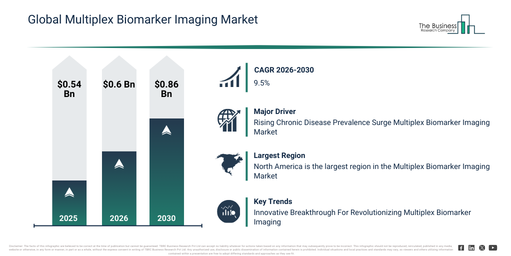
    The multiplex biomarker imaging market has seen swift expansion in recent years. This market is set to increase from $0.54 billion in 2025 to $0.6 billion in 2026, registering a compound annual growth rate (CAGR) of 10.8%. Historically, this growth has been driven by an escalation in cancer research studies, a greater demand for biomarker-based analysis, the initial embrace of fluorescence imaging, the limitations of single-marker analysis capabilities, and the development of molecular pathology testing.

    The multiplex biomarker imaging market size is projected for significant expansion over the coming years. It is anticipated to reach a valuation of $0.86 billion by 2030, exhibiting a compound annual growth rate (CAGR) of 9.5%. This projected growth during the forecast period is primarily driven by improvements in imaging platforms, increasing need for personalized medicine, broadening of multiplex assay applications, the expansion of pharmaceutical biomarker initiatives, and heightened investment in spatial biology research. Key trends expected during this period involve a greater utilization of multiplex imaging within oncology research, an escalating need for high-resolution tissue mapping, the expanding embrace of sophisticated immunofluorescence techniques, the proliferation of automated image analysis solutions, and the incorporation of multiplex imaging into drug discovery platforms.

    Get A Free Sample Report With In-Depth Market Insights:

    https://thebusinessresearchcompany.com/sample_request?id=21792907&type=smp&name=Multiplex%20Biomarker%20Imaging%20Market%20Report%202026&utm_source=Blogs&utm_medium=Paid&utm_campaign=Nov_PR

    Multiplex Biomarker Imaging Market Growth Catalysts And Demand Drivers

    The increasing incidence of chronic illnesses is anticipated to drive the expansion of the multiplex biomarker imaging market in the future. These are enduring health conditions characterized by their persistence or recurrence, frequently stemming from intricate etiologies, numerous risk factors, and extended latency phases. The heightened occurrence of chronic diseases can be attributed to multiple elements, such as the rapid demographic shift towards an older population, enhanced methods for identifying and diagnosing cases, advancements in disease treatment and management, and evolving lifestyle and environmental risk factors. In the context of chronic disease management, multiplex biomarker imaging is employed for thorough analysis and detailed characterization of how diseases advance and how patients respond to therapy. Consequently, the expanding prevalence of chronic diseases is fueling the development of the multiplex biomarker imaging market.

    Multiplex Biomarker Imaging Market Segment Analysis And Revenue Potential

    The multiplex biomarker imaging market covered in this report is segmented –

    1) By Component Type: Instruments, Software, Services

    2) By Imaging Techniques: Immunofluorescence (IF) Assay, Tissue Microarray (TMA) Assay, Immunohistochemistry (IHC) Assay, Fluorescent In Situ Hybridization (FISH) Assay, Toponome Imaging System (TIS)

    3) By Application: Drug Safety, Oncology Studies, Genetic Characterization Studies

    4) By End User: Research Institutes, Government And Private, Clinical Labs, Pharmaceutical And Biotechnology

    Subsegments:

    1) By Instruments: Imaging Systems (Microscopes, Scanners), Detection Devices, Reagents And Kits

    2) By Software: Image Analysis Software, Data Management Software, Visualization And Interpretation Software

    3) By Services: Technical Support And Maintenance, Consultation And Training, Imaging And Analysis Services

    Multiplex Biomarker Imaging Market Trends Shaping Long-Term Demand

    Leading companies in the multiplex biomarker imaging market are prioritizing the development of innovative slides, such as automated slide loaders, to deliver advanced imaging solutions and better cater to customer needs. Automated slide loaders streamline sample processing, reducing manual labor and increasing output, which is essential for high-volume multiplex biomarker imaging experiments.

    Multiplex Biomarker Imaging Market Key Players Shaping Industry Direction

    Major companies operating in the multiplex biomarker imaging market are Merck KGaA, Thermo Fisher Scientific Inc., Danaher Corporation, Becton Dickinson and Company (BD), Carl Zeiss AG, Illumina Inc, PerkinElmer Inc., Bio-Rad Laboratories Inc, Bruker Corporation, Bio-Techne Corporation, Leica Biosystems Nussloch GmbH, Abcam Plc, Meso Scale Diagnostics LLC, Fluidigm Corporation, NanoString Technologies, Quanterix Corporation, Akoya Biosciences, Enzo Biochem Inc, Cisbio Bioassays, Flagship Biosciences, Aushon BioSystems Ltd, Ionpath Inc., Biosims Technologies

    View The Full Multiplex Biomarker Imaging Market Report:

    https://thebusinessresearchcompany.com/report/multiplex-biomarker-imaging-global-market-report?utm_source=Blogs&utm_medium=Paid&utm_campaign=Nov_PR

    Multiplex Biomarker Imaging Market Largest Region: Which Geography Holds The Biggest Share?

    North America was the largest region in the multiplex biomarker imaging market in 2025. Asia-Pacific is expected to be the fastest-growing region in the forecast period. The regions covered in the multiplex biomarker imaging market report are Asia-Pacific, South East Asia, Western Europe, Eastern Europe, North America, South America, Middle East, Africa.

    Reach Out To Our Team:

    The Business Research Company: https://www.thebusinessresearchcompany.com/

    Americas: +1 310-496-7795

    Asia: +44 7882 955267 & +91 8897263534

    Europe: +44 7882 955267

    Email us at: marketing@tbrc.info

    Follow us on:

    LinkedIn: https://in.linkedin.com/company/the-business-research-company

    YouTube: https://www.youtube.com/channel/UC24_fI0rV8cR5DxlCpgmyFQ

    Global Market Model: https://www.thebusinessresearchcompany.com/global-market-model
  • Multiplex Assays Market Growth Forecast Through 2030: Market Size And Trends In 2026

    Multiplex Assays Market Growth Forecast Through 2030: Market Size And Trends In 2026

    Built to provide research that’s more actionable and strategically valuable, The Business Research Company’s 2026 market reports include market attractiveness analysis, total addressable market sizing, company benchmarking matrices, interactive Excel dashboards, broader supply chain intelligence, emerging startup tracking, and in-depth product insights.

    Multiplex Assays Market Growth Potential: How Will Market Size Shift Through 2030?

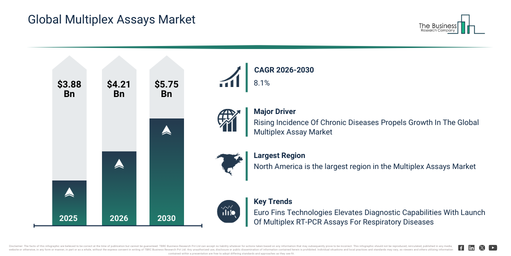
    The multiplex assays market has seen robust growth in recent years. It is projected to expand from $3.88 billion in 2025 to $4.21 billion in 2026, achieving a compound annual growth rate (CAGR) of 8.3%. The market’s expansion during previous periods is largely due to a surge in molecular diagnostic applications, increasing demand for PCR-based testing, an broadening of research endeavors, a heightened need for pathogen identification, and the initial uptake of multiplex protein assays.

    The multiplex assays market is anticipated to show significant expansion in the next few years. It is forecast to grow to $5.75 billion in 2030, achieving a compound annual growth rate (CAGR) of 8.1%. This growth throughout the forecast period is propelled by advancements in multiplex technologies, rising clinical diagnostic adoption, increasing application in precision medicine, expanding use in forensic laboratories, and growth in genetic mutation analysis demand. Notable trends expected during the forecast period include the growing adoption of multiplex pcr for pathogen detection, rising use of multiplex assays in mutation and gene analysis, increasing demand for high-throughput protein quantification, expansion of multiplex platforms in clinical diagnostics, and enhanced application of multiplex assays in forensic and research studies.

    Get A Free Sample Report With In-Depth Market Insights:

    https://thebusinessresearchcompany.com/sample_request?id=10365607&type=smp&name=Multiplex%20Assays%20Market%20Report%202026&utm_source=Blogs&utm_medium=Paid&utm_campaign=Nov_PR

    Multiplex Assays Market Opportunity Drivers: What’s Unlocking New Revenue Potential?

    The rising prevalence of chronic illnesses is anticipated to propel the expansion of the global multiplex assay market in the future. These are persistent health conditions that develop gradually, necessitate continuous care, and frequently impact various bodily systems and an individual’s overall well-being. A primary contributor to the growing occurrence of chronic diseases is the demographic shift towards an older population, as advancing age heightens physiological vulnerability, reduces regenerative capacity, and lengthens exposure to cumulative risk factors, rendering individuals more prone to developing and worsening long-term health issues. Multiplex assays facilitate the concurrent assessment of numerous biomarkers, aiding in earlier diagnosis, more accurate disease surveillance, and enhanced clinical choices for those dealing with chronic conditions. Consequently, the escalating incidence of chronic diseases is a significant driver for the multiplex assay market.

    Multiplex Assays Market Segmentation And Category Overview

    The multiplex assays market covered in this report is segmented –

    1) By Type: Protein-Based Multiplex Assays, Nucleic Acid-Based Multiplex Assays, Other Types

    2) By Identification Technology: Flow Cytometry, Multiplex Real-Time PCR, Other Identification Technologies

    3) By Detection Technology: Enzyme-Linked Immunosorbent Assay (ELISA), Luminescence, Fluorescence, Other Detection Technologies

    4) By Application: Research And Development, Clinical Diagnostics

    5) By End User: Pharmaceutical And Biotechnology Companies, Hospitals And Research Institutes, Reference Laboratories, Other End-Users

    Subsegments:

    1) By Protein-Based Multiplex Assays: ELISA (Enzyme-Linked Immunosorbent Assay), Luminex xMAP Technology, Western Blotting, Immunohistochemistry, Mass Spectrometry-Based Assays

    2) By Nucleic Acid-Based Multiplex Assays: PCR (Polymerase Chain Reaction), qPCR (Quantitative PCR), NGS (Next-Generation Sequencing), Microarray Analysis, RT-PCR (Reverse Transcription PCR)

    3) By Other Types: Cell-Based Multiplex Assays, Bioanalytical Assays, Imaging-Based Assays, Surface Plasmon Resonance (SPR) Assays

    Multiplex Assays Market Innovation Trends Shaping Future Development

    Leading firms within the multiplex assays sector are concentrating on creating cutting-edge developments, including ultrasensitive multiplexed digital PCR assays, with the aim of enhancing the precision of mutation detection and facilitating more streamlined clinical research processes. These ultrasensitive multiplexed digital PCR assays are defined as highly accurate analytical instruments designed to identify and measure numerous genetic variants, even those present in small quantities, all within a single reaction. This approach increases sensitivity, minimizes the amount of sample required, and shortens testing durations.

    Multiplex Assays Market Competitive Analysis Of Leading Industry Participants

    Major companies operating in the multiplex assays market are Seegene Inc, DiaSorin SpA, Thermo Fisher Scientific Inc, Bio-Rad Laboratories Inc, Abcam Plc, PerkinElmer Inc, Hologic Corporation, Meso Scale Diagnostics, Merck KGaA, Roche Diagnostics India Pvt Ltd, bioMérieux India, Becton Dickinson Private Limited, Danaher Corporation, Johnson & Johnson, Simens Healthcare, Beckman Coulter Inc. India, Ortho Clinical Diagnostics, Sysmex Corporation, Siemens Healthineers Ukraine, TestLine Clinical Diagnostics s.r.o., Cepheid, F. Hoffmann-La Roche Ltd., Hologic, Bayer AG, Cantel Medical Corporation, Meridian Bioscience, Faizyme Laboratories, Alere Inc., Bangs Laboratories Inc, The Merck Group, Takara Bio Inc, Qiagen, Spherotech Inc, Geneaid Biotech Ltd, Rockland Immunochemicals Inc, GenScript Biotech Corporation

    View The Full Multiplex Assays Market Report:

    https://thebusinessresearchcompany.com/report/multiplex-assays-global-market-report?utm_source=Blogs&utm_medium=Paid&utm_campaign=Nov_PR

    Multiplex Assays Market Regional Analysis: Which Geography Leads On Revenue?

    North America was the largest region in the multiplex assays market in 2025. Asia-Pacific is expected to be the fastest-growing region in the forecast period. The regions covered in the multiplex assays market report are Asia-Pacific, South East Asia, Western Europe, Eastern Europe, North America, South America, Middle East, Africa.

    Reach Out To Our Team:

    The Business Research Company: https://www.thebusinessresearchcompany.com/

    Americas: +1 310-496-7795

    Asia: +44 7882 955267 & +91 8897263534

    Europe: +44 7882 955267

    Email us at: marketing@tbrc.info

    Follow us on:

    LinkedIn: https://in.linkedin.com/company/the-business-research-company

    YouTube: https://www.youtube.com/channel/UC24_fI0rV8cR5DxlCpgmyFQ

    Global Market Model: https://www.thebusinessresearchcompany.com/global-market-model
  • Multiple Myeloma Market Analysis: $30.25 Billion Market Size In 2026 And Future Growth Prospects

    Multiple Myeloma Market Analysis: $30.25 Billion Market Size In 2026 And Future Growth Prospects

    Backed by market attractiveness analysis, total addressable market sizing, company benchmarking matrices, interactive Excel dashboards, wider supply chain intelligence, emerging startup coverage, and detailed product-level insights, The Business Research Company’s 2026 market reports are designed to offer research that is more actionable and strategically valuable than ever.

    Multiple Myeloma Market Value Analysis: What Growth Lies Ahead Over The Forecast Period?

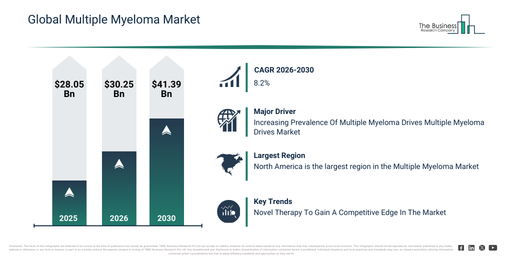
    The multiple myeloma market has experienced robust growth in recent years. It is projected to expand from $28.05 billion in 2025 to $30.25 billion in 2026, achieving a compound annual growth rate (CAGR) of 7.9%. Historically, this growth can be attributed to the increased prevalence of hematologic cancers, the early adoption of chemotherapy agents, a rise in diagnostic imaging usage, the expansion of hospital-based treatment facilities, and the development of first-generation immunomodulatory drugs.

    The multiple myeloma market size is projected to experience substantial growth over the coming years. This market is anticipated to reach $41.39 billion by 2030, exhibiting a compound annual growth rate (CAGR) of 8.2%. The projected expansion during this period stems from progress in targeted therapies, a surging need for stem cell transplants, the expansion of precision medicine applications, a growing pipeline of clinical trials, and the broader application of monoclonal antibody therapies. Key trends for the forecast duration encompass the escalated development of innovative immunotherapies, the augmented deployment of monoclonal antibodies in treatment protocols, the heightened acceptance of minimally invasive diagnostic methods, an increase in stem cell transplantation procedures, and an intensified emphasis on combination therapies to enhance patient outcomes.

    Get A Free Sample Report With In-Depth Market Insights:

    https://thebusinessresearchcompany.com/sample_request?id=16249706&type=smp&name=Multiple%20Myeloma%20Market%20Report%202026&utm_source=Blogs&utm_medium=Paid&utm_campaign=Nov_PR

    Multiple Myeloma Market Growth Momentum: What Factors Are Shaping Demand?

    The multiple myeloma market is expected to grow as the occurrence of multiple myeloma continues to increase. This type of cancer originates in plasma cells, a category of white blood cells. Its rising incidence can be attributed to factors such as age, genetic makeup, obesity, radiation exposure, and other health conditions. Current treatments for multiple myeloma aim to slow its advancement and reduce symptoms. For example, in February 2025, the American Cancer Society, a US-based voluntary health organization, projected that the United States would see approximately 36,110 new multiple myeloma cases and about 12,030 related deaths in 2025, affecting both men and women. Thus, the growing prevalence of multiple myeloma is a significant driver for the expansion of the multiple myeloma market.

    Multiple Myeloma Market Segment Outlook: Which Categories Are Growing Fastest?

    The multiple myeloma market covered in this report is segmented –

    1) By Treatment: Medications, Radiation Therapy, Stem Cell Transplant, Other Treatments

    2) By Diagnosis: Blood Tests, Bone Marrow Biopsy, Urine Tests, Imaging Tests

    3) By Disease Type: Active Multiple Myeloma, Smoldering Multiple Myeloma

    4) By Distribution Channel: Hospital Pharmacy, Retail Pharmacy, Online Pharmacy, Other Distribution Channels

    Subsegments:

    1) By Medications: Immunomodulatory Drugs (IMiDs), Proteasome Inhibitors, Monoclonal Antibodies, Corticosteroids, Chemotherapy Agents

    2) By Radiation Therapy: External Beam Radiation Therapy (EBRT), Radioisotope Therapy

    3) By Stem Cell Transplant: Autologous Stem Cell Transplant (ASCT), Allogeneic Stem Cell Transplant

    4) By Other Treatments: Supportive Care, Clinical Trials And Experimental Therapies

    Multiple Myeloma Market Trends Redefining Industry Growth

    Leading firms within the multiple myeloma sector are concentrating on creating innovative treatments, like CAR T-cell therapy, to achieve a competitive advantage. Chimeric Antigen Receptor T-cell therapy, or CAR T-cell therapy, functions as an immunotherapy where a patient’s T cells are genetically altered to produce a chimeric antigen receptor, allowing them to identify and attack particular cancer cells.

    Multiple Myeloma Market Leading Companies And Competitive Benchmarking

    Major companies operating in the multiple myeloma market are Pfizer Inc., Johnson & Johnson Private Limited, F. Hoffmann-La Roche Ltd., Merck & Co. Inc., AbbVie Inc., Novartis AG, Sanofi S.A., Bristol-Myers Squibb Company, AstraZeneca plc, GlaxoSmithKline PLC, Takeda Pharmaceutical Company Limited, Eli Lilly and Company, Amgen Inc., Janssen Global Services LLC, Celgene Corporation, Biogen Inc., Cipla Inc., Sun Pharmaceutical Industries Ltd., Karyopharm Therapeutics Inc., Regeneron Pharmaceuticals Inc., Gilead Sciences Inc., Xencor Inc., Oncopeptides AB, BeiGene Ltd., TG Therapeutics Inc.

    View The Full Multiple Myeloma Market Report:

    https://thebusinessresearchcompany.com/report/multiple-myeloma-global-market-report?utm_source=Blogs&utm_medium=Paid&utm_campaign=Nov_PR

    Multiple Myeloma Market Geographic Spread And Regional Opportunities

    North America was the largest region in the multiple myeloma market in 2025. Asia-Pacific is expected to be the fastest-growing region in the forecast period. The regions covered in the multiple myeloma market report are Asia-Pacific, South East Asia, Western Europe, Eastern Europe, North America, South America, Middle East, Africa.

    Reach Out To Our Team:

    The Business Research Company: https://www.thebusinessresearchcompany.com/

    Americas: +1 310-496-7795

    Asia: +44 7882 955267 & +91 8897263534

    Europe: +44 7882 955267

    Email us at: marketing@tbrc.info

    Follow us on:

    LinkedIn: https://in.linkedin.com/company/the-business-research-company

    YouTube: https://www.youtube.com/channel/UC24_fI0rV8cR5DxlCpgmyFQ

    Global Market Model: https://www.thebusinessresearchcompany.com/global-market-model
  • Multiomics Services Market 2026 Market Size And Growth Forecast: Key Trends To Watch

    Multiomics Services Market 2026 Market Size And Growth Forecast: Key Trends To Watch

    Featuring market attractiveness scoring, total addressable market sizing, company benchmarking matrices, interactive Excel dashboards, deeper supply chain intelligence, emerging startup tracking, and granular product-level insights, The Business Research Company’s 2026 market reports are built to deliver research that is both more actionable and more strategically valuable.

    Multiomics Services Market Size Forecast: How Big Could The Market Get By 2030?

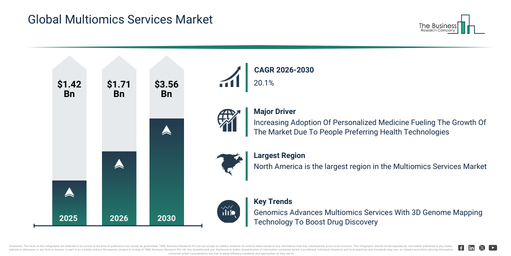
    In recent years, the multiomics services market has experienced exponential growth in its size. Projections indicate that this market will expand from $1.42 billion in 2025 to reach $1.71 billion in 2026, exhibiting a compound annual growth rate (CAGR) of 20.4%. Historically, this expansion can be linked to several factors, including growth in genomics and proteomics research activities, the expansion of academic and clinical research funding, the increasing availability of high-throughput sequencing technologies, rising collaboration between research institutions, and advancements in bioinformatics tools.

    The multiomics services market size is projected to experience substantial growth in the coming years, set to reach $3.56 billion by 2030, demonstrating a compound annual growth rate (CAGR) of 20.1%. This expansion during the forecast period is driven by factors such as the increasing embrace of precision medicine approaches, heightened pharmaceutical investment in systems biology, the broadening of multiomics applications in drug discovery, the growing utilization of AI-based biological data interpretation, and a rising demand for personalized therapeutic development. Significant trends anticipated for the forecast period include a wider adoption of integrated multiomics analysis platforms, a surging demand for single-cell multiomics services, an increased reliance on data-driven biological insights, the expansion of cloud-based omics data integration, and a sharpened focus on translational research applications.

    Get A Free Sample Report With In-Depth Market Insights:

    https://thebusinessresearchcompany.com/sample_request?id=93239066&type=smp&name=Multiomics%20Services%20Market%20Report%202026&utm_source=Blogs&utm_medium=Paid&utm_campaign=Nov_PR

    Multiomics Services Market Expansion Drivers: What’s Shaping Future Growth?

    The expanding adoption of personalized medicine is projected to drive the future growth of the multiomics services market. This medical model leverages an individual’s genetic information and lifestyle environment to create bespoke treatments and healthcare solutions tailored to their specific requirements. The rising preference for personalized medicine stems from individuals seeking health technologies that provide real-time monitoring and treatment plans specifically adapted to their unique biological makeup. Multiomics services are instrumental in advancing personalized medicine by integrating a wide array of biological data, including genomics, transcriptomics, proteomics, and metabolomics, to offer an exhaustive insight into an individual’s health profile, which in turn facilitates customized diagnoses, therapies, and disease prevention strategies. Consequently, the increasing embrace of personalized medicine is a key factor propelling the expansion of the multiomics services market.

    Multiomics Services Market Segment Landscape: Which Areas Lead Development?

    The multiomics services market covered in this report is segmented –

    1) By Type: Single-Cell Multiomics, Bulk Multiomics

    2) By Application: Biomarker Discovery, Drug Discovery And Development, Synthetic Biology, Other Applications

    3) By End Users: Academic And Research Institutes, Pharmaceutical And Biotechnology Companies, Other End Users

    Subsegments:

    1) By Single-Cell Multiomics: Single-Cell Genomics Services, Single-Cell Transcriptomics Services, Single-Cell Proteomics Services, Single-Cell Epigenomics Services

    2) By Bulk Multiomics: Genomics And Transcriptomics Integration Services, Genomics And Proteomics Integration Services, Transcriptomics And Proteomics Integration Services, Epigenomics And Transcriptomics Integration Services

    Multiomics Services Market Strategic Trends: What Defines The Next Growth Phase?

    Leading companies in the multiomics services market are focusing on developing innovative methods, such as 3D genome mapping, to improve the understanding of gene regulation, disease mechanisms, and personalized treatment strategies. 3D genome mapping is the process of identifying the three-dimensional spatial arrangement of the genome within a cell’s nucleus. For example, in January 2025, Enhanc3D Genomics, a UK-based biotechnology company, launched a suite of 3D multi-omics solutions designed to accelerate and enhance the precision of drug discovery. This suite offers unique features like the integration of genome-wide regulatory interaction data with multi-omics profiles in a single assay, providing comprehensive insights into gene regulation. Its proprietary Promoter Capture Hi-C technology enables precise mapping of long-range interactions between regulatory elements and target genes, including those located in non-coding regions. The platform’s modular design, incorporating GenLinkConnect, GenLinkResponse, and GenLinkProfile, supports SNP-to-gene linkage, drug response analysis, and cell-specific regulatory profiling, respectively. Additionally, the GenLinkHub software offers an intuitive interface for 3D visualization, data management, and quality control, thereby enhancing researchers’ ability to interpret complex datasets and accelerate drug discovery.

    Multiomics Services Market Industry Leaders And Competitive Landscape

    Major companies operating in the multiomics services market are Thermo Fisher Scientific Inc., Agilent Technologies Inc., PerkinElmer Inc., Bruker Corporation, QIAGEN NV, Azenta Inc., BGI Group, 10x Genomics Inc., BioLegend Inc., Oxford Nanopore Technologies Plc, NanoString Technologies Inc., Pacific Biosciences Inc., Metware Biotechnology Inc., Source BioScience Limited, CD Genomics Inc., Psomagen Inc., Creative Proteomics, Sapient Bioanalytics LLC, Dalton Bioanalytics Inc., Clinical Microbiomics A/S.

    View The Full Multiomics Services Market Report:

    https://thebusinessresearchcompany.com/report/multiomics-services-global-market-report?utm_source=Blogs&utm_medium=Paid&utm_campaign=Nov_PR

    Multiomics Services Market Top Region By Revenue And Market Share

    North America was the largest region in the multiomics services market in 2025. Asia-Pacific is expected to be the fastest-growing region in the forecast period. The regions covered in the multiomics services market report are Asia-Pacific, South East Asia, Western Europe, Eastern Europe, North America, South America, Middle East, Africa.

    Reach Out To Our Team:

    The Business Research Company: https://www.thebusinessresearchcompany.com/

    Americas: +1 310-496-7795

    Asia: +44 7882 955267 & +91 8897263534

    Europe: +44 7882 955267

    Email us at: marketing@tbrc.info

    Follow us on:

    LinkedIn: https://in.linkedin.com/company/the-business-research-company

    YouTube: https://www.youtube.com/channel/UC24_fI0rV8cR5DxlCpgmyFQ

    Global Market Model: https://www.thebusinessresearchcompany.com/global-market-model
  • Multiomics Market Size Forecast: How The Industry Is Expected To Grow From 2026 To 2030

    Multiomics Market Size Forecast: How The Industry Is Expected To Grow From 2026 To 2030

    Built to provide research that’s more actionable and strategically valuable, The Business Research Company’s 2026 market reports include market attractiveness analysis, total addressable market sizing, company benchmarking matrices, interactive Excel dashboards, broader supply chain intelligence, emerging startup tracking, and in-depth product insights.

    Multiomics Market Revenue Outlook: What CAGR Lies Ahead Through 2030?

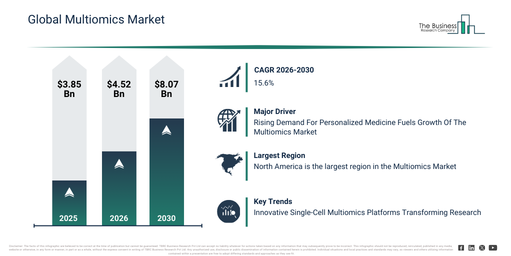
    The multiomics market has experienced rapid growth in recent years. It is projected to increase from $3.85 billion in 2025 to $4.52 billion in 2026, achieving a compound annual growth rate (CAGR) of 17.6%. This historical expansion can be credited to factors such as the rise in genomic sequencing adoption, the early development of transcriptomics tools, increased availability of proteomic analysis platforms, the expansion of biomarker identification research, and a growth in biological data generation.

    The multiomics market is projected for substantial expansion in the coming years. It is anticipated to reach $8.07 billion by 2030, demonstrating a compound annual growth rate (CAGR) of 15.6%. This projected growth is primarily driven by progress in multiomics platforms, the increasing need for personalized medicine, greater incorporation of AI-based analytics, the expanding application of metabolomics in clinical environments, and the broader use of multiomics in precision agriculture. Key trends anticipated during this period encompass the increasing uptake of single-cell multiomics, enhanced integration of multi-layer biological data, a rise in multiomics utilization for early disease diagnostics, the broadening of multiomics within drug discovery pipelines, and its growing relevance in agricultural genomics.

    Get A Free Sample Report With In-Depth Market Insights:

    https://thebusinessresearchcompany.com/sample_request?id=12015755&type=smp&name=Multiomics%20Market%20Report%202026&utm_source=Blogs&utm_medium=Paid&utm_campaign=Nov_PR

    Multiomics Market Development Factors: What’s Supporting Demand?

    The increasing need for individualized medicine is projected to propel the multiomics market’s expansion moving forward. Personalized medicine is defined as a medical approach that customizes healthcare decisions and treatments for individual patients, taking into account their genetic, environmental, and lifestyle factors. This personalized medicine strategy is gaining traction due to technological advancements, a growing call for targeted therapies, and global healthcare improvements. Multiomics facilitates personalized medicine by offering a detailed understanding of an individual’s genetic, molecular, and metabolic profile, thus enabling healthcare providers to tailor treatments based on each patient’s specific characteristics. Consequently, the escalating demand for personalized medicine is driving the growth of the multiomics market.

    Multiomics Market Segments: Where Is Growth Concentrated?

    The multiomics market covered in this report is segmented –

    1) By Type: Single-Cell Multiomics, Bulk Multiomics

    2) By Platform: Genomics, Transcriptomics, Proteomics, Metabolomics, Integrated Omics Platforms

    3) By Application: Diagnostics, Drug Discovery And Development, Personalized Medicine, AgriGenomics, Other Applications

    4) By End User: Academics And Research Organization, Pharmaceutical And Biotechnology Companies, Clinical research Organization, Other End-Users

    Subsegments:

    1) By Single-Cell Multiomics: Single-Cell Genomics, Single-Cell Transcriptomics, Single-Cell Epigenomics, Single-Cell Proteomics, Single-Cell Metabolomics

    2) By Bulk Multiomics: Genomics, Transcriptomics, Epigenomics, Proteomics, Metabolomics

    Multiomics Market Transformation Trends: What Innovations Are Driving Change?

    Major companies in the multiomics market are developing advanced single-cell multiomics platforms, enabling scientists to conduct large-scale studies without compromising sample integrity. These single-cell multiomics platforms integrate various omics with artificial intelligence capabilities, allowing users to smoothly analyze and interpret complex biological data through sophisticated algorithms and machine learning techniques.

    Multiomics Market Key Participants And Competitive Landscape

    Major companies operating in the multiomics market are Bayer AG, Thermo Fisher Scientific Inc., Novartis AG, Becton Dickinson and Company, Eurofins Scientific SE, Agilent Technologies Inc., Illumina Inc., Shimadzu Corporation, Bruker Corporation, Bio-Techne, Azenta Life Sciences, 10x Genomics, Ginkgo Bioworks, Abcam limited, BioLegend, Oxford Nanopore Technologies Plc, Adaptive Biotechnologies, Pacific Biosciences, Standard BioTools, Parse Biosciences, Mission Bio, CD Genomics, Singleron Biotechnologies, Psomagen, BGI Group

    View The Full Multiomics Market Report:

    https://thebusinessresearchcompany.com/report/multiomics-global-market-report?utm_source=Blogs&utm_medium=Paid&utm_campaign=Nov_PR

    Multiomics Market Regional Analysis And Top Geography

    North America was the largest region in the multiomics market in 2025. Asia-Pacific is expected to be the fastest-growing region in the forecast period. The regions covered in the multiomics market report are Asia-Pacific, South East Asia, Western Europe, Eastern Europe, North America, South America, Middle East, Africa.

    Reach Out To Our Team:

    The Business Research Company: https://www.thebusinessresearchcompany.com/

    Americas: +1 310-496-7795

    Asia: +44 7882 955267 & +91 8897263534

    Europe: +44 7882 955267

    Email us at: marketing@tbrc.info

    Follow us on:

    LinkedIn: https://in.linkedin.com/company/the-business-research-company

    YouTube: https://www.youtube.com/channel/UC24_fI0rV8cR5DxlCpgmyFQ

    Global Market Model: https://www.thebusinessresearchcompany.com/global-market-model
  • Multi Cancer Early Detection Market Reaches $3.84 Billion In 2026: Forecast And Growth Opportunities

    Multi Cancer Early Detection Market Reaches $3.84 Billion In 2026: Forecast And Growth Opportunities

    Backed by market attractiveness analysis, total addressable market sizing, company benchmarking matrices, interactive Excel dashboards, wider supply chain intelligence, emerging startup coverage, and detailed product-level insights, The Business Research Company’s 2026 market reports are designed to offer research that is more actionable and strategically valuable than ever.

    Multi Cancer Early Detection Market Growth Analysis: How Will Revenue Trend Over The Forecast Period?

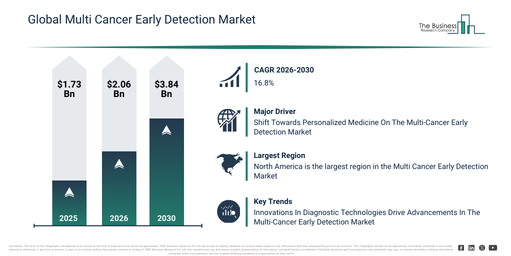
    The multi cancer early detection market has seen rapid expansion in recent years. It is anticipated to expand from $1.73 billion in 2025 to $2.06 billion in 2026, achieving a compound annual growth rate (CAGR) of 19.1%. The growth observed in prior periods stemmed from factors such as an increase in cancer biomarker research, wider adoption of genomic sequencing, heightened awareness of early cancer detection, the development of pathology testing infrastructure, and the initial commercialization of liquid biopsy technologies.

    The multi cancer early detection market is projected to experience substantial expansion in the coming years. This market is anticipated to reach $3.84 billion by 2030, demonstrating a compound annual growth rate (CAGR) of 16.8%. This projected growth is primarily driven by improvements in NGS-based diagnostics, heightened investments in precision oncology, increased uptake of AI-powered screening technologies, the broadening scope of national cancer screening programs, and the increasing incorporation of multiomics into early detection methods. Key trends anticipated during this period encompass the expanded application of liquid biopsy technologies, the growing embrace of comprehensive gene panel testing, a heightened emphasis on multi-organ cancer screening initiatives, an increase in biomarker discovery for early diagnosis, and a move towards non-invasive diagnostic strategies.

    Get A Free Sample Report With In-Depth Market Insights:

    https://thebusinessresearchcompany.com/sample_request?id=22506006&type=smp&name=Multi%20Cancer%20Early%20Detection%20Market%20Report%202026&utm_source=Blogs&utm_medium=Paid&utm_campaign=Nov_PR

    Multi Cancer Early Detection Market Industry Drivers: What’s Behind The Revenue Growth?

    The multi-cancer early detection market is anticipated to expand due to an increasing move towards personalized medicine in the future. This medical approach involves customizing healthcare decisions and treatments based on each patient’s unique genetic profile, characteristics, and requirements. The growing need for personalized medicine arises from its ability to provide improved treatment effectiveness, driven by progress in genomics, the increasing intricacy of diseases, and favorable regulatory frameworks. It boosts the efficacy of multi-cancer early detection by adapting screening and treatment plans based on a person’s specific genetic and biomarker profiles. Consequently, the growing adoption of personalized medicine is fueling the multi-cancer early detection market.

    Multi Cancer Early Detection Market Segment Analysis: What Are The Core Market Categories?

    The multi cancer early detection market covered in this report is segmented –

    1) By Type: Liquid Biopsy, Gene Panel, Laboratory Developed Tests (LDT), Other Types

    2) By Cancer Type: Solid Tumors, Hematological Malignancies

    3) By End-User: Hospitals, Diagnostic Laboratories, Other End Users

    Subsegments:

    1) By Liquid Biopsy: Circulating Tumor Cells (CTC), Circulating Tumor DNA (Ctdna), Exosomes

    2) By Gene Panel: DNA-Based Panels, RNA-Based Panels, Multi-Gene Panels

    3) By Laboratory Developed Tests (LDT): PCR-Based Tests, Next-Generation Sequencing (NGS) Tests, Immunohistochemistry (IHC) Tests

    4) By Other Types: Protein Biomarkers, Autoantibody-Based Tests

    #Multi Cancer Early Detection Market Growth Trends: What’s Shaping The Future Outlook?

    Companies active in the multi-cancer early detection market are developing ctDNA-based liquid biopsy tests to improve sensitivity, specificity, and early detection rates, thereby enhancing patient outcomes. A ctDNA-based liquid biopsy test works by detecting circulating tumor DNA in the bloodstream, offering a non-invasive approach to monitor tumor dynamics, treatment effectiveness, and minimal residual disease or early signs of recurrence.

    Multi Cancer Early Detection Market Top Companies Driving Competitive Growth

    Major companies operating in the multi cancer early detection market are Illumina Inc., Sysmex Inostics GmbH, Exact Sciences Corporation, Natera Inc, Guardant Health, Core Diagnostics, Genecast Biotechnology Co. Ltd, Burning Rock Biotech Limited, Freenome Holdings Inc., Guangzhou AnchorDx Medical Co. Ltd, Singlera Genomics Incorporated, Lucence Health Inc., PredOmix Technologies, Micronoma INC., EarlyDiagnostics (EarlyDx), Elypta AB, Predictive Oncology, ANPAC Bio-Medical Science Co. Ltd, CanSense Ltd, Epigenomics AG, VolitionRX, OncoSeek, Laboratory for Advanced Medicine, Inc., AnchorDx

    View The Full Multi Cancer Early Detection Market Report:

    https://thebusinessresearchcompany.com/report/multi-cancer-early-detection-global-market-report?utm_source=Blogs&utm_medium=Paid&utm_campaign=Nov_PR

    Multi Cancer Early Detection Market Geographic Analysis: Where Is Demand Rising Fastest?

    North America was the largest region in the multi cancer early detection market in 2025. Asia-Pacific is expected to be the fastest-growing region in the forecast period. The regions covered in the multi cancer early detection market report are Asia-Pacific, South East Asia, Western Europe, Eastern Europe, North America, South America, Middle East, Africa.

    Reach Out To Our Team:

    The Business Research Company: https://www.thebusinessresearchcompany.com/

    Americas: +1 310-496-7795

    Asia: +44 7882 955267 & +91 8897263534

    Europe: +44 7882 955267

    Email us at: marketing@tbrc.info

    Follow us on:

    LinkedIn: https://in.linkedin.com/company/the-business-research-company

    YouTube: https://www.youtube.com/channel/UC24_fI0rV8cR5DxlCpgmyFQ

    Global Market Model: https://www.thebusinessresearchcompany.com/global-market-model
  • Mucopolysaccharidosis Treatment Market Growth In 2026: Market Size, Key Drivers And Future Outlook

    Mucopolysaccharidosis Treatment Market Growth In 2026: Market Size, Key Drivers And Future Outlook

    Featuring market attractiveness scoring, total addressable market sizing, company benchmarking matrices, interactive Excel dashboards, deeper supply chain intelligence, emerging startup tracking, and granular product-level insights, The Business Research Company’s 2026 market reports are built to deliver research that is both more actionable and more strategically valuable.

    Mucopolysaccharidosis Treatment Market Forecast: What Value Will The Market Reach By 2030?

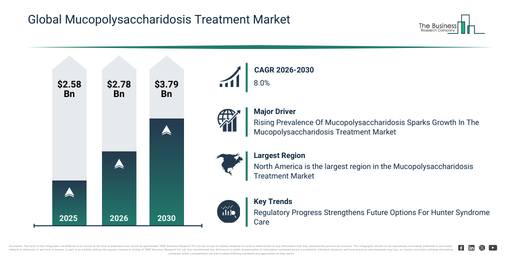
    The size of the mucopolysaccharidosis treatment market has shown substantial growth over recent years. The market is anticipated to expand from $2.58 billion in 2025 to $2.78 billion in 2026, at a compound annual growth rate (CAGR) of 7.7%. Factors contributing to its historical growth include limited awareness of mps disorders, high treatment costs, the gradual adoption of enzyme therapy, restricted clinical trial availability, and a reliance on international drug supply.

    The market for mucopolysaccharidosis treatments is projected to experience substantial expansion in the coming years. This market is anticipated to reach a valuation of $3.79 billion by 2030, exhibiting a compound annual growth rate (CAGR) of 8.0%. Factors contributing to this growth during the forecast period include the broadening scope of gene therapy research, a rise in healthcare investments, enhanced rare disease screening initiatives, more extensive reimbursement options, and the advancement of precision medicine platforms. Key trends expected during the forecast period encompass breakthroughs in enzyme replacement therapy, a wider acceptance of stem cell transplantation, the escalating creation of gene therapy methodologies, an intensified emphasis on early diagnosis and newborn screening, and the proliferation of specialized treatment facilities.

    Get A Free Sample Report With In-Depth Market Insights:

    https://thebusinessresearchcompany.com/sample_request?id=95277514&type=smp&name=Mucopolysaccharidosis%20Treatment%20Market%20Report%202026&utm_source=Blogs&utm_medium=Paid&utm_campaign=Nov_PR

    Mucopolysaccharidosis Treatment Market Growth Factors: What’s Supporting Expansion?

    The rising occurrence of different types of mucopolysaccharidosis is projected to drive the expansion of the mucopolysaccharidosis treatment market in the future. Mucopolysaccharide, a complex carbohydrate, builds up in body tissues when an affected person lacks the specific enzyme needed for its breakdown. Treatments for Mucopolysaccharidosis (MPS) aim to hinder disease progression by reducing glycosaminoglycan (GAG) accumulation, managing symptoms, and averting complications using diverse therapeutic methods. Consequently, the rising prevalence of diverse types of mucopolysaccharidosis is set to stimulate the mucopolysaccharidosis treatment market.

    Mucopolysaccharidosis Treatment Market Segment Breakdown: Which Categories Lead On Revenue?

    The mucopolysaccharidosis treatment market covered in this report is segmented –

    1) By Treatment: Enzyme Replacement Therapy, Stem Cell Therapy

    2) By Disease: Mucopolysaccharidosis- I, Mucopolysaccharidosis- II, Mucopolysaccharidosis-IV, Mucopolysaccharidosis-VI, Other Diseases

    3) By Route Of Administration: Intravenous, Intracerebroventricular

    4) By End-User: Hospitals, Specialty Clinics, Other End-Users

    Subsegments:

    1) By Enzyme Replacement Therapy: Idursulfase (Elaprase), Laronidase (Aldurazyme), Velaglucerase Alfa (Vpriv), Galsulfase (Naglazyme)

    2) By Stem Cell Therapy: Hematopoietic Stem Cell Transplantation (HSCT), Umbilical Cord Blood Transplantation, Gene Therapy Approaches

    Mucopolysaccharidosis Treatment Market Industry Trends: What’s Reshaping Demand?

    Major companies in the MPS II treatment market are concentrating on developing innovative products, such as AAV gene therapies, to address the underlying genetic causes of the disorder and pursue durable neurological correction. An AAV gene therapy is a targeted genetic intervention that utilizes adeno-associated viral vectors to deliver functional genes into central nervous system cells, enabling the long-term production of missing or deficient proteins. For instance, in August 2025, REGENXBIO Inc., a US-based biotechnology company, reported that the United States Food and Drug Administration extended its review timeline for RGX-121. This extension followed the submission of longer-term clinical data from all pivotal-study participants, which remained consistent with earlier biomarker and neurodevelopmental outcomes. The successful pre-license inspections and absence of safety concerns indicate ongoing regulatory momentum, reinforcing the therapy’s potential to become the first one-time treatment specifically targeting the neurological manifestations of MPS II.

    Mucopolysaccharidosis Treatment Market Leading Players And Competitive Positioning

    Major companies operating in the mucopolysaccharidosis treatment market are BioMarin Pharmaceuticals Inc., Sanofi S.A., Takeda Pharmaceutical Co. Ltd., JCR Pharmaceuticals Co. Ltd., Ultragenyx Pharmaceutical Inc., RegenxBio Inc., Sangamo Therapeutics Inc., Audentes Therapeutics Inc., Abeona Therapeutics Inc., Immusoft Corporation, Neurogene Inc., Mallinckrodt Pharmaceuticals, Green Cross Corporation, Denali Therapeutics Inc., Passage Bio Inc., Homology Medicines Inc., AVROBIO Inc., Rocket Pharmaceuticals Inc., Taysha Gene Therapies Inc., Freeline Therapeutics Holdings plc, 4D Molecular Therapeutics Inc., Sio Gene Therapies Inc., SpliceBio S.L., LogicBio Therapeutics Inc., Orchard Therapeutics plc, Asklepios BioPharmaceutical Inc.

    View The Full Mucopolysaccharidosis Treatment Market Report:

    https://thebusinessresearchcompany.com/report/mucopolysaccharidosis-treatment-global-market-report?utm_source=Blogs&utm_medium=Paid&utm_campaign=Nov_PR

    Mucopolysaccharidosis Treatment Market Global Footprint: Which Region Leads The Market?

    North America was the largest region in the mucopolysaccharidosis treatment market in 2025. The regions covered in the mucopolysaccharidosis treatment market report are Asia-Pacific, South East Asia, Western Europe, Eastern Europe, North America, South America, Middle East, Africa.

    Reach Out To Our Team:

    The Business Research Company: https://www.thebusinessresearchcompany.com/

    Americas: +1 310-496-7795

    Asia: +44 7882 955267 & +91 8897263534

    Europe: +44 7882 955267

    Email us at: marketing@tbrc.info

    Follow us on:

    LinkedIn: https://in.linkedin.com/company/the-business-research-company

    YouTube: https://www.youtube.com/channel/UC24_fI0rV8cR5DxlCpgmyFQ

    Global Market Model: https://www.thebusinessresearchcompany.com/global-market-model