Author: Marketing Posting

  • Myocardial Ischemia Market Expected To Grow At 6.1% CAGR Through 2030: What Businesses Need To Know

    Myocardial Ischemia Market Expected To Grow At 6.1% CAGR Through 2030: What Businesses Need To Know

    Backed by market attractiveness analysis, total addressable market sizing, company benchmarking matrices, interactive Excel dashboards, wider supply chain intelligence, emerging startup coverage, and detailed product-level insights, The Business Research Company’s 2026 market reports are designed to offer research that is more actionable and strategically valuable than ever.

    Myocardial Ischemia Market Revenue Outlook: What CAGR Lies Ahead Through 2030?

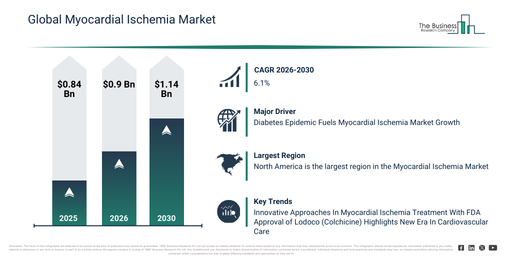
    The market for myocardial ischemia has experienced considerable expansion in recent years. It is anticipated to grow from $0.84 billion in 2025 to $0.9 billion by 2026, demonstrating a compound annual growth rate (CAGR) of 6.8%. The historical growth of this market can be attributed to an increase in coronary artery disease cases, restricted early screening programs, the rising prevalence of hypertension, a reliance on traditional diagnostic methods, and various lifestyle-related risk factors.

    The myocardial ischemia market is anticipated to experience substantial expansion over the coming years. Projections indicate it will reach a value of $1.14 billion by 2030, exhibiting a compound annual growth rate (CAGR) of 6.1%. This projected growth is fueled by factors such as progress in imaging technologies, increased uptake of precision medicine, the proliferation of preventive cardiology initiatives, heightened investment in cardiac research and development, and a surging demand for minimally invasive therapies. Key trends during this period are expected to encompass the wider integration of advanced cardiac imaging techniques, a growing inclination towards less invasive cardiac procedures, the expanded application of combination drug regimens, a stronger emphasis on preventive cardiology and early risk detection, and a significant need for individualized cardiac treatment strategies.

    Get A Free Sample Report With In-Depth Market Insights:

    https://thebusinessresearchcompany.com/sample_request?id=81827609&type=smp&name=Myocardial%20Ischemia%20Market%20Report%202026&utm_source=Blogs&utm_medium=Paid&utm_campaign=Nov_PR

    Myocardial Ischemia Market Growth Backed By Core Demand Fundamentals

    The increasing occurrence of diabetes is projected to fuel the expansion of the myocardial ischemia market moving ahead. Diabetes is defined as a collection of metabolic conditions where the body struggles to produce or properly utilize insulin, a pancreatic hormone vital for blood sugar regulation. The growing frequency of diabetes stems from factors such as obesity, severe obesity, insufficient physical activity, and genetic predispositions. This escalating prevalence of diabetes contributes to a greater incidence of myocardial ischemia, thereby boosting the need for diagnostic, therapeutic, and management solutions for this condition.

    Myocardial Ischemia Market Segment Analysis And Revenue Potential

    The myocardial ischemia market covered in this report is segmented –

    1) By Type: Symptomatic, Asymptomatic

    2) By Treatment And Diagnosis: Diagnosis, Treatment

    3) By End User: Hospitals And Clinics, Diagnostic Centers, Ambulatory Surgery Centers

    Subsegments:

    1) By Symptomatic: Acute Myocardial Ischemia, Chronic Myocardial Ischemia, Stable Angina, Unstable Angina

    2) By Asymptomatic: Silent Myocardial Ischemia, Exercise-Induced Asymptomatic Ischemia

    Myocardial Ischemia Market Growth Trends Reshaping The Competitive Landscape

    Leading companies operating in the myocardial ischemia market are actively developing innovative drugs like Lodoco (colchicine) with the aim of reducing inflammation and decreasing the risk of cardiovascular events in individuals suffering from coronary artery disease. Lodoco is specifically indicated to diminish the risk of myocardial infarction (MI), stroke, coronary revascularization, and cardiovascular death in adult patients diagnosed with established atherosclerotic disease or who have multiple cardiovascular risk factors.

    Myocardial Ischemia Market Key Players Shaping Industry Direction

    Major companies operating in the myocardial ischemia market are Cardinal Health Inc., Pfizer Inc., Roche Holding AG, Bayer AG, Sanofi SA, Novartis AG, Bristol-Myers Squibb Company, AstraZeneca Plc, Abbott Laboratories Inc., Eli Lilly and Company, Medtronic Plc, Boehringer Ingelheim International GmbH, Siemens Healthineers AG, Merck KGaA, GE HealthCare Technologies Inc., Fujifilm Holdings Corporation, Boston Scientific Corporation, Daiichi Sankyo Company Limited, Canon Medical Systems Corporation, Johnson & Johnson, Koninklijke Philips NV, Biotronik SE & Co KG, Edwards Lifesciences Corporation, Teva Pharmaceutical Industries Ltd, Schiller AG, AliveCor Inc.

    View The Full Myocardial Ischemia Market Report:

    https://thebusinessresearchcompany.com/report/myocardial-ischemia-global-market-report?utm_source=Blogs&utm_medium=Paid&utm_campaign=Nov_PR

    Myocardial Ischemia Market Regional Breakdown: Where Is Demand Concentrated?

    North America was the largest region in the myocardial ischemia market in 2025. Europe is expected to be the fastest-growing region in the forecast period. The regions covered in the myocardial ischemia market report are Asia-Pacific, South East Asia, Western Europe, Eastern Europe, North America, South America, Middle East, Africa.

    Reach Out To Our Team:

    The Business Research Company: https://www.thebusinessresearchcompany.com/

    Americas: +1 310-496-7795

    Asia: +44 7882 955267 & +91 8897263534

    Europe: +44 7882 955267

    Email us at: marketing@tbrc.info

    Follow us on:

    LinkedIn: https://in.linkedin.com/company/the-business-research-company

    YouTube: https://www.youtube.com/channel/UC24_fI0rV8cR5DxlCpgmyFQ

    Global Market Model: https://www.thebusinessresearchcompany.com/global-market-model
  • Myocardial Infarction Market Forecast To Reach $3.15 Billion By 2030: Key Trends Explained

    Myocardial Infarction Market Forecast To Reach $3.15 Billion By 2030: Key Trends Explained

    Featuring market attractiveness scoring, total addressable market sizing, company benchmarking matrices, interactive Excel dashboards, deeper supply chain intelligence, emerging startup tracking, and granular product-level insights, The Business Research Company’s 2026 market reports are built to deliver research that is both more actionable and more strategically valuable.

    Myocardial Infarction Market Growth Analysis: How Will Revenue Trend Over The Forecast Period?

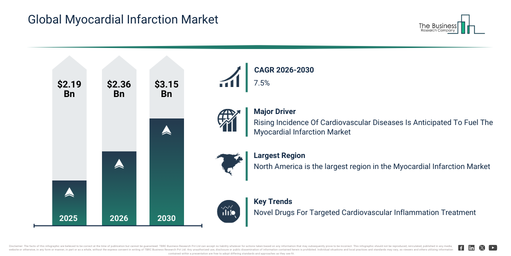
    The myocardial infarction market size has experienced strong growth over recent years. It is anticipated to expand from $2.19 billion in 2025 to $2.36 billion in 2026, at a compound annual growth rate (CAGR) of 7.3%. This market’s historical growth can be attributed to several factors, including an increase in smoking prevalence, rising cases of hypertension, high LDL levels within the population, restricted access to early cardiac screening, and widespread sedentary lifestyle habits.

    The myocardial infarction market is anticipated to experience robust expansion in the coming years. It is projected to reach $3.15 billion by 2030, demonstrating a compound annual growth rate (CAGR) of 7.5%. The expansion during the forecast period can be attributed to advancements in cardiac drug formulations, the growing adoption of telecardiology, rising investment in cardiology research and development, increasing utilization of artificial intelligence for cardiac diagnosis, and the broadening of emergency cardiac care infrastructure. Major trends expected in this period include a greater uptake of advanced cardiac rehabilitation programs, an increasing use of combination drug therapies for post-MI care, a heightened emphasis on early detection and prevention of heart attacks, expanding application of minimally invasive procedures in acute MI management, and an intensified focus on lifestyle modification and long-term risk reduction.

    Get A Free Sample Report With In-Depth Market Insights:

    https://thebusinessresearchcompany.com/sample_request?id=97133689&type=smp&name=Myocardial%20Infarction%20Market%20Report%202026&utm_source=Blogs&utm_medium=Paid&utm_campaign=Nov_PR

    Myocardial Infarction Market Growth Catalysts And Demand Drivers

    An increasing prevalence of cardiovascular conditions is projected to boost the expansion of the myocardial infarction market in the future. These diseases encompass various ailments impacting the heart and vascular system. Drug categories for myocardial infarction are utilized to manage and provide treatment for cardiovascular illnesses, especially in the context of post-heart attack recovery. Consequently, the escalating occurrence of cardiovascular diseases is fueling the myocardial infarction market.

    Myocardial Infarction Market Segmentation And Category Overview

    The myocardial infarction market covered in this report is segmented –

    1) By Drug Class: Antiplatelet Agents, Glycoprotein IIb Or IIIa Inhibitors, Antithrombotic Agents, Beta-Adrenergic Blockers, Vasodilators, Angiotensin-Converting Enzyme (ACE) Inhibitors, Angiotensin-Receptor Blockers, Analgesics, Thrombolytics

    2) By Route Of Administration: Oral, Injectable

    3) By Distribution Channel: Hospital Pharmacies, Retail Pharmacies, Online Pharmacies

    Subsegments:

    1) By Antiplatelet Agents: Aspirin, Clopidogrel, Ticagrelor

    2) By Glycoprotein IIb Or IIIa Inhibitors: Abciximab, Eptifibatide, Tirofiban

    3) By Antithrombotic Agents: Heparins, Direct Oral Anticoagulants (DOACs)

    4) By Beta-Adrenergic Blockers: Metoprolol, Carvedilol

    5) By Vasodilators: Nitroglycerin, Isosorbide Dinitrate

    6) By Angiotensin-Converting Enzyme (ACE) Inhibitors: Lisinopril, Enalapril

    7) By Angiotensin-Receptor Blockers: Losartan, Valsartan

    8) By Analgesics: Morphine, Non-Steroidal Anti-Inflammatory Drugs (NSAIDs)

    9) By Thrombolytics: Alteplase, Reteplase

    Myocardial Infarction Market Trends Shaping Long-Term Demand

    Leading firms in the myocardial infarction sector are concentrating on creating new medications, such as anti-inflammatory drugs, to specifically address cardiovascular inflammation and secure a market advantage. These anti-inflammatory medications function by reducing inflammation, thereby easing discomfort and swelling through their action on the body’s immune system.

    Myocardial Infarction Market Competitive Analysis Of Leading Industry Participants

    Major companies operating in the myocardial infarction market are Pfizer Inc, Johnson & Johnson Services Inc, Bayer AG, Novartis AG, Sanofi SA, Bristol Myers Squibb Company, AstraZeneca PLC, Boehringer Ingelheim GmbH, Daiichi Sankyo Co Ltd, Apotex Inc, Par Pharmaceutical Companies Inc, Amgen Inc, Merck & Co Inc, Takeda Pharmaceutical Company Ltd, Gilead Sciences Inc, Eli Lilly and Company, Teva Pharmaceutical Industries Ltd, Sun Pharmaceutical Industries Ltd, Dr Reddy’s Laboratories Ltd, Lupin Ltd, United Therapeutics Corporation, CSPC Pharmaceutical Group Ltd, Zhejiang Huahai Pharmaceutical Co Ltd, Qilu Pharmaceutical Co Ltd, Chia Tai Tianqing Pharmaceutical Group Co Ltd.

    View The Full Myocardial Infarction Market Report:

    https://thebusinessresearchcompany.com/report/myocardial-infarction-global-market-report?utm_source=Blogs&utm_medium=Paid&utm_campaign=Nov_PR

    Myocardial Infarction Market Geographic Landscape: Which Region Leads Industry Growth?

    North America was the largest region in the myocardial infarction market in 2025. Europe is expected to be the fastest-growing region in the forecast period. The regions covered in the myocardial infarction market report are Asia-Pacific, South East Asia, Western Europe, Eastern Europe, North America, South America, Middle East, Africa.

    Reach Out To Our Team:

    The Business Research Company: https://www.thebusinessresearchcompany.com/

    Americas: +1 310-496-7795

    Asia: +44 7882 955267 & +91 8897263534

    Europe: +44 7882 955267

    Email us at: marketing@tbrc.info

    Follow us on:

    LinkedIn: https://in.linkedin.com/company/the-business-research-company

    YouTube: https://www.youtube.com/channel/UC24_fI0rV8cR5DxlCpgmyFQ

    Global Market Model: https://www.thebusinessresearchcompany.com/global-market-model
  • Myelofibrosis (MF) Market Analysis Through 2030: Market Size, Growth Trends And Industry Outlook

    Myelofibrosis (MF) Market Analysis Through 2030: Market Size, Growth Trends And Industry Outlook

    Built to provide research that’s more actionable and strategically valuable, The Business Research Company’s 2026 market reports include market attractiveness analysis, total addressable market sizing, company benchmarking matrices, interactive Excel dashboards, broader supply chain intelligence, emerging startup tracking, and in-depth product insights.

    Myelofibrosis (MF) Market Forecast: What Value Will The Market Reach By 2030?

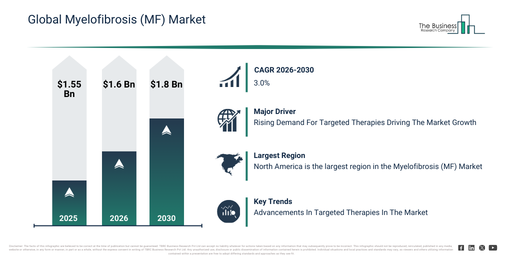
    The myelofibrosis (mf) market has seen consistent expansion over recent years. Its size is anticipated to expand from $1.55 billion in 2025 to $1.6 billion in 2026, exhibiting a compound annual growth rate (CAGR) of 3.2%. The historical increase in the market can be attributed to several factors, including the scarcity of available treatment options, the elevated prevalence of anemia in mf patients, a rise in autoimmune-related conditions, growing diagnostic challenges, and a reliance on corticosteroid-based management.

    The myelofibrosis (mf) market size is projected to demonstrate steady expansion in the coming years, with an expected increase to $1.8 billion by 2030, achieving a compound annual growth rate (CAGR) of 3.0%. This anticipated growth during the forecast period is fueled by several factors, including breakthroughs in JAK inhibitor development, the increasing integration of precision medicine, heightened investment in hematology research and development, ongoing advancements in stem-cell therapies, and the growing accessibility of targeted oral treatments. Prominent trends throughout this period are expected to include the rising adoption of JAK inhibitor-based therapies, an increased focus on combination treatment approaches, a greater emphasis on early diagnosis and screening programs, expanding research in stem-cell transplantation and regenerative care, and a broader application of supportive care to manage symptom burden.

    Get A Free Sample Report With In-Depth Market Insights:

    https://thebusinessresearchcompany.com/sample_request?id=90401316&type=smp&name=Myelofibrosis%20%28MF%29%20Market%20Report%202026&utm_source=Blogs&utm_medium=Paid&utm_campaign=Nov_PR

    Myelofibrosis (MF) Market Opportunity Drivers: What’s Unlocking New Revenue Potential?

    The myelofibrosis (MF) market is anticipated to expand, driven by the increasing need for targeted therapies. This medical approach involves customizing treatments and healthcare choices according to an individual’s unique genetic makeup, environmental influences, and lifestyle habits. This rising demand stems from breakthroughs in genomics, biotechnology, and data analytics, which facilitate the creation of more precise, impactful, and personalized treatments. Myelofibrosis (MF) offers a vital foundation for developing these therapies by pinpointing crucial molecular pathways, including JAK-STAT signaling. This identification allows for the formulation of precision treatments, such as JAK inhibitors (Ruxolitinib, Fedratinib, and Pacritinib), aimed at controlling symptoms and decelerating the disease’s progression. Consequently, the increasing need for targeted therapies is propelling the expansion of the myelofibrosis (MF) market.

    Myelofibrosis (MF) Market Segment Outlook: Which Categories Are Growing Fastest?

    The myelofibrosis (mf) market covered in this report is segmented –

    1) By Drug Type: Jak Inhibitor, Immunomodulators, Hydroxyurea, Other Drug Types

    2) By Treatment Type: Chemotherapy, Targeted Therapy, Other Treatment Types

    3) By Route Of Administration: Oral, Parenteral, Other Routes Of Administration

    4) By Distribution Channel: Hospital Pharmacy, Online Pharmacy, Retail Pharmacy

    5) By End-User: Hospitals, Homecare, Specialty Clinics, Other End-Users

    Subsegments:

    1) By Jak Inhibitor: Ruxolitinib, Fedratinib, Momelotinib, Itacitinib

    2) By Immunomodulators: Thalidomide, Lenalidomide, Pomalidomide

    3) By Hydroxyurea: Oral Hydroxyurea, Injectable Hydroxyurea

    4) By Other Drug Types: Erythropoiesis-Stimulating Agents (ESAs), Danazol, Monoclonal Antibodies, Chemotherapy Agents

    Myelofibrosis (MF) Market Innovation Trends Shaping Future Development

    Leading pharmaceutical firms in the myelofibrosis (MF) sector are concentrating on expanding advanced targeted therapies, including JAK1/JAK2 and ACVR1 inhibitors, to boost treatment effectiveness, manage disease advancement, and better patient results in myelofibrosis (MF). JAK1/JAK2 inhibitors function by targeting the Janus kinase pathway, thereby diminishing inflammation and the atypical production of blood cells in myelofibrosis, whereas ACVR1 inhibitors work to impede activin receptor-like kinase 2 (ALK2) to control bone marrow fibrosis and halt disease progression.

    Myelofibrosis (MF) Market Leading Companies And Competitive Benchmarking

    Major companies operating in the myelofibrosis (mf) market are Pfizer Inc, Novartis AG, Incyte Corporation, CTI BioPharma Corp, Karyopharm Therapeutics Inc, Sierra Oncology Inc, Kartos Therapeutics Inc, NS Pharma Inc, Keros Therapeutics Inc, Pharmaxis Ltd, Sumitomo Pharma Oncology, Galecto Biotech AB, Actuate Therapeutics Inc, AbbVie Inc, Bristol-Myers Squibb Company, Chia Tai Tianqing Pharmaceutical Group Co Ltd, Taiga Biotechnologies Inc, Rigel Pharmaceuticals Inc, Imago BioSciences Inc, Samus Therapeutics Inc.

    View The Full Myelofibrosis (MF) Market Report:

    https://thebusinessresearchcompany.com/report/myelofibrosis-mf-global-market-report?utm_source=Blogs&utm_medium=Paid&utm_campaign=Nov_PR

    Myelofibrosis (MF) Market Largest Region: Which Geography Holds The Biggest Share?

    North America was the largest region in the myelofibrosis (MF) market in 2025. Asia-Pacific is expected to be the fastest-growing region in the forecast period. The regions covered in the myelofibrosis (mf) market report are Asia-Pacific, South East Asia, Western Europe, Eastern Europe, North America, South America, Middle East, Africa.

    Reach Out To Our Team:

    The Business Research Company: https://www.thebusinessresearchcompany.com/

    Americas: +1 310-496-7795

    Asia: +44 7882 955267 & +91 8897263534

    Europe: +44 7882 955267

    Email us at: marketing@tbrc.info

    Follow us on:

    LinkedIn: https://in.linkedin.com/company/the-business-research-company

    YouTube: https://www.youtube.com/channel/UC24_fI0rV8cR5DxlCpgmyFQ

    Global Market Model: https://www.thebusinessresearchcompany.com/global-market-model
  • Myelodysplastic Syndrome Market Outlook From 2026 To 2030: Key Growth Factors And Future Opportunities

    Myelodysplastic Syndrome Market Outlook From 2026 To 2030: Key Growth Factors And Future Opportunities

    Backed by market attractiveness analysis, total addressable market sizing, company benchmarking matrices, interactive Excel dashboards, wider supply chain intelligence, emerging startup coverage, and detailed product-level insights, The Business Research Company’s 2026 market reports are designed to offer research that is more actionable and strategically valuable than ever.

    Myelodysplastic Syndrome Market Size Outlook: How Quickly Will Revenue Expand Through 2030?

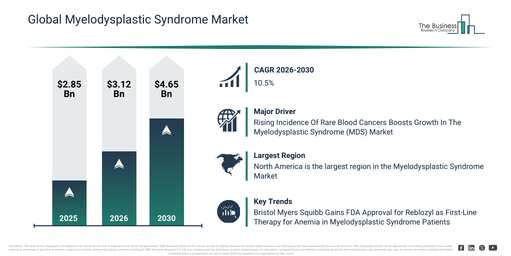
    The myelodysplastic syndrome market size has experienced robust expansion in recent years. It is projected to increase from $2.85 billion in 2025 to $3.12 billion in 2026, at a compound annual growth rate (CAGR) of 9.8%. This historical growth can be ascribed to several factors, including limited treatment options, the rising prevalence of hematologic disorders, increased progression to AML, a reliance on supportive care, and challenges encountered in early diagnosis.

    The market for myelodysplastic syndrome is projected to experience swift expansion in the upcoming years. This market is anticipated to reach $4.65 billion by 2030, demonstrating a compound annual growth rate (CAGR) of 10.5%. Factors contributing to this growth during the forecast period include the rise of targeted therapies, the broader availability of precision medicine solutions, greater investment in oncology research and development, progress in stem cell transplantation techniques, and the increasing use of oral hypomethylating drugs. Key trends identified for the forecast period encompass a higher uptake of hypomethylating agents, an expanding application of combination therapy methods, a sharpened emphasis on improving early detection and diagnostic precision, the proliferation of stem cell transplantation and regenerative treatments, and a growing need for supportive care and growth factor therapies.

    Get A Free Sample Report With In-Depth Market Insights:

    https://thebusinessresearchcompany.com/sample_request?id=60807961&type=smp&name=Myelodysplastic%20Syndrome%20Market%20Report%202026&utm_source=Blogs&utm_medium=Paid&utm_campaign=Nov_PR

    Myelodysplastic Syndrome Market Growth Momentum: What Factors Are Shaping Demand?

    The myelodysplastic syndrome (MDS) market is anticipated to expand in the future due to the rising occurrence of rare blood cancers. These cancers, known as hematologic malignancies, have a low prevalence among people and develop from cells found in the bone marrow, lymph nodes, and various other parts of the blood and immune system. The goal of Myelodysplastic syndrome (MDS) treatment is to manage the ailment by boosting blood cell creation and alleviating related symptoms, thereby halting the advancement of blood cancer within the bone marrow. Consequently, the growing frequency of blood cancer is a significant factor driving the expansion of the myelodysplastic syndrome (MDS) market.

    Myelodysplastic Syndrome Market Segment Landscape: Which Areas Lead Development?

    The myelodysplastic syndrome market covered in this report is segmented –

    1) By Type: Myelodysplastic Syndrome With Unilineage Dysplasia, Myelodysplastic Syndrome With Multilineage Dysplasia, Myelodysplastic Syndrome With Ring Sideroblasts, Other Types

    2) By Drug: Azacitidine, Lenalidomide, Decitabine, Deferasirox

    3) By Treatment: Supportive Therapy, Growth Factors, Chemotherapy, Stem Cell Transplant, Other Treatments

    4) By Route Of Administration: Oral, Injectable, Other Routes Of Administrations

    5) By End-Users: Hospitals, Homecare, Specialty Centers, Other End-Users

    Subsegments:

    1) By Myelodysplastic Syndrome With Unilineage Dysplasia: Type Of Dysplasia, Patient Demographics

    2) By Myelodysplastic Syndrome With Multilineage Dysplasia: Severity Of Dysplasia, Patient Demographics

    3) By Myelodysplastic Syndrome With Ring Sideroblasts: Percentage Of Ring Sideroblasts, Treatment Options

    4) By Other Types: Specific Types, Treatment Options

    Myelodysplastic Syndrome Market Trends Redefining Industry Growth

    Major companies in the myelodysplastic syndrome (MDS) market are concentrating on developing innovative advancements like first-line erythroid maturation therapies, aiming to improve anemia management and lessen the need for recurrent red blood cell transfusions. First-line erythroid maturation therapies are specific treatments that bolster late-stage red blood cell development, facilitating an earlier and more sustained correction of anemia in patients not yet treated with erythropoiesis-stimulating agents.

    Myelodysplastic Syndrome Market Industry Leaders And Competitive Landscape

    Major companies operating in the myelodysplastic syndrome market are Pfizer Inc., Johnson and Johnson Limited, AbbVie Inc., Bayer AG, Novartis AG, Merck & Co., Sanofi S.A., Bristol-Myers Squibb Company, AstraZeneca Plc., Takeda Pharmaceutical Company Limited, Eli Lilly and Company, Amgen Inc., Boehringer Ingelheim International GmbH, Otsuka Pharmaceutical Co. Ltd., Teva Pharmaceutical Industries Ltd., Astellas Pharma Inc., Daiichi Sankyo Company Ltd., Jazz Pharmaceuticals, Dr. Reddy’s Laboratories Ltd., Lupin Limited, BeiGene, Janssen Biotech, Accord Healthcare, Acceleron Pharma Inc.

    View The Full Myelodysplastic Syndrome Market Report:

    https://thebusinessresearchcompany.com/report/myelodysplastic-syndrome-global-market-report?utm_source=Blogs&utm_medium=Paid&utm_campaign=Nov_PR

    Myelodysplastic Syndrome Market Regional Analysis: Which Geography Leads On Revenue?

    North America was the largest region in the myelodysplastic syndrome market in 2025. The regions covered in the myelodysplastic syndrome market report are Asia-Pacific, South East Asia, Western Europe, Eastern Europe, North America, South America, Middle East, Africa.

    Reach Out To Our Team:

    The Business Research Company: https://www.thebusinessresearchcompany.com/

    Americas: +1 310-496-7795

    Asia: +44 7882 955267 & +91 8897263534

    Europe: +44 7882 955267

    Email us at: marketing@tbrc.info

    Follow us on:

    LinkedIn: https://in.linkedin.com/company/the-business-research-company

    YouTube: https://www.youtube.com/channel/UC24_fI0rV8cR5DxlCpgmyFQ

    Global Market Model: https://www.thebusinessresearchcompany.com/global-market-model
  • Mycosis Fungoides Treatment Market Growth Forecast: Market Size, Key Trends And Emerging Opportunities Through 2030

    Mycosis Fungoides Treatment Market Growth Forecast: Market Size, Key Trends And Emerging Opportunities Through 2030

    Featuring market attractiveness scoring, total addressable market sizing, company benchmarking matrices, interactive Excel dashboards, deeper supply chain intelligence, emerging startup tracking, and granular product-level insights, The Business Research Company’s 2026 market reports are built to deliver research that is both more actionable and more strategically valuable.

    Mycosis Fungoides Treatment Market Size, Value And Growth Trajectory Through 2030

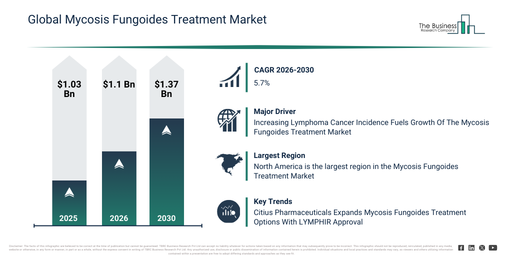
    The mycosis fungoides treatment market has experienced substantial expansion in recent years. This market is expected to grow from $1.03 billion in 2025 to $1.1 billion in 2026, demonstrating a compound annual growth rate (CAGR) of 6.7%. The growth observed in the historical period can be attributed to several factors, including the scarcity of treatment options, the rising prevalence of cutaneous t-cell lymphoma, a continued reliance on radiation therapy, instances of delayed diagnoses, and a dependence on topical steroids.

    The mycosis fungoides treatment market is anticipated to experience substantial expansion over the coming years. This market is projected to reach $1.37 billion by 2030, demonstrating a compound annual growth rate (CAGR) of 5.7%. The expansion foreseen for this period stems from factors such as the increasing development of targeted therapies, the growing utilization of immunotherapy, the proliferation of dermatology oncology centers, enhanced diagnostic capabilities, and greater investment in rare cancer research. Concurrently, major developments during this timeframe include a rising embrace of combination therapy strategies, an increased application of topical steroids for managing early stages, a growing inclination towards targeted therapies and immunotherapy, the widening availability of photodynamic and radiation therapy options, and a heightened need for specialized dermatology and oncology clinics.

    Get A Free Sample Report With In-Depth Market Insights:

    https://thebusinessresearchcompany.com/sample_request?id=23776409&type=smp&name=Mycosis%20Fungoides%20Treatment%20Market%20Report%202026&utm_source=Blogs&utm_medium=Paid&utm_campaign=Nov_PR

    Mycosis Fungoides Treatment Market Expansion Drivers: What’s Shaping Future Growth?

    The anticipated increase in lymphoma cancer incidence is projected to drive the growth of the mycosis fungoides treatment market in the coming years. Lymphoma is characterized as a cancer of the lymphatic system, which encompasses the lymph nodes, spleen, thymus gland, and bone marrow. The rising occurrence of lymphoma cancer is attributed to a combination of factors, including environmental exposures, a surge in viral infections, an aging population, and various lifestyle choices. Mycosis fungoides treatments, such as topical corticosteroids, phototherapy, and systemic therapies, are utilized in managing cutaneous T-cell lymphomas. These therapeutic approaches aim to control skin lesions, alleviate symptoms, and manage the progression of the disease in lymphoma patients. Therefore, the escalating incidence of lymphoma cancer is propelling the growth of the mycosis fungoides treatment market.

    Mycosis Fungoides Treatment Market Segments: Where Is Growth Concentrated?

    The mycosis fungoides treatment market covered in this report is segmented –

    1) By Drug Type: Topical Steroids, Mechlorethamine

    2) By Treatment Type: Photodynamic Therapy, Radiation Therapy, Targeted Therapy, Chemotherapy

    3) By End-user: Hospitals, Private Clinics, Specialty Clinics

    Subsegments:

    1) By Topical Steroids: Corticosteroid Creams Or Ointments ( Hydrocortisone, Clobetasol), Topical Steroid Lotions

    2) By Mechlorethamine: Topical Mechlorethamine ( Nitrogen Mustard Cream), Injectable Mechlorethamine

    Mycosis Fungoides Treatment Market Strategic Trends: What Defines The Next Growth Phase?

    Companies operating within the mycosis fungoides treatment market are prioritizing the development of advanced solutions, such as targeted immunotherapy, to improve both treatment effectiveness and the quality of life for patients. Targeted immunotherapy is specifically designed to attack malignant T-cells and regulatory T-cells while preserving healthy tissue, leading to quicker disease control and fewer adverse effects.

    Mycosis Fungoides Treatment Market Key Participants And Competitive Landscape

    Major companies operating in the mycosis fungoides treatment market are Pfizer Inc., Merck & Co. Inc., Bristol Myers Squibb, Abbott Laboratories, Novartis AG, GlaxoSmithKline plc, Tocris Bioscience, Viatris Inc., Astellas Pharma Inc., Daiichi Sankyo Company, Takeda Pharmaceutical Company Limited, Bausch Health, Eisai Co. Ltd., Horizon Therapeutics plc, Varian Medical Systems, Kyowa Kirin Co. Ltd., Seattle Genetics Inc., Azurity Pharmaceuticals Inc., Innate Pharma S.A., Helsinn Therapeutics, Jubilant Cadista Pharmaceuticals Inc., Elorac Inc., Soligenix Inc., Ceptaris Therapeutics Inc.

    View The Full Mycosis Fungoides Treatment Market Report:

    https://thebusinessresearchcompany.com/report/mycosis-fungoides-treatment-global-market-report?utm_source=Blogs&utm_medium=Paid&utm_campaign=Nov_PR

    Mycosis Fungoides Treatment Market Geographic Spread And Regional Opportunities

    North America was the largest region in the mycosis fungoides treatment market in 2025. Asia-Pacific is expected to be the fastest-growing region in the forecast period. The regions covered in the mycosis fungoides treatment market report are Asia-Pacific, South East Asia, Western Europe, Eastern Europe, North America, South America, Middle East, Africa.

    Reach Out To Our Team:

    The Business Research Company: https://www.thebusinessresearchcompany.com/

    Americas: +1 310-496-7795

    Asia: +44 7882 955267 & +91 8897263534

    Europe: +44 7882 955267

    Email us at: marketing@tbrc.info

    Follow us on:

    LinkedIn: https://in.linkedin.com/company/the-business-research-company

    YouTube: https://www.youtube.com/channel/UC24_fI0rV8cR5DxlCpgmyFQ

    Global Market Model: https://www.thebusinessresearchcompany.com/global-market-model
  • Mycoplasma Testing Market CAGR Forecast Through 2030: Key Trends Shaping Industry Expansion

    Mycoplasma Testing Market CAGR Forecast Through 2030: Key Trends Shaping Industry Expansion

    Built to provide research that’s more actionable and strategically valuable, The Business Research Company’s 2026 market reports include market attractiveness analysis, total addressable market sizing, company benchmarking matrices, interactive Excel dashboards, broader supply chain intelligence, emerging startup tracking, and in-depth product insights.

    Mycoplasma Testing Market CAGR Outlook And Future Development

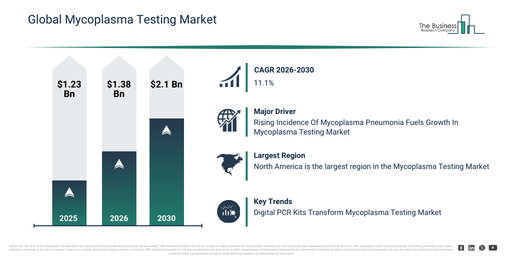
    The mycoplasma testing market size has experienced rapid growth in recent years. It is anticipated to expand from $1.23 billion in 2025 to $1.38 billion in 2026, demonstrating a compound annual growth rate (CAGR) of 12.1%. Historically, this expansion has been fueled by factors such as the high prevalence of mycoplasma contamination, increased reliance on cell culture testing, a rise in diagnostic testing demand, the early adoption of PCR methods, and the growing utilization of ELISA techniques.

    The mycoplasma testing market is projected to experience substantial expansion over the upcoming years. By 2030, its valuation is anticipated to reach $2.1 billion, demonstrating a compound annual growth rate (CAGR) of 11.1%. This anticipated growth throughout the forecast period stems from several factors, including the expansion of biopharmaceutical manufacturing, an increase in cro outsourcing, greater investment in genomic testing, a heightened regulatory focus on contamination control, and the wider adoption of automated testing platforms. Key trends characterizing this period encompass the increasing integration of pcr-based mycoplasma detection, a surge in the utilization of rapid test kits for cell culture screening, an escalating demand for automated mycoplasma detection systems, the broadening application of assays and reagents in biopharmaceutical production, and a greater necessity for mycoplasma testing within research and cro environments.

    Get A Free Sample Report With In-Depth Market Insights:

    https://thebusinessresearchcompany.com/sample_request?id=79997970&type=smp&name=Mycoplasma%20Testing%20Market%20Report%202026&utm_source=Blogs&utm_medium=Paid&utm_campaign=Nov_PR

    Mycoplasma Testing Market Development Factors: What’s Supporting Demand?

    The growing incidence of mycoplasma pneumonia is projected to drive the expansion of the mycoplasma testing market. Mycoplasma pneumonia is defined as a respiratory infection resulting from the Mycoplasma pneumoniae bacteria. Mycoplasma testing is essential for diagnosing Mycoplasma pneumonia by identifying the presence of Mycoplasma pneumoniae bacteria in respiratory samples, thereby enabling prompt and accurate detection of the infection for suitable medical care and management. Therefore, the rising prevalence of mycoplasma pneumonia is propelling the growth of the mycoplasma testing market.

    Mycoplasma Testing Market Segment Analysis: What Are The Core Market Categories?

    The mycoplasma testing market covered in this report is segmented –

    1) By Product: Instruments, Assay, Kits, Reagents

    2) By Technology: PCR, Elisa, Enzymatic Methods, DNA Staining, Other Technologies

    3) By Application: Cell Line Testing, Virus Testing, End- Of- Production Cell Testing

    4) By End User: Pharmaceutical & Biotechnology Companies, Cell Banks And Laboratories, Contract Research Organizations, Academic Research Institutes

    Subsegments:

    1) By Instruments: Mycoplasma Detection Systems, Automated Test Equipment, PCR Equipment

    2) By Assay: Mycoplasma Assays, Qualitative Assays, Quantitative Assays

    3) By Kits: Mycoplasma Detection Kits, Mycoplasma Testing Kits For Cell Cultures, Sample Preparation Kits

    4) By Reagents: Nucleic Acid Reagents, Cell Culture Reagents, Staining Reagents

    Mycoplasma Testing Market Transformation Trends: What Innovations Are Driving Change?

    Leading companies within the mycoplasma testing market are intensifying their efforts to release digital PCR kits, aiming to secure a competitive advantage. These digital PCR kits represent molecular biology instruments designed for the accurate quantification and analysis of nucleic acids, including DNA or RNA, through a digital methodology.

    Mycoplasma Testing Market Top Companies Driving Competitive Growth

    Major companies operating in the mycoplasma testing market are Merck KGaA, Thermo Fisher Scientific Inc., Agilent Technologies Inc., Lonza Group AG, Roche Diagnostics International AG, Charles River Laboratories International Inc., Nelson Laboratories Fairfield Inc., Creative Bioarray, Biological Industries Israel Beit Haemek Ltd., Biotools B & M Labs S.A, PromoCell GmbH, American Type Culture Collection, Bionique Testing Laboratories Inc., InvivoGen, Clongen Laboratories LLC, Norgen Biotek Corporation, Gen Bio Sciences (P) Ltd., GeneCopoeia Inc., Minerva Biolabs GmbH, Mycoplasma Experience, Savyon Diagnostics, ScienCell Research Laboratories Inc.

    View The Full Mycoplasma Testing Market Report:

    https://thebusinessresearchcompany.com/report/Mycoplasma-Testing-Global-Market-Report?utm_source=Blogs&utm_medium=Paid&utm_campaign=Nov_PR

    Mycoplasma Testing Market Top Region By Revenue And Market Share

    North America was the largest region in the mycoplasma testing market in 2025. Asia-Pacific is expected to be the fastest growing region in the forecast period. The regions covered in the mycoplasma testing market report are Asia-Pacific, South East Asia, Western Europe, Eastern Europe, North America, South America, Middle East, Africa.

    Reach Out To Our Team:

    The Business Research Company: https://www.thebusinessresearchcompany.com/

    Americas: +1 310-496-7795

    Asia: +44 7882 955267 & +91 8897263534

    Europe: +44 7882 955267

    Email us at: marketing@tbrc.info

    Follow us on:

    LinkedIn: https://in.linkedin.com/company/the-business-research-company

    YouTube: https://www.youtube.com/channel/UC24_fI0rV8cR5DxlCpgmyFQ

    Global Market Model: https://www.thebusinessresearchcompany.com/global-market-model

  • Mycobacterium Tuberculosis Market To Witness 4.9% CAGR Growth Through 2030: Key Industry Drivers

    Mycobacterium Tuberculosis Market To Witness 4.9% CAGR Growth Through 2030: Key Industry Drivers

    Backed by market attractiveness analysis, total addressable market sizing, company benchmarking matrices, interactive Excel dashboards, wider supply chain intelligence, emerging startup coverage, and detailed product-level insights, The Business Research Company’s 2026 market reports are designed to offer research that is more actionable and strategically valuable than ever.

    Mycobacterium Tuberculosis Market Set To Climb From $3.92 Billion In 2026 To $4.75 Billion By 2030

    The mycobacterium tuberculosis market size has observed substantial growth in recent years. This market is forecast to expand from $3.73 billion in 2025 to reach $3.92 billion in 2026, exhibiting a compound annual growth rate (CAGR) of 5.1%. Several factors contributed to the growth observed in the historic period, including high tb incidence in developing regions, the widespread adoption of culture-based testing, increased investment in public health programs, a rise in global disease surveillance, and the early development of pcr-based methods.

    The mycobacterium tuberculosis market size is projected to experience consistent growth in the coming years. It is anticipated to expand to $4.75 billion by 2030, showing a compound annual growth rate (CAGR) of 4.9%. This projected growth during the forecast period can be attributed to factors such as increased usage of molecular diagnostics, the expansion of telemedicine-based TB screening, a rising demand for rapid detection kits, growing government funding for TB elimination efforts, and advancements in automated detection systems. Significant trends expected during this period include the increasing adoption of molecular TB diagnostic technologies, a rise in the use of rapid antigen and antibody test kits, the broadening of culture-based testing in high-burden regions, an escalating demand for TB screening in research and public health programs, and a higher utilization of reagents and consumables for routine TB testing.

    Get A Free Sample Report With In-Depth Market Insights:

    https://thebusinessresearchcompany.com/sample_request?id=77255894&type=smp&name=Mycobacterium%20Tuberculosis%20Market%20Report%202026&utm_source=Blogs&utm_medium=Paid&utm_campaign=Nov_PR

    Mycobacterium Tuberculosis Market Industry Drivers: What’s Behind The Revenue Growth?

    The expansion of the mycobacterium tuberculosis market is anticipated to be driven by an uptick in research and development investments. Research and development is defined as the methodical investigation and experimentation aimed at generating new insights or refining current products, services, or technologies. The surge in research and development is occurring due to rapid advancements in technology, which creates a necessity for continuous innovation to remain competitive in dynamic global markets. Research and development actively supports mycobacterium tuberculosis treatment by facilitating the discovery of innovative drug candidates that can counteract resistance to existing treatments, thus boosting treatment effectiveness and patient outcomes. Therefore, the increased investments in research and development will fuel the growth of the mycobacterium tuberculosis market.

    Mycobacterium Tuberculosis Market Segment Breakdown: Which Categories Lead On Revenue?

    The mycobacterium tuberculosis market covered in this report is segmented –

    1) By Product Type: Instruments, Reagents And Consumables, Software Solutions

    2) By Diagnostic Method: Culture-Based Methods, Molecular Diagnosis, Immunological Tests

    3) By Route Of Administration: Oral, Injectable

    4) By End User: Hospitals, Diagnostic Laboratories, Research Institutions

    Subsegments:

    1) By Instruments: Diagnostic Instruments, Detection Instruments, Molecular Diagnostic Instruments, Tuberculosis Culture Systems

    2) By Reagents And Consumables: Polymerase Chain Reaction Reagents, Tuberculosis Culture Media, Antigen Kits, Test Strips, Tuberculosis Diagnostic Kits

    3) By Software Solutions: Laboratory Information Management Systems (LIMS), Diagnostic Software, Data Management Software, Telemedicine Solutions For TB Diagnosis

    #Mycobacterium Tuberculosis Market Growth Trends: What’s Shaping The Future Outlook?

    Major companies operating in the mycobacterium tuberculosis market are focusing on developing advanced solutions, such as automated tuberculosis tests, to offer faster and more accurate results. Automated tuberculosis tests are diagnostic tools that use automated systems and advanced technology to rapidly and accurately detect Mycobacterium tuberculosis and drug resistance with minimal human intervention. For instance, in April 2025, Revvity Inc., a US-based biotechnology company, announced the U.S. Food and Drug Administration (FDA) approval for the Auto-Pure 2400 liquid handling platform with the T-SPOT TB test. The Auto-Pure 2400 platform’s integration with the T-SPOT.TB test improves automated tuberculosis testing by enabling higher volume processing without compromising accuracy. It combines liquid handling and magnetic cell isolation technology, testing up to 24 samples per run and completing Day 1 of testing in under 3.5 hours with minimal user intervention. The T-SPOT.TB test, recognized by the WHO as the only ELISPOT-based IGRA, ensures reproducible results with fewer indeterminate outcomes, reduced need for repeat testing, and reliable performance in immunocompromised patients.

    Mycobacterium Tuberculosis Market Leading Players And Competitive Positioning

    Major companies operating in the mycobacterium tuberculosis market are F. Hoffmann-La Roche Ltd., Thermo Fisher Scientific Inc., Abbott Laboratories, Novartis AG, Becton Dickinson and Company, Viatris Inc., Macleods Pharmaceuticals Limited, bioMérieux SA, Bio-Rad Laboratories Inc., Bruker Corporation, QIAGEN N.V., Lupin Limited, Zydus Cadila Healthcare Limited, Cepheid Inc., Serum Institute of India Pvt. Ltd., Oxford Immunotec USA Inc., Panacea Biotec Limited, International AIDS Vaccine Initiative Inc., HiMedia Laboratories Private Limited, Akonni Biosystems Inc.

    View The Full Mycobacterium Tuberculosis Market Report:

    https://thebusinessresearchcompany.com/report/mycobacterium-tuberculosis-global-market-report?utm_source=Blogs&utm_medium=Paid&utm_campaign=Nov_PR

    Mycobacterium Tuberculosis Market Regional Analysis And Top Geography

    North America was the largest region in the mycobacterium tuberculosis market in 2025. Asia-Pacific is expected to be the fastest-growing region in the forecast period. The regions covered in the mycobacterium tuberculosis market report are Asia-Pacific, South East Asia, Western Europe, Eastern Europe, North America, South America, Middle East, Africa.

    Reach Out To Our Team:

    The Business Research Company: https://www.thebusinessresearchcompany.com/

    Americas: +1 310-496-7795

    Asia: +44 7882 955267 & +91 8897263534

    Europe: +44 7882 955267

    Email us at: marketing@tbrc.info

    Follow us on:

    LinkedIn: https://in.linkedin.com/company/the-business-research-company

    YouTube: https://www.youtube.com/channel/UC24_fI0rV8cR5DxlCpgmyFQ

    Global Market Model: https://www.thebusinessresearchcompany.com/global-market-model
  • Myasthenia Gravis Treatment Market Projected For Strong Expansion Through 2030: Key Trends And Future Outlook

    Myasthenia Gravis Treatment Market Projected For Strong Expansion Through 2030: Key Trends And Future Outlook

    Featuring market attractiveness scoring, total addressable market sizing, company benchmarking matrices, interactive Excel dashboards, deeper supply chain intelligence, emerging startup tracking, and granular product-level insights, The Business Research Company’s 2026 market reports are built to deliver research that is both more actionable and more strategically valuable.

    Myasthenia Gravis Treatment Market Forecast: Value Set To Climb From $1.79 Billion To $2.43 Billion

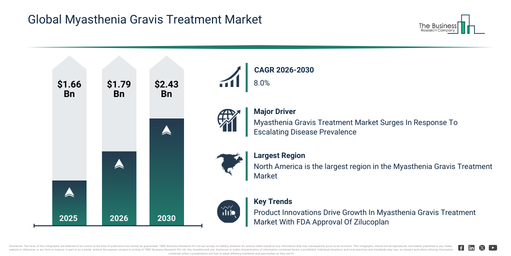
    The myasthenia gravis treatment market has witnessed robust expansion in recent years. It is projected to increase from $1.66 billion in 2025 to $1.79 billion in 2026, at a compound annual growth rate (CAGR) of 7.8%. This growth during the historical period is attributable to factors like the increasing prevalence of autoimmune disorders, the early adoption of corticosteroids, the widespread clinical use of cholinesterase inhibitors, the expansion of hospital-based MG treatment programs, and rising awareness of neuromuscular diseases.

    The myasthenia gravis treatment market is anticipated to experience substantial expansion in the coming years. By 2030, this market is projected to reach $2.43 billion, demonstrating a compound annual growth rate (CAGR) of 8.0%. This anticipated growth during the forecast period is driven by factors such as the advancements in monoclonal antibody development, a rising demand for minimally invasive surgical procedures, the proliferation of specialty clinics, increased adoption of IVIG and cutting-edge immunotherapies, and improved diagnostic abilities facilitated by AI-based tools. Key trends observed during the forecast timeframe encompass the increasing uptake of immunosuppressive therapies, expanded application of monoclonal antibodies for MG treatment, a growing inclination towards minimally invasive thymectomy, greater need for IVIG and plasmapheresis in severe instances, and the broadening of supportive and combination therapy strategies.

    Get A Free Sample Report With In-Depth Market Insights:

    https://thebusinessresearchcompany.com/sample_request?id=77684974&type=smp&name=Myasthenia%20Gravis%20Treatment%20Market%20Report%202026&utm_source=Blogs&utm_medium=Paid&utm_campaign=Nov_PR

    Myasthenia Gravis Treatment Market Growth Factors: What’s Supporting Expansion?

    The escalating incidence of myasthenia gravis is anticipated to stimulate the expansion of the myasthenia gravis treatment market moving forward. Myasthenia gravis is an autoimmune neuromuscular ailment characterized by patients experiencing tiredness and feebleness in their skeletal muscles. Myasthenia gravis treatment encompasses the provision of healthcare services and patient care aimed at combating myasthenia gravis. Consequently, the rising prevalence of myasthenia gravis is boosting sales within the myasthenia gravis treatment market. Thus, the increasing prevalence of myasthenia gravis is a driving force behind the growth of the myasthenia gravis treatment market.

    Myasthenia Gravis Treatment Market Segmentation: How Does The Market Break Down By Category?

    The myasthenia gravis treatment market covered in this report is segmented –

    1) By Treatment: Anticholinesterase Agents, Immunosuppressants, Monoclonal Antibodies, Plasmapheresis Or Intravenous Immunoglobulin (IVIg), Thymectomy Or Surgical Options, Other Treatments

    2) By Route Of Administration: Oral, Intravenous, Subcutaneous

    3) By Distribution Channel: Hospital Pharmacies, Retail Pharmacies, Online Pharmacies Or E-commerce

    4) By End User: Hospitals, Clinics, Other End-Users

    Subsegments:

    1) By Anticholinesterase Agents: Pyridostigmine, Neostigmine, Ambenonium

    2) By Immunosuppressants: Corticosteroids, Azathioprine, Mycophenolate Mofetil, Cyclosporine, Tacrolimus

    3) By Monoclonal Antibodies: Eculizumab, Rituximab

    4) By Plasmapheresis Or Intravenous Immunoglobulin (IVIg): Plasma Exchange Therapy, IVIg Infusions

    5) By Thymectomy Or Surgical Options: Transsternal Thymectomy, Minimally Invasive Thymectomy, Robot-Assisted Thymectomy

    6) By Other Treatments: Symptomatic Therapy, Complement Inhibitors, Experimental Therapies

    Myasthenia Gravis Treatment Market Industry Trends: What’s Reshaping Demand?

    Leading companies in the myasthenia gravis treatment market are concentrating on developing innovative products such as self-administered complement C5 inhibitors to enhance treatment convenience, boost patient autonomy, and lessen dependence on infusion-based care. These self-administered complement C5 inhibitors are defined as targeted autoimmune therapies formulated for subcutaneous use, allowing patients to regulate excessive complement activation by administering their treatment independently at home, rather than in clinical infusion settings.

    Myasthenia Gravis Treatment Market Competitive Overview And Top Companies

    Major companies operating in the myasthenia gravis treatment market are Pfizer Inc., F. Hoffmann-La Roche Ltd., AbbVie Inc., Novartis AG, Takeda Pharmaceutical Company Limited, Baxter International Inc., Biogen Idec, CSL Limited, Chugai Pharmaceutical Co. Ltd., Grifols S.A, UCB Inc., Mitsubishi Tanabe Pharma Corp., Genentech Inc., Horizon Therapeutics plc, Amneal Pharmaceuticals Inc., Argenx SE, Immunovant Inc., Cabaletta Bio Inc., RemeGen Co. Ltd., Kedrion SpA

    View The Full Myasthenia Gravis Treatment Market Report:

    https://thebusinessresearchcompany.com/report/myasthenia-gravis-treatment-global-market-report?utm_source=Blogs&utm_medium=Paid&utm_campaign=Nov_PR

    Myasthenia Gravis Treatment Market Geographic Analysis: Where Is Demand Rising Fastest?

    North America was the largest region in the myasthenia gravis treatment market in 2025. Asia-Pacific is expected to be the fastest-growing region in the forecast period. The regions covered in the myasthenia gravis treatment market report are Asia-Pacific, South East Asia, Western Europe, Eastern Europe, North America, South America, Middle East, Africa.

    Reach Out To Our Team:

    The Business Research Company: https://www.thebusinessresearchcompany.com/

    Americas: +1 310-496-7795

    Asia: +44 7882 955267 & +91 8897263534

    Europe: +44 7882 955267

    Email us at: marketing@tbrc.info

    Follow us on:

    LinkedIn: https://in.linkedin.com/company/the-business-research-company

    YouTube: https://www.youtube.com/channel/UC24_fI0rV8cR5DxlCpgmyFQ

    Global Market Model: https://www.thebusinessresearchcompany.com/global-market-model
  • Muscle Wasting Disorders Market Outlook 2026–2030: Growth Trends, Market Dynamics And Emerging Opportunities

    Muscle Wasting Disorders Market Outlook 2026–2030: Growth Trends, Market Dynamics And Emerging Opportunities

    Built to provide research that’s more actionable and strategically valuable, The Business Research Company’s 2026 market reports include market attractiveness analysis, total addressable market sizing, company benchmarking matrices, interactive Excel dashboards, broader supply chain intelligence, emerging startup tracking, and in-depth product insights.

    Muscle Wasting Disorders Market Revenue Growth On Track For A 13.8% CAGR Through 2030

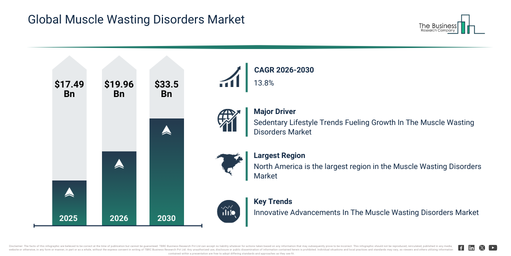
    The muscle wasting disorders market size has shown significant growth in recent years. It is anticipated to expand from $17.49 billion in 2025 to $19.96 billion in 2026, achieving a compound annual growth rate (CAGR) of 14.2%. This historical growth can be linked to the increased prevalence of muscular dystrophy and ALS, the expanded application of physical therapy, a surge in nutritional supplement consumption, the prompt implementation of anti-inflammatory treatments, and the development of hospital-based rehabilitation services.

    The muscle wasting disorders market is projected to experience substantial growth in the coming years. It is forecast to expand to $33.5 billion by 2030, achieving a compound annual growth rate (CAGR) of 13.8%. This expansion during the forecast period is primarily driven by breakthroughs in gene therapy technologies, increasing investments in regenerative medicine, the proliferation of specialized rehabilitation centers, a heightened need for personalized treatment plans, and a greater emphasis on nutritional interventions. Notable trends anticipated over this period include the rising adoption of gene therapy for muscle regeneration, an increasing reliance on nutritional and protein supplementation, a surge in demand for physical rehabilitation programs, the broadened availability of targeted therapies for muscular dystrophy, and more frequent use of hormonal and anti-inflammatory medications.

    Get A Free Sample Report With In-Depth Market Insights:

    https://thebusinessresearchcompany.com/sample_request?id=97487941&type=smp&name=Muscle%20Wasting%20Disorders%20Market%20Report%202026&utm_source=Blogs&utm_medium=Paid&utm_campaign=Nov_PR

    Muscle Wasting Disorders Market Demand Drivers: What’s Powering Industry Growth?

    The increasing adoption of a sedentary lifestyle is projected to stimulate the growth of the muscle wasting disorders market in the future. A sedentary lifestyle is defined as one where an individual is physically inactive, participating in minimal or no physical movement or exercise. Inactivity can adversely affect muscle function, leading to a reduction in muscle strength and endurance, thereby contributing to muscle wasting disorders and making it challenging for individuals to sustain their muscle mass and function. Thus, the growing prevalence of a sedentary lifestyle is fueling the expansion of the muscle wasting disorders market.

    Muscle Wasting Disorders Market Segment Trends And Revenue Contributors

    The muscle wasting disorders market covered in this report is segmented –

    1) By Treatment Type: Medications, Physical Therapy, Nutritional Therapy, Surgery, Gene Therapy, Other Treatment Types

    2) By Disorder Type: Muscular Dystrophy, Amyotrophic Lateral Sclerosis (ALS), Other Disorder Types

    3) By End-User: Hospitals, Rehab Centers, Specialty Clinics, Other End-Users

    Subsegments:

    1) By Medications: Anabolic Steroids, Hormonal Treatments, Anti-Inflammatory Drugs, Immunomodulatory Agents

    2) By Physical Therapy: Resistance Training, Stretching Exercises, Aerobic Conditioning, Rehabilitation Programs

    3) By Nutritional Therapy: Protein Supplements, Nutritional Counseling, Dietary Modifications, Micronutrient Supplements

    4) By Surgery: Surgical Interventions For Muscle Repair, Orthopedic Surgeries, Procedures For Underlying Conditions

    5) By Gene Therapy: Gene Replacement Therapy, CRISPR-Based Approaches, RNA Interference Techniques

    6) By Other Treatment Types: Complementary Therapies, Psychological Support, Assistive Devices

    Muscle Wasting Disorders Market Innovation Trends: What Developments Are Reshaping The Industry?

    Leading companies in the muscle wasting disorders market are developing innovative products, such as novel gene therapy, to enhance patient care for these conditions. Novel gene therapy represents a medical technology aiming to achieve a therapeutic effect by manipulating gene expression or altering the biological properties of living cells.

    Muscle Wasting Disorders Market Competitive Landscape: Which Companies Lead The Industry?

    Major companies operating in the muscle wasting disorders market are Pfizer Inc., F. Hoffmann-La Roche Ltd., Roche Holding AG, Novartis AG, Sanofi, GlaxoSmithKline (GSK), Regeneron Pharmaceuticals, Acceleron Pharma Inc., Biogen Inc., Santhera Pharmaceuticals Holding AG, Mitsubishi Tanabe Pharma, Sarepta Therapeutics Inc., PTC Therapeutics Inc., Ionis Pharmaceuticals Inc., Cytokinetics Incorporated, Scholar Rock, Akashi Therapeutics, aTyr Pharma, MyoTherix Inc., Pephexia Therapeutics, Biophytis SA, TNF Pharmaceuticals Inc., Rejuvenate Biomed, Edgewise Therapeutics

    View The Full Muscle Wasting Disorders Market Report:

    https://thebusinessresearchcompany.com/report/muscle-wasting-disorders-global-market-report?utm_source=Blogs&utm_medium=Paid&utm_campaign=Nov_PR

    Muscle Wasting Disorders Market Global Footprint: Which Region Leads The Market?

    North America was the largest region in the muscle wasting disorder market in 2025. Asia-Pacific is expected to be the fastest-growing region in the forecast period. The regions covered in the muscle wasting disorders market report are Asia-Pacific, South East Asia, Western Europe, Eastern Europe, North America, South America, Middle East, Africa.

    Reach Out To Our Team:

    The Business Research Company: https://www.thebusinessresearchcompany.com/

    Americas: +1 310-496-7795

    Asia: +44 7882 955267 & +91 8897263534

    Europe: +44 7882 955267

    Email us at: marketing@tbrc.info

    Follow us on:

    LinkedIn: https://in.linkedin.com/company/the-business-research-company

    YouTube: https://www.youtube.com/channel/UC24_fI0rV8cR5DxlCpgmyFQ

    Global Market Model: https://www.thebusinessresearchcompany.com/global-market-model
  • Muscle Tension Dysphonia Treatment Market Growth Outlook From $13.84 Billion In 2026 To $16.17 Billion By 2030

    Muscle Tension Dysphonia Treatment Market Growth Outlook From $13.84 Billion In 2026 To $16.17 Billion By 2030

    Backed by market attractiveness analysis, total addressable market sizing, company benchmarking matrices, interactive Excel dashboards, wider supply chain intelligence, emerging startup coverage, and detailed product-level insights, The Business Research Company’s 2026 market reports are designed to offer research that is more actionable and strategically valuable than ever.

    Muscle Tension Dysphonia Treatment Market Value Growth And Long-Term Outlook

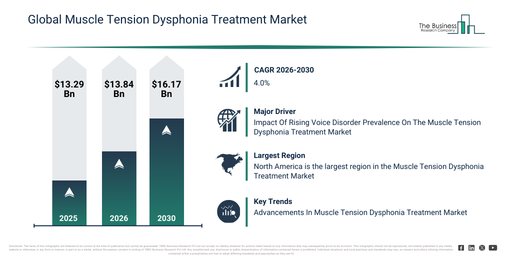
    The muscle tension dysphonia treatment market has exhibited consistent expansion in recent years. It is projected to climb from $13.29 billion in 2025 to $13.84 billion in 2026, demonstrating a compound annual growth rate (CAGR) of 4.1%. The increase seen in the historic period can be attributed to a rise in vocal strain cases, heightened awareness of speech therapy, growth in ent clinical visits, early adoption of nsaids for voice disorders, and the prevalence of chronic stress-related vocal issues.

    The muscle tension dysphonia treatment market is projected to experience consistent expansion in the coming years, with its size expected to reach $16.17 billion by 2030, driven by a compound annual growth rate (CAGR) of 4.0%. This market’s growth during the forecast period can be attributed to advancements in digital voice therapy tools, the rising adoption of telehealth for vocal treatment, an increasing demand for personalized vocal rehabilitation, the expanding integration of behavioral therapy, and the proliferation of home-based therapeutic programs. Major trends influencing the market within this period include a greater uptake of voice therapy programs, an escalating demand for behavioral counseling, increased use of anti-inflammatory medications, broader utilization of proton-pump inhibitors, and a heightened focus on stress and anxiety management.

    Get A Free Sample Report With In-Depth Market Insights:

    https://thebusinessresearchcompany.com/sample_request?id=85402640&type=smp&name=Muscle%20Tension%20Dysphonia%20Treatment%20Market%20Report%202026&utm_source=Blogs&utm_medium=Paid&utm_campaign=Nov_PR

    Muscle Tension Dysphonia Treatment Market Growth Drivers: What’s Behind The Acceleration?

    The muscle tension dysphonia treatment market is projected to expand as the incidence of voice disorders continues to climb. Voice disorders are conditions that impact a person’s voice characteristics, including pitch, volume, tone, and overall quality. The rise in these disorders stems from factors such as increased vocal strain from extensive speaking, exposure to noisy environments, and the growing number of professions that heavily rely on vocal communication. Treatment for muscle tension dysphonia offers benefits for voice disorders by targeting excessive muscular tension around the larynx through various approaches, including voice therapy, physical exercises, and stress management techniques. Consequently, the increasing prevalence of voice disorders is a key driver for the growth of the muscle tension dysphonia treatment market.

    Muscle Tension Dysphonia Treatment Market Segment Analysis Spotlighting Growth Areas

    The muscle tension dysphonia treatment market covered in this report is segmented –

    1) By Treatment Type: Nonsteroidal Anti-Inflammatory Drugs (NSAIDs), Analgesics, Voice Therapy, Behavioral Counseling

    2) By Age Group: Pediatrics, Adults, Elderly

    3) By Cause: Muscle Tension, Vocal Cord Damage, Other Causes

    4) By Distribution Channel: Institutional Sales, Hospitals, Clinics, Specialized Centers, Retail Sales, Retail Pharmacies, Online Pharmacies, Drug Store

    Subsegments:

    1) By Nonsteroidal Anti-Inflammatory Drugs (NSAIDs): Ibuprofen, Naproxen, Aspirin

    2) By Analgesics: Acetaminophen, Opioid Analgesics, Combination Analgesics

    3) By Voice Therapy: Resonant Voice Therapy, Semi-Occluded Vocal Tract Exercises, Lee Silverman Voice Treatment (LSVT)

    4) By Behavioral Counseling: Stress Management Techniques, Cognitive Behavioral Therapy (CBT), Relaxation Training

    Muscle Tension Dysphonia Treatment Market Trends: What’s Defining The Industry’s Next Phase?

    Leading companies in the muscle tension dysphonia treatment market are concentrating on creating advanced medical interventions, such as medications for cervical dystonia, with the aim of improving treatment efficacy and patient outcomes for conditions like cervical dystonia. This neurological disorder is characterized by involuntary muscle spasms in the neck, resulting in unusual movements and postures.

    Muscle Tension Dysphonia Treatment Market Leading Companies: Who Holds The Strongest Market Presence?

    Major companies operating in the muscle tension dysphonia treatment market are Mayo Clinic, Cleveland Clinic, Mount Sinai Health System, Johns Hopkins Medicine, NYU Langone Hospitals, University of Michigan Health System, UCLA Health, Children’s Hospital of Philadelphia, Emory Healthcare, Massachusetts General Hospital, American Laryngological Association, Weill Cornell Medicine, Duke University Health System, The Center for Voice Northwestern Medicine, UT Southwestern Medical Center Voice Care, IU Health Voice Disorders, Lions Voice Clinic University of Minnesota, Royal National ENT and Eastman Dental Hospitals, UCL Ear Institute, Medical Voice Center Russia, British Voice Association, The Voice Foundation, Karnataka ENT Hospital Voice Clinic

    View The Full Muscle Tension Dysphonia Treatment Market Report:

    https://thebusinessresearchcompany.com/report/muscle-tension-dysphonia-treatment-global-market-report?utm_source=Blogs&utm_medium=Paid&utm_campaign=Nov_PR

    Muscle Tension Dysphonia Treatment Market Regional Split: Which Areas Are Fueling Growth?

    North America was the largest region in the muscle tension dysphonia treatment market in 2025. Europe is expected to be the fastest-growing region in the forecast period. The regions covered in the muscle tension dysphonia treatment market report are Asia-Pacific, South East Asia, Western Europe, Eastern Europe, North America, South America, Middle East, Africa.

    Reach Out To Our Team:

    The Business Research Company: https://www.thebusinessresearchcompany.com/

    Americas: +1 310-496-7795

    Asia: +44 7882 955267 & +91 8897263534

    Europe: +44 7882 955267

    Email us at: marketing@tbrc.info

    Follow us on:

    LinkedIn: https://in.linkedin.com/company/the-business-research-company

    YouTube: https://www.youtube.com/channel/UC24_fI0rV8cR5DxlCpgmyFQ

    Global Market Model: https://www.thebusinessresearchcompany.com/global-market-model