Author: Marketing Posting

  • Urgent Care Apps Market Expected To Grow At 39.1% CAGR Through 2030: What Businesses Need To Know

    Urgent Care Apps Market Expected To Grow At 39.1% CAGR Through 2030: What Businesses Need To Know

    Backed by market attractiveness analysis, total addressable market sizing, company benchmarking matrices, interactive Excel dashboards, wider supply chain intelligence, emerging startup coverage, and detailed product-level insights, The Business Research Company’s 2026 market reports are designed to offer research that is more actionable and strategically valuable than ever.

    Urgent Care Apps Market Value Growth And Long-Term Outlook

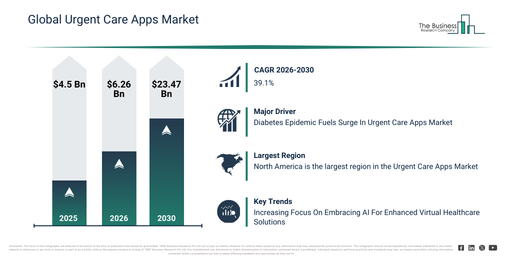
    The urgent care apps market has experienced significant expansion in recent years. Projections indicate a growth from $4.5 billion in 2025 to $6.26 billion by 2026, at a notable compound annual growth rate (CAGR) of 39.1%. This historical development is linked to elements like increasing smartphone penetration, wider embrace of digital health, a surging need for accessible on-demand healthcare, the expansion of urgent care networks, and better mobile internet availability.

    The urgent care apps market is anticipated to experience substantial growth in the coming years. Its value is projected to reach $23.47 billion by 2030, demonstrating a compound annual growth rate (CAGR) of 39.1%. This expansion during the forecast period can be attributed to increased investments in digital health platforms, a rising demand for remote triage solutions, the broadening of value-based care models, greater integration of ai in patient engagement, and enhanced regulatory support for telehealth. Significant trends during this period include the growing adoption of telehealth-integrated urgent care apps, increasing use of ai-based symptom triage, wider deployment of real-time care navigation tools, the expansion of wearable-connected emergency apps, and an enhanced focus on patient data security.

    Get A Free Sample Report With In-Depth Market Insights:

    https://thebusinessresearchcompany.com/sample_request?id=47894229&type=smp&name=Urgent%20Care%20Apps%20Market%20Report%202026&utm_source=Blogs&utm_medium=Paid&utm_campaign=Nov_PR

    Urgent Care Apps Market Industry Drivers: What’s Behind The Revenue Growth?

    The increasing incidence of chronic illnesses, particularly diabetes, is anticipated to drive the expansion of the urgent care apps market. A chronic disease is defined as a persistent medical condition typically enduring for three months or more, often requiring continuous oversight and treatment. Diabetes, a metabolic chronic illness, is identified by elevated blood glucose levels, which can progressively cause significant harm to the heart, blood vessels, and other vital organs. Urgent care apps provide a valuable tool for diabetic patients, enabling them to manage their well-being more efficiently, enhance their quality of life, and lessen the strain on healthcare infrastructure. These applications further assist diabetic individuals in documenting and tracking their symptoms, facilitating the recognition of health patterns and trends. The rising occurrence of chronic conditions like diabetes is fueling the growth of the urgent care app market.

    Urgent Care Apps Market Segment Outlook: Which Categories Are Growing Fastest?

    The urgent care apps market covered in this report is segmented –

    1) By Type: Pre-Hospital Emergency Care And Triaging Apps, In-Hospital Communication And Collaboration Apps, Post-Hospital Apps

    2) By Technology: Phone-Based Apps, Web-Based Apps, Wearable Patient-Centric Apps

    3) By Clinical Area: Trauma, Stroke, Cardiac Conditions, Other Clinical Areas

    Subsegments:

    1) By Pre-Hospital Emergency Care And Triaging Apps: Symptom Checker Apps, Triage Apps, Remote Patient Monitoring Apps

    2) By In-Hospital Communication And Collaboration Apps: Secure Messaging Apps, Team Collaboration Tools, Patient Management Systems

    3) By Post-Hospital Apps: Follow-Up Care Apps, Medication Management Apps, Telehealth Apps

    #Urgent Care Apps Market Growth Trends: What’s Shaping The Future Outlook?

    Leading companies in the urgent care apps market are increasingly focusing on deploying advanced technological solutions, such as the Cedars-Sinai Connect app and AI-powered urgent care applications, to gain a competitive edge. The Cedars-Sinai Connect app itself is a digital health program that utilizes artificial intelligence (AI) technology to provide users with quick and simple access to medical services. These programs allow individuals to locate and obtain assistance from the closest urgent care centers and gather information on urgent and emergency medical conditions.

    Urgent Care Apps Market Leading Companies And Competitive Benchmarking

    Major companies operating in the urgent care apps market are Teladoc Health, HeyDoctor, American Well, Carbon Health, Doctor on Demand, MDLive, Akira, Lemonaid Health, PlushCare, 98point6, HealthTap, Medici, K Health, MeMD, Maple, CareClix, LiveHealth Online, Push Doctor, Zocdoc, Brave Care, GoodRx Care, Sesame Care, RelyMD, Doctoranytime

    View The Full Urgent Care Apps Market Report:

    https://thebusinessresearchcompany.com/report/urgent-care-apps-global-market-report?utm_source=Blogs&utm_medium=Paid&utm_campaign=Nov_PR

    Urgent Care Apps Market Regional Analysis: Which Geography Leads On Revenue?

    North America was the largest region in the urgent care apps market in 2025. Asia-Pacific is expected to be the fastest-growing region in the forecast period. The regions covered in the urgent care apps market report are Asia-Pacific, South East Asia, Western Europe, Eastern Europe, North America, South America, Middle East, Africa.

    Reach Out To Our Team:

    The Business Research Company: https://www.thebusinessresearchcompany.com/

    Americas: +1 310-496-7795

    Asia: +44 7882 955267 & +91 8897263534

    Europe: +44 7882 955267

    Email us at: marketing@tbrc.info

    Follow us on:

    LinkedIn: https://in.linkedin.com/company/the-business-research-company

    YouTube: https://www.youtube.com/channel/UC24_fI0rV8cR5DxlCpgmyFQ

    Global Market Model: https://www.thebusinessresearchcompany.com/global-market-model
  • Ureteroscope Market Forecast To Reach $1.53 Billion By 2030: Key Trends Explained

    Ureteroscope Market Forecast To Reach $1.53 Billion By 2030: Key Trends Explained

    Featuring market attractiveness scoring, total addressable market sizing, company benchmarking matrices, interactive Excel dashboards, deeper supply chain intelligence, emerging startup tracking, and granular product-level insights, The Business Research Company’s 2026 market reports are built to deliver research that is both more actionable and more strategically valuable.

    Ureteroscope Market Poised To Hit $1.53 Billion By 2030 With A 5.6% CAGR

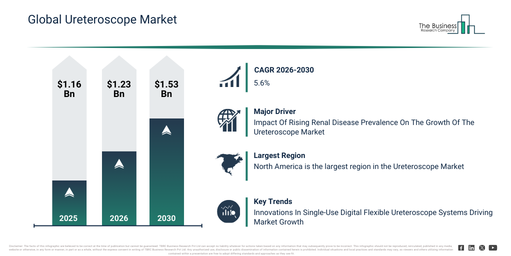
    The ureteroscope market size has experienced robust expansion in recent years. This market is projected to expand from $1.16 billion in 2025 to $1.23 billion in 2026, demonstrating a compound annual growth rate (CAGR) of 6.3%. Historical growth in this sector is primarily driven by several factors, including an increase in the occurrence of urolithiasis, the broadening of urology specialty services, heightened hospital investments in endoscopy equipment, the rising uptake of minimally invasive diagnostic procedures, and better access to skilled urologists.

    The ureteroscope market is anticipated to experience substantial expansion in the coming years. It is forecast to ascend to $1.53 billion by 2030, exhibiting a compound annual growth rate (CAGR) of 5.6%. This predicted growth can be linked to the increasing need for disposable endoscopic devices, a rise in the occurrence of kidney disorders, the broadening scope of outpatient urology procedures, continuous technological advancements in digital imaging, and an intensified focus on patient safety. Significant trends during the forecast period encompass the wider adoption of single-use ureteroscopes, an escalating demand for high-definition imaging instruments, a developing preference for flexible ureteroscopes, the expansion of minimally invasive urological interventions, and a heightened commitment to infection control.

    Get A Free Sample Report With In-Depth Market Insights:

    https://thebusinessresearchcompany.com/sample_request?id=25532939&type=smp&name=Ureteroscope%20Market%20Report%202026&utm_source=Blogs&utm_medium=Paid&utm_campaign=Nov_PR

    Ureteroscope Market Growth Factors: What’s Supporting Expansion?

    The rising occurrence of kidney ailments is anticipated to drive the expansion of the ureteroscope market in the future. These conditions, interchangeably known as kidney diseases, encompass a wide array of disorders impacting kidney function and structure. Their widespread presence is exacerbated by multiple elements such as genetic predispositions, lifestyle choices, environmental factors, and existing health issues. Ureteroscopes assist in managing renal diseases by allowing for the diagnosis and treatment of kidney stones, tumors, strictures, and obstructions via minimally invasive methods, offering exact visualization and entry into the urinary tract. The growing occurrence of renal diseases is a primary catalyst for the expansion of the ureteroscope market.

    Ureteroscope Market Segment Landscape: Which Areas Lead Development?

    The ureteroscope market covered in this report is segmented –

    1) By Product: Digital Ureteroscopes, Flexible Ureteroscopes, Rigid Ureteroscope, Semi-Rigid Ureteroscopes, Fiberoptic Ureteroscopes

    2) By Application: Urinary Stricture, Urolithiasis, Kidney Cancer, Diagnostics

    3) By End-User: Ambulatory Surgical Centers, Specialty Clinics, Hospitals, Urology Clinics, Diagnostic Centers, Endoscopic Clinic, Other End-Users

    Subsegments:

    1) By Digital Ureteroscopes: Standard Digital Ureteroscopes, High-Definition (HD) Digital Ureteroscopes, Single-Use Digital Ureteroscopes

    2) By Flexible Ureteroscopes: Semi-Flexible Ureteroscopes, Fully Flexible Ureteroscopes, Single-Use Flexible Ureteroscopes

    3) By Rigid Ureteroscope: Standard Rigid Ureteroscopes, High-Definition (HD) Rigid Ureteroscopes, Single-Use Rigid Ureteroscopes

    4) By Semi-Rigid Ureteroscopes: Standard Semi-Rigid Ureteroscopes, Flexible Semi-Rigid Ureteroscopes

    5) By Fiberoptic Ureteroscopes: Standard Fiberoptic Ureteroscopes, High-Performance Fiberoptic Ureteroscopes

    Ureteroscope Market Industry Trends: What’s Reshaping Demand?

    Major companies in the ureteroscope market are developing innovative products, such as single-use digital flexible ureteroscope systems, to improve patient safety by reducing the risk of cross-contamination. These single-use digital flexible ureteroscope systems are disposable devices designed for a single procedure, incorporating flexible shafts and advanced digital imaging technology.

    Ureteroscope Market Industry Leaders And Competitive Landscape

    Major companies operating in the ureteroscope market are Siemens Healthineers AG, Stryker Healthcare, Boston Scientific Corporation, Olympus Corporation, Karl Storz SE & Co. KG, Richard Wolf GmbH, PENTAX Medical, Dornier MedTech, Cogentix Medical, Henke-Sass Wolf GmbH, Merit Medical Systems, Ambu A/S, Elmed Medical Systems Inc, OPCOM Medical Inc, Maxer Endoscopy GmbH, Rocamed SAM, NeoScope Inc, Teleflex Incorporated, Medtronic plc, Hoya Corporation

    View The Full Ureteroscope Market Report:

    https://thebusinessresearchcompany.com/report/ureteroscope-global-market-report?utm_source=Blogs&utm_medium=Paid&utm_campaign=Nov_PR

    Ureteroscope Market Geographic Spread And Regional Opportunities

    North America was the largest region in the ureteroscope market in 2025. Asia-Pacific is expected to be the fastest-growing region in the forecast period. The regions covered in the ureteroscope market report are Asia-Pacific, South East Asia, Western Europe, Eastern Europe, North America, South America, Middle East, Africa.

    Reach Out To Our Team:

    The Business Research Company: https://www.thebusinessresearchcompany.com/

    Americas: +1 310-496-7795

    Asia: +44 7882 955267 & +91 8897263534

    Europe: +44 7882 955267

    Email us at: marketing@tbrc.info

    Follow us on:

    LinkedIn: https://in.linkedin.com/company/the-business-research-company

    YouTube: https://www.youtube.com/channel/UC24_fI0rV8cR5DxlCpgmyFQ

    Global Market Model: https://www.thebusinessresearchcompany.com/global-market-model
  • Upstream Bioprocessing Market Analysis Through 2030: Market Size, Growth Trends And Industry Outlook

    Upstream Bioprocessing Market Analysis Through 2030: Market Size, Growth Trends And Industry Outlook

    Built to provide research that’s more actionable and strategically valuable, The Business Research Company’s 2026 market reports include market attractiveness analysis, total addressable market sizing, company benchmarking matrices, interactive Excel dashboards, broader supply chain intelligence, emerging startup tracking, and in-depth product insights.

    Upstream Bioprocessing Market Size And Revenue Outlook Through 2030

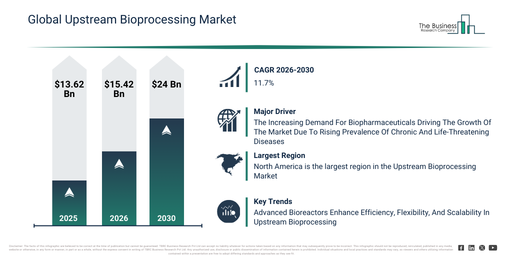
    The upstream bioprocessing market size has experienced significant growth in recent years. It is projected to expand from $13.62 billion in 2025 to $15.42 billion in 2026, at a compound annual growth rate (CAGR) of 13.2%. This historical growth can be attributed to several factors including the expansion of biologics development pipelines, increased vaccine manufacturing capacity, rising investments in biopharmaceutical research and development, a wider adoption of cell-based therapies, and the demand for scalable upstream platforms.

    The upstream bioprocessing market is projected to experience substantial growth in the upcoming years. It is forecasted to attain a value of $24 billion by 2030, demonstrating a compound annual growth rate (CAGR) of 11.7%. This expansion throughout the forecast period can be attributed to the escalating development of monoclonal antibodies and vaccines, the increasing adoption of continuous bioprocessing methods, the widening scope of CDMO outsourcing models, a heightened focus on process automation, and an increased regulatory emphasis on quality consistency. Significant trends during this period are expected to include the rising uptake of single-use bioprocessing systems, the growing deployment of advanced cell culture media, the increasing integration of automated bioreactors, the expansion of outsourced upstream processing frameworks, and a stronger emphasis on process reproducibility and yield optimization.

    Get A Free Sample Report With In-Depth Market Insights:

    https://thebusinessresearchcompany.com/sample_request?id=11462235&type=smp&name=Upstream%20Bioprocessing%20Market%20Report%202026&utm_source=Blogs&utm_medium=Paid&utm_campaign=Nov_PR

    Upstream Bioprocessing Market Demand Drivers: What’s Powering Industry Growth?

    The future growth of the upstream bioprocessing market is anticipated to be driven by the escalating demand for biopharmaceuticals. These are medicinal products created using biotechnology, often involving living organisms like cells or microbes, for the treatment, prevention, or diagnosis of diseases. The primary reason for the increased demand for biopharmaceuticals is the rising incidence of chronic and life-threatening conditions, as these therapies provide focused and effective treatment options that enhance patient outcomes. Upstream bioprocessing supports biopharmaceutical development by optimizing cell culture conditions and production processes, which in turn improves the yield, quality, and consistency of therapeutic proteins and other biologics. The expanding need for biopharmaceuticals is fueling the development of the upstream bioprocessing market.

    Upstream Bioprocessing Market Segments: Where Is Growth Concentrated?

    The upstream bioprocessing market covered in this report is segmented –

    1) By Product Type: Bioreactors, Fermenters, Cell Culture Media, Filters, Bags And Containers

    2) By Workflow: Media Preparation, Cell Culture, Cell Separation

    3) By Usage type: Single-Use, Multi-Use

    4) By Mode: In House, Outsourced

    5) By End User: Contract Development and Manufacturing Organization (CDMOs) Or Contract Research Organization (CROs), Research And Academic Institutes, Biopharmaceutical Companies

    Subsegments:

    1) By Bioreactors: Single-Use Bioreactors, Multi-Use Bioreactors

    2) By Fermenters: Laboratory Fermenters, Pilot Scale Fermenters, Industrial Fermenters

    3) By Cell Culture Media: Powdered Media, Liquid Media

    4) By Filters: Sterile Filters, Air Filters, Capsule Filters

    5) By Bags And Containers: Single-Use Bags, Bioprocess Containers, Storage Bags

    Upstream Bioprocessing Market Innovation Trends: What Developments Are Reshaping The Industry?

    Major companies operating in the upstream bioprocessing market are concentrating on developing advanced bioreactors designed to meet the demands of cell culture processes by enhancing their performance, flexibility, and scalability. Bioreactors are fundamental instruments in upstream bioprocessing, enabling the efficient and controlled production of biopharmaceuticals through cell culture and biomolecule generation.

    Upstream Bioprocessing Market Key Participants And Competitive Landscape

    Major companies operating in the upstream bioprocessing market are Thermo Fisher Scientific Inc., Danaher Corp, Merck KGaA, GE HealthCare Technologies, Corning Inc., AGC Biologics, Avantor, Boehringer Ingelheim International GmbH, Catalent Inc., Sartorius AG, Bio-Rad Laboratories Inc., Samsung Biologics Co. Ltd., Eppendorf AG, Repligen Corporation, Takara Bio Inc., KBI Biopharma Inc., Rentschler Biopharma SE, Just Biotherapeutics Inc., PBS Biotech Inc., Applikon Biotechnology, Getinge AB

    View The Full Upstream Bioprocessing Market Report:

    https://thebusinessresearchcompany.com/report/upstream-bioprocessing-global-market-report?utm_source=Blogs&utm_medium=Paid&utm_campaign=Nov_PR

    Upstream Bioprocessing Market Top Region By Revenue And Market Share

    North America was the largest region in the upstream bioprocessing market in 2025. Asia-Pacific is expected to be the fastest-growing region in the forecast period. The regions covered in the upstream bioprocessing market report are Asia-Pacific, South East Asia, Western Europe, Eastern Europe, North America, South America, Middle East, Africa.

    Reach Out To Our Team:

    The Business Research Company: https://www.thebusinessresearchcompany.com/

    Americas: +1 310-496-7795

    Asia: +44 7882 955267 & +91 8897263534

    Europe: +44 7882 955267

    Email us at: marketing@tbrc.info

    Follow us on:

    LinkedIn: https://in.linkedin.com/company/the-business-research-company

    YouTube: https://www.youtube.com/channel/UC24_fI0rV8cR5DxlCpgmyFQ

    Global Market Model: https://www.thebusinessresearchcompany.com/global-market-model
  • Upadacitinib Market Outlook From 2026 To 2030: Key Growth Factors And Future Opportunities

    Upadacitinib Market Outlook From 2026 To 2030: Key Growth Factors And Future Opportunities

    Backed by market attractiveness analysis, total addressable market sizing, company benchmarking matrices, interactive Excel dashboards, wider supply chain intelligence, emerging startup coverage, and detailed product-level insights, The Business Research Company’s 2026 market reports are designed to offer research that is more actionable and strategically valuable than ever.

    Upadacitinib Market Growth From $1.71 Billion In 2026 To $2.89 Billion By 2030 At A CAGR Of 14%

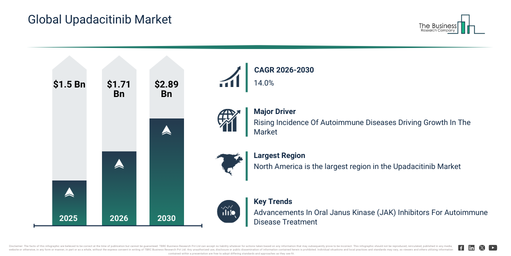
    The upadacitinib market has experienced rapid expansion in size during recent years. It is forecast to increase from $1.5 billion in 2025 to $1.71 billion in 2026, achieving a compound annual growth rate (CAGR) of 14.1%. The growth observed in prior periods can be attributed to several factors, including the increasing prevalence of rheumatoid arthritis, the constraints associated with conventional dmards, a rising demand for targeted therapies, the presence of oral treatment alternatives, and the broadening of specialty care services.

    The upadacitinib market size is anticipated to experience substantial growth over the next few years, reaching $2.89 billion in 2030 with a compound annual growth rate (CAGR) of 14.0%. This expansion during the forecast period can be attributed to an increase in clinical approvals for new indications, a heightened focus on personalized autoimmune treatment, the enlargement of oral immunotherapy pipelines, rising investments in inflammatory disease research, and the increasing adoption of advanced small molecule drugs. Prominent trends for the forecast period include the expanding use of JAK inhibitor therapies, a growing preference for oral targeted treatments, the increasing application of small molecule immunomodulators, the broadening of autoimmune disease indications, and an enhanced focus on long-term disease management.

    Get A Free Sample Report With In-Depth Market Insights:

    https://thebusinessresearchcompany.com/sample_request?id=82498401&type=smp&name=Upadacitinib%20Market%20Report%202026&utm_source=Blogs&utm_medium=Paid&utm_campaign=Nov_PR

    Upadacitinib Market Growth Drivers: What’s Behind The Acceleration?

    The increasing occurrence of autoimmune conditions is anticipated to drive expansion in the upadacitinib market moving forward. These diseases involve the immune system erroneously targeting the body’s own healthy cells, mistaking them for external threats. Factors contributing to the prevalence of autoimmune diseases include genetic susceptibility, environmental factors, and shifts in lifestyle and how the immune system functions. Upadacitinib provides therapeutic benefits in autoimmune conditions by specifically inhibiting JAK1, thereby reducing inflammation and regulating the immune response in disorders like rheumatoid arthritis and psoriatic arthritis. The growing frequency of autoimmune diseases is fueling the expansion of the upadacitinib market.

    Upadacitinib Market Segment Analysis: What Are The Core Market Categories?

    The upadacitinib market covered in this report is segmented –

    1) By Drug Classes: Janus Kinase Inhibitors, Antirheumatic Agents, Small Molecule Drugs

    2) By Application: Rheumatoid Arthritis, Psoriatic Arthritis, Crohn’s Disease

    3) By End-User: Hospitals, Homecare, Specialty Clinics, Other End-Users

    Subsegments:

    1) By Janus Kinase Inhibitors: JAK1 Inhibitors, JAK2 Inhibitors, JAK3 Inhibitors, TYK2 Inhibitors

    2) By Antirheumatic Agents: Disease-Modifying Antirheumatic Drugs (DMARDs), Biologic DMARDs, Conventional Synthetic DMARDs

    3) By Small Molecule Drugs: Oral Small Molecule Drugs, Topical Small Molecule Drugs

    Upadacitinib Market Trends: What’s Defining The Industry’s Next Phase?

    Key players within the upadacitinib market are prioritizing the creation of novel products, specifically oral Janus kinase (JAK) inhibitors, to broaden the available treatments for autoimmune conditions. These oral Janus kinase inhibitors are small-molecule medications designed to obstruct Janus kinase enzymes, thereby curbing immune overactivity and inflammation, which proves effective in managing autoimmune and inflammatory disorders.

    Upadacitinib Market Top Companies Driving Competitive Growth

    Major companies operating in the upadacitinib market are AbbVie Inc, Pfizer Inc, Eli Lilly and Company, Incyte Corporation, Novartis AG, GlaxoSmithKline plc, Bristol-Myers Squibb Company, Sanofi SA, Takeda Pharmaceutical Company Ltd, Astellas Pharma Inc, AstraZeneca PLC, Gilead Sciences Inc, Teva Pharmaceutical Industries Ltd, Mitsubishi Tanabe Pharma Corporation, Kyowa Hakko Kirin Co Ltd, Galapagos NV, UCB SA, Daiichi Sankyo Company Ltd, Horizon Therapeutics plc, Regeneron Pharmaceuticals Inc.

    View The Full Upadacitinib Market Report:

    https://thebusinessresearchcompany.com/report/upadacitinib-global-market-report?utm_source=Blogs&utm_medium=Paid&utm_campaign=Nov_PR

    Upadacitinib Market Regional Analysis And Top Geography

    North America was the largest region in the upadacitinib market in 2025. Asia-Pacific is expected to be the fastest-growing region in the forecast period. The regions covered in the upadacitinib market report are Asia-Pacific, South East Asia, Western Europe, Eastern Europe, North America, South America, Middle East, Africa.

    Reach Out To Our Team:

    The Business Research Company: https://www.thebusinessresearchcompany.com/

    Americas: +1 310-496-7795

    Asia: +44 7882 955267 & +91 8897263534

    Europe: +44 7882 955267

    Email us at: marketing@tbrc.info

    Follow us on:

    LinkedIn: https://in.linkedin.com/company/the-business-research-company

    YouTube: https://www.youtube.com/channel/UC24_fI0rV8cR5DxlCpgmyFQ

    Global Market Model: https://www.thebusinessresearchcompany.com/global-market-model
  • Unresectable Hepatocellular Carcinoma Market Growth Forecast: Market Size, Key Trends And Emerging Opportunities Through 2030

    Unresectable Hepatocellular Carcinoma Market Growth Forecast: Market Size, Key Trends And Emerging Opportunities Through 2030

    Featuring market attractiveness scoring, total addressable market sizing, company benchmarking matrices, interactive Excel dashboards, deeper supply chain intelligence, emerging startup tracking, and granular product-level insights, The Business Research Company’s 2026 market reports are built to deliver research that is both more actionable and more strategically valuable.

    Unresectable Hepatocellular Carcinoma Market Expansion Outlook: What Revenue Opportunities Are Ahead?

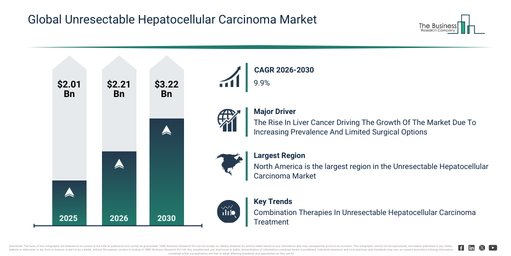
    The market size for unresectable hepatocellular carcinoma has seen substantial growth in recent years. It is anticipated to expand from $2.01 billion in 2025 to $2.21 billion in 2026, exhibiting a compound annual growth rate (CAGR) of 9.9%. Historically, this growth has been driven by an increasing incidence of chronic liver disease, a rising prevalence of cirrhosis-related cancer, the expansion of oncology treatment centers, the availability of systemic therapy options, and enhancements in diagnostic capabilities.

    The market for unresectable hepatocellular carcinoma is projected for robust expansion in the coming years, reaching $3.22 billion by 2030, driven by a compound annual growth rate (CAGR) of 9.9%. This anticipated growth throughout the forecast period stems from several factors, including the escalating development of advanced immunotherapies, a heightened emphasis on biomarker-guided treatment choices, the broadening of precision oncology initiatives, increasing financial commitment to liver cancer investigations, and a greater uptake of less invasive therapeutic approaches. Key trends identified for this period encompass a rising embrace of immunotherapy-driven treatments, an increasing application of molecularly targeted therapies, an evolving emphasis on combined treatment strategies, the expansion of individualized oncology care, and more widespread utilization of sophisticated diagnostic imaging.

    Get A Free Sample Report With In-Depth Market Insights:

    https://thebusinessresearchcompany.com/sample_request?id=42563217&type=smp&name=Unresectable%20Hepatocellular%20Carcinoma%20Market%20Report%202026&utm_source=Blogs&utm_medium=Paid&utm_campaign=Nov_PR

    Unresectable Hepatocellular Carcinoma Market Growth Factors Behind Sustained Expansion

    The expanding occurrence of liver cancer is projected to propel the unresectable hepatocellular carcinoma market’s growth in the foreseeable future. This condition arises when healthy liver cells are replaced by rapidly multiplying tumor cells, leading to malicious growths that impair the liver’s normal functioning. The growing incidence of liver cancer stems from an increase in metabolic disorders, viral hepatitis infections, alcohol-related liver diseases, and escalating liver complications linked to obesity. In response, the unresectable hepatocellular carcinoma sector offers therapeutic solutions like systemic therapies, immunotherapies, radiofrequency ablation, and liver-directed procedures for individuals unable to have surgical tumor removal. The rising prevalence of liver cancer is a key factor propelling the expansion of the unresectable hepatocellular carcinoma market.

    Unresectable Hepatocellular Carcinoma Market Segment Breakdown: Which Categories Lead On Revenue?

    The unresectable hepatocellular carcinoma market covered in this report is segmented –

    1) By Type: Primary, Secondary, Benign Liver Growth

    2) By Treatment Type: Chemotherapy, Molecularly Targeted Therapy, Immunotherapy, Other Treatments

    3) By End-Users: Hospitals, Specialty Clinics, Cancer Centers

    Subsegments:

    1) By Primary: Hepatocellular Carcinoma (HCC), Fibrolamellar Carcinoma, Hepatoblastoma

    2) By Secondary: Metastatic Liver Cancer, Intrahepatic Cholangiocarcinoma

    3) By Benign Liver Growth: Hepatic Adenoma, Focal Nodular Hyperplasia, Hemangiomas

    Unresectable Hepatocellular Carcinoma Market Industry Trends Fueling Future Revenue Growth

    Major companies operating in the unresectable hepatocellular carcinoma market are concentrating on advancing novel treatments, particularly combination therapies, for unresectable hepatocellular carcinoma conditions. Combination therapies signify the simultaneous application of two or more treatments to enhance effectiveness, target diverse disease pathways, or diminish resistance in managing a medical ailment.

    Unresectable Hepatocellular Carcinoma Market Leading Players And Competitive Positioning

    Major companies operating in the unresectable hepatocellular carcinoma market are Pfizer Inc., Johnson & Johnson Private Limited, F Hoffmann-La Roche Ltd., Merck & Co Inc., Bayer AG, Bristol-Myers-Squibb Company, AstraZeneca PLC, Takeda Pharmaceutical Company Limited, Eli Lilly and Company, Amgen Inc., Regeneron Pharmaceuticals Inc., Chugai Pharmaceutical Co Ltd., Eisai Co. Ltd., Ipsen S.A., Jiangsu HengRui Medicine Co. Ltd., Exelixis Inc., BeiGene Ltd., Innovent Biologics Inc., Sirtex Medical Limited, Genentech Inc., CStone Pharmaceuticals, Delcath Systems Inc., Celsion Corporation

    View The Full Unresectable Hepatocellular Carcinoma Market Report:

    https://thebusinessresearchcompany.com/report/unresectable-hepatocellular-carcinoma-global-market-report?utm_source=Blogs&utm_medium=Paid&utm_campaign=Nov_PR

    Unresectable Hepatocellular Carcinoma Market Geographic Analysis: Where Is Demand Rising Fastest?

    North America was the largest region in the unresectable hepatocellular carcinoma market in 2025. The regions covered in the unresectable hepatocellular carcinoma market report are Asia-Pacific, South East Asia, Western Europe, Eastern Europe, North America, South America, Middle East, Africa.

    Reach Out To Our Team:

    The Business Research Company: https://www.thebusinessresearchcompany.com/

    Americas: +1 310-496-7795

    Asia: +44 7882 955267 & +91 8897263534

    Europe: +44 7882 955267

    Email us at: marketing@tbrc.info

    Follow us on:

    LinkedIn: https://in.linkedin.com/company/the-business-research-company

    YouTube: https://www.youtube.com/channel/UC24_fI0rV8cR5DxlCpgmyFQ

    Global Market Model: https://www.thebusinessresearchcompany.com/global-market-model
  • Unified Communications As A Service In Healthcare Market CAGR Forecast Through 2030: Key Trends Shaping Industry Expansion

    Unified Communications As A Service In Healthcare Market CAGR Forecast Through 2030: Key Trends Shaping Industry Expansion

    Built to provide research that’s more actionable and strategically valuable, The Business Research Company’s 2026 market reports include market attractiveness analysis, total addressable market sizing, company benchmarking matrices, interactive Excel dashboards, broader supply chain intelligence, emerging startup tracking, and in-depth product insights.

    Unified Communications As A Service In Healthcare Market Growth Potential: How Will Market Size Shift Through 2030?

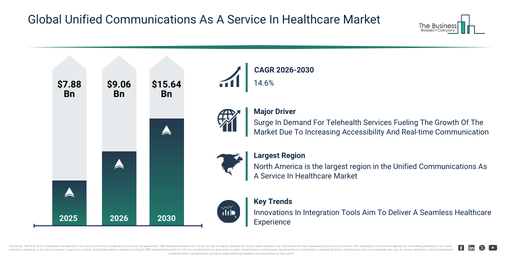
    The unified communications as a service in healthcare market size has seen substantial growth in recent years. It is forecast to expand from $7.88 billion in 2025 to $9.06 billion in 2026, exhibiting a compound annual growth rate (CAGR) of 14.9%. This historical growth can be attributed to factors such as the increasing digital transformation of healthcare operations, the expansion of telemedicine services, a rising demand for care coordination, the adoption of electronic health records, and the development of remote healthcare delivery models.

    The unified communications as a service in healthcare market is projected for significant expansion over the coming years. It is anticipated to reach $15.64 billion by 2030, exhibiting a compound annual growth rate (CAGR) of 14.6%. This growth during the projection period can be attributed to factors such as greater investments in digital care infrastructure, a surging need for real-time clinical cooperation, the widening scope of hybrid healthcare delivery models, an elevated focus on tools for patient engagement, and a heightened regulatory emphasis on secure communications within healthcare. Key trends anticipated during the forecast timeframe involve the increasing uptake of cloud-based communication platforms in healthcare, the evolving integration of secure messaging and collaboration tools, a greater utilization of video-based virtual consultations, the broadening of interoperable communication systems, and a strengthened focus on data security and adherence to regulations.

    Get A Free Sample Report With In-Depth Market Insights:

    https://thebusinessresearchcompany.com/sample_request?id=38289957&type=smp&name=Unified%20Communications%20As%20A%20Service%20In%20Healthcare%20Market%20Report%202026&utm_source=Blogs&utm_medium=Paid&utm_campaign=Nov_PR

    Unified Communications As A Service In Healthcare Market Demand Drivers Opening New Revenue Streams

    The escalating demand for telehealth services is anticipated to propel the growth of the unified communications as a service in healthcare market moving forward. Telehealth services involve the remote provision of healthcare, medical consultations, and various health-related services utilizing digital communication technologies. The surge in demand for telehealth services is due to their enhanced accessibility, as they enable patients to consult healthcare providers remotely, thereby conserving time and reducing the need for travel. This demand for telehealth services facilitates seamless, secure, and real-time communication between patients and providers, leading to improved care coordination and patient engagement. The increasing need for real-time communication is driving the growth of the Unified Communications as a Service in Healthcare market.

    Unified Communications As A Service In Healthcare Market Segmentation: How Does The Market Break Down By Category?

    The unified communications as a service in healthcare market covered in this report is segmented –

    1) By Service Type: Voice Over Internet Protocol, Video Conferencing, Messaging Services, Contact Center Services, Call Management

    2) By Component: Telephony, Unified Messaging, Collaboration Platforms, Conferencing, Other Components

    3) By Deployment Mode: Cloud-Based, On-Premises, Hybrid

    4) By Application: Telemedicine, Remote Patient Monitoring, Virtual Consultations, Care Coordination, Patient Engagement

    5) By End-User: Hospitals And Clinics, Health Insurance Providers, Diagnostic Laboratories

    Subsegments:

    1) By Voice Over Internet Protocol: Hosted Voice Solutions, Cloud Private Branch Exchange, Managed Voice Services, Session Initiation Protocol Trunking

    2) By Video Conferencing: Cloud-Based Video Conferencing, Web-Based Video Conferencing, Virtual Meeting Platforms, Telepresence System

    3) By Messaging Services: Instant Messaging Platforms, Secure Healthcare Messaging, Group Collaboration Tools, Patient Engagement Messaging

    4) By Contact Center Services: Cloud-Based Contact Centers, Virtual Assistance Services, Omni Channel Communication Solutions, Interactive Voice Response Systems

    5) By Call Management: Automated Call Distribution, Call Recording And Monitoring, Interactive Call Routing, Voicemail To Email Integration

    Unified Communications As A Service In Healthcare Market Trends Powering Strategic Industry Growth

    Major companies operating in the unified communications as a service (UCaaS) in the healthcare market are concentrating on developing sophisticated solutions, such as advanced API integrations, to enhance interoperability between digital health tools, streamline workflow automation, and improve real-time communication across care teams. Advanced API integrations denote complex software connection frameworks that enable various healthcare applications to securely exchange data, automate intricate operational tasks, and support unified communication workflows within cloud-based environments. For instance, in April 2025, First Light Fiber Inc., a US-based provider of fiber-optic data, internet, cloud, and voice services, unveiled the subsequent phase of its Unified Communications (UC) platform, offering augmented integration capabilities for seamless connectivity across healthcare systems, advanced administrative tools for centralized management, and an improved user experience designed to facilitate reliable, secure, real-time communication, which is vital for clinical environments.

    Unified Communications As A Service In Healthcare Market Competitive Overview And Top Companies

    Major companies operating in the unified communications as a service in healthcare market are Google LLC, Microsoft Corporation, Verizon Communications Incorporated, IBM Corporation, Cisco Systems Incorporated, BT Group Public Limited Company, NEC Corporation, Orange Business Services India Network Private Limited, Zoom Video Communications Incorporated, RingCentral Incorporated, Alcatel-Lucent Enterprise International Société par Actions Simplifiée, Mitel Networks Corporation, 8×8 Incorporated, GoTo Technologies Incorporated, Nextiva Incorporated, Intrado Incorporated, Dialpad Incorporated, Windstream Holdings Incorporated, Salesforce.com, Inc., Avaya Holdings Corp.

    View The Full Unified Communications As A Service In Healthcare Market Report:

    https://thebusinessresearchcompany.com/report/unified-communications-as-a-service-in-healthcare-global-market-report?utm_source=Blogs&utm_medium=Paid&utm_campaign=Nov_PR

    Unified Communications As A Service In Healthcare Market Global Footprint: Which Region Leads The Market?

    North America was the largest region in the unified communications as a service in healthcare market in 2025. Asia-Pacific is expected to be the fastest-growing region in the forecast period. The regions covered in the unified communications as a service in healthcare market report are Asia-Pacific, South East Asia, Western Europe, Eastern Europe, North America, South America, Middle East, Africa.

    Reach Out To Our Team:

    The Business Research Company: https://www.thebusinessresearchcompany.com/

    Americas: +1 310-496-7795

    Asia: +44 7882 955267 & +91 8897263534

    Europe: +44 7882 955267

    Email us at: marketing@tbrc.info

    Follow us on:

    LinkedIn: https://in.linkedin.com/company/the-business-research-company

    YouTube: https://www.youtube.com/channel/UC24_fI0rV8cR5DxlCpgmyFQ

    Global Market Model: https://www.thebusinessresearchcompany.com/global-market-model
  • Uncomplicated Urinary Tract Infection Treatment Market To Witness 9.2% CAGR Growth Through 2030: Key Industry Drivers

    Uncomplicated Urinary Tract Infection Treatment Market To Witness 9.2% CAGR Growth Through 2030: Key Industry Drivers

    Backed by market attractiveness analysis, total addressable market sizing, company benchmarking matrices, interactive Excel dashboards, wider supply chain intelligence, emerging startup coverage, and detailed product-level insights, The Business Research Company’s 2026 market reports are designed to offer research that is more actionable and strategically valuable than ever.

    Uncomplicated Urinary Tract Infection Treatment Market Value Analysis: What Growth Lies Ahead Over The Forecast Period?

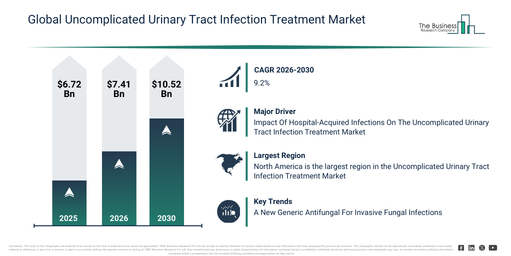
    The uncomplicated urinary tract infection treatment market size has experienced swift expansion in recent years. This market is projected to expand from $6.72 billion in 2025 to $7.41 billion in 2026, demonstrating a compound annual growth rate (CAGR) of 10.2%. Historically, this growth has been primarily driven by the extensive use of antibiotics for UTI management, the presence of well-established antimicrobial medications, an expansion in outpatient treatment settings, higher diagnosis rates, and enhanced accessibility to pharmacy distribution networks.

    The uncomplicated urinary tract infection treatment market is anticipated to experience substantial expansion over the next few years. It is projected to reach $10.52 billion by 2030, exhibiting a compound annual growth rate (CAGR) of 9.2%. This projected growth is primarily driven by factors such as the increasing development of novel antibiotic classes, a heightened focus on mitigating antimicrobial resistance, the expansion of personalized treatment approaches, the growing adoption of digital prescription platforms, and the increasing availability of new oral therapies. Key trends expected within this forecast period encompass the rising adoption of short-course antibiotic therapies, an increased focus on targeted antimicrobial treatment, the growing utilization of oral small molecule drugs, the expansion of community-based uti treatment models, and an enhanced emphasis on treatment compliance.

    Get A Free Sample Report With In-Depth Market Insights:

    https://thebusinessresearchcompany.com/sample_request?id=99439901&type=smp&name=Uncomplicated%20Urinary%20Tract%20Infection%20Treatment%20Market%20Report%202026&utm_source=Blogs&utm_medium=Paid&utm_campaign=Nov_PR

    Uncomplicated Urinary Tract Infection Treatment Market Growth Backed By Core Demand Fundamentals

    The anticipated expansion of the uncomplicated urinary tract infection treatment market is linked to the rising incidence of hospital-acquired infections. These infections refer to those contracted by patients within a hospital or other healthcare setting, not present or developing upon entry. This surge in hospital-acquired infections stems from various factors, including antibiotic-resistant pathogens, insufficient infection control measures, longer periods of hospitalization, and patients’ weakened immune systems. The growing count of hospital-acquired infections highlights the crucial necessity for strong urinary tract infection treatment approaches in healthcare environments, thereby stimulating innovation and financial input to effectively address increasing clinical requirements. The escalation of hospital-acquired infections is a primary impetus for the expansion of the uncomplicated urinary tract infection treatment market.

    Uncomplicated Urinary Tract Infection Treatment Market Segment Trends And Revenue Contributors

    The uncomplicated urinary tract infection treatment market covered in this report is segmented –

    1) By Drug Class: Gepotidacin, Sulfonamide, Tetracycline, Nitrofuran

    2) By Source Of Infection: Hospital-Acquired Urinary Tract Infection (UTI), Community-Acquired Urinary Tract Infection (UTI)

    3) By Gender: Male, Female

    4) By Distribution Channel: Hospital Pharmacies, Gynecology And Urology Clinics, Retail Pharmacies, Online Drug Stores

    Subsegments:

    1) By Gepotidacin: Oral Formulation, Injectable Formulation

    2) By Sulfonamide: Trimethoprim-Sulfamethoxazole (TMP-SMX)

    3) By Tetracycline: Doxycycline, Minocycline

    4) By Nitrofuran: Nitrofurantoin, Macrocrystals, Monohydrate/Macrocrystals

    Uncomplicated Urinary Tract Infection Treatment Market Growth Trends Reshaping The Competitive Landscape

    Major companies within the uncomplicated urinary tract infection treatment market are developing aminopenicillin antibiotics to counteract increasing antibiotic resistance and boost the efficacy of treatments for common bacterial infections. Aminopenicillin antibiotics effectively treat uncomplicated urinary tract infections (UTIs) by targeting and eliminating the bacteria responsible for these conditions. Their action involves hindering the synthesis of bacterial cell walls, which is crucial for bacterial growth and survival.

    Uncomplicated Urinary Tract Infection Treatment Market Competitive Landscape: Which Companies Lead The Industry?

    Major companies operating in the uncomplicated urinary tract infection treatment market are Pfizer Inc., F. Hoffmann-La Roche Ltd., Merck & Co. Inc., Bayer AG, GlaxoSmithKline PLC, Abbott Laboratories, Daiichi Sankyo Company Limited, Dr. Reddy’s Laboratories Ltd., Cipla Ltd., Lupin Limited, Iterum Therapeutics PLC, Fimbrion Therapeutics Inc., Utility Therapeutics Ltd., Astellas Pharma Inc., Shionogi & Co. Ltd., Sandoz AG, Sun Pharmaceutical Industries Ltd., Teva Pharmaceutical Industries Ltd., Viatris Inc., Hikma Pharmaceuticals PLC, Alvogen Pharma, Meiji Seika Pharma Co. Ltd., Basilea Pharmaceutica AG

    View The Full Uncomplicated Urinary Tract Infection Treatment Market Report:

    https://thebusinessresearchcompany.com/report/uncomplicated-urinary-tract-infection-treatment-global-market-report?utm_source=Blogs&utm_medium=Paid&utm_campaign=Nov_PR

    Uncomplicated Urinary Tract Infection Treatment Market Regional Split: Which Areas Are Fueling Growth?

    North America was the largest region in the uncomplicated urinary tract infection treatment market in 2025. Asia-Pacific is expected to be the fastest-growing region in the forecast period. The regions covered in the uncomplicated urinary tract infection treatment market report are Asia-Pacific, South East Asia, Western Europe, Eastern Europe, North America, South America, Middle East, Africa.

    Reach Out To Our Team:

    The Business Research Company: https://www.thebusinessresearchcompany.com/

    Americas: +1 310-496-7795

    Asia: +44 7882 955267 & +91 8897263534

    Europe: +44 7882 955267

    Email us at: marketing@tbrc.info

    Follow us on:

    LinkedIn: https://in.linkedin.com/company/the-business-research-company

    YouTube: https://www.youtube.com/channel/UC24_fI0rV8cR5DxlCpgmyFQ

    Global Market Model: https://www.thebusinessresearchcompany.com/global-market-model
  • Uncomplicated Urinary Tract Infection Market Projected For Strong Expansion Through 2030: Key Trends And Future Outlook

    Uncomplicated Urinary Tract Infection Market Projected For Strong Expansion Through 2030: Key Trends And Future Outlook

    Featuring market attractiveness scoring, total addressable market sizing, company benchmarking matrices, interactive Excel dashboards, deeper supply chain intelligence, emerging startup tracking, and granular product-level insights, The Business Research Company’s 2026 market reports are built to deliver research that is both more actionable and more strategically valuable.

    Uncomplicated Urinary Tract Infection Market Size Forecast: How Big Could The Market Get By 2030?

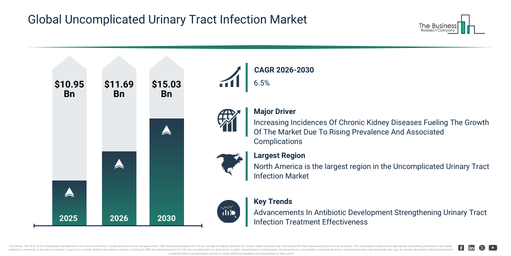
    The market size for uncomplicated urinary tract infections has experienced substantial growth in recent years. It is projected to expand from $10.95 billion in 2025 to $11.69 billion in 2026, at a compound annual growth rate (CAGR) of 6.8%. This historical growth can be linked to factors such as the increasing prevalence of urinary tract infections, the widespread adoption of laboratory-based diagnostics, the availability of broad-spectrum antibiotics, the expansion of hospital diagnostic infrastructure, and growing awareness regarding infection management.

    The uncomplicated urinary tract infection market size is projected to experience robust expansion in the coming years. This market is anticipated to reach a valuation of $15.03 billion by 2030, exhibiting a compound annual growth rate (CAGR) of 6.5%. Factors contributing to this growth over the forecast period include the escalating demand for quick and precise diagnostic methods, an enhanced emphasis on mitigating antibiotic resistance, the broadening of molecular diagnostic techniques, the increasing integration of point-of-care testing solutions, and greater capital expenditure in laboratory automation. Key trends identified for the forecast period encompass a surge in the utilization of rapid diagnostic tests, the growing implementation of automated urinalysis systems, a heightened commitment to antimicrobial stewardship initiatives, the broadening scope of point-of-care UTI diagnostics, and an increased priority placed on the early detection of infections.

    Get A Free Sample Report With In-Depth Market Insights:

    https://thebusinessresearchcompany.com/sample_request?id=55190251&type=smp&name=Uncomplicated%20Urinary%20Tract%20Infection%20Market%20Report%202026&utm_source=Blogs&utm_medium=Paid&utm_campaign=Nov_PR

    Uncomplicated Urinary Tract Infection Market Growth Catalysts And Demand Drivers

    The uncomplicated urinary tract infection market is set to expand due to the rising occurrence of chronic kidney diseases. Chronic kidney disease, a prolonged condition where kidneys progressively lose functionality, results in the accumulation of waste and fluids. The growing frequency of CKD stems from the increasing prevalence of diabetes, as elevated blood sugar levels can impair kidney function over time, hindering effective waste filtration. This condition compromises the immune system, heightening vulnerability to urinary tract infections, and impaired kidney function can cause urine retention, fostering bacterial growth. The increasing incidence of chronic kidney diseases will fuel the uncomplicated urinary tract infection market.

    Uncomplicated Urinary Tract Infection Market Segment Analysis Spotlighting Growth Areas

    The uncomplicated urinary tract infection market covered in this report is segmented –

    1) By Test Type: Urinalysis, Urine Cultures, Susceptibility Testing

    2) By Drug: Penicillin And Combinations, Quinolones, Cephalosporin, Azoles And Amphotericin B, Nitrofurans, Other Drugs

    3) By End-Users: Hospitals, Diagnostic Labs, Research Institutes

    Subsegments:

    1) By Urinalysis: Dipstick Tests, Microscopic Examination, Automated Urinalysis

    2) By Urine Cultures: Agar Plate Culture, Broth Culture, Chromogenic Media

    3) By Susceptibility Testing: Disk Diffusion Method, Automated Susceptibility Testing, Molecular Susceptibility Testing

    Uncomplicated Urinary Tract Infection Market Trends Shaping Long-Term Demand

    Major companies operating in the uncomplicated urinary tract infection (UTI) market are concentrating their efforts on developing new antibiotics to bolster treatment effectiveness and counteract antibiotic-resistant strains. Antibiotics, which are medicinal agents, function by either destroying or inhibiting the growth of bacteria in the body to manage bacterial infections.

    Uncomplicated Urinary Tract Infection Market Leading Companies: Who Holds The Strongest Market Presence?

    Major companies operating in the uncomplicated urinary tract infection market are Pfizer Inc., Bayer AG, GSK plc, Shionogi & Co. Ltd., Cipla Inc., Orchid Pharma Limited, Iterum Therapeutics PLC, UTILITY Therapeutics Ltd., Siemens AG, Sysmex Corporation, Bio-Rad Laboratories Inc., ACON Labs, Novartis AG, Sanofi SA, AbbVie Inc., Takeda Pharmaceutical Company Limited, Astellas Pharma Inc., Boehringer Ingelheim International GmbH, Roche Holding AG, F. Hoffmann-La Roche Ltd, Johnson & Johnson, Teva Pharmaceutical Industries Ltd

    View The Full Uncomplicated Urinary Tract Infection Market Report:

    https://thebusinessresearchcompany.com/report/uncomplicated-urinary-tract-infection-global-market-report?utm_source=Blogs&utm_medium=Paid&utm_campaign=Nov_PR

    Uncomplicated Urinary Tract Infection Market Top Region: Where Does Most Revenue Come From?

    North America was the largest region in the uncomplicated urinary tract infection market in 2025. The regions covered in the uncomplicated urinary tract infection market report are Asia-Pacific, South East Asia, Western Europe, Eastern Europe, North America, South America, Middle East, Africa.

    Reach Out To Our Team:

    The Business Research Company: https://www.thebusinessresearchcompany.com/

    Americas: +1 310-496-7795

    Asia: +44 7882 955267 & +91 8897263534

    Europe: +44 7882 955267

    Email us at: marketing@tbrc.info

    Follow us on:

    LinkedIn: https://in.linkedin.com/company/the-business-research-company

    YouTube: https://www.youtube.com/channel/UC24_fI0rV8cR5DxlCpgmyFQ

    Global Market Model: https://www.thebusinessresearchcompany.com/global-market-model
  • Ultrasonic Technology Market Outlook 2026–2030: Growth Trends, Market Dynamics And Emerging Opportunities

    Ultrasonic Technology Market Outlook 2026–2030: Growth Trends, Market Dynamics And Emerging Opportunities

    Built to provide research that’s more actionable and strategically valuable, The Business Research Company’s 2026 market reports include market attractiveness analysis, total addressable market sizing, company benchmarking matrices, interactive Excel dashboards, broader supply chain intelligence, emerging startup tracking, and in-depth product insights.

    Ultrasonic Technology Market Revenue Outlook: What CAGR Lies Ahead Through 2030?

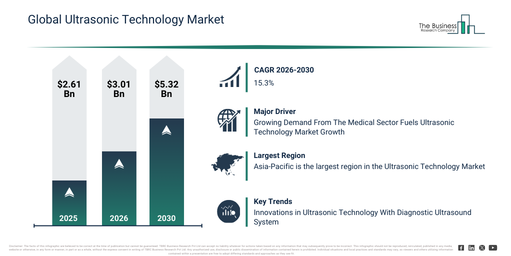
    The ultrasonic technology market has demonstrated significant expansion in recent years. It is projected to increase from $2.61 billion in 2025 to $3.01 billion in 2026, exhibiting a compound annual growth rate (CAGR) of 15.3%. The historical growth in this market can be attributed to factors such as the increasing adoption of industrial automation, a rising demand for non-invasive diagnostic tools, the expansion of automotive safety systems, the growing utilization of ultrasonic inspection methods, and the availability of cost-effective sensor technologies.

    The ultrasonic technology market is set for substantial growth over the coming years, with projections indicating it will reach $5.32 billion in 2030, expanding at a compound annual growth rate (CAGR) of 15.3%. This anticipated growth during the forecast period is fueled by the increasing deployment of smart manufacturing systems, the rising demand for advanced medical imaging technologies, the expansion of autonomous vehicle sensing applications, the growing integration of ultrasonic sensors with IoT platforms, and an increasing focus on precision monitoring solutions. Noteworthy trends throughout this period encompass the increasing adoption of ultrasonic sensors in industrial automation, the rising use of ultrasonic technology in non-contact measurement, the growing integration of ultrasonic systems in medical diagnostics, the expansion of ultrasonic applications in quality inspection, and an enhanced focus on high-precision distance sensing.

    Get A Free Sample Report With In-Depth Market Insights:

    https://thebusinessresearchcompany.com/sample_request?id=45769166&type=smp&name=Ultrasonic%20Technology%20Market%20Report%202026&utm_source=Blogs&utm_medium=Paid&utm_campaign=Nov_PR

    Ultrasonic Technology Market Opportunity Drivers: What’s Unlocking New Revenue Potential?

    Future expansion of the ultrasonic technology market is anticipated, fueled by increasing demand from the medical sector. This medical sector encompasses entities involved in healthcare service provision, medical device manufacturing, pharmaceutical delivery, and patient-care infrastructure support. Elevated demand within the medical sector stems from broader healthcare usage, a rise in chronic illnesses, and a greater dependency on sophisticated diagnostic tools. The ultrasonic technology market facilitates this increase by offering high-precision imaging, guidance for surgical procedures, and non-destructive evaluation, all crucial for current clinical processes. The escalating demand originating from the medical sector is a key factor stimulating the expansion of the ultrasonic technology market.

    Ultrasonic Technology Market Segment Performance And Emerging Opportunities

    The ultrasonic technology market covered in this report is segmented –

    1) By Type: Ultrasonic Proximity Sensor, Ultrasonic Retro-Reflective Sensor, Ultrasonic Through-Beam Sensor, Other Types

    2) By Technology: Ultrasonic Medical Technology, Ultrasonic Processing Technology, Ultrasonic Testing Technology, Other Technologies

    3) By Application: Welding, Cleaning, Inspections, Other Applications

    4) By End User: Automotive, Food and beverage, Medical and healthcare, Aerospace and defense, Industrial, Other End Users

    Subsegments:

    1) By Ultrasonic Proximity Sensor: Non-Contact Ultrasonic Proximity Sensors, Short-Range Ultrasonic Proximity Sensors

    2) By Ultrasonic Retro-Reflective Sensor: Fixed Ultrasonic Retro-Reflective Sensors, Adjustable Ultrasonic Retro-Reflective Sensors

    3) By Ultrasonic Through-Beam Sensor: Transmitter-Receiver Through-Beam Sensors, Reflective Through-Beam Sensors

    4) By Other Types: Ultrasonic Flow Meters, Ultrasonic Cleaning Equipment, Ultrasonic Thickness Gauges

    Ultrasonic Technology Market Innovation Trends Shaping Future Development

    Major companies operating in the ultrasonic technology market are concentrating on developing innovative diagnostic ultrasound system solutions designed to improve imaging quality, enhance patient safety, and streamline workflow efficiency. Diagnostic ultrasound system solutions are defined as medical imaging technologies that use high-frequency sound waves to produce images of structures inside the body.

    Ultrasonic Technology Market Key Players: Which Companies Lead Industry Competition?

    Major companies operating in the ultrasonic technology market are Emerson Electric, Siemens AG, Olympus Corporation, General Electric Company, Crest Ultrasonics Corp., Honeywell International Inc., Rockwell Automation Inc., Pepperl+Fuchs AG, Omron Corporation, Telsonic AG, Sonotec, Contrinex, Canon Medical Systems Corporation, Fujifilm Holdings Corporation, Mindray Medical International Limited, Balluff, Baumer, Sick AG, ifm electronic, Leuze electronic, Migatron, Banner Engineering, KEYENCE, Waycon Positionsmesstechnik, Massa Products

    View The Full Ultrasonic Technology Market Report:

    https://thebusinessresearchcompany.com/report/ultrasonic-technology-global-market-report?utm_source=Blogs&utm_medium=Paid&utm_campaign=Nov_PR

    Ultrasonic Technology Market Regional Breakdown: Where Is Demand Concentrated?

    Asia-Pacific was the largest region in the ultrasonic technology market in 2025. The regions covered in the ultrasonic technology market report are Asia-Pacific, South East Asia, Western Europe, Eastern Europe, North America, South America, Middle East, Africa.

    Reach Out To Our Team:

    The Business Research Company: https://www.thebusinessresearchcompany.com/

    Americas: +1 310-496-7795

    Asia: +44 7882 955267 & +91 8897263534

    Europe: +44 7882 955267

    Email us at: marketing@tbrc.info

    Follow us on:

    LinkedIn: https://in.linkedin.com/company/the-business-research-company

    YouTube: https://www.youtube.com/channel/UC24_fI0rV8cR5DxlCpgmyFQ

    Global Market Model: https://www.thebusinessresearchcompany.com/global-market-model
  • Ulcerative Colitis Market Growth Outlook From $8.41 Billion In 2026 To $11.08 Billion By 2030

    Ulcerative Colitis Market Growth Outlook From $8.41 Billion In 2026 To $11.08 Billion By 2030

    Backed by market attractiveness analysis, total addressable market sizing, company benchmarking matrices, interactive Excel dashboards, wider supply chain intelligence, emerging startup coverage, and detailed product-level insights, The Business Research Company’s 2026 market reports are designed to offer research that is more actionable and strategically valuable than ever.

    Ulcerative Colitis Market Growth Analysis: How Will Revenue Trend Over The Forecast Period?

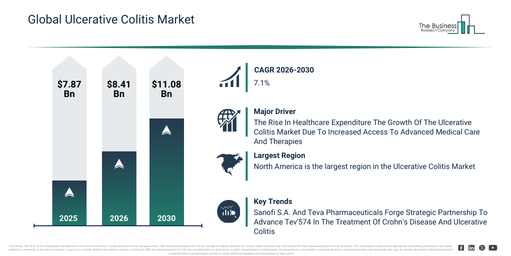
    The ulcerative colitis market has demonstrated significant growth over recent years. It is anticipated to expand from $7.87 billion in 2025 to $8.41 billion in 2026, achieving a compound annual growth rate (CAGR) of 6.9%. The growth observed historically is attributable to factors such as the improved availability of anti-inflammatory medications, a rise in the diagnosis of inflammatory bowel diseases, the expansion of gastroenterology specialty care, increasing awareness of autoimmune disorders, and advancements in endoscopic diagnostics.

    The ulcerative colitis market is anticipated to experience robust expansion in the upcoming years. Its valuation is projected to reach $11.08 billion by 2030, exhibiting a compound annual growth rate (CAGR) of 7.1%. This projected growth during the forecast period stems from factors such as the accelerated development of next-generation biologics, a heightened emphasis on steroid-sparing therapies, the broadening scope of targeted immune modulation treatments, the expanding integration of digital patient monitoring solutions, and increased investments in IBD research and innovation. Key trends anticipated during the forecast period encompass the greater adoption of biologic therapies, an increased utilization of small molecule treatments, a growing inclination towards personalized treatment regimens, the development of comprehensive long-term disease management strategies, and a stronger focus on early and precise diagnosis.

    Get A Free Sample Report With In-Depth Market Insights:

    https://thebusinessresearchcompany.com/sample_request?id=10328&type=smp&name=Ulcerative%20Colitis%20Market%20Report%202026&utm_source=Blogs&utm_medium=Paid&utm_campaign=Nov_PR

    Ulcerative Colitis Market Growth Momentum: What Factors Are Shaping Demand?

    Rising healthcare spending is projected to drive the expansion of the ulcerative colitis market in the future. Healthcare expenditure encompasses all outlays for health-related services, family planning, nutrition, and emergency aid, but notably excludes costs associated with drinking water and sanitation. This increase in healthcare spending stems from advances in medical technology, where novel diagnostic tools, treatments, and pioneering therapies frequently involve greater expenses, contributing to higher overall healthcare outlays. Enhanced healthcare spending offers advantages to individuals with ulcerative colitis through improved access to medical attention and treatments. Expanding healthcare expenditures are fueling the growth of the ulcerative colitis industry.

    Ulcerative Colitis Market Segment Landscape And Growth Outlook

    The ulcerative colitis market covered in this report is segmented –

    1) By Drug Type: Anti-Inflammatory Drugs, Anti-TNF Biologics, Immunosuppressant, Calcineurin Inhibitors, Other Drug Types

    2) By Disease Type: Ulcerative Proctitis, Proctosigmoiditis, Left-sided Colitis, Pancolitis or Universal Colitis, Fulminant Colitis

    3) By Molecule Type: Biologics, Small Molecules

    4) By Route Of Administration: Oral, Injectables

    5) By End-User: Hospital Pharmacies, Retail Pharmacies, Drug Stores, Other End-User

    Subsegments:

    1) By Anti-Inflammatory Drugs: Aminosalicylates, Corticosteroids

    2) By Anti-TNF Biologics: Infliximab, Adalimumab, Golimumab

    3) By Immunosuppressant: Azathioprine, Mercaptopurine

    4) By Calcineurin Inhibitors: Tacrolimus, Cyclosporine

    5) By Other Drug Types: JAK Inhibitors, Monoclonal Antibodies, Other Novel Therapies

    Ulcerative Colitis Market Trends Redefining Industry Growth

    Leading companies within the ulcerative colitis market are prioritizing collaborative approaches, such as strategic co-development partnerships, to expedite the advancement of late-stage biologics and broaden their global commercial reach. These strategic co-development partnerships involve arrangements where two pharmaceutical entities integrate their scientific assets, clinical trial proficiency, and commercial infrastructure to jointly progress and market a therapeutic product under mutually agreed financial and operational obligations.

    Ulcerative Colitis Market Competitive Landscape: Who Leads The Industry?

    Major companies operating in the ulcerative colitis market are AbbVie Inc., AstraZeneca plc, Bausch Health Companies Inc., Eli Lilly and Co., Johnson & Johnson, GlaxoSmithKline plc, Merck & Co. Inc., Novartis AG, Pfizer Inc., Sanofi S.A., Allergan plc, Bayer AG, Celgene Corporation, Bristol Myers Squibb Company, Takeda Pharmaceutical Company Limited, Genentech Inc., UCB S.A., Shire plc, Ferring Pharmaceuticals Inc., Salix Pharmaceuticals Inc., Dr. Falk Pharma GmbH, Tillotts Pharma AG, Cosmo Pharmaceuticals

    View The Full Ulcerative Colitis Market Report:

    https://thebusinessresearchcompany.com/report/ulcerative-colitis-global-market-report?utm_source=Blogs&utm_medium=Paid&utm_campaign=Nov_PR

    Ulcerative Colitis Market Geographic Landscape: Which Region Leads Industry Growth?

    North America was the largest region in the ulcerative colitis market in 2025. The regions covered in the ulcerative colitis market report are Asia-Pacific, South East Asia, Western Europe, Eastern Europe, North America, South America, Middle East, Africa.

    Reach Out To Our Team:

    The Business Research Company: https://www.thebusinessresearchcompany.com/

    Americas: +1 310-496-7795

    Asia: +44 7882 955267 & +91 8897263534

    Europe: +44 7882 955267

    Email us at: marketing@tbrc.info

    Follow us on:

    LinkedIn: https://in.linkedin.com/company/the-business-research-company

    YouTube: https://www.youtube.com/channel/UC24_fI0rV8cR5DxlCpgmyFQ

    Global Market Model: https://www.thebusinessresearchcompany.com/global-market-model