Author: Marketing Posting

  • Robotic Endoscopy Devices Market to Reach $5.42 Billion by 2029 | Key Drivers and Future Outlook

    Robotic Endoscopy Devices Market to Reach $5.42 Billion by 2029 | Key Drivers and Future Outlook

    Claim your 30% discount on Global Market Reports with code ONLINE30. Limited time only.

    What Is the Growth Rate of the Robotic Endoscopy Devices Market?

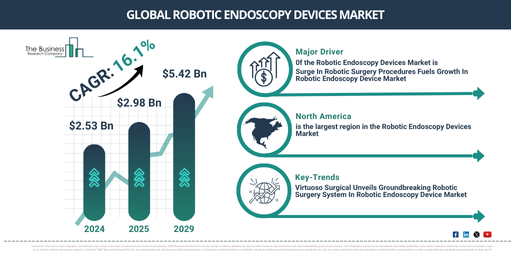
    The market for robotic endoscopy devices has significantly expanded in the past few years. It is expected to rise from $2.53 billion in 2024 to $2.98 billion in 2025, exhibiting a compound annual growth rate (CAGR) of 18.0%. The exponential growth previously seen can be credited to factors such as an ageing population, escalated demand for less invasive medical procedures, heightened consciousness for early diagnosis of diseases, regulatory consent, and the growing incidence rate of gastrointestinal disorders.

    What Growth Rate Is Forecasted for the Robotic Endoscopy Devices Market by 2029?

    The market for robotic endoscopy devices is anticipated to witness a swift expansion in the upcoming years, reaching a value of $5.42 billion by 2029 with a compound annual growth rate (CAGR) of 16.1%. This projected surge can be ascribed to factors such as the broadening of robotic surgery applications, amplified demand for remote surgery capabilities, escalating healthcare expenditure, increasing utilization of endoscopic procedures, and a rising global patient population requiring endoscopy. Significant trends for the forecast period encompass the creation of adaptable robotic endoscopy devices, the incorporation of machine learning into endoscopic diagnostics, the advent of capsule endoscopy technology, emphasis on disposable endoscopy devices, and the growing deployment of robotics in therapeutic endoscopy.

    Download The Free Sample Report Here:

    https://www.thebusinessresearchcompany.com/sample.aspx?id=12562&type=smp

    Which Key Companies Are Shaping the Future of the Robotic Endoscopy Devices Market?

    Major companies operating in the robotic endoscopy devices market include Johnson & Johnson Services Inc., Medtronic PLC, FUJIFILM Holdings Corporation, Stryker Corporation, Boston Scientific Corporation, B. Braun Melsungen AG, Carl Zeiss AG, Olympus Corporation, HOYA Corporation, Intuitive Surgical Inc., Smith + Nephew GmbH, Arthrex Inc., ENDO Robotics Co Ltd., Karl Storz SE & Co. KG, Auris Health Inc., Cantel Medical Corp., ConMed Corporation, Ambu A/S, Richard Wolf GmbH, Brainlab AG, Renishaw plc., Fortimedix Surgical B.V., CapsoVision Inc., Asensus Surgical Inc., Medrobotics Corporation, EndoMaster Pte Ltd., Ovesco Endoscopy AG, Medineering GmbH, Virtuoso Surgical Inc., Gray Optics Co

    Which Factors Are Driving Demand in the Robotic Endoscopy Devices Industry?

    The expansion of the robotic endoscopy device market is predicted to be driven by the escalating number of robotic surgery operations. Robotic surgery represents a cutting-edge surgical method that employs robotic systems to aid surgeons in executing surgical operations. Robotic instruments are extensively utilized in endoscopy procedures for superior maneuverability and productivity, simplifying intricate procedures by enhancing visualization, exposure, and tissue manipulation. For example, as per the Royal Australasian College of Surgeons, an non-profit organization based in Australia, device technologies, the domestic distributor of Intuitive da Vinci robotic platforms, recorded a growth rate of 12 percent in the count of robot-assisted surgery operations conducted on da Vinci platforms in Australia and Aotearoa New Zealand, escalating from 17,852 in 2021 to 19,989 in 2022. Consequently, the rising prevalence of robotic surgery operations propels the advancement of the robotic endoscopy device market.

    Request For A Customized Report:

    https://www.thebusinessresearchcompany.com/customise?id=12562&type=smp

    How Is the Robotic Endoscopy Devices Market Segmented by Several Divisions?

    The robotic endoscopy devices market covered in this report is segmented –

    1) By Product: Diagnostic, Therapeutic

    2) By Application: Colonoscopy, Bronchoscopy, Laparoscopy, Gastrointestinal Endoscopy, Other Application

    3) By End User: Hospitals, Ambulatory Surgical Centers, Other End Users

    Subsegments:

    1) By Diagnostic: Robotic Endoscopes, Imaging Systems, Biopsy Tools

    2) By Therapeutic: Surgical Robots, Laser Systems, Ablation Devices, Stenting Systems

    What are the Emerging Market Trends Driving the Growth of the Robotic Endoscopy Devices Industry?

    The introduction of product innovations is a chief trend emerging in the robotic endoscopy device market. Prominent companies in the market space are pioneering advanced technologies and products to maintain their market positioning. An illustration of this is Virtuoso Surgical, an American company specializing in the manufacture of minimally invasive surgery devices. In May 2023, it unveiled its innovative robotic surgery unit. This groundbreaking technology aids surgeons during endoscopic procedures, allowing them to utilize both hands while inside the body for flexible movements. The Virtuoso Surgical system, equipped with a rigid endoscope tip hosting two robotic, needle-sized manipulators whose diameter is less than half of a US dime, sets it apart. These manipulators measure 1mm in diameter, making the overall scope considerably smaller than apparatus used in traditional robotic endoscopes.

    Access The Full Report Here:

    https://www.thebusinessresearchcompany.com/report/robotic-endoscopy-devices-global-market-report

    Which Regions Are Driving Growth in the Robotic Endoscopy Devices Market?

    North America was the largest region in the robotic endoscopy devices market in 2024. The regions covered in the robotic endoscopy devices market report are Asia-Pacific, Western Europe, Eastern Europe, North America, South America, Middle East, Africa

    Purchase The Full Report Today:

    https://www.thebusinessresearchcompany.com/purchaseoptions.aspx?id=12562

    This Report Delivers Insight On:

    1. How big is the robotic endoscopy devices market, and how is it changing globally?

    2. Who are the major companies in the robotic endoscopy devices market, and how are they performing?

    3. What are the key opportunities and risks in the robotic endoscopy devices market right now?

    4. Which products or customer segments are growing the most in the robotic endoscopy devices market?

    5. What factors are helping or slowing down the growth of the robotic endoscopy devices market?

    About The Business Research Company:

    With over 15000+ reports from 27 industries covering 60+ geographies, The Business Research Company has built a reputation for offering comprehensive, data-rich research and insights. Armed with 1,500,000 datasets, the optimistic contribution of in-depth secondary research, and unique insights from industry leaders, you can get the information you need to stay ahead in the game.

    Get in touch with us:

    The Business Research Company: https://www.thebusinessresearchcompany.com/

    Americas +1 3156230293

    Asia +44 2071930708

    Europe +44 2071930708

    Email us at info@tbrc.info

    Follow us on:

    LinkedIn: https://in.linkedin.com/company/the-business-research-company

    YouTube: https://www.youtube.com/channel/UC24_fI0rV8cR5DxlCpgmyFQ

    Global Market Model: https://www.thebusinessresearchcompany.com/global-market-model
  • RNA Targeting Small Molecules Therapeutics Market Size to Exceed $22.36 Billion by 2029 | Growth and Industry Trends

    RNA Targeting Small Molecules Therapeutics Market Size to Exceed $22.36 Billion by 2029 | Growth and Industry Trends

    Claim your 30% discount on Global Market Reports with code ONLINE30. Limited time only.

    How Has the RNA Targeting Small Molecules Therapeutics Market Grown from 2024 to 2025?

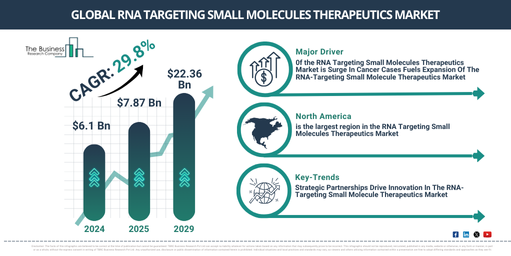
    In recent times, the market for RNA targeting small molecules therapeutics has experienced exponential growth. The market, which was worth $6.1 billion in 2024, is forecasted to expand to $7.87 billion in 2025, with a compound annual growth rate (CAGR) of 28.9%. Factors such as advancements in drug discovery and development, increasing number of RNA-related diseases, both government and private sector funding, interest from the pharmaceutical industry, and successful narratives of RNA therapeutics have contributed to the growth recorded during the historical period.

    What Growth Rate Is Anticipated for the RNA Targeting Small Molecules Therapeutics Market in the Coming Years?

    The market for RNA targeting small molecule therapeutics is projected to experience an immense expansion in the forthcoming years, with a valuation of $22.36 billion anticipated by 2029, growing at a CAGR of 29.8%. Factors contributing to this surge during the forecast period include the development of precision medicine and individualized treatment approaches, the growing identification of RNA biomarkers, broadening of RNA target spectrum, augmented funding and investments, and applications in rare disease treatments. Further trends predicted for the forecast period are advancements in screening technologies, dominance of antisense oligonucleotides, emergent small molecule RNA binders, RNA therapeutics application for neurological disorders, and gene editing utilizing the crispr-cas9 technique.

    Download The Free Sample Report Here:

    https://www.thebusinessresearchcompany.com/sample.aspx?id=12253&type=smp

    Who Are the Leading Companies in the RNA Targeting Small Molecules Therapeutics Market?

    Major companies operating in the RNA targeting small molecules therapeutics market include F. Hoffmann-La Roche Ltd., Bayer AG, Sanofi S.A., AstraZeneca plc, Eli Lilly and Company, Amgen Inc., Janssen Pharmaceuticals, Vertex Pharmaceuticals, Servier laboratories, Genentech Inc., PTC Therapeutics Inc., Arrakis Therapeutics, Anima Biotech Inc., Skyhawk Therapeutics Inc., Remix Therapeutics, Abivax SA, 858 Therapeutics, Eloxx Pharmaceuticals Inc., STORM Therapeutics Ltd., Accent Therapeutics Inc., eFFECTOR Therapeutics Inc., EPICS Therapeutics, Expansion Therapeutics Inc., Inspirna Inc., MiNA Therapeutics Ltd., Ribometrix Inc., AC Immune SA, Redona Therapeutics

    What Are the Key Drivers of the RNA Targeting Small Molecules Therapeutics Market?

    The escalating incidence of cancer is predicted to accelerate the growth trajectory of the RNA-targeting small molecule therapeutics market. Cancer encompasses diseases that can originate in almost any tissue or organ when irregular cells multiply beyond control, surpass their typical confines, and spread to other organs or impinge on nearby body parts. The treatment for cancer involves the use of RNA-targeting small molecules that are designed and studied for the purpose of specifically targeting RNA molecules linked with cancer. For instance, studies conducted by the American Cancer Society, a US-based health organization, in January 2022 revealed that there are anticipated to be 609,360 cancer fatalities and 1.9 million fresh cases of cancer in the US in 2022. This approximates to around 1,670 deaths each day. Consequently, the escalating incidence of cancer is stimulating the expansion of the RNA-targeting small molecule therapeutics market.

    Request For A Customized Report:

    https://www.thebusinessresearchcompany.com/customise?id=12253&type=smp

    What Are the Key Market Segments in the RNA Targeting Small Molecules Therapeutics Industry?

    The RNA targeting small molecules therapeutics market covered in this report is segmented –

    1) By Offering: mRNA (Messenger Ribonucleic Acid) Translation Modulators, RNA (Ribonucleic Acid) Splicing Modification, Direct RNA (Ribonucleic Acid) Targeting, Other Offerings

    2) By Therapeutic Indication: Lung Fibrosis, Cancer, Neurodegenerative Diseases, Autoimmune, Inflammatory, Other Therapeutic Indications

    3) By Application: Drug Discovery, Oncology Research, Disease Identification

    4) By End User: Hospitals, Research Laboratories, Pharmaceutical And Biotechnology Companies, Other End-Users

    Subsegments:

    1) By mRNA (Messenger Ribonucleic Acid) Translation Modulators: Small Molecule Inhibitors, Enhancers Of Translation

    2) By RNA (Ribonucleic Acid) Splicing Modification: Splicing Modulators, Antisense Oligonucleotides

    3) By Direct RNA (Ribonucleic Acid) Targeting: RNA-Binding Small Molecules, RNA Aptamers

    4) By Other Offerings: RNA Interference (RNAi) Therapeutics, Small Molecule Activators Of RNA Stability

    What Are the Latest Trends in the RNA Targeting Small Molecules Therapeutics Market?

    One of the prevalent trends in the RNA-targeting small molecule therapeutics market is the formation of strategic alliances. Major players in the market are increasingly entering into collaborations to foster a new relationship whereby multiple entities produce innovative items. For example, Otsuka Pharmaceutical Co. Ltd., a pharmaceutical manufacturer from Japan, joined forces with xFOREST Therapeutics Co. Ltd., another Japanese company specializing in drug discovery platforms, in June 2022. This partnership allows xFOREST to provide Otsuka with its Forest technology to expedite small-molecule drug discovery research focusing on RNA structures. Furthermore, in April 2024, Ipsen, a biopharmaceutical firm from France, partnered with Skyhawk Therapeutics, a US-based clinical-stage biotechnology company offering RNA-targeting small molecule therapeutics. Through this partnership, Ipsen sought to produce RNA-targeting small molecule medicines for rare neurological disorders while employing various data sets to pinpoint and develop small molecules capable of modulating RNA.

    Access The Full Report Here:

    https://www.thebusinessresearchcompany.com/report/rna-targeting-small-molecules-therapeutics-global-market-report

    What Are the Key Regional Markets in the RNA Targeting Small Molecules Therapeutics Industry?

    North America was the largest region in the RNA targeting small molecules therapeutics market in 2024. The regions covered in the RNA targeting small molecules therapeutics market report are Asia-Pacific, Western Europe, Eastern Europe, North America, South America, Middle East, Africa.

    Purchase The Full Report Today:

    https://www.thebusinessresearchcompany.com/purchaseoptions.aspx?id=12253

    This Report Delivers Insight On:

    1. How big is the rna targeting small molecules therapeutics market, and how is it changing globally?

    2. Who are the major companies in the rna targeting small molecules therapeutics market, and how are they performing?

    3. What are the key opportunities and risks in the rna targeting small molecules therapeutics market right now?

    4. Which products or customer segments are growing the most in the rna targeting small molecules therapeutics market?

    5. What factors are helping or slowing down the growth of the rna targeting small molecules therapeutics market?

    About The Business Research Company:

    With over 15000+ reports from 27 industries covering 60+ geographies, The Business Research Company has built a reputation for offering comprehensive, data-rich research and insights. Armed with 1,500,000 datasets, the optimistic contribution of in-depth secondary research, and unique insights from industry leaders, you can get the information you need to stay ahead in the game.

    Get in touch with us:

    The Business Research Company: https://www.thebusinessresearchcompany.com/

    Americas +1 3156230293

    Asia +44 2071930708

    Europe +44 2071930708

    Email us at info@tbrc.info

    Follow us on:

    LinkedIn: https://in.linkedin.com/company/the-business-research-company

    YouTube: https://www.youtube.com/channel/UC24_fI0rV8cR5DxlCpgmyFQ

    Global Market Model: https://www.thebusinessresearchcompany.com/global-market-model
  • Head And Neck Cancer Therapeutics Market Projected at $2.85 Billion by 2029 | Strategic Insights and Forecast Data

    Head And Neck Cancer Therapeutics Market Projected at $2.85 Billion by 2029 | Strategic Insights and Forecast Data

    Claim your 30% discount on Global Market Reports with code ONLINE30. Limited time only.

    How Has the Head And Neck Cancer Therapeutics Market Size Changed, over the years?

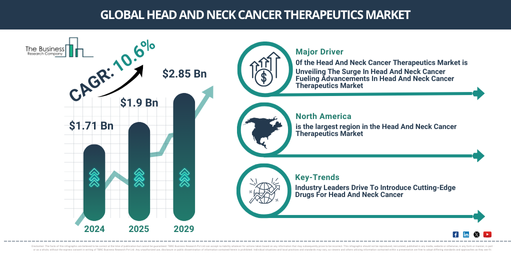
    The market size for head and neck cancer therapeutics has seen a swift expansion in the past few years. It is projected to rise from $1.71 billion in 2024 to $1.9 billion in 2025, demonstrating a compound annual growth rate (CAGR) of 11.3%. Factors contributing to the growth during the historical period include tobacco and alcohol use, infections from the human papillomavirus (HPV), environmental influences, and the advancement of treatment methodologies.

    How Much Will the Head And Neck Cancer Therapeutics Market Be Worth in 2029?

    The market size for therapeutics in head and neck cancer is predicted to witness swift expansion in the forthcoming years. The growth is projected to hit $2.85 billion by the year 2029 at a compound yearly growth rate (CAGR) of 10.6%. This surge during the forecast period can be credited to advancements in immunotherapy, precision medicine techniques, campaigns for awareness and early diagnosis, and the worldwide aging population. The forecast period is also set to witness several major trends such as an increasing emphasis on targeted therapies, the rise in adoption of minimally invasive surgical procedures, inclusion of palliative care, exploration into innovative biomarkers, and the implementation of patient-focused care models.

    Download The Free Sample Report Here:

    https://www.thebusinessresearchcompany.com/sample.aspx?id=12426&type=smp

    Which is the Largest Company in the Head And Neck Cancer Therapeutics Market?

    Major companies operating in the head and neck cancer therapeutics market include Pfizer Inc., F Hoffmann-La Roche Ltd., Merck & Co. Inc., AbbVie Inc., Bayer AG, Novartis AG, Sanofi Aventis LLC, Bristol-Myers-Squibb Company, AstraZeneca PLC, GlaxoSmithKline plc., Takeda Pharmaceutical Company Limited, Eli Lilly and Company, Amgen Inc., Boehringer Ingelheim International GmbH, Teva Pharmaceutical Industries Ltd., Astellas Pharma Inc., Daiichi Sankyo Company Limited, Eisai Co. Ltd., Sun Pharmaceutical Industries Ltd., Incyte Corporation, Ono Pharmaceutical Co. Ltd., Kyowa Kirin Co. Ltd., Hikma Pharmaceuticals PLC, Clinigen Group plc., Ligand Pharmaceuticals, Acceleron Pharma Inc., Taiho Pharmaceutical Co. Ltd., Boston Biomedical Inc., AB Science SA.

    What Are the Main Market Drivers in the Head And Neck Cancer Therapeutics Industry?

    The growth of the head and neck cancer therapeutics market is anticipated to be propelled by the escalating instances of head and neck cancer. This type of cancer is characterized by unchecked cellular growth within the tissues located in the head and neck region. The escalating number of cases accentuates the need for improved diagnosis and treatment methodologies to address possible mutations and irregularities in cancer cells. For instance, Cancer Research UK, a noted independent cancer research entity in the UK, anticipates a 3% increase in the incidence of head and neck cancer, and a 12% rise in deaths caused by such cancers in the UK between 2023 and 2025. Hence, the escalating rates of head and neck cancer are said to be fueling the growth of the head and neck cancer therapeutics market.

    Request For A Customized Report:

    https://www.thebusinessresearchcompany.com/customise?id=12426&type=smp

    How Is the Head And Neck Cancer Therapeutics Market Segments Structured?

    The head and neck cancer therapeutics market covered in this report is segmented –

    1) By Type: Programmed Cell Death (PD) Inhibitors, Microtubule Inhibitors, Epidermal Growth Factor Receptor (EGFR) Inhibitors

    2) By Route Of Administration: Injectable, Oral

    3) By Distribution Channel: Retail And Specialty Pharmacies, Hospital Pharmacies, Online Pharmacies

    4) By Application: Surgery, Radiation Therapy, Chemotherapy, Immunotherapy, Other Applications

    Subsegments:

    1) By Programmed Cell Death (PD) Inhibitors: PD-1 Inhibitors, PD-L1 Inhibitors

    2) By Microtubule Inhibitors: Taxanes, Vinca Alkaloids

    3) By Epidermal Growth Factor Receptor (EGFR) Inhibitors: Monoclonal Antibodies, Tyrosine Kinase Inhibitors

    What Strategic Trends Are Transforming the Head And Neck Cancer Therapeutics Market?

    Prominent businesses in the head and neck cancer therapeutics market are focusing their initiatives on the development and launch of novel pharmaceutical treatments for patients diagnosed with head and neck cancer therapeutics. The term “drug treatment” pertains to the utilization of medications or pharmaceutical substances to treat, manage, or assuage disease, symptoms or conditions in individuals. For instance, in October 2023, a key announcement came from the US-based biopharmaceutical company, Coherus BioSciences Inc., about their latest drug ‘Loqtorzi’ or toripalimab-tpzi receiving FDA approval. The drug can be used alongside cisplatin and gemcitabine as the primary treatment for adults with diagnosed metastatic or recurrent, locally advanced nasopharyngeal carcinoma. The clinical trials showed fewer than 20% of patients, encountered adverse reactions, irrespective of whether the drug was used as a primary treatment option or as monotherapy.

    Access The Full Report Here:

    https://www.thebusinessresearchcompany.com/report/head-and-neck-cancer-therapeutics-global-market-report

    Which Global Regions Offer the Highest Growth in the Head And Neck Cancer Therapeutics Market?

    North America was the largest region in the head and neck cancer therapeutics market in 2024. Asia-Pacific is expected to be the fastest-growing region in the forecast period. The regions covered in the head and neck cancer therapeutics market report are Asia-Pacific, Western Europe, Eastern Europe, North America, South America, Middle East, Africa

    Purchase The Full Report Today:

    https://www.thebusinessresearchcompany.com/purchaseoptions.aspx?id=12426

    This Report Delivers Insight On:

    1. How big is the head and neck cancer therapeutics market, and how is it changing globally?

    2. Who are the major companies in the head and neck cancer therapeutics market, and how are they performing?

    3. What are the key opportunities and risks in the head and neck cancer therapeutics market right now?

    4. Which products or customer segments are growing the most in the head and neck cancer therapeutics market?

    5. What factors are helping or slowing down the growth of the head and neck cancer therapeutics market?

    About The Business Research Company:

    With over 15000+ reports from 27 industries covering 60+ geographies, The Business Research Company has built a reputation for offering comprehensive, data-rich research and insights. Armed with 1,500,000 datasets, the optimistic contribution of in-depth secondary research, and unique insights from industry leaders, you can get the information you need to stay ahead in the game.

    Get in touch with us:

    The Business Research Company: https://www.thebusinessresearchcompany.com/

    Americas +1 3156230293

    Asia +44 2071930708

    Europe +44 2071930708

    Email us at info@tbrc.info

    Follow us on:

    LinkedIn: https://in.linkedin.com/company/the-business-research-company

    YouTube: https://www.youtube.com/channel/UC24_fI0rV8cR5DxlCpgmyFQ

    Global Market Model: https://www.thebusinessresearchcompany.com/global-market-model
  • RNA Targeting Small Molecule Drug Discovery Industry Insights 2025 – Market Forecast for Executives and Planners

    RNA Targeting Small Molecule Drug Discovery Industry Insights 2025 – Market Forecast for Executives and Planners

    Claim your 30% discount on Global Market Reports with code ONLINE30. Limited time only.

    How Has the RNA Targeting Small Molecule Drug Discovery Market Size Changed, over the years?

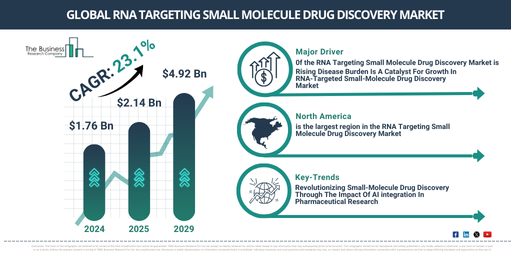
    The market for RNA targeting small molecule drug discovery has seen a rapid expansion in the latest years. The market is set to rise from $1.76 billion in 2024 to a staggering $2.14 billion in 2025, boasting a compound annual growth rate (CAGR) of 21.8%. Factors contributing to the growth during the historic period include a better grasp of disease genetics, advancements in genomic and proteomic discoveries, issues with drug resistance, significant investment in biotech and pharmaceutical research, along with the emergence of RNA therapeutics.

    How Much Will the RNA Targeting Small Molecule Drug Discovery Market Be Worth in 2029?

    The market for RNA targeting small molecule drug discovery is predicted to experience massive growth in the coming years, reaching $4.92 billion by 2029 with a compound annual growth rate of 23.1%. This anticipated growth during the projected period is attributable to advancements and expansion in RNA epigenetics research, RNA-seq and functional genomics, the integration of artificial intelligence (AI), patient-centered approaches, and exosome-mediated drug delivery. Upcoming trends during this forecast period encompass the development of RNA editing technologies, progress in CRISPR technology, technological innovations, advancements in RNA biology, and the application of RNA targeting in neurodegenerative diseases.

    Download The Free Sample Report Here:

    https://www.thebusinessresearchcompany.com/sample.aspx?id=12480&type=smp

    Which is the Largest Company in the RNA Targeting Small Molecule Drug Discovery Market?

    Major companies operating in the RNA targeting small molecule drug discovery market include F. Hoffmann-La Roche Ltd, Merck & Co. Inc, Bayer AG, Novartis AG, Sanofi SA, Bristol-Myers Squibb Company, AstraZeneca PLC, Takeda Pharmaceutical Company Limited, Eli Lilly and Company, Amgen Inc., Moderna Inc., Astellas Pharma Inc., Biogen Inc., Alnylam Pharmaceuticals Inc., Sarepta Therapeutics Inc., Evotec A.G., PTC Therapeutics Inc., Ionis Pharmaceuticals Inc., Dicerna Pharmaceuticals Inc., Arrakis Therapeutics, Arbutus Biopharma Corporation, H3 Biomedicine Inc., Anima Biotech Inc., Ribometrix Inc., Quark Pharmaceuticals Inc., Regulus Therapeutics Inc., Skyhawk Therapeutics Inc., Accent Therapeutics Inc., Epics Therapeutics, Expansion Therapeutics

    What Are the Main Market Drivers in the RNA Targeting Small Molecule Drug Discovery Industry?

    The rising incidence of cancer, genetic anomalies, and viral disorders is anticipated to foster the expansion of the RNA-targeted small-molecule drug discovery market. The unregulated cell growth body characterizes diseases termed as cancer. Viral disorders are infections instigated by minutely infectious agents – viruses that are dependent on living organisms’ cells for reproduction. RNA targeting techniques are employed in drug discovery to cure diseases such as cancer, genetic disorders, and viral infections, as these disorders have roots in the genes or dysfunctional genetic material. Medication developed through RNA targeting techniques proves effective in such cases. For example, the World Health Organization (WHO), a Swiss intergovernmental organization, issued a report in February 2024 highlighting the global cancer statistics for 2022. As per the report, new cancer cases were about 20 million, and deaths were approximated to be 9.7 million. Lung cancer topped the list with 2.5 million new cases (12.4%), followed by breast cancer in women (2.3 million cases, 11.6%), colorectal cancer (1.9 million cases, 9.6%), prostate cancer (1.5 million cases, 7.3%), and stomach cancer (970,000 cases, 4.9%). By 2050, the number of new cancer cases is predicted to surge by 77%, reaching above 35 million cases every year. This surge in the rate of cancer, genetic disorders, and viral infections are contributing to a rise in the RNA-targeted small-molecule drug discovery market.

    Request For A Customized Report:

    https://www.thebusinessresearchcompany.com/customise?id=12480&type=smp

    How Is the RNA Targeting Small Molecule Drug Discovery Market Segments Structured?

    The RNA targeting small molecule drug discovery market covered in this report is segmented –

    1) By Target RNA Type: Messenger RNA (mRNA), Non-Coding RNA (ncRNA), MicroRNA (miRNA), Long Non-Coding RNA (lncRNA)

    2) By Technology: CRISPR-Cas9, RNA Aptamers, Small Interfering RNA (siRNA), Ribozymes, Other Technologies

    3) By Therapeutic Area: Oncology, Neurology, Infectious Disease, Metabolic Diseases, Genetic Disorders, Other Therapeutic Areas

    4) By Delivery Method: Intravenous (IV), Oral, Topical, Other Methods

    5) By Application: Research Use, Therapeutic Use, Diagnostic Use, Other Applications

    Subsegments:

    1) By Messenger RNA (mRNA): Targeting mRNA For Protein Coding, Modulation Of mRNA Stability, mRNA Translation Inhibition

    2) By Non-Coding RNA (ncRNA): Long Non-Coding RNA, Small Nuclear RNA, Small Nucleolar RNA

    3) By MicroRNA (miRNA): miRNA Inhibition, miRNA Mimics, Targeting Specific miRNA Pathways

    4) By Long Non-Coding RNA (lncRNA): lncRNA Modulators, Targeting Specific lncRNA Functions, Therapeutic Applications Of lncRNA

    What Strategic Trends Are Transforming the RNA Targeting Small Molecule Drug Discovery Market?

    The integration of artificial intelligence (AI) into the drug discovery process is a significant trend on the rise in the small-molecule drug discovery market. To stay competitive, prominent companies in this market are utilising AI technology to speed up drug discovery endeavors. An illustration of this is when Google Cloud, a division of the US-based tech powerhouse Google, unveiled the Target and Lead Identification Suite and the Multiomics Suite in May 2023 to streamline drug discovery. The Multiomics Suite fast-tracks the detection and examination of genetic data, helping businesses to craft precision medicines. The Target and Lead Identification Suite helps scientists to deepen their knowledge of amino acids and anticipate protein structures.

    Access The Full Report Here:

    https://www.thebusinessresearchcompany.com/report/rna-targeting-small-molecule-drug-discovery-global-market-report

    Which Global Regions Offer the Highest Growth in the RNA Targeting Small Molecule Drug Discovery Market?

    North America was the largest region in the RNA-targeting small molecule drug discovery market in 2024. The regions covered in the RNA targeting small molecule drug discovery market report are Asia-Pacific, Western Europe, Eastern Europe, North America, South America, Middle East, Africa

    Purchase The Full Report Today:

    https://www.thebusinessresearchcompany.com/purchaseoptions.aspx?id=12480

    This Report Delivers Insight On:

    1. How big is the rna targeting small molecule drug discovery market, and how is it changing globally?

    2. Who are the major companies in the rna targeting small molecule drug discovery market, and how are they performing?

    3. What are the key opportunities and risks in the rna targeting small molecule drug discovery market right now?

    4. Which products or customer segments are growing the most in the rna targeting small molecule drug discovery market?

    5. What factors are helping or slowing down the growth of the rna targeting small molecule drug discovery market?

    About The Business Research Company:

    With over 15000+ reports from 27 industries covering 60+ geographies, The Business Research Company has built a reputation for offering comprehensive, data-rich research and insights. Armed with 1,500,000 datasets, the optimistic contribution of in-depth secondary research, and unique insights from industry leaders, you can get the information you need to stay ahead in the game.

    Get in touch with us:

    The Business Research Company: https://www.thebusinessresearchcompany.com/

    Americas +1 3156230293

    Asia +44 2071930708

    Europe +44 2071930708

    Email us at info@tbrc.info

    Follow us on:

    LinkedIn: https://in.linkedin.com/company/the-business-research-company

    YouTube: https://www.youtube.com/channel/UC24_fI0rV8cR5DxlCpgmyFQ

    Global Market Model: https://www.thebusinessresearchcompany.com/global-market-model
  • Ophthalmic Drugs Market to Reach $57.4 Billion by 2029 | Key Drivers and Future Outlook

    Ophthalmic Drugs Market to Reach $57.4 Billion by 2029 | Key Drivers and Future Outlook

    Claim your 30% discount on Global Market Reports with code ONLINE30. Limited time only.

    What Is the Growth Rate of the Ophthalmic Drugs Market?

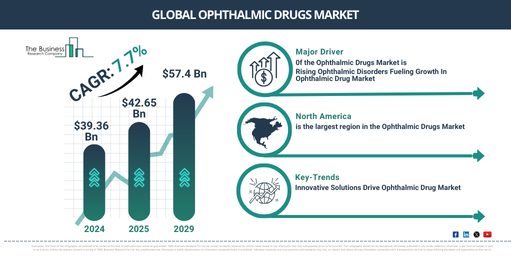
    In recent times, there has been robust growth in the ophthalmic drugs market. The market worth was $39.36 billion in 2024 and it is projected to rise to $42.65 billion in 2025, with an impressive compound annual growth rate (CAGR) of 8.3%. The unprecedented growth during the historic period is due to factors such as a rise in the number of eye disorder cases, investment in research and development for eye care, shifts in lifestyle, a worldwide increase in diabetes instances, and governmental efforts towards vision care.

    What Growth Rate Is Forecasted for the Ophthalmic Drugs Market by 2029?

    In the forthcoming years, the ophthalmic drugs market is predicted to witness a substantial surge. The market size is forecasted to soar to “$57.4 billion by 2029, with a compound annual growth rate (CAGR) of 7.7%. This expected increment during the forecast duration can be attributed to the innovations in biopharmaceutical, growing cases of myopia, the rapidly aging population, advancement in personalized medicine, and the regulatory support available for rare diseases. Some of the upcoming trends within this period include biological and gene therapies, heightened concentration on dry eye treatments, progression in treating glaucoma, the rise of combination therapies, and emphasizing age-related macular degeneration (AMD).

    Download The Free Sample Report Here:

    https://www.thebusinessresearchcompany.com/sample.aspx?id=10065&type=smp

    Which Key Companies Are Shaping the Future of the Ophthalmic Drugs Market?

    Major companies operating in the ophthalmic drugs market include AbbVie Inc., Alcon Inc., Bausch & Lomb Incorporated, F. Hoffmann-La Roche Ltd., Novartis AG, Pfizer Inc., Regeneron Pharmaceuticals Inc., Santen Pharmaceutical Co. Ltd., Sun Pharmaceutical Industries Limited, Teva Pharmaceutical Industries Ltd., Merck & Co. Inc., Nicox S.A., Coherus Biosciences Inc., Johnson & Johnson, Otsuka Pharmaceutical Co. Ltd., Viatris Inc., Mitotech SA, Akorn Incorporated, GlaxoSmithKline plc, Bayer AG, Senju Pharmaceutical Co. Ltd., Aerie Pharmaceuticals Inc., Kala Pharmaceuticals Inc., Aurobindo Pharma Ltd., Eyevance Pharmaceuticals, Acucela Inc., Dompe Farmaceutici S.p.A., Xbrane Biopharma AB, Laboratoires Théa

    Which Factors Are Driving Demand in the Ophthalmic Drugs Industry?

    The escalating occurrence of eye-related disorders is predicted to spark an upswing in the ophthalmic drug market. These disorders, encompassing any disease or disturbance that impacts the eye and its related parts, often result in compromised vision and various other eye diseases. Pharmaceutical medications known as ophthalmic drugs are utilized to combat these diseases that impair vision or eye health. Consequently, the escalating occurrence of eye-related disorders boosts the demand for the ophthalmic drug market. To illustrate, in 2022, the Centers for Disease Control and Prevention (CDC), a government agency in the US, indicated that 17.2% of Americans over 40 years of age, or about 20.5 million people, will suffer from a cataract in at least one eye. Therefore, the escalating occurrence of eye-related disorders is fuelling the growth of the ophthalmic drug market.

    Request For A Customized Report:

    https://www.thebusinessresearchcompany.com/customise?id=10065&type=smp

    How Is the Ophthalmic Drugs Market Segmented by Several Divisions?

    The ophthalmic drugs market covered in this report is segmented –

    1) By Type: Prescription Drugs, Over-The-Counter Drugs

    2) By Class: Anti-Allergy, Anti-Inflammatory, Anti-Glaucoma, Other Classes

    3) By Disease: Dry Eye, Eye Allergy, Glaucoma, Eye Infection, Retinal Disorders, Uveitis, Other Diseases

    4) By Dosage Form: Liquid Ophthalmic Drug Forms, Solid Ophthalmic Drug Forms, Semisolid Ophthalmic Drug Forms, Multicompartment Drug Delivery Systems

    5) By Distribution Channel: Hospital Pharmacies, Drug Stores, Online Pharmacies

    Subsegments:

    1) By Prescription Drugs: Antiglaucoma Agents, Anti-inflammatory Drugs, Antibiotics, Antivirals, Corticosteroids, Other Prescription Drugs

    2) By Over-The-Counter Drugs: Artificial Tears, Allergy Relief Medications, Redness Relievers, Ocular Vitamins And Supplements, Other OTC Drugs

    What are the Emerging Market Trends Driving the Growth of the Ophthalmic Drugs Industry?

    One significant trend gaining traction in the ophthalmic drug market is product innovation. The leading companies in this industry are focused on creating innovative solutions to solidify their market position. For example, in January 2022, Sun Pharmaceutical Canada Inc., a Canada-based company specializing in the research and development of advanced medicines in dermatology and ophthalmology, introduced an ophthalmic drug called CEQUA (cyclosporine ophthalmic solution 0.09% w/v) to treat dry eye disease in Canada. The drug uses nano micellar (NCELL) technology, which enhances ocular tissue penetration by augmenting the bioavailability and physicochemical stability of cyclosporine.

    Access The Full Report Here:

    https://www.thebusinessresearchcompany.com/report/ophthalmic-drugs-global-market-report

    Which Regions Are Driving Growth in the Ophthalmic Drugs Market?

    North America was the largest region in the ophthalmic drugs market in 2024. The regions covered in the ophthalmic drugs market report are Asia-Pacific, Western Europe, Eastern Europe, North America, South America, Middle East, Africa

    Purchase The Full Report Today:

    https://www.thebusinessresearchcompany.com/purchaseoptions.aspx?id=10065

    This Report Delivers Insight On:

    1. How big is the ophthalmic drugs market, and how is it changing globally?

    2. Who are the major companies in the ophthalmic drugs market, and how are they performing?

    3. What are the key opportunities and risks in the ophthalmic drugs market right now?

    4. Which products or customer segments are growing the most in the ophthalmic drugs market?

    5. What factors are helping or slowing down the growth of the ophthalmic drugs market?

    About The Business Research Company:

    With over 15000+ reports from 27 industries covering 60+ geographies, The Business Research Company has built a reputation for offering comprehensive, data-rich research and insights. Armed with 1,500,000 datasets, the optimistic contribution of in-depth secondary research, and unique insights from industry leaders, you can get the information you need to stay ahead in the game.

    Get in touch with us:

    The Business Research Company: https://www.thebusinessresearchcompany.com/

    Americas +1 3156230293

    Asia +44 2071930708

    Europe +44 2071930708

    Email us at info@tbrc.info

    Follow us on:

    LinkedIn: https://in.linkedin.com/company/the-business-research-company

    YouTube: https://www.youtube.com/channel/UC24_fI0rV8cR5DxlCpgmyFQ

    Global Market Model: https://www.thebusinessresearchcompany.com/global-market-model
  • Head And Neck Cancer Diagnostics Industry Growth Expected to Reach $3.87 Billion by 2029 at a CAGR of 17.3% | Segmentation and Growth Opportunities

    Head And Neck Cancer Diagnostics Industry Growth Expected to Reach $3.87 Billion by 2029 at a CAGR of 17.3% | Segmentation and Growth Opportunities

    Claim your 30% discount on Global Market Reports with code ONLINE30. Limited time only.

    What Is the Forecast for the Head And Neck Cancer Diagnostics Market Growth in 2025?

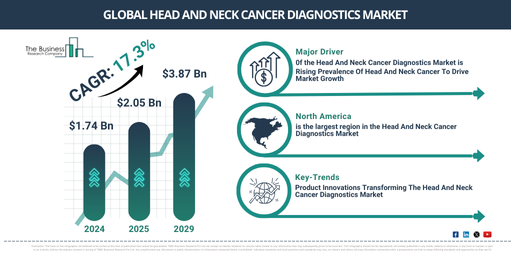
    The market for diagnostics in head and neck cancer has witnessed swift expansion in the recent past. The market value is predicted to rise from $1.74 billion in 2024, to an estimated $2.05 billion in 2025, marking a compound annual growth rate (CAGR) of 17.4%. Factors contributing to this historic growth include rising tobacco and alcohol usage, an increasing elderly population, promotional health campaigns, advancements in biopsy methods, and the development of healthcare infrastructure.

    What Is the Forecast for the Head And Neck Cancer Diagnostics Market Size Through 2029?

    The market for diagnostics of head and neck cancer is projected to witness substantial growth in the forthcoming years, with projections suggesting it will reach $3.87 billion in 2029, expanding at a compound annual growth rate (CAGR) of 17.3%. The predicted growth during the forecasted era can be credited to elements like genomic biomarkers, the surge in cases of HPV-related cancers, amalgamation of artificial intelligence (AI), targeted therapies and immunotherapy, alteration in healthcare policies and reimbursements. Significant trends for the forecast period encompass dominance of liquid biopsy, multi-modality diagnostics, point-of-care diagnostics, international collaborations and partnerships, and incorporation of digital pathology.

    Download The Free Sample Report Here:

    https://www.thebusinessresearchcompany.com/sample.aspx?id=12016&type=smp

    What are the Key Market Players in Head And Neck Cancer Diagnostics Market and How They’re Evolving?

    Major companies operating in the head and neck cancer diagnostics market include F. Hoffmann-La Roche Ltd., Bristol Myers Squibb Co., Abbott Laboratories, Siemens Healthineers AG, BioNTech AG, Koninklijke Philips N.V., GE HealthCare Technologies Inc., Laboratory Corporation of America, Agilent Technologies Inc., Hologic Inc., Illumina Inc., Shimadzu Corporation, Sysmex Corp., Varian Medical Systems Inc., QIAGEN N.V., Exact Sciences Corp., Bio-Techne Corp., Carestream Health Inc., Myriad Genetics Inc., Cepheid Inc., Invitae Corporation, Accuray Inc., Canon Medical Systems Corporation, NanoString Technologies Inc, Asuragen Inc., Caris Life Sciences Inc., HTG Molecular Diagnostics Inc., Oncgnostics GmbH, Perseus Proteomics Inc., VolitionRx Ltd.

    What Are the Primary Growth Drivers in the Head And Neck Cancer Diagnostics Market?

    With the rise in the occurrence of head and neck cancer, the market for its diagnostics is anticipated to grow. Head and neck cancer is characterised by tumors that impact organs and tissues in the head and neck area, which can include the oral cavity, pharynx, larynx, salivary glands, nasal corridor, and sinuses. Performing diagnostic tests, like an incisional biopsy and a barium swallow test can help patients recognize the disease in the earlier stages. As an example, data from the American Society of Clinical Oncology in February 2023 revealed that head and neck cancer constituted 4% of all malignancies in the US, with an expected number of 66,920 individuals (49,190 men and 17,730 women) to be impacted by the disease in the USA in 2023. The disease influenced 562,328 individuals globally in 2020. Further, it was reported that in 2022, Australia had 5,189 new cases of head and neck cancer. As such, the increasing rate of head and neck cancer largely contributes to the expanding head and neck cancer diagnostics market.

    Request For A Customized Report:

    https://www.thebusinessresearchcompany.com/customise?id=12016&type=smp

    What Are the Leading Segments in the Global Head And Neck Cancer Diagnostics Industry?

    The head and neck cancer diagnostics market covered in this report is segmented –

    1) By Diagnostic Method: Diagnostic Imaging Equipment, Endoscopy Screening Equipment, Biopsy Screening Tests, Dental Diagnostic Methods, Other Diagnostic Methods

    2) By Channel: Retail And Specialty Pharmacies, Hospital Pharmacies, Online Pharmacies

    3) By End-User: Hospitals, Diagnostic Centers, Other End Users

    Subsegments:

    1) By Diagnostic Imaging Equipment: Computed Tomography (CT) Scans, Magnetic Resonance Imaging (MRI), Positron Emission Tomography (PET) Scans, X-rays

    2) By Endoscopy Screening Equipment: Rigid Endoscopes, Flexible Endoscopes, Video Endoscopy Systems

    3) By Biopsy Screening Tests: Fine Needle Aspiration (FNA) Biopsy, Core Needle Biopsy, Surgical Biopsy

    4) By Dental Diagnostic Methods: Intraoral Cameras, Dental X-rays, Oral Cancer Screening Devices

    5) By Other Diagnostic Methods: Molecular Diagnostics, Blood Tests, Genetic Testing

    What Are the Key Market Trends in the Head And Neck Cancer Diagnostics Industry?

    The advent of product innovation has proven to be a significantly rising trend in the head and neck cancer diagnostic market. The prominent players in the market are heavily investing in developing creative products to solidify their standing in the market. For example, in May 2023, Alkem Laboratories Ltd., a healthcare company based in India, introduced Cetuxa, the first biosimilar in the world for treating head and neck cancer. Cetuxa, akin to cetuximab, is a monoclonal antibody that impedes the receptor-mediated transduction pathway and exhibits anti-tumor characteristics. It binds to the extracellular domain of the epidermal growth factor receptor (EGFR). Typically, cetuximab is used in combination with chemotherapy or radiation therapy in a medical setting. It is potent for addressing locally advanced, reoccurring, or metastatic squamous cell carcinoma of the head and neck.

    Access The Full Report Here:

    https://www.thebusinessresearchcompany.com/report/head-and-neck-cancer-diagnostics-global-market-report

    What Is the Regional Outlook for the Head And Neck Cancer Diagnostics Market?

    North America was the largest region in the head and neck cancer diagnostics market in 2024. Asia-Pacific is expected to be the fastest-growing region in the forecast period. The regions covered in the head and neck cancer diagnostics market report are Asia-Pacific, Western Europe, Eastern Europe, North America, South America, Middle East, Africa.

    Purchase The Full Report Today:

    https://www.thebusinessresearchcompany.com/purchaseoptions.aspx?id=12016

    This Report Delivers Insight On:

    1. How big is the head and neck cancer diagnostics market, and how is it changing globally?

    2. Who are the major companies in the head and neck cancer diagnostics market, and how are they performing?

    3. What are the key opportunities and risks in the head and neck cancer diagnostics market right now?

    4. Which products or customer segments are growing the most in the head and neck cancer diagnostics market?

    5. What factors are helping or slowing down the growth of the head and neck cancer diagnostics market?

    About The Business Research Company:

    With over 15000+ reports from 27 industries covering 60+ geographies, The Business Research Company has built a reputation for offering comprehensive, data-rich research and insights. Armed with 1,500,000 datasets, the optimistic contribution of in-depth secondary research, and unique insights from industry leaders, you can get the information you need to stay ahead in the game.

    Get in touch with us:

    The Business Research Company: https://www.thebusinessresearchcompany.com/

    Americas +1 3156230293

    Asia +44 2071930708

    Europe +44 2071930708

    Email us at info@tbrc.info

    Follow us on:

    LinkedIn: https://in.linkedin.com/company/the-business-research-company

    YouTube: https://www.youtube.com/channel/UC24_fI0rV8cR5DxlCpgmyFQ

    Global Market Model: https://www.thebusinessresearchcompany.com/global-market-model
  • Oncology Based In-Vivo CRO Market Size to Exceed $2.28 Billion by 2029 | Growth and Industry Trends

    Oncology Based In-Vivo CRO Market Size to Exceed $2.28 Billion by 2029 | Growth and Industry Trends

    Claim your 30% discount on Global Market Reports with code ONLINE30. Limited time only.

    How Has the Oncology Based In-Vivo CRO Market Grown from 2024 to 2025?

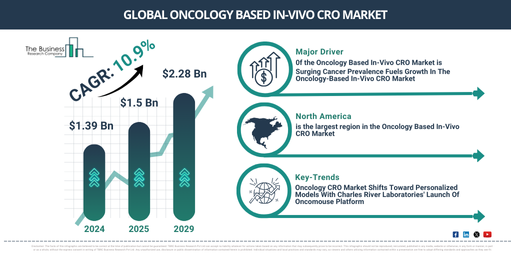
    The market size of in-vivo CRO that is focused on oncology has experienced substantial growth in the past years. It is projected to escalate from $1.39 billion in 2024 to about $1.5 billion in 2025, with a Compound Annual Growth Rate (CAGR) of 8.0%. This growth over the historical period is linked with an escalating focus on cancer therapeutics, a surge in cancer occurrences, a shift towards individualized medicine, expansion in the pharmaceutical sector, and the increasing need for therapies aimed at specific targets.

    What Growth Rate Is Anticipated for the Oncology Based In-Vivo CRO Market in the Coming Years?

    The size of the in-vivo contract research organization (CRO) market focused on oncology is anticipated to witness a quick expansion in the years to come. It is projected to increase to “$2.28 billion by 2029, with a compound annual growth rate (CAGR) of 10.9%. This escalation during the forecast period can be ascribed to factors like the surfacing of fresh market prospects, a transition towards immuno-oncology treatment modalities, an increment in oncology clinical trials, the advent of precision medicine, and targeted therapies. Dominant trends expected during this period include the incorporation of regenerative medicine and cell therapies, an increased demand for expedited drug development, the embrace of digitalization and data analytics, a focus on the tumor microenvironment, and a surge in biologics and immunotherapies.

    Download The Free Sample Report Here:

    https://www.thebusinessresearchcompany.com/sample.aspx?id=10521&type=smp

    Who Are the Leading Companies in the Oncology Based In-Vivo CRO Market?

    Major companies operating in the oncology based in-vivo cro market include Crown Bioscience, Charles River Laboratories International Inc., Taconic Biosciences Inc., The Jackson Laboratory, ICON plc., WuXi AppTec Inc., Eurofins Scientific SE, Labcorp Drug Development, Champion Oncology Inc., Xentech SAS, Thermo Fisher Scientific Inc., MI Bioresearch Inc., Clintec International Private Limited, Worldwide Clinical Trials Inc., Pharm-Olam LLC, Clinipace Clinical Research Private Limited, Covance Inc., Evotec SE, Living Tumor Laboratory, Oncodesign SA, Pharmaron Beijing Co. Ltd., Syngene International Limited, GenScript Biotech Corporation, Shanghai Medicilon Inc., Oncolys BioPharma Inc., Pharmalegacy Laboratories, Oncotest GmbH, Oncovision, Biocytogen LLC, Innovent Biologics Inc.

    What Are the Key Drivers of the Oncology Based In-Vivo CRO Market?

    The escalating prevalence of cancer is projected to catalyze the amplification of the oncology-focused in-vivo CRO market’s progress. Cancer, an umbrella term for a collection of diseases where abnormal cells multiply and spread without control, crosses normal barriers, originates almost anywhere within the body’s organs or tissues, and disseminates through blood and lymph systems to other sections of the body. The process of cancer treatment and identification necessitates innovative medications and technologies that must pass through various preclinical studies, clinical tests, and regulatory procedures before introduction to the market. An oncology-focused in-vivo CRO, a firm contracted by a sponsor company, offers services like executing complete or partial stages of running an in-vivo preclinical study. This involves testing on living entities, such as animals, plants, or cells, prior to the trial of the drug or device on humans. The increasing cancer rates have led to a surge in demand for innovative treatments, thus propelling the growth of the oncology-based in-vivo CRO market. For example, in April 2024, The American Cancer Society, a US-based non-profit organization, reported approximately 609,000 cancer-related fatalities and around 1.9 million fresh cancer cases diagnosed within the country in 2022. Predictions suggest nearly 620,000 cancer deaths, marking a mild escalation in mortality rates for 2024. Therefore, the escalating prevalence of cancer is fueling the development of the oncology-based in-vitro CRO market.

    Request For A Customized Report:

    https://www.thebusinessresearchcompany.com/customise?id=10521&type=smp

    What Are the Key Market Segments in the Oncology Based In-Vivo CRO Industry?

    The oncology based in-vivo cro market covered in this report is segmented –

    1) By Indication: Blood Cancer, Solid Tumors, Other Indications

    2) By Model: Syngeneic Model, Xenograft, Patient Derived Xenograft (PDX), Other Models

    3) By Application: Hospitals, Rehabilitation Centers

    Subsegments:

    1) By Blood Cancer: Leukemia, Lymphoma, Myeloma

    2) By Solid Tumors: Breast Cancer, Lung Cancer, Colorectal Cancer, Prostate Cancer, Other Solid Tumors

    3) By Other Indications: Neuroblastoma, Germ Cell Tumors, Sarcomas, Other Specific Indications

    What Are the Latest Trends in the Oncology Based In-Vivo CRO Market?

    Leading organizations in the oncology-focused in vivo CRO market are honing in on personalized cancer models to secure a competitive edge. These tailor-made oncology models employ patient-derived xenografts (PDXs) to devise treatment plans that fortify the significance and effectiveness of preclinical investigations. For example, Charles River Laboratories, an American life sciences firm, rolled out its OncoMouse platform in 2022, harnessing the power of PDX technology for more precise tumor simulation. This platform is equipped with high-capacity screening capabilities and live tracking of tumor development, facilitating swift evaluation of treatment outcomes. Moreover, it offers comprehensive data analytics to refine treatment methods, taking into account individual patient data. These progressive steps mark a transformation towards more efficient, patient-focused methods in cancer study.

    Access The Full Report Here:

    https://www.thebusinessresearchcompany.com/report/oncology-based-in-vivo-cro-global-market-report

    What Are the Key Regional Markets in the Oncology Based In-Vivo CRO Industry?

    North America was the largest region in the oncology-based in-vivo CRO market in 2024.North America is expected to be the fastest-growing region in the global oncology-based in-vivo CRO market report during the forecast period. The regions covered in the oncology-based in-vivo CRO market report are Asia-Pacific, Western Europe, Eastern Europe, North America, South America, Middle East, Africa

    Purchase The Full Report Today:

    https://www.thebusinessresearchcompany.com/purchaseoptions.aspx?id=10521

    This Report Delivers Insight On:

    1. How big is the oncology based in-vivo cro market, and how is it changing globally?

    2. Who are the major companies in the oncology based in-vivo cro market, and how are they performing?

    3. What are the key opportunities and risks in the oncology based in-vivo cro market right now?

    4. Which products or customer segments are growing the most in the oncology based in-vivo cro market?

    5. What factors are helping or slowing down the growth of the oncology based in-vivo cro market?

    About The Business Research Company:

    With over 15000+ reports from 27 industries covering 60+ geographies, The Business Research Company has built a reputation for offering comprehensive, data-rich research and insights. Armed with 1,500,000 datasets, the optimistic contribution of in-depth secondary research, and unique insights from industry leaders, you can get the information you need to stay ahead in the game.

    Get in touch with us:

    The Business Research Company: https://www.thebusinessresearchcompany.com/

    Americas +1 3156230293

    Asia +44 2071930708

    Europe +44 2071930708

    Email us at info@tbrc.info

    Follow us on:

    LinkedIn: https://in.linkedin.com/company/the-business-research-company

    YouTube: https://www.youtube.com/channel/UC24_fI0rV8cR5DxlCpgmyFQ

    Global Market Model: https://www.thebusinessresearchcompany.com/global-market-model
  • Retinal Disorder Treatment Market Projected at $19.62 Billion by 2029 | Strategic Insights and Forecast Data

    Claim your 30% discount on Global Market Reports with code ONLINE30. Limited time only.

    How Has the Retinal Disorder Treatment Market Size Changed, over the years?

    In recent times, the market for treatments of retinal disorders has undergone considerable expansion. An increase from $12.59 billion in 2024 to $13.82 billion in 2025 at a Compound Annual Growth Rate (CAGR) of 9.7% is predicted. This notable surge in the past period can be traced back to various contributing elements such as the inception of anti-vegf therapies, an aging populace, a rise in the cases of retinal disorders, enhanced tools for early identification, heightened consciousness and screening endeavors, as well as broadened availability to healthcare services.

    How Much Will the Retinal Disorder Treatment Market Be Worth in 2029?

    The market for the treatment of retinal disorders is anticipated to experience significant growth in the upcoming years, reaching $19.62 billion in 2029 with a compound annual growth rate (CAGR) of 9.2%. This projected growth during the forecast period can be attributed to factors such as the adoption of a patient-centric approach in retinal healthcare, an increase in worldwide healthcare spending, a heightened focus on combination therapies for retinal disorders, the emergence of home-based retinal disorder monitoring, increase in the use of implantable devices for retina treatment, and the adoption of regenerative medicine for treating the retina. Key trends for the forecast period include progression in ophthalmic imaging technologies, the advent of minimally invasive surgical methods, the application of artificial intelligence in diagnostics, advancements in drug delivery technologies, the incorporation of virtual reality in retinal rehabilitation, partnerships between research institutions and pharmaceutical companies, and the evolution of gene therapies for genetic retinal diseases.

    Download The Free Sample Report Here:

    https://www.thebusinessresearchcompany.com/sample.aspx?id=12701&type=smp

    Which is the Largest Company in the Retinal Disorder Treatment Market?

    Major companies operating in the retinal disorder treatment market include Pfizer Inc., F. Hoffmann-La Roche Ltd., AbbVie Inc., Bayer AG, Novartis AG, Takeda Pharmaceutical Company Limited, Regeneron Pharmaceuticals Inc., Bausch Health Companies Inc., Genentech Inc., Santen Pharmaceutical Co. Ltd., Apellis Pharmaceuticals Inc., Kubota Pharmaceutical Holdings Co. Ltd, Alimera Sciences Inc., Ocular Therapeutix Inc., EyePoint Pharmaceuticals Inc., Adverum Biotechnologies Inc., Kodiak Sciences Inc., Acucela Inc., IVERIC bio Inc., Oxurion NV, Graybug Vision Inc., Icon Bioscience Inc., Clearside Biomedical Inc., Aerpio Pharmaceuticals Inc., Neurotech Pharmaceuticals Inc., Ophthotech Corporation, Opthea Limited, PanOptica Inc., ThromboGenics NV

    What Are the Main Market Drivers in the Retinal Disorder Treatment Industry?

    The rise in retinal disorders is anticipated to spur the advancement of the retinal disorder treatment market. Retinal ailments encompass health issues that impact the retina and the light-sensitive tissue located at the eye’s rear, potentially leading to vision loss or significant visual impairment. Treatments for retinal disorders, such as laser therapy, vitrectomy, and retinal implants, help manage and lessen the disorder’s symptoms. For example, in January 2023, the International Agency for the Prevention of Blindness, a UK-based international alliance, projected that age-related macular degeneration (AMD) would account for approximately 5% of global blindness. Furthermore, age-related macular degeneration diseases are predicted to affect 288 million individuals by 2040. Hence, the escalating prevalence of retinal disorders is fuelling the expansion of the retinal disorder treatment market.

    Request For A Customized Report:

    https://www.thebusinessresearchcompany.com/customise?id=12701&type=smp

    How Is the Retinal Disorder Treatment Market Segments Structured?

    The retinal disorder treatment market covered in this report is segmented –

    1) By Type: Macular Degeneration, Diabetic Retinopathy, Other Types

    2) By Dosage Form: Gels, Eye Solutions, Capsules And Tablets, Eye Drops, Ointments

    3) By Distribution Channel: Hospital Pharmacy, Online Pharmacy, Retail Pharmacy

    Subsegments:

    1) By Macular Degeneration: Dry Macular Degeneration, Wet Macular Degeneration

    2) By Diabetic Retinopathy: Non-Proliferative Diabetic Retinopathy, Proliferative Diabetic Retinopathy

    3) By Other Types: Retinal Detachment, Retinitis Pigmentosa, Uveitis, Other Retinal Disorders

    What Strategic Trends Are Transforming the Retinal Disorder Treatment Market?

    A key trend emerging in the retinal disorder treatment market is the development of new products through innovations. The leading companies in this market are launching innovative products to maintain their authority. For example, F. Hoffmann-La Roche AG, a pharmaceutical firm based in Switzerland, secured approval from the U.S. Food and Drug Administration (FDA) for Vabysmo, a bispecific antibody, to manage neovascular or wet age-related macular degeneration (AMD) and diabetic macular edema (DME) in January 2022. This medication, the first injectable eye treatment, counters and obstructs angiopoietin-2 (Ang-2) and vascular endothelial growth factor-A (VEGF-A), two disease paths related to retinal disorders that could deteriorate vision. The clinical trials exhibited equivalent vision enhancement to traditional therapy and had a positive safety record. This approval marks a remarkable advancement in retinal disease treatments and provides patients with a chance for improved vision and less intense treatment routines.

    Access The Full Report Here:

    https://www.thebusinessresearchcompany.com/report/retinal-disorder-treatment-global-market-report

    Which Global Regions Offer the Highest Growth in the Retinal Disorder Treatment Market?

    North America was the largest region in the retinal disorder treatment market in 2024. Asia-Pacific is expected to be the fastest-growing region in the forecast period. The regions covered in the retinal disorder treatment market report are Asia-Pacific, Western Europe, Eastern Europe, North America, South America, Middle East, Africa

    Purchase The Full Report Today:

    https://www.thebusinessresearchcompany.com/purchaseoptions.aspx?id=12701

    This Report Delivers Insight On:

    1. How big is the retinal disorder treatment market, and how is it changing globally?

    2. Who are the major companies in the retinal disorder treatment market, and how are they performing?

    3. What are the key opportunities and risks in the retinal disorder treatment market right now?

    4. Which products or customer segments are growing the most in the retinal disorder treatment market?

    5. What factors are helping or slowing down the growth of the retinal disorder treatment market?

    About The Business Research Company:

    With over 15000+ reports from 27 industries covering 60+ geographies, The Business Research Company has built a reputation for offering comprehensive, data-rich research and insights. Armed with 1,500,000 datasets, the optimistic contribution of in-depth secondary research, and unique insights from industry leaders, you can get the information you need to stay ahead in the game.

    Get in touch with us:

    The Business Research Company: https://www.thebusinessresearchcompany.com/

    Americas +1 3156230293

    Asia +44 2071930708

    Europe +44 2071930708

    Email us at info@tbrc.info

    Follow us on:

    LinkedIn: https://in.linkedin.com/company/the-business-research-company

    YouTube: https://www.youtube.com/channel/UC24_fI0rV8cR5DxlCpgmyFQ

    Global Market Model: https://www.thebusinessresearchcompany.com/global-market-model
  • Olanzapine Market Trends Report 2025 – For Business Development and Strategy Teams

    Olanzapine Market Trends Report 2025 – For Business Development and Strategy Teams

    Claim your 30% discount on Global Market Reports with code ONLINE30. Limited time only.

    What Is the Forecast for the Olanzapine Market Growth in 2025?

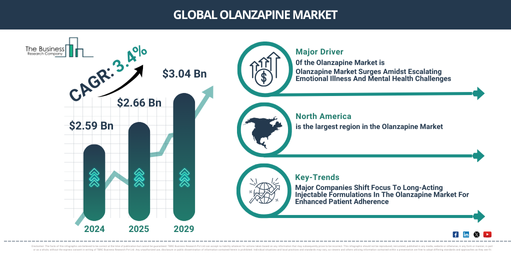
    In the preceding years, the size of the olanzapine market has witnessed a consistent expansion. The market is predicted to increase from $2.59 billion in 2024 to $2.66 billion in 2025, showcasing a compound annual growth rate (CAGR) of 2.6%. Factors such as escalating mental health disorders incidents, heightened awareness and diagnoses, growing geriatric demographic, advancements in psychiatric treatment, and approvals for diverse indications contributed significantly to the historical growth period.

    What Is the Forecast for the Olanzapine Market Size Through 2029?

    In the coming years, consistent growth is anticipated in the olanzapine market, with its value predicted to hit $3.04 billion in 2029, realizing a compound annual growth rate (CAGR) of 3.4%. This expansion in the projected timeline is due mainly to factors such as heightened awareness about mental health, advancements in psychiatric medication, initiatives focused on mental health on a global scale, widespread usage among children, and unification with mental health services. Noteworthy trends within the forecast period encompass improved formulas designed for older patients, the launch of programs supporting patients, heightened regulatory oversight and inspection, cultivation of digital health alternatives, and ongoing studies into new potential uses.

    Download The Free Sample Report Here:

    https://www.thebusinessresearchcompany.com/sample.aspx?id=10748&type=smp

    What are the Key Market Players in Olanzapine Market and How They’re Evolving?

    Major companies operating in the olanzapine market include Aurobindo Pharma Ltd., Teva Pharmaceutical Industries Limited, Dr. Reddy’s Laboratories Ltd., Sun Pharmaceutical Industries Limited, Torrent Group, Apotex Inc., Novartis AG, Mylan N.V., Alkermes Inc., Viatris Inc., Pfizer Inc., Zydus Cadila Healthcare Ltd., Endo International plc, Lupin Limited, Cipla Inc., Eli Lilly and Company, Zhejiang Langhua Pharmaceutical Co. Ltd., Jiangsu Hansoh Pharmaceutical Group Co. Ltd., Bristol-Myers Squibb Company, Sandoz International GmbH, Changzhou Huasheng Pharmaceutical Co. Ltd., Par Pharmaceutical, Jubilant Pharmova Limited, Hansoh Pharmaceutical, AstraZeneca plc, Olanzapine API Manufacturers, Torrent Pharmaceuticals, Egis Pharmaceuticals plc, Actavis Group hf., Hexal AG

    What Are the Primary Growth Drivers in the Olanzapine Market?

    The olanzapine market is projected to expand as a result of the growing incidence of emotional and mental disorders. These terms allude to complications that disrupt a person’s emotional and mental well-being. The escalating rates of emotional and mental health problems are fueling the need for mental health care options like olanzapine. This type of medication, known as an atypical antipsychotic, is chiefly used for the treatment of conditions such as schizophrenia and bipolar disorder. It can also be administered alongside other drugs as part of a depression management regimen. For example, the National Institute of Mental Health (NIMH), a crucial US agency within the National Institutes of Health (NIH) specializing in the research, treatment, and prevention of mental health issues, reported that in 2022, around 59.3 million adults, representing 23.1% of the U.S. adult populace, were diagnosed with Prevalence of Any Mental Illness (AMI). Additionally, an estimated 15.4 million adults, corresponding to approximately 6.0% of the U.S. adult members, were recognized as having Prevalence of Serious Mental Illness (SMI). As such, the escalating incidence of emotional and mental complications stimulates the growth of the olanzapine market.

    Request For A Customized Report:

    https://www.thebusinessresearchcompany.com/customise?id=10748&type=smp

    What Are the Leading Segments in the Global Olanzapine Industry?

    The olanzapine market covered in this report is segmented –

    1) By Therapy Type: Monotherapy, Combinational Therapy

    2) By Route Of Administration: Oral, Parenteral

    3) By Application: Schizophrenia, Bipolar Disorder, Other Applications

    4) By End-Users: Hospitals, Homecare, Specialty Clinics, Other End-Users

    Subsegments:

    1) By Monotherapy: Tablet Formulation, Orally Disintegrating Tablets, Injectable Formulation

    2) By Combinational Therapy: Olanzapine + Fluoxetine, Olanzapine + Other Antipsychotics, Olanzapine + Mood Stabilizers, Olanzapine + Antidepressants

    What Are the Key Market Trends in the Olanzapine Industry?

    Leading firms in the olanzapine market are emphasizing on the development of long-acting injectable medications to stand out from their competitors. These injectables offer continuous therapeutic benefits, enhance patient commitment to treatment, and decrease the need for frequent administration compared to oral counterparts. As a case in point, Otsuka Pharmaceutical, a pharmaceutical firm based in Japan, introducdeed Zyprexa Relprevv, a long functioning injectable form of olanzapine, in 2022. The medication, with a dosing interval of two to four weeks, increases patient adherence and lowers the chances of a schizophrenia relapse. It also boasts a unique delivery system that guarantees consistent drug dispensation over time, thereby resolving issues linked with daily oral drug intake. This progress signifies a wider movement towards more potent treatment approaches in mental health care.

    Access The Full Report Here:

    https://www.thebusinessresearchcompany.com/report/olanzapine-global-market-report

    What Is the Regional Outlook for the Olanzapine Market?

    North America was the largest region in the olanzapine market in 2024.Asia-Pacific is expected to be the fastest-growing region in the global olanzapine market report during the forecast period. The regions covered in the olanzapine market report are Asia-Pacific, Western Europe, Eastern Europe, North America, South America, Middle East, Africa

    Purchase The Full Report Today:

    https://www.thebusinessresearchcompany.com/purchaseoptions.aspx?id=10748

    This Report Delivers Insight On:

    1. How big is the olanzapine market, and how is it changing globally?

    2. Who are the major companies in the olanzapine market, and how are they performing?

    3. What are the key opportunities and risks in the olanzapine market right now?

    4. Which products or customer segments are growing the most in the olanzapine market?

    5. What factors are helping or slowing down the growth of the olanzapine market?

    About The Business Research Company:

    With over 15000+ reports from 27 industries covering 60+ geographies, The Business Research Company has built a reputation for offering comprehensive, data-rich research and insights. Armed with 1,500,000 datasets, the optimistic contribution of in-depth secondary research, and unique insights from industry leaders, you can get the information you need to stay ahead in the game.

    Get in touch with us:

    The Business Research Company: https://www.thebusinessresearchcompany.com/

    Americas +1 3156230293

    Asia +44 2071930708

    Europe +44 2071930708

    Email us at info@tbrc.info

    Follow us on:

    LinkedIn: https://in.linkedin.com/company/the-business-research-company

    YouTube: https://www.youtube.com/channel/UC24_fI0rV8cR5DxlCpgmyFQ

    Global Market Model: https://www.thebusinessresearchcompany.com/global-market-model

  • Retinal Biologics Industry Growth Expected to Reach $44.51 Billion by 2029 at a CAGR of 11.9% | Segmentation and Growth Opportunities

    Retinal Biologics Industry Growth Expected to Reach $44.51 Billion by 2029 at a CAGR of 11.9% | Segmentation and Growth Opportunities

    Claim your 30% discount on Global Market Reports with code ONLINE30. Limited time only.

    What Is the Forecast for the Retinal Biologics Market Growth in 2025?

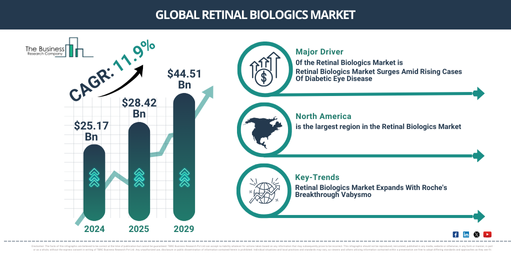
    Over the past few years, the retinal biologics market size has experienced significant expansion. The market, which was valued at $25.17 billion in 2024, is forecasted to reach $28.42 billion in 2025, boasting a compound annual growth rate (CAGR) of 12.9%. Factors contributing to this historic growth include a rise in retinal disorders, an aging demographic, increased awareness leading to early diagnosis, improved healthcare infrastructure, and a surge in healthcare spending.

    What Is the Forecast for the Retinal Biologics Market Size Through 2029?

    Expectations are high for a swift expansion in the retinal biologics market size in the approaching years. The market is projected to surge to a value of $44.51 billion in 2029, growing at a compound annual growth rate (CAGR) of 11.9%. This anticipated growth during the forecast period is linked to broadening therapeutic applications, individualized medicine advancements, emerging market expansion, a robust biologics pipeline, collaborations & partnerships, as well as government initiatives and support. In the same forecast period, the main trends to watch include non-invasive delivery techniques, real-world evidence use, added indications, regulatory pathway simplification, and patient-focused outcomes.

    Download The Free Sample Report Here:

    https://www.thebusinessresearchcompany.com/sample.aspx?id=11911&type=smp

    What are the Key Market Players in Retinal Biologics Market and How They’re Evolving?

    Major companies operating in the retinal biologics market include Regeneron Pharmaceuticals Inc., AbbVie Inc., MeiraGTx Limited, Oxurion NV, Novartis AG, Amgen Inc., Spark Therapeutics Inc., Bayer AG, Bausch Health Companies Inc., Merck & Co. Inc., Santen Pharmaceutical Co. Ltd., Pfizer Inc., Boehringer Ingelheim, Eyenovia Inc., EyePoint Pharmaceuticals Inc., Iveric Bio Inc., Kodiak Sciences Inc., Aerie Pharmaceuticals Inc., Alimera Sciences Inc., Ocular Therapeutix Inc., Acucela Inc., Clearside Biomedical Inc., Ophthotech Corporation, Xcovery Holdings, Athenex Inc., Fidia Farmaceutici S.p.A, Eton Pharmaceuticals Inc.

    What Are the Primary Growth Drivers in the Retinal Biologics Market?

    The escalation in diabetic eye disease prevalence is anticipated to fuel the expansion of the retinal biologics market in the future. Diabetic eye disease, a diabetes complication, impacts the eyes leading to vision impairment and blindness in those with diabetes. Retinal biologics offer the potential for more specific and effective treatment alternatives, facilitating earlier intervention and enhanced results in preventing vision loss linked to diabetic eye disease. For example, information from the Australian Bureau of Statistics revealed that in 2022, 5.3% of the Australian population (approximately 1.3 million individuals) had diabetes, a substantial increase from the previous 3.3%. Consequently, the escalating incidence of diabetic eye disease is propelling the retinal biologics market’s growth.

    Request For A Customized Report:

    https://www.thebusinessresearchcompany.com/customise?id=11911&type=smp

    What Are the Leading Segments in the Global Retinal Biologics Industry?

    The retinal biologics market covered in this report is segmented –

    1) By Drug Class: Vascular Endothelial Growth Factor (VEGF)-A Antagonist, Tumor Necrosis Factor (TNF)-A Inhibitor

    2) By Indication: Macular Degeneration, Diabetic Retinopathy, Uveitis, Diabetic Macular Edema, Other Indications

    3) By Distribution Channel: Hospitals, Pharmacies, Specialty Clinics, Online Pharmacies, Other Distribution Channels

    Subsegments:

    1) By Vascular Endothelial Growth Factor (VEGF)-A Antagonist: Monoclonal Antibodies, Small Molecule Inhibitors

    2) By Tumor Necrosis Factor (TNF)-A Inhibitor: Monoclonal Antibodies, Fusion Proteins

    What Are the Key Market Trends in the Retinal Biologics Industry?

    A primary trend growing in prevalence within the retinal biologics market is the focus on product innovation. To consolidate their market positions and establish a competitive edge, main companies within this domain are directing their efforts towards the creation of novel, pioneering products. Illustrating this, in May 2023, F. Hoffmann-La Roche Ltd., a healthcare company based in Switzerland, publicized that its supplemental biologics license application (sBLA) for Vabysmo (faricimab), aimed at retinal vein occlusion (RVO) induced macular edema, had been approved by the U.S. Food and Drug Administration. This endorsement was conferred due to favourable results from two Phase III trials which exhibited notable and sustained visual improvement with Vabysmo, reaching the primary endpoint of non-inferiority in comparison to aflibercept. Vabysmo represents the first approved bispecific antibody for eyes, designed to combat neovascular or ‘wet’ age-related macular degeneration and diabetic macular edema. Additional investigations demonstrated a lack of blood vessel leakage in the retina in those treated with Vabysmo as compared to patients receiving aflibercept.

    Access The Full Report Here:

    https://www.thebusinessresearchcompany.com/report/retinal-biologics-global-market-report

    What Is the Regional Outlook for the Retinal Biologics Market?

    North America was the largest region in the retinal biologics market in 2024. Asia-Pacific is expected to be the fastest-growing region in the forecast period. The regions covered in the retinal biologics market report are Asia-Pacific, Western Europe, Eastern Europe, North America, South America, Middle East, Africa.

    Purchase The Full Report Today:

    https://www.thebusinessresearchcompany.com/purchaseoptions.aspx?id=11911

    This Report Delivers Insight On:

    1. How big is the retinal biologics market, and how is it changing globally?

    2. Who are the major companies in the retinal biologics market, and how are they performing?

    3. What are the key opportunities and risks in the retinal biologics market right now?

    4. Which products or customer segments are growing the most in the retinal biologics market?

    5. What factors are helping or slowing down the growth of the retinal biologics market?

    About The Business Research Company:

    With over 15000+ reports from 27 industries covering 60+ geographies, The Business Research Company has built a reputation for offering comprehensive, data-rich research and insights. Armed with 1,500,000 datasets, the optimistic contribution of in-depth secondary research, and unique insights from industry leaders, you can get the information you need to stay ahead in the game.

    Get in touch with us:

    The Business Research Company: https://www.thebusinessresearchcompany.com/

    Americas +1 3156230293

    Asia +44 2071930708

    Europe +44 2071930708

    Email us at info@tbrc.info

    Follow us on:

    LinkedIn: https://in.linkedin.com/company/the-business-research-company

    YouTube: https://www.youtube.com/channel/UC24_fI0rV8cR5DxlCpgmyFQ

    Global Market Model: https://www.thebusinessresearchcompany.com/global-market-model