Author: Marketing Posting

  • Grand Mal Seizure Treatment Market Projected at $2.63 Billion by 2029 | Strategic Insights and Forecast Data

    Grand Mal Seizure Treatment Market Projected at $2.63 Billion by 2029 | Strategic Insights and Forecast Data

    Claim your 30% discount on Global Market Reports with code ONLINE30. Limited time only.

    How Has the Grand Mal Seizure Treatment Market Size Changed, over the years?

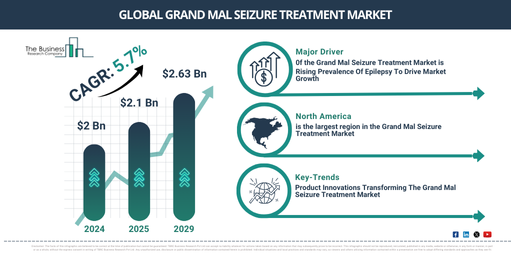
    The market size for grand mal seizure treatment has seen substantial growth in recent times. The size is projected to rise from $2 billion in 2024 to $2.1 billion in 2025, with a compound annual growth rate (CAGR) of 5.3%. This growth within the historical phase is credited to advances in neurological comprehension, medical technology, development in medication, improvements in seizure classification, along with legal and societal advocacy.

    How Much Will the Grand Mal Seizure Treatment Market Be Worth in 2029?

    Significant expansion is anticipated in the grand mal seizure treatment market in the coming years, with a projected value of $2.63 billion in 2029 and a 5.7% compound annual growth rate (CAGR). The increase throughout the predictive period could be credited to advances in genetic research and precision medicine, the implementation of telemedicine for distance healthcare, regulatory adjustments improving accessibility, refined brain imaging methodologies, and comprehensive treatment strategies. The forecast period is expected to see major trends such as global campaigns for epilepsy awareness, patient-oriented care frameworks, advanced research in seizure genetics, community assistance networks, and the utilization of non-drug treatment methods.

    Download The Free Sample Report Here:

    https://www.thebusinessresearchcompany.com/sample.aspx?id=12349&type=smp

    Which is the Largest Company in the Grand Mal Seizure Treatment Market?

    Major companies operating in the grand mal seizure treatment market include Novartis AG, Sanofi S.A., GlaxoSmithKline PLC, Takeda Pharmaceuticals Inc., Mylan N.V., UCB Celltech Ltd., Sun Pharmaceutical Industries Ltd., Teva Pharmaceutical Industries Ltd., Aurobindo Pharma Limited, Lupin Pharmaceuticals Inc., Dr. Reddy’s Laboratories Ltd., Cipla Inc., Apotex Inc., Hikma Pharmaceuticals PLC, Alkem Laboratories Ltd., Jubilant Life Sciences Limited, Torrent Pharmaceuticals Ltd., Zydus Cadila, Strides Pharma Science Limited, Glenmark Pharmaceuticals Ltd., Wockhardt Ltd., Macleods Pharmaceuticals Ltd., Intas Pharmaceuticals Ltd., Alembic Pharmaceuticals Limited, Indoco Remedies Limited

    What Are the Main Market Drivers in the Grand Mal Seizure Treatment Industry?

    The escalating occurrence of epilepsy is anticipated to drive the expansion of the grand mal seizure treatment market. Epilepsy is a neurological condition characterized by frequent seizures. Grand mal seizures, which are usually induced by epilepsy, result in severe seizures. The rising prevalence necessitates enhanced treatment, achievable through grand mal seizure treatment. For example, in February 2023, the World Health Organization – a UN public health agency based in Switzerland – reported that around 50 million individuals worldwide were dealing with epilepsy, classifying it as one of the most widespread neurological disorders globally. Roughly 5 million people are diagnosed with epilepsy annually. Therefore, the soaring prevalence of epilepsy is fueling the expansion of the grand mal seizure treatment market.

    Request For A Customized Report:

    https://www.thebusinessresearchcompany.com/customise?id=12349&type=smp

    How Is the Grand Mal Seizure Treatment Market Segments Structured?

    The grand mal seizure treatment market covered in this report is segmented –

    1) By Type: Barbiturates, Hydantoin, Phenyltriazine, Iminostilbenes, Benzodiazepines, Aliphatic Carboxylic Acids, Other Types

    2) By Diagnosis: Magnetic Resonance Imaging (MRI), Electroencephalogram (EEG), Blood Tests, Computed Tomography (CT), Other Diagnosis

    3) By Treatment: Antiepileptic Drugs, Surgery, Vagus Nerve Stimulation, Ketogenic Diet, Other Treatments

    4) By End Users: Academic And Research Centers, Neurological Centers, Hospitals, Other End Users

    Subsegments:

    1) By Barbiturates: Phenobarbital, Primidone

    2) By Hydantoins: Phenytoin

    3) By Phenyltriazines: Lamotrigine

    4) By Iminostilbenes: Carbamazepine, Oxcabazepine

    5) By Benzodiazepines: Clonazepam, Diazepam, Lorazepam

    6) By Aliphatic Carboxylic Acids: Valproic Acid, Divalproex Sodium

    7) By Other Types: Levetiracetam, Topiramate, Zonisamide

    What Strategic Trends Are Transforming the Grand Mal Seizure Treatment Market?

    Leading organizations within the grand mal seizure treatment market are innovating new products such as anti-epilepsy drugs to secure a competitive advantage. Often referred to as antiepileptic drugs (AEDs) or anticonvulsants, these medications are purposefully designed to manage and alleviate epileptic seizures and related conditions. For example, in January 2023, the India-based pharmaceutical company, Zydus Lifesciences Limited, introduced Topiramate extended-release capsules in the U.S. market. This generic anti-epilepsy drug is available in strengths of USP 25 mg, 50 mg, and 100 mg, distinguishing Zydus as the first company to secure final approval and market the product in these dosages. The capsules are approved for treating epilepsy, specifically as first-line therapy for patients aged six and up with partial-onset or primary generalized tonic-clonic seizures, and for preventing migraine in patients aged 12 and older.

    Access The Full Report Here:

    https://www.thebusinessresearchcompany.com/report/grand-mal-seizure-treatment-global-market-report

    Which Global Regions Offer the Highest Growth in the Grand Mal Seizure Treatment Market?

    North America was the largest region in the grand mal seizure treatment market in 2024. The regions covered in the grand mal seizure treatment market report are Asia-Pacific, Western Europe, Eastern Europe, North America, South America, Middle East, Africa

    Purchase The Full Report Today:

    https://www.thebusinessresearchcompany.com/purchaseoptions.aspx?id=12349

    This Report Delivers Insight On:

    1. How big is the grand mal seizure treatment market, and how is it changing globally?

    2. Who are the major companies in the grand mal seizure treatment market, and how are they performing?

    3. What are the key opportunities and risks in the grand mal seizure treatment market right now?

    4. Which products or customer segments are growing the most in the grand mal seizure treatment market?

    5. What factors are helping or slowing down the growth of the grand mal seizure treatment market?

    About The Business Research Company:

    With over 15000+ reports from 27 industries covering 60+ geographies, The Business Research Company has built a reputation for offering comprehensive, data-rich research and insights. Armed with 1,500,000 datasets, the optimistic contribution of in-depth secondary research, and unique insights from industry leaders, you can get the information you need to stay ahead in the game.

    Get in touch with us:

    The Business Research Company: https://www.thebusinessresearchcompany.com/

    Americas +1 3156230293

    Asia +44 2071930708

    Europe +44 2071930708

    Email us at info@tbrc.info

    Follow us on:

    LinkedIn: https://in.linkedin.com/company/the-business-research-company

    YouTube: https://www.youtube.com/channel/UC24_fI0rV8cR5DxlCpgmyFQ

    Global Market Model: https://www.thebusinessresearchcompany.com/global-market-model
  • Ocular Hypertension Treatment Market Outlook 2025 – Insights for Executive and Strategic Planning

    Ocular Hypertension Treatment Market Outlook 2025 – Insights for Executive and Strategic Planning

    Claim your 30% discount on Global Market Reports with code ONLINE30. Limited time only.

    How Has the Ocular Hypertension Treatment Market Grown from 2024 to 2025?

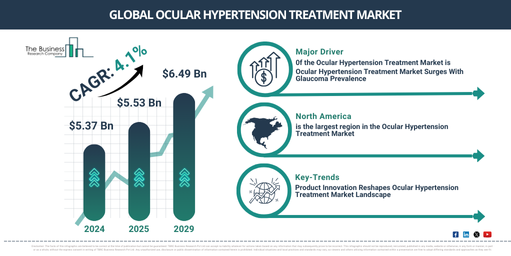
    In the past few years, the market size for ocular hypertension treatment has been continuously experiencing a steady increase. This growth is set to continue with projections showing an increase from $5.37 billion in 2024 to $5.53 billion in 2025, which equates to a compound annual growth rate (CAGR) of 2.9%. Factors such as a rise in the elderly population, a high prevalence of glaucoma, advancements in diagnostic tools, increased screenings and awareness, lifestyle modifications, and urbanization have all contributed to the growth observed during the past period.

    What Growth Rate Is Anticipated for the Ocular Hypertension Treatment Market in the Coming Years?

    Forecasts suggest a consistent increase in the market size for ocular hypertension treatment in the coming years, set to reach a worth of “$6.49 billion by 2029 with a Compound Annual Growth Rate (CAGR) of 4.1%. This upcoming surge can be credited to factors such as rising worldwide healthcare spending, progress in treatment methods, an emphasis shift towards personalized medical treatment, the integration of telehealth facilities, and a growing population of older individuals globally. Key trends to watch in the forecast period include focusing on patient needs, the impact of regulatory frameworks, expansion of the global market, advancements in patient monitoring technology, and the integration of Artificial Intelligence (AI).

    Download The Free Sample Report Here:

    https://www.thebusinessresearchcompany.com/sample.aspx?id=10862&type=smp

    Who Are the Leading Companies in the Ocular Hypertension Treatment Market?

    Major companies operating in the ocular hypertension treatment market include Angelini SpA, Laboratorios Sophia, Neurim Pharmaceuticals Ltd., Nicox SA, Novartis AG, AbbVie Inc., Alcon, Ocular Therapeutix Inc., Sylentis S.A, Taejoon Pharma Co. Ltd., Bausch Health Companies Inc., Merck & Co. Inc., Pfizer Inc., Teva Pharmaceutical Industries Ltd., Laboratorios Salvat SA, Shionogi & Co. Ltd., Otsuka Holdings Co. Ltd., Mitsubishi Tanabe Pharma Corporation, Astellas Pharma Inc., Eisai Co. Ltd., Daiichi Sankyo Company Limited, Celgene Corporation, Boehringer Ingelheim International GmbH, SK Bioscience Co., Regeneron Pharmaceuticals Inc., F. Hoffmann-La Roche AG, Sun Pharmaceutical Industries Ltd., Takeda Pharmaceutical Company Limited

    What Are the Key Drivers of the Ocular Hypertension Treatment Market?

    The escalating occurrence of glaucoma is anticipated to stimulate the ocular hypertension treatment market’s progression. Glaucoma, a persistent eye disorder, can induce vision loss and blindness by damaging the optic nerve located at the back of the eye. Ocular hypertension, or elevated intraocular pressure, is associated with the emergence and progression of glaucoma, a collection of eye conditions that can lead to irreversible visual loss. An upsurge in glaucoma cases is bound to inspire a positive effect on the ocular hypertension treatment market’s expansion. For example, data from the BrightFocus Foundation Highlights, a non-profit organization based in the US, stated in October 2022 that glaucoma touched the lives of 80 million individuals worldwide, a number expected to soar to over 111 million by 2040. Hence, the escalating occurrence of glaucoma is fuelling the expansion of the ocular hypertension treatment market.

    Request For A Customized Report:

    https://www.thebusinessresearchcompany.com/customise?id=10862&type=smp

    What Are the Key Market Segments in the Ocular Hypertension Treatment Industry?

    The ocular hypertension treatment market covered in this report is segmented –

    1) By Type: Intraocular Hypertension, Glaucoma

    2) By Route of Administration: Oral, Parenteral, Other Routes

    3) By Distribution Channel: Hospital Pharmacy, Retail Pharmacy, Online Pharmacy, Other Distribution Channel

    4) By End-Users: Hospitals, Specialty Clinics, Other End-Users

    Subsegments:

    1) By Intraocular Hypertension: Beta Blockers, Prostaglandin Analogs, Carbonic Anhydrase Inhibitors, Alpha Agonists, Rho Kinase Inhibitors

    2) By Glaucoma: Open-Angle Glaucoma Treatments, Angle-Closure Glaucoma Treatments, Secondary Glaucoma Treatments, Congenital Glaucoma Treatments, Combination Therapies

    What Are the Latest Trends in the Ocular Hypertension Treatment Market?

    The trend of product innovation is gaining traction in the ocular hypertension treatment market. Firms in this sector are embracing cutting-edge technology to maintain their standing. For instance, in April 2022, Sandoz, a Swiss company specializing in the manufacture of generic and biosimilar medicines, introduced the Brimonidine tartrate/timolol maleate ophthalmic solution. This generic combination of eye drops, available in either 0.2% or 0.5%, helps to decrease eye pressure in those suffering from ocular hypertension. The use of fixed drug combinations to manage ocular hypertension offers the benefits of simplicity, improved adherence, less preservative exposure, and cost savings for patients.

    Access The Full Report Here:

    https://www.thebusinessresearchcompany.com/report/ocular-hypertension-treatment-global-market-report

    What Are the Key Regional Markets in the Ocular Hypertension Treatment Industry?

    North America was the largest region in the ocular hypertension treatment market in 2024. The regions covered in the ocular hypertension treatment market report are Asia-Pacific, Western Europe, Eastern Europe, North America, South America, Middle East, Africa

    Purchase The Full Report Today:

    https://www.thebusinessresearchcompany.com/purchaseoptions.aspx?id=10862

    This Report Delivers Insight On:

    1. How big is the ocular hypertension treatment market, and how is it changing globally?

    2. Who are the major companies in the ocular hypertension treatment market, and how are they performing?

    3. What are the key opportunities and risks in the ocular hypertension treatment market right now?

    4. Which products or customer segments are growing the most in the ocular hypertension treatment market?

    5. What factors are helping or slowing down the growth of the ocular hypertension treatment market?

    About The Business Research Company:

    With over 15000+ reports from 27 industries covering 60+ geographies, The Business Research Company has built a reputation for offering comprehensive, data-rich research and insights. Armed with 1,500,000 datasets, the optimistic contribution of in-depth secondary research, and unique insights from industry leaders, you can get the information you need to stay ahead in the game.

    Get in touch with us:

    The Business Research Company: https://www.thebusinessresearchcompany.com/

    Americas +1 3156230293

    Asia +44 2071930708

    Europe +44 2071930708

    Email us at info@tbrc.info

    Follow us on:

    LinkedIn: https://in.linkedin.com/company/the-business-research-company

    YouTube: https://www.youtube.com/channel/UC24_fI0rV8cR5DxlCpgmyFQ

    Global Market Model: https://www.thebusinessresearchcompany.com/global-market-model
  • Respules Market to Reach $2.71 Billion by 2029 | Key Drivers and Future Outlook

    Respules Market to Reach $2.71 Billion by 2029 | Key Drivers and Future Outlook

    Claim your 30% discount on Global Market Reports with code ONLINE30. Limited time only.

    What Is the Growth Rate of the Respules Market?

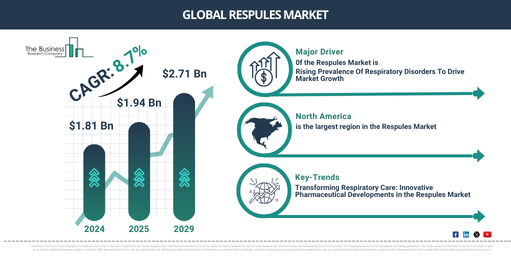
    In the past few years, the respules market has witnessed a robust growth. It is predicted to increase from $1.81 billion in 2024 to $1.94 billion in 2025, with a compound annual growth rate (CAGR) of 7.6%. Factors such as recommendations from doctors, enhanced access to healthcare, advancements in clinical research and development, adoption of inhalation therapy, awareness initiatives, and the expansion of the pharmaceutical industry have contributed to the growth during the historical period.

    What Growth Rate Is Forecasted for the Respules Market by 2029?

    The market for respules is set to witness substantial expansion in the upcoming years, with its value predicted to reach $2.71 billion in 2029, growing at a compound annual growth rate (CAGR) of 8.7%. The projected growth in the forecast period can be linked to the development in drug formulations, biologic treatments, intelligent inhalers and increased connectivity, personalized medicinal strategies, telehealth and distant care, and regulatory backing for inhalation therapy. The anticipated trends for the forecast period encompass environmentally friendly manufacturing procedures, remote monitoring and compliance utilities, patient-focused inhalation solutions, vaccines for respiratory inhalation, and adjustable dosage respules.

    Download The Free Sample Report Here:

    https://www.thebusinessresearchcompany.com/sample.aspx?id=12497&type=smp

    Which Key Companies Are Shaping the Future of the Respules Market?

    Major companies operating in the respules market include AstraZeneca PLC, GlaxoSmithKline PLC, Teva Pharmaceutical Industries Ltd., Sandoz International GmbH, Macleods Pharmaceuticals Ltd., Sun Pharmaceutical Industries Ltd., Aurobindo Pharma Ltd., Cipla Limited, Intas Pharmaceuticals Ltd., Lupin Limited, Cadila Healthcare Limited, Torrent Pharmaceuticals Ltd., Glenmark Pharmaceuticals Ltd., Jubilant Life Sciences Limited, Systopic Laboratories Pvt. Ltd., Koye Pharmaceuticals Pvt. Ltd., Amanta Healthcare Ltd., Lucky Pharmaceuticals, Medicamen Biotech Limited, Axa Parenterals Ltd., Zuche Pharmaceuticals Pvt. Ltd., Jaksh Pharma, Biochemix Healthcare Private Limited, Intra Life Pvt. Ltd., Wellona Pharmaceuticals Private Limited, Percept Pharma Limited, Eurocrit Labs, Iskon Remedies

    Which Factors Are Driving Demand in the Respules Industry?

    The escalating prevalence of diseases related to the respiratory system is anticipated to fuel the expansion of the respules market. Console illnesses and pulmonary diseases, such as tuberculosis, lung cancer, pulmonary hypertension, mesothelioma, cystic fibrosis, emphysema, and asthma, can be classified as respiratory disorders. Respules are effective in treating a wide range of such disorders, including bronchial asthma, emphysema, spasmodic stenosis, and irregular bronchial mucus production. An instance to illustrate this was in December 2023, when the Australian Bureau of Statistics, a government agency originating in Australia, stated that 2.5% of the population, translating to 638,100 individuals, were suffering from COPD in 2022, with near-equal rates among men (2.4%) and women (2.6%). The percentage of daily smoking individuals with COPD was significantly higher (8.1%) in comparison to individuals who had quit smoking (4.4%) and ones who had never smoked (1.6%). Consequently, the escalating prevalence of diseases related to the respiratory system is providing a significant impetus to the expansion of the respules market.

    Request For A Customized Report:

    https://www.thebusinessresearchcompany.com/customise?id=12497&type=smp

    How Is the Respules Market Segmented by Several Divisions?

    The respules market covered in this report is segmented –

    1) By Drug Type: Budesonide, Albuterol, Ipratropium Bromide, Salbutamol Sulphate And Ipratropium Bromide

    2) By Dosage And Strength: 0.25 mg/2 mL, 0.5 mg/2 mL, 1mg/2 mL, Other Dosage And Strength Types

    3) By Distribution Channel: Hospital Pharmacy, Retail Pharmacy, Online Pharmacy, Other Distribution Channels

    Subsegments:

    1) By Budesonide: Budesonide Respules 0.25 mg, Budesonide Respules 0.5 mg, Budesonide Respules 1 mg

    2) By Albuterol: Albuterol Sulfate Respules 0.083%, Albuterol Sulfate Respules 0.5%

    3) By Ipratropium Bromide: Ipratropium Bromide Respules 0.02%, Ipratropium Bromide Respules 0.5 mg

    4) By Salbutamol Sulphate And Ipratropium Bromide: Salbutamol Sulphate Respules 0.083%, Salbutamol Sulphate Respules 2.5 mg

    What are the Emerging Market Trends Driving the Growth of the Respules Industry?

    Companies that have a significant presence in the repsules market are concentrating their efforts on the development of revolutionary products such as unique pharmaceutical items that enhance drug delivery methods, improve patient adherence, and optimize the effectiveness of therapeutic treatments. Novel pharmaceutical items are novel and innovative drug formulations or medications that are dramatically different from current treatments. These items may include unique active ingredients, new combinations of drugs, or delivery systems that are upgraded to enhance safety, efficacy, or patient adherence. For example, in January 2023, DIFIZMA was introduced by Lupin Limited, a pharmaceutical company based in India, as a treatment for inadequately controlled asthma. DIFIZMA, an innovative fixed-dose triple drug combination, combines Indacaterol, a long-acting beta-agonist; Glycopyrronium, a long-acting muscarinic receptor antagonist; and Mometasone Furoate, an inhaled corticosteroid. This combination enhances lung functionality and helps control symptoms better. Furthermore, DIFIZMA assists in reducing the number of asthma exacerbations, thereby improving the overall quality of life for patients and minimizing the chances of hospitalization.

    Access The Full Report Here:

    https://www.thebusinessresearchcompany.com/report/respules-global-market-report

    Which Regions Are Driving Growth in the Respules Market?

    North America was the largest region in the respules market in 2024. Asia-Pacific is expected to be the fastest-growing region in the forecast period. The regions covered in the respules market report are Asia-Pacific, Western Europe, Eastern Europe, North America, South America, Middle East, Africa

    Purchase The Full Report Today:

    https://www.thebusinessresearchcompany.com/purchaseoptions.aspx?id=12497

    This Report Delivers Insight On:

    1. How big is the respules market, and how is it changing globally?

    2. Who are the major companies in the respules market, and how are they performing?

    3. What are the key opportunities and risks in the respules market right now?

    4. Which products or customer segments are growing the most in the respules market?

    5. What factors are helping or slowing down the growth of the respules market?

    About The Business Research Company:

    With over 15000+ reports from 27 industries covering 60+ geographies, The Business Research Company has built a reputation for offering comprehensive, data-rich research and insights. Armed with 1,500,000 datasets, the optimistic contribution of in-depth secondary research, and unique insights from industry leaders, you can get the information you need to stay ahead in the game.

    Get in touch with us:

    The Business Research Company: https://www.thebusinessresearchcompany.com/

    Americas +1 3156230293

    Asia +44 2071930708

    Europe +44 2071930708

    Email us at info@tbrc.info

    Follow us on:

    LinkedIn: https://in.linkedin.com/company/the-business-research-company

    YouTube: https://www.youtube.com/channel/UC24_fI0rV8cR5DxlCpgmyFQ

    Global Market Model: https://www.thebusinessresearchcompany.com/global-market-model
  • Non-Invasive Ventilators Industry Growth Expected to Reach $4.16 Billion by 2029 at a CAGR of 7.9% | Segmentation and Growth Opportunities

    Non-Invasive Ventilators Industry Growth Expected to Reach $4.16 Billion by 2029 at a CAGR of 7.9% | Segmentation and Growth Opportunities

    Claim your 30% discount on Global Market Reports with code ONLINE30. Limited time only.

    What Is the Forecast for the Non-Invasive Ventilators Market Growth in 2025?

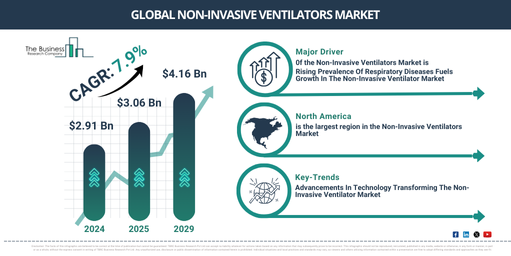
    There has been a significant increase in the size of the non-invasive ventilators market in past years. It is forecasted to expand from $2.91 billion in 2024 to $3.06 billion in 2025, reflecting a compound annual growth rate (CAGR) of 5.4%. The prior growth can be traced back to factors such as the enhancement of hospital infrastructure, the widespread occurrence of sleep-associated breathing issues, the inclination of patients towards non-invasive procedures, progress in respiratory therapy, and the rise in aging population.

    What Is the Forecast for the Non-Invasive Ventilators Market Size Through 2029?

    Predictions indicate a robust expansion for the non-invasive ventilators market in the coming years, with an expected growth to “$4.16 billion by 2029, representing a compound annual growth rate (CAGR) of 7.9%. This projected increase during the forecast period could be a result of various factors such as home-ventilation solutions, initiatives for preventive healthcare, pulmonary rehabilitation programs, campaigns for awareness and education, and issues regarding climate change and air quality. Key trends during this forecast period would be advancements like portable and wearable devices, incorporation of intelligent technologies, telehealth and remote patient monitoring integrations, a shift from invasive to non-invasive ventilation, and innovative changes in ventilation modes.

    Download The Free Sample Report Here:

    https://www.thebusinessresearchcompany.com/sample.aspx?id=10321&type=smp

    What are the Key Market Players in Non-Invasive Ventilators Market and How They’re Evolving?

    Major companies operating in the non-invasive ventilators market include ResMed Inc., Teleflex Incorporated, Hamilton Bonaduz AG, HEYER Medical AG, Airon Corporation, Fisher & Paykel Healthcare Limited, Smiths Medical International Ltd., O-Two Medical Technologies Inc., Phoenix Medical Systems Pvt. Ltd., Koninklijke Philips N.V., Dragerwerk AG & Co. KGaA, General Electric Healthcare Co., Magnamed Tecnologia Medica S/A, WILAmed GmbH, Mindray Medical International Limited, Vyaire Medical Inc., GETINGE AB, Medtronic plc, Respironics Inc., medin Medical Innovations GmbH, Comen Medical Instruments Co. Ltd., Löwenstein Medical Technology GmbH + Co. KG, aXcent medical GmbH, Tenko Medical Systems Corp., Beijing Aeonmed Co. Ltd., MEKICS Co. Ltd., Sefam Medical, Becton Dickinson and Company, Allied Healthcare Products Inc., Air Liquide Medical Systems, Pulmodyne Inc., Bunnell Incorporated

    What Are the Primary Growth Drivers in the Non-Invasive Ventilators Market?

    The non-invasive ventilator market is anticipated to expand due to the high incidence of respiratory conditions. These diseases, which include asthma and chronic lung ailments, are accountable for lung disorders. Non-invasive ventilators aid in treating respiratory diseases by introducing oxygen into the lungs when the patient is incapable of doing so independently. For example, as per the World Health Organization (WHO) in September 2022, a specialized agency of the United Nations based in Switzerland and tasked with worldwide public health responsibility, chronic noncommunicable diseases (NCDs) are expected to cause around 41 million deaths annually, occupying 74% of total death globally. Chronic respiratory diseases singularly account for 4.1 million deaths. Consequently, the widespread occurrence of respiratory diseases stimulates the growth of the non-invasive ventilator market.

    Request For A Customized Report:

    https://www.thebusinessresearchcompany.com/customise?id=10321&type=smp

    What Are the Leading Segments in the Global Non-Invasive Ventilators Industry?

    The non-invasive ventilators market covered in this report is segmented –

    1) By Type: Continuous Positive Airway Pressure (CPAP), Autotitrating (Adjustable) Positive Airway Pressure (APAP), Bilevel Positive Pressure (BiPAP)

    2) By Power Source: Electric, Pneumatic, Electro-Pneumatic

    3) By Application: Chronic Obstructive Pulmonary Disease, Asthma, Respiratory Distress Syndrome, Pneumonia, Other Applications

    4) By End-User: Hospitals, Specialty Clinics, Home Care Settings, Ambulatory Surgical Centers

    Subsegments:

    1) By Continuous Positive Airway Pressure (CPAP): Fixed Pressure CPAP, Auto CPAP (Auto-Adjusting)

    2) By Autotitrating (Adjustable) Positive Airway Pressure (APAP): Auto-Adjusting APAP for Sleep Apnea, Adaptive Servo-Ventilation (ASV) APAP

    3) By Bilevel Positive Pressure (BiPAP): BiPAP S (Spontaneous Mode), BiPAP ST (Spontaneous/Timed Mode), BiPAP AVAPS (Average Volume-Assured Pressure Support)

    What Are the Key Market Trends in the Non-Invasive Ventilators Industry?

    The non-invasive ventilator market is increasingly influenced by technological advancements. Market players are leveraging these new technologies to maintain a competitive edge. For instance, in November 2023, Inspiration Healthcare Group PLC, a UK-based medical technology firm, introduced the SLE1500 as the latest addition to their neonatal ventilator series. Specifically designed to provide non-invasive ventilation modes for extremely frail and small babies, it ensures respiratory support while safeguarding their sensitive lungs. The SLE1500 system integrates six non-invasive delivery methods into a single device. These comprise nasal Continuous Positive Airway Pressure (nCPAP) in both flow and pressure control modes, high-flow oxygen therapy, and manual flow applicable with therapies like bubble CPAP. Each of these options can be augmented with Pulse Oximetry (SpO2) and/or automatic oxygen control (auto FiO2) through the OxyGenie.

    Access The Full Report Here:

    https://www.thebusinessresearchcompany.com/report/non-invasive-ventilators-global-market-report

    What Is the Regional Outlook for the Non-Invasive Ventilators Market?

    North America was the largest region in the non-invasive ventilators market in 2024. Asia-Pacific is expected to be the fastest-growing region in the global non-invasive ventilator market during the forecast period. The regions covered in the non-invasive ventilators market report are Asia-Pacific, Western Europe, Eastern Europe, North America, South America, Middle East, Africa

    Purchase The Full Report Today:

    https://www.thebusinessresearchcompany.com/purchaseoptions.aspx?id=10321

    This Report Delivers Insight On:

    1. How big is the non-invasive ventilators market, and how is it changing globally?

    2. Who are the major companies in the non-invasive ventilators market, and how are they performing?

    3. What are the key opportunities and risks in the non-invasive ventilators market right now?

    4. Which products or customer segments are growing the most in the non-invasive ventilators market?

    5. What factors are helping or slowing down the growth of the non-invasive ventilators market?

    About The Business Research Company:

    With over 15000+ reports from 27 industries covering 60+ geographies, The Business Research Company has built a reputation for offering comprehensive, data-rich research and insights. Armed with 1,500,000 datasets, the optimistic contribution of in-depth secondary research, and unique insights from industry leaders, you can get the information you need to stay ahead in the game.

    Get in touch with us:

    The Business Research Company: https://www.thebusinessresearchcompany.com/

    Americas +1 3156230293

    Asia +44 2071930708

    Europe +44 2071930708

    Email us at info@tbrc.info

    Follow us on:

    LinkedIn: https://in.linkedin.com/company/the-business-research-company

    YouTube: https://www.youtube.com/channel/UC24_fI0rV8cR5DxlCpgmyFQ

    Global Market Model: https://www.thebusinessresearchcompany.com/global-market-model
  • G-Protein Coupled Receptors Industry Growth Expected to Reach $4.46 Billion by 2029 at a CAGR of 7% | Segmentation and Growth Opportunities

    G-Protein Coupled Receptors Industry Growth Expected to Reach $4.46 Billion by 2029 at a CAGR of 7% | Segmentation and Growth Opportunities

    Claim your 30% discount on Global Market Reports with code ONLINE30. Limited time only.

    What Is the Forecast for the G-Protein Coupled Receptors Market Growth in 2025?

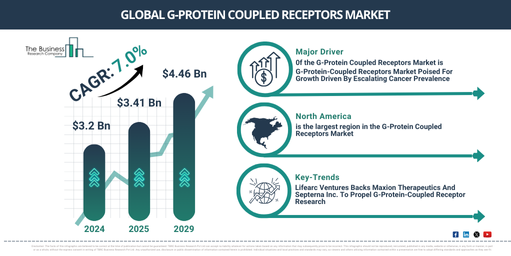
    In recent times, there has been a significant increase in the market size of G-protein coupled receptors. It will escalate from $3.2 billion in 2024 to $3.41 billion in 2025, demonstrating a compound annual growth rate (CAGR) of 6.6%. This steady growth in the historic period is the result of advancements in drug discovery, approvals from the FDA, genomic breakthroughs, the rise of emerging markets, market consolidation, and a growing aged population.

    What Is the Forecast for the G-Protein Coupled Receptors Market Size Through 2029?

    The market size for G-protein coupled receptors is projected to witness significant expansion in the coming years, ballooning to $4.46 billion by 2029 with a compound annual growth rate (CAGR) of 7.0%. The expected growth in this period can be credited to factors such as personalized medicine, heightened attention to rare diseases, the role of artificial intelligence in drug discovery, drug development centered around patients, environmental and social influences, and the expansion of the biosimilar market. The forecast period is likely to see major trends like advancements in biotechnology, escalated investment in research and development, breakthroughs in technology, collaborations and partnerships in the sector, and digital therapeutics.

    Download The Free Sample Report Here:

    https://www.thebusinessresearchcompany.com/sample.aspx?id=11976&type=smp

    What are the Key Market Players in G-Protein Coupled Receptors Market and How They’re Evolving?

    Major companies operating in the G-protein coupled receptors market include Pfizer Inc., Roche Holding AG, AbbVie Inc., Bayer AG, Novartis International AG, Sanofi SA, Bristol-Myers Squibb Company, AstraZeneca Plc, GlaxoSmithKline Plc, Danaher Corporation, Takeda Pharmaceutical Company Limited, Eli Lilly and Company, Merck KGaA, Boehringer Ingelheim, Teva Pharmaceutical Industries Ltd., Daiichi Sankyo Company Limited, Thermo Fisher Scientific Inc., Perkin Elmer Inc., Qiagen N.V., Bio-Techne Corporation, Abcam PLC, Cara Therapeutics Inc., Sosei Heptares Ltd., Eurofins DiscoverX Corporation, Crinetics Pharmaceuticals Inc., Domain Therapeutics SA, Addex Pharmaceuticals Ltd., Escient Pharmaceuticals Inc., Structure Therapeutics, Septerna

    What Are the Primary Growth Drivers in the G-Protein Coupled Receptors Market?

    The escalating occurrences of cancer are anticipated to boost the expansion of the G-protein-coupled receptors market in the future. Cancer is a disease characterized by uncontrollably multiplying abnormal cells that can invade and affect neighboring tissues. The dispersion of cancer cells can further occur via the body’s vascular and lymphatic systems. GPCRs regulate the procedures recognized as cancer’s distinctive features, which include proliferative signaling, replicative immortality, circumvention of growth inhibitors, resistance against programmed cell death, and instigation of invasion and metastasis. For instance, the American Cancer Society, a professional organization based in the US, declared in January 2023 that the country saw 1,958,310 newly diagnosed cancer cases in the year 2023, marking an upsurge from the projected 1.9 million fresh cases in 2022. Consequently, the surging frequency of cancer is propelling the expansion of the G-protein-coupled receptors market.

    Request For A Customized Report:

    https://www.thebusinessresearchcompany.com/customise?id=11976&type=smp

    What Are the Leading Segments in the Global G-Protein Coupled Receptors Industry?

    The G-protein coupled receptors market covered in this report is segmented –

    1) By Product: Cell Lines, Detection Kits, Cell Culture Reagents, Ligands

    2) By Assay: CAMP Functional Assays, Calcium Functional Assays, ß-Arrestin Functional Assays, Radioligand Binding And GTP?S Functional Assays, Internalization Assays, Trafficking Assays

    3) By Applications: Cancer Research, CNS Research, Metabolic Research, Cardiovascular Research, Inflammation Research, Respiratory Research, Other Applications

    Subsegments:

    1) By Cell Lines: GPCR-Expressing Cell Lines, Stable And Transient Cell Lines

    2) By Detection Kits: ELISA Kits, High-Throughput Screening Kits, Reporter Gene Assays

    3) By Cell Culture Reagents: Media And Supplements, Transfection Reagents, Growth Factors

    4) By Ligands: Agonists, Antagonists, Inverse Agonists

    What Are the Key Market Trends in the G-Protein Coupled Receptors Industry?

    The escalation of investments to further GPCR screening and antibody creation represents a prominent trend within the G-protein-coupled receptor (GPCR) industry. A multitude of significant companies within the GPCR niche are concentrating their efforts on securing funds needed to progress drug creation and therapeutic technologies, intricately tied to GPCR-related illnesses. For instance, February 2023 signified a sizeable financial commitment from LifeArc Ventures, a UK venture capital company, where $16 million was injected into Maxion Therapeutics, a British pharmaceutical discovery enterprise, to stimulate antibody advancement for previously incurable GPCR and ion channel illnesses. The monetary contribution will facilitate the creation of antibody treatments specifically targeting ion channels and G-protein-coupled receptors (GPCRs), by leveraging the unique KnotBody system. The KnotBody framework allows for the exploration of biologicals against GPCRs and ion channels, relying on naturally existing cysteine-rich mini proteins. Furthermore, Septerna Inc., a BioTech company originating from the US, declared its inauguration and received an impressive Series A financing of $100 million. The amassed Series A funding will be devoted to the evolution of their upcoming pipeline of ground-breaking medication programs, focused on GPCRs, empowered by the Native Complex Platform, and spanning various therapeutic sectors.

    Access The Full Report Here:

    https://www.thebusinessresearchcompany.com/report/g-protein-coupled-receptors-global-market-report

    What Is the Regional Outlook for the G-Protein Coupled Receptors Market?

    North America was the largest region in the G-protein coupled receptors market in 2024. Asia-Pacific is expected to be the fastest-growing region in the forecast period. The regions covered in the G-protein coupled receptors market report are Asia-Pacific, Western Europe, Eastern Europe, North America, South America, Middle East, Africa.

    Purchase The Full Report Today:

    https://www.thebusinessresearchcompany.com/purchaseoptions.aspx?id=11976

    This Report Delivers Insight On:

    1. How big is the g-protein coupled receptors market, and how is it changing globally?

    2. Who are the major companies in the g-protein coupled receptors market, and how are they performing?

    3. What are the key opportunities and risks in the g-protein coupled receptors market right now?

    4. Which products or customer segments are growing the most in the g-protein coupled receptors market?

    5. What factors are helping or slowing down the growth of the g-protein coupled receptors market?

    About The Business Research Company:

    With over 15000+ reports from 27 industries covering 60+ geographies, The Business Research Company has built a reputation for offering comprehensive, data-rich research and insights. Armed with 1,500,000 datasets, the optimistic contribution of in-depth secondary research, and unique insights from industry leaders, you can get the information you need to stay ahead in the game.

    Get in touch with us:

    The Business Research Company: https://www.thebusinessresearchcompany.com/

    Americas +1 3156230293

    Asia +44 2071930708

    Europe +44 2071930708

    Email us at info@tbrc.info

    Follow us on:

    LinkedIn: https://in.linkedin.com/company/the-business-research-company

    YouTube: https://www.youtube.com/channel/UC24_fI0rV8cR5DxlCpgmyFQ

    Global Market Model: https://www.thebusinessresearchcompany.com/global-market-model
  • Respiratory Syncytial Virus (RSV) Therapeutics Market Size to Exceed $4.59 Billion by 2029 | Growth and Industry Trends

    Respiratory Syncytial Virus (RSV) Therapeutics Market Size to Exceed $4.59 Billion by 2029 | Growth and Industry Trends

    Claim your 30% discount on Global Market Reports with code ONLINE30. Limited time only.

    How Has the Respiratory Syncytial Virus (RSV) Therapeutics Market Grown from 2024 to 2025?

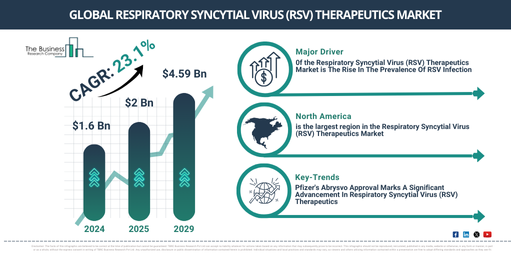
    In recent times, there has been a significant growth in the size of the respiratory syncytial virus (RSV) therapeutics market. The market, which stands at $1.6 billion in 2024, is projected to escalate to $2 billion in 2025, demonstrating a compound annual growth rate (CAGR) of 25.0%. The expansion during the historical period is associated with increased awareness of the disease, advanced virology, risk in children, epidemic occurrences, and the development of vaccines.

    What Growth Rate Is Anticipated for the Respiratory Syncytial Virus (RSV) Therapeutics Market in the Coming Years?

    Expectations are high for the respiratory syncytial virus (RSV) therapeutics market size to witness a significant upswing in the coming years, with projections of reaching approximately $4.59 billion by 2029, growing at a CAGR of 23.1%. The growth during the forecast period is primarily due to aspects such as the advent of biologic therapies, the introduction of new antivirals, a heightened focus on the aged populace, strategies centering maternal immunization, as well as international research partnerships. The forecast period will also showcase noteworthy trends including progression in monoclonal antibodies, developments in nasal vaccines and delivery systems, the utilization of combination therapies, the introduction of cutting-edge drug delivery systems, and the rise of home-administered treatment options.

    Download The Free Sample Report Here:

    https://www.thebusinessresearchcompany.com/sample.aspx?id=12601&type=smp

    Who Are the Leading Companies in the Respiratory Syncytial Virus (RSV) Therapeutics Market?

    Major companies operating in the respiratory syncytial virus (RSV) therapeutics market include Johnson & Johnson, F. Hoffmann-La Roche Ltd., Merck & Co. Inc., AbbVie Inc., Novartis AG, Sanofi S.A., AstraZeneca PLC, Abbott Laboratories, GlaxoSmithKline plc., Gilead Sciences Inc., Moderna Inc., Regeneron Pharmaceuticals Inc., Novavax AB, Vir Biotechnology Inc., Lupin Limited, Kyorin Pharmaceutical Co. Ltd., Bavarian Nordic A/S, SciClone Pharmaceuticals Inc., Enanta Pharmaceuticals Inc., Hetero Healthcare Ltd, Inovio Pharmaceuticals Inc., Ascletis Pharma Inc., NanoBio Corporation, Vaxart Inc., Ark Biosciences Private Limited, Pulmocide Ltd

    What Are the Key Drivers of the Respiratory Syncytial Virus (RSV) Therapeutics Market?

    An upsurge in the incidence of RSV infection escalates the expansion of the respiratory syncytial virus (RSV) therapeutics market. RSV is a common respiratory disease that leads to mild to serious respiratory infections, particularly in infants, young kids, elderly people, and those having weak immune systems. The growing cases of RSV infections necessitate the evolution of innovative treatments to meet the increasing demand and lessen the impact of RSV-related complications. To exemplify, in September 2023, the Centres for Disease Control and Prevention, a national public health agency based in the US, reported a substantial rise in the rate of hospitalizations linked to RSV among children less than 4 years, soaring from 2.0 hospitalizations per 100,000 population for the week ending August 5, 2023, to 7.0 hospitalizations per 100,000 population by August 19, 2023. Consequently, the surge in the RSV infection prevalence boosts the growth of the respiratory syncytial virus (RSV) therapeutics market.

    Request For A Customized Report:

    https://www.thebusinessresearchcompany.com/customise?id=12601&type=smp

    What Are the Key Market Segments in the Respiratory Syncytial Virus (RSV) Therapeutics Industry?

    The respiratory syncytial virus (RSV) therapeutics market covered in this report is segmented –

    1) By Drug: Palivizumab, Ribavirin, Other Drugs

    2) By Treatment: Immune Prophylaxis, Supportive Care, Antiviral Medications

    3) By Dosage Form: Oral, Injectable, Other Dosage Forms

    4) By Patient Type: Pediatrics, Adults

    5) By Distribution Channel: Hospital Pharmacies, Retail Pharmacies, Online Pharmacies

    Subsegments:

    1) By Palivizumab: Monoclonal Antibody

    2) By Ribavirin: Antiviral Medication

    3) By Other Drugs: Cidofovir, Nitazoxanide, Other Experimental Or Off-Label Treatments

    What Are the Latest Trends in the Respiratory Syncytial Virus (RSV) Therapeutics Market?

    The emergence of enhanced vaccines and drugs is a significant trend captivating the respiratory syncytial virus (RSV) therapeutics market. The primary businesses in this market are concentrating their efforts on creating these innovative solutions to maintain their market standing. A prime example is Pfizer Inc., a US-based pharmaceutical manufacturing firm who, in May 2023, obtained approval from the Food and Drug Administration – a federal agency dedicated to preserving and enhancing public health – for ABRYSVO. This bivalent RSV prefusion F (RSVpreF) vaccine ABRYSVO (Respiratory Syncytial Virus Vaccine) is employed to thwart lower respiratory tract illnesses trigged by RSV in individuals aged 60 and up. It consists of a duo of preF proteins designed to boost immunity against RSV A and B types, and its safety and effectiveness have been confirmed clinically.

    Access The Full Report Here:

    https://www.thebusinessresearchcompany.com/report/respiratory-syncytial-virus-rsv-therapeutics-global-market-report

    What Are the Key Regional Markets in the Respiratory Syncytial Virus (RSV) Therapeutics Industry?

    North America was the largest region in the respiratory syncytial virus (RSV) therapeutics market in 2024. Asia Pacific is expected to be the fastest-growing region in the forecast period. The regions covered in the respiratory syncytial virus (RSV) therapeutics market report are Asia-Pacific, Western Europe, Eastern Europe, North America, South America, Middle East, Africa

    Purchase The Full Report Today:

    https://www.thebusinessresearchcompany.com/purchaseoptions.aspx?id=12601

    This Report Delivers Insight On:

    1. How big is the respiratory syncytial virus (rsv) therapeutics market, and how is it changing globally?

    2. Who are the major companies in the respiratory syncytial virus (rsv) therapeutics market, and how are they performing?

    3. What are the key opportunities and risks in the respiratory syncytial virus (rsv) therapeutics market right now?

    4. Which products or customer segments are growing the most in the respiratory syncytial virus (rsv) therapeutics market?

    5. What factors are helping or slowing down the growth of the respiratory syncytial virus (rsv) therapeutics market?

    About The Business Research Company:

    With over 15000+ reports from 27 industries covering 60+ geographies, The Business Research Company has built a reputation for offering comprehensive, data-rich research and insights. Armed with 1,500,000 datasets, the optimistic contribution of in-depth secondary research, and unique insights from industry leaders, you can get the information you need to stay ahead in the game.

    Get in touch with us:

    The Business Research Company: https://www.thebusinessresearchcompany.com/

    Americas +1 3156230293

    Asia +44 2071930708

    Europe +44 2071930708

    Email us at info@tbrc.info

    Follow us on:

    LinkedIn: https://in.linkedin.com/company/the-business-research-company

    YouTube: https://www.youtube.com/channel/UC24_fI0rV8cR5DxlCpgmyFQ

    Global Market Model: https://www.thebusinessresearchcompany.com/global-market-model
  • Non Hodgkin Lymphoma (NHL) Market to Reach $15.42 Billion by 2029 | Key Drivers and Future Outlook

    Non Hodgkin Lymphoma (NHL) Market to Reach $15.42 Billion by 2029 | Key Drivers and Future Outlook

    Claim your 30% discount on Global Market Reports with code ONLINE30. Limited time only.

    What Is the Growth Rate of the Non Hodgkin Lymphoma (NHL) Market?

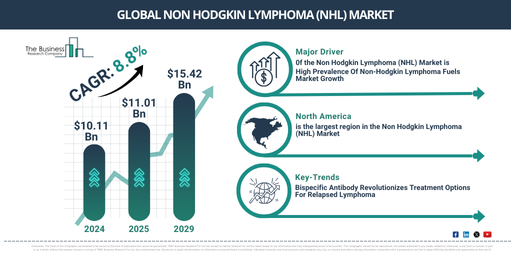
    In recent times, there has been a substantial growth in the market size of non hodgkin lymphoma (NHL). The market, which is worth $10.11 billion as of 2024, is projected to increase to $11.01 billion in 2025, with a compound annual growth rate (CAGR) of 8.9%. This upsurge during the historical period can be credited to factors such as the heightened incidence of NHL, progress in diagnostic procedures, advancements in chemotherapy and immunotherapy, enhanced emphasis on clinical research and drug development, as well as improved survival rates.

    What Growth Rate Is Forecasted for the Non Hodgkin Lymphoma (NHL) Market by 2029?

    The market for non-hodgkin lymphoma (NHL) is predicted to experience substantial growth in the coming years, reaching an estimated value of “$15.42 billion by 2029, reflecting a compound annual growth rate (CAGR) of 8.8%. Factors such as an aging population, development in targeted treatments, breakthroughs in immunotherapy, precision medicine methodologies, and increased consciousness and early screening are contributing to this predicted growth. The prediction period also sees a surge in biosimilars, the inclusion of next-generation sequencing, the use of car-t cell therapies, new chemotherapy agents, as well as real-world evidence and outcomes study.

    Download The Free Sample Report Here:

    https://www.thebusinessresearchcompany.com/sample.aspx?id=10676&type=smp

    Which Key Companies Are Shaping the Future of the Non Hodgkin Lymphoma (NHL) Market?

    Major companies operating in the non hodgkin lymphoma (NHL) market include Bayer AG, Teva Pharmaceutical Industries Ltd., F. Hoffmann La Roche Ltd., Merck & Co. Inc., Eli Lilly and Co., Novartis AG, GlaxoSmithKline plc, AbbVie Inc., AstraZeneca plc, Takeda Pharmaceutical Company Limited, Bristol Myers Squibb Co., Pfizer Inc., Celgene Corporation, Sanofi S.A., Janssen Pharmaceuticals Inc., Johnson & Johnson, Biogen Idec, Boehringer Ingelheim GmbH, Eisai Co. Ltd., Gilead Sciences, Incyte Corporation, Karyopharm Therapeutics, Kite Pharma Inc., Kyowa Hakko Kirin Co. Ltd., MorphoSys AG, Nordic Nanovector ASA, Ono Pharmaceutical Co. Ltd., Seattle Genetics Inc., Spectrum Pharmaceuticals Inc.

    Which Factors Are Driving Demand in the Non Hodgkin Lymphoma (NHL) Industry?

    The high incidence of non-Hodgkin lymphoma in the population is predicted to fuel the expansion of the non-Hodgkin lymphoma market. Non-Hodgkin lymphoma, a cancer of the lymphatic system—an essential component of the immune system—has a high occurrence, signifying a significant number of people living with or diagnosed with the disease at any given time. Targeted treatments for non-Hodgkin lymphoma can enhance the prognosis for those currently diagnosed by managing the cancerous cells. The American Cancer Society, a medical organization based in the US, reported in January 2023 that non-Hodgkin lymphoma was responsible for 4% of all cancer cases. In 2023, it is projected that approximately 80,550 Americans, comprising 44,880 males and 35,670 females, will be affected. It further estimates that non-Hodgkin lymphoma will lead to the death of 20,180 people in 2023. In addition, as per the Canadian Cancer Society, a charity organization in Canada, 11,400 Canadians were diagnosed with non-Hodgkin lymphoma in May 2022, and it’s calculated to cause 3,000 deaths in 2022. Thus, the large occurrence of non-Hodgkin lymphoma is a major contributor to the growth of the non-Hodgkin lymphoma market.

    Request For A Customized Report:

    https://www.thebusinessresearchcompany.com/customise?id=10676&type=smp

    How Is the Non Hodgkin Lymphoma (NHL) Market Segmented by Several Divisions?

    The non hodgkin lymphoma (NHL) market covered in this report is segmented –

    1) By Type: B-Cell Lymphoma, T-Cell Lymphoma

    2) By Treatment: Surgery, Stem Cell Transplant, Chemotherapy, Immunotherapy, Targeted Therapy, Radiation Therapy

    3) By Route of Administration: Oral, Parenteral, Other Routes of Administration

    4) By Distribution Channel: Hospital Pharmacy, Retail Pharmacy, Online Pharmacy, Other Distribution Channels

    5) By End-Users: Hospitals, Homecare, Specialty Centers, Other End Users

    Subsegments:

    1) By B-Cell Lymphoma: Diffuse Large B-Cell Lymphoma (DLBCL), Follicular Lymphoma, Chronic Lymphocytic Leukemia (CLL), Mantle Cell Lymphoma, Burkitt Lymphoma, Marginal Zone Lymphoma, Primary Mediastinal B-Cell Lymphoma

    2) By T-Cell Lymphoma: Peripheral T-Cell Lymphoma (PTCL), Anaplastic Large Cell Lymphoma (ALCL), Cutaneous T-Cell Lymphoma (CTCL), T-Cell Lymphoblastic Lymphoma, Adult T-Cell Leukemia/Lymphoma (ATLL)

    What are the Emerging Market Trends Driving the Growth of the Non Hodgkin Lymphoma (NHL) Industry?

    The rise of drug innovations is a significant trend that’s becoming increasingly prevalent in the non-Hodgkin lymphoma market. Companies in this market are concentrated on producing new products to maintain their market standing. For example, in December 2022, Genentech Inc., a biotechnology firm based in the United States, got FDA authorization for Lunsumio, a groundbreaking bispecific antibody designed to treat relapsed or refractory follicular lymphoma. This antibody represents a new type of fixed-duration cancer treatment immunotherapy, and it’s a readily available, off-the-shelf treatment that patients can receive without delay. The FDA gave its approval based on positive results from the Phase II GO29781 study of Lunsumio in patients heavily pretreated for FL, especially those at a high risk of disease progression or non-responsive to previous treatments.

    Access The Full Report Here:

    https://www.thebusinessresearchcompany.com/report/non-hodgkin-lymphoma-nhl-global-market-report

    Which Regions Are Driving Growth in the Non Hodgkin Lymphoma (NHL) Market?

    North America was the largest region in the non-Hodgkin lymphoma (NHL) market in 2024.Asia-Pacific is expected to be the fastest-growing region in the global non-Hodgkin lymphoma (NHL) market report during the forecast period. The regions covered in the non-Hodgkin lymphoma (NHL) market report are Asia-Pacific, Western Europe, Eastern Europe, North America, South America, Middle East, Africa

    Purchase The Full Report Today:

    https://www.thebusinessresearchcompany.com/purchaseoptions.aspx?id=10676

    This Report Delivers Insight On:

    1. How big is the non hodgkin lymphoma (nhl) market, and how is it changing globally?

    2. Who are the major companies in the non hodgkin lymphoma (nhl) market, and how are they performing?

    3. What are the key opportunities and risks in the non hodgkin lymphoma (nhl) market right now?

    4. Which products or customer segments are growing the most in the non hodgkin lymphoma (nhl) market?

    5. What factors are helping or slowing down the growth of the non hodgkin lymphoma (nhl) market?

    About The Business Research Company:

    With over 15000+ reports from 27 industries covering 60+ geographies, The Business Research Company has built a reputation for offering comprehensive, data-rich research and insights. Armed with 1,500,000 datasets, the optimistic contribution of in-depth secondary research, and unique insights from industry leaders, you can get the information you need to stay ahead in the game.

    Get in touch with us:

    The Business Research Company: https://www.thebusinessresearchcompany.com/

    Americas +1 3156230293

    Asia +44 2071930708

    Europe +44 2071930708

    Email us at info@tbrc.info

    Follow us on:

    LinkedIn: https://in.linkedin.com/company/the-business-research-company

    YouTube: https://www.youtube.com/channel/UC24_fI0rV8cR5DxlCpgmyFQ

    Global Market Model: https://www.thebusinessresearchcompany.com/global-market-model
  • Gout Therapeutics Industry Valued at $5.03 Billion by 2029 With CAGR of 11.7% | Size and Share Insights

    Gout Therapeutics Industry Valued at $5.03 Billion by 2029 With CAGR of 11.7% | Size and Share Insights

    Claim your 30% discount on Global Market Reports with code ONLINE30. Limited time only.

    What Is the Forecast for the Gout Therapeutics Market from 2024 to 2025?

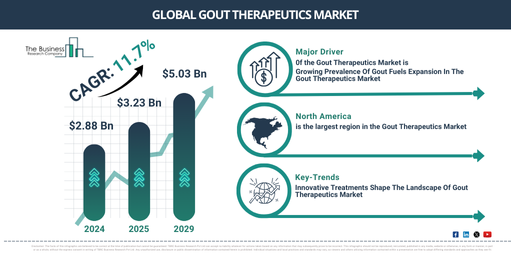
    In recent times, there’s been a swift expansion in the size of the gout therapeutics market. The progression is projected from $2.88 billion in 2024 to $3.23 billion in 2025, with a compound annual growth rate (CAGR) of 12.2%. The historical growth can be credited to factors like a rise in gout occurrence, alterations in lifestyle and eating habits, heightened prevalence of high blood pressure and diabetes, evolution of xanthine oxidase inhibitors, and initiatives to educate patients.

    What Is the Projected Market Size of the Gout Therapeutics Market?

    The market size for gout therapeutics is anticipated to experience significant expansion in the upcoming years, reaching a value of $5.03 billion in 2029, growing at a compound annual growth rate (CAGR) of 11.7%. This forecasted growth can be explained by factors such as increased spending on healthcare, progress in drug delivery technology, the advent of new types of therapies, governmental strategies for managing chronic diseases, and support from patient advocacy groups. The key trends predicted for this period are the advancement of innovative drug solutions, approval of unique drug treatments, personalized medicine techniques, the adoption of telehealth services for managing gout, and research focused on urate-lowering therapies.

    Download The Free Sample Report Here:

    https://www.thebusinessresearchcompany.com/sample.aspx?id=12118&type=smp

    Who are the Major Competitors in the Gout Therapeutics Market Outlook?

    Major companies operating in the gout therapeutics market include Sanofi-Aventis, AstraZeneca plc, LG Chem Ltd., GlaxoSmithKline Plc, Takeda Pharmaceuticals Co. Ltd., Boehringer Ingelheim International GmbH, Regeneron Pharmaceuticals Inc., Astellas Pharma Inc., Sandoz, Eisai Co. Ltd., Horizon Pharma Plc, Jiangsu HengRui Medicine Co. Ltd., Hikma Pharmaceuticals plc, Swedish Orphan Biovitrum AB, JW Pharmaceutical Corp, Lannett Company Inc, BioCryst Pharmaceuticals Inc., Selecta Biosciences Inc., Rigel Pharmaceuticals Inc., CymaBay Therapeutics Inc., GeneScience Pharmaceuticals Co. Ltd., Shanton Pharma

    What Is Fueling Growth in the Gout Therapeutics Market?

    The escalating prevalence of gout is anticipated to fuel the expansion of the gout therapeutics market. Gout is an inflammatory arthritis condition characterized by painful and swollen joints, and gout therapeutics are used to alleviate these symptoms. Thus, an increase in gout cases is projected to stimulate sales in the gout therapeutics market. For instance, the Australian Institute of Health and Welfare, a US governmental entity, revealed in June 2024 that gout was documented as the primary and contributing cause of 573 deaths in Australia in 2022, accounting for 2.2 deaths per 100,000 individuals. Therefore, the surging prevalence of gout is spurring the growth of the gout therapeutics market.

    Request For A Customized Report:

    https://www.thebusinessresearchcompany.com/customise?id=12118&type=smp

    Which Gout Therapeutics Market Segments Are Growing the Fastest?

    The gout therapeutics market covered in this report is segmented –

    1) By Type: Nonsteroidal Anti-Inflammatory Drugs (NSAIDs), Corticosteroid, Diuretics

    2) By Treatment: Xanthine Oxidase Inhibitor, Uricosuria Medication

    3) By Disease Condition: Acute, Chronic

    4) By End-Users: Hospitals, Specialty Clinics, Other End Users

    Subsegments:

    1) By Nonsteroidal Anti-Inflammatory Drugs (NSAIDs): Traditional NSAIDs, Selective COX-2 Inhibitors

    2) By Corticosteroid: Oral Corticosteroids, Injectable Corticosteroids

    3) By Diuretics: Thiazide Diuretics, Loop Diuretics

    Which Industry Trends Are Shaping the Future of the Gout Therapeutics Market?

    In the gout therapeutics market, product innovation is becoming a prevalent trend. To maintain their market stature, significant companies in this sector are creating novel treatment methods. In a particular instance, in August 2022, SYNB2081, a groundbreaking drug for gout therapy, was unveiled by Synlogic Inc., a pharmaceutical firm based in the US. SYNB2081, a synthetic biotic engineered to decrease uric acid levels, is the second clinical drug candidate born from a research partnership between Synlogic and Ginkgo, an American biotech corporation.

    Access The Full Report Here:

    https://www.thebusinessresearchcompany.com/report/gout-therapeutics-global-market-report

    Which Countries Are Leading the Gout Therapeutics Market?

    North America was the largest region in the gout therapeutics market in 2024. Asia-Pacific is expected to be the fastest-growing region in the forecast period. The regions covered in the gout therapeutics market report are Asia-Pacific, Western Europe, Eastern Europe, North America, South America, Middle East, Africa.

    Purchase The Full Report Today:

    https://www.thebusinessresearchcompany.com/purchaseoptions.aspx?id=12118

    This Report Delivers Insight On:

    1. How big is the gout therapeutics market, and how is it changing globally?

    2. Who are the major companies in the gout therapeutics market, and how are they performing?

    3. What are the key opportunities and risks in the gout therapeutics market right now?

    4. Which products or customer segments are growing the most in the gout therapeutics market?

    5. What factors are helping or slowing down the growth of the gout therapeutics market?

    About The Business Research Company:

    With over 15000+ reports from 27 industries covering 60+ geographies, The Business Research Company has built a reputation for offering comprehensive, data-rich research and insights. Armed with 1,500,000 datasets, the optimistic contribution of in-depth secondary research, and unique insights from industry leaders, you can get the information you need to stay ahead in the game.

    Get in touch with us:

    The Business Research Company: https://www.thebusinessresearchcompany.com/

    Americas +1 3156230293

    Asia +44 2071930708

    Europe +44 2071930708

    Email us at info@tbrc.info

    Follow us on:

    LinkedIn: https://in.linkedin.com/company/the-business-research-company

    YouTube: https://www.youtube.com/channel/UC24_fI0rV8cR5DxlCpgmyFQ

    Global Market Model: https://www.thebusinessresearchcompany.com/global-market-model
  • Neurovascular Catheters Industry Insights 2025 – Market Forecast for Executives and Planners

    Neurovascular Catheters Industry Insights 2025 – Market Forecast for Executives and Planners

    Claim your 30% discount on Global Market Reports with code ONLINE30. Limited time only.

    How Has the Neurovascular Catheters Market Size Changed, over the years?

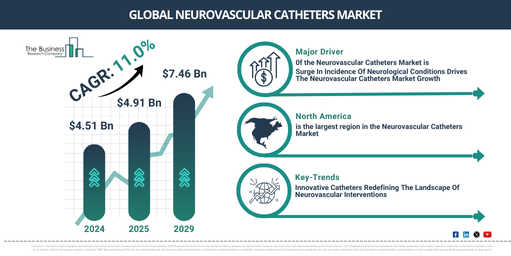
    There has been a significant increase in the stature of the neurovascular catheters market in the past few years. Estimates predict an upward movement from $4.51 billion in 2024 to $4.91 billion in 2025, indicating a compound annual growth rate (CAGR) of 8.8%. Several factors have led to this growth in the historical period, including an increase in enterprise paperwork, improvements in accuracy and recognition rates, the emergence of banking and financial services, the digitization of medical records, the requirements of the education sector, and cost-cutting initiatives.

    How Much Will the Neurovascular Catheters Market Be Worth in 2029?

    The market for neurovascular catheters is projected to experience a substantial increase in the coming years, reaching a value of $7.46 billion in 2029 with a compound annual growth rate (CAGR) of 11.0%. The predicted growth in this timeframe can be ascribed to a range of factors, such as the requirements for regulatory adherence, escalation in data analytics, broad-based industry uptake, augmented security elements, and eco-sustainability. Key trends anticipated during the forecast period encompass the automation of invoice processes, the adoption of cloud-based OCR solutions, the capability for multilingual OCR, the integration with robotic process automation, the extraction and analysis of data, as well as user-oriented interfaces and integrations.

    Download The Free Sample Report Here:

    https://www.thebusinessresearchcompany.com/sample.aspx?id=10382&type=smp

    Which is the Largest Company in the Neurovascular Catheters Market?

    Major companies operating in the neurovascular catheters market include Medtronic plc, Stryker Corporation, Integra Life Sciences Holdings Corporation, Penumbra Inc., Johnson & Johnson, Terumo Corporation, Acandis GmbH, Biomerics LLC, Zeus Industrial Products Inc., Spiegelberg GmbH & Co. KG, Zimmer Biomet Holdings Inc., Concentric Medical lnc., Raumedic AG, Olympus Corporation, Braun Melsungen AG, Integer Holdings Corporation, Imperative Care Inc., Balt LLC, DePuy Synthes Companies, Creganna-Tactx Medical, Phenox GmbH, Teleflex Incorporated, Microvention Inc., Boston Scientific Corporation, Cook Medical LLC, Cordis Corporation, Merit Medical Systems Inc., NeuroSigma Inc., Rapid Medical Ltd., Surtex Instruments Limited, Vascular Solutions Inc., W. L. Gore & Associates Inc., Abbott Laboratories

    What Are the Main Market Drivers in the Neurovascular Catheters Industry?

    The neurovascular catheter market is forecasted to grow due to an increase in neurological conditions. These conditions, which impact the brain, the nerves across the body, and the spinal cord, make use of neurovascular catheters for both diagnosis and treatment. These catheters intervene in the brain and intracranial areas during procedures involving neurovascular organs. The World Health Organization’s 2022 report, an organization based in Switzerland with a focus on public health, indicated that one out of four individuals over 25 years old is predicted to experience a stroke in their lifetime. Each year, it is estimated that 13.7 million individuals suffer from their first stroke, and about 5.5 million of them pass away because of it. Also, nearly 15 million people globally are impacted by hemorrhagic stroke, where a burst blood vessel results in intracranial bleeding. Thus, the increasing rate of neurological conditions fuels the expansion of the neurovascular catheter market.

    Request For A Customized Report:

    https://www.thebusinessresearchcompany.com/customise?id=10382&type=smp

    How Is the Neurovascular Catheters Market Segments Structured?

    The neurovascular catheters market covered in this report is segmented –

    1) By Type: Micro catheters, Balloon Catheters, Access Catheters, Embolization Catheters, Other Types

    2) By Application: Embolic Stroke, Brain Aneurysm, Arteriovenous Malformations, Other Applications

    3) By End-Use: Hospitals, Clinics, Ambulatory Surgical Centers, Diagnostic Centers

    Subsegments:

    1) By Micro Catheters: Steerable Micro Catheters, Non-steerable Micro Catheters

    2) By Balloon Catheters: Distal Balloon Catheters, Proximal Balloon Catheters

    3) By Access Catheters: Diagnostic Access Catheters, Interventional Access Catheters

    4) By Embolization Catheters: Soft Embolization Catheters, Stiff Embolization Catheters

    5) By Other Types: Coil Catheters, Reinforced Catheters, Hydrophilic Catheters

    What Strategic Trends Are Transforming the Neurovascular Catheters Market?

    Technological advancements are currently playing a crucial role in driving the neurovascular catheters market. To consolidate their market position, prominent companies in the market are exploring the development of innovative products. A perfect example of this trend is Bendit Technologies, an Israel-based innovative catheter manufacturer that launched Bendit21, a steerable micro-catheter for treating symptomatic internal carotid artery aneurysm in February 2022. Bendit21’s three-dimensional clinician-controlled maneuverability and separate control over catheter tip deflection are designed to provide access to challenging vascular sites such as coronary, peripheral, and neurovasculature. Furthermore, it transforms the complicated catheterization procedure into a simple step, ensuring quick and accurate outcomes.

    Access The Full Report Here:

    https://www.thebusinessresearchcompany.com/report/neurovascular-catheters-global-market-report

    Which Global Regions Offer the Highest Growth in the Neurovascular Catheters Market?

    North America was the largest region in the neurovascular catheters market in 2024. Asia-Pacific is expected to be the fastest-growing region in the global neurovascular catheters market during the forecast period. The regions covered in the neurovascular catheters market report are Asia-Pacific, Western Europe, Eastern Europe, North America, South America, Middle East, Africa

    Purchase The Full Report Today:

    https://www.thebusinessresearchcompany.com/purchaseoptions.aspx?id=10382

    This Report Delivers Insight On:

    1. How big is the neurovascular catheters market, and how is it changing globally?

    2. Who are the major companies in the neurovascular catheters market, and how are they performing?

    3. What are the key opportunities and risks in the neurovascular catheters market right now?

    4. Which products or customer segments are growing the most in the neurovascular catheters market?

    5. What factors are helping or slowing down the growth of the neurovascular catheters market?

    About The Business Research Company:

    With over 15000+ reports from 27 industries covering 60+ geographies, The Business Research Company has built a reputation for offering comprehensive, data-rich research and insights. Armed with 1,500,000 datasets, the optimistic contribution of in-depth secondary research, and unique insights from industry leaders, you can get the information you need to stay ahead in the game.

    Get in touch with us:

    The Business Research Company: https://www.thebusinessresearchcompany.com/

    Americas +1 3156230293

    Asia +44 2071930708

    Europe +44 2071930708

    Email us at info@tbrc.info

    Follow us on:

    LinkedIn: https://in.linkedin.com/company/the-business-research-company

    YouTube: https://www.youtube.com/channel/UC24_fI0rV8cR5DxlCpgmyFQ

    Global Market Model: https://www.thebusinessresearchcompany.com/global-market-model
  • Restorative Dentistry Market to Reach $21.85 Billion by 2029 | Key Drivers and Future Outlook

    Restorative Dentistry Market to Reach $21.85 Billion by 2029 | Key Drivers and Future Outlook

    Claim your 30% discount on Global Market Reports with code ONLINE30. Limited time only.

    What Is the Growth Rate of the Restorative Dentistry Market?

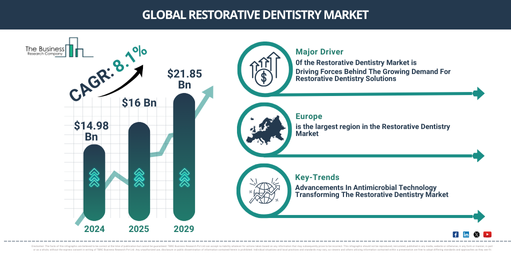
    In recent times, the market size of restorative dentistry has seen robust growth. Expansion from $14.98 billion in 2024 to $16 billion in 2025, reflecting a compound annual growth rate (CAGR) of 6.8%, is anticipated. Factors contributing to this growth during the historical period include the shift towards less invasive procedures, the dental requirements of an aging population, the increasing demand for implant dentistry, and customized treatment strategies.

    What Growth Rate Is Forecasted for the Restorative Dentistry Market by 2029?

    Significant expansion is anticipated in the restorative dentistry market in the upcoming years. The market is predicted to escalate to “$21.85 billion by 2029, experiencing a compound annual growth rate (CAGR) of 8.1%. Factors contributing to this expected growth during the forecast period include the adoption of regenerative dentistry methods, bespoke treatment schemes, tele-dentistry and distant consults, as well as an increase in dental health awareness and emphasis on preventive dentistry. The forecast period is also expected to witness several key trends like enhancements in dental materials, technological breakthroughs in procedures, emphasis on minimally invasive techniques and aesthetic dentistry, and a growing demand for implant dentistry.

    Download The Free Sample Report Here:

    https://www.thebusinessresearchcompany.com/sample.aspx?id=10493&type=smp

    Which Key Companies Are Shaping the Future of the Restorative Dentistry Market?

    Major companies operating in the restorative dentistry market include Dentsply Sirona Inc., 3M Company, Zimmer Biomet Holdings Inc., GC Corporation, Ivoclar Vivadent AG, Straumann Holding AG, Danaher Corporation, COLTENE Holding AG, Nobel Biocare Holding AG, Bisco Inc., Septodont Holding, Keystone Dental Inc., Osstem Implant Co Ltd., DMG Chemisch-Pharmazeutische Fabrik GmbH, Voco GmbH, Envista Holdings Corporation, Mitsui Chemicals Inc., BEGO GmbH & Co KG, Henry Schein Inc., DiaDent Group International, Ultradent Products Inc., Kuraray Noritake Dental Inc., Brasseler USA, Shofu Inc., SDI BUSINESS SERVICES INDIA PRIVATE LIMITED, Zhermack S.p.A., DENTAURUM GmbH & Co KG, Dental Technologies Inc., Paradise Dental Technologies Inc., Kerr Corporation, Premier Dental Products Co, Pentron Clinical Technologies LLC

    Which Factors Are Driving Demand in the Restorative Dentistry Industry?

    The surge in dental appointments is forecasted to fuel the expansion of the restorative dentistry market in the future. Dental appointments constitute planned visits to a dental facility to take advantage of dental and oral health-related treatments. Restorative dentistry aims to repair or replace damaged or missing teeth, enhancing overall mouth health and functionality. As an illustration, in October 2024, the Australian Institute of Health and Welfare, an Australian government agency, reported approximately 87,400 hospitalizations due to dental ailments in 2022–23, which could have been averted with appropriate timely treatment. Children between the ages of 5–9 years had the highest incidence of avoidable hospitalizations, at 12.3 per 1,000 population. Hence, the expansion in dental procedures is driving demand within the restorative dentistry market.

    Request For A Customized Report:

    https://www.thebusinessresearchcompany.com/customise?id=10493&type=smp

    How Is the Restorative Dentistry Market Segmented by Several Divisions?

    The restorative dentistry market covered in this report is segmented –

    1) By Product: Restorative Materials, Implants, Prosthetic Materials, Restorative Equipment

    2) By Application: Conservative And Endodontics, Implantology, Prosthodontics, Other Applications

    3) By End-User: Hospitals, Dental Clinics, Dental Institutes And Research Centers, Other End-Users

    Subsegments:

    1) By Restorative Materials: Dental Composites, Dental Cements, Dental Amalgams, Glass Ionomer Cements, Resin Ionomer Cements

    2) By Implants: Endosteal Implants, Subperiosteal Implants, Zygomatic Implants

    3) By Prosthetic Materials: Crowns, Bridges, Dentures, Veneers

    4) By Restorative Equipment: Dental Chairs, Light Curing Units, Impression Materials, CAD Or CAM Systems

    What are the Emerging Market Trends Driving the Growth of the Restorative Dentistry Industry?

    Leading businesses in the restorative dentistry sector are concentrating on technological innovations like antimicrobial technology, endeavoring to improve patient outcomes, decrease infection rates, and extend the durability of dental restorations. Antimicrobial technology plays a significant role in restorative dentistry by preventing infections and aiding the healing process of dental tissues, consequently leading to improved patient outcomes and extended lifespan of dental repairs. For instance, in February 2022, Nobio., a firm based in Israel specializing in antimicrobial technology, introduced infinix, a new range of advanced antimicrobial restorative materials. These include a bonding agent and the first-ever FDA-approved antimicrobial composites specifically created to tackle recurring decay. Infinitx, leveraging Nobio’s unique qasi technology, offers durable bacterial inhibition at restorative edges, effectively dealing with secondary caries and minimizing restoration failures in the restorative dentistry sector.

    Access The Full Report Here:

    https://www.thebusinessresearchcompany.com/report/restorative-dentistry-global-market-report

    Which Regions Are Driving Growth in the Restorative Dentistry Market?

    Europe was the largest region in the restorative dentistry market in 2024.Asia-Pacific is expected to be the fastest-growing region in the global restorative dentistry market report during the forecast period. The regions covered in the restorative dentistry market report are Asia-Pacific, Western Europe, Eastern Europe, North America, South America, Middle East, Africa

    Purchase The Full Report Today:

    https://www.thebusinessresearchcompany.com/purchaseoptions.aspx?id=10493

    This Report Delivers Insight On:

    1. How big is the restorative dentistry market, and how is it changing globally?

    2. Who are the major companies in the restorative dentistry market, and how are they performing?

    3. What are the key opportunities and risks in the restorative dentistry market right now?

    4. Which products or customer segments are growing the most in the restorative dentistry market?

    5. What factors are helping or slowing down the growth of the restorative dentistry market?

    About The Business Research Company:

    With over 15000+ reports from 27 industries covering 60+ geographies, The Business Research Company has built a reputation for offering comprehensive, data-rich research and insights. Armed with 1,500,000 datasets, the optimistic contribution of in-depth secondary research, and unique insights from industry leaders, you can get the information you need to stay ahead in the game.

    Get in touch with us:

    The Business Research Company: https://www.thebusinessresearchcompany.com/

    Americas +1 3156230293

    Asia +44 2071930708

    Europe +44 2071930708

    Email us at info@tbrc.info

    Follow us on:

    LinkedIn: https://in.linkedin.com/company/the-business-research-company

    YouTube: https://www.youtube.com/channel/UC24_fI0rV8cR5DxlCpgmyFQ

    Global Market Model: https://www.thebusinessresearchcompany.com/global-market-model