Author: Marketing Posting

  • Remicade Biosimilar Market Outlook 2025 – Insights for Executive and Strategic Planning

    Remicade Biosimilar Market Outlook 2025 – Insights for Executive and Strategic Planning

    Claim your 30% discount on Global Market Reports with code ONLINE30. Limited time only.

    How Has the Remicade Biosimilar Market Grown from 2024 to 2025?

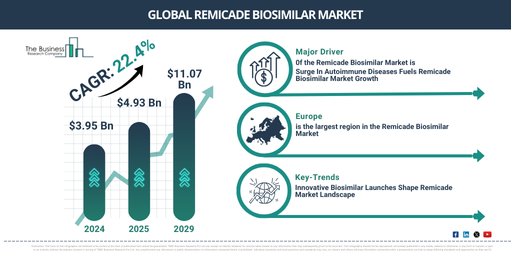
    The market size for remicade biosimilar has seen exponential expansion in the past few years. The forecast suggests that it will rise from a value of $3.95 billion in 2024 to $4.93 billion in 2025, marking a compound annual growth rate (CAGR) of 24.9%. Factors such as the launch of remicade (infliximab), advancements in biotechnology, the expiration of biologics patents, the establishment of regulatory pathways, and the pressure to decrease healthcare costs contributed to the historical growth of the market.

    What Growth Rate Is Anticipated for the Remicade Biosimilar Market in the Coming Years?

    In the forthcoming years, there’s a predicted surge in the remicade biosimilar market, which is set to expand to $11.07 billion by 2029 with a compound annual growth rate (CAGR) of 22.4%. This growth during the prediction period can be tied to factors such as patent expiry, increased call for affordable treatment, the advancement of biosimilars pipeline, strategies around reimbursement, and market amalgamation. Key trends likely to be seen in the estimated period include changes in physician prescribing habits, stewardship of biosimilar lifecycle, conventions in naming biosimilars, interchangeability of biosimilars, and the practical application of biosimilar evidence.

    Download The Free Sample Report Here:

    https://www.thebusinessresearchcompany.com/sample.aspx?id=11952&type=smp

    Who Are the Leading Companies in the Remicade Biosimilar Market?

    Major companies operating in the remicade biosimilar market include Novartis AG, Amgen Inc, Viatris Inc., Teva Pharmaceutical Industries Ltd., Biogen Inc., Merck And Co. Inc., LG Chem Ltd., Nippon Kayaku Co. Ltd., Celltrion Inc., Nichi-iko Pharmaceutical Co. Ltd., Biocon Limited, Alvotech S.A., MabPharm Ltd., Genor Biopharma Co. Ltd, Shanghai Biomabs Pharmaceuticals Co. Ltd., Samsung Bioepis Co. Ltd., Biocad Biopharmaceutical Co, EPIRUS Biopharmaceuticals Inc., Ranbaxy Laboratories Limited, BioXpress Therapeutics SA, Mabion S.A

    What Are the Key Drivers of the Remicade Biosimilar Market?

    The escalation in autoimmune diseases occurrence is anticipated to fuel the expansion of the remicade biosimilar market in the future. Autoimmune diseases are conditions wherein the body’s immune system erroneously assaults and harms its tissues and organs. Remicade biosimilars are utilized to treat autoimmune diseases by offering an effective solution to handle symptoms and alleviate inflammation connected to them. For instance, Public Health Scotland, a Scotland-based national entity, noted that in July 2023, the percentage of newly diagnosed multiple sclerosis (MS) patients rose to 87.2% in 2022, an increase from 85.7% in 2020, with 491 new diagnoses reported, bringing the total to 6,359 in 2022. Consequently, the escalating number of autoimmune diseases is contributing to the growing remicade biosimilar market.

    Request For A Customized Report:

    https://www.thebusinessresearchcompany.com/customise?id=11952&type=smp

    What Are the Key Market Segments in the Remicade Biosimilar Industry?

    The remicade biosimilar market covered in this report is segmented –

    1) By Type: 100mg/10ml, 500mg/50ml

    2) By Disease Indication: Ulcerative Colitis, Rheumatoid Arthritis, Ankylosing Spondylitis, Crohn’s Disease, Psoriatic Arthritis, Plaque Psoriasis

    3) By Application: Blood Disorders, Oncology Diseases

    Subsegments:

    1) By 100 Mg/10 Ml: Vials For Injection, Prefilled Syringes

    2) By 500 Mg/50 Ml: Vials For Injection, Prefilled Syringes

    What Are the Latest Trends in the Remicade Biosimilar Market?

    In the Remicade biosimilar market, a primary trending strategy is product innovation. Major participants in this market like Amgen Inc., a biotech firm based in the U.S, are inventing creative solutions to maintain their market stand. For example, in January 2023, Amgen introduced Amjevita, a biosimilar of AbbVie’s Humira, into the U.S. market. This alternative to Humira has been created with an aim to be just as safe and effective as the original. The launch of Amjevita, the first biosimilar to Humira, poses significant competition for market portion. The pharmaceutical is a biological drug used in the treatment of several autoimmune diseases such as rheumatoid arthritis and Crohn’s disease. Despite being among the priciest drugs globally, it alone brings in billions of annual sales for AbbVie. However, Amjevita is projected to be substantially cheaper, providing not just cost savings but also expanding treatment options for patients.

    Access The Full Report Here:

    https://www.thebusinessresearchcompany.com/report/remicade-biosimilar-global-market-report

    What Are the Key Regional Markets in the Remicade Biosimilar Industry?

    Europe was the largest region in the remicade biosimilar market in 2024. The regions covered in the remicade biosimilar market report are Asia-Pacific, Western Europe, Eastern Europe, North America, South America, Middle East, Africa.

    Purchase The Full Report Today:

    https://www.thebusinessresearchcompany.com/purchaseoptions.aspx?id=11952

    This Report Delivers Insight On:

    1. How big is the remicade biosimilar market, and how is it changing globally?

    2. Who are the major companies in the remicade biosimilar market, and how are they performing?

    3. What are the key opportunities and risks in the remicade biosimilar market right now?

    4. Which products or customer segments are growing the most in the remicade biosimilar market?

    5. What factors are helping or slowing down the growth of the remicade biosimilar market?

    About The Business Research Company:

    With over 15000+ reports from 27 industries covering 60+ geographies, The Business Research Company has built a reputation for offering comprehensive, data-rich research and insights. Armed with 1,500,000 datasets, the optimistic contribution of in-depth secondary research, and unique insights from industry leaders, you can get the information you need to stay ahead in the game.

    Get in touch with us:

    The Business Research Company: https://www.thebusinessresearchcompany.com/

    Americas +1 3156230293

    Asia +44 2071930708

    Europe +44 2071930708

    Email us at info@tbrc.info

    Follow us on:

    LinkedIn: https://in.linkedin.com/company/the-business-research-company

    YouTube: https://www.youtube.com/channel/UC24_fI0rV8cR5DxlCpgmyFQ

    Global Market Model: https://www.thebusinessresearchcompany.com/global-market-model
  • Neuromodulation Market Trends Report 2025 – For Business Development and Strategy Teams

    Neuromodulation Market Trends Report 2025 – For Business Development and Strategy Teams

    Claim your 30% discount on Global Market Reports with code ONLINE30. Limited time only.

    What Is the Forecast for the Neuromodulation Market Growth in 2025?

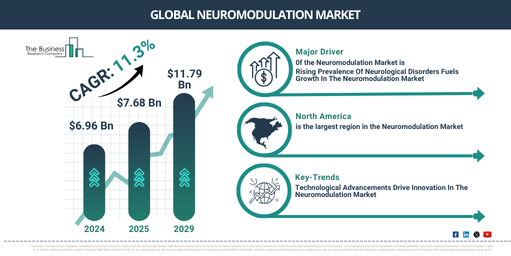
    There has been a rapid expansion in the size of the neuromodulation market in the preceding years. The market, valued at $6.96 billion in 2024, is predicted to escalate to $7.68 billion in 2025, demonstrating a compound annual growth rate (CAGR) of 10.3%. The historic period’s growth can be ascribed to an increased prevalence of chronic conditions, corroborating clinical research, patient preference for non-invasive treatment options, government-led initiatives and financial backing, widening usage indications, and strategic collaborations and partnerships.

    What Is the Forecast for the Neuromodulation Market Size Through 2029?

    The neuromodulation market is predicted to experience significant expansion in the coming years, with the market projected to reach a value of “$11.79 billion by 2029, reflecting a compound annual growth rate (CAGR) of 11.3%. The predicted growth in the forecast period is due to factors such as the miniaturization of devices, a growing emphasis on neurological disorders in the elderly, broadened uses in psychiatry, patient-centric methods, and enhanced global healthcare access. Key trends expected to shape the sector during the forecast period are the incorporation of artificial intelligence (AI), progress in technology, the introduction of non-invasive neuromodulation techniques, the development of closed-loop neuromodulation systems, widening of indications, and the emergence of wireless and wearable neuromodulation devices.

    Download The Free Sample Report Here:

    https://www.thebusinessresearchcompany.com/sample.aspx?id=10142&type=smp

    What are the Key Market Players in Neuromodulation Market and How They’re Evolving?

    Major companies operating in the neuromodulation market include Abbott Laboratories, Soterix Medical Inc., Boston Scientific Corporation, Medtronic plc, Synapse Biomedical Inc., Nevro Corp, Neuropace Inc., LivaNova PLC, Neurosigma Inc., Neuronetics Inc., Bioness Inc., Aleva Neurotherapeutics S.A., Integer Holdings Corporation, ReShape Lifesciences Inc., Inspire Medical Systems Inc., Bioventus LLC, Saluda Medical Pty Ltd, Otolith Labs Inc., Machine Medicine Inc., Inbrain Neuroelectronics SAS, Pixium Vision SA, Neuromod Devices Limited, Cognito Therapeutics Inc., PathMaker Neurosystems Inc., Dignify Therapeutics Inc., Neuronoff ApS, Neuros Medical Inc., Fisher & Paykel Healthcare Corporation Limited, Koninklijke Philips N.V., Magic Leap Inc., Omron Corporation

    What Are the Primary Growth Drivers in the Neuromodulation Market?

    The intensifying occurrence of neurological disorders is anticipated to drive the neuromodulation market’s expansion. Neurological disorders are fundamentally characterized as issues that influence the brain, along with nerves existing throughout the human body and the spinal cord. Neuromodulation offers the potential to treat and modify a variety of neurological disorders and diseases, including Parkinson’s and Alzheimer’s diseases. For example, as observed by the European Brain Council in April 2022, a coordinating international health organization based in Belgium, there were more than 600 neurological diseases, and almost 300 psychiatric conditions recorded. Globally, 50 million people were living with Alzheimer’s and other forms of dementia. Epilepsy, a common disorder, affected 65 million people worldwide. In Europe, dementia was found in 10.5 million individuals, projected to rise to 18.7 million by 2050. Therefore, the increasing occurrence of neurological disorders is fuelling the expansion of the neuromodulation market.

    Request For A Customized Report:

    https://www.thebusinessresearchcompany.com/customise?id=10142&type=smp

    What Are the Leading Segments in the Global Neuromodulation Industry?

    The neuromodulation market covered in this report is segmented –

    1) By Technology: Internal Neuromodulation, External Neuromodulation (Non-invasive)

    2) By Biomaterial: Polymeric Biomaterial, Metallic Biomaterial, Ceramic Biomaterial

    3) By Application: Chronic Pain, Urinary And Fecal Incontinence, Migraine, Failed Back Syndrome, Parkinson Disease, Epilepsy, Tremor, Depression, Other Applications

    4) By End-User: Hospitals, Clinics, Home Healthcare

    Subsegments:

    1) By Internal Neuromodulation: Implantable Devices, Intrathecal Drug Delivery Systems

    2) By External Neuromodulation (Non-invasive): Transcranial Magnetic Stimulation (TMS), Transcranial Direct Current Stimulation (tDCS), Transcutaneous Electrical Nerve Stimulation (TENS), Peripheral Nerve Stimulation (PNS)

    What Are the Key Market Trends in the Neuromodulation Industry?

    Rapid advancements in technology are becoming a prominent trend within the neuromodulation market. To consolidate their market stance, several key companies are investing in the development of innovative technical solutions. Take for example GrayMatters Health, an entity hailing from Israel that specializes in digital self-neuromodulation therapies. In January 2024, they unveiled Prism, an FDA-approved self-neuromodulation therapy for PTSD. This ground-breaking device, which blends an EEG cap with software, empowers patients to regulate their emotional reactions through neurofeedback. The inventive technology is aimed to enhance conventional psychotherapy and pharmacotherapy by providing patients with active symptom management tools. Furthermore, Abbott Laboratories, a US medical devices and healthcare firm, launched in December 2022 the Eterna spinal cord stimulation (SCS) system, which is the smallest implantable and rechargeable spinal cord stimulator on the market. The Eterna SCS uses Abbott’s unique low-dose BurstDR stimulation that holds the highest level of clinical proof (1A evidence). It has proven to augment pain relief by an additional 23% over regular waveform technology methods.

    Access The Full Report Here:

    https://www.thebusinessresearchcompany.com/report/neuromodulation-global-market-report

    What Is the Regional Outlook for the Neuromodulation Market?

    North America was the largest region in the neuromodulation market in 2024. The regions covered in the neuromodulation market report are Asia-Pacific, Western Europe, Eastern Europe, North America, South America, Middle East, Africa

    Purchase The Full Report Today:

    https://www.thebusinessresearchcompany.com/purchaseoptions.aspx?id=10142

    This Report Delivers Insight On:

    1. How big is the neuromodulation market, and how is it changing globally?

    2. Who are the major companies in the neuromodulation market, and how are they performing?

    3. What are the key opportunities and risks in the neuromodulation market right now?

    4. Which products or customer segments are growing the most in the neuromodulation market?

    5. What factors are helping or slowing down the growth of the neuromodulation market?

    About The Business Research Company:

    With over 15000+ reports from 27 industries covering 60+ geographies, The Business Research Company has built a reputation for offering comprehensive, data-rich research and insights. Armed with 1,500,000 datasets, the optimistic contribution of in-depth secondary research, and unique insights from industry leaders, you can get the information you need to stay ahead in the game.

    Get in touch with us:

    The Business Research Company: https://www.thebusinessresearchcompany.com/

    Americas +1 3156230293

    Asia +44 2071930708

    Europe +44 2071930708

    Email us at info@tbrc.info

    Follow us on:

    LinkedIn: https://in.linkedin.com/company/the-business-research-company

    YouTube: https://www.youtube.com/channel/UC24_fI0rV8cR5DxlCpgmyFQ

    Global Market Model: https://www.thebusinessresearchcompany.com/global-market-model
  • Respiratory Protection Equipment Market Size to Exceed $16.44 Billion by 2029 | Growth and Industry Trends

    Respiratory Protection Equipment Market Size to Exceed $16.44 Billion by 2029 | Growth and Industry Trends

    Claim your 30% discount on Global Market Reports with code ONLINE30. Limited time only.

    How Has the Respiratory Protection Equipment Market Grown from 2024 to 2025?

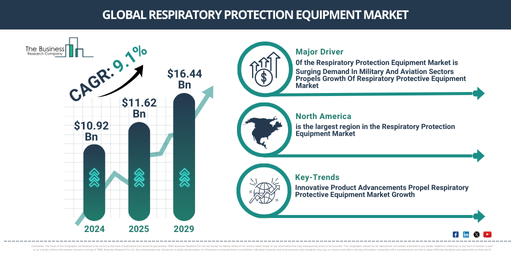
    Recent years have seen robust growth in the market for respiratory protection equipment, as its size is projected to increase from $10.92 billion in 2024 to $11.62 billion in 2025, demonstrating a compound annual growth rate (CAGR) of 6.4%. Factors such as the surge in cancer cases, a growing elderly population, the need for precision medicine, a preference among patients for less invasive procedures, and progress in radiotherapy have contributed to the market’s growth during the historical period.

    What Growth Rate Is Anticipated for the Respiratory Protection Equipment Market in the Coming Years?

    Anticipations are high for robust growth in the respiratory protection equipment market in the coming years, with projections reaching $16.44 billion by 2029, thanks to a compound annual growth rate (CAGR) of 9.1%. The growth during the predicted period can be linked to several factors like the escalating global cancer burden, progress in oncology research, increased healthcare accessibility, enhanced awareness and education, and comprehensive multidisciplinary approaches. The forecast period will also see trends such as the rising incorporation of proton therapy, a shift towards outpatient and stand-alone facilities, a focus on patient-oriented treatment plans, expanding clinical evidence and research, as well as the adoption of telemedicine and remote treatment planning.

    Download The Free Sample Report Here:

    https://www.thebusinessresearchcompany.com/sample.aspx?id=10722&type=smp

    Who Are the Leading Companies in the Respiratory Protection Equipment Market?

    Major companies operating in the respiratory protection equipment market include 3M Company, Bullard Company, Honeywell International Inc., DuPont de Nemours Inc., Ansell Ltd., Delta Plus Group, Intech Safety Pvt Ltd., MSA Safety Incorporated, ILC Dover LP, Avon Protection plc, Kimberly-Clark Worldwide Inc., Uvex Group, Gentex Corporation, Moldex-Metric INC., Dragerwerk AG And Co. KGaA, Scandia Gear Europe B.V., Imbema Cleton BV, Alpha ProTech Engineered Products Inc., Jayco Safety Products Pvt. Ltd., Lakeland Industries Inc., Venus Safety & Health Pvt. Ltd., North Safety Co.Ltd., Ocenco Inc., Polison Corporation, Prestige Ameritech company, RPB Safety LLC, Scott Safety, Shigematsu Works Co. Ltd., Sundström Safety AB, The Gerson Company, The Safety Zone LLC

    What Are the Key Drivers of the Respiratory Protection Equipment Market?

    The expansion of the respiratory protective equipment market is anticipated to be driven by the escalating requirement from the military and aviation sectors. These sectors encompass industries that focus on the production, development, and upkeep of military hardware and aircraft. The military sector handles a nation’s defense and security operations, whereas the aviation sector undertakes aircraft designing, manufacturing, operations, and maintenance. Respiratory protective equipment (RPE) is widely used for protection against diverse respiratory dangers in military operations. In the aviation sector, it finds usage for various activities like emergency handling and firefighting. This equipment safeguards against threats like chemical, biological, radiological, and nuclear hazards and is crucial in combat and military operations. Therefore, these factors stimulate the respiratory protective equipment market’s growth. For instance, Statistics Canada reported in March 2022 that major Canadian airlines carried 2.6 million passengers on charter and scheduled flights in 2022, a figure more than three times the count of 2021. Moreover, in February 2023, the Government Digital Service in the UK reported that security export sales for 2021 were $10.30 billion (£8.22 billion), and the UK secured defense orders amounting to $8.32 billion (£6.64 billion) the same year. Hence, the mounting requirement from the military and aviation sectors promotes the expansion of the respiratory protective equipment market.

    Request For A Customized Report:

    https://www.thebusinessresearchcompany.com/customise?id=10722&type=smp

    What Are the Key Market Segments in the Respiratory Protection Equipment Industry?

    The respiratory protection equipment market covered in this report is segmented –

    1) By Product: Air Purifying Respirators (APR), Supplied Air Respirators

    2) By Filter Type: Particle, Gas And Vapor, Compiled Filters

    3) By Distribution Channel: Direct And institutional Sales, Retail Sales

    4) By End-User: Oil And Gas, Fire Services, Petrochemical And Chemical, Industrial, Pharmaceuticals, Construction, Healthcare, Mining, Other End-Users

    Subsegments:

    1) By Air Purifying Respirators (APR): Half Face Masks, Full Face Masks, Powered Air-Purifying Respirators, Disposable Respirators

    2) By Supplied Air Respirators: Continuous Flow Supplied Air Respirators, Pressure-Demand Supplied Air Respirators, Combination Respirators

    What Are the Latest Trends in the Respiratory Protection Equipment Market?

    The principal development making waves in the respiratory protective equipment scope is product innovation. Well-established businesses in the sector are rolling out inventive products to solidify their cut in the market. For instance, Honeywell International Inc., a conglomerate hailing from the United States, unveiled two new NIOSH-approved respirators, specifically the N95 respirator (DC365 Small Surgical N95 Respirator) and a pioneering half-mask respirator (RU8500X series), in May 2022. These masks were specifically brought to market to support healthcare professionals in fulfilling their requirements. The newly launched half-mask respirator with its filtering feature, is designed to fit comfortably for healthcare staff’s long-term use. These new launches amplify Honeywell’s impressive roster of personal protective equipment, and contribute to creating a safer environment, more aptly designed to fortify human health. Also, such a reusable respirator provides a high-caliber of protection (99.9%) and safeguards both the wearer and those in their vicinity, due to its exhalation valve coupled with a HEPA P100 filter.

    Access The Full Report Here:

    https://www.thebusinessresearchcompany.com/report/respiratory-protection-equipment-global-market-report

    What Are the Key Regional Markets in the Respiratory Protection Equipment Industry?

    North America was the largest region in the respiratory protection equipment market in 2024.Asia-Pacific is expected to be the fastest-growing region in the global respiratory protection equipment market report during the forecast period. The regions covered in the respiratory protection equipment market report are Asia-Pacific, Western Europe, Eastern Europe, North America, South America, Middle East, Africa.

    Purchase The Full Report Today:

    https://www.thebusinessresearchcompany.com/purchaseoptions.aspx?id=10722

    This Report Delivers Insight On:

    1. How big is the respiratory protection equipment market, and how is it changing globally?

    2. Who are the major companies in the respiratory protection equipment market, and how are they performing?

    3. What are the key opportunities and risks in the respiratory protection equipment market right now?

    4. Which products or customer segments are growing the most in the respiratory protection equipment market?

    5. What factors are helping or slowing down the growth of the respiratory protection equipment market?

    About The Business Research Company:

    With over 15000+ reports from 27 industries covering 60+ geographies, The Business Research Company has built a reputation for offering comprehensive, data-rich research and insights. Armed with 1,500,000 datasets, the optimistic contribution of in-depth secondary research, and unique insights from industry leaders, you can get the information you need to stay ahead in the game.

    Get in touch with us:

    The Business Research Company: https://www.thebusinessresearchcompany.com/

    Americas +1 3156230293

    Asia +44 2071930708

    Europe +44 2071930708

    Email us at info@tbrc.info

    Follow us on:

    LinkedIn: https://in.linkedin.com/company/the-business-research-company

    YouTube: https://www.youtube.com/channel/UC24_fI0rV8cR5DxlCpgmyFQ

    Global Market Model: https://www.thebusinessresearchcompany.com/global-market-model
  • Rare Neurological Disease Treatment Market Trends Report 2025 – For Business Development and Strategy Teams

    Rare Neurological Disease Treatment Market Trends Report 2025 – For Business Development and Strategy Teams

    Claim your 30% discount on Global Market Reports with code ONLINE30. Limited time only.

    What Is the Forecast for the Rare Neurological Disease Treatment Market Growth in 2025?

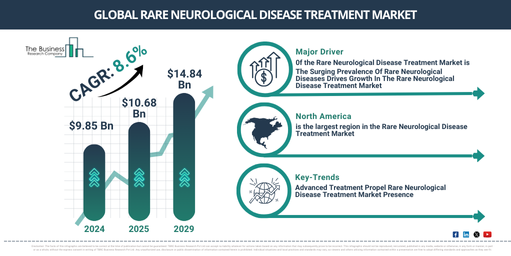
    The market size for treatment of uncommon neurological disorders has seen robust growth in the past few years. This market is set to expand from $9.85 billion in 2024 to $10.68 billion in 2025, exhibiting a compound annual growth rate (CAGR) of 8.4%. Factors contributing to the growth during the historical period include the use of biosimilars in the treatment of rare diseases, the worldwide expansion of clinical trials, healthcare reimbursement policies, orphan drug designations, and advancements in the field of genetic research.

    What Is the Forecast for the Rare Neurological Disease Treatment Market Size Through 2029?

    The market size for treating rare neurological diseases is predicted to experience robust growth in the upcoming years. It is projected to reach a value of $14.84 billion in 2029, with a Compound Annual Growth Rate (CAGR) of 8.6%. The anticipated growth over the forecast period can be credited to advancements in diagnostic tools, precision medical practices, the development of drugs focused on patient needs, the incorporation of real-world evidence, patient support through telemedicine, and a shift towards personalized therapies. The future trends for this period involve technological breakthroughs, AI’s use in drug discovery, use of blockchain for data protection, and application of machine learning in drug discovery.

    Download The Free Sample Report Here:

    https://www.thebusinessresearchcompany.com/sample.aspx?id=12146&type=smp

    What are the Key Market Players in Rare Neurological Disease Treatment Market and How They’re Evolving?

    Major companies operating in the rare neurological disease treatment market include Pfizer Inc., Johnson & Johnson Services Inc., F. Hoffmann-La Roche Ltd, Bayer AG, Merck & Co. Inc., AbbVie Inc., Novartis AG, Sanofi-Aventis SA, Bristol-Myers Squibb Company, AstraZeneca PLC, GlaxoSmithKline PLC, Takeda Pharmaceutical Company Limited, Medtronic PLC, Teva Pharmaceutical Industries Ltd., CSL Limited, Biogen Inc., UCB S.A., Eisai Co. Ltd., Otsuka Pharmaceutical Co. Ltd., Jazz Pharmaceuticals PLC, Mitsubishi Tanabe Pharma Corporation, Neurocrine Biosciences Inc., Kedrion Biopharma Inc., Merz Pharma GmbH & Co. KGaA, Harmony Biosciences Holdings Inc., Amicus Therapeutics Inc., Revance Therapeutics Inc., Aquestive Therapeutics Inc., US WorldMeds LLC (Solstice Neurosciences LLC), Stoke Therapeutics Inc., Retrotope Inc.

    What Are the Primary Growth Drivers in the Rare Neurological Disease Treatment Market?

    The growth of the rare neurological disease treatment market is predicted to be driven by the rising occurrence of uncommon neurological disorders. These disorders, with low prevalence rates, include ailments like Huntington’s disease, Rett syndrome, ALS (amyotrophic lateral sclerosis), and multiple types of muscular dystrophy. Dealing with such rare neurological ailments necessitates a range of strategies to manage symptoms, slow the progression of the disease, and enhance the quality of life for those living with these conditions. An example can be seen in a report from BioMed Central Ltd., a UK-based open-access scientific journal publisher that recorded the combined prevalence of Rett syndrome in January 2023 as 7.1 per 100,000 women within an accumulated sample of 9.57 million women, confirming 673 cases. Consequently, the incidence of such rare neurological disorders is bolstering the growth of the treatment market for these diseases.

    Request For A Customized Report:

    https://www.thebusinessresearchcompany.com/customise?id=12146&type=smp

    What Are the Leading Segments in the Global Rare Neurological Disease Treatment Industry?

    The rare neurological disease treatment market covered in this report is segmented –

    1) By Drug Type: Biologics, Small Molecules

    2) By Therapy: Cognitive Behavioral Therapy, Interpersonal Psychotherapy, Cyberknife, Other Therapies

    3) By Mode Of Administration: Oral, Injectable, Other Modes Of Administration

    4) By Disorders: Aicardi Syndrome, Aicardi-Goutières Syndrome, Reflex Sympathetic Dystrophy Syndrome, Battaglia-Neri Syndrome, Creutzfeldt Jakob Disease, Agnosia, Other Disorders

    5) By Distribution Channel: Hospital Pharmacies, Retail Pharmacies And Drug Store, Online Pharmacies

    Subsegments:

    1) By Biologics: Monoclonal Antibodies, Gene Therapies, Recombinant Proteins

    2) By Small Molecules: Targeted Small Molecules, Neuroprotective Agents, Anti-inflammatory Small Molecules

    What Are the Key Market Trends in the Rare Neurological Disease Treatment Industry?

    The trend of developing orphan drugs is gaining significant traction and popularity in the treatment market for rare neurological diseases. Numerous major companies involved in the sector of rare neurological disease treatment are striving towards the innovation and specialization of treatments as a means to consolidate their market presence. To illustrate this, Orphalan SA, a French company specializing in orphan drug development, launched its novel trientine tetrahydrochloride (TETA-4HCl), Cuvrior, into the European market in April 2023. The drug is currently commercially available for the treatment of adult patients diagnosed with the stable form of Wilson’s disease who have previously undergone copper reduction therapy and demonstrated a tolerance to D-penicillamine. It’s worth noting that the drug received the green light from the United States Food and Drug Administration (FDA) and was given orphan drug exclusivity (ODE) in April 2022 for this specific patient demographic.

    Access The Full Report Here:

    https://www.thebusinessresearchcompany.com/report/rare-neurological-disease-treatment-global-market-report

    What Is the Regional Outlook for the Rare Neurological Disease Treatment Market?

    North America was the largest region in the rare neurological diseases treatment market in 2024. Asia-Pacific is expected to be the fastest-growing region in the forecast period. The regions covered in the rare neurological disease treatment market report are Asia-Pacific, Western Europe, Eastern Europe, North America, South America, Middle East, Africa.

    Purchase The Full Report Today:

    https://www.thebusinessresearchcompany.com/purchaseoptions.aspx?id=12146

    This Report Delivers Insight On:

    1. How big is the rare neurological disease treatment market, and how is it changing globally?

    2. Who are the major companies in the rare neurological disease treatment market, and how are they performing?

    3. What are the key opportunities and risks in the rare neurological disease treatment market right now?

    4. Which products or customer segments are growing the most in the rare neurological disease treatment market?

    5. What factors are helping or slowing down the growth of the rare neurological disease treatment market?

    About The Business Research Company:

    With over 15000+ reports from 27 industries covering 60+ geographies, The Business Research Company has built a reputation for offering comprehensive, data-rich research and insights. Armed with 1,500,000 datasets, the optimistic contribution of in-depth secondary research, and unique insights from industry leaders, you can get the information you need to stay ahead in the game.

    Get in touch with us:

    The Business Research Company: https://www.thebusinessresearchcompany.com/

    Americas +1 3156230293

    Asia +44 2071930708

    Europe +44 2071930708

    Email us at info@tbrc.info

    Follow us on:

    LinkedIn: https://in.linkedin.com/company/the-business-research-company

    YouTube: https://www.youtube.com/channel/UC24_fI0rV8cR5DxlCpgmyFQ

    Global Market Model: https://www.thebusinessresearchcompany.com/global-market-model
  • Market Analysis on Neural Network Software Industry – Insights for Corporate Strategy and R&D

    Market Analysis on Neural Network Software Industry – Insights for Corporate Strategy and R&D

    Claim your 30% discount on Global Market Reports with code ONLINE30. Limited time only.

    What Is the Forecast for the Neural Network Software Market from 2024 to 2025?

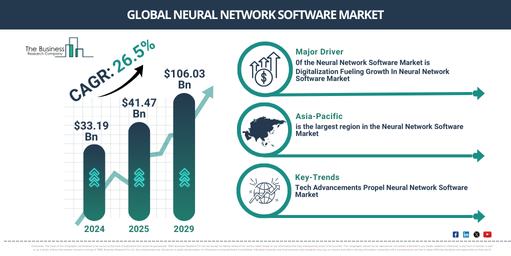
    The market size of neural network software has seen a rapid expansion in the past few years. It is projected to climb from $33.19 billion in 2024 to $41.47 billion in 2025, with a compound annual growth rate (CAGR) of 25.0%. The previous growth can be credited to factors like the expansion of big data analytics, the surge of artificial intelligence (ai), improved awareness and education, advancement in hardware technology, the rise of deep learning and the introduction of industry-specific applications.

    What Is the Projected Market Size of the Neural Network Software Market?

    Expectations for the neural network software market size predict a significant surge in the coming years. A size of $106.03 billion is forecasted to be reached in 2029, experiencing a compound annual growth rate (CAGR) of 26.5%. Factors contributing to the growth during the forecast period include the integration of edge computing, the rising curve of IoT, Explainable AI (XAI), the broadening of autonomous systems, and ongoing model improvements. The forecast period also anticipates trends such as the rapid growth in deep learning, the rise of automatic machine learning (AutoML), transfer learning and pre-existing models, advancements in Natural Language Processing (NLP) and a multiplicity in neural network configurations.

    Download The Free Sample Report Here:

    https://www.thebusinessresearchcompany.com/sample.aspx?id=10064&type=smp

    Who are the Major Competitors in the Neural Network Software Market Outlook?

    Major companies operating in the neural network software market include Google LLC, Microsoft Corporation, Intel Corporation, IBM Corporation, Alyuda Research LLC, Neural Technologies Limited, Starmind International AG, Ward Systems Group Inc., Afiniti Ltd., NVIDIA Corporation, Oracle Corporation, Qualcomm Technologies Inc., GMDH Inc., Amazon.com Inc., Meta Platforms Inc., Cognex Corporation, BrainChip Holdings Ltd., Skymind Inc., Sentient Technologies, Vicarious, General Vision Inc., Darktrace Limited, Ayasdi Inc., Numenta Inc., Preferred Networks Inc., AIBrain AB, Fluid AI Inc., Clarifai Inc., Squirrel AI Inc., Darwin AI

    What Is Fueling Growth in the Neural Network Software Market?

    The increasing need for digital transformation is anticipated to accelerate the expansion of the neural network software market. Digitalisation involves converting tangible, paper-based records and documents into digital equivalents. With the continued shift of numerous industries and businesses towards digitalisation, there is a surge in data production. The presence of big data and the evolution of high-performance computing systems facilitate the broader application of neural network software. For example, a report issued by the Digital Economy and Society Index (DESI) in December 2022 showed that about 55% of small and medium enterprises (SMEs) demonstrated a decent degree of digital proficiency in their operations, whereas 38% of firms utilised electronic platforms for data sharing. Hence, the escalating demand for digitalisation fosters the progress of the neural network software market.

    Request For A Customized Report:

    https://www.thebusinessresearchcompany.com/customise?id=10064&type=smp

    Which Neural Network Software Market Segments Are Growing the Fastest?

    The neural network software market covered in this report is segmented –

    1) By Type: Data Mining And Archiving, Analytical Software, Optimization Software, Visualization Software, Other Types

    2) By Component: Artificial Neural Network, Deep Neural Network, Services, Platform, Other Components

    3) By End User: BFSI, Healthcare, Telecom And IT, Transportation, Other End Users

    Subsegments:

    1) By Data Mining and Archiving: Data Preparation Tools, Data Warehousing Solutions, ETL (Extract, Transform, Load) Tools

    2) By Analytical Software: Predictive Analytics Tools, Statistical Analysis Software, Machine Learning Platforms

    3) By Optimization Software: Linear Programming Tools, Constraint Programming Tools, Heuristic And Metaheuristic Algorithms

    4) By Visualization Software: Dashboard And Reporting Tools, Data Visualization Platforms, Geographic Information Systems (GIS)

    5) By Other Types: Simulation Software, Neural Network Frameworks, Specialized AI Software Solutions

    Which Industry Trends Are Shaping the Future of the Neural Network Software Market?

    Key technological advancements are becoming increasingly prevalent trends within the neural network software market. Firms in this sector are leveraging new technologies to maintain their market standing. For instance, Open AI, a renowned artificial intelligence research organization based in the U.S., launched GPT-4 in March 2023. This innovative natural language processing model utilizes deep neural network architecture and allows image and text input to generate text outputs. GPT-4 has reached human-level performance in numerous academic and professional benchmarks. Furthermore, GPT-4 exhibits the ability to tackle complex and unique problems in various fields such as mathematics, programming, vision, law, medicine, psychology among others.

    Access The Full Report Here:

    https://www.thebusinessresearchcompany.com/report/neural-network-software-global-market-report

    Which Countries Are Leading the Neural Network Software Market?

    Asia-Pacific was the largest region in the Neural network software market in 2024.Asia-Pacific is expected to be the fastest-growing region in the global neural network software market report during the forecast period. The regions covered in the neural network software market report are Asia-Pacific, Western Europe, Eastern Europe, North America, South America, Middle East, Africa

    Purchase The Full Report Today:

    https://www.thebusinessresearchcompany.com/purchaseoptions.aspx?id=10064

    This Report Delivers Insight On:

    1. How big is the neural network software market, and how is it changing globally?

    2. Who are the major companies in the neural network software market, and how are they performing?

    3. What are the key opportunities and risks in the neural network software market right now?

    4. Which products or customer segments are growing the most in the neural network software market?

    5. What factors are helping or slowing down the growth of the neural network software market?

    About The Business Research Company:

    With over 15000+ reports from 27 industries covering 60+ geographies, The Business Research Company has built a reputation for offering comprehensive, data-rich research and insights. Armed with 1,500,000 datasets, the optimistic contribution of in-depth secondary research, and unique insights from industry leaders, you can get the information you need to stay ahead in the game.

    Get in touch with us:

    The Business Research Company: https://www.thebusinessresearchcompany.com/

    Americas +1 3156230293

    Asia +44 2071930708

    Europe +44 2071930708

    Email us at info@tbrc.info

    Follow us on:

    LinkedIn: https://in.linkedin.com/company/the-business-research-company

    YouTube: https://www.youtube.com/channel/UC24_fI0rV8cR5DxlCpgmyFQ

    Global Market Model: https://www.thebusinessresearchcompany.com/global-market-model

  • Market Analysis on Rare Kidney Diseases Industry – Insights for Corporate Strategy and R&D

    Market Analysis on Rare Kidney Diseases Industry – Insights for Corporate Strategy and R&D

    Claim your 30% discount on Global Market Reports with code ONLINE30. Limited time only.

    What Is the Forecast for the Rare Kidney Diseases Market from 2024 to 2025?

    The market size for rare kidney diseases has seen rapid expansion in the recent past. Predictions show an increase from $2.76 billion in 2024 to $3.06 billion in 2025, indicating a compound annual growth rate (CAGR) of 10.6%. The substantial growth during the historical period can be credited to better disease identification, the designation of orphan drugs, patient advocacy and awareness initiatives, as well as enhanced global research collaborations.

    What Is the Projected Market Size of the Rare Kidney Diseases Market?

    Anticipated to expand swiftly in the forthcoming years, the market size of rare kidney diseases is predicted to reach a mark of $4.49 billion by 2029, with a Compound Annual Growth Rate (CAGR) of 10.1%. The upswing during the projected period can be credited to the advent of gene therapies, augmented investments in research pertaining to rare diseases, an increase in collaboration among stakeholders, along with universal drives for rare diseases. The chief trends in the forthcoming period are expected to comprise a focus on patient-oriented strategies, the application of real-world data and evidence, advancements in regulatory systems, the incorporation of telemedicine and remote surveillance, along with initiatives for global health.

    Download The Free Sample Report Here:

    https://www.thebusinessresearchcompany.com/sample.aspx?id=11908&type=smp

    Who are the Major Competitors in the Rare Kidney Diseases Market Outlook?

    Major companies operating in the rare kidney diseases market include Merck & Co. Inc., Novartis AG, Sanofi S.A, AstraZeneca plc, Otsuka Pharmaceutical Co Ltd., Alexion Pharmaceuticals Inc., Horizon Therapeutics plc., Recordati S.p.A., Amicus Therapeutics Inc., Akebia Therapeutics Inc., Travere Therapeutics, FibroGen Inc., Aurinia Pharmaceuticals Inc., Calliditas Therapeutics AB, Apellis Pharmaceuticals Inc., Protalix Biotherapeutics Inc., ChemoCentryx Inc., Omeros Corporation, Celtaxsys Inc., Corbus Pharmaceuticals Holdings Inc., Chinook Therapeutics Inc., OxThera AB, Advicenne Pharma SA, Reata Pharmaceuticals Inc., Savara Inc.

    What Is Fueling Growth in the Rare Kidney Diseases Market?

    The advancement of the rare kidney disease market is anticipated to be driven by government initiatives and monetary support for kidney conditions. These initiatives and financing are forms of public financial assistance provided to selected parties with proposals or initiatives that enhance the standard of public services and stimulate the economy. Government support for kidney disorders is provided to bolster disease monitoring and enhance the life quality of those living with a variety of kidney diseases. This is accomplished through a comprehensive public health strategy that involves numerous public health organizations and national entities. For example, in July 2022, the United States House Committee on Appropriations, a committee working within the House of Representatives, introduced several investment schemes to improve kidney health. The program allotted $8.5 million to the Centers for Disease Control and Prevention’s (CDC) chronic kidney disease program, allowing it to enhance activities aimed at raising awareness, diagnosis, and treatment of kidney disease. Furthermore, a live donation investment of $1 million was contributed to the National Living Donor Assistance Center, resulting in a total of $8 million in continuous investment in innovation and research. As a consequence, government initiatives and support for kidney conditions are encouraging the expansion of the rare kidney disease market.

    Request For A Customized Report:

    https://www.thebusinessresearchcompany.com/customise?id=11908&type=smp

    Which Rare Kidney Diseases Market Segments Are Growing the Fastest?

    The rare kidney diseases market covered in this report is segmented –

    1) By Target Indication: IgA Nephropathy, Lupus Nephritis, Focal Segmental Glomerular Sclerosis, Membranous Nephropathy, C3 Glomerulopathy, Other Target Indications

    2) By Type Of Molecule: Small Molecules, Biologics

    3) By Route Of administration: Oral, Intravenous, Subcutaneous, Other Routes Of Administration

    Subsegments:

    1) By IgA Nephropathy: Immunosuppressive Therapy, Supportive Care And Symptomatic Management

    2) By Lupus Nephritis: Corticosteroids, Antimalarial Agents, Biologics

    3) By Focal Segmental Glomerular Sclerosis (FSGS): Corticosteroids, Angiotensin Receptor Blockers (ARBs), Other Immunosuppressive Agents

    4) By Membranous Nephropathy: Corticosteroids, Immunosuppressive Therapy, Monoclonal Antibodies

    5) By C3 Glomerulopathy: Complement Inhibitors, Supportive Care, Immunosuppressive Therapies

    6) By Other Target Indications: Alport Syndrome, Thin Basement Membrane Nephropathy, Other Rare Kidney Disorders

    Which Industry Trends Are Shaping the Future of the Rare Kidney Diseases Market?

    The trend of product innovation is garnering increasing attention in the rare kidney disease market. Key market leaders are focusing on devising innovative products to solidify their market standing. As an example, STADA Arzneimittel AG, a Germany-based firm engaged in generics, speciality pharma, and over-the-counter consumer health products, launched Kinpeygo (budesonide) in September 2022. This marks the first treatment for the rare kidney disease immunoglobulin A nephropathy (IgAN) authorized in the EU. These modified-release budesonide capsules remain the lone approved treatment for primary IgAN, a scarcely occurring, advancing autoimmune kidney disease that poses high unmet needs. It is important to note that approximately 25%-30% of patients ultimately suffer from terminal kidney deficiency, necessitating dialysis or a kidney transplant.

    Access The Full Report Here:

    https://www.thebusinessresearchcompany.com/report/rare-kidney-diseases-global-market-report

    Which Countries Are Leading the Rare Kidney Diseases Market?

    North America was the leading region in the rare kidney disease market in 2024. The regions covered in the rare kidney diseases market report are Asia-Pacific, Western Europe, Eastern Europe, North America, South America, Middle East, Africa.

    Purchase The Full Report Today:

    https://www.thebusinessresearchcompany.com/purchaseoptions.aspx?id=11908

    This Report Delivers Insight On:

    1. How big is the rare kidney diseases market, and how is it changing globally?

    2. Who are the major companies in the rare kidney diseases market, and how are they performing?

    3. What are the key opportunities and risks in the rare kidney diseases market right now?

    4. Which products or customer segments are growing the most in the rare kidney diseases market?

    5. What factors are helping or slowing down the growth of the rare kidney diseases market?

    About The Business Research Company:

    With over 15000+ reports from 27 industries covering 60+ geographies, The Business Research Company has built a reputation for offering comprehensive, data-rich research and insights. Armed with 1,500,000 datasets, the optimistic contribution of in-depth secondary research, and unique insights from industry leaders, you can get the information you need to stay ahead in the game.

    Get in touch with us:

    The Business Research Company: https://www.thebusinessresearchcompany.com/

    Americas +1 3156230293

    Asia +44 2071930708

    Europe +44 2071930708

    Email us at info@tbrc.info

    Follow us on:

    LinkedIn: https://in.linkedin.com/company/the-business-research-company

    YouTube: https://www.youtube.com/channel/UC24_fI0rV8cR5DxlCpgmyFQ

    Global Market Model: https://www.thebusinessresearchcompany.com/global-market-model

  • Nephrology Drugs Market Outlook 2025 – Insights for Executive and Strategic Planning

    Nephrology Drugs Market Outlook 2025 – Insights for Executive and Strategic Planning

    Claim your 30% discount on Global Market Reports with code ONLINE30. Limited time only.

    How Has the Nephrology Drugs Market Grown from 2024 to 2025?

    The market for nephrology drugs has seen substantial growth in recent years, and its size is projected to expand from $16.88 billion in 2024 to $17.86 billion in 2025, a compound annual growth rate (CAGR) of 5.8%. The historical growth in this sector can be credited to a number of factors, including an increase in the prevalence of chronic kidney diseases (CKD), advancements in the process of drug development, increased public awareness and medical diagnoses, government efforts, and amendments to healthcare policies, as well as a rising incidence associated with diabetes.

    What Growth Rate Is Anticipated for the Nephrology Drugs Market in the Coming Years?

    The market size for nephrology drugs is projected to experience significant expansion in the upcoming years, reaching “$23.04 billion by 2029, with a compound annual growth rate (CAGR) of 6.6%. This projected growth during the forecast period can be accredited to factors such as the development of new therapies and drug innovations, the rise of precision medicine and tailor-made treatment methods, an increase in healthcare spending, the introduction of telehealth and remote patient observation, along with global health initiatives. Noteworthy trends anticipated within the forecast period encompass collaborations and partnerships, technological progress in dialysis, advancements in treatment methods, a growing focus on early diagnosis and intervention, and the incorporation of technology in nephrology management.

    Download The Free Sample Report Here:

    https://www.thebusinessresearchcompany.com/sample.aspx?id=10076&type=smp

    Who Are the Leading Companies in the Nephrology Drugs Market?

    Major companies operating in the nephrology drugs market include AstraZeneca plc, AbbVie Inc., Akebia Therapeutics Inc., Amgen Inc., F. Hoffmann-La Roche AG, FibroGen Inc., Johnson And Johnson, Pfizer Inc., GlaxoSmithKline plc, Teva Pharmaceutical Industries Limited, Boehringer Ingelheim International GmbH, Reata Pharmaceuticals Inc., Ardelyx Inc., Novo Nordisk A/S, Novartis AG, Baxter International Inc., Bristol Myers Squibb Company, Kissei Pharmaceutical Co. Ltd., Kyowa Kirin Co. Ltd., Mallinckrodt Pharmaceuticals, OPKO Health Inc., Sanofi S.A., Takeda Pharmaceutical Company Limited, Vifor Pharma Group, Bayer AG, Amicus Therapeutics, Chugai Pharmaceutical Co. Ltd., Otsuka Pharmaceutical Co. Ltd., Mylan N.V., Endo Pharmaceuticals plc

    What Are the Key Drivers of the Nephrology Drugs Market?

    The increasing incidence of chronic kidney disease is anticipated to spur the expansion of the nephrology drugs market. Chronic kidney disease (CKD) involves weakened kidneys that are unable to efficiently purify the blood; because this damage develops over a long period, harmful waste can build up in the body. Nephrology medications are mainly used to improve kidney function and slow the progress of CKD, thus preventing additional damage to the body. This positively affects the growth of the nephrology drug market. For example, data shared in July 2022 by the Centers for Disease Control and Prevention (CDC), a health protection agency based in the U.S., revealed that more than 37 million individuals in the U.S. were diagnosed with CKD, most prevalently among those aged 65 or older (38 percent). Furthermore, the Kidney Foundation of Canada, a non-profit organization, states that 4 million Canadians have kidney diseases, with diabetes accounting for 35 percent of kidney failure cases. These figures are projected to increase in the future. Hence, the mounting incidence of chronic kidney disease is fuelling the expansion of the nephrology drug market.

    Request For A Customized Report:

    https://www.thebusinessresearchcompany.com/customise?id=10076&type=smp

    What Are the Key Market Segments in the Nephrology Drugs Industry?

    The nephrology drugs market covered in this report is segmented –

    1) By Drugs: Antihypertensive Agents, Erythropoiesis-Stimulating Agents, Diuretics, ACE Inhibitors, Antidiabetic Agents, Other Drugs

    2) By Route Of Administration: Oral, Parenteral, Other Route Of Administration

    3) By Distribution Channel: Hospital Pharmacy, Online Pharmacy, Retail Pharmacy

    4) By End User: Hospitals, Homecare, Specialty Clinics, Other End Users

    Subsegments:

    1) By Antihypertensive Agents: Calcium Channel Blockers, Beta-Blockers, Angiotensin II Receptor Blockers (ARBs)

    2) By Erythropoiesis-Stimulating Agents: Epoetin Alfa, Darbepoetin Alfa

    3) By Diuretics: Loop Diuretics, Thiazide Diuretics, Potassium-Sparing Diuretics

    4) By ACE Inhibitors: Lisinopril, Enalapril

    5) By Antidiabetic Agents: Metformin, Insulin

    6) By Other Drugs: Phosphate Binders, Vitamin D Analogues, Renin Inhibitors

    What Are the Latest Trends in the Nephrology Drugs Market?

    Product innovation is emerging as a crucial trend within the nephrology drug market. To maintain their footing in the market, leading companies are investing in the development and creation of new products and drugs. For instance, in March 2022, Indian pharmaceutical firm Zydus Lifesciences Limited unveiled Oxemia (desidustat) for the treatment of chronic kidney disease (CKD). As an oral hypoxia-inducible factor-prolyl hydroxylase (HIF-PH) inhibitor, Oxemia offers a convenient therapeutic solution for treating anemia and it passed the Phase III clinical trials with approval from the Drug Controller General of India. The trials demonstrated promising results, including safe profiles, hepcidin lowering, improved iron movement, and lessened LDL-C in CKD patients. Importantly, this treatment is affordable and aims to enhance patients’ quality of life and reduce the impact of the disease.

    Access The Full Report Here:

    https://www.thebusinessresearchcompany.com/report/nephrology-drugs-global-market-report

    What Are the Key Regional Markets in the Nephrology Drugs Industry?

    North America was the largest region in the nephrology drug market in 2024.Europe will be the second-largest growing region in the nephrology drug market in 2024. The regions covered in the nephrology drugs market report are Asia-Pacific, Western Europe, Eastern Europe, North America, South America, Middle East, Africa

    Purchase The Full Report Today:

    https://www.thebusinessresearchcompany.com/purchaseoptions.aspx?id=10076

    This Report Delivers Insight On:

    1. How big is the nephrology drugs market, and how is it changing globally?

    2. Who are the major companies in the nephrology drugs market, and how are they performing?

    3. What are the key opportunities and risks in the nephrology drugs market right now?

    4. Which products or customer segments are growing the most in the nephrology drugs market?

    5. What factors are helping or slowing down the growth of the nephrology drugs market?

    About The Business Research Company:

    With over 15000+ reports from 27 industries covering 60+ geographies, The Business Research Company has built a reputation for offering comprehensive, data-rich research and insights. Armed with 1,500,000 datasets, the optimistic contribution of in-depth secondary research, and unique insights from industry leaders, you can get the information you need to stay ahead in the game.

    Get in touch with us:

    The Business Research Company: https://www.thebusinessresearchcompany.com/

    Americas +1 3156230293

    Asia +44 2071930708

    Europe +44 2071930708

    Email us at info@tbrc.info

    Follow us on:

    LinkedIn: https://in.linkedin.com/company/the-business-research-company

    YouTube: https://www.youtube.com/channel/UC24_fI0rV8cR5DxlCpgmyFQ

    Global Market Model: https://www.thebusinessresearchcompany.com/global-market-model

  • Nasal Drug Delivery Technology Industry Growth Expected to Reach $119.56 Billion by 2029 at a CAGR of 8.6% | Segmentation and Growth Opportunities

    Claim your 30% discount on Global Market Reports with code ONLINE30. Limited time only.

    What Is the Forecast for the Nasal Drug Delivery Technology Market Growth in 2025?

    The market size for nasal drug delivery technology has witnessed substantial growth in the past years. It is anticipated to expand from $80.79 billion in 2024 to $85.89 billion in 2025, with a compound annual growth rate (CAGR) of 6.3%. The expansion during the historic period can be credited to innovations in drug formulations, increasing incidence of respiratory diseases, preference by patients for non-invasive delivery methods, a growing elderly population, and regulatory approval for nasal drugs.

    What Is the Forecast for the Nasal Drug Delivery Technology Market Size Through 2029?

    The market size for nasal drug delivery technology is projected to exhibit robust growth in the coming years, rising to “$119.56 billion by 2029 with a compound annual growth rate (CAGR) of 8.6%. This anticipated increase during the forecast duration can be linked to the surge in biologics and peptide therapies, specific attention to the needs of pediatric and geriatric patients, alliances and synergies within the pharmaceutical industry, the proliferation of over-the-counter (OTC) nasal products, and an amplified concentration on precision medicine. Predominant trends envisioned during this period entail advances in formulation technology, an augmenting emphasis on patient-centric devices, widening of therapeutic areas, delivery of biologics and peptides, and innovations in nasal spray technologies.

    Download The Free Sample Report Here:

    https://www.thebusinessresearchcompany.com/sample.aspx?id=10037&type=smp

    What are the Key Market Players in Nasal Drug Delivery Technology Market and How They’re Evolving?

    Major companies operating in the nasal drug delivery technology market include AptarGroup Inc., Becton Dickinson and Company, GlaxoSmithKline plc, Johnson & Johnson Private Limited, Novartis AG, Pfizer Inc., 3M Company, Cadila Healthcare Limited, Neurelis Inc., OptiNose Inc., Bausch Health Companies Inc., Naveh Pharma Ltd., Teva Pharmaceutical Industries Ltd., Consort Medical plc, Douglas Pharmaceuticals Ltd., ENT Technologies Pty. Ltd., Merck & Co. Inc., Sanofi SA, AstraZeneca plc, Boehringer Ingelheim International GmbH, Bayer AG, Abbott Laboratories, Eli Lilly and Company, Bristol-Myers Squibb Company, Takeda Pharmaceutical Company Limited, Amgen Inc., Gilead Sciences Inc., Biogen Inc., Roche Holding AG, Allergan plc, Regeneron Pharmaceuticals Inc., Alexion Pharmaceuticals Inc.

    What Are the Primary Growth Drivers in the Nasal Drug Delivery Technology Market?

    The escalating prevalence of chronic ailments is anticipated to fuel the expansion of the nasal drug delivery technology market. Chronic ailments, which last a year or more, necessitate continuous medical supervision, restrict daily activities or both. Nasal drug delivery mechanisms are utilized to handle chronic rhinosinusitis, enhancing bacterial biofilm or mucociliary clearance due to the intricate structure of the nasal cavity through a remedial nasal cavity strategy. For instance, as per a report from the American College of Cardiology publicized in August 2022, all four primary cardiovascular risk factors in the United States are expected to surge between 2025 and 2060. Diabetes is projected to witness the sharpest percentage upsurge to 55 million individuals, a hike of 39.3%, followed by dyslipidemia (increasing 27.6% to 126 million), hypertension (rising 25.1% to 162 million), and obesity (climbing 18.3% to 126 million). Moreover, considerable upswings in cardiovascular disease rates, such as stroke (escalating 33.8% to 15 million) and heart failure (increasing 33.4% to 13 million), are expected, with ischemic heart disease (growing 30.7% to 29 million) and heart attack (rising 16.9% to 16 million) trailing closely. Hence, the mounting incidences of chronic diseases is propelling the nasal drug delivery technology market’s growth.

    Request For A Customized Report:

    https://www.thebusinessresearchcompany.com/customise?id=10037&type=smp

    What Are the Leading Segments in the Global Nasal Drug Delivery Technology Industry?

    The nasal drug delivery technology market covered in this report is segmented –

    1) By Dosage Form: Nasal Spray, Nasal Drops, Nasal Gels And Ointments, Nasal Powders, Other Dosage Forms

    2) By Container Type: Pressurized Containers, Non-Pressurized Containers

    3) By Therapeutic Application: Allergic And Non-Allergic Rhinitis, Nasal Congestion, Asthma, Vaccination, Other Therapeutic Applications

    4) By Distribution Channel: Hospital Pharmacies, Retail Pharmacies, Online Pharmacies

    5) By End User: Home Care Settings, Hospitals

    Subsegments:

    1) By Nasal Spray: Metered-Dose Spray, Non-Metered-Dose Spray

    2) By Nasal Drops: Liquid Nasal Drops, Gel-Based Nasal Drops

    3) By Nasal Gels and Ointments: Hydrogel Formulations, Oil-Based Ointments

    4) By Nasal Powders: Dry Powder Inhalers (DPI), Spray-Dried Powders

    5) By Other Dosage Forms: Nasal Patches, Nasal Inserts

    What Are the Key Market Trends in the Nasal Drug Delivery Technology Industry?

    One of the leading trends gaining traction in the nasal drug delivery technology market is product innovation. Major players in this sector are focusing on developing new and improved products to offer customers unique drug administration methods, thereby maintaining their market position. For example, in January 2023, AptarGroup, Inc., a pharmaceutical and drug delivery firm based in the US, introduced the first recyclable, metal-free, multidose nasal spray, named APF Futurity, suited for delivering nasal saline and comparable over-the-counter (OTC) formulations. Manufactured from polyolefin materials, APF Futurity does away with any metal components or recycling disruptors, thereby obviating the need for segregation in recycling processes and championing the use of higher-quality recycled materials. What sets this product apart is its highly recyclable design; this nasal spray pump having achieved Class AA certification from cyclos-HTP for recycling processes in Europe.

    Access The Full Report Here:

    https://www.thebusinessresearchcompany.com/report/nasal-drug-delivery-technology-global-market-report

    What Is the Regional Outlook for the Nasal Drug Delivery Technology Market?

    North America was the largest region in the nasal drug delivery technology market in 2024. The regions covered in the nasal drug delivery technology market report are Asia-Pacific, Western Europe, Eastern Europe, North America, South America, Middle East, Africa

    Purchase The Full Report Today:

    https://www.thebusinessresearchcompany.com/purchaseoptions.aspx?id=10037

    This Report Delivers Insight On:

    1. How big is the nasal drug delivery technology market, and how is it changing globally?

    2. Who are the major companies in the nasal drug delivery technology market, and how are they performing?

    3. What are the key opportunities and risks in the nasal drug delivery technology market right now?

    4. Which products or customer segments are growing the most in the nasal drug delivery technology market?

    5. What factors are helping or slowing down the growth of the nasal drug delivery technology market?

    About The Business Research Company:

    With over 15000+ reports from 27 industries covering 60+ geographies, The Business Research Company has built a reputation for offering comprehensive, data-rich research and insights. Armed with 1,500,000 datasets, the optimistic contribution of in-depth secondary research, and unique insights from industry leaders, you can get the information you need to stay ahead in the game.

    Get in touch with us:

    The Business Research Company: https://www.thebusinessresearchcompany.com/

    Americas +1 3156230293

    Asia +44 2071930708

    Europe +44 2071930708

    Email us at info@tbrc.info

    Follow us on:

    LinkedIn: https://in.linkedin.com/company/the-business-research-company

    YouTube: https://www.youtube.com/channel/UC24_fI0rV8cR5DxlCpgmyFQ

    Global Market Model: https://www.thebusinessresearchcompany.com/global-market-model

  • Rare Disease Diagnostics Forecast Report – Designed for Decision Makers and Product Teams

    Rare Disease Diagnostics Forecast Report – Designed for Decision Makers and Product Teams

    Claim your 30% discount on Global Market Reports with code ONLINE30. Limited time only.

    What Is the Growth Rate of the Rare Disease Diagnostics Market?

    The market size for diagnosing rare diseases has seen robust growth in the past few years. Expected to rise from $35.23 billion in 2024 to $38.22 billion in 2025, it will achieve a compound annual growth rate (CAGR) of 8.5%. The historic growth can be linked to the surge in demand for cloud-based diagnostics, a higher emphasis on enhancing efficiency, growing incidence of neurological disease, an upswing in immunological disorders, and increased healthcare expenditure.

    What Growth Rate Is Forecasted for the Rare Disease Diagnostics Market by 2029?

    The market for diagnosing rare diseases is anticipated to experience significant expansion in the coming years, ballooning to a value of $56.23 billion by 2029, with a compound annual growth rate (CAGR) of 10.1%. The progression during the predicted timeframe can be ascribed to several elements including a rising number of rare disease occurrences, governmental support, the growth of hospitals and diagnostic laboratories, the surge in hematology diseases, and the expanding health care infrastructure. Foreseen trends during this period consist of breakthroughs in genetic testing methods, the launch of whole-genome and next-generation sequencing (NGS), substantial financial inputs, and strategic partnerships geared towards research exploration.

    Download The Free Sample Report Here:

    https://www.thebusinessresearchcompany.com/sample.aspx?id=12651&type=smp

    Which Key Companies Are Shaping the Future of the Rare Disease Diagnostics Market?

    Major companies operating in the rare disease diagnostics market include Thermo Fisher Scientific Inc., Roche Diagnostics, Laboratory Corporation of America Holdings, Quest Diagnostics Incorporated, Astellas Pharma Inc., Eurofins Scientific SE, Agilent Technologies Inc., PerkinElmer Inc., Sanofi Genzyme, Illumina Inc., Bio-Rad Laboratories Inc., Qiagen NV, BioMarin Pharmaceutical Inc., OPKO Health Inc., Sarepta Therapeutics Inc., Natera Inc., Invitae Corporation, Ultragenyx Pharmaceutical Inc., Travere Therapeutics Inc., BGI Genomics Co. Ltd., 23andMe Holding Co., Ambry Genetics Corporation, Centogene N.V., GENEWIZ Inc., Blueprint Genetics Inc., Oxford Gene Technology Limited, Strand Life Sciences Pvt. Ltd., Agios Pharmaceuticals Inc., Orphazyme A/S, RareCyte Inc.

    Which Factors Are Driving Demand in the Rare Disease Diagnostics Industry?

    The rare disease diagnostics market is anticipated to expand due to the rising occurrence of rare ailments. These diseases, which are less prevalent compared to other standard illnesses, affect a small fraction of the population. Efficient treatment is enhanced by rare disease diagnostics as they assist in comprehensively managing the disease, pinpointing potential treatment options, and preventing unnecessary treatments that could result in severe side effects. For example, Health Match, a digital health organization based in Australia, reported in November 2022 that there are roughly 150 uncommon kidney diseases. These illnesses are highly prevalent worldwide, with a rate of 60–80 cases per 100,000 individuals in the United States and Europe. As such, the escalating incidence of rare diseases is fuelling the growth of the rare disease diagnostics market.

    Request For A Customized Report:

    https://www.thebusinessresearchcompany.com/customise?id=12651&type=smp

    How Is the Rare Disease Diagnostics Market Segmented by Several Divisions?

    The rare disease diagnostics market covered in this report is segmented –

    1) By Test Type: Genetic Test, General Lab Test, Imaging Test

    2) By Technology: Capillary Sequencing, Whole Genome Sequencing, Whole Exome Sequencing, Microarrays

    3) By Sample Type: Deoxyribonucleic Acid (DNA) Sample, Buccal Swab Sample, Blood, Saliva

    4) By Disease Type: Gastroenterology Disease, Endocrine And Metabolism Disorders Disease, Hematology And Oncology Disease, Dermatology Disease, Cardiovascular Disorders, Neurology Disease

    5) By End User: Hospital Laboratories, Diagnostics Laboratories, Genetic Testing Laboratories, Cancer Research Laboratories

    Subsegments:

    1) By Genetic Test: Whole Genome Sequencing, Targeted Gene Panels, Exome Sequencing, Carrier Testing

    2) By General Lab Test: Blood Tests, Biochemical Assays, Urine Tests, Cytogenetic Tests

    3) By Imaging Test: MRI (Magnetic Resonance Imaging), CT (Computed Tomography) Scans, Ultrasound, X-Rays

    What are the Emerging Market Trends Driving the Growth of the Rare Disease Diagnostics Industry?

    Innovations in technology are becoming a prominent trend within the rare disease diagnostics market. Major players in the market are adopting these advancements to maintain their market position. For example, Centogene GmbH, a German-based rare disease company, introduced CentoGenome, a whole genome sequencing solution for diagnosing rare and neurodegenerative illnesses, in April 2023. CentoGenome is an improved next-generation sequencing (NGS)-based test that provides whole genome sequencing (WGS) examinations for both rare and neurodegenerative conditions. It can detect almost all disease-triggering variants in one go. Its sensitivity in detecting Copy Number Variations (CNVs) associated with Spinal Muscular Atrophy (SMA), along with complex disease-inducing variations linked with Gaucher Disease (GD) and susceptibility to GBA1-related Parkinson’s Disease (PD), is impeccable. The integration of PCR (polymerase chain reaction)-free technology by CentoGenome in areas of the genome that are difficult to sequence will significantly reduce bias and provide high-quality sequence data. This information will offer deeper insights into coding, regulatory, and intronic regions.

    Access The Full Report Here:

    https://www.thebusinessresearchcompany.com/report/rare-disease-diagnostics-global-market-report

    Which Regions Are Driving Growth in the Rare Disease Diagnostics Market?

    North America was the largest region in the rare disease diagnostics market in 2024. Asia-Pacific is expected to be the fastest-growing region in the forecast period. The regions covered in the rare disease diagnostics market report are Asia-Pacific, Western Europe, Eastern Europe, North America, South America, Middle East, Africa

    Purchase The Full Report Today:

    https://www.thebusinessresearchcompany.com/purchaseoptions.aspx?id=12651

    This Report Delivers Insight On:

    1. How big is the rare disease diagnostics market, and how is it changing globally?

    2. Who are the major companies in the rare disease diagnostics market, and how are they performing?

    3. What are the key opportunities and risks in the rare disease diagnostics market right now?

    4. Which products or customer segments are growing the most in the rare disease diagnostics market?

    5. What factors are helping or slowing down the growth of the rare disease diagnostics market?

    About The Business Research Company:

    With over 15000+ reports from 27 industries covering 60+ geographies, The Business Research Company has built a reputation for offering comprehensive, data-rich research and insights. Armed with 1,500,000 datasets, the optimistic contribution of in-depth secondary research, and unique insights from industry leaders, you can get the information you need to stay ahead in the game.

    Get in touch with us:

    The Business Research Company: https://www.thebusinessresearchcompany.com/

    Americas +1 3156230293

    Asia +44 2071930708

    Europe +44 2071930708

    Email us at info@tbrc.info

    Follow us on:

    LinkedIn: https://in.linkedin.com/company/the-business-research-company

    YouTube: https://www.youtube.com/channel/UC24_fI0rV8cR5DxlCpgmyFQ

    Global Market Model: https://www.thebusinessresearchcompany.com/global-market-model

  • Myeloproliferative Disorders Drugs Market to Reach $11.73 Billion by 2029 | Key Drivers and Future Outlook

    Myeloproliferative Disorders Drugs Market to Reach $11.73 Billion by 2029 | Key Drivers and Future Outlook

    Claim your 30% discount on Global Market Reports with code ONLINE30. Limited time only.

    What Is the Growth Rate of the Myeloproliferative Disorders Drugs Market?

    The market for drugs treating myeloproliferative disorders has witnessed consistent growth in recent times. The market which was priced at $9.47 billion in 2024 is projected to be worth $9.92 billion in 2025 with a compound annual growth rate (CAGR) of 4.8%. Multiple factors have contributed to this growth during the historic period, including a rise in the number of myeloproliferative disorder cases, advancements in the comprehension of disease mechanisms, progress in clinical studies and drug development, enhanced diagnostic and screening methods, and heightened awareness and advocacy among patients.

    What Growth Rate Is Forecasted for the Myeloproliferative Disorders Drugs Market by 2029?

    The market for drugs targeted at myeloproliferative disorders is expected to witness stable growth in the coming years, eventually reaching $11.73 billion by 2029 with a Compound Annual Growth Rate (CAGR) of 4.3%. This forecasted growth is owing to factors such as the growing elderly population, the rise in precision medicine, the introduction of innovative therapies, global attention to rare diseases as well as government actions and healthcare regulations. Key trends to note for the forecast period are the application of precision medicine, clinical trials of new therapies, better management of symptoms, increased utilisation of ruxolitinib, and a focus on identifying disease biomarkers.

    Download The Free Sample Report Here:

    https://www.thebusinessresearchcompany.com/sample.aspx?id=10681&type=smp

    Which Key Companies Are Shaping the Future of the Myeloproliferative Disorders Drugs Market?

    Major companies operating in the myeloproliferative disorders drugs market include Novartis AG, Bristol-Myers Squibb Company, Pfizer Inc., Takeda Pharmaceutical Company Limited, Teva Pharmaceutical Industries Ltd., Incyte Corporation, Eli Lilly and Co, F Hoffmann-La Roche Ltd., Mylan NV, Fresenius Kabi AG, Hikma Pharmaceuticals plc, GSK plc, Bayer AG, Sun Pharmaceutical Industries Ltd., Boehringer Ingelheim International Gmbh, Sanofi Aventis Inc., AstraZeneca AB, Apotex Inc, Celgene Co., Gamida Cell Ltd., Geron Co., Promedior Inc., Johnson & Johnson Private Limited, AbbVie Inc., AOP Orphan Pharmaceuticals AG, Astellas Pharma Inc., Biogen Inc., Daiichi Sankyo Chemical Pharma Co. Ltd., Eisai Pharmaceuticals India Pvt. Ltd.

    Which Factors Are Driving Demand in the Myeloproliferative Disorders Drugs Industry?

    The increase in cases of myeloproliferative disorders is predicted to drive the advancement of the market for drugs targeting these conditions. Myeloproliferative disorders are a varied group of diseases characterized by the expansion of hematologic cell lines in the peripheral blood, separate from acute leukemia. The upsurge in these disorders is mostly attributed to genetic diseases, overexposure to chemicals, radiation, and electrical wiring, coupled with the elderly age group. Drugs for myeloproliferative diseases function by suppressing the BCR-ABL protein through binding to the ATP pocket in the active site, thereby halting downstream phosphorylation of the target protein, which aids in treating the disorder. For example, in August 2022, the National Institute of Health, a US-based medical research organization, reported that in 2022, chronic myelogenous leukemia had a higher prevalence in men, with about 2.4 new cases per 100,000, in comparison to 1.4 new cases per 100,000 in women. This fact shows an increase from 1.7 new cases in men and women per 100,000 each year in 2020. Consequently, the upsurge in myeloproliferative disorders cases is propelling the expansion of the drug market for these conditions.

    Request For A Customized Report:

    https://www.thebusinessresearchcompany.com/customise?id=10681&type=smp

    How Is the Myeloproliferative Disorders Drugs Market Segmented by Several Divisions?

    The myeloproliferative disorders drugs market covered in this report is segmented –

    1) By Type: Primary Myelofibrosis, Polycythemia Vera (PV), Essential Thrombocythemia (ET), Chronic Eosinophilic Leukemia Or Hyper eosinophilic Syndrome (HES), Systemic Masto cytosis (SM)

    2) By Drug Type: JAK2 Inhibitors, Anti-Neoplastics, Demethylation Agents, Imatinib Mesylate, Other Drug Types

    3) By Route Of Administration: Oral, Parenteral, Other Routes Of Administration

    4) By Distribution Channel: Hospital Pharmacy, Retail Stores, Drug Stores

    Subsegments:

    1) By Primary Myelofibrosis: JAK Inhibitors, Immunomodulatory Agents, Supportive Care

    2) By Polycythemia Vera (PV): JAK Inhibitors, Hydroxyurea, Phlebotomy, Interferon-alpha

    3) By Essential Thrombocythemia (ET): JAK Inhibitors, Hydroxyurea, Anagrelide, Interferon-alpha

    4) By Chronic Eosinophilic Leukemia or Hyper Eosinophilic Syndrome (HES): Tyrosine Kinase Inhibitors, Corticosteroids, Interferon-alpha

    5) By Systemic Mastocytosis (SM): Tyrosine Kinase Inhibitors, Corticosteroids, Antihistamines, Immunotherapy

    What are the Emerging Market Trends Driving the Growth of the Myeloproliferative Disorders Drugs Industry?

    One significant trend gaining traction in the market for myeloproliferative disorder drugs is product innovation. Key players in this market, like GSK PLC, are focusing their efforts on inventing new products to consolidate their market position. An example of this was seen in September 2023 when the UK-based pharma and biotech firm announced that the FDA had approved momelotinib for the treatment of primary myelofibrosis, an MPD type. This promising new medication has a unique mode of action that can obstruct three vital signaling pathways: ACVR1, JAK1, and JAK2. Potential benefits of JAK1 and JAK2 inhibition may include the relief of splenomegaly and constitutional symptoms. It can also lessen the amount of hepcidin in circulation, which usually increases in myelofibrosis and leads to anemia; this reduction is due to the direct inhibition of ACVR1.

    Access The Full Report Here:

    https://www.thebusinessresearchcompany.com/report/myeloproliferative-disorders-drugs-global-market-report

    Which Regions Are Driving Growth in the Myeloproliferative Disorders Drugs Market?

    North America was the largest region in the myeloproliferative disorder drugs market in 2024.Asia-Pacific is expected to be the fastest-growing region in the global myeloproliferative disorder drugs market report during the forecast period. The regions covered in the myeloproliferative disorders drugs market report are Asia-Pacific, Western Europe, Eastern Europe, North America, South America, Middle East, Africa.

    Purchase The Full Report Today:

    https://www.thebusinessresearchcompany.com/purchaseoptions.aspx?id=10681

    This Report Delivers Insight On:

    1. How big is the myeloproliferative disorders drugs market, and how is it changing globally?

    2. Who are the major companies in the myeloproliferative disorders drugs market, and how are they performing?

    3. What are the key opportunities and risks in the myeloproliferative disorders drugs market right now?

    4. Which products or customer segments are growing the most in the myeloproliferative disorders drugs market?

    5. What factors are helping or slowing down the growth of the myeloproliferative disorders drugs market?

    About The Business Research Company:

    With over 15000+ reports from 27 industries covering 60+ geographies, The Business Research Company has built a reputation for offering comprehensive, data-rich research and insights. Armed with 1,500,000 datasets, the optimistic contribution of in-depth secondary research, and unique insights from industry leaders, you can get the information you need to stay ahead in the game.

    Get in touch with us:

    The Business Research Company: https://www.thebusinessresearchcompany.com/

    Americas +1 3156230293

    Asia +44 2071930708

    Europe +44 2071930708

    Email us at info@tbrc.info

    Follow us on:

    LinkedIn: https://in.linkedin.com/company/the-business-research-company

    YouTube: https://www.youtube.com/channel/UC24_fI0rV8cR5DxlCpgmyFQ

    Global Market Model: https://www.thebusinessresearchcompany.com/global-market-model