Author: Marketing Posting

  • Over The Counter Test Market 2025-2034: Key Highlights, Growth Dynamics, and Emerging Trends

    Discover trends, market shifts, and competitive outlooks for the over the counter test industry through 2025-2034 with The Business Research Company’s reliable data and in-depth research

    What Are the Key Projections for the CAGR of the Over The Counter Test Market Size From 2025 to 2034?

    The market size for over the counter tests has seen swift expansion in the preceding years. The projections are set to rise from a value of $23.79 billion noted in 2024, escalating to a worth of $27.20 billion in 2025. The Compound Annual Growth Rate (CAGR) for this period is anticipated to maintain a steady 14.3%. The substantial growth noted in the past can be associated with the emergence of intelligent home healthcare systems, the increment of remote patient monitoring, a surge in outpatient clinics, development of mHealth (mobile health) solutions, and the popularity of subscription-based services.

    The market size of over the counter tests is anticipated to surge in the coming years, predicted to reach $46.11 billion in 2029 with a compound annual growth rate of 14.1%. This growth projection during the forecast period can be linked to the rising occurrence of infectious diseases, growth in the number of HIV-positive individuals, the expansion of remote patient monitoring, enhanced usage of smartphones, and an increase in healthcare-associated infections (HAIs). Significant trends for the projected period include the incorporation of digital health, association with mobile applications, integrated care models, the application of AI and machine learning, and distant infection control monitoring.

    Download a free sample to assess the report’s scope and structure:

    https://www.thebusinessresearchcompany.com/sample.aspx?id=22085&type=smp

    How Are Key Drivers in the Industry Acting as Catalysts for the Growth of the Over The Counter Test Market?

    The over the counter test market is poised for growth, primarily driven by the increasing incidence of chronic diseases. Defined as conditions that endure for at least a year, necessitating continuous medical supervision or affecting daily routines, chronic diseases are rising. The surge in these diseases is due to factors such as unhealthy living habits, poor nutrition, lack of physical activity, and an aging population, all of which heighten the risks for diseases like heart disease, diabetes, and obesity. Over-the-counter tests play a pivotal role in chronic disease management by helping individuals regularly monitor their health, preempt possible problems, and modify their treatment strategies promptly. For example, the Australian Institute of Health and Welfare reported in June 2024 that the mortality rate connected to chronic conditions climbed to 459 per 100,000 population in 2021, and escalated to 490 per 100,000 population in 2022. Consequently, the escalating incidence of chronic diseases is fuelling the expansion of the over the counter test market.

    Which Segments in the Over The Counter Test Offer the Most Growth?

    The over the counter test market covered in this report is segmented –

    1) By Product Type: Glucose Monitoring Test, Pregnancy And Fertility Test, Coagulation Monitoring Test, Urinalysis Test, Cholesterol Test, Other Tests

    2) By Technology: Immunoassays, Lateral Flow Assays, Dipsticks

    3) By Application: Cardiology, Oncology, Glucose Monitoring, Pregnancy And Fertility, Infectious Disease, Toxicology

    4) By End-User: Hospital And Clinic, Home Care, Diagnostic Laboratory, Other End Users

    Subsegments:

    1) By Glucose Monitoring Test: Blood Glucose Meters, Glucose Test Strips, Continuous Glucose Monitors (CGMs), Lancets

    2) By Pregnancy And Fertility Test: Pregnancy Test Strips, Digital Pregnancy Tests, Ovulation Prediction Kits, Fertility Monitors

    3) By Coagulation Monitoring Test: Prothrombin Time (PT/INR) Test Kits, Activated Partial Thromboplastin Time (aPTT) Test Kits, D-Dimer Test Kits

    4) By Urinalysis Test: Dipstick Test Kits, Urine Test Strips, Digital Urinalysis Devices, Home Drug Test Kits

    5) By Cholesterol Test: Total Cholesterol Test Kits, HDL And LDL Cholesterol Test Kits, Triglyceride Test Kits, Lipid Panel Test Kits

    6) By Other Tests: Infectious Disease Test Kits, Allergy Test Kits, Vitamin And Mineral Deficiency Test Kits, Thyroid Function Test Kits, Cancer Screening Kits

    Request customized data on this market:

    https://www.thebusinessresearchcompany.com/customise?id=22085&type=smp

    What Are the Fastest-Growing Geographies in the #How Are Key Drivers in the Industry Acting as Catalysts for the Growth of the Over The Counter Test Market?# Market?

    North America was the largest region in the over-the-counter test market in 2024. Asia-Pacific is expected to be the fastest-growing region in the forecast period. The regions covered in the over the counter test market report are Asia-Pacific, Western Europe, Eastern Europe, North America, South America, Middle East, Africa.

    What Are the Current Market Growth and Trends in the Over The Counter Test Industry?

    Major firms engaged in the over the counter test market are prioritizing the creation of unique products like non-invasive at-home diagnostics in order to boost precision, flexibility, and early disease detection for self-monitoring. Such diagnostics are medical tests and equipment that facilitate a non-invasive evaluation of individual health conditions. These diagnostics utilize technology such as biosensors, saliva or urine testing, wearable devices, and imaging tools to check vital signs, diagnose diseases, or supervise chronic conditions from home. For instance, DiaCarta Inc, a United States-based molecular diagnostics firm offering molecular diagnostics solutions, debuted the iColon test, an over-the-counter (OTC) at-home Fecal Occult Blood Test (FOBT) that received US FDA 510(k) approval, in December 2023. This non-invasive test allows people to detect blood in their stool, a key sign of gastrointestinal disorders and colorectal cancer, in their own homes. The iColon test’s objective is to enhance early disease detection and promote active health monitoring, ultimately improving patient outcomes.

    View the full report here:

    https://www.thebusinessresearchcompany.com/report/over-the-counter-test-global-market-report

    What Are the Key Elements That Define the Over The Counter Test Market?

    An over-the-counter test is a self-diagnostic medical test that individuals can purchase without a prescription for personal use. It allows users to detect or monitor health conditions at home without professional supervision. These tests provide quick and accessible results, aiding in early detection and health management.

    Purchase the full report and get a swift delivery:

    https://www.thebusinessresearchcompany.com/purchaseoptions.aspx?id=22085

    About The Business Research Company:

    With over 15000+ reports from 27 industries covering 60+ geographies, The Business Research Company has built a reputation for offering comprehensive, data-rich research and insights. Armed with 1,500,000 datasets, the optimistic contribution of in-depth secondary research, and unique insights from industry leaders, you can get the information you need to stay ahead in the game.

    Get in touch with us:

    The Business Research Company: https://www.thebusinessresearchcompany.com/

    Americas +1 3156230293

    Asia +44 2071930708

    Europe +44 2071930708

    Email us at info@tbrc.info

    Follow us on:

    LinkedIn: https://in.linkedin.com/company/the-business-research-company

    YouTube: https://www.youtube.com/channel/UC24_fI0rV8cR5DxlCpgmyFQ

    Global Market Model: https://www.thebusinessresearchcompany.com/global-market-model
  • Ornithine Transcarbamylase Deficiency (OTC Deficiency) Market Trends 2025-2034: Growth, Strategic Insights, and Opportunities Ahead

    Ornithine Transcarbamylase Deficiency (OTC Deficiency) Market Trends 2025-2034: Growth, Strategic Insights, and Opportunities Ahead

    Discover trends, market shifts, and competitive outlooks for the ornithine transcarbamylase deficiency (otc deficiency) industry through 2025-2034 with The Business Research Company’s reliable data and in-depth research

    How Has The Ornithine Transcarbamylase Deficiency (OTC Deficiency) Market Growth Evolved From 2024 To 2025, And What’s Ahead?

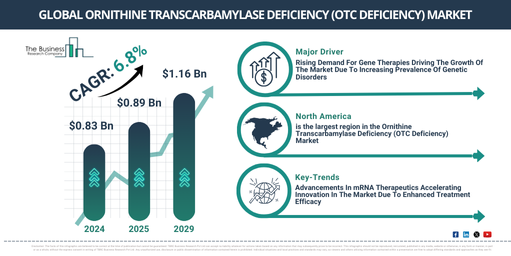
    The market for ornithine transcarbamylase deficiency (OTC deficiency) has seen robust growth in recent years, with expectations to rise from $0.83 billion in 2024 to $0.89 billion in 2025. This represents a compound annual growth rate (CAGR) of 7.1%. Key factors contributing to this growth during the historic timeframe include heightened understanding of uncommon metabolic disorders, advancements in genetic screening and diagnosis techniques, refined neonatal screening initiatives, a surge in genetic testing for rare diseases, and the enhancement of neonatal screening programs.

    It is anticipated that the market size for ornithine transcarbamylase deficiency (OTC deficiency) will witness significant growth in the coming years, reaching $1.16 billion in 2029, with a compound annual growth rate (CAGR) of 6.8%. The growth during the forecast period is due to increasing recognition and diagnosis, rising instances of urea cycle disorders, an escalated focus on treatments for rare diseases, rising research and clinical trials and enhanced patient access to treatments. The forecast period will also observe key trends like advancements in genetic therapies and gene editing technologies, the progression of enzyme replacement therapies, cooperative research initiatives and partnerships, advancements in diagnostic tools, and governmental funding and incentives for orphan drugs.

    Download a free sample to assess the report’s scope and structure:

    https://www.thebusinessresearchcompany.com/sample.aspx?id=22084&type=smp

    What Are the Major Market Drivers Behind the Rising Adoption of Ornithine Transcarbamylase Deficiency (OTC Deficiency) Market?

    The surge in the need for gene therapies is projected to bolster the growth of the ornithine transcarbamylase deficiency market. Gene therapy is a medical procedure or treatment that involves the modification or manipulation of an individual’s genetic material to combat or prevent diseases. The requirement for gene therapies is credited to the escalating prevalence of genetic disorders, as these ailments usually offer limited treatment alternatives. Moreover, gene therapy presents an optimistic strategy for tackling the root of the problem rather than just overseeing the symptoms. Ornithine transcarbamylase deficiency highlights the potential of gene therapies by rectifying the genetic mutation that disturbs the urea cycle. This allows for precise treatment to restore metabolic function and avert dangerous ammonia build-up. For instance, in January 2024, the American Society of Gene & Cell Therapy, a U.S based organization for gene and cell therapy, reported that in Q4 2023, there was a 10% rise from the previous quarter in the number of gene therapies in Phase III. This marked the first increase since Q3 2022. Hence, the escalating need for gene therapies is propelling the growth of the ornithine transcarbamylase deficiency market.

    Which Key Market Segments Comprise the Ornithine Transcarbamylase Deficiency (OTC Deficiency) Market and Drive Its Revenue Growth?

    The ornithine transcarbamylase deficiency (OTC deficiency) market covered in this report is segmented –

    1) By Product Type: DTX-301, SEL-313, SHP-641, PRX-OTC

    2) By Treatment Type: Gene Therapy, Liver Transplant, Dietary Management, Other Treatement Type

    3) By Diagnosis: Genetic Testing, Ammonia Level Testing

    4) By End-User: Hospitals, Specialty Clinics, Research Institutes, Other End Users

    Subsegmentss:

    1) By DTX-301: Adeno-Associated Virus (AAV)-Based Gene Therapy, Intravenous Dosing Formulation

    2) By SEL-313: Immune Tolerance-Inducing Therapy, Enzyme Replacement Therapy (ERT) Combination

    3) By SHP-641: Small Molecule Therapy, mRNA-Based Therapeutic Approach

    4) By PRX-OTC: Recombinant Enzyme Replacement Therapy, Protein Engineering-Based Therapy

    Request customized data on this market:

    https://www.thebusinessresearchcompany.com/customise?id=22084&type=smp

    Which Areas Are Leading Regions in the Ornithine Transcarbamylase Deficiency (OTC Deficiency) Market Expansion Across the Globe?

    North America was the largest region in the ornithine transcarbamylase deficiency (OTC Deficiency) market in 2024. Asia-Pacific is expected to be the fastest-growing region in the forecast period. The regions covered in the ornithine transcarbamylase deficiency (OTC deficiency) market report are Asia-Pacific, Western Europe, Eastern Europe, North America, South America, Middle East, Africa.

    What Are the Strategic Trends Steering theOrnithine Transcarbamylase Deficiency (OTC Deficiency) Market Direction?

    Prominent firms active in the ornithine transcarbamylase deficiency (OTC Deficiency) market are working on pioneering therapies such as mRNA therapeutics to boost treatment effectiveness and tackle the genetic root of OTC deficiency. mRNA therapeutics, a type of treatment that utilizes messenger RNA (mRNA) to guide cells in creating specific proteins for medicinal use, are being leveraged for their potential to handle diseases such as genetic disorders, infectious diseases, and cancers using the body’s innate protein synthesis mechanisms. For example, in June 2023, Arcturus Therapeutics Holdings Inc., an American biotech firm, was granted Fast Track Designation by the U.S. Food and Drug Administration (FDA) for its mRNA therapeutic contender for OTC deficiency, ARCT-810. This designation aims to expedite the developmental and assessment phases of the drug, with potential advantages such as increased FDA interactions and preferential review. ARCT-810 is formulated to assist patients dealing with OTC deficiency, a urea cycle disorder, to generate a functional OTC enzyme within their liver cells. This addresses the fundamental cause of the disease and could potentially enhance their standards of living.

    View the full report here:

    https://www.thebusinessresearchcompany.com/report/ornithine-transcarbamylase-deficiency-otc-deficiency-global-market-report

    How Is the Ornithine Transcarbamylase Deficiency (OTC Deficiency) Market Conceptually Defined?

    Ornithine transcarbamylase (OTC) deficiency refers to a rare genetic disorder caused by mutations in the OTC gene, leading to a deficiency of the ornithine transcarbamylase enzyme, which is essential for the urea cycle to remove ammonia from the body. The condition results in hyperammonemia, causing symptoms such as vomiting, lethargy, seizures, and coma in severe cases, particularly in newborns.

    Purchase the full report and get a swift delivery:

    https://www.thebusinessresearchcompany.com/purchaseoptions.aspx?id=22084

    About The Business Research Company:

    With over 15000+ reports from 27 industries covering 60+ geographies, The Business Research Company has built a reputation for offering comprehensive, data-rich research and insights. Armed with 1,500,000 datasets, the optimistic contribution of in-depth secondary research, and unique insights from industry leaders, you can get the information you need to stay ahead in the game.

    Get in touch with us:

    The Business Research Company: https://www.thebusinessresearchcompany.com/

    Americas +1 3156230293

    Asia +44 2071930708

    Europe +44 2071930708

    Email us at info@tbrc.info

    Follow us on:

    LinkedIn: https://in.linkedin.com/company/the-business-research-company

    YouTube: https://www.youtube.com/channel/UC24_fI0rV8cR5DxlCpgmyFQ

    Global Market Model: https://www.thebusinessresearchcompany.com/global-market-model
  • Emerging Growth Drivers in the Ophthalmoplegia Market Landscape: Increasing Incidence Of Neurological Disorders Driving The Growth Of The Market Due to Rising Diagnosis Rates And Advancements In Treatment Options

    Emerging Growth Drivers in the Ophthalmoplegia Market Landscape: Increasing Incidence Of Neurological Disorders Driving The Growth Of The Market Due to Rising Diagnosis Rates And Advancements In Treatment Options

    Discover trends, market shifts, and competitive outlooks for the ophthalmoplegia industry through 2025-2034 with The Business Research Company’s reliable data and in-depth research

    What is the Anticipated CAGR of the Ophthalmoplegia Market, and What Factors Will Drive It?

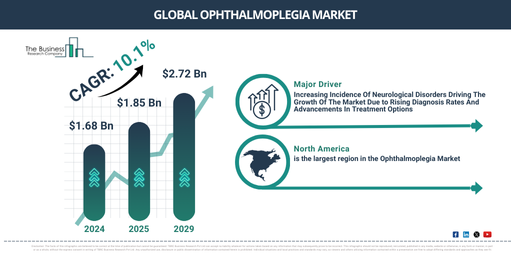
    The growth of the ophthalmoplegia market has been swift in the past few years, expanding from $1.68 billion in 2024 to $1.85 billion in 2025 with a compound annual growth rate (CAGR) of 10.3%. The significant growth in the market during this historical period can be attributed to several factors including the escalating incidences of neurological disorders, an increasingly aging population, the proliferation of specialty clinics and hospitals, the mounting demand for early detection and treatment, a burgeoning number of clinical trials, and an increase in healthcare insurance coverage.

    Over the next few years, the ophthalmoplegia market is projected to experience substantial growth, potentially reaching $2.72 billion by 2029 with a compound annual growth rate (CAGR) of 10.1%. This growth during the forecast period is likely driven by factors such as the increasing incidence of neurological disorders, an aging population, heightened awareness of eye movement disorders, rising healthcare spending, strategic investments in healthcare by industry leaders, and a higher prevalence of diabetes and hypertension among patients. Predicted trends for this period include improved diagnostic technologies, innovative therapeutic methods development, strategic alliances and partnerships, advancements in eye tracking devices technology, and the evolution of muscle-strengthening drugs.

    Download a free sample to assess the report’s scope and structure:

    https://www.thebusinessresearchcompany.com/sample.aspx?id=22081&type=smp

    Which Primay Drivers Are Accelerating Growth in the Ophthalmoplegia Market?

    The surge in neurological disorders is anticipated to fuel the ophthalmoplegia market’s expansion. Neurological disorders, impacting the nervous system like the brain, spinal cord, and nerves, lead to symptoms such as muscle weakness and cognitive impairments. The rise in this disorder, often caused by genetic predisposition and lifestyle changes, contributes to neurodegeneration. Using ophthalmoplegia to diagnose neurological conditions such as Alzheimer’s, multiple sclerosis, and stroke can indicate a disrupted nervous system through poor eye muscle control. For example, the Alzheimer’s Association forecasts that the number of Americans suffering from Alzheimer’s dementia will increase from 6.7 million in 2023 to 13.8 million in 2060, which leads to the growth of the ophthalmoplegia market. The acceleration of autoimmune disorders’ prevalence is foreseen to push the ophthalmoplegia market’s progression. These disorders cause the immune system to erroneously attack the body’s healthy cells, leading to damage. The rise of autoimmune diseases due to genetic variants and environmental stimuli contributes to an increase in these conditions. When ophthalmoplegia treatment is linked with autoimmune diseases, it unveils the dysfunction in the immune system and provides treatments addressing the underlying issue. For instance, in 2022, of 73,241,305 insured individuals in Germany, 6,304,340 were diagnosed with an autoimmune disease, according to Versorgungsatlas.de. Hence, this rising prevalence drives the ophthalmoplegia market’s growth.

    Which Primary Segments of the Ophthalmoplegia Market Are Driving Growth and Industry Transformations?

    The ophthalmoplegia market covered in this report is segmented –

    1) By Type: External Opthalmoplegia, Internuclear Opthalmoplegia

    2) By Treatment: Surgery, Drug Treatment

    3) By End-User: Hospitals, Clinics, Ambulatory Clinics

    Subsegmentss:

    1) By External Ophthalmoplegia: Chronic Progressive External Ophthalmoplegia (CPEO), Myasthenic External Ophthalmoplegia, Mitochondrial Myopathy-Associated External Ophthalmoplegia

    2) By Internuclear Ophthalmoplegia: Unilateral Internuclear Ophthalmoplegia, Bilateral Internuclear Ophthalmoplegia

    Request customized data on this market:

    https://www.thebusinessresearchcompany.com/customise?id=22081&type=smp

    Which Regions Are Key Players in the Growth of the Ophthalmoplegia Market?

    North America was the largest region in the ophthalmoplegia market in 2024. Asia-Pacific is expected to be the fastest-growing region in the forecast period. The regions covered in the ophthalmoplegia market report are Asia-Pacific, Western Europe, Eastern Europe, North America, South America, Middle East, Africa.

    View the full report here:

    https://www.thebusinessresearchcompany.com/report/ophthalmoplegia-global-market-report

    What Parameters Are Used to Define the Ophthalmoplegia Market?

    Ophthalmoplegia refers to the paralysis or weakness of one or more of the muscles that control eye movement. This condition can affect voluntary or involuntary eye movements and may be caused by neurological disorders, muscle diseases, or vascular conditions.

    Purchase the full report and get a swift delivery:

    https://www.thebusinessresearchcompany.com/purchaseoptions.aspx?id=22081

    About The Business Research Company:

    With over 15000+ reports from 27 industries covering 60+ geographies, The Business Research Company has built a reputation for offering comprehensive, data-rich research and insights. Armed with 1,500,000 datasets, the optimistic contribution of in-depth secondary research, and unique insights from industry leaders, you can get the information you need to stay ahead in the game.

    Get in touch with us:

    The Business Research Company: https://www.thebusinessresearchcompany.com/

    Americas +1 3156230293

    Asia +44 2071930708

    Europe +44 2071930708

    Email us at info@tbrc.info

    Follow us on:

    LinkedIn: https://in.linkedin.com/company/the-business-research-company

    YouTube: https://www.youtube.com/channel/UC24_fI0rV8cR5DxlCpgmyFQ

    Global Market Model: https://www.thebusinessresearchcompany.com/global-market-model
  • Major Drivers Propelling the Growth oh theObeticholic Acid Market Forward: Rising Prevalence Of Liver Diseases Fueling The Growth Of The Market Due To Increasing Cases Of NAFLD And Alcohol-Related Liver Conditions

    Major Drivers Propelling the Growth oh theObeticholic Acid Market Forward: Rising Prevalence Of Liver Diseases Fueling The Growth Of The Market Due To Increasing Cases Of NAFLD And Alcohol-Related Liver Conditions

    Discover trends, market shifts, and competitive outlooks for the obeticholic acid industry through 2025-2034 with The Business Research Company’s reliable data and in-depth research

    How Has The Obeticholic Acid Market Size Shifted, And What Is the Outlook Through 2034?

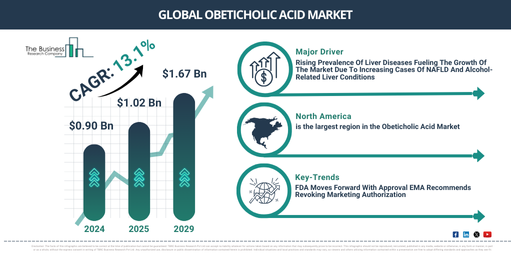
    The market for obeticholic acid has experienced rapid expansion in the past few years. Estimations show that its value is set to increase from $0.90 billion in 2024 to $1.02 billion in 2025, marking a compound annual growth rate (CAGR) of 13.4%. This significant progression during the historical period can be ascribed to various factors including an escalating prevalence of primary biliary cholangitis (PBC), a surging incidence of non-alcoholic steatohepatitis (NASH), advancement in healthcare structure in emerging markets, a rise in screening rates and diagnosis of liver disease, increasing expenditure on healthcare, and substantial investment in research related to liver disease.

    The market size for obeticholic acid is projected to experience swift expansion in the forthcoming years, with an estimated value of $1.67 billion by 2029 and a compound annual growth rate (CAGR) of 13.1%. This growth projection for the forecast period is largely the result of the escalating incidents of primary biliary cholangitis (PBC) and non-alcoholic steatohepatitis (NASH), augmented demand for novel treatments for liver diseases, increasing consciousness about liver diseases and their respective treatments, an expansion of worldwide healthcare services in developing markets, and growing knowledge about liver diseases and their potential treatments. Dominant trends for the forecast period comprise of acceptance for NASH treatment, alliances, and partnerships for further progress, incorporation of digital health instruments for monitoring and adherence, a move towards non-alcoholic fatty liver disease (NAFLD) treatment, progression in liver disease biomarkers, and diagnostic technologies.

    Download a free sample to assess the report’s scope and structure:

    https://www.thebusinessresearchcompany.com/sample.aspx?id=22079&type=smp

    Which Major Market Drivers Are Expected to Boost the Growth Potential of the Obeticholic Acid Market?

    The escalating incidence of liver afflictions is anticipated to fuel the expansion of the obeticholic acid market. Liver maladies are ailments that obstruct the normal functioning of the liver. The escalating incidence of these diseases is attributable to overconsumption of alcohol, which could induce liver inflammation, cirrhosis, and liver failure by damaging liver cells and hindering its normal functioning. Obeticholic acid benefits patients with liver disease by triggering the farnesoid X receptor (FXR), which lowers bile acid buildup, mitigating liver inflammation and decelerating the progression of fibrosis, thereby enhancing liver function. As an example, the Office for Health Improvement and Disparities, a UK government agency, reported in December 2024, that in 2023 there was a 3.6% increase in premature deaths from alcoholic liver disease, reaching 5,984, up from 5,776 in 2022. Hence, the escalating incidence of liver diseases is driving the expansion of the obeticholic acid market.

    Which Key Market Segments Comprise the Obeticholic Acid Market and Drive Its Revenue Growth?

    The obeticholic acid market covered in this report is segmented –

    1) By Product Type: Tablets, Capsules, Other Product Types

    2) By Distribution Channel: Hospital Pharmacies, Retail Pharmacies, Online Pharmacies

    3) By Application: Primary Biliary Cholangitis, Nonalcoholic Steatohepatitis, Other Applications

    Subsegmentss:

    1) By Tablets: Immediate-Release Tablets, Extended-Release Tablets

    2) By Capsules: Soft Gelatin Capsules, Hard Gelatin Capsules

    3) By Other Product Types: Oral Suspensions, Injectable Formulations

    Request customized data on this market:

    https://www.thebusinessresearchcompany.com/customise?id=22079&type=smp

    Which Areas Are Leading Regions in the Obeticholic Acid Market Expansion Across the Globe?

    North America was the largest region in the Obeticholic Acid market in 2024. Asia-Pacific is expected to be the fastest-growing region in the forecast period. The regions covered in the obeticholic acid market report are Asia-Pacific, Western Europe, Eastern Europe, North America, South America, Middle East, Africa.

    What Are the Key Market Trends in theObeticholic Acid Market Over the Coming Years?

    Leading companies in the obeticholic acid market are progressing by creating cutting-edge products like the farnesoid X receptor (FXR) agonist, which aims to elevate the treatment of liver disease and enhance patient results. An FXR agonist is a substance that activates the FXR, a nuclear receptor that plays a key role in the adjustment of bile acid metabolism, inflammation, and fibrosis in the liver. FXR agonists serve to better liver performance and are employed in managing illnesses like primary biliary cholangitis (PBC) and nonalcoholic steatohepatitis (NASH). For example, in February 2024, Intercept Pharmaceuticals Inc., a biopharmaceutical organization based in the US, proclaimed that the U.S. Food and Drug Administration (FDA) has recognized its additional New Drug Application (sNDA) for Ocaliva for treating people with PBC. The endorsement of the additional sNDA for obeticholic acid (Ocaliva) by the FDA represents regulatory advancement in approving its therapeutic advantages in treating PBC.

    View the full report here:

    https://www.thebusinessresearchcompany.com/report/obeticholic-acid-global-market-report

    How Is the Obeticholic Acid Market Conceptually Defined?

    Obeticholic acid is a medication primarily used in the treatment of liver diseases, especially for patients with primary biliary cholangitis (PBC), a chronic liver disease. It is a synthetic bile acid that works by activating a receptor called the farnesoid X receptor (FXR), which helps to regulate bile acid production, liver function, and inflammation.

    Purchase the full report and get a swift delivery:

    https://www.thebusinessresearchcompany.com/purchaseoptions.aspx?id=22079

    About The Business Research Company:

    With over 15000+ reports from 27 industries covering 60+ geographies, The Business Research Company has built a reputation for offering comprehensive, data-rich research and insights. Armed with 1,500,000 datasets, the optimistic contribution of in-depth secondary research, and unique insights from industry leaders, you can get the information you need to stay ahead in the game.

    Get in touch with us:

    The Business Research Company: https://www.thebusinessresearchcompany.com/

    Americas +1 3156230293

    Asia +44 2071930708

    Europe +44 2071930708

    Email us at info@tbrc.info

    Follow us on:

    LinkedIn: https://in.linkedin.com/company/the-business-research-company

    YouTube: https://www.youtube.com/channel/UC24_fI0rV8cR5DxlCpgmyFQ

    Global Market Model: https://www.thebusinessresearchcompany.com/global-market-model
  • Emerging Trends Redefining the Neuromyelitis Optica Spectrum Disorder Market Landscape: Advancements In Complement Inhibition Transform NMOSD Treatment Landscape

    Emerging Trends Redefining the Neuromyelitis Optica Spectrum Disorder Market Landscape: Advancements In Complement Inhibition Transform NMOSD Treatment Landscape

    Discover trends, market shifts, and competitive outlooks for the neuromyelitis optica spectrum disorder industry through 2025-2034 with The Business Research Company’s reliable data and in-depth research

    What is the Projected CAGR for the Neuromyelitis Optica Spectrum Disorder Market Size from 2025 to 2034?

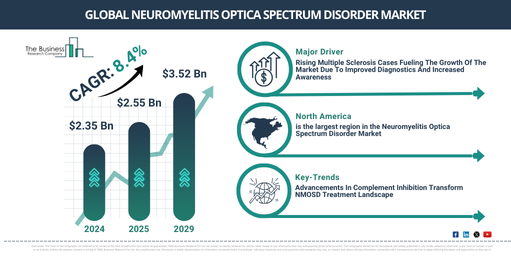
    In recent times, the neuromyelitis optica spectrum disorder market has shown remarkable growth. The market size, which was at $2.35 billion in 2024, is expected to expand to $2.55 billion in 2025, recording a compound annual growth rate (CAGR) of 8.7%. This growth during the historical period can be linked to several factors such as an increase in the number of Neuromyelitis Optica Spectrum Disorder (NMOSD) cases, further consciousness and early detection, a rise in treatment alternatives and FDA approvals, an escalation in research and development initiatives, and an increase in clinical trials for new therapies.

    Over the coming years, the neuromyelitis optica spectrum disorder market is projected to experience solid growth. The market is anticipated to swell to $3.52 billion by 2029, with a compound annual growth rate (CAGR) of 8.4%. Factors contributing to this growth during the forecast period include increasing understanding and early detection, enhanced healthcare spending, amplified investment in research and development, a surge in autoimmune disease prevalence, a rise in clinical trials for NMOSD therapies, and burgeoning demand for bespoke medicine. Key market trends expected during this period include advancements in precision medicine, collaborations and partnerships, technological innovation, the incorporation of AI and big data in research, and a move towards home-based treatments.

    Download a free sample to assess the report’s scope and structure:

    https://www.thebusinessresearchcompany.com/sample.aspx?id=22072&type=smp

    What Are the Core Market Drivers Propelling Growth in the Neuromyelitis Optica Spectrum Disorder Industry?

    The surge in multiple sclerosis cases is anticipated to fuel the expansion of the neuromyelitis optica spectrum disorder market. Multiple sclerosis, a longstanding autoimmune illness that causes inflammation, nerve damage, and neurological symptoms in the central nervous system, is increasingly prevalent due to enhanced diagnostic methods, environmental factors, and genetic susceptibility. Progress in medical imaging, such as MRI, has facilitated more early and precise diagnoses, resulting in a noticeable increase in reported cases. As more people are diagnosed with MS, there is increased awareness of neurological autoimmune diseases, leading to advancements in diagnostic techniques and better understanding of neuromyelitis optica spectrum disorder. For example, the Multiple Sclerosis Trust, a UK-based national charity, reported in May 2024 that the UK registers around 7,100 new multiple sclerosis cases each year, and each week, roughly 135 individuals are diagnosed with MS. Hence, the escalating rate of multiple sclerosis paves the way for the expansion of the neuromyelitis optica spectrum disorder market.

    How Is the Neuromyelitis Optica Spectrum Disorder Market Segmented?

    The neuromyelitis optica spectrum disorder market covered in this report is segmented –

    1) By Type: Neuromyelitis Optica Spectrum Disorder With Aquaporin-4 Antibodies, Neuromyelitis Optica Spectrum Disorder Without Aquaporin-4 Antibodies

    2) By Diagnosis: Imaging Tests, Magnetic Resonance Imaging (MRI), Blood Tests, Others Diagnosis

    3) By Treatment Type: C5 Protein Inhibitor, Monoclonal Antibodies, Plasma Exchange Therapy, Corticosteroids, Immunoglobulin Therapy, Medication, Other Treatment Types

    4) By Distribution Channel: Hospital Pharmacy, Retail Pharmacy, Online Pharmacy

    5) By End-User: Hospitals, Specialty Clinics, Homecare, Other End-Users

    Subsegments:

    1) By Neuromyelitis Optica Spectrum Disorder (NMOSD) With Aquaporin-4 (AQP4) Antibodies: Relapsing NMOSD with AQP4-IgG, Monophasic NMOSD with AQP4-IgG, Severe Optic Neuritis with AQP4-IgG, Longitudinally Extensive Transverse Myelitis (LETM) with AQP4-IgG

    2) By Neuromyelitis Optica Spectrum Disorder (NMOSD) Without Aquaporin-4 (AQP4) Antibodies: NMOSD with Myelin Oligodendrocyte Glycoprotein (MOG) Antibodies (MOG-IgG), Seronegative NMOSD, Idiopathic NMOSD Cases, NMOSD Associated With Other Autoimmune Disorders

    Request customized data on this market:

    https://www.thebusinessresearchcompany.com/customise?id=22072&type=smp

    Which Regions Are Driving the Next Phase of the Neuromyelitis Optica Spectrum Disorder Market Growth?

    North America was the largest region in the neuromyelitis optica spectrum disorder market in 2024. Asia-Pacific is expected to be the fastest-growing region in the forecast period. The regions covered in the neuromyelitis optica spectrum disorder market report are Asia-Pacific, Western Europe, Eastern Europe, North America, South America, Middle East, Africa.

    What Key Market Trends and Innovations Are Shaping the Future of the Neuromyelitis Optica Spectrum Disorder Industry?

    Leading corporations in the neuromyelitis optica spectrum disorder sector are honing in on crafting novel products, such as prolonged-release complement inhibitors, to amplify treatment effectiveness and upgrade patient results. Extended-release complement inhibitors are medications that inhibit the complement system for a prolonged duration, obstructing inflammation and nerve harm in neuromyelitis optica spectrum disorder (NMOSD). These inhibitors assist in reducing relapses and fostering long-lasting disease management. For example, Alexion Pharmaceuticals, an American biopharmaceutical firm, and AstraZeneca, a British pharmaceutical business, garnered approval for ULTOMIRIS (ravulizumab-cwvz) in March 2024 for treating adults with neuromyelitis optica spectrum disorder that test positive for anti-aquaporin-4 (AQP4) antibodies. This approval establishes Ultomiris as the premier and sole long-action C5 complement inhibitor available for NMOSD treatment. The approval decision was hinged on the results of the Phase III CHAMPION-NMOSD study, in which Ultomiris posted a 98.6% decrement in relapse risk over 73 weeks when compared to a placebo. Participants of the trial reported no relapses, and no fresh safety issues were spotted.

    View the full report here:

    https://www.thebusinessresearchcompany.com/report/neuromyelitis-optica-spectrum-disorder-global-market-report

    How Is the Neuromyelitis Optica Spectrum Disorder Market Defined and What Are Its Core Parameters?

    Neuromyelitis optica spectrum disorder (NMOSD) is a rare, autoimmune disease that affects the central nervous system, primarily targeting the spinal cord and optic nerves. It is characterized by severe inflammation and demyelination (damage to the protective covering of nerve fibers) in these areas, leading to symptoms such as vision loss, paralysis, and loss of sensory function.

    Purchase the full report and get a swift delivery:

    https://www.thebusinessresearchcompany.com/purchaseoptions.aspx?id=22072

    About The Business Research Company:

    With over 15000+ reports from 27 industries covering 60+ geographies, The Business Research Company has built a reputation for offering comprehensive, data-rich research and insights. Armed with 1,500,000 datasets, the optimistic contribution of in-depth secondary research, and unique insights from industry leaders, you can get the information you need to stay ahead in the game.

    Get in touch with us:

    The Business Research Company: https://www.thebusinessresearchcompany.com/

    Americas +1 3156230293

    Asia +44 2071930708

    Europe +44 2071930708

    Email us at info@tbrc.info

    Follow us on:

    LinkedIn: https://in.linkedin.com/company/the-business-research-company

    YouTube: https://www.youtube.com/channel/UC24_fI0rV8cR5DxlCpgmyFQ

    Global Market Model: https://www.thebusinessresearchcompany.com/global-market-model
  • Netherton Syndrome Market 2025-2034: Key Highlights, Growth Dynamics, and Emerging Trends

    Netherton Syndrome Market 2025-2034: Key Highlights, Growth Dynamics, and Emerging Trends

    Discover trends, market shifts, and competitive outlooks for the netherton syndrome industry through 2025-2034 with The Business Research Company’s reliable data and in-depth research

    What Is the Current and Projected Market Size of the Netherton Syndrome Market Through 2034?

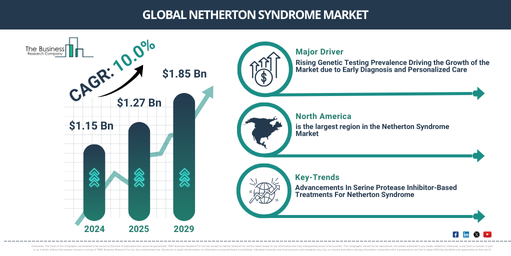
    In the past few years, the market size for Netherton syndrome has seen a swift escalation. It is anticipated to scale up from $1.15 billion in 2024 to $1.27 billion in 2025, expanding at a compound annual growth rate (CAGR) of 10.2%. The significant growth during the historic period can be linked to an increased understanding of rare genetic disorders, a surge in healthcare spending, rising knowledge about Netherton syndrome, supportive government initiatives, and the emergence of e-commerce and online health platforms.

    The market size for netherton syndrome is projected to experience a significant expansion in the coming years. It is anticipated to rise to $1.85 billion by 2029, with a compound annual growth rate (CAGR) of 10.0%. The growth anticipated in the forecast period is attributed to the escalating frequency of diabetes, a surge in internet usage, the burgeoning e-commerce and digital health platforms, the rising instances of lamellar ichthyosis, and increased awareness and support for rare conditions. Noteworthy trends for the forecast period encompass the development of specific therapies, extension of clinical trials, enhancement of diagnostic methods, adopting telemedicine, and the progression of personalized medicine.

    Download a free sample to assess the report’s scope and structure:

    https://www.thebusinessresearchcompany.com/sample.aspx?id=22071&type=smp

    Which Primay Drivers Are Accelerating Growth in the Netherton Syndrome Market?

    The escalation in genetic testing instances is anticipated to push the expansion of the Netherton syndrome market in the future. Genetic testing is the examination of DNA to identify changes, mutations, or variations related to inherited traits, diseases, or medical conditions. The growing incidence of genetic testing is influenced by heightened awareness of inherited diseases and an upswing in the demand for personalized medicine. The increase in genetic testing allows for the prompt and accurate diagnosis of Netherton Syndrome through the identification of SPINK5 mutations, leading to early intervention and individualized care. It also improves patient handling, genetic counseling, and overall results. For instance, the National Institutes of Health (NIH), a US government organization, reported in April 2023 that in 2022, there were a total of 76,326 genetic tests conducted globally. Of these, 76,083 (99.7%) were for clinical purposes, while 243 (0.3%) were for research. Therefore, the escalating incidence of genetic testing is propelling the Netherton syndrome market’s expansion.

    Which Primary Segments of the Netherton Syndrome Market Are Driving Growth and Industry Transformations?

    The netherton syndrome market covered in this report is segmented –

    1) By Diagnosis Type: Genetic Testing, Physical Examination, Biopsy Analysis

    2) By Treatment: Topical Treatments, Systemic Treatments, Phototherapy, Other Treatments

    3) By Distribution Channel: Hospital Pharmacies, Retail Pharmacies, Online Pharmacies, Other Distribution Channels

    4) By End-User: Hospitals, Dermatology Clinics, Research Institutes, Other End-Users

    Subsegments:

    1) By Genetic Testing: SPINK5 Gene Sequencing, Next-Generation Sequencing (NGS), Polymerase Chain Reaction (PCR) Testing, Microarray Analysis

    2) By Physical Examination: Clinical Assessment Of Ichthyosis-like Scaling, Hair Shaft Microscopy, Evaluation Of Atopic Dermatitis Symptoms, Growth and Developmental Assessment

    3) By Biopsy Analysis: Skin Histopathology, Immunohistochemical Staining, Electron Microscopy For Hair And Skin Structure, Epidermal Barrier Function Testing

    Request customized data on this market:

    https://www.thebusinessresearchcompany.com/customise?id=22071&type=smp

    Which Regions Are Key Players in the Growth of the Netherton Syndrome Market?

    North America was the largest region in the netherton syndrome market in 2024. The regions covered in the netherton syndrome market report are Asia-Pacific, Western Europe, Eastern Europe, North America, South America, Middle East, Africa.

    Which Technological Trends Are Reshaping the Netherton Syndrome Industry Dynamics?

    Leading firms in the Netherton syndrome market are concentrating on the creation of advanced products like serine protease inhibitor-based topical lotions to enhance the function of the skin barrier and minimize inflammation. These lotions are specifically designed to inhibit serine proteases, which are enzymes implicated in inflammation and immune reactions. Such lotions aim to alleviate irritation and inflammation hence easing skin conditions such as Netherton Syndrome where too much inflammation gives rise to skin distress. For example, Quoin Pharmaceuticals Ltd, an American pharmaceutical company, gained the approval of the Food and Drug Administration (FDA) to commence a fresh clinical trial for QRX003 for Netherton Syndrome treatment in December 2024. The trial is set to examine up to eight patients, with QRX003 applied to more than 80% of their body twice a day for 12 weeks, imitating its usage in real life situations. QRX003 consists of a broad-spectrum serine protease inhibitor targeting kallikreins, the enzymes causing excessive skin flaking and inflammation in Netherton Syndrome, with the goal of enhancing the function of the skin barrier and alleviating symptoms.

    View the full report here:

    https://www.thebusinessresearchcompany.com/report/netherton-syndrome-global-market-report

    What Parameters Are Used to Define the Netherton Syndrome Market?

    Netherton syndrome refers to a rare genetic disorder caused by mutations in the SPINK5 gene, leading to red, scaly skin, fragile hair, and an increased risk of infections. It affects the skin barrier and immune system, often resulting in chronic skin inflammation and allergic reactions.

    Purchase the full report and get a swift delivery:

    https://www.thebusinessresearchcompany.com/purchaseoptions.aspx?id=22071

    About The Business Research Company:

    With over 15000+ reports from 27 industries covering 60+ geographies, The Business Research Company has built a reputation for offering comprehensive, data-rich research and insights. Armed with 1,500,000 datasets, the optimistic contribution of in-depth secondary research, and unique insights from industry leaders, you can get the information you need to stay ahead in the game.

    Get in touch with us:

    The Business Research Company: https://www.thebusinessresearchcompany.com/

    Americas +1 3156230293

    Asia +44 2071930708

    Europe +44 2071930708

    Email us at info@tbrc.info

    Follow us on:

    LinkedIn: https://in.linkedin.com/company/the-business-research-company

    YouTube: https://www.youtube.com/channel/UC24_fI0rV8cR5DxlCpgmyFQ

    Global Market Model: https://www.thebusinessresearchcompany.com/global-market-model
  • Nerve Growth Factor Growth Trajectory: Key Forecasts and Strategic Insights

    Nerve Growth Factor Growth Trajectory: Key Forecasts and Strategic Insights

    Discover trends, market shifts, and competitive outlooks for the nerve growth factor industry through 2025-2034 with The Business Research Company’s reliable data and in-depth research

    What is the Anticipated CAGR of the Nerve Growth Factor Market, and What Factors Will Drive It?

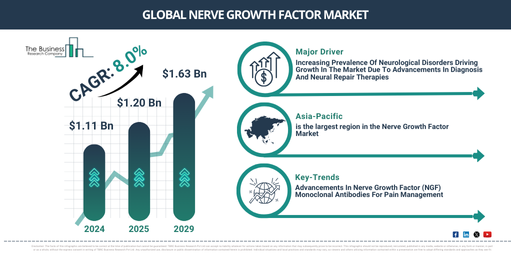
    In recent years, the market size of the nerve growth factor (NGF) has seen robust growth. Driving this surge, the market is set to expand from $1.11 billion in 2024 to $1.20 billion in 2025, with a compound annual growth rate (CAGR) of 8.4%. This growth during the historic period is attributed to factors such as the escalating number of traumatic brain injuries, the rising prevalence of neurodegenerative diseases, heightened investment in research and development initiatives, increased awareness regarding nerve regeneration treatments, and a surge in the incidence of peripheral neuropathy.

    In the coming years, the nerve growth factor (NGF) market size is forecasted to experience significant growth, expanding to a value of $1.63 billion in 2029 with a compound annual growth rate (CAGR) of 8.0%. The expected growth during this period is largely due to factors such as increased demand for biopharmaceuticals, a higher incidence of autoimmune neurological disorders, an escalated focus on research into neuroinflammation, more funding in AI-driven drug discovery, and heightened consumer interest in NGF-based treatments. The forecasted period will also witness notable trends such as breakthroughs in biotechnology, the use of personalized medicine, innovative drug delivery systems, regulatory approvals, and the development of nerve growth factor (NGF) antibodies.

    Download a free sample to assess the report’s scope and structure:

    https://www.thebusinessresearchcompany.com/sample.aspx?id=22070&type=smp

    Which Factors and External Forces Are Driving Demand in the Nerve Growth Factor Market?

    The escalating occurrence of neurological complications is anticipated to drive the nerve growth factor market’s expansion. Such disorders, which affect the brain, spinal cord, and nerves, are caused by structural, biochemical, or electrical abnormalities. The rise in these conditions can be attributed to an aging populace and advancements in diagnostic technologies. Such progress in the field of diagnostics enhances the identification and documentation of these disorders, resulting in increased recorded incidence rates. Nerve growth factor (NGF) is central to the survival, upkeep, and rejuvenation of neurons, thereby becoming a substantial component in addressing the growing occurrence of neurological complications by fostering neural repair and possibly slowing the progression of the disease. For example, the Australian Institute of Health and Welfare projected in September 2024 that dementia (a neurological condition) cases in Australia would increase from approximately 411,100 in 2023 to 849,300 by 2058. Therefore, the growing occurrence of neurological disorders is propelling the nerve growth factor market.

    Which Segments in the Nerve Growth Factor Offer the Most Growth?

    The nerve growth factor market covered in this report is segmented –

    1) By Type: Alpha-Nerve Growth Factor (NGF), Beta-Nerve Growth Factor (NGF), Gamma-Nerve Growth Factor (NGF), Other Types

    2) By Agents: Cenegermin, Other Agents

    3) By Indication: Neurodegenerative Disorders, Spinal Cord Injuries, Eye Disorders, Epithelial Diseases, Tissue Healing, Other Indications

    4) By Distribution Channel: Hospital Pharmacy, Online Pharmacy, Retail Pharmacy

    5) By End-User: Hospitals, Homecare, Specialty Clinics, Other End-Users

    Subsegments:

    1) By Alpha-Nerve Growth Factor (a-NGF): Natural Alpha-NGF, Recombinant Alpha-NGF, Synthetic Alpha-NGF, Alpha-NGF For Research Applications

    2) By Beta-Nerve Growth Factor (ß-NGF): Human Beta-NGF, Animal-Derived Beta-NGF, Recombinant Beta-NGF, Therapeutic Beta-NGF, Research-Grade Beta-NGF

    3) By Gamma-Nerve Growth Factor (?-NGF): Natural Gamma-NGF, Recombinant Gamma-NGF, Synthetic Gamma-NGF, Gamma-NGF for Neurodegenerative Research

    4) Other Types: Hybrid NGF Molecules, NGF Mimetics, NGF Gene Therapy-Based Products, NGF-Infused Biomaterials

    Request customized data on this market:

    https://www.thebusinessresearchcompany.com/customise?id=22070&type=smp

    What Are the Fastest-Growing Geographies in the Nerve Growth Factor Market?

    Asia-Pacific was the largest region in the nerve growth factor market in 2024. The regions covered in the nerve growth factor market report are Asia-Pacific, Western Europe, Eastern Europe, North America, South America, Middle East, Africa.

    Which Cutting-Edge Market Trends Are Expected to Drive theNerve Growth Factor Market’s Growth?

    Leading corporations in the nerve growth factor market are concentrating their efforts on innovation to create enhanced products like nerve growth factor (NGF) monoclonal antibodies capable of hindering NGF. The primary aim is to administer potent pain relief. An NGF monoclonal antibody is a biological pharmaceutical that targets and neutralizes nerve growth factor (NGF), thus minimizing nerve inflammation and pain by blocking receptor interactions. It plays a significant role in moderating pain signaling and the survival of nerve cells. To illustrate, in February 2022, Akeso, Inc., a biopharmaceutical firm based in China, announced the launch of AK115, a humanized IgG1 monoclonal antibody approved by the National Medical Products Administration in China to commence clinical tests for pain management, comprising cancer-induced pain. AK115 is specifically formulated to interfere with NGF receptor interactions, with the end goal of easing pain, offering enduring safety, and enhancing effectiveness for cancer patients resistant to opioids without the risk of addiction. This modern analgesic aims to offer persistent and non-addictive pain alleviation, particularly for the demographic of cancer patients who are resistant to opioids, thereby elevating their overall life quality.

    View the full report here:

    https://www.thebusinessresearchcompany.com/report/nerve-growth-factor-global-market-report

    What Are the Key Elements That Define the Nerve Growth Factor Market?

    Nerve growth factor (NGF) is a type of protein that is essential for the growth, maintenance, and survival of nerve cells, particularly sensory and sympathetic neurons. It plays a crucial role in the development of the nervous system and helps promote the regeneration of nerve cells after injury. Nerve growth factor binds to specific receptors on nerve cells, triggering pathways that support cell survival and differentiation

    Purchase the full report and get a swift delivery:

    https://www.thebusinessresearchcompany.com/purchaseoptions.aspx?id=22070

    About The Business Research Company:

    With over 15000+ reports from 27 industries covering 60+ geographies, The Business Research Company has built a reputation for offering comprehensive, data-rich research and insights. Armed with 1,500,000 datasets, the optimistic contribution of in-depth secondary research, and unique insights from industry leaders, you can get the information you need to stay ahead in the game.

    Get in touch with us:

    The Business Research Company: https://www.thebusinessresearchcompany.com/

    Americas +1 3156230293

    Asia +44 2071930708

    Europe +44 2071930708

    Email us at info@tbrc.info

    Follow us on:

    LinkedIn: https://in.linkedin.com/company/the-business-research-company

    YouTube: https://www.youtube.com/channel/UC24_fI0rV8cR5DxlCpgmyFQ

    Global Market Model: https://www.thebusinessresearchcompany.com/global-market-model
  • Next-Gen Nerve Entrapment Syndrome : Market Forecast, Transformation, and Long-Term Trajectories

    Next-Gen Nerve Entrapment Syndrome : Market Forecast, Transformation, and Long-Term Trajectories

    Discover trends, market shifts, and competitive outlooks for the nerve entrapment syndrome industry through 2025-2034 with The Business Research Company’s reliable data and in-depth research

    What Are the Key Milestones in the Nerve Entrapment Syndrome Market’s Growth Trajectory From 2025 To 2034?

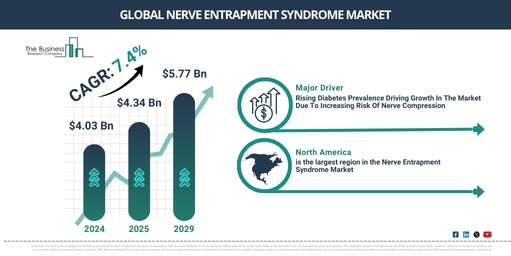
    The market of nerve entrapment syndrome has seen a vigorous expansion in the past few years. It is projected to increase from $4.03 billion in 2024 to $4.34 billion in 2025, boasting a compound annual growth rate (CAGR) of 7.8%. The growth during the historical period can be traced back to the escalating cases of peripheral neuropathy, the surge in diabetes instances, the rise in the elderly population, the increase in obesity rates, and the growing occurrence of chronic illnesses.

    The market for nerve entrapment syndrome is forecasted to witness robust growth in the coming years, reaching $5.77 billion by 2029, with a compound annual growth rate (CAGR) of 7.4%. The predicted expansion throughout the forecast period is due to factors such as a growing elderly population, an increase in global instances of peripheral nerve injuries (PNI), expanding government initiatives and reimbursement policies, a rising number of traumatic injuries, and an expanding population of diabetic patients. Key trends expected within the forecast period comprise advancements in research and development for product line expansion, progress in minimally invasive surgical procedures, enhancements in regenerative medicine, improved imaging technology, innovations in physical therapy and rehabilitation, and continuous genetic research and tailored medicine.

    Download a free sample to assess the report’s scope and structure:

    https://www.thebusinessresearchcompany.com/sample.aspx?id=22069&type=smp

    Which Major Market Drivers Are Expected to Boost the Growth Potential of the Nerve Entrapment Syndrome Market?

    A surge in diabetic patients is predicted to boost the growth of the nerve entrapment syndrome market. People suffering from diabetes have chronic conditions wherein the body cannot effectively maintain blood sugar levels due to lack of sufficient insulin production or inefficient usage of insulin. The surge in diabetic instances is mainly due to the escalating rate of obesity and sedentary lifestyles, which significantly contribute to type 2 diabetes. Consequently, the rising diabetic population increases the likelihood of nerve entrapment syndrome, since diabetes-induced peripheral neuropathy causes nerve and surrounding structure weakness, making them more vulnerable to compression. To illustrate, in June 2024, statistics from the National Health Service, a UK-based government department, reported that over half a million people (549,000) in England were at risk of developing type 2 diabetes in 2023. This pushed the overall population with non-diabetic hyperglycemia, or pre-diabetes, to 3,615,330, marking a near 20% increment compared to the 3,065,825 people in 2022. Hence, the escalating diabetic population serves as a catalyst for the nerve entrapment syndrome market’s growth. Expected to push the nerve entrapment syndrome market’s growth is the escalating rate of obesity. The term “obese population” refers to people having a body mass index (BMI) of 30 or above, indicating an unhealthy amount of body fat. Factors such as poor diet, insufficient physical activity, and environmental factors promoting unhealthy eating habits and sedentary lifestyles contribute to the rising rate of obesity. Nerve entrapment syndrome becomes more prevalent in the obese population since excess weight exerts pressure on nerves. Highlighting this in May 2024, the Office for Health Improvement and Disparities (OHID), a UK Department of Health and Social Care (DHSC) body, reported an increase in the percentage of adults living with obesity from 25.9% in 2021-2022 to 26.2% in 2022-2023. Hence, the rising obese population contributes to the expansion of the nerve entrapment syndrome market.

    Which Key Market Segments Comprise the Nerve Entrapment Syndrome Market and Drive Its Revenue Growth?

    The nerve entrapment syndrome market covered in this report is segmented –

    1) By Type: Carpal Tunnel Syndrome, Cubital Tunnel Syndrome, Tarsal Tunnel Syndrome, Meralgia Parasthetica, Other Types

    2) By Treatment Modality: Medications, Physical Therapy, Interventional Procedures, Alteative Therapies

    3) By Administration Route: Oral Administration, Injectable Administration, Topical Administration

    4) By Severity Of Condition: Mild, Moderate, Severe, Post-Surgical Complications

    Subsegments:

    1) By Carpal Tunnel Syndrome (CTS): Idiopathic Carpal Tunnel Syndrome, Work-Related/Repetitive Strain CTS, Diabetic Neuropathy-Associated CTS, Traumatic or Post-Surgical CTS, Pregnancy-Induced CTS

    2) By Cubital Tunnel Syndrome: Idiopathic Cubital Tunnel Syndrome, Repetitive Motion-Induced Cubital Tunnel Syndrome, Post-Traumatic/Ulnar Nerve Injury-Related Cubital Tunnel Syndrome, Osteoarthritis-Related Cubital Tunnel Syndrome, Post-Surgical Cubital Tunnel Syndrome

    3) By Tarsal Tunnel Syndrome (TTS): Idiopathic Tarsal Tunnel Syndrome, Trauma-Induced Tarsal Tunnel Syndrome, Diabetes-Associated Tarsal Tunnel Syndrome, Flatfoot-Related Tarsal Tunnel Syndrome, Post-Surgical Or Scar Tissue-Related TTS

    4) By Meralgia Paresthetica (MP): Idiopathic Meralgia Paresthetica, Obesity-Associated Meralgia Paresthetica, Pregnancy-Related Meralgia Paresthetica, Post-Surgical Or Scar-Induced Meralgia Paresthetica, Diabetic Neuropathy-Related Meralgia Paresthetica

    5) By Other Types: Radial Tunnel Syndrome, Thoracic Outlet Syndrome, Peroneal Nerve Entrapment, Sciatic Nerve Entrapment, Brachial Plexus Compression Syndromes

    Request customized data on this market:

    https://www.thebusinessresearchcompany.com/customise?id=22069&type=smp

    Which Areas Are Leading Regions in the Nerve Entrapment Syndrome Market Expansion Across the Globe?

    North America was the largest region in the nerve entrapment syndrome market in 2024. The regions covered in the nerve entrapment syndrome market report are Asia-Pacific, Western Europe, Eastern Europe, North America, South America, Middle East, Africa.

    View the full report here:

    https://www.thebusinessresearchcompany.com/report/nerve-entrapment-syndrome-global-market-report

    How Is the Nerve Entrapment Syndrome Market Conceptually Defined?

    Nerve entrapment syndrome refers to a condition in which a nerve is compressed or pinched, leading to pain, numbness, tingling, or weakness along the path of the affected nerve. This compression occurs at various points in the body where nerves pass through narrow spaces, such as joints, muscles, or ligaments.

    Purchase the full report and get a swift delivery:

    https://www.thebusinessresearchcompany.com/purchaseoptions.aspx?id=22069

    About The Business Research Company:

    With over 15000+ reports from 27 industries covering 60+ geographies, The Business Research Company has built a reputation for offering comprehensive, data-rich research and insights. Armed with 1,500,000 datasets, the optimistic contribution of in-depth secondary research, and unique insights from industry leaders, you can get the information you need to stay ahead in the game.

    Get in touch with us:

    The Business Research Company: https://www.thebusinessresearchcompany.com/

    Americas +1 3156230293

    Asia +44 2071930708

    Europe +44 2071930708

    Email us at info@tbrc.info

    Follow us on:

    LinkedIn: https://in.linkedin.com/company/the-business-research-company

    YouTube: https://www.youtube.com/channel/UC24_fI0rV8cR5DxlCpgmyFQ

    Global Market Model: https://www.thebusinessresearchcompany.com/global-market-model
  • Necrotizing Enterocolitis Market Overview 2025: Competitive Shifts, Forecast Models, and Emerging Opportunities

    Necrotizing Enterocolitis Market Overview 2025: Competitive Shifts, Forecast Models, and Emerging Opportunities

    Discover trends, market shifts, and competitive outlooks for the necrotizing enterocolitis industry through 2025-2034 with The Business Research Company’s reliable data and in-depth research

    How Has The Necrotizing Enterocolitis Market Size Shifted, And What Is the Outlook Through 2034?

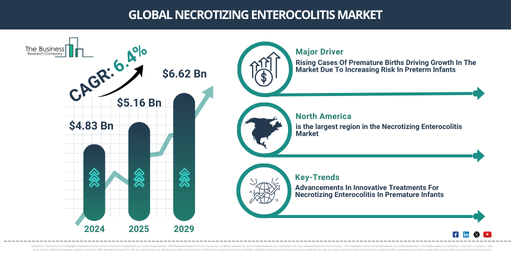
    The marketplace for necrotizing enterocolitis has seen robust growth in the past years. The market which stands at $4.83 billion in 2024 is projected to rise to $5.16 billion in 2025, recording a compound annual growth rate (CAGR) of 6.8%. Factors such as a surge in the incidences of necrotizing enterocolitis, population growth, an upturn in per capita income, more government funding, and a rise in premature births have fuelled growth during the historical period.

    In the coming years, the market for necrotizing enterocolitis is predicted to witness solid expansion, set to reach a valuation of $6.62 billion by 2029 with a compound annual growth rate (CAGR) of 6.4%. Several factors contribute to this anticipated growth, including escalating healthcare costs, the prevalence and occurrence of ulcerative colitis (UC), a surge in gastrointestinal diseases, an increase in the elderly and obese populations, and a swelling geriatric populace. The forecast period is expected to see significant trends such as breakthroughs in biomarker studies for early detection of NEC, advancements in non-invasive test procedures, incorporation of sophisticated monitoring systems, improvements in surgical methods, and the creation of specialized therapies.

    Download a free sample to assess the report’s scope and structure:

    https://www.thebusinessresearchcompany.com/sample.aspx?id=22068&type=smp

    What Are the Core Growth Drivers Propelling the Necrotizing Enterocolitis Market Forward?

    The necrotizing enterocolitis market is expected to experience significant growth due to the rising instances of premature births. Preterm births—defined as the birth of a baby prior to the 37th week of pregnancy as opposed to the standard 40-week term—are becoming increasingly common. The escalation in premature births can be attributed to maternal health issues such as hypertension, diabetes, and infections, which heighten the risk of premature labor. Moreover, lifestyle choices such as smoking, substance misuse, and inadequate nourishment also increase the likelihood of preterm births. As premature babies often possess underdeveloped gastrointestinal systems, they are more vulnerable to inflammation and infection, thereby increasing the incidence of necrotizing enterocolitis (NEC). For example, Centers for Disease Control and Prevention, a government agency based in the US, reported that premature births constituted 8.67% of all US births annually in January 2024. Consequently, the rising prevalence of premature births is fueling the expansion of the necrotizing enterocolitis market.

    What Segment Types Define the Necrotizing Enterocolitis Market Structure?

    The necrotizing enterocolitis market covered in this report is segmented –

    1) By Treatment: Total Parenteral Nutrition (TPN), Gastrointestinal Decompression, Antimicrobial Therapy, Antifungal Treatment, Paracentesis, Other Treatments

    2) By Diagnosis: Laboratory Tests, Imaging Techniques

    3) By Stage: Stage I (Suspected Necrotizing Enterocolitis), Stage II (Definite Necrotizing Enterocolitis), Stage III (Advanced Necrotizing Enterocolitis)

    4) By Distribution Channel: Direct Tender, Hospital Pharmacy, Retail Pharmacy, Online Pharmacy, Other Distribution Channels

    5) By End-User: Hospitals, Neonatal Intensive Care Units (NICUs), Specialty Clinics

    Subsegments:

    1) By Total Parenteral Nutrition (TPN): Standard TPN Formulations, Customized Or Individualized TPN Solutions, Lipid Emulsions for TPN, Protein And Amino Acid Supplements In TPN, Micronutrient And Electrolyte-Enhanced TPN

    2) By Gastrointestinal Decompression: Nasogastric Tube (NG Tube) Decompression, Orogastric Tube Decompression, Surgical Gastrostomy for Decompression, Non-Surgical Decompression Techniques

    3) By Antimicrobial Therapy: Broad-Spectrum Antibiotics, Gram-Positive Coverage Antibiotics, Gram-Negative Coverage Antibiotics, Combination Antibiotic Therapy, Prophylactic Antibiotic Strategies For High-Risk Neonates

    4) By Antifungal Treatment: Systemic Antifungal Therapy, Prophylactic Antifungal Therapy For Preterm Infants, Combination Antifungal And Antibiotic Therapy For Severe NEC

    5) By Paracentesis: Diagnostic Paracentesis, Therapeutic Paracentesis, Guided Paracentesis using Ultrasound Or Radiological Techniques

    6) By Other Treatments: Probiotics And Prebiotics for NEC Prevention, Surgical Interventions, Stem Cell Therapy And Regenerative Medicine Approaches, Immunomodulatory Therapies, Supportive Care

    Request customized data on this market:

    https://www.thebusinessresearchcompany.com/customise?id=22068&type=smp

    Which Geographic Areas Hold the Strongest Growth Potential in the Necrotizing Enterocolitis Market?

    North America was the largest region in the necrotizing enterocolitis market in 2024. Asia-Pacific is expected to be the fastest-growing region in the forecast period. The regions covered in the necrotizing enterocolitis market report are Asia-Pacific, Western Europe, Eastern Europe, North America, South America, Middle East, Africa.

    Which Emerging Trends that Are Influencing theNecrotizing Enterocolitis Industry Evolution?

    Several leading corporations in the necrotizing enterocolitis market have shifted their focus to the creation of innovative product solutions, such as cell-free sterile biologic solutions. This new inclination is meant to satisfy the pressing unfulfilled need for efficacious treatments and elevate outcomes for premature babies. A cell-free sterile biologic solution is a purified, aseptic liquid composed of bioactive molecules like proteins, growth factors, and cytokines culled from cultured cells but devoid of any intact cells; it’s purposed for fostering healing and reducing inflammation. For example, in December 2023, Noveome Biotherapeutics, Inc. – a U.S.-based biopharmaceutical enterprise – secured approval from the U.S. Food and Drug Administration to initiate its Phase 1-2 clinical trial for ST266, an innovative biologic geared towards treating necrotizing enterocolitis in premature infants. This development signifies a crucial landmark, as ST266 is expected to be the premier considerable therapeutic progress in the NEC field in over three decades. This aims to address a major healthcare requirement considering the disease’s elevated morbidity and lethality rates among high-risk groups.

    View the full report here:

    https://www.thebusinessresearchcompany.com/report/necrotizing-enterocolitis-global-market-report

    What Is the Definition of the Necrotizing Enterocolitis Market?

    Necrotizing enterocolitis (NEC) is a serious, potentially life-threatening gastrointestinal condition that primarily affects premature infants. It involves the inflammation and death (necrosis) of the tissue in the intestines, which can lead to perforation, infection, and other complications. The common symptoms of necrotizing enterocolitis include feeding intolerance, abdominal distension, vomiting, and changes in bowel movements.

    Purchase the full report and get a swift delivery:

    https://www.thebusinessresearchcompany.com/purchaseoptions.aspx?id=22068

    About The Business Research Company:

    With over 15000+ reports from 27 industries covering 60+ geographies, The Business Research Company has built a reputation for offering comprehensive, data-rich research and insights. Armed with 1,500,000 datasets, the optimistic contribution of in-depth secondary research, and unique insights from industry leaders, you can get the information you need to stay ahead in the game.

    Get in touch with us:

    The Business Research Company: https://www.thebusinessresearchcompany.com/

    Americas +1 3156230293

    Asia +44 2071930708

    Europe +44 2071930708

    Email us at info@tbrc.info

    Follow us on:

    LinkedIn: https://in.linkedin.com/company/the-business-research-company

    YouTube: https://www.youtube.com/channel/UC24_fI0rV8cR5DxlCpgmyFQ

    Global Market Model: https://www.thebusinessresearchcompany.com/global-market-model
  • From Insight to Impact: Strategic Growth Mapping in the Necrobiosis Lipoidica Diabeticorum (NLD) Market

    From Insight to Impact: Strategic Growth Mapping in the Necrobiosis Lipoidica Diabeticorum (NLD) Market

    Discover trends, market shifts, and competitive outlooks for the necrobiosis lipoidica diabeticorum (nld) industry through 2025-2034 with The Business Research Company’s reliable data and in-depth research

    How Has the Necrobiosis Lipoidica Diabeticorum (NLD) Market Growth Performance Trended Historically, And What Lies Ahead?

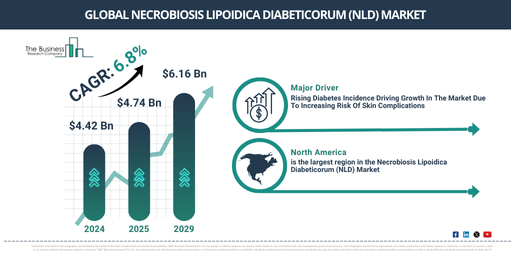
    In recent times, there has been a notable growth in the market size for necrobiosis lipoidica diabeticorum (NLD). It is expected to expand from $4.42 billion in 2024 to $4.74 billion in 2025, advancing at a compound annual growth rate (CAGR) of 7.2%. Numerous factors have contributed to this growth in the past, including heightened healthcare expenditure, urbanization, increased health and wellness awareness, government attention to the issue, and rising instances of necrobiosis lipoidica diabeticorum (NLD) disease.

    In the forthcoming years, the market size for necrobiosis lipoidica diabeticorum (NLD) is set to experience substantial growth, escalating to $6.16 billion in 2029 with a compound annual growth rate (CAGR) of 6.8%. Contributing factors to this forecasted expansion include favorable regulations, the mounting occurrence of diabetic and pressure ulcers, the surge in telemedicine and digital health, and an increasing incidence of diabetes. Key market trends anticipated during the projection period involve a movement towards individualized treatment, technological breakthroughs in treatment methods, progress in telemedicine and digital health, an emphasis on early diagnosis, along with advancements in non-invasive diagnostic methods.

    Download a free sample to assess the report’s scope and structure:

    https://www.thebusinessresearchcompany.com/sample.aspx?id=22067&type=smp

    What are the Fundamental Drivers and Innovations Shaping the Necrobiosis Lipoidica Diabeticorum (NLD) Market?

    The rise in cases of diabetes is likely to stimulate growth in the necrobiosis lipoidica diabeticorum (NLD) market. Diabetes, a metabolic disease marked by extended periods of high blood sugar levels, stems from inadequate insulin production (Type 1) or the body’s inefficiency to properly utilize insulin (Type 2), resulting in potential damage to multiple organs and systems. The escalation in diabetes occurrence can be attributed to the growing prevalence of obesity, associated with insulin resistance, thereby playing a significant role in increasing diabetes cases. Sedentary lifestyles with minimum physical activity also elevate the risk of diabetes development. All these factors contribute to a surge in the occurrence of necrobiosis lipoidica diabeticorum (NLD), as it is closely associated with diabetes-induced microvascular issues and immune system irregularities. In June 2024, the UK’s National Health Service reported that over 549,000 individuals in England were poised to develop type 2 diabetes in 2023, increasing the total number of people with non-diabetic hyperglycemia, or prediabetes, to 3,615,330. This demonstrates a nearly 20% surge compared to the 3,065,825 people in 2022. It is hence evident that the rising incidence of diabetes is fueling the growth of the necrobiosis lipoidica diabeticorum (NLD) market. Growing healthcare expenses are anticipated to further the growth of the necrobiosis lipoidica diabeticorum (NLD) market. This health-centric expenditure refers to the total financial resources utilized on healthcare services by governments, private entities, and people, dealing with the prevention, treatment, and management of diseases. Increasing health expenditure is resultant of the rising prevalence of chronic diseases like diabetes, cardiovascular ailments, and obesity, which necessitate regular treatment and management and thus elevate healthcare costs. Higher healthcare spending promotes research and innovation for necrobiosis lipoidica diabeticorum, thereby enhancing diagnostic abilities, revolutionizing treatment choices, broadening access to new forms of therapies, and inevitably improving patient outcomes. The Office for National Statistics in the UK recorded a 5.6% growth in total healthcare expenditure in nominal terms from 2022 to 2023, a substantial increase compared to the 0.9% escalation in 2022. Thus, growth in healthcare spending stimulates the expansion of the necrobiosis lipoidica diabeticorum (NLD) market.

    How Is the Necrobiosis Lipoidica Diabeticorum (NLD) Market Segmented?

    The necrobiosis lipoidica diabeticorum (NLD) market covered in this report is segmented –

    1) By Procedure: Treatment, Test Type

    2) By Application: Hospitals, Ambulatory Clinics

    3) By Distribution Channel: Hospital Pharmacies, Retail Pharmacies, E-Commerce

    Subsegments:

    1) By Treatment: Topical Therapies, Systemic Therapies, Laser And Light-Based Therapies, Surgical And Advanced Wound Care Management, Alternative And Supportive Therapies

    2) By Test Type: Histopathological Tests, Imaging Tests, Blood Tests And Laboratory Diagnostics

    Request customized data on this market:

    https://www.thebusinessresearchcompany.com/customise?id=22067&type=smp

    Which Regions Are Driving the Next Phase of the Necrobiosis Lipoidica Diabeticorum (NLD) Market Growth?

    North America was the largest region in the necrobiosis lipoidica diabeticorum (NLD) market in 2024. The regions covered in the necrobiosis lipoidica diabeticorum (NLD) market report are Asia-Pacific, Western Europe, Eastern Europe, North America, South America, Middle East, Africa.

    View the full report here:

    https://www.thebusinessresearchcompany.com/report/necrobiosis-lipoidica-diabeticorum-nld-global-market-report

    How Is the Necrobiosis Lipoidica Diabeticorum (NLD) Market Defined and What Are Its Core Parameters?

    Necrobiosis lipoidica diabeticorum (NLD) is a rare skin condition that primarily affects people with diabetes, particularly those with poorly controlled blood sugar levels. It is characterized by developing shiny, reddish-brown patches or plaques, typically on the lower legs, that may eventually become ulcerated.

    Purchase the full report and get a swift delivery:

    https://www.thebusinessresearchcompany.com/purchaseoptions.aspx?id=22067

    About The Business Research Company:

    With over 15000+ reports from 27 industries covering 60+ geographies, The Business Research Company has built a reputation for offering comprehensive, data-rich research and insights. Armed with 1,500,000 datasets, the optimistic contribution of in-depth secondary research, and unique insights from industry leaders, you can get the information you need to stay ahead in the game.

    Get in touch with us:

    The Business Research Company: https://www.thebusinessresearchcompany.com/

    Americas +1 3156230293

    Asia +44 2071930708

    Europe +44 2071930708

    Email us at info@tbrc.info

    Follow us on:

    LinkedIn: https://in.linkedin.com/company/the-business-research-company

    YouTube: https://www.youtube.com/channel/UC24_fI0rV8cR5DxlCpgmyFQ

    Global Market Model: https://www.thebusinessresearchcompany.com/global-market-model