Author: Marketing Posting

  • Metastatic Urothelial Carcinoma Market Insights: In-Depth Look at Growth Trends, Market Size, and Opportunities for 2025-2034

    Metastatic Urothelial Carcinoma Market Insights: In-Depth Look at Growth Trends, Market Size, and Opportunities for 2025-2034

    Our market reports now include the latest updates on global tariffs, trade impacts, and evolving supply chain dynamics.

    How Has the Metastatic Urothelial Carcinoma Market Growth Performance Trended Historically, And What Lies Ahead?

    The market scope for metastatic urothelial carcinoma has seen a steep rise in recent times. It is projected to escalate from a value of $1.18 billion in 2024 to a substantial figure of $1.42 billion by 2025, with the compound annual growth rate (CAGR) standing at 20.2%. The significant growth observed in the historic period is due to elements like a supportive regulatory framework, increasing occurrence of cancers linked to smoking, the introduction of combination therapies, constructive government strategies, and the rise of awareness and early disease detection.

    Accelerating expansion is anticipated in the metastatic urothelial carcinoma market in the ensuing years, with predictions suggesting its growth to $2.94 billion by 2029 at a 19.9% compound annual growth rate (CAGR). This ascension during the projected period can be linked to enhanced patient advocacy, governmental schemes favoring cancer treatment, the development of the biopharmaceutical sector, the rising importance of chemotherapy, and the rapid stride towards urbanization and lifestyle changes. Significant trends projected in the future encompass progress in immunotherapy, the inclusion of artificial intelligence, alliances between pharmaceutical and biotech enterprises, advancements in telemedicine, and the production of next-generation drugs.

    Download a free sample to assess the report’s scope and structure:

    https://www.thebusinessresearchcompany.com/sample.aspx?id=21221&type=smp

    What External and Internal Drivers Are Contributing to the Growth of the Metastatic Urothelial Carcinoma Market?

    The metastatic urothelial carcinoma market is anticipated to expand due to the increase in incidence of bladder cancer. This condition is characterized by the formation of malignant cells in the bladder’s tissues, often initiated in the urothelial cells lining the bladder. Factors contributing to a spike in cases include smoking, exposure to chemicals, constant bladder inflammation, and enhanced ways of detecting the disease. Metastatic urothelial carcinoma, considered as a severe and aggressive stage of bladder cancer, underscores the urgent necessity for early diagnosis, improved therapeutic procedures, and escalated research initiatives. This will lead to the development of new approaches in handling bladder cancer cases and improvement in patient outcomes dealing with this deadly disease. For example, predictions from a Cancer Research UK-based charity in February 2023 indicate that the number of new bladder cancer cases in the UK will rise from about 9,800 cases annually between 2023 and 2025, to nearly 10,700 cases per year by 2038-2040. As a result, the increase in the occurrence of bladder cancer will fuel the growth of the metastatic urothelial carcinoma market.

    What Segment Types Define the Metastatic Urothelial Carcinoma Market Structure?

    The metastatic urothelial carcinoma market covered in this report is segmented –

    1) By Treatment: Chemotherapy, Targeted Therapy, Immunotherapy, Radiation Therapy, Intravesical Therapy

    2) By Diagnosis: Urine Lab Tests, Cystoscopy, Intravenous Pyelogram (IVP), Biopsy

    3) By End User: Hospital, Oncology Clinics, Research Institutes, Other End User

    Subsegments:

    1) By Chemotherapy: Platinum-based Chemotherapy, Gemcitabine-based Chemotherapy, Other Chemotherapy Regimens

    2) By Targeted Therapy: FGFR Inhibitors, Immune Checkpoint Inhibitors, Other Targeted Agents

    3) By Immunotherapy: PD-1 Or PD-L1 Inhibitors, CTLA-4 Inhibitors, Combination Immunotherapies

    4) By Radiation Therapy: External Beam Radiation Therapy, Stereotactic Body Radiation Therapy

    5) By Intravesical Therapy: Bacillus Calmette-Guérin Therapy, Chemotherapy-based Intravesical Therapy

    Request customized data on this market:

    https://www.thebusinessresearchcompany.com/customise?id=21221&type=smp

    Which Geographic Areas Hold the Strongest Growth Potential in the Metastatic Urothelial Carcinoma Market?

    North America was the largest region in the metastatic urothelial carcinoma market in 2024. Asia-Pacific is expected to be the fastest-growing region in the forecast period. The regions covered in the metastatic urothelial carcinoma market report are Asia-Pacific, Western Europe, Eastern Europe, North America, South America, Middle East, Africa.

    What Long-Term Trends Are Transforming the Competitive Landscape of the Metastatic Urothelial Carcinoma Market?

    Leading companies involved in the metastatic urothelial carcinoma market are gaining regulatory authorization for their medicines, aiming to broaden their influence and solidify their place in treating adults with locally advanced or metastatic urothelial carcinoma (la/mUC). Regulatory approvals are essentially the formal consent given by governmental or regulatory agencies for a drug, medical device, or treatment to be advertised and utilized by the public. For example, in April 2023, Merck & Co. Inc. secured FDA approval for KEYTRUDA (pembrolizumab) as a front-line treatment for specific patients with locally advanced or metastatic urothelial cancer. This signifies a crucial progress in urothelial cancer treatment, as the combination of KEYTRUDA (pembrolizumab) and enfortumab vedotin has become the first anti-PD-1 therapy approved in the U.S. to be paired with an antibody-drug conjugate for patients with locally advanced or metastatic urothelial cancer. Notably, the combination therapy resulted in a statistically significant increase in overall survival (OS) and progression-free survival (PFS) as compared to traditional platinum-based chemotherapy (gemcitabine plus cisplatin or carboplatin). This provides a new treatment alternative for patients who may not have had effective treatments before.

    View the full report here:

    https://www.thebusinessresearchcompany.com/report/metastatic-urothelial-carcinoma-global-market-report

    What Is the Definition of the Metastatic Urothelial Carcinoma Market?

    Metastatic urothelial carcinoma refers to an advanced form of bladder cancer that has spread beyond the urothelium to distant organs or lymph nodes. Metastatic urothelial carcinoma utilizes advanced diagnostic technologies, targeted therapies, and immunotherapies to manage and treat cancer that has spread beyond the bladder or urinary tract.

    Purchase the full report and get a swift delivery:

    https://www.thebusinessresearchcompany.com/purchaseoptions.aspx?id=21221

    About The Business Research Company:

    With over 15000+ reports from 27 industries covering 60+ geographies, The Business Research Company has built a reputation for offering comprehensive, data-rich research and insights. Armed with 1,500,000 datasets, the optimistic contribution of in-depth secondary research, and unique insights from industry leaders, you can get the information you need to stay ahead in the game.

    Get in touch with us:

    The Business Research Company: https://www.thebusinessresearchcompany.com/

    Americas +1 3156230293

    Asia +44 2071930708

    Europe +44 2071930708

    Email us at info@tbrc.info

    Follow us on:

    LinkedIn: https://in.linkedin.com/company/the-business-research-company

    YouTube: https://www.youtube.com/channel/UC24_fI0rV8cR5DxlCpgmyFQ

    Global Market Model: https://www.thebusinessresearchcompany.com/global-market-model

  • Key Developments and Trends Steering the Transradial Access Products Market Forward: Advancements In Peripheral Support Catheters Driving The Market

    Key Developments and Trends Steering the Transradial Access Products Market Forward: Advancements In Peripheral Support Catheters Driving The Market

    Our market reports now include the latest updates on global tariffs, trade impacts, and evolving supply chain dynamics.

    #What is the Projected CAGR for the Transradial Access Products Market Size from 2025 to 2034?#_x000D_

    In recent times, the market size for transradial access products has experienced a swift expansion. Its growth is projected to increase from $2.20 billion in 2024 to $2.49 billion in 2025, with a compound annual growth rate (CAGR) of 12.9%. The significant growth throughout the historic period can be credited to several factors including an increase in chronic diseases, an ageing population, a surge in cardiovascular disease cases, the proliferation of lifestyle-related disorders and cardiovascular diseases, as well as a growing awareness of the advantages of radial access._x000D_

    _x000D_

    In the upcoming years, there will be a swift expansion in the market size of transradial access products, which is predicted to reach the value of $3.99 billion in 2029 with a 12.5% compound annual growth rate (CAGR). This growth during the prediction period can be linked to the increasing need for minimally invasive operations, rising cancer cases, increasing utilization of vascular access devices, increased heart-related diseases and obesity, and a higher frequency of chronic diseases. The forecast period will also witness major trends such as the technological advancements in treatments, uptake of transradial access methods, incorporation of transradial access techniques and devices into clinical use, infiltration of new technology, and peripheral intervention technologies._x000D_

    _x000D_

    #Download a free sample to assess the report’s scope and structure:#_x000D_

    https://www.thebusinessresearchcompany.com/sample.aspx?id=21303&type=smp_x000D_

    _x000D_

    #How Are Key Drivers in the Industry Acting as Catalysts for the Growth of the Transradial Access Products Market?#_x000D_

    The escalation of cardiovascular diseases is anticipated to bolster the expansion of the transradial access products market. Cardiovascular diseases encompass numerous disorders impacting the heart and blood vessels, including conditions like coronary artery disease, heart failure, and stroke. This escalation in prevalence of cardiovascular diseases is linked to sedentary lifestyles, unhealthy dietary choices, obesity, smoking, heavy alcohol intake, and aging populations, all of which contribute to increased instances of hypertension, diabetes, and other risk factors. Transradial access products augment the treatment of cardiovascular diseases by allowing for minimal invasive catheterization procedures, lowering the risk of complications, increasing patient comfort, and speeding up recovery times. For example, the Australian Institute of Health and Welfare, a government agency, reported that the number of deaths caused by coronary heart disease (CHD) rose to 14,900 in 2022. Thus, the rising prevalence of cardiovascular diseases is fueling the growth of the transradial access products market. Growth in Obesity Cases Fuelling the Market Expansion_x000D_

    _x000D_

    #Which Segments in the Transradial Access Products Offer the Most Growth?#_x000D_

    The transradial access products market covered in this report is segmented –_x000D_

    _x000D_

    1) By Product: Catheter, Guidewire, Sheath, Other Products_x000D_

    2) By Application: Diagnostic And Interventional, Drug Administration, Blood Transfusion, Other Applications_x000D_

    3) By End-User: Hospitals And Clinics, Ambulatory Surgical Centers, Other End Users_x000D_

    _x000D_

    Subsegments:_x000D_

    1) By Catheter: Diagnostic Catheters, Guiding Catheters, Balloon Catheters_x000D_

    2) By Guidewire: Hydrophilic Guidewires, Nitinol Guidewires, Stainless Steel Guidewires_x000D_

    3) By Sheath: Introducer Sheaths, Radial Sheath Sets, Hydrophilic-Coated Sheaths_x000D_

    4) By Other Products: Hemostatic Devices, Compression Bands, Vascular Closure Devices_x000D_

    _x000D_

    #Request customized data on this market:#_x000D_

    https://www.thebusinessresearchcompany.com/customise?id=21303&type=smp_x000D_

    _x000D_

    #What Are the Fastest-Growing Geographies in the #How Are Key Drivers in the Industry Acting as Catalysts for the Growth of the Transradial Access Products Market?# Market?#_x000D_

    North America was the largest region in the transradial access products market in 2024. The regions covered in the transradial access products market report are Asia-Pacific, Western Europe, Eastern Europe, North America, South America, Middle East, Africa._x000D_

    _x000D_

    #What Are the Current Market Growth and Trends in the Transradial Access Products Industry?#_x000D_

    Leading corporations in the transradial access products marketplace are invested in the advancement of novel products including peripheral support catheter, with the goal of increasing procedural efficiency and enhancing patient results. A peripheral support catheter serves a crucial role in supporting and stabilizing during intricate procedures on peripheral vascular interventions, such as chronic total occlusions or tortuous arteries navigation. For example, in December 2024, Terumo Interventional Systems (TIS), a part of Terumo Corporation, a medical technology company based in the USA, launched the R2P NaviCross Peripheral Support Catheter. This catheter broadens their suite of interventional commodities, which comprise catheters, guidewires, sheaths, and a variety of devices utilized in cardiovascular and peripheral procedures. The R2P NaviCross Peripheral Support Catheter is designed to aid guidewires and boost navigation during intricate peripheral vascular operations, aiding in crossing tricky lesions and reaching otherwise difficult locations in peripheral arteries._x000D_

    _x000D_

    #View the full report here:#_x000D_

    https://www.thebusinessresearchcompany.com/report/transradial-access-products-global-market-report_x000D_

    _x000D_

    #What Are the Key Elements That Define the Transradial Access Products Market?#_x000D_

    Transradial access products are medical devices used to gain access to the circulatory system through the radial artery in the wrist, commonly for procedures such as coronary angiography and angioplasty. Transradial access is utilized in medical procedures, primarily in cardiology, by gaining access to the circulatory system through the radial artery in the wrist._x000D_

    _x000D_

    #Purchase the full report and get a swift delivery:#_x000D_

    https://www.thebusinessresearchcompany.com/purchaseoptions.aspx?id=21303_x000D_

    _x000D_

    #About The Business Research Company:#_x000D_

    With over 15000+ reports from 27 industries covering 60+ geographies, The Business Research Company has built a reputation for offering comprehensive, data-rich research and insights. Armed with 1,500,000 datasets, the optimistic contribution of in-depth secondary research, and unique insights from industry leaders, you can get the information you need to stay ahead in the game._x000D_

    _x000D_

    #Get in touch with us:#_x000D_

    The Business Research Company: https://www.thebusinessresearchcompany.com/_x000D_

    Americas +1 3156230293_x000D_

    Asia +44 2071930708_x000D_

    Europe +44 2071930708_x000D_

    Email us at info@tbrc.info_x000D_

    _x000D_

    #Follow us on:#_x000D_

    _x000D_

    LinkedIn: https://in.linkedin.com/company/the-business-research-company_x000D_

    YouTube: https://www.youtube.com/channel/UC24_fI0rV8cR5DxlCpgmyFQ_x000D_

    Global Market Model: https://www.thebusinessresearchcompany.com/global-market-model

  • Critical Market Drivers Shaping the Outlook for Intravenous Iron Drugs Market from 2025-2034: Growing Incidence Of Chronic Kidney Disease (CKD) Fueling The Market Due To Rising Prevalence Of Risk Factors And Associated Mortality Rates

    Critical Market Drivers Shaping the Outlook for Intravenous Iron Drugs Market from 2025-2034: Growing Incidence Of Chronic Kidney Disease (CKD) Fueling The Market Due To Rising Prevalence Of Risk Factors And Associated Mortality Rates

    Get 30% off on our Global Market Reports with code ONLINE30 – Hurry, limited time offer!

    How Has The Intravenous Iron Drugs Market Growth Evolved From 2024 To 2025, And What’s Ahead?

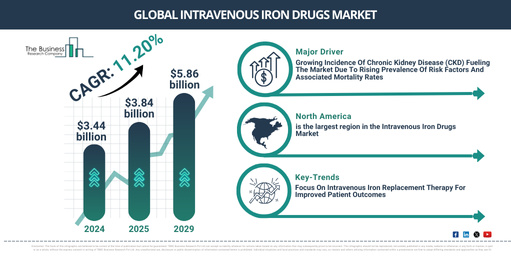
    In recent times, the market size for intravenous iron drugs has experienced significant growth. Expected to increase from $3.44 billion in 2024 to $3.84 billion in 2025, the market will embrace a compound annual growth rate (CAGR) of 11.6%. Factors that contributed to the growth in the historical period include the rising instances of iron deficiency anemia and chronic diseases, the growth in healthcare expenditure, the aging demographic, and the escalating occurrence of targeted illnesses.

    The market for intravenous iron medications is anticipated to experience a significant expansion in the coming years, surging to a value of $5.86 billion by 2029 with a compound annual growth rate (CAGR) of 11.2%. This anticipated growth during the projected period can be credited to factors such as governmental policies, advancements in the domain of IV iron medications, increased demand for these medicines, a rise in research and development activities, and enhancements in dispensation and composition. Furthermore, the major trends to be expected during the forecast period are inclusive of advanced intravenous iron treatments, progress in drug development, a transition towards more user-friendly iv iron therapies, strategic collaborations, partnerships and acquisitions, and innovative technologies in new drug delivery systems.

    Download a free sample to assess the report’s scope and structure:

    https://www.thebusinessresearchcompany.com/sample.aspx?id=23430&type=smp

    What Are the Core Growth Drivers Propelling the Intravenous Iron Drugs Market Forward?

    The rise in cases of chronic kidney disease (CKD) is anticipated to drive the expansion of the intravenous iron drugs market in the future. CKD involves a gradual decline in kidney function over time, resulting in a compromised ability of the kidneys to effectively remove waste and excess fluids from the bloodstream. The escalating incidence of CKD can be attributed to increasing diabetes and hypertension rates that inflict long-term damage to the kidneys. Intravenous iron medications benefit CKD patients by replenishing deficient iron supplies, rectifying anemia, and boosting hemoglobin levels, thus augmenting oxygen transport and alleviating the requirement for erythropoiesis-stimulating agents. For example, as per the Australian Institute of Health and Welfare, a government organization based in Australia, mortality rates due to CKD elevated by 4.2% in 2021 and 6.2% in 2022. In 2022, CKD accounted for approximately 22,000 fatalities in Australia, constituting 11% of all deaths. Consequently, the escalating incidence of CKD is propelling the growth of the intravenous iron drugs market.

    What Segment Types Define the Intravenous Iron Drugs Market Structure?

    The intravenous iron drugs market covered in this report is segmented –

    1) By Product Type: Iron Dextran, Iron Sucrose, Ferric Carboxymaltose, Other Product Types

    2) By Indication: Chronic Kidney Disease, Inflammatory Bowel Disease, Cancer, Other Diseases

    3) By Distribution Channel: Hospital Pharmacy, Retail Pharmacy, Online Pharmacy

    Subsegments:

    1) By Iron Dextran: Low Molecular Weight Iron Dextran, High Molecular Weight Iron Dextran

    2) By Iron Sucrose: Standard Iron Sucrose Injection, Iron Sucrose Complex

    3) By Ferric Carboxymaltose: Single-Dose Ferric Carboxymaltose, Multiple-Dose Ferric Carboxymaltose

    4) By Other Product Types: Ferumoxytol, Ferric Derisomaltose, Sodium Ferric Gluconate

    Request customized data on this market:

    https://www.thebusinessresearchcompany.com/customise?id=23430&type=smp

    Which Geographic Areas Hold the Strongest Growth Potential in the Intravenous Iron Drugs Market?

    North America was the largest region in the intravenous iron drugs market in 2024. Asia-Pacific is expected to be the fastest-growing region in the forecast period. The regions covered in the intravenous iron drugs market report are Asia-Pacific, Western Europe, Eastern Europe, North America, South America, Middle East, Africa.

    What Long-Term Trends Are Transforming the Competitive Landscape of the Intravenous Iron Drugs Market?

    Leading enterprises in the intravenous iron drugs market are concentrating on pioneering novel therapies, including intravenous (IV) iron replacement therapy, with the aim of enhancing efficacy, safety and outcomes for patients. The said therapy is a medical procedure that provides iron straight into a patient’s bloodstream via intravenous infusion, targeting iron deficiency and anemia, specifically for individuals who can’t adequately absorb or endure oral iron supplements. As an example, in June 2023, a pharmaceutical firm from Japan, Daiichi Sankyo Company Limited, known for its groundbreaking drug development and healthcare solutions, declared that Injectafer (ferric carboxymaltose injection), used for treating iron deficiency in adult patients with heart failure classified as New York Heart Association class II/III to elevate their exercise capacity, had received approval by the U.S. Food and Drug Administration (FDA). Injectafer has a great reputation as an intravenous iron therapy for effectively restoring iron levels in patients who either do not respond well or are intolerant to oral iron supplements.

    View the full report here:

    https://www.thebusinessresearchcompany.com/report/intravenous-iron-drugs-global-market-report

    What Is the Definition of the Intravenous Iron Drugs Market?

    Intravenous iron drugs are iron formulations administered directly into the bloodstream to treat iron deficiency and iron deficiency anemia, especially in patients who cannot tolerate or do not respond adequately to oral iron supplements. These drugs work by rapidly increasing iron levels, facilitating hemoglobin production, and improving oxygen transport, alleviating symptoms such as fatigue and weakness.

    Purchase the full report and get a swift delivery:

    https://www.thebusinessresearchcompany.com/purchaseoptions.aspx?id=23430

    About The Business Research Company:

    With over 15000+ reports from 27 industries covering 60+ geographies, The Business Research Company has built a reputation for offering comprehensive, data-rich research and insights. Armed with 1,500,000 datasets, the optimistic contribution of in-depth secondary research, and unique insights from industry leaders, you can get the information you need to stay ahead in the game.

    Get in touch with us:

    The Business Research Company: https://www.thebusinessresearchcompany.com/

    Americas +1 3156230293

    Asia +44 2071930708

    Europe +44 2071930708

    Email us at info@tbrc.info

    Follow us on:

    LinkedIn: https://in.linkedin.com/company/the-business-research-company

    YouTube: https://www.youtube.com/channel/UC24_fI0rV8cR5DxlCpgmyFQ

    Global Market Model: https://www.thebusinessresearchcompany.com/global-market-model
  • Market Trends Influencing Strategic Decisions in the Tissue Heart Valves Industry: Next-Generation Avalus Ultra Valve Enhances Surgical Aortic Tissue Valve Procedures

    Market Trends Influencing Strategic Decisions in the Tissue Heart Valves Industry: Next-Generation Avalus Ultra Valve Enhances Surgical Aortic Tissue Valve Procedures

    Our market reports now include the latest updates on global tariffs, trade impacts, and evolving supply chain dynamics.

    #What Is the Current and Projected Market Size of the Tissue Heart Valves Market Through 2034?#_x000D_

    In recent times, the size of the tissue heart valves market has shown consistent growth. It is projected to escalate from $1.48 billion in 2024 to $1.53 billion in 2025, attaining a compound annual growth rate (CAGR) of 3.1%. The growth during the historical period can be linked to a surge in lifestyle diseases, growing healthcare spending, a rise in the aging population, an increase in cardiac and pathological disorders, as well as an intensifying prevalence of heart diseases._x000D_

    _x000D_

    The market for tissue heart valves is predicted to experience consistent expansion in the upcoming years, anticipated to reach a value of $1.70 billion by the year 2029, amplifying at a compound annual growth rate (CAGR) of 2.7%. The spike in growth during the forecast period can be credited to factors such as the rising incidence of cardiovascular diseases, the popularity surge of sutureless procedures, the escalating aging demographic, the burgeoning demand for cardiovascular interventions, and the uptick in healthcare investments. Noteworthy trends for the forecast timeline are technological breakthroughs, creative culture systems, progress in imaging technologies, advancements in surgical methodologies, and growth in emerging markets._x000D_

    _x000D_

    #Download a free sample to assess the report’s scope and structure:#_x000D_

    https://www.thebusinessresearchcompany.com/sample.aspx?id=21302&type=smp_x000D_

    _x000D_

    #What Are the Major Market Drivers Behind the Rising Adoption of Tissue Heart Valves Market?#_x000D_

    The rise in cardiovascular diseases is predicted to fuel the expansion of the tissue heart valves market. These diseases include a range of disorders impacting the heart and blood vessels, such as heart attacks, strokes, and hypertension. Unhealthy lifestyles, an aging population, an increase in risk factors, poor dietary habits, a lack of physical activity, smoking, stress, and urbanization all contribute to the escalating incidence of cardiovascular diseases and heart-related ailments worldwide. Tissue heart valves play a critical role in mitigating these disorders by offering a durable, biocompatible, and less thrombogenic alternative for patients needing valve replacements, thereby enhancing heart functionality in the long term and decreasing the potential for complications. For example, a report published by the Heart Failure Society of America (HFSA) in September 2024 revealed that about 6.7 million Americans aged 20 and above currently live with heart failure (HF). The forecast predicts this figure might rise to 8.7 million by 2030, 10.3 million by 2040, and 11.4 million by 2050. Consequently, the rising incidence of cardiovascular diseases fuels the growth of the tissue heart valve market._x000D_

    _x000D_

    #Which Key Market Segments Comprise the Tissue Heart Valves Market and Drive Its Revenue Growth?#_x000D_

    The tissue heart valves market covered in this report is segmented –_x000D_

    _x000D_

    1) By Type: Stented Tissue Heart Valves, Stentless Tissue Heart Valves_x000D_

    2) By Valve Type: Aortic, Mitral, Tricuspid, Pulmonary_x000D_

    3) By End-User: Hospitals, Ambulatory Surgical Centers, Other End-Users_x000D_

    _x000D_

    Subsegments:_x000D_

    1) By Stented Tissue Heart Valves: Bovine Pericardial Valves, Porcine Valves_x000D_

    2) By Stentless Tissue Heart Valves: Bovine Pericardial Stentless Valves, Homograft Valves_x000D_

    _x000D_

    #Request customized data on this market:#_x000D_

    https://www.thebusinessresearchcompany.com/customise?id=21302&type=smp_x000D_

    _x000D_

    #Which Areas Are Leading Regions in the Tissue Heart Valves Market Expansion Across the Globe?#_x000D_

    North America was the largest region in the tissue heart valves market in 2024. Asia-Pacific is expected to be the fastest-growing region in the forecast period. The regions covered in the tissue heart valves market report are Asia-Pacific, Western Europe, Eastern Europe, North America, South America, Middle East, Africa._x000D_

    _x000D_

    #What Are the Strategic Trends Steering theTissue Heart Valves Market Direction?#_x000D_

    In an effort to innovate and streamline implantation and lifelong patient management, principal companies in the tissue heart valves market are concentrating on the creation of cutting-edge products like surgical aortic tissue valves. These kind of prosthetic heart valves, crafted from biological tissue, are generally used to substitute an ailing or impaired aortic valve through heart surgery. One such example is the Avalus Ultra valve, a novel surgical aortic tissue valve launched in June 2024 by Medtronic plc., a tech firm based in Ireland. It was developed to upgrade ease during implantation and strengthen long-term patient management. The valve’s design, based on a decade of clinical experience with the Avalus valve, showcases a low valve profile, a base frame made of polyetheretherketone (PEEK) for dependable circularity, and a leading Effective Orifice Area (EOA) in the industry for enhanced blood circulation. A radiopaque coil, part of the valve features, assures clear visibility for upcomming valve-in-valve procedures, securing long-lasting durability for patients battling aortic stenosis._x000D_

    _x000D_

    #View the full report here:#_x000D_

    https://www.thebusinessresearchcompany.com/report/tissue-heart-valves-global-market-report_x000D_

    _x000D_

    #How Is the Tissue Heart Valves Market Conceptually Defined?#_x000D_

    Tissue heart valves are heart valves made from biological tissue (rather than mechanical materials) used in heart valve replacement surgeries. They are often used as an alternative to mechanical heart valves and are designed to mimic the function of natural heart valves._x000D_

    _x000D_

    #Purchase the full report and get a swift delivery:#_x000D_

    https://www.thebusinessresearchcompany.com/purchaseoptions.aspx?id=21302_x000D_

    _x000D_

    #About The Business Research Company:#_x000D_

    With over 15000+ reports from 27 industries covering 60+ geographies, The Business Research Company has built a reputation for offering comprehensive, data-rich research and insights. Armed with 1,500,000 datasets, the optimistic contribution of in-depth secondary research, and unique insights from industry leaders, you can get the information you need to stay ahead in the game._x000D_

    _x000D_

    #Get in touch with us:#_x000D_

    The Business Research Company: https://www.thebusinessresearchcompany.com/_x000D_

    Americas +1 3156230293_x000D_

    Asia +44 2071930708_x000D_

    Europe +44 2071930708_x000D_

    Email us at info@tbrc.info_x000D_

    _x000D_

    #Follow us on:#_x000D_

    _x000D_

    LinkedIn: https://in.linkedin.com/company/the-business-research-company_x000D_

    YouTube: https://www.youtube.com/channel/UC24_fI0rV8cR5DxlCpgmyFQ_x000D_

    Global Market Model: https://www.thebusinessresearchcompany.com/global-market-model

  • Key Factors Fueling the Growth of the Intravenous (IV) Ibuprofen Market in 2025: Rising Prevalence Of Pain Disorders Fueling The Growth Of The Market Due To Increasing Demand For Effective Pain Management

    Key Factors Fueling the Growth of the Intravenous (IV) Ibuprofen Market in 2025: Rising Prevalence Of Pain Disorders Fueling The Growth Of The Market Due To Increasing Demand For Effective Pain Management

    Get 30% off on our Global Market Reports with code ONLINE30 – Hurry, limited time offer!

    What is the Projected CAGR for the Intravenous (IV) Ibuprofen Market Size from 2025 to 2034?

    In recent times, there has been a swift expansion in the market size of intravenous (IV) ibuprofen. It’s projected to rise from $8.35 billion in 2024 to $9.4 billion in 2025, with a compound annual growth rate (CAGR) of 12.5%. This growth in the past period is primarily due to factors such as a rise in chronic diseases, an increase in surgical interventions, a growing focus on reducing opioid use, an increase in per capita income, and the expansion of medical tourism.

    Rapid expansion is anticipated for the intravenous (IV) ibuprofen market, which is projected to reach $14.86 billion by 2029 with a compound annual growth rate (CAGR) of 12.1%. This predicted growth during the forecast period is primarily driven by growing investments in healthcare, a surge in pediatric patients, a rise in the number of people suffering from pain and fever, an increasing elderly population and widespread adopting of progressive pharmaceutical therapies. The forecast period is also expected to witness trends such as innovative therapeutic solutions, single-dose formulation systems, progress in personalized medicine, integration of multimodal pain management protocols, and evolution in combination therapies.

    Download a free sample to assess the report’s scope and structure:

    https://www.thebusinessresearchcompany.com/sample.aspx?id=23429&type=smp

    What are the Fundamental Drivers and Innovations Shaping the Intravenous (IV) Ibuprofen Market?

    Growth in the intravenous ibuprofen market is set to gain momentum due to an increase in the occurrence of pain disorders. These are medical conditions featuring persistent or recurring pain that hampers daily activities, commonly resulting from nerve, musculoskeletal, or inflammatory problems. The surge in pain disorders can be attributed to an aging population, since elderly people are more prone to chronic ailments such as arthritis, osteoarthritis, and nerve pain. These factors raise the demand for potent pain alleviation solutions. Intravenous ibuprofen aids in pain control by offering rapid relief, rendering it perfect for acute and post-surgical pain situations. It aids in reducing inflammation and boosting patient comfort, thereby enhancing the efficacy of treatments in healthcare settings. Supporting this point, the Office for Health Improvement and Disparities, a government department in the UK, reported in January 2024 that the proportion of individuals aged 16 and above self-reporting long-term musculoskeletal conditions had increased to 18.4% in 2023 from the previous year’s 17.6%. Thus, the escalating incidence of pain disorders predicts a robust growth trajectory for the intravenous ibuprofen market.

    How Is the Intravenous (IV) Ibuprofen Market Segmented?

    The intravenous (IV) ibuprofen market covered in this report is segmented –

    1) By Product Type: Conventional Intravenous (IV) Ibuprofen, High-Concentration Intravenous (IV) Ibuprofen

    2) By Strength: 100 Milligrams (mg), 200 Milligrams (mg), 400 Milligrams (mg), 800 Milligrams (mg)

    3) By Age Group: Pediatrics, Adults

    4) By Application: Pain, Fever, Inflammation, Other Applications

    5) By End-User: Hospitals, Ambulatory Surgical Centers, Clinics, Other End-Users

    Subsegments:

    1) By Conventional Intravenous (IV) Ibuprofen: Pediatric Intravenous (IV) Ibuprofen, Adult Intravenous (IV) Ibuprofen

    2) By High-Concentration Intravenous (IV) Ibuprofen: Single-Dose Vial, Multi-Dose Vial

    Request customized data on this market:

    https://www.thebusinessresearchcompany.com/customise?id=23429&type=smp

    Which Regions Are Driving the Next Phase of the Intravenous (IV) Ibuprofen Market Growth?

    North America was the largest region in the intravenous (IV) ibuprofen market in 2024. Asia-Pacific is expected to be the fastest-growing region in the forecast period. The regions covered in the intravenous (IV) ibuprofen market report are Asia-Pacific, Western Europe, Eastern Europe, North America, South America, Middle East, Africa.

    What Key Market Trends and Innovations Are Shaping the Future of the Intravenous (IV) Ibuprofen Industry?

    The central players in the intravenous ibuprofen market are striving to innovate by formulating improved versions of drugs, such as analgesics that do not include opioids. This allows for superior pain control while lessening the widespread issue of opioid dependence. Opioid-free analgesics do not contain any opioids, eliminating the possibility of addiction and subsequent opioid-related side effects. For example, in February 2024, Hikma Pharmaceuticals plc, a UK-based pharmaceutical organization, debuted their COMBOGESIC IV (acetaminophen and ibuprofen) injection in the US; a development that follows US Food and Drug Administration (FDA) approval in October 2023. This new form of intravenous, opioid-less analgesic is recommended for easing mild to moderate pain and for aiding in the treatment of moderate to severe pain. The unique combination of two active ingredients in COMBOGESIC IV offers a fresh, non-opioid pain managing solution for medical professionals.

    View the full report here:

    https://www.thebusinessresearchcompany.com/report/intravenous-iv-ibuprofen-global-market-report

    How Is the Intravenous (IV) Ibuprofen Market Defined and What Are Its Core Parameters?

    Intravenous (IV) Ibuprofen is a form of ibuprofen administered directly into the bloodstream through an intravenous route. The primary purpose of intravenous (IV) ibuprofen is to provide rapid pain relief and reduce inflammation or fever, especially in patients who cannot take oral medications. It works by inhibiting the production of prostaglandins, which cause pain and inflammation. Intravenous ibuprofen is commonly used for postoperative pain and acute conditions requiring quick relief.

    Purchase the full report and get a swift delivery:

    https://www.thebusinessresearchcompany.com/purchaseoptions.aspx?id=23429

    About The Business Research Company:

    With over 15000+ reports from 27 industries covering 60+ geographies, The Business Research Company has built a reputation for offering comprehensive, data-rich research and insights. Armed with 1,500,000 datasets, the optimistic contribution of in-depth secondary research, and unique insights from industry leaders, you can get the information you need to stay ahead in the game.

    Get in touch with us:

    The Business Research Company: https://www.thebusinessresearchcompany.com/

    Americas +1 3156230293

    Asia +44 2071930708

    Europe +44 2071930708

    Email us at info@tbrc.info

    Follow us on:

    LinkedIn: https://in.linkedin.com/company/the-business-research-company

    YouTube: https://www.youtube.com/channel/UC24_fI0rV8cR5DxlCpgmyFQ

    Global Market Model: https://www.thebusinessresearchcompany.com/global-market-model

  • Emerging Growth Drivers in the Metabolic Testing Market Landscape: Increase In Prevalence Of Chronic Diseases Is Driving The Market Growth

    Our market reports now include the latest updates on global tariffs, trade impacts, and evolving supply chain dynamics.

    What Is the Estimated Market Size of the Metabolic Testing Market In 2029?

    Recent years have seen a robust growth in the size of the metabolic testing market. The market, which was worth $0.59 billion in 2024, is projected to increase to $0.64 billion in 2025, representing a compound annual growth rate (CAGR) of 7.9%. The historic rise can be traced back to several factors such as an increasing health-aware society, enhanced understanding of health and wellness, advancements in healthcare infrastructure, an uptick in bariatric surgery procedures, and the proliferation of corporate wellness programs.

    Expectations are high for robust expansion in the metabolic testing market size in the upcoming years, projected to reach a value of $0.86 billion by 2029, with a compound annual growth rate of 7.6%. The momentum of this growth for the projected period can be pinned to an amplified focus on preventive healthcare, the burgeoning demand for fitness and wellness applications, governmental efforts towards metabolic health, the burgeoning expansion of wearable health devices, and escalating obesity rates. Noteworthy trends expected within this period comprise the integration of Artificial Intelligence in metabolic testing, the increase in usage of at-home testing apparatuses, portable metabolic analyzers, advanced machinery for indirect calorimetry, and Internet of Things-based metabolic testing systems.

    Download a free sample to assess the report’s scope and structure:

    https://www.thebusinessresearchcompany.com/sample.aspx?id=21219&type=smp

    Which Primay Drivers Are Accelerating Growth in the Metabolic Testing Market?

    The metabolic testing market is anticipated to be propelled by the rising prevalence of chronic diseases. Chronic diseases are conditions that typically last for a year or longer, requiring continuous medical supervision or interfering with daily living activities. The surge in such diseases is linked to unhealthy lifestyles, poor nutrition habits, and an aging population. Metabolic testing is vital for managing these chronic diseases, as it offers important information about an individual’s metabolic health. This allows for the early detection of conditions like diabetes, cardiovascular disease, and metabolic syndrome and aids in tailoring treatment plans and enhancing overall disease control. The World Health Organization (WHO), a Switzerland-based intergovernmental organization, reported in September 2023 that of the 41 million deaths worldwide, 74% were due to chronic diseases each year. This number includes 17.9 million deaths from cardiovascular diseases, 9.3 million from cancer, 4.1 million from chronic respiratory diseases, and 2.0 million from diabetes. Thus, the rise in chronic disease prevalence is expected to fuel the metabolic testing market.

    Which Primary Segments of the Metabolic Testing Market Are Driving Growth and Industry Transformations?

    The metabolic testing market covered in this report is segmented –

    1) By Equipment Type: Body Composition Analyzers, Cardiopulmonary Exercise Testing (CPET) Systems, Electrocardiogram Systems (ECG) Systems, Metabolic Carts, Other Equipment Types

    2) By Technology: VO2 Max Analysis, RMR Analysis, Body Composition Analysis

    3) By Application: Critical Care, Lifestyle Diseases, Other Applications

    4) By End User: Hospitals And Clinics, Sports Training Centers, Other End Users

    Subsegments:

    1) By Body Composition Analyzers: Dual-Energy X-ray Absorptiometry (DXA), Bioelectrical Impedance Analysis (BIA), Air Displacement Plethysmography (ADP)

    2) By Cardiopulmonary Exercise Testing (CPET) Systems: Treadmill Or Cycle Ergometer-based CPET, Oxygen Consumption Measurement Systems, Gas Exchange Measurement Systems

    3) By Electrocardiogram (ECG) Systems: Resting ECG Systems, Stress ECG Systems, Holter Monitors

    4) By Metabolic Carts: Indirect Calorimetry Metabolic Carts, Open-Circuit Spirometry Metabolic Carts

    5) By Other Equipment Types: Continuous Glucose Monitoring Systems, Lactate Testing Devices, Blood Pressure Monitoring Devices

    Request customized data on this market:

    https://www.thebusinessresearchcompany.com/customise?id=21219&type=smp

    Which Regions Are Key Players in the Growth of the Which Primay Drivers Are Accelerating Growth in the Metabolic Testing Market? Market?

    North America was the dominant region in the metabolic testing market in 2024. Asia-Pacific is expected to be the exponential growth region in the forecast period. The regions covered in the metabolic testing market report are Asia-Pacific, Western Europe, Eastern Europe, North America, South America, Middle East, Africa.

    Which Technological Trends Are Reshaping the Metabolic Testing Industry Dynamics?

    Leading firms within the metabolic testing market are prioritizing the development of cutting-edge testing equipment, for instance, metabolic analyzers, in an attempt to enhance real-time metabolic assessments and heighten the precision of research. Metabolic analyzers are medical tools utilized to calculate an individual’s metabolic rate and evaluate the overall spectrum of metabolic functions. These analyzers interpret the body’s ability to efficiently use oxygen and transition food into energy, offering critical insight into calories burned, how energy sources (carbohydrates versus fats) are used, and respiratory effectiveness. For example, in September 2024, PHC Corporation, a healthcare solutions provider based in Japan, introduced its live cell metabolic analyzer known as LiCellMo. This device was engineered for the real-time viewing of cellular metabolism during cell and gene therapy research. The LiCellMo offers exclusive attributes such as real-time, continuous, and harmless monitoring of glucose and lactate levels in cell cultures, delivering a full understanding of cellular metabolism without hampering the experimental process. It further enables researchers to observe metabolic shifts in cell cultures, rendering an inclusive depiction of cell activity.

    View the full report here:

    https://www.thebusinessresearchcompany.com/report/metabolic-testing-global-market-report

    What Parameters Are Used to Define the Metabolic Testing Market?

    Metabolic testing refers to a set of medical tests used to measure the body’s metabolic rate, including how efficiently it converts food into energy and to assess various metabolic processes. These tests evaluate aspects and help determine a person’s risk for obesity, diabetes, and cardiovascular diseases.

    Purchase the full report and get a swift delivery:

    https://www.thebusinessresearchcompany.com/purchaseoptions.aspx?id=21219

    About The Business Research Company:

    With over 15000+ reports from 27 industries covering 60+ geographies, The Business Research Company has built a reputation for offering comprehensive, data-rich research and insights. Armed with 1,500,000 datasets, the optimistic contribution of in-depth secondary research, and unique insights from industry leaders, you can get the information you need to stay ahead in the game.

    Get in touch with us:

    The Business Research Company: https://www.thebusinessresearchcompany.com/

    Americas +1 3156230293

    Asia +44 2071930708

    Europe +44 2071930708

    Email us at info@tbrc.info

    Follow us on:

    LinkedIn: https://in.linkedin.com/company/the-business-research-company

    YouTube: https://www.youtube.com/channel/UC24_fI0rV8cR5DxlCpgmyFQ

    Global Market Model: https://www.thebusinessresearchcompany.com/global-market-model

  • Wiskott-Aldrich Syndrome Treatment Market Outlook 2025–2034: Identifying Growth Drivers, Technology Trends, and Policy Impact

    Wiskott-Aldrich Syndrome Treatment Market Outlook 2025–2034: Identifying Growth Drivers, Technology Trends, and Policy Impact

    Get 30% off on our Global Market Reports with code ONLINE30 – Hurry, limited time offer!

    How Has The Wiskott-Aldrich Syndrome Treatment Market Growth Evolved From 2024 To 2025, And What’s Ahead?

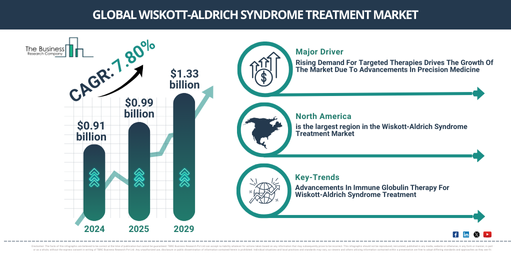
    In recent times, a significant growth has been experienced in the market size of Wiskott-Aldrich syndrome treatment. The market is predicted to expand from $0.91 billion in 2024 to $0.99 billion in 2025, demonstrating a compound annual growth rate (CAGR) of 8.0%. The upward trajectory during the historic phase could be credited to the surge in genetic disorders, heightened patient awareness, a rise in clinical studies, and an escalating occurrence of Wiskott-Aldrich syndrome.

    In the coming years, robust growth is anticipated in the Wiskott-Aldrich Syndrome treatment market, with projections putting it at $1.33 billion by 2029, expanding at a CAGR of 7.8%. This growth, expected during the forecast period, is likely to be driven by increased attention on targeted therapies, escalating demand for diagnostic tests, greater government initiatives, and the upsurge in requests for personalized medication. The significant trends during this prediction period encompass advancements in technology, crafting effective treatments, progress in genetic testing, as well as enhancements in medical research.

    Download a free sample to assess the report’s scope and structure:

    https://www.thebusinessresearchcompany.com/sample.aspx?id=23584&type=smp

    What Are the Core Market Drivers Propelling Growth in the Wiskott-Aldrich Syndrome Treatment Industry?

    The escalating need for specialized treatments is anticipated to spur the expansion of the wiskott-aldrich syndrome treatment market in the future. Such treatments are centered around particular molecules or pathways involved in disease progression, especially for cancer, where they selectively target the abnormal cells, causing minimal damage to the healthy ones. This surge in specialized therapies is supported by precision medicine, which amplifies effectivity by concentrating on particular genetic mutations while reducing side effects. Therapies such as gene therapy rectify the faulty WAS gene, reviving immune function and platelet production, subsequently enhancing the patient’s prognosis and lessening the reliance on prolonged treatments. For instance, the American Society of Gene and Cell Therapy (ASGCT), a professional membership organization based in the USA, revealed that 76 gene therapy trials took off in the second quarter of 2024, marking a 25% hike compared to the preceding quarter. As a result, the escalating need for specialized treatments is catalyzing the expansion of the wiskott-aldrich syndrome treatment market.

    How Is the Wiskott-Aldrich Syndrome Treatment Market Segmented?

    The wiskott-aldrich syndrome treatment market covered in this report is segmented –

    1) By Treatment Type: Immunoglobulin Replacement Therapy, Antibiotic Therapy, Stem Cell Transplantation, Gene Therapy

    2) By Diagnosis: Blood tests, Genetic testing, Other Diagnosis

    3) By Distribution Channel: Hospital Pharmacy, Retail Pharmacy, Online Pharmacies, Other Distribution Channels

    4) By End-Users: Hospitals, Research Institutes, Specialty Clinics

    Subsegments:

    1) By Immunoglobulin Replacement Therapy: Intravenous Immunoglobulin (IVIG), Subcutaneous Immunoglobulin (SCIG)

    2) By Antibiotic Therapy: Broad-Spectrum Antibiotics, Narrow-Spectrum Antibiotics

    3) By Stem Cell Transplantation: Allogeneic Hematopoietic Stem Cell Transplantation (HSCT), Autologous Stem Cell Transplantation

    4) By Gene Therapy: Lentiviral Vector-Based Gene Therapy, Retroviral Vector-Based Gene Therapy

    Request customized data on this market:

    https://www.thebusinessresearchcompany.com/customise?id=23584&type=smp

    Which Regions Are Driving the Next Phase of the Wiskott-Aldrich Syndrome Treatment Market Growth?

    North America was the largest region in the wiskott-aldrich syndrome treatment market in 2024. The regions covered in the wiskott-aldrich syndrome treatment market report are Asia-Pacific, Western Europe, Eastern Europe, North America, South America, Middle East, Africa.

    Which Emerging Trends that Are Influencing the Wiskott-Aldrich Syndrome Treatment Industry Evolution?

    Preeminent businesses in the Wiskott-Aldrich syndrome treatment market are looking to create innovative products like intravenous immune globulin, which have the potential to enhance the immune system’s function and control infections. The treatment, Immune globulin intravenous (IVIG), is a therapy method where purified human immunoglobulin G (IgG) antibodies are introduced directly into the bloodstream to bolster immune function. IVIG is crucial in managing autoimmune diseases, immune deficiencies, and various infections as it provides passive immunity and controls immune responses. For example, in September 2024, ALYGLO, a 10% immune globulin intravenous liquid, was introduced to the US market by GC Biopharma USA, Inc., an established US-based biopharmaceutical firm. This product, which is FDA-approved, aims to cure primary humoral immunodeficiency (PI), encompassing Wiskott-Aldrich syndrome in adults. Produced from pooled human plasma, it offers a comprehensive range of antibodies to fight against infections. ALYGLO is distributed across a specialized network of pharmacies and distributors all over the US, denoting a remarkable progression for GC Biopharma in broadening its influence in the US healthcare market.

    View the full report here:

    https://www.thebusinessresearchcompany.com/report/wiskott-aldrich-syndrome-treatment-global-market-report

    How Is the Wiskott-Aldrich Syndrome Treatment Market Defined and What Are Its Core Parameters?

    Wiskott-aldrich syndrome (WAS) treatment involves medical strategies to manage this rare X-linked immunodeficiency disorder, which impacts blood cells and weakens the immune system. The main objective is to restore immune function, prevent infections, and minimize complications such as bleeding and autoimmune conditions.

    Purchase the full report and get a swift delivery:

    https://www.thebusinessresearchcompany.com/purchaseoptions.aspx?id=23584

    About The Business Research Company:

    With over 15000+ reports from 27 industries covering 60+ geographies, The Business Research Company has built a reputation for offering comprehensive, data-rich research and insights. Armed with 1,500,000 datasets, the optimistic contribution of in-depth secondary research, and unique insights from industry leaders, you can get the information you need to stay ahead in the game.

    Get in touch with us:

    The Business Research Company: https://www.thebusinessresearchcompany.com/

    Americas +1 3156230293

    Asia +44 2071930708

    Europe +44 2071930708

    Email us at info@tbrc.info

    Follow us on:

    LinkedIn: https://in.linkedin.com/company/the-business-research-company

    YouTube: https://www.youtube.com/channel/UC24_fI0rV8cR5DxlCpgmyFQ

    Global Market Model: https://www.thebusinessresearchcompany.com/global-market-model
  • Market Trends Influencing Strategic Decisions in the Image Guided And Robotic Assisted Procedures Industry: Advancements In Spine Surgery Through Guidance Software

    Market Trends Influencing Strategic Decisions in the Image Guided And Robotic Assisted Procedures Industry: Advancements In Spine Surgery Through Guidance Software

    Get 30% off on our Global Market Reports with code ONLINE30 – Hurry, limited time offer!

    What Are the Key Milestones in the Image Guided And Robotic Assisted Procedures Market’s Growth Trajectory From 2025 To 2034?

    The market for image-guided and robot-assisted surgical procedures has seen a substantial increase in recent years. The market is expected to expand from $4.66 billion in 2024 to $5.42 billion in 2025, reflecting a compound annual growth rate (CAGR) of 16.3%. This growth in the previous period can be credited to various factors such as heightened uptake of minimally invasive surgical methods, growing requirement for precision and accuracy in surgical procedures, increase in elderly population and cases of chronic diseases, escalating healthcare spending, and advancements in robotics and imaging system technologies.

    Anticipated to witness tremendous growth in the approaching years, the market size for image-guided and robot-assisted surgical procedures could potentially reach $9.80 billion by 2029 with a compound annual growth rate (CAGR) of 16.0%. Numerous factors are responsible for this projected growth during the forecast period including; escalated investment in healthcare infrastructure, increased emphasis on educating and training in robotic surgery, a growing preference from patients for minimally invasive procedures and elevated government funding towards healthcare innovations, alongside the surging necessity for budget-friendly surgical solutions. Future trends for this period encapsulate technological progress in robotic-assisted surgery systems and imaging technologies enhancing precision, the advent of AI-powered surgical tools, advancements in tele-surgery capabilities, and sophisticated real-time data integration for superior surgical results.

    Download a free sample to assess the report’s scope and structure:

    https://www.thebusinessresearchcompany.com/sample.aspx?id=23426&type=smp

    What Are the Major Market Drivers Behind the Rising Adoption of Image Guided And Robotic Assisted Procedures Market?

    The increase in neurological disorders is anticipated to drive the expansion of the image-guided and robotic-assisted procedures market. Neurological disorders, which impact the nervous system including the brain, spinal cord, and nerves, often result in movement, cognition, and bodily function impairments. Major factors contributing to the increasing prevalence of these disorders include poor diet, lack of physical activity, and chronic stress, which adversely affect brain health and functioning. Image-guided and robotic-assisted procedures offer significant advancements in neurological care by enhancing the accuracy of surgeries, reducing invasive measures, and shortening recovery periods. These are particularly crucial in managing complicated cases. For example, Dementia Australia, a non-profit organization based in Australia, reported in February 2024 that the country’s dementia prevalence is projected to grow by 93% by 2054. It predicted the number of people living with dementia to reach 812,500, a massive increase from 421,000 in 2024. Therefore, the increasing occurrence of neurological disorders is fuelling the expansion of the image-guided and robotic-assisted procedures market.

    Which Key Market Segments Comprise the Image Guided And Robotic Assisted Procedures Market and Drive Its Revenue Growth?

    The image guided and robotic assisted procedures market covered in this report is segmented –

    1) By Product Type: MRI Guided Robot, X-Ray Computed Tomography Guided Robot, X-Ray Mammography Guided Robot, Optical Imaging Guided Robot, Ultrasound Imaging Guided Robot

    2) By Technology: Image-Guided Surgery, Robotic-Assisted Surgery, Augmented Reality (AR) Surgery, Virtual Reality (VR) Simulation

    3) By Specialty: Orthopedic Surgery, Neurology, Urology, Gynecology, Cardiothoracic Surgery

    4) By Application: Diagnostic Applications, Minimally Invasive Procedures

    5) By End User: Hospitals, Outpatient Facilities

    Sub Segments:

    1) By MRI Guided Robot: Neurosurgery robots, Prostate biopsy robots, Cardiac catheterization robots, Tumor ablation systems

    2) By X-Ray Computed Tomography (CT) Guided Robot: Interventional radiology robots, Spine surgery assistance systems, Biopsy and ablation robots, Orthopedic robotic systems.

    3) By X-Ray Mammography Guided Robot: Breast biopsy assistance robots, Lesion localization systems, Automated breast imaging robots.

    4) By Optical Imaging Guided Robot: Robotic endoscopy systems, Robotic fluorescence-guided surgery tools, Ophthalmic surgical robots, Robotic systems for dental imaging.

    5) By Ultrasound Imaging Guided Robot: Robotic-assisted fetal procedures, Liver and kidney biopsy robots, Robotic prostate interventions, Needle guidance systems.

    Request customized data on this market:

    https://www.thebusinessresearchcompany.com/customise?id=23426&type=smp

    Which Areas Are Leading Regions in the Image Guided And Robotic Assisted Procedures Market Expansion Across the Globe?

    North America was the largest region in the image-guided and robot-assisted surgical procedures market in 2024. Asia-Pacific is expected to be the fastest-growing region in the forecast period. The regions covered in the image guided and robotic assisted procedures market report are Asia-Pacific, Western Europe, Eastern Europe, North America, South America, Middle East, Africa.

    What Are the Key Market Trends in the Image Guided And Robotic Assisted Procedures Market Over the Coming Years?

    Key industry players in the image-guided and robotic-assisted procedures market are focusing their efforts on the production of innovative solutions like spine guidance software. This strategy aims to boost surgical accuracy, enhance patient results and make spinal procedures more efficient. Spine guidance software leverages real-time imaging and 3D visuals to aid surgeons in carrying out precise spinal operations. As a case in point, Stryker, a notable American medical tech firm, launched the Q Guidance System tailored for spinal applications in September 2022. The system boasts a reengineered optical tracking camera as well as a highly advanced Spine Guidance Software for heightened surgical planning and navigation. It delivers enhancements in terms of precision, real-time visualization, and procedural efficiency. Thanks to the incorporation of sophisticated algorithms, the precision level of spinal surgeries is amplified. The goal of this invention is to maximize patient outcomes and allow surgeons greater control during intricate procedures.

    View the full report here:

    https://www.thebusinessresearchcompany.com/report/image-guided-and-robotic-assisted-procedures-global-market-report

    How Is the Image Guided And Robotic Assisted Procedures Market Conceptually Defined?

    Image-guided and robot-assisted surgical procedures use advanced imaging (MRI, CT, and ultrasound) and robotic systems to enhance precision and minimize invasiveness. Image-guided surgery helps in real-time navigation, while robot-assisted surgery improves dexterity and control. These technologies lead to better surgical accuracy, reduced complications, and faster recovery times.

    Purchase the full report and get a swift delivery:

    https://www.thebusinessresearchcompany.com/purchaseoptions.aspx?id=23426

    About The Business Research Company:

    With over 15000+ reports from 27 industries covering 60+ geographies, The Business Research Company has built a reputation for offering comprehensive, data-rich research and insights. Armed with 1,500,000 datasets, the optimistic contribution of in-depth secondary research, and unique insights from industry leaders, you can get the information you need to stay ahead in the game.

    Get in touch with us:

    The Business Research Company: https://www.thebusinessresearchcompany.com/

    Americas +1 3156230293

    Asia +44 2071930708

    Europe +44 2071930708

    Email us at info@tbrc.info

    Follow us on:

    LinkedIn: https://in.linkedin.com/company/the-business-research-company

    YouTube: https://www.youtube.com/channel/UC24_fI0rV8cR5DxlCpgmyFQ

    Global Market Model: https://www.thebusinessresearchcompany.com/global-market-model

  • Strategic Growth Drivers Shaping the Metabolic Syndrome Market Outlook 2025- 2034:Increasing Prevalence Of Lifestyle Diseases Is Driving The Market Growth

    Strategic Growth Drivers Shaping the Metabolic Syndrome Market Outlook 2025- 2034:Increasing Prevalence Of Lifestyle Diseases Is Driving The Market Growth

    Our market reports now include the latest updates on global tariffs, trade impacts, and evolving supply chain dynamics.

    How Fast Is The Metabolic Syndrome Market Expected to Grow Between 2025 And 2029?

    The size of the metabolic syndrome market has been expanding robustly in the past few years. The market, which is projected to escalate from $84.03 billion in 2024 to $90.60 billion in 2025, is set to witness a compound annual growth rate (CAGR) of 7.8%. The unprecedented growth during the historic period could be traced back to factors such as a rise in sedentary work scenarios, advancing in nutraceuticals and functional foods development, increasing preference for natural products among consumers, surge in clinical research and trials, and the ascend of healthcare digitalization.

    Expectations are high for a vigorous expansion in the metabolic syndrome market in the ensuing years. The market is projected to scale up to $120.69 billion in 2029, recording a compound annual growth rate (CAGR) of 7.4%. The spurt of growth in this projected period can be credited to factors such as increasing everyday stress levels, heightened awareness about healthcare, a rising demand for superior diagnostic equipment, proliferation of diagnostic tests catered to metabolic disorders, and an upward trend in healthcare insurance coverage. Key trends to be observed in the forecasted period encompass advancements in medical technology, monitoring of metabolic health, the amalgamation of artificial intelligence, the assimilation of digital health tools, and the emergence of smart ingestible pills.

    Download a free sample to assess the report’s scope and structure:

    https://www.thebusinessresearchcompany.com/sample.aspx?id=21218&type=smp

    Which Factors and External Forces Are Driving Demand in the Metabolic Syndrome Market?

    The metabolic testing market is expected to be positively impacted by the growing incidence of diseases linked to lifestyle choices. These health conditions, often referred to as lifestyle diseases, are generally the result of unhealthy behaviors and habits, as opposed to being caused by genetic or infectious diseases. They include ailments like obesity, cancer, type 2 diabetes, osteoporosis, and mental health disorders, to name a few. The rise in lifestyle diseases can be attributed to factors such as an increase in sedentary habits, poor diets, increasing levels of stress, and an increase in tobacco and alcohol use. Metabolic syndrome is a significant contributor to these diseases, creating a systematic environment that promotes chronic inflammation, dysfunctional metabolic functions, and increased cardiovascular risk. The National Health Service England, a governmental department based in the UK, reported in June 2024 that the number of cases diagnosed with non-diabetic hyperglycemia, or pre-diabetes, in 2023 was 3,615,330. This was an 18% increase compared to the 3,065,825 cases documented in the previous year, 2022. Consequently, the growing incidence of lifestyle diseases is projected to propel the metabolic testing market.

    Which Segments in the Metabolic Syndrome Offer the Most Growth?

    The metabolic syndrome market covered in this report is segmented –

    1) By Type: Type 1 Metabolic Syndrome, Type 2 Metabolic Syndrome, Type 3 Metabolic Syndrome

    2) By Risk Factors: Obesity, Insulin Resistance, High Blood Pressure, High Cholesterol

    3) By Treatment: Medication, Lifestyle Changes, Other Treatments

    4) By Route Of Administration: Oral, Parenteral, Other Route Of Administrations

    5) By End User: Hospitals, Homecare, Specialty Centres, Other End Users

    Subsegments:

    1) By Type 1 Metabolic Syndrome: Insulin Resistance Syndrome, Abdominal Obesity Syndrome, Hyperglycemia Syndrome

    2) By Type 2 Metabolic Syndrome: Elevated Blood Pressure Syndrome, Dyslipidemia Syndrome, Low HDL Cholesterol Syndrome

    3) By Type 3 Metabolic Syndrome: Atherosclerotic Cardiovascular Disease Syndrome, Non-Alcoholic Fatty Liver Disease Syndrome, Chronic Inflammation Syndrome

    Request customized data on this market:

    https://www.thebusinessresearchcompany.com/customise?id=21218&type=smp

    What Are the Fastest-Growing Geographies in the Which Factors and External Forces Are Driving Demand in the Metabolic Syndrome Market? Market?

    North America was the largest region in the metabolic syndrome market in 2024. Asia-Pacific is expected to be the fastest-growing region in the forecast period. The regions covered in the metabolic syndrome market report are Asia-Pacific, Western Europe, Eastern Europe, North America, South America, Middle East, Africa.

    Which Cutting-Edge Market Trends Are Expected to Drive theMetabolic Syndrome Market’s Growth?

    Top companies in the metabolic syndrome market are concentrating their efforts on creating ground-breaking solutions like clinically backed probiotic solutions to improve the prevention, management, and treatment of this condition. Clinically backed probiotic solutions are probiotic products that have passed rigorous clinical tests to prove their safety and health benefits for humans. For example, Probi USA, a US-founded manufacturer of clinically validated biotics, released metabolic health in October 2024. This particular product integrates two probiotic strains, Lactiplantibacillus plantarum 299v (LP299V) and Lacticaseibacillus paracasei 8700:2 (L. Paracasei 8700:2). LP299V, supported by over 230 published works and eight clinical trials, supports heart health by bettering cholesterol levels, inflammation, and the functioning of blood vessels. L. Paracasei 8700:2, backed by more than 30 publications, contributes to blood pressure regulation, cholesterol management, and weight maintenance.

    View the full report here:

    https://www.thebusinessresearchcompany.com/report/metabolic-syndrome-global-market-report

    What Are the Key Elements That Define the Metabolic Syndrome Market?

    Metabolic syndrome is a group of risk factors that increase a person’s likelihood of developing heart disease, stroke, and type 2 diabetes. It is often linked to poor lifestyle choices, such as unhealthy eating, lack of physical activity, and obesity. Treatment typically focuses on lifestyle changes, such as diet modification, exercise, and medication to manage individual risk factors.

    Purchase the full report and get a swift delivery:

    https://www.thebusinessresearchcompany.com/purchaseoptions.aspx?id=21218

    About The Business Research Company:

    With over 15000+ reports from 27 industries covering 60+ geographies, The Business Research Company has built a reputation for offering comprehensive, data-rich research and insights. Armed with 1,500,000 datasets, the optimistic contribution of in-depth secondary research, and unique insights from industry leaders, you can get the information you need to stay ahead in the game.

    Get in touch with us:

    The Business Research Company: https://www.thebusinessresearchcompany.com/

    Americas +1 3156230293

    Asia +44 2071930708

    Europe +44 2071930708

    Email us at info@tbrc.info

    Follow us on:

    LinkedIn: https://in.linkedin.com/company/the-business-research-company

    YouTube: https://www.youtube.com/channel/UC24_fI0rV8cR5DxlCpgmyFQ

    Global Market Model: https://www.thebusinessresearchcompany.com/global-market-model

  • Emerging Growth Drivers in the Wingless-Related Integration Site (WNT) Signaling Pathway Inhibitor Market Landscape: The Rising Demand For Targeted Therapies Driving The Growth Of The Market Due To Increasing Precision And Efficacy In Cancer Treatment

    Emerging Growth Drivers in the Wingless-Related Integration Site (WNT) Signaling Pathway Inhibitor Market Landscape: The Rising Demand For Targeted Therapies Driving The Growth Of The Market Due To Increasing Precision And Efficacy In Cancer Treatment

    Get 30% off on our Global Market Reports with code ONLINE30 – Hurry, limited time offer!

    What is the Projected CAGR for the Wingless-Related Integration Site (WNT) Signaling Pathway Inhibitor Market Size from 2025 to 2034?

    The market for inhibitors of the wingless-related integration site (WNT) signaling pathway has seen a significant expansion in the recent years. It is predicted that it will increase from its existing $2.84 billion value in 2024 to reach $3.13 billion by 2025, representing a compound annual growth rate (CAGR) of 10.3%. The impressive growth during the historical period can be linked to several factors such as the rising occurrences of cancer, a surge in chronic diseases, development in drug therapy, as well as an increased rate of pulmonary arterial hypertension.

    Expectations anticipate quick expansion in the upcoming years for the market of the inhibitor for the wingless-related integration site (WNT) signaling pathway. The anticipated market worth will hit the $4.60 billion mark by 2029, marking a compound annual growth rate (CAGR) of 10.1%. The accelerated growth during this forecast period is attributable to multiple factors including the increased patronage of novel therapies, supportive regulatory edicts, extension of pertinent clinical tests, the amplifying adoption of precision medicine, and heightened investment in research and development. The forecast period will also witness several major trends such as improved collaboration between biotech firms and educational institutions, technological advancements, developing cancer therapies, and drug discovery progress.

    Download a free sample to assess the report’s scope and structure:

    https://www.thebusinessresearchcompany.com/sample.aspx?id=23583&type=smp

    Which Primay Drivers Are Accelerating Growth in the Wingless-Related Integration Site (WNT) Signaling Pathway Inhibitor Market?

    The growing necessity for targeted treatment methods is anticipated to boost the wingless-related integration site (WNT) signaling pathway inhibitor market. These targeted treatment methods concentrate on explicit molecules or pathways that participate in disease advancement. Precision medicine, which zeroes in on particular genetic deviations while mitigating side effects, encourages this surge in targeted treatments. WNT signaling pathway inhibitors aid targeted treatments by restraining the abnormal triggering of the WNT pathway, frequently implicated in the proliferation and metastasis of cancer cells, subsequently slowing tumor development and enhancing treatment success. For instance, the American Society of Gene and Cell Therapy (ASGCT) reported in July 2024 that during the second quarter of 2024, they initiated 76 gene therapy trials, signifying a 25% increase compared to the previous quarter. Hence, the escalating demand for targeted treatments is fuelling the wingless-related integration site (WNT) signaling pathway inhibitor market. The rising incidence of chronic ailments is anticipated to further stimulate the WNT signaling pathway inhibitor market, due to the escalating demand for disease management treatments. Chronic ailments are slow-progressing, long-lasting conditions necessitating continuous medical attention or lifestyle modifications. Sedentary lifestyles contribute to weight and metabolic issues thereby increasing the probability of chronic diseases. WNT signaling pathway inhibitors control cell growth, differentiation, and inflammation thereby assisting in managing chronic diseases. These inhibitors aid in preventing cancer advancement, reducing fibrosis, and promoting neuroprotection. In January 2022, the American Cancer Society estimated around 1.9 million new cases of cancer and around 609,360 cancer-related fatalities in the US, averaging approximately 1,670 daily deaths. Globally, the most prevalent cancers were found to be lung, prostate, colorectal, and breast cancers, jointly accounting for 43 percent of all newly diagnosed cases. Hence, the rising incidence of chronic diseases is fuelling the wingless-related integration site (WNT) signaling pathway inhibitor market.

    Which Primary Segments of the Wingless-Related Integration Site (WNT) Signaling Pathway Inhibitor Market Are Driving Growth and Industry Transformations?

    The wingless-related integration site (WNT) signaling pathway inhibitor market covered in this report is segmented –

    1) By Drug Type: Small molecule Inhibitors, Monoclonal Antibodies, Gene Therapies

    2) By Mechanism Of Action: Porcupine Inhibitors, Frizzled Inhibitors, β-Catenin Inhibitors, Wingless-Related Integration Site (WNT)-Protein Inhibitors

    3) By Stage Of Development: Pre-Clinical, Clinical Trials, Approved Products

    4) By Indications: Cancers, Bone Diseases, Neurological Disorders

    5) By End-Users: Pharmaceutical Companies, Research Institutions, Hospitals, Diagnostic Laboratories

    Subsegments:

    1) By Small Molecule Inhibitors: Porcupine Inhibitors, Tankyrase Inhibitors, β-Catenin Inhibitors

    2) By Monoclonal Antibodies: Wingless-Related Integration Site (WNT) Ligand-Targeting Antibodies, Frizzled Receptor-Blocking Antibodies, Dickkopf (DKK) Antibodies

    3) By Gene Therapies: Clustered Regularly Interspaced Short Palindromic Repeats (CRISPR)-Based Gene Editing, RNA Interference (RNAi) Therapies, Antisense Oligonucleotides (ASOs)

    Request customized data on this market:

    https://www.thebusinessresearchcompany.com/customise?id=23583&type=smp

    Which Regions Are Key Players in the Growth of the Wingless-Related Integration Site (WNT) Signaling Pathway Inhibitor Market?

    North America was the largest region in the wingless-related integration site (WNT) signaling pathway inhibitor market in 2024. Asia-Pacific is expected to be the fastest-growing region in the forecast period. The regions covered in the wingless-related integration site (WNT) signaling pathway inhibitor market report are Asia-Pacific, Western Europe, Eastern Europe, North America, South America, Middle East, Africa.

    What Key Trends Are Shaping the Future of the Wingless-Related Integration Site (WNT) Signaling Pathway Inhibitor Market?

    Leading businesses in the WNT signaling pathway inhibitor market are prioritizing the development of cutting-edge solutions such as clinical trials for WNT signaling pathway inhibitors in an attempt to broaden treatment choices and tackle the issue of drug resistance. These clinical trials for WNT signaling pathway inhibitors evaluate the efficacy and potential advantages of drugs that target the WNT pathway, a significant factor in the emergence of cancer and other diseases. An example is that in June 2023, the US-based biopharmaceutical company, FogPharma, confirmed the first patient to participate in their Phase 1/2 clinical trial for FOG-001, a groundbreaking β-catenin inhibitor designed to treat advanced solid tumors including colorectal cancer. This unique, non-randomized, open-label study aims to enroll up to 200 patients to examine the safety, tolerance, pharmacokinetics, pharmacodynamics, and antitumor effects of FOG-001, a drug that interferes with β-catenin-dependent signaling in the Wnt pathway – a fundamental catalyst in cancer development.

    View the full report here:

    https://www.thebusinessresearchcompany.com/report/wingless-related-integration-site-wnt-signaling-pathway-inhibitor-global-market-report

    What Parameters Are Used to Define the Wingless-Related Integration Site (WNT) Signaling Pathway Inhibitor Market?

    A wingless-related integration site (WNT) signaling pathway inhibitor is a substance or molecule that blocks or suppresses the activity of the WNT signaling pathway, which is crucial for various biological processes such as cell proliferation, differentiation, migration, and embryonic development.

    Purchase the full report and get a swift delivery:

    https://www.thebusinessresearchcompany.com/purchaseoptions.aspx?id=23583

    About The Business Research Company:

    With over 15000+ reports from 27 industries covering 60+ geographies, The Business Research Company has built a reputation for offering comprehensive, data-rich research and insights. Armed with 1,500,000 datasets, the optimistic contribution of in-depth secondary research, and unique insights from industry leaders, you can get the information you need to stay ahead in the game.

    Get in touch with us:

    The Business Research Company: https://www.thebusinessresearchcompany.com/

    Americas +1 3156230293

    Asia +44 2071930708

    Europe +44 2071930708

    Email us at info@tbrc.info

    Follow us on:

    LinkedIn: https://in.linkedin.com/company/the-business-research-company

    YouTube: https://www.youtube.com/channel/UC24_fI0rV8cR5DxlCpgmyFQ

    Global Market Model: https://www.thebusinessresearchcompany.com/global-market-model