Author: Marketing Posting

  • Emerging Trends Redefining the Thrombotic Thrombocytopenic Purpura (TTP) Market Landscape: Amgen’s TEPEZZA (Teprotumumab)A Breakthrough In Thyroid Eye Disease Treatment

    Emerging Trends Redefining the Thrombotic Thrombocytopenic Purpura (TTP) Market Landscape: Amgen’s TEPEZZA (Teprotumumab)A Breakthrough In Thyroid Eye Disease Treatment

    Our market reports now include the latest updates on global tariffs, trade impacts, and evolving supply chain dynamics.

    #What Are the Key Milestones in the Thyroid Eye Disease (TED) Market’s Growth Trajectory From 2025 To 2034?#_x000D_

    The market size for thyroid eye disease (TED) has seen substantial growth in recent years. The market is projected to rise from $2.15 billion in 2024 to $2.30 billion in 2025, boasting a compound annual growth rate (CAGR) of 7.0%. This growth during the historic period can be traced back to several factors such as increased incidences of thyroid disorders, a more prominent focus on healthcare specific to the patient, a surge in demand for cosmetic procedures, a heightened prevalence of the disease, and an expansion in the treatment options available for TED._x000D_

    _x000D_

    The market for Thyroid Eye Disease (TED) is predicted to experience robust expansion in the forthcoming years. It’s projected to reach $2.97 billion by 2029, growing at a Compound Annual Growth Rate (CAGR) of 6.6%. The projected growth during this period can be credited to the rising occurrence of Graves’ disease, escalating funding across various sectors, rising healthcare costs, the growing application of thyroid hormone replacement therapy, and an increased incidence of thyroid disease. Key trends expected during this forecast period include technological progression, increased research and development activities, the emergence of novel drugs, advancements in treatment options, and introduction of new surgical methods._x000D_

    _x000D_

    #Download a free sample to assess the report’s scope and structure:#_x000D_

    https://www.thebusinessresearchcompany.com/sample.aspx?id=21300&type=smp_x000D_

    _x000D_

    #What Are the Core Market Drivers Propelling Growth in the Thyroid Eye Disease (TED) Industry?#_x000D_

    The prevalence of thyroid disorders is set to stimulate the expansion of the thyroid eye disease (TED) market. Medical conditions that impact the functioning of the thyroid gland, resulting in hormonal imbalances and leading to ailments like hypothyroidism, hyperthyroidism, goiter, and thyroid eye disease, are referred to as thyroid disorders. Factors contributing to the surge in thyroid disorders include elevated iodine consumption, autoimmune conditions, hereditary predisposition, and heightened awareness facilitating better detection rates. Thyroid Eye Disease (TED) intensifies the rise in thyroid disorder cases, being a prevalent and severe outcome of Graves’ disease, thereby increasing the overall impact and recognition of thyroid-associated conditions. The Canadian Cancer Society, a community-focused non-profit based in Canada, revealed in May 2024 that they anticipate the diagnosis of 6,600 new cases of thyroid cancer in 2024, with a projection of about 280 fatalities. Thus, the escalation in thyroid disorders is spurring the growth of the thyroid eye disease (TED) market._x000D_

    _x000D_

    #How Is the Thyroid Eye Disease (TED) Market Segmented?#_x000D_

    The thyroid eye disease (TED) market covered in this report is segmented –_x000D_

    _x000D_

    1) By Treatment Type: Medical, Surgical, Combination Of Medical And Surgical_x000D_

    2) By Disease Severity: Mild, Moderate, Severe_x000D_

    3) By Drug Type: Biologics, Small Molecules, Others Drug Type_x000D_

    4) By Route Of Administration: Oral, Intravenous, Subcutaneous_x000D_

    5) By End User: Hospitals, Clinics, Other End Users_x000D_

    _x000D_

    Subsegments:_x000D_

    1) By Medical: Corticosteroids, Teprotumumab, Antithyroid Medications, Other Medical Treatments_x000D_

    2) By Surgical: Orbital Decompression Surgery, Eyelid Surgery, Strabismus Surgery_x000D_

    3) By Combination Of Medical and Surgical: Combination of Corticosteroids and Orbital Decompression, Combination of Teprotumumab and Eyelid Surgery, Other Combined Approaches_x000D_

    _x000D_

    #Request customized data on this market:#_x000D_

    https://www.thebusinessresearchcompany.com/customise?id=21300&type=smp_x000D_

    _x000D_

    #Which Regions Are Driving the Next Phase of the Thyroid Eye Disease (TED) Market Growth?#_x000D_

    North America was the largest region in the thyroid eye disease (TED) market in 2024. Asia-Pacific is expected to be the fastest-growing region in the forecast period. The regions covered in the thyroid eye disease (TED) market report are Asia-Pacific, Western Europe, Eastern Europe, North America, South America, Middle East, Africa._x000D_

    _x000D_

    #What Key Market Trends and Innovations Are Shaping the Future of the Thyroid Eye Disease (TED) Industry?#_x000D_

    Companies at the forefront of the thyroid eye disease (TED) market are prioritizing the development of innovative solutions, such as monoclonal antibody therapies. These therapies, designed to replicate the immune system’s capacity to identify and eradicate specific pathogens or abnormal cells, aim to develop more effective, specialized treatments that alleviate inflammation, rectify proptosis, and improve overall patient prognosis. For example, in September 2024, the American biotech firm Amgen Inc. received approval from Japan’s Ministry of Health, Labour and Welfare (MHLW) for TEPEZZA (teprotumumumab). This approval was for the treatment of active TED, a rare autoimmune disorder that potentially threatens vision. TEPEZZA is the first and exclusive FDA-approved treatment specifically developed for TED, designed to alleviate inflammation, swelling, and other agonizing symptoms linked with the condition. This breakthrough holds particular significance for TED patients in Japan as it presents a novel, effective therapeutic alternative for managing this rare, yet progressive eye condition resulting in vision complications, eye bulging, and pain._x000D_

    _x000D_

    #View the full report here:#_x000D_

    https://www.thebusinessresearchcompany.com/report/thyroid-eye-disease-ted-global-market-report_x000D_

    _x000D_

    #How Is the Thyroid Eye Disease (TED) Market Defined and What Are Its Core Parameters?#_x000D_

    Thyroid eye disease (TED), also known as Graves’ Orbitopathy, is an autoimmune condition characterized by inflammation and swelling of the tissues around the eyes, often associated with thyroid disorders. TED can cause symptoms such as bulging eyes, double vision, and eye pain._x000D_

    _x000D_

    #Purchase the full report and get a swift delivery:#_x000D_

    https://www.thebusinessresearchcompany.com/purchaseoptions.aspx?id=21300_x000D_

    _x000D_

    #About The Business Research Company:#_x000D_

    With over 15000+ reports from 27 industries covering 60+ geographies, The Business Research Company has built a reputation for offering comprehensive, data-rich research and insights. Armed with 1,500,000 datasets, the optimistic contribution of in-depth secondary research, and unique insights from industry leaders, you can get the information you need to stay ahead in the game._x000D_

    _x000D_

    #Get in touch with us:#_x000D_

    The Business Research Company: https://www.thebusinessresearchcompany.com/_x000D_

    Americas +1 3156230293_x000D_

    Asia +44 2071930708_x000D_

    Europe +44 2071930708_x000D_

    Email us at info@tbrc.info_x000D_

    _x000D_

    #Follow us on:#_x000D_

    _x000D_

    LinkedIn: https://in.linkedin.com/company/the-business-research-company_x000D_

    YouTube: https://www.youtube.com/channel/UC24_fI0rV8cR5DxlCpgmyFQ_x000D_

    Global Market Model: https://www.thebusinessresearchcompany.com/global-market-model

  • Top Trends Driving Innovation and Change in the Idiopathic Intracranial Hypertension Treatment Market: Innovative Therapies And Clinical Advancements Drive Improved Treatment Outcomes

    Top Trends Driving Innovation and Change in the Idiopathic Intracranial Hypertension Treatment Market: Innovative Therapies And Clinical Advancements Drive Improved Treatment Outcomes

    Get 30% off on our Global Market Reports with code ONLINE30 – Hurry, limited time offer!

    How Has The Idiopathic Intracranial Hypertension Treatment Market Size Shifted, And What Is the Outlook Through 2034?

    In the past few years, the treatment market for idiopathic intracranial hypertension has witnessed considerable growth. The market which had a size of $1.38 billion in 2024, is predicted to increase to $1.48 billion in 2025, showing a compound annual growth rate (CAGR) of 6.9%. Reasons for this growth during the historic period include a rise in obesity cases, higher healthcare spending, increased interest in minimally invasive surgical procedures, a surge in comorbid conditions, and an escalating demand for better ophthalmologic diagnostic tools.

    In the upcoming years, robust growth is anticipated in the market size for the treatment of idiopathic intracranial hypertension. The market is forecasted to escalate to $1.91 billion by 2029 with a compound annual growth rate (CAGR) of 6.6%. The projected growth within this period can be credited to an increase in the embracement of digital health solutions, the prevalence of lifestyle diseases, the burgeoning use of telemedicine, enlarged accessibility of progressive diagnostic tools, and a rising request for personalized medicine. Key trends to watch for in this forecast period include the utilization of AI-based diagnostic tools, the generation of target-specific therapies, improvements in non-invasive imaging methods, the launch of new weight control drugs, and the creation of customizable shunt devices.

    Download a free sample to assess the report’s scope and structure:

    https://www.thebusinessresearchcompany.com/sample.aspx?id=23425&type=smp

    What External and Internal Drivers Are Contributing to the Growth of the Idiopathic Intracranial Hypertension Treatment Market?

    The idiopathic intracranial hypertension treatment market is projected to grow due to the escalating rates of obesity. Obesity, a health condition characterized by excessive body fat that can jeopardize a person’s health, is on the rise owing to an increase in sedentary lifestyles and high-calorie processed food intake. Obesity causes an increase in intracranial pressure by triggering an overproduction of cerebrospinal fluid and inhibiting its absorption, leading to idiopathic intracranial hypertension. For example, a study by the Office for Health Improvement and Disparities, a UK-based governmental body responsible for overseeing public health policies, pointed out in 2024 that between 2022 and 2023, 64.0% of adults aged 18 and over in England were overweight or obese. This data is similar to the 63.8% reported from 2021 to 2022. Hence, the rise in obesity rates fuels the expansion of the idiopathic intracranial hypertension treatment market.

    What Segment Types Define the Idiopathic Intracranial Hypertension Treatment Market Structure?

    The idiopathic intracranial hypertension treatment market covered in this report is segmented –

    1) By Treatment Type: Medications, Surgeries, Therapies

    2) By Treatment Administration: Oral Administration, Intrathecal Administration

    3) By Diagnostic Type: Neuroimaging, Lumbar Puncture, Visual Field Tests

    4) By End User: Hospitals, Specialty Clinics, Ambulatory Surgical Centres

    Subsegments:

    1) By Medications: Diuretics, Corticosteroids, Acetazolamide

    2) By Surgeries: Shunt Surgery, Optic Nerve Sheath Fenestration, Stenting

    3) By Therapies: Weight Management Programs, Lifestyle Modifications, Physical Therapy

    Request customized data on this market:

    https://www.thebusinessresearchcompany.com/customise?id=23425&type=smp

    Which Geographic Areas Hold the Strongest Growth Potential in the Idiopathic Intracranial Hypertension Treatment Market?

    North America was the largest region in the idiopathic intracranial hypertension treatment market in 2024. Asia-Pacific is expected to be the fastest-growing region in the forecast period. The regions covered in the idiopathic intracranial hypertension treatment market report are Asia-Pacific, Western Europe, Eastern Europe, North America, South America, Middle East, Africa.

    Which Emerging Trends that Are Influencing the Idiopathic Intracranial Hypertension Treatment Industry Evolution?

    Key players in the idiopathic intracranial hypertension treatment market are emphasizing the development of revolutionary therapies for managing intracranial pressure and related symptoms. The goal of these therapies is to employ modern drug delivery systems and specific treatment strategies to enhance patient outcomes, thereby improving overall care and quality of life. To illustrate, Invex Therapeutics, a biopharmaceutical firm based in Australia, in November 2022, was granted approval by the New Zealand Medicines and Medical Devices Safety Authority (MEDSAFE) to initiate the Phase III IIH EVOLVE clinical trial for Presendin (prolonged-release exenatide) for the treatment of idiopathic intracranial hypertension (IIH). Coupled with approval from the New Zealand Health and Disability Ethics Committee, this authorizes Invex to carry out the trial with 240 newly identified IIH patients at approximately 40 worldwide clinical sites, underscoring a commitment to enhance treatment outcomes for this neurological disorder.

    View the full report here:

    https://www.thebusinessresearchcompany.com/report/idiopathic-intracranial-hypertension-treatment-global-market-report

    What Is the Definition of the Idiopathic Intracranial Hypertension Treatment Market?

    Idiopathic intracranial hypertension treatment refers to medical and surgical approaches aimed at reducing pressure inside the skull and preventing complications such as vision loss. These treatments involve lifestyle changes such as weight loss, medications such as acetazolamide to decrease fluid buildup, and surgical procedures such as shunt placement or optic nerve sheath fenestration for severe cases.

    Purchase the full report and get a swift delivery:

    https://www.thebusinessresearchcompany.com/purchaseoptions.aspx?id=23425

    About The Business Research Company:

    With over 15000+ reports from 27 industries covering 60+ geographies, The Business Research Company has built a reputation for offering comprehensive, data-rich research and insights. Armed with 1,500,000 datasets, the optimistic contribution of in-depth secondary research, and unique insights from industry leaders, you can get the information you need to stay ahead in the game.

    Get in touch with us:

    The Business Research Company: https://www.thebusinessresearchcompany.com/

    Americas +1 3156230293

    Asia +44 2071930708

    Europe +44 2071930708

    Email us at info@tbrc.info

    Follow us on:

    LinkedIn: https://in.linkedin.com/company/the-business-research-company

    YouTube: https://www.youtube.com/channel/UC24_fI0rV8cR5DxlCpgmyFQ

    Global Market Model: https://www.thebusinessresearchcompany.com/global-market-model

  • Major Drivers Propelling the Growth oh theMedical Nitrous Oxide Market Forward: Growing Demand For Pain Management Drives Industry Growth

    Major Drivers Propelling the Growth oh theMedical Nitrous Oxide Market Forward: Growing Demand For Pain Management Drives Industry Growth

    Our market reports now include the latest updates on global tariffs, trade impacts, and evolving supply chain dynamics.

    What Are the Key Projections for the CAGR of the Medical Nitrous Oxide Market Size From 2025 to 2034?

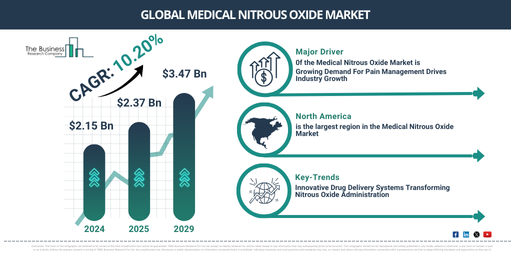
    The size of the medical nitrous oxide market has expanded quickly in the past few years. A growth from $2.15 billion in 2024 to $2.37 billion in 2025, with a compound annual growth rate (CAGR) of 10.3% is expected. The previous period of growth can be linked to the rise in surgical and dental procedures, enhanced knowledge of pain management possibilities, the development of medical facilities, and the expansion of emergency medical services.

    The market size of medical nitrous oxide is anticipated to witness a swift escalation in the forthcoming years, expanding to an estimated $3.47 billion in 2029. This growth, marked by a compound annual growth rate (CAGR) of 10.2%, can be credited to factors including the increasing elderly population worldwide, the upsurge in the number of surgical procedures, a growing inclination towards non-invasive methods of pain management, widening home healthcare service offerings, and the incorporation of nitrous oxide in dental procedures. Key trends in the projected period comprise the refinement in anesthesia methods, technological progress in gas delivery systems, addition in dental practices, formulation of novel medical applications, and fruitful clinical research findings.

    Download a free sample to assess the report’s scope and structure:

    https://www.thebusinessresearchcompany.com/sample.aspx?id=21217&type=smp

    Which Major Market Drivers Are Expected to Boost the Growth Potential of the Medical Nitrous Oxide Market?

    The escalating need for pain management is anticipated to drive the expansion of the medical nitrous oxide market. Pain management, a branch of medicine specializing in relieving discomfort via diverse methods like drugs, therapies, and procedures, is experiencing a surge due to the rising prevalence of chronic pain, growing aging population, and improvements in treatment techniques. Medical nitrous oxide serves as an effective tool for managing pain, providing swift and efficient relief during medical procedures, by creating a euphoric state and sedation, reducing pain sensitivity while ensuring minimal side effects and prompt recovery. This makes it a preferred choice for minor surgeries and dental procedures. For example, data from the Centers for Disease Control and Prevention in November 2024 noted that in 2023, 24.3% of U.S adults suffered from chronic pain, with 8.5% stating that it frequently interfered with life or work activities. This strikingly contrasts with the figures from 2021 when 20.9% experienced chronic pain and 6.9% reported high-impact chronic pain. Consequently, the escalating need for pain management is fueling the expansion of the medical nitrous oxide market.

    Which Key Market Segments Comprise the Medical Nitrous Oxide Market and Drive Its Revenue Growth?

    The medical nitrous oxide market covered in this report is segmented –

    1) By Product: Gaseous State, Liquid State

    2) By Purity Level: 98%-99% Medium Grade, 99.9% A-Z Grade, Below 98% Low Grade

    3) By Application: Cryosurgery, Surgical Insufflation, Anesthesia And Pain Relief

    4) By End User: Dental Clinics, Emergency Medical Services, Food Industry, Hospitals, Research Laboratories, Veterinary Clinics

    Subsegments:

    1) By Gaseous State: Compressed Gas Cylinders, Medical Gas Blends

    2) By Liquid State: Cryogenic Liquid Nitrous Oxide, Liquid Nitrous Oxide For Medical Use

    Request customized data on this market:

    https://www.thebusinessresearchcompany.com/customise?id=21217&type=smp

    Which Areas Are Leading Regions in the Medical Nitrous Oxide Market Expansion Across the Globe?

    North America was the largest region in the medical nitrous oxide market in 2024. Asia-Pacific is expected to be the fastest-growing region in the forecast period. The regions covered in the medical nitrous oxide market report are Asia-Pacific, Western Europe, Eastern Europe, North America, South America, Middle East, Africa.

    What Are the Key Market Trends in theMedical Nitrous Oxide Market Over the Coming Years?

    Key players within the medical nitrous oxide market are increasingly focusing on incorporating technological advancements such as enhanced drug delivery systems. This in turn boosts the accuracy, safety, and efficiency of nitrous oxide use in medical procedures. Innovative drug delivery systems aim to offer meticulous administration of therapeutic gases or medications to patients, hence augmenting efficacy, safety, and adherence to treatment. One such example is the pharmaceutical company based in Ireland, Mallinckrodt plc, which, in December 2023, announced that its INOmax EVOLVE DS delivery system earned clearance from the US Food and Drug Administration (FDA). This system, intended for the administration of INOmax (nitric oxide) inhalable gas, maintains a stable NO concentration during the entire breath cycle. It utilizes an advanced injector module which allows for precise, synchronized dosing and is certified for use with specific ventilators and respiratory equipment.

    View the full report here:

    https://www.thebusinessresearchcompany.com/report/medical-nitrous-oxide-global-market-report

    How Is the Medical Nitrous Oxide Market Conceptually Defined?

    Medical nitrous oxide is a colorless, non-flammable gas used in healthcare for anesthesia, pain relief, and surgical procedures. It is commonly known as laughing gas and is used in dentistry, surgery, and emergency care to reduce pain and anxiety.

    Purchase the full report and get a swift delivery:

    https://www.thebusinessresearchcompany.com/purchaseoptions.aspx?id=21217

    About The Business Research Company:

    With over 15000+ reports from 27 industries covering 60+ geographies, The Business Research Company has built a reputation for offering comprehensive, data-rich research and insights. Armed with 1,500,000 datasets, the optimistic contribution of in-depth secondary research, and unique insights from industry leaders, you can get the information you need to stay ahead in the game.

    Get in touch with us:

    The Business Research Company: https://www.thebusinessresearchcompany.com/

    Americas +1 3156230293

    Asia +44 2071930708

    Europe +44 2071930708

    Email us at info@tbrc.info

    Follow us on:

    LinkedIn: https://in.linkedin.com/company/the-business-research-company

    YouTube: https://www.youtube.com/channel/UC24_fI0rV8cR5DxlCpgmyFQ

    Global Market Model: https://www.thebusinessresearchcompany.com/global-market-model

  • Strategic Growth Drivers Shaping the Wilms Tumor Market Outlook 2025- 2034:The Increase In Pediatric Cancer Prevalence Fueling Growth Due To Improving Diagnosis And Treatment Options

    Strategic Growth Drivers Shaping the Wilms Tumor Market Outlook 2025- 2034:The Increase In Pediatric Cancer Prevalence Fueling Growth Due To Improving Diagnosis And Treatment Options

    Get 30% off on our Global Market Reports with code ONLINE30 – Hurry, limited time offer!

    What Is the Current and Projected Market Size of the Wilms Tumor Market Through 2034?

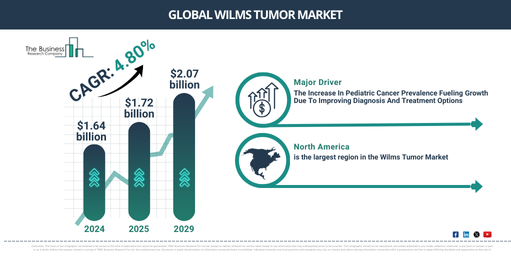
    The market size of Wilms tumor has experienced robust growth in the past few years. It is projected to rise from $1.64 billion in 2024 to $1.72 billion in 2025, with a compound annual growth rate (CAGR) of 5.0%. The growth seen in the past period is due to factors such as heightened consciousness regarding early cancer detection, enhanced initiatives by the government, an increase in genetic susceptibility, a surge in investments in the field of pediatric oncology drug discovery, and an increase in health care spending on treatments for pediatric oncology.

    In the coming years, the wilms tumor market is anticipated to witness consistent growth, culminating in a net worth of $2.07 billion in 2029, growing with a compound annual growth rate (CAGR) of 4.8%. This growth during the forecast period is influenced by factors such as growing interest in personalized medicine, increased use of radiotherapy techniques, escalating prevalence of lifestyle-related risk factors, and expanding count of pediatric oncologists. Additionally, rising awareness initiatives by healthcare bodies also contribute to the growth. Key trends throughout the forecast period encompass the creation of CAR-T cell therapies, pioneering chemotherapy procedures, a broadening of combination therapies, development of diagnostic methods driven by biomarkers, and inclusion of wearable devices for health monitoring.

    Download a free sample to assess the report’s scope and structure:

    https://www.thebusinessresearchcompany.com/sample.aspx?id=23582&type=smp

    Which Factors and External Forces Are Driving Demand in the Wilms Tumor Market?

    The growth of the Wilms tumor market is anticipated to be fuelled by a rising incidence of childhood cancer cases. Childhood cancer is characterized by anomalous cell growth in tissues and organs of children who are 0–14 years old. This heightened frequency of childhood cancer can be ascribed to factors such as children’s exposure to environmental pollution, inherited genetic variants, infections, and immune system conditions. By promoting early detection, personalized treatments, and a deeper grasp of genetic contributions, childhood cancer incidents contribute to greater survival rates and enhanced lifestyle outcomes for afflicted children. For instance, it is projected by the Cancer Network, a cancer research group based in the United States, that in January 2025, approximately 9,550 children (0–14 years old) will be diagnosed with cancer, and around 1,050 children are expected to succumb to the disease. Thus, this trend towards a heightened prevalence of childhood cancer is facilitating an expansion of the Wilms tumor market. As a result of the increased demand for innovative treatments and specialized medical attention, escalating healthcare costs are also driving the expansion of the Wilms tumor market. The term “healthcare expenditure” denotes the aggregate amount of financial resources that are devoted to healthcare services, medical equipment, pharmaceutical products, and healthcare infrastructure over a set period. The rising trend in healthcare expenditure is traceable to the spike in chronic disease cases and a surging demand for progressive medical treatments. Higher healthcare expenditure enhances the treatment of Wilms tumor by investing in early detection procedures, new therapeutic methods, and personalized patient care which in turn enhances survival rates. It also nurtures progress in research, adoption of innovative medical procedures, and the development of affordable, targeted pharmaceuticals for superior patient outcomes. According to the Office for National Statistics, a government agency of the United Kingdom, between the years 2022 and 2023, aggregate healthcare expenditure experienced a 5.6% nominal increase, a shift upwards from the previous year’s growth rate of 0.9%. Hence, this incremental curve in healthcare expenditure is triggering the growth of the Wilms tumor market.

    Which Segments in the Wilms Tumor Offer the Most Growth?

    The wilms tumor market covered in this report is segmented –

    1) By Type: Favorable Histology, Anaplastic Histology

    2) By Stages: Stage I, Stage II, Stage III, Stage IV, Stage V

    3) By Diagnosis: Physical Examination, Imaging Tests, Lab Tests

    4) By Treatment: Surgery, Chemotherapy, Radiation Therapy

    5) By End-User: Cancer Research Institutes, Diagnostic Laboratories, Hospitals, Other End-Users

    Subsegments:

    1) By Favorable Histology: Unilateral Wilms Tumor, Bilateral Wilms Tumor, Nephroblastomatosis

    2) By Anaplastic Histology: Diffuse Anaplastic Wilms Tumor, Focal Anaplastic Wilms Tumor, Mixed Anaplastic Wilms Tumor

    Request customized data on this market:

    https://www.thebusinessresearchcompany.com/customise?id=23582&type=smp

    What Are the Fastest-Growing Geographies in the Wilms Tumor Market?

    North America was the largest region in the wilms tumor market in 2024. Asia-Pacific is expected to be the fastest-growing region in the forecast period. The regions covered in the wilms tumor market report are Asia-Pacific, Western Europe, Eastern Europe, North America, South America, Middle East, Africa.

    View the full report here:

    https://www.thebusinessresearchcompany.com/report/wilms-tumor-global-market-report

    What Are the Key Elements That Define the Wilms Tumor Market?

    Wilms tumor is a type of kidney cancer that primarily affects children, typically under the age of 5. It is also known as nephroblastoma. The tumor develops in the kidneys, which filter waste from the blood and produce urine. Wilms tumor is characterized by abnormal growth of kidney cells, and it may cause symptoms such as an abdominal mass, pain, fever, hematuria (blood in the urine), and high blood pressure.

    Purchase the full report and get a swift delivery:

    https://www.thebusinessresearchcompany.com/purchaseoptions.aspx?id=23582

    About The Business Research Company:

    With over 15000+ reports from 27 industries covering 60+ geographies, The Business Research Company has built a reputation for offering comprehensive, data-rich research and insights. Armed with 1,500,000 datasets, the optimistic contribution of in-depth secondary research, and unique insights from industry leaders, you can get the information you need to stay ahead in the game.

    Get in touch with us:

    The Business Research Company: https://www.thebusinessresearchcompany.com/

    Americas +1 3156230293

    Asia +44 2071930708

    Europe +44 2071930708

    Email us at info@tbrc.info

    Follow us on:

    LinkedIn: https://in.linkedin.com/company/the-business-research-company

    YouTube: https://www.youtube.com/channel/UC24_fI0rV8cR5DxlCpgmyFQ

    Global Market Model: https://www.thebusinessresearchcompany.com/global-market-model

  • Thrombotic Thrombocytopenic Purpura (TTP) Market 2025-2034: Key Highlights, Growth Dynamics, and Emerging Trends

    Thrombotic Thrombocytopenic Purpura (TTP) Market 2025-2034: Key Highlights, Growth Dynamics, and Emerging Trends

    Our market reports now include the latest updates on global tariffs, trade impacts, and evolving supply chain dynamics.

    #How Has The Thrombotic Thrombocytopenic Purpura (TTP) Market Size Shifted, And What Is the Outlook Through 2034?#_x000D_

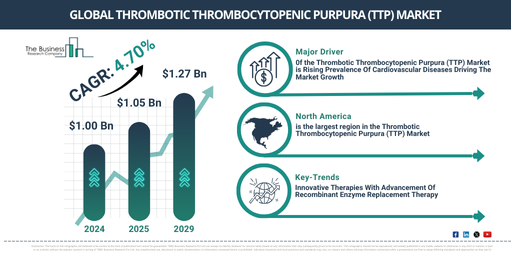
    The market for thrombotic thrombocytopenic purpura (TTP) has seen robust enlargement in recent years. It is forecasted to escalate from $1.00 billion in 2024 to $1.05 billion in 2025, with a compound annual growth rate (CAGR) of 5.1%. This growth observed in the historic period can be traced back to increasing consciousness about uncommon blood disorders, a surge in the incidence of autoimmune diseases associated with secondary TTP, enhancements in immunosuppressive medication formulations, expansion of the global healthcare infrastructure, an intensified emphasis on patient education programs for chronic diseases, and the implementation of guidelines by health associations for TTP management._x000D_

    _x000D_

    In the coming years, the market for thrombotic thrombocytopenic purpura (TTP) is predicted to witness stable growth. By 2029, it’s forecasted to reach $1.27 billion, with a compound annual growth rate (CAGR) of 4.7%. This growth during the forecasted period can be tied to factors such as increased investments in research for rare diseases, enhanced government support for treatments of rare diseases, the surge in utilization of AI and machine learning for diagnosing rare conditions, growth in the elderly population, and a rising incidence of cardiovascular diseases. The forecasted period will also see key trends including the development of recombinant adamts13 enzyme therapies for improved disease control, elevated adoption of biosimilar drugs to curtail treatment expenses, the application of next-generation sequencing and sophisticated lab methodologies for precise diagnosis, the use of AI instruments for the early identification of TTP and distinguished from other thrombotic conditions, advancement of personalized treatment strategies based on individual patient profiles, and both government and private sector investment in initiatives focused on rare disease research._x000D_

    _x000D_

    #Download a free sample to assess the report’s scope and structure:#_x000D_

    https://www.thebusinessresearchcompany.com/sample.aspx?id=21299&type=smp_x000D_

    _x000D_

    #Which Primay Drivers Are Accelerating Growth in the Thrombotic Thrombocytopenic Purpura (TTP) Market?#_x000D_

    The increasing incidence of cardiovascular diseases is projected to fuel the growth of the thrombotic thrombocytopenic purpura (TTP) market in the future. Cardiovascular diseases encompass a range of disorders that impact the heart and blood vessels like coronary artery disease, heart failure, and stroke. This upward trend in cardiovascular diseases is linked to factors such as growing elderly populations, unhealthy eating habits, sedentary lifestyles, obesity, tobacco use, excessive alcohol intake, and high-stress levels. Thrombotic thrombocytopenic purpura (TTP) contributes to cardiovascular diseases through widespread microvascular thrombosis, endothelial dysfunction, and systemic inflammation, escalating the risk of hypertension, myocardial infarction, and other cardiovascular complications. For example, as per the Australian Institute of Health and Welfare, a government agency in Australia, the deaths due to coronary heart disease (CHD) increased to 14,900 in 2022, up from 14,100 in 2021. Hence, the growing incidence of cardiovascular diseases is boosting the thrombotic thrombocytopenic purpura (TTP) market. Effect of Increased Healthcare Spending on the Market_x000D_

    _x000D_

    #Which Primary Segments of the Thrombotic Thrombocytopenic Purpura (TTP) Market Are Driving Growth and Industry Transformations?#_x000D_

    The thrombotic thrombocytopenic purpura (TTP) market covered in this report is segmented –_x000D_

    _x000D_

    1) By Type: Inherited Thrombotic Thrombocytopenic Purpura (TTP), Acquired Thrombotic Thrombocytopenic Purpura (TTP)_x000D_

    2) By Treatment: Plasma Exchange, Corticosteroids, Rituximab, Caplacizumab, Other Treatment Types_x000D_

    3) By End-Users: Hospitals, Speciality Centres, Other End Users_x000D_

    _x000D_

    Subsegments:_x000D_

    1) By Inherited Thrombotic Thrombocytopenic Purpura (TTP): Congenital ADAMTS13 Deficiency, Upshaw-Schulman Syndrome_x000D_

    2) By Acquired Thrombotic Thrombocytopenic Purpura (TTP): Immune-Mediated TTP, Secondary TTP_x000D_

    _x000D_

    #Request customized data on this market:#_x000D_

    https://www.thebusinessresearchcompany.com/customise?id=21299&type=smp_x000D_

    _x000D_

    #Which Regions Are Key Players in the Growth of the #Which Primay Drivers Are Accelerating Growth in the Thrombotic Thrombocytopenic Purpura (TTP) Market?# Market?#_x000D_

    North America was the largest region in the thrombotic thrombocytopenic purpura (TTP) market in 2024. Asia-Pacific is expected to be the fastest-growing region in the forecast period. The regions covered in the thrombotic thrombocytopenic purpura (TTP) market report are Asia-Pacific, Western Europe, Eastern Europe, North America, South America, Middle East, Africa._x000D_

    _x000D_

    #Which Technological Trends Are Reshaping the Thrombotic Thrombocytopenic Purpura (TTP) Industry Dynamics?#_x000D_

    Key players in the thrombotic thrombocytopenic purpura (TTP) market are focusing efforts on the development of innovative treatment methods such as recombinant enzyme replacement therapy to enhance treatment efficacy and patient results. Recombinant enzyme replacement therapy is a medical procedure wherein bioengineered or synthetic enzymes are administered to individuals suffering from enzyme deficiency disorders to reinstate normal metabolic function. For instance, Takeda Pharmaceutical Company Limited, a pharmaceutical enterprise based in Japan, announced ADZYNMA in November 2023. ADZYNMA is a recombinant ADAMTS13 enzyme replacement therapy that has been green-lighted by the U.S. Food and Drug Administration, a US government agency. This is currently the only and first-ever treatment for congenital thrombotic thrombocytopenic purpura (cTTP) approved for both adult and pediatric patients. cTTP is a very rare blood clotting disorder brought about by a deficiency in the ADAMTS13 enzyme. Clinical trials bolstering the approval showed that ADZYNMA effectively lessens the likelihood of acute TTP events, and today it is available in the U.S. for both preventive and as-needed treatment._x000D_

    _x000D_

    #View the full report here:#_x000D_

    https://www.thebusinessresearchcompany.com/report/thrombotic-thrombocytopenic-purpura-ttp-global-market-report_x000D_

    _x000D_

    #What Parameters Are Used to Define the Thrombotic Thrombocytopenic Purpura (TTP) Market?#_x000D_

    Thrombotic thrombocytopenic purpura (TTP) is a rare, life-threatening blood disorder characterized by the formation of small blood clots (thrombi) in the blood vessels throughout the body. These clots can block blood flow to various organs, leading to potential organ damage. Thrombotic thrombocytopenic purpura (TTP) is treated primarily with plasmapheresis to remove harmful antibodies and replace the deficient ADAMTS13 enzyme._x000D_

    _x000D_

    #Purchase the full report and get a swift delivery:#_x000D_

    https://www.thebusinessresearchcompany.com/purchaseoptions.aspx?id=21299_x000D_

    _x000D_

    #About The Business Research Company:#_x000D_

    With over 15000+ reports from 27 industries covering 60+ geographies, The Business Research Company has built a reputation for offering comprehensive, data-rich research and insights. Armed with 1,500,000 datasets, the optimistic contribution of in-depth secondary research, and unique insights from industry leaders, you can get the information you need to stay ahead in the game._x000D_

    _x000D_

    #Get in touch with us:#_x000D_

    The Business Research Company: https://www.thebusinessresearchcompany.com/_x000D_

    Americas +1 3156230293_x000D_

    Asia +44 2071930708_x000D_

    Europe +44 2071930708_x000D_

    Email us at info@tbrc.info_x000D_

    _x000D_

    #Follow us on:#_x000D_

    _x000D_

    LinkedIn: https://in.linkedin.com/company/the-business-research-company_x000D_

    YouTube: https://www.youtube.com/channel/UC24_fI0rV8cR5DxlCpgmyFQ_x000D_

    Global Market Model: https://www.thebusinessresearchcompany.com/global-market-model
  • Critical Market Drivers Shaping the Outlook for Medical device coatings Market from 2025-2034: Rising Demand For Minimally Invasive Surgical Procedures Driving Growth In The Market

    Critical Market Drivers Shaping the Outlook for Medical device coatings Market from 2025-2034: Rising Demand For Minimally Invasive Surgical Procedures Driving Growth In The Market

    Our market reports now include the latest updates on global tariffs, trade impacts, and evolving supply chain dynamics.

    How Has The Medical device coatings Market Growth Evolved From 2024 To 2025, And What’s Ahead?

    There has been a significant expansion in the medical device coatings market in the past few years. The market is projected to increase from $12.21 billion in 2024 to $13.24 billion in 2025 with a compound annual growth rate (CAGR) of 8.5%. The historic growth is linked to the rising demand for antimicrobial coatings, an increased need for minimally invasive surgeries, growth of startups focusing on medical device coatings, an emphasis on thwarting infections via medical devices, and a surge in cancer prevalence.

    The market size for medical device coatings is predicted to experience robust expansion in the upcoming years, reaching a value of $18.16 billion by 2029 with an 8.2% compound annual growth rate (CAGR). The projected growth within this timeframe is due to several factors such as the development of intelligent coatings, escalating requirements for personalized medicine, a growing elderly population globally, enhancements in long-lasting medical device coatings, and an increase in chronic diseases. Significant trends during the forecast period consist of technological progressions, evolution in medical technology, strategic alliances and research initiatives, the introduction of new products, and rising adoption of hydrophilic coatings.

    Download a free sample to assess the report’s scope and structure:

    https://www.thebusinessresearchcompany.com/sample.aspx?id=21216&type=smp

    What Are the Core Growth Drivers Propelling the Medical device coatings Market Forward?

    The medical device coatings market is anticipated to experience an upswing, propelled by the rising demand for minimally invasive surgical procedures. Advancements in medical technology, such as sophisticated imaging systems, precision tools, and cutting-edge medical device coatings, have attributed to these types of surgeries. They improve surgical precision, decrease healing time, and reduce the risk of complications for patients. The coatings applied to medical devices enhance the efficacy of minimally invasive surgical procedures by offering lubrication, biocompatibility, and antimicrobial properties. These attributes help reduce friction, curtail tissue damage, and decrease infection risks – thereby improving the procedures’ safety and efficiency. In September 2023, records from the International Society of Aesthetic Plastic Surgery, a Lebanon-based organization for board-certified plastic surgeons, reported a boost of 11.2% in surgeries performed by plastic surgeons in 2022. They completed over 14.9 million surgical and 18.8 million non-surgical procedures globally. Therefore, the burgeoning demand for minimally invasive surgical procedures is boosting the medical device coatings market’s growth.

    What Segment Types Define the Medical device coatings Market Structure?

    The medical device coatings market covered in this report is segmented –

    1) By Product: Hydrophilic Coatings, Antimicrobial Coatings, Drug-Eluting Coatings, Anti-Thrombogenic Coatings

    2) By Material Type: Fluoropolymer, Silicone, Parylene, Metals

    3) By Application: Medical Devices, Medical Implants, Medical Equipment And Tools, Protective Clothing

    4) By End-User: General Surgery, Neurology, Cardiovascular, General Surgery, Gynecology, Dentistry, Other End Users

    Subsegments:

    1) By Hydrophilic Coatings: Polymer-Based Hydrophilic Coatings, Silicone-Based Hydrophilic Coatings, Hydrogel Coatings

    2) By Antimicrobial Coatings: Silver-Based Coatings, Copper-Based Coatings, Polymer-Based Antimicrobial Coatings

    3) By Drug-Eluting Coatings: Antiproliferative Drug Coatings, Anti-Inflammatory Drug Coatings, Antibiotic Drug Coatings

    4) By Anti-Thrombogenic Coatings: Heparin-Based Coatings, Non-Heparin-Based Coatings, Polymer-Based Anti-Thrombogenic Coatings

    Request customized data on this market:

    https://www.thebusinessresearchcompany.com/customise?id=21216&type=smp

    Which Geographic Areas Hold the Strongest Growth Potential in the Medical device coatings Market?

    North America was the largest region in the medical device coatings market in 2024. Asia-Pacific is expected to be the fastest-growing region in the forecast period. The regions covered in the medical device coatings market report are Asia-Pacific, Western Europe, Eastern Europe, North America, South America, Middle East, Africa.

    Which Emerging Trends that Are Influencing theMedical device coatings Industry Evolution?

    Prominent firms in the medical device coatings market are concentrating on creating new technologies, such as hydrophilic medical device coatings, to boost device functioning by enhancing lubricity, minimizing friction during procedures, and ensuring biocompatibility. Hydrophilic medical device coatings are unique surface treatments employed on medical devices to improve their efficiency, particularly regarding reducing friction and increasing patient comfort. For example, in October 2023, Surmodics Inc., an American corporation specialized in medical device coating technologies, introduced Preside hydrophilic coatings. These coatings aim to improve the performance of neurovascular, coronary, and peripheral vascular devices by providing a unique mixture of low friction and minimal particulate generation, thereby enhancing distal access and facilitating the navigation of complex vascular pathways. Preside coatings supplement the existing Serene hydrophilic coatings and are designed to attain the perfect balance between heightened lubricity and coating longevity, meeting the growing regulatory requirements for particle reduction.

    View the full report here:

    https://www.thebusinessresearchcompany.com/report/medical-device-coatings-global-market-report

    What Is the Definition of the Medical device coatings Market?

    Medical device coatings are specialized surface treatments applied to medical devices to improve their functionality, durability, and safety. These coatings provide benefits such as antimicrobial protection, enhanced biocompatibility, reduced friction, and corrosion resistance. They are widely used in devices like catheters, implants, and surgical instruments to optimize performance and patient outcomes.

    Purchase the full report and get a swift delivery:

    https://www.thebusinessresearchcompany.com/purchaseoptions.aspx?id=21216

    About The Business Research Company:

    With over 15000+ reports from 27 industries covering 60+ geographies, The Business Research Company has built a reputation for offering comprehensive, data-rich research and insights. Armed with 1,500,000 datasets, the optimistic contribution of in-depth secondary research, and unique insights from industry leaders, you can get the information you need to stay ahead in the game.

    Get in touch with us:

    The Business Research Company: https://www.thebusinessresearchcompany.com/

    Americas +1 3156230293

    Asia +44 2071930708

    Europe +44 2071930708

    Email us at info@tbrc.info

    Follow us on:

    LinkedIn: https://in.linkedin.com/company/the-business-research-company

    YouTube: https://www.youtube.com/channel/UC24_fI0rV8cR5DxlCpgmyFQ

    Global Market Model: https://www.thebusinessresearchcompany.com/global-market-model

  • Human Respiratory Syncytial Virus Treatment Market 2025-2034: Key Highlights, Growth Dynamics, and Emerging Trends

    Human Respiratory Syncytial Virus Treatment Market 2025-2034: Key Highlights, Growth Dynamics, and Emerging Trends

    Get 30% off on our Global Market Reports with code ONLINE30 – Hurry, limited time offer!

    What Are the Projected Market Size and Growth Rates for the Human Respiratory Syncytial Virus Treatment Market From 2025 To 2029?

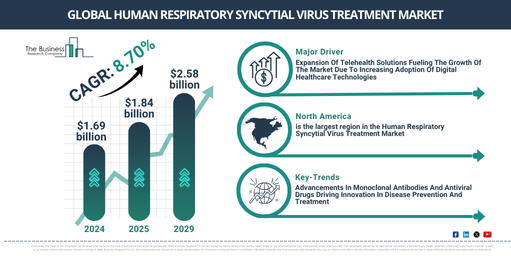
    Recent years have witnessed robust growth in the market size of human respiratory syncytial virus treatment. Projections estimate an increase from $1.69 billion in 2024 to $1.84 billion in 2025, with a compound annual growth rate of 9.0%. Factors contributing to this historical growth include a surge in the incidence of RSV infections, a growing population of infants and the elderly, a rise in hospitalizations due to respiratory conditions, governmental vaccination initiatives, and heightened awareness regarding complications linked to RSV.

    The market for treating the human respiratory syncytial virus is poised to experience considerable expansion in the years to come. It’s projected to reach a value of $2.58 billion in 2029, with an annual compound growth rate of 8.7%. Various factors contribute to this anticipated growth in the aforementioned projection period, including an increased need for monoclonal antibodies, higher investment in the development of RSV vaccines, a more prominent emphasis on early detection, the broadening of healthcare access in emerging areas, and the approval of regulatory bodies for new treatment methods. Future trends likely to be seen within this period comprise the creation of long-lasting RSV antibodies, an emphasis on combination treatments, drug discovery for RSV powered by AI, increased use of telemedicine for respiratory diseases, and collaborative efforts in the pharmaceutical industry for the development of RSV drugs.

    Download a free sample to assess the report’s scope and structure:

    https://www.thebusinessresearchcompany.com/sample.aspx?id=23423&type=smp

    Which Primay Drivers Are Accelerating Growth in the Human Respiratory Syncytial Virus Treatment Market?

    Human respiratory syncytial virus treatment market’s growth is anticipated to be driven by the emerging telehealth solutions. These solutions are part of digital healthcare services, offering remote consultations, diagnostics, monitoring, and treatment to patients through telecommunication technologies. The uptake of these telemedicine services has been on the rise, primarily due to their potential in providing remote care to patients and minimising the strain on conventional healthcare facilities. Telehealth solutions, specifically for the human respiratory syncytial virus treatment, allow for remote patient monitoring, early disease detection, and virtual consultations, which can improve patient care and decrease the frequency of hospital visits. For instance, the official information provider of the US government, Telehealth.HHS.gov, reported in the fourth quarter of 2023, telehealth utilisation grew to approximately 21,883,731 users, indicating an increase of 2,783,159 users or 13% from the previous quarter. Consequently, the burgeoning telehealth solutions are contributing to the expansion of the human respiratory syncytial virus treatment market.

    Which Primary Segments of the Human Respiratory Syncytial Virus Treatment Market Are Driving Growth and Industry Transformations?

    The human respiratory syncytial virus treatment market covered in this report is segmented –

    1) By Treatment Type: Antiviral Medications, Monoclonal Antibodies, Vaccines, Supportive Care

    2) By Patient Type: Pediatric Patients, Adult Patients

    3) By Route Of Administration: Oral, Parenteral

    4) By End User: Hospitals, Clinics, Home Care

    Subsegments:

    1) By Antiviral Medications: Fusion Inhibitors, Nucleoside Analogues, RNA Polymerase Inhibitors

    2) By Monoclonal Antibodies: Palivizumab, Nirsevimab, Other RSV-Specific Monoclonal Antibodies

    3) By Vaccines: Live Attenuated Vaccines, Subunit Vaccines, mRNA-Based Vaccines, Vector-Based Vaccines

    4) By Supportive Care: Oxygen Therapy, Mechanical Ventilation, Hydration Therapy, Fever and Pain Management

    Request customized data on this market:

    https://www.thebusinessresearchcompany.com/customise?id=23423&type=smp

    Which Regions Are Key Players in the Growth of the Human Respiratory Syncytial Virus Treatment Market?

    North America was the largest region in the human respiratory syncytial virus treatment market in 2024. Asia-Pacific is expected to be the fastest-growing region in the forecast period. The regions covered in the human respiratory syncytial virus treatment market report are Asia-Pacific, Western Europe, Eastern Europe, North America, South America, Middle East, Africa.

    What Key Trends Are Shaping the Future of the Human Respiratory Syncytial Virus Treatment Market?

    Prominent companies in the human respiratory syncytial virus treatment sector are concentrating on novel therapies like monoclonal antibodies and antiviral drugs to establish a competitive advantage. Monoclonal antibodies are laboratory-crafted proteins that assist in combating infections, whereas antiviral drugs are medicines that inhibit virus propagation. For example, in July 2023, AstraZeneca plc, a UK-based biopharmaceutical firm, collaborated with Sanofi S.A., a French pharmaceutical company, to announce the U.S. Food and Drug Administration’s (FDA) approval of Beyfortus (nirsevimab-alip), an engineered monoclonal antibody for preventing RSV lower respiratory tract disease among newborns and high-risk children. This approval signified a significant progression in RSV prevention, since Beyfortus offers a long-lasting, one-time treatment that delivers continuous immunity throughout the RSV season. This is extremely beneficial for newborns and infants who are most vulnerable to severe RSV infections, aiding in the reduction of hospital stays and complications.

    View the full report here:

    https://www.thebusinessresearchcompany.com/report/human-respiratory-syncytial-virus-treatment-global-market-report

    What Parameters Are Used to Define the Human Respiratory Syncytial Virus Treatment Market?

    Human respiratory syncytial virus (RSV) treatment focuses on managing symptoms and preventing complications, particularly in vulnerable populations. It involves supportive care to ease breathing difficulties, reduce fever, and maintain hydration. In severe cases, hospitalization may be required for oxygen therapy and monitoring. Prevention strategies also play a crucial role in reducing infection risk.

    Purchase the full report and get a swift delivery:

    https://www.thebusinessresearchcompany.com/purchaseoptions.aspx?id=23423

    About The Business Research Company:

    With over 15000+ reports from 27 industries covering 60+ geographies, The Business Research Company has built a reputation for offering comprehensive, data-rich research and insights. Armed with 1,500,000 datasets, the optimistic contribution of in-depth secondary research, and unique insights from industry leaders, you can get the information you need to stay ahead in the game.

    Get in touch with us:

    The Business Research Company: https://www.thebusinessresearchcompany.com/

    Americas +1 3156230293

    Asia +44 2071930708

    Europe +44 2071930708

    Email us at info@tbrc.info

    Follow us on:

    LinkedIn: https://in.linkedin.com/company/the-business-research-company

    YouTube: https://www.youtube.com/channel/UC24_fI0rV8cR5DxlCpgmyFQ

    Global Market Model: https://www.thebusinessresearchcompany.com/global-market-model

  • Thrombocytopenia Growth Trajectory: Key Forecasts and Strategic Insights

    Thrombocytopenia Growth Trajectory: Key Forecasts and Strategic Insights

    Our market reports now include the latest updates on global tariffs, trade impacts, and evolving supply chain dynamics.

    #How Has the Thrombocytopenia Market Growth Performance Trended Historically, And What Lies Ahead?#_x000D_

    In the previous years, the thrombocytopenia market has witnessed robust growth. It is predicted to escalate from $4.38 billion in 2024 to $4.72 billion in 2025, representing a compound annual growth rate (CAGR) of 7.7%. The growth during the historic period can be associated with the mounting prevalence of autoimmune disorders, the surge in chronic liver diseases, the expanding reach of healthcare services, the enhancement of healthcare infrastructure, and the increasing government backing._x000D_

    _x000D_

    Projected robust expansion is expected in the thrombocytopenia market in the upcoming years as it will prospectively burgeon to $6.29 billion by 2029, growing at a compound annual growth rate (CAGR) of 7.5%. This sector’s growth during the forecast period can be credited to factors such as the increasing incidences of thrombocytopenia, escalated healthcare expenditure, amplified global promotion of therapies, heightened occurrence of blood disorders, and a rapidly growing aging population. Key trends observed within the forecast period encompass the escalating adoption of innovative thrombopoietin receptor agonists, enhancements in diagnostic methodologies, developments in gene therapies, strides in monoclonal antibody treatments, advancements in patient monitoring technologies, personalized medicinal approaches, and continuing clinical research for ground-breaking therapies._x000D_

    _x000D_

    #Download a free sample to assess the report’s scope and structure:#_x000D_

    https://www.thebusinessresearchcompany.com/sample.aspx?id=21298&type=smp_x000D_

    _x000D_

    #Which Factors and External Forces Are Driving Demand in the Thrombocytopenia Market?#_x000D_

    The escalating incidence of autoimmune disorders is anticipated to fuel the expansion of the thrombocytopenia market. Autoimmune disorders arise when the body’s immune system erroneously starts to attack its own healthy cells and tissues, considering them as external threats. This unusual reaction instigates inflammation and damage in diverse organs and systems. The surge in autoimmune disorders can be attributed to inherent predispositions, ecological influences, alterations in lifestyle, and heightened consciousness leading to enhanced diagnosis. Autoimmune diseases precipitate thrombocytopenia by provoking the immune system to assail and annihilate the body’s platelets or hinder their production in the bone marrow. For example, as per the data from Versorgungsatlas.de, a Germany-based government agency, in 2022, out of 73,241,305 insured persons, around 6,304,340 were diagnosed with at least a single autoimmune disease, amounting to a raw prevalence rate of 8.61%. Consequently, the rising incidence of autoimmune disorders is propelling the growth of the thrombocytopenia market._x000D_

    _x000D_

    #Which Segments in the Thrombocytopenia Offer the Most Growth?#_x000D_

    The thrombocytopenia market covered in this report is segmented –_x000D_

    _x000D_

    1) By Type: Idiopathic Thrombocytopenic, Thrombotic Thrombocytopenic, Drug-Induced Thrombocytopenia_x000D_

    2) By Drugs: Danazol, Intravenous Immune Globulin, Rituximab, Eltrombopag, Romiplostim, Splenectomy, Corticosteroid, Other Drugs_x000D_

    3) By Route Of Administration: Oral, Parenteral, Other Routes Of Administration_x000D_

    4) By End User: Hospitals, Specialty Clinics, Homecare, Other End Users_x000D_

    _x000D_

    Subsegments:_x000D_

    1) By Idiopathic Thrombocytopenic Purpura (ITP): Acute ITP, Chronic ITP_x000D_

    2) By Thrombotic Thrombocytopenic Purpura (TTP): Congenital TTP (Hereditary ADAMTS13 Deficiency), Acquired TTP (Immune-Mediated)_x000D_

    3) By Drug-Induced Thrombocytopenia (DITP): Heparin-Induced Thrombocytopenia (HIT), Chemotherapy-Induced Thrombocytopenia, Other Medication-Related Thrombocytopenia_x000D_

    _x000D_

    #Request customized data on this market:#_x000D_

    https://www.thebusinessresearchcompany.com/customise?id=21298&type=smp_x000D_

    _x000D_

    #What Are the Fastest-Growing Geographies in the #Which Factors and External Forces Are Driving Demand in the Thrombocytopenia Market?# Market?#_x000D_

    North America was the largest region in the thrombocytopenia market in 2024. Asia-Pacific is expected to be the fastest-growing region in the forecast period. The regions covered in the thrombocytopenia market report are Asia-Pacific, Western Europe, Eastern Europe, North America, South America, Middle East, Africa._x000D_

    _x000D_

    #Which Cutting-Edge Market Trends Are Expected to Drive theThrombocytopenia Market’s Growth?#_x000D_

    Leading corporations active in the thrombocytopenia industry are emphasizing innovations such as the introduction of intravenous therapy. This focus on advancement is aimed at enhancing the efficacy of treatment, speeding up response times, improving patient compliance, and addressing unfulfilled medical requirements. Intravenous therapy for thrombocytopenia allows for swift improvement in platelet count, which guarantees rapid relief of symptoms and diminishes the chances of hemorrhagic complications. It also boosts the accuracy of treatment, delivering reliable and effective platelet sustenance for patients dealing with acute or long-term cases. As a case point, in March 2024, Argenx SE, a biotech company based in the Netherlands, obtained approval from the Ministry of Health, Labor, and Welfare (MHLW) of Japan for VYVGART, intended for intravenous application in adults with primary immune thrombocytopenia (ITP). This authorization signifies a considerable breakthrough, offering a specialized treatment that is rapidly efficient and maintains a consistent platelet response, thus addressing the gap in the treatment of autoimmune diseases._x000D_

    _x000D_

    #View the full report here:#_x000D_

    https://www.thebusinessresearchcompany.com/report/thrombocytopenia-global-market-report_x000D_

    _x000D_

    #What Are the Key Elements That Define the Thrombocytopenia Market?#_x000D_

    Thrombocytopenia refers to a medical condition characterized by an abnormally low platelet count in the blood, which increases the risk of excessive bleeding. Causes include bone marrow disorders, autoimmune diseases, and certain medications. Symptoms involve easy bruising, prolonged bleeding, and petechiae (small red spots on the skin)._x000D_

    _x000D_

    #Purchase the full report and get a swift delivery:#_x000D_

    https://www.thebusinessresearchcompany.com/purchaseoptions.aspx?id=21298_x000D_

    _x000D_

    #About The Business Research Company:#_x000D_

    With over 15000+ reports from 27 industries covering 60+ geographies, The Business Research Company has built a reputation for offering comprehensive, data-rich research and insights. Armed with 1,500,000 datasets, the optimistic contribution of in-depth secondary research, and unique insights from industry leaders, you can get the information you need to stay ahead in the game._x000D_

    _x000D_

    #Get in touch with us:#_x000D_

    The Business Research Company: https://www.thebusinessresearchcompany.com/_x000D_

    Americas +1 3156230293_x000D_

    Asia +44 2071930708_x000D_

    Europe +44 2071930708_x000D_

    Email us at info@tbrc.info_x000D_

    _x000D_

    #Follow us on:#_x000D_

    _x000D_

    LinkedIn: https://in.linkedin.com/company/the-business-research-company_x000D_

    YouTube: https://www.youtube.com/channel/UC24_fI0rV8cR5DxlCpgmyFQ_x000D_

    Global Market Model: https://www.thebusinessresearchcompany.com/global-market-model
  • Human Primary Cell Culture  Growth Trajectory: Key Forecasts and Strategic Insights

    Human Primary Cell Culture Growth Trajectory: Key Forecasts and Strategic Insights

    Get 30% off on our Global Market Reports with code ONLINE30 – Hurry, limited time offer!

    What Is the Estimated Market Size of the Human Primary Cell Culture Market In 2029?

    The market for primary human cell cultures has seen a remarkable expansion in recent years. The market is projected to rise from $3.39 billion in 2024 to $3.79 billion in 2025, showing a compound annual growth rate (CAGR) of 11.7%. The growth seen in the historic period can be attributed to the increasing use of cell-based research, a surge in the demand for personalized medicine, intensified emphasis on drug discovery and personalized medicine, as well as burgeoning applications in cancer research.

    Predicted expansion in the human primary cell culture sector is expected in the coming years, with a growth rate estimated at 11.3% annually. This will see the market’s value rise to $5.82 billion by 2029. Primarily, the surge is expected to come from increased interest in regenerative medicine, precision medicine applications, a surge in government funding for cell-based studies, supportive governmental policies, and a widening scope for toxicology testing. Some anticipated trends during this forecast period are the incorporation of Artificial Intelligence in cell culture investigations, creating serum-free and chemically specific media, cultivating automation in cell culture procedures, a burgeoning interest in organ-on-a-chip technology, and a greater demand for primary cells in research around immunotherapy.

    Download a free sample to assess the report’s scope and structure:

    https://www.thebusinessresearchcompany.com/sample.aspx?id=23422&type=smp

    Which Factors and External Forces Are Driving Demand in the Human Primary Cell Culture Market?

    The growth of the human primary cell culture market is predicted to be propelled by the escalating focus on cell and gene therapies. These innovative medical interventions amend or replace cells or genetic matter to manage or cure diseases at the molecular level. Such treatments are gaining attention due to their capacity for delivering long-lasting or curative treatments for genetic disorders, cancers, and scarce illnesses by targeting the fundamental root at the molecular level. Human primary cell cultures play a crucial role in these therapies, assisting in the development of treatments, production of viral vectors, and testing of gene editing techniques. The American Society of Gene & Cell Therapy (ASGCT), a non-profit organization based in the US, reported that around 76 gene therapy trials commenced in the U.S in the second quarter of 2024, indicating a 25% rise compared to the first quarter. Hence, the emphasis on progressing advanced cell and gene therapies fuels expansion in the human primary cell culture market.

    Which Segments in the Human Primary Cell Culture Offer the Most Growth?

    The human primary cell culture market covered in this report is segmented –

    1) By Product Type: Primary Cells, Reagents And Supplements, Instruments, Primary Cell Culture Media, Other Consumables

    2) By Applications: Drug Discovery, Therapy Development, Regenerative Medicine, Other Applications

    3) By End User: Pharmaceutical And Biotechnology Companies, Contract Research Organizations (CROs), Academic And Research Institutions

    Subsegments:

    1) By Primary Cells: Human Dermal Fibroblasts (HDF), Human Epidermal Keratinocytes (HEK), Human Mesenchymal Stem Cells (HMSC), Human Endothelial Cells, Human Hematopoietic Cells

    2) By Reagents And Supplements: Growth Factors And Cytokines, Antibiotics And Antimycotics, Fetal Bovine Serum (FBS), Buffers And Chemicals, Cryopreservation Reagents

    3) By Instruments: Cell Culture Incubators, Biosafety Cabinets, Centrifuges, Cell Counters And Analyzers, Microscopes

    4) By Primary Cell Culture Media: Serum-Free Media, Chemically Defined Media, Classical Media, Protein-Free Media, Custom Media

    5) By Other Consumables: Culture Dishes And Plates, Flasks And Bottles, Pipettes And Tips, Cell Strainers And Filters, Coated Culture Surfaces

    Request customized data on this market:

    https://www.thebusinessresearchcompany.com/customise?id=23422&type=smp

    What Are the Fastest-Growing Geographies in the Human Primary Cell Culture Market?

    North America was the largest region in the human primary cell culture market in 2024. Asia-Pacific is expected to be the fastest-growing region in the forecast period. The regions covered in the human primary cell culture market report are Asia-Pacific, Western Europe, Eastern Europe, North America, South America, Middle East, Africa.

    What Are the Key Market Trends in the Human Primary Cell Culture Market Over the Coming Years?

    Key players in the human primary cell culture market are directing their efforts towards developing pioneering technological solutions. These solutions incorporate induced pluripotent stem cell (iPSC) and embryonic stem cell (ESC) technologies as a means to amplify cell-oriented research, expedite drug discovery, and spur progress in regenerative medicine as well as personalized treatments. Both iPSC and ESC technologies revolve around the transformation of adult cells or the utilization of embryonic cells to produce pluripotent stem cells. These cells have the ability to morph into a variety of cell types, which are crucial for conducting research, creating new drugs, and facilitating regenerative medicine. For example, in July 2024, BioServe Biotechnologies India Pvt Ltd, a na Biotechnology and life sciences firm, unveiled advanced stem cell products from REPROCELL, aimed at bolstering scientific research and drug development in India. Their product offering entails cell culture media, stem cell differentiation tools, 3D cell culture systems, and drug discovery services. These innovative products improve regenerative medicine, disease modeling, and preclinical research by deploying iPSC and ESC technologies.

    View the full report here:

    https://www.thebusinessresearchcompany.com/report/human-primary-cell-culture-global-market-report

    What Are the Key Elements That Define the Human Primary Cell Culture Market?

    Human primary cell culture refers to the process of isolating cells directly from human tissues, such as blood or bone marrow and maintaining them in a controlled environment for research or therapeutic purposes. These cultures are used for research and medical applications, providing more accurate representations of in vivo conditions than immortalized cell lines.

    Purchase the full report and get a swift delivery:

    https://www.thebusinessresearchcompany.com/purchaseoptions.aspx?id=23422

    About The Business Research Company:

    With over 15000+ reports from 27 industries covering 60+ geographies, The Business Research Company has built a reputation for offering comprehensive, data-rich research and insights. Armed with 1,500,000 datasets, the optimistic contribution of in-depth secondary research, and unique insights from industry leaders, you can get the information you need to stay ahead in the game.

    Get in touch with us:

    The Business Research Company: https://www.thebusinessresearchcompany.com/

    Americas +1 3156230293

    Asia +44 2071930708

    Europe +44 2071930708

    Email us at info@tbrc.info

    Follow us on:

    LinkedIn: https://in.linkedin.com/company/the-business-research-company

    YouTube: https://www.youtube.com/channel/UC24_fI0rV8cR5DxlCpgmyFQ

    Global Market Model: https://www.thebusinessresearchcompany.com/global-market-model
  • Key Factors Fueling the Growth of the Wearable Robot Technology  Market in 2025: Increasing Demand For Automation Fueling The Growth Of The Market Due To Rising Need For Operational Efficiency

    Key Factors Fueling the Growth of the Wearable Robot Technology Market in 2025: Increasing Demand For Automation Fueling The Growth Of The Market Due To Rising Need For Operational Efficiency

    Get 30% off on our Global Market Reports with code ONLINE30 – Hurry, limited time offer!

    How Has The Wearable Robot Technology Market Size Shifted, And What Is the Outlook Through 2034?

    There has been phenomenal growth in the size of the wearable robot technology market in the past few years. It’s projected to expand from $0.84 billion in 2024 to $1.17 billion in 2025, with a compound annual growth rate (CAGR) of 39.4%. The substantial growth witnessed in the historic period is credited to the escalating demand for rehabilitation facilities, higher healthcare spending, increasing necessity for elderly care services, significant investment in R&D, and burgeoning demand for solutions for the elderly and disabled.

    Expectations for the wearable robot technology market size project a substantial expansion in the upcoming years. It is slated to escalate to $4.39 billion by 2029, indicating a compound annual growth rate (CAGR) of 39.1%. The anticipated growth over the forecast period is due in part to increasing demand for targeted healthcare solutions, greater utilization of assistive robots in the healthcare sector, an uptick in the use of robotics in physical therapy, a growing emphasis on multifaceted wearable robots, and a rising trend in health and fitness trackers. The forecast period is marked by significant trends such as advancements in material technology, the development of modular wearable robots, the integration of wearables with smart fabrics, haptic feedback innovation, and the creation of adaptive control systems.

    Download a free sample to assess the report’s scope and structure:

    https://www.thebusinessresearchcompany.com/sample.aspx?id=23579&type=smp

    What are the Fundamental Drivers and Innovations Shaping the Wearable Robot Technology Market?

    The wearable robot technology market is expected to surge as automation experiences rising demand. Essentially, automation hinges on the utilization of machines or cutting-edge technology to carry out duties with little or zero assistance from humans. The need to boost operational efficiency and cut costs has resulted in increased demand for automation, which aims to slash errors and enhance productivity. The wearable robot technology is a groundbreaking innovation that amplifies automation by fostering a partnership between machines and humans, making it the go-to solution for labor-intensive sectors and healthcare environments. By improving strength and movement, it mitigates physical stress, thereby augmenting productivity and operational efficacy. For example, the International Federation of Robotics, a non-profit organization rooted in Germany, stated in September 2024 that about 4.2 million robotic units were functional in global factories in 2023. This represented a 10% rise from 3.9 units in 2022. Consequently, the escalating demand for automation is a significant factor in the growth of the wearable robot technology market.

    How Is the Wearable Robot Technology Market Segmented?

    The wearable robot technology market covered in this report is segmented –

    1) By Type: Rigid Type, Soft Type

    2) By Mode Of Operation: Passive, Active And Powered

    3) By Product: Wristwear, Headwear, Footwear, Fashion And Jewelry, Bodywear, Other Wearable Technology

    4) By Application: Rehabilitation, Assistive, Body Parts Support, Sports, Supply Chain Industry, Other Applications

    5) By End User: Healthcare, Consumer Electronics, Enterprise And Industrial Applications, Othe End User Industries

    Subsegments

    1) By Rigid Type: Exoskeletons With Metallic Frames, Powered Rigid Suits For Industrial Lifting, Military-Grade Wearable Robots, Medical Rehabilitation Robots, Full-Body Rigid Assistive Devices

    2) By Soft Type: Soft Robotic Exosuits, Pneumatic, Textile-Based Wearable Assistive Devices, Cable-Driven Flexible Actuators, Soft Wearable Robots For Elderly Mobility Support

    Request customized data on this market:

    https://www.thebusinessresearchcompany.com/customise?id=23579&type=smp

    Which Regions Are Driving the Next Phase of the Wearable Robot Technology Market Growth?

    North America was the largest region in the wearable robot technology market in 2024. Asia-Pacific is expected to be the fastest-growing region in the forecast period. The regions covered in the wearable robot technology market report are Asia-Pacific, Western Europe, Eastern Europe, North America, South America, Middle East, Africa.

    What Key Market Trends and Innovations Are Shaping the Future of the Wearable Robot Technology Industry?

    The key players in the wearable robot technology market are concentrating their efforts on creating revolutionary solutions such as wearable assistive robotics. This technology applies to robotic devices used on the body which assist or boost physical movements, aimed primarily at enhancing the mobility and overall life quality of people with physical impairments or movement restrictions. CosmoRobotics Co., Ltd, a technology firm located in South Korea, exemplified this when they introduced a new range of wearable robots, such as Bambini Teens, EA2Pro, EAM, GRANY, and EXA-W, in July 2024. These robots, complete with features like Bambini Teens tailored for kids’ needs, and EA2Pro, a second-generation exoskeleton with top-tier motor sensors and a design that’s suitable for rehabilitation, are intended to aid daily living by augmenting muscle strength and assisting in rehabilitation.

    View the full report here:

    https://www.thebusinessresearchcompany.com/report/wearable-robot-technology-global-market-report

    How Is the Wearable Robot Technology Market Defined and What Are Its Core Parameters?

    Wearable robot technology refers to advanced, body-mounted robotic systems designed to assist or enhance human movement, strength, or endurance. These devices, often called exoskeletons or exosuits, integrate sensors, actuators, and control systems to support physical activities such as walking, lifting, or rehabilitative exercises. Wearable robot technology is commonly used to help individuals with mobility impairments regain movement or assist workers in reducing strain during physically demanding tasks.

    Purchase the full report and get a swift delivery:

    https://www.thebusinessresearchcompany.com/purchaseoptions.aspx?id=23579

    About The Business Research Company:

    With over 15000+ reports from 27 industries covering 60+ geographies, The Business Research Company has built a reputation for offering comprehensive, data-rich research and insights. Armed with 1,500,000 datasets, the optimistic contribution of in-depth secondary research, and unique insights from industry leaders, you can get the information you need to stay ahead in the game.

    Get in touch with us:

    The Business Research Company: https://www.thebusinessresearchcompany.com/

    Americas +1 3156230293

    Asia +44 2071930708

    Europe +44 2071930708

    Email us at info@tbrc.info

    Follow us on:

    LinkedIn: https://in.linkedin.com/company/the-business-research-company

    YouTube: https://www.youtube.com/channel/UC24_fI0rV8cR5DxlCpgmyFQ

    Global Market Model: https://www.thebusinessresearchcompany.com/global-market-model