Author: Marketing Posting

  • Specimen Validity Testing Market Expected To Grow At 7.8% CAGR Through 2030: What Businesses Need To Know

    Specimen Validity Testing Market Expected To Grow At 7.8% CAGR Through 2030: What Businesses Need To Know

    Backed by market attractiveness analysis, total addressable market sizing, company benchmarking matrices, interactive Excel dashboards, wider supply chain intelligence, emerging startup coverage, and detailed product-level insights, The Business Research Company’s 2026 market reports are designed to offer research that is more actionable and strategically valuable than ever.

    Specimen Validity Testing Market Value Growth And Long-Term Outlook

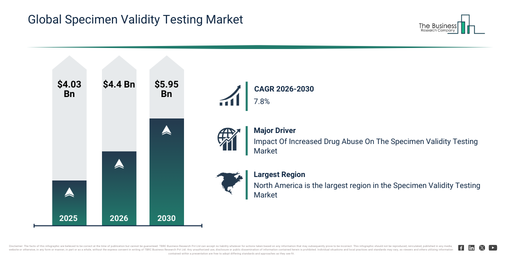
    The specimen validity testing market has experienced robust growth in recent years. Projections indicate its expansion from $4.03 billion in 2025 to $4.4 billion by 2026, demonstrating a compound annual growth rate (CAGR) of 9.3%. This historical growth can be ascribed to several factors, including an increase in workplace drug testing, regulatory mandates for urine testing, a rise in substance abuse cases, demand for forensic testing, and the broadening of clinical laboratories.

    The specimen validity testing market size is predicted to undergo robust expansion in the upcoming years. It is forecasted to ascend to $5.95 billion by 2030, exhibiting a compound annual growth rate (CAGR) of 7.8%. The impetus behind this growth during the forecast timeframe stems from the uptake of oral fluid testing, technological progress in assay sensitivity, a rise in probation and legal testing instances, the proliferation of point-of-care solutions, and penetration into new markets. Significant developments anticipated in this period encompass an increase in adulterant detection panels, the automation of validity testing processes, integration with laboratory information systems, the availability of rapid testing kits, and the broadening scope of workplace drug screening.

    Get A Free Sample Report With In-Depth Market Insights:

    https://thebusinessresearchcompany.com/sample_request?id=17221142&type=smp&name=Specimen%20Validity%20Testing%20Market%20Report%202026&utm_source=Blogs&utm_medium=Paid&utm_campaign=Nov_PR

    Specimen Validity Testing Market Industry Drivers: What’s Behind The Revenue Growth?

    The increased incidence of drug abuse is anticipated to drive the expansion of the Specimen Validity Testing Market. Drug abuse is characterized as the habitual, excessive, or inappropriate consumption of legal or illegal substances for reasons other than medical necessity. The rise in drug abuse can be attributed to several interconnected factors, including opioid addiction, the emergence of mental health challenges, insufficient access to treatment and support services, and cultural representations. SVT techniques are designed to identify contaminants and compounds by evaluating various parameters like pH, specific gravity, creatinine content, and temperature. The growing problem of drug abuse is expected to fuel the growth of the Specimen Validity Testing Market.

    Specimen Validity Testing Market Segment Performance And Emerging Opportunities

    The specimen validity testing market covered in this report is segmented –

    1) By Product And Service: Products, Service

    2) By Testing Type: Laboratory Testing, Rapid Or Point-Of-Care Testing

    3) By End-User: Drug Rehabilitation Centers, Drug Screening Laboratories, Pain Management Centers, Criminal Justice And Law Enforcement Agencies, Other End-Users

    Subsegments:

    1) By Products: Reagents And Assay Kits, Controls And Calibrators, Specimen Collection Devices, Analyzers And Instruments

    2) By Service: Laboratory Testing Services, Point-Of-Care Testing Services

    Specimen Validity Testing Market Key Players: Which Companies Lead Industry Competition?

    Major companies operating in the specimen validity testing market are Thermo Fisher Scientific Inc., Abbott Laboratories, Danaher Corporation, Siemens Healthineers , Medline Industries Inc., Becton, Dickinson and Company, Laboratory Corporation, Quest Diagnostics Incorporated, Alere Inc., Clinical Reference Laboratory Inc., Precision Diagnostics, ACM Global Laboratories, Millennium Health, Omega Laboratories Inc., Dominion Diagnostics, CannAmm, Sciteck Inc., Starplex Scientific Inc., Vision Diagnostics Inc., Premier Biotech Inc., Alfa Scientific Designs, Express Diagnostics, American Bio Medica Corporation, Titan Biotech Ltd., SureHire, Miraclean Technology Co. Ltd

    View The Full Specimen Validity Testing Market Report:

    https://thebusinessresearchcompany.com/report/specimen-validity-testing-global-market-report?utm_source=Blogs&utm_medium=Paid&utm_campaign=Nov_PR

    Specimen Validity Testing Market Largest Region: Which Geography Holds The Biggest Share?

    North America was the largest region in the specimen validity testing market in 2025. Asia-Pacific is expected to be the fastest-growing region in the forecast period. The regions covered in the specimen validity testing market report are Asia-Pacific, South East Asia, Western Europe, Eastern Europe, North America, South America, Middle East, Africa.

    Reach Out To Our Team:

    The Business Research Company: https://www.thebusinessresearchcompany.com/

    Americas: +1 310-496-7795

    Asia: +44 7882 955267 & +91 8897263534

    Europe: +44 7882 955267

    Email us at: marketing@tbrc.info

    Follow us on:

    LinkedIn: https://in.linkedin.com/company/the-business-research-company

    YouTube: https://www.youtube.com/channel/UC24_fI0rV8cR5DxlCpgmyFQ

    Global Market Model: https://www.thebusinessresearchcompany.com/global-market-model
  • Specific Immunoglobulin G Subclass 4 (IgG4) Testing Market Forecast To Reach $2.44 Billion By 2030: Key Trends Explained

    Specific Immunoglobulin G Subclass 4 (IgG4) Testing Market Forecast To Reach $2.44 Billion By 2030: Key Trends Explained

    Featuring market attractiveness scoring, total addressable market sizing, company benchmarking matrices, interactive Excel dashboards, deeper supply chain intelligence, emerging startup tracking, and granular product-level insights, The Business Research Company’s 2026 market reports are built to deliver research that is both more actionable and more strategically valuable.

    Specific Immunoglobulin G Subclass 4 (IgG4) Testing Market Poised To Hit $2.44 Billion By 2030 With A 12.2% CAGR

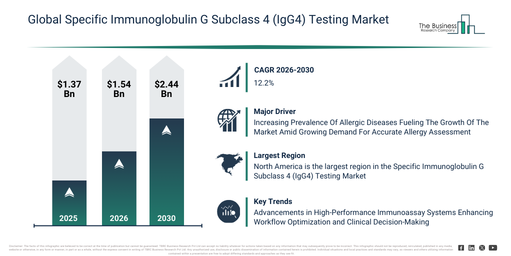
    The specific immunoglobulin g subclass 4 (igg4) testing market size has witnessed substantial growth in recent years. It is anticipated to expand from $1.37 billion in 2025 to $1.54 billion in 2026, achieving a compound annual growth rate (CAGR) of 12.4%. The observed growth in past periods is largely a result of increased understanding of igg4-related diseases, the broadening of diagnostic laboratory networks, a rising adoption of antibody-based diagnostics, enhancements in immunoassay technologies, and heightened clinical research activity.

    The specific immunoglobulin G subclass 4 (IgG4) testing market is anticipated to witness significant expansion in the upcoming years, with its size projected to reach $2.44 billion by 2030, growing at a compound annual growth rate (CAGR) of 12.2%. This market growth during the forecast period can be attributed to several factors, including an escalating demand for precision diagnostics, the expansion of hospital-based testing infrastructure, increasing investments in laboratory automation, the rising adoption of advanced immunology panels, and a greater emphasis on early disease detection. Furthermore, key trends in this period are expected to encompass the increasing integration of specialized immunoassays, a surging demand for autoimmune disease diagnostics, the broadening utilization of IgG4 testing in clinical practice, continued expansion of laboratory automation in immunology, and an intensified focus on enhancing diagnostic accuracy.

    Get A Free Sample Report With In-Depth Market Insights:

    https://thebusinessresearchcompany.com/sample_request?id=43502359&type=smp&name=Specific%20Immunoglobulin%20G%20Subclass%204%20%28IgG4%29%20Testing%20Market%20Report%202026&utm_source=Blogs&utm_medium=Paid&utm_campaign=Nov_PR

    Specific Immunoglobulin G Subclass 4 (IgG4) Testing Market Growth Factors: What’s Supporting Expansion?

    The rising incidence of allergic diseases is anticipated to drive the expansion of the specific immunoglobulin G subclass 4 (IgG4) testing market moving ahead. Allergic diseases encompass immune-system-triggered oversensitivity conditions like food allergies, atopic dermatitis, asthma, and allergic rhinitis, which develop when the immune system responds abnormally to substances typically considered harmless. The occurrence of allergic diseases is increasing, owing to shifts in eating habits, since a greater intake of extensively processed diets has the potential to modify intestinal microbes and raise the probability of acquiring allergic sensitivity. Specific IgG4 testing assists in evaluating immune reactions connected to continuous exposure to allergens, aiding medical professionals in deciphering tolerance behaviors and interpreting intricate immune functions associated with allergies. The growing occurrence of allergic diseases is fueling the expansion of the specific immunoglobulin G subclass 4 (IgG4) testing market.

    Specific Immunoglobulin G Subclass 4 (IgG4) Testing Market Segment Landscape And Growth Outlook

    The specific immunoglobulin g subclass 4 (igg4) testing market covered in this report is segmented –

    1) By Product Type: Reagents And Kits, Instruments, Services

    2) By Application: Allergy Diagnosis, Autoimmune Disease Diagnosis, Research, Other Applications

    3) By End-User: Hospitals And Clinics, Diagnostic Laboratories, Research Institutes, Other End-Users

    Subsegments:

    1) By Reagents And Kits: Purification Reagents, Detection Reagents, Assay Kits, Calibrators, Controls

    2) By Instruments: Automated Analyzers, Enzyme Linked Immunoassay Readers, Microplate Washers, Sample Preparation Systems, Laboratory Automation Platforms

    3) By Services: Testing Services, Validation Services, Quality Assurance Services, Custom Assay Development Services, Technical Support Services

    Specific Immunoglobulin G Subclass 4 (IgG4) Testing Market Trends Shaping Long-Term Demand

    Leading businesses within the specific immunoglobulin G subclass 4 (IgG4) testing market are concentrating on integrating novel approaches into their testing platforms and methods, including high-sensitivity immunoassay technology, with the aim of improving assay precision, analytical efficacy, and diagnostic dependability. These high-sensitivity immunoassays represent sophisticated detection systems, employing optimized antibodies, advanced signal generation chemistries, and refined assay procedures to accurately measure extremely low analyte levels. This facilitates advancements like better detection limits, greater specificity, and reliable result replication. Illustratively, in September 2025, Alta DiagnoTech, an American developer specializing in IVD immunoassay solutions, introduced its ELISA Kits for IVD Immunology Testing. This product line is built upon high-sensitivity immunoassay technology, intended for precise biomarker measurement across diverse immunological uses. The aforementioned kits offer improved assay sensitivity, robust manufacturing consistency, and wide utility within immunology testing protocols, ultimately contributing to better test dependability, analytical exactness, and heightened diagnostic confidence in various immunology testing environments.

    Specific Immunoglobulin G Subclass 4 (IgG4) Testing Market Competitive Landscape: Who Leads The Industry?

    Major companies operating in the specific immunoglobulin g subclass 4 (igg4) testing market are F Hoffmann La Roche Ltd., Thermo Fisher Scientific Inc., Abbott Laboratories, Siemens Healthineers AG, Mayo Clinic Laboratories, Laboratory Corporation of America Holdings, Quest Diagnostics Incorporated, Eurofins Scientific SE, Revvity, Randox Laboratories Ltd, NeoGenomics Laboratories Inc., ARUP Laboratories, Dr Lal PathLabs Limited, Metropolis Healthcare Ltd, ProSci Incorporated, Leinco Technologies Incorporated, MyBioSource Inc., Boster Biological Technology, PROTIA Inc., Creative Diagnostics LLC.

    View The Full Specific Immunoglobulin G Subclass 4 (IgG4) Testing Market Report:

    https://thebusinessresearchcompany.com/report/global-specific-immunoglobulin-g-subclass-4-igg4-testing-market-report?utm_source=Blogs&utm_medium=Paid&utm_campaign=Nov_PR

    Specific Immunoglobulin G Subclass 4 (IgG4) Testing Market Regional Analysis: Which Geography Leads On Revenue?

    North America was the largest region in the specific immunoglobulin G subclass 4 (IgG4) testing market in 2025. Asia-Pacific is expected to be the fastest-growing region in the forecast period. The regions covered in the specific immunoglobulin g subclass 4 (igg4) testing market report are Asia-Pacific, South East Asia, Western Europe, Eastern Europe, North America, South America, Middle East, Africa.

    Reach Out To Our Team:

    The Business Research Company: https://www.thebusinessresearchcompany.com/

    Americas: +1 310-496-7795

    Asia: +44 7882 955267 & +91 8897263534

    Europe: +44 7882 955267

    Email us at: marketing@tbrc.info

    Follow us on:

    LinkedIn: https://in.linkedin.com/company/the-business-research-company

    YouTube: https://www.youtube.com/channel/UC24_fI0rV8cR5DxlCpgmyFQ

    Global Market Model: https://www.thebusinessresearchcompany.com/global-market-model
  • Specialty PACS Market Analysis Through 2030: Market Size, Growth Trends And Industry Outlook

    Specialty PACS Market Analysis Through 2030: Market Size, Growth Trends And Industry Outlook

    Built to provide research that’s more actionable and strategically valuable, The Business Research Company’s 2026 market reports include market attractiveness analysis, total addressable market sizing, company benchmarking matrices, interactive Excel dashboards, broader supply chain intelligence, emerging startup tracking, and in-depth product insights.

    Specialty PACS Market Size And Revenue Outlook Through 2030

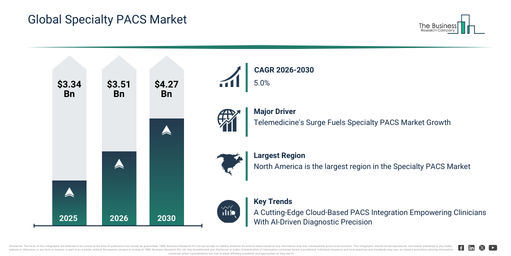
    The specialty pacs market size has demonstrated robust growth in recent years. It is anticipated to increase from $3.34 billion in 2025 to $3.51 billion in 2026, registering a compound annual growth rate (CAGR) of 5.1%. This expansion during the historic period can be attributed to several factors such as the rising volume of medical imaging, hospital digitization efforts, an increasing workload in radiology, advancements in imaging technologies, and the regulatory drive for digital records.

    The specialty pacs market is projected to experience consistent expansion over the upcoming years. This market is anticipated to reach $4.27 billion by 2030, demonstrating a compound annual growth rate (CAGR) of 5.0%. Factors contributing to this growth during the forecast period include the increasing adoption of AI-enabled diagnostics, rising demand for subspecialty care, the migration of imaging systems to the cloud, the expansion of tele-radiology, and data interoperability mandates. Key trends anticipated in this period encompass subspecialty-focused imaging workflows, AI-assisted image interpretation, the deployment of cloud-based pacs, integration with EHR systems, and remote diagnostic collaboration.

    Get A Free Sample Report With In-Depth Market Insights:

    https://thebusinessresearchcompany.com/sample_request?id=11452271&type=smp&name=Specialty%20PACS%20Market%20Report%202026&utm_source=Blogs&utm_medium=Paid&utm_campaign=Nov_PR

    Specialty PACS Market Demand Drivers: What’s Powering Industry Growth?

    The increasing emphasis on telemedicine is anticipated to drive the expansion of the specialty PACS market in the future. Telemedicine involves delivering healthcare services and support from a distance, utilizing various technologies such as phone calls, video conferencing, and other digital communication methods. Specialty PACS capabilities are tightly connected to the rising focus on telemedicine, given their crucial role in enabling distant access to medical imagery, promoting cooperative diagnostic workflows, and enhancing patient care across diverse medical fields, such as radiology. The heightened attention on telemedicine is fueling the expansion of the specialty PACS market.

    Specialty PACS Market Breakdown By Product Type And Application

    The specialty pacs market covered in this report is segmented –

    1) By Type: Radiology PACS, Cardiology PACS, Pathology PACS, Ophthalmology PACS, Orthopedics PACS, Oncology PACS, Dermatology PACS, Neurology PACS, Endoscopy PACS, Women’s Health PACS

    2) By Deployment Model: On-Premise, Cloud-Based

    3) By End-User: Hospitals, Ambulatory Surgery Centers And Clinics, Diagnostic Imaging Centers

    Subsegments:

    1) By Radiology PACS: Diagnostic Imaging PACS, Workflow Management PACS

    2) By Cardiology PACS: Cardiac Imaging PACS, Electrocardiogram (ECG) PACS

    3) By Pathology PACS: Digital Pathology PACS, Anatomic Pathology PACS

    4) By Ophthalmology PACS: Retinal Imaging PACS, Optical Coherence Tomography (OCT) PACS

    5) By Orthopedics PACS: Musculoskeletal Imaging PACS, Surgical PACS

    6) By Oncology PACS: Radiation Therapy PACS, Oncology Imaging PACS

    7) By Dermatology PACS: Skin Imaging PACS, Teledermatology PACS

    8) By Neurology PACS: Neuroimaging PACS, EEG And EMG PACS

    9) By Endoscopy PACS: Gastrointestinal Endoscopy PACS, Bronchoscopy PACS

    10) By Women’s Health PACS: Mammography PACS, Obstetric And Gynecological Imaging PACS

    Specialty PACS Market Innovation Trends Shaping Future Development

    Major companies engaged in the specialty PACS market are prioritizing product innovation, integrating functionalities such as artificial intelligence (AI) and machine learning (ML), to increase their market revenues. The incorporation of AI and ML is intended to transition the next generation of Picture Archiving and Communication System (PACS) to the cloud and to advance AI-enabled tools for supporting clinicians.

    Specialty PACS Market Company Landscape And Competitive Strategy

    Major companies operating in the specialty pacs market are McKesson Corporation, Siemens AG, International Business Machines Corporation, Oracle Corporation, Canon Inc., Fujifilm Holdings Corporation, Koninklijke Philips N.V., Topcon Corporation, Neusoft Medical Systems Co. Ltd., Carestream Health Inc., Agfa HealthCare NV, Hitachi Healthcare Systems Inc., Sectra AB, Intelerad Medical Systems Inc., INFINITT Healthcare Co. Ltd., NantHealth Inc., Advanced Data Systems Inc., Mach7 Technologies Ltd., Novarad Corporation, Telemis S.A., Escalon Medical Corp., Sonomed Escalon Solutions Inc., EyePACS LLC, Visbion Limited

    View The Full Specialty PACS Market Report:

    https://thebusinessresearchcompany.com/report/specialty-pacs-global-market-report?utm_source=Blogs&utm_medium=Paid&utm_campaign=Nov_PR

    Specialty PACS Market Geographic Spread And Regional Opportunities

    North America was the largest region in the specialty PACS market in 2025. Asia-Pacific is expected to be the fastest-growing region in the forecast period. The regions covered in the specialty pacs market report are Asia-Pacific, South East Asia, Western Europe, Eastern Europe, North America, South America, Middle East, Africa.

    Reach Out To Our Team:

    The Business Research Company: https://www.thebusinessresearchcompany.com/

    Americas: +1 310-496-7795

    Asia: +44 7882 955267 & +91 8897263534

    Europe: +44 7882 955267

    Email us at: marketing@tbrc.info

    Follow us on:

    LinkedIn: https://in.linkedin.com/company/the-business-research-company

    YouTube: https://www.youtube.com/channel/UC24_fI0rV8cR5DxlCpgmyFQ

    Global Market Model: https://www.thebusinessresearchcompany.com/global-market-model
  • Spatial Genomics And Transcriptomics Market Outlook From 2026 To 2030: Key Growth Factors And Future Opportunities

    Spatial Genomics And Transcriptomics Market Outlook From 2026 To 2030: Key Growth Factors And Future Opportunities

    Backed by market attractiveness analysis, total addressable market sizing, company benchmarking matrices, interactive Excel dashboards, wider supply chain intelligence, emerging startup coverage, and detailed product-level insights, The Business Research Company’s 2026 market reports are designed to offer research that is more actionable and strategically valuable than ever.

    Spatial Genomics And Transcriptomics Market Growth From $1.91 Billion In 2026 To $3.02 Billion By 2030 At A CAGR Of 12.1%

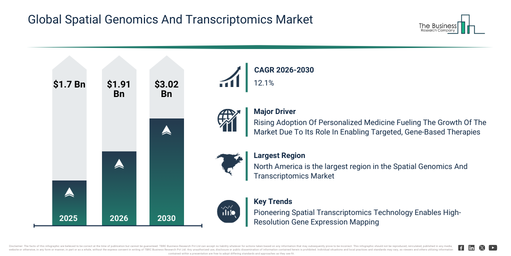
    The spatial genomics and transcriptomics market has seen rapid expansion in recent years. This market is projected to increase from $1.7 billion in 2025 to $1.91 billion in 2026, exhibiting a compound annual growth rate (CAGR) of 12.4%. Historically, this growth can be attributed to advancements in genomics, the expansion of transcriptomics research, discoveries in oncology biomarkers, a reduction in sequencing costs, and increased research funding.

    The spatial genomics and transcriptomics market is projected to experience substantial expansion in the coming years. This market is set to reach a valuation of $3.02 billion by 2030, exhibiting a compound annual growth rate (CAGR) of 12.1%. The expansion during this projected timeframe is primarily driven by factors such as the increasing need for personalized oncology, advancements in drug discovery applications, the rise of single-cell analysis, the proliferation of computational biology, and a focus on clinical translation. Key developments anticipated in the forecast period encompass the advancement of spatial mapping technologies, the incorporation of AI analytics, a surge in oncology research adoption, the broadening of academic partnerships, and greater pharmaceutical investment.

    Get A Free Sample Report With In-Depth Market Insights:

    https://thebusinessresearchcompany.com/sample_request?id=80784977&type=smp&name=Spatial%20Genomics%20And%20Transcriptomics%20Market%20Report%202026&utm_source=Blogs&utm_medium=Paid&utm_campaign=Nov_PR

    Spatial Genomics And Transcriptomics Market Growth Drivers: What’s Behind The Acceleration?

    The spatial genomics and transcriptomics market is anticipated to grow with the rising acceptance of personalized medicine. Personalized medicine represents a healthcare strategy that customizes treatment regimens for individual patients, taking into account their genetic composition, lifestyle, and environmental factors to boost treatment efficacy and lessen side effects. The demand for personalized medicine is on the rise, driven by advancements in genetic research that enable more precise treatments tailored to an individual’s specific genetic makeup, leading to improved patient outcomes. Spatial genomics and transcriptomics facilitate personalized medicine by revealing the exact location and activity of genes within tissues, thus enabling targeted, individualized treatment strategies based on a patient’s unique molecular landscape. The increasing adoption of personalized medicine is a key factor propelling the growth of the spatial genomics and transcriptomics market.

    Spatial Genomics And Transcriptomics Market Segment Analysis And Revenue Potential

    The spatial genomics and transcriptomics market covered in this report is segmented –

    1) By Product: Instruments, Consumables, Software

    2) By Technology: Spatial Transcriptomics, Sequencing-Based Methods, Immunohistochemistry (IHC), Microscopy-Based RNA Imaging Techniques, Spatial Genomics

    3) By Application: Diagnostics, Translation Research, Drug Discovery And Development, Single Cell Analysis, Cell Biology, Other Applications

    4) By End-User: Pharmaceutical And Biotechnology Companies, Contract Research Organizations, Academic And Research Institutes

    Subsegments:

    1) By Instruments: Sequencing Platforms, Imaging Systems, Fluorescence Microscopes, Slide Scanners, Flow Cytometers

    2) By Consumables: Reagents And Kits, Slides And Coverslips, Probes And Tags, Sample Preparation Consumables

    3) By Software: Data Analysis And Visualization Tools, Image Analysis Software, Workflow Management Software, Cloud-Based Analytics Platforms

    Spatial Genomics And Transcriptomics Market Trends Redefining Industry Growth

    Leading firms within the spatial genomics and transcriptomics market are concentrating on creating novel solutions, including spatial transcriptomics technologies, to improve comprehension of gene expression relating to tissue structure. These spatial transcriptomics technologies denote sophisticated methods for mapping gene expression throughout tissue samples while retaining their original spatial arrangement, thus allowing scientists to investigate the precise whereabouts and spread of RNA molecules inside tissues. As an example, in February 2025, Illumina Inc., a US-based biotechnology company, launched an innovative spatial transcriptomics technology that markedly improves the capacity to map and analyze gene expression within intricate tissues at a cellular level of detail. This technology provides a capture area nine times larger and four times higher resolution compared to current methodologies, facilitating unbiased, comprehensive whole-transcriptome profiling with considerable sensitivity. Being compatible with Illumina’s NextSeq and NovaSeq sequencers and incorporated into the Illumina Connected Multiomics platform, this technology supports extensive multiomic data analysis.

    Spatial Genomics And Transcriptomics Market Key Players Shaping Industry Direction

    Major companies operating in the spatial genomics and transcriptomics market are Thermo Fisher Scientific Inc., Danaher Corporation, Merck KGaA, Agilent Technologies Inc., Illumina Inc., Bio-Rad Laboratories Inc., Bruker Corporation, Bio-Techne Corporation, 10x Genomics Inc., Standard BioTools Inc., Akoya Biosciences Inc., Seven Bridges Genomics, Vizgen Inc., Lunaphore Technologies SA., Parse Biosciences, Indica Labs Inc., Resolve Biosciences GmbH., RareCyte Inc., Ionpath Inc., Dovetail Genomics, S2 Genomics Inc., BioSpyder Technologies Inc.

    View The Full Spatial Genomics And Transcriptomics Market Report:

    https://thebusinessresearchcompany.com/report/spatial-genomics-and-transcriptomics-global-market-report?utm_source=Blogs&utm_medium=Paid&utm_campaign=Nov_PR

    Spatial Genomics And Transcriptomics Market Top Region By Revenue And Market Share

    North America was the largest region in the spatial genomics and transcriptomics market in 2025. Asia-Pacific is expected to be the fastest-growing region in the forecast period. The regions covered in the spatial genomics and transcriptomics market report are Asia-Pacific, South East Asia, Western Europe, Eastern Europe, North America, South America, Middle East, Africa.

    Reach Out To Our Team:

    The Business Research Company: https://www.thebusinessresearchcompany.com/

    Americas: +1 310-496-7795

    Asia: +44 7882 955267 & +91 8897263534

    Europe: +44 7882 955267

    Email us at: marketing@tbrc.info

    Follow us on:

    LinkedIn: https://in.linkedin.com/company/the-business-research-company

    YouTube: https://www.youtube.com/channel/UC24_fI0rV8cR5DxlCpgmyFQ

    Global Market Model: https://www.thebusinessresearchcompany.com/global-market-model
  • Spasmodic Dysphonia Treatment Market Growth Forecast: Market Size, Key Trends And Emerging Opportunities Through 2030

    Spasmodic Dysphonia Treatment Market Growth Forecast: Market Size, Key Trends And Emerging Opportunities Through 2030

    Featuring market attractiveness scoring, total addressable market sizing, company benchmarking matrices, interactive Excel dashboards, deeper supply chain intelligence, emerging startup tracking, and granular product-level insights, The Business Research Company’s 2026 market reports are built to deliver research that is both more actionable and more strategically valuable.

    Spasmodic Dysphonia Treatment Market Expansion Outlook: What Revenue Opportunities Are Ahead?

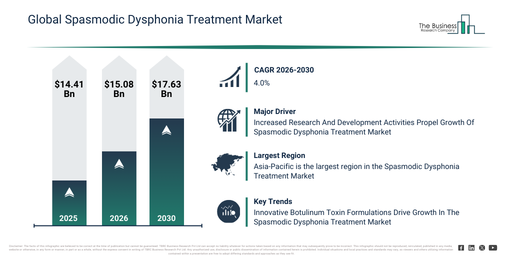
    The spasmodic dysphonia treatment market size has shown consistent growth over recent years. It is anticipated to expand from $14.41 billion in 2025 to $15.08 billion in 2026, at a compound annual growth rate (CAGR) of 4.6%. This historical growth can be attributed to the accessibility of botulinum toxin, progress in neurology research, enhancements in specialist diagnoses, various awareness programs, and the standardization of available treatments.

    The spasmodic dysphonia treatment market is anticipated to experience consistent expansion over the coming years, with its valuation expected to reach $17.63 billion by 2030, growing at a compound annual growth rate (CAGR) of 4.0%. This projected growth during the forecast period is largely driven by initiatives for early diagnosis, the development of novel therapies, the expansion of specialty clinics, the increasing aging population, and the growth of patient advocacy. Noteworthy trends for the forecast period include an increased application of botulinum toxin, a greater integration of voice therapy, improved awareness for diagnostics, further expansion of specialty clinics, and various patient education programs.

    Get A Free Sample Report With In-Depth Market Insights:

    https://thebusinessresearchcompany.com/sample_request?id=30468978&type=smp&name=Spasmodic%20Dysphonia%20Treatment%20Market%20Report%202026&utm_source=Blogs&utm_medium=Paid&utm_campaign=Nov_PR

    Spasmodic Dysphonia Treatment Market Growth Factors Behind Sustained Expansion

    The spasmodic dysphonia treatment market is projected to grow as research and development activities intensify. These activities encompass systematic endeavors by organizations or individuals to uncover new knowledge, create innovative technologies, or refine existing products, processes, or services. The increase in R&D is driven by several factors, including technological advancements, governmental support, the creation of environmentally friendly technologies, and virtual prototyping. For individuals with this challenging voice disorder, R&D in spasmodic dysphonia treatment is essential for advancing scientific understanding, improving therapeutic outcomes, and enhancing their quality of life. The expansion of research and development activities is a primary factor fueling the growth of the spasmodic dysphonia treatment market.

    Spasmodic Dysphonia Treatment Market Segmentation And Category Overview

    The spasmodic dysphonia treatment market covered in this report is segmented –

    1) By Type: Drugs, Preventive Vaccines, Oxygen Therapy

    2) By Treatment: Therapy, Direct Microlaryngoscopy, Pulse Dye Laser, Botox Injections Or Injection Laryngoplasty, Minimally Invasive Approaches, Surgery, Voice therapy, Laryngeal Desensitization, Respiratory Re-training, Other Treatments

    3) By Route Of Administration: Oral, Parenteral, Other Routes Of Administration

    4) By Distribution Channel: Hospital Pharmacy, Online Pharmacy, Retail Pharmacy

    5) By End User: Hospitals, Homecare, Specialty Clinics, Other End Users

    Subsegments:

    1) By Drugs: Botulinum Toxin Injections, Anticholinergic Drugs, Muscle Relaxants

    2) By Preventive Vaccines: Botulinum Toxin Vaccine, Other Preventive Vaccines

    3) By Oxygen Therapy: Hyperbaric Oxygen Therapy, Normobaric Oxygen Therapy

    Spasmodic Dysphonia Treatment Market Strategic Trends: What Defines The Next Growth Phase?

    Major companies within the spasmodic dysphonia treatment market are focusing on developing effective formulations, such as botulinum toxin type A preparations, to address the specific requirements of patients with this condition. Botulinum toxin type A formulations refer to various pharmaceutical preparations of botulinum toxin type A, a neurotoxic protein produced by the bacterium Clostridium botulinum. These formulations are utilized for both therapeutic and cosmetic purposes to temporarily paralyze muscles or block nerve signals, primarily by inhibiting acetylcholine release at the neuromuscular junction.

    Spasmodic Dysphonia Treatment Market Competitive Analysis Of Leading Industry Participants

    Major companies operating in the spasmodic dysphonia treatment market are Johnson & Johnson Services Inc., AbbVie Inc., Mylan, Eisai Co. Ltd, GALDERMA, Ipsen Pharma, Daewoong Pharmaceutical Co. Ltd., Merz Pharma GmbH & Co. KGaA, Supernus Pharmaceuticals Inc., US WorldMeds, Candela Medical Corporation, HUGEL Inc., Evolus Inc., Revance Therapeutics Inc., Gufic Biosciences, Teijin Pharma, Suneva Medical, Healis Therapeutics, Medytox, ATGC Co. Ltd., Metabiologics Inc.

    View The Full Spasmodic Dysphonia Treatment Market Report:

    https://thebusinessresearchcompany.com/report/spasmodic-dysphonia-treatment-global-market-report?utm_source=Blogs&utm_medium=Paid&utm_campaign=Nov_PR

    Spasmodic Dysphonia Treatment Market Regional Analysis And Top Geography

    Asia-Pacific was the largest region in the spasmodic dysphonia treatment market in 2025. The regions covered in the spasmodic dysphonia treatment market report are Asia-Pacific, South East Asia, Western Europe, Eastern Europe, North America, South America, Middle East, Africa.

    Reach Out To Our Team:

    The Business Research Company: https://www.thebusinessresearchcompany.com/

    Americas: +1 310-496-7795

    Asia: +44 7882 955267 & +91 8897263534

    Europe: +44 7882 955267

    Email us at: marketing@tbrc.info

    Follow us on:

    LinkedIn: https://in.linkedin.com/company/the-business-research-company

    YouTube: https://www.youtube.com/channel/UC24_fI0rV8cR5DxlCpgmyFQ

    Global Market Model: https://www.thebusinessresearchcompany.com/global-market-model
  • Somatostatin Analogs Market CAGR Forecast Through 2030: Key Trends Shaping Industry Expansion

    Somatostatin Analogs Market CAGR Forecast Through 2030: Key Trends Shaping Industry Expansion

    Built to provide research that’s more actionable and strategically valuable, The Business Research Company’s 2026 market reports include market attractiveness analysis, total addressable market sizing, company benchmarking matrices, interactive Excel dashboards, broader supply chain intelligence, emerging startup tracking, and in-depth product insights.

    Somatostatin Analogs Market Growth Potential: How Will Market Size Shift Through 2030?

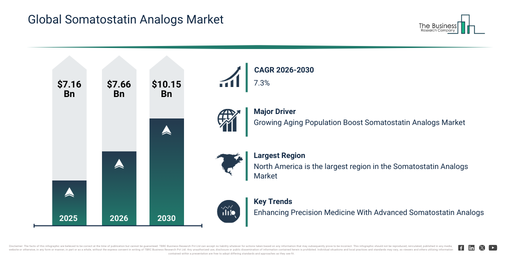
    The somatostatin analogs market has demonstrated significant expansion in recent years. It is anticipated to expand from $7.16 billion in 2025 to $7.66 billion in 2026, achieving a compound annual growth rate (CAGR) of 7.1%. The increase observed during prior periods can be attributed to factors such as the rise in neuroendocrine tumor diagnoses, the prevalence of hormone disorders, compelling clinical efficacy evidence, specialist prescribing practices, and enhanced hospital access.

    The somatostatin analogs market is projected to experience robust expansion over the coming years. Its valuation is anticipated to reach $10.15 billion by 2030, exhibiting a compound annual growth rate (CAGR) of 7.3%. This anticipated growth during the forecast period is primarily driven by factors such as the introduction of biosimilars, broader indications for use, an increasing elderly demographic, enhanced diagnostic capabilities, and favorable reimbursement for specialty drugs. Key developments expected within the forecast timeframe involve the increasing adoption of long-acting injectable formulations, an expansion in neuroendocrine tumor indications, a greater emphasis on improving patient adherence, ongoing biosimilar advancements, and the expansion of hospital-based therapeutic approaches.

    Get A Free Sample Report With In-Depth Market Insights:

    https://thebusinessresearchcompany.com/sample_request?id=33018001&type=smp&name=Somatostatin%20Analogs%20Market%20Report%202026&utm_source=Blogs&utm_medium=Paid&utm_campaign=Nov_PR

    Somatostatin Analogs Market Demand Drivers Opening New Revenue Streams

    The expanding elderly demographic is anticipated to fuel the growth of the somatostatin analogs market. This demographic shift involves an increasing proportion or number of people aged 65 years and older within a society. An increase in this older population is linked to a greater occurrence of diseases requiring Somatostatin Analogs, thus boosting demand for these medications. The increasing aging population is a key driver for the expansion of the somatostatin analogs market.

    Somatostatin Analogs Market Segment Outlook: Which Categories Are Growing Fastest?

    The somatostatin analogs market covered in this report is segmented –

    1) By Type: Octreotide, Lanreotide, Pasireotide

    2) By Treatment: Acromegaly, Cushing’s Syndrome, Neuroendocrine Tumors, Carcinoid Syndrome, Other Treatments

    3) By End User: Hospital, Pharmaceutical Companies

    Subsegments:

    1) By Octreotide: Long-Acting Release (LAR) Formulations, Short-Acting Formulations

    2) By Lanreotide: Depot Formulations, Injectable Formulations

    3) By Pasireotide: Long-Acting Injectable Formulations, Subcutaneous Formulations

    Somatostatin Analogs Market Transformation Trends: What Innovations Are Driving Change?

    Key players in the somatostatin analogs market are concentrating on creating innovative products, including targeted radiopharmaceuticals, with the aim of boosting the accuracy and efficacy of cancer therapies, particularly for individuals with somatostatin receptor-positive tumors. These specialized drugs integrate radiation-emitting isotopes with molecules engineered to exclusively attach to cancer cells, thereby enabling the precise delivery of therapeutic radiation directly to tumor locations and reducing harm to adjacent healthy tissues.

    Somatostatin Analogs Market Leading Companies And Competitive Benchmarking

    Major companies operating in the somatostatin analogs market are Novartis International AG, Pfizer Inc., Sun Pharmaceutical Industries Limited, Midatech Pharma plc, Crinetics Pharmaceuticals Inc., Peptron Inc., Teva Pharmaceutical Industries Ltd., Camurus AB, Bayer Aktiengesellschaft, Cadila Healthcare Limited, Amneal Pharmaceuticals Inc., Recordati S.p.A., Amryt Pharma plc, Ipsen Pharma SA, Fresenius Kabi AG, Chiasma Inc., Merck KGaA, Sanofi S.A., Sandoz International GmbH, Takeda Pharmaceutical Company Limited, Viatris Inc., AstraZeneca plc, Johnson & Johnson, Genentech Inc., OctreoPharm Sciences GmbH

    View The Full Somatostatin Analogs Market Report:

    https://thebusinessresearchcompany.com/report/somatostatin-analogs-global-market-report?utm_source=Blogs&utm_medium=Paid&utm_campaign=Nov_PR

    Somatostatin Analogs Market Geographic Analysis: Where Is Demand Rising Fastest?

    North America was the largest region in the global somatostatin analogs treatment market in 2025.Asia-Pacific is expected to be the fastest-growing region in the forecast period. The regions covered in the somatostatin analogs market report are Asia-Pacific, South East Asia, Western Europe, Eastern Europe, North America, South America, Middle East, Africa.

    Reach Out To Our Team:

    The Business Research Company: https://www.thebusinessresearchcompany.com/

    Americas: +1 310-496-7795

    Asia: +44 7882 955267 & +91 8897263534

    Europe: +44 7882 955267

    Email us at: marketing@tbrc.info

    Follow us on:

    LinkedIn: https://in.linkedin.com/company/the-business-research-company

    YouTube: https://www.youtube.com/channel/UC24_fI0rV8cR5DxlCpgmyFQ

    Global Market Model: https://www.thebusinessresearchcompany.com/global-market-model
  • Solid Tumor Testing Market To Witness 7.7% CAGR Growth Through 2030: Key Industry Drivers

    Solid Tumor Testing Market To Witness 7.7% CAGR Growth Through 2030: Key Industry Drivers

    Backed by market attractiveness analysis, total addressable market sizing, company benchmarking matrices, interactive Excel dashboards, wider supply chain intelligence, emerging startup coverage, and detailed product-level insights, The Business Research Company’s 2026 market reports are designed to offer research that is more actionable and strategically valuable than ever.

    Solid Tumor Testing Market Value Analysis: What Growth Lies Ahead Over The Forecast Period?

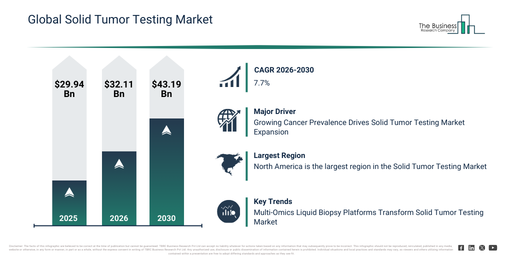
    The solid tumor testing market size has experienced strong growth in recent years. It is projected to expand from $29.94 billion in 2025 to $32.11 billion in 2026, demonstrating a compound annual growth rate (CAGR) of 7.3%. This expansion in the historic period was driven by advances in cancer diagnostics, biomarker discovery, pathology automation, oncology awareness, and screening initiatives.

    The solid tumor testing market is projected to experience substantial expansion over the coming years. By 2030, this market is anticipated to reach $43.19 billion, exhibiting a compound annual growth rate (CAGR) of 7.7%. This anticipated growth during the forecast period is primarily fueled by factors such as the increasing demand for personalized treatments, a heightened emphasis on early detection, the broader expansion of genomic testing, the rise of AI-driven diagnostics, and the ongoing growth in oncology research. Key trends expected within this period involve the rising prominence of liquid biopsy testing, wider adoption of next-generation sequencing, an increase in companion diagnostics, the integration of AI-based pathology, and the implementation of more extensive screening programs.

    Get A Free Sample Report With In-Depth Market Insights:

    https://thebusinessresearchcompany.com/sample_request?id=23806633&type=smp&name=Solid%20Tumor%20Testing%20Market%20Report%202026&utm_source=Blogs&utm_medium=Paid&utm_campaign=Nov_PR

    Solid Tumor Testing Market Growth Backed By Core Demand Fundamentals

    The increasing occurrence of cancer is anticipated to fuel the expansion of the solid tumor testing market moving forward. Cancer is a condition defined by the uncontrolled proliferation and spread of abnormal cells within the body. These atypical cells, known as cancer cells, have the capability to invade nearby tissues and organs and, in some instances, can disseminate to other parts of the body via the bloodstream or lymphatic system. Most adult cancers, approximately 90%, are solid tumors. Solid tumor testing is employed to detect cancer cells in the blood of patients with solid tumors, even when the cancer has not yet become visible on imaging tests. The growing prevalence of cancer is a significant factor driving the growth of the solid tumor testing market.

    Solid Tumor Testing Market Segment Landscape: Which Areas Lead Development?

    The solid tumor testing market covered in this report is segmented –

    1) By Type: Genetic Testing, Conventional Testing

    2) By Cancer Type: Breast Cancer, Lung Cancer, Colorectal Cancer, Prostate Cancer, Cervical Cancer

    3) By Application: Clinical, Research

    4) By End-Users: Hospitals, Pharmaceutical And Biotechnology Companies, Contract Research Organizations, Academic Research Institutions

    Subsegments:

    1) By Genetic Testing: Next-Generation Sequencing (NGS), Polymerase Chain Reaction (PCR), Fluorescence In Situ Hybridization (FISH)

    2) By Conventional Testing: Histopathology, Cytology, Imaging Techniques

    #Solid Tumor Testing Market Growth Trends: What’s Shaping The Future Outlook?

    Leading firms in the solid tumor testing market are prioritizing the creation of advancements, specifically liquid biopsy platforms, for use in solid tumor analysis. Such platforms involve diverse technologies and systems designed to examine bodily fluids, most commonly blood, to detect biomarkers associated with cancer.

    Solid Tumor Testing Market Industry Leaders And Competitive Landscape

    Major companies operating in the solid tumor testing market are Johnson & Johnson Ltd, Roche Diagnostics Corporation, Thermo Fisher Scientific Inc., Abbott Molecular Inc., Becton Dickinson And Company BD, Quest Diagnostics Incorporated, Tosoh Corporation, Agilent Technologies Inc., bioMerieux Inc., Beckman Coulter Inc., Bio-Rad Laboratories Inc., QIAGEN GmbH, Miltenyi Biotec GmbH, Natera Inc., Myriad Genetics Inc., Invitae Corporation, Guardant Health Inc., Foundation Medicine Inc., Epic Sciences Inc., Biocare Medical LLC, Agena Bioscience Inc., Caris Life Sciences Inc., 20/20 Gene Systems Inc., Grail Inc., Avant Diagnostics Inc., Genomic Testing Cooperative, Anixa Biosciences Inc., Cellular Biomedicine Group

    View The Full Solid Tumor Testing Market Report:

    https://thebusinessresearchcompany.com/report/solid-tumor-testing-global-market-report?utm_source=Blogs&utm_medium=Paid&utm_campaign=Nov_PR

    Solid Tumor Testing Market Global Footprint: Which Region Leads The Market?

    North America was the largest region in the solid tumor testing market in 2025. Asia-Pacific is expected to be the fastest-growing region in the forecast period. The regions covered in the solid tumor testing market report are Asia-Pacific, South East Asia, Western Europe, Eastern Europe, North America, South America, Middle East, Africa.

    Reach Out To Our Team:

    The Business Research Company: https://www.thebusinessresearchcompany.com/

    Americas: +1 310-496-7795

    Asia: +44 7882 955267 & +91 8897263534

    Europe: +44 7882 955267

    Email us at: marketing@tbrc.info

    Follow us on:

    LinkedIn: https://in.linkedin.com/company/the-business-research-company

    YouTube: https://www.youtube.com/channel/UC24_fI0rV8cR5DxlCpgmyFQ

    Global Market Model: https://www.thebusinessresearchcompany.com/global-market-model
  • Solid Tumor Cancer Treatment Market Projected For Strong Expansion Through 2030: Key Trends And Future Outlook

    Solid Tumor Cancer Treatment Market Projected For Strong Expansion Through 2030: Key Trends And Future Outlook

    Featuring market attractiveness scoring, total addressable market sizing, company benchmarking matrices, interactive Excel dashboards, deeper supply chain intelligence, emerging startup tracking, and granular product-level insights, The Business Research Company’s 2026 market reports are built to deliver research that is both more actionable and more strategically valuable.

    Solid Tumor Cancer Treatment Market Size Forecast: How Big Could The Market Get By 2030?

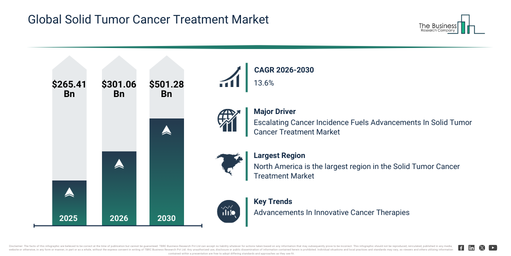
    The solid tumor cancer treatment market has experienced rapid expansion in recent years. Forecasts indicate it will expand from $265.41 billion in 2025 to $301.06 billion in 2026, demonstrating a compound annual growth rate (CAGR) of 13.4%. Historically, this growth can be ascribed to factors such as an increase in cancer incidence, wider adoption of chemotherapy, advancements in radiation therapy, enhanced oncology funding, and improvements in early diagnosis.

    The solid tumor cancer treatment market is poised for significant expansion in the upcoming years. It is forecast to attain a value of $501.28 billion by 2030, growing at a compound annual growth rate (CAGR) of 13.6%. This projected increase can be ascribed to several factors, including immunotherapy approvals, advancements in targeted drug pipelines, wider adoption of personalized medicine, ongoing expansion of oncology infrastructure, and improvements in patient survival rates. Prominent trends anticipated within this forecast period involve the proliferation of checkpoint inhibitors, the broader deployment of tumor-agnostic therapies, a heightened utilization of combination regimens, the increasing prevalence of biomarker-driven treatment, and the continued growth of outpatient oncology.

    Get A Free Sample Report With In-Depth Market Insights:

    https://thebusinessresearchcompany.com/sample_request?id=57861925&type=smp&name=Solid%20Tumor%20Cancer%20Treatment%20Market%20Report%202026&utm_source=Blogs&utm_medium=Paid&utm_campaign=Nov_PR

    Solid Tumor Cancer Treatment Market Growth Catalysts And Demand Drivers

    The rising occurrence of cancer significantly contributes to the expansion of the solid tumor cancer treatment market in the coming years. Cancer is a severe medical condition where the body’s cells multiply rapidly and uncontrollably, leading to abnormal growths. Solid tumor cancer treatment specifically refers to therapies employed to remove solid tumors from the bodies of cancer patients. The increasing incidence of cancer is a primary driver for the growth of the solid tumor cancer treatment market.

    Solid Tumor Cancer Treatment Market Segments: Where Is Growth Concentrated?

    The solid tumor cancer treatment market covered in this report is segmented –

    1) By Type: Chemotherapy, Targeted Therapy, Immunotherapy, Hormone Therapy, Surgical Procedures

    2) By Application: Breast Cancer, Cervical Cancer, Colorectal Cancer, Lung Cancer, Prostate Cancer, Other Applications

    3) By End-Users: Hospitals, Research Institutes, Homecare

    Subsegments:

    1) By Chemotherapy: Alkylating Agents, Antimetabolites, Anthracyclines, Mitotic Inhibitors

    2) By Targeted Therapy: Monoclonal Antibodies, Small Molecule Inhibitors, Signal Transduction Inhibitors

    3) By Immunotherapy: Checkpoint Inhibitors, CAR T-Cell Therapy, Cancer Vaccines

    4) By Hormone Therapy: Aromatase Inhibitors, Anti-Androgens, Selective Estrogen Receptor Modulators (SERMs)

    5) By Surgical Procedures: Tumor Resection, Laparoscopic Surgery, Robotic-Assisted Surgery

    Solid Tumor Cancer Treatment Market Industry Trends: What’s Reshaping Demand?

    Leading companies in the solid tumor cancer treatment market are dedicating their efforts to developing advanced immunotherapies, targeted therapies, and cell-based treatments. The aim is to improve patient outcomes and expand the range of available therapeutic options. For example, in July 2025, Dispatch Bio, a US-based biotechnology company, commenced operations to create universal treatments for solid tumors. This company intends to propel novel therapeutic approaches that address a broad array of solid tumor types, enhance efficacy across patient populations, and accelerate the development of scalable cancer immunotherapies, which holds the potential to transform standard-of-care treatments and improve long-term survival rates.

    Solid Tumor Cancer Treatment Market Key Participants And Competitive Landscape

    Major companies operating in the solid tumor cancer treatment market are AstraZeneca plc, Amgen Inc., Bristol Myers Squibb & Company, Eli Lilly & Company, F Hoffmann La Roche Ltd, Merck & Co Inc, Novartis AG, Pfizer Inc, Olympus Medical Systems, Astellas Pharma Inc, GlaxoSmithKline plc, Takeda Pharmaceutical Company Ltd, Celldex Therapeutics Inc, AbbVie Inc, Bayer AG, Eisai Co Ltd, Exelixis Inc, Genentech Inc, Gilead Sciences Inc, Incyte Corporation, Ipsen Biopharmaceuticals Inc, Karyopharm Therapeutics Inc, Kyowa Kirin Co Ltd, MorphoSys AG, Regeneron Pharmaceuticals Inc, Sanofi SA, Seattle Genetics Inc, Spectrum Pharmaceuticals Inc, Taiho Pharmaceutical Co Ltd, Verastem Inc, Zymeworks Inc

    View The Full Solid Tumor Cancer Treatment Market Report:

    https://thebusinessresearchcompany.com/report/solid-tumor-cancer-treatment-global-market-report?utm_source=Blogs&utm_medium=Paid&utm_campaign=Nov_PR

    Solid Tumor Cancer Treatment Market Regional Split: Which Areas Are Fueling Growth?

    North America was the largest region in the solid tumor cancer treatment market in 2025. The regions covered in the solid tumor cancer treatment market report are Asia-Pacific, South East Asia, Western Europe, Eastern Europe, North America, South America, Middle East, Africa.

    Reach Out To Our Team:

    The Business Research Company: https://www.thebusinessresearchcompany.com/

    Americas: +1 310-496-7795

    Asia: +44 7882 955267 & +91 8897263534

    Europe: +44 7882 955267

    Email us at: marketing@tbrc.info

    Follow us on:

    LinkedIn: https://in.linkedin.com/company/the-business-research-company

    YouTube: https://www.youtube.com/channel/UC24_fI0rV8cR5DxlCpgmyFQ

    Global Market Model: https://www.thebusinessresearchcompany.com/global-market-model
  • Soft Tissue Sarcoma Market Outlook 2026–2030: Growth Trends, Market Dynamics And Emerging Opportunities

    Soft Tissue Sarcoma Market Outlook 2026–2030: Growth Trends, Market Dynamics And Emerging Opportunities

    Built to provide research that’s more actionable and strategically valuable, The Business Research Company’s 2026 market reports include market attractiveness analysis, total addressable market sizing, company benchmarking matrices, interactive Excel dashboards, broader supply chain intelligence, emerging startup tracking, and in-depth product insights.

    Soft Tissue Sarcoma Market Revenue Outlook: What CAGR Lies Ahead Through 2030?

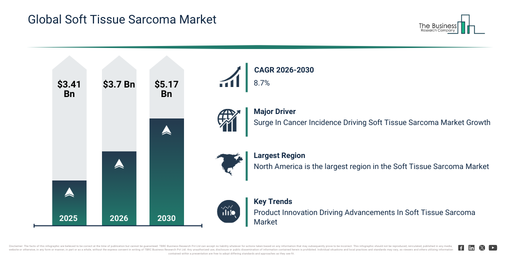
    The soft tissue sarcoma market has seen robust expansion in recent years. Its value is anticipated to rise from $3.41 billion in 2025 to $3.7 billion in 2026, achieving a compound annual growth rate (CAGR) of 8.4%. The increase observed in previous periods is a result of advancements in cancer diagnostics, funding for oncology research, increased awareness surrounding rare cancers, the widespread availability of chemotherapy, and progress in surgical procedures.

    The soft tissue sarcoma market is expected to witness substantial growth over the next few years. It is projected to reach $5.17 billion by 2030, demonstrating a compound annual growth rate (CAGR) of 8.7%. This anticipated expansion in the forecast period is driven by factors such as novel drug approvals, the broadening of immunotherapy, growth in molecular testing, the increasing demand for personalized treatment, and advancements in oncology infrastructure development. Key trends identified for the forecast period include an increase in the utilization of targeted therapy, enhanced genetic profiling, the expansion of combination regimens, rising clinical trial enrollment, and the adoption of multidisciplinary care approaches.

    Get A Free Sample Report With In-Depth Market Insights:

    https://thebusinessresearchcompany.com/sample_request?id=32025377&type=smp&name=Soft%20Tissue%20Sarcoma%20Market%20Report%202026&utm_source=Blogs&utm_medium=Paid&utm_campaign=Nov_PR

    Soft Tissue Sarcoma Market Opportunity Drivers: What’s Unlocking New Revenue Potential?

    An anticipated increase in cancer cases is projected to fuel the expansion of the soft tissue sarcoma market. Cancer is a wide-ranging group of diseases that can arise in any body part when abnormal cells multiply without control, extending beyond their normal limits, and either spreading to new organs or invading adjacent tissues. This uptick in cancer incidence elevates the demand for various diagnostic methods, treatment plans, and palliative care options to address the specific needs of patients suffering from different forms of cancer or sarcoma, thereby stimulating the soft tissue sarcoma market. The rising cancer incidence is propelling the growth of the soft tissue sarcoma market.

    Soft Tissue Sarcoma Market Segment Analysis: What Are The Core Market Categories?

    The soft tissue sarcoma market covered in this report is segmented –

    1) By Treatment: Targeted Therapy, Chemotherapy, Anti-Angiogenesis Drugs, Radiation Therapy, Other Treatments

    2) By Route Of Administration: Oral, Parenteral, Other Route Of Administrations

    3) By End-Users: Hospitals, Homecare, Specialty Centers, Other End-Users

    Subsegments:

    1) By Targeted Therapy: Tyrosine Kinase Inhibitors (TKIs), Monoclonal Antibodies, Immunotherapy Agents

    2) By Chemotherapy: Doxorubicin, Ifosfamide, Gemcitabine, Other Chemotherapeutic Agents

    3) By Anti-Angiogenesis Drugs: Bevacizumab, Pazopanib, Axitinib, Other Anti-Angiogenesis Agents

    4) By Radiation Therapy: External Beam Radiation Therapy (EBRT), Brachytherapy

    5) By Other Treatments: Surgery, Clinical Trials, Supportive Care

    Soft Tissue Sarcoma Market Innovation Trends: What Developments Are Reshaping The Industry?

    Leading companies within the soft tissue sarcoma market are focused on developing innovative products to enhance their market standing.

    Soft Tissue Sarcoma Market Top Companies Driving Competitive Growth

    Major companies operating in the soft tissue sarcoma market are Pfizer Inc., Johnson & Johnson, Roche Holding AG, F. Hoffmann-La Roche Ltd., AbbVie Inc., Bayer AG, Novartis AG, Sanofi SA, Bristol Myers Squibb, AstraZeneca plc, GlaxoSmithKline plc, Takeda Pharmaceutical Company Limited, Eli Lilly and Company, Merck & Co. Inc., Amgen Inc., Teva Pharmaceutical Industries Ltd., Mylan N.V., Astellas Pharma Inc., Daiichi Sankyo Company Limited, Sun Pharmaceutical Industries Ltd., Aurobindo Pharma Limited, Dr. Reddy’s Laboratories Ltd., Lupin Ltd., Philogen S.p.A., Taiho Pharmaceutical Co.Ltd., Nanobiotix S.A.

    View The Full Soft Tissue Sarcoma Market Report:

    https://thebusinessresearchcompany.com/report/soft-tissue-sarcoma-global-market-report?utm_source=Blogs&utm_medium=Paid&utm_campaign=Nov_PR

    Soft Tissue Sarcoma Market Top Region: Where Does Most Revenue Come From?

    North America was the largest region in the soft tissue sarcoma market in 2025. Asia-Pacific is expected to be the fastest-growing region in the soft tissue sarcoma market report during the forecast period. The regions covered in the soft tissue sarcoma market report are Asia-Pacific, South East Asia, Western Europe, Eastern Europe, North America, South America, Middle East, Africa.

    Reach Out To Our Team:

    The Business Research Company: https://www.thebusinessresearchcompany.com/

    Americas: +1 310-496-7795

    Asia: +44 7882 955267 & +91 8897263534

    Europe: +44 7882 955267

    Email us at: marketing@tbrc.info

    Follow us on:

    LinkedIn: https://in.linkedin.com/company/the-business-research-company

    YouTube: https://www.youtube.com/channel/UC24_fI0rV8cR5DxlCpgmyFQ

    Global Market Model: https://www.thebusinessresearchcompany.com/global-market-model
  • Soft Tissue Repair Market Growth Outlook From $14.58 Billion In 2026 To $17.73 Billion By 2030

    Soft Tissue Repair Market Growth Outlook From $14.58 Billion In 2026 To $17.73 Billion By 2030

    Backed by market attractiveness analysis, total addressable market sizing, company benchmarking matrices, interactive Excel dashboards, wider supply chain intelligence, emerging startup coverage, and detailed product-level insights, The Business Research Company’s 2026 market reports are designed to offer research that is more actionable and strategically valuable than ever.

    Soft Tissue Repair Market Growth Analysis: How Will Revenue Trend Over The Forecast Period?

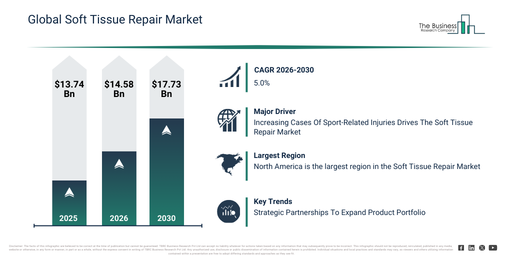
    The market for soft tissue repair has demonstrated significant growth over recent years. This market is projected to expand from $13.74 billion in 2025 to $14.58 billion in 2026, achieving a compound annual growth rate (CAGR) of 6.1%. Historically, this growth can be attributed to several factors, including an increase in sports-related injuries, the expansion of orthopedic surgeries, an aging global population, a greater number of trauma cases, and advancements in surgical techniques.

    The soft tissue repair market is anticipated to show significant expansion in the coming years, reaching a size of $17.73 billion by 2030, with a compound annual growth rate (CAGR) of 5.0%. This expected increase during the forecast period stems from the broader adoption of regenerative therapy, the need for quicker patient recovery, the rise in minimally invasive procedures, continuous innovation in biomaterials, and improved access to healthcare. Prominent trends for this period encompass a rise in the use of biologic grafts, more procedures for sports injuries, the integration of absorbable implants, an increase in outpatient surgical operations, and novel developments in tissue scaffolds.

    Get A Free Sample Report With In-Depth Market Insights:

    https://thebusinessresearchcompany.com/sample_request?id=17791678&type=smp&name=Soft%20Tissue%20Repair%20Market%20Report%202026&utm_source=Blogs&utm_medium=Paid&utm_campaign=Nov_PR

    Soft Tissue Repair Market Growth Momentum: What Factors Are Shaping Demand?

    The rising occurrence of sport-related injuries stimulated the growth of the soft tissue repair market during the historical period. Such injuries are defined as those sustained while engaging in sports or physical exercise. Within sports, soft tissue injuries are particularly common. Soft tissue refers to tissues that connect, support, or enclose other bodily structures and organs.

    Soft Tissue Repair Market Segment Breakdown: Which Categories Lead On Revenue?

    The soft tissue repair market covered in this report is segmented –

    1) By Product: Fixation Devices, Tissue Patch or Mesh, Laparoscopic Instruments

    2) By Application: Hernia Repair, Dural Repair, Skin Repair, Vaginal Sling Procedures, Orthopedic Repair, Dental Repair, Breast Reconstruction Repair

    3) By End User: Hospitals, Clinics, Research And Academic Institutes, Other End Users

    Subsegments:

    1) By Fixation Devices: Suture Anchors, Tacks And Staples, Bioabsorbable Fixation Devices, Screws And Plates

    2) By Tissue Patch or Mesh: Synthetic Mesh, Biological Mesh, Composite Mesh, Expandable Mesh

    3) By Laparoscopic Instruments: Laparoscopic Graspers, Laparoscopic Scissors, Laparoscopic Needle Holders, Laparoscopic Trocars And Cannulas

    Soft Tissue Repair Market Trends: What’s Defining The Industry’s Next Phase?

    Prominent businesses within the soft tissue repair market are prioritizing strategic partnerships to enlarge their product offerings. Strategic partnerships denote a process where organizations combine their respective strengths and resources to achieve collective benefits and accomplishments.

    Soft Tissue Repair Market Leading Players And Competitive Positioning

    Major companies operating in the soft tissue repair market are Organogenesis Inc., Stryker Corporation, Johnson & Johnson Pvt Ltd, Arthrex Inc., CryoLife Inc., Integra Lifesciences Corporation, Wright Medical Technology Inc., Smith & Nephew plc, C R Bard Inc., Medtronic PLC, Zimmer Biomet Holdings Inc., LifeNet Health Inc., Isto Biologics Company Inc., Covidien plc, LifeCell Corporation, Baxter Healthcare Corporation, Acelity L P Inc., Artivion Inc., Medprin Biotech GmbH, Cook Group Inc., Ethicon US LLC, RTI Surgical Inc., Tornier Inc., Atrium Medical Corporation, Coloplast Corp., ConvaTec Group Plc, Kinetic Concepts Inc., Molnlycke Health Care AB

    View The Full Soft Tissue Repair Market Report:

    https://thebusinessresearchcompany.com/report/Soft-Tissue-Repair-Global-Market-Report?utm_source=Blogs&utm_medium=Paid&utm_campaign=Nov_PR

    Soft Tissue Repair Market Regional Breakdown: Where Is Demand Concentrated?

    North America was the largest region in the soft tissue repair market in 2025. Asia-Pacific region is predicted to record fastest growth over the forecast period. The regions covered in the soft tissue repair market report are Asia-Pacific, South East Asia, Western Europe, Eastern Europe, North America, South America, Middle East, Africa.

    Reach Out To Our Team:

    The Business Research Company: https://www.thebusinessresearchcompany.com/

    Americas: +1 310-496-7795

    Asia: +44 7882 955267 & +91 8897263534

    Europe: +44 7882 955267

    Email us at: marketing@tbrc.info

    Follow us on:

    LinkedIn: https://in.linkedin.com/company/the-business-research-company

    YouTube: https://www.youtube.com/channel/UC24_fI0rV8cR5DxlCpgmyFQ

    Global Market Model: https://www.thebusinessresearchcompany.com/global-market-model