Author: Marketing Posting

  • Stem Cell Manufacturing Market Set To Expand From $33.55 Billion In 2026: Growth Outlook Through 2030

    Stem Cell Manufacturing Market Set To Expand From $33.55 Billion In 2026: Growth Outlook Through 2030

    Featuring market attractiveness scoring, total addressable market sizing, company benchmarking matrices, interactive Excel dashboards, deeper supply chain intelligence, emerging startup tracking, and granular product-level insights, The Business Research Company’s 2026 market reports are built to deliver research that is both more actionable and more strategically valuable.

    Stem Cell Manufacturing Market Set To Climb From $21.45 Billion In 2026 To $33.55 Billion By 2030

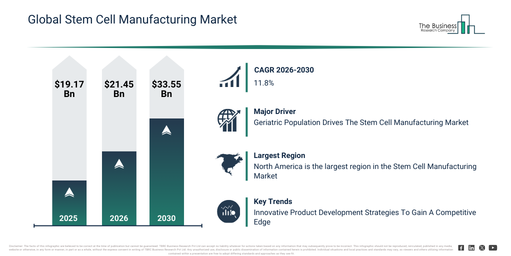
    The stem cell manufacturing market has experienced rapid growth in its size over recent years. It is projected to increase from $19.17 billion in 2025 to $21.45 billion in 2026, registering a compound annual growth rate (CAGR) of 11.9%. Historically, this expansion has been driven by several factors, including the growth in clinical trials, approvals for stem cell therapies, investments in bioprocessing, the evolution of regulatory frameworks, and the expansion of contract manufacturing.

    The stem cell manufacturing market is projected to experience substantial expansion over the upcoming years. By 2030, its valuation is anticipated to reach $33.55 billion, exhibiting a compound annual growth rate (CAGR) of 11.8%. This anticipated growth during the forecast period is primarily driven by factors such as the establishment of commercial-scale therapy production, advancements in cost reduction technologies, the adoption of decentralized manufacturing models, innovative cell expansion techniques, and increasing regulatory harmonization. Key trends expected to shape the market in the same forecast timeframe encompass the wider use of closed-system bioreactors, the development of scalable manufacturing platforms, the automation of cell expansion processes, the implementation of quality-by-design approaches, and improved cryopreservation optimization.

    Get A Free Sample Report With In-Depth Market Insights:

    https://thebusinessresearchcompany.com/sample_request?id=92406333&type=smp&name=Stem%20Cell%20Manufacturing%20Market%20Report%202026&utm_source=Blogs&utm_medium=Paid&utm_campaign=Nov_PR

    Stem Cell Manufacturing Market Growth Factors Behind Sustained Expansion

    The anticipated increase in the geriatric population is set to propel the stem cell manufacturing market. The geriatric population refers to older adults who are 65 years old and beyond. This demographic is susceptible to various diseases due to low immunity and age. Aging elevates the risk of chronic diseases, and stem cell manufacturing can aid in combating these conditions. The expanding geriatric population is driving the growth of the stem cell manufacturing market.

    Stem Cell Manufacturing Market Segment Landscape: Which Areas Lead Development?

    The stem cell manufacturing market covered in this report is segmented –

    1) By Product: Consumables, Instruments, Stem Cell Lines

    2) By Application: Research Applications, Clinical Application, Cell And Tissue Banking Applications

    3) By End User: Pharmaceutical And Biotechnology Companies, Academic Institutes, Research Laboratories And Contract Research Organizations, Hospitals And Surgical Centers, Cell And Tissue Banks, Other End Users

    Subsegments:

    1) By Consumables: Media And Reagents, Cell Culture Vessels, Assay Kits

    2) By Instruments: Bioreactors, Cell Counters, Flow Cytometers

    3) By Stem Cell Lines: Embryonic Stem Cell Lines, Adult Stem Cell Lines, Induced Pluripotent Stem Cell Lines (iPSCs)

    Stem Cell Manufacturing Market Strategic Trends: What Defines The Next Growth Phase?

    Companies operating within the stem cell manufacturing market are focused on developing innovative products, such as GM-grade protein, to secure a competitive edge. GM-grade protein is a classification given to protein powders and other related products that meet specific standards for quality and safety.

    Stem Cell Manufacturing Market Industry Leaders And Competitive Landscape

    Major companies operating in the stem cell manufacturing market are Thermo Fisher Scientific Inc., Merck Millipore, Stemcell Technologies, Fujifilm Holdings Corporation, Takara Bio Group, Lonza Group AG, Sartorius AG, Bio-Rad Laboratories, Becton Dickinson and Company, Bio-Techne Corporation, Miltenyi Biotec, Terumo BCT Inc., Corning Inc., Eppendorf AG, ViaCyte Inc., Merck KGaA, Danaher Corporation, Vericel Corporation, American Cryostem Corporation, Cellgenix GMBH, Aspen Neuroscience Inc., Magenta Therapeutics Inc, Pluristem Therapeutics Inc., Takeda Pharmaceutical Company Limited, AbbVie Inc., 3D Biomatrix Inc., Worthington Biochemical Corporation, Bico Group

    View The Full Stem Cell Manufacturing Market Report:

    https://thebusinessresearchcompany.com/report/stem-cell-manufacturing-global-market-report?utm_source=Blogs&utm_medium=Paid&utm_campaign=Nov_PR

    Stem Cell Manufacturing Market Geographic Spread And Regional Opportunities

    North America was the largest region in the stem cell manufacturing market in 2025. Europe was the second-largest region in the stem cell manufacturing market. The regions covered in the stem cell manufacturing market report are Asia-Pacific, South East Asia, Western Europe, Eastern Europe, North America, South America, Middle East, Africa.

    Reach Out To Our Team:

    The Business Research Company: https://www.thebusinessresearchcompany.com/

    Americas: +1 310-496-7795

    Asia: +44 7882 955267 & +91 8897263534

    Europe: +44 7882 955267

    Email us at: marketing@tbrc.info

    Follow us on:

    LinkedIn: https://in.linkedin.com/company/the-business-research-company

    YouTube: https://www.youtube.com/channel/UC24_fI0rV8cR5DxlCpgmyFQ

    Global Market Model: https://www.thebusinessresearchcompany.com/global-market-model
  • Stem Cell Cryopreservation Market Size And Growth In 2026: Key Factors Shaping Future Demand

    Stem Cell Cryopreservation Market Size And Growth In 2026: Key Factors Shaping Future Demand

    Built to provide research that’s more actionable and strategically valuable, The Business Research Company’s 2026 market reports include market attractiveness analysis, total addressable market sizing, company benchmarking matrices, interactive Excel dashboards, broader supply chain intelligence, emerging startup tracking, and in-depth product insights.

    Stem Cell Cryopreservation Market Forecast: Value Set To Climb From $4.99 Billion To $10.17 Billion

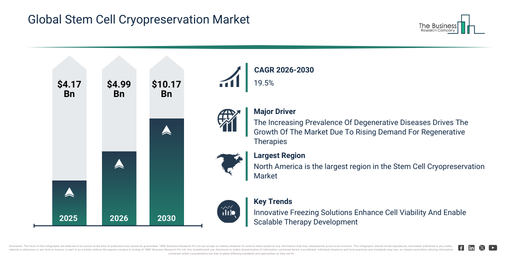
    The market size for stem cell cryopreservation has experienced quick growth over the past few years. It is anticipated to expand from $4.17 billion in 2025 to $4.99 billion by 2026, reflecting a compound annual growth rate (CAGR) of 19.8%. This historical growth can be attributed to factors such as the expansion of stem cell banking initiatives, the increasing deployment of cryopreservation in research, a rise in IVF and fertility treatments, the escalating demand for long-term cell storage, and improvements made in cryogenic storage technologies.

    The stem cell cryopreservation market is projected to experience substantial expansion in the coming years, reaching $10.17 billion by 2030, driven by a compound annual growth rate (CAGR) of 19.5%. This expansion throughout the forecast period is primarily fueled by the increasing embrace of regenerative medicine therapies, escalating investments in biobanking infrastructure, the rising need for personalized medicine storage solutions, the broadening of clinical cell therapy pipelines, and a heightened emphasis on standardized storage protocols. Key developments anticipated during this period encompass a surging demand for long-term stem cell storage, the increasing utilization of advanced cryoprotectants, wider acceptance of automated cryopreservation systems, the growth of stem cell banking services, and an intensified focus on preserving cell viability.

    Get A Free Sample Report With In-Depth Market Insights:

    https://thebusinessresearchcompany.com/sample_request?id=34308229&type=smp&name=Stem%20Cell%20Cryopreservation%20Market%20Report%202026&utm_source=Blogs&utm_medium=Paid&utm_campaign=Nov_PR

    Stem Cell Cryopreservation Market Demand Drivers Opening New Revenue Streams

    The expansion of the stem cell cryopreservation market is anticipated to be driven by the rising incidence of degenerative conditions. These conditions are defined as medical states where the structure or function of tissues and organs progressively declines, frequently leading to a loss of normal function. The increased prevalence of such diseases is attributed to the expanding aging population, given that older individuals are more vulnerable to the cellular and tissue degradation that underpins these ailments. Stem cell cryopreservation allows for the long-term preservation of viable stem cells, creating a dependable resource for regenerative therapies aimed at repairing and replacing damaged tissues in degenerative diseases. The growing occurrence of degenerative diseases is a primary driver for the stem cell cryopreservation market’s growth.

    Stem Cell Cryopreservation Market Segments: Where Is Growth Concentrated?

    The stem cell cryopreservation market covered in this report is segmented –

    1) By Type: Embryonic Stem Cell, Adult Stem Cell, Induced Pluripotent Stem Cell

    2) By Application: Cell Freezing Media, Equipment And Consumables

    3) By End User: Biopharmaceutical Companies, Research Institutes, Blood Banks, In Vitro Fertilization (IVF) Clinics

    Subsegments:

    1) By Embryonic Stem Cell: Human Embryonic Stem Cell, Mouse Embryonic Stem Cell, Primate Embryonic Stem Cell, Other Embryonic Stem Cells

    2) By Adult Stem Cell: Hematopoietic Stem Cell, Mesenchymal Stem Cell, Neural Stem Cell, Epithelial Stem Cell

    3) By Induced Pluripotent Stem Cell: Fibroblast-Derived iPSC, Blood Cell-Derived iPSC, Epithelial Cell-Derived iPSC

    Stem Cell Cryopreservation Market Transformation Trends: What Innovations Are Driving Change?

    Major companies engaged in the stem cell cryopreservation market are concentrating on developing innovative solutions like advanced cryopreservation media and automation-friendly freezing systems to improve post-thaw cell viability and accelerate the development of stem cell therapies. Advanced cryopreservation media are specifically formulated solutions designed to protect stem cells during freezing and thawing, thereby maintaining their viability and function, whereas automation-friendly freezing systems consist of equipment or processes intended for scalable, reproducible, and hands-free cell freezing in large-scale manufacturing.

    Stem Cell Cryopreservation Market Key Participants And Competitive Landscape

    Major companies operating in the stem cell cryopreservation market are Thermo Fisher Scientific Inc., Danaher Corporation, Corning Incorporated, Lonza Group Ltd., Sartorius AG, Eppendorf SE, Vitalant Inc., BioLife Solutions Inc., Cryoviva Biotech Private Limited., HiMedia Laboratories Private Limited, Cryo-Cell International Inc., Celularity Inc., PromoCell GmbH, Creative Biolabs Inc., StemCyte Inc., Reprocell Inc., OriGen Biomedical Inc., American CryoStem Corporation, Ossium Health Inc., Pluristyx Inc.

    View The Full Stem Cell Cryopreservation Market Report:

    https://thebusinessresearchcompany.com/report/global-stem-cell-cryopreservation-market-report?utm_source=Blogs&utm_medium=Paid&utm_campaign=Nov_PR

    Stem Cell Cryopreservation Market Top Region By Revenue And Market Share

    North America was the largest region in the stem cell cryopreservation market in 2025. Asia-Pacific is expected to be the fastest-growing region in the forecast period. The regions covered in the stem cell cryopreservation market report are Asia-Pacific, South East Asia, Western Europe, Eastern Europe, North America, South America, Middle East, Africa.

    Reach Out To Our Team:

    The Business Research Company: https://www.thebusinessresearchcompany.com/

    Americas: +1 310-496-7795

    Asia: +44 7882 955267 & +91 8897263534

    Europe: +44 7882 955267

    Email us at: marketing@tbrc.info

    Follow us on:

    LinkedIn: https://in.linkedin.com/company/the-business-research-company

    YouTube: https://www.youtube.com/channel/UC24_fI0rV8cR5DxlCpgmyFQ

    Global Market Model: https://www.thebusinessresearchcompany.com/global-market-model
  • Stem Cell Characterization Kits Market Forecast 2026–2030: Market Size, Trends And Growth Opportunities

    Stem Cell Characterization Kits Market Forecast 2026–2030: Market Size, Trends And Growth Opportunities

    Backed by market attractiveness analysis, total addressable market sizing, company benchmarking matrices, interactive Excel dashboards, wider supply chain intelligence, emerging startup coverage, and detailed product-level insights, The Business Research Company’s 2026 market reports are designed to offer research that is more actionable and strategically valuable than ever.

    Stem Cell Characterization Kits Market Revenue Growth On Track For A 14.3% CAGR Through 2030

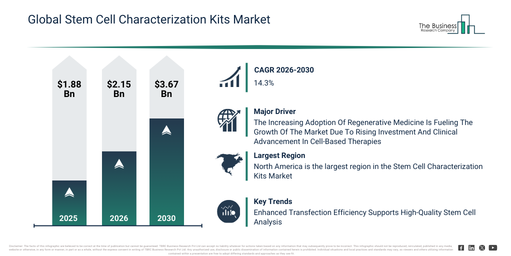
    The stem cell characterization kits market has experienced rapid expansion in recent years. It is projected to grow from $1.88 billion in 2025 to $2.15 billion in 2026, demonstrating a compound annual growth rate (CAGR) of 14.5%. The historical growth of this market can be attributed to factors such as the expansion of stem cell research programs, a rising need for cell quality verification, growth in drug discovery applications, increasing academic and industrial research collaboration, and the availability of advanced analytical tools.

    The stem cell characterization kits market is projected for significant expansion over the coming years. It is set to reach $3.67 billion by 2030, exhibiting a compound annual growth rate (CAGR) of 14.3%. This projected growth stems from factors such as heightened regulatory oversight on cell-based therapies, a greater need for standardized characterization techniques, the proliferation of clinical-grade stem cell manufacturing, increased financial commitments to translational research, and the expanding application of advanced omics-based kits. Key trends anticipated during this period encompass the wider acceptance of multi-parameter characterization kits, an escalating emphasis on quality control within stem cell research, the increased utilization of flow cytometry-based kits, the development of standardized stem cell validation protocols, and a stronger focus on ensuring data reproducibility.

    Get A Free Sample Report With In-Depth Market Insights:

    https://thebusinessresearchcompany.com/sample_request?id=18581132&type=smp&name=Stem%20Cell%20Characterization%20Kits%20Market%20Report%202026&utm_source=Blogs&utm_medium=Paid&utm_campaign=Nov_PR

    Stem Cell Characterization Kits Market Growth Backed By Core Demand Fundamentals

    The expanding use of regenerative medicine is anticipated to drive the future expansion of the stem cell characterization kits market. Regenerative medicine encompasses medical strategies focused on repairing, replacing, or regenerating human cells, tissues, or organs to reinstate their normal biological functions. The uptake of regenerative medicine is increasing due to greater investments by governments, research institutions, and clinical centers in cell-based therapies, which have shown superior clinical results compared to traditional treatments. These stem cell characterization kits play a crucial role in regenerative medicine by supplying vital instruments to confirm the identity, purity, and differentiation state of stem cells, thereby ensuring consistency throughout therapeutic development. The expanding application of regenerative medicine is fueling the growth of the stem cell characterization kits market.

    Stem Cell Characterization Kits Market Segment Analysis: What Are The Core Market Categories?

    The stem cell characterization kits market covered in this report is segmented –

    1) By Type: Embryonic Stem Cells, Mesenchymal Stem Cells, Induced Pluripotent Stem Cells

    2) By Technology: Flow Cytometry-Based Kits, Immunocytochemistry-Based Kits, Enzyme-Linked Immunosorbent Assay-Based Kits, Western Blot-Based Kits, Microarray and Next-Generation Sequencing Kits

    3) By End-User: Biopharmaceutical Companies, Contract Research Organizations, Academics and Research Institutes, Biotechnology Companies

    Subsegments:

    1) By Embryonic Stem Cells: Human Embryonic Stem Cells, Mouse Embryonic Stem Cells

    2) By Mesenchymal Stem Cells: Bone Marrow Derived Mesenchymal Stem Cells, Adipose Tissue Derived Mesenchymal Stem Cells, Umbilical Cord Derived Mesenchymal Stem Cells

    3) By Induced Pluripotent Stem Cells: Patient Derived Induced Pluripotent Stem Cells, Gene Edited Induced Pluripotent Stem Cells, Disease Model Induced Pluripotent Stem Cells

    #Stem Cell Characterization Kits Market Growth Trends: What’s Shaping The Future Outlook?

    Leading companies in the stem cell characterization kits market are concentrating on technological advancements like microfluidic mechanoporation to ensure effective intracellular delivery while preserving stem cell viability and phenotype for accurate subsequent characterization. Microfluidic mechanoporation is a method that employs controlled mechanical forces within microscopic fluidic channels to temporarily disrupt cell membranes, facilitating the efficient introduction of molecules into cells.

    Stem Cell Characterization Kits Market Top Companies Driving Competitive Growth

    Major companies operating in the stem cell characterization kits market are Thermo Fisher Scientific Inc., BD Biosciences, Corning Incorporated, Bruker Spatial Biology, STEMCELL Technologies Inc., Miltenyi Biotec B.V. & Co. KG, Takara Bio Inc., Cyagen Biosciences Inc., GeneTex Inc., Creative Bioarray LLC, Creative Biolabs Inc., Ncardia GmbH, REPROCELL Inc., ScienCell Research Laboratories Inc., Cosmo Bio USA Inc., ImmunoStep S.L., Celprogen Inc., Cloud-Clone Corp., Pluristyx Inc., Enzo Life Sciences Inc.

    View The Full Stem Cell Characterization Kits Market Report:

    https://thebusinessresearchcompany.com/report/global-stem-cell-characterization-kits-market-report?utm_source=Blogs&utm_medium=Paid&utm_campaign=Nov_PR

    Stem Cell Characterization Kits Market Regional Analysis And Top Geography

    North America was the largest region in the stem cell characterization kits market in 2025. Asia-Pacific is expected to be the fastest-growing region in the forecast period. The regions covered in the stem cell characterization kits market report are Asia-Pacific, South East Asia, Western Europe, Eastern Europe, North America, South America, Middle East, Africa.

    Reach Out To Our Team:

    The Business Research Company: https://www.thebusinessresearchcompany.com/

    Americas: +1 310-496-7795

    Asia: +44 7882 955267 & +91 8897263534

    Europe: +44 7882 955267

    Email us at: marketing@tbrc.info

    Follow us on:

    LinkedIn: https://in.linkedin.com/company/the-business-research-company

    YouTube: https://www.youtube.com/channel/UC24_fI0rV8cR5DxlCpgmyFQ

    Global Market Model: https://www.thebusinessresearchcompany.com/global-market-model
  • Stem Cell Assay Market Size Reaches $3.48 Billion In 2026: What Is Driving Growth?

    Stem Cell Assay Market Size Reaches $3.48 Billion In 2026: What Is Driving Growth?

    Featuring market attractiveness scoring, total addressable market sizing, company benchmarking matrices, interactive Excel dashboards, deeper supply chain intelligence, emerging startup tracking, and granular product-level insights, The Business Research Company’s 2026 market reports are built to deliver research that is both more actionable and more strategically valuable.

    Stem Cell Assay Market Value Growth And Long-Term Outlook

    The stem cell assay market has seen considerable expansion in recent years. It is forecast to rise from $2.84 billion in 2025 to $3.48 billion in 2026, demonstrating a compound annual growth rate (CAGR) of 22.4%. This growth during the preceding period can be linked to factors such as increased stem cell research, a boost in academic funding, the need for drug discovery, the implementation of laboratory automation, and ongoing regenerative medicine trials.

    The stem cell assay market is projected to experience substantial expansion in the coming years. Its valuation is anticipated to reach $7.74 billion by 2030, driven by a compound annual growth rate (CAGR) of 22.1%. This predicted growth during the forecast timeframe is primarily due to factors such as advancements in cell-based therapy, the increasing need for assay standardization, wider applications in pharmaceutical screening, the advent of AI-powered assay analysis, and the emergence of new biotech startups. Key developments expected over the forecast period encompass high-throughput assay platforms, advanced functional stem cell analysis, seamless integration with omics technologies, automated systems for cell viability testing, and the availability of standardized assay kits.

    Get A Free Sample Report With In-Depth Market Insights:

    https://thebusinessresearchcompany.com/sample_request?id=78489565&type=smp&name=Stem%20Cell%20Assay%20Market%20Report%202026&utm_source=Blogs&utm_medium=Paid&utm_campaign=Nov_PR

    Stem Cell Assay Market Growth Catalysts And Demand Drivers

    The widespread occurrence of chronic diseases is projected to fuel the expansion of the stem cell assay market in the future. A chronic disease is described as an ailment or illness that often persists for three months or longer and has the potential to worsen over time. Stem cells offer the possibility of treating a diverse array of conditions, including chronic diseases. They contribute to the formation of new antibodies and specialized cells that help in the treatment of chronic diseases such as cancer. The increasing prevalence of chronic diseases is stimulating the growth of the stem cell assay market.

    Stem Cell Assay Market Segment Breakdown: Which Categories Lead On Revenue?

    The stem cell assay market covered in this report is segmented –

    1) By Assay Type: Cell Viability And Toxicity Assays, Cell Apoptosis Assays, Cell Function Assays, Cell Identification Assays, Isolation And Purification Assays, Cell Differentiation Assay, Other Types

    2) By Product: Instruments, Detection kit

    3) By Application: Regenerative Medicine And Therapy Development, Drug Discovery And Development, Clinical Research

    4) By End User: Government Research Institutes, Private Research Institutes, Industry Research

    Subsegments:

    1) By Cell Viability and Toxicity Assays: MTT Assay, Resazurin Assay, ATP Assay, LDH Release Assay

    2) By Cell Apoptosis Assays: Caspase Activity Assays, Annexin V Staining Assays, TUNEL Assay, Cell Death Detection Assays

    3) By Cell Function Assays: Proliferation Assays, Migration And Invasion Assays, Differentiation Assays

    4) By Cell Identification Assays: Flow Cytometry-Based Assays, Surface Marker Characterization, Immunocytochemistry Assays

    5) By Isolation and Purification Assays: Magnetic-Activated Cell Sorting (MACS), Fluorescence-Activated Cell Sorting (FACS), Density Gradient Centrifugation

    6) By Cell Differentiation Assay: Lineage-Specific Differentiation Assays, Gene Expression Analysis During Differentiation

    7) By Other Types: 3D Culture Assays, High-Content Screening Assays, Biomarker Discovery Assays

    Stem Cell Assay Market Industry Trends: What’s Reshaping Demand?

    Leading companies active within the stem cell assay market are concentrating on developing technological advancements such as next-generation tissue dissociation and sample preparation systems to enhance cell viability, processing efficiency, and reproducibility across diverse research applications. Advanced dissociation platforms facilitate automated, gentle, and standardized processing of complex tissues, thereby supporting high-quality single-cell suspensions crucial for downstream stem cell research, regenerative medicine, and cell-based assays. For instance, in June 2025, STEMCELL Technologies, a Canada-based biotechnology company specializing in tools for stem cell research, unveiled the STEMprep Tissue Dissociator System, an integrated mechanical and enzymatic dissociation platform engineered to simplify and accelerate tissue processing workflows. The system provides programmable protocols, closed-system handling, and consistent cell yields, enabling researchers to reduce processing time, minimize variability, and improve assay reliability while fostering discoveries in stem cell biology and translational research.

    Stem Cell Assay Market Leading Players And Competitive Positioning

    Major companies operating in the stem cell assay market are Thermo Fisher Scientific Inc., Merck KGaA, Danaher Corporation, Becton Dickinson and Company, Bio-Rad Laboratories Inc., PerkinElmer Inc., Agilent Technologies Inc., Promega Corporation, Cell Biolabs Inc., Miltenyi Biotec GmbH, STEMCELL Technologies Inc., Bio-Techne Corporation, Charles River Laboratories International Inc., Hemogenix Inc., Lonza Group AG, Takara Bio Inc., Creative Bioarray, AAT Bioquest Inc., BPS Bioscience Inc., Enzo Life Sciences Inc., PromoCell GmbH, Biotium Inc., Geno Technology Inc., Abcam plc, ReachBio Research Labs. Inc., Sartorius AG, Eppendorf AG, Corning Incorporated, MEDIPOST Co. Ltd., Anterogen Co. Ltd., Corestemchemon Inc., Pharmicell Inc., NuVasive Inc., RTI Surgical Holdings Inc., AlloSource LifeSource Services Inc., JCR Pharmaceuticals Co. Ltd.

    View The Full Stem Cell Assay Market Report:

    https://thebusinessresearchcompany.com/report/stem-cell-assay-global-market-report?utm_source=Blogs&utm_medium=Paid&utm_campaign=Nov_PR

    Stem Cell Assay Market Geographic Analysis: Where Is Demand Rising Fastest?

    North America was the largest region in the stem cell assay market share in 2025. Asia-Pacific is expected to be the fastest-growing region in the forecast period. The regions covered in the stem cell assay market report are Asia-Pacific, South East Asia, Western Europe, Eastern Europe, North America, South America, Middle East, Africa.

    Reach Out To Our Team:

    The Business Research Company: https://www.thebusinessresearchcompany.com/

    Americas: +1 310-496-7795

    Asia: +44 7882 955267 & +91 8897263534

    Europe: +44 7882 955267

    Email us at: marketing@tbrc.info

    Follow us on:

    LinkedIn: https://in.linkedin.com/company/the-business-research-company

    YouTube: https://www.youtube.com/channel/UC24_fI0rV8cR5DxlCpgmyFQ

    Global Market Model: https://www.thebusinessresearchcompany.com/global-market-model
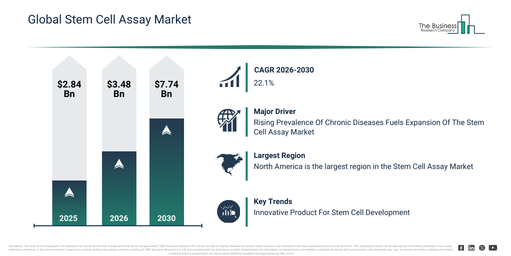
  • Stem Cell Antibody Market Valued At $7.73 Billion In 2026: Key Trends And Growth Drivers

    Stem Cell Antibody Market Valued At $7.73 Billion In 2026: Key Trends And Growth Drivers

    Built to provide research that’s more actionable and strategically valuable, The Business Research Company’s 2026 market reports include market attractiveness analysis, total addressable market sizing, company benchmarking matrices, interactive Excel dashboards, broader supply chain intelligence, emerging startup tracking, and in-depth product insights.

    Stem Cell Antibody Market Poised To Hit $7.73 Billion By 2030 With A 11.6% CAGR

    The stem cell antibody market has experienced swift expansion in its size over recent years. Its projected growth trajectory shows an increase from $4.45 billion in 2025 to $4.98 billion in 2026, achieving a compound annual growth rate (CAGR) of 11.9%. Historically, this growth stemmed from the expansion of stem cell research activities, the growing availability of monoclonal antibody technologies, increased funding for academic and clinical research, a heightened demand for cell identification tools, and enhancements in antibody engineering.

    The market for stem cell antibodies is poised for significant expansion in the coming years, with projections indicating it will reach $7.73 billion by 2030, exhibiting a compound annual growth rate (CAGR) of 11.6%. This anticipated growth during the forecast period is driven by several factors, including the greater uptake of advanced regenerative therapies, a heightened need for precision research tools, the broadening of biopharmaceutical research pipelines, increased funding for antibody innovation, and the expanding application of stem cell-based diagnostics. Key trends anticipated in the same period encompass the rising utilization of monoclonal antibodies in stem cell investigations, an escalating demand for recombinant antibodies, their expanding role in regenerative medicine development, the proliferation of custom antibody manufacturing, and a sharpened focus on marker-specific targeting.

    Get A Free Sample Report With In-Depth Market Insights:

    https://thebusinessresearchcompany.com/sample_request?id=76232224&type=smp&name=Stem%20Cell%20Antibody%20Market%20Report%202026&utm_source=Blogs&utm_medium=Paid&utm_campaign=Nov_PR

    Stem Cell Antibody Market Opportunity Drivers: What’s Unlocking New Revenue Potential?

    The increasing occurrence of long-term illnesses is anticipated to fuel the expansion of the stem cell antibody market in the future. These conditions are enduring health issues that manifest gradually and persist over long durations, frequently necessitating ongoing medical attention. The escalating incidence of such diseases is partly linked to sedentary habits, as prolonged sitting and insufficient physical activity heighten the risk of ailments like heart conditions and diabetes. Stem cell antibodies play a crucial role in managing chronic diseases by facilitating the precise identification and isolation of stem cells, rendering them suitable for both research and therapeutic development. They support targeted interventions by assisting in the monitoring and modulation of stem cell behavior, thereby enhancing the efficacy of regenerative medicine and individualized therapies. The increasing incidence of chronic diseases is propelling the expansion of the stem cell antibody market.

    Stem Cell Antibody Market Segmentation: How Does The Market Break Down By Category?

    The stem cell antibody market covered in this report is segmented –

    1) By Type of Antibody: Monoclonal Antibodies, Polyclonal Antibodies, Recombinant Antibodies, Bispecific Antibodies

    2) By Product Formulation: Liquid Formulations, Lyophilized Formulations, Conjugated Antibodies, Unconjugated Antibodies

    3) By Application: Research, Clinical Diagnostics, Therapeutic Use, Protein Purification

    4) By End User: Academic Institutions, Pharmaceutical Companies, Biotechnology Firms, Hospitals and Diagnostic Laboratories

    Subsegments:

    1) By Monoclonal Antibodies: Humanized Monoclonal Antibodies, Chimeric Monoclonal Antibodies, Murine Monoclonal Antibodies, Fully Human Monoclonal Antibodies

    2) By Polyclonal Antibodies: Animal-Derived Polyclonal Antibodies, Recombinant Polyclonal Antibodies, Affinity-Purified Polyclonal Antibodies, Secondary Polyclonal Antibodies

    3) By Recombinant Antibodies: Single-Chain Variable Fragment Antibodies, Fragment Antigen-Binding Antibodies, Nanobodies, Chimeric Recombinant Antibodies

    4) By Bispecific Antibodies: Stem Cell Marker–Dual Targeting Bispecific Antibodies, Stem Cell Marker–Reporter Conjugatable Bispecific Antibodies, Stem Cell–Microenvironment Interaction Bispecific Antibodies, Stem Cell Isolation and Enrichment Bispecific Antibodies

    Stem Cell Antibody Market Competitive Overview And Top Companies

    Major companies operating in the stem cell antibody market are Thermo Fisher Scientific Inc., Merck KGaA, Bio-Rad Laboratories Inc., Bio-Techne Corporation, STEMCELL Technologies Inc., Miltenyi Biotec GmbH, Cell Signaling Technology Inc., OriGene Technologies Inc., Enzo Life Sciences Inc., GeneTex Inc., Proteintech Group Inc., Rockland Immunochemicals Inc., Bioss Antibodies Inc., ReproCELL Inc., Jackson ImmunoResearch Laboratories Inc., Lucerna-Chem AG, LifeSpan BioSciences Inc., Creative Biogene Inc., MyBioSource Inc., Imgenex Inc., Amsbio LLC

    View The Full Stem Cell Antibody Market Report:

    https://thebusinessresearchcompany.com/report/global-stem-cell-antibody-market-report?utm_source=Blogs&utm_medium=Paid&utm_campaign=Nov_PR

    Stem Cell Antibody Market Global Footprint: Which Region Leads The Market?

    North America was the largest region in the stem cell antibody market in 2025. Asia-Pacific is expected to be the fastest-growing region in the forecast period. The regions covered in the stem cell antibody market report are Asia-Pacific, South East Asia, Western Europe, Eastern Europe, North America, South America, Middle East, Africa.

    Reach Out To Our Team:

    The Business Research Company: https://www.thebusinessresearchcompany.com/

    Americas: +1 310-496-7795

    Asia: +44 7882 955267 & +91 8897263534

    Europe: +44 7882 955267

    Email us at: marketing@tbrc.info

    Follow us on:

    LinkedIn: https://in.linkedin.com/company/the-business-research-company

    YouTube: https://www.youtube.com/channel/UC24_fI0rV8cR5DxlCpgmyFQ

    Global Market Model: https://www.thebusinessresearchcompany.com/global-market-model
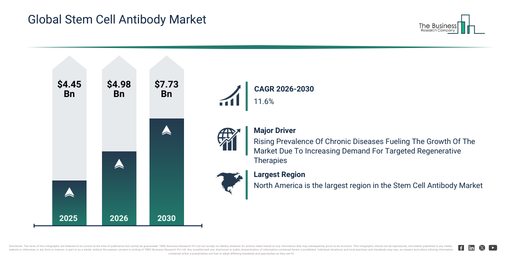
  • Stem Cell Market Size In 2026: Growth Outlook And Forecast Through 2030

    Stem Cell Market Size In 2026: Growth Outlook And Forecast Through 2030

    Backed by market attractiveness analysis, total addressable market sizing, company benchmarking matrices, interactive Excel dashboards, wider supply chain intelligence, emerging startup coverage, and detailed product-level insights, The Business Research Company’s 2026 market reports are designed to offer research that is more actionable and strategically valuable than ever.

    Stem Cell Market Size And Revenue Outlook Through 2030

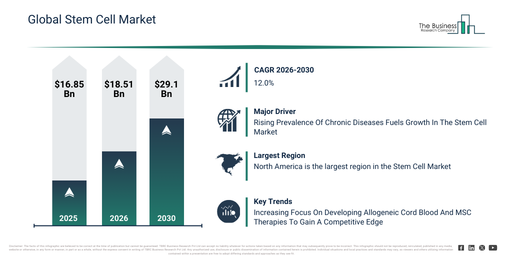
    The stem cell market has experienced strong expansion in recent years. It is forecast to grow from $16.85 billion in 2025 to $18.51 billion in 2026, exhibiting a compound annual growth rate (CAGR) of 9.9%. The growth witnessed during the historic period can be attributed to progress in cell biology research, the broadening of clinical trials in regenerative medicine, the increasing utilization of stem cells in drug discovery, the development of biobanking infrastructure, and growing investment in life sciences research.

    The stem cell market size is set to experience significant growth over the next few years. It is projected to reach $29.1 billion by 2030, advancing at a compound annual growth rate (CAGR) of 12.0%. This anticipated growth is driven by factors such as the increasing approval of stem cell-based therapies, a growing demand for personalized medicine, the expansion of large-scale stem cell manufacturing, the increasing integration of automation in cell processing, and rising global healthcare investment. Prominent trends for the forecast period include the continued advancement of regenerative medicine therapies, the increasing adoption of induced pluripotent stem cells, the growing integration of AI in cell research and development, the expansion of stem cell banking services, and a stronger focus on standardized manufacturing processes.

    Get A Free Sample Report With In-Depth Market Insights:

    https://thebusinessresearchcompany.com/sample_request?id=55530717&type=smp&name=Stem%20Cell%20Market%20Report%202026&utm_source=Blogs&utm_medium=Paid&utm_campaign=Nov_PR

    Stem Cell Market Growth Momentum: What Factors Are Shaping Demand?

    The global rise in chronic diseases fuels the growth of the stem cell market. Stem-cell therapy, which involves using stem cells to manage or avert illnesses, is gaining traction. While bone marrow transplantation remains the predominant stem cell therapy, treatments utilizing umbilical cord blood are also employed. Currently, the most common stem cell treatment involves transplanting blood stem cells to address conditions of the blood and immune system, or to rejuvenate the blood system following treatments for certain cancers. The escalating global prevalence of chronic diseases is a key driver for the expansion of the stem cell market.

    Stem Cell Market Segment Trends And Revenue Contributors

    The stem cell market covered in this report is segmented –

    1) By Source: Autologous, Allogeneic

    2) By Product Type: Adult Stem Cell, Human Embryonic Stem Cell, Induced Pluripotent Stem Cell, Other Products

    3) By Application: Regenerative Medicine, Drug Discovery And Development

    Subsegments:

    1) By Autologous: Bone Marrow-Derived Stem Cells, Adipose Tissue-Derived Stem Cells, Peripheral Blood Stem Cells

    2) By Allogeneic: Bone Marrow-Derived Stem Cells, Umbilical Cord Blood Stem Cells, Peripheral Blood Stem Cells From Donors

    Stem Cell Market Trends: What’s Defining The Industry’s Next Phase?

    Leading companies in the stem cell market are concentrating on creating sophisticated treatments, such as allogeneic cord blood and mesenchymal stem cell (MSC) therapies, to achieve a competitive edge. Allogeneic cord blood treatments involve hematopoietic stem cells taken from donor umbilical cord blood to restore or rebuild the blood and immune systems in individuals suffering from hematologic or immunologic conditions.

    Stem Cell Market Competitive Landscape: Which Companies Lead The Industry?

    Major companies operating in the stem cell market are Danaher Corporation, Cryo-Cell International Inc., Daiichi Sankyo Company Limited, Lonza Group Ltd, PerkinElmer Inc., CellGenix GmbH, China Cord Blood Corporation, Organogenesis Holdings Inc., LifeCell International, Cord Blood America Inc., StemCyte Inc., Cryoviva India, Cordlife Group Limited, Thermo Fisher Scientific Inc., CordVida, Cryo Stemcell Inc., Pluristem Therapeutics Inc., Mesoblast Limited, Americord Registry LLC, Smart Cells International, Athersys Inc., ReeLabs Pvt. Ltd., Cytori Therapeutics Inc., Esperite N.V., Stemade Biotech, ViaCord, Aldagen Inc, Isto Biologics, Brainstorm Cell Therapeutics Inc.

    View The Full Stem Cell Market Report:

    https://thebusinessresearchcompany.com/report/Stem-Cell-Global-Market-Report?utm_source=Blogs&utm_medium=Paid&utm_campaign=Nov_PR

    Stem Cell Market Regional Split: Which Areas Are Fueling Growth?

    North America was the largest region in the stem cell market in 2025. Western Europe was the second largest region in the global stem cell market share. The regions covered in the stem cell market report are Asia-Pacific, South East Asia, Western Europe, Eastern Europe, North America, South America, Middle East, Africa.

    Reach Out To Our Team:

    The Business Research Company: https://www.thebusinessresearchcompany.com/

    Americas: +1 310-496-7795

    Asia: +44 7882 955267 & +91 8897263534

    Europe: +44 7882 955267

    Email us at: marketing@tbrc.info

    Follow us on:

    LinkedIn: https://in.linkedin.com/company/the-business-research-company

    YouTube: https://www.youtube.com/channel/UC24_fI0rV8cR5DxlCpgmyFQ

    Global Market Model: https://www.thebusinessresearchcompany.com/global-market-model
  • Status Epilepticus Market Trends Supporting 5.7% CAGR Growth Through 2030

    Status Epilepticus Market Trends Supporting 5.7% CAGR Growth Through 2030

    Featuring market attractiveness scoring, total addressable market sizing, company benchmarking matrices, interactive Excel dashboards, deeper supply chain intelligence, emerging startup tracking, and granular product-level insights, The Business Research Company’s 2026 market reports are built to deliver research that is both more actionable and more strategically valuable.

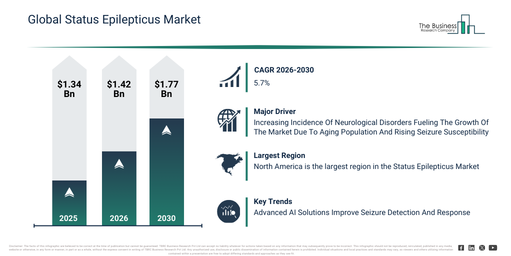
    Status Epilepticus Market Growth From $1.42 Billion In 2026 To $1.77 Billion By 2030 At A CAGR Of 5.7%

    The status epilepticus market size has demonstrated strong growth in recent years. It is projected to expand from $1.34 billion in 2025 to $1.42 billion in 2026, achieving a compound annual growth rate (CAGR) of 6.0%. The expansion observed historically can be ascribed to factors such as the rising incidence of epilepsy disorders, the development of emergency neurological care services, the accessibility of first- and second-generation antiepileptic drugs, an increase in hospital admissions for seizure episodes, and enhanced awareness of status epilepticus among clinicians.

    The status epilepticus market is expected to show significant expansion in the upcoming years, with projections indicating it will reach $1.77 billion by 2030, growing at a compound annual growth rate (CAGR) of 5.7%. This anticipated growth during the forecast period can be attributed to the rising development of novel anticonvulsant drugs, increasing investments in neuromodulation technologies, the expansion of digital tools for seizure monitoring, a growing emphasis on personalized epilepsy treatment, and an increased focus on rapid-response treatment pathways. Prominent trends for the forecast period include an escalating focus on rapid emergency seizure management, the rising adoption of advanced antiepileptic therapies, an increased utilization of hospital-based neuromodulation devices, the broadening of early diagnosis and monitoring tools, and an enhanced emphasis on optimizing critical care protocols.

    Get A Free Sample Report With In-Depth Market Insights:

    https://thebusinessresearchcompany.com/sample_request?id=98777264&type=smp&name=Status%20Epilepticus%20Market%20Report%202026&utm_source=Blogs&utm_medium=Paid&utm_campaign=Nov_PR

    Status Epilepticus Market Expansion Drivers: What’s Shaping Future Growth?

    The rising occurrence of neurological disorders is anticipated to drive expansion within the status epilepticus market moving ahead. These conditions encompass medical ailments impacting the brain, spinal cord, and nerves, resulting in various symptoms such as cognitive, motor, and sensory difficulties. Their growing prevalence is connected to the world’s aging population, given that aging progressively diminishes neuronal function, lessens brain plasticity, and boosts oxidative stress, all factors contributing to the onset and advancement of these conditions. Neurological disorders contribute to status epilepticus by disturbing typical brain activity, thereby rendering individuals more prone to extended seizures. Furthermore, they elevate the likelihood of seizure recurrence through their impact on neuronal stability, underscoring the necessity for timely diagnosis and efficient management approaches. The rising occurrence of neurological disorders is fueling the expansion of the status epilepticus market.

    Status Epilepticus Market Segment Analysis Spotlighting Growth Areas

    The status epilepticus market covered in this report is segmented –

    1) By Type: Convulsive Status Epileptics, Non-Convulsive Status Epileptics

    2) By Medication: First Generation, Second Generation, Third Generation

    3) By Drug: Ganaxolone, Diazepam, Phenobarbital, Phenytoin And Fosphenytoin, Valproate, Other Drugs

    4) By Distribution Channel: Hospital Pharmacies, Online Pharmacies, Retail Pharmacies

    Subsegments:

    1) By Convulsive Status Epilepticus: Generalized Tonic–Clonic Status Epilepticus (GTCS SE), Focal Onset With Bilateral Tonic–Clonic Generalization, Myoclonic Status Epilepticus

    2) By Non-Convulsive Status Epilepticus (NCSE): Absence Status Epilepticus, Complex Partial Status Epilepticus, Subtle Status Epilepticus

    Status Epilepticus Market Industry Trends Fueling Future Revenue Growth

    Leading companies in the status epilepticus market are focused on developing advanced technological solutions, such as artificial intelligence (AI)-powered diagnostic tools, to enhance seizure detection, accelerate clinical decision-making, and improve the efficiency of neurological care. These AI-powered diagnostic solutions are integrated software platforms that employ artificial intelligence to analyze real-time brain activity data, facilitating quick identification of seizure patterns and early intervention in critical care environments.

    Status Epilepticus Market Leading Companies: Who Holds The Strongest Market Presence?

    Major companies operating in the status epilepticus market are Pfizer Inc., Novartis AG, Takeda Pharmaceutical Company Limited, Bausch Health Companies Inc., Eisai Co. Ltd., Dr. Reddy’s Laboratories, Hikma Pharmaceuticals plc, Mylan N.V., Lupin Pharmaceuticals Limited, Torrent Pharmaceuticals Ltd., Neuraxpharm, Ligand Pharmaceuticals Incorporated, Rafa Laboratories Ltd., Aquestive Therapeutics, Nobelpharma Co. Ltd., Neurelis Inc., SAGE Therapeutics, Immedica Pharma AB, Sedor Pharmaceuticals, Crossject SA.

    View The Full Status Epilepticus Market Report:

    https://thebusinessresearchcompany.com/report/status-epilepticus-global-market-report?utm_source=Blogs&utm_medium=Paid&utm_campaign=Nov_PR

    Status Epilepticus Market Top Region: Where Does Most Revenue Come From?

    North America was the largest region in the status epilepticus market in 2025. The regions covered in the status epilepticus market report are Asia-Pacific, South East Asia, Western Europe, Eastern Europe, North America, South America, Middle East, Africa.

    Reach Out To Our Team:

    The Business Research Company: https://www.thebusinessresearchcompany.com/

    Americas: +1 310-496-7795

    Asia: +44 7882 955267 & +91 8897263534

    Europe: +44 7882 955267

    Email us at: marketing@tbrc.info

    Follow us on:

    LinkedIn: https://in.linkedin.com/company/the-business-research-company

    YouTube: https://www.youtube.com/channel/UC24_fI0rV8cR5DxlCpgmyFQ

    Global Market Model: https://www.thebusinessresearchcompany.com/global-market-model
  • Starter Cultures Market Forecast Highlights A $2.01 Billion Opportunity For Industry Participants

    Starter Cultures Market Forecast Highlights A $2.01 Billion Opportunity For Industry Participants

    Built to provide research that’s more actionable and strategically valuable, The Business Research Company’s 2026 market reports include market attractiveness analysis, total addressable market sizing, company benchmarking matrices, interactive Excel dashboards, broader supply chain intelligence, emerging startup tracking, and in-depth product insights.

    Starter Cultures Market Expansion Outlook: What Revenue Opportunities Are Ahead?

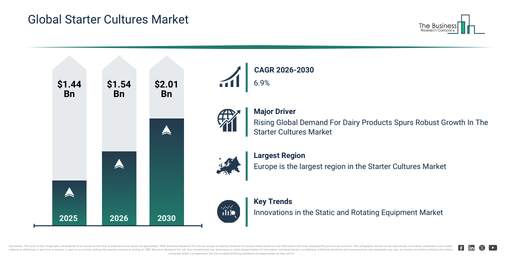
    The market for starter cultures has experienced robust expansion in recent years. It is anticipated to increase from $1.44 billion in 2025 to $1.54 billion in 2026, demonstrating a compound annual growth rate (CAGR) of 6.6%. Historically, this growth can be ascribed to an increase in dairy consumption, the adoption of industrial fermentation, rising processed food demand, advancements in microbial research, and the necessity for food standardization.

    The starter cultures market is anticipated to experience robust expansion in the coming years. By 2030, this market is projected to reach $2.01 billion, demonstrating a compound annual growth rate (CAGR) of 6.9%. This growth during the forecast period is attributable to factors such as the rise of plant-based food fermentation, increasing demand for functional foods, advancements in precision fermentation, expanded food processing in emerging markets, and the development of sustainable culture production methods. Key trends anticipated during the same period encompass customized microbial blends, cultures for non-dairy fermentation, shelf-stable starter solutions, cultures designed to enhance flavor, and the integration of probiotics.

    Get A Free Sample Report With In-Depth Market Insights:

    https://thebusinessresearchcompany.com/sample_request?id=46211699&type=smp&name=Starter%20Cultures%20Market%20Report%202026&utm_source=Blogs&utm_medium=Paid&utm_campaign=Nov_PR

    Starter Cultures Market Development Factors: What’s Supporting Demand?

    The expanding need for dairy items is propelling the expansion of the starter cultures market moving ahead. Dairy products encompass all food items derived from milk. This surge in demand for dairy products stems from increasing consumer partiality for protein-dense foods and heightened understanding of their nutritional advantages. As crucial ingredients in the creation of fermented dairy foods like cheese, yogurt, and various other dairy items, starter cultures directly benefit from the heightened demand for dairy products. The rising demand for dairy products is set to fuel the growth of the starter cultures market.

    Starter Cultures Market Segment Performance And Emerging Opportunities

    The starter cultures market covered in this report is segmented –

    1) By Microorganism: Bacteria, Yeast, Molds

    2) By Composition: Multi-Strain Mix, Single Strain, Multi-Strain

    3) By Form: Freeze-Dried, Frozen

    4) By Application: Dairy And Dairy Products, Meat And Seafood, Alcoholic Beverages, Other Applications

    Subsegments:

    1) By Bacteria: Lactic Acid Bacteria (LAB), Non-Lactic Acid Bacteria

    2) By Yeast: Baker’s Yeast, Brewer’s Yeast, Other Yeasts

    3) By Molds: Filamentous Fungi, Other Molds

    Starter Cultures Market Trends Powering Strategic Industry Growth

    Companies operating prominently in the static and rotating equipment market are introducing groundbreaking products, such as smart rotating equipment monitoring, to satisfy various crucial demands. Smart Rotating Equipment Monitoring denotes a system that consistently observes the performance of rotating machinery, including pumps and motors, by tracking vital parameters.

    Starter Cultures Market Key Players: Which Companies Lead Industry Competition?

    Major companies operating in the starter cultures market are Chr. Hansen Holding A/S, Lallemand Inc., Koninklijke DSM N.V., Sacco System S.r.l., LB Bulgaricum AD, International Flavors & Fragrances Inc., Biochem Srl, Wyeast Laboratories Inc., Mad Millie Pty Ltd, Futura Ingredients AB, Angel Yeast Co. Ltd., Benebios Inc., Benny Impex, Mediterranea Biotecnologie Srl, Bioprox Healthcare SAS, Codex-ing Biotech Ingredients Inc., CSK Food Enrichment B.V., Danisco A/S, Lesaffre et Compagnie, DSM Food Specialties B.V., Abiasa Corporativo S.A. de C.V.

    View The Full Starter Cultures Market Report:

    https://thebusinessresearchcompany.com/report/starter-cultures-global-market-report?utm_source=Blogs&utm_medium=Paid&utm_campaign=Nov_PR

    Starter Cultures Market Regional Breakdown: Where Is Demand Concentrated?

    Europe was the largest region in the starter cultures market in 2025. Asia-Pacific is expected to be the fastest-growing region in the forecast period. The regions covered in the starter cultures market report are Asia-Pacific, South East Asia, Western Europe, Eastern Europe, North America, South America, Middle East, Africa.

    Reach Out To Our Team:

    The Business Research Company: https://www.thebusinessresearchcompany.com/

    Americas: +1 310-496-7795

    Asia: +44 7882 955267 & +91 8897263534

    Europe: +44 7882 955267

    Email us at: marketing@tbrc.info

    Follow us on:

    LinkedIn: https://in.linkedin.com/company/the-business-research-company

    YouTube: https://www.youtube.com/channel/UC24_fI0rV8cR5DxlCpgmyFQ

    Global Market Model: https://www.thebusinessresearchcompany.com/global-market-model
  • Sports Medicine Devices Market Analysis: How The Industry Is Evolving Toward A $12.52 Billion Future

    Sports Medicine Devices Market Analysis: How The Industry Is Evolving Toward A $12.52 Billion Future

    Backed by market attractiveness analysis, total addressable market sizing, company benchmarking matrices, interactive Excel dashboards, wider supply chain intelligence, emerging startup coverage, and detailed product-level insights, The Business Research Company’s 2026 market reports are designed to offer research that is more actionable and strategically valuable than ever.

    Sports Medicine Devices Market Growth Potential: How Will Market Size Shift Through 2030?

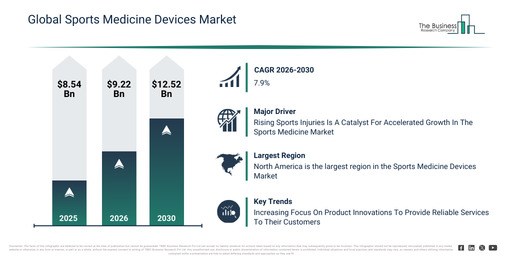
    The sports medicine devices market size has experienced substantial growth in recent years. It is projected to increase from $8.54 billion in 2025 to $9.22 billion in 2026, achieving a compound annual growth rate (CAGR) of 8.0%. This historical growth can be linked to factors such as a rise in sports participation, innovations in orthopedic devices, investments made in professional sports, an enhanced awareness of injury prevention, and the expansion of rehabilitation infrastructure.

    The sports medicine devices market size is projected to experience substantial expansion in the coming years. It will grow to $12.52 billion in 2030, exhibiting a compound annual growth rate (CAGR) of 7.9%. This anticipated growth during the forecast period is fueled by factors such as wearable injury monitoring, outpatient sports surgeries, personalized rehabilitation programs, emerging athlete markets, and technological miniaturization. Furthermore, key developments expected in this period encompass arthroscopy device innovation, smart rehabilitation equipment, lightweight implant materials, rapid recovery solutions, and performance monitoring integration.

    Get A Free Sample Report With In-Depth Market Insights:

    https://thebusinessresearchcompany.com/sample_request?id=81568693&type=smp&name=Sports%20Medicine%20Devices%20Market%20Report%202026&utm_source=Blogs&utm_medium=Paid&utm_campaign=Nov_PR

    Sports Medicine Devices Market Industry Drivers: What’s Behind The Revenue Growth?

    The projected increase in sports injuries is expected to fuel the expansion of the sports medicine market in the future. Sports injuries are defined as those sustained during physical activity or exercise, and they are not exclusively experienced by athletes. These injuries frequently result from direct impact, overuse, or the application of force. Given that sports medicine offers treatment and support for these types of injuries, an uptick in their occurrence will drive market growth. The rising number of sports injuries is a significant driver for the growth of the sports medicine market.

    Sports Medicine Devices Market Segment Landscape And Growth Outlook

    The sports medicine devices market covered in this report is segmented –

    1) By Product: Implants, Fracture And Ligament Repair Products, Arthroscopy Devices, Prosthetics, Other Products

    2) By Injury Type: Knee Injuries, Shoulder Injuries, Foot And Ankle Injuries, Back And Spine Injuries, Hip And Groin Injuries

    3) By End User: Hospitals, Ambulatory Surgery Centers, Physiotherapy Centers And Clinics

    Subsegments:

    1) By Implants: Joint Implants, Soft Tissue Implants, Bone Implants

    2) By Fracture And Ligament Repair Products: Plates And Screws, Pins And Wires, Ligament Grafts

    3) By Arthroscopy Devices: Arthroscopes, Surgical Instruments, Visualization Systems

    4) By Prosthetics: Lower Limb Prosthetics, Upper Limb Prosthetics, Adaptive Devices

    5) By Other Products: Braces And Supports, Rehabilitation Equipment, Diagnostic Tools

    Sports Medicine Devices Market Growth Trends Reshaping The Competitive Landscape

    Major companies in the sports medicine market are increasingly leveraging digital distribution channels, particularly product websites, to boost their revenues.

    Sports Medicine Devices Market Competitive Landscape: Who Leads The Industry?

    Major companies operating in the sports medicine devices market are Arthrex Inc., Conmed Corporation, DJO LLC, Johnson & Johnson Services Inc., Stryker Corp., Smith & Nephew plc, Breg Inc., Mueller Sports Inc., Wright Medical Group NV, Medtronic Inc., RTI Surgical Holdings Inc., Performance Health International Limited, Karl Storz SE & Co. KG, Bauerfeind AG, MedShape Inc., Cramer Products Inc., RôG Sports Medicine, Zimmer Biomet Holdings Inc., Mitek Sports Medicine, DonJoy Orthopedics, Össur public limited company, Otto Bock HealthCare GmbH, Bledsoe Brace Systems, Acumed LLC

    View The Full Sports Medicine Devices Market Report:

    https://thebusinessresearchcompany.com/report/sports-medicine-global-market-report?utm_source=Blogs&utm_medium=Paid&utm_campaign=Nov_PR

    Sports Medicine Devices Market Geographic Landscape: Which Region Leads Industry Growth?

    North America was the largest region in the sports medicine market in 2025. The regions covered in the sports medicine devices market report are Asia-Pacific, South East Asia, Western Europe, Eastern Europe, North America, South America, Middle East, Africa.

    Reach Out To Our Team:

    The Business Research Company: https://www.thebusinessresearchcompany.com/

    Americas: +1 310-496-7795

    Asia: +44 7882 955267 & +91 8897263534

    Europe: +44 7882 955267

    Email us at: marketing@tbrc.info

    Follow us on:

    LinkedIn: https://in.linkedin.com/company/the-business-research-company

    YouTube: https://www.youtube.com/channel/UC24_fI0rV8cR5DxlCpgmyFQ

    Global Market Model: https://www.thebusinessresearchcompany.com/global-market-model
  • Sports Injury Prediction Market Outlook Through 2030: Understanding The Growth Opportunity

    Sports Injury Prediction Market Outlook Through 2030: Understanding The Growth Opportunity

    Featuring market attractiveness scoring, total addressable market sizing, company benchmarking matrices, interactive Excel dashboards, deeper supply chain intelligence, emerging startup tracking, and granular product-level insights, The Business Research Company’s 2026 market reports are built to deliver research that is both more actionable and more strategically valuable.

    Sports Injury Prediction Market Value Analysis: What Growth Lies Ahead Over The Forecast Period?

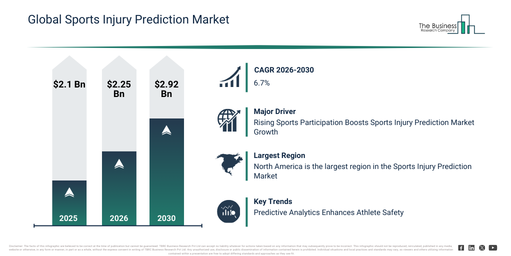
    The sports injury prediction market has experienced robust expansion in recent years. This market is projected to expand from $2.1 billion in 2025 to $2.25 billion in 2026, demonstrating a compound annual growth rate (CAGR) of 7.1%. The growth observed in previous periods can be linked to the increasing professionalization of sports, advancements in athlete performance analytics, a heightened awareness of injury prevention, the broadening scope of sports science research, and the widespread availability of wearable monitoring technologies.

    The sports injury prediction market is anticipated to experience substantial expansion in the coming years. By 2030, this market is projected to reach $2.92 billion, exhibiting a compound annual growth rate (CAGR) of 6.7%. This projected growth is driven by factors such as the rising demand for tailored injury prevention solutions, increased adoption within amateur and youth sports, the spread of AI-powered predictive modeling, greater integration with rehabilitation technologies, and escalating investments in sports health platforms. Key trends anticipated during this period encompass the growing utilization of wearable sensors for monitoring athletes, a surge in the adoption of AI-driven injury risk analytics, heightened integration of real-time performance tracking systems, the development of data-informed training optimization instruments, and an amplified emphasis on proactive sports healthcare.

    Get A Free Sample Report With In-Depth Market Insights:

    https://thebusinessresearchcompany.com/sample_request?id=81411410&type=smp&name=Sports%20Injury%20Prediction%20Market%20Report%202026&utm_source=Blogs&utm_medium=Paid&utm_campaign=Nov_PR

    Sports Injury Prediction Market Growth Factors: What’s Supporting Expansion?

    The escalating involvement in sports and recreational activities is projected to stimulate the growth of the sports injury prediction market moving forward. Sports and recreation encompass pursuits undertaken for enjoyment and physical well-being, including both organized competitive events and informal leisure pastimes. This rising engagement is fueled by heightened health awareness, enhanced access to amenities, and the desire for stress alleviation and pleasure. Sports injury prediction proves advantageous in preventing injuries, optimizing training, and ensuring safer and quicker recovery, thereby making activities both safer and more enjoyable. The increasing participation in sports and recreational activities is driving the expansion of the sports injury prediction market.

    Sports Injury Prediction Market Breakdown By Product Type And Application

    The sports injury prediction market covered in this report is segmented –

    1) By Systems: Hardware, Software

    2) By Technology: Motion Capture, Player Activity Tracking, Vital Sign Monitoring, Sensor Based Technology, Image Based Technology, Machine Learning, Other Technologies

    3) By Sports Type: Cricket, Football, Soccer, Rugby, Basketball, Baseball, Racing, Other Sport Types

    4) By Application: Performance Assessment, Injury Risk Analysis, Activity Monitoring, Recovery And Post Injury Care, Biomechanics, Other Applications

    Subsegments:

    1) By Hardware: Wearable Sensors And Devices, Smart Clothing With Embedded Sensors, Monitoring Devices (e.g., Heart Rate Monitors, Motion Sensors), Video Analysis Systems, Biomechanical Measurement Tools

    2) By Software: Injury Prediction Analytics Platforms, Machine Learning And AI-Based Solutions, Data Management Software For Athlete Monitoring, Mobile Applications For Injury Tracking, Performance Analysis And Risk Assessment Tools

    Sports Injury Prediction Market Trends Shaping Long-Term Demand

    Leading firms within the sports injury prediction market are concentrating on technological innovations, including predictive analytics and machine learning algorithms, to secure a competitive edge. These analytical and algorithmic methods utilize data-centric approaches to forecast future results by analyzing past information.

    Sports Injury Prediction Market Company Landscape And Competitive Strategy

    Major companies operating in the sports injury prediction market are Microsoft Corporation, International Business Machines Corporation, Zebra Technologies Inc., CA Technologies, Firstbeat, Xsens Technologies, Kitman Labs, PlayerMaker, Sparta Science, Fusion Sport’s, Zephyr Technologies, Catapult Sports, STATSports, Orreco Ltd, PhysiMax Technologies, Hawkin Dynamics Inc., Simi Reality Motion Systems, Vald Performance, Beyond Pulse, DorsaVi Ltd, Plantiga, Protxx Inc., Motus Global

    View The Full Sports Injury Prediction Market Report:

    https://thebusinessresearchcompany.com/report/sports-injury-prediction-global-market-report?utm_source=Blogs&utm_medium=Paid&utm_campaign=Nov_PR

    Sports Injury Prediction Market Largest Region: Which Geography Holds The Biggest Share?

    North America was the largest region in the sports injury prediction market in 2025. Asia-Pacific is expected to be the fastest-growing region in the forecast period. The regions covered in the sports injury prediction market report are Asia-Pacific, South East Asia, Western Europe, Eastern Europe, North America, South America, Middle East, Africa.

    Reach Out To Our Team:

    The Business Research Company: https://www.thebusinessresearchcompany.com/

    Americas: +1 310-496-7795

    Asia: +44 7882 955267 & +91 8897263534

    Europe: +44 7882 955267

    Email us at: marketing@tbrc.info

    Follow us on:

    LinkedIn: https://in.linkedin.com/company/the-business-research-company

    YouTube: https://www.youtube.com/channel/UC24_fI0rV8cR5DxlCpgmyFQ

    Global Market Model: https://www.thebusinessresearchcompany.com/global-market-model