Author: The Business Research Company

  • Global Epigenetics Market Key Insights 2024-2033

    Global Epigenetics Market Key Insights 2024-2033

    The Business Research Company’s global market reports are now updated with the latest market sizing information for the year 2024 and forecasted to 2033

    According to The Business Research Company’s Epigenetics Global Market Report 2024, the epigenetics market is expected to show promising growth in the forecast period.

    The epigenetics market has experienced exponential growth, with the market size surging from $9 billion in 2023 to $10.91 billion in 2024, demonstrating an impressive compound annual growth rate (CAGR) of 21.2%. This growth in the historic period is attributed to increased research funding, a rise in the incidence of chronic diseases, personalized medicine, cancer research, and the aging population.

    Key Figures:

    • Market Size in 2023: $9 billion
    • Projected Growth Rate (CAGR): 21.2%
    • Forecasted Market Size in 2024: $10.91 billion

    Future Landscape: Exponential Growth on the Horizon
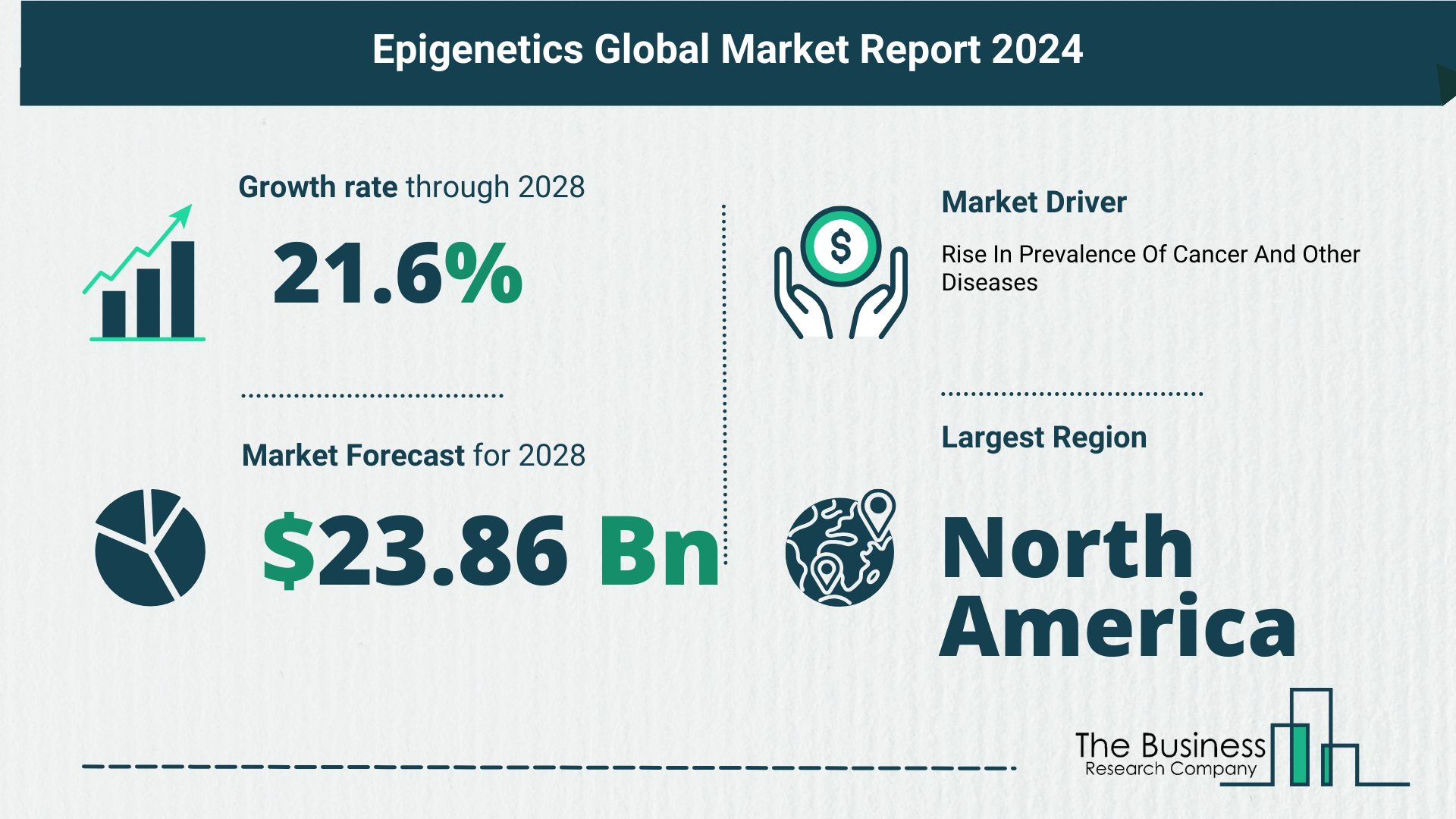
    The epigenetics market is poised for exponential growth in the next few years, reaching $23.86 billion in 2028, with a projected CAGR of 21.6%. Anticipated growth drivers in the forecast period include epigenetic drug development, epigenetics in environmental health, precision agriculture, regulatory support, and increased patient awareness and advocacy. Major trends in this period encompass epitranscriptomics, single-cell epigenomics, epigenetic editing, biomarkers, and research in aging and longevity, along with intriguing microbiome-epigenome interactions.

    Projected Market Size in 2028: $23.86 billion

    A Health Odyssey: Demand Propelled by Rising Diseases

    The surge in cancer prevalence and other diseases is a primary catalyst for the growing demand in the epigenetics market. As per the European Commission’s Joint Research Centre, new cancer cases in the European Union and European Free Trade Association countries are expected to rise by 21.4%, from 2.8 million in 2020 to 3.4 million in 2040. Additionally, in the United States, approximately 659,000 people die of heart disease each year. The increasing prevalence of such diseases emphasizes the need for testing and understanding genetic modifications, driving the demand for epigenetics.

    Key Data:

    • European cancer cases expected to rise by 21.4%
    • 659,000 deaths in the U.S. annually due to heart disease

    Industry Leaders: Pioneering Companies in Epigenetics
    Major companies operating in the epigenetics market play a pivotal role in driving innovation and research. Notable entities include Illumina Inc., Thermo Fisher Scientific, Merck Millipore, Abcam, Active Motif, Hologic Inc., Qiagen NV, and others. These companies contribute significantly to the advancement of the epigenetics field.

    Key Companies:

    • Illumina Inc.
    • Thermo Fisher Scientific
    • Merck Millipore
    • Abcam
    • Active Motif
    • Hologic Inc.
    • Qiagen NV

    View More On The Epigenetics Market Report 2024 – https://www.thebusinessresearchcompany.com/report/epigenetics-global-market-report

    AI’s Role: Analytics Revolutionizing Epigenetics Research
    Artificial intelligence (AI)-driven analytics are becoming integral to the epigenetics market, offering a competitive edge. Notably, FOXO Technologies launched Bioinformatics Services in July 2023, revolutionizing epigenetic data analysis. Using innovative bioinformatic tools, FOXO aims to accelerate discoveries and enhance understanding of complex diseases through rapid and accurate data processing and interpretation.

    Example:

    • FOXO Technologies’ Bioinformatics Services

    Strategic Moves: Chroma Medicine’s Acquisition for Epigenetic Editing

    Chroma Medicine Inc., a U.S.-based biotechnology company, made strategic strides in November 2021 by acquiring Epsilen Bio for $125 billion. This acquisition bolsters Chroma Medicine’s epigenetic editing capabilities, enhancing its position in the market. Epsilen Bio, an Italy-based biotechnology company, specializes in transformative therapies through targeted epigenetic silencing of genes.

    Key Acquisition:

    • Chroma Medicine Inc. acquires Epsilen Bio for $125 billion (November 2021)

    Market Segmentation: Decoding the Epigenetics Landscape
    Understanding the epigenetics market requires insights into its segmentation. The market is categorized based on product types (reagents, enzymes, instruments, kits), technologies (DNA methylation, histone methylation, histone acetylation, large noncoding RNA, microRNA modification, chromatin structures), applications (oncology, metabolic diseases, developmental biology, immunology, cardiovascular diseases, and others), and end-users (academic and research institutes, pharmaceutical and biotechnology companies, contract research organizations, and others).

    Market Segmentation:

    1. By Product:
      • Reagents
      • Enzymes
      • Instruments
      • Kits
    2. By Technology:
      • DNA Methylation
      • Histone Methylation
      • Histone Acetylation
      • Large Noncoding RNA
      • MicroRNA Modification
      • Chromatin Structures
    3. By Application:
      • Oncology
      • Metabolic Diseases
      • Developmental Biology
      • Immunology
      • Cardiovascular Diseases
      • Other Applications
    4. By End-User:
      • Academic and Research Institutes
      • Pharmaceutical and Biotechnology Companies
      • Contract Research Organizations
      • Other End Users

    Regional Dynamics: North America Leads, Asia-Pacific Grows
    In 2023, North America emerged as the largest region in the epigenetics market. Looking ahead, Asia-Pacific is expected to be the fastest-growing region during the forecast period, showcasing the global nature of the market’s evolution.

    Regional Insights:

    • North America (2023): Largest market
    • Asia-Pacific: Fastest-growing region

    In conclusion, the epigenetics market’s exponential growth is fueled by an increased understanding of diseases, technological advancements, and strategic acquisitions. As the field evolves, it holds the promise of transforming healthcare and our understanding of genetic and epigenetic influences on health and diseases.

    Request A Sample Of The Global Epigenetics Market Report 2024:
    https://www.thebusinessresearchcompany.com/sample_request?id=7070&type=smp
  • Future Growth Forecast For The Foot And Ankle Devices Global Market 2024-2033

    Future Growth Forecast For The Foot And Ankle Devices Global Market 2024-2033

    The Business Research Company’s global market reports provide comprehensive analysis on the various markets in 27 industries across 60 geographies.

    The foot and ankle devices market has undergone rapid expansion, marking a climb from $5.68 billion in 2023 to an anticipated $6.25 billion in 2024. This surge is underlined by a Compound Annual Growth Rate (CAGR) of 10.0%, with the historic period shaped by various factors. The contributing elements include an aging population, orthopedic disorders, sports injuries, chronic conditions, and an upswing in trauma and accidents.

    Future Prospects: A Robust Growth Trajectory

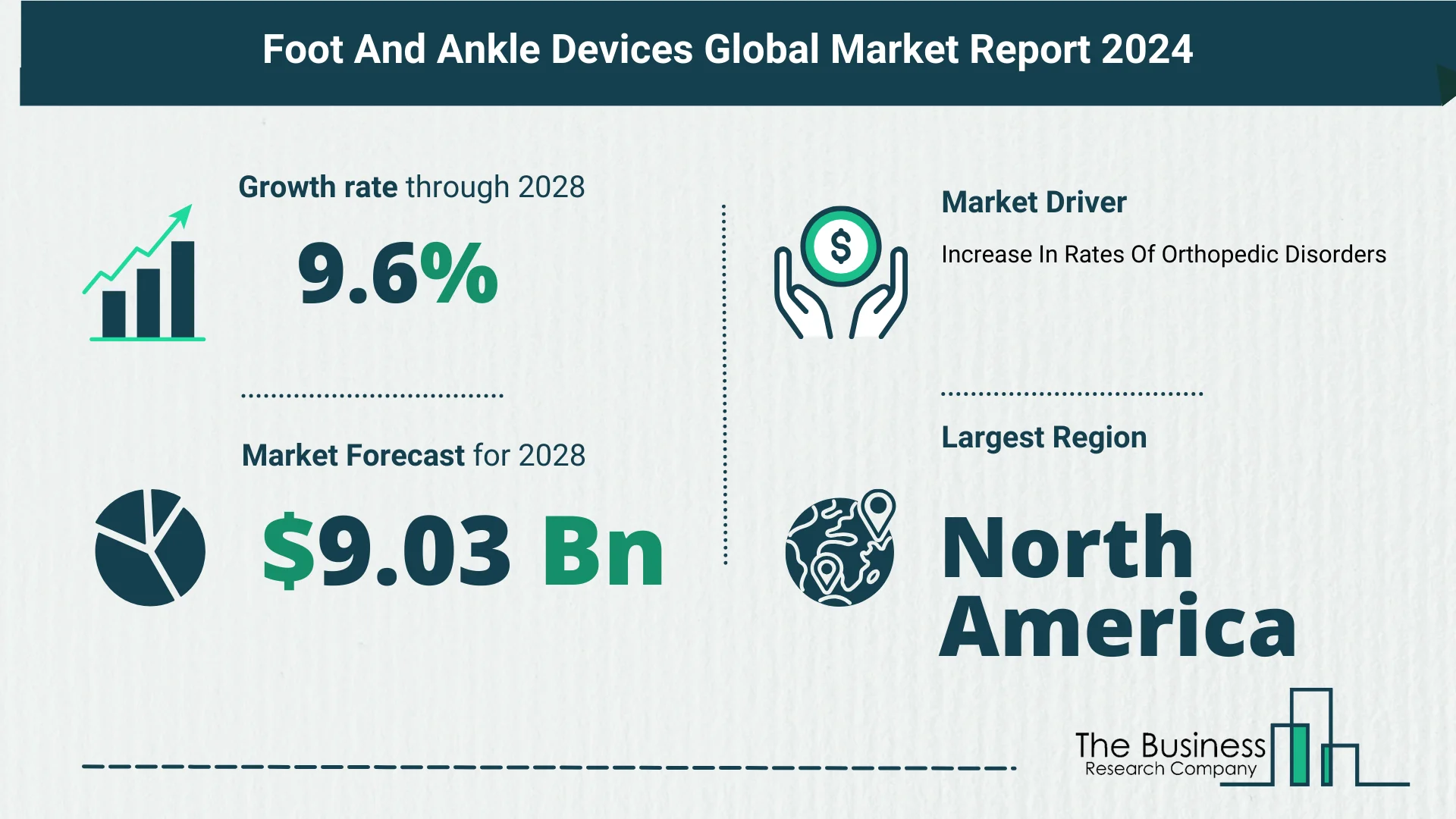
    1. Projected Growth: The foot and ankle devices market is set to witness robust growth, soaring to $9.03 billion in 2028, fueled by a CAGR of 9.6%.
    2. Driving Forces in the Forecast Period:
      • Patient-centric care approaches.
      • Advancements in regenerative medicine.
      • The increasing diabetic population.
      • Telemedicine and remote monitoring practices.
      • Adoption of minimally invasive procedures.

    Trend Watch: Innovations Shaping the Future

    1. Wearable Devices and Smart Orthopedics: A prominent trend is the integration of wearable devices and smart orthopedics, enhancing patient engagement and treatment outcomes.
    2. Telehealth and Remote Consultations: The rise of telehealth and remote consultations is reshaping how foot and ankle care is delivered, ensuring accessibility and convenience for patients.
    3. Biomechanical Analysis: Emphasis on biomechanical analysis aids in understanding and addressing specific patient needs, tailoring treatments for optimal results.
    4. 3D Printing and Additive Manufacturing: Technological advancements in 3D printing and additive manufacturing are revolutionizing the production of foot and ankle devices, offering customized solutions.
    5. Advanced Materials: Innovations in materials contribute to the development of more durable, lightweight, and patient-friendly devices.

    Orthopedic Disorders: A Catalyst for Market Growth

    1. Surge in Orthopedic Disorders: Rising rates of orthopedic disorders are a significant driver, with musculoskeletal diseases affecting 1.71 billion people globally in 2021, as reported by the World Health Organization.
    2. Diverse Applications of Foot and Ankle Devices:
      • Addressing fusions, fractures, and osteotomies in the forefoot, midfoot, and rearfoot.
      • Catering to the needs of individuals with musculoskeletal issues, including low back discomfort.
    3. Key Market Players: Major companies in the foot and ankle devices market include Aap Implantate AG, Stryker Corporation, Medtronic PLC, and others.

    View More On The Foot And Ankle Devices Market Report 2024 – https://www.thebusinessresearchcompany.com/report/foot-and-ankle-devices-global-market-report

    Product Innovations: A Competitive Edge

    1. Key Trend – Product Innovations: Companies are actively engaging in product innovations to gain a competitive advantage.
    2. Stryker Corporation’s Firelock Tendon Fixation Device System:
      • Launched in September 2021, offering a unique design with Citregen, a resorbable technology.
      • Aims to minimize tendon damage during placement, facilitating insertion and secure fixation.

    Strategic Acquisitions: Shaping the Industry Landscape

    1. Paragon 28’s Acquisition of Additive Orthopedics:
      • In June 2021, Paragon 28 acquired Additive Orthopedics, enhancing its product portfolio and leveraging 3D printing technology for orthopedic implants.
      • This strategic move accelerates the incorporation of advanced technology for improved patient outcomes.

    Market Segmentation: Tailoring Solutions for Diverse Needs

    1. By Product: Segmentation includes Bracing and Support Devices and Prostheses, offering a range of solutions for varying requirements.
    2. By Cause of Injury: Categorization by Trauma, Diabetes, Neurological Disorders, and Other Causes reflects the multifaceted applications of foot and ankle devices.
    3. By End User: Diverse end users include Hospitals, Ambulatory Surgery Centers, Orthopedic Clinics, Rehabilitation Centers, and others, catering to different settings of care.

    Regional Dynamics: North America Leads, Asia-Pacific Emerges

    1. North America’s Dominance: North America emerged as the largest region in the foot and ankle devices market in 2023.
    2. Asia-Pacific Growth: The Asia-Pacific region is projected to be the fastest-growing region in the forecast period, indicating a global shift in market dynamics.

    In conclusion, the foot and ankle devices market is not just expanding but evolving with a focus on innovation, patient-centric care, and strategic acquisitions. As technological advancements continue to shape the landscape, the future promises a transformative journey in foot and ankle care, where personalized solutions and advanced technologies converge for improved patient outcomes.

    Request A Sample Of The Global Foot And Ankle Devices Market Report 2024:
    https://www.thebusinessresearchcompany.com/sample_request?id=6324&type=smp

  • 5 Takeaways From The Enteric Disease Testing Market Overview 2024

    5 Takeaways From The Enteric Disease Testing Market Overview 2024

    The Business Research Company’s global market reports are now updated with the latest market sizing information for the year 2024 and forecasted to 2033

    According to The Business Research Company’s Enteric Disease Testing Global Market Report 2024, the enteric disease testing market is expected to show promising growth in the forecast period.

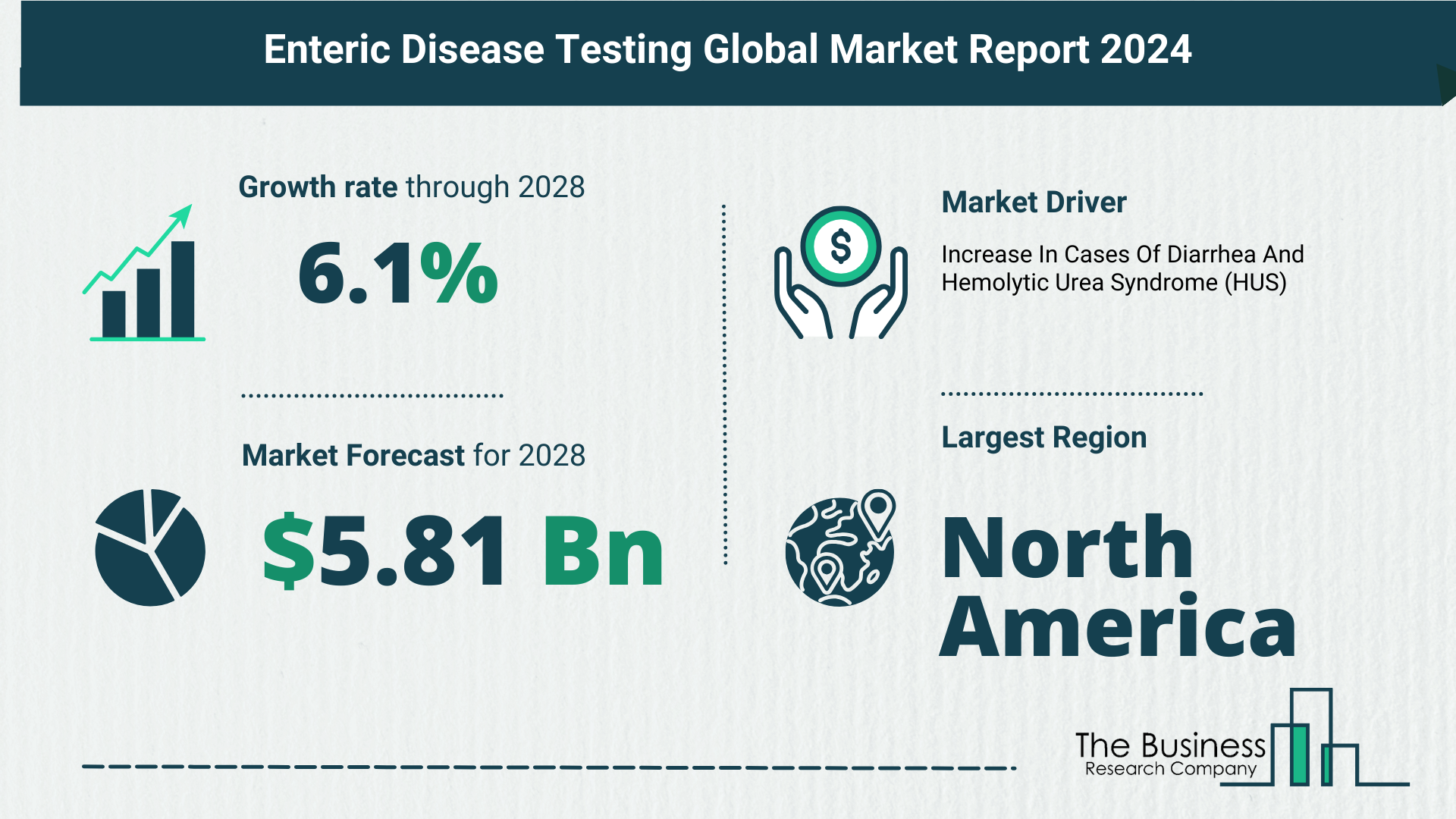
    The enteric disease testing market has witnessed robust growth in recent years, with a significant rise from $4.33 billion in 2023 to $4.59 billion in 2024, marking a compound annual growth rate (CAGR) of 5.8%. This surge can be attributed to various factors, including water and food safety concerns, increased outbreaks and epidemics, globalization of food supply, heightened travel-related infections, and evolving regulatory standards.

    Projections for Future Growth
    Anticipating a continued upward trajectory, the enteric disease testing market is expected to reach $5.81 billion in 2028, exhibiting a CAGR of 6.1%. The forecasted growth hinges on factors like the integration of telemedicine and remote monitoring, the impact of climate change, cross-sector collaboration, challenges posed by antimicrobial resistance, and the emergence of new enteric pathogens. Notable trends in this period include the rise of molecular diagnostics, seamless integration of digital health, the incorporation of AI and machine learning, adoption of syndromic testing, and the prevalence of point-of-care testing.

    The Surge In Frozen Food Consumption Fuels Enteric Disease Testing Market Growth

    Growing Consumption of Frozen Food

    The burgeoning consumption of frozen food is poised to drive the growth of the enteric disease testing market. Frozen food, preserved by lowering its temperature, can become a source of foodborne illnesses, including enteric diseases, if mishandled. In 2022, frozen food sales surged by 8.6%, reaching $72.2 billion, as reported by the American Frozen Food Institute. This escalating trend highlights the need for rigorous enteric disease testing due to potential hazards associated with improper handling, storage, or cooking of frozen food products.

    Key Players in the Enteric Disease Testing Market
    A myriad of companies plays a pivotal role in shaping the landscape of the enteric disease testing market. Some noteworthy names include Becton Dickinson and Company, Biomerica Inc., bioMérieux SA, Bio-Rad Laboratories Inc., and many others. The competitive edge in this market is often sought through the development of products capable of concurrently measuring multiple biomarkers, thereby enhancing the diagnosis and monitoring of gastrointestinal conditions.

    View More On The Enteric Disease Testing Market Report 2024 – https://www.thebusinessresearchcompany.com/report/enteric-disease-testing-global-market-report

    Increasing Focus on Concurrent Biomarker Measurement
    Major players in the market are concentrating on introducing products with the ability to simultaneously measure multiple biomarkers, aiming to gain a competitive edge. An example is the Q-Plex Human Environmental Enteric Dysfunction (11-Plex) diagnostic tool, launched by Quansys Biosciences Inc. in collaboration with PATH. This tool, capable of assessing eleven biomarkers simultaneously, aids in comprehending and tackling conditions like Environmental Enteric Dysfunction (EED) prevalent in resource-limited areas.

    Noteworthy Acquisitions: Thermo Fisher Scientific and Mesa Biotech
    In February 2021, Thermo Fisher Scientific made a significant move by acquiring Mesa Biotech, a point-of-care molecular diagnostic company. This strategic acquisition combines Thermo Fisher’s expertise with Mesa’s innovative platform, promising cost-efficient and optimal solutions for patients. Such acquisitions contribute to the dynamism and advancements in the enteric disease testing market.

    Market Segmentation

    The enteric disease testing market is segmented based on:

    1. Disease Type:
      • Bacterial Enteric Disease
      • Parasitic Enteric Disease
      • Viral Enteric Disease
      • Other Disease Types
    2. Technology:
      • Traditional
      • Rapid
      • Convenience-Based
      • Polymerase Chain Reaction (PCR)
      • Immunoassay
      • Chromatography And Spectrometry
      • Other Technologies
    3. Application:
      • Hospitals
      • Research Centers
      • Clinics
      • Other Applications

    Regional Dynamics
    In 2023, North America emerged as the largest region in the enteric disease testing market. However, the forecast indicates that Europe will outpace other regions in terms of growth in the coming years.

    In conclusion, the enteric disease testing market is undergoing a transformative phase, driven by a confluence of factors. The intersection of technological advancements, changing consumer behaviors, and the emphasis on comprehensive testing solutions positions the market for sustained growth and innovation.

    Request A Sample Of The Global Enteric Disease Testing Market Report 2024:
    https://www.thebusinessresearchcompany.com/sample_request?id=6118&type=smp

  • Global Food Testing Kits Market Overview 2024: Size, Drivers, And Trends

    Global Food Testing Kits Market Overview 2024: Size, Drivers, And Trends

    The Business Research Company’s global market reports provide comprehensive analysis on the various markets in 27 industries across 60 geographies.

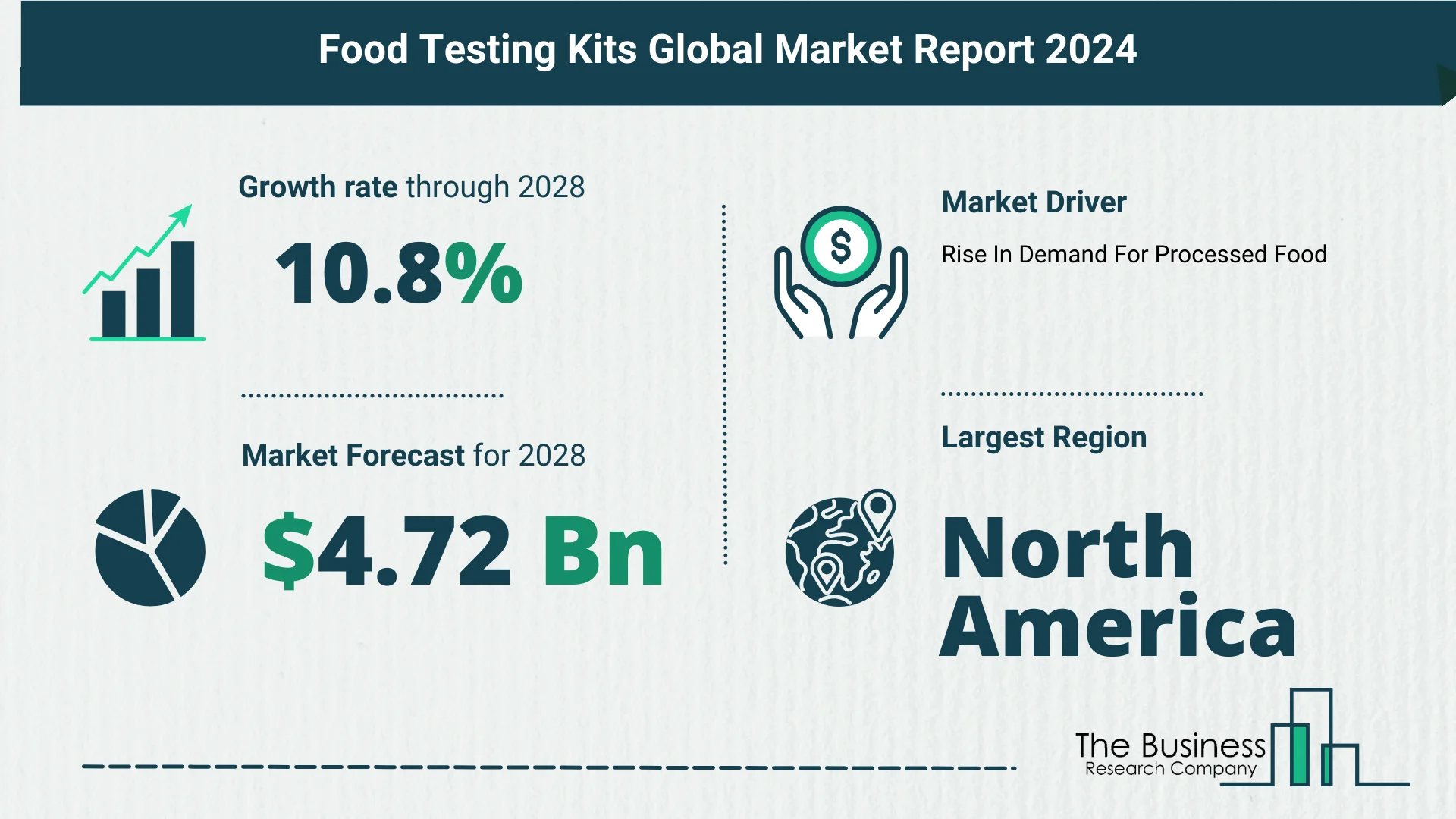
    The food testing kits market has witnessed remarkable growth, with the market size surging from $2.84 billion in 2023 to a projected $3.14 billion in 2024, showcasing a robust Compound Annual Growth Rate (CAGR) of 10.3%. This surge is attributed to heightened food safety concerns, regulatory compliance, increased consumer awareness, globalization of the food supply chain, and the impact of foodborne outbreaks. Looking ahead, the market is poised for continued expansion, with a projected growth to $4.72 billion in 2028 at a CAGR of 10.8%.

    Catalysts of Future Growth: Anticipated Trends
    Anticipated growth in the food testing kits market is driven by several trends that are expected to shape the industry’s trajectory in the forecast period. Key factors include the influence of clean label and non-GMO verification, the adoption of faster testing methods, regulatory stringency, the emphasis on customization and multiplexing, and increased investments in the food industry. Major trends to watch out for encompass the integration of traceability and blockchain technology, allergen detection, pathogen detection, the emergence of smart and connected testing devices, and the focus on mycotoxin detection.

    Fuelling Growth: Rising Demand for Processed Food
    The growing demand for processed food is anticipated to be a major driver propelling the food testing kits market forward. Processed foods, altered in some way during the manufacturing process, require rigorous testing throughout development. This surge in demand is significant, as it is linked to concerns about poor diet quality and the increase in obesity prevalence. A study by the Associated Chambers of Commerce and Industry of India (ASSOCHAM) and Grant Thornton projects that the processed food sector could draw in $33 billion in investments by 2024, emphasizing the substantial role of food testing kits in ensuring the quality and safety of processed foods.

    Industry Dynamics: Key Players
    Major companies contributing to the food testing kits market’s growth include prominent names such as Agilent Technologies Inc., Bio-Rad Laboratories Inc., Eurofins Scientific SE, Thermo Fisher Scientific Inc., QIAGEN N.V., and more. These industry leaders play a pivotal role in providing innovative solutions and technologies to meet the evolving needs of the food testing sector.

    View More On The Food Testing Kits Market Report 2024 – https://www.thebusinessresearchcompany.com/report/food-testing-kits-global-market-report

    Technological Prowess: Advancements in Food Testing Kits
    Technological advancements take center stage as a key trend in the food testing kits market. Rapid Analytical Food Testing Kits (RAFT) represent a cutting-edge technology enabling the detection and identification of various contaminants in food products. For instance, Eurofins Technologies launched the SENSIStrip Allergen product range in December 2020, offering immunoassay-based rapid tests for food allergens with a short incubation time. These advancements empower consumers to ensure the quality and safety of their food, protecting them from potential health risks.

    Strategic Moves: Battery Ventures’ Acquisition
    In September 2021, Battery Ventures made a strategic move by acquiring IFP, the Institut für Produktqualität GmbH, marking its entry into the food safety kits market. IFP is a Germany-based company specializing in diagnostic test kits for detecting GMOs, food allergens, vitamins, pathogens, and other substances. This acquisition underlines the industry’s dynamics, with technology-focused investment firms exploring opportunities in the rapidly evolving food testing kits market.

    Market Segmentation: A Comprehensive Approach
    The food testing kits market is comprehensively segmented across various dimensions:

    1. By Technology:
      • PCR-based
      • Immunoassay-based
      • Enzyme Substrate-based
    2. By Target Tested:
      • Pathogens
      • Meat Species
      • GMOs
      • Allergens
      • Mycotoxins
      • Other Target Tested
    3. By Sample:
      • Meat, Poultry, and Seafood
      • Dairy Products
      • Packaged Food
      • Fruits and Vegetables
      • Cereals, Grains, and Pulses
      • Nuts, Seeds, and Spices
      • Other Samples

    Regional Dynamics: North America Leads, Asia-Pacific Emerges Fastest
    In 2023, North America held the mantle as the largest region in the food testing kits market, showcasing the established prominence of food safety measures in the region. Looking forward, Asia-Pacific is expected to emerge as the fastest-growing region in the forecast period, underscoring the global nature of food testing concerns.

    In conclusion, the food testing kits market is navigating a dynamic landscape marked by rapid growth, technological advancements, strategic acquisitions, and a relentless focus on ensuring food safety. As the industry continues to evolve, stakeholders must adapt to emerging trends and technological innovations to meet the growing demand for safe and high-quality food products.

    Request A Sample Of The Global Food Testing Kits Market Report 2024:
    https://www.thebusinessresearchcompany.com/sample_request?id=5491&type=smp

  • Enteral Feeding Devices Market Report 2024: Market Size, Drivers, And Trends

    Enteral Feeding Devices Market Report 2024: Market Size, Drivers, And Trends

    The Business Research Company’s global market reports are now updated with the latest market sizing information for the year 2024 and forecasted to 2033

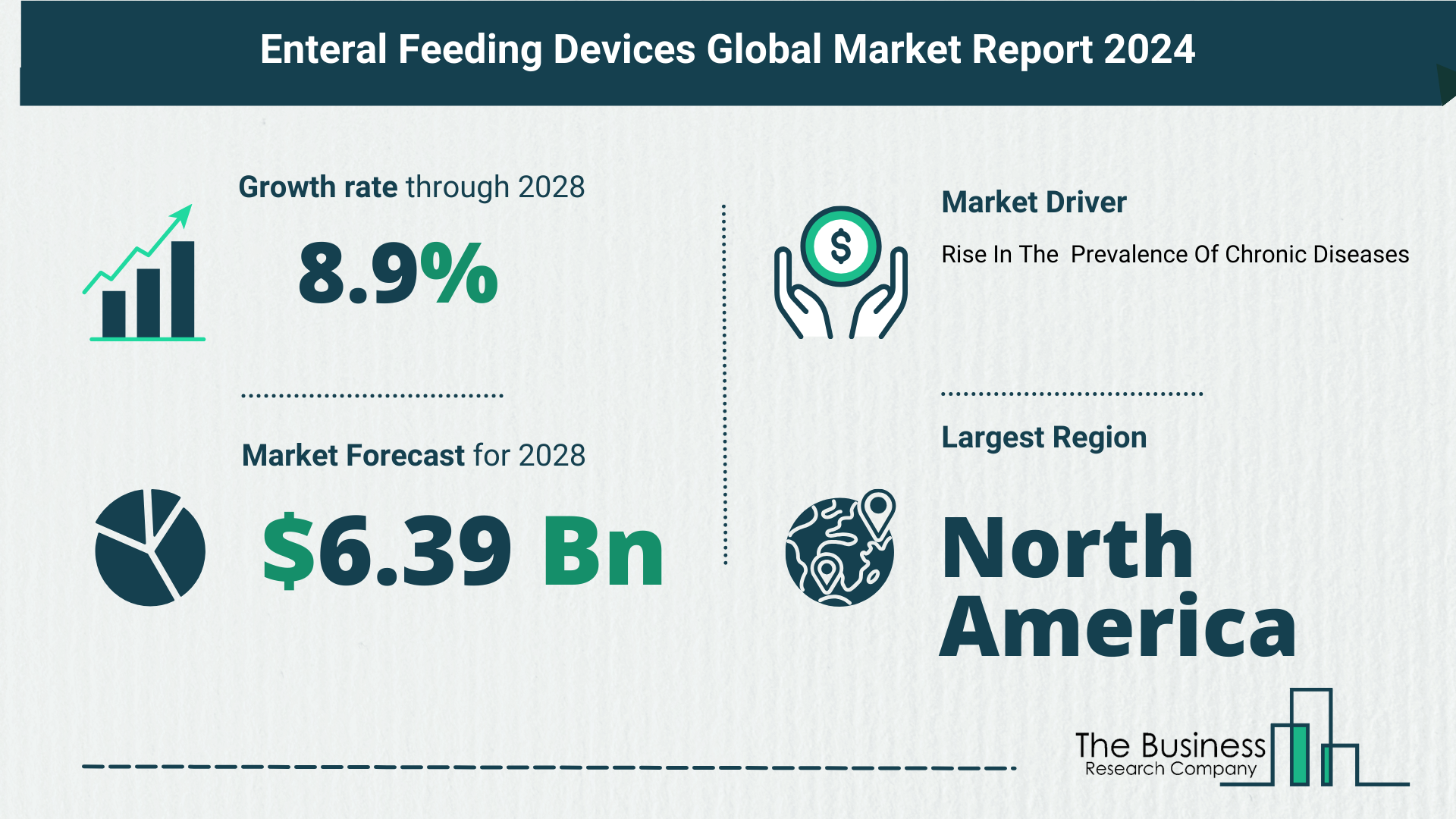
    The enteral feeding devices market has exhibited robust growth, escalating from $4.2 billion in 2023 to an estimated $4.55 billion in 2024, with a Compound Annual Growth Rate (CAGR) of 8.2%. This surge is attributed to various factors, including an aging population, increased prevalence of chronic diseases, rising hospital admissions, expanding home-based care, and regulatory support.

    Key Market Insights:

    • Market Size Growth: From $4.2 billion (2023) to $4.55 billion (2024) at a CAGR of 8.2%
    • Contributing Factors: Aging population, chronic diseases, hospital admissions, home-based care, regulatory support

    Future Outlook
    Anticipated to maintain its trajectory, the enteral feeding devices market is projected to reach $6.39 billion in 2028, reflecting a CAGR of 8.9%. This optimistic forecast is influenced by factors such as the growing emphasis on patient-centric care, emerging markets, health insurance reimbursement, sustainability initiatives, and ongoing research and development efforts.

    Future Trends:

    • Patient-Centric Care: Increasing focus on personalized patient care
    • Technological Integration: Utilizing artificial intelligence in enteral feeding systems
    • Compact Solutions: Development of portable and space-efficient devices
    • Infection Control: Minimizing infection risks associated with enteral feeding devices

    The Impact of Preterm Births
    The enteral feeding devices market is witnessing a significant boost due to a surge in preterm births. Babies born before the 37th week of pregnancy often require enteral feeding devices to supplement breast milk. The rise in preterm births is attributed to factors like multiple pregnancies, adolescent pregnancy rates, early caesarean deliveries, unnecessary inductions, infections, and chronic conditions such as diabetes and high blood pressure.

    Notable Statistic:

    • According to the Centers for Disease Control and Prevention, the preterm birth rate in the US increased by 4% in 2021, reaching 10.48%.

    Competitive Edge Through Formulation
    Major players in the market are concentrating on developing enteral feeding devices that deliver thick and homogenized formulas. These formulas are crucial for individuals with swallowing difficulties or specific dietary requirements. For instance, Cardinal Health Inc. introduced the Kangaroo OMNI Enteral Feeding Pump, designed to deliver nutrition and hydration seamlessly from hospital to home. This innovative pump sets a benchmark for enteral feeding technology, enhancing patients’ nutritional care in various settings.

    View More On The Enteral Feeding Devices Market Report 2024 – https://www.thebusinessresearchcompany.com/report/enteral-feeding-devices-global-market-report

    Noteworthy Product Launch:

    • Cardinal Health Inc.’s Kangaroo OMNI Enteral Feeding Pump for delivering thick, blended formulas

    Industry Consolidation: ICU Medical Inc. Acquires Smith Group PLC
    In January 2022, ICU Medical Inc. acquired Smiths Group plc, a UK-based company specializing in enteral feeding devices. This strategic move is expected to amplify ICU Medical’s capabilities, strengthening its commitment to customer satisfaction and transparent operations.

    Acquisition Highlights:

    • Acquirer: ICU Medical Inc.
    • Acquired: Smiths Group plc
    • Focus: Expanding company culture, adding value, and meeting customer demands

    Market Segmentation

    The enteral feeding devices market is segmented based on products, applications, and end-users.

    1. Product Segmentation:
      • Enteral Feeding Tubes
      • Enteral Feeding Pumps
      • Administration Sets
      • Enteral Syringes
      • Other Consumables
    2. Application Segmentation:
      • Oncology
      • Gastrointestinal Diseases
      • Neurological Disorders
      • Diabetes
      • Other Applications
    3. End-User Segmentation:
      • Hospitals
      • Home Care Settings
      • Ambulatory Care Settings
      • Other End-Users

    Regional Dynamics
    North America led the enteral feeding devices market in 2023, while Asia-Pacific is projected to witness the fastest growth during the forecast period.

    Regional Insights:

    • Largest Market: North America (2023)
    • Fastest Growing: Asia-Pacific

    In conclusion, the enteral feeding devices market is navigating an era of substantial growth, driven by a confluence of factors ranging from demographic shifts to technological innovations. As the industry evolves, companies continue to focus on meeting the diverse needs of patients while striving for advancements that ensure sustainability and efficiency in enteral feeding solutions.

    Request A Sample Of The Global Enteral Feeding Devices Market Report 2024:
    https://www.thebusinessresearchcompany.com/sample_request?id=5686&type=smp

  • How Is The Fitness Tracker Market Expected To Grow Through 2024-2033

    How Is The Fitness Tracker Market Expected To Grow Through 2024-2033

    The Business Research Company’s global market reports are now updated with the latest market sizing information for the year 2024 and forecasted to 2033

    According to The Business Research Company’s Fitness Tracker Global Market Report 2024, the fitness tracker market is expected to show promising growth in the forecast period.

    The fitness tracker market has experienced remarkable growth, with the market size catapulting from $47.65 billion in 2023 to $57.77 billion in 2024, showcasing a commendable compound annual growth rate (CAGR) of 21.2%. This growth in the historic period can be attributed to the increased awareness of health and fitness, a shift towards wellness and preventive health, the demand for weight management, health insurance, corporate wellness, and the surge in sports and athletic trends.

    Key Figures:

    • Market Size in 2023: $47.65 billion
    • Projected Growth Rate (CAGR): 21.2%
    • Forecasted Market Size in 2024: $57.77 billion

    Upcoming Horizon: Anticipated Growth and Influencing Factors
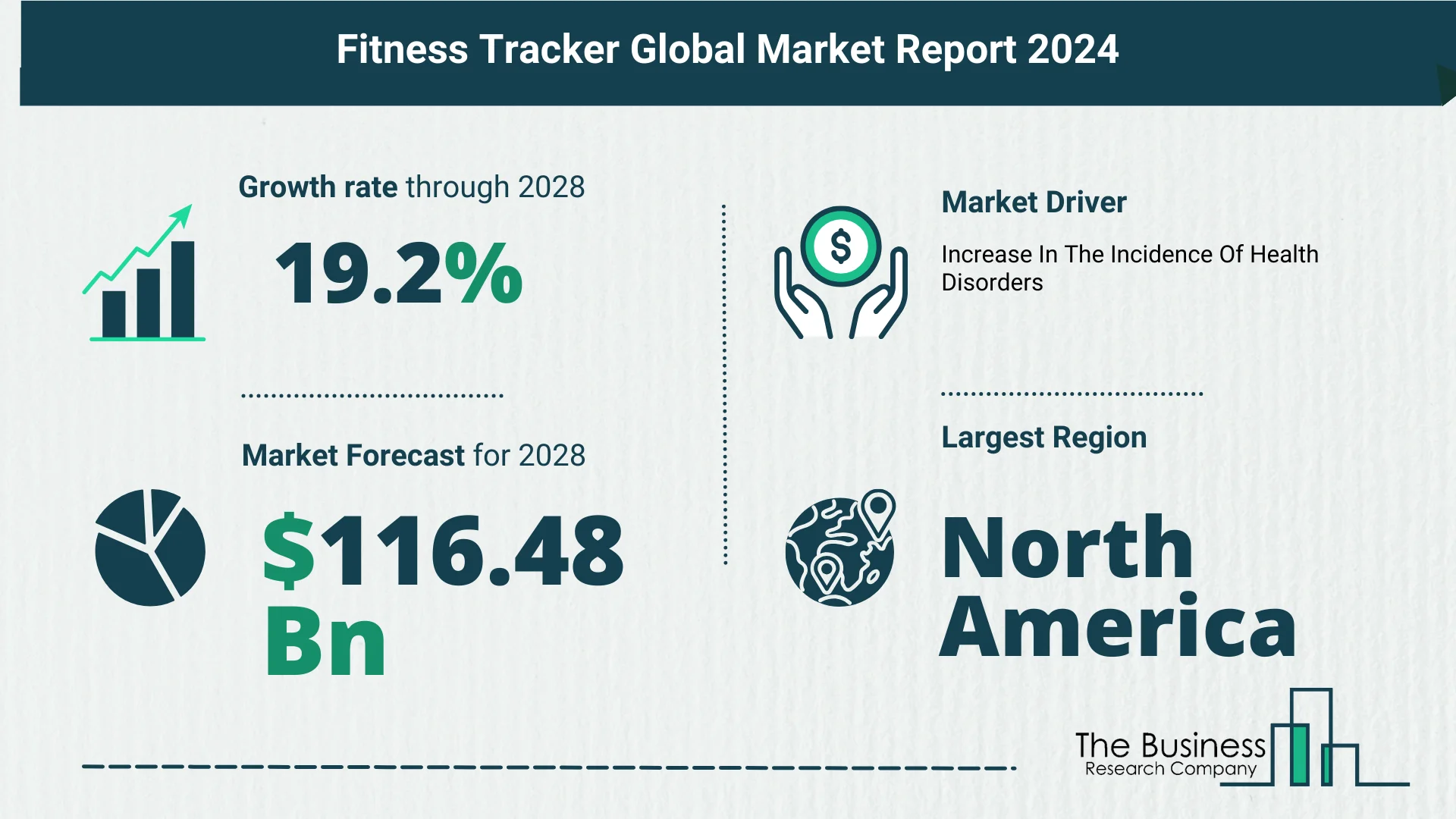
    The fitness tracker market is poised for rapid expansion in the next few years, with a projected size of $116.48 billion in 2028, reflecting a CAGR of 19.2%. The growth in the forecast period is driven by factors such as sleep tracking and wellness, senior and elderly fitness, pediatric fitness trackers, ecosystem integration, and mental health monitoring. Notable trends in this period encompass wearable ECG and health tracking, remote health monitoring, AI, and data analytics, customization and personalization, and an increased emphasis on fashion and design.

    Projected Market Size in 2028: $116.48 billion
    Health Disorders Propel Fitness Tracker Adoption
    The rising incidence of health disorders is a significant factor fueling the growth of the fitness tracker market. Health disorders, with known physical causes and visible psychopathology, contribute to 74% of 41 million global deaths annually, as highlighted by the World Health Organization. Fitness trackers play a pivotal role in daily physical activity, aiding in the prevention of various health disorders, making them an essential tool in the pursuit of a healthier lifestyle.

    Key Data:

    • 74% of global deaths caused by non-communicable diseases (NCDs) or chronic diseases
    • Major causes: Cardiovascular diseases, cancer, chronic respiratory diseases, diabetes

    Market Players: Dominance in the Fitness Tracker Arena
    Several major companies operate in the fitness tracker market, each playing a crucial role in shaping its trajectory. Prominent players include Fitbit Inc., Apple Inc., Garmin Ltd., Google LLC, Huawei Technologies Co. Ltd., NIKE Inc., Samsung Electronics Co. Ltd., and many others. These industry leaders contribute to innovation and drive the market forward.

    Key Companies:

    • Fitbit Inc.
    • Apple Inc.
    • Garmin Ltd.
    • Google LLC
    • Huawei Technologies Co. Ltd.
    • NIKE Inc.
    • Samsung Electronics Co. Ltd.

    View More On The Fitness Tracker Market Report 2024 – https://www.thebusinessresearchcompany.com/report/fitness-tracker-global-market-report

    Technological Marvels: Advancements in Fitness Tracking
    Technological innovation stands out as a key trend propelling the fitness tracker market forward. Companies are actively engaging in advancements to maintain their market positions. An illustrative example is Fitbit’s launch of Fitbit Luxe, a fashion-forward health and wellness tracker with features like heart and sleep tracking, stress management, and a touch of luxury with stainless-steel casing and color AMOLED display technology.

    Example:

    • Fitbit Luxe launched in April 2021

    Google’s Strategic Move: Acquisition of Fitbit
    In January 2021, Google acquired Fitbit for $2.1 billion, marking a strategic move to enhance its presence in the fitness platform domain. Fitbit, known for its consumer electronics and fitness trackers, became a valuable addition to Google’s portfolio, aligning with the company’s vision of making health and wellness more accessible to a broader audience.

    Key Acquisition:

    • Google acquires Fitbit for $2.1 billion (January 2021)

    Market Segmentation: Understanding the Landscape
    The fitness tracker market is segmented based on device types, applications, and distribution channels, providing insights into its nuanced dynamics. Key segments include device types (smart watches, fitness bands, smart glasses, smart clothing, and other device types), applications (heart rate tracking, sleep measurement, glucose measurement, sports, running, cycling tracking), and distribution channels (online, retail, and other distribution channels).

    Market Segmentation:

    1. By Device Type:
      • Smart Watches
      • Fitness Bands
      • Smart Glasses
      • Smart Clothing
      • Other Device Types
    2. By Application:
      • Heart Rate Tracking
      • Sleep Measurement
      • Glucose Measurement
      • Sports
      • Running
      • Cycling Tracking
    3. By Distribution Channel:
      • Online
      • Retail
      • Other Distribution Channel

    Regional Dynamics: North America Leads, Asia-Pacific Emerges
    In 2023, North America dominated the fitness tracker market, while Asia-Pacific is anticipated to emerge as the fastest-growing region during the forecast period, emphasizing the global nature of the fitness tracker market’s evolution.

    Regional Insights:

    • North America (2023): Largest market
    • Asia-Pacific: Fastest-growing region

    In conclusion, the fitness tracker market’s robust growth is fueled by health awareness, technological innovations, and strategic acquisitions. As these trends continue to shape the industry, fitness trackers will not only monitor physical activity but also become integral in addressing broader health and wellness concerns, fostering a healthier global population.

    Request A Sample Of The Global Fitness Tracker Market Report 2024:
    https://www.thebusinessresearchcompany.com/sample_request?id=6933&type=smp

  • Key Trends And Drivers In The Endoscope Reprocessing Market 2024

    Key Trends And Drivers In The Endoscope Reprocessing Market 2024

    The Business Research Company’s market reports offer an in-depth analysis on the market’s growth potential, major drivers, key trends and more.

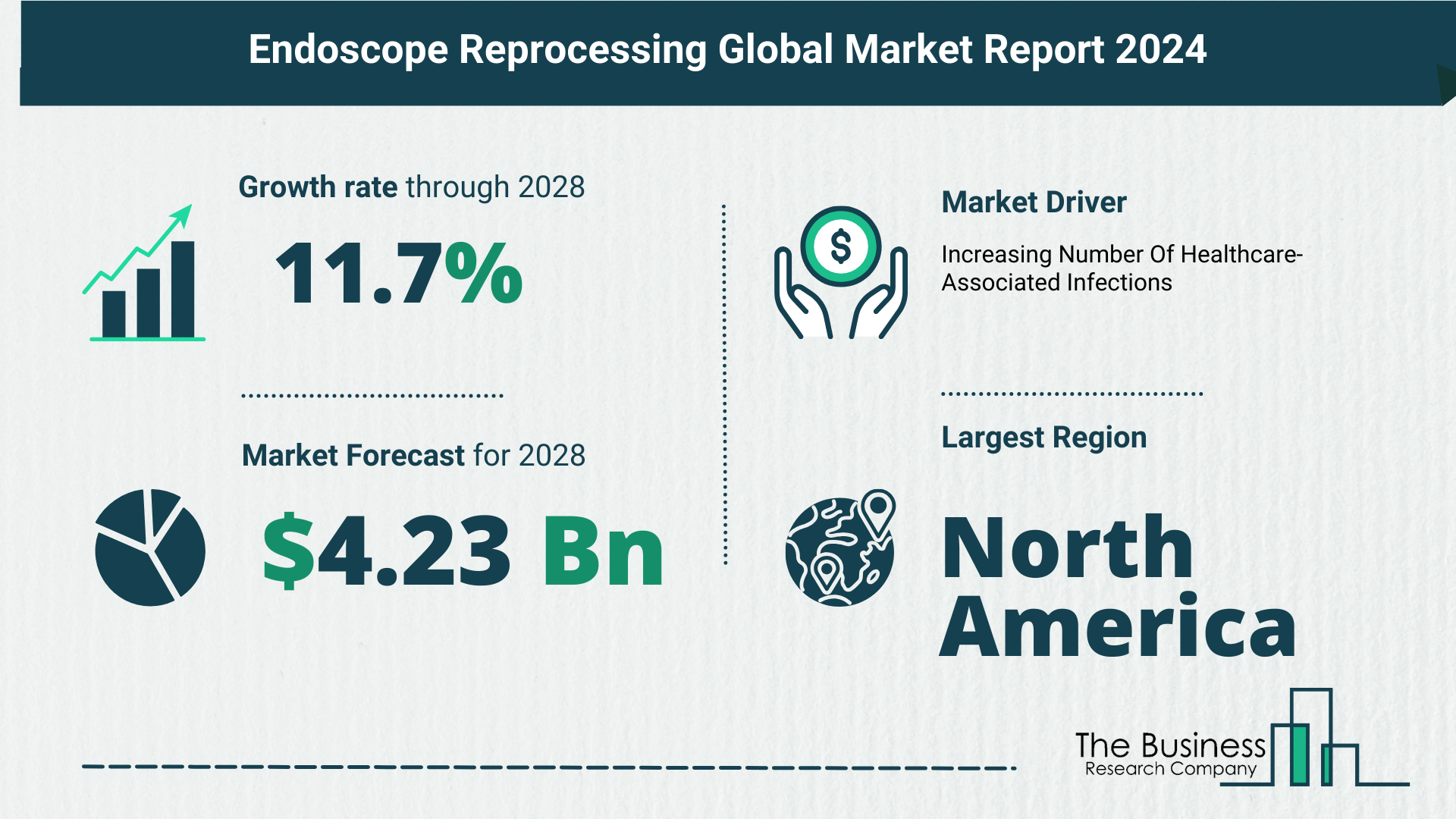
    The endoscope reprocessing market has witnessed remarkable growth in recent years, evolving into a critical sector within the healthcare industry. The market size surged from $2.44 billion in 2023 to $2.72 billion in 2024, with a compound annual growth rate (CAGR) of 11.3%. Looking ahead, the forecast predicts even more robust growth, reaching $4.23 billion by 2028 at a CAGR of 11.7%. This expansion can be attributed to various factors, including technological advancements, global pandemics, and a shift towards value-based healthcare.

    The Surge In Healthcare-Associated Infections Fuels Endoscope Reprocessing Market Growth:

    • Rising Healthcare-Associated Infections:
      • Nosocomial infections pose a significant threat, occurring during medical care and often linked to contaminated equipment.
      • Rigorous testing is crucial to ensure patient safety, with endoscope reprocessing playing a vital role in preventing infections.
    • Statistics Highlighting the Impact:
      • According to the World Health Organization, a substantial percentage of patients in intensive care units and those with sepsis-related healthcare face severe consequences.
      • UNICEF reports a staggering number of children succumbing to pneumonia each year, emphasizing the urgent need for infection control measures.
    • Driving Factors:
      • The increasing incidence of healthcare-associated infections is a primary driver behind the growth of the endoscope reprocessing market.

    Major Players in the Endoscope Reprocessing Market:

    • Prominent Companies:
      • Custom Ultrasonics Inc., Advanced Sterilization Products Inc., Olympus Corporation, and others dominate the endoscope reprocessing market.
      • These companies play a crucial role in providing solutions for infection prevention and control.
    • Strategic Acquisitions:
      • In a significant move, Steris Corporation acquired Cantel Medical Corporation in February 2021, enhancing product offerings and global reach.
      • Such strategic acquisitions contribute to the overall development and expansion of the market.

    Read More On The Endoscope Reprocessing Market Report 2024 – https://www.thebusinessresearchcompany.com/report/endoscope-reprocessing-global-market-report

    Technological Advancements Transforming The Endoscope Reprocessing Market:

    • Key Trend:
      • Technological advancements stand out as a key trend, driving innovation and shaping the endoscope reprocessing market.
      • Companies focus on developing advanced products to meet customer demands and improve safety and effectiveness.
    • Innovative Products:
      • Steelco spa’s launch of EW 1 S MAXI in September 2021 exemplifies the industry’s commitment to innovation.
      • The automated endoscope reprocessor sets new standards, enhancing safety, effectiveness, and usability.
    • Significant Acquisition:
      • Steris Corporation’s acquisition of Cantel Medical Corporation also underscores the importance of staying at the forefront of technological advancements.

    Market Segmentation:

    • Segmentation Overview:
      • The endoscope reprocessing market is segmented based on type, product, and end-users.
      • Types include flexible and rigid endoscopes, while products range from high-level disinfectants to various other solutions.
    • End-User Categories:
      • Hospitals, ambulatory surgical centers, and clinics form the primary end-user categories, highlighting the diverse applications of endoscope reprocessing.

    Regional Dominance:

    • North America’s Lead:
      • North America emerged as the largest region in the endoscope reprocessing market in 2023.
      • The region’s prominence underscores the critical role it plays in driving market dynamics.

    Conclusion:
    The endoscope reprocessing market’s remarkable growth is driven by a confluence of factors, ranging from the surge in healthcare-associated infections to strategic acquisitions and technological advancements. As the market continues to evolve, it remains crucial for industry players to stay at the forefront of innovation, meeting the growing demand for advanced solutions in infection prevention and control. With a forecasted CAGR of 11.7% leading to a market size of $4.23 billion by 2028, the endoscope reprocessing market is poised for sustained expansion and transformation.

    Request for A Sample Of The Global Endoscope Reprocessing Market Report:
    https://www.thebusinessresearchcompany.com/sample_request?id=7845&type=smp

  • What’s The Growth Forecast For EClinical Solutions Market Through 2024-2033?

    What’s The Growth Forecast For EClinical Solutions Market Through 2024-2033?

    The Business Research Company’s global market reports provide comprehensive analysis on the various markets in 27 industries across 60 geographies.

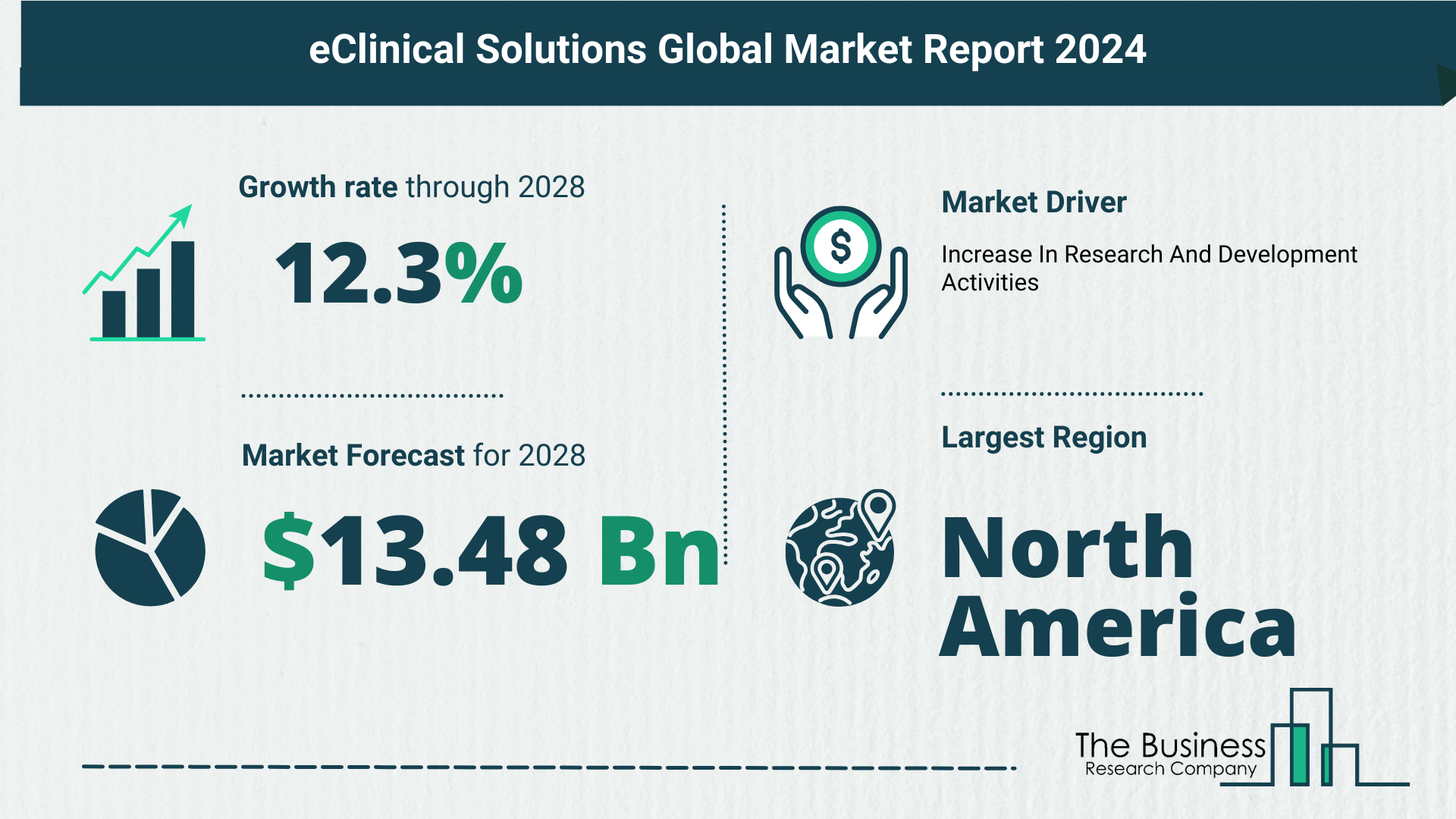
     The eclinical solutions market has experienced rapid growth, with a market size projected to reach $8.47 billion in 2024, boasting a Compound Annual Growth Rate (CAGR) of 11.6%. Looking ahead, the market is expected to continue its ascent, reaching $13.48 billion by 2028 at a CAGR of 12.3%. This surge is fueled by various factors, including increasing healthcare digitalization, the rise of electronic health records (EHR), enhanced regulatory compliance, and a growing need for efficiency and productivity. The historic and forecasted growth is also attributed to heightened healthcare integration.

    Forecasted Trends and Influences
    The forecasted period brings with it a host of trends and influences that will shape the eclinical solutions market. Notable factors include increasing interoperability and data exchange, the proliferation of telehealth and remote care, the adoption of value-based care models, a rising demand for population health management, and the increased incorporation of precision medicine. Major trends to watch out for encompass the integration of artificial intelligence (AI) in healthcare, continuous technological advancements, the emergence of innovative solutions, strategic collaborations among industry players, and a sustained focus on healthcare integration solutions.

    Driving Forces: Research and Development
    One of the primary driving forces behind the burgeoning eclinical solutions market is the surge in research and development activities. Companies are investing significantly in innovation, introducing new clinical products and services to meet evolving healthcare needs. Electronic clinical outcome assessment solutions play a crucial role by capturing outcomes data electronically in clinical trials. Notably, Statistics NZ reported a 5% increase in research and development expenditure in the business sector, reaching $2.8 billion in 2021. This upward trajectory, representing an 18% increase from 2019, underscores the pivotal role of research and development activities in propelling the eclinical solutions market forward.

    View More On The EClinical Solutions Market Report 2024 – https://www.thebusinessresearchcompany.com/report/eclinical-solutions-global-market-report

    Innovations in Eclinical Technologies
    Major players in the eclinical solutions market are actively innovating to maintain a competitive edge. The focus is on introducing electronic clinical outcome assessment (eCOA) platforms, pivotal digital tools in clinical trials for capturing outcomes data electronically. For instance, YPrime LLC launched its 5th generation eCOA platform in January 2021, designed to streamline the clinical trial data collection and approval process. This platform intelligently integrates with other eClinical technologies and provides a customizable solution, ensuring accurate data collection from specification to submission.

    Industry Consolidation: Advarra Inc.’s Acquisition
    In March 2021, Advarra Inc., a leading player in integrated research compliance solutions, completed the acquisition of Bio-Optronics Inc. This strategic move enhances Advarra’s capabilities, providing comprehensive solutions for research institutions, sponsors, and Contract Research Organizations (CROs). Bio-Optronics Inc., known for its specialization in eclinical systems, adds significant value to Advarra’s portfolio, further optimizing the clinical research process.

    Market Segmentation

    The eclinical solutions market is diverse, with segmentation across multiple dimensions:

    1. By Product:
      • Electronic Data Capture (EDC) and Clinical Data Management Systems (CDMS)
      • Clinical Trial Management Systems (CTMS)
      • Clinical Analytics Platforms
      • Randomization and Trial Supply Management (RTSM)
      • Clinical Data Integration Platforms
      • Electronic Clinical Outcome Assessment (eCOA)
      • Safety Solutions
      • Electronic Trial Master File (eTMF)
    2. By Development Phase:
      • Phase I
      • Phase II
      • Phase III
      • Phase IV
    3. By Delivery Mode:
      • Web-Based and Cloud-Based
      • Enterprise-Based
    4. By End User:
      • Pharmaceutical and Biopharmaceutical Companies
      • Contract Research Organizations
      • Consulting Service Companies
      • Medical Device Manufacturers
      • Hospitals
      • Academic Research Institutions

    Regional Dominance
    North America stood out as the largest region in the eclinical solutions market in 2023, further emphasizing the robust growth and widespread adoption of eclinical solutions in this region.

    In conclusion, the eclinical solutions market is poised for continuous expansion, driven by factors such as research and development activities, innovative technologies, strategic acquisitions, and an evolving healthcare landscape. The industry’s ability to adapt to emerging trends and technological advancements will play a pivotal role in shaping its trajectory in the coming years.

    Request A Sample Of The Global EClinical Solutions Market Report 2024:
    https://www.thebusinessresearchcompany.com/sample_request?id=6451&type=smp

  • What Is The Forecast Growth Rate For The Feminine Wipes Market?

    What Is The Forecast Growth Rate For The Feminine Wipes Market?

    The Business Research Company’s market reports offer an in-depth analysis on the market’s growth potential, major drivers, key trends and more.

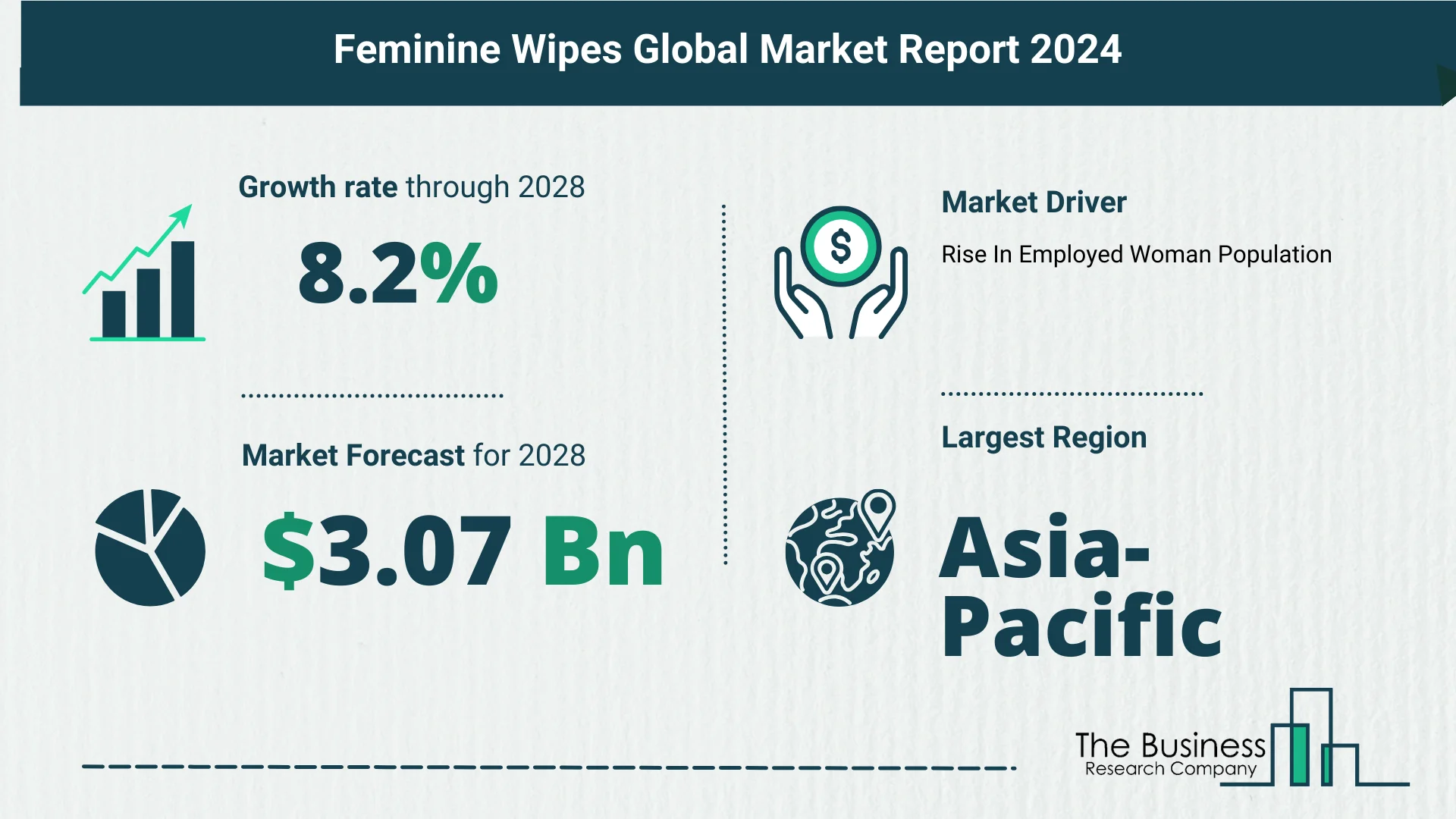
    The feminine wipes market has witnessed robust growth in recent years, with the market size reaching $2.07 billion in 2023 and set to rise to $2.24 billion in 2024 at an impressive Compound Annual Growth Rate (CAGR) of 8.5%. This growth is attributed to various factors, including hygiene and convenience, increased awareness about women’s health, urbanization, busy lifestyles, and the impactful role of advertising and marketing. Looking ahead, the market is expected to maintain its upward trajectory, reaching $3.07 billion by 2028 at a CAGR of 8.2%.

    Catalysts of Future Growth: Market Trends
    The anticipated growth in the feminine wipes market is underpinned by several trends that are expected to shape the industry’s landscape in the forecast period. Notable factors include the influence of health and wellness trends, the rise of customization and personalization in product offerings, the surge in online retail and subscription services, the adoption of eco-friendly packaging, and the promotion of inclusive product design. Key trends to watch out for encompass the development of pH-balanced formulas, sensitive skin formulas, flushable wipes, and a heightened focus on promoting feminine health education.

    Empowering the Workforce: A Driving Force
    A significant driver of the feminine wipes market is the increasing population of employed women. The rise in the employed woman population is instrumental in propelling the market forward, as these women actively seek personal hygiene solutions to maintain freshness and cleanliness, particularly during menstruation. For instance, in the UK, 15.66 million women aged 16 and over were in employment from October to December 2022, according to the Office for National Statistics. This demographic shift is expected to contribute substantially to the growth of the feminine wipes market.

    Innovative Products Redefining Menstrual Hygiene
    Major companies in the feminine wipes market are at the forefront of product innovation, introducing solutions that enhance convenience, comfort, and overall menstrual hygiene for women. One such innovation is the development of tampon and liner systems, offering a comprehensive approach to managing menstrual hygiene. MOONS Inc., a US-based provider of feminine care products, launched duets tampon and liner systems in August 2021. This groundbreaking product provides a combination of a slim liner and capsule tampon in a discreet, soft-touch bag, prioritizing both convenience and protection.

    Read More On The Feminine Wipes Market Report 2024 – https://www.thebusinessresearchcompany.com/report/feminine-wipes-global-market-report

    Industry Expansion: Reckitt Benckiser’s Strategic Move
    In January 2021, Reckitt Benckiser, a prominent UK-based manufacturer of health, nutrition, and hygiene consumer goods, made a strategic move by acquiring Queen V, a US-based vaginal hygiene and wellness company. This acquisition is part of Reckitt Benckiser’s expansion into the women’s sexual health, hygiene, and wellness category, enriching its health and wellness portfolio. The undisclosed acquisition amount underscores the significance of such moves in the dynamic feminine wipes market.

    Market Segmentation: A Diverse Landscape
    The feminine wipes market boasts a diverse segmentation, covering various dimensions:

    1. By Type:
      • Ordinary
      • Sanitary
    2. By Age Group:
      • 5 – 15 years
      • 16 – 30 years
      • 31 – 45 years
      • 46 – 60 years
      • 61 and above
    3. By Distribution Channel Outlook:
      • Supermarkets and Hypermarkets
      • Convenience Stores
      • Pharmacies and Drugstores
      • Online
      • Other Distribution Channels

    Regional Dominance: Asia-Pacific Takes the Lead
    In 2023, Asia-Pacific emerged as the largest region in the feminine wipes market, highlighting the widespread adoption and prominence of feminine hygiene products in this region.

    In conclusion, the feminine wipes market is navigating a dynamic landscape, driven by factors such as the evolving needs of the employed woman population, innovative product offerings, strategic acquisitions, and a diverse market segmentation. As the market continues to expand, companies are poised to capitalize on emerging trends and consumer preferences, ensuring sustained growth in the years to come.

    Request for A Sample Of The Global Feminine Wipes Market Report:
    https://www.thebusinessresearchcompany.com/sample_request?id=7120&type=smp

  • Understand How The Feminine Hygiene Products Market Is Poised To Grow Through 2024-2033

    Understand How The Feminine Hygiene Products Market Is Poised To Grow Through 2024-2033

    The Business Research Company’s global market reports are now updated with the latest market sizing information for the year 2024 and forecasted to 2033

    As per The Business Research Company’s Feminine Hygiene Products Global Market Report 2024, the feminine hygiene products market is expected to show significant growth in the forecast period.

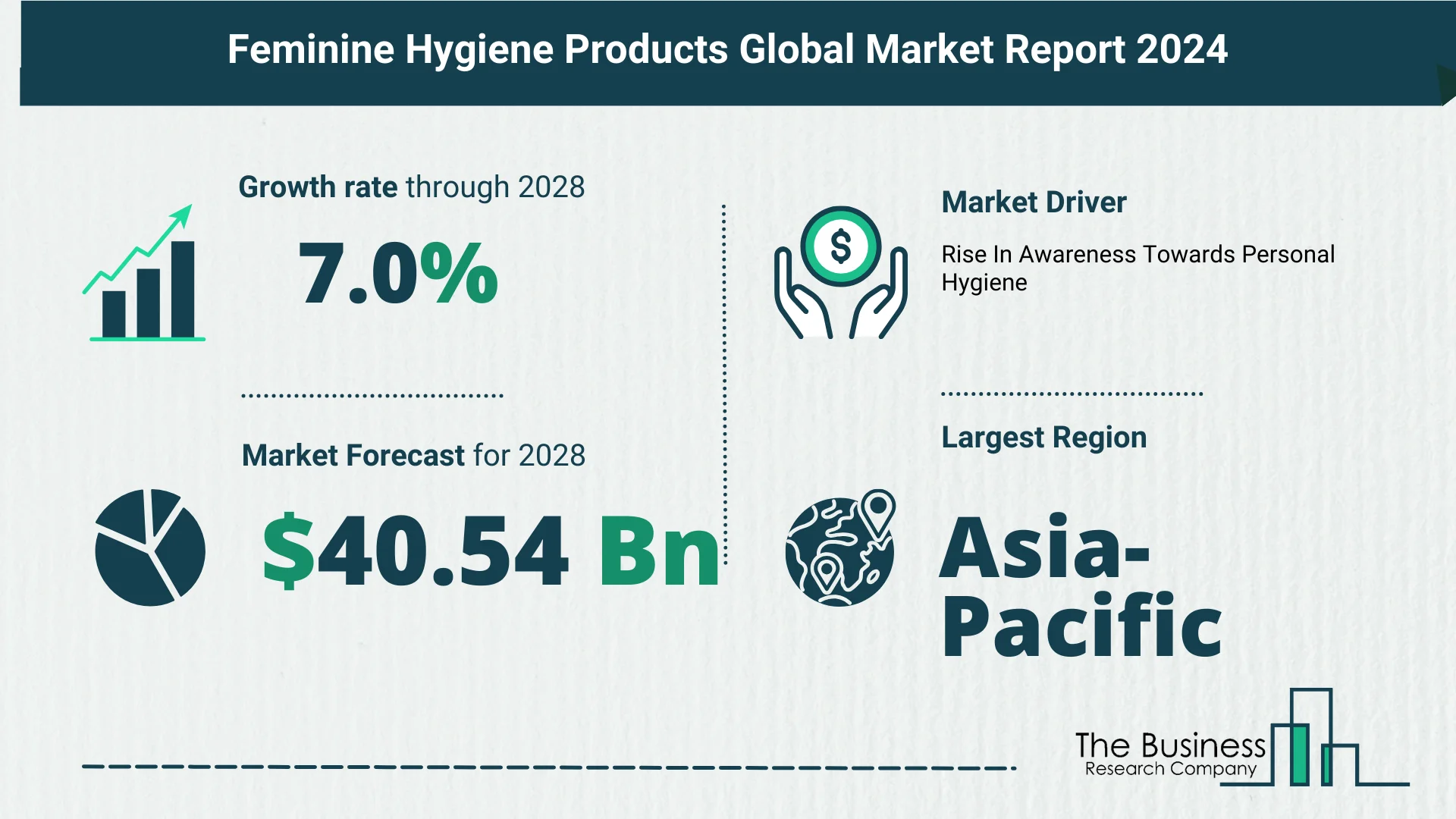
    The feminine hygiene products market has witnessed robust growth, catapulting from $28.92 billion in 2023 to an estimated $30.92 billion in 2024. This surge is propelled by a Compound Annual Growth Rate (CAGR) of 6.9%. The forecast is equally promising, with an anticipated growth to $40.54 billion by 2028, boasting a CAGR of 7.0%. The driving forces behind this upward trajectory in both historic and forecast periods encompass a myriad of factors.

    Historical Forces: Women’s Health Awareness and Societal Shifts

    1. Women’s Health Awareness: A rising consciousness towards women’s health has been a pivotal factor, prompting an increased demand for feminine hygiene products.
    2. Increased Urbanization: The steady pace of urbanization has played a role, influencing lifestyle changes and product preferences.
    3. Cultural and Social Norms: Evolving cultural and social norms have contributed to a more open dialogue surrounding feminine hygiene, destigmatizing the use of related products.
    4. Women in the Workforce: With an increasing number of women in the workforce, the demand for convenient and reliable feminine hygiene products has surged.
    5. Marketing and Advertising: Strategic marketing and advertising campaigns have further propelled product visibility and acceptance.

    View More On The Feminine Hygiene Products Market Report 2024 – https://www.thebusinessresearchcompany.com/report/feminine-hygiene-products-global-market-report

    Future Trajectory: E-commerce, Aging Population, and Trends

    1. E-commerce and Online Sales: The growing prominence of e-commerce and online sales channels is anticipated to be a major driver in the forecast period.
    2. Health and Wellness: The rising focus on health and wellness will continue to influence consumer choices in the feminine hygiene products market.
    3. Menstrual Equity Initiatives: Initiatives addressing menstrual equity will contribute to a more inclusive and accessible market.
    4. Increasing Aging Population: As the global population ages, there is an expected surge in demand for feminine hygiene products catering to specific needs.

    Growing Awareness of Personal Hygiene Driving Market
    The emphasis on personal hygiene, a fundamental aspect of overall well-being, is significantly contributing to the burgeoning feminine hygiene products market. The importance of maintaining cleanliness and comfort, especially during menstruation, has become a focal point. Notably, a report by the United Nations International Children’s Emergency Fund (UNICEF) highlighted that 3 out of 4 people had access to basic hygiene services in 2022. This growing awareness is a key driver for the market’s expansion.

    Pioneering Companies Shaping the Market Landscape

    1. Major Players: Notable companies driving the market include Johnson & Johnson Pvt. Ltd., Procter & Gamble, Kimberly-Clark Corporation, and more.
    2. Innovative Products: The market is witnessing a surge in innovative products, such as Cleanic Naturals Organic Cotton, emphasizing sustainability and reduced chemical exposure.
    3. Strategic Acquisitions: Kimberly-Clark Corporation’s acquisition of a majority stake in Thinx Inc. in 2022 exemplifies strategic moves within the industry, fostering collaborative growth.

    Market Segmentation: Understanding Consumer Preferences

    1. By Type: The market is segmented into Sanitary Napkins/Pads, Tampons, Panty Liners, and Menstrual Cups, catering to diverse consumer needs.
    2. By Nature: Disposable and Reusable products offer choices aligned with environmental consciousness.
    3. Distribution Channels: Online Stores, Retail Outlets, and Specialty Stores provide diverse avenues for product accessibility.

    Regional Dynamics: Asia-Pacific Leading the Way

    1. Asia-Pacific Dominance: In 2023, Asia-Pacific emerged as the largest region in the feminine hygiene products market.
    2. Fastest-Growing Region: The forecast indicates that Asia-Pacific will continue to be the fastest-growing region, underscoring the region’s significance in market dynamics.

    In conclusion, the feminine hygiene products market is on an upward trajectory, fueled by a combination of historical factors and emerging trends. The industry’s future holds promise, with innovative products, strategic collaborations, and a growing awareness of personal hygiene steering its course. As consumer preferences evolve and societal attitudes continue to shift, the feminine hygiene products market is poised for sustained growth and transformative change.

    Request A Sample Of The Global Feminine Hygiene Products Market Report 2024:
    https://www.thebusinessresearchcompany.com/sample_request?id=6529&type=smp