Category: Healthcare Services

  • Global Lung Cancer Diagnostic And Screening Market Set for Strong Expansion Reaching $4.03 Billion by 2030 at 9.6% CAGR

    Global Lung Cancer Diagnostic And Screening Market Set for Strong Expansion Reaching $4.03 Billion by 2030 at 9.6% CAGR

    The Business Research Company’s 2026 market reports include new capabilities such as market attractiveness scoring and analysis, total addressable market analysis, company scoring matrix, interactive excel data dashboard, improved supply chain analysis, upcoming startups in the market, and overview of key products, aimed at improving the depth, usability, and strategic value of the insights delivered.

    What Will Be The Estimated Market Valuation Of The Lung Cancer Diagnostic And Screening Market By The End Of 2030?

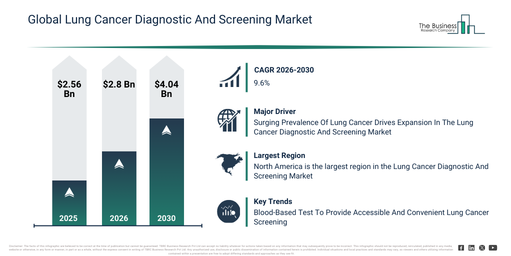
    The lung cancer diagnostic and screening market size has demonstrated robust growth in recent years. It is projected to expand from $2.56 billion in 2025 to $2.8 billion in 2026, achieving a compound annual growth rate (CAGR) of 9.4%. This historical expansion can be attributed to several factors, including the high occurrence of smoking-related lung cancer, the widespread application of chest x-ray and CT imaging, the enhancement of hospital-based diagnostic infrastructure, a heightened awareness regarding the early detection of lung cancer, and the increasing use of biopsy-based diagnostic confirmation.

    The lung cancer diagnostic and screening market is projected to experience substantial expansion over the coming years. This market is anticipated to reach $4.04 billion by 2030, exhibiting a compound annual growth rate (CAGR) of 9.6%. Key factors contributing to this growth during the forecast period include the broadening of national lung cancer screening programs, the increasing uptake of low-dose CT screening, a surge in demand for biomarker and blood-based testing, escalating healthcare investments in oncology diagnostics, and enhanced availability of diagnostic imaging facilities. Prominent trends expected during this period involve the increasing embrace of early lung cancer screening initiatives, the expanding application of advanced imaging and biomarker analyses, a heightened emphasis on screening high-risk populations, the broadening of non-invasive diagnostic methodologies, and a greater integration of multimodal diagnostic approaches.

    Download the Free Sample Report to Explore Key Market Insights:

    https://www.thebusinessresearchcompany.com/sample.aspx?id=12043&type=smp

    What Drivers Are Shaping The Future Growth Of The Lung Cancer Diagnostic And Screening Market?

    The growing incidence of lung cancer is projected to drive expansion within the lung cancer diagnostic and screening market in the coming years. Lung cancer is a severe illness characterized by the uncontrolled multiplication of atypical cells within lung tissues, manifesting with symptoms like persistent coughing, chest discomfort, and breathing difficulties. Early detection of lung cancer through diagnosis and screening methods, such as an incisional biopsy and a bronchoscopy, assists patients in identifying the disease promptly. As an illustration, data from January 2023, released by the American Cancer Society, a US-based government entity, indicated that the United States recorded roughly 238,340 new instances of lung cancer (comprising 117,550 in men and 120,790 in women). Additionally, 127,070 fatalities were reported due to lung cancer (with 67,160 being men and 59,910 being women). Consequently, the heightened prevalence of lung cancer is a primary factor fueling the expansion of the lung cancer diagnostic and screening market.

    Which Segment Classifications Shape The Lung Cancer Diagnostic And Screening Market?

    The lung cancer diagnostic and screening market covered in this report is segmented –

    1) By Product: Instruments, Consumables And Accessories

    2) By Test: Biomarkers Tests, Imaging Test, Biopsy, Blood Test, Other Tests

    3) By Cancer Type: Non-Small Cell Lung Cancer, Small Cell Lung Cancer

    4) By End User: Hospital, Independent Diagnostic Laboratories, Diagnostic Imaging Centers, Cancer Research Institutes, Other End-Users

    Subsegments:

    1) By Instruments: Imaging Devices, Biopsy Devices, Bronchoscopy Systems

    2) By Consumables And Accessories: Biopsy Needles, Reagents And Assays, Imaging Contrast Agents, Sample Collection Kits

    What Key Trends Are Influencing The Development Of The Lung Cancer Diagnostic And Screening Market?

    Key companies in the lung cancer diagnostic and screening sector are concentrating on creating blood-based tests that incorporate machine learning, such as whole-genome machine learning, to offer readily available and convenient lung cancer screening and gain a market advantage. Whole-genome machine learning involves applying machine learning algorithms to examine and understand comprehensive sets of genetic data, covering an organism’s complete genome. For instance, in October 2023, DELFI Diagnostics Inc., a US-based company focused on accessible blood-based tests, launched FirstLook Lung. This blood test utilizes whole-genome machine learning to analyze cell-free DNA fragments, thereby improving lung cancer screening with a 99.7% NPV. Designed for standard blood work, the test identifies individuals who may have lung cancer, including early-stage disease, and aims to enhance population health by addressing the limited adoption of LDCT screening.

    Which Companies Are Expanding Their Footprint In The Lung Cancer Diagnostic And Screening Market?

    Major companies operating in the lung cancer diagnostic and screening market are Thermo Fisher Scientific Inc., Abbott Laboratories Inc., Danaher Corporation, Siemens Healthcare GmbH, FUJIFILM Corporation, Koninklijke Philips N.V., GE Healthcare Bio Sciences AB, Quest Diagnostics Incorporated, Agilent Technologies Inc., Illumina Inc., Qiagen Inc., Myriad Genetic Laboratories Inc., NeoGenomics Laboratories Inc., Canon Medical Systems Corporation, Oncimmune Holdings Plc, Riverain Technologies LLC, VisionGate, Foundation Medicine Inc., Biodesix, OncoCyte, Broncus Medical Inc.

    Read the full lung cancer diagnostic and screening market report here:

    https://www.thebusinessresearchcompany.com/report/lung-cancer-diagnostic-and-screening-global-market-report

    Which Geographic Regions Are Influencing Demand In The Lung Cancer Diagnostic And Screening Market?

    North America was the largest region in the lung cancer diagnostic and screening market in 2025. The regions covered in the lung cancer diagnostic and screening market report are Asia-Pacific, South East Asia, Western Europe, Eastern Europe, North America, South America, Middle East, Africa.

    Request A Tailored Lung Cancer Diagnostic And Screening Market Research Report For Competitive Advantage:

    https://www.thebusinessresearchcompany.com/customise?id=12043&type=smp

    Browse Through More Reports Similar to the Global Lung Cancer Diagnostic And Screening Market 2026, By The Business Research Company

    Cancer Diagnostics Global Market Report

    https://www.thebusinessresearchcompany.com/report/cancer-diagnostics-global-market-report

    Respiratory Disease Testing Global Market Report

    https://www.thebusinessresearchcompany.com/report/respiratory-disease-testing-global-market-report

    Lung Cancer Drugs Global Market Report

    https://www.thebusinessresearchcompany.com/report/lung-cancer-drugs-global-market-report

    Get in touch with us:

    The Business Research Company: https://www.thebusinessresearchcompany.com/

    Americas +1 310-496-7795

    Asia +44 7882 955267 & +91 8897263534

    Europe +44 7882 955267

    Email us at info@tbrc.info

    Follow us on:

    LinkedIn: https://in.linkedin.com/company/the-business-research-company

    YouTube: https://www.youtube.com/channel/UC24_fI0rV8cR5DxlCpgmyFQ

    Global Market Model: https://www.thebusinessresearchcompany.com/global-market-model
  • Low-Grade Glioma Market Growth Expected to Reach $1.94 Billion by 2030 with 5.6% CAGR

    Low-Grade Glioma Market Growth Expected to Reach $1.94 Billion by 2030 with 5.6% CAGR

    The Business Research Company’s 2026 market reports include new capabilities such as market attractiveness scoring and analysis, total addressable market analysis, company scoring matrix, interactive excel data dashboard, improved supply chain analysis, upcoming startups in the market, and overview of key products, aimed at improving the depth, usability, and strategic value of the insights delivered.

    What Market Size Growth Is Projected For The Low-Grade Glioma Market During The Forecast Period 2026–2030?

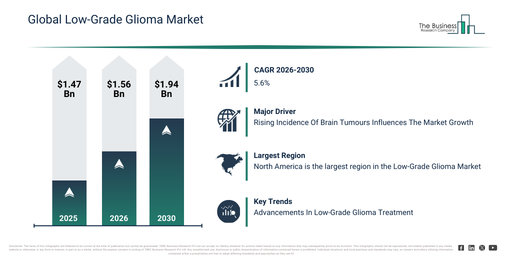
    The market size for low-grade glioma has experienced significant growth over recent years. It is forecast to increase from $1.47 billion in 2025 to $1.56 billion in 2026, reflecting a compound annual growth rate (CAGR) of 5.9%. This historical expansion can be linked to progress in neuroimaging technologies, better survival outcomes for patients with low-grade glioma, higher rates of neurosurgical interventions, increasing public knowledge about brain tumor signs, and the expansion of oncology treatment facilities.

    The low-grade glioma market is anticipated to experience robust expansion over the next few years. It is projected to reach $1.94 billion by 2030, achieving a compound annual growth rate (CAGR) of 5.6%. This growth during the forecast period is fueled by an increasing emphasis on molecular tumor profiling, rising investments in targeted oncology drugs, a growing demand for less aggressive treatment options, expanding access to specialized neuro-oncology care, and ongoing clinical trials for novel therapies. Prominent trends for this period include a heightened focus on early diagnosis and monitoring, the growing adoption of targeted drug therapies, an increasing preference for multimodal treatment approaches, the expansion of personalized treatment planning, and the development of more effective long-term disease management strategies.

    Download the Free Sample Report to Explore Key Market Insights:

    https://www.thebusinessresearchcompany.com/sample.aspx?id=21215&type=smp

    Which Economic Or Industry Drivers Are Impacting The Low-Grade Glioma Market?

    An increasing occurrence of brain tumors is projected to boost the expansion of the low-grade glioma market in the future. Brain tumors are characterized by unusual cell proliferation within the brain or its adjacent regions, which may be either non-cancerous or cancerous. This rising incidence of brain tumors stems from causes like heightened radiation exposure, environmental contaminants, genetic factors, and the aging process. Low-grade glioma offers assistance for brain tumors through the deployment of sophisticated diagnostic methods and specific treatments, including surgical removal, radiation therapy, and chemotherapy. These interventions are instrumental in decelerating tumor advancement, safeguarding neurological capabilities, and enhancing patient prognosis, underscoring the vital role of prompt diagnosis and tailored treatment for controlling other brain tumors that exhibit comparable growth characteristics. For example, in October 2025, data from Cancer Australia, an Australian government body, indicated that in 2023, Australia registered 1,597 deaths due to brain cancer, comprising 956 men and 641 women. This figure is projected to climb modestly to 1,639 deaths by 2025, with 979 men and 660 women. The anticipated likelihood of succumbing to brain cancer by age 85 in 2025 stands at 1 in 195 (0.51%), with males facing a greater risk at 1 in 165 (0.61%) and females a lesser risk at 1 in 240 (0.42%). Consequently, the increasing prevalence of brain tumors is propelling the expansion of the low-grade glioma market.

    What Market Segments Are Evaluated Within The Low-Grade Glioma Market?

    The low-grade glioma market covered in this report is segmented –

    1) By Drug Type: Trametinib, Dabrafenib, Ivosidenib, Mirdametinib

    2) By Treatment: Surgery, Chemotherapy, Radiation

    3) By Distribution Channel: Online Pharmacies, Hospital Pharmacies, Retail Pharmacies

    Subsegments:

    1) By Trametinib: MEK Inhibitor Monotherapy, Combination Therapy (with BRAF Inhibitors)

    2) By Dabrafenib: BRAF V600E–Mutant Low-Grade Glioma, Combination Therapy (with MEK Inhibitors)

    3) By Ivosidenib: IDH1-Mutant Low-Grade Glioma, Oral Targeted Monotherapy

    4) By Mirdametinib: NF1-Associated Low-Grade Glioma, MEK Inhibitor Monotherapy

    What Key Trends Are Influencing The Development Of The Low-Grade Glioma Market?

    Major companies within the low-grade glioma market are concentrating on integrating combination therapies with targeted approaches, such as genetic alteration drugs, to secure a competitive advantage and improve treatment for children suffering from low-grade glioma. These genetic alteration drugs are specialized targeted therapies designed to modify or inhibit specific genetic mutations or cellular abnormalities, thereby aiding in the treatment of diseases like cancer by obstructing pathways that drive uncontrolled cell proliferation. For instance, in May 2024, Day One Biopharmaceuticals, a biotechnology firm based in the US, introduced Tovorafenib (Ojemda) following its accelerated FDA approval. This targeted intervention is intended for children aged six months and older who have unresectable or recurrent low-grade glioma (LGG) accompanied by BRAF gene alterations. Its convenient once-weekly oral administration addresses a critical requirement for pediatric LGG patients who have had limited previous treatment alternatives.

    Who Are The Top Market Participants Influencing The Low-Grade Glioma Market?

    Major companies operating in the low-grade glioma market are F Hoffmann La Roche Ltd, Novartis AG, AstraZeneca PLC, Bristol Myers Squibb Company, Merck & Co Inc, Ipsen SA, Agios Pharmaceuticals Inc, Day One Biopharmaceuticals Inc, Les Laboratoires Servier, BeiGene Ltd, Daiichi Sankyo Company Limited, AnHeart Therapeutics Inc, Apollomics Inc, CStone Pharmaceuticals Co Ltd, Avistone Biotechnology Co Ltd, Blueprint Medicines Corporation, Revolution Medicines Inc, SpringWorks Therapeutics Inc, Exelixis Inc, Genentech Inc

    Read the full low-grade glioma market report here:

    https://www.thebusinessresearchcompany.com/report/low-grade-glioma-global-market-report

    What Are The Top-Performing Regions Within The Low-Grade Glioma Market?

    North America was the largest region in the low-grade glioma market in 2025. Asia-Pacific is expected to be the fastest-growing region in the forecast period. The regions covered in the low-grade glioma market report are Asia-Pacific, South East Asia, Western Europe, Eastern Europe, North America, South America, Middle East, Africa.

    Request A Tailored Low-Grade Glioma Market Research Report For Competitive Advantage:

    https://www.thebusinessresearchcompany.com/customise?id=21215&type=smp

    Browse Through More Reports Similar to the Global Low-Grade Glioma Market 2026, By The Business Research Company

    Respiratory Devices And Equipment Therapeutic Global Market Report

    https://www.thebusinessresearchcompany.com/report/respiratory-devices-and-equipment-therapeutic-global-market-report

    Respiratory Disease Drugs Global Market Report

    https://www.thebusinessresearchcompany.com/report/respiratory-disease-drugs-global-market-report

    Respiratory Devices And Equipment Therapeutic And Diagnostic Global Market Report

    https://www.thebusinessresearchcompany.com/report/respiratory-devices-and-equipment-therapeutic-and-diagnostic-global-market-report

    Get in touch with us:

    The Business Research Company: https://www.thebusinessresearchcompany.com/

    Americas +1 310-496-7795

    Asia +44 7882 955267 & +91 8897263534

    Europe +44 7882 955267

    Email us at info@tbrc.info

    Follow us on:

    LinkedIn: https://in.linkedin.com/company/the-business-research-company

    YouTube: https://www.youtube.com/channel/UC24_fI0rV8cR5DxlCpgmyFQ

    Global Market Model: https://www.thebusinessresearchcompany.com/global-market-model
  • Lower Respiratory Tract Therapeutics Market Forecast 2026–2035 Reflecting Expansion Opportunities Across Industries

    Lower Respiratory Tract Therapeutics Market Forecast 2026–2035 Reflecting Expansion Opportunities Across Industries

    The Business Research Company’s 2026 market reports include new capabilities such as market attractiveness scoring and analysis, total addressable market analysis, company scoring matrix, interactive excel data dashboard, improved supply chain analysis, upcoming startups in the market, and overview of key products, aimed at improving the depth, usability, and strategic value of the insights delivered.

    How Will The Market Size Of The Lower Respiratory Tract Therapeutics Market Evolve From 2026 To 2030?

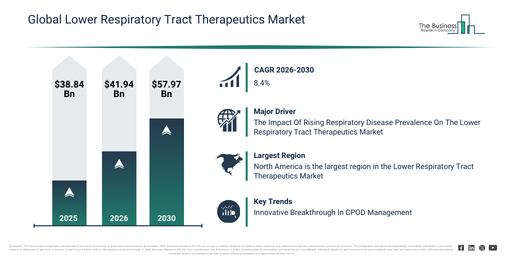
    The lower respiratory tract therapeutics market has experienced robust expansion in recent years. This market is set to increase from $38.84 billion in 2025 to $41.94 billion in 2026, reflecting a compound annual growth rate (CAGR) of 8.0%. The growth observed in prior periods can be attributed to several factors, including the increasing prevalence of asthma and COPD, a high incidence of lower respiratory infections, the widespread use of antibiotics and bronchodilators, rising levels of air pollution, and the expansion of hospital-based respiratory care.

    The lower respiratory tract therapeutics market is projected to experience substantial expansion over the coming years. By 2030, its valuation is anticipated to reach $57.97 billion, exhibiting a compound annual growth rate (CAGR) of 8.4%. Factors contributing to this anticipated growth include an aging worldwide demographic, increased tobacco use and pollutant exposure, heightened recognition of prompt respiratory disease intervention, improved access to healthcare services in developing nations, and the broader availability of outpatient and home-based respiratory treatments. Key developments foreseen during this period encompass a heightened incidence of chronic respiratory conditions, a stronger emphasis on managing diseases over the long term, a growing need for multi-drug therapies, the broadening of respiratory care services for elderly populations, and an increase in the use of respiratory treatments administered at home.

    Download the Free Sample Report to Explore Key Market Insights:

    https://www.thebusinessresearchcompany.com/sample.aspx?id=12591&type=smp

    What Major Drivers Are Influencing Demand In The Lower Respiratory Tract Therapeutics Market?

    An increasing incidence of respiratory illnesses is projected to stimulate growth in the lower respiratory tract therapeutics market in the future. These diseases are medical conditions impacting the respiratory system, encompassing organs such as the lungs, bronchi, trachea, larynx, pharynx, and nasal passages. Lower respiratory tract therapeutics serve as a key tool for prompt detection and diagnosis of respiratory conditions, enabling earlier intervention and care. Such early measures can deter disease progression, prove vital in managing the transmission of contagious respiratory illnesses, and mitigate complication risks. As an illustration, information from October 2024, provided by the National Asthma Council, an Australian non-profit body, indicated that in 2023, Australia documented 474 fatalities linked to asthma, with 325 being females and 149 males. This count is nearly identical to the 473 asthma-related deaths noted in 2022, underscoring a stable pattern in asthma mortality across these two years. Consequently, the expanding occurrence of respiratory diseases is expected to propel the lower respiratory tract therapeutics market.

    Which Segment Areas Are Covered In The Lower Respiratory Tract Therapeutics Market Analysis?

    The lower respiratory tract therapeutics market covered in this report is segmented –

    1) By Disease Type: Asthma, Chronic Obstructive Pulmonary Disease, Pneumonia, Tuberculosis, Bronchitis, Other Diseases

    2) By Drug Class: Antibiotics, Non-Steroidal Anti-Inflammatory Drug, Cough Suppressant, Other Drug Classes

    3) By Distribution Channel: Hospital Pharmacies, Retail Pharmacies, Online Pharmacies

    Subsegments:

    1) By Asthma: Allergic Asthma, Non-allergic Asthma

    2) By Chronic Obstructive Pulmonary Disease (COPD): Chronic Bronchitis, Emphysema

    3) By Pneumonia: Bacterial Pneumonia, Viral Pneumonia

    4) By Tuberculosis: Drug-sensitive Tuberculosis, Drug-resistant Tuberculosis

    5) By Bronchitis: Acute Bronchitis, Chronic Bronchitis

    6) By Other Diseases: Interstitial Lung Disease, Cystic Fibrosis, Pulmonary Hypertension

    How Are Trends Impacting The Lower Respiratory Tract Therapeutics Market?

    Leading companies in the lower respiratory tract therapeutics market are prioritizing innovative products like triple combination drugs for COPD management to increase their market revenues. This triple combination therapy for COPD involves three inhaled medications: long-acting muscarinic antagonists (LAMA), long-acting beta-agonists (LABA), and inhaled corticosteroids (ICS). For example, in November 2023, Lupin Limited, an India-based pharmaceutical company, unveiled Vilfuro-G. This product is offered in a fixed dose of one strength, with a recommended once-daily administration. The introduction of Vilfuro-G is expected to significantly enhance the quality of life for COPD patients and broaden Lupin’s range of respiratory products, underscoring the company’s commitment to delivering cutting-edge treatment alternatives to patients and healthcare professionals. Vilfuro-G stands as the sole fixed-dose combination (FDC) specifically developed to combine glycopyrronium bromide, vilanterol, and fluticasone furoate for the long-term care and management of moderate to severe COPD.

    Which Global Companies Are Actively Competing In The Lower Respiratory Tract Therapeutics Market?

    Major companies operating in the lower respiratory tract therapeutics market are Pfizer Inc., Johnson & Johnson, F. Hoffmann-La Roche Ltd., Merck & Co. Inc., AbbVie Inc., Novartis AG, Sanofi S.A., Bristol-Myers Squibb Company, AstraZeneca PLC, GlaxoSmithKline plc., Eli Lilly and Co Ltd., Boehringer Ingelheim International GmbH, Teva Pharmaceutical Industries Ltd., Regeneron Pharmaceuticals Inc., Vertex Pharmaceuticals Incorporated, Grifols S.A., Menarini Group, Chiesi Farmaceutici S.p.A., Cipla Limited, Mundipharma International Limited, Orion Corporation, Sunovion Pharmaceuticals Inc., Innoviva Inc., Insmed Incorporated, Vectura Group plc, Theravance Biopharma Inc., Verona Pharma plc, Circassia Pharmaceuticals plc

    Read the full lower respiratory tract therapeutics market report here:

    https://www.thebusinessresearchcompany.com/report/lower-respiratory-tract-therapeutics-global-market-report

    Which Region Shows The Strongest Potential For Future Growth In The Lower Respiratory Tract Therapeutics Market?

    North America was the largest region in the lower respiratory tract therapeutics market in 2025. Asia-Pacific is expected to be the fastest-growing region in the forecast period. The regions covered in the lower respiratory tract therapeutics market report are Asia-Pacific, South East Asia, Western Europe, Eastern Europe, North America, South America, Middle East, Africa.

    Request A Tailored Lower Respiratory Tract Therapeutics Market Research Report For Competitive Advantage:

    https://www.thebusinessresearchcompany.com/customise?id=12591&type=smp

    Browse Through More Reports Similar to the Global Lower Respiratory Tract Therapeutics Market 2026, By The Business Research Company

    Adult Malignant Glioma Therapeutics Global Market Report

    https://www.thebusinessresearchcompany.com/report/adult-malignant-glioma-therapeutics-global-market-report

    Glioblastoma Multiforme Global Market Report

    https://www.thebusinessresearchcompany.com/report/glioblastoma-multiforme-global-market-report

    Pontine Glioma Drugs Global Market Report

    https://www.thebusinessresearchcompany.com/report/pontine-glioma-drugs-global-market-report

    Get in touch with us:

    The Business Research Company: https://www.thebusinessresearchcompany.com/

    Americas +1 310-496-7795

    Asia +44 7882 955267 & +91 8897263534

    Europe +44 7882 955267

    Email us at info@tbrc.info

    Follow us on:

    LinkedIn: https://in.linkedin.com/company/the-business-research-company

    YouTube: https://www.youtube.com/channel/UC24_fI0rV8cR5DxlCpgmyFQ

    Global Market Model: https://www.thebusinessresearchcompany.com/global-market-model
  • Global Low-Density Lipoprotein Test Market Analysis for 2026–2030 with Strategic Forecast Insights for Businesses

    Global Low-Density Lipoprotein Test Market Analysis for 2026–2030 with Strategic Forecast Insights for Businesses

    The Business Research Company’s 2026 market reports include new capabilities such as market attractiveness scoring and analysis, total addressable market analysis, company scoring matrix, interactive excel data dashboard, improved supply chain analysis, upcoming startups in the market, and overview of key products, aimed at improving the depth, usability, and strategic value of the insights delivered.

    What Is The Forecasted Market Value Of The Low-Density Lipoprotein Test Market Across 2026–2030?

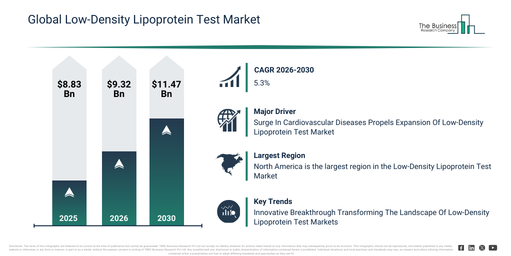
    The low-density lipoprotein test market has shown substantial growth in recent years. It is anticipated to increase from $8.83 billion in 2025 to $9.32 billion in 2026, achieving a compound annual growth rate (CAGR) of 5.5%. This historical expansion can be linked to factors such as the rising incidence of cardiovascular diseases, the early clinical use of ldl-c testing, an increase in obesity and diabetes, the expansion of hospital-based diagnostic laboratories, and improved awareness of cholesterol management.

    The low-density lipoprotein test market size is anticipated to undergo significant expansion in the coming years, with projections indicating it will reach $11.47 billion by 2030, demonstrating a compound annual growth rate (CAGR) of 5.3%. The drivers behind this growth during the forecast period encompass an increasing emphasis on preventive healthcare, a rise in screening for dyslipidaemia, the expanding application of advanced lipid testing methods, a growing demand for early detection of stroke and heart disease risks, and higher healthcare spending allocated to diagnostics. Prominent trends throughout the forecast period include a heightened focus on preventive cardiovascular screening, the growing utilization of comprehensive lipid panel testing, an increasing demand for routine cholesterol monitoring, the expansion of ldl testing in the context of metabolic disorders, and the rising adoption of point-of-care lipid testing.

    Download the Free Sample Report to Explore Key Market Insights:

    https://www.thebusinessresearchcompany.com/sample.aspx?id=9395&type=smp

    Which Market Drivers Are Supporting The Expansion Of The Low-Density Lipoprotein Test Market?

    The increasing prevalence of cardiovascular diseases is anticipated to propel the growth of the low-density lipoprotein test market going forward. Cardiovascular diseases are defined as conditions that impact the heart or blood vessels. The LDL test is utilized to assist in the management of cardiovascular diseases by directly assessing low-density lipoprotein levels. For instance, in February 2024, according to the UK Parliament, a UK-based governing body, heart and circulatory diseases are responsible for approximately 25% of all deaths in England, leading to over 140,000 fatalities annually and around 480 each day, or one death every three minutes. Consequently, the rise in the prevalence of cardiovascular diseases is driving the expansion of the low-density lipoprotein test market.

    What Segmentation Levels Are Considered In The Low-Density Lipoprotein Test Market?

    The low-density lipoprotein test market covered in this report is segmented –

    1) By Product Type: Low-Density Lipoprotein Cholesterol (LDL-C), Low-Density Lipoprotein Particle Number (LDL-P), Low-Density Lipoprotein Particle Size (LDL-B), Other Product Types

    2) By Component: Kits, Reagents, Devices, Other Components

    3) By Disease Type: Diabetes, Stroke, Atherosclerosis, Obesity, Dyslipidaemia, Carotid Artery Disease, Peripheral Arterial Disease, Angina, Other Disease Types

    4) By Distribution Channel: Direct Tenders, Retail

    5) By End User: Hospitals, Clinics, Ambulatory Care, Research Laboratory, Other End Users

    Subsegments:

    1) By Low-Density Lipoprotein Cholesterol (LDL-C): Direct Measurement Tests, Calculated LDL-C Tests

    2) By Low-Density Lipoprotein Particle Number (LDL-P): NMR (Nuclear Magnetic Resonance) Tests, Other Particle Counting Methods

    3) By Low-Density Lipoprotein Particle Size (LDL-B): Gradient Gel Electrophoresis, Other Size Measurement Techniques

    4) By Other Product Types: Lipid Panel Tests: Genetic Testing For Dyslipidemia, Point-Of-Care Testing Devices

    What Industry Trends Are Redefining The Low-Density Lipoprotein Test Market?

    Leading companies in the low-density lipoprotein (LDL) test market are concentrating on introducing innovative diagnostic solutions, such as advanced lipoprotein analysis systems, to improve cardiovascular risk assessment, diagnostic accuracy, and patient management. These advanced lipoprotein analysis systems utilize technologies like nuclear magnetic resonance (NMR) spectroscopy and algorithm-driven interpretation to offer deeper insights into lipid profiles beyond standard LDL-C measurements, thereby enhancing clinical decision-making for individuals with cardiometabolic risks. As an illustration, in July 2023, Numares Health, a Germany-based health diagnostic company, introduced the AXINON LDL-p Test System. This FDA-cleared diagnostic tool provides a more detailed assessment of lipoproteins, offering insights into cardiac function that go beyond standard LDL-C measurements. Employing nuclear magnetic resonance (NMR) spectroscopy, the system incorporates advanced diagnostic algorithms to boost its accuracy. It aids physicians in better managing patients at elevated risk for cardiovascular disease, particularly those with cardiometabolic risk factors.

    Which Leading Firms Are Contributing To The Growth Of The Low-Density Lipoprotein Test Market?

    Major companies operating in the low-density lipoprotein test market are Abbott Laboratories, Siemens Healthineers, F Hoffmann La Roche Ltd, Danaher Corporation, Thermo Fisher Scientific Inc, Bio Rad Laboratories Inc, DiaSorin SpA, Randox Laboratories Ltd, Sekisui Diagnostics, DiaSys Diagnostic Systems GmbH, Eurolyser Diagnostica GmbH, Diazyme Laboratories Inc, OPKO Health Inc, Merck KGaA, Agilent Technologies Inc, Becton Dickinson and Company, Quest Diagnostics Incorporated, Laboratory Corporation of America Holdings, Eurofins Scientific SE, Home Access Health Corporation

    Read the full low-density lipoprotein test market report here:

    https://www.thebusinessresearchcompany.com/report/low-density-lipoprotein-test-global-market-report

    How Is The Low-Density Lipoprotein Test Market Distributed Across Key Geographic Regions?

    North America was the largest region in the Low-Density Lipoprotein Test market in 2025. The regions covered in the low-density lipoprotein test market report are Asia-Pacific, South East Asia, Western Europe, Eastern Europe, North America, South America, Middle East, Africa.

    Request A Tailored Low-Density Lipoprotein Test Market Research Report For Competitive Advantage:

    https://www.thebusinessresearchcompany.com/customise?id=9395&type=smp

    Browse Through More Reports Similar to the Global Low-Density Lipoprotein Test Market 2026, By The Business Research Company

    Cholesterol Test Global Market Report

    https://www.thebusinessresearchcompany.com/report/cholesterol-test-global-market-report

    Lipid Panel Testing Global Market Report

    https://www.thebusinessresearchcompany.com/report/lipid-panel-testing-global-market-report

    Poc Cholesterol Test Market

    https://www.thebusinessresearchcompany.com/report/poc-cholesterol-test-market

    Get in touch with us:

    The Business Research Company: https://www.thebusinessresearchcompany.com/

    Americas +1 310-496-7795

    Asia +44 7882 955267 & +91 8897263534

    Europe +44 7882 955267

    Email us at info@tbrc.info

    Follow us on:

    LinkedIn: https://in.linkedin.com/company/the-business-research-company

    YouTube: https://www.youtube.com/channel/UC24_fI0rV8cR5DxlCpgmyFQ

    Global Market Model: https://www.thebusinessresearchcompany.com/global-market-model
  • Low Molecular Weight Heparin Market Outlook 2026–2035 Driven by Key Growth Factors and Industry Projections

    Low Molecular Weight Heparin Market Outlook 2026–2035 Driven by Key Growth Factors and Industry Projections

    The Business Research Company’s 2026 market reports include new capabilities such as market attractiveness scoring and analysis, total addressable market analysis, company scoring matrix, interactive excel data dashboard, improved supply chain analysis, upcoming startups in the market, and overview of key products, aimed at improving the depth, usability, and strategic value of the insights delivered.

    What Market Size Increase Is Anticipated For The Low Molecular Weight Heparin Market Over The 2026–2030 Period?

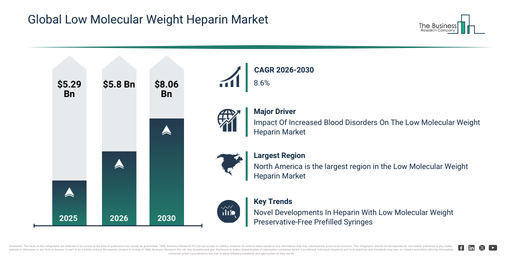
    The low molecular weight heparin market has experienced substantial growth in recent years. It is anticipated to increase in value from $5.29 billion in 2025 to $5.8 billion in 2026, progressing at a compound annual growth rate (CAGR) of 9.5%. The market’s expansion during the historic period can be attributed to an escalating incidence of venous thromboembolism, the inherent limitations of unfractionated heparin therapy, the broad clinical acceptance of enoxaparin, its increasing utilization in postoperative care, and the improved safety profile of lmwh.

    The low molecular weight heparin market size is projected for significant expansion over the coming years. This market is anticipated to reach a value of $8.06 billion by 2030, exhibiting a compound annual growth rate (CAGR) of 8.6%. Key factors driving this growth during the forecast period include an expanding elderly population, a rise in cardiovascular conditions, increasing need for consistent anticoagulation methods, the spread of at-home anticoagulant care, and greater utilization for cancer-related thrombosis. Noteworthy trends expected during the same period encompass a developing preference for LMWH over unfractionated heparin, its increased application in preventing blood clots and in critical care environments, the broader availability of generic LMWH products, a surge in the use of prefilled syringes, and its expanding deployment in outpatient and home-based therapy.

    Download the Free Sample Report to Explore Key Market Insights:

    https://www.thebusinessresearchcompany.com/sample.aspx?id=16468&type=smp

    What Underlying Factors Are Accelerating The Growth Of The Low Molecular Weight Heparin Market?

    The increasing occurrence of blood disorders is anticipated to fuel the expansion of the low molecular weight heparin market. Blood disorders encompass various conditions impacting blood components like red blood cells, white blood cells, platelets, and plasma proteins. Such conditions, including anemia, hemophilia, and thrombosis, affect people across all age groups and demographics. The surge in blood disorders stems from factors such as an aging global populace, better diagnostic methods, and increased exposure to environmental hazards. Low molecular weight heparin serves to prevent and treat thromboembolism in blood disorders by impeding clot formation. For illustration, in May 2024, the Australia-based Leukemia Foundation, a non-governmental organization, indicated that 19,403 Australians were newly diagnosed with blood cancer, including leukemia, lymphoma, and myeloma, in 2022. This translates to 53 people per day, or one person every 27 minutes. At present, approximately 135,000 people in Australia are living with a blood cancer or disorder, a figure forecast to surpass 275,000 by 2035. Consequently, the rising prevalence of blood disorders is a key driver for the low molecular weight heparin market’s growth.

    How Is The Low Molecular Weight Heparin Market Segmented Across Key Categories?

    The low molecular weight heparin market covered in this report is segmented –

    1) By Product Type: Enoxaparin, Dalteparin, Tinzaparin, Fraxiparine, Nadroparin, Other Product Types

    2) By Packaging: Multi-Vials, Prefilled Syringes

    3) By Application: Deep Vein Thrombosis, Acute Coronary Syndrome, Pulmonary Embolism, Other Applications

    Subsegments:

    1) By Enoxaparin: Generic Enoxaparin, Branded Enoxaparin

    2) By Dalteparin: Generic Dalteparin, Branded Dalteparin

    3) By Tinzaparin: Generic Tinzaparin, Branded Tinzaparin

    4) By Fraxiparine: Generic Fraxiparine, Branded Fraxiparine

    5) By Nadroparin: Generic Nadroparin, Branded Nadroparin

    6) By Other Product Types: Bemiparin, Parnaparin

    What Key Developments And Trends Are Impacting The Low Molecular Weight Heparin Market?

    Leading companies in the low molecular weight heparin market are prioritizing innovative solutions, such as preservative-free prefilled syringes, to bolster patient safety and convenience. Preservative-free prefilled syringes are those pre-filled with the anticoagulant medication enoxaparin, entirely free of preservatives, thereby ensuring both safety and efficacy. This minimizes the potential for allergic reactions, offering a safer choice for patients requiring anticoagulant therapy. For instance, in June 2023, Techdow USA Inc., a US-based generic injectable company, introduced generic enoxaparin sodium (preservative-free) prefilled syringes in 30 milligrams (mg), 40 mg, 60 mg, 80 mg, 100 mg, 120 mg, and 150 mg strengths for thrombosis prevention. Its generic version of Lovenox, a low-molecular-weight heparin used to prevent and treat blood clots, is projected to be more affordable, enhance efficacy, expand accessibility, and improve patient care.

    Who Are The Dominant Players Shaping The Low Molecular Weight Heparin Market Landscape?

    Major companies operating in the low molecular weight heparin market are Pfizer Inc., Sanofi SA, Boehringer Ingelheim International GmbH, Teva Pharmaceutical Industries Ltd., Eisai Co. Ltd., Sun Pharmaceutical Industries Ltd., Cipla Inc., Apotex Inc., Intas Pharmaceuticals Ltd, Hikma Pharmaceuticals PLC, Dr. Reddy’s Laboratories Ltd., Lupin Limited, Alkem Laboratories Limited, Torrent Pharmaceuticals Ltd., Emcure Pharmaceuticals Limited, Biocon Limited, Aspen Pharmacare Holdings Limited, Ajanta Pharma Ltd., Zydus Pharmaceuticals, Gland Pharma Limited, Beximco Pharmaceuticals Ltd

    Read the full low molecular weight heparin market report here:

    https://www.thebusinessresearchcompany.com/report/low-molecular-weight-heparin-global-market-report

    Which Region Is Projected To Dominate The Low Molecular Weight Heparin Market During The Forecast Period?

    North America was the largest region in the low molecular weight heparin market in 2025. Asia-Pacific is expected to be the fastest-growing region in the forecast period. The regions covered in the low molecular weight heparin market report are Asia-Pacific, South East Asia, Western Europe, Eastern Europe, North America, South America, Middle East, Africa.

    Request A Tailored Low Molecular Weight Heparin Market Research Report For Competitive Advantage:

    https://www.thebusinessresearchcompany.com/customise?id=16468&type=smp

    Browse Through More Reports Similar to the Global Low Molecular Weight Heparin Market 2026, By The Business Research Company

    Heparin Global Market Report

    https://www.thebusinessresearchcompany.com/report/heparin-global-market-report

    Hepatitis Therapeutics Global Market Report

    https://www.thebusinessresearchcompany.com/report/hepatitis-therapeutics-global-market-report

    Molecular Weight Marker Global Market Report

    https://www.thebusinessresearchcompany.com/report/molecular-weight-marker-global-market-report

    Get in touch with us:

    The Business Research Company: https://www.thebusinessresearchcompany.com/

    Americas +1 310-496-7795

    Asia +44 7882 955267 & +91 8897263534

    Europe +44 7882 955267

    Email us at info@tbrc.info

    Follow us on:

    LinkedIn: https://in.linkedin.com/company/the-business-research-company

    YouTube: https://www.youtube.com/channel/UC24_fI0rV8cR5DxlCpgmyFQ

    Global Market Model: https://www.thebusinessresearchcompany.com/global-market-model
  • Losartan Market Developments and Growth Opportunities Across 2026–2030

    Losartan Market Developments and Growth Opportunities Across 2026–2030

    The Business Research Company’s 2026 market reports include new capabilities such as market attractiveness scoring and analysis, total addressable market analysis, company scoring matrix, interactive excel data dashboard, improved supply chain analysis, upcoming startups in the market, and overview of key products, aimed at improving the depth, usability, and strategic value of the insights delivered.

    How Much Is The Losartan Market Expected To Grow In Terms Of Market Value Between 2026 And 2030?

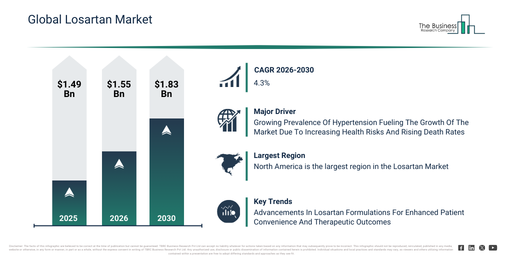
    The losartan market size has shown consistent growth in recent years. Its value is anticipated to rise from $1.49 billion in 2025 to $1.55 billion in 2026, reflecting a compound annual growth rate (CAGR) of 4.2%. This past growth can be attributed to several factors including an increasing global prevalence of hypertension, the widespread clinical adoption of ARBs, a rising incidence of kidney disease linked to diabetes, improved public awareness concerning cardiovascular risk management, and an early transition from ACE inhibitors to ARBs.

    The losartan market size is anticipated to demonstrate sustained expansion in the upcoming years, projected to reach $1.83 billion by 2030, reflecting a compound annual growth rate (CAGR) of 4.3%. This expected growth during the forecast period is largely influenced by an aging global demographic, a surging demand for medications that protect kidneys and reduce blood pressure, enhanced access to affordable generic versions, an increased focus on preventing strokes, and elevated healthcare spending directed towards the treatment of chronic conditions. Key trends identified for the forecast period encompass a rising prevalence of hypertension and various cardiovascular ailments, an escalating preference for ARBs over ACE inhibitors, a wider distribution of generic losartan prescriptions, its growing application in the management of diabetic nephropathy, and an increased embrace of long-term therapies for blood pressure control.

    Download the Free Sample Report to Explore Key Market Insights:

    https://www.thebusinessresearchcompany.com/sample.aspx?id=24284&type=smp

    Which Growth Drivers Are Contributing To The Progress Of The Losartan Market?

    The increasing incidence of hypertension is projected to boost the expansion of the losartan market in the coming years. Hypertension is defined as a state characterized by sustained elevated blood pressure, which significantly elevates the risk of cardiac ailments, strokes, and various other serious health issues. The rising occurrence of hypertension is often associated with diets high in salt and processed foods, leading to fluid accumulation and increased strain on the heart. Losartan functions to manage hypertension by obstructing angiotensin II, a hormone responsible for constricting blood vessels. This action facilitates the relaxation and widening of these vessels, thereby reducing blood pressure and lessening the heart’s burden. As an illustration, in January 2025, the Centers for Disease Control and Prevention, a US-based organisation, reported that in 2023, high blood pressure was a primary or contributing factor in 664,470 deaths within the United States. Consequently, the escalating prevalence of hypertension is fueling the growth of the losartan market.

    What Major Segment Divisions Exist Within The Losartan Market?

    The losartan market covered in this report is segmented –

    1) By Dosage: Tablet, Powder, Suspension

    2) By Source: Contract Manufacturing Organizations, In-House

    3) By Distribution Channel: Online, Offline

    4) By Application: Hypertension, Stroke, Diabetic Nephropathy, Other Applications

    5) By End-User: Adult, Pediatric

    Subsegments:

    1) By Tablet: 25 Milligrams (mg), 50 Milligrams (mg), 100 Milligrams (mg)

    2) By Powder: 25 Milligrams (mg), 50 Milligrams (mg), 100 Milligrams (mg)

    3) By Suspension: 5 Milligrams (mg) Per 5 Milliliters (mL), 10 Milligrams (mg) Per 5 Milliliters (mL), 25 Milligrams (mg) Per 5 Milliliters (mL)

    What Trends Are Projected To Affect The Losartan Market?

    Leading companies in the losartan market are concentrating on developing innovative products and securing approvals, such as losartan potassium oral suspension, to improve patient adherence and expand its therapeutic applications. Losartan potassium oral suspension is a liquid version of the losartan potassium medication, specifically formulated for individuals who find swallowing tablets challenging. For example, in March 2025, Scienture Holdings Inc., a biopharmaceutical company based in the US, was granted Food and Drug Administration (FDA) approval for Arbli. This product is a ready-to-use liquid formulation designed for hypertension, for reducing stroke risk in hypertensive patients with left ventricular hypertrophy, and for diabetic nephropathy in type 2 diabetes patients. It allows for precise dosing without compounding and is provided as a 165 mL peppermint-flavored suspension (10 mg/mL) with an 18-month shelf life when stored at room temperature.

    Which Companies Are Leading Innovation In The Losartan Market?

    Major companies operating in the losartan market are Viatris Inc., Teva Pharmaceutical Industries Ltd, Intas Pharmaceuticals Ltd., Sun Pharmaceutical Industries Ltd., Apotex Inc., Aurobindo Pharma Ltd., Dr. Reddy’s Laboratories Ltd., Cipla Ltd., Cadila Pharmaceuticals Ltd., Lupin Ltd., Zydus Lifesciences Ltd., Torrent Pharmaceuticals Ltd., Alembic Pharmaceuticals Ltd., Vasudha Pharma Chem Ltd., Unichem Laboratories Ltd., Global Pharma Tek, Manus Aktteva Biopharma LLP, Emcure Pharmaceuticals Ltd., Wellona Pharma, JPM Pharma & Chemicals Pvt. Ltd.

    Read the full losartan market report here:

    https://www.thebusinessresearchcompany.com/report/losartan-global-market-report

    What Are The Leading Geographic Regions In The Losartan Market?

    North America was the largest region in the losartan market in 2025. Asia-Pacific is expected to be the fastest-growing region in the forecast period. The regions covered in the losartan market report are Asia-Pacific, South East Asia, Western Europe, Eastern Europe, North America, South America, Middle East, Africa.

    Request A Tailored Losartan Market Research Report For Competitive Advantage:

    https://www.thebusinessresearchcompany.com/customise?id=24284&type=smp

    Browse Through More Reports Similar to the Global Losartan Market 2026, By The Business Research Company

    Lysine Global Market Report

    https://www.thebusinessresearchcompany.com/report/lysine-global-market-report

    Caviar Global Market Report

    https://www.thebusinessresearchcompany.com/report/caviar-global-market-report

    Liraglutide Global Market Report

    https://www.thebusinessresearchcompany.com/report/liraglutide-global-market-report

    Get in touch with us:

    The Business Research Company: https://www.thebusinessresearchcompany.com/

    Americas +1 310-496-7795

    Asia +44 7882 955267 & +91 8897263534

    Europe +44 7882 955267

    Email us at info@tbrc.info

    Follow us on:

    LinkedIn: https://in.linkedin.com/company/the-business-research-company

    YouTube: https://www.youtube.com/channel/UC24_fI0rV8cR5DxlCpgmyFQ

    Global Market Model: https://www.thebusinessresearchcompany.com/global-market-model
  • Global Long‑Read Sequencing Services Market Forecast 2026–2035 Presenting Long-Term Industry Expansion Insights

    Global Long‑Read Sequencing Services Market Forecast 2026–2035 Presenting Long-Term Industry Expansion Insights

    The Business Research Company’s 2026 market reports include new capabilities such as market attractiveness scoring and analysis, total addressable market analysis, company scoring matrix, interactive excel data dashboard, improved supply chain analysis, upcoming startups in the market, and overview of key products, aimed at improving the depth, usability, and strategic value of the insights delivered.

    What Market Value Is Expected For The Long‑Read Sequencing Services Market At The End Of The 2026–2030 Forecast Period?

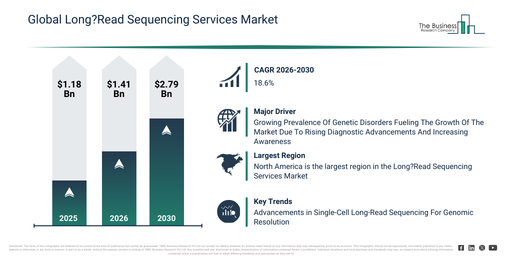
    The long-read sequencing services market has demonstrated significant growth in recent years. This market is expected to expand from $1.18 billion in 2025 to $1.41 billion in 2026, achieving a compound annual growth rate (CAGR) of 18.9%. The historical expansion of this market can be attributed to progress in sequencing chemistry and instruments, increased financial support for genomics research, a growing need for high-resolution genome analysis, the broadening of academic genomics projects, and the presence of specialized sequencing service providers.

    The long-read sequencing services market size is poised for significant expansion in the coming years. It is forecast to grow to $2.79 billion by 2030, demonstrating a compound annual growth rate (CAGR) of 18.6%. This anticipated growth during the forecast period is fueled by several factors, including the growing clinical acceptance of long-read sequencing, increased investments in population genomics, the broadening of precision oncology research, a rising need for de novo genome assembly, and the integration of AI-based genomic interpretation. Key trends expected in the forecast period encompass an escalating demand for structural variant analysis services, the increasing adoption of nanopore sequencing platforms, the expanding application of long-read sequencing in rare disease research, the proliferation of clinical-grade long-read sequencing services, and an enhanced emphasis on comprehensive genome assembly.

    Download the Free Sample Report to Explore Key Market Insights:

    https://www.thebusinessresearchcompany.com/sample.aspx?id=28260&type=smp

    What Primary Drivers Are Shaping The Development Of The Long‑Read Sequencing Services Market?

    The increasing incidence of genetic disorders is anticipated to drive the expansion of the long-read sequencing services market moving forward. Genetic diseases are conditions resulting from modifications or mutations in DNA, which can be either inherited or occur spontaneously, thereby impacting health, development, or various bodily functions. The rising frequency of genetic diseases is attributable to heightened awareness and advancements in diagnostic technologies, which enable earlier and more accurate detection of conditions that were previously undiagnosed. Long-read sequencing services facilitate the management of genetic disorders by supplying highly accurate, comprehensive genomic data, enabling precise identification of structural variants and complex mutations. For instance, in April 2024, the National Institutes of Health (NIH), a US-based government’s premier biomedical research agency, reported that an estimated 6.9 million Americans aged 65 and older are currently living with Alzheimer’s dementia, with this figure projected to nearly double to 13.8 million by 2060. Therefore, the growing prevalence of genetic disorders is propelling the growth of the long-read sequencing services market.

    What Segment Types Make Up The Long‑Read Sequencing Services Market?

    The long‑read sequencing services market covered in this report is segmented –

    1) By Service Type: Whole Genome Sequencing, Targeted Sequencing, De Novo Sequencing, Other Services

    2) By Technology: Single-Molecule Real-Time Sequencing, Nanopore Sequencing, Other Technologies

    3) By Application: Clinical Diagnostics, Genomic Research, Oncology, Rare Disease Detection, Other Applications

    4) By End User: Academic And Research Institutes, Hospitals And Clinics, Pharmaceutical And Biotechnology Companies, Other End-Users

    Subsegments:

    1) By Whole Genome Sequencing: Complete Genome Mapping, Comprehensive Variant Detection, Structural Variation Analysis, Comparative Genomics

    2) By Targeted Sequencing: Gene Panel Sequencing, Exome Sequencing, Transcriptome Sequencing, Custom Target Region Sequencing

    3) By De Novo Sequencing: Novel Genome Assembly, Structural Variant Characterization, Complex Genome Reconstruction, Non-Model Organism Sequencing

    4) By Other Services: Data Analysis And Interpretation, Library Preparation Services, Bioinformatics Support Services, Validation And Quality Control Services

    Which Upcoming Trends Are Expected To Influence The Long‑Read Sequencing Services Market?

    Leading companies in the long-read sequencing services market are prioritizing the creation of advanced solutions, such as primary template directed amplification (PTA), which enables high-fidelity, uniform whole-genome amplification from single cells and facilitates the sensitive detection of single-nucleotide variants (SNVs). Primary template-directed amplification is a proprietary whole-genome amplification technique developed to precisely and uniformly amplify deoxyribonucleic acid (DNA) from ultra-low input samples, thereby reducing errors and maintaining the original deoxyribonucleic acid (DNA) sequence. Highlighting this advancement, in October 2025, BioSkryb Genomics, Inc., a US-based genomics company specializing in long-read sequencing technologies, unveiled the ResolveSEQ LongRead Early Access Program. This platform represents a state-of-the-art single-cell whole-genome long-read sequencing solution that integrates primary template-directed amplification (PTA) with long-read library preparation to deliver high-coverage, uniform amplification from individual cells. Additionally, the platform supports the sensitive detection of single-nucleotide variants (SNVs) and repeat expansions, while also providing haplotype phasing at single-cell resolution.

    Who Are The Key Players Driving Competition In The Long‑Read Sequencing Services Market?

    Major companies operating in the long‑read sequencing services market are Thermo Fisher Scientific Inc., Danaher Corporation, Agilent Technologies Inc., Illumina Inc., Revvity Inc., QIAGEN N.V., BGI Genomics Co. Ltd., Takara Bio Inc., Oxford Nanopore Technologies plc, Pacific Biosciences of California Inc., GENEWIZ Inc., Macrogen Inc., Novogene Co. Ltd., DNAnexus Inc., Zymo Research Corp., CD Genomics Inc., Genotypic Technology Pvt. Ltd., Plasmidsaurus Inc., BaseClear B.V., GrandOmics Biosciences Co. Ltd., Arima Genomics Inc., Wuhan Benagen Technology Co. Ltd.

    Read the full long‑read sequencing services market report here:

    https://www.thebusinessresearchcompany.com/report/long-read-sequencing-services-global-market-report

    How Does The Long‑Read Sequencing Services Market Perform Across Major Global Regions?

    North America was the largest region in the long‑read sequencing services market in 2025. Asia-Pacific is expected to be the fastest-growing region in the forecast period. The regions covered in the long‑read sequencing services market report are Asia-Pacific, South East Asia, Western Europe, Eastern Europe, North America, South America, Middle East, Africa.

    Request A Tailored Long‑Read Sequencing Services Market Research Report For Competitive Advantage:

    https://www.thebusinessresearchcompany.com/customise?id=28260&type=smp

    Browse Through More Reports Similar to the Global Long‑Read Sequencing Services Market 2026, By The Business Research Company

    Anti Parkinson Drugs Global Market Report

    https://www.thebusinessresearchcompany.com/report/anti-parkinson-drugs-global-market-report

    Regenerative Medicine Market

    https://www.thebusinessresearchcompany.com/report/regenerative-medicine-market

    Dermatophytosis Treatment Global Market Report

    https://www.thebusinessresearchcompany.com/report/dermatophytosis-treatment-global-market-report

    Get in touch with us:

    The Business Research Company: https://www.thebusinessresearchcompany.com/

    Americas +1 310-496-7795

    Asia +44 7882 955267 & +91 8897263534

    Europe +44 7882 955267

    Email us at info@tbrc.info

    Follow us on:

    LinkedIn: https://in.linkedin.com/company/the-business-research-company

    YouTube: https://www.youtube.com/channel/UC24_fI0rV8cR5DxlCpgmyFQ

    Global Market Model: https://www.thebusinessresearchcompany.com/global-market-model
  • Longevity And Anti-senescence Therapy Market Outlook 2026–2030 Exploring New Business Opportunities

    Longevity And Anti-senescence Therapy Market Outlook 2026–2030 Exploring New Business Opportunities

    The Business Research Company’s 2026 market reports include new capabilities such as market attractiveness scoring and analysis, total addressable market analysis, company scoring matrix, interactive excel data dashboard, improved supply chain analysis, upcoming startups in the market, and overview of key products, aimed at improving the depth, usability, and strategic value of the insights delivered.

    What Is The Estimated Market Size Of The Longevity And Anti-senescence Therapy Market During 2026–2030?

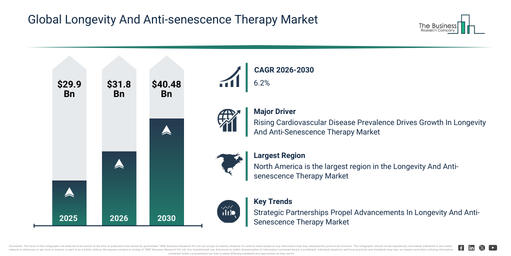
    The market for longevity and anti-senescence therapies has experienced significant expansion recently. This market is projected to expand from $29.9 billion in 2025 to $31.8 billion in 2026, demonstrating a compound annual growth rate (CAGR) of 6.3%. Historically, this growth can be linked to factors such as an expanding global aging population, initial investigations into cellular aging mechanisms, a rise in age-related disease prevalence, a traditional emphasis on symptomatic treatments for aging, and increasing awareness of wellness and preventive healthcare.

    The longevity and anti-senescence therapy market size is anticipated to experience robust expansion over the next few years. It is projected to climb to $40.48 billion by 2030, achieving a compound annual growth rate (CAGR) of 6.2%. This growth within the forecast period can be ascribed to progress in senolytic and gene-based therapies, an escalating demand for solutions aimed at extending lifespan, increasing financial commitments to longevity research, broader acceptance of regenerative medicine, and elevated healthcare spending dedicated to preventing age-related diseases. Significant trends expected during this period include a heightened interest in healthy aging and longevity solutions, a growing focus on targeting cellular senescence, wider adoption of preventive and regenerative therapies, the expansion of anti-aging treatments beyond aesthetic applications, and an increasing consumer inclination to invest in longevity therapies.

    Download the Free Sample Report to Explore Key Market Insights:

    https://www.thebusinessresearchcompany.com/sample.aspx?id=19108&type=smp

    Which Major Factors Are Driving The Expansion Of The Longevity And Anti-senescence Therapy Market?

    The rising occurrence of cardiovascular ailments is projected to boost the expansion of the longevity and anti-senescence therapy market in the future. These diseases are on the rise, attributed to a surge in risk factors like obesity, diabetes, inactive lifestyles, and unhealthy dietary habits, alongside an aging demographic and persistent inflammation. Longevity and anti-senescence therapies endeavor to lessen cardiovascular disease by addressing cellular harm linked to aging and enhancing general cardiac well-being. As an illustration, in October 2024, data from the Centers for Disease Control and Prevention, a US-based government agency, indicated that cardiovascular disease was responsible for 919,032 fatalities in 2023, representing one out of every three deaths. Coronary heart disease continued to be the most common type of heart ailment, with approximately one in six cardiovascular disease-related deaths occurring among individuals under 65 years of age. Consequently, the growing incidence of cardiovascular diseases is fueling the expansion of the longevity and anti-senescence therapy market.

    How Are The Various Segments Of The Longevity And Anti-senescence Therapy Market Categorized?

    The longevity and anti-senescence therapy market covered in this report is segmented –

    1) By Therapy: Senolytic Drug Therapy, Gene Therapy, Cell Therapy, Mitochondrial Therapy, Immunotherapy

    2) By Application: Longevity, Senescence Inhibition, Cardiovascular Diseases, Neural Degenerative Diseases, Ophthalmology Disorders, Cancer

    3) By End User: Hospital, Medical Service Institution

    Subsegments:

    1) By Senolytic Drug Therapy: Small Molecule Senolytics, Natural Senolytics, Combination Senolytic Treatments

    2) By Gene Therapy: CRISPR-Based Gene Therapy, Viral Vector Gene Therapy, RNA Interference Therapy

    3) By Cell Therapy: Stem Cell Therapy, Immune Cell Therapy, Regenerative Cell Therapy

    4) By Mitochondrial Therapy: Mitochondrial Replacement Therapy, Mitochondrial Enhancement Compounds, Mitochondrial Gene Therapy

    5) By Immunotherapy: Monoclonal Antibodies, Immune Checkpoint Inhibitors, Vaccines For Aging

    How Are Trends Shaping The Direction Of The Longevity And Anti-senescence Therapy Market?

    Leading companies within the longevity and antisenescence therapy markets are forging strategic alliances to advance anti-senescence products. These strategic partnerships represent cooperative agreements between organizations designed to utilize each other’s strengths and resources to achieve mutual goals and enhance competitive standing. For instance, in July 2024, MDB Capital Holdings LLC, a US-based investment holding company, joined forces with Mayo Clinic, a US-based nonprofit surgical and medical clinic, to bolster its anti-senescence platform. This alliance seeks to develop therapies specifically targeting cellular senescence, a process intrinsically linked to aging and various diseases. The collaboration will capitalize on Mayo Clinic’s deep expertise in clinical research and MDB Capital’s innovative approach to drug development, with a primary focus on improving patient outcomes for age-related conditions. This undertaking underscores the escalating interest in addressing the fundamental biological mechanisms of aging through cutting-edge therapeutic strategies.

    Which Major Firms Influence Developments In The Longevity And Anti-senescence Therapy Market?

    Major companies operating in the longevity and anti-senescence therapy market are AbbVie Inc., BioAge Labs, Unity Biotechnology, Insilico Medicine, Human Longevity Inc., Calico Life Sciences LLC, Recursion Pharmaceuticals, AgeX Therapeutics Inc., Alkahest Inc., CohBar Inc., Stealth BioTherapeutics, Altos Labs, Navitor Pharmaceuticals Inc., Sierra Sciences LLC, T A Sciences Inc., Juvenescence AI Limited, Senex Biotechnology, Spotlight Bioscience, Prana Biotechnology Ltd., Rejuvenate Bio Inc., Turn Biotechnologies Inc., Life Biosciences Inc.

    Read the full longevity and anti-senescence therapy market report here:

    https://www.thebusinessresearchcompany.com/report/longevity-and-anti-senescence-therapy-global-market-report

    Which Region Currently Holds The Largest Share Of The Longevity And Anti-senescence Therapy Market?

    North America was the largest region in the longevity and anti-senescence therapy market in 2025. The regions covered in the longevity and anti-senescence therapy market report are Asia-Pacific, South East Asia, Western Europe, Eastern Europe, North America, South America, Middle East, Africa.

    Request A Tailored Longevity And Anti-senescence Therapy Market Research Report For Competitive Advantage:

    https://www.thebusinessresearchcompany.com/customise?id=19108&type=smp

    Browse Through More Reports Similar to the Global Longevity And Anti-senescence Therapy Market 2026, By The Business Research Company

    Next Generation Sequencing Market

    https://www.thebusinessresearchcompany.com/report/next-generation-sequencing-market

    Rna Sequencing Services Global Market Report

    https://www.thebusinessresearchcompany.com/report/rna-sequencing-services-global-market-report

    Dna Sequencing Global Market Report

    https://www.thebusinessresearchcompany.com/report/dna-sequencing-global-market-report

    Get in touch with us:

    The Business Research Company: https://www.thebusinessresearchcompany.com/

    Americas +1 310-496-7795

    Asia +44 7882 955267 & +91 8897263534

    Europe +44 7882 955267

    Email us at info@tbrc.info

    Follow us on:

    LinkedIn: https://in.linkedin.com/company/the-business-research-company

    YouTube: https://www.youtube.com/channel/UC24_fI0rV8cR5DxlCpgmyFQ

    Global Market Model: https://www.thebusinessresearchcompany.com/global-market-model
  • Global Long QT Syndrome Treatment Market Report 2026–2035 Highlighting Expansion Outlook and Forecast Opportunities

    Global Long QT Syndrome Treatment Market Report 2026–2035 Highlighting Expansion Outlook and Forecast Opportunities

    The Business Research Company’s 2026 market reports include new capabilities such as market attractiveness scoring and analysis, total addressable market analysis, company scoring matrix, interactive excel data dashboard, improved supply chain analysis, upcoming startups in the market, and overview of key products, aimed at improving the depth, usability, and strategic value of the insights delivered.

    What Market Size Expansion Is Predicted For The Long QT Syndrome Treatment Market Between 2026 And 2030?

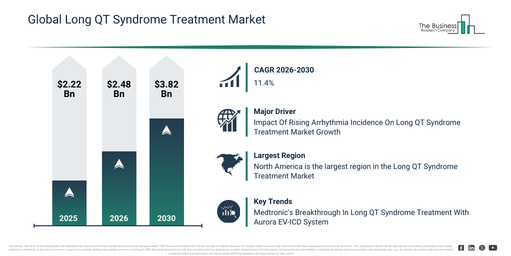
    The long qt syndrome treatment market size has seen rapid expansion in recent years. This market is projected to increase from $2.22 billion in 2025 to $2.48 billion in 2026, at a compound annual growth rate (CAGR) of 11.7%. Historically, this growth can be attributed to improvements in cardiac diagnostic capabilities, increasing awareness of inherited cardiac disorders, the adoption of beta-blocker therapies, the expansion of electrophysiology services, and the availability of implantable defibrillator technologies.

    The long qt syndrome treatment market is anticipated to experience rapid expansion in the coming years, with its size projected to reach $3.82 billion by 2030, growing at a compound annual growth rate (CAGR) of 11.4%. This growth during the forecast period is primarily driven by the increasing development of gene-based therapies, the rising adoption of precision cardiology approaches, the expansion of wearable cardiac monitoring technologies, the growing integration of digital health tools, and increasing investments in rare disease treatment research. Significant trends expected during this period include a greater adoption of genetic testing for risk stratification, an increased use of implantable cardiac devices, a growing focus on personalized treatment protocols, the broader expansion of remote patient monitoring solutions, and the enhanced integration of clinical decision support tools.

    Download the Free Sample Report to Explore Key Market Insights:

    https://www.thebusinessresearchcompany.com/sample.aspx?id=20569&type=smp

    What Key Drivers Are Influencing The Growth Of The Long QT Syndrome Treatment Market?

    The growing occurrence of arrhythmia is projected to stimulate the expansion of the long QT syndrome treatment market. Arrhythmia is a medical state marked by an irregular heart rhythm, where the heart beats either too rapidly, too slowly, or erratically. The heightened incidence of this condition can be attributed to several factors, such as an aging demographic, advancements in diagnostic tools, and a growing prevalence of cardiovascular risk factors. Long QT syndrome treatment plays a crucial role in managing arrhythmia, preventing life-threatening irregular heart rhythms that may lead to sudden cardiac arrest or death. For example, data from the National Library of Medicine (NLM), the world’s largest medical library based in the US, indicated in 2023 that arrhythmias are expected to impact 1.5% to 5% of the general population annually, with atrial fibrillation being the most widespread type. This demonstrates that the escalating incidence of arrhythmia is a key driver for the growth of the long QT syndrome treatment market.

    Which Market Segments Are Examined In The Long QT Syndrome Treatment Market Study?

    The long qt syndrome treatment market covered in this report is segmented –

    1) By Type: Long QT Syndrome Type 1, Long QT Syndrome Type 2, Long QT Syndrome Type 3, Other Types

    2) By Treatment: Medication, Surgical Procedures

    3) By Diagnosis: Tests, Electrocardiogram, Genetic Testing, Other Diagnosis

    Subsegments:

    1) By Long QT Syndrome Type 1: Pharmacological Treatment for Type 1 (Beta-Blockers, Etc.), Implantable Cardioverter-Defibrillators (ICD) for Type 1, Gene Therapy for Long QT Type 1, Surgical Interventions for Type 1

    2) By Long QT Syndrome Type 2: Beta-Blockers for Type 2 Treatment, Implantable Cardioverter-Defibrillators (ICD) for Type 2, Gene Therapy for Type 2, Potassium Channel Blockers for Type 2, Lifestyle Modifications and Monitoring for Type 2

    3) By Long QT Syndrome Type 3: Sodium Channel Blockers for Type 3, Beta-Blockers for Type 3 Treatment, Implantable Cardioverter-Defibrillators (ICD) for Type 3, Gene Therapy and Cell Therapy for Type 3, Pharmacological Interventions for Type 3

    4) By Other Types: Congenital Long QT Syndrome Treatment, Acquired Long QT Syndrome Treatment, Combination Treatments for Long QT Syndrome, Novel and Experimental Treatments for Long QT Syndrome

    Which Market Trends Are Creating New Opportunities In The Long QT Syndrome Treatment Market?

    Leading companies in the long QT syndrome treatment market are concentrating on developing technologically advanced products, such as cardiac devices, to provide convenient, real-time heart rhythm monitoring. A cardiac device is a medical instrument either implanted in or used by patients to help manage heart rhythm irregularities, enhance heart function, or support blood circulation. These devices are commonly utilized to address conditions like arrhythmias, heart failure, or other cardiovascular diseases. For example, in October 2023, Medtronic Plc, an Ireland-based medical device company, announced that the U.S. Food and Drug Administration (FDA) had approved its Aurora EV-ICD MRI SureScan, an Extravascular Implantable Cardioverter-Defibrillator (EV-ICD) system, which is designed to treat fast heart rhythms that can lead to sudden cardiac arrest. This approval represents a significant progression in implantable defibrillator technology, decreasing the risk of long-term complications and boosting the safety and effectiveness of ICD technology. This strategy is anticipated to broaden the company’s product offerings.

    Who Are The Primary Competitors In The Long QT Syndrome Treatment Market?

    Major companies operating in the long qt syndrome treatment market are Pfizer Inc., Novartis AG, Sanofi S.A., Bristol Myers Squibb, AstraZeneca Plc, Bayer AG, Eli Lilly and Company, Johnson & Johnson, Roche Holding AG, Takeda Pharmaceutical Company Limited, Medtronic Plc, Boston Scientific Corporation, Abbott Laboratories, Biotronik SE & Co. KG, LivaNova PLC, MicroPort Scientific Corporation, GE Healthcare, Philips Healthcare, Nihon Kohden Corporation, AliveCor Inc.

    Read the full long qt syndrome treatment market report here:

    https://www.thebusinessresearchcompany.com/report/long-qt-syndrome-treatment-global-market-report

    Which Region Is Expected To Register The Fastest Growth In The Long QT Syndrome Treatment Market?

    North America was the largest region in the long QT syndrome treatment market in 2025. Asia-Pacific is expected to be the fastest-growing region in the forecast period. The regions covered in the long qt syndrome treatment market report are Asia-Pacific, South East Asia, Western Europe, Eastern Europe, North America, South America, Middle East, Africa.

    Request A Tailored Long QT Syndrome Treatment Market Research Report For Competitive Advantage:

    https://www.thebusinessresearchcompany.com/customise?id=20569&type=smp

    Browse Through More Reports Similar to the Global Long QT Syndrome Treatment Market 2026, By The Business Research Company

    Chemical Surface Treatment Global Market Report

    https://www.thebusinessresearchcompany.com/report/chemical-surface-treatment-global-market-report

    Bleeding Disorders Treatment Global Market Report

    https://www.thebusinessresearchcompany.com/report/bleeding-disorders-treatment-global-market-report

    Autoimmune Treatment Global Market Report

    https://www.thebusinessresearchcompany.com/report/autoimmune-treatment-global-market-report

    Get in touch with us:

    The Business Research Company: https://www.thebusinessresearchcompany.com/

    Americas +1 310-496-7795

    Asia +44 7882 955267 & +91 8897263534

    Europe +44 7882 955267

    Email us at info@tbrc.info

    Follow us on:

    LinkedIn: https://in.linkedin.com/company/the-business-research-company

    YouTube: https://www.youtube.com/channel/UC24_fI0rV8cR5DxlCpgmyFQ

    Global Market Model: https://www.thebusinessresearchcompany.com/global-market-model
  • Locum Tenens Staffing Market Growth Prospects 2026–2030 with Innovation Trends and Competitive Landscape

    Locum Tenens Staffing Market Growth Prospects 2026–2030 with Innovation Trends and Competitive Landscape

    The Business Research Company’s 2026 market reports include new capabilities such as market attractiveness scoring and analysis, total addressable market analysis, company scoring matrix, interactive excel data dashboard, improved supply chain analysis, upcoming startups in the market, and overview of key products, aimed at improving the depth, usability, and strategic value of the insights delivered.

    How Large Is The Locum Tenens Staffing Market Projected To Become By 2030 Based On Its 2026 Valuation?

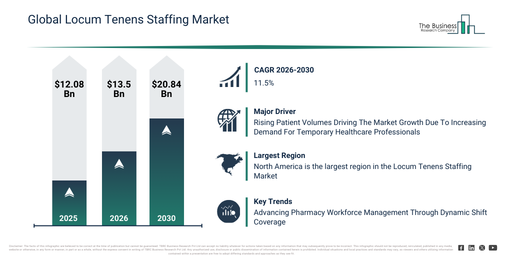
    In recent years, the locum tenens staffing market size has experienced rapid growth. This market is projected to expand from $12.08 billion in 2025 to $13.5 billion in 2026, demonstrating a compound annual growth rate (CAGR) of 11.8%. Historically, the growth can be attributed to increasing healthcare staff shortages, the expansion of hospital networks, a rising demand for specialty physicians, growing reliance on staffing agencies, and increasing healthcare service utilization.

    The locum tenens staffing market size is projected for substantial expansion over the next few years. It is forecast to reach $20.84 billion by 2030, growing at a compound annual growth rate (CAGR) of 11.5%. This projected growth can be ascribed to several factors, including the increasing integration of AI-enabled workforce matching, a heightened demand for staffing due to telemedicine, the proliferation of flexible employment structures, the increasing application of digital credentialing systems, and a growing necessity for international healthcare staffing. Key developments within this forecast timeframe involve a greater reliance on digital staffing platforms, an increasing need for on-demand clinical personnel solutions, wider adoption of credential verification technologies, the growth of remote and telehealth staffing arrangements, and a stronger emphasis on workforce flexibility.

    Download the Free Sample Report to Explore Key Market Insights:

    https://www.thebusinessresearchcompany.com/sample.aspx?id=25810&type=smp

    What Major Growth Drivers Are Shaping The Outlook Of The Locum Tenens Staffing Market?

    The locum tenens staffing market is anticipated to expand due to increasing patient volumes in the future. This rise in patient volumes signifies a greater number of individuals seeking medical attention across various healthcare settings like hospitals and clinics. A key factor contributing to this increase is the expanding aging population, as older individuals often require more frequent medical appointments, extensive long-term care, and ongoing management for chronic ailments such as diabetes, heart disease, and arthritis. Consequently, heightened patient volumes amplify the demand for adaptive and prompt medical staffing options, making locum tenens professionals crucial for upholding steady patient care, alleviating workforce deficiencies, and mitigating provider exhaustion in busy healthcare environments. As an illustration, a report released by the National Health Service (NHS), a UK government entity, in December 2024, revealed that in 2022/23, there were 5,099 hospital admissions primarily diagnosed with obesity and involving a main or secondary bariatric procedure. These specific admissions constituted 4% of all hospital admissions that year, consistent with prior years, and represented 16% of admissions linked to conditions potentially caused by smoking. Hence, the increasing patient volumes are a significant catalyst for the growth of the locum tenens staffing market.

    What Segment Groups Are Identified Within The Locum Tenens Staffing Market?

    The locum tenens staffing market covered in this report is segmented –

    1) By Type: Temporary Staffing, Per Diem Staffing, Locum Tenens Recruitment

    2) By Specialty: Primary Care, Anesthesiology, Radiology, Emergency Medicine, Surgery, Nurse Practitioners, Behavioral Health, Other Specialties

    3) By End-Use: Hospitals, Ambulatory Facilities, Other End-Users

    Subsegments:

    1) By Temporary Staffing: Short-Term Assignments, Long-Term Assignments, Travel Healthcare Staffing

    2) By Per Diem Staffing: Daily Shift Coverage, On-Call Coverage, Last-Minute Scheduling

    3) By Locum Tenens Recruitment: Direct Recruitment, Agency-Based Recruitment, Online Platform-Based Recruitment

    What Trends Are Affecting The Expansion Of The Locum Tenens Staffing Market?

    Leading firms within the locum tenens staffing market are prioritizing advancements in pharmacy workforce solutions, including dynamic shift coverage, aimed at rapidly addressing staffing shortages and offering adaptable employment options for pharmacy personnel. This dynamic shift coverage system involves connecting available pharmacy professionals with vacant shifts instantaneously, thereby guaranteeing continuous pharmacy services. As an example, in February 2025, the American Pharmacists Association (APhA), a professional organization based in the US, alongside the California Pharmacists Association (CPHA) and Locumate, introduced HealthShifts, a digital solution designed for locum tenens staffing. HealthShifts consolidates provider data, schedule management, credential validation, and communication functionalities; its operation allows facilities to advertise shifts and connect with suitable temporary personnel in real-time, while empowering clinicians to digitally oversee their schedules and professional documents; distinguishing characteristics comprise automated matching processes, mobile access, and embedded compliance evaluations; its utility extends to hospitals, pharmacies, and outpatient clinics; the advantages encompass quicker staffing, minimized administrative workload, greater workforce adaptability, and better continuity of patient care.

    Which Companies Hold Significant Positions In The Locum Tenens Staffing Market?

    Major companies operating in the locum tenens staffing market are AMN Healthcare Services Inc., Cross Country Healthcare Inc., Aya Healthcare Inc., CHG Healthcare Services Inc., Barton & Associates Inc., Medicus Healthcare Solutions LLC, All Medical Personnel Inc., Hayes Locums Inc., OneStaff Locums LLC, Caliber Healthcare Solutions LLC, Nomad Health Inc., Wapiti Medical Staffing LLC, Locums Inc., Austin Major Group LLC, TinkBird Healthcare Staffing LLC, Wilderness Medical Staffing LLC, FreeUpMD Inc., ProLocums Inc., MBS Locum Tenens LLC, Rosata Recruitment Ltd.

    Read the full locum tenens staffing market report here:

    https://www.thebusinessresearchcompany.com/report/locum-tenens-staffing-global-market-report

    Which Regions Are Projected To Dominate The Locum Tenens Staffing Market In The Coming Years?

    North America was the largest region in the locum tenens staffing market in 2025. Asia-Pacific is expected to be the fastest-growing region in the forecast period. The regions covered in the locum tenens staffing market report are Asia-Pacific, South East Asia, Western Europe, Eastern Europe, North America, South America, Middle East, Africa.

    Request A Tailored Locum Tenens Staffing Market Research Report For Competitive Advantage:

    https://www.thebusinessresearchcompany.com/customise?id=25810&type=smp

    Browse Through More Reports Similar to the Global Locum Tenens Staffing Market 2026, By The Business Research Company

    Milk Global Market Report

    https://www.thebusinessresearchcompany.com/report/milk-global-market-report

    Janitorial Services Global Market Report

    https://www.thebusinessresearchcompany.com/report/janitorial-services-global-market-report

    Food Service Equipment Global Market Report

    https://www.thebusinessresearchcompany.com/report/food-service-equipment-global-market-report

    Get in touch with us:

    The Business Research Company: https://www.thebusinessresearchcompany.com/

    Americas +1 310-496-7795

    Asia +44 7882 955267 & +91 8897263534

    Europe +44 7882 955267

    Email us at info@tbrc.info

    Follow us on:

    LinkedIn: https://in.linkedin.com/company/the-business-research-company

    YouTube: https://www.youtube.com/channel/UC24_fI0rV8cR5DxlCpgmyFQ

    Global Market Model: https://www.thebusinessresearchcompany.com/global-market-model