Category: Healthcare Services

  • GM1 Gangliosidosis Industry Expansion Forecast Showing Market Size of $0.95 Billion by 2030 at 10.8% CAGR

    GM1 Gangliosidosis Industry Expansion Forecast Showing Market Size of $0.95 Billion by 2030 at 10.8% CAGR

    The Business Research Company’s 2026 market reports include new capabilities such as market attractiveness scoring and analysis, total addressable market analysis, company scoring matrix, interactive excel data dashboard, improved supply chain analysis, upcoming startups in the market, and overview of key products, aimed at improving the depth, usability, and strategic value of the insights delivered.

    What Market Size Increase Is Anticipated For The GM1 Gangliosidosis Market Over The 2026–2030 Period?

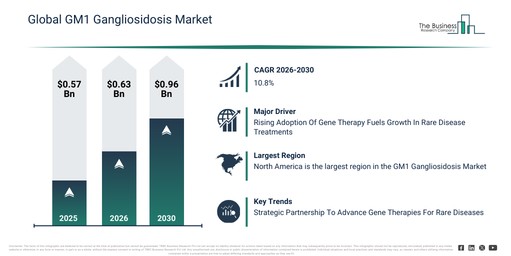
    The market for gm1 gangliosidosis has experienced rapid expansion in recent years. It is projected to increase from $0.57 billion in 2025 to $0.63 billion in 2026, at a compound annual growth rate (CAGR) of 11.1%. This historical growth can be attributed to elements such as rare disease research initiatives, the identification of enzyme deficiencies, advancements in genetic diagnostics, hospital-based pediatric care, and early clinical studies.

    The gm1 gangliosidosis market is projected to experience substantial expansion over the coming years. By 2030, its valuation is anticipated to reach $0.96 billion, demonstrating a compound annual growth rate (CAGR) of 10.8%. This anticipated growth during the forecast period is primarily driven by factors such as the expansion of the gene therapy pipeline, incentives for orphan drugs, advancements in diagnostic screening, heightened patient advocacy, and increased biotechnology funding. Key developments expected within the forecast timeframe encompass an escalating emphasis on developing drugs for rare diseases, intensified research into gene therapy, broader adoption of enzyme replacement therapies, wider implementation of newborn genetic screening, and a surge in clinical trial undertakings.

    Download the Free Sample Report to Explore Key Market Insights:

    https://www.thebusinessresearchcompany.com/sample.aspx?id=21194&type=smp

    Which Economic Or Industry Drivers Are Impacting The GM1 Gangliosidosis Market?

    The expanding integration of gene therapy is projected to stimulate the growth of the GM1 gangliosidosis market moving forward. Gene therapy is a medical intervention that involves altering or replacing genes within a person’s cells to manage or prevent diseases. The increasing uptake of gene therapy is propelled by advances in genetic research, improved patient outcomes for conditions that were previously untreatable, and strengthening regulatory support for innovative treatments. For GM1 gangliosidosis, gene therapy works by delivering a functional copy of the defective gene (GLB1) to patient cells, aiming to restore ß-galactosidase enzyme activity and reduce the buildup of toxic substrates. For example, in January 2024, the American Society of Gene & Cell Therapy, a US-based organization, reported that in Q4 2023, the number of gene therapies in Phase III increased by 10% compared to the prior quarter, marking the first rise since Q3 2022. Therefore, the growing adoption of gene therapy is driving the expansion of the GM1 gangliosidosis market.

    How Is The GM1 Gangliosidosis Market Segmented Across Key Categories?

    The gm1 gangliosidosis market covered in this report is segmented –

    1) By Disease Type: Type 1 GM1 Gangliosidosis, Type 2 GMT Gangliosidosis, Type 3 GMT Gangliosidosis

    2) By Treatment: Anticonvulsants, Bone Marrow Transplantation, Cord-Blood Hematopoietic Stem-Cell Transplantation, Enzyme Replacement, Gene Therapy

    3) By End-User: Research Institutes, Hospitals, Other End-Users

    Subsegments:

    1) By Type 1 GM1 Gangliosidosis: Classic Infantile Onset, Atypical Infantile Onset

    2) By Type 2 GM1 Gangliosidosis: Classic Juvenile Onset, Atypical Juvenile Onset

    3) By Type 3 GM1 Gangliosidosis: Classic Adult Onset, Atypical Adult Onset

    Which Trends Are Impacting The Growth Of The GM1 Gangliosidosis Market?

    Leading companies active in the GM1 gangliosidosis market are prioritizing strategic alliances to secure their market presence. Strategic partnerships are essential for advancing gene therapy development by integrating expertise, resources, and technologies to accelerate research, clinical trials, and commercialization. For example, in October 2024, GEMMA Biotherapeutics Inc., a US-based biotechnology company, formed a partnership with the Oswaldo Cruz Foundation (Fiocruz), a Brazil-based health research institution, to develop gene therapies for rare diseases, including GM1 gangliosidosis. The agreement entails up to $100 million in funding from Fiocruz for clinical research and manufacturing, intending to make these advanced therapies accessible through Brazil’s public healthcare system. This collaboration underscores technology transfer and aims to democratize access to treatments that were previously restricted to higher-income populations.

    Who Are The Dominant Players Shaping The GM1 Gangliosidosis Market Landscape?

    Major companies operating in the gm1 gangliosidosis market are Pfizer Inc, Sanofi S A, Novartis AG, Takeda Pharmaceutical Company Limited, Sarepta Therapeutics Inc, CRISPR Therapeutics AG, REGENXBIO Inc, Passage Bio Inc, Orchard Therapeutics plc, AVROBIO Inc, uniQure N V, Lysogene S A, Sio Gene Therapies Inc, bluebird bio Inc, Axovant Gene Therapies Ltd, Lysosomal Therapeutics Inc, Encoded Therapeutics Inc, Abeona Therapeutics Inc, JCR Pharmaceuticals Co Ltd, Sangamo Therapeutics Inc

    Read the full gm1 gangliosidosis market report here:

    https://www.thebusinessresearchcompany.com/report/gm1-gangliosidosis-global-market-report

    What Are The Top-Performing Regions Within The GM1 Gangliosidosis Market?

    North America was the largest region in the GM1 gangliosidosis market in 2025. The regions covered in the gm1 gangliosidosis market report are Asia-Pacific, South East Asia, Western Europe, Eastern Europe, North America, South America, Middle East, Africa.

    Request A Tailored GM1 Gangliosidosis Market Research Report For Competitive Advantage:

    https://www.thebusinessresearchcompany.com/customise?id=21194&type=smp

    Browse Through More Reports Similar to the Global GM1 Gangliosidosis Market 2026, By The Business Research Company

    Glycomic Therapeutics Global Market Report

    https://www.thebusinessresearchcompany.com/report/glycomic-therapeutics-global-market-report

    Glycol Global Market Report

    https://www.thebusinessresearchcompany.com/report/glycol-global-market-report

    Glyphosate Global Market Report

    https://www.thebusinessresearchcompany.com/report/glyphosate-global-market-report

    Get in touch with us:

    The Business Research Company: https://www.thebusinessresearchcompany.com/

    Americas +1 310-496-7795

    Asia +44 7882 955267 & +91 8897263534

    Europe +44 7882 955267

    Email us at info@tbrc.info

    Follow us on:

    LinkedIn: https://in.linkedin.com/company/the-business-research-company

    YouTube: https://www.youtube.com/channel/UC24_fI0rV8cR5DxlCpgmyFQ

    Global Market Model: https://www.thebusinessresearchcompany.com/global-market-model
  • Glycomics or Glycobiology Market Revenue Expected to Reach $4.66 Billion by 2030 with 17% CAGR

    Glycomics or Glycobiology Market Revenue Expected to Reach $4.66 Billion by 2030 with 17% CAGR

    The Business Research Company’s 2026 market reports include new capabilities such as market attractiveness scoring and analysis, total addressable market analysis, company scoring matrix, interactive excel data dashboard, improved supply chain analysis, upcoming startups in the market, and overview of key products, aimed at improving the depth, usability, and strategic value of the insights delivered.

    How Much Is The Glycomics or Glycobiology Market Expected To Grow In Terms Of Market Value Between 2026 And 2030?

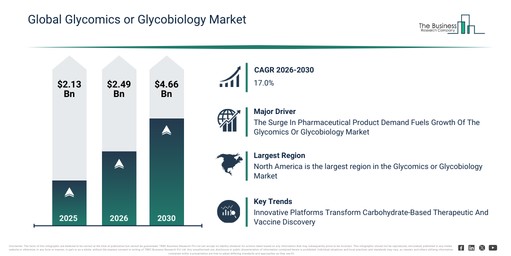
    The glycomics or glycobiology market has experienced rapid growth in recent years. It is forecast to grow from $2.13 billion in 2025 to $2.49 billion in 2026, at a compound annual growth rate (CAGR) of 17.1%. The historical expansion can be attributed to advances in carbohydrate chemistry, the growth of life sciences research, expansion of academic research funding, early biomolecule characterization, and the development of analytical instruments.

    The glycomics or glycobiology market size is projected to experience significant expansion over the coming years. It is anticipated to reach $4.66 billion by 2030, exhibiting a compound annual growth rate (CAGR) of 17.0%. This growth during the forecast period is attributable to several factors, including the expansion of precision medicine, substantial pharmaceutical R&D investments, a rising demand for biomarker discovery, ongoing technological advancements in mass spectrometry, and an increase in translational research. Key trends anticipated within the same period encompass the broadening of glycan-based biological research, an uptick in the application of glycomics for drug discovery, an increasing need for sophisticated glycan analysis tools, the growing incorporation of glycobiology into diagnostics, and heightened academic and industrial collaborations.

    Download the Free Sample Report to Explore Key Market Insights:

    https://www.thebusinessresearchcompany.com/sample.aspx?id=8749&type=smp

    What Major Drivers Are Influencing Demand In The Glycomics or Glycobiology Market?

    The rising need for pharmaceutical products is anticipated to advance the glycomics or glycobiology market’s expansion moving ahead. These products are medications or drugs specifically designed to identify, avert, alleviate, or heal illnesses or health issues in both humans and animals. glycomics and glycobiology play a crucial role in pharmaceutical development, offering understanding into disease processes, pinpointing treatment objectives, and enhancing the formulation and effectiveness of drugs for numerous medical ailments. As an illustration, in February 2024, the Personalized Medicine Coalition, a US-based non-profit organization, reported that in 2023, the FDA sanctioned 16 new personalized treatments for individuals with rare diseases, marking an increase from six in 2022. Among the personalized treatments newly approved for 2023 were also seven drugs for cancer and three for other specific diseases and conditions. Consequently, the escalating demand for pharmaceutical products is fueling the expansion of the glycomics or glycobiology market.

    What Major Segment Divisions Exist Within The Glycomics or Glycobiology Market?

    The glycomics or glycobiology market covered in this report is segmented –

    1) By Product: Enzymes, Kits, Reagents And Chemicals, Instruments, Carbohydrates

    2) By Application: Drug Discovery And Development, Disease Diagnostics, Other Applications

    3) By End-User: Academic Research Institutes, Pharmaceutical And Biotechnology Companies, Clinical Laboratories

    Subsegments:

    1) By Enzymes: Glycosidases, Glycosyltransferases, Sialidases

    2) By Kits: Glycan Analysis Kits, Glycobiology Research Kits

    3) By Reagents And Chemicals: Monosaccharides, Oligosaccharides, Chemical Modifiers

    4) By Instruments: Mass Spectrometers, Chromatography Systems, Imaging Systems

    5) By Carbohydrates: Natural Carbohydrates, Synthetic Carbohydrates

    What Major Market Trends Are Driving Changes In The Glycomics or Glycobiology Market?

    Leading companies operating in the glycobiology market are focusing on developing innovative solutions, such as glycan-display platforms, to accelerate the discovery of carbohydrate-based therapeutics and vaccines. Glycan-display platforms are technologies that present diverse sugar molecules (glycans) on surfaces or scaffolds to study their interactions with proteins, cells, or pathogens for drug and vaccine development. For example, in October 2024, CD BioGlyco, a US-based biotechnology company, introduced its Glycan Display Platform. This advanced, integrated glycan-display technology provides multiple modalities (traditional glycan arrays, cell-based glycan display, neoglycolipid (NGL) display, liquid glycan arrays (LiGA), glyco-phage display, and de novo glycan display) that support a wide range of glycobiology research applications, including drug discovery and glycan-protein interaction studies. This platform uses synthesized or natural glycans and immobilizes or presents them on carriers like lipids, phage particles, or engineered cells, enabling researchers to explore glycan binding properties under various contexts (e.g., fluid versus immobilized, monovalent versus multivalent). Such capabilities facilitate high-throughput screening, precise control over glycan density or presentation format, and offer greater physiological relevance compared to traditional glycan microarrays, which typically immobilize glycans on rigid surfaces.

    Which Companies Are Leading Innovation In The Glycomics or Glycobiology Market?

    Major companies operating in the glycomics or glycobiology market are Aligent Technologies Inc., Bruker Corporation, Merck Co. & KgaA, New England Biolabs Inc., Danaher Corporation, Shimadzu Corporation, ProZyme Inc., Takara Bio Inc., Asparia Glycomics SL, Lectenz Bio, Chemily Glycoscience LLC, Z Biotech LLC, RayBiotech Inc., Thermo Fisher Scientific Inc., Promega Corporation, Bio-Techne Corp., AMS Bio LLC, Ludger Ltd., CD BioGlyco Ltd., GlycoDiag SAS, Kode Biotech Limited, Glyxera GmBH, Glycomix Ltd., R&D Systems Inc.

    Read the full glycomics or glycobiology market report here:

    https://www.thebusinessresearchcompany.com/report/glycomics-or-glycobiology-global-market-report

    Which Region Shows The Strongest Potential For Future Growth In The Glycomics or Glycobiology Market?

    North America was the largest region in the glycomics or glycobiology market share in 2025. Asia-Pacific is expected to be the fastest-growing region in the forecast period. The regions covered in the glycomics or glycobiology market report are Asia-Pacific, South East Asia, Western Europe, Eastern Europe, North America, South America, Middle East, Africa.

    Request A Tailored Glycomics or Glycobiology Market Research Report For Competitive Advantage:

    https://www.thebusinessresearchcompany.com/customise?id=8749&type=smp

    Browse Through More Reports Similar to the Global Glycomics or Glycobiology Market 2026, By The Business Research Company

    Glycomics Or Glycobiology Global Market Report

    https://www.thebusinessresearchcompany.com/report/glycomics-or-glycobiology-global-market-report

    Glycopeptide Antibiotics Global Market Report

    https://www.thebusinessresearchcompany.com/report/glycopeptide-antibiotics-global-market-report

    Glycol Global Market Report

    https://www.thebusinessresearchcompany.com/report/glycol-global-market-report

    Get in touch with us:

    The Business Research Company: https://www.thebusinessresearchcompany.com/

    Americas +1 310-496-7795

    Asia +44 7882 955267 & +91 8897263534

    Europe +44 7882 955267

    Email us at info@tbrc.info

    Follow us on:

    LinkedIn: https://in.linkedin.com/company/the-business-research-company

    YouTube: https://www.youtube.com/channel/UC24_fI0rV8cR5DxlCpgmyFQ

    Global Market Model: https://www.thebusinessresearchcompany.com/global-market-model
  • Global Glycomic Therapeutics Market Set for Strong Expansion Reaching $424.67 Billion by 2030 at 17.6% CAGR

    Global Glycomic Therapeutics Market Set for Strong Expansion Reaching $424.67 Billion by 2030 at 17.6% CAGR

    The Business Research Company’s 2026 market reports include new capabilities such as market attractiveness scoring and analysis, total addressable market analysis, company scoring matrix, interactive excel data dashboard, improved supply chain analysis, upcoming startups in the market, and overview of key products, aimed at improving the depth, usability, and strategic value of the insights delivered.

    What Market Value Is Expected For The Glycomic Therapeutics Market At The End Of The 2026–2030 Forecast Period?

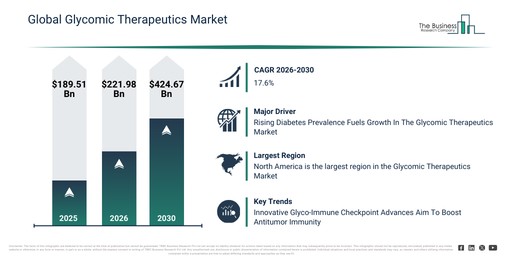
    The glycomic therapeutics market has experienced significant expansion in recent years. This market is projected to expand from $189.51 billion in 2025 to $221.98 billion in 2026, demonstrating a compound annual growth rate (CAGR) of 17.1%. Historically, this growth is a result of progress in glycobiology research, the advancement of enzyme therapies, approvals for rare disease drugs, increased academic research funding, and expansion in biologics manufacturing.

    The glycomic therapeutics market size is anticipated to experience substantial expansion in the coming years, reaching $424.67 billion by 2030, demonstrating a compound annual growth rate (CAGR) of 17.6%. This projected increase is driven by factors such as the adoption of precision medicine, advancements in glycan biomarker discovery, the broadening of orphan drug pipelines, innovations in synthetic biology, and enhanced pharmaceutical research investment. Key developments expected during this period include a greater emphasis on glycan-based drug creation, an increasing focus on immune modulation treatments, the expanded application of enzyme replacement therapies, intensified research into rare and metabolic conditions, and the evolution of synthetic glycan technologies.

    Download the Free Sample Report to Explore Key Market Insights:

    https://www.thebusinessresearchcompany.com/sample.aspx?id=11894&type=smp

    Which Market Drivers Are Supporting The Expansion Of The Glycomic Therapeutics Market?

    The rising incidence of diabetes is projected to fuel the expansion of the glycomic therapeutics market. Diabetes is a long-term health condition characterized by the body’s impaired capacity to manage blood sugar (glucose) levels. Within diabetic individuals, changes in glycans have been noted, potentially leading to insulin resistance and other metabolic issues. Distinct glycan patterns are valuable as biomarkers for identifying diabetes, forecasting its advancement, and assessing treatment effectiveness. For instance, in March 2025, as reported by GOV.UK, a UK-based non-profit government organization, the prevalence of type 2 diabetes recorded by GPs among adults was 7.0% for those aged 17 and over in England at March 2024, marking an increase from 6.8% at March 2023. Consequently, the growing prevalence of diabetes is propelling the growth of the glycomic therapeutics market.

    What Segment Types Make Up The Glycomic Therapeutics Market?

    The glycomic therapeutics market covered in this report is segmented –

    1) By Class: Isolated, Synthetic

    2) By Structures: Glycoproteins, Targeting Sialic Acid, Proteoglycans, Targeting Glycosaminoglycans, Glycosylphosphatidylinositol (GPI)-Anchored Proteins And Heparin Based Glycans, Targeting Glycosphingolipids, Other Structures

    3) By Mode Of Action: Inhibits Neuraminidase, Inhibits Heparanase And Selectins And Blocks Interactions Between Growth Factors And Heparan Sulfate, Erythropoietin And Enzyme Replacement Therapy (ERT), Tissue Plasminogen Activator, Inhibits Glucosylceramide Synthase, Interleukin 1, 2 And 3, Beta And Gamma Interferons, Other Mode Of Action

    4) By Indications: Thrombosis And Chemoprophylaxis, Anemia, Anti-Adhesive And Anti-Inflammatory, Cataracts, Gaucher’s Disease, Mps-1 And IV, Cancer, Alzheimer’s Disease, Influenza Type A And B, Other Indications

    Subsegments:

    1) By Isolated: Natural Glycans, Glycan Derivatives, Glycoproteins

    2) By Synthetic: Chemically Synthesized Glycans, Recombinant Glycans, Glycopeptides

    Which Trends Are Shaping The Future Of The Glycomic Therapeutics Market?

    Leading companies operating within the glycomic therapeutics market are concentrating on developing innovative solutions, such as glyco-immune checkpoint inhibitors, to address tumor immune evasion and improve treatment effectiveness. Glyco-immune checkpoint inhibitors function by blocking immunosuppressive sugar molecules found on cancer cells, thereby assisting the immune system in better identifying and combating tumors. For instance, in June 2023, Palleon Pharmaceuticals Inc., a US-based biopharmaceutical company, reported that the initial patient received dosage in the combination therapy part of the Phase 1/2 GLIMMER-01 clinical trial. This trial is assessing their primary glyco-immunology candidate E-602 alongside cemiplimab (Libtayo®) in individuals suffering from advanced cancers. The study examines E-602 both as a standalone therapy and when combined with cemiplimab to evaluate its safety, pharmacodynamics, and anti-tumor effects. E-602 itself is a pioneering glyco-immune checkpoint inhibitor, engineered to enzymatically break down immunosuppressive sialoglycans present on tumor and immune cells, with the goal of re-establishing antitumor immunity.

    Who Are The Key Players Driving Competition In The Glycomic Therapeutics Market?

    Major companies operating in the glycomic therapeutics market are F Hoffmann-La Roche Ltd., Sanofi SA, Thermo Fisher Scientific Inc., GlaxoSmithKline plc, Merck KGaA, Agilent Technologies Inc., AMS Bio, Shimadzu Corporation, Waters Corporation, Bruker Corporation, BioMarin Pharmaceutical Inc., Bio Techne Corp., Halozyme Therapeutics Inc., Takara Bio Inc., Vector Laboratories, New England Biolabs Inc., Protalix Biotherapeutics Inc., Genovis AB, Ludger Ltd, GlycoMar Limited

    Read the full glycomic therapeutics market report here:

    https://www.thebusinessresearchcompany.com/report/glycomic-therapeutics-global-market-report

    How Is The Glycomic Therapeutics Market Distributed Across Key Geographic Regions?

    North America was the largest region in the glycomic therapeutics in 2025. Asia-Pacific is expected to be the fastest-growing region in the forecast period. The regions covered in the glycomic therapeutics market report are Asia-Pacific, South East Asia, Western Europe, Eastern Europe, North America, South America, Middle East, Africa.

    Request A Tailored Glycomic Therapeutics Market Research Report For Competitive Advantage:

    https://www.thebusinessresearchcompany.com/customise?id=11894&type=smp

    Browse Through More Reports Similar to the Global Glycomic Therapeutics Market 2026, By The Business Research Company

    Glucagon Like Peptide 1 Global Market Report

    https://www.thebusinessresearchcompany.com/report/glucagon-like-peptide-1-global-market-report

    Weight Loss Drugs Global Market Report

    https://www.thebusinessresearchcompany.com/report/weight-loss-drugs-global-market-report

    Peptide Based Metabolic Disorders Therapeutics Global Market Report

    https://www.thebusinessresearchcompany.com/report/peptide-based-metabolic-disorders-therapeutics-global-market-report

    Get in touch with us:

    The Business Research Company: https://www.thebusinessresearchcompany.com/

    Americas +1 310-496-7795

    Asia +44 7882 955267 & +91 8897263534

    Europe +44 7882 955267

    Email us at info@tbrc.info

    Follow us on:

    LinkedIn: https://in.linkedin.com/company/the-business-research-company

    YouTube: https://www.youtube.com/channel/UC24_fI0rV8cR5DxlCpgmyFQ

    Global Market Model: https://www.thebusinessresearchcompany.com/global-market-model
  • Glucagon-Like Peptide (GLP)-1 Agonists Weight Loss Drugs Market Growth Expected to Reach $32.86 Billion by 2030 with 16.2% CAGR

    Glucagon-Like Peptide (GLP)-1 Agonists Weight Loss Drugs Market Growth Expected to Reach $32.86 Billion by 2030 with 16.2% CAGR

    The Business Research Company’s 2026 market reports include new capabilities such as market attractiveness scoring and analysis, total addressable market analysis, company scoring matrix, interactive excel data dashboard, improved supply chain analysis, upcoming startups in the market, and overview of key products, aimed at improving the depth, usability, and strategic value of the insights delivered.

    What Is The Estimated Market Size Of The Glucagon-Like Peptide (GLP)-1 Agonists Weight Loss Drugs Market During 2026–2030?

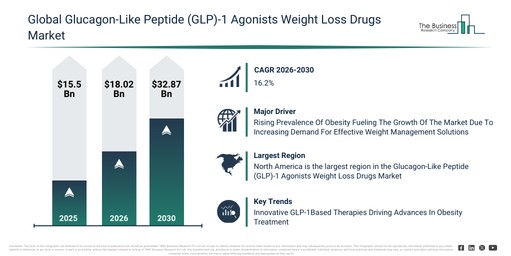
    The glucagon-like peptide (glp)-1 agonists weight loss drugs market has seen significant expansion in recent times. Its value is projected to increase from $15.5 billion in 2025 to $18.02 billion in 2026, demonstrating a compound annual growth rate (CAGR) of 16.3%. Factors contributing to its historical growth include a rise in obesity prevalence, innovations in diabetes medications, the increasing burden of lifestyle diseases, the early adoption of glp-1 for diabetes treatment, and various healthcare awareness campaigns.

    The glucagon-like peptide (glp)-1 agonists weight loss drugs market is set for significant expansion over the next few years, with projections indicating it will reach $32.87 billion in 2030, expanding at a compound annual growth rate (CAGR) of 16.2%. The anticipated growth during the forecast period is primarily driven by the approval of new glp-1 drugs, the expansion of obesity clinics, increased insurance coverage, a growing focus on long-term weight management, and rising global obesity rates. Prominent trends for this period include a surging demand for pharmacological weight management solutions, the increased use of injectable weight loss drugs, the growing adoption of glp-1 therapies beyond diabetes, the expansion of obesity treatment programs, and improved patient adherence to long-term therapy.

    Download the Free Sample Report to Explore Key Market Insights:

    https://www.thebusinessresearchcompany.com/sample.aspx?id=24226&type=smp

    What Underlying Factors Are Accelerating The Growth Of The Glucagon-Like Peptide (GLP)-1 Agonists Weight Loss Drugs Market?

    The increasing occurrence of obesity is projected to boost the expansion of the glucagon-like peptide (GLP)-1 agonist weight loss drugs market in the future. Obesity is defined as a medical state where excessive body fat accumulates, posing health risks. The rates of obesity are climbing, attributed to poor dietary practices, including higher consumption of fast food and sugary beverages, which lack essential nutrients and balance. With the growing count of people impacted by obesity and associated health issues, the need for efficacious treatment choices is escalating, consequently fostering the adoption of glucagon-like peptide (GLP)-1 agonist weight loss drugs due to their established effectiveness in promoting weight loss and improving metabolic well-being. For example, data from May 2025, provided by the Office for Health Improvement and Disparities, a UK-based government body, indicated that from 2023 to 2024, approximately 64.5% of adults aged 18 and over in England were classified as overweight or living with obesity, marking an increase from 64.0% recorded between 2022 to 2023. Consequently, the expanding prevalence of obesity is fueling the growth of the glucagon-like peptide (GLP)-1 agonist weight loss drugs market.

    How Are The Various Segments Of The Glucagon-Like Peptide (GLP)-1 Agonists Weight Loss Drugs Market Categorized?

    The glucagon-like peptide (glp)-1 agonists weight loss drugs market covered in this report is segmented –

    1) By Drugs: Semaglutide, Liraglutide, Tirzepatide, Other Drugs

    2) By Route of Administration: Parenteral, Oral

    3) By Distribution Channel: Hospital Pharmacies, Retail Pharmacies, Other Pharmacies

    Subsegments:

    1) By Semaglutide: Ozempic, Wegovy, Rybelsus

    2) By Liraglutide: Saxenda, Victoza

    3) By Tirzepatide: Mounjaro, Zepbound

    4) By Other Drugs: Exenatide, Dulaglutide, Albiglutide, Efpeglenatide

    What Key Trends Are Influencing The Development Of The Glucagon-Like Peptide (GLP)-1 Agonists Weight Loss Drugs Market?

    Leading companies active in the glucagon-like peptide (GLP)-1 agonist weight loss drugs market are developing innovative solutions for obesity treatment, aiming to boost efficacy and improve patient outcomes. These obesity treatment solutions are therapies that mimic the GLP-1 hormone to help regulate appetite, enhance satiety, and promote weight loss. Such drugs contribute to managing obesity by improving metabolic function and supporting long-term weight control. For instance, in November 2023, Eli Lilly and Company, a US-based pharmaceutical company, gained US Food and Drug Administration approval for Zepbound, a medication designed for chronic weight management in adults who are obese or overweight with related health conditions such as type 2 diabetes or sleep apnea. This drug functions by activating GIP and GLP-1 hormone receptors to suppress appetite and enhance metabolic function.

    Which Major Firms Influence Developments In The Glucagon-Like Peptide (GLP)-1 Agonists Weight Loss Drugs Market?

    Major companies operating in the glucagon-like peptide (glp)-1 agonists weight loss drugs market are Novo Nordisk A/S, Eli Lilly and Company, Pfizer Inc., Merck & Co Inc, Boehringer Ingelheim, Hanmi Pharmaceutical, Jiangsu Hengrui Medicine Co Ltd, Zealand Pharma A/S, I-Mab Biopharma Shanghai Co Ltd, Altimmune Inc, BioAge Labs, Innovent Biologics Inc, Viking Therapeutics Inc, Structure Therapeutics Inc, Regor Therapeutics Inc, TheracosBio LLC, Oramed Pharmaceuticals, Amgen Inc, Roche Holding AG, Teva Pharmaceutical Industries Ltd

    Read the full glucagon-like peptide (glp)-1 agonists weight loss drugs market report here:

    https://www.thebusinessresearchcompany.com/report/glucagon-like-peptide-glp-1-agonists-weight-loss-drugs-global-market-report

    Which Region Is Projected To Dominate The Glucagon-Like Peptide (GLP)-1 Agonists Weight Loss Drugs Market During The Forecast Period?

    North America was the largest region in the glucagon-like peptide (GLP) -1 agonists weight loss drugs market in 2025. The regions covered in the glucagon-like peptide (glp)-1 agonists weight loss drugs market report are Asia-Pacific, South East Asia, Western Europe, Eastern Europe, North America, South America, Middle East, Africa.

    Request A Tailored Glucagon-Like Peptide (GLP)-1 Agonists Weight Loss Drugs Market Research Report For Competitive Advantage:

    https://www.thebusinessresearchcompany.com/customise?id=24226&type=smp

    Browse Through More Reports Similar to the Global Glucagon-Like Peptide (GLP)-1 Agonists Weight Loss Drugs Market 2026, By The Business Research Company

    Kidney Disease Global Market Report

    https://www.thebusinessresearchcompany.com/report/kidney-disease-global-market-report

    Chronic Kidney Disease Global Market Report

    https://www.thebusinessresearchcompany.com/report/chronic-kidney-disease-global-market-report

    Diabetic Kidney Disease Global Market Report

    https://www.thebusinessresearchcompany.com/report/diabetic-kidney-disease-global-market-report

    Get in touch with us:

    The Business Research Company: https://www.thebusinessresearchcompany.com/

    Americas +1 310-496-7795

    Asia +44 7882 955267 & +91 8897263534

    Europe +44 7882 955267

    Email us at info@tbrc.info

    Follow us on:

    LinkedIn: https://in.linkedin.com/company/the-business-research-company

    YouTube: https://www.youtube.com/channel/UC24_fI0rV8cR5DxlCpgmyFQ

    Global Market Model: https://www.thebusinessresearchcompany.com/global-market-model
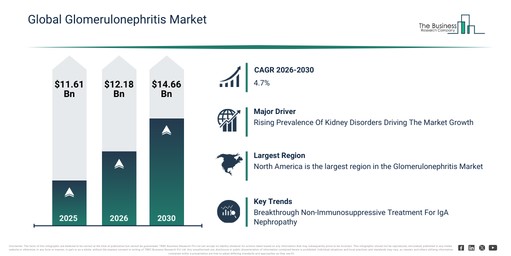
  • Glomerulonephritis Market Forecast 2026–2035 Reflecting Expansion Opportunities Across Industries

    Glomerulonephritis Market Forecast 2026–2035 Reflecting Expansion Opportunities Across Industries

    The Business Research Company’s 2026 market reports include new capabilities such as market attractiveness scoring and analysis, total addressable market analysis, company scoring matrix, interactive excel data dashboard, improved supply chain analysis, upcoming startups in the market, and overview of key products, aimed at improving the depth, usability, and strategic value of the insights delivered.

    What Market Size Expansion Is Predicted For The Glomerulonephritis Market Between 2026 And 2030?

    The glomerulonephritis market size has shown consistent expansion in recent years. It is projected to increase from $11.61 billion in 2025 to $12.18 billion in 2026, demonstrating a compound annual growth rate (CAGR) of 5.0%. The growth observed in the historical period is attributable to the prevalence of autoimmune disorders, the adoption of kidney biopsies, the expansion of nephrology clinics, the availability of immunosuppressive drugs, and the enlargement of diagnostic laboratories.

    The glomerulonephritis market is anticipated to show consistent expansion over the upcoming years. It is projected to achieve a value of $14.66 billion by 2030, growing at a compound annual growth rate (CAGR) of 4.7%. This expected growth within the forecast period stems from progress in renal diagnostics, the evolution of precision nephrology, a rise in the incidence of chronic kidney disease, the broadening of specialized nephrology services, and better adherence to treatment regimens. Significant developments foreseen in this period involve a heightened focus on the early detection of kidney disease, an increasing application of immunosuppressive treatments, the wider adoption of biomarker-based testing, an expansion of services supporting dialysis, and enhanced management of chronic conditions.

    Download the Free Sample Report to Explore Key Market Insights:

    https://www.thebusinessresearchcompany.com/sample.aspx?id=21193&type=smp

    Which Growth Drivers Are Contributing To The Progress Of The Glomerulonephritis Market?

    An increasing incidence of kidney disorders is anticipated to fuel the expansion of the glomerulonephritis market moving forward. Kidney disorders refer to a diverse set of conditions that impair the structure or function of the kidneys, leading to compromised filtration, waste removal, and fluid balance. The rising occurrence of these disorders stems from factors such as aging populations, escalating rates of chronic diseases like diabetes and hypertension, and lifestyle choices. Kidney disorders contribute to glomerulonephritis by triggering immune system dysfunction, chronic inflammation, or structural damage, which in turn leads to impaired kidney filtration and function. For instance, in June 2023, Kidney Research UK reported that an estimated 7.19 million people in the UK were affected by chronic kidney disease in 2023, representing more than 10% of the UK population, with projections indicating an increase to 7.61 million people by 2033. Therefore, the growing prevalence of kidney disorders will be a significant driver for the glomerulonephritis market.

    Which Market Segments Are Examined In The Glomerulonephritis Market Study?

    The glomerulonephritis market covered in this report is segmented –

    1) By Type: Acute Glomerulonephritis, Chronic Glomerulonephritis

    2) By Diagnosis: Urine And Blood Tests, Imaging Tests, Kidney Biopsy, Other Diagnosis

    3) By Treatment: Medication, Surgery, Dialysis, Other Treatments

    4) By Distribution Channel: Hospital Pharmacy, Retail Pharmacy, Other Distribution Channels

    5) By End-User: Hospitals, Specialty Clinics, Other End-Users

    Subsegments:

    1) By Acute Glomerulonephritis: Post-infectious Glomerulonephritis, IgA Nephropathy, Lupus Nephritis, Rapidly Progressive Glomerulonephritis (RPGN), Goodpasture Syndrome

    2) By Chronic Glomerulonephritis: Focal Segmental Glomerulosclerosis (FSGS), Membranous Nephropathy, Minimal Change Disease, Alport Syndrome, Diabetic Nephropathy, Hypertensive Nephrosclerosis

    What Key Trends Are Influencing The Development Of The Glomerulonephritis Market?

    Leading companies in the glomerulonephritis market are concentrating on developing advanced non-immunosuppressive treatments to address unmet medical needs and improve patient outcomes. Non-immunosuppressive treatments are therapies designed not to weaken or suppress the immune system, aiming to treat conditions without compromising immune function. For instance, in September 2024, Travere Therapeutics Inc., a US-based biopharmaceutical company, launched FILSPARI (sparsentan), which received approval from the Food and Drug Administration (FDA) for the treatment of IgA nephropathy, a kidney disease. This drug is the only non-immunosuppressive treatment demonstrated to significantly slow the decline of kidney function in these patients. FILSPARI’s approval represents a major breakthrough in the therapy for IgA nephropathy, which is the most common type of primary glomerulonephritis. This therapy provides a new option for patients who previously had limited choices. This approval highlights Travere’s commitment to enhancing patient outcomes in kidney disease.

    Who Are The Primary Competitors In The Glomerulonephritis Market?

    Major companies operating in the glomerulonephritis market are Pfizer Inc., F. Hoffmann-La Roche Ltd., AstraZeneca PLC, Novartis International AG, Eli Lilly and Company, Boehringer Ingelheim International GmbH, Apellis Pharmaceuticals Inc., MorphoSys AG, Travere Therapeutics Inc., Vera Therapeutics Inc., Calliditas Therapeutics AB, Omeros Corporation, Otsuka Pharmaceutical Co. Ltd., Aurinia Pharmaceuticals Inc., Alexion Pharmaceuticals Inc., Anthera Pharmaceuticals Inc., Chinook Therapeutics, Purespring Therapeutics, Walden Biosciences, Visterra Inc.

    Read the full glomerulonephritis market report here:

    https://www.thebusinessresearchcompany.com/report/glomerulonephritis-global-market-report

    What Are The Leading Geographic Regions In The Glomerulonephritis Market?

    North America was the largest region in the glomerulonephritis market in 2025. The regions covered in the glomerulonephritis market report are Asia-Pacific, South East Asia, Western Europe, Eastern Europe, North America, South America, Middle East, Africa.

    Request A Tailored Glomerulonephritis Market Research Report For Competitive Advantage:

    https://www.thebusinessresearchcompany.com/customise?id=21193&type=smp

    Browse Through More Reports Similar to the Global Glomerulonephritis Market 2026, By The Business Research Company

    Glioma Treatment Global Market Report

    https://www.thebusinessresearchcompany.com/report/glioma-treatment-global-market-report

    Sarcoma Drugs Global Market Report

    https://www.thebusinessresearchcompany.com/report/sarcoma-drugs-global-market-report

    Adult Malignant Glioma Therapeutics Global Market Report

    https://www.thebusinessresearchcompany.com/report/adult-malignant-glioma-therapeutics-global-market-report

    Get in touch with us:

    The Business Research Company: https://www.thebusinessresearchcompany.com/

    Americas +1 310-496-7795

    Asia +44 7882 955267 & +91 8897263534

    Europe +44 7882 955267

    Email us at info@tbrc.info

    Follow us on:

    LinkedIn: https://in.linkedin.com/company/the-business-research-company

    YouTube: https://www.youtube.com/channel/UC24_fI0rV8cR5DxlCpgmyFQ

    Global Market Model: https://www.thebusinessresearchcompany.com/global-market-model
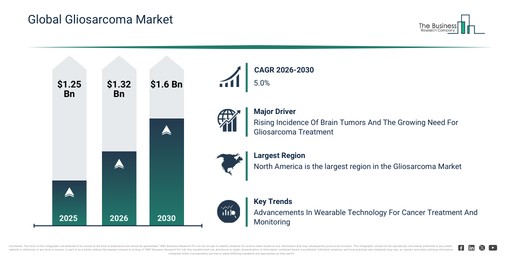
  • Global Gliosarcoma Market Analysis for 2026–2030 with Strategic Forecast Insights for Businesses

    Global Gliosarcoma Market Analysis for 2026–2030 with Strategic Forecast Insights for Businesses

    The Business Research Company’s 2026 market reports include new capabilities such as market attractiveness scoring and analysis, total addressable market analysis, company scoring matrix, interactive excel data dashboard, improved supply chain analysis, upcoming startups in the market, and overview of key products, aimed at improving the depth, usability, and strategic value of the insights delivered.

    How Large Is The Gliosarcoma Market Projected To Become By 2030 Based On Its 2026 Valuation?

    The gliosarcoma market has demonstrated considerable expansion in recent years. It is projected to increase from $1.25 billion in 2025 to $1.32 billion in 2026, achieving a compound annual growth rate (CAGR) of 5.3%. The market’s past growth can be ascribed to elements such as limited clinical understanding, advancements in neuro-pathology, the proliferation of oncology research institutes, enhanced imaging technologies, and a heightened academic research interest.

    The gliosarcoma market is projected to experience substantial expansion in the coming years. By 2030, its valuation is set to reach $1.6 billion, demonstrating a compound annual growth rate (CAGR) of 5.0%. This anticipated growth during the forecast period stems from factors such as enhanced funding for rare cancer research, advancements in precision diagnostics, refined treatment methodologies, wider implementation of molecular testing, and strengthened cooperation among research institutions. Key developments expected in this period encompass intensified investigation into rare brain tumors, an escalating adoption of molecular diagnostic tools, broader application of diverse treatment approaches, heightened emphasis on understanding tumor biology, and improvements in diagnostic precision.

    Download the Free Sample Report to Explore Key Market Insights:

    https://www.thebusinessresearchcompany.com/sample.aspx?id=21192&type=smp

    What Primary Drivers Are Shaping The Development Of The Gliosarcoma Market?

    The rising occurrence of brain tumors is anticipated to propel the expansion of the gliosarcoma market in the coming years. A brain tumor involves an abnormal growth of cells within the brain, which can be either benign or malignant, potentially leading to symptoms such as headaches, seizures, and vision problems. The growing incidence of brain tumors is linked to enhancements in diagnostic technologies, greater public awareness, and possible environmental and lifestyle elements that increase exposure to risk factors. Treating gliosarcoma is crucial for brain tumors because it targets this aggressive and rare cancer, aiming to manage symptoms, prolong survival, and improve the patient’s quality of life. For instance, in February 2025, according to Dementia Australia, an Australia-based non-profit organization, approximately 433,300 Australians are living with dementia, with this number expected to rise to 812,500 by 2054. Additionally, younger-onset dementia affects around 29,000 people in 2025, with projections indicating an increase to 41,000 by 2054. Therefore, the escalating incidence of brain tumors is driving the growth of the gliosarcoma market.

    What Segment Groups Are Identified Within The Gliosarcoma Market?

    The gliosarcoma market covered in this report is segmented –

    1) By Diagnosis Method: Imaging Techniques, Histopathological Examination, Biomarker Testing

    2) By Treatment Type: Surgery, Radiation Therapy, Chemotherapy, Targeted Therapy, Immunotherapy

    3) By End-User: Hospitals, Cancer Research Institutes, Specialty Clinics

    Subsegments:

    1) By Imaging Techniques: Magnetic Resonance Imaging (MRI), Computed Tomography (CT) Scan, Positron Emission Tomography (PET) Scan

    2) By Histopathological Examination: Hematoxylin and Eosin (H&E) Staining, Immunohistochemistry (IHC), Electron Microscopy

    3) By Biomarker Testing: IDH Mutation Testing, MGMT Promoter Methylation Testing, ATRX Mutation Testing, TP53 Mutation Analysis

    How Are Trends Impacting The Gliosarcoma Market?

    Leading companies in the gliosarcoma market are concentrating on developing technologically advanced products, such as wearable technologies, to enable convenient, continuous monitoring of health and activity data, offering real-time insights and boosting user engagement with their wellness objectives. These wearable devices are electronic items designed to be worn on the body, serving to monitor, track, or improve various aspects of an individual’s health, fitness, or daily routines. For instance, in November 2024, Novocure Ltd., a UK-based oncology company, announced that the U.S. Food and Drug Administration (FDA) had approved the use of Head Flexible Electrode (HFE) transducer arrays in conjunction with Optune Gio for the treatment of adult patients diagnosed with glioblastoma multiforme (GBM). The Optune Gio is a portable, wearable device that utilizes non-invasive wearable arrays to deliver tumor-treating fields (TTFields), which apply physical forces to the electrically charged components of dividing cancer cells to prevent their rapid proliferation. The newly developed HFE arrays are 50% thinner and one-third lighter compared to the ceramic discs found in the existing Optune Gio arrays, due to their composition of a flexible polymer substance, which in turn enhances patient comfort and ease of use.

    Which Companies Hold Significant Positions In The Gliosarcoma Market?

    Major companies operating in the gliosarcoma market are Pfizer Inc., F. Hoffmann-La Roche Ltd., Merck & Co. Inc., AbbVie Inc., Bayer AG, Bristol-Myers Squibb Company, Novartis AG, Eli Lilly and Company, Regeneron Pharmaceuticals Inc., Bio-Rad Laboratories Inc., Carl Zeiss AG, Elekta AB, Novocure Ltd., ImmunityBio Inc., Immatics Biotechnologies, Karyopharm Therapeutics Inc., Kintara Therapeutics Inc., Aveta Biomics Inc., Vigeo Therapeutics Inc.

    Read the full gliosarcoma market report here:

    https://www.thebusinessresearchcompany.com/report/gliosarcoma-global-market-report

    How Does The Gliosarcoma Market Perform Across Major Global Regions?

    North America was the largest region in the gliosarcoma market in 2025. Asia-Pacific is expected to be the fastest-growing region in the forecast period. The regions covered in the gliosarcoma market report are Asia-Pacific, South East Asia, Western Europe, Eastern Europe, North America, South America, Middle East, Africa.

    Request A Tailored Gliosarcoma Market Research Report For Competitive Advantage:

    https://www.thebusinessresearchcompany.com/customise?id=21192&type=smp

    Browse Through More Reports Similar to the Global Gliosarcoma Market 2026, By The Business Research Company

    Adult Malignant Glioma Therapeutics Global Market Report

    https://www.thebusinessresearchcompany.com/report/adult-malignant-glioma-therapeutics-global-market-report

    Pontine Glioma Drugs Global Market Report

    https://www.thebusinessresearchcompany.com/report/pontine-glioma-drugs-global-market-report

    Glioblastoma Multiforme Gbm Treatment Global Market Report

    https://www.thebusinessresearchcompany.com/report/glioblastoma-multiforme-gbm-treatment-global-market-report

    Get in touch with us:

    The Business Research Company: https://www.thebusinessresearchcompany.com/

    Americas +1 310-496-7795

    Asia +44 7882 955267 & +91 8897263534

    Europe +44 7882 955267

    Email us at info@tbrc.info

    Follow us on:

    LinkedIn: https://in.linkedin.com/company/the-business-research-company

    YouTube: https://www.youtube.com/channel/UC24_fI0rV8cR5DxlCpgmyFQ

    Global Market Model: https://www.thebusinessresearchcompany.com/global-market-model
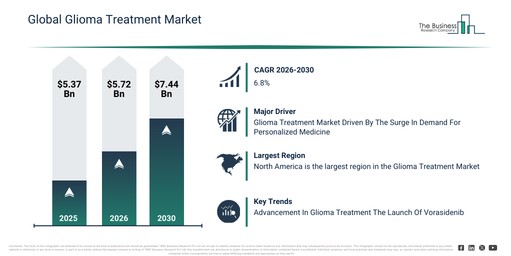
  • Glioma Treatment Market Outlook 2026–2035 Driven by Key Growth Factors and Industry Projections

    Glioma Treatment Market Outlook 2026–2035 Driven by Key Growth Factors and Industry Projections

    The Business Research Company’s 2026 market reports include new capabilities such as market attractiveness scoring and analysis, total addressable market analysis, company scoring matrix, interactive excel data dashboard, improved supply chain analysis, upcoming startups in the market, and overview of key products, aimed at improving the depth, usability, and strategic value of the insights delivered.

    What Market Value Is Anticipated For The Glioma Treatment Market Over The Period 2026–2030?

    The glioma treatment market has experienced robust expansion in recent years. Projections indicate this market will grow from $5.37 billion in 2025 to $5.72 billion in 2026, at a compound annual growth rate (CAGR) of 6.4%. The historical growth can be attributed to advancements in neurosurgery, the development of radiation oncology, increased chemotherapy adoption, improved diagnostic imaging, and the expansion of cancer care facilities.

    The market for glioma treatments anticipates significant expansion in the coming years. This sector is projected to reach $7.44 billion by 2030, exhibiting a compound annual growth rate (CAGR) of 6.8%. Factors contributing to this growth during the projected timeframe include precision oncology integration, development of novel targeted drugs, improved survival outcome focus, expansion of specialty oncology clinics, and personalized treatment protocols. Key trends anticipated within this period involve increased use of combination therapy approaches, rising focus on early surgical intervention, expansion of targeted drug therapies, growing role of radiation therapy optimization, and improved long-term disease management.

    Download the Free Sample Report to Explore Key Market Insights:

    https://www.thebusinessresearchcompany.com/sample.aspx?id=10689&type=smp

    Which Major Factors Are Driving The Expansion Of The Glioma Treatment Market?

    The glioma treatment market is anticipated to expand propelled by the rising demand for personalized medicine. This healthcare strategy customizes care based on individual patient attributes like genetics, environment, and lifestyle, thereby enhancing treatment efficacy and outcomes. Several elements contribute to the increasing adoption of personalized medicine, including breakthroughs in genomics, greater patient empowerment, and improved treatment effectiveness. Identifying biomarkers associated with gliomas aids in predicting treatment responses and outcomes, facilitating the creation of bespoke treatment plans tailored to each patient’s specific profile. For instance, in February 2024, the Personalized Medicine Coalition, a US-based non-profit organization, stated that the FDA approved 16 novel personalized therapies for patients with rare diseases in 2023, a significant rise from six in 2022. This increasing emphasis on personalized medicine is consequently a primary factor driving the growth of the glioma treatment market.

    How Is The Glioma Treatment Market Divided Into Its Major Segments?

    The glioma treatment market covered in this report is segmented –

    1) By Type: Low-Grade, High-Grade

    2) By Disease: Glioblastoma Multiforme, Anaplastic Astrocytoma, Anaplastic Oligodendroglioma, Other Diseases

    3) By Route Of Administration: Oral, Parenteral, Other Routes

    4) By Treatment: Surgery, Radiation Therapy, Chemotherapy, Targeted Drug Therapy, Other Treatments

    5) By End-User: Hospitals, Specialty Clinics, Other End Users

    Subsegments:

    1) By Low-Grade: Astrocytoma, Oligodendroglioma, Mixed Glioma

    2) By High-Grade: Glioblastoma Multiforme, Anaplastic Astrocytoma, Anaplastic Oligodendroglioma

    What Industry Trends Are Redefining The Glioma Treatment Market?

    Leading companies in the glioma treatment market are adopting novel and innovative products, such as immunotherapies, to enhance patient outcomes and more effectively target tumors. Immunotherapies are treatments designed to stimulate or harness the body’s immune system to recognize and attack cancer cells. For instance, in June 2024, Servier Pharmaceuticals, a France-based pharmaceutical company, obtained FDA approval for VORANIGO (vorasidenib) tablets, marking a significant achievement as the first targeted therapy for Grade 2 IDH-mutant glioma. Vorasidenib acts as a dual inhibitor targeting isocitrate dehydrogenase (IDH) 1 and 2 mutations, which are frequently observed in gliomas. These mutations lead to the production of 2-hydroxyglutarate (2-HG), a metabolite that promotes tumor growth and survival. By inhibiting these enzymes, vorasidenib reduces 2-HG levels, thereby potentially slowing tumor progression.

    Who Are The Prominent Organizations Shaping The Glioma Treatment Market?

    Major companies operating in the glioma treatment market are Merck & Co Inc., Amgen Inc., F Hoffmann-La Roche AG, Pfizer Inc., Teva Pharmaceutical Industries Ltd., Sun Pharmaceutical Industries Ltd., Arbor Pharmaceuticals LLC, Amneal Pharmaceuticals Inc., Karyopharm Therapeutics Inc., Bristol-Myers Squibb Co., Rigel Pharmaceuticals Inc., Sumitomo Dainippon Pharma Oncology Inc., Emcure Pharmaceuticals Ltd., Novartis AG, AstraZeneca plc, Eli Lilly and Company, Sanofi S.A., Johnson & Johnson, AbbVie Inc., Takeda Pharmaceutical Company Limited, GlaxoSmithKline plc, Bayer AG, Gilead Sciences Inc., Ipsen Pharma, Eisai Co. Ltd., Genentech Inc., Iovance Biotherapeutics Inc., Agios Pharmaceuticals Inc.

    Read the full glioma treatment market report here:

    https://www.thebusinessresearchcompany.com/report/glioma-treatment-global-market-report

    Which Region Currently Holds The Largest Share Of The Glioma Treatment Market?

    North America was the largest region in the glioma treatment market in 2025.Asia-Pacific is expected to be the fastest-growing region in the global glioma treatment market report during the forecast period. The regions covered in the glioma treatment market report are Asia-Pacific, South East Asia, Western Europe, Eastern Europe, North America, South America, Middle East, Africa.

    Request A Tailored Glioma Treatment Market Research Report For Competitive Advantage:

    https://www.thebusinessresearchcompany.com/customise?id=10689&type=smp

    Browse Through More Reports Similar to the Global Glioma Treatment Market 2026, By The Business Research Company

    Glioblastoma Multiforme Gbm Treatment Global Market Report

    https://www.thebusinessresearchcompany.com/report/glioblastoma-multiforme-gbm-treatment-global-market-report

    Glioma Treatment Global Market Report

    https://www.thebusinessresearchcompany.com/report/glioma-treatment-global-market-report

    Adult Malignant Glioma Therapeutics Global Market Report

    https://www.thebusinessresearchcompany.com/report/adult-malignant-glioma-therapeutics-global-market-report

    Get in touch with us:

    The Business Research Company: https://www.thebusinessresearchcompany.com/

    Americas +1 310-496-7795

    Asia +44 7882 955267 & +91 8897263534

    Europe +44 7882 955267

    Email us at info@tbrc.info

    Follow us on:

    LinkedIn: https://in.linkedin.com/company/the-business-research-company

    YouTube: https://www.youtube.com/channel/UC24_fI0rV8cR5DxlCpgmyFQ

    Global Market Model: https://www.thebusinessresearchcompany.com/global-market-model
  • Glioblastoma Multiforme (GBM) Treatment Market Developments and Growth Opportunities Across 2026–2030

    Glioblastoma Multiforme (GBM) Treatment Market Developments and Growth Opportunities Across 2026–2030

    The Business Research Company’s 2026 market reports include new capabilities such as market attractiveness scoring and analysis, total addressable market analysis, company scoring matrix, interactive excel data dashboard, improved supply chain analysis, upcoming startups in the market, and overview of key products, aimed at improving the depth, usability, and strategic value of the insights delivered.

    What Is The Expected Market Size Of The Glioblastoma Multiforme (GBM) Treatment Market From 2026 To 2030?

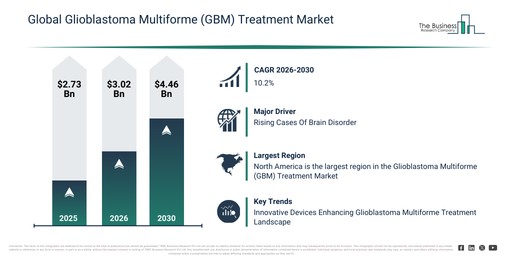
    The glioblastoma multiforme (gbm) treatment market size has witnessed significant expansion in recent years. This market is anticipated to expand from $2.73 billion in 2025 to $3.02 billion in 2026, achieving a compound annual growth rate (CAGR) of 10.7%. The historical growth of this market can be attributed to factors like limited survival outcomes, reliance on surgery and radiation, chemotherapy standardization, the growth of neuro-oncology centers, and an increased diagnosis of brain tumors.

    The glioblastoma multiforme (gbm) treatment market size is anticipated to experience substantial growth over the upcoming years. It is forecast to expand to $4.46 billion by 2030, achieving a compound annual growth rate (CAGR) of 10.2%. This expected expansion during the forecast period is primarily due to the progress in developing targeted therapies, the enlargement of immunotherapy pipelines, the adoption of precision medicine, a surge in clinical trial activity, and increasing research funding. Significant trends for the forecast period include the rising acceptance of multimodal treatment regimens, a greater utilization of tumor treating field therapy, an intensified focus on personalized gbm therapies, the broadening of immunotherapy approaches, and improved post-surgical treatment protocols.

    Download the Free Sample Report to Explore Key Market Insights:

    https://www.thebusinessresearchcompany.com/sample.aspx?id=8803&type=smp

    What Key Drivers Are Influencing The Growth Of The Glioblastoma Multiforme (GBM) Treatment Market?

    The rising incidence of brain disorders is projected to boost the expansion of the glioblastoma multiforme (GBM) treatment market. Brain disorders are characterized by atypical functioning of the brain, as well as the nerves throughout the human body and the spinal cord. The growing occurrence of brain disorders, including glioblastoma multiforme (GBM), is attributed to multiple contributing factors such as an aging population, compromised immune systems, overdiagnosis, ionizing radiation, and air pollution, thereby creating a demand for treatment to enhance overall well-being. For instance, in February 2025, Dementia Australia, an Australia-based non-profit organization, reported approximately 433,300 Australians living with dementia, with this figure anticipated to increase to 812,500 by 2054. Moreover, younger-onset dementia affects around 29,000 people in 2025, with projections indicating an increase to 41,000 by 2054. Consequently, the increasing prevalence of brain disorders is driving the growth of the glioblastoma multiforme (GBM) treatment market.

    Which Segments Are Included In The Analysis Of The Glioblastoma Multiforme (GBM) Treatment Market?

    The glioblastoma multiforme (gbm) treatment market covered in this report is segmented –

    1) By Treatment: Surgery, Radiation Therapy, Chemotherapy, R Immunotherapy

    2) By Drug Class: Temozolomide, Bevacizumab, Lomustine, Carmustine Wafers, Other Drug Classes

    3) By Route Of Administration: Oral, Parenteral, Other Route Of Administrations

    4) By End-Use: Hospitals, Clinics, Ambulatory Surgical Centers

    Subsegments:

    1) By Surgery: Tumor Resection, Biopsy Procedures

    2) By Radiation Therapy: External Beam Radiation Therapy (EBRT), Stereotactic Radiation Therapy

    3) By Chemotherapy: Standard Chemotherapy, Combination Chemotherapy Regimens

    4) By Immunotherapy: Checkpoint Inhibitors, Vaccine-Based Therapies

    What Key Developments And Trends Are Impacting The Glioblastoma Multiforme (GBM) Treatment Market?

    Leading companies in the market are concentrating on developing innovative wearable and portable devices to maintain their competitive standing. These advancements are designed to offer users enhanced functionality, convenience, and comfort, addressing the increasing demand for accessible and efficient healthcare solutions. For instance, in 2023, Novocure, a Jersey-based oncology company, introduced Optune Gio, a wearable and portable treatment system approved by the FDA for patients recently diagnosed with glioblastoma (GBM). This device utilizes Tumor Treating Fields (TTFields), which are alternating electric fields that interfere with cancer cell division, potentially extending patient survival. Weighing only 2.7 pounds, Optune Gio is engineered for comfort, allowing patients to wear it throughout their daily activities.

    Which Key Industry Participants Are Active In The Glioblastoma Multiforme (GBM) Treatment Market?

    Major companies operating in the glioblastoma multiforme (gbm) treatment market are Pfizer Inc., F. Hoffmann-La Roche AG, Merck & Co. Inc., AbbVie Inc., Novartis AG, AstraZeneca PLC, Amgen Inc., Teva Pharmaceutical Industries Ltd., Sun Pharmaceutical Industries Limited, Jazz Pharmaceuticals Inc., Sumitomo Dainippon Pharma Oncology Inc., Varian Medical Systems Inc., Amneal Pharmaceuticals Inc., Elekta AB, Loxo Oncology Inc., Karyopharm Therapeutics Inc., EnGeneIC Ltd., Genenta Science S.r.l., Cantex Pharmaceuticals Inc., Vascular Biogenics Ltd., Seelos Therapeutics Inc, Angiochem Inc., Diffusion Pharmaceuticals Inc

    Read the full glioblastoma multiforme (gbm) treatment market report here:

    https://www.thebusinessresearchcompany.com/report/glioblastoma-multiforme-gbm-treatment-global-market-report

    Which Region Is Expected To Register The Fastest Growth In The Glioblastoma Multiforme (GBM) Treatment Market?

    North America was the largest region in the glioblastoma multiforme (GBM) treatment market share in 2025. Asia-Pacific is expected to be the fastest-growing region in the forecast period. The regions covered in the glioblastoma multiforme (gbm) treatment market report are Asia-Pacific, South East Asia, Western Europe, Eastern Europe, North America, South America, Middle East, Africa.

    Request A Tailored Glioblastoma Multiforme (GBM) Treatment Market Research Report For Competitive Advantage:

    https://www.thebusinessresearchcompany.com/customise?id=8803&type=smp

    Browse Through More Reports Similar to the Global Glioblastoma Multiforme (GBM) Treatment Market 2026, By The Business Research Company

    Glioblastoma Multiforme Global Market Report

    https://www.thebusinessresearchcompany.com/report/glioblastoma-multiforme-global-market-report

    Glioma Treatment Global Market Report

    https://www.thebusinessresearchcompany.com/report/glioma-treatment-global-market-report

    Adult Malignant Glioma Therapeutics Global Market Report

    https://www.thebusinessresearchcompany.com/report/adult-malignant-glioma-therapeutics-global-market-report

    Get in touch with us:

    The Business Research Company: https://www.thebusinessresearchcompany.com/

    Americas +1 310-496-7795

    Asia +44 7882 955267 & +91 8897263534

    Europe +44 7882 955267

    Email us at info@tbrc.info

    Follow us on:

    LinkedIn: https://in.linkedin.com/company/the-business-research-company

    YouTube: https://www.youtube.com/channel/UC24_fI0rV8cR5DxlCpgmyFQ

    Global Market Model: https://www.thebusinessresearchcompany.com/global-market-model
  • Global Glioblastoma Multiforme Market Forecast 2026–2035 Presenting Long-Term Industry Expansion Insights

    Global Glioblastoma Multiforme Market Forecast 2026–2035 Presenting Long-Term Industry Expansion Insights

    The Business Research Company’s 2026 market reports include new capabilities such as market attractiveness scoring and analysis, total addressable market analysis, company scoring matrix, interactive excel data dashboard, improved supply chain analysis, upcoming startups in the market, and overview of key products, aimed at improving the depth, usability, and strategic value of the insights delivered.

    What Market Valuation Is Forecasted For The Glioblastoma Multiforme Market By 2030 Starting From Its 2026 Size?

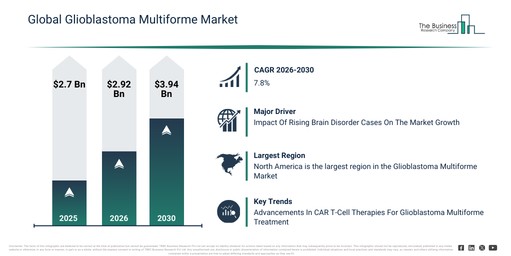
    The glioblastoma multiforme market has shown significant expansion in recent years. It is forecast to increase from $2.7 billion in 2025 to $2.92 billion in 2026, demonstrating a compound annual growth rate (CAGR) of 8.1%. Historically, this growth was driven by factors such as limited treatment options, advancements within neuro-oncology, the standardization of chemotherapy, the proliferation of cancer research centers, and improvements in imaging technologies.

    The market for glioblastoma multiforme is projected to experience substantial expansion in the coming years, with its valuation anticipated to reach $3.94 billion by 2030, demonstrating a compound annual growth rate (CAGR) of 7.8%. Key factors contributing to this projected growth include the innovation of new targeted medications, an increase in immunotherapy research, the uptake of personalized cancer therapies, enhanced financial support for brain cancer studies, and a greater emphasis on improving patient survival rates. Significant trends expected during this period involve a heightened concentration on targeted cancer treatments, the increasing implementation of multi-modal therapeutic strategies, the broadening scope of precision oncology investigations, the wider integration of sophisticated imaging diagnostics, and improved engagement in clinical trials.

    Download the Free Sample Report to Explore Key Market Insights:

    https://www.thebusinessresearchcompany.com/sample.aspx?id=21191&type=smp

    What Major Growth Drivers Are Shaping The Outlook Of The Glioblastoma Multiforme Market?

    The glioblastoma multiforme market is anticipated to be driven by the increasing prevalence of brain disorder cases. A brain disorder is defined as a condition affecting the brain’s structure or function, resulting in cognitive, emotional, or physical challenges. The escalation in brain disorder cases is attributable to elements like aging populations, longer life expectancies, lifestyle choices, and improved diagnostic capabilities. Gaining insights into brain disorders aids in advancing research on glioblastoma multiforme (GBM), fostering better early detection, innovative therapies, and improved patient results. By studying various neurological conditions, scientists are able to uncover genetic and molecular connections that contribute to GBM development. For example, in February 2025, according to Dementia Australia, an Australia-based non-profit organization, an estimated 433,300 Australians are living with dementia, with this figure projected to rise to 812,500 by 2054. Additionally, younger-onset dementia affects around 29,000 people in 2025, with projections indicating an increase to 41,000 by 2054. Consequently, the rising instances of brain disorders will propel the growth of the glioblastoma multiforme market.

    Which Segment Categories Define The Glioblastoma Multiforme Market?

    The glioblastoma multiforme market covered in this report is segmented –

    1) By Drug Class: Chemotherapy Agents, Temozolomide, Carmustine, Lomustine, Other Drug Classes

    2) By Diagnostic Tools: Magnetic Resonance Imaging (MRI), Computed Tomography Scan (CT Scan), Biopsy, Other Diagnostic Tools

    3) By Treatment Type: Surgery, Radiation Therapy, Chemotherapy, Immunotherapy, Tumor Treating Field Therapy, Other Treatment Types

    4) By End-User: Hospitals, Cancer Research Institutes, Ambulatory Surgical Centers, Other End-Users

    Subsegments:

    1) By Chemotherapy Agents: Alkylating Agents, Platinum-Based Agents, Antimetabolites

    2) By Temozolomide: Branded (Temodar), Generic Temozolomide

    3) By Carmustine: Injectable Carmustine, Carmustine Wafers (Gliadel)

    4) By Lomustine: Branded (Gleostine), Generic Lomustine

    5) By Other Drug Classes: Targeted Therapy, Immunotherapy, Tumor-Treating Fields (TTF) Therapy

    What Trends Are Projected To Affect The Glioblastoma Multiforme Market?

    Major companies engaged in the glioblastoma multiforme market are concentrating on the development of advanced therapies, such as CAR T-cell therapies, to meet the unmet medical needs associated with aggressive cancer. CAR T-cell therapies are a form of immunotherapy that involves genetically modifying a patient’s T-cells to more effectively target and eradicate cancer cells. For example, in June 2023, Chimeric Therapeutics Limited, an Australia-based biotech firm, initiated a Phase IB clinical trial for its CHM 1101 (CLXT CAR T) therapy for individuals with recurrent or progressive glioblastoma multiforme (GBM). The trial, which is being conducted across multiple centers, aims to assess the therapy’s safety and efficacy while also determining the appropriate Phase 2 dose. Initial results from Phase 1a demonstrated disease stability, and the current trial will build upon these findings to support further development. The company plans to use the collected data to inform the design of a registration trial and seek feedback from regulatory authorities.

    Who Are The Top Companies Competing In The Glioblastoma Multiforme Market?

    Major companies operating in the glioblastoma multiforme market are Pfizer Inc., F. Hoffmann-La Roche Ltd., AbbVie Inc., Bristol Myers Squibb Company, AstraZeneca PLC, Novartis International AG, Eli Lilly and Company, Amgen Inc., Merck KGaA, Teva Pharmaceutical Industries Ltd., Sun Pharmaceutical Industries Ltd., Zydus Pharmaceuticals (USA) Inc., Accord Healthcare Inc., Sumitomo Dainippon Pharma Oncology Inc., Karyopharm Therapeutics Inc., ITM Isotope Technologies Munich SE, Azurity Pharmaceuticals Inc., Genenta Science S.p.A., Chimeric Therapeutics Limited, VBI Vaccines Inc.

    Read the full glioblastoma multiforme market report here:

    https://www.thebusinessresearchcompany.com/report/glioblastoma-multiforme-global-market-report

    Which Regions Are Projected To Dominate The Glioblastoma Multiforme Market In The Coming Years?

    North America was the largest region in the glioblastoma multiforme market in 2025. Asia-Pacific is expected to be the fastest-growing region in the forecast period. The regions covered in the glioblastoma multiforme market report are Asia-Pacific, South East Asia, Western Europe, Eastern Europe, North America, South America, Middle East, Africa.

    Request A Tailored Glioblastoma Multiforme Market Research Report For Competitive Advantage:

    https://www.thebusinessresearchcompany.com/customise?id=21191&type=smp

    Browse Through More Reports Similar to the Global Glioblastoma Multiforme Market 2026, By The Business Research Company

    Minimally Invasive Glaucoma Surgery Migs Devices Global Market Report

    https://www.thebusinessresearchcompany.com/report/minimally-invasive-glaucoma-surgery-migs-devices-global-market-report

    Eye Melanoma Global Market Report

    https://www.thebusinessresearchcompany.com/report/eye-melanoma-global-market-report

    Optic Atrophy Management Global Market Report

    https://www.thebusinessresearchcompany.com/report/optic-atrophy-management-global-market-report

    Get in touch with us:

    The Business Research Company: https://www.thebusinessresearchcompany.com/

    Americas +1 310-496-7795

    Asia +44 7882 955267 & +91 8897263534

    Europe +44 7882 955267

    Email us at info@tbrc.info

    Follow us on:

    LinkedIn: https://in.linkedin.com/company/the-business-research-company

    YouTube: https://www.youtube.com/channel/UC24_fI0rV8cR5DxlCpgmyFQ

    Global Market Model: https://www.thebusinessresearchcompany.com/global-market-model
  • Glaucoma Market Outlook 2026–2030 Exploring New Business Opportunities

    Glaucoma Market Outlook 2026–2030 Exploring New Business Opportunities

    The Business Research Company’s 2026 market reports include new capabilities such as market attractiveness scoring and analysis, total addressable market analysis, company scoring matrix, interactive excel data dashboard, improved supply chain analysis, upcoming startups in the market, and overview of key products, aimed at improving the depth, usability, and strategic value of the insights delivered.

    How Is The Market Size Of The Glaucoma Market Expected To Change Between 2026 And 2030?

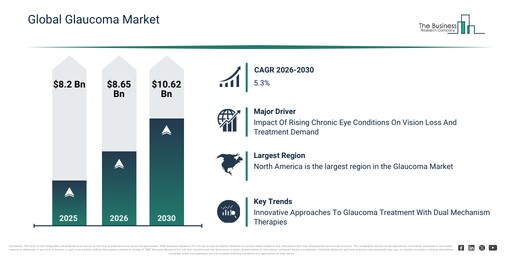
    The glaucoma market has experienced robust expansion in recent years. It is forecast to increase from $8.2 billion in 2025 to $8.65 billion in 2026, demonstrating a compound annual growth rate (CAGR) of 5.5%. The historical growth of this market is attributable to factors like an aging population, increased prevalence of eye diseases, advancements in ophthalmic diagnostics, early adoption of drug therapy, and the proliferation of eye clinics.

    The glaucoma market is projected to experience robust expansion in the coming years, with its valuation set to reach $10.62 billion by 2030, driven by a compound annual growth rate (CAGR) of 5.3%. This anticipated growth during the forecast period is primarily due to factors such as technological advancements in imaging, the proliferation of surgical innovations, digital eye health monitoring, proactive early detection initiatives, and increasing investments in ophthalmology. Key trends shaping this period encompass the rising adoption of early diagnostic screening, a greater reliance on combination drug therapies, the growth of minimally invasive glaucoma surgery, the broadening scope of home-based eye monitoring, and enhanced patient awareness programs.

    Download the Free Sample Report to Explore Key Market Insights:

    https://www.thebusinessresearchcompany.com/sample.aspx?id=20820&type=smp

    What Drivers Are Expected To Influence The Glaucoma Market During The Forecast Period?

    An increasing incidence of chronic eye ailments is anticipated to drive expansion in the glaucoma market in the future. These conditions are persistent disorders impacting the eyes, frequently resulting in enduring vision problems or discomfort and necessitating continuous care or therapy. The rise in chronic eye conditions is attributed to factors such as an aging demographic, extended screen exposure, lifestyle choices, and a greater occurrence of illnesses like diabetes and hypertension. Treating glaucoma becomes essential for these chronic eye issues to reduce pressure within the eye, avert additional harm to the optic nerve, and maintain sight, given that untreated glaucoma may cause permanent blindness. For example, data from December 2024 by the National Health Service (NHS), the UK’s publicly funded healthcare system, indicated that more than 2 million individuals in the UK were experiencing sight loss in 2024. Moreover, projections indicate that the population experiencing sight loss will grow by 27%, reaching around 2.8 million by 2035. Consequently, the growing occurrence of chronic eye diseases is a key factor propelling the glaucoma market.

    How Is The Glaucoma Market Structured Across Different Segments?

    The glaucoma market covered in this report is segmented –

    1) By Disease Type: Open Angle Glaucoma, Angle Closure Glaucoma, Other Disease Types

    2) By Diagnosis: Tonometry, Ophthalmoscopy, Perimetry, Gonioscopy

    3) By Drug Class: Beta Blockers, Prostaglandins, Alpha Adrenergic Agonist, Carbonic Anhydrase Inhibitors, Combination Drugs, Other Drug Classes

    4) By Administration: Oral, Injections, Intravitreal, Other Administrations

    5) By End-User: Hospitals, Ophthalmic Clinics, Ambulatory Surgical Centers

    Subsegments:

    1) By Open Angle Glaucoma: Primary Open Angle Glaucoma (POAG), Secondary Open Angle Glaucoma

    2) By Angle Closure Glaucoma: Primary Angle Closure Glaucoma, Secondary Angle Closure Glaucoma

    3) By Other Disease Types: Normal-Tension Glaucoma, Pigmentary Glaucoma, Pseudoexfoliative Glaucoma, Congenital Glaucoma

    Which Upcoming Trends Are Expected To Influence The Glaucoma Market?

    Leading companies in the glaucoma market are concentrating on creating novel treatments, such as Rho-kinase (ROCK) inhibitors. These inhibitors provide a two-fold mechanism, lowering intraocular pressure through both improved aqueous humor drainage and the relaxation of trabecular meshwork cells, proving effective in glaucoma management. Rho-kinase (ROCK) inhibitors represent a category of medications that specifically target and inhibit the function of Rho-kinase enzymes, which control cell contraction and are used in glaucoma treatment to decrease intraocular pressure. As an illustration, in July 2023, Santen Pharmaceutical Co. Ltd., an eye care products firm based in Japan, introduced Roclanda in the UK. Roclanda is a fixed-dose combination (FDC) composed of latanoprost and netarsudil, an innovative Rho-kinase (ROCK) inhibitor, designed to effectively lower intraocular pressure (IOP) by addressing trabecular meshwork dysfunction. This medication is prescribed for adult patients diagnosed with primary open-angle glaucoma or ocular hypertension where sufficient IOP reduction has not been achieved through monotherapy with a prostaglandin or netarsudil. The European debut of Roclanda signifies the first new class of glaucoma medication to emerge in 25 years, representing a significant advancement in therapy. Through the combination of netarsudil and latanoprost, Roclanda operates synergistically to enhance outflow via both trabecular (conventional) and uveoscleral (unconventional) pathways, thus offering a holistic strategy for controlling elevated IOP.

    Which Major Players Dominate The Glaucoma Market?

    Major companies operating in the glaucoma market are Roche Holding AG, Merck & Co. Inc., AbbVie Inc., Novartis AG, Teva Pharmaceuticals Industries Ltd., Otsuka Pharmaceutical Co. Ltd., Sun Pharmaceutical Industries Ltd., Cipla Limited, Bausch & Lomb Corp., Carl Zeiss Meditec, Santen Pharmaceuticals Co. Ltd., Topcon Corporation, Thea Laboratoires, Corza Ophthalmology, Lumenis Ltd., Alcon Inc., Glaukos Corporation, Iridex Corporation, Nova Eye Medical Ltd., Nidek Co. Ltd., Haag-Streit AG

    Read the full glaucoma market report here:

    https://www.thebusinessresearchcompany.com/report/glaucoma-global-market-report

    Which Region Is Forecast To Lead The Glaucoma Market In Terms Of Market Size?

    North America was the largest region in the glaucoma market in 2025. Asia-Pacific is expected to be the fastest-growing region in the forecast period. The regions covered in the glaucoma market report are Asia-Pacific, South East Asia, Western Europe, Eastern Europe, North America, South America, Middle East, Africa.

    Request A Tailored Glaucoma Market Research Report For Competitive Advantage:

    https://www.thebusinessresearchcompany.com/customise?id=20820&type=smp

    Browse Through More Reports Similar to the Global Glaucoma Market 2026, By The Business Research Company

    Periodontal Global Market Report

    https://www.thebusinessresearchcompany.com/report/periodontal-global-market-report

    Cotton Ginning Machinery Global Market Report

    https://www.thebusinessresearchcompany.com/report/cotton-ginning-machinery-global-market-report

    Oral Care Global Market Report

    https://www.thebusinessresearchcompany.com/report/oral-care-global-market-report

    Get in touch with us:

    The Business Research Company: https://www.thebusinessresearchcompany.com/

    Americas +1 310-496-7795

    Asia +44 7882 955267 & +91 8897263534

    Europe +44 7882 955267

    Email us at info@tbrc.info

    Follow us on:

    LinkedIn: https://in.linkedin.com/company/the-business-research-company

    YouTube: https://www.youtube.com/channel/UC24_fI0rV8cR5DxlCpgmyFQ

    Global Market Model: https://www.thebusinessresearchcompany.com/global-market-model