Category: Healthcare Services

  • Hair Loss Telehealth Market 2026: Market Size, Growth Drivers And Emerging Opportunities

    Hair Loss Telehealth Market 2026: Market Size, Growth Drivers And Emerging Opportunities

    Featuring market attractiveness scoring, total addressable market sizing, company benchmarking matrices, interactive Excel dashboards, deeper supply chain intelligence, emerging startup tracking, and granular product-level insights, The Business Research Company’s 2026 market reports are built to deliver research that is both more actionable and more strategically valuable.

    Hair Loss Telehealth Market CAGR Outlook And Future Development

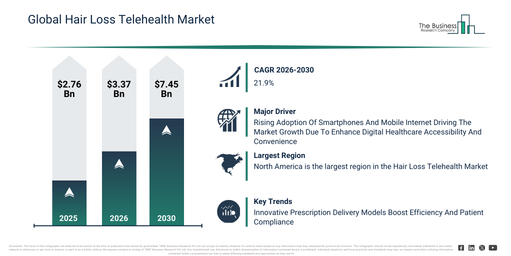
    The hair loss telehealth market size has experienced significant expansion in recent years. It is projected to increase from $2.76 billion in 2025 to $3.37 billion in 2026, demonstrating a compound annual growth rate (CAGR) of 22.2%. This market’s historical growth can be attributed to rising awareness of hair loss treatments, the expansion of telemedicine services, increasing acceptance of virtual consultations, the growth of direct-to-consumer healthcare models, and the availability of digital diagnostic tools.

    The hair loss telehealth market is projected for significant growth in the coming years, with expectations to reach $7.45 billion by 2030, expanding at a compound annual growth rate (CAGR) of 21.9%. This anticipated growth during the forecast period is driven by increasing demand for personalized teledermatology services, rising adoption of AI-driven diagnostics, the expansion of app-based healthcare platforms, a growing focus on continuous patient monitoring, and the increasing integration of telehealth with e-pharmacy services. Major trends expected during this period include a greater embrace of virtual hair loss consultations, increased use of AI-based scalp analysis tools, a growing demand for remote treatment monitoring, the proliferation of direct-to-consumer telehealth platforms, and an enhanced focus on personalized hair loss therapies.

    Get A Free Sample Report With In-Depth Market Insights:

    https://thebusinessresearchcompany.com/sample_request?id=60508944&type=smp&name=Hair%20Loss%20Telehealth%20Market%20Report%202026&utm_source=Blogs&utm_medium=Paid&utm_campaign=Nov_PR

    Hair Loss Telehealth Market Growth Factors: What’s Supporting Expansion?

    The increasing integration of smartphones and mobile internet is projected to fuel the expansion of the hair loss telehealth market in the future. This trend signifies the growing possession and utilization of internet-enabled mobile devices, empowering users to access online services, applications, and digital healthcare options at their convenience. The spread of 5G network infrastructure and enhanced mobile broadband accessibility are fostering this rise in adoption, as telecom companies have significantly improved coverage and connection speeds across both urban and rural regions, making mobile internet more dependable and available to a wide range of individuals. Through smartphones and mobile internet, people can easily have virtual consultations with hair loss experts, get customized treatment plans after uploading scalp images, and acquire prescribed medicines via digital platforms, removing the necessity of in-person clinic visits. For example, in May 2025, data from the Federal Communications Commission, a US-based government agency, indicated that total connections climbed by approximately 2.5% from June 2023 to June 2024, reaching 549 million. During the same timeframe, mobile connections saw a 2.5% year-over-year increase to 416 million as of June 2024, while fixed connections went up by about 2.3% to 133 million. Consequently, the expanding use of smartphones and mobile internet is a primary catalyst for the growth in the hair loss telehealth market.

    Hair Loss Telehealth Market Segment Performance And Emerging Opportunities

    The hair loss telehealth market covered in this report is segmented –

    1) By Service Type: Consultation, Diagnosis, Prescription, Follow-Up Care, Other Service Types

    2) By Platform: Web-Based, App-Based

    3) By Age Group: 18-34, 35-54, 55+

    4) By Provider: Direct-To-Consumer, Hospitals And Clinics, Other Providers

    5) By End-User: Men, Women, Other End-Users

    Subsegments:

    1) By Consultation: Initial Consultation, Specialist Consultation, Virtual Consultation, Follow-Up Consultation

    2) By Diagnosis: Scalp Examination, Blood Test Analysis, Genetic Testing, Dermatological Assessment

    3) By Prescription: Topical Medication Prescription, Oral Medication Prescription, Hair Growth Supplement Prescription, Customized Treatment Plan

    4) By Follow-Up Care: Routine Progress Monitoring, Treatment Adjustment Sessions, Teleconsultation Follow-Ups, Patient Support Programs

    5) By Other Service Types: Hair Transplant Guidance, Lifestyle And Nutritional Counseling, Psychological Support Services, Educational Resources And Workshops

    Hair Loss Telehealth Market Trends Shaping Long-Term Demand

    Leading companies operating within the hair loss telehealth market are concentrating on implementing innovative strategies, such as direct-to-consumer prescription delivery, to improve convenience and patient compliance. This service involves sending medications directly from the pharmacy to a patient’s home, thereby enhancing convenience, saving time, reducing the need for in-person pharmacy visits, improving treatment adherence, and ensuring quicker access to necessary medications. For instance, in November 2024, Amazon, a US-based technology company, introduced a telehealth service for Prime members featuring low upfront pricing, encompassing treatment plans and fast, free medication delivery for men’s hair loss, anti-aging, erectile dysfunction, eyelash growth, and motion sickness. Patients can schedule virtual consultations with licensed clinicians via messaging or video, receive personalized treatment plans, and have prescriptions fulfilled directly through Amazon Pharmacy. Medications are delivered rapidly, often within hours, in discreet packaging, providing a seamless and convenient experience. The service lessens the requirement for in-person pharmacy visits and enhances patient adherence by ensuring timely access to prescribed therapies. Transparent pricing enables patients to view the total cost of consultations and medications upfront, fostering informed decision-making and reducing financial barriers to care. The integration of telehealth with direct-to-consumer prescription delivery positions Amazon as a major player in the hair loss and broader lifestyle telehealth market, effectively meeting the rising consumer demand for convenience, speed, and accessibility in healthcare services.

    Hair Loss Telehealth Market Key Players: Which Companies Lead Industry Competition?

    Major companies operating in the hair loss telehealth market are Hims & Hers Health Inc., Ro Inc., LifeMD Inc., Shapiro MD Inc., Sesame Care Inc., Happy Head Inc., Numan Ltd., BosleyMD Inc., XYON Health Inc., GetHairMD Inc., Mdhair Inc., Hairguard Inc., Traya Health Inc., Triple Hair Group Inc., Dapper Care Inc., NonuCare Inc., Clinikally Ltd., Keeps Inc., Follica Inc., HairMax Inc.

    View The Full Hair Loss Telehealth Market Report:

    https://thebusinessresearchcompany.com/report/hair-loss-telehealth-global-market-report?utm_source=Blogs&utm_medium=Paid&utm_campaign=Nov_PR

    Hair Loss Telehealth Market Geographic Spread And Regional Opportunities

    North America was the largest region in the hair loss telehealth market in 2025. Asia-Pacific is expected to be the fastest-growing region in the forecast period. The regions covered in the hair loss telehealth market report are Asia-Pacific, South East Asia, Western Europe, Eastern Europe, North America, South America, Middle East, Africa.

    Reach Out To Our Team:

    The Business Research Company: https://www.thebusinessresearchcompany.com/

    Americas: +1 310-496-7795

    Asia: +44 7882 955267 & +91 8897263534

    Europe: +44 7882 955267

    Email us at: marketing@tbrc.info

    Follow us on:

    LinkedIn: https://in.linkedin.com/company/the-business-research-company

    YouTube: https://www.youtube.com/channel/UC24_fI0rV8cR5DxlCpgmyFQ

    Global Market Model: https://www.thebusinessresearchcompany.com/global-market-model
  • Hair Growth Supplement And Treatment Market Set To Expand From $14.76 Billion In 2026: Growth Outlook Through 2030

    Hair Growth Supplement And Treatment Market Set To Expand From $14.76 Billion In 2026: Growth Outlook Through 2030

    Built to provide research that’s more actionable and strategically valuable, The Business Research Company’s 2026 market reports include market attractiveness analysis, total addressable market sizing, company benchmarking matrices, interactive Excel dashboards, broader supply chain intelligence, emerging startup tracking, and in-depth product insights.

    Hair Growth Supplement And Treatment Market Set To Climb From $10.68 Billion In 2026 To $14.76 Billion By 2030

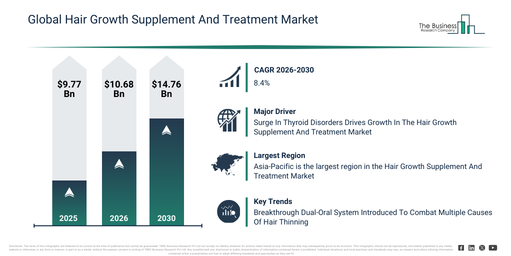
    The hair growth supplement and treatment market size has seen robust expansion in recent years. It is forecast to increase from $9.77 billion in 2025 to $10.68 billion in 2026, demonstrating a compound annual growth rate (CAGR) of 9.3%. This past growth is primarily attributable to a heightened understanding of hair health and aesthetics, the increasing occurrence of hair loss conditions, broader accessibility of over-the-counter supplements, a rise in hair care advice from dermatologists, and greater disposable income allocated to personal care.

    The hair growth supplement and treatment market is projected to experience robust expansion over the coming years. This market is set to reach $14.76 billion by 2030, exhibiting a compound annual growth rate (CAGR) of 8.4%. Key drivers for this growth during the forecast period include a heightened demand for tailored and individualized hair treatments, greater investments in biotechnological hair growth remedies, wider embrace of digital tools for hair diagnostics, an increase in online sales channels, and a stronger consumer emphasis on proactive hair care. Prominent trends anticipated in the forecast period encompass a surging demand for scientifically validated hair growth supplements, an increasing move towards combined topical and oral treatments, a rising inclination for natural and plant-based formulas, the proliferation of at-home device-based hair treatment options, and a greater emphasis on customized hair care routines.

    Get A Free Sample Report With In-Depth Market Insights:

    https://thebusinessresearchcompany.com/sample_request?id=66078612&type=smp&name=Hair%20Growth%20Supplement%20And%20Treatment%20Market%20Report%202026&utm_source=Blogs&utm_medium=Paid&utm_campaign=Nov_PR

    Hair Growth Supplement And Treatment Market Demand Drivers: What’s Powering Industry Growth?

    The escalating number of thyroid disorders is projected to propel the expansion of the hair growth supplement and treatment market moving forward. Thyroid disorders are medical conditions defined by either insufficient or excessive hormone production by the thyroid gland, or the appearance of abnormal growths within it. The prevalence of these disorders is growing due to elements like environmental factors, genetic predispositions, and changes in lifestyle. Hair growth supplements and treatments assist individuals with thyroid disorders by managing the hair thinning or loss commonly linked to thyroid imbalances, offering a remedy to mitigate the effects of these conditions. For instance, in February 2025, the National Library of Medicine (NLM), a US-based biomedical library, estimated the global prevalence of Hashimoto thyroiditis at 7.5%, with notably higher rates observed in low- and middle-income regions. Hence, the rising incidence of thyroid disorders is a key driver for the growth of the hair growth supplement and treatment market.

    Hair Growth Supplement And Treatment Market Segment Landscape And Growth Outlook

    The hair growth supplement and treatment market covered in this report is segmented –

    1) By Type: Supplements, Pharmaceuticals, Devices

    2) By Form: Tablets And Capsules, Gummies And Soft Gels, Liquids, Powders

    3) By Distribution Channel: Hypermarkets Or Supermarkets, Specialty Stores, Drugstores And Pharmacies, Online Retail, Other Distribution Channels

    4) By End User: Men, Women

    Subsegments:

    1) By Supplements: Oral Tablets, Soft Gels, Powder Supplements, Liquid Supplements

    2) By Pharmaceuticals: Prescription Medications, Topical Treatments

    3) By Devices: Laser Devices, LED Devices, Dermarollers

    Hair Growth Supplement And Treatment Market Innovation Trends Shaping Future Development

    Major companies operating in the hair growth supplement and treatment market are advancing innovative solutions, such as Dual Oral Supplementation, designed for the simultaneous targeting of multiple underlying causes of hair thinning. Dual Oral Supplementation describes a two-pill system taken orally, engineered to function in concert to address a condition via complementary mechanisms. For instance, in July 2025, Vegamour, a US-based company specializing in plant-based haircare, introduced its GRO+ Advanced system. This dual-pill supplement is intended to tackle hair thinning through a holistic, science-backed approach, specifically targeting underlying factors like hormonal imbalance and scalp aging. Additionally, it provides a comprehensive scalp care component through its exosome serum, which stimulates follicular regeneration and enhances overall hair restoration.

    Hair Growth Supplement And Treatment Market Competitive Landscape: Who Leads The Industry?

    Major companies operating in the hair growth supplement and treatment market are Johnson & Johnson Services Inc, Procter & Gamble Company, Unilever Plc, Merck and Co Inc, L’Oreal SA, Church & Dwight Co Inc, Amorepacific Corporation, ProCaps Laboratories Inc, Ultrax Labs, Hairfinity Limited, Wontech Co Ltd, Curallux LLC, Capillus LLC, iRestore Hair Growth System, ExoCoBio Inc, Revivogen Corporation, Nutrafol Inc, Hims & Hers Health Inc, Keeps Inc, Bosley Inc

    View The Full Hair Growth Supplement And Treatment Market Report:

    https://thebusinessresearchcompany.com/report/hair-growth-supplement-and-treatment-global-market-report?utm_source=Blogs&utm_medium=Paid&utm_campaign=Nov_PR

    Hair Growth Supplement And Treatment Market Top Region By Revenue And Market Share

    Asia-Pacific was the largest region in the hair growth supplement and treatment market in 2025. Europe is expected to be the fastest-growing region in the forecast period. The regions covered in the hair growth supplement and treatment market report are Asia-Pacific, South East Asia, Western Europe, Eastern Europe, North America, South America, Middle East, Africa.

    Reach Out To Our Team:

    The Business Research Company: https://www.thebusinessresearchcompany.com/

    Americas: +1 310-496-7795

    Asia: +44 7882 955267 & +91 8897263534

    Europe: +44 7882 955267

    Email us at: marketing@tbrc.info

    Follow us on:

    LinkedIn: https://in.linkedin.com/company/the-business-research-company

    YouTube: https://www.youtube.com/channel/UC24_fI0rV8cR5DxlCpgmyFQ

    Global Market Model: https://www.thebusinessresearchcompany.com/global-market-model
  • Hair Drug Testing Market Size And Growth In 2026: Key Factors Shaping Future Demand

    Hair Drug Testing Market Size And Growth In 2026: Key Factors Shaping Future Demand

    Backed by market attractiveness analysis, total addressable market sizing, company benchmarking matrices, interactive Excel dashboards, wider supply chain intelligence, emerging startup coverage, and detailed product-level insights, The Business Research Company’s 2026 market reports are designed to offer research that is more actionable and strategically valuable than ever.

    Hair Drug Testing Market Forecast: Value Set To Climb From $2.29 Billion To $3.4 Billion

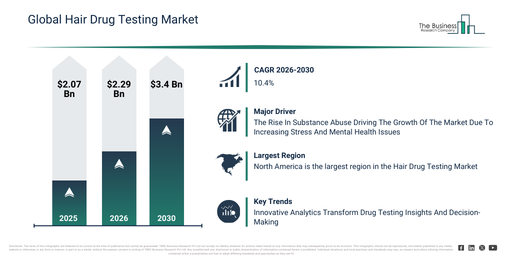
    The hair drug testing market size has demonstrated rapid expansion over recent years. It is anticipated to increase from $2.07 billion in 2025 to $2.29 billion in 2026, achieving a compound annual growth rate (CAGR) of 10.7%. The historical growth of this market can be attributed to several factors, including the proliferation of workplace drug testing policies, a rise in screening requirements by law enforcement, enhanced awareness regarding substance abuse issues, the implementation of laboratory-based testing methods, and the widespread availability of standardized testing kits.

    The hair drug testing market size is anticipated to experience significant expansion in the coming years. This market is projected to reach $3.4 billion by 2030, exhibiting a compound annual growth rate (CAGR) of 10.4%. The expansion during the projected period stems from several factors, including escalating investments in automated drug testing technologies, a surging demand for high-throughput testing solutions, the broadening of regulated workplace screening, a heightened emphasis on accuracy and traceability, and the increasing application of advanced mass spectrometry techniques. Key trends anticipated in this forecast period encompass a greater embrace of advanced analytical testing methods, an escalating need for long-term drug detection solutions, the expanding utilization of automated laboratory analyzers, the wider implementation of workplace and legal drug screening programs, and an increased focus on developing tamper-resistant testing.

    Get A Free Sample Report With In-Depth Market Insights:

    https://thebusinessresearchcompany.com/sample_request?id=94715991&type=smp&name=Hair%20Drug%20Testing%20Market%20Report%202026&utm_source=Blogs&utm_medium=Paid&utm_campaign=Nov_PR

    Hair Drug Testing Market Growth Drivers: What’s Behind The Acceleration?

    The escalating anxieties surrounding substance abuse are projected to propel the future growth of the hair drug testing market. Substance abuse is defined as the detrimental or perilous intake of psychoactive substances, including both alcohol and drugs, which causes physical, mental, or social impairments. These increasing worries regarding substance abuse originate from stress and mental health issues, given that individuals frequently resort to drugs or alcohol as a coping strategy for anxiety, depression, or intense life demands. Hair drug testing plays a crucial role in managing substance abuse by offering a dependable and long-term method for detection, thereby allowing for early intervention, continuous monitoring of recovery, and prevention of relapse. For instance, in April 2025, the Centers for Disease Control and Prevention, a US-based government agency, stated that in 2023, an estimated 48.5 million individuals aged 12 and older in the United States, representing 17.1% of the population, experienced a substance use disorder (SUD). Hence, the increasing concerns about substance abuse are undeniably driving the growth of the hair drug testing market.

    Hair Drug Testing Market Breakdown By Product Type And Application

    The hair drug testing market covered in this report is segmented –

    1) By Product Type: Kits, Analyzers, Consumables

    2) By Drug Type: Cocaine, Marijuana, Opiates, Amphetamines, Other Drug Types

    3) By Application: Workplace Drug Testing, Law Enforcement, Drug Treatment, Other Applications

    4) By End-User: Workplace, Criminal Justice, Drug Treatment Centers, Hospitals, Other End Users

    Subsegments:

    1) By Kits: Single Test Kits, Multi Test Kits, Rapid Test Kits, Home Collection Kits, Laboratory Collection Kits

    2) By Analyzers: Immunoassay Analyzers, Chromatography Analyzers, Mass Spectrometry Analyzers, Automated Testing Analyzers, Benchtop Analyzers

    3) By Consumables: Sample Collection Tubes, Reagents And Buffers, Calibration Standards, Control Materials, Test Cartridges And Strips

    Hair Drug Testing Market Trends Redefining Industry Growth

    Leading companies in the hair drug testing market are increasingly concentrating on developing innovative methods, such as sophisticated reporting analytics, to boost accuracy, streamline the interpretation of results, and facilitate informed decision-making. This advanced reporting analytics involves utilizing complex software and data analysis tools to organize, interpret, and visually represent testing outcomes, offering quicker, more precise, and actionable insights compared to traditional manual reporting. For instance, in March 2025, Psychemedics Corporation, a US-based public medical laboratory and research firm specializing in hair drug testing, introduced its groundbreaking Quartile Reporting feature. This represents a significant advancement in drug testing, providing organizations with unparalleled insights into test results. The feature enables companies to compare individual outcomes against a 12-month dataset of positive tests, which is categorized into four quartiles—lower, median, upper, and highest—thereby offering clear context for improved decision-making. By delivering real-time analytics and detailed data trends, Quartile Reporting empowers organizations to make thoroughly informed choices regarding hiring, retention, and compliance.

    Hair Drug Testing Market Company Landscape And Competitive Strategy

    Major companies operating in the hair drug testing market are Abbott Laboratories, Laboratory Corporation of America Holdings, Quest Diagnostics Incorporated, Eurofins Scientific, National Medical Services Inc., USA Mobile Drug Testing, DriverCheck Inc., MVZ Labor Dr. Limbach And Kollegen, Randox Testing Services, Phamatech Inc., The Drug Detection Agency, Accredited Drug Testing Inc., Crystal Health Group, AlphaBiolabs Ltd., Toxlogic Pty Ltd., American Screening Corporation Inc., Australian Workplace Drug Testing Services, DNA Forensics Laboratory Pvt. Ltd., US Health Testing, AMH Nationwide, Brassets Group.

    View The Full Hair Drug Testing Market Report:

    https://thebusinessresearchcompany.com/report/hair-drug-testing-global-market-report?utm_source=Blogs&utm_medium=Paid&utm_campaign=Nov_PR

    Hair Drug Testing Market Regional Analysis And Top Geography

    North America was the largest region in the hair drug testing market in 2025. Asia-Pacific is expected to be the fastest-growing region in the forecast period. The regions covered in the hair drug testing market report are Asia-Pacific, South East Asia, Western Europe, Eastern Europe, North America, South America, Middle East, Africa.

    Reach Out To Our Team:

    The Business Research Company: https://www.thebusinessresearchcompany.com/

    Americas: +1 310-496-7795

    Asia: +44 7882 955267 & +91 8897263534

    Europe: +44 7882 955267

    Email us at: marketing@tbrc.info

    Follow us on:

    LinkedIn: https://in.linkedin.com/company/the-business-research-company

    YouTube: https://www.youtube.com/channel/UC24_fI0rV8cR5DxlCpgmyFQ

    Global Market Model: https://www.thebusinessresearchcompany.com/global-market-model
  • Gyneco-Obstetric Ultrasound Systems Market Forecast 2026–2030: Market Size, Trends And Growth Opportunities

    Gyneco-Obstetric Ultrasound Systems Market Forecast 2026–2030: Market Size, Trends And Growth Opportunities

    Featuring market attractiveness scoring, total addressable market sizing, company benchmarking matrices, interactive Excel dashboards, deeper supply chain intelligence, emerging startup tracking, and granular product-level insights, The Business Research Company’s 2026 market reports are built to deliver research that is both more actionable and more strategically valuable.

    Gyneco-Obstetric Ultrasound Systems Market Revenue Growth On Track For A 7.1% CAGR Through 2030

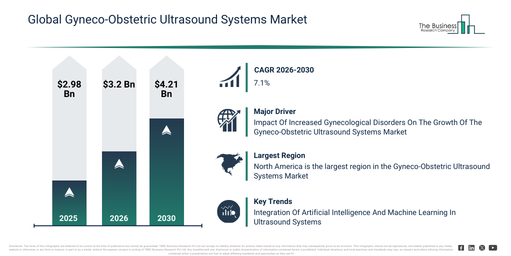
    The gyneco-obstetric ultrasound systems market has experienced substantial growth in recent years. It is projected to expand from $2.98 billion in 2025 to $3.2 billion in 2026, achieving a compound annual growth rate (CAGR) of 7.3%. This historic growth can be attributed to factors such as the expansion of maternal healthcare services, greater availability of diagnostic imaging infrastructure, an increase in hospital-based obstetric care, the rising utilization of ultrasound in routine gynecological examinations, and the adoption of improved imaging technology.

    The gyneco-obstetric ultrasound systems market is anticipated to experience substantial expansion over the coming years. By 2030, its valuation is projected to reach $4.21 billion, exhibiting a compound annual growth rate (CAGR) of 7.1%. This projected growth is driven by several factors, including heightened investments in diagnostics for women’s healthcare, an increasing need for point-of-care ultrasound devices, the broadening of tele-ultrasound service offerings, a sharpened focus on early pregnancy surveillance, and the greater incorporation of AI-assisted diagnostic instruments. Key developments expected during this period encompass the wider embrace of AI-enabled ultrasound imaging technologies, a surging demand for 3D and 4D imaging functionalities, the expanding deployment of portable ultrasound units, the proliferation of prenatal and women’s health screening initiatives, and an intensified emphasis on both image quality and diagnostic precision.

    Get A Free Sample Report With In-Depth Market Insights:

    https://thebusinessresearchcompany.com/sample_request?id=87253866&type=smp&name=Gyneco-Obstetric%20Ultrasound%20Systems%20Market%20Report%202026&utm_source=Blogs&utm_medium=Paid&utm_campaign=Nov_PR

    Gyneco-Obstetric Ultrasound Systems Market Growth Factors Behind Sustained Expansion

    A rise in gynecological disorder cases is anticipated to stimulate the expansion of the gyneco-obstetric ultrasound systems market in the future. A gynecological disorder is defined as any medical issue impacting the female reproductive system, encompassing organs such as the uterus, ovaries, cervix, and vagina. The growing prevalence of these disorders is linked to multiple contributing factors, including shifts in lifestyle, obesity, environmental influences, postponing childbirth, and problems related to stress and mental well-being. These ultrasound systems play a crucial role in diagnosing and monitoring gynecological disorders by offering high-resolution images of reproductive organs, thereby assisting with prompt detection and the development of treatment strategies. For example, reports from June 2024 by the American Cancer Society, a US-based non-profit organization focused on eradicating cancer, estimate that around 13,820 new invasive cervical cancer diagnoses are expected in 2024, and approximately 4,360 women are predicted to die from cervical cancer within the same year. Consequently, the rising occurrence of gynecological disorders serves as a key driver for the expansion of the gyneco-obstetric ultrasound systems market.

    Gyneco-Obstetric Ultrasound Systems Market Segment Analysis And Revenue Potential

    The gyneco-obstetric ultrasound systems market covered in this report is segmented –

    1) By Product Type: 2D Ultrasound, 3D And 4D Ultrasound, Doppler Ultrasound

    2) By Modality: Portable, On-Platform

    3) By Application: Obstetrics, Gynecology

    4) By End-User: Hospitals, Diagnostic Centers, Gynecology Clinics

    Subsegments:

    1) By 2D Ultrasound: B-Mode Ultrasound, M-Mode Ultrasound

    2) By 3D And 4D Ultrasound: 3D Ultrasound, 4D Ultrasound (Real-Time Imaging)

    3) By Doppler Ultrasound: Color Doppler Ultrasound, Power Doppler Ultrasound, Duplex Ultrasound

    Gyneco-Obstetric Ultrasound Systems Market Strategic Trends: What Defines The Next Growth Phase?

    Leading companies operating in the gyneco obstetric ultrasound systems market are increasingly incorporating artificial intelligence and machine learning into ultrasound systems to facilitate automated image analysis. These AI and machine learning technologies significantly boost the accuracy in detecting abnormalities, streamline workflow efficiency, and deliver real-time insights for informed clinical decision-making within gyneco-obstetric ultrasound systems. As an illustration, in February 2023, Samsung Healthcare, a South Korea-based medical equipment manufacturing company, introduced HERA W10 Elite, an ultrasound system specifically developed for obstetrics and gynecology. This system features advanced IT integration designed to enhance diagnostic accuracy and efficiency. Its capabilities include the Advanced MV-Flow for detailed 2D and 3D visualization of microcirculation, HeartAssist AI for automated fetal heart measurements, and the forthcoming Biometry Assist for a one-click fetal growth assessment. Furthermore, its OLED display and innovative transducers establish a new benchmark in women’s health imaging.

    Gyneco-Obstetric Ultrasound Systems Market Key Players Shaping Industry Direction

    Major companies operating in the gyneco-obstetric ultrasound systems market are Samsung Medison Co. Ltd, Hitachi Ltd, Canon Medical Systems Corporation, Siemens Healthcare Private Limited, Toshiba Medical Systems Corporation, Fujifilm Holdings Corporation, Koninklijke Philips NV, GE Healthcare, Analogic Corporation, Shenzhen Mindray Bio-Medical Electronics Co Ltd, Mindray Medical International Limited, Esaote SPA, SonoScape Medical Corp, Chison Medical Imaging Co Ltd, Promed Group Co Ltd, Shenzhen Biocare Bio-Medical Equipment Co Ltd, SuperSonic Imagine, Draminski S.A., Caresono Technology Co Ltd, Xuzhou Kejian Hi-tech Co Ltd

    View The Full Gyneco-Obstetric Ultrasound Systems Market Report:

    https://thebusinessresearchcompany.com/report/gyneco-obstetric-ultrasound-systems-global-market-report?utm_source=Blogs&utm_medium=Paid&utm_campaign=Nov_PR

    Gyneco-Obstetric Ultrasound Systems Market Geographic Analysis: Where Is Demand Rising Fastest?

    North America was the largest region in the gyneco-obstetric ultrasound systems market in 2025. Asia Pacific is expected to be the fastest-growing region in the forecast period. The regions covered in the gyneco-obstetric ultrasound systems market report are Asia-Pacific, South East Asia, Western Europe, Eastern Europe, North America, South America, Middle East, Africa.

    Reach Out To Our Team:

    The Business Research Company: https://www.thebusinessresearchcompany.com/

    Americas: +1 310-496-7795

    Asia: +44 7882 955267 & +91 8897263534

    Europe: +44 7882 955267

    Email us at: marketing@tbrc.info

    Follow us on:

    LinkedIn: https://in.linkedin.com/company/the-business-research-company

    YouTube: https://www.youtube.com/channel/UC24_fI0rV8cR5DxlCpgmyFQ

    Global Market Model: https://www.thebusinessresearchcompany.com/global-market-model
  • Gynecomastia Procedures Market Size Reaches $1.21 Billion In 2026: What Is Driving Growth?

    Gynecomastia Procedures Market Size Reaches $1.21 Billion In 2026: What Is Driving Growth?

    Built to provide research that’s more actionable and strategically valuable, The Business Research Company’s 2026 market reports include market attractiveness analysis, total addressable market sizing, company benchmarking matrices, interactive Excel dashboards, broader supply chain intelligence, emerging startup tracking, and in-depth product insights.

    Gynecomastia Procedures Market Value Growth And Long-Term Outlook

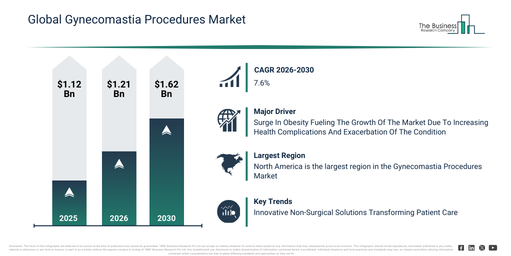
    The gynecomastia procedures market size has exhibited robust expansion in recent years. Forecasts indicate it will increase from $1.12 billion in 2025 to $1.21 billion in 2026, progressing at a compound annual growth rate (CAGR) of 7.9%. This past growth can be ascribed to several factors, including heightened public awareness of gynecomastia conditions, a greater acceptance of cosmetic surgery, the proliferation of private cosmetic clinics, improved access to advanced surgical tools, and more effective diagnosis of hormonal disorders.

    The gynecomastia procedures market size is projected to experience substantial growth over the coming years. This market is anticipated to reach a valuation of $1.62 billion by 2030, exhibiting a compound annual growth rate (CAGR) of 7.6%. The expansion during this period can be attributed to factors such as a heightened demand for outpatient cosmetic interventions, the growing utilization of non-invasive energy-based technologies, increased investments in aesthetic medicine, an intensified emphasis on tailored treatment strategies, and the wider integration of ultrasound-assisted methods. Key trends identified for this timeframe encompass a rising inclination towards minimally invasive approaches, a surging need for cosmetic treatments catering to male health, the increasing incorporation of sophisticated liposuction techniques, the proliferation of non-surgical alternatives, and a stronger commitment to patient-focused results.

    Get A Free Sample Report With In-Depth Market Insights:

    https://thebusinessresearchcompany.com/sample_request?id=49911614&type=smp&name=Gynecomastia%20Procedures%20Market%20Report%202026&utm_source=Blogs&utm_medium=Paid&utm_campaign=Nov_PR

    Gynecomastia Procedures Market Demand Drivers Opening New Revenue Streams

    The rising occurrence of obesity is projected to boost the expansion of the gynecomastia procedures market in the future. Obesity is defined as a medical state involving excessive accumulation of body fat, frequently assessed by a body mass index (BMI) of 30 or greater, which can result in numerous health issues. The increase in obesity stems from more sedentary lifestyles, where insufficient physical activity and extended periods of sitting lead to weight gain and compromised metabolic well-being. Gynecomastia operations are performed to treat enlarged male breasts, a condition frequently worsened by obesity, as surplus fat in the chest region can resemble or intensify the look of gynecomastia, making surgery a valuable remedy. For example, in March 2023, the World Heart Foundation, an NGO based in Switzerland, reported that approximately 2.3 billion adults and children worldwide are obese or overweight, with projections indicating this number will rise to 2.7 billion by 2025. Consequently, the growing prevalence of obesity is fueling the growth of the gynecomastia procedures market.

    Gynecomastia Procedures Market Segmentation And Category Overview

    The gynecomastia procedures market covered in this report is segmented –

    1) By Procedure Type: Liposuction, Mastectomy, Thyroid Hormone Therapy, Medications, Ultrasound

    2) By Age Group: Adolescents, Adults, Elderly

    3) By End-User: Hospitals, Cosmetic Surgery Centers, Other End-Users

    Subsegments:

    1) By Liposuction: Tumescent Liposuction, Ultrasound-Assisted Liposuction, Power-Assisted Liposuction, Laser-Assisted Liposuction

    2) By Mastectomy: Subcutaneous Mastectomy, Bilateral Mastectomy, Nipple-Sparing Mastectomy

    3) By Thyroid Hormone Therapy: Synthetic Thyroid Hormones, Natural Desiccated Thyroid, Combination Therapy

    4) By Medications: Anti-Estrogen Medications, Aromatase Inhibitors, Selective Estrogen Receptor Modulators (SERMs)

    5) By Ultrasound: High-Intensity Focused Ultrasound (HIFU), Low-Intensity Focused Ultrasound, Acoustic Wave Therapy

    Gynecomastia Procedures Market Transformation Trends: What Innovations Are Driving Change?

    Leading companies in the gynecomastia procedures market are concentrating on advanced innovations, such as non-invasive cures, to reduce surgical risks, enhance patient outcomes, and address the persistent need for safer, more effective treatments. A non-invasive cure is defined as a treatment that bypasses surgery, instead utilizing oral medications or external therapies to manage conditions like gynecomastia without requiring incisions or anesthesia. For instance, in June 2024, BioZen Limited, a UK-based biotechnology company, introduced an innovative daily pill regimen specifically designed to cure gynecomastia. This proprietary dual-therapy formulation combines a low dose of tamoxifen (TAM) with indole-3-carbinol (I3C), a naturally occurring compound derived from cruciferous vegetables, delivered as a convenient once-daily oral medication. Preclinical data from BioZen suggest that this dual approach has the potential to holistically reverse the hormonal imbalance driving gynecomastia, possibly offering a safe, effective, and scalable alternative to traditional surgery.

    Gynecomastia Procedures Market Competitive Analysis Of Leading Industry Participants

    Major companies operating in the gynecomastia procedures market are Spire Healthcare Group plc, InMode Ltd., Lumenis Ltd., Cynosure LLC, Max Healthcare Institute Limited, Alma Lasers Ltd., Pristyn Care Private Limited, Cutera Inc., Solta Medical Inc., Erchonia Corporation, MicroAire Surgical Instruments LLC, Allure Medspa, Florida Plastic Surgery Group P.A., The Aesthetica, Austin Gynecomastia Center, Apyx Medical Corporation

    View The Full Gynecomastia Procedures Market Report:

    https://thebusinessresearchcompany.com/report/gynecomastia-procedures-global-market-report?utm_source=Blogs&utm_medium=Paid&utm_campaign=Nov_PR

    Gynecomastia Procedures Market Global Footprint: Which Region Leads The Market?

    North America was the largest region in the gynecomastia procedures market in 2025. Asia-Pacific is expected to be the fastest-growing region in the forecast period. The regions covered in the gynecomastia procedures market report are Asia-Pacific, South East Asia, Western Europe, Eastern Europe, North America, South America, Middle East, Africa.

    Reach Out To Our Team:

    The Business Research Company: https://www.thebusinessresearchcompany.com/

    Americas: +1 310-496-7795

    Asia: +44 7882 955267 & +91 8897263534

    Europe: +44 7882 955267

    Email us at: marketing@tbrc.info

    Follow us on:

    LinkedIn: https://in.linkedin.com/company/the-business-research-company

    YouTube: https://www.youtube.com/channel/UC24_fI0rV8cR5DxlCpgmyFQ

    Global Market Model: https://www.thebusinessresearchcompany.com/global-market-model
  • Gynecology Robotic Surgery Market Valued At $5.05 Billion In 2026: Key Trends And Growth Drivers

    Gynecology Robotic Surgery Market Valued At $5.05 Billion In 2026: Key Trends And Growth Drivers

    Backed by market attractiveness analysis, total addressable market sizing, company benchmarking matrices, interactive Excel dashboards, wider supply chain intelligence, emerging startup coverage, and detailed product-level insights, The Business Research Company’s 2026 market reports are designed to offer research that is more actionable and strategically valuable than ever.

    Gynecology Robotic Surgery Market Poised To Hit $5.05 Billion By 2030 With A 9.2% CAGR

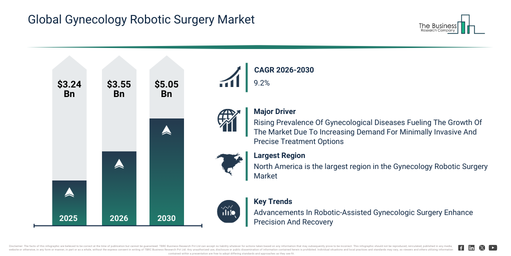
    The gynecology robotic surgery market has experienced robust expansion in recent years. This market is projected to increase from $3.24 billion in 2025 to $3.55 billion in 2026, showcasing a compound annual growth rate (CAGR) of 9.5%. Historically, this growth can be ascribed to factors such as the rising prevalence of gynecological disorders, a growing patient inclination towards minimally invasive surgery, the increased deployment of robotic surgery installations in healthcare facilities, enhanced clinical outcomes resulting from robotic-assisted procedures, and the advancement of surgical specialization.

    Significant expansion is projected for the gynecology robotic surgery market in the coming years. By 2030, this market is anticipated to reach a valuation of $5.05 billion, demonstrating a compound annual growth rate (CAGR) of 9.2%. Several factors are driving this anticipated growth, including the wider uptake of advanced robotic platforms, increased funding for autonomous surgical systems, the expansion of robotic procedures into outpatient environments, a heightened need for precise gynecological treatments, and the greater integration of AI in surgical planning. Key trends characterizing this period involve the increasing utilization of robotic assistance in gynecological operations, a growing preference for minimally invasive surgical methods, the broader application of robotic systems in cancer treatment, an intensifying emphasis on improving surgeon training and proficiency, and better incorporation of sophisticated imaging and navigation technologies.

    Get A Free Sample Report With In-Depth Market Insights:

    https://thebusinessresearchcompany.com/sample_request?id=88397655&type=smp&name=Gynecology%20Robotic%20Surgery%20Market%20Report%202026&utm_source=Blogs&utm_medium=Paid&utm_campaign=Nov_PR

    Gynecology Robotic Surgery Market Growth Backed By Core Demand Fundamentals

    The increasing incidence of gynecological diseases is projected to propel the growth of the gynecology robotic surgery market. Gynecological diseases are medical conditions that affect female reproductive organs, including the uterus, ovaries, and cervix, thereby impacting women’s reproductive health and overall well-being. The rising prevalence of these conditions is partially attributed to lifestyle changes such as unhealthy diets, insufficient physical activity, and escalating obesity rates, which can disrupt hormonal balance and reproductive health. Robotic surgery in gynecology offers a minimally invasive and highly precise approach for treating various gynecological diseases, helping to reduce pain, bleeding, and recovery time in procedures for conditions like fibroids, endometriosis, and gynecologic cancers. For instance, in January 2025, Cancer Australia, an Australia-based government agency, stated that in Australia, gynecological cancers caused 2,171 deaths in 2022 and an estimated 2,235 deaths in 2024, with females having a 1 in 73 (1.4%) lifetime risk of dying from these cancers by the age of 85. Consequently, the rising cases of gynecological diseases are a key driver for the expansion of the gynecology robotic surgery market.

    Gynecology Robotic Surgery Market Segment Outlook: Which Categories Are Growing Fastest?

    The gynecology robotic surgery market covered in this report is segmented –

    1) By Product: Robotic Platform, Instrument And Accessories, Robotic Platform Services

    2) By Type Of Procedure: Benign Gynecological Procedures, Procedures In Gynecological Oncology

    3) By Application: Hysterectomy, Myomectomy, Oophorectomy, Sacrocolpopexy, Other Applications

    4) By End-User: Hospitals, Ambulatory Surgical Centers, Specialty Clinics

    Subsegments:

    1) By Robotic Platform: Tethered Robotic Systems, Autonomous Robotic Systems, Teleoperated Robotic Systems, Portable Robotic Platforms

    2) By Instrument And Accessories: Surgical Instruments, Endoscopic Cameras, Trocars And Cannulas, Robotic Arm Accessories, Energy Devices

    3) By Robotic Platform Services: Installation And Integration Services, Maintenance And Repair Services, Training And Education Services, Software Upgrade Services, Remote Monitoring Services

    #Gynecology Robotic Surgery Market Growth Trends: What’s Shaping The Future Outlook?

    Major companies within the gynecology robotic surgery market are concentrating on developing innovative solutions, such as advanced robotic-assisted surgery systems, to improve surgical precision, decrease operative times, and enhance patient recovery compared to conventional laparoscopic or open surgery techniques. Robotic surgical systems feature integrated advanced robotic arms, 3D high-definition visualization, and surgeon-controlled instruments, which deliver superior dexterity, stability, and access during minimally invasive procedures. For instance, in October 2025, Medtronic Plc, a US-based medical technology firm, initiated its third IDE study for the Hugo Robotic Surgery System, specifically for gynecological procedures. The Hugo system incorporates modular robotic arms, ergonomic surgeon consoles, and integrated imaging and instrumentation; it operates by empowering surgeons to conduct complex procedures with greater precision, real-time visualization, and smaller incisions; its distinguishing characteristics include modular architecture, compatibility with a wide array of instruments, and advanced haptic feedback; applications cover hysterectomies, myomectomies, and other gynecologic minimally invasive surgeries; its advantages encompass reduced blood loss, shorter hospital durations, better recovery periods, and heightened surgical accuracy.

    Gynecology Robotic Surgery Market Leading Companies And Competitive Benchmarking

    Major companies operating in the gynecology robotic surgery market are Medtronic PLC, Stryker Corporation, Intuitive Surgical Inc., KARL STORZ SE & Co. KG, Sina Robotics And Medical Innovators Co. Ltd., CMR Surgical Limited, SS Innovations International Inc., Distalmotion SA, Ronovo Surgical Inc., Levita Magnetics International Corp., Titan Medical Inc., Virtual Incision Corporation, Nanjing Perlove Medical Equipment Co. Ltd., Edge Medical Robotics Corporation, Momentis Surgical Ltd., Virtuoso Surgical Inc., Moon Surgical SAS, GynoBotics Inc., Harbin Sagebot Intelligent Medical Equipment Co. Ltd., Asensus Surgical Inc., Medicaroid Corporation

    View The Full Gynecology Robotic Surgery Market Report:

    https://thebusinessresearchcompany.com/report/gynecology-robotic-surgery-global-market-report?utm_source=Blogs&utm_medium=Paid&utm_campaign=Nov_PR

    Gynecology Robotic Surgery Market Regional Split: Which Areas Are Fueling Growth?

    North America was the largest region in the gynecology robotic surgery market in 2025. Asia-Pacific is expected to be the fastest-growing region in the forecast period. The regions covered in the gynecology robotic surgery market report are Asia-Pacific, South East Asia, Western Europe, Eastern Europe, North America, South America, Middle East, Africa.

    Reach Out To Our Team:

    The Business Research Company: https://www.thebusinessresearchcompany.com/

    Americas: +1 310-496-7795

    Asia: +44 7882 955267 & +91 8897263534

    Europe: +44 7882 955267

    Email us at: marketing@tbrc.info

    Follow us on:

    LinkedIn: https://in.linkedin.com/company/the-business-research-company

    YouTube: https://www.youtube.com/channel/UC24_fI0rV8cR5DxlCpgmyFQ

    Global Market Model: https://www.thebusinessresearchcompany.com/global-market-model
  • Gut Microbiota Market Size In 2026: Growth Outlook And Forecast Through 2030

    Gut Microbiota Market Size In 2026: Growth Outlook And Forecast Through 2030

    Featuring market attractiveness scoring, total addressable market sizing, company benchmarking matrices, interactive Excel dashboards, deeper supply chain intelligence, emerging startup tracking, and granular product-level insights, The Business Research Company’s 2026 market reports are built to deliver research that is both more actionable and more strategically valuable.

    Gut Microbiota Market Size And Revenue Outlook Through 2030

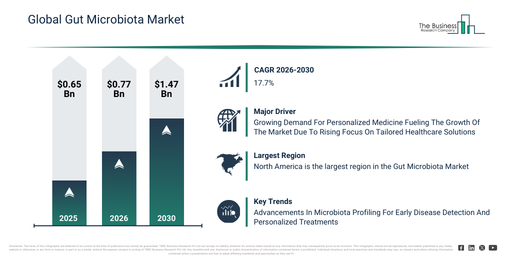
    The gut microbiota market size has seen rapid expansion in recent years. It is projected to increase from $0.65 billion in 2025 to $0.77 billion in 2026, demonstrating a compound annual growth rate (CAGR) of 18.0%. The growth observed in the past can be linked to an enhanced understanding of gut health and immunity, the growing consumption of dietary supplements, the expansion of functional food markets, increased academic research focusing on microbiota, and a rising consumer awareness regarding digestive health.

    The gut microbiota market size is poised for substantial expansion in the coming years, with expectations to reach $1.47 billion by 2030, demonstrating a compound annual growth rate (CAGR) of 17.7%. This growth over the forecast period is propelled by the escalating development of therapeutics aimed at the microbiome, increasing financial commitments to gut health research, the widening scope of personalized nutrition platforms, the growing integration of microbiome diagnostic tools, and a heightened emphasis on healthcare solutions focused on prevention. Notable trends anticipated during this period include a greater embrace of probiotic and prebiotic products, an intensifying focus on tailored nutrition approaches, expanding investigation into microbiome-based treatments, an increase in the consumption of functional and fermented foods, and enhanced deployment of gut health diagnostic instruments.

    Get A Free Sample Report With In-Depth Market Insights:

    https://thebusinessresearchcompany.com/sample_request?id=74249869&type=smp&name=Gut%20Microbiota%20Market%20Report%202026&utm_source=Blogs&utm_medium=Paid&utm_campaign=Nov_PR

    Gut Microbiota Market Growth Catalysts And Demand Drivers

    The expanding need for personalized medicine is anticipated to fuel the growth of the gut microbiota market moving forward. This approach involves customizing treatments for individual patients, considering their genetic, environmental, and lifestyle elements to enhance results and improve care. The demand for personalized medicine is increasing because breakthroughs in genomics and biotechnology enable more precise identification of genetic profiles, allowing for customized therapies that boost efficacy and lessen adverse effects. For gut microbiota, personalized medicine is beneficial as it tailors treatments based on an individual’s distinct microbiome composition, thereby optimizing gut health and improving outcomes for digestive and metabolic conditions. As an illustration, in February 2024, the Personalized Medicine Coalition (PMC), a US-based nonprofit organization, noted that the U.S. Food and Drug Administration (FDA) approved 26 new personalized medicines in 2023, a considerable increase from the 12 approved in 2022. Consequently, the rising demand for personalized medicine is propelling the expansion of the gut microbiota market.

    Gut Microbiota Market Segment Landscape: Which Areas Lead Development?

    The gut microbiota market covered in this report is segmented –

    1) By Product: Prebiotics, Probiotics, Drugs, Supplements, Other Products

    2) By Application: Digestive Health, Immune Health, Weight Management, Mental Health, Cardiovascular Health

    3) By Distribution Channel: Pharmacies And Drugstores, Online Retail, Health Food Stores, Supermarkets And Hypermarkets, Specialty Stores

    4) By End-Users: Adults, Children, Elderly

    Subsegments:

    1) By Prebiotics: Fructooligosaccharides (Fos), Galactooligosaccharides (Gos), Inulin, Resistant Starch, Beta-Glucans, Arabinogalactans, Pectins

    2) By Probiotics: Lactobacillus, Bifidobacterium, Saccharomyces, Streptococcus, Bacillus, Escherichia

    3) By Drugs: Antibiotics, Bacteriophage Therapy, Gut Microbiota Modulators, Immunomodulators, Antidiarrheal Agents, Laxatives

    4) By Supplements: Synbiotics, Postbiotics, Enzyme Supplements, Vitamin D Supplements, Omega-3 Fatty Acids, Herbal Extracts

    5) By Other Products: Functional Foods, Fermented Foods, Beverages, Gut Health Diagnostic Kits, Dietary Fiber Products

    Gut Microbiota Market Industry Trends: What’s Reshaping Demand?

    Leading companies in the gut microbiota market are increasingly focusing on developing innovative solutions, such as orally administered fecal microbiota, to address a variety of gastrointestinal diseases and disorders. Orally administered fecal microbiota involves a treatment where a capsule or pill containing beneficial bacteria from a healthy donor’s stool is consumed to restore balance to the gut microbiome. For instance, in April 2023, Seres Therapeutics Inc., a US-based microbiome therapeutics platform company, obtained FDA approval for Vowst, which is the first oral fecal microbiota product specifically designed to prevent recurrent Clostridioides difficile (C. difficile) infection (CDI) in individuals aged 18 and older. Vowst is intended for use subsequent to antibacterial treatment for recurrent CDI. This approval signifies a major advancement in CDI treatment, presenting a more accessible and patient-friendly alternative to traditional fecal microbiota transplants, which are typically delivered via colonoscopy or enema. Its oral formulation is expected to improve treatment adherence and expand the adoption of microbiome-based therapies in healthcare settings.

    Gut Microbiota Market Industry Leaders And Competitive Landscape

    Major companies operating in the gut microbiota market are Danone S.A., DuPont de Nemours Inc., International Flavors & Fragrances Inc., Seres Therapeutics, Yakult Honsha Co. Ltd., Chr. Hansen Holding A/S, Lallemand Inc., Lifeway Foods Inc., BioGaia AB, Probi AB, Seed Health, Enterome, Vedanta Biosciences Inc., Evolve BioSystems Inc., Winclove Probiotics B.V., Kallyope Inc., Sun Genomics Inc., Synlogic Inc., OpenBiome, Codex Labs Corp.

    View The Full Gut Microbiota Market Report:

    https://thebusinessresearchcompany.com/report/gut-microbiota-global-market-report?utm_source=Blogs&utm_medium=Paid&utm_campaign=Nov_PR

    Gut Microbiota Market Top Region: Where Does Most Revenue Come From?

    North America was the largest region in the gut microbiota market in 2025. Asia-Pacific is expected to be the fastest-growing region in the forecast period. The regions covered in the gut microbiota market report are Asia-Pacific, South East Asia, Western Europe, Eastern Europe, North America, South America, Middle East, Africa.

    Reach Out To Our Team:

    The Business Research Company: https://www.thebusinessresearchcompany.com/

    Americas: +1 310-496-7795

    Asia: +44 7882 955267 & +91 8897263534

    Europe: +44 7882 955267

    Email us at: marketing@tbrc.info

    Follow us on:

    LinkedIn: https://in.linkedin.com/company/the-business-research-company

    YouTube: https://www.youtube.com/channel/UC24_fI0rV8cR5DxlCpgmyFQ

    Global Market Model: https://www.thebusinessresearchcompany.com/global-market-model
  • Guillain-Barre Syndrome Market Trends Supporting 5.4% CAGR Growth Through 2030

    Guillain-Barre Syndrome Market Trends Supporting 5.4% CAGR Growth Through 2030

    Built to provide research that’s more actionable and strategically valuable, The Business Research Company’s 2026 market reports include market attractiveness analysis, total addressable market sizing, company benchmarking matrices, interactive Excel dashboards, broader supply chain intelligence, emerging startup tracking, and in-depth product insights.

    Guillain-Barre Syndrome Market Growth From $0.67 Billion In 2026 To $0.83 Billion By 2030 At A CAGR Of 5.4%

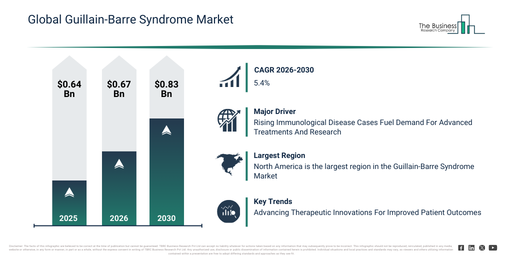
    The guillain-barre syndrome market size has seen robust expansion in recent years. It is forecast to rise from $0.64 billion in 2025 to $0.67 billion in 2026, achieving a compound annual growth rate (CAGR) of 5.6%. This historical growth can be ascribed to several contributors, including better identification of autoimmune neurological conditions, the broadening of hospital-based neurology departments, enhanced access to immunotherapy treatments, a surge in post-infectious complication cases, and superior critical care infrastructure.

    The market for Guillain-Barré syndrome is projected to experience substantial expansion over the upcoming years. This market is set to reach a value of $0.83 billion by 2030, exhibiting a compound annual growth rate (CAGR) of 5.4%. The anticipated growth during this period can be ascribed to several factors, including heightened investments in neurology research, a surging demand for cutting-edge immunomodulatory treatments, the broadening of specialized rehabilitation services, the expanding application of digital tools for neurological assessment, and an intensified emphasis on early intervention approaches. Key trends foreseen for the forecast timeframe encompass the increasing utilization of intravenous immunoglobulin therapies, the growing acceptance of plasma exchange procedures, a heightened focus on prompt neurological diagnosis, the proliferation of specialized neurology care centers, and more robust monitoring of autoimmune neurological conditions.

    Get A Free Sample Report With In-Depth Market Insights:

    https://thebusinessresearchcompany.com/sample_request?id=59354208&type=smp&name=Guillain-Barre%20Syndrome%20Market%20Report%202026&utm_source=Blogs&utm_medium=Paid&utm_campaign=Nov_PR

    Guillain-Barre Syndrome Market Opportunity Drivers: What’s Unlocking New Revenue Potential?

    The growing prevalence of immunological diseases is anticipated to fuel the expansion of the guillain-barre syndrome market moving forward. Immunological diseases are characterized by an immune system that is either excessively active, insufficiently active, or misdirected, leading to conditions such as autoimmune diseases, allergies, or immunodeficiencies. The rise in immunological diseases stems from factors including environmental changes, lifestyle choices, enhanced diagnostic capabilities, and genetic susceptibility. These diseases can contribute to guillain-barré syndrome by triggering an autoimmune response where the body’s immune system mistakenly attacks its own peripheral nerves, resulting in inflammation and nerve damage. For instance, in July 2024, data from a report issued by the Joint United Nations Programme on HIV/AIDS (UNAIDS), a Switzerland-based governmental body, revealed that by the end of 2022, an estimated 39.5 million people worldwide were living with HIV, with 1.3 million new infections and 630,000 AIDS-related deaths reported during that year. This number subsequently increased to around 39.9 million globally by 2023. Thus, the escalating risk of immunological diseases is a primary driver for the guillain-barre syndrome market.

    Guillain-Barre Syndrome Market Segments: Where Is Growth Concentrated?

    The guillain-barre syndrome market covered in this report is segmented –

    1) By Type: Acute Inflammatory Demyelinating Polyneuropathy (AIDP), Miller Fisher Syndrome (MFS), Acute Motor Axonal Neuropathy (AMAN)

    2) By Therapeutics: Intravenous Immunoglobulin (IVIG), Plasma Exchange, Other Therapeutics

    3) By End User: Hospitals, Specialty Neurology Clinics, Rehabilitation Centers, Home Healthcare Settings

    Subsegments:

    1) By Acute Inflammatory Demyelinating Polyneuropathy (AIDP): Classical AIDP, AIDP with Autonomic Involvement

    2) By Miller Fisher Syndrome (MFS): Classical MFS, MFS With Ataxia, MFS With Ophthalmoplegia

    3) By Acute Motor Axonal Neuropathy (AMAN): Classical AMAN, AMAN with Respiratory Involvement

    Guillain-Barre Syndrome Market Innovation Trends: What Developments Are Reshaping The Industry?

    Key players in the guillain-barre syndrome market are concentrating on innovative drug development, particularly monoclonal antibodies, to improve treatment efficacy, address existing clinical gaps, and broaden their market reach. Monoclonal antibodies are proteins engineered in laboratories to specifically target certain antigens, thereby helping to regulate immune responses and enhance therapeutic results. For example, in October 2023, Annexon Inc., a US-based biopharmaceutical company, obtained orphan drug designation from the European Medicines Agency (EMA) for its medicine ANX005 for the management of guillain-barre syndrome (GBS). This specific monoclonal antibody targets C1q, and has demonstrated early improvements in muscle strength and a decreased need for ventilation when compared to IVIg, positioning it as an important therapeutic breakthrough.

    Guillain-Barre Syndrome Market Key Participants And Competitive Landscape

    Major companies operating in the guillain-barre syndrome market are Pfizer Inc., Roche AG, AstraZeneca PLC, GSK plc, Takeda Pharmaceutical Company Limited, Merck & Co. Inc., Baxter International Inc., Biogen Inc., Horizon Therapeutics, Octapharma AG, Kedrion S.p.A., CSL Behring, Hansa Biopharma AB, Annexon Inc., Immunovant Inc., UCB S.A., Alexion Pharmaceuticals, Argenx SE, Grifols S.A., LFB S.A

    View The Full Guillain-Barre Syndrome Market Report:

    https://thebusinessresearchcompany.com/report/guillain-barre-syndrome-global-market-report?utm_source=Blogs&utm_medium=Paid&utm_campaign=Nov_PR

    Guillain-Barre Syndrome Market Regional Breakdown: Where Is Demand Concentrated?

    North America was the largest region in the guillain-barre syndrome market in 2025. Asia-Pacific is expected to be the fastest-growing region in the forecast period. The regions covered in the guillain-barre syndrome market report are Asia-Pacific, South East Asia, Western Europe, Eastern Europe, North America, South America, Middle East, Africa.

    Reach Out To Our Team:

    The Business Research Company: https://www.thebusinessresearchcompany.com/

    Americas: +1 310-496-7795

    Asia: +44 7882 955267 & +91 8897263534

    Europe: +44 7882 955267

    Email us at: marketing@tbrc.info

    Follow us on:

    LinkedIn: https://in.linkedin.com/company/the-business-research-company

    YouTube: https://www.youtube.com/channel/UC24_fI0rV8cR5DxlCpgmyFQ

    Global Market Model: https://www.thebusinessresearchcompany.com/global-market-model
  • Growth Hormone Deficiency Market Forecast Highlights A $5.67 Billion Opportunity For Industry Participants

    Growth Hormone Deficiency Market Forecast Highlights A $5.67 Billion Opportunity For Industry Participants

    Backed by market attractiveness analysis, total addressable market sizing, company benchmarking matrices, interactive Excel dashboards, wider supply chain intelligence, emerging startup coverage, and detailed product-level insights, The Business Research Company’s 2026 market reports are designed to offer research that is more actionable and strategically valuable than ever.

    Growth Hormone Deficiency Market Expansion Outlook: What Revenue Opportunities Are Ahead?

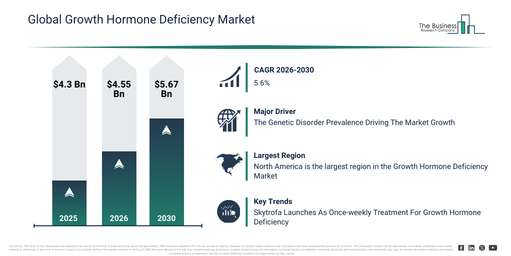
    The growth hormone deficiency market size has experienced considerable expansion in recent years. It is projected to reach $4.55 billion in 2026 from $4.3 billion in 2025, progressing at a compound annual growth rate (CAGR) of 5.9%. Historically, this growth has been fueled by enhancements in diagnostic capabilities for pituitary disorders, a greater understanding of growth hormone deficiency, the proliferation of pediatric endocrinology services, the accessibility of recombinant hormone treatments, and broader healthcare access.

    The growth hormone deficiency market size is anticipated to experience substantial expansion over the coming years. This market is projected to reach $5.67 billion by 2030, demonstrating a compound annual growth rate (CAGR) of 5.6%. Factors driving this growth during the forecast period include a heightened demand for tailored hormone therapies, increasing financial commitments to endocrine research, the expansion of treatment delivery in home settings, wider adoption of digital health monitoring instruments, and a growing emphasis on long-duration growth hormone formulations. Key trends anticipated within the same period encompass the rising embrace of recombinant growth hormone therapies, an increased application of individualized treatment methods, a sharpened focus on the prompt detection of hormonal conditions, the broadening of long-term hormone replacement initiatives, and improved oversight of treatment results.

    Get A Free Sample Report With In-Depth Market Insights:

    https://thebusinessresearchcompany.com/sample_request?id=80866349&type=smp&name=Growth%20Hormone%20Deficiency%20Market%20Report%202026&utm_source=Blogs&utm_medium=Paid&utm_campaign=Nov_PR

    Growth Hormone Deficiency Market Growth Momentum: What Factors Are Shaping Demand?

    The increasing occurrence of genetic disorders is anticipated to fuel the expansion of the growth hormone deficiency market moving forward. Genetic disorders are defined as health conditions resulting from anomalies or alterations in an individual’s DNA, which can be either inherited or occur spontaneously. The rising prevalence of these disorders can be attributed to several factors, including advances in diagnostic methods, heightened public awareness, an increase in maternal age, environmental influences leading to mutations, overall population growth, and enhanced survival rates for those affected. Treatment for growth hormone deficiency is utilized to address growth-related complications in specific genetic conditions. For instance, in October 2024, data from the Cystic Fibrosis Trust, a UK-based charity focused on supporting individuals with cystic fibrosis, indicated that approximately 11,148 cystic fibrosis patients (a genetic disorder) were registered in 2022, a figure that climbed to 11,318 by 2023, representing a 1.5% year-over-year increase in patient registrations. Therefore, the expanding prevalence of genetic disorders is a key driver for the growth of the growth hormone deficiency market.

    Growth Hormone Deficiency Market Segment Analysis: What Are The Core Market Categories?

    The growth hormone deficiency market covered in this report is segmented –

    1) By Type: Pediatric Growth Hormone Deficiency, Adult Growth Hormone Deficiency

    2) By Treatment: Pharmacological Therapy, Recombinant Human Growth Hormone

    3) By Distribution Channel: Hospital Pharmacy, Online Pharmacy, Retail Pharmacy

    4) By End User: Hospitals, Homecare, Specialty Clinics

    Subsegments:

    1) By Pediatric Growth Hormone Deficiency: Idiopathic Growth Hormone Deficiency, Genetic Growth Hormone Deficiency, Acquired Growth Hormone Deficiency

    2) By Adult Growth Hormone Deficiency: Primary Growth Hormone Deficiency, Secondary Growth Hormone Deficiency

    Growth Hormone Deficiency Market Trends: What’s Defining The Industry’s Next Phase?

    Key companies operating within the growth hormone deficiency market are prioritizing the development of innovative products, such as unmodified somatropin, for routine pediatric growth hormone deficiency (GHD) treatments. Unmodified somatropin refers to the identical growth hormone utilized in daily pediatric growth hormone deficiency treatments, but it is delivered in a once-weekly dosage with Skytrofa. As an illustration, in September 2023, Ascendis Pharma A/S, a Denmark-based biopharmaceutical company, introduced SKYTROFA (lonapegsomatropin) for the once-weekly treatment of pediatric growth hormone deficiency (GHD). This novel therapy provides improved convenience, enhanced adherence, and potentially superior treatment outcomes when compared to traditional daily growth hormone therapies. Being the first and only FDA-approved once-weekly treatment for pediatric GHD, it marks a significant advancement in endocrinology and pediatric care.

    Growth Hormone Deficiency Market Top Companies Driving Competitive Growth

    Major companies operating in the growth hormone deficiency market are Pfizer Inc., Novo Nordisk A/S, Eli Lilly and Company, F. Hoffmann-La Roche Ltd., Merck KGaA, Ipsen, Ascendis Pharma A/S, Opko Health Inc., Genentech Inc., Sandoz International GmbH, Teva Pharmaceutical Industries Ltd., Ferring Pharmaceuticals, JCR Pharmaceuticals, LG Chem, BioPartners, GeneScience Pharmaceuticals, SciClone Pharmaceuticals, AnkeBio, Versartis, Aeterna Zentaris

    View The Full Growth Hormone Deficiency Market Report:

    https://thebusinessresearchcompany.com/report/growth-hormone-deficiency-global-market-report?utm_source=Blogs&utm_medium=Paid&utm_campaign=Nov_PR

    Growth Hormone Deficiency Market Geographic Landscape: Which Region Leads Industry Growth?

    North America was the largest region in the growth hormone deficiency market in 2025. Asia-Pacific is expected to be the fastest-growing region in the forecast period. The regions covered in the growth hormone deficiency market report are Asia-Pacific, South East Asia, Western Europe, Eastern Europe, North America, South America, Middle East, Africa.

    Reach Out To Our Team:

    The Business Research Company: https://www.thebusinessresearchcompany.com/

    Americas: +1 310-496-7795

    Asia: +44 7882 955267 & +91 8897263534

    Europe: +44 7882 955267

    Email us at: marketing@tbrc.info

    Follow us on:

    LinkedIn: https://in.linkedin.com/company/the-business-research-company

    YouTube: https://www.youtube.com/channel/UC24_fI0rV8cR5DxlCpgmyFQ

    Global Market Model: https://www.thebusinessresearchcompany.com/global-market-model
  • Green Hospitals Market Analysis: How The Industry Is Evolving Toward A $88.88 Billion Future

    Green Hospitals Market Analysis: How The Industry Is Evolving Toward A $88.88 Billion Future

    Featuring market attractiveness scoring, total addressable market sizing, company benchmarking matrices, interactive Excel dashboards, deeper supply chain intelligence, emerging startup tracking, and granular product-level insights, The Business Research Company’s 2026 market reports are built to deliver research that is both more actionable and more strategically valuable.

    Green Hospitals Market Growth Potential: How Will Market Size Shift Through 2030?

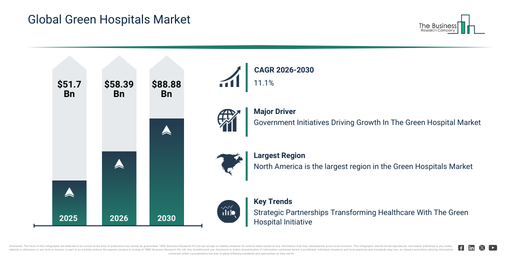
    The green hospitals market has seen substantial growth in its size over recent years. Projections indicate it will advance from $51.7 billion in 2025 to $58.39 billion in 2026, demonstrating a compound annual growth rate (CAGR) of 12.9%. Historically, this expansion has been fueled by factors such as increasing healthcare infrastructure development, a growing awareness of environmental impact within healthcare, the enlargement of urban hospital networks, mounting operational cost pressures, and the early adoption of green building standards.

    The green hospitals market size is anticipated to undergo swift expansion in the coming years. It is forecast to grow to $88.88 billion by 2030, demonstrating a compound annual growth rate (CAGR) of 11.1%. This projected growth during the forecast period is attributed to increased investments in sustainable healthcare infrastructure, a heightened regulatory focus on carbon-neutral facilities, the broadening of smart hospital initiatives, a rising demand for energy-efficient medical facilities, and growing public and private financial support for green hospitals. Major trends expected in this period include the increasing adoption of energy-efficient hospital infrastructure, the rising implementation of waste reduction and recycling programs, a growing integration of renewable energy systems in healthcare facilities, the expansion of smart building management systems, and an enhanced focus on sustainable medical facility design.

    Get A Free Sample Report With In-Depth Market Insights:

    https://thebusinessresearchcompany.com/sample_request?id=83677627&type=smp&name=Green%20Hospitals%20Market%20Report%202026&utm_source=Blogs&utm_medium=Paid&utm_campaign=Nov_PR

    Green Hospitals Market Expansion Drivers: What’s Shaping Future Growth?

    Increasing governmental efforts to advance sustainable healthcare are anticipated to boost the expansion of the green hospital market in the future. These initiatives encompass policies and measures designed to ensure healthcare systems can satisfy present demands without jeopardizing resources or the environment for subsequent generations. They support sustainable healthcare through a focus on resource preservation, fair access to care, and the encouragement of environmentally conscious methods such as energy-efficient facilities, integration of renewable energy, and waste minimization, especially within green hospitals. As an example, in June 2023, as reported by ZonMw, a Netherlands-based organization dedicated to healthcare research and innovation, it became a signatory to the Sustainable Healthcare Green Deal 3.0, aligning with other parties to collectively decrease the healthcare sector’s environmental footprint. The government’s aspiration to enhance healthcare sustainability has been articulated across numerous policy documents and agreements. The preceding administration had already pledged, via the Climate Act (Klimaatwet), to reach net-zero carbon emissions by 2050, an objective that healthcare organizations will also be required to fulfill. Consequently, the increasing governmental actions to advance sustainable healthcare are fueling the expansion of the green hospital market.

    Green Hospitals Market Segment Breakdown: Which Categories Lead On Revenue?

    The green hospitals market covered in this report is segmented –

    1) By Type Of Green Technology: Energy-Efficient Lightning, Renewable Energy Sources, Waste Reduction Programs

    2) By Certification Range: Leadership In Energy And Environmental Design (LEED) Certification, Green Globes Corporation, Energy Star Certification

    3) By Ownership: Government-Owned Facilities, Private Facilities, Non-Profit Facilities

    4) By Application: Hospitals, Clinics, Long-Term Care Facilities

    Subsegments:

    1) By Energy-Efficient Lighting: LED Lighting, Smart Lighting Systems, Occupancy Sensor-Based Lighting

    2) By Renewable Energy Sources: Solar Power Systems, Wind Energy Systems, Geothermal Heating And Cooling

    3) By Waste Reduction Programs: Medical Waste Recycling, Waste Segregation And Composting, Energy-From-Waste Technologies

    Green Hospitals Market Industry Trends Fueling Future Revenue Growth

    Leading companies in the green hospital market are concentrating on developing a strategic partnership approach to embed sustainability as a key objective within healthcare facilities. Such strategic partnerships facilitate the development and implementation of sustainable practices, technologies, and initiatives, aiming to promote environmental conservation and efficiency in hospital operations, thereby fostering a green hospital environment. For instance, in February 2024, the Nordic Center for Sustainable Healthcare (NCSH), a Sweden-based environmental services organization, formed a partnership with Mamta Health Institute for Mother and Child (MAMTA HIMC), an India-based non-profit organization, to establish the green hospital Initiative. This initiative seeks to empower hospitals and healthcare providers to enhance their efficiencies, environmental stewardship, patient safety, and quality of care. It focuses on guiding hospitals in adopting green practices like leadership, waste management, safer chemicals, energy efficiency, water conservation, and more. The initiative also emphasizes collaboration through workgroups, networking opportunities, and the sharing of sustainability practices to drive positive change within healthcare facilities.

    Green Hospitals Market Leading Players And Competitive Positioning

    Major companies operating in the green hospitals market are Siemens AG, Schneider Electric SE, Johnson Controls International PLC, Honeywell International Inc, Hitachi Ltd, Eaton Corp, Trane Technologies Plc, ABB Ltd, Carrier Global Corporation, Bosch Ltd, Veolia Environnement SA, SUEZ SA, Waste Management Inc, Stericycle Inc, Philips N.V, GE HealthCare Technologies Inc, Owens Corning, Kingspan Group PLC, HDR Inc, Arup Group

    View The Full Green Hospitals Market Report:

    https://thebusinessresearchcompany.com/report/green-hospitals-global-market-report?utm_source=Blogs&utm_medium=Paid&utm_campaign=Nov_PR

    Green Hospitals Market Largest Region: Which Geography Holds The Biggest Share?

    North America was the largest region in the green hospitals market in 2025. Asia-Pacific is the fastest growing region in the market. The regions covered in the green hospitals market report are Asia-Pacific, South East Asia, Western Europe, Eastern Europe, North America, South America, Middle East, Africa.

    Reach Out To Our Team:

    The Business Research Company: https://www.thebusinessresearchcompany.com/

    Americas: +1 310-496-7795

    Asia: +44 7882 955267 & +91 8897263534

    Europe: +44 7882 955267

    Email us at: marketing@tbrc.info

    Follow us on:

    LinkedIn: https://in.linkedin.com/company/the-business-research-company

    YouTube: https://www.youtube.com/channel/UC24_fI0rV8cR5DxlCpgmyFQ

    Global Market Model: https://www.thebusinessresearchcompany.com/global-market-model