Category: Healthcare Services

  • Granulomatosis With Polyangiitis Treatment Market Outlook Through 2030: Understanding The Growth Opportunity

    Granulomatosis With Polyangiitis Treatment Market Outlook Through 2030: Understanding The Growth Opportunity

    Built to provide research that’s more actionable and strategically valuable, The Business Research Company’s 2026 market reports include market attractiveness analysis, total addressable market sizing, company benchmarking matrices, interactive Excel dashboards, broader supply chain intelligence, emerging startup tracking, and in-depth product insights.

    Granulomatosis With Polyangiitis Treatment Market Value Analysis: What Growth Lies Ahead Over The Forecast Period?

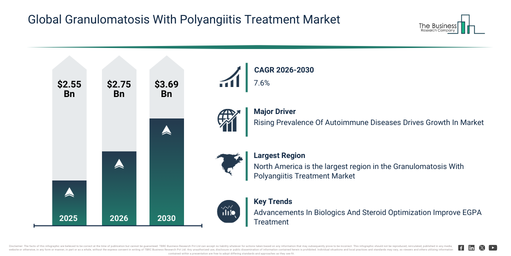
    The granulomatosis with polyangiitis treatment market has witnessed significant expansion in recent years. It is projected to increase from $2.55 billion in 2025 to $2.75 billion in 2026, achieving a compound annual growth rate (CAGR) of 7.9%. This historical growth can be attributed to several factors including the recognition of autoimmune diseases, the availability of corticosteroids, the provision of hospital nephrology services, the use of immunosuppressive drugs, and the adoption of diagnostic imaging.

    The market for granulomatosis with polyangiitis treatments is anticipated to experience substantial expansion in the coming years. By 2030, this market is projected to reach a value of $3.69 billion, demonstrating a compound annual growth rate (CAGR) of 7.6%. Factors contributing to this projected growth include advancements in biologic drugs, the development of precision autoimmune therapies, the availability of early diagnostic screening methods, increased demand for chronic disease management, and the expansion of specialty clinics. Key trends expected during the forecast period involve a greater adoption of biologic therapies, an increasing need for prompt autoimmune diagnosis, the development of strategies for long-term disease remission, an increase in combination immunosuppressive treatments, and enhanced monitoring of organ damage.

    Get A Free Sample Report With In-Depth Market Insights:

    https://thebusinessresearchcompany.com/sample_request?id=23577864&type=smp&name=Granulomatosis%20With%20Polyangiitis%20Treatment%20Market%20Report%202026&utm_source=Blogs&utm_medium=Paid&utm_campaign=Nov_PR

    Granulomatosis With Polyangiitis Treatment Market Development Factors: What’s Supporting Demand?

    The rising occurrence of autoimmune conditions is anticipated to fuel the expansion of the granulomatosis with polyangiitis treatment market in the future. Autoimmune diseases develop when the body’s immune system erroneously targets its own healthy cells and tissues, resulting in inflammation and harm across various organs. The growing incidence of autoimmune diseases stems from environmental factors (like infections, chemicals, or pollutants) and shifts in lifestyle. Granulomatosis with polyangiitis treatment assists in managing autoimmune diseases through the application of immunosuppressive treatments, including corticosteroids and cyclophosphamide, which are effective in moderating inflammation and averting organ damage. This makes timely intervention and personalized therapy vital for addressing other autoimmune disorders with similar pathological processes. For instance, in June 2023, according to a report published by the Office for National Statistics, a UK-based government department, the global population of people with multiple sclerosis (MS) (an autoimmune disease) in 2023 was 2.9 million, up from 2.8 million in 2022. Consequently, the increasing prevalence of autoimmune diseases is stimulating the growth of the granulomatosis with polyangiitis treatment market.

    Granulomatosis With Polyangiitis Treatment Market Segmentation: How Does The Market Break Down By Category?

    The granulomatosis with polyangiitis treatment market covered in this report is segmented –

    1) By Drug Type: Steroids, Immunosuppressants, Other Drug Types

    2) By Route Of Administration: Oral, Intravenous

    3) By Distribution Channel: Hospital Pharmacies, Retail Pharmacies, Online Pharmacies

    4) By End User: Hospitals, Homecare, Specialty Clinics, Other End Users

    Subsegments:

    1) By Steroids: Prednisone, Methylprednisolone, Dexamethasone, Hydrocortisone

    2) By Immunosuppressants: Cyclophosphamide, Methotrexate, Azathioprine, Mycophenolate mofetil, Rituximab

    3) By Other Drug Types: Plasma Exchange Therapy, Intravenous Immunoglobulin (IVIG), Biologic Agents, Non-Steroidal Anti-Inflammatory Drugs (NSAIDs)

    Granulomatosis With Polyangiitis Treatment Market Trends Powering Strategic Industry Growth

    Major companies in the granulomatosis with polyangiitis treatment market are focusing on developing innovative products, such as oral corticosteroids, to offer patients more effective treatment options that improve disease management while minimizing the long-term side effects of steroid use. Oral corticosteroids are a medication designed to reduce inflammation and suppress the immune system. They are commonly employed to treat allergies, autoimmune diseases, and inflammatory disorders. For instance, in October 2024, AstraZeneca plc, a UK-based pharmaceutical company, announced that Fasenra (bevacizumab) had received approval in the European Union, a Europe-based political and economic union of European countries, as an add-on treatment for adult patients with relapsing or refractory eosinophilic granulomatosis with polyangiitis (EGPA). This approval follows positive results from the MANDARA Phase III trial, which demonstrated Fasenra’s efficacy in achieving remission and reducing reliance on oral corticosteroids in EGPA patients.

    Granulomatosis With Polyangiitis Treatment Market Competitive Overview And Top Companies

    Major companies operating in the granulomatosis with polyangiitis treatment market are Pfizer Inc., F Hoffmann La Roche Ltd, Sanofi S A, GlaxoSmithKline plc, Amgen Inc, Teva Pharmaceutical Industries Ltd, Regeneron Pharmaceuticals Inc, ChemoCentryx Inc, Medac Pharma Inc, InflaRx GmbH, AbbVie Inc, Johnson & Johnson, Bristol Myers Squibb Company, Novartis AG, Biogen Inc, Takeda Pharmaceutical Company Limited, UCB S A, Bayer AG, Merck & Co Inc, Eli Lilly and Company, Astellas Pharma Inc

    View The Full Granulomatosis With Polyangiitis Treatment Market Report:

    https://thebusinessresearchcompany.com/report/granulomatosis-with-polyangiitis-treatment-global-market-report?utm_source=Blogs&utm_medium=Paid&utm_campaign=Nov_PR

    Granulomatosis With Polyangiitis Treatment Market Regional Analysis: Which Geography Leads On Revenue?

    North America was the largest region in the granulomatosis with polyangiitis treatment market in 2025. The regions covered in the granulomatosis with polyangiitis treatment market report are Asia-Pacific, South East Asia, Western Europe, Eastern Europe, North America, South America, Middle East, Africa.

    Reach Out To Our Team:

    The Business Research Company: https://www.thebusinessresearchcompany.com/

    Americas: +1 310-496-7795

    Asia: +44 7882 955267 & +91 8897263534

    Europe: +44 7882 955267

    Email us at: marketing@tbrc.info

    Follow us on:

    LinkedIn: https://in.linkedin.com/company/the-business-research-company

    YouTube: https://www.youtube.com/channel/UC24_fI0rV8cR5DxlCpgmyFQ

    Global Market Model: https://www.thebusinessresearchcompany.com/global-market-model
  • Graft Versus Host Disease (GVHD) Treatment Market Growth Potential: What The Latest Forecast Reveals

    Graft Versus Host Disease (GVHD) Treatment Market Growth Potential: What The Latest Forecast Reveals

    Backed by market attractiveness analysis, total addressable market sizing, company benchmarking matrices, interactive Excel dashboards, wider supply chain intelligence, emerging startup coverage, and detailed product-level insights, The Business Research Company’s 2026 market reports are designed to offer research that is more actionable and strategically valuable than ever.

    Graft Versus Host Disease (GVHD) Treatment Market Size Forecast: How Big Could The Market Get By 2030?

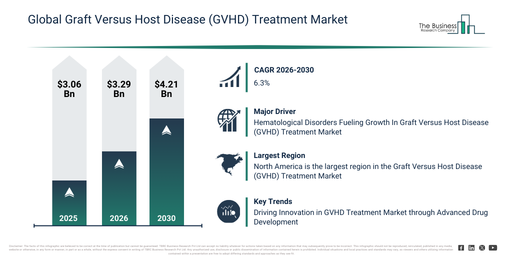
    The graft versus host disease (gvhd) treatment market has experienced robust expansion in recent times. Its valuation is projected to increase from $3.06 billion in 2025 to $3.29 billion in 2026, demonstrating a compound annual growth rate (CAGR) of 7.5%. Historically, this expansion is attributable to factors such as bone marrow transplant adoption, corticosteroid availability, hospital oncology expansion, immunosuppressive drug development, and enhanced transplant survival.

    The graft versus host disease (gvhd) treatment market is projected for robust expansion in the coming years. This market is forecast to reach $4.21 billion by 2030, exhibiting a compound annual growth rate (CAGR) of 6.3%. Factors driving this growth during the forecast period include the expanding pipeline of biologic therapies, advancements in personalized immunosuppression, an increase in transplant procedure volumes, orphan drug incentives, and the broadening of specialty care services. Key trends anticipated for the forecast period comprise the growing adoption of targeted immunotherapies, increased use of biologic treatments, an intensifying focus on managing chronic gvhd, the expansion of stem cell transplant initiatives, and heightened clinical trial activity.

    Get A Free Sample Report With In-Depth Market Insights:

    https://thebusinessresearchcompany.com/sample_request?id=72837246&type=smp&name=Graft%20Versus%20Host%20Disease%20%28GVHD%29%20Treatment%20Market%20Report%202026&utm_source=Blogs&utm_medium=Paid&utm_campaign=Nov_PR

    Graft Versus Host Disease (GVHD) Treatment Market Industry Drivers: What’s Behind The Revenue Growth?

    The escalating incidence of hematological disorders is anticipated to stimulate the growth of the graft versus host disease (GVHD) treatment market moving forward. Hematological disorders, also known as blood disorders, encompass a broad spectrum of conditions impacting the blood and its constituent parts, including red blood cells, white blood cells, platelets, and plasma. The expansion of hematological disorders is largely attributable to unhealthy lifestyle choices, genetic predispositions, and exposure to specific environmental toxins such as radiation, chemicals, and pollutants. Strategies for GVHD treatment, developed to manage the condition, can offer wider benefits for patients with hematological disorders, presenting new opportunities for immune modulation and improved disease management. For instance, in 2023, the Leukemia & Lymphoma Society, a US-based healthcare organization, projected that leukemia, lymphoma, and myeloma would contribute to the deaths of an estimated 57,380 people in the US. This figure indicates that approximately 157 people each day, or more than six individuals every hour, die from blood cancer in the US. Thus, the increasing occurrence of hematological disorders is a primary driver for the graft versus host disease (GVHD) treatment market.

    Graft Versus Host Disease (GVHD) Treatment Market Segment Trends And Revenue Contributors

    The graft versus host disease (gvhd) treatment market covered in this report is segmented –

    1) By Product Type: Corticosteroids, Monoclonal Antibodies, Immunosuppressants, Other Product Types

    2) By Disease Type: Acute GvHD, Prophylaxis GvHD, Chronic GvHD

    3) By End User: Hospitals Pharmacies, Retail Pharmacies, Online Pharmacies

    Subsegments:

    1) By Corticosteroids: Prednisolone, Methylprednisolone, Dexamethasone, Hydrocortisone, Betamethasone, Budesonide

    2) By Monoclonal Antibodies: Anti-Inf Monoclonal Antibodies ( Infliximab, Adalimumab), Anti-il-2ra Monoclonal Antibodies ( Basiliximab), Anti-cd52 Monoclonal Antibodies (Alemtuzumab), Anti-il-6 Monoclonal Antibodies (Tocilizumab), Anti-Cd20 Monoclonal Antibodies (Rituximab)

    3) By Immunosuppressants: Calcineurin Inhibitors (Cyclosporine, Tacrolimus), Methotrexate, Mycophenolate Mofetil, Azathioprine, Sirolimus (Rapamycin), Cyclophosphamide

    4) By Other Product Types: Mesenchymal Stem Cells (Mscs), Jak Inhibitors ( Ruxolitinib), Extracorporeal Photopheresis (ECP), Thalidomide, Antithymocyte Globulin (Atg), Colony-Stimulating Factors (Filgrastim)

    Graft Versus Host Disease (GVHD) Treatment Market Growth Trends Reshaping The Competitive Landscape

    Leading companies within the graft versus host disease (GVHD) treatment market are actively creating innovative medications and pursuing their official approval for managing graft versus host disease (GVHD), aiming to secure a competitive advantage. Gaining product approval is essential to guarantee that medical products adhere to required safety, effectiveness, and quality benchmarks prior to patient accessibility. As an illustration, in March 2023, the US-based healthcare firm Incyte corporation introduced ruxolitinib extended-release (XR) tablets, a JAK1/JAK2 inhibitor, which received approval from the Food and Drug Administration, a US-based healthcare organization. These particular tablets are designed for once-daily administration in addressing certain forms of myelofibrosis, polycythemia vera, and graft-versus-host disease (GVHD).

    Graft Versus Host Disease (GVHD) Treatment Market Competitive Landscape: Which Companies Lead The Industry?

    Major companies operating in the graft versus host disease (gvhd) treatment market are Pfizer Inc., Johnson & Johnson Services Inc., F. Hoffmann-La Roche Ltd., Merck & Co. Inc., Sanofi SA, Novartis AG, Bristol Myers Squibb, Takeda Pharmaceutical Company Limited, Gilead Sciences Inc., Astellas Pharma Inc., Jazz Pharmaceuticals plc, Incyte Corporation, Mallinckrodt Pharmaceuticals, Mesoblast Ltd., AbbVie Inc., Eli Lilly and Company, CSL Behring Limited, Fate Therapeutics Inc., Orca Bio Inc., BioLineRx Ltd., Xenikos BV, Regeneron Pharmaceuticals Inc., AstraZeneca PLC, Amgen Inc.

    View The Full Graft Versus Host Disease (GVHD) Treatment Market Report:

    https://thebusinessresearchcompany.com/report/graft-versus-host-disease-gvhd-treatment-global-market-report?utm_source=Blogs&utm_medium=Paid&utm_campaign=Nov_PR

    Graft Versus Host Disease (GVHD) Treatment Market Geographic Spread And Regional Opportunities

    North America was the largest region in the graft versus host disease (GVHD) treatment market in 2025. Asia-Pacific is expected to be the fastest-growing region in the forecast period. The regions covered in the graft versus host disease (gvhd) treatment market report are Asia-Pacific, South East Asia, Western Europe, Eastern Europe, North America, South America, Middle East, Africa.

    Reach Out To Our Team:

    The Business Research Company: https://www.thebusinessresearchcompany.com/

    Americas: +1 310-496-7795

    Asia: +44 7882 955267 & +91 8897263534

    Europe: +44 7882 955267

    Email us at: marketing@tbrc.info

    Follow us on:

    LinkedIn: https://in.linkedin.com/company/the-business-research-company

    YouTube: https://www.youtube.com/channel/UC24_fI0rV8cR5DxlCpgmyFQ

    Global Market Model: https://www.thebusinessresearchcompany.com/global-market-model
  • G-Protein Coupled Receptors Market Growth Outlook: Why Analysts Expect Continued Expansion

    G-Protein Coupled Receptors Market Growth Outlook: Why Analysts Expect Continued Expansion

    Featuring market attractiveness scoring, total addressable market sizing, company benchmarking matrices, interactive Excel dashboards, deeper supply chain intelligence, emerging startup tracking, and granular product-level insights, The Business Research Company’s 2026 market reports are built to deliver research that is both more actionable and more strategically valuable.

    G-Protein Coupled Receptors Market Revenue Outlook: What CAGR Lies Ahead Through 2030?

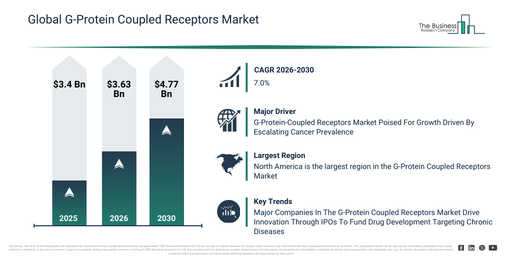
    The g-protein coupled receptors market size has experienced strong growth in recent years. It is anticipated to increase from $3.4 billion in 2025 to $3.63 billion in 2026, at a compound annual growth rate (CAGR) of 6.8%. This historical growth can be attributed to the rise in neurotransmitter research, progress in receptor biology, the expansion of pharmaceutical R&D, developments in cell line creation, and innovations in assay technology.

    The g-protein coupled receptors market size is anticipated to experience substantial growth in the upcoming years. It is projected to expand to $4.77 billion by 2030, achieving a compound annual growth rate (CAGR) of 7.0%. This expansion during the forecast period is attributable to the demand for precision drug targeting, AI-driven drug discovery initiatives, the growth of the biologics pipeline, advancements in receptor deorphanization research, and increased investment in translational research. Significant trends expected in the forecast period include the expanding use of GPCR targets in drug discovery, the broader application of high-throughput screening, a stronger focus on orphan receptor research, the evolution of cell-based assay technologies, and increased collaboration between academic institutions and pharmaceutical companies.

    Get A Free Sample Report With In-Depth Market Insights:

    https://thebusinessresearchcompany.com/sample_request?id=64104111&type=smp&name=G-Protein%20Coupled%20Receptors%20Market%20Report%202026&utm_source=Blogs&utm_medium=Paid&utm_campaign=Nov_PR

    G-Protein Coupled Receptors Market Growth Factors: What’s Supporting Expansion?

    The increasing incidence of cancer is anticipated to fuel the expansion of the G-protein-coupled receptors market going forward. Cancer is characterized by the uncontrolled proliferation of abnormal cells that can invade adjacent tissues and spread. These malignant cells may also disseminate throughout the body via the lymphatic and vascular systems. G-protein-coupled receptors are integral in regulating critical cancer processes, including proliferative signaling, replicative immortality, evasion of growth suppressors, resistance to apoptosis, and the activation of invasion and metastasis. For instance, in January 2023, the American Cancer Society, a US-based professional organizations company, reported that 1,958,310 new cancer cases were diagnosed in the United States in 2023, an increase from the estimated 1.9 million new cases in 2022. Therefore, the rising prevalence of cancer is driving the growth of the G-protein coupled receptors market.

    G-Protein Coupled Receptors Market Segment Analysis Spotlighting Growth Areas

    The g-protein coupled receptors market covered in this report is segmented –

    1) By Product: Cell Lines, Detection Kits, Cell Culture Reagents, Ligands

    2) By Assay: CAMP Functional Assays, Calcium Functional Assays, ß-Arrestin Functional Assays, Radioligand Binding And GTP?S Functional Assays, Internalization Assays, Trafficking Assays

    3) By Applications: Cancer Research, CNS Research, Metabolic Research, Cardiovascular Research, Inflammation Research, Respiratory Research, Other Applications

    Subsegments:

    1) By Cell Lines: GPCR-Expressing Cell Lines, Stable And Transient Cell Lines

    2) By Detection Kits: ELISA Kits, High-Throughput Screening Kits, Reporter Gene Assays

    3) By Cell Culture Reagents: Media And Supplements, Transfection Reagents, Growth Factors

    4) By Ligands: Agonists, Antagonists, Inverse Agonists

    G-Protein Coupled Receptors Market Trends Shaping Long-Term Demand

    Leading firms within the G-protein coupled receptors sector are undertaking Initial Public Offerings (IPOs) with the aim of creating medications that target G protein-coupled receptors (GPCRs), seeking to speed up research and development, progress clinical trials, and introduce novel treatments for various ailments such as cancer, neurological disorders, and metabolic conditions. The capital acquired through these offerings is primarily designated to further the development of the companies’ primary product candidates, which address chronic metabolic and pulmonary diseases. More precisely, these funds are allocated to advance their glucagon-like peptide-1 receptor (GLP-1R) agonist program, which is dedicated to therapies for diabetes and obesity. As an illustration, in February 2023, Structure Therapeutics Inc, a company based in the US, finalized its initial public offering (IPO), securing $161 million to further its work on G-protein coupled receptor (GPCR)-based therapeutics. The firm issued 10,740,000 American depositary shares (ADSs) at a price of $15.00 per ADS, a figure substantially higher than its initial forecasts. These shares commenced trading on the Nasdaq Global Market using the ticker symbol ‘GPCR’.

    G-Protein Coupled Receptors Market Leading Companies: Who Holds The Strongest Market Presence?

    Major companies operating in the g-protein coupled receptors market are Pfizer Inc., Roche Holding AG, AbbVie Inc., Bayer AG, Novartis International AG, Sanofi SA, Bristol-Myers Squibb Company, AstraZeneca Plc, GlaxoSmithKline Plc, Takeda Pharmaceutical Company Limited, Eli Lilly and Company, Merck KGaA, Boehringer Ingelheim, Daiichi Sankyo Company Limited, Danaher Corporation, Thermo Fisher Scientific Inc., PerkinElmer Inc., Bio-Techne Corporation, Abcam PLC, Cara Therapeutics Inc., Sosei Heptares Ltd., Eurofins DiscoverX Corporation, Crinetics Pharmaceuticals Inc., Domain Therapeutics SA, Addex Pharmaceuticals Ltd., Structure Therapeutics, Septerna

    View The Full G-Protein Coupled Receptors Market Report:

    https://thebusinessresearchcompany.com/report/G-protein-coupled-receptors-global-market-report?utm_source=Blogs&utm_medium=Paid&utm_campaign=Nov_PR

    G-Protein Coupled Receptors Market Top Region By Revenue And Market Share

    North America was the largest region in the G-protein coupled receptors market in 2025. Asia-Pacific is expected to be the fastest-growing region in the forecast period. The regions covered in the g-protein coupled receptors market report are Asia-Pacific, South East Asia, Western Europe, Eastern Europe, North America, South America, Middle East, Africa.

    Reach Out To Our Team:

    The Business Research Company: https://www.thebusinessresearchcompany.com/

    Americas: +1 310-496-7795

    Asia: +44 7882 955267 & +91 8897263534

    Europe: +44 7882 955267

    Email us at: marketing@tbrc.info

    Follow us on:

    LinkedIn: https://in.linkedin.com/company/the-business-research-company

    YouTube: https://www.youtube.com/channel/UC24_fI0rV8cR5DxlCpgmyFQ

    Global Market Model: https://www.thebusinessresearchcompany.com/global-market-model
  • Gouty Arthritis Market Forecast Insights: The Road To $5.06 Billion By 2030

    Gouty Arthritis Market Forecast Insights: The Road To $5.06 Billion By 2030

    Built to provide research that’s more actionable and strategically valuable, The Business Research Company’s 2026 market reports include market attractiveness analysis, total addressable market sizing, company benchmarking matrices, interactive Excel dashboards, broader supply chain intelligence, emerging startup tracking, and in-depth product insights.

    Gouty Arthritis Market Growth Analysis: How Will Revenue Trend Over The Forecast Period?

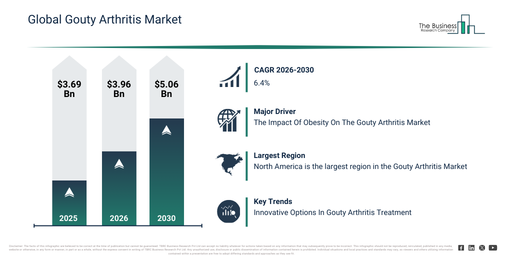
    The gouty arthritis market size has experienced robust expansion in recent years. It is projected to expand from $3.69 billion in 2025 to $3.96 billion in 2026, reflecting a compound annual growth rate (CAGR) of 7.2%. The historical expansion can be traced to evolving dietary patterns, the widespread availability of NSAIDs, a rise in arthritis diagnoses, the proliferation of rheumatology clinics, and advancements in pain management drug development.

    The gouty arthritis market is projected to experience significant expansion in the coming years. Its valuation is expected to ascend to $5.06 billion by 2030, demonstrating a compound annual growth rate (CAGR) of 6.4%. This anticipated growth throughout the forecast period can be attributed to elements such as an expanding aging population, heightened awareness of chronic diseases, a greater emphasis on preventive arthritis care, enhanced patient compliance, and personalized approaches to gout treatment. Furthermore, major developments anticipated during this period include an increasing prevalence of hyperuricemia, a growing demand for long-term disease management, the proliferation of combination drug therapies, improved adoption of diagnostic imaging techniques, and the expansion of lifestyle-based disease management strategies.

    Get A Free Sample Report With In-Depth Market Insights:

    https://thebusinessresearchcompany.com/sample_request?id=72039277&type=smp&name=Gouty%20Arthritis%20Market%20Report%202026&utm_source=Blogs&utm_medium=Paid&utm_campaign=Nov_PR

    Gouty Arthritis Market Demand Drivers: What’s Powering Industry Growth?

    The escalating incidence of obesity is anticipated to stimulate the expansion of the gouty arthritis market in the future. Obesity is a medical condition defined by an excessive accumulation of body fat that compromises an individual’s health and is commonly evaluated using the body mass index (BMI). The increasing rate of obesity stems from a greater intake of high-calorie, processed foods and inactive lifestyles. Obesity contributes to gouty arthritis by augmenting the generation of uric acid and impairing the body’s capability to eliminate it, leading to the buildup of uric acid crystals in the joints. Moreover, surplus body weight imposes additional strain on joints, worsening the inflammation and discomfort associated with gout. For instance, in May 2025, as per the Office for Health Improvement and Disparities, a UK-based government body, an estimated 64.5% of adults aged 18 and over in England were overweight or living with obesity from 2023 to 2024, representing an increase from 64.0% reported in 2022 to 2023. Thus, the rising prevalence of obesity is propelling the growth of the gouty arthritis market.

    Gouty Arthritis Market Segment Performance And Emerging Opportunities

    The gouty arthritis market covered in this report is segmented –

    1) By Type: Acute Gouty Arthritis, Chronic Gouty Arthritis

    2) By Treatment: Non-Steroidal Anti-Inflammatory Drugs (NSAIDs), Pain Reliever, Corticosteroids, Xanthine Oxidase Inhibitors, Uricosurics, Other Treatments

    3) By Diagnosis: Joint Fluid Test, Blood Test, X-Ray Imaging, Ultrasound, Dual Energy Computed Tomography (CT) Scan, Other Diagnosis

    4) By Distribution Channel: Hospital Pharmacy, Retail Pharmacy, Other Distribution Channels

    5) By End-Users: Hospitals, Specialty Clinics, Other End-Users

    Subsegments:

    1) By Acute Gouty Arthritis: Monosodium Urate Crystals-Induced Acute Gout, Acute Gout Attack (Intermittent Flares), Severe Acute Gout With Joint Deformities

    2) By Chronic Gouty Arthritis: Tophaceous Gout (Presence Of Uric Acid Deposits), Chronic Gout With Joint Damage, Chronic Gout With Renal Complications, Chronic Gout With Comorbidities (Hypertension, Diabetes)

    Gouty Arthritis Market Innovation Trends Shaping Future Development

    Leading companies in the gouty arthritis market are intensifying their endeavors to develop innovative products, such as cortrophin gel, with the aim of delivering more effective and targeted treatments for managing the condition. Cortrophin gel, also known as repository corticotropin injection, is a purified form of the adrenocorticotropic hormone (ACTH). It is utilized to address various inflammatory and autoimmune conditions, including gouty arthritis. For example, in October 2023, ANI Pharmaceuticals, a US-based pharmaceutical company, obtained approval from the Food and Drug Administration for a new 1-mL vial size of Purified Cortrophin Gel. This product is designed for the adjunctive treatment of specific patients experiencing acute gouty arthritis flares. Cortrophin Gel is currently the exclusive FDA-approved adrenocorticotropic hormone (ACTH) therapy indicated for treating appropriate patients with acute gouty arthritis flares.

    Gouty Arthritis Market Key Players: Which Companies Lead Industry Competition?

    Major companies operating in the gouty arthritis market are Horizon Therapeutics plc, Pfizer Inc., Takeda Pharmaceutical Company Limited, AbbVie Inc., Bayer AG, Bristol Myers Squibb, Novartis International AG, Eli Lilly and Company, Amgen Inc., Gilead Sciences Inc., AstraZeneca plc, GlaxoSmithKline plc, Teijin Pharma Ltd, Regeneron Pharmaceuticals Inc., Boehringer Ingelheim International GmbH, JW Pharmaceutical, Arthrosi Therapeutics Ltd, XORTX Therapeutics Inc, Atom Therapeutics Co Ltd, Olatec Therapeutics LLC, InventisBio Co Ltd, Shanton Pharma, Selecta Biosciences Inc, LG Chem Ltd, Protalix BioTherapeutics Inc

    View The Full Gouty Arthritis Market Report:

    https://thebusinessresearchcompany.com/report/gouty-arthritis-global-market-report?utm_source=Blogs&utm_medium=Paid&utm_campaign=Nov_PR

    Gouty Arthritis Market Regional Analysis And Top Geography

    North America was the largest region in the gouty arthritis market in 2025. Europe is expected to be the fastest-growing region in the forecast period. The regions covered in the gouty arthritis market report are Asia-Pacific, South East Asia, Western Europe, Eastern Europe, North America, South America, Middle East, Africa.

    Reach Out To Our Team:

    The Business Research Company: https://www.thebusinessresearchcompany.com/

    Americas: +1 310-496-7795

    Asia: +44 7882 955267 & +91 8897263534

    Europe: +44 7882 955267

    Email us at: marketing@tbrc.info

    Follow us on:

    LinkedIn: https://in.linkedin.com/company/the-business-research-company

    YouTube: https://www.youtube.com/channel/UC24_fI0rV8cR5DxlCpgmyFQ

    Global Market Model: https://www.thebusinessresearchcompany.com/global-market-model
  • Gout Therapeutics Market Explained: What Is Fueling Growth To $5.6 Billion By 2030?

    Gout Therapeutics Market Explained: What Is Fueling Growth To $5.6 Billion By 2030?

    Backed by market attractiveness analysis, total addressable market sizing, company benchmarking matrices, interactive Excel dashboards, wider supply chain intelligence, emerging startup coverage, and detailed product-level insights, The Business Research Company’s 2026 market reports are designed to offer research that is more actionable and strategically valuable than ever.

    Gout Therapeutics Market Forecast: What Value Will The Market Reach By 2030?

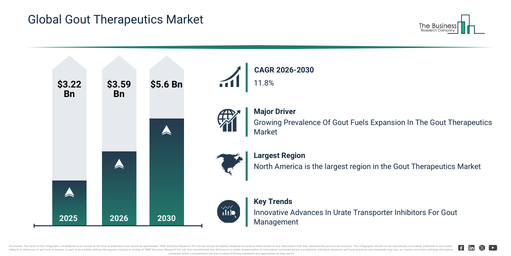
    The market for gout therapeutics has experienced substantial expansion recently. This market is projected to expand from $3.22 billion in 2025 to $3.59 billion by 2026, demonstrating a compound annual growth rate (CAGR) of 11.6%. Factors contributing to its historical growth include shifts in dietary lifestyles, the widespread availability of NSAIDs, a rise in arthritis diagnoses, the provision of hospital rheumatology services, and advancements in pain management drug development.

    The market for gout therapeutics is projected to experience substantial expansion over the upcoming years. By 2030, this market is anticipated to reach a valuation of $5.6 billion, demonstrating a compound annual growth rate (CAGR) of 11.8%. Factors contributing to this growth during the projected period include an increasing aging population, the escalating burden of chronic diseases, advancements in preventive arthritis care, enhanced patient compliance tools, and the adoption of personalized treatment approaches. Key trends anticipated during the forecast period encompass a rising incidence of lifestyle-related arthritis, greater utilization of uric acid-lowering therapies, the broadening scope of chronic gout management, heightened awareness regarding early diagnosis, and better long-term monitoring of the disease.

    Get A Free Sample Report With In-Depth Market Insights:

    https://thebusinessresearchcompany.com/sample_request?id=95647685&type=smp&name=Gout%20Therapeutics%20Market%20Report%202026&utm_source=Blogs&utm_medium=Paid&utm_campaign=Nov_PR

    Gout Therapeutics Market Growth Drivers: What’s Behind The Acceleration?

    The increasing prevalence of gout is anticipated to drive the expansion of the gout therapeutics market in the future. Gout is defined as an inflammatory form of arthritis characterized by joint pain and swelling. This increase in gout cases largely stems from obesity and metabolic syndrome, conditions that elevate uric acid concentrations in the bloodstream, resulting in the crystallization of urate within joints. Therapies for gout effectively mitigate its incidence and severity through mechanisms such as reducing uric acid levels, controlling inflammation, and averting acute attacks. For example, a publication in June 2025, cited by PubMed Central, a U.S.-based platform for biomedical and life sciences journals, indicated that by 2050, age-standardized rates of gout incidence and prevalence are forecast to rise even more, signifying a growing global burden of the disease. Additionally, in June 2024, data from The National Library of Medicine (NLM), a US-based largest biomedical library, revealed that in 2023, the coexistence of gout and chronic kidney disease (CKD) affected 7.9 million individuals in the USA, a figure expected to climb by 29% to 9.6 million by 2035 under a baseline projection. Consequently, the escalating incidence of gout is acting as a key driver for the expansion of the gout therapeutics market.

    Gout Therapeutics Market Segment Landscape And Growth Outlook

    The gout therapeutics market covered in this report is segmented –

    1) By Type: Nonsteroidal Anti-Inflammatory Drugs (NSAIDs), Corticosteroid, Diuretics

    2) By Treatment: Xanthine Oxidase Inhibitor, Uricosuria Medication

    3) By Disease Condition: Acute, Chronic

    4) By End-Users: Hospitals, Specialty Clinics, Other End Users

    Subsegments:

    1) By Nonsteroidal Anti-Inflammatory Drugs (NSAIDs): Traditional NSAIDs, Selective COX-2 Inhibitors

    2) By Corticosteroid: Oral Corticosteroids, Injectable Corticosteroids

    3) By Diuretics: Thiazide Diuretics, Loop Diuretics

    Gout Therapeutics Market Trends Redefining Industry Growth

    Leading companies in the gout therapeutics market are developing innovative products, such as urate transporters, which facilitate the reabsorption of uric acid from the urine back into the blood. A urate transporter is a protein that assists in moving uric acid (urate) across cell membranes in the kidneys or intestines, thereby regulating blood uric acid levels. For instance, in July 2025, Eisai Co. Ltd., a Japan-based pharmaceutical company, introduced URECE (dotinurad), a selective urate transporter 1 (URAT1) inhibitor, now part of Eisai’s global specialty care portfolio. URECE is utilized for treating hyperuricemia associated with gout, effectively lowering serum uric acid levels by enhancing its excretion through the kidneys. Additionally, it presents a favorable safety profile with minimal off-target effects and demonstrated efficacy in patients with mild-to-moderate renal impairment, making it appropriate for a diverse group of gout patients.

    Gout Therapeutics Market Competitive Landscape: Who Leads The Industry?

    Major companies operating in the gout therapeutics market are Takeda Pharmaceutical Company Ltd, Novartis AG, AstraZeneca plc, GlaxoSmithKline plc, Merck & Co Inc, Regeneron Pharmaceuticals Inc, Teijin Pharma Ltd, Zydus Group, Teva Pharmaceutical Industries Ltd, Sun Pharmaceutical Industries Ltd, Dr Reddy’s Laboratories Ltd, Amneal Pharmaceuticals Inc, Lupin Limited, Ironwood Pharmaceuticals Inc, Pharvaris NV, Selecta Biosciences Inc, Dyve Biosciences Inc, Arthrosi Therapeutics Inc, Atom Therapeutics Co Ltd, Olatec Therapeutics LLC

    View The Full Gout Therapeutics Market Report:

    https://thebusinessresearchcompany.com/report/gout-therapeutics-global-market-report?utm_source=Blogs&utm_medium=Paid&utm_campaign=Nov_PR

    Gout Therapeutics Market Geographic Analysis: Where Is Demand Rising Fastest?

    North America was the largest region in the gout therapeutics market in 2025. Asia-Pacific is expected to be the fastest-growing region in the forecast period. The regions covered in the gout therapeutics market report are Asia-Pacific, South East Asia, Western Europe, Eastern Europe, North America, South America, Middle East, Africa.

    Reach Out To Our Team:

    The Business Research Company: https://www.thebusinessresearchcompany.com/

    Americas: +1 310-496-7795

    Asia: +44 7882 955267 & +91 8897263534

    Europe: +44 7882 955267

    Email us at: marketing@tbrc.info

    Follow us on:

    LinkedIn: https://in.linkedin.com/company/the-business-research-company

    YouTube: https://www.youtube.com/channel/UC24_fI0rV8cR5DxlCpgmyFQ

    Global Market Model: https://www.thebusinessresearchcompany.com/global-market-model
  • Gonorrhea Therapeutics Market Forecast To Reach $2.52 Billion By 2030: Key Trends Explained

    Gonorrhea Therapeutics Market Forecast To Reach $2.52 Billion By 2030: Key Trends Explained

    Featuring market attractiveness scoring, total addressable market sizing, company benchmarking matrices, interactive Excel dashboards, deeper supply chain intelligence, emerging startup tracking, and granular product-level insights, The Business Research Company’s 2026 market reports are built to deliver research that is both more actionable and more strategically valuable.

    Gonorrhea Therapeutics Market Size Outlook: How Quickly Will Revenue Expand Through 2030?

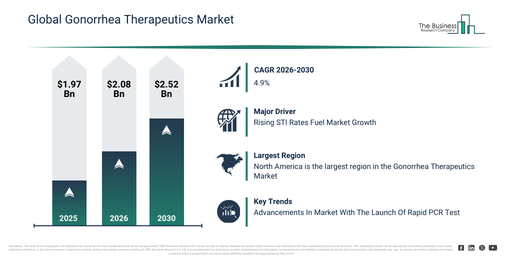
    The gonorrhea therapeutics market has seen robust expansion over recent years. Its valuation is anticipated to climb from $1.97 billion in 2025 to $2.08 billion in 2026, reflecting a compound annual growth rate (CAGR) of 5.2%. The contributing factors to this past growth include the worldwide prevalence of STIs, the availability of antibiotics, various public health initiatives, established protocols for hospital infection treatment, and the increasing reach of diagnostic laboratories.

    The market size for gonorrhea therapeutics is anticipated to experience consistent expansion over the upcoming years. It is projected to climb to $2.52 billion in 2030, demonstrating a compound annual growth rate (CAGR) of 4.9%. This expansion during the forecast period can be attributed to drug innovation driven by resistance, an uptick in sexual health screenings, public health funding, the development of novel antibiotics, and telehealth STI management. Significant trends within the forecast period encompass heightened monitoring of antibiotic resistance, increased application of combination antibiotic therapy, the broadening of STI screening programs, a rise in public health awareness campaigns, and the adoption of improved diagnostic testing.

    Get A Free Sample Report With In-Depth Market Insights:

    https://thebusinessresearchcompany.com/sample_request?id=20422520&type=smp&name=Gonorrhea%20Therapeutics%20Market%20Report%202026&utm_source=Blogs&utm_medium=Paid&utm_campaign=Nov_PR

    Gonorrhea Therapeutics Market Growth Factors Behind Sustained Expansion

    The anticipated expansion of the gonorrhea therapeutics market is largely driven by the rising incidence of sexually transmitted infections. A sexually transmitted infection (STI) refers to an infection spread via sexual activity, caused by agents such as bacteria, viruses, or parasites. Various factors contribute to the surge in STIs, including engaging in unprotected sex, insufficient public awareness or education, an uptick in the number of sexual partners, decreased condom usage, and a delay or inadequacy in testing and treatment procedures. Gonorrhea therapeutics are employed in treating sexually transmitted infections by specifically targeting the Neisseria gonorrhoeae bacteria, thereby averting potential complications and further transmission. An illustration of this trend is a June 2024 report from the National Institute for Public Health and the Environment, a government body in the Netherlands, which noted a substantial year-over-year rise in diagnosed gonorrhea cases at SHCs, climbing from 10,600 in 2022 to 13,853 in 2023, representing a 31% increase. Consequently, the growing prevalence of sexually transmitted infections is fueling the expansion of the gonorrhea therapeutics market.

    Gonorrhea Therapeutics Market Breakdown By Product Type And Application

    The gonorrhea therapeutics market covered in this report is segmented –

    1) By Therapeutic Class: Antibiotics, Combination Therapy

    2) By Route Of Administration: Oral, Intravenous, Intramuscular

    3) By Age Group: Pediatric, Adult, Geriatric

    4) By Distribution Channel: Hospital Pharmacies, Retail Pharmacies, Online Pharmacies

    5) By End User: Hospitals, Clinics, Home Care

    Subsegments:

    1) By Antibiotics: Beta-lactams, Macrolides, Fluoroquinolones, Aminoglycosides

    2) By Combination Therapy: Dual Antibiotic Therapy, Triple Antibiotic Therapy

    Gonorrhea Therapeutics Market Strategic Trends: What Defines The Next Growth Phase?

    Leading companies operating within the gonorrhea therapeutics market are engaged in developing innovative products, such as rapid polymerase chain reaction (PCR) tests, to ensure swift, precise detection of pathogens and their characteristics, including antibiotic resistance, at the point of care. A rapid polymerase chain reaction (PCR) test functions as a diagnostic method that quickly amplifies and identifies specific DNA or RNA sequences, enabling fast recognition of pathogens or genetic material. For instance, in February 2024, Visby Medical, Inc., a US-based medical technology company, launched a gonorrhea test that incorporates an antimicrobial resistance check. This rapid diagnostic test is engineered to detect the presence of Neisseria gonorrhoeae, the bacterium responsible for gonorrhea, and evaluate its susceptibility to ciprofloxacin, an antibiotic to which some gonorrhea strains have developed resistance. The test is integrated into a portable, instrument-free PCR platform, facilitating immediate testing at the point of care. Its development was supported by funding from the US non-profit organization CARB-X, and the company intends to expand the test to include the detection of other sexually transmitted infections, such as Chlamydia trachomatis and Trichomonas vaginalis, in men.

    Gonorrhea Therapeutics Market Company Landscape And Competitive Strategy

    Major companies operating in the gonorrhea therapeutics market are Pfizer Inc., F Hoffmann La Roche Ltd, GlaxoSmithKline plc, Aurobindo Pharma Limited, Melinta Therapeutics LLC, VenatoRx Pharmaceuticals Inc., Recce Pharmaceuticals Ltd., Therapyx Inc., Entasis Therapeutics Inc., Apotex Inc., Summit Therapeutics Inc., Merck Co Inc, AstraZeneca plc, Takeda Pharmaceutical Company Limited, Novartis AG, Sanofi S A, Bayer AG, Nobelex Biotech, Evofem Biosciences Inc., NextGen Pharma

    View The Full Gonorrhea Therapeutics Market Report:

    https://thebusinessresearchcompany.com/report/gonorrhea-therapeutics-global-market-report?utm_source=Blogs&utm_medium=Paid&utm_campaign=Nov_PR

    Gonorrhea Therapeutics Market Global Footprint: Which Region Leads The Market?

    North America was the largest region in the gonorrhea therapeutics market in 2025. Asia-Pacific is expected to be the fastest-growing region in the forecast period. The regions covered in the gonorrhea therapeutics market report are Asia-Pacific, South East Asia, Western Europe, Eastern Europe, North America, South America, Middle East, Africa.

    Reach Out To Our Team:

    The Business Research Company: https://www.thebusinessresearchcompany.com/

    Americas: +1 310-496-7795

    Asia: +44 7882 955267 & +91 8897263534

    Europe: +44 7882 955267

    Email us at: marketing@tbrc.info

    Follow us on:

    LinkedIn: https://in.linkedin.com/company/the-business-research-company

    YouTube: https://www.youtube.com/channel/UC24_fI0rV8cR5DxlCpgmyFQ

    Global Market Model: https://www.thebusinessresearchcompany.com/global-market-model
  • Gonadotropin-Releasing Hormone (GnRH) Agonist Market Analysis: Understanding The Drivers Behind 2.5% CAGR Through 2030 Growth

    Gonadotropin-Releasing Hormone (GnRH) Agonist Market Analysis: Understanding The Drivers Behind 2.5% CAGR Through 2030 Growth

    Built to provide research that’s more actionable and strategically valuable, The Business Research Company’s 2026 market reports include market attractiveness analysis, total addressable market sizing, company benchmarking matrices, interactive Excel dashboards, broader supply chain intelligence, emerging startup tracking, and in-depth product insights.

    Gonadotropin-Releasing Hormone (GnRH) Agonist Market Size, Value And Growth Trajectory Through 2030

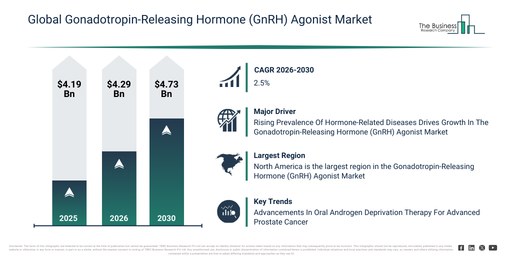
    The gonadotropin-releasing hormone (gnrh) agonist market size has demonstrated consistent expansion in recent years. It is anticipated to increase from $4.19 billion in 2025 to $4.29 billion in 2026, achieving a compound annual growth rate (CAGR) of 2.4%. This historical growth can be linked to the rise in IVF procedures, the adoption of prostate cancer treatments, ongoing developments in hormone therapy, the enlargement of hospital endocrinology services, and innovations in injectable drug formulations.

    The gonadotropin-releasing hormone (gnrh) agonist market is anticipated to exhibit steady expansion in the coming years. This market is predicted to reach $4.73 billion by 2030, demonstrating a compound annual growth rate (CAGR) of 2.5%. This anticipated growth during the forecast period is due to factors such as an increase in infertility rates, a greater need for oncology treatments, advancements in long-acting implant development, enhanced access to reproductive healthcare, and the expansion of specialty clinics. Key developments expected within this period encompass a rise in their application for fertility treatments, broader use in hormone-dependent cancers, the development of more long-acting drug formulations, increasing demand for assisted reproductive technologies, and better management of hormonal disorders.

    Get A Free Sample Report With In-Depth Market Insights:

    https://thebusinessresearchcompany.com/sample_request?id=42614678&type=smp&name=Gonadotropin-Releasing%20Hormone%20%28GnRH%29%20Agonist%20Market%20Report%202026&utm_source=Blogs&utm_medium=Paid&utm_campaign=Nov_PR

    Gonadotropin-Releasing Hormone (GnRH) Agonist Market Demand Drivers Opening New Revenue Streams

    The rising incidence of hormone-related conditions is anticipated to fuel the expansion of the gonadotropin-releasing hormone (GnRH) agonist market in the coming years. These medical disorders stem from imbalances or dysfunctions within the endocrine system, which is responsible for producing and regulating hormones. Such conditions include diabetes, hyperthyroidism, and prostate cancer, with their increasing occurrence attributed to environmental factors, obesity, metabolic syndrome, genetics, and an aging population. Gonadotropin-releasing hormone (GnRH) agonists are crucial for carefully managing hormone levels and providing a tailored approach to treating issues linked to hormonal imbalances and dependent diseases. A notable example is from June 2024, when the National Health Service, a UK-based government department, reported that in 2023, the NHS identified over half a million (549,000) new individuals in England at risk of developing type 2 diabetes. This brought the total number of people with non-diabetic hyperglycemia, or pre-diabetes, registered with a GP to 3,615,330, a significant increase compared to 3,065,825 in 2022, representing a rise of nearly 20%. Therefore, the growing prevalence of hormone-related diseases is a key driver for the gonadotropin-releasing hormone (GnRH) agonist market.

    Gonadotropin-Releasing Hormone (GnRH) Agonist Market Segment Analysis And Revenue Potential

    The gonadotropin-releasing hormone (gnrh) agonist market covered in this report is segmented –

    1) By Type: Leuprorelin, Goserelin, Taltirelin, Histrelin, Other Types

    2) By Formulation: Injectable, Implants, Oral, Nasal Sprays

    3) By Distribution Channel: Hospital Pharmacies, Retail Pharmacies, Online Pharmacies

    4) By Application: Prostate Cancer, Breast Cancer, Endometriosis, Uterine Fibroids, Precocious Puberty, Fertility Treatment, Other Applications

    5) By End-User: Hospital, Specialty Clinics, Ambulatory Surgical Centers (ASCs), Other End-Users

    Subsegments:

    1) By Leuprorelin: Injectable Leuprorelin, Implantable Leuprorelin

    2) By Goserelin: Goserelin Injection, Goserelin Implant

    3) By Taltirelin: Injectable Taltirelin, Oral Taltirelin

    4) By Histrelin: Histrelin Implant, Histrelin Injection

    5) By Other Type: Triptorelin, Buserelin, Nafarelin

    Gonadotropin-Releasing Hormone (GnRH) Agonist Market Transformation Trends: What Innovations Are Driving Change?

    Leading companies within the gonadotropin-releasing hormone (GnRH) agonist market are innovating advanced androgen deprivation therapy drugs, aiming to improve the efficacy and accuracy of treatment for hormone-sensitive cancers. These androgen deprivation therapy (ADT) drugs, which encompass gonadotropin-releasing hormone (GnRH) analogs, function by lowering or removing androgen levels, thereby decelerating or stopping the proliferation of hormone-sensitive cancers. A notable example is Zydus Lifesciences Limited, an India-based pharmaceutical firm, which introduced Relugolix as Rexigo in January 2024. This product marks India’s inaugural and sole once-daily oral treatment designed for testosterone suppression in cases of advanced prostate cancer, thereby removing the necessity for injectable therapies. This user-friendly oral alternative contains Relugolix, an active ingredient acknowledged globally for its ability to provide quick testosterone suppression. Furthermore, Rexigo is priced 50% more affordably than the currently available injectable treatments for advanced prostate cancer in India. Its launch signifies a significant stride forward in prostate cancer management, presenting a secure, potent, and easy-to-use treatment option for both patients and medical professionals.

    Gonadotropin-Releasing Hormone (GnRH) Agonist Market Key Players Shaping Industry Direction

    Major companies operating in the gonadotropin-releasing hormone (gnrh) agonist market are Pfizer Inc., AbbVie Inc., Takeda Pharmaceutical Company Limited, Sandoz Group AG, Ipsen Pharma, Aurobindo Pharma Limited, Cipla Limited, Dr Reddy’s Laboratories Ltd., Intas Pharmaceuticals Ltd., Ferring Pharmaceuticals, Amneal Pharmaceuticals Inc., Endo International plc, Lupin Limited, Gland Pharma Limited, Glenmark Pharmaceuticals Ltd., Zydus Lifesciences Limited, Sun Pharmaceutical Industries Ltd., AstraZeneca plc, Merck KGaA, Sumitomo Pharma Co Ltd, Gedeon Richter Plc, Myovant Sciences Ltd

    View The Full Gonadotropin-Releasing Hormone (GnRH) Agonist Market Report:

    https://thebusinessresearchcompany.com/report/gonadotropin-releasing-hormone-gnrh-agonist-global-market-report?utm_source=Blogs&utm_medium=Paid&utm_campaign=Nov_PR

    Gonadotropin-Releasing Hormone (GnRH) Agonist Market Regional Split: Which Areas Are Fueling Growth?

    North America was the largest region in the gonadotropin-releasing hormone (GnRH) agonist market in 2025. The regions covered in the gonadotropin-releasing hormone (gnrh) agonist market report are Asia-Pacific, South East Asia, Western Europe, Eastern Europe, North America, South America, Middle East, Africa.

    Reach Out To Our Team:

    The Business Research Company: https://www.thebusinessresearchcompany.com/

    Americas: +1 310-496-7795

    Asia: +44 7882 955267 & +91 8897263534

    Europe: +44 7882 955267

    Email us at: marketing@tbrc.info

    Follow us on:

    LinkedIn: https://in.linkedin.com/company/the-business-research-company

    YouTube: https://www.youtube.com/channel/UC24_fI0rV8cR5DxlCpgmyFQ

    Global Market Model: https://www.thebusinessresearchcompany.com/global-market-model
  • GM1 Gangliosidosis Market Growth To $0.96 Billion By 2030: What’s Driving The Expansion?

    GM1 Gangliosidosis Market Growth To $0.96 Billion By 2030: What’s Driving The Expansion?

    Backed by market attractiveness analysis, total addressable market sizing, company benchmarking matrices, interactive Excel dashboards, wider supply chain intelligence, emerging startup coverage, and detailed product-level insights, The Business Research Company’s 2026 market reports are designed to offer research that is more actionable and strategically valuable than ever.

    GM1 Gangliosidosis Market CAGR Outlook And Future Development

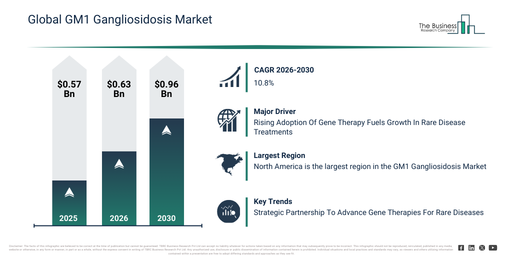
    The gm1 gangliosidosis market has seen substantial growth over recent years. Projections indicate its value will increase from $0.57 billion in 2025 to $0.63 billion by 2026, reflecting a compound annual growth rate (CAGR) of 11.1%. Historically, this expansion has been driven by factors such as rare disease research initiatives, the identification of enzyme deficiencies, improvements in genetic diagnostics, hospital-based pediatric care, and initial clinical studies.

    The market for gm1 gangliosidosis is projected to experience substantial expansion in the coming years. It is forecast to reach $0.96 billion by 2030, demonstrating a compound annual growth rate (CAGR) of 10.8%. This growth in the forecast period can be attributed to advancements in the gene therapy pipeline, incentives for orphan drugs, enhanced diagnostic screening, a rise in patient advocacy efforts, and an expansion of biotechnology funding. Major trends anticipated during this period include a heightened focus on rare disease drug development, increased research in gene therapy, a broader application of enzyme replacement therapies, the expansion of newborn genetic screening programs, and increased clinical trial activity.

    Get A Free Sample Report With In-Depth Market Insights:

    https://thebusinessresearchcompany.com/sample_request?id=26787721&type=smp&name=GM1%20Gangliosidosis%20Market%20Report%202026&utm_source=Blogs&utm_medium=Paid&utm_campaign=Nov_PR

    GM1 Gangliosidosis Market Growth Backed By Core Demand Fundamentals

    The rising integration of gene therapy is projected to boost the expansion of the GM1 gangliosidosis market in the future. This therapeutic approach modifies or substitutes genes within human cells to address or avert illnesses. The broader acceptance of gene therapy stems from progress in genetic studies, better results for conditions that were once untreatable, and increasing backing from regulators for new treatments. Specifically for GM1 gangliosidosis, gene therapy entails introducing a working version of the faulty GLB1 gene into patient cells to reactivate ß-galactosidase enzyme and lessen the accumulation of harmful substances. As an example, in January 2024, data from the American Society of Gene & Cell Therapy, a US-based organization focused on gene and cell therapy, indicated that the count of gene therapies in Phase III trials experienced a 10% rise in Q4 2023 relative to the prior quarter, marking its initial surge since Q3 2022. Consequently, the expanding use of gene therapy is propelling the growth of the GM1 gangliosidosis market.

    GM1 Gangliosidosis Market Segmentation And Category Overview

    The gm1 gangliosidosis market covered in this report is segmented –

    1) By Disease Type: Type 1 GM1 Gangliosidosis, Type 2 GMT Gangliosidosis, Type 3 GMT Gangliosidosis

    2) By Treatment: Anticonvulsants, Bone Marrow Transplantation, Cord-Blood Hematopoietic Stem-Cell Transplantation, Enzyme Replacement, Gene Therapy

    3) By End-User: Research Institutes, Hospitals, Other End-Users

    Subsegments:

    1) By Type 1 GM1 Gangliosidosis: Classic Infantile Onset, Atypical Infantile Onset

    2) By Type 2 GM1 Gangliosidosis: Classic Juvenile Onset, Atypical Juvenile Onset

    3) By Type 3 GM1 Gangliosidosis: Classic Adult Onset, Atypical Adult Onset

    #GM1 Gangliosidosis Market Growth Trends: What’s Shaping The Future Outlook?

    Leading companies in the GM1 gangliosidosis market are concentrating on strategic alliances to preserve their position. These collaborations are essential for fostering gene therapy progress, as they unite expertise, resources, and technologies to accelerate discovery, clinical trials, and market introduction. For example, in October 2024, GEMMA Biotherapeutics Inc., a US-based biotechnology company, joined forces with Oswaldo Cruz Foundation (Fiocruz), a Brazil-based health research institution, to advance gene therapies for rare conditions, including GM1 gangliosidosis. This arrangement includes up to $100 million in funding from Fiocruz for clinical investigation and manufacturing, intended to make these cutting-edge therapies available via Brazil’s public healthcare system. The partnership underscores technology transfer and seeks to universalize access to treatments that were historically confined to higher-income demographics.

    GM1 Gangliosidosis Market Competitive Analysis Of Leading Industry Participants

    Major companies operating in the gm1 gangliosidosis market are Pfizer Inc, Sanofi S A, Novartis AG, Takeda Pharmaceutical Company Limited, Sarepta Therapeutics Inc, CRISPR Therapeutics AG, REGENXBIO Inc, Passage Bio Inc, Orchard Therapeutics plc, AVROBIO Inc, uniQure N V, Lysogene S A, Sio Gene Therapies Inc, bluebird bio Inc, Axovant Gene Therapies Ltd, Lysosomal Therapeutics Inc, Encoded Therapeutics Inc, Abeona Therapeutics Inc, JCR Pharmaceuticals Co Ltd, Sangamo Therapeutics Inc

    View The Full GM1 Gangliosidosis Market Report:

    https://thebusinessresearchcompany.com/report/gm1-gangliosidosis-global-market-report?utm_source=Blogs&utm_medium=Paid&utm_campaign=Nov_PR

    GM1 Gangliosidosis Market Top Region: Where Does Most Revenue Come From?

    North America was the largest region in the GM1 gangliosidosis market in 2025. The regions covered in the gm1 gangliosidosis market report are Asia-Pacific, South East Asia, Western Europe, Eastern Europe, North America, South America, Middle East, Africa.

    Reach Out To Our Team:

    The Business Research Company: https://www.thebusinessresearchcompany.com/

    Americas: +1 310-496-7795

    Asia: +44 7882 955267 & +91 8897263534

    Europe: +44 7882 955267

    Email us at: marketing@tbrc.info

    Follow us on:

    LinkedIn: https://in.linkedin.com/company/the-business-research-company

    YouTube: https://www.youtube.com/channel/UC24_fI0rV8cR5DxlCpgmyFQ

    Global Market Model: https://www.thebusinessresearchcompany.com/global-market-model
  • Glycomics or Glycobiology Market Trends Reshaping Industry Growth Through 2030

    Glycomics or Glycobiology Market Trends Reshaping Industry Growth Through 2030

    Featuring market attractiveness scoring, total addressable market sizing, company benchmarking matrices, interactive Excel dashboards, deeper supply chain intelligence, emerging startup tracking, and granular product-level insights, The Business Research Company’s 2026 market reports are built to deliver research that is both more actionable and more strategically valuable.

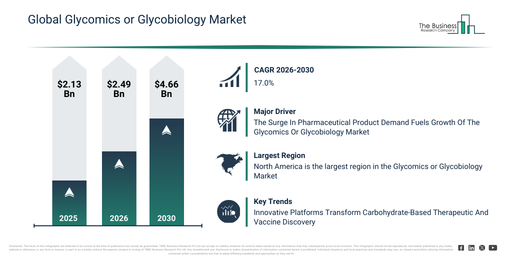
    Glycomics or Glycobiology Market Set To Climb From $2.49 Billion In 2026 To $4.66 Billion By 2030

    The glycomics or glycobiology market size has seen rapid expansion in recent years. This market is anticipated to increase from $2.13 billion in 2025 to $2.49 billion in 2026, achieving a compound annual growth rate (CAGR) of 17.1%. The historical growth of this market can be linked to improvements in carbohydrate chemistry, the expansion of life sciences research, increased academic research funding, early efforts in biomolecule characterization, and the development of new analytical instruments.

    The glycomics or glycobiology market is projected to experience substantial expansion in the coming years, with its size anticipated to reach $4.66 billion by 2030, driven by a compound annual growth rate (CAGR) of 17.0%. This significant growth during the forecast period is primarily attributed to the broadening scope of precision medicine, increased investments in pharmaceutical research and development, a rising demand for biomarker discovery, technological advancements in mass spectrometry, and an escalation in translational research efforts. Concurrently, major trends expected during this period include the wider application of glycan-based biological research, enhanced utilization of glycomics in drug discovery, a growing requirement for sophisticated glycan analysis tools, the progressive incorporation of glycobiology into diagnostics, and a surge in cooperative ventures between academic institutions and industry.

    Get A Free Sample Report With In-Depth Market Insights:

    https://thebusinessresearchcompany.com/sample_request?id=81208628&type=smp&name=Glycomics%20or%20Glycobiology%20Market%20Report%202026&utm_source=Blogs&utm_medium=Paid&utm_campaign=Nov_PR

    Glycomics or Glycobiology Market Growth Catalysts And Demand Drivers

    The escalating need for pharmaceutical goods is projected to fuel the expansion of the glycomics or glycobiology market in the future. Pharmaceutical items denote drugs or medicines specifically created to diagnose, avert, treat, or alleviate illnesses or health issues in humans or animals. Glycomics and glycobiology play a crucial role in pharmaceutical progress by offering understanding into disease processes, pinpointing therapeutic objectives, and refining the formulation and effectiveness of medications for various medical ailments. As an illustration, in February 2024, the US-based non-profit, Personalized Medicine Coalition, reported that in 2023, the FDA sanctioned 16 novel personalized therapies for patients with rare diseases, a significant rise from six in 2022. Among these newly approved personalized treatments for 2023 were also seven drugs for cancer and three for other conditions and diseases. Consequently, the rising requirement for pharmaceutical products is propelling the growth of the glycomics or glycobiology market.

    Glycomics or Glycobiology Market Segment Outlook: Which Categories Are Growing Fastest?

    The glycomics or glycobiology market covered in this report is segmented –

    1) By Product: Enzymes, Kits, Reagents And Chemicals, Instruments, Carbohydrates

    2) By Application: Drug Discovery And Development, Disease Diagnostics, Other Applications

    3) By End-User: Academic Research Institutes, Pharmaceutical And Biotechnology Companies, Clinical Laboratories

    Subsegments:

    1) By Enzymes: Glycosidases, Glycosyltransferases, Sialidases

    2) By Kits: Glycan Analysis Kits, Glycobiology Research Kits

    3) By Reagents And Chemicals: Monosaccharides, Oligosaccharides, Chemical Modifiers

    4) By Instruments: Mass Spectrometers, Chromatography Systems, Imaging Systems

    5) By Carbohydrates: Natural Carbohydrates, Synthetic Carbohydrates

    Glycomics or Glycobiology Market Industry Trends: What’s Reshaping Demand?

    Major companies operating in the glycobiology market are concentrating on developing innovative solutions, such as glycan-display platforms, to accelerate the discovery of carbohydrate-based therapeutics and vaccines. Glycan-display platforms are technologies that present diverse sugar molecules (glycans) on surfaces or scaffolds to study their interactions with proteins, cells, or pathogens for drug and vaccine development. For instance, in October 2024, CD BioGlyco, a US-based biotechnology company, introduced its Glycan Display Platform. This advanced, integrated glycan-display technology provides multiple modalities, including traditional glycan arrays, cell-based glycan display, neoglycolipid (NGL) display, liquid glycan arrays (LiGA), glyco-phage display, and de novo glycan display, supporting a wide range of glycobiology research applications such as drug discovery and glycan-protein interaction studies. This platform utilizes synthesized or natural glycans, immobilizing or presenting them on carriers like lipids, phage particles, or engineered cells, enabling researchers to explore glycan binding properties under various contexts, for example, fluid versus immobilized or monovalent versus multivalent. Such capabilities facilitate high-throughput screening, fine-tuned control over glycan density or presentation format, and offer greater physiological relevance compared to traditional glycan microarrays, which typically immobilize glycans on rigid surfaces.

    Glycomics or Glycobiology Market Leading Companies And Competitive Benchmarking

    Major companies operating in the glycomics or glycobiology market are Aligent Technologies Inc., Bruker Corporation, Merck Co. & KgaA, New England Biolabs Inc., Danaher Corporation, Shimadzu Corporation, ProZyme Inc., Takara Bio Inc., Asparia Glycomics SL, Lectenz Bio, Chemily Glycoscience LLC, Z Biotech LLC, RayBiotech Inc., Thermo Fisher Scientific Inc., Promega Corporation, Bio-Techne Corp., AMS Bio LLC, Ludger Ltd., CD BioGlyco Ltd., GlycoDiag SAS, Kode Biotech Limited, Glyxera GmBH, Glycomix Ltd., R&D Systems Inc.

    View The Full Glycomics or Glycobiology Market Report:

    https://thebusinessresearchcompany.com/report/glycomics-or-glycobiology-global-market-report?utm_source=Blogs&utm_medium=Paid&utm_campaign=Nov_PR

    Glycomics or Glycobiology Market Regional Breakdown: Where Is Demand Concentrated?

    North America was the largest region in the glycomics or glycobiology market share in 2025. Asia-Pacific is expected to be the fastest-growing region in the forecast period. The regions covered in the glycomics or glycobiology market report are Asia-Pacific, South East Asia, Western Europe, Eastern Europe, North America, South America, Middle East, Africa.

    Reach Out To Our Team:

    The Business Research Company: https://www.thebusinessresearchcompany.com/

    Americas: +1 310-496-7795

    Asia: +44 7882 955267 & +91 8897263534

    Europe: +44 7882 955267

    Email us at: marketing@tbrc.info

    Follow us on:

    LinkedIn: https://in.linkedin.com/company/the-business-research-company

    YouTube: https://www.youtube.com/channel/UC24_fI0rV8cR5DxlCpgmyFQ

    Global Market Model: https://www.thebusinessresearchcompany.com/global-market-model
  • Glycomic Therapeutics Market Growth To $424.67 Billion Creates New Opportunities Across The Industry

    Glycomic Therapeutics Market Growth To $424.67 Billion Creates New Opportunities Across The Industry

    Built to provide research that’s more actionable and strategically valuable, The Business Research Company’s 2026 market reports include market attractiveness analysis, total addressable market sizing, company benchmarking matrices, interactive Excel dashboards, broader supply chain intelligence, emerging startup tracking, and in-depth product insights.

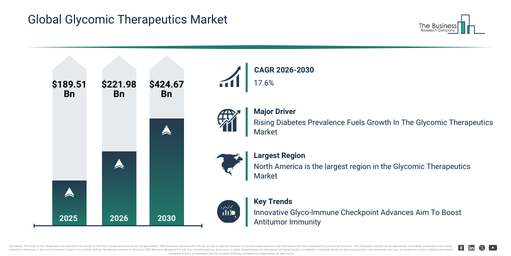
    Glycomic Therapeutics Market Forecast: Value Set To Climb From $221.98 Billion To $424.67 Billion

    The glycomic therapeutics market has experienced substantial expansion in recent years. Its size is anticipated to grow from $189.51 billion in 2025 to $221.98 billion in 2026, reflecting a compound annual growth rate (CAGR) of 17.1%. This historical growth can be attributed to several factors, including advancements in glycobiology research, the development of enzyme therapy, approvals for rare disease drugs, increased academic research funding, and the expansion of biologics manufacturing.

    The glycomic therapeutics market size is anticipated to undergo significant growth over the next few years. It is projected to expand to $424.67 billion by 2030, demonstrating a compound annual growth rate (CAGR) of 17.6%. This expansion within the forecast period can be linked to the adoption of precision medicine, the discovery of glycan biomarkers, the enlargement of orphan drug pipelines, innovation in synthetic biology, and increased pharmaceutical research investment. Prominent trends for the forecast period include the broadening of glycan-based drug development, a rising focus on immune modulation therapies, the greater utilization of enzyme replacement therapies, escalating research efforts into rare and metabolic diseases, and the advancement of synthetic glycan technologies.

    Get A Free Sample Report With In-Depth Market Insights:

    https://thebusinessresearchcompany.com/sample_request?id=49213109&type=smp&name=Glycomic%20Therapeutics%20Market%20Report%202026&utm_source=Blogs&utm_medium=Paid&utm_campaign=Nov_PR

    Glycomic Therapeutics Market Opportunity Drivers: What’s Unlocking New Revenue Potential?

    The increasing incidence of diabetes is anticipated to propel the expansion of the glycomic therapeutics market. Diabetes is a persistent health condition that impairs the body’s capacity to regulate blood sugar (glucose) levels. Within the context of diabetes, alterations in glycans have been observed, which can contribute to insulin resistance and other metabolic irregularities. Specific glycan patterns function as biomarkers for the diagnosis of diabetes, predicting its progression, and monitoring responses to treatment. For instance, in March 2025, according to GOV.UK, a UK-based non-profit government organization, the prevalence of type 2 diabetes recorded by GPs in adults was 7.0% for those aged 17 and over in England at March 2024, which represented an increase from 6.8% at March 2023. Therefore, the rise in the prevalence of diabetes is stimulating the growth of the glycomic therapeutics market.

    Glycomic Therapeutics Market Segment Landscape: Which Areas Lead Development?

    The glycomic therapeutics market covered in this report is segmented –

    1) By Class: Isolated, Synthetic

    2) By Structures: Glycoproteins, Targeting Sialic Acid, Proteoglycans, Targeting Glycosaminoglycans, Glycosylphosphatidylinositol (GPI)-Anchored Proteins And Heparin Based Glycans, Targeting Glycosphingolipids, Other Structures

    3) By Mode Of Action: Inhibits Neuraminidase, Inhibits Heparanase And Selectins And Blocks Interactions Between Growth Factors And Heparan Sulfate, Erythropoietin And Enzyme Replacement Therapy (ERT), Tissue Plasminogen Activator, Inhibits Glucosylceramide Synthase, Interleukin 1, 2 And 3, Beta And Gamma Interferons, Other Mode Of Action

    4) By Indications: Thrombosis And Chemoprophylaxis, Anemia, Anti-Adhesive And Anti-Inflammatory, Cataracts, Gaucher’s Disease, Mps-1 And IV, Cancer, Alzheimer’s Disease, Influenza Type A And B, Other Indications

    Subsegments:

    1) By Isolated: Natural Glycans, Glycan Derivatives, Glycoproteins

    2) By Synthetic: Chemically Synthesized Glycans, Recombinant Glycans, Glycopeptides

    Glycomic Therapeutics Market Innovation Trends: What Developments Are Reshaping The Industry?

    Companies operating in the glycomic therapeutics market are concentrating on developing innovative solutions, such as glyco-immune checkpoint inhibitors, to overcome tumor immune evasion and enhance treatment efficacy. Glyco-immune checkpoint inhibitors are therapies designed to block immunosuppressive sugar molecules on cancer cells, helping the immune system better recognize and attack tumors. For instance, in June 2023, Palleon Pharmaceuticals Inc., a US-based biopharmaceutical company, announced that the first patient was dosed in the combination therapy cohort of the Phase 1/2 GLIMMER-01 clinical trial, evaluating their lead glyco-immunology candidate E-602 in combination with cemiplimab (Libtayo®) in patients with advanced cancers. This trial studies E-602 both as a monotherapy and combined with cemiplimab to assess safety, pharmacodynamics, and antitumor activity. E-602 is a first-in-class glyco-immune checkpoint inhibitor designed to enzymatically degrade immunosuppressive sialoglycans on tumor and immune cells, aiming to restore antitumor immunity.

    Glycomic Therapeutics Market Industry Leaders And Competitive Landscape

    Major companies operating in the glycomic therapeutics market are F Hoffmann-La Roche Ltd., Sanofi SA, Thermo Fisher Scientific Inc., GlaxoSmithKline plc, Merck KGaA, Agilent Technologies Inc., AMS Bio, Shimadzu Corporation, Waters Corporation, Bruker Corporation, BioMarin Pharmaceutical Inc., Bio Techne Corp., Halozyme Therapeutics Inc., Takara Bio Inc., Vector Laboratories, New England Biolabs Inc., Protalix Biotherapeutics Inc., Genovis AB, Ludger Ltd, GlycoMar Limited

    View The Full Glycomic Therapeutics Market Report:

    https://thebusinessresearchcompany.com/report/glycomic-therapeutics-global-market-report?utm_source=Blogs&utm_medium=Paid&utm_campaign=Nov_PR

    Glycomic Therapeutics Market Geographic Landscape: Which Region Leads Industry Growth?

    North America was the largest region in the glycomic therapeutics in 2025. Asia-Pacific is expected to be the fastest-growing region in the forecast period. The regions covered in the glycomic therapeutics market report are Asia-Pacific, South East Asia, Western Europe, Eastern Europe, North America, South America, Middle East, Africa.

    Reach Out To Our Team:

    The Business Research Company: https://www.thebusinessresearchcompany.com/

    Americas: +1 310-496-7795

    Asia: +44 7882 955267 & +91 8897263534

    Europe: +44 7882 955267

    Email us at: marketing@tbrc.info

    Follow us on:

    LinkedIn: https://in.linkedin.com/company/the-business-research-company

    YouTube: https://www.youtube.com/channel/UC24_fI0rV8cR5DxlCpgmyFQ

    Global Market Model: https://www.thebusinessresearchcompany.com/global-market-model