Category: Healthcare Services

  • Glucagon-Like Peptide (GLP)-1 Agonists Weight Loss Drugs Market Forecast: Breaking Down The Numbers Behind Future Expansion

    Glucagon-Like Peptide (GLP)-1 Agonists Weight Loss Drugs Market Forecast: Breaking Down The Numbers Behind Future Expansion

    Backed by market attractiveness analysis, total addressable market sizing, company benchmarking matrices, interactive Excel dashboards, wider supply chain intelligence, emerging startup coverage, and detailed product-level insights, The Business Research Company’s 2026 market reports are designed to offer research that is more actionable and strategically valuable than ever.

    Glucagon-Like Peptide (GLP)-1 Agonists Weight Loss Drugs Market Revenue Growth On Track For A 16.2% CAGR Through 2030

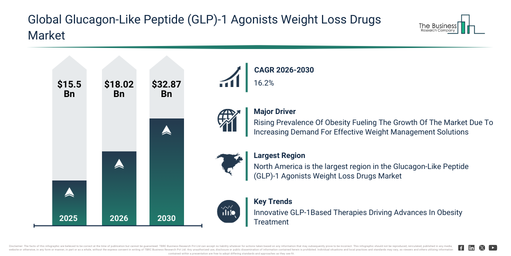
    The market size for glucagon-like peptide (glp)-1 agonists weight loss drugs has experienced rapid expansion in recent years. Projections indicate it will expand from $15.5 billion in 2025 to $18.02 billion in 2026, demonstrating a compound annual growth rate (CAGR) of 16.3%. This historical growth is largely due to factors such as rising obesity prevalence, diabetes drug innovation, the burden of lifestyle diseases, early glp-1 diabetes use, and various healthcare awareness campaigns.

    The market for glucagon-like peptide (glp)-1 agonists weight loss drugs is projected to experience swift expansion over the coming years, reaching a valuation of $32.87 billion by 2030, demonstrating a compound annual growth rate (CAGR) of 16.2%. This anticipated growth during the forecast period is primarily driven by factors such as the approval of novel glp-1 medications, the broadening of obesity clinic networks, enhanced insurance coverage, a greater emphasis on sustained weight management, and increasing worldwide obesity prevalence. Key trends identified for the forecast period encompass a surging demand for drug-based weight management solutions, an uptick in the utilization of injectable weight loss medications, the expanding application of glp-1 therapies for conditions other than diabetes, the enlargement of obesity treatment initiatives, and better patient compliance with extended therapeutic regimens.

    Get A Free Sample Report With In-Depth Market Insights:

    https://thebusinessresearchcompany.com/sample_request?id=70080861&type=smp&name=Glucagon-Like%20Peptide%20%28GLP%29-1%20Agonists%20Weight%20Loss%20Drugs%20Market%20Report%202026&utm_source=Blogs&utm_medium=Paid&utm_campaign=Nov_PR

    Glucagon-Like Peptide (GLP)-1 Agonists Weight Loss Drugs Market Growth Momentum: What Factors Are Shaping Demand?

    The increasing incidence of obesity is anticipated to drive the expansion of the glucagon-like peptide (GLP)-1 agonist weight loss drugs market in the future. This medical condition is defined by the dangerous accumulation of excess body fat, posing significant health risks. The rise in obesity rates primarily stems from poor dietary choices, including higher consumption of fast food and sugary beverages, which often lack essential nutrients and balance. As a growing number of individuals are affected by obesity and its associated health issues, the demand for effective treatment options is escalating. This, in turn, boosts the adoption of glucagon-like peptide (GLP)-1 agonist weight loss drugs due to their demonstrated efficacy in promoting weight loss and improving metabolic well-being. For instance, data released in May 2025 by the Office for Health Improvement and Disparities, a UK government entity, revealed that from 2023 to 2024, approximately 64.5% of adults aged 18 and over in England were classified as overweight or obese, marking an increase from 64.0% observed in the period of 2022 to 2023. Consequently, the expanding prevalence of obesity is a key factor propelling the growth of the glucagon-like peptide (GLP)-1 agonist weight loss drugs market.

    Glucagon-Like Peptide (GLP)-1 Agonists Weight Loss Drugs Market Segments: Where Is Growth Concentrated?

    The glucagon-like peptide (glp)-1 agonists weight loss drugs market covered in this report is segmented –

    1) By Drugs: Semaglutide, Liraglutide, Tirzepatide, Other Drugs

    2) By Route of Administration: Parenteral, Oral

    3) By Distribution Channel: Hospital Pharmacies, Retail Pharmacies, Other Pharmacies

    Subsegments:

    1) By Semaglutide: Ozempic, Wegovy, Rybelsus

    2) By Liraglutide: Saxenda, Victoza

    3) By Tirzepatide: Mounjaro, Zepbound

    4) By Other Drugs: Exenatide, Dulaglutide, Albiglutide, Efpeglenatide

    Glucagon-Like Peptide (GLP)-1 Agonists Weight Loss Drugs Market Trends: What’s Defining The Industry’s Next Phase?

    Leading companies in the glucagon-like peptide (GLP)-1 agonist weight loss drugs market are creating innovative obesity treatment solutions designed to boost their efficacy and improve patient outcomes. These obesity treatment solutions are therapies engineered to mimic the GLP-1 hormone, thereby managing appetite, increasing feelings of fullness, and facilitating weight reduction. Such medications aid in controlling obesity by refining metabolic function and fostering sustained weight management. For example, in November 2023, Eli Lilly and Company, a US-based pharmaceutical company, obtained US Food and Drug Administration approval for Zepbound. This drug is intended for chronic weight management in adults with obesity or those who are overweight and have associated health conditions like type 2 diabetes or sleep apnea. Zepbound operates by activating both GIP and GLP-1 hormone receptors to suppress appetite and enhance metabolic function.

    Glucagon-Like Peptide (GLP)-1 Agonists Weight Loss Drugs Market Key Participants And Competitive Landscape

    Major companies operating in the glucagon-like peptide (glp)-1 agonists weight loss drugs market are Novo Nordisk A/S, Eli Lilly and Company, Pfizer Inc., Merck & Co Inc, Boehringer Ingelheim, Hanmi Pharmaceutical, Jiangsu Hengrui Medicine Co Ltd, Zealand Pharma A/S, I-Mab Biopharma Shanghai Co Ltd, Altimmune Inc, BioAge Labs, Innovent Biologics Inc, Viking Therapeutics Inc, Structure Therapeutics Inc, Regor Therapeutics Inc, TheracosBio LLC, Oramed Pharmaceuticals, Amgen Inc, Roche Holding AG, Teva Pharmaceutical Industries Ltd

    View The Full Glucagon-Like Peptide (GLP)-1 Agonists Weight Loss Drugs Market Report:

    https://thebusinessresearchcompany.com/report/glucagon-like-peptide-glp-1-agonists-weight-loss-drugs-global-market-report?utm_source=Blogs&utm_medium=Paid&utm_campaign=Nov_PR

    Glucagon-Like Peptide (GLP)-1 Agonists Weight Loss Drugs Market Largest Region: Which Geography Holds The Biggest Share?

    North America was the largest region in the glucagon-like peptide (GLP) -1 agonists weight loss drugs market in 2025. The regions covered in the glucagon-like peptide (glp)-1 agonists weight loss drugs market report are Asia-Pacific, South East Asia, Western Europe, Eastern Europe, North America, South America, Middle East, Africa.

    Reach Out To Our Team:

    The Business Research Company: https://www.thebusinessresearchcompany.com/

    Americas: +1 310-496-7795

    Asia: +44 7882 955267 & +91 8897263534

    Europe: +44 7882 955267

    Email us at: marketing@tbrc.info

    Follow us on:

    LinkedIn: https://in.linkedin.com/company/the-business-research-company

    YouTube: https://www.youtube.com/channel/UC24_fI0rV8cR5DxlCpgmyFQ

    Global Market Model: https://www.thebusinessresearchcompany.com/global-market-model
  • Glomerulonephritis Market Expected To Grow At 4.7% CAGR Through 2030: What Businesses Need To Know

    Glomerulonephritis Market Expected To Grow At 4.7% CAGR Through 2030: What Businesses Need To Know

    Featuring market attractiveness scoring, total addressable market sizing, company benchmarking matrices, interactive Excel dashboards, deeper supply chain intelligence, emerging startup tracking, and granular product-level insights, The Business Research Company’s 2026 market reports are built to deliver research that is both more actionable and more strategically valuable.

    Glomerulonephritis Market Value Growth And Long-Term Outlook

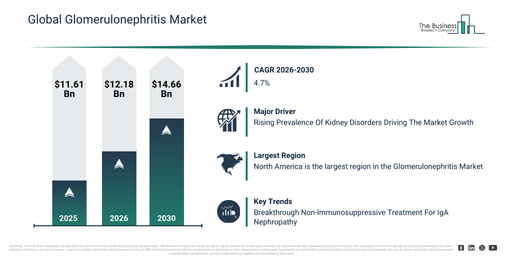
    The glomerulonephritis market has observed consistent expansion over recent years. Projections indicate it will rise from $11.61 billion in 2025 to $12.18 billion in 2026, achieving a compound annual growth rate (CAGR) of 5.0%. Historically, this growth is attributable to factors such as the prevalence of autoimmune disorders, the adoption of kidney biopsies, the expansion of nephrology clinics, the availability of immunosuppressive drugs, and the broadening of diagnostic laboratory services.

    The glomerulonephritis market is anticipated to exhibit sustained expansion over the coming years. It is predicted to reach a valuation of $14.66 billion by 2030, growing at a compound annual growth rate (CAGR) of 4.7%. This projected growth throughout the forecast period stems from breakthroughs in renal diagnostics, the evolution of precision nephrology, a rise in the prevalence of chronic kidney disease, the broadening of specialized nephrology care, and better patient adherence to treatment. Noteworthy trends for the same period include a heightened emphasis on the early detection of kidney disease, an increasing application of immunosuppressive therapies, the rising integration of biomarker-based testing, the expansion of dialysis support services, and enhanced chronic disease management strategies.

    Get A Free Sample Report With In-Depth Market Insights:

    https://thebusinessresearchcompany.com/sample_request?id=30691962&type=smp&name=Glomerulonephritis%20Market%20Report%202026&utm_source=Blogs&utm_medium=Paid&utm_campaign=Nov_PR

    Glomerulonephritis Market Expansion Drivers: What’s Shaping Future Growth?

    The increasing incidence of kidney disorders is anticipated to propel the expansion of the glomerulonephritis market in the foreseeable future. Kidney disorders encompass a spectrum of conditions that impact the structure or function of the kidneys, leading to impaired filtration, waste elimination, and proper fluid balance. The growing occurrence of these disorders is attributed to factors such as aging populations, escalating rates of chronic diseases like diabetes and hypertension, and various lifestyle choices. Kidney ailments contribute to glomerulonephritis by triggering immune system dysregulation, persistent inflammation, or structural damage, which subsequently compromises kidney filtration and overall function. For instance, in June 2023, according to Kidney Research UK, a UK-based charitable organization dedicated to research and advocacy for improving the understanding, prevention, and treatment of kidney diseases, an estimated 7.19 million people in the UK were affected by chronic kidney disease in 2023, representing over 10% of the UK population, with projections indicating an increase to 7.61 million people by 2033. Hence, the rising prevalence of kidney disorders is poised to drive the growth of the glomerulonephritis market.

    Glomerulonephritis Market Segment Analysis: What Are The Core Market Categories?

    The glomerulonephritis market covered in this report is segmented –

    1) By Type: Acute Glomerulonephritis, Chronic Glomerulonephritis

    2) By Diagnosis: Urine And Blood Tests, Imaging Tests, Kidney Biopsy, Other Diagnosis

    3) By Treatment: Medication, Surgery, Dialysis, Other Treatments

    4) By Distribution Channel: Hospital Pharmacy, Retail Pharmacy, Other Distribution Channels

    5) By End-User: Hospitals, Specialty Clinics, Other End-Users

    Subsegments:

    1) By Acute Glomerulonephritis: Post-infectious Glomerulonephritis, IgA Nephropathy, Lupus Nephritis, Rapidly Progressive Glomerulonephritis (RPGN), Goodpasture Syndrome

    2) By Chronic Glomerulonephritis: Focal Segmental Glomerulosclerosis (FSGS), Membranous Nephropathy, Minimal Change Disease, Alport Syndrome, Diabetic Nephropathy, Hypertensive Nephrosclerosis

    Glomerulonephritis Market Industry Trends Fueling Future Revenue Growth

    Major companies in the glomerulonephritis market are prioritizing the development of advanced non-immunosuppressive treatments to address current medical needs and improve patient results. Non-immunosuppressive treatments are therapies designed not to weaken or suppress the immune system, aiming to treat conditions without compromising immune function. For example, in September 2024, Travere Therapeutics Inc., a US-based biopharmaceutical company, introduced FILSPARI (sparsentan), which received approval from the Food and Drug Administration (FDA) for treating IgA nephropathy, a specific kidney disease. This drug is the only non-immunosuppressive treatment demonstrated to significantly slow the decline in kidney function for these patients. The approval of FILSPARI signifies a major breakthrough in managing IgA nephropathy, which is identified as the most common form of primary glomerulonephritis. This therapy offers a new choice for patients who previously had limited options. This approval highlights Travere’s dedication to improving patient outcomes in kidney disease.

    Glomerulonephritis Market Top Companies Driving Competitive Growth

    Major companies operating in the glomerulonephritis market are Pfizer Inc., F. Hoffmann-La Roche Ltd., AstraZeneca PLC, Novartis International AG, Eli Lilly and Company, Boehringer Ingelheim International GmbH, Apellis Pharmaceuticals Inc., MorphoSys AG, Travere Therapeutics Inc., Vera Therapeutics Inc., Calliditas Therapeutics AB, Omeros Corporation, Otsuka Pharmaceutical Co. Ltd., Aurinia Pharmaceuticals Inc., Alexion Pharmaceuticals Inc., Anthera Pharmaceuticals Inc., Chinook Therapeutics, Purespring Therapeutics, Walden Biosciences, Visterra Inc.

    View The Full Glomerulonephritis Market Report:

    https://thebusinessresearchcompany.com/report/glomerulonephritis-global-market-report?utm_source=Blogs&utm_medium=Paid&utm_campaign=Nov_PR

    Glomerulonephritis Market Regional Analysis: Which Geography Leads On Revenue?

    North America was the largest region in the glomerulonephritis market in 2025. The regions covered in the glomerulonephritis market report are Asia-Pacific, South East Asia, Western Europe, Eastern Europe, North America, South America, Middle East, Africa.

    Reach Out To Our Team:

    The Business Research Company: https://www.thebusinessresearchcompany.com/

    Americas: +1 310-496-7795

    Asia: +44 7882 955267 & +91 8897263534

    Europe: +44 7882 955267

    Email us at: marketing@tbrc.info

    Follow us on:

    LinkedIn: https://in.linkedin.com/company/the-business-research-company

    YouTube: https://www.youtube.com/channel/UC24_fI0rV8cR5DxlCpgmyFQ

    Global Market Model: https://www.thebusinessresearchcompany.com/global-market-model
  • Gliosarcoma Market Forecast To Reach $1.6 Billion By 2030: Key Trends Explained

    Gliosarcoma Market Forecast To Reach $1.6 Billion By 2030: Key Trends Explained

    Built to provide research that’s more actionable and strategically valuable, The Business Research Company’s 2026 market reports include market attractiveness analysis, total addressable market sizing, company benchmarking matrices, interactive Excel dashboards, broader supply chain intelligence, emerging startup tracking, and in-depth product insights.

    Gliosarcoma Market Poised To Hit $1.6 Billion By 2030 With A 5% CAGR

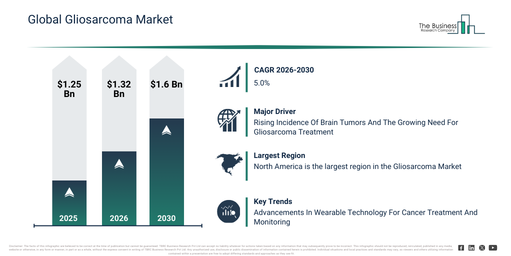
    The gliosarcoma market size has witnessed robust growth in recent years. It is projected to expand from $1.25 billion in 2025 to $1.32 billion in 2026, achieving a compound annual growth rate (CAGR) of 5.3%. The expansion observed in the historic period is primarily driven by factors such as limited clinical understanding, strides in neuro-pathology, the establishment of oncology research institutes, advancements in imaging technologies, and a strong academic interest in research.

    The gliosarcoma market is projected to experience robust expansion over the coming years. Its valuation is set to reach $1.6 billion by 2030, driven by a compound annual growth rate (CAGR) of 5.0%. This anticipated growth during the forecast period stems from several factors, including enhanced funding for rare cancer research, advancements in precision diagnostics, refined treatment approaches, broader application of molecular testing, and collaborative efforts among research institutions. Key developments expected within this timeframe involve intensified investigation into rare brain tumors, increasing adoption of molecular diagnostic tools, diversification of multimodal therapeutic strategies, greater emphasis on studying tumor biology, and enhancements in diagnostic precision.

    Get A Free Sample Report With In-Depth Market Insights:

    https://thebusinessresearchcompany.com/sample_request?id=49764136&type=smp&name=Gliosarcoma%20Market%20Report%202026&utm_source=Blogs&utm_medium=Paid&utm_campaign=Nov_PR

    Gliosarcoma Market Development Factors: What’s Supporting Demand?

    The rising occurrence of brain tumors is anticipated to stimulate expansion within the gliosarcoma market in the future. A brain tumor involves the unusual proliferation of cells within the brain, potentially benign or malignant, leading to symptoms such as headaches, seizures, and difficulties with vision. The frequency of brain tumors is escalating, attributed to advancements in diagnostic tools, heightened public understanding, and possible environmental and lifestyle elements that heighten exposure to associated risks. Treating gliosarcoma is crucial for brain tumors, as it addresses this aggressive and uncommon form of cancer, with goals including symptom management, extending life expectancy, and enhancing patients’ overall quality of life. For example, data from February 2025, released by Dementia Australia, a non-profit organization located in Australia, indicates that roughly 433,300 Australians currently have dementia. This figure is projected to increase significantly to 812,500 by 2054. Furthermore, younger-onset dementia impacts approximately 29,000 people in 2025, with forecasts suggesting a climb to 41,000 by 2054. Consequently, the growing prevalence of brain tumors is fueling the expansion of the gliosarcoma market.

    Gliosarcoma Market Segment Breakdown: Which Categories Lead On Revenue?

    The gliosarcoma market covered in this report is segmented –

    1) By Diagnosis Method: Imaging Techniques, Histopathological Examination, Biomarker Testing

    2) By Treatment Type: Surgery, Radiation Therapy, Chemotherapy, Targeted Therapy, Immunotherapy

    3) By End-User: Hospitals, Cancer Research Institutes, Specialty Clinics

    Subsegments:

    1) By Imaging Techniques: Magnetic Resonance Imaging (MRI), Computed Tomography (CT) Scan, Positron Emission Tomography (PET) Scan

    2) By Histopathological Examination: Hematoxylin and Eosin (H&E) Staining, Immunohistochemistry (IHC), Electron Microscopy

    3) By Biomarker Testing: IDH Mutation Testing, MGMT Promoter Methylation Testing, ATRX Mutation Testing, TP53 Mutation Analysis

    Gliosarcoma Market Trends Powering Strategic Industry Growth

    Major companies within the gliosarcoma market are directing their efforts towards creating technologically advanced products, including wearable devices, to ensure convenient and continuous monitoring of health and activity data, which offers real-time insights and improves user engagement with their wellness goals. Wearable devices are electronic gadgets designed to be affixed to the body that monitor, track, or enhance various elements of health, fitness, or daily routines. An example of this occurred in November 2024, when Novocure Ltd., an oncology company situated in the UK, disclosed that the U.S. Food and Drug Administration (FDA) had granted approval for the Head Flexible Electrode (HFE) transducer arrays to be used alongside Optune Gio for treating adult patients afflicted with glioblastoma multiforme (GBM). The Optune Gio is a portable, wearable system that employs non-invasive wearable arrays to generate tumor-treating fields (TTFields), which apply physical forces to the electrically charged components of proliferating cancer cells to impede their rapid division. Comprising a flexible polymer substance, the new HFE arrays are 50% thinner and one-third lighter than the ceramic discs found in the current Optune Gio arrays, thereby improving patient comfort and usability.

    Gliosarcoma Market Leading Players And Competitive Positioning

    Major companies operating in the gliosarcoma market are Pfizer Inc., F. Hoffmann-La Roche Ltd., Merck & Co. Inc., AbbVie Inc., Bayer AG, Bristol-Myers Squibb Company, Novartis AG, Eli Lilly and Company, Regeneron Pharmaceuticals Inc., Bio-Rad Laboratories Inc., Carl Zeiss AG, Elekta AB, Novocure Ltd., ImmunityBio Inc., Immatics Biotechnologies, Karyopharm Therapeutics Inc., Kintara Therapeutics Inc., Aveta Biomics Inc., Vigeo Therapeutics Inc.

    View The Full Gliosarcoma Market Report:

    https://thebusinessresearchcompany.com/report/gliosarcoma-global-market-report?utm_source=Blogs&utm_medium=Paid&utm_campaign=Nov_PR

    Gliosarcoma Market Geographic Spread And Regional Opportunities

    North America was the largest region in the gliosarcoma market in 2025. Asia-Pacific is expected to be the fastest-growing region in the forecast period. The regions covered in the gliosarcoma market report are Asia-Pacific, South East Asia, Western Europe, Eastern Europe, North America, South America, Middle East, Africa.

    Reach Out To Our Team:

    The Business Research Company: https://www.thebusinessresearchcompany.com/

    Americas: +1 310-496-7795

    Asia: +44 7882 955267 & +91 8897263534

    Europe: +44 7882 955267

    Email us at: marketing@tbrc.info

    Follow us on:

    LinkedIn: https://in.linkedin.com/company/the-business-research-company

    YouTube: https://www.youtube.com/channel/UC24_fI0rV8cR5DxlCpgmyFQ

    Global Market Model: https://www.thebusinessresearchcompany.com/global-market-model
  • Glioma Treatment Market Analysis Through 2030: Market Size, Growth Trends And Industry Outlook

    Glioma Treatment Market Analysis Through 2030: Market Size, Growth Trends And Industry Outlook

    Backed by market attractiveness analysis, total addressable market sizing, company benchmarking matrices, interactive Excel dashboards, wider supply chain intelligence, emerging startup coverage, and detailed product-level insights, The Business Research Company’s 2026 market reports are designed to offer research that is more actionable and strategically valuable than ever.

    Glioma Treatment Market Size And Revenue Outlook Through 2030

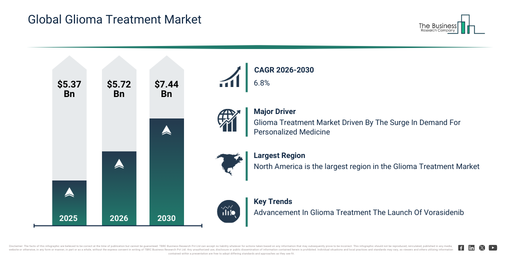
    The glioma treatment market size has shown significant expansion in recent years. It is projected to increase from $5.37 billion in 2025 to $5.72 billion in 2026, driven by a compound annual growth rate (CAGR) of 6.4%. The growth observed in prior periods can be attributed to advances in neurosurgery, the proliferation of radiation oncology, the uptake of chemotherapy, enhanced diagnostic imaging, and the expansion of cancer care facilities.

    The glioma treatment market is anticipated to experience robust expansion in the coming years, with its size projected to reach $7.44 billion by 2030, growing at a compound annual growth rate (CAGR) of 6.8%. This projected increase in the forecast period stems from the integration of precision oncology, the development of novel targeted drugs, an enhanced focus on improving survival outcomes, the expansion of specialty oncology clinics, and the implementation of personalized treatment protocols. Significant trends expected during this period encompass a rise in the use of combination therapy approaches, an increased emphasis on early surgical intervention, the expansion of targeted drug therapies, the growing importance of radiation therapy optimization, and improved long-term disease management strategies.

    Get A Free Sample Report With In-Depth Market Insights:

    https://thebusinessresearchcompany.com/sample_request?id=16708357&type=smp&name=Glioma%20Treatment%20Market%20Report%202026&utm_source=Blogs&utm_medium=Paid&utm_campaign=Nov_PR

    Glioma Treatment Market Industry Drivers: What’s Behind The Revenue Growth?

    The increasing demand for personalized medicine is anticipated to propel the growth of the glioma treatment market going forward. Personalized medicine refers to a tailored healthcare approach that considers individual patient characteristics, including genetics, environment, and lifestyle, to improve treatment effectiveness and outcomes. This rising demand for personalized medicine is driven by various factors, such as advancements in genomics, patient empowerment, and enhanced treatment efficacy. The identification of biomarkers associated with gliomas helps forecast treatment responses and outcomes, enabling the creation of personalized treatment plans customized to each patient’s specific attributes. For instance, in February 2024, according to the Personalized Medicine Coalition, a US-based non-profit organization, the FDA approved 16 novel personalized therapies for patients with rare diseases in 2023, compared to six in 2022. Consequently, the growing demand for personalized medicine drives the growth of the glioma treatment market.

    Glioma Treatment Market Segmentation: How Does The Market Break Down By Category?

    The glioma treatment market covered in this report is segmented –

    1) By Type: Low-Grade, High-Grade

    2) By Disease: Glioblastoma Multiforme, Anaplastic Astrocytoma, Anaplastic Oligodendroglioma, Other Diseases

    3) By Route Of Administration: Oral, Parenteral, Other Routes

    4) By Treatment: Surgery, Radiation Therapy, Chemotherapy, Targeted Drug Therapy, Other Treatments

    5) By End-User: Hospitals, Specialty Clinics, Other End Users

    Subsegments:

    1) By Low-Grade: Astrocytoma, Oligodendroglioma, Mixed Glioma

    2) By High-Grade: Glioblastoma Multiforme, Anaplastic Astrocytoma, Anaplastic Oligodendroglioma

    Glioma Treatment Market Growth Trends Reshaping The Competitive Landscape

    Leading companies in the glioma treatment market are increasingly incorporating innovative products like immunotherapies to enhance patient outcomes and improve tumor targeting efficiency. Immunotherapies work by stimulating or leveraging the body’s immune system to recognize and attack malignant cells. For example, in June 2024, Servier Pharmaceuticals, a France-based pharmaceutical company, obtained FDA approval for VORANIGO (vorasidenib) tablets, an important landmark as the first targeted therapy for Grade 2 IDH-mutant glioma. Vorasidenib is a dual inhibitor designed to target isocitrate dehydrogenase (IDH) 1 and 2 mutations, frequently observed in gliomas. These mutations cause the production of 2-hydroxyglutarate (2-HG), a metabolite that encourages tumor growth and survival. By inhibiting these enzymes, vorasidenib decreases 2-HG levels, thereby potentially impeding tumor progression.

    Glioma Treatment Market Competitive Overview And Top Companies

    Major companies operating in the glioma treatment market are Merck & Co Inc., Amgen Inc., F Hoffmann-La Roche AG, Pfizer Inc., Teva Pharmaceutical Industries Ltd., Sun Pharmaceutical Industries Ltd., Arbor Pharmaceuticals LLC, Amneal Pharmaceuticals Inc., Karyopharm Therapeutics Inc., Bristol-Myers Squibb Co., Rigel Pharmaceuticals Inc., Sumitomo Dainippon Pharma Oncology Inc., Emcure Pharmaceuticals Ltd., Novartis AG, AstraZeneca plc, Eli Lilly and Company, Sanofi S.A., Johnson & Johnson, AbbVie Inc., Takeda Pharmaceutical Company Limited, GlaxoSmithKline plc, Bayer AG, Gilead Sciences Inc., Ipsen Pharma, Eisai Co. Ltd., Genentech Inc., Iovance Biotherapeutics Inc., Agios Pharmaceuticals Inc.

    View The Full Glioma Treatment Market Report:

    https://thebusinessresearchcompany.com/report/glioma-treatment-global-market-report?utm_source=Blogs&utm_medium=Paid&utm_campaign=Nov_PR

    Glioma Treatment Market Top Region By Revenue And Market Share

    North America was the largest region in the glioma treatment market in 2025.Asia-Pacific is expected to be the fastest-growing region in the global glioma treatment market report during the forecast period. The regions covered in the glioma treatment market report are Asia-Pacific, South East Asia, Western Europe, Eastern Europe, North America, South America, Middle East, Africa.

    Reach Out To Our Team:

    The Business Research Company: https://www.thebusinessresearchcompany.com/

    Americas: +1 310-496-7795

    Asia: +44 7882 955267 & +91 8897263534

    Europe: +44 7882 955267

    Email us at: marketing@tbrc.info

    Follow us on:

    LinkedIn: https://in.linkedin.com/company/the-business-research-company

    YouTube: https://www.youtube.com/channel/UC24_fI0rV8cR5DxlCpgmyFQ

    Global Market Model: https://www.thebusinessresearchcompany.com/global-market-model
  • Glioblastoma Multiforme (GBM) Treatment Market Outlook From 2026 To 2030: Key Growth Factors And Future Opportunities

    Glioblastoma Multiforme (GBM) Treatment Market Outlook From 2026 To 2030: Key Growth Factors And Future Opportunities

    Featuring market attractiveness scoring, total addressable market sizing, company benchmarking matrices, interactive Excel dashboards, deeper supply chain intelligence, emerging startup tracking, and granular product-level insights, The Business Research Company’s 2026 market reports are built to deliver research that is both more actionable and more strategically valuable.

    Glioblastoma Multiforme (GBM) Treatment Market Growth From $3.02 Billion In 2026 To $4.46 Billion By 2030 At A CAGR Of 10.2%

    The glioblastoma multiforme (gbm) treatment market size has seen rapid expansion in recent years. It is projected to increase from $2.73 billion in 2025 to $3.02 billion in 2026, exhibiting a compound annual growth rate (CAGR) of 10.7%. Historically, this growth can be attributed to several factors, including restricted survival outcomes, continued reliance on surgery and radiation, the standardization of chemotherapy, the expansion of neuro-oncology centers, and a rise in brain tumor diagnoses.

    The glioblastoma multiforme (gbm) treatment market is projected to experience substantial expansion over the upcoming years. This market is predicted to reach $4.46 billion by 2030, exhibiting a compound annual growth rate (CAGR) of 10.2%. The anticipated market growth can be linked to factors such as advancements in targeted therapies, the broadening of immunotherapy pipelines, the embrace of precision medicine, heightened clinical trial activity, and an increase in research funding. Key developments expected during this period involve the increasing uptake of multimodal treatment regimens, enhanced application of tumor treating field therapy, a stronger emphasis on individualized gbm therapies, the widening of immunotherapy strategies, and refined post-surgical treatment protocols.

    Get A Free Sample Report With In-Depth Market Insights:

    https://thebusinessresearchcompany.com/sample_request?id=89592175&type=smp&name=Glioblastoma%20Multiforme%20%28GBM%29%20Treatment%20Market%20Report%202026&utm_source=Blogs&utm_medium=Paid&utm_campaign=Nov_PR

    Glioblastoma Multiforme (GBM) Treatment Market Growth Factors: What’s Supporting Expansion?

    The increasing occurrence of brain disorders is projected to boost the growth of the glioblastoma multiforme (GBM) treatment market moving forward. Brain disorders involve the abnormal functioning of the brain as well as the nerves located throughout the human body and the spinal cord. The rising prevalence of brain disorders such as glioblastoma multiforme (GBM) can be attributed to various contributing factors like the aging population, compromised immune systems, overdiagnosis, ionizing radiation, air pollution, and other elements, which consequently generates a demand for brain disorder treatment to enhance well-being. For instance, in February 2025, according to Dementia Australia, an Australia-based non-profit organization, approximately 433,300 Australians are living with dementia, a number expected to climb to 812,500 by 2054. Additionally, younger-onset dementia impacts around 29,000 people in 2025, with projections indicating an increase to 41,000 by 2054. Therefore, the growing prevalence of brain disorders is a primary driver for the expansion of the glioblastoma multiforme (GBM) treatment market.

    Glioblastoma Multiforme (GBM) Treatment Market Segment Trends And Revenue Contributors

    The glioblastoma multiforme (gbm) treatment market covered in this report is segmented –

    1) By Treatment: Surgery, Radiation Therapy, Chemotherapy, R Immunotherapy

    2) By Drug Class: Temozolomide, Bevacizumab, Lomustine, Carmustine Wafers, Other Drug Classes

    3) By Route Of Administration: Oral, Parenteral, Other Route Of Administrations

    4) By End-Use: Hospitals, Clinics, Ambulatory Surgical Centers

    Subsegments:

    1) By Surgery: Tumor Resection, Biopsy Procedures

    2) By Radiation Therapy: External Beam Radiation Therapy (EBRT), Stereotactic Radiation Therapy

    3) By Chemotherapy: Standard Chemotherapy, Combination Chemotherapy Regimens

    4) By Immunotherapy: Checkpoint Inhibitors, Vaccine-Based Therapies

    Glioblastoma Multiforme (GBM) Treatment Market Trends Shaping Long-Term Demand

    Major companies operating in the market are prioritizing the development of innovative wearable and portable devices to sustain their position. These advancements aim to offer users enhanced functionality, convenience, and comfort, addressing the growing demand for accessible and efficient healthcare solutions. For instance, in 2023, Novocure, a Jersey-based oncology company, launched Optune Gio, an FDA-approved wearable and portable treatment system for patients newly diagnosed with glioblastoma (GBM). This device utilizes Tumor Treating Fields (TTFields), which are alternating electric fields that disrupt cancer cell division, potentially extending patient survival. Weighing only 2.7 pounds, Optune Gio is designed for comfort, allowing patients to wear it during daily activities.

    Glioblastoma Multiforme (GBM) Treatment Market Competitive Landscape: Which Companies Lead The Industry?

    Major companies operating in the glioblastoma multiforme (gbm) treatment market are Pfizer Inc., F. Hoffmann-La Roche AG, Merck & Co. Inc., AbbVie Inc., Novartis AG, AstraZeneca PLC, Amgen Inc., Teva Pharmaceutical Industries Ltd., Sun Pharmaceutical Industries Limited, Jazz Pharmaceuticals Inc., Sumitomo Dainippon Pharma Oncology Inc., Varian Medical Systems Inc., Amneal Pharmaceuticals Inc., Elekta AB, Loxo Oncology Inc., Karyopharm Therapeutics Inc., EnGeneIC Ltd., Genenta Science S.r.l., Cantex Pharmaceuticals Inc., Vascular Biogenics Ltd., Seelos Therapeutics Inc, Angiochem Inc., Diffusion Pharmaceuticals Inc

    View The Full Glioblastoma Multiforme (GBM) Treatment Market Report:

    https://thebusinessresearchcompany.com/report/glioblastoma-multiforme-GBM-treatment-global-market-report?utm_source=Blogs&utm_medium=Paid&utm_campaign=Nov_PR

    Glioblastoma Multiforme (GBM) Treatment Market Regional Analysis And Top Geography

    North America was the largest region in the glioblastoma multiforme (GBM) treatment market share in 2025. Asia-Pacific is expected to be the fastest-growing region in the forecast period. The regions covered in the glioblastoma multiforme (gbm) treatment market report are Asia-Pacific, South East Asia, Western Europe, Eastern Europe, North America, South America, Middle East, Africa.

    Reach Out To Our Team:

    The Business Research Company: https://www.thebusinessresearchcompany.com/

    Americas: +1 310-496-7795

    Asia: +44 7882 955267 & +91 8897263534

    Europe: +44 7882 955267

    Email us at: marketing@tbrc.info

    Follow us on:

    LinkedIn: https://in.linkedin.com/company/the-business-research-company

    YouTube: https://www.youtube.com/channel/UC24_fI0rV8cR5DxlCpgmyFQ

    Global Market Model: https://www.thebusinessresearchcompany.com/global-market-model

  • Glioblastoma Multiforme Market Growth Forecast: Market Size, Key Trends And Emerging Opportunities Through 2030

    Glioblastoma Multiforme Market Growth Forecast: Market Size, Key Trends And Emerging Opportunities Through 2030

    Built to provide research that’s more actionable and strategically valuable, The Business Research Company’s 2026 market reports include market attractiveness analysis, total addressable market sizing, company benchmarking matrices, interactive Excel dashboards, broader supply chain intelligence, emerging startup tracking, and in-depth product insights.

    Glioblastoma Multiforme Market Expansion Outlook: What Revenue Opportunities Are Ahead?

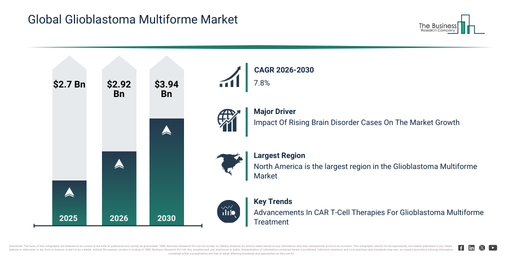
    The glioblastoma multiforme market has experienced significant expansion in recent years. It is anticipated to grow from $2.7 billion in 2025 to $2.92 billion in 2026, exhibiting an 8.1% compound annual growth rate (CAGR). The historical growth of this market can be attributed to several factors including limited treatment options, advancements in neuro-oncology, standardization of chemotherapy, the expansion of cancer research centers, and improvements in imaging technologies.

    The glioblastoma multiforme market is projected to experience substantial growth in the coming years. It is anticipated to expand to $3.94 billion by 2030, demonstrating a compound annual growth rate (CAGR) of 7.8%. This expansion during the forecast period is primarily driven by the development of novel targeted drugs, the broadening of immunotherapy research, the adoption of personalized cancer treatment, increased funding for brain cancer research, and an enhanced focus on improving survival outcomes. Significant trends for the forecast period include a heightened emphasis on targeted cancer therapies, the increasing application of multimodal treatment approaches, the advancement of precision oncology research, the wider integration of advanced imaging diagnostics, and improved participation in clinical trials.

    Get A Free Sample Report With In-Depth Market Insights:

    https://thebusinessresearchcompany.com/sample_request?id=68835117&type=smp&name=Glioblastoma%20Multiforme%20Market%20Report%202026&utm_source=Blogs&utm_medium=Paid&utm_campaign=Nov_PR

    Glioblastoma Multiforme Market Demand Drivers: What’s Powering Industry Growth?

    The glioblastoma multiforme market is projected to be propelled forward by the increasing incidence of brain disorder cases. A brain disorder is defined as a condition that affects the brain’s structure or function, resulting in cognitive, emotional, or physical deficits. The growing number of brain disorder cases stems from factors such as an aging demographic, longer life expectancies, various lifestyle factors, and improved diagnostic capabilities. A deeper comprehension of brain disorders is crucial for progressing research into glioblastoma multiforme (GBM), paving the way for better early detection, novel treatments, and enhanced patient outcomes. By investigating neurological conditions, researchers can identify genetic and molecular connections relevant to GBM’s development. For instance, in February 2025, according to Dementia Australia, an Australia-based non-profit organization, approximately 433,300 Australians are living with dementia, with this number expected to rise to 812,500 by 2054. Additionally, younger-onset dementia affects around 29,000 people in 2025, with projections indicating an increase to 41,000 by 2054. Therefore, the escalating prevalence of brain disorders will stimulate the growth of the glioblastoma multiforme market.

    Glioblastoma Multiforme Market Segment Analysis Spotlighting Growth Areas

    The glioblastoma multiforme market covered in this report is segmented –

    1) By Drug Class: Chemotherapy Agents, Temozolomide, Carmustine, Lomustine, Other Drug Classes

    2) By Diagnostic Tools: Magnetic Resonance Imaging (MRI), Computed Tomography Scan (CT Scan), Biopsy, Other Diagnostic Tools

    3) By Treatment Type: Surgery, Radiation Therapy, Chemotherapy, Immunotherapy, Tumor Treating Field Therapy, Other Treatment Types

    4) By End-User: Hospitals, Cancer Research Institutes, Ambulatory Surgical Centers, Other End-Users

    Subsegments:

    1) By Chemotherapy Agents: Alkylating Agents, Platinum-Based Agents, Antimetabolites

    2) By Temozolomide: Branded (Temodar), Generic Temozolomide

    3) By Carmustine: Injectable Carmustine, Carmustine Wafers (Gliadel)

    4) By Lomustine: Branded (Gleostine), Generic Lomustine

    5) By Other Drug Classes: Targeted Therapy, Immunotherapy, Tumor-Treating Fields (TTF) Therapy

    Glioblastoma Multiforme Market Innovation Trends Shaping Future Development

    Prominent companies operating in the glioblastoma multiforme market are focusing on the development of advanced therapies, such as CAR T-cell therapies, to address the pressing unmet medical needs of this aggressive cancer. CAR T-cell therapies represent a form of immunotherapy that involves modifying a patient’s T-cells to more effectively target and eliminate cancer cells. As an illustration, in June 2023, Chimeric Therapeutics Limited, an Australia-based biotech firm, launched a Phase IB clinical trial for its CHM 1101 (CLXT CAR T) therapy, aimed at recurrent or progressive glioblastoma multiforme (GBM). This multi-center trial seeks to evaluate the therapy’s safety and efficacy while also establishing the recommended Phase 2 dose. Initial Phase 1a results indicated disease stability, and the current trial will expand on these findings to support further development. The company plans to use the collected data to design a registration trial and to obtain regulatory feedback.

    Glioblastoma Multiforme Market Leading Companies: Who Holds The Strongest Market Presence?

    Major companies operating in the glioblastoma multiforme market are Pfizer Inc., F. Hoffmann-La Roche Ltd., AbbVie Inc., Bristol Myers Squibb Company, AstraZeneca PLC, Novartis International AG, Eli Lilly and Company, Amgen Inc., Merck KGaA, Teva Pharmaceutical Industries Ltd., Sun Pharmaceutical Industries Ltd., Zydus Pharmaceuticals (USA) Inc., Accord Healthcare Inc., Sumitomo Dainippon Pharma Oncology Inc., Karyopharm Therapeutics Inc., ITM Isotope Technologies Munich SE, Azurity Pharmaceuticals Inc., Genenta Science S.p.A., Chimeric Therapeutics Limited, VBI Vaccines Inc.

    View The Full Glioblastoma Multiforme Market Report:

    https://thebusinessresearchcompany.com/report/glioblastoma-multiforme-global-market-report?utm_source=Blogs&utm_medium=Paid&utm_campaign=Nov_PR

    Glioblastoma Multiforme Market Geographic Analysis: Where Is Demand Rising Fastest?

    North America was the largest region in the glioblastoma multiforme market in 2025. Asia-Pacific is expected to be the fastest-growing region in the forecast period. The regions covered in the glioblastoma multiforme market report are Asia-Pacific, South East Asia, Western Europe, Eastern Europe, North America, South America, Middle East, Africa.

    Reach Out To Our Team:

    The Business Research Company: https://www.thebusinessresearchcompany.com/

    Americas: +1 310-496-7795

    Asia: +44 7882 955267 & +91 8897263534

    Europe: +44 7882 955267

    Email us at: marketing@tbrc.info

    Follow us on:

    LinkedIn: https://in.linkedin.com/company/the-business-research-company

    YouTube: https://www.youtube.com/channel/UC24_fI0rV8cR5DxlCpgmyFQ

    Global Market Model: https://www.thebusinessresearchcompany.com/global-market-model
  • Glaucoma Market CAGR Forecast Through 2030: Key Trends Shaping Industry Expansion

    Glaucoma Market CAGR Forecast Through 2030: Key Trends Shaping Industry Expansion

    Backed by market attractiveness analysis, total addressable market sizing, company benchmarking matrices, interactive Excel dashboards, wider supply chain intelligence, emerging startup coverage, and detailed product-level insights, The Business Research Company’s 2026 market reports are designed to offer research that is more actionable and strategically valuable than ever.

    Glaucoma Market Growth Potential: How Will Market Size Shift Through 2030?

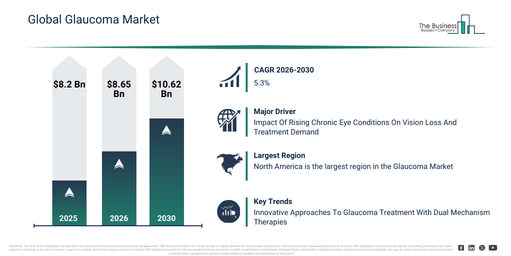
    The glaucoma market size has shown significant expansion in recent years. It is anticipated to increase from $8.2 billion in 2025 to $8.65 billion in 2026, achieving a compound annual growth rate (CAGR) of 5.5%. The historical growth of this market can be attributed to an aging population, a rise in eye disease prevalence, advancements in ophthalmic diagnostics, the early adoption of drug therapy, and the proliferation of eye clinics.

    The glaucoma market size is expected to witness substantial growth in the upcoming years. It is forecast to expand to $10.62 billion by 2030, achieving a compound annual growth rate (CAGR) of 5.3%. This projected expansion can be attributed to advancements in imaging technology, the development of surgical innovations, digital solutions for eye health monitoring, initiatives for early detection, and increasing investments in ophthalmology. Prominent trends throughout this period include the growing adoption of early diagnostic screening, increased utilization of combination drug therapies, the expansion of minimally invasive glaucoma surgery, broader availability of home-based eye monitoring, and enhanced patient awareness programs.

    Get A Free Sample Report With In-Depth Market Insights:

    https://thebusinessresearchcompany.com/sample_request?id=32465716&type=smp&name=Glaucoma%20Market%20Report%202026&utm_source=Blogs&utm_medium=Paid&utm_campaign=Nov_PR

    Glaucoma Market Growth Drivers: What’s Behind The Acceleration?

    The escalating occurrence of chronic eye conditions is anticipated to significantly advance the growth of the glaucoma market. These long-term disorders affect the eyes, frequently causing persistent vision impairment or discomfort and requiring continuous management or treatment. The increase in chronic eye conditions is largely attributed to aging populations, extended screen time, various lifestyle factors, and a higher prevalence of diseases such as diabetes and hypertension. Glaucoma treatment is crucial for these chronic eye conditions to effectively lower intraocular pressure, prevent further optic nerve damage, and preserve vision, as untreated glaucoma carries the risk of irreversible blindness. For instance, in December 2024, the National Health Service (NHS), a publicly funded healthcare system in the UK, reported that over 2 million people in the UK were living with sight loss in 2024. Furthermore, this number is projected to increase by 27%, reaching approximately 2.8 million by 2035. Thus, the increasing prevalence of chronic eye conditions is a primary driver for the glaucoma market.

    Glaucoma Market Segment Performance And Emerging Opportunities

    The glaucoma market covered in this report is segmented –

    1) By Disease Type: Open Angle Glaucoma, Angle Closure Glaucoma, Other Disease Types

    2) By Diagnosis: Tonometry, Ophthalmoscopy, Perimetry, Gonioscopy

    3) By Drug Class: Beta Blockers, Prostaglandins, Alpha Adrenergic Agonist, Carbonic Anhydrase Inhibitors, Combination Drugs, Other Drug Classes

    4) By Administration: Oral, Injections, Intravitreal, Other Administrations

    5) By End-User: Hospitals, Ophthalmic Clinics, Ambulatory Surgical Centers

    Subsegments:

    1) By Open Angle Glaucoma: Primary Open Angle Glaucoma (POAG), Secondary Open Angle Glaucoma

    2) By Angle Closure Glaucoma: Primary Angle Closure Glaucoma, Secondary Angle Closure Glaucoma

    3) By Other Disease Types: Normal-Tension Glaucoma, Pigmentary Glaucoma, Pseudoexfoliative Glaucoma, Congenital Glaucoma

    Glaucoma Market Trends Redefining Industry Growth

    Leading companies within the glaucoma market are concentrating on developing innovative treatments, such as Rho-kinase (ROCK) inhibitors. These therapies offer a dual mechanism of action, which effectively lowers intraocular pressure by both enhancing the outflow of aqueous humor and relaxing trabecular meshwork cells, thereby proving effective in glaucoma management. Rho-kinase (ROCK) inhibitors represent a drug class designed to target and inhibit the activity of Rho-kinase enzymes, which play a role in regulating cell contraction and are used to treat glaucoma by reducing intraocular pressure. For example, in July 2023, Santen Pharmaceutical Co. Ltd., an eye care products company based in Japan, introduced Roclanda into the UK market. Roclanda is a fixed-dose combination (FDC) of latanoprost and netarsudil, a novel Rho-kinase (ROCK) inhibitor, and it is effective at lowering intraocular pressure (IOP) by addressing trabecular meshwork dysfunction. It is prescribed for adult patients diagnosed with primary open-angle glaucoma or ocular hypertension who have not achieved sufficient IOP reduction with a single therapy involving a prostaglandin or netarsudil. Roclanda’s launch in Europe signifies the first new category of glaucoma medication in 25 years, representing a significant advancement in treatment. Through its combination of netarsudil and latanoprost, Roclanda acts synergistically to boost outflow via both trabecular (conventional) and uveoscleral (unconventional) pathways, offering a comprehensive strategy for managing elevated IOP.

    Glaucoma Market Key Players: Which Companies Lead Industry Competition?

    Major companies operating in the glaucoma market are Roche Holding AG, Merck & Co. Inc., AbbVie Inc., Novartis AG, Teva Pharmaceuticals Industries Ltd., Otsuka Pharmaceutical Co. Ltd., Sun Pharmaceutical Industries Ltd., Cipla Limited, Bausch & Lomb Corp., Carl Zeiss Meditec, Santen Pharmaceuticals Co. Ltd., Topcon Corporation, Thea Laboratoires, Corza Ophthalmology, Lumenis Ltd., Alcon Inc., Glaukos Corporation, Iridex Corporation, Nova Eye Medical Ltd., Nidek Co. Ltd., Haag-Streit AG

    View The Full Glaucoma Market Report:

    https://thebusinessresearchcompany.com/report/glaucoma-global-market-report?utm_source=Blogs&utm_medium=Paid&utm_campaign=Nov_PR

    Glaucoma Market Global Footprint: Which Region Leads The Market?

    North America was the largest region in the glaucoma market in 2025. Asia-Pacific is expected to be the fastest-growing region in the forecast period. The regions covered in the glaucoma market report are Asia-Pacific, South East Asia, Western Europe, Eastern Europe, North America, South America, Middle East, Africa.

    Reach Out To Our Team:

    The Business Research Company: https://www.thebusinessresearchcompany.com/

    Americas: +1 310-496-7795

    Asia: +44 7882 955267 & +91 8897263534

    Europe: +44 7882 955267

    Email us at: marketing@tbrc.info

    Follow us on:

    LinkedIn: https://in.linkedin.com/company/the-business-research-company

    YouTube: https://www.youtube.com/channel/UC24_fI0rV8cR5DxlCpgmyFQ

    Global Market Model: https://www.thebusinessresearchcompany.com/global-market-model
  • Gingivitis Market To Witness 4.5% CAGR Growth Through 2030: Key Industry Drivers

    Gingivitis Market To Witness 4.5% CAGR Growth Through 2030: Key Industry Drivers

    Featuring market attractiveness scoring, total addressable market sizing, company benchmarking matrices, interactive Excel dashboards, deeper supply chain intelligence, emerging startup tracking, and granular product-level insights, The Business Research Company’s 2026 market reports are built to deliver research that is both more actionable and more strategically valuable.

    Gingivitis Market Value Analysis: What Growth Lies Ahead Over The Forecast Period?

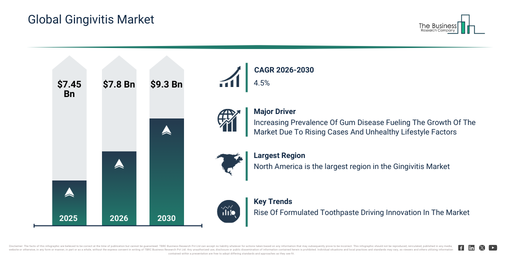
    The gingivitis market has seen consistent growth over recent years. It is anticipated to expand from $7.45 billion in 2025 to $7.8 billion in 2026, advancing at a compound annual growth rate (CAGR) of 4.7%. This historic growth can be linked to factors such as prevalent poor oral hygiene practices, an increase in dental consultations, the early adoption of antiseptic treatments, public health dental programs, and rising sugar consumption.

    The gingivitis market size is projected to experience consistent expansion in the coming years. This market is anticipated to reach $9.3 billion by 2030, driven by a compound annual growth rate (CAGR) of 4.5%. Several factors contribute to this growth during the forecast period, including the increased adoption of preventive dentistry, the broadening availability of oral care products, the rise of digital dental consultations, the implementation of school-based oral health initiatives, and an increase in healthcare literacy. Key trends expected over the forecast period encompass a heightened emphasis on preventive oral care, an uptick in the utilization of non-surgical treatments, the expansion of antibacterial oral care products, a wider array of home-based oral hygiene solutions, and enhanced public understanding of gum health.

    Get A Free Sample Report With In-Depth Market Insights:

    https://thebusinessresearchcompany.com/sample_request?id=76829617&type=smp&name=Gingivitis%20Market%20Report%202026&utm_source=Blogs&utm_medium=Paid&utm_campaign=Nov_PR

    Gingivitis Market Growth Factors Behind Sustained Expansion

    The rising occurrence of gum disease is anticipated to drive future expansion within the gingivitis market. This common oral ailment entails inflammation, infection, or damage to the gums and adjacent tissues, mainly stemming from plaque buildup and insufficient oral hygiene. The growing incidence of gum disease largely results from inadequate oral hygiene, which fosters plaque accumulation and bacterial infections. Diets rich in sugar and processed items contribute to gum inflammation, and smoking diminishes immune system effectiveness, rendering gums more prone to infection. Gingivitis, being the initial phase of gum disease, plays a crucial role in its rising prevalence by acting as a precursor to more severe ailments like periodontitis if not addressed, underscoring the importance of prompt treatment and preventative measures. For example, in January 2024, a report from the UK government’s Office for Health Improvement & Disparities (OHID) indicated that the proportion of adults diagnosed with gum disease rose from 4% in the 16–24 age bracket to 28% for those aged 55–64, demonstrating a greater occurrence as age increases. Consequently, the expanding occurrence of gum disease is fueling the expansion of the gingivitis market.

    Gingivitis Market Segment Landscape And Growth Outlook

    The gingivitis market covered in this report is segmented –

    1) By Treatment Type: Medication, Surgical Procedures, Non-Surgical Treatments

    2) By Route Of Administration: Oral, Topical

    3) By Distribution Channel: Retail Pharmacies, Hospital Pharmacies, Online Pharmacies

    4) By End-User: Hospitals, Dental Clinics, Homecare Settings

    Subsegments:

    1) By Medication: Antibiotics, Antiseptic Mouthwashes, Anti-Inflammatory Drugs, Pain Relievers

    2) By Surgical Procedures: Flap Surgery, Gingivectomy, Gingivoplasty, Laser Therapy

    3) By Non-Surgical Treatments: Scaling and Root Planing, Professional Dental Cleaning, Local Drug Delivery, Lifestyle and Dietary Modifications

    Gingivitis Market Strategic Trends: What Defines The Next Growth Phase?

    Leading companies in the gingivitis market are developing advanced products, such as specialized toothpaste, to effectively address gum inflammation, reduce plaque accumulation, and enhance overall oral health. Specialized toothpaste is specifically designed with particular active ingredients to target oral health concerns like cavities, gingivitis, or sensitivity. For example, in February 2023, Frimline Private Limited, an India-based healthcare and personal care company, unveiled Dente91 She toothpaste. This innovative toothpaste contains lactoferrin, a strong antimicrobial protein that offers protection against oral infections and inflammation. Distinct from traditional toothpastes, Dente91 She is uniquely fortified with folic acid (vitamin B9) and pyridoxine (vitamin B6) to support women’s oral health throughout various hormonal changes, from puberty to menopause.

    Gingivitis Market Competitive Landscape: Who Leads The Industry?

    Major companies operating in the gingivitis market are Procter & Gamble, Colgate-Palmolive Company, Haleon group, Bausch Health Companies Inc., Kivonyx Healthcare Pvt Ltd., ICPA Health Products Limited, Alarsin Pharmaceuticals, Laboratorios KIN, Ikon remedies pvt ltd., Perio Protect LLC, Algen Healthcare Ltd, Neuracle Lifesciences Private Limited, Dental Herb Company, Shreeji Pharma International, Pfizer Inc., Johnson & Johnson, 3M Company, Dentsply Sirona Inc., Sunstar Group, GC Corporation, Ivoclar Vivadent AG, Straumann Group, Ultradent Products Inc, Nobel Biocare Holdings AG

    View The Full Gingivitis Market Report:

    https://thebusinessresearchcompany.com/report/gingivitis-global-market-report?utm_source=Blogs&utm_medium=Paid&utm_campaign=Nov_PR

    Gingivitis Market Regional Split: Which Areas Are Fueling Growth?

    North America was the largest region in the gingivitis market in 2025. The regions covered in the gingivitis market report are Asia-Pacific, South East Asia, Western Europe, Eastern Europe, North America, South America, Middle East, Africa.

    Reach Out To Our Team:

    The Business Research Company: https://www.thebusinessresearchcompany.com/

    Americas: +1 310-496-7795

    Asia: +44 7882 955267 & +91 8897263534

    Europe: +44 7882 955267

    Email us at: marketing@tbrc.info

    Follow us on:

    LinkedIn: https://in.linkedin.com/company/the-business-research-company

    YouTube: https://www.youtube.com/channel/UC24_fI0rV8cR5DxlCpgmyFQ

    Global Market Model: https://www.thebusinessresearchcompany.com/global-market-model
  • Gingival Recession Market Projected For Strong Expansion Through 2030: Key Trends And Future Outlook

    Gingival Recession Market Projected For Strong Expansion Through 2030: Key Trends And Future Outlook

    Built to provide research that’s more actionable and strategically valuable, The Business Research Company’s 2026 market reports include market attractiveness analysis, total addressable market sizing, company benchmarking matrices, interactive Excel dashboards, broader supply chain intelligence, emerging startup tracking, and in-depth product insights.

    Gingival Recession Market Size Forecast: How Big Could The Market Get By 2030?

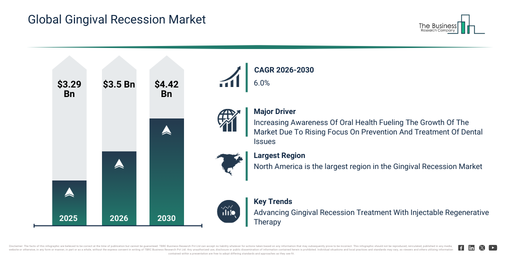
    The gingival recession market size has demonstrated robust growth in recent years. It is forecast to rise from $3.29 billion in 2025 to $3.5 billion in 2026, achieving a compound annual growth rate (CAGR) of 6.3%. This expansion in the historical period can be attributed to the prevalence of periodontal disease, the growth of dental clinics, the early adoption of grafting techniques, the demand for cosmetic dentistry, and increased oral hygiene awareness.

    The market for gingival recession is anticipated to experience substantial expansion in the coming years. This market is projected to reach $4.42 billion by 2030, exhibiting a compound annual growth rate (CAGR) of 6.0%. Factors contributing to this growth during the forecast period include advances in regenerative dentistry, growth of laser-based procedures, increasing dental tourism, patient preference for minimally invasive care, and rising dental expenditure. Key trends expected over the forecast timeframe involve rising demand for minimally invasive procedures, increased use of regenerative dental materials, growing adoption of pinhole surgical technique, improved aesthetic dental outcomes, and expansion of preventive dental care.

    Get A Free Sample Report With In-Depth Market Insights:

    https://thebusinessresearchcompany.com/sample_request?id=99784921&type=smp&name=Gingival%20Recession%20Market%20Report%202026&utm_source=Blogs&utm_medium=Paid&utm_campaign=Nov_PR

    Gingival Recession Market Demand Drivers Opening New Revenue Streams

    The expanding recognition of oral health is anticipated to fuel the expansion of the gingival recession market in the coming years. Oral health encompasses the state of the teeth, gums, and mouth, ensuring their freedom from disease, discomfort, or infection for optimal function and overall well-being. This heightened awareness stems from improved access to information via digital platforms and health campaigns, emphasizing its crucial role in general health. As gingival recession is a prominent and often uncomfortable indicator of inadequate oral health, it prompts individuals to seek knowledge about its origins, prevention, and remedies, thus boosting awareness of appropriate oral hygiene practices. For instance, in January 2024, a report from the Manchester Health and Wellbeing Board, a UK-based partnership organization, revealed that between July 2022 and June 2023, 78,230 children under 18 received treatment from an NHS dentist in Manchester, marking an increase of 13,488 children (20.8%) from the previous year. Consequently, the rising awareness of oral health is propelling the growth of the gingival recession market.

    Gingival Recession Market Breakdown By Product Type And Application

    The gingival recession market covered in this report is segmented –

    1) By Treatment Method: Soft Tissue Grafting, Regenerative Procedures, Pinhole Surgical Technique (PST)

    2) By Product Type: Tissue Regenerative Materials, Bone Grafting Materials

    3) By End-User: Hospitals, Dental Clinics, Research Institutes

    Subsegments:

    1) By Soft Tissue Grafting: Free Gingival Graft, Connective Tissue Graft, Pedicle Graft, Allograft

    2) By Regenerative Procedures: Guided Tissue Regeneration (GTR), Enamel Matrix Derivatives (EMD), Platelet-Rich Fibrin (PRF), Bone Grafting

    3) By Pinhole Surgical Technique (PST): Minimally Invasive Recession Coverage, Collagen Membrane Application, Scalpel-Free Gum Rejuvenation

    Gingival Recession Market Transformation Trends: What Innovations Are Driving Change?

    Leading corporations within the gingival recession market are developing innovative therapies, such as injectable regenerative tissue advancement therapy, to boost soft and hard tissue regeneration, improve treatment results, and meet unaddressed needs in oral healthcare. This type of injectable regenerative tissue therapy represents a minimally invasive approach that stimulates the body’s natural healing and restores both soft and hard tissues by promoting tissue growth. For instance, in February 2025, BioCellgraft, Inc., a US-based biotechnology and regenerative medicine company, introduced OraFyl. OraFyl’s injectable formulation differentiates it from traditional grafting techniques used in oral tissue regeneration. Unlike conventional surgical procedures that demand extensive intervention and prolonged recovery, OraFyl offers a minimally invasive solution for handling gum recession, papilla loss, and alveolar socket management. By utilizing a human connective tissue matrix (HCTM), it supports the body’s inherent healing process, potentially speeding up recovery, reducing patient discomfort, lowering treatment costs, and improving clinical outcomes.

    Gingival Recession Market Company Landscape And Competitive Strategy

    Major companies operating in the gingival recession market are Alfa-Perio Ltd, Zimmer Biomet Dental, Institut Straumann AG, LifeNet Health, BioHorizons, Geistlich Pharma AG, osteocom, Dentevim Dental Clinic, Uniqa Dental LTD, Focus Dental, Premiere Dental Care Center, Dentsply Sirona, ZimVie Inc, Tissue Regenix, Septodont Holding, Medical Consult Implants GmbH, Regedent AG, Regenity Biosciences, Nobel Biocare Services AG, Bioteck S.p.A, Maxigen Biotech Inc

    View The Full Gingival Recession Market Report:

    https://thebusinessresearchcompany.com/report/gingival-recession-global-market-report?utm_source=Blogs&utm_medium=Paid&utm_campaign=Nov_PR

    Gingival Recession Market Top Region: Where Does Most Revenue Come From?

    North America was the largest region in the gingival recession market in 2025. The regions covered in the gingival recession market report are Asia-Pacific, South East Asia, Western Europe, Eastern Europe, North America, South America, Middle East, Africa.

    Reach Out To Our Team:

    The Business Research Company: https://www.thebusinessresearchcompany.com/

    Americas: +1 310-496-7795

    Asia: +44 7882 955267 & +91 8897263534

    Europe: +44 7882 955267

    Email us at: marketing@tbrc.info

    Follow us on:

    LinkedIn: https://in.linkedin.com/company/the-business-research-company

    YouTube: https://www.youtube.com/channel/UC24_fI0rV8cR5DxlCpgmyFQ

    Global Market Model: https://www.thebusinessresearchcompany.com/global-market-model
  • Giant-Cell Arteritis Market Outlook 2026–2030: Growth Trends, Market Dynamics And Emerging Opportunities

    Giant-Cell Arteritis Market Outlook 2026–2030: Growth Trends, Market Dynamics And Emerging Opportunities

    Backed by market attractiveness analysis, total addressable market sizing, company benchmarking matrices, interactive Excel dashboards, wider supply chain intelligence, emerging startup coverage, and detailed product-level insights, The Business Research Company’s 2026 market reports are designed to offer research that is more actionable and strategically valuable than ever.

    Giant-Cell Arteritis Market Revenue Outlook: What CAGR Lies Ahead Through 2030?

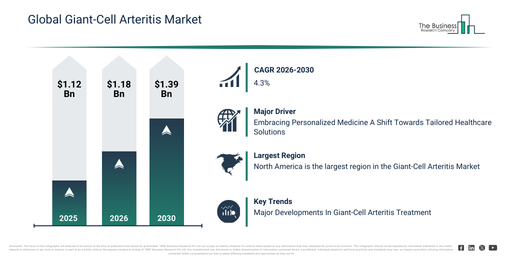
    The giant-cell arteritis market size has shown consistent expansion in recent years. This market is projected to expand from $1.12 billion in 2025 to $1.18 billion in 2026, exhibiting a compound annual growth rate (CAGR) of 4.9%. The historical period’s growth can be attributed to factors such as aging population growth, reliance on corticosteroid therapy, improved rheumatology care, expansion of hospital-based treatment, and increased disease awareness.

    The market size for giant-cell arteritis is anticipated to show consistent growth in the coming years. It is projected to expand to $1.39 billion by 2030, driven by a compound annual growth rate (CAGR) of 4.3%. This expansion during the forecast period can be attributed to factors such as biologic drug approvals, growth in immunology research, improved diagnostic protocols, personalized vasculitis treatment, and the expansion of specialty clinics. Major trends influencing the forecast period include the increased adoption of biologic therapies, a rising focus on early and accurate diagnosis, expanded use of corticosteroid-sparing treatments, improved long-term disease monitoring, and growing awareness of vision loss prevention.

    Get A Free Sample Report With In-Depth Market Insights:

    https://thebusinessresearchcompany.com/sample_request?id=60532318&type=smp&name=Giant-Cell%20Arteritis%20Market%20Report%202026&utm_source=Blogs&utm_medium=Paid&utm_campaign=Nov_PR

    Giant-Cell Arteritis Market Growth Backed By Core Demand Fundamentals

    The giant-cell arteritis market is projected to expand due to an increasing focus on personalized medicine. This approach involves customizing medical care for each patient based on their unique attributes, including genetic makeup, lifestyle choices, and environmental influences. The rise of personalized medicine is driven by breakthroughs in genomics, biotechnology, and data analytics, which facilitate the development of targeted treatments that enhance effectiveness and minimize side effects for individuals. For giant-cell arteritis (GCA), personalized medicine offers the potential for tailored therapies, considering specific patient elements like genetic predispositions, immune profiles, and how the disease manifests. As an illustration, the U.S.-based non-profit Personalized Medicine Coalition (PMC) reported in February 2024 that personalized medicines constituted more than one-third of new drug approvals by the U.S. Food and Drug Administration (FDA) in 2023, marking the fourth consecutive year for this trend. In 2023 alone, the FDA gave its nod to 16 novel personalized treatments for rare diseases, a notable increase from six such approvals in 2022. Furthermore, the 2023 approvals also included seven cancer drugs and three therapies for diverse other conditions. Consequently, the heightened emphasis on personalized medicine is fueling the expansion of the giant-cell arteritis market.

    Giant-Cell Arteritis Market Segment Analysis And Revenue Potential

    The giant-cell arteritis market covered in this report is segmented –

    1) By Therapeutics: Prednisone, Methotrexate, Tocilizumab, Aspirin

    2) By Mechanism Of Action: Corticosteroids, Immunosuppressive Agents, Anticoagulants, Other Mechanisms Of Action

    3) By Route Of Administration: Oral, Intravenous, Subcutaneous, Other Routes Of Administration

    Subsegments:

    1) By Prednisone: Oral Prednisone, Intravenous (IV) Prednisone, Low-Dose Prednisone Therapy, High-Dose Prednisone Therapy

    2) By Methotrexate: Oral Methotrexate, Subcutaneous Methotrexate, Methotrexate Monotherapy, Methotrexate Combination Therapy

    3) By Tocilizumab: Intravenous Tocilizumab, Subcutaneous Tocilizumab, Tocilizumab Monotherapy, Tocilizumab In Combination With Corticosteroids

    4) By Aspirin: Low-Dose Aspirin Therapy, Aspirin For Cardiovascular Risk Management, Aspirin In Combination Therapy, Enteric-Coated Aspirin

    #Giant-Cell Arteritis Market Growth Trends: What’s Shaping The Future Outlook?

    Major companies engaged in the giant-cell arteritis market are actively developing new treatments, such as biosimilars, to broaden available options and address the unmet medical needs of patients. A biosimilar is a biological drug that demonstrates high similarity to an already authorized biological product, possessing no clinically meaningful differences in terms of its safety, purity, or potency. For instance, in April 2024, Fresenius SE & Co. KGaA, a Germany-based healthcare provider, launched Tocilizumab-aazg in the US for managing chronic autoimmune conditions. This biosimilar has gained approval for ailments including rheumatoid arthritis (RA), systemic juvenile idiopathic arthritis (JIA), polyarticular juvenile idiopathic arthritis (PJIA), and giant cell arteritis. Its approval was founded on data from a randomized, double-blind, single-dose, parallel phase 1 trial that compared its pharmacokinetics, safety, and immunogenicity against both US and EU reference tocilizumab across three patient populations.

    Giant-Cell Arteritis Market Key Players Shaping Industry Direction

    Major companies operating in the giant-cell arteritis market are Roche, AbbVie, Novartis, Pfizer, Sanofi, GlaxoSmithKline, Takeda Pharmaceutical Company Limited, Eli Lilly and Company, Amgen, Bristol-Myers Squibb, Johnson & Johnson, UCB S.A., Kiniksa Pharmaceuticals Ltd., Teva Pharmaceutical Industries Ltd., Fresenius SE & Co KGaA, CSL Limited, Dr Reddy’s Laboratories, Tianjin Tianyao Pharmaceutical Co Ltd, Gilead Sciences Inc, Sobi AB

    View The Full Giant-Cell Arteritis Market Report:

    https://thebusinessresearchcompany.com/report/giant-cell-arteritis-global-market-report?utm_source=Blogs&utm_medium=Paid&utm_campaign=Nov_PR

    Giant-Cell Arteritis Market Regional Breakdown: Where Is Demand Concentrated?

    North America was the largest region in the giant-cell arteritis market in 2025. Asia-Pacific is expected to be the fastest-growing region in the forecast period. The regions covered in the giant-cell arteritis market report are Asia-Pacific, South East Asia, Western Europe, Eastern Europe, North America, South America, Middle East, Africa.

    Reach Out To Our Team:

    The Business Research Company: https://www.thebusinessresearchcompany.com/

    Americas: +1 310-496-7795

    Asia: +44 7882 955267 & +91 8897263534

    Europe: +44 7882 955267

    Email us at: marketing@tbrc.info

    Follow us on:

    LinkedIn: https://in.linkedin.com/company/the-business-research-company

    YouTube: https://www.youtube.com/channel/UC24_fI0rV8cR5DxlCpgmyFQ

    Global Market Model: https://www.thebusinessresearchcompany.com/global-market-model