Category: Healthcare Services

  • Hepatitis Diagnostic Tests Market 2026: Market Size, Growth Drivers And Emerging Opportunities

    Hepatitis Diagnostic Tests Market 2026: Market Size, Growth Drivers And Emerging Opportunities

    Backed by market attractiveness analysis, total addressable market sizing, company benchmarking matrices, interactive Excel dashboards, wider supply chain intelligence, emerging startup coverage, and detailed product-level insights, The Business Research Company’s 2026 market reports are designed to offer research that is more actionable and strategically valuable than ever.

    Hepatitis Diagnostic Tests Market Forecast: Value Set To Climb From $5.21 Billion To $6.72 Billion

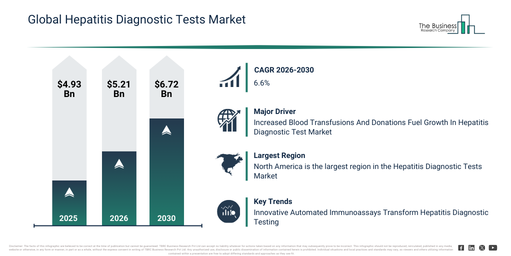
    The hepatitis diagnostic tests market has seen robust growth in its size over recent years. It is projected to increase from $4.93 billion in 2025 to $5.21 billion in 2026, at a compound annual growth rate (CAGR) of 5.7%. Historically, this growth can be attributed to the expansion of hepatitis screening programs, a rise in laboratory testing volumes, greater public awareness of viral hepatitis, improved access to diagnostic infrastructure, and the availability of standardized testing protocols.

    The hepatitis diagnostic tests market size is projected to experience substantial growth in the upcoming years. It is forecast to expand to $6.72 billion by 2030, achieving a compound annual growth rate (CAGR) of 6.6%. The expansion during this period can be ascribed to a rising demand for decentralized diagnostics, increased investments in advanced molecular testing, the broadening of home-based testing solutions, a stronger emphasis on early disease detection, and greater acceptance in low-resource environments. Significant trends expected during the forecast period involve the growing adoption of rapid diagnostic tests, an increasing application of molecular diagnostic technologies, the expanding integration of automated laboratory systems, the proliferation of point-of-care testing solutions, and an enhanced focus on timely and precise diagnoses.

    Get A Free Sample Report With In-Depth Market Insights:

    https://thebusinessresearchcompany.com/sample_request?id=48188766&type=smp&name=Hepatitis%20Diagnostic%20Tests%20Market%20Report%202026&utm_source=Blogs&utm_medium=Paid&utm_campaign=Nov_PR

    Hepatitis Diagnostic Tests Market Growth Momentum: What Factors Are Shaping Demand?

    The increasing volume of blood transfusions and donations is anticipated to boost the growth of the hepatitis diagnostic test market in the future. These interconnected processes involve individuals voluntarily giving blood, which is then collected, screened, and subsequently given to patients needing extra blood components to address medical conditions or replenish blood lost from surgeries, accidents, or illnesses. Hepatitis diagnostic tests play a crucial role in comprehensively screening blood prior to both donation and transfusion, thereby ensuring patient safety. For example, in August 2023, the Royal College of Pathologists, a UK-based organization, reported that blood transfusion is the most common procedure for hospitalized patients, with almost 2 million blood components issued and transfused yearly in England, costing more than £300 ($390.69) million. Consequently, the increasing incidence of blood transfusions and donations fuels the demand in the hepatitis diagnostic test market.

    Hepatitis Diagnostic Tests Market Segmentation And Category Overview

    The hepatitis diagnostic tests market covered in this report is segmented –

    1) By Test Type: Blood Tests, Imaging Tests, Liver Biopsy

    2) By Technology: Enzyme-Linked Immunosorbent Assay (ELISA), Rapid Diagnostic Tests (RDTs), Polymerase Chain Reaction (PCR), Isothermal Nucleic Acid Amplification Test (INAAT), Other Technologies

    3) By End User: Hospitals, Diagnostic Laboratories, Blood Bank, Other End Users

    Subsegments:

    1) By Blood Tests: Serological Tests, Polymerase Chain Reaction (PCR) Tests, Enzyme-Linked Immunosorbent Assays (ELISA)

    2) By Imaging Tests: Ultrasound, Computed Tomography (CT), Magnetic Resonance Imaging (MRI)

    3) By Liver Biopsy: Percutaneous Biopsy, Transjugular Biopsy, Laparoscopic Biopsy

    Hepatitis Diagnostic Tests Market Trends: What’s Defining The Industry’s Next Phase?

    Leading companies within the hepatitis diagnostic test market are dedicated to developing innovative automated immunoassays, such as Elecsys HCV Duo, to deliver dependable customer service. These Elecsys HCV Duo Automated immunoassays are laboratory methods that employ automation systems and specialized instruments to conduct all phases of the immunoassay process, including handling samples, mixing reagents, incubation, detection, and calculating results. For example, in July 2023, Roche Diagnostics India, an India-based biotechnology research firm, launched Elecsys HCV Duo. It represents India’s first commercially available fully automated immunoassay that allows for the simultaneous and independent assessment of hepatitis C virus (HCV) antigen and antibody levels using a single human plasma or serum sample. This also enables single specimen testing and streamlines the diagnostic algorithm, which reduces the number of visits needed for further tests and can ease the burden of testing on the healthcare system.

    Hepatitis Diagnostic Tests Market Competitive Analysis Of Leading Industry Participants

    Major companies operating in the hepatitis diagnostic tests market are Thermo Fisher Scientific Inc., Abbott Laboratories, Danaher Corporation, Siemens Healthineers AG, Roche Diagnostics, Quest Diagnostics Incorporated, Grifols S.A, Hologic Inc., BioMérieux SA, Beckman Coulter Inc., Bio-Rad Laboratories Inc., SD Biosensor Co. Ltd., QIAGEN N.V., DiaSorin S.p.A., Randox Laboratories Ltd., Luminex Corporation, Fujirebio Diagnostics Inc., Trivitron Healthcare Private Limited, Trinity Biotech plc, MP Biomedicals LLC, R-Biopharm AG, Creative Diagnostics, InBios International Inc., Dia.Pro Diagnostic Bioprobes srl, DIALAB GmbH

    View The Full Hepatitis Diagnostic Tests Market Report:

    https://thebusinessresearchcompany.com/report/hepatitis-diagnostic-tests-global-market-report?utm_source=Blogs&utm_medium=Paid&utm_campaign=Nov_PR

    Hepatitis Diagnostic Tests Market Regional Analysis: Which Geography Leads On Revenue?

    North America was the largest region in the hepatitis diagnostic tests market in 2025. Asia-Pacific is expected to be the fastest-growing region in the forecast period. The regions covered in the hepatitis diagnostic tests market report are Asia-Pacific, South East Asia, Western Europe, Eastern Europe, North America, South America, Middle East, Africa.

    Reach Out To Our Team:

    The Business Research Company: https://www.thebusinessresearchcompany.com/

    Americas: +1 310-496-7795

    Asia: +44 7882 955267 & +91 8897263534

    Europe: +44 7882 955267

    Email us at: marketing@tbrc.info

    Follow us on:

    LinkedIn: https://in.linkedin.com/company/the-business-research-company

    YouTube: https://www.youtube.com/channel/UC24_fI0rV8cR5DxlCpgmyFQ

    Global Market Model: https://www.thebusinessresearchcompany.com/global-market-model
  • Hepatitis D Market Set To Expand From $0.93 Billion In 2026: Growth Outlook Through 2030

    Hepatitis D Market Set To Expand From $0.93 Billion In 2026: Growth Outlook Through 2030

    Featuring market attractiveness scoring, total addressable market sizing, company benchmarking matrices, interactive Excel dashboards, deeper supply chain intelligence, emerging startup tracking, and granular product-level insights, The Business Research Company’s 2026 market reports are built to deliver research that is both more actionable and more strategically valuable.

    Hepatitis D Market Revenue Growth On Track For A 4.1% CAGR Through 2030

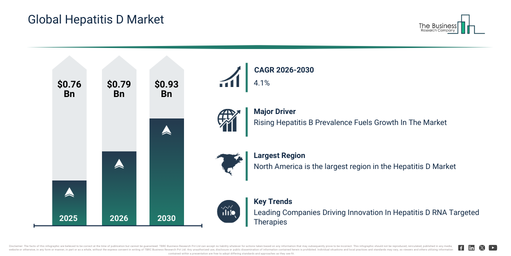
    The hepatitis d market size has experienced consistent growth in recent years. It is projected to expand from $0.76 billion in 2025 to $0.79 billion in 2026, achieving a compound annual growth rate (CAGR) of 4.4%. This historical progression can be ascribed to elements such as enhanced hepatitis B screening coverage, a heightened understanding of HDV severity, the broadening of diagnostic capabilities, an uptick in referrals to specialty centers, and the availability of targeted therapies.

    The hepatitis d market is projected to experience consistent expansion over the upcoming years, reaching a valuation of $0.93 billion by 2030, progressing at a compound annual growth rate (CAGR) of 4.1%. This anticipated growth is driven by factors such as enhanced research efforts for new HDV treatments, a heightened emphasis on combination antiviral therapies, the broadening of prevention strategies tied to vaccination, increased understanding among high-risk demographics, and greater financial contributions to research on rare liver diseases. Key developments expected during this timeframe encompass a stronger emphasis on the early identification of co-infections, an uptick in the adoption of sophisticated serologic testing, an escalating need for bespoke treatment plans, the wider implementation of hospital-managed disease programs, and a sharpened focus on public understanding of the disease.

    Get A Free Sample Report With In-Depth Market Insights:

    https://thebusinessresearchcompany.com/sample_request?id=38882999&type=smp&name=Hepatitis%20D%20Market%20Report%202026&utm_source=Blogs&utm_medium=Paid&utm_campaign=Nov_PR

    Hepatitis D Market Expansion Drivers: What’s Shaping Future Growth?

    A rising incidence of hepatitis B is anticipated to boost the expansion of the hepatitis D market in the future. Hepatitis B is a viral infection impacting the liver, manifesting with symptoms like jaundice, tiredness, and discomfort in the abdomen, and potentially progressing to chronic liver ailments or liver cancer if not addressed. The surge in Hepatitis B cases stems from factors including unprotected sexual activity, needle sharing, transmission from mother to child during birth, and inadequate vaccination rates in specific areas. Hepatitis D depends on the Hepatitis B virus for its reproduction, utilizing Hepatitis B’s surface antigen to infect liver cells; thus, co-infection by both viruses plays a crucial role in advancing liver disease. As an illustration, in April 2025, the Department of Health and Human Services, a US government entity, reported 17,650 newly identified chronic hepatitis B cases and 1,769 hepatitis B-related deaths in 2023. Consequently, the growing prevalence of hepatitis B is fueling the expansion of the hepatitis D market.

    Hepatitis D Market Segment Outlook: Which Categories Are Growing Fastest?

    The hepatitis d market covered in this report is segmented –

    1) By Type: Acute, Chronic

    2) By Diagnosis: Blood Tests, Elastography, Liver Biopsy, Serologic Testing, Other Diagnosis

    3) By Distribution Channel: Hospital pharmacies, Retail pharmacies

    4) By End-Users: Clinic, Hospital, Other End Users

    Subsegments:

    1) By Acute: Self-limiting Acute Hepatitis D, Severe Acute Hepatitis D

    2) By Chronic: Compensated Chronic Hepatitis D, Decompensated Chronic Hepatitis D

    Hepatitis D Market Industry Trends Fueling Future Revenue Growth

    Key companies active in the hepatitis D market are prioritizing the development of innovative solutions, such as RNA-targeted antiviral therapy, to improve treatment outcomes and address outstanding medical needs in chronic hepatitis D infection. RNA-targeted antiviral therapy describes a treatment approach that directly targets a virus’s RNA to inhibit its replication, disrupt viral protein production, or silence viral genes, thereby lowering viral load and managing the infection. For example, in December 2024, Vir Biotechnology Inc., a US-based biotechnology firm, secured both the U.S. Food and Drug Administration (FDA) Breakthrough Therapy designation and the European Medicines Agency (EMA) Priority Medicines (PRIME) designation for its combination therapy involving tobevibart and elebsiran for treating chronic hepatitis delta (CHD).

    Hepatitis D Market Leading Companies And Competitive Benchmarking

    Major companies operating in the hepatitis d market are F. Hoffmann-La Roche Ltd., Merck & Co. Inc., Bristol-Myers Squibb Company, Abbott Laboratories, GSK plc, Gilead Sciences Inc., Viatris Inc., VBI Vaccines Inc., Alnylam Pharmaceuticals Inc., Arrowhead Pharmaceuticals Inc., Dynavax Technologies Corporation, Echosens S.A., Arbutus Biopharma Corporation, PROBIOMED SA de CV, Assembly Biosciences Inc., Replicor Inc., Eiger BioPharmaceuticals Inc., Bluejay Therapeutics Inc., Janssen Pharmaceuticals Inc., Transgene SA, Vir Biotechnology Inc., Biorex Diagnostics Ltd.

    View The Full Hepatitis D Market Report:

    https://thebusinessresearchcompany.com/report/hepatitis-d-global-market-report?utm_source=Blogs&utm_medium=Paid&utm_campaign=Nov_PR

    Hepatitis D Market Geographic Spread And Regional Opportunities

    North America was the largest region in the hepatitis D market in 2025. Asia-Pacific is expected to be the fastest-growing region in the forecast period. The regions covered in the hepatitis d market report are Asia-Pacific, South East Asia, Western Europe, Eastern Europe, North America, South America, Middle East, Africa.

    Reach Out To Our Team:

    The Business Research Company: https://www.thebusinessresearchcompany.com/

    Americas: +1 310-496-7795

    Asia: +44 7882 955267 & +91 8897263534

    Europe: +44 7882 955267

    Email us at: marketing@tbrc.info

    Follow us on:

    LinkedIn: https://in.linkedin.com/company/the-business-research-company

    YouTube: https://www.youtube.com/channel/UC24_fI0rV8cR5DxlCpgmyFQ

    Global Market Model: https://www.thebusinessresearchcompany.com/global-market-model
  • Hepatitis C Testing Market Size And Growth In 2026: Key Factors Shaping Future Demand

    Hepatitis C Testing Market Size And Growth In 2026: Key Factors Shaping Future Demand

    Built to provide research that’s more actionable and strategically valuable, The Business Research Company’s 2026 market reports include market attractiveness analysis, total addressable market sizing, company benchmarking matrices, interactive Excel dashboards, broader supply chain intelligence, emerging startup tracking, and in-depth product insights.

    Hepatitis C Testing Market Value Growth And Long-Term Outlook

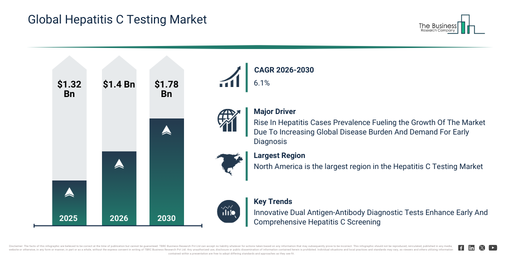
    The hepatitis c testing market has experienced robust expansion in recent years. Forecasts indicate an increase from $1.32 billion in 2025 to $1.4 billion by 2026, reflecting a compound annual growth rate (CAGR) of 6.4%. Historically, this growth has stemmed from factors such as broader blood screening programs, an increase in hepatitis C infection rates, heightened awareness regarding diagnostics, the availability of advanced testing kits, and an uptick in public health surveillance efforts.

    The hepatitis c testing market is projected to experience robust expansion over the coming years, anticipated to reach $1.78 billion by 2030, exhibiting a compound annual growth rate (CAGR) of 6.1%. This growth during the forecast period is primarily driven by escalating global elimination initiatives, a rising demand for point-of-care diagnostics, wider access to molecular testing, increasing investments in infectious disease diagnostics, and a heightened emphasis on early intervention. Significant trends throughout this period include the increasing adoption of rapid diagnostic tests, more widespread application of molecular testing technologies, a growing focus on early disease screening, the expansion of high-throughput laboratory testing, and enhanced monitoring of treatment outcomes.

    Get A Free Sample Report With In-Depth Market Insights:

    https://thebusinessresearchcompany.com/sample_request?id=87652020&type=smp&name=Hepatitis%20C%20Testing%20Market%20Report%202026&utm_source=Blogs&utm_medium=Paid&utm_campaign=Nov_PR

    Hepatitis C Testing Market Development Factors: What’s Supporting Demand?

    The increasing occurrence of hepatitis infections is anticipated to boost the expansion of the hepatitis C testing market moving ahead. Hepatitis C is a viral infection that causes liver inflammation and can lead to significant liver damage if not addressed. The rise in hepatitis cases primarily stems from insufficient vaccination rates, which leave many individuals vulnerable and facilitate the virus’s transmission. Early detection of the virus through hepatitis C testing enables timely treatment, preventing liver damage and severe complications. Furthermore, it helps identify infected individuals, aiding in preventing further spread and improving disease management. For instance, in April 2024, according to the World Health Organization (WHO), a Switzerland-based intergovernmental organization responsible for global public health, over 50 million people are living with chronic hepatitis C virus infection globally, with approximately 1.0 million new infections occurring each year. Therefore, the growing incidence of hepatitis cases is stimulating the development of the hepatitis C testing market.

    Hepatitis C Testing Market Segment Landscape: Which Areas Lead Development?

    The hepatitis c testing market covered in this report is segmented –

    1) By Test Type: Antibody Tests, Nucleic Acid Tests, Genotyping Tests

    2) By Technology: Enzyme-Linked Immunosorbent Assay (ELISA), Rapid Diagnostic Tests, Polymerase Chain Reaction, Next-Generation Sequencing

    3) By Application: Blood Screening, Viral Load Monitoring, Disease Diagnosis

    4) By End-User: Hospital-Based Laboratories, Stand-Alone Laboratories, Other End-Users

    Subsegments:

    1) By Antibody Tests: Enzyme Immunoassay (EIA), Recombinant Immunoblot Assay (RIBA), Rapid Diagnostic Tests (RDTs)

    2) By Nucleic Acid Tests (NATs): Quantitative Ribonucleic Acid (RNA) Tests, Qualitative Ribonucleic Acid (RNA) Tests, Transcription-Mediated Amplification (TMA), Reverse Transcription Polymerase Chain Reaction (RT-PCR)

    3) By Genotyping Tests: Line Probe Assay (LiPA), Sequencing-Based Assay, Real-Time Polymerase Chain Reaction (PCR)-Based Genotyping

    Hepatitis C Testing Market Trends Powering Strategic Industry Growth

    Leading companies within the hepatitis C testing market are concentrating on developing sophisticated solutions, including dual antigen-antibody diagnostic tests, to facilitate more efficient screening and monitoring of the infection. An antigen-antibody diagnostic test identifies viral proteins (antigens) and immune response proteins (antibodies), making it possible to detect both active and past infections. This combined strategy provides a thorough evaluation of the infection status. For instance, in July 2023, Roche Diagnostics India Pvt. Ltd., an India-based supplier of diagnostic tests and systems, introduced Elecsys HCV Duo, a fully automated immunoassay designed to simultaneously and independently detect both HCV antigens and antibodies from a single plasma or serum sample. This advancement supports early diagnosis, assists in patient management, and corresponds with India’s national initiative to eliminate hepatitis C through prompt and exhaustive screening.

    Hepatitis C Testing Market Industry Leaders And Competitive Landscape

    Major companies operating in the hepatitis c testing market are F. Hoffmann-La Roche Ltd., Bayer AG, Thermo Fisher Scientific Inc., Abbott Laboratories, Siemens Healthineers AG, Quest Diagnostics Incorporated, Hologic Inc., QuidelOrtho Corporation, Sysmex Corporation, Bio-Rad Laboratories Inc., SD Biosensor INC., QIAGEN N.V., DiaSorin S.p.A., Cepheid, OraSure Technologies Inc., Meridian Bioscience Inc., Trivitron Healthcare Private Limited, General Biologicals Corporation, Biogate Laboratories Ltd., Cosara Diagnostics Private Limited, BioGenex Life Sciences Private Limited

    View The Full Hepatitis C Testing Market Report:

    https://thebusinessresearchcompany.com/report/hepatitis-c-testing-global-market-report?utm_source=Blogs&utm_medium=Paid&utm_campaign=Nov_PR

    Hepatitis C Testing Market Top Region By Revenue And Market Share

    North America was the largest region in the hepatitis C testing market in 2025. Asia-Pacific is expected to be the fastest-growing region in the forecast period. The regions covered in the hepatitis c testing market report are Asia-Pacific, South East Asia, Western Europe, Eastern Europe, North America, South America, Middle East, Africa.

    Reach Out To Our Team:

    The Business Research Company: https://www.thebusinessresearchcompany.com/

    Americas: +1 310-496-7795

    Asia: +44 7882 955267 & +91 8897263534

    Europe: +44 7882 955267

    Email us at: marketing@tbrc.info

    Follow us on:

    LinkedIn: https://in.linkedin.com/company/the-business-research-company

    YouTube: https://www.youtube.com/channel/UC24_fI0rV8cR5DxlCpgmyFQ

    Global Market Model: https://www.thebusinessresearchcompany.com/global-market-model
  • Hepatitis C Market Forecast 2026–2030: Market Size, Trends And Growth Opportunities

    Hepatitis C Market Forecast 2026–2030: Market Size, Trends And Growth Opportunities

    Backed by market attractiveness analysis, total addressable market sizing, company benchmarking matrices, interactive Excel dashboards, wider supply chain intelligence, emerging startup coverage, and detailed product-level insights, The Business Research Company’s 2026 market reports are designed to offer research that is more actionable and strategically valuable than ever.

    Hepatitis C Market Poised To Hit $153.67 Billion By 2030 With A 15.4% CAGR

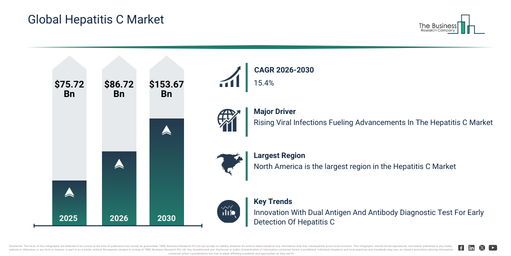
    The hepatitis c market size has seen rapid growth in recent years. This market is set to expand from $75.72 billion in 2025 to $86.72 billion in 2026, demonstrating a compound annual growth rate (CAGR) of 14.5%. Historically, this expansion was driven by factors including improved blood screening practices, increased availability of antiviral drugs, higher diagnosis rates, greater awareness of viral hepatitis, and support from public health initiatives.

    The hepatitis c market is anticipated to experience significant expansion over the coming years. This market is projected to reach $153.67 billion by 2030, exhibiting a compound annual growth rate (CAGR) of 15.4%. Key drivers for this growth during the forecast period include health organizations setting higher elimination targets, increased investments in hepatitis screening, wider adoption of simplified treatment approaches, the expansion of telemedicine-supported care, and improved access in developing markets. Significant trends observed during this period involve the increasing use of direct-acting antivirals, a heightened emphasis on early screening initiatives, broader availability of curative treatment options, the proliferation of public health awareness campaigns, and a stronger focus on ensuring treatment adherence.

    Get A Free Sample Report With In-Depth Market Insights:

    https://thebusinessresearchcompany.com/sample_request?id=95926974&type=smp&name=Hepatitis%20C%20Market%20Report%202026&utm_source=Blogs&utm_medium=Paid&utm_campaign=Nov_PR

    Hepatitis C Market Industry Drivers: What’s Behind The Revenue Growth?

    The hepatitis C market is anticipated to expand, driven by a rise in viral infections, which are conditions resulting from a virus attacking the body. Treatments for Hepatitis C work by eliminating the viral load and re-establishing the immune system’s function in patients once the virus has been cleared. As an illustration, in August 2024, data from the US-based public health agency, the Centers for Disease Control and Prevention, indicated a broad increase in Parvovirus B19, a seasonal respiratory viral infection. The proportion of affected individuals climbed from 3% between 2022 and 2024 to 10% by June 2024. Notably, the most substantial surge occurred in children aged 5–9 years, whose prevalence soared from 15% during 2022–2024 to 40% by June 2024. Furthermore, the presence of parvovirus B19 DNA in pooled samples showed a significant rise, moving from 1.5% in December 2023 to 19.9% by June 2024. Consequently, the growing incidence of viral infections is acting as a key driver for the hepatitis C market.

    Hepatitis C Market Segments: Where Is Growth Concentrated?

    The hepatitis c market covered in this report is segmented –

    1) By Type: Chronic Hepatitis C, Acute Hepatitis C

    2) By Diagnosis: Liver Biopsy, Blood Tests, Imaging Tests, Other Diagnosis

    3) By Distribution Channel: Hospital And Retail Pharmacies, Online Pharmacies

    4) By End-User: Hospitals, Clinics, Ambulatory Surgical Centers, Diagnostic Laboratories, Research Institutes, Home Care Settings

    Subsegments:

    1) By Chronic Hepatitis C: Genotype 1, Genotype 2, Genotype 3, Genotype 4, Genotype 5, Genotype 6

    2) By Acute Hepatitis C: Symptomatic, Asymptomatic

    Hepatitis C Market Growth Trends Reshaping The Competitive Landscape

    Major companies within the hepatitis C market are concentrating on creating sophisticated products, such as combined antigen and antibody diagnostic tests, to enhance the precision and effectiveness of early diagnosis and treatment. A combined antigen and antibody diagnostic test identifies both the presence of hepatitis C virus (HCV) antigens and antibodies in a patient’s blood. For instance, in July 2023, Roche Diagnostics, a Switzerland-based company specializing in diagnostic tests, instruments, and digital solutions, introduced Elecsys HCV Duo in India. Elecsys HCV Duo is a dual antigen and antibody diagnostic test designed for the concurrent detection of both the hepatitis C virus (HCV) antigen and antibodies from a single plasma or serum sample. The test’s dual detection capability addresses the difficulty posed by asymptomatic early infections, which frequently go undiagnosed because antibodies are absent in the initial stages. By identifying active infections earlier, the Elecsys HCV Duo enables healthcare providers to initiate appropriate treatment plans more swiftly, potentially slowing disease progression and transmission rates.

    Hepatitis C Market Key Participants And Competitive Landscape

    Major companies operating in the hepatitis c market are Pfizer Inc., F. Hoffmann-La Roche Ltd., Merck & Co. Inc., AbbVie Inc., Novartis AG, Bristol-Myers Squibb Company, GlaxoSmithKline plc, Takeda Pharmaceutical Company Limited, Eli Lilly and Company, Boehringer Ingelheim International GmbH, Amgen Inc., Mylan N.V., Teva Pharmaceutical Industries Ltd., Daiichi Sankyo Company Limited, Eisai Co. Ltd., Otsuka Pharmaceutical Co. Ltd., Aurobindo Pharma Ltd., Cipla Ltd., Lupin Limited, Cadila Healthcare Ltd., Biocon Limited

    View The Full Hepatitis C Market Report:

    https://thebusinessresearchcompany.com/report/hepatitis-C-global-market-report?utm_source=Blogs&utm_medium=Paid&utm_campaign=Nov_PR

    Hepatitis C Market Regional Analysis And Top Geography

    North America was the largest region in the hepatitis C market in 2025. Asia-Pacific is expected to be the fastest-growing region in the forecast period. The regions covered in the hepatitis c market report are Asia-Pacific, South East Asia, Western Europe, Eastern Europe, North America, South America, Middle East, Africa.

    Reach Out To Our Team:

    The Business Research Company: https://www.thebusinessresearchcompany.com/

    Americas: +1 310-496-7795

    Asia: +44 7882 955267 & +91 8897263534

    Europe: +44 7882 955267

    Email us at: marketing@tbrc.info

    Follow us on:

    LinkedIn: https://in.linkedin.com/company/the-business-research-company

    YouTube: https://www.youtube.com/channel/UC24_fI0rV8cR5DxlCpgmyFQ

    Global Market Model: https://www.thebusinessresearchcompany.com/global-market-model
  • Hepatic Encephalopathy Market Size Reaches $1.89 Billion In 2026: What Is Driving Growth?

    Hepatic Encephalopathy Market Size Reaches $1.89 Billion In 2026: What Is Driving Growth?

    Featuring market attractiveness scoring, total addressable market sizing, company benchmarking matrices, interactive Excel dashboards, deeper supply chain intelligence, emerging startup tracking, and granular product-level insights, The Business Research Company’s 2026 market reports are built to deliver research that is both more actionable and more strategically valuable.

    Hepatic Encephalopathy Market Size And Revenue Outlook Through 2030

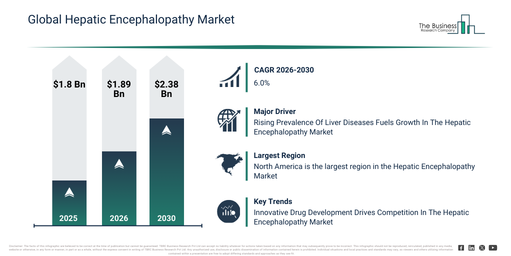
    The hepatic encephalopathy market has exhibited strong growth in recent years. It is projected to increase from $1.8 billion in 2025 to $1.89 billion in 2026, at a compound annual growth rate (CAGR) of 5.0%. This historical growth can be attributed to factors like the rising prevalence of chronic liver diseases, increased alcohol consumption rates, a higher incidence of cirrhosis, enhanced diagnostic awareness, and the expansion of specialty liver care centers.

    The market for hepatic encephalopathy is projected to experience substantial expansion in the coming years, set to reach $2.38 billion by 2030, exhibiting a compound annual growth rate (CAGR) of 6.0%. Factors driving this growth during the forecast period include a rising demand for cutting-edge therapeutics, an increase in liver transplant operations, a heightened emphasis on lowering hospitalization rates, the broadening of digital monitoring solutions, and increased funding for hepatology research. Key trends anticipated during this period encompass the growing acceptance of targeted drug therapies, an increase in the application of combination treatment plans, a greater emphasis on prompt diagnosis and consistent monitoring, the widening of hospital-based treatment guidelines, and improved patient-focused care strategies.

    Get A Free Sample Report With In-Depth Market Insights:

    https://thebusinessresearchcompany.com/sample_request?id=68209460&type=smp&name=Hepatic%20Encephalopathy%20Market%20Report%202026&utm_source=Blogs&utm_medium=Paid&utm_campaign=Nov_PR

    Hepatic Encephalopathy Market Growth Factors: What’s Supporting Expansion?

    The escalating incidence of liver diseases is projected to fuel the expansion of the hepatic encephalopathy market. Liver disease is defined as a medical condition impacting the liver and impairing its functional capacity. Treatments for liver disease, such as those for hepatic encephalopathy, have the potential to ease symptoms, decelerate disease progression, enhance liver function, and diminish the occurrence of hepatic encephalopathy by improving the management of underlying health conditions. This can potentially reduce the frequency and severity of episodes and elevate patients’ overall quality of life. For instance, in April 2024, data from the Office for Health Improvement and Disparities, a UK government department, revealed that hospital admission rates for liver disease continued their upward trend, reaching 155.2 per 100,000 population (with a range of 152.9 to 157.5) in the financial year concluding 2023, an increase from 150.6 (148.2 to 152.9) reported in the prior year. Consequently, the rising prevalence of liver diseases is a key driver for the hepatic encephalopathy market.

    Hepatic Encephalopathy Market Segment Analysis: What Are The Core Market Categories?

    The hepatic encephalopathy market covered in this report is segmented –

    1) By Drug Class: Antibiotics, Laxatives

    2) By Route Of Administration: Oral, Intravenous, Rectal

    3) By Distribution Channel: Hospital Pharmacies, Retail Pharmacies

    Subsegments:

    1) By Antibiotics: Rifaximin, Neomycin

    2) By Laxatives: Lactulose, Polyethylene Glycol

    Hepatic Encephalopathy Market Trends Shaping Long-Term Demand

    Major companies operating in the hepatic encephalopathy market are developing innovative drugs to treat the condition, aiming to gain competitive advantages and strengthen their position. For instance, in June 2023, Karolinska Development AB, a Sweden-based pharmaceutical company, developed the novel GR3027 (golexanolone) specifically for treating hepatic encephalopathy. This orally administered small molecule acts as a GABAA-receptor-modulating steroid antagonist (GAMSA), designed to antagonize the positive GABAA-receptor modulation by endogenous neuroactive steroids. Additionally, the drug is being investigated for HE, with its trial currently being conducted for CHE in Phases I/IIa.

    Hepatic Encephalopathy Market Top Companies Driving Competitive Growth

    Major companies operating in the hepatic encephalopathy market are Salix Pharmaceuticals, Bausch Health Companies, Norgine, Lupin, Sun Pharmaceutical Industries, Dr Reddys Laboratories, Cipla, Teva Pharmaceutical Industries, Mylan, Torrent Pharmaceuticals, Amneal Pharmaceuticals, Zydus Lifesciences, Aurobindo Pharma, Intas Pharmaceuticals, Alkem Laboratories, Alembic Pharmaceuticals, Wockhardt, Hetero Drugs, Cadila Pharmaceuticals, Abbott India

    View The Full Hepatic Encephalopathy Market Report:

    https://thebusinessresearchcompany.com/report/hepatic-encephalopathy-global-market-report?utm_source=Blogs&utm_medium=Paid&utm_campaign=Nov_PR

    Hepatic Encephalopathy Market Geographic Analysis: Where Is Demand Rising Fastest?

    North America was the largest region in the hepatic encephalopathy market in 2025. The regions covered in the hepatic encephalopathy market report are Asia-Pacific, South East Asia, Western Europe, Eastern Europe, North America, South America, Middle East, Africa.

    Reach Out To Our Team:

    The Business Research Company: https://www.thebusinessresearchcompany.com/

    Americas: +1 310-496-7795

    Asia: +44 7882 955267 & +91 8897263534

    Europe: +44 7882 955267

    Email us at: marketing@tbrc.info

    Follow us on:

    LinkedIn: https://in.linkedin.com/company/the-business-research-company

    YouTube: https://www.youtube.com/channel/UC24_fI0rV8cR5DxlCpgmyFQ

    Global Market Model: https://www.thebusinessresearchcompany.com/global-market-model
  • Hemorrhoids Market Valued At $3.96 Billion In 2026: Key Trends And Growth Drivers

    Hemorrhoids Market Valued At $3.96 Billion In 2026: Key Trends And Growth Drivers

    Built to provide research that’s more actionable and strategically valuable, The Business Research Company’s 2026 market reports include market attractiveness analysis, total addressable market sizing, company benchmarking matrices, interactive Excel dashboards, broader supply chain intelligence, emerging startup tracking, and in-depth product insights.

    Hemorrhoids Market Growth From $3.11 Billion In 2026 To $3.96 Billion By 2030 At A CAGR Of 6.2%

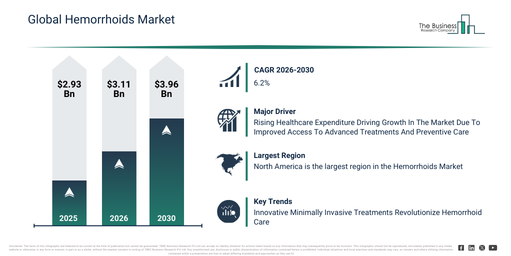
    The hemorrhoids market has demonstrated substantial growth in recent years. It is projected to expand from $2.93 billion in 2025 to $3.11 billion in 2026, achieving a compound annual growth rate (CAGR) of 6.4%. This past growth is attributable to several factors, including the increasing prevalence of sedentary lifestyles, a rise in chronic constipation incidents, heightened awareness of anorectal disorders, the expansion of outpatient treatment facilities, and the availability of diverse treatment options.

    The hemorrhoids market is anticipated to experience substantial expansion over the coming years. By 2030, this market is projected to reach $3.96 billion, demonstrating a compound annual growth rate (CAGR) of 6.2%. Factors contributing to this growth during the outlook period include a growing elderly demographic, an elevated emphasis on prompt diagnosis and therapeutic interventions, an increasing desire for less invasive surgical options, the broader adoption of teleconsultation for anorectal health, and the wider accessibility of cutting-edge treatment methods. Key trends anticipated during the forecast encompass a greater embrace of minimally invasive approaches for hemorrhoid management, a heightened consumer demand for non-prescription drugs, the increasing application of non-surgical techniques, the development of home-based care solutions, and a stronger emphasis on patient well-being and recuperation.

    Get A Free Sample Report With In-Depth Market Insights:

    https://thebusinessresearchcompany.com/sample_request?id=32406712&type=smp&name=Hemorrhoids%20Market%20Report%202026&utm_source=Blogs&utm_medium=Paid&utm_campaign=Nov_PR

    Hemorrhoids Market Demand Drivers: What’s Powering Industry Growth?

    Future expansion of the hemorrhoids market is anticipated to be spurred by increasing healthcare spending. Healthcare expenditure encompasses all financial investments made by individuals, organizations, or governments towards the prevention, treatment, and management of various health conditions. This increase in healthcare expenditure stems from advancements in medical technology, as newer diagnostic instruments, therapies, and innovative treatments frequently incur greater expenses, thereby raising overall healthcare costs. Elevated healthcare spending enhances the availability of treatment, preventive measures, medications, and sophisticated procedures, which in turn improves the management and results for hemorrhoids. For example, as reported in December 2024 by the Centers for Medicare & Medicaid Services, a US-based agency overseeing Medicare and Medicaid programs, U.S. health care expenditures saw a 7.5% rise in 2023, reaching $4.9 trillion, or approximately $14,570 per person. Consequently, the escalating healthcare expenditure is a key factor propelling the growth of the hemorrhoids market.

    Hemorrhoids Market Segment Breakdown: Which Categories Lead On Revenue?

    The hemorrhoids market covered in this report is segmented –

    1) By Type: Internal Hemorrhoids, External Hemorrhoids, Mixed Hemorrhoids

    2) By Treatment Type: Medications, Procedures And Surgical Treatments

    3) By End User: Hospitals, Clinics, Ambulatory Surgery Centers (ASCs), Homecare

    4) By Distribution Channel: Hospital Pharmacies, Retail Pharmacies, Online Pharmacies

    Subsegments:

    1) By Internal Hemorrhoids: Grade I, Grade II, Grade III, Grade IV

    2) By External Hemorrhoids: Thrombosed External Hemorrhoids, Non-Thrombosed External Hemorrhoids

    3) By Mixed Hemorrhoids: Combined Internal And External Hemorrhoids, Prolapsed Hemorrhoids

    Hemorrhoids Market Innovation Trends Shaping Future Development

    Major companies operating in the hemorrhoid market are developing innovative surgical products, such as minimally invasive hemorrhoid treatments, to enhance patient comfort, reduce recovery time, and improve clinical outcomes. A minimally invasive hemorrhoid treatment involves advanced medical procedures that reduce tissue damage, pain, and recovery time compared to traditional hemorrhoidectomy methods. For instance, in December 2023, Medical Fintech Innovations B.V., a Netherlands-based technology company, introduced the HemWell GEN 2. This next-generation device features the innovative Hemwellectomy procedure, a minimally invasive electrosurgical solution for hemorrhoids. This advanced technique is designed to offer patients a less painful alternative to traditional hemorrhoidectomy procedures, promoting faster recovery and enabling a quicker return to daily activities.

    Hemorrhoids Market Leading Players And Competitive Positioning

    Major companies operating in the hemorrhoids market are Johnson & Johnson, Bayer AG, Abbott Laboratories, Medtronic Plc, Takeda Pharmaceutical Company, Boston Scientific Corporation, Church & Dwight Co. Inc., Dr. Reddy’s Laboratories Ltd, Glenmark Pharmaceuticals, B. Braun Melsungen AG, Sebela Pharmaceuticals, Citius Pharmaceuticals, AMATO PHARMACEUTICAL PRODUCTS LTD, Surkon Medical Co. Ltd., Privi Medical, CONMED Corporation, Integra LifeSciences Corporation, Takeda Consumer Healthcare, Fresenius Kabi, Sanofi

    View The Full Hemorrhoids Market Report:

    https://thebusinessresearchcompany.com/report/hemorrhoids-global-market-report?utm_source=Blogs&utm_medium=Paid&utm_campaign=Nov_PR

    Hemorrhoids Market Global Footprint: Which Region Leads The Market?

    North America was the largest region in the hemorrhoids market in 2025. The regions covered in the hemorrhoids market report are Asia-Pacific, South East Asia, Western Europe, Eastern Europe, North America, South America, Middle East, Africa.

    Reach Out To Our Team:

    The Business Research Company: https://www.thebusinessresearchcompany.com/

    Americas: +1 310-496-7795

    Asia: +44 7882 955267 & +91 8897263534

    Europe: +44 7882 955267

    Email us at: marketing@tbrc.info

    Follow us on:

    LinkedIn: https://in.linkedin.com/company/the-business-research-company

    YouTube: https://www.youtube.com/channel/UC24_fI0rV8cR5DxlCpgmyFQ

    Global Market Model: https://www.thebusinessresearchcompany.com/global-market-model
  • Hemorrhage Control System Market Size In 2026: Growth Outlook And Forecast Through 2030

    Hemorrhage Control System Market Size In 2026: Growth Outlook And Forecast Through 2030

    Backed by market attractiveness analysis, total addressable market sizing, company benchmarking matrices, interactive Excel dashboards, wider supply chain intelligence, emerging startup coverage, and detailed product-level insights, The Business Research Company’s 2026 market reports are designed to offer research that is more actionable and strategically valuable than ever.

    Hemorrhage Control System Market Expansion Outlook: What Revenue Opportunities Are Ahead?

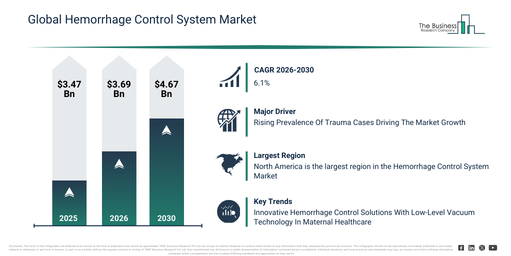
    The hemorrhage control system market has seen significant expansion in recent years. It is anticipated to expand from $3.47 billion in 2025 to $3.69 billion in 2026, achieving a compound annual growth rate (CAGR) of 6.4%. The factors contributing to this historic growth include an increase in trauma and accident incidence, the development of emergency medical services, the adoption of standardized bleeding control protocols, a rise in surgical procedures, and the accessibility of advanced hemostatic materials.

    The hemorrhage control system market size is projected to experience substantial growth over the coming years. This market is anticipated to reach $4.67 billion by 2030, exhibiting a compound annual growth rate (CAGR) of 6.1%. This expansion during the forecast period stems from factors such as heightened investments in trauma care infrastructure, an escalating need for battlefield medical solutions, the broadening of emergency preparedness programs, a stronger emphasis on rapid-response medical devices, and advancements in hemostatic materials. Key trends for this period encompass a greater adoption of sophisticated hemostatic dressings, an increased utilization of rapid trauma bleeding control systems, a rising demand for portable and field-deployable solutions, the expansion of prehospital emergency hemorrhage control methods, and an amplified focus on military and trauma care applications.

    Get A Free Sample Report With In-Depth Market Insights:

    https://thebusinessresearchcompany.com/sample_request?id=18335716&type=smp&name=Hemorrhage%20Control%20System%20Market%20Report%202026&utm_source=Blogs&utm_medium=Paid&utm_campaign=Nov_PR

    Hemorrhage Control System Market Growth Drivers: What’s Behind The Acceleration?

    The increasing occurrence of trauma incidents is projected to fuel the expansion of the hemorrhage control systems market moving forward. Trauma incidents are defined as medical emergencies stemming from physical harm caused by external forces, such as accidents, falls, or violent encounters. The surge in trauma cases can be attributed to various factors, including vehicular collisions, workplace mishaps, athletic injuries, and natural catastrophes. Hemorrhage control systems are vital in addressing trauma by effectively managing severe blood loss, thereby enhancing patient survival rates and diminishing complications during urgent medical interventions. For instance, in October 2023, the World Federation of Neurology, a UK-based organization dedicated to advancing neurological practice and research worldwide, reported that over 40% of the global populace is affected by a neurological condition, a number expected to almost double by 2050. Consequently, the growing prevalence of trauma cases is propelling the growth of the hemorrhage control systems market.

    Hemorrhage Control System Market Segmentation: How Does The Market Break Down By Category?

    The hemorrhage control system market covered in this report is segmented –

    1) By Product Type: Dressings, Hemostatic Agents, Clamps And Tourniquets, Surgical Sealants

    2) By Application: Cardiovascular Surgery, General Surgery, Plastic Surgery, Orthopedic Surgery, Neurosurgery, Other Applications

    3) By Distribution Channel: Direct Sales, Distributors

    4) By End-User: Hospital And Ambulatory Surgery Centers (ASCs), Specialty Clinics, Other End-Users

    Subsegments:

    1) By Dressings: Gauze Dressings, Hydrogel Dressings, Alginate Dressings, Foam Dressings

    2) By Hemostatic Agents: Thrombin-Based Hemostats, Fibrin Sealants, Gelatin-Based Hemostats, Oxidized Regenerated Cellulose (ORC) Hemostats

    3) By Clamps And Tourniquets: Surgical Clamps, Pneumatic Tourniquets, Non-Pneumatic Tourniquets

    4) By Surgical Sealants: Synthetic Sealants, Collagen-Based Sealants, Cyanoacrylate-Based Sealants

    Hemorrhage Control System Market Trends Redefining Industry Growth

    Major companies operating in the hemorrhage control systems market are intensifying their efforts on creating sophisticated products, including postpartum hemorrhage control devices, to boost the effectiveness of bleeding management in urgent medical situations. Postpartum hemorrhage control devices are specialized medical tools crafted to manage and halt severe bleeding post-childbirth, thereby reducing life-threatening dangers by encouraging clot formation or constricting blood vessels to regulate blood flow during postpartum hemorrhage (PPH). For instance, in September 2024, Organon Canada, a Canada-based healthcare company, introduced the JADA System, a medical device specifically designed for the management and treatment of postpartum hemorrhage (PPH). Its mechanism involves using low-level vacuum technology to stimulate normal uterine contraction for controlling and treating abnormal postpartum uterine bleeding or hemorrhage. This innovative method provides a non-invasive and effective solution when conservative management of postpartum hemorrhage (PPH) is appropriate, addressing a critical need in maternal healthcare.

    Hemorrhage Control System Market Competitive Overview And Top Companies

    Major companies operating in the hemorrhage control system market are Medtronic plc, Stryker Corporation, Becton, Dickinson and Company (BD), Baxter International Inc., Teleflex Incorporated, Integra LifeSciences Holdings Corporation, Ethicon, CryoLife Inc., B. Braun Melsungen AG, Z-Medica LLC, Medicom, Axio Biosolutions, Aero Healthcare Pty Ltd., Penn Care Inc., Tricol Biomedical Inc., Hemostasis LLC, RevMedx Inc., Turtle Engineering Ltd., OMNI-STAT Medical Inc., Unicare Biomedical Inc.

    View The Full Hemorrhage Control System Market Report:

    https://thebusinessresearchcompany.com/report/hemorrhage-control-system-global-market-report?utm_source=Blogs&utm_medium=Paid&utm_campaign=Nov_PR

    Hemorrhage Control System Market Regional Split: Which Areas Are Fueling Growth?

    North America was the largest region in the hemorrhage control system market in 2025. Asia-Pacific is expected to be the fastest-growing region in the forecast period. The regions covered in the hemorrhage control system market report are Asia-Pacific, South East Asia, Western Europe, Eastern Europe, North America, South America, Middle East, Africa.

    Reach Out To Our Team:

    The Business Research Company: https://www.thebusinessresearchcompany.com/

    Americas: +1 310-496-7795

    Asia: +44 7882 955267 & +91 8897263534

    Europe: +44 7882 955267

    Email us at: marketing@tbrc.info

    Follow us on:

    LinkedIn: https://in.linkedin.com/company/the-business-research-company

    YouTube: https://www.youtube.com/channel/UC24_fI0rV8cR5DxlCpgmyFQ

    Global Market Model: https://www.thebusinessresearchcompany.com/global-market-model
  • Hemophilia Market Trends Supporting 9.3% CAGR Growth Through 2030

    Hemophilia Market Trends Supporting 9.3% CAGR Growth Through 2030

    Featuring market attractiveness scoring, total addressable market sizing, company benchmarking matrices, interactive Excel dashboards, deeper supply chain intelligence, emerging startup tracking, and granular product-level insights, The Business Research Company’s 2026 market reports are built to deliver research that is both more actionable and more strategically valuable.

    Hemophilia Market Growth Potential: How Will Market Size Shift Through 2030?

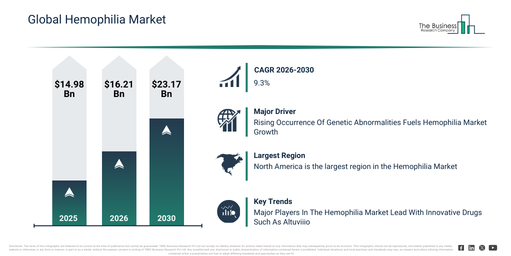
    The hemophilia market has experienced significant expansion in recent years. It is projected to climb from $14.98 billion in 2025 to $16.21 billion in 2026, reflecting a compound annual growth rate (CAGR) of 8.2%. This historical growth can be linked to factors such as the enhanced availability of clotting factor concentrates, the wider adoption of prophylactic treatment, an increase in hemophilia awareness programs, breakthroughs in recombinant factor production, and improved access to specialized care centers.

    The hemophilia market is projected for substantial expansion in the coming years. Its valuation is set to reach $23.17 billion by 2030, exhibiting a compound annual growth rate (CAGR) of 9.3%. This anticipated growth during the forecast period is primarily driven by factors such as a rise in gene therapy approvals, the increasing embrace of personalized treatment strategies, the broadening of home infusion initiatives, a surge in investments directed towards rare disease research, and a heightened emphasis on enhancing patients’ quality of life. Key trends anticipated during this period encompass the increased uptake of long-acting clotting factor therapies, a growing emphasis on gene therapy specifically for hemophilia, the expanded implementation of home-based treatment protocols, the development of more personalized prophylactic treatment plans, and improved integration of digital patient monitoring systems.

    Get A Free Sample Report With In-Depth Market Insights:

    https://thebusinessresearchcompany.com/sample_request?id=42801148&type=smp&name=Hemophilia%20Market%20Report%202026&utm_source=Blogs&utm_medium=Paid&utm_campaign=Nov_PR

    Hemophilia Market Growth Factors Behind Sustained Expansion

    The anticipated expansion of the hemophilia market is directly linked to the increasing prevalence of genetic abnormalities. These conditions, also referred to as genetic mutations or disorders, represent modifications in an individual’s DNA sequence that can manifest as various health issues and physical attributes. The primary objective of hemophilia treatment is to prevent or manage bleeding episodes, minimize potential complications, and ultimately enhance the quality of life for individuals living with these genetic conditions. As an illustration, the Cystic Fibrosis Trust, a UK-based charity, reported in October 2024 that the number of registered cystic fibrosis (a genetic disorder) patients stood at around 11,148 in 2022, increasing to 11,318 in 2023, indicating a 1.5% year-over-year growth in patient registrations. This rising occurrence of genetic abnormalities is, therefore, a significant driver for the growth of the hemophilia market.

    Hemophilia Market Segment Trends And Revenue Contributors

    The hemophilia market covered in this report is segmented –

    1) By Type: Hemophilia A, Hemophilia B, Hemophilia C, Other Types

    2) By Treatment: Replacement Therapy, Hemostatic Agents, Desmopressin, Gene Therapy, Other Treatments

    3) By End-User: Hospitals, Clinics, Home Care Settings, Other End-Users

    Subsegments:

    1) By Hemophilia A: Severe Hemophilia A, Moderate Hemophilia A, Mild Hemophilia A

    2) By Hemophilia B: Severe Hemophilia B, Moderate Hemophilia B, Mild Hemophilia B

    3) By Hemophilia C: Severe Hemophilia C, Mild Hemophilia C

    4) By Other Types: Acquired Hemophilia, Von Willebrand Disease

    Hemophilia Market Strategic Trends: What Defines The Next Growth Phase?

    Leading firms within the hemophilia market are creating advanced medications like ALTUVIIIO to maintain their competitive standing. As an example, Sanofi S.A., a pharmaceutical and healthcare enterprise based in France, introduced ALTUVIIIO for hemophilia in February 2023, following its approval by The Food and Drug Administration (FDA), a US government agency. Administered once-weekly, ALTUVIIIO stands as the inaugural and sole treatment for hemophilia A capable of providing consistent to almost normal factor activity levels (exceeding 40%) throughout the majority of the week, thereby significantly reducing bleeding incidents relative to prior factor VIII prophylaxis methods.

    Hemophilia Market Competitive Landscape: Which Companies Lead The Industry?

    Major companies operating in the hemophilia market are Kedrion S.p.A., Chugai Pharmaceutical Co. Ltd., Pfizer Inc., F. Hoffmann-La Roche AG, Bayer AG, Sanofi S.A., Bristol-Myers Squibb Company, Takeda Pharmaceutical Company Limited, Novo Nordisk A/S, Baxter International Inc., CSL Limited, Biogen Inc., Grifols S.A., Octapharma AG, BioMarin Pharmaceutical Inc., GC Pharma, Alnylam Pharmaceuticals Inc., Bio Products Laboratory Ltd., Sangamo Therapeutics Inc., UniQure, Intellia tx, ProMetic BioSciences Ltd., Dimension Therapeutics, Amarna therapeutics, HEMA Biologics LLC, Aptevo Therapeutics, Arcturus Therapeutics Inc., Ferring Lakemedel AB, Chiesi Farmaceutici S.p.A.

    View The Full Hemophilia Market Report:

    https://thebusinessresearchcompany.com/report/hemophilia-global-market-report?utm_source=Blogs&utm_medium=Paid&utm_campaign=Nov_PR

    Hemophilia Market Top Region: Where Does Most Revenue Come From?

    North America was the largest region in the hemophilia market in 2025. Asia-Pacific is expected to be the fastest-growing region in the forecast period. The regions covered in the hemophilia market report are Asia-Pacific, South East Asia, Western Europe, Eastern Europe, North America, South America, Middle East, Africa.

    Reach Out To Our Team:

    The Business Research Company: https://www.thebusinessresearchcompany.com/

    Americas: +1 310-496-7795

    Asia: +44 7882 955267 & +91 8897263534

    Europe: +44 7882 955267

    Email us at: marketing@tbrc.info

    Follow us on:

    LinkedIn: https://in.linkedin.com/company/the-business-research-company

    YouTube: https://www.youtube.com/channel/UC24_fI0rV8cR5DxlCpgmyFQ

    Global Market Model: https://www.thebusinessresearchcompany.com/global-market-model
  • Hemophagocytic Lymphohistiocytosis Market Forecast Highlights A $3.24 Billion Opportunity For Industry Participants

    Hemophagocytic Lymphohistiocytosis Market Forecast Highlights A $3.24 Billion Opportunity For Industry Participants

    Built to provide research that’s more actionable and strategically valuable, The Business Research Company’s 2026 market reports include market attractiveness analysis, total addressable market sizing, company benchmarking matrices, interactive Excel dashboards, broader supply chain intelligence, emerging startup tracking, and in-depth product insights.

    Hemophagocytic Lymphohistiocytosis Market Value Analysis: What Growth Lies Ahead Over The Forecast Period?

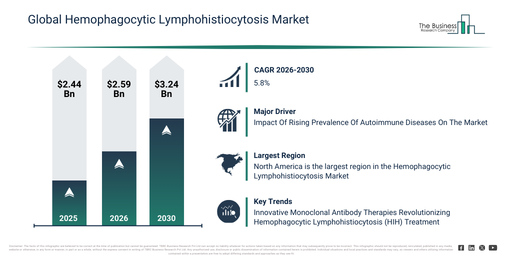
    The hemophagocytic lymphohistiocytosis market size has experienced substantial growth in recent years. It is anticipated to increase from $2.44 billion in 2025 to $2.59 billion in 2026, demonstrating a compound annual growth rate (CAGR) of 6.0%. This growth observed in the past can be attributed to factors such as improvements in critical care management, heightened clinical awareness of rare immune disorders, an expansion of diagnostic testing capabilities, the availability of chemotherapy-based treatment regimens, and an increase in specialized hospital units.

    The hemophagocytic lymphohistiocytosis market is projected to experience substantial expansion over the upcoming years. This market is anticipated to reach $3.24 billion by 2030, exhibiting a compound annual growth rate (CAGR) of 5.8%. This projected growth during the forecast period is fueled by factors such as enhanced research into targeted immunotherapies, the increasing embrace of precision diagnostics, the broadening of early intervention strategies, a heightened emphasis on managing rare diseases, and the escalating creation of new treatment protocols. Key trends anticipated during the same period encompass the wider acceptance of genetic testing for early detection, an increased application of targeted immunosuppressive therapies, a strengthening focus on swift diagnostic procedures, the proliferation of specialized HLH treatment centers, and improved incorporation of multidisciplinary care approaches.

    Get A Free Sample Report With In-Depth Market Insights:

    https://thebusinessresearchcompany.com/sample_request?id=94590710&type=smp&name=Hemophagocytic%20Lymphohistiocytosis%20Market%20Report%202026&utm_source=Blogs&utm_medium=Paid&utm_campaign=Nov_PR

    Hemophagocytic Lymphohistiocytosis Market Demand Drivers Opening New Revenue Streams

    The increasing occurrence of autoimmune conditions is anticipated to boost the hemophagocytic lymphohistiocytosis market in the coming years. Autoimmune diseases manifest when the body’s immune system mistakenly targets and damages its own healthy cells and tissues. This rise in autoimmune disease prevalence is attributed to several factors, including genetic susceptibility, environmental instigators, infections, shifts in hormone levels, and improvements in early diagnosis and public understanding. Hemophagocytic lymphohistiocytosis therapies aid individuals with autoimmune disorders by suppressing excessive immune responses, mitigating inflammation, and re-establishing immune system equilibrium. This action can alleviate severe immune-mediated complications and enhance overall disease management. For instance, data from Arthritis Australia, an Australia-based non-profit organization, indicated in February 2024 that by 2025, an estimated 212,136 males and 362,137 females are projected to have rheumatoid arthritis (RA). These figures are expected to grow by 2040 to approximately 280,040 males and 479,828 females. Consequently, the growing prevalence of autoimmune diseases is propelling the expansion of the hemophagocytic lymphohistiocytosis market.

    Hemophagocytic Lymphohistiocytosis Market Segment Analysis Spotlighting Growth Areas

    The hemophagocytic lymphohistiocytosis market covered in this report is segmented –

    1) By Type: Familial, Acquired

    2) By Diagnosis: Blood Tests, Bone Marrow Biopsy, Genetic Testing

    3) By Treatment: Steroids, Chemotherapy, Other Treatments

    4) By End-Users: Hospitals, Specialty Clinics

    Subsegments:

    1) By Familial Hemophagocytic Lymphohistiocytosis (FHL): FHL Type 1, FHL Type 2, FHL Type 3, FHL Type 4, FHL Type 5

    2) By Acquired Hemophagocytic Lymphohistiocytosis (HLH): Infection-Associated HLH, Malignancy-Associated HLH, Autoimmune-Associated HLH

    Hemophagocytic Lymphohistiocytosis Market Transformation Trends: What Innovations Are Driving Change?

    Companies operating in the hemophagocytic lymphohistiocytosis market are focusing on developing advanced solutions, such as monoclonal antibody therapy, designed to target and selectively deplete pathogenic immune cells. Monoclonal antibody therapy is a treatment utilizing laboratory-made antibodies engineered to target specific antigens on cells to modulate immune responses or treat diseases. For instance, in October 2024, Electra Therapeutics, Inc., a US-based biotechnology company, launched the ELA026, which the Food and Drug Administration granted Orphan Drug Designation (ODD) for treating hemophagocytic lymphohistiocytosis (HLH). ELA026, a first-in-class antibody therapy targeting signal regulatory proteins (SIRP), offers a novel approach for secondary HLH (sHLH), a rare and life-threatening condition without approved treatments.

    Hemophagocytic Lymphohistiocytosis Market Leading Companies: Who Holds The Strongest Market Presence?

    Major companies operating in the hemophagocytic lymphohistiocytosis market are Labcorp, Quest Diagnostics Incorporated, Electra Therapeutics Inc., Swedish Orphan Biovitrum AB, ARUP Laboratories, Invitae Corp., Mayo Clinic Laboratories, Metropolis Healthcare, Centogene NV, Fulgent Genetics, Atara Biotherapeutics Inc., Innate Pharma S.A., Blueprint Genetics, Novimmune SA, Machaon Diagnostics Inc., SeaStar Medical Inc., AB2 Bio Ltd., Elixiron Immunotherapeutics Inc., Bellicum Pharmaceuticals Inc., Eurofins Biomnis

    View The Full Hemophagocytic Lymphohistiocytosis Market Report:

    https://thebusinessresearchcompany.com/report/hemophagocytic-lymphohistiocytosis-global-market-report?utm_source=Blogs&utm_medium=Paid&utm_campaign=Nov_PR

    Hemophagocytic Lymphohistiocytosis Market Regional Breakdown: Where Is Demand Concentrated?

    North America was the largest region in the hemophagocytic lymphohistiocytosis market in 2025. The regions covered in the hemophagocytic lymphohistiocytosis market report are Asia-Pacific, South East Asia, Western Europe, Eastern Europe, North America, South America, Middle East, Africa.

    Reach Out To Our Team:

    The Business Research Company: https://www.thebusinessresearchcompany.com/

    Americas: +1 310-496-7795

    Asia: +44 7882 955267 & +91 8897263534

    Europe: +44 7882 955267

    Email us at: marketing@tbrc.info

    Follow us on:

    LinkedIn: https://in.linkedin.com/company/the-business-research-company

    YouTube: https://www.youtube.com/channel/UC24_fI0rV8cR5DxlCpgmyFQ

    Global Market Model: https://www.thebusinessresearchcompany.com/global-market-model
  • Hemoglobinopathies Treatment Market Analysis: How The Industry Is Evolving Toward A $14.79 Billion Future

    Hemoglobinopathies Treatment Market Analysis: How The Industry Is Evolving Toward A $14.79 Billion Future

    Backed by market attractiveness analysis, total addressable market sizing, company benchmarking matrices, interactive Excel dashboards, wider supply chain intelligence, emerging startup coverage, and detailed product-level insights, The Business Research Company’s 2026 market reports are designed to offer research that is more actionable and strategically valuable than ever.

    Hemoglobinopathies Treatment Market Size Forecast: How Big Could The Market Get By 2030?

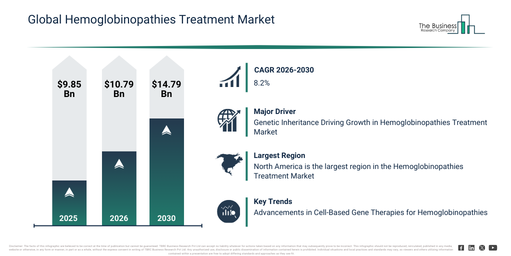
    The hemoglobinopathies treatment market size has demonstrated significant expansion in recent years. It is anticipated to increase from $9.85 billion in 2025 to $10.79 billion in 2026, achieving a compound annual growth rate (CAGR) of 9.6%. The historical growth of this market can be linked to several factors, including better survival rates for thalassemia patients, increased accessibility to blood transfusion services, the proliferation of specialized treatment centers, a rise in the use of iron chelation therapy, and greater awareness of genetic disorders.

    The hemoglobinopathies treatment market is projected to experience robust expansion over the coming years, with its size anticipated to reach $14.79 billion by 2030, exhibiting a compound annual growth rate (CAGR) of 8.2%. This expected growth can be attributed to several factors, including the increasing approvals of gene editing therapies, a rise in investments dedicated to curative treatment research, the broader adoption of personalized medicine, enhanced access to advanced transplantation procedures, and a heightened emphasis on long-term disease management. Furthermore, major trends foreseen during this period involve a growing uptake of gene therapy-based treatments, an increase in the application of stem cell transplantation approaches, a developing focus on personalized treatment protocols, the wider availability of advanced iron chelation therapies, and improved incorporation of digital patient monitoring.

    Get A Free Sample Report With In-Depth Market Insights:

    https://thebusinessresearchcompany.com/sample_request?id=73717029&type=smp&name=Hemoglobinopathies%20Treatment%20Market%20Report%202026&utm_source=Blogs&utm_medium=Paid&utm_campaign=Nov_PR

    Hemoglobinopathies Treatment Market Growth Backed By Core Demand Fundamentals

    The expanding realm of genetic inheritance is anticipated to fuel the expansion of the hemoglobinopathies treatment market in the future. This term describes the process through which traits are passed from progenitors to their descendants via DNA during both sexual and asexual propagation. Its significance has risen considerably, driven by advancements in genetic research and technology, leading to a deeper comprehension of how genetic elements play a role in various diseases and conditions, such as hemoglobinopathies. Consequently, genetic inheritance contributes to the progression of hemoglobinopathies treatment through enhanced targeted therapies, individualized medicine, pharmaceutical development, and diagnostic methods. Illustratively, in October 2024, data from the Cystic Fibrosis Trust, a UK charity aiding individuals with cystic fibrosis, showed that approximately 11,148 patients with cystic fibrosis (a genetic disorder) were registered in 2022, a figure that climbed to 11,318 in 2023, indicating a 1.5% year-over-year rise in patient registrations. Thus, the expanding understanding and prevalence of genetic inheritance are propelling the growth of the hemoglobinopathies treatment market.

    Hemoglobinopathies Treatment Market Segment Performance And Emerging Opportunities

    The hemoglobinopathies treatment market covered in this report is segmented –

    1) By Treatment: Stem Cell Therapy, Blood Transfusion

    2) By Application: Thalassemia, Sickle Cell Anemia

    3) By Distribution Channel: Hospital Pharmacy, Online Providers, Drug Stores And Retail Pharmacy

    Subsegments:

    1) By Stem Cell Therapy: Hematopoietic Stem Cell Transplantation (Hsct), Gene Therapy For Hemoglobinopathies, Autologous Stem Cell Therapy, Allogeneic Stem Cell Transplantation, Gene Editing Techniques ( Crispr-cas9), Umbilical Cord Blood Stem Cell Therapy, Bone Marrow Transplantation

    2) By Blood Transfusion: Regular Blood Transfusion (For Anemia), Exchange Blood Transfusion, Iron Chelation Therapy Post-Transfusion, Red Blood Cell Transfusions, Leukoreduced Blood Transfusion, Emergency Blood Transfusion In Severe Cases

    #Hemoglobinopathies Treatment Market Growth Trends: What’s Shaping The Future Outlook?

    Leading companies in the hemoglobinopathies treatment market are developing cell-based gene therapies to offer potentially curative solutions for individuals living with these genetic conditions. Such cell-based gene therapies for hemoglobinopathies hold considerable promise for correcting underlying genetic defects, potentially delivering long-term or definitive effects, reducing symptoms and complications, and advancing treatment options for affected patients. For instance, in December 2023, Vertex Pharmaceuticals Incorporated, a US-based biotech company, launched Casgevy for addressing sickle cell disease (SCD) and transfusion-dependent beta thalassemia. Casgevy is a cell-based gene therapy that utilizes CRISPR/Cas9 technology to edit patients’ hematopoietic stem cells, thereby increasing the production of fetal hemoglobin to prevent red blood cell sickling. This therapy represents a one-time treatment that involves the collection, editing, and reinfusion of the patient’s stem cells.

    Hemoglobinopathies Treatment Market Key Players: Which Companies Lead Industry Competition?

    Major companies operating in the hemoglobinopathies treatment market are Pfizer Inc., Sanofi S.A., Novartis AG, Bristol Myers Squibb, Vertex Pharmaceuticals Incorporated, Pharmacosmos A/S, Global Blood Therapeutics Inc., Acceleron Pharma Inc., Sangamo Therapeutics Inc., Gamida Cell Ltd., Beam Therapeutics, Intellia Therapeutics, Orchard Therapeutics plc, Editas Medicine, Agios Pharmaceuticals Inc., Emmaus Life Sciences Inc., Bluebird Bio Inc., CRISPR Therapeutics AG, Bioverativ Inc., Celgene Corporation

    View The Full Hemoglobinopathies Treatment Market Report:

    https://thebusinessresearchcompany.com/report/hemoglobinopathies-treatment-global-market-report?utm_source=Blogs&utm_medium=Paid&utm_campaign=Nov_PR

    Hemoglobinopathies Treatment Market Geographic Landscape: Which Region Leads Industry Growth?

    North America was the largest region in the hemoglobinopathies treatment market in 2025. Asia-Pacific is expected to be the fastest-growing region in the forecast period. The regions covered in the hemoglobinopathies treatment market report are Asia-Pacific, South East Asia, Western Europe, Eastern Europe, North America, South America, Middle East, Africa.

    Reach Out To Our Team:

    The Business Research Company: https://www.thebusinessresearchcompany.com/

    Americas: +1 310-496-7795

    Asia: +44 7882 955267 & +91 8897263534

    Europe: +44 7882 955267

    Email us at: marketing@tbrc.info

    Follow us on:

    LinkedIn: https://in.linkedin.com/company/the-business-research-company

    YouTube: https://www.youtube.com/channel/UC24_fI0rV8cR5DxlCpgmyFQ

    Global Market Model: https://www.thebusinessresearchcompany.com/global-market-model