Category: Healthcare Services

  • Sterile Isolator Market Trends And Growth Drivers Point To Strong Future Potential

    Sterile Isolator Market Trends And Growth Drivers Point To Strong Future Potential

    Enhanced with market attractiveness analysis, total addressable market evaluation, company benchmarking matrices, interactive Excel dashboards, expanded supply chain intelligence, emerging startup coverage, and detailed product insights, The Business Research Company’s 2026 market reports deliver more actionable and strategically valuable research.

    Sterile Isolator Market Growth Potential: How Will Market Size Change Through 2030?

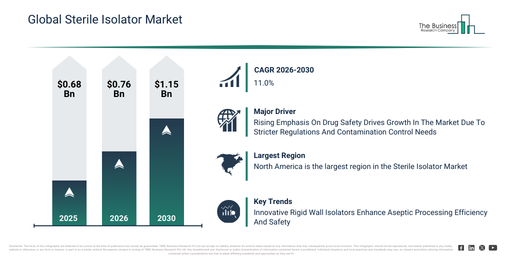
    The sterile isolator market experienced substantial expansion lately. Projections indicate a rise from $0.68 billion in 2025 to $0.76 billion in 2026, reflecting a compounded annual growth rate of 11.2%. This growth trajectory during the past period is linked to several key factors, including an increase in sterile pharmaceutical production, broader development of vaccine manufacturing capabilities, more stringent adherence to aseptic processing regulations, the preference for isolators compared to traditional cleanrooms, and the burgeoning biopharmaceutical manufacturing sector.

    The sterile isolator market is poised for substantial expansion, projecting a reach of $1.15 billion by 2030, fueled by an anticipated compound annual growth rate of 11.0%. This upward trajectory during the forecast period is primarily driven by a heightened demand for biologics and advanced cell therapies, augmented investments in robust aseptic manufacturing capabilities, a growing emphasis on the automation of sterile processing techniques, the scaling up of pharmaceutical output in developing economies, and a continuous shift away from conventional cleanroom setups. Key developments shaping this market include the increasing embrace of closed-system aseptic processing methodologies, a surge in the requirement for isolators featuring multiple chambers, the deeper incorporation of sophisticated monitoring and control technologies, the broadening application of sterile fill-finish processes, and a more stringent adherence to regulatory standards and rigorous contamination prevention strategies.

    Download A Free Sample Report For Comprehensive Market Insights:

    https://www.thebusinessresearchcompany.com/sample.aspx?id=30411&type=smp

    Sterile Isolator Market Opportunity Drivers: What Is Creating New Revenue Potential?

    The heightened emphasis on ensuring the safety of pharmaceutical products is anticipated to serve as a significant catalyst for the expansion of the sterile isolators market. Drug safety encompasses the diligent evaluation, continuous oversight, and effective management of any potential hazards or unintended consequences associated with medications, all aimed at guaranteeing their secure application for patients. This heightened scrutiny on drug safety is predominantly fueled by more rigorous regulatory mandates, escalating public consciousness regarding adverse drug reactions, and the imperative to avert mistakes in medication administration, consequently urging pharmaceutical firms to allocate resources towards sophisticated safety surveillance systems, stringent quality assurance measures, and post-market monitoring. Sterile isolators play a crucial role in bolstering this commitment to drug safety by establishing a meticulously controlled, impurity-free zone essential for aseptic manufacturing processes, thereby preventing microbial contamination, diminishing the likelihood of dispensing errors, and ensuring that the final pharmaceutical outputs conform to stringent quality benchmarks set by regulatory bodies. A notable illustration of the issues addressed by drug safety concerns is highlighted by data from March 2025, where American Addiction Centers, a governmental entity in the United States, disclosed that in 2023, approximately 16.7% of the US population aged 12 and over (equating to 48.5 million individuals) contended with a substance use disorder, with 10.2% specifically experiencing alcohol use disorder, a marginal reduction from the 17.3% recorded in 2022. Consequently, this intensified dedication to pharmaceutical product safety is directly contributing to the upward trajectory of the sterile isolators market.

    Sterile Isolator Market Segmentation Trends And Revenue Drivers

    The sterile isolator market covered in this report is segmented –

    1) By Product Type: Closed Isolators, Open Isolators

    2) By Component: Hepa Filters, Gas Decontamination Systems, Pressure Control Systems, Monitoring Systems, Lighting Systems, Other Components

    3) By Application: Hospitals And Diagnostics Labs, Pharmaceutical And Biotechnological Industries, Research And Academics

    4) By End Use: Biotechnology, Pharmaceutical Manufacturing, Other End Uses

    Subsegments:

    1) By Closed Isolators: Single Chamber Closed Isolators, Multi Chamber Closed Isolators, Glove Box Style Closed Isolators, Positive Pressure Closed Isolators, Negative Pressure Closed Isolators, Closed Isolators For Pharmaceutical Manufacturing Or Fill Finish, Closed Isolators For Sterile Product Testing

    2) By Open Isolators: Single Chamber Open Isolators, Multi Chamber Open Isolators, Laminar Flow Open Isolators, Low Pressure Open Isolators, Open Isolators For Sterile Compounding, Open Isolators For Cell Culture Or Research Applications, Open Isolators With Frequent Ingress Or Egress Ports

    Sterile Isolator Market Innovation Trends Driving Future Development

    Leading players within the sterile isolator industry are focusing on pioneering advancements like economical rigid wall isolators that incorporate built-in bio-decontamination processes and digital tracking capabilities. These developments aim to bolster contamination prevention, elevate workplace safety, increase output, and facilitate uninterrupted aseptic procedures in pharmaceutical and biomanufacturing environments. Such isolators function as containment solutions, creating separation between personnel and the products, all while offering real-time oversight, record-keeping, and refined airflow management, all offered at attractive price points. As an illustration, Getinge AB, a medical technology firm headquartered in Sweden, introduced ISOPRIME in June 2023, a rigid wall isolator specifically designed for aseptic applications. This unit includes integrated hydrogen peroxide (H2O2) bio-decontamination achieved through the Steritrace system, supports both unidirectional and modified turbulent airflow patterns, and allows for continuous workflows through adaptable setups and digital integration. ISOPRIME promotes secure handling, mitigates contamination threats, minimizes operational interruptions, and guarantees adherence to aseptic regulations, showcasing a contemporary strategy for enhancing the effectiveness of sterile processing within controlled pharmaceutical settings.

    Sterile Isolator Market Industry Leaders: Which Organizations Are Driving Competition?

    Major companies operating in the sterile isolator market are Cytiva, Steris plc, Getinge AB, Azbil Corporation, Syntegon Technology GmbH, Shibuya Corporation, Hosokawa Micron Corporation, ILC Dover LP, Skan AG, NuAire Inc, M Braun Inertgas-Systeme GmbH, Bioquell Limited, Germfree Laboratories Inc, Dec Group, Tema Sinergie SpA, Fedegari Autoclavi SpA, IsoTech Design LLC, Lancs Industries Inc, Reinraumtechnik GmbH, Tailin BioEngineering Co Ltd.

    Access The Complete Sterile Isolator Market Report:

    https://www.thebusinessresearchcompany.com/report/global-sterile-isolator-market-report

    Sterile Isolator Market Regional Analysis And Leading Geography

    North Americawas the largest region in the sterile isolator market in 2025. The regions covered in the sterile isolator market report are Asia-Pacific, South East Asia, Western Europe, Eastern Europe, North America, South America, Middle East, Africa.

    Get in touch with us:

    The Business Research Company: https://www.thebusinessresearchcompany.com/

    Americas: +1 310-496-7795

    Asia: +44 7882 955267 & +91 8897263534

    Europe: +44 7882 955267

    Email us at: marketing@tbrc.info

    Follow us on:

    LinkedIn: https://in.linkedin.com/company/the-business-research-company

    YouTube: https://www.youtube.com/channel/UC24_fI0rV8cR5DxlCpgmyFQ

    Global Market Model: https://www.thebusinessresearchcompany.com/global-market-model
  • Sterile Endotracheal Tube Market Expansion Is Reshaping Competitive Dynamics Across The Industry

    Sterile Endotracheal Tube Market Expansion Is Reshaping Competitive Dynamics Across The Industry

    Through market attractiveness analysis, total addressable market evaluation, company benchmarking matrices, interactive Excel dashboards, expanded supply chain intelligence, emerging startup coverage, and detailed product insights, The Business Research Company’s 2026 market reports provide more actionable and strategically valuable research.

    Sterile Endotracheal Tube Market Value Analysis: What Growth Is Expected Over The Forecast Period?

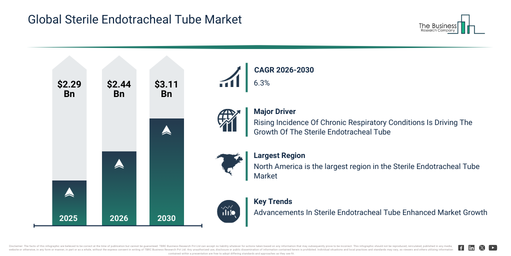
    The market for sterile endotracheal tubes has experienced robust expansion recently, projecting an increase from $2.29 billion in 2025 to $2.44 billion in 2026, reflecting a compound annual growth rate of 6.6%. This historical growth trajectory can be linked to several key factors including the increased availability of hospital and intensive care unit beds, a growing prevalence of respiratory ailments, a greater reliance on mechanical ventilation, a rise in the number of surgical interventions performed, and the expanding adoption of sterile, single-use medical equipment.

    The market for sterile endotracheal tubes is poised for substantial expansion in the coming years, projecting a reach of $3.11 billion by 2030 with a compound annual growth rate of 6.3%. This projected growth is fueled by several key drivers, including escalating demand from emergency and critical care environments, a heightened emphasis on preventing infections acquired within healthcare facilities, the broadening of healthcare infrastructure, particularly in developing economies, a greater acceptance of sophisticated airway management tools, and stricter regulatory frameworks for medical devices. Dominant trends expected to shape this market in the forecast period encompass a rising preference for disposable sterile airway devices, increased utilization of medical supplies prioritizing infection control, the growing implementation of advanced tube designs aimed at improving patient safety, an expansion of critical and emergency care facilities, and a more rigorous approach to regulatory adherence and quality assurance.

    Download A Free Sample Report For Comprehensive Market Insights:

    https://www.thebusinessresearchcompany.com/sample.aspx?id=19721&type=smp

    Sterile Endotracheal Tube Market Growth Momentum: Which Factors Are Influencing Demand?

    The increasing prevalence of persistent respiratory ailments is anticipated to be a significant catalyst for the expansion of the sterile endotracheal tube market moving ahead. These long-term illnesses, which impact the lungs and associated systems, result in ongoing challenges with breathing. Several factors contribute to the rise in these conditions, including heightened air pollution, elevated smoking percentages, an expanding elderly demographic, inactive lifestyles, shifts in climate, workplace exposures, and socioeconomic inequalities. In situations involving chronic respiratory diseases, sterile endotracheal tubes are essential for maintaining a clear passage for mechanical ventilation and for mitigating the likelihood of infections. As an illustration, by February 2025, data from the National Asthma Council Australia (NAC), a non-profit entity dedicated to asthma knowledge and care in Australia, indicated that in 2023, Australia experienced 474 fatalities linked to asthma, a slight uptick of 0.2% compared to 473 deaths in 2022. Females represented 68.6% (325 deaths) of these fatalities, while males constituted 31.4% (149 deaths). Consequently, the escalating occurrence of chronic respiratory conditions serves as a primary driver for the sterile endotracheal tube market’s growth.

    Sterile Endotracheal Tube Market Segment Analysis Highlighting Growth Areas

    The sterile endotracheal tube market covered in this report is segmented –

    1) By Type: No Capsules, Olive Sac, Columnar Sac

    2) By Application: Emergency Treatment, Therapy, Other Applications

    3) By End Users: Clinics, Hospitals, Ambulatory Surgical Centers, Other End Users

    Subsegments:

    1) By No Capsules: Standard Endotracheal Tubes, Cuffed Endotracheal Tubes, Uncuffed Endotracheal Tubes

    2) By Olive Sac: Olive Sac Endotracheal Tubes With Cuffs, Olive Sac Endotracheal Tubes Without Cuffs, Pediatric Olive Sac Endotracheal Tubes

    3) By Columnar Sac: Columnar Sac Endotracheal Tubes With Cuffs, Columnar Sac Endotracheal Tubes Without Cuffs, High-Volume, Low-Pressure Columnar Sac Tubes

    Sterile Endotracheal Tube Market Trends Reshaping Industry Growth

    Leading manufacturers within the sterile endotracheal tube sector are prioritizing the creation of novel products, specifically suction-enabled endotracheal tubes, in response to the growing need for superior airway management techniques, decreased infection rates, and elevated patient safety during respiratory support. These advanced endotracheal tubes incorporate built-in suction lumens designed for the continuous clearance of secretions from the subglottic region. This design provides superior defense against aspiration events and ventilator-associated pneumonia when contrasted with standard endotracheal tubes that do not possess the means to evacuate secretions. Illustrating this point, in August 2023, SourceMark Medical, a prominent U.S. medical device firm, unveiled its SuctionPlus Endotracheal Tube. This cutting-edge device, engineered to enhance both patient outcomes and clinical workflow efficiency, is equipped with a secretion evacuation lumen aimed at mitigating pneumonia risk. It also features a high-volume, low-pressure cylindrical cuff, a detachable 15 mm connector, and is manufactured without latex or DEHP, ensuring a safer application for patients. This product introduction significantly bolsters SourceMark Medical’s respiratory product offerings, presenting healthcare providers with an effective, infection-prevention-focused choice for critical airway management.

    Sterile Endotracheal Tube Market Leading Companies: Who Holds Significant Market Presence?

    Major companies operating in the sterile endotracheal tube market are Medtronic plc, Cook Medical Incorporated, Teleflex Incorporated, Zoll Medical Corporation, Hollister Incorporated, Avanos Medical Inc., Ambu A/S, Intersurgical Inc., Vyaire Medical Inc., Angiplast Pvt Ltd., Amsino International Inc., Inovet, GPC Medical Ltd., C. R. Bard Inc., Steroplast Healthcare Limited, Hitec Medical Co Ltd., Sterimed Group, Neurovision Medical Products Inc., Novo Klinik-Service GmbH, Well Lead Medical Co Ltd.

    Access The Complete Sterile Endotracheal Tube Market Report:

    https://www.thebusinessresearchcompany.com/report/sterile-endotracheal-tube-global-market-report

    Sterile Endotracheal Tube Market Geographic Analysis: Where Is Demand Growing The Fastest?

    North Americawas the largest region in the sterile endotracheal tube market in 2025. Asia-Pacificis expected to be the fastest-growing region in the forecast period. The regions covered in the sterile endotracheal tube market report are Asia-Pacific, South East Asia, Western Europe, Eastern Europe, North America, South America, Middle East, Africa.

    Get in touch with us:

    The Business Research Company: https://www.thebusinessresearchcompany.com/

    Americas: +1 310-496-7795

    Asia: +44 7882 955267 & +91 8897263534

    Europe: +44 7882 955267

    Email us at: marketing@tbrc.info

    Follow us on:

    LinkedIn: https://in.linkedin.com/company/the-business-research-company

    YouTube: https://www.youtube.com/channel/UC24_fI0rV8cR5DxlCpgmyFQ

    Global Market Model: https://www.thebusinessresearchcompany.com/global-market-model
  • Sterile Compounding Pharmacies Market Forecast Reveals Where Future Industry Value Will Be Created

    Sterile Compounding Pharmacies Market Forecast Reveals Where Future Industry Value Will Be Created

    Delivering more actionable and strategically valuable research, The Business Research Company’s 2026 market reports feature market attractiveness analysis, total addressable market evaluation, company benchmarking matrices, interactive Excel dashboards, expanded supply chain intelligence, emerging startup coverage, and detailed product insights.

    Sterile Compounding Pharmacies Market Size Forecast: How Large Could The Market Become By 2030?

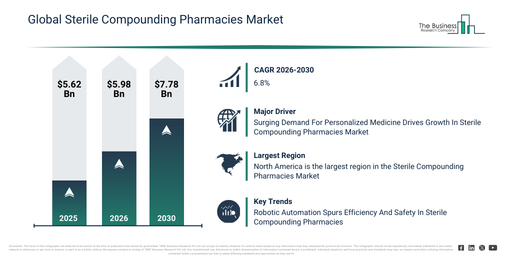
    The sterile compounding pharmacies market has recorded solid growth in recent years, expanding from $5.62 billion in 2025 to $5.98 billion in 2026, representing a compound annual growth rate (CAGR) of 6.5%. This growth during the historical period has been supported by the increasing use of injectable therapies, rising demand from hospital pharmacies, stronger regulatory oversight and enforcement, growing requirements for oncology drug compounding, and the expanding need for specialty medications.

    The sterile compounding pharmacies sector is poised for substantial expansion in the coming years, projected to reach $7.78 billion by 2030 with a compound annual growth rate of 6.8%. This anticipated growth in the forecast period is largely fueled by the increasing prevalence of biologic drugs, the rise of individualized injectable treatments, limitations in hospital bed capacity, the growing implementation of automation, and the ongoing development of regulatory standards. Key developments anticipated during this forecast period encompass the increasing trend of outsourcing sterile compounding services, the adoption of sophisticated cleanroom technologies, the integration of automation into compounding procedures, the implementation of batch-level traceability, and investments driven by the need for regulatory compliance.

    Download A Free Sample Report For Comprehensive Market Insights:

    https://www.thebusinessresearchcompany.com/sample.aspx?id=12073&type=smp

    Sterile Compounding Pharmacies Market Expansion Drivers: What Is Shaping Future Growth?

    The escalating need for individualized medical treatments is anticipated to be a primary catalyst for the expansion of the sterile compounding pharmacies sector. Tailored healthcare, which involves leveraging an individual’s genetic or protein information to forestall, identify, or treat illnesses, directly benefits from the services provided by sterile compounding pharmacies. These specialized pharmacies are instrumental in preparing patient-specific, sterile medications, thereby catering to individual requirements and mitigating potential adverse reactions to specific dosages or drug formulations, which ultimately leads to enhanced therapeutic outcomes, greater patient contentment, and improved compliance with treatment regimens. A notable illustration of this trend is the US-based non-profit organization, the Personalized Medicine Coalition, which reported that in 2023, the FDA authorized sixteen novel personalized therapies for individuals battling rare diseases, a marked rise from the six such approvals granted in 2022, underscoring the growing influence of personalized medicine on the sterile compounding pharmacies market.

    Sterile Compounding Pharmacies Market Segment Performance And Strategic Opportunities

    The sterile compounding pharmacies market covered in this report is segmented –

    1) By Product: Injectables, Nasal, Ocular, Otic

    2) By Therapeutic Area: Hormone Replacement Therapy, Pain Management, Dermatology, Oncology, Hematology, Dental, Other Therapeutic Areas

    3) By Route Of Administrations: Intravenous, Intramuscular, Subcutaneous

    4) By End-Users: Adults, Pediatrics, Geriatrics, Veterinary

    Subsegments:

    1) By Injectables: Sterile Solutions, Sterile Suspensions, Sterile Powders For Reconstitution

    2) By Nasal: Nasal Sprays, Nasal Solutions, Nasal Gels

    3) By Ocular: Ophthalmic Solutions, Ophthalmic Suspensions, Ocular Inserts

    4) By Otic: Otic Solutions, Otic Suspensions, Otic Gels

    Sterile Compounding Pharmacies Market Strategic Trends: What Is Defining The Next Phase Of Growth?

    Within the sterile compounding pharmacies sector, leading entities are prioritizing the adoption of innovative technologies, specifically robotic automation, to elevate the safety, operational effectiveness, and adaptability of their compounding procedures. These automated systems incorporate sophisticated mechanisms for monitoring, validation, and labeling, thereby guaranteeing adherence to stringent regulatory requirements and preserving the integrity of manufactured products; a notable example occurred in March 2023 when Omnicell Inc., a prominent healthcare technology firm based in the United States, launched the IVX Station, a robotic compounding apparatus designed to automate sterile compounding within an ISO Class 5 cleanroom environment, equipped with ongoing surveillance of temperature, humidity, and particulate matter, advanced visual recognition capabilities, weight-based verification, automatic labeling, and the automated sealing of syringes with tamper-evident caps, further enhanced by its cloud-hosted formulation database, which receives perpetual updates to facilitate scalable access to the most current approved formulas, thereby underpinning high-volume, secure, and streamlined pharmacy functions.

    Sterile Compounding Pharmacies Market Key Players: Which Companies Shape Industry Competition?

    Major companies operating in the sterile compounding pharmacies market are B. Braun SE, PharMerica Corporation, Fagron Group BV, QuVa Pharma Inc., NewCo Pharma GmbH, Medisca, PharMEDium Healthcare Holdings Inc., Central Admixture Pharmacy Services (CAPS), SandsRx LLC, LeeSar Inc., Avella Specialty Pharmacy, Stokes Pharmacy Inc., Imprimis Pharmaceuticals Inc., Wells Pharmacy Network LLC, McGuff Compounding Pharmacy Services Inc., Potter’s House Apothecary Inc., Pharos Innovations LLC, Triangle Compounding Pharmacy Inc., Valor Compounding Pharmacy Inc., Pace Pharmacy, PenCol Specialty Pharmacy LLC, Pavilion Compounding Pharmacy LLC, Olympia Pharmacy, MedisourceRx, Stat RX Pharmacy, Rx3 Compounding Pharmacy, Atlas Pharmaceuticals Co. Ltd., ReNue Rx, Premier Pharmacy Labs Inc., Absolute Pharmacy Inc.

    Access The Complete Sterile Compounding Pharmacies Market Report:

    https://www.thebusinessresearchcompany.com/report/sterile-compounding-pharmacies-global-market-report

    Sterile Compounding Pharmacies Market Global Footprint: Which Region Holds Market Leadership?

    North America was the dominant region in the sterile compounding pharmacies market in 2025. Asia-Pacific is expected to be the fastest-growing region in the forecast period. The regions covered in the sterile compounding pharmacies market report are Asia-Pacific, South East Asia, Western Europe, Eastern Europe, North America, South America, Middle East, Africa.

    Get in touch with us:

    The Business Research Company: https://www.thebusinessresearchcompany.com/

    Americas: +1 310-496-7795

    Asia: +44 7882 955267 & +91 8897263534

    Europe: +44 7882 955267

    Email us at: marketing@tbrc.info

    Follow us on:

    LinkedIn: https://in.linkedin.com/company/the-business-research-company

    YouTube: https://www.youtube.com/channel/UC24_fI0rV8cR5DxlCpgmyFQ

    Global Market Model: https://www.thebusinessresearchcompany.com/global-market-model
  • Stem Cell/Cord Blood Banking Market Growth Through 2030 Creates New Strategic Opportunities

    Stem Cell/Cord Blood Banking Market Growth Through 2030 Creates New Strategic Opportunities

    Enhanced with market attractiveness analysis, total addressable market evaluation, company benchmarking matrices, interactive Excel dashboards, expanded supply chain intelligence, emerging startup coverage, and detailed product insights, The Business Research Company’s 2026 market reports deliver more actionable and strategically valuable research.

    Stem Cell/Cord Blood Banking Market Revenue Outlook: What CAGR Is Expected Through 2030?

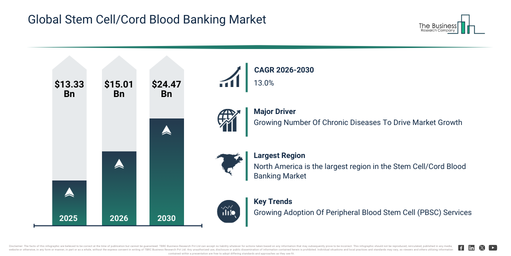
    The market for stem cell and cord blood banking has experienced a notable expansion lately. Projections indicate sustained growth, forecasting an increase from $13.33 billion in 2025 to $15.01 billion in 2026, reflecting a compound annual growth rate (CAGR) of 12.7%. The developments observed during the past period are linked to a surge in the utilization of private banking services, heightened public understanding of medical advancements, enhancements in preservation techniques, the establishment of supportive regulatory structures, and effective promotional efforts.

    The global market for stem cells and cord blood banking is poised for substantial expansion in the coming years, projected to reach a valuation of $24.47 billion by 2030, exhibiting a compound annual growth rate (CAGR) of 13.0%. This anticipated surge in market value is fueled by several key factors, including an increasing range of therapeutic applications, enhanced affordability, the growing presence in developing economies, collaborations with healthcare institutions, and a consistent demand for long-term preservation solutions. Within this burgeoning market, significant trends are expected to shape the landscape, such as the rise of private cord blood storage services, the adoption of blended public and private banking structures, the broadening scope of stem cell applications, advances in cryogenic preservation technologies, and intensified consumer education initiatives.

    Download A Free Sample Report For Comprehensive Market Insights:

    https://www.thebusinessresearchcompany.com/sample.aspx?id=2514&type=smp

    Stem Cell/Cord Blood Banking Market Development Factors: Which Trends Are Supporting Demand?

    The increasing incidence of long-term health conditions is anticipated to be a significant catalyst for the expansion of the stem cell and cord blood banking sector. Chronic illnesses, characterized by their persistence for over three months and potential for worsening, often present therapeutic challenges. Consequently, the regenerative capabilities offered by stem cells and cord blood are being more extensively investigated for their treatment applications. Innovations in stem cell transplantation, the development of tailored medical treatments, and ongoing clinical investigations into pioneering therapies for chronic ailments are collectively fostering a greater need for banking solutions. Illustratively, the World Health Organization, an international body headquartered in Switzerland, projected in February 2024 that by the year 2050, the global count of new cancer diagnoses would exceed 35 million, a substantial 77% surge from the estimated 20 million cases recorded in 2022. This escalating burden of chronic diseases is thus fueling the growth trajectory of the stem cell and cord blood banking market.

    Stem Cell/Cord Blood Banking Market Segment Landscape And Growth Potential

    The stem cell/cord blood banking market covered in this report is segmented –

    1) By Cell Type: Adult Stem Cells, Umbilical Cord Blood Stem Cells, Embryonic Stem Cells

    2) By Service: Collection, Processing, Analysis, Storage

    3) By Bank Type: Public, Private

    4) By Application: Leukemia, Anemia, Thalassemia, Autism, Cerebral Palsy, Diabetes, Other Applications

    Subsegments:

    1) By Adult Stem Cells: Hematopoietic Stem Cells (HSC), Mesenchymal Stem Cells (MSC), Neural Stem Cells (NSC), Induced Pluripotent Stem Cells (iPSCs)

    2) By Umbilical Cord Blood Stem Cells: Hematopoietic Stem Cells (HSC) From Cord Blood, Mesenchymal Stem Cells (MSC) From Cord Blood

    3) By Embryonic Stem Cells: Embryonic Stem Cells (ESCs) From Human Embryos, Stem Cells Derived From Human Embryonic Germ Cells

    Stem Cell/Cord Blood Banking Market Transformation Trends: Which Innovations Are Driving Change?

    In the stem cell and cord blood banking industry, leading firms are focusing on offering peripheral blood stem cell processing and storage solutions to enhance their market position. This process involves the gathering, treatment, examination, and cryopreservation of hematopoietic stem cells (HSCs) acquired from an individual’s circulating blood. A notable development occurred in February 2023 when Cordlife Group Limited, headquartered in Singapore, introduced its new peripheral blood stem cell (PBSC) processing and storage service within the country. This offering is intended to assist patients who need hematopoietic stem cell transplantation as a therapeutic approach for conditions such as leukemia, myeloma, and lymphoma. Through a partnership with the Centre for Clinical Haematology (CFCH), Cordlife enables suitable candidates to undergo stem cell mobilization and collection, with Cordlife then undertaking the detailed processing, testing, and cryopreservation of the PBSCs. The objective of this recently launched service is to contribute to better treatment results for those needing hematopoietic stem cell transplants and to broaden the scope of banking services provided by Cordlife in Singapore.

    Stem Cell/Cord Blood Banking Market Competitive Landscape: Who Are The Leading Companies?

    Major companies operating in the stem cell/cord blood banking market are Cryo-Cell International Inc, Esperite NV, Americord Registry LLC, China Cord Blood Corporation, Cordlife Group Ltd, CordVida, Cryo Stemcell, ReeLabs Pvt Ltd, Smart Cells International Ltd, Stemade Biotech Pvt Ltd, ViaCord Inc, LifeCell International, Cryoviva Biotech Pvt Ltd, Cord Blood America Inc, StemCyte Inc, Cord Blood Registry Systems Inc, Healthbanks Biotech Usa Inc, Cryo-save Private Ltd, New York Cord Blood Center, CryoHoldco, Vita 34 International AG, Reliance Life Sciences Pvt Ltd, Maze Cord Blood Laboratories, Cells4Life Group LLP

    Access The Complete Stem Cell/Cord Blood Banking Market Report:

    https://www.thebusinessresearchcompany.com/report/stem-cell-cord-blood-banking-global-market-report

    Stem Cell/Cord Blood Banking Market Regional Distribution: Which Areas Drive Market Expansion?

    North Americawas the largest region in the stem cell/cord blood banking market in 2025. Western Europewas the second largest region in the stem cell/cord blood banking market analysis. The regions covered in the stem cell/cord blood banking market report are Asia-Pacific, South East Asia, Western Europe, Eastern Europe, North America, South America, Middle East, Africa.

    Get in touch with us:

    The Business Research Company: https://www.thebusinessresearchcompany.com/

    Americas: +1 310-496-7795

    Asia: +44 7882 955267 & +91 8897263534

    Europe: +44 7882 955267

    Email us at: marketing@tbrc.info

    Follow us on:

    LinkedIn: https://in.linkedin.com/company/the-business-research-company

    YouTube: https://www.youtube.com/channel/UC24_fI0rV8cR5DxlCpgmyFQ

    Global Market Model: https://www.thebusinessresearchcompany.com/global-market-model
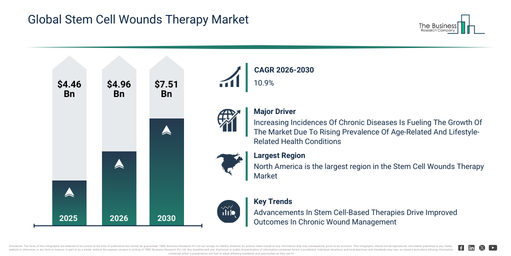
  • Stem Cell Wounds Therapy Market Size Projected To Increase From $4.96 Billion To $7.5 Billion During The Forecast Period

    Stem Cell Wounds Therapy Market Size Projected To Increase From $4.96 Billion To $7.5 Billion During The Forecast Period

    Through market attractiveness analysis, total addressable market evaluation, company benchmarking matrices, interactive Excel dashboards, expanded supply chain intelligence, emerging startup coverage, and detailed product insights, The Business Research Company’s 2026 market reports provide more actionable and strategically valuable research.

    Stem Cell Wounds Therapy Market Growth Analysis: How Will Revenue Expand During The Forecast Period?

    The market for stem cell wound therapies has experienced substantial expansion lately, projected to increase from $4.46 billion in 2025 to $4.96 billion in 2026, reflecting a compound annual growth rate of 11.2%. Factors contributing to this growth during the past period include a higher incidence of chronic wounds and diabetic ulcers, a growing elderly demographic, progress in skin regeneration studies, increased utilization of sophisticated wound care methods, and the proliferation of hospital-based wound care departments.

    The market for stem cell wound therapies is poised for substantial expansion over the coming years, projecting a rise to $7.51 billion by 2030, fueled by a compound annual growth rate of 10.9%. This anticipated surge is underpinned by several key drivers, including a growing need for regenerative approaches to wound healing, increased capital flowing into the development of bioengineered skin alternatives, and a broadening availability of wound care services provided within patients’ homes. Furthermore, a strengthening body of clinical research validating the effectiveness of stem cells and a more widespread incorporation of regenerative medicine principles into standard wound management practices are also contributing significantly to this upward trajectory. Key developments anticipated during this period involve a greater acceptance of stem cell therapies for chronic wounds, a higher prevalence of treatments utilizing a patient’s own cells (autologous therapies), the progressive integration of sophisticated wound care products, expanded utilization of regenerative solutions for skin repair, and an intensified emphasis on achieving faster healing results.

    Download A Free Sample Report For Comprehensive Market Insights:

    https://www.thebusinessresearchcompany.com/sample.aspx?id=30410&type=smp

    Stem Cell Wounds Therapy Market Industry Drivers: What Is Driving Revenue Growth?

    The expanding prevalence of long-term health conditions is anticipated to act as a catalyst for the advancement of the stem cell wound therapy market in the future. Chronic diseases, characterized by their enduring nature, gradual onset, and frequent demand for sustained medical attention or limitations on daily activities, are on the rise. This upward trend in chronic conditions is largely attributed to the demographic shift towards an aging global population, as elderly individuals are inherently more susceptible to health complications owing to diminished immune responses and prolonged exposure to various risk elements. Stem cell wound therapies present a promising avenue for addressing the escalating challenge of chronic diseases by furnishing regenerative treatment modalities for wounds that prove resistant to conventional healing methods. As an illustration, in April 2025, the International Diabetes Federation (IDF), an organization headquartered in Belgium dedicated to non-profit initiatives, published data indicating that 589 million individuals were diagnosed with diabetes in 2024, with forecasts suggesting this figure could escalate to 853 million by the year 2050. Consequently, the heightened occurrence of chronic diseases is a significant factor fueling the expansion of the stem cell wound therapy sector.

    Stem Cell Wounds Therapy Market Categorization By Product Type And Application

    The stem cell wounds therapy market covered in this report is segmented –

    1) By Treatment Type: Autologous, Allogeneic

    2) By Cell Type: Mesenchymal Stem Cells, Hematopoietic Stem Cells, Adipose-Derived Stem Cells, Embryonic Stem Cells, Induced Pluripotent Stem Cells

    3) By Wound Types: Chronic Wounds, Surgical Wound, Diabetic Foot Ulcer

    4) By Application: Skin Regeneration, Tissue Repair, Vascularization

    5) By End User: Hospitals, Clinics, Research Institutes, Home Care Settings, Pharmaceutical Companies

    Subsegments:

    1) By Autologous: Peripheral Blood Stem Cells, Bone Marrow Stem Cells, Adipose Tissue Stem Cells, Platelet Rich Plasma Derived Stem Cells

    2) By Allogeneic: Umbilical Cord Stem Cells, Bone Marrow Stem Cells, Placental Stem Cells, Induced Pluripotent Stem Cells

    #Stem Cell Wounds Therapy Market Growth Trends: What Is Influencing The Future Outlook?

    Leading entities within the stem cell wound therapy sector are concentrating their efforts on pioneering allogeneic stem cell treatments designed to expedite recovery, enhance tissue regrowth, and mitigate challenges inherent in persistent wounds. These allogeneic approaches utilize stem cells sourced from donors or created in laboratories, allowing for mass production, storage, and subsequent application to numerous individuals, thereby eliminating the necessity for patient-specific cell collection. For example, Cytora Limited, a biotechnology firm based in the United Kingdom currently in its clinical development phase, announced in April 2025 positive outcomes from its Phase 1/2a investigation of hOMSC200, an allogeneic, readily available stem cell therapy targeting diabetic foot ulcers. This treatment distinguished itself by eliciting no adverse immune reactions in those who received it, achieving a 53% rate of complete wound closure among the overall study participants, and demonstrating a perfect 100% closure rate within the group adhering strictly to the trial protocol, thereby underscoring its safety profile, therapeutic effectiveness, and potential for widespread implementation. Such progress contributes significantly to the stem cell wound therapy market as businesses persist in bringing to market standardized products that shorten treatment durations and elevate patient results.

    Stem Cell Wounds Therapy Market Company Landscape And Strategic Competition

    Major companies operating in the stem cell wounds therapy market are Smith & Nephew plc, Organogenesis Holdings Inc., Avita Medical Inc., Aroa Biosurgery Ltd., VIVEX Biologics Inc., Stempeutics Research Pvt. Ltd., CellResearch Corporation, Histocell S.L., RHEACELL GmbH & Co. KG, BioXcellerator, InGeneron Inc., BioLab Holdings, Healiva AG, PolarityBio Inc., Aposcience AG, StemiGenn Therapeutics Pte. Ltd., OCT Therapies & Research, Corestem Chemon, Blue Cell Therapeutics, Chiron Therapeutics Inc.

    Access The Complete Stem Cell Wounds Therapy Market Report:

    https://www.thebusinessresearchcompany.com/report/global-stem-cell-wounds-therapy-market-report

    Stem Cell Wounds Therapy Market Leading Geography: Which Region Generates The Most Revenue?

    North Americawas the largest region in the stem cell wounds therapy market in 2025. Asia-Pacificis expected to be the fastest-growing region in the forecast period. The regions covered in the stem cell wounds therapy market report are Asia-Pacific, South East Asia, Western Europe, Eastern Europe, North America, South America, Middle East, Africa.

    Get in touch with us:

    The Business Research Company: https://www.thebusinessresearchcompany.com/

    Americas: +1 310-496-7795

    Asia: +44 7882 955267 & +91 8897263534

    Europe: +44 7882 955267

    Email us at: marketing@tbrc.info

    Follow us on:

    LinkedIn: https://in.linkedin.com/company/the-business-research-company

    YouTube: https://www.youtube.com/channel/UC24_fI0rV8cR5DxlCpgmyFQ

    Global Market Model: https://www.thebusinessresearchcompany.com/global-market-model
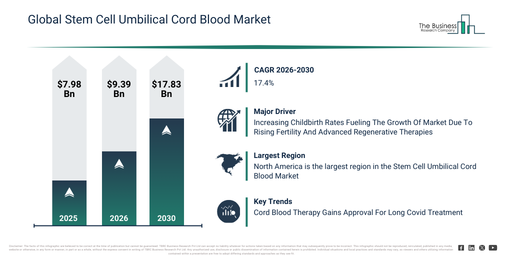
  • Stem Cell Umbilical Cord Blood Market Growth Outlook Reveals A CAGR Of 17.4% And A Market Value Of $17.83 Billion By 2030

    Stem Cell Umbilical Cord Blood Market Growth Outlook Reveals A CAGR Of 17.4% And A Market Value Of $17.83 Billion By 2030

    Delivering more actionable and strategically valuable research, The Business Research Company’s 2026 market reports feature market attractiveness analysis, total addressable market evaluation, company benchmarking matrices, interactive Excel dashboards, expanded supply chain intelligence, emerging startup coverage, and detailed product insights.

    Stem Cell Umbilical Cord Blood Market Forecast: What Market Value Is Expected By 2030?

    The stem cell umbilical cord blood market has experienced strong growth in recent years, increasing from $7.98 billion in 2025 to $9.39 billion in 2026, reflecting a compound annual growth rate (CAGR) of 17.7%. This historical growth has been driven by the rising use of stem cell transplants, the expansion of public cord blood banking networks, advancements in treatments for hematological disorders, greater awareness of stem cell-based therapies, and improvements in neonatal healthcare infrastructure.

    Looking ahead, the market is projected to maintain its rapid growth trajectory, reaching $17.83 billion by 2030 at a CAGR of 17.4%. Growth during the forecast period is expected to be supported by increasing demand for personalized regenerative medicine, higher investment in cell therapy research, broader application of treatments for neurological and immune-related disorders, greater adoption of hybrid cord blood banking models, and advances in stem cell expansion technologies. Key trends shaping the market include the growing use of advanced cryopreservation techniques, increased integration of stem cells in regenerative medicine, continued expansion of private cord blood banking services, stronger emphasis on preserving cell quality and viability, and the development of hybrid storage solutions for cord blood.

    Download A Free Sample Report For Comprehensive Market Insights:

    https://www.thebusinessresearchcompany.com/sample.aspx?id=24715&type=smp

    Stem Cell Umbilical Cord Blood Market Growth Factors: Which Forces Are Supporting Market Expansion?

    The expanding global birthrate is anticipated to serve as a significant catalyst for the advancement of the stem cell umbilical cord blood market. This demographic trend, signifying the count of live births relative to the population over a defined annual timeframe, is largely attributed to enhanced accessibility and reduced costs associated with fertility interventions, thereby facilitating family planning for a larger demographic. Umbilical cord blood is a rich source of hematopoietic stem cells, which hold substantial therapeutic potential for addressing a spectrum of hematological, immunological, and inherited conditions. Furthermore, these stem cells offer an ideal biological compatibility for the infant and can potentially benefit them, their siblings, or other family members. Illustratively, data from the U.S. Centers for Disease Control and Prevention indicated a rise in American births from 3,596,017 in 2023 to 3,622,673 in 2024, representing a year-over-year increase of 1%, underscoring the burgeoning birth trends that are consequently fueling the expansion of the stem cell umbilical cord blood sector.

    Stem Cell Umbilical Cord Blood Market Segment Analysis And Revenue Opportunities

    The stem cell umbilical cord blood market covered in this report is segmented –

    1) By Product Type: Cord Blood Stem Cells, Cord Tissue Stem Cells

    2) By Technology: Cryopreservation, Stem Cell Expansion, Cell Separation

    3) By Storage Services: Public Cord Blood Banks, Private Cord Blood Banks, Hybrid Cord Blood Banks

    4) By Application: Hematological Disorders, Metabolic Diseases, Immune System Disorders, Neurological Disorders, Other Applications

    5) By End-User: Hospitals, Research Institutes, Biotechnology Companies, Other End-Users

    Subsegments:

    1) By Cord Blood Stem Cells: Hematopoietic Stem Cells, Mesenchymal Stem Cells, Endothelial Progenitor Cells, Regulatory T Cells, Natural Killer Cells, Dendritic Cells

    2) By Cord Tissue Stem Cells: Mesenchymal Stem Cells, Epithelial Cells, Fibroblasts, Neural Progenitor Cells

    Stem Cell Umbilical Cord Blood Market Industry Trends: What Changes Are Reshaping Demand?

    Leading entities within the stem cell umbilical cord blood sector are concentrating their efforts on pioneering novel treatments and securing regulatory endorsements, encompassing applications such as cord blood cell therapy for uncommon inherited conditions, bolstering immune system recovery, and advancing regenerative medicine. Essentially, cord blood cell therapy involves leveraging stem cells sourced from umbilical cord blood to address a range of ailments by restoring or mending compromised blood, immune, and other bodily tissues. Illustratively, in October 2024, StemCyte, a significant biotechnology firm headquartered in the United States, was granted regenerative medicine advanced therapy designation by the U.S. Food and Drug Administration (FDA) for its hematopoietic progenitor cell cord blood therapy (HPC Cord Blood), intended for the management of Long COVID-19 syndrome. This particular therapeutic approach employs stem cells from umbilical cord blood to facilitate tissue repair and mitigate inflammation, demonstrating promise in addressing conditions linked to immune dysfunction and degeneration, thereby presenting a minimally invasive and ethically sound alternative for sophisticated regenerative therapies.

    Stem Cell Umbilical Cord Blood Market Leading Players Shaping Industry Direction

    Major companies operating in the stem cell umbilical cord blood market are Global Cord Blood Corporation, Vita 34 AG, Cordlife Group Limited, StemLife Berhad, MediPost Co Ltd, Smart Cells International Ltd, StemCyte Inc, Celularity Inc, Next Biosciences Pty Ltd, Esperite NV, Cryo Cell International Inc, FamiCord Group, Cells4Life Group LLP, Cryoviva Biotech Pvt Ltd, Americord Registry LLC, ViaCord LLC, China Cord Blood Corporation, CBR Systems Inc, Cord Blood Registry, LifeCell International Pvt Ltd, CryoSave India Pvt Ltd

    Access The Complete Stem Cell Umbilical Cord Blood Market Report:

    https://www.thebusinessresearchcompany.com/report/stem-cell-umbilical-cord-blood-global-market-report

    Stem Cell Umbilical Cord Blood Market Regional Outlook: Where Are The Largest Opportunities Located?

    North Americawas the largest region in the stem cell umbilical cord blood market in 2025. Europeis expected to be the fastest-growing region in the forecast period. The regions covered in the stem cell umbilical cord blood market report are Asia-Pacific, South East Asia, Western Europe, Eastern Europe, North America, South America, Middle East, Africa.

    Get in touch with us:

    The Business Research Company: https://www.thebusinessresearchcompany.com/

    Americas: +1 310-496-7795

    Asia: +44 7882 955267 & +91 8897263534

    Europe: +44 7882 955267

    Email us at: marketing@tbrc.info

    Follow us on:

    LinkedIn: https://in.linkedin.com/company/the-business-research-company

    YouTube: https://www.youtube.com/channel/UC24_fI0rV8cR5DxlCpgmyFQ

    Global Market Model: https://www.thebusinessresearchcompany.com/global-market-model
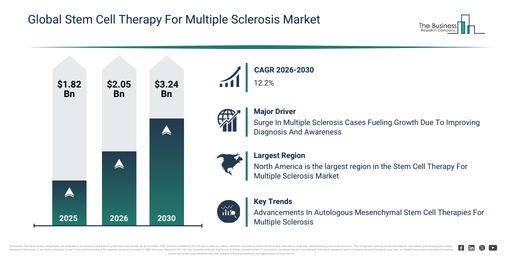
  • Stem Cell Therapy For Multiple Sclerosis Market Forecast Highlights Expansion From $2.04 Billion To $3.24 Billion Through 2030

    Stem Cell Therapy For Multiple Sclerosis Market Forecast Highlights Expansion From $2.04 Billion To $3.24 Billion Through 2030

    Enhanced with market attractiveness analysis, total addressable market evaluation, company benchmarking matrices, interactive Excel dashboards, expanded supply chain intelligence, emerging startup coverage, and detailed product insights, The Business Research Company’s 2026 market reports deliver more actionable and strategically valuable research.

    Stem Cell Therapy For Multiple Sclerosis Market Size Outlook: How Fast Will Revenue Grow Through 2030?

    The market for stem cell therapy in treating multiple sclerosis has experienced substantial expansion lately, projecting a rise from $1.82 billion in 2025 to $2.05 billion in 2026, reflecting a compound annual growth rate of 12.4%. This historical growth trajectory is underpinned by several key factors including breakthroughs in multiple sclerosis treatment research, a rise in the diagnosis of autoimmune conditions, an increase in the number of stem cell clinical trials being conducted, enhancements in selecting appropriate patients for treatment, and the growing accessibility of centers specializing in neurological care.

    The market for multiple sclerosis stem cell therapies is poised for substantial expansion in the coming years, projecting a market value of $3.24 billion by 2030, driven by a compound annual growth rate of 12.2%. This anticipated surge in the forecast period is underpinned by several key factors: accumulating evidence highlighting the sustained effectiveness of stem cell interventions, a growing imperative for treatments that actively modify disease progression, the broadening scope of individualized neurological care, escalating financial backing for neuro-regenerative investigations, and enhanced partnerships between healthcare facilities and academic institutions. Emerging trends expected to shape this market during the forecast period include a heightened utilization of autologous hematopoietic stem cell transplants, a pronounced emphasis on therapies aimed at resetting the immune system, increased application of mesenchymal stem cells, the growing deployment of precision delivery techniques, and advancements in patient monitoring and the tracking of therapeutic outcomes.

    Download A Free Sample Report For Comprehensive Market Insights:

    https://www.thebusinessresearchcompany.com/sample.aspx?id=30409&type=smp

    Stem Cell Therapy For Multiple Sclerosis Market Demand Drivers: What Is Fueling Industry Growth?

    The expanding incidence of multiple sclerosis is anticipated to be a major catalyst for the advancement of the stem cell therapy market dedicated to treating this condition. Multiple sclerosis, a persistent autoimmune disorder, detrimentally impacts the central nervous system by compromising the protective myelin sheath that encases nerve fibers. This damage disrupts neural communication between the brain and the body, manifesting in symptoms like exhaustion, muscular debility, and visual disturbances. Key factors fueling the rise in MS prevalence include enhanced diagnostic accuracy, owing to progress in medical imaging technologies and heightened public and professional awareness, which facilitate earlier and more precise detection of cases, consequently inflating reported statistics. Stem cell interventions for multiple sclerosis offer a therapeutic approach aimed at restoring myelin integrity, regulating aberrant immune system activity, and fostering the regeneration of nerve cells, ultimately contributing to symptom alleviation and potentially mitigating the advancement of the disease. For example, as of May 2024, the MS Trust, a UK non-profit organization, reported that an estimated 2.9 million individuals globally suffer from multiple sclerosis, with more than 150,000 affected within the UK. Consequently, the escalating numbers of those diagnosed with multiple sclerosis are poised to propel the growth trajectory of the stem cell therapy for multiple sclerosis market.

    Stem Cell Therapy For Multiple Sclerosis Market Segmentation And Category Breakdown

    The stem cell therapy for multiple sclerosis market covered in this report is segmented –

    1) By Type Of Stem Cell: Embryonic Stem Cells, Adult Stem Cells, Induced Pluripotent Stem Cells, Mesenchymal Stem Cells, Hematopoietic Stem Cells

    2) By Treatment Approach: Autologous Stem Cell Therapy, Allogeneic Stem Cell Therapy

    3) By Delivery Method: Intravenous Injection, Intrathecal Injection, Direct Intraspinal Administration

    4) By Application: Relapsing-Remitting Multiple Sclerosis (RRMS), Primary Progressive Multiple Sclerosis (PPMS), Secondary Progressive Multiple Sclerosis (SPMS), Progressive Relapsing Multiple Sclerosis (PRMS)

    5) By End-User: Hospitals, Specialty Clinics, Research Institutes, Other End-Users

    Subsegments:

    1) By Embryonic Stem Cells: Inner Cell Mass Cells, Blastocyst Derived Cells, Totipotent Stem Cells

    2) By Adult Stem Cells: Bone Marrow Stem Cells, Neural Stem Cells, Tissue Specific Stem Cells

    3) By Induced Pluripotent Stem Cells: Reprogrammed Somatic Cells, Patient Derived Cells

    4) By Mesenchymal Stem Cells: Adipose Derived Stem Cells, Umbilical Cord Derived Stem Cells, Bone Marrow Derived Stem Cells

    5) By Hematopoietic Stem Cells: Peripheral Blood Stem Cells, Bone Marrow Stem Cells, Umbilical Cord Blood Stem Cells

    Stem Cell Therapy For Multiple Sclerosis Market Innovation Trends: Which Developments Are Transforming The Industry?

    Leading entities within the stem cell therapy for multiple sclerosis sector are channeling efforts into pioneering advancements, specifically the development of adipose-derived mesenchymal stem cells, aiming to elevate the effectiveness, security, and regenerative capabilities of therapeutic interventions for individuals afflicted with both relapsing-remitting and progressive multiple sclerosis. These ADMSCs, recognized for their capacity to transform into various cell lineages and their inherent regenerative and immune-modulating qualities, present a promising avenue for addressing autoimmune and neurodegenerative conditions like multiple sclerosis. A notable development occurred in August 2025 when Hope Biosciences, LLC, a pharmaceutical firm based in the United States, launched its HB-adMSCs treatment, a protocol involving the administration of adipose-derived mesenchymal stem cells via substantial infusions and a repeated dosing schedule spanning 32 weeks. This therapeutic approach integrates mechanisms that modulate the immune system and promote nerve regeneration, holding the promise of decelerating disease advancement and facilitating the repair of myelin damage, thereby differentiating itself from standard immunosuppressive therapies.

    Stem Cell Therapy For Multiple Sclerosis Market Competitive Analysis Of Major Industry Participants

    Major companies operating in the stem cell therapy for multiple sclerosis market are Sana Biotechnology Inc., Century Therapeutics Inc., Reelabs Private Limited, PlacidWay LLC, MedAccess Guarantee Ltd, Celltex Therapeutics Corporation, CELLTEX THERAPEUTICS CORP, BrainStorm Cell Therapeutics Ltd., Athersys Inc., Advancells Dermaceuticals Private Limited, ImStem Biotechnology Inc., NeuroGenesis Bio Inc., Stem Cell Medicine Ltd., Biotherapy International, R3 Stem Cell, Hope Biosciences LLC, FibroBiologics Inc., Global Institute of Stem Cell Therapy and Research Inc., ProgenCell, Stemwell

    Access The Complete Stem Cell Therapy For Multiple Sclerosis Market Report:

    https://www.thebusinessresearchcompany.com/report/global-stem-cell-therapy-for-multiple-sclerosis-market-report

    Stem Cell Therapy For Multiple Sclerosis Market Geographic Landscape: Which Region Dominates Industry Growth?

    North Americawas the largest region in the stem cell therapy for multiple sclerosis market in 2025. Asia-Pacificis expected to be the fastest-growing region in the forecast period. The regions covered in the stem cell therapy for multiple sclerosis market report are Asia-Pacific, South East Asia, Western Europe, Eastern Europe, North America, South America, Middle East, Africa.

    Get in touch with us:

    The Business Research Company: https://www.thebusinessresearchcompany.com/

    Americas: +1 310-496-7795

    Asia: +44 7882 955267 & +91 8897263534

    Europe: +44 7882 955267

    Email us at: marketing@tbrc.info

    Follow us on:

    LinkedIn: https://in.linkedin.com/company/the-business-research-company

    YouTube: https://www.youtube.com/channel/UC24_fI0rV8cR5DxlCpgmyFQ

    Global Market Model: https://www.thebusinessresearchcompany.com/global-market-model
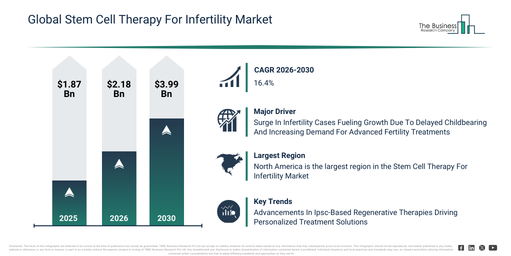
  • Stem Cell Therapy For Infertility Market Expected To Reach $3.99 Billion By 2030 As Growth Accelerates At 16.4% CAGR

    Stem Cell Therapy For Infertility Market Expected To Reach $3.99 Billion By 2030 As Growth Accelerates At 16.4% CAGR

    Through market attractiveness analysis, total addressable market evaluation, company benchmarking matrices, interactive Excel dashboards, expanded supply chain intelligence, emerging startup coverage, and detailed product insights, The Business Research Company’s 2026 market reports provide more actionable and strategically valuable research.

    Stem Cell Therapy For Infertility Market Size, Value And Growth Trends Through 2030

    The market for stem cell therapy in addressing infertility has experienced significant expansion lately. Projections indicate a rise from $1.87 billion in 2025 to $2.18 billion in 2026, reflecting a compound annual growth rate of 16.6%. Factors contributing to this growth historically include a higher incidence of infertility challenges, an increase in fertility clinics worldwide, breakthroughs in reproductive biology research, a growing preference for alternative infertility solutions, and the widespread adoption of assisted reproductive techniques.

    Anticipate a swift expansion in the stem cell therapy for infertility market during the forthcoming years, projecting a valuation of $3.99 billion by 2030, fueled by a compound annual growth rate (CAGR) of 16.4%. This projected increase is bolstered by several key factors, including the escalating clinical confirmation of stem cell applications in treating infertility, a surge in financial backing for regenerative medicine in reproduction, a greater embrace of individualized fertility approaches, the broadening scope of clinical trials within reproductive health, and strengthened partnerships between fertility centers and academic research bodies. Prominent developments anticipated within this timeframe encompass a heightened emphasis on therapies aimed at ovarian and testicular regeneration, an increased deployment of treatments utilizing a patient’s own stem cells, deeper integration with assisted reproductive technologies, the broadening of tailored fertility treatment methodologies, and significant advancements in clinical investigations concerning reproductive regeneration.

    Download A Free Sample Report For Comprehensive Market Insights:

    https://www.thebusinessresearchcompany.com/sample.aspx?id=30408&type=smp

    Stem Cell Therapy For Infertility Market Growth Drivers: What Factors Are Accelerating Expansion?

    Continued proliferation of infertility incidents is anticipated to be a major catalyst for the advancement of the stem cell therapy market focused on reproductive health. Infertility, defined as the failure of a couple to achieve pregnancy following at least a year of consistent, unprotected sexual activity, is increasingly prevalent. A primary driver behind this trend is the postponement of parenthood, with individuals opting for children at later stages of life. This delay leads to diminished fertility as the natural reproductive capacity wanes with age, a phenomenon particularly pronounced in women. Stem cell therapies present viable prospects for addressing infertility by facilitating the repair of compromised reproductive tissues, boosting the functionality of both ovaries and testes, and thereby increasing the likelihood of successful conception. Illustrating the scale of this issue, data from April 2023, as reported by the World Health Organization (WHO), a global intergovernmental body headquartered in Switzerland, indicates that infertility impacts roughly 17.5% of adults worldwide, translating to approximately one in six individuals, underscoring the escalating demand for accessible and effective fertility treatments. Consequently, the surge in infertility cases is poised to propel the growth of the stem cell therapy market dedicated to reproductive well-being.

    Stem Cell Therapy For Infertility Market Segment Outlook: Which Categories Are Expanding The Fastest?

    The stem cell therapy for infertility market covered in this report is segmented –

    1) By Type: Male Infertility Treatment, Female Infertility Treatment

    2) By Treatment Type: Autologous Stem Cell Therapy, Allogeneic Stem Cell Therapy, Combination Therapy

    3) By Cell Source: Embryonic Stem Cells, Adult Stem Cells, Induced Pluripotent Stem Cells

    4) By Application: Ovarian Insufficiency, Uterine Infertility, Genetic Disorders

    5) By End User: Hospitals, Specialty Clinics, Research Institutes

    Subsegments:

    1) By Male Infertility Treatment: Surgical Sperm Retrieval, Hormonal Therapy, Stem Cell Transplantation, Assisted Reproductive Techniques

    2) By Female Infertility Treatment: Ovarian Stem Cell Therapy, Endometrial Regeneration Therapy, Hormonal Therapy, In Vitro Fertilization Enhancement

    Stem Cell Therapy For Infertility Market Trends: What Is Shaping Future Industry Growth?

    In the realm of stem cell therapies for infertility, leading enterprises are dedicating their efforts to pioneering innovations in stem cell technology, particularly with induced pluripotent stem cells (iPSCs). This strategic focus aims to refine regenerative treatments tailored to individuals, bolster outcomes specific to each patient, and broaden the scope of reproductive ailments that can be addressed. Induced pluripotent stem cells function by reverting mature, specialized body cells to an undifferentiated, embryonic-like state, granting them the potential to develop into nearly any cell within the human organism. A notable development occurred in January 2025 when Gameto Inc., a biotechnology firm situated in the United States, commenced a crucial Phase III clinical investigation for Fertilo, its iPSC-based fertility treatment. This trial received approval through an Investigational New Drug (IND) application granted by the U.S. Food and Drug Administration (FDA). The study, which will involve around 15 locations throughout the U.S., is designed to assess the maturation of eggs outside the body, supported by specially developed ovarian support cells. This novel approach holds the promise of not only abbreviating the duration of in-vitro fertilization (IVF) cycles but also potentially diminishing the need for hormonal stimulation by as much as 80%. The successful conclusion of this trial would mark a significant milestone, establishing it as the inaugural late-stage clinical program for a therapy involving in-vitro egg maturation derived from induced pluripotent stem cells in the management of infertility.

    Stem Cell Therapy For Infertility Market Key Companies And Competitive Benchmarking

    Major companies operating in the stem cell therapy for infertility market are PlacidWay LLC, New Life India Fertility Clinic Private Limited, Jeevan Mithra Fertility Centre Private Limited, Equipo IVI S.L., Hope Fertility & Stem Cell Centre Pvt. Ltd., Bioscience Institute SpA, Advancells Dermaceuticals Private Limited, GIOSTAR INDIA PRIVATE LIMITED, Shree IVF Clinic Private Limited, Stem Cells Care (india) Private Limited, GenCell Ltd., StemRx BioScience Solutions Private Limited., Kiran Infertility Centre Private Limited, R3 Stem Cell LLC., Bavishi Fertility Institute Private Limited, Seragen Biotherapeutics Private Limited, Esha IVF Fertility Centre Private Limited, Embryonic Tissue Center EmCell, InoCells B.V., Vega Stem Cell Clinic Co. Ltd.

    Access The Complete Stem Cell Therapy For Infertility Market Report:

    https://www.thebusinessresearchcompany.com/report/global-stem-cell-therapy-for-infertility-market-report

    Stem Cell Therapy For Infertility Market Largest Region: Which Geography Holds The Highest Market Share?

    North Americawas the largest region in the stem cell therapy for infertility market in 2025. Asia-Pacificis expected to be the fastest-growing region in the forecast period. The regions covered in the stem cell therapy for infertility market report are Asia-Pacific, South East Asia, Western Europe, Eastern Europe, North America, South America, Middle East, Africa.

    Get in touch with us:

    The Business Research Company: https://www.thebusinessresearchcompany.com/

    Americas: +1 310-496-7795

    Asia: +44 7882 955267 & +91 8897263534

    Europe: +44 7882 955267

    Email us at: marketing@tbrc.info

    Follow us on:

    LinkedIn: https://in.linkedin.com/company/the-business-research-company

    YouTube: https://www.youtube.com/channel/UC24_fI0rV8cR5DxlCpgmyFQ

    Global Market Model: https://www.thebusinessresearchcompany.com/global-market-model
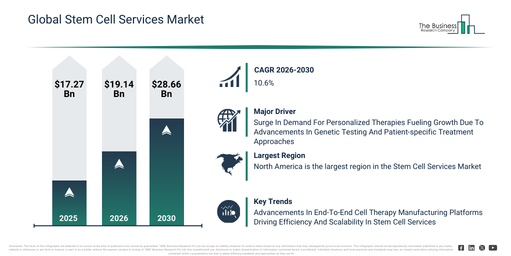
  • Stem Cell Services Market Set To Grow From $19.14 Billion In 2026 To $28.65 Billion By 2030 At A CAGR Of 10.6%

    Stem Cell Services Market Set To Grow From $19.14 Billion In 2026 To $28.65 Billion By 2030 At A CAGR Of 10.6%

    Delivering more actionable and strategically valuable research, The Business Research Company’s 2026 market reports feature market attractiveness analysis, total addressable market evaluation, company benchmarking matrices, interactive Excel dashboards, expanded supply chain intelligence, emerging startup coverage, and detailed product insights.

    Stem Cell Services Market CAGR Analysis And Future Market Development

    The market for stem cell services has experienced a period of significant expansion, projecting continued robust growth from an estimated $17.27 billion in 2025 to $19.14 billion by 2026, reflecting a compound annual growth rate of 10.8%. This upward trajectory in recent times is largely attributable to heightened engagement in stem cell research, a greater incorporation of cell-based assays within the drug development process, escalating interest in the long-term preservation of stem cells, the expanding research and development pipelines within the biopharmaceutical sector, and a growing trend towards regulatory standardization.

    The stem cell services market is poised for substantial expansion in the coming years, projecting a valuation of $28.66 billion by 2030, fueled by a compound annual growth rate of 10.6%. This anticipated surge is largely propelled by heightened investments in personalized medicine, a greater demand for induced pluripotent stem cell (iPSC) research solutions, the broadening applications of regenerative medicine, amplified outsourcing of stem cell services by pharmaceutical firms, and the growing utilization of digital laboratory platforms. Key developments anticipated during this forecast period encompass a heightened uptake of advanced stem cell banking, escalating interest in bespoke stem cell processing, increased adoption of high-throughput cell screening services, deeper integration of data-driven cell analytics, and a more pronounced emphasis on quality assurance and regulatory adherence.

    Download A Free Sample Report For Comprehensive Market Insights:

    https://www.thebusinessresearchcompany.com/sample.aspx?id=30407&type=smp

    Stem Cell Services Market Growth Factors Supporting Long-Term Expansion

    The expansion of the stem cell services market is anticipated to be substantially fueled by the increasing need for individualized medical interventions, often termed personalized therapies. These treatments are designed to match a person’s specific genetic makeup, lifestyle habits, and particular ailment, with the goal of optimizing treatment efficacy and reducing adverse reactions by concentrating on each patient’s unique biological signature. Advances in genetic analysis and molecular diagnostic tools are key drivers behind this heightened demand for personalized therapies, facilitating the customization of treatments to an individual’s distinct biological and genetic attributes, thereby enhancing treatment results and curtailing negative impacts. Stem cell services play a crucial role in advancing these personalized therapies by supplying patient-unique stem cells and made-to-order regenerative solutions, which in turn allow for exact and focused therapeutic approaches that correspond with each person’s biological profile. For illustrative purposes, a report from April 2024 by the Personalized Medicine Coalition (PMC), a U.S.-based entity championing personalized healthcare, noted that the U.S. Food and Drug Administration’s (FDA) Center for Drug Evaluation and Research (CDER) sanctioned 50 new molecular entities (NMEs) in 2024, with 18 of these, approximately 38%, being identified by the PMC as personalized medicines. Consequently, the escalating requirement for personalized therapies is poised to propel the growth of the stem cell services sector.

    Stem Cell Services Market Segment Landscape: Which Areas Lead Market Development?

    The stem cell services market covered in this report is segmented –

    1) By Type: Customize Service, Stem Cell Differentiation, Assay Development, Screening, Other Types

    2) By Type Of Stem Cells: Embryonic Stem Cells, Adult Stem Cells, Induced Pluripotent Stem Cells (iPSCs)

    3) By Therapy Type: Autologous Stem Cell Therapy, Allogenic Stem Cell Therapy

    4) By Application: Regenerative Medicine, Stem Cell Banking, Cell-Based Assays, Drug Discovery And Development

    5) By End User: Hospitals, Research Institutes, Pharmaceutical Companies, Biotechnology Companies

    Subsegments:

    1) By Customize Service: Personalized Protocol Design, Tailored Culture Conditions, Patient Specific Cell Processing, Custom Analytical Reporting

    2) By Stem Cell Differentiation: Mesenchymal Lineage Differentiation, Neural Lineage Differentiation, Hematopoietic Lineage Differentiation, Cardiac Lineage Differentiation

    3) By Assay Development: Functional Assay Design, Cellular Assay Optimization, Biomarker Assay Development, High Throughput Assay Design

    4) By Screening: Small Molecule Screening, Drug Candidate Screening, Gene Editing Screening, Toxicity Screening

    5) By Other Types: Cell Banking Services, Quality Control Testing, Process Development Support, Bioinformatics Analysis

    Stem Cell Services Market Industry Trends Shaping Future Revenue Growth

    The stem cell services industry is experiencing a surge in innovation, with leading players prioritizing the development of single-use consumable systems. These advanced systems are pivotal in boosting manufacturing efficiency, mitigating contamination concerns, and optimizing the entire workflow for cell therapy production. The concept behind single-use consumables involves utilizing equipment that interfaces with biological substances on a disposable basis, effectively curtailing the likelihood of contamination and enhancing the overall efficacy of the manufacturing process. Illustrating this trend, Limula SA, a Swiss firm specializing in life science tools, unveiled LimONE in March 2025. This novel platform is engineered to manage the complete lifecycle of cell therapy manufacturing, orchestrating and consolidating intricate, disparate stages into an unbroken, fluid operation. By integrating several procedural steps into a singular, enclosed disposable unit, the system significantly cuts down on labor, equipment needs, and infrastructural demands, simultaneously ensuring consistent processes, facilitating scalability, and accelerating production schedules for highly individualized cell therapies.

    Stem Cell Services Market Industry Leaders And Market Competition

    Major companies operating in the stem cell services market are Thermo Fisher Scientific Inc., FUJIFILM Holdings Corporation, Lonza Group AG, WuXi AppTec Co. Ltd., Charles River Laboratories International Inc., Miltenyi Biotec B.V. & Co. KG, AGC Biologics Inc., GenScript Biotech Corporation, Vericel Corporation, LifeCell International Private Limited, Cryo-Cell International Inc., Reelabs Private Limited, Medipost Co. Ltd., Celltex Therapeutics Corporation, Kangstem Biotech Co. Ltd., CellThera Ltd., Anterogen Co. Ltd., Healios K.K., Sanpower Group Co. Ltd., InoCells Co. Ltd.

    Access The Complete Stem Cell Services Market Report:

    https://www.thebusinessresearchcompany.com/report/global-stem-cell-services-market-report

    Stem Cell Services Market Regional Analysis: Which Region Leads By Revenue?

    North Americawas the largest region in the stem cell services market in 2025. Asia-Pacificis expected to be the fastest-growing region in the forecast period. The regions covered in the stem cell services market report are Asia-Pacific, South East Asia, Western Europe, Eastern Europe, North America, South America, Middle East, Africa.

    Get in touch with us:

    The Business Research Company: https://www.thebusinessresearchcompany.com/

    Americas: +1 310-496-7795

    Asia: +44 7882 955267 & +91 8897263534

    Europe: +44 7882 955267

    Email us at: marketing@tbrc.info

    Follow us on:

    LinkedIn: https://in.linkedin.com/company/the-business-research-company

    YouTube: https://www.youtube.com/channel/UC24_fI0rV8cR5DxlCpgmyFQ

    Global Market Model: https://www.thebusinessresearchcompany.com/global-market-model
  • Stem Cell Reconstructive Market Opportunities Are Emerging Beyond Traditional Growth Areas

    Stem Cell Reconstructive Market Opportunities Are Emerging Beyond Traditional Growth Areas

    Enhanced with market attractiveness analysis, total addressable market evaluation, company benchmarking matrices, interactive Excel dashboards, expanded supply chain intelligence, emerging startup coverage, and detailed product insights, The Business Research Company’s 2026 market reports deliver more actionable and strategically valuable research.

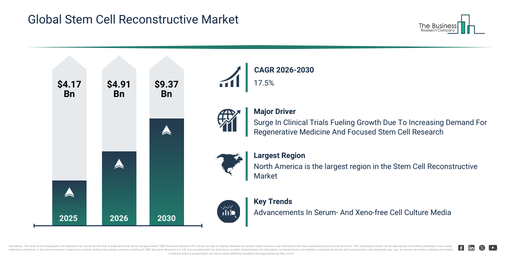
    Stem Cell Reconstructive Market Expansion From $4.91 Billion In 2026 To $9.36 Billion In 2030

    The market for stem cell reconstructive therapies has experienced significant expansion lately, with projections indicating a surge from $4.17 billion in 2025 to $4.91 billion by 2026, reflecting a compound annual growth rate of 17.7%. This historical growth trajectory is largely attributable to breakthroughs in regenerative medicine, a rise in the incidence of injuries and degenerative diseases, greater acceptance of less invasive reconstructive techniques, an increase in clinical trials involving stem cells, and the broadening accessibility of technologies for cell processing.

    The global market for stem cell reconstructive procedures is poised for significant expansion, projected to reach $9.37 billion by the year 2030, reflecting a robust compound annual growth rate of 17.5%. This anticipated surge is fueled by a confluence of factors, including a heightened consumer desire for tailored regenerative treatments, augmented financial backing for cutting-edge cell production facilities, broader acceptance within the medical community for stem cell-based reconstruction, a widening scope of regenerative applications in cosmetic and orthopedic surgery, and ongoing advancements in the development of scaffolding materials and delivery mechanisms. Key developments expected to shape this market during the forecast period encompass a greater embrace of autologous stem cell therapies, increased utilization of biomaterial support for cell delivery, an intensified focus on individualized reconstructive approaches, the proliferation of 3D cell culture and bioreactor technologies, and a more seamless incorporation of regenerative surgical methodologies.

    Download A Free Sample Report For Comprehensive Market Insights:

    https://www.thebusinessresearchcompany.com/sample.aspx?id=30406&type=smp

    Stem Cell Reconstructive Market Demand Drivers Creating New Revenue Opportunities

    The expansion of the stem cell reconstructive market is anticipated to be substantially boosted by the increasing number of clinical trials focused on stem cell therapies. These trials are systematic investigations designed to ascertain the safety, effectiveness, and potential therapeutic benefits of treatments utilizing stem cells within human participants. A key factor fueling the proliferation of these studies is the heightened demand for regenerative medicine solutions to manage chronic and degenerative conditions, spurring extensive research into the capacity of stem cells to mend or substitute compromised tissues and organs. To facilitate these trials, the stem cell reconstructive sector furnishes sophisticated cell processing services, regenerative biomaterials, and consistent treatment methodologies that bolster safety, efficacy, and replicability in research endeavors. Illustratively, data from the CGT Catapult, a UK entity dedicated to advancing innovative therapies, revealed that the United Kingdom was engaged in 187 active advanced therapy clinical trials in 2024, marking a 7% uptick from the preceding year, as noted in their January 2025 publication. Consequently, the escalating volume of clinical trials involving stem cell therapies is poised to propel the growth trajectory of the stem cell reconstructive market.

    Stem Cell Reconstructive Market Segments: Where Are The Largest Growth Opportunities?

    The stem cell reconstructive market covered in this report is segmented –

    1) By Product Type: Stem Cell Therapies, Stem Cell Storage Services, Stem Cell Media And Reagents, Stem Cell Culture Systems

    2) By Mode Of Administration: Surgical Implantation, Injection-Based, Topical Application, Scaffold Or Biomaterial-Assisted Delivery

    3) By Source: Bone Marrow, Adipose Tissue, Umbilical Cord Blood, Other Sources

    4) By Application: Orthopedic Reconstruction, Plastic And Cosmetic Surgery, Wound And Burn Healing, Soft Tissue Regeneration, Other Applications

    5) By End Use: Hospitals And Surgical Centers, Cosmetic Clinics, Orthopedic And Sports Medicine Centers, Burn And Trauma Care Centers, Academic And Research Institutions, Other End Uses

    Subsegments:

    1) By Stem Cell Therapies: Autologous Stem Cell Therapy, Allogeneic Stem Cell Therapy, Induced Pluripotent Stem Cell Therapy, Embryonic Stem Cell Therapy

    2) By Stem Cell Storage Services: Cord Blood Storage, Cord Tissue Storage, Bone Marrow Storage, Peripheral Blood Stem Cell Storage

    3) By Stem Cell Media And Reagents: Growth Factors, Cytokines, Culture Media, Supplements

    4) By Stem Cell Culture Systems: Two Dimensional Culture Systems, Three Dimensional Culture Systems, Bioreactors, Microcarrier Based Culture Systems

    Stem Cell Reconstructive Market Trends Driving Strategic Industry Expansion

    In the stem cell reconstructive arena, prominent entities are engaged in pioneering innovations like serum- and xeno-free cell culture mediums. This strategic development aims to elevate the safety, effectiveness, and scalable implementation of stem cell treatments pertinent to regenerative purposes. The defining characteristic of serum- and xeno-free cell culture medium lies in its composition, which entirely excludes animal and human biological constituents, engineered to foster cellular proliferation and viability within precisely controlled and repeatable environments. Contributing to this advancement, PromoCell GmbH, a biotechnology firm headquartered in Germany, introduced PromoExQ MSC Growth Medium XF in July 2023. This particular medium is formulated to be devoid of serum and xeno-components, specifically catering to the GMP-compliant upkeep and extensive proliferation of mesenchymal stem cells (MSCs). It facilitates uniform MSC growth derived from various origins, including bone marrow, umbilical cord, and adipose tissue, thereby assuring superior cell quality and dependable outcomes for both research endeavors and clinical therapeutic uses. Furthermore, PromoExQ MSC Growth Medium XF mitigates the inconsistencies often observed with conventional serum-inclusive media, underscoring PromoCell’s dedication to furnishing cutting-edge solutions for the fields of regenerative medicine and stem cell investigation.

    Stem Cell Reconstructive Market Major Participants And Competitive Dynamics

    Major companies operating in the stem cell reconstructive market are Bayer Aktiengesellschaft, Astellas Pharma Inc., Globus Medical Inc., Organogenesis Holdings Inc., Vericel Corporation, BioTissue Technologies GmbH, AVITA Medical Inc., SanBio Company Limited, MEDIPOST Co. Ltd., CUTISS AG, Novadip Biosciences SA, Pandorum Technologies Pvt. Ltd., Mesoblast Limited, EmCyte Corporation, Pluri Inc., HEALIOS K.K., Anterogen Co. Ltd., AcceGen, Orthocell Ltd., Gamida Cell Ltd.

    Access The Complete Stem Cell Reconstructive Market Report:

    https://www.thebusinessresearchcompany.com/report/global-stem-cell-reconstructive-market-report

    Stem Cell Reconstructive Market Geographic Distribution And Regional Opportunities

    North Americawas the largest region in the stem cell reconstructive market in 2025. Asia-Pacificis expected to be the fastest-growing region in the forecast period. The regions covered in the stem cell reconstructive market report are Asia-Pacific, South East Asia, Western Europe, Eastern Europe, North America, South America, Middle East, Africa.

    Get in touch with us:

    The Business Research Company: https://www.thebusinessresearchcompany.com/

    Americas: +1 310-496-7795

    Asia: +44 7882 955267 & +91 8897263534

    Europe: +44 7882 955267

    Email us at: marketing@tbrc.info

    Follow us on:

    LinkedIn: https://in.linkedin.com/company/the-business-research-company

    YouTube: https://www.youtube.com/channel/UC24_fI0rV8cR5DxlCpgmyFQ

    Global Market Model: https://www.thebusinessresearchcompany.com/global-market-model