Category: Healthcare Services

  • Panuveitis Treatment Market Forecast Signals New Revenue Opportunities Through 2030

    Panuveitis Treatment Market Forecast Signals New Revenue Opportunities Through 2030

    Through market attractiveness analysis, total addressable market evaluation, company benchmarking matrices, interactive Excel dashboards, expanded supply chain intelligence, emerging startup coverage, and detailed product insights, The Business Research Company’s 2026 market reports provide more actionable and strategically valuable research.

    Panuveitis Treatment Market Revenue Outlook: What CAGR Is Expected Through 2030?

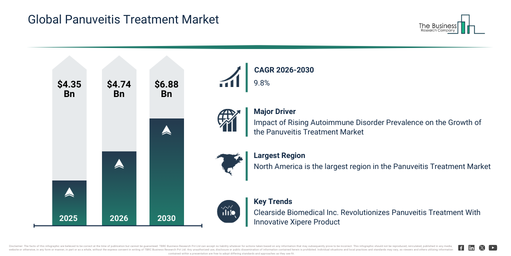
    The global market for panuveitis treatments has experienced robust expansion recently, projecting a rise from $4.35 billion in 2025 to $4.74 billion in 2026, reflecting an 8.8% compound annual growth rate. Factors contributing to this historical growth trajectory include restricted access to specialized eye care professionals, reliance on corticosteroid treatments, a deficiency in sophisticated diagnostic capabilities, minimal awareness regarding the complications associated with panuveitis, and a disconnected treatment framework.

    The market for panuveitis treatments is poised for significant expansion over the upcoming years, projected to reach $6.88 billion by 2030, with a compound annual growth rate of 9.8%. This anticipated growth stems from several key factors, including the development of innovative biologic and immunotherapy treatments, a higher incidence of both autoimmune and infectious conditions affecting the eyes, the increasing utilization of teleophthalmology and digital patient monitoring systems, escalating investments in artificial intelligence for diagnostic purposes, and the broadening of distribution networks through hospitals and specialized clinics. Within this forecast period, prominent trends will include a greater embrace of biologic and specialized therapies, the seamless integration of remote patient monitoring and teleophthalmology, the deployment of AI-powered diagnostic instruments for uveitis detection, the emergence and growth of tailored eye care approaches, and the proliferation of dedicated ophthalmology facilities.

    Download A Free Sample Report For Comprehensive Market Insights:

    https://www.thebusinessresearchcompany.com/sample.aspx?id=13157&type=smp

    Panuveitis Treatment Market Growth Momentum: Which Factors Are Influencing Demand?

    The increasing incidence of autoimmune conditions is anticipated to stimulate expansion within the panuveitis treatment sector. Factors contributing to the surge in autoimmune disorders include genetic susceptibilities, environmental influences such as pollution and altered diets, and heightened exposure to specific infections and stressors that can disrupt immune system balance. These autoimmune conditions enhance panuveitis treatment development by fostering investigations into immune system regulation, as a significant portion of panuveitis instances are linked to autoimmune responses. For illustration, by May 2023, data from the University of Oxford indicated that autoimmune disorders impact 10% globally, with a 13% prevalence among women and 7% among men. Consequently, the escalating rate of autoimmune disorders is a key driver for the panuveitis treatment market’s growth.

    Panuveitis Treatment Market Segment Landscape And Growth Potential

    The panuveitis treatment market covered in this report is segmented –

    1) By Drug Class: Anti-Inflammatory, Antimicrobial Drugs, Immunotherapy And Targeted Therapies

    2) By Route Of Administration: Oral, Topical

    3) By End Users: Hospitals, Home Care, Specialty Clinics, Other End Users

    Subsegments:

    1) By Anti-Inflammatory: Corticosteroids, Non-Steroidal Anti-Inflammatory Drugs (NSAIDs)

    2) By Antimicrobial Drugs: Antibiotics, Antifungal Agents, Antiviral Medications

    3) By Immunotherapy And Targeted Therapies: Biologic Agents, Janus Kinase (JAK) Inhibitors, Cytokine Modulators

    Panuveitis Treatment Market Trends Reshaping Industry Growth

    Regarding the panuveitis treatment market, key industry players are strategically investing in novel therapeutic avenues such as oral dual TYK2/JAK1 inhibitors with the aim of securing a leading market position. These small-molecule immunomodulators are designed to effectively dampen a spectrum of inflammatory cytokine signaling pathways, thereby mitigating inflammation within the eye and providing the ease of administration through oral intake. A pertinent illustration of this development comes from Priovant Therapeutics, a biotechnology firm based in the United States, which in April 2024 disclosed compelling results from a mid-stage clinical trial for its oral drug brepocitinib. This agent, targeting TYK2 and JAK1, demonstrated significant effectiveness in treating non-infectious uveitis, notably leading to a reduction in macular edema for a number of participants. The primary benefits associated with this approach encompass widespread inhibition of cytokines, the simplicity of taking a once-daily oral medication, and a decreased dependence on injections directly into the eye. Nevertheless, potential drawbacks consist of the possibility of generalized immunosuppression and unintended side effects arising from action on non-target pathways, necessitating diligent and prolonged patient observation.

    Panuveitis Treatment Market Competitive Landscape: Who Are The Leading Companies?

    Major companies operating in the panuveitis treatment market are Pfizer Inc., Johnson and Johnson Pvt. Ltd., Bausch Health Companies Inc., AbbVie Inc., Novartis AG, Allergan Inc., Regeneron Pharmaceuticals Inc., Santen Pharmaceutical Co. Ltd., Ocular Therapeutix Inc., EyeGate Pharmaceuticals Inc., Eyepoint Pharmaceuticals Inc., Graybug Vision Inc., Aciont Inc., Clearside Biomedical Inc., Aldeyra Therapeutics Inc., UCB S.A., Amgen Inc., Sanofi S.A., Galapagos NV, Kiora Pharmaceuticals Inc., ONL Therapeutics, Eyevensys, Nicox S.A., Abbott Laboratories

    Access The Complete Panuveitis Treatment Market Report:

    https://www.thebusinessresearchcompany.com/report/panuveitis-treatment-global-market-report

    Panuveitis Treatment Market Regional Outlook: Where Are The Largest Opportunities Located?

    North Americawas the largest region in the panuveitis treatment market in 2025. The regions covered in the panuveitis treatment market report are Asia-Pacific, South East Asia, Western Europe, Eastern Europe, North America, South America, Middle East, Africa.

    Get in touch with us:

    The Business Research Company: https://www.thebusinessresearchcompany.com/

    Americas: +1 310-496-7795

    Asia: +44 7882 955267 & +91 8897263534

    Europe: +44 7882 955267

    Email us at: marketing@tbrc.info

    Follow us on:

    LinkedIn: https://in.linkedin.com/company/the-business-research-company

    YouTube: https://www.youtube.com/channel/UC24_fI0rV8cR5DxlCpgmyFQ

    Global Market Model: https://www.thebusinessresearchcompany.com/global-market-model
  • Panuveitis Market Growth Is Accelerating As Industry Transformation Continues

    Panuveitis Market Growth Is Accelerating As Industry Transformation Continues

    Delivering more actionable and strategically valuable research, The Business Research Company’s 2026 market reports feature market attractiveness analysis, total addressable market evaluation, company benchmarking matrices, interactive Excel dashboards, expanded supply chain intelligence, emerging startup coverage, and detailed product insights.

    Panuveitis Market Growth Analysis: How Will Revenue Expand During The Forecast Period?

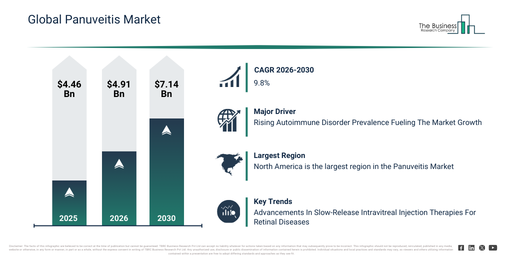
    The global panuveitis market experienced substantial expansion, projected to surge from $4.46 billion in 2025 to $4.91 billion in 2026, reflecting a robust compound annual growth rate of 10.1%. During the preceding period, this growth was shaped by factors such as insufficient public knowledge of panuveitis, a predominant reliance on traditional corticosteroid treatments, restricted access to specialized eye care professionals, a disjointed healthcare system for treatment, and a gradual uptake of advanced diagnostic imaging tools.

    The global market for panuveitis is poised for significant expansion over the upcoming years, projected to reach $7.14 billion by 2030, driven by a compound annual growth rate of 9.8%; this anticipated growth is fueled by several key factors including remarkable progress in biologic and immunomodulatory treatments, a growing incidence of autoimmune and infectious conditions affecting the eyes, the expanding reach of teleophthalmology services, increased funding for artificial intelligence in diagnostic applications, and the broadening of distribution networks through hospitals and retail pharmacies, while prominent trends shaping this market during the forecast period encompass a greater embrace of targeted biologic treatments, escalating utilization of teleophthalmology and remote patient monitoring, the incorporation of AI-powered diagnostic instruments for ocular inflammation, a rise in customized therapeutic strategies, and the proliferation of dedicated ophthalmology facilities.

    Download A Free Sample Report For Comprehensive Market Insights:

    https://www.thebusinessresearchcompany.com/sample.aspx?id=21244&type=smp

    Panuveitis Market Expansion Drivers: What Is Shaping Future Growth?

    The increasing incidence of autoimmune conditions is anticipated to fuel the expansion of the panuveitis market in the future. Autoimmune ailments occur when an individual’s immune defense mechanisms mistakenly attack and harm their own healthy cells and bodily tissues. Several factors contribute to the growing number of autoimmune diseases, including a complex interplay of inherited genetic susceptibilities, external influences like environmental pollution and shifts in dietary habits, and heightened exposure to specific infections and stressors that can disrupt immune system balance. These autoimmune disorders indirectly foster progress in panuveitis therapeutic strategies by stimulating investigations into methods for regulating the immune response, given that a significant portion of panuveitis instances are linked to autoimmune processes. Illustratively, a report from the University of Oxford in May 2023 indicated that autoimmune disorders impact approximately 10% of the global populace, with a higher prevalence observed in women at 13% compared to men at 7%. Consequently, the escalating rate of autoimmune disorders is a key driver for the development of the panuveitis market.

    Panuveitis Market Categorization By Product Type And Application

    The panuveitis market covered in this report is segmented –

    1) By Type: Infectious Panuveitis, Non-Infectious Panuveitis

    2) By Treatment: Pharmacological, Surgical, Phototherapy

    3) By Route Of Administration: Oral, Intravitreal, Topical

    4) By Distribution Channel: Hospital Pharmacies, Retail Pharmacies, Online Pharmacies

    Subsegments:

    1) By Infectious Panuveitis: Bacterial Panuveitis, Viral Panuveitis, Fungal Panuveitis, Parasitic Panuveitis

    2) By Non-Infectious Panuveitis: Autoimmune-Related Panuveitis, Idiopathic Panuveitis, Drug-Induced Panuveitis

    Panuveitis Market Strategic Trends: What Is Defining The Next Phase Of Growth?

    To distinguish themselves in the panuveitis sector, leading entities are concentrating on pioneering therapeutic avenues, specifically the creation of oral TYK2/JAK-1 inhibitors as a strategic enhancement. These orally administered agents function as small-molecule immunomodulators, effectively curbing inflammatory signals by simultaneously impeding TYK2 and JAK-1 kinases, which in turn mitigates inflammation within the eye driven by cytokines. Demonstrating this trend, Roivant Sciences, a biopharmaceutical firm based in the United States, revealed encouraging Phase 2 trial results in April 2024 for brepocitinib, a component of its NEPTUNE investigation into non-infectious uveitis, a category encompassing panuveitis. This particular medication proved effective in diminishing both inflammation and macular swelling, while also exhibiting a favorable safety profile with no emergent concerns. Concurrently, Alumis, another US-based biotherapeutic enterprise, commenced patient treatment in its Phase 2 exploratory study in June 2023 for ESK-001, targeting non-infectious uveitis, including its panuveitis manifestation; this drug candidate boasts high selectivity, oral availability, and is engineered to limit unintended effects through allosteric inhibition of TYK2.

    Panuveitis Market Company Landscape And Strategic Competition

    Major companies operating in the panuveitis market are Pfizer Inc., AbbVie, Amgen, Mallinckrodt plc, EyePoint Pharmaceuticals Inc., Clearside Biomedical Inc., pSivida Corp., Santen Pharmaceutical Co Ltd, Alimera Sciences Inc, Novartis AG, F Hoffmann‑La Roche AG, Regeneron Pharmaceuticals Inc, Sanofi S A, Bausch Health Companies Inc, Johnson & Johnson, UCB SA, Aldeyra Therapeutics Inc, Kiora Pharmaceuticals Inc, Lux Biosciences Inc, Aciont Inc, Sirion Therapeutics Inc, EyeGate Pharmaceuticals Inc, Oculis Pharma AG, Alcon Inc, Sun Pharmaceutical Industries Ltd, Aerie Pharmaceuticals Inc.

    Access The Complete Panuveitis Market Report:

    https://www.thebusinessresearchcompany.com/report/panuveitis-global-market-report

    Panuveitis Market Geographic Landscape: Which Region Dominates Industry Growth?

    North Americawas the largest region in the panuveitis market in 2025. The regions covered in the panuveitis market report are Asia-Pacific, South East Asia, Western Europe, Eastern Europe, North America, South America, Middle East, Africa.

    Get in touch with us:

    The Business Research Company: https://www.thebusinessresearchcompany.com/

    Americas: +1 310-496-7795

    Asia: +44 7882 955267 & +91 8897263534

    Europe: +44 7882 955267

    Email us at: marketing@tbrc.info

    Follow us on:

    LinkedIn: https://in.linkedin.com/company/the-business-research-company

    YouTube: https://www.youtube.com/channel/UC24_fI0rV8cR5DxlCpgmyFQ

    Global Market Model: https://www.thebusinessresearchcompany.com/global-market-model
  • Panic Disorders Market Outlook Highlights The Next Major Growth Opportunities

    Panic Disorders Market Outlook Highlights The Next Major Growth Opportunities

    Enhanced with market attractiveness analysis, total addressable market evaluation, company benchmarking matrices, interactive Excel dashboards, expanded supply chain intelligence, emerging startup coverage, and detailed product insights, The Business Research Company’s 2026 market reports deliver more actionable and strategically valuable research.

    Panic Disorders Market Forecast: What Market Value Is Expected By 2030?

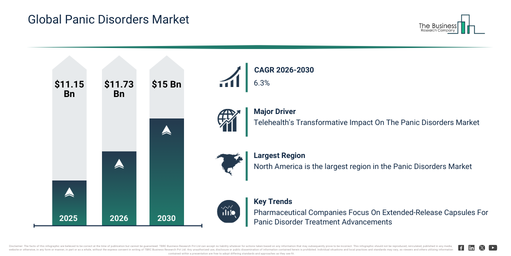
    In recent years, the market for panic disorders has experienced robust expansion, projecting a rise from $11.15 billion in 2025 to $11.73 billion in 2026, reflecting a compound annual growth rate of 5.3%. This historical growth trajectory was influenced by factors such as a lack of widespread understanding regarding panic disorders, a prevalent dependence on conventional face-to-face therapeutic approaches, considerable expenses associated with medications, a decentralized mental healthcare system, and limited uptake of digital therapeutic solutions.

    The market for panic disorder treatments is projected for considerable expansion over the upcoming years, estimating a reach of $15 billion by 2030 with a CAGR of 6.3%. This projected increase is fueled by a rise in anxiety and panic disorder diagnoses, a greater acceptance of telepsychiatry services, innovations in virtual reality and neurofeedback therapeutic approaches, the broader availability through online pharmacies and hospital networks, and a growing need for tailored mental health strategies. Key developments anticipated within this timeframe involve increased utilization of telepsychiatry and mobile mental health platforms, the incorporation of virtual reality for anxiety treatment, more frequent application of biofeedback and neurofeedback methods, a trend towards individualized treatment plans for panic disorders, and an overall enhancement of mental healthcare infrastructure and hospital-based offerings.

    Download A Free Sample Report For Comprehensive Market Insights:

    https://www.thebusinessresearchcompany.com/sample.aspx?id=13191&type=smp

    Panic Disorders Market Development Factors: Which Trends Are Supporting Demand?

    The expanding adoption of remote healthcare solutions is anticipated to be a key driver for the advancement of the panic disorders market in the future. Telehealth, which encompasses the delivery of health services and medical advice from a distance through electronic means like video calls, phone conversations, and encrypted messaging, plays a significant role in this trend by enabling mental health professionals to deliver psychotherapy and counseling to individuals experiencing panic disorders. These remote sessions can take various forms, including one-on-one therapy, group discussions, or support forums, all conducted through secure video conferencing technology. Illustrating this trend, data from FAIR Health Inc. in April 2023 revealed a nationwide uptick in telehealth engagement, with its proportion among medical claim lines climbing from 5.5% in December 2022 to 5.9% in January 2023, marking a 7.3% increase. Consequently, the growing incorporation of telehealth services is directly contributing to the expansion of the panic disorders market.

    Panic Disorders Market Segment Analysis And Revenue Opportunities

    The panic disorders market covered in this report is segmented –

    1) By Treatment Type: Pharmacotherapies, Psychotherapeutic Interventions, Digital Or Tech-Enabled Therapies

    2) By Disorder Type: Panic Disorder Without Agoraphobia, Panic Disorder With Agoraphobia, Mild Panic Disorder, Moderate Panic Disorder, Severe Panic Disorder, Panic Disorder With Comorbidities

    3) By Age Group: Children And Adolescents, Adults, Elderly

    4) By End User: Hospitals, Specialty Mental Health Clinics, Primary Care Clinics, Telehealth And Digital Platforms, Home Healthcare Services

    Subsegments:

    1) By Pharmacotherapies: Antidepressants, Benzodiazepines, Beta-Blockers

    2) By Psychotherapeutic Interventions: Cognitive Behavioral Therapy (CBT), Exposure Therapy, Psychodynamic Therapy, Group And Family Therapy

    3) By Digital Or Tech-Enabled Therapies: Mental Health Apps, Telepsychiatry Or Teletherapy, Virtual CBT Programs

    Panic Disorders Market Transformation Trends: Which Innovations Are Driving Change?

    The primary participants in the panic disorder market are actively engaged in the creation of sophisticated therapeutic options, exemplified by extended-release capsules, as a strategy to secure their competitive standing. These extended-release capsules are engineered to progressively dispense their therapeutic components over an extended duration, spanning typically twelve to twenty-four hours, thereby addressing medical needs that necessitate sustained medication delivery. Illustrating this trend, in May of 2023, the pharmaceutical firm Granules India Ltd., headquartered in India, obtained approval for their abbreviated new drug application (ANDA) from the United States Food & Drug Administration (USFDA) for venlafaxine hydrochloride extended-release capsules, which have been shown to be bioequivalent to the Effexor XR Extended-Release Capsules, the reference-listed drug product manufactured by Upjohn US 2 LLC. This medication, venlafaxine HCl extended-release capsules, is indicated for the treatment of several conditions, encompassing generalized anxiety disorder (GAD), major depressive disorder (MDD), panic disorder (PD), and social anxiety disorder (SAD), by enhancing neurotransmitter levels of serotonin and norepinephrine within the brain, with initial dosages commonly set at 75 mg daily, subject to upward adjustment by a healthcare provider based on patient requirements.

    Panic Disorders Market Leading Players Shaping Industry Direction

    Major companies operating in the panic disorders market are F. Hoffmann‑La Roche Ltd, Sanofi S.A, Bristol‑Myers Squibb Company, AstraZeneca plc, Abbott Laboratories, GlaxoSmithKline plc, Eli Lilly and Company, Boehringer Ingelheim International GmbH, Teva Pharmaceutical Industries Ltd, Mylan N.V., Pfizer Inc, Sun Pharmaceutical Industries Ltd, H. Lundbeck A/S, Neurocrine Biosciences Inc, Neuraxpharm, Actavis Plc, Sumitomo Pharma Co Ltd, LIFECARE NEURO PRODUCTS LTD, Merck & Co Inc, Johnson & Johnson, Novartis AG, Otsuka Pharmaceutical Co Ltd.

    Access The Complete Panic Disorders Market Report:

    https://www.thebusinessresearchcompany.com/report/panic-disorders-global-market-report

    Panic Disorders Market Largest Region: Which Geography Holds The Highest Market Share?

    North Americawas the largest region in the panic disorders market in 2025. Asia Pacificis expected to be the fastest-growing region in the forecast period. The regions covered in the panic disorders market report are Asia-Pacific, South East Asia, Western Europe, Eastern Europe, North America, South America, Middle East, Africa.

    Get in touch with us:

    The Business Research Company: https://www.thebusinessresearchcompany.com/

    Americas: +1 310-496-7795

    Asia: +44 7882 955267 & +91 8897263534

    Europe: +44 7882 955267

    Email us at: marketing@tbrc.info

    Follow us on:

    LinkedIn: https://in.linkedin.com/company/the-business-research-company

    YouTube: https://www.youtube.com/channel/UC24_fI0rV8cR5DxlCpgmyFQ

    Global Market Model: https://www.thebusinessresearchcompany.com/global-market-model
  • Panic Attack Treatment Market Trends And Growth Drivers Point To Strong Future Potential

    Panic Attack Treatment Market Trends And Growth Drivers Point To Strong Future Potential

    Through market attractiveness analysis, total addressable market evaluation, company benchmarking matrices, interactive Excel dashboards, expanded supply chain intelligence, emerging startup coverage, and detailed product insights, The Business Research Company’s 2026 market reports provide more actionable and strategically valuable research.

    Panic Attack Treatment Market Size Outlook: How Fast Will Revenue Grow Through 2030?

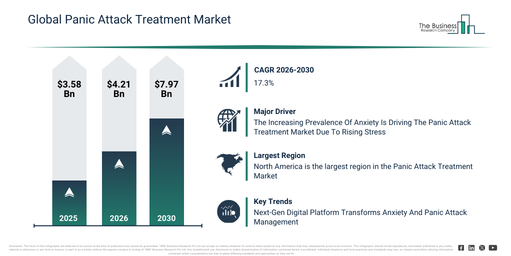
    Witnessing substantial expansion, the market for panic attack treatments has experienced significant recent growth. Projections indicate continued ascendance, with the market value set to increase from $3.58 billion in 2025 to $4.21 billion in 2026, reflecting a compound annual growth rate of 17.6%. Factors contributing to this historical upswing include a nascent understanding of available treatments, a prevailing inclination towards traditional in-person therapeutic approaches, the considerable expense associated with specialized pharmaceuticals, a dispersed network of mental healthcare services, and a slow uptake of virtual therapeutic technologies.

    The market for panic attack treatments is poised for considerable expansion in the coming years, projecting a valuation of $7.97 billion by 2030, fueled by a compound annual growth rate of 17.3%. This anticipated expansion owes much to the increasing embrace of telehealth services, the burgeoning fields of virtual reality and digital therapeutics, a rise in anxiety and panic disorder diagnoses, progress in tailored medical approaches, and the widening reach of online pharmacies and hospital networks. Key developments shaping this period include a growing trend towards telepsychiatry and mHealth applications, the incorporation of virtual reality for panic disorder management, a greater reliance on neurofeedback and biofeedback methods, the development of individualized treatment plans, and the broader availability of mental health services in clinics and hospitals.

    Download A Free Sample Report For Comprehensive Market Insights:

    https://www.thebusinessresearchcompany.com/sample.aspx?id=24356&type=smp

    Panic Attack Treatment Market Industry Drivers: What Is Driving Revenue Growth?

    With the rising incidence of anxiety anticipated to fuel advancements in the panic attack treatment sector, the market is poised for expansion; anxiety, a condition marked by persistent unease, apprehension, and dread, frequently manifests with physical manifestations like agitation, a quickened pulse, and impaired focus, while contemporary life’s demands for perpetual high performance, fiscal security, and social achievement, with minimal respite for recuperation or emotional regulation, intensify these anxieties, consequently, treatments for panic attacks offer viable avenues for symptom relief, fostering enhanced emotional health, and empowering individuals to reclaim command of their lives through tailored and prompt therapeutic actions, further substantiating this trend, survey data from May 2024, as reported by the American Psychiatric Association, an organization representing American psychiatrists, indicates a significant uptick in anxiety among U.S. adults, with 43% reporting elevated anxiety in 2024, contrasting with 37% in 2023 and 32% in 2022, underscoring how the escalating presence of anxiety is stimulating the panic attack treatment market.

    Panic Attack Treatment Market Segmentation And Category Breakdown

    The panic attack treatment market covered in this report is segmented –

    1) By Treatment Type: Cognitive Behavioral Therapy (CBT), Medications, Other Treatment Types

    2) By Drug Class: Antidepressants, Anti-Anxiety Drugs, Calcitonin Gene-Related Peptide (CGRP) Antagonists, Other Drug Classes

    3) By Route Of Administration: Oral, Sublingual, Other Routes Of Administration

    4) By Distribution Channel: Hospital Pharmacies, Retail Pharmacies, Online Pharmacies

    5) By Application: Hospitals, Mental Healthcare Centers, Other Applications

    Subsegments:

    1) By Cognitive Behavioral Therapy (CBT): Exposure Therapy, Dialectical Behavior Therapy (DBT), Acceptance And Commitment Therapy (ACT), Mindfulness-Based Cognitive Therapy (MBCT), Rational Emotive Behavior Therapy (REBT)

    2) By Medications: Beta Blockers, Buspirone, Anticonvulsants, Atypical Antipsychotics, Herbal And Natural Supplements

    3) By Other Treatment Types: Telepsychiatry, Biofeedback And Neurofeedback, Virtual Reality Therapy, Mobile Health Applications, Support Groups And Counseling Services

    #Panic Attack Treatment Market Growth Trends: What Is Influencing The Future Outlook?

    The leading entities in the panic attack treatment sector are dedicating their efforts to pioneering enhancements in medical technology, notably through the creation of digital anxiety relief platforms, aiming to improve how anxiety and panic attacks are handled by offering convenient, tech-enabled approaches. These digital anxiety relief platforms function as tech-driven applications or services that assist individuals in controlling and alleviating anxiety by providing features like guided meditation, modules for cognitive behavioral therapy, mood monitoring, and relaxation practices. A prime illustration of this trend occurred in October 2024, when CalmiGo, a mental health innovator based in the United States, introduced CalmiGo Plus, a sophisticated digital platform engineered to empower users in managing anxiety and panic attacks with greater efficacy. This platform integrates a patented exhaler device equipped with sensors alongside a complementary mobile app that employs gamified elements and tailored therapeutic methods to foster better mental health results. Such advancements offer users the benefit of instant, non-pharmacological relief while simultaneously allowing them to monitor their progress longitudinally, signifying a major stride in readily available and evidence-based strategies for anxiety treatment.

    Panic Attack Treatment Market Competitive Analysis Of Major Industry Participants

    Major companies operating in the panic attack treatment market are Pfizer Inc., Johnson & Johnson Services Inc., F. Hoffmann‑La Roche Ltd., Sanofi S.A., AstraZeneca Plc, Novartis AG, GlaxoSmithKline plc, Takeda Pharmaceutical Company Limited, Eli Lilly and Company, Viatris Inc., Teva Pharmaceutical Industries Ltd., Sun Pharmaceutical Industries Ltd., Sumitomo Dainippon Pharma, Lundbeck A/S, Torrent Pharmaceuticals Ltd., Merck & Co Inc., Bristol‑Myers Squibb Company, Otsuka Pharmaceutical Co Ltd, Boehringer Ingelheim International GmbH, Allergan plc, Alkermes plc, Jazz Pharmaceuticals plc, Bayer AG, Amgen Inc., Cipla Limited

    Access The Complete Panic Attack Treatment Market Report:

    https://www.thebusinessresearchcompany.com/report/panic-attack-treatment-global-market-report

    Panic Attack Treatment Market Regional Analysis: Which Region Leads By Revenue?

    North Americawas the largest region in the panic attack treatment market in 2025. Asia-Pacificis expected to be the fastest-growing region in the forecast period. The regions covered in the panic attack treatment market report are Asia-Pacific, South East Asia, Western Europe, Eastern Europe, North America, South America, Middle East, Africa.

    Get in touch with us:

    The Business Research Company: https://www.thebusinessresearchcompany.com/

    Americas: +1 310-496-7795

    Asia: +44 7882 955267 & +91 8897263534

    Europe: +44 7882 955267

    Email us at: marketing@tbrc.info

    Follow us on:

    LinkedIn: https://in.linkedin.com/company/the-business-research-company

    YouTube: https://www.youtube.com/channel/UC24_fI0rV8cR5DxlCpgmyFQ

    Global Market Model: https://www.thebusinessresearchcompany.com/global-market-model
  • Pancreatic Enzyme Replacement Market Expansion Is Reshaping Competitive Dynamics Across The Industry

    Pancreatic Enzyme Replacement Market Expansion Is Reshaping Competitive Dynamics Across The Industry

    Delivering more actionable and strategically valuable research, The Business Research Company’s 2026 market reports feature market attractiveness analysis, total addressable market evaluation, company benchmarking matrices, interactive Excel dashboards, expanded supply chain intelligence, emerging startup coverage, and detailed product insights.

    Pancreatic Enzyme Replacement Market Size, Value And Growth Trends Through 2030

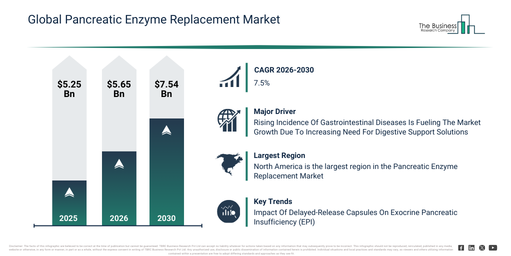
    The market for pancreatic enzyme replacement therapies has experienced robust expansion lately, projected to advance from $5.25 billion in 2025 to $5.65 billion in 2026, reflecting a compound annual growth rate of 7.7%. Factors contributing to this historical growth trajectory include the scarce availability of synthetic enzyme options, significant dependence on enzymes sourced from pigs, a general lack of awareness regarding enzyme replacement therapy, treatment pathways predominantly managed within hospital settings, and a supply chain that was previously quite dispersed.

    The market for pancreatic enzyme replacement therapies is poised for significant expansion, projected to reach $7.54 billion by 2030, reflecting a compound annual growth rate of 7.5%. This upward trajectory is fueled by several key factors, including the escalating utilization of enzymes derived from microbial and recombinant sources, an increasing prevalence of chronic pancreatitis and cystic fibrosis, the growing reach of home healthcare services, the proliferation of oral and delayed-release dosage forms, and advancements in digital monitoring and precise dosage adjustments. Looking ahead, dominant trends are expected to encompass a greater embrace of tailored enzyme treatments, the implementation of artificial intelligence for optimizing medication dosages, a surge in the popularity of oral powder and capsule formulations, a heightened demand for enzyme solutions within home care settings, and the broadening accessibility through hospital and clinic distribution networks.

    Download A Free Sample Report For Comprehensive Market Insights:

    https://www.thebusinessresearchcompany.com/sample.aspx?id=24355&type=smp

    Pancreatic Enzyme Replacement Market Growth Factors: Which Forces Are Supporting Market Expansion?

    An escalating prevalence of digestive system ailments is anticipated to fuel the expansion of the pancreatic enzyme replacement market. These gastrointestinal disorders, impacting organs from the esophagus to the gallbladder and pancreas, manifest through discomforts like stomach pain, abdominal distension, and changes in bowel regularity. The surge in these conditions is largely attributed to adverse nutritional patterns, including a greater reliance on processed foods, insufficient dietary fiber, and high-fat eating habits, all of which can compromise intestinal well-being and foster issues such as acid reflux and various forms of bowel inflammation. Pancreatic enzyme replacement therapy offers a solution by enhancing the body’s ability to absorb nutrients and better digest food, consequently mitigating symptoms like poor nutrition, bloating, and fatty stools, which are characteristic of pancreatic insufficiency. For illustration, the IBD Registry in the UK reported in December 2023 that the count of individuals diagnosed with inflammatory bowel disease exceeded 5,300, marking a substantial rise of over 3,000 patients from the previous year. Consequently, the increasing occurrence of gastrointestinal diseases is acting as a significant catalyst for the growth trajectory of the pancreatic enzyme replacement market.

    Pancreatic Enzyme Replacement Market Segment Outlook: Which Categories Are Expanding The Fastest?

    The pancreatic enzyme replacement market covered in this report is segmented –

    1) By Product Type: Tablets, Capsules, Powders, Other Product Types

    2) By Source Of Enzymes: Porcine-Derived Enzymes, Microbial-Derived Enzymes, Recombinant-Derived Enzymes

    3) By Application: Chronic Pancreatitis, Cystic Fibrosis, Pancreatic Cancer, Other Applications

    4) By Distribution Channel: Hospital Pharmacies, Retail Pharmacies, Online Pharmacies, Other Distribution Channels

    5) By End-User: Hospitals, Clinics, Home Healthcare

    Subsegments:

    1) By Tablets: Film-Coated Tablets, Chewable Tablets, Extended-Release Tablets

    2) By Capsules: Gel Capsules, Liquid-Filled Capsules, Delayed-Release Capsules

    3) By Powders: Oral Powder, Sachets

    4) By Other Product Types: Enzyme Suspensions, Oral Solutions

    Pancreatic Enzyme Replacement Market Industry Trends: What Changes Are Reshaping Demand?

    Leading participants in the pancreatic enzyme replacement therapy sector are concentrating their efforts on pioneering novel dosage forms, such as capsules engineered for delayed release, with the dual objectives of bolstering enzyme stability and amplifying treatment outcomes for individuals experiencing pancreatic inadequacy. These delayed-release capsules are cleverly constructed to liberate their active ingredients at a predetermined point or region within the gastrointestinal tract, thereby facilitating pancreatic enzyme replacement by guaranteeing the enzymes reach the small intestine, the site where they can effectively assist in the digestive process, while circumventing the destructive acidic milieu of the stomach. As an illustration, in March of 2025, Adalvo Limited, a pharmaceutical entity headquartered in Malta, introduced its Pancreatin Delayed-Release Capsules, a product meticulously developed to elevate enzyme persistence and refine the therapeutic impact for those afflicted with exocrine pancreatic insufficiency (EPI). The formulation of these capsules is specifically calibrated to ensure the release of their contents within the small intestine, enabling pancreatic enzymes to contribute efficiently to digestion and simultaneously avoiding the stomach’s acidic conditions, which would otherwise lead to their degradation. This advancements seeks to fulfill a significant unmet requirement for patients contending with ailments like chronic pancreatitis, cystic fibrosis, and those who have undergone a pancreatectomy.

    Pancreatic Enzyme Replacement Market Key Companies And Competitive Benchmarking

    Major companies operating in the pancreatic enzyme replacement market are Johnson & Johnson, Abbott Laboratories, Viatris Inc., Nestlé Health Science S.A., Chiesi Farmaceutici S.p.A., Now Health Group Inc., AzurRx BioPharma Inc., Nordmark Arzneimittel GmbH & Co. KG, Alcresta Therapeutics Inc., Perseo Pharma AG, Digestive Care Inc., Anagram Therapeutics Inc., Entero Therapeutics Inc., Sun Pharmaceutical Industries Ltd, Laboratoires Mayoly Spindler, Recordati S.p.A., Synmosa Biopharma Corporation, Dr Falk Pharma GmbH, Enzymedica Inc., VIVUS Inc., Pharming Group NV, Dr Reddy’s Laboratories, Teva Pharmaceutical Industries Ltd, AstraZeneca plc, Bausch Health Companies Inc

    Access The Complete Pancreatic Enzyme Replacement Market Report:

    https://www.thebusinessresearchcompany.com/report/pancreatic-enzyme-replacement-global-market-report

    Pancreatic Enzyme Replacement Market Geographic Distribution And Regional Opportunities

    North Americawas the largest region in the pancreatic enzyme replacement market in 2025. Asia-Pacificis expected to be the fastest-growing region in the forecast period. The regions covered in the pancreatic enzyme replacement market report are Asia-Pacific, South East Asia, Western Europe, Eastern Europe, North America, South America, Middle East, Africa.

    Get in touch with us:

    The Business Research Company: https://www.thebusinessresearchcompany.com/

    Americas: +1 310-496-7795

    Asia: +44 7882 955267 & +91 8897263534

    Europe: +44 7882 955267

    Email us at: marketing@tbrc.info

    Follow us on:

    LinkedIn: https://in.linkedin.com/company/the-business-research-company

    YouTube: https://www.youtube.com/channel/UC24_fI0rV8cR5DxlCpgmyFQ

    Global Market Model: https://www.thebusinessresearchcompany.com/global-market-model
  • Pancreatic Cancer Diagnostic Market Forecast Reveals Where Future Industry Value Will Be Created

    Pancreatic Cancer Diagnostic Market Forecast Reveals Where Future Industry Value Will Be Created

    Enhanced with market attractiveness analysis, total addressable market evaluation, company benchmarking matrices, interactive Excel dashboards, expanded supply chain intelligence, emerging startup coverage, and detailed product insights, The Business Research Company’s 2026 market reports deliver more actionable and strategically valuable research.

    Pancreatic Cancer Diagnostic Market CAGR Analysis And Future Market Development

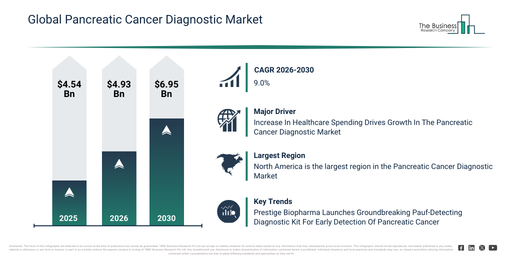
    The market for pancreatic cancer diagnostics has experienced robust expansion lately, projecting an increase from $4.54 billion in 2025 to $4.93 billion in 2026, reflecting a compound annual growth rate (CAGR) of 8.6%. This growth during the past period was influenced by factors such as the restricted access to sophisticated diagnostic instruments, dependence on traditional imaging techniques and biopsies, a prevalence of late-stage diagnoses, dispersed diagnostic service networks, and a healthcare system that tended to concentrate diagnostics within hospital settings.

    The market for diagnosing pancreatic cancer is poised for considerable expansion in the coming years, with projections indicating a valuation of $6.95 billion by 2030, driven by a compound annual growth rate of 9.0%. This anticipated growth is underpinned by several key factors, including the escalating utilization of genomic and biomarker-based diagnostic methods, the integration of artificial intelligence (AI) and machine learning within diagnostic processes, the increasing prevalence of minimally invasive liquid biopsy techniques, the broadening availability of diagnostic services across hospitals and dedicated cancer care facilities, and the growing demand for comprehensive laboratory and consulting solutions. Prominent trends expected to shape this market during the forecast period encompass the greater acceptance of sophisticated genomic testing for pancreatic cancer detection, the incorporation of AI-driven imaging solutions for diagnostics, an upward trajectory in liquid biopsy and other less invasive testing modalities, advancements in precision medicine diagnostics, and the further development of services offered by hospitals and diagnostic centers.

    Download A Free Sample Report For Comprehensive Market Insights:

    https://www.thebusinessresearchcompany.com/sample.aspx?id=11981&type=smp

    Pancreatic Cancer Diagnostic Market Demand Drivers: What Is Fueling Industry Growth?

    Forward momentum in the pancreatic cancer diagnostic market is being propelled by escalating healthcare expenditures, which represent the aggregate financial investment directed toward the healthcare domain within a defined geographic area, nation, or entity. These increased financial commitments to healthcare are channeled towards pancreatic cancer diagnostics with the objective of enabling earlier identification, precise staging of the disease, and prompt treatment initiation, all of which are crucial for enhancing patient prognoses and survival rates. Illustratively, the Canadian Institute for Health Information reported in November 2023 that Canada’s total health expenditure was anticipated to reach $344 billion in 2023, translating to $8,740 per individual. This figure signifies a substantial 2.8% rise from the preceding year, when health spending growth was a more modest 1.5% in 2022, thus signaling a marked resurgence in healthcare-related investments. Consequently, the expansion of healthcare budgets is a key determinant in the ongoing expansion of the pancreatic cancer diagnostic market.

    Pancreatic Cancer Diagnostic Market Segment Landscape: Which Areas Lead Market Development?

    The pancreatic cancer diagnostic market covered in this report is segmented –

    1) By Product: Instruments, Consumables, Services

    2) By Treatment: Surgery, Chemotherapy, Radiation Therapy, Targeted Therapy

    3) By Cancer Type: Exocrine, Adenocarcinoma, Squamous Cell Carcinoma, Adenosquamous Carcinoma, Colloid Carcinoma, Endocrine

    4) By Test Type: Imaging Test, Biopsy, Blood Test, Genomic Test, Other Test Types

    5) By End-User: Hospitals, Diagnostic Centers, Cancer Research Centers, Academic Institutes, Ambulatory Surgical Centers, Other End-Users

    Subsegments:

    1) By Instruments: Imaging Systems, Biopsy Devices, Endoscopy Equipment

    2) By Consumables: Reagents, Biopsy Needles, Assay Kits

    3) By Services: Diagnostic Testing Services, Laboratory Services, Consulting Services

    Pancreatic Cancer Diagnostic Market Innovation Trends: Which Developments Are Transforming The Industry?

    Leading players in the pancreatic cancer diagnostics sector are committing resources to the creation of cutting-edge tools, specifically biomarker diagnostic kits, driven by the escalating need for earlier disease identification, enhanced diagnostic precision, and improved patient prognoses. These biomarker-guided diagnostic methods pinpoint proteins or genetic indicators linked to tumors within blood or tissue, providing a more keen and precise diagnostic avenue than traditional imaging methods, which frequently only identify pancreatic cancer in its later phases. As an illustration, in the month of March 2023, Prestige Biopharma Limited, a biopharmaceutical entity headquartered in Singapore, introduced the novel PAUF-detecting diagnostic kit, representing a significant advancement for the early identification of pancreatic cancer. PAUF, which stands for Pancreatic Adenocarcinoma Upregulated Factor, is a distinctive biomarker specific to this type of cancer, correlated with early metastatic spread and found to be overexpressed in approximately 80% of pancreatic cancer instances. This novel diagnostic methodology exhibits a high degree of sensitivity and specificity in detecting PAUF. Initial research, as reported by Prestige Biopharma’s IDC (Innovative Discovery Center), indicated that the level of PAUF expression in the blood plasma of individuals diagnosed with pancreatic cancer is nearly 1.9 times greater than in healthy subjects.

    Pancreatic Cancer Diagnostic Market Industry Leaders And Market Competition

    Major companies operating in the pancreatic cancer diagnostic market are Hitachi Medical Corporation, F. Hoffmann-La Roche AG, Thermo Fisher Scientific Inc., Abbott Laboratories Inc., Danaher Corporation, Siemens Healthcare GmbH, FUJIFILM Corporation, Becton Dickinson and Company, Koninklijke Philips N.V., GE Healthcare Bio Sciences AB, Laboratory Corporation of America Holdings, Agilent Technologies Inc., Illumina Inc., Qiagen Inc., Myriad Genetics Inc., Canon Medical Systems Corporation, Biological Dynamics Inc., Berg LLC, Abcodia Ltd., Acobiom, Amplified Sciences LLC, Avant Diagnostics Inc., Axim Biotechnologies Inc., Alaunus Biosciences Inc., Advanced Marker Discovery SL, Anixa Diagnostics Corporation

    Access The Complete Pancreatic Cancer Diagnostic Market Report:

    https://www.thebusinessresearchcompany.com/report/pancreatic-cancer-diagnostic-global-market-report

    Pancreatic Cancer Diagnostic Market Largest Region By Revenue And Market Share

    North America was the largest region in the pancreatic cancer diagnostic market in 2025. Asia-Pacific is expected to be the fastest-growing region in the forecast period. The regions covered in the pancreatic cancer diagnostic market report are Asia-Pacific, South East Asia, Western Europe, Eastern Europe, North America, South America, Middle East, Africa.

    Get in touch with us:

    The Business Research Company: https://www.thebusinessresearchcompany.com/

    Americas: +1 310-496-7795

    Asia: +44 7882 955267 & +91 8897263534

    Europe: +44 7882 955267

    Email us at: marketing@tbrc.info

    Follow us on:

    LinkedIn: https://in.linkedin.com/company/the-business-research-company

    YouTube: https://www.youtube.com/channel/UC24_fI0rV8cR5DxlCpgmyFQ

    Global Market Model: https://www.thebusinessresearchcompany.com/global-market-model
  • Pancreatic Adenocarcinoma Treatment Market Growth Through 2030 Creates New Strategic Opportunities

    Pancreatic Adenocarcinoma Treatment Market Growth Through 2030 Creates New Strategic Opportunities

    Through market attractiveness analysis, total addressable market evaluation, company benchmarking matrices, interactive Excel dashboards, expanded supply chain intelligence, emerging startup coverage, and detailed product insights, The Business Research Company’s 2026 market reports provide more actionable and strategically valuable research.

    Pancreatic Adenocarcinoma Treatment Market Expansion From $2.73 Billion In 2026 To $4.45 Billion In 2030

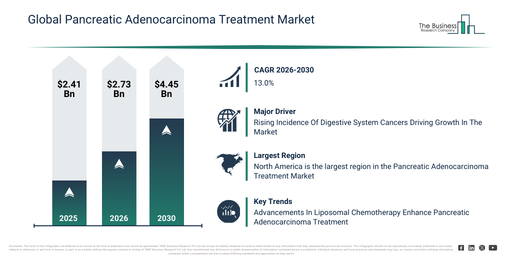
    The market for pancreatic adenocarcinoma treatments has experienced significant expansion lately, projected to increase from $2.41 billion in 2025 to $2.73 billion in 2026, reflecting a compound annual growth rate of 13.3%. Factors contributing to this expansion during the prior period included a scarcity of therapeutic alternatives for pancreatic adenocarcinoma, a continued dependence on traditional chemotherapy regimens, infrequent diagnoses in the early stages of the disease, a high mortality rate coupled with a grim prognosis, and the predominant delivery of treatment within hospital settings.

    The market for treating pancreatic adenocarcinoma is poised for considerable expansion in the coming years, projecting a value of $4.45 billion by 2030 with a consistent annual growth rate of 13.0%. This anticipated expansion stems from several key developments, including the advent of individualized targeted treatment approaches, a heightened embrace of monoclonal antibodies and immunotherapies, enhanced utilization of digital tools for patient health oversight, broader implementation of combined therapeutic strategies, and improved accessibility via both hospital and retail pharmacy channels. Key developments anticipated during this forecast period involve a greater reliance on targeted therapies and small molecule inhibitors, increasing uptake of monoclonal antibody-based treatments, an expanded role for immunotherapy in patient care, the incorporation of digital systems for patient tracking, and a rise in the distribution of cancer medications through hospital pharmacies.

    Download A Free Sample Report For Comprehensive Market Insights:

    https://www.thebusinessresearchcompany.com/sample.aspx?id=21243&type=smp

    Pancreatic Adenocarcinoma Treatment Market Growth Drivers: What Factors Are Accelerating Expansion?

    The escalating occurrence of digestive system malignancies is anticipated to be a primary driver for the expansion of the pancreatic adenocarcinoma treatment market. Digestive system cancers encompass malignant growths originating in organs integral to the digestion process, including the stomach, liver, pancreas, intestines, esophagus, and colon. Factors contributing to the heightened prevalence of these cancers are linked to detrimental lifestyle habits such as inadequate nutrition, excessive alcohol intake, and tobacco use. Pancreatic adenocarcinoma treatment is instrumental in managing a particularly aggressive form of digestive system cancer, with the objective of enhancing patient survival and their overall quality of life. As an illustration, the American Cancer Society, a charitable organization based in the United States, estimated in January 2023 that approximately 64,050 people in the U.S. would receive a pancreatic cancer diagnosis, and an estimated 50,550 individuals would die from the illness. Consequently, the rising rates of digestive system cancers are fueling the market’s growth for pancreatic adenocarcinoma treatments.

    Pancreatic Adenocarcinoma Treatment Market Segments: Where Are The Largest Growth Opportunities?

    The pancreatic adenocarcinoma treatment market covered in this report is segmented –

    1) By Type: Chemotherapy, Targeted Therapy, Other Types

    2) By Affected Area: Exocrine, Endocrine

    3) By Distribution Channel: Hospital Pharmacies, Retail Pharmacies, Other Distribution Channels

    Subsegments:

    1) By Chemotherapy: Monotherapy, Combination Therapy

    2) By Targeted Therapy: Small Molecule Inhibitors, Monoclonal Antibodies

    3) By Other Types: Immunotherapy, Radiation Therapy

    Pancreatic Adenocarcinoma Treatment Market Trends: What Is Shaping Future Industry Growth?

    Key players in the pancreatic adenocarcinoma therapeutic arena are channeling their efforts into creating novel approaches, epitomized by irinotecan liposome injection, aiming to boost treatment success, mitigate adverse reactions, and surmount obstacles related to tumor recalcitrance. This chemotherapy agent, irinotecan liposome injection, is formulated within liposomes to optimize its delivery to malignant cells, thereby amplifying its potency and minimizing unwanted effects when treating pancreatic adenocarcinoma. A case in point is Ipsen SA, a biopharmaceutical firm headquartered in France, which revealed in February 2024 that the U.S. Food and Drug Administration (FDA) granted approval for the supplemental new drug application for Onivyde, an irinotecan liposome injection, when administered alongside oxaliplatin. The synergy between Onivyde (irinotecan liposome injection) and oxaliplatin provides superior tumor localization via enhanced drug conveyance, resulting in diminished side effects relative to established treatments. This therapeutic strategy harnesses a liposomal encapsulation that elevates the absorption and prolonged release of irinotecan, while oxaliplatin adds to the therapeutic impact against pancreatic cancer cells. This regulatory endorsement highlights the regimen’s promise in meeting the critical demand for more impactful interventions against this formidable malignancy.

    Pancreatic Adenocarcinoma Treatment Market Major Participants And Competitive Dynamics

    Major companies operating in the pancreatic adenocarcinoma treatment market are Pfizer Inc., Roche AG, Merck & Co Inc., Sanofi, Bristol-Myers Squibb Company, AstraZeneca plc, Novartis AG, GlaxoSmithKline plc, Takeda Pharmaceutical Company Limited, Eli Lilly and Company, Amgen Inc., Teva Pharmaceutical Industries Ltd, Mylan N.V., Astellas Pharma Inc., Sun Pharmaceutical Industries Ltd., Ipsen SA, Clovis Oncology Inc., Oncolytics Biotech Inc., Zydus Cadila, PharmaCyte Biotech Inc., Infinity Pharmaceuticals Inc.

    Access The Complete Pancreatic Adenocarcinoma Treatment Market Report:

    https://www.thebusinessresearchcompany.com/report/pancreatic-adenocarcinoma-treatment-global-market-report

    Pancreatic Adenocarcinoma Treatment Market Regional Analysis And Leading Geography

    North Americawas the largest region in the pancreatic adenocarcinoma treatment market in 2025. The regions covered in the pancreatic adenocarcinoma treatment market report are Asia-Pacific, South East Asia, Western Europe, Eastern Europe, North America, South America, Middle East, Africa.

    Get in touch with us:

    The Business Research Company: https://www.thebusinessresearchcompany.com/

    Americas: +1 310-496-7795

    Asia: +44 7882 955267 & +91 8897263534

    Europe: +44 7882 955267

    Email us at: marketing@tbrc.info

    Follow us on:

    LinkedIn: https://in.linkedin.com/company/the-business-research-company

    YouTube: https://www.youtube.com/channel/UC24_fI0rV8cR5DxlCpgmyFQ

    Global Market Model: https://www.thebusinessresearchcompany.com/global-market-model
  • Palmoplantar Pustulosis Market Size Projected To Increase From $2.25 Billion To $3.02 Billion During The Forecast Period

    Palmoplantar Pustulosis Market Size Projected To Increase From $2.25 Billion To $3.02 Billion During The Forecast Period

    Delivering more actionable and strategically valuable research, The Business Research Company’s 2026 market reports feature market attractiveness analysis, total addressable market evaluation, company benchmarking matrices, interactive Excel dashboards, expanded supply chain intelligence, emerging startup coverage, and detailed product insights.

    Palmoplantar Pustulosis Market Forecast Highlighting Growth From $2.25 Billion To $3.02 Billion

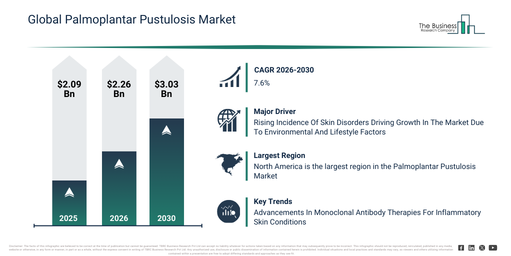
    The palmoplantar pustulosis market size has grown strongly in recent years. It will grow from $2.09 billion in 2025 to $2.26 billion in 2026 at a compound annual growth rate (CAGR) of 7.8%. The growth in the historic period can be attributed to limited treatment options for chronic skin conditions, reliance on corticosteroids and topical agents, delayed diagnosis of pustular psoriasis, low patient awareness about disease management, hospital-centric care delivery.

    The palmoplantar pustulosis market is projected for significant expansion in the forthcoming years, anticipating a reach of $3.03 billion by 2030, driven by a compound annual growth rate of 7.6%. This projected expansion is largely fueled by the introduction of innovative biologic and systemic treatments, a greater utilization of focused immunomodulators, the increasing prevalence of teledermatology and digital health solutions, a wider acceptance of at-home phototherapy, and enhanced accessibility through online and retail pharmacies. Key developments influencing this growth trajectory include a heightened preference for biologic therapies, expanded application of targeted immunomodulators, broader availability of home-based phototherapy options, the integration of teledermatology for managing long-term skin conditions, and increased access to therapeutic options via online pharmacies.

    Download A Free Sample Report For Comprehensive Market Insights:

    https://www.thebusinessresearchcompany.com/sample.aspx?id=22090&type=smp

    Palmoplantar Pustulosis Market Growth Factors Supporting Long-Term Expansion

    The palmoplantar pustulosis market is anticipated to experience expansion, largely driven by a rising number of skin condition cases. These skin conditions, characterized by alterations in the skin’s structure, functionality, or visual presentation, are becoming more prevalent due to factors such as environmental shifts, evolving lifestyle choices, and inherent genetic predispositions. External influences like atmospheric contamination, harsh climatic extremes, and contact with hazardous substances can irritate the skin, potentially triggering issues such as eczema or acne. Palmoplantar pustulosis itself is a persistent dermatological ailment that impacts the skin of the hands’ palms and the feet’s soles, manifesting as pustules, redness, and scaling, for which therapeutic interventions exist to enhance skin well-being and ease associated discomfort. Illustrating this trend, data from December 2023, released by the National Institutes of Health (NIH), a leading U.S. medical research institution, indicated that atopic dermatitis affected approximately 2.6% of the global population, impacting an estimated 204 million individuals worldwide, thereby underscoring how the escalating occurrence of skin ailments is a significant catalyst for the growth within the palmoplantar pustulosis market.

    Palmoplantar Pustulosis Market Segment Analysis: What Are The Major Market Categories?

    The palmoplantar pustulosis market covered in this report is segmented –

    1) By Treatment Type: Topical Treatments, Systemic Treatments, Biologics, Phototherapy

    2) By Distribution Channel: Online Pharmacies, Retail Pharmacies

    3) By Application: Hospitals, Dermatology Clinics, Homecare Settings

    Subsegments:

    1) By Topical Treatments: Corticosteroids, Vitamin D Analogues, Calcineurin Inhibitors, Keratolytics

    2) By Systemic Treatments: Retinoids, Immunosuppressants, Phosphodiesterase-4 (PDE4) Inhibitors, Corticosteroids

    3) By Biologics: Tumor Necrosis Factor (TNF) Inhibitors, Interleukin-17 (IL-17) Inhibitors, Interleukin-23 (IL-23) Inhibitors, Interleukin-12/23 (IL-12/23) Inhibitors

    4) By Phototherapy: Narrowband UVB Therapy (NB-UVB), Psoralen plus Ultraviolet A (PUVA) Therapy, Excimer Laser Therapy, Targeted Phototherapy

    Palmoplantar Pustulosis Market Industry Trends Shaping Future Revenue Growth

    In the palmoplantar pustulosis market, leading entities are concentrating their efforts on pioneering new therapeutic approaches, including monoclonal antibodies aimed at specific inflammatory pathways, with the ultimate goal of enhancing patient results. A monoclonal antibody (mAb) is essentially a uniform antibody, stemming from a solitary B cell lineage, engineered to bind to a particular antigen, serving either diagnostic or therapeutic functions. Demonstrating this trend, Kyowa Kirin Co., Ltd., a pharmaceutical firm headquartered in Japan, secured partial approval for an alteration of its treatment LUMICEF for palmoplantar pustulosis within Japan in August of 2023. LUMICEF functions as a selective treatment by inhibiting IL-17, a mechanism that delivers prompt and enduring alleviation from inflammatory ailments like psoriasis and palmoplantar pustulosis, thereby aiming to diminish inflammation and elevate the standard of living for individuals afflicted by these persistent conditions.

    Palmoplantar Pustulosis Market Leading Companies Driving Competitive Growth

    Major companies operating in the palmoplantar pustulosis market are Pfizer Inc., AbbVie Inc., Sanofi S.A., Bristol‑Myers Squibb Company, Novartis International AG, GlaxoSmithKline PLC (GSK), Amgen Inc., Chugai Pharmaceutical Co. Ltd., Janssen Pharmaceuticals Inc., Kyowa Kirin Co. Ltd., Almirall S.A., MorphoSys AG, MoonLake Immunotherapeutics AG, Aristea Therapeutics Inc., AnaptysBio Inc., Kamari Pharma Ltd., Johnson & Johnson, AstraZeneca, Eli Lilly and Company, Bayer AG, Merck & Co. Inc., UCB S.A., Boehringer Ingelheim International GmbH, Arcutis Biotherapeutics, Affibody AB, LEO Pharma A/S, Galderma, Incyte Corporation, Takeda Pharmaceutical Company Ltd., Roivant Sciences

    Access The Complete Palmoplantar Pustulosis Market Report:

    https://www.thebusinessresearchcompany.com/report/palmoplantar-pustulosis-global-market-report

    Palmoplantar Pustulosis Market Geographic Analysis: Where Is Demand Growing The Fastest?

    North Americawas the largest region in the palmoplantar pustulosis market in 2025. The regions covered in the palmoplantar pustulosis market report are Asia-Pacific, South East Asia, Western Europe, Eastern Europe, North America, South America, Middle East, Africa.

    Get in touch with us:

    The Business Research Company: https://www.thebusinessresearchcompany.com/

    Americas: +1 310-496-7795

    Asia: +44 7882 955267 & +91 8897263534

    Europe: +44 7882 955267

    Email us at: marketing@tbrc.info

    Follow us on:

    LinkedIn: https://in.linkedin.com/company/the-business-research-company

    YouTube: https://www.youtube.com/channel/UC24_fI0rV8cR5DxlCpgmyFQ

    Global Market Model: https://www.thebusinessresearchcompany.com/global-market-model
  • Palmar Hyperhidrosis Treatment Market Growth Outlook Reveals A CAGR Of 7.2% And A Market Value Of $1.37 Billion By 2030

    Palmar Hyperhidrosis Treatment Market Growth Outlook Reveals A CAGR Of 7.2% And A Market Value Of $1.37 Billion By 2030

    Enhanced with market attractiveness analysis, total addressable market evaluation, company benchmarking matrices, interactive Excel dashboards, expanded supply chain intelligence, emerging startup coverage, and detailed product insights, The Business Research Company’s 2026 market reports deliver more actionable and strategically valuable research.

    Palmar Hyperhidrosis Treatment Market Revenue Growth Supported By A CAGR Of 1.37% Through 2030

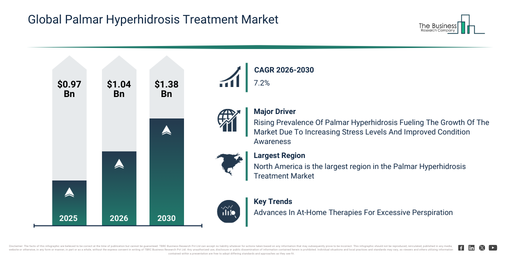
    The market for palmar hyperhidrosis treatments has experienced robust expansion lately. Projections indicate a rise from $0.97 billion in 2025 to $1.04 billion in 2026, reflecting a compound annual growth rate of 7.6%. Key factors contributing to this advancement during the preceding period include heightened public understanding of hyperhidrosis, broader access to dermatological therapies, more accurate identification of excessive sweating conditions, an increase in specialized dermatology centers, and the growing adoption of less invasive medical interventions.

    The market for palmar hyperhidrosis treatments is poised for significant expansion, projected to reach $1.38 billion by 2030, reflecting a compound annual growth rate of 7.2%. This anticipated upswing is propelled by several key factors, including a growing preference for enduring treatment solutions, a noticeable increase in the utilization of therapies administered at home, a heightened emphasis on dermatological care centered around the individual patient, continuous investigations into groundbreaking treatments, and broader accessibility to sophisticated dermatological interventions. Furthermore, the coming years will likely witness a surge in the adoption of non-invasive therapeutic methods, a greater demand for iontophoresis devices intended for home use, increased application of botulinum toxin treatments, the broadening of customized therapeutic strategies, and a more pronounced attention to improving patients’ overall quality of life.

    Download A Free Sample Report For Comprehensive Market Insights:

    https://www.thebusinessresearchcompany.com/sample.aspx?id=24648&type=smp

    Palmar Hyperhidrosis Treatment Market Demand Drivers Creating New Revenue Opportunities

    The escalating occurrence of palmar hyperhidrosis is anticipated to stimulate expansion within the market for its treatments. This condition involves excessive, uncontrollable palm sweating, often stemming from overactive nerves without an identifiable medical root. The surge in palmar hyperhidrosis cases is largely attributable to mounting stress and anxiety levels, which excessively activate the sympathetic nervous system, consequently leading to heightened sweating. Treatments for palmar hyperhidrosis aim to mitigate this excessive hand perspiration, proving beneficial for individuals encountering difficulties in their daily routines. By diminishing moisture-related discomfort, these treatments enhance both personal comfort and self-assurance, thereby improving social and professional interactions. For illustration, data from the National Library of Medicine in the US, as of January 2023, indicates that hyperhidrosis (HH) is a chronic condition that remains underdiagnosed and under-researched, with prevalence estimates of 1.6% in the UK and ranging from 1.0% to 4.8% in the USA. Consequently, the increasing incidence of palmar hyperhidrosis is fueling the growth of its treatment market.

    Boosting the palmar hyperhidrosis treatment market’s growth is the ongoing rise in healthcare spending, driven by a heightened demand for early and preventive medical interventions. Healthcare expenditure encompasses the total financial investment in medical services, therapies, facilities, research endeavors, and public health initiatives aimed at preserving or improving health status. This growing expenditure on healthcare is influenced by an aging demographic, which necessitates more extensive medical care, treatments, and long-term health support. Increased healthcare spending facilitates enhanced access to sophisticated therapies and diagnostic tools for palmar hyperhidrosis, making specialized treatments such as botulinum toxin injections more accessible and contributing to better patient results. For instance, figures from the Centers for Medicare and Medicaid Services (CMS) in the US, released in December 2024, show that national health expenditures (NHE) rose by 7.5% to $4.9 trillion in 2023, representing 17.6% of the gross domestic product (GDP). Furthermore, projections indicate that between 2023 and 2032, average national health expenditures (NHE) will climb at an annual rate of 5.6%, consequently increasing the proportion of GDP allocated to health spending from 17.3% in 2022 to 19.7% by 2032. Therefore, the upward trend in healthcare expenditure is a significant driver for the palmar hyperhidrosis treatment market.

    Palmar Hyperhidrosis Treatment Market Segment Breakdown: Which Categories Generate The Most Revenue?

    The palmar hyperhidrosis treatment market covered in this report is segmented –

    1) By Treatment Type: Topical Treatments, Oral Medications, Botulinum Toxin Injections, Iontophoresis, Surgical Interventions, Other Treatment Types

    2) By Patient Age Group: Children, Adolescents, Adults, Elderly

    3) By Severity Of Hyperhidrosis: Mild, Moderate, Severe

    4) By End-User: Hospitals, Dermatology Clinics, Specialty Clinics, Homecare

    Subsegments:

    1) By Topical Treatments: Aluminum Chloride-Based Antiperspirants, Natural Or Herbal Formulations, Glycopyrronium-Based Creams Or Wipes

    2) By Oral Medications: Anticholinergics, Benzodiazepines, Beta-Blockers

    3) By Botulinum Toxin Injections: Botulinum Toxin Type A, Liposomal Botulinum Formulations, Botulinum Toxin Type B

    4) By Iontophoresis: Tap Water Iontophoresis, Portable Or Home-Use Iontophoresis Devices, Iontophoresis With Anticholinergic Agents

    5) By Surgical Interventions: Endoscopic Thoracic Sympathectomy (Ets), Microscopic Sympathectomy, Sympathectomy By Radiofrequency Ablation

    6) By Other Treatment Types: Laser Therapy, Nerve-Blocking Agents Or Injections, Microwave Therapy

    Palmar Hyperhidrosis Treatment Market Trends Driving Strategic Industry Expansion

    In the realm of palmar hyperhidrosis treatment, leading entities are concentrating on pioneering advancements, notably topical transdermal anticholinergic preparations, thereby offering non-invasive, convenient at-home care that mitigates the systemic adverse effects associated with oral medications. These topical transdermal anticholinergic lotions operate by delivering an antimuscarinic agent directly through the skin to the eccrine sweat glands, effectively controlling palmar hyperhidrosis through diminished sweat output, enhanced ease of use with self-application, and the potential for repeated administration, unlike injections or energy-based interventions. Illustrating this trend, May 2023 saw Hisamitsu Pharmaceutical Co., Ltd., a Japanese firm, introduce APOHIDE Lotion 20%, a novel topical therapy for palmar hyperhidrosis featuring 20% oxybutynin hydrochloride developed with Hisamitsu’s proprietary transdermal drug delivery system. The lotion works by locally blocking acetylcholine’s influence on sweat gland activity, and its transdermal nature is designed to reduce systemic absorption compared to oral oxybutynin, presenting patients with a safer and more user-friendly option.

    Palmar Hyperhidrosis Treatment Market Key Players And Strategic Industry Positioning

    Major companies operating in the palmar hyperhidrosis treatment market are AbbVie Inc, GlaxoSmithKline plc, Eli Lilly and Company, Dr August Wolff GmbH And Co KG, Merz Pharma GmbH And Co KGaA, Kaken Pharmaceutical Co Ltd, Medytox Inc, Revance Therapeutics Inc, Alma Lasers Ltd, Journey Medical Corporation, Fotona doo, Candela Corporation, Brickell Biotech Inc, Avanor Healthcare Ltd, C Cube Advanced Technologies, Dermadry Laboratories Inc, TheraVida Inc, ThermiGen LLC, Ulthera Inc, Cutera Inc, Lumenis Ltd, Medtronic plc

    Access The Complete Palmar Hyperhidrosis Treatment Market Report:

    https://www.thebusinessresearchcompany.com/report/palmar-hyperhidrosis-treatment-global-market-report

    Palmar Hyperhidrosis Treatment Market Global Footprint: Which Region Holds Market Leadership?

    North Americawas the largest region in the palmar hyperhidrosis treatment market in 2025. Asia-Pacificis expected to be the fastest-growing region in the forecast period. The regions covered in the palmar hyperhidrosis treatment market report are Asia-Pacific, South East Asia, Western Europe, Eastern Europe, North America, South America, Middle East, Africa.

    Get in touch with us:

    The Business Research Company: https://www.thebusinessresearchcompany.com/

    Americas: +1 310-496-7795

    Asia: +44 7882 955267 & +91 8897263534

    Europe: +44 7882 955267

    Email us at: marketing@tbrc.info

    Follow us on:

    LinkedIn: https://in.linkedin.com/company/the-business-research-company

    YouTube: https://www.youtube.com/channel/UC24_fI0rV8cR5DxlCpgmyFQ

    Global Market Model: https://www.thebusinessresearchcompany.com/global-market-model
  • Palliative Services Market Forecast Highlights Expansion From $9.91 Billion To $13.47 Billion Through 2030

    Palliative Services Market Forecast Highlights Expansion From $9.91 Billion To $13.47 Billion Through 2030

    Through market attractiveness analysis, total addressable market evaluation, company benchmarking matrices, interactive Excel dashboards, expanded supply chain intelligence, emerging startup coverage, and detailed product insights, The Business Research Company’s 2026 market reports provide more actionable and strategically valuable research.

    Palliative Services Market Value Expansion And Long-Term Growth Outlook

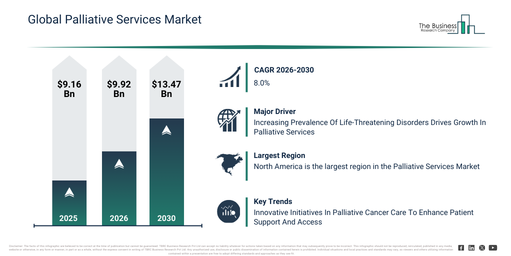
    The market for palliative care experienced robust expansion lately, projected to climb from $9.16 billion in 2025 to $9.92 billion in 2026, reflecting an 8.3% compound annual growth rate. This significant upswing observed during the historical period is fueled by several key factors: an expanding elderly demographic, a surge in chronic and debilitating diseases, heightened public embrace of care prioritizing patient comfort, the broadening reach of hospice and at-home care options, and a greater societal understanding of the importance of life quality during illness.

    The palliative services market is poised for substantial expansion over the upcoming years, projecting a rise to $13.47 billion by 2030, driven by a compound annual growth rate (CAGR) of 8.0%. This anticipated surge is underpinned by several key factors including an escalating preference for healthcare delivered in the home environment, a heightened emphasis on patient-centric approaches to care, the broadening of coordinated care models, a greater uptake of digital health technologies, and increased investment in managing long-term health conditions. Notable developments projected for this period encompass the proliferation of home palliative care arrangements, a more comprehensive approach to managing diverse symptoms,Enhanced integration of diverse healthcare professionals into care teams, a stronger commitment to providing emotional and familial support, and the growth of palliative care initiatives within communities.

    Download A Free Sample Report For Comprehensive Market Insights:

    https://www.thebusinessresearchcompany.com/sample.aspx?id=19637&type=smp

    Palliative Services Market Expansion Supported By Key Demand Factors

    The expanding market for palliative services is poised for growth, fueled by an increase in life-threatening medical conditions. These serious illnesses, which present a substantial risk to life and demand immediate, intensive medical attention, are becoming more common due to factors such as the growing burden of chronic diseases, an aging global population, environmental contamination, and prevalent lifestyle choices. Palliative care is designed to offer all-encompassing support, focusing on symptom management and enhancing the well-being of those facing life-threatening diagnoses, while also extending crucial assistance to their families and guiding patients through challenging treatment decisions. As an illustration, data from the American Heart Association, a non-profit entity in the United States, indicated that by January 2024, the cumulative fatalities from cardiovascular ailments had climbed to 931,578, a slight increase of under 3,000 from the 928,741 deaths recorded in 2023. Correspondingly, the mortality rate from cardiovascular disease, adjusted for age, also experienced a slight rise, reaching 233.3 per 100,000 individuals, representing a 4.0% increase from the preceding year’s rate of 224.4 per 100,000, thus underscoring the market’s upward trajectory driven by the heightened incidence of critical illnesses.

    Palliative Services Market Segmentation: How Is The Market Structured Across Key Categories?

    The palliative services market covered in this report is segmented –

    1) By Type: Private Residence Care, Hospice Inpatient Care, Hospital Inpatient Care, Nursing Home, Residential Facility Care

    2) By Application: Cancer, Congestive Heart Failure, Chronic Obstructive Pulmonary Disease (COPD), Kidney Failure, Alzheimer’s, Parkinson’s, Amyotrophic Lateral Sclerosis (ALS)

    3) By End-User: Hospitals, Home Care Settings, Palliative Care Centers, Long-Term Care Centers And Rehabilitation Centers

    Subsegments:

    1) By Private Residence Care: Home Health Aides, Skilled Nursing Care, Personal Care Services

    2) By Hospice Inpatient Care: General Inpatient Care, Respite Care, Continuous Care

    3) By Hospital Inpatient Care: Acute Care Services, Consultation Services, Palliative Care Units

    4) By Nursing Home: Long-Term Care Services, Short-Term Rehabilitation, Specialized Dementia Care

    5) By Residential Facility Care: Assisted Living Facilities, Memory Care Units, Continuing Care Retirement Communities (CCRCs)

    Palliative Services Market Growth Trends Influencing Competitive Dynamics

    Leading entities within the palliative care sector are actively developing novel offerings, exemplified by palliative cancer care, with the objective of broadening the availability of such support for individuals battling cancer. This specialized form of care is designed to alleviate suffering and enhance the well-being of cancer patients by attending to their physical, emotional, and spiritual requirements as they navigate their treatment. As an illustration, the Biller Family Foundation, an organization based in the United States, introduced its Advance Palliative Cancer Care program in September 2024. This program specifically aims to deliver all-encompassing support for individuals with cancer, taking into account their entire experience. Its distinctive characteristics involve championing prompt and fair access to thorough care that caters to the physical, emotional, spiritual, and social aspects for both patients and their support networks throughout the cancer continuum.

    Palliative Services Market Competitive Landscape And Leading Companies

    Major companies operating in the palliative services market are Kaiser Permanente Inc., Genesis Healthcare Inc., HCR ManorCare Inc., Kindred Healthcare LLC, LHC Group Inc., Amedisys Inc., Compassus LLC, PruittHealth Hospice Inc., Seasons Hospice And Palliative Care Inc., Vitas Healthcare LLC, Heart To Heart Hospice Inc., Crossroads Hospice And Palliative Care Inc., Landmark Health LLC, Agape Care Group LLC, Suncoast Hospice Inc., Curo Health Services Inc., Hospice Of The Valley Inc., Aspire Health Inc., Tidewell Hospice Inc., Ascend Hospice LLC, Palliative Care Center Of The San Joaquin Valley Inc., Hospice Of The Golden Isles Inc., Turn-Key Health LLC, Harmony Hospice Inc., Great Lakes Caring LLC

    Access The Complete Palliative Services Market Report:

    https://www.thebusinessresearchcompany.com/report/palliative-services-global-market-report

    Palliative Services Market Regional Distribution: Which Areas Drive Market Expansion?

    North Americawas the largest region in the palliative services market in 2025. The regions covered in the palliative services market report are Asia-Pacific, South East Asia, Western Europe, Eastern Europe, North America, South America, Middle East, Africa.

    Get in touch with us:

    The Business Research Company: https://www.thebusinessresearchcompany.com/

    Americas: +1 310-496-7795

    Asia: +44 7882 955267 & +91 8897263534

    Europe: +44 7882 955267

    Email us at: marketing@tbrc.info

    Follow us on:

    LinkedIn: https://in.linkedin.com/company/the-business-research-company

    YouTube: https://www.youtube.com/channel/UC24_fI0rV8cR5DxlCpgmyFQ

    Global Market Model: https://www.thebusinessresearchcompany.com/global-market-model