Category: Healthcare Services

  • Patient Check-In Kiosk Software Market Growth Through 2030 Creates New Strategic Opportunities

    Patient Check-In Kiosk Software Market Growth Through 2030 Creates New Strategic Opportunities

    Enhanced with market attractiveness analysis, total addressable market evaluation, company benchmarking matrices, interactive Excel dashboards, expanded supply chain intelligence, emerging startup coverage, and detailed product insights, The Business Research Company’s 2026 market reports deliver more actionable and strategically valuable research.

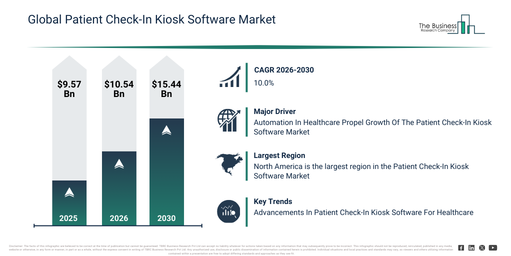
    Patient Check-In Kiosk Software Market Forecast Highlighting Growth From $10.54 Billion To $15.43 Billion

    The patient check-in kiosk software market has experienced a significant expansion. Projections indicate a rise from $9.57 billion in 2025 to $10.54 billion by 2026, reflecting a compound annual growth rate of 10.2%. Historically, this growth has been driven by factors such as the prevalence of manual patient check-in procedures, extended waiting periods during registration, the dependence on administrative personnel for data input, disjointed patient scheduling frameworks, and a lack of comprehensive digital integration with Electronic Health Records (EHRs).

    The market for patient check-in kiosk software is poised for substantial expansion over the coming years, with projections indicating a value of $15.44 billion by 2030, fueled by a compound annual growth rate of 10.0%. This anticipated growth trajectory is primarily driven by several key factors, including the expanding utilization of AI-powered registration processes, a greater embrace of cloud-based kiosk technologies, an escalating desire for frictionless patient journeys, the broadening scope of telehealth services and remote check-in options, and enhanced integration with comprehensive hospital management systems. Furthermore, prevailing trends shaping this market include a heightened adoption of self-service check-in solutions, an upward trend in cloud-based kiosk software platforms, the increasing incorporation of artificial intelligence and automation within patient registration workflows, a significant expansion in digital appointment management and scheduling functionalities, and a stronger emphasis on contactless and remote patient onboarding.

    Download A Free Sample Report For Comprehensive Market Insights:

    https://www.thebusinessresearchcompany.com/sample.aspx?id=18425&type=smp

    Patient Check-In Kiosk Software Market Development Factors: Which Trends Are Supporting Demand?

    The patient check-in kiosk software market is poised for expansion, fueled by the escalating adoption of automation within the healthcare sector itself. This trend towards automation encompasses leveraging technology and software to undertake tasks traditionally managed by healthcare professionals, with the overarching goals of boosting operational efficiency, minimizing mistakes, and elevating the standard of patient service. A confluence of factors, such as the drive for enhanced productivity, the imperative to curtail expenses, the pursuit of superior patient outcomes, and the necessity for robust data administration, are collectively contributing to the surge in healthcare automation. Specifically, patient check-in kiosk software serves as a crucial instrument in advancing automation in medical settings by simplifying administrative procedures and enriching the overall patient journey. As an illustration, a survey conducted in June 2024 by Royal Philips, a prominent health technology firm headquartered in the Netherlands, revealed that 43% of healthcare executives are already integrating artificial intelligence for patient monitoring within hospital environments. Consequently, this pervasive demand for greater automation across healthcare is a significant catalyst for the growth observed in the patient check-in kiosk software market.

    Patient Check-In Kiosk Software Market Segmentation And Category Breakdown

    The patient check-in kiosk software market covered in this report is segmented –

    1) By Product Or Type: Cloud-Based, On-Premise

    2) By Organization Size: Large Enterprises, Small And Medium-Sized Enterprises

    3) By End-User: Healthcare Providers, Patients

    Subsegments:

    1) By Cloud-Based: Software-As-A-Service (SaaS), Platform-As-A-Service (PaaS), Hosted Solutions

    2) By On-Premise: Custom Installed Solutions, Integrated Systems, Legacy Software Solutions

    Patient Check-In Kiosk Software Market Transformation Trends: Which Innovations Are Driving Change?

    Leading entities within the patient check-in kiosk software industry are prioritizing the creation of sophisticated healthcare tools, exemplified by intuitive patient registration systems, with the overarching goals of optimizing front-office operations, enhancing patient engagement, and alleviating burdens on administrative personnel. These intuitive patient registration frameworks are essentially software programs engineered to simplify and expedite the collection of patient details preceding medical consultations. As a pertinent illustration, in September of 2023, Raintree Systems, a United States-based provider of specialized software offerings for healthcare entities, introduced Kiosk Prime. This particular platform significantly transforms the patient intake procedure through automated functionalities that streamline front-office duties, achieving a harmonious integration with Raintree’s own electronic health record (EHR) system to elevate both operational efficiency and data precision. Conceived with user-friendliness as a paramount consideration, it endeavors to augment front-office output, improve revenue generation, and deliver a patient journey that is both empowering and straightforward, thereby tackling significant obstacles prevalent in the expanding patient check-in kiosk software market.

    Patient Check-In Kiosk Software Market Competitive Analysis Of Major Industry Participants

    Major companies operating in the patient check-in kiosk software market are eClinicalWorks, AdvancedMD, Wavetec, KIOSK Information Systems, CERTIFY Health, Vecna Healthcare, Meridian Kiosks, Clearwave, Aila Technologies, PatientTrak, Phreesia, PatientWorks, DynaTouch, SimplePractice, Curogram, athenahealth, Solutionreach, Tebra, DrChrono, Nextech, Qless, HealthWare, MedixTouch, LeanTaaS iQueue, Higi, Olea Kiosks, RedyRef Interactive Kiosks, Advanced Kiosks, Nevatronix, Zenig, CareCloud, RXNT

    Access The Complete Patient Check-In Kiosk Software Market Report:

    https://www.thebusinessresearchcompany.com/report/patient-check-in-kiosk-software-global-market-report

    Patient Check-In Kiosk Software Market Geographic Landscape: Which Region Dominates Industry Growth?

    North Americawas the largest region in the patient check-in kiosk software market in 2025. The regions covered in the patient check-in kiosk software market report are Asia-Pacific, South East Asia, Western Europe, Eastern Europe, North America, South America, Middle East, Africa.

    Get in touch with us:

    The Business Research Company: https://www.thebusinessresearchcompany.com/

    Americas: +1 310-496-7795

    Asia: +44 7882 955267 & +91 8897263534

    Europe: +44 7882 955267

    Email us at: marketing@tbrc.info

    Follow us on:

    LinkedIn: https://in.linkedin.com/company/the-business-research-company

    YouTube: https://www.youtube.com/channel/UC24_fI0rV8cR5DxlCpgmyFQ

    Global Market Model: https://www.thebusinessresearchcompany.com/global-market-model
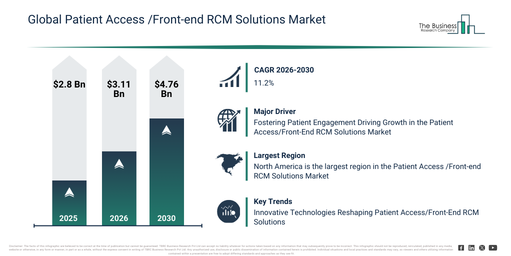
  • Patient Access /Front-end RCM Solutions Market Size Projected To Increase From $3.11 Billion To $4.76 Billion During The Forecast Period

    Patient Access /Front-end RCM Solutions Market Size Projected To Increase From $3.11 Billion To $4.76 Billion During The Forecast Period

    Through market attractiveness analysis, total addressable market evaluation, company benchmarking matrices, interactive Excel dashboards, expanded supply chain intelligence, emerging startup coverage, and detailed product insights, The Business Research Company’s 2026 market reports provide more actionable and strategically valuable research.

    Patient Access /Front-end RCM Solutions Market Revenue Growth Supported By A CAGR Of 4.76% Through 2030

    The market for patient access and front-end revenue cycle management (RCM) solutions has experienced considerable expansion. Projections indicate a rise from $2.8 billion in 2025 to $3.11 billion in 2026, reflecting a compound annual growth rate (CAGR) of 11.2%. Factors contributing to this growth trajectory during the past period included the prevalence of manual patient registration procedures, disjointed systems for verifying eligibility, insufficient automation in pre-authorization processes, variable quality in financial counseling, and a prevalent reliance on RCM solutions installed locally.

    The market for patient access and front-end revenue cycle management (RCM) solutions is poised for substantial expansion, projected to reach $4.76 billion by 2030, reflecting a compound annual growth rate (CAGR) of 11.2%. This anticipated surge in the coming years is fueled by several key factors, including a heightened embrace of artificial intelligence (AI) and automation within patient access processes, a proliferation of cloud-based RCM implementations, a growing need for unified front-end patient management systems, the increasing prevalence of telehealth and remote patient engagement strategies, and a greater emphasis by regulatory bodies on the precision of patient data and adherence to billing regulations. Significant developments expected during this forecast period encompass the accelerating incorporation of AI-driven patient registration and eligibility confirmation, the expanding reach of cloud-based RCM platforms, a surge in the integration of real-time data analytics for front-end operational enhancements, a broader deployment of digital payment and billing solutions, and a wider acceptance of patient access tools integrated with telehealth services.

    Download A Free Sample Report For Comprehensive Market Insights:

    https://www.thebusinessresearchcompany.com/sample.aspx?id=14155&type=smp

    Patient Access /Front-end RCM Solutions Market Industry Drivers: What Is Driving Revenue Growth?

    Enhanced patient engagement is anticipated to be a key driver for the expansion of the patient access / front-end RCM solutions market. This heightened engagement involves patients actively participating and collaborating throughout their healthcare journey, fostering a more dynamic interaction with providers to improve experiences, health results, and personal agency. Furthermore, meticulous data capture at the initial stages of the revenue cycle management process effectively minimizes billing mistakes and claim rejections, thereby streamlining operations and lessening expenses. An illustration of this trend can be seen in the United States, where, in 2023, the Office of the National Coordinator for Health IT reported that 57% of individuals had been offered and utilized their electronic health records or a patient portal, showing an increase from 51% in 2022. Consequently, the growing involvement of patients is a significant factor fueling the patient access / front-end RCM solutions market.

    Patient Access /Front-end RCM Solutions Market Segment Outlook: Which Categories Are Expanding The Fastest?

    The patient access /front-end rcm solutions market covered in this report is segmented –

    1) By Product And Service: Services, Software

    2) By Deployment: On-Premise Solutions, Web And Cloud-Based Solutions

    3) By End-User: HCIT Outsourcing Companies, Healthcare Providers

    Subsegments:

    1) By Services: Patient Registration Services, Insurance Verification Services, Eligibility And Benefits Verification, Scheduling Services, Pre-Authorization Services, Financial Counseling Services

    2) By Software: Patient Registration Software, Eligibility Verification Software, Appointment Scheduling Software, Billing And Payment Software, Analytics And Reporting Tools

    #Patient Access /Front-end RCM Solutions Market Growth Trends: What Is Influencing The Future Outlook?

    Innovative technological advancements are being pioneered by leading entities within the patient access and front-end Revenue Cycle Management (RCM) sector, exemplified by Enabled Solutions, with the objective of achieving superior revenue cycle results. These advanced solutions leverage sophisticated technological instruments and frameworks designed to refine and streamline the complex array of processes involved in managing a firm’s financial inflows, concurrently implementing stringent cybersecurity protocols to safeguard crucial financial and patient information. Illustrating this trend, Omega Healthcare, a prominent U.S. technology firm, introduced its Omega Digital Platform (ODP) in October 2023. This platform, powered by state-of-the-art proprietary technologies, delivers comprehensive RCM solutions spanning patient access, mid-cycle operations, and back-office administrative tasks. By simplifying operational flows, alleviating administrative workloads, and enhancing financial performance, the ODP integrates artificial intelligence, robotic process automation, machine learning, bots, and natural language processing to elevate both precision and productivity, thereby empowering clients to redeploy resources effectively, elevate patient and staff contentment, and ultimately achieve more favorable financial outcomes.

    Patient Access /Front-end RCM Solutions Market Key Companies And Competitive Benchmarking

    Major companies operating in the patient access /front-end rcm solutions market are McKesson Corporation, Optum Inc, Qway Healthcare Inc., 3M Company, Cognizant Technology Solutions Corporation, Experian PLC, Cerner Corporation, Epic Systems Corporation, Conduent Inc, PATIENT ACCESS SOLUTIONS, INC., Conifer Health Solutions, Exela Technologies Inc, VIRTUSA CORPORATION, Waystar, Availity LLC, Craneware Inc., Allscripts Healthcare Solutions Inc., Kareo Inc, The SSI Group LLC, AccuReg Software, KYRUUS, HEALTHASYST, ACCESS ONE INC., Clearwave Inc, PLEXIS HEALTHCARE SYSTEMS, VEE TECHNOLOGIES, Cirius Group Inc., FINTHRIVE

    Access The Complete Patient Access /Front-end RCM Solutions Market Report:

    https://www.thebusinessresearchcompany.com/report/patient-access-or-front-end-rcm-solutions-global-market-report

    Patient Access /Front-end RCM Solutions Market Largest Region: Which Geography Holds The Highest Market Share?

    North Americawas the largest region in the patient access /front-end RCM solutions market in 2025. Asia-Pacificis expected to be the fastest-growing region in the forecast period. The regions covered in the patient access /front-end rcm solutions market report are Asia-Pacific, South East Asia, Western Europe, Eastern Europe, North America, South America, Middle East, Africa.

    Get in touch with us:

    The Business Research Company: https://www.thebusinessresearchcompany.com/

    Americas: +1 310-496-7795

    Asia: +44 7882 955267 & +91 8897263534

    Europe: +44 7882 955267

    Email us at: marketing@tbrc.info

    Follow us on:

    LinkedIn: https://in.linkedin.com/company/the-business-research-company

    YouTube: https://www.youtube.com/channel/UC24_fI0rV8cR5DxlCpgmyFQ

    Global Market Model: https://www.thebusinessresearchcompany.com/global-market-model
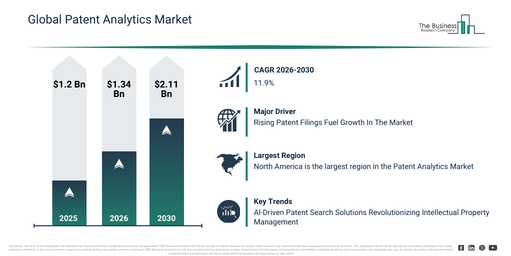
  • Patent Analytics Market Growth Outlook Reveals A CAGR Of 11.9% And A Market Value Of $2.1 Billion By 2030

    Patent Analytics Market Growth Outlook Reveals A CAGR Of 11.9% And A Market Value Of $2.1 Billion By 2030

    Delivering more actionable and strategically valuable research, The Business Research Company’s 2026 market reports feature market attractiveness analysis, total addressable market evaluation, company benchmarking matrices, interactive Excel dashboards, expanded supply chain intelligence, emerging startup coverage, and detailed product insights.

    Patent Analytics Market Value Expansion And Long-Term Growth Outlook

    The patent analytics market has experienced significant expansion throughout recent times, projecting a rise from $1.2 billion in 2025 to $1.34 billion in 2026, fueled by a compound annual growth rate of 12.3%. Factors contributing to this accelerated growth during the past period include the increasing number of patent applications worldwide, the growing intricacy of intellectual property environments, a heightened demand for comparative business analysis, the continued use of traditional manual patent examination techniques, and the broadening scope of innovation strategies employed by global corporations.

    The patent analytics market is poised for considerable expansion in the forthcoming years, projecting a reach of $2.11 billion by 2030, driven by an 11.9% compound annual growth rate. This anticipated surge is fueled by several key factors: the incorporation of artificial intelligence and machine learning into patent analysis instruments, a greater uptake by small and medium-sized enterprises (SMEs), the escalating need for immediate patent intelligence, the proliferation of cloud-based analytics solutions, and the augmented utilization of patent information for informed strategic investments. During this projected period, prominent trends will include a heightened reliance on data-driven approaches for patent-related decisions, a growing appetite for competitive intelligence and landscape assessments, the expansion of cloud-based patent analytics platforms, increased emphasis on patent valuation and monetization, and a more focused approach to intellectual property risk management and litigation preparedness.

    Download A Free Sample Report For Comprehensive Market Insights:

    https://www.thebusinessresearchcompany.com/sample.aspx?id=20916&type=smp

    Patent Analytics Market Growth Factors: Which Forces Are Supporting Market Expansion?

    The expansion of the patent analytics sector is anticipated to be fueled by an escalating volume of patent applications. These applications represent formal requests to obtain legal protection for novel inventions, affording the holder sole rights and safeguarding their creation for a defined duration. This upward trend in patent submissions is often linked to amplified investments in research and development, heightened consciousness regarding intellectual property rights, and the activities of so-called patent trolls. Patent analytics tools play a crucial role in discovering existing knowledge, evaluating the potential for patenting new ideas, and formulating strong claims to enhance patent application strategies. As an illustration, it was reported by the World Intellectual Property Organization (WIPO) in August 2024 that global patent filings saw a 2.7% increase in 2023, totaling around 3.6 million. Consequently, the rise in patent filings is a key driver for the patent analytics market’s growth.

    Patent Analytics Market Segment Landscape: Which Areas Lead Market Development?

    The patent analytics market covered in this report is segmented –

    1) By Component: Solutions, Services

    2) By Deployment Type: On-Premises, Cloud-Based

    3) By Enterprise Size: Large Enterprises, Small And Mid-Sized Enterprises (SMEs)

    4) By Application: Competitive Intelligence, Technology Landscape Analysis, Patent Valuation, Litigation Support

    5) By End-User: Corporates, Research Organizations, Intellectual Property Firms, Government Agencies

    Subsegments:

    1) By Solutions: Patent Search And Analytics Software, Patent Valuation Solutions, Competitive Intelligence Solutions, Patent Mapping And Landscape Tools, IP Portfolio Management Solutions

    2) By Services: Patent Search Services, Patent Licensing And Monetization Services, Patent Litigation Support Services, Patent Strategy And Consulting Services, Patent Filing And Prosecution Services

    Patent Analytics Market Industry Trends: What Changes Are Reshaping Demand?

    Leading entities within the patent analytics sector are prioritizing the creation of sophisticated artificial intelligence-driven patent discovery tools designed to improve strategic choices in intellectual property administration. Such AI-powered platforms utilize cutting-edge technologies to optimize and automate the process of sifting through patent repositories, empowering individuals to effectively pinpoint pertinent patents, monitor advancements in innovation, and evaluate the patentability of new ideas with greater precision. Illustratively, in December 2024, Clarivate Plc, a United Kingdom firm delivering essential, transformative intelligence, introduced AI Search within its Derwent offerings. This sophisticated patent discovery instrument merges artificial intelligence capabilities with the established Derwent World Patents Index (DWPI), yielding increasingly precise and applicable outcomes from patent searches. Employing a language transformer model, this solution comprehends the contextual nuances of user queries, thereby facilitating intellectual property (IP) specialists in conducting preliminary patentability evaluations, verifying findings, and delving into uncharted technological domains with heightened efficiency. The artificial intelligence implementation considerably boosts search speed and precision, enabling users to locate relevant patents more rapidly and arrive at more judicious conclusions throughout the patent research lifecycle.

    Patent Analytics Market Industry Leaders And Market Competition

    Major companies operating in the patent analytics market are Clarivate Plc, LexisNexis, IP.com, Patsnap, Anaqua Inc., TechInsights Inc., QUESTEL SAS, Sagacious IP, MaxVal Group Inc., RPX Corporation, Wynne-Jones IP Ltd., Ocean Tomo LLC, Minesoft Ltd., IDTechEx Limited, Excelon IP, Coller IP, Harrity & Harrity LLP, Patent iNSIGHT Pro, IPlytics GmbH, Dolcera, PatSeer Technologies Pvt. Ltd.

    Access The Complete Patent Analytics Market Report:

    https://www.thebusinessresearchcompany.com/report/patent-analytics-global-market-report

    Patent Analytics Market Regional Analysis: Which Region Leads By Revenue?

    North Americawas the largest region in the patent analytics market in 2025. Asia-Pacificis expected to be the fastest-growing region in the forecast period. The regions covered in the patent analytics market report are Asia-Pacific, South East Asia, Western Europe, Eastern Europe, North America, South America, Middle East, Africa.

    Get in touch with us:

    The Business Research Company: https://www.thebusinessresearchcompany.com/

    Americas: +1 310-496-7795

    Asia: +44 7882 955267 & +91 8897263534

    Europe: +44 7882 955267

    Email us at: marketing@tbrc.info

    Follow us on:

    LinkedIn: https://in.linkedin.com/company/the-business-research-company

    YouTube: https://www.youtube.com/channel/UC24_fI0rV8cR5DxlCpgmyFQ

    Global Market Model: https://www.thebusinessresearchcompany.com/global-market-model
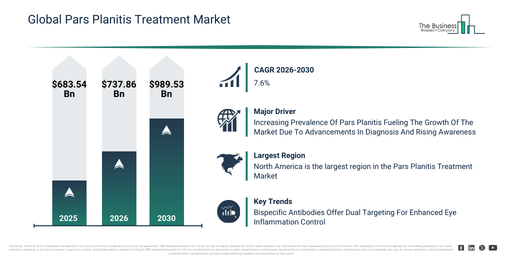
  • Pars Planitis Treatment Market Forecast Highlights Expansion From $737.85 Billion To $989.53 Billion Through 2030

    Pars Planitis Treatment Market Forecast Highlights Expansion From $737.85 Billion To $989.53 Billion Through 2030

    Enhanced with market attractiveness analysis, total addressable market evaluation, company benchmarking matrices, interactive Excel dashboards, expanded supply chain intelligence, emerging startup coverage, and detailed product insights, The Business Research Company’s 2026 market reports deliver more actionable and strategically valuable research.

    Pars Planitis Treatment Market Expected To Reach $989.53 Billion By 2030 At 7.6% CAGR

    The global market for pars planitis treatments has experienced robust expansion recently, projecting a growth from $683.54 billion in 2025 to $737.86 billion in 2026, reflecting a compound annual growth rate of 7.9%. Factors contributing to this upswing over the past few years include a deeper comprehension of uveitis’ underlying mechanisms, the widespread availability of corticosteroid treatments, an increase in specialized ophthalmology centers, greater use of diagnostic imaging techniques, and heightened clinical recognition of pars planitis itself.

    The market for pars planitis therapeutic interventions is poised for substantial expansion in the forthcoming years, projecting a valuation of $989.53 billion by 2030, driven by a compound annual growth rate of 7.6%. This anticipated surge is fueled by several key factors, including a greater embrace of individualized eye care solutions, a heightened need for sustained management of ocular inflammation, the burgeoning development of new biologic medications, a more pronounced emphasis on preserving visual acuity, and increased financial backing for sophisticated ophthalmic diagnostic tools. Over the projected timeframe, significant market developments are expected to include a wider application of immune-regulating treatments, a growing acceptance of biological therapies, a stronger leaning towards precisely targeted anti-inflammatory approaches, advancements in sophisticated eye surgery methods, and a reinforced commitment to identifying the condition early and closely monitoring its progression.

    Download A Free Sample Report For Comprehensive Market Insights:

    https://www.thebusinessresearchcompany.com/sample.aspx?id=24649&type=smp

    Pars Planitis Treatment Market Demand Drivers: What Is Fueling Industry Growth?

    The rising incidence of pars planitis is anticipated to be a significant catalyst for the expansion of its associated treatment market. Pars planitis, identified as a form of intermediate uveitis with no discernible cause, predominantly results in inflammation within the vitreous humor and the outer edges of the retina, commonly impacting individuals between the ages of fifteen and forty. This heightened occurrence is attributed to a greater understanding of the condition and advancements in diagnostic technology, which facilitate earlier and more precise identification of the disease. Therapeutic interventions for pars planitis play a crucial role in controlling the condition by alleviating inflammation within the eye, thereby becoming indispensable for safeguarding vision and averting adverse outcomes. These treatments contribute to enhanced patient management through specialized approaches, including the use of corticosteroids and immunosuppressive drugs, ultimately fostering better long-term ocular health and elevating the overall quality of life for patients. To illustrate, a February 2025 case report featured in the Mega Journal of Case Reports, a US medical publication, indicated that intermediate uveitis affects between 1.4 and 2 individuals per 100,000 people, with pars planitis constituting seventy percent of these idiopathic cases. Consequently, the growing prevalence of pars planitis is a direct driver for the market dedicated to its treatment.

    Pars Planitis Treatment Market Segments: Where Are The Largest Growth Opportunities?

    The pars planitis treatment market covered in this report is segmented –

    1) By Treatment: Corticosteroid, Non-Steroidal Anti-Inflammatory Drugs (NSAIDs), Surgery, Cryotherapy, Immunomodulatory Therapy, Other Treatments

    2) By Diagnosis: Blood Tests, Fundus Examination And Optical Coherence Tomography, Magnetic Resonance Imaging (MRI), Other Diagnosis

    3) By Route Of Administration: Oral, Intravenous, Other Routes Of Administration

    4) By Distribution Channel: Hospital Pharmacy, Retail Pharmacy, Online Pharmacy

    5) By End-User: Clinic, Hospital, Other End-Users

    Subsegments:

    1) By Corticosteroid: Topical Corticosteroids, Periocular Corticosteroid Injections, Intravitreal Corticosteroid Implants, Systemic Corticosteroids

    2) By Non-Steroidal Anti-Inflammatory Drugs (NSAIDs): Oral Non-Steroidal Anti-Inflammatory Drugs (NSAIDs), Topical Non-Steroidal Anti-Inflammatory Drugs (NSAIDs), Injectable Non-Steroidal Anti-Inflammatory Drugs (NSAIDs)

    3) By Surgery: Pars Plana Vitrectomy, Cataract Surgery, Glaucoma Surgery

    4) By Cryotherapy: Trans-scleral Cryotherapy, Endocryotherapy

    5) By Immunomodulatory Therapy: Antimetabolites, Calcineurin Inhibitors, Biologic Agents

    6) By Other Treatments: Antibiotics, Antivirals, Laser therapy

    Pars Planitis Treatment Market Innovation Trends: Which Developments Are Transforming The Industry?

    Within the realm of pars planitis treatment, key players are concentrating on pioneering advancements like bispecific antibodies, aiming to bolster immune responses, abate ocular inflammation, and curtail systemic adverse effects. These specially engineered proteins are configured to latch onto two distinct targets concurrently, paving the way for more accurate and potent therapeutic outcomes with diminished side effects. A prime example is Genentech Inc., a prominent US biotechnology firm, which secured FDA approval in October 2023 for Vabysmo (faricimab-svoa), initially indicated for age-related macular degeneration and diabetic macular edema, and subsequently approved for retinal vein occlusion (RVO). Vabysmo distinguishes itself as the inaugural bispecific antibody for ocular conditions, simultaneously targeting Angiopoietin-2 (Ang-2) and vascular endothelial growth factor A (VEGF-A) to confront inflammation and vascular permeability. The therapeutic potential of this novel approach is currently being investigated for conditions such as intermediate uveitis, encompassing pars planitis, a disease characterized by persistent inflammation in the retinal periphery necessitating sustained and focused therapeutic strategies.

    Pars Planitis Treatment Market Major Participants And Competitive Dynamics

    Major companies operating in the pars planitis treatment market are Johnson And Johnson, Merck And Co Inc, AbbVie Inc, Bayer AG, AstraZeneca plc, Novartis AG, EyePoint Pharmaceuticals Inc, Eli Lilly And Company, Teva Pharmaceutical Industries Ltd, Quantum Cryogenics Ltd, Zimmer MedizinSysteme GmbH, Sun Pharmaceutical Industries Ltd, Aurobindo Pharma Limited, Santen Pharmaceutical Co Ltd, Alimera Sciences Inc, Clearside Biomedical Inc, Roche Holding AG, Pfizer Inc, Bristol Myers Squibb Company, Regeneron Pharmaceuticals Inc, UCB SA, Bausch Health Companies Inc

    Access The Complete Pars Planitis Treatment Market Report:

    https://www.thebusinessresearchcompany.com/report/pars-planitis-treatment-global-market-report

    Pars Planitis Treatment Market Geographic Distribution And Regional Opportunities

    North Americawas the largest region in the pars planitis treatment market in 2025. The regions covered in the pars planitis treatment market report are Asia-Pacific, South East Asia, Western Europe, Eastern Europe, North America, South America, Middle East, Africa.

    Get in touch with us:

    The Business Research Company: https://www.thebusinessresearchcompany.com/

    Americas: +1 310-496-7795

    Asia: +44 7882 955267 & +91 8897263534

    Europe: +44 7882 955267

    Email us at: marketing@tbrc.info

    Follow us on:

    LinkedIn: https://in.linkedin.com/company/the-business-research-company

    YouTube: https://www.youtube.com/channel/UC24_fI0rV8cR5DxlCpgmyFQ

    Global Market Model: https://www.thebusinessresearchcompany.com/global-market-model
  • Paroxysmal Nocturnal Hemoglobinuria (PNH) Treatment Market Expected To Reach $11.32 Billion By 2030 As Growth Accelerates At 13.2% CAGR

    Paroxysmal Nocturnal Hemoglobinuria (PNH) Treatment Market Expected To Reach $11.32 Billion By 2030 As Growth Accelerates At 13.2% CAGR

    Through market attractiveness analysis, total addressable market evaluation, company benchmarking matrices, interactive Excel dashboards, expanded supply chain intelligence, emerging startup coverage, and detailed product insights, The Business Research Company’s 2026 market reports provide more actionable and strategically valuable research.

    Paroxysmal Nocturnal Hemoglobinuria (PNH) Treatment Market Size And Revenue Forecast Through 2030

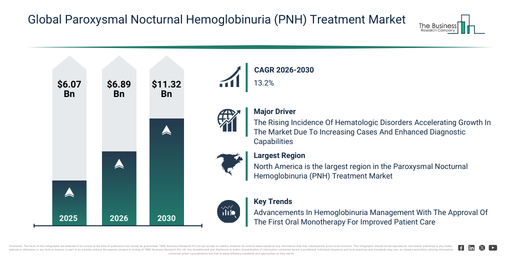
    The market for paroxysmal nocturnal hemoglobinuria (pnh) treatments has experienced substantial expansion recently, with projections indicating a rise from $6.07 billion in 2025 to $6.89 billion by 2026, reflecting a compound annual growth rate of 13.4%. This historical growth trajectory was largely influenced by a scarcity of effective targeted therapies, a prevailing dependence on supportive care and blood transfusions, diagnostic delays stemming from the condition’s rarity, the significant peril of life-threatening thrombosis, and an absence of established, long-term treatment guidelines.

    The market for paroxysmal nocturnal hemoglobinuria treatments is poised for substantial expansion over the coming years, projecting a reach of $11.32 billion by 2030 with a compound annual growth rate of 13.2%. This projected increase is largely fueled by advancements in next-generation complement inhibitors, a broadening array of oral and subcutaneous treatment options in clinical development, a heightened commitment to innovative treatments for rare diseases, enhanced diagnostic capabilities via sophisticated testing methods, and more comprehensive insurance coverage for rare blood disorders. Key developments anticipated during this period encompass a greater acceptance of complement C5 inhibitor therapies, a discernible move towards longer-lasting and subcutaneous drug delivery systems, the advancement of alternative pathway inhibitors, the exploration of combined and dual complement inhibition approaches, and more effective management of clot-related and bone marrow issues.

    Download A Free Sample Report For Comprehensive Market Insights:

    https://www.thebusinessresearchcompany.com/sample.aspx?id=23469&type=smp

    Paroxysmal Nocturnal Hemoglobinuria (PNH) Treatment Market Growth Drivers: What Factors Are Accelerating Expansion?

    The rising rates of blood-related conditions are anticipated to fuel the expansion of the market for treating paroxysmal nocturnal hemoglobinuria (PNH) in the future. Hematologic disorders encompass a wide spectrum of ailments affecting the blood and the organs responsible for its production, characterized by issues with red cells, white cells, platelets, bone marrow, and the clotting mechanisms, potentially resulting in conditions like anemia, bleeding or clotting problems, or cancers. Factors such as an aging global population and inherited vulnerabilities contribute to the growing occurrence of these blood disorders, with genetic alterations being particularly significant as they can initiate aberrant blood cell development, ultimately causing diverse hematologic problems. Treatments for PNH play a crucial role in managing hematologic disorders by providing specific interventions that alleviate the destruction of red blood cells driven by the complement system, decrease the risk of blood clots, and enhance patient longevity. For example, data from Cancer Research UK in July 2024 indicated projected figures for new leukemia cases, another hematologic disorder, in the United Kingdom, with numbers expected to rise from roughly 12,400 during the 2023-2025 period to approximately 14,500 by 2038-2040. Consequently, the escalating prevalence of hematologic disorders serves as a key driver for the growth observed in the paroxysmal nocturnal hemoglobinuria (PNH) treatment sector.

    Paroxysmal Nocturnal Hemoglobinuria (PNH) Treatment Market Segment Analysis: What Are The Major Market Categories?

    The paroxysmal nocturnal hemoglobinuria (pnh) treatment market covered in this report is segmented –

    1) By Treatment Type: Complement C5 Inhibitors, Anti-Complement Component 5a Receptor (C5aR) Monoclonal Antibodies, Alternative Pathway Inhibitors, Hematopoietic Stem Cell Transplantation, Other Therapies

    2) By Route Of Administration: Intravenous, Subcutaneous, Oral

    3) By Market Availability: Approved, In Pipeline, Investigational

    4) By End-Use: Hospitals, Specialty Clinics, Homecare Settings, Other End-Users

    Subsegments:

    1) By Complement: C5 InhibitorsEculizumab (Soliris), Ravulizumab (Ultomiris), Emerging C5 Inhibitors, Biosimilars Of C5 Inhibitors,

    2) By Anti-Complement Component 5a Receptor Monoclonal Antibodies: Avacopan (Tavneos), Other Investigational C5aR mAbs, Monotherapy vs Combination Therapy, Clinical Trial Phase (Phase I, II, III)

    3) By Alternative Pathway Inhibitors: C3 Inhibitors, Factor B Inhibitors, Factor D Inhibitors, Targeting Complement Amplification, Combination Therapies And Dual Inhibition

    4) By Hematopoietic Stem Cell Transplantation (HSCT): Autologous HSCT vs. Allogeneic HSCT, Pre-Transplant Conditioning Therapies, Post-Transplant Immunosuppressive Therapies

    5) By Other Therapies: Immunosuppressive Therapy, Supportive Care, Anticoagulation Therapy, Gene Therapy

    Paroxysmal Nocturnal Hemoglobinuria (PNH) Treatment Market Trends: What Is Shaping Future Industry Growth?

    Leading entities within the paroxysmal nocturnal hemoglobinuria (PNH) therapeutic arena are concentrating their efforts on pioneering advancements like oral Factor B inhibitors, intending to present a new treatment modality that boosts therapeutic outcomes and simplifies PNH management for patients. These oral Factor B inhibitors function as precision-engineered small-molecule agents designed to specifically impede Factor B within the alternative complement cascade, thereby moderating the immune system’s excessive response and diminishing inflammation associated with complement-driven pathologies. A significant development occurred in December 2023 when Novartis AG, a pharmaceutical giant headquartered in Switzerland, secured FDA authorization for Fabhalta (iptacopan), establishing it as the inaugural oral monotherapy available for PNH. This innovative Factor B inhibitor introduces a more holistic strategy for managing complement-mediated red blood cell destruction by intervening at an earlier juncture in the alternative complement pathway, leading to better hemoglobin concentrations and a decreased reliance on blood transfusions, thus revolutionizing the therapeutic paradigm for this uncommon blood disorder.

    Paroxysmal Nocturnal Hemoglobinuria (PNH) Treatment Market Leading Companies Driving Competitive Growth

    Major companies operating in the paroxysmal nocturnal hemoglobinuria (pnh) treatment market are F. Hoffmann-La Roche Ltd, Novartis AG, Mayo Clinic, Cleveland Clinic Foundation, Johns Hopkins Medicine, Memorial Sloan Kettering Cancer Center, Stanford Health Care, University of California San Francisco (UCSF) Health, Emory Healthcare, Cedars-Sinai Medical Center, Duke University Health System, Mount Sinai Health System, Dana-Farber Cancer Institute, Swedish Orphan Biovitrum, Alnylam Pharmaceuticals, BioCryst Pharmaceuticals, Apellis Pharmaceuticals, Omeros Corporation, Takeda Pharmaceutical Company, Sanofi S A, Pfizer Inc, Akari Therapeutics Plc, NovelMed Therapeutics, Ionis Pharmaceuticals, Johnson & Johnson, Biogen Inc.

    Access The Complete Paroxysmal Nocturnal Hemoglobinuria (PNH) Treatment Market Report:

    https://www.thebusinessresearchcompany.com/report/paroxysmal-nocturnal-hemoglobinuria-pnh-treatment-global-market-report

    Paroxysmal Nocturnal Hemoglobinuria (PNH) Treatment Market Largest Region By Revenue And Market Share

    North Americawas the largest region in the paroxysmal nocturnal hemoglobinuria (PNH) treatment market in 2025. Asia-Pacificis expected to be the fastest-growing region in the forecast period. The regions covered in the paroxysmal nocturnal hemoglobinuria (pnh) treatment market report are Asia-Pacific, South East Asia, Western Europe, Eastern Europe, North America, South America, Middle East, Africa.

    Get in touch with us:

    The Business Research Company: https://www.thebusinessresearchcompany.com/

    Americas: +1 310-496-7795

    Asia: +44 7882 955267 & +91 8897263534

    Europe: +44 7882 955267

    Email us at: marketing@tbrc.info

    Follow us on:

    LinkedIn: https://in.linkedin.com/company/the-business-research-company

    YouTube: https://www.youtube.com/channel/UC24_fI0rV8cR5DxlCpgmyFQ

    Global Market Model: https://www.thebusinessresearchcompany.com/global-market-model
  • Paroxysmal Nocturnal Hemoglobinuria (PNH) And Atypical Hemolytic Uremic Syndrome (aHUS) Market Set To Grow From $6.4 Billion In 2026 To $8.41 Billion By 2030 At A CAGR Of 7.1%

    Paroxysmal Nocturnal Hemoglobinuria (PNH) And Atypical Hemolytic Uremic Syndrome (aHUS) Market Set To Grow From $6.4 Billion In 2026 To $8.41 Billion By 2030 At A CAGR Of 7.1%

    Delivering more actionable and strategically valuable research, The Business Research Company’s 2026 market reports feature market attractiveness analysis, total addressable market evaluation, company benchmarking matrices, interactive Excel dashboards, expanded supply chain intelligence, emerging startup coverage, and detailed product insights.

    Paroxysmal Nocturnal Hemoglobinuria (PNH) And Atypical Hemolytic Uremic Syndrome (aHUS) Market Growth From $6.4 Billion In 2026 To $8.41 Billion By 2030 At A CAGR Of 7.1%

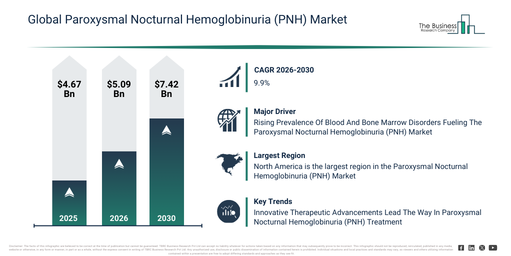
    The market for paroxysmal nocturnal hemoglobinuria (pnh) and atypical hemolytic uremic syndrome (ahus) has experienced significant expansion lately, projected to advance from $5.97 billion in 2025 to $6.41 billion in 2026, reflecting a compound annual growth rate of 7.3%. Factors contributing to this historical growth trajectory include the restricted availability of specialized complement therapies, diagnostic delays stemming from the rarity of these conditions, a prevailing reliance on plasma exchange and supportive measures, elevated treatment expenses hindering accessibility, and a general lack of awareness regarding complement-mediated disorders.

    The market for paroxysmal nocturnal hemoglobinuria (pnh) and atypical hemolytic uremic syndrome (ahus) is poised for significant expansion in the coming years, projecting to reach $8.42 billion by 2030 with a compound annual growth rate of 7.1%. This anticipated growth is fueled by several key factors, including the creation of innovative complement inhibitors, enhanced diagnostic capabilities through sophisticated testing, a heightened emphasis on developing treatments for rare diseases, broader insurance coverage for these conditions, and the proliferation of specialized centers for hematology and nephrology. During this forecast period, prominent trends will encompass a greater acceptance of complement inhibitor treatments, increased utilization of genetic and biomarker analyses, the emergence of extended-release complement inhibition medications, the expansion of dedicated rare disease treatment facilities, and advancements in the early identification of complement-mediated conditions.

    Download A Free Sample Report For Comprehensive Market Insights:

    https://www.thebusinessresearchcompany.com/sample.aspx?id=24357&type=smp

    Paroxysmal Nocturnal Hemoglobinuria (PNH) And Atypical Hemolytic Uremic Syndrome (aHUS) Market Growth Factors Supporting Long-Term Expansion

    The expanding landscape of rare diseases is poised to stimulate considerable expansion within the paroxysmal nocturnal hemoglobinuria (PNH) and atypical hemolytic uremic syndrome (aHUS) market. These rare conditions, by definition affecting a small segment of the populace, often fewer than 200,000 people, are frequently marked by their intricate nature, significant severity, and the necessity for specialized medical interventions. A key factor contributing to the heightened incidence of rare diseases is the progress in diagnostic methodologies, which facilitates superior detection and recognition of conditions that were formerly overlooked or remained unidentified. PNH and aHUS play a crucial role in advancing the comprehension and management of rare diseases, offering valuable perspectives on the underlying mechanisms and potential intervention points for illnesses that currently possess limited therapeutic avenues. To illustrate, as of November 2024, the U.S. Food and Drug Administration reported that over 7,000 distinct rare diseases affected more than 30 million individuals across the United States. Consequently, the increasing occurrence of rare diseases is acting as a significant catalyst for the growth trajectory of the PNH and aHUS market.

    Paroxysmal Nocturnal Hemoglobinuria (PNH) And Atypical Hemolytic Uremic Syndrome (aHUS) Market Segment Breakdown: Which Categories Generate The Most Revenue?

    The paroxysmal nocturnal hemoglobinuria (pnh) and atypical hemolytic uremic syndrome (ahus) market covered in this report is segmented –

    1) By Type: Soliris, Ultomiris

    2) By Disease Type: Paroxysmal Nocturnal Hemoglobinuria(PNH), Atypical Hemolytic Uremic Syndrome(aHUS)

    3) By Treatment Type: Complement Inhibitors, Plasma Exchange Or Infusion, Other Symptomatic Treatments

    4) By Diagnosis Method: Clinical Diagnosis, Genetic Testing, Biomarker Testing

    5) By End-User: Hospitals, Specialty Clinics, Research Institutes, Other End-Users

    Subsegments:

    1) By Soliris: Eculizumab For PNH, Eculizumab For aHUS, Eculizumab Biosimilars

    2) By Ultomiris: Ravulizumab For PNH, Ravulizumab For aHUS, Ravulizumab Extended-Interval Dosing

    Paroxysmal Nocturnal Hemoglobinuria (PNH) And Atypical Hemolytic Uremic Syndrome (aHUS) Market Industry Trends Shaping Future Revenue Growth

    Within the paroxysmal nocturnal hemoglobinuria (PNH) and atypical hemolytic uremic syndrome (aHUS) market, leading entities are actively pursuing the creation of novel therapeutic options, specifically complement inhibitors, aiming to enhance patient results and streamline treatment accessibility. Complement inhibitors function by impeding particular elements of the complement system, an immune network integral to removing infectious agents and compromised cells. As an illustration, in December of 2023, the U.S. Food and Drug Administration (FDA) granted approval to Fabhalta (iptacopan), developed by the Swiss pharmaceutical firm Novartis AG, marking it as the inaugural oral monotherapy designed for adult patients diagnosed with paroxysmal nocturnal hemoglobinuria; this treatment notably achieves superior hemoglobin stabilization, obviating the necessity for blood transfusions. This cutting-edge complement inhibitor exerts its effect by targeting and inhibiting Factor B within the alternative complement pathway, thereby affording thorough management of both intravascular and extravascular hemolytic processes. Furthermore, its convenient oral administration simplifies the complexities of managing the condition and elevates the overall quality of life for individuals affected by PNH, relieving them of the challenges inherent in regular intravenous infusions.

    Paroxysmal Nocturnal Hemoglobinuria (PNH) And Atypical Hemolytic Uremic Syndrome (aHUS) Market Key Players And Strategic Industry Positioning

    Major companies operating in the paroxysmal nocturnal hemoglobinuria (pnh) and atypical hemolytic uremic syndrome (ahus) market are Roche Holding AG, Alexion Pharmaceuticals Inc, Genentech Inc, Novartis AG, Apellis Pharmaceuticals Inc, Omeros Corporation, BioCryst Pharmaceuticals Inc, ChemoCentryx Inc, Sanofi SA, CSL Behring, Takeda Pharmaceutical Company, Pfizer Inc, Regeneron Pharmaceuticals Inc, Ionis Pharmaceuticals Inc, Horizon Therapeutics, Achillion Pharmaceuticals Inc, Sobi Swedish Orphan Biovitrum AB, ImmunoForge Co Ltd, Care Pharma, Daiichi Sankyo Co Ltd, Astellas Pharma Inc, Mallinckrodt Pharmaceuticals, CANbridge Pharmaceuticals Inc.

    Access The Complete Paroxysmal Nocturnal Hemoglobinuria (PNH) And Atypical Hemolytic Uremic Syndrome (aHUS) Market Report:

    https://www.thebusinessresearchcompany.com/report/paroxysmal-nocturnal-hemoglobinuria-pnh-and-atypical-hemolytic-uremic-syndrome-ahus-global-market-report

    Paroxysmal Nocturnal Hemoglobinuria (PNH) And Atypical Hemolytic Uremic Syndrome (aHUS) Market Regional Analysis And Leading Geography

    North Americawas the largest region in the paroxysmal nocturnal hemoglobinuria (PNH) and atypical hemolytic uremic syndrome (aHUS) market in 2025. Asia-Pacificis expected to be the fastest-growing region in the forecast period. The regions covered in the paroxysmal nocturnal hemoglobinuria (pnh) and atypical hemolytic uremic syndrome (ahus) market report are Asia-Pacific, South East Asia, Western Europe, Eastern Europe, North America, South America, Middle East, Africa.

    Get in touch with us:

    The Business Research Company: https://www.thebusinessresearchcompany.com/

    Americas: +1 310-496-7795

    Asia: +44 7882 955267 & +91 8897263534

    Europe: +44 7882 955267

    Email us at: marketing@tbrc.info

    Follow us on:

    LinkedIn: https://in.linkedin.com/company/the-business-research-company

    YouTube: https://www.youtube.com/channel/UC24_fI0rV8cR5DxlCpgmyFQ

    Global Market Model: https://www.thebusinessresearchcompany.com/global-market-model
  • Paroxysmal Nocturnal Hemoglobinuria (PNH) Market Opportunities Are Emerging Beyond Traditional Growth Areas

    Paroxysmal Nocturnal Hemoglobinuria (PNH) Market Opportunities Are Emerging Beyond Traditional Growth Areas

    Enhanced with market attractiveness analysis, total addressable market evaluation, company benchmarking matrices, interactive Excel dashboards, expanded supply chain intelligence, emerging startup coverage, and detailed product insights, The Business Research Company’s 2026 market reports deliver more actionable and strategically valuable research.

    Paroxysmal Nocturnal Hemoglobinuria (PNH) Market Expansion Outlook: What Revenue Opportunities Lie Ahead?

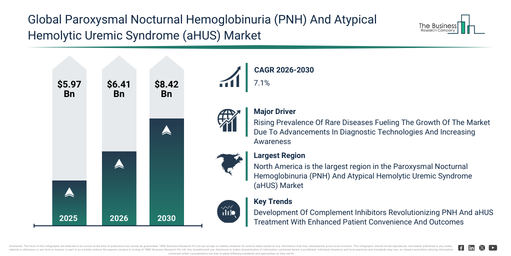
    The market for paroxysmal nocturnal hemoglobinuria (pnh) has experienced robust expansion lately, with projections indicating a rise from $4.67 billion in 2025 to $5.09 billion in 2026, reflecting a compound annual growth rate of 9.1%. Factors contributing to this historical growth trajectory include the scarcity of effective, specialized treatments, compounded by diagnostic delays stemming from the disease’s rarity, a prevalent dependence on supportive measures and blood transfusions, the significant mortality risks linked to unaddressed pnh, and a general deficit in awareness among primary healthcare professionals.

    The market for paroxysmal nocturnal hemoglobinuria (pnh) is poised for significant expansion over the coming years. Projections indicate a market valuation of $7.42 billion by the year 2030, driven by a compound annual growth rate (CAGR) of 9.9%. This anticipated growth throughout the forecast period stems from several key factors, including the advancement of novel complement inhibitors, enhanced diagnostic capabilities fueled by sophisticated testing methods, a heightened emphasis on treating orphan diseases, expanded accessibility to specialized hematology treatment centers, and a broader scope of reimbursement for therapies targeting rare conditions. Furthermore, the outlook is shaped by prevailing trends such as the increasing uptake of complement inhibitor treatments, greater reliance on flow cytometry for precise diagnostic identification, the emergence of long-acting monoclonal antibody therapies, the broadening of programs dedicated to specialized rare hematology care, and refined strategies for managing complications associated with thrombosis and hemolysis.

    Download A Free Sample Report For Comprehensive Market Insights:

    https://www.thebusinessresearchcompany.com/sample.aspx?id=12936&type=smp

    Paroxysmal Nocturnal Hemoglobinuria (PNH) Market Demand Drivers Creating New Revenue Opportunities

    An increasing prevalence of blood and bone marrow afflictions is anticipated to stimulate the expansion of the paroxysmal nocturnal hemoglobinuria (PNH) market. Blood disorders encompass conditions impacting the formation, function, and output of blood and its constituent elements, while bone marrow disorders arise from either deficient production of red blood cells, white blood cells, or platelets within the bone marrow or from abnormalities in the generated blood cells. PNH shares a significant connection with these broader categories due to its detrimental effects on blood cell generation, immune system performance, and the bone marrow’s internal environment. This uncommon blood malady, linked to bone marrow failure syndromes, stems from a genetic defect that impairs the functionality of red blood cells and platelets. For illustrative purposes, Blood Cancer United, a UK charitable organization focused on enhancing awareness and providing aid to individuals affected by blood cancers, estimates that in 2025, the United States will witness roughly 192,070 new diagnoses of leukemia, lymphoma, or myeloma. Consequently, the escalating incidence of both blood disorders and bone marrow-related conditions serves as a catalyst for the growth observed in the PNH market.

    Paroxysmal Nocturnal Hemoglobinuria (PNH) Market Segmentation: How Is The Market Structured Across Key Categories?

    The paroxysmal nocturnal hemoglobinuria (pnh) market covered in this report is segmented –

    1) By Treatment Type: Medications, Bone Marrow Transplantation, Blood Transfusion, Immunosuppressive Therapy, Other Treatment Types

    2) By Diagnosis Type: Flow Cytometry, High-Resolution Mass Spectrometry, Other Diagnosis Types

    3) By End Use: Hospitals, Clinics, Other End Users

    Subsegments:

    1) By Medications: Eculizumab, Ravulizumab, Complement Inhibitors, Supportive Care Medications

    2) By Bone Marrow Transplantation: Allogeneic Stem Cell Transplantation, Autologous Stem Cell transplantation

    3) By Blood Transfusion: Red blood Cell Transfusion, Platelet Transfusion, Fresh Frozen Plasma Transfusion

    4) By Immunosuppressive Therapy: Corticosteroids, Azathioprine, Cyclophosphamide, Mycophenolate Mofetil

    5) By Other Treatment Types: Supportive Therapies, Management Of Complications

    Paroxysmal Nocturnal Hemoglobinuria (PNH) Market Trends Driving Strategic Industry Expansion

    In the realm of paroxysmal nocturnal hemoglobinuria (PNH) treatments, leading pharmaceutical entities are actively pursuing novel drug candidates and therapeutic strategies, specifically the integration of injectable C5 inhibitors, to solidify their competitive standing. These C5 inhibitors function as advanced monoclonal antibodies designed to impede the C5 complement protein, thereby mitigating the inflammatory responses and cellular damage associated with autoimmune disorders, including paroxysmal nocturnal hemoglobinuria (PNH). A notable development occurred in February 2024 when Chugai Pharmaceutical Co., a prominent Japanese firm, secured priority review status from China’s National Medical Products Administration (NMPA) for a PNH therapeutic. This pivotal approval positions China as the inaugural market for PIASKY, preceding its introduction in other significant global regions, and consequently paves the way for discussions regarding inclusion on the National Reimbursement Drug List (NRDL) within the same calendar year. Given that paroxysmal nocturnal hemoglobinuria (PNH) is categorized as an infrequent condition, with an estimated patient population of 12,740 in China, this represents a substantial market opportunity.

    Paroxysmal Nocturnal Hemoglobinuria (PNH) Market Competitive Landscape And Leading Companies

    Major companies operating in the paroxysmal nocturnal hemoglobinuria (pnh) market are Pfizer Inc, Novartis AG, Thermo Fisher Scientific Inc, GE Healthcare, Grifols S.A, Genentech Inc, Bioverativ Inc, BioCryst Pharmaceuticals, Hansa Biopharma AB, Apellis Pharmaceuticals Inc, Akari Therapeutics Plc, RA Pharmaceuticals Inc, C5 Therapeutics Inc, Omeros Corporation, Amyndas Pharmaceuticals SA, CANbridge Pharmaceuticals, NovelMed Therapeutics Inc, Annexon Inc, Dianthus Therapeutics, DynamiCure Biotechnology, Kira Pharmaceuticals Ltd, Kyowa Kirin Co Ltd, Swedish Orphan Biovitrum AB, Arrowhead Pharmaceuticals, ReAlta Life Sciences, Q32 Bio, ISU Abxis

    Access The Complete Paroxysmal Nocturnal Hemoglobinuria (PNH) Market Report:

    https://www.thebusinessresearchcompany.com/report/paroxysmal-nocturnal-hemoglobinuria-pnh-global-market-report

    Paroxysmal Nocturnal Hemoglobinuria (PNH) Market Geographic Analysis: Where Is Demand Growing The Fastest?

    North Americawas the largest region in the paroxysmal nocturnal hemoglobinuria (PNH) market in 2025. The regions covered in the paroxysmal nocturnal hemoglobinuria (pnh) market report are Asia-Pacific, South East Asia, Western Europe, Eastern Europe, North America, South America, Middle East, Africa.

    Get in touch with us:

    The Business Research Company: https://www.thebusinessresearchcompany.com/

    Americas: +1 310-496-7795

    Asia: +44 7882 955267 & +91 8897263534

    Europe: +44 7882 955267

    Email us at: marketing@tbrc.info

    Follow us on:

    LinkedIn: https://in.linkedin.com/company/the-business-research-company

    YouTube: https://www.youtube.com/channel/UC24_fI0rV8cR5DxlCpgmyFQ

    Global Market Model: https://www.thebusinessresearchcompany.com/global-market-model
  • Parkinson’s Disease Market Expansion Is Opening New Pathways For Strategic Investment

    Parkinson’s Disease Market Expansion Is Opening New Pathways For Strategic Investment

    Through market attractiveness analysis, total addressable market evaluation, company benchmarking matrices, interactive Excel dashboards, expanded supply chain intelligence, emerging startup coverage, and detailed product insights, The Business Research Company’s 2026 market reports provide more actionable and strategically valuable research.

    Parkinson’s Disease Market Growth Potential: How Will Market Size Change Through 2030?

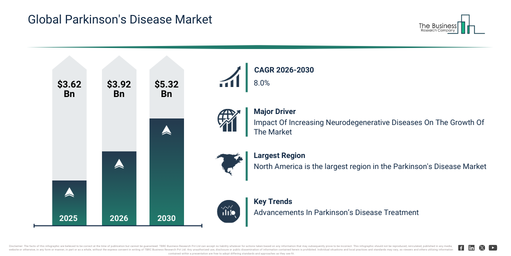
    The market for Parkinson’s disease treatments experienced substantial expansion, projected to advance from an estimated $3.62 billion in 2025 to $3.92 billion in 2026, reflecting a compound annual growth rate (CAGR) of 8.2% during this period. Factors contributing to the expansion observed in the past include the scarcity of therapies capable of halting disease advancement, a strong dependence on levodopa-based treatments, diagnostic delays stemming from overlapping symptoms, a deficiency in dedicated movement disorder clinics, and inconsistent availability of sophisticated surgical procedures.

    The market for Parkinson’s disease treatments is poised for significant expansion, projected to reach $5.32 billion by 2030, exhibiting a compound annual growth rate of 8.0%. This anticipated growth is fueled by several key factors, including advancements in both dopamine-based and non-dopamine-based therapeutic options, a larger aging demographic, increased utilization of deep brain stimulation techniques, a greater emphasis on tailored medical strategies, and the proliferation of specialized neurology centers. Furthermore, prominent trends shaping this market landscape encompass a greater embrace of combination drug therapies, a surge in the application of deep brain stimulation, enhanced early detection and intervention capabilities, the broadening of comprehensive care programs for Parkinson’s patients, and refined symptom management via individualized treatment regimens.

    Download A Free Sample Report For Comprehensive Market Insights:

    https://www.thebusinessresearchcompany.com/sample.aspx?id=21247&type=smp

    Parkinson’s Disease Market Expansion Supported By Key Demand Factors

    The expanding incidence of conditions affecting nerve cells is anticipated to fuel the trajectory of the Parkinson’s disease market. These neurodegenerative disorders, defined by the gradual deterioration and functional loss of brain and nervous system neurons, are on the rise due to an aging global population, inherited susceptibilities, environmental factors, enhanced diagnostic capabilities, an increase in long-term health issues, and shifts in lifestyle patterns.

    The study of Parkinson’s disease contributes significantly to our comprehension of neurodegenerative ailments, offering invaluable perspectives on their fundamental processes, promising avenues for treatment, and the creation of novel therapeutic strategies. Illustratively, projections from the National Institutes of Health (NIH), the principal medical research body of the United States, suggest that by 2050, Parkinson’s disease will affect an estimated 267 individuals out of every 100,000 people, with potential figures ranging from 230 to 320. Consequently, the heightened occurrence of neurodegenerative diseases is a key factor propelling the expansion of the Parkinson’s disease market.

    Parkinson’s Disease Market Segmentation Trends And Revenue Drivers

    The parkinson’s disease market covered in this report is segmented –

    1) By Drug Class: Dopamine Agonists, Catechol-O-Methyltransferase Inhibitors, Monoamine Oxidase B Inhibitors, Anticholinergics, Carbidopa-Levodopa, Other Drug Classes

    2) By Route Of Administration: Oral, Injectable, Intestinal infusion, Subcutaneous, Other Routes Of Administrations

    3) By Distribution Channel: Retail Pharmacies, Hospital Pharmacies, Online Pharmacies

    4) By Patient Care Setting: Clinics, Hospitals

    Subsegments:

    1) By Dopamine Agonists: Ergot Derivatives, Non-Ergot Derivatives

    2) By Catechol-O-Methyltransferase (COMT) Inhibitors: Entacapone, Tolcapone, Opicapone

    3) By Monoamine Oxidase B (MAO-B) Inhibitors: Selegiline, Rasagiline, Safinamide

    4) By Anticholinergics: Trihexyphenidyl, Benztropine, Procyclidine

    5) By Carbidopa-Levodopa: Immediate-Release Formulation, Extended-Release Formulation, Inhaled And Intestinal Gel Formulations

    6) By Other Drug Classes: Amantadine And Derivatives, Adenosine A2A Receptor Antagonists, Glutamate Antagonists

    Parkinson’s Disease Market Growth Trends Influencing Competitive Dynamics

    The Parkinson’s disease market is characterized by leading firms concentrating on pioneering advancements, particularly levodopa-based treatments, aimed at enhancing motor capabilities and offering sustained symptom control for individuals with advanced stages of the condition. This therapeutic approach utilizes levodopa, a pharmaceutical agent that transforms into dopamine within the brain, to bolster motor function and alleviate Parkinson’s symptoms. A notable development occurred in October 2024 when AbbVie Inc., a pharmaceutical entity headquartered in the United States, secured approval from the U.S. Food and Drug Administration (FDA) for VYALEV, a combined therapy of levodopa and carbidopa designed for Parkinson’s disease management. The design of this treatment seeks to boost levodopa’s effectiveness by preventing its premature degradation before it reaches the brain, ultimately leading to elevated dopamine concentrations. This drug proves beneficial in addressing the motor impairments associated with Parkinson’s disease, such as involuntary shaking, stiffness, and slowness of movement, thereby improving a patient’s capacity for daily activities. It is acknowledged as a primary therapeutic strategy for Parkinson’s patients encountering unpredictable fluctuations in their motor symptoms.

    Parkinson’s Disease Market Industry Leaders: Which Organizations Are Driving Competition?

    Major companies operating in the parkinson’s disease market are Roche Holding AG, AbbVie Inc., Novo Nordisk A/S, Takeda Pharmaceutical Company Limited, UCB S.A., Eisai Co. Ltd., Kyowa Kirin Co. Ltd., Amneal Pharmaceuticals Inc., Neurocrine Biosciences Inc., Supernus Pharmaceuticals Inc., Sunovion Pharmaceuticals Inc., Intracellular Therapies Inc., Voyager Therapeutics Inc., Sage Therapeutics Inc., Adamas Pharmaceuticals Inc., Sun Pharma Advanced Research Company Ltd., Neuraly Inc., Mitsubishi Tanabe Pharma Corporation, Athira Pharma Inc., VistaGen Therapeutics Inc.

    Access The Complete Parkinson’s Disease Market Report:

    https://www.thebusinessresearchcompany.com/report/parkinsons-disease-global-market-report

    Parkinson’s Disease Market Global Footprint: Which Region Holds Market Leadership?

    North Americawas the largest region in the parkinson’s disease market in 2025. Asia-Pacificis expected to be the fastest-growing region in the forecast period. The regions covered in the parkinson’s disease market report are Asia-Pacific, South East Asia, Western Europe, Eastern Europe, North America, South America, Middle East, Africa.

    Get in touch with us:

    The Business Research Company: https://www.thebusinessresearchcompany.com/

    Americas: +1 310-496-7795

    Asia: +44 7882 955267 & +91 8897263534

    Europe: +44 7882 955267

    Email us at: marketing@tbrc.info

    Follow us on:

    LinkedIn: https://in.linkedin.com/company/the-business-research-company

    YouTube: https://www.youtube.com/channel/UC24_fI0rV8cR5DxlCpgmyFQ

    Global Market Model: https://www.thebusinessresearchcompany.com/global-market-model
  • Paranasal Sinus Cancer Market Trends Are Creating New Opportunities For Industry Leaders

    Paranasal Sinus Cancer Market Trends Are Creating New Opportunities For Industry Leaders

    Delivering more actionable and strategically valuable research, The Business Research Company’s 2026 market reports feature market attractiveness analysis, total addressable market evaluation, company benchmarking matrices, interactive Excel dashboards, expanded supply chain intelligence, emerging startup coverage, and detailed product insights.

    Paranasal Sinus Cancer Market Value Analysis: What Growth Is Expected Over The Forecast Period?

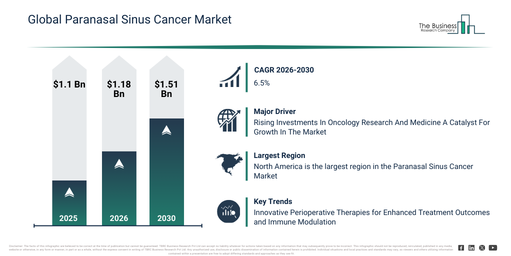
    The market for paranasal sinus cancer has experienced significant expansion lately, projected to increase from $1.1 billion in 2025 to $1.18 billion in 2026, reflecting a compound annual growth rate of 6.7%. This historical growth spurt is largely attributable to factors such as delayed diagnoses stemming from vague symptoms, restricted accessibility to specialized cancer treatment facilities, a reliance on traditional surgical and radiation interventions, a general lack of awareness concerning less common sinonasal malignancies, and disjointed procedures for diagnosis and patient referral.

    The market for paranasal sinus cancer is poised for significant expansion over the coming years, projected to reach $1.51 billion by the year 2030, reflecting a compound annual growth rate of 6.5%. This anticipated growth trajectory is fueled by several key factors including the development of novel targeted therapies and immunotherapies, the increasing integration of artificial intelligence in diagnostic imaging, augmented investment in research concerning rare cancers, the broader implementation of integrated cancer care approaches across multiple disciplines, and the enhancement of hospital-based oncology facilities. Furthermore, prevalent trends expected to shape this market include a greater reliance on precision oncology, the wider application of less invasive surgical methods, the expansion of comprehensive treatment plans combining various modalities, improved utilization of advanced imaging for earlier detection, and a heightened emphasis on cancer care prioritizing patient quality of life.

    Download A Free Sample Report For Comprehensive Market Insights:

    https://www.thebusinessresearchcompany.com/sample.aspx?id=21246&type=smp

    Paranasal Sinus Cancer Market Growth Drivers And Industry Catalysts

    The escalating financial commitments directed towards oncology research and medical advancements are anticipated to fuel the expansion of the paranasal sinus cancer market. These financial outlays encompass resources allocated by governmental bodies, pharmaceutical entities, academic research centers, and private investors, all aimed at enhancing our comprehension, preventive strategies, diagnostic capabilities, and therapeutic interventions for cancer. A confluence of factors underpins this surge in investment, including the escalating global cancer burden, the maturation of precision medicine approaches, a heightened demand for novel therapeutic solutions, the proliferation of clinical investigations, supportive government and private funding initiatives, and the development of targeted and immunotherapeutic agents. Such investments play a crucial role in advancing paranasal sinus cancer care by facilitating earlier detection methods, refining therapeutic strategies like targeted therapies and immunotherapies, supporting the clinical evaluation of more efficacious pharmaceuticals, bolstering the infrastructure for pediatric cancer management, and championing pioneering research endeavors to deepen our understanding of the disease’s underlying biology and its progression. Illustratively, IQVIA, an information technology firm based in India specializing in advanced analytics, reported in May 2024 that global expenditure on cancer medicines reached $223 billion in 2023, an increase of $25 billion from the preceding year, with projections indicating a rise to $409 billion by 2028. Consequently, the heightened investment in oncology research and medicine serves as a significant impetus for the paranasal sinus cancer market.

    An uptick in the number of clinical trials is poised to stimulate the growth trajectory of the paranasal sinus cancer market. These research endeavors involve human participants to rigorously assess the safety, efficacy, and potential benefits of novel treatment modalities or therapeutic interventions. Several key drivers contribute to this proliferation of clinical trials, including breakthroughs in medical science, the imperative for innovative treatment options, the increasing incidence of chronic health conditions, favorable regulatory environments, and escalating investments within the biotechnology and pharmaceutical sectors. The intensification of clinical trials focused on paranasal sinus cancer serves to expedite the development of superior treatment protocols, deepen insights into the disease’s characteristics, and rigorously test cutting-edge therapies, ultimately leading to improved patient outcomes, a reduction in adverse effects, and overall advancements in patient care. As an example, the Association of the British Pharmaceutical Industry, a non-profit organization in the UK, noted in December 2024 that the count of industry-led clinical trials conducted within the UK saw an increase from 411 in 2022 to 426 in 2023, representing a growth of 3.7%. Therefore, the expanding landscape of clinical trials is a primary driver propelling the expansion of the paranasal sinus cancer market.

    Paranasal Sinus Cancer Market Segment Analysis Highlighting Growth Areas

    The paranasal sinus cancer market covered in this report is segmented –

    1) By Type: Squamous Cell Carcinoma, Adenocarcinoma, Mucoepidermoid Carcinoma, Other Types

    2) By Diagnosis: Medical History And Physical Examination, Imaging Tests, Biopsy, Other Diagnosis

    3) By Treatment: Surgery, Radiation Therapy, Chemotherapy, Targeted Therapy, Immunotherapy

    4) By End-User: Hospital And Clinics, Cancer Treatment And Research Center, Research Laboratories, Other End-Users

    Subsegments:

    1) By Squamous Cell Carcinoma: Keratinizing Squamous Cell Carcinoma, Non-Keratinizing Squamous Cell Carcinoma, Basaloid Squamous Cell Carcinoma

    2) By Adenocarcinoma: Intestinal-Type Adenocarcinoma, Non-Intestinal-Type Adenocarcinoma

    3) By Mucoepidermoid Carcinoma: Low-Grade Mucoepidermoid Carcinoma, Intermediate-Grade Mucoepidermoid Carcinoma, High-Grade Mucoepidermoid Carcinoma

    4) By Other Types: Sinonasal Undifferentiated Carcinoma, Neuroendocrine Carcinoma, Adenoid Cystic Carcinoma, Melanoma, Sarcomas, Lymphoma

    #Paranasal Sinus Cancer Market Trends Influencing Long-Term Demand

    Within the competitive landscape of the paranasal sinus cancer market, leading pharmaceutical entities are actively pursuing pioneering advancements, exemplified by the emergence of perioperative chemo immunotherapy strategies designed to enhance their market standing. This therapeutic methodology integrates immune checkpoint inhibitors, such as PD-1 antibodies, with conventional chemotherapy administered prior to surgical intervention, with the objective of diminishing tumor size and optimizing surgical results. A pertinent illustration of this development is the Phase II clinical trial initiated in June 2025 by Coherus Biosciences, a United States-based biotechnology firm, evaluating the efficacy of toripalimab in conjunction with carboplatin and docetaxel for individuals diagnosed with sinonasal cancers. This combined treatment offers the prospect of preoperative tumor reduction, continuous monitoring of the immune system’s response, and seamless incorporation into established treatment protocols. Such innovative approaches hold the potential to broaden the array of treatment options available for less common paranasal sinus cancers and ultimately lead to better patient prognoses, contingent upon the validation of sustained effectiveness and successful navigation of regulatory processes.

    Paranasal Sinus Cancer Market Leading Companies: Who Holds Significant Market Presence?

    Major companies operating in the paranasal sinus cancer market are Bristol-Myers Squibb, Penn Medicine, MD Anderson Cancer Center, RWJBarnabas Health, Mayo Foundation for Medical Education and Research, Stanford Health Care, Memorial Sloan Kettering Cancer Center, Massachusetts General Hospital, The University of Chicago Medical Center, City of Hope, Moffitt Cancer Center, Northwestern Medicine, UK Markey Cancer Center, Karmanos Cancer Institute, Dana-Farber Cancer Institute Inc., VCU Massey Cancer Center, Vanderbilt-Ingram Cancer Center, Fulgent Pharma, Duke University Health System

    Access The Complete Paranasal Sinus Cancer Market Report:

    https://www.thebusinessresearchcompany.com/report/paranasal-sinus-cancer-global-market-report

    Paranasal Sinus Cancer Market Regional Distribution: Which Areas Drive Market Expansion?

    North Americawas the largest region in the paranasal sinus cancer market in 2025. Asia-Pacificis expected to be the fastest-growing region in the forecast period. The regions covered in the paranasal sinus cancer market report are Asia-Pacific, South East Asia, Western Europe, Eastern Europe, North America, South America, Middle East, Africa.

    Get in touch with us:

    The Business Research Company: https://www.thebusinessresearchcompany.com/

    Americas: +1 310-496-7795

    Asia: +44 7882 955267 & +91 8897263534

    Europe: +44 7882 955267

    Email us at: marketing@tbrc.info

    Follow us on:

    LinkedIn: https://in.linkedin.com/company/the-business-research-company

    YouTube: https://www.youtube.com/channel/UC24_fI0rV8cR5DxlCpgmyFQ

    Global Market Model: https://www.thebusinessresearchcompany.com/global-market-model
  • Paraganglioma Market Growth Is Reshaping Competitive Advantage Across The Industry

    Paraganglioma Market Growth Is Reshaping Competitive Advantage Across The Industry

    Enhanced with market attractiveness analysis, total addressable market evaluation, company benchmarking matrices, interactive Excel dashboards, expanded supply chain intelligence, emerging startup coverage, and detailed product insights, The Business Research Company’s 2026 market reports deliver more actionable and strategically valuable research.

    Paraganglioma Market Size Forecast: How Large Could The Market Become By 2030?

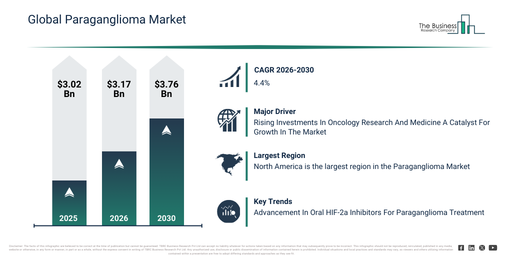
    The paraganglioma market is poised for consistent expansion, projected to increase from $3.02 billion in 2025 to $3.17 billion in 2026, reflecting a compound annual growth rate of 4.7%. Factors that have historically fueled this market’s ascent include restricted availability of ophthalmology specialists, a reliance on corticosteroid treatments, the absence of sophisticated diagnostic technologies, insufficient public knowledge regarding panuveitis complications, and a dispersed treatment framework.

    The paraganglioma market is poised for consistent expansion over the upcoming years, anticipating a valuation of $3.76 billion by 2030, fueled by a compound annual growth rate of 4.4%. This projected expansion throughout the forecast period will be driven by several key factors, including the development of novel biologic and immunotherapy treatments, a rise in the incidence of autoimmune and infectious ocular conditions, the proliferation of teleophthalmology and digital monitoring technologies, escalating investments in AI-driven diagnostic solutions, and the broadening reach of hospital and specialized clinic distribution networks. Notable trends anticipated during this period encompass a growing preference for biologic and targeted therapeutic approaches, the seamless integration of teleophthalmology with remote patient monitoring, the utilization of AI tools to aid in uveitis diagnostics, the advancement of tailored eye care strategies, and the increased establishment of dedicated ophthalmology facilities.

    Download A Free Sample Report For Comprehensive Market Insights:

    https://www.thebusinessresearchcompany.com/sample.aspx?id=21245&type=smp

    Paraganglioma Market Opportunity Drivers: What Is Creating New Revenue Potential?

    The expanding financial commitments towards oncology research and medical advancements are anticipated to stimulate the expansion of the paraganglioma market moving ahead. These financial commitments encompass resources allocated by governmental bodies, pharmaceutical corporations, academic research facilities, and private financiers aimed at enhancing the comprehension, prevention, detection, and management of cancer. Such increased investment stems from the escalating global impact of cancer, breakthroughs in precision medicine, the escalating demand for novel therapeutic interventions, the proliferation of clinical studies, supportive government and private funding initiatives, and the development of treatments focused on specific targets and immunotherapies. Funding directed towards oncology research and medicine aids the paraganglioma sector by fostering progress in early detection methods, augmenting therapeutic alternatives like targeted therapies and immunotherapy, financing clinical trials for more efficacious pharmaceuticals, bolstering the infrastructure for pediatric cancer care, and encouraging pioneering research to deepen the understanding of the disease’s biological mechanisms and progression. Illustratively, in May 2024, IQVIA reported that global expenditure on cancer medications reached $223 billion in 2023, a $25 billion rise from 2022, with projections indicating a figure of $409 billion by 2028. Consequently, the augmentation of investments in oncology research and medicine serves as a catalyst for the paraganglioma market.

    A heightened focus on individualized treatment strategies is poised to invigorate the paraganglioma market’s trajectory. Personalized medicine centers on customizing therapeutic interventions and monitoring based on an individual’s unique genetic makeup, molecular characteristics, or clinical presentation. The growing emphasis on these tailored approaches arises from their capacity to align treatments with an individual’s specific genetic profile, thereby enhancing treatment success rates and minimizing unfavorable side effects. This approach holds particular significance for paraganglioma, given that numerous instances involve germline mutations in genes such as SDHB, SDHD, RET, and VHL. For example, it was noted in February 2024 by the Personalized Medicine Coalition, a US-based non-profit organization, that the FDA authorized 16 novel personalized therapies for individuals with rare diseases in 2023, an increase from the six approvals granted in 2022. Within these approvals, seven were dedicated to cancer treatments, while three addressed other ailments and conditions. Therefore, the increasing consideration of personalized medicine methodologies is expected to be a driving force behind the expansion of the paraganglioma market.

    Paraganglioma Market Segment Performance And Strategic Opportunities

    The paraganglioma market covered in this report is segmented –

    1) By Type: Sympathetic Paragangliomas, Parasympathetic Paragangliomas, Carotid Paragangliomas, Cervical Paragangliomas, Jugular Paragangliomas, Secretory Paragangliomas, Temporal Paragangliomas

    2) By Origin: Head And Neck, Abdomen, Pelvis, Other Origins

    3) By Treatment Type: Peptide Receptor Radionuclide Therapy, Surgery, Chemotherapy, Radiation Therapy, Other Treatment Types

    4) By Distribution Channel: Hospital Pharmacies, Drug Stores And Retail Pharmacies, Online Pharmacies

    5) By End-User: Hospitals, Specialty Clinics, Cancer Research Institutes, Other End-Users

    Subsegments:

    1) By Sympathetic Paragangliomas: Adrenal Sympathetic Paragangliomas, Extra-Adrenal Sympathetic Paragangliomas

    2) By Parasympathetic Paragangliomas: Head And Neck Parasympathetic Paragangliomas, Thoracic Parasympathetic Paragangliomas

    3) By Carotid Paragangliomas: Unilateral Carotid Paragangliomas, Bilateral Carotid Paragangliomas

    4) By Cervical Paragangliomas: Vagal Paragangliomas, Hypoglossal Paragangliomas

    5) By Jugular Paragangliomas: Type A, Type B, Type C, Type D

    6) By Secretory Paragangliomas: Catecholamine-Secreting Paragangliomas, Non-Catecholamine-Secreting Paragangliomas

    7) By Temporal Paragangliomas: Tympanic Paragangliomas, Mastoid Paragangliomas

    Paraganglioma Market Innovation Trends Driving Future Development

    Within the paraganglioma sector, prominent entities are directing their efforts toward pioneering sophisticated treatment modalities, exemplified by the creation of oral hypoxia-inducible factor-2 alpha (HIF-2α) inhibitors, which aim to provide personalized therapeutic avenues for individuals affected by paraganglioma. This form of oral HIF-2α inhibitor represents a precision medicine approach that curbs the action of HIF-2α, a critical element in tumor proliferation within hypoxic environments, thereby aiding in decelerating the advancement of malignancies such as paraganglioma. By way of illustration, in January 2025, Merck, a pharmaceutical giant hailing from the United States, revealed the U.S. Food and Drug Administration’s (FDA) decision to grant priority review for its supplementary new drug application concerning Welireg (belzutifan). This therapeutic agent is intended for both adult and adolescent patients aged twelve and above diagnosed with advanced, unresectable, or metastatic pheochromocytoma and paraganglioma (PPGL). The basis for this supplemental new drug application stems from the objective response rate (ORR) and duration of response (DOR) findings derived from the Phase 2 LITESPARK-015 clinical investigation.

    Paraganglioma Market Key Players: Which Companies Shape Industry Competition?

    Major companies operating in the paraganglioma market are F. Hoffmann-La Roche Ltd., Merck & Co. Inc. , Mount Sinai, Penn Medicine, Stanford Health Care, St. Jude Children’s Research Hospital, UT Health San Antonio, The University of Chicago Medical Center, Fred Hutchinson Cancer Center, Florida Cancer Specialists & Research Institute, Invitae Corp., Clinigen Group plc, Fulgent Genetics, Dana-Farber Cancer Institute Inc., Oncology Hematology Care Inc., Enterome , National Institutes of Health Clinical Center, Progenics Pharmaceuticals Inc., Pheo Para Alliance, Saint John’s Cancer Institute

    Access The Complete Paraganglioma Market Report:

    https://www.thebusinessresearchcompany.com/report/paraganglioma-global-market-report

    Paraganglioma Market Leading Geography: Which Region Generates The Most Revenue?

    North Americawas the largest region in the paraganglioma market in 2025. Asia-Pacificis expected to be the fastest-growing region in the forecast period. The regions covered in the paraganglioma market report are Asia-Pacific, South East Asia, Western Europe, Eastern Europe, North America, South America, Middle East, Africa.

    Get in touch with us:

    The Business Research Company: https://www.thebusinessresearchcompany.com/

    Americas: +1 310-496-7795

    Asia: +44 7882 955267 & +91 8897263534

    Europe: +44 7882 955267

    Email us at: marketing@tbrc.info

    Follow us on:

    LinkedIn: https://in.linkedin.com/company/the-business-research-company

    YouTube: https://www.youtube.com/channel/UC24_fI0rV8cR5DxlCpgmyFQ

    Global Market Model: https://www.thebusinessresearchcompany.com/global-market-model