Category: Healthcare Services

  • Patient Self-Service Kiosk Market Opportunities Are Emerging Beyond Traditional Growth Areas

    Patient Self-Service Kiosk Market Opportunities Are Emerging Beyond Traditional Growth Areas

    Delivering more actionable and strategically valuable research, The Business Research Company’s 2026 market reports feature market attractiveness analysis, total addressable market evaluation, company benchmarking matrices, interactive Excel dashboards, expanded supply chain intelligence, emerging startup coverage, and detailed product insights.

    Patient Self-Service Kiosk Market Growth Potential: How Will Market Size Change Through 2030?

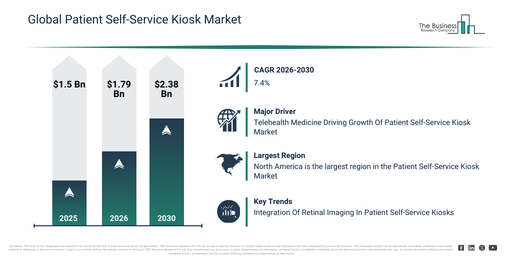
    The market for patient self-service kiosks experienced a significant upswing recently. Projections indicate its value will increase from $1.5 billion in 2025 to $1.79 billion in 2026, reflecting a compound annual growth rate (CAGR) of 19.3%. Factors contributing to this expansion during the past period included traditional methods of gathering patient information, dispersed healthcare data repositories, poor system compatibility, the continued use of paper records, and a gradual embrace of digital health technologies.

    The market for patient self-service kiosks is poised for substantial expansion, projected to reach $2.38 billion by 2030, demonstrating a compound annual growth rate of 7.4%. This anticipated surge is fueled by several key drivers: the escalating application of predictive analytics to enhance patient outcomes, a heightened demand for cloud-hosted registries, a growing focus on managing population health in real-time, the broader implementation of combined electronic health record and registry systems, and the increased leveraging of registries for pivotal clinical trials and research endeavors. Looking ahead, prominent market trends will include the wider acceptance of kiosks augmented by artificial intelligence, deeper integration with cloud-based hospital administration platforms, more extensive use of Internet of Things (IoT) enabled kiosks for immediate data capture, the enrichment of user interaction via augmented and virtual reality interfaces, and a greater automation of routine patient administrative functions.

    Download A Free Sample Report For Comprehensive Market Insights:

    https://www.thebusinessresearchcompany.com/sample.aspx?id=14973&type=smp

    Patient Self-Service Kiosk Market Growth Factors: Which Forces Are Supporting Market Expansion?

    Forward motion in the patient self-service kiosk market is anticipated to be significantly bolstered by the burgeoning adoption of telehealth medicine, which involves furnishing healthcare remotely via telecommunications infrastructure. This surge in telehealth’s prominence is attributable to amplified healthcare accessibility, enhanced convenience, and the capacity to serve remote or underserved communities. Patient self-service kiosks themselves are instrumental in simplifying access to healthcare provisions and enabling individuals to take charge of their health from a distance, thereby cultivating a more patient-centric model of care. Illustrating this trend, data from the American Hospital Association shows that in the fourth quarter of 2023, telehealth services were utilized by over 12.6% of Medicare beneficiaries in the United States, a statistic recorded in April 2025. Consequently, it is evident that the increasing prevalence of telehealth medicine is a key catalyst for the expansion of the patient self-service kiosk market.

    Patient Self-Service Kiosk Market Segments: Where Are The Largest Growth Opportunities?

    The patient self-service kiosk market covered in this report is segmented –

    1) By Product Type: Freestanding Kiosks, Wall-Mounted Kiosks, Countertop Kiosks, Mobile Kiosks

    2) By Component: Data Entry, Touchscreens, Barcode Readers, Keyboard And Trackball, Electronic Number Pad, Audio Speakers, Electronic Signature Pad, Printer, Point-Of-Sales (POS), Other Components

    3) By Application: Self-Check-In, Floor Map, Prescription Order Refilling And Updating, Collection Of Co-Payments, Hospital News

    4) By End User: Hospitals, Laboratories, Specialty Clinics, Pharmaceutical Stores

    Subsegments:

    1) By Freestanding Kiosks: Interactive Kiosks, Digital Signage Kiosks, Payment Kiosks

    2) By Wall-Mounted Kiosks: Touchscreen Kiosks, Check-In Kiosks, Information Kiosks

    3) By Countertop Kiosks: Self-Check-In Kiosks, Payment And Billing Kiosks

    4) By Mobile Kiosks: Tablet-Based Kiosks, Smartphone-Based Kiosks, Portable Check-In Kiosks

    Patient Self-Service Kiosk Market Industry Trends: What Changes Are Reshaping Demand?

    In the realm of patient self-service kiosks, market participants are prioritizing enhanced technological solutions, like retinal imaging kiosk technology, to solidify their competitive standing and elevate healthcare services. These kiosks incorporate sophisticated retinal imaging capabilities alongside intuitive designs, empowering individuals to complete retinal scans independently. A prime illustration is Pursuant Health, Inc., a U.S. entity specializing in health data management, which in January 2024 introduced a pioneering kiosk featuring advanced retinal imaging. This state-of-the-art kiosk has secured 510(k) clearance from the U.S. Food and Drug Administration, signifying a major achievement in its development. The advent of self-service retinal imaging allows for convenient retinal image capture directly at these kiosks. The kiosk’s user-friendly interface effectively directs individuals through each step of the imaging procedure. Subsequently, qualified eye care professionals conduct remote analyses of these captured images, screening for indications of damage linked to systemic health issues such as diabetes and hypertension. This novel integration enriches conventional health evaluations by combining retinal imaging with vital health indicators including weight, body mass index, blood pressure, and pulse, thereby providing individuals with a more holistic health assessment.

    Patient Self-Service Kiosk Market Major Participants And Competitive Dynamics

    Major companies operating in the patient self-service kiosk market are NCR Corporation, Clearwave Corporation, KIOSK Information Systems Inc., Telpo Technology Co Ltd, Meridian Kiosks LLC, Frank Mayer and Associates Inc, Pyramid Computer, Pursuant Health Inc, Olea Kiosks Inc, Diebold Nixdorf, SlabbKiosks, Phoenix Kiosk Inc, RedyRef Interactive Kiosks, Advantech Co Ltd, ZIVELO, Acante Solutions Limited, DynaTouch, TouchSource, Kiosk Group Inc, Advanced Kiosks, Aila Technologies Inc, SBS Kiosks, 10 Squared, Aidio Technologies, AIT Inc, BestDoc, SelfMaker, Hongzhou Digital

    Access The Complete Patient Self-Service Kiosk Market Report:

    https://www.thebusinessresearchcompany.com/report/patient-self-service-kiosk-global-market-report

    Patient Self-Service Kiosk Market Largest Region: Which Geography Holds The Highest Market Share?

    North Americawas the largest region in the patient self-service kiosk market in 2025. Asia-Pacificis expected to be the fastest-growing region in the forecast period. The regions covered in the patient self-service kiosk market report are Asia-Pacific, South East Asia, Western Europe, Eastern Europe, North America, South America, Middle East, Africa.

    Get in touch with us:

    The Business Research Company: https://www.thebusinessresearchcompany.com/

    Americas: +1 310-496-7795

    Asia: +44 7882 955267 & +91 8897263534

    Europe: +44 7882 955267

    Email us at: marketing@tbrc.info

    Follow us on:

    LinkedIn: https://in.linkedin.com/company/the-business-research-company

    YouTube: https://www.youtube.com/channel/UC24_fI0rV8cR5DxlCpgmyFQ

    Global Market Model: https://www.thebusinessresearchcompany.com/global-market-model
  • Patient Risk Stratification Market Expansion Is Opening New Pathways For Strategic Investment

    Patient Risk Stratification Market Expansion Is Opening New Pathways For Strategic Investment

    Enhanced with market attractiveness analysis, total addressable market evaluation, company benchmarking matrices, interactive Excel dashboards, expanded supply chain intelligence, emerging startup coverage, and detailed product insights, The Business Research Company’s 2026 market reports deliver more actionable and strategically valuable research.

    Patient Risk Stratification Market Value Analysis: What Growth Is Expected Over The Forecast Period?

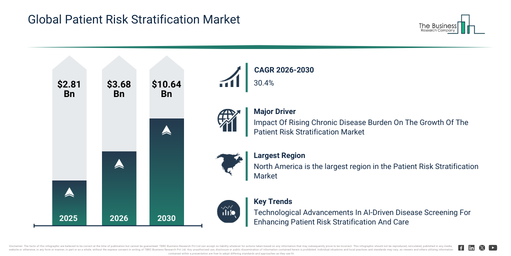
    The domain of patient risk stratification has experienced significant expansion, projecting a market valuation increase from $2.81 billion in 2025 to $3.68 billion in 2026, reflecting a robust compound annual growth rate (CAGR) of 31.0%. Factors contributing to the market’s development during the preceding period included the prevalent use of manual methods for assessing patient risks, a dependence on past patient medical records, the presence of disparate healthcare information systems, a restricted application of predictive analytics, and a deficiency in uniform risk modeling approaches.

    The patient risk stratification market is projected for substantial expansion in the upcoming years, reaching an estimated $10.64 billion by 2030, fueled by a compound annual growth rate of 30.4%. This anticipated surge is largely a consequence of the growing incorporation of machine learning and artificial intelligence into risk stratification processes, escalating acceptance by both healthcare providers and payers, the proliferation of cloud-based risk stratification solutions, a heightened need for immediate clinical decision support, and the broadening scope of population health management programs. Key developments expected during this forecast period include a greater embrace of AI-driven risk prediction models, increased implementation of cloud-based risk stratification systems, deeper integration of risk stratification capabilities into clinical workflows, a stronger emphasis on continuous patient risk monitoring, and a more significant application of data analytics for managing population health.

    Download A Free Sample Report For Comprehensive Market Insights:

    https://www.thebusinessresearchcompany.com/sample.aspx?id=20917&type=smp

    Patient Risk Stratification Market Demand Drivers: What Is Fueling Industry Growth?

    The escalating prevalence of long-term health conditions is anticipated to be a significant catalyst for the expansion of the patient risk stratification market. These chronic ailments, characterized by their persistence for durations typically exceeding three months, are increasingly impacting global health. Factors contributing to this growing burden include an aging demographic, prevalent unhealthy lifestyle choices, expanding urbanization, environmental influences, restricted access to healthcare services, socioeconomic inequalities, and heightened stress levels. Patient risk stratification emerges as a crucial tool for discerning individuals based on their susceptibility to these chronic diseases, thereby enabling tailored medical approaches, proactive interventions, more efficient allocation of healthcare resources, and ultimately, enhanced health results. For example, the World Health Organization, a specialized international body headquartered in Switzerland, noted in June 2025 that noncommunicable diseases (NCDs) continue to be the primary cause of mortality and impairment globally, including within the WHO European Region, where approximately one in five males and one in ten females succumb to NCDs such as heart disease, various cancers, chronic lung conditions, and diabetes before reaching the age of seventy. Consequently, the intensifying challenge posed by chronic diseases fuels the demand and growth within the patient risk stratification market.

    Patient Risk Stratification Market Segment Analysis: What Are The Major Market Categories?

    The patient risk stratification market covered in this report is segmented –

    1) By Type: Predictive Risk Stratification Model, Retrospective Risk Stratification Model, Prospective Risk Stratification Model, Concurrent Risk Stratification Model

    2) By Component: Software, Services

    3) By Delivery Model: On-Premise, Cloud-Based

    4) By Application: Risk Adjustment, Clinical Workflow, Revenue Cycle Management, Other Applications

    5) By End User: Healthcare Providers, Healthcare Payers, Other End Users

    Subsegments:

    1) By Predictive Risk Stratification Model: Machine Learning-Based Predictive Models, Statistical Predictive Models, AI-Powered Predictive Models

    2) By Retrospective Risk Stratification Model: Historical Data-Based Risk Models, Data Mining Retrospective Models

    3) By Prospective Risk Stratification Model: Longitudinal Cohort-Based Models, Real-Time Risk Assessment Models

    4) By Concurrent Risk Stratification Model: In-Hospital Risk Assessment Models, Real-Time Clinical Decision Support Models

    Patient Risk Stratification Market Innovation Trends: Which Developments Are Transforming The Industry?

    In the patient risk stratification market, prominent players are concentrating their efforts on embracing healthcare innovations, particularly artificial intelligence for disease screening, with the objectives of bolstering early detection capabilities, refining patient results, and mitigating medical expenses through more precise risk evaluations and tailored therapeutic strategies.AI-powered disease screening employs advanced algorithms and machine learning techniques to scrutinize medical information, facilitating prompt identification of illnesses and boosting diagnostic precision by rapidly processing extensive datasets. A notable development occurred in May 2024 when WELL Health Technologies Corporation, a Canadian healthcare entity, along with its affiliate HEALWELL AI, another Canadian firm specializing in AI and data science for proactive health management, introduced WELL AI Decision Support (WAIDS). Initially developed for rare diseases, this system has been expanded to encompass screening for long-term health issues including kidney ailments, high blood pressure, and diabetes, with the capacity to identify more than 100 conditions and furnish risk stratification insights, thereby assisting healthcare providers in pinpointing care deficiencies and accessing valuable operational data during patient encounters.

    Patient Risk Stratification Market Leading Companies Driving Competitive Growth

    Major companies operating in the patient risk stratification market are NextGen Healthcare Inc., Health Catalyst, Freenome, Strive Health, Medeanalytics Inc., Lightbeam Health Solutions, Graphnet Health Ltd., Equipo Health Inc., Epic Systems Corporation, Cerner Corporation, IBM Corporation, Allscripts Healthcare Solutions Inc., Medecision Inc., Cotiviti Inc., SAS Institute Inc., SCIO Health Analytics, Arcadia io, HealthEC LLC, Conifer Health Solutions LLC, Wellcentive Inc., ZeOmega Inc., LexisNexis Risk Solutions, Milliman Inc., NVision Health, RLDatix, Verisk Analytics Inc., Innovaccer Inc., eClinicalWorks, Enli Health Intelligence, Athenahealth Inc., i2i Population Health, 3M Health Information Systems, Change Healthcare, Cognizant Technology Solutions, McKesson Corporation, Evolent Health Inc.

    Access The Complete Patient Risk Stratification Market Report:

    https://www.thebusinessresearchcompany.com/report/patient-risk-stratification-global-market-report

    Patient Risk Stratification Market Regional Analysis: Which Region Leads By Revenue?

    North Americawas the largest region in the patient risk stratification market in 2025. Asia-Pacificis expected to be the fastest-growing region in the forecast period. The regions covered in the patient risk stratification market report are Asia-Pacific, South East Asia, Western Europe, Eastern Europe, North America, South America, Middle East, Africa.

    Get in touch with us:

    The Business Research Company: https://www.thebusinessresearchcompany.com/

    Americas: +1 310-496-7795

    Asia: +44 7882 955267 & +91 8897263534

    Europe: +44 7882 955267

    Email us at: marketing@tbrc.info

    Follow us on:

    LinkedIn: https://in.linkedin.com/company/the-business-research-company

    YouTube: https://www.youtube.com/channel/UC24_fI0rV8cR5DxlCpgmyFQ

    Global Market Model: https://www.thebusinessresearchcompany.com/global-market-model
  • Patient Registry Software Market Trends Are Creating New Opportunities For Industry Leaders

    Patient Registry Software Market Trends Are Creating New Opportunities For Industry Leaders

    Through market attractiveness analysis, total addressable market evaluation, company benchmarking matrices, interactive Excel dashboards, expanded supply chain intelligence, emerging startup coverage, and detailed product insights, The Business Research Company’s 2026 market reports provide more actionable and strategically valuable research.

    Patient Registry Software Market Size Forecast: How Large Could The Market Become By 2030?

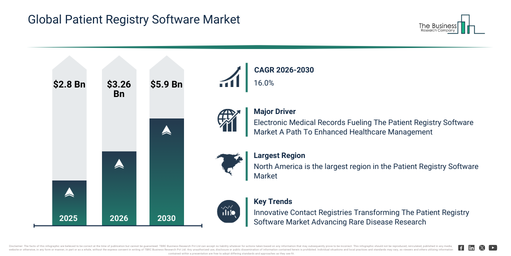
    The patient registry software sector has experienced substantial expansion lately. Projections indicate a surge from $2.8 billion in 2025 to $3.26 billion in 2026, fueled by a compound annual growth rate (CAGR) of 16.2%. Factors contributing to this expansion throughout the past period include the prevalent use of manual methods for patient data gathering, the existence of disparate healthcare databases, insufficient integration capabilities among different systems, a continued dependence on paper-based record-keeping, and a gradual embrace of digital health technologies.

    The domain of patient registry software is poised for substantial expansion, with projections indicating a market valuation of $5.9 billion by the year 2030, reflecting a compound annual growth rate of 16.0%. This anticipated surge in growth during the forthcoming period is underpinned by several key drivers: the escalating application of predictive analytics to forecast patient prognoses, a growing preference for registry solutions hosted on cloud platforms, an intensified focus on managing population health in real-time, the expanding integration of electronic health records (EHR) with registry functionalities, and a heightened utilization of registry data for facilitating clinical trials and research endeavors. Moreover, significant emerging trends shaping this market include the increasing embrace of artificial intelligence for detailed patient data analysis, a broader implementation of cloud-based registry systems, a more profound integration between EHR and practice management systems (PMS) with registry software, a heightened emphasis on continuous monitoring of population health, and a greater reliance on collected data for advancing clinical research and understanding health outcomes.

    Download A Free Sample Report For Comprehensive Market Insights:

    https://www.thebusinessresearchcompany.com/sample.aspx?id=7464&type=smp

    Patient Registry Software Market Growth Drivers: What Factors Are Accelerating Expansion?

    The increasing integration of electronic medical records (EMRs) is a significant catalyst for the expansion of the patient registry software market. EMRs serve as digital versions of traditional patient paper files, facilitating essential administrative functions such as billing, managing inter-practice referrals, scheduling appointments, and processing medication refills. These patient registry software capabilities are frequently incorporated into EMR and Electronic Health Record (EHR) systems as supplementary features, consequently stimulating market growth for patient registry solutions. As an illustration, NHS England, a governmental body in the UK, indicated in October 2024 that by November 2023, 90% of National Health Service (NHS) trusts had implemented Electronic Patient Record (EPR) systems, furnishing medical professionals with access to vital patient data. Consequently, the widespread adoption of EMRs is poised to propel the patient registry software market forward.

    Patient Registry Software Market Segment Breakdown: Which Categories Generate The Most Revenue?

    The patient registry software market covered in this report is segmented –

    1) By Product: Standalone Software, Integrated Software

    2) By Type Of Database: Disease Registries, Health Service Registries, Product Registries

    3) By Deployment Model: On-Premise Models, Cloud-Based Models

    4) By Functionality: Population Health Management (PHM), Patient Care Management, Health Information Exchange (HIE), Point Of Care, Product Outcome Evaluation, Medical Research And Clinical Studies

    5) By End User: Government Organizations And Third-Party Administrators, Hospitals And Medical Practices, Private Payers, Pharmaceutical, Biotechnology, And Medical Device Companies, Research Centers

    Subsegments:

    1) By Standalone Software: Disease-Specific Registries, Patient-Centered Registries, Research Registries, Population Health Registries

    2) By Integrated Software: Electronic Health Record (EHR) Integrated Software, Practice Management System (PMS) Integrated Software, Clinical Decision Support System (CDSS) Integrated Software, Health Information Exchange (HIE) Integrated Software

    Patient Registry Software Market Trends: What Is Shaping Future Industry Growth?

    Key players within the patient registry software sector are committed to advancing their offerings, notably through the creation of solutions like contact registries, thereby enhancing their service to current clientele. Such a contact registry serves as a structured collection point for the personal contact information of a defined population. These systems are utilized across diverse applications, from coordinating emergency responses and enlisting participants for clinical trials to monitoring disease outbreaks. Illustratively, in November 2025, the National Organization for Rare Disorders (NORD), a prominent US non-profit dedicated to rare disease research, patient advocacy, and registry support, issued a call for proposals to establish novel patient registries on its IAMRARE® platform. The objective of this registry effort is to foster connections between individuals affected by rare diseases and the research community, thereby promoting their involvement in investigative studies. These registries will meticulously gather and securely retain the contact information of those interested in rare disease research updates and will also serve to notify participants of potential research avenues and ongoing studies. NORD, in partnership with patient advocacy groups, oversees the operation of these registries, furnishing the necessary infrastructure, training, data management capabilities, and governance frameworks to ensure their enduring viability.

    Patient Registry Software Market Key Players And Strategic Industry Positioning

    Major companies operating in the patient registry software market are Armus Digital Pvt. Ltd., Dacima Software Inc., Evado Clinical, Global Vision Technology Co. Ltd., Gz Technology Pvt. Ltd., Healthmonix LLC, Imagetrend Inc., QVIA Holdings Inc., Lumedx Healthcare Technologies Private Limited, M2s Industries Private Limited, Mckesson Corporation, Opentext Corporation, Optum Health & Technology Private Limited, Phytel Inc., Premier Inc., Syneos Health Inc., Telligen Inc., Advarra Inc., Advera Health Analytics, ArborMetrix Inc., EResearch Technology, FIGmd Inc., Flatiron Health Inc., Healex Systems Ltd., IFA Systems AG, Liaison Technologies Inc., Medrio Inc., Molecular Corp., OM1 Inc., Open Registry, Orion Health Corp.

    Access The Complete Patient Registry Software Market Report:

    https://www.thebusinessresearchcompany.com/report/patient-registry-software-global-market-report

    Patient Registry Software Market Geographic Distribution And Regional Opportunities

    North Americawas the largest region in the patient registry software market in 2025. Asia-Pacificis expected to be the fastest-growing region in the forecast period. The regions covered in the patient registry software market report are Asia-Pacific, South East Asia, Western Europe, Eastern Europe, North America, South America, Middle East, Africa.

    Get in touch with us:

    The Business Research Company: https://www.thebusinessresearchcompany.com/

    Americas: +1 310-496-7795

    Asia: +44 7882 955267 & +91 8897263534

    Europe: +44 7882 955267

    Email us at: marketing@tbrc.info

    Follow us on:

    LinkedIn: https://in.linkedin.com/company/the-business-research-company

    YouTube: https://www.youtube.com/channel/UC24_fI0rV8cR5DxlCpgmyFQ

    Global Market Model: https://www.thebusinessresearchcompany.com/global-market-model
  • Patient Referral Tracking Systems Market Growth Is Reshaping Competitive Advantage Across The Industry

    Patient Referral Tracking Systems Market Growth Is Reshaping Competitive Advantage Across The Industry

    Delivering more actionable and strategically valuable research, The Business Research Company’s 2026 market reports feature market attractiveness analysis, total addressable market evaluation, company benchmarking matrices, interactive Excel dashboards, expanded supply chain intelligence, emerging startup coverage, and detailed product insights.

    Patient Referral Tracking Systems Market Revenue Outlook: What CAGR Is Expected Through 2030?

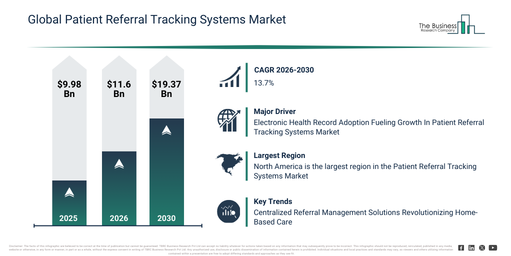
    The market for patient referral tracking systems has experienced significant expansion. Projections indicate a rise from $9.98 billion in 2025 to $11.6 billion in 2026, demonstrating a compound annual growth rate (CAGR) of 16.2%. Factors contributing to this historical growth include the prevalence of manual referral tracking methods, a lack of seamless integration between different healthcare platforms, extended timelines for patient follow-up and referral completion, disjointed communication channels among healthcare providers, and a dependence on paper-based record-keeping.

    The market for patient referral tracking systems is poised for substantial expansion, with projections indicating a reach of $19.37 billion by 2030, fueled by a robust compound annual growth rate of 13.7% over the ensuing years. This anticipated ascent is underpinned by several key drivers, including a heightened need for immediate referral monitoring, the escalating embrace of cloud-based solutions for referral management, a greater emphasis on coordinating patient care and enhancing health results, the growing integration of mobile and virtual platforms for referrals, and the expanding application of predictive analytics in managing patient pathways. Key developments shaping this market trajectory encompass the increasing integration of artificial intelligence in referral management processes, a continued surge in the adoption of cloud-based referral platforms, the enhanced utilization of data analytics for refining referral workflows, a growing preference for interoperable EHR-integrated systems, and the expanding use of mobile and virtual tools for tracking patient referrals.

    Download A Free Sample Report For Comprehensive Market Insights:

    https://www.thebusinessresearchcompany.com/sample.aspx?id=15231&type=smp

    Patient Referral Tracking Systems Market Growth Factors Supporting Long-Term Expansion

    The expansion of the market for patient referral tracking systems is anticipated to be largely influenced by the growing integration of electronic health records. Electronic health records serve as digital repositories of a patient’s medical background, encompassing extensive health data that healthcare professionals can securely access and exchange, thereby enhancing the efficiency, patient well-being, and collaborative aspects of healthcare delivery. Within these patient referral tracking systems, EHRs play a crucial role in streamlining inter-provider communication and coordination by systematically recording referral details, monitoring patient advancements, and ensuring uninterrupted care pathways. Illustratively, data from the Centers for Disease Control and Prevention in November 2023 indicated that 88.2% of office-based physicians in the United States utilized electronic health record systems, with a specific adoption rate of 77.8% for certified EHR systems, underscoring the trend that is fueling the patient referral tracking system market’s growth.

    Patient Referral Tracking Systems Market Segmentation: How Is The Market Structured Across Key Categories?

    The patient referral tracking systems market covered in this report is segmented –

    1) By Type: Inbound, Outbound

    2) By Deployment Mode: Cloud-Based, On-Premise

    3) By End-User: Healthcare Providers, Healthcare Payers, Patients, Other End-Users

    Subsegments:

    1) By Inbound: Physician Referrals, Hospital Referrals, Specialist Referrals

    2) By Outbound: Patient Referral To Specialists, Referral To Diagnostic Services, Referral To Rehabilitation Services

    Patient Referral Tracking Systems Market Industry Trends Shaping Future Revenue Growth

    Within the patient referral tracking systems market, leading firms are actively crafting integrated referral management tools, referred to as enterprise referral managers, to foster greater efficiency and interconnectedness within healthcare environments. The enterprise referral manager serves as a referral management software, offering healthcare entities a multitude of advantages, such as minimizing referral leakage, shortening lead times, automating reminders, facilitating secure patient data exchange, and more. Illustrating this trend, WellSky, a technology provider based in the United States, introduced its WellSky enterprise referral manager in October 2023. This specifically designed software solution is intended to fundamentally transform the processes of referral, intake, and customer relationship management for agencies specializing in home health, hospice, and other forms of home-based care. The offering pledges to boost staff productivity, broaden the spectrum of referral origins, and expedite the commencement of patient care. Key functionalities encompass digital integration with diverse electronic health record systems, customer relationship management features tailored for marketing liaisons, and smooth transitions across different care settings.

    Patient Referral Tracking Systems Market Competitive Landscape And Leading Companies

    Major companies operating in the patient referral tracking systems market are McKesson Corporation, GE Healthcare, Cerner Corporation, Epic Systems Corporation, Athenahealth Inc., eClinicalWorks LLC, Allscripts Healthcare Solutions Inc., NextGen Healthcare Inc., Netsmart Technologies Inc., Greenway Health LLC, CareCloud Corporation, Kareo Inc., PracticeSuite LLC, Practice Fusion Inc., AdvancedMD Inc., ReferralMD, Phreesia, HealthViewX, GridSocial, HealOS, Lightbeam Health Solutions, Tacklit

    Access The Complete Patient Referral Tracking Systems Market Report:

    https://www.thebusinessresearchcompany.com/report/patient-referral-tracking-systems-global-market-report

    Patient Referral Tracking Systems Market Largest Region By Revenue And Market Share

    North Americawas the largest region in the patient referral tracking systems market in 2025. The regions covered in the patient referral tracking systems market report are Asia-Pacific, South East Asia, Western Europe, Eastern Europe, North America, South America, Middle East, Africa.

    Get in touch with us:

    The Business Research Company: https://www.thebusinessresearchcompany.com/

    Americas: +1 310-496-7795

    Asia: +44 7882 955267 & +91 8897263534

    Europe: +44 7882 955267

    Email us at: marketing@tbrc.info

    Follow us on:

    LinkedIn: https://in.linkedin.com/company/the-business-research-company

    YouTube: https://www.youtube.com/channel/UC24_fI0rV8cR5DxlCpgmyFQ

    Global Market Model: https://www.thebusinessresearchcompany.com/global-market-model
  • Patient Recruitment and Retention Services Market Forecast Signals New Revenue Opportunities Through 2030

    Patient Recruitment and Retention Services Market Forecast Signals New Revenue Opportunities Through 2030

    Enhanced with market attractiveness analysis, total addressable market evaluation, company benchmarking matrices, interactive Excel dashboards, expanded supply chain intelligence, emerging startup coverage, and detailed product insights, The Business Research Company’s 2026 market reports deliver more actionable and strategically valuable research.

    Patient Recruitment and Retention Services Market Growth Analysis: How Will Revenue Expand During The Forecast Period?

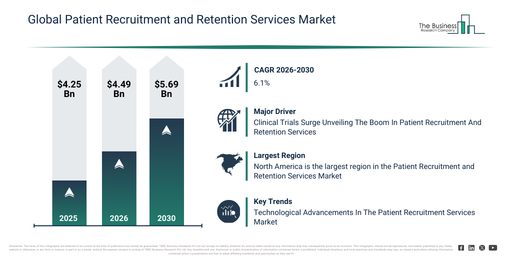
    The market for patient recruitment and retention services has experienced robust expansion. Projected to rise from $4.25 billion in 2025 to $4.49 billion in 2026, this growth trajectory indicates a compound annual growth rate of 5.7%. Factors contributing to the expansion during the historical timeframe included a prevalent reliance on manual approaches for patient acquisition, insufficient public understanding concerning clinical trials, protracted enrollment timelines particularly in the initial trial phases, disparate patient data repositories, and an established dependence on localized recruitment tactics.

    The patient recruitment and retention services market is poised for substantial expansion in the coming years, with projections indicating a rise to $5.69 billion by 2030, driven by a compound annual growth rate of 6.1%. This anticipated growth over the forecast period stems from several key factors, including the escalating integration of artificial intelligence and digital recruitment solutions, a heightened emphasis on strategies aimed at retaining participants, the increasing prevalence of remote and decentralized clinical trial methodologies, the incorporation of real-time monitoring and analytical capabilities, and the broadening reach of global patient recruitment networks. Prominent trends expected to shape this market going forward encompass the amplified application of AI for identifying and engaging potential participants, a greater embrace of digital and media-centric campaigns for recruitment purposes, deeper integration of genomic and biomarker data to facilitate precise patient matching, expanded use of virtual platforms for fostering participant engagement and retention, and a broader deployment of real-time analytics to enhance recruitment efficiency.

    Download A Free Sample Report For Comprehensive Market Insights:

    https://www.thebusinessresearchcompany.com/sample.aspx?id=12206&type=smp

    Patient Recruitment and Retention Services Market Demand Drivers Creating New Revenue Opportunities

    The expansion of the patient recruitment and retention services market is directly correlated with the increasing volume of clinical trials, which are research studies investigating new medical treatments and drugs to evaluate their impact on human health outcomes. Services focused on patient recruitment and retention are instrumental in locating and enrolling suitable individuals for these studies, thereby facilitating the advancement of clinical trials. Consequently, a greater number of clinical trials naturally boosts the demand for these crucial support services. To illustrate this trend, the Association of the British Pharmaceutical Industry reported that in the UK, the count of industry-led clinical trials escalated from 411 in 2022 to 426 in 2023, a 3.7% growth. This upward trajectory in clinical trial numbers unequivocally fuels the patient recruitment and retention services market.

    Patient Recruitment and Retention Services Market Segmentation Trends And Revenue Drivers

    The patient recruitment and retention services market covered in this report is segmented –

    1) By Patient Recruitment Steps: Pre-Screening, Screening

    2) By Trial Phases: Phases I, Phases II, Phases III, Phases IV

    3) By Therapeutic Areas: Cardiovascular Diseases, Oncological Disorders, Infectious Diseases, Central Nervous System Disorders, Respiratory Disorders, Hematological Disorders, Other Therapeutic Areas

    Subsegments:

    1) By Pre-Screening: Patient Identification, Initial Outreach And Engagement, Eligibility Questionnaire, Patient Database Review, Digital And Media Campaigns For Recruitment

    2) By Screening: In-Depth Eligibility Assessment, Medical History Review, Diagnostic Testing, Informed Consent Process, Clinical Trial Enrollment Confirmation

    Patient Recruitment and Retention Services Market Trends Driving Strategic Industry Expansion

    Companies at the forefront of the patient recruitment and retention services sector are prioritizing the creation of novel approaches, such as sophisticated AI-powered recruitment systems, to address the escalating need for expedited participant enrollment, enhanced participant adherence, and streamlined clinical trial management. These AI-driven recruitment solutions leverage extensive patient datasets to pinpoint suitable candidates with greater precision, presenting a more adaptable and accurate substitute for conventional, manual screening processes that are both time-consuming and labor-intensive. To illustrate, in March of 2023, Aloha Health Network, an artificial intelligence entity based in the United States, introduced an enhanced AI/ML platform designed to expedite the recruitment of patients for pharmaceutical clinical studies. This novel offering employs state-of-the-art natural language processing (NLP) algorithms to locate and preliminarily assess prospective clinical trial participants by examining diverse forms of data, both organized and unorganized, encompassing electronic health records and patient medical histories.

    Patient Recruitment and Retention Services Market Industry Leaders: Which Organizations Are Driving Competition?

    Major companies operating in the patient recruitment and retention services market are IQVIA Holdings Inc, ICON PLC, Medpace Holdings Inc., Worldwide Clinical Trials Inc., Bioclinica Inc., Altasciences, BMC Group, Evolution Research Group (ERG), Science37, Veristat LLC, Elligo Health Research Inc., CROee Inc., Linical Co. Ltd, Clinrol, Antidote Technologies Inc., BBK Worldwide LLC, Integrated Clinical Trial Services (ICTS) Inc., Syneos Health Inc., Fidelis Research Ltd., S4 Research Pvt. Ltd, Clinical Accelerator Ltd., Polaris BioPharma Consulting Ltd, CSSi Lifesciences

    Access The Complete Patient Recruitment and Retention Services Market Report:

    https://www.thebusinessresearchcompany.com/report/patient-recruitment-and-retention-services-global-market-report

    Patient Recruitment and Retention Services Market Regional Analysis And Leading Geography

    North Americawas the largest region in the patient recruitment and retention services market in 2025. Asia-Pacificis expected to be the fastest-growing region in the patient recruitment and retention services market report during the forecast period. The regions covered in the patient recruitment and retention services market report are Asia-Pacific, South East Asia, Western Europe, Eastern Europe, North America, South America, Middle East, Africa.

    Get in touch with us:

    The Business Research Company: https://www.thebusinessresearchcompany.com/

    Americas: +1 310-496-7795

    Asia: +44 7882 955267 & +91 8897263534

    Europe: +44 7882 955267

    Email us at: marketing@tbrc.info

    Follow us on:

    LinkedIn: https://in.linkedin.com/company/the-business-research-company

    YouTube: https://www.youtube.com/channel/UC24_fI0rV8cR5DxlCpgmyFQ

    Global Market Model: https://www.thebusinessresearchcompany.com/global-market-model
  • Patient Portal Market Growth Is Accelerating As Industry Transformation Continues

    Patient Portal Market Growth Is Accelerating As Industry Transformation Continues

    Through market attractiveness analysis, total addressable market evaluation, company benchmarking matrices, interactive Excel dashboards, expanded supply chain intelligence, emerging startup coverage, and detailed product insights, The Business Research Company’s 2026 market reports provide more actionable and strategically valuable research.

    Patient Portal Market Forecast: What Market Value Is Expected By 2030?

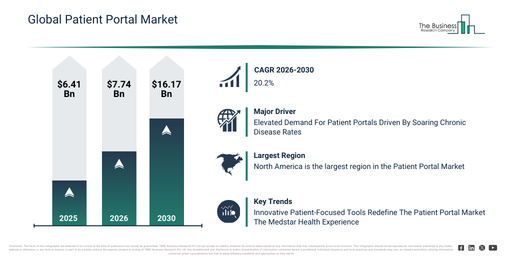
    The patient portal market is experiencing a period of significant expansion, projected to surge from $6.41 billion in 2025 to $7.74 billion by 2026, reflecting a robust compound annual growth rate of 20.7%. This expansion throughout the earlier period was fueled by several key factors, including restricted patient access to their health records, an escalating demand for digital tools to engage patients, the persistence of traditional paper-based documentation methods, a rising consciousness among individuals regarding their personal health information, and the initial embrace of standalone patient portal systems.

    The patient portal sector is poised for substantial expansion over the coming years, projecting a market value of $16.17 billion by the year 2030, driven by a robust compound annual growth rate of 20.2%. This surge in growth during the anticipated period stems from several key factors including the escalating implementation of unified patient portals, a heightened preference for cloud-based solutions, a greater emphasis on incorporating telehealth capabilities, advancements in interoperability standards and secure data exchange, and increased financial commitments from healthcare organizations toward patient engagement tools. Furthermore, prominent trends shaping this market include the wider adoption of cloud-hosted patient portals, closer integration with electronic health record (EHR) and health information exchange (HIE) systems, the proliferation of mobile and web-based portal applications, a stronger focus on empowering patients with self-service options and access to their medical information, and a growing need for secure data sharing and seamless interoperability.

    Download A Free Sample Report For Comprehensive Market Insights:

    https://www.thebusinessresearchcompany.com/sample.aspx?id=6939&type=smp

    Patient Portal Market Expansion Supported By Key Demand Factors

    The increasing incidence of long-term health conditions is anticipated to be a significant catalyst for the expansion of the patient portal market. These persistent ailments, often manageable rather than curable, necessitate continuous medical attention and lifestyle adjustments. Patient portals empower individuals managing chronic illnesses by facilitating their active engagement in healthcare, improving their commitment to prescribed therapies, and fostering enhanced interaction with medical providers, which consequently leads to more effective disease control and improved overall well-being. Illustrating this trend, data from GOV.UK, a UK governmental non-profit entity, indicated in March 2025 that the recorded prevalence of type 2 diabetes among adults aged 17 and above in England stood at 7.0% as of March 2024, marking an upward shift from the 6.8% recorded in March 2023. Consequently, the escalating rate of chronic diseases is a key driver fueling the patient portal market.

    Patient Portal Market Segment Analysis Highlighting Growth Areas

    The patient portal market covered in this report is segmented –

    1) By Type: Standalone Patient Portals, Integrated Patient Portals

    2) By Deployment Mode: On-Premise, Cloud-Based

    3) By End-Users: Providers, Payers, Pharmacies, Other End-Users

    Subsegments:

    1) By Standalone Patient Portals: Web-Based Portals, Mobile Application Portals, Desktop Application Portals

    2) By Integrated Patient Portals: Electronic Health Record (EHR) Integrated Portals, Health Information Exchange (HIE) Integrated Portals, Practice Management System (PMS) Integrated Portals

    Patient Portal Market Growth Trends Influencing Competitive Dynamics

    Leading entities within the patient portal sector are concentrating their efforts on pioneering new offerings, specifically patient-centric instruments, to enhance satisfaction for their current clientele. These patient-centric instruments, whether digital or physical, are designed to elevate both the patient’s journey and care delivered with a focus on the individual. Such resources empower clinicians to deliver treatments that are attuned to and respectful of each patient’s unique inclinations, necessities, and principles. As an illustration, in February 2023, MedStar Health, a non-profit healthcare organization in the United States dedicated to community well-being, introduced a groundbreaking patient-centric tool. Boasting the most comprehensive set of features in its market, this tool significantly enriches the patient experience and facilitates access to medical care. The system facilitates the scheduling of appointments with primary care physicians, urgent care providers, or telehealth specialists around the clock, accessible via smartphones, tablets, or other smart devices. Furthermore, to aid patients in navigating their health, the platform delivers timely notifications, including appointment confirmations and registration reminders.

    Patient Portal Market Leading Companies: Who Holds Significant Market Presence?

    Major companies operating in the patient portal market are Allscripts Healthcare Solutions Inc., McKesson Corporation, athenahealth Inc., Cerner Corporation, eClinicalWorks, CureMD Healthcare, NextGen Healthcare Information Systems LLC, Greenway Health LLC, Medfusion Inc., Epic Systems Corporation Inc., GE HealthCare Technologies Inc., InteliChart, QSI Management LLC, Optum Inc., ZH Healthcare Inc., Oracle Corporation, Advanced Data Systems Corporation, Nextech Systems LLC, AdvancedMD Inc., Kareo Inc., CareCloud Corporation, eMDs Inc., Meditech, Medhost Inc., Napier Healthcare Solutions Pte. Ltd., RelayHealth Corp., Kryptiq Corporation, Nuesoft Technologies Inc., Zocdoc Inc., Medseek GmbH

    Access The Complete Patient Portal Market Report:

    https://www.thebusinessresearchcompany.com/report/patient-portal-global-market-report

    Patient Portal Market Geographic Analysis: Where Is Demand Growing The Fastest?

    North Americawas the largest region in the patient portal market in 2025. Asia-Pacificis expected to be the fastest-growing region in the forecast period. The regions covered in the patient portal market report are Asia-Pacific, South East Asia, Western Europe, Eastern Europe, North America, South America, Middle East, Africa.

    Get in touch with us:

    The Business Research Company: https://www.thebusinessresearchcompany.com/

    Americas: +1 310-496-7795

    Asia: +44 7882 955267 & +91 8897263534

    Europe: +44 7882 955267

    Email us at: marketing@tbrc.info

    Follow us on:

    LinkedIn: https://in.linkedin.com/company/the-business-research-company

    YouTube: https://www.youtube.com/channel/UC24_fI0rV8cR5DxlCpgmyFQ

    Global Market Model: https://www.thebusinessresearchcompany.com/global-market-model
  • Patient Flow Management Solutions Market Outlook Highlights The Next Major Growth Opportunities

    Patient Flow Management Solutions Market Outlook Highlights The Next Major Growth Opportunities

    Delivering more actionable and strategically valuable research, The Business Research Company’s 2026 market reports feature market attractiveness analysis, total addressable market evaluation, company benchmarking matrices, interactive Excel dashboards, expanded supply chain intelligence, emerging startup coverage, and detailed product insights.

    Patient Flow Management Solutions Market Size Outlook: How Fast Will Revenue Grow Through 2030?

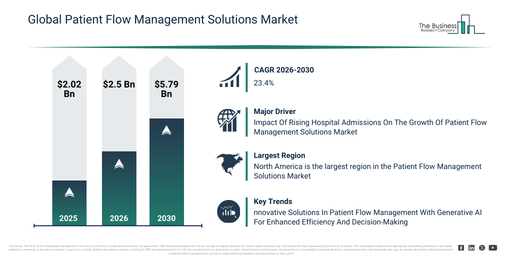
    The market for patient flow management solutions has experienced remarkable expansion recently. Projections indicate a rise from $2.02 billion in 2025 to $2.5 billion in 2026, demonstrating a compound annual growth rate of 23.4%. Factors contributing to this upward trend in the past have included suboptimal patient transit procedures within medical facilities, escalating patient numbers and congestion, a scarcity of automated processes in healthcare operations, reliance on manual appointment setting and monitoring, alongside the initial embrace of digital tools for patient administration.

    A significant upswing is anticipated for the patient flow management solutions market, projecting a robust expansion to reach $5.79 billion by the year 2030, fueled by a compound annual growth rate of 23.4%. This projected surge in the upcoming period is underpinned by several key drivers, including the burgeoning application of AI-driven patient flow analytics, a heightened demand for unified real-time locating systems, the proliferation of cloud-based patient management platforms, a growing emphasis on enhancing patient experience and satisfaction, and increased investments in telehealth and remote patient monitoring technologies. Furthermore, prominent trends shaping this market’s trajectory encompass the greater adoption of real-time patient tracking systems, expanded use of queue management and scheduling software, intensified deployment of data analytics for optimizing patient flow, deeper integration of electronic health record (EHR) software with patient flow solutions, and an intensified focus on telehealth and virtual patient management strategies.

    Download A Free Sample Report For Comprehensive Market Insights:

    https://www.thebusinessresearchcompany.com/sample.aspx?id=13902&type=smp

    Patient Flow Management Solutions Market Growth Drivers And Industry Catalysts

    The increasing trend of hospital admissions is anticipated to be a primary catalyst for the expansion of the patient flow management solutions sector in the future. Hospital admission signifies the formal process by which an individual is accepted into a hospital for medical treatment when their condition prevents them from receiving care at home or through outpatient services. Such patient flow management systems play a crucial role in both admission procedures and patient care delivery, facilitating services like the scheduling of appointments and continuous monitoring of patient location, which collectively contribute to diminished waiting periods, enhanced patient contentment, and optimizing the utilization of healthcare facilities. As an illustration, data from NHS England, a regulatory body for health services in the United Kingdom, indicated that in September 2023, emergency admissions reached 522,000, representing a 7.1% increase from September 2022. Consequently, this surge in hospital admissions is a key factor fueling the growth trajectory of the patient flow management solutions market.

    Patient Flow Management Solutions Market Segment Performance And Strategic Opportunities

    The patient flow management solutions market covered in this report is segmented –

    1) By Component: Hardware, Software, Services

    2) By Tracking Method: Event-Driven Patient Tracking, Real-Time Locating Systems

    3) By Product: Integrated, Standalone

    4) By Delivery Mode: Web-Based, On-Premise, Cloud-Based

    5) By End User: Hospitals, Clinics, Other End Users

    Subsegments:

    1) By Hardware: Patient Tracking Systems, Kiosks And Check-In Devices, Real-Time Location Systems (RTLS), Display Boards And Digital Signage, Mobile Devices And Tablets

    2) By Software: Patient Scheduling Software, Queue Management Software, Data Analytics And Reporting Tools, Electronic Health Record (EHR) Integration Software, Telehealth Solutions

    3) By Services: Consulting Services, Implementation And Integration Services, Training And Support Services, Maintenance And Upgrades, Customization Services

    #Patient Flow Management Solutions Market Trends Influencing Long-Term Demand

    Leading players within the patient flow management solutions sector are prioritizing the creation of pioneering offerings, notably generative AI-powered operational assistants, as a strategy to enhance their market standing. These sophisticated systems blend cutting-edge conversational artificial intelligence with predictive and prescriptive analytical capabilities, enabling the anticipation of capacity constraints, informing workforce deployment choices, and bolstering the operational effectiveness of command centers throughout hospital environments. As an illustration, in June of 2023, LeanTaaS, a prominent health technology firm headquartered in the United States, introduced iQueue Autopilot, its innovative generative AI platform. This solution seamlessly integrates with the existing iQueue product family, facilitating the management of operational directives for surgical suites, infusion clinics, and inpatient accommodations. It delivers intuitive, human-like conversational direction, provides immediate notifications through email and text messages, and furnishes concrete recommendations for optimizing staffing levels and scheduling. This prevailing movement equips hospital administrators with valuable, data-driven intelligence and alleviates the strain of administrative tasks, notwithstanding the persistent obstacles associated with system integration and user acceptance.

    Patient Flow Management Solutions Market Key Players: Which Companies Shape Industry Competition?

    Major companies operating in the patient flow management solutions market are McKesson Corporation, Cerner Corporation, Epic Systems Corporation, Hill‑Rom Holdings Inc., Getinge AB, Allscripts Healthcare Solutions Inc., TeleTracking Technologies, CarePort Health LLC, ProModel Corporation, Central Logic Inc., Qventus, Awarepoint Corporation, Novari Health, Intelligent Insites Inc., Sonitor Technologies Inc., SeamlessMD, Medworxx Solutions Inc., AiRISTA, Securitas Healthcare, Midmark, Litum, Kontakt.io, Qwaiting, Queberry, Earlyone, LeanTaaS, CenTrak, Meditech, Patient Placement Systems

    Access The Complete Patient Flow Management Solutions Market Report:

    https://www.thebusinessresearchcompany.com/report/patient-flow-management-solutions-global-market-report

    Patient Flow Management Solutions Market Global Footprint: Which Region Holds Market Leadership?

    North Americawas the largest region in the patient flow management solutions market in 2025. The regions covered in the patient flow management solutions market report are Asia-Pacific, South East Asia, Western Europe, Eastern Europe, North America, South America, Middle East, Africa.

    Get in touch with us:

    The Business Research Company: https://www.thebusinessresearchcompany.com/

    Americas: +1 310-496-7795

    Asia: +44 7882 955267 & +91 8897263534

    Europe: +44 7882 955267

    Email us at: marketing@tbrc.info

    Follow us on:

    LinkedIn: https://in.linkedin.com/company/the-business-research-company

    YouTube: https://www.youtube.com/channel/UC24_fI0rV8cR5DxlCpgmyFQ

    Global Market Model: https://www.thebusinessresearchcompany.com/global-market-model
  • Patient Engagement Technology Market Trends And Growth Drivers Point To Strong Future Potential

    Patient Engagement Technology Market Trends And Growth Drivers Point To Strong Future Potential

    Enhanced with market attractiveness analysis, total addressable market evaluation, company benchmarking matrices, interactive Excel dashboards, expanded supply chain intelligence, emerging startup coverage, and detailed product insights, The Business Research Company’s 2026 market reports deliver more actionable and strategically valuable research.

    Patient Engagement Technology Market Size, Value And Growth Trends Through 2030

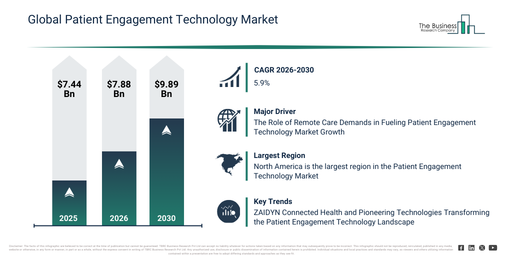
    The patient engagement technology sector has experienced robust expansion recently. Projections indicate a rise from $7.44 billion in 2025 to $7.88 billion in 2026, reflecting a compound annual growth rate of 5.8%. Key factors contributing to this historical growth trajectory include the constrained patient involvement often seen in conventional healthcare frameworks, a significant increase in smartphone and internet accessibility, escalating awareness surrounding digital health innovations, the growing demand for enhanced communication channels between patients and healthcare providers, and the proliferation of telemedicine pilot programs alongside early adoption initiatives.

    Anticipate a robust expansion within the patient engagement technology sector over the forthcoming years, projecting a market valuation of $9.89 billion by 2030, driven by a compound annual growth rate (CAGR) of 5.9%. This projected growth trajectory is propelled by several key factors, including the escalating incorporation of AI-powered individualized health advice, a burgeoning acceptance of remote patient monitoring systems, the widespread deployment of cloud-based patient engagement platforms, a mounting need for virtual care and in-home health services, and the amplified utilization of patient engagement analytics aimed at refining clinical results. Prominent developments anticipated during this forecast interval encompass a greater embrace of mobile health applications and telehealth services, increased reliance on wearable technology for ongoing health surveillance, enhanced deployment of patient portal software for patient involvement, deeper integration of analytical instruments to provide tailored health perspectives, and a heightened emphasis on communication and messaging solutions designed to foster improved patient interactions.

    Download A Free Sample Report For Comprehensive Market Insights:

    https://www.thebusinessresearchcompany.com/sample.aspx?id=14156&type=smp

    Patient Engagement Technology Market Opportunity Drivers: What Is Creating New Revenue Potential?

    The expansion of patient engagement technology is anticipated to be significantly influenced by the escalating requirements for remote healthcare solutions. This surge in remote care implies a greater necessity and preference for healthcare provision that bypasses the need for physical attendance at medical centers, allowing individuals to receive treatment and support from their residences. Such enhanced accessibility and ease of use foster greater patient involvement, as people tend to be more proactive in managing their health when it is readily and efficiently available. For example, data from the National Library of Medicine (NLM), a prominent US biomedical archive, indicates a substantial uptick in remote patient monitoring within physician office settings, with service utilization climbing to 5,118,772 in 2023, as reported in June 2025. Consequently, the increasing demand for remote healthcare is a key driver for the patient engagement technology market’s advancement.

    Patient Engagement Technology Market Segment Landscape And Growth Potential

    The patient engagement technology market covered in this report is segmented –

    1) By Type: Hardware, Software, Services

    2) By Delivery Mode: Web-Based And Cloud-Based, On-Premise

    3) By Application: Health Management, Social Management, Home Healthcare Management, Financial Health Management

    4) By End User: Providers, Payers, Patients

    Subsegments:

    1) By Hardware: Patient Kiosks, Wearable Devices, Tablets And Mobile Devices, Telehealth Equipment

    2) By Software: Patient Portal Software, Mobile Health Applications, Communication And Messaging Platforms, Telemedicine Software, Analytics Tools

    3) By Services: Consulting Services, Implementation Services, Training And Support Services, Engagement Strategy Development

    Patient Engagement Technology Market Innovation Trends Driving Future Development

    Leading corporations within the patient engagement technology sector are concentrating on pioneering advancements, exemplified by ZAIDYN connected health, with the objective of enhancing their profitability. ZAIDYN Connected Health functions as an artificial intelligence driven solution engineered to support pharmaceutical firms, healthcare providers, and insurance payers in driving innovation across the healthcare landscape. As an illustration, in October 2023, ZS Associates, a consultancy firm headquartered in the United States, introduced its ZAIDYN connected health solution, aimed at bolstering medication adherence, facilitating the management of chronic conditions, and enabling proactive interventions when complications arise. This technology, encompassing remote patient monitoring capabilities to track patient health metrics, serves to aid various healthcare industry stakeholders in pinpointing deficiencies in treatment pathways and unmet patient requirements.

    Patient Engagement Technology Market Competitive Landscape: Who Are The Leading Companies?

    Major companies operating in the patient engagement technology market are Mckesson Corporation, The International Business Machines Corporation, Oracle Corporation, Northwell Health, IQVIA, Cerner Corporation, Epic Systems Corporation, Athenahealth Inc, eClinical Works LLC, Allscripts Healthcare Solutions Inc., Computer Programs and Systems Inc., Medical Information Technology Inc., Medecision Inc., PATIENTPOINT LLC, MEDHOST, Orion Health Limited, GetWellNetwork Inc., HealthHub Patient Engagement Solutions, DrChrono Inc., Luma Health Inc., Lincor Solutions Ltd., CipherHealth Inc., Phytel Inc., Oneview Healthcare Plc, SONIFI Health Incorporated., Get Real Health, WelVU Inc., Yourcareuniverse Inc.

    Access The Complete Patient Engagement Technology Market Report:

    https://www.thebusinessresearchcompany.com/report/patient-engagement-technology-global-market-report

    Patient Engagement Technology Market Regional Distribution: Which Areas Drive Market Expansion?

    North Americawas the largest region in the patent engagement technology market in 2025. Asia-Pacificis expected to be the fastest-growing region in the forecast period. The regions covered in the patient engagement technology market report are Asia-Pacific, South East Asia, Western Europe, Eastern Europe, North America, South America, Middle East, Africa.

    Get in touch with us:

    The Business Research Company: https://www.thebusinessresearchcompany.com/

    Americas: +1 310-496-7795

    Asia: +44 7882 955267 & +91 8897263534

    Europe: +44 7882 955267

    Email us at: marketing@tbrc.info

    Follow us on:

    LinkedIn: https://in.linkedin.com/company/the-business-research-company

    YouTube: https://www.youtube.com/channel/UC24_fI0rV8cR5DxlCpgmyFQ

    Global Market Model: https://www.thebusinessresearchcompany.com/global-market-model
  • Patient Derived Xenograft (PDX) Models Market Expansion Is Reshaping Competitive Dynamics Across The Industry

    Patient Derived Xenograft (PDX) Models Market Expansion Is Reshaping Competitive Dynamics Across The Industry

    Through market attractiveness analysis, total addressable market evaluation, company benchmarking matrices, interactive Excel dashboards, expanded supply chain intelligence, emerging startup coverage, and detailed product insights, The Business Research Company’s 2026 market reports provide more actionable and strategically valuable research.

    Patient Derived Xenograft (PDX) Models Market CAGR Analysis And Future Market Development

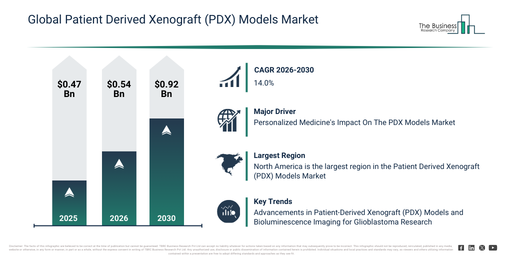
    The market for patient-derived xenograft (PDX) models has experienced substantial expansion lately. Projections indicate a rise from $0.47 billion in 2025 to $0.54 billion by 2026, reflecting a compound annual growth rate (CAGR) of 15.8%. Factors contributing to this growth during the past period include the insufficient predictive power of conventional cell line models, a surge in cancer research endeavors, the established practice of using animal models for pharmaceutical efficacy evaluations, escalating interest in translational oncology research, and a broadening scope of collaborative efforts between academic institutions and pharmaceutical companies.

    The market for patient-derived xenograft (PDX) models is poised for significant expansion, projected to reach $0.92 billion by 2030, exhibiting a compound annual growth rate of 14.0% during the forecast period. This surge is fueled by several key factors, including the escalating use of PDX models in precision medicine initiatives, augmented investments in humanized rodent models, the proliferation of co-clinical trial programs, the broadening scope of contract research organizations providing PDX-based solutions, and the growing application of PDX models for assessing the efficacy of immunotherapies and targeted treatments. Prominent trends anticipated within this market over the coming years encompass a greater integration of PDX models into preclinical drug development pipelines, a heightened emphasis on personalized cancer research leveraging these models, the increasing incorporation of digital platforms for managing tumor data, a rise in the utilization of both humanized and genetically engineered models, and an expansion of co-clinical trials that capitalize on the advantages offered by PDX models.

    Download A Free Sample Report For Comprehensive Market Insights:

    https://www.thebusinessresearchcompany.com/sample.aspx?id=17226&type=smp

    Patient Derived Xenograft (PDX) Models Market Growth Momentum: Which Factors Are Influencing Demand?

    The expansion of the patient-derived xenograft (PDX) models market is anticipated to be substantially influenced by the rising need for personalized medicine. This approach to healthcare focuses on customizing treatments based on an individual’s unique biological makeup, encompassing their genetic predispositions, environmental exposures, and lifestyle choices. The growing interest in personalized medicine stems from ongoing progress in genomic research, which facilitates the development of therapies targeted to specific genetic profiles, ultimately enhancing the efficacy and precision of patient care. PDX models play a crucial role in this domain by enabling the evaluation of individual patient tumors to forecast how treatments might perform and consequently fine-tune therapeutic strategies. A notable illustration of this trend is the US-based non-profit organization, the Personalized Medicine Coalition (PMC), which reported that the FDA sanctioned 16 novel personalized treatments for rare illnesses in 2023, a considerable leap from the six approvals recorded in 2022. Consequently, the increasing demand for personalized medicine directly fuels the growth trajectory of the PDX models market.

    Patient Derived Xenograft (PDX) Models Market Categorization By Product Type And Application

    The patient derived xenograft (pdx) models market covered in this report is segmented –

    1) By Type: Mice Models, Rat Models

    2) By Technique: Heterotopic Implantation, Orthotropic Implantation

    3) By Tumor Type: Gastrointestinal Tumor Models, Lung Tumor Models, Hematological Tumor Models, Gynecological Tumor Models, Respiratory Tumor Models, Urological Tumor Models, Other Tumor Models

    4) By Application: Preclinical Drug Development, Precision Medicine, Co-Clinical Trials, Basic Cancer Research

    5) By End-User: Academic And Research Organizations, Contract Research Organizations, Pharmaceutical And Biotechnological Companies, Other End-Users

    Subsegments:

    1) By Mice Models: Immunodeficient Mice Models (Nude Mice, SCID Mice), Humanized Mice Models, Genetically Modified Mice Models

    2) By Rat Models: Immunodeficient Rat Models, Humanized Rat Models, Genetically Modified Rat Models

    Patient Derived Xenograft (PDX) Models Market Trends Reshaping Industry Growth

    Within the patient-derived xenograft (PDX) models sector, prominent entities are introducing advanced models equipped with in vivo bioluminescence imaging, facilitating continuous observation of tumor progression. This imaging technique significantly benefits PDX models by providing a non-intrusive method for real-time tracking of tumor spread and therapeutic efficacy, thereby bolstering the value of preclinical investigations in the drug discovery pipeline. As a concrete illustration, during March 2024, InVitro Research Solutions Private Limited, a Contract Research Organization (CRO) situated in India, unveiled a novel orthotopic model for human glioblastoma, utilizing patient-derived xenografts within NSG-SGM3 mice and incorporating in vivo bioluminescence imaging. The objective of this particular model is to pave the way for tailored treatment strategies for glioblastoma, a particularly prevalent and aggressive form of brain cancer, underscoring the importance of such models in deciphering glioblastoma’s biological mechanisms and assessing novel targeted treatments and immunotherapies to achieve better patient results.

    Patient Derived Xenograft (PDX) Models Market Company Landscape And Strategic Competition

    Major companies operating in the patient derived xenograft (pdx) models market are WuXi AppTec Co Ltd, Charles River Laboratories International Inc, The Jackson Laboratory, Inotiv Inc, Taconic Biosciences Inc, Crown Bioscience Inc, Champions Oncology Inc, Certis Oncology Solutions Inc, EPO Experimental Pharmacology & Oncology Berlin‑Buch GmbH, InnoSer, Envigo, Oncodesign Services SA, Horizon Discovery Ltd, Pharmatest Services Ltd, Hera BioLabs, Xenopat, Noble Life Sciences, Medicilon, TheraIndx Life Sciences, Invivocue, InVitro Research Solutions Private Limited, NexusPharma, Mediford Corporation, GemPharmatech Co Ltd.

    Access The Complete Patient Derived Xenograft (PDX) Models Market Report:

    https://www.thebusinessresearchcompany.com/report/patient-derived-xenograft-pdx-models-global-market-report

    Patient Derived Xenograft (PDX) Models Market Leading Geography: Which Region Generates The Most Revenue?

    North Americawas the largest region in the patient derived xenograft (PDX) models market in 2025. Asia-Pacificis expected to be the fastest-growing region in the forecast period. The regions covered in the patient derived xenograft (pdx) models market report are Asia-Pacific, South East Asia, Western Europe, Eastern Europe, North America, South America, Middle East, Africa.

    Get in touch with us:

    The Business Research Company: https://www.thebusinessresearchcompany.com/

    Americas: +1 310-496-7795

    Asia: +44 7882 955267 & +91 8897263534

    Europe: +44 7882 955267

    Email us at: marketing@tbrc.info

    Follow us on:

    LinkedIn: https://in.linkedin.com/company/the-business-research-company

    YouTube: https://www.youtube.com/channel/UC24_fI0rV8cR5DxlCpgmyFQ

    Global Market Model: https://www.thebusinessresearchcompany.com/global-market-model
  • Patient Data Hub Solutions Market Forecast Reveals Where Future Industry Value Will Be Created

    Patient Data Hub Solutions Market Forecast Reveals Where Future Industry Value Will Be Created

    Delivering more actionable and strategically valuable research, The Business Research Company’s 2026 market reports feature market attractiveness analysis, total addressable market evaluation, company benchmarking matrices, interactive Excel dashboards, expanded supply chain intelligence, emerging startup coverage, and detailed product insights.

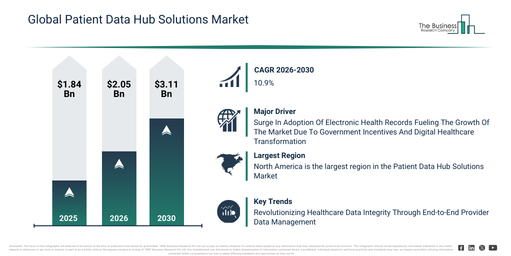
    Patient Data Hub Solutions Market Expansion From $2.05 Billion In 2026 To $3.1 Billion In 2030

    The market for patient data hub solutions has experienced substantial expansion. Projections indicate a rise from $1.84 billion in 2025 to $2.05 billion by 2026, reflecting a compound annual growth rate of 11.2%. This historical growth trajectory is underpinned by several key factors, including the escalating digitization of medical records, the widespread adoption of electronic health records systems, the enhancement of healthcare IT infrastructure, a heightened emphasis on integrated care delivery, and increasing regulatory mandates for data standardization.

    The patient data hub solutions market is poised for substantial expansion, projecting a valuation of $3.11 billion by 2030, driven by a compound annual growth rate of 10.9% over the forecast period. This upward trajectory is fueled by several key factors: escalating investments in healthcare interoperability, a heightened need for predictive analytics in managing patient care, the broader implementation of value-based healthcare frameworks, an intensified emphasis on patient-focused data systems, and the increasing integration of cloud-native healthcare technologies. During this anticipated growth phase, prominent developments are expected to include the wider adoption of consolidated patient record systems, a surge in demand for interconnected healthcare data infrastructures, greater incorporation of artificial intelligence for clinical insights, the expansion of cloud-hosted patient data hubs, and a more pronounced focus on coordinating care in real time.

    Download A Free Sample Report For Comprehensive Market Insights:

    https://www.thebusinessresearchcompany.com/sample.aspx?id=30349&type=smp

    Patient Data Hub Solutions Market Expansion Drivers: What Is Shaping Future Growth?

    A significant driver in the expansion of the patient data hub solutions market is the increasing implementation of electronic health records (EHRs). These digital platforms are designed to capture and maintain patient clinical data in a readily accessible and organized format. The widespread adoption of EHRs is largely fueled by governmental support, including incentives and regulations, that encourage the transition to digital healthcare to enhance both interconnectedness and the effectiveness of patient care. Patient data hub solutions play a crucial role in facilitating this transition by consolidating and harmonizing data from various EHR systems, thereby providing healthcare professionals with a comprehensive view of patient information essential for making sound clinical judgments. A notable example illustrating this trend is the statistic from November 2023 reported by the online QMU, an Indian university, which indicated that 90% of NHS trusts had adopted electronic patient records, with 189 trusts actively deploying new systems, underscoring how the rising use of electronic health records is stimulating the patient data hub solutions market.

    Patient Data Hub Solutions Market Segment Analysis And Revenue Opportunities

    The patient data hub solutions market covered in this report is segmented –

    1) By Solution Type: Health Data Apps And AI Solutions, Data Integration Solutions, Patient 360 View Platforms, Other Solution Types

    2) By Deployment Mode: Cloud-Based, On-Premises

    3) By End User: Healthcare Companies, Healthcare Providers, Healthcare Payers, Other End Users

    Subsegments:

    1) By Health Data Apps And AI Solutions: Mobile Health Applications, Artificial Intelligence Analytics Tools, Remote Patient Monitoring Platforms, Predictive Health Management Systems, Virtual Health Assistant Solutions

    2) By Data Integration Solutions: Cloud-Based Integration Tools, On-Premise Integration Platforms, Application Programming Interface Management Solutions, Data Interoperability Frameworks, Master Data Management Systems

    3) By Patient 360 View Platforms: Unified Patient Record Systems, Clinical Data Aggregation Platforms, Real-Time Data Visualization Tools, Patient Journey Mapping Solutions, Population Health Management Systems

    4) By Other Solution Types: Data Security And Compliance Tools, Healthcare Data Warehousing Solutions, Interoperability Middleware Platforms, Data Quality And Governance Solutions, Custom Analytics And Reporting Tools

    Patient Data Hub Solutions Market Strategic Trends: What Is Defining The Next Phase Of Growth?

    The patient data hub solutions market is characterized by leading corporations concentrating on cutting-edge advancements, like integrated provider-data platforms, aimed at enhancing data accuracy, mitigating fragmentation, and refining subsequent healthcare processes. These integrated platforms represent comprehensive systems that acquire, purify, standardize, and utilize provider details from diverse origins to create a definitive, reliable data repository. As an illustration, in October 2025, CertifyOS, an American entity specializing in data intelligence, introduced its Provider Hub platform. This solution was developed to consolidate provider data into a dynamic, all-encompassing perspective, thereby empowering health insurers and digital health firms to boost data reliability, expedite the credentialing procedure, and lower operational expenses. By furnishing a base of unblemished, interconnected provider data, this endeavor contributes to superior regulatory adherence, improves the experiences of both members and providers, and fosters more astute management of healthcare networks.

    Patient Data Hub Solutions Market Leading Players Shaping Industry Direction

    Major companies operating in the patient data hub solutions market are McKesson Corporation, Optum Inc., Oracle Corporation, Capgemini SE, Siemens Healthineers AG, Philips Healthcare, GE Healthcare, IQVIA Holdings Inc., Epic Systems Corporation, Athenahealth Inc., Veeva Systems Inc., Informatica Inc., InterSystems Corporation, eClinicalWorks LLC, Medical Information Technology Inc., WellSky Corporation, Health Catalyst Inc., Greenway Health LLC, Cerner Corporation, Allscripts Healthcare Solutions, NextGen Healthcare

    Access The Complete Patient Data Hub Solutions Market Report:

    https://www.thebusinessresearchcompany.com/report/global-patient-data-hub-solutions-market-report

    Patient Data Hub Solutions Market Regional Outlook: Where Are The Largest Opportunities Located?

    North Americawas the largest region in the patient data hub solutions market in 2025. Asia-Pacificis expected to be the fastest-growing region in the forecast period. The regions covered in the patient data hub solutions market report are Asia-Pacific, South East Asia, Western Europe, Eastern Europe, North America, South America, Middle East, Africa.

    Get in touch with us:

    The Business Research Company: https://www.thebusinessresearchcompany.com/

    Americas: +1 310-496-7795

    Asia: +44 7882 955267 & +91 8897263534

    Europe: +44 7882 955267

    Email us at: marketing@tbrc.info

    Follow us on:

    LinkedIn: https://in.linkedin.com/company/the-business-research-company

    YouTube: https://www.youtube.com/channel/UC24_fI0rV8cR5DxlCpgmyFQ

    Global Market Model: https://www.thebusinessresearchcompany.com/global-market-model