Category: Healthcare Services

  • Omics Lab Services Market Growth Is Accelerating As Industry Transformation Continues

    Omics Lab Services Market Growth Is Accelerating As Industry Transformation Continues

    Through market attractiveness analysis, total addressable market evaluation, company benchmarking matrices, interactive Excel dashboards, expanded supply chain intelligence, emerging startup coverage, and detailed product insights, The Business Research Company’s 2026 market reports provide more actionable and strategically valuable research.

    Omics Lab Services Market Expansion Outlook: What Revenue Opportunities Lie Ahead?

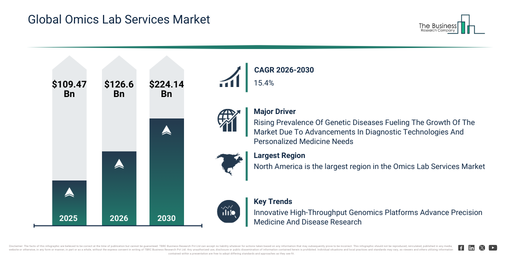
    The omics laboratory services market experienced considerable expansion, projecting an increase from $109.47 billion in 2025 to $126.6 billion in 2026, driven by a compound annual growth rate of 15.7%. This historical uptick is largely due to several key factors: the broadening scope of life sciences research, the burgeoning pharmaceutical R&D pipelines, the greater accessibility of omics technologies, a trend towards outsourcing laboratory operations, and the amplification of collaborative efforts in both academic and clinical research settings.

    The realm of omics laboratory services is poised for substantial expansion in the upcoming years, with projections indicating a surge to $224.14 billion by 2030, driven by a compound annual growth rate of 15.4%. This burgeoning expansion over the projected timeframe is largely fueled by the escalating embrace of personalized medicine research, augmented investments in the field of systems biology, the proliferation of artificial intelligence-powered bioinformatics instruments, a heightened need for comprehensive omics solutions, and a significant emphasis on drug discovery methodologies that are informed by data. Key developments anticipated during this forecast period encompass a greater call for unified multi-omics analysis, increased utilization of contract research outsourcing, the broadening application of bioinformatics for data interpretation, a more widespread adoption of high-throughput analytical technologies, and an intensified commitment to supporting translational research endeavors.

    Download A Free Sample Report For Comprehensive Market Insights:

    https://www.thebusinessresearchcompany.com/sample.aspx?id=28284&type=smp

    Omics Lab Services Market Expansion Supported By Key Demand Factors

    The increasing incidence of genetic disorders is anticipated to be a key driver for the expansion of the omics lab services market. These genetic disorders stem from alterations or errors within a person’s DNA, which can either be passed down through generations or arise independently. The growing occurrence of these conditions is partly attributable to innovations in diagnostic methodologies, especially next-generation sequencing and other advanced genomic technologies, which have greatly enhanced the capacity to pinpoint and confirm a broad spectrum of genetic conditions that were once either overlooked or incorrectly identified. Omics lab services play a crucial role in addressing genetic diseases by meticulously examining intricate biological information to detect specific mutations and molecular alterations, thereby facilitating prompt diagnosis and tailored therapeutic approaches. As an illustration, by October 2024, data from the Cystic Fibrosis Trust, a charitable organization in the UK focused on assisting individuals affected by cystic fibrosis, indicated that the number of registered cystic fibrosis patients rose from 11,148 in 2022 to 11,318 in 2023, signifying a year-over-year increment of 1.5% in patient registrations. Consequently, the escalating prevalence of genetic diseases is directly contributing to the market’s upward trajectory in omics lab services.

    Omics Lab Services Market Segmentation And Category Breakdown

    The omics lab services market covered in this report is segmented –

    1) By Type Of Omics Services: Genomics, Transcriptomics, Proteomics, Metabolomics, Epigenomics

    2) By Service Model: Contract Services, In-House Services, Consultative Services, Collaborative Research, Custom Solutions

    3) By Technology Platform: Next-Generation Sequencing (NGS), Microarray Technology, Mass Spectrometry, Chromatography, Bioinformatics Tools

    4) By Application: Drug Discovery, Diagnostics, Personalized Medicine, Other Applications

    5) By End Users: Research Institutions, Pharmaceutical Companies, Biotechnology Firms, Academic Institutions, Clinical Laboratories

    Subsegments:

    1) By Genomics: Whole Genome Sequencing, Whole Exome Sequencing, Targeted Gene Sequencing, Single-Cell Genomics, Comparative Genomic Hybridization

    2) By Transcriptomics: Messenger Ribonucleic Acid (RNA) Sequencing, Non-Coding Ribonucleic Acid (RNA) Sequencing, Expression Profiling, Ribonucleic Acid (RNA) Microarrays, Single-Cell Transcriptomics

    3) By Proteomics: Protein Identification, Protein Quantification, Post-Translational Modifications Analysis, Protein-Protein Interaction Mapping, Structural Proteomics

    4) By Metabolomics: Targeted Metabolomics, Untargeted Metabolomics, Lipidomics, Fluxomics, Metabolic Fingerprinting

    5) By Epigenomics: Deoxyribonucleic Acid (DNA) Methylation Analysis, Histone Modification Profiling, Chromatin Accessibility Assays, Chromatin Immunoprecipitation Sequencing, Non-Coding Ribonucleic Acid (RNA) Epigenetic Regulation

    Omics Lab Services Market Growth Trends Influencing Competitive Dynamics

    Leading entities within the omics laboratory services sector are actively engaged in creating novel offerings, including high-throughput genomics, with the objective of expediting both biomedical investigations and personalized medical approaches. High-throughput genomics involves the deployment of cutting-edge technologies designed for the swift sequencing and examination of substantial quantities of genetic material, thereby facilitating efficient, large-scale genetic inquiries. As an illustration, in September of 2024, the Translational Genomics Research Institute (TGen), a non-profit medical research organization situated in the United States, unveiled the Center for Spatial Multi-Omics (COSMO). This facility delivers whole-transcriptome information at a high resolution through the utilization of sequencing-based Visium HD, integrated with histological staining techniques, and additionally provides tissue preparation services like Tissue Microarray (TMA) creation for economical, multi-sample analyses. The adaptable systems offered, augmented by cell segmentation driven by machine learning, facilitate the detailed visualization and charting of molecular information within intact tissue samples, thereby fostering progress in personalized medicine and the study of diseases.

    Omics Lab Services Market Competitive Analysis Of Major Industry Participants

    Major companies operating in the omics lab services market are Thermo Fisher Scientific Inc., Eurofins Scientific SE, Agilent Technologies Inc., Illumina Inc., Revvity Inc., QIAGEN N.V., Novogene Co. Ltd., Oxford Nanopore Technologies plc, Pacific Biosciences of California Inc., Macrogen Inc., MedGenome Labs Ltd., Metabolon Inc., Zymo Research Corporation, CD Genomics, BaseClear B.V., Strand Life Sciences Pvt. Ltd., Sengenics Corporation Pte Ltd., Psomagen Inc., Biocrates Life Sciences AG, Creative Proteomics

    Access The Complete Omics Lab Services Market Report:

    https://www.thebusinessresearchcompany.com/report/omics-lab-services-global-market-report

    Omics Lab Services Market Geographic Distribution And Regional Opportunities

    North Americawas the largest region in the omics lab services market in 2025. Asia-Pacific is expected to be the fastest-growing region in the forecast period. The regions covered in the omics lab services market report are Asia-Pacific, South East Asia, Western Europe, Eastern Europe, North America, South America, Middle East, Africa.

    Get in touch with us:

    The Business Research Company: https://www.thebusinessresearchcompany.com/

    Americas: +1 310-496-7795

    Asia: +44 7882 955267 & +91 8897263534

    Europe: +44 7882 955267

    Email us at: marketing@tbrc.info

    Follow us on:

    LinkedIn: https://in.linkedin.com/company/the-business-research-company

    YouTube: https://www.youtube.com/channel/UC24_fI0rV8cR5DxlCpgmyFQ

    Global Market Model: https://www.thebusinessresearchcompany.com/global-market-model
  • Omeprazole Market Outlook Highlights The Next Major Growth Opportunities

    Omeprazole Market Outlook Highlights The Next Major Growth Opportunities

    Delivering more actionable and strategically valuable research, The Business Research Company’s 2026 market reports feature market attractiveness analysis, total addressable market evaluation, company benchmarking matrices, interactive Excel dashboards, expanded supply chain intelligence, emerging startup coverage, and detailed product insights.

    Omeprazole Market Growth Potential: How Will Market Size Change Through 2030?

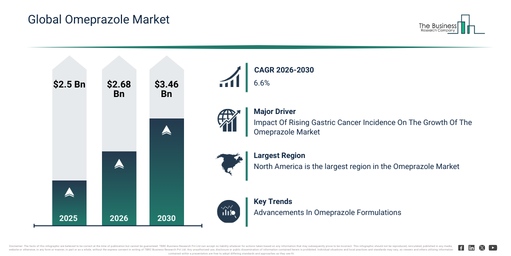
    The market for omeprazole has experienced robust expansion lately, projected to increase from $2.5 billion in 2025 to $2.68 billion in 2026, reflecting a compound annual growth rate of 7.3%. Historically, this expansion has been fueled by several factors, including a greater incidence of gastric and duodenal ulcers, escalating instances of gastroesophageal reflux disease (GERD), heightened public knowledge regarding proton pump inhibitors, a scarcity of viable alternative treatments, and the widening reach of both hospital and retail pharmacy services.

    The omeprazole market is poised for substantial expansion, projecting a valuation of $3.46 billion by 2030 with a compound annual growth rate of 6.6%. This upward trajectory is anticipated due to increasing needs for tailored gastric therapies, the proliferation of e-pharmacy services, innovations in drug delivery mechanisms, escalating utilization of omeprazole for younger and older age groups, and the burgeoning pharmaceutical manufacturing sector in developing economies. Key developments expected during this period involve greater use of digital health solutions for managing prescriptions, the incorporation of artificial intelligence into drug development and individualized treatment plans, the advancement of precision medicine strategies for digestive ailments, increased automation in pharmaceutical production and quality assurance, and the deployment of Internet of Things technology for overseeing drug storage and delivery processes.

    Download A Free Sample Report For Comprehensive Market Insights:

    https://www.thebusinessresearchcompany.com/sample.aspx?id=16495&type=smp

    Omeprazole Market Growth Drivers And Industry Catalysts

    The escalating rates of gastric cancer are anticipated to be a significant driver for the expansion of the omeprazole market. Gastric cancers, defined as malignant tumors developing within the stomach’s mucosal lining, are increasingly attributed to factors such as persistent Helicobacter pylori infections, excessive alcohol intake, inherited genetic susceptibilities, ongoing gastritis, obesity, and regional differences in disease occurrence. Omeprazole, functioning as a proton pump inhibitor, plays a role in managing gastric cancer by diminishing the production of stomach acid. This reduction in acidity can lead to symptom relief, enhance the patient’s overall well-being, and aid in the healing of stomach ulcers or damaged tissue within the gastric lining. As an illustration, data released in January 2025 by the American Cancer Society (ACS) indicated that approximately 30,300 new diagnoses of gastric cancer were recorded in the United States, with men accounting for 17,720 cases and women for 12,580, highlighting a higher prevalence in males. Furthermore, out of the roughly 10,780 fatalities linked to this disease, 6,400 were men and 4,380 were women, underscoring a greater mortality impact on the male population. Consequently, these rising gastric cancer incidences are fueling demand within the omeprazole market.

    Omeprazole Market Segment Outlook: Which Categories Are Expanding The Fastest?

    The omeprazole market covered in this report is segmented –

    1) By Dosage Form: Capsule, Powder, Tablet

    2) By Indication: Duodenal Ulcer, Gastric Ulcer, Gastroesophageal Reflux Disease, Erosive Esophagitis, Other Indications

    3) By Distribution Channel: Hospital Pharmacies, Retail Pharmacies, Online Pharmacies

    Subsegments:

    1) By Capsule: Delayed-Release Capsules, Immediate-Release Capsules

    2) By Powder: Oral Suspension Powder, Injectable Powder

    3) By Tablet: Delayed-Release Tablets, Immediate-Release Tablets

    #Omeprazole Market Trends Influencing Long-Term Demand

    Pharmaceutical titans in the omeprazole sector are focusing on the creation of pre-mixed liquid versions of the drug, aiming to boost patient ease and adherence, especially for individuals struggling with solid dosage forms like pills or capsules. These readily available liquid omeprazole solutions contribute to better patient follow-through, increased user-friendliness, precise dosage administration, a more rapid therapeutic effect, and improved drug longevity. A prime example occurred in February 2024 when Alkaloid AD, a pharmaceutical producer based in North Macedonia, introduced its liquid Omeprazole product. This launch marked the debut of a pre-mixed liquid omeprazole formulation designed for individuals suffering from reflux esophagitis and GERD who find it challenging to swallow pills; it incorporates a novel dual-chamber packaging system. This advancement presents a more convenient and attainable therapeutic choice for patient groups including young children, adults experiencing swallowing difficulties (dysphagia), individuals relying on gastric feeding tubes, and the elderly population. Significantly, the company secured the inaugural international patent for this value-added medication (VAM) and has successfully obtained approval to market it in both North Macedonia and the United Kingdom.

    Omeprazole Market Key Companies And Competitive Benchmarking

    Major companies operating in the omeprazole market are Pfizer Inc., AstraZeneca plc, Viatris Inc., Teva Pharmaceutical Industries Ltd., Sandoz Group AG, Macleods Pharmaceuticals Pvt Ltd., Perrigo Company plc, Sun Pharmaceutical Industries Ltd., Intas Pharmaceuticals Ltd., Aurobindo Pharma, Dr. Reddy’s Laboratories, Cipla, Apotex Inc., Amneal Pharmaceuticals, Lupin Limited, Glenmark Pharmaceuticals Ltd., Alkem Laboratories Ltd., Torrent Pharmaceuticals, Jubilant Generics Limited, Accord Healthcare, Hetero Healthcare Limited, Zydus Cadila, Ranbaxy Laboratories Limited

    Access The Complete Omeprazole Market Report:

    https://www.thebusinessresearchcompany.com/report/omeprazole-global-market-report

    Omeprazole Market Largest Region By Revenue And Market Share

    North Americawas the largest region in the omeprazole market in 2025. The regions covered in the omeprazole market report are Asia-Pacific, South East Asia, Western Europe, Eastern Europe, North America, South America, Middle East, Africa.

    Get in touch with us:

    The Business Research Company: https://www.thebusinessresearchcompany.com/

    Americas: +1 310-496-7795

    Asia: +44 7882 955267 & +91 8897263534

    Europe: +44 7882 955267

    Email us at: marketing@tbrc.info

    Follow us on:

    LinkedIn: https://in.linkedin.com/company/the-business-research-company

    YouTube: https://www.youtube.com/channel/UC24_fI0rV8cR5DxlCpgmyFQ

    Global Market Model: https://www.thebusinessresearchcompany.com/global-market-model
  • Oligonucleotide Synthesis Market Trends And Growth Drivers Point To Strong Future Potential

    Oligonucleotide Synthesis Market Trends And Growth Drivers Point To Strong Future Potential

    Enhanced with market attractiveness analysis, total addressable market evaluation, company benchmarking matrices, interactive Excel dashboards, expanded supply chain intelligence, emerging startup coverage, and detailed product insights, The Business Research Company’s 2026 market reports deliver more actionable and strategically valuable research.

    Oligonucleotide Synthesis Market Value Analysis: What Growth Is Expected Over The Forecast Period?

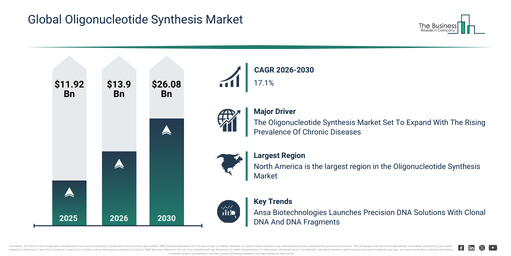
    The oligonucleotide synthesis market experienced substantial expansion recently, projecting a rise from $11.92 billion in 2025 to $13.9 billion in 2026, fueled by a compound annual growth rate of 16.6%. This past growth was influenced by factors such as the significant expense of synthesis machinery, restricted access to bespoke oligonucleotides, reliance on manual production methods, a lack of widespread researcher awareness, and extended manufacturing schedules.

    The oligonucleotide synthesis sector is poised for substantial expansion, projected to reach a market valuation of $26.08 billion by 2030, driven by a compound annual growth rate (CAGR) of 17.1%. This upward trajectory during the projected timeframe will be fueled by several key factors, including escalating demand stemming from therapeutic and diagnostic uses, a heightened uptake of automated synthesis technologies, significant progress in gene therapy investigations, increased financial commitment to biotechnology research, and a broader geographical reach for oligo-based studies and diagnostic tools. Within this forecast period, prominent developments are expected to center on breakthroughs in gene editing and tailored medical approaches, the incorporation of cloud-based systems for data administration, the utilization of artificial intelligence to refine sequence design and optimization, the streamlining of oligonucleotide synthesis through automation, and the deployment of IoT-enabled devices for equipment oversight and operational monitoring.

    Download A Free Sample Report For Comprehensive Market Insights:

    https://www.thebusinessresearchcompany.com/sample.aspx?id=12176&type=smp

    Oligonucleotide Synthesis Market Opportunity Drivers: What Is Creating New Revenue Potential?

    The increasing incidence of long-term health conditions is anticipated to fuel the expansion of the oligonucleotide synthesis market. These chronic conditions, defined as ailments persisting for a year or more and necessitating ongoing medical care, have the potential for deterioration. Oligonucleotides exert influence on the genetic expression pathways associated with these chronic diseases through diverse methods, including targeting messenger RNA, precursor messenger RNA, or non-coding RNA to influence splicing, trigger degradation, or disrupt protein synthesis. Illustratively, projections from the World Health Organization, a global intergovernmental body headquartered in Switzerland, indicated in February 2024 that by 2050, an estimated 35 million new cancer diagnoses were foreseen, signifying a substantial 77% increase from the approximately 20 million cases estimated for 2022, thereby highlighting how the escalating rates of chronic and rare diseases are serving as a catalyst for the growth observed in the oligonucleotide synthesis sector.

    Oligonucleotide Synthesis Market Segment Landscape: Which Areas Lead Market Development?

    The oligonucleotide synthesis market covered in this report is segmented –

    1) By Type: Custom Oligos, Predesigned Oligos

    2) By Solution Type: Oligonucleotides, Reagents, Equipment, Services, Purification, Modification

    3) By Application: Therapeutic Applications, Research Applications, Diagnostic Applications

    Subsegments:

    1) By Custom Oligos: Long Oligonucleotides, Short Oligonucleotides, Modified Oligonucleotides

    2) By Predesigned Oligos: Gene-Specific Oligos, Probe Oligos, Primers For PCR And RT-PCR

    Oligonucleotide Synthesis Market Innovation Trends Driving Future Development

    Pioneering firms within the oligonucleotide synthesis sector are dedicating their efforts to creating novel DNA solutions. These advancements aim to boost the precision of sequences, streamline procedural steps, and facilitate sophisticated research endeavors. A notable development occurred in July 2024 when Ansa Biotechnologies, Inc., a prominent US entity known for its expertise in intricate DNA production, introduced two new offerings: Ansa Clonal DNA and Ansa DNA Fragments. The former delivers DNA that is clonal and precisely matches its intended sequence, extending up to 600 base pairs. This eliminates the requirement for assembly processes and furnishes exceptional accuracy, proving invaluable for ambitious synthetic biology endeavors by providing developers with error-free, immediately usable DNA sequences. Complementing this, Ansa DNA Fragments presents linear double-stranded DNA fragments, also capped at 600 base pairs, that have undergone sequence verification and are designed for a broad spectrum of research objectives. Through its inventive enzymatic synthesis methodology, Ansa consistently manufactures complex DNA structures, encompassing repetitive elements and challenging secondary formations, with a high degree of exactitude.

    Oligonucleotide Synthesis Market Industry Leaders And Market Competition

    Major companies operating in the oligonucleotide synthesis market are Thermo Fisher Scientific Inc., Danaher Corporation, Merck KGaA, GE HealthCare Technologies Inc., Eurofins Scientific SE, Agilent Technologies Inc., Nitto Denko Avecia Inc., Alnylam Pharmaceuticals Inc., Maravai Life Sciences, LGC Limited, Ionis Pharmaceuticals Inc., GenScript Inc., Ajinomoto Bio-Pharma Services, Sarepta Therapeutics Inc., Integrated DNA Technologies Inc., Twist Bioscience Corporation, Eurogentec SA, Kaneka Eurogentec S.A., Biocomma Limited, Bio-Synthesis Inc., TriLink BioTechnologies Incorporated, Generi Biotech s.r.o., ATDBio Ltd., BioAutomation Corporation, Biolegio B.V., Dharmacon Research Inc.

    Access The Complete Oligonucleotide Synthesis Market Report:

    https://www.thebusinessresearchcompany.com/report/oligonucleotide-synthesis-global-market-report

    Oligonucleotide Synthesis Market Regional Analysis And Leading Geography

    North America was the largest region in the oligonucleotide synthesis market in 2025. Asia-Pacific is expected to be the fastest-growing region in the forecast period. The regions covered in the oligonucleotide synthesis market report are Asia-Pacific, South East Asia, Western Europe, Eastern Europe, North America, South America, Middle East, Africa.

    Get in touch with us:

    The Business Research Company: https://www.thebusinessresearchcompany.com/

    Americas: +1 310-496-7795

    Asia: +44 7882 955267 & +91 8897263534

    Europe: +44 7882 955267

    Email us at: marketing@tbrc.info

    Follow us on:

    LinkedIn: https://in.linkedin.com/company/the-business-research-company

    YouTube: https://www.youtube.com/channel/UC24_fI0rV8cR5DxlCpgmyFQ

    Global Market Model: https://www.thebusinessresearchcompany.com/global-market-model

  • Offsite Sterilization Service Market Expansion Is Reshaping Competitive Dynamics Across The Industry

    Offsite Sterilization Service Market Expansion Is Reshaping Competitive Dynamics Across The Industry

    Through market attractiveness analysis, total addressable market evaluation, company benchmarking matrices, interactive Excel dashboards, expanded supply chain intelligence, emerging startup coverage, and detailed product insights, The Business Research Company’s 2026 market reports provide more actionable and strategically valuable research.

    Offsite Sterilization Service Market Size Forecast: How Large Could The Market Become By 2030?

    The market for contract sterilization services has experienced robust expansion recently. Projections indicate a rise from $2.56 billion in 2025 to $2.72 billion in 2026, reflecting a compound annual growth rate (CAGR) of 6.0%. Several factors contributed to this historical growth, including constrained access to external sterilization resources, a prevailing preference for internal sterilization processes, limited general knowledge about outsourcing sterilization, the significant financial investment required for sterilization equipment, and a deficiency in uniform validation procedures.

    The market for offsite sterilization services is projected for substantial expansion over the upcoming years, reaching an estimated $3.4 billion by 2030 with a compound annual growth rate of 5.8%. This upward trajectory is anticipated due to several key factors, including a greater tendency for companies to outsource their sterilization needs, escalating requirements from the medical device and pharmaceutical sectors, heightened regulatory scrutiny regarding process validation, ongoing innovations in sterilization techniques, and the continuous development of healthcare facilities. Furthermore, prevalent trends expected to shape this market include a heightened adoption of cloud-based systems for tracking sterilization processes, the incorporation of IoT-enabled equipment monitoring, increased utilization of artificial intelligence and automation for optimizing these processes, a surge in demand for sterilization services within the biotechnology and pharmaceutical industries, and improved data analytics capabilities to ensure regulatory adherence and validate processes.

    Download A Free Sample Report For Comprehensive Market Insights:

    https://www.thebusinessresearchcompany.com/sample.aspx?id=13892&type=smp

    Offsite Sterilization Service Market Growth Momentum: Which Factors Are Influencing Demand?

    The increasing

    Offsite Sterilization Service Market Segments: Where Are The Largest Growth Opportunities?

    The offsite sterilization service market covered in this report is segmented –

    1) By Type: Contract Sterilization Services, Sterilization Validation Services

    2) By Service Technology: Ethylene Oxide Sterilization, Gamma Sterilization, Electron Beam Sterilization, Steam Sterilization, No2 Sterilization, Other Service Technologies

    3) By End User: Hospitals, Clinics, Medical Device Companies, Pharmaceutical Companies, Food And Beverage Companies, Academic And Research Institutes, Other End Users

    Subsegments:

    1) By Contract Sterilization Services: Ethylene Oxide Sterilization, Gamma Radiation Sterilization, Electron Beam Sterilization, Steam Sterilization, Hydrogen Peroxide Sterilization

    2) By Sterilization Validation Services: Method Development And Validation, Process Validation, Equipment Qualification, Sterility Assurance Testing, Compliance And Regulatory Support

    Offsite Sterilization Service Market Trends Reshaping Industry Growth

    In the competitive landscape of the offsite sterilization service sector, leading entities are focusing on establishing cutting-edge operations, like advanced surgical instrument sterilization systems, to bolster their market performance. These systems involve the application of chemical or physical agents to eradicate all microbial life, encompassing bacteria, viruses, and fungi, from surgical tools. As an illustration, a notable development occurred in October 2023 when Innovative Sterilization Technologies LLC, a US firm specializing in reusable sealed sterilization equipment, introduced the ONE TRAY Total Solution at its recently inaugurated Offsite Sterilization Facility. This particular system is engineered to enhance the speed and success rate of sterilizing surgical instruments, especially those subjected to frequent use in healthcare settings like hospitals and outpatient surgical centers, boasting a distinctive filtration mechanism that facilitates steam ingress and sustains sterility for as long as 48 hours post-sterilization.

    Offsite Sterilization Service Market Major Participants And Competitive Dynamics

    Major companies operating in the offsite sterilization service market are Steris plc, Andersen Scientific Inc., Sotera Health Company, Sterigenics LLC, Cantel Medical Corporation, CRETEX Medical, B. Braun Sterilog Ltd., Midwest Sterilization Corporation, Quality Tech Services LLC, Etone Technologies Ltd., Life Science Outsourcing Inc., E-BEAM Services Inc., Infinity Laboratories, Medistri SA, BGS Beta-Gamma-Service GmbH & Co. KG, ClorDiSys Solutions Inc., Noxilizer Inc., Blue Line Sterilization Services LLC, Prince Sterilization Services LLC, SteriPack Group, Microtrol Sterilization Services Pvt Ltd, Centurion Sterilization Services, SteriTech, VPT Rad Inc, Yamato Scientific, BioReliance

    Access The Complete Offsite Sterilization Service Market Report:

    https://www.thebusinessresearchcompany.com/report/offsite-sterilization-service-global-market-report

    Offsite Sterilization Service Market Geographic Analysis: Where Is Demand Growing The Fastest?

    North Americawas the largest region in the offsite sterilization service market in 2025. The regions covered in the offsite sterilization service market report are Asia-Pacific, South East Asia, Western Europe, Eastern Europe, North America, South America, Middle East, Africa.

    Get in touch with us:

    The Business Research Company: https://www.thebusinessresearchcompany.com/

    Americas: +1 310-496-7795

    Asia: +44 7882 955267 & +91 8897263534

    Europe: +44 7882 955267

    Email us at: marketing@tbrc.info

    Follow us on:

    LinkedIn: https://in.linkedin.com/company/the-business-research-company

    YouTube: https://www.youtube.com/channel/UC24_fI0rV8cR5DxlCpgmyFQ

    Global Market Model: https://www.thebusinessresearchcompany.com/global-market-model

  • Ocular Inflammation Treatment Market Forecast Reveals Where Future Industry Value Will Be Created

    Ocular Inflammation Treatment Market Forecast Reveals Where Future Industry Value Will Be Created

    Delivering more actionable and strategically valuable research, The Business Research Company’s 2026 market reports feature market attractiveness analysis, total addressable market evaluation, company benchmarking matrices, interactive Excel dashboards, expanded supply chain intelligence, emerging startup coverage, and detailed product insights.

    Ocular Inflammation Treatment Market Revenue Outlook: What CAGR Is Expected Through 2030?

    The market for treating eye inflammation has experienced robust expansion recently, projected to advance from $9.86 billion in 2025 to $10.41 billion in 2026, reflecting a compound annual growth rate of 5.6%. This historical growth trajectory was influenced by factors such as the scarce availability of sophisticated immunosuppressive drugs, the prevailing tendency to utilize corticosteroids as the initial therapeutic approach, a general lack of awareness concerning inflammatory conditions of the eye, the considerable expense associated with monoclonal antibody treatments, and constrained access to specialized eye care facilities.

    The market for ocular inflammation treatments is poised for consistent expansion over the coming years, projecting a rise to $12.57 billion by 2030. This growth trajectory is underpinned by a compound annual growth rate (CAGR) of 4.8%, driven by several key factors including the escalating incidence of inflammatory eye conditions, amplified investments in sophisticated biologic therapies, the increasing integration of digital ophthalmology and remote patient oversight, the proliferation of specialized eye care facilities, and significant progress in artificial intelligence and prognostic tools aimed at tailoring treatments. During this projection period, prominent market shifts will include a greater emphasis on developing specialized immunosuppressive drugs and monoclonal antibodies, a rise in the utilization of combined treatment approaches for inflammatory eye diseases, expanded use of digital tools for patient monitoring and remote diagnoses, a heightened focus on less invasive therapeutic methods, and ongoing research into AI-driven predictive instruments for tracking disease advancement.

    Download A Free Sample Report For Comprehensive Market Insights:

    https://www.thebusinessresearchcompany.com/sample.aspx?id=15622&type=smp

    Ocular Inflammation Treatment Market Expansion Drivers: What Is Shaping Future Growth?

    A significant catalyst for the ocular inflammation treatment market’s expansion is the escalating proportion of elderly individuals. This demographic shift, wherein the global populace is progressively aging, is a consequence of augmented lifespans due to medical progress, declining fertility rates, and overall improvements in healthcare, all contributing to people living longer. As individuals age, they become more susceptible to vision-impairing conditions rooted in inflammation, making treatments for ocular inflammation crucial for maintaining sight in this demographic. Illustrating this trend, the World Health Organization, headquartered in Switzerland, reported in September 2024 that individuals aged 60 and above already numbered one billion, a figure projected to reach 1.4 billion by 2030 and subsequently surge to 2.1 billion by 2050. Consequently, this growing elderly population segment is poised to be a primary driver propelling the ocular inflammation treatment market forward.

    Ocular Inflammation Treatment Market Segment Analysis: What Are The Major Market Categories?

    The ocular inflammation treatment market covered in this report is segmented –

    1) By Treatment Type: Immunosuppressant, Antivirals, Corticosteroids, Monoclonal Antibodies, Antifungal, Cycloplegic

    2) By Mode Of Operation: Injectables, Oral, Topical, Other Modes Of Operations

    3) By Disease Type: Anterior Uveitis, Intermediate Uveitis, Episcleritis Or Scleritis, Posterior Uveitis, Panuveitis

    4) By Distribution Channel: Retail Pharmacies, Online Pharmacies, Hospital Pharmacies, Drug Stores

    Subsegments:

    1) By Immunosuppressant: Systemic Immunosuppressants (Methotrexate, Azathioprine), Topical Immunosuppressants Cyclosporine

    2) By Antivirals: Oral Antivirals (Acyclovir, Valacyclovir), Topical Antivirals (Ganciclovir, Idoxuridine)

    3) By Corticosteroids: Topical Corticosteroids (Prednisolone, Dexamethasone), Systemic Corticosteroids (Oral Prednisone), Intraocular Steroid Injections (Triamcinolone)

    4) By Monoclonal Antibodies: Anti-TNF Alpha Monoclonal Antibodies (Infliximab, Adalimumab), Anti-Il-6 Monoclonal Antibodies (Tocilizumab)

    5) By Antifungal: Topical Antifungal (Natamycin), Oral Antifungal (Fluconazole, Itraconazole)

    6) By Cycloplegic: Atropine, Cyclopentolate, Tropicamide

    Ocular Inflammation Treatment Market Strategic Trends: What Is Defining The Next Phase Of Growth?

    Leading pharmaceutical firms in the ocular inflammation sector are prioritizing the incorporation of sophisticated technologies into ophthalmic solutions, including self-emulsifying drug delivery systems (SEDDS), aiming for superior drug absorption, extended therapeutic action, and increased patient ease. This SEDDS technology, when applied to eye drops, offers amplified bioavailability and better ocular penetration of active compounds, thereby presenting the potential for more successful therapeutic results across a spectrum of eye ailments. As an illustration, in May of 2023, ENTOD Pharmaceuticals, a pharmaceutical entity headquartered in India, launched CYCLOTEARS eye drops within the Indian market and various international regions, specifically addressing individuals affected by inflammatory dry eye disease, a widespread condition. A significant aspect of CYCLOTEARS is its distinction as the world’s first dry eye treatment to feature the company’s exclusive self-emulsifying drug delivery system (SEDDS) technology, a groundbreaking innovation developed by Indian researchers recognized by the Department of Scientific and Industrial Research (DSIR), with the development process significantly benefiting from partnerships with distinguished eye research institutions throughout India.

    Ocular Inflammation Treatment Market Leading Companies Driving Competitive Growth

    Major companies operating in the ocular inflammation treatment market are Pfizer Inc., Johnson & Johnson Services Inc., F. Hoffmann-La Roche Ltd., AbbVie Inc., Novartis AG, Amgen Inc., Teva Pharmaceutical Industries Ltd., Regeneron Pharmaceuticals Inc., Mylan N.V., Alcon Laboratories Inc., Bausch Health Companies Inc., Santen Pharmaceutical Co. Ltd., Mallinckrodt Pharmaceuticals, Alimera Sciences, Ocular Therapeutix Inc., EyePoint Pharmaceuticals Inc., NicOx S.A., Ajanta Pharma Ltd., Clearside Biomedical Inc., Kala Pharmaceuticals Inc., SIFI S.p.A., Dompé farmaceutici S.p.A., Opthea Limited, Oxurion NV

    Access The Complete Ocular Inflammation Treatment Market Report:

    https://www.thebusinessresearchcompany.com/report/ocular-inflammation-treatment-global-market-report

    Ocular Inflammation Treatment Market Global Footprint: Which Region Holds Market Leadership?

    North Americawas the largest region in the ocular inflammation treatment market in 2025. The regions covered in the ocular inflammation treatment market report are Asia-Pacific, South East Asia, Western Europe, Eastern Europe, North America, South America, Middle East, Africa.

    Get in touch with us:

    The Business Research Company: https://www.thebusinessresearchcompany.com/

    Americas: +1 310-496-7795

    Asia: +44 7882 955267 & +91 8897263534

    Europe: +44 7882 955267

    Email us at: marketing@tbrc.info

    Follow us on:

    LinkedIn: https://in.linkedin.com/company/the-business-research-company

    YouTube: https://www.youtube.com/channel/UC24_fI0rV8cR5DxlCpgmyFQ

    Global Market Model: https://www.thebusinessresearchcompany.com/global-market-model

  • Ocular Hypertension Treatment Market Growth Through 2030 Creates New Strategic Opportunities

    Ocular Hypertension Treatment Market Growth Through 2030 Creates New Strategic Opportunities

    Enhanced with market attractiveness analysis, total addressable market evaluation, company benchmarking matrices, interactive Excel dashboards, expanded supply chain intelligence, emerging startup coverage, and detailed product insights, The Business Research Company’s 2026 market reports deliver more actionable and strategically valuable research.

    Ocular Hypertension Treatment Market Growth Analysis: How Will Revenue Expand During The Forecast Period?

    The market for ocular hypertension treatments has seen consistent expansion, projected to increase from $5.51 billion in 2025 to $5.72 billion in 2026, reflecting a 3.9% compound annual growth rate. This past growth trajectory was influenced by factors such as the restricted availability of cutting-edge intraocular pressure (IOP)-lowering medications, a continued dependence on standard therapeutic approaches, insufficient public knowledge regarding the dangers of ocular hypertension, restricted access to specialized medical facilities, and the considerable expense associated with available treatments.

    The market dedicated to treating ocular hypertension is poised for consistent expansion over the upcoming years, projected to reach $6.76 billion by 2030 with a compound annual growth rate (CAGR) of 4.2%. This anticipated growth is underpinned by several key factors, including the increasing incidence of both ocular hypertension and glaucoma, augmented investments in the development of new pharmaceutical treatments, a growing inclination towards embracing digital solutions in ophthalmology, the proliferation of specialized eye care facilities, and enhancements in artificial intelligence and predictive analytics for patient care. During this forecast period, significant trends are expected to emerge, such as the continued development of innovative beta-blocker and prostaglandin analog medications, a greater acceptance of tailored therapeutic approaches for glaucoma, the enhanced incorporation of digital systems for monitoring patients, a heightened emphasis on combining therapies to effectively manage intraocular pressure (IOP), and a more widespread utilization of AI-driven predictive instruments to forecast disease progression.

    Download A Free Sample Report For Comprehensive Market Insights:

    https://www.thebusinessresearchcompany.com/sample.aspx?id=10862&type=smp

    Ocular Hypertension Treatment Market Development Factors: Which Trends Are Supporting Demand?

    The escalating incidence of glaucoma is poised to be a significant catalyst for the expansion of the ocular hypertension treatment market. Glaucoma, a persistent ocular condition characterized by damage to the optic nerve at the rear of the eye, can ultimately lead to sight impairment and irreversible blindness. Ocular hypertension, often referred to as elevated intraocular pressure, shares a strong correlation with the onset and advancement of glaucoma, a collection of eye ailments capable of causing irreparable loss of vision. Consequently, an upswing in glaucoma cases is anticipated to exert a favorable influence on the market for treating ocular hypertension. As an illustration, data from May 2024, as reported by the Centers for Disease Control and Prevention, a United States governmental organization, indicates that glaucoma stands as a principal contributor to permanent vision impairment within the nation, impacting more than 3 million individuals, a figure that is forecast to climb to 6.3 million by 2050, primarily due to demographic shifts toward an older population. This condition incurs substantial annual economic repercussions, amounting to $2.86 billion when considering direct medical expenditures and diminished productivity. Thus, the growing prevalence of glaucoma directly fuels the growth trajectory of the ocular hypertension treatment market.

    Ocular Hypertension Treatment Market Segment Breakdown: Which Categories Generate The Most Revenue?

    The ocular hypertension treatment market covered in this report is segmented –

    1) By Type: Intraocular Hypertension, Glaucoma

    2) By Route Of Administration: Oral, Parenteral, Other Route Of Administrations

    3) By Distribution Channel: Hospital Pharmacy, Retail Pharmacy, Online Pharmacy, Other Distribution Channels

    4) By End-Users: Hospitals, Specialty Clinics, Other End-Users

    Subsegments:

    1) By Intraocular Hypertension: Beta Blockers, Prostaglandin Analogs, Carbonic Anhydrase Inhibitors, Alpha Agonists, Rho Kinase Inhibitors

    2) By Glaucoma: Open-Angle Glaucoma Treatments, Angle-Closure Glaucoma Treatments, Secondary Glaucoma Treatments, Congenital Glaucoma Treatments, Combination Therapies

    Ocular Hypertension Treatment Market Transformation Trends: Which Innovations Are Driving Change?

    Major players within the ocular hypertension treatment market are prioritizing the creation of cutting-edge ophthalmic treatments, exemplified by the rollout of generic travoprost ophthalmic formulations, aiming for superior intraocular pressure (IOP) reduction efficacy and elevated patient safety standards. The introduction of generic travoprost ophthalmic formulation involves making available a travoprost 0.004% ophthalmic solution that is bioequivalent, specifically engineered to decrease IOP by facilitating the drainage of aqueous humor. As a case in point, Sagent Pharmaceuticals, a pharmaceutical entity based in the United States, introduced its Travoprost Ophthalmic Solution USP 0.004% in September 2025, distinguished by its innovative packaging and consistent labeling, thereby contributing to the reduction of potential medication administration errors. This particular product is prescribed for the management of elevated IOP in individuals diagnosed with either open-angle glaucoma or ocular hypertension. Notable characteristics of this offering encompass uniform labeling across all packaging elements, a paramount focus on patient well-being, a dependable formulation engineered for effective IOP reduction, and its incorporation into Sagent’s PreventIV Measures program. This strategic product debut signifies Sagent’s initial foray into the ophthalmic arena, with ambitious objectives for future expansion of its ophthalmic product line, utilizing its extensive knowledge base from a diverse portfolio of over 100 injectable and specialized pharmaceutical products to guarantee sustained quality and value for both patients and healthcare professionals.

    Ocular Hypertension Treatment Market Key Players And Strategic Industry Positioning

    Major companies operating in the ocular hypertension treatment market are Alcon, Novartis AG, AbbVie Inc., Bausch Health Companies Inc., Nicox SA, Ocular Therapeutix Inc., Teva Pharmaceutical Industries Ltd., Sun Pharmaceutical Industries Ltd., Laboratorios Salvat SA, Sylentis S.A, Regeneron Pharmaceuticals Inc., Santen Pharmaceutical Co Ltd, Inotek Pharmaceuticals Corp, Glaukos Corporation, Thea Pharma, Qlaris Bio, Eyevance Pharmaceuticals, Akorn Inc, SIFI SPA, Glenmark Pharmaceuticals, Cipla Ltd, Alembic Pharmaceuticals, Ono Pharmaceutical Co Ltd, Visiox Pharma, MediPrint Ophthalmics, Tarsier Pharma, Peregrine Ophthalmic, EyePoint Pharmaceuticals Inc, Horus Pharma

    Access The Complete Ocular Hypertension Treatment Market Report:

    https://www.thebusinessresearchcompany.com/report/ocular-hypertension-treatment-global-market-report

    Ocular Hypertension Treatment Market Regional Distribution: Which Areas Drive Market Expansion?

    North Americawas the largest region in the ocular hypertension treatment market in 2025. The regions covered in the ocular hypertension treatment market report are Asia-Pacific, South East Asia, Western Europe, Eastern Europe, North America, South America, Middle East, Africa.

    Get in touch with us:

    The Business Research Company: https://www.thebusinessresearchcompany.com/

    Americas: +1 310-496-7795

    Asia: +44 7882 955267 & +91 8897263534

    Europe: +44 7882 955267

    Email us at: marketing@tbrc.info

    Follow us on:

    LinkedIn: https://in.linkedin.com/company/the-business-research-company

    YouTube: https://www.youtube.com/channel/UC24_fI0rV8cR5DxlCpgmyFQ

    Global Market Model: https://www.thebusinessresearchcompany.com/global-market-model
  • Ocular Genetic Diagnostic Market Size Projected To Increase From $1.17 Billion To $1.67 Billion During The Forecast Period

    Ocular Genetic Diagnostic Market Size Projected To Increase From $1.17 Billion To $1.67 Billion During The Forecast Period

    Through market attractiveness analysis, total addressable market evaluation, company benchmarking matrices, interactive Excel dashboards, expanded supply chain intelligence, emerging startup coverage, and detailed product insights, The Business Research Company’s 2026 market reports provide more actionable and strategically valuable research.

    Ocular Genetic Diagnostic Market Forecast: What Market Value Is Expected By 2030?

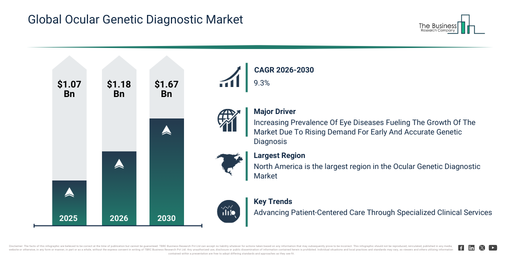
    The market for ocular genetic diagnostics experienced robust expansion recently, projected to advance from $1.07 billion in 2025 to $1.18 billion in 2026, reflecting a compound annual growth rate of 9.5%. This upswing during the preceding period is attributable to a confluence of factors, including the escalating incidence of inherited eye diseases, notable progress in sequencing technologies, an increase in dedicated ophthalmic treatment centers, heightened public consciousness regarding hereditary visual impairments, and the broadening scope of diagnostic laboratory services.

    The market for ocular genetic diagnostics is poised for considerable expansion in the forthcoming years, projected to reach $1.67 billion by 2030 with a compound annual growth rate of 9.3%. This anticipated surge is fueled by several key factors including a heightened need for tailored ophthalmic treatments, a greater uptake of whole genome sequencing technologies, the broadening reach of genetic screening initiatives for preventative purposes, the increasing incorporation of artificial intelligence in deciphering genetic data, and escalating investments within the realm of precision ophthalmology. Furthermore, prominent trends shaping this market during the forecast period encompass a growing preference for extensive genetic screening panels, the expanded application of next-generation sequencing (NGS) in ophthalmology, a push towards earlier detection of hereditary eye conditions, the more widespread availability of genetic counseling services, and an intensified concentration on highly precise eye care strategies.

    Download A Free Sample Report For Comprehensive Market Insights:

    https://www.thebusinessresearchcompany.com/sample.aspx?id=28283&type=smp

    Ocular Genetic Diagnostic Market Industry Drivers: What Is Driving Revenue Growth?

    The ocular genetic diagnostic sector is poised for expansion, primarily driven by the escalating rates of eye disorders. These conditions, which impact the eye’s anatomy or function, can result in significant visual impairment or even complete blindness if not addressed. A key contributor to this surge in eye ailments is the heightened engagement with screens and digital devices, contributing to ocular fatigue, dryness, and other vision-related problems. Ocular genetic diagnostics plays a crucial role in managing these diseases by facilitating early identification of hereditary genetic predispositions, thus providing a deeper understanding of disease origins and enabling more accurate diagnostic and therapeutic approaches. Reinforcing this trend, a February 2025 survey conducted by the American Foundation for the Blind revealed that 51.9 million American adults (aged 18 and over) reported experiencing some degree of visual impairment, with 3.7 million facing considerable challenges in sight even with corrective lenses, and 307,000 individuals identified as totally blind, while the remaining 47.9 million noted minor visual difficulties despite eyewear. Consequently, the growing incidence of eye-related conditions is a significant factor fueling the development of the ocular genetic diagnostic market.

    Ocular Genetic Diagnostic Market Segmentation: How Is The Market Structured Across Key Categories?

    The ocular genetic diagnostic market covered in this report is segmented –

    1) By Test Type: Single Gene Testing, Panel Testing, Whole Exome Sequencing, Whole Genome Sequencing

    2) By Technology Type: Sequencing Technology, Polymerase Chain Reaction (PCR), Microarray Technology, Next-Generation Sequencing (NGS)

    3) By Application: Retinal Disorders, Cataract Diagnosis, Inherited Ocular Disorders, Age-Related Macular Degeneration

    4) By End-User: Hospitals, Diagnostic Laboratories, Academic And Research Institutes, Other End-Users

    Subsegments:

    1) By Single Gene Testing: Retinoblastoma Gene Testing (RB1), RPE65 Gene Mutation Testing, MYOC Gene Testing (Glaucoma), OPA1 Gene Testing (Optic Atrophy), BEST1 Gene Testing (Best Disease)

    2) By Panel Testing: Inherited Retinal Disease (IRD) Panels, Glaucoma Genetic Panels, Macular Dystrophy Panels, Optic Neuropathy Panels, Syndromic Ocular Disorder Panels

    3) By Whole Exome Sequencing (WES): Trio Exome Sequencing, Diagnostic Exome Sequencing, Exome Reanalysis Services, Rapid Exome Testing, Prenatal Exome Sequencing

    4) By Whole Genome Sequencing (WGS): Clinical Whole Genome Sequencing, Rapid Whole Genome Sequencing, Pediatric Genome Sequencing, Prenatal Whole Genome Sequencing, Ultra-Rare Eye Disease Genome Sequencing

    #Ocular Genetic Diagnostic Market Growth Trends: What Is Influencing The Future Outlook?

    In the realm of ocular genetic diagnostics, leading enterprises are dedicating their efforts towards pioneering enhanced offerings, including clinical services, which aim to bolster the early identification, precise diagnosis, and individualized therapy for hereditary ophthalmic disorders. A clinical service essentially represents a healthcare undertaking facilitated by qualified practitioners, designed for assessing, diagnosing, managing, and treating individuals’ health concerns. As an illustration, in October of 2024, the Singapore National Eye Centre (SNEC), a public healthcare institution specializing in eye care in Singapore, introduced its Ocular Genetics Service (OGS), a clinical service established to deliver specialized support to individuals afflicted with inherited eye ailments. This specialized service consolidates the processes of genetic screening, genetic counseling, and customized medical management within a single operational framework, thereby facilitating prompt detection and treatment for uncommon genetic eye conditions. Through the incorporation of expertise from various medical disciplines, the OGS elevates the accuracy of diagnoses and empowers patients to receive treatment strategies meticulously tailored to their unique genetic makeup. The introduction of such clinical services underscores a more significant movement within the ocular genetic diagnostics sector, favoring approaches centered on precision medicine and comprehensive, patient-focused care paradigms.

    Ocular Genetic Diagnostic Market Competitive Landscape And Leading Companies

    Major companies operating in the ocular genetic diagnostic market are Thermo Fisher Scientific Inc., Quest Diagnostics Inc., Illumina Inc., The Children’s Hospital of Philadelphia, University of Iowa Hospitals and Clinics, PerkinElmer Inc., Natera Inc., Myriad Genetics Inc., Fulgent Genetics Inc., ARUP Laboratories Inc., Invitae Corporation, Spark Therapeutics Inc., GeneDx LLC, Blueprint Genetics Oy, Medgenome Labs Inc., Centogene NV, PreventionGenetics LLC, Molecular Vision Laboratory LLC, Casey Eye Institute, Moorfields Eye Hospital & UCL Institute of Ophthalmology.

    Access The Complete Ocular Genetic Diagnostic Market Report:

    https://www.thebusinessresearchcompany.com/report/ocular-genetic-diagnostic-global-market-report

    Ocular Genetic Diagnostic Market Leading Geography: Which Region Generates The Most Revenue?

    North Americawas the largest region in the ocular genetic diagnostics market in 2025. Asia-Pacific is expected to be the fastest-growing region in the forecast period. The regions covered in the ocular genetic diagnostic market report are Asia-Pacific, South East Asia, Western Europe, Eastern Europe, North America, South America, Middle East, Africa.

    Get in touch with us:

    The Business Research Company: https://www.thebusinessresearchcompany.com/

    Americas: +1 310-496-7795

    Asia: +44 7882 955267 & +91 8897263534

    Europe: +44 7882 955267

    Email us at: marketing@tbrc.info

    Follow us on:

    LinkedIn: https://in.linkedin.com/company/the-business-research-company

    YouTube: https://www.youtube.com/channel/UC24_fI0rV8cR5DxlCpgmyFQ

    Global Market Model: https://www.thebusinessresearchcompany.com/global-market-model
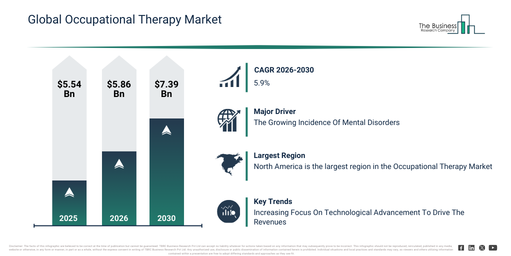
  • Occupational Therapy Market Growth Outlook Reveals A CAGR Of 5.9% And A Market Value Of $7.38 Billion By 2030

    Occupational Therapy Market Growth Outlook Reveals A CAGR Of 5.9% And A Market Value Of $7.38 Billion By 2030

    Delivering more actionable and strategically valuable research, The Business Research Company’s 2026 market reports feature market attractiveness analysis, total addressable market evaluation, company benchmarking matrices, interactive Excel dashboards, expanded supply chain intelligence, emerging startup coverage, and detailed product insights.

    Occupational Therapy Market Size Outlook: How Fast Will Revenue Grow Through 2030?

    The occupational therapy market demonstrated robust expansion historically and is projected to continue its upward trajectory, increasing from $5.54 billion in 2025 to $5.86 billion in 2026, reflecting a compound annual growth rate of 5.9%. Factors contributing to this past growth included the scarcity of digital therapy options, a prevailing dependence on conventional face-to-face therapeutic interventions, the absence of uniform rehabilitation guidelines, diminished awareness regarding technology-assisted occupational therapy, and the considerable expense associated with therapeutic apparatus.

    The occupational therapy sector is poised for substantial expansion, projecting a market valuation of $7.39 billion by 2030, driven by a compound annual growth rate of 5.9%. This upward trajectory in the upcoming years is anticipated to be fueled by several key factors, including a surge in demand for teletherapy and remote rehabilitation services, the increasing integration of wearable therapeutic devices, heightened investments in digital health infrastructure, the broader rollout of home-based occupational therapy offerings, and significant advancements in virtual and augmented reality therapeutic solutions. Furthermore, prominent trends expected to shape this market during the forecast period involve the wider adoption of cloud-based occupational therapy platforms, a growing incorporation of artificial intelligence to facilitate personalized treatment plans, the escalating deployment of IoT-enabled devices for patient monitoring, the expanded application of augmented and virtual reality in virtual rehabilitation programs, and an intensified emphasis on data analytics to better assess and improve treatment outcomes.

    Download A Free Sample Report For Comprehensive Market Insights:

    https://www.thebusinessresearchcompany.com/sample.aspx?id=13497&type=smp

    Occupational Therapy Market Growth Factors: Which Forces Are Supporting Market Expansion?

    The increasing prevalence of mental health conditions is anticipated to be a significant driver for the occupational therapy market. These conditions, encompassing a spectrum of psychiatric disorders and illnesses, impact an individual’s cognitive processes, emotional states, conduct, and general psychological health. Occupational therapy plays a crucial role in addressing and managing these disorders by equipping individuals facing mental health challenges with the skills and approaches needed to cultivate enriched and satisfying lives. For illustration, data from the American Psychiatric Association, a professional body for psychiatrists in the United States, indicated that in May 2024, 43% of adults reported elevated anxiety levels compared to the prior year, a rise from 37% in 2023 and 32% in 2022. Consequently, the escalating rates of mental health issues are fueling the expansion of the occupational therapy sector.

    Occupational Therapy Market Segmentation Trends And Revenue Drivers

    The occupational therapy market covered in this report is segmented –

    1) By Type: Pediatric Occupational Therapy, Adult Occupational Therapy, Geriatric Occupational Therapy

    2) By Application: Musculoskeletal Disorders, Neurological Disorders, Developmental Disabilities

    3) By End-User: Hospitals, Rehabilitation Centers, Home Healthcare

    Subsegments:

    1) By Pediatric Occupational Therapy: Autism Spectrum Disorder, Cerebral Palsy, Developmental Delays, Sensory Processing Disorders

    2) By Adult Occupational Therapy: Stroke Rehabilitation, Post-Surgical Rehabilitation, Musculoskeletal Injuries

    3) By Geriatric Occupational Therapy: Arthritis, Dementia, Age-Related Mobility Issues

    Occupational Therapy Market Industry Trends: What Changes Are Reshaping Demand?

    Within the occupational therapy market, leading enterprises are actively integrating advanced technologies, including AI-driven physical rehabilitation systems, to fortify their market positions. These AI-powered physical rehabilitation solutions represent groundbreaking advancements that utilize artificial intelligence to significantly improve and reshape the landscape of physical therapy and rehabilitation services. As an illustration, in June 2024, Sword Health, a healthcare provider headquartered in Portugal, introduced Phoenix, an artificial intelligence-based offering engineered to elevate virtual physical therapy experiences. This cutting-edge technology enables individuals undergoing therapy to interact with Phoenix, receiving instantaneous direction and constructive criticism throughout their sessions. Patients have the capacity to articulate their experiences and degree of recovery, with the AI dynamically modifying the session’s challenge level and length to suit their needs. Furthermore, Phoenix meticulously observes patient movements, delivering prompt feedback while simultaneously compiling performance metrics for assessment by Sword’s human therapists. These clinicians ultimately confirm the secure and suitable nature of the prescribed exercises.

    Occupational Therapy Market Industry Leaders: Which Organizations Are Driving Competition?

    Major companies operating in the occupational therapy market are ohns Hopkins Medicine International LLC, Premise Health Holding Corp., Midmark Corporation, Ergotron Inc., Performance Health Holdings Inc., Drive DeVilbiss Healthcare, WebPT Inc., Net Health Systems Inc., Clinicient Inc., Dynasplint Systems Inc., AliMed, Optima Health Care Inc., Maddak Inc., Alliance Therapy Services, Rifton Equipment, ClinicSource, BioSensics, Divine Physiotherapy Equipments, SimplePractice LLC, TheraPlatform, Care Patron, CentralReach LLC, ClinicSense, Fusion Web Clinic, Noterro Inc., Practice Perfect EMR

    Access The Complete Occupational Therapy Market Report:

    https://www.thebusinessresearchcompany.com/report/occupational-therapy-global-market-report

    Occupational Therapy Market Regional Outlook: Where Are The Largest Opportunities Located?

    North Americawas the largest region in the occupational therapy market in 2025. The regions covered in the occupational therapy market report are Asia-Pacific, South East Asia, Western Europe, Eastern Europe, North America, South America, Middle East, Africa.

    Get in touch with us:

    The Business Research Company: https://www.thebusinessresearchcompany.com/

    Americas: +1 310-496-7795

    Asia: +44 7882 955267 & +91 8897263534

    Europe: +44 7882 955267

    Email us at: marketing@tbrc.info

    Follow us on:

    LinkedIn: https://in.linkedin.com/company/the-business-research-company

    YouTube: https://www.youtube.com/channel/UC24_fI0rV8cR5DxlCpgmyFQ

    Global Market Model: https://www.thebusinessresearchcompany.com/global-market-model
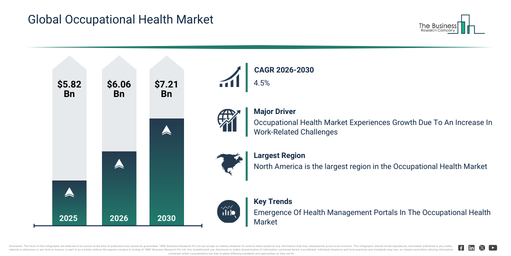
  • Occupational Health Market Forecast Highlights Expansion From $6.05 Billion To $7.21 Billion Through 2030

    Occupational Health Market Forecast Highlights Expansion From $6.05 Billion To $7.21 Billion Through 2030

    Enhanced with market attractiveness analysis, total addressable market evaluation, company benchmarking matrices, interactive Excel dashboards, expanded supply chain intelligence, emerging startup coverage, and detailed product insights, The Business Research Company’s 2026 market reports deliver more actionable and strategically valuable research.

    Occupational Health Market Size, Value And Growth Trends Through 2030

    The occupational health sector has experienced consistent expansion. Projections indicate a rise from $5.82 billion in 2025 to $6.06 billion in 2026, reflecting a compound annual growth rate of 4.1%. Factors contributing to past growth include a prevailing lack of awareness regarding occupational health advantages, dependence on manual processes for safety oversight, a significant occurrence of workplace-related harm, lax regulatory implementation, and a deficit in uniform workplace wellness initiatives.

    Occupational Health is projected to experience consistent expansion, reaching a valuation of $7.21 billion by 2030, fueled by a compound annual growth rate of 4.5% during the projection timeframe. This upward trajectory is largely driven by the escalating utilization of digital tools for health monitoring, amplified corporate attention towards employee wellness initiatives, innovations in wearable health technology, enhanced regulatory frameworks promoting workplace safety, and a heightened demand for analytical approaches to occupational health management. Key developments anticipated within this period involve a greater embrace of digital platforms for occupational health services, the expanding role of artificial intelligence in evaluating risks and forecasting potential hazards, the increased deployment of IoT devices for monitoring employee health, a stronger emphasis on analyzing and reporting safety metrics within the workplace, and a growing commitment to adopting environmentally conscious and sustainable work practices.

    Download A Free Sample Report For Comprehensive Market Insights:

    https://www.thebusinessresearchcompany.com/sample.aspx?id=12249&type=smp

    Occupational Health Market Demand Drivers: What Is Fueling Industry Growth?

    The occupational health market is poised for expansion, stimulated by an increasing incidence of work-related illnesses and ailments. These health issues stem from or are worsened by workplace conditions, and occupational health services are instrumental in addressing them. By fostering and preserving optimal mental, physical, and social wellness among workers across all professions, these services aim to enhance employee health. To illustrate, a May 2024 report from the American Psychiatric Association highlighted that in 2024, 43% of adults reported elevated anxiety levels, a figure that has steadily climbed from 37% in 2023 and 32% in 2022, underscoring a persistent escalation in anxiety. Consequently, the upward trend in work-associated diseases and disorders serves as a significant catalyst for the occupational health market’s advancement.

    Occupational Health Market Segment Analysis Highlighting Growth Areas

    The occupational health market covered in this report is segmented –

    1) By Type: Work Induced Stress, Asbestosis, Hearing Loss Due To Noise, Work-Related Backache, Disorders Caused Due To Chemicals And Vibrations

    2) By Downstream Industry: Employers, Professionals

    3) By End User: Public Sector, Private Sector

    Subsegments:

    1) By Work Induced Stress: Acute Stress, Chronic Stress, Occupational Burnout

    2) By Asbestosis: Pleural Asbestosis, Fibrotic Asbestosis

    3) By Hearing Loss Due To Noise: Temporary Threshold Shift, Permanent Threshold Shift, Noise-Induced Hearing Loss

    4) By Work-Related Backache: Acute Back Pain, Chronic Back Pain, Sciatica

    5) By Disorders Caused Due To Chemicals And Vibrations: Chemical Exposure Disorders, Vibration-Induced White Finger, Whole Body Vibration Disorders

    Occupational Health Market Innovation Trends: Which Developments Are Transforming The Industry?

    In the competitive landscape of the occupational health sector, leading enterprises are strategically prioritizing the creation of health management portals as a means to enhance their market standing. These online portals serve as digital hubs where individuals can conveniently access and oversee their personal health data and associated services. As an illustration, Princeton University, a prominent research institution in the United States, introduced an innovative occupational health management portal in September 2023. This platform empowers employees with functionalities such as reporting workplace incidents, receiving pertinent communications, fulfilling survey requirements, locating disability-related resources, initiating requests for accommodations and family medical leave, and receiving timely reminders for scheduled appointments.

    Occupational Health Market Leading Companies: Who Holds Significant Market Presence?

    Major companies operating in the occupational health market are Concentra Health Services Inc, Nova Medical Centers, Holzer Health System Inc, BHSF Occupational Health Ltd, Examinetics Inc, Occucare International LLC, BaySport Inc, Everwell Occupational Health Ltd, Marathon Health, Optima Health Ltd, Premise Health Holding Corp, MBI Industrial Medicine Inc, Healthwork Ltd, Total Occupational Medicine, WellTrail Inc, Unity Wellness Group, WorkCare Inc, Medcor, Medigold Health, Smart Clinic, Global Occupational Health Solutions, Concept Occupational Health, Express Medicals, Latus Group

    Access The Complete Occupational Health Market Report:

    https://www.thebusinessresearchcompany.com/report/occupational-health-global-market-report

    Occupational Health Market Geographic Landscape: Which Region Dominates Industry Growth?

    North Americawas the largest region in the occupational health market in 2025. The regions covered in the occupational health market report are Asia-Pacific, South East Asia, Western Europe, Eastern Europe, North America, South America, Middle East, Africa.

    Get in touch with us:

    The Business Research Company: https://www.thebusinessresearchcompany.com/

    Americas: +1 310-496-7795

    Asia: +44 7882 955267 & +91 8897263534

    Europe: +44 7882 955267

    Email us at: marketing@tbrc.info

    Follow us on:

    LinkedIn: https://in.linkedin.com/company/the-business-research-company

    YouTube: https://www.youtube.com/channel/UC24_fI0rV8cR5DxlCpgmyFQ

    Global Market Model: https://www.thebusinessresearchcompany.com/global-market-model

  • Obstructive Laryngitis Treatment Market Expected To Reach $2.71 Billion By 2030 As Growth Accelerates At 5.5% CAGR

    Obstructive Laryngitis Treatment Market Expected To Reach $2.71 Billion By 2030 As Growth Accelerates At 5.5% CAGR

    Through market attractiveness analysis, total addressable market evaluation, company benchmarking matrices, interactive Excel dashboards, expanded supply chain intelligence, emerging startup coverage, and detailed product insights, The Business Research Company’s 2026 market reports provide more actionable and strategically valuable research.

    Obstructive Laryngitis Treatment Market CAGR Analysis And Future Market Development

    The market for obstructive laryngitis treatments has experienced robust expansion recently, projecting a rise from $2.07 billion in 2025 to $2.19 billion in 2026, reflecting a compound annual growth rate of 5.8%. Key factors contributing to this historical growth include a greater prevalence of upper respiratory infections, extensive utilization of corticosteroid treatments, the expansion of hospital-based emergency care, heightened awareness concerning the dangers of airway obstruction, and the availability of well-established pharmaceutical interventions.

    Obstructive laryngitis treatment is poised for substantial expansion over the coming years, with projections indicating a market value reaching $2.71 billion by 2030, driven by a compound annual growth rate of 5.5%. This anticipated surge is fueled by several key factors, including the ongoing development of sophisticated corticosteroid formulations, a heightened demand for respiratory therapies that offer rapid relief, the broadening scope of pediatric and emergency medical services, a greater emphasis on tailoring respiratory treatments to individual patients, and increased financial commitment to research in the field of respiratory drugs. Within this forecast period, significant trends are expected to shape the market, such as the growing acceptance of specific anti-inflammatory treatments, an increase in the utilization of nebulized drug delivery mechanisms, a pronounced focus on treatments designed for swift symptom alleviation, the wider implementation of acute care protocols within hospital settings, and an amplified attention to diagnosing and addressing the condition in its initial stages.

    Download A Free Sample Report For Comprehensive Market Insights:

    https://www.thebusinessresearchcompany.com/sample.aspx?id=19621&type=smp

    Obstructive Laryngitis Treatment Market Growth Drivers: What Factors Are Accelerating Expansion?

    The increasing prevalence of bacterial and viral infections is anticipated to be a key driver for the obstructive laryngitis treatment market’s expansion. These infections, originating from microscopic organisms that enter, multiply within, and disrupt the body’s functions, are on the rise due to factors such as increased international travel, alterations in climate, and the development of antibiotic resistance. Managing bacterial infections typically involves the use of antibiotics to eradicate the causative agents and corticosteroids to mitigate swelling, whereas viral infections are addressed through treatments aimed at symptom relief, potentially including corticosteroids for severe inflammation, alongside supportive measures like vocal rest and adequate fluid intake. For illustration, projections from the World Health Organization, a UN agency focused on global health headquartered in Switzerland, indicated that in 2024, approximately 10.7 million individuals worldwide were afflicted by tuberculosis, translating to 131 new cases per 100,000 individuals, underscoring the significant burden of infectious diseases that indirectly fuels demand within the obstructive laryngitis treatment sector.

    Obstructive Laryngitis Treatment Market Segment Performance And Strategic Opportunities

    The obstructive laryngitis treatment market covered in this report is segmented –

    1) By Medication: Glucocorticoid, Dexamethasone, Epinephrine

    2) By Route Of Administration: Oral, Intravenous, Other Routes Of Administration

    3) By Distribution Channel: Hospital Pharmacy, Online Pharmacy, Retail Pharmacy

    Subsegments:

    1) By Glucocorticoid: Hydrocortisone, Prednisone, Methylprednisolone, Triamcinolone, Betamethasone, Budesonide

    2) By Dexamethasone: Dexamethasone Sodium Phosphate, Dexamethasone Oral Solution, Dexamethasone Injectable, Dexamethasone Tablets

    3) By Epinephrine: Epinephrine Injection, Epinephrine Autoinjectors, Epinephrine Nebulizer Solution, Epinephrine Inhalation Aerosol

    Obstructive Laryngitis Treatment Market Trends: What Is Shaping Future Industry Growth?

    Leading participants within the obstructive laryngitis treatment sector are prioritizing the creation of novel therapeutic approaches, including ingestible chewable tablets, designed to impede esophageal acid regurgitation, thereby mitigating pain and discomfort. These chewable tablets represent a distinct solid pharmaceutical form intended for mastication prior to ingestion, facilitating both simpler administration and accelerated absorption. As an illustration, Akums Drugs and Pharmaceuticals Ltd., a manufacturing entity based in India, introduced an anti-reflux antacid in chewable tablet form, combining sodium alginate and potassium bicarbonate, in June of 2024. This specific product, the sodium alginate and potassium bicarbonate chewable tablet developed by Akums Drugs and Pharmaceuticals Ltd., is primarily indicated for managing acid reflux conditions and gastroesophageal reflux disease (GERD). Within the purview of laryngitis management, its utility lies in potentially diminishing laryngeal inflammation stemming from acid reflux, a factor that can initiate or aggravate laryngitis. The mechanism involves the formation of a protective layer within the stomach, effectively blocking the ascent of gastric acid into the esophagus and pharynx, which consequently eases symptoms like throat discomfort and swelling that can worsen laryngitis.

    Obstructive Laryngitis Treatment Market Key Players: Which Companies Shape Industry Competition?

    Major companies operating in the obstructive laryngitis treatment market are Pfizer Inc., Johnson & Johnson, Merck & Co. Inc., Sanofi S.A., AstraZeneca plc, Novartis AG, GlaxoSmithKline plc, Eli Lilly and Company, Boehringer Ingelheim International GmbH, Reckitt Benckiser Group plc, Teva Pharmaceutical Industries Limited, Sun Pharmaceutical Industries Limited, Macleods Pharmaceuticals Limited, Aurobindo Pharma Limited, Cipla Limited, Cadila Healthcare Limited, Dr. Reddy’s Laboratories Limited, Lupin Limited, Glenmark Pharmaceuticals Limited, Torrent Pharmaceuticals Limited, Mankind Pharma Limited, Unichem Laboratories Limited, Mylan N.V., Strides Pharma Science Limited, USV Private Limited

    Access The Complete Obstructive Laryngitis Treatment Market Report:

    https://www.thebusinessresearchcompany.com/report/obstructive-laryngitis-treatment-global-market-report

    Obstructive Laryngitis Treatment Market Largest Region: Which Geography Holds The Highest Market Share?

    North Americawas the largest region in the obstructive laryngitis treatment market in 2025. The regions covered in the obstructive laryngitis treatment market report are Asia-Pacific, South East Asia, Western Europe, Eastern Europe, North America, South America, Middle East, Africa.

    Get in touch with us:

    The Business Research Company: https://www.thebusinessresearchcompany.com/

    Americas: +1 310-496-7795

    Asia: +44 7882 955267 & +91 8897263534

    Europe: +44 7882 955267

    Email us at: marketing@tbrc.info

    Follow us on:

    LinkedIn: https://in.linkedin.com/company/the-business-research-company

    YouTube: https://www.youtube.com/channel/UC24_fI0rV8cR5DxlCpgmyFQ

    Global Market Model: https://www.thebusinessresearchcompany.com/global-market-model