Category: Healthcare Services

  • Obstetrics And Gynecology (OB-GYN) Electronic Health Record (EHR) Market Set To Grow From $2.23 Billion In 2026 To $3.07 Billion By 2030 At A CAGR Of 8.3%

    Obstetrics And Gynecology (OB-GYN) Electronic Health Record (EHR) Market Set To Grow From $2.23 Billion In 2026 To $3.07 Billion By 2030 At A CAGR Of 8.3%

    Delivering more actionable and strategically valuable research, The Business Research Company’s 2026 market reports feature market attractiveness analysis, total addressable market evaluation, company benchmarking matrices, interactive Excel dashboards, expanded supply chain intelligence, emerging startup coverage, and detailed product insights.

    Obstetrics And Gynecology (OB-GYN) Electronic Health Record (EHR) Market Expansion From $2.23 Billion In 2026 To $3.07 Billion In 2030

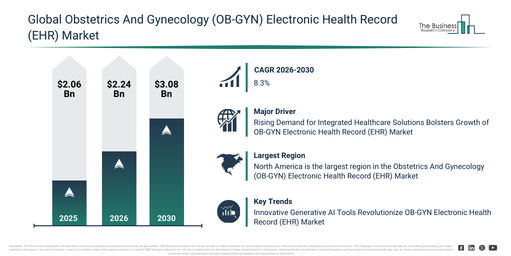
    The obstetrics and gynecology (ob-gyn) electronic health record (ehr) sector has experienced considerable expansion lately, with projections indicating a continued upward trajectory. This market is anticipated to advance from $2.06 billion in 2025 to $2.24 billion in 2026, reflecting a compound annual growth rate (CAGR) of 8.5%. Factors contributing to the expansion observed during the historical period include the prevalence of manual record-keeping within ob-gyn practices, restricted interoperability with different healthcare information systems, a general lack of awareness regarding the advantages offered by ehr technology, the substantial expense associated with conventional ehr solutions, and a persistent dependence on paper-based processes for workflow management.

    The obstetrics and gynecology (ob-gyn) electronic health record (EHR) sector is projected to experience substantial expansion in the upcoming years, reaching an estimated $3.08 billion by 2030, with a projected compound annual growth rate (CAGR) of 8.3%. This expansion is anticipated to be driven by several key factors, including a heightened demand for cloud-based and Software as a Service (SaaS) ob-gyn EHR solutions, augmented adoption of artificial intelligence (AI) powered clinical decision support tools, an escalating necessity for robust and secure patient data management, the broader integration of telehealth services into ob-gyn care, and increasing governmental encouragement for EHR system implementation. Throughout this forecast period, notable trends will likely include a greater uptake of cloud-based ob-gyn EHR systems, enhanced integration of clinical decision support mechanisms, a heightened emphasis on streamlining workflows and optimizing scheduling, the growing utilization of data analytics for improving patient care outcomes, and a surge in the adoption of mobile and web-based access options for ob-gyn practices.

    Download A Free Sample Report For Comprehensive Market Insights:

    https://www.thebusinessresearchcompany.com/sample.aspx?id=13716&type=smp

    Obstetrics And Gynecology (OB-GYN) Electronic Health Record (EHR) Market Growth Factors Supporting Long-Term Expansion

    The escalating need for unified healthcare services is anticipated to be a primary catalyst for the expansion of the obstetrics and gynecology (OB-GYN) electronic health record (EHR) market. These unified healthcare solutions encompass a spectrum of methodologies, initiatives, and frameworks designed to enhance the synergy, productivity, and efficacy of medical provisions by expertly linking diverse elements within the healthcare landscape. Advanced EHR platforms that incorporate integrated functionalities are capable of facilitating remote patient oversight, particularly beneficial for pregnancies deemed high-risk or for monitoring recovery post-operation, thereby empowering OB-GYNs to meticulously track patient vital signs and overall health. Such capabilities pave the way for prompt interventions and improved patient results. Illustratively, data from the Centers for Disease Control and Prevention (CDC), a prominent US public health organization, indicated that as of December 2024, a substantial 88.2% of physicians providing office-based care had implemented electronic health record systems, with the utilization rate for certified EHR systems specifically standing at 77.8%. Consequently, the increasing appetite for integrated healthcare solutions is directly fueling the advancement of the obstetrics and gynecology (OB-GYN) electronic health record (EHR) sector.

    Obstetrics And Gynecology (OB-GYN) Electronic Health Record (EHR) Market Segment Landscape And Growth Potential

    The obstetrics and gynecology (ob-gyn) electronic health record (ehr) market covered in this report is segmented –

    1) By Product: Client Server-Based Electronic Health Record (EHR), Web-Based Electronic Health Record (EHR)

    2) By Application: Scheduling, Billing, Clinical Documentation, Workflow Management, Other Applications

    3) By End-User: Large Enterprises, Small And Medium-Sized Enterprises (SMEs)

    Subsegments:

    1) By Client Server-Based Electronic Health Record (EHR): On-Premises Deployment, Customizable Solutions, Integrated Systems

    2) By Web-Based Electronic Health Record (EHR): Cloud-Based Solutions, SaaS (Software As A Service) Models, Subscription-Based EHR Systems

    Obstetrics And Gynecology (OB-GYN) Electronic Health Record (EHR) Market Industry Trends Shaping Future Revenue Growth

    Key players within the obstetrics and gynecology (OB-GYN) electronic health record (EHR) sector are prioritizing the development of sophisticated EHR solutions, including generative artificial intelligence (AI) technologies, as a strategy to enhance their market earnings. These cutting-edge generative AI tools empower medical practitioners to utilize voice recognition functionalities for managing appointments and processing payments. As an illustration, during September 2023, Oracle Corporation, a prominent technology firm based in the United States, introduced generative AI capabilities embedded within EHR systems, facilitating the automation of tasks such as note-taking and the scheduling of subsequent appointments or laboratory visits. This advanced generative AI technology also offers the capability for users to obtain AI-generated responses to a range of medical inquiries, and healthcare providers have adopted these tools for transmitting patient data through integrated chat interfaces.

    Obstetrics And Gynecology (OB-GYN) Electronic Health Record (EHR) Market Competitive Landscape: Who Are The Leading Companies?

    Major companies operating in the obstetrics and gynecology (ob-gyn) electronic health record (ehr) market are Cerner Corporation, Allscripts Healthcare Solutions Inc., Athenahealth Inc., Eclinicalworks LLC, NextGen Healthcare Inc., Medical Information Technology Inc., CareCloud Inc., Greenway Health LLC, Bizmatics Inc., Modernizing Medicine Inc., Aprima Medical Software Inc., Compulink Healthcare Solutions, ADP AdvancedMD Inc., Practice Fusion Inc., Infor-Med Inc., Meditab Software Inc., CureMD Corporation, WRS Health Inc., Henry Schein Medical Systems, Amazing Charts LLC, DrChrono Inc., Azalea Health Innovations Inc., InSync Healthcare Solutions, Integrated Systems Management Inc., Sevocity Electronic Health Records, Geriatric Practice Management Corp., EndoSoft LLC, RXNT Inc., Nuesoft Technologies Inc., MICA Information Systems Inc.

    Access The Complete Obstetrics And Gynecology (OB-GYN) Electronic Health Record (EHR) Market Report:

    https://www.thebusinessresearchcompany.com/report/obstetrics-and-gynecology-ob-gyn-electronic-health-record-ehr-global-market-report

    Obstetrics And Gynecology (OB-GYN) Electronic Health Record (EHR) Market Regional Analysis: Which Region Leads By Revenue?

    North Americawas the largest region in the obstetrics and gynecology (OB-GYN) electronic health record (EHR) market in 2025. Asia-Pacificis expected to be the fastest-growing region in the forecast period. The regions covered in the obstetrics and gynecology (ob-gyn) electronic health record (ehr) market report are Asia-Pacific, South East Asia, Western Europe, Eastern Europe, North America, South America, Middle East, Africa.

    Get in touch with us:

    The Business Research Company: https://www.thebusinessresearchcompany.com/

    Americas: +1 310-496-7795

    Asia: +44 7882 955267 & +91 8897263534

    Europe: +44 7882 955267

    Email us at: marketing@tbrc.info

    Follow us on:

    LinkedIn: https://in.linkedin.com/company/the-business-research-company

    YouTube: https://www.youtube.com/channel/UC24_fI0rV8cR5DxlCpgmyFQ

    Global Market Model: https://www.thebusinessresearchcompany.com/global-market-model

  • Obstetric Suction Cups Market Opportunities Are Emerging Beyond Traditional Growth Areas

    Obstetric Suction Cups Market Opportunities Are Emerging Beyond Traditional Growth Areas

    Enhanced with market attractiveness analysis, total addressable market evaluation, company benchmarking matrices, interactive Excel dashboards, expanded supply chain intelligence, emerging startup coverage, and detailed product insights, The Business Research Company’s 2026 market reports deliver more actionable and strategically valuable research.

    Obstetric Suction Cups Market Forecast Highlighting Growth From $1.35 Billion To $1.94 Billion

    The market for obstetric suction cups has experienced robust expansion recently, projected to increase from $1.24 billion in 2025 to $1.36 billion in 2026, demonstrating a compound annual growth rate of 9.7%. Factors contributing to this expansion during the past period included the restricted accessibility of sophisticated suction cup options, a continued dependence on conventional forceps for delivery, diminished understanding regarding the advantages of vacuum-assisted delivery, the considerable expense associated with reusable equipment, and variability in the proficiency of healthcare practitioners.

    The market for obstetric suction cups is poised for notable expansion in the forthcoming years, with projections indicating a surge to $1.95 billion by 2030, driven by a compound annual growth rate of 9.5%. This anticipated growth during the forecast period is largely fueled by several key factors: continuous innovation in disposable suction cup technologies, a rising global need for secure and effective methods of assisted childbirth, heightened consciousness surrounding the well-being of mothers and newborns, greater utilization within healthcare facilities and specialized maternal care units, and supportive governmental and healthcare programs aimed at enhancing maternal health outcomes. Furthermore, prevailing market trends include a growing preference for vacuum-assisted delivery tools, ongoing research and development focused on both disposable and reusable suction cup options, the incorporation of advanced safety and monitoring functionalities, an increased emphasis on user-friendly and ergonomically designed products, and a broader application in urgent obstetric interventions.

    Download A Free Sample Report For Comprehensive Market Insights:

    https://www.thebusinessresearchcompany.com/sample.aspx?id=20908&type=smp

    Obstetric Suction Cups Market Demand Drivers Creating New Revenue Opportunities

    The upward trend in birth rates is anticipated to be a key factor fueling the expansion of the obstetric suction cups market in the future. This increase in births can be attributed to various elements, including better accessibility to healthcare, growing fertility rates in certain geographical areas, improvements in maternal health outcomes, societal trends that favor larger families, advancements in assisted reproductive technologies, and enhanced availability of family planning resources, with obstetric suction cups playing a crucial role in assisted vaginal deliveries by gently assisting the baby’s passage through the birth canal when natural progression is difficult, as exemplified by the Australian Bureau of Statistics reporting 292,318 births in 2024, a 1.9% increase from the previous year, leading to the expectation that a higher number of births will stimulate growth in the obstetric suction cups market.

    An escalation in challenging childbirth scenarios is expected to be a primary catalyst for the obstetric suction cups market’s future growth. These complicated deliveries necessitate medical intervention due to complications like fetal distress, labor obstructions, or maternal health concerns, and this rise is linked to factors such as delayed childbearing, increasing maternal age, pre-existing health conditions, and a higher incidence of multiple births, where obstetric suction cups facilitate the safe delivery of the infant by applying gentle suction to aid passage through the birth canal, thereby mitigating the need for more invasive Cesarean sections and reducing risks associated with fetal distress, maternal injury, or prolonged labor, as evidenced by the Office for Health Improvement and Disparities in the UK noting a rise in Cesarean section deliveries from 34.7% to 37.8% between the financial years ending 2022 and 2023, consequently driving demand for obstetric suction cups.

    The growing preference for minimally invasive surgical techniques is poised to invigorate the obstetric suction cups market going forward. Minimally invasive procedures, characterized by small or no incisions and the use of specialized tools, aim to reduce recovery periods and patient trauma, with their increasing popularity stemming from technological advancements, quicker convalescence, diminished patient risks, and a preference for treatments with less post-operative discomfort, aligning with the use of obstetric suction cups as a less invasive method of delivery assistance that reduces reliance on C-sections and promotes a safer, faster recovery for both mother and child, further supported by Intuitive Surgical Inc.’s report in January 2024 of placing 415 da Vinci surgical systems in Q4 2023, a 12% increase from the previous year, underscoring the trend towards less invasive approaches and thus boosting the obstetric suction cups market.

    Obstetric Suction Cups Market Categorization By Product Type And Application

    The obstetric suction cups market covered in this report is segmented –

    1) By Type: Disposable, Reusable

    2) By Material: Silicone, Plastic, Metal

    3) By Application: Assisted Delivery, Vacuum Extraction, Emergency Obstetric Intervention

    4) By End-User: Healthcare Professionals, Healthcare Institutions

    Subsegments:

    1) By Disposable: Single-Use Suction Cups, Pre-Sterilized Suction Cups

    2) By Reusable: Sterilizable Suction Cups, Non-Sterilizable Suction Cups

    Obstetric Suction Cups Market Company Landscape And Strategic Competition

    Major companies operating in the obstetric suction cups market are Medline Industries Inc., Medela, Utah Medical Products Inc., MedGyn Products Inc., Narang Medical Ltd., OB Scientific Inc., Western Surgical, Medisil Engineers, Advin Health Care, IndoSurgicals Private Limited, Omec Health Care, Sichuan Mkr Co Ltd, Nanjing Longcare Medical Equipment Co Ltd, Bestcare Supplies Co Ltd, Ningbo Xide Medical Devices Co Ltd, Yiwu Chilin Technology Co Ltd, Clinical Innovations LLC, Laerdal Global Health, Medicta Instruments, OBIX, DYNAREX Corporation, Vygon, CooperSurgical Inc, Medtronic Plc, Becton Dickinson and Company, Integra LifeSciences Corporation

    Access The Complete Obstetric Suction Cups Market Report:

    https://www.thebusinessresearchcompany.com/report/obstetric-suction-cups-global-market-report

    Obstetric Suction Cups Market Geographic Distribution And Regional Opportunities

    North Americawas the largest region in the obstetric suction cups market in 2025. Asia-Pacificis expected to be the fastest-growing region in the forecast period. The regions covered in the obstetric suction cups market report are Asia-Pacific, South East Asia, Western Europe, Eastern Europe, North America, South America, Middle East, Africa.

    Get in touch with us:

    The Business Research Company: https://www.thebusinessresearchcompany.com/

    Americas: +1 310-496-7795

    Asia: +44 7882 955267 & +91 8897263534

    Europe: +44 7882 955267

    Email us at: marketing@tbrc.info

    Follow us on:

    LinkedIn: https://in.linkedin.com/company/the-business-research-company

    YouTube: https://www.youtube.com/channel/UC24_fI0rV8cR5DxlCpgmyFQ

    Global Market Model: https://www.thebusinessresearchcompany.com/global-market-model

  • Obsessive-Compulsive Disorder Market Expansion Is Opening New Pathways For Strategic Investment

    Obsessive-Compulsive Disorder Market Expansion Is Opening New Pathways For Strategic Investment

    Through market attractiveness analysis, total addressable market evaluation, company benchmarking matrices, interactive Excel dashboards, expanded supply chain intelligence, emerging startup coverage, and detailed product insights, The Business Research Company’s 2026 market reports provide more actionable and strategically valuable research.

    Obsessive-Compulsive Disorder Market Revenue Growth Supported By A CAGR Of 1% Through 2030

    The market for obsessive-compulsive disorder treatments has experienced significant expansion, projected to ascend from $0.67 billion in 2025 to $0.73 billion by 2026, reflecting a compound annual growth rate of 8.6%. This robust growth during the preceding period was influenced by factors such as the constrained access to dedicated OCD pharmaceuticals, a deficit in understanding available therapeutic interventions, the societal prejudice linked to mental health conditions, substantial treatment expenses, and a prevalent adherence to established therapeutic approaches.

    The market for obsessive-compulsive disorder treatments is poised for significant expansion, projected to reach a valuation of $1 billion by 2030 with an 8.4% compound annual growth rate. This upward trajectory in the projected timeframe is fueled by several key factors, including leaps forward in artificial intelligence-powered mental wellness technologies, a surge in the utilization of telepsychiatry services, a greater embrace of individualized treatment plans, escalating research and development efforts focused on innovative OCD medications, and broadening public awareness surrounding mental health alongside supportive government initiatives. Key developments anticipated during this growth phase encompass the increasing adoption of digital therapies for managing OCD, the enhanced integration of AI tools for symptom monitoring, a heightened emphasis on precision medicine and tailored therapeutic strategies, expanded use of telepsychiatry and remote patient observation, and intensified scientific investigation into the genetic and neurobiological underpinnings of OCD.

    Download A Free Sample Report For Comprehensive Market Insights:

    https://www.thebusinessresearchcompany.com/sample.aspx?id=20907&type=smp

    Obsessive-Compulsive Disorder Market Expansion Supported By Key Demand Factors

    The escalating incidence of mental health disorders is anticipated to be a significant driver for the expansion of the obsessive-compulsive disorder market. This category of illnesses encompasses a broad spectrum of conditions impacting emotional states, cognitive processes, behavioral patterns, and general functionality. Several factors contribute to the rising rates, including greater awareness and improved diagnostic capabilities, shifts in lifestyle, persistent stress levels, worldwide challenges, and mounting social, economic, and environmental stressors. The study of obsessive-compulsive disorder offers valuable insights into the complex workings of mental illness, thereby contributing to enhanced comprehension, more accurate diagnoses, and refined treatment strategies applicable to a wider array of mental health concerns. As an illustration, data from May 2024, shared by the American Psychiatric Association, revealed that 43% of adults in the United States experienced elevated anxiety levels compared to the prior year, a rise from 37% in 2023 and 32% in 2022. Consequently, the growing prevalence of mental illness is fueling the growth trajectory of the obsessive-compulsive disorder market.

    Obsessive-Compulsive Disorder Market Segment Analysis And Revenue Opportunities

    The obsessive-compulsive disorder market covered in this report is segmented –

    1) By Treatment Type: Pharmacological, Non-Pharmacological

    2) By Patient Population: Children, Adolescents, Adults, Elderly

    3) By End User: Hospitals, Specialty Clinics Or Psychiatry Centers, Home Healthcare Or Teletherapy

    4) By Distribution Channel: Hospital Pharmacies, Retail Pharmacies, Online Pharmacies Or E-Commerce

    Subsegments:

    1) By Pharmacological: Selective Serotonin Reuptake Inhibitors (SSRIs), Tricyclic Antidepressants (TCAs), Serotonin-Norepinephrine Reuptake Inhibitors (SNRIs), Antipsychotics, Anxiolytics

    2) By Non-Pharmacological: Cognitive Behavioral Therapy (CBT), Exposure And Response Prevention (ERP), Psychotherapy, Digital Therapy

    Obsessive-Compulsive Disorder Market Growth Trends Influencing Competitive Dynamics

    Key players within the obsessive-compulsive disorder sector are directing their efforts towards enhancing mental health interventions to introduce more impactful treatment options. This focus on mental health encompasses a spectrum of therapeutic approaches and supportive strategies aimed at addressing and mitigating psychological health challenges, which can include pharmaceuticals, psychotherapy, and lifestyle adjustments. As an illustration, during October 2023, Newport Healthcare, a US entity specializing in health services, launched its Obsessive-Compulsive Disorder Treatment Program, now available for adolescents and young adults. This particular program is distinctively designed to cater to the particular developmental and psychological requirements of younger demographics contending with OCD and associated conditions, utilizing a distributed network to guarantee broad access to scientifically validated therapies such as Cognitive Behavioral Therapy (CBT), Exposure and Response Prevention (ERP), and family-oriented approaches, all while adopting a comprehensive care framework that combines mental health support with mindfulness practices, physical well-being, and essential life skill cultivation to promote a complete recovery.

    Obsessive-Compulsive Disorder Market Leading Players Shaping Industry Direction

    Major companies operating in the obsessive-compulsive disorder market are Pfizer Inc., Eli Lilly and Company, Teva Pharmaceutical Industries Ltd., Sun Pharmaceutical Industries Ltd., Cipla Limited, Dr Reddy’s Laboratories Ltd., Aurobindo Pharma Limited, Zydus Cadila, Amneal Pharmaceuticals Inc., Lupin Pharmaceuticals Inc., Par Pharmaceutical, GlaxoSmithKline plc, H Lundbeck A/S, Johnson & Johnson Services Inc, Takeda Pharmaceutical Company Limited, Viatris Inc, Apotex Inc, Torrent Pharmaceuticals Limited, Intas Pharmaceuticals Limited, Glenmark Pharmaceuticals Limited, Roche Holding AG, Alvogen Inc, Wockhardt Ltd, Sebela Pharmaceuticals Inc, Otsuka Pharmaceutical Co Ltd.

    Access The Complete Obsessive-Compulsive Disorder Market Report:

    https://www.thebusinessresearchcompany.com/report/obsessive-compulsive-disorder-global-market-report

    Obsessive-Compulsive Disorder Market Largest Region By Revenue And Market Share

    North Americawas the largest region in the obsessive-compulsive disorder market in 2025. The regions covered in the obsessive-compulsive disorder market report are Asia-Pacific, South East Asia, Western Europe, Eastern Europe, North America, South America, Middle East, Africa.

    Get in touch with us:

    The Business Research Company: https://www.thebusinessresearchcompany.com/

    Americas: +1 310-496-7795

    Asia: +44 7882 955267 & +91 8897263534

    Europe: +44 7882 955267

    Email us at: marketing@tbrc.info

    Follow us on:

    LinkedIn: https://in.linkedin.com/company/the-business-research-company

    YouTube: https://www.youtube.com/channel/UC24_fI0rV8cR5DxlCpgmyFQ

    Global Market Model: https://www.thebusinessresearchcompany.com/global-market-model

  • OBGYN EMR Software Market Trends Are Creating New Opportunities For Industry Leaders

    OBGYN EMR Software Market Trends Are Creating New Opportunities For Industry Leaders

    Delivering more actionable and strategically valuable research, The Business Research Company’s 2026 market reports feature market attractiveness analysis, total addressable market evaluation, company benchmarking matrices, interactive Excel dashboards, expanded supply chain intelligence, emerging startup coverage, and detailed product insights.

    OBGYN EMR Software Market Value Expansion And Long-Term Growth Outlook

    The market for Obstetrics and Gynecology Electronic Medical Records (EMR) software has experienced substantial expansion, projected to ascend from $5.18 billion in 2025 to $6 billion by 2026, reflecting a compound annual growth rate (CAGR) of 15.8%. Factors contributing to this historical growth trajectory include the escalating digitization initiatives within healthcare systems, a heightened embrace of EMR solutions tailored to specialized medical fields, the proliferation of outpatient clinics focused on women’s health, governmental impetus towards the adoption of electronic health records, and an increasing emphasis on optimizing clinical operational flows.

    The market for Obstetrics and Gynecology Electronic Medical Record (EMR) software is poised for significant expansion, projecting a valuation of $10.68 billion by the year 2030, a trajectory fueled by a compound annual growth rate (CAGR) of 15.5%. This anticipated surge is largely propelled by several key factors: a heightened demand for artificial intelligence-powered decision support tools, the escalating utilization of telehealth for obstetrics and gynecology services, the broadening reach of cloud-based healthcare infrastructure, a pronounced emphasis on patient-focused digital care solutions, and a continuous increase in investments directed towards safeguarding healthcare data. Within this foreseeable period, several significant shifts are expected to shape the landscape, including a greater embrace of cloud-based EMR platforms tailored for obgyn practices, a more widespread integration of AI features for streamlining clinical documentation, a growing imperative for EMR systems that can seamlessly exchange data, the development and adoption of mobile solutions to optimize obgyn workflows, and a more intensified focus on ensuring robust data security and adherence to regulatory requirements.

    Download A Free Sample Report For Comprehensive Market Insights:

    https://www.thebusinessresearchcompany.com/sample.aspx?id=19620&type=smp

    OBGYN EMR Software Market Growth Drivers And Industry Catalysts

    The escalating implementation of digital patient records is poised to stimulate the expansion of the OBGYN EMR software sector in the foreseeable future, as digital patient charts, offering real-time, patient-focused data accessible swiftly and securely to authorized individuals, are increasingly becoming standard. This surge in electronic health records is fueled by the imperative to elevate patient care via optimized data handling and the broader healthcare

    OBGYN EMR Software Market Segmentation And Category Breakdown

    The obgyn emr software market covered in this report is segmented –

    1) By Product Type: On-Premise, Cloud-Based

    2) By Deployment: Web-Based, Mobile-Based

    3) By Application: Hospitals, Clinics

    4) By End-User: Physicians, Patients

    Subsegments:

    1) By On-Premise: Standalone On-Premise OBGYN EMR Software, Integrated On-Premise EMR Systems, Customizable On-Premise Solutions, Legacy On-Premise Systems

    2) By Cloud-Based: Subscription-Based Cloud EMR Solutions, Pay-as-You-Go Cloud EMR Services, Multi-Tenant Cloud Platforms, Private Cloud EMR Solutions, Mobile-Enabled Cloud EMR Applications

    #OBGYN EMR Software Market Trends Influencing Long-Term Demand

    Key players within the OBGYN EMR software sector are dedicated to innovating sophisticated solutions, exemplified by maternal-fetal medicine (MFM) capabilities, with the aim of elevating patient care standards and optimizing clinical workflows. Maternal-fetal medicine (MFM) encompasses a specialized area within obstetrics that addresses the complexities of high-risk pregnancies and the identification of intricate fetal abnormalities. Illustratively, in September of 2023, Modernizing Medicine Inc., a software provider headquartered in the United States, incorporated maternal-fetal medicine (MFM) functionalities into its electronic health record (EHR) system, which is specifically designed for obstetric and gynecologic practices. This enhancement offers state-of-the-art instruments for both maternal and fetal well-being, seamlessly integrating into the established EHR infrastructure to improve the oversight of high-risk pregnancies and foster better patient results. A particularly noteworthy aspect of this MFM-enhanced OBGYN-EHR package is its distinctive capacity to produce specialized consult notes for physicians who have referred patients.

    OBGYN EMR Software Market Competitive Analysis Of Major Industry Participants

    Major companies operating in the obgyn emr software market are McKesson Corporation, Cerner Corporation, Athenahealth Inc., eClinicalWorks LLC, MTBC Inc., A Harris Healthcare Company, Bizmatics Inc., Modernizing Medicine Inc., Greenway Health LLC, Kareo Inc., Qualifacts, AdvancedMD Inc., CureMD Inc., PracticeSuite Inc., Practice Fusion Inc., DrChrono Inc., InSync Healthcare Solutions LLC, WRS Health Resources and Guides, ChartLogic Inc., Azalea Health Co., AllegianceMD Software Inc.

    Access The Complete OBGYN EMR Software Market Report:

    https://www.thebusinessresearchcompany.com/report/obgyn-emr-software-global-market-report

    OBGYN EMR Software Market Regional Analysis And Leading Geography

    North Americawas the largest region in the OBGYN EMR software market in 2025. Asia-Pacificis expected to be the fastest-growing region in the forecast period. The regions covered in the obgyn emr software market report are Asia-Pacific, South East Asia, Western Europe, Eastern Europe, North America, South America, Middle East, Africa.

    Get in touch with us:

    The Business Research Company: https://www.thebusinessresearchcompany.com/

    Americas: +1 310-496-7795

    Asia: +44 7882 955267 & +91 8897263534

    Europe: +44 7882 955267

    Email us at: marketing@tbrc.info

    Follow us on:

    LinkedIn: https://in.linkedin.com/company/the-business-research-company

    YouTube: https://www.youtube.com/channel/UC24_fI0rV8cR5DxlCpgmyFQ

    Global Market Model: https://www.thebusinessresearchcompany.com/global-market-model

  • Nutrition Analysis Software Market Growth Is Reshaping Competitive Advantage Across The Industry

    Nutrition Analysis Software Market Growth Is Reshaping Competitive Advantage Across The Industry

    Enhanced with market attractiveness analysis, total addressable market evaluation, company benchmarking matrices, interactive Excel dashboards, expanded supply chain intelligence, emerging startup coverage, and detailed product insights, The Business Research Company’s 2026 market reports deliver more actionable and strategically valuable research.

    Nutrition Analysis Software Market Expected To Reach $2.05 Billion By 2030 At 10.4% CAGR

    The market for nutrition analysis software has experienced significant expansion lately, projecting a rise from $1.25 billion in 2025 to $1.39 billion in 2026, demonstrating a compound annual growth rate of 10.6%. Factors contributing to this historical expansion include the scarcity of extensive nutrition databases, dependence on manual processes for nutrient computation, the substantial expense associated with sophisticated software, limited uptake among smaller food producers, and a failure to align with existing food labeling regulations.

    The market for nutrition analysis software is poised for significant expansion, projected to reach $2.06 billion by 2030, driven by a compound annual growth rate of 10.4%. This upward trajectory during the forecast period is underpinned by several key factors, including enhancements in cloud computing and Software as a Service (SaaS) delivery models, a surging demand for tailored nutritional plans, the increasing integration of artificial intelligence and big data analytics into dietary assessments, a growing synergy with fitness and wellness applications, and broader utilization within healthcare settings and institutional food service operations. Emerging trends expected to shape this market over the same timeframe encompass a greater embrace of cloud-based nutrition analysis solutions, enhanced connectivity with IoT-enabled food monitoring devices, more extensive application of big data for analyzing dietary patterns, a broader deployment of AI-powered nutritional advice, and a heightened need for tools that facilitate personalized meal planning.

    Download A Free Sample Report For Comprehensive Market Insights:

    https://www.thebusinessresearchcompany.com/sample.aspx?id=24343&type=smp

    Nutrition Analysis Software Market Opportunity Drivers: What Is Creating New Revenue Potential?

    A heightened dedication to personal health is anticipated to fuel the expansion of the nutritional analysis software sector. This elevated health awareness, characterized by a conscious effort to adopt healthy living habits through diet, physical activity, and judicious food selections, is a response to a greater understanding of how daily choices impact long-term health and overall well-being. Nutritional analysis software plays a crucial role in this trend by empowering individuals to make more informed dietary decisions; it facilitates precise tracking of nutrient consumption and delivers tailored insights, assisting users in identifying nutritional deficiencies, establishing achievable health objectives, and consistently advancing toward a healthier lifestyle with guidance derived from data and meal planning assistance. Illustrating this trend, data from the International Food Information Council in June 2024 indicated that 54% of Americans adhered to a specific diet or eating plan within the preceding year, with a notable increase in protein consumption interest, rising from 59% in 2022 to 71% by 2024, and approximately half of consumers also expressing a desire to incorporate more fresh foods. Consequently, this burgeoning health consciousness serves as a significant impetus for the growth of the nutritional analysis software market.

    Nutrition Analysis Software Market Segment Outlook: Which Categories Are Expanding The Fastest?

    The nutrition analysis software market covered in this report is segmented –

    1) By Component: Software, Services

    2) By Functionality: Nutritional Analysis Tools, Meal Planning And Recipe Management, Nutrient Tracking And Reporting, Dietary Compliance Monitoring, Collaboration Features For Dietitians And Patients

    3) By Deployment: Software As A Service (SaaS), Self-Hosted Solutions, Hybrid Deployment Models

    4) By End-User: Food And Beverage Industry, Healthcare And Nutrition Facilities, Research Institutions, Fitness And Wellness Centers, Educational Institutions

    Subsegments:

    1) By Software: Cloud-Based Software, On-Premise Software, Mobile Applications, Integrated Software Solutions, Standalone Software

    2) By Services: Consulting Services, Implementation And Integration Services, Support And Maintenance Services, Customization Services, Training And Education Services

    Nutrition Analysis Software Market Innovation Trends Driving Future Development

    Companies that are significant players in the nutritional analysis software sector are concentrating their efforts on creating sophisticated offerings, including innovative food labeling and nutrition calculation utilities, to assist food enterprises in fulfilling both regulatory mandates and consumer demands. These digital instruments, designed for food labeling and nutritional scrutiny, are engineered to determine the nutritional composition of food items and to produce labels that adhere to all applicable regulations. Their purpose is to guarantee precision, comply with established standards, and furnish consumers with unambiguous details. As an illustration, in April of 2023, Trustwell, a firm based in the United States specializing in food data solutions, introduced the latest iteration of its Genesis Foods software, widely recognized as a benchmark for nutritional assessment and food label creation. This revamped release boasts a contemporary interface, superior data merging capabilities, refined processes for label generation, and updated compliance apparatus, thereby empowering food companies to optimize their procedures and communicate exact nutritional data. The Genesis Foods software distinguishes itself through its fusion of regulatory exactitude with an intuitive design that caters to the dynamic requirements of food producers.

    Nutrition Analysis Software Market Key Companies And Competitive Benchmarking

    Major companies operating in the nutrition analysis software market are FoodWorks (Xyris Software), Healthie Inc., Nutrium, LifeSum, NutriAdmin, ReciPal LLC, MenuCalc LLC, Nutritional Software Solutions Inc., Culinary Software Services Inc., MenuMax LLC, Axxya Systems LLC, Nutritics Ltd, Nutraid Europe Ltd, TrustWell LLC, MyNetDiary Inc., SweetWARE Inc., Food Label Maker Ltd, FitBudd, MenuSano Inc., Dietary Assessment Limited

    Access The Complete Nutrition Analysis Software Market Report:

    https://www.thebusinessresearchcompany.com/report/nutrition-analysis-software-global-market-report

    Nutrition Analysis Software Market Geographic Analysis: Where Is Demand Growing The Fastest?

    North Americawas the largest region in the nutrition analysis software market in 2025. Asia-Pacificis expected to be the fastest-growing region in the forecast period. The regions covered in the nutrition analysis software market report are Asia-Pacific, South East Asia, Western Europe, Eastern Europe, North America, South America, Middle East, Africa.

    Get in touch with us:

    The Business Research Company: https://www.thebusinessresearchcompany.com/

    Americas: +1 310-496-7795

    Asia: +44 7882 955267 & +91 8897263534

    Europe: +44 7882 955267

    Email us at: marketing@tbrc.info

    Follow us on:

    LinkedIn: https://in.linkedin.com/company/the-business-research-company

    YouTube: https://www.youtube.com/channel/UC24_fI0rV8cR5DxlCpgmyFQ

    Global Market Model: https://www.thebusinessresearchcompany.com/global-market-model
  • Nutrigenomics Market Forecast Signals New Revenue Opportunities Through 2030

    Nutrigenomics Market Forecast Signals New Revenue Opportunities Through 2030

    Through market attractiveness analysis, total addressable market evaluation, company benchmarking matrices, interactive Excel dashboards, expanded supply chain intelligence, emerging startup coverage, and detailed product insights, The Business Research Company’s 2026 market reports provide more actionable and strategically valuable research.

    Nutrigenomics Market Size And Revenue Forecast Through 2030

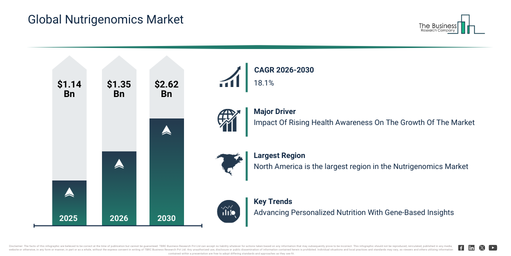
    The nutrigenomics sector has experienced substantial expansion lately. Projections indicate a surge from $1.14 billion in 2025 to $1.35 billion in 2026, fueled by a compound annual growth rate of 18.5%. Factors contributing to the market’s past development include diminished understanding of nutrigenomics, reliance on broad dietary recommendations, restricted availability of genetic testing, prohibitive expenses for genomic evaluations, and disjointed data within the nutrition and healthcare spheres.

    The nutrigenomics market is poised for significant expansion, projected to reach $2.62 billion by 2030 with an impressive compound annual growth rate of 18.1%. This anticipated surge is fueled by several key factors, including the increasing embrace of tailored dietary approaches, notable progress in DNA sequencing and metabolomic technologies, the growing incorporation of artificial intelligence and big data into dietary strategies, heightened public consciousness regarding proactive health management, and the broader availability of nutrigenomic testing in healthcare settings. Furthermore, prominent developments anticipated within this timeframe encompass customized meal plans derived from genetic information, the seamless merging of genomic data with nutritional applications, AI-driven insights into nutrigenomics, continuous health monitoring with immediate feedback mechanisms, and forward-looking dietary advice aimed at warding off potential illnesses.

    Download A Free Sample Report For Comprehensive Market Insights:

    https://www.thebusinessresearchcompany.com/sample.aspx?id=20906&type=smp

    Nutrigenomics Market Growth Momentum: Which Factors Are Influencing Demand?

    Heightened awareness regarding personal health is poised to significantly boost the nutrigenomics market’s trajectory. This heightened health consciousness, stemming from advancements in public health initiatives, efforts to lower medical expenses, and a general desire for improved living standards, encompasses a deeper comprehension of health maintenance, ailment prevention, and treatment modalities. Nutrigenomics, by examining the intricate relationship between genetic predispositions and nutritional inputs, equips individuals with the ability to make dietary selections that are precisely aligned with their unique genetic profiles. This personalized approach not only optimizes individual wellness but also serves as a crucial tool in averting the onset of chronic illnesses and refining personalized dietary plans to achieve superior long-term health results. Illustrating this trend, data from June 2024 released by the International Food Information Council (IFIC), a US-centric non-profit entity, revealed that a substantial 54% of Americans adhered to a particular dietary regimen or eating pattern over the preceding twelve months. Moreover, a consistent upward trend in the pursuit of increased protein consumption was observed, with interest surging from 59% in 2022 to 67% in 2023, and further climbing to 71% in 2024. Concurrently, approximately half of all consumers expressed an intention to incorporate more fresh produce into their diets, given its widespread recognition as a cornerstone of healthy eating. Consequently, this expanding landscape of health awareness is acting as a powerful catalyst for the nutrigenomics market’s expansion.

    Nutrigenomics Market Segment Landscape: Which Areas Lead Market Development?

    The nutrigenomics market covered in this report is segmented –

    1) By Product: Reagents And Kits, Services

    2) By Technique: Saliva, Buccal Swab, Blood

    3) By Application: Diabetes, Obesity, Gastrointestinal, Woman’s Health, Neurological, Other Applications

    4) By End User: Hospitals And Clinics, Other End Users

    Subsegments:

    1) By Reagents And Kits: DNA Extraction Kits, Genotyping Kits, PCR Reagents, Metabolomics Kits

    2) By Services: Nutrigenomic Testing, Data Interpretation Services, Genetic Counseling

    Nutrigenomics Market Trends Reshaping Industry Growth

    Leading players within the nutrigenomics sector are prioritizing innovation, particularly in the realm of personalized nutritional guidance, with the aim of elevating consumer well-being, refining dietary advice, and advancing overall wellness programs. Personalized nutritional insights encompass bespoke dietary plans and approaches that are calibrated to an individual’s specific biological, genetic, and lifestyle characteristics. As a case in point, in June of 2023, Xcode Life, a United States-based firm specializing in genomics, introduced a gene-based nutrition assessment in India, leveraging nutrigenomics to deliver customized dietary feedback derived from an individual’s genetic profile. This assessment scrutinizes approximately 50 different nutritional elements, evaluating how a person’s inherited genetic blueprint impacts their nutritional requirements, metabolic processes, the way nutrients are absorbed, sensitivities to certain foods, and their body’s reactions to various diets. Such a comprehensive examination enables the formulation of exceptionally tailored dietary suggestions. Employing the principles of nutrigenomics, this method explores the interplay between food consumption and gene expression, shedding light on how particular foods might influence health contingent upon genetic predispositions. The gene nutrition assessment necessitates an initial DNA analysis, which establishes a streamlined pathway for collecting the genetic information crucial for the subsequent nutritional evaluation. This synergistic approach fosters a more efficient experience for individuals pursuing individualized health information.

    Nutrigenomics Market Industry Leaders And Market Competition

    Major companies operating in the nutrigenomics market are Illumina Inc., Metagenics Inc., 23andMe, Genova Diagnostics Inc., Viome Inc., DNAfit, Nutrigenomix Inc., SelfDecode Inc., Fagron Genomics S L, XCODE Life Sciences Pvt Ltd, GenoPalate, 3X4 Genetics, Nutrigenomics Institute, Pathway Genomics, GeneFood, Helix, Mapmygenome, Nutrition Genome, DNALife, The Gene Box, GX Sciences, Genomelink, Vitagene

    Access The Complete Nutrigenomics Market Report:

    https://www.thebusinessresearchcompany.com/report/nutrigenomics-global-market-report

    Nutrigenomics Market Global Footprint: Which Region Holds Market Leadership?

    North Americawas the largest region in the nutrigenomics market in 2025. Asia-Pacificis expected to be the fastest-growing region in the forecast period. The regions covered in the nutrigenomics market report are Asia-Pacific, South East Asia, Western Europe, Eastern Europe, North America, South America, Middle East, Africa.

    Get in touch with us:

    The Business Research Company: https://www.thebusinessresearchcompany.com/

    Americas: +1 310-496-7795

    Asia: +44 7882 955267 & +91 8897263534

    Europe: +44 7882 955267

    Email us at: marketing@tbrc.info

    Follow us on:

    LinkedIn: https://in.linkedin.com/company/the-business-research-company

    YouTube: https://www.youtube.com/channel/UC24_fI0rV8cR5DxlCpgmyFQ

    Global Market Model: https://www.thebusinessresearchcompany.com/global-market-model

  • Nursing Resource Allocation Market Growth Is Accelerating As Industry Transformation Continues

    Nursing Resource Allocation Market Growth Is Accelerating As Industry Transformation Continues

    Delivering more actionable and strategically valuable research, The Business Research Company’s 2026 market reports feature market attractiveness analysis, total addressable market evaluation, company benchmarking matrices, interactive Excel dashboards, expanded supply chain intelligence, emerging startup coverage, and detailed product insights.

    Nursing Resource Allocation Market Growth From $2.39 Billion In 2026 To $3.52 Billion By 2030 At A CAGR Of 10.2%

    The market for nursing resource allocation experienced significant expansion recently, projecting a rise from $2.16 billion in 2025 to $2.39 billion in 2026, reflecting a compound annual growth rate of 10.5%. This upward trajectory during the historical period was propelled by several key factors, including a surge in patient admissions, persistent shortages of nursing personnel, the expansion of healthcare facilities, the increasing intricacy of patient care, and a heightened emphasis on optimizing operational performance.

    The market for nursing resource allocation is projected for significant expansion over the upcoming years, with an anticipated surge to $3.53 billion by 2030, reflecting a compound annual growth rate of 10.2%. This projected expansion during the forecast period is fueled by several key factors, including the escalating implementation of predictive analytics for staffing purposes, substantial capital infusions into digital health infrastructure, the broader application of value-based care methodologies, a heightened commitment to fostering nurse well-being, and the increased utilization of automated systems for streamlining workflows. Prominent trends expected to shape this market in the coming years encompass the growing acceptance of AI-driven nurse staffing software, the intensified application of real-time workforce analytics, a more pervasive integration of cloud-based scheduling solutions, the development and deployment of advanced predictive resource planning tools, and a concentrated effort on optimizing workloads.

    Download A Free Sample Report For Comprehensive Market Insights:

    https://www.thebusinessresearchcompany.com/sample.aspx?id=20583&type=smp

    Nursing Resource Allocation Market Expansion Drivers: What Is Shaping Future Growth?

    The healthcare sector is witnessing a significant upward trend in patient admissions, which is anticipated to be a primary growth driver for the nursing resource allocation market. This influx of patients, defined as their formal admission into medical institutions for care or monitoring, is influenced by a confluence of factors including an aging demographic, sophisticated medical innovations, elevated patient expectations, and broader accessibility to healthcare. Strategic allocation of nursing staff is crucial for optimizing patient care by matching personnel to patient requirements and their level of illness, thereby improving health results and potentially averting complications. Moreover, such efficient deployment enhances operational efficiency, mitigates staff exhaustion, and contributes to improved patient outcomes alongside reduced employee attrition. Illustratively, a December 2023 report from the UK’s National Health Service indicated that roughly 22.6 million finished consultant episodes were documented in 2024-25, representing a 5.2% surge from the previous year, underscoring the expanding patient load that will consequently fuel the nursing resource allocation market.

    Nursing Resource Allocation Market Segments: Where Are The Largest Growth Opportunities?

    The nursing resource allocation market covered in this report is segmented –

    1) By Product Type: Software, Services

    2) By Deployment: On-Premise, Cloud-Based

    3) By Application: Emergency Departments, Perioperative Services, Inpatient Care Management

    4) By End-User: Hospitals, Clinics, Ambulatory Care Centers, Nursing Homes, Other End-Users

    Subsegments:

    1) By Software: Nurse Staffing Software, Workforce Management Software, Scheduling and Shift Management Software, AI-Based Resource Allocation Software

    2) By Services: Consulting Services, Implementation Services, Training and Support Services, Data Analytics and Reporting Services

    Nursing Resource Allocation Market Strategic Trends: What Is Defining The Next Phase Of Growth?

    The nursing resource allocation sector features prominent organizations dedicated to innovating technologies, particularly patient-acuity-based workforce management software, aimed at refining nurse deployment, optimizing shift assignments, and elevating patient care standards. This type of software leverages live data on patient workload, sourced from electronic medical records, to dynamically allocate nursing staff based on individual patient requirements, moving away from conventional, static nurse-to-patient ratios. As an illustration, Infor, a technology firm based in the United States, introduced Infor Clinical Science in February 2023, a cloud-based solution designed for healthcare organizations. This application quantifies both direct and indirect patient care demands, predicts staffing requirements for every shift and department, facilitates immediate schedule modifications, and promotes fair nurse-patient distribution while mitigating employee exhaustion.

    Nursing Resource Allocation Market Major Participants And Competitive Dynamics

    Major companies operating in the nursing resource allocation market are AMN Healthcare Services Inc., UKG Inc., Infor Inc., Cross Country Healthcare, Maxim Healthcare Services, symplr, WorkForce Software LLC, QGenda LLC, ShiftMed LLC, Petal Solutions Inc., OnShift Inc., Smartlinx LLC, ShiftCare, ShiftHound Inc., Shiftboard Inc., HealthStream Inc., Intrigma Inc., Deputec Pty Ltd., Polaris AI Inc., Ascom Holding AG, Connecteam Inc., Siemens Healthineers AG

    Access The Complete Nursing Resource Allocation Market Report:

    https://www.thebusinessresearchcompany.com/report/nursing-resource-allocation-global-market-report

    Nursing Resource Allocation Market Regional Distribution: Which Areas Drive Market Expansion?

    North Americawas the largest region in the nursing resource allocation market in 2025. Asia-Pacificis expected to be the fastest-growing region in the forecast period. The regions covered in the nursing resource allocation market report are Asia-Pacific, South East Asia, Western Europe, Eastern Europe, North America, South America, Middle East, Africa.

    Get in touch with us:

    The Business Research Company: https://www.thebusinessresearchcompany.com/

    Americas: +1 310-496-7795

    Asia: +44 7882 955267 & +91 8897263534

    Europe: +44 7882 955267

    Email us at: marketing@tbrc.info

    Follow us on:

    LinkedIn: https://in.linkedin.com/company/the-business-research-company

    YouTube: https://www.youtube.com/channel/UC24_fI0rV8cR5DxlCpgmyFQ

    Global Market Model: https://www.thebusinessresearchcompany.com/global-market-model
  • Nurse Call System Market Outlook Highlights The Next Major Growth Opportunities

    Nurse Call System Market Outlook Highlights The Next Major Growth Opportunities

    Enhanced with market attractiveness analysis, total addressable market evaluation, company benchmarking matrices, interactive Excel dashboards, expanded supply chain intelligence, emerging startup coverage, and detailed product insights, The Business Research Company’s 2026 market reports deliver more actionable and strategically valuable research.

    Nurse Call System Market Expansion Outlook: What Revenue Opportunities Lie Ahead?

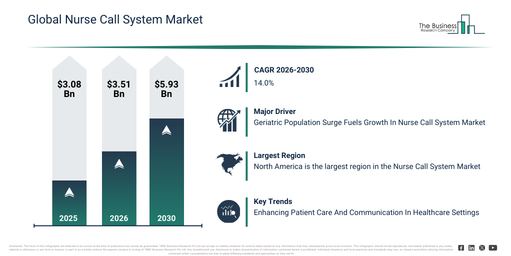
    The nurse call system market experienced substantial expansion, projected to increase from $3.08 billion in 2025 to $3.51 billion in 2026, mirroring a compound annual growth rate of 14.1%. Historically, this growth was fueled by factors such as restricted networking capabilities within medical establishments, reliance on antiquated manual calling methods, slow uptake of wireless solutions, a disconnected healthcare IT framework, and insufficient understanding of how to enhance operational efficiency.

    The nurse call system market is poised for substantial expansion in the upcoming years, projecting a rise to $5.93 billion by 2030, underpinned by a compound annual growth rate (CAGR) of 14.0%. This projected expansion is fueled by several key factors, including the increasing embrace of IoT-enabled nurse call systems, their enhanced integration with electronic health records and patient monitoring equipment, a surge in the demand for remote patient monitoring solutions, the development of advanced wearable alert devices, and a heightened emphasis on patient safety alongside operational productivity. During this forecast period, significant market trends are expected to emerge, such as deeper integration with hospital information systems, the proliferation of wireless and mobile nurse call solutions, improvements in patient monitoring and alert capabilities, the implementation of smart workflows for staff optimization, and the seamless integration of remote communication and telehealth services.

    Download A Free Sample Report For Comprehensive Market Insights:

    https://www.thebusinessresearchcompany.com/sample.aspx?id=6739&type=smp

    Nurse Call System Market Development Factors: Which Trends Are Supporting Demand?

    An expanding elderly demographic is a primary catalyst for the expansion of the nurse call system market. As individuals age, their susceptibility to conditions like osteoarthritis, chronic obstructive pulmonary disease, and diabetes mellitus increases due to age-related immune system changes, necessitating enhanced healthcare support. This global surge in the senior population correspondingly elevates the need for skilled nursing services that can deliver swift

    Nurse Call System Market Segment Analysis: What Are The Major Market Categories?

    The nurse call system market covered in this report is segmented –

    1) By Type: Button-Based Systems, Integrated Communication Systems, Mobile Systems, Intercom Systems

    2) By Technology: Wired Communication, Wireless Communication

    3) By Application: Emergency Medical Alarms, Wanderer Control, Workflow Support, Other Applications

    4) By End User: Hospitals, Long-term Care Facilities, Clinics and Physician Offices, Other End Users

    Subsegments:

    1) By Button-Based Systems: Wired Button-Based Systems, Wireless Button-Based Systems, Corded Call Buttons, Cordless Call Buttons

    2) By Integrated Communication Systems: Audio-Visual Communication Systems, Centralized Communication Panels, Integration With Patient Monitoring Systems, Nurse Call And Paging Integration

    3) By Mobile Systems: Smartphone Applications For Nurse Calls, Wireless Handheld Devices, Wearable Devices For Alerts, Mobile Paging Systems

    4) By Intercom Systems: Audio Intercom Systems, Video Intercom Systems, Two-Way Intercom Systems, Intercom Integration With Nurse Call Systems

    Nurse Call System Market Transformation Trends: Which Innovations Are Driving Change?

    Key players in the nurse call system sector are directing their efforts toward creating cutting-edge offerings, including sophisticated nurse call systems aimed at elevating patient outcomes, shortening response durations, and achieving fluid integration with current healthcare infrastructure. These advanced systems represent state-of-the-art communication tools created to boost patient well-being and optimize operational efficiency within medical environments. A pertinent example occurred in August 2024 when Fanvil Technology Co., Ltd., a company based in China specializing in Audio&Video-IoT (A&V-IoT) equipment, introduced its Nurse Call System, V1.0 Beta. This new system is engineered to improve both communication and emergency response capabilities within healthcare facilities. It incorporates nurse call features originating from Y501 Series devices and extending to the Master Station A320/A320i, alongside wireless bathroom alert functionality via a pull cord button and emergency alerting through a wireless pendant. This solution provides adaptable notifications distinguished by varied colors and audible tones, facilitates integration with corridor lighting, and is compatible with public address systems. Moreover, its straightforward setup process simplifies the addition of secondary stations through a scanning mechanism.

    Nurse Call System Market Leading Companies Driving Competitive Growth

    Major companies operating in the nurse call system market are Johnson Controls International plc, Rauland-Borg Corporation, Ascom Holding AG, Azure Healthcare Limited, Jeron Electronic Systems Inc, Courtney Thorne Limited, Hill-Rom Services Inc., Austco Communication Systems Pty Ltd., West-Com Nurse Call Systems Inc., Wireless NurseCall Systems Inc., TekTone Sound & Signal Mfg. Inc., Caretronic Systems Pvt. Ltd., Intercall Systems Inc., Static Systems Group plc., Aid Call Limited, Schrack Seconet AG, Critical Alert Systems LLC, IgeaCare Solutions Inc., BEC Integrated Solutions LLC, Legrand North America LLC, Cornell Communications Inc., Mircom Technologies Ltd., MEEYI Medical Technology Co. Ltd., Honeywell International Inc., Siemens Energy & Automation Inc., Systems Technologies Inc., Fujian Huanyutong Technology Co. Ltd., Momentum Healthware Inc.

    Access The Complete Nurse Call System Market Report:

    https://www.thebusinessresearchcompany.com/report/nurse-call-system-global-market-report

    Nurse Call System Market Leading Geography: Which Region Generates The Most Revenue?

    North Americawas the largest region in the nurse call system market in 2025. Asia-Pacificis expected to be the fastest-growing region in the forecast period. The regions covered in the nurse call system market report are Asia-Pacific, South East Asia, Western Europe, Eastern Europe, North America, South America, Middle East, Africa.

    Get in touch with us:

    The Business Research Company: https://www.thebusinessresearchcompany.com/

    Americas: +1 310-496-7795

    Asia: +44 7882 955267 & +91 8897263534

    Europe: +44 7882 955267

    Email us at: marketing@tbrc.info

    Follow us on:

    LinkedIn: https://in.linkedin.com/company/the-business-research-company

    YouTube: https://www.youtube.com/channel/UC24_fI0rV8cR5DxlCpgmyFQ

    Global Market Model: https://www.thebusinessresearchcompany.com/global-market-model

  • Nucleic Acid Labeling Market Trends And Growth Drivers Point To Strong Future Potential

    Nucleic Acid Labeling Market Trends And Growth Drivers Point To Strong Future Potential

    Through market attractiveness analysis, total addressable market evaluation, company benchmarking matrices, interactive Excel dashboards, expanded supply chain intelligence, emerging startup coverage, and detailed product insights, The Business Research Company’s 2026 market reports provide more actionable and strategically valuable research.

    Nucleic Acid Labeling Market Growth Potential: How Will Market Size Change Through 2030?

    The market for nucleic acid labeling experienced robust expansion recently and is projected to increase from $2.77 billion in 2025 to $3.03 billion in 2026, demonstrating a compound annual growth rate of 9.4%. Factors contributing to this historical growth trajectory included the scarcity of highly sensitive labeling agents, a lack of widespread understanding regarding the applications of nucleic acid labeling, substantial instrument expenses, a continued dependence on conventional labeling techniques, and a sluggish embrace of high-throughput technologies.

    The market for nucleic acid labeling is poised for substantial expansion, projected to reach $4.42 billion by 2030, driven by a compound annual growth rate of 9.9%. This upward trajectory is fueled by several key factors: innovations in fluorescent and non-radioactive labeling technologies, escalating research and development efforts within genomics and molecular diagnostics, a heightened demand for assays capable of high-throughput and multiplex analyses, greater utilization in hospital and diagnostic settings, and increased financial support for research endeavors. Throughout the forecast period, significant trends shaping the market include the broader acceptance of nucleic acid labeling methodologies, continuous progress in the creation of sophisticated labeling kits and reagents, expanding applications in both diagnostic and research domains, a growing emphasis on methods for multiplex and high-throughput labeling, and the increasing synergy between imaging and analytical instrumentation.

    Download A Free Sample Report For Comprehensive Market Insights:

    https://www.thebusinessresearchcompany.com/sample.aspx?id=12647&type=smp

    Nucleic Acid Labeling Market Industry Drivers: What Is Driving Revenue Growth?

    The increasing prevalence of infectious diseases is anticipated to be a primary driver for the expansion of the nucleic acid labeling market. These diseases, caused by microscopic agents like viruses, bacteria, fungi, and parasites, can spread between individuals via direct or indirect contact. Nucleic acid labeling methodologies provide enhanced precision, sensitivity, the ability to test for multiple targets simultaneously, improved visualization, real-time tracking, and automated processes crucial for identifying infectious agents responsible for conditions such as tuberculosis, hepatitis, and gonorrhea. As an illustration, data released in March 2024 by the Centers for Disease Control and Prevention, a leading US public health organization, revealed a significant uptick in tuberculosis cases, reaching 9,615 in 2023, an increase of 1,295 from the 8,320 cases reported in 2022. This shift corresponds to an increase in the incidence rate from 2.5 cases per 100,000 individuals in 2022 to 2.9 per 100,000 in 2023, signifying a notable year-over-year surge. Consequently, the escalating rates of infectious diseases are directly fueling the growth trajectory of the nucleic acid labeling market.

    Nucleic Acid Labeling Market Segment Breakdown: Which Categories Generate The Most Revenue?

    The nucleic acid labeling market covered in this report is segmented –

    1) By Product Type: Kits, Reagents, Instruments

    2) By Labeling Type: Radioisotope Or Radioactive Labels, Non-Radioactive Labels

    3) By Method: Enzyme-Based, Chemical-Based

    4) By Application: DNA Sequencing, Polymerase Chain Reaction, Fluorescence In Situ Hybridization (FISH), Microarrays, Blotting, In Situ Hybridization, Other Applications

    5) By End-User: Hospitals Or Clinics, Diagnostic Centers, Other End-Users

    Subsegments:

    1) By Kits: DNA Labeling Kits, RNA Labeling Kits, Multiplex Labeling Kits

    2) By Reagents: Labeling Reagents, Buffer Solutions, Conjugation Reagents

    3) By Instruments: Nucleic Acid Analyzers, Microarray Processors, Imaging Systems

    #Nucleic Acid Labeling Market Growth Trends: What Is Influencing The Future Outlook?

    Leading entities within the nucleic acid labeling sector are strategically deploying capital to enhance their market standing and financial performance. This financial commitment involves directing funds, providing financial backing, or injecting capital from various sources such as investors, corporate entities, or venture capital firms into ventures focused on nucleic acid labeling advancements, research initiatives, and developmental projects. As an illustration, in January of 2023, Agilent Technologies Inc., a prominent United States-based supplier of laboratory software and instruments, allocated a substantial sum of $725 million. This significant investment was specifically earmarked to double the company’s production capabilities for therapeutic nucleic acids, a move driven by the escalating global demand for superior-grade active pharmaceutical ingredients. This initiative, in harmony with Agilent’s overarching strategic objectives to capitalize on burgeoning market opportunities, is designed to satisfy the growing requirement for molecules such as siRNA, antisense, and CRISPR guide RNAs, which are integral components in pharmaceutical treatments for a spectrum of conditions including oncology, cardiovascular ailments, and both rare and infectious diseases.

    Nucleic Acid Labeling Market Key Players And Strategic Industry Positioning

    Major companies operating in the nucleic acid labeling market are Thermo Fisher Scientific Inc., Merck Group, Roche Diagnostics Corporation, GE Healthcare Bio Sciences AB, Agilent Technologies Inc., PerkinElmer Inc., Bio-Rad Laboratories Inc., Cytiva, Qiagen N.V., Biotium Inc., Illumina Inc., LGC Group, Promega Corporation, New England Biolabs, Enzo Biochem Inc., LI-COR Biosciences Inc., Eurogentec S.A., OriGene Technologies Inc., BaseClear B.V., Vector Laboratories Inc., Bio-Synthesis Inc., BioCat GmbH, Jena Bioscience GmbH, LubioScience GmbH, GeneCopoeia Inc., Mirus Bio LLC, Daicel Arbor Biosciences

    Access The Complete Nucleic Acid Labeling Market Report:

    https://www.thebusinessresearchcompany.com/report/nucleic-acid-labeling-global-market-report

    Nucleic Acid Labeling Market Regional Outlook: Where Are The Largest Opportunities Located?

    North Americawas the largest region in the nucleic acid labeling market in 2025. Asia-Pacificis expected to be the fastest-growing region in the forecast period. The regions covered in the nucleic acid labeling market report are Asia-Pacific, South East Asia, Western Europe, Eastern Europe, North America, South America, Middle East, Africa.

    Get in touch with us:

    The Business Research Company: https://www.thebusinessresearchcompany.com/

    Americas: +1 310-496-7795

    Asia: +44 7882 955267 & +91 8897263534

    Europe: +44 7882 955267

    Email us at: marketing@tbrc.info

    Follow us on:

    LinkedIn: https://in.linkedin.com/company/the-business-research-company

    YouTube: https://www.youtube.com/channel/UC24_fI0rV8cR5DxlCpgmyFQ

    Global Market Model: https://www.thebusinessresearchcompany.com/global-market-model
  • Nucleic Acid And Gene Therapies In Neuromuscular Disorders Market Expansion Is Reshaping Competitive Dynamics Across The Industry

    Nucleic Acid And Gene Therapies In Neuromuscular Disorders Market Expansion Is Reshaping Competitive Dynamics Across The Industry

    Delivering more actionable and strategically valuable research, The Business Research Company’s 2026 market reports feature market attractiveness analysis, total addressable market evaluation, company benchmarking matrices, interactive Excel dashboards, expanded supply chain intelligence, emerging startup coverage, and detailed product insights.

    Nucleic Acid And Gene Therapies In Neuromuscular Disorders Market Value Analysis: What Growth Is Expected Over The Forecast Period?

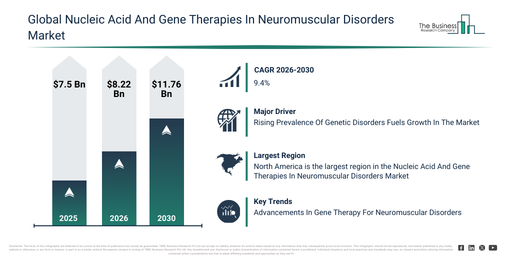
    The market for nucleic acid and gene therapies targeting neuromuscular disorders has experienced robust expansion lately, with projections indicating continued growth from $7.5 billion in 2025 to $8.22 billion in 2026, reflecting a compound annual growth rate of 9.7%. Historically, this sector’s advancement was influenced by factors such as the scarcity of effective treatments for neuromuscular disorders (NMDs), a nascent understanding of gene therapy’s potential, substantial expenses associated with gene therapy research and creation, a deficit of dedicated medical facilities, and protracted regulatory authorization processes.

    The market for nucleic acid and gene therapies targeting neuromuscular disorders is poised for substantial expansion, projected to reach $11.76 billion by 2030 with a compound annual growth rate of 9.4%. This anticipated surge is fueled by several key drivers, including significant progress in adeno-associated virus and postnatal gene therapy technologies, escalating research and development expenditures dedicated to neuromuscular disorders (NMDs), and an expanding network of healthcare facilities, such as hospitals and specialized clinics, that are increasingly providing these advanced therapies. Furthermore, the rising incidence of neuromuscular conditions, coupled with heightened patient awareness and the impact of advocacy efforts, are also contributing factors to this growth trajectory. Key developments shaping the market over the forecast period involve a greater embrace of gene therapy methodologies, a heightened focus on the development of nucleic acid-based treatments, a concentrated effort on addressing rare neuromuscular conditions, increased financial backing for personalized medicine strategies, and the more widespread incorporation of sophisticated diagnostic and monitoring technologies.

    Download A Free Sample Report For Comprehensive Market Insights:

    https://www.thebusinessresearchcompany.com/sample.aspx?id=21233&type=smp

    Nucleic Acid And Gene Therapies In Neuromuscular Disorders Market Growth Factors: Which Forces Are Supporting Market Expansion?

    The rising incidence of genetic conditions is anticipated to stimulate advancements in the market for nucleic acid and gene therapies targeting neuromuscular disorders. Genetic disorders, characterized by alterations in an individual’s genetic makeup, whether inherited or acquired through mutations, are becoming more widespread due to a combination of genetic predispositions, environmental factors, evolving lifestyles, and enhanced diagnostic techniques. Nucleic acid and gene therapies offer a promising approach to addressing these disorders by rectifying or substituting faulty genes within the neuromuscular system, thereby restoring proper function. A pertinent example is Spinal Muscular Atrophy (SMA), a neuromuscular disorder affecting an estimated 9,000 to 9,500 individuals in the United States as of May 2024, with Type 2 SMA accounting for 37% of these cases. This condition occurs with an approximate frequency of 1 in every 15,000 live births, underscoring the growing impact of genetic disorders and consequently fueling the expansion of the nucleic acid and gene therapies sector for neuromuscular conditions.

    Nucleic Acid And Gene Therapies In Neuromuscular Disorders Market Segmentation: How Is The Market Structured Across Key Categories?

    The nucleic acid and gene therapies in neuromuscular disorders market covered in this report is segmented –

    1) By Disorder: Motor Neuron Diseases, Neuropathies, Neuromuscular Junction Disorders, Myopathies Including Muscular Dystrophies

    2) By Therapy: Adeno-Associated Viruses Gene Therapy, Postnatal Gene Therapy

    3) By End-User: Hospitals, Specialty Clinics, Ambulatory Surgery Centers

    Subsegments:

    1) By Motor Neuron Diseases: Amyotrophic Lateral Sclerosis (ALS), Spinal Muscular Atrophy (SMA), Primary Lateral Sclerosis (PLS)

    2) By Neuropathies: Charcot-Marie-Tooth Disease (CMT), Hereditary Sensory and Autonomic Neuropathy (HSAN), Peripheral Neuropathies

    3) By Neuromuscular Junction Disorders: Myasthenia Gravis, Lambert-Eaton Myasthenic Syndrome (LEMS)

    4) By Myopathies Including Muscular Dystrophies: Duchenne Muscular Dystrophy (DMD), Becker Muscular Dystrophy (BMD), Limb-Girdle Muscular Dystrophy (LGMD), Facioscapulohumeral Muscular Dystrophy (FSHD)

    Nucleic Acid And Gene Therapies In Neuromuscular Disorders Market Industry Trends: What Changes Are Reshaping Demand?

    Within the realm of nucleic acid and gene therapies for neuromuscular disorders, prominent corporations are actively engaged in the creation of groundbreaking treatments, notably gene therapy, aimed at tackling the fundamental origins of genetically driven neuromuscular ailments through precise gene modification or substitution. Gene therapy involves treating illnesses by introducing, amending, or rectifying genetic material inside a patient’s cells to mend or reinstate compromised genes. A significant development occurred in June 2023 when Sarepta Therapeutics Inc., a biotechnology firm situated in the United States, secured approval from the U.S. Food and Drug Administration for Elevidys, marking the advent of the inaugural gene therapy designed for Duchenne Muscular Dystrophy, specifically targeting ambulatory pediatric individuals aged 4 to 5 years. This therapeutic intervention is administered via a solitary intravenous infusion, streamlining the treatment regimen when contrasted with alternative therapies that might necessitate continuous infusions. ELEVIDYS functions by supplying a gene responsible for encoding a truncated form of dystrophin, referred to as micro-dystrophin, which is crucial for proper muscle functionality. This pioneering strategy confronts the intrinsic genetic flaw by empowering muscle cells to synthesize a functional variant of the dystrophin protein, thus offering the potential to arrest or reverse the advancement of the disease.

    Nucleic Acid And Gene Therapies In Neuromuscular Disorders Market Competitive Landscape And Leading Companies

    Major companies operating in the nucleic acid and gene therapies in neuromuscular disorders market are Pfizer Inc, F. Hoffmann-La Roche Ltd, Sanofi S.A, Novartis AG, Biogen Inc, BioMarin Pharmaceuticals Inc, Sarepta Therapeutics Inc, Ionis Pharmaceuticals Inc, Ultragenyx Pharmaceutical Inc, Regenxbio Inc, UniQure N.V, Généthon S.A, Axovant Gene Therapies Inc, PTC Therapeutics Inc, Wave Life Sciences Ltd, CRISPR Therapeutics AG, Editas Medicine Inc, Helixmith Co Ltd, MeiraGTx Ltd, Cure Rare Disease, Beam Therapeutics Inc, Intellia Therapeutics Inc, Prime Medicine Inc, Arcturus Therapeutics Holdings Inc, Takeda Pharmaceutical Company Ltd.

    Access The Complete Nucleic Acid And Gene Therapies In Neuromuscular Disorders Market Report:

    https://www.thebusinessresearchcompany.com/report/nucleic-acid-and-gene-therapies-in-neuromuscular-disorders-global-market-report

    Nucleic Acid And Gene Therapies In Neuromuscular Disorders Market Geographic Landscape: Which Region Dominates Industry Growth?

    North Americawas the largest region in the nucleic acid and gene therapies in neuromuscular disorders market in 2025. The regions covered in the nucleic acid and gene therapies in neuromuscular disorders market report are Asia-Pacific, South East Asia, Western Europe, Eastern Europe, North America, South America, Middle East, Africa.

    Get in touch with us:

    The Business Research Company: https://www.thebusinessresearchcompany.com/

    Americas: +1 310-496-7795

    Asia: +44 7882 955267 & +91 8897263534

    Europe: +44 7882 955267

    Email us at: marketing@tbrc.info

    Follow us on:

    LinkedIn: https://in.linkedin.com/company/the-business-research-company

    YouTube: https://www.youtube.com/channel/UC24_fI0rV8cR5DxlCpgmyFQ

    Global Market Model: https://www.thebusinessresearchcompany.com/global-market-model