Category: Healthcare Services

  • Nuclear Protein In Testis Midline Carcinoma Treatment Market Forecast Reveals Where Future Industry Value Will Be Created

    Nuclear Protein In Testis Midline Carcinoma Treatment Market Forecast Reveals Where Future Industry Value Will Be Created

    Enhanced with market attractiveness analysis, total addressable market evaluation, company benchmarking matrices, interactive Excel dashboards, expanded supply chain intelligence, emerging startup coverage, and detailed product insights, The Business Research Company’s 2026 market reports deliver more actionable and strategically valuable research.

    Nuclear Protein In Testis Midline Carcinoma Treatment Market Size Forecast: How Large Could The Market Become By 2030?

    In the realm of treating testicular midline carcinoma, the market for nuclear protein-related therapies has experienced significant expansion, projecting a rise from $22.3 billion in 2025 to $25.39 billion in 2026, signifying a robust compound annual growth rate of 13.8%. This accelerated growth trajectory during the preceding period can be linked to a heightened awareness of nut midline carcinoma, sophisticated enhancements in molecular diagnostic technologies, the implementation of integrated chemotherapy regimens, the proliferation of dedicated cancer treatment facilities, and a greater public understanding of rare cancer types.

    The market for nuclear protein in testis midline carcinoma treatments is poised for substantial expansion over the coming years, projected to reach a valuation of $42.21 billion by 2030, bolstered by a compound annual growth rate of 13.6%. This anticipated growth trajectory is fueled by several key drivers, including heightened investment in the development of targeted oncology drugs, the increasing integration of precision oncology strategies into patient care, a broader exploration of immunotherapy for rare forms of cancer, strengthened partnerships between academic institutions and pharmaceutical firms, and growing regulatory backing for orphan drug development. Significant trends expected to shape the market during this period encompass the burgeoning development of targeted therapies aimed at inhibiting fusion proteins, a greater reliance on molecular profiling to guide treatment choices, the wider implementation of individualized therapeutic plans, an increase in clinical trials focusing on rare cancers, and an intensified emphasis on the utilization of combination therapies.

    Download A Free Sample Report For Comprehensive Market Insights:

    https://www.thebusinessresearchcompany.com/sample.aspx?id=30339&type=smp

    Nuclear Protein In Testis Midline Carcinoma Treatment Market Demand Drivers: What Is Fueling Industry Growth?

    The expansion of the nuclear protein in testis midline carcinoma treatment market is anticipated to be driven by escalating investments in cancer research, which encompasses the dedication of financial resources by public bodies, non-profits, and private entities toward funding studies, clinical trials, and innovations focused on cancer comprehension, prevention, and intervention. This heightened investment stems from the growing incidence of cancer, as a greater burden of disease necessitates the urgent development of superior treatments and novel therapeutic strategies. Such increased funding for cancer research directly supports the advancement of nuclear protein in testis (NUT) midline carcinoma treatments by facilitating the creation of precision therapies, sophisticated diagnostic tools, and groundbreaking treatment modalities. A concrete illustration of this trend, as reported by Civil Society Media Limited in September 2024, shows that Cancer Research UK allocated $0.0001737 billion towards fundraising efforts in 2023–2024, representing a $0.0305 billion rise from the $0.136 billion invested in the preceding year, thus underscoring how amplified cancer research funding is a key catalyst for the nuclear protein in testis midline carcinoma treatment market’s growth.

    Nuclear Protein In Testis Midline Carcinoma Treatment Market Segmentation Trends And Revenue Drivers

    The nuclear protein in testis midline carcinoma treatment market covered in this report is segmented –

    1) By Treatment: Chemotherapy, Targeted Therapy, Immunotherapy, Radiation Therapy, Other Treatments

    2) By Technology: Molecular Profiling, Personalized Medicine Approaches, Next-Generation Sequencing (NGS), Other Technologies

    3) By Route Of Administration: Oral, Intravenous, Other Routes Of Administration

    4) By Distribution Channels: Hospital Pharmacies, Retail Pharmacies, Online Pharmacies, Direct Sales

    5) By End-Use: Hospitals, Specialty Cancer Clinics, Ambulatory Surgical Centers, Cancer Research Institutes And Academic Hospitals, Other End-Uses

    Subsegments:

    1) By Chemotherapy: Platinum-Based Chemotherapy, Combination Chemotherapy, Single-Agent Chemotherapy, Adjuvant Chemotherapy

    2) By Targeted Therapy: Tyrosine Kinase Inhibitors, Small Molecule Inhibitors, Monoclonal Antibodies, Epigenetic Modulators

    3) By Immunotherapy: Immune Checkpoint Inhibitors, Adoptive Cell Therapy, Cancer Vaccines, Cytokine Therapy

    4) By Radiation Therapy: External Beam Radiation, Stereotactic Radiation, Proton Therapy, Brachytherapy

    5) By Other Treatments: Surgical Resection, Supportive Care, Palliative Care, Experimental Therapies

    Nuclear Protein In Testis Midline Carcinoma Treatment Market Innovation Trends: Which Developments Are Transforming The Industry?

    Leading corporations within the nuclear protein in testis midline carcinoma treatment sector are concentrating their efforts on pioneering treatments, exemplified by combination therapies, with the objective of boosting effectiveness and achieving superior patient results. Combination therapies represent treatment strategies employing multiple distinct medications or methods concurrently to amplify therapeutic impact and mitigate resistance in disease management. Illustratively, in July of 2025, Zenith Epigenetics Ltd., a Canadian biotechnology firm in its clinical development phase, secured Fast Track approval from the U.S. Food and Drug Administration (FDA) for ZEN 3694 when administered alongside abemaciclib for individuals afflicted with metastatic or unresectable NUT carcinoma who have previously received at least one chemotherapy course. This special designation is intended to expedite the advancement and governmental evaluation of therapeutic interventions for severe ailments lacking adequate treatment options. These therapeutic regimens, incorporating an orally administered BET inhibitor, are designed to confront the oncogenic NUTM1 fusion protein responsible for driving NUT carcinoma, whereas abemaciclib, a CDK4/6 inhibitor, contributes to suppressing the proliferation of cancerous cells.

    Nuclear Protein In Testis Midline Carcinoma Treatment Market Industry Leaders: Which Organizations Are Driving Competition?

    Major companies operating in the nuclear protein in testis midline carcinoma treatment market are Johnson And Johnson, F. Hoffmann-La Roche Limited, Merck & Company Inc., Pfizer Inc., AbbVie Incorporated, Novartis International AG, Bristol-Myers Squibb Company, GlaxoSmithKline Public Limited Company, Takeda Pharmaceutical Company Limited, Gilead Sciences Inc., Siemens Healthineers AG, Biogen Inc., Illumina Inc., Varian Medical Systems Inc., Elekta AB, Accuray Incorporated, ViewRay Inc., Arcus Biosciences Inc., Xilio Therapeutics Inc., Zenith Epigenetics Inc.

    Access The Complete Nuclear Protein In Testis Midline Carcinoma Treatment Market Report:

    https://www.thebusinessresearchcompany.com/report/global-nuclear-protein-in-testis-midline-carcinoma-treatment-market-report

    Nuclear Protein In Testis Midline Carcinoma Treatment Market Largest Region: Which Geography Holds The Highest Market Share?

    North Americawas the largest region in the nuclear protein in testis midline carcinoma treatment market in 2025. Asia-Pacificis expected to be the fastest-growing region in the forecast period. The regions covered in the nuclear protein in testis midline carcinoma treatment market report are Asia-Pacific, South East Asia, Western Europe, Eastern Europe, North America, South America, Middle East, Africa.

    Get in touch with us:

    The Business Research Company: https://www.thebusinessresearchcompany.com/

    Americas: +1 310-496-7795

    Asia: +44 7882 955267 & +91 8897263534

    Europe: +44 7882 955267

    Email us at: marketing@tbrc.info

    Follow us on:

    LinkedIn: https://in.linkedin.com/company/the-business-research-company

    YouTube: https://www.youtube.com/channel/UC24_fI0rV8cR5DxlCpgmyFQ

    Global Market Model: https://www.thebusinessresearchcompany.com/global-market-model
  • Nuclear Medicine Market Growth Through 2030 Creates New Strategic Opportunities

    Nuclear Medicine Market Growth Through 2030 Creates New Strategic Opportunities

    Through market attractiveness analysis, total addressable market evaluation, company benchmarking matrices, interactive Excel dashboards, expanded supply chain intelligence, emerging startup coverage, and detailed product insights, The Business Research Company’s 2026 market reports provide more actionable and strategically valuable research.

    Nuclear Medicine Market Revenue Outlook: What CAGR Is Expected Through 2030?

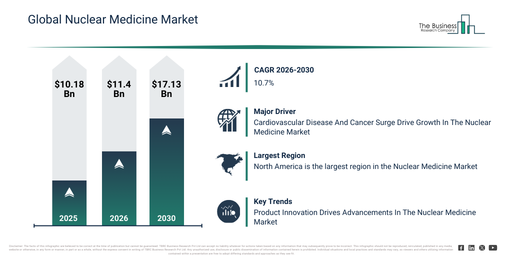
    The nuclear medicine sector has experienced substantial expansion lately, with projections indicating continued robust growth. This market, valued at $10.18 billion in 2025, is anticipated to reach $11.4 billion by 2026, reflecting a compound annual growth rate of 11.9%. Historically, factors such as constrained availability of nuclear imaging apparatus, elevated expenses associated with radiopharmaceuticals, a deficiency in skilled professionals, underdeveloped infrastructure within hospitals and diagnostic facilities, and diminished public awareness have hampered market penetration.

    The nuclear medicine sector is poised for substantial expansion in the coming years, with projections indicating a market value of $17.13 billion by 2030, driven by a compound annual growth rate of 10.7%. This anticipated growth stems from a confluence of factors, including an escalating need for sophisticated diagnostic and therapeutic interventions, augmented governmental support for cancer and cardiovascular health initiatives, a broader integration of nuclear medicine within hospitals and diagnostic facilities, ongoing technological innovations in radiopharmaceuticals and imaging modalities, and an upward trend in patient awareness coupled with increased healthcare spending. Key developments anticipated during this forecast period involve a greater uptake of diagnostic imaging techniques, expanded utilization of therapeutic radiopharmaceuticals, heightened demand for PET and SPECT scans, a pronounced emphasis on applications within oncology and cardiology, and a progressive implementation across healthcare settings like hospitals and specialized diagnostic centers.

    Download A Free Sample Report For Comprehensive Market Insights:

    https://www.thebusinessresearchcompany.com/sample.aspx?id=7485&type=smp

    Nuclear Medicine Market Growth Drivers: What Factors Are Accelerating Expansion?

    Anticipated advancements in the nuclear medicine market will be significantly influenced by the escalating rates and occurrence of cardiovascular ailments and malignant growths. These conditions, encompassing heart and circulatory system issues (cardiovascular diseases) and the uncontrolled proliferation and dissemination of aberrant cells (cancer), are becoming more widespread. Nuclear medicine techniques offer substantial benefits, such as expedited diagnosis of cardiac conditions through nuclear cardiac imaging, and effective treatment strategies for cancer, which can be administered alongside or following conventional approaches like surgery and chemotherapy. Consequently, the increasing incidence and prevalence of both cardiovascular diseases and cancer are directly stimulating demand within the nuclear medicine sector. To illustrate, the American Cancer Society Inc., a non-profit health organization in the USA, projected in January 2023 that approximately 1,958,310 new cancer diagnoses would occur in the United States, marking an upward trend from the over 1,918,030 cases identified in 2022. This heightened prevalence of cardiovascular diseases and cancer underscores the market’s upward trajectory.

    Nuclear Medicine Market Segment Analysis Highlighting Growth Areas

    The nuclear medicine market covered in this report is segmented –

    1) By Type: Diagnostic, Therapeutic

    2) By Application: Cardiology, Lymphoma, Thyroid, Neurology, Oncology, Other Applications

    3) By End-User: Hospitals And Clinics, Diagnostic Centers, Other End-Users

    Subsegments:

    1) By Diagnostic: Single Photon Emission Computed Tomography (SPECT), Positron Emission Tomography (PET), Gamma Cameras

    2) By Therapeutic: Radiopharmaceuticals For Targeted Therapy, Beta Emitters, Alpha Emitters, Radiosynovectomy Agents

    Nuclear Medicine Market Trends: What Is Shaping Future Industry Growth?

    Key players within the nuclear medicine sector are actively pursuing the creation of groundbreaking technologies, including advanced cyclotrons, to optimize radiopharmaceutical manufacturing and elevate diagnostic imaging quality. Cyclotrons, functioning as sophisticated particle accelerators, are instrumental in generating the radioactive isotopes essential for both medical visualization and therapeutic interventions. They achieve this by bombarding target substances with highly energetic particles, thereby facilitating the creation of radiopharmaceuticals vital for diagnostic techniques like positron emission tomography (PET). Illustrating this trend, GE Healthcare China, a prominent US-based entity in the medical technology sphere, successfully initiated the production of its initial cyclotrons on December 1, 2023, within the Chengdu Tianfu International Bio-Town, marking a significant development in January 2024. The deployment of these cutting-edge accelerators is fundamentally important to the field of nuclear medicine, as they are indispensable for producing the medical isotopes that underpin molecular imaging and various therapeutic applications, ultimately fostering a robust nuclear medicine infrastructure designed to improve early disease identification and the delivery of tailored treatments.

    Nuclear Medicine Market Leading Companies: Who Holds Significant Market Presence?

    Major companies operating in the nuclear medicine market are Bracco Imaging S.P.A., Lantheus Medical Imaging Inc., NTP Radioisotopes SOC Ltd., Eckert & Ziegler Group, Jubilant Pharma LLC, Australian Nuclear Science & Technology Organisation, Cardinal Health Inc., GE Healthcare Technologies Inc., Curium Pharma, Advanced Accelerator Applications USA Inc., Nordion Inc., The Institute for Radioelements, Eczacibasi-Monrol Nuclear Products Co., Siemens Healthineers AG, Cambridge Isotope Laboratories Inc., Bayer AG, Triad Isotopes Inc., Mallinckrodt Pharmaceuticals plc, PharmaLogic Holdings Corp., Institute of Isotopes Co. Ltd., Sinotau Pharmaceuticals Limited, Isotopia Molecular Imaging Limited, SHINE Medical Technologies Inc., JSC Isotope Inc., NorthStar Medical Radioisotopes LLC, Global Medical Solutions LLC

    Access The Complete Nuclear Medicine Market Report:

    https://www.thebusinessresearchcompany.com/report/nuclear-medicine-global-market-report

    Nuclear Medicine Market Regional Analysis: Which Region Leads By Revenue?

    North Americawas the largest region in the nuclear medicine market in 2025. Asia-Pacificis expected to be the fastest-growing region in the forecast period. The regions covered in the nuclear medicine market report are Asia-Pacific, South East Asia, Western Europe, Eastern Europe, North America, South America, Middle East, Africa.

    Get in touch with us:

    The Business Research Company: https://www.thebusinessresearchcompany.com/

    Americas: +1 310-496-7795

    Asia: +44 7882 955267 & +91 8897263534

    Europe: +44 7882 955267

    Email us at: marketing@tbrc.info

    Follow us on:

    LinkedIn: https://in.linkedin.com/company/the-business-research-company

    YouTube: https://www.youtube.com/channel/UC24_fI0rV8cR5DxlCpgmyFQ

    Global Market Model: https://www.thebusinessresearchcompany.com/global-market-model
  • Nootropics Market Size Projected To Increase From $6.96 Billion To $13.23 Billion During The Forecast Period

    Nootropics Market Size Projected To Increase From $6.96 Billion To $13.23 Billion During The Forecast Period

    Delivering more actionable and strategically valuable research, The Business Research Company’s 2026 market reports feature market attractiveness analysis, total addressable market evaluation, company benchmarking matrices, interactive Excel dashboards, expanded supply chain intelligence, emerging startup coverage, and detailed product insights.

    Nootropics Market Growth Analysis: How Will Revenue Expand During The Forecast Period?

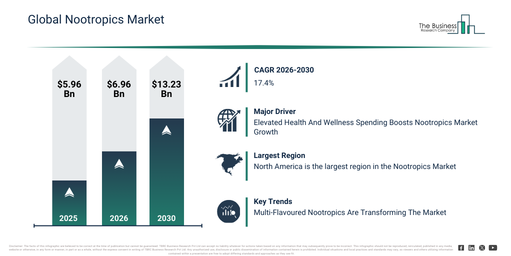
    The market for nootropics has experienced substantial expansion lately. Projections indicate a rise from $5.96 billion in 2025 to $6.96 billion in 2026, reflecting a compound annual growth rate (CAGR) of 16.9%. Key factors contributing to this expansion during the historical period included the restricted accessibility of prescription-based nootropics, a general lack of consumer understanding regarding these substances, reliance on conventional stimulants, the considerable expense associated with sophisticated cognitive enhancement tools, and the underdeveloped nature of online sales avenues.

    The nootropics market is poised for substantial expansion over the upcoming years, projected to reach $13.23 billion by 2030, reflecting a compound annual growth rate of 17.4%. This surge is fueled by several key factors including the increasing acceptance of both over-the-counter and prescription nootropics, a growing preference for formulations combining natural and synthetic ingredients, the expanding reach of both online and physical retail channels, a heightened emphasis on cognitive vitality and mitigating the effects of aging, and advancements in product development and methods of administration. Key developments anticipated within this timeframe involve a greater demand for substances that boost cognitive function and pharmaceutical-grade nootropics, alongside the rising appeal of non-prescription nootropic supplements, a trend towards consuming nootropic beverages and powders, a greater concentration on improving memory and overall mental performance, and growing consumer understanding of the benefits nootropics offer for mood regulation, sleep quality, and age-related concerns.

    Download A Free Sample Report For Comprehensive Market Insights:

    https://www.thebusinessresearchcompany.com/sample.aspx?id=6130&type=smp

    Nootropics Market Growth Factors Supporting Long-Term Expansion

    The expansion of the nootropics sector is anticipated to be fueled by escalating investments in health and wellness. The pursuit of optimal mental and physical well-being, encompassed by the concept of health and wellness, is leading individuals to engage more significantly with the health and wellness industry. Nootropics play a supportive role in aiding individuals to uphold their health and wellness. Consequently, a rise in healthcare and wellness demand directly correlates with an increased requirement for nootropics. Illustrating this trend, global spending on health and wellness surged to US$6.3 trillion in 2023, an increase from US$5.8 trillion in 2022, with projections indicating a reach of US$9 trillion by 2028, as reported by the Global Wellness Institute in November 2024. This heightened financial commitment to healthcare and wellness therefore acts as a significant catalyst for the nootropics market’s advancement.

    Nootropics Market Segment Performance And Strategic Opportunities

    The nootropics market covered in this report is segmented –

    1) By Drug Type: Prescription Nootropics, Over-The-Counter (OTC) Nootropics

    2) By Form: Capsules Or Tablets, Powder, Drinks, Other Forms

    3) By Distribution Channel: Offline, Online

    4) By Application: Memory Enhancement, Mood And Depression, Attention And Focus, Sleep And Recovery, Anxiety

    Subsegments:

    1) By Prescription Nootropics: Stimulants, Cognitive Enhancers

    2) By Over-The-Counter (OTC) Nootropics: Natural Nootropics, Synthetic Nootropics, Nootropic Blends

    Nootropics Market Industry Trends Shaping Future Revenue Growth

    In the realm of the nootropics sector, leading firms are focusing on the creation of nootropic products available in multiple flavors, a tactic that extends their nutraceutical product lines to boost both mental acuity and physical health. This approach of extending product lines within nutraceuticals involves a business introducing a new item or variation under its established health-oriented brand, specifically within the health supplement category, aiming to address further consumer demands or broaden the advantages offered. As an illustration, in the middle of 2023, Rollagranola, a British enterprise dealing in food and drinks, unveiled its Nootropics collection featuring four distinct flavors, thoughtfully crafted to satisfy both nutritional requirements and palate desires. This pioneering assortment encompasses Calm, Energize, Body and Soul, and Complete Vegan. The Calm variant is formulated to encourage tranquility and alleviate stress, incorporating components such as ashwagandha and matcha green tea. Energize presents a fusion of cappuccino and white chocolate aimed at sharpening concentration and bolstering energy levels, comprising ingredients like lion’s mane, caffeine, and panax ginseng. Body and Soul integrates the flavors of summer berries and walnuts to contribute to overall physical and mental vitality, with elements such as creatine, maca, ginkgo, and panax ginseng. Finally, Complete Vegan is a granola specially formulated for individuals adhering to a vegan diet, delivering vital nutrients, pea protein, and crucial vitamins to counter potential shortages and improve cognitive functions including focus, memory, and emotional state.

    Nootropics Market Key Players: Which Companies Shape Industry Competition?

    Major companies operating in the nootropics market are Accelerated Intelligence Inc., AlternaScript Inc. Health Via Modern Nutrition Inc., Mental Mojo LLC., Peak Nootropics, PureLife Bioscience Co. Ltd., TruBrain, PepsiCo, Superior Supplement Manufacturing, Equinox Nutraceuticals, Natural Stacks Inc., Gaia Herbs Farms., Kimera Koffee LLC., Onnit Labs LLC., Reckitt Benckiser Group plc., OUTLIERS INC., Teva Pharmaceutical Industries Ltd., United Pharmacies o, Clarity Nootropics, OptiMind, HVMN Inc., BioAdaptives Inc., Powder City

    Access The Complete Nootropics Market Report:

    https://www.thebusinessresearchcompany.com/report/nootropics-global-market-report

    Nootropics Market Geographic Distribution And Regional Opportunities

    North Americawas the largest region in the nootropics market in 2025. Asia-Pacificis expected to be the fastest-growing region in the forecast period. The regions covered in the nootropics market report are Asia-Pacific, South East Asia, Western Europe, Eastern Europe, North America, South America, Middle East, Africa.

    Get in touch with us:

    The Business Research Company: https://www.thebusinessresearchcompany.com/

    Americas: +1 310-496-7795

    Asia: +44 7882 955267 & +91 8897263534

    Europe: +44 7882 955267

    Email us at: marketing@tbrc.info

    Follow us on:

    LinkedIn: https://in.linkedin.com/company/the-business-research-company

    YouTube: https://www.youtube.com/channel/UC24_fI0rV8cR5DxlCpgmyFQ

    Global Market Model: https://www.thebusinessresearchcompany.com/global-market-model
  • Noonan Syndrome Market Growth Outlook Reveals A CAGR Of 8.2% And A Market Value Of $1.23 Billion By 2030

    Noonan Syndrome Market Growth Outlook Reveals A CAGR Of 8.2% And A Market Value Of $1.23 Billion By 2030

    Enhanced with market attractiveness analysis, total addressable market evaluation, company benchmarking matrices, interactive Excel dashboards, expanded supply chain intelligence, emerging startup coverage, and detailed product insights, The Business Research Company’s 2026 market reports deliver more actionable and strategically valuable research.

    Noonan Syndrome Market Forecast: What Market Value Is Expected By 2030?

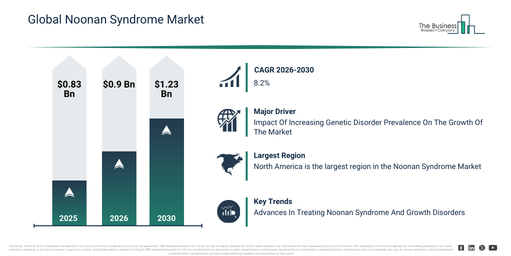
    In 2025, the noonan syndrome market was valued at $0.83 billion and is projected to expand to $0.9 billion by 2026, reflecting a robust compound annual growth rate of 8.5%. This significant expansion in recent times has been fueled by several factors experienced during the historical period, including minimal public knowledge regarding noonan syndrome, challenges in obtaining timely genetic diagnoses, the absence of uniform treatment strategies, constrained access to dedicated medical facilities, and a reliance on conventional diagnostic methods.

    The market for Noonan syndrome is poised for significant expansion over the upcoming years, projected to reach a value of $1.23 billion by 2030, exhibiting a compound annual growth rate of 8.2%. This anticipated growth is fueled by several key factors, including the increasing utilization of DNA sequencing and chromosomal analysis techniques, a greater availability of tailored therapeutic options, the proliferation of early intervention initiatives, the broader accessibility of both hospital-based and in-home healthcare services, and advancements in AI-driven diagnostic assistance. Key trends shaping this market during the forecast period involve a heightened adoption of genetic testing and DNA sequencing, expanded use of sophisticated ultrasound diagnostic tools, a growing incorporation of customized treatment regimens, a wider implementation of early intervention therapies, and enhanced accessibility to remote and home-based healthcare solutions.

    Download A Free Sample Report For Comprehensive Market Insights:

    https://www.thebusinessresearchcompany.com/sample.aspx?id=20905&type=smp

    Noonan Syndrome Market Demand Drivers Creating New Revenue Opportunities

    The expansion of the Noonan syndrome market is anticipated due to the growing incidence of genetic conditions, which are ailments stemming from DNA alterations or anomalies that can be passed down or arise randomly, influenced by factors such as better diagnostic capabilities, extended lifespans, and environmental influences. Noonan syndrome is instrumental in deepening our comprehension of genetic disorders, illustrating how particular gene mutations affect physical development, cardiac performance, and general well-being, thereby advancing genetic inquiry and refining diagnostic and treatment strategies for associated ailments, with conditions like sickle cell disease affecting approximately 100,000 individuals in the US as of May 2024, predominantly within the Black or African American and Hispanic or Latino populations, underscoring the impact of genetic disorders on market growth.

    Advances in personalized medicine are poised to fuel the expansion of the Noonan syndrome market as medical interventions become increasingly customized to individual patients based on their unique genetic makeup and biological traits. This trend toward individualized healthcare is propelled by breakthroughs in genomic sequencing and molecular diagnostics, which have made identifying specific genetic defects more accessible and affordable. Personalized medicine directly contributes to market expansion by facilitating the creation of therapies that target the root genetic mutations in patients, offering a more effective approach than merely managing symptoms, as evidenced by the considerable increase in FDA-approved personalized treatments for rare diseases, jumping from 6 in 2022 to 16 in 2023, signifying a robust growth trajectory for personalized medicine and, consequently, the Noonan syndrome market.

    Noonan Syndrome Market Segment Landscape And Growth Potential

    The noonan syndrome market covered in this report is segmented –

    1) By Diagnosis: Ultrasound Test, Genetic Test, Other Diagnosis

    2) By Treatment: Heart Treatment, Learning Disabilities Treatment, Low Growth Treatment, Vision And Hearing Treatment, Bleeding And Bruising Treatment, Genital Problem Treatment, Lymphatic Problem Treatment, Other Treatments

    3) By Route Of Administration: Oral, Parenteral, Other Routes Of Administration

    4) By Distribution Channel: Direct Tenders, Retail Sales, Hospital Pharmacy, Retail Pharmacy, Online Pharmacy, Other Distribution Channels

    5) By End-User: Clinics, Hospitals, Home Healthcare, Other End-Users

    Subsegments:

    1) By Ultrasound Test: Cardiac Ultrasound (Echocardiogram), Abdominal Ultrasound

    2) By Genetic Test: DNA Sequencing, Chromosomal Analysis

    3) By Other Diagnosis: Physical Examination, Clinical Assessment, Imaging Tests (MRI, CT scans), Electrocardiogram (ECG)

    Noonan Syndrome Market Trends Driving Strategic Industry Expansion

    The noonan syndrome market is witnessing significant activity from major players focused on creating treatments for various growth-related conditions to improve pediatric health and disease management. These growth-related disorders encompass a spectrum of conditions that impede typical physical development, often stemming from genetic predispositions, hormonal imbalances, or nutritional deficiencies. As an illustration, in May of 2024, BioMarin Pharmaceutical Inc., a biopharmaceutical entity based in the United States, shared favorable new findings regarding VOXZOGO (vosoritide) at the 2024 Pediatric Endocrine Society Annual Meeting. This presentation underscored the drug’s efficacy in addressing a range of growth-related conditions affecting children, such as idiopathic short stature (ISS), Noonan syndrome, and achondroplasia. The Phase 2 investigation yielded compelling evidence of enhanced growth velocity and improved height outcomes in pediatric participants with diverse genetic conditions, including ACAN deficiency and NPR2 mutations, suggesting VOXZOGO’s potential to offer therapeutic advantages across a wider array of growth disorders, extending beyond its current approval for achondroplasia.

    Noonan Syndrome Market Competitive Landscape: Who Are The Leading Companies?

    Major companies operating in the noonan syndrome market are Blueprint Genetics Inc., Prevention Genetics Inc., Mayo Clinic Laboratories, Labcorp Holdings Inc., Quest Diagnostics Inc., EasyDNA Limited, Illumina Inc., The Children’s Hospital of Philadelphia, BioMarin Pharmaceutical Incorporated, Children’s Hospital Colorado, Natera Incorporated, Fulgent Genetics Incorporated, Invitae Corporation, GeneDx Incorporated, Ambry Genetics Corporation, Baylor Genetics LLC, Dante Labs Inc., NIMGenetics S.L., 3billion Inc.

    Access The Complete Noonan Syndrome Market Report:

    https://www.thebusinessresearchcompany.com/report/noonan-syndrome-global-market-report

    Noonan Syndrome Market Largest Region By Revenue And Market Share

    North Americawas the largest region in the noonan syndrome market in 2025. The regions covered in the noonan syndrome market report are Asia-Pacific, South East Asia, Western Europe, Eastern Europe, North America, South America, Middle East, Africa.

    Get in touch with us:

    The Business Research Company: https://www.thebusinessresearchcompany.com/

    Americas: +1 310-496-7795

    Asia: +44 7882 955267 & +91 8897263534

    Europe: +44 7882 955267

    Email us at: marketing@tbrc.info

    Follow us on:

    LinkedIn: https://in.linkedin.com/company/the-business-research-company

    YouTube: https://www.youtube.com/channel/UC24_fI0rV8cR5DxlCpgmyFQ

    Global Market Model: https://www.thebusinessresearchcompany.com/global-market-model

  • Nontuberculous Mycobacterial Infection Market Forecast Highlights Expansion From $15.86 Billion To $21.01 Billion Through 2030

    Nontuberculous Mycobacterial Infection Market Forecast Highlights Expansion From $15.86 Billion To $21.01 Billion Through 2030

    Through market attractiveness analysis, total addressable market evaluation, company benchmarking matrices, interactive Excel dashboards, expanded supply chain intelligence, emerging startup coverage, and detailed product insights, The Business Research Company’s 2026 market reports provide more actionable and strategically valuable research.

    Nontuberculous Mycobacterial Infection Market Size Outlook: How Fast Will Revenue Grow Through 2030?

    The market for nontuberculous mycobacterial infections experienced robust expansion recently. Projections indicate a rise from $14.96 billion in 2025 to $15.87 billion in 2026, reflecting a compound annual growth rate of 6.1%. Factors contributing to this growth during the historical period included a substantial prevalence of pulmonary infections, a scarcity of viable treatment options, protracted timelines for diagnosing nontuberculous mycobacteria, dependence on standard antibiotic treatments, and insufficient awareness among medical practitioners.

    The market for nontuberculous mycobacterial infections is poised for significant expansion over the upcoming years, projecting a valuation of $21.01 billion by 2030, driven by a compound annual growth rate of 7.3%. This anticipated growth trajectory is fueled by several key factors, including the escalating use of combination therapies involving macrolides and rifampin, greater accessibility to aminoglycoside treatments, the burgeoning field of individualized medical approaches, the widening reach of hospital and specialized pharmacy services, and the ongoing innovation in AI-driven diagnostic and patient monitoring technologies. Furthermore, prevailing trends shaping this market include a greater embrace of macrolide and rifampin-based treatment strategies, increased utilization of aminoglycosides, the progressive adoption of multifaceted drug regimens, a broader deployment of sophisticated diagnostic instruments, and the continuous integration of artificial intelligence for monitoring treatment efficacy.

    Download A Free Sample Report For Comprehensive Market Insights:

    https://www.thebusinessresearchcompany.com/sample.aspx?id=13020&type=smp

    Nontuberculous Mycobacterial Infection Market Expansion Supported By Key Demand Factors

    The increasing incidence of Chronic Obstructive Pulmonary Disease (COPD), a long-term lung condition defined by ongoing and typically worsening airflow obstruction, is anticipated to be a primary catalyst for the expansion of the nontuberculous mycobacterial (NTM) infection market. Individuals suffering from COPD are more susceptible to NTM infections, which in turn lead to a more pronounced decrease in forced expiratory volume in one second (FEV1) and a higher frequency of exacerbations. The compromised lung tissue and weakened immune system often associated with COPD create an environment conducive to NTM bacterial colonization. Evidence from Public Health Scotland in September 2024 highlighted that for the 2022/23 period, COPD presented with an incidence rate of 112.4 per 100,000 females and 109.7 per 100,000 males, based on hospital admissions and mortality data within Scotland. Consequently, the growing burden of COPD directly fuels the market’s advancement in addressing nontuberculous mycobacterial infections.

    Nontuberculous Mycobacterial Infection Market Categorization By Product Type And Application

    The nontuberculous mycobacterial infection market covered in this report is segmented –

    1) By Drug Class: Macrolides, Rifampin, Aminoglycoside, Other Drug Classes

    2) By Route Of Administration: Oral, Parenteral, Other Routes Of Administration

    3) By Distribution Channel: Hospital Pharmacies, Retail Pharmacies, Online Pharmacies

    Subsegments:

    1) By Macrolides: Azithromycin, Clarithromycin, Erythromycin

    2) By Rifampin: Rifampin Monotherapy, Rifampin Combination Therapy, Extended-Duration Rifampin Therapy

    3) By Aminoglycoside: Amikacin, Streptomycin, Tobramycin

    4) By Other Drug Classes: Fluoroquinolones, Ethambutol, Linezolid, Clofazimine

    Nontuberculous Mycobacterial Infection Market Growth Trends Influencing Competitive Dynamics

    The dominant players within the nontuberculous mycobacterial infection market are dedicating their efforts to creating cutting-edge treatments, specifically boron-based antibiotics, with the objective of boosting treatment effectiveness, combating resistance, and achieving better results for patients. These boron-based antibiotics function as small-molecule agents that successfully hinder bacterial protein production, presenting strong and more secure alternatives for challenging infections. Illustrating this trend, AN2 Therapeutics, a pharmaceutical firm based in the United States, commenced patient enrollment for the Phase 3 segment of its crucial Phase 2/3 clinical investigation of epetraborole in September 2023. This trial targets individuals with treatment-resistant Mycobacterium avium complex lung disease, following the completion of Phase 2 enrollment. Epetraborole, conceived for oral intake, has shown promise in early research for treating Mycobacterium abscessus infections, with its development aiming to shorten treatment timelines, increase patient comfort, and fulfill critical gaps in the treatment of uncommon and severe respiratory infections, ultimately contributing to superior patient care and control over the condition.

    Nontuberculous Mycobacterial Infection Market Company Landscape And Strategic Competition

    Major companies operating in the nontuberculous mycobacterial infection market are Teva Pharmaceutical Industries Ltd., Mylan N.V., Sun Pharmaceutical Industries Ltd., Lupin Limited, Insmed Incorporated, Paratek Pharmaceuticals Inc., Spero Therapeutics Inc., Aradigm Corporation, Dauntless Pharmaceuticals Inc., Validus Pharmaceuticals LLC, Savara Inc, Mannkind Corporation, Matinas BioPharma Holdings Inc, Vast Therapeutics Inc, Crestone Inc, AN2 Therapeutics Inc, Revimmune Inc, Shionogi Co Ltd, Summit Therapeutics plc, BioVersys AG, RedHill Biopharma Ltd, Shanghai MicuRx Pharmaceutical Co Ltd, Otsuka Pharmaceutical Co Ltd, Cipla Limited, Daiichi Sankyo Company Ltd.

    Access The Complete Nontuberculous Mycobacterial Infection Market Report:

    https://www.thebusinessresearchcompany.com/report/nontuberculous-mycobacterial-infection-global-market-report

    Nontuberculous Mycobacterial Infection Market Regional Analysis And Leading Geography

    North Americawas the largest region in the nontuberculous mycobacterial infection market in 2025. North Americais expected to be the fastest-growing region in the forecast period. The regions covered in the nontuberculous mycobacterial infection market report are Asia-Pacific, South East Asia, Western Europe, Eastern Europe, North America, South America, Middle East, Africa.

    Get in touch with us:

    The Business Research Company: https://www.thebusinessresearchcompany.com/

    Americas: +1 310-496-7795

    Asia: +44 7882 955267 & +91 8897263534

    Europe: +44 7882 955267

    Email us at: marketing@tbrc.info

    Follow us on:

    LinkedIn: https://in.linkedin.com/company/the-business-research-company

    YouTube: https://www.youtube.com/channel/UC24_fI0rV8cR5DxlCpgmyFQ

    Global Market Model: https://www.thebusinessresearchcompany.com/global-market-model

  • Non-Surgical Cosmetic Procedures Market Expected To Reach $47.36 Billion By 2030 As Growth Accelerates At 10.5% CAGR

    Non-Surgical Cosmetic Procedures Market Expected To Reach $47.36 Billion By 2030 As Growth Accelerates At 10.5% CAGR

    Delivering more actionable and strategically valuable research, The Business Research Company’s 2026 market reports feature market attractiveness analysis, total addressable market evaluation, company benchmarking matrices, interactive Excel dashboards, expanded supply chain intelligence, emerging startup coverage, and detailed product insights.

    Non-Surgical Cosmetic Procedures Market Size, Value And Growth Trends Through 2030

    Emerging from a period of swift expansion, the market for non-surgical cosmetic treatments is projected to continue its upward trajectory. Anticipated to climb from $28.63 billion in 2025 to $31.74 billion by 2026, this growth reflects a compound annual growth rate (CAGR) of 10.9%. Several key factors have fueled this expansion throughout the preceding years, including a heightened consumer focus on aesthetics, a proliferation of outpatient cosmetic facilities, the significant impact of social media on perceived beauty standards, a broader societal embrace of cosmetic procedures, and an increased number of qualified professionals available to administer these treatments.

    The non-surgical cosmetic procedures sector is poised for substantial expansion in the coming years, projecting a market value of $47.37 billion by 2030, fueled by a compound annual growth rate (CAGR) of 10.5%. This anticipated surge is underpinned by several key drivers, including a heightened consumer desire for customized aesthetic outcomes, a greater embrace of sophisticated laser and energy-based equipment, an increasing number of men seeking cosmetic interventions, a growing emphasis on aesthetic treatments aimed at prevention, and continuous advancements in minimally invasive techniques. Significant market currents expected to shape this period include a burgeoning demand for injectable aesthetic solutions, wider acceptance of non-invasive skin revitalization technologies, a trend toward bespoke cosmetic treatments, the proliferation of energy-based devices for aesthetic purposes, and an intensified focus on less invasive approaches.

    Download A Free Sample Report For Comprehensive Market Insights:

    https://www.thebusinessresearchcompany.com/sample.aspx?id=20581&type=smp

    Non-Surgical Cosmetic Procedures Market Growth Drivers And Industry Catalysts

    The increasing engagement in personal grooming and self-care rituals is anticipated to be a primary catalyst for the expansion of the non-surgical cosmetic procedures market in the future. These practices, encompassing efforts to maintain physical appearance, hygiene, and general well-being, are seeing a surge due to heightened beauty consciousness, the pervasive impact of social media, and a greater focus on holistic wellness and personal confidence. Non-surgical cosmetic treatments effectively complement these self-care endeavors by providing swift, less invasive alternatives for aesthetic enhancement and cultivating a stronger sense of self-assurance. Evidence of this trend is seen in the UK’s personal care sector, which, as reported by the British Beauty Council in July 2024, added £27.2 billion ($30.44 billion) to the nation’s GDP in 2023, an 11% increase from the previous year, largely fueled by a 10% uptick in consumer expenditure on personal care goods and services. Consequently, the escalating consumer desire for personal grooming and self-care is directly fueling the growth trajectory of the non-surgical cosmetic procedures market.

    Non-Surgical Cosmetic Procedures Market Segment Analysis And Revenue Opportunities

    The non-surgical cosmetic procedures market covered in this report is segmented –

    1) By Technique: Botulinum Toxins, Hyaluronic Acid-Based Derma Fillers, Hair Removal, Other Techniques

    2) By Gender: Women, Men

    3) By End User: Hospitals Or Surgery Centers, MedSpas, Healthcare Professionals-Owned Clinics

    Subsegments:

    1) By Botulinum Toxins: Botox, Dysport, Xeomin, Jeuveau

    2) By Hyaluronic Acid-Based Derma Fillers: Juvederm, Restylane, Belotero, Teosyal, Captique

    3) By Hair Removal: Laser Hair Removal, Intense Pulsed Light (IPL) Hair Removal, Radiofrequency-Based Hair Removal, Electrolysis

    4) By Other Techniques: Chemical Peels, Microdermabrasion, Non-Surgical Fat Reduction, Skin Tightening, Non-Surgical Facelift, Lip Augmentation, Cellulite Treatment, Dermal Micro-Needling

    #Non-Surgical Cosmetic Procedures Market Trends Influencing Long-Term Demand

    Within the realm of non-surgical cosmetic enhancements, leading enterprises are actively pursuing innovation, particularly in the domain of micro-focused ultrasound technology for skin lifting. This focus stems from an increasing consumer desire for non-invasive methods to rejuvenate facial appearance, address skin laxity associated with aging, and achieve a tighter, more youthful look. Such micro-focused ultrasound systems are engineered to transmit targeted ultrasonic energy into the deeper layers of the dermis and subcutaneous tissue, thereby catalyzing the body’s inherent production of collagen and elastin. This process offers a compelling alternative to conventional surgical facelifts, as it bypasses the need for surgical intervention, anesthesia, and extended recovery periods. A pertinent illustration of this trend is the introduction of Ultherapy PRIME by Merz Aesthetics in September 2024. This sophisticated non-invasive platform, developed by the U.S. medical aesthetics firm, allows for tailored energy application alongside real-time visualization capabilities, enhancing collagen production and yielding noticeable lifting and firming effects in a single treatment session, significantly reducing the downtime compared to surgical interventions.

    Non-Surgical Cosmetic Procedures Market Leading Players Shaping Industry Direction

    Major companies operating in the non-surgical cosmetic procedures market are AbbVie Inc., Galderma S.A., Merz Pharma GmbH and Co KGaA, Revance Therapeutics Inc., Cynosure Inc., BTL Industries, InMode Ltd, Lumenis Be Ltd., Sisram Medical Ltd, Cutera Inc., Lutronic Corporation, Candela Corporation, Fotona d.o.o., Alma Lasers Ltd, Sciton Inc., EndyMed Medical Ltd, Johnson and Johnson, Shiseido Company Limited, Sientra Inc., Strata Skin Sciences

    Access The Complete Non-Surgical Cosmetic Procedures Market Report:

    https://www.thebusinessresearchcompany.com/report/non-surgical-cosmetic-procedures-global-market-report

    Non-Surgical Cosmetic Procedures Market Geographic Analysis: Where Is Demand Growing The Fastest?

    North Americawas the largest region in the non-surgical cosmetic procedures market in 2025. The regions covered in the non-surgical cosmetic procedures market report are Asia-Pacific, South East Asia, Western Europe, Eastern Europe, North America, South America, Middle East, Africa.

    Get in touch with us:

    The Business Research Company: https://www.thebusinessresearchcompany.com/

    Americas: +1 310-496-7795

    Asia: +44 7882 955267 & +91 8897263534

    Europe: +44 7882 955267

    Email us at: marketing@tbrc.info

    Follow us on:

    LinkedIn: https://in.linkedin.com/company/the-business-research-company

    YouTube: https://www.youtube.com/channel/UC24_fI0rV8cR5DxlCpgmyFQ

    Global Market Model: https://www.thebusinessresearchcompany.com/global-market-model
  • Non-Small Cell Lung Cancer (NSCLC) Market Set To Grow From $46.65 Billion In 2026 To $70.81 Billion By 2030 At A CAGR Of 11%

    Non-Small Cell Lung Cancer (NSCLC) Market Set To Grow From $46.65 Billion In 2026 To $70.81 Billion By 2030 At A CAGR Of 11%

    Enhanced with market attractiveness analysis, total addressable market evaluation, company benchmarking matrices, interactive Excel dashboards, expanded supply chain intelligence, emerging startup coverage, and detailed product insights, The Business Research Company’s 2026 market reports deliver more actionable and strategically valuable research.

    Non-Small Cell Lung Cancer (NSCLC) Market CAGR Analysis And Future Market Development

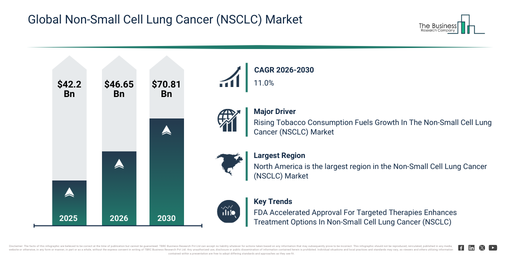
    The non-small cell lung cancer (nsclc) sector experienced considerable expansion lately, projecting an increase from $42.2 billion in 2025 to $46.65 billion in 2026, reflecting a compound annual growth rate of 10.5%. Historically, this growth was influenced by factors such as widespread smoking habits, atmospheric pollution exposure, diagnoses occurring at later stages of the disease, a scarcity of specialized treatment alternatives, and a predominant dependence on traditional chemotherapy regimens.

    The non-small cell lung cancer (nsclc) sector is projected to experience substantial expansion imminently, reaching an estimated value of $70.81 billion by 2030, propelled by a compound annual growth rate (CAGR) of 11.0%. This anticipated surge is largely fueled by several key drivers, including the escalating uptake of targeted treatments and immunotherapies, amplified financial commitments towards lung cancer diagnostic tools, the advancement of personalized medical approaches, the proliferation of specialized oncology facilities, and the continuous innovation in AI-driven predictive analytics and imaging technologies. Furthermore, the impending period will be characterized by significant trends such as the widespread adoption of targeted therapies and immunotherapies, the increasing utilization of cutting-edge radiotherapy methods, a greater implementation of laser and photodynamic therapies, the broader rollout of early detection and screening initiatives, and the enhanced integration of artificial intelligence in both imaging and predictive oncology.

    Download A Free Sample Report For Comprehensive Market Insights:

    https://www.thebusinessresearchcompany.com/sample.aspx?id=13232&type=smp

    Non-Small Cell Lung Cancer (NSCLC) Market Opportunity Drivers: What Is Creating New Revenue Potential?

    A rise in tobacco product usage is anticipated to be a primary driver for the expansion of the non-small cell lung cancer (NSCLC) market. This consumption, involving smoking, chewing, or inhaling tobacco, introduces harmful substances like nicotine into the body. The chemicals present in tobacco smoke are known carcinogens capable of damaging lung cell DNA, initiating genetic alterations and fostering the unrestrained proliferation of cancer cells, specifically non-small cell lung cancer. Illustratively, the U.S. Food and Drug Administration (USFDA) reported in October 2024, via the 2024 National Youth Tobacco Survey, that 1.1% of all students surveyed, totaling roughly 2.25 million individuals, currently used tobacco products. Breaking this down further, 10.1% of high school students (approximately 1.58 million) and 5.4% of middle school students (around 640,000) were noted users. Furthermore, 2.8% of all students (approximately 760,000) reported using combustible tobacco items, while a slightly higher percentage, 3.0% (around 840,000), engaged with multiple types of tobacco products. Consequently, the escalating prevalence of tobacco consumption directly fuels the growth observed in the non-small cell lung cancer (NSCLC) market.

    Non-Small Cell Lung Cancer (NSCLC) Market Segmentation And Category Breakdown

    The non-small cell lung cancer (nsclc) market covered in this report is segmented –

    1) By Type: Squamous Cell Carcinoma, Large Cell Carcinoma, Adenocarcinoma, Other Types

    2) By Therapy: Radiotherapy, Laser Therapy, Photodynamic Therapy (PDT), Other Therapies

    3) By Distribution Channel: Hospital Pharmacy, Online Pharmacy, Other Distribution Channels

    Subsegments:

    1) By Squamous Cell Carcinoma: Keratinizing Squamous Cell Carcinoma, Non-Keratinizing Squamous Cell Carcinoma

    2) By Large Cell Carcinoma: Undifferentiated Large Cell Carcinoma, Large Cell Neuroendocrine Carcinoma

    3) By Adenocarcinoma: Invasive Adenocarcinoma, Bronchioloalveolar Carcinoma

    4) By Other Types: Mixed Cell Type Carcinoma, Sarcomatoid Carcinoma

    Non-Small Cell Lung Cancer (NSCLC) Market Innovation Trends Driving Future Development

    Leading entities within the non-small cell lung cancer sector are prioritizing the creation of precision treatments, exemplified by the FDA’s expedited clearance for pharmaceuticals designed to address particular genetic alterations, thereby expanding therapeutic avenues for individuals affected by the disease. This accelerated approval from the Food and Drug Administration signifies a regulatory process where the agency grants earlier authorization to treatments that specifically target a disease’s molecular or genetic anomaly, contingent upon intermediate clinical outcomes that strongly suggest potential patient benefit. A pertinent illustration is the July 2025 introduction of sunvozertinib (Zegfrovy) by Dizal (Jiangsu) Pharmaceutical Co., Ltd., a Chinese biopharmaceutical firm, for adults diagnosed with locally advanced or metastatic NSCLC bearing EGFR exon 20 insertion mutations, who have undergone treatment with platinum-based chemotherapy without sufficient response. Zegfrovy is administered orally at a daily dose of 200 mg, taken with food, continuing until the disease advances or adverse effects become unmanageable. Clinical data from the WU-KONG1B study indicated a verified overall response rate of 46% and a median duration of response lasting 11.1 months. The FDA’s endorsement also encompassed the Oncomine Dx Express Test, serving as a companion diagnostic tool to identify suitable candidates for this treatment. Sunvozertinib’s safety considerations include advisories for interstitial lung disease, reactions affecting the gastrointestinal tract and skin, ocular complications, and risks to fetal development, underscoring its extensive safety profile assessment.

    Non-Small Cell Lung Cancer (NSCLC) Market Competitive Analysis Of Major Industry Participants

    Major companies operating in the non-small cell lung cancer (nsclc) market are Pfizer Inc., F. Hoffmann-La Roche AG, Merck & Co. Inc., AbbVie Inc., Novartis AG, Sanofi S.A., Bristol-Myers Squibb Company, AstraZeneca plc, GlaxoSmithKline Plc, Takeda Pharmaceutical Company Limited, Eli Lilly and Company, Amgen Inc., Regeneron Pharmaceuticals Inc., Astellas Pharma Inc., Clovis Oncology, Revolution Medicines, Boehringer Ingelheim GmbH, Johnson & Johnson, Daiichi Sankyo Company Limited, BeiGene Ltd., DualityBio, Gilead Sciences Inc., Mirati Therapeutics Inc., Arcus Biosciences Inc., NeoImmuneTech

    Access The Complete Non-Small Cell Lung Cancer (NSCLC) Market Report:

    https://www.thebusinessresearchcompany.com/report/non-small-cell-lung-cancer-nsclc-global-market-report

    Non-Small Cell Lung Cancer (NSCLC) Market Global Footprint: Which Region Holds Market Leadership?

    North Americawas the largest region in the non-small cell lung cancer (NSCLC) market in 2025. Asia-Pacificis expected to be the fastest-growing region in the forecast period. The regions covered in the non-small cell lung cancer (nsclc) market report are Asia-Pacific, South East Asia, Western Europe, Eastern Europe, North America, South America, Middle East, Africa.

    Get in touch with us:

    The Business Research Company: https://www.thebusinessresearchcompany.com/

    Americas: +1 310-496-7795

    Asia: +44 7882 955267 & +91 8897263534

    Europe: +44 7882 955267

    Email us at: marketing@tbrc.info

    Follow us on:

    LinkedIn: https://in.linkedin.com/company/the-business-research-company

    YouTube: https://www.youtube.com/channel/UC24_fI0rV8cR5DxlCpgmyFQ

    Global Market Model: https://www.thebusinessresearchcompany.com/global-market-model

  • Non-Radiographic Axial Spondyloarthritis Therapeutic Market Opportunities Are Emerging Beyond Traditional Growth Areas

    Non-Radiographic Axial Spondyloarthritis Therapeutic Market Opportunities Are Emerging Beyond Traditional Growth Areas

    Through market attractiveness analysis, total addressable market evaluation, company benchmarking matrices, interactive Excel dashboards, expanded supply chain intelligence, emerging startup coverage, and detailed product insights, The Business Research Company’s 2026 market reports provide more actionable and strategically valuable research.

    Non-Radiographic Axial Spondyloarthritis Therapeutic Market Expansion From $1.14 Billion In 2026 To $1.71 Billion In 2030

    The market for non-radiographic axial spondyloarthritis treatments has experienced substantial expansion lately; projections indicate a rise from $1.04 billion in 2025 to $1.15 billion in 2026, reflecting a compound annual growth rate of 10.9%. Factors contributing to this growth during the preceding period included

    The market for non-radiographic axial spondyloarthritis treatments is poised for significant expansion in the coming years, reaching an estimated value of $1.72 billion by 2030, underpinned by a compound annual growth rate of 10.6%. This projected growth is fueled by several key factors, including the ongoing development of advanced biologics, a greater embrace of JAK inhibitor therapies, the increasing emphasis on tailored rheumatological care, the broadening of early diagnostic and treatment strategies, and a rise in patient awareness and the frequency of diagnoses. Within this forecast period, prominent market trends encompass a heightened adoption of biologic disease-modifying treatments, a more widespread utilization of IL-17 and TNF inhibitors, an intensified focus on intervening early in the disease process, the proliferation of targeted small molecule therapies, and an elevated priority placed on achieving sustained control over the condition.

    Download A Free Sample Report For Comprehensive Market Insights:

    https://www.thebusinessresearchcompany.com/sample.aspx?id=24627&type=smp

    Non-Radiographic Axial Spondyloarthritis Therapeutic Market Growth Momentum: Which Factors Are Influencing Demand?

    The burgeoning number of clinical trials is poised to significantly boost the non-radiographic axial spondyloarthritis therapeutics market in the future. Essentially, clinical trials are investigative studies performed on people to ascertain the safety, efficacy, and potential adverse reactions of new medical approaches. The expansion of these trials stems from a heightened need for tailored and novel therapies that necessitate thorough evaluation for both their effectiveness and an acceptable safety profile. These investigations play a crucial role in validating the therapeutic benefits and safety of treatments for early-stage non-radiographic axial spondyloarthritis, thereby facilitating regulatory endorsements and wider clinical implementation. For illustration, data from December 2024, as published by the Association of the British Pharmaceutical Industry, an entity dedicated to enhancing patient access to innovative treatments within the UK’s healthcare system, indicated a rise in the initiation of industry-sponsored clinical trials in the UK, climbing from 411 in 2022 to 426 in 2023. Consequently, this upward trend in clinical research activity is a key driver for the expansion of the non-radiographic axial spondyloarthritis therapeutic market.

    Non-Radiographic Axial Spondyloarthritis Therapeutic Market Segment Outlook: Which Categories Are Expanding The Fastest?

    The non-radiographic axial spondyloarthritis therapeutic market covered in this report is segmented –

    1) By Type: Non-Steroidal Anti-Inflammatory Drugs, Biologics, Small Molecule Therapies, Corticosteroids

    2) By Application: Oral, Injectable, Parenteral

    3) By End User: Hospitals, Ambulatory Surgical Centers, Homecare Settings

    Subsegments:

    1) By Non-Steroidal Anti-Inflammatory Drugs: COX-2 Inhibitors, Non-Selective NSAIDs

    2) By Biologics: Tumor Necrosis Factor (TNF) Inhibitors, Interleukin-17 (IL-17) Inhibitors

    3) By Small Molecule Therapies: Janus Kinase (JAK) Inhibitors, TYK2 Inhibitors

    4) By Corticosteroids: Oral Corticosteroids, Intra-Articular Corticosteroid Injections

    Non-Radiographic Axial Spondyloarthritis Therapeutic Market Trends Reshaping Industry Growth

    Leading pharmaceutical entities within the non-radiographic axial spondyloarthritis (nr-axSpA) landscape are directing their efforts towards groundbreaking advancements, including the creation of dual inhibitors targeting IL-17A and IL-17F and the introduction of highly user-friendly administration methods. These developments are spurred by an increase in diagnoses, earlier identification of the condition, the demand for more rapid and profound control of inflammation, and a patient inclination towards less frequent or more convenient dosing schedules. Dual IL-17A/IL-17F biologic inhibitors function as monoclonal antibodies engineered to selectively and concurrently impede the action of IL-17A and IL-17F cytokines, thereby mitigating the inflammation, pain, stiffness, and structural damage associated with nr-axSpA. A prime illustration is the UCB S.A.’s introduction of BIMZELX in the United States in September 2024, subsequent to FDA clearance for adult patients experiencing active nr-axSpA. This innovative humanized IgG monoclonal antibody is specifically designed to counteract both IL-17A and IL-17F, offering a more comprehensive inhibition of IL-17-driven inflammatory processes compared to existing TNF inhibitors or therapies targeting only a single IL-17. Beyond its application in nr-axSpA, BIMZELX also holds indications for moderate-to-severe plaque psoriasis, psoriatic arthritis, and ankylosing spondylitis, reflecting a broadened therapeutic scope to meet the diverse and evolving treatment requirements of individuals suffering from inflammatory conditions.

    Non-Radiographic Axial Spondyloarthritis Therapeutic Market Key Companies And Competitive Benchmarking

    Major companies operating in the non-radiographic axial spondyloarthritis therapeutic market are Pfizer Inc, Johnson and Johnson, AbbVie Inc, Sanofi SA, Bristol Myers Squibb Company, AstraZeneca PLC, Novartis AG, Eli Lilly and Company, Gilead Sciences Inc, Amgen Inc, Biogen Inc, Daiichi Sankyo Company Limited, UCB SA, Mochida Pharmaceutical Co Ltd, Mereo BioPharma Group plc, Suzhou Zelgen Biopharmaceuticals Co Ltd, Qyuns Therapeutics Co Ltd, Sandoz Group AG, Boehringer Ingelheim GmbH, Roche Holding AG

    Access The Complete Non-Radiographic Axial Spondyloarthritis Therapeutic Market Report:

    https://www.thebusinessresearchcompany.com/report/non-radiographic-axial-spondyloarthritis-therapeutic-global-market-report

    Non-Radiographic Axial Spondyloarthritis Therapeutic Market Regional Distribution: Which Areas Drive Market Expansion?

    North Americawas the largest region in the non-radiographic axial spondyloarthritis therapeutics market in 2025. The regions covered in the non-radiographic axial spondyloarthritis therapeutic market report are Asia-Pacific, South East Asia, Western Europe, Eastern Europe, North America, South America, Middle East, Africa.

    Get in touch with us:

    The Business Research Company: https://www.thebusinessresearchcompany.com/

    Americas: +1 310-496-7795

    Asia: +44 7882 955267 & +91 8897263534

    Europe: +44 7882 955267

    Email us at: marketing@tbrc.info

    Follow us on:

    LinkedIn: https://in.linkedin.com/company/the-business-research-company

    YouTube: https://www.youtube.com/channel/UC24_fI0rV8cR5DxlCpgmyFQ

    Global Market Model: https://www.thebusinessresearchcompany.com/global-market-model

  • Non-Proliferative Diabetic Retinopathy Market Expansion Is Opening New Pathways For Strategic Investment

    Non-Proliferative Diabetic Retinopathy Market Expansion Is Opening New Pathways For Strategic Investment

    Delivering more actionable and strategically valuable research, The Business Research Company’s 2026 market reports feature market attractiveness analysis, total addressable market evaluation, company benchmarking matrices, interactive Excel dashboards, expanded supply chain intelligence, emerging startup coverage, and detailed product insights.

    Non-Proliferative Diabetic Retinopathy Market Forecast Highlighting Growth From $3.05 Billion To $3.97 Billion

    The market for non-proliferative diabetic retinopathy has experienced robust expansion lately, projecting a rise from $2.83 billion in 2025 to $3.06 billion in 2026, reflecting a compound annual growth rate of 8.0%. This growth during the past period stems from factors such as the widespread incidence of diabetes, scant awareness regarding retinal complications, a preference for traditional laser therapy, limited uptake of intravitreal injections, and an inadequate screening infrastructure.

    The market for non-proliferative diabetic retinopathy is poised for noteworthy expansion, projected to reach $3.98 billion by 2030, reflecting a compound annual growth rate of 6.8%. This anticipated increase stems from several key drivers, including the escalating incidence of diabetic retinopathy, a greater uptake of anti-VEGF and corticosteroid treatments, the proliferation of eye care facilities and specialized centers, advancements in retinal imaging technology, and enhanced patient education initiatives coupled with early detection efforts. Dominating the landscape during this period will be the increasing use of anti-VEGF therapies specifically for non-proliferative diabetic retinopathy, a rise in intraocular steroid injections, the expanded application of sophisticated laser surgical methods, a broader utilization of vitrectomy procedures, and the growing incorporation of artificial intelligence in retinal imaging and diagnostic processes.

    Download A Free Sample Report For Comprehensive Market Insights:

    https://www.thebusinessresearchcompany.com/sample.aspx?id=15620&type=smp

    Non-Proliferative Diabetic Retinopathy Market Expansion Drivers: What Is Shaping Future Growth?

    The expanding incidence of diabetes is anticipated to be a key factor in advancing the non-proliferative diabetic retinopathy market. Diabetes is a persistent condition affecting metabolism, marked by excessively high blood sugar levels stemming from either insufficient insulin production by the pancreas or the body’s cells failing to respond effectively to insulin. Factors contributing to diabetes include inactive lifestyles, poor eating practices, and inherited tendencies. This condition triggers non-proliferative diabetic retinopathy by harming the retina’s blood vessels, largely a consequence of sustained high glucose concentrations in the blood, ultimately leading to visual disturbances and possible blindness. To illustrate, in June 2024, data from the National Health Service in the UK revealed that in 2023, over half a million (over 549,000) more individuals in England were identified as being at risk of developing type 2 diabetes, raising the total number of people with pre-diabetes, or non-diabetic hyperglycemia, on GP registers to 3,615,330. This figure shows a substantial jump from the 3,065,825 recorded in 2022, indicating a growth of almost 20%. Consequently, the escalating rate of diabetes directly fuels the expansion of the non-proliferative diabetic retinopathy market.

    Non-Proliferative Diabetic Retinopathy Market Segment Landscape: Which Areas Lead Market Development?

    The non-proliferative diabetic retinopathy market covered in this report is segmented –

    1) By Treatment Type: Anti-Vascular Endothelial Growth Factor (VEGF) Therapy, Intraocular Steroid Injection, Laser Surgery, Vitrectomy

    2) By Disease Severity Level: Mild Non-Proliferative Diabetic Retinopathy, Moderate Non-Proliferative Diabetic Retinopathy, Severe Non-Proliferative Diabetic Retinopathy

    3) By End-User: Hospitals, Specialty Clinics, Ambulatory Surgical Centers, Other End-Users

    Subsegments:

    1) By Anti-Vascular Endothelial Growth Factor (VEGF) Therapy: Bevacizumab (Avastin), Ranibizumab (Lucentis), Aflibercept (Eylea), Pegaptanib (Macugen)

    2) By Intraocular Steroid Injection: Triamcinolone Acetonide, Dexamethasone Implant (Ozurdex), Fluocinolone Acetonide Implant (Iluvien)

    3) By Laser Surgery: Focal Laser Photocoagulation, Panretinal Photocoagulation

    4) By Vitrectomy: Pars Plana Vitrectomy (PPV), Membrane Peeling Vitrectomy, Phaco-Vitrectomy (Combined Cataract And Vitrectomy Surgery)

    Non-Proliferative Diabetic Retinopathy Market Strategic Trends: What Is Defining The Next Phase Of Growth?

    In the landscape of non-proliferative diabetic retinopathy (NPDR) therapeutics, leading enterprises are prioritizing the advancement of sophisticated clinical strategies, specifically the enrollment in Phase 3 registrational trials, to bolster the validation of their treatments, accumulate strong supporting data, and facilitate the necessary regulatory approvals for novel NPDR interventions. The process of Phase 3 registrational trial enrollment signifies the official commencement and assignment of participants to a critical, advanced-stage clinical evaluation intended to yield thorough information on the effectiveness and safety profile required for the market release of a medicinal product. As an illustration, November 2025 saw Ocular Therapeutix, an American biopharmaceutical firm dedicated to ophthalmic conditions, report the initial patient randomization within the HELIOS-3 Phase 3 registrational study, which is investigating AXPAXLI (OTX-TKI) for NPDR. AXPAXLI is an experimental biodegradable intravitreal hydrogel containing axitinib, a substance that inhibits the tyrosine kinase enzyme and possesses anti-angiogenic properties, formulated to deliver ongoing therapeutic benefits through reduced injection frequency. The HELIOS-3 study, conjointly with HELIOS-2, is employing a new primary endpoint measuring at least a 2-step improvement on the Diabetic Retinopathy Severity Score (DRSS) and incorporates individuals diagnosed with non-center-involved diabetic macular edema (non-CI-DME), thereby presenting AXPAXLI as a candidate for substantially improving long-term and effective NPDR care.

    Non-Proliferative Diabetic Retinopathy Market Industry Leaders And Market Competition

    Major companies operating in the non-proliferative diabetic retinopathy market are Pfizer Inc., Johnson & Johnson, F. Hoffmann-La Roche AG, AbbVie Inc., Bayer AG, Abbott Laboratories, Novartis AG, Regeneron Pharmaceuticals Inc., Bausch Health Companies Inc., Genentech Inc., Carl Zeiss Meditec AG, ZEISS Group, Santen Pharmaceutical Co. Ltd., Santen Inc., Topcon Corporation, Lumenis Ltd., Alimera Science, Ocular Therapeutix Inc., Acucela Inc., Kowa Company Ltd.

    Access The Complete Non-Proliferative Diabetic Retinopathy Market Report:

    https://www.thebusinessresearchcompany.com/report/non-proliferative-diabetic-retinopathy-global-market-report

    Non-Proliferative Diabetic Retinopathy Market Leading Geography: Which Region Generates The Most Revenue?

    North Americawas the largest region in the non-proliferative diabetic retinopathy market in 2025. Asia-Pacificis expected to be the fastest-growing region in the forecast period. The regions covered in the non-proliferative diabetic retinopathy market report are Asia-Pacific, South East Asia, Western Europe, Eastern Europe, North America, South America, Middle East, Africa.

    Get in touch with us:

    The Business Research Company: https://www.thebusinessresearchcompany.com/

    Americas: +1 310-496-7795

    Asia: +44 7882 955267 & +91 8897263534

    Europe: +44 7882 955267

    Email us at: marketing@tbrc.info

    Follow us on:

    LinkedIn: https://in.linkedin.com/company/the-business-research-company

    YouTube: https://www.youtube.com/channel/UC24_fI0rV8cR5DxlCpgmyFQ

    Global Market Model: https://www.thebusinessresearchcompany.com/global-market-model

  • Non-Muscle Invasive Bladder Cancer Market Trends Are Creating New Opportunities For Industry Leaders

    Non-Muscle Invasive Bladder Cancer Market Trends Are Creating New Opportunities For Industry Leaders

    Enhanced with market attractiveness analysis, total addressable market evaluation, company benchmarking matrices, interactive Excel dashboards, expanded supply chain intelligence, emerging startup coverage, and detailed product insights, The Business Research Company’s 2026 market reports deliver more actionable and strategically valuable research.

    Non-Muscle Invasive Bladder Cancer Market Revenue Growth Supported By A CAGR Of 4.81% Through 2030

    The market for non-muscle invasive bladder cancer has seen robust expansion lately, projected to ascend from its 2025 valuation of $3.66 billion to $3.87 billion by 2026, exhibiting a compound annual growth rate of 5.9%. Factors contributing to this historical expansion include the earlier identification of bladder cancer, a continued dependence on transurethral resection procedures, the comparatively slow uptake of intravesical therapies, the development of hospital pharmacy capabilities, and a general lack of widespread understanding concerning non-muscle invasive bladder cancer staging.

    The non-muscle invasive bladder cancer sector is poised for significant expansion, projecting a market valuation of $4.82 billion by 2030, thus reflecting a compound annual growth rate of 5.6%. This upward trajectory is fueled by several key factors, including an escalating incidence of bladder cancer, a greater uptake of immunotherapy and chemotherapy treatments, the burgeoning reach of online and retail pharmacies, the wider application of sophisticated diagnostic imaging, and the continuous refinement of personalized therapeutic strategies. Furthermore, the coming years are anticipated to witness prominent shifts such as the increased integration of artificial intelligence in diagnostic tools, a more widespread application of genomic and precision medicine methodologies, enhanced implementation of data-driven clinical decision support systems, broader deployment of minimally invasive treatment options, and advanced integration of remote health monitoring technologies.

    Download A Free Sample Report For Comprehensive Market Insights:

    https://www.thebusinessresearchcompany.com/sample.aspx?id=20904&type=smp

    Non-Muscle Invasive Bladder Cancer Market Development Factors: Which Trends Are Supporting Demand?

    The non-muscle invasive bladder cancer market’s expansion is anticipated to be significantly influenced by the increasing emphasis on personalized medicine. This approach to healthcare centers on tailoring treatments to an individual’s unique genetic makeup, habits, and surroundings to achieve superior results. Numerous factors contribute to this heightened attention on personalized medicine, including breakthroughs in genetic research, enhanced diagnostic capabilities, and a rising need for treatments that are both more precise and efficient. Non-muscle invasive bladder cancer aligns well with personalized medicine principles by allowing for customized therapeutic strategies that consider specific tumor attributes, genetic indicators, and individual patient circumstances. As an illustration, a significant development occurred in February 2024 when the Personalized Medicine Coalition reported that the FDA greenlit 16 new personalized treatments for individuals with rare diseases in 2023, a notable increase from the six approvals in 2022. Consequently, this trend is a key driver for the growth observed in the non-muscle invasive bladder cancer market.

    Non-Muscle Invasive Bladder Cancer Market Segments: Where Are The Largest Growth Opportunities?

    The non-muscle invasive bladder cancer market covered in this report is segmented –

    1) By Stage: Carcinoma In Situ (CIS), T1 Stage, Ta Stage

    2) By Treatment: Immunotherapy, Chemotherapy, Surgery, Intravesical Therapy, Other Treatments

    3) By Tumor: Low-Grade Tumours, High-Grade Tumours

    4) By End-User: Hospital Pharmacy, Retail Pharmacy, Online Pharmacy

    Subsegments:

    1) By Carcinoma In Situ (CIS): High-Grade CIS, Low-Grade CIS

    2) By T1 Stage: T1a Stage (Superficial Tumors), T1b Stage (Invasive Into Lamina Propria)

    3) By Ta Stage: Low-Grade Ta Stage, High-Grade Ta Stage

    Non-Muscle Invasive Bladder Cancer Market Transformation Trends: Which Innovations Are Driving Change?

    The non-muscle invasive bladder cancer market is seeing key players invest in novel therapeutic approaches, including immunotherapy, aiming to enhance patient treatment and recovery. This strategy of immunotherapy leverages the body’s own defense mechanisms to identify and eliminate cancerous cells through the amplification or activation of immune reactions. A notable development occurred in March 2024 when the US Food and Drug Administration (FDA) granted its approval to ImmunityBio Inc. for ANKTIVA (N-803) as a treatment for non-muscle invasive bladder cancer (NMIBC) that is unresponsive to BCG and includes carcinoma in situ (CIS), with or without the presence of papillary tumors. This regulatory clearance stems from encouraging findings in clinical trials, demonstrating that the combination of ANKTIVA and Bacillus Calmette-Guérin (BCG) presents a practical therapeutic choice for individuals who have not benefited from conventional BCG treatment. ANKTIVA, a groundbreaking immunotherapy that acts as an IL-15 agonist, operates by bolstering the immune system, with a particular emphasis on activating natural killer (NK) cells and CD8+ killer T cells to effectively target and eradicate cancer cells.

    Non-Muscle Invasive Bladder Cancer Market Major Participants And Competitive Dynamics

    Major companies operating in the non-muscle invasive bladder cancer market are Johnson & Johnson, Janssen Research & Development LLC, Merck & Co Inc, AstraZeneca plc, Astellas Pharma US Inc, EMD Serono Inc, Genentech Inc, Aura Biosciences Inc, UroGen Pharma Ltd, Protara Therapeutics Inc, Istari Oncology Inc, Heat Biologics Inc, Viventia Bio Inc, ImmunityBio Inc, Altor BioScience Corporation, SURGE Therapeutics Inc, Pfizer Inc, Hoffmann-La Roche Ltd, CG Oncology Inc, Tyra Biosciences Inc, Prokarium Ltd, ImmVira Pharma Co Ltd, Trigone Pharma Ltd, enGene Holdings Inc, Atonco Pharma Ltd.

    Access The Complete Non-Muscle Invasive Bladder Cancer Market Report:

    https://www.thebusinessresearchcompany.com/report/non-muscle-invasive-bladder-cancer-global-market-report

    Non-Muscle Invasive Bladder Cancer Market Regional Outlook: Where Are The Largest Opportunities Located?

    North Americawas the largest region in the non-muscle invasive bladder cancer market in 2025. Asia-Pacificis expected to be the fastest-growing region in the forecast period. The regions covered in the non-muscle invasive bladder cancer market report are Asia-Pacific, South East Asia, Western Europe, Eastern Europe, North America, South America, Middle East, Africa.

    Get in touch with us:

    The Business Research Company: https://www.thebusinessresearchcompany.com/

    Americas: +1 310-496-7795

    Asia: +44 7882 955267 & +91 8897263534

    Europe: +44 7882 955267

    Email us at: marketing@tbrc.info

    Follow us on:

    LinkedIn: https://in.linkedin.com/company/the-business-research-company

    YouTube: https://www.youtube.com/channel/UC24_fI0rV8cR5DxlCpgmyFQ

    Global Market Model: https://www.thebusinessresearchcompany.com/global-market-model