Category: Healthcare Services

  • Hospice Indoor Air Quality (IAQ) Monitoring Market Growth Fueled By Rising Green Building Certifications And Demand For Healthier Indoor Environments

    Hospice Indoor Air Quality (IAQ) Monitoring Market Growth Fueled By Rising Green Building Certifications And Demand For Healthier Indoor Environments

    The Business Research Company’s 2026 market reports feature enhanced tools like market attractiveness analysis, TAM assessment, and company scoring matrices, along with interactive dashboards, deeper supply chain insights, and startup coverage strengthening the depth, usability, and strategic value of insights.

    How Does The Market Size Of The Hospice Indoor Air Quality (IAQ) Monitoring Market Compare Between 2026 And 2030?

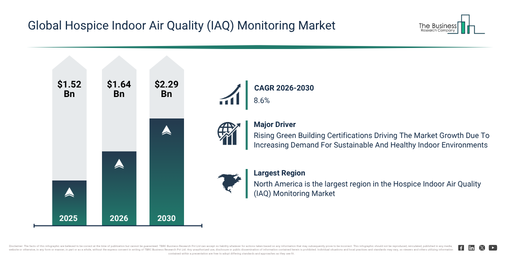
    The hospice indoor air quality (IAQ) monitoring market has experienced substantial expansion in recent times. Projections indicate its expansion from $1.52 billion in 2025 to $1.64 billion in 2026, demonstrating a compound annual growth rate (CAGR) of 8.4%. This historical growth is primarily due to heightened recognition of indoor air pollution dangers, escalating respiratory health issues among older patients, the proliferation of hospice and palliative care centers, evolving regulatory requirements for healthcare settings, and the implementation of fundamental sensor-based monitoring technologies.

    The hospice indoor air quality (IAQ) monitoring market size is projected to undergo significant expansion in the next few years, with its value reaching $2.29 billion by 2030, demonstrating a compound annual growth rate (CAGR) of 8.6%. This anticipated growth throughout the forecast period stems from factors such as the increasing adoption of smart healthcare infrastructure, heightened investment in patient-centric care environments, the growing integration of AI-driven air quality analytics, the expansion of home-based hospice services, and a greater emphasis on sustainable and energy-efficient ventilation systems. Furthermore, major trends characterizing this period include the increasing deployment of zoned IAQ monitoring systems, a rising demand for real-time air quality alerts, the growing integration of IAQ data with HVAC systems, the expansion of portable multifunction IAQ devices, and an escalating focus on infection control and respiratory comfort.

    Access Your Free Sample Report For In-Depth Market Analysis:

    https://www.thebusinessresearchcompany.com/sample_request?id=27706985&type=smp&name=Hospice%20Indoor%20Air%20Quality%20%28IAQ%29%20Monitoring%20Market%20Report%202026

    Which Key Factors Are Driving The Hospice Indoor Air Quality (IAQ) Monitoring Market Growth?

    The expansion of green building certifications is anticipated to fuel the hospice indoor air quality (IAQ) monitoring market’s growth moving forward. These certifications are official recognitions given to structures that adhere to criteria for sustainability, energy efficiency, and reduced environmental footprint. The increase in such certifications stems from heightened environmental consciousness, which in turn boosts the demand for constructions that use fewer resources and produce less carbon. Hospice indoor air quality (IAQ) monitoring supports green building certifications by offering ongoing air quality data, guaranteeing healthy interior spaces, mitigating pollutants, and assisting adherence to the sustainability and wellness benchmarks essential for certification. For example, in July 2024, as reported by the Green Building Council, a US-based non-profit organization, more than 46,000 residential projects obtained LEED green building certification, indicating almost a 5% rise in new registrations compared to 2023. Consequently, the proliferation of green building certifications is stimulating the growth of the hospice indoor air quality (IAQ) monitoring market. The escalating pollution levels are set to drive the expansion of the hospice indoor air quality (IAQ) monitoring market in the future. Pollution levels denote the concentration of detrimental substances in the air, water, or soil that can adversely affect health and the environment. These levels are increasing primarily due to rapid industrialization, which discharges significant quantities of noxious gases, particulates, and chemicals into the environment, thereby degrading air and water quality and impairing health. Hospice indoor air quality (IAQ) monitoring assists in managing pollution levels by consistently identifying hazardous airborne contaminants and facilitating prompt ventilation or filtration actions, thereby cultivating a healthier and safer setting for both patients and staff. For instance, in February 2026, the United States Environmental Protection Agency, a US-based government agency, reported that in 2024, around 64 million tons of pollutants were discharged into the atmosphere across the United States. Thus, the rise in pollution levels is a key factor propelling the growth of the hospice indoor air quality (IAQ) monitoring market.

    Which Segment Categories Are Included In The Hospice Indoor Air Quality (IAQ) Monitoring Market Segment Analysis?

    The hospice indoor air quality (IAQ) monitoring market covered in this report is segmented –

    1) By Product Type: Portable Monitors, Fixed Monitors, Wearable Devices, Other Product Types

    2) By Pollutant Type: Particulate Matter, Carbon Dioxide, Volatile Organic Compounds, Biological Contaminants, Other Pollutant Types

    3) By Technology: Sensor-Based, Internet of Things (IoT)-Enabled, Wireless, Other Technologies

    4) By Application: Patient Rooms, Common Areas, Administrative Offices, Other Applications

    5) By End-User: Hospices, Palliative Care Centers, Home Care Settings, Other End-Users

    Subsegments:

    1) By Portable Monitors: Handheld Monitors, Tabletop Portable Stations, Portable Multifunction Devices

    2) By Fixed Monitors: Wall Mounted Fixed Monitors, Networked Fixed Systems, Zoned IAQ Monitoring

    3) By Wearable Devices: Pendant Wearables, Wrist Mounted Monitors, Badge Style Devices

    4) By Other Product Types: Environmental Sensor Kits, Integrated Smart Building Sensors, Retrofit Add On Sensors

    Who Are The Active Companies Shaping The Hospice Indoor Air Quality (IAQ) Monitoring Market?

    Major companies operating in the hospice indoor air quality (IAQ) monitoring market are Thermo Fisher Scientific Inc., Honeywell International Incorporated, Johnson Controls International plc, Carrier Global Corporation, Trane Technologies plc., Emerson Electric Company, SGS SA, HORIBA Ltd., Camfil AB, Sensirion Aktiengesellschaft, TSI Incorporated, Siemens Aktiengesellschaft, IQAir AG, Airthings ASA, Awair Inc., BGE Indoor Air Quality Solutions Ltd., Testo SE & Co. Kommanditgesellschaft auf Aktien, Anewtech Systems, Aeroqual Limited, Critical Environment Technologies Canada Inc., DevineAir Limited.

    Get The Full Hospice Indoor Air Quality (IAQ) Monitoring Market Report:

    https://www.thebusinessresearchcompany.com/report/hospice-indoor-air-quality-iaq-monitoring-market-report

    Which Region Dominates The Hospice Indoor Air Quality (IAQ) Monitoring Market By Market Share?

    North America was the largest region in the hospice indoor air quality (IAQ) monitoring market in 2025. Asia-Pacific is expected to be the fastest-growing region in the forecast period. The regions covered in the hospice indoor air quality (IAQ) monitoring market report are Asia-Pacific, South East Asia, Western Europe, Eastern Europe, North America, South America, Middle East, Africa.

    Request A Customized Hospice Indoor Air Quality (IAQ) Monitoring Market Report For Competitive Insights:

    https://www.thebusinessresearchcompany.com/Customise?id=27706985&name=Hospice%20Indoor%20Air%20Quality%20%28IAQ%29%20Monitoring%20Market%20Report%202026&type=smp

    Browse Through More Reports Similar to the Global Hospice Indoor Air Quality (IAQ) Monitoring Market 2026, By The Business Research Company

    pruritus therapeutic market report 2026

    https://www.thebusinessresearchcompany.com/report/pruritus-therapeutic-global-market-report

    genomic urine testing market report 2026

    https://www.thebusinessresearchcompany.com/report/genomic-urine-testing-global-market-report

    ocular genetic diagnostic market report 2026

    https://www.thebusinessresearchcompany.com/report/ocular-genetic-diagnostic-global-market-report

    Get in touch with us:

    The Business Research Company: https://www.thebusinessresearchcompany.com/

    Americas +1 310-496-7795

    Asia +44 7882 955267 & +91 8897263534

    Europe +44 7882 955267

    Email us at marketing@tbrc.info

    Follow us on:

    LinkedIn: https://in.linkedin.com/company/the-business-research-company

    YouTube: https://www.youtube.com/channel/UC24_fI0rV8cR5DxlCpgmyFQ

    Global Market Model: https://www.thebusinessresearchcompany.com/global-market-model
  • Hereditary Actionable Disorders Screen (HADS) Inherited Predisposition Screening (IPS) Variant Panel Market Expansion Supported By Rising Genetic Disorder Prevalence And Improved Risk Identification

    Hereditary Actionable Disorders Screen (HADS) Inherited Predisposition Screening (IPS) Variant Panel Market Expansion Supported By Rising Genetic Disorder Prevalence And Improved Risk Identification

    The Business Research Company’s 2026 market reports feature enhanced tools like market attractiveness analysis, TAM assessment, and company scoring matrices, along with interactive dashboards, deeper supply chain insights, and startup coverage strengthening the depth, usability, and strategic value of insights.

    What Changes In Market Value Are Expected For The Hereditary Actionable Disorders Screen (HADS) Inherited Predisposition Screening (IPS) Variant Panel Market Over The 2026–2030 Period?

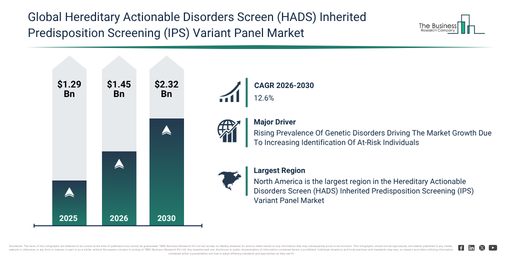
    The market size for the hereditary actionable disorders screen (HADS) inherited predisposition screening (IPS) variant panel has seen swift expansion in recent years. This market is set to increase from $1.29 billion in 2025 to $1.45 billion in 2026, achieving a compound annual growth rate (CAGR) of 12.3%. The growth observed in the past can be credited to factors such as greater awareness of hereditary cancer syndromes, the broadening of clinical genetic testing services, the decreasing expense of sequencing technologies, a rise in the occurrence of inherited cardiovascular disorders, and the increasing adoption of evidence-based screening guidelines.

    The hereditary actionable disorders screen (HADS) inherited predisposition screening (IPS) variant panel market is forecast to undergo substantial expansion in the coming years. By 2030, its valuation is set to reach $2.32 billion, demonstrating a compound annual growth rate (CAGR) of 12.6%. This projected growth is largely propelled by the increasing incorporation of genomic data into standard clinical practice, a surging demand for genetic screening across populations, heightened investment in precision medicine projects, broader reimbursement coverage for genetic testing, and the accelerated development of multi-gene actionable panels. Throughout this period, significant trends are anticipated, including a greater uptake of targeted germline variant panels, an escalating requirement for preventative genetic screening programs, more comprehensive integration of hereditary cancer risk assessment, an extension of evidence-based clinical intervention protocols, and a sharpened focus on the early detection of inherited cardiovascular disorders.

    Access Your Free Sample Report For In-Depth Market Analysis:

    https://www.thebusinessresearchcompany.com/sample_request?id=35954327&type=smp&name=Hereditary%20Actionable%20Disorders%20Screen%20%28HADS%29%20Inherited%20Predisposition%20Screening%20%28IPS%29%20Variant%20Panel%20Market%20Report%202026

    What Key Drivers Are Fueling The Growth Of The Hereditary Actionable Disorders Screen (HADS) Inherited Predisposition Screening (IPS) Variant Panel Market?

    The increasing occurrence of genetic disorders is projected to fuel the expansion of the HADS inherited predisposition screening (IPS) variant panel market moving forward. These disorders are health conditions resulting from alterations or mutations in an individual’s DNA, which can be passed down from parents or arise spontaneously. The rise in their prevalence is attributed to advancements in genetic testing and screening, uncovering more previously undiagnosed cases, alongside heightened awareness among medical professionals and the general public. The HADS IPS variant panel aids in identifying inherited genetic mutations and predispositions in individuals, facilitating early detection, customized risk assessment, and informed health choices to control or prevent these conditions. For example, in October 2024, the National Health Service (NHS) England, a UK-based government department, reported that hundreds of newborns in NHS hospitals had already undergone testing for over 200 rare genetic conditions as part of a groundbreaking study, with the initiative planning to screen up to 100,000 babies across England. Consequently, the growing prevalence of genetic disorders is propelling the growth of the HADS inherited predisposition screening (IPS) variant panel market. The expanding implementation of personalized medicine is anticipated to drive the growth of the HADS inherited predisposition screening (IPS) variant panel market in the coming years. Personalized medicine involves medical care customized for individual patients, drawing upon their genetic profiles, biomarkers, and molecular attributes. This approach is gaining traction due to progress in genomic sequencing technologies, which have substantially lowered costs and enhanced availability, allowing for broad genetic profiling in clinical environments. The HADS inherited predisposition screening (IPS) variant panel facilitates personalized medicine by pinpointing an individual’s unique genetic risk variants, empowering clinicians to devise prevention strategies, early interventions, and treatment plans specifically tailored to each patient’s inherited susceptibility. For instance, in February 2024, the Personalized Medicine Coalition, a US-based non-profit organization, reported that in 2023, the U.S. Food and Drug Administration (FDA) sanctioned 16 novel personalized treatments for individuals with rare diseases, marking a notable rise from the six approvals seen in 2022. Consequently, the growing adoption of personalized medicine is fueling the expansion of the HADS inherited predisposition screening (IPS) variant panel market.

    Which Segment Classifications Are Used In The Hereditary Actionable Disorders Screen (HADS) Inherited Predisposition Screening (IPS) Variant Panel Market Segment Analysis?

    The hereditary actionable disorders screen (HADS) inherited predisposition screening (IPS) variant panel market covered in this report is segmented –

    1) By Technology: Polymerase Chain Reaction, Next Generation Sequencing, Microarray, Other Technologies

    2) By Product Type: Assay Kits, Reagents, Instruments, Software

    3) By Application: Clinical Diagnostics, Research, Personalized Medicine, Oncology, Other Applications

    4) By End-User: Hospitals And Clinics, Diagnostic Laboratories, Research Institutes, Other End Users

    Subsegments:

    1) By Polymerase Chain Reaction: Real Time Polymerase Chain Reaction, Digital Polymerase Chain Reaction, Multiplex Polymerase Chain Reaction, Allele Specific Polymerase Chain Reaction, Other Polymerase Chain Reaction Methods

    2) By Next Generation Sequencing: Targeted Sequencing, Whole Genome Sequencing, Whole Exome Sequencing, Single Cell Sequencing, Other Sequencing Approaches

    3) By Microarray: Single Nucleotide Polymorphism Array, Comparative Genomic Hybridization Array, Gene Expression Array, Methylation Array, Other Microarray Technologies

    4) By Other Technologies: Hybrid Capture Based, Bead Based Assays, Electrochemical Detection, Optical Detection, Other Emerging Technologies

    Which Firms Are Contributing To The Hereditary Actionable Disorders Screen (HADS) Inherited Predisposition Screening (IPS) Variant Panel Market Ecosystem?

    Major companies operating in the hereditary actionable disorders screen (HADS) inherited predisposition screening (IPS) variant panel market are Helix Inc.

    Get The Full Hereditary Actionable Disorders Screen (HADS) Inherited Predisposition Screening (IPS) Variant Panel Market Report:

    https://www.thebusinessresearchcompany.com/report/hereditary-actionable-disorders-screen-hads-inherited-predisposition-screening-ips-variant-panel-market-report

    Which Region Leads The Hereditary Actionable Disorders Screen (HADS) Inherited Predisposition Screening (IPS) Variant Panel Market In Overall Market Size?

    North America was the largest region in the hereditary actionable disorders screen (HADS) inherited predisposition screening (IPS) variant panel market in 2025. Asia-Pacific is expected to be the fastest-growing region in the forecast period. The regions covered in the hereditary actionable disorders screen (HADS) inherited predisposition screening (IPS) variant panel market report are Asia-Pacific, South East Asia, Western Europe, Eastern Europe, North America, South America, Middle East, Africa.

    Request A Customized Hereditary Actionable Disorders Screen (HADS) Inherited Predisposition Screening (IPS) Variant Panel Market Report For Competitive Insights:

    https://www.thebusinessresearchcompany.com/Customise?id=35954327&name=Hereditary%20Actionable%20Disorders%20Screen%20%28HADS%29%20Inherited%20Predisposition%20Screening%20%28IPS%29%20Variant%20Panel%20Market%20Report%202026&type=smp

    Browse Through More Reports Similar to the Global Hereditary Actionable Disorders Screen (HADS) Inherited Predisposition Screening (IPS) Variant Panel Market 2026, By The Business Research Company

    pruritus therapeutic market report 2026

    https://www.thebusinessresearchcompany.com/report/pruritus-therapeutic-global-market-report

    genomic urine testing market report 2026

    https://www.thebusinessresearchcompany.com/report/genomic-urine-testing-global-market-report

    ocular genetic diagnostic market report 2026

    https://www.thebusinessresearchcompany.com/report/ocular-genetic-diagnostic-global-market-report

    Get in touch with us:

    The Business Research Company: https://www.thebusinessresearchcompany.com/

    Americas +1 310-496-7795

    Asia +44 7882 955267 & +91 8897263534

    Europe +44 7882 955267

    Email us at marketing@tbrc.info

    Follow us on:

    LinkedIn: https://in.linkedin.com/company/the-business-research-company

    YouTube: https://www.youtube.com/channel/UC24_fI0rV8cR5DxlCpgmyFQ

    Global Market Model: https://www.thebusinessresearchcompany.com/global-market-model
  • Hepatitis C Virus (HCV) Viral Load Testing Market Growth Driven By Expanding Personalized Medicine And Advancements In Genomic Technologies

    Hepatitis C Virus (HCV) Viral Load Testing Market Growth Driven By Expanding Personalized Medicine And Advancements In Genomic Technologies

    The Business Research Company’s 2026 market reports feature enhanced tools like market attractiveness analysis, TAM assessment, and company scoring matrices, along with interactive dashboards, deeper supply chain insights, and startup coverage strengthening the depth, usability, and strategic value of insights.

    By 2030, What Market Size Is The Hepatitis C Virus (HCV) Viral Load Testing Market Expected To Reach Based On Its 2026 Value?

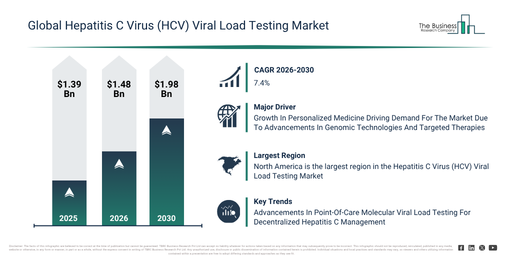
    The hepatitis c virus (hcv) viral load testing market size has seen significant expansion in recent years. It is anticipated to increase from $1.39 billion in 2025 to $1.48 billion in 2026, reflecting a compound annual growth rate (CAGR) of 7.2%. The historical growth of this market can be ascribed to the escalating global incidence of hepatitis C infections, enhanced recognition of the importance of early diagnosis, the expansion of diagnostic laboratory facilities, the implementation of nucleic acid amplification technologies, and the increasing accessibility of antiviral treatments.

    The hepatitis c virus (hcv) viral load testing market is anticipated to experience robust expansion in the coming years, with its market size projected to reach $1.98 billion in 2030, demonstrating a compound annual growth rate (CAGR) of 7.4%. The growth observed during the forecast period can be attributed to factors such as an increase in government screening programs, a rising need for precise viral load monitoring, the expansion of decentralized testing facilities, growing investment in molecular diagnostics, and technological advancements in high-sensitivity HCV RNA assays. Key trends for this period include the increasing adoption of real-time PCR-based viral load testing, a heightened demand for early detection and monitoring of treatment response, the growing utilization of automated high-throughput diagnostic platforms, the expansion of point-of-care HCV RNA testing solutions, and the increasing standardization of viral load quantification assays.

    Access Your Free Sample Report For In-Depth Market Analysis:

    https://www.thebusinessresearchcompany.com/sample_request?id=19958179&type=smp&name=Hepatitis%20C%20Virus%20%28HCV%29%20Viral%20Load%20Testing%20Market%20Report%202026

    Which Drivers Are Supporting The Hepatitis C Virus (HCV) Viral Load Testing Market Growth?

    The expansion of personalized medicine is projected to drive the growth of the hepatitis C virus (HCV) viral load testing market moving forward. Personalized medicine defines a healthcare methodology that customizes medical treatments and interventions based on an individual’s genetic makeup, lifestyle, and environmental elements to optimize clinical outcomes. The growing adoption of personalized medicine is propelled by advancements in genomic technologies, which facilitate precise disease profiling and targeted therapies that improve treatment efficacy while reducing side effects. Hepatitis C viral load testing supports personalized medicine by quantifying the amount of virus in a patient’s blood, allowing clinicians to tailor antiviral therapy selection, dosage, and treatment duration according to individual response and disease severity. For example, in February 2024, the Personalized Medicine Coalition, a US-based non-profit organization, stated that in 2023, the FDA approved 16 new personalized treatments for rare disease patients, an increase from six in 2022, including seven cancer drugs and three therapies for other diseases and conditions. Therefore, the progression of personalized medicine is fueling the growth of the hepatitis C virus (HCV) viral load testing market.

    How Is The Hepatitis C Virus (HCV) Viral Load Testing Market Organized By Segment Classification?

    The hepatitis c virus (hcv) viral load testing market covered in this report is segmented –

    1) By Technology: Polymerase Chain Reaction, Nucleic Acid Sequence-Based Amplification, Transcription-Mediated Amplification, Other Technologies

    2) By Product Type: Instruments, Kits And Reagents, Software And Services

    3) By Sample Type: Blood, Plasma, Serum, Other Sample Types

    4) By End User: Hospitals And Clinics, Diagnostic Laboratories, Blood Banks, Other End Users

    Subsegments:

    1) By Polymerase Chain Reaction: Real Time Polymerase Chain Reaction, Digital Polymerase Chain Reaction, Nested Polymerase Chain Reaction, Reverse Transcription Polymerase Chain Reaction

    2) By Nucleic Acid Sequence-Based Amplification: Real Time Nucleic Acid Sequence-Based Amplification, Standard Nucleic Acid Sequence-Based Amplification

    3) By Transcription-Mediated Amplification: Real Time Transcription-Mediated Amplification, Isothermal Transcription-Mediated Amplification

    4) By Other Technologies: Branched Deoxyribonucleic Acid Assay, Signal Mediated Amplification Of Ribonucleic Acid, Hybrid Capture Assay

    Which Trends Are Guiding The Direction Of The Hepatitis C Virus (HCV) Viral Load Testing Market?

    Leading firms within the hepatitis C virus (HCV) viral load testing market prioritize securing regulatory clearances to broaden the availability of swift and precise molecular diagnostic solutions. Such approvals facilitate the commercial rollout and medical acceptance of cutting-edge nucleic acid amplification tests (NAATs), thereby enhancing prompt diagnosis, the commencement of treatment, and disease surveillance. A notable example is Cepheid Inc., a US-based molecular diagnostics company, which received a medical device license from Health Canada in August 2025 for its Xpert HCV Viral Load test. This particular assay is engineered to identify and measure hepatitis C virus (HCV) RNA, utilizing Cepheid’s GeneXpert System platform. The test provides automated, real-time PCR results, allowing for quicker clinical decisions, improved patient care, and wider reach for decentralized HCV testing services.

    Who Are The Industry Participants Involved In The Hepatitis C Virus (HCV) Viral Load Testing Market?

    Major companies operating in the hepatitis c virus (hcv) viral load testing market are F. Hoffmann-La Roche Ltd., Thermo Fisher Scientific Inc., Abbott Laboratories, Siemens Healthineers, Danaher Corporation, Hologic Inc., Revvity, Bio-Rad Laboratories Inc., Qiagen N.V., Cepheid Inc., BioPerfectus Technologies Co. Ltd., Enzo Biochem Inc., Vela Diagnostics International Pte. Ltd., Altona Diagnostics GmbH, Certest Biotec S.L., Molbio Diagnostics Private Limited, 3B BlackBio Dx Limited, Anatolia Geneworks, GeneProof a.s., Sacace Biotechnologies S.r.l.

    Get The Full Hepatitis C Virus (HCV) Viral Load Testing Market Report:

    https://www.thebusinessresearchcompany.com/report/hepatitis-c-virus-hcv-viral-load-testing-market-report

    Which Region Is The Top Contributor To The Hepatitis C Virus (HCV) Viral Load Testing Market By Share?

    North America was the largest region in the hcv viral load testing market in 2025. Asia-Pacific is expected to be the fastest-growing region in the forecast period. The regions covered in the hcv viral load testing market report are Asia-Pacific, South East Asia, Western Europe, Eastern Europe, North America, South America, Middle East, Africa.

    Request A Customized Hepatitis C Virus (HCV) Viral Load Testing Market Report For Competitive Insights:

    https://www.thebusinessresearchcompany.com/Customise?id=19958179&name=Hepatitis%20C%20Virus%20%28HCV%29%20Viral%20Load%20Testing%20Market%20Report%202026&type=smp

    Browse Through More Reports Similar to the Global Hepatitis C Virus (HCV) Viral Load Testing Market 2026, By The Business Research Company

    pruritus therapeutic market report 2026

    https://www.thebusinessresearchcompany.com/report/pruritus-therapeutic-global-market-report

    genomic urine testing market report 2026

    https://www.thebusinessresearchcompany.com/report/genomic-urine-testing-global-market-report

    ocular genetic diagnostic market report 2026

    https://www.thebusinessresearchcompany.com/report/ocular-genetic-diagnostic-global-market-report

    Get in touch with us:

    The Business Research Company: https://www.thebusinessresearchcompany.com/

    Americas +1 310-496-7795

    Asia +44 7882 955267 & +91 8897263534

    Europe +44 7882 955267

    Email us at marketing@tbrc.info

    Follow us on:

    LinkedIn: https://in.linkedin.com/company/the-business-research-company

    YouTube: https://www.youtube.com/channel/UC24_fI0rV8cR5DxlCpgmyFQ

    Global Market Model: https://www.thebusinessresearchcompany.com/global-market-model
  • Health Economics And Outcomes Research (HEOR) Analytics Platform Market Outlook Featuring Industry Advancements And Growth Trends Through 2030

    Health Economics And Outcomes Research (HEOR) Analytics Platform Market Outlook Featuring Industry Advancements And Growth Trends Through 2030

    The Business Research Company’s 2026 market reports feature enhanced tools like market attractiveness analysis, TAM assessment, and company scoring matrices, along with interactive dashboards, deeper supply chain insights, and startup coverage strengthening the depth, usability, and strategic value of insights.

    How Is The Market Size Of The Health Economics And Outcomes Research (HEOR) Analytics Platform Market Expected To Scale Between 2026 And 2030?

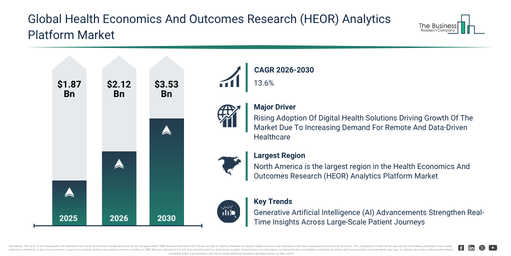
    The health economics and outcomes research (HEOR) analytics platform market has experienced significant expansion recently. It is forecast to rise from $1.87 billion in 2025 to $2.12 billion in 2026, demonstrating a compound annual growth rate (CAGR) of 13.4%. Historically, this growth can be attributed to elements such as mounting pressures from healthcare expenditure, more rigorous regulatory obligations for reimbursement acceptance, increased generation of clinical trial data, the broadening of real-world data sources, and the integration of digital health analytics tools.

    The health economics and outcomes research (HEOR) analytics platform market is projected to experience significant expansion in the coming years. This market is anticipated to reach $3.53 billion by 2030, exhibiting a compound annual growth rate (CAGR) of 13.6%. This projected growth is attributable to several factors, including a growing emphasis on value-based care models, the expanding application of AI-driven predictive health economics models, a heightened need for personalized treatment outcome assessments, the broadening reach of cloud-based healthcare analytics platforms, and increased partnerships between payers and pharmaceutical firms. Key trends expected during this forecast period involve the greater uptake of real-world evidence analytics, an increased requirement for value-based healthcare evaluations, the escalating integration of clinical and claims data platforms, the broadening of cost-effectiveness modeling instruments, and a heightened emphasis on reimbursement and market access analytics.

    Access Your Free Sample Report For In-Depth Market Analysis:

    https://www.thebusinessresearchcompany.com/sample_request?id=89610843&type=smp&name=Health%20Economics%20And%20Outcomes%20Research%20%28HEOR%29%20Analytics%20Platform%20Market%20Report%202026

    Which Primary Drivers Are Impacting The Health Economics And Outcomes Research (HEOR) Analytics Platform Market Growth?

    The expanding embrace of digital health solutions is projected to fuel the expansion of the health economics and outcomes research (HEOR) analytics platform market in the future. These solutions are technology-based tools and systems facilitating remote healthcare, health tracking, and medically informed decisions. Their increased uptake stems from a rising need for accessible and convenient healthcare options. A health economics and outcomes research analytics platform aids digital health solutions by offering data-backed understanding into clinical efficacy, cost-effectiveness, and patient results, allowing healthcare providers and innovators to show worth, enhance interventions, and direct decisions based on evidence. For example, in August 2025, the US Department of Health and Human Services, a US government body, reported that in 2024, approximately 1 million enrollees utilized remote patient monitoring, marking a 27 percent rise from 2023. Consequently, the growing integration of digital health solutions is boosting the growth of the health economics and outcomes research (HEOR) analytics platform market.

    How Is The Health Economics And Outcomes Research (HEOR) Analytics Platform Market Segmented Across Different Segment Categories?

    The health economics and outcomes research (HEOR) analytics platform market covered in this report is segmented –

    1) By Component: Software, Services

    2) By Deployment Mode: On-Premises, Cloud-Based

    3) By Organization Size: Large Enterprises, Small And Medium Enterprises

    4) By Application: Clinical Trial Data Analysis, Real-World Evidence (RWE) Studies, Cost-Effectiveness Analysis, Patient-Reported Outcomes (PROs) Analysis, Market Access And Reimbursement

    5) By End-User: Hospitals, Research Organizations, Pharmaceutical And Biotech Companies, Contract Research Organizations (CROs), Other End-Users

    Subsegments:

    1) By Software: Data Management Software, Predictive Analytics Software, Real World Evidence Software, Visualization And Reporting Software, Decision Support Software

    2) By Services: Consulting Services, Implementation Services, Training Services, Support And Maintenance Services, Data Integration Services

    Which Trends Are Shaping The Health Economics And Outcomes Research (HEOR) Analytics Platform Market?

    Prominent enterprises active in the health economics outcomes research (HEOR) analytics platform market are prioritizing the creation of innovative solutions, such as real-world data analytics, to aid in evidence-based healthcare decision-making. Real-world data analytics involves leveraging data from regular clinical practice and other authentic sources to assess healthcare outcomes and guide strategic choices. For example, in September 2024, Komodo Health Inc., a US-based healthcare technology company, unveiled MapAI and MapExplorer, which are generative AI enhancements for its MapLab platform, engineered to deliver real-time insights from 330 million patient journeys through its Healthcare Map database. This platform integrates extensive de-identified patient-level data with sophisticated AI models to empower life sciences companies, payers, and providers to accelerate research, improve value-based care strategies, and enhance health economics and outcomes research through quicker, data-driven decisions.

    Which Organizations Play A Role In The Health Economics And Outcomes Research (HEOR) Analytics Platform Market Landscape?

    Major companies operating in the health economics outcomes research (HEOR) analytics platform market are McKesson Corporation, Cardinal Health Inc., Oracle Corporation, IQVIA Holdings Inc., McKinsey & Company Inc., ICON plc, Syneos Health, Parexel International, Kantar Health LLC, SAS Institute Inc., EVERSANA LLC, Axtria Inc., Westat Inc., GlobalData Plc, Analysis Group Inc., Precision AQ, Aetion Inc., Veramed Inc., SidekickHealth Inc., Epistemix Inc.

    Get The Full Health Economics And Outcomes Research (HEOR) Analytics Platform Market Report:

    https://www.thebusinessresearchcompany.com/report/health-economics-and-outcomes-research-heor-analytics-platform-market-report

    Which Geographic Region Dominates The Health Economics And Outcomes Research (HEOR) Analytics Platform Market?

    North America was the largest region in the health economics outcomes research (HEOR) analytics platform market in 2025. Asia-Pacific is expected to be the fastest-growing region in the forecast period. The regions covered in the health economics outcomes research (HEOR) analytics platform market report are Asia-Pacific, South East Asia, Western Europe, Eastern Europe, North America, South America, Middle East, Africa.

    Request A Customized Health Economics And Outcomes Research (HEOR) Analytics Platform Market Report For Competitive Insights:

    https://www.thebusinessresearchcompany.com/Customise?id=89610843&name=Health%20Economics%20And%20Outcomes%20Research%20%28HEOR%29%20Analytics%20Platform%20Market%20Report%202026&type=smp

    Browse Through More Reports Similar to the Global Health Economics And Outcomes Research (HEOR) Analytics Platform Market 2026, By The Business Research Company

    pruritus therapeutic market report 2026

    https://www.thebusinessresearchcompany.com/report/pruritus-therapeutic-global-market-report

    genomic urine testing market report 2026

    https://www.thebusinessresearchcompany.com/report/genomic-urine-testing-global-market-report

    ocular genetic diagnostic market report 2026

    https://www.thebusinessresearchcompany.com/report/ocular-genetic-diagnostic-global-market-report

    Get in touch with us:

    The Business Research Company: https://www.thebusinessresearchcompany.com/

    Americas +1 310-496-7795

    Asia +44 7882 955267 & +91 8897263534

    Europe +44 7882 955267

    Email us at marketing@tbrc.info

    Follow us on:

    LinkedIn: https://in.linkedin.com/company/the-business-research-company

    YouTube: https://www.youtube.com/channel/UC24_fI0rV8cR5DxlCpgmyFQ

    Global Market Model: https://www.thebusinessresearchcompany.com/global-market-model
  • Genotype-Phenotype Registry Platforms Market Analysis Covering Growth Trends, Industry Drivers, And Emerging Opportunities

    Genotype-Phenotype Registry Platforms Market Analysis Covering Growth Trends, Industry Drivers, And Emerging Opportunities

    The Business Research Company’s 2026 market reports feature enhanced tools like market attractiveness analysis, TAM assessment, and company scoring matrices, along with interactive dashboards, deeper supply chain insights, and startup coverage strengthening the depth, usability, and strategic value of insights.

    What Are The Market Size Estimates For The Genotype-Phenotype Registry Platforms Market In 2026 And 2030?

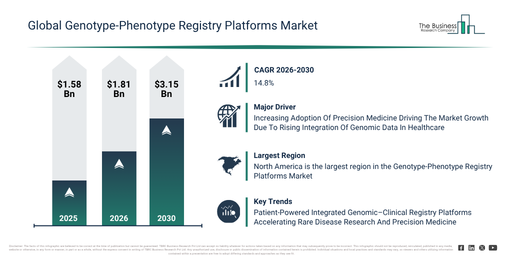
    The genotype-phenotype registry platforms market has experienced considerable growth in recent years. It is anticipated to grow from $1.58 billion in 2025 to $1.81 billion in 2026, achieving a compound annual growth rate (CAGR) of 14.5%. The historical expansion of this market can be attributed to several factors, including an increase in genomic sequencing initiatives, a rising prevalence of rare and genetic disorders, the enlargement of clinical research databases, greater adoption of electronic health records, and the development of standardized genomic data frameworks.

    The genotype-phenotype registry platforms market is projected for substantial expansion in the coming years. Its valuation is anticipated to reach $3.15 billion by 2030, demonstrating a compound annual growth rate (CAGR) of 14.8%. This growth throughout the forecast period is propelled by several factors, including heightened investment in precision medicine initiatives, the increasing adoption of AI-driven genotype-phenotype correlation tools, the broadening of global collaborative research networks, an intensified regulatory focus on genomic data interoperability, and a surging demand for real-world evidence generation. Major developments expected during this period encompass the increasing standardization of genotype–phenotype data models, a rising need for interoperable registry platforms, greater integration of clinical and genomic data streams, the proliferation of rare disease registry projects, and a stronger emphasis on secure data governance frameworks.

    Access Your Free Sample Report For In-Depth Market Analysis:

    https://www.thebusinessresearchcompany.com/sample_request?id=99738009&type=smp&name=Genotype-Phenotype%20Registry%20Platforms%20Market%20Report%202026

    What Major Factors Are Driving The Genotype-Phenotype Registry Platforms Market Forward?

    The expanding embrace of precision medicine is anticipated to drive the expansion of the genotype-phenotype registry platforms market in the coming period. This medical strategy customizes disease prevention and treatment by considering an individual’s genetic makeup, environmental factors, and lifestyle choices. Its acceptance is growing quickly, thanks to swift progress in genomic sequencing, which has made genetic testing more precise, readily available, and affordable for regular clinical applications. Genotype-phenotype registry platforms aid precision medicine through the systematic gathering, consolidation, and analysis of extensive genetic and clinical information. This allows researchers and medical professionals to uncover significant links between genetic differences and disease traits, leading to more precise diagnoses, customized treatment choices, and better patient results. For example, in February 2024, the Personalized Medicine Coalition, a US-based non-profit, reported that in 2023, the U.S. Food and Drug Administration (FDA) authorized 16 novel personalized therapies for rare diseases. This represents a substantial rise from six approvals in 2022, encompassing seven cancer drugs and three therapies for other conditions and illnesses. Consequently, the heightened integration of precision medicine is propelling the expansion of the genotype-phenotype registry platforms market.

    What Segment Categories Shape The Genotype-Phenotype Registry Platforms Market Segment Landscape?

    The genotype-phenotype registry platforms market covered in this report is segmented –

    1) By Component: Software, Services

    2) By Deployment Mode: Cloud-Based, On-Premises

    3) By Application: Clinical Research, Rare Disease Studies, Precision Medicine, Drug Discovery, Other Applications

    4) By End-User: Hospitals And Clinics, Research Institutes, Biopharmaceutical Companies, Other End Users

    Subsegments:

    1) By Software: Data Integration And Harmonization Software, Genotype And Phenotype Data Analysis Software, Registry Management And Reporting Software, Data Visualization And Dashboard Software, Interoperability And Application Programming Interface Software

    2) By Services: Implementation And System Integration Services, Data Curation And Annotation Services, Maintenance And Technical Support Services, Cloud Hosting And Infrastructure Management Services, Regulatory Compliance And Security Services

    Which Trends Are Impacting The Progress Of The Genotype-Phenotype Registry Platforms Market?

    Leading firms within the genotype-phenotype registry platforms market are concentrating on creating cutting-edge solutions, particularly integrated genomic-clinical registry platforms, with the goal of improving real-world evidence creation, speeding up research into rare diseases, and bolstering precision medicine efforts. These integrated genomic-clinical registry platforms represent secure digital infrastructures designed to merge patients’ genetic (genomic) information with their clinical (phenotypic) health documentation into a single, centralized repository. This functionality assists researchers and healthcare professionals in discerning connections between genotype and phenotype, producing real-world evidence, expediting drug discovery, and enhancing patient care rooted in precision medicine. A notable example occurred in October 2023, when DEBRA America, a patient advocacy organization based in the US, collaborated with LunaDNA, a US-based platform for health and genomic data. Their partnership resulted in the launch of an integrated genomic-clinical registry platform specifically for epidermolysis bullosa (EB). This system was conceived as a secure, patient-driven mechanism for gathering and integrating extensive health and genetic information from individuals and families impacted by the condition. The registry allows participants to compile electronic health records from various providers and, when applicable, contribute their genomic data within a secure, consent-based framework. Consequently, it operates as a comprehensively integrated genomic-clinical registry platform.

    Who Are The Companies Operating Across The Genotype-Phenotype Registry Platforms Market Value Chain?

    Major companies operating in the genotype-phenotype registry platforms market are Thermo Fisher Scientific Inc., BC Platforms AG, Illumina Inc., BGI Genomics Co. Ltd., Invitae Corporation, 23andMe Inc., GeneDx Inc., Color Genomics Inc., deCODE genetics ehf, MedGenome Labs Ltd., DNAnexus Inc., SOPHiA GENETICS SA, Human Longevity Inc., Ancestry.com LLC, Centogene AG, Genomics England Limited, Fabric Genomics Inc., Sano Genetics Inc., Congenica Ltd., GenePlanet d.o.o., OpenClinica LLC, Genomelink Inc., Nebula Genomics Inc., PhenoTips Inc., LunaDNA Inc.

    Get The Full Genotype-Phenotype Registry Platforms Market Report:

    https://www.thebusinessresearchcompany.com/report/genotype-phenotype-registry-platforms-market-report

    Which Region Has The Greatest Market Share In The Genotype-Phenotype Registry Platforms Market?

    North America was the largest region in the genotype-phenotype registry platforms market in 2025. Asia-Pacific is expected to be the fastest-growing region in the forecast period. The regions covered in the genotype-phenotype registry platforms market report are Asia-Pacific, South East Asia, Western Europe, Eastern Europe, North America, South America, Middle East, Africa.

    Request A Customized Genotype-Phenotype Registry Platforms Market Report For Competitive Insights:

    https://www.thebusinessresearchcompany.com/Customise?id=99738009&name=Genotype-Phenotype%20Registry%20Platforms%20Market%20Report%202026&type=smp

    Browse Through More Reports Similar to the Global Genotype-Phenotype Registry Platforms Market 2026, By The Business Research Company

    pruritus therapeutic market report 2026

    https://www.thebusinessresearchcompany.com/report/pruritus-therapeutic-global-market-report

    genomic urine testing market report 2026

    https://www.thebusinessresearchcompany.com/report/genomic-urine-testing-global-market-report

    ocular genetic diagnostic market report 2026

    https://www.thebusinessresearchcompany.com/report/ocular-genetic-diagnostic-global-market-report

    Get in touch with us:

    The Business Research Company: https://www.thebusinessresearchcompany.com/

    Americas +1 310-496-7795

    Asia +44 7882 955267 & +91 8897263534

    Europe +44 7882 955267

    Email us at marketing@tbrc.info

    Follow us on:

    LinkedIn: https://in.linkedin.com/company/the-business-research-company

    YouTube: https://www.youtube.com/channel/UC24_fI0rV8cR5DxlCpgmyFQ

    Global Market Model: https://www.thebusinessresearchcompany.com/global-market-model
  • Genomic Variant Prioritization Artificial Intelligence (AI) Market Forecast Highlighting Emerging Developments Across The Industry Through 2030

    Genomic Variant Prioritization Artificial Intelligence (AI) Market Forecast Highlighting Emerging Developments Across The Industry Through 2030

    The Business Research Company’s 2026 market reports feature enhanced tools like market attractiveness analysis, TAM assessment, and company scoring matrices, along with interactive dashboards, deeper supply chain insights, and startup coverage strengthening the depth, usability, and strategic value of insights.

    What Expansion In Market Value Is Forecasted For The Genomic Variant Prioritization Artificial Intelligence (AI) Market Between 2026 And 2030?

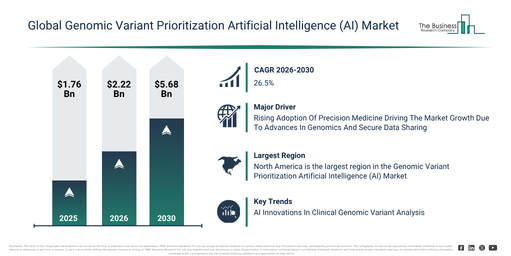
    The genomic variant prioritization artificial intelligence (AI) market size has seen significant expansion in recent years. It is forecast to rise from $1.76 billion in 2025 to $2.22 billion in 2026, achieving a compound annual growth rate (CAGR) of 26.2%. The historical increase can be attributed to several factors, including the greater adoption of next-generation sequencing, the expanding availability of genomic databases, the increasing prevalence of rare genetic disorders, the development of bioinformatics research initiatives, and the reduction in genome sequencing costs.

    The genomic variant prioritization artificial intelligence (AI) market is anticipated to undergo significant expansion in the foreseeable future. Its valuation is projected to reach $5.68 billion by 2030, exhibiting a compound annual growth rate (CAGR) of 26.5%. This growth during the forecast period is fueled by several factors, including the increasing necessity for precision medicine applications, enhanced integration of AI in clinical genomics, the widespread implementation of population genomics programs, escalating investments from pharmaceutical and biotechnology firms, and the establishment of scalable cloud-based genomic analytics platforms. Prominent trends for this period involve the rising adoption of AI-driven variant filtering platforms, greater incorporation of multi-omics data into prioritization models, the proliferation of clinical-grade interpretation and reporting tools, a heightened demand for automated genomic workflow management, and the progress in developing explainable AI models to aid clinical decision support.

    Access Your Free Sample Report For In-Depth Market Analysis:

    https://www.thebusinessresearchcompany.com/sample_request?id=24854495&type=smp&name=Genomic%20Variant%20Prioritization%20Artificial%20Intelligence%20%28AI%29%20Market%20Report%202026

    Which Key Drivers Are Affecting The Genomic Variant Prioritization Artificial Intelligence (AI) Market Development?

    The increasing use of precision medicine is anticipated to fuel the expansion of the genomic variant prioritization artificial intelligence market in the future. This approach involves tailoring healthcare strategies specifically for individual patients, taking into account their unique genetic profile, surrounding environment, and lifestyle choices. Its growth is fueled by advancements in genomics, which enable medical professionals to examine genetic information and create precise treatments that are both more potent and less prone to adverse reactions. Within research and clinical genomics processes, genomic variant prioritization artificial intelligence assists precision medicine by examining and ordering genetic variants to pinpoint those most likely responsible for disease development or affecting how a treatment works, thus facilitating more focused therapeutic choices. An illustration of this trend is seen in February 2024, when the Personalized Medicine Coalition, a US-based non-profit organization, reported that the U.S. Food and Drug Administration had approved 16 new personalized treatments for rare disease patients in 2023, an increase from six in 2022, which highlights the swift expansion of drug development propelled by precision medicine. Consequently, the increased integration of precision medicine is a key factor propelling the expansion of the genomic variant prioritization artificial intelligence market.

    Which Segment Types Are Examined In The Genomic Variant Prioritization Artificial Intelligence (AI) Market Segment Study?

    The genomic variant prioritization artificial intelligence (AI) market covered in this report is segmented –

    1) By Component: Software, Hardware, Services

    2) By Deployment Mode: On-Premise Deployment, Cloud-Based Deployment, Hybrid Deployment

    3) By Application: Rare Disease Diagnosis, Oncology And Cancer Genomics, Pharmacogenomics, Prenatal And Reproductive Health Testing, Population Genomics And Research, Infectious Disease Genomics

    4) By End-User: Hospitals And Clinics, Research Institutes, Pharmaceutical And Biotechnology Companies, Other End-Users

    Subsegments:

    1) By Software: Variant Annotation Software, Variant Filtering And Prioritization Software, Clinical Interpretation And Reporting Software, Genomic Data Visualization Software, Workflow Management And Pipeline Automation Software, Database Integration And Knowledgebase Software

    2) By Hardware: High Performance Computing Servers, Graphics Processing Accelerators, Data Storage Systems, Network Infrastructure Equipment, Bioinformatics Workstations

    3) By Services: Genomic Data Analysis Services, System Integration And Deployment Services, Cloud Migration And Infrastructure Management Services, Consulting And Training Services, Maintenance And Technical Support Services

    What Trends Are Transforming The Genomic Variant Prioritization Artificial Intelligence (AI) Market?

    Leading companies operating in the genomic variant prioritization artificial intelligence (AI) market are concentrating on developing innovative solutions, such as phenotype-driven variant scoring, to enhance the accuracy and efficiency of identifying clinically relevant genetic variants for diagnosis and personalized treatment. This scoring method ranks genetic variants based on their likelihood of explaining a patient’s observed clinical traits or symptoms. For instance, in October 2024, SeqOne S.A.S., a Switzerland-based clinical genomics software company, introduced DiagAI Score, an explainable AI tool for genomic variant prioritization in whole-exome and whole-genome sequencing workflows. This tool generates a 0–100 score that ranks variants according to pathogenicity, phenotype matching via PhenoGenius, inheritance patterns, and quality metrics, thereby reducing thousands of variants to a shortlist of fewer than 18 candidates with 95–96% sensitivity in disease-specific validation studies.

    Which Players Are Part Of The Competitive Landscape Of The Genomic Variant Prioritization Artificial Intelligence (AI) Market?

    Major companies operating in the genomic variant prioritization artificial intelligence (AI) market are F. Hoffmann-La Roche Ltd., Thermo Fisher Scientific Inc., Illumina Inc., QIAGEN N.V., Natera Inc., Myriad Genetics Inc., Tempus AI Inc., ?SOPHiA GENETICS SA, CENTOGENE N.V., Genomenon Inc., Deep Genomics Inc., Fabric Genomics Inc., Strand Life Sciences Pvt. Ltd., PierianDx Inc., Eurofins Scientific SE, Congenica Ltd., SeqOne Genomics SAS, Golden Helix Inc., PhenoTips Inc., Saphetor SA, Euformatics Ltd., enGenome s.r.l., Nostos Genomics Ltd., and Humanome.AI Inc.

    Get The Full Genomic Variant Prioritization Artificial Intelligence (AI) Market Report:

    https://www.thebusinessresearchcompany.com/report/genomic-variant-prioritization-artificial-intelligence-ai-market-report

    Which Region Accounts For The Largest Portion Of The Genomic Variant Prioritization Artificial Intelligence (AI) Market?

    North America was the largest region in the genomic variant prioritization artificial intelligence (AI) market in 2025. Asia-Pacific is expected to be the fastest-growing region in the forecast period. The regions covered in the genomic variant prioritization artificial intelligence (AI) market report are Asia-Pacific, South East Asia, Western Europe, Eastern Europe, North America, South America, Middle East, Africa.

    Request A Customized Genomic Variant Prioritization Artificial Intelligence (AI) Market Report For Competitive Insights:

    https://www.thebusinessresearchcompany.com/Customise?id=24854495&name=Genomic%20Variant%20Prioritization%20Artificial%20Intelligence%20%28AI%29%20Market%20Report%202026&type=smp

    Browse Through More Reports Similar to the Global Genomic Variant Prioritization Artificial Intelligence (AI) Market 2026, By The Business Research Company

    pruritus therapeutic market report 2026

    https://www.thebusinessresearchcompany.com/report/pruritus-therapeutic-global-market-report

    genomic urine testing market report 2026

    https://www.thebusinessresearchcompany.com/report/genomic-urine-testing-global-market-report

    ocular genetic diagnostic market report 2026

    https://www.thebusinessresearchcompany.com/report/ocular-genetic-diagnostic-global-market-report

    Get in touch with us:

    The Business Research Company: https://www.thebusinessresearchcompany.com/

    Americas +1 310-496-7795

    Asia +44 7882 955267 & +91 8897263534

    Europe +44 7882 955267

    Email us at marketing@tbrc.info

    Follow us on:

    LinkedIn: https://in.linkedin.com/company/the-business-research-company

    YouTube: https://www.youtube.com/channel/UC24_fI0rV8cR5DxlCpgmyFQ

    Global Market Model: https://www.thebusinessresearchcompany.com/global-market-model
  • Gene Panel Reconciliation Services Market Analysis Highlighting Key Drivers And Evolving Industry Trends

    Gene Panel Reconciliation Services Market Analysis Highlighting Key Drivers And Evolving Industry Trends

    The Business Research Company’s 2026 market reports feature enhanced tools like market attractiveness analysis, TAM assessment, and company scoring matrices, along with interactive dashboards, deeper supply chain insights, and startup coverage strengthening the depth, usability, and strategic value of insights.

    What Is The Projected Increase In Market Value Of The Gene Panel Reconciliation Services Market During 2026–2030?

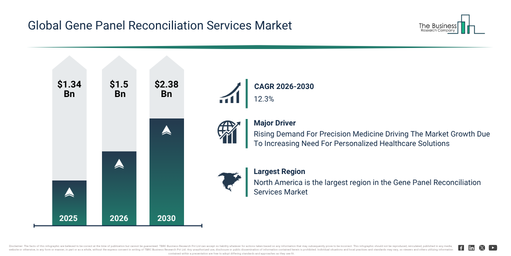
    The gene panel reconciliation services market has experienced rapid growth in recent years. It is forecast to increase from $1.34 billion in 2025 to $1.5 billion in 2026, exhibiting a compound annual growth rate (CAGR) of 12.0%. This expansion during the historic period can be attributed to the broader adoption of clinical genetic testing, the rising occurrence of rare and hereditary diseases, an increase in next generation sequencing utilization, the growing need for accurate variant classification, and the development of clinical genomic databases.

    The gene panel reconciliation services market size is anticipated to undergo significant growth in the upcoming years. It is projected to expand to $2.38 billion by 2030, achieving a compound annual growth rate (CAGR) of 12.3%. This projected growth can be attributed to the increasing demand for precision medicine approaches, greater integration of AI in variant interpretation, the expansion of multi-omics data integration, heightened regulatory scrutiny on genetic test standardization, and a rise in collaborations between diagnostic laboratories and research institutes. Important trends during the forecast period include the increasing standardization of genetic testing panels, a growing need for cross-platform data harmonization, the rising adoption of guideline-aligned variant interpretation, the broadening of disease-specific gene panel optimization, and a growing emphasis on regulatory-compliant genomic reporting.

    Access Your Free Sample Report For In-Depth Market Analysis:

    https://www.thebusinessresearchcompany.com/sample_request?id=53583264&type=smp&name=Gene%20Panel%20Reconciliation%20Services%20Market%20Report%202026

    Which Strong Drivers Are Impacting The Gene Panel Reconciliation Services Market Growth?

    The increasing demand for precision medicine is anticipated to fuel the expansion of the gene panel reconciliation services market in the coming years. Precision medicine is a medical strategy that customizes disease prevention, diagnosis, and treatment based on an individual’s unique genetic makeup, environmental factors, and lifestyle choices. The escalating need for precision medicine stems from the growing integration of genetic and molecular data into healthcare, enabling physicians to deliver more targeted and effective therapies for patients. Gene panel reconciliation services facilitate precision medicine by guaranteeing the accurate interpretation, standardization, and consolidation of genetic test results from diverse sources, thereby empowering clinicians to make precise, individualized treatment decisions supported by comprehensive and reliable genomic information. As an illustration, in February 2024, the Personalized Medicine Coalition (PMC), a US-based organization, reported that in 2023, the U.S. Food and Drug Administration (FDA) approved 16 novel personalized therapies for rare disease patients, a notable increase from the six such treatments approved in 2022. Consequently, the rising demand for precision medicine is propelling the growth of the gene panel reconciliation services market.

    How Is The Gene Panel Reconciliation Services Market Categorized Across Its Segment Groups?

    The gene panel reconciliation services market covered in this report is segmented –

    1) By Service Type: Panel Design, Data Harmonization, Variant Interpretation, Reporting, Other Service Types

    2) By Technology: Next Generation Sequencing, Polymerase Chain Reaction, Microarray, Sanger Sequencing

    3) By Application: Oncology, Cardiology, Neurology, Pharmacogenomics, Rare Disease Diagnostics

    4) By End-User: Hospitals And Clinics, Diagnostic Laboratories, Research Institutes, Other End Users

    Subsegments:

    1) By Panel Design: Gene Panel Customization Services, Target Gene Selection Services, Panel Optimization And Validation Services, Clinical Requirement Based Panel Design Services, Disease Specific Gene Panel Development Services

    2) By Data Harmonization: Genomic Data Standardization Services, Cross Platform Data Integration Services, Variant Nomenclature Alignment Services, Reference Database Mapping Services, Multi Source Genomic Data Harmonization Services

    3) By Variant Interpretation: Clinical Variant Classification Services, Pathogenicity Assessment Services, Evidence Based Variant Interpretation Services, Guideline Aligned Variant Interpretation Services, Literature And Database Driven Variant Analysis Services

    4) By Reporting: Clinical Genomic Reporting Services, Standardized Variant Reporting Services, Custom Report Generation Services, Regulatory Compliant Reporting Services, Physician And Laboratory Oriented Reporting Services

    5) By Other Service Types: Quality Assurance And Validation Services, Regulatory And Compliance Support Services, Workflow Integration And Support Services, Ongoing Panel Update And Maintenance Services, Consulting And Advisory Services

    Which Firms Are Influencing Competition In The Gene Panel Reconciliation Services Market?

    Major companies operating in the gene panel reconciliation services market are F. Hoffmann-La Roche Ltd., Thermo Fisher Scientific Inc., IQVIA Holdings Inc., Laboratory Corporation of America Holdings, Eurofins Scientific SE, Illumina Inc., Natera Inc., Myriad Genetics Inc., 10x Genomics Inc., NeoGenomics Laboratories Inc., ARUP Laboratories Inc., Invitae Corporation, Ambry Genetics Corporation, GeneDx Inc., GenomOncology Inc., SOPHiA GENETICS SA, Centogene NV, DNAnexus Inc., Genomind Inc., Fabric Genomics Inc., PierianDx Inc., Congenica Ltd.

    Get The Full Gene Panel Reconciliation Services Market Report:

    https://www.thebusinessresearchcompany.com/report/gene-panel-reconciliation-services-market-report

    Where Is The Gene Panel Reconciliation Services Market Most Concentrated Geographically?

    North America was the largest region in the gene panel reconciliation services market in 2025. Asia-Pacific is expected to be the fastest-growing region in the forecast period. The regions covered in the gene panel reconciliation services market report are Asia-Pacific, South East Asia, Western Europe, Eastern Europe, North America, South America, Middle East, Africa.

    Request A Customized Gene Panel Reconciliation Services Market Report For Competitive Insights:

    https://www.thebusinessresearchcompany.com/Customise?id=53583264&name=Gene%20Panel%20Reconciliation%20Services%20Market%20Report%202026&type=smp

    Browse Through More Reports Similar to the Global Gene Panel Reconciliation Services Market 2026, By The Business Research Company

    pruritus therapeutic market report 2026

    https://www.thebusinessresearchcompany.com/report/pruritus-therapeutic-global-market-report

    genomic urine testing market report 2026

    https://www.thebusinessresearchcompany.com/report/genomic-urine-testing-global-market-report

    ocular genetic diagnostic market report 2026

    https://www.thebusinessresearchcompany.com/report/ocular-genetic-diagnostic-global-market-report

    Get in touch with us:

    The Business Research Company: https://www.thebusinessresearchcompany.com/

    Americas +1 310-496-7795

    Asia +44 7882 955267 & +91 8897263534

    Europe +44 7882 955267

    Email us at marketing@tbrc.info

    Follow us on:

    LinkedIn: https://in.linkedin.com/company/the-business-research-company

    YouTube: https://www.youtube.com/channel/UC24_fI0rV8cR5DxlCpgmyFQ

    Global Market Model: https://www.thebusinessresearchcompany.com/global-market-model
  • Fetal Aneuploidy Confirmation Testing Market Forecast Covering Key Growth Drivers And Future Industry Trends

    Fetal Aneuploidy Confirmation Testing Market Forecast Covering Key Growth Drivers And Future Industry Trends

    The Business Research Company’s 2026 market reports feature enhanced tools like market attractiveness analysis, TAM assessment, and company scoring matrices, along with interactive dashboards, deeper supply chain insights, and startup coverage strengthening the depth, usability, and strategic value of insights.

    How Much Growth In Market Value Is Expected For The Fetal Aneuploidy Confirmation Testing Market Between 2026 And 2030?

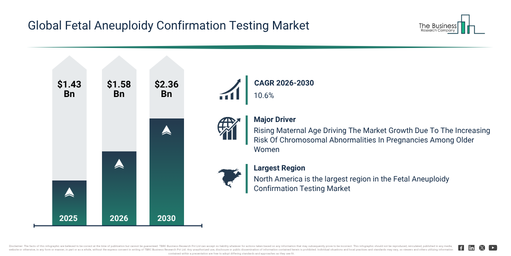
    The fetal aneuploidy confirmation testing market has experienced swift growth in recent years. Projections show that it is expected to increase from $1.43 billion in 2025 to $1.58 billion in 2026, achieving a compound annual growth rate (CAGR) of 10.4%. Key drivers of this past growth include an uptick in pregnancies at advanced maternal ages, the escalating prevalence of chromosomal abnormalities, enhanced public knowledge of prenatal screening initiatives, improvements in cytogenetic testing procedures, and the broadened availability of diagnostic facilities in hospitals.

    The fetal aneuploidy confirmation testing market size is projected to experience rapid expansion in the coming years. It is expected to grow to $2.36 billion in 2030, achieving a compound annual growth rate (CAGR) of 10.6%. The anticipated growth during this period stems from factors such as the increasing adoption of precision medicine approaches, the growing integration of AI-based genetic analysis tools, a rising demand for non-invasive prenatal testing confirmation, the expansion of genomic research initiatives, and increasing healthcare infrastructure investments in emerging markets. Key trends foreseen over the forecast horizon include the increasing adoption of next-generation sequencing technologies, a rising demand for early and accurate prenatal diagnosis, a growing preference for confirmatory diagnostic testing after positive screening, the expansion of advanced chromosomal microarray analysis, and an increasing availability of specialized prenatal diagnostic services.

    Access Your Free Sample Report For In-Depth Market Analysis:

    https://www.thebusinessresearchcompany.com/sample_request?id=87402940&type=smp&name=Fetal%20Aneuploidy%20Confirmation%20Testing%20Market%20Report%202026

    What Leading Drivers Are Supporting The Fetal Aneuploidy Confirmation Testing Market Expansion?

    The increasing maternal age is projected to stimulate the expansion of the fetal aneuploidy confirmation testing market in the future. Maternal age denotes a woman’s age when she becomes pregnant or gives birth. This age is rising because women are postponing parenthood to focus on higher education and career progression before starting families. Fetal aneuploidy confirmation testing plays a role in addressing the risks tied to advancing maternal age by precisely verifying chromosomal abnormalities, which are more prevalent in pregnancies among older women, thereby facilitating prompt medical guidance and knowledgeable pregnancy choices. For example, in June 2025, data from the Centers for Disease Control and Prevention, a US-based government agency, showed that the average age of mothers at first birth rose from 27.4 years in 2022 to 27.5 years in 2023, an increase of 0.1 years. Hence, the increasing maternal age is fueling the growth of the fetal aneuploidy confirmation testing market. The expansion of personalized medicine is anticipated to fuel the growth of the fetal aneuploidy confirmation testing market moving forward. Personalized medicine is a healthcare methodology that customizes prevention, diagnosis, and treatment strategies to an individual’s distinct genetic makeup, biomarkers, and molecular characteristics. This field is advancing due to rapid progress in genomic technologies and biomarker-based diagnostics, which enable medical professionals to tailor treatments and interventions to a patient’s unique genetic profile. Fetal aneuploidy confirmation testing facilitates personalized medicine by providing precise genetic information about the fetus, allowing clinicians to customize prenatal care, risk management, and treatment decisions specifically to the individual genetic profile of each pregnancy. For instance, in February 2024, the Personalized Medicine Coalition, a US-based non-profit organization, reported that in 2023, the U.S. Food and Drug Administration (FDA) approved 16 new personalized therapies for patients with rare diseases, a significant increase from the six approvals recorded in 2022. Hence, the growth in personalized medicine is driving the growth of the fetal aneuploidy confirmation testing market.

    Which Segment Categories Are Included In The Fetal Aneuploidy Confirmation Testing Market Segment Analysis?

    The fetal aneuploidy confirmation testing market covered in this report is segmented –

    1) By Test Type: Non-Invasive Prenatal Testing, Invasive Testing, Other Test Types

    2) By Technology: Next-Generation Sequencing, Polymerase Chain Reaction, Fluorescence In Situ Hybridization, Microarray, Other Technologies

    3) By Application: Trisomy, Sex Chromosome Aneuploidy, Microdeletions, Other Applications

    4) By End-User: Hospitals, Diagnostic Laboratories, Specialty Clinics, Other End Users

    Subsegments:

    1) By Non-Invasive Prenatal Testing: Cell-Free Fetal Deoxyribonucleic Acid Testing, Maternal Serum Screening, Ultrasound-Based Risk Assessment, Next-Generation Sequencing-Based Non-Invasive Prenatal Testing, Chromosomal Microarray Analysis

    2) By Invasive Testing: Amniocentesis, Chorionic Villus Sampling, Cordocentesis, Fetal Biopsy, Fetal Karyotyping

    3) By Other Test Types: Preimplantation Genetic Testing, Targeted Gene Panels, Multiplex Polymerase Chain Reaction Testing, Fluorescence In Situ Hybridization Testing, Comparative Genomic Hybridization Testing

    Who Are The Active Companies Shaping The Fetal Aneuploidy Confirmation Testing Market?

    Major companies operating in the fetal aneuploidy confirmation testing market are Thermo Fisher Scientific Inc., Laboratory Corporation of America Holdings, Quest Diagnostics Incorporated, Eurofins Scientific SE, Agilent Technologies Inc., Illumina Inc., PerkinElmer Inc., SYNLAB AG, Myriad Genetics Inc., CapitalBio Technology Co. Ltd., BGI Genomics Co. Ltd., Centogene N.V., Yourgene Health plc, MedGenome Labs Ltd., Fulgent Genetics Inc., Annoroad Gene Technology Co. Ltd., CeGaT GmbH, LifeCodexx AG, Variantyx Inc., Igenomix S.L.U.

    Get The Full Fetal Aneuploidy Confirmation Testing Market Report:

    https://www.thebusinessresearchcompany.com/report/fetal-aneuploidy-confirmation-testing-market-report

    Which Region Leads The Fetal Aneuploidy Confirmation Testing Market In Terms Of Market Share?

    North America was the largest region in the fetal aneuploidy confirmation testing market in 2025. Asia-Pacific is expected to be the fastest-growing region in the forecast period. The regions covered in the fetal aneuploidy confirmation testing market report are Asia-Pacific, South East Asia, Western Europe, Eastern Europe, North America, South America, Middle East, Africa.

    Request A Customized Fetal Aneuploidy Confirmation Testing Market Report For Competitive Insights:

    https://www.thebusinessresearchcompany.com/Customise?id=87402940&name=Fetal%20Aneuploidy%20Confirmation%20Testing%20Market%20Report%202026&type=smp

    Browse Through More Reports Similar to the Global Fetal Aneuploidy Confirmation Testing Market 2026, By The Business Research Company

    pruritus therapeutic market report 2026

    https://www.thebusinessresearchcompany.com/report/pruritus-therapeutic-global-market-report

    genomic urine testing market report 2026

    https://www.thebusinessresearchcompany.com/report/genomic-urine-testing-global-market-report

    ocular genetic diagnostic market report 2026

    https://www.thebusinessresearchcompany.com/report/ocular-genetic-diagnostic-global-market-report

    Get in touch with us:

    The Business Research Company: https://www.thebusinessresearchcompany.com/

    Americas +1 310-496-7795

    Asia +44 7882 955267 & +91 8897263534

    Europe +44 7882 955267

    Email us at marketing@tbrc.info

    Follow us on:

    LinkedIn: https://in.linkedin.com/company/the-business-research-company

    YouTube: https://www.youtube.com/channel/UC24_fI0rV8cR5DxlCpgmyFQ

    Global Market Model: https://www.thebusinessresearchcompany.com/global-market-model
  • Fecal Occult Blood Test (FOBT) Market Outlook Highlighting Emerging Opportunities Through 2030

    Fecal Occult Blood Test (FOBT) Market Outlook Highlighting Emerging Opportunities Through 2030

    The Business Research Company’s 2026 market reports feature enhanced tools like market attractiveness analysis, TAM assessment, and company scoring matrices, along with interactive dashboards, deeper supply chain insights, and startup coverage strengthening the depth, usability, and strategic value of insights.

    What Is The Estimated Market Size Of The Fecal Occult Blood Test (FOBT) Market In 2026, And How Will Its Value Evolve By 2030?

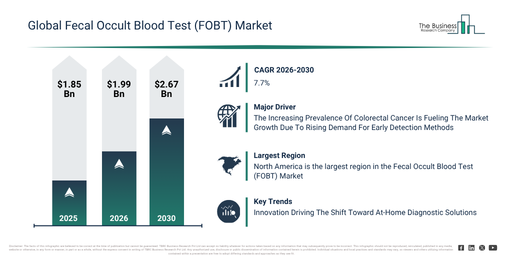
    The fecal occult blood test (FOBT) market has experienced substantial expansion in recent years. It is anticipated to increase from $1.85 billion in 2025 to $1.99 billion in 2026, demonstrating a compound annual growth rate (CAGR) of 7.5%. This growth observed in the past can be attributed to several factors: a rising prevalence of colorectal cancer, heightened awareness regarding preventive health screening, the expansion of national cancer screening programs, an increasing geriatric population, and improvements in diagnostic laboratory infrastructure.

    The fecal occult blood test (FOBT) market is anticipated to experience robust expansion over the coming years. This market is projected to reach a valuation of $2.67 billion by 2030, demonstrating a compound annual growth rate (CAGR) of 7.7%. This anticipated growth during the forecast period stems from several factors, including a rising demand for non-invasive diagnostic techniques, an increased uptake of at-home testing solutions, escalating healthcare spending in developing economies, the broadening scope of personalized medicine approaches, and the greater incorporation of digital health platforms. Key trends foreseen in this period encompass the wider acceptance of immunochemical FOBT kits, a heightened preference for screening tests conducted at home, an amplified emphasis on the early detection of colorectal cancer, the proliferation of point-of-care FOBT devices, and the intensified creation of highly sensitive test reagents.

    Access Your Free Sample Report For In-Depth Market Analysis:

    https://www.thebusinessresearchcompany.com/sample_request?id=81886118&type=smp&name=Fecal%20Occult%20Blood%20Test%20%28FOBT%29%20Market%20Report%202026

    Which Key Factors Are Driving The Fecal Occult Blood Test (FOBT) Market Growth?

    The anticipated expansion of the fecal occult blood test (FOBT) market is linked to the rising incidence and substantial public health impact of colorectal cancer. Colorectal cancer originates in the colon or rectum, frequently developing from abnormal growths called polyps. Its increasing occurrence is attributed to factors like inactive lifestyles, an aging demographic, and specific dietary patterns, all of which elevate the likelihood of cancer forming in the digestive system. The fecal occult blood test (FOBT) plays a crucial role in colorectal cancer screening by identifying concealed blood in stool early, thus facilitating prompt diagnosis, enhancing treatment efficacy, and slowing the disease’s advancement. As an illustration, the Office for National Statistics (ONS), a UK government body, reported in February 2025 that approximately 15,552 deaths from colorectal cancer were recorded in England and Wales in 2023, with provisional data for 2024 suggesting a comparable figure. This underscores the considerable disease burden and the escalating demand for early screening and preventative diagnostic instruments. Consequently, the rising prevalence of colorectal cancer is a key factor propelling the expansion of the fecal occult blood test (FOBT) market.

    How Is The Fecal Occult Blood Test (FOBT) Market Broken Down By Segment Categories?

    The fecal occult blood test (fobt) market covered in this report is segmented –

    1) By Product Type: Guaiac-Based Fecal Occult Blood Test, Immunochemical Fecal Occult Blood Test, Other Product Types

    2) By Sample Type: Stool-Based, Other Sample Types

    3) By Application: Colorectal Cancer Screening, Gastrointestinal Bleeding, Other Applications

    4) By End User: Hospitals, Diagnostic Laboratories, Clinics, Home Care Settings, Other End Users

    Subsegments:

    1) By Guaiac-Based Fecal Occult Blood Test: Manual Guaiac Test Kits, Automated Guaiac Test Systems, Point-Of-Care Guaiac Test Devices, High Sensitivity Guaiac Reagents

    2) By Immunochemical Fecal Occult Blood Test: Qualitative Immunochemical Test Kits, Quantitative Immunochemical Test Systems, Point-Of-Care Immunochemical Devices, High Sensitivity Immunochemical Reagents

    3) By Other Product Types: Deoxyribonucleic Acid-Based Fecal Occult Blood Test Kits, Enzyme Immunoassay Test Kits, Chromatographic Fecal Occult Blood Test Devices, Combination Fecal Occult Blood Test Systems

    Which Trends Are Guiding The Direction Of The Fecal Occult Blood Test (FOBT) Market?

    Key players within the fecal occult blood test (FOBT) market are concentrating on developing innovative offerings like at-home over-the-counter (OTC) FOBT kits, aiming to boost early detection rates and enhance patient convenience. These at-home over-the-counter (OTC) FOBT kits serve as non-invasive testing solutions, empowering individuals to gather stool samples at home for identifying hidden blood, which aids in early colorectal cancer screening and provides greater ease compared to laboratory-based tests. For instance, in December 2023, DiaCarta Inc., a precision diagnostic company based in the US, introduced the iColon Fecal Occult Blood Test. This OTC at-home test allows for the early discovery of blood in stool, holding clinical relevance for both gastrointestinal disorders and colorectal cancer. The iColon test is engineered for user-friendliness and non-invasiveness, enabling patients to collect samples without needing medical supervision. It incorporates sensitive detection methods that improve accuracy over traditional guaiac-based FOBTs, thereby reducing false negatives and facilitating earlier intervention. Moreover, it supports timely engagement with healthcare providers if abnormal results are found, promoting proactive management of colorectal health.

    Which Players Are Present In The Fecal Occult Blood Test (FOBT) Market Space?

    Major companies operating in the fecal occult blood test (fobt) market are F. Hoffmann-La Roche AG, Siemens Healthineers AG, Medline Industries Inc., Quest Diagnostics Incorporated, Sysmex Corporation, Quidel Corporation, Randox Laboratories Ltd., BIOMERICA Inc., Aidian Oy, Meridian Bioscience Inc., CTK Biotech Inc., Eiken Chemical Co. Ltd., Hemosure Inc., Alfa Scientific Designs Inc., AdvaCare Pharma Inc., Biohit Oyj, Immunostics Inc., Apacor Ltd., Humasis Co. Ltd., Firstep Bioresearch Inc., Biopanda Reagents Ltd, Ameritek Inc.

    Get The Full Fecal Occult Blood Test (FOBT) Market Report:

    https://www.thebusinessresearchcompany.com/report/fecal-occult-blood-test-fobt-market-report

    Which Region Leads The Fecal Occult Blood Test (FOBT) Market In Overall Market Size?

    North America was the largest region in the fecal occult blood test (FOBT) market in 2025. Asia-Pacific is expected to be the fastest-growing region in the forecast period. The regions covered in the fecal occult blood test (fobt) market report are Asia-Pacific, South East Asia, Western Europe, Eastern Europe, North America, South America, Middle East, Africa.

    Request A Customized Fecal Occult Blood Test (FOBT) Market Report For Competitive Insights:

    https://www.thebusinessresearchcompany.com/Customise?id=81886118&name=Fecal%20Occult%20Blood%20Test%20%28FOBT%29%20Market%20Report%202026&type=smp

    Browse Through More Reports Similar to the Global Fecal Occult Blood Test (FOBT) Market 2026, By The Business Research Company

    pruritus therapeutic market report 2026

    https://www.thebusinessresearchcompany.com/report/pruritus-therapeutic-global-market-report

    genomic urine testing market report 2026

    https://www.thebusinessresearchcompany.com/report/genomic-urine-testing-global-market-report

    ocular genetic diagnostic market report 2026

    https://www.thebusinessresearchcompany.com/report/ocular-genetic-diagnostic-global-market-report

    Get in touch with us:

    The Business Research Company: https://www.thebusinessresearchcompany.com/

    Americas +1 310-496-7795

    Asia +44 7882 955267 & +91 8897263534

    Europe +44 7882 955267

    Email us at marketing@tbrc.info

    Follow us on:

    LinkedIn: https://in.linkedin.com/company/the-business-research-company

    YouTube: https://www.youtube.com/channel/UC24_fI0rV8cR5DxlCpgmyFQ

    Global Market Model: https://www.thebusinessresearchcompany.com/global-market-model
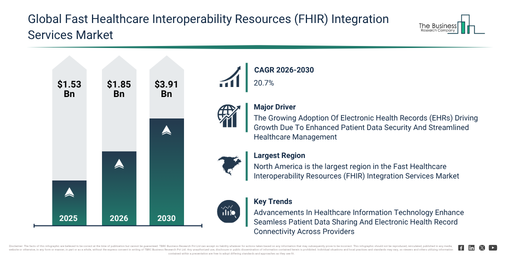
  • Fast Healthcare Interoperability Resources (FHIR) Integration Services Market Forecast Highlighting Growth Toward $3.91 Billion By 2030

    Fast Healthcare Interoperability Resources (FHIR) Integration Services Market Forecast Highlighting Growth Toward $3.91 Billion By 2030

    The Business Research Company’s 2026 market reports feature enhanced tools like market attractiveness analysis, TAM assessment, and company scoring matrices, along with interactive dashboards, deeper supply chain insights, and startup coverage strengthening the depth, usability, and strategic value of insights.

    What Is The Forecasted Market Size Trajectory Of The Fast Healthcare Interoperability Resources (FHIR) Integration Services Market From 2026 To 2030?

    The fast healthcare interoperability resources (FHIR) integration services market size has experienced significant expansion in recent years. It is projected to increase from $1.53 billion in 2025 to $1.85 billion in 2026, exhibiting a compound annual growth rate (CAGR) of 20.4%. This historical growth can be attributed to factors such as the increasing digitization of healthcare records, the growing adoption of electronic health record systems, the rising demand for healthcare data standardization, government mandates for interoperability compliance, and the expansion of health information exchange networks.

    The fast healthcare interoperability resources (FHIR) integration services market is projected to experience substantial expansion in the coming years, reaching a valuation of $3.91 billion by 2030, driven by a compound annual growth rate (CAGR) of 20.7%. This anticipated growth throughout the forecast period stems from factors such as the increasing embrace of cloud-native healthcare platforms, the greater incorporation of AI-driven clinical decision support, a surging need for patient-focused care models, the broadening scope of telehealth and remote monitoring solutions, and increased capital allocation towards healthcare data analytics. Key trends anticipated during this period encompass the escalating uptake of FHIR-based API integration, a heightened requirement for immediate clinical data exchange, the expanding deployment of EHR interoperability solutions, the wider availability of cloud-based FHIR deployment frameworks, and a stronger emphasis on ensuring secure patient data sharing.

    Access Your Free Sample Report For In-Depth Market Analysis:

    https://www.thebusinessresearchcompany.com/sample_request?id=87088903&type=smp&name=Fast%20Healthcare%20Interoperability%20Resources%20%28FHIR%29%20Integration%20Services%20Market%20Report%202026

    Which Major Drivers Are Influencing The Expansion Of The Fast Healthcare Interoperability Resources (FHIR) Integration Services Market?

    The expanding acceptance of electronic health records is poised to drive the growth of the fast healthcare interoperability resources (FHIR) integration services market moving forward. Electronic health records (EHRs) are digital versions of patients’ medical histories, maintained by healthcare providers, which can encompass details such as diagnoses, medications, treatment plans, immunization dates, allergies, radiology images, and laboratory test results. This increasing adoption of EHRs is attributed to their capability to improve patient care and safety by offering accurate, real-time access to comprehensive medical information, thereby reducing errors and enabling more informed clinical decisions. Furthermore, electronic health records streamline fast healthcare interoperability resources (FHIR) integration services through the provision of standardized, structured patient data, which in turn facilitates seamless exchange, real-time accessibility, and enhanced interoperability across healthcare systems. As an illustration, in March 2024, the Department of Health and Social Care, a UK-based government department, reported that in the UK, the percentage of national health services trusts with electronic health records grew from 90% in December 2023 to 100% in March 2025. Hence, the growing adoption of electronic health records is a key factor propelling the expansion of the fast healthcare interoperability resources (FHIR) integration services market.

    Which Segment Classifications Are Used In The Fast Healthcare Interoperability Resources (FHIR) Integration Services Market Segment Analysis?

    The fast healthcare interoperability resources (FHIR) integration services market covered in this report is segmented –

    1) By Component: Software, Services

    2) By Integration Type: Fast Healthcare Interoperability Resources Application Programming Interface Integration, Electronic Health Record Integration, Health Information Exchange Integration, Cloud Based Fast Healthcare Interoperability Resources Integration, Mobile Health Application Integration, Clinical Data Repository Integration

    3) By Deployment Mode: On-Premises, Cloud-Based

    4) By Application: Clinical Data Exchange, Patient Management, Population Health Management, Other Applications

    5) By End-User: Healthcare Providers, Payers, Pharmacies, Other End-Users

    Subsegments:

    1) By Software: Fast Healthcare Interoperability Resources Engine Software, Interface Engine Software, Data Mapping Software, Application Programming Interface Management Software, Clinical Data Integration Software

    2) By Services: Implementation Services, Consulting Services, Training Services, Support And Maintenance Services, Data Migration Services

    Which Trends Are Shaping The Fast Healthcare Interoperability Resources (FHIR) Integration Services Market?

    Leading companies in the fast healthcare interoperability resources (FHIR) integration services market are concentrating on developing innovative platforms, including interoperability engine platforms, to improve seamless data exchange, enhance EHR integration, and guarantee compliance with healthcare interoperability standards. An interoperability engine functions as a software platform that enables various healthcare systems, applications, and devices to effortlessly exchange, interpret, and use data. As an illustration, in July 2025, EMR Direct Inc., a US-based health information technology software company, introduced enhanced HL7 FHIR services for its Interoperability Engine 2026, aimed at health IT developers. This update allows for secure patient access and business-to-business data exchange, while also meeting ONC Health IT certification criteria and adhering to the medicare promoting interoperability program. These improvements are intended to streamline healthcare data interoperability, boost information sharing among providers, and support the increasing need for standardized, efficient health IT solutions.

    Which Firms Are Contributing To The Fast Healthcare Interoperability Resources (FHIR) Integration Services Market Ecosystem?

    Major companies operating in the fast healthcare interoperability resources (FHIR) integration services market are Google LLC, Microsoft Corporation, Salesforce Inc., Tata Consultancy Services Limited, Cognizant Technology Solutions Corporation, Infosys Limited, InterSystems Corporation, Eclinical Works LLC, Medical Information Technology Inc., Veradigm Inc., 1upHealth Inc., Epic Systems Corporation, Mindbowser Inc., DreamSoft4U Private Limited, Health Gorilla Inc., Taction Software LLC, BM Coder LLC, CapMinds Technologies Private Limited, Edenlab LLC, Firely B.V., Health Samurai Inc., Healthcare Integrations LLC, Smile Digital Health Inc., and Techbit Solutions Pvt. Ltd.

    Get The Full Fast Healthcare Interoperability Resources (FHIR) Integration Services Market Report:

    https://www.thebusinessresearchcompany.com/report/fast-healthcare-interoperability-resources-fhir-integration-services-market-report

    Which Region Represents The Largest Share Of The Fast Healthcare Interoperability Resources (FHIR) Integration Services Market?

    North America was the largest region in the fast healthcare interoperability resources (FHIR) integration services market in 2025. Asia-Pacific is expected to be the fastest-growing region in the forecast period. The regions covered in the fast healthcare interoperability resources (FHIR) integration services market report are Asia-Pacific, South East Asia, Western Europe, Eastern Europe, North America, South America, Middle East, Africa.

    Request A Customized Fast Healthcare Interoperability Resources (FHIR) Integration Services Market Report For Competitive Insights:

    https://www.thebusinessresearchcompany.com/Customise?id=87088903&name=Fast%20Healthcare%20Interoperability%20Resources%20%28FHIR%29%20Integration%20Services%20Market%20Report%202026&type=smp

    Browse Through More Reports Similar to the Global Fast Healthcare Interoperability Resources (FHIR) Integration Services Market 2026, By The Business Research Company

    pruritus therapeutic market report 2026

    https://www.thebusinessresearchcompany.com/report/pruritus-therapeutic-global-market-report

    genomic urine testing market report 2026

    https://www.thebusinessresearchcompany.com/report/genomic-urine-testing-global-market-report

    ocular genetic diagnostic market report 2026

    https://www.thebusinessresearchcompany.com/report/ocular-genetic-diagnostic-global-market-report

    Get in touch with us:

    The Business Research Company: https://www.thebusinessresearchcompany.com/

    Americas +1 310-496-7795

    Asia +44 7882 955267 & +91 8897263534

    Europe +44 7882 955267

    Email us at marketing@tbrc.info

    Follow us on:

    LinkedIn: https://in.linkedin.com/company/the-business-research-company

    YouTube: https://www.youtube.com/channel/UC24_fI0rV8cR5DxlCpgmyFQ

    Global Market Model: https://www.thebusinessresearchcompany.com/global-market-model