Category: Healthcare Services

  • Uterine Manipulators Market Analysis Focused on Growth Potential and Market Outlook

    Uterine Manipulators Market Analysis Focused on Growth Potential and Market Outlook

    The Business Research Company’s 2026 market reports feature enhanced tools like market attractiveness analysis, TAM assessment, and company scoring matrices, along with interactive dashboards, deeper supply chain insights, and startup coverage strengthening the depth, usability, and strategic value of insights.

    What Expansion In Market Value Is Forecasted For The Uterine Manipulators Market Between 2026 And 2030?

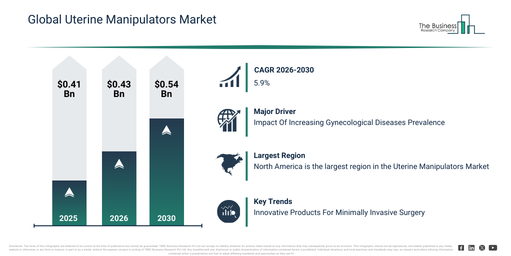
    The uterine manipulators market has experienced significant expansion in recent years. It is anticipated to increase from $0.41 billion in 2025 to $0.43 billion in 2026, growing at a compound annual growth rate (CAGR) of 6.1%. This historical growth can be attributed to several factors including an escalating volume of gynecological surgeries, the increasing adoption of laparoscopic techniques, the availability of reusable surgical instruments, the ongoing expansion of hospital surgical infrastructure, and a heightened focus on procedural efficiency.

    The uterine manipulators market is projected to experience substantial expansion over the coming years. This market is set to reach $0.54 billion by 2030, exhibiting a compound annual growth rate (CAGR) of 5.9%. This anticipated growth during the forecast period is driven by factors such as the increasing integration of robotic-assisted gynecological operations, a growing need for sophisticated surgical instruments, the wider use of minimally invasive techniques, an escalating preference for single-use devices, and heightened investments in surgical advancements. Key trends anticipated for the forecast period encompass a greater uptake of ergonomically designed manipulators, an increased prevalence of disposable and single-use instruments, enhanced integration with minimally invasive surgical platforms, the broadening scope of robotic-assisted gynecological interventions, and an intensified emphasis on both surgical accuracy and patient safety.

    Access Your Free Sample Report For In-Depth Market Analysis:

    https://www.thebusinessresearchcompany.com/sample.aspx?id=20992&type=smp

    Which Important Drivers Are Guiding The Uterine Manipulators Market Growth?

    The increasing occurrence of gynecological conditions is anticipated to drive the expansion of the uterine manipulators market in the future. These conditions encompass medical issues impacting the female reproductive system, including ailments of the uterus, ovaries, fallopian tubes, and cervix. The growing frequency of such diseases is attributed to factors like shifts in lifestyle, postponed pregnancies, heightened stress levels, environmental pollutants, and an increasing rate of obesity. Uterine manipulators facilitate precise access and easy movement during minimally invasive procedures, thereby enhancing the diagnosis and treatment of gynecological diseases, which leads to improved outcomes. For instance, in March 2023, the World Health Organization (WHO), a Switzerland-based intergovernmental body, reported that approximately 190 million women and girls of reproductive age worldwide are affected by endometriosis. Moreover, in February 2023, the American Cancer Society, a US-based non-profit organization, projected in January 2023 that around 13,960 new cases of invasive cervical cancer would be diagnosed in 2023, with an estimated 4,310 women expected to face mortality due to cervical cancer during the same period. Consequently, the rising incidence of gynecological diseases is fueling the growth of the uterine manipulators market.

    Which Segments Define The Uterine Manipulators Market Segment Structure?

    The uterine manipulators market covered in this report is segmented –

    1) By Type: Uterine Injector, Mangeshikar, Clermont Ferrand, VECTEC, Other Types

    2) By Application: Laparoscopic Surgeries, Hysteroscopic Surgeries, Fertility Treatments, Other Applications

    3) By End-User: Specialty Clinics, Hospitals, Ambulatory Surgical Centers

    Subsegments:

    1) By Uterine Injector: Single-Use Uterine Injectors, Reusable Uterine Injectors, Sterile Uterine Injectors

    2) By Mangeshikar: Mangeshikar Type I, Mangeshikar Type II

    3) By Clermont Ferrand: Clermont Ferrand Uterine Manipulator for Laparoscopic Surgery, Clermont Ferrand Uterine Manipulator For Hysteroscopic Procedures

    4) By VECTEC: VECTEC Uterine Manipulator with Adjustable Length, VECTEC Uterine Manipulator With Rotational Features

    5) By Other Types: Disposable Uterine Manipulators, Robotic-Assisted Uterine Manipulators, Electromechanical Uterine Manipulators

    What Trends Are Influencing The Evolution Of The Uterine Manipulators Market?

    Leading companies in the uterine manipulators sector are prioritizing the introduction of innovative products, such as advanced laparoscopic devices, with the aim of increasing accuracy, decreasing patient recuperation periods, and improving general surgical results. Advanced laparoscopic devices are specialized surgical tools utilized in minimally invasive operations, empowering surgeons to conduct procedures through small incisions, with better visualization and greater precision. For example, in January 2023, Lagis Enterprise Co. Ltd., a medical device producer based in Taiwan, unveiled its Balloon Trocar, Uterine Manipulator-Injector at Arab Health. The Uterine Manipulator-Injector is a surgical apparatus engineered to both position the uterus and deliver fluids during gynecological surgeries, thereby assisting with superior visualization and management in minimally invasive procedures. The balloon trocar is a surgical tool employed to establish a controlled entry point into the body during laparoscopic surgeries, incorporating a balloon that creates a firm seal and lessens the chance of damage to nearby tissues.

    Who Are The Established Players Within The Uterine Manipulators Market?

    Major companies operating in the uterine manipulators market are Johnson & Johnson, Medtronic plc, Olympus Corporation, CooperSurgical Inc., Karl Storz SE & Co. KG, Conmed Corporation, Richard Wolf GmbH, MedGyn Products Inc., LSI Solutions Inc., LiNA Medical APS, Applied Medical Resources Corporation, Purple Surgical International Ltd, Conkin Surgical Instrument Ltd, Utah Medical Products Inc, Bistos Co Ltd, Minerva Surgical Inc, EndoMed Systems, Hangzhou Tonglu Shikonghou Medical Instrument Co Ltd, Gynex Corporation, Hospiline Equipments Pvt Ltd

    Get The Full Uterine Manipulators Market Report:

    https://www.thebusinessresearchcompany.com/report/uterine-manipulators-global-market-report

    Which Region Accounts For The Largest Portion Of The Uterine Manipulators Market?

    North America was the largest region in the uterine manipulators market in 2025. The regions covered in the uterine manipulators market report are Asia-Pacific, South East Asia, Western Europe, Eastern Europe, North America, South America, Middle East, Africa.

    Request A Customized Uterine Manipulators Market Report For Competitive Insights:

    https://www.thebusinessresearchcompany.com/report/uterine-manipulators-global-market-report

    Browse Through More Reports Similar to the Global Uterine Manipulators Market 2026, By The Business Research Company

    Gynecological Devices Market Report 2026

    https://www.thebusinessresearchcompany.com/report/gynecological-devices-global-market-report

    Uterine Fibroid Embolization Device Market Report

    https://www.thebusinessresearchcompany.com/report/uterine-fibroid-embolization-device-global-market-report

    Endometrial Ablation Devices Market Report

    https://www.thebusinessresearchcompany.com/report/endometrial-ablation-devices-global-market-report

    Get in touch with us:

    The Business Research Company: https://www.thebusinessresearchcompany.com/

    Americas +1 310-496-7795

    Asia +44 7882 955267 & +91 8897263534

    Europe +44 7882 955267

    Email us at info@tbrc.info

    Follow us on:

    LinkedIn: https://in.linkedin.com/company/the-business-research-company

    YouTube: https://www.youtube.com/channel/UC24_fI0rV8cR5DxlCpgmyFQ

    Global Market Model: https://www.thebusinessresearchcompany.com/global-market-model
  • Uterine Fibroids Treatment Market Forecast Showing Industry Growth Trends Through 2030

    Uterine Fibroids Treatment Market Forecast Showing Industry Growth Trends Through 2030

    The Business Research Company’s 2026 market reports feature enhanced tools like market attractiveness analysis, TAM assessment, and company scoring matrices, along with interactive dashboards, deeper supply chain insights, and startup coverage strengthening the depth, usability, and strategic value of insights.

    How Large Will The Uterine Fibroids Treatment Market Be By 2030 Compared To Its 2026 Market Size?

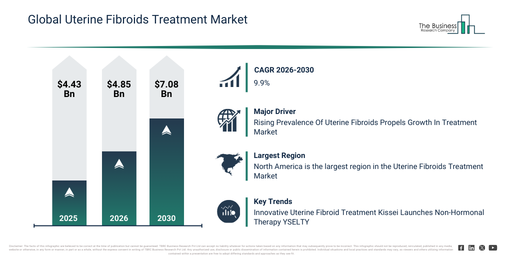
    The size of the uterine fibroids treatment market has experienced significant expansion recently. This market is projected to expand from $4.43 billion in 2025 to $4.85 billion in 2026, registering a compound annual growth rate (CAGR) of 9.7%. Historically, this expansion has been driven by factors such as enhanced understanding of uterine fibroid symptoms, the accessibility of various surgical interventions, the enlargement of gynecological care infrastructure, a rise in diagnosis rates via imaging techniques, and the overall development of women’s healthcare services.

    The uterine fibroids treatment market is projected to experience substantial expansion over the upcoming years. Its value is anticipated to reach $7.08 billion by the year 2030, exhibiting a compound annual growth rate (CAGR) of 9.9%. This expansion during the forecast period stems from factors such as the increasing embrace of non-surgical treatment options, a heightened demand for therapies that preserve fertility, the broadening scope of outpatient gynecological procedures, increased funding for women’s health research, and the expanding application of image-guided treatments. Key developments expected in this period encompass the greater uptake of minimally invasive treatment techniques, the expanded application of both hormonal and non-hormonal therapies, an increasing inclination towards treatments that preserve the uterus, the proliferation of advanced imaging-guided interventions, and more refined patient-centric approaches to treatment planning.

    Access Your Free Sample Report For In-Depth Market Analysis:

    https://www.thebusinessresearchcompany.com/sample.aspx?id=10766&type=smp

    What Major Factors Are Driving The Uterine Fibroids Treatment Market Forward?

    The widespread occurrence of uterine fibroids among women is anticipated to fuel the expansion of the uterine fibroids treatment market in the coming years. Uterine fibroids are non-cancerous growths that develop within the uterus and can manifest symptoms such as heavy menstrual bleeding, pelvic pain, and pressure on the bladder or bowel. The treatment for uterine fibroids addresses these by inhibiting the production of estrogen and progesterone, thereby stopping menstruation and improving anemia. For example, in September 2024, as per Oxford Academic, the UK-based publisher of the journal Human Reproduction, it was estimated that 7.3% of Australian women had been diagnosed with uterine fibroids by the age of 45–49, with the highest age-specific incidence recorded among women aged 40–44 (5.0 new cases per 1,000 person-years). Thus, the significant global prevalence of uterine fibroids in women is propelling the growth of the uterine fibroids treatment market.

    How Is The Uterine Fibroids Treatment Market Segmented Across Different Segment Categories?

    The uterine fibroids treatment market covered in this report is segmented –

    1) By Type: Subserosal Fibroids, Intramural Fibroids, Submucosal Fibroids, Pedunculated Fibroids

    2) By Treatment Type: Hormone Therapy, Androgens, Gonadotropin-Releasing Hormone Antagonists, Uterine Artery Embolization, Myomectomy, Hysterectomy

    3) By End-Users: Hospitals, Ambulatory Surgical Centers, Other End users

    Subsegments:

    1) By Subserosal Fibroids: Pedunculated Subserosal Fibroids, Non-Pedunculated Subserosal Fibroids

    2) By Intramural Fibroids: Small Intramural Fibroids, Large Intramural Fibroids

    3) By Submucosal Fibroids: Pedunculated Submucosal Fibroids, Non-Pedunculated Submucosal Fibroids

    4) By Pedunculated Fibroids: Subserosal Pedunculated Fibroids, Submucosal Pedunculated Fibroids

    Which Trends Are Impacting The Progress Of The Uterine Fibroids Treatment Market?

    Leading companies in the uterine fibroid treatment market are incorporating product advancements, including non-hormonal therapies and adaptable dosing choices, to cater to various patient requirements and maintain their market advantage. Non-hormonal approaches for uterine fibroids, specifically GnRH receptor antagonists, operate by blocking gonadotropin-releasing hormone at pituitary receptors, leading to decreased estrogen synthesis and relief from symptoms like excessive bleeding and pelvic discomfort. As an illustration, in September 2024, Kissei Pharmaceutical Co., Ltd., a Japan-based pharmaceutical firm, introduced YSELTY, a new treatment for uterine fibroids, representing a notable stride in women’s healthcare. YSELTY provides a non-hormonal therapy option with customizable dosing, designed to meet individual patient needs, especially for those experiencing severe fibroid symptoms. Functioning as a GnRH receptor antagonist, YSELTY lowers estrogen production by inhibiting gonadotropin-releasing hormone at its pituitary receptors, thereby effectively mitigating symptoms such as bleeding and pain.

    Which Organizations Play A Role In The Uterine Fibroids Treatment Market Landscape?

    Major companies operating in the uterine fibroids treatment market are Gynesonics Inc., Medtronic plc, Boston Scientific Corporation, Karl Storz GmbH, Pfizer Inc., Abbvie Inc., Richard Wolf GmbH, CooperSurgical Inc., Olympus Corporation, Myovant Sciences GmbH, Insightec Ltd., Hologic Inc., Obseva SA, Eli Lilly and Company, GlaxoSmithKline plc, Stryker Corporation, Smith & Nephew plc, Minerva Surgical Inc., Ethicon Inc., Cook Medical LLC, C.R. Bard Inc., Biomerics LLC, Visionsense Corp., Halt Medical Inc., Acessa Health Inc., Blue Endo, LiNA Medical ApS, Merit Medical Systems Inc., Allergan plc, Astellas Pharma Inc.

    Get The Full Uterine Fibroids Treatment Market Report:

    https://www.thebusinessresearchcompany.com/report/uterine-fibroids-treatment-global-market-report

    Which Region Holds The Highest Market Share In The Uterine Fibroids Treatment Market?

    North America was the largest region in the uterine fibroids treatment market in 2025.Asia-Pacific is expected to be the fastest-growing region in the forecast period. The regions covered in the uterine fibroids treatment market report are Asia-Pacific, South East Asia, Western Europe, Eastern Europe, North America, South America, Middle East, Africa.

    Request A Customized Uterine Fibroids Treatment Market Report For Competitive Insights:

    https://www.thebusinessresearchcompany.com/report/uterine-fibroids-treatment-global-market-report

    Browse Through More Reports Similar to the Global Uterine Fibroids Treatment Market 2026, By The Business Research Company

    Uterine Fibroids Treatment Market Report 2026

    https://www.thebusinessresearchcompany.com/report/uterine-fibroids-treatment-global-market-report

    Uterine Fibroid Embolization Device Market Report

    https://www.thebusinessresearchcompany.com/report/uterine-fibroid-embolization-device-global-market-report

    Endometrial Cancer Treatment Market Report

    https://www.thebusinessresearchcompany.com/report/endometrial-cancer-treatment-global-market-report

    Get in touch with us:

    The Business Research Company: https://www.thebusinessresearchcompany.com/

    Americas +1 310-496-7795

    Asia +44 7882 955267 & +91 8897263534

    Europe +44 7882 955267

    Email us at info@tbrc.info

    Follow us on:

    LinkedIn: https://in.linkedin.com/company/the-business-research-company

    YouTube: https://www.youtube.com/channel/UC24_fI0rV8cR5DxlCpgmyFQ

    Global Market Model: https://www.thebusinessresearchcompany.com/global-market-model
  • Usher Syndrome Market Future Outlook Highlighting Key Growth Trends

    Usher Syndrome Market Future Outlook Highlighting Key Growth Trends

    The Business Research Company’s 2026 market reports feature enhanced tools like market attractiveness analysis, TAM assessment, and company scoring matrices, along with interactive dashboards, deeper supply chain insights, and startup coverage strengthening the depth, usability, and strategic value of insights.

    What Is The Projected Increase In Market Value Of The Usher Syndrome Market During 2026–2030?

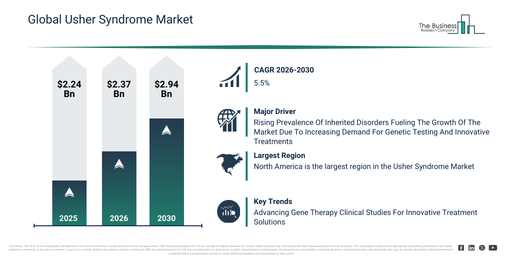
    The usher syndrome market has experienced substantial growth in recent years. It is projected to expand from $2.24 billion in 2025 to $2.37 billion in 2026, exhibiting a compound annual growth rate (CAGR) of 5.7%. This historical growth can be attributed to several factors, including heightened awareness of inherited sensory disorders, the expansion of genetic counseling services, the availability of cutting-edge diagnostic tools, the proliferation of specialty clinics catering to rare diseases, and an increase in screening initiatives for retinal disorders.

    The market for usher syndrome is projected to experience substantial expansion in the coming years, reaching a valuation of $2.94 billion by 2030, driven by a compound annual growth rate (CAGR) of 5.5%. This anticipated growth during the forecast period is largely due to factors such as intensified research into gene therapy solutions, increased investments in the development of drugs for rare diseases, the growing acceptance of personalized medicine strategies, the broadening of early intervention initiatives, and improved collaboration among research institutions and healthcare providers. Key trends anticipated within the same period encompass a greater uptake of genetic testing for prompt diagnosis, an increasing emphasis on therapeutic methods based on genes, a rise in the application of sophisticated diagnostic imaging tools, the expansion of comprehensive multidisciplinary treatment options, and improvements in patient monitoring and disease management frameworks.

    Access Your Free Sample Report For In-Depth Market Analysis:

    https://www.thebusinessresearchcompany.com/sample.aspx?id=23555&type=smp

    Which Key Drivers Are Affecting The Usher Syndrome Market Development?

    The increasing occurrence of inherited conditions is projected to boost the expansion of the usher syndrome market in the future. These genetic conditions are transmitted from parents to children via their DNA, frequently stemming from mutations in single or multiple genes. The increase in parental age contributes to the rise in inherited disorders, resulting in a greater frequency of genetic conditions in infants. Usher syndrome, a genetic ailment, necessitates prompt diagnosis, specialized medical attention, and specific therapeutic interventions. Heightened awareness and more extensive screening for genetic disorders lead to the detection of more Usher syndrome cases, thereby increasing the demand for diagnostic tools, genetic advice, and treatment options. For example, data from February 2023, reported by the World Health Organization, an international public health body of the United Nations based in Switzerland, indicated that congenital disorders were estimated to be responsible for approximately 240,000 newborn fatalities globally within the initial 28 days of life annually, besides another 170,000 deaths among children aged 1 month to 5 years. Consequently, the growing occurrence of inherited disorders is set to propel the usher syndrome market.

    What Are The Main Segments Within The Usher Syndrome Market Segment Structure?

    The usher syndrome market covered in this report is segmented –

    1) By Type: Type 1, Type 2, Type 3, Other Types

    2) By Treatment: Devices, Drugs, Therapy, Other Treatments

    3) By Diagnosis: Electroretinogram, Optical Coherence Tomography, Video Nystagmography, Audiology, Genetic Testing, Other Diagnoses

    4) By Distribution Channels: Hospital Pharmacy, Retail Pharmacy, Other Distribution Channels

    5) By End-Users: Hospitals, Speciality Clinics, Other End-Users

    Subsegments:

    1) By Type 1: MYO7A Mutation, USH1C Mutation, CDH23 Mutation, PCDH15 Mutation, USH1G Mutation

    2) By Type 2: USH2A Mutation, GPR98 Mutation, DFNB31 Mutation

    3) By Type 3: CLRN1 Mutation, Rare Mutations

    4) By Other Types: Atypical Usher Syndrome, Rare Genetic Variants

    What Trends Are Transforming The Usher Syndrome Market?

    Companies operating within the usher syndrome market are significantly investing in clinical research to develop advanced gene therapies and innovative treatments capable of slowing or even reversing the progression of vision and hearing loss. These clinical investigations are dedicated to improving early diagnostic methods, enhancing supportive technologies, and exploring potential drug-based interventions to better manage the condition. For instance, in October 2024, the Italy-based biotechnology company AAVantgarde Bio initiated the LUCE-1 trial, a Phase I/II clinical study designed to evaluate the safety and efficacy of its gene therapy, AAVB-081, for treating retinitis pigmentosa associated with Usher Syndrome type 1B (USH1B). The LUCE-1 trial specifically seeks to assess the safety profile and tolerability of AAVB-081, which delivers a functional copy of the MYO7A gene, essential for maintaining retinal health.

    Who Are The Companies Participating In The Usher Syndrome Market?

    Major companies operating in the usher syndrome market are Cochlear Ltd, Advanced Bionics AG, Spark Therapeutics, Editas Medicine Inc, ProQR Therapeutics NV, Odylia Therapeutics, ReNeuron Group plc, Sensorion SAS, Gensight Biologics, AAVantgarde Bio, Laboratoires Théa, Atsena Therapeutics, Nanoscope Therapeutics, Nacuity Pharmaceuticals, Janus Biotechnology, Eiger BioPharmaceuticals, Audentes Therapeutics, Sarepta Therapeutics, Regeneron Pharmaceuticals, Amgen, Alnylam Pharmaceuticals, UniQure

    Get The Full Usher Syndrome Market Report:

    https://www.thebusinessresearchcompany.com/report/usher-syndrome-global-market-report

    Where Is The Usher Syndrome Market Most Concentrated Geographically?

    North America was the largest region in the usher syndrome market in 2025. Asia-Pacific is expected to be the fastest-growing region in the forecast period. The regions covered in the usher syndrome market report are Asia-Pacific, South East Asia, Western Europe, Eastern Europe, North America, South America, Middle East, Africa.

    Request A Customized Usher Syndrome Market Report For Competitive Insights:

    https://www.thebusinessresearchcompany.com/report/usher-syndrome-global-market-report

    Browse Through More Reports Similar to the Global Usher Syndrome Market 2026, By The Business Research Company

    Alzheimers Drugs Market Report 2026

    https://www.thebusinessresearchcompany.com/report/alzheimers-drugs-global-market-report

    Progressive Ataxia And Weakness Disorders Market Report

    https://www.thebusinessresearchcompany.com/report/progressive-ataxia-and-weakness-disorders-global-market-report

    Dumping Syndrome Market Report

    https://www.thebusinessresearchcompany.com/report/dumping-syndrome-global-market-report

    Get in touch with us:

    The Business Research Company: https://www.thebusinessresearchcompany.com/

    Americas +1 310-496-7795

    Asia +44 7882 955267 & +91 8897263534

    Europe +44 7882 955267

    Email us at info@tbrc.info

    Follow us on:

    LinkedIn: https://in.linkedin.com/company/the-business-research-company

    YouTube: https://www.youtube.com/channel/UC24_fI0rV8cR5DxlCpgmyFQ

    Global Market Model: https://www.thebusinessresearchcompany.com/global-market-model
  • Urticaria Market Growth Outlook and Forecast Through 2030

    Urticaria Market Growth Outlook and Forecast Through 2030

    The Business Research Company’s 2026 market reports feature enhanced tools like market attractiveness analysis, TAM assessment, and company scoring matrices, along with interactive dashboards, deeper supply chain insights, and startup coverage strengthening the depth, usability, and strategic value of insights.

    How Is The Market Size Of The Urticaria Market Expected To Change From 2026 To 2030?

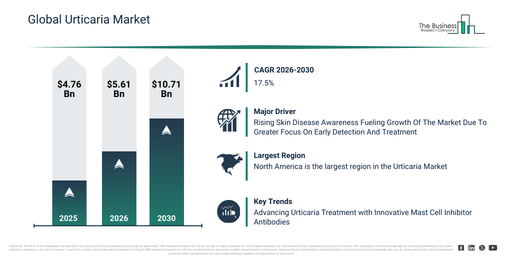
    The urticaria market has experienced significant expansion recently. It is projected to increase from $4.76 billion in 2025 to $5.61 billion in 2026, reflecting a compound annual growth rate (CAGR) of 17.9%. This historical growth can be attributed to factors such as the increasing prevalence of allergic skin conditions, broader utilization of antihistamines, the expansion of dermatology treatment services, rising awareness of chronic urticaria, and the availability of prescription therapies.

    The urticaria market is anticipated to experience substantial expansion over the next few years. It is projected to escalate to $10.71 billion by 2030, exhibiting a compound annual growth rate (CAGR) of 17.5%. This growth during the forecast period is fueled by the increasing adoption of biologic treatments, a rising demand for long-acting therapies, a growing emphasis on immune-modulating drugs, the expansion of specialty dermatology clinics, and heightened investment in allergy and immunology research. Noteworthy trends for this period include the increased development of biologic and monoclonal antibody therapies, the growing use of personalized treatment approaches, a rising focus on chronic urticaria management, the expansion of advanced antihistamine formulations, and an enhanced emphasis on long-term disease control.

    Access Your Free Sample Report For In-Depth Market Analysis:

    https://www.thebusinessresearchcompany.com/sample.aspx?id=23554&type=smp

    What Factors Are Contributing To The Growth Of The Urticaria Market?

    Enhanced understanding and management of skin diseases are projected to stimulate the expansion of the urticaria market moving ahead. Rising levels of pollution contribute to a greater prevalence of skin allergies and related conditions, thereby increasing the need for better awareness and sophisticated treatment options. Urticaria plays a role in promoting skin disease awareness and treatment through its demonstration of immune system reactions, fostering scientific investigation, improving diagnostic methods, and furthering the development of specific therapies. An example of this urgency is a report from February 2024 by The Skin Cancer Foundation, a US-based nonprofit organization, which stated that 1 in 5 Americans will develop skin cancer by age 70, and more than 2 deaths from it happen every hour in the U.S. This information underscores the critical necessity for preventative actions, given that experiencing five or more sunburns doubles an individual’s risk of melanoma. Consequently, heightened awareness and improved treatment for skin diseases are propelling the expansion of the urticaria market.

    How Is Segmentation Applied In The Urticaria Market Segment Analysis?

    The urticaria market covered in this report is segmented –

    1) By Type: Acute Urticaria, Chronic Urticaria

    2) By Drug Class: Antihistamines, Anti-inflammation Medications, Antidepressants, Monoclonal Antibodies, Other Drug Classes

    3) By Route of Administration: Oral, Parenteral, Other Routes Of Administration

    4) By Distribution Channel: Hospital Pharmacy, Online Pharmacy, Retail Pharmacy

    5) By End-Users: Hospitals, Homecare, Specialty Clinics, Other End-Users

    Subsegments:

    1) By Acute Urticaria: Allergic Urticaria, Infectious Urticaria, Drug-Induced Urticaria, Contact Urticaria

    2) By Chronic Urticaria: Chronic Spontaneous Urticaria (CSU), Chronic Inducible Urticaria (CIndU)

    What Trends Are Shaping The Future Of The Urticaria Market?

    Key companies in the urticaria market are concentrating on developing novel solutions, such as mast cell inhibitor antibodies, to create an advanced therapeutic option for managing chronic spontaneous urticaria by targeting mast cell activation. A mast cell inhibitor antibody is a targeted monoclonal antibody designed to block the activation or degranulation of mast cells by inhibiting specific receptors or signaling pathways, thereby diminishing allergic reactions, inflammation, and other mast cell-mediated disorders. For example, in May 2024, Allakos Inc., a US-based biotechnology company, announced the commencement of a Phase 1 clinical trial for AK006, intended for the treatment of chronic spontaneous urticaria (CSU). This innovative therapy addresses both IgE-dependent and IgE-independent mast cell activation pathways, offering the potential for broader effectiveness in patients who are refractory to antihistamines or prior biologic treatments. By selectively inhibiting mast cell activity through the Siglec-6 receptor, AK006 aims to provide a more comprehensive and lasting solution for CSU management, marking a significant progression in urticaria treatment and immunotherapy research.

    Who Are The Companies Participating In The Urticaria Market Environment?

    Major companies operating in the urticaria market are Sanofi S.A., Novartis AG, GlaxoSmithKline PLC, Roche Holding AG, Teva Pharmaceutical Industries Ltd, Sun Pharmaceutical Industries Ltd, Incyte Corporation, Kyowa Kirin Co. Ltd, Argenx SE, Allakos Inc, AstraZeneca plc, Kiniksa Pharmaceuticals Ltd, United BioPharma Inc, Celldex Therapeutics Inc, Yuhan Corporation, Hangzhou Highlightll Pharmaceutical Co Ltd, Evommune Inc, Rapt Therapeutics Inc, Enanta Pharmaceuticals Inc, UCB Pharma

    Get The Full Urticaria Market Report:

    https://www.thebusinessresearchcompany.com/report/urticaria-global-market-report

    Which Region Dominates The Urticaria Market By Market Share?

    North America was the largest region in the urticaria market in 2025. Asia-Pacific is expected to be the fastest-growing region in the forecast period. The regions covered in the urticaria market report are Asia-Pacific, South East Asia, Western Europe, Eastern Europe, North America, South America, Middle East, Africa.

    Request A Customized Urticaria Market Report For Competitive Insights:

    https://www.thebusinessresearchcompany.com/report/urticaria-global-market-report

    Browse Through More Reports Similar to the Global Urticaria Market 2026, By The Business Research Company

    Dermatitis Drugs Market Report 2026

    https://www.thebusinessresearchcompany.com/report/dermatitis-drugs-global-market-report

    Ursolic Acid Market Report

    https://www.thebusinessresearchcompany.com/report/ursolic-acid-global-market-report

    Allergic Rhinitis Market Report

    https://www.thebusinessresearchcompany.com/report/allergic-rhinitis-global-market-report

    Get in touch with us:

    The Business Research Company: https://www.thebusinessresearchcompany.com/

    Americas +1 310-496-7795

    Asia +44 7882 955267 & +91 8897263534

    Europe +44 7882 955267

    Email us at info@tbrc.info

    Follow us on:

    LinkedIn: https://in.linkedin.com/company/the-business-research-company

    YouTube: https://www.youtube.com/channel/UC24_fI0rV8cR5DxlCpgmyFQ

    Global Market Model: https://www.thebusinessresearchcompany.com/global-market-model
  • Urothelial Carcinoma Treatment Market Insights on Growth Drivers, Trends, and Opportunities

    Urothelial Carcinoma Treatment Market Insights on Growth Drivers, Trends, and Opportunities

    The Business Research Company’s 2026 market reports feature enhanced tools like market attractiveness analysis, TAM assessment, and company scoring matrices, along with interactive dashboards, deeper supply chain insights, and startup coverage strengthening the depth, usability, and strategic value of insights.

    From Its 2026 Market Size, What Value Is The Urothelial Carcinoma Treatment Market Projected To Reach By 2030?

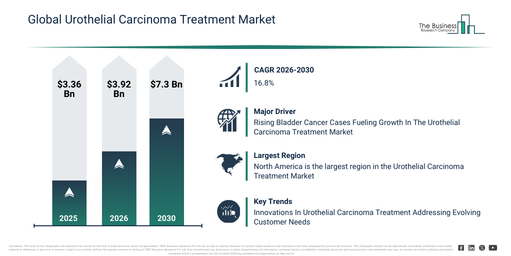
    The urothelial carcinoma treatment market size has experienced rapid growth in recent years. This market is expected to increase from $3.36 billion in 2025 to $3.92 billion in 2026, with a compound annual growth rate (CAGR) of 16.5%. The expansion observed in the past can be attributed to several factors, including the increasing incidence of bladder cancer, the proliferation of oncology treatment centers, greater awareness of urothelial carcinoma, the rising adoption of chemotherapy protocols, and the accessibility of surgical treatment options.

    The urothelial carcinoma treatment market is projected for substantial expansion over the coming years, reaching $7.3 billion by 2030, propelled by a compound annual growth rate (CAGR) of 16.8%. This anticipated growth is primarily driven by factors such as the accelerated development of new immunotherapies, increased financial commitments to oncology research, a rising demand for tailored medical treatments, the broadening application of combination therapy methods, and the expanding utilization of treatment strategies guided by biomarkers. Key developments anticipated during this period encompass the wider acceptance of immunotherapy regimens, the increasing deployment of targeted therapies, a greater incorporation of individualized cancer treatment philosophies, the proliferation of minimally invasive surgical procedures, and an intensified emphasis on early detection and timely intervention.

    Access Your Free Sample Report For In-Depth Market Analysis:

    https://www.thebusinessresearchcompany.com/sample.aspx?id=12947&type=smp

    Which Strong Drivers Are Impacting The Urothelial Carcinoma Treatment Market Growth?

    The anticipated rise in bladder cancer cases is expected to fuel the growth of the urothelial carcinoma treatment market in the future. Bladder cancer is a widespread form of cancer that affects the cells lining the urinary bladder, leading patients and healthcare providers to seek various treatment options. Research in bladder cancer aids in developing targeted therapies and provides insights into urothelial carcinoma, encouraging interdisciplinary approaches for improved treatment outcomes. For instance, in September 2023, according to the National Library of Medicine, a US-based medical library operated by US federal government, the yearly number of new bladder cancer (BCa) cases is projected to increase to 991,000 by 2040, marking a 72.8% increase from 2020. Annual deaths from BCa are also anticipated to reach 397,000, an increase of 86.6%. Therefore, the growing incidence of bladder cancer will drive the urothelial carcinoma treatment market.

    What Segment Categories Shape The Urothelial Carcinoma Treatment Market Segment Landscape?

    The urothelial carcinoma treatment market covered in this report is segmented –

    1) By Type: Non-Invasive Urothelial Carcinoma Treatment, Invasive Urothelial Carcinoma Treatment

    2) By Treatment: Immunotherapy, Radiotherapy, Chemotherapy

    3) By Cancer Type: Bladder Cancer, Urethral Cancer, Ureteric And Renal Pelvic Cancer

    4) By End-Users: Hospitals, Homecare, Specialty Centers, Other End-Users

    Subsegments:

    1) By Non-Invasive Urothelial Carcinoma Treatment: Intravesical Therapy, Immunotherapy, Chemotherapy

    2) By Invasive Urothelial Carcinoma Treatment: Radical Cystectomy, Chemotherapy, Radiation Therapy, Targeted Therapy

    Which Trends Are Contributing To Changes In The Urothelial Carcinoma Treatment Market?

    Leading firms within the urothelial carcinoma treatment market are focused on developing novel solutions to enhance their competitive standing and meet changing client requirements. As an example, in March 2023, Nonacus Limited, a medical products manufacturer from the UK, introduced GALEAS Bladder, an innovative test designed for the non-invasive identification of bladder cancer. GALEAS Bladder represents a significant advancement in bladder cancer diagnostics, providing patients with a molecular triage solution from sample collection to report that utilizes a highly sensitive molecular biomarker to quickly and precisely detect bladder cancer. This subsequently simplifies the diagnostic workflow, lessening the necessity for intrusive interventions like cystoscopies. Created in partnership with the University of Birmingham, UK, GALEAS Bladder underwent stringent validation using more than 600 patient samples across three clinical cohorts within the UK. This extensive evaluation highlighted GALEAS Bladder’s exceptional effectiveness, proving its high diagnostic precision (with sensitivity greater than 90% and specificity above 85%), thus competently addressing different grades and stages of bladder cancer.

    Who Are The Companies Operating Across The Urothelial Carcinoma Treatment Market Value Chain?

    Major companies operating in the urothelial carcinoma treatment market are Pfizer Inc, Johnson & Johnson Services Inc, F Hoffmann-La Roche Ltd, Merck & Co Inc, AbbVie Inc, Bayer AG, Sanofi S A, Bristol-Myers Squibb Company, AstraZeneca PLC, Astellas Pharma Inc, Eisai Co Ltd, Incyte Corporation, UroGen Pharma Inc, Novartis AG, Eli Lilly and Company, BeiGene Ltd, Bicycle Therapeutics Ltd, Infinity Pharmaceuticals Inc, QED Therapeutics Inc, Nektar Therapeutics, Abbisko Therapeutics Inc, Exelixis Inc, MedPacto Inc, Tyra Biosciences Inc, Ikena Oncology Inc, ALX Oncology Holdings Inc, Rubius Therapeutics Inc, Kinnate Biopharma Inc

    Get The Full Urothelial Carcinoma Treatment Market Report:

    https://www.thebusinessresearchcompany.com/report/urothelial-carcinoma-treatment-global-market-report

    Which Region Is The Largest In The Urothelial Carcinoma Treatment Market?

    North America was the largest region in the urothelial carcinoma treatment market in 2025. The regions covered in the urothelial carcinoma treatment market report are Asia-Pacific, South East Asia, Western Europe, Eastern Europe, North America, South America, Middle East, Africa.

    Request A Customized Urothelial Carcinoma Treatment Market Report For Competitive Insights:

    https://www.thebusinessresearchcompany.com/report/urothelial-carcinoma-treatment-global-market-report

    Browse Through More Reports Similar to the Global Urothelial Carcinoma Treatment Market 2026, By The Business Research Company

    Adrenocortical Carcinoma Market Report 2026

    https://www.thebusinessresearchcompany.com/report/adrenocortical-carcinoma-global-market-report

    Urothelial Cancer Drugs Market Report

    https://www.thebusinessresearchcompany.com/report/urothelial-cancer-drugs-global-market-report

    Bladder Cancer Drugs Market Report

    https://www.thebusinessresearchcompany.com/report/bladder-cancer-drugs-global-market-report

    Get in touch with us:

    The Business Research Company: https://www.thebusinessresearchcompany.com/

    Americas +1 310-496-7795

    Asia +44 7882 955267 & +91 8897263534

    Europe +44 7882 955267

    Email us at info@tbrc.info

    Follow us on:

    LinkedIn: https://in.linkedin.com/company/the-business-research-company

    YouTube: https://www.youtube.com/channel/UC24_fI0rV8cR5DxlCpgmyFQ

    Global Market Model: https://www.thebusinessresearchcompany.com/global-market-model
  • Urology Robotic Surgery Market Developments Driving Market Expansion Across the Forecast Period

    Urology Robotic Surgery Market Developments Driving Market Expansion Across the Forecast Period

    The Business Research Company’s 2026 market reports feature enhanced tools like market attractiveness analysis, TAM assessment, and company scoring matrices, along with interactive dashboards, deeper supply chain insights, and startup coverage strengthening the depth, usability, and strategic value of insights.

    How Much Growth In Market Value Is Expected For The Urology Robotic Surgery Market Between 2026 And 2030?

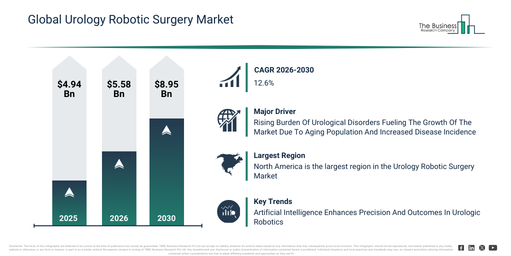
    Significant expansion has been observed in the urology robotic surgery market size over recent years. This market is projected to increase from $4.94 billion in 2025 to $5.58 billion in 2026, achieving a compound annual growth rate (CAGR) of 12.8%. The growth experienced in prior periods can be attributed to factors such as the increasing prevalence of prostate and kidney disorders, wider acceptance of minimally invasive surgery, rising investments in surgical robotics, the expansion of specialized urology centers, and improvements in robotic system reliability.

    The urology robotic surgery market size is projected to experience swift expansion over the coming years. This market is anticipated to reach $8.95 billion by 2030, demonstrating a compound annual growth rate (CAGR) of 12.6%. Factors contributing to this growth during the forecast period include the increasing uptake of advanced robotic platforms, the greater incorporation of AI-assisted surgical planning, a surging demand for outpatient robotic procedures, the broader availability of surgeon training programs, and ongoing technological innovations in robotic instruments. Key trends observed for the forecast period encompass the wider acceptance of robotic-assisted urology procedures, a heightened reliance on sophisticated surgical navigation systems, the increasing incorporation of simulation-based surgeon training, the broadening scope of minimally invasive treatment options, and a stronger emphasis on achieving surgical precision and improved patient outcomes.

    Access Your Free Sample Report For In-Depth Market Analysis:

    https://www.thebusinessresearchcompany.com/sample.aspx?id=27442&type=smp

    What Key Factors Are Shaping The Urology Robotic Surgery Market Landscape?

    A rise in urological disorders is anticipated to stimulate the expansion of the urology robotic surgery market in the future. These conditions encompass illnesses or ailments impacting the urinary system and male reproductive organs. The growing incidence of urological disorders primarily stems from an aging demographic, given that older age often results in a weakening of bladder and pelvic muscles, thereby elevating the likelihood of developing these conditions. Urology robotic surgery assists in managing urological disorders by offering precise, less invasive treatment methods that heighten surgical exactness, minimize adverse events, and facilitate better recovery for ailments such as prostate cancer and kidney disease. As an illustration, data from January 2025, supplied by Prostate Cancer UK, a UK-based charitable entity, shows that in England, prostate cancer diagnoses increased from 50,751 men in 2022 to 55,033 in 2023. Consequently, the expanding occurrence of urological disorders is fostering the development of the urology robotic surgery market.

    Which Segment Types Are Examined In The Urology Robotic Surgery Market Segment Study?

    The urology robotic surgery market covered in this report is segmented –

    1) By Type: Robot Machines, Navigation Systems, Planners, Simulators, Other Types

    2) By Component: Robotic Surgery Systems, Instruments And Accessories, Services

    3) By Application: Robotic Prostatectomy, Robotic Cystectomy, Robotic Pyeloplasty, Robotic Nephrectomy, Other Applications

    4) By End-User: Hospitals, Ambulatory Surgical Centers, Specialty Clinics, Other End-Users

    Subsegments:

    1) By Robot Machines: Surgical Robots, Assistive Robots, Teleoperated Robots, Autonomous Robots

    2) By Navigation Systems: Imaging Navigation Systems, Electromagnetic Navigation Systems, Optical Tracking Systems, Ultrasound Navigation Systems

    3) By Planners: Preoperative Planning Software, Intraoperative Planning Software, 3D Modeling Software, Procedure Simulation Software

    4) By Simulators: Virtual Reality Simulators, Augmented Reality Simulators, Haptic Feedback Simulators, Training Simulators

    5) By Other Types: Robotic Arms, Control Consoles, Robotic Accessories, Robotic Integration Systems

    What Market Trends Are Affecting The Urology Robotic Surgery Market?

    Leading companies active in the urology robotic surgery market are intensifying their efforts to create artificial intelligence (AI)-powered features, aiming to secure a competitive edge. These AI-enabled features in urology robotic surgery include real-time image guidance for identifying tumors, surgical planning utilizing 3D models, and intraoperative skill assessment, all with the goal of improving precision and surgical outcomes. For instance, in August 2024, PROCEPT BioRobotics, a US-based surgical robotics company, obtained FDA clearance for its HYDROS Robotic System, an advanced, AI-powered platform engineered to enhance Aquablation therapy for benign prostatic hyperplasia (BPH). The system combines AI-driven treatment planning, next-generation imaging, and robotic-assisted, heat-free waterjet tissue resection to precisely and efficiently remove prostate tissue while preserving critical anatomy. Furthermore, it streamlines surgical workflow and improves operating room efficiency. HYDROS aims to deliver consistent, personalized, and durable symptom relief with better preservation of sexual and urinary function, marking a significant advancement in BPH treatment.

    Which Players Are Part Of The Competitive Landscape Of The Urology Robotic Surgery Market?

    Major companies operating in the urology robotic surgery market are Siemens Healthineers, Medtronic PLC, Stryker Corporation, Boston Scientific Corporation, Intuitive Surgical Inc., KARL STORZ SE & Co. KG, Sina Robotics and Medical Innovators Co. Ltd., CMR Surgical Limited, SS Innovations International Inc., Distalmotion SA, Ronovo Surgical Inc., Levita Magnetics International Corp., Titan Medical Inc., Virtual Incision Corporation, Nanjing Perlove Medical Equipment Co. Ltd., Edge Medical Robotics Corporation, Rob Surgical Systems S.L, Virtuoso Surgical Inc., GynoBotics Inc., Harbin Sagebot Intelligent Medical Equipment Co. Ltd., Perlove Medical Robot.

    Get The Full Urology Robotic Surgery Market Report:

    https://www.thebusinessresearchcompany.com/report/urology-robotic-surgery-global-market-report

    Which Region Leads The Urology Robotic Surgery Market In Terms Of Market Share?

    North America was the largest region in the urology robotic surgery market in 2025. Asia-Pacific is expected to be the fastest-growing region in the forecast period. The regions covered in the urology robotic surgery market report are Asia-Pacific, South East Asia, Western Europe, Eastern Europe, North America, South America, Middle East, Africa.

    Request A Customized Urology Robotic Surgery Market Report For Competitive Insights:

    https://www.thebusinessresearchcompany.com/report/urology-robotic-surgery-global-market-report

    Browse Through More Reports Similar to the Global Urology Robotic Surgery Market 2026, By The Business Research Company

    Automotive Acoustic Materials Market Report 2026

    https://www.thebusinessresearchcompany.com/report/automotive-acoustic-materials-global-market-report

    Acoustic Insulation Market Report

    https://www.thebusinessresearchcompany.com/report/acoustic-insulation-global-market-report

    Home Audio Equipment Market Report

    https://www.thebusinessresearchcompany.com/report/home-audio-equipment-global-market-report

    Get in touch with us:

    The Business Research Company: https://www.thebusinessresearchcompany.com/

    Americas +1 310-496-7795

    Asia +44 7882 955267 & +91 8897263534

    Europe +44 7882 955267

    Email us at info@tbrc.info

    Follow us on:

    LinkedIn: https://in.linkedin.com/company/the-business-research-company

    YouTube: https://www.youtube.com/channel/UC24_fI0rV8cR5DxlCpgmyFQ

    Global Market Model: https://www.thebusinessresearchcompany.com/global-market-model
  • Urology Catheters Market Forecast with Demand and Industry Growth Insights

    Urology Catheters Market Forecast with Demand and Industry Growth Insights

    The Business Research Company’s 2026 market reports feature enhanced tools like market attractiveness analysis, TAM assessment, and company scoring matrices, along with interactive dashboards, deeper supply chain insights, and startup coverage strengthening the depth, usability, and strategic value of insights.

    What Is The Estimated Market Size Of The Urology Catheters Market In 2026, And How Will Its Value Evolve By 2030?

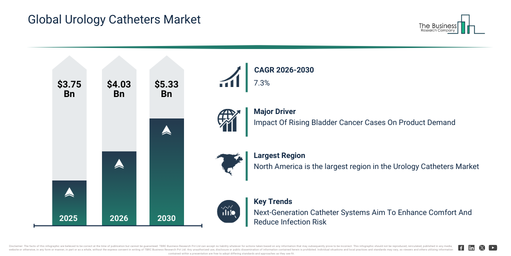
    The urology catheters market size has experienced significant expansion over recent years. It is projected to increase from $3.75 billion in 2025 to $4.03 billion in 2026, exhibiting a compound annual growth rate (CAGR) of 7.4%. The factors contributing to this growth in the historic period include an increasing incidence of urinary incontinence, a rise in surgical procedures requiring catheterization, the expansion of hospital-based urology care, a growing aging population, and the wider availability of urology catheter products.

    The urology catheters market size is anticipated to undergo significant expansion in the coming years. It is forecast to grow to $5.33 billion in 2030, demonstrating a compound annual growth rate (CAGR) of 7.3%. The drivers behind this growth during the forecast period include the increasing uptake of infection-prevention catheters, a rising demand for home healthcare solutions, an intensifying focus on patient-centric catheter designs, the expansion of minimally invasive urology treatments, and the greater use of eco-friendly catheter materials. Noteworthy trends for the forecast period comprise the increasing adoption of anti-bacterial catheter technologies, a heightened demand for silicone-based catheters, the growing application of single-use disposable catheters, the broadening of home care catheterization solutions, and an enhanced emphasis on patient comfort and safety.

    Access Your Free Sample Report For In-Depth Market Analysis:

    https://www.thebusinessresearchcompany.com/sample.aspx?id=20991&type=smp

    Which Factors Are Influencing The Growth Of The Urology Catheters Market?

    The increasing prevalence of bladder cancer is anticipated to drive expansion within the urology catheter markets. This type of cancer originates in the cells of the bladder, which is a muscular, hollow organ located in the lower abdomen responsible for storing urine. The rise in bladder cancer instances can be attributed to factors such as an aging demographic, increased exposure to carcinogenic substances, receipt of pelvic radiation, and insufficient water consumption. Urology catheters become essential for individuals with bladder cancer to facilitate urinary flow and drainage, particularly following surgical procedures or therapies that compromise normal bladder function. As an illustration, in July 2024, data from Cancer Research UK, a charity organization based in the UK, indicated that the average annual number of new bladder cancer cases in the UK is projected to climb from approximately 9,800 annually in 2023-2025. This figure is then expected to reach around 10,700 cases per year by 2038-2040. Consequently, the growing number of bladder cancer cases is stimulating demand and growth in the urology catheter market.

    How Are Different Segments Classified In The Urology Catheters Market Segment Analysis?

    The urology catheters market covered in this report is segmented –

    1) By Product Type: Intermittent Catheters, Foley Catheters, External Catheters, Other Product Types

    2) By Material: Latex, Silicone, Other Materials

    3) By Application: Urinary Incontinence, Benign Prostatic Hyperplasia, Surgery, Other Applications

    4) By End-User: Hospitals, Clinics, Ambulatory Surgical Centers, Home Care Settings

    Subsegments:

    1) By Intermittent Catheters: Straight Catheters, Coude Catheters, Hydrophilic Catheters, Reusable Catheters, Disposable Catheters

    2) By Foley Catheters: Silicone Foley Catheters, Latex Foley Catheters, Anti-Bacterial Foley Catheters, 2-Way Foley Catheters, 3-Way Foley Catheters

    3) By External Catheters: Male External Catheters, Female External Catheters, Condom Catheters

    4) By Other Product Types: Urethral Catheters, Suprapubic Catheters, Nephrostomy Catheters, Catheter Accessories

    Which Trends Are Influencing Demand In The Urology Catheters Market?

    Leading companies in the urology catheter market are concentrating on developing advanced products, such as next-generation intermittent urinary catheter systems, with the aim of improving patient comfort, reducing infection risk, and enabling greater independence in bladder management. These next-generation intermittent urinary catheter systems are single-use or closed-system catheter devices engineered with enhanced materials, surface coatings, and drainage structures to minimize urethral trauma, improve hygienic handling, and decrease the risks of encrustation or urinary tract infection. As an illustration, in February 2023, Coloplast A/S, a Denmark-based medical device company, introduced its Luja Coude intermittent catheter, which obtained FDA 510(k) K230165 clearance. This product features a flexible tip with multiple micro-holes for enhanced drainage flow, a hydrophilic coating designed to lessen friction and insertion trauma, and an ergonomic design. It is available in multiple French sizes (8–16 Fr) for adult males and females suffering from urinary retention or voiding dysfunction.

    Who Are The Companies Driving Activity In The Urology Catheters Market?

    Major companies operating in the urology catheters market are Cardinal Health Inc., Medtronic PLC, Becton Dickinson and Company, Boston Scientific Corporation, Medline Industries Inc., B. Braun Melsungen AG, Coloplast A/S, Teleflex Incorporated, Cook Medical, ConvaTec Group PLC, Hollister Incorporated, Amsino International Inc., Well Lead Medical Co.Ltd., Urocare Products Inc., Bactiguard AB, CURE MEDICAL LLC., Degania Silicone Ltd., CompactCath Inc., Go Medical Industries Pty Ltd., UROTECH GmbH, J and M Urinary Catheters LLC

    Get The Full Urology Catheters Market Report:

    https://www.thebusinessresearchcompany.com/report/urology-catheters-global-market-report

    Which Region Leads The Urology Catheters Market In Overall Market Size?

    North America was the largest region in the urology catheters market in 2025. Asia-Pacific is expected to be the fastest-growing region in the forecast period. The regions covered in the urology catheters market report are Asia-Pacific, South East Asia, Western Europe, Eastern Europe, North America, South America, Middle East, Africa.

    Request A Customized Urology Catheters Market Report For Competitive Insights:

    https://www.thebusinessresearchcompany.com/report/urology-catheters-global-market-report

    Browse Through More Reports Similar to the Global Urology Catheters Market 2026, By The Business Research Company

    Catheters Market Report 2026

    https://www.thebusinessresearchcompany.com/report/catheters-global-market-report

    Diagnostic Catheters Market Report

    https://www.thebusinessresearchcompany.com/report/diagnostic-catheters-global-market-report

    Urology Surgical Instruments Market Report

    https://www.thebusinessresearchcompany.com/report/urology-surgical-instruments-global-market-report

    Get in touch with us:

    The Business Research Company: https://www.thebusinessresearchcompany.com/

    Americas +1 310-496-7795

    Asia +44 7882 955267 & +91 8897263534

    Europe +44 7882 955267

    Email us at info@tbrc.info

    Follow us on:

    LinkedIn: https://in.linkedin.com/company/the-business-research-company

    YouTube: https://www.youtube.com/channel/UC24_fI0rV8cR5DxlCpgmyFQ

    Global Market Model: https://www.thebusinessresearchcompany.com/global-market-model
  • Urine Sediment Testing Market Outlook Highlighting Key Growth Drivers and Market Evolution

    Urine Sediment Testing Market Outlook Highlighting Key Growth Drivers and Market Evolution

    The Business Research Company’s 2026 market reports feature enhanced tools like market attractiveness analysis, TAM assessment, and company scoring matrices, along with interactive dashboards, deeper supply chain insights, and startup coverage strengthening the depth, usability, and strategic value of insights.

    How Does The Market Size Of The Urine Sediment Testing Market Compare Between 2026 And 2030?

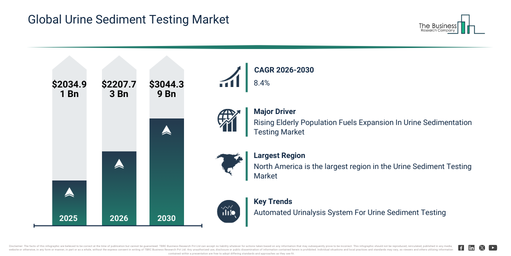
    The urine sediment testing market has experienced significant growth in recent years. This market is projected to expand from $2034.91 billion in 2025 to $2207.73 billion in 2026, demonstrating a compound annual growth rate (CAGR) of 8.5%. Historically, this expansion has been driven by factors such as the rising incidence of urinary tract disorders, the proliferation of clinical diagnostic laboratories, the increasing need for routine urinalysis, advancements in hospital diagnostic capabilities, and the integration of semi-automated testing systems.

    The urine sediment testing market is projected to experience substantial expansion in the coming years. By 2030, its value is anticipated to reach $3044.39 billion, exhibiting a compound annual growth rate (CAGR) of 8.4%. This projected growth during the forecast period is driven by factors such as the increasing incorporation of AI-based diagnostic tools, greater investments in automating laboratory processes, a heightened need for swift diagnostic results, the expansion of diagnostic services into outpatient environments, and a concentrated effort towards precision diagnostics. Key trends for the same period encompass the wider acceptance of fully automated urine sediment analyzers, an increasing application of AI-assisted image analysis, an escalating demand for diagnostic systems capable of high throughput, the broadening scope of laboratory automation solutions, and a stronger emphasis on the accuracy of diagnostics.

    Access Your Free Sample Report For In-Depth Market Analysis:

    https://www.thebusinessresearchcompany.com/sample.aspx?id=9400&type=smp

    What Leading Drivers Are Supporting The Urine Sediment Testing Market Expansion?

    The expanding population of older individuals is projected to boost the growth of the urine sedimentation testing market. The term senior population refers to people aged 60 and over. This demographic benefits from urine sediment testing, which helps in identifying renal illnesses and provides crucial information regarding aggravating factors, prognosis, pathogenic bacteria, and antibiotic vulnerability. For instance, in October 2024, the World Health Organization, a Switzerland-based health agency, reported that by 2030, one in six individuals worldwide will be 60 years of age or older. This figure is anticipated to reach 2.1 billion elderly people by 2050. Therefore, the increasing elderly population is driving the growth of the urine sedimentation testing market.

    How Is The Urine Sediment Testing Market Categorized Across Its Segment Groups?

    The urine sediment testing market covered in this report is segmented –

    1) By Product Type: Fully Automatic Urine Sediment Analyzer, Semi-Automatic Urine Sediment Analyzer

    2) By Application: Urinary Tract Infections, Diabetes, Kidney Diseases, Hypertension, Other Applications

    3) By End User: Hospital, Diagnostics Centers, Clinics, Ambulatory Surgical Centers, Educational Institutes, Other End Users

    Subsegments:

    1) By Fully Automatic Urine Sediment Analyzer: High-Throughput Analyzers, Compact Analyzers

    2) By Semi-Automatic Urine Sediment Analyzer: Manual Microscopy Systems, Semi-Automated Systems

    What Emerging Trends Are Seen In The Urine Sediment Testing Market?

    Key players in the urine sediment testing market are prioritizing the development of automated urinalysis systems to achieve a competitive advantage. A urinalysis solution is a fluid utilized to screen urine for different substances, such as leukocytes (white blood cells), nitrites, protein, and glucose. For example, in October 2023, Beckman Coulter Inc., a US-based company specializing in sophisticated biomedical testing manufacturing, released the DxU Iris Workcell. The DxU Iris Workcell represents a fully automated urinalysis system that enhances workflow efficiency and cuts down manual reviews to 4%. This system employs proprietary Digital Flow Morphology technology alongside Auto-Particle Recognition (APR) software to isolate, identify, and describe urine particles on-screen, largely removing the need for manual microscopy. Additionally, the DxU Iris Workcell is engineered for simplicity in operation and upkeep, featuring an accessible interface that necessitates minimal training for users.

    Which Firms Are Influencing Competition In The Urine Sediment Testing Market?

    Major companies operating in the urine sediment testing market are Abbott Laboratories, Siemens AG, F Hoffmann-La Roche Ltd, Sysmex Corporation, Beckman Coulter Inc, ARKRAY Inc, Mindray Medical International Limited, URIT Medical Electronic Co Ltd, Analyticon Biotechnologies AG, DIRUI Industrial Co Ltd, HUMAN Gesellschaft für Biochemica und Diagnostica GmbH, Menarini Diagnostics, Shenzhen Mindray Bio-Medical Electronics Co Ltd, URIT Medical Electronic Group Co Ltd

    Get The Full Urine Sediment Testing Market Report:

    https://www.thebusinessresearchcompany.com/report/urine-sediment-testing-global-market-report

    Which Region Is The Top Contributor To The Urine Sediment Testing Market By Share?

    North America was the largest region in the urine sediment testing market in 2025. The regions covered in the urine sediment testing market report are Asia-Pacific, South East Asia, Western Europe, Eastern Europe, North America, South America, Middle East, Africa.

    Request A Customized Urine Sediment Testing Market Report For Competitive Insights:

    https://www.thebusinessresearchcompany.com/report/urine-sediment-testing-global-market-report

    Browse Through More Reports Similar to the Global Urine Sediment Testing Market 2026, By The Business Research Company

    Water Quality Testing Equipment Market Report 2026

    https://www.thebusinessresearchcompany.com/report/water-quality-testing-equipment-global-market-report

    Water Testing And Analysis Market Report

    https://www.thebusinessresearchcompany.com/report/water-testing-and-analysis-global-market-report

    Water Testing Equipment Market Report

    https://www.thebusinessresearchcompany.com/report/water-testing-equipment-global-market-report

    Get in touch with us:

    The Business Research Company: https://www.thebusinessresearchcompany.com/

    Americas +1 310-496-7795

    Asia +44 7882 955267 & +91 8897263534

    Europe +44 7882 955267

    Email us at info@tbrc.info

    Follow us on:

    LinkedIn: https://in.linkedin.com/company/the-business-research-company

    YouTube: https://www.youtube.com/channel/UC24_fI0rV8cR5DxlCpgmyFQ

    Global Market Model: https://www.thebusinessresearchcompany.com/global-market-model
  • Urine Output Monitoring Systems Market Overview for 2026–2030 with Industry Insights

    Urine Output Monitoring Systems Market Overview for 2026–2030 with Industry Insights

    The Business Research Company’s 2026 market reports feature enhanced tools like market attractiveness analysis, TAM assessment, and company scoring matrices, along with interactive dashboards, deeper supply chain insights, and startup coverage strengthening the depth, usability, and strategic value of insights.

    What Is The Forecasted Market Size Trajectory Of The Urine Output Monitoring Systems Market From 2026 To 2030?

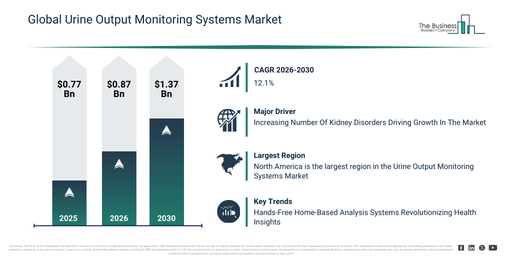
    The urine output monitoring systems market size has expanded considerably in recent years. This market is projected to increase from $0.77 billion in 2025 to $0.87 billion by 2026, progressing at a compound annual growth rate (CAGR) of 12.2%. The historical growth can be linked to the rising deployment of urine output monitoring in critical care, escalating hospitalization rates for renal disorders, the broadening scope of post-surgical patient monitoring, increasing acceptance of catheter-based systems, and heightened clinical understanding of fluid balance management.

    The urine output monitoring systems market is projected to experience substantial expansion over the upcoming years. By 2030, its valuation is anticipated to reach $1.37 billion, demonstrating a compound annual growth rate (CAGR) of 12.1%. This projected market expansion is fueled by a heightened need for at-home monitoring devices, the increasing uptake of wearable medical technologies, greater incorporation of monitoring data into electronic health records, the broadening reach of telehealth services, and a stronger emphasis on the timely identification of kidney issues. Key developments expected during this period encompass a greater embrace of automated urine measurement instruments, enhanced incorporation of wireless monitoring setups, a burgeoning preference for non-invasive monitoring options, the broadening of remote patient monitoring functionalities, and a sharpened focus on the precision of real-time data.

    Access Your Free Sample Report For In-Depth Market Analysis:

    https://www.thebusinessresearchcompany.com/sample.aspx?id=20990&type=smp

    Which Key Factors Are Driving The Urine Output Monitoring Systems Market Growth?

    A rise in kidney disorder cases is anticipated to drive expansion in the urine output monitoring systems market in the coming period. Kidney disorders encompass medical conditions that hinder the kidneys’ capacity to purify the blood by removing waste products, surplus water, and toxins, alongside their role in maintaining electrolyte balance and blood pressure. The growing occurrence of these disorders is associated with factors such as an escalation in diabetes, hypertension, and obesity rates, the expansion of aging populations, and heightened exposure to substances harmful to the kidneys, such as specific drugs, environmental poisons, and industrial contaminants. Within the context of kidney disorders, urine output monitoring systems serve to evaluate kidney function and identify initial indicators of renal failure or related complications. As an illustration, in June 2023, a report from Kidney Research UK, a non-profit organization based in the UK, indicated that 7.2 million individuals in the UK are presently suffering from chronic kidney disease, which accounts for over 10% of the populace. Among these individuals, 3.25 million are experiencing advanced stages of the condition, whereas another 3.9 million are in its initial phases. Projections suggest that by 2033, the population impacted by chronic kidney disease will increase to 7.61 million. Consequently, the growing incidence of kidney disorders is fueling expansion within the urine output monitoring systems market.

    How Are Segments Identified Within The Urine Output Monitoring Systems Market Segment Framework?

    The urine output monitoring systems market covered in this report is segmented –

    1) By Product Type: Catheter-Based Systems, Patch-Based Systems, Wearable Devices

    2) By Monitoring Method: Invasive Monitoring, Non-Invasive Monitoring

    3) By Application: Acute Care Settings, Chronic Care Settings, Home Health Settings

    4) By End-User: Hospitals, Ambulatory Surgical Centers, Nursing Homes, Patients

    Subsegments:

    1) By Catheter-Based Systems: Indwelling Catheters, External Catheters, Condom Catheters

    2) By Patch-Based Systems: Adhesive Urine Monitoring Patches, Smart Urine Monitoring Patches

    3) By Wearable Devices: Wireless Wearable Urine Output Monitors, Reusable Wearable Urine Output Devices

    Which Trends Are Guiding The Direction Of The Urine Output Monitoring Systems Market?

    Leading companies active in the urine output monitoring systems market are prioritizing technological advancements, such as hands-free, home-based urine analysis systems, to provide users with comprehensive health insights. A hands-free, home-based urine analysis system is a connected apparatus that positions hygienically within the toilet bowl to automatically collect and analyze urine samples, delivering health insights and actionable information to users via a smartphone application. For instance, in January 2023, Withings, a France-based consumer electronics company, unveiled U-Scan, an innovative home urine analysis device capable of transforming any toilet into a personal health lab. This inventive gadget, which integrates cleanly into the toilet bowl, allows users to carry out daily urine analyses without requiring manual sample collection. The U-Scan incorporates advanced technology, including a pebble-shaped reader and interchangeable cartridges, to evaluate specific biomarkers linked to hydration, nutrition, and menstrual health.

    Who Are The Companies Competing Within The Urine Output Monitoring Systems Market?

    Major companies operating in the urine output monitoring systems market are Accuryn Medical, Serenno Medical, RenalSense Ltd., Observe Medical ASA, Baxter International Inc., Fresenius Medical Care, Potrero Medical Inc., Nihon Kohden, Stryker Corporation, Mindray Bio-Medical Electronics Co Ltd, GE Healthcare, Philips, Terumo Corporation, Schiller AG, Honeywell International Inc, CureMetrix Inc, Asahi Kasei Medical, B Braun Melsungen AG, Teleflex Incorporated, Urit Medical Electronic Group, AKAS Infusions.

    Get The Full Urine Output Monitoring Systems Market Report:

    https://www.thebusinessresearchcompany.com/report/urine-output-monitoring-systems-global-market-report

    Which Region Represents The Largest Share Of The Urine Output Monitoring Systems Market?

    North America was the largest region in the urine output monitoring systems market in 2025. The regions covered in the urine output monitoring systems market report are Asia-Pacific, South East Asia, Western Europe, Eastern Europe, North America, South America, Middle East, Africa.

    Request A Customized Urine Output Monitoring Systems Market Report For Competitive Insights:

    https://www.thebusinessresearchcompany.com/report/urine-output-monitoring-systems-global-market-report

    Browse Through More Reports Similar to the Global Urine Output Monitoring Systems Market 2026, By The Business Research Company

    Urology Devices Market Report 2026

    https://www.thebusinessresearchcompany.com/report/urology-devices-global-market-report

    Nephrology And Urology Devices Market Report

    https://www.thebusinessresearchcompany.com/report/nephrology-and-urology-devices-global-market-report

    Hemodynamic Monitoring Systems Market Report

    https://www.thebusinessresearchcompany.com/report/hemodynamic-monitoring-systems-global-market-report

    Get in touch with us:

    The Business Research Company: https://www.thebusinessresearchcompany.com/

    Americas +1 310-496-7795

    Asia +44 7882 955267 & +91 8897263534

    Europe +44 7882 955267

    Email us at info@tbrc.info

    Follow us on:

    LinkedIn: https://in.linkedin.com/company/the-business-research-company

    YouTube: https://www.youtube.com/channel/UC24_fI0rV8cR5DxlCpgmyFQ

    Global Market Model: https://www.thebusinessresearchcompany.com/global-market-model
  • Urinary Tract Infection Treatment Market Forecast Highlighting Emerging Trends and Growth Potential

    Urinary Tract Infection Treatment Market Forecast Highlighting Emerging Trends and Growth Potential

    The Business Research Company’s 2026 market reports feature enhanced tools like market attractiveness analysis, TAM assessment, and company scoring matrices, along with interactive dashboards, deeper supply chain insights, and startup coverage strengthening the depth, usability, and strategic value of insights.

    How Much Will The Market Value Of The Urinary Tract Infection Treatment Market Grow Between 2026 And 2030?

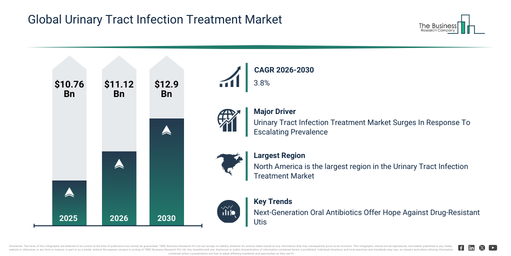
    The urinary tract infection treatment market has demonstrated consistent growth over recent years. Projections show it expanding from $10.76 billion in 2025 to $11.12 billion in 2026, representing a compound annual growth rate (CAGR) of 3.4%. This historical rise can be attributed to factors like the increasing occurrence of recurrent UTIs, higher rates of antibiotic prescribing, improved accessibility to primary healthcare, a heightened public understanding of urinary infections, and the wide array of antimicrobial drug classes available.

    The urinary tract infection treatment market is projected to experience consistent expansion in the coming years, reaching a valuation of $12.9 billion by 2030, propelled by a compound annual growth rate (CAGR) of 3.8%. This anticipated growth during the forecast period is primarily driven by several factors, including the increasing development of therapies that are mindful of antimicrobial resistance, a surge in investments directed towards innovative antibiotics, the wider availability of rapid point-of-care diagnostic tools, an escalating emphasis on individualized infection treatment approaches, and a greater uptake of telemedicine for managing UTIs. Key trends anticipated within this forecast timeframe encompass a growing preference for broad-spectrum antibiotics, an intensified focus on swift diagnostic testing, an increasing need for targeted antimicrobial treatments, the broadening of outpatient UTI treatment possibilities, and a strengthened commitment to antimicrobial stewardship.

    Access Your Free Sample Report For In-Depth Market Analysis:

    https://www.thebusinessresearchcompany.com/sample.aspx?id=11958&type=smp

    What Primary Drivers Are Shaping The Urinary Tract Infection Treatment Market?

    An increasing occurrence of urinary tract infections is anticipated to boost the expansion of the urinary tract infection treatment market in the future. These infections are bacterial, affecting the kidneys, bladder, ureters, urethra, and other components of the urinary system. Treating urinary tract infections is crucial, as it provides various methods to manage the infection and aid recovery. For instance, the National Institute of Health, a US-based public health research agency, indicated in January 2023 that urinary tract infections were the seventh most frequent reason for emergency department visits in the USA, accounting for over one million annual visits. Of these, 22% (220,000) are identified as complicated UTIs, and roughly 100,000 patients are admitted each year. Therefore, the growing prevalence of urinary tract infections is a significant driver for the growth of the urinary tract infection treatment market.

    What Are The Key Segment Divisions In The Urinary Tract Infection Treatment Market Segment Structure?

    The urinary tract infection treatment market covered in this report is segmented –

    1) By Drug Class: Penicillin And Combinations, Quinolones, Cephalosporin, Aminoglycoside Antibiotics, Sulphonamides, Azoles And Amphotericin B, Tetracycline, Nitrofurantoin

    2) By Indication: Complicated UTI, Uncomplicated UTI

    3) By Distribution Channel: Hospital Pharmacies, Gynecology And Urology Clinics, Drug Stores, Retail Pharmacies, Online Drug Store

    Subsegments:

    1) By Penicillin And Combinations: Amoxicillin, Ampicillin, Amoxicillin Or Clavulanate

    2) By Quinolones: Ciprofloxacin, Levofloxacin, Norfloxacin

    3) By Cephalosporin: Cephalexin, Ceftriaxone, Cefotaxime

    4) By Aminoglycoside Antibiotics: Gentamicin, Tobramycin, Amikacin

    5) By Sulphonamides: Sulfamethoxazole Or Trimethoprim, Sulfadiazine

    6) By Azoles And Amphotericin B: Fluconazole, Itraconazole, Amphotericin B

    7) By Tetracycline: Doxycycline, Minocycline

    8) By Nitrofurantoin: Nitrofurantoin Monohydrate, Nitrofurantoin Macrocrystals

    What Trends Are Affecting The Growth Of The Urinary Tract Infection Treatment Market?

    Leading firms within the urinary tract infection treatment market are concentrating on introducing advanced therapies, including first-in-class oral antibiotics, to enhance treatment results and combat increasing antimicrobial resistance. These first-in-class oral antibiotics represent new antibacterial agents featuring innovative mechanisms of action, developed to address uncomplicated UTIs stemming from common and drug-resistant uropathogens, thereby providing options beyond older antibiotics experiencing diminished efficacy. As an example, in March 2025, GlaxoSmithKline (GSK), a biopharmaceutical entity based in the UK, secured approval from the U.S. Food and Drug Administration (FDA) for its antibiotic drug Blujepa (gepotidacin by chemical name) for managing uncomplicated urinary tract infections in women and girls who are 12 years and older. Blujepa possesses an entirely new bacterial topoisomerase-inhibition mechanism, has shown effectiveness against drug-resistant Escherichia coli, and offers a single-dose oral regimen, marking a significant step forward in the treatment of UTIs.

    Which Organizations Are Engaged In The Urinary Tract Infection Treatment Market?

    Major companies operating in the urinary tract infection treatment market are Pfizer Inc., Merck & Co Inc, Bayer AG, Sanofi S A, AstraZeneca plc, GlaxoSmithKline PLC, Boehringer Ingelheim GmbH, Teva Pharmaceutical Industries Ltd, Sun Pharmaceutical Industries Ltd, Dr Reddy’s Laboratories Ltd, Cipla Ltd, Hikma Pharmaceuticals PLC, Lupin Limited, Torrent Pharmaceuticals Limited, Glenmark Pharmaceuticals Limited, Mylan N V, Aurobindo Pharma Ltd, Macleods Pharma Ltd, Zydus Cadila Healthcare Ltd, Abbott Laboratories, Shionogi & Co Ltd, Alkem Laboratories Ltd.

    Get The Full Urinary Tract Infection Treatment Market Report:

    https://www.thebusinessresearchcompany.com/report/urinary-tract-infection-treatment-global-market-report

    Which Geographic Region Dominates The Urinary Tract Infection Treatment Market?

    North America was the largest region in the urinary tract infection treatment market in 2025. The regions covered in the urinary tract infection treatment market report are Asia-Pacific, South East Asia, Western Europe, Eastern Europe, North America, South America, Middle East, Africa.

    Request A Customized Urinary Tract Infection Treatment Market Report For Competitive Insights:

    https://www.thebusinessresearchcompany.com/report/urinary-tract-infection-treatment-global-market-report

    Browse Through More Reports Similar to the Global Urinary Tract Infection Treatment Market 2026, By The Business Research Company

    Uncomplicated Urinary Tract Infection Treatment Market Report 2026

    https://www.thebusinessresearchcompany.com/report/uncomplicated-urinary-tract-infection-treatment-global-market-report

    Chlamydia Infection Treatment Market Report

    https://www.thebusinessresearchcompany.com/report/chlamydia-infection-treatment-global-market-report

    Pediatric Bladder Treatment Market Report

    https://www.thebusinessresearchcompany.com/report/pediatric-bladder-treatment-global-market-report

    Get in touch with us:

    The Business Research Company: https://www.thebusinessresearchcompany.com/

    Americas +1 310-496-7795

    Asia +44 7882 955267 & +91 8897263534

    Europe +44 7882 955267

    Email us at info@tbrc.info

    Follow us on:

    LinkedIn: https://in.linkedin.com/company/the-business-research-company

    YouTube: https://www.youtube.com/channel/UC24_fI0rV8cR5DxlCpgmyFQ

    Global Market Model: https://www.thebusinessresearchcompany.com/global-market-model