Category: Healthcare Services

  • Visual Arts Therapy Market Driven by Rising Mental Health Awareness and Demand

    Visual Arts Therapy Market Driven by Rising Mental Health Awareness and Demand

    The Business Research Company’s 2026 market reports feature enhanced tools like market attractiveness analysis, TAM assessment, and company scoring matrices, along with interactive dashboards, deeper supply chain insights, and startup coverage strengthening the depth, usability, and strategic value of insights.

    What Level Of Market Value Growth Is Predicted For The Visual Arts Therapy Market From 2026 To 2030?

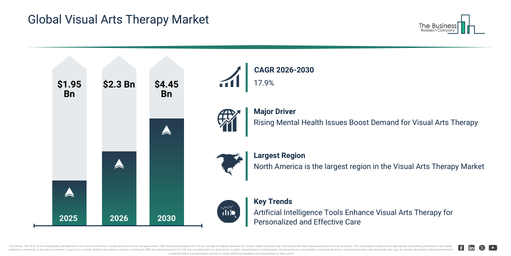
    The market size for visual arts therapy has expanded significantly in recent years. It is projected to increase from $1.95 billion in 2025 to $2.3 billion in 2026, achieving a compound annual growth rate (CAGR) of 18.2%. This historical growth can be linked to heightened awareness of mental health therapies, the proliferation of community mental health programs, the inclusion of arts in rehabilitation settings, the rise of non-pharmacological treatments, and increasing acceptance of expressive therapies.

    The visual arts therapy market is poised for significant expansion in the coming years. Its valuation is projected to reach $4.45 billion by 2030, demonstrating a compound annual growth rate (CAGR) of 17.9%. This growth throughout the forecast period stems from factors such as increasing demand for comprehensive mental health solutions, the proliferation of teletherapy platforms, a heightened emphasis on preventive mental healthcare, the rising incorporation of art therapy in clinical environments, and more extensive research into therapy effectiveness. Prominent trends for the forecast period encompass the greater integration of digital art tools into therapy, a surge in the adoption of online art therapy sessions, the expanding utilization of structured creative therapy programs, a broadening of trauma-informed art therapy approaches, and an intensified focus on creative interventions supported by evidence.

    Access Your Free Sample Report For In-Depth Market Analysis:

    https://www.thebusinessresearchcompany.com/sample.aspx?id=20694&type=smp

    What Primary Drivers Are Shaping The Visual Arts Therapy Market?

    An increasing occurrence of mental health issues is anticipated to fuel the expansion of the visual arts therapy market in the future. These problems encompass various conditions impacting an individual’s emotional, psychological, and social well-being. The rise in mental health challenges stems from escalating stressors, including economic burdens, social estrangement, and the rapid rhythm of contemporary existence. Visual arts therapy aids mental well-being by offering a creative channel for self-expression, mitigating stress, and assisting individuals in therapeutically processing their feelings and encounters. As an illustration, data from May 2024, provided by the American Psychiatric Association (APA), a US-based medical specialty society representing psychiatrists nationwide, indicates that more U.S. adults are reporting increased anxiety, with 43% in 2024 expressing higher anxiety levels compared to 37% in 2023 and 32% in 2022. Consequently, the increasing prevalence of mental health difficulties is propelling the expansion of the visual arts therapy market.

    What Segment Categories Shape The Visual Arts Therapy Market Segment Landscape?

    The visual arts therapy market covered in this report is segmented –

    1) By Type: Painting, Music, Dance, Drama, Photography, Other Types

    2) By Application: Cancer Patients, Dementia Patients, Post-Traumatic Stress Disorder (PTSD) Patients, Physical Disabilities, Mental Health Issues, Substance Abuse Issues, Other Applications

    3) By End User: Hospital, Rehab Centers, Nursing Homes, Community Centers, Psychiatric Facilities, Counseling Practices, Other End Users

    Subsegments:

    1) By Painting: Acrylic Painting, Watercolor Painting, Oil Painting, Mixed Media Painting

    2) By Music: Music Composition, Music Listening Therapy, Songwriting, Instrumental Therapy

    3) By Dance: Expressive Dance, Movement Therapy, Ballet Therapy, Improvisational Dance

    4) By Drama: Theater Therapy, Role-Playing, Improvisational Drama, Storytelling

    5) By Photography: Creative Photography, Documentary Photography, Photo Journaling, Therapeutic Photography Workshops

    6) By Other Types: Sculpture, Crafts And Handicrafts, Digital Art, Collage And Mixed Media

    What Trends Are Affecting The Growth Of The Visual Arts Therapy Market?

    Leading firms within the visual arts therapy market are concentrating on creating novel solutions, like artificial intelligence (AI)-generated art therapy, to enhance the accessibility and frequency of art therapy for individuals in hospice. This AI-powered therapeutic method employs artificial intelligence to generate and examine customized artwork, offering an distinct avenue for emotional exploration, improved self-expression, and mental well-being support via engaging and adaptable creative processes. An example is observed in November 2023 when CareYaya Health Technologies, a US-based health-tech startup, introduced Pocket Picasso, an AI-driven instrument that employs AI-generated images specifically for individualized art therapy in hospice settings. By incorporating OpenAI’s DALL-E 3 software to produce images based on patient inputs, this innovation boosts access to art therapy, facilitating more regular sessions and promoting valuable dialogues that contribute to reducing anxiety and discomfort.

    Who Are The Companies Operating Across The Visual Arts Therapy Market Value Chain?

    Major companies operating in the visual arts therapy market are University of Florida Health, Baton Rouge General Medical Center, NeurAbilities Healthcare, Laura Baker Services Association, River Valley Behavioral Health And Wellness Center, The Art Station, Reconnect Integrative Trauma Treatment Center, Beck Center for the Arts, Mindful Art Studio, Integrative Art Therapy LLC, Art For Life Foundation, Allied Health 2U, American Art Therapy Association, Art Therapy International Centre, Art Therapy Without Borders, Creative Kinections, Inspire Recovery Center, SafeArt Inc., The Art Therapy Project, The Fine Arts Association, Vlinder Expressive Arts Therapy

    Get The Full Visual Arts Therapy Market Report:

    https://www.thebusinessresearchcompany.com/report/visual-arts-therapy-global-market-report

    Which Region Is The Top Contributor To The Visual Arts Therapy Market By Share?

    North America was the largest region in the visual arts therapy market in 2025. Asia-Pacific is expected to be the fastest-growing region in the forecast period. The regions covered in the visual arts therapy market report are Asia-Pacific, South East Asia, Western Europe, Eastern Europe, North America, South America, Middle East, Africa.

    Request A Customized Visual Arts Therapy Market Report For Competitive Insights:

    https://www.thebusinessresearchcompany.com/report/visual-arts-therapy-global-market-report

    Browse Through More Reports Similar to the Global Visual Arts Therapy Market 2026, By The Business Research Company

    Independent Artists And Performing Art Companies Market Report 2026

    https://www.thebusinessresearchcompany.com/report/independent-artists-and-performing-art-companies-global-market-report

    Sports And Arts Promoters Market Report

    https://www.thebusinessresearchcompany.com/report/sports-and-arts-promoters-global-market-report

    Visual Effects Market Report

    https://www.thebusinessresearchcompany.com/report/visual-effects-global-market-report

    Get in touch with us:

    The Business Research Company: https://www.thebusinessresearchcompany.com/

    Americas +1 310-496-7795

    Asia +44 7882 955267 & +91 8897263534

    Europe +44 7882 955267

    Email us at info@tbrc.info

    Follow us on:

    LinkedIn: https://in.linkedin.com/company/the-business-research-company

    YouTube: https://www.youtube.com/channel/UC24_fI0rV8cR5DxlCpgmyFQ

    Global Market Model: https://www.thebusinessresearchcompany.com/global-market-model
  • Viscosupplementation Treatment for Arthritis Market Analysis Highlighting Growth Potential

    Viscosupplementation Treatment for Arthritis Market Analysis Highlighting Growth Potential

    The Business Research Company’s 2026 market reports feature enhanced tools like market attractiveness analysis, TAM assessment, and company scoring matrices, along with interactive dashboards, deeper supply chain insights, and startup coverage strengthening the depth, usability, and strategic value of insights.

    How Will The Market Value Of The Viscosupplementation Treatment For Arthritis Market Progress Between 2026 And 2030?

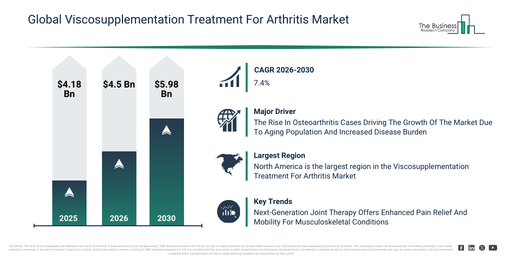
    The viscosupplementation treatment for arthritis market has experienced substantial expansion over recent years. This market is forecasted to increase from $4.18 billion in 2025 to $4.5 billion in 2026, achieving a compound annual growth rate (CAGR) of 7.7%. Historically, this market’s growth can be ascribed to the escalating prevalence of osteoarthritis, an expanding aging demographic, the early clinical integration of hyaluronic acid injections, the advancement of orthopedic treatment practices, and the widespread availability of injectable joint therapies.

    The viscosupplementation treatment for arthritis market size is projected to experience robust expansion in the coming years. It is forecast to reach $5.98 billion by 2030, demonstrating a compound annual growth rate (CAGR) of 7.4%. This anticipated growth during the forecast period is driven by factors such as an increasing demand for non-surgical arthritis interventions, rising healthcare expenditure on musculoskeletal disorders, the expansion of outpatient orthopedic services, a growing emphasis on improving quality of life, and ongoing innovation in viscosupplement formulations. Major trends expected in this period include the rising adoption of single-injection treatment regimens, a growing demand for long-lasting pain relief solutions, the proliferation of minimally invasive arthritis therapies, an increased focus on enhanced joint lubrication formulations, and a heightened emphasis on patient-centric treatment approaches.

    Access Your Free Sample Report For In-Depth Market Analysis:

    https://www.thebusinessresearchcompany.com/sample.aspx?id=30433&type=smp

    Which Major Drivers Are Influencing The Expansion Of The Viscosupplementation Treatment For Arthritis Market?

    The expanding occurrence of osteoarthritis is anticipated to fuel the expansion of the viscosupplementation treatment for the arthritis market in the future. This condition is a chronic joint ailment marked by the progressive breakdown of cartilage, resulting in discomfort, rigidity, and limited movement. The rising incidence of osteoarthritis primarily stems from an aging demographic, where the natural deterioration of joints over time heightens older individuals’ susceptibility to the disease. Viscosupplementation treatment for arthritis aids in managing osteoarthritis through the restoration of joint lubrication, alleviation of pain, and enhancement of mobility. As an illustration, in February 2025, Springer Nature Group, a UK-based academic and professional publishing firm, reported that knee osteoarthritis cases totaled 12.94 million in males and 18.80 million in females. Projections indicate these numbers will climb to 18.45 million in males and 25.60 million in females by 2046. Consequently, the growing prevalence of osteoarthritis is a key factor propelling the expansion of the viscosupplementation treatment for the arthritis market.

    Which Segment Types Are Examined In The Viscosupplementation Treatment For Arthritis Market Segment Study?

    The viscosupplementation treatment for arthritis market covered in this report is segmented –

    1) By Product Type: Single Injection, Three Injections, Five Injections

    2) By Application: Knee Osteoarthritis, Hip Osteoarthritis, Shoulder Osteoarthritis, Other Applications

    3) By End-User: Hospitals, Ambulatory Surgical Centers, Orthopedic Clinics, Other End-Users

    Subsegments:

    1) By Single Injection: High Molecular Weight Hyaluronic Acid, Low Molecular Weight Hyaluronic Acid, Cross-Linked Hyaluronic Acid

    2) By Three Injections: Standard Hyaluronic Acid, Buffered Hyaluronic Acid, Biofermented Hyaluronic Acid

    3) By Five Injections: Cross-Linked High Viscosity Hyaluronic Acid, Extended-Release Hyaluronic Acid, Multi-Dose Hyaluronic Acid

    Which Trends Are Shaping The Viscosupplementation Treatment For Arthritis Market?

    Leading companies in the viscosupplementation treatment for arthritis market are concentrating on creating novel solutions, such as advanced hyaluronic acid preparations, to boost joint lubrication, alleviate pain, and enhance mobility. These advanced hyaluronic acid formulations are specifically engineered versions of hyaluronic acid, featuring an enhanced molecular structure and viscosity, intended to deliver prolonged joint lubrication and more potent pain relief in arthritis management. For example, in February 2024, the Switzerland-based pharmaceutical firm IBSA Group introduced the SINOVIAL line, a cutting-edge viscosupplementation therapy for musculoskeletal ailments. This range utilizes sophisticated NAHYCO technology, which merges high and low molecular weight hyaluronic acid to achieve efficient joint lubrication and extended pain alleviation. These treatments are crafted to mimic the functions of natural synovial fluid, thereby boosting joint cushioning and shock absorption. The injectable formula provides ideal viscosity and excellent tolerability, contributing to improved patient comfort, movement, and the management of osteoarthritis and other musculoskeletal conditions.

    Which Players Are Part Of The Competitive Landscape Of The Viscosupplementation Treatment For Arthritis Market?

    Major companies operating in the viscosupplementation treatment for arthritis market are Johnson And Johnson, Sanofi S.A., LG Chem Ltd., Teva Pharmaceutical Industries Ltd., Chugai Pharmaceutical Co. Ltd., Zimmer Biomet Holdings Inc., IBSA Group, Bioventus Inc., Fidia Farmaceutici S.p.A., Ferring Pharmaceuticals A/S, Anika Therapeutics Inc., TRB Chemedica International S.A., Laboratoires VIVACY, Seikagaku Corporation, Regen Lab SA, Genzyme Corporation, Medtronic PLC, Orthogenix Inc., Hyundai Pharm Co. Ltd., DePuy Synthes

    Get The Full Viscosupplementation Treatment For Arthritis Market Report:

    https://www.thebusinessresearchcompany.com/report/global-viscosupplementation-treatment-for-arthritis-market-report

    Which Region Represents The Largest Share Of The Viscosupplementation Treatment For Arthritis Market?

    North America was the largest region in the viscosupplementation treatment for arthritis market in 2025. Asia-Pacific is expected to be the fastest-growing region in the forecast period. The regions covered in the viscosupplementation treatment for arthritis market report are Asia-Pacific, South East Asia, Western Europe, Eastern Europe, North America, South America, Middle East, Africa.

    Request A Customized Viscosupplementation Treatment For Arthritis Market Report For Competitive Insights:

    https://www.thebusinessresearchcompany.com/report/global-viscosupplementation-treatment-for-arthritis-market-report

    Browse Through More Reports Similar to the Global Viscosupplementation Treatment For Arthritis Market 2026, By The Business Research Company

    Rheumatology Therapeutics Market Report 2026

    https://www.thebusinessresearchcompany.com/report/rheumatology-therapeutics-global-market-report

    Canine Arthritis Treatment Market Report

    https://www.thebusinessresearchcompany.com/report/canine-arthritis-treatment-global-market-report

    Rheumatoid Arthritis Drugs Market Report

    https://www.thebusinessresearchcompany.com/report/rheumatoid-arthritis-drugs-global-market-report

    Get in touch with us:

    The Business Research Company: https://www.thebusinessresearchcompany.com/

    Americas +1 310-496-7795

    Asia +44 7882 955267 & +91 8897263534

    Europe +44 7882 955267

    Email us at info@tbrc.info

    Follow us on:

    LinkedIn: https://in.linkedin.com/company/the-business-research-company

    YouTube: https://www.youtube.com/channel/UC24_fI0rV8cR5DxlCpgmyFQ

    Global Market Model: https://www.thebusinessresearchcompany.com/global-market-model
  • Visceral Pain Market Forecast Showing Industry Progress and Expansion Trends

    Visceral Pain Market Forecast Showing Industry Progress and Expansion Trends

    The Business Research Company’s 2026 market reports feature enhanced tools like market attractiveness analysis, TAM assessment, and company scoring matrices, along with interactive dashboards, deeper supply chain insights, and startup coverage strengthening the depth, usability, and strategic value of insights.

    What Are The Market Size Estimates For The Visceral Pain Market In 2026 And 2030?

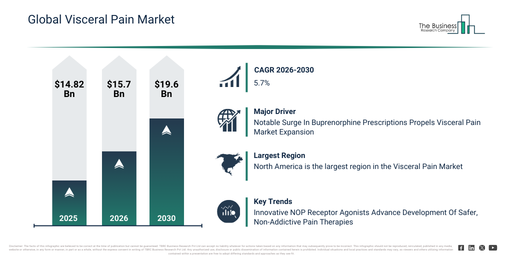
    The visceral pain market has experienced robust growth over recent years. Projections indicate its value will rise from $14.82 billion in 2025 to $15.7 billion by 2026, demonstrating a compound annual growth rate (CAGR) of 5.9%. Historically, this expansion has been driven by factors such as the rising incidence of gastrointestinal and pelvic disorders, broader application of NSAIDs and calcium channel blockers, enhanced clinical identification of visceral pain conditions, the proliferation of hospital-based pain management services, and the introduction of various drug classes.

    The visceral pain market is anticipated to experience robust expansion over the coming years. This market is projected to reach $19.6 billion by 2030, exhibiting a compound annual growth rate (CAGR) of 5.7%. Factors contributing to this growth during the forecast period include a heightened demand for tailored pain treatments, an increased emphasis on managing chronic pain, the wider application of precision medicine strategies, the greater integration of sophisticated diagnostic instruments, and augmented funding for non-opioid drug innovation. Key trends anticipated for the forecast period encompass a broader embrace of targeted pain management solutions, an escalating utilization of multi-drug regimens, a reinforced commitment to non-opioid therapeutic alternatives, the broadening scope of individualized visceral pain management, and a stronger focus on prompt diagnosis and intervention.

    Access Your Free Sample Report For In-Depth Market Analysis:

    https://www.thebusinessresearchcompany.com/sample.aspx?id=13950&type=smp

    What Key Drivers Are Fueling The Growth Of The Visceral Pain Market?

    The increasing need for pain-relieving medications, known as analgesics, is anticipated to propel the expansion of the visceral pain market in the future. Analgesics are drugs designed to alleviate pain by reducing or blocking the brain’s perception of pain signals. They help control visceral pain by targeting the nervous system and modulating signals that originate from internal organs. For instance, an April 2024 report in the New England Journal of Medicine, a UK-based weekly medical journal, noted that over 53,600 clinicians were prescribing buprenorphine by December 2023. This figure demonstrates an increase of 11,500 prescribers compared to December 2022. Thus, the escalating demand for analgesics is a key factor driving the growth of the visceral pain market.

    How Are Different Segments Classified In The Visceral Pain Market Segment Analysis?

    The visceral pain market covered in this report is segmented –

    1) By Drug Class: Calcium Channel Blockers, Nonsteroidal Anti-Inflammatory (NSAID), Other Drug Classes

    2) By Indications: Interstitial Cystitis, Crohn’s, Irritable Bowel, Chronic Prostatitis, Other Indications

    3) By End Users: Hospitals, Homecare, Specialty Clinics, Other End Users

    Subsegments:

    1) By Calcium Channel Blockers: Dihydropyridines, Non-Dihydropyridines

    2) By Nonsteroidal Anti-Inflammatory Drugs (NSAID): Selective COX-2 Inhibitors, Non-Selective NSAIDs

    3) By Other Drug Classes: Opioids, Tricyclic Antidepressants (TCAs), Serotonin-Norepinephrine Reuptake Inhibitors (SNRIs)

    What Trends Are Influencing The Visceral Pain Market?

    Leading companies in the chronic pain market are increasingly concentrating on clinical trials to develop innovative products, such as NOP receptor agonists, aiming to provide effective pain relief while potentially reducing the risks associated with opioid-based treatments. NOP receptor agonists are compounds that activate the nociceptin/orphanin FQ peptide receptor, modulating pain signaling in the nervous system. They offer benefits by alleviating chronic and visceral pain without the high risk of addiction or severe side effects typically linked to traditional opioids. For example, in October 2024, Grünenthal GmbH, a pharmaceutical company based in Germany, initiated a first-in-human Phase I clinical trial with 90 healthy participants to evaluate the safety, tolerability, and pharmacokinetics of its novel NOP receptor agonist. This study aims to assess the investigational compound’s potential to deliver potent and safe pain relief across various chronic pain conditions, proposing a novel therapeutic approach for managing both somatic and visceral pain.

    Who Are The Companies Driving Activity In The Visceral Pain Market?

    Major companies operating in the visceral pain market are Pfizer Inc., Johnson & Johnson Services Inc., F. Hoffmann-La Roche Ltd., Merck & Co.Inc., AbbVie Inc., Novartis AG, Sanofi SA, Bristol-Myers Squibb Company, AstraZeneca PLC, GlaxoSmithKline PLC, Takeda Pharmaceutical Company Limited, Eli Lilly and Company, Teva Pharmaceutical Industries Ltd., Mylan N.V., Bausch Health Companies Inc., Sun Pharmaceutical Industries Ltd., Perrigo Company PLC, Dr. Reddy’s Laboratories Ltd., Endo International PLC, Grünenthal GmbH, Glenmark Pharmaceuticals Limited, Hisamitsu Pharmaceutical Co. Ltd., Chromocell Corporation, Addex Therapeutics Ltd.

    Get The Full Visceral Pain Market Report:

    https://www.thebusinessresearchcompany.com/report/visceral-pain-global-market-report

    Which Geographic Region Dominates The Visceral Pain Market?

    North America was the largest region in the visceral pain market in 2025. The regions covered in the visceral pain market report are Asia-Pacific, South East Asia, Western Europe, Eastern Europe, North America, South America, Middle East, Africa.

    Request A Customized Visceral Pain Market Report For Competitive Insights:

    https://www.thebusinessresearchcompany.com/report/visceral-pain-global-market-report

    Browse Through More Reports Similar to the Global Visceral Pain Market 2026, By The Business Research Company

    Chronic Pain Market Report 2026

    https://www.thebusinessresearchcompany.com/report/chronic-pain-global-market-report

    Neuropathic Pain Market Report

    https://www.thebusinessresearchcompany.com/report/neuropathic-pain-global-market-report

    Ulcerative Colitis Market Report

    https://www.thebusinessresearchcompany.com/report/ulcerative-colitis-global-market-report

    Get in touch with us:

    The Business Research Company: https://www.thebusinessresearchcompany.com/

    Americas +1 310-496-7795

    Asia +44 7882 955267 & +91 8897263534

    Europe +44 7882 955267

    Email us at info@tbrc.info

    Follow us on:

    LinkedIn: https://in.linkedin.com/company/the-business-research-company

    YouTube: https://www.youtube.com/channel/UC24_fI0rV8cR5DxlCpgmyFQ

    Global Market Model: https://www.thebusinessresearchcompany.com/global-market-model
  • Visceral Leishmaniasis Market Future Trends and Growth Forecast

    Visceral Leishmaniasis Market Future Trends and Growth Forecast

    The Business Research Company’s 2026 market reports feature enhanced tools like market attractiveness analysis, TAM assessment, and company scoring matrices, along with interactive dashboards, deeper supply chain insights, and startup coverage strengthening the depth, usability, and strategic value of insights.

    What Expansion In Market Value Is Forecasted For The Visceral Leishmaniasis Market Between 2026 And 2030?

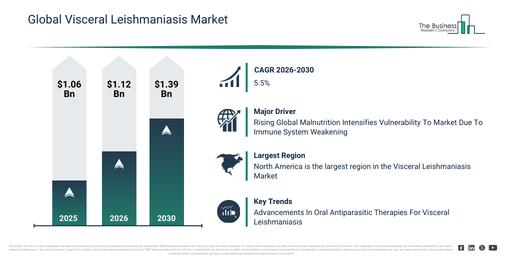
    The visceral leishmaniasis market has demonstrated significant expansion in recent years. It is anticipated to increase from $1.06 billion in 2025 to $1.12 billion in 2026, growing at a compound annual growth rate (CAGR) of 5.9%. This historical growth can be attributed to several factors, including the increasing prevalence of the endemic disease, a rise in public health awareness initiatives, the presence of established antiparasitic treatments, the development of hospital-based treatment programs, and support from international health organizations.

    The visceral leishmaniasis market is projected to experience substantial expansion in the coming years. By 2030, its valuation is anticipated to reach $1.39 billion, achieving this with a compound annual growth rate (CAGR) of 5.5%. This anticipated growth during the forecast period stems from several factors, including heightened investments in new therapeutic approaches, a greater emphasis on developing vaccines and immunotherapies, broader adoption of molecular diagnostics, increased governmental financial support for eliminating the disease, and improved access to treatment within affected regions. Key trends during this period are expected to encompass a wider uptake of sophisticated diagnostic methods, an increased application of combination drug treatments, a sharpened focus on detecting the disease earlier, an expansion of public health screening initiatives, and a boosted commitment to making treatments more accessible.

    Access Your Free Sample Report For In-Depth Market Analysis:

    https://www.thebusinessresearchcompany.com/sample.aspx?id=23573&type=smp

    Which Drivers Are Supporting The Visceral Leishmaniasis Market Growth?

    The anticipated expansion of the visceral leishmaniasis market is linked to an increase in malnutrition. Malnutrition, characterized as a health issue stemming from insufficient or unbalanced nutrient consumption vital for proper bodily function, is on the rise. This surge in malnutrition is largely attributed to food insecurity, which restricts access to nutritious food, leading to conditions like undernourishment and micronutrient deficiencies that compromise the immune system. Such nutritional deficiencies hinder immune function, leaving individuals more susceptible to various infections, including visceral leishmaniasis. A weakened defense due to lack of nutrients elevates the chances of developing severe illness and complications. For example, in July 2024, the United Nations Children’s Fund (UNICEF), a U.S.-based specialized agency, reported that approximately 733 million people worldwide were undernourished in 2023. Consequently, the growing prevalence of malnutrition is a key factor fueling the growth of the visceral leishmaniasis market.

    How Is The Visceral Leishmaniasis Market Categorized Across Its Segment Groups?

    The visceral leishmaniasis market covered in this report is segmented –

    1) By Treatment: Antiparasitic, Antifungal, Other Treatments

    2) By Diagnosis Method: Serological Tests, Molecular Tests, Microscopy, Culture Methods

    3) By Route Of Administration: Oral, Injectable, Other Routes Of Administration

    4) By Distribution Channel: Hospital Pharmacy, Online Pharmacy, Retail Pharmacy

    5) By End-User: Hospitals, Homecare, Specialty Clinics, Other End-Users

    Subsegments:

    1) By Antiparasitic: Pentavalent Antimonials, Miltefosine, Paromomycin, Sitamaquine, Combination Therapy

    2) By Antifungal: Amphotericin B, Liposomal Amphotericin B (AmBisome), Azoles, Echinocandins, Polyenes

    3) By Other Treatments: Immunotherapy, Monoclonal Antibodies, Vaccine-Based Approaches, Photodynamic Therapy, Gene Therapy

    Which Trends Are Expected To Impact The Visceral Leishmaniasis Market?

    Major companies within the visceral leishmaniasis market are prioritizing the advancement of treatment solutions, including antiparasitic drugs, to enhance their effectiveness and improve patient access, particularly in areas where the disease is prevalent. Antiparasitic drugs are medicines employed to combat infections caused by parasites by specifically targeting the parasite’s biological functions, thereby interrupting its growth, multiplication, or continued existence within the host. For instance, in February 2024, Zydus Lifesciences Limited, an India-based pharmaceutical company, obtained World Health Organization (WHO) prequalification approval for the active pharmaceutical ingredient (API) and formulation of miltefosine for addressing leishmaniasis or kala-azar. Miltefosine operates as an oral antiparasitic drug by disrupting the parasite’s cell membrane and interfering with its metabolic processes, which leads to cell death. It also hinders parasite proliferation and survival, making it an effective oral therapeutic option for visceral leishmaniasis or kala azar.

    Which Firms Are Influencing Competition In The Visceral Leishmaniasis Market?

    Major companies operating in the visceral leishmaniasis market are Pfizer Inc., GSK plc, Sun Pharmaceutical Industries Ltd., Dr. Reddy’s Laboratories, Aurobindo Pharma Limited, Cipla Limited, Zydus Lifesciences Limited, Glenmark Pharmaceuticals Limited, Alkem Laboratories Ltd., Xellia Pharmaceuticals, Gufic Biosciences Ltd., United Biotech Private Limited, DNDi, Sanofi SA, Bharat Serums and Vaccines Limited, Emcure Pharmaceuticals Limited, Hetero Drugs Limited, Lupin Limited, Ipca Laboratories Limited, Intas Pharmaceuticals Limited, Macleods Pharmaceuticals Limited, Mankind Pharma Limited, Alembic Pharmaceuticals Limited

    Get The Full Visceral Leishmaniasis Market Report:

    https://www.thebusinessresearchcompany.com/report/visceral-leishmaniasis-global-market-report

    Which Region Is The Leading Market For The Visceral Leishmaniasis Market?

    North America was the largest region in the visceral leishmaniasis market in 2025. Asia-Pacific is expected to be the fastest-growing region in the forecast period. The regions covered in the visceral leishmaniasis market report are Asia-Pacific, South East Asia, Western Europe, Eastern Europe, North America, South America, Middle East, Africa.

    Request A Customized Visceral Leishmaniasis Market Report For Competitive Insights:

    https://www.thebusinessresearchcompany.com/report/visceral-leishmaniasis-global-market-report

    Browse Through More Reports Similar to the Global Visceral Leishmaniasis Market 2026, By The Business Research Company

    Anticoagulant Market Report 2026

    https://www.thebusinessresearchcompany.com/report/anticoagulant-global-market-report

    Psoriasis Drugs Market Report

    https://www.thebusinessresearchcompany.com/report/psoriasis-drugs-global-market-report

    Veterinary Parasiticides Market Report

    https://www.thebusinessresearchcompany.com/report/veterinary-parasiticides-global-market-report

    Get in touch with us:

    The Business Research Company: https://www.thebusinessresearchcompany.com/

    Americas +1 310-496-7795

    Asia +44 7882 955267 & +91 8897263534

    Europe +44 7882 955267

    Email us at info@tbrc.info

    Follow us on:

    LinkedIn: https://in.linkedin.com/company/the-business-research-company

    YouTube: https://www.youtube.com/channel/UC24_fI0rV8cR5DxlCpgmyFQ

    Global Market Model: https://www.thebusinessresearchcompany.com/global-market-model
  • Virtual Rehabilitation Market Growth Outlook Through 2030

    Virtual Rehabilitation Market Growth Outlook Through 2030

    The Business Research Company’s 2026 market reports feature enhanced tools like market attractiveness analysis, TAM assessment, and company scoring matrices, along with interactive dashboards, deeper supply chain insights, and startup coverage strengthening the depth, usability, and strategic value of insights.

    How Large Will The Virtual Rehabilitation Market Be By 2030 Compared To Its 2026 Market Size?

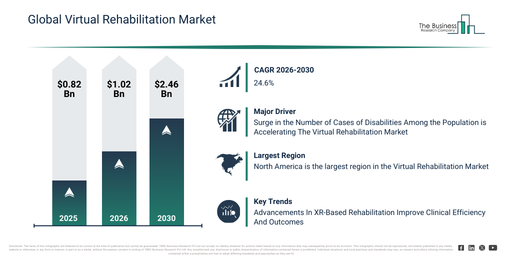
    The virtual rehabilitation market has experienced significant expansion in its size over recent years. The market is projected to grow from $0.82 billion in 2025 to $1.02 billion in 2026, demonstrating a compound annual growth rate (CAGR) of 24.3%. This historical growth can be linked to factors such as increased demand for rehabilitation services, a rising prevalence of chronic and mobility-related conditions, the broadening of outpatient therapy services, greater adoption of digital health tools, and enhanced access to rehabilitation technologies.

    The virtual rehabilitation market is projected to experience substantial growth over the next few years. It is expected to expand to $2.46 billion by 2030, demonstrating a compound annual growth rate (CAGR) of 24.6%. This anticipated expansion during the forecast period can be attributed to a heightened emphasis on remote patient care, increasing investments in digital rehabilitation platforms, the broadening availability of personalized therapy solutions, the growing acceptance of home-based care models, and the wider implementation of data-driven rehabilitation programs. Notable trends for the forecast period include the increasing adoption of VR-based physical therapy programs, a rise in the utilization of gamified rehabilitation solutions, the expanding integration of remote monitoring tools, the development of home-based virtual rehab platforms, and an intensified focus on personalized therapy plans.

    Access Your Free Sample Report For In-Depth Market Analysis:

    https://www.thebusinessresearchcompany.com/sample.aspx?id=13949&type=smp

    What Key Factors Are Affecting The Virtual Rehabilitation Market Demand?

    The escalating occurrence of disability is projected to propel the virtual rehabilitation market’s expansion in the future. Disability is defined as a physical, cognitive, sensory, or mental condition that notably impairs an individual’s capability to perform everyday tasks, fully engage in society, or participate in typical life roles. Virtual rehabilitation assists the disabled population by offering remote access to therapeutic interventions and personalized exercises via virtual platforms. For instance, in March 2023, the World Health Organization, a Switzerland-based international public health organization, reported that around 1.3 billion people across the globe, constituting 16% of the total global population, have disabilities. Therefore, the increasing prevalence of disability within the populace is a significant factor driving the growth of the virtual rehabilitation market.

    How Are Segments Identified Within The Virtual Rehabilitation Market Segment Framework?

    The virtual rehabilitation market covered in this report is segmented –

    1) By Type: Physical Rehabilitation, Neuro And Cognitive Rehabilitation, Other Types

    2) By Patient Type: Short Term Patients, Long Term Patients

    3) By End-User: Inpatient Rehabilitation Hospitals, Rehabilitation Centers And Clinics, Home Care Settings

    Subsegments:

    1) By Physical Rehabilitation: Musculoskeletal Rehabilitation, Sports Injury Rehabilitation, Post-Surgery Rehabilitation

    2) By Neuro And Cognitive Rehabilitation: Stroke Rehabilitation, Traumatic Brain Injury (TBI) Rehabilitation, Memory And Cognitive Skills Training

    3) By Other Types: Pediatric Rehabilitation, Cardiac Rehabilitation, Geriatric Rehabilitation

    What Trends Are Influencing Changes In The Virtual Rehabilitation Market?

    Leading companies in the virtual rehabilitation market are concentrating on developing sophisticated solutions, such as plug-and-play VR rehabilitation stations, to improve the availability of therapy, reduce implementation obstacles, and provide consistent, high-quality rehabilitation across various care environments. A plug-and-play VR rehabilitation station refers to an integrated, portable therapeutic system that delivers immersive physical, occupational, and mental health treatment without requiring IT setup, network configuration, or dedicated infrastructure, thereby significantly enhancing ease of use compared to traditional in-clinic rehabilitation tools. For instance, in September 2025, XRHealth, a U.S.-based extended-reality healthcare company, launched the XR CareCart, an all-in-one mobile VR rehabilitation station designed for immediate deployment in clinics, hospitals, senior care centers, and community health settings. Equipped with two VR headsets, a preloaded therapeutic platform, a patient-facing tablet, dual clinician monitors, and an integrated SIM-based router, the system offers FDA-registered programs spanning physical therapy, occupational therapy, and mental health interventions. The platform facilitates real-time monitoring, session casting, HIPAA-compliant data management, and scalable multi-patient use, presenting an advanced, infrastructure-independent option over conventional therapy setups.

    Who Are The Companies Competing Within The Virtual Rehabilitation Market?

    Major companies operating in the virtual rehabilitation market are SWORD Health, Hinge Health Inc., Meden-Inmed, BO&BO Ltd., Saebo Inc., Mindmaze, Motek Medical B.V., XRHealth (VRHealth), Tyromotion GmbH, LiteGait, GestureTek Health, Rehab-Robotics, Virtualware Group, MIRA Rehab Limited, Myelin-H, Motorika, Doctor Kinetic, Agile Virtual PT, Cogniv Technologies, Immersive Rehab, Neuro Rehab VR, Rehametrics, CoRehab srl, Accelerated Care Plus Corporation, Euleria S.R.L

    Get The Full Virtual Rehabilitation Market Report:

    https://www.thebusinessresearchcompany.com/report/virtual-rehabilitation-global-market-report

    Where Is The Virtual Rehabilitation Market Primarily Concentrated By Region?

    North America was the largest region in the virtual rehabilitation market in 2025. Europe is expected to be the fastest-growing region in the forecast period. The regions covered in the virtual rehabilitation market report are Asia-Pacific, South East Asia, Western Europe, Eastern Europe, North America, South America, Middle East, Africa.

    Request A Customized Virtual Rehabilitation Market Report For Competitive Insights:

    https://www.thebusinessresearchcompany.com/report/virtual-rehabilitation-global-market-report

    Browse Through More Reports Similar to the Global Virtual Rehabilitation Market 2026, By The Business Research Company

    Behavioral Rehabilitation Market Report 2026

    https://www.thebusinessresearchcompany.com/report/behavioral-rehabilitation-global-market-report

    Rehabilitation Robotics Market Report

    https://www.thebusinessresearchcompany.com/report/rehabilitation-robotics-global-market-report

    Rehabilitation Equipment Market Report

    https://www.thebusinessresearchcompany.com/report/rehabilitation-equipment-global-market-report

    Get in touch with us:

    The Business Research Company: https://www.thebusinessresearchcompany.com/

    Americas +1 310-496-7795

    Asia +44 7882 955267 & +91 8897263534

    Europe +44 7882 955267

    Email us at info@tbrc.info

    Follow us on:

    LinkedIn: https://in.linkedin.com/company/the-business-research-company

    YouTube: https://www.youtube.com/channel/UC24_fI0rV8cR5DxlCpgmyFQ

    Global Market Model: https://www.thebusinessresearchcompany.com/global-market-model
  • VR Vision Therapy Market Insights on Growth Trends and Opportunities

    VR Vision Therapy Market Insights on Growth Trends and Opportunities

    The Business Research Company’s 2026 market reports feature enhanced tools like market attractiveness analysis, TAM assessment, and company scoring matrices, along with interactive dashboards, deeper supply chain insights, and startup coverage strengthening the depth, usability, and strategic value of insights.

    What Is The Projected Increase In Market Value Of The Virtual Reality Vision Therapy Market During 2026–2030?

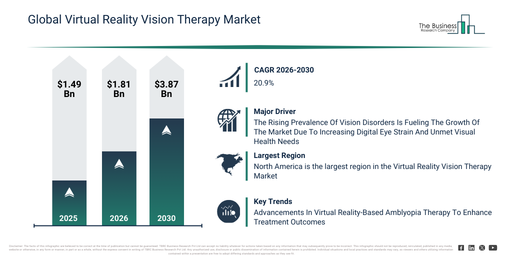
    The virtual reality vision therapy market size has seen exponential growth in recent years. It is anticipated to increase from $1.49 billion in 2025 to $1.81 billion in 2026, at a compound annual growth rate (CAGR) of 21.2%. This market’s historical expansion is attributable to the increasing prevalence of visual disorders, the rising adoption of digital therapeutic tools, the growing acceptance of non-invasive vision treatments, the expansion of pediatric vision therapy practices, and the availability of consumer-grade VR hardware.

    The virtual reality vision therapy market is anticipated to experience substantial expansion in the coming years. Projections indicate it will reach $3.87 billion by 2030, demonstrating a compound annual growth rate (CAGR) of 20.9%. This projected growth is driven by several factors, including a heightened demand for vision therapy delivered at home, the increasing incorporation of AI-powered visual evaluations, the broadening of tele-vision therapy offerings, greater financial commitments to digital healthcare platforms, and the wider acceptance of immersive healthcare technologies. Key trends expected during this forecast period encompass the greater embrace of immersive vision training systems, a surge in the utilization of gamified therapeutic modules, the expanding integration of eye-tracking innovations, the proliferation of remote and at-home vision therapy options, and improved customization of treatment regimens.

    Access Your Free Sample Report For In-Depth Market Analysis:

    https://www.thebusinessresearchcompany.com/sample.aspx?id=28359&type=smp

    Which Primary Drivers Are Impacting The Virtual Reality Vision Therapy Market Growth?

    The growing incidence of vision disorders is expected to stimulate the expansion of the virtual reality vision therapy market in the future. Vision disorders are conditions that obstruct clear sight, impacting sharpness, focus, or the field of vision. The rise in these disorders is largely due to extensive screen use, which causes eye strain and contributes to digital eye fatigue, thus diminishing overall visual health. Virtual reality vision therapy addresses vision disorders by offering immersive exercises that improve eye coordination, concentration, and depth perception, while also stimulating neural pathways to enhance visual processing and overall eye function. For instance, in August 2023, according to the World Health Organization, a Switzerland-based government organization, more than 2.2 billion people worldwide experience vision impairment, whether for near or distance vision. In nearly 1 billion of these instances, which is almost half, the impairment was either preventable or remains unaddressed. Therefore, the increasing prevalence of vision disorders is driving the growth of the virtual reality vision therapy market.

    What Are The Key Segment Divisions In The Virtual Reality Vision Therapy Market Segment Structure?

    The virtual reality vision therapy market covered in this report is segmented –

    1) By Product Type: Hardware, Software, Services

    2) By Therapy Type: Amblyopia, Strabismus, Convergence Insufficiency, Binocular Vision Dysfunction, Other Therapy Types

    3) By Distribution Channel: Direct Sales, Online Retail, Other Distribution Channels

    4) By End-User: Hospitals And Clinics, Vision Therapy Centers, Homecare Settings, Other End-Users

    Subsegments:

    1) By Hardware: Head-Mounted Displays (HMDs), Virtual Reality (VR) Glasses, Eye-Tracking Devices, Motion Sensors, Haptic Feedback Devices, Handheld Controllers

    2) By Software: Vision Therapy Applications, Virtual Reality (VR) Simulation Software, Eye Exercise Software, Gamified Vision Therapy Programs, Augmented Reality (AR) Integration Software

    3) By Services: Tele-Vision Therapy Services, Clinical Consultation Services, Rehabilitation Program Management, Training And Support Services, Software As A Service (SaaS) For Vision Therapy

    Which Trends Are Shaping Growth In The Virtual Reality Vision Therapy Market?

    Major companies operating in the virtual reality vision therapy market are directing their efforts toward developing advanced solutions, such as virtual reality-based amblyopia therapy, to improve treatment adherence and optimize visual outcomes. This virtual reality-based amblyopia therapy engages the less dominant eye through immersive visual exercises to enhance focus, coordination, and depth perception, while also stimulating neural pathways to refine visual processing and overall vision. For instance, in April 2025, Luminopia, Inc., a US-based digital therapeutics company, obtained approval from the Food and Drug Administration (FDA) for amblyopia treatment for children aged 8 to 12 years, expanding on its previous clearance for ages 4 to 7. This clearance is founded on robust real-world evidence gathered from Luminopia’s PUPiL Registry and various clinical trials. Luminopia’s digital therapy utilizes a VR headset, allowing patients to watch familiar TV shows while therapeutic algorithms work to engage both eyes, thereby improving vision in children with amblyopia linked to anisometropia and mild strabismus.

    Which Organizations Are Engaged In The Virtual Reality Vision Therapy Market?

    Major companies operating in the virtual reality vision therapy market are Meta Platforms Inc., Tobii AB, Varjo Technologies Inc., XRHealth Ltd., VR Vision Group, Floreo Inc., AmblyoPlay, Vivid Vision Inc., Luminopia Inc., NovaSight Inc., Virtualis VR Corp., Wow Vision Therapy, Cognihab Inc., Fusion VR, Computer Orthoptics Inc., SyncThink Inc., NeuraSim Private Limited, Neuro Rehab VR, MindMotion SA, AppliedVR Inc.

    Get The Full Virtual Reality Vision Therapy Market Report:

    https://www.thebusinessresearchcompany.com/report/virtual-reality-vision-therapy-global-market-report

    Which Region Has The Greatest Market Share In The Virtual Reality Vision Therapy Market?

    North America was the largest region in the virtual reality vision therapy market in 2025. Asia-Pacific is expected to be the fastest-growing region in the forecast period. The regions covered in the virtual reality vision therapy market report are Asia-Pacific, South East Asia, Western Europe, Eastern Europe, North America, South America, Middle East, Africa.

    Request A Customized Virtual Reality Vision Therapy Market Report For Competitive Insights:

    https://www.thebusinessresearchcompany.com/report/virtual-reality-vision-therapy-global-market-report

    Browse Through More Reports Similar to the Global Virtual Reality Vision Therapy Market 2026, By The Business Research Company

    Virtual Rehabilitation Market Report 2026

    https://www.thebusinessresearchcompany.com/report/virtual-rehabilitation-global-market-report

    Virtual Reality Services Market Report

    https://www.thebusinessresearchcompany.com/report/virtual-reality-services-global-market-report

    Virtual Reality Vr In Medical Simulation Market Report

    https://www.thebusinessresearchcompany.com/report/virtual-reality-vr-in-medical-simulation-global-market-report

    Get in touch with us:

    The Business Research Company: https://www.thebusinessresearchcompany.com/

    Americas +1 310-496-7795

    Asia +44 7882 955267 & +91 8897263534

    Europe +44 7882 955267

    Email us at info@tbrc.info

    Follow us on:

    LinkedIn: https://in.linkedin.com/company/the-business-research-company

    YouTube: https://www.youtube.com/channel/UC24_fI0rV8cR5DxlCpgmyFQ

    Global Market Model: https://www.thebusinessresearchcompany.com/global-market-model
  • VR Therapy for PTSD Market Developments Shaping Future Growth

    VR Therapy for PTSD Market Developments Shaping Future Growth

    The Business Research Company’s 2026 market reports feature enhanced tools like market attractiveness analysis, TAM assessment, and company scoring matrices, along with interactive dashboards, deeper supply chain insights, and startup coverage strengthening the depth, usability, and strategic value of insights.

    How Is The Market Size Of The Virtual Reality Therapy Post-Traumatic Stress Disorder (PTSD) Market Expected To Change From 2026 To 2030?

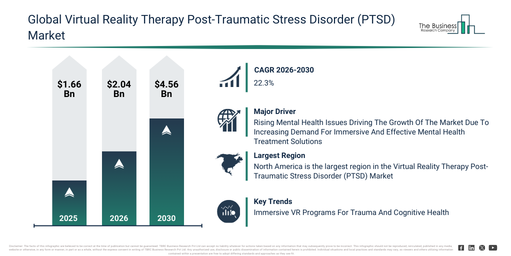
    The market for virtual reality therapy targeting post-traumatic stress disorder (PTSD) has expanded significantly in recent years. It is projected to increase from $1.66 billion in 2025 to $2.04 billion in 2026, indicating a compound annual growth rate (CAGR) of 22.6%. This past growth can be attributed to several factors including the rising occurrence of PTSD cases, greater acceptance of digital mental health treatments, the broadening of clinical research in VR psychology, advancements in VR hardware capabilities, and an increasing adoption of simulation-based therapy.

    The virtual reality therapy post-traumatic stress disorder (ptsd) market is anticipated to undergo significant expansion in the coming years. It is projected to reach $4.56 billion by 2030, demonstrating a compound annual growth rate (CAGR) of 22.3%. The expansion during the forecast period can be attributed to a heightened demand for scalable mental health solutions, the increasing adoption of VR within clinical psychology, the broadening of military and veteran mental health programs, the growing integration of biometric feedback, and increased investment in immersive healthcare technologies. Noteworthy trends anticipated in the forecast period include the rising adoption of immersive exposure therapy platforms, the increasing integration of AI-guided therapy customization, the expanding use of multi-sensory VR environments, the development of remote and home-based PTSD therapy, and an enhanced emphasis on measurable therapy outcomes.

    Access Your Free Sample Report For In-Depth Market Analysis:

    https://www.thebusinessresearchcompany.com/sample.aspx?id=29239&type=smp

    What Significant Factors Are Influencing The Virtual Reality Therapy Post-Traumatic Stress Disorder (PTSD) Market Expansion?

    The expansion of the virtual reality therapy post-traumatic stress disorder (PTSD) market is anticipated to be driven by a rise in mental health challenges. These issues encompass conditions influencing an individual’s emotional, psychological, and social well-being, thereby affecting their thoughts, feelings, and daily behaviors. A significant factor contributing to this increase is the heightened stress and demands associated with contemporary lifestyles. Virtual reality therapy for PTSD offers immersive, controlled settings, enabling patients to confront and process traumatic events, which helps in symptom reduction and enhancement of overall mental well-being. For example, data from October 2023 by the Australian Bureau of Statistics (ABS), an Australian statistical agency, indicated that around 43% of the population had experienced a mental illness at some point, with 21.5% reporting symptoms of mental illness within the preceding year. Consequently, the expanding prevalence of mental health concerns is fueling the development of the virtual reality therapy post-traumatic stress disorder (PTSD) market.

    Which Segment Categories Are Included In The Virtual Reality Therapy Post-Traumatic Stress Disorder (PTSD) Market Segment Analysis?

    The virtual reality therapy post-traumatic stress disorder (ptsd) market covered in this report is segmented –

    1) By Component Type: Hardware, Software, Services

    2) By Therapy Type: Exposure Therapy, Cognitive Behavioral Therapy, Stress Inoculation Training, Other Therapy Type

    3) By Technology Type: 3D Visualization, Haptic Feedback, Gesture Tracking, Eye Tracking, Artificial Intelligence, Machine Learning, Cloud Computing

    4) By Application Type: Military Trauma, Civilian Trauma, Phobias, Other Applications

    5) By End-User: Hospitals And Clinics, Military And Defense, Research And Academic Institutes, Other End-Users

    Subsegments:

    1) By Hardware: Head Mounted Displays, Motion Sensors, Haptic Devices, Computers And Consoles

    2) By Software: Virtual Reality Applications, Therapy Management Software, Simulation Programs, Analytics And Reporting Tools

    3) By Services: Training And Support, Consultation Services, Maintenance Services, Customization Services

    What Trends Are Affecting The Direction Of The Virtual Reality Therapy Post-Traumatic Stress Disorder (PTSD) Market?

    Leading companies operating in the virtual reality therapy post-traumatic stress disorder (PTSD) market are concentrating on developing sophisticated solutions, particularly AI-powered VR tools. These innovations aim to personalize exposure therapy, track patient progress in real time, and enhance treatment efficacy for individuals affected by trauma-related disorders. AI-powered VR solutions are virtual reality systems that leverage artificial intelligence to customize therapeutic experiences, analyze user responses, and optimize treatment outcomes continuously. For instance, in May 2025, X-Technology, a UAE-based technology startup, introduced an AI-powered VR platform across the MENA region. This platform is designed to support emotional and cognitive health in clinical and rehabilitation settings, delivering immersive VR therapy programs specifically tailored for PTSD, trauma recovery, stress, and cognitive decline. It enables patients to access care in hospitals, wellness centers, or at home, without the need for extensive physical infrastructure or travel. Integrated with AI and clinician-driven modules, this platform facilitates the customization of therapeutic environments, real-time adaptation of exposure intensity, and continuous monitoring of patient responses, all without requiring the deployment of new hardware per site.

    Who Are The Active Companies Shaping The Virtual Reality Therapy Post-Traumatic Stress Disorder (PTSD) Market?

    Major companies operating in the virtual reality therapy post-traumatic stress disorder (ptsd) market are Ellie Mental Health PLLP, MindMaze SA., XRHealth Inc., AppliedVR Inc., Healium XR. LLC., Mieron Inc., SimX Inc., VREX Immersive Inc., MyndVR Inc., Foretell Reality LLC., PsyTechVR Ltd., Virtually Better Inc., Oxford VR Ltd., TheraVR Inc., oVRcome Ltd., Firsthand Technology Inc., Wundrsight Health Inc., PsyCurio GmbH, Limbix Inc., BehaVR Inc.

    Get The Full Virtual Reality Therapy Post-Traumatic Stress Disorder (PTSD) Market Report:

    https://www.thebusinessresearchcompany.com/report/virtual-reality-therapy-post-traumatic-stress-disorder-ptsd-global-market-report

    Which Region Accounts For The Largest Portion Of The Virtual Reality Therapy Post-Traumatic Stress Disorder (PTSD) Market?

    North America was the largest region in the virtual reality therapy post-traumatic stress disorder (PTSD) market in 2025. Asia-Pacific is expected to be the fastest-growing region in the forecast period. The regions covered in the virtual reality therapy post-traumatic stress disorder (ptsd) market report are Asia-Pacific, South East Asia, Western Europe, Eastern Europe, North America, South America, Middle East, Africa.

    Request A Customized Virtual Reality Therapy Post-Traumatic Stress Disorder (PTSD) Market Report For Competitive Insights:

    https://www.thebusinessresearchcompany.com/report/virtual-reality-therapy-post-traumatic-stress-disorder-ptsd-global-market-report

    Browse Through More Reports Similar to the Global Virtual Reality Therapy Post-Traumatic Stress Disorder (PTSD) Market 2026, By The Business Research Company

    Virtual Reality Vr In Medical Simulation Market Report 2026

    https://www.thebusinessresearchcompany.com/report/virtual-reality-vr-in-medical-simulation-global-market-report

    Post Traumatic Stress Disorder Therapeutics Market Report

    https://www.thebusinessresearchcompany.com/report/post-traumatic-stress-disorder-therapeutics-global-market-report

    Virtual Reality In Healthcare Market Report

    https://www.thebusinessresearchcompany.com/report/virtual-reality-in-healthcare-global-market-report

    Get in touch with us:

    The Business Research Company: https://www.thebusinessresearchcompany.com/

    Americas +1 310-496-7795

    Asia +44 7882 955267 & +91 8897263534

    Europe +44 7882 955267

    Email us at info@tbrc.info

    Follow us on:

    LinkedIn: https://in.linkedin.com/company/the-business-research-company

    YouTube: https://www.youtube.com/channel/UC24_fI0rV8cR5DxlCpgmyFQ

    Global Market Model: https://www.thebusinessresearchcompany.com/global-market-model
  • VR Phantom Limb Pain Therapy Market Forecast Showing Demand and Industry Growth

    VR Phantom Limb Pain Therapy Market Forecast Showing Demand and Industry Growth

    The Business Research Company’s 2026 market reports feature enhanced tools like market attractiveness analysis, TAM assessment, and company scoring matrices, along with interactive dashboards, deeper supply chain insights, and startup coverage strengthening the depth, usability, and strategic value of insights.

    From Its 2026 Market Size, What Value Is The Virtual Reality Phantom Limb Pain Therapy Market Projected To Reach By 2030?

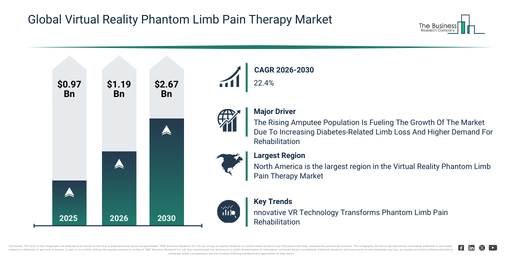
    The virtual reality phantom limb pain therapy market has seen significant expansion in recent years. This market is expected to increase from $0.97 billion in 2025 to $1.19 billion in 2026, achieving a compound annual growth rate (CAGR) of 22.7%. Historically, this growth has been driven by factors including an increasing number of limb amputations, the adoption of VR in pain management, the growing acceptance of non-invasive therapies, the expansion of rehabilitation services, and the availability of immersive feedback technologies.

    The virtual reality phantom limb pain therapy market is expected to experience significant expansion in the coming years. Its size is predicted to reach $2.67 billion by 2030, growing at a compound annual growth rate (CAGR) of 22.4%. This anticipated growth during the forecast period stems from factors such as the rising demand for personalized pain therapy solutions, increased integration of AI-based therapy customization, the expansion of remote rehabilitation platforms, a growing emphasis on long-term pain management, and the increasing clinical validation of VR-based treatments. Prominent trends for this period include the wider adoption of VR-based pain management therapies, an increase in the use of mirror therapy simulation techniques, the expanding integration of haptic feedback systems, the development of home-based phantom limb therapy solutions, and a heightened focus on psychological and sensory rehabilitation.

    Access Your Free Sample Report For In-Depth Market Analysis:

    https://www.thebusinessresearchcompany.com/sample.aspx?id=28357&type=smp

    Which Important Drivers Are Guiding The Virtual Reality Phantom Limb Pain Therapy Market Growth?

    An increasing amputee demographic is anticipated to drive the expansion of the virtual reality phantom limb pain therapy market in the future. This population consists of individuals who have experienced partial or complete limb loss, needing ongoing rehabilitation and specialized medical attention. The growth in this population is largely due to the rising incidence of diabetes, which results in serious complications such as impaired circulation and nerve damage, substantially increasing the rate of limb amputations. The virtual reality phantom limb pain therapy market aids this trend by offering immersive therapeutic environments that help re-educate neural pathways, lessen phantom limb pain, and enhance overall patient well-being. As an illustration, data from the American Diabetes Association, a US-based nonprofit health organization, in March 2024 revealed that annual healthcare spending for diabetes-related amputations in the United States surpassed $9.1 billion, and global diabetes-related healthcare costs exceeded $966 billion, underscoring the considerable financial impact associated with the increasing number of limb-loss incidents. Consequently, the expanding amputee population is propelling the advancement of the virtual reality phantom limb pain therapy market.

    How Is The Virtual Reality Phantom Limb Pain Therapy Market Broken Down By Segment Categories?

    The virtual reality phantom limb pain therapy market covered in this report is segmented –

    1) By Technology: Hardware, Software, Services

    2) By Therapy Type: Immersive Virtual Reality (VR) Therapy, Non-Immersive Virtual Reality (VR) Therapy, Mixed Reality Therapy

    3) By Patient Type: Upper Limb Amputees, Lower Limb Amputees

    4) By Application: Hospitals, Rehabilitation Centers, Homecare Settings, Other Applications

    Subsegments:

    1) By Hardware: Head-Mounted Displays (HMDs), Motion Tracking Sensors, Haptic Feedback Devices, Virtual Reality (VR) Gloves, Virtual Reality (VR) Treadmills, Eye-Tracking Devices

    2) By Software: Immersive Virtual Reality (VR) Therapy Applications, Non-Immersive Virtual Reality (VR) Therapy Applications, Mixed Reality Therapy Applications, Artificial Intelligence (AI)-Based Therapy Modules, Gamified Rehabilitation Software

    3) By Services: Clinical Implementation Services, Remote Patient Monitoring Services, Maintenance And Support Services, Training And Consultation Services, Therapy Customization Services

    What Trends Are Influencing The Evolution Of The Virtual Reality Phantom Limb Pain Therapy Market?

    Leading companies in the virtual reality phantom limb pain therapy market are concentrating on creating advanced solutions, like immersive virtual reality simulators, to alleviate pain and improve rehabilitation results. A virtual reality simulator is a system that utilizes immersive 3D environments and motion-tracking technology to replicate real-world experiences for training, therapy, or recovery applications. For example, in November 2025 The UNBROKEN National Rehabilitation Center, a Ukraine-based holistic medical-rehabilitation facility, introduced VRNOW, an innovative virtual reality (VR) technology developed to reduce phantom limb pain in amputees by generating a virtual model of the missing limb. This system aids patients in decreasing their phantom pain via immersive VR experiences that simulate the presence and movement of the lost limb, thereby enhancing the sensation of body ownership and providing pain relief. VRNOW signifies a notable progression in rehabilitation technology for managing phantom pain and assisting recovery following amputation.

    Which Players Are Present In The Virtual Reality Phantom Limb Pain Therapy Market Space?

    Major companies operating in the virtual reality phantom limb pain therapy market are Samsung Electronics Co Ltd, Lenovo Group Ltd, Mayo Clinic, The University of Texas at Dallas, Shirley Ryan AbilityLab, HTC Corporation, MindMaze SA, XRHealth Inc., HaptX Inc., Limber Health Inc., Virtualis, LimbPower Limited, OrthoCarolina Research Institute Inc., Karuna Labs Inc., Neuro Rehab VR, Tongji Hospital/University of Science and Technology of China, Bionic Hope Private Limited, Instalimb, Khymeia Group, Veterans Affairs (VA) North Texas Health Care System.

    Get The Full Virtual Reality Phantom Limb Pain Therapy Market Report:

    https://www.thebusinessresearchcompany.com/report/virtual-reality-phantom-limb-pain-therapy-global-market-report

    Which Region Holds The Highest Market Share In The Virtual Reality Phantom Limb Pain Therapy Market?

    North America was the largest region in the virtual reality phantom limb pain therapy market in 2025. The regions covered in the virtual reality phantom limb pain therapy market report are Asia-Pacific, South East Asia, Western Europe, Eastern Europe, North America, South America, Middle East, Africa.

    Request A Customized Virtual Reality Phantom Limb Pain Therapy Market Report For Competitive Insights:

    https://www.thebusinessresearchcompany.com/report/virtual-reality-phantom-limb-pain-therapy-global-market-report

    Browse Through More Reports Similar to the Global Virtual Reality Phantom Limb Pain Therapy Market 2026, By The Business Research Company

    Virtual Reality Vr In Medical Simulation Market Report 2026

    https://www.thebusinessresearchcompany.com/report/virtual-reality-vr-in-medical-simulation-global-market-report

    Virtual Reality In Healthcare Market Report

    https://www.thebusinessresearchcompany.com/report/virtual-reality-in-healthcare-global-market-report

    Physical Therapy Market Report

    https://www.thebusinessresearchcompany.com/report/physical-therapy-global-market-report

    Get in touch with us:

    The Business Research Company: https://www.thebusinessresearchcompany.com/

    Americas +1 310-496-7795

    Asia +44 7882 955267 & +91 8897263534

    Europe +44 7882 955267

    Email us at info@tbrc.info

    Follow us on:

    LinkedIn: https://in.linkedin.com/company/the-business-research-company

    YouTube: https://www.youtube.com/channel/UC24_fI0rV8cR5DxlCpgmyFQ

    Global Market Model: https://www.thebusinessresearchcompany.com/global-market-model
  • VR Motion Desensitization Platform Market Outlook Highlighting Market Growth Drivers

    VR Motion Desensitization Platform Market Outlook Highlighting Market Growth Drivers

    The Business Research Company’s 2026 market reports feature enhanced tools like market attractiveness analysis, TAM assessment, and company scoring matrices, along with interactive dashboards, deeper supply chain insights, and startup coverage strengthening the depth, usability, and strategic value of insights.

    How Much Growth In Market Value Is Expected For The Virtual Reality Motion Desensitization Platform Market Between 2026 And 2030?

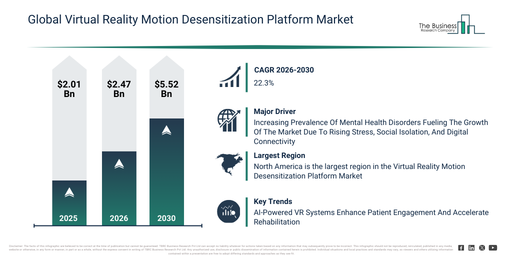
    The market size for the virtual reality motion desensitization platform has experienced significant expansion in recent years. It is projected to increase from $2.01 billion in 2025 to $2.47 billion in 2026, achieving a compound annual growth rate (CAGR) of 22.6%. The historical growth of this market can be linked to factors such as the increasing prevalence of motion sensitivity disorders, the integration of VR into vestibular therapy, a heightened understanding of non-invasive desensitization techniques, the proliferation of therapy clinics, and the accessibility of immersive simulation tools.

    The virtual reality motion desensitization platform market size is projected to experience substantial growth over the coming years. It is anticipated to expand to $5.52 billion in 2030, demonstrating a compound annual growth rate (CAGR) of 22.3%. This projected expansion can be attributed to several factors, including the increasing demand for personalized motion desensitization programs, growing investments in VR-based therapy platforms, the expansion of remote therapy delivery, rising integration of AI-driven adaptive simulations, and wider application in training and healthcare environments. Prominent trends throughout the forecast period encompass the increasing deployment of VR-based motion exposure therapy, a rising adoption of gradual desensitization protocols, growing integration of adaptive simulation environments, the expansion of both clinical and home-based motion therapy platforms, and an enhanced focus on vestibular rehabilitation.

    Access Your Free Sample Report For In-Depth Market Analysis:

    https://www.thebusinessresearchcompany.com/sample.aspx?id=28356&type=smp

    What Major Factors Are Driving The Virtual Reality Motion Desensitization Platform Market Forward?

    The escalating incidence of mental health disorders is projected to propel the expansion of the virtual reality motion desensitization platform market in the foreseeable future. These conditions are defined as states that significantly impair an individual’s emotions, thought processes, behavior, and overall psychological functioning. The rising occurrence of such disorders stems from increased stress linked to modern lifestyles, encompassing work-related pressures, excessive digital engagement, and growing social isolation. The virtual reality motion desensitization platform market contributes to addressing this driver by offering immersive, controlled therapeutic environments that facilitate gradual exposure, mitigate psychological distress, and enhance engagement in treatment for anxiety, phobias, and PTSD. For example, in May 2024, the American Psychiatric Association, a US-based nonprofit organization, reported that 43% of adults experienced more anxiety than in the prior year, an increase from 37% in 2023 and 32% in 2022, signifying a sustained rise in mental health concerns. Thus, the increasing prevalence of mental health disorders is a significant force driving the growth of the virtual reality motion desensitization platform market.

    What Are The Different Segment Types In The Virtual Reality Motion Desensitization Platform Market Segment Breakdown?

    The virtual reality motion desensitization platform market covered in this report is segmented –

    1) By Component: Hardware, Software, Services

    2) By Deployment Mode: On-Premises, Cloud-Based

    3) By Application: Healthcare And Therapy, Gaming And Entertainment, Education And Training, Military And Defense, Other Applications

    4) By End-User: Hospitals And Clinics, Rehabilitation Centers, Academic And Research Institutes, Military Organizations, Other End-Users

    Subsegments:

    1) By Hardware: Head-Mounted Displays, Sensors, Tracking Devices, Haptic Devices

    2) By Software: Virtual Reality Applications, Simulation Software, Analytics Software, Therapy Management Software

    3) By Services: Consulting Services, Maintenance Services, Training Services, Support Services

    Which Trends Are Impacting The Progress Of The Virtual Reality Motion Desensitization Platform Market?

    Leading firms within the virtual reality motion desensitization platform market are prioritizing the creation of sophisticated offerings, including AI-driven personalized therapy systems, aiming to improve treatment effectiveness, deepen patient involvement, and decrease obstacles to therapy and adjustment periods. These Artificial intelligence (AI)-powered personalized therapy systems represent cutting-edge virtual reality platforms leveraging AI to generate bespoke therapeutic settings and situations, precisely aligned with individual patient requirements, thereby enhancing desensitization and rehabilitation results. As an illustration, in September 2024, Interacoustics A/S, a medical equipment producer based in Denmark, introduced its Virtualis balance rehabilitation solutions. The Virtualis system integrates completely immersive virtual reality with dynamic posturography force plates, replicating real-world environments to support rehabilitation approaches like adaptation, substitution, and habituation. This system incorporates AI-powered adaptive modules like SkiVR and MotionVR, which automatically modify training intensity according to patient performance, facilitating accurate and engaging balance rehabilitation without requiring continuous intervention from a clinician. Furthermore, the system allows for accurate motion desensitization for vestibular disorders via incremental virtual reality exposure.

    Who Are The Well-Known Companies In The Virtual Reality Motion Desensitization Platform Market?

    Major companies operating in the virtual reality motion desensitization platform market are MindMaze SA, XRHealth Ltd., Bertec Corporation, NeuroSync Inc., Virtual Reality Medical Center Inc., PsyTech VR Inc., C2Care, Virtually Better Inc., Cyclops Medtech Pvt. Ltd., Kinequantum, Neuroequilibrium, Saebo Inc., Kinesix VR, Rey, Rewin Health, PhysioSensing Vertigo, AppliedVR Inc., MindMotion SA, Motek Medical, Synaptive Medical

    Get The Full Virtual Reality Motion Desensitization Platform Market Report:

    https://www.thebusinessresearchcompany.com/report/virtual-reality-motion-desensitization-platform-global-market-report

    Where Is The Virtual Reality Motion Desensitization Platform Market Most Concentrated Geographically?

    North America was the largest region in the virtual reality motion desensitization platform market in 2025. The regions covered in the virtual reality motion desensitization platform market report are Asia-Pacific, South East Asia, Western Europe, Eastern Europe, North America, South America, Middle East, Africa.

    Request A Customized Virtual Reality Motion Desensitization Platform Market Report For Competitive Insights:

    https://www.thebusinessresearchcompany.com/report/virtual-reality-motion-desensitization-platform-global-market-report

    Browse Through More Reports Similar to the Global Virtual Reality Motion Desensitization Platform Market 2026, By The Business Research Company

    Virtual Reality Services Market Report 2026

    https://www.thebusinessresearchcompany.com/report/virtual-reality-services-global-market-report

    Virtual Reality Devices Market Report

    https://www.thebusinessresearchcompany.com/report/virtual-reality-devices-global-market-report

    Virtual Reality In Healthcare Market Report

    https://www.thebusinessresearchcompany.com/report/virtual-reality-in-healthcare-global-market-report

    Get in touch with us:

    The Business Research Company: https://www.thebusinessresearchcompany.com/

    Americas +1 310-496-7795

    Asia +44 7882 955267 & +91 8897263534

    Europe +44 7882 955267

    Email us at info@tbrc.info

    Follow us on:

    LinkedIn: https://in.linkedin.com/company/the-business-research-company

    YouTube: https://www.youtube.com/channel/UC24_fI0rV8cR5DxlCpgmyFQ

    Global Market Model: https://www.thebusinessresearchcompany.com/global-market-model
  • VR-Based Balance Confidence Training Platforms Market Overview for 2026–2030

    VR-Based Balance Confidence Training Platforms Market Overview for 2026–2030

    The Business Research Company’s 2026 market reports feature enhanced tools like market attractiveness analysis, TAM assessment, and company scoring matrices, along with interactive dashboards, deeper supply chain insights, and startup coverage strengthening the depth, usability, and strategic value of insights.

    What Is The Estimated Market Size Of The Virtual Reality (VR)-Based Balance Confidence Training Platform Market In 2026, And How Will Its Value Evolve By 2030?

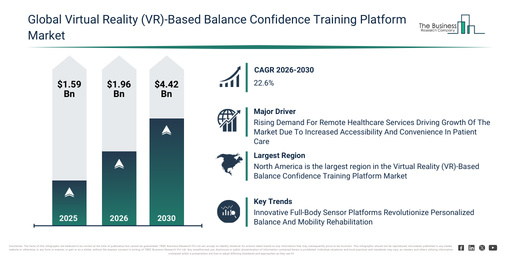
    The market for virtual reality (VR)-based balance confidence training platforms has experienced substantial growth in recent years. Its value is expected to rise from $1.59 billion in 2025 to $1.96 billion in 2026, demonstrating a compound annual growth rate (CAGR) of 22.9%. This historical expansion can be attributed to several factors, including a higher incidence of balance disorders, an increasing elderly population, the integration of VR in physical therapy, a heightened focus on reducing fall risks, and the widespread availability of wearable motion sensors.

    The virtual reality (vr)-based balance confidence training platform market size is expected to experience significant growth over the next few years. It is projected to expand to $4.42 billion by 2030, achieving a compound annual growth rate (CAGR) of 22.6%. This anticipated growth during the forecast period can be attributed to an increasing demand for preventive balance training solutions, the expansion of vr-based home therapy platforms, the growing integration of ai-driven balance assessment, rising adoption in sports rehabilitation, and an increasing focus on confidence-based rehabilitation outcomes. Major trends identified for the forecast period include the increasing adoption of vr-based balance training programs, the rising use of real-time motion analytics, the growing integration of confidence-building virtual scenarios, the expansion of home and clinical balance rehabilitation solutions, and an enhanced focus on fall prevention technologies.

    Access Your Free Sample Report For In-Depth Market Analysis:

    https://www.thebusinessresearchcompany.com/sample.aspx?id=28355&type=smp

    Which Key Drivers Are Affecting The Virtual Reality (VR)-Based Balance Confidence Training Platform Market Development?

    The growing need for remote healthcare services is anticipated to fuel the expansion of the virtual reality (VR)-based balance confidence training platform market in the coming years. Remote healthcare involves providing medical care using digital and telecommunication technologies, allowing patients and healthcare providers to interact without needing physical visits. The increasing demand for these services stems from the necessity for accessible and convenient medical support, especially for individuals in distant, underserved, or those with limited mobility. The virtual reality (VR)-based balance confidence training platform market supports this trend by facilitating interactive, in-home rehabilitation sessions that enhance balance, decrease the risk of falls, and reduce the frequency of clinical appointments. For example, in August 2025, the Office of Inspector General, U.S. Department of Health & Human Services (OIG) reported that in 2024, Medicare payments for remote patient monitoring surpassed US $536 million (a 31 % increase from 2023), with almost 1 million enrollees receiving RPM services (a 27 % increase from 2023), and approximately 4,600 medical practices regularly billing for RPM. Consequently, the rising demand for remote healthcare services is propelling the growth of the virtual reality (VR)-based balance confidence training platform market. Virtual Reality (VR)-Based Balance Confidence Training Platform Market Driver: The Rise In Healthcare Expenditure Driving The Growth Of The Market Due To Increased Investment In Advanced Rehabilitation Technologies

    Which Segment Classifications Are Used In The Virtual Reality (VR)-Based Balance Confidence Training Platform Market Segment Analysis?

    The virtual reality (vr)-based balance confidence training platform market covered in this report is segmented –

    1) By Component: Hardware, Software, Services

    2) By Deployment Mode: On-Premises, Cloud-Based

    3) By Application: Rehabilitation Centers, Hospitals And Clinics, Home Care Settings, Academic And Research Institutes, Other Applications

    4) By End-User: Adults, Geriatric Population, Athletes, Other End-Users

    Subsegments:

    1) By Hardware: Head-Mounted Displays (HMDs), Sensors And Motion Trackers, Balance Boards And Platforms, Virtual Reality (VR) Gloves And Controllers, Cameras And Tracking Systems

    2) By Software: Virtual Reality (VR) Simulation And Training Software, Balance Assessment And Monitoring Software, Rehabilitation And Therapy Software, Data Analytics And Reporting Tools

    3) By Services: Training And Education Services, Installation And Integration Services, Maintenance And Support Services, Consulting Services, Cloud-Based Service Offerings

    What Trends Are Transforming The Virtual Reality (VR)-Based Balance Confidence Training Platform Market?

    Leading companies in the VR-based balance-confidence training platform market are concentrating on developing innovative solutions, including full-body sensor-driven platforms, which aim to enhance patient mobility, engagement, and personalized therapy. These full-body sensor-driven platforms are sophisticated systems equipped with motion and pressure sensors that monitor a user’s entire body movements in real time, offering precise feedback crucial for balance, posture, and coordination training. As an illustration, in September 2024, Interacoustics A/S, a manufacturing company based in Denmark, introduced Virtualis, a new product line of balance rehabilitation solutions. These solutions integrate fully immersive virtual reality (VR) with either static or dynamic posturography force plates. Specifically, Virtualis solutions combine fully immersive virtual reality (VR) with dynamic (MotionVR) or static (StaticVR) posturography force plates to simulate real-life environments for individualized assessments like the Sensory Organization Test (SOT), Limits of Stability (LoS), and Subjective Visual Vertical (SVV). Key modules such as BalanceVR and PhysioVR provide captivating, game-like exercises that promote adaptation, substitution, and habituation strategies, complete with real-time feedback and customization suitable for vestibular, neurological, and orthopedic disorders. These tools are designed to boost patient motivation, objectively track their progress, and facilitate safe training, ultimately aiding in the restoration of daily function and confidence.

    Which Firms Are Contributing To The Virtual Reality (VR)-Based Balance Confidence Training Platform Market Ecosystem?

    Major companies operating in the virtual reality (vr)-based balance confidence training platform market are Meta Platforms Inc., Interacoustics, MindMaze SA, Motek Medical, XRHealth, Evolv Rehabilitation Technologies, MindMotion, FYZICAL, Rehabtronics, Virtualis Co, Mieron Inc., Rehab-Robotics Co. Ltd., GaitBetter, Upright VR, Knoxlabs, Teslasuit, Neuro Rehab VR, SyncVR Medical, Immersive Reha, WEART.

    Get The Full Virtual Reality (VR)-Based Balance Confidence Training Platform Market Report:

    https://www.thebusinessresearchcompany.com/report/virtual-reality-vr-based-balance-confidence-training-platform-global-market-report

    Which Region Dominates The Virtual Reality (VR)-Based Balance Confidence Training Platform Market By Market Share?

    North America was the largest region in the virtual reality (VR)-based balance confidence training platform market in 2025. Asia-Pacific is expected to be the fastest-growing region in the forecast period. The regions covered in the virtual reality (vr)-based balance confidence training platform market report are Asia-Pacific, South East Asia, Western Europe, Eastern Europe, North America, South America, Middle East, Africa.

    Request A Customized Virtual Reality (VR)-Based Balance Confidence Training Platform Market Report For Competitive Insights:

    https://www.thebusinessresearchcompany.com/report/virtual-reality-vr-based-balance-confidence-training-platform-global-market-report

    Browse Through More Reports Similar to the Global Virtual Reality (VR)-Based Balance Confidence Training Platform Market 2026, By The Business Research Company

    Online Virtual Fitness Market Report 2026

    https://www.thebusinessresearchcompany.com/report/online-virtual-fitness-global-market-report

    Virtual Rehabilitation Market Report

    https://www.thebusinessresearchcompany.com/report/virtual-rehabilitation-global-market-report

    Virtual Reality Vr In Medical Simulation Market Report

    https://www.thebusinessresearchcompany.com/report/virtual-reality-vr-in-medical-simulation-global-market-report

    Get in touch with us:

    The Business Research Company: https://www.thebusinessresearchcompany.com/

    Americas +1 310-496-7795

    Asia +44 7882 955267 & +91 8897263534

    Europe +44 7882 955267

    Email us at info@tbrc.info

    Follow us on:

    LinkedIn: https://in.linkedin.com/company/the-business-research-company

    YouTube: https://www.youtube.com/channel/UC24_fI0rV8cR5DxlCpgmyFQ

    Global Market Model: https://www.thebusinessresearchcompany.com/global-market-model