Category: Healthcare Services

  • Routine health screening market developments and opportunities through 2030

    Routine health screening market developments and opportunities through 2030

    The Business Research Company’s 2026 market reports feature enhanced tools like market attractiveness analysis, TAM assessment, and company scoring matrices, along with interactive dashboards, deeper supply chain insights, and startup coverage strengthening the depth, usability, and strategic value of insights.

    How Is The Market Size Of The Routine Health Screening Market Expected To Scale Between 2026 And 2030?

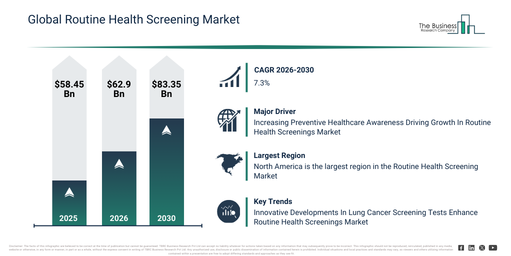
    The routine health screening market has experienced substantial growth in recent years. It is projected to expand from $58.45 billion in 2025 to $62.9 billion by 2026, exhibiting a compound annual growth rate (CAGR) of 7.6%. Historically, this market expansion can be attributed to increasing public health awareness, the expansion of diagnostic laboratory networks, a rising incidence of chronic diseases, improved access to basic healthcare services, and growing employer-sponsored health screening initiatives.

    The routine health screening market is projected to experience substantial expansion in the coming years, reaching a valuation of $83.35 billion by 2030, demonstrating a compound annual growth rate (CAGR) of 7.3%. This anticipated growth is primarily driven by factors such as the increasing embrace of personalized preventive care, a heightened demand for diagnostics that can be performed remotely or at home, the broadening scope of digital health platforms, the growing implementation of advanced screening technologies, and a stronger focus on managing population health. Key trends during this period are expected to include a rise in preventive health screening initiatives, wider adoption of at-home diagnostic testing, enhanced integration of digital health records, a concentrated effort on early disease detection, and improved access to routine screening services.

    Access Your Free Sample Report For In-Depth Market Analysis:

    https://www.thebusinessresearchcompany.com/sample.aspx?id=20618&type=smp

    Which Drivers Are Supporting The Routine Health Screening Market Growth?

    The routine health screenings market is anticipated to expand due to the growing recognition of preventive healthcare. This type of healthcare involves strategies and actions designed to avert the development or advancement of illnesses and medical conditions through early identification, changes in lifestyle, and proactive medical approaches. Heightened awareness stems from its advantages, such as discovering diseases early, achieving superior health results, and financial savings, all propelled by advances in public education and medical science. Regular health check-ups support preventive healthcare efforts by spotting potential health problems in their initial stages, enabling prompt treatment, and decreasing the likelihood of serious illnesses. As an illustration, figures from May 2023 reported by the National Health Service (NHS), a UK-based publicly funded healthcare system, showed that 2,302,400 diagnostic tests were carried out in March 2023, representing an increase of 223,100 tests when contrasted with March 2022. By the close of March 2023, the count of individuals awaiting a critical diagnostic test hit 1,628,300, signifying an increment of 59,400 over March 2022. Consequently, the heightened understanding of preventive healthcare is stimulating expansion within the routine health screenings market.

    Which Segment Classifications Are Used In The Routine Health Screening Market Segment Analysis?

    The routine health screening market covered in this report is segmented –

    1) By Test Type: Blood Glucose Test, Kidney Function Test, Bone Profile Test, Electrolyte Test, Liver Function Test, Lipid Profile Test, Other Test Types

    2) By Sample Type: Blood, Urine, Serum, Saliva, Other Sample Types

    3) By Technology: Quantitative Polymerase Chain Reaction (QPCR), Quantitative Fluorescence In Situ Hybridization (Q-FISH), Immunoassays, Medical Imaging, Single Telomere Length Analysis (STELA), Other Technologies

    4) By Sample Collection Sites: Hospitals, Homes, Diagnostic Laboratories, Offices, Other Sample Collection Sites

    Subsegments:

    1) By Blood Glucose Test: Fasting Blood Glucose Test, HbA1c Test, Continuous Glucose Monitoring

    2) By Kidney Function Test: Serum Creatinine Test, Blood Urea Nitrogen (BUN) Test, Urinalysis

    3) By Bone Profile Test: Serum Calcium Test, Phosphate Test, Bone Mineral Density (BMD) Test

    4) By Electrolyte Test: Serum Sodium Test, Serum Potassium Test, Serum Chloride Test

    5) By Liver Function Test: Alanine Aminotransferase (ALT) Test, Aspartate Aminotransferase (AST) Test, Bilirubin Test

    6) By Lipid Profile Test: Total Cholesterol Test, Low-Density Lipoprotein (LDL) Test, High-Density Lipoprotein (HDL) Test

    7) By Other Test Types: Thyroid Function Test, Complete Blood Count (CBC), Prostate-Specific Antigen (PSA) Test

    Which Trends Are Expected To Impact The Routine Health Screening Market?

    Leading companies in the routine health screenings market are concentrating on developing advanced solutions, such as lung cancer screening tests, to gain a competitive edge. Lung cancer screening tests are medical evaluations crafted to detect lung cancer at an early stage in high-risk individuals, even before symptoms manifest. For example, in October 2023, DELFI Diagnostics Inc., a US-based diagnostic technology company, introduced FirstLook Lung, an innovative blood test designed to enhance lung cancer screening. This test utilizes fragmentomics to analyze patterns in cell-free DNA (cfDNA) from blood samples and employs advanced machine learning to differentiate between cancerous and non-cancerous patterns. With a 99.7% negative predictive value (NPV), the test efficiently identifies potential lung cancer cases while minimizing the requirement for unnecessary low-dose CT (LDCT) scans. Integrated into routine blood tests, FirstLook Lung aims to improve screening rates, particularly among underserved groups, and features a scalable whole-genome machine-learning platform with the capacity for global expansion into other cancers and treatment monitoring.

    Which Firms Are Contributing To The Routine Health Screening Market Ecosystem?

    Major companies operating in the routine health screening market are Roche Holding AG, Thermo Fisher Scientific Inc., Siemens Healthineers, Laboratory Corporation, Quest Diagnostics Incorporated, Eurofins Scientific SE, Agilent Technologies Inc., Sonic Healthcare Limited, Hologic Inc., Illumina Inc., SYNLAB International GmbH, Sysmex Corporation, QIAGEN N.V., Exact Sciences Corporation, RadNet Inc., Opko Health Inc., UNILABS, Amedes Holding GmbH, Natera Inc., Grail Inc., Trinity Biotech PLC, Cerba HealthCare S.A.S., Quidel Corporation, Innova Medical Group

    Get The Full Routine Health Screening Market Report:

    https://www.thebusinessresearchcompany.com/report/routine-health-screening-global-market-report

    Which Region Represents The Largest Share Of The Routine Health Screening Market?

    North America was the largest region in the routine health screening market in 2025. Asia-Pacific is expected to be the fastest-growing region in the forecast period. The regions covered in the routine health screening market report are Asia-Pacific, South East Asia, Western Europe, Eastern Europe, North America, South America, Middle East, Africa.

    Request A Customized Routine Health Screening Market Report For Competitive Insights:

    https://www.thebusinessresearchcompany.com/report/routine-health-screening-global-market-report

    Browse Through More Reports Similar to the Global Routine Health Screening Market 2026, By The Business Research Company

    Connected Healthcare Market Report 2026

    https://www.thebusinessresearchcompany.com/report/connected-healthcare-global-market-report

    Consumer Healthcare Market Report

    https://www.thebusinessresearchcompany.com/report/consumer-healthcare-global-market-report

    Poultry Healthcare Market Report

    https://www.thebusinessresearchcompany.com/report/poultry-healthcare-global-market-report

    Get in touch with us:

    The Business Research Company: https://www.thebusinessresearchcompany.com/

    Americas +1 310-496-7795

    Asia +44 7882 955267 & +91 8897263534

    Europe +44 7882 955267

    Email us at info@tbrc.info

    Follow us on:

    LinkedIn: https://in.linkedin.com/company/the-business-research-company

    YouTube: https://www.youtube.com/channel/UC24_fI0rV8cR5DxlCpgmyFQ

    Global Market Model: https://www.thebusinessresearchcompany.com/global-market-model
  • Radiology as a Service Market Overview (2026–2030) With Industry Insights

    Radiology as a Service Market Overview (2026–2030) With Industry Insights

    The Business Research Company’s 2026 market reports feature enhanced tools like market attractiveness analysis, TAM assessment, and company scoring matrices, along with interactive dashboards, deeper supply chain insights, and startup coverage strengthening the depth, usability, and strategic value of insights.

    How Large Will The Radiology As A Service Market Be By 2030 Compared To Its 2026 Market Size?

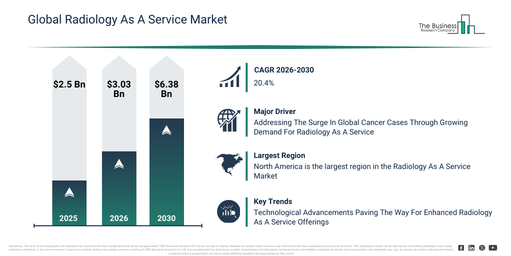
    The radiology as a service market size has experienced significant expansion in recent years. It is projected to grow from $2.5 billion in 2025 to $3.03 billion in 2026, demonstrating a compound annual growth rate (CAGR) of 21.3%. Historically, this market’s growth has been influenced by an increase in diagnostic imaging volumes, a shortage of in-house radiologists, the expansion of digital imaging infrastructure, rising healthcare cost pressures, and a greater acceptance of remote diagnostics.

    The radiology as a service market is projected to experience substantial growth in the upcoming years. It is expected to reach $6.38 billion by 2030, demonstrating a compound annual growth rate (CAGR) of 20.4%. This expansion during the forecast period is driven by factors such as increasing investments in AI-powered radiology platforms, a growing need for scalable imaging services, the development of cloud-native healthcare IT, a greater focus on value-based healthcare delivery, and the continuous digital transformation of diagnostic services. Significant trends anticipated in the forecast period include the increasing adoption of teleradiology services, a rising demand for cloud-based imaging platforms, the expanding outsourcing of radiology operations, the proliferation of AI-assisted image interpretation services, and a reinforced commitment to delivering cost-efficient diagnostics.

    Access Your Free Sample Report For In-Depth Market Analysis:

    https://www.thebusinessresearchcompany.com/sample.aspx?id=7158&type=smp

    Which Factors Are Influencing The Growth Of The Radiology As A Service Market?

    The global rise in cancer cases is projected to significantly drive the expansion of the radiology as a service market in the future. Cancer, characterized by uncontrolled cell growth that spreads throughout the body, necessitates advanced medical interventions. Medical imaging technology has revolutionized healthcare by facilitating prompt cancer detection and improving patient prognoses. Consequently, an escalation in cancer instances will directly boost the demand for radiology imaging services, thus fueling the growth of radiology as a service. Illustratively, in May 2024, the National Cancer Institute, a US-based government agency for cancer research and training, projected that the annual global count of new cancer cases would reach 29.9 million, alongside 15.3 million cancer-related deaths by 2040. This upward trend in cancer cases is therefore a key factor propelling the market growth of radiology as a service market.

    Which Segment Classifications Are Used In The Radiology As A Service Market Segment Analysis?

    The radiology as a service market covered in this report is segmented –

    1) By Service Type: Teleradiology, Cloud-based Imaging IT Services, Consulting Services, Technology Management Services

    2) By Technology: Computed Radiology, Direct Digital Radiology

    3) By End-User: Hospitals, Diagnostic Imaging Centers, Radiology Clinics, Physician Offices, Nursing Homes

    Subsegments:

    1) By Teleradiology: Remote Image Interpretation, Remote Reporting Services

    2) By Cloud-Based Imaging IT Services: Cloud Storage Solutions, Cloud-Based Image Management

    3) By Consulting Services: Workflow Optimization, Regulatory Compliance Consulting

    4) By Technology Management Services: Equipment Maintenance, Imaging Software Support

    Which Trends Are Influencing Demand In The Radiology As A Service Market?

    Major companies operating in the radiology-as-a-service market are actively concentrating on deploying advanced remote care technologies. This effort aims to elevate diagnostic capabilities, address the shortage of radiologists, and refine service delivery across diverse healthcare settings. These innovations are intended to streamline radiology workflows, expand access to specialized diagnostics, and support healthcare providers in delivering high-quality imaging services. For instance, in February 2024, Yellowcross Healthcare Commerce, an India-based telemedicine practice management organization, introduced a consultancy service. This service is designed to assist medical groups and healthcare facilities in strengthening their remote care infrastructure. By collaborating with hospitals, clinics, and medical groups throughout the United States, Yellowcross develops customized service offerings that alleviate radiologist shortages and facilitate the provision of specialty diagnostic services, thereby improving operational efficiency and broadening access to radiology expertise.

    Which Firms Are Contributing To The Radiology As A Service Market Ecosystem?

    Major companies operating in the radiology as a service market are Siemens Healthineers AG, Fujifilm Holdings Corporation, Koninklijke Philips NV, GE HealthCare Technologies Inc., Agfa Gevaert NV, Mednax Inc., RadNet Inc., National Diagnostic Imaging Teleradiology, Alliance HealthCare Services Inc., US Radiology Specialists Inc., Nines Inc., Virtual Radiologic, Everlight Radiology, Telemedicine Clinic Ltd., Medica Group plc, Onrad Inc., RamSoft Inc., Real Radiology LLC, Vesta Teleradiology, Radiology Partners Inc., Ambra Health Company, Nano X Imaging Ltd., NightShift Radiology Inc., USARAD Holdings Inc., Telediagnostic Solutions Private Limited, Teleradiology Solutions Pvt Ltd., Imaging Advantage LLC, Imaging On Call LLC

    Get The Full Radiology As A Service Market Report:

    https://www.thebusinessresearchcompany.com/report/radiology-as-a-service-global-market-report

    Which Region Is The Top Contributor To The Radiology As A Service Market By Share?

    North America was the largest region in the radiology as a service market in 2025. Asia-Pacific is expected to be the fastest-growing region in the radiology as a service market share during the forecast period. The regions covered in the radiology as a service market report are Asia-Pacific, South East Asia, Western Europe, Eastern Europe, North America, South America, Middle East, Africa.

    Request A Customized Radiology As A Service Market Report For Competitive Insights:

    https://www.thebusinessresearchcompany.com/report/radiology-as-a-service-global-market-report

    Browse Through More Reports Similar to the Global Radiology As A Service Market 2026, By The Business Research Company

    Healthcare Rfid Market Report 2026

    https://www.thebusinessresearchcompany.com/report/healthcare-rfid-global-market-report

    Radio Frequency Identification Rfid Smart Cabinets Market Report

    https://www.thebusinessresearchcompany.com/report/radio-frequency-identification-rfid-smart-cabinets-global-market-report

    Pharmaceuticals Market

    https://www.thebusinessresearchcompany.com/report/pharmaceuticals-market

    Get in touch with us:

    The Business Research Company: https://www.thebusinessresearchcompany.com/

    Americas +1 310-496-7795

    Asia +44 7882 955267 & +91 8897263534

    Europe +44 7882 955267

    Email us at info@tbrc.info

    Follow us on:

    LinkedIn: https://in.linkedin.com/company/the-business-research-company

    YouTube: https://www.youtube.com/channel/UC24_fI0rV8cR5DxlCpgmyFQ

    Global Market Model: https://www.thebusinessresearchcompany.com/global-market-model
  • Preclinical CRO Market Forecast Highlighting Trends and Expansion Potential

    Preclinical CRO Market Forecast Highlighting Trends and Expansion Potential

    The Business Research Company’s 2026 market reports feature enhanced tools like market attractiveness analysis, TAM assessment, and company scoring matrices, along with interactive dashboards, deeper supply chain insights, and startup coverage strengthening the depth, usability, and strategic value of insights.

    From Its 2026 Market Size, What Value Is The Preclinical CRO Market Projected To Reach By 2030?

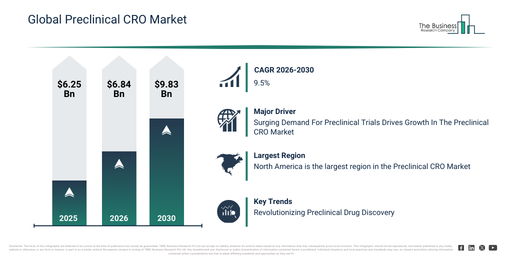
    The preclinical cro market has seen robust growth in recent years. Its valuation is projected to increase from $6.25 billion in 2025 to $6.84 billion by 2026, demonstrating a compound annual growth rate (CAGR) of 9.6%. This historical expansion can be attributed to several factors: escalating pharmaceutical R&D investments, the increasing intricacy of drug development pipelines, a greater dependence on animal testing for safety validation, the broadening scope of biotechnology research, and enhanced regulatory scrutiny concerning preclinical data.

    The preclinical cro market is projected to experience substantial expansion over the upcoming years. By 2030, its size is anticipated to reach $9.83 billion, demonstrating a compound annual growth rate (CAGR) of 9.5%. This expansion during the projection period stems from factors such as a heightened demand for precision medicine research, an elevated focus on developing drugs for rare diseases, the broadening of biologics and cell therapy pipelines, the increasing integration of digital preclinical platforms, and a rise in collaborations between pharmaceutical firms and CROs. Key trends expected during the forecast timeframe encompass a greater uptake of integrated preclinical study services, an escalating need for expertise in advanced animal models, an increase in outsourcing early-stage drug development, an expansion of toxicology capabilities aligned with regulations, and a stronger emphasis on designing studies based on data.

    Access Your Free Sample Report For In-Depth Market Analysis:

    https://www.thebusinessresearchcompany.com/sample.aspx?id=10303&type=smp

    What Key Factors Are Affecting The Preclinical CRO Market Demand?

    The increasing demand for preclinical trials is projected to drive the growth of the preclinical CRO market moving forward. These trials are defined as studies conducted on medicines or treatments before human subjects are involved, frequently encompassing novel medical devices, prescription medications, and diagnostics. Their primary objectives include establishing a safe initial dosage for first-in-human research and evaluating potential product toxicity. Preclinical trials are crucial in drug development, gaining increased significance due to a heightened focus on the safety and efficacy of new drugs. For instance, in February 2024, IQVIA, a US-based company providing services in health information technology and clinical research, reported an increase in clinical development productivity in 2023. This included 69 novel active substances (NASs) launched globally in 2023, which was 6 more than the prior year, and featured 24 first-in-class launches in the U.S. Consequently, the escalating demand for preclinical trials is propelling the preclinical CRO market forward.

    What Are The Key Segment Divisions In The Preclinical CRO Market Segment Structure?

    The preclinical cro market covered in this report is segmented –

    1) By Service: Bioanalysis And DMPK Studies, Toxicology Testing, Compound Management, Chemistry, Safety Pharmacology, Others Services

    2) By Type: Patient Derived Organoid (PDO) Model, Patient Derived Xenograft Model

    3) By Animal Model: Small Animal Model, Large Animal Model

    4) By Model System: In Vivo, In Vitro

    5) By End User: Biopharmaceutical Companies, Government And Academic Institutes, Medical Device Companies, Other End-users

    Subsegments:

    1) By Bioanalysis And DMPK Studies: Pharmacokinetics Studies, Pharmacodynamics Studies, Drug Metabolism Studies

    2) By Toxicology Testing: Acute Toxicity Testing, Chronic Toxicity Testing, Reproductive Toxicity Testing

    3) By Compound Management: Sample Management, Inventory Management, Formulation Services

    4) By Chemistry: Medicinal Chemistry, Analytical Chemistry, Synthetic Chemistry

    5) By Safety Pharmacology: Cardiovascular Safety Studies, Central Nervous System Safety Studies, Respiratory Safety Studies

    6) By Other Services: Regulatory Consulting, Project Management, Data Management Services

    What Trends Are Influencing Changes In The Preclinical CRO Market?

    Major companies within the preclinical CRO market are adopting advanced technologies to sustain their market position, such as employing disease biology knowledge graphs to improve target identification and drug discovery in pharmaceutical research. A disease biology knowledge graph serves as a structured and comprehensive representation that integrates various biological data, illustrating the relationships between genes, proteins, pathways, and disease phenotypes. This tool empowers researchers to systematically explore disease mechanisms, pinpoint potential therapeutic targets, and accelerate drug discovery by offering a holistic view of disease biology. As an illustration, BenchSci, a Canada-based AI solutions company specializing in preclinical R&D, launched ASCEND in February 2023, an end-to-end SaaS platform designed for preclinical drug discovery. This platform aims to speed up preclinical phase drug development pipelines by offering deep biological insights into the fundamental causes of disease. ASCEND leverages BenchSci’s machine-learning technology to extract experimental data from both secure internal and publicly available external sources. The platform then compares these experimental findings using carefully curated ontology datasets, enabling the software to produce an evidence-based map of the biological processes underpinning various diseases.

    Which Organizations Are Engaged In The Preclinical CRO Market?

    Major companies operating in the preclinical cro market are Eurofins Scientific SE, WuXi AppTec Co Ltd, Medpace Holdings Inc, Charles River Laboratories International Inc, Laboratory Corporation Of America Holdings, Intertek Group plc, Crown Bioscience International, Cynbiose, AmplifyBio LLC, Vivotecnia SL, Altasciences Company Inc, Pharmaceutical Product Development LLC, Parexel International Corporation, Envigo RMS Holding Corporation, Veeda Clinical Research Ltd, ICON plc, Kunming Biomed International Ltd, PharmaLegacy Laboratories, NorthEast BioAnalytical Laboratories LLC, MDS Pharma Services, MPI Research, Toxikon Corporation, BioReliance Corporation, Covance Inc, Syngene International Limited

    Get The Full Preclinical CRO Market Report:

    https://www.thebusinessresearchcompany.com/report/preclinical-cro-global-market-report

    Which Region Accounts For The Largest Portion Of The Preclinical CRO Market?

    North America was the largest region in the preclinical CRO market in 2025. Asia-Pacific is expected to be the fastest-growing region in the global preclinical CRO market during the forecast period. The regions covered in the preclinical cro market report are Asia-Pacific, South East Asia, Western Europe, Eastern Europe, North America, South America, Middle East, Africa.

    Request A Customized Preclinical CRO Market Report For Competitive Insights:

    https://www.thebusinessresearchcompany.com/report/preclinical-cro-global-market-report

    Browse Through More Reports Similar to the Global Preclinical CRO Market 2026, By The Business Research Company

    Asset Management Market

    https://www.thebusinessresearchcompany.com/report/asset-management-market

    Digital Asset Custody Market Report

    https://www.thebusinessresearchcompany.com/report/digital-asset-custody-global-market-report

    Enterprise Asset Management Market Report

    https://www.thebusinessresearchcompany.com/report/enterprise-asset-management-global-market-report

    Get in touch with us:

    The Business Research Company: https://www.thebusinessresearchcompany.com/

    Americas +1 310-496-7795

    Asia +44 7882 955267 & +91 8897263534

    Europe +44 7882 955267

    Email us at info@tbrc.info

    Follow us on:

    LinkedIn: https://in.linkedin.com/company/the-business-research-company

    YouTube: https://www.youtube.com/channel/UC24_fI0rV8cR5DxlCpgmyFQ

    Global Market Model: https://www.thebusinessresearchcompany.com/global-market-model
  • Rotavirus prophylaxis market forecast (2026–2030) providing long-term insights

    Rotavirus prophylaxis market forecast (2026–2030) providing long-term insights

    The Business Research Company’s 2026 market reports feature enhanced tools like market attractiveness analysis, TAM assessment, and company scoring matrices, along with interactive dashboards, deeper supply chain insights, and startup coverage strengthening the depth, usability, and strategic value of insights.

    What Level Of Market Value Growth Is Predicted For The Rotavirus Prophylaxis Market From 2026 To 2030?

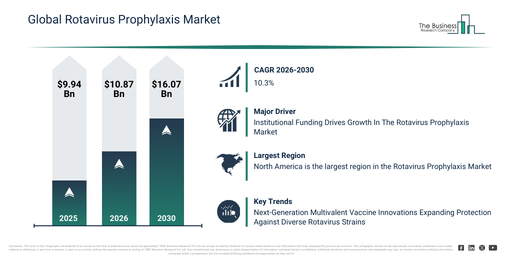
    The rotavirus prophylaxis market size has experienced significant expansion in recent years. This market is set to increase from $9.94 billion in 2025 to $10.87 billion in 2026, exhibiting a compound annual growth rate (CAGR) of 9.3%. The historical growth can be attributed to the reduction in child mortality through vaccination, increased global immunization coverage, wider availability of oral rotavirus vaccines, growing support from global health organizations, and the expansion of hospital-based vaccination programs.

    The rotavirus prophylaxis market is projected to experience swift expansion in the coming years. By 2030, this market is anticipated to reach $16.07 billion, demonstrating a compound annual growth rate (CAGR) of 10.3%. This expansion during the forecast period is driven by several factors, including a heightened emphasis on comprehensive vaccine coverage, increased funding for pediatric vaccine research and development, the broadening of vaccination initiatives in developing nations, a rising need for cost-effective vaccine options, and improved immunization infrastructure. Key trends observed during this period encompass the greater reach of national immunization programs, a surge in the uptake of oral rotavirus vaccines, an increasing emphasis on preventive healthcare for children, advancements in cold-chain distribution logistics, and the proliferation of collaborative public-private vaccination efforts.

    Access Your Free Sample Report For In-Depth Market Analysis:

    https://www.thebusinessresearchcompany.com/sample.aspx?id=13045&type=smp

    What Key Factors Are Affecting The Rotavirus Prophylaxis Market Demand?

    Institutional financial support is anticipated to drive expansion within the rotavirus prophylaxis market. This institutional funding involves allocating resources, whether monetary, effort-based, or time-related, to support a specific requirement, initiative, or undertaking. The rising incidence of rotavirus infections has drawn financial backing from both governmental bodies and private entities. Such financial aid offers both monetary and technical support throughout the various stages of developing rotavirus vaccines and oral therapies. For example, as reported by the American Medical Association, a professional physicians’ association based in the U.S., health expenditures in the U.S. climbed by 7.5% in 2023, reaching $4.9 trillion, equivalent to $14,570 per person, by April 2025. Consequently, an expanded access to funding is set to significantly stimulate the rotavirus prophylaxis market.

    How Is The Rotavirus Prophylaxis Market Organized By Segment Classification?

    The rotavirus prophylaxis market covered in this report is segmented –

    1) By Treatment: Rotarix, Rotavac, Rotavin-M1, Oral Rehydration Fluid, Other Treatments

    2) By Route of Administration: Oral, Other Route of Administrations

    3) By Distribution Channel: Hospital Pharmacy, Retail Pharmacy, Online Pharmacy, Other Distribution Channels

    4) By End-Users: Hospitals, Specialty Clinics, Homecare, Other End-Users

    Subsegments:

    1) By Rotarix: Single Dose, Multi-Dose

    2) By Rotavac: Liquid Formulation, Freeze-Dried Formulation

    3) By Rotavin-M1: Liquid Formulation, Freeze-Dried Formulation

    4) By Oral Rehydration Fluid: Electrolyte Solutions, Glucose-Based Solutions

    5) By Other Treatments: Supportive Care, Antidiarrheal Medications

    What Trends Are Influencing Changes In The Rotavirus Prophylaxis Market?

    Leading companies in the rotavirus prophylaxis market are concentrating on technological breakthroughs, such as reassortant hexavalent oral vaccines, to satisfy the growing demand for broader serotype coverage and enhanced protection against various rotavirus strains globally. Reassortant hexavalent vaccines are created using advanced viral reassortment technology, designed to target six predominant rotavirus serotypes (G1, G2, G3, G4, G9, and P1A), thereby offering comprehensive protection superior to existing monovalent or pentavalent vaccines. For example, in March 2024, Sinovac Biotech Ltd., a China-based biopharmaceutical company, commenced Phase 1 clinical trials for its live, oral reassortant hexavalent rotavirus vaccine, intending to assess its safety, tolerability, and immunogenicity across adults, children, and infants. This vaccine’s formulation utilizes Vero cell technology and aims to induce strong immune responses against multiple strains, effectively addressing shifting epidemiology and prevalent serotypes with superior efficacy. Its novel approach enables improved global immunization coverage, especially in regions where rotavirus exhibits considerable genetic diversity.

    Who Are The Industry Participants Involved In The Rotavirus Prophylaxis Market?

    Major companies operating in the rotavirus prophylaxis market are Merck And Co, GlaxoSmithKline plc, Bharat Biotech International Limited, Serum Institute Of India Pvt Ltd, Zydus Lifesciences Ltd, Sinovac Biotech Ltd, Hualan Biological Engineering Inc, Biological E Limited, PT Bio Farma, Panacea Biotec Ltd, Shanghai Institute Of Biological Products, Wuhan Institute Of Biological Products, Lanzhou Institute Of Biological Products, Changchun Institute Of Biological Products, Beijing Institute Of Biological Products, Shenzhen Kangtai Biological Products Co Ltd, Minhai Biotechnology Co Ltd, CanSino Biologics Inc, Bharat Serums And Vaccines Limited, Walvax Biotechnology Co Ltd, Clover Biopharmaceuticals Ltd, SK Bioscience Co Ltd

    Get The Full Rotavirus Prophylaxis Market Report:

    https://www.thebusinessresearchcompany.com/report/rotavirus-prophylaxis-global-market-report

    Which Geographic Region Dominates The Rotavirus Prophylaxis Market?

    North America was the largest region in the rotavirus prophylaxis market in 2025. The regions covered in the rotavirus prophylaxis market report are Asia-Pacific, South East Asia, Western Europe, Eastern Europe, North America, South America, Middle East, Africa.

    Request A Customized Rotavirus Prophylaxis Market Report For Competitive Insights:

    https://www.thebusinessresearchcompany.com/report/rotavirus-prophylaxis-global-market-report

    Browse Through More Reports Similar to the Global Rotavirus Prophylaxis Market 2026, By The Business Research Company

    Rotavirus Vaccine Market Report 2026

    https://www.thebusinessresearchcompany.com/report/rotavirus-vaccine-global-market-report

    Viral Gastroenteritis Market Report

    https://www.thebusinessresearchcompany.com/report/viral-gastroenteritis-global-market-report

    Antidiarrhoeals Market Report

    https://www.thebusinessresearchcompany.com/report/antidiarrhoeals-global-market-report

    Get in touch with us:

    The Business Research Company: https://www.thebusinessresearchcompany.com/

    Americas +1 310-496-7795

    Asia +44 7882 955267 & +91 8897263534

    Europe +44 7882 955267

    Email us at info@tbrc.info

    Follow us on:

    LinkedIn: https://in.linkedin.com/company/the-business-research-company

    YouTube: https://www.youtube.com/channel/UC24_fI0rV8cR5DxlCpgmyFQ

    Global Market Model: https://www.thebusinessresearchcompany.com/global-market-model
  • RFID in Pharmaceuticals Market Forecast Highlighting Trends and Expansion Potential

    RFID in Pharmaceuticals Market Forecast Highlighting Trends and Expansion Potential

    The Business Research Company’s 2026 market reports feature enhanced tools like market attractiveness analysis, TAM assessment, and company scoring matrices, along with interactive dashboards, deeper supply chain insights, and startup coverage strengthening the depth, usability, and strategic value of insights.

    What Is The Projected Increase In Market Value Of The Radio Frequency Identification (RFID) In Pharmaceuticals Market During 2026–2030?

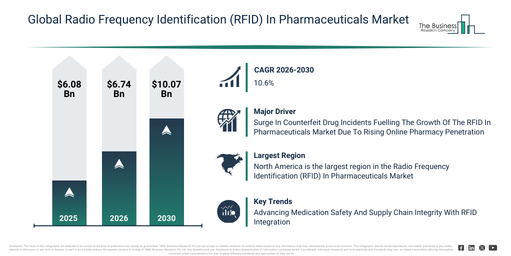
    The radio frequency identification (rfid) in pharmaceuticals market size has seen rapid growth in recent years. It is projected to expand from $6.08 billion in 2025 to $6.74 billion in 2026, achieving a compound annual growth rate (CAGR) of 10.9%. The historical expansion can be attributed to a heightened regulatory focus on tracking drugs, an increase in incidents involving counterfeit medicines, the expansion of global pharmaceutical supply networks, the adoption of serialization mandates, and the growing intricacy of hospital inventories.

    The market for radio frequency identification (rfid) in pharmaceuticals is projected to experience substantial expansion in the coming years. This market is anticipated to reach a valuation of $10.07 billion by 2030, showing a compound annual growth rate (CAGR) of 10.6%. This projected growth is driven by factors such as greater investments in digital pharmaceutical logistics, a heightened need for real-time supply chain transparency, the proliferation of rfid-equipped smart hospitals, the rising implementation of blockchain-integrated traceability solutions, and improved regulatory alignment across different areas. Key developments expected during this timeframe involve the wider uptake of comprehensive drug track and trace systems, increased deployment of rfid for combating counterfeit products, deeper integration of rfid with serialization platforms, extended real-time visibility into pharmaceutical inventory, and a stronger emphasis on precise cold chain monitoring.

    Access Your Free Sample Report For In-Depth Market Analysis:

    https://www.thebusinessresearchcompany.com/sample.aspx?id=25891&type=smp

    What Leading Drivers Are Supporting The Radio Frequency Identification (RFID) In Pharmaceuticals Market Expansion?

    The rising occurrences of counterfeit drugs are anticipated to boost the growth of the radio frequency identification (RFID) in pharmaceuticals market moving forward. Counterfeit drugs, also known as fake medicines, are pharmaceutical items intentionally and fraudulently mislabeled regarding their origin or identity. The surge in counterfeit drug incidents is attributed to the rapid expansion of online pharmacies, which has simplified the distribution of fake medicines directly to consumers, circumventing traditional regulatory safeguards and hindering detection. Radio frequency identification (RFID) in pharmaceuticals assists in combating counterfeit drugs by providing secure, traceable data that verifies product authenticity at every phase of the supply chain. For example, in December 2024, the American Chemical Society, a US-based nonprofit scientific society, noted 6,987 reported counterfeit drug incidents across 142 countries in 2023, reflecting a 4% increase from 2022. Thus, the escalating incidence of counterfeit drugs is propelling the expansion of the radio frequency identification (RFID) in pharmaceuticals market.

    How Is The Radio Frequency Identification (RFID) In Pharmaceuticals Market Organized By Segment Classification?

    The radio frequency identification (rfid) in pharmaceuticals market covered in this report is segmented –

    1) By Type: Chipped Radio Frequency Identification, Chipless Radio Frequency Identification

    2) By Component: Radio Frequency Identification Tags, Radio Frequency Identification Readers, Middleware Software, Integration Services, Data Management Software

    3) By Regulatory Compliance: Food And Drug Administration Compliance Standards, European Union Falsified Medicines Directive, Good Distribution Practices, Serialization Requirements, Tracking And Tracing Regulations

    4) By Application: Drug Track And Trace System, Asset Tracking, Patient Safety, Other Applications

    5) By End-User: Pharmaceutical Manufacturers, Hospitals And Healthcare Providers, Pharmacies And Drug Wholesalers, Research And Development Laboratories, Logistics And Supply Chain Companies

    Subsegments:

    1) By Chipped Radio Frequency Identification: Low Frequency Radio Frequency Identification, High Frequency Radio Frequency Identification, Ultra High Frequency Radio Frequency Identification, Active Radio Frequency Identification, Passive Radio Frequency Identification, Semi-Passive Radio Frequency Identification

    2) By Chipless Radio Frequency Identification: Time Domain Reflectometry, Frequency Domain Reflectometry, Magnetic Resonance-Based Tags, Surface Acoustic Wave Tags, Printed Conductive Polymer Tags, Photonic Band Gap Structures

    What Emerging Trends Are Seen In The Radio Frequency Identification (RFID) In Pharmaceuticals Market?

    Leading companies in the radio frequency identification (RFID) in pharmaceuticals market are concentrating on developing sophisticated RFID-enabled labels. This focus aims to boost product traceability, optimize inventory management, and combat the escalating threat of counterfeit drugs. RFID-enabled labels are intelligent tags that employ radio frequency technology to wirelessly identify, monitor, and authenticate pharmaceutical products throughout their entire supply chain. For instance, in May 2023, Fresenius Kabi AG, a Germany-based pharmaceutical company, launched its Rocuronium Bromide Injection with advanced RFID-enabled labeling, designed to enhance medication tracking, improve inventory control, and ensure patient safety in healthcare facilities. This injection is provided as a 50 mg per 5 mL multiple-dose vial for intravenous administration by trained medical professionals. The product incorporates advanced RFID-enabled smart labeling, which allows for real-time tracking, streamlines inventory processes, and helps minimize medication errors.

    Who Are The Industry Participants Involved In The Radio Frequency Identification (RFID) In Pharmaceuticals Market?

    Major companies operating in the radio frequency identification (rfid) in pharmaceuticals market are Fujitsu Limited, NXP Semiconductors NV, Avery Dennison Corporation, Zebra Technologies Corporation, CCL Industries Inc., HID Global Corporation, Checkpoint Systems Inc, Datalogic SpA, Impinj Inc, Schreiner Group GmbH & Co KG, Invengo Information Technology Co Ltd, GAO RFID Inc., Lowry Solutions Inc., Terso Solutions Inc., Xerafy Singapore Pte Ltd., Tageos SAS, SML Group Limited, Syrma SGS Technology Limited, Omnia Technologies Private Limited, identytag GmbH & Co KG

    Get The Full Radio Frequency Identification (RFID) In Pharmaceuticals Market Report:

    https://www.thebusinessresearchcompany.com/report/radio-frequency-identification-rfid-in-pharmaceuticals-global-market-report

    Which Region Represents The Largest Share Of The Radio Frequency Identification (RFID) In Pharmaceuticals Market?

    North America was the largest region in the radio frequency identification (RFID) in pharmaceuticals market in 2025. Asia-Pacific is expected to be the fastest-growing region in the forecast period. The regions covered in the radio frequency identification (rfid) in pharmaceuticals market report are Asia-Pacific, South East Asia, Western Europe, Eastern Europe, North America, South America, Middle East, Africa.

    Request A Customized Radio Frequency Identification (RFID) In Pharmaceuticals Market Report For Competitive Insights:

    https://www.thebusinessresearchcompany.com/report/radio-frequency-identification-rfid-in-pharmaceuticals-global-market-report

    Browse Through More Reports Similar to the Global Radio Frequency Identification (RFID) In Pharmaceuticals Market 2026, By The Business Research Company

    Medical Irradiation Market Report 2026

    https://www.thebusinessresearchcompany.com/report/medical-irradiation-global-market-report

    Radiotherapy Devices Market Report

    https://www.thebusinessresearchcompany.com/report/radiotherapy-devices-global-market-report

    Single Dose Radiotherapy Services Market Report

    https://www.thebusinessresearchcompany.com/report/single-dose-radiotherapy-services-global-market-report

    Get in touch with us:

    The Business Research Company: https://www.thebusinessresearchcompany.com/

    Americas +1 310-496-7795

    Asia +44 7882 955267 & +91 8897263534

    Europe +44 7882 955267

    Email us at info@tbrc.info

    Follow us on:

    LinkedIn: https://in.linkedin.com/company/the-business-research-company

    YouTube: https://www.youtube.com/channel/UC24_fI0rV8cR5DxlCpgmyFQ

    Global Market Model: https://www.thebusinessresearchcompany.com/global-market-model
  • Preclinical Assets Market Analysis Covering Drivers and Future Outlook

    Preclinical Assets Market Analysis Covering Drivers and Future Outlook

    The Business Research Company’s 2026 market reports feature enhanced tools like market attractiveness analysis, TAM assessment, and company scoring matrices, along with interactive dashboards, deeper supply chain insights, and startup coverage strengthening the depth, usability, and strategic value of insights.

    How Much Growth In Market Value Is Expected For The Preclinical Assets Market Between 2026 And 2030?

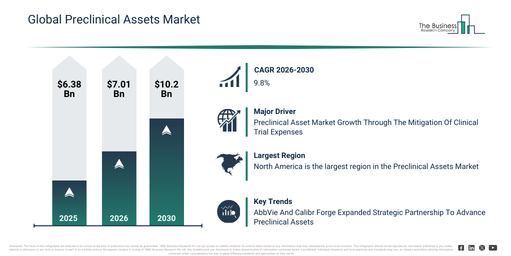
    The preclinical assets market has experienced robust growth in recent years. It is projected to expand from $6.38 billion in 2025 to $7.01 billion in 2026, registering a compound annual growth rate (CAGR) of 9.8%. This historical expansion can be attributed to several factors, including increasing pharmaceutical R&D investments, the expansion of early-stage drug discovery programs, a growing reliance on animal-based testing, the rising demand for safety data generation, and the increasing outsourcing of preclinical studies.

    The preclinical assets market is projected to experience substantial expansion over the coming years, reaching $10.2 billion by 2030, demonstrating a compound annual growth rate (CAGR) of 9.8%. This anticipated growth during the forecast period is fueled by several factors, including the greater uptake of human-relevant preclinical models, a heightened need for faster drug development timelines, the broadening of personalized medicine pipelines, increased incorporation of AI in preclinical research, and a strengthened regulatory focus on data reliability. Key trends emerging during this forecast period encompass the wider utilization of sophisticated preclinical models, an uptick in the adoption of patient-derived xenograft and organoid models, an increasing requirement for comprehensive preclinical services, the broadening scope of safety and toxicology studies, and a sharpened emphasis on translational research.

    Access Your Free Sample Report For In-Depth Market Analysis:

    https://www.thebusinessresearchcompany.com/sample.aspx?id=12600&type=smp

    Which Primary Drivers Are Impacting The Preclinical Assets Market Growth?

    The escalating imperative to mitigate clinical trial expenses is projected to stimulate the expansion of the preclinical asset market moving forward. Clinical trial costs denote the expenditures linked with conceiving, executing, and overseeing a clinical investigation to evaluate the safety, efficacy, and potential benefits of a new medical intervention, such as a pharmaceutical product, medical device, or therapeutic regimen. These investigations furnish vital information regarding the safety, effectiveness, and potential adverse reactions of preclinical assets, assisting in confirming their therapeutic promise in human subjects. For instance, in February 2023, according to Genetic Engineering and Biotechnology News, a US-based platform that delivers the most recent intelligence on genetic engineering and biotechnology, the expense of developing a new drug among the leading 20 global biopharma companies surged by 15%, increasing from $298 million in 2022 to approximately $2.3 billion in 2023, a sum that encompasses costs incurred during drug development through clinical trials. Therefore, the increasing urgency to control clinical trial costs is a significant factor propelling the growth of the preclinical assets market.

    Which Segment Categories Are Included In The Preclinical Assets Market Segment Analysis?

    The preclinical assets market covered in this report is segmented –

    1) By Service: Bioanalysis And DMPK (Drug Metabolism And Pharmacokinetic) Studies, Toxicology Testing, Compound Management, Safety Pharmacology, Other Services

    2) By Model Type: Patient Derived Organoid (PDO) Model, Patient Derived Xenograft Model

    3) By End User: Biopharmaceutical Companies, Government Institutes, Other End-Users

    Subsegments:

    1) By Bioanalysis And DMPK (Drug Metabolism And Pharmacokinetic) Studies: Pharmacokinetics (PK) Studies, Pharmacodynamics (PD) Studies, Bioanalytical Method Development

    2) By Toxicology Testing: Acute Toxicity Testing, Chronic Toxicity Testing, Genotoxicity Testing, Carcinogenicity Testing

    3) By Compound Management: Compound Library Management, Sample Storage And Retrieval, High-Throughput Screening Support

    4) By Safety Pharmacology: Cardiovascular Safety Assessments, Neurotoxicity Evaluations, Respiratory Safety Evaluations

    5) By Other Services: Regulatory Support, Preclinical Study Design And Consulting, Custom Assay Development

    Which Trends Are Shaping Growth In The Preclinical Assets Market?

    Major companies operating within the preclinical assets market are concentrating on forming strategic alliances to accelerate the discovery and progression of innovative drug candidates. These partnerships facilitate the sharing of research expertise, provide access to novel targets, and advance early-stage preclinical assets. For instance, in July 2023, AbbVie, a US-based pharmaceutical company, and Calibr, an India-based research, drug development company, announced an expanded strategic collaboration to continue advancing several innovative preclinical and early-stage clinical assets. This partnership extends the prior collaboration between AbbVie and Scripps Research. Furthermore, Calibr will present AbbVie with a certain number of new discovery targets and preclinical assets of mutual interest for option considerations.

    Who Are The Active Companies Shaping The Preclinical Assets Market?

    Major companies operating in the preclinical assets market are Laboratory Corporation of America, IQVIA Inc., ICON PLC, Eurofins Scientific SE, PPD Inc., SGS SA, WuXi AppTec Co. Ltd., Intertrek Group PLC, Charles River Laboratories International Inc., Medpace Inc., Pharmaron Beijing Co. Ltd., Evotec SE, GenScript Biotech Corporation, Inotiv Inc., SRI International Inc., Shanghai Medicilon Inc., Biocytogen Pharmaceuticals Beijing Co. Ltd., AmplifyBio LLC, BioReliance Corporation, Pharmalegacy Laboratories Co. Ltd., ReproCELL Incorporated, InSphero AG, Crown Bioscience Inc., Comparative Biosciences Inc., TCG Lifesciences Pvt. Ltd., InVivo Biosystems, Pharmatest Services Ltd, Domainex Limited, Viroclinics Xplore

    Get The Full Preclinical Assets Market Report:

    https://www.thebusinessresearchcompany.com/report/preclinical-assets-global-market-report

    Which Region Holds The Highest Market Share In The Preclinical Assets Market?

    North America was the largest region in the preclinical assets market in 2025. Asia-Pacific is expected to be the fastest-growing region in the forecast period. The regions covered in the preclinical assets market report are Asia-Pacific, South East Asia, Western Europe, Eastern Europe, North America, South America, Middle East, Africa.

    Request A Customized Preclinical Assets Market Report For Competitive Insights:

    https://www.thebusinessresearchcompany.com/report/preclinical-assets-global-market-report

    Browse Through More Reports Similar to the Global Preclinical Assets Market 2026, By The Business Research Company

    Psychiatrists Market

    https://www.thebusinessresearchcompany.com/report/psychiatrists-market

    Precision Diagnostics Market Report

    https://www.thebusinessresearchcompany.com/report/precision-diagnostics-global-market-report

    Digital Psychotherapeutics Market Report

    https://www.thebusinessresearchcompany.com/report/digital-psychotherapeutics-global-market-report

    Get in touch with us:

    The Business Research Company: https://www.thebusinessresearchcompany.com/

    Americas +1 310-496-7795

    Asia +44 7882 955267 & +91 8897263534

    Europe +44 7882 955267

    Email us at info@tbrc.info

    Follow us on:

    LinkedIn: https://in.linkedin.com/company/the-business-research-company

    YouTube: https://www.youtube.com/channel/UC24_fI0rV8cR5DxlCpgmyFQ

    Global Market Model: https://www.thebusinessresearchcompany.com/global-market-model

  • Radiation Toxicity Treatment Market Analysis Covering Drivers and Future Outlook

    Radiation Toxicity Treatment Market Analysis Covering Drivers and Future Outlook

    The Business Research Company’s 2026 market reports feature enhanced tools like market attractiveness analysis, TAM assessment, and company scoring matrices, along with interactive dashboards, deeper supply chain insights, and startup coverage strengthening the depth, usability, and strategic value of insights.

    How Is The Market Size Of The Radiation Toxicity Treatment Market Expected To Change From 2026 To 2030?

    The radiation toxicity treatment market has experienced robust growth in recent years. It is projected to expand from $3.98 billion in 2025 to $4.23 billion in 2026, indicating a compound annual growth rate (CAGR) of 6.4%. This historical growth can be ascribed to elements such as the increased use of radiation in medical treatments, a rising incidence of nuclear and radiation exposure risks, governmental stockpiling of radiation countermeasures, the expansion of oncology radiotherapy applications, and advancements in hematopoietic support therapies.

    The radiation toxicity treatment market is projected to experience substantial expansion over the coming years. This market is anticipated to reach $5.37 billion by 2030, showing a compound annual growth rate (CAGR) of 6.1%. This expansion during the forecast period is primarily driven by increasing investments in sophisticated radiation countermeasures, a heightened demand for swift radiation treatment responses, the broadening of personalized management for radiation toxicity, an intensified emphasis on long-term survivorship care, and continuous clinical research into new radioprotective agents. Key trends expected over this period encompass the escalating development of targeted radioprotective therapies, an increased application of colony stimulating factors within treatment protocols, a heightened focus on solutions for bone marrow recovery, the expansion of emergency treatments for radiation preparedness, and improved clinical approaches for acute radiation syndrome.

    Access Your Free Sample Report For In-Depth Market Analysis:

    https://www.thebusinessresearchcompany.com/sample.aspx?id=20942&type=smp

    Which Key Factors Are Driving The Radiation Toxicity Treatment Market Growth?

    The rising incidence of cancer is expected to drive the expansion of the radiation toxicity treatment market in the coming years. Cancer is defined as a group of diseases typified by the uncontrolled development and multiplication of abnormal cells capable of invading surrounding tissues and spreading throughout the body. The increasing presence of cancer is linked to factors such as shifts in lifestyle, environmental pollution, genetic predispositions, and improved diagnostic methods that enable earlier detection. Radiation toxicity treatment is vital for handling the side effects of radiation therapy during cancer treatment, supporting patient recovery, and lessening long-term damage. For example, in August 2024, a report from Macmillan Cancer Support, a UK-based charitable organization, revealed that over 3 million people are currently living with cancer in the UK, with this figure expected to reach 3.5 million by 2025, 4 million by 2030, and 5.3 million by 2040. Thus, the growing prevalence of cancer is propelling the growth of the radiation toxicity treatment market.

    Which Segments Define The Radiation Toxicity Treatment Market Segment Structure?

    The radiation toxicity treatment market covered in this report is segmented –

    1) By Product: Colony Stimulating Factors, Potassium Iodide, Prussian Blue, Diethylenetriamine Pentaacetic Acid, Others Products

    2) By Indication: Acute Radiation Syndrome, Chronic Radiation Syndrome

    3) By Radiation Type: Ionizing Radiation, Accidental And Therapeutic Radiation Exposure

    4) By End-User: Hospitals, Research And Academic Institutes

    Subsegments:

    1) By Colony Stimulating Factors: Granulocyte Colony-Stimulating Factor (G-CSF), Granulocyte-Macrophage Colony-Stimulating Factor (GM-CSF)

    2) By Potassium Iodide: Oral Potassium Iodide Tablets, Liquid Potassium Iodide Solution

    3) By Prussian Blue: Capsules Of Prussian Blue, Prussian Blue Resin

    4) By Diethylenetriamine Pentaacetic Acid (DTPA): Calcium DTPA Injection, Zinc DTPA Injection

    5) By Other Products: Amifostine, Sodium Bicarbonate, Doxycycline, Activated Charcoal

    Which Trends Are Guiding The Direction Of The Radiation Toxicity Treatment Market?

    Leading companies within the radiation toxicity treatment market are prioritizing technological breakthroughs, such as sophisticated drug delivery systems, to enhance the accuracy and efficacy of treatments, boost patient adherence, and mitigate adverse reactions. This approach ultimately leads to improved therapeutic results and quicker recovery periods. A drug delivery system functions by directing medication to targeted regions of the body, guaranteeing correct dosing and impact while lessening undesirable effects. For example, in December 2023, Coherus BioSciences, a US-based biopharmaceutical firm, announced that the U.S. FDA had granted approval for UDENYCA ONBODY, which is a new on-body injector designed for pegfilgrastim-cbqv. This device is intended for use the day following chemotherapy to assist in lowering the danger of infection caused by febrile neutropenia. The injector delivers the medicine in just five minutes and features a retractable needle, increasing both safety and comfort. Through this approval, Coherus seeks to offer a more convenient and accessible option for managing the side effects of chemotherapy.

    Who Are The Established Players Within The Radiation Toxicity Treatment Market?

    Major companies operating in the radiation toxicity treatment market are Pfizer Inc., Merck And Co Inc., Bayer AG, Sanofi S.A., Bristol Myers Squibb Company, AstraZeneca PLC, Novartis AG, Amgen Inc., Recipharm AB, Coherus BioSciences Inc., Eckert And Ziegler Strahlen Und Medizintechnik AG, Theragenics Corp., NorthStar Medical Radioisotopes LLC, Fusion Pharmaceuticals Inc., Partner Therapeutics Inc., Heyl Chemisch pharmazeutische Fabrik GmbH And Co KG, Humanetics Corporation, Actinium Pharmaceuticals Inc., Clarity Pharmaceuticals Ltd., Emergent BioSolutions Inc., Bavarian Nordic A S, BTG International Ltd., Jubilant Radiopharma, Cardinal Health Inc.

    Get The Full Radiation Toxicity Treatment Market Report:

    https://www.thebusinessresearchcompany.com/report/radiation-toxicity-treatment-global-market-report

    Which Geographic Region Dominates The Radiation Toxicity Treatment Market?

    North America was the largest region in the radiation toxicity treatment market in 2025. Asia-Pacific is expected to be the fastest-growing region in the forecast period. The regions covered in the radiation toxicity treatment market report are Asia-Pacific, South East Asia, Western Europe, Eastern Europe, North America, South America, Middle East, Africa.

    Request A Customized Radiation Toxicity Treatment Market Report For Competitive Insights:

    https://www.thebusinessresearchcompany.com/report/radiation-toxicity-treatment-global-market-report

    Browse Through More Reports Similar to the Global Radiation Toxicity Treatment Market 2026, By The Business Research Company

    Automotive Shielding Market Report 2026

    https://www.thebusinessresearchcompany.com/report/automotive-shielding-global-market-report

    Radiation Curable Coatings Market Report

    https://www.thebusinessresearchcompany.com/report/radiation-curable-coatings-global-market-report

    Thermal Insulation Material Market Report

    https://www.thebusinessresearchcompany.com/report/thermal-insulation-material-global-market-report

    Get in touch with us:

    The Business Research Company: https://www.thebusinessresearchcompany.com/

    Americas +1 310-496-7795

    Asia +44 7882 955267 & +91 8897263534

    Europe +44 7882 955267

    Email us at info@tbrc.info

    Follow us on:

    LinkedIn: https://in.linkedin.com/company/the-business-research-company

    YouTube: https://www.youtube.com/channel/UC24_fI0rV8cR5DxlCpgmyFQ

    Global Market Model: https://www.thebusinessresearchcompany.com/global-market-model
  • Precision Psychiatry Market Insights Highlighting Growth Opportunities

    Precision Psychiatry Market Insights Highlighting Growth Opportunities

    The Business Research Company’s 2026 market reports feature enhanced tools like market attractiveness analysis, TAM assessment, and company scoring matrices, along with interactive dashboards, deeper supply chain insights, and startup coverage strengthening the depth, usability, and strategic value of insights.

    What Is The Estimated Market Size Of The Precision Psychiatry Market In 2026, And How Will Its Value Evolve By 2030?

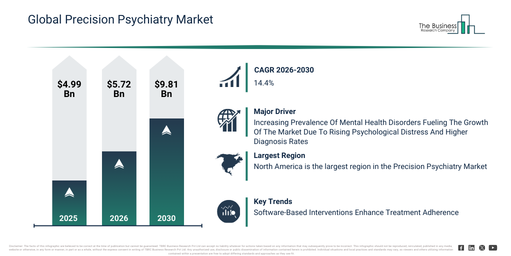
    The precision psychiatry market has experienced rapid growth in recent years. It is forecast to increase from $4.99 billion in 2025 to $5.72 billion in 2026, at a compound annual growth rate (CAGR) of 14.7%. Historically, this expansion has been driven by the increasing prevalence of mental health disorders, the growing challenges of trial-and-error prescribing, the expansion of psychiatric research initiatives, the rising availability of neuroimaging technologies, and the early adoption of pharmacogenomics in psychiatry.

    The precision psychiatry market is projected to experience substantial expansion over the upcoming years. This market is forecast to reach a size of $9.81 billion by 2030, exhibiting a compound annual growth rate (CAGR) of 14.4%. This expansion during the projection period stems from escalating investments in precision medicine platforms, the increasing uptake of AI-enabled diagnostic tools, the broadening of digital mental health solutions, a rising need for individualized psychiatric care, and a heightened emphasis on preventive mental health approaches. Key developments anticipated during this timeframe involve a greater embrace of biomarker-guided treatment routes, the expanded utilization of digital phenotyping tools, enhanced incorporation of genetic and neuroimaging information, the proliferation of AI-powered clinical decision support, and a sharpened focus on tailored mental health surveillance.

    Access Your Free Sample Report For In-Depth Market Analysis:

    https://www.thebusinessresearchcompany.com/sample.aspx?id=30359&type=smp

    What Significant Factors Are Influencing The Precision Psychiatry Market Expansion?

    The rising incidence of mental health disorders is projected to fuel the expansion of the precision psychiatry market moving forward. Mental health disorders cover a broad spectrum of conditions, including depression, anxiety, and bipolar disorder, which influence mood, thinking, and behavior. These disorders are becoming more common as a greater number of individuals encounter psychological distress due to social, economic, and environmental pressures, alongside improved screening methods and increased public awareness that contribute to higher diagnosis rates. Precision psychiatry addresses mental health disorders through the implementation of data-driven, customized treatment plans that enhance the accuracy of diagnosis and therapeutic results. For example, in November 2023, according to NHS England, the UK-based publicly funded national health authority, the percentage of individuals aged 20 to 23 years with a probable mental disorder rose from 18.7% in 2022 to 21.6% in 2023. Therefore, the increasing prevalence of mental health disorders is boosting the growth of the precision psychiatry market.

    How Is The Precision Psychiatry Market Broken Down By Segment Categories?

    The precision psychiatry market covered in this report is segmented –

    1) By Therapeutic Approaches: Pharmacotherapy, Psychotherapy, Neurostimulation, Digital Therapeutics, Combination Therapies

    2) By Technology: Genetic Testing, Biomarker Analysis, Brain Imaging Techniques, Wearable Devices, Artificial Intelligence And Machine Learning Solutions

    3) By Disorders: Depression, Anxiety Disorders, Bipolar Disorder, Schizophrenia, Post-Traumatic Stress Disorder (PTSD)

    4) By Application: Diagnosis, Treatment, Research

    5) By End User: Clinics, Hospitals, Research Institutes, Pharmaceutical Companies, Home Care Settings

    Subsegments:

    1) By Pharmacotherapy: Antidepressant Medications, Antipsychotic Medications, Mood Stabilizers, Anxiolytic Medications, Stimulant Medications

    2) By Psychotherapy: Cognitive Behavioral Therapy, Interpersonal Therapy, Psychodynamic Therapy, Dialectical Behavior Therapy, Mindfulness-Based Therapy

    3) By Neurostimulation: Transcranial Magnetic Stimulation, Electroconvulsive Therapy, Vagus Nerve Stimulation, Deep Brain Stimulation, Transcranial Direct Current Stimulation

    4) By Digital Therapeutics: Mobile Application-Based Therapy, Virtual Reality Therapy, Web-Based Cognitive Behavioral Programs, Remote Patient Monitoring Tools, Artificial Intelligence-Guided Interventions

    5) By Combination Therapies: Pharmacotherapy And Psychotherapy Combination, Pharmacotherapy And Neurostimulation Combination, Pharmacotherapy And Digital Therapeutics Combination, Psychotherapy And Neurostimulation Combination, Multimodal Precision Treatment Programs

    What Trends Are Affecting The Direction Of The Precision Psychiatry Market?

    Key companies within the precision psychiatry market are concentrating their efforts on creating novel therapies, including prescription digital therapeutics, to facilitate individualized and data-informed treatment approaches for psychiatric conditions. A prescription digital therapeutic is defined as a software-driven medical intervention, prescribed by clinicians, which provides evidence-backed behavioral therapy modules via mobile devices, aiming to improve symptoms and increase adherence to treatment. Illustratively, in August 2024, Otsuka Precision Health Inc., a US-based precision health arm of Otsuka Holdings, collaborated with Click Therapeutics Inc., a US-based digital therapeutics firm, to introduce Rejoyn. This product stands as the singular prescription digital therapeutic to receive clearance from the United States Food and Drug Administration (FDA) for use as an add-on treatment for symptoms associated with major depressive disorder (MDD). This product offers a six-week cognitive-emotional training program, which integrates an emotional faces memory task with skill modules founded on cognitive behavioral therapy (CBT), while also facilitating digital prescriptions, patient involvement, and remote oversight. The introduction of Rejoyn marks a crucial achievement in Precision Psychiatry, showcasing the potential of digital therapeutics to augment pharmacological interventions in providing tailored patient care. Furthermore, it sets a precedent for wider acceptance of software-based interventions that incorporate real-time patient data to optimize both treatment results and adherence.

    Which Players Are Present In The Precision Psychiatry Market Space?

    Major companies operating in the precision psychiatry market are Johnson & Johnson, F. Hoffmann-La Roche Ltd, Pfizer Inc., AbbVie Inc., AstraZeneca plc, Novartis AG, Bristol-Myers Squibb Company, Eli Lilly and Company, Otsuka Pharmaceutical Company Limited, Thermo Fisher Scientific Inc., Laboratory Corporation of America Holdings, Quest Diagnostics Incorporated, Illumina Inc., ARUP Laboratories Inc., Sumitomo Dainippon Pharma Company Limited, QIAGEN N.V., Neurocrine Biosciences Inc., Tempus Labs Inc., Myriad Genetics Inc., MedGenome Labs Ltd., Genomind Inc.

    Get The Full Precision Psychiatry Market Report:

    https://www.thebusinessresearchcompany.com/report/global-precision-psychiatry-market-report

    Where Is The Precision Psychiatry Market Most Concentrated Geographically?

    North America was the largest region in the precision psychiatry market in 2025. Asia-Pacific is expected to be the fastest-growing region in the forecast period. The regions covered in the precision psychiatry market report are Asia-Pacific, South East Asia, Western Europe, Eastern Europe, North America, South America, Middle East, Africa.

    Request A Customized Precision Psychiatry Market Report For Competitive Insights:

    https://www.thebusinessresearchcompany.com/report/global-precision-psychiatry-market-report

    Browse Through More Reports Similar to the Global Precision Psychiatry Market 2026, By The Business Research Company

    Syndicated Loans Market Report 2026

    https://www.thebusinessresearchcompany.com/report/syndicated-loans-global-market-report

    Revenue Based Financing Market Report

    https://www.thebusinessresearchcompany.com/report/revenue-based-financing-global-market-report

    Debt Financing Market Report

    https://www.thebusinessresearchcompany.com/report/debt-financing-global-market-report

    Get in touch with us:

    The Business Research Company: https://www.thebusinessresearchcompany.com/

    Americas +1 310-496-7795

    Asia +44 7882 955267 & +91 8897263534

    Europe +44 7882 955267

    Email us at info@tbrc.info

    Follow us on:

    LinkedIn: https://in.linkedin.com/company/the-business-research-company

    YouTube: https://www.youtube.com/channel/UC24_fI0rV8cR5DxlCpgmyFQ

    Global Market Model: https://www.thebusinessresearchcompany.com/global-market-model

  • Rotator cuff repair market analysis (2026–2030) highlighting innovation and competition

    Rotator cuff repair market analysis (2026–2030) highlighting innovation and competition

    The Business Research Company’s 2026 market reports feature enhanced tools like market attractiveness analysis, TAM assessment, and company scoring matrices, along with interactive dashboards, deeper supply chain insights, and startup coverage strengthening the depth, usability, and strategic value of insights.

    How Will The Market Value Of The Rotator Cuff Repair Market Progress Between 2026 And 2030?

    The rotator cuff repair market has experienced strong expansion in recent years. It is anticipated to grow from $1.57 billion in 2025 to $1.66 billion in 2026, at a compound annual growth rate (CAGR) of 6.2%. The expansion witnessed in the historic period can be attributed to a rising incidence of shoulder injuries, increasing sports-related musculoskeletal disorders, wider availability of orthopedic surgical facilities, growing awareness of early surgical intervention, and improvements in surgical instrumentation.

    The rotator cuff repair market is projected to experience substantial expansion over the upcoming years, with its size anticipated to reach $2.09 billion by 2030, exhibiting a compound annual growth rate (CAGR) of 5.9%. Several factors are expected to drive this growth during the forecast period, including a growing elderly demographic experiencing degenerative conditions, an increasing preference for minimally invasive orthopedic interventions, the wider availability of robotic-assisted orthopedic surgical techniques, the expanding application of orthobiologics for tendon repair, and heightened spending on sports medicine within healthcare. Key trends predicted for the same period encompass a greater acceptance of arthroscopic repair methods, an uptick in the utilization of bioabsorbable anchors and sutures, a stronger inclination towards minimally invasive shoulder operations, an increase in robotic-assisted rotator cuff procedures, and a heightened emphasis on optimizing post-operative rehabilitation results.

    Access Your Free Sample Report For In-Depth Market Analysis:

    https://www.thebusinessresearchcompany.com/sample.aspx?id=24687&type=smp

    Which Primary Drivers Are Impacting The Rotator Cuff Repair Market Growth?

    The rising occurrence of sports-related injuries is anticipated to fuel the expansion of the rotator cuff repair market. These physical ailments are sustained during athletic pursuits or exercise, frequently impacting muscles, bones, and joints. The increase in such injuries is primarily attributed to a surge in participation in intense and competitive sports activities. Rotator cuff repair procedures are utilized in these injuries to mend torn tendons, often resulting from repetitive motion or acute trauma, thereby restoring shoulder strength and stability. As an illustration, the National Safety Council, a US-based non-profit public service organization dedicated to promoting health and safety, reported that in 2023, approximately 3.7 million individuals sought emergency department treatment for injuries linked to sports and recreational equipment. This figure represented a 2% year-over-year increase in these incidents. Consequently, the increasing frequency of sporting injuries will propel the growth of the rotator cuff repair market.

    Which Segments Define The Rotator Cuff Repair Market Segment Structure?

    The rotator cuff repair market covered in this report is segmented –

    1) By Type: Surgery, Preventive Treatment, Physiotherapy Or Palliative Treatment, Orthobiologics

    2) By Surgical Techniques: Arthroscopic Rotator Cuff Repair, Open Rotator Cuff Repair, Mini-Open Rotator Cuff Repair

    3) By Injury Severity: Partial Thickness, Full Thickness

    4) By Application: Sports Injuries, Age-Related Degeneration, Traumatic Injuries

    5) By End-User: Hospitals, Ambulatory Surgical Centers (ASCs), Orthopedic Clinics

    Subsegments:

    1) By Surgery: Arthroscopic Rotator Cuff Repair, Open Rotator Cuff Repair, Mini-Open Rotator Cuff Repair, Revision Rotator Cuff Surgery, Robotic-Assisted Rotator Cuff Surgery

    2) By Preventive Treatment: Activity Modification Programs, Ergonomic Training And Workplace Adjustments, Strengthening And Conditioning Programs, Patient Education And Lifestyle Counseling, Early Screening And Diagnostic Assessments

    3) By Physiotherapy Or Palliative Treatment: Manual Therapy, Therapeutic Ultrasound, Cryotherapy And Heat Therapy, Electrical Stimulation, Guided Range Of Motion (ROM) Exercises

    4) By Orthobiologics: Platelet-Rich Plasma (PRP) Therapy, Stem Cell Therapy, Hyaluronic Acid Injections, Bone Morphogenetic Proteins (BMPs), Amniotic Tissue And Allograft Products

    Which Trends Are Shaping Growth In The Rotator Cuff Repair Market?

    Major companies active in the rotator cuff repair market are concentrating on advanced innovations like the integrity implant system to enhance tendon healing, stimulate regenerative tissue repair, and improve surgical outcomes via minimally invasive techniques. The integrity implant system is characterized as a hyaluronic acid-based, PET-reinforced scaffold developed to support regenerative healing and tendon repair during rotator cuff surgeries. For instance, in February 2024, Anika Therapeutics Inc., a US-based joint preservation company, launched the RevoMotion Reverse Shoulder Arthroplasty System to both restore shoulder function and preserve bone. This system features the industry’s smallest diameter threaded baseplate and is supported by the AIM surgical planning software, which facilitates personalized preoperative planning to optimize implant positioning and range of motion outcomes. This system is specifically designed to treat conditions such as cuff tear arthropathy, where the rotator cuff is severely damaged or irreparable.

    Who Are The Established Players Within The Rotator Cuff Repair Market?

    Major companies operating in the rotator cuff repair market are Johnson And Johnson, Stryker Corporation, Zimmer Biomet Holdings Inc., Smith And Nephew plc, Arthrex Inc., CONMED Corporation, Bioventus LLC, Organogenesis Inc., Breg Inc., Exactech Inc., Paragon 28 Inc., Acumed LLC, Anika Therapeutics Inc., Xiros Ltd., Pega Medical Inc., Sawbones Worldwide, Biotek Orthopaedics Pvt. Ltd., Shoulder Innovations Inc., Atreon Orthopedics Inc., Regenexx LLC, Embody Inc.

    Get The Full Rotator Cuff Repair Market Report:

    https://www.thebusinessresearchcompany.com/report/rotator-cuff-repair-global-market-report

    Which Region Is The Leading Market For The Rotator Cuff Repair Market?

    North America was the largest region in the rotator cuff repair market in 2025. Asia-Pacific is expected to be the fastest-growing region in the forecast period. The regions covered in the rotator cuff repair market report are Asia-Pacific, South East Asia, Western Europe, Eastern Europe, North America, South America, Middle East, Africa.

    Request A Customized Rotator Cuff Repair Market Report For Competitive Insights:

    https://www.thebusinessresearchcompany.com/report/rotator-cuff-repair-global-market-report

    Browse Through More Reports Similar to the Global Rotator Cuff Repair Market 2026, By The Business Research Company

    Orthopedic Braces And Support Devices And Equipment Market Report 2026

    https://www.thebusinessresearchcompany.com/report/orthopedic-braces-and-support-devices-and-equipment-global-market-report

    Orthopedic Prosthetics Market Report

    https://www.thebusinessresearchcompany.com/report/orthopedic-prosthetics-global-market-report

    Orthopedic Accessories Market Report

    https://www.thebusinessresearchcompany.com/report/orthopedic-accessories-global-market-report

    Get in touch with us:

    The Business Research Company: https://www.thebusinessresearchcompany.com/

    Americas +1 310-496-7795

    Asia +44 7882 955267 & +91 8897263534

    Europe +44 7882 955267

    Email us at info@tbrc.info

    Follow us on:

    LinkedIn: https://in.linkedin.com/company/the-business-research-company

    YouTube: https://www.youtube.com/channel/UC24_fI0rV8cR5DxlCpgmyFQ

    Global Market Model: https://www.thebusinessresearchcompany.com/global-market-model

  • Radiation Shielding Materials Market Insights Highlighting Growth Opportunities

    Radiation Shielding Materials Market Insights Highlighting Growth Opportunities

    The Business Research Company’s 2026 market reports feature enhanced tools like market attractiveness analysis, TAM assessment, and company scoring matrices, along with interactive dashboards, deeper supply chain insights, and startup coverage strengthening the depth, usability, and strategic value of insights.

    From Its 2026 Market Size, What Value Is The Radiation Shielding Material Market Projected To Reach By 2030?

    The radiation shielding material market has experienced robust expansion over recent years. This market is projected to grow from $0.72 billion in 2025 to reach $0.76 billion in 2026, at a compound annual growth rate (CAGR) of 6.5%. Historically, this growth can be attributed to several factors including the expansion of diagnostic imaging facilities, an increased use of radiation-based medical procedures, a reliance on traditional lead shielding, the growth in nuclear research activities, and the implementation of basic radiation safety standards.

    The radiation shielding material market is projected to experience robust expansion in the coming years. By 2030, its valuation is predicted to reach $0.97 billion, demonstrating a compound annual growth rate (CAGR) of 6.2%. Several factors are expected to drive this growth during the forecast period, including the increasing integration of sustainable shielding materials, higher investments in modernizing healthcare infrastructure, the expansion of radiotherapy and nuclear medicine facilities, a greater emphasis on lightweight and flexible shielding designs, and a heightened regulatory focus on radiation safety. Key trends anticipated for the same period encompass a wider adoption of lead-free shielding materials, an increasing need for lightweight composite shielding solutions, greater utilization of modular and prefabricated shielding systems, broader application of radiation protection within healthcare infrastructure, and an intensified focus on adherence to occupational safety standards.

    Access Your Free Sample Report For In-Depth Market Analysis:

    https://www.thebusinessresearchcompany.com/sample.aspx?id=20941&type=smp

    What Primary Drivers Are Shaping The Radiation Shielding Material Market?

    The growing volume of medical imaging procedures is anticipated to drive the expansion of the radiation shielding material market. These procedures encompass diagnostic methods utilizing technologies like X-rays, magnetic resonance imaging (MRI), or ultrasound to visualize internal body structures, aiding in the detection and monitoring of health conditions. The surge in medical imaging procedures can be attributed to several factors: advancements in imaging technology, the escalating prevalence of chronic diseases, enhanced awareness and accessibility, and supportive regulations for advanced healthcare solutions. Radiation shielding materials, including lead and lead-free alloys, are essential in medical imaging to safeguard both patients and healthcare professionals from detrimental radiation exposure, simultaneously facilitating high-quality image acquisition. For example, in November 2023, the National Health Service, a UK-based government department, reported that England conducted 45.0 million imaging tests in the year ending March 2023. This figure represented a 2.2% rise from the 44.0 million tests performed in the preceding year. Hence, the escalating volume of medical imaging procedures is a significant force driving the radiation shielding material market.

    How Is The Radiation Shielding Material Market Segmented Across Different Segment Categories?

    The radiation shielding material market covered in this report is segmented –

    1) By Type: Electromagnetic Radiation, Particle Radiation

    2) By Material: Lead Shielding, Lead Composite Shielding, Non-Lead And Lead Free Shielding

    3) By Form: Sheets, Blocks, Bricks, Panels, Castings

    4) By Application: Diagnostic X-Ray Room Shielding, CT Scanner Shielding Facility, MRI Room Shielding, Nuclear Medicine Imaging shielding, Radiotherapy Shielding, Radiation Protection Safety Aprons And Apparel And Equipments

    5) By End User: Healthcare, Manufacturing, Construction, Energy, Research

    Subsegments:

    1) By Electromagnetic Radiation: X-Rays, Gamma Rays, Ultraviolet (UV) Radiation, Microwaves, Radiofrequency (RF) Radiation

    2) By Particle Radiation: Neutron Radiation, Alpha Particles, Beta Particles, Heavy Ions

    What Trends Are Affecting The Growth Of The Radiation Shielding Material Market?

    Major companies operating in the radiation shielding material market are focusing on developing innovative products, such as polymer tungsten for radiation shielding, to enhance radiation protection while reducing weight and improving durability for various industrial applications. Polymer tungsten for radiation shielding refers to a composite material made by combining tungsten with a polymer matrix, offering an effective, lightweight alternative to traditional lead-based shielding. For instance, in November 2024, Stanford Advanced Materials (SAM), a US-based manufacturing company, launched Polymer Tungsten, an innovative radiation shielding material that combines tungsten powder with polymer resins. This new product offers a flexible and environmentally friendly alternative to traditional lead-based shielding, which poses health risks due to its toxicity. Polymer tungsten retains high radiation resistance while being easier to shape and work with, making it suitable for applications in medical equipment such as X-ray machines and computed tomography (CT) scanners.

    Which Organizations Play A Role In The Radiation Shielding Material Market Landscape?

    Major companies operating in the radiation shielding material market are General Electric Healthcare, L3Harris Technologies Inc., ESCO Technologies Inc., Mirion Technologies Inc., Ultraray Group Inc., ETS-Lindgren Inc., Berthold Technologies GmbH And Co.KG, Nelco Worldwide, Wardray Premise Ltd., Dynalab Corp., Techno-Aide Inc., Alimed Inc., Universal Shielding Corporation, MarShield Radiation Protection Services Inc, Veritas Medical Solutions, Plastic Design Inc, Tungsten Heavy Powder And Parts Inc., Amray Medical Limited, Ray-Bar Engineering Corporation, A And L Shielding Inc, MWT Materials Inc., Nuclear Lead Co. Inc, Protech Medical Inc, Radiation Shielding Technologies Inc., XrayCurtains.com

    Get The Full Radiation Shielding Material Market Report:

    https://www.thebusinessresearchcompany.com/report/radiation-shielding-material-global-market-report

    Which Region Is The Leading Market For The Radiation Shielding Material Market?

    North America was the largest region in the radiation shielding material market in 2025. Asia-Pacific is expected to be the fastest-growing region in the forecast period. The regions covered in the radiation shielding material market report are Asia-Pacific, South East Asia, Western Europe, Eastern Europe, North America, South America, Middle East, Africa.

    Request A Customized Radiation Shielding Material Market Report For Competitive Insights:

    https://www.thebusinessresearchcompany.com/report/radiation-shielding-material-global-market-report

    Browse Through More Reports Similar to the Global Radiation Shielding Material Market 2026, By The Business Research Company

    Radiotherapy Devices Market Report 2026

    https://www.thebusinessresearchcompany.com/report/radiotherapy-devices-global-market-report

    Oncology Devices Market Report

    https://www.thebusinessresearchcompany.com/report/oncology-devices-global-market-report

    Oncology Drugs Market

    https://www.thebusinessresearchcompany.com/report/oncology-drugs-market

    Get in touch with us:

    The Business Research Company: https://www.thebusinessresearchcompany.com/

    Americas +1 310-496-7795

    Asia +44 7882 955267 & +91 8897263534

    Europe +44 7882 955267

    Email us at info@tbrc.info

    Follow us on:

    LinkedIn: https://in.linkedin.com/company/the-business-research-company

    YouTube: https://www.youtube.com/channel/UC24_fI0rV8cR5DxlCpgmyFQ

    Global Market Model: https://www.thebusinessresearchcompany.com/global-market-model