Category: Healthcare Services

  • Global Radiation Oncology Market to Hit $13.5 Billion by 2030 at 9.1% CAGR

    Global Radiation Oncology Market to Hit $13.5 Billion by 2030 at 9.1% CAGR

    The Business Research Company’s 2026 market reports feature enhanced tools like market attractiveness analysis, TAM assessment, and company scoring matrices, along with interactive dashboards, deeper supply chain insights, and startup coverage strengthening the depth, usability, and strategic value of insights.

    How Much Growth In Market Value Is Expected For The Radiation Oncology Market Between 2026 And 2030?

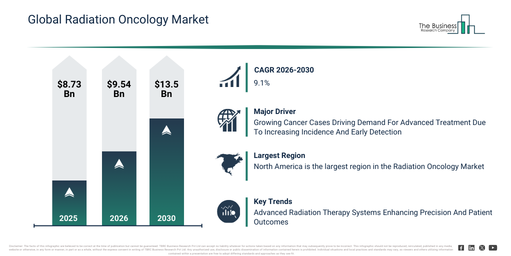
    The radiation oncology market has experienced robust expansion in recent years. Its valuation is set to climb from $8.73 billion in 2025 to $9.54 billion in 2026, at a compound annual growth rate (CAGR) of 9.3%. This past growth can be ascribed to several factors, including the rising incidence of cancer, the proliferation of oncology treatment centers, the widespread use of external beam radiation therapy, the presence of standardized radiotherapy protocols, and increased investment in cancer care infrastructure.

    The radiation oncology market is projected to experience robust expansion in the upcoming years, set to reach a value of $13.5 billion by 2030, demonstrating a compound annual growth rate (CAGR) of 9.1%. Factors contributing to this growth during the forecast period include the increasing uptake of personalized oncology treatments, a surge in demand for stereotactic and proton therapies, the broader application of AI-assisted treatment planning, a heightened emphasis on outpatient cancer care, and greater investments in sophisticated oncology equipment. Key trends anticipated over the forecast period encompass the wider adoption of image-guided radiation therapy, a growing reliance on precision and targeted treatment approaches, the increasing incorporation of AI in treatment planning, the expansion of advanced linear accelerator installations, and an intensified commitment to reducing radiation exposure to healthy tissues.

    Access Your Free Sample Report For In-Depth Market Analysis:

    https://www.thebusinessresearchcompany.com/sample.aspx?id=23494&type=smp

    Which Major Drivers Are Influencing The Expansion Of The Radiation Oncology Market?

    The worldwide increase in cancer cases is anticipated to significantly boost the growth of the radiation oncology market. The incidence of cancer is rising due to factors such as aging populations, lifestyle-related risk factors, and improved early detection methods. Cancer cases are also increasing because of greater exposure to risk factors like unhealthy lifestyles and environmental pollutants, which contribute to higher mutation rates and the gradual development of malignant cells. Radiation oncology utilizes high-energy radiation to eliminate cancer cells, shrink tumors, and support surgical and chemotherapy interventions, with advanced techniques improving precision and patient outcomes. For instance, in February 2024, the World Health Organization (WHO), a Switzerland-based intergovernmental organization, reported an estimated 20 million new cancer cases in 2022. The WHO/IARC also projects that by 2050, new cancer cases could reach 35 million, representing a 77% increase over 2022 levels. Therefore, the growing burden of cancer is a key driver for advanced radiation oncology treatments.

    What Are The Main Segments Within The Radiation Oncology Market Segment Structure?

    The radiation oncology market covered in this report is segmented –

    1) By Type: External Beam Radiation Therapy, Internal Beam Radiation Therapy

    2) By Application: Prostate Cancer, Breast Cancer, Lung Cancer, Head And Neck Cancer, Colorectal Cancer, Cervical Cancer, Gynecological Cancer, Other Applications

    3) By End-User: Hospitals, Cancer Research Institutes, Other End-Users

    Subsegments:

    1) By Internal Beam Radiation Therapy: Brachytherapy, Endocavitary Brachytherapy, Interstitial Brachytherapy, Intraluminal Brachytherapy

    2) By External Beam Radiation Therapy: 3D Conformal Radiation Therapy (3DCRT), Intensity-Modulated Radiation Therapy (IMRT), Stereotactic Radiosurgery (SRS), Stereotactic Body Radiation Therapy (SBRT), Image-Guided Radiation Therapy (IGRT)

    Which Trends Are Shaping The Radiation Oncology Market?

    Key companies active in the radiation oncology market are prioritizing the development of advanced radiation therapy systems that incorporate AI-powered imaging and adaptive technologies. This focus aims to improve treatment precision, lessen side effects, and enhance patient outcomes for a wide range of cancer treatment applications. AI-powered radiotherapy refers to the application of artificial intelligence technologies to augment various aspects of radiation therapy, including treatment planning, imaging, delivery, and monitoring processes. For instance, in May 2024, Elekta, a Sweden-based medical technology company, unveiled Evo, its newest CT-Linac, which features high-definition AI-enhanced imaging designed to advance radiation therapy techniques. This versatile system supports both offline and online adaptive radiation therapy, in addition to enhanced standard image-guided radiation therapy, thereby providing clinicians with greater accuracy and flexibility to customize treatments for individual patients. This innovation seeks to elevate patient outcomes by optimizing the accuracy and adaptability of treatments.

    Who Are The Companies Participating In The Radiation Oncology Market?

    Major companies operating in the radiation oncology market are Hitachi Ltd., Siemens Healthineers, Philips Healthcare, GE Healthcare Technologies Inc., Varian Medical Systems, Shimadzu Corporation, Elekta AB, Mirion Technologies, Ion Beam Applications (IBA), Accuray Incorporated, Canon Medical Systems, Eckert & Ziegler BEBIG, ViewRay Inc., MDS Nordion, Mevion Medical Systems, PTW-Freiburg, Toshiba Medical Systems, CivaTech Oncology, ProTom International, Radcal Corporation, ScandiDos.

    Get The Full Radiation Oncology Market Report:

    https://www.thebusinessresearchcompany.com/report/radiation-oncology-global-market-report

    Where Is The Radiation Oncology Market Primarily Concentrated By Region?

    North America was the largest region in the radiation oncology market in 2025. Asia-Pacific is expected to be the fastest-growing region in the forecast period. The regions covered in the radiation oncology market report are Asia-Pacific, South East Asia, Western Europe, Eastern Europe, North America, South America, Middle East, Africa.

    Request A Customized Radiation Oncology Market Report For Competitive Insights:

    https://www.thebusinessresearchcompany.com/report/radiation-oncology-global-market-report

    Browse Through More Reports Similar to the Global Radiation Oncology Market 2026, By The Business Research Company

    Single Dose Radiotherapy Services Market Report 2026

    https://www.thebusinessresearchcompany.com/report/single-dose-radiotherapy-services-global-market-report

    Medical Irradiation Market Report

    https://www.thebusinessresearchcompany.com/report/medical-irradiation-global-market-report

    Radiotherapy Devices Market Report

    https://www.thebusinessresearchcompany.com/report/radiotherapy-devices-global-market-report

    Get in touch with us:

    The Business Research Company: https://www.thebusinessresearchcompany.com/

    Americas +1 310-496-7795

    Asia +44 7882 955267 & +91 8897263534

    Europe +44 7882 955267

    Email us at info@tbrc.info

    Follow us on:

    LinkedIn: https://in.linkedin.com/company/the-business-research-company

    YouTube: https://www.youtube.com/channel/UC24_fI0rV8cR5DxlCpgmyFQ

    Global Market Model: https://www.thebusinessresearchcompany.com/global-market-model

  • Global Precision Medicine Software Market to Hit $4.92 Billion by 2030 at 14.9% CAGR

    Global Precision Medicine Software Market to Hit $4.92 Billion by 2030 at 14.9% CAGR

    The Business Research Company’s 2026 market reports feature enhanced tools like market attractiveness analysis, TAM assessment, and company scoring matrices, along with interactive dashboards, deeper supply chain insights, and startup coverage strengthening the depth, usability, and strategic value of insights.

    How Does The Market Size Of The Precision Medicine Software Market Compare Between 2026 And 2030?

    The precision medicine software market has experienced substantial expansion in recent years. This market is projected to expand from $2.45 billion in 2025 to reach $2.82 billion by 2026, exhibiting a compound annual growth rate (CAGR) of 15.1%. Historically, this growth has been driven by several factors, including progress in genomic sequencing technologies, wider adoption of electronic health records, an uptick in the utilization of data-driven clinical workflows, an increase in precision treatments specifically for oncology, and the growing accessibility of bioinformatics platforms.

    The precision medicine software market is anticipated to experience swift expansion over the next few years. This market is projected to attain a size of $4.92 billion by 2030, demonstrating a compound annual growth rate (CAGR) of 14.9%. This expansion during the forecast period is fueled by factors such as the increasing demand for personalized therapeutics, rising investments in precision oncology programs, the broader deployment of AI-enabled healthcare analytics, the growing adoption of cloud-based clinical platforms, and an increasing focus on outcome-based healthcare models. Prominent trends for the forecast period include the increasing uptake of AI-driven clinical decision support, the rising integration of genomic and clinical data platforms, the expanding utilization of cloud-based precision medicine software, the broadening of real-time patient data analytics, and an enhanced focus on interoperable healthcare systems.

    Access Your Free Sample Report For In-Depth Market Analysis:

    https://www.thebusinessresearchcompany.com/sample.aspx?id=27394&type=smp

    Which Important Drivers Are Guiding The Precision Medicine Software Market Growth?

    The precision medicine software market is anticipated to experience growth driven by the escalating need for personalized treatment. This approach involves customizing medical care to an individual’s unique genetic makeup, lifestyle, and health history, aiming for more effective outcomes. The surge in demand for personalized treatment stems from advancements in genomic technologies, which facilitate the precise identification of genetic variations and the creation of tailored treatments. Precision medicine software assists in personalized treatment by analyzing genetic, clinical, and lifestyle data to inform healthcare decisions. This technology improves diagnostic accuracy and treatment effectiveness, thereby supporting more targeted and efficient patient care. A notable example is provided by the Personalized Medicine Coalition (PMC), a US-based nonprofit organization, which reported in February 2024 that the U.S. Food and Drug Administration (FDA) approved 26 new personalized medicines in 2023, a significant increase from the 12 approved in 2022. Thus, the rising demand for personalized treatment is a primary catalyst for the expansion of the precision medicine software market.

    What Are The Different Segment Types In The Precision Medicine Software Market Segment Breakdown?

    The precision medicine software market covered in this report is segmented –

    1) By Software Type: Clinical Decision Support Systems (CDSS), Genomic Data Analysis Tools, Data Integration And Management Software, Patient Management Software, Bioinformatics Tools

    2) By Technology: Artificial Intelligence And Machine Learning, Big Data Analytics, Blockchain Technology, Internet of Medical Things (IoMT), Clustered Regularly Interspaced Short Palindromic Repeats (CRISPR) And Gene Editing Tools

    3) By Deployment: Cloud, On-Premise

    4) By Application: Oncology, Central Nervous System, Immunology, Cardiovascular, Other Applications

    5) By End User: Healthcare Providers, Research Centers And Government Institutes, Pharmaceutical And Biotechnology Companies, Other End Users

    Subsegments:

    1) By Clinical Decision Support Systems (CDSS): Diagnostic Decision Support, Therapeutic Decision Support, Clinical Guidelines And Protocols, Drug-Drug Interaction Alerts, Risk Assessment Modules

    2) By Genomic Data Analysis Tools: Variant Calling And Annotation Tools, Genome Alignment Software, Gene Expression Analysis, Next-Generation Sequencing (NGS) Data Analysis, Pathway Analysis Tools

    3) By Data Integration And Management Software: Electronic Health Record (EHR) Integration, Laboratory Information Management Systems (LIMS), Clinical Data Warehousing, Data Cleaning And Normalization, Metadata Management

    4) By Patient Management Software: Appointment Scheduling, Patient Registry Software, Care Coordination Tools, Patient Engagement Platforms, Remote Monitoring Systems

    5) By Bioinformatics Tools: Sequence Analysis Software, Structural Bioinformatics Tools, Functional Genomics Platforms, Molecular Modeling And Simulation, Proteomics And Metabolomics Tools

    What Trends Are Influencing The Evolution Of The Precision Medicine Software Market?

    Major companies operating in the precision medicine software market are increasingly focusing on developing advanced solutions, such as digital healthcare, to streamline the creation of digital health products, consequently reducing both development time and associated costs. Digital healthcare encompasses the utilization of digital technologies and tools to deliver, manage, and improve healthcare services and patient outcomes. For instance, in July 2024, Huma Therapeutics Ltd, a UK-based digital health company, unveiled its Cloud Platform. This platform is designed to broaden access to digital-first healthcare by enabling the rapid, no-code creation and deployment of regulated health applications powered by artificial intelligence (AI). The platform incorporates ready-made components, offers connectivity with various devices, and adheres to crucial regulatory standards (FDA Class II, EU MDR IIb, Saudi FDA C), thereby empowering organizations of any size to offer effective and cost-efficient digital health solutions. The Huma cloud platform serves to accelerate digital health innovation, widen accessibility, and support proactive, artificial intelligence (AI)-driven care and research efforts.

    Who Are The Well-Known Companies In The Precision Medicine Software Market?

    Major companies operating in the precision medicine software market are Koninklijke Philips N.V., Palantir Technologies Inc., Tempus Labs Inc., Myriad Genetics Inc., Foundation Medicine Inc., Guardant Health Inc., Color Genomics Inc., NantHealth Inc., SOPHiA GENETICS SA, Aignostics GmbH, MVision AI Oy, Fabric Genomics Inc., QUIBIM S.L., Syapse Inc., PierianDx Inc., 2bPrecise LLC, SimBioSys Inc., Navignostics AG, xCures Inc., LifeOmic Holdings LLC

    Get The Full Precision Medicine Software Market Report:

    https://www.thebusinessresearchcompany.com/report/precision-medicine-software-global-market-report

    Which Region Dominates The Precision Medicine Software Market By Market Share?

    North America was the largest region in the precision medicine software market in 2025. The regions covered in the precision medicine software market report are Asia-Pacific, South East Asia, Western Europe, Eastern Europe, North America, South America, Middle East, Africa.

    Request A Customized Precision Medicine Software Market Report For Competitive Insights:

    https://www.thebusinessresearchcompany.com/report/precision-medicine-software-global-market-report

    Browse Through More Reports Similar to the Global Precision Medicine Software Market 2026, By The Business Research Company

    Dna Testing Market Report 2026

    https://www.thebusinessresearchcompany.com/report/dna-testing-global-market-report

    Genomics Market Report

    https://www.thebusinessresearchcompany.com/report/genomics-global-market-report

    Precision Diagnostics Market Report

    https://www.thebusinessresearchcompany.com/report/precision-diagnostics-global-market-report

    Get in touch with us:

    The Business Research Company: https://www.thebusinessresearchcompany.com/

    Americas +1 310-496-7795

    Asia +44 7882 955267 & +91 8897263534

    Europe +44 7882 955267

    Email us at info@tbrc.info

    Follow us on:

    LinkedIn: https://in.linkedin.com/company/the-business-research-company

    YouTube: https://www.youtube.com/channel/UC24_fI0rV8cR5DxlCpgmyFQ

    Global Market Model: https://www.thebusinessresearchcompany.com/global-market-model

  • Precision Genomic Testing Market to Reach $25.71 Billion by 2030

    Precision Genomic Testing Market to Reach $25.71 Billion by 2030

    The Business Research Company’s 2026 market reports feature enhanced tools like market attractiveness analysis, TAM assessment, and company scoring matrices, along with interactive dashboards, deeper supply chain insights, and startup coverage strengthening the depth, usability, and strategic value of insights.

    What Is The Forecasted Market Size Trajectory Of The Precision Genomic Testing Market From 2026 To 2030?

    The precision genomic testing market size has seen a rapid increase in recent years. It is anticipated to grow from $15 billion in 2025 to $16.75 billion in 2026, exhibiting a compound annual growth rate (CAGR) of 11.7%. The expansion observed in the past can be attributed to several factors, including advancements in sequencing technologies, the broader implementation of precision oncology programs, the increasing accessibility of genomic databases, a rise in clinical research funding, and a heightened awareness of genetic disorders.

    The precision genomic testing market is anticipated to show significant expansion in the coming years. It is projected to achieve a size of $25.71 billion by 2030, driven by a compound annual growth rate (CAGR) of 11.3%. This growth during the forecast period is primarily due to the increased adoption of precision medicine, rising investments in genomic research, the expansion of population-scale genomic initiatives, a growing demand for companion diagnostics, and the increasing integration of genomics into routine clinical practice. Notable trends during this period are expected to include the increasing adoption of next-generation sequencing, a rise in the use of AI-based genomic interpretation, a growing demand for personalized treatment planning, the expansion of clinical genomic testing, and enhanced integration of bioinformatics platforms.

    Access Your Free Sample Report For In-Depth Market Analysis:

    https://www.thebusinessresearchcompany.com/sample.aspx?id=25883&type=smp

    What Major Factors Are Driving The Precision Genomic Testing Market Forward?

    The increasing occurrence of genetic conditions is anticipated to drive the expansion of the precision genomic testing market in the future. Genetic disorders are defined as health issues stemming from anomalies in an individual’s DNA, including single-gene mutations, multi-gene mutations, or alterations in chromosomal arrangement or quantity. This rise in prevalence largely stems from an increase in maternal age, given that older mothers face an elevated risk of transmitting chromosomal irregularities, such as Down syndrome, to their offspring. Precision genomic testing facilitates the prompt identification and precise diagnosis of genetic disorders through pinpointing specific genetic mutations, thereby enabling focused interventions and customized treatment plans. For example, in May 2025, Gene People, a registered charity located in the UK, reported that genetic conditions impact approximately 1 in 25 children, affecting more than 2.4 million children and adults across the UK. Furthermore, roughly 30,000 newborns and children within the UK receive a diagnosis of a genetic condition annually. Consequently, the increasing incidence of genetic disorders is fueling the expansion of the precision genomic testing market.

    Which Segment Classifications Are Used In The Precision Genomic Testing Market Segment Analysis?

    The precision genomic testing market covered in this report is segmented –

    1) By Product And Service: Consumables, Equipment, Services

    2) By Technology: Next-Generation Sequencing, Polymerase Chain Reaction, Microarray Technology, Sanger Sequencing, Clustered Regularly Interspaced Short Palindromic Repeats Or Clustered Regularly Interspaced Short Palindromic Repeats-Associated Systems, Other Technologies

    3) By Application: Oncology, Cardiovascular Diseases, Neurological Disorders, Reproductive Health, Rare Diseases, Other Applications

    4) By End-Users: Hospitals And Clinics, Diagnostic Laboratories, Research And Academic Institutes, Other End-Users

    Subsegments:

    1) By Consumables: Reagents And Kits, Deoxyribonucleic Acid Or Ribonucleic Acid Extraction Kits, Library Preparation Kits, Sequencing Reagents, Polymerase Chain Reaction Assay Kits, Buffers And Enzymes

    2) By Equipment: Next-Generation Sequencing Systems, Polymerase Chain Reaction Machines, Microarray Instruments, Deoxyribonucleic Acid Analyzers, Bioinformatics Workstations, Laboratory Automation Systems

    3) By Services: Genomic Data Analysis Services, Laboratory Testing Services, Genetic Counseling Services, Clinical Interpretation Services, Contract Research Services, Custom Assay Development Services

    Which Trends Are Impacting The Progress Of The Precision Genomic Testing Market?

    Major companies operating within the precision genomic testing market are concentrating on developing groundbreaking solutions, including highly sensitive circulating tumor deoxyribonucleic acid assays, to facilitate earlier and more accurate cancer detection. These ultra-sensitive circulating tumor deoxyribonucleic acid assays are advanced diagnostic tools designed to identify minuscule fragments of tumor-derived deoxyribonucleic acid present in the blood, enabling the prompt and precise identification of genetic mutations linked to cancer. For instance, in April 2025, Natera Inc., a clinical genetic testing company based in the US, introduced its ultra-sensitive Signatera genome molecular residual disease test. This test leverages whole genome sequencing of both a patient’s tumor and their matched normal deoxyribonucleic acid to construct a personalized assay, allowing for the detection of circulating tumor deoxyribonucleic acid at incredibly low concentrations, down to 1 part per million. This exceptional level of sensitivity supports the earlier and more accurate identification of cancer recurrence, thereby enhancing treatment planning and patient management across various forms of cancer.

    Which Firms Are Contributing To The Precision Genomic Testing Market Ecosystem?

    Major companies operating in the precision genomic testing market are Roche Diagnostics International AG, Thermo Fisher Scientific Inc., Danaher Corporation, Agilent Technologies Inc., Illumina Inc., Revvity Inc., QIAGEN N.V., Exact Sciences Corporation, Natera Inc., Myriad Genetics Inc., GenScript Biotech Corporation, Fulgent Genetics Inc., Invitae Corporation, NeoGenomics Laboratories Inc., Guardant Health Inc., Ambry Genetics Corporation, Color Health Inc., Pacific Biosciences, Eurofins Genomics LLC, BGI Genomics Co. Ltd.

    Get The Full Precision Genomic Testing Market Report:

    https://www.thebusinessresearchcompany.com/report/precision-genomic-testing-global-market-report

    Which Region Is The Largest In The Precision Genomic Testing Market?

    North America was the largest region in the precision genomic testing market in 2025. Asia-Pacific is expected to be the fastest-growing region in the forecast period. The regions covered in the precision genomic testing market report are Asia-Pacific, South East Asia, Western Europe, Eastern Europe, North America, South America, Middle East, Africa.

    Request A Customized Precision Genomic Testing Market Report For Competitive Insights:

    https://www.thebusinessresearchcompany.com/report/precision-genomic-testing-global-market-report

    Browse Through More Reports Similar to the Global Precision Genomic Testing Market 2026, By The Business Research Company

    Precision Medicine Market Report 2026

    https://www.thebusinessresearchcompany.com/report/precision-medicine-global-market-report

    Clinical Diagnostics Market Report

    https://www.thebusinessresearchcompany.com/report/clinical-diagnostics-global-market-report

    Precision Parts Market Report

    https://www.thebusinessresearchcompany.com/report/precision-parts-global-market-report

    Get in touch with us:

    The Business Research Company: https://www.thebusinessresearchcompany.com/

    Americas +1 310-496-7795

    Asia +44 7882 955267 & +91 8897263534

    Europe +44 7882 955267

    Email us at info@tbrc.info

    Follow us on:

    LinkedIn: https://in.linkedin.com/company/the-business-research-company

    YouTube: https://www.youtube.com/channel/UC24_fI0rV8cR5DxlCpgmyFQ

    Global Market Model: https://www.thebusinessresearchcompany.com/global-market-model
  • Precision Diagnostics Market to Reach $220.5 Billion by 2030 at 14.8% CAGR

    Precision Diagnostics Market to Reach $220.5 Billion by 2030 at 14.8% CAGR

    The Business Research Company’s 2026 market reports feature enhanced tools like market attractiveness analysis, TAM assessment, and company scoring matrices, along with interactive dashboards, deeper supply chain insights, and startup coverage strengthening the depth, usability, and strategic value of insights.

    How Much Will The Market Value Of The Precision Diagnostics Market Grow Between 2026 And 2030?

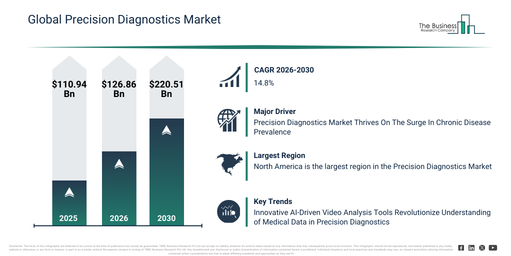
    The precision diagnostics market has seen a rapid expansion in its size over recent years. This market is expected to expand from $110.94 billion in 2025 to $126.86 billion in 2026, demonstrating a compound annual growth rate (CAGR) of 14.3%. The drivers behind this historical growth include advancements in genomic research technologies, the increasing prevalence of chronic diseases, the growing adoption of biomarker-based testing, the expansion of diagnostic laboratory infrastructure, and the rising acceptance of personalized medicine.

    The precision diagnostics market is anticipated to expand significantly in the upcoming years. Its size is projected to reach $220.51 billion by 2030, demonstrating a compound annual growth rate (CAGR) of 14.8%. This expansion during the forecast period is primarily driven by factors such as a growing demand for individualized treatment planning, increased investments in genomic diagnostics, the widening application of liquid biopsy, greater integration of AI-driven diagnostics, and a heightened focus on preventive healthcare. Furthermore, key trends expected in this period involve the increasing adoption of genetic and molecular testing, a rise in the use of companion diagnostics, the broader incorporation of AI in diagnostic interpretation, an expansion of precision oncology applications, and an intensified emphasis on early disease detection.

    Access Your Free Sample Report For In-Depth Market Analysis:

    https://www.thebusinessresearchcompany.com/sample.aspx?id=12025&type=smp

    Which Key Drivers Are Affecting The Precision Diagnostics Market Development?

    The increasing incidence of chronic diseases is anticipated to fuel the expansion of the precision diagnostics market in the future. Such an illness is defined as a condition persisting for three months or longer, with the potential to worsen over time. Precision diagnostics assist individuals affected by chronic conditions like cancer and cardiovascular diseases by enabling precise management of their healthcare models and delivering accurate disease diagnoses. As an illustration, data from January 2023 provided by the National Library of Medicine, a US-based agency, indicates that the population in the US aged 50 and older experiencing at least one chronic condition is projected to climb to 142.66 million by 2050. Consequently, the growing occurrence of chronic diseases is acting as a catalyst for the precision diagnostics market’s growth.

    How Is The Precision Diagnostics Market Organized By Segment Classification?

    The precision diagnostics market covered in this report is segmented –

    1) By Type: Genetic Tests, Esoteric tests, Other Types

    2) By Technology: Next Generation Sequencing (NGS), Polymerase Chain Reaction (PCR), In Situ Hybridization (ISH), Mass Spectrometry, Immunohistochemistry (IHC), Other Technologies

    3) By Application: Oncology, Infectious Diseases, Cardiovascular, Neurology, Genetic Disorders, Other Applications

    4) By End-User: Hospitals And Clinics, Diagnostic Laboratories, Research Institutes, Pharmaceutical And Biotechnology Companies, Other End-Users

    Subsegments:

    1) By Genetic Tests: Next-Generation Sequencing (NGS), Polymerase Chain Reaction (PCR) Tests, Whole Exome Sequencing (WES), Single Nucleotide Polymorphism (SNP) Testing

    2) By Esoteric Tests: Proteomics, Metabolomics, Specialized Infectious Disease Testing, Rare Disease Testing

    3) By Other Types: Biomarker Testing, Liquid Biopsies, Companion Diagnostics, Pharmacogenomic Testing

    What Trends Are Transforming The Precision Diagnostics Market?

    Leading companies within the precision diagnostics market are prioritizing innovative therapies. Among these innovations are AI-driven video analysis tools, which aim to boost patient engagement and simplify complex medical data, ultimately empowering individuals to manage their health. An AI-driven video analysis tool utilizes artificial intelligence to process video content, making intricate information such as health reports easier to understand by highlighting key parameters, thereby providing clear insights for better comprehension and informed decision-making. For example, in August 2024, Healthians, an India-based diagnostic company, introduced an industry-first AI-driven video analysis tool designed to simplify complex medical data by emphasizing key health parameters and explaining their significance, effectively guiding users through their health reports. This innovative feature enables users to receive personalized insights within 15-30 minutes after completing a brief questionnaire on the Healthians app, improving their ability to make informed health decisions.

    Who Are The Industry Participants Involved In The Precision Diagnostics Market?

    Major companies operating in the precision diagnostics market are F Hoffmann La Roche Ltd, Abbott Laboratories, Danaher Corporation, Becton Dickinson And Company, Thermo Fisher Scientific Inc, Quest Diagnostics Inc, Siemens Healthineers AG, Agilent Technologies Inc, PerkinElmer Inc, Beckman Coulter Inc, Charles River Laboratories International Inc, Sysmex America Inc, Waters Corporation, Bio Rad Laboratories Inc, Bruker Corporation, Qiagen NV, Bio Techne Corporation, Illumina Inc, Luminex Corporation, BioFire Diagnostics LLC, Genomic Health Inc, Guardant Health Inc, Natera Inc, Exact Sciences Corporation

    Get The Full Precision Diagnostics Market Report:

    https://www.thebusinessresearchcompany.com/report/precision-diagnostics-global-market-report

    Which Region Leads The Precision Diagnostics Market In Terms Of Market Share?

    North America was the largest region in the precision diagnostics market in 2025. Asia Pacific is expected to be the fastest-growing region in the forecast period. The regions covered in the precision diagnostics market report are Asia-Pacific, South East Asia, Western Europe, Eastern Europe, North America, South America, Middle East, Africa.

    Request A Customized Precision Diagnostics Market Report For Competitive Insights:

    https://www.thebusinessresearchcompany.com/report/precision-diagnostics-global-market-report

    Browse Through More Reports Similar to the Global Precision Diagnostics Market 2026, By The Business Research Company

    Probiotics Food And Cosmetics Market Report 2026

    https://www.thebusinessresearchcompany.com/report/probiotics-food-and-cosmetics-global-market-report

    Animal Antibiotics And Antimicrobials Market Report

    https://www.thebusinessresearchcompany.com/report/animal-antibiotics-and-antimicrobials-global-market-report

    Probiotics In Animal Feed Market Report

    https://www.thebusinessresearchcompany.com/report/probiotics-in-animal-feed-global-market-report

    Get in touch with us:

    The Business Research Company: https://www.thebusinessresearchcompany.com/

    Americas +1 310-496-7795

    Asia +44 7882 955267 & +91 8897263534

    Europe +44 7882 955267

    Email us at info@tbrc.info

    Follow us on:

    LinkedIn: https://in.linkedin.com/company/the-business-research-company

    YouTube: https://www.youtube.com/channel/UC24_fI0rV8cR5DxlCpgmyFQ

    Global Market Model: https://www.thebusinessresearchcompany.com/global-market-model
  • Prebiotics Market to Approach $23.36 Billion by 2030

    Prebiotics Market to Approach $23.36 Billion by 2030

    The Business Research Company’s 2026 market reports feature enhanced tools like market attractiveness analysis, TAM assessment, and company scoring matrices, along with interactive dashboards, deeper supply chain insights, and startup coverage strengthening the depth, usability, and strategic value of insights.

    What Changes In Market Value Are Expected For The Prebiotics Market Over The 2026–2030 Period?

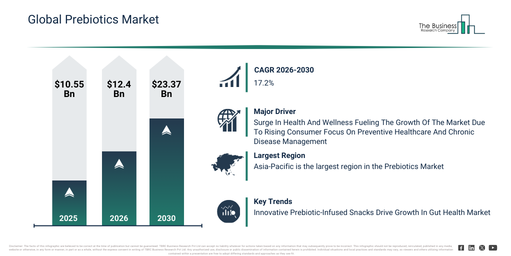
    The prebiotics market has experienced substantial growth in its size over recent years. It is anticipated to expand from $10.55 billion in 2025 to $12.4 billion in 2026, demonstrating a compound annual growth rate (CAGR) of 17.5%. The expansion witnessed in prior periods can be attributed to rising consumer understanding of digestive health, the proliferation of functional food products, the availability of diverse oligosaccharide sources, an increase in dietary supplement consumption, and enhanced application in animal feed.

    The prebiotics market size is anticipated to experience significant expansion in the next few years. It is projected to increase to $23.37 billion by 2030, achieving a compound annual growth rate (CAGR) of 17.2%. The growth during this forecast period can be attributed to factors like the increasing acceptance of personalized nutrition, growing investment in microbiome-based products, the broader application of prebiotics in clinical nutrition, a rising demand for sustainable food ingredients, and their greater integration into pharmaceutical formulations. Key trends for the forecast period include the increasing incorporation of prebiotics into functional foods, a rising demand for supplements supporting gut health, expanded use of prebiotics in animal nutrition, the proliferation of clean-label and natural ingredients, and an enhanced focus on microbiome research.

    Access Your Free Sample Report For In-Depth Market Analysis:

    https://www.thebusinessresearchcompany.com/sample.aspx?id=24666&type=smp

    What Factors Are Contributing To The Growth Of The Prebiotics Market?

    The growing consumer consciousness regarding health and well-being is anticipated to boost the expansion of the prebiotics market in the future. Health and wellness encompasses a comprehensive state of physical, mental, and emotional health, achieved through balanced lifestyle choices and proactive care. This heightened consumer awareness stems from a movement towards preventive healthcare, motivated by a desire to avert lifestyle-associated illnesses and decrease long-term medical expenses. Prebiotics contribute to health consciousness by fostering a balanced gut microbiome, which is increasingly acknowledged as crucial for overall vitality and educated lifestyle decisions. For instance, in Jun 2024, data from the International Food Information Council (IFIC), a US‑based non‑profit organization, revealed that the percentage of Americans adhering to a specific diet or eating pattern over the last year remains significant at 54%. A majority of individuals are seeking to raise their protein consumption, with interest rising from 59% in 2022 to 67% in 2023, and peaking at 71% in 2024. Furthermore, approximately half of consumers intend to consume more fresh foods, widely regarded as the healthiest alternatives. Consequently, increasing consumer awareness about health and wellness is fueling the prebiotics market.

    Which Segments Define The Prebiotics Market Segment Structure?

    The prebiotics market covered in this report is segmented –

    1) By Prebiotic Ingredient Type: Fructo-Oligosaccharides, Galacto-Oligosaccharides, Inulin, Mannan-Oligosaccharides

    2) By Product: Capsules, Drinks, Powder

    3) By Demography: Pediatric, Adult, Geriatric

    4) By Distribution Channel: Hypermarkets Or Supermarkets, Pharmacies And Drug Stores, Specialty Stores, Online Sales

    5) By End-User: Foods And Beverages, Pharmaceutical, Animal Feed, Other End-Users

    Subsegments:

    1) By Fructo-Oligosaccharides: Short-Chain Fructo-Oligosaccharides, Long-Chain Fructo-Oligosaccharides, Enzymatically Synthesized Fructo-Oligosaccharides

    2) By Galacto-Oligosaccharides: High-Purity Galacto-Oligosaccharides, Liquid Galacto-Oligosaccharides, Powder Galacto-Oligosaccharides

    3) By Inulin: High Performance Inulin, Standard Inulin, Short-Chain Inulin

    4) By Mannan-Oligosaccharides: Feed Grade Mannan-Oligosaccharides, Food Grade Mannan-Oligosaccharides, Functional Mannan-Oligosaccharides

    What Trends Are Shaping The Future Of The Prebiotics Market?

    Major companies engaged in the prebiotics market are concentrating on creating innovative solutions, including snack varieties infused with prebiotics, to meet the rising consumer demand for gut health and digestive wellness. Prebiotic-infused snack options are convenient food items enhanced with ingredients that promote the growth of beneficial gut bacteria, thereby assisting digestive health. For example, in March 2025, Beech-Nut Nutrition Corporation, a baby food company from the US, launched a new range of baby and toddler foods and snacks. This collection features prebiotics, whole milk yogurt, fruits, and vegetables, specifically designed to support digestive health and overall nutrition. The launch encompasses Organic Fruit & Yogurt Jars with Prebiotics, Smoothies with Prebiotics, Jammin’ Waffles with fruit filling, and Fruti Bites with Hidden Veggies, all made using non-GMO ingredients and free from artificial additives. These products, which can be found at major retailers like Walmart, provide parents with practical, flavorful, and nutritious choices for children aged 6 months and older.

    Who Are The Established Players Within The Prebiotics Market?

    Major companies operating in the prebiotics market are Cargill Inc, Archer Daniels Midland Company, Nestle SA, Bayer AG, Abbott Laboratories, Danone SA, FrieslandCampina, Haleon Group, DuPont de Nemours Inc, Amway Corp, Herbalife Nutrition Ltd, Royal Cosun, Roquette Freres, Natures Bounty, Natures Sunshine Products Inc, Good Health New Zealand, NOW Foods, Jarrow Formulas Inc, Ingredion Incorporated, Tate and Lyle PLC, BENEO GmbH, Yakult Honsha Co Ltd

    Get The Full Prebiotics Market Report:

    https://www.thebusinessresearchcompany.com/report/prebiotics-global-market-report

    Which Region Leads The Prebiotics Market In Overall Market Size?

    Asia-Pacific was the largest region in the prebiotics market in 2025. Asia-Pacific is expected to be the fastest-growing region in the forecast period. The regions covered in the prebiotics market report are Asia-Pacific, South East Asia, Western Europe, Eastern Europe, North America, South America, Middle East, Africa.

    Request A Customized Prebiotics Market Report For Competitive Insights:

    https://www.thebusinessresearchcompany.com/report/prebiotics-global-market-report

    Browse Through More Reports Similar to the Global Prebiotics Market 2026, By The Business Research Company

    Legal Practice Management Software Market Report 2026

    https://www.thebusinessresearchcompany.com/report/legal-practice-management-software-global-market-report

    Accounting Practice Management Software Market Report

    https://www.thebusinessresearchcompany.com/report/accounting-practice-management-software-global-market-report

    Healthcare Learning Management System Market Report

    https://www.thebusinessresearchcompany.com/report/healthcare-learning-management-system-global-market-report

    Get in touch with us:

    The Business Research Company: https://www.thebusinessresearchcompany.com/

    Americas +1 310-496-7795

    Asia +44 7882 955267 & +91 8897263534

    Europe +44 7882 955267

    Email us at info@tbrc.info

    Follow us on:

    LinkedIn: https://in.linkedin.com/company/the-business-research-company

    YouTube: https://www.youtube.com/channel/UC24_fI0rV8cR5DxlCpgmyFQ

    Global Market Model: https://www.thebusinessresearchcompany.com/global-market-model
  • Practice Management Systems Market to Reach $22 Billion by 2030 at 8.4% CAGR

    Practice Management Systems Market to Reach $22 Billion by 2030 at 8.4% CAGR

    The Business Research Company’s 2026 market reports feature enhanced tools like market attractiveness analysis, TAM assessment, and company scoring matrices, along with interactive dashboards, deeper supply chain insights, and startup coverage strengthening the depth, usability, and strategic value of insights.

    By 2030, What Market Size Is The Practice Management System Market Expected To Reach Based On Its 2026 Value?

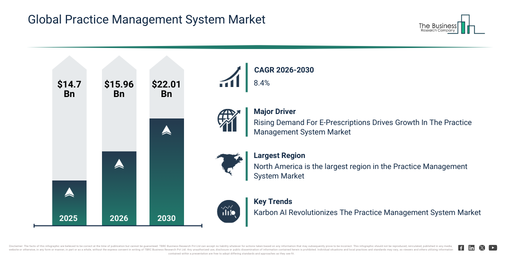
    The practice management system market has experienced robust growth recently. Projections indicate expansion from $14.7 billion in 2025 to $15.96 billion by 2026, demonstrating a compound annual growth rate (CAGR) of 8.6%. Historically, this expansion has been driven by factors such as the increasing digitization of healthcare administration, the growing complexity of billing and claims processing, a rising demand for operational efficiency, the expansion of outpatient care facilities, and the increasing adoption of healthcare IT systems.

    The practice management system market size is projected to experience substantial expansion in the coming years, with its value anticipated to reach $22.01 billion by 2030, exhibiting a compound annual growth rate (CAGR) of 8.4%. This projected growth over the forecast period is primarily driven by increasing investments in cloud healthcare platforms, the rising adoption of AI-driven administrative tools, the expansion of telehealth-integrated systems, a growing emphasis on cybersecurity compliance, and the increasing demand for scalable software solutions. Significant trends during this period are expected to include the escalating adoption of cloud-based practice solutions, a rising demand for integrated billing and EHR systems, an intensified focus on workflow automation, the expansion of data analytics and reporting capabilities, and an enhanced emphasis on regulatory compliance.

    Access Your Free Sample Report For In-Depth Market Analysis:

    https://www.thebusinessresearchcompany.com/sample.aspx?id=13516&type=smp

    Which Strong Drivers Are Impacting The Practice Management System Market Growth?

    The rising adoption of electronic prescriptions is anticipated to drive the expansion of the practice management system market in the coming period. Electronic prescriptions are defined as digital forms of conventional paper prescriptions, which healthcare providers transmit straight to pharmacies or dispensing organizations via electronic means, usually through dedicated software or platforms. Within e-prescriptions, the practice management system serves to automatically populate patient data, ensure the safe prescribing of controlled drugs, and deliver timely alerts and warnings. For example, in May 2024, data from the World Health Organization, an international organization based in Switzerland, indicated that the utilization of digital prescriptions in England reached 3.1 million repeat prescriptions monthly in 2024, showing an increase of over 45% from the preceding year. Consequently, the growing prevalence of e-prescriptions is fueling the expansion of the practice management system market.

    How Is The Practice Management System Market Segmented Across Different Segment Categories?

    The practice management system market covered in this report is segmented –

    1) By Product Type: Standalone, Integrated

    2) By Component: Software, Service

    3) By Mode of Delivery: On-premise, Cloud-based

    4) By End User: Pharmacies, Diagnostic Laboratories, Hospitals, Other End Users

    Subsegments:

    1) By Standalone: Billing And Invoicing Software, Scheduling And Appointment Management Software, Patient Registration And Record Management Software, Revenue Cycle Management (RCM) Solutions, Reporting And Analytics Software

    2) By Integrated: Electronic Health Records (EHR) Integration, Laboratory Management System Integration, Patient Portal And Communication Integration, Accounting And Financial Management Integration, Hospital Information System (HIS) Integration, Telemedicine And Virtual Care Integration

    Which Trends Are Contributing To Changes In The Practice Management System Market?

    Major entities operating within the practice management system market are strategically focusing on incorporating novel technologies, such as Karbon AI, to bolster their market profitability. Karbon AI is an AI tool powered by GPT technology, seamlessly integrated into the leading accounting practice management software, specifically designed to enhance the working efficiency of accountants. For instance, in May 2023, Karbon Inc., a US-based prominent provider of collaborative practice management platforms tailored for accounting firms, introduced Karbon AI, a GPT-based artificial intelligence tool that significantly improves the productivity of accounting firms. Karbon AI’s functionalities encompass summarizing lengthy emails, evaluating the email inbox, and generating email drafts.

    Which Organizations Play A Role In The Practice Management System Market Landscape?

    Major companies operating in the practice management system market are McKesson Corporation, Henry Schein Inc., EPIC Systems Corporation, Allscripts Healthcare Solutions Inc., Athenahealth Inc., CompuGroup Medical SE & Co. KGaA, eClinicalWorks LLC, NextGen Healthcare Information Systems LLC, Medical Information Technology Inc., Practo Technologies Pvt. Ltd., AdvantEdge Healthcare Solutions Inc., CareCloud Corporation, Greenway Health LLC, Modernizing Medicine Inc., Kareo Inc., Advanced Data Systems Corporation, PracticeSuite Inc., AdvancedMD Inc., Practice Fusion Inc., Luma Health, WRS Health, OfficeAlly Inc., DrChrono Inc., TherapyNotes LLC, SimplePractice LLC, CollaborateMD Inc., Accumedic Computer Systems Inc., Cerner Corporation, Oracle Cerner, CPSI Inc.

    Get The Full Practice Management System Market Report:

    https://www.thebusinessresearchcompany.com/report/practice-management-system-global-market-report

    Which Region Is The Top Contributor To The Practice Management System Market By Share?

    North America was the largest region in the practice management system market in 2025. Asia-Pacific is expected to be the fastest-growing region in the forecast period. The regions covered in the practice management system market report are Asia-Pacific, South East Asia, Western Europe, Eastern Europe, North America, South America, Middle East, Africa.

    Request A Customized Practice Management System Market Report For Competitive Insights:

    https://www.thebusinessresearchcompany.com/report/practice-management-system-global-market-report

    Browse Through More Reports Similar to the Global Practice Management System Market 2026, By The Business Research Company

    Postpartum Health Supplements Market Report 2026

    https://www.thebusinessresearchcompany.com/report/postpartum-health-supplements-global-market-report

    Antidepressant Market Report

    https://www.thebusinessresearchcompany.com/report/antidepressant-global-market-report

    Major Depressive Disorder Market Report

    https://www.thebusinessresearchcompany.com/report/major-depressive-disorder-global-market-report

    Get in touch with us:

    The Business Research Company: https://www.thebusinessresearchcompany.com/

    Americas +1 310-496-7795

    Asia +44 7882 955267 & +91 8897263534

    Europe +44 7882 955267

    Email us at info@tbrc.info

    Follow us on:

    LinkedIn: https://in.linkedin.com/company/the-business-research-company

    YouTube: https://www.youtube.com/channel/UC24_fI0rV8cR5DxlCpgmyFQ

    Global Market Model: https://www.thebusinessresearchcompany.com/global-market-model

  • Postpartum Depression Treatment Market to Reach $1.81 Billion by 2030 at 7.2% CAGR

    Postpartum Depression Treatment Market to Reach $1.81 Billion by 2030 at 7.2% CAGR

    The Business Research Company’s 2026 market reports feature enhanced tools like market attractiveness analysis, TAM assessment, and company scoring matrices, along with interactive dashboards, deeper supply chain insights, and startup coverage strengthening the depth, usability, and strategic value of insights.

    What Is The Anticipated Rise In Market Value Of The Postpartum Depression Treatment Market During The Forecast Period?

    The postpartum depression treatment market size has experienced significant growth in recent years. It is anticipated to expand from $1.28 billion in 2025 to $1.37 billion in 2026, at a compound annual growth rate (CAGR) of 7.5%. The historical market expansion can be credited to an increased clinical understanding of postpartum depression, the constrained availability of specialized treatment options, the ongoing use of conventional antidepressants, the broadening of hospital-based mental health services, and the rising adoption of psychotherapy.

    The postpartum depression treatment market is projected to experience substantial expansion in the coming years. This market is anticipated to reach $1.81 billion by 2030, exhibiting a compound annual growth rate (CAGR) of 7.2%. This projected growth is driven by factors such as the increasing approval of innovative postpartum therapeutics, a surge in investments towards maternal mental health research, the expansion of outpatient and home-based treatment approaches, the rising need for personalized medicine, and the greater incorporation of digital therapeutics. Key trends foreseen during this period encompass a growing uptake of combination therapy methods, expanded utilization of telepsychiatry for postpartum care, an increasing call for rapid-acting antidepressants, the development of more hormone-based treatment alternatives, and a heightened emphasis on individualized treatment strategies.

    Access Your Free Sample Report For In-Depth Market Analysis:

    https://www.thebusinessresearchcompany.com/sample.aspx?id=23479&type=smp

    What Key Factors Are Shaping The Postpartum Depression Treatment Market Landscape?

    The market for postpartum depression treatment is anticipated to expand as awareness regarding mental health challenges during pregnancy grows. These issues encompass various emotional, psychological, and psychiatric conditions that can impact expectant mothers. The rise in such issues during pregnancy stems from elevated stress and hormonal shifts, intensifying emotional fragility and complicating women’s ability to manage physical, social, and psychological pressures. Treatment for postpartum depression enhances mental well-being by easing symptoms such as sadness, anxiety, and fatigue, strengthening emotional resilience, and fostering improved mother-child relationships. For example, in October 2024, data from the Maternal Mental Health Leadership Alliance (MMHLA), a US-based nonprofit focused on maternal mental health, indicated that maternal mental health conditions represent the most prevalent pregnancy complication. These conditions impact 800,000 U.S. families each year, with 75% of cases remaining untreated, thereby presenting enduring risks to mothers, infants, and their families. Consequently, the growing recognition of mental health challenges during pregnancy is fueling the expansion of the postpartum depression treatment market.

    What Are The Main Segments Within The Postpartum Depression Treatment Market Segment Structure?

    The postpartum depression treatment market covered in this report is segmented –

    1) By Type: Postpartum Anxiety, Postpartum Blues, Postpartum Post-Traumatic Stress Disorder (PTSD), Postpartum Obsessive-Compulsive Disorder (OCD), Postpartum Panic Disorder, Postpartum Psychosis

    2) By Treatment Type: Antidepressants, Hormone Therapy, Psychotherapy, Other Treatment Types

    3) By Patient Demographics: Adolescents, Adults

    4) By Distribution Channel: Hospital Pharmacies, Retail Pharmacies, Online Pharmacies

    Subsegments:

    1) By Postpartum Anxiety: Cognitive Behavioral Therapy (CBT), Antidepressant Medications, Hormonal Therapy, Support Groups And Counseling

    2) By Postpartum Blues: Psychotherapy, Supportive Care, Short-Term Medication

    3) By Postpartum Post-Traumatic Stress Disorder (PTSD): Trauma-Focused Cognitive Behavioral Therapy (TF-CBT), Eye Movement Desensitization And Reprocessing (EMDR), Medication, Peer Support Groups

    4) By Postpartum Obsessive-Compulsive Disorder (OCD): Exposure And Response Prevention (ERP), Antidepressant Medications (SSRIs), Cognitive Behavioral Therapy (CBT), Supportive Therapy

    5) By Postpartum Panic Disorder: Cognitive Behavioral Therapy (CBT), Antidepressants And Anti-Anxiety Medications, Relaxation Techniques, Psychotherapy

    6) By Postpartum Psychosis: Antipsychotic Medications, Mood Stabilizers, Electroconvulsive Therapy (ECT)

    What Market Trends Are Affecting The Postpartum Depression Treatment Market?

    Leading companies within the postpartum depression treatment market are prioritizing innovations in both diagnosis and treatment, specifically focusing on prescription digital postpartum depression treatment, to improve patient outcomes and accessibility. Prescription digital postpartum depression treatment refers to digital therapeutics (DTx) that have undergone clinical validation and are prescribed by healthcare providers to help manage and treat postpartum depression (PPD). As an example, in April 2024, Curio Digital Therapeutics Inc., a digital health company based in the US, secured Food and Drug Administration (FDA) clearance for MamaLift Plus, marking it as the inaugural prescription digital therapeutic designed for postpartum depression (PPD). This eight-week initiative provides digital CBT, BAT, IPT, and DBT delivered via a mobile device, all under the guidance of a healthcare provider. A key study revealed a significantly higher rate of clinically meaningful improvement in EPDS scores among MamaLift Plus users when contrasted with a control group. This regulatory approval offers women a non-pharmaceutical choice for addressing mild to moderate PPD.

    Who Are The Companies Participating In The Postpartum Depression Treatment Market?

    Major companies operating in the postpartum depression treatment market are LifeStance Health Inc., Max Healthcare Institute Limited, American Well Corporation, Sakra Premium Hospital Private Limited, Talkspace Inc., Mental Health America, Seven Cups Inc., Marinus Pharmaceuticals Inc., Beyond Blue Ltd, Blooming Wellness Center, Sage Therapeutics Inc., Nurx Inc., Curio Digital Therapeutics Inc., Genesis Lifestyle Medicine, Postpartum Society Of Florida, TalktoAngel, The Motherhood Center, Otsuka Pharmaceutical Co Ltd, Lundbeck A S, Eli Lilly And Company, Pfizer Inc., Johnson And Johnson

    Get The Full Postpartum Depression Treatment Market Report:

    https://www.thebusinessresearchcompany.com/report/postpartum-depression-treatment-global-market-report

    Which Region Represents The Largest Share Of The Postpartum Depression Treatment Market?

    North America was the largest region in the postpartum depression treatment market in 2025. Asia-Pacific is expected to be the fastest-growing region in the forecast period. The regions covered in the postpartum depression treatment market report are Asia-Pacific, South East Asia, Western Europe, Eastern Europe, North America, South America, Middle East, Africa.

    Request A Customized Postpartum Depression Treatment Market Report For Competitive Insights:

    https://www.thebusinessresearchcompany.com/report/postpartum-depression-treatment-global-market-report

    Browse Through More Reports Similar to the Global Postpartum Depression Treatment Market 2026, By The Business Research Company

    Postpartum Health Supplements Market Report 2026

    https://www.thebusinessresearchcompany.com/report/postpartum-health-supplements-global-market-report

    Major Depressive Disorder Market Report

    https://www.thebusinessresearchcompany.com/report/major-depressive-disorder-global-market-report

    Antidepressant Market Report

    https://www.thebusinessresearchcompany.com/report/antidepressant-global-market-report

    Get in touch with us:

    The Business Research Company: https://www.thebusinessresearchcompany.com/

    Americas +1 310-496-7795

    Asia +44 7882 955267 & +91 8897263534

    Europe +44 7882 955267

    Email us at info@tbrc.info

    Follow us on:

    LinkedIn: https://in.linkedin.com/company/the-business-research-company

    YouTube: https://www.youtube.com/channel/UC24_fI0rV8cR5DxlCpgmyFQ

    Global Market Model: https://www.thebusinessresearchcompany.com/global-market-model

  • Radiation Dose Management Market to Reach $2.27 Billion by 2030

    Radiation Dose Management Market to Reach $2.27 Billion by 2030

    The Business Research Company’s 2026 market reports feature enhanced tools like market attractiveness analysis, TAM assessment, and company scoring matrices, along with interactive dashboards, deeper supply chain insights, and startup coverage strengthening the depth, usability, and strategic value of insights.

    What Is The Estimated Market Size Of The Radiation Dose Management Market In 2026, And How Will Its Value Evolve By 2030?

    The radiation dose management market size has seen rapid growth in recent years. This market is set to expand from $1.02 billion in 2025 to $1.21 billion in 2026, achieving a compound annual growth rate (CAGR) of 19.3%. The historical increase can be attributed to the growing application of advanced diagnostic imaging, greater recognition of radiation safety, the expansion of CT and fluoroscopy procedures, the enforcement of radiation dose regulations, and the adoption of fundamental dose monitoring tools.

    The radiation dose management market is anticipated to experience swift expansion in the upcoming years. Its value is projected to reach $2.27 billion by 2030, exhibiting a compound annual growth rate (CAGR) of 17.0%. This growth during the forecast period is fueled by increasing investments in intelligent imaging systems, a rising demand for patient-centric radiation safety, the expansion of integrated hospital IT infrastructure, the growing adoption of predictive analytics in imaging, and a heightened focus on value-based healthcare. Significant trends expected during this period include the increasing uptake of AI-based dose optimization software, a rising integration of real-time dose monitoring systems, the growing utilization of cloud-based radiation analytics platforms, an expansion of multi-modality dose management solutions, and an enhanced emphasis on regulatory dose reporting compliance.

    Access Your Free Sample Report For In-Depth Market Analysis:

    https://www.thebusinessresearchcompany.com/sample.aspx?id=15912&type=smp

    What Key Drivers Are Fueling The Growth Of The Radiation Dose Management Market?

    The anticipated surge in cancer diagnoses is set to drive the expansion of the radiation dose management market in the foreseeable future. Cancer encompasses a range of diseases marked by the uncontrolled proliferation and dissemination of atypical cells within the body, which can aggregate into a mass or tumor. The rise in cancer incidents is attributable to various complex and interconnected factors, such as inherited predispositions, lifestyle choices, genetic influences, environmental exposures, and the aging global population. Within cancer treatment, radiation dose management systems are utilized to achieve accurate diagnoses and effective therapies, thereby minimizing potential risks linked to radiation exposure. For example, in February 2024, the World Health Organization (WHO), a Switzerland-based intergovernmental entity, projected more than 35 million new cancer cases by 2050, indicating a 77% increase from the estimated 20 million cases in 2022. Thus, the escalating count of cancer cases is propelling the growth of the radiation dose management market.

    How Is Segmentation Applied In The Radiation Dose Management Market Segment Analysis?

    The radiation dose management market covered in this report is segmented –

    1) By Component: Software, Services

    2) By Modality: Computed Tomography, Fluoroscopy And Interventional Imaging, Radiography And Mammography, Nuclear Medicine

    3) By Application: Oncology, Cardiology, Orthopedic Applications, Other Applications

    4) By End-User: Hospitals, Ambulatory Care Setting, Other End-Users

    Subsegments:

    1) By Software: Dose Monitoring Software, Dose Calculation Software, Reporting And Analytics Software

    2) By Services: Consulting Services, Implementation And Integration Services, Training And Support Services

    What Trends Are Influencing The Radiation Dose Management Market?

    Leading firms within the radiation dose management market are enhancing their technological capacities through the deployment of cutting-edge solutions, notably personal electronic dosimeters, aimed at boosting real-time observation and elevating radiation safety standards. These personal electronic dosimeters are small, easy-to-carry instruments providing immediate data on the nature and level of radiation exposure encountered during work, empowering personnel to implement protective measures promptly. An example of this is the introduction in April 2024 by Mirion Technologies Inc., a US-based company specializing in radiation monitoring solutions, of the Instadose VUE, their advanced wireless dosimeter. This device facilitates wireless transfer of data, features an integrated dose display, and triggers automatic notifications when exposure limits are surpassed, thereby contributing to quicker, more precise radiation dose evaluations and better safety oversight.

    Who Are The Companies Participating In The Radiation Dose Management Market Environment?

    Major companies operating in the radiation dose management market are INFINITT Healthcare Co. Ltd., Bayer AG, Canon Inc., Siemens Healthcare, FUJIFILM Holdings Corporation, Philips Healthcare, GE Healthcare, Fortive Corporation, Mindray Medical International Limited, Sectra AB, Bracco Imaging S.P.A., Neusoft Medical Systems, United Imaging Healthcare, Agfa Gevaert Group, Dedalus S.P.A, Guerbet, Mirion Technologies Inc., Landauer, Novarad Corporation, Volpara Health Limited, Medic Vision, PACSHealth LLC, Medsquare, Nanjing Perlove Medical Equipment Co. Ltd., Carestream Health, Konica Minolta Healthcare, Hitachi Healthcare, Esaote S.p.A., Shimadzu Corporation, Toshiba Medical Systems

    Get The Full Radiation Dose Management Market Report:

    https://www.thebusinessresearchcompany.com/report/radiation-dose-management-global-market-report

    Which Region Has The Greatest Market Share In The Radiation Dose Management Market?

    North America was the largest region in the radiation dose management market in 2025. Asia-Pacific is expected to be the fastest-growing region in the forecast period. The regions covered in the radiation dose management market report are Asia-Pacific, South East Asia, Western Europe, Eastern Europe, North America, South America, Middle East, Africa.

    Request A Customized Radiation Dose Management Market Report For Competitive Insights:

    https://www.thebusinessresearchcompany.com/report/radiation-dose-management-global-market-report

    Browse Through More Reports Similar to the Global Radiation Dose Management Market 2026, By The Business Research Company

    Polyclonal Antibodies Market Report 2026

    https://www.thebusinessresearchcompany.com/report/polyclonal-antibodies-global-market-report

    Mammalian Polyclonal Immunoglobulin G Igg Antibody Market Report

    https://www.thebusinessresearchcompany.com/report/mammalian-polyclonal-immunoglobulin-g-igg-antibody-global-market-report

    Antibody Discovery Market Report

    https://www.thebusinessresearchcompany.com/report/antibody-discovery-global-market-report

    Get in touch with us:

    The Business Research Company: https://www.thebusinessresearchcompany.com/

    Americas +1 310-496-7795

    Asia +44 7882 955267 & +91 8897263534

    Europe +44 7882 955267

    Email us at info@tbrc.info

    Follow us on:

    LinkedIn: https://in.linkedin.com/company/the-business-research-company

    YouTube: https://www.youtube.com/channel/UC24_fI0rV8cR5DxlCpgmyFQ

    Global Market Model: https://www.thebusinessresearchcompany.com/global-market-model
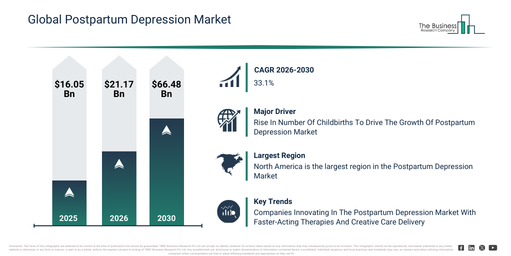
  • Global Postpartum Depression Market to Hit $66.47 Billion by 2030 at 33.1% CAGR

    Global Postpartum Depression Market to Hit $66.47 Billion by 2030 at 33.1% CAGR

    The Business Research Company’s 2026 market reports feature enhanced tools like market attractiveness analysis, TAM assessment, and company scoring matrices, along with interactive dashboards, deeper supply chain insights, and startup coverage strengthening the depth, usability, and strategic value of insights.

    How Is The Market Size Of The Postpartum Depression Market Expected To Scale Between 2026 And 2030?

    The postpartum depression market size has expanded significantly in recent years. It is projected to increase from $16.05 billion in 2025 to $21.17 billion in 2026, achieving a compound annual growth rate (CAGR) of 31.9%. The historical growth of this market can be linked to factors such as a heightened recognition of maternal mental health disorders, inadequate early screening practices, prevalent underdiagnosis within postpartum care environments, a continued reliance on traditional counseling approaches, and the expansion of hospital-based maternal care services.

    The postpartum depression market size is anticipated to experience substantial growth over the next few years. It is projected to reach $66.48 billion by 2030, advancing at a compound annual growth rate (CAGR) of 33.1%. This expansion during the forecast period can be linked to the greater adoption of digital screening tools, a heightened focus on preventive maternal healthcare, the broadening of tele-mental health services, an increase in investment for women’s mental health programs, and the enhanced incorporation of mental health into obstetric care. Significant trends expected in the forecast period involve increased awareness and screening for postpartum mental health, the growing acceptance of digital mental health platforms, a stronger emphasis on early diagnosis and intervention, the extension of community-based support programs, and improved integration of mental health services within maternal care.

    Access Your Free Sample Report For In-Depth Market Analysis:

    https://www.thebusinessresearchcompany.com/sample.aspx?id=13024&type=smp

    Which Factors Are Influencing The Growth Of The Postpartum Depression Market?

    The increasing number of childbirths is projected to boost the growth of the postpartum depression market. Childbirth is defined as the process by which a baby exits the mother’s uterus, typically through the vaginal canal. This rise in births impacts the postpartum depression market as postpartum depression (PPD) is a prevalent mental health condition affecting women after delivery, leading to symptoms like sadness, anxiety, fatigue, and difficulties in bonding with the infant. For instance, in January 2023, a report from the Centers for Disease Control and Prevention, a US-based national public health organization, revealed that the United States experienced a 1% increase in registered births, reaching 3,664,292, compared to the prior year. Thus, the growing number of childbirths is a key factor driving the expansion of the postpartum depression market.

    How Is Segmentation Applied In The Postpartum Depression Market Segment Analysis?

    The postpartum depression market covered in this report is segmented –

    1) By Types: Postpartum Blues, Postpartum Anxiety, Postpartum Obsessive Compulsive Disorder, Postpartum Panic Disorder, Postpartum Post-Traumatic Stress Disorder, Postpartum Psychosis, Other Types

    2) By Treatment: Psychotherapy, Medication, Supplements, Other Treatments

    3) By Route of Administration: Oral, Parenteral, Other Route Of Administration

    4) By Distribution Channel: Hospital Pharmacy, Retail Pharmacy, Online Pharmacy, Other Distribution Channels

    5) By End-Users: Hospitals, Specialty Clinics, Homecare, Other End-Users

    Subsegments:

    1) By Postpartum Blues: Mild Emotional Disturbances, Short-term Mood Swings

    2) By Postpartum Anxiety: Generalized Anxiety Disorder (GAD), Panic Attacks

    3) By Postpartum Obsessive Compulsive Disorder: Intrusive Thoughts, Compulsive Behaviors

    4) By Postpartum Panic Disorder: Sudden Panic Attacks, Physical Symptoms

    5) By Postpartum Post-Traumatic Stress Disorder (PTSD): Trauma Response To Childbirth, Flashbacks And Anxiety

    6) By Postpartum Psychosis: Hallucinations, Severe Mood Swings

    7) By Other Types: Mixed Mood Disorders, Comorbid Conditions With Postpartum

    Which Trends Are Influencing Demand In The Postpartum Depression Market?

    Leading companies operating in the postpartum depression market are concentrating on new product innovations, such as achieving regulatory milestones to improve the development and potential approval pathway for zuranolone, intended for major depressive disorder and postpartum depression. A regulatory milestone denotes a significant event in the lifecycle of a drug or medical product, marking progress within the approval or compliance process set by governmental authorities. For example, in February 2023, Biogen Inc., a US-based biotechnology company, and Sage Therapeutics Inc., a US-based biopharmaceutical company, disclosed that the United States Food and Drug Administration (FDA) had accepted the filing of a new drug application (NDA) for zuranolone to manage major depressive disorder (MDD) and postpartum depression (PPD). Zuranolone is an experimental medication being tested as a 14-day, once-daily, rapid-acting oral therapy for individuals with MDD and PPD. This neuroactive steroid functions as a positive allosteric modulator of GABA-A receptors, representing a unique mechanism of action. It is anticipated to work in persons with depression by quickly resetting dysregulated neural networks to help restore brain function, impacting brain networks that control mood, arousal, behavior, and even cognition.

    Who Are The Companies Participating In The Postpartum Depression Market Environment?

    Major companies operating in the postpartum depression market are Pfizer Inc., Johnson & Johnson, Merck & Co., AbbVie Inc., Novartis AG, Sanofi SA, Bristol Myers Squibb Co., AstraZeneca plc, GlaxoSmithKline LLC, Takeda Pharmaceutical Company, Eli Lilly and Company, Viatris Inc., Teva Pharmaceutical Industries Ltd., Biogen Inc., Sun Pharmaceutical Industries Ltd., Lupin Pharmaceuticals, Mallinckrodt Pharmaceuticals plc, Sage Therapeutics Inc., Otsuka Pharmaceutical Co. Ltd., Lundbeck A S, Janssen Pharmaceuticals, Aurobindo Pharma Ltd.

    Get The Full Postpartum Depression Market Report:

    https://www.thebusinessresearchcompany.com/report/postpartum-depression-global-market-report

    Which Geographic Region Dominates The Postpartum Depression Market?

    North America was the largest region in the postpartum depression market in 2025. The regions covered in the postpartum depression market report are Asia-Pacific, South East Asia, Western Europe, Eastern Europe, North America, South America, Middle East, Africa.

    Request A Customized Postpartum Depression Market Report For Competitive Insights:

    https://www.thebusinessresearchcompany.com/report/postpartum-depression-global-market-report

    Browse Through More Reports Similar to the Global Postpartum Depression Market 2026, By The Business Research Company

    Postpartum Health Supplements Market Report 2026

    https://www.thebusinessresearchcompany.com/report/postpartum-health-supplements-global-market-report

    Wellness Supplements Market Report

    https://www.thebusinessresearchcompany.com/report/wellness-supplements-global-market-report

    Immune Health Supplements Market Report

    https://www.thebusinessresearchcompany.com/report/immune-health-supplements-global-market-report

    Get in touch with us:

    The Business Research Company: https://www.thebusinessresearchcompany.com/

    Americas +1 310-496-7795

    Asia +44 7882 955267 & +91 8897263534

    Europe +44 7882 955267

    Email us at info@tbrc.info

    Follow us on:

    LinkedIn: https://in.linkedin.com/company/the-business-research-company

    YouTube: https://www.youtube.com/channel/UC24_fI0rV8cR5DxlCpgmyFQ

    Global Market Model: https://www.thebusinessresearchcompany.com/global-market-model
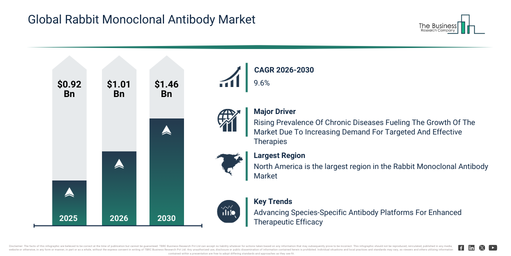
  • Rabbit Monoclonal Antibody Market to Reach $1.45 Billion by 2030 at 9.6% CAGR

    Rabbit Monoclonal Antibody Market to Reach $1.45 Billion by 2030 at 9.6% CAGR

    The Business Research Company’s 2026 market reports feature enhanced tools like market attractiveness analysis, TAM assessment, and company scoring matrices, along with interactive dashboards, deeper supply chain insights, and startup coverage strengthening the depth, usability, and strategic value of insights.

    How Does The Market Size Of The Rabbit Monoclonal Antibody Market Compare Between 2026 And 2030?

    The rabbit monoclonal antibody market has experienced substantial growth in recent years. Its value is expected to rise from $0.92 billion in 2025 to $1.01 billion in 2026, achieving a compound annual growth rate (CAGR) of 9.9%. Historical growth in this market can be linked to the widening array of protein research applications, the increasing requirement for sensitive detection reagents, the expanded use of immunohistochemistry, elevated funding for biomedical research, and the accessibility of hybridoma technologies.

    The rabbit monoclonal antibody market size is anticipated to undergo significant expansion in the upcoming years. It is projected to reach $1.46 billion by 2030, demonstrating a compound annual growth rate (CAGR) of 9.6%. This expected growth during the forecast period is driven by factors such as the increasing demand for precision diagnostics, the rising application of antibodies in drug discovery, the expansion of personalized medicine research, the growing adoption of recombinant antibody platforms, and an increasing focus on optimizing assay sensitivity. Furthermore, prominent trends for the forecast period include the increasing use of rabbit antibodies for challenging epitopes, their rising adoption in advanced diagnostics, a growing preference for high-affinity antibodies, the expansion of recombinant rabbit antibody production, and an enhanced focus on analytical sensitivity.

    Access Your Free Sample Report For In-Depth Market Analysis:

    https://www.thebusinessresearchcompany.com/sample.aspx?id=30364&type=smp

    Which Drivers Are Supporting The Rabbit Monoclonal Antibody Market Growth?

    The increasing occurrence of chronic illnesses is anticipated to drive the expansion of the rabbit monoclonal antibody market in the future. These are long-term health issues that progress gradually and persist for a considerable duration, frequently necessitating ongoing medical attention. The growing prevalence of chronic diseases is partly linked to sedentary habits, since extended periods of sitting and insufficient physical activity heighten the risk of conditions like heart disease and diabetes. Rabbit monoclonal antibodies contribute to treating chronic diseases by offering highly precise and strong targeting of proteins associated with the illness. These antibodies boost treatment accuracy, minimize unintended side effects, and improve therapeutic effectiveness, leading to improved patient results and more efficient drug development. An example shows that in June 2024, data from the National Health Service, a UK government body, indicated 3,615,330 individuals registered with a general practitioner (GP) were diagnosed with non-diabetic hyperglycemia or pre-diabetes (a state of elevated blood sugar not yet meeting diabetes criteria) in 2023. This represents an 18% rise from the 3,065,825 cases recorded in 2022. Consequently, the expanding occurrence of chronic illnesses is propelling the expansion of the rabbit monoclonal antibody market.

    What Segment Categories Shape The Rabbit Monoclonal Antibody Market Segment Landscape?

    The rabbit monoclonal antibody market covered in this report is segmented –

    1) By Type: Immunoglobulin G (IgG), Immunoglobulin M (IgM), Immunoglobulin A (IgA), Immunoglobulin E (IgE), Immunoglobulin D (IgD)

    2) By Application: Diagnostics, Therapeutics, Research, Drug Discovery, Immunohistochemistry

    3) By End User: Pharmaceutical Companies, Academic And Research Institutions, Diagnostic Laboratories, Contract Research Organizations, Biotechnology Companies

    Subsegments:

    1) By Immunoglobulin G (IgG): Subclass 1 Immunoglobulin G, Subclass 2 Immunoglobulin G, Subclass 3 Immunoglobulin G, Subclass 4 Immunoglobulin G

    2) By Immunoglobulin M (IgM): Pentameric Immunoglobulin M, Monomeric Immunoglobulin M

    3) By Immunoglobulin A (IgA): Serum Immunoglobulin A, Secretory Immunoglobulin A

    4) By Immunoglobulin E (IgE): Allergen Specific Immunoglobulin E, Total Immunoglobulin E

    5) By Immunoglobulin D (IgD): Membrane Bound Immunoglobulin D, Secreted Immunoglobulin D

    Which Trends Are Expected To Impact The Rabbit Monoclonal Antibody Market?

    Leading companies in the rabbit monoclonal antibody market are prioritizing the creation of advanced platforms, including species-specific antibody development, to elevate therapeutic effectiveness, sharpen target specificity, and lower immunogenicity. Species-specific antibody development involves the strategic utilization of different animal immune systems to generate antibodies with distinctive binding characteristics and strong affinity for challenging drug targets. In September 2024, ImmunoPrecise Antibodies Ltd., an AI-driven biotherapeutic research and technology company based in Canada, announced significant breakthroughs concerning its rabbit antibody platforms. This species-specific antibody exhibited considerable clinical advancement through its B Cell Select platform, which is integrated with LENSai artificial intelligence technology for automated antibody discovery and optimization. This system merges automation with AI-driven analytics to swiftly identify high-affinity rabbit monoclonal antibodies while preserving their native structures. This strategy improves clinical translation efficiency, quickens target validation, diminishes development timelines, and enhances reproducibility in therapeutic antibody programs.

    Who Are The Companies Operating Across The Rabbit Monoclonal Antibody Market Value Chain?

    Major companies operating in the rabbit monoclonal antibody market are F. Hoffmann-La Roche Ltd., Merck KGaA, Thermo Fisher Scientific Inc., Bio-Rad Laboratories Inc., Bio-Techne Corporation, Elabscience Biotechnology Inc., GenScript Biotech Corporation, Takara Bio Inc., Rockland Immunochemicals Inc., Creative Biolabs Inc., Bioss Antibodies Inc., Cell Signaling Technology Inc., MyBioSource Inc., Boster Biological Technology Co. Ltd., GeneTex Inc., Proteintech Group Inc., Santa Cruz Biotechnology Inc., AvantGen Inc., ImmunoWay Biotechnology Company, Abcam plc

    Get The Full Rabbit Monoclonal Antibody Market Report:

    https://www.thebusinessresearchcompany.com/report/global-rabbit-monoclonal-antibody-market-report

    Which Region Accounts For The Largest Portion Of The Rabbit Monoclonal Antibody Market?

    North America was the largest region in the rabbit monoclonal antibody market in 2025. Asia-Pacific is expected to be the fastest-growing region in the forecast period. The regions covered in the rabbit monoclonal antibody market report are Asia-Pacific, South East Asia, Western Europe, Eastern Europe, North America, South America, Middle East, Africa.

    Request A Customized Rabbit Monoclonal Antibody Market Report For Competitive Insights:

    https://www.thebusinessresearchcompany.com/report/global-rabbit-monoclonal-antibody-market-report

    Browse Through More Reports Similar to the Global Rabbit Monoclonal Antibody Market 2026, By The Business Research Company

    Quantum Computing In Healthcare Market Report 2026

    https://www.thebusinessresearchcompany.com/report/quantum-computing-in-healthcare-global-market-report

    Enterprise Quantum Computing Market Report

    https://www.thebusinessresearchcompany.com/report/enterprise-quantum-computing-global-market-report

    Quantum Computing And Technologies Market Report

    https://www.thebusinessresearchcompany.com/report/quantum-computing-and-technologies-global-market-report

    Get in touch with us:

    The Business Research Company: https://www.thebusinessresearchcompany.com/

    Americas +1 310-496-7795

    Asia +44 7882 955267 & +91 8897263534

    Europe +44 7882 955267

    Email us at info@tbrc.info

    Follow us on:

    LinkedIn: https://in.linkedin.com/company/the-business-research-company

    YouTube: https://www.youtube.com/channel/UC24_fI0rV8cR5DxlCpgmyFQ

    Global Market Model: https://www.thebusinessresearchcompany.com/global-market-model