Category: Healthcare Services

  • Quantum-Enhanced Predictive Genomics Market to Approach $8.36 Billion by 2030

    Quantum-Enhanced Predictive Genomics Market to Approach $8.36 Billion by 2030

    The Business Research Company’s 2026 market reports feature enhanced tools like market attractiveness analysis, TAM assessment, and company scoring matrices, along with interactive dashboards, deeper supply chain insights, and startup coverage strengthening the depth, usability, and strategic value of insights.

    What Is The Forecasted Market Size Trajectory Of The Quantum-Enhanced Predictive Genomics Market From 2026 To 2030?

    The market for quantum-enhanced predictive genomics has experienced exponential growth over recent years. This market is projected to expand from $1.95 billion in 2025 to reach $2.61 billion by 2026, demonstrating a compound annual growth rate (CAGR) of 34.0%. Factors contributing to its historical expansion include progress in genomic sequencing technologies, an increase in large-scale genomic datasets, the early adoption of quantum computing in research, a heightened emphasis on personalized medicine, and the broader development of bioinformatics capabilities.

    The quantum-enhanced predictive genomics market is projected to experience significant expansion in the coming years, reaching $8.36 billion by 2030, with a compound annual growth rate (CAGR) of 33.7%. This growth during the forecast period is fueled by several factors, including the increasing availability of commercial quantum computing platforms, rising investment in precision medicine research, a growing demand for predictive healthcare analytics, the expansion of quantum machine learning applications, and increasing collaboration between genomics and quantum technology firms. Prominent trends throughout this period involve the increasing adoption of quantum-based genomic modeling, a rising use of hybrid quantum-classical analytics, a growing focus on high-dimensional biomarker discovery, the expansion of cloud-based quantum genomics platforms, and an enhanced emphasis on predictive disease risk modeling.

    Access Your Free Sample Report For In-Depth Market Analysis:

    https://www.thebusinessresearchcompany.com/sample.aspx?id=28308&type=smp

    What Key Factors Are Affecting The Quantum-Enhanced Predictive Genomics Market Demand?

    The quantum-enhanced predictive genomics market is anticipated to expand due to the increasing need for personalized medicine. This medical approach involves tailoring healthcare, treatments, and prevention strategies to an individual’s distinct genetic, biological, and clinical profile. The surge in demand for personalized medicine stems from its improved treatment effectiveness, as therapies customized to a person’s genetic makeup have led to better outcomes and fewer adverse reactions. Quantum-enhanced predictive genomics supports personalized medicine by enabling ultra-fast analysis of complex genomic data, empowering clinicians to design highly precise, individualized treatment and prevention strategies. For instance, in 2024, according to NHS England, a UK-based public health system, the NHS genomic medicine service delivered over 810,000 personalized genomic tests for patients, an 8% increase from 2023, showcasing a rising clinical demand for genomic-led care. Therefore, the growing demand for personalized medicine is expected to drive the growth of the quantum-enhanced predictive genomics market.

    Which Segment Types Are Examined In The Quantum-Enhanced Predictive Genomics Market Segment Study?

    The quantum-enhanced predictive genomics market covered in this report is segmented –

    1) By Technology: Quantum Computing, Quantum Machine Learning, Quantum Cryptography, Other Technologies

    2) By Deployment Mode: On-Premises, Cloud-Based

    3) By Application: Disease Risk Assessment, Drug Discovery, Personalized Medicine, Genomic Data Analysis, Other Applications

    4) By End-User: Pharmaceutical And Biotechnology Companies, Research Institutes, Healthcare Providers, Other End-Users

    Subsegments:

    1) By Quantum Computing: Gate Based Quantum Computing, Quantum Annealing, Topological Quantum Computing, Photonic Quantum Computing

    2) By Quantum Machine Learning: Supervised Learning, Unsupervised Learning, Reinforcement Learning, Deep Learning

    3) By Quantum Cryptography: Quantum Key Distribution, Quantum Random Number Generation, Quantum Secure Communication, Post Quantum Cryptography

    4) By Other Technologies: Quantum Sensors, Quantum Simulation, Quantum Networking, Hybrid Quantum Classical Systems

    What Trends Are Influencing Changes In The Quantum-Enhanced Predictive Genomics Market?

    Leading companies within the quantum-enhanced predictive genomics market are prioritizing innovations such as high-throughput genomic data processing. This focus is aimed at expediting the identification of genetic variations, enhancing predictive accuracy in personalized medicine, and enabling faster, more precise analysis of complex genomic datasets. High-throughput genomic data processing itself entails the rapid, large-scale examination of genomic sequences using advanced computational methods. As an illustration, in June 2025, Norma Group, a Germany-based developer and manufacturer of engineered and standardized joining and fluid-handling technology, entered into a partnership with Seoul National University Bundang Hospital (SNUBH) to apply quantum algorithms to large-scale genomic analysis. The objective of this project is to accelerate the detection of genetic mutations using quantum-enhanced combinatorial optimization, consequently improving both the speed and accuracy of genomic data processing beyond the capabilities of classical computing methods. Significant applications include precision diagnostics, personalized treatment planning, and genetic risk assessment for illnesses such as cancer and neurological disorders.

    Which Players Are Part Of The Competitive Landscape Of The Quantum-Enhanced Predictive Genomics Market?

    Major companies operating in the quantum-enhanced predictive genomics market are Google LLC, Microsoft Corporation, Alibaba Group Holding Limited, Amazon Web Services, Inc., F. Hoffmann-La Roche AG, Accenture plc, IBM Corporation, Honeywell International Inc., Fujitsu Limited, Eviden, Xanadu Quantum Technologies Inc., Pasqal SA, Rigetti Computing, Inc., IonQ, Inc., D-Wave Systems Inc., Quantinuum, Atom Computing, Inc., Alice & Bob, QC Ware Corp., PsiQuantum, Inc., QuEra Computing, Inc., Quandela, Quantum Motion Ltd., Amazon.com, Inc., Intel Corporation, Cambridge Quantum Computing Ltd., Atos SE, NEC Corporation

    Get The Full Quantum-Enhanced Predictive Genomics Market Report:

    https://www.thebusinessresearchcompany.com/report/quantum-enhanced-predictive-genomics-global-market-report

    Which Region Holds The Highest Market Share In The Quantum-Enhanced Predictive Genomics Market?

    North America was the largest region in the quantum-enhanced predictive genomics market in 2025. Asia-Pacific is expected to be the fastest-growing region in the forecast period. The regions covered in the quantum-enhanced predictive genomics market report are Asia-Pacific, South East Asia, Western Europe, Eastern Europe, North America, South America, Middle East, Africa.

    Request A Customized Quantum-Enhanced Predictive Genomics Market Report For Competitive Insights:

    https://www.thebusinessresearchcompany.com/report/quantum-enhanced-predictive-genomics-global-market-report

    Browse Through More Reports Similar to the Global Quantum-Enhanced Predictive Genomics Market 2026, By The Business Research Company

    Cerebral Palsy Treatment Market Report 2026

    https://www.thebusinessresearchcompany.com/report/cerebral-palsy-treatment-global-market-report

    Rare Neurological Disease Treatment Market Report

    https://www.thebusinessresearchcompany.com/report/rare-neurological-disease-treatment-global-market-report

    Chronic Venous Occlusions Treatment Market Report

    https://www.thebusinessresearchcompany.com/report/chronic-venous-occlusions-treatment-global-market-report

    Get in touch with us:

    The Business Research Company: https://www.thebusinessresearchcompany.com/

    Americas +1 310-496-7795

    Asia +44 7882 955267 & +91 8897263534

    Europe +44 7882 955267

    Email us at info@tbrc.info

    Follow us on:

    LinkedIn: https://in.linkedin.com/company/the-business-research-company

    YouTube: https://www.youtube.com/channel/UC24_fI0rV8cR5DxlCpgmyFQ

    Global Market Model: https://www.thebusinessresearchcompany.com/global-market-model
  • Postoperative Nausea and Vomiting Market to Reach $3.12 Billion by 2030 at 6.7% CAGR

    Postoperative Nausea and Vomiting Market to Reach $3.12 Billion by 2030 at 6.7% CAGR

    The Business Research Company’s 2026 market reports feature enhanced tools like market attractiveness analysis, TAM assessment, and company scoring matrices, along with interactive dashboards, deeper supply chain insights, and startup coverage strengthening the depth, usability, and strategic value of insights.

    What Level Of Market Value Growth Is Predicted For The Post-Operative Nausea And Vomiting Market From 2026 To 2030?

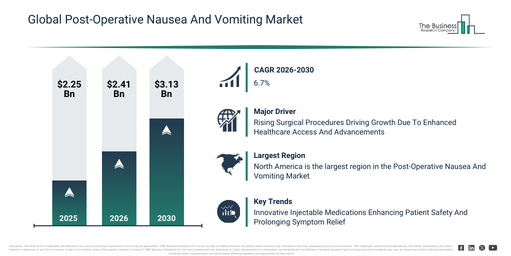
    The market size for post-operative nausea and vomiting has experienced substantial growth in recent years. This market is anticipated to expand from $2.25 billion in 2025 to $2.41 billion in 2026, demonstrating a compound annual growth rate (CAGR) of 7.0%. The historical increase can be attributed to several factors, including rising surgical procedure volumes, a broader adoption of general anesthesia, the availability of serotonin antagonist drugs, the expansion of hospital surgical infrastructure, and improved post-operative care guidelines.

    The market for post-operative nausea and vomiting is projected to experience substantial growth in the coming years, reaching $3.13 billion by 2030, exhibiting a compound annual growth rate (CAGR) of 6.7%. This anticipated expansion throughout the forecast period stems from factors such as an increasing need for individualized anesthesia care, the greater implementation of preventive antiemetic strategies, the proliferation of ambulatory surgical facilities, a heightened emphasis on measures of patient satisfaction, and increased financial commitments to advancements in perioperative care. Key trends expected during this period involve the increasing integration of multimodal PONV management approaches, the heightened utilization of combined antiemetic treatments, a greater concentration on risk-stratified protocols, the broadening scope of non-pharmacological methods, and an amplified focus on improving patient comfort and recovery.

    Access Your Free Sample Report For In-Depth Market Analysis:

    https://www.thebusinessresearchcompany.com/sample.aspx?id=22109&type=smp

    What Leading Drivers Are Supporting The Post-Operative Nausea And Vomiting Market Expansion?

    An anticipated expansion in the post-operative nausea and vomiting market is linked to the growing volume of surgical procedures. These medical interventions involve the use of instruments to diagnose, treat, or excise compromised tissues, organs, or anomalies through incision or manipulation. The upward trend in surgical procedures is attributed to advances in medical technology, which have made operations safer, more effective, and less invasive, thereby increasing patient willingness and broad application. Effective management of post-operative nausea and vomiting improves surgical processes by boosting patient comfort, shortening recovery periods, reducing the likelihood of complications, facilitating easier post-operative care, and ultimately leading to better surgical outcomes. For example, in November 2024, data from the Australian Institute of Health and Welfare, an Australia-based government agency, indicated that during the 2023–24 period, 771,600 patients were admitted for surgery from public hospital elective surgery waiting lists, showing a 4.9% rise over 2022–23. Consequently, the increasing number of surgical procedures is fueling the expansion of the post-operative nausea and vomiting market. The expansion of healthcare infrastructure is projected to boost the post-operative nausea and vomiting market in the coming years. Healthcare infrastructure encompasses the physical sites, equipment, and organizational frameworks that facilitate the provision of healthcare services, such as hospitals, surgery centers, and medical technologies. This growth in infrastructure is mainly fueled by an increasing number of patients and a greater need for surgical procedures, as an aging population and higher rates of chronic illnesses necessitate more hospital beds and surgical interventions. The establishment of new hospitals and surgical facilities leads to a rise in the volume of operations performed, directly contributing to a higher probability of post-operative complications that require antiemetic solutions and management. For instance, in May 2023, the American Health Care Association, a US-based nonprofit organization, reported that the United States possessed 6,129 hospitals, indicating a 0.591% increase from the 6,093 hospitals present in the previous year. Consequently, the growth in healthcare infrastructure is propelling the post-operative nausea and vomiting market.

    What Segment Categories Shape The Post-Operative Nausea And Vomiting Market Segment Landscape?

    The post-operative nausea and vomiting market covered in this report is segmented –

    1) By Treatment Type: Serotonin Antagonists, Steroids, Dopamine Antagonists, Neurokinin NK-1 Receptor Antagonists, Non-pharmacological Treatment, Other Treatment Types

    2) By Route Of Administration: Oral, Intravenous, Transdermal, Other Route Of Administrations

    3) By Patient Demographics: Pediatric Patients, Adult Patients, Geriatric Patients

    4) By Surgical Procedure Type: Orthopedic Surgery, Gynecological Surgery, General Surgery, Cardiac Surgery, Ophthalmic Surgery

    5) By End-User: Hospitals, Ambulatory Surgical Centers, Specialty Clinics, Other End-Users

    Subsegments:

    1) By Serotonin Antagonists Type: Ondansetron, Granisetron, Palonosetron, Dolasetron, Tropisetron

    2) By Steroids Type: Dexamethasone, Methylprednisolone, Hydrocortisone, Prednisolone, Betamethasone

    3) By Dopamine Antagonists Type: Metoclopramide, Droperidol, Prochlorperazine, Domperidone, Chlorpromazine

    4) By Neurokinin NK-1 Receptor Antagonists Type: Aprepitant, Fosaprepitant, Rolapitant, Netupitant, Casopitant

    5) By Non-Pharmacological Treatment Type: Acupressure, Aromatherapy, Hypnotherapy, Electroacupuncture, Ginger Supplements

    6) By Other Treatment Types: Antihistamines, Anticholinergics, Cannabinoids, Combination Therapy, Herbal & Natural Remedies

    What Emerging Trends Are Seen In The Post-Operative Nausea And Vomiting Market?

    Leading companies in the post-operative nausea and vomiting market are increasingly focused on creating vital injectable medications, exemplified by the introduction of regulatory-approved pharmaceutical injectables commercially to improve antiemetic treatments in medical environments. Such a launch indicates that an injectable drug, sanctioned by the FDA or other relevant authority, has been made available for clinical application after all requisite regulatory approvals and compliance steps are completed. As an illustration, in July 2024, Avenacy, a US-based specialty pharmaceutical firm, introduced Palonosetron Hydrochloride Injection in 0.25 mg/5 mL single-dose vials with the goal of assisting healthcare providers in minimizing dosing mistakes and enhancing patient safety. This particular injection is prescribed for the prevention of nausea and vomiting induced by chemotherapy and for the management of postoperative nausea and vomiting (PONV) for up to 24 hours following surgery, thus presenting a dependable therapeutic choice for patients susceptible to these issues.

    Who Are The Companies Operating Across The Post-Operative Nausea And Vomiting Market Value Chain?

    Major companies operating in the post-operative nausea and vomiting market are Pfizer Inc., Merck KGaA, Novartis AG, GlaxoSmithKline Plc, Takeda Pharmaceutical Company Limited, Baxter Corporation, Teva Pharmaceutical Industries Ltd., Sandoz Group AG, Daiichi Sankyo Inc., Fresenius Kabi AG, Eisai Co. Ltd., Dr. Reddy’s Laboratories, Cipla Ltd., Alkem Laboratories Ltd., Eagle Pharmaceuticals Inc., Helsinn Healthcare SA, Heron Therapeutics Inc., Sun Pharmaceutical Industries Ltd., Johnson And Johnson, Sanofi, Aurobindo Pharma Ltd., Lupin Limited

    Get The Full Post-Operative Nausea And Vomiting Market Report:

    https://www.thebusinessresearchcompany.com/report/post-operative-nausea-and-vomiting-global-market-report

    Which Region Is The Leading Market For The Post-Operative Nausea And Vomiting Market?

    North America was the largest region in the post-operative nausea and vomiting market in 2025. Asia-Pacific is expected to be the fastest-growing region in the forecast period. The regions covered in the post-operative nausea and vomiting market report are Asia-Pacific, South East Asia, Western Europe, Eastern Europe, North America, South America, Middle East, Africa.

    Request A Customized Post-Operative Nausea And Vomiting Market Report For Competitive Insights:

    https://www.thebusinessresearchcompany.com/report/post-operative-nausea-and-vomiting-global-market-report

    Browse Through More Reports Similar to the Global Post-Operative Nausea And Vomiting Market 2026, By The Business Research Company

    Osteoporosis Treatment Market Report 2026

    https://www.thebusinessresearchcompany.com/report/osteoporosis-treatment-global-market-report

    Osteoporosis Drugs Market Report

    https://www.thebusinessresearchcompany.com/report/osteoporosis-drugs-global-market-report

    Mineral And Bone Disorder Treatment Market Report

    https://www.thebusinessresearchcompany.com/report/mineral-and-bone-disorder-treatment-global-market-report

    Get in touch with us:

    The Business Research Company: https://www.thebusinessresearchcompany.com/

    Americas +1 310-496-7795

    Asia +44 7882 955267 & +91 8897263534

    Europe +44 7882 955267

    Email us at info@tbrc.info

    Follow us on:

    LinkedIn: https://in.linkedin.com/company/the-business-research-company

    YouTube: https://www.youtube.com/channel/UC24_fI0rV8cR5DxlCpgmyFQ

    Global Market Model: https://www.thebusinessresearchcompany.com/global-market-model
  • Quadriplegia Treatment Market to Reach $2.91 Billion by 2030 at 6.9% CAGR

    Quadriplegia Treatment Market to Reach $2.91 Billion by 2030 at 6.9% CAGR

    The Business Research Company’s 2026 market reports feature enhanced tools like market attractiveness analysis, TAM assessment, and company scoring matrices, along with interactive dashboards, deeper supply chain insights, and startup coverage strengthening the depth, usability, and strategic value of insights.

    How Much Will The Market Value Of The Quadriplegia Treatment Market Grow Between 2026 And 2030?

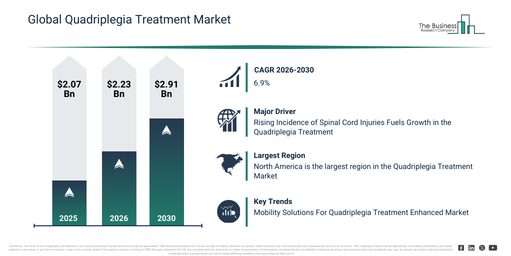
    The quadriplegia treatment market has experienced significant expansion in recent years. Forecasts indicate its value will rise from $2.07 billion in 2025 to $2.23 billion in 2026, achieving a compound annual growth rate (CAGR) of 7.9%. Historical growth in this sector can be attributed to several factors, including an increased incidence of spinal cord injuries, the expansion of rehabilitation centers, the availability of pharmacological pain management options, growing awareness of long-term care needs, and improved access to mobility aids.

    The quadriplegia treatment market is poised for significant expansion in the coming years. Its valuation is forecast to climb to $2.91 billion by 2030, exhibiting a compound annual growth rate (CAGR) of 6.9%. The projected increase within this period is driven by the growing embrace of neurorehabilitation technologies, an escalating need for home-based care alternatives, the proliferation of digital health platforms, a heightened emphasis on enhancing patients’ quality of life, and increased funding for advancements in assistive technology. Prominent developments anticipated during the forecast period involve a broader uptake of cutting-edge rehabilitation technologies, a rise in the deployment of assistive and mobility aids, the expanding integration of digital therapy alongside remote monitoring, the widening application of multidisciplinary treatment methodologies, and a stronger focus on tailored pain and spasticity control.

    Access Your Free Sample Report For In-Depth Market Analysis:

    https://www.thebusinessresearchcompany.com/sample.aspx?id=16521&type=smp

    Which Primary Drivers Are Impacting The Quadriplegia Treatment Market Growth?

    The quadriplegia treatment market is anticipated to expand due to the increasing occurrence of spinal cord injuries (SCIs). These injuries involve harm to the spinal cord, frequently leading to impaired mobility, sensation, or motor function beneath the affected area, originating from trauma or illness. Factors contributing to the rise in SCI cases include vehicle collisions, accidental falls, athletic mishaps, and acts of violence. Treatments for quadriplegia focus on enhancing patients’ quality of life and restoring their functional autonomy using methods like rehabilitation, supportive technologies, nerve stimulation, and medical interventions. As an illustration, data from the National Spinal Cord Injury Statistical Center (NSCISC), a US-based entity collecting nationwide traumatic spinal cord injury statistics, indicated that in February 2025, considering the U.S. population was approximately 341 million in 2024, an incidence rate of about 54 traumatic spinal cord injuries per million people resulted in an estimated 18,421 new tSCI cases annually. Consequently, the growing number of spinal cord injuries is a significant impetus for the expansion of the treatment market.

    How Are Different Segments Classified In The Quadriplegia Treatment Market Segment Analysis?

    The quadriplegia treatment market covered in this report is segmented –

    1) By Treatment Type: Corticosteroids, Non-Steroidal Anti-Inflammatory Drugs (NSAIDs), Antidepressants, Anticonvulsants, Narcotic Analgesics, Antispasmodics And Muscle Relaxants, Antibiotics

    2) By Route Of Administration: Oral, Intravenous, Other Routes Of Administration

    3) By Distribution Channel: Online Stores, Drug Stores, Retail Pharmacies, Hospital Pharmacies

    Subsegments:

    1) By Corticosteroids: Methylprednisolone, Prednisone, Dexamethasone

    2) By Non-Steroidal Anti-Inflammatory Drugs (NSAIDs): Ibuprofen, Naproxen, Aspirin

    3) By Antidepressants: Tricyclic Antidepressants, Selective Serotonin Reuptake Inhibitors (SSRIs), Serotonin And Norepinephrine Reuptake Inhibitors (SNRIs)

    4) By Anticonvulsants: Gabapentin, Pregabalin, Carbamazepine

    5) By Narcotic Analgesics: Morphine, Fentanyl, Oxycodone

    6) By Antispasmodics And Muscle Relaxants: Baclofen, Tizanidine, Cyclobenzaprine

    7) By Antibiotics: Broad-Spectrum Antibiotics, Infection-Specific Antibiotics

    Which Trends Are Shaping Growth In The Quadriplegia Treatment Market?

    Leading companies within the quadriplegia treatment market are innovating new products, such as wireless tongue-controlled interfaces, to enhance patient mobility and independence. These wireless tongue-controlled interfaces, specifically in quadriplegia care, empower individuals to operate devices or communicate using tongue movements, thereby improving their autonomy and overall quality of life. For example, in April 2023, Media Lab spinoff Augmental, a US-based provider of digital devices and interfaces, introduced MouthPad, a tongue-controlled interface designed for hands-free interaction with digital devices. This groundbreaking device aims to transform how people with limited hand-motor control, and indeed anyone, interact with computers more naturally and expressively. It features a custom-fit, 3D-printed mouthpiece equipped with a trackpad chip that identifies tongue movements and pressure. This mechanism enables users to control their devices by sweeping their tongue across the trackpad, with tongue presses serving as left clicks and sip gestures initiating right clicks.

    Who Are The Companies Driving Activity In The Quadriplegia Treatment Market?

    Major companies operating in the quadriplegia treatment market are Johnson And Johnson Services Inc., Merck And Co., Sanofi S.A., Bristol Myers Squibb Co., AstraZeneca plc, Abbott Laboratories, GlaxoSmithKline plc, Roche Holdings Inc., Takeda Pharmaceutical Co Ltd, Medtronic plc, Eli Lilly And Co., Koninklijke Philips NV, Stryker Corporation, Teva Pharmaceutical Industries Ltd., Baxter International, Zimmer Biomet Holdings Inc., Sun Pharmaceutical Industries Limited, Cipla Ltd, Ottobock SE And Co. KGaA, Zydus Lifesciences Ltd., Invacare Corporation, Sunrise Medical Company Private Limited, Pride Mobility Products Corp., Pfizer Inc., Novartis AG

    Get The Full Quadriplegia Treatment Market Report:

    https://www.thebusinessresearchcompany.com/report/quadriplegia-treatment-global-market-report

    Where Is The Quadriplegia Treatment Market Most Concentrated Geographically?

    North America was the largest region in the quadriplegia treatment market in 2025. The regions covered in the quadriplegia treatment market report are Asia-Pacific, South East Asia, Western Europe, Eastern Europe, North America, South America, Middle East, Africa.

    Request A Customized Quadriplegia Treatment Market Report For Competitive Insights:

    https://www.thebusinessresearchcompany.com/report/quadriplegia-treatment-global-market-report

    Browse Through More Reports Similar to the Global Quadriplegia Treatment Market 2026, By The Business Research Company

    Medical Lasers Market Report 2026

    https://www.thebusinessresearchcompany.com/report/medical-lasers-global-market-report

    Urology Medical Lasers Market Report

    https://www.thebusinessresearchcompany.com/report/urology-medical-lasers-global-market-report

    Dentistry Medical Lasers Market Report

    https://www.thebusinessresearchcompany.com/report/dentistry-medical-lasers-global-market-report

    Get in touch with us:

    The Business Research Company: https://www.thebusinessresearchcompany.com/

    Americas +1 310-496-7795

    Asia +44 7882 955267 & +91 8897263534

    Europe +44 7882 955267

    Email us at info@tbrc.info

    Follow us on:

    LinkedIn: https://in.linkedin.com/company/the-business-research-company

    YouTube: https://www.youtube.com/channel/UC24_fI0rV8cR5DxlCpgmyFQ

    Global Market Model: https://www.thebusinessresearchcompany.com/global-market-model

  • Postoperative Cataract Inflammation Treatment Market Forecast (2026–2030) Highlighting Expansion Trends

    Postoperative Cataract Inflammation Treatment Market Forecast (2026–2030) Highlighting Expansion Trends

    The Business Research Company’s 2026 market reports feature enhanced tools like market attractiveness analysis, TAM assessment, and company scoring matrices, along with interactive dashboards, deeper supply chain insights, and startup coverage strengthening the depth, usability, and strategic value of insights.

    How Will The Market Value Of The Post-Operative Cataract Surgery Inflammation Treatment Market Progress Between 2026 And 2030?

    The post-operative cataract surgery inflammation treatment market size has shown robust growth recently. It is projected to expand from $4.78 billion in 2025 to $5.14 billion in 2026, demonstrating a compound annual growth rate (CAGR) of 7.5%. The historical period’s expansion can be attributed to several factors including an increase in cataract surgery volumes, greater availability of ophthalmic anti-inflammatory drugs, the proliferation of outpatient surgical centers, advancements in surgical techniques, and a burgeoning aging population.

    The post-operative cataract surgery inflammation treatment market is poised for significant expansion in the upcoming years. This market is projected to reach $6.78 billion by 2030, demonstrating a compound annual growth rate (CAGR) of 7.2%. The anticipated growth over the forecast period can be attributed to several factors, including an escalating demand for advanced ophthalmic formulations, an increasing focus on mitigating post-operative complications, the wider adoption of minimally invasive eye surgeries, rising investments in ophthalmology research, and the growing implementation of patient-specific treatment regimens. Prominent trends within this forecast period are expected to involve the increased application of combination anti-inflammatory therapies, a rising acceptance of ophthalmic NSAIDs, a heightened emphasis on achieving faster post-surgical recovery, the expansion of hospital-based ophthalmic care protocols, and an intensified focus on preventing post-surgical complications.

    Access Your Free Sample Report For In-Depth Market Analysis:

    https://www.thebusinessresearchcompany.com/sample.aspx?id=21260&type=smp

    Which Key Factors Are Driving The Post-Operative Cataract Surgery Inflammation Treatment Market Growth?

    An increase in traumatic injuries is projected to drive the expansion of the post-operative cataract surgery inflammation treatment market in the foreseeable future. These injuries involve abrupt physical harm resulting from external impacts, including accidents, tumbles, acts of violence, or athletic collisions, and can vary from minor cuts to serious fractures, burns, brain trauma, and spinal impairment. The surge in traumatic injuries stems from various factors, including a greater number of road traffic accidents, occupational risks, sports-related mishaps, acts of violence, natural calamities, and elderly demographics susceptible to falls. Treatment for post-operative cataract surgery inflammation aids in managing traumatic injuries through decreasing eye inflammation, alleviating discomfort, and averting issues that might hinder visual recuperation. As an illustration, in October 2024, data from Insideworldfootball, a UK-based online news service, indicated that sports injuries totaled 4,123 throughout the 2023-24 season, representing a 4% rise when contrasted with the 2022-23 period. Consequently, the escalating occurrence of traumatic injuries is fueling the expansion of the post-operative cataract surgery inflammation treatments market.

    Which Segment Types Are Examined In The Post-Operative Cataract Surgery Inflammation Treatment Market Segment Study?

    The post-operative cataract surgery inflammation treatment market covered in this report is segmented –

    1) By Drug Class: Bromfenac, Indomethacin, Diclofenac, Flurbiprofen, Nepafenac

    2) By Route of Administration: Topical Ophthalmic, Intracameral And Ophthalmic Use

    3) By Distribution Channel: Hospital pharmacy, Online Pharmacy, Retail pharmacy

    Subsegments:

    1) By Bromfenac: Bromfenac Ophthalmic Solution 0.07%, Bromfenac Ophthalmic Solution 0.09%, Combination Therapies With Bromfenac

    2) By Indomethacin: Indomethacin Ophthalmic Solution 0.1%, Indomethacin Ophthalmic NSAID Formulations, Ophthalmic Anti-Inflammatory Solutions

    3) By Diclofenac: Diclofenac Ophthalmic Solution 0.1%, Diclofenac Ophthalmic Drops, Ophthalmic NSAID Preparations

    4) By Flurbiprofen: Flurbiprofen Ophthalmic Solution 0.03%, Adjunctive Use In Ocular Surgery, Combination Therapies With Flurbiprofen

    5) By Nepafenac: Nepafenac Ophthalmic Suspension 0.1%, Nepafenac Ophthalmic Suspension 0.3%

    Which Trends Are Guiding The Direction Of The Post-Operative Cataract Surgery Inflammation Treatment Market?

    Leading companies in the post-operative cataract surgery inflammation treatment market are prioritizing the creation of innovative therapies, such as postoperative ocular analgesics, to bolster the reduction of pain and inflammation subsequent to ocular surgery. Postoperative ocular analgesics are therapeutic agents specifically designed to relieve pain and diminish inflammation in the eye following surgical procedures, thereby enhancing patient comfort and supporting favorable recovery outcomes. For example, in March 2024, Formosa Pharmaceuticals, a Taiwan-based pharmaceutical company, in partnership with AimMax Therapeutics, a US-based biotechnology company, obtained FDA approval for clobetasol propionate ophthalmic suspension 0.05% (APP13007) for the management of post-operative pain and inflammation after ocular surgery. APP13007 stands as the first ophthalmic clobetasol propionate product approved by the FDA and signifies the introduction of the first new ophthalmic steroid to the market in over 15 years, providing a fresh option to address post-operative ocular inflammation and improve patient recuperation.

    Which Players Are Part Of The Competitive Landscape Of The Post-Operative Cataract Surgery Inflammation Treatment Market?

    Major companies operating in the post-operative cataract surgery inflammation treatment market are Alcon Inc, Bausch & Lomb Incorporated, Santen Pharmaceutical Co. Ltd., Novartis AG, Pfizer Inc., Merck & Co. Inc., Sun Pharmaceutical Industries Limited, EyePoint Pharmaceuticals Inc, Ocular Therapeutix Inc., Oculis Holding AG, Senju Pharmaceutical Co. Ltd., Nicox S.A., Formosa Pharmaceuticals Inc, Eyenovia Inc., Surface Ophthalmics Inc., ImprimisRx LLC, NTC Srl, VivaVision Biotech Inc., Bio-Tissue Inc., Mallinckrodt plc

    Get The Full Post-Operative Cataract Surgery Inflammation Treatment Market Report:

    https://www.thebusinessresearchcompany.com/report/post-operative-cataract-surgery-inflammation-treatment-global-market-report

    Where Is The Post-Operative Cataract Surgery Inflammation Treatment Market Primarily Concentrated By Region?

    North America was the largest region in the post-operative cataract surgery inflammation treatment market in 2025. Asia-Pacific is expected to be the fastest-growing region in the forecast period. The regions covered in the post-operative cataract surgery inflammation treatment market report are Asia-Pacific, South East Asia, Western Europe, Eastern Europe, North America, South America, Middle East, Africa.

    Request A Customized Post-Operative Cataract Surgery Inflammation Treatment Market Report For Competitive Insights:

    https://www.thebusinessresearchcompany.com/report/post-operative-cataract-surgery-inflammation-treatment-global-market-report

    Browse Through More Reports Similar to the Global Post-Operative Cataract Surgery Inflammation Treatment Market 2026, By The Business Research Company

    Hospice Care Market Report 2026

    https://www.thebusinessresearchcompany.com/report/hospice-care-global-market-report

    Acute Pancreatitis Market Report

    https://www.thebusinessresearchcompany.com/report/acute-pancreatitis-global-market-report

    Intraoperative Imaging Market Report

    https://www.thebusinessresearchcompany.com/report/intraoperative-imaging-global-market-report

    Get in touch with us:

    The Business Research Company: https://www.thebusinessresearchcompany.com/

    Americas +1 310-496-7795

    Asia +44 7882 955267 & +91 8897263534

    Europe +44 7882 955267

    Email us at info@tbrc.info

    Follow us on:

    LinkedIn: https://in.linkedin.com/company/the-business-research-company

    YouTube: https://www.youtube.com/channel/UC24_fI0rV8cR5DxlCpgmyFQ

    Global Market Model: https://www.thebusinessresearchcompany.com/global-market-model

  • Q-Switched Ruby Laser Treatments Market to Reach $27.66 Billion by 2030 at 10.5% CAGR

    Q-Switched Ruby Laser Treatments Market to Reach $27.66 Billion by 2030 at 10.5% CAGR

    The Business Research Company’s 2026 market reports feature enhanced tools like market attractiveness analysis, TAM assessment, and company scoring matrices, along with interactive dashboards, deeper supply chain insights, and startup coverage strengthening the depth, usability, and strategic value of insights.

    What Changes In Market Value Are Expected For The Q Switched Ruby Laser Treatments Market Over The 2026–2030 Period?

    The market size for q switched ruby laser treatments has seen rapid growth in recent years. It is forecast to increase from $16.75 billion in 2025 to $18.57 billion in 2026, demonstrating a compound annual growth rate (CAGR) of 10.8%. The historical growth in this sector is attributed to an uptick in aesthetic medicine procedures, heightened awareness of non-invasive skin treatments, the expansion of dermatology and cosmetic clinics, innovations in laser energy delivery systems, and a rising need for pigmentation correction.

    The q switched ruby laser treatments market is anticipated to experience substantial expansion over the coming years. By 2030, its valuation is projected to reach $27.67 billion, exhibiting a compound annual growth rate (CAGR) of 10.5%. This projected increase during the forecast period stems from factors such as the greater integration of sophisticated aesthetic laser systems, a heightened demand for minimally invasive cosmetic solutions, the proliferation of medical aesthetics clinics in developing economies, an escalating emphasis on laser technologies that are safe for skin, and the increased application of combined laser therapies. Key developments anticipated for this period encompass a wider embrace of laser-driven pigmentation treatments, an upsurge in requests for tattoo removal services, their growing utilization within dermatology clinics, the expansion of platforms featuring multiple laser wavelengths, and a heightened focus on ensuring treatment accuracy and patient safety.

    Access Your Free Sample Report For In-Depth Market Analysis:

    https://www.thebusinessresearchcompany.com/sample.aspx?id=20609&type=smp

    What Significant Factors Are Influencing The Q Switched Ruby Laser Treatments Market Expansion?

    The Q-switched ruby laser treatments market is anticipated to expand due to the escalating demand for minimally invasive and cosmetic procedures. These procedures encompass a variety of medical interventions designed to improve appearance and aesthetic outcomes with minimal physical intrusion. The growing demand for minimally invasive and cosmetic procedures is fueled by a preference for non-surgical alternatives and increased awareness through media channels. Furthermore, these factors boost the acceptance and desirability of minimally invasive treatments. Q-switched ruby laser treatments support this increasing demand by offering efficient solutions for skin concerns such as pigmentation and tattoos, requiring minimal recovery time and fewer adverse effects. For instance, in June 2024, the American Society of Plastic Surgeons, a US-based professional organization representing plastic surgeons, reported that liposuction procedures, a surgical method to remove localized fat deposits, reached 347,782 in 2023. This figure represents a 7 percent increase from the total recorded in 2022. Consequently, the rising demand for minimally invasive and cosmetic procedures is driving the growth of the Q-switched ruby laser treatments market.

    How Is The Q Switched Ruby Laser Treatments Market Categorized Across Its Segment Groups?

    The q switched ruby laser treatments market covered in this report is segmented –

    1) By Laser Configuration: Standard Q-Switched Ruby Laser Systems, High-Pulse Energy Q-Switched Ruby Laser Systems, Compact Or Portable Q-Switched Ruby Laser Systems

    2) By Pulse And Technical Characteristics: Single-Pulse Q-Switched Ruby Lasers, Multi-Pulse Or Repetition-Controlled Q-Switched Ruby Lasers, High-Peak-Power Short-Pulse Ruby Lasers

    3) By Application: Pigmented Lesions Treatment, Tattoo Removal, Selective Melasma Treatment (Pigment-Focused Cases Only), Other Pigment-Related Dermatological Treatments

    4) By Treatment Setting: Dermatology Clinics, Aesthetic & Cosmetic Laser Centers, Hospital-Based Dermatology Departments

    5) By End User: Hospitals, Specialty Dermatology Centers, Aesthetic Clinics, Other End Users

    Subsegments:

    1) By Standard Q-Switched Ruby Laser Systems: Fixed-console Q-switched ruby laser platforms, Single-wavelength 694 nm clinical systems, Conventional pulse-energy ruby laser systems, Clinic-based stationary ruby laser units

    2) By High-Pulse Energy Q-Switched Ruby Laser Systems: High-peak-power ruby laser systems, Deep-pigment penetration ruby lasers, Tattoo-focused high-energy ruby platforms, Enhanced pulse-stability ruby laser systems

    3) By Compact And Portable Q-Switched Ruby Laser Systems: Space-efficient compact ruby laser systems, Portable clinic-use Q-switched ruby lasers, Mobile dermatology ruby laser platforms, Lightweight ruby laser systems for outpatient settings

    What Trends Are Affecting The Direction Of The Q Switched Ruby Laser Treatments Market?

    Leading firms within the Q-switched ruby laser treatments market are increasingly employing a strategic partnership strategy to improve technological integration and extend their market presence. A strategic partnership generally denotes a cooperative relationship between multiple entities, where they merge their assets, knowledge, and endeavors to attain shared aspirations or aims. For example, in August 2025, Primelaze, an India-based company specializing in medical aesthetics and laser technology, formed a strategic alliance with Hypertech Laser Systems (HLS), a German dermatological laser manufacturer, with the aim of introducing advanced Q-switched laser technology in India. This launch includes two sophisticated platforms, BiAxis QS (Nano) and BiAxis Pico, which are both Q-switched Nd:YAG systems designed to offer superior precision, increased safety, and wider clinical adaptability for all skin phototypes.

    Which Firms Are Influencing Competition In The Q Switched Ruby Laser Treatments Market?

    Major companies operating in the q switched ruby laser treatments market are DEKA Laser, Quanta System, Asclepion Laser Technologies, Candela Medical, Cynosure, Lumenis, Syneron Medical, Nidek, Ellex Medical, Guilin Woodpecker, Wontech, Lutronic, Union Medical, ADSS Laser, Jeisys Medical, Eunsung Global, KLS Martin, Biotec Italia, Laseroptek, Hoya ConBio

    Get The Full Q Switched Ruby Laser Treatments Market Report:

    https://www.thebusinessresearchcompany.com/report/q-switched-ruby-laser-treatments-global-market-report

    Which Region Dominates The Q Switched Ruby Laser Treatments Market By Market Share?

    North America was the largest region in the Q switched ruby laser treatments market in 2025. Europe is expected to be the fastest-growing region in the forecast period. The regions covered in the q switched ruby laser treatments market report are Asia-Pacific, South East Asia, Western Europe, Eastern Europe, North America, South America, Middle East, Africa.

    Request A Customized Q Switched Ruby Laser Treatments Market Report For Competitive Insights:

    https://www.thebusinessresearchcompany.com/report/q-switched-ruby-laser-treatments-global-market-report

    Browse Through More Reports Similar to the Global Q Switched Ruby Laser Treatments Market 2026, By The Business Research Company

    Pesticide Residue Testing Market Report 2026

    https://www.thebusinessresearchcompany.com/report/pesticide-residue-testing-global-market-report

    Genetic Toxicology Testing Market Report

    https://www.thebusinessresearchcompany.com/report/genetic-toxicology-testing-global-market-report

    Specimen Validity Testing Market Report

    https://www.thebusinessresearchcompany.com/report/specimen-validity-testing-global-market-report

    Get in touch with us:

    The Business Research Company: https://www.thebusinessresearchcompany.com/

    Americas +1 310-496-7795

    Asia +44 7882 955267 & +91 8897263534

    Europe +44 7882 955267

    Email us at info@tbrc.info

    Follow us on:

    LinkedIn: https://in.linkedin.com/company/the-business-research-company

    YouTube: https://www.youtube.com/channel/UC24_fI0rV8cR5DxlCpgmyFQ

    Global Market Model: https://www.thebusinessresearchcompany.com/global-market-model

  • Global Postnatal Health Supplements Market Analysis (2026–2030) With Strategic Insights

    Global Postnatal Health Supplements Market Analysis (2026–2030) With Strategic Insights

    The Business Research Company’s 2026 market reports feature enhanced tools like market attractiveness analysis, TAM assessment, and company scoring matrices, along with interactive dashboards, deeper supply chain insights, and startup coverage strengthening the depth, usability, and strategic value of insights.

    What Are The Market Size Estimates For The Postnatal Health Supplement Market In 2026 And 2030?

    The postnatal health supplement market size has experienced robust expansion in recent years. Projections indicate it will grow from $1.46 billion in 2025 to $1.58 billion in 2026, achieving a compound annual growth rate (CAGR) of 7.8%. The historical growth can be linked to factors such as increasing maternal health awareness, a rise in dietary supplement consumption, the expansion of pharmacy distribution networks, the availability of prenatal to postnatal nutrition programs, and rising breastfeeding support initiatives.

    The postnatal health supplement market size is projected to experience substantial growth in the coming years, reaching $2.14 billion by 2030, with a compound annual growth rate (CAGR) of 7.8%. This expansion during the forecast period is driven by factors such as the increasing need for personalized maternal nutrition, a heightened focus on immunity and recovery supplements, the growth of e-commerce health platforms, advancements in postnatal formulations, and greater investments in women’s health nutrition. Noteworthy trends anticipated in this period include a rising demand for clean-label postnatal supplements, a growing preference for customized nutrition solutions, the increasing adoption of plant-based supplement formulations, the expansion of online and direct-to-consumer sales channels, and a stronger emphasis on lactation support products.

    Access Your Free Sample Report For In-Depth Market Analysis:

    https://www.thebusinessresearchcompany.com/sample.aspx?id=18437&type=smp

    What Primary Drivers Are Shaping The Postnatal Health Supplement Market?

    The rising incidence of postnatal depression is anticipated to drive the demand for postnatal health supplements in the future. Postnatal depression is a mental condition impacting women following childbirth, characterized by intense sadness, worry, and fatigue, which can hinder a mother’s ability to care for herself or her infant. The increase in postnatal depression is linked to societal and lifestyle factors, physiological changes, and a history of mental health issues. Postnatal health supplements offer vital nutrients for healing and mood stability, helping to replenish depleted stores, boost consumer confidence, and promote overall well-being. For example, in May 2024, a report from the National Health Service (NHS), a UK-based government department, indicated that over 57,000 new and expectant mothers received professional treatment for postnatal depression in 2023, representing a 19.3% increase from 2022. Thus, the growing prevalence of postnatal depression is propelling the growth of the postnatal health supplement market.

    How Are Different Segments Classified In The Postnatal Health Supplement Market Segment Analysis?

    The postnatal health supplement market covered in this report is segmented –

    1) By Product Type: Vitamins And Minerals, Herbal Supplements, Proteins, Omega-3, Probiotics, Other Product Types

    2) By Form: Capsules Or Tablets, Soft Gels, Liquid, Powder, Other Forms

    3) By Sales Channel: Online Sales Channel, Direct Sales Channel, Pharmacies Or Drug Stores, Other Sales Channels

    4) By Application: General Well-Being And Lactation Support, Weight Management, Immune And Digestive Health, Bone And Joint Health, Heart Health, Eye Health, Other Applications

    Subsegments:

    1) By Vitamins And Minerals: Vitamin D Supplements, Vitamin B12 Supplements, Calcium And Magnesium Supplements, Iron Supplements, Folic Acid Supplements, Multivitamins For Postnatal Care

    2) By Herbal Supplements: Fenugreek, Ginger, Raspberry Leaf, Ashwagandha, Turmeric, Milk Thistle, Echinacea

    3) By Proteins: Whey Protein, Plant-Based Protein, Collagen Protein, Protein Blends

    4) By Omega-3: Fish Oil Supplements, Algal Oil Supplements, Omega-3 Fatty Acids

    5) By Probiotics: Lactobacillus Supplements, Bifidobacterium Supplements, Multi-Strain Probiotic Supplements, Postnatal-Specific Probiotics

    6) By Other Product Types: Fiber Supplements, Antioxidant Supplements, Postnatal Gels And Liquids, Immune Boosting Supplements, Postnatal Energy And Metabolism Boosters

    What Trends Are Affecting The Growth Of The Postnatal Health Supplement Market?

    Leading companies in the postnatal health supplement market are concentrating on developing innovative products, including choline chloride supplements, which deliver choline, an essential nutrient vital for supporting liver function, brain development, muscle movement, and nervous system health. Choline chloride itself is broadly employed for cognitive support, memory enhancement, and maintaining healthy cell membranes. For example, in January 2024, Ritual, a US-based health and wellness company, introduced Natal Choline, a new supplement specifically designed to support cognitive function in babies when consumed during pregnancy. This product aims to bridge a critical nutritional gap, as over 95% of pregnant women do not meet the recommended daily choline intake solely through their diet. Formulated based on clinical research demonstrating that adequate choline intake can improve cognitive functions in infants, such as processing speed and attention, Natal Choline is intended to complement existing prenatal vitamins. It is also vegan, Non-GMO Project certified, and subjected to third-party testing to guarantee quality and safety.

    Who Are The Companies Driving Activity In The Postnatal Health Supplement Market?

    Major companies operating in the postnatal health supplement market are The Honest Company, Garden of Life, Nordic Naturals, MegaFood, New Chapter, One A Day, Vitabiotics Ltd., Mommy’s Bliss, Pink Stork, Nutrafol, Perelel Health, Theralogix, Dr. Vaidya’s, Pure Essence Labs, Eu Natural, NATURELO Premium Supplements, FAIRHAVEN HEALTH, HealthyHey Nutrition, HeraNow, Amma360, GoBiotix

    Get The Full Postnatal Health Supplement Market Report:

    https://www.thebusinessresearchcompany.com/report/postnatal-health-supplement-global-market-report

    Which Region Has The Greatest Market Share In The Postnatal Health Supplement Market?

    Asia-Pacific was the largest region in the postnatal health supplement market in 2025. North America is expected to be the fastest-growing region in the forecast period. The regions covered in the postnatal health supplement market report are Asia-Pacific, South East Asia, Western Europe, Eastern Europe, North America, South America, Middle East, Africa.

    Request A Customized Postnatal Health Supplement Market Report For Competitive Insights:

    https://www.thebusinessresearchcompany.com/report/postnatal-health-supplement-global-market-report

    Browse Through More Reports Similar to the Global Postnatal Health Supplement Market 2026, By The Business Research Company

    Conjunctivitis Treatment Market Report 2026

    https://www.thebusinessresearchcompany.com/report/conjunctivitis-treatment-global-market-report

    Cataract Surgery Devices And Equipment Market Report

    https://www.thebusinessresearchcompany.com/report/cataract-surgery-devices-and-equipment-global-market-report

    Ocular Drug Delivery Market Report

    https://www.thebusinessresearchcompany.com/report/ocular-drug-delivery-global-market-report

    Get in touch with us:

    The Business Research Company: https://www.thebusinessresearchcompany.com/

    Americas +1 310-496-7795

    Asia +44 7882 955267 & +91 8897263534

    Europe +44 7882 955267

    Email us at info@tbrc.info

    Follow us on:

    LinkedIn: https://in.linkedin.com/company/the-business-research-company

    YouTube: https://www.youtube.com/channel/UC24_fI0rV8cR5DxlCpgmyFQ

    Global Market Model: https://www.thebusinessresearchcompany.com/global-market-model
  • Global Pyrogen Testing Market to Hit $3.42 Billion by 2030 at 12.2% CAGR

    Global Pyrogen Testing Market to Hit $3.42 Billion by 2030 at 12.2% CAGR

    The Business Research Company’s 2026 market reports feature enhanced tools like market attractiveness analysis, TAM assessment, and company scoring matrices, along with interactive dashboards, deeper supply chain insights, and startup coverage strengthening the depth, usability, and strategic value of insights.

    By 2030, What Market Size Is The Pyrogen Testing Market Expected To Reach Based On Its 2026 Value?

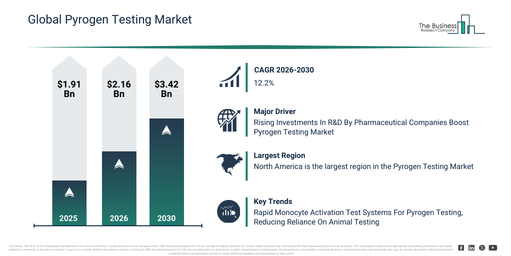
    The pyrogen testing market size has experienced rapid expansion in recent years. It is projected to grow from $1.91 billion in 2025 to $2.16 billion in 2026, at a compound annual growth rate (CAGR) of 13.0%. The expansion observed in the historic period can be attributed to factors such as the expansion of pharmaceutical manufacturing capacity, increased production of injectable drugs and vaccines, regulatory mandates for pyrogen testing, reliance on LAL-based assays, and the growth of biologics development.

    The pyrogen testing market is anticipated to experience rapid expansion over the coming years, with expectations to reach $3.42 billion by 2030, demonstrating a compound annual growth rate (CAGR) of 12.2%. This projected growth can be attributed to factors such as the increasing adoption of rFC and MAT assays, rising investments in biopharmaceutical research and development, the expansion of cell and gene therapy manufacturing, a growing emphasis on animal-free testing solutions, and enhanced automation in quality control laboratories. Furthermore, key trends for the forecast period include the increasing integration of recombinant and in vitro pyrogen tests, a noticeable shift away from animal-based testing methods, a rising demand for rapid and highly sensitive detection assays, the proliferation of automated endotoxin testing instruments, and an increased focus on regulatory compliance in biopharmaceutical manufacturing.

    Access Your Free Sample Report For In-Depth Market Analysis:

    https://www.thebusinessresearchcompany.com/sample.aspx?id=4020&type=smp

    Which Important Drivers Are Guiding The Pyrogen Testing Market Growth?

    The increasing financial commitments to research and development (R&D) from pharmaceutical and biotechnology firms are projected to fuel expansion in the pyrogen testing market in the coming years. Pyrogen testing involves evaluating drugs and biologics to confirm the absence of fever-causing contaminants like endotoxins, which is vital for secure product manufacturing. This growth in R&D expenditure stems from the imperative to create advanced therapies and biologics that necessitate rigorous quality control and safety checks. Pyrogen testing encourages higher R&D investments by guaranteeing the safety and regulatory adherence of new drugs and biologics, thus empowering pharmaceutical and biotechnology companies to confidently pursue innovative treatments. For example, in February 2025, as reported by the National Center for Science and Engineering Statistics (NCSES), a US-based government statistical agency, research and development spending in the U.S. increased from $892 billion in 2022 to $940 billion in 2023, representing a rise of $48 billion. Consequently, the escalating R&D investments by pharmaceutical enterprises are acting as a catalyst for the expansion of the pyrogen testing market.

    Pyrogen Testing Market Driver: Increasing Prevalence Of Infectious Diseases Boosts Demand For Pyrogen Testing

    The growing occurrence of tuberculosis (TB) is anticipated to stimulate the expansion of the pyrogen testing market in the future. Tuberculosis, an infectious condition triggered by the bacterium Mycobacterium tuberculosis, primarily impacts the lungs yet can disseminate to other organs, continuing to be a primary global cause of preventable mortality. An increase in TB infections is fueled by elements such as demographic expansion, urban development, and insufficient healthcare accessibility, contributing to elevated infection rates among susceptible groups. Pyrogen testing contributes to pharmaceutical safety by guaranteeing that medications and medical apparatus are devoid of fever-inducing substances, like bacterial endotoxins, thus safeguarding patients. As an illustration, in May 2025, data from the World Health Organization (WHO), a Switzerland-based health standards organization, indicated that in 2023, roughly 10.8 million individuals worldwide contracted TB, leading to 1.25 million fatalities. These figures underscore the escalating burden of a highly contagious illness and emphasize the vital necessity for stringent safety assessments in pharmaceutical manufacturing. Therefore, the increasing occurrence of TB is propelling the expansion of the pyrogen testing market.

    How Are Segments Identified Within The Pyrogen Testing Market Segment Framework?

    The pyrogen testing market covered in this report is segmented –

    1) By Test Type: LAL Test, In Vitro Test, Rabbit Test

    2) By Product And Service: Assays, Kits, And Reagents, Instruments, Services

    3) By Application: Pharmaceutical And Biologics, Medical Devices, Other Applications

    Subsegments:

    1) By Test Limulus Amebocyte Lysate (LAL) Test: Gel Clot LAL Test, Chromogenic LAL Test, Turbidimetric LAL Test

    2) By In Vitro Test: Monocyte Activation Test (MAT), Recombinant Factor C (rFC) Assay, Other In Vitro Tests

    3) By Rabbit Test: Pyrogen Test in Rabbits, Other Animal-Based Tests

    What Trends Are Influencing The Evolution Of The Pyrogen Testing Market?

    Leading companies in the pyrogen testing market are developing innovative products, such as sustainable monocyte activation test (MAT) systems, to advance their business offerings and expand their market reach. The monocyte activation test (MAT) System is an in vitro assay utilized for pyrogen testing within the biopharmaceutical and medical device industries. For instance, in October 2023, Lonza, a Swiss multinational manufacturing company, introduced two new rapid monocyte activation test (MAT) systems: the PyroCell MAT Rapid System and the PyroCell MAT Human Serum (HS) Rapid System. These systems, which will replace Lonza’s current MAT system kit offerings, incorporate the new PeliKine Human IL-6 Rapid ELISA Kit, minimizing hands-on time and reducing the time-to-results from two days to two hours. The new tests provide pharmaceutical manufacturers with easier, faster, and more efficient MAT testing options for product safety evaluation, while also contributing to a reduction in animal reliance.

    Who Are The Companies Competing Within The Pyrogen Testing Market?

    Major companies operating in the pyrogen testing market are Thermo Fisher Scientific Inc., Merck KGaA, Charles River Laboratories Inc., Lonza Group Ltd., Ellab A S, Nelson Laboratories LLC, Associates of Cape Cod Inc., GenScript Biotech Corporation, bioMerieux SA, Hyglos GmbH, Wako Chemicals USA Inc., Pyrostar International Inc., Eurofins Scientific SE, SGS SA, WuXi AppTec Group, Sigma Aldrich Co. LLC, Bio Rad Laboratories Inc., Microcoat Biotechnologie GmbH, Sartorius AG, Pacific Biolabs Inc., Toxikon Corporation, STERIS Corporation, Avance Biosciences Inc., BioReliance Corporation, Microbiological Consulting LLC, Microbac Laboratories Inc., North American Science Associates Inc., Pace Analytical Life Sciences LLC

    Get The Full Pyrogen Testing Market Report:

    https://www.thebusinessresearchcompany.com/report/pyrogen-testing-global-market-report

    Which Region Is The Largest In The Pyrogen Testing Market?

    North America was the largest region in the pyrogen testing market in 2025. Asia-Pacific is expected to continue to be the fastest growing region in the pyrogen testing market share during the forecast period. The regions covered in the pyrogen testing market report are Asia-Pacific, South East Asia, Western Europe, Eastern Europe, North America, South America, Middle East, Africa.

    Request A Customized Pyrogen Testing Market Report For Competitive Insights:

    https://www.thebusinessresearchcompany.com/report/pyrogen-testing-global-market-report

    Browse Through More Reports Similar to the Global Pyrogen Testing Market 2026, By The Business Research Company

    Structural Insulated Panels Market

    https://www.thebusinessresearchcompany.com/report/structural-insulated-panels-market

    Automotive Shielding Market Report

    https://www.thebusinessresearchcompany.com/report/automotive-shielding-global-market-report

    Metal Structural Insulation Panels Market Report

    https://www.thebusinessresearchcompany.com/report/metal-structural-insulation-panels-global-market-report

    Get in touch with us:

    The Business Research Company: https://www.thebusinessresearchcompany.com/

    Americas +1 310-496-7795

    Asia +44 7882 955267 & +91 8897263534

    Europe +44 7882 955267

    Email us at info@tbrc.info

    Follow us on:

    LinkedIn: https://in.linkedin.com/company/the-business-research-company

    YouTube: https://www.youtube.com/channel/UC24_fI0rV8cR5DxlCpgmyFQ

    Global Market Model: https://www.thebusinessresearchcompany.com/global-market-model
  • Postmenopausal Osteoporosis Treatment Market Outlook (2026–2030) Driven by Growth Factors

    Postmenopausal Osteoporosis Treatment Market Outlook (2026–2030) Driven by Growth Factors

    The Business Research Company’s 2026 market reports feature enhanced tools like market attractiveness analysis, TAM assessment, and company scoring matrices, along with interactive dashboards, deeper supply chain insights, and startup coverage strengthening the depth, usability, and strategic value of insights.

    What Expansion In Market Value Is Forecasted For The Postmenopausal Osteoporosis Treatment Market Between 2026 And 2030?

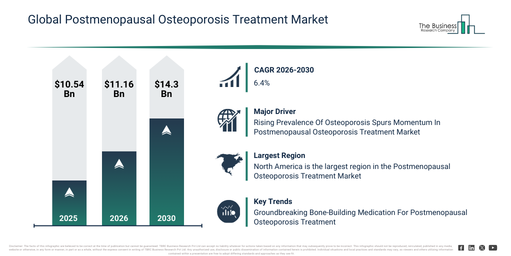
    The postmenopausal osteoporosis treatment market size has shown significant expansion in recent years. This market is expected to increase from $10.54 billion in 2025 to $11.16 billion in 2026, reflecting a compound annual growth rate (CAGR) of 5.9%. Historically, this expansion has been driven by factors such as a rising postmenopausal population, enhanced awareness regarding bone health, the availability of bisphosphonate therapies, advancements in diagnostic screening for bone density, and the development of specialty care clinics.

    The postmenopausal osteoporosis treatment market is projected to experience substantial expansion in the coming years. This market is forecast to reach $14.3 billion by 2030, exhibiting a compound annual growth rate (CAGR) of 6.4%. This anticipated growth is driven by several factors, including a heightened demand for biologic and hormone-based treatments, increased investments in osteoporosis research, the proliferation of personalized treatment strategies, an amplified emphasis on preventive healthcare, and the wider integration of advanced diagnostic instruments. Key developments anticipated during this period encompass the broader uptake of targeted osteoporosis therapies, a rise in the application of injectable and long-acting medications, a sharpened focus on timely diagnosis and risk evaluation, the development of more combination drug regimens, and a greater commitment to strategies aimed at preventing fractures.

    Access Your Free Sample Report For In-Depth Market Analysis:

    https://www.thebusinessresearchcompany.com/sample.aspx?id=12680&type=smp

    Which Major Drivers Are Influencing The Expansion Of The Postmenopausal Osteoporosis Treatment Market?

    The rising incidence of osteoporosis is projected to boost the expansion of the postmenopausal osteoporosis treatment market in the coming years. Osteoporosis is a medical condition marked by diminished bone mass and degraded bone tissue, leading to increased fragility and a heightened risk of fractures. Postmenopausal osteoporosis treatment plays a vital role in preventing or managing this condition and lowering the likelihood of fractures, thereby improving the quality of life and general health outcomes for affected individuals. For example, in 2024, as per Healthy Bones Australia, an Australia-based non-governmental organization, Australians suffered over 193,000 fractures due to poor bone health, with a fracture occurring every 2.7 minutes. This indicates that the growing prevalence of osteoporosis is propelling the postmenopausal osteoporosis treatment market’s growth.

    How Is The Postmenopausal Osteoporosis Treatment Market Categorized Across Its Segment Groups?

    The postmenopausal osteoporosis treatment market covered in this report is segmented –

    1) By Drug Type: Bisphosphonates, Vitamin D3, Estrogen Agonist Or Antagonist, Hormone Replacement Therapy, Parathyroid Hormone Therapy, Other Drug Types

    2) By Route Of Administration: Oral, Parenteral, Other Routes Of Administration

    3) By Distribution Channel: Hospital Pharmacies, Retail Pharmacies, Other Distribution Channels

    Subsegments:

    1) By Bisphosphonates: Alendronate, Risedronate, Zoledronic Acid

    2) By Vitamin D3: Cholecalciferol, Ergocalciferol

    3) By Estrogen Agonist Or Antagonist: Selective Estrogen Receptor Modulators (SERMs), Tamoxifen

    4) By Hormone Replacement Therapy: Estrogen Therapy, Combined Estrogen-Progestin Therapy

    5) By Parathyroid Hormone Therapy: Teriparatide, Abaloparatide

    6) By Other Drug Types: Calcitonin, RANK Ligand Inhibitors

    Which Trends Are Shaping The Postmenopausal Osteoporosis Treatment Market?

    Leading companies in the postmenopausal osteoporosis treatment market are innovating with products like advanced bone-building medications to broaden their offerings and achieve a competitive edge. Bone-building medications typically involve drugs given through injections to support bone health and density. For example, in November 2023, Teva Pharmaceuticals Inc., a U.S-based pharmaceutical company, secured approval from the U.S. Food and Drug Administration (FDA) for Forteo (teriparatide injection). This approval is extended to postmenopausal women with osteoporosis who are highly susceptible to fractures or who have not responded to earlier treatments. The Antares Pharma multidose pen device serves to administer the generic form of teriparatide injection. This serves as a treatment for osteoporosis in specific men and women. Administered subcutaneously, this prescribed medication works by strengthening and building bone, thereby lowering the risk of fracture.

    Which Firms Are Influencing Competition In The Postmenopausal Osteoporosis Treatment Market?

    Major companies operating in the postmenopausal osteoporosis treatment market are Pfizer Inc., Johnson and Johnson, Merck and Co. Inc., Eli Lilly and Company, Amgen Inc., Novartis AG, Sanofi SA, AbbVie Inc., Bayer AG, F. Hoffmann-La Roche AG, Takeda Pharmaceutical Company Limited, Daiichi Sankyo Company Ltd., Viatris Inc., Teva Pharmaceutical Industries Ltd., Sandoz International GmbH, Fresenius Kabi AG, Sun Pharmaceutical Industries Ltd., Cipla Inc., Dr. Reddys Laboratories Ltd., Lupin Limited

    Get The Full Postmenopausal Osteoporosis Treatment Market Report:

    https://www.thebusinessresearchcompany.com/report/postmenopausal-osteoporosis-treatment-global-market-report

    Which Region Accounts For The Largest Portion Of The Postmenopausal Osteoporosis Treatment Market?

    North America was the largest region in the postmenopausal osteoporosis treatment market in 2025. The regions covered in the postmenopausal osteoporosis treatment market report are Asia-Pacific, South East Asia, Western Europe, Eastern Europe, North America, South America, Middle East, Africa.

    Request A Customized Postmenopausal Osteoporosis Treatment Market Report For Competitive Insights:

    https://www.thebusinessresearchcompany.com/report/postmenopausal-osteoporosis-treatment-global-market-report

    Browse Through More Reports Similar to the Global Postmenopausal Osteoporosis Treatment Market 2026, By The Business Research Company

    Severe Acute Respiratory Syndrome Treatment Market Report 2026

    https://www.thebusinessresearchcompany.com/report/severe-acute-respiratory-syndrome-treatment-global-market-report

    Tele Intensive Care Market Report

    https://www.thebusinessresearchcompany.com/report/tele-intensive-care-global-market-report

    Hospital Acquired Infection Control Market Report

    https://www.thebusinessresearchcompany.com/report/hospital-acquired-infection-control-global-market-report

    Get in touch with us:

    The Business Research Company: https://www.thebusinessresearchcompany.com/

    Americas +1 310-496-7795

    Asia +44 7882 955267 & +91 8897263534

    Europe +44 7882 955267

    Email us at info@tbrc.info

    Follow us on:

    LinkedIn: https://in.linkedin.com/company/the-business-research-company

    YouTube: https://www.youtube.com/channel/UC24_fI0rV8cR5DxlCpgmyFQ

    Global Market Model: https://www.thebusinessresearchcompany.com/global-market-model

  • Push-to-Talk Telemedicine and mHealth Convergence Market to Reach $10.57 Billion by 2030 at 15% CAGR

    Push-to-Talk Telemedicine and mHealth Convergence Market to Reach $10.57 Billion by 2030 at 15% CAGR

    The Business Research Company’s 2026 market reports feature enhanced tools like market attractiveness analysis, TAM assessment, and company scoring matrices, along with interactive dashboards, deeper supply chain insights, and startup coverage strengthening the depth, usability, and strategic value of insights.

    What Is The Anticipated Rise In Market Value Of The Push-To-Talk Telemedicine And mHealth Convergence Market During The Forecast Period?

    The push-to-talk telemedicine and mhealth convergence market has experienced rapid growth in recent years. It is projected to expand from $5.24 billion in 2025 to $6.04 billion in 2026, demonstrating a compound annual growth rate (CAGR) of 15.3%. This historical growth can be attributed to several factors, including the increasing penetration of mobile devices in healthcare, the expansion of telemedicine services into rural areas, a rising demand for rapid clinical communication, the growing needs for chronic disease monitoring, and the adoption of secure healthcare communication tools.

    The push-to-talk telemedicine and mhealth convergence market is anticipated to experience significant expansion over the coming years. Its valuation is projected to reach $10.57 billion by 2030, demonstrating a compound annual growth rate (CAGR) of 15.0%. This projected increase during the forecast period stems from factors such as heightened investments in interconnected healthcare systems, a surging need for immediate patient interaction, the broader adoption of care models utilizing wearables, an intensifying focus on urgent telehealth provisions, and the incorporation of AI-powered communication analysis. Key developments expected within this period encompass the increased embedding of push-to-talk features into health wearables, the wider implementation of real-time mobile communication systems within healthcare settings, the growing acceptance of cloud-centric telemedicine frameworks, the broadening of communication tools for emergency responses, and a stronger emphasis on coordinating care remotely.

    Access Your Free Sample Report For In-Depth Market Analysis:

    https://www.thebusinessresearchcompany.com/sample.aspx?id=27401&type=smp

    What Major Factors Are Driving The Push-To-Talk Telemedicine And mHealth Convergence Market Forward?

    The increasing requirement for remote healthcare services is projected to stimulate the expansion of the push-to-talk (PTT) telemedicine and mHealth convergence market in the future. Remote healthcare services encompass the provision of medical treatment and support from a distance, utilizing digital technologies to avoid the necessity of physical visits. The need for remote healthcare services is growing due to patients’ escalating preference for convenience and ease of access, as it enables individuals to obtain medical attention without travel, thus saving time and reducing exposure to pathogens. Push-to-talk telemedicine and mHealth convergence facilitate remote healthcare services by allowing real-time voice interaction between patients and healthcare professionals. They enhance coordination of care through immediate communication, leading to improved response times and accessibility in both emergency and routine health contexts. For instance, in August 2025, according to the Office of Inspector General, U.S.-based Department of Health & Human Services (OIG), in 2024 Medicare payments for remote patient monitoring exceeded US $536 million (a 31 % increase from 2023), nearly 1 million enrollees received RPM services (a 27 % increase from 2023), and about 4,600 medical practices routinely billed RPM. Therefore, the heightened demand for remote healthcare services is fueling the growth of the push-to-talk (PTT) telemedicine and mHealth convergence market.

    What Are The Key Segment Divisions In The Push-To-Talk Telemedicine And mHealth Convergence Market Segment Structure?

    The push-to-talk telemedicine and mhealth convergence market covered in this report is segmented –

    1) By Device Type: Smartphones And Tablets, Telehealth Kiosks, Wearable Health Monitors, Dedicated Push-To-Talk Devices, Medical-Grade Smartphones

    2) By Deployment Type: Cloud-Based Solutions, On-Premise Solutions, Hybrid Deployment Models

    3) By Technology: Voice Over Internet Protocol, Mobile Messaging Services, Video Conferencing Solutions, Push-To-Talk Applications, Wearable Telehealth Devices

    4) By Application: Remote Patient Monitoring, Virtual Consultations, Emergency Response Services, Medication Management, Chronic Disease Management

    5) By End User: Healthcare Providers, Patients, Emergency Medical Services (EMS), Healthcare Payers, Clinics And Hospitals

    Subsegments:

    1) By Smartphones and Tablets: Android-Based Devices, iOS-Based Devices, Enterprise or Medical App-Enabled Devices, Consumer Health App-Enabled Devices, Ruggedized Smartphones for Field Use

    2) By Telehealth Kiosks: Stationary Telehealth Kiosks, Mobile or Portable Telehealth Kiosks, Pharmacy-Based Kiosks, Workplace or Corporate Wellness Kiosks, School-Based Kiosks

    3) By Wearable Health Monitors: Smartwatches with Health Sensors, Fitness Bands with Push-To-Talk Capability, Wearable ECG or Heart Monitors, Wearable Blood Pressure Monitors, Wearable Respiratory Monitors

    4) By Dedicated Push-To-Talk Devices: Two-Way Radio Medical Communication Devices, Field-Use Push-To-Talk Medical Handsets, Rugged Push-To-Talk Devices for Emergency Responders, Wi-Fi Enabled Push-To-Talk Devices for Hospitals, Long-Term Evolution or 5G Push-To-Talk Communication Devices

    5) By Medical-Grade Smartphones: Antimicrobial Smartphones, Intrinsically Safe Medical Smartphones, Push-To-Talk-Enabled Smartphones for Clinical Staff, Smartphones Integrated with Electronic Health Record Systems, Hospital-Specific Communication Devices

    Which Organizations Are Engaged In The Push-To-Talk Telemedicine And mHealth Convergence Market?

    Major companies operating in the push-to-talk telemedicine and mhealth convergence market are Kyocera Corporation, Motorola Solutions Inc., Zebra Technologies Corporation, Avaya Inc., Alcatel-Lucent Enterprise SA, Doximity Inc., Vocera Communications Inc., Thuraya Telecommunications Company, TigerConnect Inc., QliqSOFT Inc., AVTEC Inc., A&D Company Limited, pMDsoft Inc., Zello Inc., Hytera Communications Corporation Limited, Diga-Talk Plus, SwyMed Inc., Spruce Health Inc., Voxer LLC, Cardiocom LLC.

    Get The Full Push-To-Talk Telemedicine And mHealth Convergence Market Report:

    https://www.thebusinessresearchcompany.com/report/push-to-talk-telemedicine-and-mhealth-convergence-global-market-report

    Which Region Leads The Push-To-Talk Telemedicine And mHealth Convergence Market In Terms Of Market Share?

    North America was the largest region in the push-to-talk telemedicine and mhealth convergence market in 2025. Asia-Pacific is expected to be the fastest-growing region in the forecast period. The regions covered in the push-to-talk telemedicine and mhealth convergence market report are Asia-Pacific, South East Asia, Western Europe, Eastern Europe, North America, South America, Middle East, Africa.

    Request A Customized Push-To-Talk Telemedicine And mHealth Convergence Market Report For Competitive Insights:

    https://www.thebusinessresearchcompany.com/report/push-to-talk-telemedicine-and-mhealth-convergence-global-market-report

    Browse Through More Reports Similar to the Global Push-To-Talk Telemedicine And mHealth Convergence Market 2026, By The Business Research Company

    Psoriatic Arthritis Treatments Market Report 2026

    https://www.thebusinessresearchcompany.com/report/psoriatic-arthritis-treatments-global-market-report

    Gastrointestinal Bleeding Treatment Devices Market Report

    https://www.thebusinessresearchcompany.com/report/gastrointestinal-bleeding-treatment-devices-global-market-report

    Industrial Water Treatment Chemicals Market Report

    https://www.thebusinessresearchcompany.com/report/industrial-water-treatment-chemicals-global-market-report

    Get in touch with us:

    The Business Research Company: https://www.thebusinessresearchcompany.com/

    Americas +1 310-496-7795

    Asia +44 7882 955267 & +91 8897263534

    Europe +44 7882 955267

    Email us at info@tbrc.info

    Follow us on:

    LinkedIn: https://in.linkedin.com/company/the-business-research-company

    YouTube: https://www.youtube.com/channel/UC24_fI0rV8cR5DxlCpgmyFQ

    Global Market Model: https://www.thebusinessresearchcompany.com/global-market-model
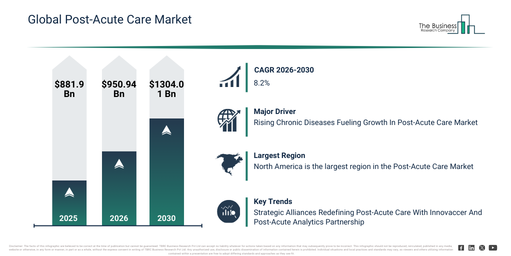
  • Post-Acute Care Market Developments and Opportunities Through 2030

    Post-Acute Care Market Developments and Opportunities Through 2030

    The Business Research Company’s 2026 market reports feature enhanced tools like market attractiveness analysis, TAM assessment, and company scoring matrices, along with interactive dashboards, deeper supply chain insights, and startup coverage strengthening the depth, usability, and strategic value of insights.

    How Large Will The Post-Acute Care Market Be By 2030 Compared To Its 2026 Market Size?

    The post-acute care market has experienced significant expansion in recent years. Its valuation is anticipated to rise from $881.9 billion in 2025 to $950.94 billion in 2026, exhibiting a compound annual growth rate (CAGR) of 7.8%. This past growth can be attributed to several factors, including an aging population, an increased occurrence of chronic diseases, a higher number of hospital discharges, the development of skilled nursing infrastructure, and advancements in rehabilitation care protocols.

    The post-acute care market is projected to experience substantial expansion over the coming years. Its valuation is anticipated to reach $1304.01 billion by 2030, demonstrating a compound annual growth rate (CAGR) of 8.2%. This anticipated growth during the forecast period stems from factors such as a heightened demand for value-based care approaches, the expanding use of digital health technologies, the broadening scope of home healthcare provisions, a concentrated effort to decrease hospital readmission rates, and increased capital allocation towards integrated care networks. Key developments expected in this timeframe encompass a greater uptake of post-acute care models delivered in home settings, the increasing incorporation of remote patient monitoring tools, a stronger emphasis on coordinating care during transitions, the expansion of rehabilitation services facilitated by telehealth, and an amplified focus on recovery pathways centered around the patient.

    Access Your Free Sample Report For In-Depth Market Analysis:

    https://www.thebusinessresearchcompany.com/sample.aspx?id=10354&type=smp

    What Key Drivers Are Fueling The Growth Of The Post-Acute Care Market?

    The expansion of the post-acute care market is anticipated to be fueled by the rising prevalence of chronic illnesses. A chronic disease is defined as an illness or health condition that emerges gradually and persists or causes enduring effects. Chronic ailments can be addressed through various methods, such as post-acute care interventions like surgical procedures, physical rehabilitation, mental health support, and radiation treatment. Nevertheless, pharmacological treatment stands as a prominent therapeutic approach. The escalating count of chronic diseases has subsequently driven an elevated demand for post-acute care. For example, data from February 2024, provided by the Centers for Disease Control and Prevention, the national public health agency of the United States, indicates that 129 million individuals in the US suffer from at least 1 major chronic disease. Approximately 90% of the yearly $4.1 trillion allocated for healthcare expenditure is dedicated to the management and treatment of chronic diseases and mental health issues. Consequently, the expanding incidence of chronic diseases is propelling the expansion of the post-acute care market moving ahead.

    How Are Segments Identified Within The Post-Acute Care Market Segment Framework?

    The post-acute care market covered in this report is segmented –

    1) By Service: Skilled Nursing Facilities, Inpatient Rehabilitation Facilities, Long Term Care Hospitals, Hospice Care, Home Healthcare Agencies, Other Services

    2) By Conditions: Amputations, Wound Management, Brain Injury, Spinal Cord Injury, Neurological Disorders, Other Conditions

    3) By Age: Elderly, Adult, Others

    4) By Delivery Model: Hospital-Based, Freestanding, Home-Based

    5) By Application: Chronic Care, Rehabilitation, Post-Acute Care

    Subsegments:

    1) By Skilled Nursing Facilities: Rehabilitation Services, Long-Term Care Services, Transitional Care Services

    2) By Inpatient Rehabilitation Facilities: Physical Rehabilitation, Occupational Rehabilitation, Speech Rehabilitation

    3) By Long Term Care Hospitals: Ventilator Care, Complex Medical Care, Chronic Disease Management

    4) By Hospice Care: In-Home Hospice Care, Hospice Facilities, Palliative Care Services

    5) By Home Healthcare Agencies: Nursing Care, Physical Therapy, Medical Social Services

    6) By Other Services: Respite Care, Adult Day Care, Telehealth Services

    What Trends Are Influencing The Post-Acute Care Market?

    Leading companies operating within the post-acute market are forming partnerships to gain a competitive edge. These collaborations in the post-acute care market aim to enhance the delivery of post-acute value-based care. For instance, in July 2023, Innovaccer, a US-based healthcare data activation company, and Post Acute Analytics, a US-based post-acute care company, collaborated to improve post-acute value-based care delivery. This partnership endeavors to provide innovative solutions that address the distinct challenges faced by healthcare organizations in the post-acute care space. The alliance represents a significant milestone for both entities and will empower healthcare systems to succeed in providing high-quality, value-based care to post-acute patients. Additionally, the partnership will enable organizations using the Innovaccer platform to easily integrate the Post Acute Analytics platform without overburdening their IT teams.

    Who Are The Companies Competing Within The Post-Acute Care Market?

    Major companies operating in the post-acute care market are Amedisys Inc., Kindred Healthcare, Encompass Health Corporation, LHC Group Inc., Genesis Healthcare, Brookdale Senior Living Solutions, National HealthCare Corporation, The Ensign Group Inc., ProMedica Senior Care, PruittHealth Holdings Inc., Signature HealthCARE LLC, SavaSeniorCare Administrative Services Inc., Life Care Centers of America Inc., Vibra Healthcare LLC, Diversicare Healthcare Services Inc., Nexion Health Inc., Marquis Health Services LLC, CareOne Management LLC, Golden Living Senior Lifestyle Support, Five Star Senior Living Inc.

    Get The Full Post-Acute Care Market Report:

    https://www.thebusinessresearchcompany.com/report/post-acute-care-global-market-report

    Which Region Holds The Highest Market Share In The Post-Acute Care Market?

    North America was the largest region in the post-acute care market in 2025. North America is expected to be the fastest-growing region in the global post-acute care market during the forecast period. The regions covered in the post-acute care market report are Asia-Pacific, South East Asia, Western Europe, Eastern Europe, North America, South America, Middle East, Africa.

    Request A Customized Post-Acute Care Market Report For Competitive Insights:

    https://www.thebusinessresearchcompany.com/report/post-acute-care-global-market-report

    Browse Through More Reports Similar to the Global Post-Acute Care Market 2026, By The Business Research Company

    Non Opioid Pain Patch Market Report 2026

    https://www.thebusinessresearchcompany.com/report/non-opioid-pain-patch-global-market-report

    Joint Pain Injections Market Report

    https://www.thebusinessresearchcompany.com/report/joint-pain-injections-global-market-report

    Veterinary Pain Management Market Report

    https://www.thebusinessresearchcompany.com/report/veterinary-pain-management-global-market-report

    Get in touch with us:

    The Business Research Company: https://www.thebusinessresearchcompany.com/

    Americas +1 310-496-7795

    Asia +44 7882 955267 & +91 8897263534

    Europe +44 7882 955267

    Email us at info@tbrc.info

    Follow us on:

    LinkedIn: https://in.linkedin.com/company/the-business-research-company

    YouTube: https://www.youtube.com/channel/UC24_fI0rV8cR5DxlCpgmyFQ

    Global Market Model: https://www.thebusinessresearchcompany.com/global-market-model