Category: Healthcare Services

  • The Nocturnal Leg Cramps Treatment Market Growth Driven By Sedentary Lifestyles And Increasing Physical Inactivity

    The Nocturnal Leg Cramps Treatment Market Growth Driven By Sedentary Lifestyles And Increasing Physical Inactivity

    The Business Research Company’s 2026 market reports feature enhanced tools like market attractiveness analysis, TAM assessment, and company scoring matrices, along with interactive dashboards, deeper supply chain insights, and startup coverage strengthening the depth, usability, and strategic value of insights.

    How Large Will The Nocturnal Leg Cramps Treatment Market Be By 2030 Compared To Its 2026 Market Size?

    The nocturnal leg cramps treatment market has experienced substantial growth in recent years. It is forecast to grow from $2.35 billion in 2025 to $2.51 billion in 2026, reflecting a compound annual growth rate (CAGR) of 6.7%. The expansion witnessed in the historical period can be attributed to several factors, including an aging population, an increasing prevalence of muscle fatigue conditions, the widespread availability of over-the-counter supplements, growing awareness concerning sleep health, and a rise in physician recommendations for conservative treatments.

    The nocturnal leg cramps treatment market is anticipated to experience substantial expansion over the upcoming years. By 2030, its size is projected to reach $3.22 billion, exhibiting a compound annual growth rate (CAGR) of 6.4%. This anticipated growth during the forecast period is fueled by several factors, including a heightened demand for individualized treatment plans, an increasing emphasis on non-pharmaceutical interventions, the proliferation of digital health support tools, a rising consumer inclination towards self-managed care, and intensified research into conditions affecting muscle function. Key developments expected in this period encompass the wider application of nutritional supplement treatments, a greater embrace of non-drug management strategies, an increased emphasis on lifestyle changes for prevention, the growth of in-home treatment possibilities, and improved understanding of muscle issues linked to sleep.

    Access Your Free Sample Report For In-Depth Market Analysis:

    https://www.thebusinessresearchcompany.com/sample.aspx?id=24623&type=smp

    Which Major Drivers Are Influencing The Expansion Of The Nocturnal Leg Cramps Treatment Market?

    The increasing prevalence of sedentary lifestyles is anticipated to propel the growth of the nocturnal leg cramps treatment market going forward. A sedentary lifestyle describes a way of living characterized by minimal or no physical activity, typically involving extended periods of sitting or lying down with limited movement. This rise in sedentary living is attributed to increased screen time, driven by widespread use of smartphones, computers, and televisions for work, entertainment, and communication, which encourages prolonged sitting and reduces time spent on physical activities. Nocturnal leg cramp treatment supports individuals with sedentary lifestyles by relieving painful muscle spasms often occurring at night, which can be aggravated by extended inactivity. It also encourages improved muscle health, mobility, and sleep quality, factors that can motivate individuals to engage in more regular physical activity. For instance, in June 2024, a report published by the World Health Organization, a Switzerland-based intergovernmental organization, revealed that 31% of adults worldwide, or about 1.8 billion people, did not meet recommended physical activity levels in 2022, with inactivity rates projected to rise to 35% by 2030 if the trend continues. Therefore, the increase in sedentary lifestyles is driving growth in the nocturnal leg cramps treatment market.

    Nocturnal Leg Cramps Treatment Market Driver: Surge In Geriatric Population Driving Growth Due To Increased Life Expectancy And Age-Related Health Needs

    How Are Segments Identified Within The Nocturnal Leg Cramps Treatment Market Segment Framework?

    The nocturnal leg cramps treatment market covered in this report is segmented –

    1) By Treatment Type: Pharmaceuticals, Home Remedies, Physical Therapy, Lifestyle Modifications

    2) By Route Of Administration: Oral, Topical, Transdermal Or Injectable

    3) By Patient Demographics: Elderly, Athletes, Pregnant Women, Individuals With Chronic Conditions

    4) By Distribution Channel: Hospital Pharmacy, Retail Pharmacy, Online Pharmacy, Other Distribution Channels

    5) By End-Users: Hospitals, Specialty Clinics, Homecare, Other End-Users

    Subsegments:

    1) By Pharmaceuticals: Muscle Relaxants, Magnesium Supplements, Vitamin B Supplements, Anticonvulsants, Nonsteroidal Anti-inflammatory Drugs (NSAIDs)

    2) By Home Remedies: Epsom Salt Bath, Hot Or Cold Compress, Hydration With Electrolyte Solutions, Stretching Exercises

    3) By Physical Therapy: Stretching And Strengthening Exercises, Massage Therapy, Taping Techniques, Myofascial Release, Physical Therapy Modalities

    4) By Lifestyle Modifications: Proper Hydration, Balanced Diet, Regular Exercise, Avoiding Prolonged Sitting Or Standing, Sleep Position And Foot Elevation, Wearing Proper Footwear

    Which Trends Are Shaping The Nocturnal Leg Cramps Treatment Market?

    Prominent companies active in the nocturnal leg cramps treatment market are concentrating on securing regulatory clearances for new medicines to broaden their market reach and improve patient well-being. Regulatory approvals signify the official permission granted by governmental or regulatory entities for a drug, medical device, or treatment to be sold and used by the public. For example, in April 2023, Noctrix Health, a US-based medical equipment company, obtained FDA De Novo approval for its NTX100 Tonic Motor Activation (TOMAC) System. This system is intended to address symptoms of moderate to severe restless legs syndrome (RLS) and enhance sleep quality in patients who do not respond to conventional medications. The system consists of two therapy units worn on the lower legs, which deliver low-level electrical stimulation to the peroneal nerves, thereby inducing tonic muscle activation to alleviate RLS symptoms. Clinical studies, including the RESTFUL study, revealed significant improvements in RLS symptoms and sleep quality, with no severe adverse events documented.

    Who Are The Companies Competing Within The Nocturnal Leg Cramps Treatment Market?

    Major companies operating in the nocturnal leg cramps treatment market are Teva Pharmaceutical Industries Ltd, Mylan NV, Astellas Pharma Inc, Daiichi Sankyo Company Limited, Apotex Inc, Sun Pharmaceutical Industries Limited, Hylands Inc, Swanson Health Products Inc, Boiron USA, Magnox, Blackmores Limited, Solgar Inc, Genexa Inc, Naveh Pharma Ltd, Hydratis, Crampeze, Zydus Cadila, Flex Pharma Inc, Nature Made, Nature Valley, NOW Foods, Doctor’s Best

    Get The Full Nocturnal Leg Cramps Treatment Market Report:

    https://www.thebusinessresearchcompany.com/report/nocturnal-leg-cramps-treatment-global-market-report

    Which Geographic Region Dominates The Nocturnal Leg Cramps Treatment Market?

    North America was the largest region in the nocturnal leg cramps treatment market in 2025. The regions covered in the nocturnal leg cramps treatment market report are Asia-Pacific, South East Asia, Western Europe, Eastern Europe, North America, South America, Middle East, Africa.

    Request A Customized Nocturnal Leg Cramps Treatment Market Report For Competitive Insights:

    https://www.thebusinessresearchcompany.com/report/nocturnal-leg-cramps-treatment-global-market-report

    Browse Through More Reports Similar to the Global Nocturnal Leg Cramps Treatment Market 2026, By The Business Research Company

    Kidney Disease Market Report 2026

    https://www.thebusinessresearchcompany.com/report/kidney-disease-global-market-report

    Nephrology And Urology Devices Market Report

    https://www.thebusinessresearchcompany.com/report/nephrology-and-urology-devices-global-market-report

    Urinary Incontinence Market Report

    https://www.thebusinessresearchcompany.com/report/urinary-incontinence-global-market-report

    Get in touch with us:

    The Business Research Company: https://www.thebusinessresearchcompany.com/

    Americas +1 310-496-7795

    Asia +44 7882 955267 & +91 8897263534

    Europe +44 7882 955267

    Email us at info@tbrc.info

    Follow us on:

    LinkedIn: https://in.linkedin.com/company/the-business-research-company

    YouTube: https://www.youtube.com/channel/UC24_fI0rV8cR5DxlCpgmyFQ

    Global Market Model: https://www.thebusinessresearchcompany.com/global-market-model
  • Growth In The Nocturia Market Driven By Rising Cardiovascular Disease Prevalence Influencing Market Expansion

    Growth In The Nocturia Market Driven By Rising Cardiovascular Disease Prevalence Influencing Market Expansion

    The Business Research Company’s 2026 market reports feature enhanced tools like market attractiveness analysis, TAM assessment, and company scoring matrices, along with interactive dashboards, deeper supply chain insights, and startup coverage strengthening the depth, usability, and strategic value of insights.

    What Is The Projected Increase In Market Value Of The Nocturia Market During 2026–2030?

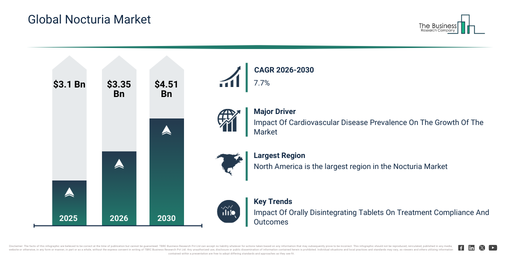
    The nocturia market has shown substantial expansion in recent years. Its value is projected to increase from $3.1 billion in 2025 to $3.35 billion in 2026, demonstrating a compound annual growth rate (CAGR) of 8.0%. This growth observed in past periods is largely a result of elements such as aging population growth, an increased incidence of benign prostatic hyperplasia, the rising prevalence of urinary tract infections, the widespread use of diuretic medications, and limited early diagnostic awareness.

    The nocturia market is projected to experience substantial expansion over the upcoming years. Its value is anticipated to reach $4.51 billion by 2030, exhibiting a compound annual growth rate (CAGR) of 7.7%. This projected growth during the forecast period is driven by factors such as an increasing demand for tailored treatment approaches, the broadening of home care therapies, a rise in healthcare spending, a greater emphasis on managing sleep quality, and enhanced accessibility to urology specialists. Key developments expected during this period encompass an expanding elderly population and associated urological conditions, a surge in the incidence of diabetes and metabolic disorders, heightened awareness and diagnostic efforts for lower urinary tract symptoms, a move towards combination drug regimens, and the wider adoption of home-based nocturia management solutions.

    Access Your Free Sample Report For In-Depth Market Analysis:

    https://www.thebusinessresearchcompany.com/sample.aspx?id=21232&type=smp

    What Key Drivers Are Fueling The Growth Of The Nocturia Market?

    The expansion of the nocturia market is anticipated to be driven by the increasing incidence of cardiovascular ailments. Cardiovascular diseases (CVDs) encompass various conditions impacting the heart and blood vessels, such as stroke, hypertension, and heart disease. Factors contributing to the widespread occurrence of CVDs include an aging global population, inactive lifestyles, poor dietary habits, smoking, significant alcohol intake, obesity, elevated blood pressure and cholesterol, diabetes, and genetic predispositions. Individuals suffering from cardiovascular conditions frequently exhibit nocturia as a symptom, which in turn boosts the demand for diagnostic and therapeutic options. Given the global increase in cardiovascular issues, fueled by an aging populace and unhealthy habits, the necessity for efficient nocturia management will intensify. For example, data from September 2025, supplied by the British Heart Foundation, a UK-based charity, indicates that more than 7.6 million people in the UK—specifically over 4 million men and more than 3.6 million women—are currently affected by cardiovascular disease. Forecasts suggest that this figure could increase by approximately 1 million by 2030 and by roughly 2 million by 2040, primarily due to an aging population and enhanced survival rates. Consequently, the increasing prevalence of cardiovascular diseases is a key driver for the expansion of the nocturia market.

    What Are The Key Segment Divisions In The Nocturia Market Segment Structure?

    The nocturia market covered in this report is segmented –

    1) By Drug: Anticholinergic Drugs, Desmopressin, Antibiotics, Antispasmodic, Other Drugs

    2) By Indication: Mixed Nocturia, Low Nocturnal Bladder Capacity, Nocturnal Polyuria, Global Polyuria

    3) By Causes: Urological Infection, Tumor Of The Bladder, Diuretic Medications, Regular Alcohol Or Coffee, Liver Infection, Diabetes, Pregnancy, Other Causes

    4) By End User: Hospitals, Home Care, Clinics

    Subsegments:

    1) By Anticholinergic Drugs: Oxybutynin, Tolterodine, Solifenacin, Darifenacin, Fesoterodine

    2) By Desmopressin: Intranasal Desmopressin, Oral Desmopressin

    3) By Antibiotics: Nitrofurantoin, Trimethoprim, Fosfomycin

    4) By Antispasmodic: Hyoscine Butylbromide, Flavoxate

    5) By Other Drugs: Alpha-Blockers, Beta-3 Agonists

    What Trends Are Influencing The Nocturia Market?

    Major companies operating in the nocturia market are actively focusing on developing innovative products, such as orally disintegrating tablets, to enhance patient convenience and compliance. Orally disintegrating tablets (ODTs) are solid dosage forms designed to quickly dissolve in the mouth without the need for water, making them particularly suitable for patients who experience difficulty swallowing. As an illustration, in July 2024, Adalvo Limited, a Malta-based pharmaceutical company, introduced Desmopressin ODT in Europe for the treatment of conditions that lead to the body losing an excessive amount of fluid, such as central cranial diabetes insipidus. This synthetic form of vasopressin tablet is used to treat diabetes insipidus, excessive thirst and urination, and bedwetting by mimicking the natural hormone and limiting the quantity of water eliminated in urine. Additionally, it is employed to manage bleeding in mild to moderate hemophilia A and von Willebrand disease by promoting the release of blood clotting factors.

    Which Organizations Are Engaged In The Nocturia Market?

    Major companies operating in the nocturia market are Pfizer Inc, Merck & Co. Inc, AbbVie Inc, Sanofi S.A, GlaxoSmithKline plc, Viatris Inc, Boehringer Ingelheim International GmbH, Otsuka Pharmaceutical Co. Ltd, Astellas Pharma Inc, Eisai Co. Ltd., Sumitomo Dainippon Pharma Co. Ltd, Ferring Pharmaceuticals A/S, Avadel Pharmaceuticals plc, UroGen Pharma Ltd, Sanwa Kagaku Co. Ltd., Urovant Sciences Inc, Serenity Pharmaceuticals LLC, Vantia Therapeutics Inc, AA Pharma Inc, Wellesley Pharmaceuticals Inc

    Get The Full Nocturia Market Report:

    https://www.thebusinessresearchcompany.com/report/nocturia-global-market-report

    Which Region Is The Leading Market For The Nocturia Market?

    North America was the largest region in the nocturia market in 2025. Asia-Pacific is expected to be the fastest-growing region in the forecast period. The regions covered in the nocturia market report are Asia-Pacific, South East Asia, Western Europe, Eastern Europe, North America, South America, Middle East, Africa.

    Request A Customized Nocturia Market Report For Competitive Insights:

    https://www.thebusinessresearchcompany.com/report/nocturia-global-market-report

    Browse Through More Reports Similar to the Global Nocturia Market 2026, By The Business Research Company

    Retinal Disorder Treatment Market Report 2026

    https://www.thebusinessresearchcompany.com/report/retinal-disorder-treatment-global-market-report

    Night Vision Devices Market Report

    https://www.thebusinessresearchcompany.com/report/night-vision-devices-global-market-report

    Optic Nerve Disorders Treatment Market Report

    https://www.thebusinessresearchcompany.com/report/optic-nerve-disorders-treatment-global-market-report

    Get in touch with us:

    The Business Research Company: https://www.thebusinessresearchcompany.com/

    Americas +1 310-496-7795

    Asia +44 7882 955267 & +91 8897263534

    Europe +44 7882 955267

    Email us at info@tbrc.info

    Follow us on:

    LinkedIn: https://in.linkedin.com/company/the-business-research-company

    YouTube: https://www.youtube.com/channel/UC24_fI0rV8cR5DxlCpgmyFQ

    Global Market Model: https://www.thebusinessresearchcompany.com/global-market-model
  • Night Blindness Treatment Market Analysis Highlighting Growth Potential And Future Outlook

    Night Blindness Treatment Market Analysis Highlighting Growth Potential And Future Outlook

    The Business Research Company’s 2026 market reports feature enhanced tools like market attractiveness analysis, TAM assessment, and company scoring matrices, along with interactive dashboards, deeper supply chain insights, and startup coverage strengthening the depth, usability, and strategic value of insights.

    How Is The Market Size Of The Night Blindness Treatment Market Expected To Change From 2026 To 2030?

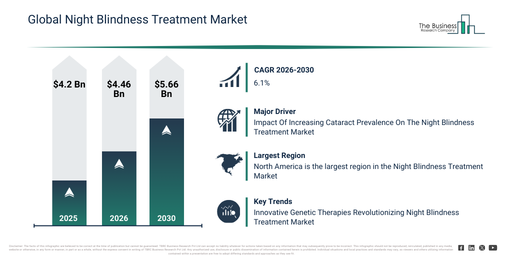
    The night blindness treatment market size has experienced significant expansion in recent years. It is forecast to grow from $4.2 billion in 2025 to $4.46 billion in 2026, at a compound annual growth rate (CAGR) of 6.3%. This growth in the preceding period can be linked to a high incidence of malnutrition, limited availability of eye care services, increasing recognition of vision disorders, an expanding elderly population, and advancements in ophthalmic diagnostics.

    The night blindness treatment market is projected to experience substantial expansion over the coming years, with its size expected to reach $5.66 billion by 2030, demonstrating a compound annual growth rate (CAGR) of 6.1%. This anticipated growth can be attributed to several factors including rising investment in eye health programs, increasing demand for personalized treatments, the expansion of gene therapy applications, growth in healthcare infrastructure, and improving reimbursement policies. Major trends during the forecast period include the rising prevalence of vitamin A deficiency, increasing adoption of early diagnosis techniques, growth in minimally invasive eye surgeries, expanding use of nutritional and preventive therapies, and improved access to vision care in emerging economies.

    Access Your Free Sample Report For In-Depth Market Analysis:

    https://www.thebusinessresearchcompany.com/sample.aspx?id=18413&type=smp

    Which Drivers Are Supporting The Night Blindness Treatment Market Growth?

    The increasing occurrence of cataracts is projected to boost the expansion of the night blindness treatment market in the future. Cataracts are a condition where the eye’s lens becomes opaque, leading to vision impairment. Their development is linked to increased exposure to ultraviolet (UV) light from the sun, smoking, and an unhealthy diet. Cataracts diminish the eye’s ability to differentiate between various light and dark shades, which is vital for seeing at night. This reduced contrast sensitivity complicates navigation and object recognition in dim environments. For example, in May 2024, the Office for Health Improvement & Disparities, a UK-based government department, reported that hospital admissions for cataract surgery in England surged to over 516,000 in the financial year ending 2023, equivalent to 4,679 per 100,000 people, a notable rise from the previous year’s rate of 3,803 per 100,000. Consequently, the rising prevalence of cataracts is fueling the night blindness treatment market.

    Which Segment Categories Are Included In The Night Blindness Treatment Market Segment Analysis?

    The night blindness treatment market covered in this report is segmented –

    1) By Treatment: Medication, Surgery, Other Treatments

    2) By Diagnosis: Blood Tests, Color Vision Testing, Pupil Light Reflex, Refraction, Retinal Exam, Electroretinogram (ERG), Other Diagnoses

    3) By Symptom: Eye Pain, Cloudy Vision, Halos, Light Sensitivity, Distance Vision Problem, Other Symptoms

    4) By End User: Clinic, Hospital, Other End Users

    Subsegments:

    1) By Medication: Vitamin A Supplements, Retinoid Therapy, Beta-Carotene Supplements, Anti-Glaucoma Medications

    2) By Surgery: Cataract Surgery, Retinal Surgery, Corneal Transplantation, LASIK Surgery

    3) By Other Treatments: Light Therapy, Gene Therapy, Low Vision Aids And Assistive Devices, Nutritional Therapy

    Which Trends Are Expected To Impact The Night Blindness Treatment Market?

    Key companies active in the night blindness treatment sector are developing cutting-edge genetic therapies to address the fundamental genetic mutations responsible, aiming to boost treatment efficacy for better patient experiences. Genetic therapies function by targeting and mending specific genetic mutations that disrupt retinal function, potentially restoring vision for individuals with inherited retinal disorders suchibilities as retinitis pigmentosa. For example, in August 2023, HuidaGene Therapeutics., a US-based clinical-stage biotechnology company, unveiled HG004, a gene therapy formulated to treat inherited retinal diseases including Leber’s congenital amaurosis. This therapy has demonstrated its advantage over current treatments in preclinical studies, with the objective of restoring retinal function and easing night blindness and other conditions associated with RPE65-induced impairments.

    Who Are The Active Companies Shaping The Night Blindness Treatment Market?

    Major companies operating in the night blindness treatment market are Johnson & Johnson Private Limited, Bayer AG, Abbott Laboratories, Novartis AG, Regeneron Pharmaceuticals Inc, Bausch Health Companies Inc, Cipla Inc, Nature’s Way, Garden of Life, Apellis Pharmaceuticals Inc, Solgar, Acucela Inc, Swanson Health Products, Astellas Pharma Inc, F. Hoffmann‑La Roche Ltd, Applied Genetic Technologies Corp, MeiraGTx Holdings plc, GenSight Biologics, Santen Pharmaceutical Co Ltd, Alimera Sciences Inc, Opthea Limited, Oxurion NV, EyePoint Pharmaceuticals Inc, Ocuphire Pharma Inc.

    Get The Full Night Blindness Treatment Market Report:

    https://www.thebusinessresearchcompany.com/report/night-blindness-treatment-global-market-report

    Where Is The Night Blindness Treatment Market Primarily Concentrated By Region?

    North America was the largest region in the night blindness treatment market in 2025. Asia-Pacific is expected to be the fastest-growing region in the forecast period. The regions covered in the night blindness treatment market report are Asia-Pacific, South East Asia, Western Europe, Eastern Europe, North America, South America, Middle East, Africa.

    Request A Customized Night Blindness Treatment Market Report For Competitive Insights:

    https://www.thebusinessresearchcompany.com/report/night-blindness-treatment-global-market-report

    Browse Through More Reports Similar to the Global Night Blindness Treatment Market 2026, By The Business Research Company

    Alpers Disease Treatment Market Report 2026

    https://www.thebusinessresearchcompany.com/report/alpers-disease-treatment-global-market-report

    Rare Inflammatory Disease Treatment Market Report

    https://www.thebusinessresearchcompany.com/report/rare-inflammatory-disease-treatment-global-market-report

    Rare Neurological Disease Treatment Market Report

    https://www.thebusinessresearchcompany.com/report/rare-neurological-disease-treatment-global-market-report

    Get in touch with us:

    The Business Research Company: https://www.thebusinessresearchcompany.com/

    Americas +1 310-496-7795

    Asia +44 7882 955267 & +91 8897263534

    Europe +44 7882 955267

    Email us at info@tbrc.info

    Follow us on:

    LinkedIn: https://in.linkedin.com/company/the-business-research-company

    YouTube: https://www.youtube.com/channel/UC24_fI0rV8cR5DxlCpgmyFQ

    Global Market Model: https://www.thebusinessresearchcompany.com/global-market-model

  • Niemann-Pick Disease Type C Treatment Market Forecast Showing Long-Term Industry Progress

    Niemann-Pick Disease Type C Treatment Market Forecast Showing Long-Term Industry Progress

    The Business Research Company’s 2026 market reports feature enhanced tools like market attractiveness analysis, TAM assessment, and company scoring matrices, along with interactive dashboards, deeper supply chain insights, and startup coverage strengthening the depth, usability, and strategic value of insights.

    From Its 2026 Market Size, What Value Is The Niemann-Pick Disease Type C Treatment Market Projected To Reach By 2030?

    The niemann-pick disease type c treatment market size has shown significant growth over recent years. It is anticipated to increase from $2.92 billion in 2025 to $3.19 billion in 2026, achieving a compound annual growth rate (CAGR) of 9.0%. Factors that have historically driven this growth include rare disease awareness initiatives, the availability of limited yet established pharmacological therapies, previous underdiagnosis of NPC, regulatory incentives for orphan drugs, and the expansion of specialty treatment centers.

    The niemann-pick disease type c treatment market is anticipated to experience robust expansion over the next few years, with its valuation expected to reach $4.46 billion in 2030, exhibiting a compound annual growth rate (CAGR) of 8.8%. This expansion throughout the forecast period can be attributed to advances in gene therapy research, growing investments in rare disease R&D, improved diagnostic technologies, the widening of newborn screening programs, and supportive regulatory frameworks for new therapies. Significant trends during this period are projected to include the increased adoption of orphan drug development, a heightened focus on early diagnosis and screening, the expansion of supportive and symptom management therapies, a rise in clinical trial activity for rare diseases, and enhanced patient access programs along with reimbursement support.

    Access Your Free Sample Report For In-Depth Market Analysis:

    https://www.thebusinessresearchcompany.com/sample.aspx?id=23458&type=smp

    What Key Factors Are Affecting The Niemann-Pick Disease Type C Treatment Market Demand?

    The rising occurrence of Alzheimer’s disease is projected to fuel the expansion of the Niemann-Pick disease type C treatments market moving ahead. Alzheimer’s is a progressive condition affecting the brain, marked by the buildup of beta-amyloid plaques and tau protein tangles, which causes a decline in cognitive abilities, memory loss, and difficulties with daily tasks, eventually leading to severe dementia and brain degeneration. This growing prevalence of Alzheimer’s is attributable to the world’s aging population. With increased longevity, particularly in developed nations, the likelihood of developing age-related illnesses such as Alzheimer’s increases considerably, given that older age is the most significant identified risk factor for the illness. Treatments for Niemann-Pick disease type C (NPC) contribute to Alzheimer’s Disease research by offering valuable understanding of lysosomal storage disorders and issues with lipid metabolism. For example, in May 2024, data from the Alzheimer’s Society, a voluntary health organization in the UK, indicated that approximately 982,000 individuals in the UK are currently living with dementia in 2024; however, over one-third of these cases are undiagnosed, and the total is projected to reach 1.4 million by 2040. Consequently, the rising incidence of Alzheimer’s disease is stimulating the expansion of the Niemann-Pick disease type C treatments market.

    How Is The Niemann-Pick Disease Type C Treatment Market Broken Down By Segment Categories?

    The niemann-pick disease type c treatment market covered in this report is segmented –

    1) By Disease Type: Niemann-Pick Diseases Type C1, Niemann-Pick Diseases Type C2

    2) By Age Group: Infantile, Juvenile, Adult

    3) By End-User: Hospitals, Specialty Clinics, Research And Academic Institutes

    Subsegments:

    1) By Niemann-Pick Disease Type C1: Pharmacological Treatment, Gene Therapy, Substrate Reduction Therapy, Supportive Care

    2) By Niemann-Pick Disease Type C2: Enzyme Replacement Therapy, Pharmacological Treatment, Gene Therapy, Supportive Care

    What Trends Are Influencing Changes In The Niemann-Pick Disease Type C Treatment Market?

    Leading companies in the Niemann-pick disease type C (NPC) treatment market are concentrating on developing innovative treatments, such as neuroprotective therapies, to slow disease progression and enhance patient outcomes. Neuroprotective therapies are interventions created to shield the brain and nervous system from damage or degeneration, often aiming to preserve neurological function in conditions like neurodegenerative diseases. For example, in September 2024, IntraBio Inc., a US-based biopharmaceutical company, announced the approval from the United States Food and Drug Administration (FDA), a US-based regulatory agency, for AQNEURSA (levacetylleucine), positioning it as the first stand-alone therapy for Niemann-Pick Disease Type C (NPC). This approval follows successful Phase III trial results, which indicated significant neurological improvements in NPC patients within 12 weeks. AQNEURSA offers a long-awaited treatment choice for individuals affected by this rare lysosomal storage disorder, which impacts movement, cognition, and daily function. IntraBio also intends to explore AQNEURSA’s potential for addressing other neurodegenerative and neurodevelopmental disorders.

    Which Players Are Present In The Niemann-Pick Disease Type C Treatment Market Space?

    Major companies operating in the niemann-pick disease type c treatment market are Mayo Clinic, Boston Children’s Hospital, Cincinnati Children’s Hospital Medical Center, Mallinckrodt Pharmaceuticals, Rainbow Children’s Hospital, CENTOGENE N.V., The Florey Institute of Neuroscience and Mental Health, National Organization for Rare Disorders NORD, National Niemann‑Pick Disease Foundation NNPDF, Bloomsbury Genetic Therapies Ltd., Vtesse Inc., Cyclo Therapeutics Inc., Orphazyme A S, Intrabio Inc., Sarepta Therapeutics Inc., StrideBio, Azafaros B V, ViroMed, NeuroSense Therapeutics, ArmaGen, Synlogic, Editas Medicine, Passage Bio, Chameleon Bio, Aro Bio, Glycomine, Scenic Biotech, Actio Biosciences, AIRNA Therapeutics

    Get The Full Niemann-Pick Disease Type C Treatment Market Report:

    https://www.thebusinessresearchcompany.com/report/niemann-pick-disease-type-c-treatment-global-market-report

    Which Region Has The Greatest Market Share In The Niemann-Pick Disease Type C Treatment Market?

    North America was the largest region in the niemann-pick disease type C treatment market in 2025. Asia-Pacific is expected to be the fastest-growing region in the forecast period. The regions covered in the niemann-pick disease type c treatment market report are Asia-Pacific, South East Asia, Western Europe, Eastern Europe, North America, South America, Middle East, Africa.

    Request A Customized Niemann-Pick Disease Type C Treatment Market Report For Competitive Insights:

    https://www.thebusinessresearchcompany.com/report/niemann-pick-disease-type-c-treatment-global-market-report

    Browse Through More Reports Similar to the Global Niemann-Pick Disease Type C Treatment Market 2026, By The Business Research Company

    Rare Neurological Disease Treatment Market Report 2026

    https://www.thebusinessresearchcompany.com/report/rare-neurological-disease-treatment-global-market-report

    Alpers Disease Treatment Market Report

    https://www.thebusinessresearchcompany.com/report/alpers-disease-treatment-global-market-report

    Kidney Disease Market Report

    https://www.thebusinessresearchcompany.com/report/kidney-disease-global-market-report

    Get in touch with us:

    The Business Research Company: https://www.thebusinessresearchcompany.com/

    Americas +1 310-496-7795

    Asia +44 7882 955267 & +91 8897263534

    Europe +44 7882 955267

    Email us at info@tbrc.info

    Follow us on:

    LinkedIn: https://in.linkedin.com/company/the-business-research-company

    YouTube: https://www.youtube.com/channel/UC24_fI0rV8cR5DxlCpgmyFQ

    Global Market Model: https://www.thebusinessresearchcompany.com/global-market-model

  • Niemann-Pick Disease (NPD) Market Trends Influencing Growth Through 2030

    Niemann-Pick Disease (NPD) Market Trends Influencing Growth Through 2030

    The Business Research Company’s 2026 market reports feature enhanced tools like market attractiveness analysis, TAM assessment, and company scoring matrices, along with interactive dashboards, deeper supply chain insights, and startup coverage strengthening the depth, usability, and strategic value of insights.

    How Much Growth In Market Value Is Expected For The Niemann-Pick Disease (NPD) Market Between 2026 And 2030?

    The niemann-pick disease (npd) market has experienced significant expansion in recent years. It is anticipated to grow from $1.07 billion in 2025 to $1.19 billion in 2026, progressing at a compound annual growth rate (CAGR) of 11.1%. Historically, the growth can be attributed to elements such as limited treatment availability, low disease awareness, delayed diagnosis rates, a reliance on symptomatic management, and high treatment costs.

    The Niemann-Pick Disease (NPD) market size is projected to experience substantial growth in the upcoming years. It is expected to reach $1.79 billion by 2030, showing a compound annual growth rate (CAGR) of 10.8%. This expansion in the forecast period is attributable to increased funding for rare diseases, progress in gene therapy research, the extension of newborn screening programs, rising healthcare spending, and supportive regulatory frameworks. Key trends for the forecast period include a growing emphasis on early genetic screening, the expansion of orphan drug development, an increase in patient advocacy and awareness initiatives, the advancement of enzyme replacement and substrate reduction therapies, and enhanced multidisciplinary approaches to disease management.

    Access Your Free Sample Report For In-Depth Market Analysis:

    https://www.thebusinessresearchcompany.com/sample.aspx?id=23457&type=smp

    Which Primary Drivers Are Impacting The Niemann-Pick Disease (NPD) Market Growth?

    The increasing use of gene therapy is anticipated to drive expansion in the niemann-pick disease (NPD) market moving ahead. This medical approach focuses on altering or adjusting an individual’s genes to address or avert illnesses. Its prevalence is increasing, driven by developments in genetic engineering which allow for accurate and impactful gene alterations, leading to better results for genetic conditions. For niemann-pick disease (NPD), gene therapy offers a treatment by addressing the fundamental genetic mutations, with the goal of rectifying the enzyme shortages responsible for the condition and enhancing cellular performance. As an example, the American Society of Gene and Cell Therapy, a US-based group dedicated to gene and cell therapy, reported in January 2024 that the quantity of gene therapies in Phase III trials saw a 10% increase during the fourth quarter of 2023 compared to the preceding quarter. This marked the initial rise observed since the third quarter of 2022. Consequently, the expanding acceptance of gene therapy is fueling the expansion of the niemann-pick disease (NPD) market.

    What Are The Different Segment Types In The Niemann-Pick Disease (NPD) Market Segment Breakdown?

    The niemann-pick disease (npd) market covered in this report is segmented –

    1) By Type: Niemann-Pick Disease Type A, Niemann-Pick Disease Type B, Niemann-Pick Disease Type C

    2) By Treatment Type: Drugs, Physical Therapy, Other Treatment Types

    3) By Route Of Administration: Oral, Intravenous, Subcutaneous

    4) By Distribution Channel: Hospital Pharmacies, Retail Pharmacies, Other Distribution Channels

    5) By End-User: Hospitals, Clinics, Homecare Settings

    Subsegments:

    1) By Niemann-Pick Disease Type A: Infantile-Onset Niemann-Pick Disease, Neurodegenerative Niemann-Pick Disease, Acute Visceral Niemann-Pick Disease, Severe Lysosomal Storage Disorder

    2) By Niemann-Pick Disease Type B: Late-Onset Niemann-Pick Disease, Non-Neurological Niemann-Pick Disease, Chronic Visceral Niemann-Pick Disease, Mild Lysosomal Storage Disorder

    3) By Niemann-Pick Disease Type C: Early-Onset Niemann-Pick Disease, Juvenile Niemann-Pick Disease, Adult-Onset Niemann-Pick Disease, Progressive Neurodegenerative Niemann-Pick Disease

    Which Trends Are Shaping Growth In The Niemann-Pick Disease (NPD) Market?

    Leading companies within the niemann-pick disease (NPD) market are concentrating on developing advanced treatments, such as combination therapy, to boost efficacy and improve patient outcomes. This approach involves administering two or more therapeutic agents or treatment strategies to address a disease or medical condition. The method aims to enhance effectiveness and minimize resistance to single-agent therapy (monotherapy). For instance, in September 2024, Zevra Therapeutics Inc., a US-based biopharmaceutical company, received U.S. Food and Drug Administration (FDA) approval for MIPLYFFA, in combination with miglustat, for the treatment of neurological manifestations of Niemann-Pick disease type C (NPC) in both adult and pediatric patients aged 2 years and older. MIPLYFFA (arimoclomol) functions by enhancing the production of heat shock proteins (HSPs), which assist in clearing toxic lipid buildup and protecting neurons from damage. Concurrently, miglustat inhibits glucosylceramide synthase, thereby reducing lipid accumulation. Together, these two therapies help slow the progression of neurological decline in NPC patients.

    Who Are The Well-Known Companies In The Niemann-Pick Disease (NPD) Market?

    Major companies operating in the niemann-pick disease (npd) market are Sanofi S.A., Mayo Clinic, Cincinnati Children’s Hospital Medical Center, Boston Children’s Hospital, Mallinckrodt Pharmaceuticals plc, Myriad Genetics, CENTOGENE N.V., The Florey Institute of Neuroscience and Mental Health, National Organization for Rare Disorders (NORD), Evox Therapeutics Limited, Bloomsbury Genetic Therapies Ltd., Cyclo Therapeutics Inc., CarelonRx, Rainbow Children’s Hospital, Vtesse Inc., Orphazyme A/S, Zebra Biologics, Sarepta Therapeutics Inc., Takeda Pharmaceutical Company Limited, Pfizer Inc., Novartis International AG, Ultragenyx Pharmaceutical Inc., Passage Bio, Amicus Therapeutics Inc., PTC Therapeutics, SOM Biotech, ENDECE, StrideBio, Mandos Health, BioMarin Pharmaceutical Inc.

    Get The Full Niemann-Pick Disease (NPD) Market Report:

    https://www.thebusinessresearchcompany.com/report/niemann-pick-disease-npd-global-market-report

    Which Region Accounts For The Largest Portion Of The Niemann-Pick Disease (NPD) Market?

    North America was the largest region in the niemann-pick disease (NPD) market in 2025. Asia-Pacific is expected to be the fastest-growing region in the forecast period. The regions covered in the niemann-pick disease (npd) market report are Asia-Pacific, South East Asia, Western Europe, Eastern Europe, North America, South America, Middle East, Africa.

    Request A Customized Niemann-Pick Disease (NPD) Market Report For Competitive Insights:

    https://www.thebusinessresearchcompany.com/report/niemann-pick-disease-npd-global-market-report

    Browse Through More Reports Similar to the Global Niemann-Pick Disease (NPD) Market 2026, By The Business Research Company

    Oncology Drugs Market

    https://www.thebusinessresearchcompany.com/report/oncology-drugs-market

    Community Oncology Services Market Report

    https://www.thebusinessresearchcompany.com/report/community-oncology-services-global-market-report

    Oncology Companion Diagnostics Market Report

    https://www.thebusinessresearchcompany.com/report/oncology-companion-diagnostics-global-market-report

    Get in touch with us:

    The Business Research Company: https://www.thebusinessresearchcompany.com/

    Americas +1 310-496-7795

    Asia +44 7882 955267 & +91 8897263534

    Europe +44 7882 955267

    Email us at info@tbrc.info

    Follow us on:

    LinkedIn: https://in.linkedin.com/company/the-business-research-company

    YouTube: https://www.youtube.com/channel/UC24_fI0rV8cR5DxlCpgmyFQ

    Global Market Model: https://www.thebusinessresearchcompany.com/global-market-model
  • NGS Oncology Market Growth Outlook Through 2030 Highlighting Market Expansion Trends

    NGS Oncology Market Growth Outlook Through 2030 Highlighting Market Expansion Trends

    The Business Research Company’s 2026 market reports feature enhanced tools like market attractiveness analysis, TAM assessment, and company scoring matrices, along with interactive dashboards, deeper supply chain insights, and startup coverage strengthening the depth, usability, and strategic value of insights.

    What Is The Estimated Market Size Of The NGS Oncology Market In 2026, And How Will Its Value Evolve By 2030?

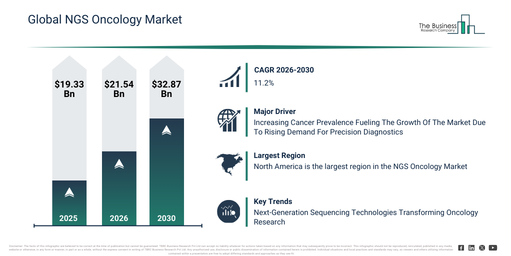
    The ngs oncology market has experienced significant expansion recently. This market is projected to expand from $19.33 billion in 2025 to $21.54 billion in 2026, demonstrating a compound annual growth rate (CAGR) of 11.4%. Factors contributing to this historical growth include declining sequencing costs, rising global cancer prevalence, increased oncology research funding, early adoption of targeted therapies, and the growth of genomic research initiatives.

    The ngs oncology market is projected for substantial expansion in the coming years. It is anticipated to reach $32.87 billion by 2030, exhibiting a compound annual growth rate (CAGR) of 11.2%. This increase during the projected period stems from factors such as the expansion of precision oncology programs, rising demand for personalized cancer treatments, a surge in approvals for ngs-based diagnostics, progress in bioinformatics analytics, and the incorporation of ngs into standard clinical guidelines. Key trends expected over the forecast horizon encompass broader comprehensive tumor profiling, greater uptake of liquid biopsy NGS, enhanced clinical applicability of multi-gene panels, the incorporation of NGS into everyday oncology diagnostics, and an increasing need for quicker sequencing workflows.

    Access Your Free Sample Report For In-Depth Market Analysis:

    https://www.thebusinessresearchcompany.com/sample.aspx?id=24337&type=smp

    What Significant Factors Are Influencing The NGS Oncology Market Expansion?

    The increasing incidence of cancer is anticipated to drive the expansion of the NGS oncology market in the future. Cancer is characterized by the uncontrolled proliferation of anomalous cells, which can spread to other bodily regions and disrupt regular physiological processes. This increase in cancer cases is largely attributed to an aging populace, overall population expansion, and greater exposure to risk factors such as tobacco use, alcohol consumption, obesity, and air pollution. NGS oncology contributes to public health and enhances patient care through facilitating early discovery, accurate diagnosis, and tailored treatment strategies via comprehensive genetic profiling of tumors. For example, data released in January 2024 by the American Cancer Society, a US-based non-profit organization, indicates that the United States is forecast to record 2,001,140 new cancer cases and 611,720 cancer deaths in 2024, a rise from 1,958,310 cases and 609,820 deaths in 2023. Consequently, the growing occurrence of cancer is a key factor propelling the expansion of the NGS oncology market.

    Which Segment Classifications Are Used In The NGS Oncology Market Segment Analysis?

    The ngs oncology market covered in this report is segmented –

    1) By Sequencing Technology: Targeted Sequencing, Genomics, Transcriptomics, Epigenomics

    2) By Offering: Platform, Kits, Services

    3) By Workflow: Pre-Sequencing, Sequencing, Data Analysis

    4) By Application: Genetic Screening, Hereditary Genetic Testing, Hematological Malignancies, Solid Tumors, Other Applications

    5) By End User: Hospitals And Clinics, Clinical Research Organizations (CROs), Academic And Research Institutes, Pharmaceutical And Biotechnology Companies, Other End Users

    Subsegments:

    1) By Targeted Sequencing: Whole Exome Sequencing (WES), Amplicon-Based Sequencing, Hybridization-Based Sequencing

    2) By Genomics: Whole Genome Sequencing (WGS), Structural Variant Detection, Copy Number Variation (CNV) Analysis

    3) By Transcriptomics: RNA Sequencing, Single-Cell Transcriptomics, Non-Coding RNA Analysis

    4) By Epigenomics: DNA Methylation Sequencing, Chromatin Immunoprecipitation Sequencing, Histone Modification Analysis

    What Trends Are Affecting The Direction Of The NGS Oncology Market?

    Leading firms within the NGS oncology market are concentrating on creating advanced solutions, including liquid biopsy research assays, to facilitate non-invasive, real-time cancer identification and tracking by analyzing circulating tumor DNA. This type of diagnostic test examines biological fluids, like blood, to identify genetic alterations or other molecular indicators linked to cancer, thereby supporting non-invasive cancer detection and monitoring. For example, in August 2024, Illumina Inc., a US-based biotechnology company focused on next-generation sequencing (NGS) technology, broadened its oncology offerings for users of its NovaSeq X Series. The company now provides the recently validated high-throughput TruSight Oncology 500 (TSO 500 HT) and the upgraded TruSight Oncology 500 ctDNA v2 (TSO 500 ctDNA v2) liquid biopsy research assay. These improved assays empower laboratories to expand their oncology research capacities for both tissue and liquid biopsy samples, offering better sequencing efficiency, shorter run durations, and the novel capability to process greater sample volumes on the NovaSeq X Series.

    Which Firms Are Contributing To The NGS Oncology Market Ecosystem?

    Major companies operating in the ngs oncology market are Hoffmann-La Roche Ltd., Thermo Fisher Scientific Inc., Agilent Technologies Inc., Eurofins Scientific SE, Illumina Inc., Qiagen N.V., Tecan Trading AG, Myriad Genetics, Takara Bio Inc., Beijing Genomics Institute (BGI), Caris Life Sciences, Foundation Medicine, Paradigm Diagnostics, Pacific Bioscience, Horizon Discovery Group plc , Creative-Biolabs, Xcelris Labs Ltd., Partek Inc., 4baseCare, SciGenom Labs Pvt. Ltd.

    Get The Full NGS Oncology Market Report:

    https://www.thebusinessresearchcompany.com/report/ngs-oncology-global-market-report

    Which Region Holds The Highest Market Share In The NGS Oncology Market?

    North America was the largest region in the NGS oncology market in 2025. Asia-Pacific is expected to be the fastest-growing region in the forecast period. The regions covered in the ngs oncology market report are Asia-Pacific, South East Asia, Western Europe, Eastern Europe, North America, South America, Middle East, Africa.

    Request A Customized NGS Oncology Market Report For Competitive Insights:

    https://www.thebusinessresearchcompany.com/report/ngs-oncology-global-market-report

    Browse Through More Reports Similar to the Global NGS Oncology Market 2026, By The Business Research Company

    Ngs Based Rna Sequencing Market Report 2026

    https://www.thebusinessresearchcompany.com/report/ngs-based-rna-sequencing-global-market-report

    Prenatal Dna Sequencing Market Report

    https://www.thebusinessresearchcompany.com/report/prenatal-dna-sequencing-global-market-report

    Next Generation Firewall Market Report

    https://www.thebusinessresearchcompany.com/report/next-generation-firewall-global-market-report

    Get in touch with us:

    The Business Research Company: https://www.thebusinessresearchcompany.com/

    Americas +1 310-496-7795

    Asia +44 7882 955267 & +91 8897263534

    Europe +44 7882 955267

    Email us at info@tbrc.info

    Follow us on:

    LinkedIn: https://in.linkedin.com/company/the-business-research-company

    YouTube: https://www.youtube.com/channel/UC24_fI0rV8cR5DxlCpgmyFQ

    Global Market Model: https://www.thebusinessresearchcompany.com/global-market-model

  • Next-Generation Sequencing Data Analysis Market Insights Highlighting Growth Drivers And Market Trends

    Next-Generation Sequencing Data Analysis Market Insights Highlighting Growth Drivers And Market Trends

    The Business Research Company’s 2026 market reports feature enhanced tools like market attractiveness analysis, TAM assessment, and company scoring matrices, along with interactive dashboards, deeper supply chain insights, and startup coverage strengthening the depth, usability, and strategic value of insights.

    How Does The Market Size Of The Next-Generation Sequencing Data Analysis Market Compare Between 2026 And 2030?

    The next-generation sequencing data analysis market has experienced significant expansion in its size over recent years. This market is projected to expand from a value of $1.48 billion in 2025 to $1.8 billion by 2026, demonstrating a compound annual growth rate (CAGR) of 21.9%. Historically, this growth can be attributed to several factors, including an increase in NGS data generation volumes, the growing application of genomic data in research, the broadening of clinical sequencing initiatives, advancements in computational infrastructure, and the heightened uptake of outsourced bioinformatics services.

    The next-generation sequencing data analysis market is anticipated to experience substantial growth in the upcoming years. It is projected to expand to $3.93 billion by 2030, demonstrating a compound annual growth rate (CAGR) of 21.5%. This expansion during the forecast period is propelled by factors such as the increasing integration of artificial intelligence in variant interpretation, a growing need for real-time genomic insights, the broadening of personalized medicine applications, rising investments in secure genomic data platforms, and an intensified regulatory focus on data compliance. Significant trends expected during this time include the accelerating adoption of AI-driven bioinformatics platforms, a surging demand for cloud-based NGS data analysis, the expanding utilization of long-read sequencing analytics, the proliferation of integrated genomic pipelines, and a stronger emphasis on the accuracy of data interpretation.

    Access Your Free Sample Report For In-Depth Market Analysis:

    https://www.thebusinessresearchcompany.com/sample.aspx?id=19614&type=smp

    Which Important Drivers Are Guiding The Next-Generation Sequencing Data Analysis Market Growth?

    The rising incidence of cancer is anticipated to fuel the expansion of the next-generation sequencing data analysis market in the future. Cancer, a collection of illnesses, is defined by the unregulated proliferation and dispersion of atypical cells throughout the body, which, if left untreated, could result in severe health issues or fatality. Unhealthy lifestyle choices, such as smoking, heavy alcohol intake, and diets high in processed foods while lacking in fruits and vegetables, can considerably elevate cancer risk. Next-generation sequencing data analysis assists in cancer therapy by allowing for the accurate detection of genetic mutations, thereby facilitating individualized treatments and more successful therapeutic approaches customized to an individual’s unique cancer genetic profile. For example, in February 2024, the World Health Organization, an intergovernmental organization based in Switzerland, predicted more than 35 million new cancer cases by 2050, signifying a 77% rise from the approximately 20 million cases estimated in 2022. Consequently, the expanding occurrence of cancer is stimulating the development of the next-generation sequencing data analysis market.

    How Is The Next-Generation Sequencing Data Analysis Market Organized By Segment Classification?

    The next-generation sequencing data analysis market covered in this report is segmented –

    1) By Product: Services, Next-Generation Sequencing (NGS) Commercial Software

    2) By Read Length: Short Read Sequencing, Long Read Sequencing, Very Long Read Sequencing

    3) By Mode: In-House, Outsourced

    4) By Workflow: Primary, Secondary, Tertiary

    5) By End-User: Academic Research, Clinical Research, Hospitals And Clinics, Pharma And Biotech Entities, Other End-Users

    Subsegments:

    1) By Services: Data Analysis Services, Bioinformatics Services, Consulting Services, Training and Support Services

    2) By Next-Generation Sequencing (NGS) Commercial Software: Data Management Software, Alignment Software, Variant Calling Software, Visualization Software, Pipeline Management Software, Specialized Analysis Software

    What Trends Are Influencing The Evolution Of The Next-Generation Sequencing Data Analysis Market?

    Leading companies within the next-generation sequencing data analysis market are concentrating on developing advanced secondary analysis bioinformatics software to enable faster and more precise identification of genetic variants for both research and clinical applications. This secondary analysis bioinformatics software is designed to process raw sequencing data from next-generation sequencing (NGS) and convert it into interpretable formats, such as variant call files (VCF), thereby streamlining the analysis of NGS data for research and clinical purposes. An example of this innovation occurred in January 2024, when QIAGEN Digital Insights, a US-based bioinformatics business of QIAGEN, introduced the QIAGEN CLC Genomics Workbench Premium with LightSpeed technology. This software significantly improves next-generation sequencing for somatic cancer analysis and rapidly processes whole genome sequencing (WGS) samples. Utilizing LightSpeed technology, which efficiently converts raw FASTQ data into interpretable formats, it can analyze 34x human genomes in 25 minutes and 50x exomes in 90 seconds. Offering costs as low as $1 for genomes and a few cents for exomes when utilizing cloud infrastructure, it presents a cost-effective solution for high-throughput labs. The program functions on ordinary hardware or cloud platforms, providing flexibility and excellent accuracy, making it well-suited for clinical applications while minimizing its carbon footprint.

    Who Are The Industry Participants Involved In The Next-Generation Sequencing Data Analysis Market?

    Major companies operating in the next-generation sequencing data analysis market are Thermo Fisher Scientific Inc., Agilent Technologies Inc., Illumina Inc., QIAGEN N.V., MedGenome Inc., Element Biosciences Inc., Seven Bridges Genomics Inc., Synthego Corp., Eurofins Genomics India Pvt. Ltd., Fabric Genomics Inc., Strand Life Sciences Pvt. Ltd., Admera Health LLC, Congenica Ltd., DNASTAR Inc., Golden Helix Inc., Geneious, SciGenom Labs Pvt. Ltd., Partek Incorporated, PathoQuest SAS, BioDatomics Inc., BGI Genomics Co. Ltd

    Get The Full Next-Generation Sequencing Data Analysis Market Report:

    https://www.thebusinessresearchcompany.com/report/next-generation-sequencing-data-analysis-global-market-report

    Where Is The Next-Generation Sequencing Data Analysis Market Most Concentrated Geographically?

    North America was the largest region in the next-generation sequencing data analysis market in 2025. Asia-Pacific is expected to be the fastest-growing region in the forecast period. The regions covered in the next-generation sequencing data analysis market report are Asia-Pacific, South East Asia, Western Europe, Eastern Europe, North America, South America, Middle East, Africa.

    Request A Customized Next-Generation Sequencing Data Analysis Market Report For Competitive Insights:

    https://www.thebusinessresearchcompany.com/report/next-generation-sequencing-data-analysis-global-market-report

    Browse Through More Reports Similar to the Global Next-Generation Sequencing Data Analysis Market 2026, By The Business Research Company

    Ovarian Cancer Diagnostics Market Report 2026

    https://www.thebusinessresearchcompany.com/report/ovarian-cancer-diagnostics-global-market-report

    Cervical Cancer Diagnostics Market Report

    https://www.thebusinessresearchcompany.com/report/cervical-cancer-diagnostics-global-market-report

    Cancer Diagnostics Market Report

    https://www.thebusinessresearchcompany.com/report/cancer-diagnostics-global-market-report

    Get in touch with us:

    The Business Research Company: https://www.thebusinessresearchcompany.com/

    Americas +1 310-496-7795

    Asia +44 7882 955267 & +91 8897263534

    Europe +44 7882 955267

    Email us at info@tbrc.info

    Follow us on:

    LinkedIn: https://in.linkedin.com/company/the-business-research-company

    YouTube: https://www.youtube.com/channel/UC24_fI0rV8cR5DxlCpgmyFQ

    Global Market Model: https://www.thebusinessresearchcompany.com/global-market-model
  • Next-Generation Gynecological Cancer Diagnostics Market Developments Across The Forecast Period

    Next-Generation Gynecological Cancer Diagnostics Market Developments Across The Forecast Period

    The Business Research Company’s 2026 market reports feature enhanced tools like market attractiveness analysis, TAM assessment, and company scoring matrices, along with interactive dashboards, deeper supply chain insights, and startup coverage strengthening the depth, usability, and strategic value of insights.

    What Is The Forecasted Market Size Trajectory Of The Next-Generation Gynecological Cancer Diagnostics Market From 2026 To 2030?

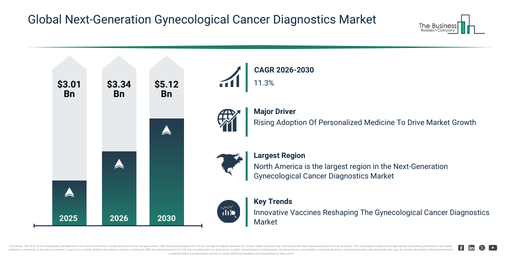
    The next-generation gynecological cancer diagnostics market has seen significant expansion in recent years. It is forecast to increase from $3.01 billion in 2025 to $3.34 billion in 2026, at a compound annual growth rate (CAGR) of 11.1%. The upward trend observed historically can be linked to the rising incidence of gynecological cancers, enhanced awareness concerning women’s health screening, developments in molecular diagnostics, the broadening of hospital diagnostic infrastructure, and cancer screening programs supported by governments.

    The next-generation gynecological cancer diagnostics market is projected to experience substantial expansion in the coming years. This market is anticipated to reach $5.12 billion by 2030, exhibiting a compound annual growth rate (CAGR) of 11.3%. Key factors contributing to this growth during the forecast period include the escalating demand for precision medicine, the wider integration of AI-powered diagnostics, the broader application of genetic and epigenetic testing, heightened investment in oncology research and development, and enhanced availability of sophisticated diagnostics in developing regions. Significant trends during this period encompass the increasing embrace of biomarker-driven screening, a move towards tailored gynecological oncology diagnostics, the expanded role of companion diagnostics in therapeutic strategies, the increasing application of non-invasive and liquid biopsy methods, and a sharpened emphasis on detecting cancer at earlier stages.

    Access Your Free Sample Report For In-Depth Market Analysis:

    https://www.thebusinessresearchcompany.com/sample.aspx?id=12020&type=smp

    What Major Factors Are Driving The Next-Generation Gynecological Cancer Diagnostics Market Forward?

    The next-generation gynecological cancer diagnostics market is projected to expand significantly, driven by the increasing integration of personalized medicine. Personalized medicine represents an advanced healthcare strategy, customizing medical treatments and interventions according to each patient’s distinct genetic, molecular, and clinical attributes, thereby facilitating more accurate diagnoses, precisely targeted therapies, and enhanced patient outcomes. This rise in personalized medicine adoption stems from progress in biomarker identification, supportive regulations, and the wider availability of molecularly targeted therapies. Next-generation gynecological cancer diagnostics play a crucial role by supporting clinical decision-making through tumor profiling, predicting treatment responses, and guiding tailored therapeutic approaches. Illustrating this trend, the Personalized Medicine Coalition, a US-based nonprofit, reported in February 2024 that the USFDA approved 16 new personalized treatments for rare disease patients in 2023, marking a considerable increase from 6 personalized treatments approved in 2022. Ultimately, the expanding acceptance of personalized medicine is a key force driving the growth of the next-generation gynecological cancer diagnostics market.

    Which Segments Define The Next-Generation Gynecological Cancer Diagnostics Market Segment Structure?

    The next-generation gynecological cancer diagnostics market covered in this report is segmented –

    1) By Cancer Type: Cervical Cancer, Ovarian Cancer, Uterine Cancer, Vaginal Cancer, Vulvar Cancer

    2) By Function: Therapeutic Monitoring, Companion Diagnostics, Prognostics, Cancer Screening, Risk Analysis

    3) By Technology: Next-Generation Sequencing, qPCR And Multiplexing, Lab-On-A-Chip (LOAC) And Reverse Transcriptase-PCR (RT-PCR), Protein Microarrays, DNA Microarrays

    4) By Application: Biomarker Development, CTC Analysis, Proteomic Analysis, Epigenetic Analysis, Genetic Analysis

    5) By End User: Hospitals And Ambulatory Centers, Diagnostic Laboratories, Academic And Research Institutes

    Subsegments:

    1) By Cervical Cancer: HPV Testing, Pap Smear Testing, Liquid-Based Cytology, Biomarker Testing

    2) By Ovarian Cancer: CA-125 Testing, HE4 Testing, Genetic Testing (BRCA1 Or BRCA2), Imaging Techniques

    3) By Uterine Cancer: Endometrial Biopsy, Ultrasound Imaging, Genetic Testing (PMS2, MLH1), Biomarker Testing

    4) By Vaginal Cancer: Pap Smear Testing, HPV Testing, Biopsy Procedures

    5) By Vulvar Cancer: Visual Inspection, Biopsy, HPV Testing, Genetic Testing

    Which Trends Are Impacting The Progress Of The Next-Generation Gynecological Cancer Diagnostics Market?

    Leading companies operating within the gynecological cancer diagnostics market are innovating with new products such as cervical cancer vaccines to secure a competitive advantage. A vaccine is a biological preparation that provides active acquired immunity to a particular disease. For instance, in July 2023, Serum Institute of India Pvt. Ltd., an India-based biotechnology company, launched Cervavac, the country’s first domestically-made vaccine specifically designed to protect against cervical cancer. Cervavac offers protection against the Human Papilloma Virus, which is the main cause of cervical cancer, and will be accessible to both men and women. Cervavac acts prophylactically by stimulating the immune system to prevent HPV infection and provides cross-protection against multiple high-risk HPV types. It demonstrates high efficacy against HPV types 16 and 18, coupled with proven safety. Offered at an affordable price range of 200 to 400 rupees (about $2.50 to $5), Cervavac enhances its accessibility, particularly for marginalized communities, and contributes to the objective of making cervical cancer prevention more cost-effective in India.

    Who Are The Established Players Within The Next-Generation Gynecological Cancer Diagnostics Market?

    Major companies operating in the next-generation gynecological cancer diagnostics market are F. Hoffmann-La Roche Ltd., Thermo Fisher Scientific Inc., Abbott Laboratories, Siemens Healthcare GmbH, Agena Bioscience Inc., Koninklijke Philips N.V., Becton, Dickinson and Company, GE HealthCare Technologies Inc., Laboratory Corporation Of America Holdings, Quest Diagnostics Incorporated, Agilent Technologies Inc., Hologic Inc., Illumina Inc., PerkinElmer Inc., Sysmex Corporation, Qiagen N.V., ARUP Laboratories, Almac Group, BGI Genomics Co Ltd, OPKO HEALTH Inc., BGI Genomics Co. Ltd., Myriad Genetics Inc., Fulgent Genetics Inc., Cepheid, Invitae Corporation, Centogene NV

    Get The Full Next-Generation Gynecological Cancer Diagnostics Market Report:

    https://www.thebusinessresearchcompany.com/report/next-generation-gynecological-cancer-diagnostics-global-market-report

    Which Region Dominates The Next-Generation Gynecological Cancer Diagnostics Market By Market Share?

    North America a was the largest region in the next-generation gynecological cancer diagnostics market in 2025. Asia-Pacific is expected to be the fastest-growing region in the forecast period. The regions covered in the next-generation gynecological cancer diagnostics market report are Asia-Pacific, South East Asia, Western Europe, Eastern Europe, North America, South America, Middle East, Africa.

    Request A Customized Next-Generation Gynecological Cancer Diagnostics Market Report For Competitive Insights:

    https://www.thebusinessresearchcompany.com/report/next-generation-gynecological-cancer-diagnostics-global-market-report

    Browse Through More Reports Similar to the Global Next-Generation Gynecological Cancer Diagnostics Market 2026, By The Business Research Company

    Antibody Discovery Market Report 2026

    https://www.thebusinessresearchcompany.com/report/antibody-discovery-global-market-report

    Antibody Drug Conjugates Market Report

    https://www.thebusinessresearchcompany.com/report/antibody-drug-conjugates-global-market-report

    Monoclonal Antibodies Market Report

    https://www.thebusinessresearchcompany.com/report/monoclonal-antibodies-global-market-report

    Get in touch with us:

    The Business Research Company: https://www.thebusinessresearchcompany.com/

    Americas +1 310-496-7795

    Asia +44 7882 955267 & +91 8897263534

    Europe +44 7882 955267

    Email us at info@tbrc.info

    Follow us on:

    LinkedIn: https://in.linkedin.com/company/the-business-research-company

    YouTube: https://www.youtube.com/channel/UC24_fI0rV8cR5DxlCpgmyFQ

    Global Market Model: https://www.thebusinessresearchcompany.com/global-market-model
  • Next-Generation Antibody Therapeutics Market Forecast Covering Demand Trends And Industry Growth

    Next-Generation Antibody Therapeutics Market Forecast Covering Demand Trends And Industry Growth

    The Business Research Company’s 2026 market reports feature enhanced tools like market attractiveness analysis, TAM assessment, and company scoring matrices, along with interactive dashboards, deeper supply chain insights, and startup coverage strengthening the depth, usability, and strategic value of insights.

    How Much Will The Market Value Of The Next-Generation Antibody Therapeutics Market Grow Between 2026 And 2030?

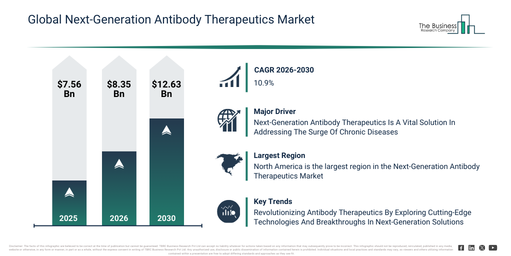
    The next-generation antibody therapeutics market size has experienced rapid growth in recent years. It is projected to expand from $7.56 billion in 2025 to $8.35 billion in 2026, achieving a compound annual growth rate (CAGR) of 10.4%. The increase observed in the historic period can be attributed to factors such as a rise in monoclonal antibody approvals, the growing prevalence of cancer, an expansion of biologics manufacturing capacity, increased investment in pharmaceutical research and development, and enhanced regulatory pathways for biologics.

    The next-generation antibody therapeutics market is projected for significant expansion over the coming years. By 2030, this market is anticipated to reach $12.63 billion, exhibiting a compound annual growth rate (CAGR) of 10.9%. Several factors will contribute to this projected increase, including innovations in antibody engineering technologies, a growing need for targeted treatments, the rising occurrence of chronic and autoimmune conditions, the expansion of clinical research in developing regions, and increasing collaborations between biotechnology and pharmaceutical firms. Key trends anticipated during this period involve the broadening of bispecific and multispecific antibody platforms, the increased use of antibody-drug conjugates in cancer treatment, a heightened emphasis on high-affinity and extended-duration antibodies, an expanding pipeline of clinical trials for rare and orphan diseases, and a move towards customized antibody-based therapeutic approaches.

    Access Your Free Sample Report For In-Depth Market Analysis:

    https://www.thebusinessresearchcompany.com/sample.aspx?id=12678&type=smp

    Which Key Drivers Are Affecting The Next-Generation Antibody Therapeutics Market Development?

    The rising occurrence of chronic ailments is anticipated to fuel the expansion of the next-generation antibody therapeutics market. These are conditions persisting for a year or more, necessitating ongoing medical attention, limiting daily functions, or a combination thereof. Next-generation antibody therapeutics offer a therapeutic role for individuals with chronic illnesses, delivering more focused care which benefits patient outcomes. For instance, in January 2023, according to the National Center for Biotechnology Information (NCBI), a US-based National Library of Medicine, it was projected that by the year 2050, the number of individuals aged 50 years and older who have at least one chronic illness will surge by 99.5%, rising to 142.66 million. Consequently, the increasing prevalence of chronic diseases is propelling the growth of the next-generation antibody therapeutics market.

    How Is The Next-Generation Antibody Therapeutics Market Segmented Across Different Segment Categories?

    The next-generation antibody therapeutics market covered in this report is segmented –

    1) By Types Of Antibodies: Monoclonal Antibodies, Polyclonal Antibodies, Bispecific Antibodies, Antibody-Drug Conjugates, Other Types

    2) By Therapeutic Area: Oncology, Autoimmune Diseases, Infectious Diseases, Neurodegenerative Disorders, Other Therapeutic Areas

    3) By End-User: Hospitals And Clinics, Research Institutes, Pharmaceutical And Biotechnology Companies, Other End-Users

    Subsegments:

    1) By Monoclonal Antibodies: IgG Monoclonal Antibodies, IgM Monoclonal Antibodies

    2) By Polyclonal Antibodies: Serum-Derived Polyclonal Antibodies, Hybridoma-Derived Polyclonal Antibodies

    3) By Bispecific Antibodies: Dual-Targeting Antibodies, Single-Chain Variable Fragment (scFv) Antibodies

    4) By Antibody-Drug Conjugates (ADCs): Targeted ADCs, Payload Types

    5) By Other Types: Nanobodies, Engineered Antibodies

    What Trends Are Transforming The Next-Generation Antibody Therapeutics Market?

    Major companies within the next-generation antibody therapeutics market are concentrating on creating technological breakthroughs, such as the proprietary Molecular Indexing of Proteins by Self-Assembly (MIPSA) technology, to improve protein identification and characterization, which in turn leads to more focused and efficient treatments. These advancements are designed to enhance therapeutic outcomes, decrease expenses, and address intricate diseases with greater accuracy. Molecular Indexing of Proteins by Self-Assembly (MIPSA) is a method that organizes protein molecules into structured arrangements for more effective analysis and quantification. It boosts the sensitivity and precision of protein detection, proving valuable in research and diagnostic fields. For example, in January 2024, Infinity Bio, Inc., a US-based biotechnology company, released a next-generation antibody profiling platform that employs MIPSA technology for rapid, cost-effective analysis of immune responses, intending to deepen disease understanding and customize treatment strategies.

    Which Organizations Play A Role In The Next-Generation Antibody Therapeutics Market Landscape?

    Major companies operating in the next-generation antibody therapeutics market are Pfizer Inc., F. Hoffmann‑La Roche Ltd., Bristol‑Myers Squibb Company, AstraZeneca plc, GlaxoSmithKline plc, Takeda Pharmaceutical Company Limited, Boehringer Ingelheim International GmbH, Amgen Inc., Regeneron Pharmaceuticals Inc., Biogen Inc., Genentech Inc., Kyowa Hakko Kirin Co. Ltd., Seagen Inc., Seattle Genetics Inc., Xencor Inc., ImmunoGen Inc., Genmab A/S, Zymeworks Inc., NBE‑Therapeutics AG, Daiichi Sankyo Company Limited, Merck & Co Inc., Novartis AG, AbCellera Biologics Inc., Sotio Biotech, F‑Star Therapeutics Ltd., ADC Therapeutics SA, Harbour BioMed

    Get The Full Next-Generation Antibody Therapeutics Market Report:

    https://www.thebusinessresearchcompany.com/report/next-generation-antibody-therapeutics-global-market-report

    Which Region Is The Largest In The Next-Generation Antibody Therapeutics Market?

    North America was the largest region in the next-generation antibody therapeutics market in 2025. Asia-Pacific is expected to be the fastest-growing region in the forecast period. The regions covered in the next-generation antibody therapeutics market report are Asia-Pacific, South East Asia, Western Europe, Eastern Europe, North America, South America, Middle East, Africa.

    Request A Customized Next-Generation Antibody Therapeutics Market Report For Competitive Insights:

    https://www.thebusinessresearchcompany.com/report/next-generation-antibody-therapeutics-global-market-report

    Browse Through More Reports Similar to the Global Next-Generation Antibody Therapeutics Market 2026, By The Business Research Company

    Next Generation Sequencing Market Report 2026

    https://www.thebusinessresearchcompany.com/report/next-generation-sequencing-global-market-report

    Next Generation Military Power Supply Market Report

    https://www.thebusinessresearchcompany.com/report/next-generation-military-power-supply-global-market-report

    Next Generation Computing Market Report

    https://www.thebusinessresearchcompany.com/report/next-generation-computing-global-market-report

    Get in touch with us:

    The Business Research Company: https://www.thebusinessresearchcompany.com/

    Americas +1 310-496-7795

    Asia +44 7882 955267 & +91 8897263534

    Europe +44 7882 955267

    Email us at info@tbrc.info

    Follow us on:

    LinkedIn: https://in.linkedin.com/company/the-business-research-company

    YouTube: https://www.youtube.com/channel/UC24_fI0rV8cR5DxlCpgmyFQ

    Global Market Model: https://www.thebusinessresearchcompany.com/global-market-model
  • Next Generation Sequencing (NGS) Sample Preparation Market Outlook Highlighting Key Growth Drivers And Market Evolution

    Next Generation Sequencing (NGS) Sample Preparation Market Outlook Highlighting Key Growth Drivers And Market Evolution

    The Business Research Company’s 2026 market reports feature enhanced tools like market attractiveness analysis, TAM assessment, and company scoring matrices, along with interactive dashboards, deeper supply chain insights, and startup coverage strengthening the depth, usability, and strategic value of insights.

    What Changes In Market Value Are Expected For The Next Generation Sequencing (NGS) Sample Preparation Market Over The 2026–2030 Period?

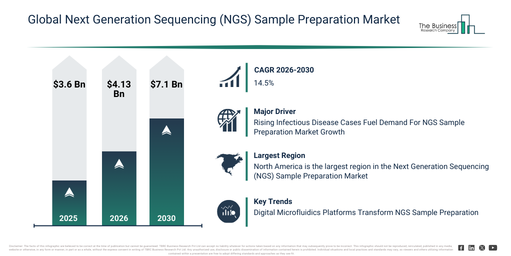
    The next generation sequencing (ngs) sample preparation market size has seen rapid expansion in recent years. Its value is expected to increase from $3.6 billion in 2025 to $4.13 billion in 2026, exhibiting a compound annual growth rate (CAGR) of 14.8%. Historically, this growth can be ascribed to several factors, including the proliferation of genomic research initiatives, a surge in the adoption of ngs in clinical diagnostics, the expansion of precision medicine programs, enhanced availability of sequencing instruments, and improvements in reagent performance.

    The next generation sequencing (ngs) sample preparation market size is anticipated to experience substantial growth in the upcoming years. It is forecast to grow to $7.1 billion by 2030, demonstrating a compound annual growth rate (CAGR) of 14.5%. This expansion during the forecast period can be attributed to the increasing utilization of ngs in routine diagnostics, a rising demand for scalable sample preparation solutions, the broadening application of oncology and rare disease sequencing, increasing investments in automated laboratories, and a greater emphasis on workflow standardization. Significant trends expected in the forecast period include enhanced automation of ngs sample preparation workflows, a growing need for high-throughput library preparation kits, the expanding use of integrated ngs platforms, the proliferation of target enrichment techniques, and an intensified focus on sample quality and reproducibility.

    Access Your Free Sample Report For In-Depth Market Analysis:

    https://www.thebusinessresearchcompany.com/sample.aspx?id=20580&type=smp

    What Factors Are Contributing To The Growth Of The Next Generation Sequencing (NGS) Sample Preparation Market?

    The escalating occurrence of infectious diseases is projected to stimulate the expansion of the next-generation sequencing (NGS) sample preparation market in the coming years. These illnesses, caused by pathogens such as bacteria, viruses, fungi, or parasites, can spread directly or indirectly between people. Key factors driving the rise in infectious diseases include increased global travel, urbanization, climate change, antimicrobial resistance, and the appearance of new pathogens. Next-generation sequencing sample preparation is essential in managing this increasing incidence, as it enables the rapid and precise identification of pathogens, which aids in monitoring outbreaks, tracing transmission, and guiding effective treatment strategies. For instance, in September 2023, GOV.UK, a UK-based public sector information site, reported that in the first half of 2023, tuberculosis (TB) cases in England grew by 7% compared to the same period in 2022, with notifications rising from 2,251 to 2,408. Thus, the increasing frequency of infectious diseases will propel the growth of the next-generation sequencing (NGS) sample preparation market.

    What Are The Main Segments Within The Next Generation Sequencing (NGS) Sample Preparation Market Segment Structure?

    The next generation sequencing (ngs) sample preparation market covered in this report is segmented –

    1) By Products And Services: Workstations Or Instruments, Reagents And Consumables, Services

    2) By Workflow: Library Preparation, Target Enrichment, Sample ExtractionOrisolation, Fragmentation, Sample Quantification, Library Quantification, Quality Control (Qc), Pooling

    3) By Technology: Nanopore Sequencing, Sequencing By Synthesis (Sbs), Single Molecule Real-time (SMRT) Sequencing, Ion Semiconductor Sequencing

    4) By Application: Diagnostics, Drug Discovery, Biomarker Discovery, Precision Medicine, Agriculture And Animal Research, Other Applications

    5) By End User: Academic Institutes And Research Centers, Hospitals And Clinics, Pharma And Biotech Companies, Other End Users

    Subsegments:

    1) By Workstations Or Instruments: Automated Sample Preparation Systems, Manual Workstations, Integrated NGS Platforms

    2) By Reagents And Consumables: Library Preparation Kits, DNA/RNA Extraction Kits, Amplification Kits, Quality Control Reagents, Consumables

    3) By Services: Sample Preparation Services, NGS Workflow Consultation, Training and Support Services, Data Analysis Services

    What Trends Are Shaping The Future Of The Next Generation Sequencing (NGS) Sample Preparation Market?

    Leading companies in the next-generation sequencing (NGS) sample preparation market are concentrating on automating sample preparation processes, such as through digital microfluidics platforms, to improve efficiency, decrease manual errors, and streamline sample handling for more precise and timely genomic analysis. Digital microfluidics platforms are sophisticated technologies that manage minute volumes of fluids on a microchip using electrical fields, enabling accurate and automated handling of samples for uses like NGS sample preparation. For example, in September 2023, INTEGRA Biosciences, a Switzerland-based supplier of user-friendly tools for liquid handling and media preparation, launched the MIRO CANVAS, a compact digital microfluidics platform engineered for completely automated next-generation sequencing (NGS) sample preparation. This innovative system boosts accuracy and efficiency by automating workflows, reducing the hands-on time to only 15 minutes per run, and permitting immediate processing of clinical specimens. The MIRO CANVAS intends to simplify NGS workflows and support advanced genomics research by maintaining DNA integrity and reducing reagent consumption.

    Who Are The Companies Participating In The Next Generation Sequencing (NGS) Sample Preparation Market?

    Major companies operating in the next generation sequencing (ngs) sample preparation market are F. Hoffmann-La Roche Ltd, Thermo Fisher Scientific Inc., Merck KGaA, Becton Dickinson and Company (BD), Eurofins Scientific SE, Agilent Technologies Inc., PerkinElmer Inc., Illumina Inc., Beckman Coulter, Sysmex Corporation, Bio-Rad Laboratories Inc., Qiagen N.V., Novogene Co. Ltd., Tecan Group Ltd, BGI Genomics Co. Ltd., Medgenome Inc., Promega Corporation, 10x Genomics Inc., Takara Bio Inc., Oxford Nanopore Technologies Limited, New England Biolabs Inc., Pacific Biosciences of California Inc., Zymo Research Corporation, Psomagen Inc., Swift Biosciences Inc.

    Get The Full Next Generation Sequencing (NGS) Sample Preparation Market Report:

    https://www.thebusinessresearchcompany.com/report/next-generation-sequencing-ngs-sample-preparation-global-market-report

    Which Region Leads The Next Generation Sequencing (NGS) Sample Preparation Market In Terms Of Market Share?

    North America was the largest region in the next generation sequencing (NGS) sample preparation market in 2025. Asia-Pacific is expected to be the fastest-growing region in the forecast period The regions covered in the next generation sequencing (ngs) sample preparation market report are Asia-Pacific, South East Asia, Western Europe, Eastern Europe, North America, South America, Middle East, Africa.

    Request A Customized Next Generation Sequencing (NGS) Sample Preparation Market Report For Competitive Insights:

    https://www.thebusinessresearchcompany.com/report/next-generation-sequencing-ngs-sample-preparation-global-market-report

    Browse Through More Reports Similar to the Global Next Generation Sequencing (NGS) Sample Preparation Market 2026, By The Business Research Company

    Waterproofing Chemicals Market Report 2026

    https://www.thebusinessresearchcompany.com/report/waterproofing-chemicals-global-market-report

    Underwater Connector Market Report

    https://www.thebusinessresearchcompany.com/report/underwater-connector-global-market-report

    Underwater Connectors Market Report

    https://www.thebusinessresearchcompany.com/report/underwater-connectors-global-market-report

    Get in touch with us:

    The Business Research Company: https://www.thebusinessresearchcompany.com/

    Americas +1 310-496-7795

    Asia +44 7882 955267 & +91 8897263534

    Europe +44 7882 955267

    Email us at info@tbrc.info

    Follow us on:

    LinkedIn: https://in.linkedin.com/company/the-business-research-company

    YouTube: https://www.youtube.com/channel/UC24_fI0rV8cR5DxlCpgmyFQ

    Global Market Model: https://www.thebusinessresearchcompany.com/global-market-model