Category: Healthcare Services

  • Next Generation Sequencing (NGS) In Agrigenomics Market Overview 2026–2030 Highlighting Industry Developments

    Next Generation Sequencing (NGS) In Agrigenomics Market Overview 2026–2030 Highlighting Industry Developments

    The Business Research Company’s 2026 market reports feature enhanced tools like market attractiveness analysis, TAM assessment, and company scoring matrices, along with interactive dashboards, deeper supply chain insights, and startup coverage strengthening the depth, usability, and strategic value of insights.

    By 2030, What Market Size Is The Next Generation Sequencing (NGS) In Agrigenomics Market Expected To Reach Based On Its 2026 Value?

    The next generation sequencing (ngs) in agrigenomics market has experienced significant expansion in recent years. It is anticipated to grow from $2.53 billion in 2025 to $2.84 billion in 2026, showing a compound annual growth rate (CAGR) of 12.4%. This historical growth can be attributed to an increased need for improved crop yields, the expansion of agricultural biotechnology research, the accessibility of advanced sequencing platforms, a rising focus on developing disease-resistant crops, and the development of genomics-based breeding initiatives.

    The next generation sequencing (ngs) in agrigenomics market size is projected to experience substantial growth in the coming years. It is expected to expand to $4.48 billion by 2030, exhibiting a compound annual growth rate (CAGR) of 12.1%. This anticipated growth can be ascribed to several factors, including the increasing adoption of precision agriculture practices, rising investments in the development of climate-resilient crops, the expansion of genomic data-driven farming, a growing demand for sustainable food production, and increased government support for agrigenomics research. Major trends expected during this forecast period encompass the increasing adoption of high-throughput sequencing platforms, the rising utilization of ngs for improving crop traits, the growing integration of bioinformatics within agrigenomics, the expansion of genomic-assisted breeding programs, and an enhanced focus on sustainable crop development.

    Access Your Free Sample Report For In-Depth Market Analysis:

    https://www.thebusinessresearchcompany.com/sample.aspx?id=27361&type=smp

    Which Strong Drivers Are Impacting The Next Generation Sequencing (NGS) In Agrigenomics Market Growth?

    The escalating concerns surrounding food security are projected to fuel the expansion of next-generation sequencing (NGS) in the agrigenomics market moving forward. Food security entails ensuring that all individuals have reliable access to sufficient, safe, and nourishing food to fulfill their dietary requirements for an active and healthy existence. These increasing worries regarding food security arise from factors such as population growth, which pushes food demand beyond current agricultural production capabilities. Next-generation sequencing (NGS) in agrigenomics contributes to food security by enabling the development of superior crop varieties featuring higher yields, stronger disease resistance, and greater climate adaptability. For example, in August 2025, the United States Department of Agriculture, a US-based government agency, reported that food insecurity impacted 13.5% (18.0 million) of American families in 2023, marking a statistically significant rise from 12.8% (17.0 million) in 2022. Therefore, the growing apprehensions concerning food security are stimulating growth in the next-generation sequencing (NGS) in the agrigenomics market.

    How Is Segmentation Applied In The Next Generation Sequencing (NGS) In Agrigenomics Market Segment Analysis?

    The next generation sequencing (ngs) in agrigenomics market covered in this report is segmented –

    1) By Types: Nanopore, NextSeq, NovaSeq, Sequel

    2) By Sample Type: Animal Tissue Samples, Plant Tissue Samples, Soil Samples, Microbial Cultures, Seed Samples

    3) By Workflow Type: Sample Preparation, Sequencing, Data Analysis, Data Interpretation, Bioinformatics, Management

    4) By Application: Plant Genomics, Animal Genomics, Microbial Genomics, Food Safety Testing, Biodiversity Conservation

    5) By End-User Type: Agricultural Biotechnology Companies, Research Institutions, Food And Beverage Companies, Government, Regulatory Bodies, Farmers

    Subsegments:

    1) By Nanopore: MinION, GridION, PromethION

    2) By NextSeq: NextSeq 500, NextSeq 550

    3) By NovaSeq: NovaSeq 6000, NovaSeq X

    4) By Sequel: Sequel I, Sequel II, Sequel Iie

    Which Trends Are Contributing To Changes In The Next Generation Sequencing (NGS) In Agrigenomics Market?

    Companies operating within the next generation sequencing (NGS) in agrigenomics market are prioritizing the development of innovative solutions, such as single nucleotide polymorphism (SNP) panels for targeted genotyping, to fulfill the increasing demand for accelerated crop breeding, improved yields, and stronger disease resistance. Single nucleotide polymorphism (SNP) panels represent sets of DNA markers that facilitate the precise identification of genetic variation across genomes, enabling breeders to select desirable traits more efficiently compared to traditional phenotypic selection, which relies on observable plant characteristics observed over multiple growing cycles. As an illustration, in May 2024, AgriPlex Genomics, a biotechnology firm based in Cleveland, Ohio, introduced the temperate maize panel, an advanced SNP panel specifically engineered for temperate corn varieties. This panel incorporates 2,490 markers distributed across all 10 chromosomes and targets key characteristics including plant growth, kernel and cob morphology, flowering time, plant and ear height, ear dimensions, kernel mass, grain yield, grain moisture, and disease resistance. Developed through collaboration with academic partners, the panel aids marker-assisted breeding, boosts throughput by enabling the simultaneous genotyping of large populations, and significantly reduces costs when compared to conventional sequencing methods.

    Who Are The Companies Participating In The Next Generation Sequencing (NGS) In Agrigenomics Market Environment?

    Major companies operating in the next generation sequencing (ngs) in agrigenomics market are Thermo Fisher Scientific Inc., Eurofins Scientific SE, Agilent Technologies Inc., Illumina Inc., Takara Holdings Inc., Tecan Group Ltd., Azenta Life Sciences, 10x Genomics Inc., Novogene Corporation, Twist Bioscience Inc., Oxford Nanopore Technologies Ltd., Genotypic Technology Pvt. Ltd., CD Genomics Inc., Zymo Research Corp., Genome Life Sciences Pvt. Ltd., Arraygen Technologies Pvt. Ltd., SciGenom Labs Pvt. Ltd., BGI Group, Paragon Genomics Inc., NRGene Ltd., Berry Genomics Co. Ltd., LC Sciences LLC

    Get The Full Next Generation Sequencing (NGS) In Agrigenomics Market Report:

    https://www.thebusinessresearchcompany.com/report/next-generation-sequencing-ngs-in-agrigenomics-global-market-report

    Which Region Leads The Next Generation Sequencing (NGS) In Agrigenomics Market In Overall Market Size?

    North America was the largest region in the next generation sequencing (NGS) in agrigenomics market in 2025. Asia-Pacific is expected to be the fastest-growing region in the forecast period. The regions covered in the next generation sequencing (ngs) in agrigenomics market report are Asia-Pacific, South East Asia, Western Europe, Eastern Europe, North America, South America, Middle East, Africa.

    Request A Customized Next Generation Sequencing (NGS) In Agrigenomics Market Report For Competitive Insights:

    https://www.thebusinessresearchcompany.com/report/next-generation-sequencing-ngs-in-agrigenomics-global-market-report

    Browse Through More Reports Similar to the Global Next Generation Sequencing (NGS) In Agrigenomics Market 2026, By The Business Research Company

    Cellulars Immunotherapy Market Report 2026

    https://www.thebusinessresearchcompany.com/report/cellulars-immunotherapy-global-market-report

    Therapeutic Bcg Vaccines Market Report

    https://www.thebusinessresearchcompany.com/report/therapeutic-bcg-vaccines-global-market-report

    Natural Immune Booster Market Report

    https://www.thebusinessresearchcompany.com/report/natural-immune-booster-global-market-report

    Get in touch with us:

    The Business Research Company: https://www.thebusinessresearchcompany.com/

    Americas +1 310-496-7795

    Asia +44 7882 955267 & +91 8897263534

    Europe +44 7882 955267

    Email us at info@tbrc.info

    Follow us on:

    LinkedIn: https://in.linkedin.com/company/the-business-research-company

    YouTube: https://www.youtube.com/channel/UC24_fI0rV8cR5DxlCpgmyFQ

    Global Market Model: https://www.thebusinessresearchcompany.com/global-market-model

  • Next Generation Immunotherapies Market Forecast Emphasizing Key Trends And Expansion Potential

    Next Generation Immunotherapies Market Forecast Emphasizing Key Trends And Expansion Potential

    The Business Research Company’s 2026 market reports feature enhanced tools like market attractiveness analysis, TAM assessment, and company scoring matrices, along with interactive dashboards, deeper supply chain insights, and startup coverage strengthening the depth, usability, and strategic value of insights.

    What Is The Anticipated Rise In Market Value Of The Next Generation Immunotherapies Market During The Forecast Period?

    The next generation immunotherapies market size has expanded quickly in recent years. It is forecast to increase from $150.12 billion in 2025 to $168.33 billion in 2026, exhibiting a compound annual growth rate (CAGR) of 12.1%. The expansion observed historically can be attributed to factors such as increasing global cancer prevalence, the initial accomplishments of immune checkpoint inhibitors, augmented investments in oncology research and development, regulatory authorizations of monoclonal antibodies, and heightened awareness of immuno-oncology therapies.

    The next generation immunotherapies market size is anticipated to undergo significant expansion in the coming years, projected to reach $262.82 billion by 2030, demonstrating a compound annual growth rate (CAGR) of 11.8%. This growth during the forecast period is attributable to breakthroughs in next-generation antibody engineering, the expansion of applications beyond oncology, an increasing number of approvals for ADC-based therapies, the advancement of biomarker-driven treatment selection, and a growing demand for durable and long-lasting therapies. Prominent trends for the forecast period include the broader adoption of combination immunotherapy regimens, the rise of personalized cancer vaccines, the increasing use of bispecific antibodies, a heightened focus on reducing immune-related adverse events, and accelerated clinical trial activity targeting solid tumors.

    Access Your Free Sample Report For In-Depth Market Analysis:

    https://www.thebusinessresearchcompany.com/sample.aspx?id=21231&type=smp

    What Key Factors Are Shaping The Next Generation Immunotherapies Market Landscape?

    The increasing occurrence of cancer is projected to stimulate the growth of the next-generation immunotherapies market moving forward. Cancer refers to a collection of illnesses defined by the uncontrolled proliferation and dispersion of atypical cells within the body. The widespread presence of cancer stems from factors such as an aging global populace, shifts in lifestyle, environmental exposures, and enhanced detection methodologies. Next-generation immunotherapies offer sophisticated, precise treatments that boost the body’s immune reaction against cancer, leading to superior efficacy, endurance, and tailored care. For example, in July 2024, projections released by Cancer Research UK, a UK-based cancer charity, indicated that cancer incidence rates in the United Kingdom are expected to climb for most types between 2023-2025 and 2038-2040, with increases ranging from less than 1% for breast cancer to 50% for eye cancer, while a smaller subset of cancers is anticipated to decline, seeing reductions from 2% for lung cancer to 27% for mesothelioma. Hence, the rising prevalence of cancer is fostering the expansion of the next-generation immunotherapies market.

    What Segment Categories Shape The Next Generation Immunotherapies Market Segment Landscape?

    The next generation immunotherapies market covered in this report is segmented –

    1) By Drug Class: Monoclonal Antibodies, Antibody-Drug Conjugates (ADCs), Angiotensin-Converting Enzyme (ACE) Inhibitors, Immune Checkpoint Inhibitors

    2) By Route Of Administration: Intravenous, Parenteral, Intratumoral, Subcutaneous, Oral

    3) By Distribution Channel: Hospital Pharmacies, Clinical Pharmacies, Other Distribution Channels

    Subsegments:

    1) By Monoclonal Antibodies: Anti-PD-1 Antibodies, Anti-PD-L1 Antibodies, Anti-CTLA-4 Antibodies, Anti-CD20 Antibodies

    2) By Antibody-Drug Conjugates (ADCs): HER2-Targeted ADCs, CD30-Targeted ADCs, CD19-Targeted ADCs

    3) By Angiotensin-Converting Enzyme (ACE) Inhibitors: ACE Inhibitors For Cancer Therapy, ACE Inhibitors For Other Indications

    4) By Immune Checkpoint Inhibitors: PD-1 Or PD-L1 Inhibitors, CTLA-4 Inhibitors

    What Market Trends Are Affecting The Next Generation Immunotherapies Market?

    Leading companies in the next-generation immunotherapies market are concentrating on developing innovative treatments, such as CAR T-cell therapy, to address cancers, autoimmune diseases, and infectious diseases. CAR T-cell therapy is an immunotherapy technique where a patient’s T cells, a type of immune cell, are genetically modified to express chimeric antigen receptors (CARs). For instance, in January 2025, Immuneel Therapeutics Private Limited, an India-based cell and gene therapy startup, introduced Qartemi, India’s first CAR T-cell therapy. This therapy, aimed at adult B-cell non-Hodgkin lymphoma, functions by genetically altering a patient’s immune cells to target and eradicate cancer cells, providing a highly effective and personalized treatment option. It offers new hope to patients for whom conventional therapies have failed, with the added benefit of being more affordable than similar global alternatives.

    Who Are The Companies Operating Across The Next Generation Immunotherapies Market Value Chain?

    Major companies operating in the next generation immunotherapies market are Pfizer Inc., F. Hoffmann-La Roche Ltd., Merck & Co. Inc., AbbVie Inc., Sanofi S.A., Bristol-Myers Squibb Company, AstraZeneca PLC, Novartis AG, GlaxoSmithKline plc (GSK), Eli Lilly and Company, Gilead Sciences Inc., Amgen Inc., Boehringer Ingelheim International GmbH, Regeneron Pharmaceuticals Inc., Incyte Corporation, BioNTech SE, Xencor Inc., Fate Therapeutics Inc., Immatics N.V., Atara Biotherapeutics Inc., Menarini Group, Alpine Immune Sciences Inc., Mereo Biopharma Group plc, Immunomic Therapeutics Inc., Indaptus Therapeutics Inc.

    Get The Full Next Generation Immunotherapies Market Report:

    https://www.thebusinessresearchcompany.com/report/next-generation-immunotherapies-global-market-report

    Which Region Is The Top Contributor To The Next Generation Immunotherapies Market By Share?

    North America was the largest region in the next-generation immunotherapies market in 2025. Asia-Pacific is expected to be the fastest-growing region in the forecast period. The regions covered in the next generation immunotherapies market report are Asia-Pacific, South East Asia, Western Europe, Eastern Europe, North America, South America, Middle East, Africa.

    Request A Customized Next Generation Immunotherapies Market Report For Competitive Insights:

    https://www.thebusinessresearchcompany.com/report/next-generation-immunotherapies-global-market-report

    Browse Through More Reports Similar to the Global Next Generation Immunotherapies Market 2026, By The Business Research Company

    Next Generation Gynecological Cancer Diagnostics Market Report 2026

    https://www.thebusinessresearchcompany.com/report/next-generation-gynecological-cancer-diagnostics-global-market-report

    Breast Cancer Diagnostics Market Report

    https://www.thebusinessresearchcompany.com/report/breast-cancer-diagnostics-global-market-report

    Oncology Companion Diagnostics Market Report

    https://www.thebusinessresearchcompany.com/report/oncology-companion-diagnostics-global-market-report

    Get in touch with us:

    The Business Research Company: https://www.thebusinessresearchcompany.com/

    Americas +1 310-496-7795

    Asia +44 7882 955267 & +91 8897263534

    Europe +44 7882 955267

    Email us at info@tbrc.info

    Follow us on:

    LinkedIn: https://in.linkedin.com/company/the-business-research-company

    YouTube: https://www.youtube.com/channel/UC24_fI0rV8cR5DxlCpgmyFQ

    Global Market Model: https://www.thebusinessresearchcompany.com/global-market-model

  • Next Generation Cancer Diagnostics Market Analysis Covering Key Growth Drivers And Future Outlook

    Next Generation Cancer Diagnostics Market Analysis Covering Key Growth Drivers And Future Outlook

    The Business Research Company’s 2026 market reports feature enhanced tools like market attractiveness analysis, TAM assessment, and company scoring matrices, along with interactive dashboards, deeper supply chain insights, and startup coverage strengthening the depth, usability, and strategic value of insights.

    How Is The Market Size Of The Next Generation Cancer Diagnostics Market Expected To Scale Between 2026 And 2030?

    The next generation cancer diagnostics market size has experienced rapid expansion in recent years. This market is anticipated to expand from $14.4 billion in 2025 to $16.29 billion in 2026, demonstrating a compound annual growth rate (CAGR) of 13.2%. Historically, this upward trend can be ascribed to factors including increasing cancer incidence rates, progress in genomic sequencing technologies, the growing clinical acceptance of biomarker-based diagnostics, an increase in oncology research funding, and a rising need for precision diagnostics.

    The next generation cancer diagnostics market size is anticipated to undergo significant expansion over the upcoming years. It is forecast to achieve a valuation of $26.44 billion by 2030, advancing at a compound annual growth rate (CAGR) of 12.9%. The projected increase in this period can be ascribed to a heightened embrace of personalized medicine approaches, rising investments in advanced cancer screening programs, a growing reliance on minimally invasive diagnostic methods, the expansion of companion diagnostics development, and the increasing incorporation of AI-driven clinical decision support. Key trends identified for the forecast period include a greater adoption of liquid biopsy technologies, an increasing utilization of multi-omics diagnostic platforms, the expanding integration of AI-based cancer analytics, the broadening of personalized oncology diagnostics, and an amplified focus on early-stage cancer detection.

    Access Your Free Sample Report For In-Depth Market Analysis:

    https://www.thebusinessresearchcompany.com/sample.aspx?id=30336&type=smp

    Which Factors Are Influencing The Growth Of The Next Generation Cancer Diagnostics Market?

    The rising need for personalized medicines is anticipated to boost expansion within the next generation cancer diagnostics market in the future. These medicines are defined as medical treatments specifically designed for an individual’s unique genetic profile, way of life, and surroundings, aiming to deliver the most effective care for that particular patient. This growing demand stems from the increasing incidence of chronic and rare illnesses, which require specialized, patient-focused therapies to achieve better treatment results. Next generation cancer diagnostics facilitate personalized medicine by offering accurate molecular data, which helps in formulating customized treatment plans according to a patient’s distinct genetic and tumor characteristics. As an illustration, in February 2024, the Personalized Medicine Coalition, a US-based non-profit body, reported that the FDA granted approval to 16 new personalized therapies for rare disease patients in 2023, representing a significant increase from the six approvals seen in 2022. Consequently, the heightened need for personalized medicines is a key factor driving the expansion of the next generation cancer diagnostics market.

    Which Segment Types Are Examined In The Next Generation Cancer Diagnostics Market Segment Study?

    The next generation cancer diagnostics market covered in this report is segmented –

    1) By Technology: Next-Generation Sequencing (NGS), Lab-On-A-Chip (LOAC) And Reverse Transcriptase-Polymerase Chain Reaction (RT-PCR), Circulating Tumor Deoxyribonucleic Acid (ctDNA) Assays, Protein Microarrays, Deoxyribonucleic Acid Microarrays, Other Multi-Omics Platforms

    2) By Cancer Type: Lung Cancer, Breast Cancer, Colorectal Cancer, Cervical Cancer

    3) By Function: Therapeutic Monitoring, Companion Diagnostics, Prognostics, Cancer Screening, Risk Analysis

    4) By Application: Biomarker Development, Circulating Tumor Cell (CTC) Analysis, Proteomic Analysis, Epigenetic Analysis, Genetic Analysis

    5) By End User: Hospitals And Clinics, Diagnostic Laboratories, Research And Academic Institutions, Pharmaceutical And Biotechnology Companies, Home Care Settings

    Subsegments:

    1) By Next-Generation Sequencing: Whole Genome Sequencing, Targeted Gene Sequencing, Exome Sequencing, Transcriptome Sequencing

    2) By Lab-On-A-Chip And Reverse Transcriptase-Polymerase Chain Reaction: Microfluidic Chip Assays, Integrated Reverse Transcriptase-Polymerase Chain Reaction Chips, Point-of-Care Lab-On-A-Chip Devices, High-Throughput Lab-On-A-Chip Systems

    3) By Circulating Tumor Deoxyribonucleic Acid Assays: Single-Gene Circulating Tumor Deoxyribonucleic Acid Assays, Multi-Gene Circulating Tumor Deoxyribonucleic Acid Panels, Digital Droplet Circulating Tumor Deoxyribonucleic Acid Assays, Next-Generation Sequencing Circulating Tumor Deoxyribonucleic Acid Assays

    4) By Protein Microarrays: Analytical Protein Microarrays, Functional Protein Microarrays, Reverse Phase Protein Microarrays, Antibody-Based Protein Microarrays

    5) By Deoxyribonucleic Acid Microarrays: Gene Expression Deoxyribonucleic Acid Microarrays, Single Nucleotide Polymorphism Genotyping Deoxyribonucleic Acid Microarrays, Comparative Genomic Hybridization Deoxyribonucleic Acid Microarrays, Methylation Deoxyribonucleic Acid Microarrays

    6) By Other Multi-Omics Platforms: Metabolomics Platforms, Epigenomics Platforms, Transcriptomics Platforms, Integrated Multi-Omics Systems

    Which Trends Are Influencing Demand In The Next Generation Cancer Diagnostics Market?

    Companies operating in the next generation cancer diagnostics market are concentrating on developing innovative solutions like artificial intelligence-driven multi-modal diagnostic platforms to improve early detection, personalized treatment, and clinical decision-making. These artificial intelligence-driven multi-modal diagnostic platforms are advanced systems that leverage artificial intelligence to integrate and analyze various biological data types, including genomic, proteomic, imaging, and clinical information, thereby providing more accurate and personalized cancer detection and diagnosis. For instance, in April 2025, OneCell Diagnostics Pvt Ltd., an India-based precision oncology company, launched OncoIncytes, a multi-modal cancer diagnostic platform specifically designed for precision oncology. This platform combines different data types, such as circulating tumor DNA, single-cell circulating tumor cells, RNA information, and detailed protein profiles of 150 proteins at the single-cell level. Utilizing a 1080-gene panel powered by AI and machine learning, OncoIncytes delivers highly sensitive and specific insights to enhance clinical trial outcomes, particularly in early-stage research and antibody-drug conjugate development. The platform enables personalized cancer detection, therapy monitoring, and drug development through non-invasive, real-time, and scalable diagnostics, all accessible via OneCell’s proprietary iDiscover application from a CLIA-certified laboratory.

    Which Players Are Part Of The Competitive Landscape Of The Next Generation Cancer Diagnostics Market?

    Major companies operating in the next generation cancer diagnostics market are F. Hoffmann-La Roche AG, Novartis AG, Thermo Fisher Scientific Inc., Abbott Laboratories Inc., Siemens Healthineers AG, Danaher Corporation, Koninklijke Philips N.V., General Electric Company, Becton, Dickinson and Company, Agilent Technologies Inc., Illumina Inc., Sysmex Corporation, Bio-Rad Laboratories Inc., Exact Sciences Corporation, QIAGEN N.V., Almac Group Ltd., Natera Inc., Myriad Genetics Inc., NeoGenomics Inc., Guardant Health Inc., Freenome Holdings Inc., Personalis Inc., Burning Rock Biotech Limited., SOPHiA GENETICS S.A., Singlera Genomics Co. Ltd.

    Get The Full Next Generation Cancer Diagnostics Market Report:

    https://www.thebusinessresearchcompany.com/report/global-next-generation-cancer-diagnostics-market-report

    Which Region Represents The Largest Share Of The Next Generation Cancer Diagnostics Market?

    North America was the largest region in the next generation cancer diagnostics market in 2025. Asia-Pacific is expected to be the fastest-growing region in the forecast period. The regions covered in the next generation cancer diagnostics market report are Asia-Pacific, South East Asia, Western Europe, Eastern Europe, North America, South America, Middle East, Africa.

    Request A Customized Next Generation Cancer Diagnostics Market Report For Competitive Insights:

    https://www.thebusinessresearchcompany.com/report/global-next-generation-cancer-diagnostics-market-report

    Browse Through More Reports Similar to the Global Next Generation Cancer Diagnostics Market 2026, By The Business Research Company

    Peripheral Neuropathy Market Report 2026

    https://www.thebusinessresearchcompany.com/report/peripheral-neuropathy-global-market-report

    Chronic Pain Market Report

    https://www.thebusinessresearchcompany.com/report/chronic-pain-global-market-report

    Neuralgia Treatment Market Report

    https://www.thebusinessresearchcompany.com/report/neuralgia-treatment-global-market-report

    Get in touch with us:

    The Business Research Company: https://www.thebusinessresearchcompany.com/

    Americas +1 310-496-7795

    Asia +44 7882 955267 & +91 8897263534

    Europe +44 7882 955267

    Email us at info@tbrc.info

    Follow us on:

    LinkedIn: https://in.linkedin.com/company/the-business-research-company

    YouTube: https://www.youtube.com/channel/UC24_fI0rV8cR5DxlCpgmyFQ

    Global Market Model: https://www.thebusinessresearchcompany.com/global-market-model

  • Neurotrophic Keratitis Treatment Market Insights Highlighting Growth Opportunities Through 2030

    Neurotrophic Keratitis Treatment Market Insights Highlighting Growth Opportunities Through 2030

    The Business Research Company’s 2026 market reports feature enhanced tools like market attractiveness analysis, TAM assessment, and company scoring matrices, along with interactive dashboards, deeper supply chain insights, and startup coverage strengthening the depth, usability, and strategic value of insights.

    What Level Of Market Value Growth Is Predicted For The Neurotrophic Keratitis Treatment Market From 2026 To 2030?

    The neurotrophic keratitis treatment market has experienced rapid expansion in its size over recent years. Projections indicate its value will increase from $1.47 billion in 2025 to $1.99 billion in 2026, demonstrating a compound annual growth rate (CAGR) of 36.1%. This historical expansion is linked to factors such as the growing occurrence of corneal disorders associated with diabetes, a rise in herpes simplex eye infection cases, the proliferation of specialized ophthalmology clinics, enhanced clinician understanding of neurotrophic keratitis, and the broadened availability of hospital-based eye care provisions.

    The neurotrophic keratitis treatment market size is projected to experience substantial expansion over the upcoming years, reaching $6.78 billion by 2030, with a remarkable compound annual growth rate (CAGR) of 35.8%. This anticipated growth during the forecast period is propelled by several factors, including developments in regenerative ophthalmic therapies, a rise in approvals for rhNGF-based medications, an expanding aging demographic susceptible to nerve degeneration, increased funding for rare eye disease research, and enhanced availability of sophisticated eye care in developing economies. Significant developments anticipated during this timeframe encompass the increasing integration of recombinant human nerve growth factor treatments, a growing inclination towards less invasive corneal repair methods, a heightened emphasis on early diagnosis and intervention, the wider availability of homecare-centric ophthalmic treatment options, and innovations in techniques for preserving amniotic membranes.

    Access Your Free Sample Report For In-Depth Market Analysis:

    https://www.thebusinessresearchcompany.com/sample.aspx?id=12968&type=smp

    What Leading Drivers Are Supporting The Neurotrophic Keratitis Treatment Market Expansion?

    An anticipated driver for the neurotrophic keratitis treatment market’s expansion is the increasing incidence of eye diseases. These conditions encompass various ailments impacting the eyes’ structure and operation, frequently resulting in compromised vision or complete blindness. Factors contributing to this surge in eye disease prevalence include an aging population, evolving lifestyle habits, and a higher occurrence of chronic ailments such as diabetes. Treatment for neurotrophic keratitis contributes to ocular well-being through enhanced corneal sensation, accelerated healing, infection deterrence, and pain reduction. Illustratively, data from August 2023, released by the World Health Organization (WHO), a Switzerland-based United Nations agency, revealed that approximately 2.2 billion people worldwide suffer from near or distance vision impairment. Of these, 1 billion cases could have been prevented or remain untreated. Furthermore, refractive errors and cataracts continue to be the primary global contributors to vision loss, yet only 36% of those with refractive-error-related distance impairment and a mere 17% of individuals with cataract-related impairment have accessed suitable medical attention. Consequently, the increasing occurrence of eye diseases is a significant impetus behind the expansion of the neurotrophic keratitis treatment market.

    How Are Different Segments Classified In The Neurotrophic Keratitis Treatment Market Segment Analysis?

    The neurotrophic keratitis treatment market covered in this report is segmented –

    1) By Treatment: Topical Antibiotics, Recombinant Human Nerve Growth Factor (rhNGF), Amniotic Membrane Transplantation, Keratoplasty, Other Treatments

    2) By Route Of Administration: Oral, Topical, Other Routes Of Administrations

    3) By Application: Stage I, Stage II, Stage III

    4) By End-User: Hospitals, Homecare, Specialty Clinics, Other End-Users

    Subsegments:

    1) By Topical Antibiotics: Broad-Spectrum Antibiotics, Narrow-Spectrum Antibiotics

    2) By Recombinant Human Nerve Growth Factor (rhNGF): Cenegermin Ophthalmic Solution

    3) By Amniotic Membrane Transplantation: Cryopreserved Amniotic Membrane, Dehydrated Amniotic Membrane

    4) By Keratoplasty: Penetrating Keratoplasty, Lamellar Keratoplasty

    5) By Other Treatments: Tarsorrhaphy, Therapeutic Contact Lenses

    What Emerging Trends Are Seen In The Neurotrophic Keratitis Treatment Market?

    Major companies in the neurotrophic keratitis market are focusing on developing advanced gene-therapy solutions, such as redosable eye-drop therapies, to enhance corneal healing, maintain sustained nerve growth factor (NGF) expression, and reduce the patient treatment burden. Redosable eye-drop gene therapy describes a therapeutic method that delivers genes encoding NGF directly to the cornea, allowing for prolonged NGF production and supporting nerve regeneration over time. For instance, in July 2025, Krystal Biotech, a US-based biotechnology company, announced that the first patient was dosed in its Phase 1/2 EMERALD 1 study, a randomized, double-masked, placebo-controlled trial involving up to 27 adults with stage 2 or 3 neurotrophic keratitis. Designed for administration twice weekly for eight weeks, KB801 aims to safely promote corneal healing while significantly reducing the treatment burden compared to existing six-times-a-day recombinant NGF eye drops.

    Who Are The Companies Driving Activity In The Neurotrophic Keratitis Treatment Market?

    Major companies operating in the neurotrophic keratitis treatment market are Eyevance Pharmaceuticals LLC, Johnson & Johnson, Allergan Inc, Alcon Inc, Bausch Health Companies Inc, Bausch & Lomb Inc, CooperVision Inc, Santen Pharmaceutical Co Ltd, Dompe farmaceutici S.p.A, Aurolab, Ocular Therapeutix Inc, Laboratoires Thea SAS, ReGenTree LLC, Contacare Ophthalmic Private Limited, Neuroptika Inc, Surgitech Innovation Private Limited, Aerie Pharmaceuticals Inc, RegeneRx Biopharmaceuticals Inc, Noveome Biotherapeutics Inc, Oyster Point Pharma, Claris Biotherapeutics, Recordati Rare Diseases, Mitotech SA, Kala Pharmaceuticals, Oxurion NV

    Get The Full Neurotrophic Keratitis Treatment Market Report:

    https://www.thebusinessresearchcompany.com/report/neurotrophic-keratitis-treatment-global-market-report

    Which Geographic Region Dominates The Neurotrophic Keratitis Treatment Market?

    North America was the largest region in the neurotrophic keratitis treatment market in 2025. The regions covered in the neurotrophic keratitis treatment market report are Asia-Pacific, South East Asia, Western Europe, Eastern Europe, North America, South America, Middle East, Africa.

    Request A Customized Neurotrophic Keratitis Treatment Market Report For Competitive Insights:

    https://www.thebusinessresearchcompany.com/report/neurotrophic-keratitis-treatment-global-market-report

    Browse Through More Reports Similar to the Global Neurotrophic Keratitis Treatment Market 2026, By The Business Research Company

    Neuroscience Market Report 2026

    https://www.thebusinessresearchcompany.com/report/neuroscience-global-market-report

    Neuroprosthetics Market Report

    https://www.thebusinessresearchcompany.com/report/neuroprosthetics-global-market-report

    Neuromodulation Market Report

    https://www.thebusinessresearchcompany.com/report/neuromodulation-global-market-report

    Get in touch with us:

    The Business Research Company: https://www.thebusinessresearchcompany.com/

    Americas +1 310-496-7795

    Asia +44 7882 955267 & +91 8897263534

    Europe +44 7882 955267

    Email us at info@tbrc.info

    Follow us on:

    LinkedIn: https://in.linkedin.com/company/the-business-research-company

    YouTube: https://www.youtube.com/channel/UC24_fI0rV8cR5DxlCpgmyFQ

    Global Market Model: https://www.thebusinessresearchcompany.com/global-market-model
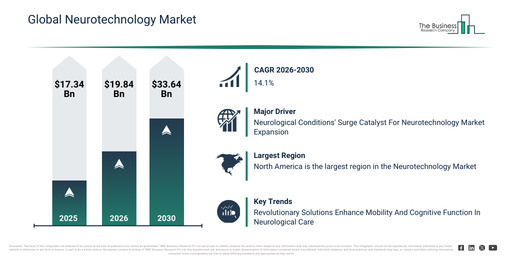
  • Global Neurotechnology Market Projected To Reach $33.63 Billion By 2030 With 14.1% CAGR

    Global Neurotechnology Market Projected To Reach $33.63 Billion By 2030 With 14.1% CAGR

    The Business Research Company’s 2026 market reports feature enhanced tools like market attractiveness analysis, TAM assessment, and company scoring matrices, along with interactive dashboards, deeper supply chain insights, and startup coverage strengthening the depth, usability, and strategic value of insights.

    How Will The Market Value Of The Neurotechnology Market Progress Between 2026 And 2030?

    The neurotechnology market has experienced substantial expansion in recent times. This market is projected to expand from $17.34 billion in 2025 to $19.84 billion by 2026, exhibiting a compound annual growth rate (CAGR) of 14.4%. Historical growth in this sector is largely due to several factors, including developments in medical imaging technologies, the early uptake of neurostimulation therapies, an increase in clinical research within neurology, the growing incidence of neurological disorders, and technological strides in implantable devices.

    The neurotechnology market is projected to experience substantial expansion in the coming years, reaching a valuation of $33.64 billion by 2030, demonstrating a compound annual growth rate (CAGR) of 14.1%. This anticipated growth during the forecast period is primarily driven by factors such as increasing investment in brain-computer interfaces, a rising need for personalized neurological treatments, the expanding application of AI-driven diagnostics, the growing embrace of home-based neurotechnology solutions, and advancements in minimally invasive neurotherapies. Key trends anticipated during this period encompass the broader expansion of brain-computer interface solutions, an increase in the adoption of non-invasive neurostimulation devices, greater integration of neuroimaging within clinical diagnostics, an escalating demand for cognitive rehabilitation technologies, and continuous advancement in neurological implant materials.

    Access Your Free Sample Report For In-Depth Market Analysis:

    https://www.thebusinessresearchcompany.com/sample.aspx?id=9840&type=smp

    Which Key Factors Are Driving The Neurotechnology Market Growth?

    The escalating occurrence of neurological conditions is anticipated to significantly boost the expansion of the neurotechnology market in the future. These conditions encompass any illness or ailment impacting the brain, with prevalent examples being Alzheimer’s disease, Parkinson’s disease, epilepsy, and migraine. Neurotechnology offers diverse approaches for diagnosing and managing neurological disorders, such as through brain imaging, neurostimulation, neurofeedback, and brain-computer interfaces. A notable example confirming this trend comes from October 2023, when the World Federation of Neurology, a UK-based charity, reported that neurological disorders have emerged as the second-leading cause of death and the primary cause of disability globally, indicating a rapidly increasing worldwide health burden. Their data showed over 40 percent of the global population was affected in 2023, and the count of individuals suffering from brain diseases is forecast to nearly double by 2050. Consequently, the rising incidence of neurological conditions is a key factor propelling the growth of the neurotechnology market moving ahead.

    How Is The Neurotechnology Market Categorized Across Its Segment Groups?

    The neurotechnology market covered in this report is segmented –

    1) By Conditions: Cognitive Disorders, Pain Treatment, Urinary And Fecal Incontinence, Epilepsy, Parkinson’s Disease, Hearing Conditions, Sleep Disorder, Depression, Other Conditions

    2) By Type: Imaging Modalities, Neurostimulation, Cranial Surface Measurement, Neurological Implants, Other Types

    3) By End Use: Ambulatory Surgical Centers, Hospitals, Homecare Facilities, Other End Uses

    Subsegments:

    1) By Cognitive Disorders: Alzheimer’s Disease, Attention Deficit Hyperactivity Disorder (ADHD), Dementia

    2) By Pain Treatment: Chronic Pain, Neuropathic Pain, Acute Pain

    3) By Urinary And Fecal Incontinence: Overactive Bladder, Neurogenic Bladder, Fecal Incontinence Management

    4) By Epilepsy: Drug-Resistant Epilepsy, Seizure Management Devices

    5) By Parkinson’s Disease: Motor Symptoms Management, Non-Motor Symptoms Management

    6) By Hearing Conditions: Tinnitus, Hearing Loss Solutions

    7) By Sleep Disorder: Insomnia, Sleep Apnea, Restless Legs Syndrome

    8) By Depression: Major Depressive Disorder, Treatment-Resistant Depression

    9) By Other Conditions: Anxiety Disorders, Autism Spectrum Disorder, Traumatic Brain Injury (TBI)

    Which Trends Are Guiding The Direction Of The Neurotechnology Market?

    Leading companies in the neurotechnology market are concentrating on creating sophisticated therapeutic options, including the endovascular brain-computer interface (BCI), with the aim of boosting cognitive abilities and re-establishing movement for individuals suffering from neurological conditions. This endovascular brain-computer interface facilitates direct neural access via blood vessels, thereby offering enhanced interaction and therapeutic choices for those with neurological ailments. As an illustration, in April 2024, Synchron’s, a Sweden-based software company known for its advanced synchronization technologies for smooth data integration and management, introduced a Patient Registry for its Stentrode Brain Computer Interface. The Synchron Stentrode BCI technology is engineered to decipher brain signals and reinstate motor intentions, empowering individuals with restricted movement to operate digital devices without using their hands. Implanted using a non-invasive endovascular process, it wirelessly transmits motor intent from the brain, assisting severely paralyzed patients in regaining their independence. This innovative technology marks a substantial leap forward in assistive solutions, enhancing daily tasks like communication and access to vital services.

    Which Firms Are Influencing Competition In The Neurotechnology Market?

    Major companies operating in the neurotechnology market are General Electric, Medtronic PLC, Koninklijke Philips N.V., Shimadzu Corporation, Elekta AB, Natus Medical Incorporated, Abbott, Boston Scientific Corporation, Nihon Kohden Corporation, LivaNova PLC, Siemens Healthcare Private Limited, Hitachi Medical Corporation, Cochlear Limited, NeuroPace Inc., NeuroSigma Inc., NeuroMetrix Inc., NeuroSky Inc., NeuroVigil Inc., Neurotech Pharmaceuticals Inc., Neuralink, Synchron Inc., Blackrock Neurotech, Neuronetics Inc., Neurable Inc.

    Get The Full Neurotechnology Market Report:

    https://www.thebusinessresearchcompany.com/report/neurotechnology-global-market-report

    Which Region Is The Leading Market For The Neurotechnology Market?

    North America was the largest region in the neurotechnology market in 2025. Europe is expected to be the fastest-growing region in the neurotechnology market report during the forecast period. The regions covered in the neurotechnology market report are Asia-Pacific, South East Asia, Western Europe, Eastern Europe, North America, South America, Middle East, Africa.

    Request A Customized Neurotechnology Market Report For Competitive Insights:

    https://www.thebusinessresearchcompany.com/report/neurotechnology-global-market-report

    Browse Through More Reports Similar to the Global Neurotechnology Market 2026, By The Business Research Company

    Neurotechnology Market Report 2026

    https://www.thebusinessresearchcompany.com/report/neurotechnology-global-market-report

    Neuroprosthetics Market Report

    https://www.thebusinessresearchcompany.com/report/neuroprosthetics-global-market-report

    Nephrologists Market Report 2020 2030 Covid 19 Implications And Growth

    https://www.thebusinessresearchcompany.com/report/nephrologists-market-global-report-2020-2030-covid-19-implications-and-growth

    Get in touch with us:

    The Business Research Company: https://www.thebusinessresearchcompany.com/

    Americas +1 310-496-7795

    Asia +44 7882 955267 & +91 8897263534

    Europe +44 7882 955267

    Email us at info@tbrc.info

    Follow us on:

    LinkedIn: https://in.linkedin.com/company/the-business-research-company

    YouTube: https://www.youtube.com/channel/UC24_fI0rV8cR5DxlCpgmyFQ

    Global Market Model: https://www.thebusinessresearchcompany.com/global-market-model
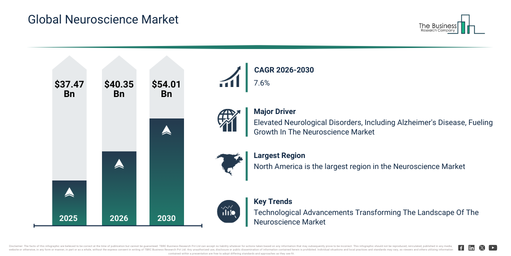
  • Neuroscience Market Outlook Indicating Growth Toward $54.01 Billion By 2030

    Neuroscience Market Outlook Indicating Growth Toward $54.01 Billion By 2030

    The Business Research Company’s 2026 market reports feature enhanced tools like market attractiveness analysis, TAM assessment, and company scoring matrices, along with interactive dashboards, deeper supply chain insights, and startup coverage strengthening the depth, usability, and strategic value of insights.

    What Are The Market Size Estimates For The Neuroscience Market In 2026 And 2030?

    The neuroscience market size has exhibited robust growth over recent years. It is anticipated to expand from $37.47 billion in 2025 to $40.35 billion in 2026, reflecting a compound annual growth rate (CAGR) of 7.7%. The expansion observed in the historic period can be attributed to advancements in cellular imaging technologies, increased neuroscience research funding, the initial development of electrophysiology systems, a rising prevalence of neurological diseases, and the widespread adoption of brain imaging techniques.

    The neuroscience market is projected to experience substantial expansion in the coming years, with an anticipated valuation of $54.01 billion by 2030, growing at a compound annual growth rate (CAGR) of 7.6%. This expected growth within the forecast period is primarily driven by an increasing demand for advanced microscopy systems, the greater integration of AI in neuroscience research, the expanding applications of neuroinformatics, the rising adoption of brain-mapping tools, and the ongoing development of next-generation electrophysiology devices. Furthermore, major trends anticipated during this period include the increasing adoption of neuro-microscopy platforms, a growing utilization of electrophysiology technologies, advancements in neuro-cellular manipulation techniques, the expansion of whole brain imaging applications, and continuous improvements in neuroscience research tools and instruments.

    Access Your Free Sample Report For In-Depth Market Analysis:

    https://www.thebusinessresearchcompany.com/sample.aspx?id=8528&type=smp

    What Primary Drivers Are Shaping The Neuroscience Market?

    The increasing prevalence of neurological disorders, such as Alzheimer’s disease, is projected to boost the neuroscience market. Neurological disorders are a broad category of medical conditions primarily affecting the nervous system, including the brain, spinal cord, and peripheral nerves. Alzheimer’s disease is a progressive neurodegenerative condition that mainly impacts the brain, leading to a decline in cognitive function and memory. Neuroscience plays a crucial role in understanding and treating Alzheimer’s disease (AD) by enabling neuroscientists to study the nervous system’s structure and function, thereby gaining insights into AD’s causes and developing new strategies for diagnosis, prevention, and treatment. For instance, in May 2024, a report by the Alzheimer’s Association, a U.S.-based nonprofit organization dedicated to Alzheimer’s care, support, and research, noted that the number of Americans aged 65 and older diagnosed with Alzheimer’s dementia grew from 6.5 million in 2022 to an estimated 6.9 million in 2024. Consequently, the rising incidences of neurological disorders, particularly Alzheimer’s disease, are fueling the neuroscience market.

    How Are Segments Identified Within The Neuroscience Market Segment Framework?

    The neuroscience market covered in this report is segmented –

    1) By Type: Neuro-Microscopy, Electrophysiology Technologies, Neuro-Cellular Manipulation, Whole Brain Imaging, Other Types

    2) By Service: Instruments And Consumables, Software And Services

    3) By End User: Hospitals, Diagnostic Labs, Research And Academic Institutes

    Subsegments:

    1) By Neuro-Microscopy: Two-Photon Microscopy, Confocal Microscopy, Super-Resolution Microscopy

    2) By Electrophysiology Technologies: Patch Clamp Systems, Multi-Electrode Arrays (MEAs), Intracellular And Extracellular Recorders

    3) By Neuro-Cellular Manipulation: Optogenetics Tools, Microinjection Systems, Electroporation Devices

    4) By Whole Brain Imaging: Functional Magnetic Resonance Imaging (fMRI), Positron Emission Tomography (PET), Diffusion Tensor Imaging (DTI)

    5) By Other Types: Neuroinformatics Tools, Brain-Computer Interface Technologies, Neuromodulation Devices

    What Trends Are Affecting The Growth Of The Neuroscience Market?

    Leading companies operating in the neuroscience market are concentrating their efforts on creating innovative technologies such as artificial intelligence and machine learning to advance the field of neuroscience. Artificial intelligence enables machines to imitate and even excel human mental powers, with machine learning forming a component of artificial intelligence. Artificial intelligence (AI) models are constructed to perform intelligence-based tasks that are presenting new theories regarding how identical processes are regulated within the brain. For instance, in February 2024, Koninklijke Philips N.V., a Netherlands-based technology company, and Synthetic MR, a Sweden-based MRI software company, introduced Smart Quant Neuro 3D, a groundbreaking instrument for diagnosing and assessing brain disorders like multiple sclerosis, traumatic brain injury, and dementia. The solution integrates Philips’ AI-based SmartSpeed technology, 3D SyntAc application, and Synthetic MR’s SyMRI NEURO 3D software, furnishing healthcare providers with enhanced diagnostic capabilities for greater assurance and improved patient outcomes. Philips holds exclusive rights to offer SyMRI NEURO 3D on its MR scanners.

    Who Are The Companies Competing Within The Neuroscience Market?

    Major companies operating in the neuroscience market are Alpha Omega Inc., General Electric Company, Siemens Healthineers AG, NeuroNexus Technologies Inc., Doric Lenses Inc., Blackrock Neurotech, Axion Biosystems Inc., Femtonics Ltd., Carl Zeiss AG, Danaher Corporation (Leica Microsystems), Koninklijke Philips N.V., Toshiba Corporation, Hitachi Medical Corporation, Scientifica Ltd., Intan Technologies Inc., Laserglow Technologies Inc., Mightex Systems, Neuralink Corporation, Kernel Corporation, BrainCo Inc., MindMaze Inc., Paradromics Inc., NeuroPro Inc., NeuroSky Inc., EMOTIV Inc., Cercare Medical A/S, Plexon Inc., Noldus Information Technology bv, Neuralynx Inc., Vigil Neuroscience

    Get The Full Neuroscience Market Report:

    https://www.thebusinessresearchcompany.com/report/neuroscience-global-market-report

    Where Is The Neuroscience Market Primarily Concentrated By Region?

    North America was the largest region in the neuroscience market in 2025. Asia-Pacific is expected to be the fastest-growing region in the forecast period. The regions covered in the neuroscience market report are Asia-Pacific, South East Asia, Western Europe, Eastern Europe, North America, South America, Middle East, Africa.

    Request A Customized Neuroscience Market Report For Competitive Insights:

    https://www.thebusinessresearchcompany.com/report/neuroscience-global-market-report

    Browse Through More Reports Similar to the Global Neuroscience Market 2026, By The Business Research Company

    Neural Implants Market Report 2026

    https://www.thebusinessresearchcompany.com/report/neural-implants-global-market-report

    Robotic Prosthetics Market Report

    https://www.thebusinessresearchcompany.com/report/robotic-prosthetics-global-market-report

    Neurotechnology Market Report

    https://www.thebusinessresearchcompany.com/report/neurotechnology-global-market-report

    Get in touch with us:

    The Business Research Company: https://www.thebusinessresearchcompany.com/

    Americas +1 310-496-7795

    Asia +44 7882 955267 & +91 8897263534

    Europe +44 7882 955267

    Email us at info@tbrc.info

    Follow us on:

    LinkedIn: https://in.linkedin.com/company/the-business-research-company

    YouTube: https://www.youtube.com/channel/UC24_fI0rV8cR5DxlCpgmyFQ

    Global Market Model: https://www.thebusinessresearchcompany.com/global-market-model
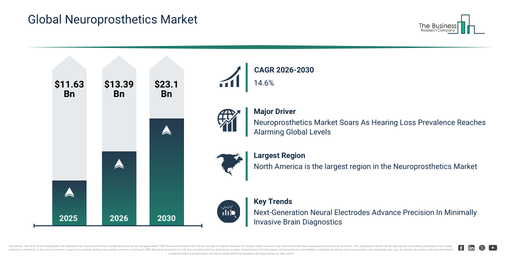
  • Neuroprosthetics Market Revenue Forecast To Reach $23.09 Billion By 2030 At 14.6% CAGR

    Neuroprosthetics Market Revenue Forecast To Reach $23.09 Billion By 2030 At 14.6% CAGR

    The Business Research Company’s 2026 market reports feature enhanced tools like market attractiveness analysis, TAM assessment, and company scoring matrices, along with interactive dashboards, deeper supply chain insights, and startup coverage strengthening the depth, usability, and strategic value of insights.

    What Expansion In Market Value Is Forecasted For The Neuroprosthetics Market Between 2026 And 2030?

    The neuroprosthetics market has experienced significant expansion recently. Forecasts indicate a rise from $11.63 billion in 2025 to $13.39 billion by 2026, demonstrating a compound annual growth rate (CAGR) of 15.1%. Historically, this expansion was driven by several factors, including the initial creation of functional electrical stimulation systems, enhanced investigation into brain-machine interfaces, an increase in motor neuron disorders, progress in cochlear implant technologies, and the initial integration of deep brain stimulation.

    The neuroprosthetics market is anticipated to experience substantial expansion in the coming years. Projections indicate it will reach $23.1 billion by 2030, exhibiting a compound annual growth rate (CAGR) of 14.6%. This expected growth over the forecast period is primarily driven by factors such as the increasing need for advanced prosthetic limbs featuring neural control, greater investment in cognitive neuroprosthetics, the broader application of vagus nerve stimulation, a surge in the adoption of retinal implant innovations, and the advancement of next-generation exoskeletons for rehabilitation purposes. Key trends anticipated during this period encompass the increasing acceptance of motor neuroprosthetic systems, wider utilization of auditory neuroprosthetics for restoring hearing, significant progress in retinal and visual prosthetic technologies, the expanding incorporation of cognitive neuroprosthetics into therapeutic practices, and the broader application of neurostimulation techniques aimed at functional recovery.

    Access Your Free Sample Report For In-Depth Market Analysis:

    https://www.thebusinessresearchcompany.com/sample.aspx?id=6606&type=smp

    Which Major Drivers Are Influencing The Expansion Of The Neuroprosthetics Market?

    The increasing incidence of hearing impairment is anticipated to boost the expansion of the neuroprosthetics market in the future. Hearing loss, also referred to as auditory impairment or deafness, denotes a partial or complete inability to perceive sounds in one or both ears, profoundly impacting an individual’s communication, overall well-being, and social engagement. Neuroprosthetic devices, including cochlear implants and auditory prostheses, play a crucial role in re-establishing hearing, enhancing the understanding of speech, and facilitating auditory rehabilitation. For example, in February 2025, the World Health Organization (WHO), a United Nations agency based in Switzerland, reported global forecasts suggesting that approximately 2.5 billion individuals will experience some degree of hearing loss by 2050. Among these, more than 700 million are projected to need hearing rehabilitation. Furthermore, untreated hearing impairment already results in annual costs close to US$1 trillion, and over 1 billion young adults face the danger of irreversible damage from unsafe listening habits. Consequently, the growing prevalence of hearing loss is a significant impetus for the neuroprosthetics market.

    What Are The Key Segment Divisions In The Neuroprosthetics Market Segment Structure?

    The neuroprosthetics market covered in this report is segmented –

    1) By Type: Motor Neuroprosthetics, Auditory Neuroprosthetics Or Cochlear implants, Visual Neuroprosthetics Or Retinal implants, Cognitive Neuroprosthetics

    2) By Technique: Spinal Cord Stimulation, Deep Brain Stimulation, Vagus Nerve Stimulation, Sacral Nerve Stimulation, Transcranial Magnetic Stimulation

    3) By Application: Motor Neuron Disorders, Physiological Disorders, Cognitive Disorders

    Subsegments:

    1) By Motor Neuroprosthetics: Functional Electrical Stimulation (FES) Systems, Brain-Machine Interfaces (BMIs), Prosthetic Limbs With Neural Control, Exoskeletons For Rehabilitation

    2) By Auditory Neuroprosthetics Or Cochlear Implants: Cochlear Implants (Single and Multi-Channel), Auditory Brainstem Implants (ABI), Bone-Anchored Hearing Aids (BAHA)

    3) By Visual Neuroprosthetics Or Retinal Implants: Retinal Prostheses, Optogenetic Implants, Visual Cortical Implants

    4) By Cognitive Neuroprosthetics: Deep Brain Stimulation (DBS) Devices, Cognitive Enhancement Implants, Neurostimulation Devices For Cognitive Disorders

    Which Trends Are Shaping The Neuroprosthetics Market?

    Major companies operating in the neuroprosthetics market are concentrating on developing innovative advancements such as sEEG electrode systems to improve neural interfacing capabilities and enhance minimally invasive diagnostic and therapeutic procedures. An sEEG electrode system is a specialized neural device crafted to record and stimulate subsurface brain activity, enabling high-precision mapping and neuromodulation. For instance, in May 2023, NeuroOne Medical Technologies Corporation, a US-based medical technology company, introduced the Evo sEEG Electrodes in the United States. NeuroOne’s new electrodes offer secure, high-accuracy subsurface brain mapping with improved signal clarity and compatibility with robotic neurosurgical platforms. This innovation expands the clinical utility of stereoelectroencephalography by facilitating less invasive procedures and supporting its application in areas such as epilepsy evaluation, chronic pain management, and Parkinson’s disease interventions.

    Which Organizations Are Engaged In The Neuroprosthetics Market?

    Major companies operating in the neuroprosthetics market are Abbott Laboratories, Boston Scientific Corp., Cochlear Ltd., Demant AS, LivaNova plc, MED-EL GmbH, Neuropace Inc., Nevro Corp., Oticon US Inc., Retina Implant AG, Second Sight Medical Products Inc., Sonova Holding AG, St. Jude Medical Inc., Aleva Neurotherapeutics SA, Axonics Modulation Technologies Inc., Bionic Vision Technologies Pty Ltd., Blackrock Microsystems LLC, Cognixion, Cyberonics Inc., Medtronic plc, NeuroKinetics Inc., NeuroMetrix Inc., Pixium Vision SA, SPR Therapeutics Inc., Synapse Biomedical Inc., Synchron Inc.

    Get The Full Neuroprosthetics Market Report:

    https://www.thebusinessresearchcompany.com/report/neuroprosthetics-global-market-report

    Which Region Has The Greatest Market Share In The Neuroprosthetics Market?

    North America was the largest region in the neuroprosthetics market in 2025. Asia-Pacific is expected to be the fastest-growing region in the forecast period. The regions covered in the neuroprosthetics market report are Asia-Pacific, South East Asia, Western Europe, Eastern Europe, North America, South America, Middle East, Africa.

    Request A Customized Neuroprosthetics Market Report For Competitive Insights:

    https://www.thebusinessresearchcompany.com/report/neuroprosthetics-global-market-report

    Browse Through More Reports Similar to the Global Neuroprosthetics Market 2026, By The Business Research Company

    Neuromodulation Market Report 2026

    https://www.thebusinessresearchcompany.com/report/neuromodulation-global-market-report

    Neurotechnology Market Report

    https://www.thebusinessresearchcompany.com/report/neurotechnology-global-market-report

    Neuroprosthetics Market Report

    https://www.thebusinessresearchcompany.com/report/neuroprosthetics-global-market-report

    Get in touch with us:

    The Business Research Company: https://www.thebusinessresearchcompany.com/

    Americas +1 310-496-7795

    Asia +44 7882 955267 & +91 8897263534

    Europe +44 7882 955267

    Email us at info@tbrc.info

    Follow us on:

    LinkedIn: https://in.linkedin.com/company/the-business-research-company

    YouTube: https://www.youtube.com/channel/UC24_fI0rV8cR5DxlCpgmyFQ

    Global Market Model: https://www.thebusinessresearchcompany.com/global-market-model
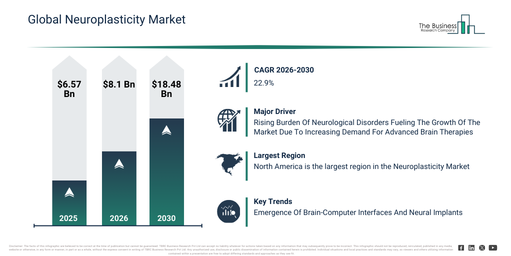
  • Neuroplasticity Market Projected To Grow Steadily And Reach Nearly $18.47 Billion By 2030

    Neuroplasticity Market Projected To Grow Steadily And Reach Nearly $18.47 Billion By 2030

    The Business Research Company’s 2026 market reports feature enhanced tools like market attractiveness analysis, TAM assessment, and company scoring matrices, along with interactive dashboards, deeper supply chain insights, and startup coverage strengthening the depth, usability, and strategic value of insights.

    How Large Will The Neuroplasticity Market Be By 2030 Compared To Its 2026 Market Size?

    The market for neuroplasticity solutions has experienced rapid expansion in recent times. Projections indicate a rise from $6.57 billion in 2025 to $8.1 billion by 2026, demonstrating a compound annual growth rate (CAGR) of 23.2%. Factors contributing to its historical expansion include the early development of neurofeedback tools, a growing understanding of brain rehabilitation, increased investigation into neurodegenerative disorders, the integration of cognitive training platforms, and the initial deployment of wearable neurostimulation devices.

    The neuroplasticity market is projected for substantial expansion over the next few years. It is expected to reach $18.48 billion by 2030, demonstrating a compound annual growth rate (CAGR) of 22.9%. This anticipated growth during the forecast period is driven by factors such as the increasing demand for AI-driven neurotherapy, the rising adoption of VR rehabilitation tools, the broadening availability of neuroplasticity-based mental health treatments, greater investment in brain recovery research, and the continuous development of advanced brain-computer interfaces. Key trends observed in this period include the growing demand for stroke rehabilitation solutions, the increasing implementation of cognitive training programs, a rising application of neurostimulation for mental health treatment, the expansion of TBI rehabilitation technologies, and the emergence of learning and memory enhancement platforms.

    Access Your Free Sample Report For In-Depth Market Analysis:

    https://www.thebusinessresearchcompany.com/sample.aspx?id=24334&type=smp

    What Key Drivers Are Fueling The Growth Of The Neuroplasticity Market?

    The anticipated expansion of the neuroplasticity market is significantly influenced by the rising occurrence of neurological conditions. These medical conditions, which impact the brain, spinal cord, and nerves, manifest as physical, cognitive, and behavioral challenges. Examples include Alzheimer’s, Parkinson’s, epilepsy, and multiple sclerosis, all of which are seeing increased incidence, largely attributed to an aging global demographic and evolving lifestyle patterns. The surge in these disorders is primarily driven by the world’s aging population, where extended lifespans correlate with a heightened risk of age-related neurological issues, thus increasing global incidence rates. Consequently, neuroplasticity is boosted by the growing frequency of neurological disorders, fostering a need for advanced treatments and rehabilitation methods. These innovations aim to improve brain function, enhance patient recovery, and facilitate the creation of novel therapeutic approaches for various neurological ailments. A notable example comes from October 2023, where the World Federation of Neurology, a UK-based organization representing national neurological societies, reported that over 40% of the worldwide population currently lives with a neurological condition, a figure projected to almost double by 2050. In conclusion, the expanding occurrence of neurological disorders is a key catalyst for the growth of the neuroplasticity market.

    Which Segment Categories Are Included In The Neuroplasticity Market Segment Analysis?

    The neuroplasticity market covered in this report is segmented –

    1) By Product Type: Software-Based Solutions, Hardware-Based Solutions

    2) By Technology Type: Artificial Intelligence, Virtual Reality, Neurostimulation, Wearable Technology

    3) By Application: Stroke Rehabilitation, Traumatic Brain Injury (TBI) Rehabilitation, Neurodegenerative Disorders, Learning And Memory Enhancement, Mental Health Disorders

    4) By End User: Hospitals And Clinics, Research Institutes And Academic Centers, Pharmaceutical And Biotechnology Companies, Other End Users

    Subsegments:

    1) By Software-Based Solutions: Cognitive Training Programs, Neurofeedback Software, Brain Simulation Platforms, Mobile Neurotherapy Apps, Virtual Reality Rehabilitation Software, AI-Based Cognitive Assessment Tools

    2) By Hardware-Based Solutions: EEG Headsets, Transcranial Magnetic Stimulation (TMS) Devices, Transcranial Direct Current Stimulation (tDCS) Devices, Brain-Computer Interface (BCI) Systems, Wearable Neurostimulation Devices, Neuroimaging And Monitoring Equipment

    What Trends Are Influencing The Neuroplasticity Market?

    Leading companies within the neuroplasticity market are concentrating on advancing technologies like brain-computer interfaces and neural implants to preserve their market position. These neurotechnologies, specifically brain-computer interfaces (BCIs) and neural implants, establish direct communication between the brain and external devices; BCIs generally facilitate control of computers or prosthetics using brain signals, while neural implants are devices positioned within the brain or nervous system to monitor, stimulate, or modify neural activity for therapeutic purposes or functional improvements. For example, in June 2024, Paradromics, a US-based neurotechnology company, announced its acceptance into the FDA Regulatory Accelerator Program and the introduction of a new patient registry. This regulatory development significantly advances the company’s progress in creating high-performance brain-computer interfaces, indicating notable innovation in neurotechnology with the capacity to transform treatment for individuals suffering from severe neurological conditions through state-of-the-art neural data solutions.

    Who Are The Active Companies Shaping The Neuroplasticity Market?

    Major companies operating in the neuroplasticity market are Medtronic PLC, Boston Scientific Corporation, NeuroPace Inc, BrainsWay Ltd, Magstim, MindMaze, Emotiv Inc, BrainCo, ElectroCore, NeuroMetrix, Soterix Medical, Neurable, NeuroSigma Inc, Cognixion, NeuroTracker, Neuralink, Synchron Inc, Paradromics Inc, Precision Neuroscience, g.tec medical engineering GmbH, Neuroelectrics, OpenBCI, Kernel, Blackrock Neurotech, NeuroSky Inc, BrainScope Company Inc, i‑BrainTech LTD

    Get The Full Neuroplasticity Market Report:

    https://www.thebusinessresearchcompany.com/report/neuroplasticity-global-market-report

    Which Region Accounts For The Largest Portion Of The Neuroplasticity Market?

    North America was the largest region in the Neuroplasticity market in 2025. Asia-Pacific is expected to be the fastest-growing region in the forecast period. The regions covered in the neuroplasticity market report are Asia-Pacific, South East Asia, Western Europe, Eastern Europe, North America, South America, Middle East, Africa.

    Request A Customized Neuroplasticity Market Report For Competitive Insights:

    https://www.thebusinessresearchcompany.com/report/neuroplasticity-global-market-report

    Browse Through More Reports Similar to the Global Neuroplasticity Market 2026, By The Business Research Company

    Actinic Keratosis Treatment Market Report 2026

    https://www.thebusinessresearchcompany.com/report/actinic-keratosis-treatment-global-market-report

    Hypertrophic And Keloid Scar Treatment Market Report

    https://www.thebusinessresearchcompany.com/report/hypertrophic-and-keloid-scar-treatment-global-market-report

    Keloids Treatment Market Report

    https://www.thebusinessresearchcompany.com/report/keloids-treatment-global-market-report

    Get in touch with us:

    The Business Research Company: https://www.thebusinessresearchcompany.com/

    Americas +1 310-496-7795

    Asia +44 7882 955267 & +91 8897263534

    Europe +44 7882 955267

    Email us at info@tbrc.info

    Follow us on:

    LinkedIn: https://in.linkedin.com/company/the-business-research-company

    YouTube: https://www.youtube.com/channel/UC24_fI0rV8cR5DxlCpgmyFQ

    Global Market Model: https://www.thebusinessresearchcompany.com/global-market-model
  • Neuropathic Pain Market Expansion Forecast Projected To Reach $8.47 Billion By 2030 At 8.1% CAGR

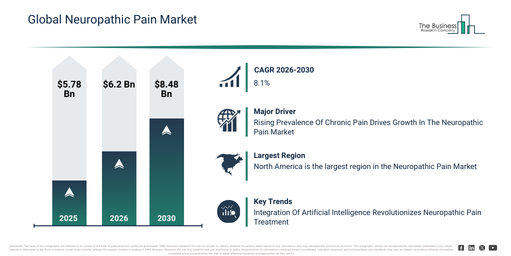
    Neuropathic Pain Market Expansion Forecast Projected To Reach $8.47 Billion By 2030 At 8.1% CAGR

    The Business Research Company’s 2026 market reports feature enhanced tools like market attractiveness analysis, TAM assessment, and company scoring matrices, along with interactive dashboards, deeper supply chain insights, and startup coverage strengthening the depth, usability, and strategic value of insights.

    What Is The Projected Increase In Market Value Of The Neuropathic Pain Market During 2026–2030?

    The neuropathic pain market has shown substantial growth in recent years. It is anticipated to expand from $5.78 billion in 2025 to $6.2 billion in 2026, exhibiting a compound annual growth rate (CAGR) of 7.3%. This historical growth can be attributed to factors such as the rising prevalence of diabetes, the early adoption of antidepressants and anticonvulsants, increased awareness of neuropathic pain conditions, the development of opioid-based treatments, and the initial use of imaging for diagnosis.

    The neuropathic pain market is projected for substantial expansion over the next few years, set to reach $8.48 billion by 2030, exhibiting a compound annual growth rate (CAGR) of 8.1%. This anticipated growth during the forecast period stems from a growing inclination towards non-opioid treatments, an increasing need for personalized pain management, the broader use of complementary therapies, rising investments in diagnostic innovations, and the development of advanced multimodal treatment solutions. Significant trends observed in this period include the rising adoption of multimodal therapy approaches, increasing demand for non-opioid pain relief, the growing integration of physical and psychological therapies, an expansion of early diagnosis through imaging techniques, and an elevated focus on diabetic neuropathy treatment.

    Access Your Free Sample Report For In-Depth Market Analysis:

    https://www.thebusinessresearchcompany.com/sample.aspx?id=12922&type=smp

    Which Drivers Are Supporting The Neuropathic Pain Market Growth?

    The increasing incidence of chronic pain is projected to drive expansion within the neuropathic pain market in the future. This condition is characterized by persistent discomfort that endures for at least three months, affecting a considerable segment of the populace and markedly diminishing their quality of life. The surge in chronic pain incidents stems from factors including aging populations, nerve damage, and long-term health issues such as diabetes. Treatments for neuropathic pain contribute to public health by addressing nerve dysfunction, alleviating symptoms, and enhancing patients’ everyday activities. As an illustration, in November 2024, figures released by the Centers for Disease Control and Prevention (CDC), the US national health protection agency, indicated that in 2023, adult populations had a 24.3% prevalence of chronic pain and an 8.5% prevalence of high-impact chronic pain, which equated to 34.9% among individuals experiencing chronic pain, with women, American Indian and Alaska Native adults, and those aged 65 years and older demonstrating particularly elevated rates. Consequently, the growing prevalence of chronic pain is a key factor boosting the neuropathic pain market.

    How Is The Neuropathic Pain Market Broken Down By Segment Categories?

    The neuropathic pain market covered in this report is segmented –

    1) By Treatment: Medications, Multimodal Therapy

    2) By Diagnosis: Imaging, Blood Tests And Physical Examination

    3) By Indication: Diabetic Neuropathy, Spinal Stenosis, Chemotherapy-Induced Peripheral Neuropathy, Other Indications

    4) By End User: Hospitals, Clinics, Home Healthcare, Ambulatory Surgical Centers, Other End Users

    Subsegments:

    1) By Medications: Anticonvulsants, Antidepressants, Opioids, Topical Treatments, Non-Steroidal Anti-Inflammatory Drugs (NSAIDs)

    2) By Multimodal Therapy: Combination Of Medications, Physical Therapy, Psychological Therapy, Lifestyle Modifications, Complementary Therapies

    Which Trends Are Expected To Impact The Neuropathic Pain Market?

    Leading companies in the neuropathic pain market are integrating artificial intelligence technologies for advanced diagnostics, personalized treatment strategies, real-time patient monitoring, new drug discovery, and data-driven insights, all aimed at improving patient outcomes and refining pain management approaches. For instance, in March 2023, Nevro Corp., a US-based medical device company, introduced the Senza HFX iQ spinal cord stimulation (SCS) system. This innovative technology employs artificial intelligence (AI) to customize pain relief for individual patients. The system, which includes the HFX iQ Implantable Pulse Generator (IPG), HFX Trial Stimulator, Charger, and HFX App, is designed to treat non-surgical back pain and painful diabetic neuropathy by adapting to patient responses and feedback. It utilizes a unique algorithm built on extensive patient data and allows patients to adjust their pain relief program using a smartphone application. The system’s digital environment permits data collection and potential future updates. The technology aims to enhance the consistency and personalization of pain relief, signifying a major advancement in SCS therapy.

    Which Players Are Present In The Neuropathic Pain Market Space?

    Major companies operating in the neuropathic pain market are Pfizer Inc., Johnson & Johnson Private Limited, Sanofi S.A., Bristol‑Myers Squibb Company, Abbott Laboratories, GlaxoSmithKline Plc, Medtronic Inc., Eli Lilly and Company, Teva Pharmaceutical Industries Ltd, Boston Scientific Corporation, Sun Pharmaceutical Industries Ltd., Mallinckrodt Pharmaceuticals, Grünenthal GmbH, Lupin Ltd., Nevro Corp., InvaGen Pharmaceuticals Inc, Centaur Pharmaceuticals Pvt Ltd., Stimwave LLC, Novartis AG, Astellas Pharma Inc., Vertex Pharmaceuticals Incorporated, Assertio Therapeutics Inc, NeuroMetrix Inc, OMRON Healthcare Co Ltd

    Get The Full Neuropathic Pain Market Report:

    https://www.thebusinessresearchcompany.com/report/neuropathic-pain-global-market-report

    Which Region Holds The Highest Market Share In The Neuropathic Pain Market?

    North America was the largest region in the neuropathic pain market in 2025. Asia-Pacific is expected to be the fastest-growing region in the forecast period. The regions covered in the neuropathic pain market report are Asia-Pacific, South East Asia, Western Europe, Eastern Europe, North America, South America, Middle East, Africa.

    Request A Customized Neuropathic Pain Market Report For Competitive Insights:

    https://www.thebusinessresearchcompany.com/report/neuropathic-pain-global-market-report

    Browse Through More Reports Similar to the Global Neuropathic Pain Market 2026, By The Business Research Company

    Optic Atrophy Management Market Report 2026

    https://www.thebusinessresearchcompany.com/report/optic-atrophy-management-global-market-report

    Peripheral Neuropathy Market Report

    https://www.thebusinessresearchcompany.com/report/peripheral-neuropathy-global-market-report

    Retinal Disorder Treatment Market Report

    https://www.thebusinessresearchcompany.com/report/retinal-disorder-treatment-global-market-report

    Get in touch with us:

    The Business Research Company: https://www.thebusinessresearchcompany.com/

    Americas +1 310-496-7795

    Asia +44 7882 955267 & +91 8897263534

    Europe +44 7882 955267

    Email us at info@tbrc.info

    Follow us on:

    LinkedIn: https://in.linkedin.com/company/the-business-research-company

    YouTube: https://www.youtube.com/channel/UC24_fI0rV8cR5DxlCpgmyFQ

    Global Market Model: https://www.thebusinessresearchcompany.com/global-market-model

  • Neuromyelitis Optica Spectrum Disorder Market to Reach $3.76 Billion by 2030 at 8.1% CAGR

    Neuromyelitis Optica Spectrum Disorder Market to Reach $3.76 Billion by 2030 at 8.1% CAGR

    The Business Research Company’s 2026 market reports feature enhanced tools like market attractiveness analysis, TAM assessment, and company scoring matrices, along with interactive dashboards, deeper supply chain insights, and startup coverage strengthening the depth, usability, and strategic value of insights.

    How Is The Market Size Of The Neuromyelitis Optica Spectrum Disorder Market Expected To Change From 2026 To 2030?

    The market size for neuromyelitis optica spectrum disorder has experienced strong growth in recent years. It is projected to increase from $2.54 billion in 2025 to $2.76 billion in 2026, at a compound annual growth rate (CAGR) of 8.4%. The expansion observed in the historic period can be attributed to several factors, including increasing awareness of nmosd, the early development of immunosuppressive treatments, the initial use of corticosteroids for controlling flares, the adoption of imaging for differential diagnosis, and the rising identification of aqp4 antibodies.

    The neuromyelitis optica spectrum disorder market is set to experience substantial growth in the upcoming years, projected to reach $3.76 billion by 2030, at a compound annual growth rate (CAGR) of 8.1%. This expansion during the forecast period can be ascribed to a rising demand for targeted biologics, an increase in the development of mog-antibody therapies, the proliferation of advanced diagnostic platforms, heightened investment in autoimmune research, and the creation of next-generation immunotherapy solutions. Significant trends for the forecast period encompass the increasing adoption of monoclonal antibody therapies, greater utilization of advanced imaging techniques for prompt diagnosis, an escalating need for plasma exchange and immunoglobulin therapy, the expansion of aqp4-positive and mog-antibody testing, and a heightened focus on preventing relapses and ensuring long-term disease management.

    Access Your Free Sample Report For In-Depth Market Analysis:

    https://www.thebusinessresearchcompany.com/sample.aspx?id=22072&type=smp

    What Key Factors Are Affecting The Neuromyelitis Optica Spectrum Disorder Market Demand?

    The increasing prevalence of multiple sclerosis is projected to drive the expansion of the neuromyelitis optica spectrum disorder market moving forward. Multiple sclerosis is a chronic autoimmune condition that affects the central nervous system, leading to inflammation, nerve damage, and various neurological symptoms. The growing occurrence of multiple sclerosis can be attributed to improved diagnostic techniques, environmental influences, and genetic predisposition. Advances in medical imaging, such as MRI, have facilitated earlier and more accurate diagnoses, resulting in a visible rise in cases. As more individuals are diagnosed with MS, awareness of neurological autoimmune diseases increases, leading to enhanced diagnostic methods and a greater recognition of neuromyelitis optica spectrum disorder. For instance, in May 2024, data from the Multiple Sclerosis Trust, a UK-based national charity, indicated that the UK records approximately 7,100 new multiple sclerosis cases annually, with around 135 persons diagnosed with MS each week. Therefore, the rising prevalence of multiple sclerosis is a key driver for the growth of the neuromyelitis optica spectrum disorder market.

    What Are The Different Segment Types In The Neuromyelitis Optica Spectrum Disorder Market Segment Breakdown?

    The neuromyelitis optica spectrum disorder market covered in this report is segmented –

    1) By Type: Neuromyelitis Optica Spectrum Disorder With Aquaporin-4 Antibodies, Neuromyelitis Optica Spectrum Disorder Without Aquaporin-4 Antibodies

    2) By Diagnosis: Imaging Tests, Magnetic Resonance Imaging (MRI), Blood Tests, Other Diagnosis

    3) By Treatment Type: C5 Protein Inhibitor, Monoclonal Antibodies, Plasma Exchange Therapy, Corticosteroids, Immunoglobulin Therapy, Medication, Other Treatment Types

    4) By Distribution Channel: Hospital Pharmacy, Retail Pharmacy, Online Pharmacy

    5) By End-User: Hospitals, Specialty Clinics, Homecare, Other End-Users

    Subsegments:

    1) By Neuromyelitis Optica Spectrum Disorder With Aquaporin-4 Antibodies: Relapsing NMOSD With AQP4-IgG, Monophasic NMOSD With AQP4-IgG, Severe Optic Neuritis With AQP4-IgG, Longitudinally Extensive Transverse Myelitis (LETM) With AQP4-IgG

    2) By Neuromyelitis Optica Spectrum Disorder Without Aquaporin-4 Antibodies: NMOSD With Myelin Oligodendrocyte Glycoprotein (MOG) Antibodies (MOG-IgG), Seronegative NMOSD, Idiopathic NMOSD Cases, NMOSD Associated With Other Autoimmune Disorders

    What Trends Are Influencing Changes In The Neuromyelitis Optica Spectrum Disorder Market?

    Leading companies in the neuromyelitis optica spectrum disorder market are concentrating on creating novel products, such as long-acting complement inhibitors, aimed at boosting treatment effectiveness and bettering patient outcomes. These inhibitors are therapeutic agents designed to suppress the complement system over an extended period, thereby averting inflammation and nerve damage in neuromyelitis optica spectrum disorder (NMOSD). Their function is to reduce the frequency of relapses and facilitate enduring disease management. As an example, in March 2024, Alexion Pharmaceuticals, a US-based biopharmaceutical firm, and AstraZeneca, a UK-based pharmaceutical corporation, secured approval for ULTOMIRIS (ravulizumab-cwvz) to treat adults diagnosed with anti-aquaporin-4 (AQP4) antibody-positive neuromyelitis optica spectrum disorder (NMOSD). This particular approval establishes Ultomiris as the inaugural and sole long-acting C5 complement inhibitor accessible for NMOSD therapy. The basis for this decision stemmed from the Phase III CHAMPION-NMOSD trial, in which Ultomiris exhibited a 98.6% decrease in relapse risk over 73 weeks when compared against a placebo. During the trial, participants did not experience any relapses, and no novel safety issues emerged.

    Who Are The Well-Known Companies In The Neuromyelitis Optica Spectrum Disorder Market?

    Major companies operating in the neuromyelitis optica spectrum disorder market are F. Hoffmann-La Roche Ltd, Laboratory Corporation of America Holding, Chugai Pharmaceutical Co. Ltd, Mayo Foundation for Medical Education and Research, Penn Medicine, Genentech Inc, Oregon Health & Science University, Arup Laboratories, Argenx SE, Metropolis Healthcare, Rush University Medical Center, Mitsubishi Tanabe Pharma Corporation, Viela Bio, Alexion Pharmaceuticals, Horizon Therapeutics plc, UCB S.A, Teva Pharmaceutical Industries Ltd, Novartis AG, Sanofi S.A, Pfizer Inc, Eli Lilly and Company, Immune Pharmaceuticals Inc.

    Get The Full Neuromyelitis Optica Spectrum Disorder Market Report:

    https://www.thebusinessresearchcompany.com/report/neuromyelitis-optica-spectrum-disorder-global-market-report

    Where Is The Neuromyelitis Optica Spectrum Disorder Market Most Concentrated Geographically?

    North America was the largest region in the neuromyelitis optica spectrum disorder market in 2025. Asia-Pacific is expected to be the fastest-growing region in the forecast period. The regions covered in the neuromyelitis optica spectrum disorder market report are Asia-Pacific, South East Asia, Western Europe, Eastern Europe, North America, South America, Middle East, Africa.

    Request A Customized Neuromyelitis Optica Spectrum Disorder Market Report For Competitive Insights:

    https://www.thebusinessresearchcompany.com/report/neuromyelitis-optica-spectrum-disorder-global-market-report

    Browse Through More Reports Similar to the Global Neuromyelitis Optica Spectrum Disorder Market 2026, By The Business Research Company

    Clinical Trial Imaging Market Report 2026

    https://www.thebusinessresearchcompany.com/report/clinical-trial-imaging-global-market-report

    Nephrologists Market Report 2020 2030 Covid 19 Implications And Growth

    https://www.thebusinessresearchcompany.com/report/nephrologists-market-global-report-2020-2030-covid-19-implications-and-growth

    Pediatric Clinical Trials Market Report

    https://www.thebusinessresearchcompany.com/report/pediatric-clinical-trials-global-market-report

    Get in touch with us:

    The Business Research Company: https://www.thebusinessresearchcompany.com/

    Americas +1 310-496-7795

    Asia +44 7882 955267 & +91 8897263534

    Europe +44 7882 955267

    Email us at info@tbrc.info

    Follow us on:

    LinkedIn: https://in.linkedin.com/company/the-business-research-company

    YouTube: https://www.youtube.com/channel/UC24_fI0rV8cR5DxlCpgmyFQ

    Global Market Model: https://www.thebusinessresearchcompany.com/global-market-model