Category: Healthcare Services

  • Necrotizing Enterocolitis Market to Reach $6.94 Billion by 2030

    Necrotizing Enterocolitis Market to Reach $6.94 Billion by 2030

    The Business Research Company’s 2026 market reports feature enhanced tools like market attractiveness analysis, TAM assessment, and company scoring matrices, along with interactive dashboards, deeper supply chain insights, and startup coverage strengthening the depth, usability, and strategic value of insights.

    What Expansion In Market Value Is Forecasted For The Necrotizing Enterocolitis Market Between 2026 And 2030?

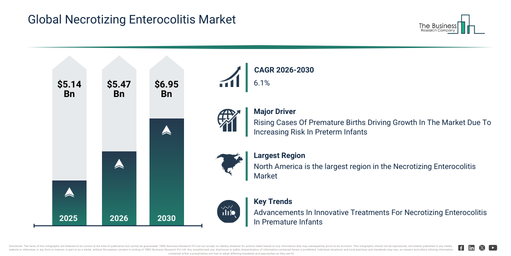
    The necrotizing enterocolitis market has experienced substantial expansion in recent years. It is projected to increase from $5.14 billion in 2025 to $5.47 billion in 2026, demonstrating a compound annual growth rate (CAGR) of 6.4%. This historical growth can be linked to factors such as a high rate of premature births, insufficient neonatal care facilities, the prevalent use of broad-spectrum antibiotics, challenges in early diagnosis within low-resource regions, and the initial stages of parenteral nutrition development.

    The market for necrotizing enterocolitis is anticipated to experience substantial expansion over the upcoming years. This market is projected to reach $6.95 billion by 2030, demonstrating a compound annual growth rate (CAGR) of 6.1%. Key drivers for this growth during the projected period include increased investment in neonatal intensive care units, progress in regenerative and stem cell therapies, heightened awareness regarding early nec detection, broader implementation of precision nutrition therapies, and the expansion of innovations in neonatal imaging. Significant trends expected during this forecast span encompass the greater adoption of probiotics and prebiotics for nec prevention, an intensified emphasis on early diagnosis and screening for premature infants, the wider use of individualized tpn solutions, the spread of minimally invasive surgical options, and ongoing improvements in neonatal critical care and monitoring.

    Access Your Free Sample Report For In-Depth Market Analysis:

    https://www.thebusinessresearchcompany.com/sample.aspx?id=22068&type=smp

    Which Drivers Are Supporting The Necrotizing Enterocolitis Market Growth?

    The future expansion of the necrotizing enterocolitis market is anticipated to be driven by the rising incidence of premature births. Premature births, also known as preterm births, are defined as the birth of an infant prior to 37 weeks of gestation, in contrast to the standard 40-week gestational period. The growing number of premature births stems from maternal health issues such as high blood pressure, diabetes, and infections, which elevate the risk of preterm labor. Additionally, lifestyle elements like smoking, drug consumption, and inadequate nutrition also contribute to a greater probability of premature deliveries. An increase in premature births results in a higher occurrence of necrotizing enterocolitis (NEC) because premature infants possess underdeveloped gastrointestinal systems, making them more vulnerable to inflammation and infection. As an illustration, data from January 2024 by the Centers for Disease Control and Prevention, a US government body, indicates that premature births constitute 8.67% of all annual births in the United States. Consequently, the escalating instances of premature births are fueling the expansion of the necrotizing enterocolitis market.

    Which Segment Classifications Are Used In The Necrotizing Enterocolitis Market Segment Analysis?

    The necrotizing enterocolitis market covered in this report is segmented –

    1) By Treatment: Total Parenteral Nutrition (TPN), Gastrointestinal Decompression, Antimicrobial Therapy, Antifungal Treatment, Paracentesis, Other Treatments

    2) By Diagnosis: Laboratory Tests, Imaging Techniques

    3) By Stage: Stage I (Suspected Necrotizing Enterocolitis), Stage II (Definite Necrotizing Enterocolitis), Stage III (Advanced Necrotizing Enterocolitis)

    4) By End-User: Hospitals, Neonatal Intensive Care Units (NICUs), Specialty Clinics

    Subsegments:

    1) By Total Parenteral Nutrition (TPN): Standard TPN Formulations, Customized Or Individualized TPN Solutions, Lipid Emulsions For TPN, Protein And Amino Acid Supplements In TPN, Micronutrient And Electrolyte-Enhanced TPN

    2) By Gastrointestinal Decompression: Nasogastric Tube (NG Tube) Decompression, Orogastric Tube Decompression, Surgical Gastrostomy For Decompression, Non-Surgical Decompression Techniques

    3) By Antimicrobial Therapy: Broad-Spectrum Antibiotics, Gram-Positive Coverage Antibiotics, Gram-Negative Coverage Antibiotics, Combination Antibiotic Therapy, Prophylactic Antibiotic Strategies For High-Risk Neonates

    4) By Antifungal Treatment: Systemic Antifungal Therapy, Prophylactic Antifungal Therapy For Preterm Infants, Combination Antifungal And Antibiotic Therapy For Severe NEC

    5) By Paracentesis: Diagnostic Paracentesis, Therapeutic Paracentesis, Guided Paracentesis using Ultrasound Or Radiological Techniques

    6) By Other Treatments: Probiotics And Prebiotics for NEC Prevention, Surgical Interventions, Stem Cell Therapy And Regenerative Medicine Approaches, Immunomodulatory Therapies, Supportive Care

    Which Trends Are Expected To Impact The Necrotizing Enterocolitis Market?

    Leading companies within the necrotizing enterocolitis market are concentrating on developing innovative product solutions, such as cell-free sterile biologic solutions, to address the vital unmet need for effective therapies and improve outcomes for premature infants. A cell-free sterile biologic solution is a purified, sterile liquid composed of bioactive molecules like proteins, growth factors, and cytokines derived from cultured cells, but without any intact cells, specifically designed to foster healing and reduce inflammation. For instance, in December 2023, Noveome Biotherapeutics, Inc., a US-based biopharmaceutical company, received authorization from the U.S. Food and Drug Administration (FDA) to proceed with its Phase 1-2 clinical trial for ST266, a novel biologic targeting necrotizing enterocolitis (NEC) in premature infants. This signifies a major milestone, as ST266 is projected to be the first significant therapeutic advancement for NEC in over 30 years, thereby addressing a critical medical necessity given the disease’s high morbidity and mortality rates among vulnerable populations.

    Which Firms Are Contributing To The Necrotizing Enterocolitis Market Ecosystem?

    Major companies operating in the necrotizing enterocolitis market are Abbott Laboratories, Astellas Pharma Inc., Mayo Foundation for Medical Education and Research, Cleveland Clinic, Boston Children’s Hospital, Hollister Incorporated, UPMC Children’s Hospital of Pittsburgh, Prolacta Bioscience Inc., Evolve BioSystems, Sigma-Tau Pharmaceuticals, Mead Johnson & Company LLC, Liminal BioSciences Inc., Noveome Biotherapeutics Inc., Infant Bacterial Therapeutics, Prometic Life Sciences Inc., Nexilico, Siolta Therapeutics, ProThera Biologics Inc., Plakous Therapeutics Inc., Chosen Diagnostics Inc.

    Get The Full Necrotizing Enterocolitis Market Report:

    https://www.thebusinessresearchcompany.com/report/necrotizing-enterocolitis-global-market-report

    Which Region Is The Top Contributor To The Necrotizing Enterocolitis Market By Share?

    North America was the largest region in the necrotizing enterocolitis market in 2025. Asia-Pacific is expected to be the fastest-growing region in the forecast period. The regions covered in the necrotizing enterocolitis market report are Asia-Pacific, South East Asia, Western Europe, Eastern Europe, North America, South America, Middle East, Africa.

    Request A Customized Necrotizing Enterocolitis Market Report For Competitive Insights:

    https://www.thebusinessresearchcompany.com/report/necrotizing-enterocolitis-global-market-report

    Browse Through More Reports Similar to the Global Necrotizing Enterocolitis Market 2026, By The Business Research Company

    Lipid Market Report 2026

    https://www.thebusinessresearchcompany.com/report/lipid-global-market-report

    Antidiabetics Market Report

    https://www.thebusinessresearchcompany.com/report/antidiabetics-global-market-report

    Lip Care Product Market Report

    https://www.thebusinessresearchcompany.com/report/lip-care-product-global-market-report

    Get in touch with us:

    The Business Research Company: https://www.thebusinessresearchcompany.com/

    Americas +1 310-496-7795

    Asia +44 7882 955267 & +91 8897263534

    Europe +44 7882 955267

    Email us at info@tbrc.info

    Follow us on:

    LinkedIn: https://in.linkedin.com/company/the-business-research-company

    YouTube: https://www.youtube.com/channel/UC24_fI0rV8cR5DxlCpgmyFQ

    Global Market Model: https://www.thebusinessresearchcompany.com/global-market-model

  • Necrobiosis Lipoidica Diabeticorum Market to Reach $6.48 Billion by 2030 at 6.5% CAGR

    Necrobiosis Lipoidica Diabeticorum Market to Reach $6.48 Billion by 2030 at 6.5% CAGR

    The Business Research Company’s 2026 market reports feature enhanced tools like market attractiveness analysis, TAM assessment, and company scoring matrices, along with interactive dashboards, deeper supply chain insights, and startup coverage strengthening the depth, usability, and strategic value of insights.

    How Large Will The Necrobiosis Lipoidica Diabeticorum (NLD) Market Be By 2030 Compared To Its 2026 Market Size?

    The market for necrobiosis lipoidica diabeticorum (NLD) has experienced substantial growth in recent years. This market is projected to expand from $4.73 billion in 2025 to $5.04 billion in 2026, demonstrating a compound annual growth rate (CAGR) of 6.7%. Factors contributing to its historical expansion include the increasing prevalence of diabetes mellitus, a scarcity of effective treatments for chronic skin conditions, late diagnosis stemming from insufficient awareness, reliance on corticosteroid-based treatments, and an uptick in diabetic vascular complications.

    The necrobiosis lipoidica diabeticorum (nld) market is projected to experience robust expansion over the coming years. This market is anticipated to reach $6.49 billion by 2030, demonstrating a compound annual growth rate (CAGR) of 6.5%. Several factors are expected to drive this growth during the forecast period, including the greater uptake of targeted immunotherapies, an increase in dermatology specialty clinics, the evolution of combination therapy strategies, a surge in demand for non-invasive diagnostic instruments, and a heightened emphasis on individualized dermatological care. Key trends anticipated during this period encompass the increased use of topical anti-inflammatory and immunomodulatory treatments, a growing inclination towards laser and light-based therapeutic methods, enhanced understanding among diabetic patients regarding early NLD diagnosis, the broadening availability of advanced wound care options for ulcerated areas, and the increasing convergence of dermatology and endocrinology care pathways.

    Access Your Free Sample Report For In-Depth Market Analysis:

    https://www.thebusinessresearchcompany.com/sample.aspx?id=22067&type=smp

    What Key Factors Are Affecting The Necrobiosis Lipoidica Diabeticorum (NLD) Market Demand?

    The necrobiosis lipoidica diabeticorum (NLD) market is projected to expand due to the increasing occurrence of diabetes. Diabetes, a metabolic condition marked by persistently elevated blood sugar levels, stems either from inadequate insulin production (Type 1) or the body’s impaired insulin utilization (Type 2), potentially causing complications across various bodily systems. The primary factors behind this rise in diabetes cases include the growing prevalence of obesity, strongly associated with insulin resistance, and inactive lifestyles lacking physical activity, both key contributors to diabetes development. The heightened incidence of diabetes directly correlates with a greater frequency of necrobiosis lipoidica diabeticorum (NLD), given its close ties to diabetes-related microvascular problems and immune system dysfunctions. For example, data from the National Health Service in June 2024 indicated that in 2023, over half a million individuals (549,000) in England faced a risk of developing type 2 diabetes. This increased the total number of people with non-diabetic hyperglycemia, or pre-diabetes, to 3,615,330, representing a nearly 20% rise from 3,065,825 individuals in 2022. Consequently, the escalating incidence of diabetes is a significant catalyst for the growth of the necrobiosis lipoidica diabeticorum (NLD) market. Anticipated increases in healthcare spending are set to drive the expansion of the necrobiosis lipoidica diabeticorum (NLD) market. Healthcare expenditure encompasses all financial resources allocated by governments, private sectors, and individuals for health services, including disease prevention, treatment, and management. This rise in spending primarily results from the increasing prevalence of chronic conditions such as diabetes, cardiovascular diseases, and obesity, which demand continuous care and management, thereby escalating healthcare costs. Elevated healthcare spending stimulates research and innovation pertinent to necrobiosis lipoidica diabeticorum, leading to improved diagnostic tools, advanced therapeutic choices, broader availability of new treatments, and ultimately enhanced patient results. For example, the Office for National Statistics (ONS) reported in April 2025 that total healthcare expenditure between 2023 and 2024 saw a 6.5% increase in nominal terms and a 2.4% increase in real terms. During this period, healthcare’s proportion of GDP remained constant at 11.1% in 2024, mirroring the prior year. Thus, growing healthcare investments are propelling the necrobiosis lipoidica diabeticorum (NLD) market forward.

    How Is The Necrobiosis Lipoidica Diabeticorum (NLD) Market Organized By Segment Classification?

    The necrobiosis lipoidica diabeticorum (nld) market covered in this report is segmented –

    1) By Procedure: Treatment, Test Type

    2) By Application: Hospitals, Ambulatory Clinics

    3) By Distribution Channel: Hospital Pharmacies, Retail Pharmacies, E-Commerce

    Subsegments:

    1) By Treatment: Topical Therapies, Systemic Therapies, Laser And Light-Based Therapies, Surgical And Advanced Wound Care Management, Alternative And Supportive Therapies

    2) By Test Type: Histopathological Tests, Imaging Tests, Blood Tests And Laboratory Diagnostics

    Who Are The Industry Participants Involved In The Necrobiosis Lipoidica Diabeticorum (NLD) Market?

    Major companies operating in the necrobiosis lipoidica diabeticorum (nld) market are Mount Sinai Health System, Beaumont Health, Mayo Foundation for Medical Education and Research, Thomas Jefferson University Hospitals, UCLA Health, MedStar Health Wound Healing Institute, Inova Wound Healing Centers, Brigham and Women’s Hospital, UCSF Health, Healogics LLC, Phelps Hospital, Schweiger Dermatology Group, Advanced Dermatology and Skin Cancer Center, Hyperbaric Medical Solutions, Lupton Dermatology, The Primary Care Dermatology Society, Cleveland Clinic, Johns Hopkins Hospital, Massachusetts General Hospital, Stanford Health Care, NYU Langone Health, Kaiser Permanente, Cedars Sinai Medical Center

    Get The Full Necrobiosis Lipoidica Diabeticorum (NLD) Market Report:

    https://www.thebusinessresearchcompany.com/report/necrobiosis-lipoidica-diabeticorum-nld-global-market-report

    Which Region Represents The Largest Share Of The Necrobiosis Lipoidica Diabeticorum (NLD) Market?

    North America was the largest region in the necrobiosis lipoidica diabeticorum (NLD) market in 2025. The regions covered in the necrobiosis lipoidica diabeticorum (nld) market report are Asia-Pacific, South East Asia, Western Europe, Eastern Europe, North America, South America, Middle East, Africa.

    Request A Customized Necrobiosis Lipoidica Diabeticorum (NLD) Market Report For Competitive Insights:

    https://www.thebusinessresearchcompany.com/report/necrobiosis-lipoidica-diabeticorum-nld-global-market-report

    Browse Through More Reports Similar to the Global Necrobiosis Lipoidica Diabeticorum (NLD) Market 2026, By The Business Research Company

    Lip Care Product Market Report 2026

    https://www.thebusinessresearchcompany.com/report/lip-care-product-global-market-report

    Palm Kernel Fatty Acids Market Report

    https://www.thebusinessresearchcompany.com/report/palm-kernel-fatty-acids-global-market-report

    Lipid Market Report

    https://www.thebusinessresearchcompany.com/report/lipid-global-market-report

    Get in touch with us:

    The Business Research Company: https://www.thebusinessresearchcompany.com/

    Americas +1 310-496-7795

    Asia +44 7882 955267 & +91 8897263534

    Europe +44 7882 955267

    Email us at info@tbrc.info

    Follow us on:

    LinkedIn: https://in.linkedin.com/company/the-business-research-company

    YouTube: https://www.youtube.com/channel/UC24_fI0rV8cR5DxlCpgmyFQ

    Global Market Model: https://www.thebusinessresearchcompany.com/global-market-model
  • Necrobiosis Lipodica Market to Approach $5.95 Billion by 2030

    Necrobiosis Lipodica Market to Approach $5.95 Billion by 2030

    The Business Research Company’s 2026 market reports feature enhanced tools like market attractiveness analysis, TAM assessment, and company scoring matrices, along with interactive dashboards, deeper supply chain insights, and startup coverage strengthening the depth, usability, and strategic value of insights.

    What Is The Projected Increase In Market Value Of The Necrobiosis Lipodica (NL) Market During 2026–2030?

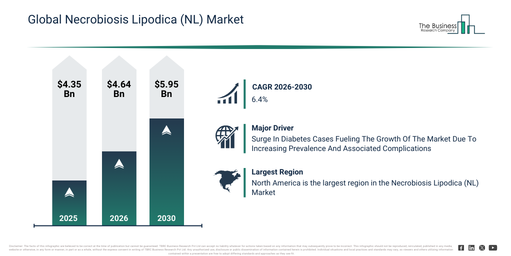
    The necrobiosis lipodica (NL) market has demonstrated robust expansion over recent years. Its valuation is anticipated to climb from $4.35 billion in 2025 to $4.64 billion in 2026, achieving a compound annual growth rate (CAGR) of 6.7%. This historical growth can be linked to the escalating prevalence of skin disorders associated with diabetes, the increased detection through skin biopsy, the continued reliance on corticosteroid-based treatments, the constrained availability of specialized dermatology care, and the gradual adoption of advanced wound care products.

    The necrobiosis lipodica (nl) market size is projected to experience robust growth over the next few years. It is forecast to expand to $5.95 billion by 2030, exhibiting a compound annual growth rate (CAGR) of 6.4%. This anticipated growth can be ascribed to an increasing demand for biologics and immunomodulators, the broadening of regenerative medicine solutions, greater availability of laser and phototherapy devices, rising investment in dermatology clinical research, and the development of combination therapeutic protocols. Significant trends for the forecast period encompass the escalating use of phototherapy and laser-based modalities, the growing uptake of advanced wound care and compression therapies, an increasing preference for topical and systemic immunomodulators, a heightened emphasis on early skin biopsy and differential diagnosis, and the expansion of regenerative medicine applications, including stem cell therapy.

    Access Your Free Sample Report For In-Depth Market Analysis:

    https://www.thebusinessresearchcompany.com/sample.aspx?id=22066&type=smp

    Which Primary Drivers Are Impacting The Necrobiosis Lipodica (NL) Market Growth?

    The increasing prevalence of diabetes is anticipated to fuel the expansion of the necrobiosis lipoidica (NL) market in the future. Diabetes is a chronic ailment characterized by the body’s impaired ability to regulate blood sugar levels, stemming from insufficient insulin production or insulin resistance, which can lead to various health complications. The surge in diabetes cases is attributable to elements like inactive lifestyles, poor dietary habits, and genetic susceptibility. Contemporary living often involves prolonged sitting, reduced physical activity, and extensive screen time, contributing to obesity and insulin resistance. Elevated blood sugar levels in diabetic individuals cause damage to tiny blood vessels, known as microangiopathy, resulting in impaired circulation. This diminishes the supply of oxygen and nutrients to the skin, making it more vulnerable to injury and delaying its healing process. Consequently, the skin tissue degenerates, fostering the development of yellowish, atrophic plaques characteristic of NL. For example, in March 2024, data from the Office for Health Improvement and Disparities, a UK-based government department, revealed that between March 2022 and March 2023, the proportion of individuals with type 1 diabetes receiving all eight recommended care processes rose by 22%, and for type 2 diabetes, it increased by 21%. Concurrently, the percentage achieving target HbA1c levels reached 37.9%, marking the highest value ever reported by the National Diabetes Audit (NDA). Therefore, the escalating number of diabetes cases is a key driver for the growth of the necrobiosis lipoidica (NL) market. The growing occurrence of autoimmune diseases is projected to stimulate the growth of the necrobiosis lipoidica market moving forward. Autoimmune diseases are medical conditions where the body’s immune system erroneously attacks its healthy cells and tissues. The rising frequency of these diseases is influenced by factors such as genetic predispositions, environmental triggers, and shifts in lifestyle and immune system behavior. Autoimmune diseases contribute to necrobiosis lipoidica (NL) by inducing chronic inflammation and immune system dysfunction, which in turn leads to collagen breakdown and compromised skin healing. For instance, in September 2025, according to WeCovr, a UK-based insurance comparison platform, it is projected that more than 3.5 million people in the United Kingdom will be living with an autoimmune disease by the close of 2025. Consequently, the heightened incidence of autoimmune diseases is propelling the expansion of the necrobiosis lipoidica market.

    Which Segments Define The Necrobiosis Lipodica (NL) Market Segment Structure?

    The necrobiosis lipodica (nl) market covered in this report is segmented –

    1) By Treatment: Therapy, Drugs, Other Treatments

    2) By Route Of Administration: Oral, Topical, Parenteral, Other Routes Of Administrations

    3) By Diagnosis: Skin Biopsy, Histopathology, Other Diagnosis

    4) By Distribution Channel: Hospital Pharmacy, Online Pharmacy, Retail Pharmacy

    5) By End User: Hospitals, Homecare, Specialty Clinics, Other End-Users

    Subsegments:

    1) By Therapy: Phototherapy, Laser Therapy, Wound Care And Compression Therapy, Physical Therapy And Rehabilitation

    2) By Drugs: Topical Corticosteroids, Intralesional Corticosteroids, Systemic Corticosteroids, Immunomodulators, Biologics, Antiplatelet Agents, Antioxidants And Vasodilators, Antibiotics

    3) By Other Treatments: Surgical Excision And Skin Grafting, Hyperbaric Oxygen Therapy (HBOT), Platelet-Rich Plasma (PRP) Therapy, Stem Cell Therapy And Regenerative Medicine, Alternative And Herbal Treatments

    Who Are The Established Players Within The Necrobiosis Lipodica (NL) Market?

    Major companies operating in the necrobiosis lipodica (nl) market are Pfizer Inc., Johnson & Johnson Services Inc., Merck & Co Inc, Novartis AG, Sanofi SA, GlaxoSmithKline plc, Eli Lilly and Company, Regeneron Pharmaceuticals Inc., Bausch Health Companies Inc., Galderma Laboratories LP, Dr. Reddys Laboratories Ltd, Incyte Pharmaceuticals, Celltrion Healthcare Co Ltd, Almirall SA, Samsung Bioepis Co Ltd, HanAll Biopharma Co Ltd, AbbVie Inc, Amgen Inc, UCB Pharma SA, LEO Pharma AS, Bristol Myers Squibb Company, Roche Holding AG, Takeda Pharmaceutical Company Limited, Astellas Pharma Inc

    Get The Full Necrobiosis Lipodica (NL) Market Report:

    https://www.thebusinessresearchcompany.com/report/necrobiosis-lipodica-nl-global-market-report

    Which Geographic Region Dominates The Necrobiosis Lipodica (NL) Market?

    North America was the largest region in the necrobiosis lipoidica market in 2025. Asia-Pacific is expected to be the fastest-growing region in the forecast period. The regions covered in the necrobiosis lipodica (nl) market report are Asia-Pacific, South East Asia, Western Europe, Eastern Europe, North America, South America, Middle East, Africa.

    Request A Customized Necrobiosis Lipodica (NL) Market Report For Competitive Insights:

    https://www.thebusinessresearchcompany.com/report/necrobiosis-lipodica-nl-global-market-report

    Browse Through More Reports Similar to the Global Necrobiosis Lipodica (NL) Market 2026, By The Business Research Company

    Non Therapeutic Biomolecules Market Report 2026

    https://www.thebusinessresearchcompany.com/report/non-therapeutic-biomolecules-global-market-report

    Clinical Chemistry Market Report

    https://www.thebusinessresearchcompany.com/report/clinical-chemistry-global-market-report

    Small Molecule Drug Discovery Market Report

    https://www.thebusinessresearchcompany.com/report/small-molecule-drug-discovery-global-market-report

    Get in touch with us:

    The Business Research Company: https://www.thebusinessresearchcompany.com/

    Americas +1 310-496-7795

    Asia +44 7882 955267 & +91 8897263534

    Europe +44 7882 955267

    Email us at info@tbrc.info

    Follow us on:

    LinkedIn: https://in.linkedin.com/company/the-business-research-company

    YouTube: https://www.youtube.com/channel/UC24_fI0rV8cR5DxlCpgmyFQ

    Global Market Model: https://www.thebusinessresearchcompany.com/global-market-model
  • Peripheral Neuropathy Market Forecast Highlighting Industry Trends

    Peripheral Neuropathy Market Forecast Highlighting Industry Trends

    The Business Research Company’s 2026 market reports feature enhanced tools like market attractiveness analysis, TAM assessment, and company scoring matrices, along with interactive dashboards, deeper supply chain insights, and startup coverage strengthening the depth, usability, and strategic value of insights.

    What Are The Market Size Estimates For The Peripheral Neuropathy Market In 2026 And 2030?

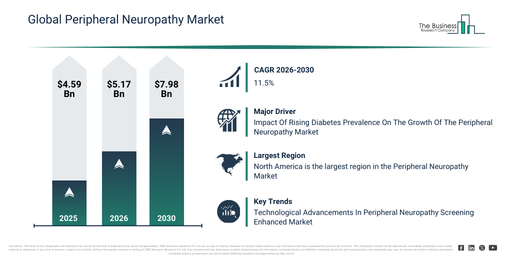
    The peripheral neuropathy market size has experienced rapid expansion in recent years. It is projected to increase from $4.59 billion in 2025 to $5.17 billion in 2026, achieving a compound annual growth rate (CAGR) of 12.7%. The growth observed in the historic period stems from the high prevalence of diabetic neuropathy, rising chemotherapy use, limited targeted therapies, reliance on conventional analgesics, and the lack of early diagnosis tools.

    The peripheral neuropathy market is projected to experience substantial expansion in the coming years. It is anticipated to reach $7.98 billion by 2030, demonstrating a compound annual growth rate (CAGR) of 11.5%. This anticipated growth during the forecast period is fueled by several factors, including developments in nerve stimulation therapies, the rising acceptance of physical therapy alongside non-pharmacological interventions, a wider availability of topical and systemic medications, the increasing reliance on online pharmacies and telemedicine services, and the expansion of specialized clinics and ambulatory care facilities. Key trends expected during this period involve the greater uptake of AI-based diagnostic tools for peripheral neuropathy, enhanced integration of big data and cloud solutions for monitoring patients, the expanding application of genomics and precision medicine in treating peripheral neuropathy, increased deployment of IoT-enabled wearable devices designed for nerve health, and the growing incorporation of Industry 4.0 technologies into neuropathy treatment devices.

    Access Your Free Sample Report For In-Depth Market Analysis:

    https://www.thebusinessresearchcompany.com/sample.aspx?id=16507&type=smp

    Which Primary Drivers Are Impacting The Peripheral Neuropathy Market Growth?

    The increasing occurrence of diabetes is anticipated to boost the expansion of the peripheral neuropathy market in the coming years. Diabetes is a long-term medical condition marked by elevated glucose levels in the bloodstream, resulting from the body’s failure to produce or properly utilize insulin. This escalating prevalence of diabetes is mainly attributable to factors such as growing rates of obesity, inactive lifestyles, and older demographics. Peripheral neuropathy can be caused by diabetes through nerve damage from sustained high blood sugar, leading to symptoms such as discomfort, tingling sensations, and numbness in the limbs. Controlling blood sugar effectively is vital for preventing or slowing the advancement of this complication. For example, the International Diabetes Federation, a Belgium-based diabetes research organization, reported in 2024 that the global number of adults aged 20 to 79 years living with diabetes is predicted to rise substantially from approximately 589 million in 2024 to 853 million by 2050, indicating a 45% increase. Consequently, the growing incidence of diabetes is fueling the expansion of the peripheral neuropathy market.

    How Is The Peripheral Neuropathy Market Segmented Across Different Segment Categories?

    The peripheral neuropathy market covered in this report is segmented –

    1) By Type: Chemotherapy-Induced, Diabetic, Human Immunodeficiency Virus (HIV) Or Acquired Immunodeficiency Syndrome (AIDS Associated), Idiopathic

    2) By Diagnosis: Blood Test, Biopsy, Imaging, Other Diagnosis

    3) By Treatment: Medications, Antidepressants, Anti-Seizure Medication, Pain Reliever, Topical Treatment, Therapies, Nerve Stimulation, Plasma Exchange, Physical Therapy, Other Treatments

    4) By End-User: Hospitals, Clinics, Ambulatory Centers

    Subsegments:

    1) By Chemotherapy-Induced: Taxane-Induced Peripheral Neuropathy, Platinum-Based Drug-Induced Neuropathy, Other Chemotherapy-Induced Neuropathies

    2) By Diabetic: Type 1 Diabetes-Induced Peripheral Neuropathy, Type 2 Diabetes-Induced Peripheral Neuropathy

    3) By Human Immunodeficiency Virus (HIV) Or Acquired Immunodeficiency Syndrome (AIDS) Associated: HIV-Associated Peripheral Neuropathy, AIDS-Related Peripheral Neuropathy

    4) By Idiopathic: Acute Idiopathic Neuropathy, Chronic Idiopathic Neuropathy

    Which Trends Are Shaping Growth In The Peripheral Neuropathy Market?

    Companies operating within the peripheral neuropathy market are prioritizing the development of sophisticated solutions, including point-of-care devices, to enhance the diagnosis and management of the condition. A point-of-care peripheral neuropathy quantitative screening test functions as a diagnostic instrument utilized for the quick identification of nerve damage in individuals’ extremities, particularly in those with diabetes. For example, in January 2023, NeuroMetrix Inc., a US-based non-invasive medical device manufacturer, unveiled the DPNCheck 2.0 point-of-care device, specifically designed for detecting peripheral neuropathy. This device employs nerve conduction technology to identify the systemic deterioration of peripheral nerves, which often contributes to severe conditions such as diabetic peripheral neuropathy (DPN). It enables swift patient screening by providing quantitative peripheral nerve function measurement, thereby establishing itself as a more efficient and precise tool when compared to conventional approaches like monofilament and tuning fork tests.

    Which Organizations Play A Role In The Peripheral Neuropathy Market Landscape?

    Major companies operating in the peripheral neuropathy market are Pfizer Inc., Merck and Co. Inc., Novartis AG, Bristol Myers Squibb Co, AstraZeneca Plc, Abbott Laboratories, Eli Lilly and Co., Daiichi Sankyo Co. Ltd., Sun Pharmaceutical Industries Ltd, Aurobindo Pharma, Cadila Pharmaceuticals Ltd., Dr. Reddy’s Laboratories, Cipla Ltd., Apotex Inc, Hikma Pharmaceuticals PLC, Lupin Limited, Grunenthal GmbH, Lexicon Pharmaceuticals, Johnson and Johnson, Teva Pharmaceutical Industries Ltd, Sanofi, GSK plc

    Get The Full Peripheral Neuropathy Market Report:

    https://www.thebusinessresearchcompany.com/report/peripheral-neuropathy-global-market-report

    Which Region Leads The Peripheral Neuropathy Market In Overall Market Size?

    North America was the largest region in the peripheral neuropathy market in 2025. Asia-Pacific is expected to be the fastest-growing region in the forecast period. The regions covered in the peripheral neuropathy market report are Asia-Pacific, South East Asia, Western Europe, Eastern Europe, North America, South America, Middle East, Africa.

    Request A Customized Peripheral Neuropathy Market Report For Competitive Insights:

    https://www.thebusinessresearchcompany.com/report/peripheral-neuropathy-global-market-report

    Browse Through More Reports Similar to the Global Peripheral Neuropathy Market 2026, By The Business Research Company

    Tendonitis Treatment Market Report 2026

    https://www.thebusinessresearchcompany.com/report/tendonitis-treatment-global-market-report

    Negative Pressure Wound Therapy Market Report

    https://www.thebusinessresearchcompany.com/report/negative-pressure-wound-therapy-global-market-report

    Pruritus Therapeutic Market Report

    https://www.thebusinessresearchcompany.com/report/pruritus-therapeutic-global-market-report

    Get in touch with us:

    The Business Research Company: https://www.thebusinessresearchcompany.com/

    Americas +1 310-496-7795

    Asia +44 7882 955267 & +91 8897263534

    Europe +44 7882 955267

    Email us at info@tbrc.info

    Follow us on:

    LinkedIn: https://in.linkedin.com/company/the-business-research-company

    YouTube: https://www.youtube.com/channel/UC24_fI0rV8cR5DxlCpgmyFQ

    Global Market Model: https://www.thebusinessresearchcompany.com/global-market-model
  • Peripheral Neuritis Treatment Market Future Trends Influencing Growth

    Peripheral Neuritis Treatment Market Future Trends Influencing Growth

    The Business Research Company’s 2026 market reports feature enhanced tools like market attractiveness analysis, TAM assessment, and company scoring matrices, along with interactive dashboards, deeper supply chain insights, and startup coverage strengthening the depth, usability, and strategic value of insights.

    What Expansion In Market Value Is Forecasted For The Peripheral Neuritis Treatment Market Between 2026 And 2030?

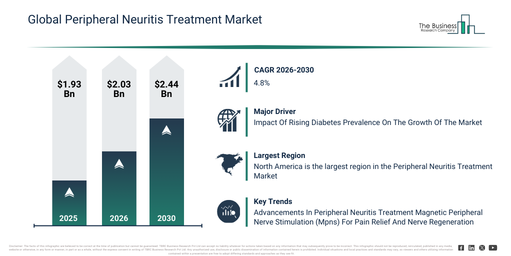
    The peripheral neuritis treatment market has experienced robust expansion recently. This market is projected to expand from $1.93 billion in 2025 to $2.03 billion in 2026, demonstrating a compound annual growth rate (CAGR) of 5.0%. Historically, this growth was driven by factors such as the significant occurrence of diabetic neuropathy, a scarcity of specific therapies, a dependence on traditional pain relievers and anti-seizure medications, increasing recognition of peripheral neuritis indicators, and an underdeveloped healthcare infrastructure.

    The peripheral neuritis treatment market is anticipated to experience consistent expansion in the coming years. This market is projected to reach $2.44 billion by 2030, exhibiting a compound annual growth rate (CAGR) of 4.8%. Several factors contribute to this growth during the projection period, including progress in pharmacological treatments, the wider acceptance of non-pharmacological methods such as tens and acupuncture, increased reliance on online and retail pharmacies, a greater emphasis on lifestyle and dietary changes, and the expansion of specialized clinics and diabetic care programs. Key trends anticipated during this period involve the increasing uptake of ai-based peripheral neuritis monitoring tools, greater integration of digital health platforms for peripheral neuropathy management, expanded application of genomic and precision medicine strategies in peripheral neuritis, the growing deployment of iot-enabled patient monitoring devices, and the increasing progress in smart manufacturing for peripheral neuritis therapeutics.

    Access Your Free Sample Report For In-Depth Market Analysis:

    https://www.thebusinessresearchcompany.com/sample.aspx?id=21254&type=smp

    What Significant Factors Are Influencing The Peripheral Neuritis Treatment Market Expansion?

    The increasing incidence of diabetes is anticipated to drive the expansion of the peripheral neuritis treatment market moving ahead. This condition is a long-term health issue characterized by the body’s inability to effectively manage blood sugar (glucose) levels. The growing occurrence of diabetes stems from various factors, including inactive lifestyles, poor dietary habits, excessive weight, an aging global populace, and inherited susceptibility. Treatments for peripheral neuritis aid individuals with diabetes by alleviating nerve discomfort, diminishing inflammation, and improving nerve functionality, thus contributing to a better quality of life and the prevention of further complications. As an illustration, in 2024, the International Diabetes Federation, a Belgium-based diabetes research organization, reported that the global population of adults aged 20 to 79 years diagnosed with diabetes is expected to rise considerably from approximately 589 million in 2024 to 853 million by 2050, marking a 45% increase. Consequently, the escalating incidence of diabetes is fueling the expansion of the peripheral neuritis treatment market.

    What Are The Main Segments Within The Peripheral Neuritis Treatment Market Segment Structure?

    The peripheral neuritis treatment market covered in this report is segmented –

    1) By Treatment Type: Pharmacological Therapies, Non Pharmacological Therapies

    2) By Distribution Channel: Hospital Pharmacies, Retail Pharmacies, Online Pharmacies, Drug Stores

    3) By Application: Diabetic Peripheral Neuropathy, Chemotherapy-Induced Peripheral Neuropathy, Idiopathic Peripheral Neuropathy, Other Applications

    Subsegments:

    1) By Pharmacological Therapies: Pain Relievers (Analgesics), Antidepressants, Anticonvulsants, Topical Medications

    2) By Non-Pharmacological Therapies: Physical Therapy, Transcutaneous Electrical Nerve Stimulation (TENS), Acupuncture, Lifestyle And Dietary Modifications

    What Trends Are Affecting The Direction Of The Peripheral Neuritis Treatment Market?

    Key players in the peripheral neuritis treatment market are directing their efforts towards developing innovative treatments, such as magnetic peripheral nerve stimulation (mPNS) therapy, to improve nerve regeneration and mitigate neuropathic pain. Magnetic peripheral nerve stimulation (mPNS) treatment is defined as a non-invasive neuromodulation method that utilizes magnetic fields to stimulate peripheral nerves, aiding in pain management, enhancing nerve regeneration, and improving motor function for conditions like neuropathy and musculoskeletal disorders. As an illustration, in January 2024, Neuralace Medical Inc., a US-based medical equipment manufacturing company, announced its Axon Therapy (mPNS) for chronic painful diabetic neuropathy (PDN), which received approval from the Food and Drug Administration, a US-based government agency. This therapy presents a swift, pain-free, and non-invasive solution for pain relief. Clinical trials showed a 72.3% responder rate by Day 30 and an 81.4% responder rate by Day 90, thereby emphasizing its effectiveness in decreasing pain and numbness. This approval signifies a notable stride in pain management, offering patients an alternative to conventional treatments without medication-related side effects.

    Who Are The Companies Participating In The Peripheral Neuritis Treatment Market?

    Major companies operating in the peripheral neuritis treatment market are Pfizer Inc., Johnson & Johnson (J&J), AstraZeneca Plc, Novartis AG, GSK plc, Takeda Pharmaceuticals & Co. Ltd., Eli Lilly and Co., Mallinckrodt Pharmaceuticals plc, Viatris Inc., Teva Pharmaceutical Industries Ltd., Astellas Pharma Inc., Sun Pharmaceutical Industries Ltd., Apotex Inc., Dr Reddys Laboratories Ltd., Cipla Inc., Amneal Pharmaceuticals LLC, Lupin Ltd., Daiichi Sankyo Co. Ltd., Glenmark Pharmaceuticals Ltd., Cadila Pharmaceuticals Ltd.

    Get The Full Peripheral Neuritis Treatment Market Report:

    https://www.thebusinessresearchcompany.com/report/peripheral-neuritis-treatment-global-market-report

    Which Region Is The Top Contributor To The Peripheral Neuritis Treatment Market By Share?

    North America was the largest region in the peripheral neuritis treatment market in 2025. Asia-Pacific is expected to be the fastest-growing region in the forecast period. The regions covered in the peripheral neuritis treatment market report are Asia-Pacific, South East Asia, Western Europe, Eastern Europe, North America, South America, Middle East, Africa.

    Request A Customized Peripheral Neuritis Treatment Market Report For Competitive Insights:

    https://www.thebusinessresearchcompany.com/report/peripheral-neuritis-treatment-global-market-report

    Browse Through More Reports Similar to the Global Peripheral Neuritis Treatment Market 2026, By The Business Research Company

    Peripheral Nerve Injuries Market Report 2026

    https://www.thebusinessresearchcompany.com/report/peripheral-nerve-injuries-global-market-report

    Neurostimulation Devices Market Report

    https://www.thebusinessresearchcompany.com/report/neurostimulation-devices-global-market-report

    Spinal Cord Stimulation Market Report

    https://www.thebusinessresearchcompany.com/report/spinal-cord-stimulation-global-market-report

    Get in touch with us:

    The Business Research Company: https://www.thebusinessresearchcompany.com/

    Americas +1 310-496-7795

    Asia +44 7882 955267 & +91 8897263534

    Europe +44 7882 955267

    Email us at info@tbrc.info

    Follow us on:

    LinkedIn: https://in.linkedin.com/company/the-business-research-company

    YouTube: https://www.youtube.com/channel/UC24_fI0rV8cR5DxlCpgmyFQ

    Global Market Model: https://www.thebusinessresearchcompany.com/global-market-model
  • Peripheral Nerve Stimulators Market Growth Trends and Forecast Through 2030

    Peripheral Nerve Stimulators Market Growth Trends and Forecast Through 2030

    The Business Research Company’s 2026 market reports feature enhanced tools like market attractiveness analysis, TAM assessment, and company scoring matrices, along with interactive dashboards, deeper supply chain insights, and startup coverage strengthening the depth, usability, and strategic value of insights.

    How Large Will The Peripheral Nerve Stimulators Market Be By 2030 Compared To Its 2026 Market Size?

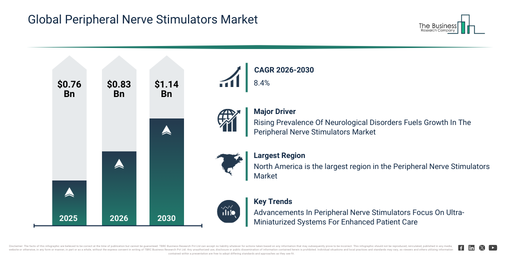
    The size of the peripheral nerve stimulators market has demonstrated robust growth over the past few years. It is projected to expand from $0.76 billion in 2025 to reach $0.83 billion in 2026, exhibiting a compound annual growth rate (CAGR) of 8.4%. Historically, this expansion was driven by several factors, including the scarcity of non-invasive pain management alternatives, the widespread occurrence of chronic neuropathic pain, an over-reliance on pharmaceutical remedies, insufficient public knowledge regarding peripheral nerve stimulation therapies, and the decentralized dissemination of neurostimulation devices.

    The peripheral nerve stimulators market size is projected to experience robust growth in the coming years. It is anticipated to expand to $1.14 billion in 2030, with a compound annual growth rate (CAGR) of 8.4%. This growth during the forecast period can be attributed to advancements in implantable and percutaneous stimulators, the increasing adoption of transcutaneous electrical nerve stimulation (tens) units, the expansion of ambulatory surgical centers and physiotherapy clinics, a rising preference for rechargeable and disposable neurostimulation devices, and growing awareness of non-pharmacological pain management solutions. Major trends expected in the forecast period include the increasing adoption of AI-enabled pain management devices, a rising use of cloud-based patient monitoring for neurostimulation, the growing development of implantable and rechargeable neurostimulators, increasing integration of IoT-enabled nerve stimulation systems, and a rising implementation of smart manufacturing for peripheral nerve stimulators.

    Access Your Free Sample Report For In-Depth Market Analysis:

    https://www.thebusinessresearchcompany.com/sample.aspx?id=20923&type=smp

    Which Important Drivers Are Guiding The Peripheral Nerve Stimulators Market Growth?

    The escalating occurrence of neurological conditions is projected to drive the expansion of the peripheral nerve stimulators market. These medical conditions affect the brain, spinal cord, or peripheral nerves, leading to functional, structural, or biochemical abnormalities. The widespread presence of neurological disorders is influenced by factors such as aging populations, genetic predispositions, environmental influences, lifestyle choices, and enhanced awareness and diagnosis of these conditions. Peripheral nerve stimulators are essential in addressing neurological disorders by offering targeted relief from chronic pain, boosting motor function, and aiding nerve regeneration in affected regions. For instance, in March 2023, information from the Alzheimer’s Association, a US-based nonprofit voluntary health organization, revealed that in 2023, approximately 6.7 million Americans aged 65 and older are living with Alzheimer’s dementia, and this figure is projected to rise to 13.8 million by 2060. Thus, the increasing prevalence of neurological disorders is a significant factor propelling the growth of peripheral nerve stimulators.

    How Is Segmentation Applied In The Peripheral Nerve Stimulators Market Segment Analysis?

    The peripheral nerve stimulators market covered in this report is segmented –

    1) By Product: Transcutaneous, Percutaneous, Implantable

    2) By Device: Stimulators, CPNB Catheters, Pain Pumps, Other Devices

    3) By Mode Of Purchase: Disposable Devices, Rechargeable Devices

    4) By Application: Hospitals, Physiotherapy Centers, Ambulatory Surgical Centers, Clinics, Other Applications

    Subsegments:

    1) By Transcutaneous: TENS (Transcutaneous Electrical Nerve Stimulation) Units, Surface Electrodes

    2) By Percutaneous: Single-Needle Percutaneous Stimulators, Multi-Needle Percutaneous Stimulators, Radiofrequency Percutaneous Stimulators

    3) By Implantable: Spinal Cord Stimulators (SCS), Peripheral Nerve Stimulation (PNS) Devices, Neurostimulator Implants

    What Trends Are Influencing The Evolution Of The Peripheral Nerve Stimulators Market?

    Leading firms within the peripheral nerve stimulators market are prioritizing the creation of novel offerings, including ultra-miniaturized systems, with the aim of boosting patient ease, bettering treatment results, and broadening their utility across diverse medical fields. These ultra-miniaturized systems are defined as extremely compact and tiny devices engineered for sophisticated capabilities, frequently utilizing advanced technologies to elevate their performance, ease of transport, and compatibility across multiple uses. As an illustration, in April 2023, NeuSpera Medical Inc., a US-based manufacturer of implantable medical devices, revealed it had secured U.S. Food and Drug Administration (FDA) approval for its innovative Neuspera ultra-miniaturized system, intended for managing chronic peripheral nerve pain. This particular device features a distinct design that delivers precise electrical stimulation to peripheral nerves, eliminating the need for conventional leads, thereby making it less invasive and diminishing the potential for complications often linked with lead-dependent devices. Its small dimensions facilitate straightforward implantation with minimal tissue disturbance, contributing to quicker recovery periods. Furthermore, the micro-implant presents the possibility of sustained pain alleviation through direct stimulation of the compromised nerve pathways, thereby offering an advanced option for individuals afflicted by chronic peripheral nerve pain.

    Who Are The Companies Participating In The Peripheral Nerve Stimulators Market Environment?

    Major companies operating in the peripheral nerve stimulators market are Abbott Laboratories, Medtronic plc, Boston Scientific Corp., Nevro Corp., Saluda Medical Pty Ltd., Stimwave Technologies Incorporated, Bioness Inc., SPR Therapeutics Inc., Neuspera Medical Inc., NeuroMetrix Inc., BioElectronics Corporation, Soterix Medical Inc., STIM Systems, NeuroSigma Inc., Synapse Biomedical Inc., BioControl Medical, Cardionomic Inc., Aleva Neurotherapeutics SA, NeuroPace Inc., Nervonik Inc., NeuraStim Technologies Inc., NeuroPulse Systems Inc., NeuroStim Devices Inc., Peripheral NeuroSolutions Ltd, BlueWind Medical, PINS Medical, Neurimpulse, Cala Health Inc.

    Get The Full Peripheral Nerve Stimulators Market Report:

    https://www.thebusinessresearchcompany.com/report/peripheral-nerve-stimulators-global-market-report

    Which Region Represents The Largest Share Of The Peripheral Nerve Stimulators Market?

    North America was the largest region in the peripheral nerve stimulators market in 2025. Asia-Pacific is expected to be the fastest-growing region in the forecast period. The regions covered in the peripheral nerve stimulators market report are Asia-Pacific, South East Asia, Western Europe, Eastern Europe, North America, South America, Middle East, Africa.

    Request A Customized Peripheral Nerve Stimulators Market Report For Competitive Insights:

    https://www.thebusinessresearchcompany.com/report/peripheral-nerve-stimulators-global-market-report

    Browse Through More Reports Similar to the Global Peripheral Nerve Stimulators Market 2026, By The Business Research Company

    Intravascular Catheters Market Report 2026

    https://www.thebusinessresearchcompany.com/report/intravascular-catheters-global-market-report

    Neurovascular Catheters Market Report

    https://www.thebusinessresearchcompany.com/report/neurovascular-catheters-global-market-report

    Electrophysiology Catheters Market Report

    https://www.thebusinessresearchcompany.com/report/electrophysiology-catheters-global-market-report

    Get in touch with us:

    The Business Research Company: https://www.thebusinessresearchcompany.com/

    Americas +1 310-496-7795

    Asia +44 7882 955267 & +91 8897263534

    Europe +44 7882 955267

    Email us at info@tbrc.info

    Follow us on:

    LinkedIn: https://in.linkedin.com/company/the-business-research-company

    YouTube: https://www.youtube.com/channel/UC24_fI0rV8cR5DxlCpgmyFQ

    Global Market Model: https://www.thebusinessresearchcompany.com/global-market-model

  • Peripheral IV Catheters Market Insights Covering Drivers, Trends, and Opportunities

    Peripheral IV Catheters Market Insights Covering Drivers, Trends, and Opportunities

    The Business Research Company’s 2026 market reports feature enhanced tools like market attractiveness analysis, TAM assessment, and company scoring matrices, along with interactive dashboards, deeper supply chain insights, and startup coverage strengthening the depth, usability, and strategic value of insights.

    What Is The Projected Increase In Market Value Of The Peripheral IV Catheters Market During 2026–2030?

    The peripheral iv catheters market has experienced substantial growth in recent years. It is forecast to expand from $5.74 billion in 2025 to $6.29 billion in 2026, progressing at a compound annual growth rate (CAGR) of 9.5%. Historically, this growth can be ascribed to a high incidence of hospital-acquired infections, continued reliance on conventional IV catheters, an increasing patient population needing IV access, restricted availability of advanced safety catheters, and a fragmented healthcare infrastructure.

    The peripheral iv catheters market size is anticipated to undergo significant expansion in the coming years, with projections indicating it will reach $9.01 billion by 2030, demonstrating a compound annual growth rate (CAGR) of 9.4%. This growth during the forecast period stems from advancements in safety iv catheter technologies, the increasing embrace of smart and antimicrobial catheters, the broadening scope of home healthcare services, a rising preference for integrated/closed iv systems, and the increasing demand for minimally invasive therapy administration. Dominant trends expected within this period involve the expanding adoption of AI-based catheter insertion guidance systems, an uptick in the use of cloud-based patient monitoring for iv therapy, ongoing development of antimicrobial and smart catheters, greater integration of IoT-enabled devices for iv monitoring, and the growing implementation of smart manufacturing processes for peripheral iv catheters.

    Access Your Free Sample Report For In-Depth Market Analysis:

    https://www.thebusinessresearchcompany.com/sample.aspx?id=6658&type=smp

    What Major Factors Are Driving The Peripheral IV Catheters Market Forward?

    The growing incidence of chronic diseases is anticipated to stimulate the expansion of the peripheral IV catheters market. These catheters are frequently employed in treating various long-term conditions such as cancer and cardiovascular ailments. The surge in chronic diseases is largely a consequence of increasingly sedentary lifestyles, which diminish physical activity and foster conditions leading to chronic illness. Peripheral IV catheters facilitate chronic disease management by offering prompt and dependable access for delivering continuous medications, fluids, or treatments necessary for controlling persistent health issues. For example, by 2025, according to the Northern Arizona Medical Group, a US-based healthcare provider, it is predicted that almost three-quarters of the global populace will experience at least one chronic illness, with its prevalence steadily climbing. In the United States, around 76.4% of adults reported having a minimum of one chronic condition in 2023, and 51.4% had two or more. Consequently, the rising occurrence of chronic diseases is expected to fuel the growth of the peripheral IV catheters market.

    What Segment Categories Shape The Peripheral IV Catheters Market Segment Landscape?

    The peripheral iv catheters market covered in this report is segmented –

    1) By Product Type: Short Peripheral Intravenous Catheters, Integrated Or Closed Peripheral Intravenous Catheters (PIVC)

    2) By Technology: Conventional Peripheral Intravenous Catheters (PIVC), Safety Peripheral Intravenous Catheters (PIVC)

    3) By End User: Hospitals, Clinics, Ambulatory Surgical Centers, Home Healthcare

    Subsegments:

    1) By Short Peripheral Intravenous Catheters: Over-the-Needle Catheters, Winged Infusion Sets

    2) By Integrated Or Closed Peripheral Intravenous Catheters (PIVC): Safety Catheters, Antimicrobial Catheters, Smart Catheters

    Which Trends Are Impacting The Progress Of The Peripheral IV Catheters Market?

    Leading companies in the peripheral IV catheter market are concentrating on developing innovative products, such as the multi-access blood control septum, which facilitates multiple connections at the catheter hub without any blood leakage and without requiring manual vein occlusion. A multi-access blood control septum refers to a valve incorporated into the hub of certain IV catheters, designed to automatically halt blood flow whenever the catheter hub is accessed. For instance, in July 2024, B. Braun Melsungen AG, a Germany-based pharmaceutical device company focused on infusion therapy, announced that the U.S. Food and Drug Administration (FDA) granted approval to its Introcan Safety® 2 Deep Access IV Catheter. This product, a multi-access blood control septum, is specifically engineered to prevent blood leakage during hub access, eliminate the need for manual vein occlusion, and maintain a closed system that enhances clinician safety. Additionally, it also minimizes contamination risk during subsequent line connections and disconnections.

    Who Are The Companies Operating Across The Peripheral IV Catheters Market Value Chain?

    Major companies operating in the peripheral iv catheters market are Becton, Dickinson and Company, B. Braun Melsungen AG, Smiths Medical Inc., Vygon SAS, Terumo Corporation, Teleflex Incorporated, NIPRO Medical Corporation, Argon Medical Devices Inc., Medical Components Inc., Vascular Pathways Inc., Tangent Medical Technologies Inc., Vigmed AB, Venner Medical, C. R. Bard Inc., MedSource Labs, Intra Special Catheters GmbH, Greiner Bio-One International GmbH, Ares Medikal, Ace Medical Company, Heka s.r.l, Raumedic AG, Vogt Medical Vertrieb GmbH, RenovoRx Inc., Retractable Technologies Inc., AngioDynamics Inc., ICU Medical Inc., Medtronic plc, Edwards Lifesciences Corporation, Cook Group Incorporated, Stryker Corporation, Boston Scientific Corporation, Johnson & Johnson, Abbott Laboratories, Merit Medical Systems Inc.

    Get The Full Peripheral IV Catheters Market Report:

    https://www.thebusinessresearchcompany.com/report/peripheral-iv-catheters-global-market-report

    Which Geographic Region Dominates The Peripheral IV Catheters Market?

    North America was the largest region in the peripheral IV catheters market in 2025. North America is expected to be the fastest-growing region in the forecast period. The regions covered in the peripheral iv catheters market report are Asia-Pacific, South East Asia, Western Europe, Eastern Europe, North America, South America, Middle East, Africa.

    Request A Customized Peripheral IV Catheters Market Report For Competitive Insights:

    https://www.thebusinessresearchcompany.com/report/peripheral-iv-catheters-global-market-report

    Browse Through More Reports Similar to the Global Peripheral IV Catheters Market 2026, By The Business Research Company

    Peripheral Arterial Disease Market Report 2026

    https://www.thebusinessresearchcompany.com/report/peripheral-arterial-disease-global-market-report

    Peripheral Vascular Devices And Equipment Market Report

    https://www.thebusinessresearchcompany.com/report/peripheral-vascular-devices-and-equipment-global-market-report

    Coronary Artery Disease Market Report

    https://www.thebusinessresearchcompany.com/report/coronary-artery-disease-global-market-report

    Get in touch with us:

    The Business Research Company: https://www.thebusinessresearchcompany.com/

    Americas +1 310-496-7795

    Asia +44 7882 955267 & +91 8897263534

    Europe +44 7882 955267

    Email us at info@tbrc.info

    Follow us on:

    LinkedIn: https://in.linkedin.com/company/the-business-research-company

    YouTube: https://www.youtube.com/channel/UC24_fI0rV8cR5DxlCpgmyFQ

    Global Market Model: https://www.thebusinessresearchcompany.com/global-market-model
  • Peripheral Artery Disease Market Developments Driving Growth

    Peripheral Artery Disease Market Developments Driving Growth

    The Business Research Company’s 2026 market reports feature enhanced tools like market attractiveness analysis, TAM assessment, and company scoring matrices, along with interactive dashboards, deeper supply chain insights, and startup coverage strengthening the depth, usability, and strategic value of insights.

    How Is The Market Size Of The Peripheral Artery Disease Market Expected To Change From 2026 To 2030?

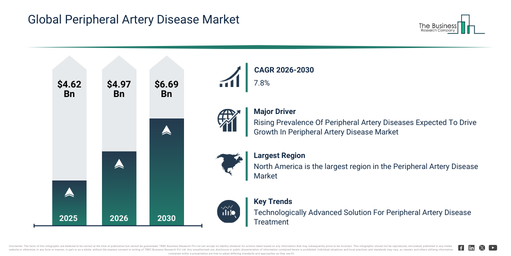
    The peripheral artery disease market size has shown substantial growth in recent years. It is projected to increase from $4.62 billion in 2025 to $4.97 billion in 2026, achieving a compound annual growth rate (CAGR) of 7.5%. This historical expansion can be linked to the high prevalence of peripheral artery disease, limited awareness of PAD risk factors, reliance on traditional medications, inadequate access to interventional specialists, and fragmented patient care pathways.

    The peripheral artery disease market is projected to experience substantial expansion in the coming years. Its valuation is set to reach $6.69 billion by 2030, exhibiting a compound annual growth rate (CAGR) of 7.8%. This projected growth is driven by several factors, including advancements in minimally invasive peripheral interventions, the increasing use of drug-eluting balloons and stents, the expansion of hospitals and specialized vascular clinics, heightened patient awareness and early detection efforts, and the rising application of combination therapies encompassing lifestyle adjustments and pharmacotherapy. Key trends anticipated during this period involve the increasing application of AI for early PAD diagnosis and risk stratification, a growing uptake of cloud-based patient monitoring systems, an amplified focus on genomic-guided personalized PAD treatments, greater integration of IoT devices for tracking post-intervention recovery, and the increasing implementation of smart manufacturing in the production of PAD devices.

    Access Your Free Sample Report For In-Depth Market Analysis:

    https://www.thebusinessresearchcompany.com/sample.aspx?id=12068&type=smp

    Which Key Drivers Are Affecting The Peripheral Artery Disease Market Development?

    An increasing incidence of peripheral artery diseases is projected to drive the expansion of the peripheral artery disease market in the future. Peripheral artery disease describes the constriction or obstruction of arteries located beyond the heart, typically in the legs, which leads to diminished blood circulation and possible health issues. Treatments for peripheral artery disease aid in alleviating its symptoms, improving patient mobility, and lowering the likelihood of serious complications, thereby enhancing overall patient well-being. For example, data from June 2023, provided by the American Heart Association, a US-based nonprofit organization, indicates that approximately 7 to 12 million individuals in the United States and 200 million people globally are living with this condition. Consequently, the growing prevalence of peripheral artery diseases is fueling the development of the peripheral artery disease market.

    Which Segment Types Are Examined In The Peripheral Artery Disease Market Segment Study?

    The peripheral artery disease market covered in this report is segmented –

    1) By Type: Peripheral Angioplasty Balloons, Peripheral Stents, Peripheral Catheters, Inferior Vena Cava (IVC) Filters, Plaque Modification Devices, Hemodynamic Flow Alteration Devices, Peripheral Accessories

    2) By Drugs: Lipid-Lowering Drugs, Blood Pressure Lowering Drugs, Glucose Regulating Drugs, Blood Clot Preventing Drugs, Inotropes, Thrombolytics Agents, Anti-Inflammatory Agents

    3) By Route Of Administration: Oral, Parenteral, Other Routes Of Administrations

    4) By End Users: Hospitals, Specialty Clinics, Other End Users

    Subsegments:

    1) By Peripheral Angioplasty Balloons: Drug-Eluting Balloons, Non-Drug-Eluting Balloons, Scoring Balloons, Cutting Balloons

    2) By Peripheral Stents: Drug-Eluting Stents, Bare Metal Stents, Covered Stents

    3) By Peripheral Catheters: Sheath Introducers, Guidewires, Diagnostic Catheters, Delivery Catheters

    4) By Inferior Vena Cava (IVC) Filters: Retrievable IVC Filters, Permanent IVC Filters

    5) By Plaque Modification Devices: Atherectomy Devices, Laser Atherectomy Devices, Rotational Atherectomy Devices

    6) By Hemodynamic Flow Alteration Devices: Flow Diversion Devices, Flow Restriction Devices

    7) By Peripheral Accessories: Diagnostic Imaging Accessories, Accessory Kits For Interventional Procedures, Support Devices

    What Trends Are Transforming The Peripheral Artery Disease Market?

    Leading companies operating within the peripheral artery disease (PAD) market are concentrating on developing innovative solutions, such as dissolvable drug-eluting scaffold systems. This effort aims to meet the increasing demand for safer, more durable, and less invasive treatment options for arterial blockages located below the knee. These resorbable scaffold technologies are designed to restore blood flow and then gradually dissolve, offering a significant advantage over traditional permanent metallic stents. For instance, in April 2024, Abbott Laboratories, a U.S.-based medical-device company, launched the Esprit BTK Everolimus Eluting Resorbable Scaffold System, marking it as a first-of-its-kind dissolvable stent therapy for below-the-knee PAD. The system delivers everolimus, a drug that helps prevent vessel re-narrowing, while its fully resorbable structure naturally dissolves over time, thereby eliminating the long-term risks associated with metal implants. It offers physicians an advanced alternative to traditional angioplasty or permanent stenting, proving particularly beneficial for patients with long lesions or critical limb ischemia. By combining drug delivery with temporary structural support, the Esprit BTK System aims to enhance vessel healing, reduce complications, and expand treatment possibilities in complex PAD cases.

    Which Players Are Part Of The Competitive Landscape Of The Peripheral Artery Disease Market?

    Major companies operating in the peripheral artery disease market are Cardinal Health Inc., Vascular Solutions Inc., Bayer AG, Abbott Laboratories, Medtronic plc., Koninklijke Philips N.V. (Royal Philips), B. Braun Melsungen AG., Terumo Corporation, Edwards Lifesciences, Becton Dickinson and Company (BD), Boston Scientific Corporation Incorporated, Cook Group Incorporated, Merit Medical Systems Inc., NuVasive Inc., Arjo AB, Penumbra Inc., BIOTRONIK SE and Co. KG, AngioDynamics Inc., Shockwave Medical Inc., Cardiovascular Systems Inc., Endologix LLC., LeMaitre Vascular Inc., Silk Road Medical Inc., WL Gore and Associates Inc., MicroPort Scientific Corporation, Bard Peripheral Vascular Inc., Avinger Inc.

    Get The Full Peripheral Artery Disease Market Report:

    https://www.thebusinessresearchcompany.com/report/peripheral-artery-disease-global-market-report

    Which Region Is The Leading Market For The Peripheral Artery Disease Market?

    North America was the largest region in the peripheral artery disease market in 2025. Asia-Pacific is expected to be the fastest-growing region in the forecast period. The regions covered in the peripheral artery disease market report are Asia-Pacific, South East Asia, Western Europe, Eastern Europe, North America, South America, Middle East, Africa.

    Request A Customized Peripheral Artery Disease Market Report For Competitive Insights:

    https://www.thebusinessresearchcompany.com/report/peripheral-artery-disease-global-market-report

    Browse Through More Reports Similar to the Global Peripheral Artery Disease Market 2026, By The Business Research Company

    Peripheral Artery Disease Market Report 2026

    https://www.thebusinessresearchcompany.com/report/peripheral-artery-disease-global-market-report

    Peripheral Vascular Devices And Equipment Market Report

    https://www.thebusinessresearchcompany.com/report/peripheral-vascular-devices-and-equipment-global-market-report

    Peripheral Neuropathy Market Report

    https://www.thebusinessresearchcompany.com/report/peripheral-neuropathy-global-market-report

    Get in touch with us:

    The Business Research Company: https://www.thebusinessresearchcompany.com/

    Americas +1 310-496-7795

    Asia +44 7882 955267 & +91 8897263534

    Europe +44 7882 955267

    Email us at info@tbrc.info

    Follow us on:

    LinkedIn: https://in.linkedin.com/company/the-business-research-company

    YouTube: https://www.youtube.com/channel/UC24_fI0rV8cR5DxlCpgmyFQ

    Global Market Model: https://www.thebusinessresearchcompany.com/global-market-model
  • Peripheral Arterial Disease Market Forecast With Demand and Growth Insights

    Peripheral Arterial Disease Market Forecast With Demand and Growth Insights

    The Business Research Company’s 2026 market reports feature enhanced tools like market attractiveness analysis, TAM assessment, and company scoring matrices, along with interactive dashboards, deeper supply chain insights, and startup coverage strengthening the depth, usability, and strategic value of insights.

    From Its 2026 Market Size, What Value Is The Peripheral Arterial Disease Market Projected To Reach By 2030?

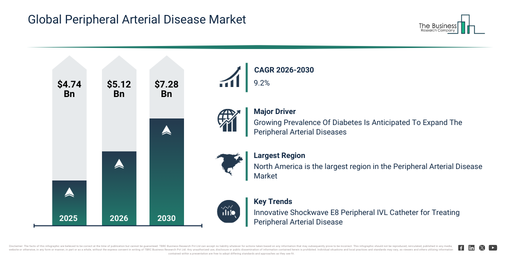
    The peripheral arterial disease market size has shown significant growth in recent years. This market is expected to increase from $4.74 billion in 2025 to $5.12 billion in 2026, registering a compound annual growth rate (CAGR) of 8.1%. The historical expansion can be attributed to several factors, including the high prevalence of peripheral arterial disease, limited awareness of PAD symptoms, reliance on conventional medications, inadequate access to vascular specialists, and fragmented care delivery systems.

    The peripheral arterial disease market is projected for significant expansion over the coming years, reaching a valuation of $7.28 billion by 2030, exhibiting a compound annual growth rate (CAGR) of 9.2%. This expansion during the forecast period is fueled by several factors, including developments in minimally invasive endovascular techniques, increasing use of drug-eluting devices, the proliferation of hospitals and specialized clinics dedicated to PAD treatment, heightened patient understanding of the benefits of early intervention, and a greater reliance on combined therapeutic approaches that incorporate lifestyle adjustments and medications. Key trends anticipated during this period involve the expanding application of artificial intelligence for prompt diagnosis and risk evaluation, the increasing integration of digital and cloud-based systems for patient monitoring, a heightened emphasis on personalized PAD treatments utilizing genomic data, the greater deployment of IoT-enabled devices for tracking after treatment, and the progressive incorporation of smart manufacturing techniques in the production of PAD devices.

    Access Your Free Sample Report For In-Depth Market Analysis:

    https://www.thebusinessresearchcompany.com/sample.aspx?id=12999&type=smp

    What Factors Are Contributing To The Growth Of The Peripheral Arterial Disease Market?

    The increasing incidence of diabetes is expected to propel the expansion of the peripheral arterial disease market in the future. Diabetes is defined as a chronic, metabolic illness characterized by elevated blood glucose levels. As the prevalence of diabetes rises, so does the demand for treatments for this condition. The growing prevalence of diabetes is a significant factor in peripheral arterial disease (PAD). Individuals with diabetes are at an increased risk of developing atherosclerosis, which is the most common cause of PAD and necessitates treatment. For instance, in March 2024, reports published by The Office for Health Improvement and Disparities (OHID), a UK-based government agency, showed that between the 15 months ending March 2022 and those ending March 2023, the percentage of people with type 1 diabetes who received eight care processes increased by 22%, while for type 2 diabetes, the increase was 21%. Therefore, the expanding prevalence of diabetes is driving the growth of the peripheral arterial disease market.

    How Are Different Segments Classified In The Peripheral Arterial Disease Market Segment Analysis?

    The peripheral arterial disease market covered in this report is segmented –

    1) By Treatment Type: Devices, Catheters, Drugs, Other Types

    2) By Route Of Administration: Oral, Parenteral, Other Route Of Administrations

    3) By End User: Hospitals, Specialty Clinics, Other End-Users

    Subsegments:

    1) By Devices: Stents, Balloons, Atherectomy Devices

    2) By Catheters: Drug-Eluting Catheters, Balloon Catheters, Guidewires

    3) By Drugs: Antiplatelet Agents, Anticoagulants, Vasodilators

    4) By Other Types: Surgical Interventions, Lifestyle Modification Programs, Endovascular Therapy

    What Trends Are Shaping The Future Of The Peripheral Arterial Disease Market?

    Leading companies in the peripheral arterial disease market are focusing on developing innovative medical devices, such as the intravascular lithotripsy (IVL) catheter, to improve treatment effectiveness, enhance patient outcomes, and shorten recovery periods for individuals with vascular conditions. The intravascular lithotripsy (IVL) catheter is a medical tool utilized to address calcified arterial blockages by emitting controlled shockwaves that break down calcium, thereby helping to reinstate blood flow and improve vessel flexibility during procedures like angioplasty. For instance, in September 2024, Shockwave Medical, Inc., a U.S.-based medical technology company, introduced the Shockwave E8 peripheral IVL catheter. This device is specifically designed to treat peripheral arterial disease by delivering targeted intravascular lithotripsy, which employs sonic waves to disintegrate calcium deposits within arterial walls. This cutting-edge approach aids in restoring blood flow while minimizing harm to surrounding tissues. The catheter’s sophisticated design facilitates simpler navigation through complex vascular anatomy, making it suitable for a broad spectrum of patients.

    Who Are The Companies Driving Activity In The Peripheral Arterial Disease Market?

    Major companies operating in the peripheral arterial disease market are Johnson and Johnson Limited, Abbott Laboratories, Medtronic Plc, Becton Dickinson and Company, Koninklijke Philips N.V., Boston Scientific Corporation, B. Braun SE, Terumo Corp., Cook Medical LLC, Penumbra Inc., Shockwave Medical Inc., AngioDynamics Inc., Cardiovascular Systems Inc., ACIST Medical Systems Inc., SurModics Inc., QT Vascular Ltd., Avinger Inc., Mercator MedSystems Inc., VentureMed Group Ltd., Eximo Medical Ltd., LimFlow SA, Contego Medical LLC

    Get The Full Peripheral Arterial Disease Market Report:

    https://www.thebusinessresearchcompany.com/report/peripheral-arterial-disease-global-market-report

    Where Is The Peripheral Arterial Disease Market Primarily Concentrated By Region?

    North America was the largest region in the peripheral artery disease market in 2025. The regions covered in the peripheral arterial disease market report are Asia-Pacific, South East Asia, Western Europe, Eastern Europe, North America, South America, Middle East, Africa.

    Request A Customized Peripheral Arterial Disease Market Report For Competitive Insights:

    https://www.thebusinessresearchcompany.com/report/peripheral-arterial-disease-global-market-report

    Browse Through More Reports Similar to the Global Peripheral Arterial Disease Market 2026, By The Business Research Company

    Oral Hygiene Market Report 2026

    https://www.thebusinessresearchcompany.com/report/oral-hygiene-global-market-report

    Oral Care Market Report

    https://www.thebusinessresearchcompany.com/report/oral-care-global-market-report

    Endodontics Market Report

    https://www.thebusinessresearchcompany.com/report/endodontics-global-market-report

    Get in touch with us:

    The Business Research Company: https://www.thebusinessresearchcompany.com/

    Americas +1 310-496-7795

    Asia +44 7882 955267 & +91 8897263534

    Europe +44 7882 955267

    Email us at info@tbrc.info

    Follow us on:

    LinkedIn: https://in.linkedin.com/company/the-business-research-company

    YouTube: https://www.youtube.com/channel/UC24_fI0rV8cR5DxlCpgmyFQ

    Global Market Model: https://www.thebusinessresearchcompany.com/global-market-model

  • Periodontal Disease Treatment Market Outlook Highlighting Key Drivers

    Periodontal Disease Treatment Market Outlook Highlighting Key Drivers

    The Business Research Company’s 2026 market reports feature enhanced tools like market attractiveness analysis, TAM assessment, and company scoring matrices, along with interactive dashboards, deeper supply chain insights, and startup coverage strengthening the depth, usability, and strategic value of insights.

    How Much Growth In Market Value Is Expected For The Periodontal Disease Treatment Market Between 2026 And 2030?

    The periodontal disease treatment market has shown significant growth in recent years. This market is anticipated to expand from $1.67 billion in 2025 to $1.79 billion in 2026, achieving a compound annual growth rate (CAGR) of 7.0%. The historical increase can be attributed to several factors, including the high occurrence of gingivitis and periodontitis, a lack of awareness regarding periodontal disease treatments, reliance on traditional dental care methods, insufficient early diagnostic tools, and fragmented dental care delivery systems.

    The periodontal disease treatment market size is anticipated to experience substantial growth in the coming years. This market is projected to reach $2.33 billion by 2030, exhibiting a compound annual growth rate (CAGR) of 6.8%. The projected expansion over the forecast period is primarily fueled by advancements in minimally invasive surgical procedures, growing adoption of regenerative therapy and bone grafts, expansion of dental clinics and academic research institutes, rising patient awareness and demand for periodontal care, and the integration of digital solutions and connected oral care systems. Key trends anticipated during this period encompass increasing use of AI for early diagnosis and risk stratification, rising adoption of digital and cloud-based patient records, growing use of IoT-enabled devices for post-treatment monitoring, increasing implementation of smart manufacturing for periodontal instruments, and rising focus on personalized periodontal therapy based on genomic insights.

    Access Your Free Sample Report For In-Depth Market Analysis:

    https://www.thebusinessresearchcompany.com/sample.aspx?id=21253&type=smp

    Which Strong Drivers Are Impacting The Periodontal Disease Treatment Market Growth?

    The increasing occurrence of oral health issues is anticipated to propel the growth of the periodontal disease treatment market going forward. Oral health disorders are conditions impacting the teeth, gums, and mouth, encompassing cavities, gum disease, oral infections, and oral cancer. The rising incidence of these disorders is fueled by factors such as poor oral hygiene, unhealthy diets, tobacco and alcohol use, aging populations, and restricted access to dental care. Periodontal disease treatment is employed to manage and prevent these oral health disorders by addressing gum infections, inflammation, and bone loss. For instance, in March 2025, the World Health Organization (WHO), a Switzerland-based intergovernmental public health organization, reported that estimated oral diseases affect nearly 3.7 billion people. Therefore, the growing incidence of oral health disorders will drive the growth of the periodontal disease treatment market.

    How Is The Periodontal Disease Treatment Market Categorized Across Its Segment Groups?

    The periodontal disease treatment market covered in this report is segmented –

    1) By Type: Gingivitis, Chronic Periodontal Disease, Aggressive Periodontal Disease, Other Types

    2) By Treatment Type: Non-Surgical Treatment, Scaling And Root Planning, Medication, Surgical Treatment, Flap Surgery, Bone Grafts, Other Treatment Types

    3) By Route Of Administration: Oral, Injectable

    4) By Distribution Channel: Hospital Pharmacies, Retail Pharmacies, Other Distribution Channels

    5) By End-User: Hospitals, Clinic, Dental Clinic, Dental Academics And Research Institutes, Other End-Users

    Subsegments:

    1) By Gingivitis: Plaque-Induced Gingivitis, Non-Plaque-Induced Gingivitis

    2) By Chronic Periodontal Disease: Mild Periodontitis, Moderate Periodontitis, Severe Periodontitis

    3) By Aggressive Periodontal Disease: Localized Aggressive Periodontitis, Generalized Aggressive Periodontitis

    4) By Other Types: Necrotizing Periodontal Disease, Periodontitis Associated With Systemic Conditions

    Which Trends Are Contributing To Changes In The Periodontal Disease Treatment Market?

    Leading companies within the periodontal disease treatment market are dedicating efforts to developing innovative solutions, such as dental gel, aimed at enhancing bone regeneration, improving treatment accessibility, reducing invasiveness, and offering more effective, patient-friendly alternatives to traditional periodontal treatments. Dental gel serves as a medicated oral product containing antibacterial, anti-inflammatory, or fluoride agents, employed for preventing cavities, mitigating gum disease, and alleviating oral discomfort. For instance, in October 2024, Oral Biolife Inc., a US-based biotechnology company, announced Ambrilux Dental Gel, a pioneering treatment specifically engineered to promote bone regeneration in periodontal disease, which has shown promising results in large animal trials. Following successful testing in Beagle dogs, where 100% of treated animals exhibited increased bone growth, this innovation holds the potential to revolutionize non-invasive dental care for both humans and companion animals, thereby addressing a significant unmet medical need.

    Which Firms Are Influencing Competition In The Periodontal Disease Treatment Market?

    Major companies operating in the periodontal disease treatment market are Bausch Health Companies Inc, DENTSPLY SIRONA Inc., Straumann AG, Sunstar Suisse S.A, NovaBone Products LLC, Nakanishi Inc., Brasseler USA, Geistlich Pharma AG, BIOLASE Inc., Bien-Air Dental, Convergent Dental Inc., Carl Martin GmbH, Karl Schumacher, Yoshida Dental MFG. Co. Ltd., Botiss Biomaterials GmbH, Millennium Dental Technologies Inc., PreXion Inc., AMD Lasers Inc., Steris Healthcare Pvt Ltd, Perio Protect, Deppeler SA.

    Get The Full Periodontal Disease Treatment Market Report:

    https://www.thebusinessresearchcompany.com/report/periodontal-disease-treatment-global-market-report

    Which Region Has The Greatest Market Share In The Periodontal Disease Treatment Market?

    North America was the largest region in the periodontal disease treatment market in 2025. Asia-Pacific is expected to be the fastest-growing region in the forecast period. The regions covered in the periodontal disease treatment market report are Asia-Pacific, South East Asia, Western Europe, Eastern Europe, North America, South America, Middle East, Africa.

    Request A Customized Periodontal Disease Treatment Market Report For Competitive Insights:

    https://www.thebusinessresearchcompany.com/report/periodontal-disease-treatment-global-market-report

    Browse Through More Reports Similar to the Global Periodontal Disease Treatment Market 2026, By The Business Research Company

    Bleeding Disorders Treatment Market Report 2026

    https://www.thebusinessresearchcompany.com/report/bleeding-disorders-treatment-global-market-report

    Oral Cancer Treatment Market Report

    https://www.thebusinessresearchcompany.com/report/oral-cancer-treatment-global-market-report

    Crohns Disease Treatment Market Report

    https://www.thebusinessresearchcompany.com/report/crohns-disease-treatment-global-market-report

    Get in touch with us:

    The Business Research Company: https://www.thebusinessresearchcompany.com/

    Americas +1 310-496-7795

    Asia +44 7882 955267 & +91 8897263534

    Europe +44 7882 955267

    Email us at info@tbrc.info

    Follow us on:

    LinkedIn: https://in.linkedin.com/company/the-business-research-company

    YouTube: https://www.youtube.com/channel/UC24_fI0rV8cR5DxlCpgmyFQ

    Global Market Model: https://www.thebusinessresearchcompany.com/global-market-model