Category: Healthcare Services

  • Global Pelvic Cancer-Induced Hemorrhagic Cystitis Market to Hit $7.98 Billion by 2030 at 20.7% CAGR

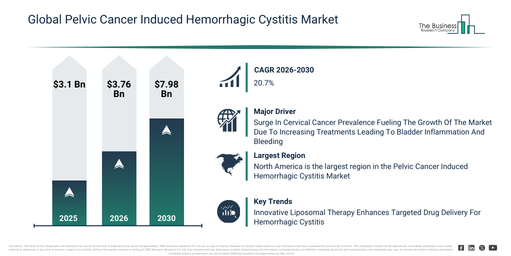
    Global Pelvic Cancer-Induced Hemorrhagic Cystitis Market to Hit $7.98 Billion by 2030 at 20.7% CAGR

    The Business Research Company’s 2026 market reports feature enhanced tools like market attractiveness analysis, TAM assessment, and company scoring matrices, along with interactive dashboards, deeper supply chain insights, and startup coverage strengthening the depth, usability, and strategic value of insights.

    What Are The Market Size Estimates For The Pelvic Cancer Induced Hemorrhagic Cystitis Market In 2026 And 2030?

    The market size for pelvic cancer induced hemorrhagic cystitis has experienced significant expansion in recent years. It is forecast to increase from $3.1 billion in 2025 to $3.76 billion in 2026, achieving a compound annual growth rate (CAGR) of 21.1%. The historical growth can be attributed to the high incidence of radiation-induced cystitis, the employment of cyclophosphamide and ifosfamide, the restricted availability of targeted bladder therapies, a dependence on supportive care and bladder irrigation, and the limited uptake of intravesical therapies.

    The market size for pelvic cancer-induced hemorrhagic cystitis is anticipated to show significant expansion over the next few years. It is projected to reach $7.98 billion by 2030, driven by a compound annual growth rate (CAGR) of 20.7%. This expected growth during the forecast period can be attributed to several factors, including developments in personalized medicine, increasing research and development in bladder-protective drugs, wider application of regenerative medicine approaches, growing adoption of minimally invasive interventions, and the expansion of awareness and early detection programs. Prominent trends throughout the forecast period include the increasing integration of artificial intelligence for early detection and risk prediction, a rise in the adoption of genomics-based personalized cancer treatments, the merging of cloud and big data for patient monitoring, the implementation of smart manufacturing processes in drug production, and the growing utilization of IoT-enabled devices for remote patient management.

    Access Your Free Sample Report For In-Depth Market Analysis:

    https://www.thebusinessresearchcompany.com/sample.aspx?id=23470&type=smp

    What Significant Factors Are Influencing The Pelvic Cancer Induced Hemorrhagic Cystitis Market Expansion?

    The increasing incidence of cervical cancer is projected to fuel the expansion of the pelvic cancer-induced hemorrhagic cystitis market in the future. Cervical cancer is defined as a malignant tumor that develops in the cervix, mainly resulting from ongoing infection with high-risk human papillomavirus (HPV) types, which causes unchecked cell growth, spread into nearby tissues, and possible distant spread if not addressed. This increase in cervical cancer diagnoses stems from restricted access to preventive medical services, with insufficient cervical screening initiatives being a key contributing factor. Pelvic cancer-induced hemorrhagic cystitis positively impacts cervical cancer by enhancing clinical understanding and monitoring for patients affected, thus encouraging prompt diagnosis and swift treatment, which can ultimately better patient results and advance cancer care. For example, the American Cancer Society, a US-based non-profit organization, reported in January 2025 that in the United States, an estimated 13,360 new cases of invasive cervical cancer are anticipated to be diagnosed in 2025, with approximately 4,320 women expected to die from the illness. Consequently, the escalating number of cervical cancer cases is propelling the expansion of the pelvic cancer-induced hemorrhagic cystitis market.

    How Is Segmentation Applied In The Pelvic Cancer Induced Hemorrhagic Cystitis Market Segment Analysis?

    The pelvic cancer induced hemorrhagic cystitis market covered in this report is segmented –

    1) By Treatment Type: Bone Marrow Transplant, Chemotherapy, Radiation Therapy, Other Treatment Types

    2) By Route Of Administration: Oral, Injectable, Intravesical

    3) By Distribution Channel: Hospital Pharmacies, Retail Pharmacies, Online Pharmacies

    Subsegments:

    1) By Bone Marrow Transplant: Autologous Bone Marrow Transplant, Allogeneic Bone Marrow Transplant, Haploidentical Bone Marrow Transplant

    2) By Chemotherapy: Cyclophosphamide, Ifosfamide, Systemic Chemotherapy, Intravesical Chemotherapy, Targeted Chemotherapy

    3) By Radiation Therapy: External Beam Radiation Therapy (EBRT), Brachytherapy, Intensity-Modulated Radiation Therapy (IMRT)

    4) By Other Treatments: Hyperbaric Oxygen Therapy (HBOT), Intravesical Therapy, Bladder Irrigation And Catheterization, Surgical Interventions, Regenerative Medicine And Palliative Care

    What Trends Are Affecting The Direction Of The Pelvic Cancer Induced Hemorrhagic Cystitis Market?

    Leading companies active in the pelvic cancer-induced hemorrhagic cystitis market are prioritizing the creation of novel drug developments, such as liposomal tacrolimus therapy, and introducing an advanced drug formulation designed to improve targeted treatment delivery while enhancing safety and efficacy. Liposomal tacrolimus therapy is a drug delivery method that encapsulates tacrolimus in liposomes to boost its bioavailability, refine targeted immunosuppression, and lessen systemic toxicity in the management of autoimmune diseases and organ transplant rejection. For instance, in October 2024, Lipella Pharmaceuticals Inc., a US-based biotechnology company, announced the United States patent allowance for its innovative liposomal drug delivery platform, which facilitates the improved targeted administration of therapeutic agents for various medical conditions, including hemorrhagic cystitis. This advanced liposomal technology optimizes drug delivery to epithelial tissues such as the bladder, mouth, colon, and urethra, ensuring greater efficacy and fewer systemic side effects. Additionally, the market exclusivity provided by this patent solidifies Lipella’s competitive standing and supports the progression of its primary clinical asset, LP-10, a promising intravesical therapy for hemorrhagic cystitis.

    Who Are The Companies Participating In The Pelvic Cancer Induced Hemorrhagic Cystitis Market Environment?

    Major companies operating in the pelvic cancer induced hemorrhagic cystitis market are Pfizer Inc., Johnson & Johnson Services Inc., F. Hoffmann-La Roche Ltd, Merck & Co. Inc., AbbVie Inc., Bayer AG, Sanofi SA, Bristol-Myers Squibb Company, AstraZeneca PLC, Novartis AG, Amgen Inc., Mayo Clinic, Cleveland Clinic Foundation, Astellas Pharma Inc., Fresenius Kabi AG, Bausch Health Companies Inc., Medicover Hospitals, Urigen Pharmaceuticals Inc., Lipella Pharmaceuticals Inc., Hemogenyx Pharmaceuticals plc

    Get The Full Pelvic Cancer Induced Hemorrhagic Cystitis Market Report:

    https://www.thebusinessresearchcompany.com/report/pelvic-cancer-induced-hemorrhagic-cystitis-global-market-report

    Which Region Is The Leading Market For The Pelvic Cancer Induced Hemorrhagic Cystitis Market?

    North America was the largest region in the pelvic cancer induced hemorrhagic cystitis market in 2025. Asia-Pacific is expected to be the fastest-growing region in the forecast period. The regions covered in the pelvic cancer induced hemorrhagic cystitis market report are Asia-Pacific, South East Asia, Western Europe, Eastern Europe, North America, South America, Middle East, Africa.

    Request A Customized Pelvic Cancer Induced Hemorrhagic Cystitis Market Report For Competitive Insights:

    https://www.thebusinessresearchcompany.com/report/pelvic-cancer-induced-hemorrhagic-cystitis-global-market-report

    Browse Through More Reports Similar to the Global Pelvic Cancer Induced Hemorrhagic Cystitis Market 2026, By The Business Research Company

    Research Grade Proteins Market Report 2026

    https://www.thebusinessresearchcompany.com/report/research-grade-proteins-global-market-report

    Plant Based Protein Market Report

    https://www.thebusinessresearchcompany.com/report/plant-based-protein-global-market-report

    Protein Engineering Market Report

    https://www.thebusinessresearchcompany.com/report/protein-engineering-global-market-report

    Get in touch with us:

    The Business Research Company: https://www.thebusinessresearchcompany.com/

    Americas +1 310-496-7795

    Asia +44 7882 955267 & +91 8897263534

    Europe +44 7882 955267

    Email us at info@tbrc.info

    Follow us on:

    LinkedIn: https://in.linkedin.com/company/the-business-research-company

    YouTube: https://www.youtube.com/channel/UC24_fI0rV8cR5DxlCpgmyFQ

    Global Market Model: https://www.thebusinessresearchcompany.com/global-market-model
  • PEGylated Proteins Market to Reach $3 Billion by 2030 at 12.1% CAGR

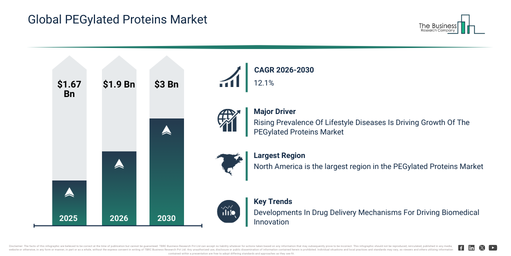
    PEGylated Proteins Market to Reach $3 Billion by 2030 at 12.1% CAGR

    The Business Research Company’s 2026 market reports feature enhanced tools like market attractiveness analysis, TAM assessment, and company scoring matrices, along with interactive dashboards, deeper supply chain insights, and startup coverage strengthening the depth, usability, and strategic value of insights.

    What Expansion In Market Value Is Forecasted For The PEGylated Proteins Market Between 2026 And 2030?

    The pegylated proteins market size has experienced significant growth in recent years. It is projected to expand from $1.67 billion in 2025 to $1.9 billion in 2026, at a compound annual growth rate (CAGR) of 13.7%. The historical growth within this market can be linked to factors such as the high immunogenicity of unmodified proteins, the limited half-life of therapeutic proteins, the dependence on conventional protein delivery methods, the fragmented nature of protein modification services, and a low awareness of pegylation benefits.

    The market for pegylated proteins is anticipated to experience swift expansion over the coming years. By 2030, its value is projected to reach $3 billion, exhibiting a compound annual growth rate (CAGR) of 12.1%. This anticipated growth can be linked to several factors, including intensified research and development efforts in pegylated therapeutics, a surging demand for protein drugs with extended action, a greater embrace of targeted protein treatments, the expansion of contract services for pegylation, and innovations in pegylation kits and reagents. Key trends anticipated during this period involve the increasing application of artificial intelligence in protein engineering and pegylation procedures, a heightened uptake of genomics-guided protein therapeutics, the incorporation of cloud-based data management solutions for protein investigations, the deployment of smart manufacturing techniques in the production of pegylated proteins, and a growing reliance on IoT-enabled monitoring within biopharmaceutical settings.

    Access Your Free Sample Report For In-Depth Market Analysis:

    https://www.thebusinessresearchcompany.com/sample.aspx?id=16145&type=smp

    Which Important Drivers Are Guiding The PEGylated Proteins Market Growth?

    The growing occurrence of lifestyle-related illnesses is projected to fuel the expansion of the PEGylated proteins market in the coming years. These illnesses are defined as health issues predominantly stemming from detrimental habits and lifestyle decisions, including inadequate nutrition, insufficient physical activity, and tobacco use. Their rise is attributed to several contributing factors, such as reduced physical movement, diets increasingly rich in processed foods, and heightened stress levels. PEGylated proteins find application in addressing lifestyle diseases by improving the effectiveness, extended action, and precise delivery of therapeutic agents for ailments like cardiovascular diseases, diabetes, and specific types of cancer. As an illustration, in May 2024, data from the Office for Health Improvement and Disparities, a UK government body, indicated that from 2022 to 2023, approximately 64.0% of adults aged 18 and over in England were categorized as overweight or experiencing obesity. Consequently, the increasing incidence of lifestyle diseases is a key factor propelling the expansion of the PEGylated proteins market.

    What Segment Categories Shape The PEGylated Proteins Market Segment Landscape?

    The pegylated proteins market covered in this report is segmented –

    1) By Product: Consumable And Services, PEGylation Kits And Reagents, Monofunctional Linear PEGs, Bifunctional PEGs, Other Products

    2) By Protein Type: Colony Stimulating Factors, Interferons, Erythropoietin, Recombinant Factor VII, Other Protein Types

    3) By Application: Cancer Treatment, Hepatitis, Chronic Kidney Diseases, Hemophilia, Multiple Sclerosis, Gastrointestinal Disorders, Other Applications

    4) By End User: Pharmaceuticals, Biotechnology Companies, Contract Research Organizations, Academic Research Institutes

    Subsegments:

    1) By Consumable And Services: Consumables, Services

    2) By PEGylation Kits And Reagents: PEGylation Kits, Reagents

    3) By Monofunctional Linear PEGs: Monofunctional PEGs For Protein Modification

    4) By Bifunctional PEGs: Bifunctional PEGs For Protein Modification

    5) By Other Products: Conjugates, PEGylated Drugs And Therapeutics

    What Trends Are Influencing The Evolution Of The PEGylated Proteins Market?

    Companies at the forefront of the PEGylated protein market are actively engaged in the creation of innovative products, including advanced PEGylation reagents, to establish a competitive advantage. PEGylation reagents are chemical substances designed to bond polyethylene glycol (PEG) chains to biomolecules, consequently altering their characteristics for a range of biomedical applications. For instance, in May 2023, Creative Enzymes, a US-based supplier of food additives and enzymes, launched DSPE-PEG-Maleimide specifically for targeted drug delivery. DSPE-PEG-Maleimide, also known as DSPE-PEG-MAL, is identified as a linear heterobifunctional PEGylation reagent that incorporates DSPE phospholipids and maleimide. It functions as a valuable self-assembly reagent capable of preparing PEGylated liposomes or micelles, and it also furnishes thiol or cysteine reactive maleimide groups, often finding use in targeted drug delivery.

    Who Are The Companies Operating Across The PEGylated Proteins Market Value Chain?

    Major companies operating in the pegylated proteins market are Merck & Co. Inc., Bayer AG, Bristol Myers Squibb Company, Roche Holding AG, Gilead Sciences Inc., Novo Nordisk A/S, Regeneron Pharmaceuticals Inc., Biogen Inc., Ipsen Pharma, Kyowa Kirin Co. Ltd., BioMarin Pharmaceutical Inc., Enzon Pharmaceuticals Inc., Amgen Inc., Pfizer Inc., Takeda Pharmaceutical Company Limited, Sanofi SA, UCB Pharma SA, CSL Behring GmbH, Nektar Therapeutics, Swedish Orphan Biovitrum AB, Octapharma AG, Ferring Pharmaceuticals, OPKO Health Inc., Alvotech hf, Ultragenyx Pharmaceutical Inc., PTC Therapeutics Inc., Jazz Pharmaceuticals plc

    Get The Full PEGylated Proteins Market Report:

    https://www.thebusinessresearchcompany.com/report/pegylated-proteins-global-market-report

    Where Is The PEGylated Proteins Market Primarily Concentrated By Region?

    North America was the largest region in the PEGylated Proteins market in 2025. The regions covered in the pegylated proteins market report are Asia-Pacific, South East Asia, Western Europe, Eastern Europe, North America, South America, Middle East, Africa.

    Request A Customized PEGylated Proteins Market Report For Competitive Insights:

    https://www.thebusinessresearchcompany.com/report/pegylated-proteins-global-market-report

    Browse Through More Reports Similar to the Global PEGylated Proteins Market 2026, By The Business Research Company

    Telehealth Market Report 2026

    https://www.thebusinessresearchcompany.com/report/telehealth-global-market-report

    Veterinary Telehealth Market Report

    https://www.thebusinessresearchcompany.com/report/veterinary-telehealth-global-market-report

    Teleradiology Market Report

    https://www.thebusinessresearchcompany.com/report/teleradiology-global-market-report

    Get in touch with us:

    The Business Research Company: https://www.thebusinessresearchcompany.com/

    Americas +1 310-496-7795

    Asia +44 7882 955267 & +91 8897263534

    Europe +44 7882 955267

    Email us at info@tbrc.info

    Follow us on:

    LinkedIn: https://in.linkedin.com/company/the-business-research-company

    YouTube: https://www.youtube.com/channel/UC24_fI0rV8cR5DxlCpgmyFQ

    Global Market Model: https://www.thebusinessresearchcompany.com/global-market-model

  • Pediatric Telehealth Platform Market Forecast (2026–2030) Highlighting Expansion Trends

    Pediatric Telehealth Platform Market Forecast (2026–2030) Highlighting Expansion Trends

    The Business Research Company’s 2026 market reports feature enhanced tools like market attractiveness analysis, TAM assessment, and company scoring matrices, along with interactive dashboards, deeper supply chain insights, and startup coverage strengthening the depth, usability, and strategic value of insights.

    How Large Will The Pediatric Telehealth Platform Market Be By 2030 Compared To Its 2026 Market Size?

    The market for pediatric telehealth platforms has experienced significant expansion in recent years. This market is anticipated to increase from $1.68 billion in 2025 to $2.06 billion in 2026, achieving a compound annual growth rate (CAGR) of 22.5%. The historical growth of this market can be attributed to various factors including limited accessibility to pediatric care in remote areas, inadequate awareness of telehealth solutions, a strong reliance on traditional in-person consultations, a fragmented healthcare IT infrastructure, and the substantial initial cost associated with telehealth setup.

    The pediatric telehealth platform market size is projected to experience rapid expansion over the coming years. This market is predicted to reach $4.58 billion by 2030, exhibiting a compound annual growth rate (CAGR) of 22.2%. This anticipated growth during the forecast timeframe stems from factors such as a heightened demand for online pediatric consultations, increased use of wearable health monitoring devices, expanded investment in pediatric telehealth platforms, greater internet access in remote regions, and a growing focus on managing chronic diseases remotely. Key developments expected within the forecast period encompass a surge in the embrace of AI-driven virtual consultations, heightened integration of cloud-based patient management systems, expanded deployment of IoT-enabled remote monitoring tools, progress in genomics-based individualized pediatric care, and broader application of smart manufacturing in telehealth hardware.

    Access Your Free Sample Report For In-Depth Market Analysis:

    https://www.thebusinessresearchcompany.com/sample.aspx?id=24358&type=smp

    What Major Factors Are Driving The Pediatric Telehealth Platform Market Forward?

    The expansion of the pediatric telehealth platform market is anticipated to be fueled by the growing uptake of digital health solutions. These solutions encompass the application of technology, such as mobile applications, telemedicine, wearable devices, and electronic health records, to enhance healthcare delivery and improve patient outcomes. The increased acceptance of digital health solutions stems from a heightened need for remote patient monitoring, as healthcare providers actively seek efficient methods to track patient health information in real time beyond traditional clinical environments. Pediatric telehealth platforms play a crucial role in enabling digital health solutions by facilitating remote consultations and continuous health monitoring, thereby enhancing access to care and diminishing the necessity for in-person appointments. For instance, in April 2023, FAIR Health Inc., a US-based non-profit organization, reported that in 2023, national telehealth use saw an increase of 7.3%, escalating from 5.5% of medical claim lines in December 2022 to 5.9% in January 2023. Consequently, the rising adoption of digital health solutions is a significant impetus behind the growth of the pediatric telehealth platform market.

    Which Segment Types Are Examined In The Pediatric Telehealth Platform Market Segment Study?

    The pediatric telehealth platform market covered in this report is segmented –

    1) By Component: Software, Hardware, Services

    2) By Functionality: Appointment Scheduling, Medical History Management, Prescription Management, Diagnostic Tools, Patient Education Resources

    3) By Mode Of Delivery: Web-Based, Cloud-Based, On-Premises

    4) By Application: Respiratory, Cold, Flu And Fever, Gastroenterology, Behavioral Health, Dermatology, Other Applications

    5) By End-User: Hospitals, Clinics, Homecare, Schools, Others End-Users

    Subsegments:

    1) By Software: Telemedicine Software, Appointment Scheduling Software, Electronic Health Records (EHR) Software, Patient Management Software, Billing And Payment Software

    2) By Hardware: Telemedicine Kits, Wearable Devices, Tablets Or Smartphones For Telehealth, Diagnostic Equipment For Remote Use

    3) By Services: Telehealth Consultation Services, Remote Patient Monitoring Services, Technical Support Services, Cloud Storage And Data Management Services, Integration And Implementation Services

    Which Trends Are Impacting The Progress Of The Pediatric Telehealth Platform Market?

    Major companies operating within the pediatric telehealth platform market are prioritizing the development of innovative solutions, including digital communication tools, to enhance accessibility, improve patient engagement, and provide timely care for children through more convenient and user-friendly communication channels. A digital communication tool is a technology-driven platform that enables the exchange of information electronically, thereby assisting a pediatric telehealth platform by allowing healthcare providers to communicate remotely with patients and caregivers, which ensures timely consultations, follow-ups, and coordinated care without requiring in-person visits. For instance, in November 2024, Summer Health Inc., a US-based company delivering home health care services, launched a free trial of its messaging-based pediatric care platform. This service provides parents with 24/7 text access to licensed pediatricians in all 50 states, offering expert assessments, referrals, and prescriptions delivered within just 15 minutes to help manage symptoms of RSV, flu, and COVID-19 at home. This initiative highlights Summer Health’s commitment to reducing unnecessary emergency room visits and streamlining pediatric care through digital innovation.

    Which Players Are Part Of The Competitive Landscape Of The Pediatric Telehealth Platform Market?

    Major companies operating in the pediatric telehealth platform market are Teladoc Health Inc., American Well Corporation, Health Catalyst Inc., Brightline Holdings LLC, HealthTap, Sesame Inc., Health Recovery Solutions Inc., Hazel Health Inc., BabyScripts, Kiddo Health Inc., Kismet Health Inc., CareFirst Pediatrics, Blueberry Pediatrics, Maven Technosoft Private Limited, Alpha Medical Group Inc., Virtuwell, Summer Health Inc., Omega Pediatrics, Tele-Medics Solutions Private Limited, Anytime Telecare

    Get The Full Pediatric Telehealth Platform Market Report:

    https://www.thebusinessresearchcompany.com/report/pediatric-telehealth-platform-global-market-report

    Which Region Has The Greatest Market Share In The Pediatric Telehealth Platform Market?

    North America was the largest region in the pediatric telehealth platform market in 2025. Asia-Pacific is expected to be the fastest-growing region in the forecast period. The regions covered in the pediatric telehealth platform market report are Asia-Pacific, South East Asia, Western Europe, Eastern Europe, North America, South America, Middle East, Africa.

    Request A Customized Pediatric Telehealth Platform Market Report For Competitive Insights:

    https://www.thebusinessresearchcompany.com/report/pediatric-telehealth-platform-global-market-report

    Browse Through More Reports Similar to the Global Pediatric Telehealth Platform Market 2026, By The Business Research Company

    Pediatric Imaging Market Report 2026

    https://www.thebusinessresearchcompany.com/report/pediatric-imaging-global-market-report

    Interventional Radiology Market Report

    https://www.thebusinessresearchcompany.com/report/interventional-radiology-global-market-report

    Radiology Services Market Report

    https://www.thebusinessresearchcompany.com/report/radiology-services-global-market-report

    Get in touch with us:

    The Business Research Company: https://www.thebusinessresearchcompany.com/

    Americas +1 310-496-7795

    Asia +44 7882 955267 & +91 8897263534

    Europe +44 7882 955267

    Email us at info@tbrc.info

    Follow us on:

    LinkedIn: https://in.linkedin.com/company/the-business-research-company

    YouTube: https://www.youtube.com/channel/UC24_fI0rV8cR5DxlCpgmyFQ

    Global Market Model: https://www.thebusinessresearchcompany.com/global-market-model
  • Global Pediatric Radiology Market Analysis (2026–2030) With Strategic Insights

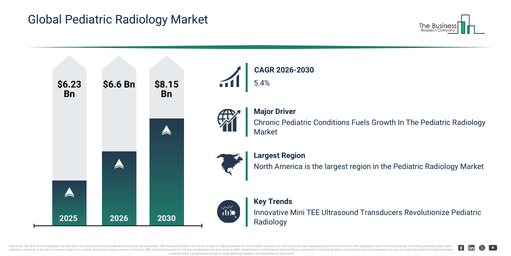
    Global Pediatric Radiology Market Analysis (2026–2030) With Strategic Insights

    The Business Research Company’s 2026 market reports feature enhanced tools like market attractiveness analysis, TAM assessment, and company scoring matrices, along with interactive dashboards, deeper supply chain insights, and startup coverage strengthening the depth, usability, and strategic value of insights.

    What Is The Projected Increase In Market Value Of The Pediatric Radiology Market During 2026–2030?

    The pediatric radiology market has experienced substantial expansion in its size over the past few years. Projections indicate it will expand from $6.23 billion in 2025 to $6.6 billion by 2026, demonstrating a compound annual growth rate (CAGR) of 6.0%. Historically, the growth observed can be linked to factors such as the restricted availability of pediatric-specific imaging devices, the high expenses associated with advanced imaging equipment, a limited uptake of digital imaging solutions, the common practice of using adult imaging protocols for pediatric patients, and fragmented radiology service networks.

    The market size for pediatric radiology is projected to experience substantial expansion over the upcoming years, with an anticipated increase to $8.15 billion by 2030, driven by a compound annual growth rate (CAGR) of 5.4%. This growth during the forecast period is attributable to an escalating demand for low-dose and portable imaging devices, a higher prevalence of pediatric chronic and congenital diseases, increased investment in specialized pediatric imaging centers, the adoption of tele-radiology solutions, and rising awareness about early diagnosis and preventive care. Prominent trends expected in the forecast period include a surge in the adoption of AI-powered imaging diagnostics, a growing integration of genomics data with radiology, a heightened reliance on cloud-based radiology management systems, a greater implementation of IoT-enabled pediatric imaging devices, and advancements in intelligent manufacturing for imaging equipment.

    Access Your Free Sample Report For In-Depth Market Analysis:

    https://www.thebusinessresearchcompany.com/sample.aspx?id=15891&type=smp

    Which Key Drivers Are Affecting The Pediatric Radiology Market Development?

    A growing occurrence of chronic pediatric conditions is anticipated to drive the expansion of the pediatric radiology market in the future. These conditions are defined as persistent health problems in children and adolescents, lasting at least a year, necessitating continuous medical care, or restricting everyday activities. The rise in chronic pediatric conditions is attributed to a combination of genetic predispositions, environmental influences, and shifts in lifestyle. Pediatric radiology plays a crucial role in chronic pediatric conditions by employing imaging techniques like X-rays, MRI, and CT scans to diagnose, monitor, and manage these long-term health issues, thereby offering vital data for successful treatment and care. For example, data from November 2024 by Asthma Australia, an Australia-based non-profit, indicated that in 2022-2023, more than 31,000 hospitalizations primarily diagnosed as asthma occurred, with approximately 43% of these admissions involving children aged 14 or younger. Consequently, the escalating prevalence of chronic pediatric conditions is fueling the expansion of the pediatric radiology market.

    How Are Different Segments Classified In The Pediatric Radiology Market Segment Analysis?

    The pediatric radiology market covered in this report is segmented –

    1) By Product Type: Ultrasound, Magnetic Resonance Imaging (MRI), X-Ray, Computed Tomography Scanner, Other Product Types

    2) By Modality: Standalone Devices, Table-Top Devices, Portable Devices

    3) By Application: Oncology, Orthopedics, Cardiology, Other Applications

    4) By End-User: Hospitals, Pediatric Clinics, Diagnostic Centers, Other End-Users

    Subsegments:

    1) By Ultrasound: Portable Pediatric Ultrasound Machines, Pediatric Echocardiography Ultrasound

    2) By Magnetic Resonance Imaging (MRI): Pediatric MRI Systems, Open MRI Systems For Pediatrics, MRI-Compatible Pediatric Equipment

    3) By X-Ray: Digital Pediatric X-Ray Systems, Mobile X-Ray Systems For Pediatrics, Pediatric Fluoroscopy Systems

    4) By Computed Tomography Scanner: Pediatric CT Scanners, Low-Dose CT Scanners For Pediatrics, 3D Imaging Pediatric CT Scanners

    5) By Other Product Types: Pediatric Nuclear Medicine Systems, Pediatric Bone Densitometers, Pediatric Mammography Systems

    What Trends Are Transforming The Pediatric Radiology Market?

    Leading companies in the pediatric radiology market are developing innovative products, such as mini transesophageal echocardiography (TEE) ultrasound transducers, to expand diagnostic and treatment options for smaller or more vulnerable patients, enhance imaging precision, and improve overall patient comfort and outcomes. Mini transesophageal echocardiography (TEE) ultrasound transducers are compact imaging devices designed to provide detailed images of the heart and its structures through the esophagus, thereby improving diagnostic and treatment capabilities for patients of varying sizes and conditions. For instance, in May 2024, Koninklijke Philips N.V., a Netherlands-based conglomerate corporation, launched the X11-4t Mini 3D TEE transducer. This innovative transducer, engineered for enhanced patient comfort, extends the benefits of 3D transesophageal echocardiography (TEE) to previously underserved patient groups, including small pediatric patients and adults at risk of complications. The miniaturized, 35% smaller transducer delivers detailed 3D imaging, which is critical for diagnosing and treating structural heart diseases and assists in minimally invasive surgeries. Compatible with Philips’ EPIQ CVx and EchoNavigator systems, it offers high-quality imaging while minimizing the requirement for general anesthesia and reducing recovery times.

    Who Are The Companies Driving Activity In The Pediatric Radiology Market?

    Major companies operating in the pediatric radiology market are Samsung Electronics Co. Ltd., Hitachi Ltd., Siemens AG, General Electric Company, Toshiba Corporation, Fujifilm Holdings Corporation, Koninklijke Philips N.V., Hologic Inc., Shimadzu Corporation, Agfa-Gevaert N.V., Neusoft Corp, Carestream Health Inc., Shanghai United Imaging Healthcare Co. Ltd, Esaote S.p.A., Canon Medical Systems Corporation, Ziehm Imaging GmbH, Shenzhen Landwind Industry Co., DMS Imaging SA, Allengers Medical Systems Ltd., Mindray Medical International Ltd.

    Get The Full Pediatric Radiology Market Report:

    https://www.thebusinessresearchcompany.com/report/pediatric-radiology-global-market-report

    Which Region Accounts For The Largest Portion Of The Pediatric Radiology Market?

    North America was the largest region in the pediatric radiology market in 2025. Asia-Pacific is expected to be the fastest-growing region in the forecast period. The regions covered in the pediatric radiology market report are Asia-Pacific, South East Asia, Western Europe, Eastern Europe, North America, South America, Middle East, Africa.

    Request A Customized Pediatric Radiology Market Report For Competitive Insights:

    https://www.thebusinessresearchcompany.com/report/pediatric-radiology-global-market-report

    Browse Through More Reports Similar to the Global Pediatric Radiology Market 2026, By The Business Research Company

    Retinoblastoma Treatment Market Report 2026

    https://www.thebusinessresearchcompany.com/report/retinoblastoma-treatment-global-market-report

    Pediatric Neurology Device Market Report

    https://www.thebusinessresearchcompany.com/report/pediatric-neurology-device-global-market-report

    Glioblastoma Multiforme Gbm Treatment Market Report

    https://www.thebusinessresearchcompany.com/report/glioblastoma-multiforme-gbm-treatment-global-market-report

    Get in touch with us:

    The Business Research Company: https://www.thebusinessresearchcompany.com/

    Americas +1 310-496-7795

    Asia +44 7882 955267 & +91 8897263534

    Europe +44 7882 955267

    Email us at info@tbrc.info

    Follow us on:

    LinkedIn: https://in.linkedin.com/company/the-business-research-company

    YouTube: https://www.youtube.com/channel/UC24_fI0rV8cR5DxlCpgmyFQ

    Global Market Model: https://www.thebusinessresearchcompany.com/global-market-model

  • Pediatric Neuroblastoma Treatment Market Outlook (2026–2030) Driven by Growth Factors

    Pediatric Neuroblastoma Treatment Market Outlook (2026–2030) Driven by Growth Factors

    The Business Research Company’s 2026 market reports feature enhanced tools like market attractiveness analysis, TAM assessment, and company scoring matrices, along with interactive dashboards, deeper supply chain insights, and startup coverage strengthening the depth, usability, and strategic value of insights.

    How Is The Market Size Of The Pediatric Neuroblastoma Treatment Market Expected To Change From 2026 To 2030?

    The pediatric neuroblastoma treatment market size has demonstrated significant expansion in recent years. Projections indicate it will advance from $2.02 billion in 2025 to $2.2 billion in 2026, achieving a compound annual growth rate (CAGR) of 9.0%. Historically, this growth has been influenced by factors such as restricted access to pediatric oncology drugs, the limited embrace of immunotherapy, ongoing dependence on conventional chemotherapy, a scarcity of specialized treatment centers, and fragmented clinical data related to neuroblastoma.

    The pediatric neuroblastoma treatment market is projected to experience robust expansion over the coming years, anticipated to reach $3.13 billion by 2030, exhibiting a compound annual growth rate (CAGR) of 9.2%. Factors contributing to this growth during the forecast period include intensified research and development in targeted therapies, the expanding application of CAR T-cell and monoclonal antibody treatments, greater acceptance of personalized medicine strategies, increased capital expenditure in pediatric oncology infrastructure, and broader early detection awareness initiatives. Key trends expected during this period involve the rising incorporation of AI in pediatric oncology diagnostics, wider adoption of genomics-driven targeted therapies, enhanced integration of cloud and big data solutions for patient care, greater utilization of IoT-enabled monitoring in treatment plans, and the increasing implementation of smart manufacturing techniques in drug production.

    Access Your Free Sample Report For In-Depth Market Analysis:

    https://www.thebusinessresearchcompany.com/sample.aspx?id=9924&type=smp

    What Factors Are Contributing To The Growth Of The Pediatric Neuroblastoma Treatment Market?

    The expanding number of new instances of pediatric neuroblastoma is projected to fuel the advancement of the pediatric neuroblastoma treatment market. The growing occurrence of neuroblastoma is escalating the need for pediatric neuroblastoma treatment alternatives. This has led pharmaceutical companies and other key players to increase their research and development investments, fostering innovation within the sector. Moreover, the advent of novel diagnostic technologies and screening methods has facilitated earlier discovery of neuroblastoma, leading to prompt treatments and enhanced patient results. For example, an article released in March 2023 by the American Society of Clinical Oncology (ASCO), a US-based organization for oncology professionals and physicians, states that neuroblastoma impacts roughly 700 to 800 youngsters in the United States annually. In the United States, neuroblastoma constitutes 6% of all childhood malignancies, and it affects about 90% of children under the age of five. Consequently, the increasing volume of new pediatric neuroblastoma cases is propelling the growth of the pediatric neuroblastoma treatment market.

    How Is The Pediatric Neuroblastoma Treatment Market Categorized Across Its Segment Groups?

    The pediatric neuroblastoma treatment market covered in this report is segmented –

    1) By Treatment Type: Immunotherapy, Chemotherapy, Radiation Therapy, Other Treatment Types

    2) By Risk Group: Low Risk, Intermediate Risk, High Risk

    3) By End User: Hospitals, Specialty Clinics, Other End Users

    Subsegments:

    1) By Immunotherapy: Monoclonal Antibodies, Immune Checkpoint Inhibitors, CAR T-Cell Therapy

    2) By Chemotherapy: Alkylating Agents, Antimetabolites, Topoisomerase Inhibitors

    3) By Radiation Therapy: External Beam Radiation Therapy (EBRT), Radioisotope Therapy

    4) By Other Treatment Types: Surgery, Stem Cell Transplantation, Targeted Therapy

    What Trends Are Shaping The Future Of The Pediatric Neuroblastoma Treatment Market?

    Leading companies in the pediatric neuroblastoma treatment market are advancing technologies like antibody technologies to enhance the effectiveness of targeted therapy and improve patient outcomes. Antibody technologies include a variety of methods and tools for developing, manufacturing, and using antibodies for diagnostics, therapeutics, and research purposes. For instance, in August 2023, Renaissance Pharma Ltd, a UK-based clinical-stage biopharmaceutical company, introduced Hu14.18K322A. Hu14.18K322A is designed to target GD2, a disialoganglioside found on the surface of neuroblastoma cells. By attaching to these cells, it attracts immune effector cells to attack and destroy the tumor cells, offering a potential improvement in treatment outcomes for patients with high-risk neuroblastoma.

    Which Firms Are Influencing Competition In The Pediatric Neuroblastoma Treatment Market?

    Major companies operating in the pediatric neuroblastoma treatment market are United Therapeutics Corporation, APEIRON Biologics AG, Cell Ectar Biosciences Inc., Pfizer Inc., MacroGenics Inc., Bayer AG, Provectus Biopharmaceuticals Inc., Y-mAbs Therapeutics Inc., Amgen Inc., Eli Lilly and Company, F. Hoffmann-La Roche AG, Clarity Pharmaceuticals, CureSearch for Children’s Cancer, Novartis AG, Johnson & Johnson Services Inc., AbbVie Inc., Merck & Co. Inc., Bristol-Myers Squibb Company, Takeda Pharmaceutical Company Limited, Daiichi Sankyo Company Limited, Eisai Co. Ltd.

    Get The Full Pediatric Neuroblastoma Treatment Market Report:

    https://www.thebusinessresearchcompany.com/report/pediatric-neuroblastoma-treatment-global-market-report

    Which Region Holds The Highest Market Share In The Pediatric Neuroblastoma Treatment Market?

    North America was the largest region in the pediatric neuroblastoma treatment market in 2025. The regions covered in the pediatric neuroblastoma treatment market report are Asia-Pacific, South East Asia, Western Europe, Eastern Europe, North America, South America, Middle East, Africa.

    Request A Customized Pediatric Neuroblastoma Treatment Market Report For Competitive Insights:

    https://www.thebusinessresearchcompany.com/report/pediatric-neuroblastoma-treatment-global-market-report

    Browse Through More Reports Similar to the Global Pediatric Neuroblastoma Treatment Market 2026, By The Business Research Company

    Pediatric Radiology Market Report 2026

    https://www.thebusinessresearchcompany.com/report/pediatric-radiology-global-market-report

    Medical Imaging Market Report

    https://www.thebusinessresearchcompany.com/report/medical-imaging-global-market-report

    Preclinical Imaging Market Report

    https://www.thebusinessresearchcompany.com/report/preclinical-imaging-global-market-report

    Get in touch with us:

    The Business Research Company: https://www.thebusinessresearchcompany.com/

    Americas +1 310-496-7795

    Asia +44 7882 955267 & +91 8897263534

    Europe +44 7882 955267

    Email us at info@tbrc.info

    Follow us on:

    LinkedIn: https://in.linkedin.com/company/the-business-research-company

    YouTube: https://www.youtube.com/channel/UC24_fI0rV8cR5DxlCpgmyFQ

    Global Market Model: https://www.thebusinessresearchcompany.com/global-market-model
  • Pediatric Imaging Market Developments and Opportunities Through 2030

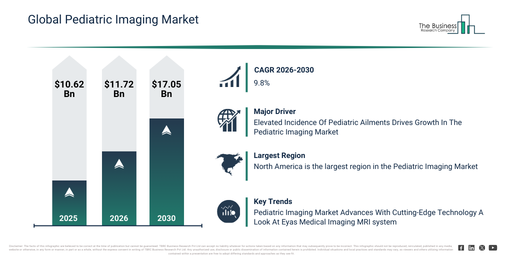
    Pediatric Imaging Market Developments and Opportunities Through 2030

    The Business Research Company’s 2026 market reports feature enhanced tools like market attractiveness analysis, TAM assessment, and company scoring matrices, along with interactive dashboards, deeper supply chain insights, and startup coverage strengthening the depth, usability, and strategic value of insights.

    From Its 2026 Market Size, What Value Is The Pediatric Imaging Market Projected To Reach By 2030?

    The pediatric imaging market size has experienced significant expansion in recent years. It is anticipated to grow from $10.62 billion in 2025 to $11.72 billion in 2026, demonstrating a compound annual growth rate (CAGR) of 10.3%. The growth observed in the historic period can be associated with factors such as limited pediatric imaging equipment, a low rate of adopting advanced imaging modalities, a dependency on adult imaging protocols, a fragmented imaging infrastructure, and inadequate pediatric-focused training.

    The pediatric imaging market is projected to experience substantial expansion in the coming years. Its value is anticipated to reach $17.05 billion by 2030, demonstrating a compound annual growth rate (CAGR) of 9.8%. This projected growth stems from several factors, including the increasing uptake of low-dose ct and mri technologies, greater ai integration into imaging analysis, the expanding use of tele-radiology, a heightened demand for early disease detection in children, and increased capital flowing into pediatric imaging centers. Key developments expected during this forecast timeframe encompass a surge in the adoption of ai-powered imaging analytics, the expanding utilization of cloud-based imaging data management, closer integration of genomics with imaging diagnostics, the wider deployment of iot-enabled pediatric imaging devices, and the growing implementation of intelligent imaging workflows within healthcare facilities.

    Access Your Free Sample Report For In-Depth Market Analysis:

    https://www.thebusinessresearchcompany.com/sample.aspx?id=7465&type=smp

    Which Strong Drivers Are Impacting The Pediatric Imaging Market Growth?

    The increasing incidence of pediatric health issues among children is projected to fuel the expansion of the pediatric imaging market in the future. Pediatric imaging involves the examination and diagnosis of younger patients using advanced technologies like ultrasound, CT scans, and X-rays, among others, to identify any anomalies in children’s bodies and develop appropriate treatment strategies. Specifically, nuclear medicine imaging for pediatrics assists in detecting critical, life-threatening conditions in children, which can be congenital, infectious, non-infectious, or a combination, including diseases like cancer. For example, data from August 2024 provided by the National Cancer Institute, a US Department of Health and Human Services, indicates that in the United States, an estimated 14,910 children and adolescents aged 0 to 19 are predicted to be diagnosed with cancer in 2024, leading to 1,590 fatalities. This includes 9,620 diagnoses and 1,040 deaths for children aged 0 to 14, and 5,290 diagnoses and 550 deaths for adolescents aged 15 to 19. Consequently, the escalating number of pediatric health conditions in children is a key factor propelling the expansion of the pediatric imaging market.

    How Are Segments Identified Within The Pediatric Imaging Market Segment Framework?

    The pediatric imaging market covered in this report is segmented –

    1) By Modality: Ultrasound, Magnetic Resonance Imaging (MRI), Computed Tomography (CT), X-Ray, Other Modalities

    2) By Application: Orthopedics, Gastroenterology, Cardiology, Oncology, Neurology, Other Applications

    3) By End-User: Hospitals, Diagnostic Centers, Other End-Users

    Subsegments:

    1) By Ultrasound: 2D Ultrasound, 3D Ultrasound, Doppler Ultrasound

    2) By Magnetic Resonance Imaging (MRI): Open MRI, Closed MRI, Functional MRI (fMRI)

    3) By Computed Tomography (CT): Standard CT, Low-Dose CT, CT Angiography

    4) By X-Ray: Digital X-Ray, Conventional X-Ray, Fluoroscopy

    5) By Other Modalities: Nuclear Medicine, Positron Emission Tomography (PET), Single Photon Emission Computed Tomography (SPECT)

    Which Trends Are Contributing To Changes In The Pediatric Imaging Market?

    Major companies within the pediatric imaging market are prioritizing the development of innovative solutions, including neonatal Magnetic Resonance Imaging (MRI) systems, to satisfy the growing demand for high-precision, radiation-free imaging for newborns and critically ill infants. A neonatal MRI system is a specialized imaging technology specifically designed to capture high-resolution anatomical and functional images while adapting to the unique physiological needs of neonates, thereby providing safer and more accurate diagnostic insights than conventional imaging modalities like CT or ultrasound. As an illustration, in July 2023, Eyas Medical Imaging, a US-based precision imaging company, unveiled Ascent, an advanced neonatal MRI system introduced after 2022. The Ascent is distinguished by its powerful 3 Tesla (3T) magnet, which provides a magnetic field strength previously unattainable in neonatal MRI platforms. It delivers highly detailed visualization of vital organs such as the brain, lungs, heart, and abdomen, facilitating earlier and more accurate diagnosis. The system is engineered with neonatal safety in mind, offering enhanced image quality, shorter scan times, and increased diagnostic confidence across numerous clinical applications.

    Who Are The Companies Competing Within The Pediatric Imaging Market?

    Major companies operating in the pediatric imaging market are Agfa-Gevaert NV, Analogic Corporation, CAN-med Healthcare, Canon Inc., Eastman Kodak Company, EOS imaging, Esaote SpA, FUJIFILM Holdings Corporation, Hitachi Medical Corporation, Koninklijke Philips N.V., Mindray Medical International Limited, Samsung Medison Co. Ltd, Shenzhen Anke High-tech Co. Ltd, Siemens Healthcare GmbH, Toshiba Medical Systems Corporation, Trivitron Healthcare Pvt. Ltd., BK Medical UK Ltd., Clarius Mobile Health Corp., CurveBeam AI Ltd., General Electric Company, Hologic Inc., InnoVision Ltd.

    Get The Full Pediatric Imaging Market Report:

    https://www.thebusinessresearchcompany.com/report/pediatric-imaging-global-market-report

    Where Is The Pediatric Imaging Market Most Concentrated Geographically?

    North America was the largest region in the pediatric imaging market in 2025. Asia-Pacific is expected to be the fastest-growing region in the forecast period. The regions covered in the pediatric imaging market report are Asia-Pacific, South East Asia, Western Europe, Eastern Europe, North America, South America, Middle East, Africa.

    Request A Customized Pediatric Imaging Market Report For Competitive Insights:

    https://www.thebusinessresearchcompany.com/report/pediatric-imaging-global-market-report

    Browse Through More Reports Similar to the Global Pediatric Imaging Market 2026, By The Business Research Company

    Home Healthcare Market Report 2026

    https://www.thebusinessresearchcompany.com/report/home-healthcare-global-market-report

    Pediatric Vaccine Market Report

    https://www.thebusinessresearchcompany.com/report/pediatric-vaccine-global-market-report

    Death Care Services Market Report

    https://www.thebusinessresearchcompany.com/report/death-care-services-global-market-report

    Get in touch with us:

    The Business Research Company: https://www.thebusinessresearchcompany.com/

    Americas +1 310-496-7795

    Asia +44 7882 955267 & +91 8897263534

    Europe +44 7882 955267

    Email us at info@tbrc.info

    Follow us on:

    LinkedIn: https://in.linkedin.com/company/the-business-research-company

    YouTube: https://www.youtube.com/channel/UC24_fI0rV8cR5DxlCpgmyFQ

    Global Market Model: https://www.thebusinessresearchcompany.com/global-market-model

  • Pediatric Home Healthcare Market Forecast (2026–2030) Providing Long-Term Insights

    Pediatric Home Healthcare Market Forecast (2026–2030) Providing Long-Term Insights

    The Business Research Company’s 2026 market reports feature enhanced tools like market attractiveness analysis, TAM assessment, and company scoring matrices, along with interactive dashboards, deeper supply chain insights, and startup coverage strengthening the depth, usability, and strategic value of insights.

    How Much Growth In Market Value Is Expected For The Pediatric Home Healthcare Market Between 2026 And 2030?

    The pediatric home healthcare market has recently experienced significant growth in its size. It is forecast to expand from $52.22 billion in 2025 to $57.83 billion in 2026, demonstrating a compound annual growth rate (CAGR) of 10.8%. Historically, this expansion has been influenced by factors such as restricted awareness of home healthcare, a predominant reliance on hospital-centric pediatric care, a disjointed approach to pediatric care delivery, limited uptake of telehealth services, and a shortage of qualified pediatric homecare professionals.

    The pediatric home healthcare market is projected to experience significant expansion in the coming years, with its size expected to reach $87.98 billion by 2030, demonstrating a compound annual growth rate (CAGR) of 11.1%. This anticipated growth during the forecast period is attributable to the increasing embrace of remote monitoring devices, the growing deployment of AI-driven care platforms, enhanced telehealth integration, the rising demand for personalized pediatric care plans, and an intensified focus on managing chronic diseases at home. Dominant trends during this period are expected to include the expanding adoption of remote patient monitoring devices, the increasing utilization of AI-enabled care management tools, the broader integration of telehealth solutions for pediatric care, the increased implementation of data-driven home healthcare services, and a greater emphasis on personalized pediatric care plans.

    Access Your Free Sample Report For In-Depth Market Analysis:

    https://www.thebusinessresearchcompany.com/sample.aspx?id=10421&type=smp

    What Key Factors Are Shaping The Pediatric Home Healthcare Market Landscape?

    The rising incidence of preterm births is anticipated to fuel expansion within the pediatric home healthcare market in the future. A preterm birth is defined as the arrival of an infant prior to the completion of 37 weeks of gestation. The frequency of preterm births is escalating, attributed to the growing maternal age, which leads to a greater number of pregnancies in older mothers, thereby increasing biological risks and the likelihood of complications. Pediatric home healthcare offers essential support to premature infants by providing specialized medical services and monitoring within the familiar environment of their homes. For example, in August 2024, the CDC National Center for Health Statistics (NCHS), the US-based nation’s primary health statistics agency, reported an increase in the preterm birth rate in the United States, climbing from 29.31% in 2022 to 29.84% in 2023. Consequently, the growing number of preterm births is a significant impetus for the pediatric home healthcare market.

    What Are The Key Segment Divisions In The Pediatric Home Healthcare Market Segment Structure?

    The pediatric home healthcare market covered in this report is segmented –

    1) By Service: Skilled Nursing Services, Personal Care Assistance, Rehabilitation Therapy Services

    2) By Device: Diagnostic And Monitoring Devices, Therapeutic Devices, Home Mobility Assist Devices

    3) By Application: Premature Babies, Cardiovascular Disease, Complex Intravenous Therapy, Pediatric Oncology, Chronic Disease, Infectious Disease, Other Applications

    Subsegments:

    1) By Skilled Nursing Services: Pediatric Assessments, Medication Management, Wound Care, Intravenous (IV) Therapy, Care For Chronic Conditions

    2) By Personal Care Assistance: Bathing And Hygiene Assistance, Meal Preparation, Mobility Assistance, Companionship, Light Housekeeping

    3) By Rehabilitation Therapy Services: Physical Therapy, Occupational Therapy, Speech Therapy, Behavioral Therapy, Developmental Therapy

    What Market Trends Are Affecting The Pediatric Home Healthcare Market?

    Key companies operating within the pediatric home healthcare market are concentrating on delivering innovative services, including respiratory therapy, to secure a competitive advantage. Respiratory therapy, a healthcare discipline focused on breathing and cardiopulmonary conditions, represents a vital element of these services. For instance, in August 2024, Cubhub, a prominent US-based provider of electronic medical records (EMR) solutions for home healthcare serving Medicaid populations, introduced its new Family CNA module for Colorado providers. This innovative module enhances home healthcare by optimizing workflows, improving operational efficiency, and delivering an exceptional experience for families. As the singular EMR system specifically designed for pediatric care, Cubhub continues to lead in innovation and user-centric solutions. The Family CNA module seamlessly integrates with Cubhub’s existing pediatric tools, facilitating a smooth transition while ensuring high-quality patient care. By automating many complex elements of Colorado’s Family CNA program, Cubhub aims to boost caregiver satisfaction and patient outcomes. This launch underscores Cubhub’s commitment to empowering healthcare providers with advanced technology tailored to support their crucial work in pediatric home healthcare.

    Which Organizations Are Engaged In The Pediatric Home Healthcare Market?

    Major companies operating in the pediatric home healthcare market are Aveanna Healthcare LLC, BAYADA Home Health Care Inc, Tendercare Home Health Services Inc, BrightStar Group Holdings Inc, Angels of Care Pediatric Home Health, New England Home Care Inc, Pediatric Home Healthcare, Enviva Pediatric Care, Interim Healthcare Inc, eKidzCare, EKIDZCARE CORPORATE, MGA Homecare LLC, At Home Healthcare, Paramed Inc, Thrive Skilled Pediatric Care, Continuum Pediatric Nursing Services, Pediatric Home Service, Advanced Care Pediatric Services, Sunshine Home Care, TeamCare Home Health, Family First Homecare, KidsCare Home Health, Priority Home Care, Pediatric Home Nursing Services, Comprehensive Home Care, Kids Choice Pediatric Home Care, Children First Home Care, Reliable Home Care, Star Pediatric Home Care

    Get The Full Pediatric Home Healthcare Market Report:

    https://www.thebusinessresearchcompany.com/report/pediatric-home-healthcare-global-market-report

    Which Region Dominates The Pediatric Home Healthcare Market By Market Share?

    North America was the largest region in the pediatric home healthcare market in 2025. Asia-Pacific is expected to be the fastest-growing region in the global pediatric home healthcare market during the forecast period. The regions covered in the pediatric home healthcare market report are Asia-Pacific, South East Asia, Western Europe, Eastern Europe, North America, South America, Middle East, Africa.

    Request A Customized Pediatric Home Healthcare Market Report For Competitive Insights:

    https://www.thebusinessresearchcompany.com/report/pediatric-home-healthcare-global-market-report

    Browse Through More Reports Similar to the Global Pediatric Home Healthcare Market 2026, By The Business Research Company

    Combined Pituitary Hormone Deficiencies Market Report 2026

    https://www.thebusinessresearchcompany.com/report/combined-pituitary-hormone-deficiencies-global-market-report

    Pediatric Supplements Market Report

    https://www.thebusinessresearchcompany.com/report/pediatric-supplements-global-market-report

    5 Alpha Reductase Deficiency Market Report

    https://www.thebusinessresearchcompany.com/report/5-alpha-reductase-deficiency-global-market-report

    Get in touch with us:

    The Business Research Company: https://www.thebusinessresearchcompany.com/

    Americas +1 310-496-7795

    Asia +44 7882 955267 & +91 8897263534

    Europe +44 7882 955267

    Email us at info@tbrc.info

    Follow us on:

    LinkedIn: https://in.linkedin.com/company/the-business-research-company

    YouTube: https://www.youtube.com/channel/UC24_fI0rV8cR5DxlCpgmyFQ

    Global Market Model: https://www.thebusinessresearchcompany.com/global-market-model

  • Pediatric Growth Hormone Deficiency Market Analysis (2026–2030) Highlighting Innovation

    Pediatric Growth Hormone Deficiency Market Analysis (2026–2030) Highlighting Innovation

    The Business Research Company’s 2026 market reports feature enhanced tools like market attractiveness analysis, TAM assessment, and company scoring matrices, along with interactive dashboards, deeper supply chain insights, and startup coverage strengthening the depth, usability, and strategic value of insights.

    What Is The Estimated Market Size Of The Pediatric Growth Hormone Deficiency Market In 2026, And How Will Its Value Evolve By 2030?

    The pediatric growth hormone deficiency market has shown substantial expansion in recent years. Projections indicate a rise from $4.15 billion in 2025 to $4.52 billion in 2026, with a compound annual growth rate (CAGR) of 9.0%. Historically, the market’s progression has been linked to elements such as limited awareness of gh deficiency, a continued reliance on conventional therapies, fragmented pediatric endocrinology care, minimal use of digital monitoring, and low adoption of long-acting gh formulations.

    The pediatric growth hormone deficiency market size is poised for substantial growth in the upcoming years, with projections indicating an increase to $6.32 billion by 2030, achieving a compound annual growth rate (CAGR) of 8.7%. This expansion during the forecast period is largely attributable to the increasing adoption of rhgh therapy, the continued development of long-acting GH analogs, a heightened emphasis on personalized treatment plans, the growing integration of digital patient monitoring solutions, and supportive regulatory frameworks for pediatric endocrine therapies. Key trends expected in this period include a greater uptake of recombinant human growth hormone therapy, a rise in the application of long-acting growth hormones, the wider integration of digital tools for patient surveillance, increased implementation of AI-based diagnostic and treatment planning, and an amplified focus on precision medicine approaches in pediatric GH deficiency.

    Access Your Free Sample Report For In-Depth Market Analysis:

    https://www.thebusinessresearchcompany.com/sample.aspx?id=21250&type=smp

    Which Factors Are Influencing The Growth Of The Pediatric Growth Hormone Deficiency Market?

    The expanding occurrence of pediatric diseases is anticipated to boost the development of the pediatric growth hormone deficiency market in the future. These diseases encompass medical conditions or illnesses predominantly impacting children, from infancy through adolescence. The rise in pediatric diseases is primarily attributable to environmental influences, enhanced diagnostic techniques, shifts in lifestyle, genetic susceptibilities, and an uptick in chronic ailments and allergies among children. Pediatric diseases can lead to pediatric growth hormone deficiency (GHD) by impacting the hypothalamus or pituitary gland, both crucial for growth hormone production. For example, the United Nations Children’s Fund (UNICEF), a US-based government organization, reported in August 2024 that approximately 1.1 million children and adolescents aged 0–19 years worldwide suffer from type 1 diabetes and require daily insulin for survival; a significant number in low- and middle-income countries lack access to essential care and treatment for this severe and frequently fatal condition. Consequently, the growing incidence of pediatric diseases is fueling the expansion of the pediatric growth hormone deficiency market.

    Which Segment Categories Are Included In The Pediatric Growth Hormone Deficiency Market Segment Analysis?

    The pediatric growth hormone deficiency market covered in this report is segmented –

    1) By Etiology Type: Congenital GH Deficiency, Acquired GH Deficiency, Idiopathic GH deficiency

    2) By Product: Recombinant Human Growth Hormone (rhGH), Human Growth Hormone (HGH) Analogs, Long-Acting Growth Hormones

    3) By Route Of Administration: Subcutaneous, Intramuscular, Oral

    4) By Distribution Channel: Hospital Pharmacies, Retail Pharmacies, Online Pharmacies

    5) By Application: Growth Hormone Deficiency, Idiopathic Short Stature, Turner Syndrome, Small For Gestational Age, Prader Willi Syndrome, Other Applications

    Subsegments:

    1) By Congenital GH Deficiency: Isolated GH Deficiency, Combined Pituitary Hormone Deficiency

    2) By Acquired GH Deficiency: GH Deficiency Due To Pituitary Tumors, GH Deficiency Due To Brain Injury, GH Deficiency Due To Radiation Therapy

    3) By Idiopathic GH Deficiency: Primary Idiopathic GH Deficiency, Secondary Idiopathic GH Deficiency

    Which Trends Are Influencing Demand In The Pediatric Growth Hormone Deficiency Market?

    Key companies operating within the pediatric growth hormone deficiency market are prioritizing the development of novel solutions, such as extended-release, once-weekly human growth hormone analogs, to enhance patient adherence and convenience. An extended-release, once-weekly human growth hormone (HGH) analog describes a modified form of natural human growth hormone that has been engineered to have an extended period of action within the body. For example, in June 2023, Pfizer Inc., a US-based pharmaceutical company, and OPKO Health Inc., a US-based medication company, collaboratively announced NGENLA (somatrogon-ghla), a once-weekly human growth hormone analog for treating pediatric patients aged three years and older who experience growth failure due to insufficient secretion of endogenous growth hormone, which received approval from the Food and Drug Administration, a US-based government agency. This innovative treatment aims to improve patient compliance by lessening the frequency of injections, considering that traditional therapies typically necessitate daily doses. Clinical studies have indicated that NGENLA delivers comparable efficacy to daily growth hormone treatments, thereby offering a more practical and manageable choice for children and their families.

    Who Are The Active Companies Shaping The Pediatric Growth Hormone Deficiency Market?

    Major companies operating in the pediatric growth hormone deficiency market are Pfizer Inc., Eli Lilly and Company, Novo Nordisk A/S, Genentech Inc., Merck KGaA Darmstadt Germany, Ipsen Pharma, Ferring Pharmaceuticals, OPKO Health Inc., Ascendis Pharma A/S, Versartis Inc., LG Chem Ltd., GeneScience Pharmaceuticals Co Ltd, Biopartners GmbH, JHM Biopharma, JCR Pharmaceuticals Co Ltd, Samsung Bioepis, Intas Pharmaceuticals Ltd, BioMarin Pharmaceutical Inc, Abbott Laboratories, Amgen Inc, Chugai Pharmaceutical Co Ltd, Sanofi S A, AnkeBio Co Ltd, Zhongshan Sinobioway Hygene Biomedicine Co Ltd.

    Get The Full Pediatric Growth Hormone Deficiency Market Report:

    https://www.thebusinessresearchcompany.com/report/pediatric-growth-hormone-deficiency-global-market-report

    Which Region Is The Largest In The Pediatric Growth Hormone Deficiency Market?

    North America was the largest region in the pediatric growth hormone deficiency market in 2025. Asia-Pacific is expected to be the fastest-growing region in the forecast period. The regions covered in the pediatric growth hormone deficiency market report are Asia-Pacific, South East Asia, Western Europe, Eastern Europe, North America, South America, Middle East, Africa.

    Request A Customized Pediatric Growth Hormone Deficiency Market Report For Competitive Insights:

    https://www.thebusinessresearchcompany.com/report/pediatric-growth-hormone-deficiency-global-market-report

    Browse Through More Reports Similar to the Global Pediatric Growth Hormone Deficiency Market 2026, By The Business Research Company

    Electronic Medical Records Market

    https://www.thebusinessresearchcompany.com/report/electronic-medical-records-market

    Ambulatory Electronic Medical Records Market Report

    https://www.thebusinessresearchcompany.com/report/ambulatory-electronic-medical-records-global-market-report

    Pediatric Software Market Report

    https://www.thebusinessresearchcompany.com/report/pediatric-software-global-market-report

    Get in touch with us:

    The Business Research Company: https://www.thebusinessresearchcompany.com/

    Americas +1 310-496-7795

    Asia +44 7882 955267 & +91 8897263534

    Europe +44 7882 955267

    Email us at info@tbrc.info

    Follow us on:

    LinkedIn: https://in.linkedin.com/company/the-business-research-company

    YouTube: https://www.youtube.com/channel/UC24_fI0rV8cR5DxlCpgmyFQ

    Global Market Model: https://www.thebusinessresearchcompany.com/global-market-model
  • Pediatric EMR Software Market Forecast to 2030 With Key Insights

    Pediatric EMR Software Market Forecast to 2030 With Key Insights

    The Business Research Company’s 2026 market reports feature enhanced tools like market attractiveness analysis, TAM assessment, and company scoring matrices, along with interactive dashboards, deeper supply chain insights, and startup coverage strengthening the depth, usability, and strategic value of insights.

    How Does The Market Size Of The Pediatric Electronic Medical Record (EMR) Software Market Compare Between 2026 And 2030?

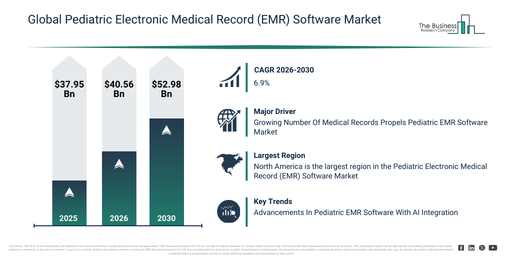
    The market size for pediatric electronic medical record (emr) software has demonstrated substantial growth in recent years. Projections indicate it will expand from $37.95 billion in 2025 to $40.56 billion in 2026, achieving a compound annual growth rate (CAGR) of 6.9%. The increase observed in past periods is linked to several factors, including the constrained digitization of pediatric records, a reliance on paper-based systems, fragmented healthcare data, insufficient awareness of emr benefits, and minimal integration with pediatric-specific functionalities.

    The pediatric electronic medical record (emr) software market size is projected to experience robust expansion in the upcoming years. It is anticipated to grow to $52.98 billion by 2030, exhibiting a compound annual growth rate (CAGR) of 6.9%. This growth throughout the forecast period is primarily driven by the increasing adoption of cloud-based and integrated EMR solutions, a rising demand for AI-powered analytics, a heightened emphasis on interoperability and data security, the growing requirement for pediatric-specific templates and tools, and expanding regulatory support for digital health solutions. Major trends expected during this period involve the increasing uptake of cloud-based pediatric EMR systems, a greater integration of AI and machine learning for pediatric data analytics, the expanding use of big data and digital tools for pediatric care management, a reinforced focus on secure and interoperable EMR platforms, and the rising implementation of precision medicine features within pediatric EMR software.

    Access Your Free Sample Report For In-Depth Market Analysis:

    https://www.thebusinessresearchcompany.com/sample.aspx?id=14451&type=smp

    What Leading Drivers Are Supporting The Pediatric Electronic Medical Record (EMR) Software Market Expansion?

    The increasing volume of medical records is projected to boost the expansion of the pediatric electronic medical record (EMR) software market moving forward. Medical records are defined as the organized documentation of a patient’s health information, encompassing their medical history, clinical findings, diagnostic test results, pre- and postoperative care, the patient’s progress, and medication details. Pediatric medical records are experiencing an uptick due to various factors, such as the widespread occurrence of chronic health conditions in children, a heightened emphasis on child preventive care, and increased utilization of healthcare services for children. EMR software streamlines the organization and sharing of these medical records, which facilitates quicker diagnosis and treatment decisions for pediatric patients. For instance, in November 2025, the Organisation for Economic Co-operation and Development, a France-based intergovernmental economic organization, reported that OECD countries have made progress in expanding access to EHRs. In 2024, the average availability of online digital health services reached 82%, an increase from 79% in 2023 among countries with comparable data. Thus, the growing number of medical records is a significant driver for the growth of the pediatric EMR software market.

    How Is The Pediatric Electronic Medical Record (EMR) Software Market Broken Down By Segment Categories?

    The pediatric electronic medical record (emr) software market covered in this report is segmented –

    1) By Type: Cloud Based Electronic Medical Record (EMR), On Premises Electronic Medical Record (EMR)

    2) By Components: Software Services, Consulting

    3) By Functionality: Clinical Documentation, Patient Management, Reporting And Analytics

    4) By Application: Large Enterprise, Small And Medium-sized Enterprises (SMEs)

    5) By End User: Hospitals, Diagnostic Centers, Other End Users

    Subsegments:

    1) By Cloud Based Electronic Medical Record (EMR): Web-Based Pediatric Electronic Medical Record (EMR) Platforms, Subscription-Based Cloud Pediatric Electronic Medical Record (EMR), Mobile-Accessible Cloud Pediatric Electronic Medical Record (EMR), Cloud Pediatric Electronic Medical Record (EMR) With Telehealth Integration

    2) By On Premises Electronic Medical Record (EMR): Server-Based Pediatric Electronic Medical Record (EMR) Systems, Locally Hosted Pediatric Electronic Medical Record (EMR), Customizable On Premises Pediatric Electronic Medical Record (EMR), On Premises Pediatric Electronic Medical Record (EMR) With In-House Data Control

    What Emerging Trends Are Seen In The Pediatric Electronic Medical Record (EMR) Software Market?

    Leading companies in the pediatric EMR software market are concentrating on integrating advanced AI-driven solutions into pediatric electronic medical records (EMR) to gain a competitive advantage. These AI-powered solutions within pediatric EMR systems enhance clinical decision-making, personalize care delivery, boost efficiency, and improve outcomes for pediatric patients and their families. For example, in December 2023, Pieces Technologies, a US-based healthcare artificial intelligence and technology company, introduced Children’s Health, a clinical generative AI (artificial intelligence) at the North Texas Pediatric Health System. This technology integrates smoothly with the pediatric health system’s Epic electronic medical record (EMR), which doctors, nurses, and case managers regularly utilize for clinical handoffs, managing length of stay, resolving discharge barriers, team communication, and multidisciplinary rounds. Pieces achieves an exceptionally low rate of major error by combining contextual modeling, collaborative and adversarial AI, human-in-the-loop supervision, and automated clinical rapid engineering.

    Which Players Are Present In The Pediatric Electronic Medical Record (EMR) Software Market Space?

    Major companies operating in the pediatric electronic medical record (emr) software market are Meta Platforms Inc., Oracle Corporation, SAP SE, Cognizant Technology Solutions Corporation, Koninklijke Philips N.V., Optum Inc., Goodwill Industries International, Epic Systems Corporation, Change Healthcare Inc., Infor Inc., eClinicalWorks, Athenahealth Inc., Allscripts Healthcare Solutions Inc., NextGen Healthcare Inc., Meditech, Computer Programs and Systems Inc., GroupOne Health Source Inc., Greenway Health LLC, Bizmatics Inc., Kareo Inc., AdvancedMD Inc., Connexin Software Inc., Elinext Group, Duchang Information Technology, Kaaspro Enterprises, MedicalMine Inc., JAG Products LLC, AllegianceMD Software Inc.

    Get The Full Pediatric Electronic Medical Record (EMR) Software Market Report:

    https://www.thebusinessresearchcompany.com/report/pediatric-electronic-medical-record-emr-software-global-market-report

    Which Region Leads The Pediatric Electronic Medical Record (EMR) Software Market In Terms Of Market Share?

    North America was the largest region in the pediatric electronic medical record (EMR) software market in 2025. Asia-Pacific is expected to be the fastest-growing region in the forecast period. The regions covered in the pediatric electronic medical record (emr) software market report are Asia-Pacific, South East Asia, Western Europe, Eastern Europe, North America, South America, Middle East, Africa.

    Request A Customized Pediatric Electronic Medical Record (EMR) Software Market Report For Competitive Insights:

    https://www.thebusinessresearchcompany.com/report/pediatric-electronic-medical-record-emr-software-global-market-report

    Browse Through More Reports Similar to the Global Pediatric Electronic Medical Record (EMR) Software Market 2026, By The Business Research Company

    Dental Services Market

    https://www.thebusinessresearchcompany.com/report/dental-services-market

    Digital Dentistry Market Report

    https://www.thebusinessresearchcompany.com/report/digital-dentistry-global-market-report

    Therapeutic Dental Equipment Market Report

    https://www.thebusinessresearchcompany.com/report/therapeutic-dental-equipment-global-market-report

    Get in touch with us:

    The Business Research Company: https://www.thebusinessresearchcompany.com/

    Americas +1 310-496-7795

    Asia +44 7882 955267 & +91 8897263534

    Europe +44 7882 955267

    Email us at info@tbrc.info

    Follow us on:

    LinkedIn: https://in.linkedin.com/company/the-business-research-company

    YouTube: https://www.youtube.com/channel/UC24_fI0rV8cR5DxlCpgmyFQ

    Global Market Model: https://www.thebusinessresearchcompany.com/global-market-model
  • Pediatric Dental Market Outlook (2026–2030) Covering Growth Drivers and Trends

    Pediatric Dental Market Outlook (2026–2030) Covering Growth Drivers and Trends

    The Business Research Company’s 2026 market reports feature enhanced tools like market attractiveness analysis, TAM assessment, and company scoring matrices, along with interactive dashboards, deeper supply chain insights, and startup coverage strengthening the depth, usability, and strategic value of insights.

    What Is The Forecasted Market Size Trajectory Of The Pediatric Dental Market From 2026 To 2030?

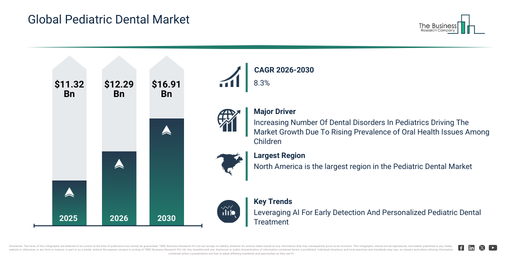
    The pediatric dental market has experienced robust growth in recent years. It is anticipated to expand from $11.32 billion in 2025 to $12.29 billion in 2026, achieving a compound annual growth rate (CAGR) of 8.6%. This historical expansion can be primarily attributed to heightened awareness of pediatric oral health, the broadening of school-based dental programs, an increase in the prevalence of dental caries in children, enhanced access to pediatric dental services, and the proliferation of specialty dental practices.

    The pediatric dental market is anticipated to experience substantial expansion over the upcoming years. It is projected to reach $16.91 billion by 2030, exhibiting a compound annual growth rate (CAGR) of 8.3%. This growth during the forecast period is attributable to several factors, including a heightened demand for early orthodontic interventions, an increasing emphasis on preventive dental care, the broadening of pediatric dental insurance coverage, the wider adoption of advanced restorative materials, and a stronger focus on patient comfort and compliance. Key trends anticipated in the forecast period encompass a greater focus on preventive pediatric oral care, the increasing integration of minimally invasive dental procedures, an escalating demand for child-friendly dental treatments, the expansion of specialized pediatric dental clinics, and improved utilization of advanced dental materials.

    Access Your Free Sample Report For In-Depth Market Analysis:

    https://www.thebusinessresearchcompany.com/sample.aspx?id=25869&type=smp

    Which Key Factors Are Driving The Pediatric Dental Market Growth?

    The escalating prevalence of dental disorders in pediatric populations is projected to drive the expansion of the pediatric dental market. These pediatric dental disorders encompass various oral health conditions affecting children and adolescents, such as tooth decay, gum disease, and malocclusion. The rise in these disorders among children is primarily linked to increased consumption of sugary foods and beverages, which encourages harmful bacterial growth in the mouth, leading to tooth decay and cavities. Pediatric dental care is instrumental in preventing and managing these conditions by offering early diagnosis, timely treatment, and continuous oral health education specifically designed for children’s developmental stages, thereby lowering the risk of issues like tooth decay, gum disease, and misaligned teeth as they mature. For instance, in March 2025, as per the Office for Health Improvement and Disparities, a UK-based government department, during the 2023 to 2024 period, 5-year-old schoolchildren residing in the most deprived fifth of the country were more than twice as likely to have experienced dentinal decay (32.2%) compared to those in the least deprived fifth (13.6%). Thus, the increasing number of dental disorders in pediatrics is a significant factor propelling the growth of the pediatric dental market.

    What Are The Different Segment Types In The Pediatric Dental Market Segment Breakdown?

    The pediatric dental market covered in this report is segmented –

    1) By Type: Primary, Permanent

    2) By Disease Type: Dental Caries, Enamel Disorders, Other Diseases

    3) By Procedure Type: Pulpotomies, Stainless Steel Crowns (SSCs), Tooth Colored Fillings, Dental Cleaning (Prophylaxis), Other Procedures

    Subsegments:

    1) By Primary: Anterior Crowns, Posterior Crowns, Space Maintainers, Pulp Therapy Products

    2) By Permanent: Dental Sealants, Orthodontic Brackets, Restorative Materials, Fluoride Treatments

    Which Trends Are Guiding The Direction Of The Pediatric Dental Market?

    Leading companies in the pediatric dental market are prioritizing the adoption of innovative technologies such as artificial intelligence (AI) to improve diagnostic precision, customize treatment plans, and elevate patient outcomes in children’s oral health. Artificial intelligence (AI), which signifies machines’ capability to emulate human intelligence for tasks like learning and decision-making, benefits pediatric dental care by analyzing dental images for early issue detection and supporting accurate diagnoses and treatment formulation. For example, in March 2024, Overjet Inc., a US-based software development company, unveiled Overjet for Kids. This FDA-cleared artificial intelligence (AI) technology is engineered to detect, outline, and quantify tooth decay in children aged 4 and above, empowering pediatric dentists to identify cavities sooner, enhance diagnostic accuracy, and better communicate treatment necessities to parents. This AI tool meticulously analyzes dental X-rays to pinpoint conditions in both primary and permanent teeth, resulting in a 57% decrease in missed cavities and a 25% improvement in case acceptance rates, attributed to clearer visual explanations for families.

    Who Are The Well-Known Companies In The Pediatric Dental Market?

    Major companies operating in the pediatric dental market are 3M Company, Henry Schein Inc., Dentsply Sirona Inc., Ultradent Products Inc., Dentaurum GmbH & Co. KG, VOCO America Inc., Shinhung Co. Ltd., GC America Inc., NuSmile Ltd., BISCO Inc., Pulpdent Corporation, Young Innovations Inc., Space Maintainers Laboratories Inc., Sprig Oral Health Technologies Inc., Acero Crowns Inc., Cheng Crowns, Kinder Krowns, Denovo Dental Inc., Kids Crown, Ivoclar Vivadent AG

    Get The Full Pediatric Dental Market Report:

    https://www.thebusinessresearchcompany.com/report/pediatric-dental-global-market-report

    Which Region Leads The Pediatric Dental Market In Overall Market Size?

    North America was the largest region in the pediatric dental market in 2025. Asia-Pacific is expected to be the fastest-growing region in the forecast period. The regions covered in the pediatric dental market report are Asia-Pacific, South East Asia, Western Europe, Eastern Europe, North America, South America, Middle East, Africa.

    Request A Customized Pediatric Dental Market Report For Competitive Insights:

    https://www.thebusinessresearchcompany.com/report/pediatric-dental-global-market-report

    Browse Through More Reports Similar to the Global Pediatric Dental Market 2026, By The Business Research Company

    Pediatric Supplements Market Report 2026

    https://www.thebusinessresearchcompany.com/report/pediatric-supplements-global-market-report

    Virtual Clinical Trials Market Report

    https://www.thebusinessresearchcompany.com/report/virtual-clinical-trials-global-market-report

    Clinical Trial Supplies Market Report

    https://www.thebusinessresearchcompany.com/report/clinical-trial-supplies-global-market-report

    Get in touch with us:

    The Business Research Company: https://www.thebusinessresearchcompany.com/

    Americas +1 310-496-7795

    Asia +44 7882 955267 & +91 8897263534

    Europe +44 7882 955267

    Email us at info@tbrc.info

    Follow us on:

    LinkedIn: https://in.linkedin.com/company/the-business-research-company

    YouTube: https://www.youtube.com/channel/UC24_fI0rV8cR5DxlCpgmyFQ

    Global Market Model: https://www.thebusinessresearchcompany.com/global-market-model