Category: Healthcare Services

  • Increasing pediatric cancer cases are driving growth in pediatric clinical trials

    Increasing pediatric cancer cases are driving growth in pediatric clinical trials

    The Business Research Company’s 2026 market reports feature enhanced tools like market attractiveness analysis, TAM assessment, and company scoring matrices, along with interactive dashboards, deeper supply chain insights, and startup coverage strengthening the depth, usability, and strategic value of insights.

    How Much Will The Market Value Of The Pediatric Clinical Trials Market Grow Between 2026 And 2030?

    The pediatric clinical trials market size has experienced robust growth in recent years. It is anticipated to expand from $18.38 billion in 2025 to $19.75 billion in 2026, achieving a compound annual growth rate (CAGR) of 7.4%. The growth observed in the historic period stems from limited pediatric-specific drug research, reliance on adult trial data, ethical and regulatory challenges, low patient recruitment rates, and minimal use of advanced analytics in trial design.

    The pediatric clinical trials market is projected to experience substantial expansion over the upcoming years. This market is anticipated to reach $26.67 billion by 2030, exhibiting a compound annual growth rate (CAGR) of 7.8%. The projected growth during the forecast period stems from factors such as an escalating demand for therapies tailored to children, the wider uptake of digital and AI tools, an increase in regulatory incentives for pediatric research, enhanced collaboration between pharmaceutical companies and research institutions, and a greater emphasis on patient-centric and personalized clinical trials. Key trends expected in the forecast period encompass the expanding integration of precision medicine into pediatric clinical trials, a greater utilization of AI and digital technologies for designing trials and analyzing data, the increasing incorporation of real-world evidence into pediatric research, a surge in investment dedicated to pediatric drug development, and a heightened focus on therapeutics that are personalized and age-specific.

    Access Your Free Sample Report For In-Depth Market Analysis:

    https://www.thebusinessresearchcompany.com/sample.aspx?id=10350&type=smp

    What Primary Drivers Are Shaping The Pediatric Clinical Trials Market?

    An increase in pediatric cancer cases is anticipated to propel the pediatric clinical trials market going forward. Pediatric cancer refers to malignancies that develop in children and adolescents under the age of 14. These cancers are notably uncommon, and their patterns of growth and dissemination can differ significantly from those seen in adult tumors. Pediatric clinical trials continue to play a crucial role in advancing both prognosis and treatment. For instance, in January 2023, the American Cancer Society, a US-based voluntary health organization, estimated that approximately 9,910 children in the US under the age of 15 would be diagnosed with cancer, and about 1,040 children under the age of 15 are expected to die from cancer in 2023. Thus, the escalating healthcare expenditure is driving the pediatric clinical trials market.

    Which Segment Classifications Are Used In The Pediatric Clinical Trials Market Segment Analysis?

    The pediatric clinical trials market covered in this report is segmented –

    1) By Phase: Phase I, Phase II, Phase III, Phase IV

    2) By Study Design: Treatment Studies, Observational Studies

    3) By Therapeutic Areas: Infectious Diseases, Oncology, Autoimmune Or Inflammatory Diseases, Respiratory Disorders, Mental Health Disorders, Other Therapeutic Areas

    Subsegments:

    1) By Phase I: First-in-Pediatrics Trials, Dose Escalation Studies, Safety And Tolerability Assessments

    2) By Phase II: Efficacy Studies, Dose Optimization Trials, Pharmacokinetic Studies

    3) By Phase III: Large-Scale Efficacy Trials, Comparative Studies, Long-Term Safety Studies

    4) By Phase IV: Post-Marketing Surveillance, Long-Term Safety Monitoring, Effectiveness Studies In Real-World Settings

    What Trends Are Affecting The Growth Of The Pediatric Clinical Trials Market?

    Organizations engaged in pediatric clinical trials are prioritizing collaboration and partnerships to ensure the provision of reliable services to their customers. A strategic partnership represents a structured affiliation between two or more commercial enterprises, typically established through formal business agreements or contracts. For instance, in September 2023, Strados Labs, a US-based provider of smart biosensors for respiratory monitoring, partnered with Ann & Robert H. Lurie Children’s Hospital, a US-based pediatric acute care children’s hospital, to conduct a clinical trial for the RESP Biosensor. This RESP Biosensor is a wearable device that utilizes acoustic sensors to monitor lung sounds for asthma symptoms like coughing and wheezing. The aim of this clinical trial is to assess the effectiveness of the RESP Biosensor in accurately detecting and tracking asthma exacerbations in children.

    Which Firms Are Contributing To The Pediatric Clinical Trials Market Ecosystem?

    Major companies operating in the pediatric clinical trials market are Medpac Inc., Pharmaceutical Product Development Inc., ICON plc, Syneos Health Inc., QPS Holdings LLC, Pfizer Inc., IQVIA Inc., Premier Research, Labcorp – Laboratory Corporation of America Holdings, The Emmes Company LLC, Synteract Inc., Charles River Laboratories International Inc., Covance Inc., Bristol-Myers Squibb Company, GlaxoSmithKline plc, BioNTech SE, Moderna Inc., Parexel International Corporation, PRA Health Sciences, Wuxi AppTec, Merck & Co. Inc., AstraZeneca plc, Sanofi S.A., Johnson & Johnson, Eli Lilly and Company, Takeda Pharmaceutical Company Limited, C.H. Boehringer Sohn AG & Co. KG, AbbVie Inc., Teva Pharmaceutical Industries Ltd., Oracle Health sciences

    Get The Full Pediatric Clinical Trials Market Report:

    https://www.thebusinessresearchcompany.com/report/pediatric-clinical-trials-global-market-report

    Which Region Is The Top Contributor To The Pediatric Clinical Trials Market By Share?

    North America was the largest region in the pediatric clinical trials market in 2025. The regions covered in the pediatric clinical trials market report are Asia-Pacific, South East Asia, Western Europe, Eastern Europe, North America, South America, Middle East, Africa.

    Request A Customized Pediatric Clinical Trials Market Report For Competitive Insights:

    https://www.thebusinessresearchcompany.com/report/pediatric-clinical-trials-global-market-report

    Browse Through More Reports Similar to the Global Pediatric Clinical Trials Market 2026, By The Business Research Company

    Brain Tumor Drugs Market Report 2026

    https://www.thebusinessresearchcompany.com/report/brain-tumor-drugs-global-market-report

    Pediatric Imaging Market Report

    https://www.thebusinessresearchcompany.com/report/pediatric-imaging-global-market-report

    Paraganglioma Market Report

    https://www.thebusinessresearchcompany.com/report/paraganglioma-global-market-report

    Get in touch with us:

    The Business Research Company: https://www.thebusinessresearchcompany.com/

    Americas +1 310-496-7795

    Asia +44 7882 955267 & +91 8897263534

    Europe +44 7882 955267

    Email us at info@tbrc.info

    Follow us on:

    LinkedIn: https://in.linkedin.com/company/the-business-research-company

    YouTube: https://www.youtube.com/channel/UC24_fI0rV8cR5DxlCpgmyFQ

    Global Market Model: https://www.thebusinessresearchcompany.com/global-market-model
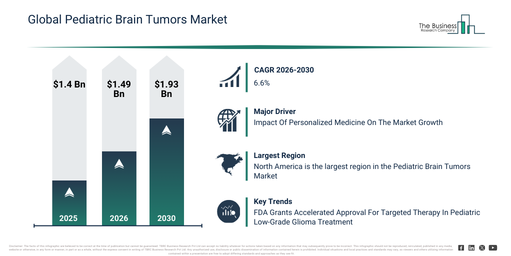
  • Advancements in personalized medicine are influencing the pediatric brain tumors market

    Advancements in personalized medicine are influencing the pediatric brain tumors market

    The Business Research Company’s 2026 market reports feature enhanced tools like market attractiveness analysis, TAM assessment, and company scoring matrices, along with interactive dashboards, deeper supply chain insights, and startup coverage strengthening the depth, usability, and strategic value of insights.

    What Changes In Market Value Are Expected For The Pediatric Brain Tumors Market Over The 2026–2030 Period?

    The market for pediatric brain tumors has demonstrated robust expansion recently. This market is projected to expand from $1.4 billion in 2025 to $1.49 billion in 2026, exhibiting a compound annual growth rate (CAGR) of 6.9%. Historically, this growth has been driven by factors such as a lack of comprehensive awareness regarding pediatric brain tumors, a continued dependence on traditional therapeutic approaches, infrequent utilization of sophisticated imaging methods, an inadequacy of specialized pediatric neuro-oncology facilities, and restricted access to targeted and immunotherapy interventions.

    The market for pediatric brain tumors is projected to experience robust expansion over the coming years. This market is anticipated to reach $1.93 billion by 2030, exhibiting a compound annual growth rate (CAGR) of 6.6%. This expansion during the forecast period is driven by factors such as the increasing occurrence of pediatric brain tumors, greater uptake of precision medicine, enhanced integration of AI and digital imaging in diagnostic processes, a heightened emphasis on individualized treatment strategies, and increased financial support for pediatric neuro-oncology research. Key trends expected during this period involve the wider embrace of precision medicine specifically for pediatric brain tumors, a growing incorporation of digital imaging and AI-powered diagnostics, an expanding application of targeted therapies and immunotherapies, a greater emphasis on surgical methods that are less invasive, and a surge in investment directed towards pediatric neuro-oncology research.

    Access Your Free Sample Report For In-Depth Market Analysis:

    https://www.thebusinessresearchcompany.com/sample.aspx?id=21248&type=smp

    Which Major Drivers Are Influencing The Expansion Of The Pediatric Brain Tumors Market?

    The expanding need for personalized medicine is projected to stimulate the growth of the pediatric brain tumors market moving forward. Personalized medicine is a healthcare approach that individualizes treatments and medical decisions based on a person’s genetic makeup, lifestyle, and specific health needs. The rise in demand for personalized medicine is attributed to advancements in genetic research, improved diagnostic tools, and the potential for more effective and targeted treatments. By tailoring therapies to the child’s specific tumor type, mutation, and response, personalized medicine enables targeted interventions that are more efficacious and cause less damage to healthy tissue, thereby enhancing outcomes and reducing side effects. For instance, in February 2024, the Personalized Medicine Coalition, a US-based hospital and health care organization, reported that in 2023, the FDA approved 16 new personalized treatments for rare disease patients, an increase from six in 2022. Thus, the increasing demand for personalized medicine is propelling the pediatric brain tumor market’s expansion.

    How Is The Pediatric Brain Tumors Market Organized By Segment Classification?

    The pediatric brain tumors market covered in this report is segmented –

    1) By Type: Gliomas, Mixed Neuronal-Glial Tumors, Embryonal Tumors, Choroid Plexus Papilloma Or Carcinoma, Tumors Arising From Non-Neuroepithelial Tissue, Meningeal Tumors

    2) By Treatment Type: Surgery, Radiation Therapy, Chemotherapy, Targeted Therapy, Immunotherapy

    3) By Diagnosis Method: Imaging Techniques, Biopsy, Neurological Exam, Lumbar Puncture

    4) By Age Group: Infants, Toddlers, Children, Adolescents

    5) By Application: Hospitals And Clinics, Medical Research Centers, Academic Institutes, Other Applications

    Subsegments:

    1) By Gliomas: Low-Grade Gliomas, High-Grade Gliomas

    2) By Mixed Neuronal-Glial Tumors: Gangliogliomas, Dysembryoplastic Neuroepithelial Tumors (DNET)

    3) By Embryonal Tumors: Medulloblastoma, Atypical Teratoid Rhabdoid Tumor (ATRT), Primitive Neuroectodermal Tumors (PNET)

    4) By Choroid Plexus Papilloma Or Carcinoma: Choroid Plexus Papilloma, Choroid Plexus Carcinoma

    5) By Tumors Arising From Non-Neuroepithelial Tissue: Rhabdomyosarcoma, Ewing’s Sarcoma

    6) By Meningeal Tumors: Meningiomas, Hemangiopericytomas

    Which Trends Are Shaping The Pediatric Brain Tumors Market?

    Leading companies in the pediatric brain tumors market are concentrating on developing advanced treatments, such as type II RAF inhibitors, to enhance targeted therapies and improve patient outcomes. These inhibitors represent targeted therapies focused on suppressing RAF kinases, particularly those with mutations that drive tumor growth. They are designed to target abnormal RAF protein structures found in certain pediatric low-grade glioma (pLGG) subtypes, effectively blocking the faulty signaling pathways contributing to tumor cell proliferation and survival. For instance, in April 2024, Day One Biopharmaceuticals, a US-based biotechnology company, announced that the U.S. Food and Drug Administration (FDA) granted accelerated approval for OJEMDA (tovorafenib) for the treatment of relapsed or refractory pediatric low-grade glioma (pLGG) in patients aged 6 months and older with specific BRAF alterations. This approval establishes OJEMDA as the first FDA-approved therapy targeting BRAF fusions or mutations in this patient population. The approval is based on the reported overall response rate of 51% from the FIREFLY-1 clinical trial, which assessed the drug’s efficacy in this indication. It is specifically intended for children with brain tumors that have not responded to previous treatments.

    Who Are The Industry Participants Involved In The Pediatric Brain Tumors Market?

    Major companies operating in the pediatric brain tumors market are Bayer AG, Novartis AG, Roche Holding AG, Takeda Pharmaceutical Company, UCLA Health, Novocure, Blueprint Medicines, Oncoheroes Biosciences, Plus Therapeutics Inc., Stemline Therapeutics Inc., BrainChild Bio Inc., Seattle Children’s Therapeutics, Pfizer Inc., Merck & Co Inc., Bristol Myers Squibb Company, Sanofi, Amgen Inc., Gilead Sciences Inc., Regeneron Pharmaceuticals Inc., Eli Lilly and Company, Day One Biopharmaceuticals Inc., Biodexa Pharmaceuticals, Cellectar Biosciences Inc., ZIOPHARM Oncology Inc., Y-mAbs Therapeutics Inc., Neonc Technologies Inc.

    Get The Full Pediatric Brain Tumors Market Report:

    https://www.thebusinessresearchcompany.com/report/pediatric-brain-tumors-global-market-report

    Which Region Represents The Largest Share Of The Pediatric Brain Tumors Market?

    North America was the largest region in the pediatric brain tumors market in 2025. The regions covered in the pediatric brain tumors market report are Asia-Pacific, South East Asia, Western Europe, Eastern Europe, North America, South America, Middle East, Africa.

    Request A Customized Pediatric Brain Tumors Market Report For Competitive Insights:

    https://www.thebusinessresearchcompany.com/report/pediatric-brain-tumors-global-market-report

    Browse Through More Reports Similar to the Global Pediatric Brain Tumors Market 2026, By The Business Research Company

    Overactive Bladder Treatment Market Report 2026

    https://www.thebusinessresearchcompany.com/report/overactive-bladder-treatment-global-market-report

    Urinary Tract Infection Treatment Market Report

    https://www.thebusinessresearchcompany.com/report/urinary-tract-infection-treatment-global-market-report

    Bladder Cancer Drugs Market Report

    https://www.thebusinessresearchcompany.com/report/bladder-cancer-drugs-global-market-report

    Get in touch with us:

    The Business Research Company: https://www.thebusinessresearchcompany.com/

    Americas +1 310-496-7795

    Asia +44 7882 955267 & +91 8897263534

    Europe +44 7882 955267

    Email us at info@tbrc.info

    Follow us on:

    LinkedIn: https://in.linkedin.com/company/the-business-research-company

    YouTube: https://www.youtube.com/channel/UC24_fI0rV8cR5DxlCpgmyFQ

    Global Market Model: https://www.thebusinessresearchcompany.com/global-market-model

  • Rising prevalence of pediatric bladder disorders is fueling growth in the pediatric bladder treatment market

    Rising prevalence of pediatric bladder disorders is fueling growth in the pediatric bladder treatment market

    The Business Research Company’s 2026 market reports feature enhanced tools like market attractiveness analysis, TAM assessment, and company scoring matrices, along with interactive dashboards, deeper supply chain insights, and startup coverage strengthening the depth, usability, and strategic value of insights.

    By 2030, What Market Size Is The Pediatric Bladder Treatment Market Expected To Reach Based On Its 2026 Value?

    The pediatric bladder treatment market has demonstrated consistent growth in recent years. It is forecast to expand from $3.72 billion in 2025 to $3.87 billion in 2026, achieving a compound annual growth rate (CAGR) of 4.3%. The market’s historic period growth has been connected to several factors, including insufficient awareness of pediatric bladder disorders, a reliance on traditional therapies, a shortage of specialized pediatric urology centers, restricted access to advanced medications, and low adoption rates of digital monitoring tools.

    The pediatric bladder treatment market size is projected to experience substantial expansion over the upcoming years. This market is anticipated to reach a valuation of $4.74 billion by 2030, demonstrating a compound annual growth rate (CAGR) of 5.2%. Factors driving this growth during the projected timeframe include an escalating occurrence of bladder conditions in children, the wider adoption of sophisticated treatment methods, heightened financial commitments to pediatric healthcare infrastructure, the expanding incorporation of digital health and monitoring tools, and an intensified emphasis on individualized treatment strategies for children. Key trends anticipated during the forecast period encompass the greater uptake of advanced urotherapy options, an increase in the application of minimally invasive surgical procedures, the growing integration of digital health monitoring into pediatric care, a surging demand for specialized pediatric medications, and a heightened emphasis on customized treatment regimens for pediatric bladder disorders.

    Access Your Free Sample Report For In-Depth Market Analysis:

    https://www.thebusinessresearchcompany.com/sample.aspx?id=12943&type=smp

    What Key Drivers Are Fueling The Growth Of The Pediatric Bladder Treatment Market?

    The pediatric bladder treatment market is anticipated to expand due to the growing occurrence of pediatric bladder disorders. These disorders encompass diverse medical conditions affecting the normal urinary bladder function in children. Urinary issues in children are often linked to conditions like spina bifida and neurological disorders, highlighting the need for efficacious treatments. An illustration from March 2023, based on a journal by the Switzerland-based Multidisciplinary Digital Publishing Institute (MDPI), indicated that in a study of 1,065 pediatric neurogenic bladder (NGB) patients, 38.9% were affected by spina bifida. Lower urinary tract infection was identified as the main complication at 18.1%, with its prevalence rising to 54.1% among those with open spina bifida. Furthermore, during a 12-month observation period, frequently reported complications included lower urinary tract infections (18.1%), urinary incontinence (8.0%), and hydronephrosis (5.6%), while 7.9% of patients experienced at least four recurrent lower urinary tract infections. Consequently, the expanding occurrence of pediatric bladder disorders is set to stimulate the growth of the pediatric bladder treatment market.

    Which Segments Define The Pediatric Bladder Treatment Market Segment Structure?

    The pediatric bladder treatment market covered in this report is segmented –

    1) By Type: Diurnal Incontinence, Enuresis, Other Types

    2) By Treatment: Urotherapy, Medication, Surgical Reconstruction, Other Treatments

    3) By Route Of Administration: Oral, Parenteral, Other Route Of Administrations

    4) By Distribution Channel: Hospital Pharmacy, Online Pharmacy, Retail Pharmacy

    5) By End User: Hospitals, Homecare, Specialty Clinics, Other End-Users

    Subsegments:

    1) By Diurnal Incontinence: Overactive Bladder, Urge Incontinence

    2) By Enuresis: Primary Enuresis, Secondary Enuresis, Nocturnal Enuresis

    3) By Other Types: Neurogenic Bladder, Structural Abnormalities

    Who Are The Established Players Within The Pediatric Bladder Treatment Market?

    Major companies operating in the pediatric bladder treatment market are Pfizer Inc., F. Hoffmann-La Roche Ltd, AbbVie Inc., Novartis AG, Sanofi S.A., AstraZeneca Plc, Takeda Pharmaceutical Company Limited, Medtronic Plc, Teva Pharmaceutical Industries Ltd., Boston Scientific Corporation, Astellas Pharma Inc, Cook Medical Inc., Laborie Medical Technologies Corp., Coloplast AIS, UroGen Pharma, Johnson & Johnson, Olympus Corporation, Stryker Corporation, Teleflex Incorporated, B Braun Melsungen AG, Intuitive Surgical Inc, Richard Wolf GmbH, Nipro Corporation, Dornier MedTech, Fresenius Medical Care AG & Co KGaA, Ambu A S, Neuspera Medical, UroMems, Zenflow, Siemens Healthineers, Procter & Gamble

    Get The Full Pediatric Bladder Treatment Market Report:

    https://www.thebusinessresearchcompany.com/report/pediatric-bladder-treatment-global-market-report

    Which Geographic Region Dominates The Pediatric Bladder Treatment Market?

    North America was the largest region in the pediatric bladder treatment market in 2025. Asia-Pacific is expected to be the fastest-growing region in the forecast period. The regions covered in the pediatric bladder treatment market report are Asia-Pacific, South East Asia, Western Europe, Eastern Europe, North America, South America, Middle East, Africa.

    Request A Customized Pediatric Bladder Treatment Market Report For Competitive Insights:

    https://www.thebusinessresearchcompany.com/report/pediatric-bladder-treatment-global-market-report

    Browse Through More Reports Similar to the Global Pediatric Bladder Treatment Market 2026, By The Business Research Company

    Pectin Market Report 2026

    https://www.thebusinessresearchcompany.com/report/pectin-global-market-report

    Recipe Pecan Market Report

    https://www.thebusinessresearchcompany.com/report/recipe-pecan-global-market-report

    Avocados Market Report

    https://www.thebusinessresearchcompany.com/report/avocados-global-market-report

    Get in touch with us:

    The Business Research Company: https://www.thebusinessresearchcompany.com/

    Americas +1 310-496-7795

    Asia +44 7882 955267 & +91 8897263534

    Europe +44 7882 955267

    Email us at info@tbrc.info

    Follow us on:

    LinkedIn: https://in.linkedin.com/company/the-business-research-company

    YouTube: https://www.youtube.com/channel/UC24_fI0rV8cR5DxlCpgmyFQ

    Global Market Model: https://www.thebusinessresearchcompany.com/global-market-model
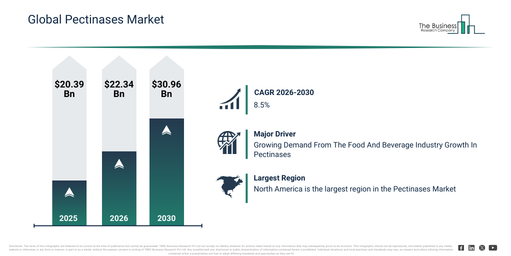
  • Growing demand from the food and beverage industry is driving the pectinases market

    Growing demand from the food and beverage industry is driving the pectinases market

    The Business Research Company’s 2026 market reports feature enhanced tools like market attractiveness analysis, TAM assessment, and company scoring matrices, along with interactive dashboards, deeper supply chain insights, and startup coverage strengthening the depth, usability, and strategic value of insights.

    What Is The Anticipated Rise In Market Value Of The Pectinases Market During The Forecast Period?

    The pectinases market has experienced robust expansion in recent years. Its valuation is set to increase from $20.39 billion in 2025 to $22.34 billion in 2026, reflecting a compound annual growth rate (CAGR) of 9.5%. Historically, the growth observed in this period can be ascribed to factors such as limited awareness of enzyme benefits, reliance on traditional clarification methods, low adoption in emerging markets, the high cost of purified enzymes, and restricted research and development in specialized pectinases.

    The pectinases market size is anticipated to experience substantial growth over the upcoming years. It is forecast to expand to $30.96 billion by 2030, achieving a compound annual growth rate (CAGR) of 8.5%. This projected expansion can be attributed to several factors during the forecast period, including the increasing consumer appetite for natural and processed foods, rising investments in enzyme technology research and development, growing industrial integration across beverage and textile sectors, an intensifying focus on sustainable food processing, and the expanding applications within the pharmaceutical and nutraceutical industries. Prominent trends expected in this period encompass the increased deployment of enzyme-based processing in the food and beverage industry, the rising application of pectinases for clarifying wine and juices, an escalating demand for efficient fruit juice extraction techniques, the expanding utilization of pectinases in textile processing, and their growing use in pharmaceutical formulations.

    Access Your Free Sample Report For In-Depth Market Analysis:

    https://www.thebusinessresearchcompany.com/sample.aspx?id=16505&type=smp

    Which Drivers Are Supporting The Pectinases Market Growth?

    The increasing demand from the food and beverage industry is anticipated to boost the expansion of the pectinases market. This industry encompasses businesses that convert raw agricultural goods and partially processed food items into food and drink products. The need for pectinases in this sector stems from a rise in fruit juice and wine output, improved flavors and textures, and an escalating desire for plant-based beverages. Pectinases offer considerable advantages to the food and beverage sector by enhancing product excellence, boosting operational efficiency, and facilitating cost reductions, all while guaranteeing the creation of superior, attractive, and stable food and beverage offerings. For example, in December 2024, the Food and Agriculture Organization (FAO), an Italy-based specialized agency of the United Nations, reported that global primary crop production hit 9.9 billion tonnes in 2023, representing a 3 percent increase since 2022. Consequently, the rising demand from the food and beverage industry is a key driver for the pectinases market.

    How Is The Pectinases Market Segmented Across Different Segment Categories?

    The pectinases market covered in this report is segmented –

    1) By Type: Pectin Lyases, Protopectinases, Polygalacturonases, Pectinesterase, Other Types

    2) By Source: Bacterial Pectinase, Fungal Pectinase, Plant-Derived Pectinase, Other Sources

    3) By Form: Powder, Liquid, Granules

    4) By Application: Fruit Juice Extraction, Wine Production, Food Processing, Other Applications

    5) By End User: Food And Beverage, Pharmaceutical, Textile, Agriculture, Other End Users

    Subsegments:

    1) By Pectin Lyases: Endo-Pectin Lyases, Exo-Pectin Lyases

    2) By Protopectinases: Acidic Protopectinases, Alkaline Protopectinases

    3) By Polygalacturonases: Endo-Polygalacturonases, Exo-Polygalacturonases

    4) By Pectinesterase: Acidic Pectinesterases, Alkaline Pectinesterases

    5) By Other Types: Xyloglucanase, Cellulase-Related Enzymes

    Which Organizations Play A Role In The Pectinases Market Landscape?

    Major companies operating in the pectinases market are Cargill Incorporated, DuPont de Nemours Inc., Novozymes BioAg Limited, Koninklijke DSM N.V., Chr. Hansen Holding A/S, AB Enzymes GmbH, Biocatalysts Ltd., BIO-CAT Inc., Genencor International Inc., Advanced Enzyme Technologies Ltd., Amano Enzyme Inc., Jiangsu Boli Bioproducts Co Ltd, Antozyme Biotech Pvt Ltd, Enmex S A de C V, Creative Enzymes, Shandong Longda Bio-Products Co Ltd, Qingdao Vland Biotech Group Co Ltd, Hunan Lerkam Biology Co Ltd, Sunson Industry Group Co Ltd, Enzyme Development Corporation, CJ Youtell, Sukahan Bio-Technology, Doing-Higher, VTR Bio-Tech, SternEnzym GmbH & Co KG, Bioven Ingredients

    Get The Full Pectinases Market Report:

    https://www.thebusinessresearchcompany.com/report/pectinases-global-market-report

    Which Region Is The Leading Market For The Pectinases Market?

    North America was the largest region in the pectinase market in 2025. Asia-Pacific is expected to be the fastest-growing region in the forecast period. The regions covered in the pectinases market report are Asia-Pacific, South East Asia, Western Europe, Eastern Europe, North America, South America, Middle East, Africa.

    Request A Customized Pectinases Market Report For Competitive Insights:

    https://www.thebusinessresearchcompany.com/report/pectinases-global-market-report

    Browse Through More Reports Similar to the Global Pectinases Market 2026, By The Business Research Company

    Head And Neck Cancer Diagnostics Market Report 2026

    https://www.thebusinessresearchcompany.com/report/head-and-neck-cancer-diagnostics-global-market-report

    Pd 1 And Pdl1 Inhibitors Or Immune Checkpoint Inhibitors Market Report

    https://www.thebusinessresearchcompany.com/report/pd-1-and-pdl1-inhibitors-or-immune-checkpoint-inhibitors-global-market-report

    Anti Cancer Mabs Market Report

    https://www.thebusinessresearchcompany.com/report/anti-cancer-mabs-global-market-report

    Get in touch with us:

    The Business Research Company: https://www.thebusinessresearchcompany.com/

    Americas +1 310-496-7795

    Asia +44 7882 955267 & +91 8897263534

    Europe +44 7882 955267

    Email us at info@tbrc.info

    Follow us on:

    LinkedIn: https://in.linkedin.com/company/the-business-research-company

    YouTube: https://www.youtube.com/channel/UC24_fI0rV8cR5DxlCpgmyFQ

    Global Market Model: https://www.thebusinessresearchcompany.com/global-market-model

  • Innovative approaches to overcoming treatment resistance are shaping the PD-1 resistant head and neck cancer market

    Innovative approaches to overcoming treatment resistance are shaping the PD-1 resistant head and neck cancer market

    The Business Research Company’s 2026 market reports feature enhanced tools like market attractiveness analysis, TAM assessment, and company scoring matrices, along with interactive dashboards, deeper supply chain insights, and startup coverage strengthening the depth, usability, and strategic value of insights.

    How Is The Market Size Of The PD-1 Resistant Head And Neck Cancer Market Expected To Scale Between 2026 And 2030?

    The pd-1 resistant head and neck cancer market has experienced rapid expansion in recent years. This market is projected to grow from $1.43 billion in 2025 to $1.59 billion in 2026, achieving a compound annual growth rate (CAGR) of 11.2%. The historical growth of this market can be attributed to a restricted understanding of pd-1 resistance, a reliance on conventional chemotherapy and radiation, a low adoption rate of biomarker testing, inadequate clinical trial enrollment, and the slow development of targeted therapies.

    The market for pd-1 resistant head and neck cancer is projected to expand significantly over the coming years, reaching a valuation of $2.41 billion by 2030, exhibiting a compound annual growth rate (CAGR) of 11.0%. This expansion during the forecast period is driven by factors such as increased investment in immuno-oncology research, the rising embrace of combination therapy approaches, greater utilization of genomic profiling for tailored treatments, enhanced collaboration between pharmaceutical and biotechnology firms, and a heightened emphasis on the early identification of resistant HNSCC. Key trends anticipated during this period encompass expanded research into immunotherapy resistance mechanisms, the surging adoption of precision medicine strategies, an increasing application of AI and big data for patient categorization, the intensified development of targeted combination therapies, and the growing deployment of advanced genomic and biomarker testing.

    Access Your Free Sample Report For In-Depth Market Analysis:

    https://www.thebusinessresearchcompany.com/sample.aspx?id=22092&type=smp

    What Key Factors Are Affecting The PD-1 Resistant Head And Neck Cancer Market Demand?

    The PD-1-resistant head and neck cancer market is anticipated to expand, driven by heightened awareness and prompt diagnostic efforts. The rise in cancer awareness and early detection stems from enhancements in screening programs, various healthcare initiatives, and progress in diagnostic technologies, which collectively facilitate timely identification and therapeutic intervention. Timely diagnosis of PD-1-resistant head and neck cancer allows for swift application of alternative therapies, leading to better treatment results and increased patient survival. A notable illustration is provided by The National Health Service (NHS), a UK-based government department. Their rapid cancer registration data, released in January 2025, showed that between September 2023 and August 2024, an early stage diagnosis was achieved for 120,958 out of 206,038 common cancers, representing 58.7%. This figure marks a 2.7 percentage point rise from pre-pandemic levels, translating to approximately 7,000 more patients receiving an early diagnosis. Consequently, enhanced awareness and early diagnostic capabilities are key factors fueling the expansion of the PD-1-resistant head and neck cancer market.

    What Are The Main Segments Within The PD-1 Resistant Head And Neck Cancer Market Segment Structure?

    The pd-1 resistant head and neck cancer market covered in this report is segmented –

    1) By Treatment Type: Chemotherapy, Radiation Therapy, Surgery, Targeted Therapy

    2) By Stage Of Cancer: Early Stage, Locally Advanced Stage, Metastatic Stage

    3) By Application: Squamous Cell Carcinoma, Adenocarcinoma, Nasopharyngeal Carcinoma, Throat Cancer

    4) By End User: Hospitals, Cancer Research Centers, Clinics

    Subsegments:

    1) By Chemotherapy: Platinum-Based Chemotherapy, Taxanes, Antimetabolites, Topoisomerase Inhibitors

    2) By Radiation Therapy: Intensity-Modulated Radiation Therapy (IMRT), Stereotactic Body Radiation Therapy (SBRT), Proton Beam Therapy, Brachytherapy

    3) By Surgery: Tumor Resection, Neck Dissection, Reconstructive Surgery, Laser Surgery

    4) By Targeted Therapy: EGFR Inhibitors, Angiogenesis Inhibitors, Cyclin-Dependent Kinase Inhibitors

    What Trends Are Influencing Changes In The PD-1 Resistant Head And Neck Cancer Market?

    Major companies operating in the PD-1 resistant head and neck cancer market are focusing on advanced innovations, such as individualized cancer treatments, to improve efficacy and overcome resistance. Personalized cancer treatment designs therapies specifically based on a patient’s genetic profile, tumor characteristics, and immune response, allowing for more precise and effective care. For example, in November 2024, CEL-SCI Corporation, a biotechnology company based in the US, received FDA approval to utilize the PD-L1 biomarker in a head and neck cancer study. This trial, planned for early 2025, will concentrate on newly diagnosed patients with low PD-L1 expression and no lymph node involvement to assess the safety and efficacy of Multikine (Leukocyte Interleukin, Injection). Following favorable results from a prior Phase 3 study, this research represents a significant progression in personalized cancer treatment, offering new prospects for more effective management of PD-1-resistant cancers.

    Who Are The Companies Participating In The PD-1 Resistant Head And Neck Cancer Market?

    Major companies operating in the pd-1 resistant head and neck cancer market are Pfizer Inc., Roche Holding AG, Merck & Co. Inc., Bristol-Myers Squibb Company, AstraZeneca PLC, Regeneron Pharmaceuticals Inc., Incyte Corporation, Coherus BioSciences Inc., Akeso Biopharma, PDS Biotechnology Corporation, ALX Oncology Holdings Inc., RAPT Therapeutics Inc., Immutep Limited, Agenus Inc., Sotio Biotech, BioNTech SE, Imugene Ltd, Adaptimmune Therapeutics PLC, Replimune, Curis Inc., MacroGenics, Innate Pharma, Eli Lilly and Company, Gilead Sciences, Celldex Therapeutics, Juno Therapeutics, Bluebird Bio, IO Biosciences

    Get The Full PD-1 Resistant Head And Neck Cancer Market Report:

    https://www.thebusinessresearchcompany.com/report/pd-1-resistant-head-and-neck-cancer-global-market-report

    Where Is The PD-1 Resistant Head And Neck Cancer Market Primarily Concentrated By Region?

    North America was the largest region in the PD-1 resistant head and neck cancer market 2025. The regions covered in the pd-1 resistant head and neck cancer market report are Asia-Pacific, South East Asia, Western Europe, Eastern Europe, North America, South America, Middle East, Africa.

    Request A Customized PD-1 Resistant Head And Neck Cancer Market Report For Competitive Insights:

    https://www.thebusinessresearchcompany.com/report/pd-1-resistant-head-and-neck-cancer-global-market-report

    Browse Through More Reports Similar to the Global PD-1 Resistant Head And Neck Cancer Market 2026, By The Business Research Company

    Payment As A Service Market Report 2026

    https://www.thebusinessresearchcompany.com/report/payment-as-a-service-global-market-report

    Payroll Services Market Report

    https://www.thebusinessresearchcompany.com/report/payroll-services-global-market-report

    Money Transfer Services Market Report

    https://www.thebusinessresearchcompany.com/report/money-transfer-services-global-market-report

    Get in touch with us:

    The Business Research Company: https://www.thebusinessresearchcompany.com/

    Americas +1 310-496-7795

    Asia +44 7882 955267 & +91 8897263534

    Europe +44 7882 955267

    Email us at info@tbrc.info

    Follow us on:

    LinkedIn: https://in.linkedin.com/company/the-business-research-company

    YouTube: https://www.youtube.com/channel/UC24_fI0rV8cR5DxlCpgmyFQ

    Global Market Model: https://www.thebusinessresearchcompany.com/global-market-model
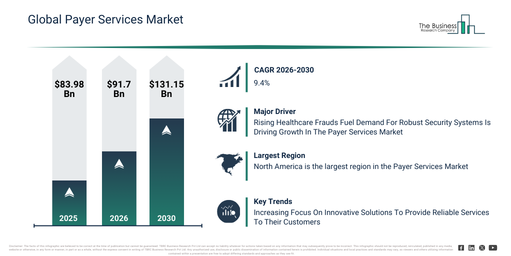
  • Increasing healthcare fraud concerns are fueling growth in the payer services market

    Increasing healthcare fraud concerns are fueling growth in the payer services market

    The Business Research Company’s 2026 market reports feature enhanced tools like market attractiveness analysis, TAM assessment, and company scoring matrices, along with interactive dashboards, deeper supply chain insights, and startup coverage strengthening the depth, usability, and strategic value of insights.

    What Level Of Market Value Growth Is Predicted For The Payer Services Market From 2026 To 2030?

    The payer services market size has experienced robust growth in recent years. It is projected to expand from $83.98 billion in 2025 to $91.7 billion in 2026, demonstrating a compound annual growth rate (CAGR) of 9.2%. The market’s historical growth can be attributed to elements including manual claims processing, fragmented payer systems, reliance on in-house billing departments, limited data analytics capabilities, and the slower adoption of digital payment systems.

    The payer services market size is anticipated to undergo substantial expansion in the upcoming years. It is forecast to grow to $131.15 billion by 2030, demonstrating a compound annual growth rate (CAGR) of 9.4%. This projected growth throughout the forecast period can be attributed to factors like the increasing adoption of cloud computing platforms, the rising use of AI-driven claims automation, the growing implementation of blockchain for secure transactions, the increasing demand for outsourced payer services, and a heightened focus on compliance and regulatory reporting. Dominant trends during the forecast period include the expanding adoption of cloud-based payer platforms, the escalating application of AI and analytics for claims processing, the widespread implementation of blockchain for secure payment and data exchange, the increasing integration of fintech solutions within healthcare payment systems, and the greater automation of revenue cycle management and medical billing.

    Access Your Free Sample Report For In-Depth Market Analysis:

    https://www.thebusinessresearchcompany.com/sample.aspx?id=3374&type=smp

    Which Primary Drivers Are Impacting The Payer Services Market Growth?

    A rise in healthcare frauds is projected to prompt the payer services market to enhance its security systems. Such fraudulent activities encompass various illicit practices, including individuals acquiring unnecessary subsidized or fully covered prescription medications to sell them illicitly for profit, healthcare providers charging for services not performed, submitting multiple claims for identical services, falsifying dates, and changing medical documentation. The healthcare sector consistently incurs financial losses due to fraudulent activities and mistakes. As an illustration, in October 2025, the U.S. Sentencing Commission (USSC), an independent U.S. federal government agency, indicated that during Fiscal Year (FY) 2024, 395 of the 61,678 reported federal criminal cases were linked to healthcare fraud. Consequently, the growing incidence of healthcare fraud within the industry is boosting the need for stringent security measures, thus fueling the expansion of the payer services market.

    How Is Segmentation Applied In The Payer Services Market Segment Analysis?

    The payer services market covered in this report is segmented –

    1) By Outsourcing Services: Business Process Outsourcing Services, Knowledge Process Outsourcing Services, Information Technology Outsourcing Services

    2) By Application: Revenue Cycle Management, Healthcare Reimbursement, Medical Billing Outsourcing, Other Applications

    3) By End-User: Public Payers, Private Payers

    Subsegments:

    1) By Business Process Outsourcing Services: Claims Management, Customer Service, Payment Processing, Enrollment Services, Provider Network Management, Billing And Coding

    2) By Knowledge Process Outsourcing Services: Data Analytics And Reporting, Research And Analysis, Risk Management, Compliance And Regulatory Services, Medical Transcription And Documentation

    3) By Information Technology Outsourcing Services: IT Infrastructure Management, Software Development And Maintenance, Cloud Computing Services, Cybersecurity And Data Protection, IT Support Services, Enterprise Resource Planning (ERP) Solutions

    Which Trends Are Shaping Growth In The Payer Services Market?

    Major companies operating in the payer services market are concentrating on innovative solutions like automating vendor integrations to boost their market revenues. Automating vendor integrations refers to the process of employing technology and software solutions to streamline and simplify the connection between a business or organization and its vendors or suppliers. For instance, in March 2023, Flume Health, a US-based healthcare technology and insurance company, launched Flume Relay, a solution to automate vendor integrations. Flume Relay functions as a global translation layer for data transfer between payers and vendors. Flume claims that its simplicity allows anyone to set up and manage data transactions using the solution, which may enable payers to more readily accommodate the variety of configurations that self-insured consumers require.

    Who Are The Companies Participating In The Payer Services Market Environment?

    Major companies operating in the payer services market are United Health Group, Anthem Insurance Companies Inc., Aetna Inc., CIGNA Corp., HealthPartners, Blue Cross Blue Shield of Massachusetts, Group Health Cooperative, Humana Inc., Concentrix Corporation, Accenture plc, Cognizant Technology Solutions Corp., Tata Consultancy Services Limited, Xerox Holdings Corporation, WNS (Holdings) Limited, NTT Data Corporation, IQVIA Holdings Inc., Mphasis Limited, Genpact Limited, Wipro Limited, Infosys BPM Limited, Firstsource Solutions Limited, International Business Machines Corporation, HCL Technologies Limited, Invensis Technologies Pvt Ltd., R1 RCM Inc., Optum Inc., Conifer Health Solutions LLC, Change Healthcare Inc., Experian Health Inc.

    Get The Full Payer Services Market Report:

    https://www.thebusinessresearchcompany.com/report/payer-services-global-market-report

    Which Region Has The Greatest Market Share In The Payer Services Market?

    North America was the largest region in the payer services market in 2025. Western Europe was the second-largest region in the global payer services market share. The regions covered in the payer services market report are Asia-Pacific, South East Asia, Western Europe, Eastern Europe, North America, South America, Middle East, Africa.

    Request A Customized Payer Services Market Report For Competitive Insights:

    https://www.thebusinessresearchcompany.com/report/payer-services-global-market-report

    Browse Through More Reports Similar to the Global Payer Services Market 2026, By The Business Research Company

    Healthcare Transportation Service Market Report 2026

    https://www.thebusinessresearchcompany.com/report/healthcare-transportation-service-global-market-report

    Transport Services Market

    https://www.thebusinessresearchcompany.com/report/transport-services-market

    Non Emergency Medical Transportation Market Report

    https://www.thebusinessresearchcompany.com/report/non-emergency-medical-transportation-global-market-report

    Get in touch with us:

    The Business Research Company: https://www.thebusinessresearchcompany.com/

    Americas +1 310-496-7795

    Asia +44 7882 955267 & +91 8897263534

    Europe +44 7882 955267

    Email us at info@tbrc.info

    Follow us on:

    LinkedIn: https://in.linkedin.com/company/the-business-research-company

    YouTube: https://www.youtube.com/channel/UC24_fI0rV8cR5DxlCpgmyFQ

    Global Market Model: https://www.thebusinessresearchcompany.com/global-market-model

  • Rising geriatric population is driving growth in the patient transport services market

    Rising geriatric population is driving growth in the patient transport services market

    The Business Research Company’s 2026 market reports feature enhanced tools like market attractiveness analysis, TAM assessment, and company scoring matrices, along with interactive dashboards, deeper supply chain insights, and startup coverage strengthening the depth, usability, and strategic value of insights.

    How Will The Market Value Of The Patient Transport Services Market Progress Between 2026 And 2030?

    The patient transport services market size has undergone rapid expansion in recent years. This market is set to expand from $44.16 billion in 2025 to $49.02 billion in 2026, exhibiting a compound annual growth rate (CAGR) of 11.0%. The historical growth of this market can be ascribed to factors including reliance on traditional ground ambulances, manual dispatch and scheduling processes, limited inter-facility transport coordination, a high dependence on human drivers and staff, and the absence of advanced patient transport monitoring systems.

    The patient transport services market is anticipated to experience substantial growth in the coming years, with its valuation expected to reach $75.49 billion by 2030, demonstrating a compound annual growth rate (CAGR) of 11.4%. This projected expansion is fueled by factors such as the increasing acceptance of electric and hybrid ambulances, a growing need for non-emergency medical transport (NEMT), the incorporation of telemedicine and hospital management systems, the rollout of AI-based predictive routing, and an escalating emphasis on patient safety and real-time monitoring. Key trends for the forecast period include the broader integration of IoT-enabled ambulance tracking systems, the increasing deployment of electric and hybrid patient transport vehicles, the expanding utilization of AI for route optimization and scheduling, a rise in the adoption of cloud-based patient transport management platforms, and greater automation of patient handover and documentation processes.

    Access Your Free Sample Report For In-Depth Market Analysis:

    https://www.thebusinessresearchcompany.com/sample.aspx?id=10214&type=smp

    What Significant Factors Are Influencing The Patient Transport Services Market Expansion?

    The patient transport services market is anticipated to expand due to the growing geriatric population. This demographic consists of individuals aged 65 and above, who typically have distinct healthcare and social requirements related to their age. These services offer prompt and effective transport solutions, enhancing access to medical facilities and promoting overall welfare within an aging demographic. As an illustration, the Population Reference Bureau, a US-based private, nonprofit organization focused on statistics, reported in January 2024 that the population of Americans aged 65 and above is forecasted to rise from 58 million in 2022 to 82 million by 2050, representing a 47% increase. Consequently, the expansion of the geriatric population is fueling the growth of the patient transport services market.

    What Segment Categories Shape The Patient Transport Services Market Segment Landscape?

    The patient transport services market covered in this report is segmented –

    1) By Transport Vehicle: Ground Ambulance, Air Ambulance, Water Ambulance

    2) By Equipment Type: Advanced Life Support (ALS) Patient Transport Service, Basic Life Support (ALS) Patient Transport Service

    3) By Application: Emergency, Non-Emergency

    4) By End-Users: Hospitals, Medical Centers, Retirement Communities, Hospice Care Facilities, Private Paying Customers, Nursing Care Facilities

    Subsegments:

    1) By Ground Ambulance: Basic Life Support (BLS) Ambulance, Advanced Life Support (ALS) Ambulance, Non-Emergency Medical Transport (NEMT)

    2) By Air Ambulance: Helicopter Ambulance, Fixed-Wing Air Ambulance

    3) By Water Ambulance: Coastal Water Ambulance, Inland Water Ambulance

    What Trends Are Affecting The Direction Of The Patient Transport Services Market?

    Leading companies within the patient transport services market are increasingly adopting strategic alliances to broaden their hospitality offerings. These collaborations involve organizations combining their respective strengths and assets to achieve shared benefits and success. A notable instance occurred in May 2023 when Advantus Health Partners, a US-based firm specializing in healthcare solutions, including supply chain management, medical logistics, and pharmacy services, formed a partnership with HHS, a US-based support service provider dedicated to enhancing client experiences. This alliance is crucial for the patient transport services market, as it promises enhanced operational efficiency and more extensive analytical capabilities to cultivate a hospitality approach centered on the patient. The collaboration, established under an eight-year agreement valued at $1.2 billion, aims to streamline transportation processes, improve patient results, and significantly contribute to the expansion of the healthcare transportation services market.

    Who Are The Companies Operating Across The Patient Transport Services Market Value Chain?

    Major companies operating in the patient transport services market are Envision Healthcare, Acadian Ambulance Service, Falck A/S, American Ambulance Service Inc., First Ambulance, National Patient Transport Pty. Ltd., Express Medical Transporters, North West Ambulance Service, RNR Patient Transfer Services Inc., South Central Ambulance Service, London Ambulance Service, America Patient Transport Services Inc., ATS Healthcare Solutions, Xpress Non-Emergency Medical Transportation, AeroCare Medical Transport System, ModivCare, Southeastrans Inc, ERS Medical, Lyft Inc, MTM Inc, EgyCross, SafeRide Health, American Medical Response, EMED Patient Care, United Care Transport

    Get The Full Patient Transport Services Market Report:

    https://www.thebusinessresearchcompany.com/report/patient-transport-services-global-market-report

    Which Region Accounts For The Largest Portion Of The Patient Transport Services Market?

    North America was the largest region in the patient transport services market in 2025. Asia-Pacific is expected to be the fastest-growing region in the forecast period. The regions covered in the patient transport services market report are Asia-Pacific, South East Asia, Western Europe, Eastern Europe, North America, South America, Middle East, Africa.

    Request A Customized Patient Transport Services Market Report For Competitive Insights:

    https://www.thebusinessresearchcompany.com/report/patient-transport-services-global-market-report

    Browse Through More Reports Similar to the Global Patient Transport Services Market 2026, By The Business Research Company

    Temperature Monitoring Devices Market Report 2026

    https://www.thebusinessresearchcompany.com/report/temperature-monitoring-devices-global-market-report

    Temperature Monitoring Systems Market Report

    https://www.thebusinessresearchcompany.com/report/temperature-monitoring-systems-global-market-report

    Temperature Sensor Market Report

    https://www.thebusinessresearchcompany.com/report/temperature-sensor-global-market-report

    Get in touch with us:

    The Business Research Company: https://www.thebusinessresearchcompany.com/

    Americas +1 310-496-7795

    Asia +44 7882 955267 & +91 8897263534

    Europe +44 7882 955267

    Email us at info@tbrc.info

    Follow us on:

    LinkedIn: https://in.linkedin.com/company/the-business-research-company

    YouTube: https://www.youtube.com/channel/UC24_fI0rV8cR5DxlCpgmyFQ

    Global Market Model: https://www.thebusinessresearchcompany.com/global-market-model

  • Patient Temperature Monitoring Market Analysis Focusing on Growth Potential and Outlook

    Patient Temperature Monitoring Market Analysis Focusing on Growth Potential and Outlook

    The Business Research Company’s 2026 market reports feature enhanced tools like market attractiveness analysis, TAM assessment, and company scoring matrices, along with interactive dashboards, deeper supply chain insights, and startup coverage strengthening the depth, usability, and strategic value of insights.

    What Are The Market Size Estimates For The Patient Temperature Monitoring Market In 2026 And 2030?

    The patient temperature monitoring market has demonstrated robust expansion in recent years. This market is projected to grow from $5.14 billion in 2025 to $5.63 billion in 2026, representing a compound annual growth rate (CAGR) of 9.6%. Historically, the growth can be attributed to practices such as manual temperature monitoring using traditional thermometers, dependence on intermittent patient checks, paper-based temperature record keeping, the limited deployment of wearable temperature sensors, and a lack of integration with hospital information systems.

    The patient temperature monitoring market is projected for substantial expansion in the coming years, with an anticipated growth to $8.08 billion by 2030, at a compound annual growth rate (CAGR) of 9.5%. This growth in the forecast period is primarily driven by the escalating demand for continuous and remote patient monitoring, the increasing adoption of non-contact temperature monitoring devices, their integration with telehealth platforms, a rising focus on postoperative and critical care monitoring, and the development of advanced wearable and disposable temperature sensors. Furthermore, major trends anticipated in this period include the rising adoption of AI-powered temperature monitoring systems, the integration of IoT-enabled wearable temperature sensors, increased use of cloud-based patient monitoring platforms, the automation of temperature data collection and reporting, and advancements in precision medicine for temperature-driven care.

    Access Your Free Sample Report For In-Depth Market Analysis:

    https://www.thebusinessresearchcompany.com/sample.aspx?id=7856&type=smp

    Which Important Drivers Are Guiding The Patient Temperature Monitoring Market Growth?

    The escalating occurrence of diseases is set to drive the expansion of the patient temperature monitoring market in the coming years. Diseases are health conditions caused by microorganisms such as bacteria, viruses, fungi, or parasites. Some of these infectious diseases can spread directly between people, while others are transmitted by insects or other animals. A shift in temperature serves as a critical indicator for identifying illness. It is projected that the clear correlation between temperature fluctuations and disease onset will lead to increased adoption of monitoring systems. For instance, in April 2025, the World Health Organization, a Switzerland-based specialized agency of the United Nations responsible for international public health, documented its tracking of the declines in immunization coverage that happened during and following the COVID-19 pandemic across various communities. Measles cases hit an estimated 10.3 million in 2023, marking a 20% increase compared to 2022. Therefore, the increasing prevalence of diseases is expected to consistently propel the patient temperature monitoring market.

    Which Segment Types Are Examined In The Patient Temperature Monitoring Market Segment Study?

    The patient temperature monitoring market covered in this report is segmented –

    1) By Type: Contact-Based Temperature Monitoring Systems, Non-Contact-Based Temperature Monitoring System

    2) By Site: Non Invasive Temperature Monitoring, Invasive Temperature Monitoring

    3) By Application: Pyrexia Or Fever, Hypothermia, Blood Transfusion, Anesthesia, Other Applications

    4) By End User: Hospital And Surgical Centers, Nursing Facilities, Ambulatory Care Centers, Home Care, Other End Users

    Subsegments:

    1) By Contact-Based Temperature Monitoring Systems: Digital Thermometers, Infrared Ear Thermometers, Glass Thermometers, Disposable Thermometers

    2) By Non-Contact-Based Temperature Monitoring Systems: Forehead (Temporal) Thermometers, Infrared Non-Contact Thermometers, Wearable Temperature Sensors

    What Trends Are Influencing The Evolution Of The Patient Temperature Monitoring Market?

    Leading companies in the patient temperature monitoring market are implementing new offerings, such as ambulatory-connected patient monitoring systems, to uphold their market presence. An ambulatory-connected patient monitoring system is a wearable device that wirelessly gathers and relays real-time health data from patients, allowing for remote oversight of vital signs and medical indicators outside standard healthcare facilities. For example, in October 2023, Dozee, an India-based company focused on remote patient monitoring, released Dozee Pro Ex. Dozee Pro Ex delivers continuous tracking of patient vital statistics, including ECG rhythm, blood pressure, heart rate/pulse rate, oxygen saturation, respiration rate, and temperature. This System features an artificial intelligence (AI)-powered early warning system that monitors trends in vital parameters and issues timely alerts for potential clinical worsening.

    Which Players Are Part Of The Competitive Landscape Of The Patient Temperature Monitoring Market?

    Major companies operating in the patient temperature monitoring market are Cardinal Health Inc., 3M Company, Koninklijke Philips NV, Drägerwerk AG & Co., Microlife Corporation, Becton Dickinson and Company, Omron Healthcare Inc., Masimo Corporation, Braun GmbH, Terumo Corporation, Paul Hartmann AG, Beurer GmbH, Easytem Co. Ltd., Omega Engineering Inc., iHealth Lab Inc., DeltaTrak Inc., Exergen Corporation, Medisana GmbH, Geratherm Medical AG, Nureca Healthcare Private Limited, A&D Company Ltd., Actherm Inc., Cosinuss GmbH, Vandelay Brands Limited, Kinsa Inc., Abbott Laboratories, American Diagnostic Corporation, CAS Medical Systems Inc., C.R. Bard Inc., Edwards Lifesciences Corporation, GE HealthCare Technologies Inc., Hill-Rom Holdings Inc., Honeywell International Inc., ICU Medical Inc., Medtronic PLC, Natus Medical Incorporated, Nonin Medical Inc., Procter & Gamble Co., Quest Products Inc., Riester GmbH & Co. KG, Rossmax International Ltd., Smiths Medical International Ltd., Spacelabs Healthcare LLC, SunTech Medical Inc., Thermomedics Inc., Tyco Healthcare Group Canada Inc., Vital Signs Inc., Vyaire Medical Inc., Welch Allyn Inc., ZOLL Medical Corporation

    Get The Full Patient Temperature Monitoring Market Report:

    https://www.thebusinessresearchcompany.com/report/patient-temperature-monitoring-global-market-report

    Which Region Holds The Highest Market Share In The Patient Temperature Monitoring Market?

    North America was the largest region in the patient temperature monitoring market in 2025. Asia-Pacific is expected to be the fastest-growing region in the patient temperature monitoring market report forecast period. The regions covered in the patient temperature monitoring market report are Asia-Pacific, South East Asia, Western Europe, Eastern Europe, North America, South America, Middle East, Africa.

    Request A Customized Patient Temperature Monitoring Market Report For Competitive Insights:

    https://www.thebusinessresearchcompany.com/report/patient-temperature-monitoring-global-market-report

    Browse Through More Reports Similar to the Global Patient Temperature Monitoring Market 2026, By The Business Research Company

    Self Service Kiosk Market Report 2026

    https://www.thebusinessresearchcompany.com/report/self-service-kiosk-global-market-report

    Medical Kiosk Market Report

    https://www.thebusinessresearchcompany.com/report/medical-kiosk-global-market-report

    Retail Self Service Kiosk Market Report

    https://www.thebusinessresearchcompany.com/report/retail-self-service-kiosk-global-market-report

    Get in touch with us:

    The Business Research Company: https://www.thebusinessresearchcompany.com/

    Americas +1 310-496-7795

    Asia +44 7882 955267 & +91 8897263534

    Europe +44 7882 955267

    Email us at info@tbrc.info

    Follow us on:

    LinkedIn: https://in.linkedin.com/company/the-business-research-company

    YouTube: https://www.youtube.com/channel/UC24_fI0rV8cR5DxlCpgmyFQ

    Global Market Model: https://www.thebusinessresearchcompany.com/global-market-model

  • Patient Self-Service Kiosk Market Forecast Highlighting Industry Trends

    Patient Self-Service Kiosk Market Forecast Highlighting Industry Trends

    The Business Research Company’s 2026 market reports feature enhanced tools like market attractiveness analysis, TAM assessment, and company scoring matrices, along with interactive dashboards, deeper supply chain insights, and startup coverage strengthening the depth, usability, and strategic value of insights.

    What Expansion In Market Value Is Forecasted For The Patient Self-Service Kiosk Market Between 2026 And 2030?

    The patient self-service kiosk market has witnessed rapid expansion recently. It is projected to expand from $1.5 billion in 2025 to $1.79 billion in 2026, achieving a compound annual growth rate (CAGR) of 19.3%. Historically, the market’s growth has been driven by manual patient data collection, fragmented healthcare databases, limited interoperability between systems, reliance on paper-based registries, and slow adoption of digital health tools.

    The patient self-service kiosk market is anticipated to experience significant expansion over the next few years, with its size projected to reach $2.38 billion by 2030, exhibiting a compound annual growth rate (CAGR) of 7.4%. This foreseen growth is attributable to several factors, including the expanded application of predictive analytics for patient outcomes, the escalating demand for cloud-based registries, a heightened focus on real-time population health management, the proliferation of integrated EHR and registry solutions, and the increased utilization of registries for clinical trials and research. Furthermore, prominent trends expected during this forecast period involve the growing adoption of AI-enabled self-service kiosks, increasing integration with cloud-based hospital management systems, the expanding use of IoT-connected kiosks for real-time data collection, improved user experiences through AR/VR interfaces, and the enhanced automation of patient administrative tasks.

    Access Your Free Sample Report For In-Depth Market Analysis:

    https://www.thebusinessresearchcompany.com/sample.aspx?id=14973&type=smp

    What Major Factors Are Driving The Patient Self-Service Kiosk Market Forward?

    The growth of the patient self-service kiosk market is anticipated to be significantly propelled by the expanding adoption of telehealth medicine. Telehealth medicine itself involves the provision of healthcare services from a distance, utilizing telecommunications technology. Its significance has grown owing to improved healthcare access, enhanced convenience, and its capacity to reach populations with limited service availability. Patient self-service kiosks offer easy access to healthcare resources and enable individuals to remotely oversee their health, thereby encouraging a more patient-focused method of healthcare provision. For example, in April 2025, the American Hospital Association, a US-based professional organization, reported that over 12.6% of Medicare patients utilized telehealth services during the final quarter of 2023. Consequently, the increasing prevalence of telehealth medicine is a key factor stimulating the expansion of the patient self-service kiosk market.

    How Are Different Segments Classified In The Patient Self-Service Kiosk Market Segment Analysis?

    The patient self-service kiosk market covered in this report is segmented –

    1) By Product Type: Freestanding Kiosks, Wall-Mounted Kiosks, Countertop Kiosks, Mobile Kiosks

    2) By Component: Data Entry, Touchscreens, Barcode Readers, Keyboard And Trackball, Electronic Number Pad, Audio Speakers, Electronic Signature Pad, Printer, Point-Of-Sales (POS), Other Components

    3) By Application: Self-Check-In, Floor Map, Prescription Order Refilling And Updating, Collection Of Co-Payments, Hospital News

    4) By End User: Hospitals, Laboratories, Specialty Clinics, Pharmaceutical Stores

    Subsegments:

    1) By Freestanding Kiosks: Interactive Kiosks, Digital Signage Kiosks, Payment Kiosks

    2) By Wall-Mounted Kiosks: Touchscreen Kiosks, Check-In Kiosks, Information Kiosks

    3) By Countertop Kiosks: Self-Check-In Kiosks, Payment And Billing Kiosks

    4) By Mobile Kiosks: Tablet-Based Kiosks, Smartphone-Based Kiosks, Portable Check-In Kiosks

    Which Trends Are Impacting The Progress Of The Patient Self-Service Kiosk Market?

    Companies operating in the patient self-service kiosk market are focusing on enhanced technological solutions, such as retinal imaging kiosk technology, to gain a competitive advantage and improve healthcare offerings. These kiosks, equipped with sophisticated retinal imaging capabilities and intuitive interfaces, enable users to perform retinal scans independently, without requiring professional assistance. For instance, in January 2024, Pursuant Health, Inc., a US-based health data management company, introduced an innovative kiosk featuring advanced retinal imaging technology. This state-of-the-art kiosk achieved a significant milestone by obtaining 510(k) clearance from the U.S. Food and Drug Administration. With the availability of self-service retinal imaging capabilities, individuals can now conveniently capture their retinal images at these kiosks. The kiosk features an intuitive interface that seamlessly guides users through the imaging process. Following image capture, licensed eye specialists remotely analyze the images for signs of damage attributed to various health conditions, including diabetes and hypertension. This innovative addition enhances standard health check-ups by integrating retinal imaging with crucial health metrics such as weight, body mass index, blood pressure, and pulse, offering individuals a more comprehensive health assessment experience.

    Who Are The Companies Driving Activity In The Patient Self-Service Kiosk Market?

    Major companies operating in the patient self-service kiosk market are NCR Corporation, Clearwave Corporation, KIOSK Information Systems Inc., Telpo Technology Co Ltd, Meridian Kiosks LLC, Frank Mayer and Associates Inc, Pyramid Computer, Pursuant Health Inc, Olea Kiosks Inc, Diebold Nixdorf, SlabbKiosks, Phoenix Kiosk Inc, RedyRef Interactive Kiosks, Advantech Co Ltd, ZIVELO, Acante Solutions Limited, DynaTouch, TouchSource, Kiosk Group Inc, Advanced Kiosks, Aila Technologies Inc, SBS Kiosks, 10 Squared, Aidio Technologies, AIT Inc, BestDoc, SelfMaker, Hongzhou Digital

    Get The Full Patient Self-Service Kiosk Market Report:

    https://www.thebusinessresearchcompany.com/report/patient-self-service-kiosk-global-market-report

    Where Is The Patient Self-Service Kiosk Market Most Concentrated Geographically?

    North America was the largest region in the patient self-service kiosk market in 2025. Asia-Pacific is expected to be the fastest-growing region in the forecast period. The regions covered in the patient self-service kiosk market report are Asia-Pacific, South East Asia, Western Europe, Eastern Europe, North America, South America, Middle East, Africa.

    Request A Customized Patient Self-Service Kiosk Market Report For Competitive Insights:

    https://www.thebusinessresearchcompany.com/report/patient-self-service-kiosk-global-market-report

    Browse Through More Reports Similar to the Global Patient Self-Service Kiosk Market 2026, By The Business Research Company

    Patient Safety And Risk Management Software Market Report 2026

    https://www.thebusinessresearchcompany.com/report/patient-safety-and-risk-management-software-global-market-report

    Patient Simulators Market Report

    https://www.thebusinessresearchcompany.com/report/patient-simulators-global-market-report

    Risk Management Market Report

    https://www.thebusinessresearchcompany.com/report/risk-management-global-market-report

    Get in touch with us:

    The Business Research Company: https://www.thebusinessresearchcompany.com/

    Americas +1 310-496-7795

    Asia +44 7882 955267 & +91 8897263534

    Europe +44 7882 955267

    Email us at info@tbrc.info

    Follow us on:

    LinkedIn: https://in.linkedin.com/company/the-business-research-company

    YouTube: https://www.youtube.com/channel/UC24_fI0rV8cR5DxlCpgmyFQ

    Global Market Model: https://www.thebusinessresearchcompany.com/global-market-model

  • Patient Risk Stratification Market Future Trends Influencing Growth

    Patient Risk Stratification Market Future Trends Influencing Growth

    The Business Research Company’s 2026 market reports feature enhanced tools like market attractiveness analysis, TAM assessment, and company scoring matrices, along with interactive dashboards, deeper supply chain insights, and startup coverage strengthening the depth, usability, and strategic value of insights.

    How Large Will The Patient Risk Stratification Market Be By 2030 Compared To Its 2026 Market Size?

    The patient risk stratification market has observed substantial growth in recent years. This market is expected to expand from $2.81 billion in 2025 to $3.68 billion in 2026, achieving a compound annual growth rate (CAGR) of 31.0%. Historically, the growth was influenced by elements such as manual patient risk assessments, a reliance on historical patient data, fragmented healthcare information systems, the restricted application of predictive analytics, and an absence of standardized risk models.

    The patient risk stratification market is set for substantial expansion in the coming years, with projections indicating a rise to $10.64 billion by 2030, exhibiting a compound annual growth rate (CAGR) of 30.4%. This anticipated growth during the forecast period stems from the integration of machine learning and artificial intelligence in risk stratification, its increasing adoption by healthcare providers and payers, the development of cloud-based risk stratification solutions, a heightened demand for real-time clinical decision support, and the broadening of population health management initiatives. Prominent trends expected over this period include the wider acceptance of AI-based risk prediction models, the increasing deployment of cloud-based risk stratification platforms, the growing integration of risk stratification with existing clinical workflows, a stronger emphasis on real-time patient risk monitoring, and the rising utilization of data analytics for managing population health.

    Access Your Free Sample Report For In-Depth Market Analysis:

    https://www.thebusinessresearchcompany.com/sample.aspx?id=20917&type=smp

    Which Key Drivers Are Affecting The Patient Risk Stratification Market Development?

    An increasing prevalence of chronic illnesses is anticipated to drive expansion within the patient risk stratification market moving ahead. These are persistent health issues, typically lasting three months or more. This rising burden stems from factors such as an aging demographic, poor lifestyle choices, urban growth, environmental influences, restricted access to healthcare, economic inequalities, and heightened stress. Patient risk stratification’s purpose is to categorize individuals based on their varying risk levels for chronic conditions, facilitating tailored care, prompt intervention, more efficient resource distribution, and enhanced health results. A concrete example highlights that in June 2025, the World Health Organization, an international specialized agency based in Switzerland, indicated that noncommunicable diseases (NCDs) continue to be the primary cause of mortality and disability globally, including across the WHO European Region. Specifically, 1 in 5 men and 1 in 10 women worldwide do not reach 70 years of age due to NCDs, including cardiovascular diseases, cancers, chronic respiratory diseases, and diabetes. Consequently, the increasing prevalence of chronic diseases acts as a catalyst for the patient risk stratification market.

    How Is The Patient Risk Stratification Market Categorized Across Its Segment Groups?

    The patient risk stratification market covered in this report is segmented –

    1) By Type: Predictive Risk Stratification Model, Retrospective Risk Stratification Model, Prospective Risk Stratification Model, Concurrent Risk Stratification Model

    2) By Component: Software, Services

    3) By Delivery Model: On-Premise, Cloud-Based

    4) By Application: Risk Adjustment, Clinical Workflow, Revenue Cycle Management, Other Applications

    5) By End User: Healthcare Providers, Healthcare Payers, Other End Users

    Subsegments:

    1) By Predictive Risk Stratification Model: Machine Learning-Based Predictive Models, Statistical Predictive Models, AI-Powered Predictive Models

    2) By Retrospective Risk Stratification Model: Historical Data-Based Risk Models, Data Mining Retrospective Models

    3) By Prospective Risk Stratification Model: Longitudinal Cohort-Based Models, Real-Time Risk Assessment Models

    4) By Concurrent Risk Stratification Model: In-Hospital Risk Assessment Models, Real-Time Clinical Decision Support Models

    What Trends Are Transforming The Patient Risk Stratification Market?

    Leading entities within the patient risk stratification market are prioritizing technological progress in healthcare, particularly artificial intelligence (AI) applied to disease screening. This focus aims to achieve earlier detection, better patient results, and lower healthcare expenditures through more precise risk evaluations and individualized treatment strategies. The application of AI in disease screening leverages advanced algorithms and machine learning techniques to analyze medical data, a capability that facilitates prompt disease identification and boosts diagnostic precision by rapidly processing extensive datasets. As an example, during May 2024, WELL Health Technologies Corporation, a healthcare firm based in Canada, along with its affiliated company HEALWELL AI, another Canada-based healthcare entity specializing in AI and data science for preventative care, introduced WELL AI Decision Support (WAIDS). Initially targeting rare diseases, this system has expanded its scope to encompass screening for chronic conditions like kidney disease, hypertension, and diabetes. Capable of detecting over 100 diseases and offering risk stratification, it assists clinicians in pinpointing deficiencies in care and accessing pertinent data directly during patient interactions.

    Which Firms Are Influencing Competition In The Patient Risk Stratification Market?

    Major companies operating in the patient risk stratification market are NextGen Healthcare Inc., Health Catalyst, Freenome, Strive Health, Medeanalytics Inc., Lightbeam Health Solutions, Graphnet Health Ltd., Equipo Health Inc., Epic Systems Corporation, Cerner Corporation, IBM Corporation, Allscripts Healthcare Solutions Inc., Medecision Inc., Cotiviti Inc., SAS Institute Inc., SCIO Health Analytics, Arcadia io, HealthEC LLC, Conifer Health Solutions LLC, Wellcentive Inc., ZeOmega Inc., LexisNexis Risk Solutions, Milliman Inc., NVision Health, RLDatix, Verisk Analytics Inc., Innovaccer Inc., eClinicalWorks, Enli Health Intelligence, Athenahealth Inc., i2i Population Health, 3M Health Information Systems, Change Healthcare, Cognizant Technology Solutions, McKesson Corporation, Evolent Health Inc.

    Get The Full Patient Risk Stratification Market Report:

    https://www.thebusinessresearchcompany.com/report/patient-risk-stratification-global-market-report

    Which Region Dominates The Patient Risk Stratification Market By Market Share?

    North America was the largest region in the patient risk stratification market in 2025. Asia-Pacific is expected to be the fastest-growing region in the forecast period. The regions covered in the patient risk stratification market report are Asia-Pacific, South East Asia, Western Europe, Eastern Europe, North America, South America, Middle East, Africa.

    Request A Customized Patient Risk Stratification Market Report For Competitive Insights:

    https://www.thebusinessresearchcompany.com/report/patient-risk-stratification-global-market-report

    Browse Through More Reports Similar to the Global Patient Risk Stratification Market 2026, By The Business Research Company

    Healthcare Compliance Software Market Report 2026

    https://www.thebusinessresearchcompany.com/report/healthcare-compliance-software-global-market-report

    Medical Software Market Report

    https://www.thebusinessresearchcompany.com/report/medical-software-global-market-report

    Personal Health Record Software Market Report

    https://www.thebusinessresearchcompany.com/report/personal-health-record-software-global-market-report

    Get in touch with us:

    The Business Research Company: https://www.thebusinessresearchcompany.com/

    Americas +1 310-496-7795

    Asia +44 7882 955267 & +91 8897263534

    Europe +44 7882 955267

    Email us at info@tbrc.info

    Follow us on:

    LinkedIn: https://in.linkedin.com/company/the-business-research-company

    YouTube: https://www.youtube.com/channel/UC24_fI0rV8cR5DxlCpgmyFQ

    Global Market Model: https://www.thebusinessresearchcompany.com/global-market-model