Category: Healthcare Services

  • Low-Grade Glioma Market to Reach $1.94 Billion by 2030 at 5.6% CAGR

    Low-Grade Glioma Market to Reach $1.94 Billion by 2030 at 5.6% CAGR

    The Business Research Company’s 2026 market reports feature enhanced tools like market attractiveness analysis, TAM assessment, and company scoring matrices, along with interactive dashboards, deeper supply chain insights, and startup coverage strengthening the depth, usability, and strategic value of insights.

    What Is The Anticipated Rise In Market Value Of The Low-Grade Glioma Market During The Forecast Period?

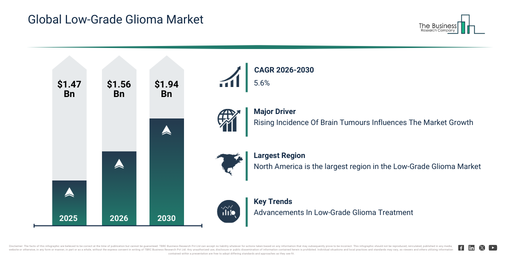
    The low-grade glioma market size has experienced strong growth in recent years. It is forecast to grow from $1.47 billion in 2025 to $1.56 billion in 2026, at a compound annual growth rate (CAGR) of 5.9%. The market’s expansion in the past can be linked to advancements in neuroimaging technologies, improved survival rates in low-grade glioma patients, increased neurosurgical intervention rates, growing awareness of brain tumor symptoms, and the expansion of oncology treatment centers.

    The low-grade glioma market size is projected to experience substantial growth in the upcoming years, with an expectation to reach $1.94 billion by 2030, achieving a compound annual growth rate (CAGR) of 5.6%. This expansion during the forecast period is attributable to an increasing emphasis on molecular tumor profiling, a rise in investment in targeted oncology drugs, a growing demand for less aggressive treatment options, broadening access to specialized neuro-oncology care, and ongoing clinical trials for novel therapies. Major trends identified for the forecast period include a heightened focus on early diagnosis and monitoring, the increasing adoption of targeted drug therapies, a growing preference for multimodal treatment approaches, an expansion of personalized treatment planning, and developing long-term disease management strategies.

    Access Your Free Sample Report For In-Depth Market Analysis:

    https://www.thebusinessresearchcompany.com/sample.aspx?id=21215&type=smp

    Which Strong Drivers Are Impacting The Low-Grade Glioma Market Growth?

    An anticipated increase in brain tumor occurrences is projected to stimulate the expansion of the low-grade glioma market in the future. A brain tumor refers to an anomalous cellular proliferation within or near the brain, potentially being either non-cancerous or cancerous. This escalating frequency of brain tumors is attributed to elements such as heightened radiation exposure, environmental contaminants, inherited susceptibility, and advancing age. Low-grade glioma plays a beneficial role in addressing brain tumors through the deployment of sophisticated diagnostic methods and specific treatments like surgery, radiation, and chemotherapy. These interventions are instrumental in delaying tumor advancement, maintaining brain function, and enhancing patient results, underscoring the vital importance of prompt diagnosis and tailored interventions for similar brain tumor types. For example, in October 2025, data from the Australia-based government agency Cancer Australia indicated that in 2023, Australia documented 1,597 deaths from brain cancer (956 men and 641 women). This figure is anticipated to increase marginally to 1,639 deaths (979 men and 660 women) by 2025. The projected likelihood of succumbing to brain cancer by age 85 in 2025 stands at 1 in 195 (0.51%), with males facing a greater risk at 1 in 165 (0.61%) and females a lesser risk at 1 in 240 (0.42%). Consequently, the escalating occurrence of brain tumors is fueling the expansion of the low-grade glioma market.

    What Segment Categories Shape The Low-Grade Glioma Market Segment Landscape?

    The low-grade glioma market covered in this report is segmented –

    1) By Drug Type: Trametinib, Dabrafenib, Ivosidenib, Mirdametinib

    2) By Treatment: Surgery, Chemotherapy, Radiation

    3) By Distribution Channel: Online Pharmacies, Hospital Pharmacies, Retail Pharmacies

    Subsegments:

    1) By Trametinib: MEK Inhibitor Monotherapy, Combination Therapy (with BRAF Inhibitors)

    2) By Dabrafenib: BRAF V600E–Mutant Low-Grade Glioma, Combination Therapy (with MEK Inhibitors)

    3) By Ivosidenib: IDH1-Mutant Low-Grade Glioma, Oral Targeted Monotherapy

    4) By Mirdametinib: NF1-Associated Low-Grade Glioma, MEK Inhibitor Monotherapy

    Which Trends Are Contributing To Changes In The Low-Grade Glioma Market?

    Companies prominently involved in the low-grade glioma market are increasingly focusing on incorporating combination therapies and targeted treatment approaches, such as genetic alteration drugs. This strategy aims to secure a competitive edge and enhance the management of low-grade glioma in children. Genetic alteration drugs are targeted therapies crafted to modify or inhibit specific genetic mutations or cellular abnormalities, thereby aiding in the treatment of diseases like cancer by blocking the pathways that drive uncontrolled cell growth. For example, in May 2024, Day One Biopharmaceuticals, a US-based biotechnology company, introduced Tovorafenib (Ojemda) after it received accelerated FDA approval. This targeted therapy is specifically developed for children aged six months and older who have unresectable or recurrent low-grade glioma (LGG) with BRAF gene alterations. Delivering a convenient once-weekly oral treatment, it addresses a critical unmet need for pediatric LGG patients who have had restricted prior treatment options.

    Who Are The Companies Operating Across The Low-Grade Glioma Market Value Chain?

    Major companies operating in the low-grade glioma market are F Hoffmann La Roche Ltd, Novartis AG, AstraZeneca PLC, Bristol Myers Squibb Company, Merck & Co Inc, Ipsen SA, Agios Pharmaceuticals Inc, Day One Biopharmaceuticals Inc, Les Laboratoires Servier, BeiGene Ltd, Daiichi Sankyo Company Limited, AnHeart Therapeutics Inc, Apollomics Inc, CStone Pharmaceuticals Co Ltd, Avistone Biotechnology Co Ltd, Blueprint Medicines Corporation, Revolution Medicines Inc, SpringWorks Therapeutics Inc, Exelixis Inc, Genentech Inc

    Get The Full Low-Grade Glioma Market Report:

    https://www.thebusinessresearchcompany.com/report/low-grade-glioma-global-market-report

    Where Is The Low-Grade Glioma Market Most Concentrated Geographically?

    North America was the largest region in the low-grade glioma market in 2025. Asia-Pacific is expected to be the fastest-growing region in the forecast period. The regions covered in the low-grade glioma market report are Asia-Pacific, South East Asia, Western Europe, Eastern Europe, North America, South America, Middle East, Africa.

    Request A Customized Low-Grade Glioma Market Report For Competitive Insights:

    https://www.thebusinessresearchcompany.com/report/low-grade-glioma-global-market-report

    Browse Through More Reports Similar to the Global Low-Grade Glioma Market 2026, By The Business Research Company

    Respiratory Devices And Equipment Therapeutic Market Report 2026

    https://www.thebusinessresearchcompany.com/report/respiratory-devices-and-equipment-therapeutic-global-market-report

    Respiratory Disease Drugs Market Report

    https://www.thebusinessresearchcompany.com/report/respiratory-disease-drugs-global-market-report

    Respiratory Devices And Equipment Therapeutic And Diagnostic Market Report

    https://www.thebusinessresearchcompany.com/report/respiratory-devices-and-equipment-therapeutic-and-diagnostic-global-market-report

    Get in touch with us:

    The Business Research Company: https://www.thebusinessresearchcompany.com/

    Americas +1 310-496-7795

    Asia +44 7882 955267 & +91 8897263534

    Europe +44 7882 955267

    Email us at info@tbrc.info

    Follow us on:

    LinkedIn: https://in.linkedin.com/company/the-business-research-company

    YouTube: https://www.youtube.com/channel/UC24_fI0rV8cR5DxlCpgmyFQ

    Global Market Model: https://www.thebusinessresearchcompany.com/global-market-model
  • Lower Respiratory Tract Therapeutics Market Forecast (2026–2030) Highlighting Expansion Trends

    Lower Respiratory Tract Therapeutics Market Forecast (2026–2030) Highlighting Expansion Trends

    The Business Research Company’s 2026 market reports feature enhanced tools like market attractiveness analysis, TAM assessment, and company scoring matrices, along with interactive dashboards, deeper supply chain insights, and startup coverage strengthening the depth, usability, and strategic value of insights.

    How Is The Market Size Of The Lower Respiratory Tract Therapeutics Market Expected To Scale Between 2026 And 2030?

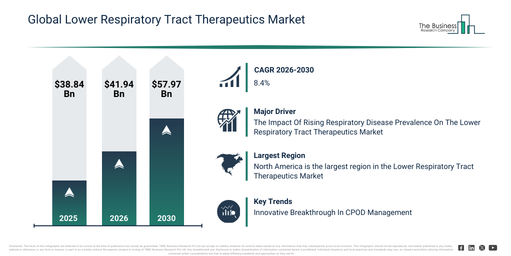
    The market size for lower respiratory tract therapeutics has shown strong growth recently. It is projected to increase from $38.84 billion in 2025 to $41.94 billion in 2026, achieving a compound annual growth rate (CAGR) of 8.0%. This historical growth can be attributed to the rising prevalence of asthma and copd, a high incidence of lower respiratory infections, the extensive use of antibiotics and bronchodilators, increasing air pollution levels, and the expansion of hospital-based respiratory care.

    The market for lower respiratory tract therapeutics is projected to experience substantial expansion over the upcoming years. This market is anticipated to reach a valuation of $57.97 billion by 2030, exhibiting a compound annual growth rate (CAGR) of 8.4%. Key factors contributing to this anticipated growth include an aging worldwide demographic, an increase in tobacco use and pollutant exposure, heightened recognition of the importance of early intervention for respiratory conditions, improved healthcare accessibility in developing nations, and the proliferation of outpatient and in-home respiratory care options. Significant trends expected during the forecast timeframe encompass the increasing prevalence of chronic respiratory illnesses, an intensified emphasis on sustained disease management, a rising need for combined drug treatments, the broadening scope of respiratory care for older demographics, and the growing uptake of respiratory therapies administered at home.

    Access Your Free Sample Report For In-Depth Market Analysis:

    https://www.thebusinessresearchcompany.com/sample.aspx?id=12591&type=smp

    What Key Factors Are Shaping The Lower Respiratory Tract Therapeutics Market Landscape?

    The growing incidence of respiratory ailments is anticipated to boost the lower respiratory tract therapeutics market moving forward. Respiratory diseases describe medical conditions that affect the respiratory system, including the lungs, bronchi, trachea, larynx, pharynx, and nasal passages. Lower respiratory tract therapeutics are primarily utilized for the early detection and diagnosis of such conditions, which enables prompt treatment and management. This approach helps prevent disease progression and is also vital for controlling the spread of infectious respiratory diseases while reducing the likelihood of complications. For instance, in October 2024, information from the National Asthma Council, an Australia-based non-profit organization, revealed that in 2023, Australia recorded a total of 474 asthma-related deaths, comprising 325 females and 149 males. This figure is nearly identical to the 473 asthma-related deaths reported in 2022, indicating a consistent trend in asthma mortality over these two years. Therefore, the rising prevalence of respiratory diseases will drive the lower respiratory tract therapeutics market.

    Which Segment Types Are Examined In The Lower Respiratory Tract Therapeutics Market Segment Study?

    The lower respiratory tract therapeutics market covered in this report is segmented –

    1) By Disease Type: Asthma, Chronic Obstructive Pulmonary Disease, Pneumonia, Tuberculosis, Bronchitis, Other Diseases

    2) By Drug Class: Antibiotics, Non-Steroidal Anti-Inflammatory Drug, Cough Suppressant, Other Drug Classes

    3) By Distribution Channel: Hospital Pharmacies, Retail Pharmacies, Online Pharmacies

    Subsegments:

    1) By Asthma: Allergic Asthma, Non-allergic Asthma

    2) By Chronic Obstructive Pulmonary Disease (COPD): Chronic Bronchitis, Emphysema

    3) By Pneumonia: Bacterial Pneumonia, Viral Pneumonia

    4) By Tuberculosis: Drug-sensitive Tuberculosis, Drug-resistant Tuberculosis

    5) By Bronchitis: Acute Bronchitis, Chronic Bronchitis

    6) By Other Diseases: Interstitial Lung Disease, Cystic Fibrosis, Pulmonary Hypertension

    What Market Trends Are Affecting The Lower Respiratory Tract Therapeutics Market?

    Major companies operating in the lower respiratory tract therapeutics market are concentrating on innovative products like triple combination drugs to manage COPD, aiming to drive revenues in their sector. This triple combination therapy for COPD involves three inhaled medications: long-acting muscarinic antagonists (LAMA), long-acting beta-agonists (LABA), and inhaled corticosteroids (ICS). For instance, in November 2023, Lupin Limited, an India-based pharmaceutical company, launched Vilfuro-G. This product is offered in a single fixed dose strength, with a recommended once-daily dosage. The introduction of Vilfuro-G is expected to considerably improve the lives of COPD patients and broaden Lupin’s respiratory product portfolio, highlighting the company’s dedication to providing cutting-edge treatment options to patients and medical professionals. Vilfuro-G is distinguished as the only fixed-dose combination (FDC) specifically designed to combine glycopyrronium bromide, vilanterol, and fluticasone furoate for the long-term treatment and management of moderate to severe COPD.

    Which Players Are Part Of The Competitive Landscape Of The Lower Respiratory Tract Therapeutics Market?

    Major companies operating in the lower respiratory tract therapeutics market are Pfizer Inc., Johnson & Johnson, F. Hoffmann-La Roche Ltd., Merck & Co. Inc., AbbVie Inc., Novartis AG, Sanofi S.A., Bristol-Myers Squibb Company, AstraZeneca PLC, GlaxoSmithKline plc., Eli Lilly and Co Ltd., Boehringer Ingelheim International GmbH, Teva Pharmaceutical Industries Ltd., Regeneron Pharmaceuticals Inc., Vertex Pharmaceuticals Incorporated, Grifols S.A., Menarini Group, Chiesi Farmaceutici S.p.A., Cipla Limited, Mundipharma International Limited, Orion Corporation, Sunovion Pharmaceuticals Inc., Innoviva Inc., Insmed Incorporated, Vectura Group plc, Theravance Biopharma Inc., Verona Pharma plc, Circassia Pharmaceuticals plc

    Get The Full Lower Respiratory Tract Therapeutics Market Report:

    https://www.thebusinessresearchcompany.com/report/lower-respiratory-tract-therapeutics-global-market-report

    Which Region Dominates The Lower Respiratory Tract Therapeutics Market By Market Share?

    North America was the largest region in the lower respiratory tract therapeutics market in 2025. Asia-Pacific is expected to be the fastest-growing region in the forecast period. The regions covered in the lower respiratory tract therapeutics market report are Asia-Pacific, South East Asia, Western Europe, Eastern Europe, North America, South America, Middle East, Africa.

    Request A Customized Lower Respiratory Tract Therapeutics Market Report For Competitive Insights:

    https://www.thebusinessresearchcompany.com/report/lower-respiratory-tract-therapeutics-global-market-report

    Browse Through More Reports Similar to the Global Lower Respiratory Tract Therapeutics Market 2026, By The Business Research Company

    Adult Malignant Glioma Therapeutics Market Report 2026

    https://www.thebusinessresearchcompany.com/report/adult-malignant-glioma-therapeutics-global-market-report

    Glioblastoma Multiforme Market Report

    https://www.thebusinessresearchcompany.com/report/glioblastoma-multiforme-global-market-report

    Pontine Glioma Drugs Market Report

    https://www.thebusinessresearchcompany.com/report/pontine-glioma-drugs-global-market-report

    Get in touch with us:

    The Business Research Company: https://www.thebusinessresearchcompany.com/

    Americas +1 310-496-7795

    Asia +44 7882 955267 & +91 8897263534

    Europe +44 7882 955267

    Email us at info@tbrc.info

    Follow us on:

    LinkedIn: https://in.linkedin.com/company/the-business-research-company

    YouTube: https://www.youtube.com/channel/UC24_fI0rV8cR5DxlCpgmyFQ

    Global Market Model: https://www.thebusinessresearchcompany.com/global-market-model
  • Global Low-Density Lipoprotein Test Market Analysis (2026–2030) With Strategic Insights

    Global Low-Density Lipoprotein Test Market Analysis (2026–2030) With Strategic Insights

    The Business Research Company’s 2026 market reports feature enhanced tools like market attractiveness analysis, TAM assessment, and company scoring matrices, along with interactive dashboards, deeper supply chain insights, and startup coverage strengthening the depth, usability, and strategic value of insights.

    What Level Of Market Value Growth Is Predicted For The Low-Density Lipoprotein Test Market From 2026 To 2030?

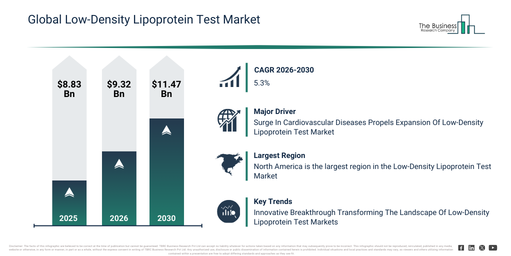
    The low-density lipoprotein test market has experienced strong growth in recent years. It is anticipated to expand from $8.83 billion in 2025 to $9.32 billion in 2026, exhibiting a compound annual growth rate (CAGR) of 5.5%. This historic growth can be linked to factors like the increasing prevalence of cardiovascular diseases, the early clinical reliance on ldl-c testing, a rising incidence of obesity and diabetes, the expansion of hospital-based diagnostic laboratories, and growing awareness of cholesterol management.

    The low-density lipoprotein test market size is projected to experience substantial expansion over the upcoming years. This market is anticipated to reach $11.47 billion by 2030, demonstrating a compound annual growth rate (CAGR) of 5.3%. Several factors are driving this growth during the forecast period, including an increased emphasis on preventive healthcare, a rise in screening for dyslipidaemia, the expanding adoption of advanced lipid testing techniques, a growing need for early detection of stroke and heart disease risks, and elevated healthcare expenditure on diagnostic services. Key developments expected in this period encompass a heightened focus on preventive cardiovascular screening, the increasing utilization of comprehensive lipid panel testing, a surge in demand for regular cholesterol monitoring, the broader application of LDL testing in managing metabolic disorders, and the growing uptake of point-of-care lipid testing solutions.

    Access Your Free Sample Report For In-Depth Market Analysis:

    https://www.thebusinessresearchcompany.com/sample.aspx?id=9395&type=smp

    Which Factors Are Influencing The Growth Of The Low-Density Lipoprotein Test Market?

    The increasing occurrence of cardiovascular diseases is anticipated to fuel the expansion of the low-density lipoprotein test market moving ahead. These diseases encompass conditions impacting the heart or blood vessels. The low-density lipoprotein test serves in the management of cardiovascular diseases through direct measurement of low-density lipoprotein levels in the heart. As an illustration, figures from February 2024, reported by the UK Parliament, a UK-based governing body, indicate that heart and circulatory diseases are responsible for approximately 25% of all deaths in England, leading to over 140,000 fatalities yearly and roughly 480 daily, equating to one death every three minutes. Consequently, the escalating incidence of cardiovascular diseases is propelling the expansion of the low-density lipoprotein test market.

    How Are Different Segments Classified In The Low-Density Lipoprotein Test Market Segment Analysis?

    The low-density lipoprotein test market covered in this report is segmented –

    1) By Product Type: Low-Density Lipoprotein Cholesterol (LDL-C), Low-Density Lipoprotein Particle Number (LDL-P), Low-Density Lipoprotein Particle Size (LDL-B), Other Product Types

    2) By Component: Kits, Reagents, Devices, Other Components

    3) By Disease Type: Diabetes, Stroke, Atherosclerosis, Obesity, Dyslipidaemia, Carotid Artery Disease, Peripheral Arterial Disease, Angina, Other Disease Types

    4) By Distribution Channel: Direct Tenders, Retail

    5) By End User: Hospitals, Clinics, Ambulatory Care, Research Laboratory, Other End Users

    Subsegments:

    1) By Low-Density Lipoprotein Cholesterol (LDL-C): Direct Measurement Tests, Calculated LDL-C Tests

    2) By Low-Density Lipoprotein Particle Number (LDL-P): NMR (Nuclear Magnetic Resonance) Tests, Other Particle Counting Methods

    3) By Low-Density Lipoprotein Particle Size (LDL-B): Gradient Gel Electrophoresis, Other Size Measurement Techniques

    4) By Other Product Types: Lipid Panel Tests: Genetic Testing For Dyslipidemia, Point-Of-Care Testing Devices

    Which Trends Are Influencing Demand In The Low-Density Lipoprotein Test Market?

    Major companies operating in the low-density lipoprotein (LDL) test market are prioritizing the introduction of innovative diagnostic solutions, such as advanced lipoprotein analysis systems, to enhance cardiovascular risk assessment, diagnostic accuracy, and patient management. These advanced lipoprotein analysis systems leverage technologies like nuclear magnetic resonance (NMR) spectroscopy and algorithm-driven interpretation to offer deeper insights into lipid profiles beyond standard LDL-C measurements, improving clinical decision-making for individuals with cardiometabolic risks. For instance, in July 2023, Numares Health, a Germany-based health diagnostic company, launched the AXINON LDL-p Test System. This FDA-cleared diagnostic tool provides a more detailed assessment of lipoproteins, offering insights into cardiac function that extend beyond standard LDL-C measurements. Utilizing nuclear magnetic resonance (NMR) spectroscopy, the system incorporates advanced diagnostic algorithms to boost accuracy. It assists physicians in better managing patients at elevated risk for cardiovascular disease, particularly those with cardiometabolic risk factors.

    Who Are The Companies Driving Activity In The Low-Density Lipoprotein Test Market?

    Major companies operating in the low-density lipoprotein test market are Abbott Laboratories, Siemens Healthineers, F Hoffmann La Roche Ltd, Danaher Corporation, Thermo Fisher Scientific Inc, Bio Rad Laboratories Inc, DiaSorin SpA, Randox Laboratories Ltd, Sekisui Diagnostics, DiaSys Diagnostic Systems GmbH, Eurolyser Diagnostica GmbH, Diazyme Laboratories Inc, OPKO Health Inc, Merck KGaA, Agilent Technologies Inc, Becton Dickinson and Company, Quest Diagnostics Incorporated, Laboratory Corporation of America Holdings, Eurofins Scientific SE, Home Access Health Corporation

    Get The Full Low-Density Lipoprotein Test Market Report:

    https://www.thebusinessresearchcompany.com/report/low-density-lipoprotein-test-global-market-report

    Which Region Is The Largest In The Low-Density Lipoprotein Test Market?

    North America was the largest region in the Low-Density Lipoprotein Test market in 2025. The regions covered in the low-density lipoprotein test market report are Asia-Pacific, South East Asia, Western Europe, Eastern Europe, North America, South America, Middle East, Africa.

    Request A Customized Low-Density Lipoprotein Test Market Report For Competitive Insights:

    https://www.thebusinessresearchcompany.com/report/low-density-lipoprotein-test-global-market-report

    Browse Through More Reports Similar to the Global Low-Density Lipoprotein Test Market 2026, By The Business Research Company

    Cholesterol Test Market Report 2026

    https://www.thebusinessresearchcompany.com/report/cholesterol-test-global-market-report

    Lipid Panel Testing Market Report

    https://www.thebusinessresearchcompany.com/report/lipid-panel-testing-global-market-report

    Poc Cholesterol Test Market

    https://www.thebusinessresearchcompany.com/report/poc-cholesterol-test-market

    Get in touch with us:

    The Business Research Company: https://www.thebusinessresearchcompany.com/

    Americas +1 310-496-7795

    Asia +44 7882 955267 & +91 8897263534

    Europe +44 7882 955267

    Email us at info@tbrc.info

    Follow us on:

    LinkedIn: https://in.linkedin.com/company/the-business-research-company

    YouTube: https://www.youtube.com/channel/UC24_fI0rV8cR5DxlCpgmyFQ

    Global Market Model: https://www.thebusinessresearchcompany.com/global-market-model
  • Low Molecular Weight Heparin Market Outlook (2026–2030) Driven by Growth Factors

    Low Molecular Weight Heparin Market Outlook (2026–2030) Driven by Growth Factors

    The Business Research Company’s 2026 market reports feature enhanced tools like market attractiveness analysis, TAM assessment, and company scoring matrices, along with interactive dashboards, deeper supply chain insights, and startup coverage strengthening the depth, usability, and strategic value of insights.

    How Will The Market Value Of The Low Molecular Weight Heparin Market Progress Between 2026 And 2030?

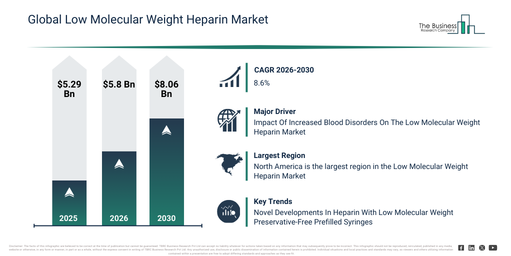
    The low molecular weight heparin market has experienced robust expansion in recent years. This market is projected to expand from $5.29 billion in 2025 to $5.8 billion by 2026, demonstrating a compound annual growth rate (CAGR) of 9.5%. Historically, this growth has been driven by factors such as the rising occurrence of venous thromboembolism, the drawbacks of unfractionated heparin treatment, the broad acceptance of enoxaparin in clinical settings, its increasing application in postoperative patient care, and an enhanced safety profile of LMWH.

    The market for low molecular weight heparin is anticipated to experience substantial expansion over the upcoming years. This market is projected to reach $8.06 billion by 2030, demonstrating a compound annual growth rate (CAGR) of 8.6%. Factors contributing to this growth during the forecast period include an expanding elderly demographic, a rise in cardiovascular conditions, increasing need for reliable anticoagulation treatments, the growth of anticoagulant therapy administered at home, and greater uptake in the management of cancer-associated thrombosis. Key trends anticipated during this period encompass a rising inclination towards LMWH over unfractionated heparin, broader application in thromboprophylaxis and critical care environments, the proliferation of generic LMWH products, increased utilization of prefilled syringes, and greater adoption in outpatient and homecare settings.

    Access Your Free Sample Report For In-Depth Market Analysis:

    https://www.thebusinessresearchcompany.com/sample.aspx?id=16468&type=smp

    What Leading Drivers Are Supporting The Low Molecular Weight Heparin Market Expansion?

    A rise in the occurrence of blood disorders is anticipated to fuel the expansion of the low molecular weight heparin market in the future. These conditions encompass various ailments impacting blood constituents like red blood cells, white blood cells, platelets, and plasma proteins. Such disorders, which include conditions like anemia, hemophilia, and thrombosis, have the potential to affect people across all age groups and demographics. The growing incidence of blood disorders is linked to elements such as an aging populace, advancements in diagnostic methods, and greater exposure to environmental hazards. In cases of blood disorders, low molecular weight heparin serves to prevent and address thromboembolism by hindering the formation of blood clots. As an example, in May 2024, the Australia-based non-governmental organization, the Leukemia Foundation, reported that approximately 19,403 Australians were projected to receive new diagnoses of blood cancers, including leukemia, lymphoma, and myeloma, in 2022. This figure equates to 53 individuals daily, or one person every 27 minutes. At present, roughly 135,000 individuals in Australia are living with either a blood cancer or another blood disorder. Projections indicate that by 2035, this population is expected to surpass 275,000. Consequently, the expanding occurrence of blood disorders is propelling the growth of the low molecular weight heparin market.

    How Is The Low Molecular Weight Heparin Market Categorized Across Its Segment Groups?

    The low molecular weight heparin market covered in this report is segmented –

    1) By Product Type: Enoxaparin, Dalteparin, Tinzaparin, Fraxiparine, Nadroparin, Other Product Types

    2) By Packaging: Multi-Vials, Prefilled Syringes

    3) By Application: Deep Vein Thrombosis, Acute Coronary Syndrome, Pulmonary Embolism, Other Applications

    Subsegments:

    1) By Enoxaparin: Generic Enoxaparin, Branded Enoxaparin

    2) By Dalteparin: Generic Dalteparin, Branded Dalteparin

    3) By Tinzaparin: Generic Tinzaparin, Branded Tinzaparin

    4) By Fraxiparine: Generic Fraxiparine, Branded Fraxiparine

    5) By Nadroparin: Generic Nadroparin, Branded Nadroparin

    6) By Other Product Types: Bemiparin, Parnaparin

    What Emerging Trends Are Seen In The Low Molecular Weight Heparin Market?

    Leading companies operating within the low molecular weight heparin market are concentrating on innovative solutions, such as preservative-free prefilled syringes, to bolster patient safety and convenience. These preservative-free prefilled syringes are defined as those pre-filled with the anticoagulant medication enoxaparin, without preservatives, thereby ensuring both safety and efficacy. This approach lessens the potential for allergic reactions, offering a safer choice for patients requiring anticoagulant therapy. As an illustration, in June 2023, Techdow USA Inc., a US-based generic injectable company, introduced generic enoxaparin sodium (preservative-free) prefilled syringes in 30 milligrams (mg), 40 mg, 60 mg, 80 mg, 100 mg, 120 mg, and 150 mg strengths for the prevention of thrombosis. Its generic version of Lovenox, a low-molecular-weight heparin utilized to prevent and treat blood clots, is projected to be more economical, improve efficacy, increase accessibility, and enhance patient care.

    Which Firms Are Influencing Competition In The Low Molecular Weight Heparin Market?

    Major companies operating in the low molecular weight heparin market are Pfizer Inc., Sanofi SA, Boehringer Ingelheim International GmbH, Teva Pharmaceutical Industries Ltd., Eisai Co. Ltd., Sun Pharmaceutical Industries Ltd., Cipla Inc., Apotex Inc., Intas Pharmaceuticals Ltd, Hikma Pharmaceuticals PLC, Dr. Reddy’s Laboratories Ltd., Lupin Limited, Alkem Laboratories Limited, Torrent Pharmaceuticals Ltd., Emcure Pharmaceuticals Limited, Biocon Limited, Aspen Pharmacare Holdings Limited, Ajanta Pharma Ltd., Zydus Pharmaceuticals, Gland Pharma Limited, Beximco Pharmaceuticals Ltd

    Get The Full Low Molecular Weight Heparin Market Report:

    https://www.thebusinessresearchcompany.com/report/low-molecular-weight-heparin-global-market-report

    Which Region Leads The Low Molecular Weight Heparin Market In Terms Of Market Share?

    North America was the largest region in the low molecular weight heparin market in 2025. Asia-Pacific is expected to be the fastest-growing region in the forecast period. The regions covered in the low molecular weight heparin market report are Asia-Pacific, South East Asia, Western Europe, Eastern Europe, North America, South America, Middle East, Africa.

    Request A Customized Low Molecular Weight Heparin Market Report For Competitive Insights:

    https://www.thebusinessresearchcompany.com/report/low-molecular-weight-heparin-global-market-report

    Browse Through More Reports Similar to the Global Low Molecular Weight Heparin Market 2026, By The Business Research Company

    Heparin Market Report 2026

    https://www.thebusinessresearchcompany.com/report/heparin-global-market-report

    Hepatitis Therapeutics Market Report

    https://www.thebusinessresearchcompany.com/report/hepatitis-therapeutics-global-market-report

    Molecular Weight Marker Market Report

    https://www.thebusinessresearchcompany.com/report/molecular-weight-marker-global-market-report

    Get in touch with us:

    The Business Research Company: https://www.thebusinessresearchcompany.com/

    Americas +1 310-496-7795

    Asia +44 7882 955267 & +91 8897263534

    Europe +44 7882 955267

    Email us at info@tbrc.info

    Follow us on:

    LinkedIn: https://in.linkedin.com/company/the-business-research-company

    YouTube: https://www.youtube.com/channel/UC24_fI0rV8cR5DxlCpgmyFQ

    Global Market Model: https://www.thebusinessresearchcompany.com/global-market-model
  • Losartan Market Developments and Opportunities Through 2030

    Losartan Market Developments and Opportunities Through 2030

    The Business Research Company’s 2026 market reports feature enhanced tools like market attractiveness analysis, TAM assessment, and company scoring matrices, along with interactive dashboards, deeper supply chain insights, and startup coverage strengthening the depth, usability, and strategic value of insights.

    What Are The Market Size Estimates For The Losartan Market In 2026 And 2030?

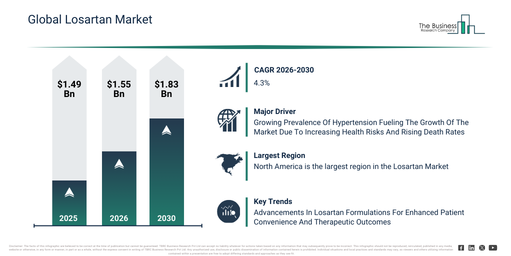
    The losartan market size has demonstrated consistent expansion in recent years. It is anticipated to increase from $1.49 billion in 2025 to $1.55 billion in 2026, progressing at a compound annual growth rate (CAGR) of 4.2%. Historically, this growth was primarily driven by factors such as the escalating global burden of hypertension, the widespread clinical adoption of ARBs, a rising incidence of diabetes-related kidney disease, improved awareness of cardiovascular risk management, and an early shift from ACE inhibitors to ARBs.

    The losartan market is projected to experience consistent expansion over the upcoming years. This market is predicted to reach $1.83 billion by 2030, exhibiting a compound annual growth rate (CAGR) of 4.3%. Factors driving this expansion during the forecast period include an aging global populace, an increasing need for kidney-protecting antihypertensive medications, broader availability of cost-effective generic drugs, a heightened emphasis on preventing strokes, and greater healthcare expenditure directed towards managing chronic illnesses. Key trends anticipated during the same period encompass the growing incidence of hypertension and cardiovascular conditions, a developing preference for ARBs over ACE inhibitors, an increase in prescriptions for generic losartan, its expanding application in the management of diabetic nephropathy, and a surge in the adoption of long-term blood pressure control therapies.

    Access Your Free Sample Report For In-Depth Market Analysis:

    https://www.thebusinessresearchcompany.com/sample.aspx?id=24284&type=smp

    Which Key Factors Are Driving The Losartan Market Growth?

    The increasing prevalence of hypertension is expected to propel the growth of the losartan market going forward. Hypertension is a condition characterized by persistently elevated blood pressure, which can increase the likelihood of heart disease, stroke, and other severe health complications. The rising incidence of hypertension is linked to diets rich in salt and processed foods, which lead to fluid retention and increased strain on the heart. Losartan helps control hypertension by blocking angiotensin II, a hormone that narrows blood vessels. This action aids in relaxing and widening the vessels, consequently lowering blood pressure and easing the heart’s workload. For instance, in January 2025, according to the Centers for Disease Control and Prevention, a US-based organisation, in 2023, high blood pressure played a primary or contributing role in 664,470 deaths in the United States. Therefore, the growing prevalence of hypertension is driving the growth of the losartan market.

    How Are Segments Identified Within The Losartan Market Segment Framework?

    The losartan market covered in this report is segmented –

    1) By Dosage: Tablet, Powder, Suspension

    2) By Source: Contract Manufacturing Organizations, In-House

    3) By Distribution Channel: Online, Offline

    4) By Application: Hypertension, Stroke, Diabetic Nephropathy, Other Applications

    5) By End-User: Adult, Pediatric

    Subsegments:

    1) By Tablet: 25 Milligrams (mg), 50 Milligrams (mg), 100 Milligrams (mg)

    2) By Powder: 25 Milligrams (mg), 50 Milligrams (mg), 100 Milligrams (mg)

    3) By Suspension: 5 Milligrams (mg) Per 5 Milliliters (mL), 10 Milligrams (mg) Per 5 Milliliters (mL), 25 Milligrams (mg) Per 5 Milliliters (mL)

    Which Trends Are Guiding The Direction Of The Losartan Market?

    Major companies operating in the losartan market are concentrating on developing innovative products and securing approvals, such as losartan potassium oral suspension, to improve patient compliance and expand therapeutic applications. Losartan potassium oral suspension is a liquid form of medication losartan potassium, intended for individuals who experience difficulty swallowing tablets. For instance, in March 2025, Scienture Holdings Inc., a US-based biopharmaceutical company, received Food and Drug Administration (FDA) clearance for Arbli. It is a ready-to-use liquid formulation designed for hypertension, stroke risk reduction in hypertensive patients with left ventricular hypertrophy, and diabetic nephropathy in type 2 diabetes patients. Arbli offers precise dosing without compounding and is available as a 165 mL peppermint-flavored suspension (10 mg/mL) with an 18-month shelf life at room temperature.

    Who Are The Companies Competing Within The Losartan Market?

    Major companies operating in the losartan market are Viatris Inc., Teva Pharmaceutical Industries Ltd, Intas Pharmaceuticals Ltd., Sun Pharmaceutical Industries Ltd., Apotex Inc., Aurobindo Pharma Ltd., Dr. Reddy’s Laboratories Ltd., Cipla Ltd., Cadila Pharmaceuticals Ltd., Lupin Ltd., Zydus Lifesciences Ltd., Torrent Pharmaceuticals Ltd., Alembic Pharmaceuticals Ltd., Vasudha Pharma Chem Ltd., Unichem Laboratories Ltd., Global Pharma Tek, Manus Aktteva Biopharma LLP, Emcure Pharmaceuticals Ltd., Wellona Pharma, JPM Pharma & Chemicals Pvt. Ltd.

    Get The Full Losartan Market Report:

    https://www.thebusinessresearchcompany.com/report/losartan-global-market-report

    Which Region Leads The Losartan Market In Overall Market Size?

    North America was the largest region in the losartan market in 2025. Asia-Pacific is expected to be the fastest-growing region in the forecast period. The regions covered in the losartan market report are Asia-Pacific, South East Asia, Western Europe, Eastern Europe, North America, South America, Middle East, Africa.

    Request A Customized Losartan Market Report For Competitive Insights:

    https://www.thebusinessresearchcompany.com/report/losartan-global-market-report

    Browse Through More Reports Similar to the Global Losartan Market 2026, By The Business Research Company

    Lysine Market Report 2026

    https://www.thebusinessresearchcompany.com/report/lysine-global-market-report

    Caviar Market Report

    https://www.thebusinessresearchcompany.com/report/caviar-global-market-report

    Liraglutide Market Report

    https://www.thebusinessresearchcompany.com/report/liraglutide-global-market-report

    Get in touch with us:

    The Business Research Company: https://www.thebusinessresearchcompany.com/

    Americas +1 310-496-7795

    Asia +44 7882 955267 & +91 8897263534

    Europe +44 7882 955267

    Email us at info@tbrc.info

    Follow us on:

    LinkedIn: https://in.linkedin.com/company/the-business-research-company

    YouTube: https://www.youtube.com/channel/UC24_fI0rV8cR5DxlCpgmyFQ

    Global Market Model: https://www.thebusinessresearchcompany.com/global-market-model
  • Long-Read Sequencing Services Market Forecast (2026–2030) Providing Long-Term Insights

    Long-Read Sequencing Services Market Forecast (2026–2030) Providing Long-Term Insights

    The Business Research Company’s 2026 market reports feature enhanced tools like market attractiveness analysis, TAM assessment, and company scoring matrices, along with interactive dashboards, deeper supply chain insights, and startup coverage strengthening the depth, usability, and strategic value of insights.

    What Expansion In Market Value Is Forecasted For The Long-Read Sequencing Services Market Between 2026 And 2030?

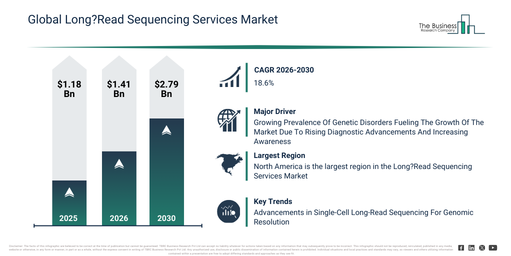
    The long-read sequencing services market has experienced rapid expansion in recent years. Its size is projected to increase from $1.18 billion in 2025 to $1.41 billion in 2026, achieving a compound annual growth rate (CAGR) of 18.9%. Historically, this growth stemmed from developments in sequencing chemistry and instrumentation, augmented funding for genomics research, an escalating need for high-resolution genome analysis, the broadening of academic genomics projects, and the emergence of specialized sequencing service providers.

    The long-read sequencing services market is poised for substantial growth in the upcoming years, with its size anticipated to reach $2.79 billion by 2030, demonstrating a compound annual growth rate (CAGR) of 18.6%. This projected increase during the forecast period is primarily driven by the rising clinical acceptance of long-read sequencing, increased investments in population genomics initiatives, the expansion of research in precision oncology, a growing requirement for de novo genome assembly, and the integration of AI-powered genomic interpretation. Key trends expected over this period include an escalating demand for structural variant analysis services, the increasing adoption of nanopore sequencing platforms, a broader application of long-read sequencing in rare disease studies, the extension of clinical-grade long-read sequencing offerings, and a renewed focus on comprehensive genome assembly.

    Access Your Free Sample Report For In-Depth Market Analysis:

    https://www.thebusinessresearchcompany.com/sample.aspx?id=28260&type=smp

    What Primary Drivers Are Shaping The Long-Read Sequencing Services Market?

    The increasing incidence of genetic conditions is anticipated to drive the expansion of the long-read sequencing services market in the future. Genetic diseases are disorders originating from changes or mutations in DNA, which can be inherited or occur spontaneously, affecting an individual’s health, development, or bodily functions. The rising occurrence of genetic ailments stems from heightened public awareness and advancements in diagnostic technologies, enabling earlier and more precise identification of conditions that were previously undetected. Long-read sequencing services support genetic disorder management by furnishing highly accurate, extensive genomic data, which allows for the accurate identification of structural variations and intricate mutations. For instance, in April 2024, according to the National Institutes of Health (NIH), a US-based government’s premier biomedical research agency, an estimated 6.9 million Americans aged 65 and older are currently living with Alzheimer’s dementia, and this figure is projected to nearly double to 13.8 million by 2060. Consequently, the growing prevalence of genetic disorders is fueling the growth of the long-read sequencing services market.

    What Are The Key Segment Divisions In The Long-Read Sequencing Services Market Segment Structure?

    The long-read sequencing services market covered in this report is segmented –

    1) By Service Type: Whole Genome Sequencing, Targeted Sequencing, De Novo Sequencing, Other Services

    2) By Technology: Single-Molecule Real-Time Sequencing, Nanopore Sequencing, Other Technologies

    3) By Application: Clinical Diagnostics, Genomic Research, Oncology, Rare Disease Detection, Other Applications

    4) By End User: Academic And Research Institutes, Hospitals And Clinics, Pharmaceutical And Biotechnology Companies, Other End-Users

    Subsegments:

    1) By Whole Genome Sequencing: Complete Genome Mapping, Comprehensive Variant Detection, Structural Variation Analysis, Comparative Genomics

    2) By Targeted Sequencing: Gene Panel Sequencing, Exome Sequencing, Transcriptome Sequencing, Custom Target Region Sequencing

    3) By De Novo Sequencing: Novel Genome Assembly, Structural Variant Characterization, Complex Genome Reconstruction, Non-Model Organism Sequencing

    4) By Other Services: Data Analysis And Interpretation, Library Preparation Services, Bioinformatics Support Services, Validation And Quality Control Services

    What Trends Are Affecting The Growth Of The Long-Read Sequencing Services Market?

    Leading firms within the long-read sequencing services market are concentrating on creating advanced solutions, including primary template directed amplification (PTA), a method that facilitates high-fidelity, uniform whole-genome amplification from individual cells and permits the sensitive identification of single-nucleotide variants (SNVs). This proprietary whole-genome amplification approach, primary template-directed amplification, is engineered to precisely and consistently amplify deoxyribonucleic acid (DNA) from extremely small input samples, reducing errors and safeguarding the original deoxyribonucleic acid (DNA) sequence. As an illustration, in October 2025, BioSkryb Genomics, Inc., a US-based genomics firm focused on long-read sequencing technologies, introduced the ResolveSEQ LongRead Early Access Program. This sophisticated single-cell whole-genome long-read sequencing platform combines primary template-directed amplification (PTA) with long-read library preparation, providing high-coverage and uniform amplification from single cells. Furthermore, the platform allows for the sensitive identification of single-nucleotide variants (SNVs) and repeat expansions, simultaneously offering haplotype phasing at a single-cell level.

    Which Organizations Are Engaged In The Long-Read Sequencing Services Market?

    Major companies operating in the long-read sequencing services market are Thermo Fisher Scientific Inc., Danaher Corporation, Agilent Technologies Inc., Illumina Inc., Revvity Inc., QIAGEN N.V., BGI Genomics Co. Ltd., Takara Bio Inc., Oxford Nanopore Technologies plc, Pacific Biosciences of California Inc., GENEWIZ Inc., Macrogen Inc., Novogene Co. Ltd., DNAnexus Inc., Zymo Research Corp., CD Genomics Inc., Genotypic Technology Pvt. Ltd., Plasmidsaurus Inc., BaseClear B.V., GrandOmics Biosciences Co. Ltd., Arima Genomics Inc., Wuhan Benagen Technology Co. Ltd.

    Get The Full Long-Read Sequencing Services Market Report:

    https://www.thebusinessresearchcompany.com/report/long-read-sequencing-services-global-market-report

    Which Region Is The Top Contributor To The Long-Read Sequencing Services Market By Share?

    North America was the largest region in the long-read sequencing services market in 2025. Asia-Pacific is expected to be the fastest-growing region in the forecast period. The regions covered in the long-read sequencing services market report are Asia-Pacific, South East Asia, Western Europe, Eastern Europe, North America, South America, Middle East, Africa.

    Request A Customized Long-Read Sequencing Services Market Report For Competitive Insights:

    https://www.thebusinessresearchcompany.com/report/long-read-sequencing-services-global-market-report

    Browse Through More Reports Similar to the Global Long-Read Sequencing Services Market 2026, By The Business Research Company

    Anti Parkinson Drugs Market Report 2026

    https://www.thebusinessresearchcompany.com/report/anti-parkinson-drugs-global-market-report

    Regenerative Medicine Market

    https://www.thebusinessresearchcompany.com/report/regenerative-medicine-market

    Dermatophytosis Treatment Market Report

    https://www.thebusinessresearchcompany.com/report/dermatophytosis-treatment-global-market-report

    Get in touch with us:

    The Business Research Company: https://www.thebusinessresearchcompany.com/

    Americas +1 310-496-7795

    Asia +44 7882 955267 & +91 8897263534

    Europe +44 7882 955267

    Email us at info@tbrc.info

    Follow us on:

    LinkedIn: https://in.linkedin.com/company/the-business-research-company

    YouTube: https://www.youtube.com/channel/UC24_fI0rV8cR5DxlCpgmyFQ

    Global Market Model: https://www.thebusinessresearchcompany.com/global-market-model
  • Longevity and Anti-Senescence Therapy Market Analysis (2026–2030) Highlighting Innovation and Competition

    Longevity and Anti-Senescence Therapy Market Analysis (2026–2030) Highlighting Innovation and Competition

    The Business Research Company’s 2026 market reports feature enhanced tools like market attractiveness analysis, TAM assessment, and company scoring matrices, along with interactive dashboards, deeper supply chain insights, and startup coverage strengthening the depth, usability, and strategic value of insights.

    How Large Will The Longevity And Anti-senescence Therapy Market Be By 2030 Compared To Its 2026 Market Size?

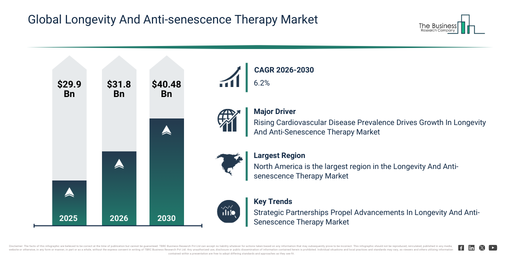
    The longevity and anti-senescence therapy market size has experienced significant growth in recent years. It is anticipated to expand from $29.9 billion in 2025 to $31.8 billion in 2026, at a compound annual growth rate (CAGR) of 6.3%. This historic growth can be attributed to an increasing global aging population, early research into cellular aging mechanisms, a rising prevalence of age-related diseases, a traditional focus on symptomatic aging treatments, and growing awareness of wellness and preventive healthcare.

    The longevity and anti-senescence therapy market is anticipated to experience robust growth in the coming years. This market is projected to expand to $40.48 billion by 2030, demonstrating a compound annual growth rate (CAGR) of 6.2%. The increase during the forecast period can be attributed to progress in senolytic and gene-based therapies, a rising need for solutions that extend lifespan, increased investments in longevity research, the growing acceptance of regenerative medicine, and higher healthcare spending on preventing age-related diseases. Key trends during this period include a heightened interest in healthy aging and longevity solutions, an intensified focus on targeting cellular senescence, increased adoption of preventive and regenerative therapies, the expansion of anti-aging treatments beyond aesthetic care, and a growing consumer willingness to invest in longevity therapies.

    Access Your Free Sample Report For In-Depth Market Analysis:

    https://www.thebusinessresearchcompany.com/sample.aspx?id=19108&type=smp

    Which Major Drivers Are Influencing The Expansion Of The Longevity And Anti-senescence Therapy Market?

    The rising occurrence of cardiovascular ailments is projected to propel the expansion of the longevity and anti-senescence therapy market in the future. These diseases are escalating due to increasing rates of risk factors such as obesity, diabetes, inactive lifestyles, and inadequate nutrition, coupled with an aging demographic and persistent inflammation. Longevity and anti-senescence therapies aim to alleviate cardiovascular disease by targeting aging-related cellular damage and improving overall heart well-being. For instance, in October 2024, according to the Centers for Disease Control and Prevention, a US-based government agency, in 2023, cardiovascular disease was responsible for 919,032 fatalities, representing one in every three deaths. Coronary heart disease remained the most prevalent form of heart disease, and notably, about one in six deaths stemming from cardiovascular diseases occurred among adults younger than 65 years. Therefore, the growing prevalence of cardiovascular diseases is stimulating the growth of the longevity and anti-senescence therapy market.

    Which Segment Categories Are Included In The Longevity And Anti-senescence Therapy Market Segment Analysis?

    The longevity and anti-senescence therapy market covered in this report is segmented –

    1) By Therapy: Senolytic Drug Therapy, Gene Therapy, Cell Therapy, Mitochondrial Therapy, Immunotherapy

    2) By Application: Longevity, Senescence Inhibition, Cardiovascular Diseases, Neural Degenerative Diseases, Ophthalmology Disorders, Cancer

    3) By End User: Hospital, Medical Service Institution

    Subsegments:

    1) By Senolytic Drug Therapy: Small Molecule Senolytics, Natural Senolytics, Combination Senolytic Treatments

    2) By Gene Therapy: CRISPR-Based Gene Therapy, Viral Vector Gene Therapy, RNA Interference Therapy

    3) By Cell Therapy: Stem Cell Therapy, Immune Cell Therapy, Regenerative Cell Therapy

    4) By Mitochondrial Therapy: Mitochondrial Replacement Therapy, Mitochondrial Enhancement Compounds, Mitochondrial Gene Therapy

    5) By Immunotherapy: Monoclonal Antibodies, Immune Checkpoint Inhibitors, Vaccines For Aging

    Which Trends Are Shaping The Longevity And Anti-senescence Therapy Market?

    Leading enterprises within the longevity and antisenescence therapy markets are establishing strategic partnerships to further develop anti-senescence products. These collaborations represent agreements between organizations designed to utilize their respective strengths and resources, aiming for mutual benefits and an improved competitive edge. A notable example occurred in July 2024, when MDB Capital Holdings LLC, a US-based investment holding company, formed a partnership with Mayo Clinic, a US-based nonprofit surgical and medical clinic, to strengthen its anti-senescence platform. The objective of this alliance is to create therapies specifically targeting cellular senescence, a process linked to aging and numerous diseases. This collaborative effort will draw upon Mayo Clinic’s proficiency in clinical research and MDB Capital’s inventive methods for drug development, with an emphasis on enhancing patient results in age-related conditions. Such initiatives underscore the increasing global interest in tackling the biological processes of aging via sophisticated therapeutic strategies.

    Who Are The Active Companies Shaping The Longevity And Anti-senescence Therapy Market?

    Major companies operating in the longevity and anti-senescence therapy market are AbbVie Inc., BioAge Labs, Unity Biotechnology, Insilico Medicine, Human Longevity Inc., Calico Life Sciences LLC, Recursion Pharmaceuticals, AgeX Therapeutics Inc., Alkahest Inc., CohBar Inc., Stealth BioTherapeutics, Altos Labs, Navitor Pharmaceuticals Inc., Sierra Sciences LLC, T A Sciences Inc., Juvenescence AI Limited, Senex Biotechnology, Spotlight Bioscience, Prana Biotechnology Ltd., Rejuvenate Bio Inc., Turn Biotechnologies Inc., Life Biosciences Inc.

    Get The Full Longevity And Anti-senescence Therapy Market Report:

    https://www.thebusinessresearchcompany.com/report/longevity-and-anti-senescence-therapy-global-market-report

    Which Region Represents The Largest Share Of The Longevity And Anti-senescence Therapy Market?

    North America was the largest region in the longevity and anti-senescence therapy market in 2025. The regions covered in the longevity and anti-senescence therapy market report are Asia-Pacific, South East Asia, Western Europe, Eastern Europe, North America, South America, Middle East, Africa.

    Request A Customized Longevity And Anti-senescence Therapy Market Report For Competitive Insights:

    https://www.thebusinessresearchcompany.com/report/longevity-and-anti-senescence-therapy-global-market-report

    Browse Through More Reports Similar to the Global Longevity And Anti-senescence Therapy Market 2026, By The Business Research Company

    Next Generation Sequencing Market

    https://www.thebusinessresearchcompany.com/report/next-generation-sequencing-market

    Rna Sequencing Services Market Report

    https://www.thebusinessresearchcompany.com/report/rna-sequencing-services-global-market-report

    Dna Sequencing Market Report

    https://www.thebusinessresearchcompany.com/report/dna-sequencing-global-market-report

    Get in touch with us:

    The Business Research Company: https://www.thebusinessresearchcompany.com/

    Americas +1 310-496-7795

    Asia +44 7882 955267 & +91 8897263534

    Europe +44 7882 955267

    Email us at info@tbrc.info

    Follow us on:

    LinkedIn: https://in.linkedin.com/company/the-business-research-company

    YouTube: https://www.youtube.com/channel/UC24_fI0rV8cR5DxlCpgmyFQ

    Global Market Model: https://www.thebusinessresearchcompany.com/global-market-model
  • Long QT Syndrome Treatment Market Forecast to 2030 With Market Insights

    Long QT Syndrome Treatment Market Forecast to 2030 With Market Insights

    The Business Research Company’s 2026 market reports feature enhanced tools like market attractiveness analysis, TAM assessment, and company scoring matrices, along with interactive dashboards, deeper supply chain insights, and startup coverage strengthening the depth, usability, and strategic value of insights.

    What Is The Projected Increase In Market Value Of The Long QT Syndrome Treatment Market During 2026–2030?

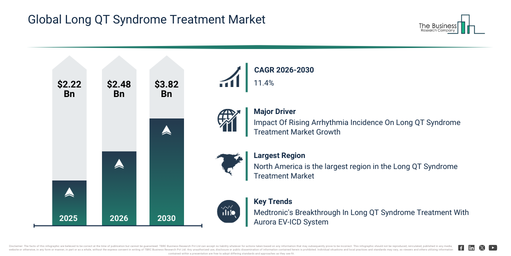
    The long qt syndrome treatment market size has experienced rapid growth in recent years. It is expected to increase from $2.22 billion in 2025 to $2.48 billion in 2026, exhibiting a compound annual growth rate (CAGR) of 11.7%. The expansion observed in the past can be linked to improvements in cardiac diagnostic capabilities, a heightened awareness of inherited cardiac disorders, the adoption of beta-blocker therapies, the extension of electrophysiology services, and the availability of implantable defibrillator technologies.

    The long qt syndrome treatment market size is projected for substantial expansion in the coming years. This market is set to reach $3.82 billion by 2030, exhibiting a compound annual growth rate (CAGR) of 11.4%. Contributing to this expansion during the forecast period are factors such as the escalating development of gene-based therapies, wider embrace of precision cardiology methods, the proliferation of wearable cardiac monitoring, enhanced integration of digital health solutions, and increased funding for rare disease treatment research. Furthermore, key trends anticipated throughout this period involve a greater uptake of genetic testing for risk stratification, increased utilization of implantable cardiac devices, a sharpened emphasis on personalized treatment plans, the spread of remote patient monitoring options, and improved incorporation of clinical decision support tools.

    Access Your Free Sample Report For In-Depth Market Analysis:

    https://www.thebusinessresearchcompany.com/sample.aspx?id=20569&type=smp

    What Key Drivers Are Fueling The Growth Of The Long QT Syndrome Treatment Market?

    The increasing occurrence of arrhythmia is anticipated to drive the expansion of the long QT syndrome treatment market in the future. Arrhythmia is defined as a health condition involving an irregular heartbeat, meaning the heart beats either too quickly, too slowly, or inconsistently. This rise in arrhythmia cases stems from various elements, including an aging demographic, enhanced diagnostic methods, and the expanding prevalence of risk factors for cardiovascular health. Treatments for Long QT syndrome are utilized in managing arrhythmia, aiming to avert dangerous irregular heart rhythms that could result in sudden cardiac arrest or fatality. For example, data from 2023 by the National Library of Medicine (NLM), the largest medical library in the US, indicates that arrhythmias are projected to impact 1.5% to 5% of the general population annually, with atrial fibrillation as the most common form. Consequently, the growing occurrence of arrhythmia is a key factor propelling the development of the long QT syndrome treatment market. The growing frequency of genetic abnormalities is projected to stimulate the expansion of the long QT syndrome treatment market moving ahead. These abnormalities refer to detrimental or disease-causing alterations in genes or chromosomes, which can result in inherited illnesses or susceptibilities. The rise in genetic abnormalities is attributed to progress in genomic medicine, broader availability of molecular diagnostic tools, and enhanced clinical genetics infrastructure. Long QT syndrome treatment tackles the rising incidence of genetic abnormalities by improving their identification, diagnosis, and management through methods like genetic testing, individualized medicine, preventative strategies, and ongoing gene therapy research. For example, data from May 2024 by the National Health Service, a UK government department, indicates that in England, roughly 17,000 people currently have sickle cell disease, an inherited blood disorder, with approximately 250 new diagnoses annually. Consequently, the expanding prevalence of genetic abnormalities is a significant impetus for the growth of the long QT syndrome treatment market.

    How Is The Long QT Syndrome Treatment Market Broken Down By Segment Categories?

    The long qt syndrome treatment market covered in this report is segmented –

    1) By Type: Long QT Syndrome Type 1, Long QT Syndrome Type 2, Long QT Syndrome Type 3, Other Types

    2) By Treatment: Medication, Surgical Procedures

    3) By Diagnosis: Tests, Electrocardiogram, Genetic Testing, Other Diagnosis

    Subsegments:

    1) By Long QT Syndrome Type 1: Pharmacological Treatment for Type 1 (Beta-Blockers, Etc.), Implantable Cardioverter-Defibrillators (ICD) for Type 1, Gene Therapy for Long QT Type 1, Surgical Interventions for Type 1

    2) By Long QT Syndrome Type 2: Beta-Blockers for Type 2 Treatment, Implantable Cardioverter-Defibrillators (ICD) for Type 2, Gene Therapy for Type 2, Potassium Channel Blockers for Type 2, Lifestyle Modifications and Monitoring for Type 2

    3) By Long QT Syndrome Type 3: Sodium Channel Blockers for Type 3, Beta-Blockers for Type 3 Treatment, Implantable Cardioverter-Defibrillators (ICD) for Type 3, Gene Therapy and Cell Therapy for Type 3, Pharmacological Interventions for Type 3

    4) By Other Types: Congenital Long QT Syndrome Treatment, Acquired Long QT Syndrome Treatment, Combination Treatments for Long QT Syndrome, Novel and Experimental Treatments for Long QT Syndrome

    What Trends Are Influencing The Long QT Syndrome Treatment Market?

    Leading companies within the long QT syndrome treatment market are prioritizing the creation of technologically advanced products, such as cardiac devices, to facilitate user-friendly, real-time heart rhythm monitoring. A cardiac device is a medical instrument utilized or implanted in patients to aid in managing heart rhythm disorders, enhancing cardiac function, or supporting circulation. Such devices are typically applied in treating conditions like arrhythmias (irregular heartbeats), heart failure, or other cardiovascular ailments. For example, in October 2023, Medtronic Plc, an Ireland-based medical device corporation, declared the U.S. Food and Drug Administration (FDA) approval of its Aurora EV-ICD MRI SureScan, an Extravascular Implantable Cardioverter-Defibrillator (EV-ICD) system engineered to manage rapid heart rhythms that can result in sudden cardiac arrest. This authorization signifies a major breakthrough in implantable defibrillator technology, lessening the chance of long-term issues and improving the safety and effectiveness of ICD technology. This tactical move is projected to strengthen the company’s product portfolio.

    Which Players Are Present In The Long QT Syndrome Treatment Market Space?

    Major companies operating in the long qt syndrome treatment market are Pfizer Inc., Novartis AG, Sanofi S.A., Bristol Myers Squibb, AstraZeneca Plc, Bayer AG, Eli Lilly and Company, Johnson & Johnson, Roche Holding AG, Takeda Pharmaceutical Company Limited, Medtronic Plc, Boston Scientific Corporation, Abbott Laboratories, Biotronik SE & Co. KG, LivaNova PLC, MicroPort Scientific Corporation, GE Healthcare, Philips Healthcare, Nihon Kohden Corporation, AliveCor Inc.

    Get The Full Long QT Syndrome Treatment Market Report:

    https://www.thebusinessresearchcompany.com/report/long-qt-syndrome-treatment-global-market-report

    Which Geographic Region Dominates The Long QT Syndrome Treatment Market?

    North America was the largest region in the long QT syndrome treatment market in 2025. Asia-Pacific is expected to be the fastest-growing region in the forecast period. The regions covered in the long qt syndrome treatment market report are Asia-Pacific, South East Asia, Western Europe, Eastern Europe, North America, South America, Middle East, Africa.

    Request A Customized Long QT Syndrome Treatment Market Report For Competitive Insights:

    https://www.thebusinessresearchcompany.com/report/long-qt-syndrome-treatment-global-market-report

    Browse Through More Reports Similar to the Global Long QT Syndrome Treatment Market 2026, By The Business Research Company

    Chemical Surface Treatment Market Report 2026

    https://www.thebusinessresearchcompany.com/report/chemical-surface-treatment-global-market-report

    Bleeding Disorders Treatment Market Report

    https://www.thebusinessresearchcompany.com/report/bleeding-disorders-treatment-global-market-report

    Autoimmune Treatment Market Report

    https://www.thebusinessresearchcompany.com/report/autoimmune-treatment-global-market-report

    Get in touch with us:

    The Business Research Company: https://www.thebusinessresearchcompany.com/

    Americas +1 310-496-7795

    Asia +44 7882 955267 & +91 8897263534

    Europe +44 7882 955267

    Email us at info@tbrc.info

    Follow us on:

    LinkedIn: https://in.linkedin.com/company/the-business-research-company

    YouTube: https://www.youtube.com/channel/UC24_fI0rV8cR5DxlCpgmyFQ

    Global Market Model: https://www.thebusinessresearchcompany.com/global-market-model
  • Locum Tenens Staffing Market Outlook (2026–2030) Covering Growth Drivers and Trends

    Locum Tenens Staffing Market Outlook (2026–2030) Covering Growth Drivers and Trends

    The Business Research Company’s 2026 market reports feature enhanced tools like market attractiveness analysis, TAM assessment, and company scoring matrices, along with interactive dashboards, deeper supply chain insights, and startup coverage strengthening the depth, usability, and strategic value of insights.

    How Is The Market Size Of The Locum Tenens Staffing Market Expected To Change From 2026 To 2030?

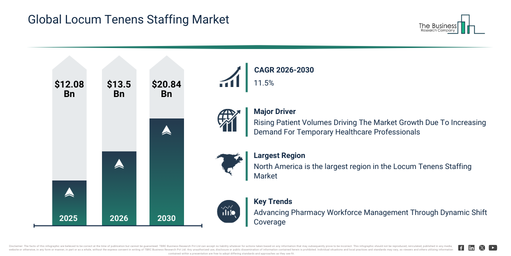
    The locum tenens staffing market has experienced significant expansion in recent years. Projections indicate it will grow from $12.08 billion in 2025 to $13.5 billion in 2026, at a compound annual growth rate (CAGR) of 11.8%. Historically, this growth can be attributed to increasing healthcare staff shortages, the broadening of hospital networks, a rising demand for specialty physicians, a growing dependence on staffing agencies, and heightened healthcare service utilization.

    The locum tenens staffing market is projected to experience substantial expansion in the coming years. It is forecast to reach a valuation of $20.84 billion by 2030, demonstrating a compound annual growth rate (CAGR) of 11.5%. This growth during the projection period can be attributed to the wider acceptance of AI-powered workforce matching, an uptick in staffing requirements driven by telemedicine, the proliferation of adaptable employment structures, the broader implementation of digital credentialing solutions, and a heightened need for international healthcare staffing. Key developments anticipated in the forecast period encompass a surge in the utilization of digital staffing platforms, an escalating call for immediate clinical workforce services, increased integration of credential verification technologies, the broadening of remote and telehealth-based staffing approaches, and a stronger emphasis on adaptable workforce arrangements.

    Access Your Free Sample Report For In-Depth Market Analysis:

    https://www.thebusinessresearchcompany.com/sample.aspx?id=25810&type=smp

    Which Drivers Are Supporting The Locum Tenens Staffing Market Growth?

    The growth of the locum tenens staffing market is anticipated to be driven by increasing patient volumes in the foreseeable future. This rise in patient volumes refers to the expanding number of individuals seeking medical attention across hospitals, clinics, and other healthcare facilities. A primary factor contributing to these escalating patient numbers is the growing aging population, as older adults typically necessitate more frequent medical visits, long-term care, and management for chronic conditions such as diabetes, heart disease, and arthritis. Elevated patient volumes intensify the requirement for flexible and immediate medical staffing solutions, thereby making locum tenens professionals crucial for sustaining consistent patient care, mitigating workforce shortages, and preventing provider burnout in high-demand healthcare environments. For instance, in December 2024, a report published by the National Health Service (NHS), a UK-based government department, indicated that in 2022/23, there were 5,099 hospital admissions where obesity was the primary diagnosis and a main or secondary bariatric procedure was recorded. These admissions constituted 4% of all hospital admissions that year, mirroring previous years, and accounted for 16% of admissions linked to conditions that can be caused by smoking. Consequently, the increasing patient volumes are propelling the expansion of the locum tenens staffing market.

    What Are The Different Segment Types In The Locum Tenens Staffing Market Segment Breakdown?

    The locum tenens staffing market covered in this report is segmented –

    1) By Type: Temporary Staffing, Per Diem Staffing, Locum Tenens Recruitment

    2) By Specialty: Primary Care, Anesthesiology, Radiology, Emergency Medicine, Surgery, Nurse Practitioners, Behavioral Health, Other Specialties

    3) By End-Use: Hospitals, Ambulatory Facilities, Other End-Users

    Subsegments:

    1) By Temporary Staffing: Short-Term Assignments, Long-Term Assignments, Travel Healthcare Staffing

    2) By Per Diem Staffing: Daily Shift Coverage, On-Call Coverage, Last-Minute Scheduling

    3) By Locum Tenens Recruitment: Direct Recruitment, Agency-Based Recruitment, Online Platform-Based Recruitment

    Which Trends Are Expected To Impact The Locum Tenens Staffing Market?

    Companies active in the locum tenens staffing market are concentrating on innovations in managing the pharmacy workforce, such as implementing dynamic shift coverage to promptly fill staffing gaps and provide adaptable work opportunities for pharmacy professionals. Dynamic shift coverage entails matching available pharmacy professionals to open shifts in real time, thereby ensuring uninterrupted pharmacy operations. For example, in February 2025, the American Pharmacists Association (APhA), a US-based professional association, launched HealthShifts, a digital platform for locum tenens staffing, in collaboration with the California Pharmacists Association (CPHA) and Locumate. HealthShifts integrates provider profiles, shift scheduling, credential verification, and communication tools; it functions by enabling facilities to post shifts and match them with qualified temporary staff in real time, concurrently allowing clinicians to manage their schedules and credentials digitally; its unique features include automated matching algorithms, mobile accessibility, and integrated compliance checks; applications span hospitals, pharmacies, and outpatient clinics; benefits encompass faster staffing, reduced administrative effort, improved workforce flexibility, and enhanced continuity of patient care.

    Who Are The Well-Known Companies In The Locum Tenens Staffing Market?

    Major companies operating in the locum tenens staffing market are AMN Healthcare Services Inc., Cross Country Healthcare Inc., Aya Healthcare Inc., CHG Healthcare Services Inc., Barton & Associates Inc., Medicus Healthcare Solutions LLC, All Medical Personnel Inc., Hayes Locums Inc., OneStaff Locums LLC, Caliber Healthcare Solutions LLC, Nomad Health Inc., Wapiti Medical Staffing LLC, Locums Inc., Austin Major Group LLC, TinkBird Healthcare Staffing LLC, Wilderness Medical Staffing LLC, FreeUpMD Inc., ProLocums Inc., MBS Locum Tenens LLC, Rosata Recruitment Ltd.

    Get The Full Locum Tenens Staffing Market Report:

    https://www.thebusinessresearchcompany.com/report/locum-tenens-staffing-global-market-report

    Which Region Is The Leading Market For The Locum Tenens Staffing Market?

    North America was the largest region in the locum tenens staffing market in 2025. Asia-Pacific is expected to be the fastest-growing region in the forecast period. The regions covered in the locum tenens staffing market report are Asia-Pacific, South East Asia, Western Europe, Eastern Europe, North America, South America, Middle East, Africa.

    Request A Customized Locum Tenens Staffing Market Report For Competitive Insights:

    https://www.thebusinessresearchcompany.com/report/locum-tenens-staffing-global-market-report

    Browse Through More Reports Similar to the Global Locum Tenens Staffing Market 2026, By The Business Research Company

    Milk Market Report 2026

    https://www.thebusinessresearchcompany.com/report/milk-global-market-report

    Janitorial Services Market Report

    https://www.thebusinessresearchcompany.com/report/janitorial-services-global-market-report

    Food Service Equipment Market Report

    https://www.thebusinessresearchcompany.com/report/food-service-equipment-global-market-report

    Get in touch with us:

    The Business Research Company: https://www.thebusinessresearchcompany.com/

    Americas +1 310-496-7795

    Asia +44 7882 955267 & +91 8897263534

    Europe +44 7882 955267

    Email us at info@tbrc.info

    Follow us on:

    LinkedIn: https://in.linkedin.com/company/the-business-research-company

    YouTube: https://www.youtube.com/channel/UC24_fI0rV8cR5DxlCpgmyFQ

    Global Market Model: https://www.thebusinessresearchcompany.com/global-market-model
  • Growing tobacco consumption is supporting expansion in the locally advanced pancreatic cancer market

    Growing tobacco consumption is supporting expansion in the locally advanced pancreatic cancer market

    The Business Research Company’s 2026 market reports feature enhanced tools like market attractiveness analysis, TAM assessment, and company scoring matrices, along with interactive dashboards, deeper supply chain insights, and startup coverage strengthening the depth, usability, and strategic value of insights.

    From Its 2026 Market Size, What Value Is The Locally Advanced Pancreatic Cancer Market Projected To Reach By 2030?

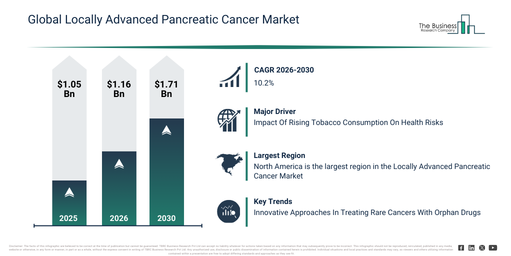
    The market for locally advanced pancreatic cancer has witnessed substantial growth over recent years. This market is projected to expand from $1.05 billion in 2025 to $1.16 billion in 2026, demonstrating a compound annual growth rate (CAGR) of 10.5%. Factors contributing to this historical growth include the prevalence of late-stage diagnosis of pancreatic cancer, restricted surgical eligibility for locally advanced cases, a past dependence on gemcitabine-based chemotherapy, low overall survival rates, and an increase in hospital-based oncology care.

    The market for locally advanced pancreatic cancer is projected to experience swift expansion over the coming years. This market is anticipated to reach $1.71 billion by 2030, demonstrating a compound annual growth rate (CAGR) of 10.2%. Several factors are fueling this growth during the projection period, including the broadening of combination therapy protocols, the greater acceptance of SBRT, heightened investment in pancreatic cancer research, an intensifying focus on tailored oncology care, and the increasing presence of specialized treatment facilities. Key developments expected during this forecast period encompass the augmented use of combination chemotherapy regimens, an expanding embrace of neoadjuvant treatment methods, a heightened emphasis on reducing tumor size for surgical suitability, the wider application of radiation therapy for managing local disease, and a stronger focus on collaborative treatment strategies.

    Access Your Free Sample Report For In-Depth Market Analysis:

    https://www.thebusinessresearchcompany.com/sample.aspx?id=21214&type=smp

    What Key Factors Are Affecting The Locally Advanced Pancreatic Cancer Market Demand?

    Future expansion in the locally advanced pancreatic cancer markets is anticipated to be propelled by the rise in tobacco consumption. Tobacco is a plant with leaves processed into items like cigarettes and cigars. This plant contains addictive nicotine, associated with severe health problems including cancer and heart disease. The growing use of tobacco stems from various factors, namely its ready availability, reasonable cost, marketing strategies, cultural acceptance in certain regions, and smoking in response to stress. Consumption of tobacco poses a substantial risk for developing locally advanced pancreatic cancer, leading to a higher occurrence of pancreatic malignancies. For example, an October 2024 study on youth smoking trends by the European Respiratory Society’s (ERS), a Switzerland-based non-profit, showed a notable increase in smoking prevalence, with 22.5% of respondents smoking in 2022 rising to 40.1% in 2024. Consequently, the surge in tobacco consumption is fueling the expansion of the locally advanced pancreatic cancer market.

    Which Segment Classifications Are Used In The Locally Advanced Pancreatic Cancer Market Segment Analysis?

    The locally advanced pancreatic cancer market covered in this report is segmented –

    1) By Therapy: Chemotherapy, Radiation Therapy

    2) By Route Of Administration: Oral, Injectables, Other Routes Of Administrations

    3) By End-User: Hospital, Specialty Clinics, Research Institutions, Other End-Users

    Subsegments:

    1) By Chemotherapy: Gemcitabine-based Chemotherapy, FOLFIRINOX Chemotherapy

    2) By Radiation Therapy: External Beam Radiation Therapy, Stereotactic Body Radiation Therapy (SBRT)

    What Trends Are Influencing Changes In The Locally Advanced Pancreatic Cancer Market?

    Leading companies in the locally advanced pancreatic cancer market are concentrating on creating innovative products, such as orphan drugs, to improve treatment options, enhance patient outcomes, and address the unmet medical needs associated with this aggressive disease. Orphan drugs are specifically developed to treat rare conditions affecting a small number of individuals, and authorities provide incentives like tax reductions and market exclusivity to encourage their development. For instance, in January 2025, Actuate Therapeutics Inc., a US-based biopharmaceutical company, announced that its Elraglusib, a new GSK-3ß inhibitor, received Orphan Drug Designation from both the European Medicines Agency (EMA) and US Food and Drug Administration (FDA) for the treatment of pancreatic ductal adenocarcinoma (PDAC), a potential type of locally advanced pancreatic cancer. This recognition emphasizes its potential to fulfill a vital need in treating this severe cancer, especially given the promising Phase 2 trial results that showed significant clinical improvements and anti-tumor effects in metastatic PDAC patients.

    Which Firms Are Contributing To The Locally Advanced Pancreatic Cancer Market Ecosystem?

    Major companies operating in the locally advanced pancreatic cancer market are Pfizer Inc, F Hoffmann La Roche Ltd, Merck and Co Inc, Bristol Myers Squibb Company, AstraZeneca plc, AbbVie Inc, Novartis AG, GSK plc, Bayer AG, Eli Lilly and Company, Ipsen, Takeda Pharmaceutical Company Limited, Amgen Inc, Sanofi, Servier, NovoCure Limited, Halozyme Therapeutics, Clovis Oncology, Astellas Pharma, BeiGene

    Get The Full Locally Advanced Pancreatic Cancer Market Report:

    https://www.thebusinessresearchcompany.com/report/locally-advanced-pancreatic-cancer-global-market-report

    Where Is The Locally Advanced Pancreatic Cancer Market Primarily Concentrated By Region?

    North America was the largest region in the locally advanced pancreatic cancer market in 2025. Asia-Pacific is expected to be the fastest-growing region in the forecast period. The regions covered in the locally advanced pancreatic cancer market report are Asia-Pacific, South East Asia, Western Europe, Eastern Europe, North America, South America, Middle East, Africa.

    Request A Customized Locally Advanced Pancreatic Cancer Market Report For Competitive Insights:

    https://www.thebusinessresearchcompany.com/report/locally-advanced-pancreatic-cancer-global-market-report

    Browse Through More Reports Similar to the Global Locally Advanced Pancreatic Cancer Market 2026, By The Business Research Company

    Invasive Ductal Carcinoma Therapeutics Market Report 2026

    https://www.thebusinessresearchcompany.com/report/invasive-ductal-carcinoma-therapeutics-global-market-report

    Pancreatic Cancer Drugs Market Report

    https://www.thebusinessresearchcompany.com/report/pancreatic-cancer-drugs-global-market-report

    Gastroesophageal Junction Adenocarcinoma Therapeutics Market Report

    https://www.thebusinessresearchcompany.com/report/gastroesophageal-junction-adenocarcinoma-therapeutics-global-market-report

    Get in touch with us:

    The Business Research Company: https://www.thebusinessresearchcompany.com/

    Americas +1 310-496-7795

    Asia +44 7882 955267 & +91 8897263534

    Europe +44 7882 955267

    Email us at info@tbrc.info

    Follow us on:

    LinkedIn: https://in.linkedin.com/company/the-business-research-company

    YouTube: https://www.youtube.com/channel/UC24_fI0rV8cR5DxlCpgmyFQ

    Global Market Model: https://www.thebusinessresearchcompany.com/global-market-model