Category: Healthcare Services

  • Fibrocystic Breast Condition Market: Growth Potential and Outlook

    Fibrocystic Breast Condition Market: Growth Potential and Outlook

    The Business Research Company’s 2026 market reports feature enhanced tools like market attractiveness analysis, TAM assessment, and company scoring matrices, along with interactive dashboards, deeper supply chain insights, and startup coverage strengthening the depth, usability, and strategic value of insights.

    What Is The Estimated Market Size Of The Fibrocystic Breast Condition Market In 2026, And How Will Its Value Evolve By 2030?

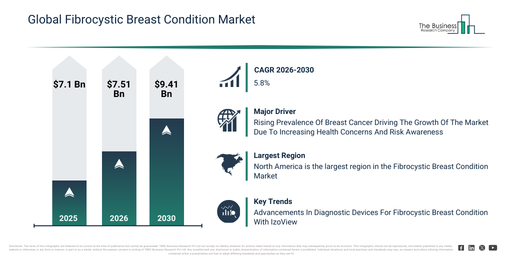
    The fibrocystic breast condition market has experienced substantial growth in recent years. It is projected to expand from $7.1 billion in 2025 to $7.51 billion in 2026, achieving a compound annual growth rate (CAGR) of 5.8%. The historical growth of this market can be attributed to a high prevalence among reproductive-age women, increased breast health awareness, the availability of diagnostic imaging, the expansion of women’s healthcare services, and improved clinical examinations.

    The fibrocystic breast condition market is projected to experience robust expansion in the coming years. This market is anticipated to reach $9.41 billion by 2030, exhibiting a compound annual growth rate (CAGR) of 5.8%. Several factors will drive this growth during the forecast period, including an increase in preventive women’s healthcare, the broadening availability of non-invasive diagnostics, a heightened emphasis on hormonal balance management, a surge in patient education programs, and improvements in breast imaging technologies. Key trends for the forecast duration encompass a heightened understanding of benign breast disorders, a greater adoption of non-invasive diagnostic methods, a developing inclination towards conservative and supportive therapeutic approaches, the proliferation of women’s health clinics, and the incorporation of lifestyle and dietary strategies.

    Access Your Free Sample Report For In-Depth Market Analysis:

    https://www.thebusinessresearchcompany.com/report/fibrocystic-breast-condition-global-market-report

    Which Key Factors Are Driving The Fibrocystic Breast Condition Market Growth?

    The growing incidence of breast cancer is anticipated to stimulate the expansion of the fibrocystic breast condition market in the future. Breast cancer is a malignancy that originates in the breast cells, predominantly affecting women. The escalating occurrence of breast cancer is influenced by factors such as an aging population, detrimental lifestyle choices, genetic predispositions, increased diagnostic screenings, and exposure to environmental elements. Fibrocystic breast condition (FBC) potentially elevates the risk of breast cancer by developing dense breast tissue, which can encourage cellular transformations, heightened hormonal responsiveness, and persistent inflammation, thereby possibly establishing conditions favorable for cancer progression. For example, data released in July 2024 by the American Cancer Society Facts and Figures, a US-based professional organization, forecasts that new breast cancer diagnoses in the United States are expected to rise from 300,590 in 2023 to 313,510 in 2024. Consequently, the increasing prevalence of breast cancer is a significant driver of growth for the fibrocystic breast condition market.

    Which Segment Types Are Examined In The Fibrocystic Breast Condition Market Segment Study?

    The fibrocystic breast condition market covered in this report is segmented –

    1) By Treatment: Medication, Oral Contraceptives, Fine-Needle Aspiration, Other Treatments

    2) By Diagnosis: Mammogram, Ultrasound, Clinical Breast Exam, Other Diagnosis

    3) By End-Users: Hospital, Clinic, Other End-Users

    Subsegments:

    1) By Medication: Over-the-Counter (OTC) Pain Relievers, Prescription Pain Relievers, Hormonal Therapy

    2) By Oral Contraceptives: Combination Pills, Progestin-Only Pills

    3) By Fine-Needle Aspiration: Ultrasound-Guided Fine-Needle Aspiration, Manual Fine-Needle Aspiration

    4) By Other Treatments: Lifestyle And Dietary Changes, Cyst Drainage Procedures, Supportive Therapy, Herbal And Dietary Supplements

    Which Trends Are Guiding The Direction Of The Fibrocystic Breast Condition Market?

    Key companies operating within the fibrocystic breast condition market are developing sophisticated technologies, such as diagnostic tools, to enhance diagnostic accuracy and improve treatment outcomes. A diagnostic device is defined as any instrument or apparatus utilized to identify, detect, or evaluate the presence of a medical condition, disease, or health concern. For instance, in August 2024, Izotropic Corporation, a Canada-based medical device company, unveiled IzoView, a breast CT imaging system created for diagnosing breast cancer in women with dense breast tissue. The company is seeking regulatory approval, relying on a clinical study designed to demonstrate IzoView’s superiority when employed alongside digital breast tomosynthesis (DBT), compared to DBT alone. Equipped with high-resolution 3D imaging capabilities and the advantage of not requiring breast compression, IzoView endeavors to improve breast cancer detection rates in women with dense breast tissue, a population at a greater risk for developing the disease.

    Which Players Are Part Of The Competitive Landscape Of The Fibrocystic Breast Condition Market?

    Major companies operating in the fibrocystic breast condition market are Pfizer Inc., Roche Diagnostics, Merck & Co Inc., Bayer AG, Sanofi SA, Novartis AG, GlaxoSmithKline plc, Eli Lilly and Company, Teva Pharmaceutical Industries Ltd, Hikma Pharmaceuticals plc, Steris Pharma, Lannett Company Inc., AdvaCare Pharma USA LLC, Siemens Healthineers AG, GE Healthcare Technologies Inc., Philips Healthcare, Fujifilm Holdings Corporation, Canon Medical Systems Corporation, Hologic Inc., Hitachi Medical Systems

    Get The Full Fibrocystic Breast Condition Market Report:

    https://www.thebusinessresearchcompany.com/report/fibrocystic-breast-condition-global-market-report

    Which Geographic Region Dominates The Fibrocystic Breast Condition Market?

    North America was the largest region in the fibrocystic breast condition market in 2025. The regions covered in the fibrocystic breast condition market report are Asia-Pacific, South East Asia, Western Europe, Eastern Europe, North America, South America, Middle East, Africa.

    Request A Customized Fibrocystic Breast Condition Market Report For Competitive Insights:

    https://www.thebusinessresearchcompany.com/report/fibrocystic-breast-condition-global-market-report

    Browse Through More Reports Similar to the Global Fibrocystic Breast Condition Market 2026, By The Business Research Company

    Non Cystic Fibrosis Bronchiectasis Market Report 2026

    https://www.thebusinessresearchcompany.com/report/non-cystic-fibrosis-bronchiectasis-global-market-report

    Breast Imaging Technologies Market Report 2026

    https://www.thebusinessresearchcompany.com/report/breast-imaging-technologies-global-market-report

    Idiopathic Pulmonary Fibrosis Market Report 2026

    https://www.thebusinessresearchcompany.com/report/idiopathic-pulmonary-fibrosis-global-market-report

    Get in touch with us:

    The Business Research Company: https://www.thebusinessresearchcompany.com/

    Americas +1 310-496-7795

    Asia +44 7882 955267 & +91 8897263534

    Europe +44 7882 955267

    Email us at info@tbrc.info

    Follow us on:

    LinkedIn: https://in.linkedin.com/company/the-business-research-company

    YouTube: https://www.youtube.com/channel/UC24_fI0rV8cR5DxlCpgmyFQ

    Global Market Model: https://www.thebusinessresearchcompany.com/global-market-model
  • Fibroblast Growth Factors Market: Growth Trends and Forecast

    Fibroblast Growth Factors Market: Growth Trends and Forecast

    The Business Research Company’s 2026 market reports feature enhanced tools like market attractiveness analysis, TAM assessment, and company scoring matrices, along with interactive dashboards, deeper supply chain insights, and startup coverage strengthening the depth, usability, and strategic value of insights.

    How Does The Market Size Of The Fibroblast Growth Factors (FGFs) Market Compare Between 2026 And 2030?

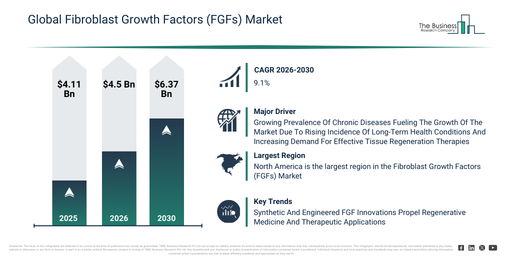
    The fibroblast growth factors (fgfs) market has demonstrated substantial growth in recent years. It is anticipated to expand from $4.11 billion in 2025 to $4.5 billion in 2026, achieving a compound annual growth rate (CAGR) of 9.4%. The historical increase can be ascribed to several factors, such as the broadening of growth factor research programs, an escalation in clinical trials involving fgfs, a greater demand for advanced biologics, developments in oncology drug creation, and refined recombinant protein manufacturing techniques.

    The fibroblast growth factors (fgfs) market is projected to experience substantial expansion over the upcoming years. By 2030, this market is anticipated to reach a valuation of $6.37 billion, demonstrating a compound annual growth rate (CAGR) of 9.1%. This projected growth during the forecast period stems from several factors, including the increasing uptake of fgf-targeted therapies, escalating investments in biologics manufacturing, the broadening of regenerative medicine pipelines, the expanding application of precision oncology drugs, and a rise in regulatory approvals for fgf-based products. Noteworthy trends within this period involve the intensified development of recombinant fgfs, the increasing incorporation of fgfs into oncology therapies, their expanding utility in wound healing treatments, the proliferation of fgf-based regenerative medicine, and a heightened emphasis on targeted fgf inhibitors.

    Access Your Free Sample Report For In-Depth Market Analysis:

    https://www.thebusinessresearchcompany.com/report/fibroblast-growth-factors-fgfs-global-market-report

    What Primary Drivers Are Shaping The Fibroblast Growth Factors (FGFs) Market?

    The increasing occurrence of chronic illnesses is anticipated to drive the expansion of the fibroblast growth factors (FGFs) market in the future. These are enduring health issues that manifest gradually and persist for long durations, frequently necessitating ongoing medical attention. The rising incidence of chronic diseases is partly linked to sedentary lifestyles, given that extended periods of sitting and insufficient physical activity heighten the likelihood of developing heart ailments and diabetes. Fibroblast growth factors (FGFs) aid in the management of chronic diseases by facilitating tissue healing and renewal, thus proving beneficial in addressing prolonged health issues. These factors improve recovery mechanisms and slow down disease advancement, leading to better patient results and an enhanced quality of life. To illustrate, in June 2024, data from the National Health Service, a UK government agency, indicated that 3,615,330 people registered with a general practitioner (GP) received a diagnosis of non-diabetic hyperglycemia or pre-diabetes (a condition characterized by elevated blood sugar levels, not severe enough to be categorized as diabetes) in 2023. This represented an 18% rise from 3,065,825 instances recorded in 2022. Consequently, the increasing occurrence of chronic illnesses is fueling the expansion of the fibroblast growth factors (FGFs) market.

    How Are Different Segments Classified In The Fibroblast Growth Factors (FGFs) Market Segment Analysis?

    The fibroblast growth factors (fgfs) market covered in this report is segmented –

    1) By Product Type: Recombinant Fibroblast Growth Factor, Purified Fibroblast Growth Factor, Endogenous Fibroblast Growth Factor, Other Product Types

    2) By Drug Type: Palifermin, Erdafitnib, Infigratinib, Futibatinib, Other Drug Types

    3) By Application: Oncology, Hematology, Wound Healing, Dermatology, Cardiovascular Disease, Bone Disorders, Musculoskeletal Disorders, Tissue Regeneration, Other Applications

    4) By End User: Pharmaceutical Companies, Research Institutes, Biotechnology Companies, Other End Users

    Subsegments:

    1) By Recombinant Fibroblast Growth Factor: Recombinant Fibroblast Growth Factor (FGF)-1, Recombinant Fibroblast Growth Factor (FGF)-2, Recombinant Fibroblast Growth Factor (FGF)-7, Recombinant Fibroblast Growth Factor (FGF)-10

    2) By Purified Fibroblast Growth Factor: Purified Fibroblast Growth Factor (FGF)-1, Purified Fibroblast Growth Factor (FGF)-2, Purified Fibroblast Growth Factor (FGF)-7, Purified Fibroblast Growth Factor (FGF)-21

    3) By Endogenous Fibroblast Growth Factor: Endogenous Fibroblast Growth Factor (FGF)-1, Endogenous Fibroblast Growth Factor (FGF)-2, Endogenous Fibroblast Growth Factor (FGF)-8, Endogenous Fibroblast Growth Factor (FGF)-23

    4) By Other Product Types: Synthetic Fibroblast Growth Factors, Modified Fibroblast Growth Factors, Fusion Protein Fibroblast Growth Factors (FGFs), Fibroblast Growth Factors (FGFs) Derived From Stem Cells

    What Trends Are Affecting The Growth Of The Fibroblast Growth Factors (FGFs) Market?

    Major companies entering the fibroblast growth factors (FGFs) market are increasingly concentrating on creating innovative solutions, such as synthetic peptide-based alternatives to natural growth factors, with the aim of reducing costs, improving consistency, and enhancing performance in cell culture and regenerative medicine. Synthetic peptides are chemically produced amino acid sequences engineered to replicate the biological activity of natural FGFs by binding to the same receptors and triggering essential cellular signaling pathways. This strategy supports reliable long-term cell proliferation, enhances stability, and allows for precise receptor-specific activation. For instance, in October 2024, PeptiGrowth Inc., a Japan-based biotechnology company, unveiled PG-011, a synthetic FGFR1c agonist peptide designed to replace natural FGF2 for cultivating stem cells and other rapidly dividing cell types. PG-011 features a chemically defined, animal-component-free composition, offers superior stability compared to recombinant proteins, and efficiently activates receptors even at lower concentrations. These benefits collectively contribute to better cost control, ensure quality consistency, and improve scalability for research and emerging cell-based applications.

    Who Are The Companies Driving Activity In The Fibroblast Growth Factors (FGFs) Market?

    Major companies operating in the fibroblast growth factors (fgfs) market are Merck & Co. Inc., Thermo Fisher Scientific Inc., FUJIFILM Wako Pure Chemical Corporation, Lonza Group AG, Miltenyi Biotec B.V. & Co. KG, GenScript Biotech Corporation, 89bio Inc., R&D Systems Inc., ACROBiosystems Co. Ltd., Elabscience Biotechnology Inc., Cell Signaling Technology Inc., Proteintech Group Inc., Akero Therapeutics Inc., MedChemExpress LLC, Defined Bioscience Inc., Gold Biotechnology Inc. (GoldBio), Nucleus Biologics LLC, ZellBio GmbH, Affinity Biosciences Ltd.

    Get The Full Fibroblast Growth Factors (FGFs) Market Report:

    https://www.thebusinessresearchcompany.com/report/fibroblast-growth-factors-fgfs-global-market-report

    Which Region Is The Leading Market For The Fibroblast Growth Factors (FGFs) Market?

    North America was the largest region in the fibroblast growth factors (FGFs) market in 2025. Asia-Pacific is expected to be the fastest-growing region in the forecast period. The regions covered in the fibroblast growth factors (fgfs) market report are Asia-Pacific, South East Asia, Western Europe, Eastern Europe, North America, South America, Middle East, Africa.

    Request A Customized Fibroblast Growth Factors (FGFs) Market Report For Competitive Insights:

    https://www.thebusinessresearchcompany.com/report/fibroblast-growth-factors-fgfs-global-market-report

    Browse Through More Reports Similar to the Global Fibroblast Growth Factors (FGFs) Market 2026, By The Business Research Company

    Uterine Fibroids Treatment Market Report 2026

    https://www.thebusinessresearchcompany.com/report/uterine-fibroids-treatment-global-market-report

    Follicle Stimulating Hormone Market Report 2026

    https://www.thebusinessresearchcompany.com/report/follicle-stimulating-hormone-global-market-report

    Hair Growth Serum Market Report 2026

    https://www.thebusinessresearchcompany.com/report/hair-growth-serum-global-market-report

    Get in touch with us:

    The Business Research Company: https://www.thebusinessresearchcompany.com/

    Americas +1 310-496-7795

    Asia +44 7882 955267 & +91 8897263534

    Europe +44 7882 955267

    Email us at info@tbrc.info

    Follow us on:

    LinkedIn: https://in.linkedin.com/company/the-business-research-company

    YouTube: https://www.youtube.com/channel/UC24_fI0rV8cR5DxlCpgmyFQ

    Global Market Model: https://www.thebusinessresearchcompany.com/global-market-model
  • Fibroblast Cells Market: Emerging Trends Through 2030

    Fibroblast Cells Market: Emerging Trends Through 2030

    The Business Research Company’s 2026 market reports feature enhanced tools like market attractiveness analysis, TAM assessment, and company scoring matrices, along with interactive dashboards, deeper supply chain insights, and startup coverage strengthening the depth, usability, and strategic value of insights.

    What Is The Forecasted Market Size Trajectory Of The Fibroblast Cells Market From 2026 To 2030?

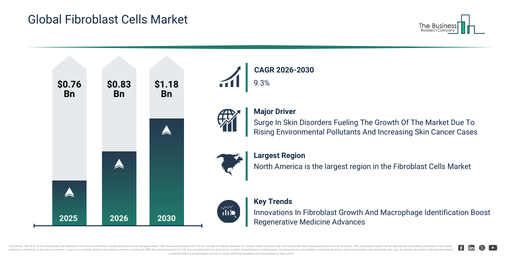
    The fibroblast cells market size has demonstrated robust expansion in recent years. It is projected to expand from $0.76 billion in 2025 to $0.83 billion in 2026, achieving a compound annual growth rate (CAGR) of 9.7%. The historical growth can be attributed to several factors: the escalating incidence of chronic wounds, the broadening scope of regenerative medicine research, the increasing utilization of cell-based assays, a heightened demand for tissue engineering solutions, and enhanced accessibility to primary cell culture techniques.

    The fibroblast cells market size is projected to experience robust expansion over the coming years, reaching $1.18 billion by 2030, driven by a compound annual growth rate (CAGR) of 9.3%. This anticipated growth during the forecast period stems from factors such as increased investments in the development of cell therapies, an enhanced emphasis on personalized medicine strategies, the broader application of fibroblasts in drug screening, the growing acceptance of xeno-free media, and the escalating clinical implementation of regenerative treatments. Key trends defining this period include the wider acceptance of regenerative therapies utilizing fibroblasts, an escalating need for fibroblast models tailored to specific diseases, the increased utilization of serum-free culture media, an expansion of fibroblast applications in healing wounds, and a greater emphasis on standardized protocols for cell expansion.

    Access Your Free Sample Report For In-Depth Market Analysis:

    https://www.thebusinessresearchcompany.com/report/fibroblast-cells-global-market-report

    Which Major Drivers Are Influencing The Expansion Of The Fibroblast Cells Market?

    The anticipated expansion of the fibroblast cells market is linked to the rising occurrence of diverse skin conditions. These disorders encompass a range of conditions and illnesses impacting the skin, manifesting as symptoms such as rashes, itchiness, inflammation, redness, dry patches, or lesions. The surge in skin disorders stems from heightened exposure to environmental contaminants, which compromise the skin’s protective barrier, thereby inducing inflammation and increasing susceptibility to dermatological problems. Fibroblast cells aid in addressing skin disorders by fostering tissue repair and regeneration; they achieve this by generating collagen and other elements of the extracellular matrix, thus reinstating the skin’s strength and suppleness. As an illustration, Cancer Australia, an Australian government body, reported in February 2025 that 18,257 new cases of skin melanoma were identified in 2023. Consequently, the growing incidence of different skin conditions is a key factor stimulating the expansion of the fibroblast cells market.

    How Is The Fibroblast Cells Market Categorized Across Its Segment Groups?

    The fibroblast cells market covered in this report is segmented –

    1) By Type: Tissue-Specific Fibroblasts, Disease-Specific Fibroblasts, Serum-Free Fibroblast Culture Medium

    2) By Application: Adults, Neonatal

    3) By End-Users: Hospitals, Clinics, Research And Academic Institutes, Other End-Users

    Subsegments:

    1) By Tissue-Specific Fibroblasts: Dermal Fibroblasts, Lung Fibroblasts, Cardiac Fibroblasts, Gingival Fibroblasts, Corneal Fibroblasts, Mammary Fibroblasts, Intestinal Fibroblasts, Foreskin Fibroblasts

    2) By Disease-Specific Fibroblasts: Cancer-Associated Fibroblasts (CAFs), Idiopathic Pulmonary Fibrosis Fibroblasts, Scleroderma Fibroblasts, Diabetic Wound Fibroblasts, Rheumatoid Arthritis Fibroblasts, Keloid Fibroblasts, Psoriatic Fibroblasts

    3) By Serum-Free Fibroblast Culture Medium: Dermal Fibroblast Medium, Lung Fibroblast Medium, Cardiac Fibroblast Medium, Cancer-Associated Fibroblast Medium, Human Gingival Fibroblast Medium, Fibroblast Growth Medium (Xeno-Free), Custom Or Defined Media For Fibroblast Expansion

    Which Trends Are Shaping The Fibroblast Cells Market?

    Companies within the fibroblast cells market are concentrating on creating sophisticated solutions, such as macrophage phenotype identification, to enhance comprehension of cell interactions and improve the efficacy of fibroblast-based treatments. Macrophage phenotype identification involves differentiating between various types of macrophages, mainly M1 and M2, based on their distinct functional roles and molecular markers. For example, Creative Biolabs, a US-based biotech firm, introduced Fibroblast Growth Factor 2 in December 2024. This product offers two versions, Fibroblast Growth Factor 2 and Fibroblast Growth Factor 2 STAB, both engineered to stimulate the growth and proliferation of human mesenchymal stem cells (MSCs) and normal human dermal fibroblasts (NHDFs), thus advancing research in stem cell and regenerative medicine.

    Which Firms Are Influencing Competition In The Fibroblast Cells Market?

    Major companies operating in the fibroblast cells market are Thermo Fisher Scientific Inc., Lonza Group AG, Sigma-Aldrich Corporation, Bio-Techne Corporation, STEMCELL Technologies Inc., American Type Culture Collection, Creative Bioarray, PromoCell GmbH, Coriell Institute for Medical Research, REPROCELL Inc., Axol Bioscience Ltd., ScienCell Research Laboratories Inc., Cell Applications Inc., ZenBio Inc., Cell Biologics Inc., Lifeline Cell Technology, Celprogen Inc., AMS Biotechnology (Europe) Ltd., Neuromics Inc., Evercyte GmbH, FUJIFILM Irvine Scientific Inc.

    Get The Full Fibroblast Cells Market Report:

    https://www.thebusinessresearchcompany.com/report/fibroblast-cells-global-market-report

    Where Is The Fibroblast Cells Market Primarily Concentrated By Region?

    North America was the largest region in the fibroblast cells market in 2025. The regions covered in the fibroblast cells market report are Asia-Pacific, South East Asia, Western Europe, Eastern Europe, North America, South America, Middle East, Africa.

    Request A Customized Fibroblast Cells Market Report For Competitive Insights:

    https://www.thebusinessresearchcompany.com/report/fibroblast-cells-global-market-report

    Browse Through More Reports Similar to the Global Fibroblast Cells Market 2026, By The Business Research Company

    Cell Regeneration Medicine Market Report 2026

    https://www.thebusinessresearchcompany.com/report/cell-regeneration-medicine-global-market-report

    Cell Cultures Market Report 2026

    https://www.thebusinessresearchcompany.com/report/cell-cultures-global-market-report

    Cells Therapy Market Report 2026

    https://www.thebusinessresearchcompany.com/report/cells-therapy-global-market-report

    Get in touch with us:

    The Business Research Company: https://www.thebusinessresearchcompany.com/

    Americas +1 310-496-7795

    Asia +44 7882 955267 & +91 8897263534

    Europe +44 7882 955267

    Email us at info@tbrc.info

    Follow us on:

    LinkedIn: https://in.linkedin.com/company/the-business-research-company

    YouTube: https://www.youtube.com/channel/UC24_fI0rV8cR5DxlCpgmyFQ

    Global Market Model: https://www.thebusinessresearchcompany.com/global-market-model
  • Fertility Treatments Market Outlook Through 2030

    Fertility Treatments Market Outlook Through 2030

    The Business Research Company’s 2026 market reports feature enhanced tools like market attractiveness analysis, TAM assessment, and company scoring matrices, along with interactive dashboards, deeper supply chain insights, and startup coverage strengthening the depth, usability, and strategic value of insights.

    How Much Will The Market Value Of The Fertility Treatments Market Grow Between 2026 And 2030?

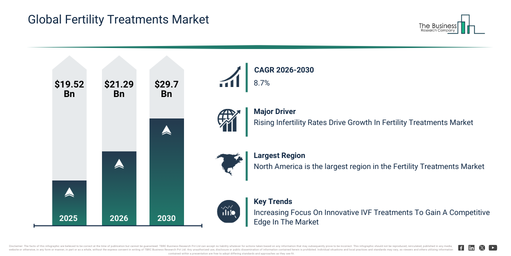
    The fertility treatments market size has experienced significant expansion in recent years. It is anticipated to grow from $19.52 billion in 2025 to $21.29 billion in 2026, maintaining a compound annual growth rate (CAGR) of 9.1%. This historical growth can be linked to several factors, including growth in infertility rates, availability of fertility drugs, expansion of ivf infrastructure, improved reproductive diagnostics, and increasing healthcare access.

    The fertility treatments market is expected to experience significant growth in the coming years, with its size projected to reach $29.7 billion by 2030, exhibiting an 8.7% compound annual growth rate. This anticipated expansion is attributed to advancements in fertility drug development, the broadening of personalized treatment protocols, an increasing demand for minimally invasive fertility procedures, heightened fertility awareness, and the growth of fertility tourism. Major developments during this forecast period include the increasing adoption of advanced fertility treatment techniques, a rise in the use of hormonal and ovulation induction drugs, the expansion of assisted reproductive technology centers, a growing need for male and female infertility treatments, and the integration of AI into treatment planning.

    Access Your Free Sample Report For In-Depth Market Analysis:

    https://www.thebusinessresearchcompany.com/report/fertility-treatments-global-market-report

    What Key Drivers Are Fueling The Growth Of The Fertility Treatments Market?

    The future expansion of the fertility treatments market is anticipated to be driven by a reduction in fertility rates. This reduction in fertility signifies a diminished capacity for individuals or couples to conceive naturally, often stemming from elements like age, health issues, lifestyle decisions, or environmental impacts. To counteract infertility, fertility treatments employ medical procedures, including IUI (intrauterine insemination) and IVF (in vitro fertilization), thereby enhancing the likelihood of conception for those experiencing a drop in fertility. An illustrative example comes from April 2023, when the World Health Organization (WHO), a Switzerland-based United Nations specialized agency focused on global public health, reported that around 17.5% of the worldwide adult population, which is roughly one in six people, experiences infertility. Consequently, the rising prevalence of infertility acts as a catalyst for the fertility treatments market.

    How Are Segments Identified Within The Fertility Treatments Market Segment Framework?

    The fertility treatments market covered in this report is segmented –

    1) By Product: Reagents, Equipment

    2) By Patient Type: Female, Male

    3) By End-User: Fertility Clinics, Hospitals, Surgical Centers, Clinical Research Institutes

    Subsegments:

    1) By Reagents: Ovulation Stimulation Reagents, Hormonal Reagents, Sperm Separation Reagents, Cryopreservation Reagents, Insemination Reagents

    2) By Equipment: In Vitro Fertilization (IVF) Equipment, Fertility Monitors, Sperm Analysis Equipment, Embryo Culture Media Equipment, Cryopreservation Equipment, Ultrasound Equipment For Fertility, Artificial Insemination (AI) Equipment

    What Trends Are Influencing The Fertility Treatments Market?

    Major companies operating in the fertility treatments market are focusing on developing innovative IVF treatments, such as iPSC-derived ovarian support cell (OSC)-based in vitro maturation (IVM), to gain a competitive advantage. This technology utilizes lab-engineered support cells derived from induced pluripotent stem cells to recreate the natural ovarian environment and mature eggs outside the body. For instance, in December 2024, Gameto, a US-based biotechnology company, announced the world’s first live birth using Fertilo, their OSC-IVM product. Fertilo replaces about 80% of hormonal injections, shortens the treatment cycle from 10–14 days to around three days, and reduces risks like ovarian hyperstimulation syndrome. While this approach promises a faster, safer, and more accessible fertility solution, regulatory hurdles and long-term safety remain key challenges.

    Who Are The Companies Competing Within The Fertility Treatments Market?

    Major companies operating in the fertility treatments market are Apollo Hospitals Enterprise Ltd., Care Fertility Group Limited, Genea Limited, Johns Hopkins Health System Corp., Medicover AB, Monash IVF Group, Progyny Inc., Vitrolife AB, Carolinas Fertility Institute PLLC, OvaScience Inc., Xytex Cryo International Ltd., Merck Group, Cook Group Incorporated, CooperSurgical Inc., Instituto Bernabeu, INVO Bioscience Inc., Cooper Companies Inc., Virtus Health Ltd., CryoChoice LLC, FUJIFILM Irvine Scientific Inc., LABOTECT GMBH, Fertility Focus Limited, Olympus Corporation, Irvine Scientific sales Company Inc., Ferring Pharmaceuticals Inc., Prelude Fertility Inc., Boston IVF, RMA Fertility Clinics, Shady Grove Fertility, CCRM Management Company LLC, IVIRMA Global, CARE Fertility

    Get The Full Fertility Treatments Market Report:

    https://www.thebusinessresearchcompany.com/report/fertility-treatments-global-market-report

    Which Region Has The Greatest Market Share In The Fertility Treatments Market?

    North America was the largest region in the fertility treatment market in 2025. Western Europe was the second largest region in the fertility treatment market. The regions covered in the fertility treatments market report are Asia-Pacific, South East Asia, Western Europe, Eastern Europe, North America, South America, Middle East, Africa.

    Request A Customized Fertility Treatments Market Report For Competitive Insights:

    https://www.thebusinessresearchcompany.com/report/fertility-treatments-global-market-report

    Browse Through More Reports Similar to the Global Fertility Treatments Market 2026, By The Business Research Company

    Fertility Drugs Market Report 2026

    https://www.thebusinessresearchcompany.com/report/fertility-drugs-global-market-report

    Infertility Treatment Market Report 2026

    https://www.thebusinessresearchcompany.com/report/infertility-treatment-global-market-report

    Fertility Services Market Report 2026

    https://www.thebusinessresearchcompany.com/report/fertility-services-global-market-report

    Get in touch with us:

    The Business Research Company: https://www.thebusinessresearchcompany.com/

    Americas +1 310-496-7795

    Asia +44 7882 955267 & +91 8897263534

    Europe +44 7882 955267

    Email us at info@tbrc.info

    Follow us on:

    LinkedIn: https://in.linkedin.com/company/the-business-research-company

    YouTube: https://www.youtube.com/channel/UC24_fI0rV8cR5DxlCpgmyFQ

    Global Market Model: https://www.thebusinessresearchcompany.com/global-market-model
  • Fertility Supplement Market: Growth Drivers and Opportunities

    Fertility Supplement Market: Growth Drivers and Opportunities

    The Business Research Company’s 2026 market reports feature enhanced tools like market attractiveness analysis, TAM assessment, and company scoring matrices, along with interactive dashboards, deeper supply chain insights, and startup coverage strengthening the depth, usability, and strategic value of insights.

    What Changes In Market Value Are Expected For The Fertility Supplement Market Over The 2026–2030 Period?

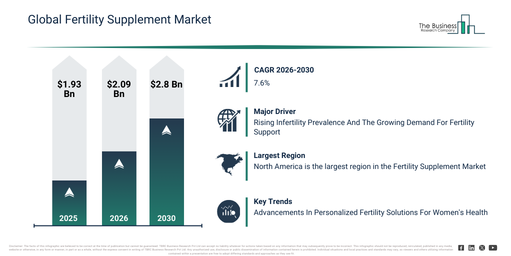
    The fertility supplement market size has seen strong growth over recent years. It is forecast to increase from $1.93 billion in 2025 to $2.09 billion in 2026, achieving a compound annual growth rate (CAGR) of 7.9%. The expansion observed historically can be attributed to heightened awareness of reproductive nutrition, an increase in dietary supplement consumption, the proliferation of health retail stores, escalating infertility concerns, and the accessibility of over-the-counter (OTC) fertility supplements.

    The fertility supplement market is projected to experience substantial expansion over the upcoming years. This market is anticipated to reach a valuation of $2.8 billion by 2030, exhibiting a compound annual growth rate (CAGR) of 7.6%. Several factors are expected to drive this growth during the forecast period, including advancements in formulations specifically targeting fertility, a greater focus on preventive reproductive health, the rising adoption of personalized supplement regimens, the proliferation of digital health platforms, and increased consumer confidence in nutraceutical products. Key trends identified for the forecast period encompass a surge in the consumption of nutritional supplements for reproductive assistance, a burgeoning inclination towards natural and herbal components, heightened demand from both male and female users, the wider availability of over-the-counter fertility solutions, and the expansion of online platforms for supplement sales.

    Access Your Free Sample Report For In-Depth Market Analysis:

    https://www.thebusinessresearchcompany.com/report/fertility-supplement-global-market-report

    Which Drivers Are Supporting The Fertility Supplement Market Growth?

    The rising occurrence of infertility is projected to boost the expansion of the fertility supplement market in the future. Infertility refers to the condition where conception is not achieved after one year of consistent, unprotected sexual activity, or the inability to complete a pregnancy to full term. The escalating rates of infertility are attributed to various factors including postponed childbearing, evolving lifestyle patterns, environmental pollutants, a surge in obesity, and elevated stress. To address infertility, fertility supplements are necessary because they supply vital vitamins, minerals, and nutrients crucial for upholding reproductive health, maintaining hormonal equilibrium, and ensuring comprehensive fertility performance. As an illustration, data from April 2023, published by the World Health Organization (WHO), the Switzerland-based United Nations agency focused on global public health, indicated that approximately 17.5% of adults worldwide, equating to about one in six people, experience infertility. Consequently, the growing incidence of infertility is a key factor stimulating the expansion of the fertility supplement market.

    What Are The Key Segment Divisions In The Fertility Supplement Market Segment Structure?

    The fertility supplement market covered in this report is segmented –

    1) By Product: Tablets, Capsules, Powders, Liquids, Soft Gels, Other Products

    2) By Ingredient Type: Natural, Synthetic Or Blend Of Natural And Synthetic

    3) By Distribution Channel: Over-The-Counter, Prescribed, Other Distribution Channels

    4) By End Use: Men, Women

    Subsegments:

    1) By Tablets: Standard Tablets, Effervescent Tablets

    2) By Capsules: Gelatin Capsules, Vegetarian Capsules

    3) By Powders: Drink Mix Powders, Nutritional Powders

    4) By Liquids: Oral Liquid Supplements, Liquid Drops

    5) By Soft Gels: Standard Soft Gels, High-Absorption Soft Gels

    6) By Other Products: Chewable Supplements, Gummy Supplements

    Which Trends Are Expected To Impact The Fertility Supplement Market?

    Leading companies operating in the fertility supplement market are concentrating on developing customized products, such as natural fertility supplements, to provide a comprehensive strategy for improving reproductive health. These products utilize plant-based ingredients and essential nutrients, aiming for fewer synthetic chemicals and potential side effects compared to conventional treatments. Natural fertility supplements are dietary items crafted from plant components, vitamins, and minerals, designed to boost reproductive well-being and fertility by assisting hormonal balance, egg quality, and general reproductive function. For instance, in November 2024, Nestlé, a Switzerland-based health and wellness enterprise, introduced its Materna Pre and Materna Nausea solutions. The Materna range has expanded with two new offerings specifically designed to support women’s fertility and ease typical pregnancy-related discomforts like nausea and vomiting. By incorporating natural ginger and vitamin B6, the updated Materna Nausea product has been scientifically demonstrated to reduce the severity of nausea and vomiting during pregnancy. This expansion highlights Materna’s dedication to delivering women with personalized, science-backed nutritional solutions that support them before conception, throughout pregnancy, and post-childbirth, ultimately seeking to enhance health results for both mothers and their infants.

    Which Organizations Are Engaged In The Fertility Supplement Market?

    Major companies operating in the fertility supplement market are GNC Holdings LLC, Orthomol Holding, Vitabiotics Ltd., Lenus Pharma GesmbH, Innovamed Ltd., AdvaCare Pharma, Theralogix LLC, Fairhaven Health LLC, Coast Science LLC, Bionova Inc., Extreme V Inc., Crown Fertility, Xena Bio Herbals Pvt. Ltd., Zenith Nutrition Co, Amitamin, Eu Natural Inc., Proxeed, Babystart Ltd., Needed Inc., Ritual, Premama Wellness Company, Pink Stork

    Get The Full Fertility Supplement Market Report:

    https://www.thebusinessresearchcompany.com/report/fertility-supplement-global-market-report

    Which Region Accounts For The Largest Portion Of The Fertility Supplement Market?

    North America was the largest region in the fertility supplement market in 2025. Asia-Pacific is expected to be the fastest-growing region in the forecast period. The regions covered in the fertility supplement market report are Asia-Pacific, South East Asia, Western Europe, Eastern Europe, North America, South America, Middle East, Africa.

    Request A Customized Fertility Supplement Market Report For Competitive Insights:

    https://www.thebusinessresearchcompany.com/report/fertility-supplement-global-market-report

    Browse Through More Reports Similar to the Global Fertility Supplement Market 2026, By The Business Research Company

    Postnatal Health Supplement Market Report 2026

    https://www.thebusinessresearchcompany.com/report/postnatal-health-supplement-global-market-report

    Fertility Drugs Market Report 2026

    https://www.thebusinessresearchcompany.com/report/fertility-drugs-global-market-report

    Sexual Health Supplement Market Report 2026

    https://www.thebusinessresearchcompany.com/report/sexual-health-supplement-global-market-report

    Get in touch with us:

    The Business Research Company: https://www.thebusinessresearchcompany.com/

    Americas +1 310-496-7795

    Asia +44 7882 955267 & +91 8897263534

    Europe +44 7882 955267

    Email us at info@tbrc.info

    Follow us on:

    LinkedIn: https://in.linkedin.com/company/the-business-research-company

    YouTube: https://www.youtube.com/channel/UC24_fI0rV8cR5DxlCpgmyFQ

    Global Market Model: https://www.thebusinessresearchcompany.com/global-market-model
  • Fertility Services Market: Developments Driving Growth

    Fertility Services Market: Developments Driving Growth

    The Business Research Company’s 2026 market reports feature enhanced tools like market attractiveness analysis, TAM assessment, and company scoring matrices, along with interactive dashboards, deeper supply chain insights, and startup coverage strengthening the depth, usability, and strategic value of insights.

    By 2030, What Market Size Is The Fertility Services Market Expected To Reach Based On Its 2026 Value?

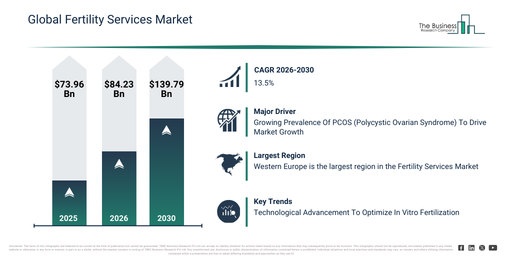
    The fertility services market size has experienced swift expansion in recent years. Its valuation is projected to increase from $73.96 billion in 2025 to $84.23 billion in 2026, at a compound annual growth rate (CAGR) of 13.9%. This historic growth is attributable to factors such as delayed parenthood trends, increasing infertility prevalence, the expansion of IVF clinics, advancements in reproductive diagnostics, and a rising social acceptance of fertility treatments.

    The fertility services market is anticipated to see significant growth in the coming years. It is projected to expand to $139.79 billion by 2030, achieving a compound annual growth rate (CAGR) of 13.5%. This growth during the forecast period is attributable to advancements in assisted reproduction technologies, an increase in fertility tourism, the growing application of AI in fertility planning, the expansion of fertility preservation services, and rising investment in reproductive healthcare. Key trends for the forecast period include an escalating demand for assisted reproductive technologies, the proliferation of fertility clinics and centers, the wider adoption of personalized fertility treatment plans, an increase in cross-border fertility tourism, and the integration of digital tools into fertility counseling.

    Access Your Free Sample Report For In-Depth Market Analysis:

    https://www.thebusinessresearchcompany.com/report/fertility-services-global-market-report

    What Key Factors Are Affecting The Fertility Services Market Demand?

    The increasing prevalence of PCOS (Polycystic Ovarian Syndrome) is projected to stimulate the expansion of the fertility services market in the future. Polycystic Ovary Syndrome (PCOS) is a widespread hormonal disorder that affects individuals with ovaries, typically during their reproductive years. As the incidence of PCOS rises, the need for fertility services, such as in vitro fertilization (IVF) and other assisted reproductive techniques, could grow, thereby enhancing the fertility services market. For example, in June 2023, the World Health Organization, a Switzerland-based intergovernmental organization, reported that an estimated 8-13% of women in their reproductive years are affected by polycystic ovary syndrome (PCOS), and a substantial portion, as much as 70%, of those affected worldwide remain undiagnosed. Hence, the increasing prevalence of PCOS is propelling the growth of the fertility services market.

    Which Segment Categories Are Included In The Fertility Services Market Segment Analysis?

    The fertility services market covered in this report is segmented –

    1) By Procedure: Assisted Reproductive Technology (Art), In-Vitro Fertilization, Artificial Insemination

    2) By Service: Fresh Non-Donor, Frozen Non-Donor, Egg And Embryo Banking, Fresh Donor, Frozen Donor

    3) By Application: Male, Female

    Subsegments:

    1) By Assisted Reproductive Technology (ART): Intracytoplasmic Sperm Injection (ICSI), Frozen Embryo Transfer (FET), Donor Egg And Sperm Programs

    2) By In-Vitro Fertilization (IVF): Conventional IVF, Mini IVF (Mild Stimulation IVF), Natural Cycle IVF

    3) By Artificial Insemination: Intrauterine Insemination (IUI), Intracervical Insemination (ICI), Intratubal Insemination (ITI)

    What Trends Are Influencing Changes In The Fertility Services Market?

    Leading companies in the fertility services market are dedicating efforts to creating innovative technologies, like AI-powered embryo selection algorithms, to achieve a competitive edge. AI-enabled embryo selection employs advanced machine learning on time-lapse imaging and morphological data to predict the success of embryo implantation, consequently improving IVF outcomes. As an illustration, in August 2025, Nova IVF Fertility, a UK-based fertility services company, unveiled Vita Embryo, an AI-driven embryo assessment tool. This technology delivers accurate viability ranking, shortens the duration of IVF cycles, and increases treatment transparency. Its design aims to raise pregnancy rates, decrease multiple pregnancies, and boost clinical efficiency. While enhancing precision and patient care, the adoption of AI also brings the need to manage elevated costs, regulatory supervision, and algorithmic transparency. These technologies are poised to transform the fertility services market by increasing the success of fertility treatments and bettering the patient experience worldwide.

    Who Are The Active Companies Shaping The Fertility Services Market?

    Major companies operating in the fertility services market are Vitrolife, Merck KGaA, Progyny Inc., Virtus Health, Medicover Group, Apollo Hospitals Enterprise Ltd., Integramed America, Inc., The Johns Hopkins Health System Corp, Care Fertility, Australian Concept Infertility Medical Center (ACIMC), Bahosi Fertility Centre, Bloom Fertility Center, Center for Advanced Reproductive Medicine and Infertility, Chennai Fertility Center, Cloudnine Fertility, Damai Service Hospital, Flinders Reproductive Medicine Pty Ltd, Genea Oxford Fertility Limited, IHH Healthcare Berhad, IVF NAMBA Clinic, IVF Sri Lanka Life Plus (Pvt) Ltd, KL Fertility & Gynecology Centre, LIFE – Lahore Institute of Fertility & Endocrinology, Maria Fertility Hospital, Morula IVF, Nepal International Fertility Centre, Repromed, SAFE Fertility Center, Southend Fertility and IVF, Thomson Medical Pte Ltd, TMC Fertility Centre, Victory A.R.T. Laboratory Phils. Inc, CHA Fertility Center, United Family Hospital, The New Hope Fertility Center, NOVA IVF Fertility, Baby Joy Fertility and IVF, Fortis La Femme, ART Fertility Clinics, Ferticity Fertility Clinic, Milann Fertility Centre, Fertility First, City Fertility Sydney, Westmead Fertility Centre, Demeter Fertility, Adora Fertility, Rainbow Fertility, Monash IVF Group Limited, Mitra Keluarga Karyasehat Tbk PT, Sarang-i IVF Center, Beyond IVF, Bumrungrad International Hospital, Superior A.R.T, King’s Fertility, Manchester Fertility, St Roch IVF Center, Clinique De La Muette, Institut Marques, Hopital Cochin, iTrust Fertility, Apricity, Agora Clinic, TFP Fertility, Apryl, CCRM Fertility Clinic, ORIGIO, Maven Clinic, Bayonne Centre, Biomedival, Grand Paris Fertility Centre, Ava-Peter Clinic, IVF Russia (The International Centre Of The Reproductive Medicines), Next Generation Clinic, Scandinavia AVA-Peter, Nova Vita Clinic, INVICTA Fertility Clinics, Gyncentrum Fertility Clinic, Md Medical Group, Invo Bioscience, Carolinas Fertility Institute, Newlife Fertility Centre, Dallas Fort Worth Fertility Associates, Overlake Reproductive Health, Fertility Center Of Las Vegas, Weill Cornell Medicine – Center For Reproductive Medicine, UCSF Center For Reproductive Health, Brigham And Women’s Hospital Center For Infertility And Reproductive Surgery, Columbia University Fertility Center, Duke Fertility Center, Advanced Fertility Center Of Texas, Cleveland Clinic Fertility Center, NYU Langone Fertility Center, Mayo Clinic Assisted Reproductive Technologies Rochester, Massachusetts General Hospital Fertility Center, IVF Canada, Bio Fertility Center, The Mexican Institute For Higher Reproductive Technology (Inmater), Select IVF, Fertility Patagonia, In Vitro Buenos Aires, Halitus Instituto Medico, Pregna Medicina Reproductiva, IVF Panama Centro De Reproduccion Punta Pacifica, Colombian Center For Fertility, Sterility, Carrot Fertility, Oya Care, Kitazato, Dubai Fertility Center, Fakih IVF Fertility Center, Orchid Fertility, Bourn Hall Fertility Clinic, Alboshra IVF Center, George’s Memorial Medical Centre, Nordica Fertility Centre, The Olive Branch Clinic, St. Ives Specialist Hospital, Bridge Clinic Fertility Centre, Cairo Fertility Centre, Queens Fertility Centre, BPE Partners, Cleopatra Hospitals Group

    Get The Full Fertility Services Market Report:

    https://www.thebusinessresearchcompany.com/report/fertility-services-global-market-report

    Which Region Holds The Highest Market Share In The Fertility Services Market?

    Western Europe was the largest region in the fertility services market in 2025. North America was the second largest region in global fertility services market share. The regions covered in the fertility services market report are Asia-Pacific, South East Asia, Western Europe, Eastern Europe, North America, South America, Middle East, Africa.

    Request A Customized Fertility Services Market Report For Competitive Insights:

    https://www.thebusinessresearchcompany.com/report/fertility-services-global-market-report

    Browse Through More Reports Similar to the Global Fertility Services Market 2026, By The Business Research Company

    Male Fertility Market Report 2026

    https://www.thebusinessresearchcompany.com/report/male-fertility-global-market-report

    Fertility Treatments Market Report 2026

    https://www.thebusinessresearchcompany.com/report/fertility-treatments-global-market-report

    Assisted Reproductive Technology Market Report 2026

    https://www.thebusinessresearchcompany.com/report/assisted-reproductive-technology-global-market-report

    Get in touch with us:

    The Business Research Company: https://www.thebusinessresearchcompany.com/

    Americas +1 310-496-7795

    Asia +44 7882 955267 & +91 8897263534

    Europe +44 7882 955267

    Email us at info@tbrc.info

    Follow us on:

    LinkedIn: https://in.linkedin.com/company/the-business-research-company

    YouTube: https://www.youtube.com/channel/UC24_fI0rV8cR5DxlCpgmyFQ

    Global Market Model: https://www.thebusinessresearchcompany.com/global-market-model
  • Feminine Intimate Care Market: Demand Trends and Growth Outlook

    Feminine Intimate Care Market: Demand Trends and Growth Outlook

    The Business Research Company’s 2026 market reports feature enhanced tools like market attractiveness analysis, TAM assessment, and company scoring matrices, along with interactive dashboards, deeper supply chain insights, and startup coverage strengthening the depth, usability, and strategic value of insights.

    What Is The Anticipated Rise In Market Value Of The Feminine Intimate Care Market During The Forecast Period?

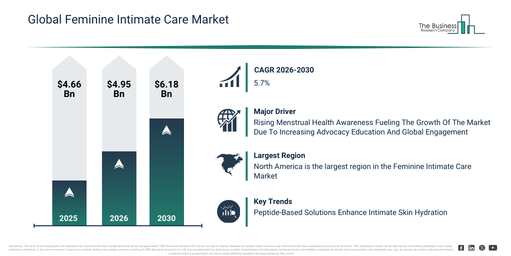
    The feminine intimate care market has experienced significant growth in recent years. It is projected to expand from $4.66 billion in 2025 to $4.95 billion in 2026, achieving a compound annual growth rate (CAGR) of 6.0%. The expansion observed in the past can be attributed to a combination of factors including increasing awareness of intimate hygiene, the development of female wellness education, the growth of personal care retail channels, rising disposable income among women, and increasing urbanization.

    The feminine intimate care market is anticipated to experience robust expansion over the forthcoming years. It is forecast to reach a value of $6.18 billion by 2030, demonstrating a compound annual growth rate (CAGR) of 5.7%. This projected growth throughout the forecast period stems from factors such as increasing consumer demand for sustainable feminine care items, the proliferation of online retail platforms, an evolving focus on personalized intimate care solutions, greater adoption among varied age groups, and continuous innovation in gentle product formulations. Prominent trends observed during this period include a heightened demand for pH-balanced intimate products, a growing inclination towards natural and organic formulations, the increasing embrace of fragrance-free solutions, an expansion in products catering to menopause and postpartum care, and an intensified emphasis on skin-safe ingredients.

    Access Your Free Sample Report For In-Depth Market Analysis:

    https://www.thebusinessresearchcompany.com/report/feminine-intimate-care-global-market-report

    Which Primary Drivers Are Impacting The Feminine Intimate Care Market Growth?

    The anticipated expansion of the feminine intimate care market is expected to be propelled by increasing awareness regarding menstrual health. This awareness involves an understanding and open discussion of the physical and emotional aspects of menstruation, aiming to foster improved care and dismantle societal constraints. The rise in menstrual health awareness primarily stems from growing advocacy and education, enabling individuals to seek better hygiene solutions and challenge long-standing cultural barriers. Menstrual health awareness enhances feminine intimate care by promoting body literacy and reducing stigma, which leads to informed self-care practices and healthier product selections. It empowers women to manage hygiene safely, preventing infections and improving their overall intimate wellness. For instance, in May 2024, as reported by WASH United GmbH, a Germany-based non-profit organization, Menstrual Hygiene (MH) Day generated 23,400 pieces of media coverage and 293,000 social media contributions, collectively reaching 966 million people globally. Furthermore, South America saw a notable surge in engagement, with social media contributions rising by 191%, from 2,799 to 8,143, and media coverage surging by 801%, from 184 to 1,664 pieces. Therefore, increasing menstrual health awareness is a key driver for the growth of the feminine intimate care market.

    How Is The Feminine Intimate Care Market Broken Down By Segment Categories?

    The feminine intimate care market covered in this report is segmented –

    1) By Product: Intimate Wipes, Intimate Lubricants, Cleansing Liquid, Intimate Wash Gel, Moisturizer, Oils, Other Products

    2) By Age Group: Teenagers, Adults, Seniors

    3) By Distribution Channel: Online Stores, Supermarkets Or Hypermarkets, Pharmacies, Specialty Stores

    Subsegments:

    1) By Intimate Wipes: PH-Balanced Wipes, Antibacterial Wipes, Fragrance-Free Wipes, Travel-Size Wipes, Biodegradable Wipes

    2) By Intimate Lubricants: Water-Based Lubricants, Silicone-Based Lubricants, Oil-Based Lubricants, Organic Or Natural Lubricants, Flavored Lubricants

    3) By Cleansing Liquid: Daily Cleansing Solutions, Medicated Cleansing Liquids, Fragrance-Free Cleansers, Herbal Or Plant-Based Cleansers, Sensitive Skin Formulas

    4) By Intimate Wash Gel: Soothing Wash Gels, Anti-Itch Wash Gels, Hydrating Wash Gels, Antibacterial Wash Gels, PH-Balanced Wash Gels

    5) By Moisturizer: Daily-Use Moisturizers, Hormone-Free Moisturizers, Natural Or Organic Moisturizers, Postpartum Moisturizers, Menopausal Care Moisturizers

    6) By Oils: Nourishing Oils, Anti-Inflammatory Oils, Antibacterial Oils, Stretch Mark Prevention Oils, Post-Shave Calming Oils

    7) By Other Products: Intimate Deodorants, Soothing Sprays, Skin Repair Balms, Ingrown Hair Treatments, Intimate Masks

    Which Trends Are Shaping Growth In The Feminine Intimate Care Market?

    Major companies operating in the feminine intimate care market are concentrating on developing sophisticated delivery systems, including peptide-based delivery systems, to boost product efficacy, ensure deeper absorption, and provide long-lasting hydration and specific therapeutic benefits. Peptide-based delivery systems are advanced formulation technologies that use short chains of amino acids (peptides) to transport active ingredients into the deeper layers of skin or tissue. For instance, in September 2024, Curive Healthcare, a US-based pharmaceutical company, launched Plum Serum, an external vulva moisturizer created with PCCA’s formulation expertise and featuring a proprietary V-bond delivery system. Plum Serum is designed to offer enduring hydration and relief for vulvar dryness, utilizing biomimetic peptides to mimic the body’s natural moisture barrier. The advanced V-bond delivery system guarantees more profound absorption and enhanced efficacy, making it suitable for sensitive intimate skin.

    Which Players Are Present In The Feminine Intimate Care Market Space?

    Major companies operating in the feminine intimate care market are The Procter & Gamble Company, Johnson & Johnson, Unilever PLC, Kimberly-Clark Corporation, Reckitt Benckiser Group plc, Essity AB, Kao Corporation, Unicharm Corporation, Ontex BV, Glenmark Pharmaceuticals Limited, Nölken Hygiene Products GmbH, Elif Kozmetik Sanayi ve Ticaret A.S., Wet and Dry Personal Care Private Limited, Rael, Lil-Lets Limited, INLIFE Healthcare, Natracare, Aelicure Pharma Private Limited, Glowel Cosmetics, Himalaya Wellness Company, Truworth Healthcare Private Limited, Corman S.p.A

    Get The Full Feminine Intimate Care Market Report:

    https://www.thebusinessresearchcompany.com/report/feminine-intimate-care-global-market-report

    Where Is The Feminine Intimate Care Market Most Concentrated Geographically?

    North America was the largest region in the feminine intimate care market in 2025. Asia-Pacific is expected to be the fastest-growing region in the forecast period. The regions covered in the feminine intimate care market report are Asia-Pacific, South East Asia, Western Europe, Eastern Europe, North America, South America, Middle East, Africa.

    Request A Customized Feminine Intimate Care Market Report For Competitive Insights:

    https://www.thebusinessresearchcompany.com/report/feminine-intimate-care-global-market-report

    Browse Through More Reports Similar to the Global Feminine Intimate Care Market 2026, By The Business Research Company

    Sexual Health Supplement Market Report 2026

    https://www.thebusinessresearchcompany.com/report/sexual-health-supplement-global-market-report

    Feminine Wipes Market Report 2026

    https://www.thebusinessresearchcompany.com/report/feminine-wipes-global-market-report

    Women Intimate Care Wipes Market Report 2026

    https://www.thebusinessresearchcompany.com/report/women-intimate-care-wipes-global-market-report

    Get in touch with us:

    The Business Research Company: https://www.thebusinessresearchcompany.com/

    Americas +1 310-496-7795

    Asia +44 7882 955267 & +91 8897263534

    Europe +44 7882 955267

    Email us at info@tbrc.info

    Follow us on:

    LinkedIn: https://in.linkedin.com/company/the-business-research-company

    YouTube: https://www.youtube.com/channel/UC24_fI0rV8cR5DxlCpgmyFQ

    Global Market Model: https://www.thebusinessresearchcompany.com/global-market-model
  • Feminine Hygiene Products Market: Key Drivers and Evolution

    Feminine Hygiene Products Market: Key Drivers and Evolution

    The Business Research Company’s 2026 market reports feature enhanced tools like market attractiveness analysis, TAM assessment, and company scoring matrices, along with interactive dashboards, deeper supply chain insights, and startup coverage strengthening the depth, usability, and strategic value of insights.

    How Is The Market Size Of The Feminine Hygiene Products Market Expected To Scale Between 2026 And 2030?

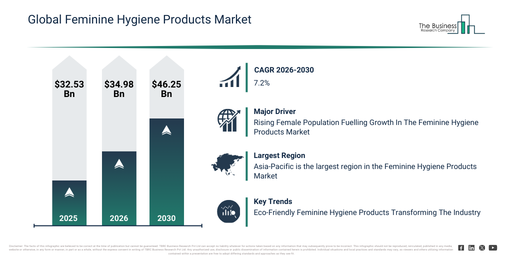
    The feminine hygiene products market has experienced significant expansion in its size over recent years. This market is set to expand from $32.53 billion in 2025 to $34.98 billion in 2026, reflecting a compound annual growth rate (CAGR) of 7.5%. The market’s growth during previous periods can be linked to several factors, including more menstrual hygiene awareness campaigns, a broader reach of retail distribution, an increase in female workforce participation, better product affordability, and sanitation initiatives led by governments.

    The feminine hygiene products market is projected to experience substantial expansion over the upcoming years, with its size anticipated to reach $46.25 billion by 2030, demonstrating a compound annual growth rate (CAGR) of 7.2%. This projected growth is driven by several factors, including the increasing availability of sustainable menstrual products, a rising consumer preference for reusable alternatives, the broadening reach of e-commerce platforms, advancements in biodegradable materials, and an escalating awareness of health among women. Key trends expected during this period involve a surge in the adoption of reusable and environmentally friendly products, enhanced understanding of menstrual health and hygiene, a greater appetite for organic and chemical-free items, the widespread growth of online and direct-to-consumer sales channels, and continuous product development in areas such as menstrual cups and pads.

    Access Your Free Sample Report For In-Depth Market Analysis:

    https://www.thebusinessresearchcompany.com/report/feminine-hygiene-products-global-market-report

    What Significant Factors Are Influencing The Feminine Hygiene Products Market Expansion?

    The expanding female population is anticipated to propel the future growth of the feminine hygiene products market. This term refers to the total count of women and girls within a population, and its rise is primarily attributed to the increasing global life expectancy, specifically for women. As this demographic expands, more individuals require feminine hygiene products to address their menstrual and reproductive health needs, thereby stimulating demand. For example, in July 2023, the UN Division for Inclusive Social Development reported that women and girls constituted approximately 49.7 percent of the global population. Therefore, an increasing female population is expected to drive the growth of the feminine hygiene products market.

    What Are The Different Segment Types In The Feminine Hygiene Products Market Segment Breakdown?

    The feminine hygiene products market covered in this report is segmented –

    1) By Type: Sanitary Napkins/Pads, Tampons, Panty Liners, Menstrual Cups

    2) By Nature: Disposable, Reusable

    3) By Distribution Channel: Online Stores, Retail Outlets, Specialty Stores

    Subsegments:

    1) By Sanitary Napkins Or Pads: Disposable Sanitary Pads, Reusable Sanitary Pads

    2) By Tampons: Regular Absorbency Tampons, Super Absorbency Tampons, Organic Tampons

    3) By Panty Liners: Daily Panty Liners, Organic Panty Liners

    4) By Menstrual Cups: Silicone Menstrual Cups, Rubber Menstrual Cups

    What Trends Are Affecting The Direction Of The Feminine Hygiene Products Market?

    Leading companies in the feminine hygiene market are prioritizing the development of innovative solutions, including eco-friendly feminine hygiene products, to address the increasing demand for sustainable, chemical-free, and environmentally conscious menstrual care choices. These environmentally friendly products are crafted from natural fibers such as organic cotton, bamboo, or hemp, presenting reusable or biodegradable alternatives to typical plastic-based pads that generate substantial waste and incorporate synthetic materials. For example, in May 2023, KNH, a Taiwan-based manufacturing company, introduced eco-friendly menstrual pads. These sustainable alternatives to traditional disposable pads are engineered to reduce environmental impact while offering efficient menstrual hygiene. Fabricated from biodegradable materials like organic cotton, bamboo, or hemp, these pads are free from harmful chemicals, plastics, and synthetic components. They deliver comfort and breathability while remaining gentle on the skin. A significant number of eco-friendly menstrual pads are reusable, allowing consumers to wash and utilize them multiple times, which considerably reduces waste compared to single-use items. By selecting eco-friendly options, individuals can support sustainable practices and aid in lowering landfill waste, thereby contributing to a healthier planet.

    Who Are The Well-Known Companies In The Feminine Hygiene Products Market?

    Major companies operating in the feminine hygiene products market are Johnson & Johnson Pvt. Ltd., Procter & Gamble, Kimberly-Clark Corporation, Essity Aktiebolag (publ), Kao Corporation, Unicharm Corporation, Ontex Group NV, Hengan International Group Company Ltd., Maxim Hygiene Products, Edgewell Personal Care Company, Svenska Cellulosa Aktiebolaget SCA, First Quality Enterprises Inc., Corman S.p.A., Lil-lets UK Limited, Natracare LLC, The Honest Company Inc., Seventh Generation Inc., Diva International Inc., TZMO S.A., Daio Paper Corporation, Drylock Technologies NV, Premier FMCG LLC, Moxie Holdings Inc., Bodywise (UK) Ltd., Fippi S.A.

    Get The Full Feminine Hygiene Products Market Report:

    https://www.thebusinessresearchcompany.com/report/feminine-hygiene-products-global-market-report

    Which Region Dominates The Feminine Hygiene Products Market By Market Share?

    Asia-Pacific was the largest region in the feminine hygiene products market in 2025. Asia-Pacific is expected to be the fastest-growing region in the forecast period. The regions covered in the feminine hygiene products market report are Asia-Pacific, South East Asia, Western Europe, Eastern Europe, North America, South America, Middle East, Africa.

    Request A Customized Feminine Hygiene Products Market Report For Competitive Insights:

    https://www.thebusinessresearchcompany.com/report/feminine-hygiene-products-global-market-report

    Browse Through More Reports Similar to the Global Feminine Hygiene Products Market 2026, By The Business Research Company

    Personal Hygiene Market Report 2026

    https://www.thebusinessresearchcompany.com/report/personal-hygiene-global-market-report

    Feminine Wipes Market Report 2026

    https://www.thebusinessresearchcompany.com/report/feminine-wipes-global-market-report

    Bathroom Products Market Report 2026

    https://www.thebusinessresearchcompany.com/report/bathroom-products-global-market-report

    Get in touch with us:

    The Business Research Company: https://www.thebusinessresearchcompany.com/

    Americas +1 310-496-7795

    Asia +44 7882 955267 & +91 8897263534

    Europe +44 7882 955267

    Email us at info@tbrc.info

    Follow us on:

    LinkedIn: https://in.linkedin.com/company/the-business-research-company

    YouTube: https://www.youtube.com/channel/UC24_fI0rV8cR5DxlCpgmyFQ

    Global Market Model: https://www.thebusinessresearchcompany.com/global-market-model
  • Female Infertility Market (2026–2030): Industry Developments

    Female Infertility Market (2026–2030): Industry Developments

    The Business Research Company’s 2026 market reports feature enhanced tools like market attractiveness analysis, TAM assessment, and company scoring matrices, along with interactive dashboards, deeper supply chain insights, and startup coverage strengthening the depth, usability, and strategic value of insights.

    What Level Of Market Value Growth Is Predicted For The Female Infertility Market From 2026 To 2030?

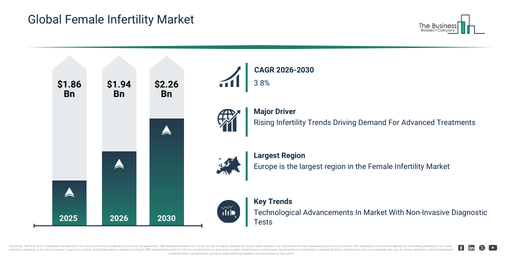
    The female infertility market’s size has demonstrated consistent growth in recent years. Looking ahead, it is projected to expand from $1.86 billion in 2025 to $1.94 billion in 2026, exhibiting a compound annual growth rate (CAGR) of 4.1%. The expansion observed in the historical period was driven by factors such as delayed childbearing trends, heightened awareness of infertility, the availability of fertility drugs, the proliferation of reproductive health clinics, and advancements in diagnostic imaging.

    The female infertility market is projected to experience consistent expansion over the upcoming years. By 2030, its valuation is anticipated to reach $2.26 billion, demonstrating a compound annual growth rate (CAGR) of 3.8%. This anticipated growth is primarily driven by progress in fertility drug compositions, the rise of individualized fertility care, greater implementation of AI-powered fertility tracking solutions, the spread of fertility tourism, and increasing investments in reproductive health initiatives. Significant developments expected during this period encompass a growing need for assisted reproductive treatments, a heightened emphasis on therapies targeting hormones and ovulation, the wider application of sophisticated diagnostic methods, the proliferation of fertility clinics and related services, and the incorporation of digital platforms into fertility management.

    Access Your Free Sample Report For In-Depth Market Analysis:

    https://www.thebusinessresearchcompany.com/report/female-infertility-global-market-report

    Which Important Drivers Are Guiding The Female Infertility Market Growth?

    The increasing incidence of infertility is projected to fuel the expansion of the female infertility market. Infertility refers to the inability to conceive after 12 months of regular, unprotected sexual intercourse. This rise in infertility is attributed to several factors such as delayed childbearing, changes in lifestyle, exposure to environmental toxins, escalating obesity rates, and elevated stress levels. Female infertility treatment is necessary to address and manage underlying medical, hormonal, or structural issues that impede fertility, thereby enhancing the chances of conception and preventing permanent infertility. For instance, in April 2023, according to the World Health Organization, a Switzerland-based intergovernmental organization, approximately 17.5% of the global adult population, or about 1 in 6 individuals, confront infertility. Consequently, the rising prevalence of infertility acts as a key driver for the growth of the female infertility market.

    Which Segment Classifications Are Used In The Female Infertility Market Segment Analysis?

    The female infertility market covered in this report is segmented –

    1) By Treatment: Clomiphene Citrate, Gonadotropins, Metformin, Letrozole, Bromocriptine

    2) By Route Of Administration: Oral, Parenteral, Other Route Of Administrations

    3) By End-User: Hospital Pharmacy, Retail Pharmacy, Online Pharmacy

    Subsegments:

    1) By Clomiphene Citrate: Oral Clomiphene Citrate, Injectable Clomiphene Citrate

    2) By Gonadotropins: Recombinant Gonadotropins, Urinary Gonadotropins, Human Chorionic Gonadotropin (hCG)

    3) By Metformin: Immediate-Release Metformin, Extended-Release Metformin

    4) By Letrozole: Oral Letrozole Tablets, Injectable Letrozole

    5) By Bromocriptine: Oral Bromocriptine Tablets, Intranasal Bromocriptine

    What Trends Are Influencing The Evolution Of The Female Infertility Market?

    Leading companies operating in the female infertility market are concentrating on developing novel products, such as non-invasive diagnostic tests, to gain a competitive advantage in the industry. A non-invasive diagnostic test is a medical examination that identifies conditions or diseases without needing surgery or bodily penetration. For instance, in August 2024, Heranova Lifesciences, a US-based biotech firm, launched an early access program for HerResolve, a non-invasive diagnostic test designed for endometriosis. Endometriosis impacts approximately 200 million women globally, causing symptoms including infertility, pain, and bleeding. For numerous women, an accurate diagnosis typically takes 7-10 years from the initial onset of symptoms, mainly due to the varied symptom presentation and the invasive nature of the most dependable diagnostic approach, exploratory laparoscopic surgery. HerResolve has the potential to reduce this diagnostic delay from years to mere months, resulting in improved patient and healthcare outcomes. HerResolve aims to significantly decrease this timeline, thereby enhancing patient care and outcomes.

    Which Firms Are Contributing To The Female Infertility Market Ecosystem?

    Major companies operating in the female infertility market are Pfizer Inc, Merck And Co Inc, Mayo Clinic, Teva Pharmaceutical Industries Ltd, Organon Theramex, Juniper Reproductive Health Ltd, Ferring Pharmaceuticals, Mankind Pharma, ARMC IVF, Zydus Cadila Healthcare, IBSA Institut Biochimique, Oxolife, Ava AG, Merck KGaA, Gedeon Richter Plc, Novartis AG, AbbVie Inc, Ipsen, Theramex, Vitrolife AB, Conceivable Life Sciences, AIVF

    Get The Full Female Infertility Market Report:

    https://www.thebusinessresearchcompany.com/report/female-infertility-global-market-report

    Which Region Is The Largest In The Female Infertility Market?

    Europe was the largest region in the female infertility market in 2025. Asia-Pacific is expected to be the fastest-growing region in the forecast period. The regions covered in the female infertility market report are Asia-Pacific, South East Asia, Western Europe, Eastern Europe, North America, South America, Middle East, Africa.

    Request A Customized Female Infertility Market Report For Competitive Insights:

    https://www.thebusinessresearchcompany.com/report/female-infertility-global-market-report

    Browse Through More Reports Similar to the Global Female Infertility Market 2026, By The Business Research Company

    Fertility Treatments Market Report 2026

    https://www.thebusinessresearchcompany.com/report/fertility-treatments-global-market-report

    Male Fertility Market Report 2026

    https://www.thebusinessresearchcompany.com/report/male-fertility-global-market-report

    Fertility Drugs Market Report 2026

    https://www.thebusinessresearchcompany.com/report/fertility-drugs-global-market-report

    Get in touch with us:

    The Business Research Company: https://www.thebusinessresearchcompany.com/

    Americas +1 310-496-7795

    Asia +44 7882 955267 & +91 8897263534

    Europe +44 7882 955267

    Email us at info@tbrc.info

    Follow us on:

    LinkedIn: https://in.linkedin.com/company/the-business-research-company

    YouTube: https://www.youtube.com/channel/UC24_fI0rV8cR5DxlCpgmyFQ

    Global Market Model: https://www.thebusinessresearchcompany.com/global-market-model
  • Fecal Transplant Therapy Market: Trends and Expansion Potential

    Fecal Transplant Therapy Market: Trends and Expansion Potential

    The Business Research Company’s 2026 market reports feature enhanced tools like market attractiveness analysis, TAM assessment, and company scoring matrices, along with interactive dashboards, deeper supply chain insights, and startup coverage strengthening the depth, usability, and strategic value of insights.

    How Will The Market Value Of The Fecal Transplant Therapy Market Progress Between 2026 And 2030?

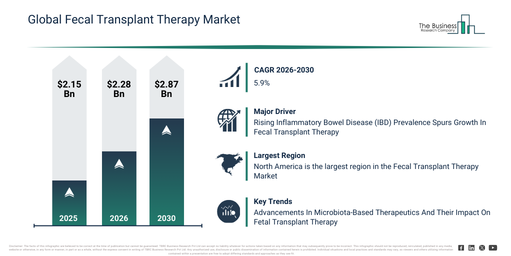
    The fecal transplant therapy market size has experienced robust growth in recent years. This market is projected to expand from $2.15 billion in 2025 to $2.28 billion in 2026, demonstrating a compound annual growth rate (CAGR) of 6.2%. Historically, this expansion can be linked to factors such as documented efficacy in recurrent cdi treatment, rising hospital awareness of microbiome therapies, the broadening of gastroenterology specialty services, the presence of basic stool preparation technologies, and initial-stage clinical trials.

    The market for fecal transplant therapy is anticipated to experience substantial expansion in the coming years. This market is projected to reach $2.87 billion by 2030, exhibiting a compound annual growth rate (CAGR) of 5.9%. Key drivers of this growth during the forecast period include the expanding range of disease indications, a heightened need for standardized and regulated products, the increased availability of outpatient Fecal Microbiota Transplant (FMT) procedures, escalating investments in microbiome-based therapies, and innovations in automated stool processing systems. Significant trends expected over the forecast period encompass a greater clinical acceptance of stool-based treatments, the progressing development of capsule and suspension forms, an increasing focus on neurological and metabolic applications, the proliferation of in-hospital FMT initiatives, and a stronger focus on ensuring safety and standardization.

    Access Your Free Sample Report For In-Depth Market Analysis:

    https://www.thebusinessresearchcompany.com/report/fecal-transplant-therapy-global-market-report

    What Major Factors Are Driving The Fecal Transplant Therapy Market Forward?

    The rising occurrence of inflammatory bowel disease is anticipated to boost the expansion of fecal transplant therapy markets in the future. Inflammatory bowel disease (IBD) refers to persistent inflammation affecting the digestive system, encompassing conditions like Crohn’s disease and ulcerative colitis. This increase in IBD incidents stems from greater intake of highly processed foods, regular or improper antibiotic usage, enhanced sanitation, and diminished childhood exposure to infectious elements. Fecal transplant therapy seeks to re-establish a balanced gut microbiota, thereby aiding in reducing inflammation and alleviating symptoms for individuals with inflammatory bowel disease, potentially impacting its treatment and course. As an illustration, in June 2023, according to Crohn’s and Colitis Canada, a Canada-based non-profit organization, there will be 470,000 inflammatory bowel disease (IBD) sufferers in Canada by 2035, an increase from an estimated 322,600 in 2023. Consequently, the growing commonness of inflammatory bowel disease is fueling the expansion of the fecal transplant therapy market.

    How Is The Fecal Transplant Therapy Market Organized By Segment Classification?

    The fecal transplant therapy market covered in this report is segmented –

    1) By Procedure: Fecal Enema, Fecal Bacteriotherapy, Stool Transplant, Human Probiotic Infusion, Fecal Transfusion

    2) By Disease: Clostridium Difficile Infection, Autism, Obesity, Parkinson’s Disease (PD), Diabetes Mellitus, Other Diseases

    3) By End-User: Hospitals, Specialty Clinics, Other End-Users

    Subsegments:

    1) By Fecal Enema: Retention Enema, Cleansing Enema, Retention-Based Fecal Transplants, Home Administration Kits

    2) By Fecal Bacteriotherapy: Suspension-Based Bacteriotherapy, Capsule Formulations, Customized Bacterial Preparations, Single Strain vs. Multi-Strain Products

    3) By Stool Transplant: Direct Stool Transplant Procedures, Stool Suspension Transplant, Stool Capsule Transplant, Automated Stool Preparation Systems

    4) By Human Probiotic Infusion: Single-Strain Probiotic Infusions, Multi-Strain Probiotic Infusions, Probiotic Blends With Prebiotics, Infusion Kits for Healthcare Providers

    5) By Fecal Transfusion: Intravenous Fecal Transfusion, Transfusion via Gastrostomy Tube, Pre-Packaged Fecal Transfusion Solutions, Fecal Transfusion For Research Purposes

    Which Trends Are Impacting The Progress Of The Fecal Transplant Therapy Market?

    Leading companies in the fecal transplant therapy market are prioritizing the creation of innovative treatments, such as oral capsule versions of fecal microbiota transplantation (FMT) therapy, to boost patient compliance and widen the therapy’s reach. This pill form of fecal microbiota transplantation (FMT) therapy contains encapsulated live bacteria derived from donor feces, intended for oral consumption. Its goal is to restore beneficial gut bacteria and enhance intestinal health. For example, in April 2023, Seres Therapeutics Inc., a US-based biotechnology company, and Nestlé Health Science S.A., a Switzerland-based healthcare company, introduced VOWST. Supplied as capsules, it presents a convenient and less invasive treatment alternative for preventing recurrent clostridioides difficile infection (rCDI) in adults who have completed antibacterial treatment. Unlike traditional fecal microbiota transplantation (FMT), which involves transferring whole stools, VOWST employs live bacterial spores of multiple Firmicute species, sourced from the fecal microbiota of healthy human donors, with the aim of restoring the gut microbiome.

    Who Are The Industry Participants Involved In The Fecal Transplant Therapy Market?

    Major companies operating in the fecal transplant therapy market are Mayo Clinic, Mount Sinai Health System Inc., Northwestern Medicine, NYU Langone Health, Michigan Medicine, UCLA Health, Duke University Health System Inc., Stanford Health Care, Ferring Pharmaceuticals, Cincinnati Children’s Hospital Medical Center, Emory Healthcare, Cambridge University Hospitals NHS Foundation Trust, Hamilton Health Sciences Corporation, Brigham and Women’s Faulkner Hospital Inc., Rebiotix Inc., Seres Therapeutics Inc., UPMC Hillman Cancer Center, OpenBiome, Center for Digestive Disease, BiomeBank Incorporated, The Regents of the University of California

    Get The Full Fecal Transplant Therapy Market Report:

    https://www.thebusinessresearchcompany.com/report/fecal-transplant-therapy-global-market-report

    Which Region Leads The Fecal Transplant Therapy Market In Terms Of Market Share?

    North America was the largest region in the fecal transplant therapy market in 2025. Asia-Pacific is expected to be the fastest-growing region in the forecast period. The regions covered in the fecal transplant therapy market report are Asia-Pacific, South East Asia, Western Europe, Eastern Europe, North America, South America, Middle East, Africa.

    Request A Customized Fecal Transplant Therapy Market Report For Competitive Insights:

    https://www.thebusinessresearchcompany.com/report/fecal-transplant-therapy-global-market-report

    Browse Through More Reports Similar to the Global Fecal Transplant Therapy Market 2026, By The Business Research Company

    Stem Cells Therapy Market Report 2026

    https://www.thebusinessresearchcompany.com/report/stem-cells-therapy-global-market-report

    Genes Therapy Market Report 2026

    https://www.thebusinessresearchcompany.com/report/genes-therapy-global-market-report

    Oligonucleotides Therapy Market Report 2026

    https://www.thebusinessresearchcompany.com/report/oligonucleotides-therapy-global-market-report

    Get in touch with us:

    The Business Research Company: https://www.thebusinessresearchcompany.com/

    Americas +1 310-496-7795

    Asia +44 7882 955267 & +91 8897263534

    Europe +44 7882 955267

    Email us at info@tbrc.info

    Follow us on:

    LinkedIn: https://in.linkedin.com/company/the-business-research-company

    YouTube: https://www.youtube.com/channel/UC24_fI0rV8cR5DxlCpgmyFQ

    Global Market Model: https://www.thebusinessresearchcompany.com/global-market-model