Category: Healthcare Services

  • CD3 Antibody Market (2026–2030): Industry Developments

    CD3 Antibody Market (2026–2030): Industry Developments

    The Business Research Company’s 2026 market reports feature enhanced tools like market attractiveness analysis, TAM assessment, and company scoring matrices, along with interactive dashboards, deeper supply chain insights, and startup coverage strengthening the depth, usability, and strategic value of insights.

    What Is The Estimated Market Size Of The Cluster Of Differentiation 3 (CD3) Antibody Market In 2026, And How Will Its Value Evolve By 2030?

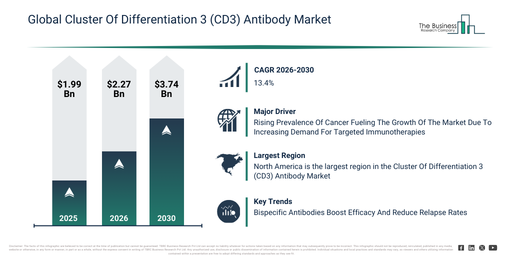
    The market size for cluster of differentiation 3 (cd3) antibodies has experienced rapid expansion over recent years. This market is projected to expand from $1.99 billion in 2025 to reach $2.27 billion in 2026, demonstrating a compound annual growth rate (CAGR) of 13.7%. Historically, this growth has been driven by factors such as advancements in monoclonal antibody therapeutics, a surge in clinical research focused on t-cell biology, the increasing prevalence of cancer indications, the expansion of hospital-based immunotherapy programs, and the growing influence of contract research organizations.

    The cluster of differentiation 3 (cd3) antibody market is projected to experience substantial expansion in the coming years. This market is anticipated to reach a valuation of $3.74 billion by 2030, exhibiting a compound annual growth rate (CAGR) of 13.4%. Several factors contribute to this projected growth, including an expanding pipeline of T-cell engaging therapies, more frequent approvals of antibody-based immunotherapies, increased investments in oncology research, the broadening scope of personalized immune treatments, and a heightened emphasis on mitigating immune-related adverse events. Key trends anticipated during this period involve the rising development of T-cell redirecting therapies, increased adoption of bispecific cd3 antibodies, the expanding application of cd3 in cancer immunotherapy, the growth of Fc-engineered antibody platforms, and an intensified focus on precise immune modulation.

    Access Your Free Sample Report For In-Depth Market Analysis:

    https://www.thebusinessresearchcompany.com/report/global-cluster-of-differentiation-3-cd3-antibody-market-report

    What Key Drivers Are Fueling The Growth Of The Cluster Of Differentiation 3 (CD3) Antibody Market?

    The increasing incidence of cancer is anticipated to fuel the expansion of the cluster of differentiation 3 (CD3) antibody market. Cancer prevalence is defined as the total count of individuals, encompassing both recent and prior diagnoses, living with a history of cancer at a given moment. This rise in cancer prevalence stems from lifestyle factors like unhealthy eating habits, smoking, alcohol use, and exposure to environmental contaminants, which heighten the likelihood of various cancer types. Cluster of Differentiation 3 (CD3) antibodies play a crucial role in cancer therapy by stimulating T-cells and redirecting them to attack cancerous cells. These antibodies boost the immune response’s effectiveness, proving beneficial for both blood and solid cancers. This focused strategy leads to better treatment accuracy and improved patient results. As an illustration, Cancer Australia, an Australian government body, reported 4,641 new cases of pancreatic cancer in 2024 by February 2025, comprising 2,414 male and 2,227 female patients. Consequently, the increasing prevalence of cancer is a key factor propelling the expansion of the cluster of differentiation 3 (CD3) antibody market.

    Which Segment Classifications Are Used In The Cluster Of Differentiation 3 (CD3) Antibody Market Segment Analysis?

    The cluster of differentiation 3 (cd3) antibody market covered in this report is segmented –

    1) By Product Type: Monoclonal Antibodies, Bispecific Antibodies, Antibody-Drug Conjugates, Fragment Crystallizable (Fc) Engineering Products, Other Product Types

    2) By Molecular Weight: Low Molecular Weight, Medium Molecular Weight, High Molecular Weight

    3) By Formulation Type: Aqueous Formulations, Non-Aqueous Formulations

    4) By Therapeutic Application: Cancer Immunotherapy, Autoimmune Diseases, Transplant Rejection, Infectious Diseases, Other Applications

    5) By End-User: Hospitals, Research Institutes, Pharmaceutical Companies, Contract Research Organizations, Other End-Users

    Subsegments:

    1) By Monoclonal Antibodies: Humanized Monoclonal Antibodies, Fully Human Monoclonal Antibodies, Chimeric Monoclonal Antibodies, Murine Monoclonal Antibodies, Recombinant Monoclonal Antibodies

    2) By Bispecific Antibodies: T Cell Engager Bispecific Antibodies, Dual Immune Checkpoint Bispecific Antibodies, Cytokine Modulating Bispecific Antibodies, Tumor Associated Antigen Targeting Bispecific Antibodies

    3) By Antibody-Drug Conjugates: Payload Enhanced Conjugates, Linker Optimized Conjugates, Tumor Targeted Conjugates, Immune Stimulating Conjugates

    4) By Fragment Crystallizable (Fc) Engineering Products: Fragment Crystallizable (Fc) Glycoengineered Antibodies, Fragment Crystallizable (Fc) Mutant Antibodies, Fragment Crystallizable (Fc) Fused Therapeutic Proteins, Extended Half Life Fragment Crystallizable (Fc) Products

    5) By Other Product Types: Single Domain Antibodies, Polyclonal Antibodies, Receptor Fusion Proteins, Engineered Immune Activators

    What Trends Are Influencing The Cluster Of Differentiation 3 (CD3) Antibody Market?

    Leading companies operating within the cluster of differentiation 3 (CD3) antibody market are prioritizing the development of advanced treatments, such as bispecific antibodies. This focus aims to enhance treatment efficacy, improve the targeting of cancer cells, and minimize relapse in patients who have undergone extensive prior treatments. Bispecific antibodies are sophisticated biologic therapies engineered to simultaneously attach to two distinct antigens, thereby redirecting a patient’s own immune cells to attack and eliminate cancer cells. For instance, in August 2023, Johnson and Johnson, a US-based pharmaceutical company, secured US Food and Drug Administration (FDA) approval for Talvey (talquetamab-tgvs). This therapy is a bispecific T-cell engaging antibody specifically designed for patients with relapsed or refractory multiple myeloma. The treatment operates by binding CD3 on T-cells and G protein-coupled receptor class C group 5 member D (GPRC5D) on myeloma cells, offering capabilities such as precise T-cell redirection and off-the-shelf use, removing the necessity for individualized chimeric antigen receptor T-cell (CAR-T) cell manufacturing. It consequently improves treatment accessibility, fosters immune-mediated tumor destruction, and enhances therapeutic outcomes in heavily pretreated patients.

    Which Firms Are Contributing To The Cluster Of Differentiation 3 (CD3) Antibody Market Ecosystem?

    Major companies operating in the cluster of differentiation 3 (cd3) antibody market are Johnson and Johnson, Roche Holding AG, Pfizer Incorporated, AbbVie Inc., Novartis AG, Bristol-Myers Squibb Company, Thermo Fisher Scientific Incorporated, Eli Lilly and Company, Amgen Inc., Gilead Sciences Inc., Merck KGaA, Bio-Rad Laboratories Incorporated, Miltenyi Biotec B V and Co KG, Harbour BioMed Holding Limited, Zymeworks Inc., Adimab LLC, GeneTex Incorporated, Santa Cruz Biotechnology Incorporated, FabGennix Incorporated, EXBIO Praha spol s r o

    Get The Full Cluster Of Differentiation 3 (CD3) Antibody Market Report:

    https://www.thebusinessresearchcompany.com/report/global-cluster-of-differentiation-3-cd3-antibody-market-report

    Which Region Is The Top Contributor To The Cluster Of Differentiation 3 (CD3) Antibody Market By Share?

    North America was the largest region in the cluster of differentiation 3 (CD3) antibody market in 2025. Asia-Pacific is expected to be the fastest-growing region in the forecast period. The regions covered in the cluster of differentiation 3 (cd3) antibody market report are Asia-Pacific, South East Asia, Western Europe, Eastern Europe, North America, South America, Middle East, Africa.

    Request A Customized Cluster Of Differentiation 3 (CD3) Antibody Market Report For Competitive Insights:

    https://www.thebusinessresearchcompany.com/report/global-cluster-of-differentiation-3-cd3-antibody-market-report

    Browse Through More Reports Similar to the Global Cluster Of Differentiation 3 (CD3) Antibody Market 2026, By The Business Research Company

    Monoclonal Antibodies Market Report 2026

    https://www.thebusinessresearchcompany.com/report/monoclonal-antibodies-global-market-report

    Polyclonal Antibodies Market Report 2026

    https://www.thebusinessresearchcompany.com/report/polyclonal-antibodies-global-market-report

    Next Generation Antibody Therapeutics Market Report 2026

    https://www.thebusinessresearchcompany.com/report/next-generation-antibody-therapeutics-global-market-report

    Get in touch with us:

    The Business Research Company: https://www.thebusinessresearchcompany.com/

    Americas +1 310-496-7795

    Asia +44 7882 955267 & +91 8897263534

    Europe +44 7882 955267

    Email us at info@tbrc.info

    Follow us on:

    LinkedIn: https://in.linkedin.com/company/the-business-research-company

    YouTube: https://www.youtube.com/channel/UC24_fI0rV8cR5DxlCpgmyFQ

    Global Market Model: https://www.thebusinessresearchcompany.com/global-market-model
  • CD79a Antibody Market: Trends and Expansion Potential

    CD79a Antibody Market: Trends and Expansion Potential

    The Business Research Company’s 2026 market reports feature enhanced tools like market attractiveness analysis, TAM assessment, and company scoring matrices, along with interactive dashboards, deeper supply chain insights, and startup coverage strengthening the depth, usability, and strategic value of insights.

    How Does The Market Size Of The Cluster Of Differentiation (CD) 79a Antibody Market Compare Between 2026 And 2030?

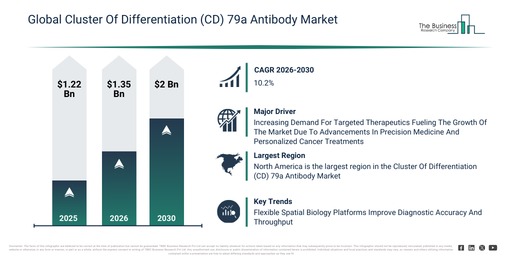
    The market size for the cluster of differentiation (cd) 79a antibody has experienced significant expansion over recent years. Projections indicate a rise from $1.22 billion in 2025 to $1.35 billion in 2026, demonstrating a compound annual growth rate (CAGR) of 10.5%. Historically, this expansion has been driven by several factors, including the increased application of immunohistochemistry in pathology, the growing incidence of b-cell malignancies, advancements in academic immunology research, the broader accessibility of monoclonal antibody production platforms, and the increasing embrace of flow cytometry techniques.

    The cluster of differentiation (cd) 79a antibody market size is projected to experience substantial growth in the coming years. It is anticipated to expand to $2 billion by 2030, achieving a compound annual growth rate (CAGR) of 10.2%. This growth during the forecast period can be attributed to factors such as an increasing demand for precision diagnostics, the expansion of personalized medicine research, rising investments in antibody engineering, the growing adoption of multiplex diagnostic assays, and the development of translational research initiatives. Significant trends expected in the forecast period involve the increasing uptake of recombinant antibody formats, the growing application of cd79a in hematologic cancer diagnostics, a heightened demand for high-specificity B-cell markers, the expansion of automated immunoassay platforms, and an intensified focus on antibody validation standards.

    Access Your Free Sample Report For In-Depth Market Analysis:

    https://www.thebusinessresearchcompany.com/report/global-cluster-of-differentiation-cd-79a-antibody-market-report

    Which Drivers Are Supporting The Cluster Of Differentiation (CD) 79a Antibody Market Growth?

    The increasing need for targeted therapeutics is anticipated to drive the expansion of the cluster of differentiation (CD) 79a antibody market moving ahead. Targeted therapies are medical interventions that specifically identify and block molecular irregularities in conditions like cancer or other diseases, with the goal of improving treatment precision and reducing harm to healthy cells. The rising focus on targeted therapies is primarily fueled by breakthroughs in precision medicine, which allows for personalized, more effective treatments based on individual genetic profiles. CD79a antibodies play a crucial role in targeted therapies by specifically attaching to B-cell markers, making them well-suited for precise treatment of hematologic malignancies. They boost therapeutic efficacy by enabling the selective targeting of cancerous B cells, which leads to better patient outcomes and fewer off-target effects. For instance, in December 2024, according to the American Society of Gene & Cell Therapy (ASGCT), a US-based non-profit medical and scientific organization, the Food and Drug Administration (FDA) approved 6 gene therapy products in 2023, up from 5 approvals in 2022. Consequently, the growing demand for targeted therapeutics is propelling the growth of the cluster of differentiation (CD) 79a antibody market.

    How Is The Cluster Of Differentiation (CD) 79a Antibody Market Organized By Segment Classification?

    The cluster of differentiation (cd) 79a antibody market covered in this report is segmented –

    1) By Product Type: Monoclonal Antibodies, Polyclonal Antibodies, Recombinant Antibodies

    2) By Technology: Western Blotting, Immunohistochemistry, Flow Cytometry, Enzyme-Linked Immunosorbent Assay (ELISA)

    3) By Distribution Channel: Direct Sales, Distributors, Online Sales

    4) By End Use: Biotechnology Companies, Pharmaceutical Companies, Academic And Research Institutes, Diagnostic Laboratories

    Subsegments:

    1) By Monoclonal Antibodies: Mouse Derived Antibodies, Rabbit Derived Antibodies, Human Derived Antibodies, Chimeric Antibodies, Humanized Antibodies

    2) By Polyclonal Antibodies: Goat Derived Antibodies, Rabbit Derived Antibodies, Sheep Derived Antibodies, Donkey Derived Antibodies, Horse Derived Antibodies

    3) By Recombinant Antibodies: Single Chain Variable Fragment Antibodies, Fragment Antigen Binding Antibodies, Bispecific Antibodies, Nanobodies, Engineered Full Length Antibodies

    Which Trends Are Expected To Impact The Cluster Of Differentiation (CD) 79a Antibody Market?

    Major companies in the cluster of differentiation (CD) 79a antibody market are concentrating on creating sophisticated solutions, such as adaptable multiplex immunohistochemistry (IHC) assays, to speed up research, boost data quality, and simplify complex manual workflows. Adaptable multiplex IHC involves advanced laboratory methods that allow for the simultaneous identification of numerous biomarkers on a single tissue sample, maintaining spatial context. For instance, in September 2023, Cell Signaling Technology (CST), a US-based biotechnology firm, introduced the SignalStar Multiplex IHC platform. This spatial biology offering is an adaptable, antibody-centric platform facilitating highly multiplexed experiments with up to 8-plex amplification within just two days. It features integrated panel design assistance and optimized protocols, enabling straightforward biomarker detection and data generation without extensive fine-tuning. This innovation enhances diagnostic precision, throughput, and spatial resolution in tissue-based analysis, marking a notable progression in the CD79a antibody field.

    Who Are The Industry Participants Involved In The Cluster Of Differentiation (CD) 79a Antibody Market?

    Major companies operating in the cluster of differentiation (cd) 79a antibody market are Thermo Fisher Scientific Inc., Becton, Dickinson and Company, Bio-Rad Laboratories Inc., Bio-Techne Corporation, Miltenyi Biotec B.V. & Co. KG, GenScript Biotech Corporation, Cell Signaling Technology Inc., Sino Biological Inc., Proteintech Group Inc., Santa Cruz Biotechnology Inc., OriGene Technologies Inc., GeneTex Inc., Abnova Corporation, RayBiotech Life Inc., Wuhan Fine Biotech Co. Ltd. (commonly known as FineTest), Aviva Systems Biology Corporation, EXBIO Praha a.s., NSJ Bioreagents Inc., Boster Biological Technology Co. Ltd., Bioss Antibodies Inc.

    Get The Full Cluster Of Differentiation (CD) 79a Antibody Market Report:

    https://www.thebusinessresearchcompany.com/report/global-cluster-of-differentiation-cd-79a-antibody-market-report

    Which Region Represents The Largest Share Of The Cluster Of Differentiation (CD) 79a Antibody Market?

    North America was the largest region in the cluster of differentiation (CD) 79a antibody market in 2025. Asia-Pacific is expected to be the fastest-growing region in the forecast period. The regions covered in the cluster of differentiation (cd) 79a antibody market report are Asia-Pacific, South East Asia, Western Europe, Eastern Europe, North America, South America, Middle East, Africa.

    Request A Customized Cluster Of Differentiation (CD) 79a Antibody Market Report For Competitive Insights:

    https://www.thebusinessresearchcompany.com/report/global-cluster-of-differentiation-cd-79a-antibody-market-report

    Browse Through More Reports Similar to the Global Cluster Of Differentiation (CD) 79a Antibody Market 2026, By The Business Research Company

    Monoclonal Antibodies Market Report 2026

    https://www.thebusinessresearchcompany.com/report/monoclonal-antibodies-global-market-report

    Polyclonal Antibodies Market Report 2026

    https://www.thebusinessresearchcompany.com/report/polyclonal-antibodies-global-market-report

    Research Antibodie And Reagent Market Report 2026

    https://www.thebusinessresearchcompany.com/report/research-antibodie-and-reagent-global-market-report

    Get in touch with us:

    The Business Research Company: https://www.thebusinessresearchcompany.com/

    Americas +1 310-496-7795

    Asia +44 7882 955267 & +91 8897263534

    Europe +44 7882 955267

    Email us at info@tbrc.info

    Follow us on:

    LinkedIn: https://in.linkedin.com/company/the-business-research-company

    YouTube: https://www.youtube.com/channel/UC24_fI0rV8cR5DxlCpgmyFQ

    Global Market Model: https://www.thebusinessresearchcompany.com/global-market-model
  • Cluster Headache Market: Drivers and Future Outlook

    Cluster Headache Market: Drivers and Future Outlook

    The Business Research Company’s 2026 market reports feature enhanced tools like market attractiveness analysis, TAM assessment, and company scoring matrices, along with interactive dashboards, deeper supply chain insights, and startup coverage strengthening the depth, usability, and strategic value of insights.

    What Is The Forecasted Market Size Trajectory Of The Cluster Headache Syndrome Market From 2026 To 2030?

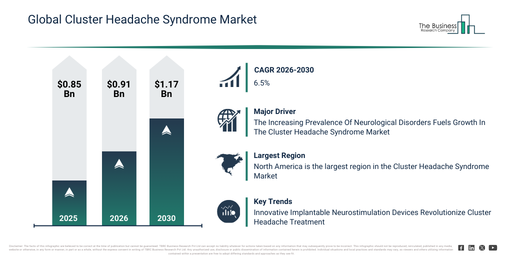
    The cluster headache syndrome market has shown robust expansion in recent times. This market is projected to expand from $0.85 billion in 2025 to $0.91 billion in 2026, exhibiting a compound annual growth rate (CAGR) of 6.6% during this period. Historically, this growth has been driven by factors such as higher diagnosis rates for neurological disorders, heightened awareness of cluster headache conditions, the proliferation of neurology specialty care, the presence of various pharmacological treatments, and the increased adoption of imaging-based diagnostic methods.

    The market for cluster headache syndrome is projected to experience substantial expansion over the upcoming years. This market is forecast to reach $1.17 billion by 2030, exhibiting a compound annual growth rate (CAGR) of 6.5%. Factors contributing to this growth during the projected period include the rising development of innovative headache therapies, a heightened emphasis on personalized neurology treatments, the expansion of specialized headache clinics, increasing investment in neurological research, and a growing need for rapid-acting treatment solutions. Key trends anticipated in the forecast period encompass a greater adoption of targeted drug therapies, an increasing emphasis on managing chronic cluster headaches, the expanding utilization of advanced diagnostic imaging, the broadening of personalized treatment approaches, and an intensified focus on achieving rapid symptom relief.

    Access Your Free Sample Report For In-Depth Market Analysis:

    https://www.thebusinessresearchcompany.com/report/cluster-headache-syndrome-global-market-report

    What Key Factors Are Affecting The Cluster Headache Syndrome Market Demand?

    The increasing occurrence of neurological disorders is anticipated to propel the growth of the cluster headache syndrome market. A neurological disorder refers to any condition that impacts the nervous system, which includes the brain, spinal cord, and nerves throughout the body. The rising incidence of these disorders is driven by factors such as the growing prevalence of risk factors like diabetes, improved diagnostic capabilities, neurological complications stemming from other health conditions, and socioeconomic disparities. Managing neurological disorders helps in the treatment of cluster headache syndrome, as certain disorders share or affect headache pathways. Addressing cluster headaches’ symptoms and underlying factors can effectively reduce their frequency, severity, and overall impact. For example, in October 2023, the World Federation of Neurology, a Switzerland-based organisation, reported that over 40% of the global population currently suffers from some kind of neurological condition, and this burden is projected to nearly double by 2050. Therefore, the expanding prevalence of neurological disorders is driving the cluster headache syndrome market.

    Which Segments Define The Cluster Headache Syndrome Market Segment Structure?

    The cluster headache syndrome market covered in this report is segmented –

    1) By Type: Episodic, Chronic

    2) By Drug Type: Calcium Channel Blockers, Corticosteroids, Sumatriptan, Lithium Carbonate, Ergots, Melatonin, Anti-Seizure, Local Anesthetics

    3) By Diagnosis: Neurological Examination, Magnetic Resonance Imaging, Computed Tomography Scan

    4) By Route of Administration: Oral, Topical, Intravenous, Other Routes Of Administrations

    5) By Distribution Channel: Hospital Pharmacies, Retail Pharmacies, Online Stores, Other Distribution Channels

    Subsegments:

    1) By Episodic: Short-Duration Episodic Cluster Headaches, Long-Duration Episodic Cluster Headaches

    2) By Chronic: Chronic Cluster Headaches With Frequent Attacks, Chronic Cluster Headaches With Rare Attacks

    What Trends Are Influencing Changes In The Cluster Headache Syndrome Market?

    Companies operating in the cluster headache syndrome market are primarily concentrating on developing cutting-edge technologies, such as implantable neurostimulation technology, to offer more effective treatment avenues for those affected. This implantable neurostimulation technology involves devices that are surgically placed to deliver electrical impulses to specific regions of the nervous system. For example, in August 2023, Salvia BioElectronics Corporated, a medical device company based in the Netherlands, introduced a paper-thin neuromodulation device intended for the treatment of severe migraine and cluster headaches. The device features paper-thin bioelectronic foils that conform to the patient’s head when implanted, which then deliver electrical pulses. Since migraines and cluster headaches are connected to heightened sensitivity in parts of the brain, the electrical pulses provided by the neuromodulation device help restore balance and reduce the headaches.

    Who Are The Established Players Within The Cluster Headache Syndrome Market?

    Major companies operating in the cluster headache syndrome market are Pfizer Inc., Bayer AG, GlaxoSmithKline plc, Takeda Pharmaceutical Company Limited, Eli Lilly and Company, Viatris Inc., Teva Pharmaceutical Industries Ltd., Otsuka Pharmaceutical Co. Ltd., Hikma Pharmaceuticals, Amneal Pharmaceuticals, Grünenthal GmbH, Mallinckrodt Pharmaceuticals, Upsher-Smith Laboratories, Zogenix Inc., Neurelis Inc., ElectroCore Medical LLC, Ceruvia Lifesciences, TrioxBio Inc., Winston Pharmaceuticals Inc., Zosano Pharma Corporation, Autonomic Technologies Inc., H. Lundbeck A/S

    Get The Full Cluster Headache Syndrome Market Report:

    https://www.thebusinessresearchcompany.com/report/cluster-headache-syndrome-global-market-report

    Which Geographic Region Dominates The Cluster Headache Syndrome Market?

    North America was the largest region in the cluster headache syndrome market in 2025. Asia-Pacific is expected to be the fastest-growing region in the forecast period. The regions covered in the cluster headache syndrome market report are Asia-Pacific, South East Asia, Western Europe, Eastern Europe, North America, South America, Middle East, Africa.

    Request A Customized Cluster Headache Syndrome Market Report For Competitive Insights:

    https://www.thebusinessresearchcompany.com/report/cluster-headache-syndrome-global-market-report

    Browse Through More Reports Similar to the Global Cluster Headache Syndrome Market 2026, By The Business Research Company

    Migraine Treatment Market Report 2026

    https://www.thebusinessresearchcompany.com/report/migraine-treatment-global-market-report

    Headache Disorders Market Report 2026

    https://www.thebusinessresearchcompany.com/report/headache-disorders-global-market-report

    Migraine Market Report 2026

    https://www.thebusinessresearchcompany.com/report/migraine-global-market-report

    Get in touch with us:

    The Business Research Company: https://www.thebusinessresearchcompany.com/

    Americas +1 310-496-7795

    Asia +44 7882 955267 & +91 8897263534

    Europe +44 7882 955267

    Email us at info@tbrc.info

    Follow us on:

    LinkedIn: https://in.linkedin.com/company/the-business-research-company

    YouTube: https://www.youtube.com/channel/UC24_fI0rV8cR5DxlCpgmyFQ

    Global Market Model: https://www.thebusinessresearchcompany.com/global-market-model
  • Increasing chronic kidney disease cases are driving growth in complicated UTI treatment market

    Increasing chronic kidney disease cases are driving growth in complicated UTI treatment market

    The Business Research Company’s 2026 market reports feature enhanced tools like market attractiveness analysis, TAM assessment, and company scoring matrices, along with interactive dashboards, deeper supply chain insights, and startup coverage strengthening the depth, usability, and strategic value of insights.

    What Is The Forecasted Market Size Trajectory Of The Complicated Urinary Tract Infection Treatment Market From 2026 To 2030?

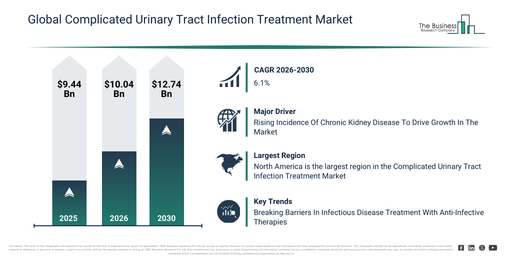
    The complicated urinary tract infection treatment market size has seen robust growth in recent years. This market is expected to increase from $9.44 billion in 2025 to $10.04 billion in 2026, registering a compound annual growth rate (CAGR) of 6.4%. Historically, this expansion can be linked to the rising incidence of catheter-associated infections, increasing antibiotic resistance, an expanding aging population, developing hospital infrastructure, and improved diagnosis of chronic urinary disorders.

    The complicated urinary tract infection treatment market size is anticipated to demonstrate substantial growth in the upcoming years. It is projected to expand to $12.74 billion in 2030, achieving a compound annual growth rate (CAGR) of 6.1%. This expansion during the forecast period is driven by factors such as the development of innovative antibiotics, an increase in the immunocompromised patient population, wider adoption of outpatient infusion therapies, rising healthcare expenditures, and enhanced pathogen identification technologies. Prominent trends throughout this period include the optimization of empiric therapy, an increase in the use of broad-spectrum antibiotics, a rise in hospitalizations for complicated UTIs, a growing preference for combination drug therapies, and the expansion of hospital pharmacy-based dispensing.

    Access Your Free Sample Report For In-Depth Market Analysis:

    https://www.thebusinessresearchcompany.com/report/complicated-urinary-tract-infection-treatment-global-market-report

    Which Drivers Are Supporting The Complicated Urinary Tract Infection Treatment Market Growth?

    The increasing occurrence of chronic kidney diseases is anticipated to boost the expansion of the complicated urinary tract infection treatment market in the future. Chronic kidney disease (CKD) represents a progressive, enduring ailment marked by a slow decline in kidney function across a period. This growing prevalence of Chronic kidney disease (CKD) primarily stems from rising rates of diabetes and hypertension, coupled with an aging demographic and lifestyle elements like obesity and smoking. Treatment for complicated urinary tract infections aids chronic kidney disease (CKD) patients by averting serious infections, including pyelonephritis, which could intensify kidney harm, deteriorate renal capabilities, and hasten the advancement of chronic kidney disease, thereby lowering the likelihood of subsequent complications and hospital admissions. As an illustration, figures from June 2024, provided by the Australian Institute of Health and Welfare, an Australia-based government agency, indicated that in 2023, chronic kidney disease accounted for 1.1% of the total disease burden in Australia. Consequently, the growing frequency of chronic kidney diseases acts as a primary driver for the complicated urinary tract infection treatment market.

    Which Segment Classifications Are Used In The Complicated Urinary Tract Infection Treatment Market Segment Analysis?

    The complicated urinary tract infection treatment market covered in this report is segmented –

    1) By Drug Class: Penicillin And Combinations, Quinolones, Cephalosporin, Azoles And Amphotericin B, Nitro Furans

    2) By Distribution Channel: Hospital Pharmacies, Gynecology And Urology Clinics, Drug Stores

    3) By Application: Urethritis, Cystitis, Pyelonephritis

    Subsegments:

    1) By Penicillin And Combinations: Aminopenicillins, Beta-Lactamase Inhibitor Combinations

    2) By Quinolones: Fluoroquinolones, Non-Fluoroquinolones

    3) By Cephalosporin: First-Generation Cephalosporins, Second-Generation Cephalosporins, Third-Generation Cephalosporins, Fourth-Generation Cephalosporins, Fifth-Generation Cephalosporins

    4) By Azoles And Amphotericin B: Triazoles, Imidazoles, Polyene Antifungals

    5) By Nitrofurans: Nitrofurantoin, Furazolidone

    Which Trends Are Expected To Impact The Complicated Urinary Tract Infection Treatment Market?

    Companies within the complicated urinary tract infection treatment market are concentrating on developing novel antibiotics to combat antibiotic resistance, aiming to enhance treatment efficacy and address emerging multidrug-resistant pathogens. Anti-infective therapies for complicated urinary tract infection treatment involve employing targeted antibiotics or antimicrobial agents to eliminate or control infections, particularly in severe cases where kidney involvement is present. For example, in February 2024, Allecra Therapeutics, a Germany-based biopharmaceutical company, announced the U.S. Food and Drug Administration (FDA) approval of EXBLIFEP (cefepime/enmetazobactam) for treating complicated urinary tract infections (cUTIs) in adults. The company also secured a five-year marketing exclusivity extension under the GAIN Act, which incentivizes the development of new anti-infective therapies. A study demonstrated that 79.1% of patients treated with cefepime/enmetazobactam achieved a composite response (clinical cure and microbiological eradication) compared to 58.9% of those treated with piperacillin/tazobactam.

    Which Firms Are Contributing To The Complicated Urinary Tract Infection Treatment Market Ecosystem?

    Major companies operating in the complicated urinary tract infection treatment market are Pfizer Inc., Merck & Co. Inc., AbbVie Inc., AstraZeneca PLC, Fresenius Kabi AG, GlaxoSmithKline plc, bioMérieux SA, Shionogi & Co. Ltd., Cipla Limited, Santen Pharmaceutical Co. Ltd., Orchid Pharma Limited, Melinta Therapeutics Inc., Spero Therapeutics Inc., Nabriva Therapeutics AG, Venatorx Pharmaceuticals Inc., Recce Pharmaceuticals Ltd, MerLion Pharmaceuticals Pte. Ltd., Entasis Therapeutics Holdings Inc., Allecra Therapeutics GmbH, Allergan Inc.

    Get The Full Complicated Urinary Tract Infection Treatment Market Report:

    https://www.thebusinessresearchcompany.com/report/complicated-urinary-tract-infection-treatment-global-market-report

    Which Region Leads The Complicated Urinary Tract Infection Treatment Market In Terms Of Market Share?

    North America was the largest region in the complicated urinary tract infection treatment market in 2025. Asia-Pacific is expected to be the fastest-growing region in the forecast period. The regions covered in the complicated urinary tract infection treatment market report are Asia-Pacific, South East Asia, Western Europe, Eastern Europe, North America, South America, Middle East, Africa.

    Request A Customized Complicated Urinary Tract Infection Treatment Market Report For Competitive Insights:

    https://www.thebusinessresearchcompany.com/report/complicated-urinary-tract-infection-treatment-global-market-report

    Browse Through More Reports Similar to the Global Complicated Urinary Tract Infection Treatment Market 2026, By The Business Research Company

    Chlamydia Infection Treatment Market Report 2026

    https://www.thebusinessresearchcompany.com/report/chlamydia-infection-treatment-global-market-report

    Uncomplicated Urinary Tract Infection Treatment Market Report 2026

    https://www.thebusinessresearchcompany.com/report/uncomplicated-urinary-tract-infection-treatment-global-market-report

    Pediatric Bladder Treatment Market Report 2026

    https://www.thebusinessresearchcompany.com/report/pediatric-bladder-treatment-global-market-report

    Get in touch with us:

    The Business Research Company: https://www.thebusinessresearchcompany.com/

    Americas +1 310-496-7795

    Asia +44 7882 955267 & +91 8897263534

    Europe +44 7882 955267

    Email us at info@tbrc.info

    Follow us on:

    LinkedIn: https://in.linkedin.com/company/the-business-research-company

    YouTube: https://www.youtube.com/channel/UC24_fI0rV8cR5DxlCpgmyFQ

    Global Market Model: https://www.thebusinessresearchcompany.com/global-market-model
  • Rising chronic disease prevalence is fueling growth in the complementary and alternative medicine market

    Rising chronic disease prevalence is fueling growth in the complementary and alternative medicine market

    The Business Research Company’s 2026 market reports feature enhanced tools like market attractiveness analysis, TAM assessment, and company scoring matrices, along with interactive dashboards, deeper supply chain insights, and startup coverage strengthening the depth, usability, and strategic value of insights.

    How Much Will The Market Value Of The Complementary And Alternative Medicine Market Grow Between 2026 And 2030?

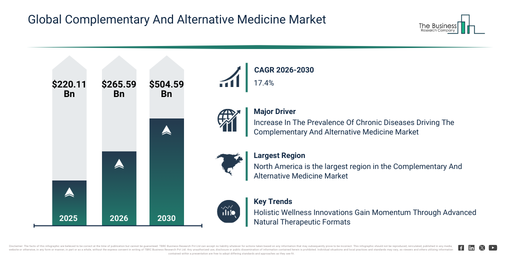
    The complementary and alternative medicine market has experienced substantial growth in its size over recent years. It is projected to expand from $220.11 billion in 2025 to $265.59 billion in 2026, registering a compound annual growth rate (CAGR) of 20.7%. The historical growth of this market is attributable to a burgeoning consumer preference for holistic healthcare, the extensive adoption of traditional medicine systems, an increase in wellness centers, the rising incidence of chronic diseases, and the broader accessibility of herbal products.

    The complementary and alternative medicine market size is projected to experience rapid expansion in the coming years. It is forecast to reach $504.59 billion by 2030, demonstrating a compound annual growth rate (CAGR) of 17.4%. This anticipated growth is attributed to factors such as the increasing demand for integrative healthcare models, a rising focus on mental and emotional well-being, the expansion of telehealth-based CAM services, growing regulatory oversight of CAM products, and increasing research into the efficacy of alternative therapies. Significant trends during the forecast period include the growing integration of complementary therapies with conventional care, the rising adoption of personalized holistic treatment plans, increased demand for preventive and wellness therapies, the expansion of digital and remote CAM services, and greater acceptance of evidence-based CAM practices.

    Access Your Free Sample Report For In-Depth Market Analysis:

    https://www.thebusinessresearchcompany.com/report/complementary-and-alternative-medicine-global-market-report

    What Key Factors Are Affecting The Complementary And Alternative Medicine Market Demand?

    The increasing incidence of chronic illnesses is projected to fuel the expansion of the complementary and alternative medicine market. Chronic diseases are long-term medical conditions that endure over time and typically do not resolve independently. This rise in chronic disease prevalence stems from various contributors, such as aging populations, detrimental lifestyle choices, environmental elements, and enhanced diagnostic techniques leading to better detection. Complementary and alternative medicine (CAM) assists in mitigating the impact of chronic diseases by providing alternative treatment approaches, advocating for holistic health strategies, and addressing fundamental issues like stress and inflammation. For instance, in May 2024, the Singapore Heart Foundation (SHF), a non-profit organization located in Singapore, reported that ischemic heart diseases were responsible for 5,302 deaths, representing a slight rise from 5,290 deaths in 2022. Therefore, the growing prevalence of chronic diseases is a key driver for the complementary and alternative medicine market’s growth.

    How Is The Complementary And Alternative Medicine Market Organized By Segment Classification?

    The complementary and alternative medicine market covered in this report is segmented –

    1) By Type: Alternative Medical Systems, Mind-Body Interventions, Biologically Based Therapies, Manipulative And Body-Based Methods, Energy Therapies, Other Types

    2) By Disease Indication: Arthritis, Asthma, Cancer, Diabetes, Cardiology, Neurology, Other Disease Indications

    3) By Application: E-training, Direct Contact, Distance Correspondence

    4) By End-Users: Hospitals, Specialty Clinics, Therapy Centers, Other End-Users

    Subsegments:

    1) By Alternative Medical Systems: Traditional Chinese Medicine (TCM), Ayurveda, Naturopathy, Homeopathy, Native American Medicine, Unani Medicine

    2) By Mind-Body Interventions: Meditation, Yoga And Tai Chi, Cognitive Behavioral Therapy (CBT), Hypnotherapy, Biofeedback

    3) By Biologically Based Therapies: Herbal Medicine, Dietary Supplements, Functional Foods, Probiotics, Vitamins And Minerals, Aromatherapy

    4) By Manipulative And Body-Based Methods: Chiropractic Care, Massage Therapy, Osteopathic Manipulative Therapy, Acupressure, Reflexology

    5) By Energy Therapies: Reiki, Therapeutic Touch, Acupuncture, Qigong, Healing Touch

    6) By Other Types: Aromatherapy, Light Therapy, Music Therapy, Art Therapy, Crystal Healing

    What Trends Are Influencing Changes In The Complementary And Alternative Medicine Market?

    Companies within the complementary and alternative medicine market are increasingly concentrating on creating novel solutions, such as herbal-based dietary supplements, to meet the rising consumer demand for natural, non-pharmaceutical approaches that support overall health and wellness. These herbal-based dietary supplements integrate traditional medicinal herbs with modern nutritional science to deliver targeted health benefits, presenting an alternative to conventional pharmaceutical treatments while prioritizing safety and holistic well-being. For instance, in February 2023, NatureKue Inc., a U.S.-based dietary supplement company, introduced Nafliva LiverSmart, an innovative chocolate-flavored supplement designed to promote healthy liver function. Nafliva LiverSmart combines Deepure Tea extract from pu’erh tea and silybin from milk thistle, ingredients supported by clinical research for fostering healthy fat metabolism, balanced blood sugar, and maintaining healthy cholesterol and triglyceride levels. Each piece contains 60% dark chocolate with peppermint flavor, along with essential minerals like iron, potassium, vitamin D, and zinc, positioning it as a functional and palatable daily supplement. The product is intended for one piece per day, with a recommended duration of at least three months for optimal results, thereby bridging traditional herbal therapy with a modern, convenient delivery format.

    Who Are The Industry Participants Involved In The Complementary And Alternative Medicine Market?

    Major companies operating in the complementary and alternative medicine market are Bikram Yoga, ARKOPHARMA Laboratories Company Limited, Aboca SpA, Boiron USA, Laboratorios Funat, Nordic Nutraceuticals, Dabur India Ltd., Nordic Naturals, UAS Laboratories, A.Vogel Ltd., Quantum-Touch, Herb Pharm LLC, Creative Biolabs, Nature’s Bounty, Baidyanath Group, SKM Siddha and Ayurvedha Company Ltd., Weleda AG, Afriplex, Herbal Hills, Arya Vaidya Pharmacy, Edizioni Riza spa, Vaidyaratnam Oushadhasala Pvt. Ltd., Nutritional Wellness Center, PEKANA Naturheilmittel GmbH, Himalaya Global Holdings Ltd. (Himalaya Herbal Healthcare), Geriatric & Medical Companies Inc., Naturoveda Health World, Alternative Medicine Institute

    Get The Full Complementary And Alternative Medicine Market Report:

    https://www.thebusinessresearchcompany.com/report/complementary-and-alternative-medicine-global-market-report

    Which Region Leads The Complementary And Alternative Medicine Market In Overall Market Size?

    North America was the largest region in the complementary and alternative medicine market in 2025. Asia-Pacific is expected to be the fastest-growing region in the forecast period. The regions covered in the complementary and alternative medicine market report are Asia-Pacific, South East Asia, Western Europe, Eastern Europe, North America, South America, Middle East, Africa.

    Request A Customized Complementary And Alternative Medicine Market Report For Competitive Insights:

    https://www.thebusinessresearchcompany.com/report/complementary-and-alternative-medicine-global-market-report

    Browse Through More Reports Similar to the Global Complementary And Alternative Medicine Market 2026, By The Business Research Company

    Herbal Supplements Market Report 2026

    https://www.thebusinessresearchcompany.com/report/herbal-supplements-global-market-report

    Botanicals And Acupuncture Market Report 2026

    https://www.thebusinessresearchcompany.com/report/botanicals-and-acupuncture-global-market-report

    Herbal Medicine Market Report 2026

    https://www.thebusinessresearchcompany.com/report/herbal-medicine-global-market-report

    Get in touch with us:

    The Business Research Company: https://www.thebusinessresearchcompany.com/

    Americas +1 310-496-7795

    Asia +44 7882 955267 & +91 8897263534

    Europe +44 7882 955267

    Email us at info@tbrc.info

    Follow us on:

    LinkedIn: https://in.linkedin.com/company/the-business-research-company

    YouTube: https://www.youtube.com/channel/UC24_fI0rV8cR5DxlCpgmyFQ

    Global Market Model: https://www.thebusinessresearchcompany.com/global-market-model
  • Growth in the biopharma sector is driving demand in the competent cells market

    Growth in the biopharma sector is driving demand in the competent cells market

    The Business Research Company’s 2026 market reports feature enhanced tools like market attractiveness analysis, TAM assessment, and company scoring matrices, along with interactive dashboards, deeper supply chain insights, and startup coverage strengthening the depth, usability, and strategic value of insights.

    What Changes In Market Value Are Expected For The Competent Cells Market Over The 2026–2030 Period?

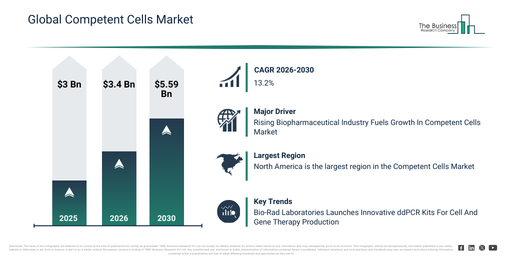
    The competent cells market size has seen rapid expansion in recent years. It is projected to increase from $3 billion in 2025 to $3.4 billion in 2026, reflecting a compound annual growth rate (CAGR) of 13.3%. This historical growth is largely due to factors such as the broadening of molecular biology research activities, the extensive application of e. coli cloning systems, the advancement of academic life science research, the availability of standardized competent cell products, and the proliferation of biotech laboratory setups.

    The competent cells market is anticipated to experience significant growth in the upcoming years. It is projected to expand to $5.59 billion by 2030, demonstrating a compound annual growth rate (CAGR) of 13.2%. This growth during the forecast period can be attributed to the increasing adoption of gene editing technologies, rising investments in synthetic biology, the expansion of pharmaceutical research pipelines, a growing demand for high-throughput cloning tools, and the increased commercialization of molecular biology reagents. Major trends expected in this period include improved transformation efficiency of competent cells, a growing demand for high-efficiency cloning strains, increased use in synthetic biology applications, the expansion of ready-to-use competent cell kits, and a rising focus on reproducibility in molecular experiments.

    Access Your Free Sample Report For In-Depth Market Analysis:

    https://www.thebusinessresearchcompany.com/report/competent-cells-global-market-report

    Which Primary Drivers Are Impacting The Competent Cells Market Growth?

    The expansion of the biopharmaceutical industry is anticipated to boost the growth of the competent cells market in the future. This industry specializes in the creation, manufacturing, and marketing of medications sourced from biological origins, employing biotechnology and molecular biology to develop novel treatments and therapies. Its growth is fueled by swift progress in biotechnology, an increasing need for personalized medicine, and greater investments in the research and development of groundbreaking therapies and treatments. Within the biopharmaceutical industry, competent cells find application in genetic engineering, gene cloning, and protein expression, facilitating the creation of recombinant proteins, therapeutic enzymes, and other biologics crucial for pharmaceutical development and manufacturing. As an illustration, the BioIndustry Association (BIA), a UK-based trade association, reported in January 2025 that the UK biotech sector experienced notable expansion in 2024, drawing in £3.5 billion (around $4.4 billion) in investment, which represents a substantial 94% rise from the preceding year. Consequently, the expanding biopharmaceutical industry serves as a key driver for the growth of the competent cells market.

    Which Segments Define The Competent Cells Market Segment Structure?

    The competent cells market covered in this report is segmented –

    1) By Type: Chemically Competent Cells, Electrocompetent Cells, Ultracompetent Cells

    2) By Application: Cloning, Protein Expression, Mutagenesis, Other Applications

    3) By End User: Contract Research Organizations, Pharmaceutical And Biotechnology Companies, Academic Research Institutes, Other End-Users

    Subsegments:

    1) By Chemically Competent Cells: E. Coli Competent Cells, Bacillus Subtilis Competent Cells

    2) By Electrocompetent Cells: E. Coli Electrocompetent Cells, Other Bacterial Electrocompetent Cells

    3) By Ultracompetent Cells: E. Coli Ultracompetent Cells, Other Ultracompetent Cell Types

    Which Trends Are Shaping Growth In The Competent Cells Market?

    Leading companies in the competent cell market are developing innovative kits, including replication competent lentivirus kits, for advancing cell and gene therapies and enhancing the efficiency of genetic transformation processes. Cell and gene therapies are sophisticated medical treatments involving the modification or utilization of cells or genes to address or cure diseases. As an illustration, in February 2024, Bio-Rad Laboratories Inc., a US-based manufacturer of clinical diagnostics products, introduced the vericheck ddPCR replication competent lentivirus kit and the vericheck ddPCR replication competent AAV kit. These kits utilize advanced droplet digital PCR (ddPCR) technology to identify and quantify replication-competent lentivirus (RCL) and adeno-associated virus (AAV) with remarkable sensitivity and precision. This capability is vital for ensuring the safety and efficacy of viral vectors used in therapeutic applications, as it aids in detecting and removing any potentially harmful replication-competent viruses.

    Who Are The Established Players Within The Competent Cells Market?

    Major companies operating in the competent cells market are Thermo Fisher Scientific Inc., Avantor Inc., Sigma-Aldrich, Bio-Rad Laboratories Inc., QIAGEN N.V., Promega Corporation, GenScript Biotech Corporation, Takara Bio Inc., New England Biolabs Inc., TransGen Biotech Co. Ltd., HiMedia Laboratories Pvt. Ltd., Zymo Research Corporation, Lucigen Corporation, Codex DNA Inc., SMOBIO Technology Inc., NZYTech Lda., Gold Biotechnology Inc., Merck KGaA, LGC Biosearch Technologies, Klee GmbH, Cell Applications Inc., GeneCopoeia Inc.

    Get The Full Competent Cells Market Report:

    https://www.thebusinessresearchcompany.com/report/competent-cells-global-market-report

    Which Region Is The Top Contributor To The Competent Cells Market By Share?

    North America was the largest region in the competent cells market in 2025. Asia-Pacific is expected to be the fastest-growing region in the forecast period. The regions covered in the competent cells market report are Asia-Pacific, South East Asia, Western Europe, Eastern Europe, North America, South America, Middle East, Africa.

    Request A Customized Competent Cells Market Report For Competitive Insights:

    https://www.thebusinessresearchcompany.com/report/competent-cells-global-market-report

    Browse Through More Reports Similar to the Global Competent Cells Market 2026, By The Business Research Company

    Cell Viability Assays Market Report 2026

    https://www.thebusinessresearchcompany.com/report/cell-viability-assays-global-market-report

    Primary Cells Market Report 2026

    https://www.thebusinessresearchcompany.com/report/primary-cells-global-market-report

    Cell Cultures Market Report 2026

    https://www.thebusinessresearchcompany.com/report/cell-cultures-global-market-report

    Get in touch with us:

    The Business Research Company: https://www.thebusinessresearchcompany.com/

    Americas +1 310-496-7795

    Asia +44 7882 955267 & +91 8897263534

    Europe +44 7882 955267

    Email us at info@tbrc.info

    Follow us on:

    LinkedIn: https://in.linkedin.com/company/the-business-research-company

    YouTube: https://www.youtube.com/channel/UC24_fI0rV8cR5DxlCpgmyFQ

    Global Market Model: https://www.thebusinessresearchcompany.com/global-market-model
  • Colorectal cancer molecular diagnostics market trends driving growth through 2030

    Colorectal cancer molecular diagnostics market trends driving growth through 2030

    The Business Research Company’s 2026 market reports feature enhanced tools like market attractiveness analysis, TAM assessment, and company scoring matrices, along with interactive dashboards, deeper supply chain insights, and startup coverage strengthening the depth, usability, and strategic value of insights.

    What Expansion In Market Value Is Forecasted For The Colorectal Cancer Molecular Diagnostics Market Between 2026 And 2030?

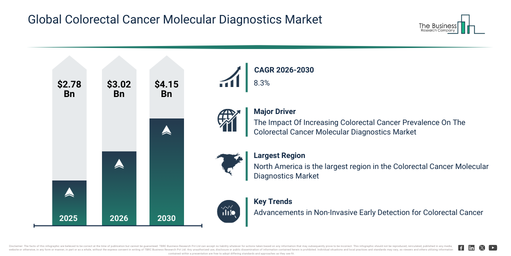
    The colorectal cancer molecular diagnostics market has experienced significant growth in recent years. Its value is expected to increase from $2.78 billion in 2025 to $3.02 billion in 2026, exhibiting a compound annual growth rate (CAGR) of 8.5%. This growth in the past can be attributed to several factors, including the rising incidence rates of colorectal cancer, the expansion of diagnostic laboratory infrastructure, a growing adoption of molecular testing protocols, improved awareness regarding early screening, and the increasing application of precision medicine approaches.

    The colorectal cancer molecular diagnostics market size is projected to experience substantial expansion over the upcoming years. This market is anticipated to reach $4.15 billion by 2030, demonstrating a compound annual growth rate (CAGR) of 8.3%. Factors contributing to this growth during the forecast period include greater investments in precision oncology, an escalating demand for minimally invasive diagnostic methods, the broadening of genomic testing initiatives, the increasing incorporation of AI into cancer diagnostics, and an intensified emphasis on monitoring treatment responses. Key trends anticipated during the same period encompass the wider acceptance of molecular biomarker testing, an increased application of PCR and sequencing technologies, a surging need for personalized oncology diagnostics, the ongoing expansion of companion diagnostic development, and a heightened concentration on the early detection of cancer.

    Access Your Free Sample Report For In-Depth Market Analysis:

    https://www.thebusinessresearchcompany.com/report/colorectal-cancer-molecular-diagnostics-global-market-report

    What Key Factors Are Shaping The Colorectal Cancer Molecular Diagnostics Market Landscape?

    The expanding incidence of colorectal cancer is anticipated to drive expansion in the colorectal cancer molecular diagnostics market in the future. Colorectal cancer is a condition impacting the colon or rectum, essential components of the digestive system. This cancer arises when cells within the colon or rectum proliferate uncontrollably, leading to tumor formation. The growing occurrence of colorectal cancer consequently elevates the need for molecular diagnostics in both detecting and managing the disease. As an illustration, in March 2023, the American Cancer Society, a US-based nationwide voluntary health organization committed to eradicating cancer, estimated that approximately 153,020 individuals would be diagnosed with CRC (colorectal cancer), and about 52,550 of these individuals were projected to die from the condition. Within this group, 19,550 diagnoses and 3,750 deaths are expected to occur among individuals under the age of 50. Thus, the increasing prevalence of colorectal cancer is a significant factor propelling the growth of the colorectal cancer molecular diagnostics market.

    How Is The Colorectal Cancer Molecular Diagnostics Market Categorized Across Its Segment Groups?

    The colorectal cancer molecular diagnostics market covered in this report is segmented –

    1) By Type: Instruments, Reagents And Kits, Services

    2) By Technology: Polymerase Chain Reaction (PCR), Sequencing, Mass Spectrometry, Transcription Mediated Amplification, Chips And Microarrays, Isothermal Nucleic Acid Amplification Technology (INAAT)

    3) By End Users: Hospitals, Ambulatory Surgical Centers, Diagnostic Laboratories, Homecare Settings

    Subsegments:

    1) By Instruments: PCR Machines, Sequencers, Microarrays

    2) By Reagents And Kits: DNA Or RNA Extraction Kits, Assay Kits, Reagent Packs

    3) By Services: Diagnostic Testing Services, Genetic Testing Services, Consultation Services

    What Market Trends Are Affecting The Colorectal Cancer Molecular Diagnostics Market?

    Major companies in the colorectal cancer molecular diagnostics market are concentrating on developing innovative solutions, such as blood-based liquid biopsy screening tests. This effort aims to address the increasing demand for non-invasive, early detection tools, improve patient compliance compared to colonoscopy, and enable broader population screening as guidelines and reimbursement strategies evolve. A liquid biopsy functions as a blood test that identifies tumour-derived biomarkers from a simple blood draw; its core characteristics include minimal invasiveness, the capacity to screen asymptomatic populations, and molecular-level sensitivity. For instance, in July 2024, Guardant Health, a United States-based precision oncology company, launched Shield, a blood-based colorectal cancer screening test that received approval from the U.S. Food and Drug Administration as a primary screening option for average-risk adults aged 45 and older. Shield, a multi-marker blood assay, analyzes circulating tumour signals to identify individuals likely to have colorectal cancer; it was developed and validated within the extensive ECLIPSE clinical programme, demonstrating high sensitivity and specificity suitable for FDA primary-screening designation. The test’s composition and operation combine sequencing with proprietary bioinformatic classifiers to detect methylation and other tumour-derived signals in plasma. Its distinct advantages encompass convenience through a single blood draw, the potential to increase screening uptake, and a pathway to Medicare coverage, with applications spanning population screening and guiding positive cases to diagnostic colonoscopy, thereby offering earlier detection with fewer invasive procedures.

    Which Firms Are Influencing Competition In The Colorectal Cancer Molecular Diagnostics Market?

    Major companies operating in the colorectal cancer molecular diagnostics market are Johnson & Johnson, Bayer AG, Abbott Laboratories, Danaher Corporation, Becton Dickinson and Company, Biocartis Group NV, Agilent Technologies Inc., Grifols S.A, Hologic Inc., Biomérieux SA, Quidel Corporation, Bio-Rad Laboratories Inc., Qiagen N.V., Exact Sciences Corporation, Illumina Inc., Cepheid, Myriad Genetics Inc., Guardant Health, Luminex Corporation, GenMark Diagnostics, Amoy Diagnostics Co. Ltd., MDxHealth Inc., HTG Molecular Diagnostics Inc., GenPath Diagnostics, geneOmbio Technologies Pvt.

    Get The Full Colorectal Cancer Molecular Diagnostics Market Report:

    https://www.thebusinessresearchcompany.com/report/colorectal-cancer-molecular-diagnostics-global-market-report

    Which Region Holds The Highest Market Share In The Colorectal Cancer Molecular Diagnostics Market?

    North America was the largest region in the colorectal cancer molecular diagnostics market in 2025. Asia Pacific is expected to be the fastest-growing region in the forecast period. The regions covered in the colorectal cancer molecular diagnostics market report are Asia-Pacific, South East Asia, Western Europe, Eastern Europe, North America, South America, Middle East, Africa.

    Request A Customized Colorectal Cancer Molecular Diagnostics Market Report For Competitive Insights:

    https://www.thebusinessresearchcompany.com/report/colorectal-cancer-molecular-diagnostics-global-market-report

    Browse Through More Reports Similar to the Global Colorectal Cancer Molecular Diagnostics Market 2026, By The Business Research Company

    Pancreatic Cancer Diagnostic Market Report 2026

    https://www.thebusinessresearchcompany.com/report/pancreatic-cancer-diagnostic-global-market-report

    Cancer Diagnostics Market Report 2026

    https://www.thebusinessresearchcompany.com/report/cancer-diagnostics-global-market-report

    Colorectal Cancer Drugs Market Report 2026

    https://www.thebusinessresearchcompany.com/report/colorectal-cancer-drugs-global-market-report

    Get in touch with us:

    The Business Research Company: https://www.thebusinessresearchcompany.com/

    Americas +1 310-496-7795

    Asia +44 7882 955267 & +91 8897263534

    Europe +44 7882 955267

    Email us at info@tbrc.info

    Follow us on:

    LinkedIn: https://in.linkedin.com/company/the-business-research-company

    YouTube: https://www.youtube.com/channel/UC24_fI0rV8cR5DxlCpgmyFQ

    Global Market Model: https://www.thebusinessresearchcompany.com/global-market-model
  • Digital Twin Operating Room Market: Drivers and Future Outlook

    Digital Twin Operating Room Market: Drivers and Future Outlook

    The Business Research Company’s 2026 market reports feature enhanced tools like market attractiveness analysis, TAM assessment, and company scoring matrices, along with interactive dashboards, deeper supply chain insights, and startup coverage strengthening the depth, usability, and strategic value of insights.

    How Is The Market Size Of The Digital Twin Hospital Operating Room Market Expected To Change From 2026 To 2030?

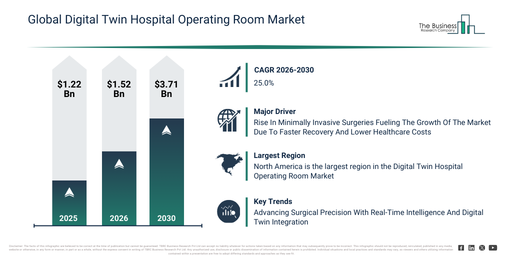
    The digital twin hospital operating room market size has experienced significant expansion in recent years. This market is projected to expand from $1.22 billion in 2025 to reach $1.52 billion by 2026, exhibiting a compound annual growth rate (CAGR) of 25.3%. Historically, this growth has been driven by several factors, including the increasing scope of complex surgical procedures, a heightened need for operational efficiency in hospitals, the wider uptake of connected medical devices, the greater use of surgical robotics, and initial investments in digital hospital infrastructure.

    The market for digital twin hospital operating rooms is projected to experience rapid expansion over the coming years. This market is forecast to reach $3.71 billion by 2030, exhibiting a compound annual growth rate (CAGR) of 25.0%. Several factors contribute to this anticipated growth, including a heightened focus on developing smart hospitals, a rising need for data-driven approaches to surgical optimization, the broadening application of AI-assisted surgical planning, the increasing embrace of cloud-based hospital twin technologies, and a greater emphasis on patient safety analytics. Key trends for this period encompass the growing uptake of real-time or simulation platforms, an increased reliance on predictive equipment maintenance tools, the wider implementation of workflow optimization solutions, the expansion of virtual training and simulation systems, and improved integration of sensor-driven monitoring technologies.

    Access Your Free Sample Report For In-Depth Market Analysis:

    https://www.thebusinessresearchcompany.com/report/digital-twin-hospital-operating-room-global-market-report

    Which Primary Drivers Are Impacting The Digital Twin Hospital Operating Room Market Growth?

    An anticipated increase in minimally invasive surgeries is projected to drive expansion within the digital twin hospital operating room market in the future. These surgical methods utilize small incisions, resulting in less tissue trauma, quicker patient recovery, and a lower incidence of complications compared to traditional open surgical procedures. The growing adoption of minimally invasive surgeries is attributed to their benefits, such as quicker patient recuperation, leading to shorter hospital admissions and reduced healthcare expenditures. Digital twin hospital operating rooms facilitate minimally invasive procedures through features like real-time simulations and three-dimensional visualizations, which allow for meticulous planning, enhanced navigation during surgery, and ultimately, superior patient results. For example, data from June 2024, reported by the American Society of Plastic Surgeons, a US-based organization, indicated a 7% rise in minimally invasive procedures in 2023, surpassing the 2% growth observed in general surgical procedures. Consequently, the increasing prevalence of minimally invasive surgeries is a key factor propelling the expansion of the digital twin hospital operating room market.

    Which Segment Types Are Examined In The Digital Twin Hospital Operating Room Market Segment Study?

    The digital twin hospital operating room market covered in this report is segmented –

    1) By Components: Software, Hardware, Services

    2) By Deployment Mode: On-Premises, Cloud

    3) By Application: Surgical Planning, Training And Simulation, Workflow Optimization, Asset Management, Patient Monitoring, Other Applications

    4) By End User: Hospitals, Ambulatory Surgical Centers, Specialty Clinics, Other End Users

    Subsegments:

    1) By Software: Simulation Software, Data Analytics Software, Workflow Management Software, Visualization And Imaging Software, AI And Machine Learning Platforms

    2) By Hardware: Sensors, IoT Devices, Imaging Devices, Surgical Robots, Workstations And Servers

    3) By Services: Consulting Services, Integration And Implementation Services, Support And Maintenance Services, Training And Education Services, Remote Monitoring Services

    Which Trends Are Shaping Growth In The Digital Twin Hospital Operating Room Market?

    Leading companies in the digital twin hospital operating room market are concentrating on developing advanced solutions, such as real-time intelligence platforms, to enhance surgical decision-making, improve workflow efficiency, and ensure superior patient outcomes through dynamic data integration and visualization. A real-time intelligence platform serves as an intelligent tool that processes live data instantly, enabling users to make quick and accurate decisions. For example, in February 2025, VeroSource Solutions Inc., a Canada-based software company, introduced additional Digital Twin capability to its proprietary VS Data-as-a-Service Platform. A digital twin is a virtual representation of a healthcare system or facility, acting as a digital copy that permits study and prediction without directly affecting the operations of the healthcare institution. Moreover, VeroSource’s Digital Twin technology incorporates other data sources, including population demographics, illness patterns, and other crucial external elements, thereby allowing healthcare practitioners to make more precise and data-driven choices.

    Which Players Are Part Of The Competitive Landscape Of The Digital Twin Hospital Operating Room Market?

    Major companies operating in the digital twin hospital operating room market are Microsoft Corporation, Johnson & Johnson, International Business Machines Corporation, Oracle Corporation, Honeywell International Inc., Medtronic plc, Siemens Healthineers, Philips Healthcare, Stryker Corporation, GE Healthcare Technologies Inc., Zimmer Biomet Holding Inc., Olympus Corporation, Intuitive Surgical, Getinge AB, Karl Storz, Ansys Inc., AVEVA Group plc, Bentley Systems Inc., Dassault Systèmes SE, Schneider Electric SE, NVIDIA Corporation

    Get The Full Digital Twin Hospital Operating Room Market Report:

    https://www.thebusinessresearchcompany.com/report/digital-twin-hospital-operating-room-global-market-report

    Which Region Dominates The Digital Twin Hospital Operating Room Market By Market Share?

    North America was the largest region in the digital twin hospital operating room market in 2025. Asia-Pacific is expected to be the fastest-growing region in the forecast period. The regions covered in the digital twin hospital operating room market report are Asia-Pacific, South East Asia, Western Europe, Eastern Europe, North America, South America, Middle East, Africa.

    Request A Customized Digital Twin Hospital Operating Room Market Report For Competitive Insights:

    https://www.thebusinessresearchcompany.com/report/digital-twin-hospital-operating-room-global-market-report

    Browse Through More Reports Similar to the Global Digital Twin Hospital Operating Room Market 2026, By The Business Research Company

    Whole Life Insurance Market Report 2026

    https://www.thebusinessresearchcompany.com/report/whole-life-insurance-global-market-report

    Term Life Insurance Market 2026

    https://www.thebusinessresearchcompany.com/report/term-life-insurance-market

    Insurance Market Report 2026

    https://www.thebusinessresearchcompany.com/report/insurance-global-market-report

    Get in touch with us:

    The Business Research Company: https://www.thebusinessresearchcompany.com/

    Americas +1 310-496-7795

    Asia +44 7882 955267 & +91 8897263534

    Europe +44 7882 955267

    Email us at info@tbrc.info

    Follow us on:

    LinkedIn: https://in.linkedin.com/company/the-business-research-company

    YouTube: https://www.youtube.com/channel/UC24_fI0rV8cR5DxlCpgmyFQ

    Global Market Model: https://www.thebusinessresearchcompany.com/global-market-model
  • Digital Twin Blood Bank Logistics Market: Growth Opportunities Through 2030

    Digital Twin Blood Bank Logistics Market: Growth Opportunities Through 2030

    The Business Research Company’s 2026 market reports feature enhanced tools like market attractiveness analysis, TAM assessment, and company scoring matrices, along with interactive dashboards, deeper supply chain insights, and startup coverage strengthening the depth, usability, and strategic value of insights.

    From Its 2026 Market Size, What Value Is The Digital Twin Blood Bank Logistics Market Projected To Reach By 2030?

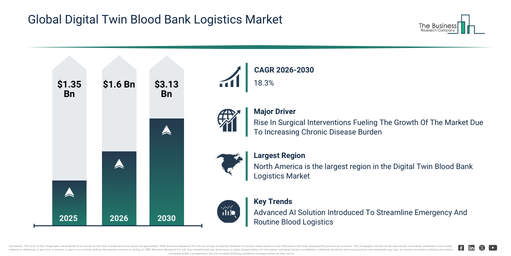
    The digital twin blood bank logistics market size has experienced significant expansion in recent years. It is anticipated to grow from $1.35 billion in 2025 to $1.6 billion in 2026, demonstrating a compound annual growth rate (CAGR) of 18.5%. This historical growth can be attributed to several factors, including escalating blood demand volatility, the broadening of centralized blood bank networks, the uptake of cold-chain monitoring technologies, the emergence of more stringent regulatory compliance requirements, and the initial deployment of logistics analytics platforms.

    The digital twin blood bank logistics market size is projected to experience rapid expansion over the coming years. It is anticipated to grow to $3.13 billion in 2030, exhibiting a compound annual growth rate (CAGR) of 18.3%. The forecasted growth during this period can be attributed to increasing investments in smart healthcare logistics, a rising adoption of cloud-based digital twins, the expansion of AI-driven demand forecasting, a growing focus on zero-waste blood management, and increasing integration with hospital information systems. Major trends anticipated in the forecast period include the increasing adoption of real-time blood supply chain simulation, the rising use of predictive inventory optimization models, the growing integration of IoT-based temperature monitoring, the expansion of end-to-end traceability platforms, and an enhanced focus on waste reduction and efficiency.

    Access Your Free Sample Report For In-Depth Market Analysis:

    https://www.thebusinessresearchcompany.com/report/digital-twin-blood-bank-logistics-global-market-report

    What Significant Factors Are Influencing The Digital Twin Blood Bank Logistics Market Expansion?

    The expanding volume of surgical procedures is anticipated to propel the growth of the digital twin blood bank logistics market going forward. Surgical procedures are defined as medical interventions performed by trained professionals to diagnose, treat, or correct health conditions using manual or instrumental methods. The rise in these procedures is attributed to an aging population, leading to a greater demand for treatments such as joint replacements and cardiovascular surgeries. Digital twin blood bank logistics aids surgical procedures by ensuring real-time visibility and efficient management of blood supply, thereby minimizing delays and shortages during critical operations. For instance, in April 2025, according to the Australian Institute of Health and Welfare (AIHW), an Australia-based government agency, during 2023–24, the number of patients undergoing elective surgery in Australia’s public hospitals reached a record high, with 778,500 admissions from elective surgery waitlists, marking a 5.8% rise from 735,500 admissions in 2022–23. Consequently, the global increase in surgical procedures is a significant driver for the growth of the digital twin blood bank logistics market.

    How Are Different Segments Classified In The Digital Twin Blood Bank Logistics Market Segment Analysis?

    The digital twin blood bank logistics market covered in this report is segmented –

    1) By Component: Software, Hardware, Services

    2) By Deployment Mode: On-Premises, Cloud

    3) By Application: Inventory Management, Temperature Monitoring, Transportation Optimization, Compliance And Traceability, Other Applications

    4) By End-User: Hospitals, Blood Banks, Diagnostic Laboratories, Research Institutes

    Subsegments:

    1) By Software: Simulation Platforms, Data Analytics Tools, Workflow Management Software, Real-Time Monitoring Systems, Inventory Optimization Software

    2) By Hardware: Sensors, Radio Frequency Identification Tags, Smart Storage Units, Temperature Monitoring Devices, Communication Gateways

    3) By Services: Consulting Services, System Integration, Maintenance And Support, Training And Education, Cloud Hosting Services

    What Trends Are Affecting The Direction Of The Digital Twin Blood Bank Logistics Market?

    Key players within the digital twin blood bank logistics market are concentrating on implementing cutting-edge solutions, including AI-driven on-demand blood delivery platforms. These initiatives aim to streamline inventory processes, improve real-time monitoring, minimize wastage, and guarantee a prompt and effective blood distribution to healthcare facilities. Such AI-powered platforms are intelligent systems employing artificial intelligence to forecast demand, oversee stock levels, and coordinate the efficient, real-time delivery of blood products to healthcare providers. An illustrative example is seen in June 2025, when Lytus HealthTech, an India-based healthcare technology firm, introduced BLOD, its AI-powered on-demand blood delivery platform. This pioneering system utilizes sophisticated artificial intelligence alongside autonomous logistics to facilitate continuous (24×7), swift, cold-chain delivery of blood units within 90 minutes, significantly cutting down waiting periods for both hospitals and patients. BLOD’s objectives include eradicating delays, decreasing blood spoilage caused by transportation or cold-chain issues, and establishing a new benchmark for emergency blood distribution within India’s healthcare landscape.

    Who Are The Companies Driving Activity In The Digital Twin Blood Bank Logistics Market?

    Major companies operating in the digital twin blood bank logistics market are Deutsche Post AG, FedEx Corporation, Mærsk A/S, Owens & Minor Inc., SenSat Ltd., KNAPP AG, World Courier Management Inc., Siemens Logistics LLC, Swisslog AG, GPI S.p.A., Zipline International Inc., OnWay Transport LLC, Mediware Information Systems Inc., Logivations GmbH, Medi-Ops LLC, Certainty Health LLC, Sifio Health Inc., UPS Healthcare, Körber Supply Chain, Dematic Group, Zebra Technologies Corporation, Controlant Inc.

    Get The Full Digital Twin Blood Bank Logistics Market Report:

    https://www.thebusinessresearchcompany.com/report/digital-twin-blood-bank-logistics-global-market-report

    Which Region Is The Largest In The Digital Twin Blood Bank Logistics Market?

    North America was the largest region in the digital twin blood bank logistics market in 2025. Asia-Pacific is expected to be the fastest-growing region in the forecast period. The regions covered in the digital twin blood bank logistics market report are Asia-Pacific, South East Asia, Western Europe, Eastern Europe, North America, South America, Middle East, Africa.

    Request A Customized Digital Twin Blood Bank Logistics Market Report For Competitive Insights:

    https://www.thebusinessresearchcompany.com/report/digital-twin-blood-bank-logistics-global-market-report

    Browse Through More Reports Similar to the Global Digital Twin Blood Bank Logistics Market 2026, By The Business Research Company

    Cargo Transportation Insurance Market Report 2026

    https://www.thebusinessresearchcompany.com/report/cargo-transportation-insurance-global-market-report

    Insurance Market Report 2026

    https://www.thebusinessresearchcompany.com/report/insurance-global-market-report

    Usage Based Insurance Market 2026

    https://www.thebusinessresearchcompany.com/report/usage-based-insurance-market

    Get in touch with us:

    The Business Research Company: https://www.thebusinessresearchcompany.com/

    Americas +1 310-496-7795

    Asia +44 7882 955267 & +91 8897263534

    Europe +44 7882 955267

    Email us at info@tbrc.info

    Follow us on:

    LinkedIn: https://in.linkedin.com/company/the-business-research-company

    YouTube: https://www.youtube.com/channel/UC24_fI0rV8cR5DxlCpgmyFQ

    Global Market Model: https://www.thebusinessresearchcompany.com/global-market-model
  • Global Healthcare Digital Transformation Market to Hit $219.67B by 2030 at 17.3% CAGR

    Global Healthcare Digital Transformation Market to Hit $219.67B by 2030 at 17.3% CAGR

    The Business Research Company’s 2026 market reports feature enhanced tools like market attractiveness analysis, TAM assessment, and company scoring matrices, along with interactive dashboards, deeper supply chain insights, and startup coverage strengthening the depth, usability, and strategic value of insights.

    How Much Growth In Market Value Is Expected For The Digital Transformation In Healthcare Market Between 2026 And 2030?

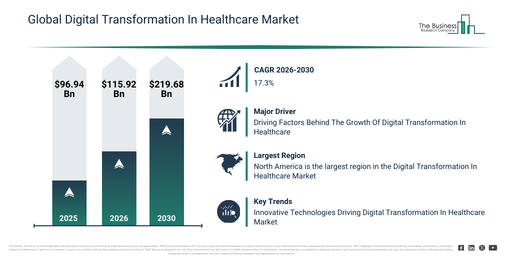
    The digital transformation in healthcare market has seen substantial growth in recent years. It is projected to expand from $96.94 billion in 2025 to $115.92 billion in 2026, at a compound annual growth rate (CAGR) of 19.6%. Historically, this growth can be attributed to factors such as paper-based clinical workflows, increasing healthcare operational costs, early health IT adoption, fragmented care delivery systems, and growing patient data volumes.

    The digital transformation in healthcare market size is projected to experience substantial expansion in the coming years. This market is anticipated to reach $219.68 billion by 2030, demonstrating a compound annual growth rate (CAGR) of 17.3%. Factors contributing to this growth include AI-enabled care optimization, government-led digital health initiatives, the adoption of value-based care models, continued cloud infrastructure expansion, and increased cybersecurity investments. Concurrently, major trends for the forecast period encompass the accelerated uptake of electronic health records, the broadening of telemedicine and virtual care services, the increasing use of data-driven clinical decision support, the growing integration of digital patient engagement tools, and a rising demand for interoperable healthcare systems.

    Access Your Free Sample Report For In-Depth Market Analysis:

    https://www.thebusinessresearchcompany.com/report/digital-transformation-in-healthcare-global-market-report

    Which Important Drivers Are Guiding The Digital Transformation In Healthcare Market Growth?

    The rising integration of electronic health records (EHRs) is anticipated to stimulate the expansion of digital transformation within the healthcare market in the future. EHRs represent digital counterparts of traditional patient paper charts, offering up-to-the-minute, patient-focused information readily and securely available to approved individuals. This uptake of EHRs stems from various factors including improved patient care, regulatory incentives, enhanced data exchange, greater patient participation, advanced data analytics, and more effective population health management. Digital transformation within healthcare markedly improves EHRs through the incorporation of cutting-edge technologies and refined system capabilities, facilitating smooth data sharing and synchronized patient care among diverse healthcare providers. For example, data from October 2023, sourced from a report by Oxford Academic, a UK-based research platform offering academic resources, indicated that basic EHR adoption grew from 6.6% to 81.2%, and comprehensive systems saw an increase from 3.6% to 63.2%. Large hospitals demonstrated a 7% higher rate of comprehensive EHR adoption compared to medium-sized hospitals, and surpassed small hospitals by over 34%. Consequently, the expanding use of electronic health records is propelling the growth of digital transformation in the healthcare market.

    How Is The Digital Transformation In Healthcare Market Categorized Across Its Segment Groups?

    The digital transformation in healthcare market covered in this report is segmented –

    1) By Solution: Software, Service

    2) By Organization Size: Small And Medium Size Enterprises, Large Enterprises

    3) By Technology: Artificial Intelligence, Cloud Computing, Big Data And Analytics, Internet Of Things, Cybersecurity

    4) By End User: Hospitals And Clinics, Pharma Companies, Life Science And Biotech Companies, Healthcare Insurance Providers

    Subsegments:

    1) By Software: Electronic Health Records (Ehr), Telemedicine Solutions, Healthcare Analytics Software, Clinical Decision Support Systems (Cdss), Patient Management Software, Healthcare CRM Software, Blockchain Solutions For Healthcare

    2) By Service: Consulting Services, Implementation Services, Integration Services, Support And Maintenance Services, Training Services, Managed Services

    What Trends Are Influencing The Evolution Of The Digital Transformation In Healthcare Market?

    Leading companies active in the digital transformation of the healthcare market are concentrating on creating advanced technologies, such as digitalization solutions, to bolster their market presence. Digitalization solutions involve technologies, strategies, and services that convert traditional analog or manual processes into digital formats, empowering organizations to optimize operations, improve effectiveness, and boost output. For example, in February 2024, Huawei Technologies Co. Ltd., a China-based information and communications technology firm, unveiled its Medical Technology Digitalization Solution to streamline various healthcare workflows. This innovative solution integrates state-of-the-art technologies to revolutionize medical practices, presenting several distinctive attributes. It harnesses artificial intelligence (AI) and machine learning algorithms to enhance medical imaging analysis, allowing for quicker and more precise diagnosis of conditions like cancer and cardiovascular diseases. The solution also incorporates Internet of Things (IoT) devices and sensors to enable real-time patient oversight and remote healthcare provision, thereby improving accessibility and patient outcomes.

    Which Firms Are Influencing Competition In The Digital Transformation In Healthcare Market?

    Major companies operating in the digital transformation in healthcare market are Roche Diagnostics, Medtronic plc, Siemens Healthineers, Philips Healthcare, Stryker Corporation, GE Healthcare, Boston Scientific, Omron Corporation, Intuitive Surgical Inc., Omnicell Inc., Allscripts Healthcare Solutions, InTouch Health, Blue Ocean Robotics ApS, Vecna Robotics, Stereotaxis Inc., Aethon Inc., VGo Communications Inc., ReWalk Robotics Ltd., Epic Systems Corporation, athenahealth Inc., Truveta Inc., Merative L P, K Health, Eko Health Inc., Suki

    Get The Full Digital Transformation In Healthcare Market Report:

    https://www.thebusinessresearchcompany.com/report/digital-transformation-in-healthcare-global-market-report

    Which Region Leads The Digital Transformation In Healthcare Market In Terms Of Market Share?

    North America was the largest region in the digital transformation in healthcare market in 2025. Asia-Pacific is expected to be the fastest-growing region in the forecast period. The regions covered in the digital transformation in healthcare market report are Asia-Pacific, South East Asia, Western Europe, Eastern Europe, North America, South America, Middle East, Africa.

    Request A Customized Digital Transformation In Healthcare Market Report For Competitive Insights:

    https://www.thebusinessresearchcompany.com/report/digital-transformation-in-healthcare-global-market-report

    Browse Through More Reports Similar to the Global Digital Transformation In Healthcare Market 2026, By The Business Research Company

    Retail Digital Transformation Market Report 2026

    https://www.thebusinessresearchcompany.com/report/retail-digital-transformation-global-market-report

    Digital Transformation Market Report 2026

    https://www.thebusinessresearchcompany.com/report/digital-transformation-global-market-report

    Digital Health Market Report 2026

    https://www.thebusinessresearchcompany.com/report/digital-health-global-market-report

    Get in touch with us:

    The Business Research Company: https://www.thebusinessresearchcompany.com/

    Americas +1 310-496-7795

    Asia +44 7882 955267 & +91 8897263534

    Europe +44 7882 955267

    Email us at info@tbrc.info

    Follow us on:

    LinkedIn: https://in.linkedin.com/company/the-business-research-company

    YouTube: https://www.youtube.com/channel/UC24_fI0rV8cR5DxlCpgmyFQ

    Global Market Model: https://www.thebusinessresearchcompany.com/global-market-model