Category: Healthcare Services

  • Anorectal disorders treatment market overview (2026–2030)

    Anorectal disorders treatment market overview (2026–2030)

    The Business Research Company’s 2026 market reports feature enhanced tools like market attractiveness analysis, TAM assessment, and company scoring matrices, along with interactive dashboards, deeper supply chain insights, and startup coverage strengthening the depth, usability, and strategic value of insights.

    How Large Will The Anorectal Disorders Treatment Market Be By 2030 Compared To Its 2026 Market Size?

    The anorectal disorders treatment market size has experienced significant expansion in recent years. It is projected to increase from $4.46 billion in 2025 to $4.73 billion in 2026, achieving a compound annual growth rate (CAGR) of 6.1%. Historically, this growth can be attributed to factors such as the increased prevalence of hemorrhoids and fistulas, wider access to surgical interventions, the availability of topical drug therapies, growing hospital infrastructure, and rising awareness of anorectal health.

    The anorectal disorders treatment market is anticipated to experience significant expansion in the coming years, with its size projected to reach $6.22 billion by 2030, demonstrating a compound annual growth rate (CAGR) of 7.1%. This growth during the forecast period is primarily driven by an increasing demand for minimally invasive treatments, a surge in the adoption of combination drug therapies, the expansion of specialty clinics, a heightened focus on patient-centric care, and continuous innovation in rectal drug delivery methods. Prominent trends for this period include a greater uptake of minimally invasive procedures, an escalating use of topical and rectal formulations, a growing preference for outpatient treatments, the broadening of lifestyle and dietary management strategies, and an intensified focus on early diagnosis and symptom control.

    Access Your Free Sample Report For In-Depth Market Analysis:

    https://www.thebusinessresearchcompany.com/report/anorectal-disorders-treatment-global-market-report

    What Significant Factors Are Influencing The Anorectal Disorders Treatment Market Expansion?

    The rising occurrence of colorectal cancer is projected to propel the expansion of the anorectal disorder treatment market moving forward. Colorectal cancer is characterized as a malignant tumor originating in either the colon (large intestine) or the rectum. Anorectal disorder treatment, when related to colorectal cancer, concentrates on managing symptoms like pain, fistulas, and bowel issues that stem from the cancer or its therapies, thereby improving patient comfort and quality of life. For instance, in May 2023, the American Society of Clinical Oncology, a US-based professional organization, estimated that 153,020 adults in the US would be diagnosed with colorectal cancer. This total includes 106,970 new cases of colon cancer and 46,050 new cases of rectal cancer. Therefore, the increasing incidence of colorectal cancer is a significant driver for the growth of the anorectal disorder treatment market.

    Which Segment Classifications Are Used In The Anorectal Disorders Treatment Market Segment Analysis?

    The anorectal disorders treatment market covered in this report is segmented –

    1) By Treatment: Drugs, Surgery, Other Treatment

    2) By Disease: Diarrhea, Hemorrhoid, Abscesse, Fistula, Itching, Other Disease

    3) By Route Of Administration: Oral, Parenteral, Rectal, Other Route of administration

    4) By End-Users: Hospitals, Specialty Clinics, Other End-Users

    Subsegments:

    1) By Drugs: Topical Agents, Oral Medications, Rectal Suppositories

    2) By Surgery: Hemorrhoidectomy, Fistulotomy, Sphincterotomy, Other Surgical Procedures

    3) By Other Treatment: Lifestyle Modifications, Dietary Changes, Physical Therapy, Minimally Invasive Procedures

    What Trends Are Affecting The Direction Of The Anorectal Disorders Treatment Market?

    Leading companies in the anorectal disorder treatment market are launching innovative medications and securing their approval to bolster their market presence. This ongoing drug development expands the array of treatment options for anorectal disorders, thereby providing patients with more targeted and effective therapeutic choices, exemplified by Budesonide 2mg Rectal Foam. As an illustration, in April 2023, Padagis US LLC, a US-based pharmaceutical manufacturer, released Budesonide 2mg Rectal Foam (a generic equivalent to Uceris) for anorectal disorders, which gained approval from the FDA (Food and Drug Administration), a US-based government agency. Uceris is a prescription corticosteroid drug utilized for controlling active, mild-to-moderate ulcerative colitis, an IBD (chronic inflammatory bowel disease) that affects the rectum and large intestine, specifically extending from the rectum to the sigmoid colon.

    Which Firms Are Contributing To The Anorectal Disorders Treatment Market Ecosystem?

    Major companies operating in the anorectal disorders treatment market are Boston Scientific Corporation, Medtronic plc, Johnson And Johnson, Cook Medical, Olympus Corporation, Becton Dickinson And Company, Smith And Nephew plc, Karl Storz SE And Co KG, Applied Medical Resources Corporation, Hologic Inc, Conmed Corporation, Privi Medical, Integra LifeSciences, Bayer AG, Boehringer Ingelheim GmbH, GlaxoSmithKline plc, Pfizer Inc, Takeda Pharmaceutical Company Limited, Ironwood Pharmaceuticals, Edesa Biotech

    Get The Full Anorectal Disorders Treatment Market Report:

    https://www.thebusinessresearchcompany.com/report/anorectal-disorders-treatment-global-market-report

    Where Is The Anorectal Disorders Treatment Market Primarily Concentrated By Region?

    North America was the largest region in the anorectal disorders treatment market in 2025. North America is expected to be the fastest-growing region in the forecast period. The regions covered in the anorectal disorders treatment market report are Asia-Pacific, South East Asia, Western Europe, Eastern Europe, North America, South America, Middle East, Africa.

    Request A Customized Anorectal Disorders Treatment Market Report For Competitive Insights:

    https://www.thebusinessresearchcompany.com/report/anorectal-disorders-treatment-global-market-report

    Browse Through More Reports Similar to the Global Anorectal Disorders Treatment Market 2026, By The Business Research Company

    Constipation Treatment Market Report 2026

    https://www.thebusinessresearchcompany.com/report/constipation-treatment-global-market-report

    Lipid Disorder Treatment Market Report 2026

    https://www.thebusinessresearchcompany.com/report/lipid-disorder-treatment-global-market-report

    Bleeding Disorders Treatment Market Report 2026

    https://www.thebusinessresearchcompany.com/report/bleeding-disorders-treatment-global-market-report

    Get in touch with us:

    The Business Research Company: https://www.thebusinessresearchcompany.com/

    Americas +1 310-496-7795

    Asia +44 7882 955267 & +91 8897263534

    Europe +44 7882 955267

    Email us at info@tbrc.info

    Follow us on:

    LinkedIn: https://in.linkedin.com/company/the-business-research-company

    YouTube: https://www.youtube.com/channel/UC24_fI0rV8cR5DxlCpgmyFQ

    Global Market Model: https://www.thebusinessresearchcompany.com/global-market-model
  • Ankylosing spondylitis market forecast with key trends and growth potential

    Ankylosing spondylitis market forecast with key trends and growth potential

    The Business Research Company’s 2026 market reports feature enhanced tools like market attractiveness analysis, TAM assessment, and company scoring matrices, along with interactive dashboards, deeper supply chain insights, and startup coverage strengthening the depth, usability, and strategic value of insights.

    What Is The Projected Increase In Market Value Of The Ankylosing Spondylitis Market During 2026–2030?

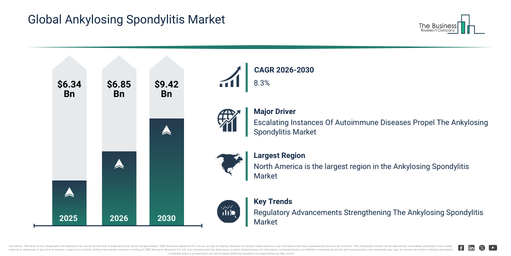
    The ankylosing spondylitis market has demonstrated significant expansion in recent years. It is anticipated to increase from $6.34 billion in 2025 to $6.85 billion in 2026, achieving a compound annual growth rate (CAGR) of 8.0%. This historic growth can be attributed to factors such as heightened diagnostic awareness, greater access to NSAIDs and DMARDs, an increase in specialist rheumatology services, wider availability of hospital-based treatment, and the expanding utilization of imaging for monitoring disease.

    The ankylosing spondylitis market is anticipated to show significant expansion in the coming years. It is projected to reach $9.42 billion by 2030, growing at a compound annual growth rate (CAGR) of 8.3%. This projected growth can be attributed to the increasing uptake of biologics and biosimilars, a heightened emphasis on personalized medicine, the development of advanced biologic pipelines, a rising demand for comprehensive long-term disease management, and increased funding for autoimmune research. Prominent trends expected during this forecast period involve a broader adoption of biologic therapies, an elevated use of targeted DMARDs, a stronger focus on early disease detection, the broadening of personalized treatment strategies, and a more integrated approach to physical therapy programs.

    Access Your Free Sample Report For In-Depth Market Analysis:

    https://www.thebusinessresearchcompany.com/report/ankylosing-spondylitis-global-market-report

    Which Important Drivers Are Guiding The Ankylosing Spondylitis Market Growth?

    The ankylosing spondylitis market is set for growth owing to the escalating occurrence of autoimmune diseases. Autoimmune disorders represent a broad spectrum of conditions where the immune system exhibits an abnormal response, erroneously attacking and causing harm to healthy cells, tissues, and organs within the body. Specifically, conditions like ankylosing spondylitis manifest when the immune system incorrectly targets the body’s own tissues, initiating inflammation and subsequent damage. Both genetic predispositions and environmental elements play a role in the onset of ankylosing spondylitis, which is a type of autoimmune arthritis primarily affecting the spine and pelvis. For instance, in September 2023, the Impact of IBD Report 2023, published by the IBD Clinical and Research Centre (a Canada-based organization focused on enhancing the lives of patients with Crohn’s disease and ulcerative colitis), reported a prevalence of 825 per 100,000 in 2023, indicating that over 320,000 individuals in Canada have inflammatory bowel disease (IBD). With an anticipated annual increase in prevalence of 2.44%, projections suggest that 1.1% of the population, or 470,000 Canadians, will be living with IBD by 2035. Thus, the rising incidence of autoimmune diseases is poised to propel the future expansion of the ankylosing spondylitis market.

    How Is The Ankylosing Spondylitis Market Organized By Segment Classification?

    The ankylosing spondylitis market covered in this report is segmented –

    1) By Treatment Type: Painkillers And Non-Steroidal Anti-Inflammatory Drugs (NSAIDs), Disease-Modifying Anti-Rheumatic Drugs (DMARDS), Biological Therapies, Steroids, Physical Therapies, Surgery

    2) By Molecule: Biologics, Biosimilar, Small Molecules

    3) By Route Of Administration: Parenteral, Oral, Other Routes

    4) By Application: Juveniles, Adults

    5) By End User: Hospitals, Clinics

    Subsegments:

    1) By Painkillers And Non-Steroidal Anti-Inflammatory Drugs (NSAIDs): Over-The-Counter NSAIDs, Prescription NSAIDs

    2) By Disease-Modifying Anti-Rheumatic Drugs (DMARDs): Conventional DMARDs, Targeted DMARDs

    3) By Biological Therapies: TNF Inhibitors, IL-17 Inhibitors

    4) By Steroids: Oral Steroids, Injectable Steroids

    5) By Physical Therapies: Physiotherapy, Exercise Programs

    6) By Surgery: Joint Replacement Surgery, Spinal Surgery

    What Trends Are Influencing The Evolution Of The Ankylosing Spondylitis Market?

    Major companies within the ankylosing spondylitis market are focusing on creating advanced biologic solutions, such as biosimilars, to improve patient accessibility, lower treatment expenses, and offer accustomed administration options. These biosimilars are therapeutics that utilize the proven active ingredients of reference biologics while maintaining comparable efficacy and safety characteristics. For instance, in August 2025, Amgen Biotechnology Singapore, a Singapore-based biotech firm, gained approval for its biosimilar adalimumab (Amgevita), offered in both a 40 mg/0.4 mL autoinjector and a 20 mg/0.2 mL prefilled syringe. This particular therapy is indicated for reducing indicators and symptoms in adult patients with active ankylosing spondylitis who have had an inadequate response to standard therapy, thereby providing familiar administration methods, leveraging a recognized active ingredient, and presenting a more affordable alternative in the biologics domain.

    Who Are The Industry Participants Involved In The Ankylosing Spondylitis Market?

    Major companies operating in the ankylosing spondylitis market are Pfizer Inc., Johnson & Johnson Pvt. Ltd., Merck & Co. Inc., AbbVie Inc., Novartis AG, Bristol-Myers Squibb, Eli Lilly and Company, Gilead Sciences Inc., Boehringer Ingelheim International GmbH, Amgen Inc., Viatris Inc., Astellas Pharma Inc., AstraZeneca plc, UCB Inc., Cipla Inc., Zydus Lifesciences Limited, Celltrion Inc., Hetero Labs Ltd., Janssen Biotech Inc., Reliance Life Sciences Pvt. Ltd.

    Get The Full Ankylosing Spondylitis Market Report:

    https://www.thebusinessresearchcompany.com/report/ankylosing-spondylitis-global-market-report

    Which Region Has The Greatest Market Share In The Ankylosing Spondylitis Market?

    North America was the largest region in the ankylosing spondylitis market in 2025. Asia-Pacific is expected to be the fastest-growing region in the forecast period. The regions covered in the ankylosing spondylitis market report are Asia-Pacific, South East Asia, Western Europe, Eastern Europe, North America, South America, Middle East, Africa.

    Request A Customized Ankylosing Spondylitis Market Report For Competitive Insights:

    https://www.thebusinessresearchcompany.com/report/ankylosing-spondylitis-global-market-report

    Browse Through More Reports Similar to the Global Ankylosing Spondylitis Market 2026, By The Business Research Company

    Osteoarthritis Market Report 2026

    https://www.thebusinessresearchcompany.com/report/osteoarthritis-global-market-report

    Cervical Spondylosis Treatment Market Report 2026

    https://www.thebusinessresearchcompany.com/report/cervical-spondylosis-treatment-global-market-report

    Axial Spondyloarthritis Axspa Market Report 2026

    https://www.thebusinessresearchcompany.com/report/axial-spondyloarthritis-axspa-global-market-report

    Get in touch with us:

    The Business Research Company: https://www.thebusinessresearchcompany.com/

    Americas +1 310-496-7795

    Asia +44 7882 955267 & +91 8897263534

    Europe +44 7882 955267

    Email us at info@tbrc.info

    Follow us on:

    LinkedIn: https://in.linkedin.com/company/the-business-research-company

    YouTube: https://www.youtube.com/channel/UC24_fI0rV8cR5DxlCpgmyFQ

    Global Market Model: https://www.thebusinessresearchcompany.com/global-market-model
  • Anhydrous lactose market analysis with growth drivers and outlook

    Anhydrous lactose market analysis with growth drivers and outlook

    The Business Research Company’s 2026 market reports feature enhanced tools like market attractiveness analysis, TAM assessment, and company scoring matrices, along with interactive dashboards, deeper supply chain insights, and startup coverage strengthening the depth, usability, and strategic value of insights.

    How Is The Market Size Of The Anhydrous Lactose Market Expected To Change From 2026 To 2030?

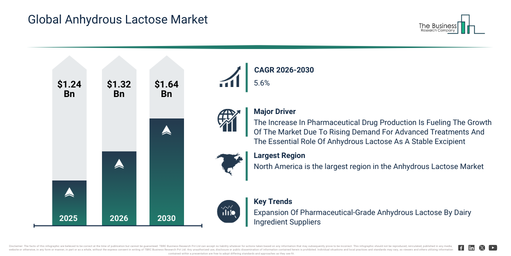
    The anhydrous lactose market size has demonstrated strong growth over recent years. It is anticipated to expand from $1.24 billion in 2025 to $1.32 billion in 2026, achieving a compound annual growth rate (CAGR) of 6.0%. The historical period’s growth can be attributed to the rise of solid oral dosage manufacturing, the expansion of generic drug production, increased utilization of lactose-based excipients, an increase in pharmaceutical manufacturing capacity, and the standardization of excipient quality requirements.

    The anhydrous lactose market size is poised for robust expansion in the upcoming years, with projections indicating a rise to $1.64 billion by 2030, maintaining a compound annual growth rate (CAGR) of 5.6%. This anticipated growth is primarily driven by the escalating demand for high-stability excipients, the increasing scale of biopharmaceutical production, a growing emphasis on advanced drug formulation techniques, the proliferation of contract manufacturing organizations, and intensified regulatory focus on excipient traceability. Throughout the forecast period, notable trends include the broader utilization of anhydrous lactose in moisture-sensitive drug formulations, a rising preference for direct compression grade lactose, an increased focus on improving powder flow properties, the widening application scope of pharmaceutical-grade excipients, and enhanced quality control measures in lactose manufacturing.

    Access Your Free Sample Report For In-Depth Market Analysis:

    https://www.thebusinessresearchcompany.com/report/anhydrous-lactose-global-market-report

    What Major Factors Are Driving The Anhydrous Lactose Market Forward?

    The anticipated increase in pharmaceutical drug manufacturing is expected to drive the growth of the anhydrous lactose market moving forward. Pharmaceutical drug production involves the systematic creation of medicines under strict regulations to ensure their safety, effectiveness, and quality for medical treatment. The output of pharmaceutical drugs is growing as the expanding aging population boosts the demand for advanced treatments to effectively manage chronic illnesses. Anhydrous lactose serves as a versatile excipient in pharmaceutical drug production, primarily functioning as a filler and binder. Its moisture-free characteristic enhances the stability and shelf life of tablets and capsules, ensuring consistent drug delivery and quality. For instance, in June 2023, the European Federation of Pharmaceutical Industries and Associations (EFPIA), a Belgium-based trade association representing the pharmaceutical industry in Europe, reported that total pharmaceutical production in Europe amounted to €390,000 million ($422,803 million) in 2023, an increase from €363,300 million ($393,857 million) in 2022. Therefore, the rise in pharmaceutical drug production is stimulating the growth of the anhydrous lactose market.

    Which Segments Define The Anhydrous Lactose Market Segment Structure?

    The anhydrous lactose market covered in this report is segmented –

    1) By Product Type: Edible Lactose, Pharmaceutical Lactose, Technical Lactose

    2) By Form: Powder, Granules, Tablets

    3) By Distribution Channel: Online Retail, Supermarkets Or Hypermarkets, Specialty Stores, Pharmacies

    4) By Application: Pharmaceutical Excipients, Lyophilized Products, Formula For Baby Food, Other Applications

    5) By End-User: Food Industry, Pharmaceutical Industry, Animal Feed Industry, Cosmetic Industry, Other End-Users

    Subsegments:

    1) By Edible Lactose: Infant Formula, Baked Goods, Confectionery, Dairy Products, Dietary Supplements

    2) By Pharmaceutical Lactose: Direct Compression Grade, Inhalation Grade, Granulation Grade, Spray-Dried Lactose

    3) By Technical Lactose: Animal Feed, Industrial Fermentation, Bioplastics, Cosmetics And Personal Care Products

    Which Trends Are Impacting The Progress Of The Anhydrous Lactose Market?

    Leading companies within the anhydrous lactose market are concentrating on developing innovative products, such as pharmaceutical-grade lactose for oral solid dose (OSD) applications, to address the increasing demand from tablet and capsule manufacturing. Pharmaceutical-grade lactose is a highly purified form of lactose produced according to stringent pharmacopeial standards (like USP and Ph. Eur.), distinguishing it from edible-grade lactose, which does not meet the necessary regulatory, purity, and particle-size criteria for pharmaceutical use. For example, in October 2023, Lactalis Ingredients, a dairy-ingredient company based in France, launched its Lactalis Ingredients Pharma business line and introduced the Lactalpha range of milled and sieved pharmaceutical-grade lactose monohydrate (available in 50, 100, 150 mesh). This Lactalpha lactose is designed to ensure reliable flow, compactibility, and consistency in tablet and capsule production. The entry into the pharmaceutical lactose market highlights a trend among dairy-ingredient manufacturers to expand into high-value pharmaceutical excipients, thereby providing stable, compliance-ready, and high-performance materials.

    Who Are The Established Players Within The Anhydrous Lactose Market?

    Major companies operating in the anhydrous lactose market are Kerry Group, Sigma-Aldrich, Fagron Group, Spectrum Chemical Mfg. Corp., DFE Pharma, Wako Pure Chemical Industries Ltd., Anshul Life Sciences, Salius Pharma Pvt. Ltd., SimSon Pharma Limited, MEGGLE GmbH & Co. KG, VIVAN Life Science, Aurora Industry Co. Ltd, Glentham Life Sciences Limited, Lactalis Ingredients, Colorchem Industries Ltd., Jiangsu Dawning Pharmaceutical Co. Ltd., International Ingredients & Excipients Pvt. Ltd., Fengchen Group Co. Ltd, Xi’an Harmonious Natural Biotechnology Co. Ltd., Hexon Laboratories Private Limited

    Get The Full Anhydrous Lactose Market Report:

    https://www.thebusinessresearchcompany.com/report/anhydrous-lactose-global-market-report

    Which Region Accounts For The Largest Portion Of The Anhydrous Lactose Market?

    North America was the largest region in the anhydrous lactose market in 2025. Asia-Pacific is expected to be the fastest-growing region in the forecast period. The regions covered in the anhydrous lactose market report are Asia-Pacific, South East Asia, Western Europe, Eastern Europe, North America, South America, Middle East, Africa.

    Request A Customized Anhydrous Lactose Market Report For Competitive Insights:

    https://www.thebusinessresearchcompany.com/report/anhydrous-lactose-global-market-report

    Browse Through More Reports Similar to the Global Anhydrous Lactose Market 2026, By The Business Research Company

    Lactose Intolerance Treatment Market Report 2026

    https://www.thebusinessresearchcompany.com/report/lactose-intolerance-treatment-global-market-report

    Dairy Alternatives Market Report 2026

    https://www.thebusinessresearchcompany.com/report/dairy-alternatives-global-market-report

    Lactose Free Food Market Report 2026

    https://www.thebusinessresearchcompany.com/report/lactose-free-food-global-market-report

    Get in touch with us:

    The Business Research Company: https://www.thebusinessresearchcompany.com/

    Americas +1 310-496-7795

    Asia +44 7882 955267 & +91 8897263534

    Europe +44 7882 955267

    Email us at info@tbrc.info

    Follow us on:

    LinkedIn: https://in.linkedin.com/company/the-business-research-company

    YouTube: https://www.youtube.com/channel/UC24_fI0rV8cR5DxlCpgmyFQ

    Global Market Model: https://www.thebusinessresearchcompany.com/global-market-model
  • Angina market insights highlighting growth opportunities through 2030

    Angina market insights highlighting growth opportunities through 2030

    The Business Research Company’s 2026 market reports feature enhanced tools like market attractiveness analysis, TAM assessment, and company scoring matrices, along with interactive dashboards, deeper supply chain insights, and startup coverage strengthening the depth, usability, and strategic value of insights.

    From Its 2026 Market Size, What Value Is The Angina Market Projected To Reach By 2030?

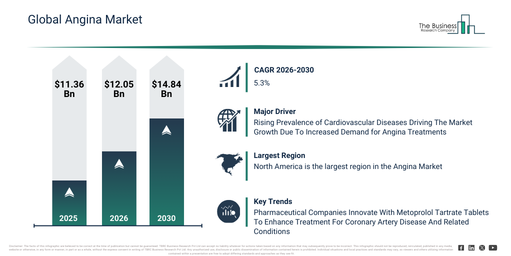
    The angina market has experienced substantial growth in its size over recent years. Projections indicate its expansion from $11.36 billion in 2025 to $12.05 billion by 2026, exhibiting a compound annual growth rate (CAGR) of 6.1%. This historic growth is linked to factors such as the increasing prevalence of cardiovascular diseases, the accessibility of beta blockers and nitrates, the expansion of hospital cardiac care units, a rise in diagnostic testing, and the development of cardiology specialty care.

    The angina market is projected to experience robust expansion in the coming years. It is forecast to achieve a size of $14.84 billion by 2030, exhibiting a compound annual growth rate (CAGR) of 5.3%. This anticipated growth is driven by factors such as an increasing demand for individualized cardiovascular treatment, the expanding use of minimally invasive cardiac interventions, the growing adoption of digital cardiac monitoring, the broadening of preventive cardiology initiatives, and advances in cardiovascular drug development. Significant trends identified for the forecast period include the rising acceptance of combination drug therapies, increased application of long-acting nitrates, a concentrated focus on preventive cardiac care, the diversification of interventional treatment alternatives, and an intensified emphasis on lifestyle and risk management.

    Access Your Free Sample Report For In-Depth Market Analysis:

    https://www.thebusinessresearchcompany.com/report/angina-global-market-report

    Which Key Drivers Are Affecting The Angina Market Development?

    The increasing occurrence of cardiovascular diseases is projected to stimulate the expansion of the angina market in the coming years. Cardiovascular diseases are conditions affecting the heart and blood vessels, encompassing ailments like coronary heart disease, heart failure, and stroke. The growing incidence of these diseases is primarily attributable to an aging global population and heightened exposure to preventable risk factors, including inadequate nutrition, sedentary lifestyles, and tobacco consumption. This rise in cardiovascular disease prevalence fuels the need for angina treatments, as these conditions frequently manifest as chest pain requiring medical intervention to alleviate symptoms and prevent complications. For instance, data from October 2024, sourced from the US-based Centers for Disease Control and Prevention, indicates a significant increase in cardiovascular disease deaths, climbing from 371,506 cases in 2022 to 919,032 deaths in 2023. Consequently, the escalating prevalence of cardiovascular diseases is a key factor driving the growth of the angina market.

    How Is The Angina Market Segmented Across Different Segment Categories?

    The angina market covered in this report is segmented –

    1) By Type: Angina Pectoris, Unstable Angina, Prinzmetal Angina, Other Types

    2) By Treatment: Lifestyle Changes, Medications, Angioplasty And Stenting, Coronary Bypass Surgery, Other Treatments

    3) By Drug Class: Beta Blockers, Nitrates And Calcium Channel Blockers, Angiotensin-Converting Enzyme Inhibitors, Other Drug Classes

    4) By Application: Clinics, Hospitals, Other Applications

    Subsegments:

    1) By Angina Pectoris: Stable Angina, Chronic Stable Angina, Effort-Induced Angina, Variant Or Microvascular Angina

    2) By Unstable Angina: Acute Unstable Angina, Pre-Infarction Angina, Rest Angina

    3) By Prinzmetal Angina: Vasospastic Angina, Coronary Artery Spasm-Induced Angina, Variant Angina

    4) By Other Types: Nocturnal Angina, Post-Infarction Angina, Angina With Silent Myocardial Ischemia, Angina Due To Aortic Stenosis Or Valve Disease

    What Trends Are Transforming The Angina Market?

    Leading companies active in the angina market are engaged in the development of innovative pharmaceuticals, such as metoprolol tartrate tablets, aiming to deliver more efficacious and targeted therapies for individuals suffering from coronary artery disease (CAD) and related ailments. These metoprolol tartrate tablets represent a medication frequently administered for treating a range of cardiovascular conditions, including angina (chest pain), hypertension (high blood pressure), and heart failure. For instance, in April 2023, Zydus, an India-based pharmaceutical company, obtained final authorization from the United States Food and Drug Administration (US-FDA) to produce and offer its generic form of Metoprolol Tartrate Tablets USP in strengths of 25 mg, 50 mg, and 100 mg. Metoprolol functions as a beta blocker, utilized in the management of various cardiovascular disorders, such as high blood pressure (hypertension) and chest pain (angina), and for improving survival post-heart attack.

    Which Organizations Play A Role In The Angina Market Landscape?

    Major companies operating in the angina market are Pfizer Inc., Bayer AG, AstraZeneca PLC, Merck & Co Inc., Sanofi S.A., Novartis AG, GlaxoSmithKline Plc, Eli Lilly and Company, Amgen Inc., Gilead Sciences Inc., Otsuka Pharmaceutical Co Ltd, Bristol-Myers Squibb Company, Boehringer Ingelheim GmbH, Abbott Laboratories, Daiichi Sankyo Company Ltd, Takeda Pharmaceutical Company Limited, Cipla Limited, Sun Pharmaceutical Industries Ltd, Zydus Cadila Healthcare Ltd, Astellas Pharma Inc., Amarin Corporation, Torrent Pharmaceuticals Ltd

    Get The Full Angina Market Report:

    https://www.thebusinessresearchcompany.com/report/angina-global-market-report

    Which Region Holds The Highest Market Share In The Angina Market?

    North America was the largest region in the angina market in 2025. Asia-Pacific is expected to be the fastest-growing region in the forecast period. The regions covered in the angina market report are Asia-Pacific, South East Asia, Western Europe, Eastern Europe, North America, South America, Middle East, Africa.

    Request A Customized Angina Market Report For Competitive Insights:

    https://www.thebusinessresearchcompany.com/report/angina-global-market-report

    Browse Through More Reports Similar to the Global Angina Market 2026, By The Business Research Company

    Angio Suites Market Report 2026

    https://www.thebusinessresearchcompany.com/report/angio-suites-global-market-report

    Angina Pectoris Drugs Market Report 2026

    https://www.thebusinessresearchcompany.com/report/angina-pectoris-drugs-global-market-report

    Angina Pectoris Drugs Market Report 2026

    https://www.thebusinessresearchcompany.com/report/angina-pectoris-drugs-global-market-report

    Get in touch with us:

    The Business Research Company: https://www.thebusinessresearchcompany.com/

    Americas +1 310-496-7795

    Asia +44 7882 955267 & +91 8897263534

    Europe +44 7882 955267

    Email us at info@tbrc.info

    Follow us on:

    LinkedIn: https://in.linkedin.com/company/the-business-research-company

    YouTube: https://www.youtube.com/channel/UC24_fI0rV8cR5DxlCpgmyFQ

    Global Market Model: https://www.thebusinessresearchcompany.com/global-market-model

  • Global anesthesia circuits and disposables market to reach $1.73B by 2030 at 2.6% CAGR

    Global anesthesia circuits and disposables market to reach $1.73B by 2030 at 2.6% CAGR

    The Business Research Company’s 2026 market reports feature enhanced tools like market attractiveness analysis, TAM assessment, and company scoring matrices, along with interactive dashboards, deeper supply chain insights, and startup coverage strengthening the depth, usability, and strategic value of insights.

    How Much Growth In Market Value Is Expected For The Anesthesia Circuits And Regional Anesthesia Disposables Market Between 2026 And 2030?

    The market size for anesthesia circuits and regional anesthesia disposables has experienced steady growth in recent years. This market is projected to expand from $1.52 billion in 2025 to $1.56 billion in 2026, exhibiting a compound annual growth rate (CAGR) of 2.6%. The historical growth in this sector is attributable to the global expansion of surgical procedures, the increased adoption of disposable medical products, a greater use of general anesthesia, the development of hospital infrastructure, and an elevated focus on perioperative safety.

    The market for anesthesia circuits and regional anesthesia disposables is projected to experience consistent expansion over the upcoming years. This market is anticipated to reach a valuation of $1.73 billion by 2030, demonstrating a compound annual growth rate (CAGR) of 2.6%. Several factors are expected to drive this growth during the forecast period, including a growing preference for minimally invasive surgical procedures, an escalating demand for ambulatory surgery centers, a heightened emphasis on sustainable disposable medical supplies, the broader application of regional anesthesia, and ongoing innovations in anesthesia delivery systems. Key trends anticipated within this period encompass the wider embrace of single-use anesthesia equipment, an increasing need for products concentrated on infection control, the expanded utilization of pediatric-specific circuits, the development and spread of regional anesthesia techniques, and a stronger commitment to patient safety and regulatory adherence.

    Access Your Free Sample Report For In-Depth Market Analysis:

    https://www.thebusinessresearchcompany.com/report/anesthesia-circuits-and-regional-anesthesia-disposables-global-market-report

    What Factors Are Contributing To The Growth Of The Anesthesia Circuits And Regional Anesthesia Disposables Market?

    An increasing volume of surgical operations is anticipated to boost the expansion of the anesthesia circuits and regional anesthesia disposables market in the future. This rise in surgical procedures stems from various factors, including advancements in medical technology, enhanced healthcare awareness and accessibility, a demographic shift towards an older population with more intricate health requirements, and the development of surgical techniques enabling safer and more effective interventions. These products, anesthesia circuits and regional anesthesia disposables, play a crucial role by reducing infection risks during operations, guaranteeing accurate anesthetic delivery, and facilitating ongoing patient monitoring, thereby elevating overall patient safety. As an illustration, in June 2024, the International Society of Aesthetic Plastic Surgery (ISAPS), a Germany-based professional body for board-certified aesthetic plastic surgeons, reported through its 2024 Global Survey on Aesthetic/Cosmetic Procedures a 5.5% growth in surgical procedures, amounting to over 15.8 million operations carried out by plastic surgeons, alongside 19.1 million non-surgical procedures. Collectively, these procedures have seen an aggregate increase of 40% over the last four years. Consequently, the expanding volume of surgeries acts as a key stimulant for the anesthesia circuits and regional anesthesia disposables market.

    What Are The Main Segments Within The Anesthesia Circuits And Regional Anesthesia Disposables Market Segment Structure?

    The anesthesia circuits and regional anesthesia disposables market covered in this report is segmented –

    1) By Product Type: Anesthesia Circuits, Non-Rebreathing Circuits, Rebreathing Circuits

    2) By Regional Anesthesia Disposables: Combined Spinal Epidural Disposables, Epidural Anesthesia Disposables, Peripheral Anesthesia Disposables, Spinal Anesthesia Disposables

    3) By End-User: Hospitals, Ambulatory Surgery Centers, Multispecialty Clinical

    Subsegments:

    1) By Anesthesia Circuits: Adult Anesthesia Circuits, Pediatric Anesthesia Circuits

    2) By Non-Rebreathing Circuits: Adult Non-Rebreathing Circuits, Pediatric Non-Rebreathing Circuits

    3) By Rebreathing Circuits: Adult Rebreathing Circuits, Pediatric Rebreathing Circuits

    What Trends Are Shaping The Future Of The Anesthesia Circuits And Regional Anesthesia Disposables Market?

    Major companies active in the anesthesia circuits and regional anesthesia disposables market are concentrating on developing advanced solutions, such as bioplastic-based circuits, to improve patient safety, maintain clinical dependability, and lessen environmental impact. Bioplastic-based circuits are defined as anesthesia systems fabricated from renewable materials that provide similar performance to traditional circuits while decreasing carbon emissions. For instance, in October 2025, GaleMed Corporation, a Taiwan-based medical device company, introduced BioVent-Circuit, which utilizes sugarcane-derived bioplastic. This product delivers clinically equivalent reliability to conventional circuits and achieves measurable carbon reduction; an independent life-cycle assessment demonstrates each 1.8 m circuit reduces approximately 1 kg of CO2 compared with fossil-based alternatives. The circuit fulfills international clinical safety standards, supports transparent sustainability reporting, and aligns with green procurement policies. Its dual-limb, coaxial design incorporates a functional 4.3F gas sampling port and is compatible with standard international connectors, offering single-patient use with verified biocompatibility.

    Who Are The Companies Participating In The Anesthesia Circuits And Regional Anesthesia Disposables Market?

    Major companies operating in the anesthesia circuits and regional anesthesia disposables market are Medtronic PLC, GE HealthCare Technologies Inc., Koninklijke Philips N.V., Draeger India Pvt. Ltd., Smiths Group, B. BRAUN, Teleflex Incorporated, ICU Medical Inc., Ambu A/S, Amsino International Inc, Vyaire Medical Inc, GaleMed Corporation, New Mercury Medicals, Kanmed AB, SunMed LLC, Dynarex Corporation, Flexicare Medical Ltd., Intersurgical, Parker Medical, King Systems LLC, Fisher and Paykel Healthcare

    Get The Full Anesthesia Circuits And Regional Anesthesia Disposables Market Report:

    https://www.thebusinessresearchcompany.com/report/anesthesia-circuits-and-regional-anesthesia-disposables-global-market-report

    Where Is The Anesthesia Circuits And Regional Anesthesia Disposables Market Most Concentrated Geographically?

    North America was the largest region in the anesthesia circuits and regional anesthesia disposables market in 2025. Asia-Pacific is expected to be the fastest-growing region in the forecast period. The regions covered in the anesthesia circuits and regional anesthesia disposables market report are Asia-Pacific, South East Asia, Western Europe, Eastern Europe, North America, South America, Middle East, Africa.

    Request A Customized Anesthesia Circuits And Regional Anesthesia Disposables Market Report For Competitive Insights:

    https://www.thebusinessresearchcompany.com/report/anesthesia-circuits-and-regional-anesthesia-disposables-global-market-report

    Browse Through More Reports Similar to the Global Anesthesia Circuits And Regional Anesthesia Disposables Market 2026, By The Business Research Company

    Anesthesia And Respiratory Devices Market 2026

    https://www.thebusinessresearchcompany.com/report/anesthesia-and-respiratory-devices-market

    Anesthesia Disposables Market Report 2026

    https://www.thebusinessresearchcompany.com/report/anesthesia-disposables-global-market-report

    Local Anesthesia Drugs Market Report 2026

    https://www.thebusinessresearchcompany.com/report/local-anesthesia-drugs-global-market-report

    Get in touch with us:

    The Business Research Company: https://www.thebusinessresearchcompany.com/

    Americas +1 310-496-7795

    Asia +44 7882 955267 & +91 8897263534

    Europe +44 7882 955267

    Email us at info@tbrc.info

    Follow us on:

    LinkedIn: https://in.linkedin.com/company/the-business-research-company

    YouTube: https://www.youtube.com/channel/UC24_fI0rV8cR5DxlCpgmyFQ

    Global Market Model: https://www.thebusinessresearchcompany.com/global-market-model

  • Anemia in elderly market projected to reach $4.59B by 2030

    Anemia in elderly market projected to reach $4.59B by 2030

    The Business Research Company’s 2026 market reports feature enhanced tools like market attractiveness analysis, TAM assessment, and company scoring matrices, along with interactive dashboards, deeper supply chain insights, and startup coverage strengthening the depth, usability, and strategic value of insights.

    What Is The Estimated Market Size Of The Anemia In Elderly Market In 2026, And How Will Its Value Evolve By 2030?

    The anemia in elderly market has experienced substantial growth in recent years. This market is projected to expand from $2.99 billion in 2025 to $3.26 billion in 2026, demonstrating a compound annual growth rate (CAGR) of 9.0%. Historically, this growth has been influenced by factors including aging population growth, increased prevalence of chronic diseases, availability of oral iron supplements, expansion of hospital-based anemia management, and rising awareness of nutritional deficiencies.

    The anemia in elderly market size is projected to undergo substantial growth in the upcoming years, with expectations to reach $4.59 billion by 2030, advancing at a compound annual growth rate (CAGR) of 8.9%. This expansion during the forecast period can be attributed to the increasing demand for personalized anemia treatment, the rising adoption of long-acting injectables, a greater focus on geriatric healthcare, the widening scope of outpatient anemia management, and improved diagnostic screening within elderly care. Significant trends anticipated during this period include an increasing embrace of combination therapy approaches, a growing use of injectable iron treatments, an enhanced emphasis on early diagnosis in elderly populations, the expansion of home-based treatment options, and a heightened focus on managing chronic disease-related anemia.

    Access Your Free Sample Report For In-Depth Market Analysis:

    https://www.thebusinessresearchcompany.com/report/anemia-in-elderly-global-market-report

    Which Strong Drivers Are Impacting The Anemia In Elderly Market Growth?

    The increasing elderly population is anticipated to drive the future growth of the anemia in the elderly market. This demographic refers to the rising number and proportion of individuals aged 65 and above, either within a specific society or globally. Factors contributing to the expansion of this population include increased life expectancy, declining birth rates, and the aging of large generational cohorts. An expanding older demographic heightens the prevalence of age-related and chronic conditions, which are significant contributors to anemia in older adults. This, in turn, boosts the demand for the diagnosis, management, and treatment of anemia, thereby stimulating market development. For instance, in January 2024, the Population Reference Bureau, a Kenya-based Nonprofit organization, indicated that the population of Americans aged 65 and older is expected to increase from 58 million in 2022 to 82 million by 2050, marking a 47% growth. The proportion of this age group within the overall population is also projected to rise from 17% to 23% during the same period. Consequently, the expanding elderly population is a primary driver for the growth of the anemia in the elderly market.

    How Is Segmentation Applied In The Anemia In Elderly Market Segment Analysis?

    The anemia in elderly market covered in this report is segmented –

    1) By Product Type: Tablets, Injectable

    2) By Treatment: Iron Supplements, Erythropoietin Or Erythrocyte-Stimulating Agents, Vitamin B12 Supplements, Folic Acid Supplements

    3) By Route Of Administration: Oral, Parenteral

    4) By End User: Hospital pharmacy, Online Pharmacy, Retail pharmacy

    Subsegments:

    1) By Tablets: Iron Supplements, Vitamin B12 Supplements, Folic Acid Tablets, Erythropoiesis-Stimulating Agents (ESAs) Tablets

    2) By Injectable: Iron Injections, Vitamin B12 Injections, Erythropoiesis-Stimulating Agents (ESAs) Injections, Folic Acid Injections

    Which Trends Are Contributing To Changes In The Anemia In Elderly Market?

    Major companies in the anemia in the elderly market are concentrating on technological breakthroughs, such as personalized therapies, to optimize treatment workflows, enhance patient results, decrease adverse effects, and improve overall healthcare efficiency. Customized therapies are medical interventions crafted based on each patient’s unique attributes. For example, in March 2024, Cadila Pharmaceuticals, an Indian pharmaceutical company, announced the introduction of Redshot FCM, a new iron injection developed to treat iron deficiency anemia for patients intolerant to oral iron. This intravenous iron preparation supplies ample iron and possesses an exemplary safety record. The injection utilizes an advanced Ferric Carboxymaltose formulation that improves iron delivery and absorption. Redshot FCM illustrates a commitment to enhancing healthcare through the development of personalized therapies that consider individual patient profiles, resulting in better treatment outcomes for iron deficiency anemia.

    Who Are The Companies Participating In The Anemia In Elderly Market Environment?

    Major companies operating in the anemia in elderly market are Johnson & Johnson, Roche Holding AG, Merck & Co Inc, Bristol-Myers Squibb Company, AstraZeneca plc, Novartis International AG, Takeda Pharmaceutical Company Limited, Amgen Inc, Japan Tobacco Inc, Fresenius Medical Care AG, Teva Pharmaceutical Industries Ltd, Sandoz International GmbH, CSL Limted, Daiichi Sankyo Company Limited, Amag Pharmaceuticals, Akebia Therapeutics Inc, Pharmacosmos A/S, Rockwell Medical Inc, Bioage Labs Inc, Shield Therapeutics Plc, MegaPro Biomedical Co Ltd

    Get The Full Anemia In Elderly Market Report:

    https://www.thebusinessresearchcompany.com/report/anemia-in-elderly-global-market-report

    Which Region Dominates The Anemia In Elderly Market By Market Share?

    North America was the largest region in the anemia in elderly market in 2025. Asia-Pacific is expected to be the fastest-growing region in the forecast period. The regions covered in the anemia in elderly market report are Asia-Pacific, South East Asia, Western Europe, Eastern Europe, North America, South America, Middle East, Africa.

    Request A Customized Anemia In Elderly Market Report For Competitive Insights:

    https://www.thebusinessresearchcompany.com/report/anemia-in-elderly-global-market-report

    Browse Through More Reports Similar to the Global Anemia In Elderly Market 2026, By The Business Research Company

    Anosmia Market Report 2026

    https://www.thebusinessresearchcompany.com/report/anosmia-global-market-report

    Chemotherapy Induced Anemia Market Report 2026

    https://www.thebusinessresearchcompany.com/report/chemotherapy-induced-anemia-global-market-report

    Aplastic Anemia Market Report 2026

    https://www.thebusinessresearchcompany.com/report/aplastic-anemia-global-market-report

    Get in touch with us:

    The Business Research Company: https://www.thebusinessresearchcompany.com/

    Americas +1 310-496-7795

    Asia +44 7882 955267 & +91 8897263534

    Europe +44 7882 955267

    Email us at info@tbrc.info

    Follow us on:

    LinkedIn: https://in.linkedin.com/company/the-business-research-company

    YouTube: https://www.youtube.com/channel/UC24_fI0rV8cR5DxlCpgmyFQ

    Global Market Model: https://www.thebusinessresearchcompany.com/global-market-model
  • Anatomical models market expected to reach $62.55B by 2030 at 2.5% CAGR

    Anatomical models market expected to reach $62.55B by 2030 at 2.5% CAGR

    The Business Research Company’s 2026 market reports feature enhanced tools like market attractiveness analysis, TAM assessment, and company scoring matrices, along with interactive dashboards, deeper supply chain insights, and startup coverage strengthening the depth, usability, and strategic value of insights.

    How Does The Market Size Of The Anatomical Models Market Compare Between 2026 And 2030?

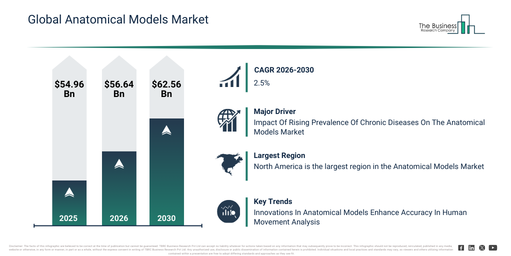
    The anatomical models market has experienced consistent expansion in its size over recent years. This market is projected to expand from $54.96 billion in 2025 to $56.64 billion in 2026, exhibiting a compound annual growth rate (CAGR) of 3.0%. The past growth in this sector was driven by factors such as the greater integration of physical models into medical training, the broadening of anatomy-focused educational curricula, the continued availability of conventional molded models, an increase in clinical training facilities, and an escalating need for practical learning instruments.

    The anatomical models market is projected to experience consistent expansion over the upcoming years. This market is anticipated to reach a valuation of $62.56 billion by 2030, exhibiting a compound annual growth rate (CAGR) of 2.5%. This anticipated growth during the forecast period stems from several factors, including the increasing integration of digital and physical anatomy tools, a rise in the adoption of 4D printing technologies, the expanding use of models in surgical planning, the development of personalized medical education, and increased investments in advanced simulation laboratories. Key trends expected in this period encompass the wider adoption of 3D printed anatomical models, an escalating demand for patient-specific models, a growing utilization of high-fidelity simulation models, the expansion of customizable educational models, and an intensified focus on durable and reusable materials.

    Access Your Free Sample Report For In-Depth Market Analysis:

    https://www.thebusinessresearchcompany.com/report/anatomical-models-global-market-report

    What Key Factors Are Shaping The Anatomical Models Market Landscape?

    The expanding incidence of chronic illnesses is anticipated to drive the anatomical models market’s future growth. These conditions are defined as long-term medical issues that are generally incurable but can often be managed through various interventions such as lifestyle adjustments, medication, and other treatments. The increasing occurrence of chronic diseases stems from factors like an aging population, inactive lifestyles, poor dietary habits, and tobacco consumption. Anatomical models serve a crucial role in chronic disease management by improving patient education, fostering better dialogue between medical professionals and patients, and offering visual aids for clearer comprehension. As an illustration, in February 2024, the World Health Organization, a Switzerland-based intergovernmental organization, projected more than 35 million new cancer cases by 2050, signifying a 77% rise compared to the approximate 20 million cases in 2022. Consequently, the growing prevalence of chronic diseases is a key factor propelling the anatomical model market.

    What Segment Categories Shape The Anatomical Models Market Segment Landscape?

    The anatomical models market covered in this report is segmented –

    1) By Type: Brain Model, Torso Model, Organ Model, Nervous System Model, Skeletal System Model, Hand Model, Eye Model, Tooth Model, Digestive System Model

    2) By Printing Technology: 2D Printing, 3D Printing, 4D Printing

    3) By End-User: Scientific Research Centers, Hospitals And Clinics, Education Centers, Rehabilitation Centers

    Subsegments:

    1) By Brain Model: Human Brain Models, Animal Brain Models

    2) By Torso Model: Human Torso Models, Animal Torso Models

    3) By Organ Model: Heart Model, Liver Model, Kidney Model, Lungs Model, Other Organ Models

    4) By Nervous System Model: Central Nervous System (CNS) Model, Peripheral Nervous System Model, Neuron Models

    5) By Skeletal System Model: Human Skeleton Models, Animal Skeleton Models, Joint and Bone Models

    6) By Hand Model: Human Hand Models, Animal Hand Models

    7) By Eye Model: Human Eye Model, Animal Eye Model

    8) By Tooth Model: Human Tooth Models, Animal Tooth Models

    9) By Digestive System Model: Human Digestive System Models, Animal Digestive System Models

    What Market Trends Are Affecting The Anatomical Models Market?

    Leading companies in the anatomical models market are concentrating on developing advanced solutions, such as refined anatomical modeling, to enhance movement accuracy, support ergonomic assessment, and improve biomechanical analysis. Refined anatomical modeling refers to a technological feature that integrates precise human body parameters, including limb length, hip and shoulder width, and spinal curvature, enabling more realistic simulation of human posture and motion. For instance, in May 2025, Movella, a Netherlands-based inertial motion capture provider, launched Xsens Analyze 2025, featuring natively integrated male and female anatomical models with distinct centre of mass, hip and shoulder width, and limb length parameters that closely mirror true human variance. The update also introduces a refined spine model that supports an S-shape when standing and a C-curve when bending, enabling more precise posture and movement assessment, alongside Auto Sensor Mapping for its 17-sensor system to speed up setup and a redesigned user interface with dark mode to support long analysis sessions.

    Who Are The Companies Operating Across The Anatomical Models Market Value Chain?

    Major companies operating in the anatomical models market are Apollo Global Management Inc., AdamRouilly Limited, Laerdal Medical, 3D Systems Corporation, 3B Scientific GmbH, Nasco Healthcare, Denoyer-Geppert Science, Altay Scientific Group SRL, The Prometheus Group, Anatomage Inc., Sakamoto Model Corporation, A. Algeo Limited, Sawbones, Simulaids Inc, GPI Anatomicals, Dynamic Disc Designs Corp, ERLER-ZIMMER GMBH & CO. KG, 3DIEMME srl, Columbia Dentoform, Rudiger-Anatomie GmbH, Xilloc Holding BV, Frasaco GmbH, SOMSO, Anatomy Warehouse

    Get The Full Anatomical Models Market Report:

    https://www.thebusinessresearchcompany.com/report/anatomical-models-global-market-report

    Which Region Is The Largest In The Anatomical Models Market?

    North America was the largest region in the anatomical models market in 2025. The regions covered in the anatomical models market report are Asia-Pacific, South East Asia, Western Europe, Eastern Europe, North America, South America, Middle East, Africa.

    Request A Customized Anatomical Models Market Report For Competitive Insights:

    https://www.thebusinessresearchcompany.com/report/anatomical-models-global-market-report

    Browse Through More Reports Similar to the Global Anatomical Models Market 2026, By The Business Research Company

    Rat Model Market Report 2026

    https://www.thebusinessresearchcompany.com/report/rat-model-global-market-report

    Animal Model Market Report 2026

    https://www.thebusinessresearchcompany.com/report/animal-model-global-market-report

    Human Liver Model Market Report 2026

    https://www.thebusinessresearchcompany.com/report/human-liver-model-global-market-report

    Get in touch with us:

    The Business Research Company: https://www.thebusinessresearchcompany.com/

    Americas +1 310-496-7795

    Asia +44 7882 955267 & +91 8897263534

    Europe +44 7882 955267

    Email us at info@tbrc.info

    Follow us on:

    LinkedIn: https://in.linkedin.com/company/the-business-research-company

    YouTube: https://www.youtube.com/channel/UC24_fI0rV8cR5DxlCpgmyFQ

    Global Market Model: https://www.thebusinessresearchcompany.com/global-market-model
  • Anaplastic large cell lymphoma therapeutics market projected to approach $15.72B by 2030

    Anaplastic large cell lymphoma therapeutics market projected to approach $15.72B by 2030

    The Business Research Company’s 2026 market reports feature enhanced tools like market attractiveness analysis, TAM assessment, and company scoring matrices, along with interactive dashboards, deeper supply chain insights, and startup coverage strengthening the depth, usability, and strategic value of insights.

    What Is The Forecasted Market Size Trajectory Of The Anaplastic Large Cell Lymphoma Therapeutics Market From 2026 To 2030?

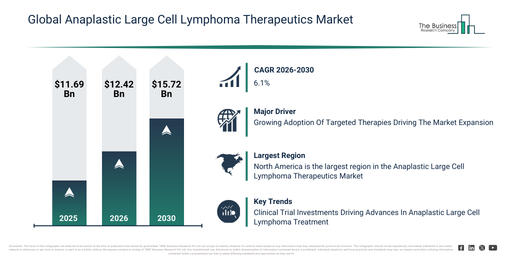
    The anaplastic large cell lymphoma therapeutics market size has shown significant growth in recent years. This market is expected to increase from $11.69 billion in 2025 to $12.42 billion in 2026, registering a compound annual growth rate (CAGR) of 6.3%. The historical expansion of the market is primarily due to advancements in chemotherapy protocols, heightened awareness of rare lymphomas, the availability of CHOP-based treatment regimens, the early adoption of monoclonal antibody therapies, and the proliferation of oncology treatment centers.

    The anaplastic large cell lymphoma therapeutics market is projected to experience robust expansion in the coming years, reaching $15.72 billion in 2030 at a compound annual growth rate (CAGR) of 6.1%. This expansion over the forecast period is fueled by the escalating development of innovative biologics, heightened clinical trial engagement for uncommon lymphomas, a magnified emphasis on precision oncology, the broadening of immunotherapy product lines, and enhanced diagnostic precision for ALCL. Key developments anticipated during this timeframe involve a greater uptake of targeted antibody treatments, a surge in the application of individualized treatment approaches, an amplified focus on handling relapsed and refractory ALCL, broader implementation of stem cell transplantation, and a stronger push towards therapeutic choices with lower toxicity.

    Access Your Free Sample Report For In-Depth Market Analysis:

    https://www.thebusinessresearchcompany.com/report/anaplastic-large-cell-lymphoma-therapeutics-global-market-report

    Which Factors Are Influencing The Growth Of The Anaplastic Large Cell Lymphoma Therapeutics Market?

    The increasing embrace of targeted therapies is projected to boost the expansion of the anaplastic large cell lymphoma therapeutics market in the future. These advanced treatments are crafted to precisely block molecules or pathways that promote cancer progression, thereby minimizing damage to healthy cells. The demand for such therapies is increasing, propelled by progress in precision medicine, expanding clinical research and new innovations, and a rise in cancer incidence. For anaplastic large cell lymphoma (ALCL) therapeutics, targeted therapies are beneficial as they precisely target cancer cells exhibiting specific molecular changes like ALK gene rearrangements or CD30 expression. This approach improves treatment effectiveness, lessens harm to healthy tissues, lowers systemic toxicity, and enhances patient results via precision medicine strategies. An example of this trend is seen in July 2023, where a report from the American Society of Gene & Cell Therapy (ASGCT), a US-based professional membership organization, and Citeline, a US-based provider of drugs and devices, indicated that gene therapies in Phase II numbered 247 at the close of Q1 2023. This figure subsequently increased by 5%, reaching 260 by the conclusion of Q2. Consequently, the increasing embrace of targeted therapies is indeed fueling the expansion of the anaplastic large cell lymphoma therapeutics market.

    Which Segment Types Are Examined In The Anaplastic Large Cell Lymphoma Therapeutics Market Segment Study?

    The anaplastic large cell lymphoma therapeutics market covered in this report is segmented –

    1) By Disease Type: Primary Anaplastic Large Cell Lymphoma, Relapsed Anaplastic Large Cell Lymphoma

    2) By Treatment Type: Chemotherapy, Cyclophosphamide, Doxorubicin, Vincristine, And Prednisone (CHOP), Brentuximab Vedotin, Pralatrexate, Radiation Therapy, Stem Cell Transplant

    3) By Application: In-Patient, Out-Patient

    Subsegments:

    1) By Primary Anaplastic Large Cell Lymphoma: Cutaneous Type, Systemic Type

    2) By Relapsed Anaplastic Large Cell Lymphoma: Early Relapse, Late Relapse

    Which Trends Are Influencing Demand In The Anaplastic Large Cell Lymphoma Therapeutics Market?

    Leading companies in the anaplastic large cell lymphoma therapeutics market are channeling efforts into clinical trial investments to enhance treatment effectiveness and broaden therapeutic options. Such investments involve committing financial and resource capital to develop, test, and evaluate new drugs, therapies, or medical devices, ultimately ensuring their safety, efficacy, and market approval. For example, in November 2023, March Biosciences, a US-based clinical-stage company focused on cell therapy, announced a $4.8 million investment from the Cancer Focus Fund to support its Phase 2 clinical trial of MB-105. MB-105 is a novel CAR-T therapy designed to target CD5 for treating relapsed T-cell leukemias and lymphomas. This open-label, multi-center trial will assess MB-105 in patients with CD5-positive relapsed or refractory T-cell lymphoma. March Biosciences believes MB-105 holds the potential to become a first-in-class, life-saving therapy for relapsed T-cell lymphoma patients who currently have limited treatment choices.

    Which Players Are Part Of The Competitive Landscape Of The Anaplastic Large Cell Lymphoma Therapeutics Market?

    Major companies operating in the anaplastic large cell lymphoma therapeutics market are Pfizer Inc. , Bristol-Myers Squibb Company , Kyowa Kirin Co. Ltd. , Genmab A/S , Novartis AG , Takeda Pharmaceutical Company Limited , Merck & Co. Inc. , AbbVie Inc. , Gilead Sciences Inc. , Amgen Inc. , Regeneron Pharmaceuticals Inc. , BeiGene Ltd. , BioCryst Pharmaceuticals Inc. , Acrotech Biopharma Inc. , Citius Pharmaceuticals Inc. , Prescient Therapeutics Ltd. , Autolus Therapeutics Plc , AstraZeneca Plc , Daiichi Sankyo Company Limited , Verastem Inc. , Innate Pharma SA , Affimed GmbH , Eisai Co. Ltd. , Adaptimmune Therapeutics PLC , Cellectis SA

    Get The Full Anaplastic Large Cell Lymphoma Therapeutics Market Report:

    https://www.thebusinessresearchcompany.com/report/anaplastic-large-cell-lymphoma-therapeutics-global-market-report

    Which Region Leads The Anaplastic Large Cell Lymphoma Therapeutics Market In Terms Of Market Share?

    North America was the largest region in the anaplastic large cell lymphoma therapeutics market in 2025. Asia-Pacific is expected to be the fastest-growing region in the forecast period. The regions covered in the anaplastic large cell lymphoma therapeutics market report are Asia-Pacific, South East Asia, Western Europe, Eastern Europe, North America, South America, Middle East, Africa.

    Request A Customized Anaplastic Large Cell Lymphoma Therapeutics Market Report For Competitive Insights:

    https://www.thebusinessresearchcompany.com/report/anaplastic-large-cell-lymphoma-therapeutics-global-market-report

    Browse Through More Reports Similar to the Global Anaplastic Large Cell Lymphoma Therapeutics Market 2026, By The Business Research Company

    Follicular Lymphoma Treatment Market Report 2026

    https://www.thebusinessresearchcompany.com/report/follicular-lymphoma-treatment-global-market-report

    Emphysema Market Report 2026

    https://www.thebusinessresearchcompany.com/report/emphysema-global-market-report

    Non Hodgkin Lymphoma Nhl Market Report 2026

    https://www.thebusinessresearchcompany.com/report/non-hodgkin-lymphoma-nhl-global-market-report

    Get in touch with us:

    The Business Research Company: https://www.thebusinessresearchcompany.com/

    Americas +1 310-496-7795

    Asia +44 7882 955267 & +91 8897263534

    Europe +44 7882 955267

    Email us at info@tbrc.info

    Follow us on:

    LinkedIn: https://in.linkedin.com/company/the-business-research-company

    YouTube: https://www.youtube.com/channel/UC24_fI0rV8cR5DxlCpgmyFQ

    Global Market Model: https://www.thebusinessresearchcompany.com/global-market-model
  • Anaplastic astrocytoma market forecast to reach $0.64B by 2030 at 7% CAGR

    Anaplastic astrocytoma market forecast to reach $0.64B by 2030 at 7% CAGR

    The Business Research Company’s 2026 market reports feature enhanced tools like market attractiveness analysis, TAM assessment, and company scoring matrices, along with interactive dashboards, deeper supply chain insights, and startup coverage strengthening the depth, usability, and strategic value of insights.

    How Much Will The Market Value Of The Anaplastic Astrocytoma Market Grow Between 2026 And 2030?

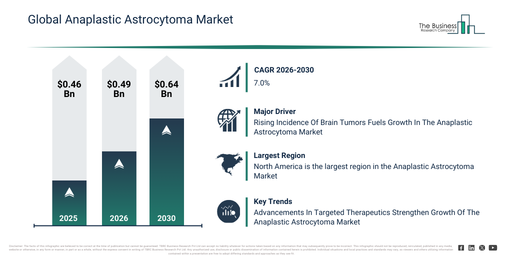
    The anaplastic astrocytoma market has experienced substantial expansion in recent years. Its value is forecast to increase from $0.46 billion in 2025 to $0.49 billion in 2026, reflecting a compound annual growth rate (CAGR) of 6.1%. The growth observed historically can be attributed to enhancements in brain tumor diagnostics, the availability of neurosurgical treatment options, the proliferation of oncology treatment centers, rising engagement in clinical trials, and the increased application of radiotherapy.

    The anaplastic astrocytoma market is projected to experience substantial expansion in the coming years, with its size anticipated to reach $0.64 billion by 2030, exhibiting a compound annual growth rate (CAGR) of 7.0%. This growth during the forecast period is primarily driven by increasing investments in neuro-oncology research, the rising adoption of precision medicine approaches, the expansion of targeted and adjunct therapies, a growing focus on early detection strategies, and increased collaboration between research institutions. Significant trends expected in the forecast period include the increasing adoption of multimodal treatment approaches, a rising use of advanced neuroimaging tools, a growing focus on personalized oncology therapies, the expansion of clinical research activities, and enhanced integration of surgical and radiotherapy protocols.

    Access Your Free Sample Report For In-Depth Market Analysis:

    https://www.thebusinessresearchcompany.com/report/anaplastic-astrocytoma-global-market-report

    What Leading Drivers Are Supporting The Anaplastic Astrocytoma Market Expansion?

    The increasing occurrence of both primary malignant and non-malignant brain tumors is anticipated to propel the expansion of the anaplastic astrocytoma market. Brain tumors are growths found in the brain, classified as either cancerous (malignant) and invasive, or non-cancerous (benign) and non-invasive, presenting varying degrees of aggressiveness and potential to spread. The anaplastic astrocytoma treatment focuses on removing the tumor and surrounding impacted tissue while aiming to preserve brain function. For instance, in March 2023, the American Society of Clinical Oncology (ASCO), a US-based non-profit organization, reported that around 24,810 adults in the United States were expected to be diagnosed with primary cancerous tumors originating in the brain and spinal cord, with 14,280 cases affecting men and 10,530 women. Consequently, the rising incidence of primary malignant and non-malignant brain tumors will drive the growth of the anaplastic astrocytoma market moving forward.

    How Are Different Segments Classified In The Anaplastic Astrocytoma Market Segment Analysis?

    The anaplastic astrocytoma market covered in this report is segmented –

    1) By Treatment Type: Surgery, Chemotherapy, Radiation Therapy

    2) By Route of Administration: Oral, Parenteral

    3) By End User: Hospitals, Specialty Cancer Centers

    Subsegments:

    1) By Surgery: Maximal Safe Tumor Resection, Stereotactic Biopsy

    2) By Chemotherapy: Alkylating Agents, Targeted Therapy

    3) By Radiation Therapy: External Beam Radiation Therapy (EBRT), Intensity-Modulated Radiation Therapy (IMRT)

    What Emerging Trends Are Seen In The Anaplastic Astrocytoma Market?

    Companies operating within the anaplastic astrocytoma market are concentrating on developing sophisticated combination therapies to improve both overall survival and progression-free survival for patients with recurrent disease. This approach involves using two or more drugs simultaneously to target cancer pathways, thereby boosting treatment efficacy and decelerating tumor progression. For example, in November 2024, Orbus Therapeutics, a US-based biopharmaceutical company, introduced a combination of eflornithine and lomustine in its Phase 3 STELLAR study. The therapy has shown clinically significant improvements in overall survival and progression-free survival for individuals with grade 3 IDH mutant astrocytoma. Its key attributes feature a median overall survival of 34.9 months, compared to 23.5 months with lomustine alone, a median progression-free survival of 15.8 months versus 7.2 months, and a generally tolerable safety profile. The treatment’s mechanism relies on eflornithine’s ability to irreversibly inhibit ornithine decarboxylase, a crucial enzyme in polyamine biosynthesis, which enhances its cytostatic effect. The study, which included over 343 patients across North America and Europe, revealed substantial clinical advantages in a patient population that is typically difficult to treat, offering a promising new choice for patients suffering from recurrent anaplastic astrocytoma.

    Who Are The Companies Driving Activity In The Anaplastic Astrocytoma Market?

    Major companies operating in the anaplastic astrocytoma market are Pfizer Inc., Hoffmann-La Roche Ltd., Merck & Co. Inc., Novartis AG, Bristol Myers Squibb, AstraZeneca, Eli Lilly and Company, Johnson & Johnson, Eisai Co. Ltd, AbbVie Inc., Bayer AG, Amgen Inc., Ipsen SA, Takeda Pharmaceutical Company Limited, Teva Pharmaceutical Industries Ltd., Cipla Limited, Sun Pharmaceutical Industries Ltd., Dr Reddy’s Laboratories Ltd., Novocure Ltd., Celldex Therapeutics Inc.

    Get The Full Anaplastic Astrocytoma Market Report:

    https://www.thebusinessresearchcompany.com/report/anaplastic-astrocytoma-global-market-report

    Which Region Leads The Anaplastic Astrocytoma Market In Overall Market Size?

    North America was the largest region in the anaplastic astrocytoma market in 2025. Asia-Pacific is expected to be the fastest-growing region in the forecast period. The regions covered in the anaplastic astrocytoma market report are Asia-Pacific, South East Asia, Western Europe, Eastern Europe, North America, South America, Middle East, Africa.

    Request A Customized Anaplastic Astrocytoma Market Report For Competitive Insights:

    https://www.thebusinessresearchcompany.com/report/anaplastic-astrocytoma-global-market-report

    Browse Through More Reports Similar to the Global Anaplastic Astrocytoma Market 2026, By The Business Research Company

    Paraganglioma Market Report 2026

    https://www.thebusinessresearchcompany.com/report/paraganglioma-global-market-report

    Anaplastic Astrocytoma Market Report 2026

    https://www.thebusinessresearchcompany.com/report/anaplastic-astrocytoma-global-market-report

    Anaplastic Astrocytoma Market Report 2026

    https://www.thebusinessresearchcompany.com/report/anaplastic-astrocytoma-global-market-report

    Get in touch with us:

    The Business Research Company: https://www.thebusinessresearchcompany.com/

    Americas +1 310-496-7795

    Asia +44 7882 955267 & +91 8897263534

    Europe +44 7882 955267

    Email us at info@tbrc.info

    Follow us on:

    LinkedIn: https://in.linkedin.com/company/the-business-research-company

    YouTube: https://www.youtube.com/channel/UC24_fI0rV8cR5DxlCpgmyFQ

    Global Market Model: https://www.thebusinessresearchcompany.com/global-market-model
  • Anaphylaxis treatment market expected to hit $9.32B by 2030 at 7.2% CAGR

    Anaphylaxis treatment market expected to hit $9.32B by 2030 at 7.2% CAGR

    The Business Research Company’s 2026 market reports feature enhanced tools like market attractiveness analysis, TAM assessment, and company scoring matrices, along with interactive dashboards, deeper supply chain insights, and startup coverage strengthening the depth, usability, and strategic value of insights.

    What Changes In Market Value Are Expected For The Anaphylaxis Treatment Market Over The 2026–2030 Period?

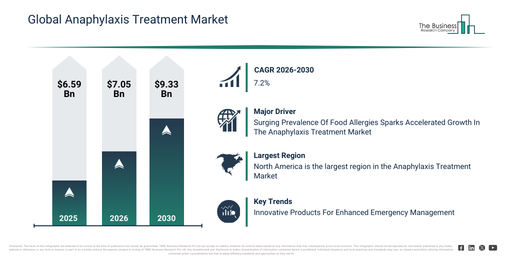
    The anaphylaxis treatment market has experienced robust growth in recent years. It is projected to expand from $6.59 billion in 2025 to $7.05 billion in 2026, achieving a compound annual growth rate (CAGR) of 7.0%. The historical growth in this market can be attributed to several factors, including the increasing diagnosis of allergic disorders, established emergency treatment standards, the availability of epinephrine-based therapies, the expansion of hospital pharmacy networks, and growing physician awareness.

    The anaphylaxis treatment market is projected to experience robust expansion over the coming years. By 2030, its valuation is anticipated to reach $9.33 billion, demonstrating a compound annual growth rate (CAGR) of 7.2%. This anticipated growth throughout the forecast period stems from factors such as heightened investments in sophisticated drug delivery methods, a greater emphasis on patient-centered care approaches, the proliferation of digital pharmacy platforms, an increasing need for rapid-acting drugs, and the escalating worldwide prevalence of allergies. Key trends during this period are characterized by the expanded utilization of auto-injectable epinephrine products, the rising implementation of multi-drug treatment strategies, a heightened focus on swift medical intervention, the broadening of retail and online distribution avenues, and an intensified commitment to ensuring treatment accessibility.

    Access Your Free Sample Report For In-Depth Market Analysis:

    https://www.thebusinessresearchcompany.com/report/anaphylaxis-treatment-global-market-report

    Which Key Factors Are Driving The Anaphylaxis Treatment Market Growth?

    The increasing occurrence of food allergies is projected to propel the expansion of the anaphylaxis treatment market moving forward. Food allergies are adverse immune responses that manifest when the body incorrectly identifies specific food proteins as harmful, triggering reactions that can range from mild symptoms to severe, life-threatening anaphylaxis. A key factor contributing to the rise in food allergy prevalence is increased environmental and dietary exposures during early childhood, which can alter immune system development and heighten sensitivity to common food allergens. Anaphylaxis treatment supports this expanding clinical need by providing rapid, life-saving interventions that alleviate severe allergic reactions and enhance patient safety amidst the growing incidence of food allergies. For instance, in May 2024, according to the Food Standards Agency, a government department based in the UK, approximately 6% of UK adults, equivalent to around 2.4 million people, were estimated to have a clinically confirmed food allergy in 2024. Therefore, the rise in the prevalence of food allergies is driving the growth of the anaphylaxis treatment market.

    How Is The Anaphylaxis Treatment Market Categorized Across Its Segment Groups?

    The anaphylaxis treatment market covered in this report is segmented –

    1) By Treatment: Epinephrine, Antihistamines, Steroids, Other Treatments

    2) By Distribution Channel: Hospital Pharmacy, Retail Pharmacy

    3) By Application: Food Allergy, Insect Sting Allergy, Drug-Induced Allergy, Latex Allergy, Exercise-Induced Anaphylaxis, Idiopathic Anaphylaxis, Other Applications

    Subsegments:

    1) By Epinephrine: Auto-Injectors, Vials Or Syringes

    2) By Antihistamines: Oral Antihistamines, Injectable Antihistamines

    3) By Steroids: Oral Steroids, Injectable Steroids

    4) By Other Treatments: Corticosteroids, Intravenous Fluids, Other Supportive Treatments

    Which Trends Are Guiding The Direction Of The Anaphylaxis Treatment Market?

    Leading companies in the anaphylaxis treatment market are concentrating on developing innovative solutions, such as epinephrine injections, to improve emergency response and patient outcomes. An epinephrine injection serves as a life-saving medication utilized in severe allergic reactions, capable of rapidly reversing symptoms like airway constriction, low blood pressure, and hives. For instance, in March 2023, American Regent Inc., a US-based pharmaceutical company, launched sulfite-free epinephrine injection USP. This product is designed for subcutaneous, intramuscular, and intravenous usage, and it contains no sulfite or preservatives. Epinephrine is additionally recommended for adult patients experiencing hypotension linked to septic shock, with the aim of raising mean arterial blood pressure.

    Which Firms Are Influencing Competition In The Anaphylaxis Treatment Market?

    Major companies operating in the anaphylaxis treatment market are Merck & Co. Inc., Novartis International AG, GlaxoSmithKline plc, Viatris Inc., Teva Pharmaceutical Industries Ltd., Sun Pharmaceutical Industries Ltd., Dr. Reddy’s Laboratories Ltd., Hikma Pharmaceuticals plc, Amneal Pharmaceuticals Inc., ALK-Abelló A/S, Amphastar Pharmaceuticals Inc., Par Pharmaceutical Inc., Pfizer Inc., Sanofi S.A., Bristol Myers Squibb, AbbVie Inc., AstraZeneca plc, Boehringer Ingelheim, Eli Lilly and Company, Takeda Pharmaceutical Company Limited

    Get The Full Anaphylaxis Treatment Market Report:

    https://www.thebusinessresearchcompany.com/report/anaphylaxis-treatment-global-market-report

    Which Region Is The Top Contributor To The Anaphylaxis Treatment Market By Share?

    North America was the largest region in the anaphylaxis treatment market in 2025. Asia-Pacific is expected to be the fastest-growing region in the forecast period. The regions covered in the anaphylaxis treatment market report are Asia-Pacific, South East Asia, Western Europe, Eastern Europe, North America, South America, Middle East, Africa.

    Request A Customized Anaphylaxis Treatment Market Report For Competitive Insights:

    https://www.thebusinessresearchcompany.com/report/anaphylaxis-treatment-global-market-report

    Browse Through More Reports Similar to the Global Anaphylaxis Treatment Market 2026, By The Business Research Company

    Calciphylaxis Treatment Market Report 2026

    https://www.thebusinessresearchcompany.com/report/calciphylaxis-treatment-global-market-report

    Emphysema Treatment Market Report 2026

    https://www.thebusinessresearchcompany.com/report/emphysema-treatment-global-market-report

    Allergy Treatment Market Report 2026

    https://www.thebusinessresearchcompany.com/report/allergy-treatment-global-market-report

    Get in touch with us:

    The Business Research Company: https://www.thebusinessresearchcompany.com/

    Americas +1 310-496-7795

    Asia +44 7882 955267 & +91 8897263534

    Europe +44 7882 955267

    Email us at info@tbrc.info

    Follow us on:

    LinkedIn: https://in.linkedin.com/company/the-business-research-company

    YouTube: https://www.youtube.com/channel/UC24_fI0rV8cR5DxlCpgmyFQ

    Global Market Model: https://www.thebusinessresearchcompany.com/global-market-model